



 OVID Napa Valley was founded by husband and wife Mark Nelson and Dana Johnson with their inaugural vintage in 2005. The name Ovid was the name of the software company Mark founded in the late 1980s, Ovid Technologies – based in New York. His software business was highly successful and became an important platform for cataloging and searching medical records and literature for hospitals and universities.
The name “Ovid” is in reference to the Roman poet Publius Ovidius Naso (simply known as Ovid), who lived from 43 bc to 17 ad. This poet’s most famous work was titled Metamorphoses – a title which is appropriate considering its relevance to the wine industry. This poem is epic, with nearly 12,000 lines, a volume of work that encompasses 15 books. A number of notable authors have been influenced by his works including William Shakespeare.
After selling the company in 1998 Nelson and Johnson purchased their property from the Long family who sold off parcels over the decades on Pritchard Hill to notables such as Colgin Cellars and Gandona Estate. They soon built a private home located slightly higher in elevation to the south of the winery. When Mark and Dana purchased the property, it had not yet been planted to grape vines, however the area in general had already proven itself. Chappellet Winery has been on Pritchard Hill since the late 1960s, One of their immediate neighbors, David Arthur Vineyards has been growing vines here since the early 1980s and others had been growing grapes here prior to their arrival. Colgin, produces one of Napa’s most highly sought after wines via their allocation list, is one of their neighbors and BRYANT Estate is also located within this premium part of the valley.
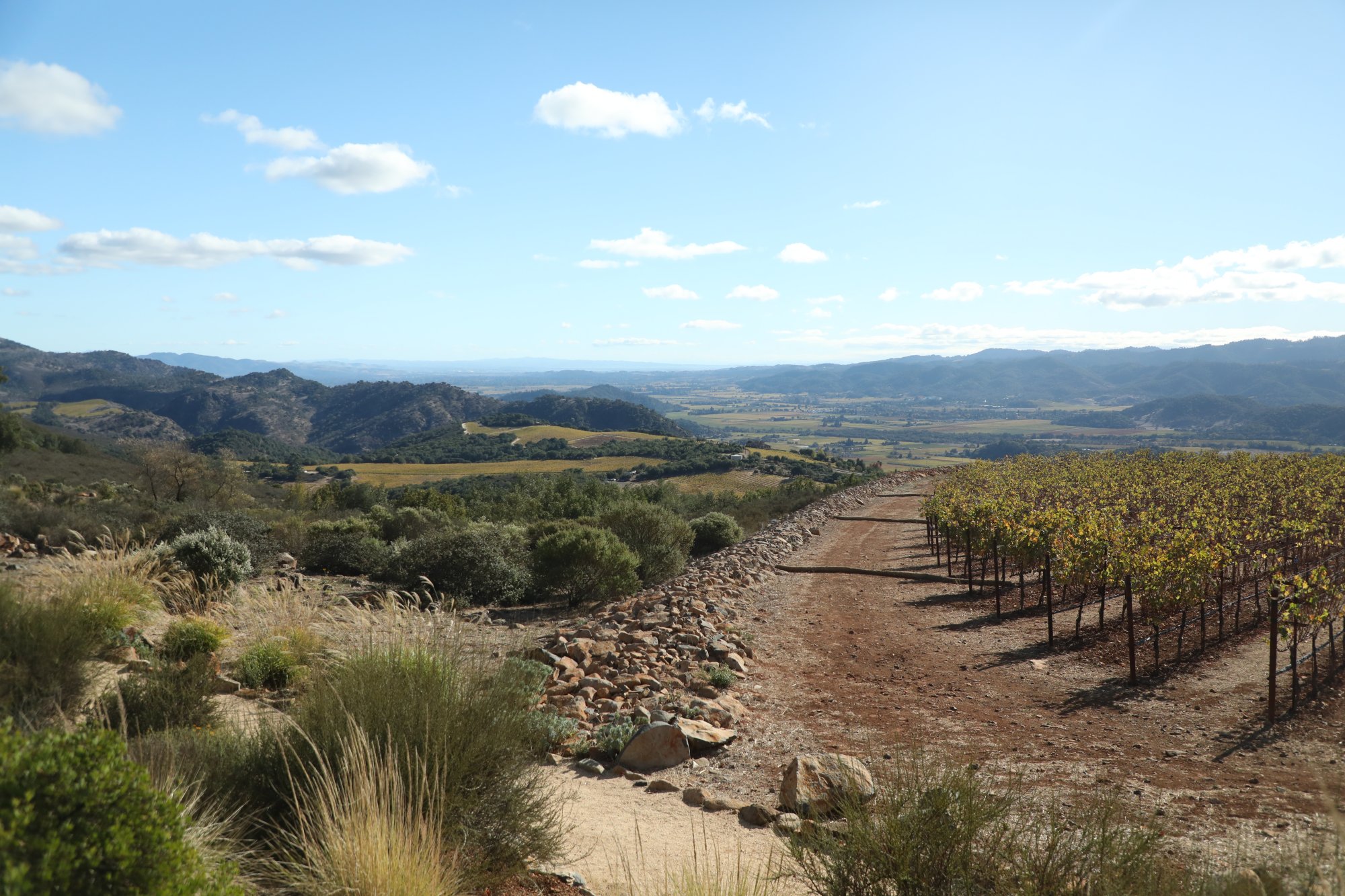
Pritchard Hill is located above eastern Oakville and is one of the rockiest parts of Napa Valley. Sonoma has an appellation called “Rockpile” – that name could easily be substituted for this area. We have visited a number of vineyards in this area and one nearby vintner toured us around thousands of pounds of rocks piled high, up to 60 feet deep next to his vineyards.
In the years following vineyard development, the winery was built over a span of several years and finished in 2003. The winery itself was designed by one of wine country’s premier architects, Howard Backen (died 2024), the Hamden McIntyre of his generation. For reference, McIntyre designed a number of notable Napa Valley wineries in the 1880s. Backen’s firm designed many premium wineries in the valley including Harlan Estate, Continuum, also on Pritchard Hill, Futo Estate and Dana Estate. His work carries a certain feel – designs that combine elegance with power and often the use of darker wood tones. The winery is powered by solar, organically farmed, and certified Napa Green, a certification program by Napa County Department of Public Works and the California Green Business Program overseeing water conservation and reduced energy and waste within Napa based County wineries.
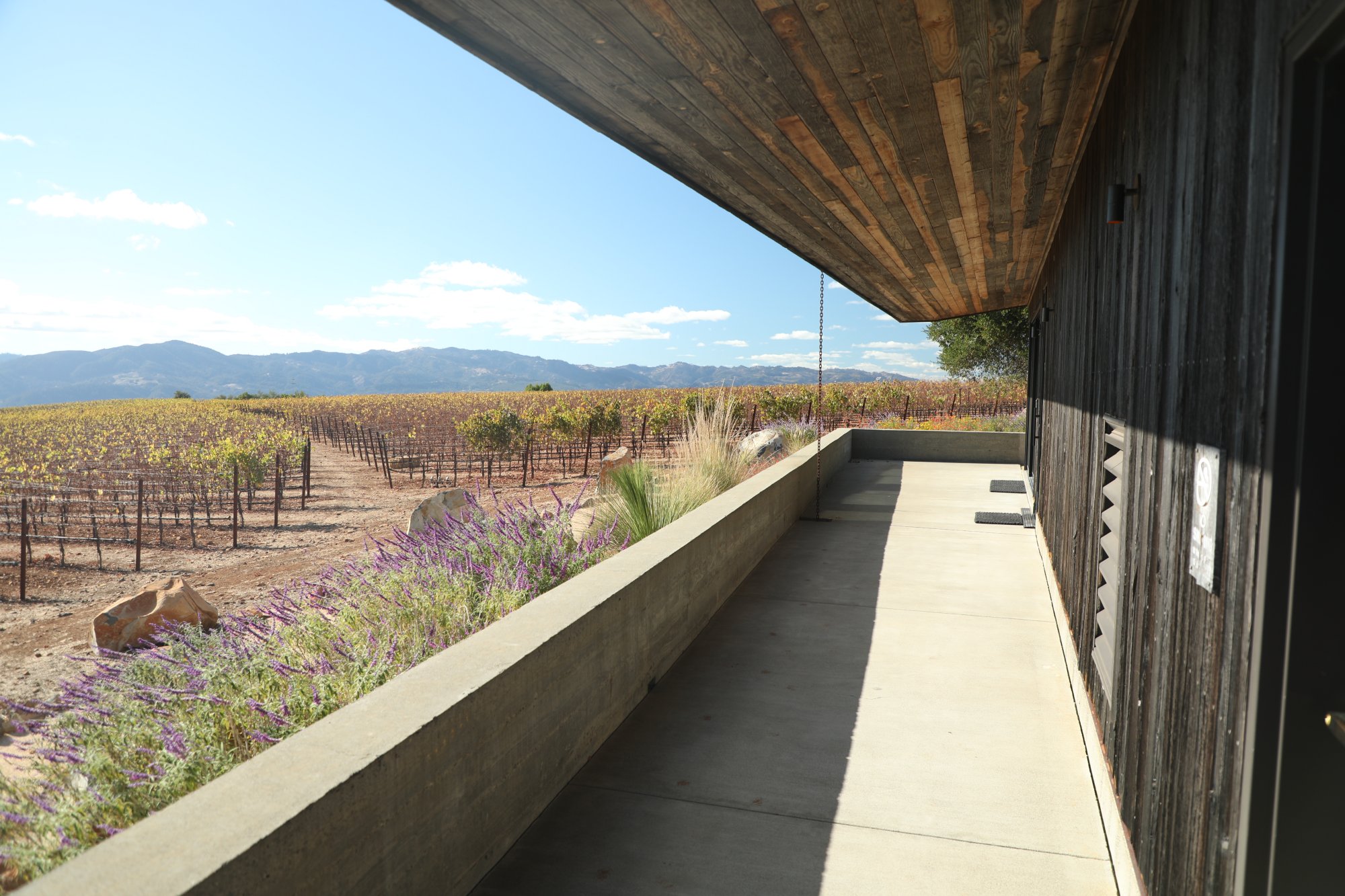
In regard to stunning views, we have discovered a handful of outstanding winery sites in Napa Valley; this is certainly one of them. Perched well above the valley floor (at about 1400 feet) just above the eastern edge of the Oakville sub-appellation on a clear day one can see almost all of the valley south of St. Helena even into downtown San Francisco. At the same time the views are intimate, overlooking some of Oakville’s most hallowed grounds directly to the west. Despite its excellent reputation, Pritchard Hill is not one of Napa Valley’s 17 sub appellations due to the fact that the Chappellet family owns the trademark to the name “Pritchard Hill”.
From the beginning, Ovid assembled one of Napa’s “dream teams”; David Abreu is the vineyard manager and Andy Erickson was the founding winemaker (Screaming Eagle, Harlan Estate and his own label, Favia with his wife). Incidentally Ovid was one of Andy’s first consulting clients. David Abreu planted and continues to oversee the management of the vineyards. In addition, French blending maestro Michel Rolland (died 2026) was their consulting winemaker and was in the valley several times throughout the year to consult with key wine making decisions.
In mid 2017 a majority share of Ovid was sold to the Duncan family, the owners of Silver Oak Cellars and Twomey wineries. In fact from Ovid, one can look almost due west and see Silver Oak in the distance. Mark and Dana retained a minority interest and kept their nearby home until 2021 when it was sold to a family originally from Australia.
While no longer affiliated with OVID, those looking for a minimum of 30 day stays on Pritchard Hill can do so by renting Mark & Dana’s former home, now called, The Howard Backen Estate on Pritchard Hill. This impressive property and compound is located just past Ovid; in fact one passes through the Ovid vineyards and near the winery prior to reaching this estate. Like OVID this property is also perched on the edge of the Vaca mountains offering spectacular views of the Napa Valley below.
Guests who stay here will have special access to several Pritchard Hill wineries including Ovid through hand-curated partnerships. And through a partnership with Chef Thomas Keller, guests are able to secure reservations at any of his restaurants in Yountville including the French Laundry, or have his team host a private culinary event at the estate. Book early because demand for stays here outweigh availability. Visit: www.backenestate.com for more details.


 During our first visit to the property, we met with CEO and managing partner Janet Pagano and winemaker Austin Peterson. Austin joined the team as an assistant winemaker to Andy Erickson in 2006 and was promoted to head winemaker in 2011. Austin barrel sampled us on their 2008 Cabernet Franc, one aged in wood tanks and the other aged in concrete. From merely these few tastes it was evident that Cabernet Franc does extremely well here. Concrete tends to provide a softer tannin expression. Blending the two creates excellent layering and depth.
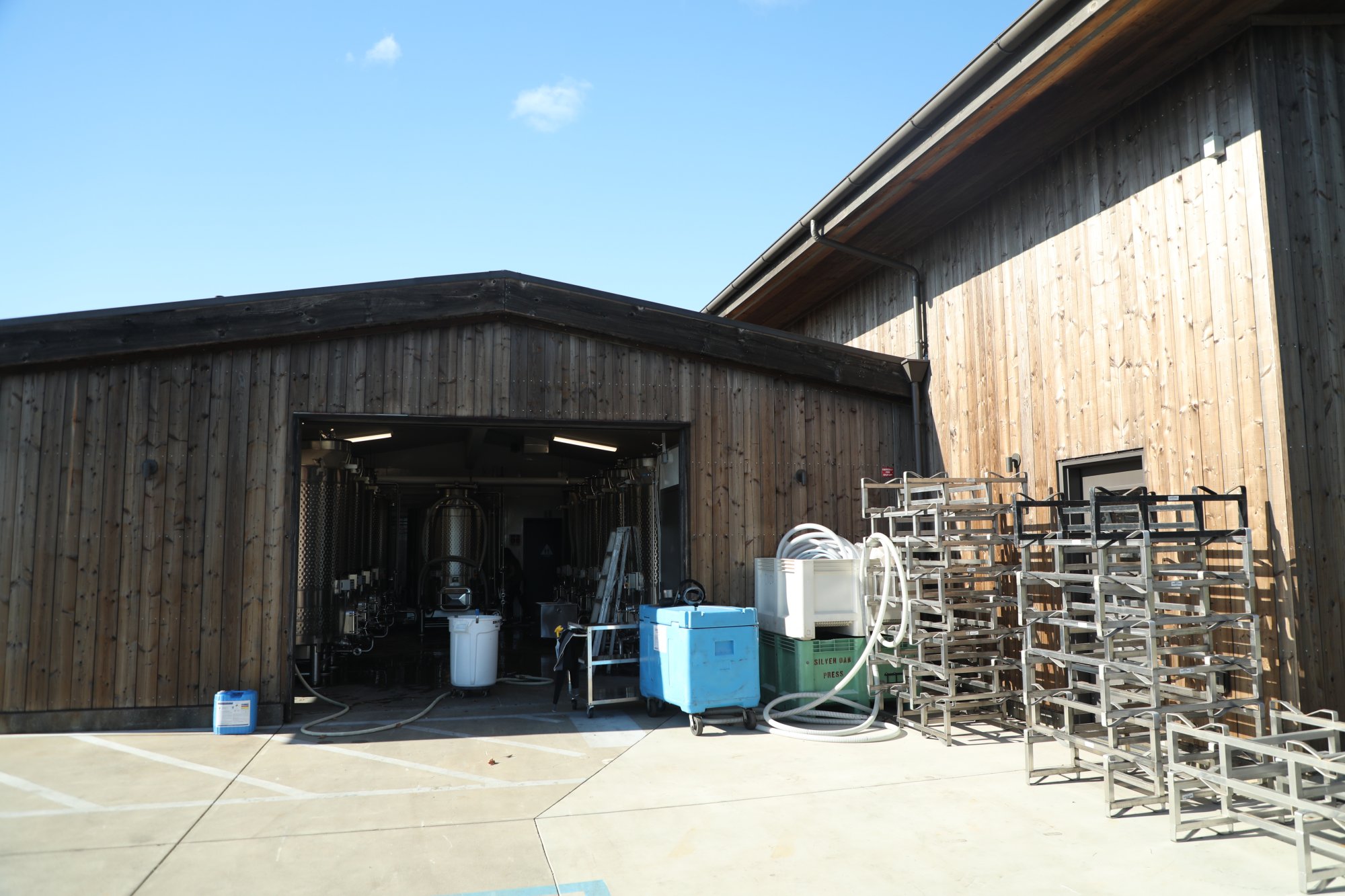
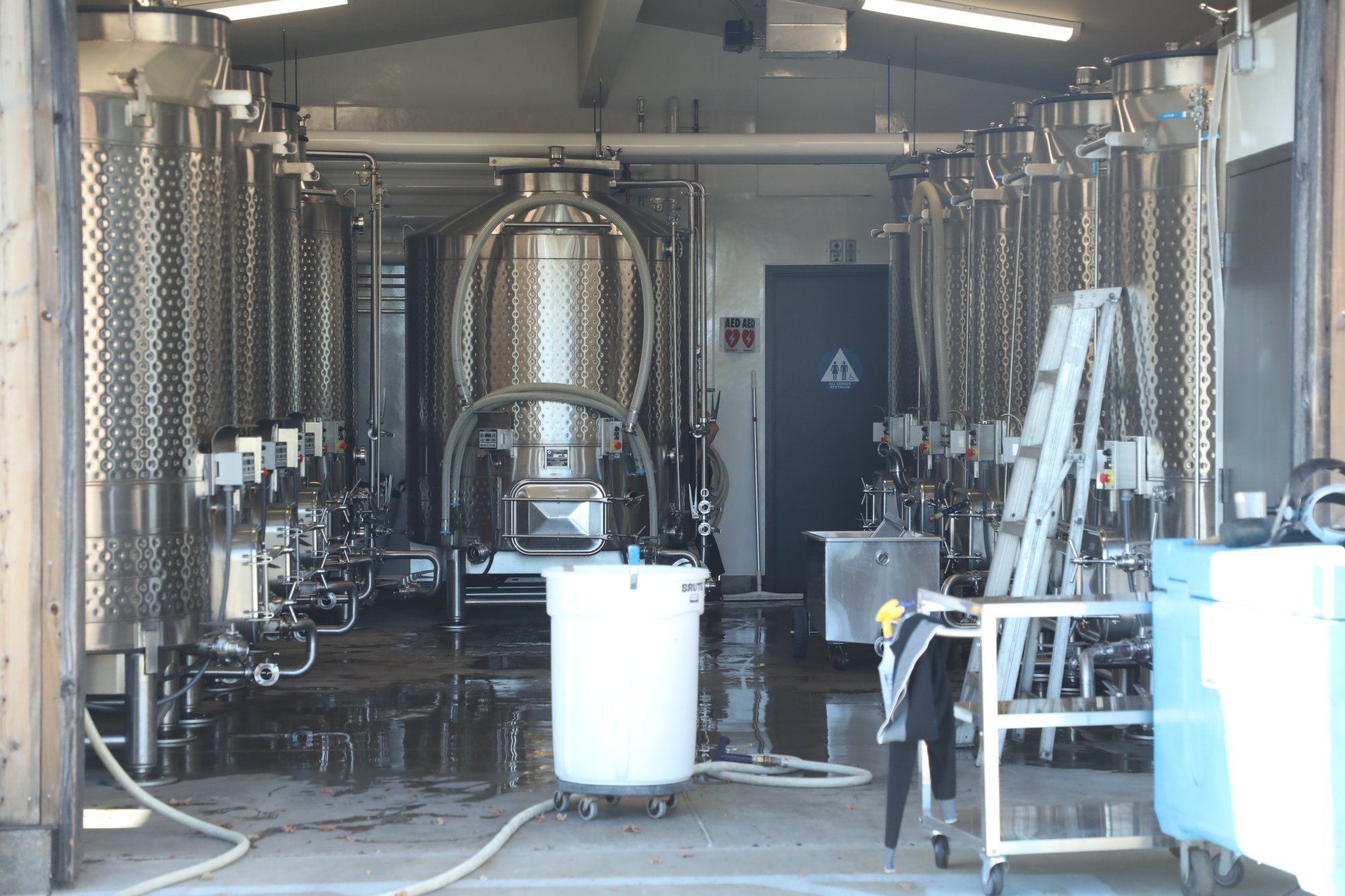
The production part of the winery is small yet extremely functional including several unusual innovations (at least in regards to Napa wineries). They ferment both in oak barrel and concrete, using custom-designed permanently mounted tanks. These tanks are all for small lot fermentations and were designed with specific vineyard blocks in mind. And they are only used for a short period each year, just for fermentation.
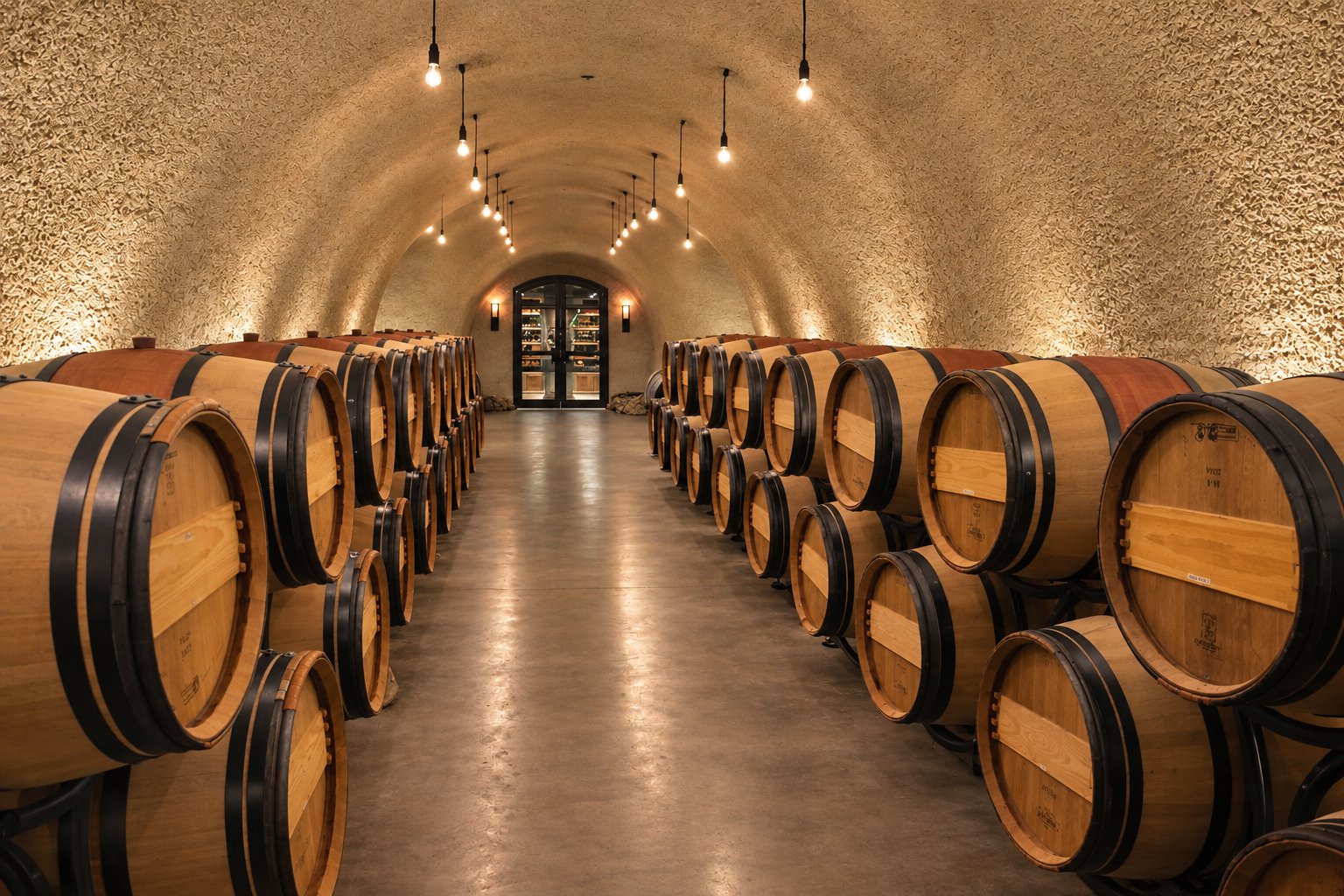
In rocky conditions such as this site, it is always a challenge to drill a cave; Ovid’s cave is small, extending about 20 feet into the almost solid rock hillside. Their tiny cellar stores two vintages at a time. The winery is entirely gravity flow.
Viticulture
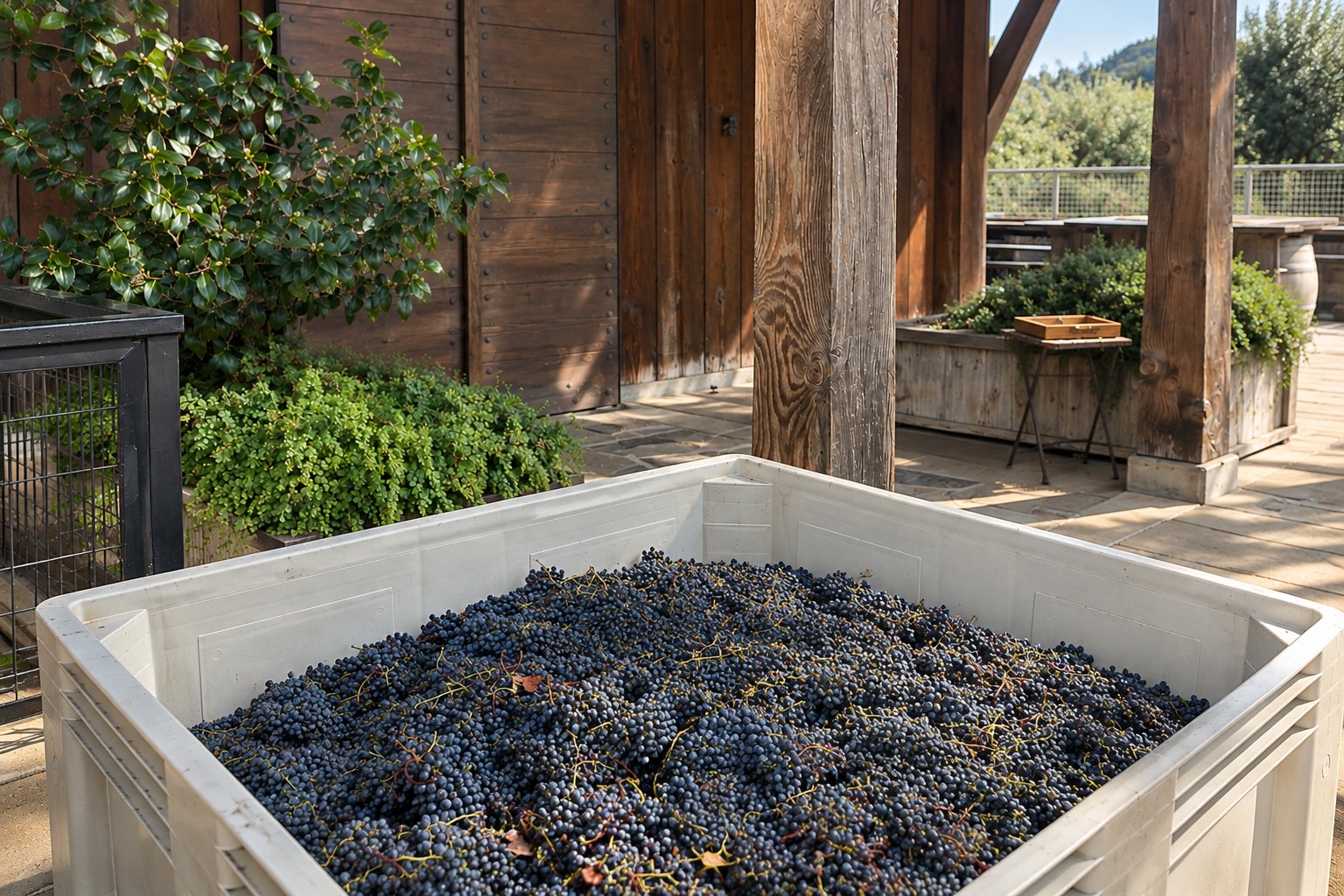
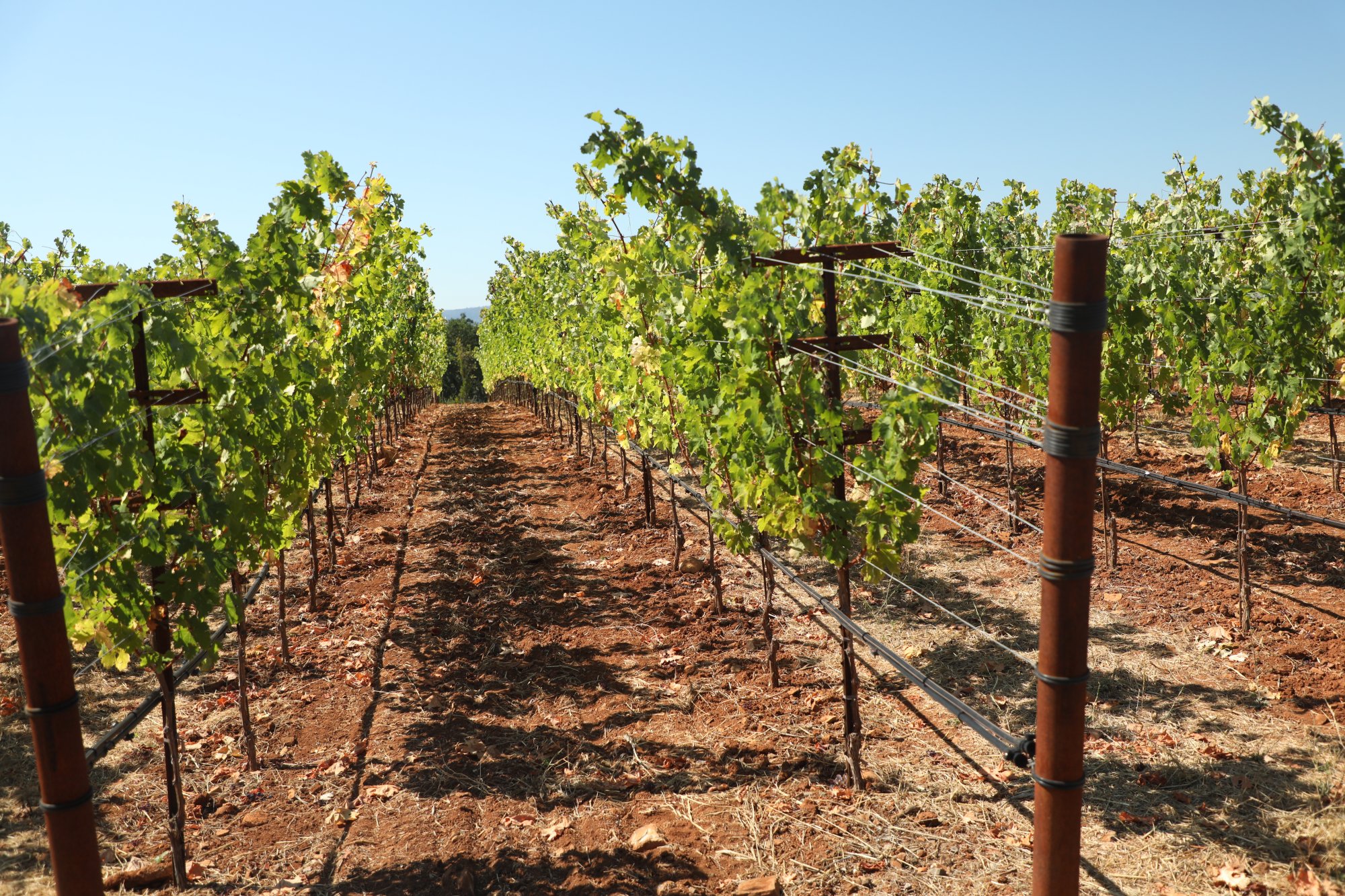
In 2000, Ovid planted 15 acres to all red varieties (the majority being Cabernet Sauvignon and Cabernet Franc with also Petit Verdot and Merlot) and in the process took out remarkable quantities of rock (5,000 cubic yards of stone by their estimate). Winemaker Chris Phelps was involved in the early vineyard layout. Much of this rock frames the steep edges of their vineyard blocks (seven in total). They also grow less than 3/4 of an acre of Syrah; Pritchard Hill has very few Syrah vines; only Colgin and Melanson are two vineyards that come to mind.
In 2020 and 2021, an additional 13 acres of land were developed and planted to vineyards. During this process, a significant amount of rock was again displaced, in some places stacked in piles up to 60 feet deep. Before planting, a cover crop consisting of 10+ different species was planted to help rebuild the soil structure. This cover crop was eventually mowed and incorporated back into the soil before the rootstock was planted.
The rootstock was grafted with heirloom selections sourced from historical vineyards throughout Napa Valley. The idea behind using these selections was to capture their epigenetic adaptations. These adaptations are a result over time from chemical modifications to the DNA and chromatin where gene expressions are altered but the genetic sequence remains unchanged. For example, adaptations within the grapevine are made due to stress, such as extended heat spells, intense solar radiation or drought.
OVID worked with Fruition Sciences since that company was founded – to better understand how vines respond to their environment, human inputs and ultimately how these factors influence the resulting wines. This data results in fine tuning and adjusting their farming practices. Fruition sciences provides precise vineyard monitoring and data collection.
Since the beginning, two guiding principles have shaped OVID’s approach to farming: minimizing inputs into the vineyard, including fertilizers and sprays, and taking a long-term view of the property. After more than 20 years of farming this site, they have learned that timing is critical and that even well-intentioned human intervention can disrupt the natural balance of the vines. The goal is to remove as much human influence from the equation as possible, allowing the vines to respond naturally to their environment.
Their approach to vineyard development takes a generational perspective, looking potentially 100 years into the future. Recognizing that the best farming practices today may not necessarily be the best approaches tomorrow, they have incorporated flexibility into their newer plantings. For example, vines are grafted higher above the ground to keep the graft union farther from the soil and reduce the risk of disease. This also provides multiple opportunities to change varieties in the future, if necessary, including the option of returning to the original rootstock. Wider vine spacing allows for additional flexibility in trellising and vineyard management.
The newer plantings incorporate different vine spacing and row orientations, including 8-by-8-foot spacing for head-trained vines and a more traditional California 10-by-5-foot configuration. This diversity reflects their belief that there is no single correct way to grow grapes, even within the same property. All of the new plantings are Cabernet Sauvignon and Cabernet Franc, two varieties particularly well suited to Pritchard Hill.
The first vintage harvested from these newer vines was in 2024; Austin has been encouraged by what he has seen so far. They continue to learn from the site while minimizing intervention wherever possible. One of their goals was to farm without irrigation, although this has proven challenging given the property’s rocky soils and western exposure. Their approach now is to avoid irrigating until the grapes reach approximately 20° Brix, allowing the berries to remain small before introducing water.
When starting a discussion about OVID’s wines, we like to start with the word ‘movement’. Stylistically, regardless of wine or vintage, the OVID’s wines are inherently built with plenty of movement and energy. They are fresh expressions that capture a sense of place, are built to be enjoyed in their youth, but also have the disposition for extended aging.
Select Wines
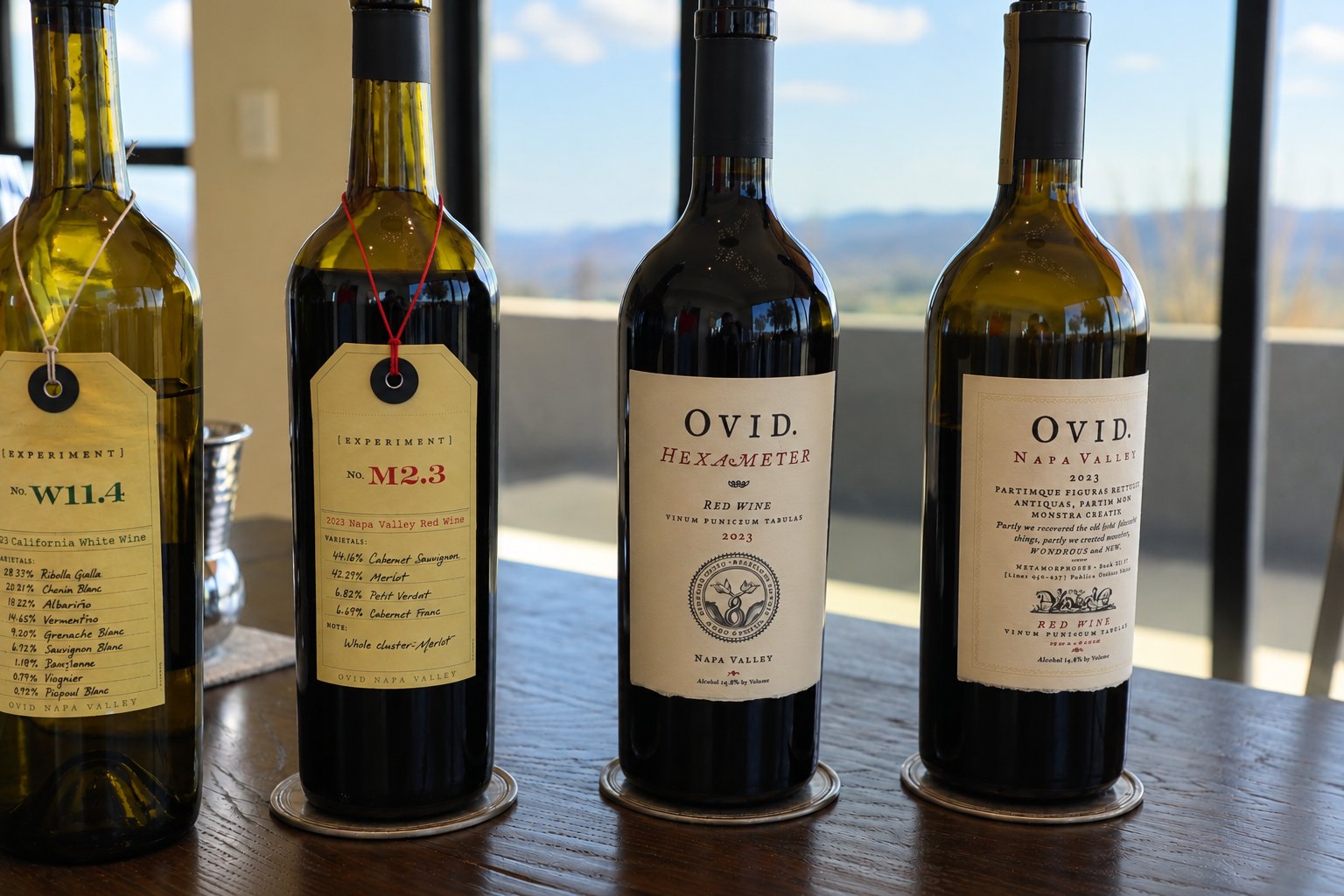
Ovid’s flagship wines are the Cabernet Franc dominated Hexameter and OVID. In addition, intriguing white and red wines bottled under “Experiment” are created each year – always differing in the type of blends, varieties, vineyard sites and winemaking practices used, including sometimes the size of barrels. Highly unique to Napa Valley, this is exciting for both the winemaking team and for their mailing list members who always have something new to enjoy each year. Ovid’s total annual production is typically 1,000 to 3,000 cases.
Whites
Experiment

 While OVID is primarily known for its estate red wines, it would be a mistake to overlook the thoughtfully made OVID Experiment White Wine. This wine makes a bold statement: rather than focusing on California’s two most recognizable white wine varieties, Chardonnay and Sauvignon Blanc, OVID explores lesser-known varieties grown in distinctive vineyard sites throughout the state. Each year, the team searches far and wide throughout California for unique white varieties, focusing on grapes growing in particularly interesting and distinctive sites.
Rather than following a set formula, they essentially wipe the slate clean with each vintage, drawing inspiration from Old World wines while exploring the diversity of California’s vineyards. The goal is not simply to replicate the great white wines of the Old World or follow the established styles of California’s most recognized white varieties, but rather to create something distinctly Californian, showcasing varieties and vineyard sites that might otherwise be overlooked.
Every year the identification numbers change as listed on the front label. For example, W stands for a white wine, the first number in the sequence is the release number and the last number is the year of the vintage.
The 2024 OVID Experiment W11.4 California White Wine is a blend of 28.33% Ribolla Gialla, 20.21% Chenin Blanc, 18.22% Albarino, 14.65% Vermentino, 9.20% Grenache Blanc, 6.72% Sauvignon Blanc, 1.18% Roussanne, 0.77% Viognier and 0.72% Picpoul Blanc sourced from four appellations. It took 6 blending trials before the final blend was created. This wine is medium gold in color; it smells bright with floral characteristics including orange blossom, jasmine and a hint of honeysuckle, accompanied by apple skin, lychee, passion fruit, kiwi and as the wine opens further, a note of vanilla. As bright on the palate as on the bouquet, it is minerally and sports flavors of kumquat, lime, Meyer lemon and finishing notes of tarragon and lemon zest. Offers a saline texture. The palate is brightly lit with a vibrant thread of acidity running across the backbone, finishing fresh and mouth watering. This zippy and zesty bottling shows lots of movement. Its lightly rounded texture is lifted high by the acidity. Based on the number of varieties in this wine, one might think they would get lost, but that is the opposite, and somehow they all complement each other.
The 2019 OVID White Experiment W 6.9 is a blend of 36.43% Sauvignon Blanc, 22.73% Viognier, 12.54% Albariño, 10.60% Roussanne, 9.81% Vermentino, 4.76% Picpoul Blanc, 2.64% Grenache Blanc and 0.49% Marsanne. The nose offers aromas of lemon, lime and grapefruit pith with additional floral and herbal notes. The very bright aromatics continue suggest a lively palate. Displays an almost saline or briny textural character, with flavors of citrus, lemongrass and hints of green apple. There is a pleasing tension between flavor, the wine’s texture and its vibrant acidity. Very intensely flavored, yet without any accompanying heaviness, the finish is long and refreshing, lingering with notes of citrus zest and a subtle minerality. This is certainly a thoughtfully made white wine, especially considering the varietal diversity that goes into the blend and how seamlessly these different varieties come together.
The 2016 No. W 3.6 California White Wine is highly unique blend crafted from varieties mostly sourced outside of the Napa Valley including from the Sierra foothills. This vintage includes Sauvignon Blanc, Grenache Blanc, Viognier, Roussanne, and Albariño – a France, meets Italy meets Spain blend if you will – but entirely a California blend. This wine was fermented slow and cold in barrel – in part to showcase aromatics. The bouquet initially offers notes of lemon/lime zest, passion fruit and citrus blossom but as it opens, offers appealing tropical aromas that are mostly floral including honeysuckle. Well balanced, the wine is seamless. The palate carries weight but is not heavy, as a pleasing texture glides across the palate. Flavors of mandarin are complemented by a steely mineral note on the finish. Bright acidity.
Reds
Experiment
The 2023 OVID Experiment No. M2.3 Napa Valley Red Wine is a blend of 43.16% Cabernet Sauvignon, 42.29% Merlot, 6.86% Petit Verdot and 6.69% Cabernet Franc. This wine is deep ruby and nearly opaque; dark-fruited, the bouquet reveals some darker spices and notes of mountain sage, lavender and petrichor. Its fruit aromatics include dark plum, blackberry and boysenberry. Be patient; additional layers will evolve given time, including floral nuances, i.e., lavender. Primarily red-fruited and very youthful at three years post vintage in terms of both flavor and texture, this wine tastes like plum, boysenberry, red currant and tart cherry. Finishes with a red-fruited cadence. The mountain tannins are spread evenly across the palate and persist with a girthy, long-lasting, chalky and drying tug. The vibrant acidity is going to keep this wine fresh for years to come. Let’s try this every five years for the next 20 years. All varieties were destemmed except for the Merlot, which underwent whole-cluster fermentation, an idea presented by an intern from Bordeaux this year.
The 2021 OVID Experiment Red Wine No N6.1 is 72.06% Cabernet Sauvignon, 11.62% Petit Verdot, 9.22% Cabernet Franc and 7.10% Merlot. This wine is deep ruby and nearly opaque; the nose has a ripe fruited presence with the fruit running far ahead of any oak influences. This wine smells like blackberry jam, cherry pie, boysenberry, Himalayan purple mulberry, dark cocoa powder, milk chocolate and a light note of chalk. As ripe as the bouquet would indicate, but there is a savory edge and an accompanying burst of lively acidity running the length of the palate that keeps the palate fresh. And it is well layered in terms of both fruit and texture; this wine tastes like dark plum, boysenberry, dark raspberry, dark mulberry and a lingering layer of cocoa powder. The tannins are persistent, lingering with a grainy, gravelly and chalky character which ultimately pulls beyond the fruit on the finish. In terms of aging, this wine has years of life ahead of it – we tasted this 5 years post vintage.
Hexameter
This bottling highlights their estate grown Cabernet Franc with its first vintage in 2009. This was the first wine produced as a result of OVID’s experimental wines.

 The 2023 OVID Hexameter Red Wine, Napa Valley is a blend of 48% Cabernet Franc, 41% Cabernet Sauvignon, 8% Merlot and 3% Petit Verdot. This wine is deep ruby and opaque; the bright and lifted bouquet offers scents of blueberry, boysenberry, figs, dark raspberry, a light dusting of tobacco, crushed rocks and lavender. Red fruited, this wine tastes like cherry, boysenberry, raspberry and red plums and chalk. And a ferrous/iron character. This wine contributes everything we enjoy about the variety, freshness, brightness, a savory edge, but never crossing into the territory of being herbal or green. Intensely flavored. The acidity contributes a significant amount of life to this bottling. The tannins are tumbled, yet also gravelly and persist with a dusty character in tandem with the fruit without either drawing too far away from each other on the finish. This wine is built to age as in decades rather than years. Indeed, an impressive bottling.
The 2022 OVID Hexameter Red Wine, Napa Valley is deep ruby with some purplish tinges and is nearly opaque. The first description we wrote for this wine was, ripe elegance. The bouquet smells like dark cherry, blackberry, boysenberry, and ripe Santa Rosa plum, along with several non-fruited layers, including old cedar box and menthol. The oak is a complementary character here and hides more in the background, offering a quiet conversation in the backseat. For Cabernet Franc enthusiasts, this has crowd-factor appeal. While fully ripe, it does present a spicy and savory edge, especially noticeable on the long, lingering finish. The tannins are dusty, broadly coating, and linger with a persistent drying sensation. The texture here far outpaces the fruit on the finish. This wine has a Napa Valley pedigree written all over it. A big juicy steak would be a perfect complement.
The 2015 OVID Hexameter Red Wine is a blend of 65% Cabernet Franc, 21% Cabernet Sauvignon, 10% Merlot and 4% Petit Verdot. Shows both an elegance and a ripeness on the bouquet, with layered aromas of dark cherry, blackberry, plum and hints of dried herbs. Also offers notes of black olive, mocha, truffles and darker spices. Rounded on the entry and fairly plush across the palate, everything about this wine is harmonious. It tastes like dark plum, blackberry and black currant, complemented by savory nuances. The palate offers depth in terms of texture but is never heavy, due to the acidity providing freshness and balance. The tannins are particularly appealing; firm yet fine-grained, they linger softly on the finish, accompanied by notes of dark fruit, dried herbs and subtle spice. Drinks very well young, yet clearly has the structure and balance to age gracefully.
OVID
OVID’s flagship wine of the same name is meant to showcase place, not varieties. Led by Cabernet Sauvignon, the percentage of varieties change each vintage.
The 2023 OVID Napa Valley is deep ruby and opaque; this wine smells like the site and showcases a freshness of aromatics that feels well removed from many of Napa Valley’s contemporary red wines. Its aromatics include sage, bay leaf and tobacco, along with cocoa powder and dark chocolate. This is already becoming a balanced expression, especially considering its youth (three years post vintage), the character of this particular growing season and its mountain terroir. This wine tastes like red plum, boysenberry, black currant and not fully ripe cherry. The finish is savory with a tart tug, a result of the vibrant thread of acidity. On the palate, there is a noticeable tension between the intensity of fruit, texture and acidity. There is also a ferrous element, reminiscent of rusting iron. The tannins are very much present here, broadly distributed with a gravelly and grainy texture. Their dusty and drying character far outpaces the fruit on the finish and remains the lasting sensation. Super youthful at three years post vintage, we would like to taste this wine every five years for the next 30 years. It is going to remain primary for quite a few years.
The 2017 OVID Napa Valley is 73% Cabernet Sauvignon, 22% Cabernet Franc, 3% Merlot and 3% Petit Verdot. This wine is dark ruby in color; offers a brightness of fresh fruit on the bouquet along with hints of dried herbs and a note of old cedar. The oak is a complementary characteristic here – focusing on the expression of the fruit. Bright, lively and young – these characteristics continue onto the palate. At four years post vintage this wine is like a precocious teenager whose energy is boundless and whose boundaries have not yet been defined by age. Offers plenty of red fruits across the palate including cherry and currant with a hint of dried tobacco leaf. Juicy and mouthwatering, the tannins are still tightly knit, bouncing into each other but not yet combining with each other. Age worthy? Absolutely.
The 2014 OVID Napa Valley is 60% Cabernet Sauvignon, 35% Cabernet Franc and 5% Merlot. This wine is aromatically generous, immediately offering a layered and inviting bouquet. Its aromas include blackberry, dark plum, tobacco leaf, mocha, and an elegant aged cedar nuance along with darker baking spices, including clove, cinnamon stick, and a faint hint of cocoa powder. As the wine continues to open in the glass, additional subtleties emerge, including a light touch of dried herbs and a faint mineral undertone that helps frame the fruit. Well-layered across the palate, the wine leans more toward dark fruits than red, with flavors of plum, dark cherry, blackberry, and boysenberry. A noticeable juiciness gives the wine energy and lift despite its concentration. The texture delivers plenty of presence without ever feeling heavy. The tannins are firm and slightly dusty, providing structure while remaining fully integrated.
Syrah
 The 2015 OVID Napa Valley Syrah is deep ruby with crimson overtones. The deeply layered bouquet is centered around darker fruit, led primarily by blackberry and dark plum. Floral underpinnings add lift, with notes of violets. More subtle, yet clearly noticeable, are secondary layers including dried sage, dusty earth, and a cedar box character. With time in the glass, hints of cracked pepper emerge. Mouth-filling, savory, and juicy, this full-bodied wine delivers impressive layering and depth of flavor. The dark fruit core continues with blackberry, boysenberry, and plum, supported by a light brambly character. The wine carries a lively energy that keeps it from feeling overly heavy. Framing the finish are firm and dense tannins.
Ovid typically bottles less than 100 cases of Syrah each year.
—
Some of the wine labels include Latin phrases with English translations. Both Dana and Mark amassed an impressive collection of classical literature – some of which is housed within the winery. Mark and Dana have certainly left their ‘imprint’ and philosophy on the winery operations; the transition in majority ownership has has not changed the overall production, wine making philosophy and vision for the property.
A hand-written prose by Dana caught our eye while touring the cellar, marking the entrance to their wine library:
“For delay gives strength,
delay ripens the tender grapes
And makes a robust harvest
from tender crops.”
…clearly written about the virtues of waiting, timing if you will – letting nature take its course and having the grit to know when to be patient.
—
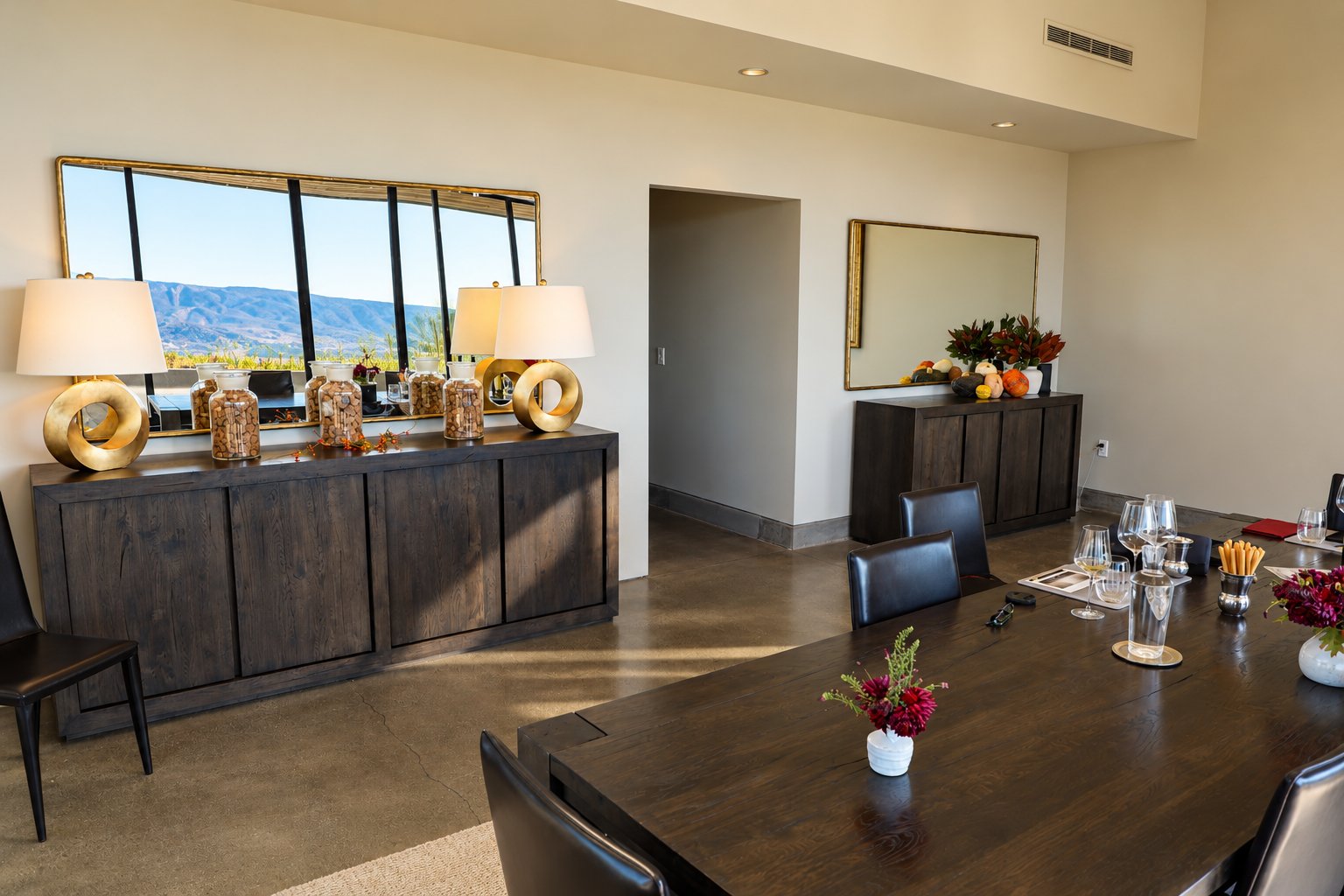
Visits are by appointment for serious wine enthusiasts with tastings hosted either in what is referred to as the Great Room on the first floor of the winery or the Vineyard Room, a stand along building that houses both space for tastings and wine tanks, located a short walk from the winery or golf cart ride. The primary OVID Napa Valley Experience lasts about 90 minutes with a curated exploration by a dedicated team member of the vineyard, winery, cellar, and current release wines.
Other experiences are seasonal and include the Estate Vineyard 4×4 Tour & Tasting or a later in the day, a 60-minute Into the Evening at OVID, a tasting that takes place outside on OVID’s porch looking west.
Ovid maintains a mailing list which at the time of this review is currently closed due to demand, but those interested may signup for their wait list. A limited number of magnums are produced each year offered to allocation list members. For more information, to join the waitlist, or to schedule a tasting, visit: www.ovidnapavalley.com


We are visiting Napa/Sonoma on May 14th and 16th. Will your tasting room be open? Ovid is our favorite poet and wine. Ron Pepin
All tastings at Ovid are by appointment only
Early in the review you name Ovid as one of three outstanding winery sites, I’m curious what the other two are. Thanks!
I’ve been to the following amazing Napa properties – they are definitely in rarefied air – can’t go wrong with: Bryant Family, Diamond Mountain Vineyards, Continuum, Dana Estates, Kongsgaard, BRION Pritchard Hill & Tusk Estates – to name a few truly incredible properties …
There are not to many left on my must visit list. Several that I have NOT yet visited that are HIGH on my list are: Hundred Acre and Screaming Eagle. All in good time 🙂
Thanks for the reply! I was predicting you’d say Barnett or Cade, surprised to hear of two places we have yet to visit. We’ll definitely add them to our list! Thanks for the great reviews!
Kelly – absolutely – most people do say Cade or Barnett because those are fairly easy wineries to get into for wine enthusiasts and are on the ‘beaten path’ of the off the beaten path properties so to say! Diamond Mountain Vineyards, BRION (formerly Montagna) and Continuum take the views to an entirely different level (and of the more than 1,300 Napa wineries/producers/brands I’ve visited with, rise to the top in my opinion for a number of reasons, excellent views being one of them).
Unfortunately Kongsgaard doesn’t see people for tastings. Others are Au Sommet, Zakin Estate – all super high end properties. There are vineyard properties on Atlas Peak where you can actually see into Yosemite and part of the Sierra Nevada mountains far to the east – also a few spots like this on Howell Mountain. Pretty cool!