



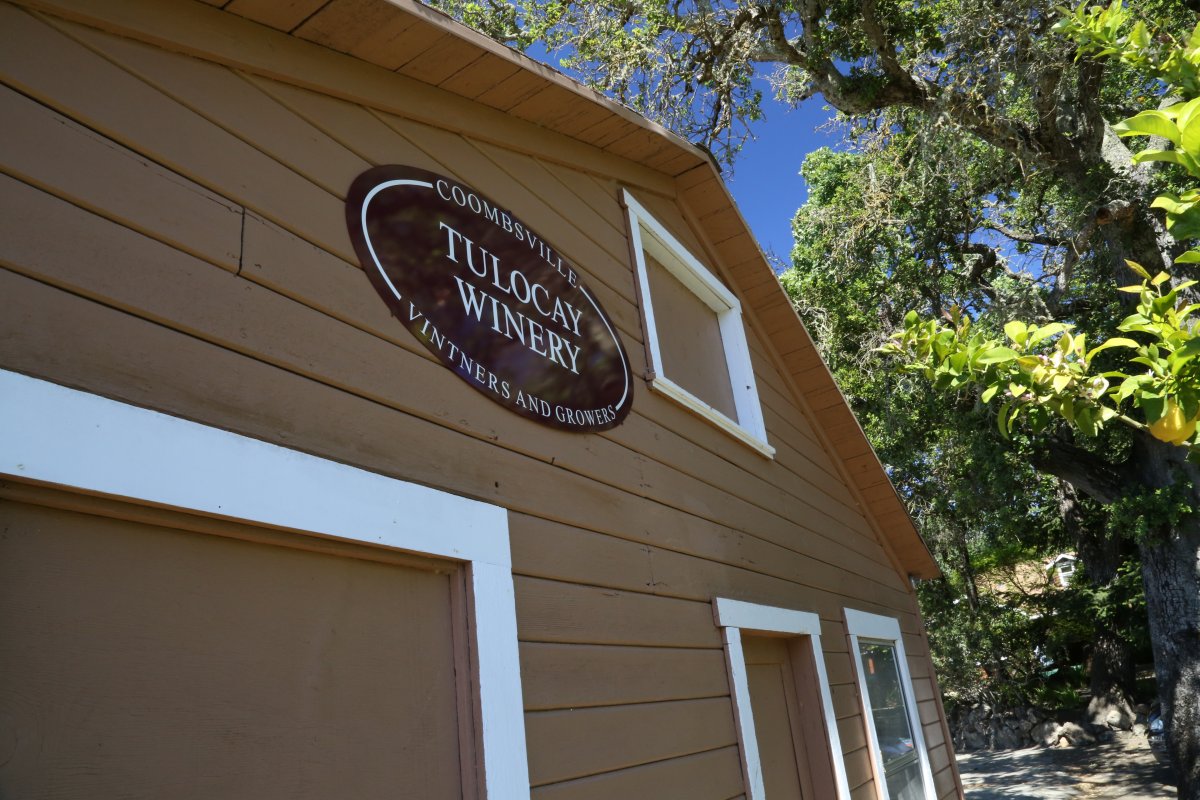
 Tulocay Winery is the oldest continuously operating winery in Coombsville, a part of Napa Valley, located north east of the city of Napa. Coombsville, named after Nathan Coombs, one of the founders of the city of Napa, is one of Napa Valley’s 17 sub appellations (approval granted in late 2011). This region is characterized by cooler growing conditions than further north in the valley and for featuring a wide diversity of micro-climates – allowing growers to farm a diversity of wine grapes.
All of the Tulocay wines are from small single vineyards including Chardonnay, Pinot Noir, Cabernet Sauvignon, Petite Sirah, Syrah and Zinfandel – with a focus on grapes grown in Coombsville. The wines are typically 100% varietal. Most of the grapes used in Tulocay’s wines come from long term relationships that Bill has established over the years; Tulocay owns no vineyards. And in addition sourcing grapes from Napa Valley, Tulocay uses grapes from vineyard sites in other select locations in northern California.
After working on the long since defunct Pacific Coast Stock Exchange in San Francisco, founder Bill Cadman found himself in between jobs at age 29. He picked up a Sunset guide to wine country and started browsing the pages. The “wine country” north of San Francisco caught his eye. Bill came to Napa Valley without any experience in the wine industry and took a job at Charles Krug Winery and began commuting in a 1955 Ford pickup from Sausalito to St. Helena. He remembers that is fellow employees thought he was a bit crazy to be doing this drive every day.
Bill quickly picked up wine related knowledge and spent time working in the winery at Heitz Cellars, the old stone winery at the end of Taplin Road, not the Heitz tasting room), Clos du Val and Robert Mondavi Winery where he worked for more than 20 years as a tour guide. He recalls walking into Robert’s wife, Margrit Mondavi’s office to introduce himself. She wanted to celebrate his hire by opening a glass of wine but she didn’t have any bottles in her office, so she poured Bill a glass of Tequila instead. He remembers being impressed by this gesture and thinking that he was going to have a fun time working at this winery.
He also remembers bringing visitors over to personally meet with Mr. Mondavi who would be hanging out at the winery. Mr. Mondavi was always interested in sharing his wealth of knowledge about the valley with visitors. Bill also recalls bringing his elderly mother into the winery for a celebration lunch of his 20 years working at the winery – Mr. Mondavi came over, pinched his mother’s cheeks and commented on how youthful her skin looked.
Soon tiring of the commute he moved to Napa Valley and purchased his home and winery site in 1972. Bill remembers his Napa County winery application form was merely two sides of one piece of paper. He founded Tulocay in 1975 using several buildings that were already on site at the time of his purchase. He was the winemaker during the first few years of building the brand in the 1970s and over the years has had help from several others in the business including winemaker Mark Bunter. One day, Bill received a call from his daughter Brie indicating she was going to school at nearby Napa Valley College to learn more about oenology (after working other non-wine related jobs). This was excellent timing as Bill was getting up in years and was no longer able to do the physical work needed in the winery. In 2012 Brie took over wine-making duties and she made subsequent vintages with plenty of input from Bill. Brie is no longer the winemaker at Tulocay. Brie is also the assistant winemaker at another Napa based winery.
Tulocay as Bill will tell you tongue in cheek, means “fine wines at reasonable prices” but in actuality it is a native American word.
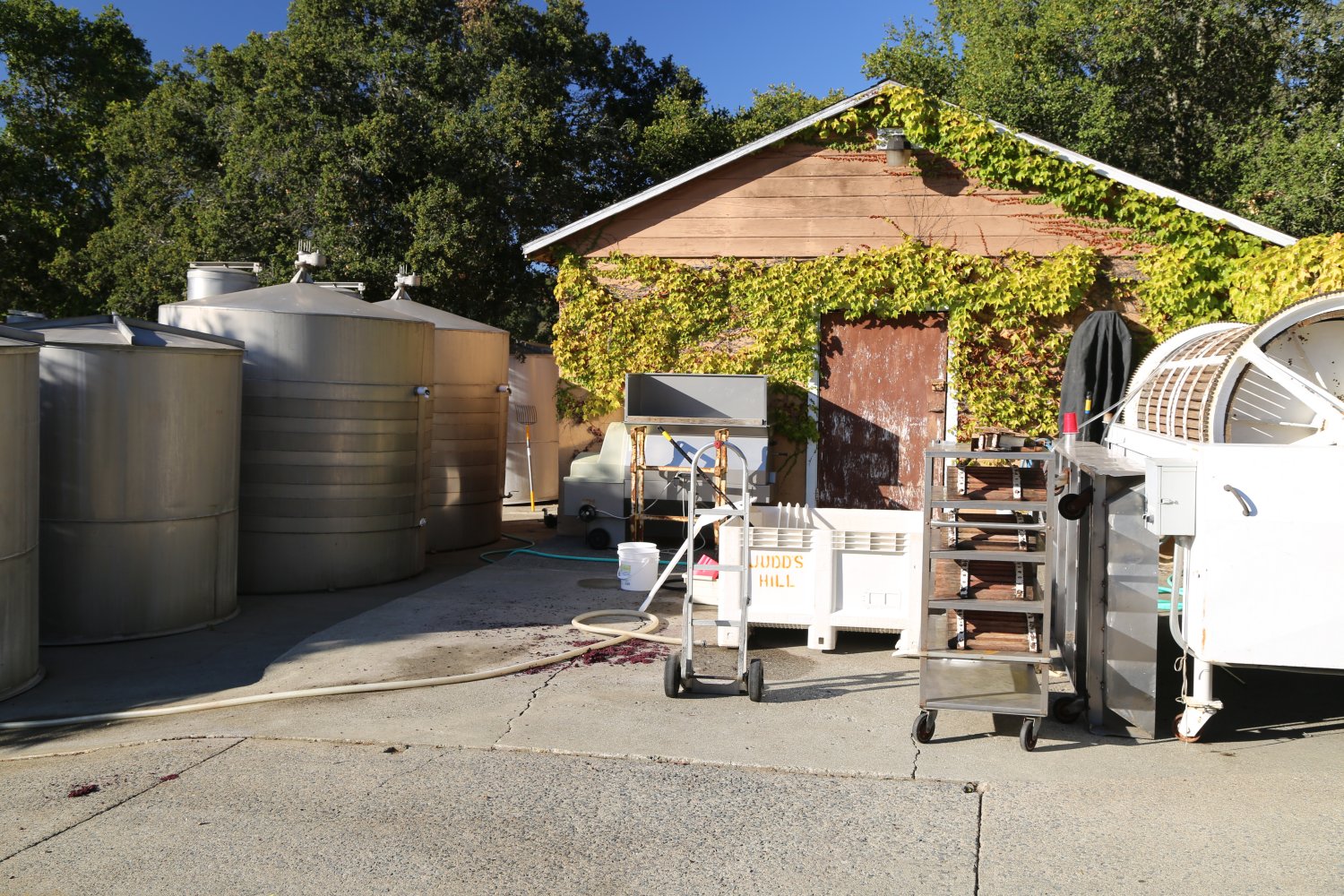
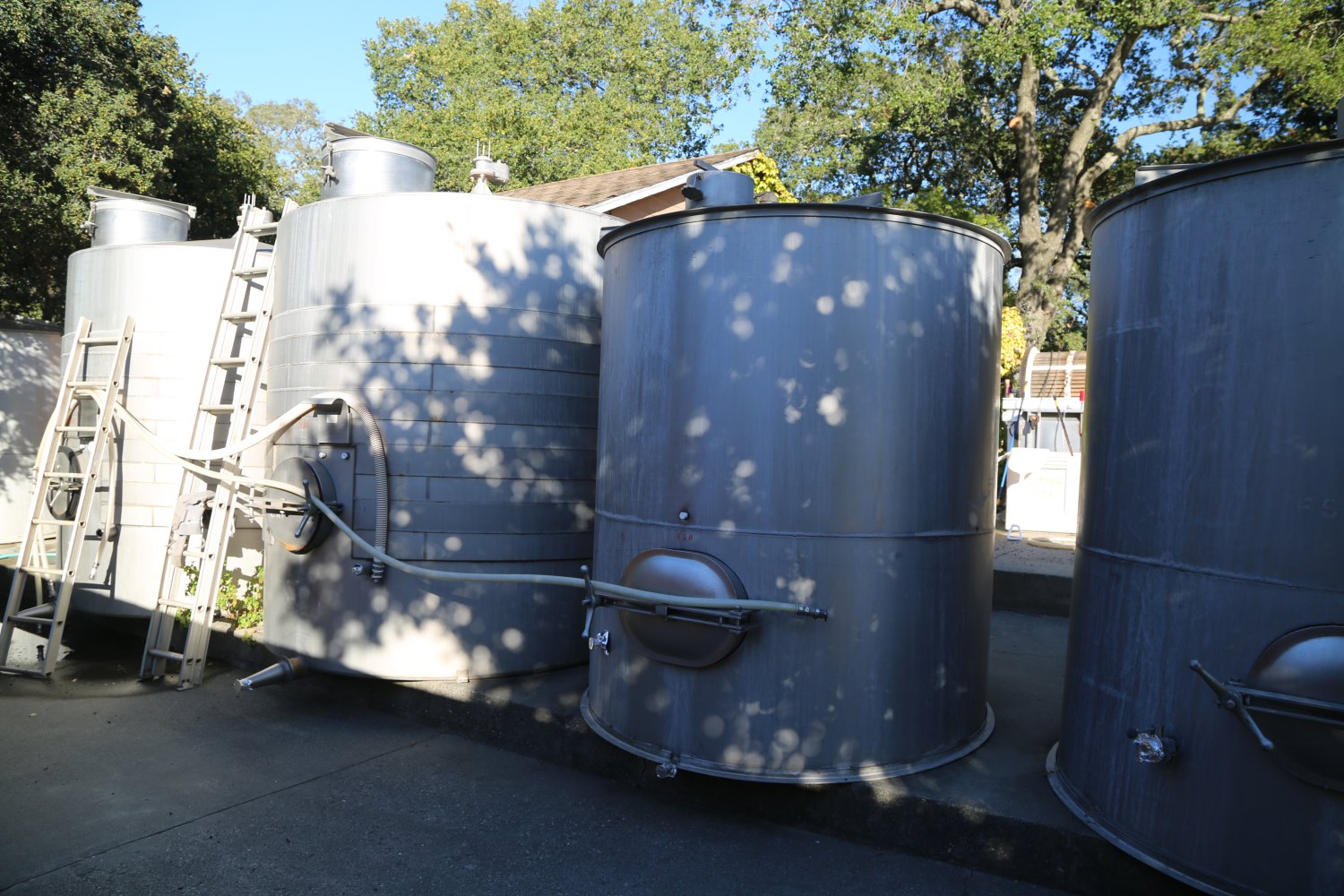
 An experience at the winery is a step back into time to the mid 1970s when Napa was still relatively unknown on the international stage and all the flash and outside money had not yet soaked its way into Napa Valley. This is one of the best values in all of Napa for the quality of wine when compared to the pricing.
A tasting here is very relaxed and weather permitting is outside on a patio shaded by the oaks overlooking the small winery. Bill truly enjoys visiting with people and a tasting with him is a fun, at times humorous and always an educational experience with invaluable historical tidbits from a time when there were far fewer wineries in the Napa Valley.
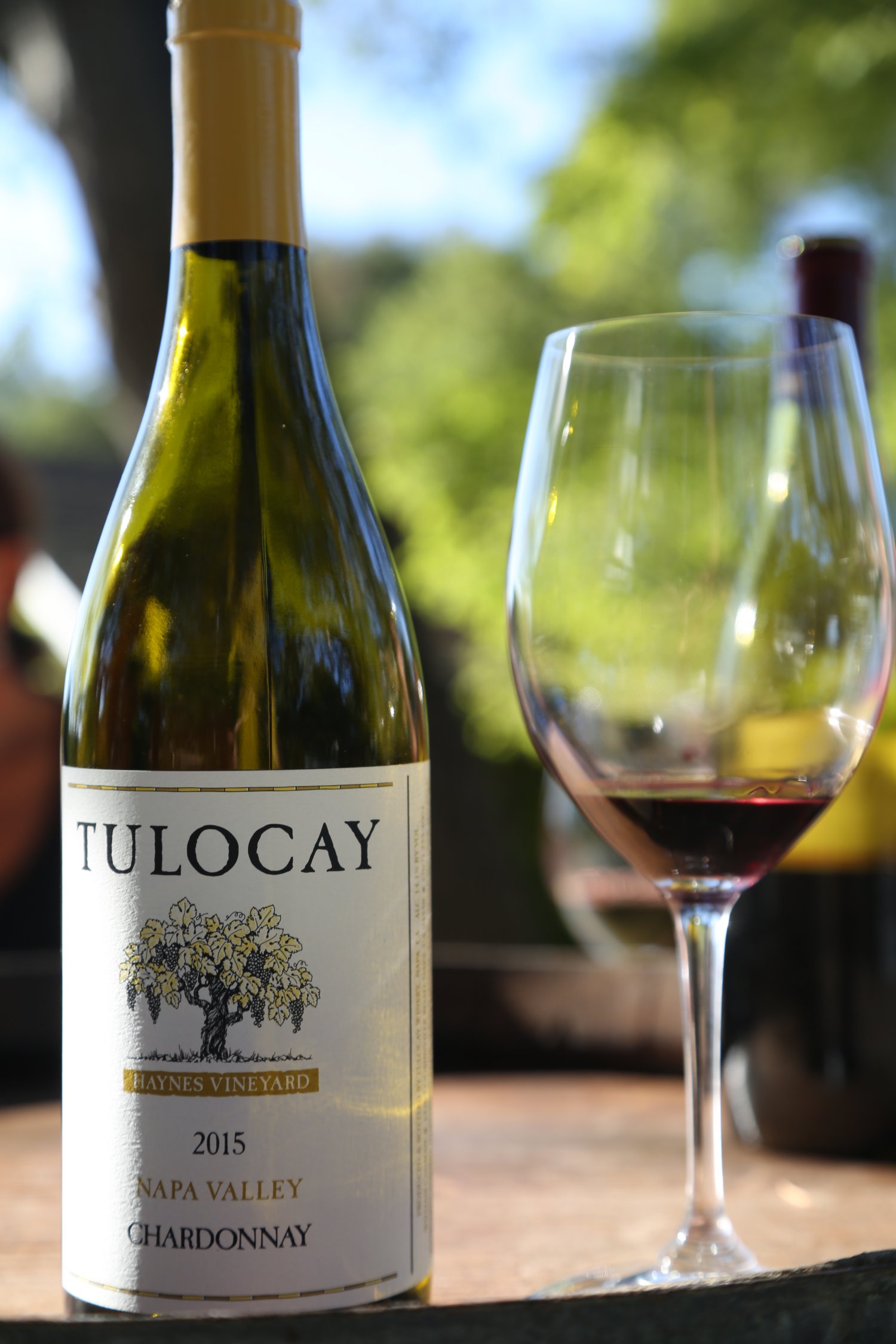
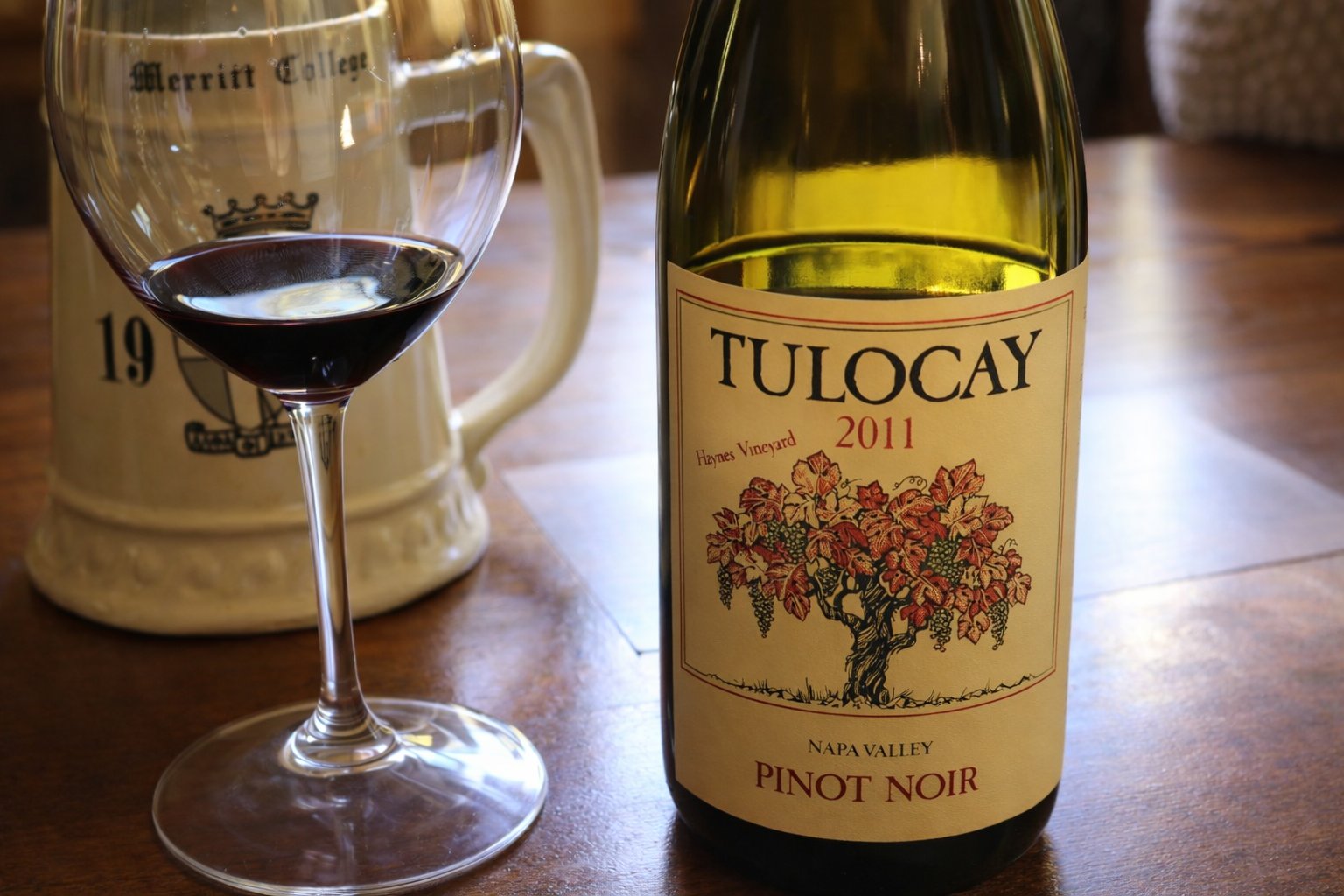
For a low production winery Tulocay makes large variety of different types of wines. Until more recently, Bill worked with the historic and nearby Haynes Vineyard since his first vintage in 1975; his introduction to grapes from this vineyard was through a chance meeting with Louis Martini at a Napa Valley Wine Technical Committee picnic who ultimately introduced him to the owners of the vineyard at the time, Duncan and Pat Haynes. This vineyard was sold to Gaylon Lawrence, owner of Heitz Cellars in 2019.
The Haynes Vineyard (not to be confused with another historical vineyard by the name of Hayne Vineyard – owned by Chase Cellars in St. Helena) was first planted around 1966 under the tutelage of Louis M. Martini and André Tchelistcheff. These are certainly among the oldest if not the oldest continuously commercially producing Pinot Noir vines in all of Napa Valley. For reference, the oldest Pinot Noir vines in the U.S. still commercially producing are planted at van der Kamp Vineyard in Sonoma County and date from 1952. The second oldest Pinot Noir still commercially producing in the U.S. dates from 1953 and grows in neighboring Sonoma County at Hanzell Vineyards.
The Tulocay wines are a rarity in contemporary Napa Valley, echoes of the past, always showing freshness, balanced and built to drink upon release but also having the characteristics to be very age worthy.
Select Wines
Whites
Chardonnay
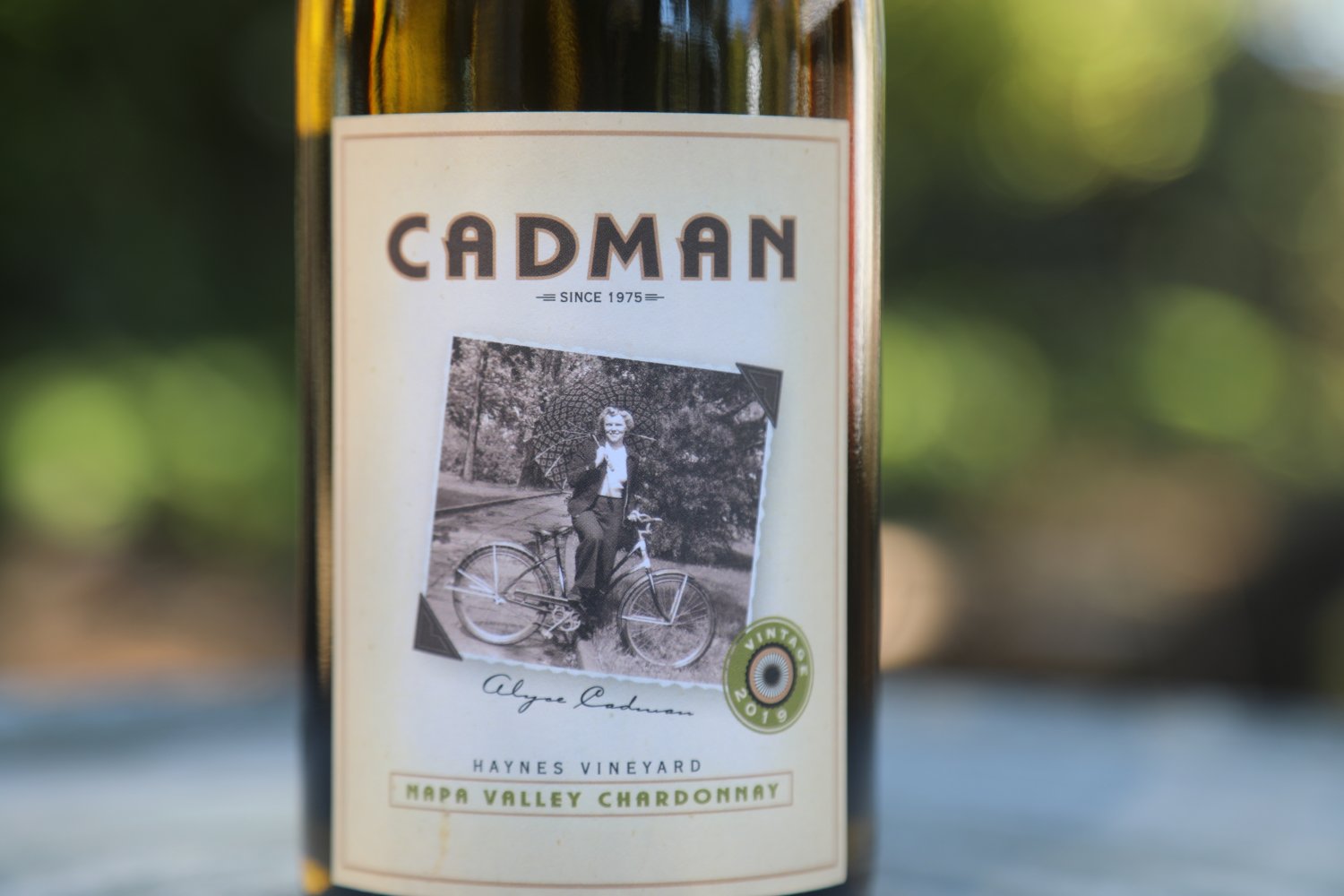
Today, Tulocay produces two Chardonnay wines including the Cadman label which does not see any oak during its aging, featuring a photograph of his mother in her youth taken on Mills College in Oakland and the Tulocay label, which is aged in both new and neutral oak barrels. The grapes for each of these wines are harvested and pressed at the same time. Tulocay’s first Chardonnay in 1975 was not from the Haynes Vineyard – rather it was sourced from a Chardonnay vineyard in Rutherford, off of Niebaum Lane, back when Rutherford had not yet been converted to mostly red grape varieties.
The 2019 Cadman Haynes Vineyard Chardonnay (saw no oak during fermentation or aging) is medium to deep gold color in the glass; the nose smells bright aromatics of citrus blossom, lime, slightly under ripe pineapple, papaya, pineapple guava, lychee and mandarin. The aromatics are very pretty; one will not smell butter or oak in the glass – that is not this style of Chardonnay. Rounded and creamy across the palate, this wine offers generous and intense flavors including Golden Delicious apple, pear and mandarin. The acidity keeps this wine lively and fresh across the palate with a bright mouthwatering finish. We are not sure we could have identified this as a Napa Valley grown Chardonnay in a blind tasting. And in true Bill Cadman style, his notes on the back label tell it like it is, “Every harvest we aim to honor this site by making a Chardonnay that never touches those yucky, hard-to-clean wooden casks.”
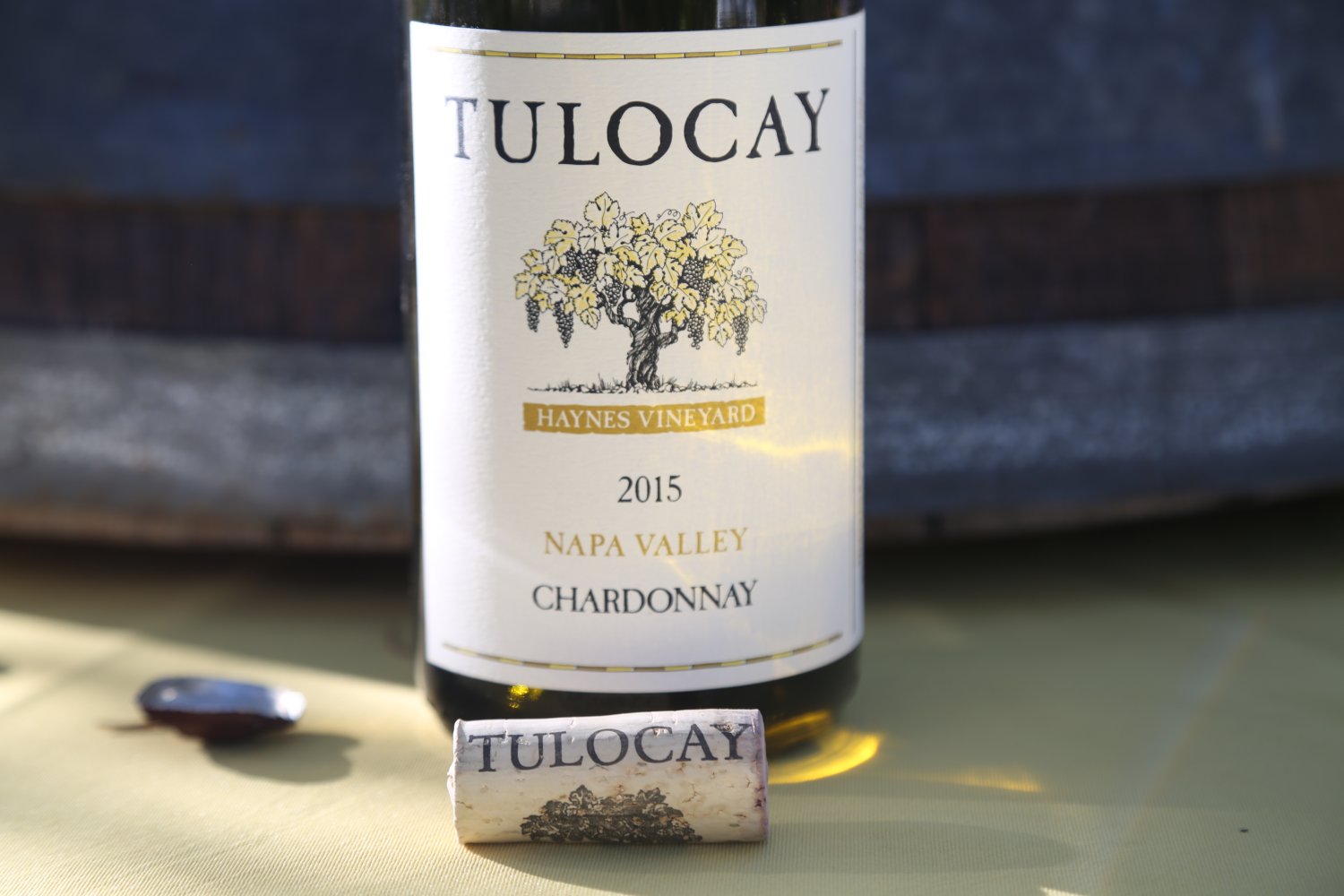
The 2009 Tulocay Chardonnay, sourced from the Haynes Vineyard, is golden yellow in the glass and remains remarkably vibrant at five years post vintage. This is not a Chardonnay showing signs of fading with age, but rather one that continues to display both freshness and elegance with time in bottle. The bouquet is layered and expressive, offering vibrant aromas of yellow pineapple, red apple, citrus blossom, and lemon, accompanied by a hint of white pepper. The aromatics strike a pleasing balance between richness and restraint, revealing depth without becoming overly opulent or heavy. On the palate, the wine is silky smooth and balanced, carried by lively acidity that keeps the fruit bright and energetic throughout. It sports flavors of ripe citrus, orchard fruit, and tropical notes, while a subtle mineral character emerges on the lingering finish. The texture is polished and refined, yet the wine maintains a freshness that makes it especially versatile with food. Importantly, this is not an oak-driven Chardonnay.
Reds
Pinot Noir
The Tulocay Pinot Noir is not as rich or ripe as one might find from some of the Napa or Sonoma Carneros Pinot Noir producers, rather it is more traditionally made – in a Burgundian style. Every year the wine from this variety tends to be elegant both in aroma and on the palate. Pinot Noir is partly what Tulocay is known for; remarkably for 45+ vintages Tulocay made Pinot Noir from the old vines in the Haynes Vineyard.
 The 2023 Tulocay Pinot Noir, Los Carneros is pale to medium ruby; the bouquet smells like dried rose petals, a minerally and ferrous character almost like rusting iron, menthol, a hint of cocoa powder with its fruit showing higher tones including cranberry, currant and red licorice. It needs time to open in its youth, be patient. This wine smells like Napa Valley of a bygone era. Red fruited, easy drinking with a gentle texture, this wine tastes like red plums, licorice, cherry, currant, cranberry and raspberry. The red-fruited and bright finish lingers savory with a light drying and dusty character, white pepper, dried herbs including sage and bay leaf. The tannins are fine-grained with its dusty cadence that outlasts fruit and acidity on the finish.
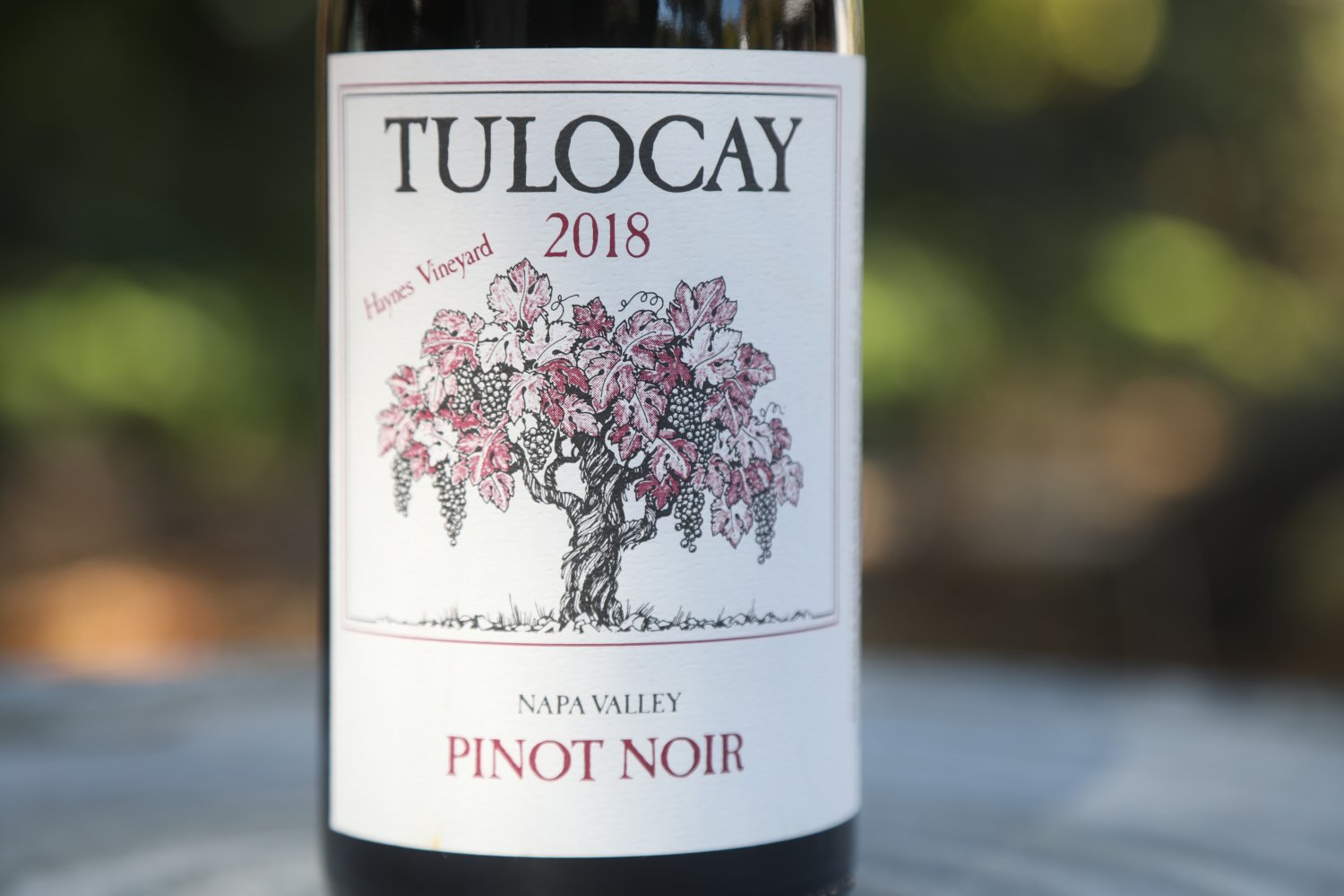
The 2018 Tulocay Haynes Vineyard Pinot Noir is pale ruby in color; the bouquet initially offers notes of mushroom but quickly opens to cherry cola, raspberry, red licorice, wild strawberry, dried rose petal and old cedar box. The aromatics are slightly savory, although the fruit shows far more than any earthiness that this variety often displays. On the palate features flavors of dried herbs, cranberry and red cherry. Balanced, with some minerality nuances across the palate, this wine lingers with some darker spices and a very subtle hint of dried tobacco leaf. Prior to fermentation 85% of the grapes were destemmed leaving the remaining 15 percent as whole cluster. The wine saw no racking, no fining and no filtering.
Syrah
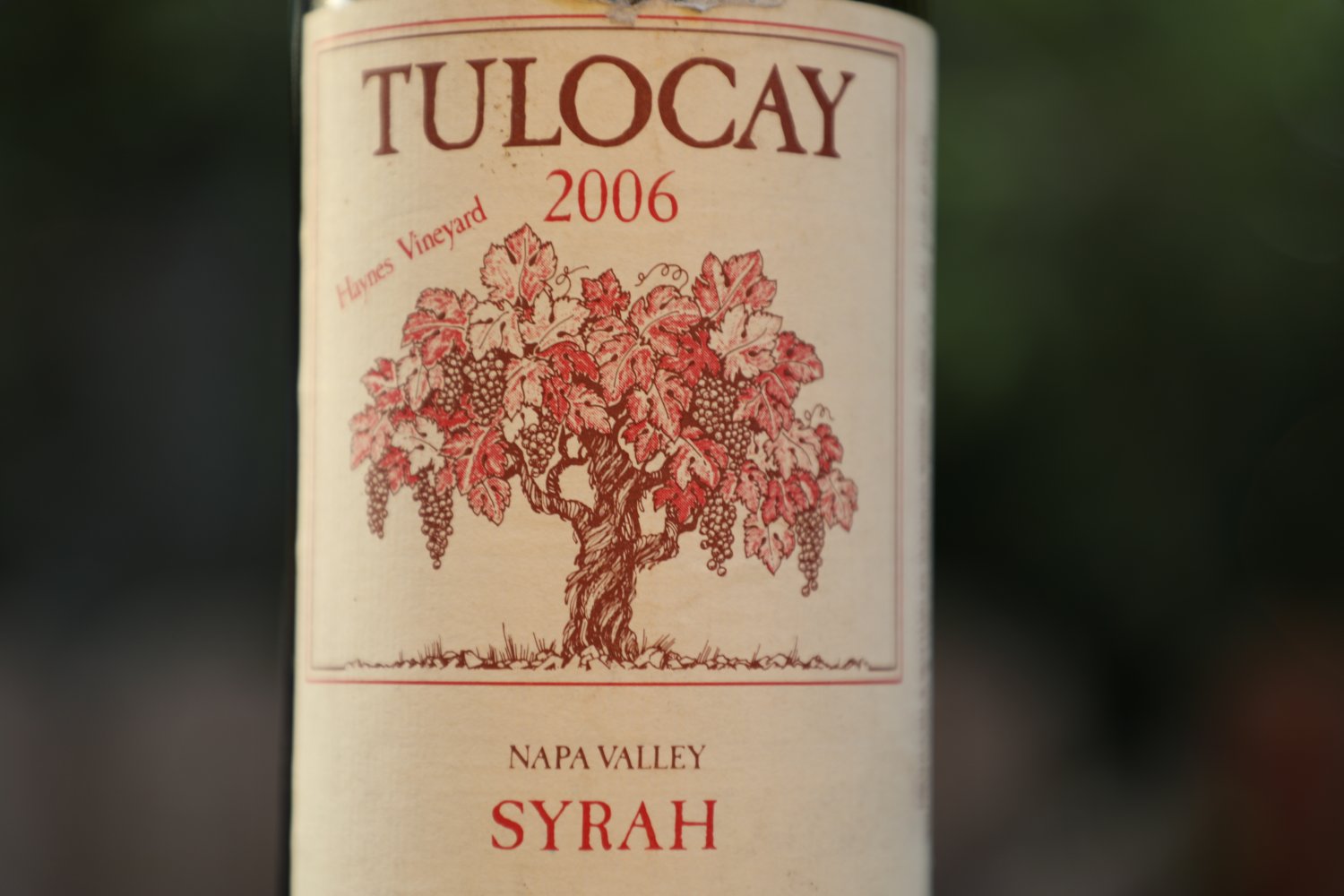
The 2006 Tulocay Haynes Vineyard Napa Valley Syrah (tasted 17 years post vintage) is dark ruby in the glass with some brickish colors due to its age. The aromatics are highly tertiary and include scents of damp and dark earth, mushroom, leather, a nutty character including of dried walnuts, tobacco and dried blackberry. As the wine evolves in the glass two additional scents become quite noticeable: coffee grinds and espresso. If we were to characterize this bouquet at this age, we would use the word character to describe its layers and darker notes. The palate shows more fruit than the bouquet with flavors of dried blackberry and other dark berries, plum dark chocolate and toffee. The tannins are supple, resolved and well integrated into the finish. This wine lingers with a light but persistent dryness underneath the tongue towards the back of the palate. While listed as 16% alcohol, its overall feel is fairly well balanced but you may feel unbalanced if you consume the entire bottle too quickly.
Cabernet Sauvignon
Bill makes a lighter styled Cabernet Sauvignon which unlike much of the Napa Valley actually showcases the characteristics of this variety. Over the years the source vineyard has changed but the style of wine has not – often lower alcohol, higher acid and hints of the herbal qualities inherent in this variety. Tulocay produced a Cliff Vineyard designate Cabernet Sauvignon for several decades.
The 2018 Tulocay Cabernet Sauvignon, Coombsville tasted 8 years post vintage. The grapes for this wine come from a 1/2 acre vineyard about 1/2 mile from the winery. This wine is deep ruby and opaque with some purple hues; the bouquet smells like the variety before its inherent character is bled out by ripeness. Higher toned, this wine smells like shishito pepper, red chili spice, rusting iron, dried herbs including sage and its fruit offers notes of red cherry, not fully ripe boysenberry, red plums, currant and cranberries. The palate is anchored by a vibrant vein of acidity, crunchy, juicy and fresh, this wine is singing notes of soprano at a higher pitch. In a blind tasting we wouldn’t have guessed its age. The palate tastes like sour cherry, currant, cranberry and not fully ripe red mulberry. Lingers with a note of dried tobacco leaf, dried bay leaf, smoked sage and broadly dispersed tannins that persist with a dusty and drying grip. This wine is built to be age worthy. We would love to try it again in another 10-15 years.
Cadman’s Red
The 2020 Tulocay Cadman’s Red, Napa Valley is a blend of 65% Cabernet Sauvignon (Coombsville) and 35% Merlot (St. Helena). This wine is deep ruby and nearly opaque. The aromatics smell bright, vibrating at a high frequency at 6 years post vintage with scents of currant, cranberry, red cherry, boysenberry and red mulberry. The fruit is the star of the show here, with the oak lightly supporting. The fruit from the Cabernet Sauvignon shows well, with the softness expressed from the Merlot on the finish in terms of its texture. This wine is showing in a sweet spot at this age with flavors of raspberry, cherry, currant, cranberry, boysenberry and red mulberry. This wine finishes fresh, bright and juicy. Mouth watering. The tannins are supple with a polished feel and lingering chalky character. This wine is showing in a sweet spot right now, and is the definition of balance.
Zinfandel
 According to Bill, Casanova Zinfandel was one of the best wines he made, but the last vintage of this was 2002 and was only available for purchase at the winery. The fruit source for this wine was key as it was from that ‘magical’ red ground on the eastern slopes of the Oakville Appellation just below Pritchard Hill. This part of Napa Valley is home to numerous premium wineries including Dalla Valle and Oakville Ranch among others.
Tulocay made a Zinfandel from Amador County grown grapes for a number of years. Starting with the 2013 vintage, they sourced Zinfandel for several years from a historical vineyard on Dunaweal Lane in Calistoga from old head pruned vines. Celebrating the spirit of Zinfandel, this is the one wine that tends to be significantly higher in alcohol compared to the other Tulocay wines – helped in part by its warmer growing climate in the northern part of the valley. Regardless, their Zinfandels tend to have good acidity.
The 2023 Tulocay Zinfandel, Calistoga Napa Valley is medium to deep ruby; this is an aromatically elegant and lifted expression of the variety. It remains far removed from jammy, sweet and over ripe, adjectives we often use to describe California grown Zinfandel. The bouquet smells like fig newton, raspberry, red cherry, boysenberry and red cherries, blood orange, and a subtle note of cocoa powder deep in the aromatics. This wine tastes like Satsuma plum, dark cherry, blackberry, boysenberry, red licorice, chocolate and white pepper. The acidity is bright, balanced and provides a fresh character to the ripe fruit. The tannins are well defined, but never edgy, lingering with a moderate dusty grip. And there is a lingering warmth deep in the palate. Pair this with a lighter cut of meat – perhaps a flank steak and a BBQ.
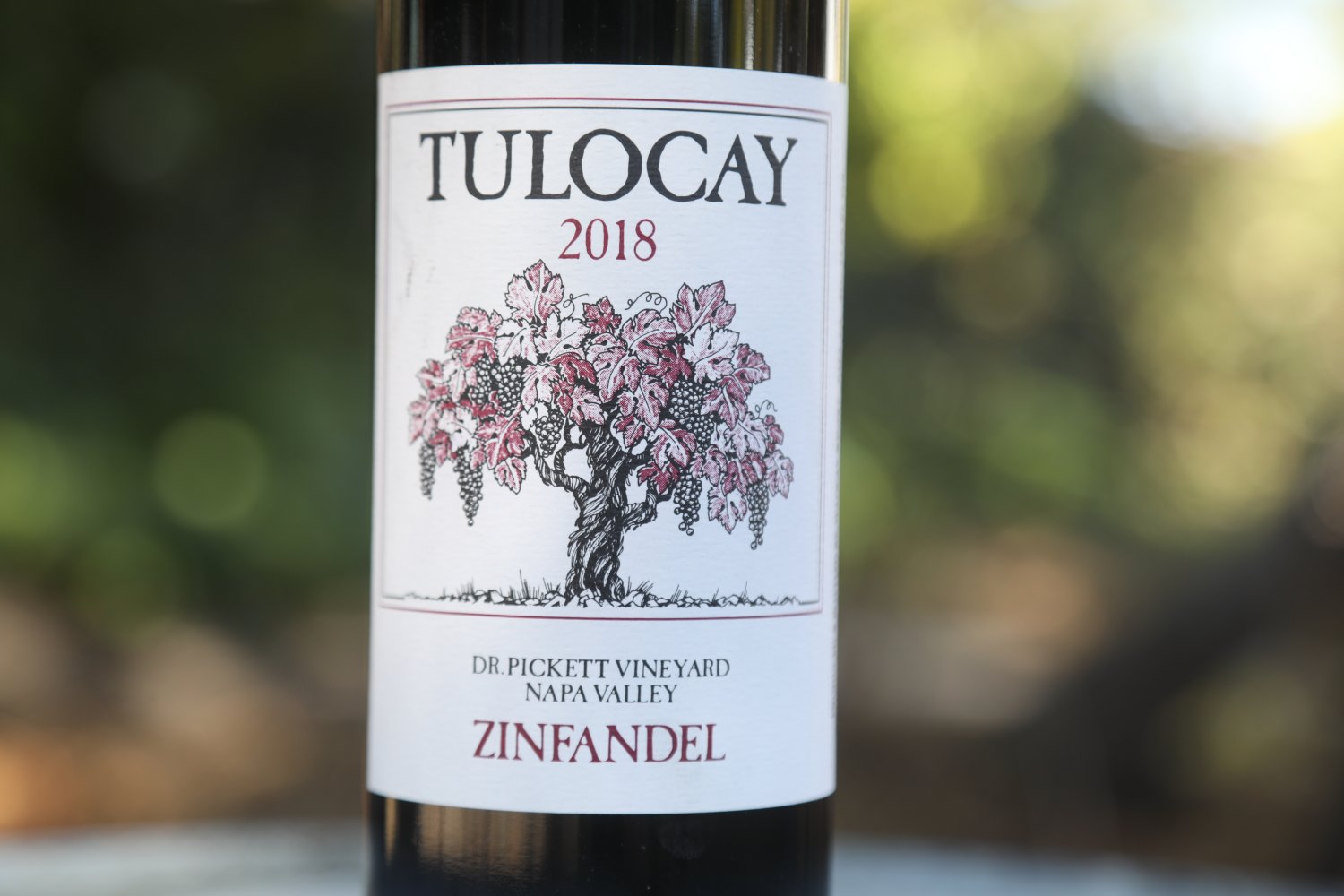
The 2018 Tulocay Dr. Pickett Vineyard Zinfandel (located appropriately off of Zinfandel Lane in St. Helena) is medium ruby in color; offers plenty of fruit on the bouquet including blackberry, dark cherry and a sweet aromatic thread of black licorice. Accompanying the fruit notes are aromas of old cedar box and white pepper. And as the wine evolves further, offers aromas of mocha and espresso. Shows plenty of brightness across the palate with both red and darker cherry flavors. Mouthwatering. Lingers with darker spices including cracked peppercorn, cedar and earthy slightly dry tannins with a light to moderate grip. The finish is quite savory.
—
One aspect which differentiates Tulocay from most Napa Valley based wineries is their wines are typically 3-4 years older than other wineries’ current vintages and at the time of our latest visit, the wines we were tasting were five and six years old – certainly not a bad thing for consumers. Consumers can also take note that these wines are not priced higher despite the additional aging. Even a variety that is often the highest priced in the valley, Cabernet Sauvignon, is reasonably priced.
 Bill’s philosophy about wine is refreshing; it should be enjoyed by family and friends, rather than as a social status to show off to others.
In 1988 Bill received a menu in the mail – it was from the US Federal Government containing a dinner menu dated Thursday April 21, 1988; his wines had been served at a dinner at the White House along with wines from Schramsberg and from Robert Mondavi. This was certainly a nice feeling to see one’s wine alongside Robert Mondavi, especially considering Bill worked for Mr. Mondavi for 20 years.
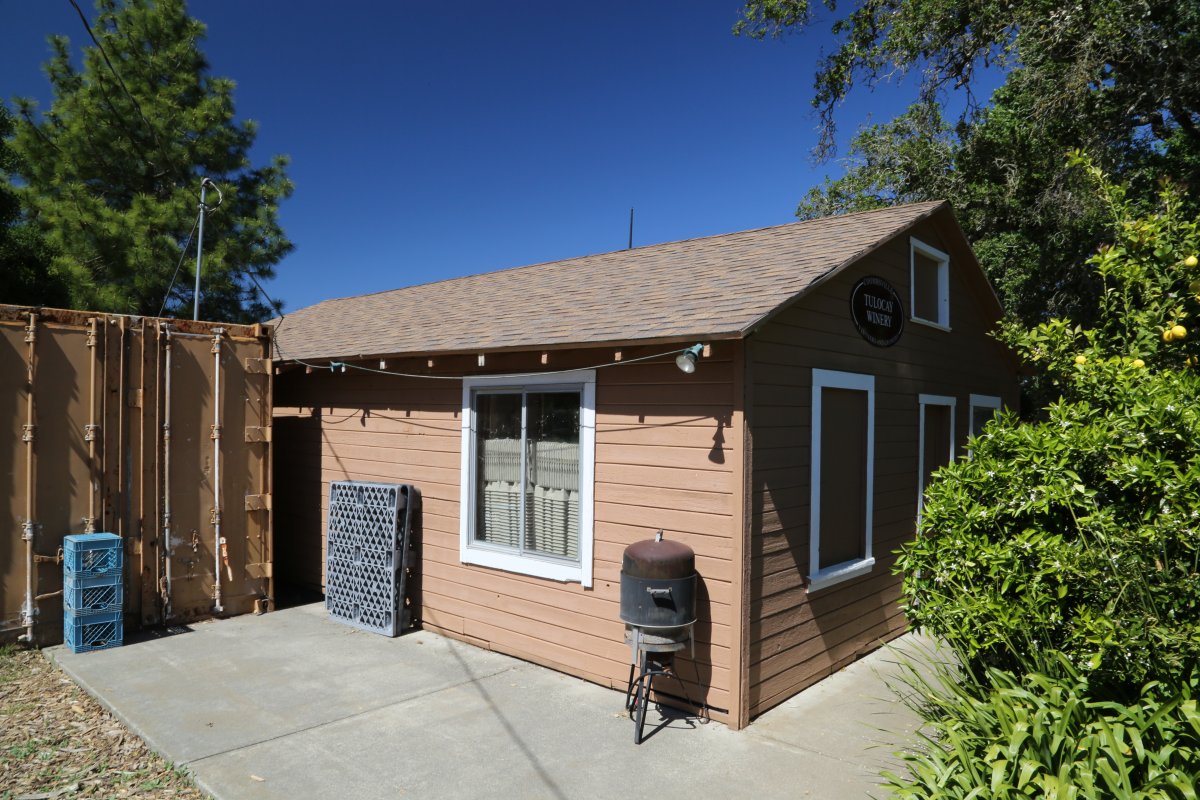
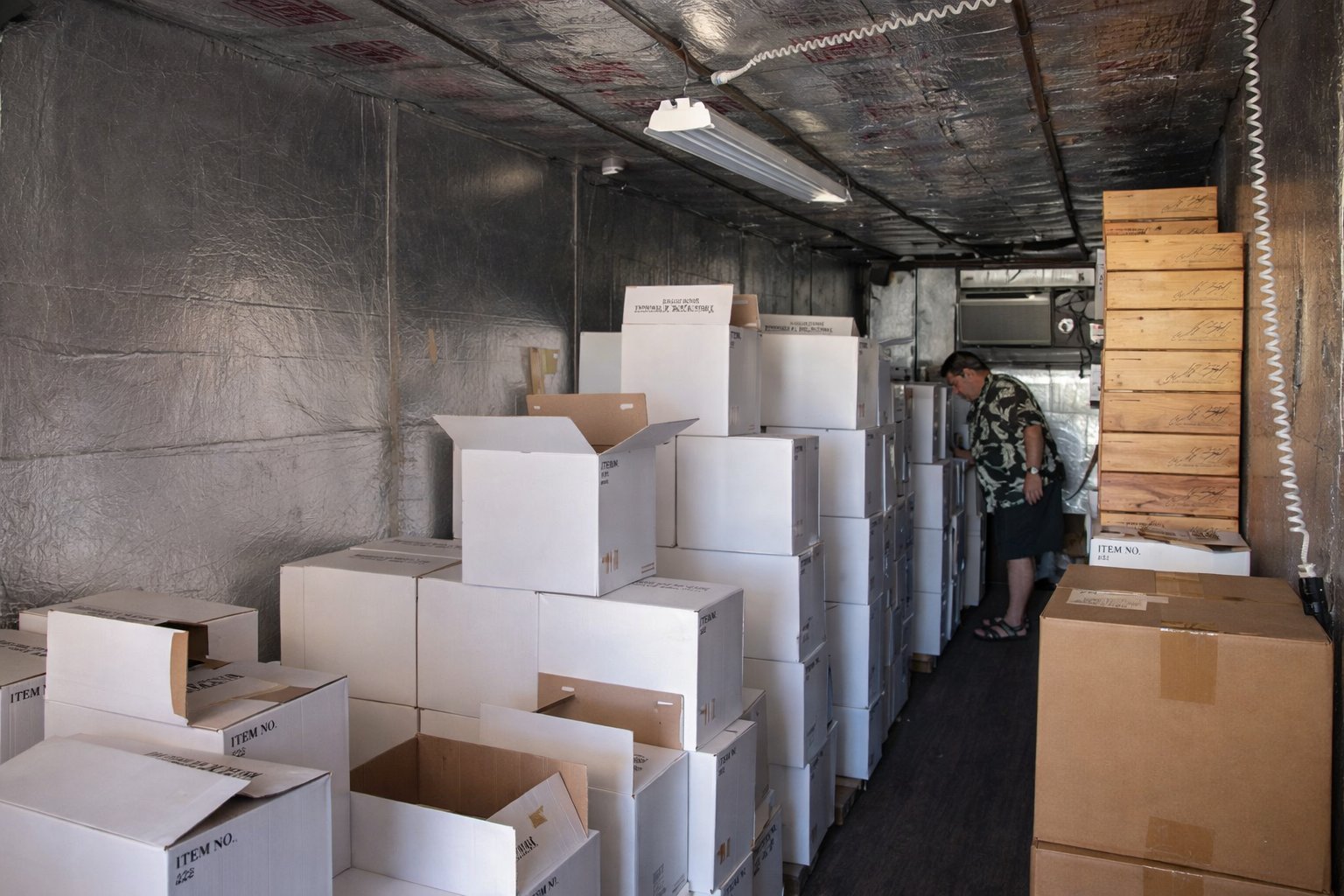
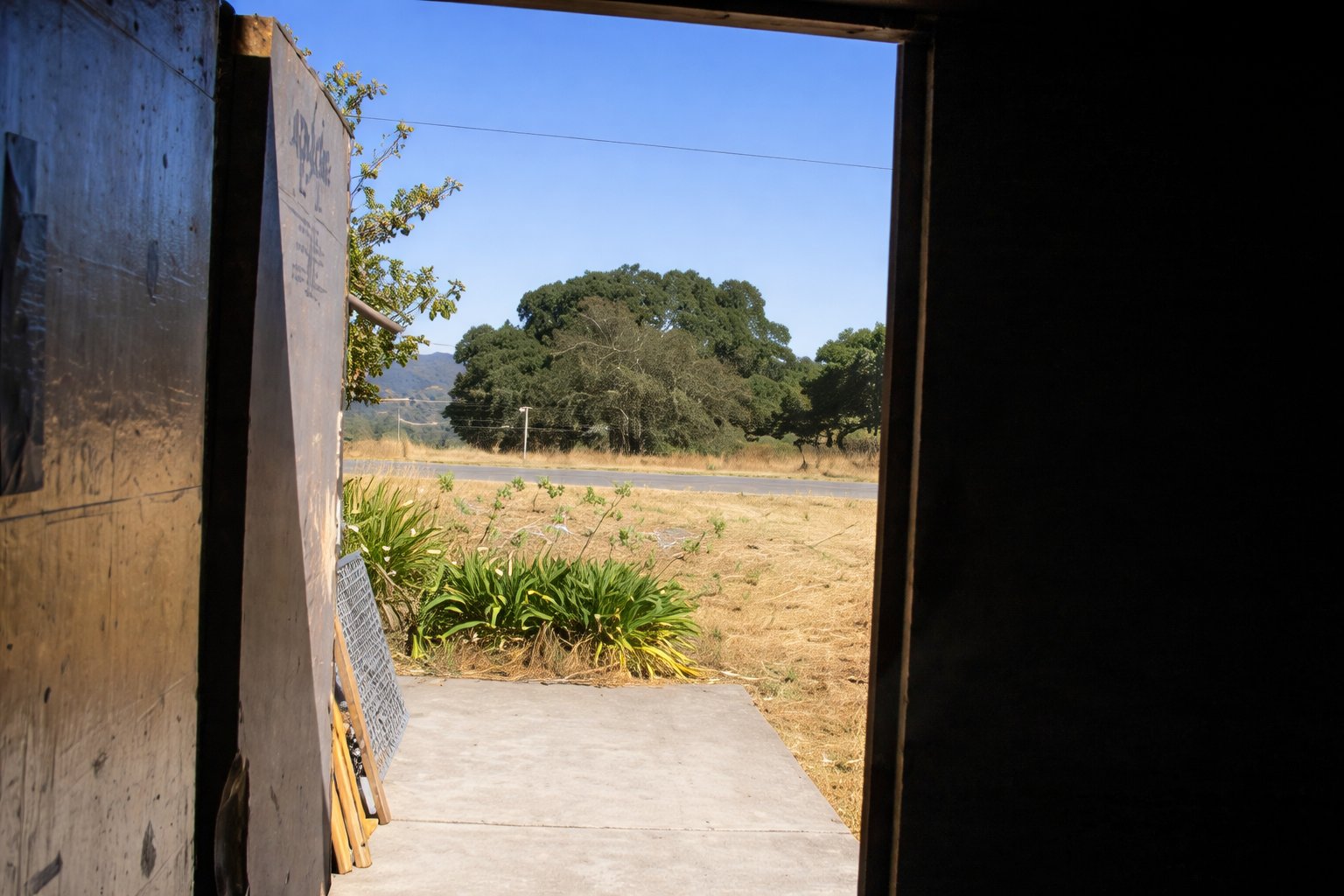
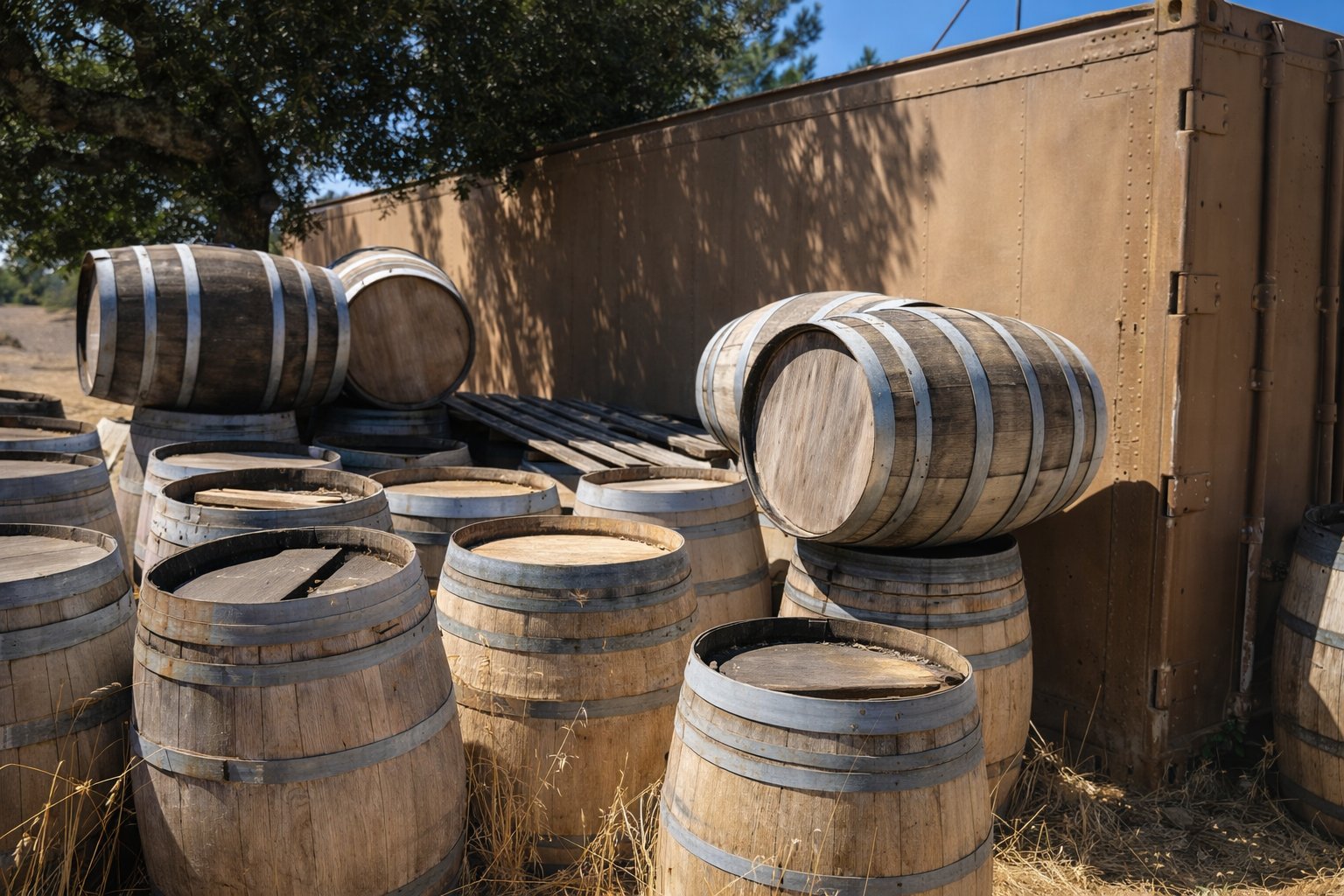
Rather than drilling a fancy cave on site, Tulocay’s “cave” is a C-Train storage unit, but it does contain a “flying bat” – as Bill says, “to help make the “cave” more authentic”. When deciding on a design for the label, Bill realized it was probably best not to use an outline of his fairly rustic looking physical winery. Rather he chose to display an image of an old grapevine loaded with grapes. John Farrel of the design firm, Colonna-Farrell created the image for the Tulocay label, a prolific design firm, active from 1975 through 1997. And Bill ripped out a magazine ad for Cutty Sark to use as an example of a font he wanted to mimic for the word ‘Tulocay’ on his wine label.
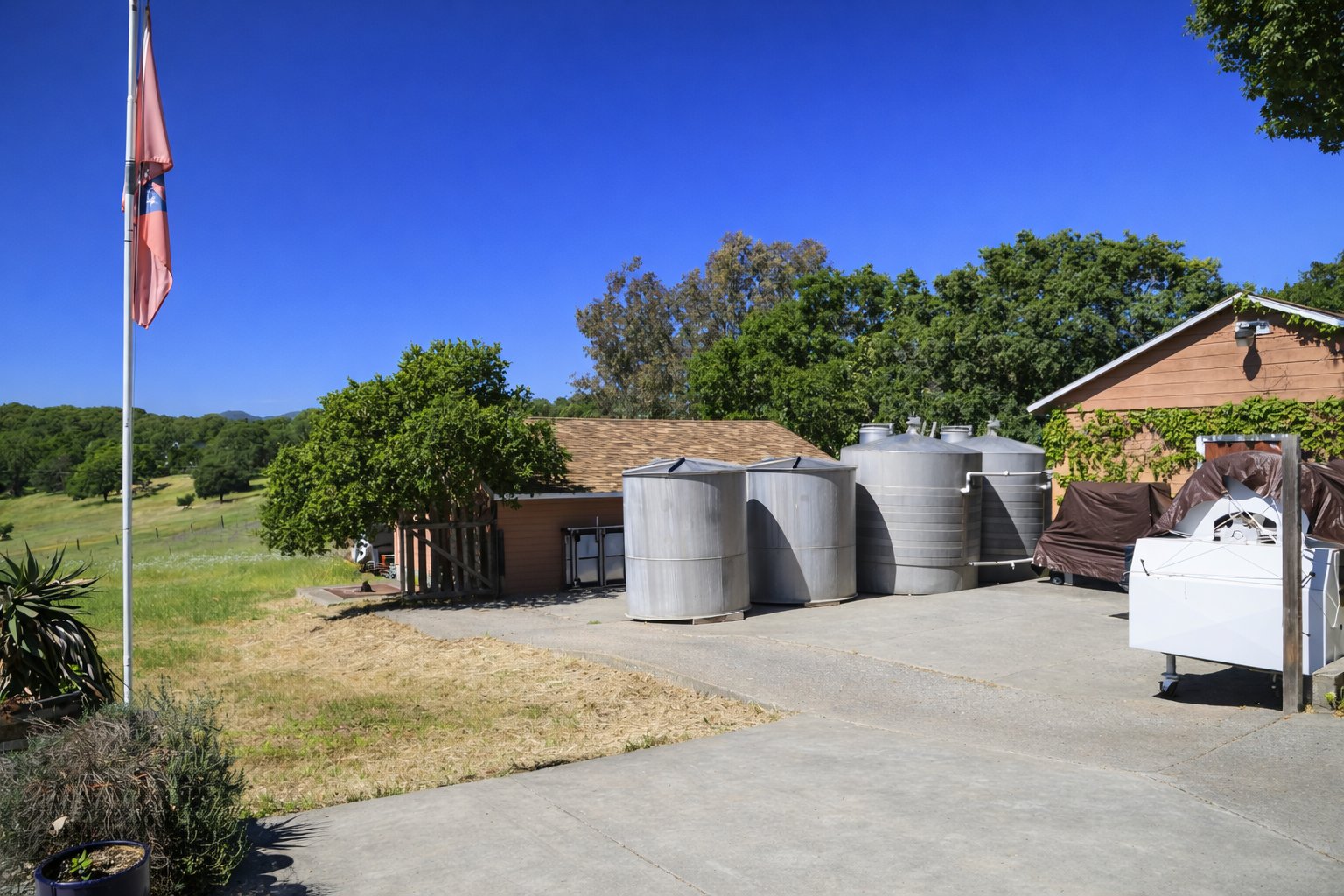
The winery is small but functional for their limited production wines which is around 1,000 cases a year. For more information and to join their wine club, visit: www.tulocay.com
Winery

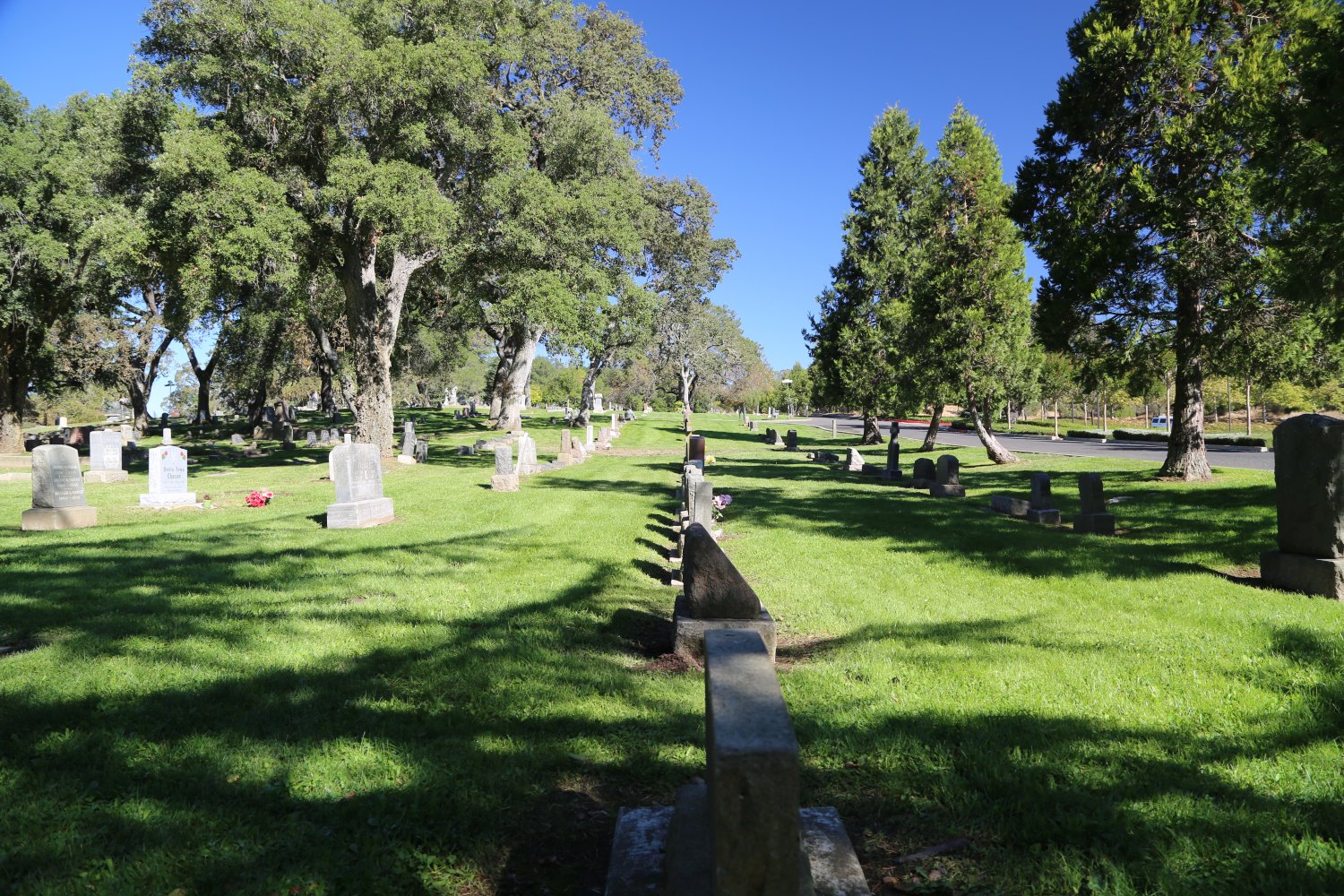
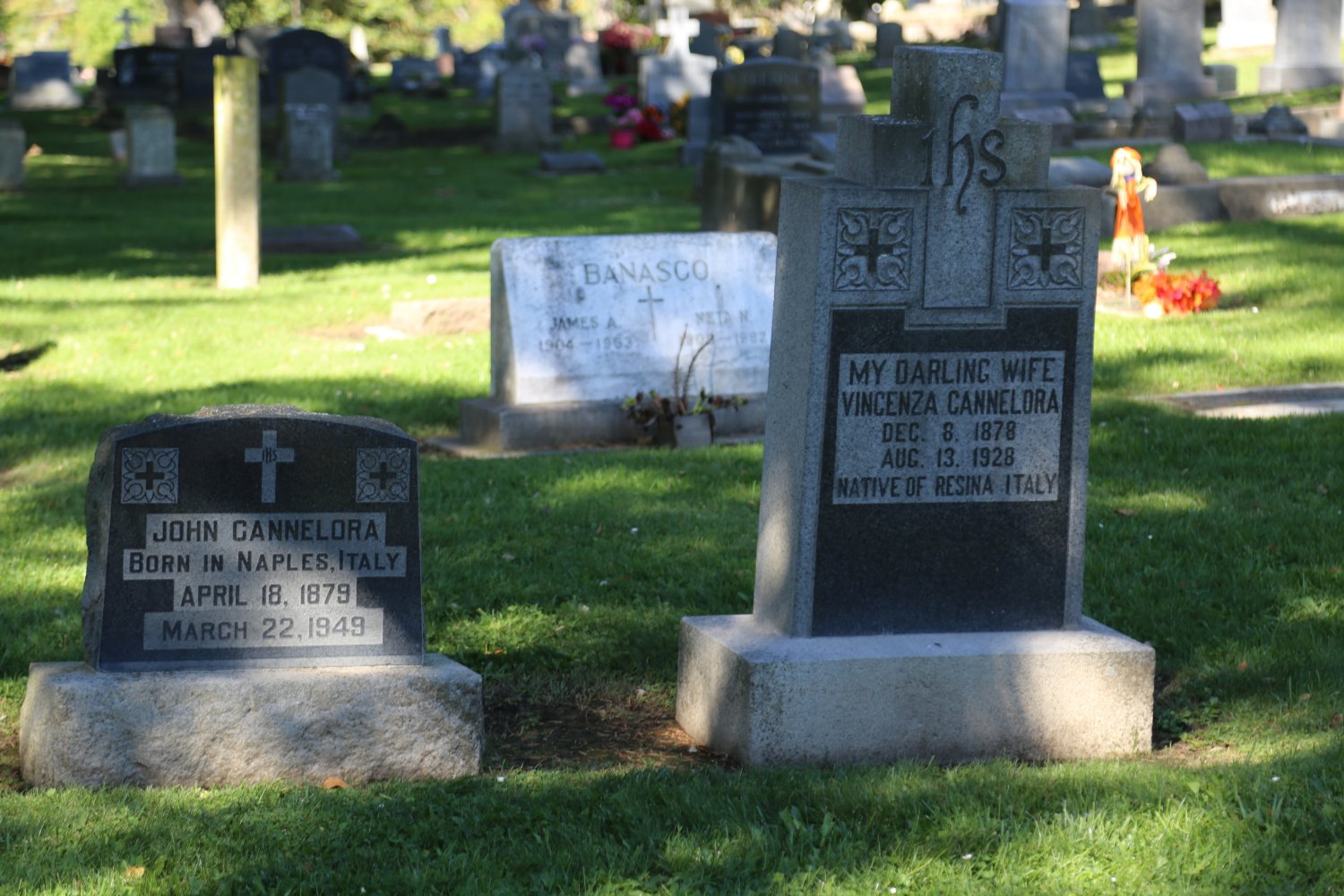
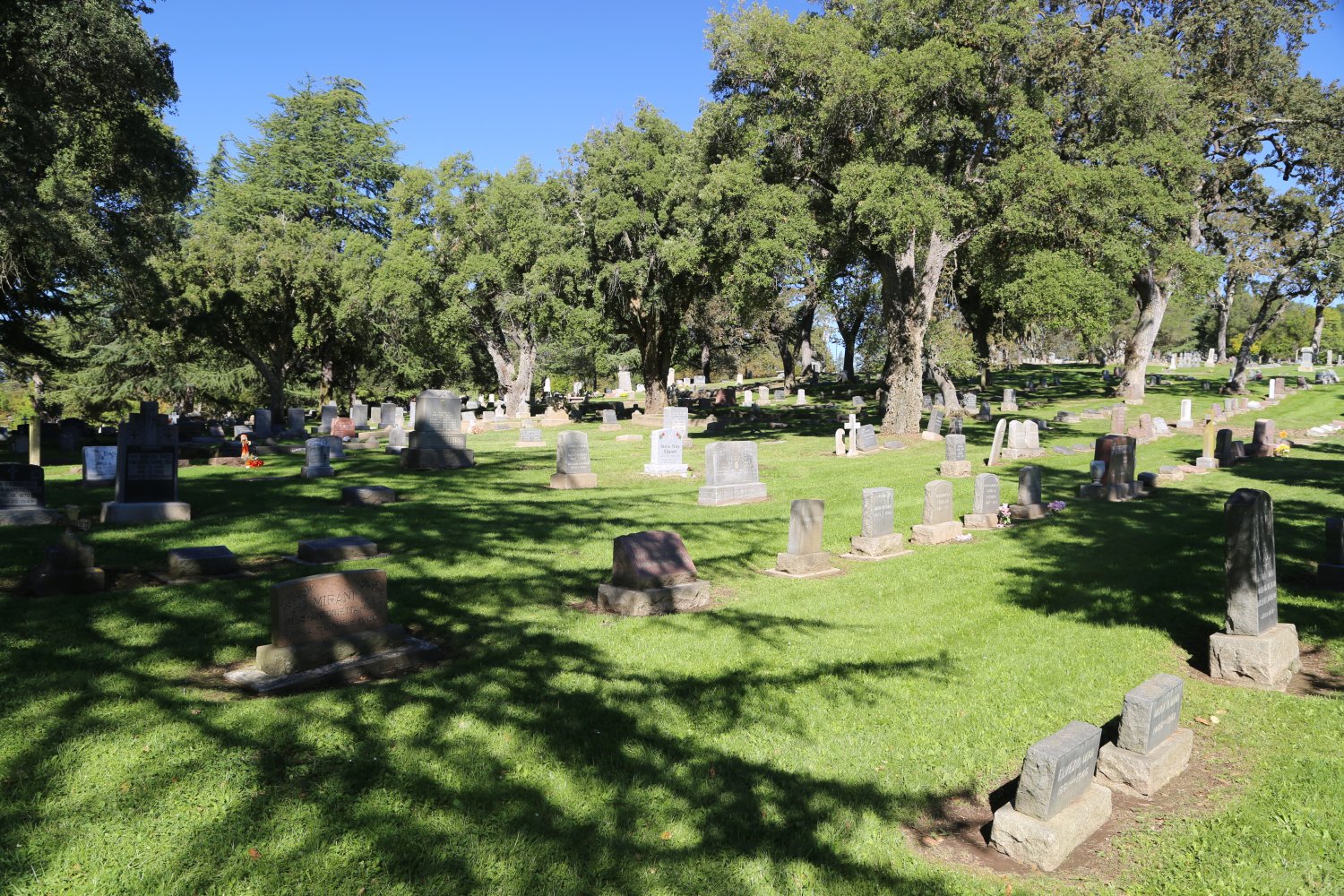
Tulocay Cemetery
Wine with Tony
TONY, AS YOU MAY KNOW, I HAVE AND HAVE ACCESS TO MANY OF NAPA VALLEY’S BEST (AND WORST) WINES. I DRINK THE TULOCAY 2002 AMADOR ZINFANDEL ANYTIME I WANT A “MANLY WINE”, AND I DRINK THE TULOCAY 2007 SYRRAH ANYTIME I WANT A “REAL’ THRILL OR IF I AM HAVING SOME SERIOUS WINEMAKER TYPES OVER FOR LUNCH OR DINNER. BOTH WINES ARE FROM A BYGONE ERA…HONEST, FRUIT FORWARD, TERROIR (THERE GO THE ANTI-FR TYPES!~ EXPRESSION), DENSE, DARK, SOLID, THE WINE COMES FIRST WINE MAKING!!! NO HOMAGE TO GUYS IN SUITS WITH PENS, EDITORS AND AGENDAS IN MIND. DRINK RED MY FRIEND, STAY HEALTHY..
Tony Mori is one of the video godfathers of the Napa Valley 🙂 That guy really gets around!