




 Crane Assembly was founded in 2012 by three longtime friends in Napa Valley – winemakers Dave Phinney (of Orin Swift) and Kevin Fox and business partners Bryan Sandoli (married to Karen Williams the co-founder of ACME Wines in St. Helena) and Darryl Browman (co-founder of Cavus Vineyards in the Stags Leap District). The partners sold both the brand Crane Assembly and its estate vineyard in 2022 to Ohio and Napa Valley based Vail Miller Jr. and his wife Leslie. Vail’s great grandfather Albert W. Vontz Sr., (born in Hanover, Germany) helped open Vienna Brewery in Cincinnati in 1933.
In 1938 Vontz Sr., invested in the Dayton, OH branch of Covington, KY based Heidelberg Brewery and started Heidelberg Distributing Company; they maintained offices in both Ohio and Kentucky. His son, Albert Vontz Jr. was also actively involved in the family business; in 1958 he was elected president of the Ohio Wholesale Wine Dealers Association. In 1959/1960 he acquired the rights to distribute Anheuser-Busch products. And he also owned other businesses including WNOP in Newport, Kentucky, at the time a Jazz music radio station, KNSO, a radio station in Aspen, CO several restaurants including one called Captain’s Anchorage and a car dealership.
Fourth generation family member Vail Jr., worked his way up through the company eventually becoming CEO and then co-chairman, overseeing 1,600 employees.
Honoring the Vontz family’s contributions to Ohio a number places and spaces carry their last name. These include: the Vontz Center of Molecular Studies and The Albert W. Vontz Professorship of Diabetes, both located at the University of Cincinnati. The Vontz Theater of Cincinnati’s Playhouse in the Park is named after Albert Vontz Sr, honoring his generous contributions to that performing arts center. And in 2025 it was announced that through the Cincinnati Museum Center, the former Heidelberg Distributing facility on Dalton Avenue will be transformed into The Vontz Family Education, Research and Collections Center.
And in a round about St. Helena connection, in the 1940s Heidelberg Distributing Company used to sell wines from Gibson Wine Co, a a Sanger, CA based winery who maintained an office in St. Helena. Gibson’s president, Robert Gibson used to live in St. Helena. Heidelberg Distributing Company operated under the same family ownership until they sold it in 2021. They continue to distribute beer, wine and spirits to markets in both Ohio and Kentucky.
Leslie’s great grandfather founded Hariss & Covington in 1920 in North Carolina, hosiery and textile manufacturers; remarkably this business is still operating under ownership by the 5th generation of the family.
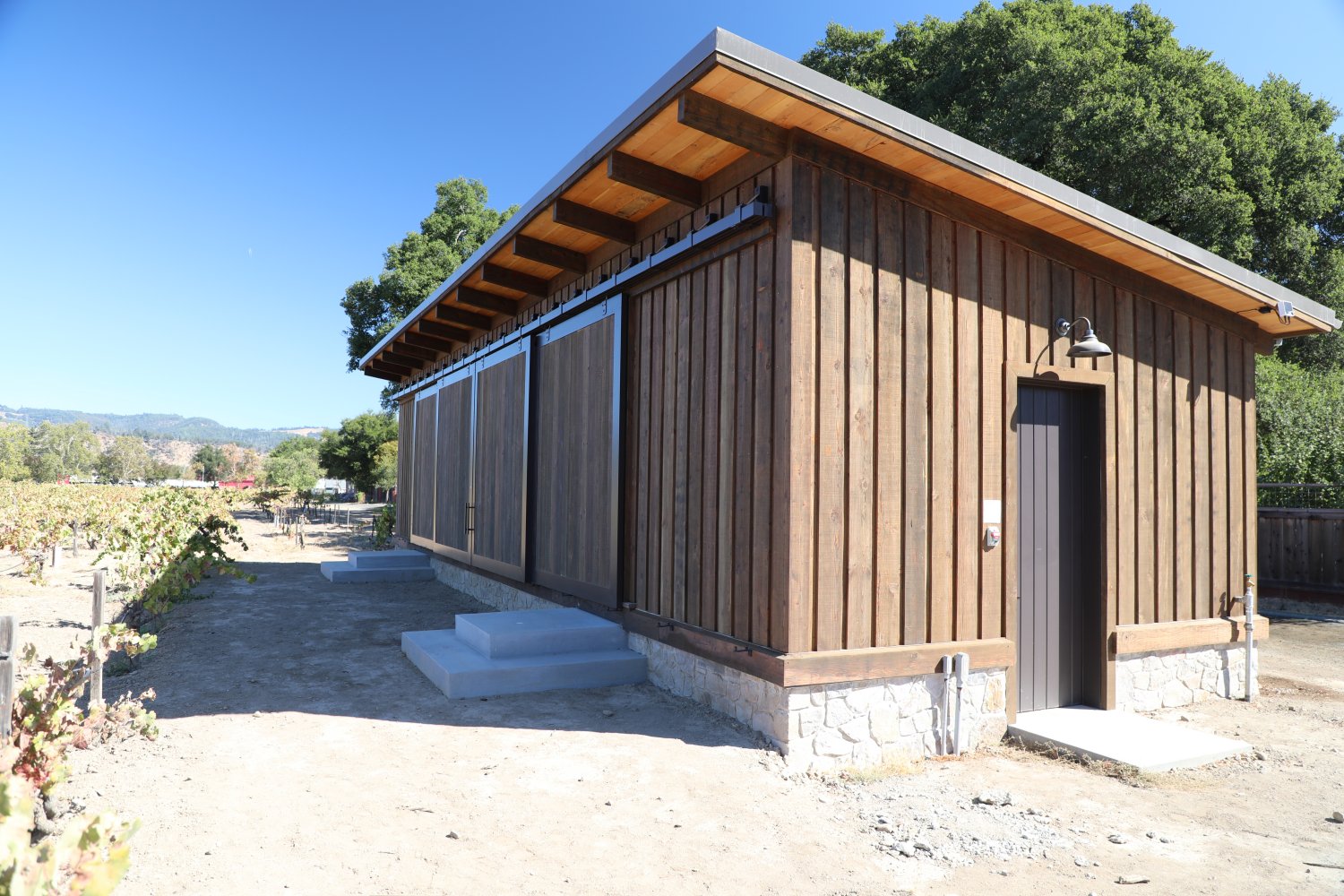
With the change in Crane Assembly ownership came a change in winemakers; today Atelier Melka oversees the production of Crane Assembly with winemaking at Museion, a bonded winery in the former Calistoga Bottling Works space. Wight Vineyard Management, part of the family that owns what is probably the longest continuously same family-farmed vineyard in Napa Valley, Lewelling Vineyard, oversees the management of Crane Assembly’s vineyard.
Dave Phinney began his wine career at Robert Mondavi Winery as a temporary harvest intern in 1997 working several hours every day during the graveyard shift in the winery doing punch-downs and pump overs. With Mondavi’s encouragement, in 1997 Dave made a barrel of wine from second crop grapes and the next year produced his first vintage of a label he ultimately became well known for, Orin Swift. He wasn’t satisfied with the quality of the wine, so Dave sold that vintage on the bulk market (Orin Swift is now owned by GALLO). Little did either Mondavi or Phinney know that eventually both would again be linked based on Phinney’s remarkable success with The Prisoner wines.
A gifted blender of both varieties and regions, Dave built his reputation on creating fruit forward (often higher alcohol), approachable blended wines. His winemaking has never been constrained by specific varieties or geographical places. To complement his creativity with winemaking – his wines incorporate extremely creative, unique and often eye-catching labels. And he is a master marketer, supported by the fact his wines are reasonably priced based on quality.
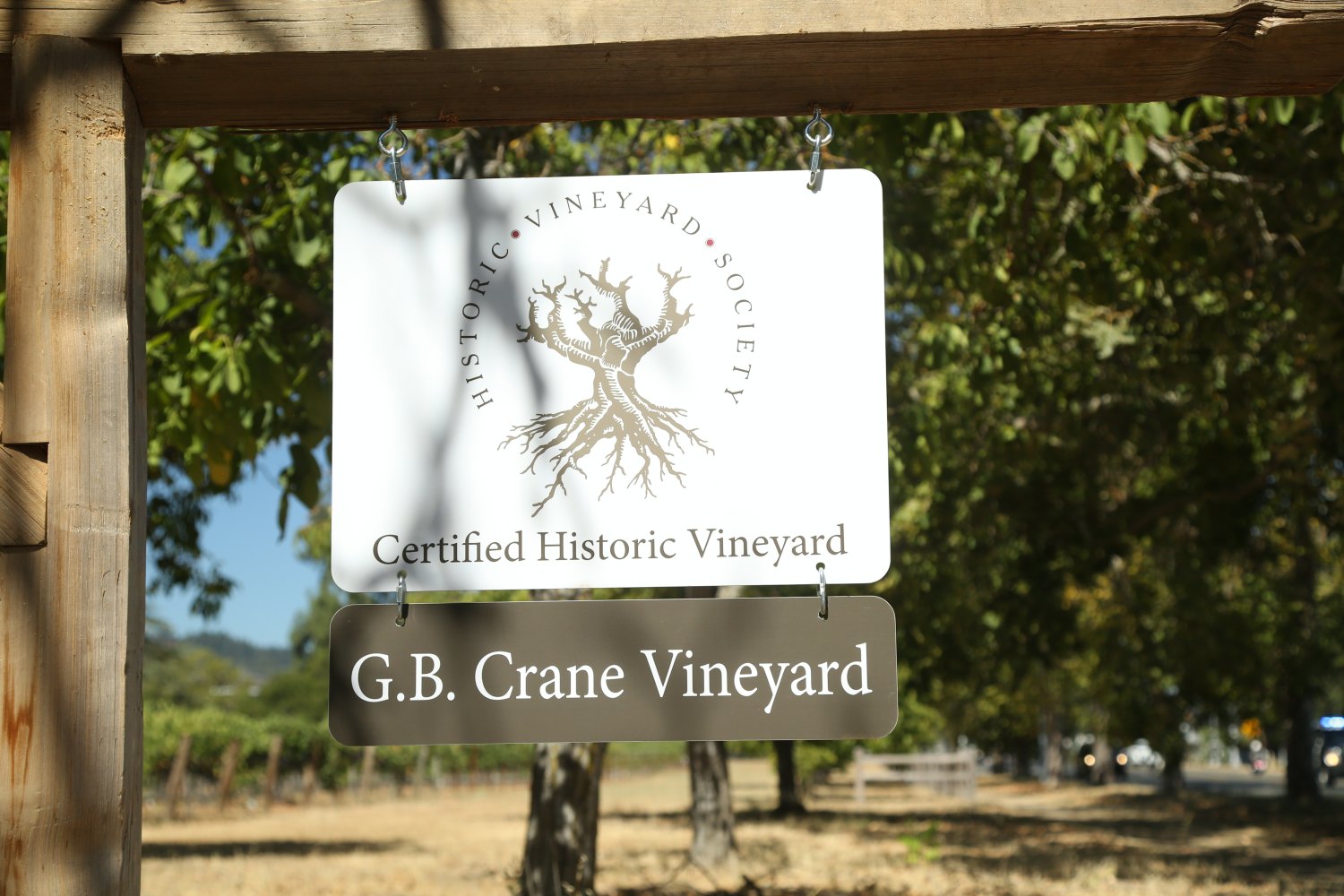
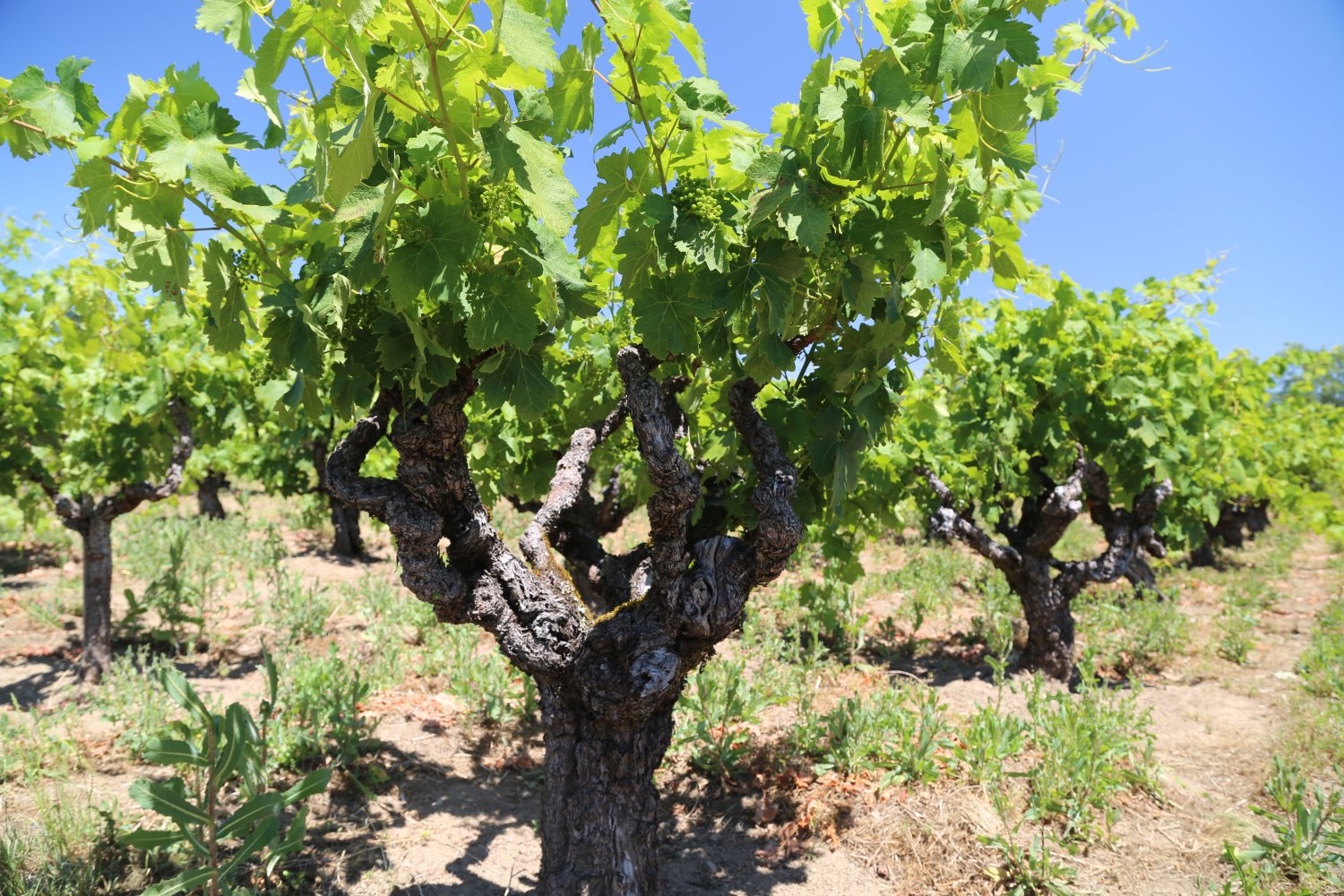
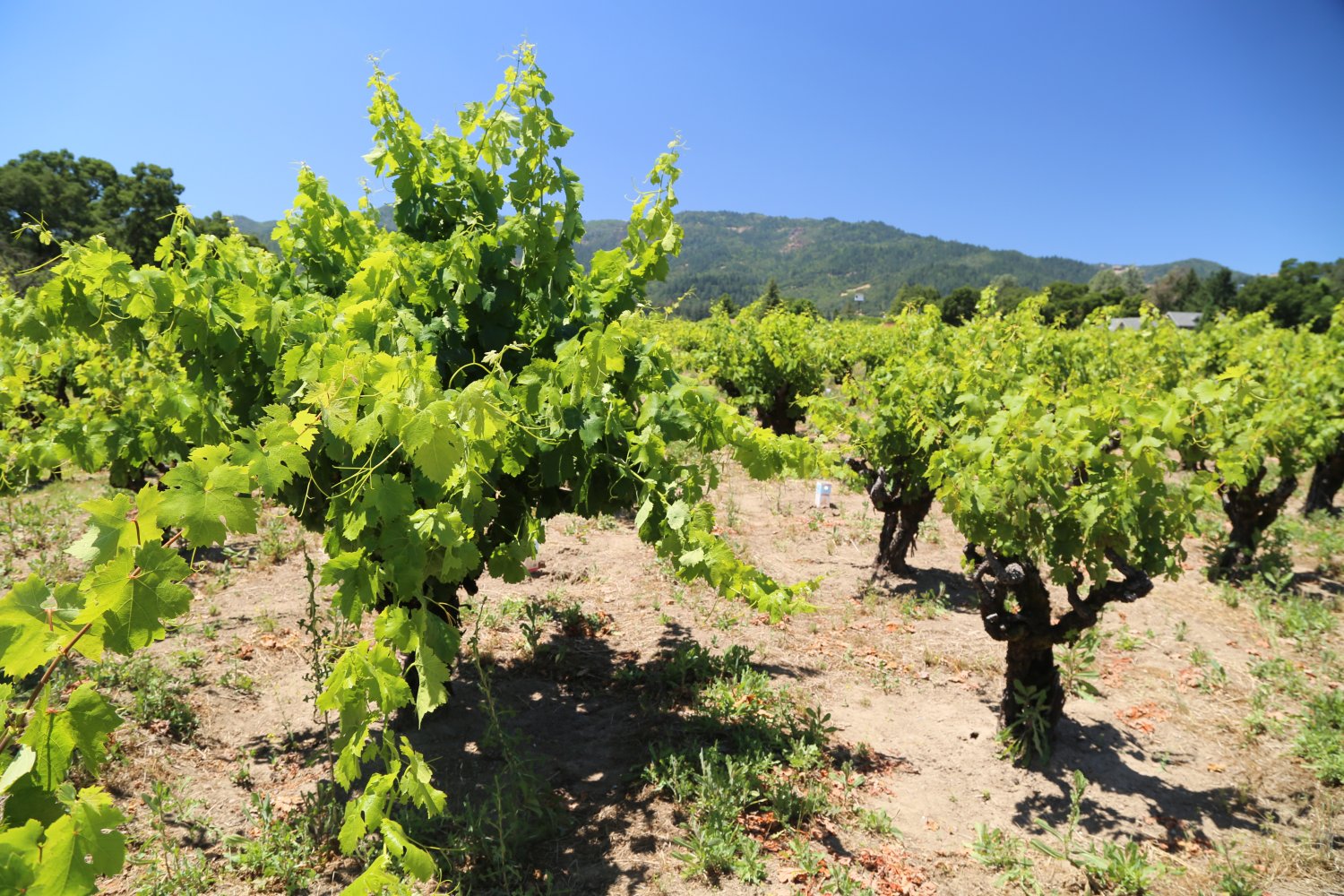
Their historic property is a registered vineyard in the Historic Vineyard Society, an organization dedicated to the preservation and promotion of California’s oldest vineyards (membership vineyards must have an original planting date no later than 1960). Some of the vines in this vineyard are far older than that date. The vineyard was originally planted in 1885 by St. Helena wine pioneer George Belden Crane and has been continuously farmed as a vineyard since then.
As a result, this is an extremely rare and historic vineyard. It is one of the two oldest currently commercially producing vineyards in Napa Valley. There is only one other commercially producing vineyard in Napa with vines dating from the 1880s. That is the Canard Vineyard in Calistoga containing old vine Zinfandel.
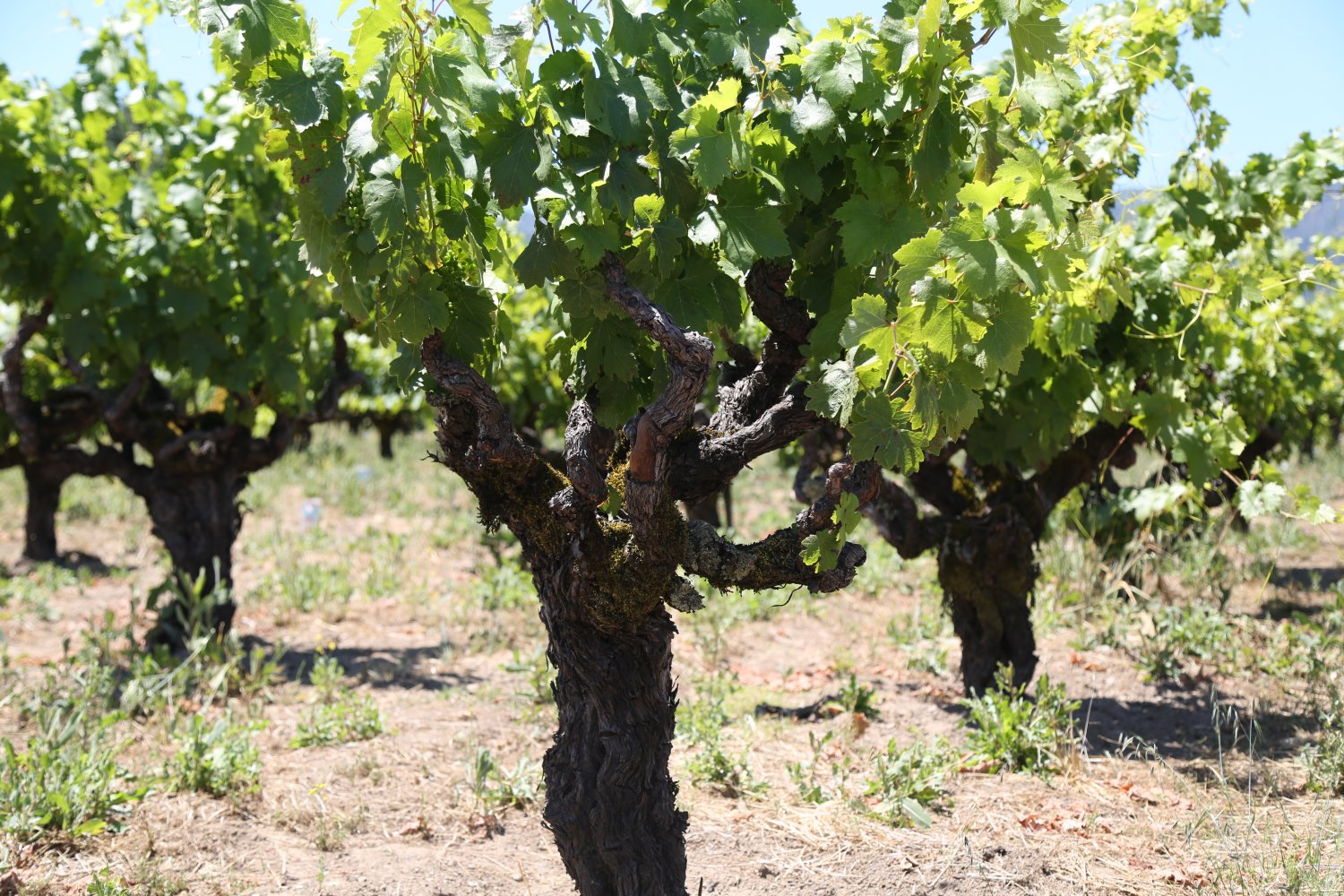
A replant to some of the vines in the Crane Assembly’s vineyard was done in the 1930s; some of the oldest vines range from 85 to approximately 140 years old. Today only 1.6 acres of old vines remain; a large section of this original old block was removed in 2025 and replanted to Cabernet Sauvignon and Cabernet Franc in 2026. A quarter acre of head-pruned Petite Sirah was planted in 2024 and grows directly next to Highway 29.
Dr. George Beldon Crane was one of Napa Valley’s earliest wine pioneers; born in New York in 1806 migrated west via Cape Horn, arriving in California in 1853. He settled in San Jose for several years prior to moving to Napa Valley. He was the first to introduce European grape varieties to the region in 1861. Another early Napa Valley vintner, Henry Pellet was his winemaker for several years starting in 1863 until founding his own winery with a partner, Pellet & Carver.
At one point Crane owned nearly 400 acres of land in this part of the valley. According to a detailed article in the January 3, 1879 issue of The St. Helena Star, Crane’s European grape cuttings came from existing vines already growing in Green Valley in neighboring Solano County and from Sonoma County.
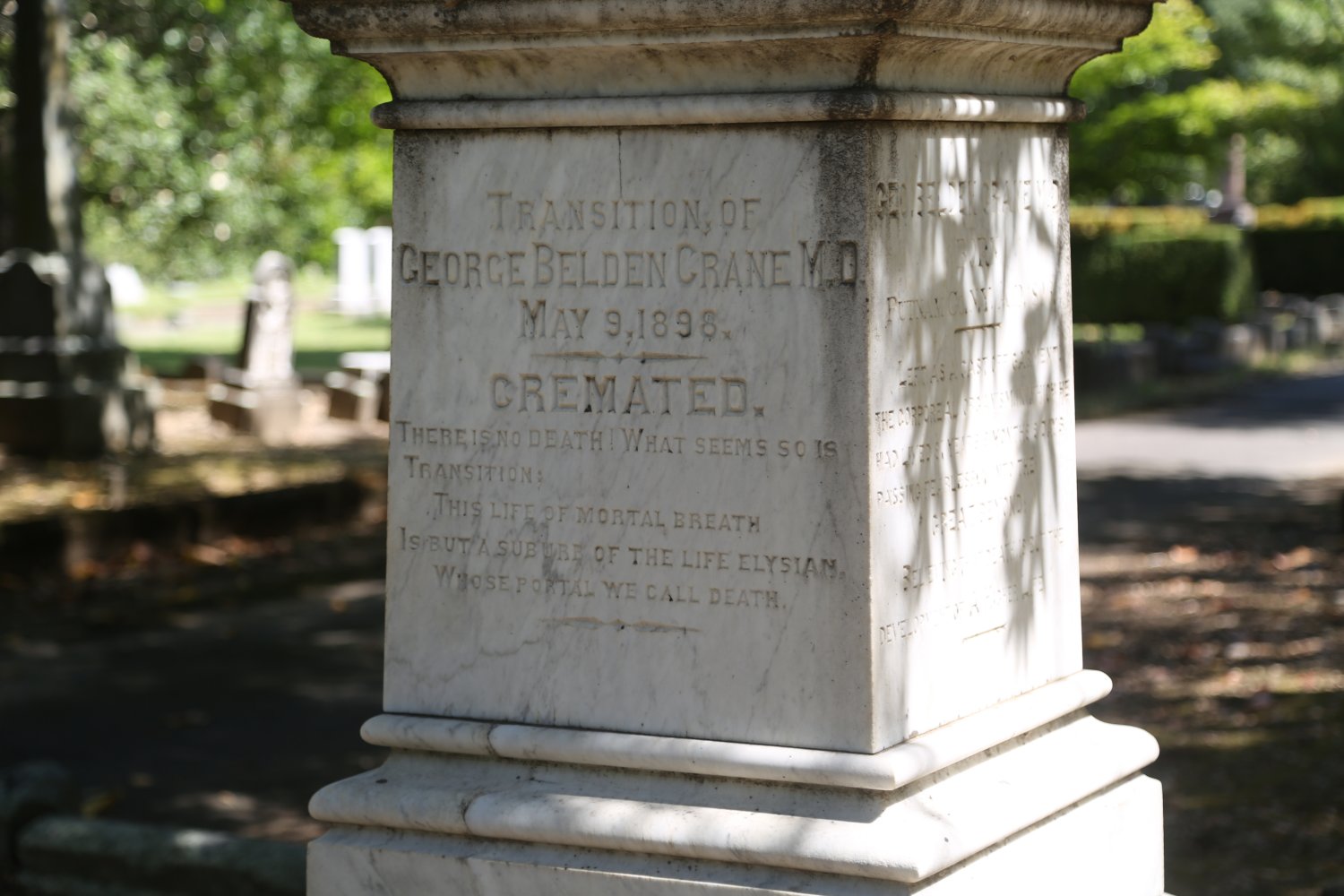
 Incidentally his first vineyard in St. Helena is now the site of St. Helena High School. The first mention of Dr. Crane possibly donating land for a high school was as early as 1875. An article in the July 30, 1897 issue of the St. Helena Star details Dr. Crane’s generous offer to donate 10 acres of land to build a permanent high school. St. Helena High School operated in several locations prior to its current home. The stone building for St. Helena High School was built on his donated property in 1912. And the 12-acre Crane Park in St. Helena is named in his honor, home of the seasonal St. Helena Farmers’ Market every Friday morning.
In 1886 Crane wrote an autobiography titled, Crane’s Memoirs but never published it commercially. Rather he distributed copies to friends and family. Later in life he wrote letters to the editor which were published in the St. Helena Star. Dr. Crane also built a winery on his property in 1862/1863; an article in the The St. Helena Star dated November 24, 1876 indicated he had produced 38,000 gallons of wine that year in his own cellar. Unfortunately his winery was destroyed by fire in 1894 losing some 220,000 gallons according to an article in the February 23, 1894 issue of The St. Helena Star, including 60,000 gallons of Crane’s own wine which was not insured. The article mentioned that arson might have been the cause for the blaze.
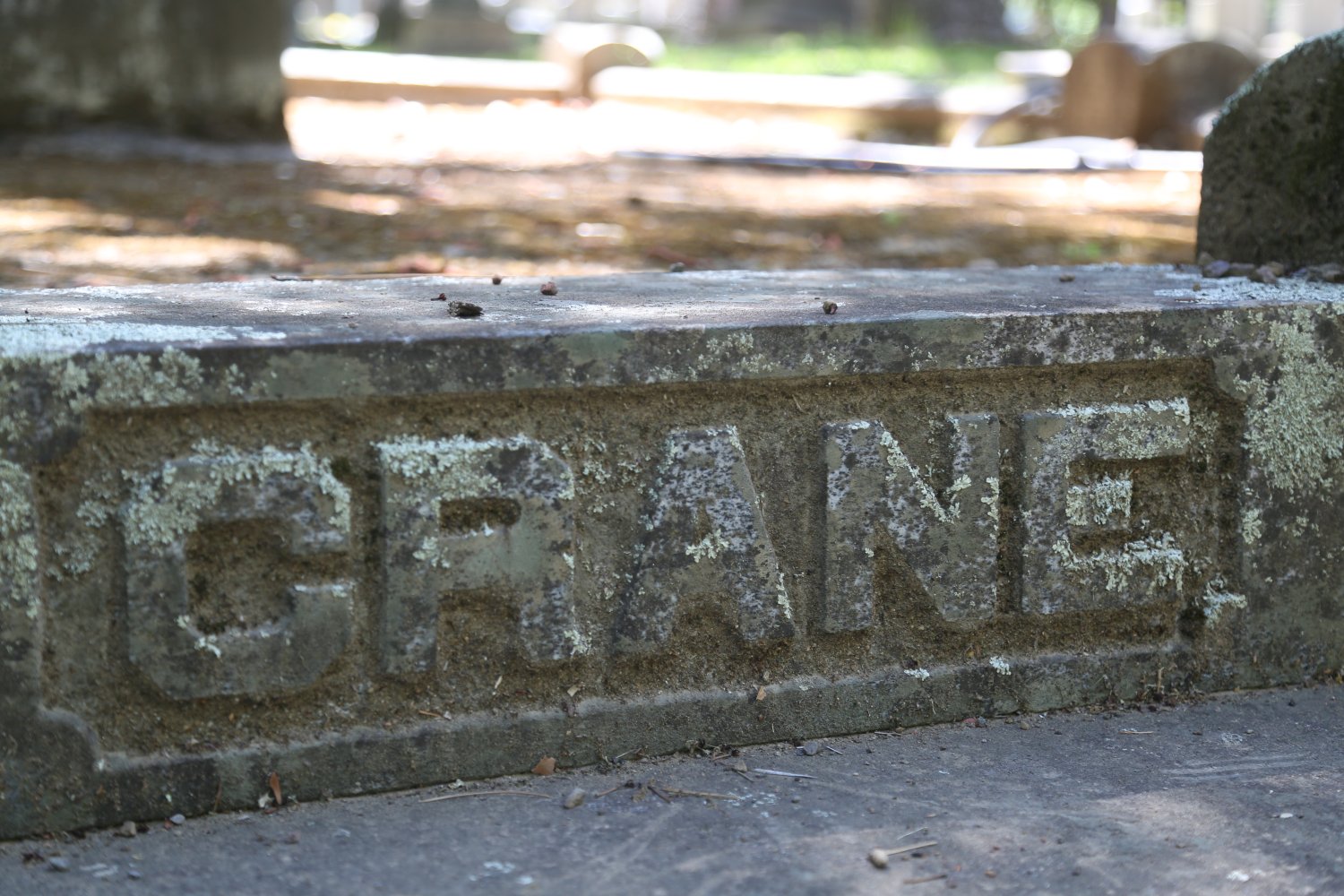
And looking north from the Crane Assembly’s Vineyard, one sees a magnificent white house. This was Dr. Crane’s former home dating from 1879 and is currently owned by long time area vintners, the Salvestrins who operate it as the Inn at Salvestrin. Dr. Crane died in 1898 at age 91 and is buried in the St. Helena Cemetery. His father Beldon and his grandfather Zebulon are both buried in New York. Upon his death, his St. Helena estate was valued at $30,482.
Like other old vine vineyards, we have seen in Napa, these vines are gnarled, weather beaten with moss growing on the trunks and all are head pruned. They are surprisingly delicate to touch, yet incredibly resilient to have lasted all these decades. In 2021 drip lines were installed along all of the vine rows, not necessarily used each year for irrigation unless there is a significant prolonged heat spike.
The vineyard is in a very good neighborhood; Beckstoffer’s well regarded Dr. Crane Vineyard is nearby, originally planted by Dr. Crane in 1859. For reference the first physical winery in Napa Valley, Patchett Cellars in the city of Napa was founded in 1857 and Napa Valley’s oldest currently operating winery, Charles Krug was founded in 1861. Beckstoffer also owns the nearby Bourn Vineyard; the very historical Hayne Vineyard owned by Chase Cellars is slightly further to the west with several other old vine vineyards in fairly close proximity. Both Beckstoffer and the Salvestrin’s own former portions of Dr. Crane’s original vineyard land.
The Crane Assembly Vineyard is planted to a total of 8 acres including 4 acres of which are planted to mixed blacks – historically these varieties included Zinfandel, Petite Sirah, Carignan and smaller plantings of Alicante Bouschet, Mourvèdre and Valdiguié. Over time due to disease and other factors some of the older vines have died and have been replanted. Today any vines that are removed for whatever reason from this block are replanted to Zinfandel.
In addition to the mixed blacks the vineyard contains a 1.6-acre block of Cabernet Sauvignon (trellised), a 1.4-acre block of Petite Sirah, and two rows of Merlot. There are a total of 5 separate vineyard blocks on the property. More recently, Robert Biale Vineyards was making a vineyard designate Zinfandel from the property called Old Crane Ranch Zinfandel.
The ‘wrong’ buyer or perhaps better stated, someone who was only interested in the economics of this vineyard would have pulled out these old vines immediately in favor of replanting to Cabernet Sauvignon. Fortunately, Dave Phinney and the team had a strong interest in preserving some of Napa Valley’s early and most cherished vineyard history.
Initially they decided they would create one wine from the vineyard – an homage to historical uses by producing a mixed blacks field blend. But during the fermentation of the 2012 vintage (their first under the Crane Assembly) they noticed the Cabernet Sauvignon was exceptional by itself which is perhaps no surprise considering this location. Rather than bottling one wine they decided to create several wines and bottle the Cabernet Sauvignon separately.
Select Wines

 Historically The Crane Assembly produced Disciples (sourced grapes, primarily from older Napa Valley vineyards), the estate El Coco made in the style of a field blend (with Zinfandel and Petite Sirah), and the estate Cabernet Sauvignon. Since the transition in ownership, branding has changed and additional wines have been introduced to their portfolio.
Disciples
The grapes for the Disciples wines come from vineyards with excellent pedigrees, both historically and for the quality of fruit they produce. And when it comes to sourcing grapes from premium vineyards in the valley, Dave Phinney utilized some of his numerous contacts from when he started Orin Swift. The Crane Assembly used to purchase grapes from historic vineyards including Tofanelli in Calistoga, dating from the late 1920s and Morisoli in Rutherford. The wine gets its name because of the old vines on their estate property; these younger vineyards can be considered “disciples” of the old vines.
The 2024 The Crane Assembly Disciples Sauvignon Blanc, Napa Valley Crocker Vineyard is from vines planted in 1992. This is the first white wine produced by The Crane Assembly. This wine is pale gold in color; the bouquet smells fresh, lively and loaded with energy. Its scents include honeydew melon, passion fruit, guava, kiwi, lemon blossom and honeysuckle. Racy, minerally and bright across the palate, this wine sings higher pitched tones. Its flavors include not fully ripe pineapple, guava, passion fruit, lime and lemon juice. Finishes as brightly lit as a halogen lamp, with mouthwatering and persistent acidity. After harvest, the grapes are crushed directly into a stainless steel tank and then settled for two days before being racked into French oak barrels for its primary fermentation. This wine sees no malolactic fermentation. And then it is bottled 9 months after its élevage. Its ABV is 14.2% ABV.
The 2022 The Crane Assembly Disciples Cabernet Sauvignon, Napa Valley is 97% Cabernet Sauvignon, 2% Petite Sirah and 1% Merlot. This wine is medium ruby in color; fruity, expressive and fun, the bouquet offers a union of red and dark fruited scents including raspberry, cherry, boysenberry, Santa Rosa plum and blackberry. With some darker accompanying baking spices including cloves. Ripe, but bright and balanced, this wine is focused on its fruit with flavors of blackberry, boysenberry, Persian mulberry and dark plums. The energetic acidity keeps the ripeness fully in check; for reference, this wine is 15.51% ABV. The tannins are well tumbled, rounded and seamlessly integrated into the finish. Lingers with a light dusty character. Drinks well by itself and is a lovely expression of a challenging vintage due to the extreme heat.
The 2021 The Crane Assembly Disciples Red Blend is a blend of 34% Petite Sirah, 30% Zinfandel, and from Stagecoach Vineyard, 26% Syrah and 10% Grenache. This wine is deep purple in color and completely opaque; the bouquet offers a ying and the yang of aromatics according to General Manager Ryan Keith, ranging from tar to floral. These scents include lavender, African violets, a meaty character, Satsuma plum, blackberry, boysenberry and dark mulberry. On the brightly lit palate, there are primarily berry flavors including boysenberry, blackberry and a blueberry compote with additional layers of dark plums and cherry. The lively acidity keeps this wine fresh, bright and mouth watering. Lingers with a note of dried sage, chalk and dusty tannins sporting a moderate to firm persistent tug. This is their most produced wine and is a great price to value proposition. Its ABV is 15.4%; we don’t always mention wines in this ABV range as being balanced, but we are comfortable using this adjective with this bottling. The grapes for this wine are primarily from southern Napa Valley.
The 2023 The Crane Assembly Disciples Petite Sirah, Palisades Vineyard Calistoga is grapes planted in 1974. This wine is deep purple and completely opaque; we like to compare a wine of this color and intensity to squid ink. Its scents are fresh and dark fruited including its first aromatic hit of dark plum, followed by blackberry jam, boysenberry, dark cherry, dark chocolate and some trailing dark florals including lilacs and lavender. Very much youthful at two years post vintage, this wine screams powerfully from the depth of its lungs in terms of its fruit and structure. It tastes like dark fruits including Satsuma plum, blackberry, boysenberry and Persian mulberry. Intensely flavored. The memorable and firmly gripping tannins linger with a significant girth; they are densely packed with a long-lasting broadly palate coating dusty character, far outpacing the fruit on the finish. And the texture is paralleled by a bright acidity. This is a powerhouse bottling that will be indelible and youthful for years to come.
The 2018 The Crane Assembly Disciples Red Wine is medium ruby in color. This is a blend of 49% Zinfandel, 19% Petite Sirah, 10% Charbono, 9% Grenache, 7% Syrah and 6% Merlot. The aromatics are bright and fruit forward with notes of strawberry jam, blackberry and red cherry. This wine is juicy with mouth filling fruit across the palate. Features very well integrated tannins with a light gravel textural touch. Lingers with notes of dried tobacco leaf. This wine is very approachable in its youth. Ryan told us it pairs well with pizza or an afternoon of grilling a variety of meats.
And also bottled under Disciples is a Sonoma Coast Pinot Noir from the Bell Fumme Vineyard; this site neighbors Ritchie Creek Vineyard. The inaugural botting was from the 2024 vintage. The visual for the Disciples label is of a nameless farmer following behind what are supposed to be the footsteps of Doctor Crane; this label was designed by the talented Chicago based, Gauge Branding.
G.B. Crane Vineyard
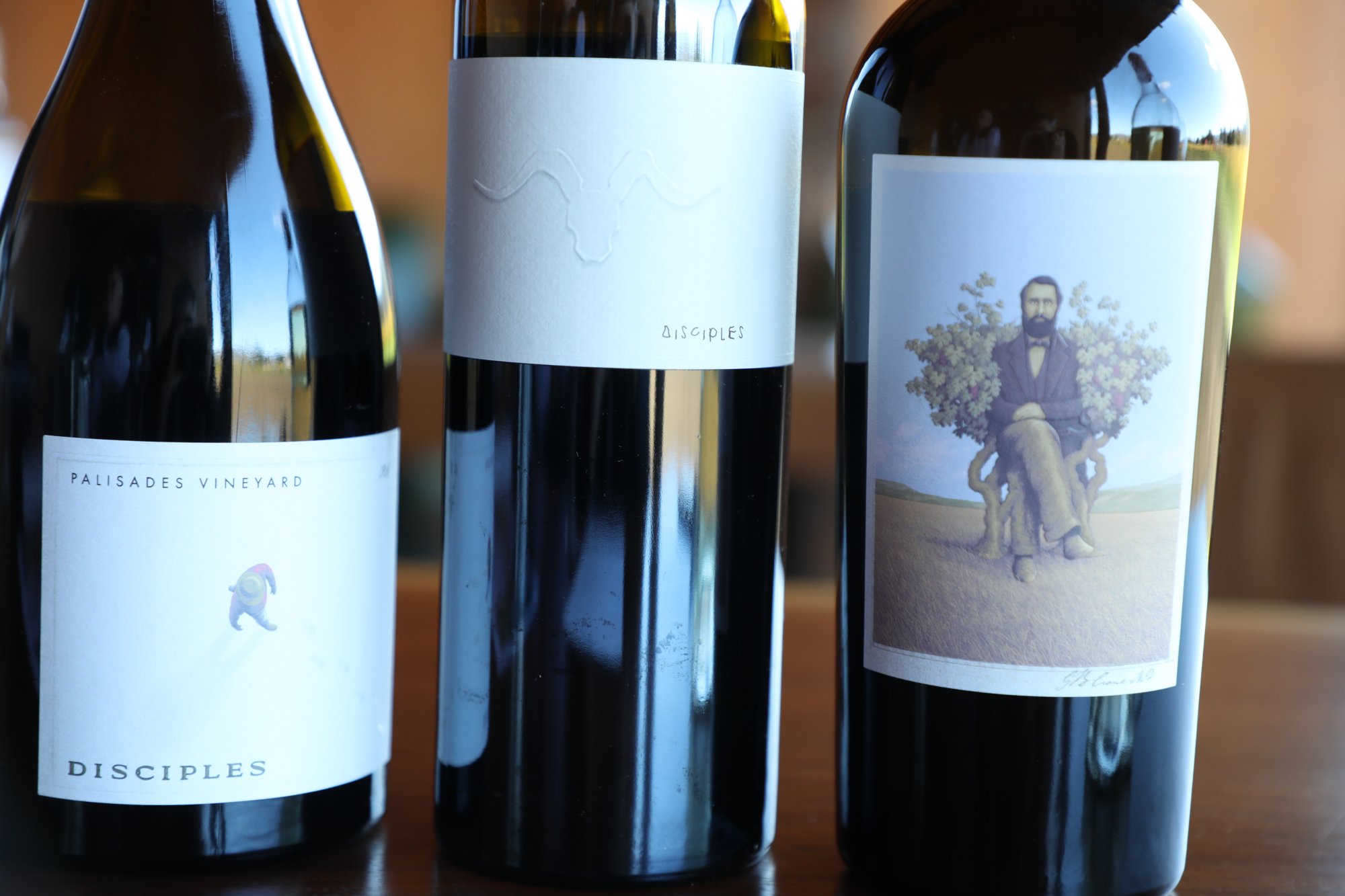 The 2023 The Crane Assembly G.B. Crane Vineyard George Field Selection Red Wine, St. Helena is a blend of 50% Petite Sirah and 50% old-vine Zinfandel from their estate. Like the other Crane Assembly red wines, this bottling does not lack in terms of color. Its deep ruby and opaque; minerally, the bouquet offers aromas of chalkboard, all-spice, dark raspberry, blackberry, boysenberry and a note of dark cocoa powder. Mouth filling fruit and somewhat brambly, this wine tastes like blackberry, dark raspberry, red plums and boysenberry. Lingers red fruited, tart and bright with notes of cranberry and currant. And the finish lingers with dusty, broadly dispersed and tumbled tannins and a toasted character from its time in oak. Very bright, we have no problem calling its acidity juicy despite is 15.7% listed ABV. 2023 was the first vintage of the George, an evolution from its prior incarnate, El Coco. The artist who designed their label Justin Santora is known for his band poster art including for Chris Stapleton, Death Cab for Cutie and Elton John among many other artists.
The 2021 The Crane Assembly G.B. Crane Vineyard, St. Helena is 100% varietal; this wine is medium to deep ruby. The focus of the bouquet is clearly on the fruit. The aromatics are compelling; the bouquet is a union of both red fruits and floral influences. This wine smells like lilacs, dried rose petals and lavender. And its fruit includes dark raspberry, red cherry, blueberry, boysenberry and mulberry. Nicely balanced for the vintage, for reference we tasted this wine 4 year post its harvest. Finessed with plenty of flavor, this bottling tastes like raspberry, red cherry, cranberry, strawberry and Santa Rosa plums. The brightly lit and red fruited finish is a integrated union of both flavor, texture and acidity. The tannins are gravelly, fully palate coating but are never edgy or course. They persist in tandem with the fruit, with neither drawing away from each other on the extended finish. Its listed ABV is 14.9%. This wine was made from vines planted in 1995.
El Coco
The 2019 The Crane Assembly Crane El Coco is dark ruby in color; the bouquet initially shows some savory characteristics but as it evolves in the glass the aromas open to baking spices including cardamom and hints of mocha and Graham cracker. It also shows aromas of blackberry, dried rose petals and violets. The entry is soft and rounded across the palate with flavors of boysenberry and blackberry. The finish is dark with gravelly, rounded tannins mingled with notes of cedar and dust. This wine is a blend of 48% old vine Zinfandel, 38% Petite Sirah and 14% Merlot.
The 2012 The Crane Assembly El Coco is inky dark in the glass; it reveals an intense bouquet – plenty of ripe berry aromas tinged with more subtle chocolate and brown sugar notes. Plush and rounded on the entry – this supple mouth feel continues across the palate. Shows dense flavors of ripe blackberry and blueberry. Finer grained somewhat chalky tannins complete a pleasing finish. This is an intriguing blend that combines the history of the vineyard with a palate profile that will appeal to a wide range of tastes. Incidentally the label reflects part of a Francisco Goya painting – ‘que viene de coco’ – the “boogeyman”, an image that quickly catches your first glance.
MMXIII
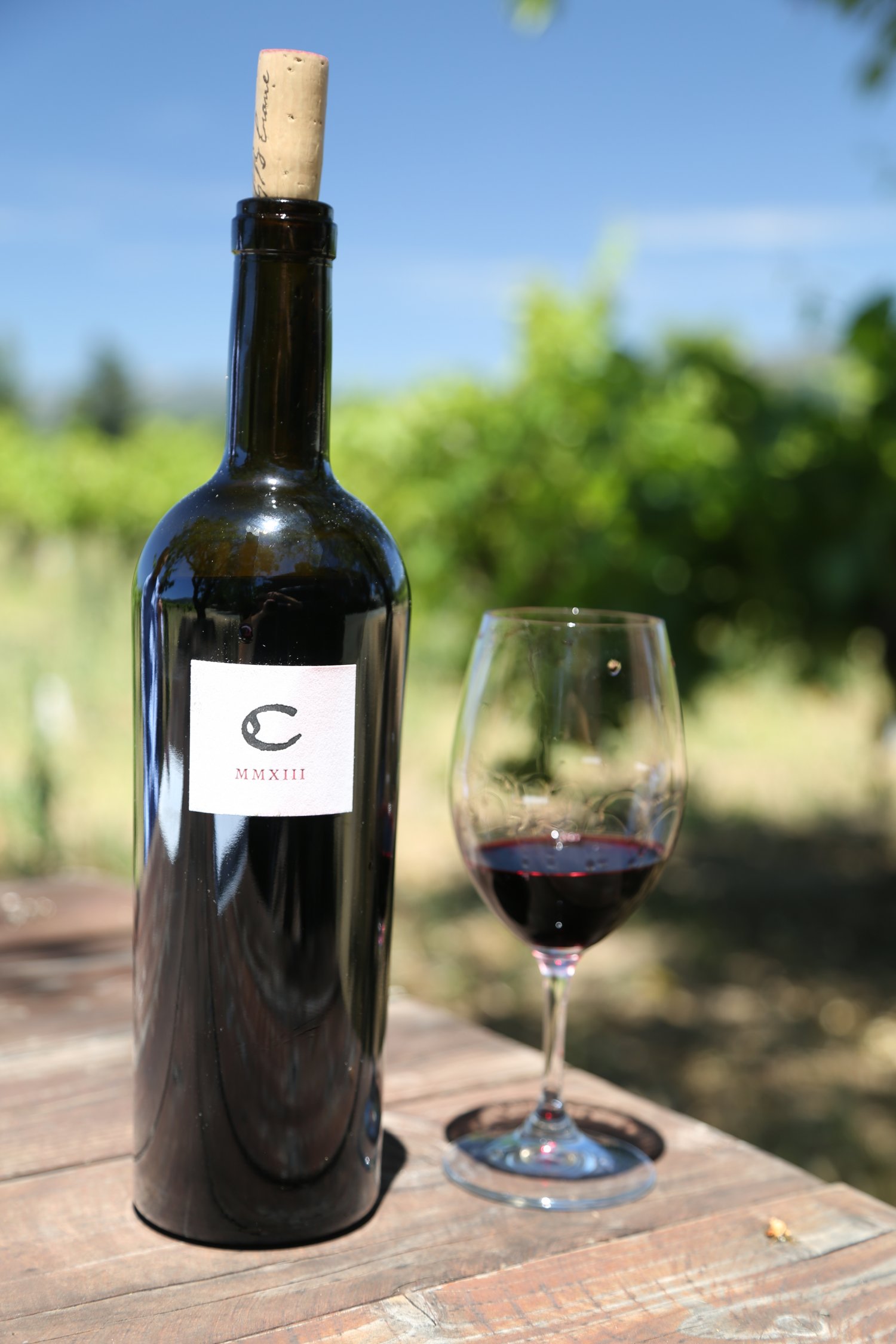
The 2013 MMXIII estate Cabernet Sauvignon is presented with a tiny label with the letter “C”. This wine shows a ripe elegance in the bouquet with a hint of vanilla and as it evolves coffee bean and espresso. The aromas almost jump out of the glass. It is opulent and intense on the palate triggering many pleasure points! A powerful wine across the palate it leaves lingering flavors of blackberry. It is a big wine in flavor with accompanying structure, earthy youthful tannins that will certainly be toned down with some age. Drinks very well by itself.
—
Fairly well distributed across Napa Valley once can find the wines at the Acacia House in the tony resort, Alila Napa Valley, Market, Press and area wine shops including K. Laz and ACME Fine Wines. For more information, to schedule a tasting or to join their mailing list or one of their wine clubs with shipments once a year, visit: www.thecraneassembly.com
ARCHIVED NOTES
Department 66, Maury France
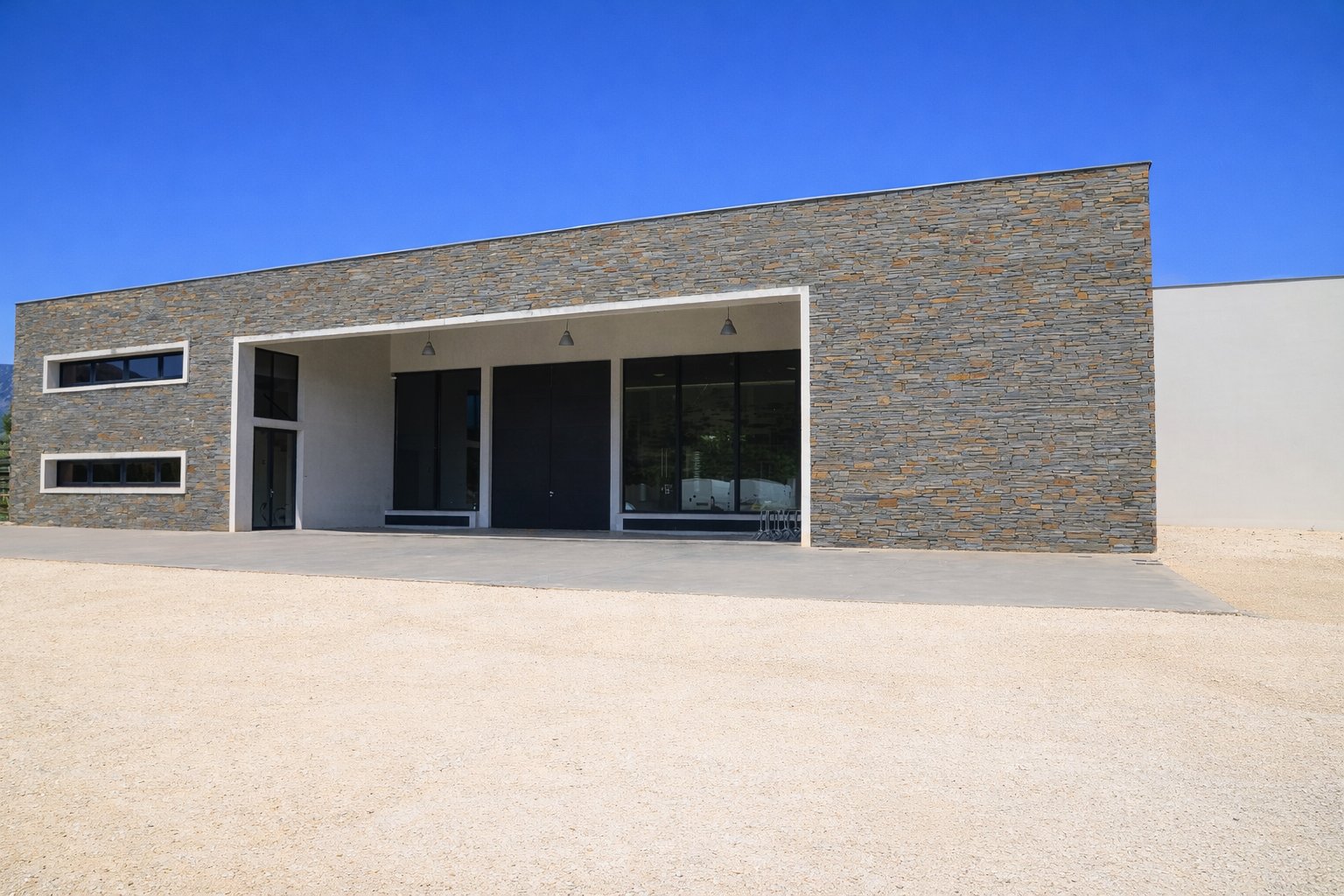
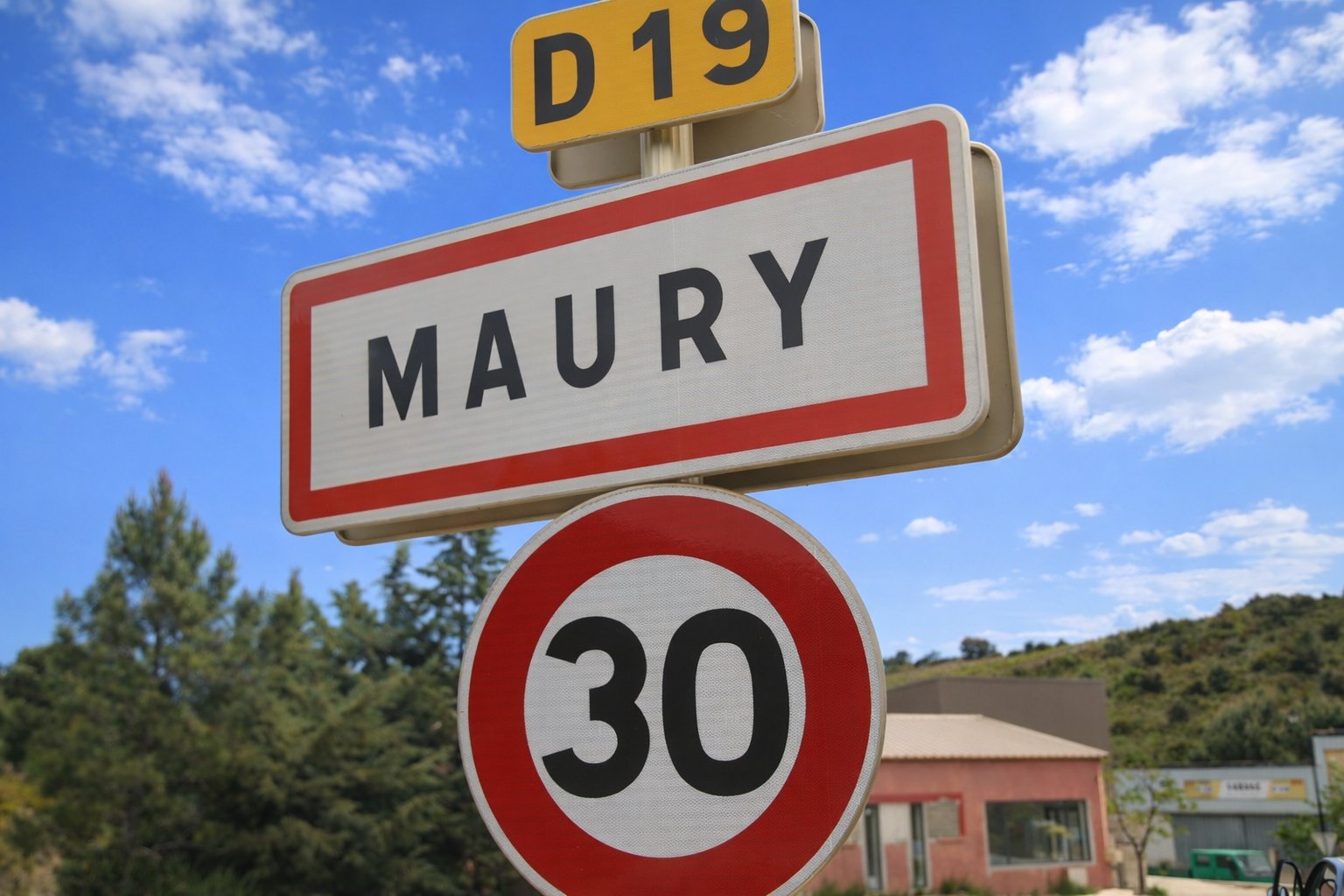
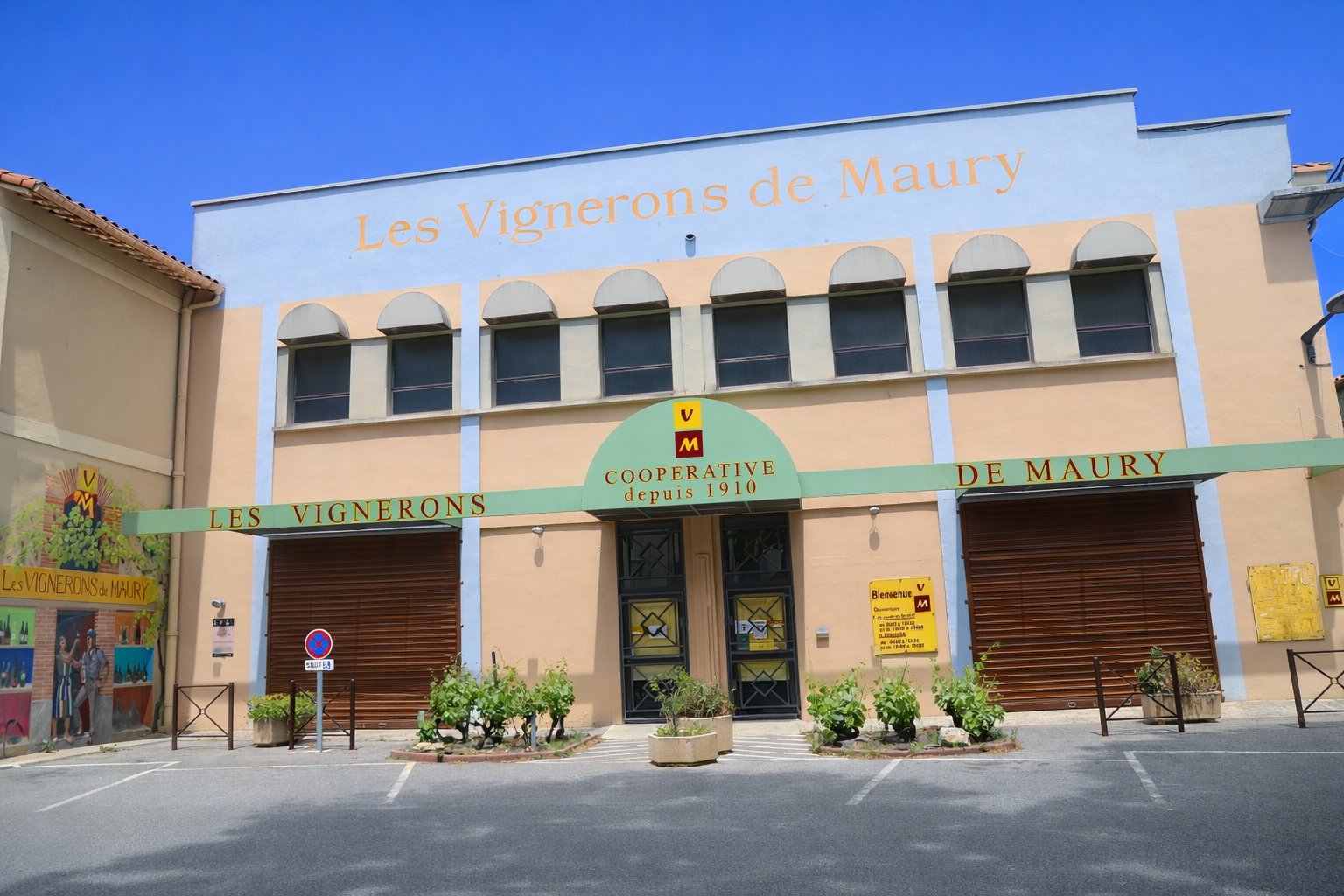
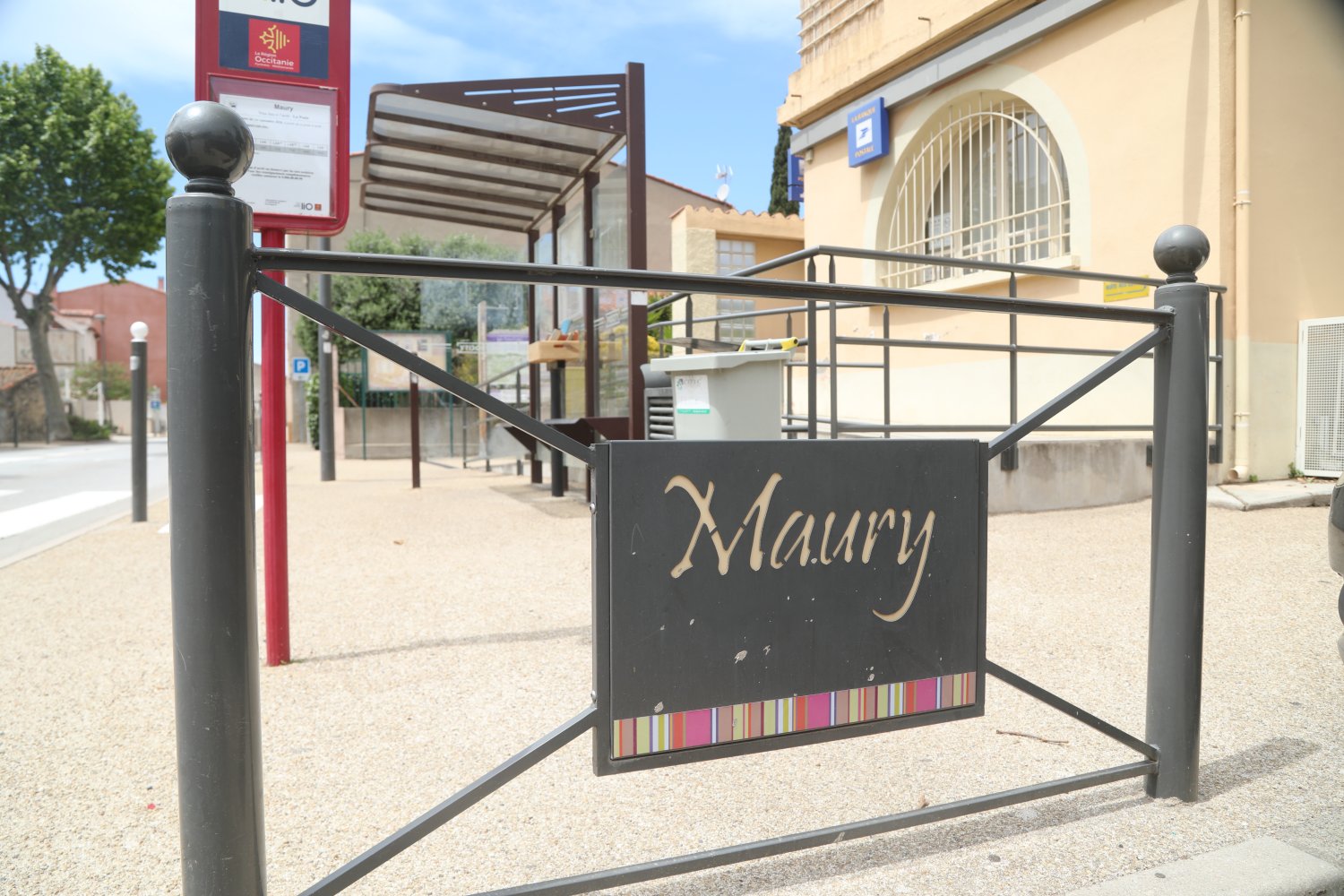
While Department 66 is no longer connected to the current ownership of the Crane Assembly, we keep our notes here for historical reference. Department 66 was founded by Dave Phinney after he first visited and fell in love with the region in 2008 when his friend Kimberly Jones (whose namesake is the distributor), invited him over to see Maury. He purchased vineyards that same year. The physical winery is located on a hillside on the edge of the very picturesque village of Maury in the Roussillon wine region of southern France. The winery is just north of the center of town; its name comes from the department number 66 assigned to the Pyrenees-Orientales (the department that is home to Maury) – similar to a district in California, i.e., District 5 in Napa (the southern part of the valley). As a result, their postcode begins with 66 (66460).
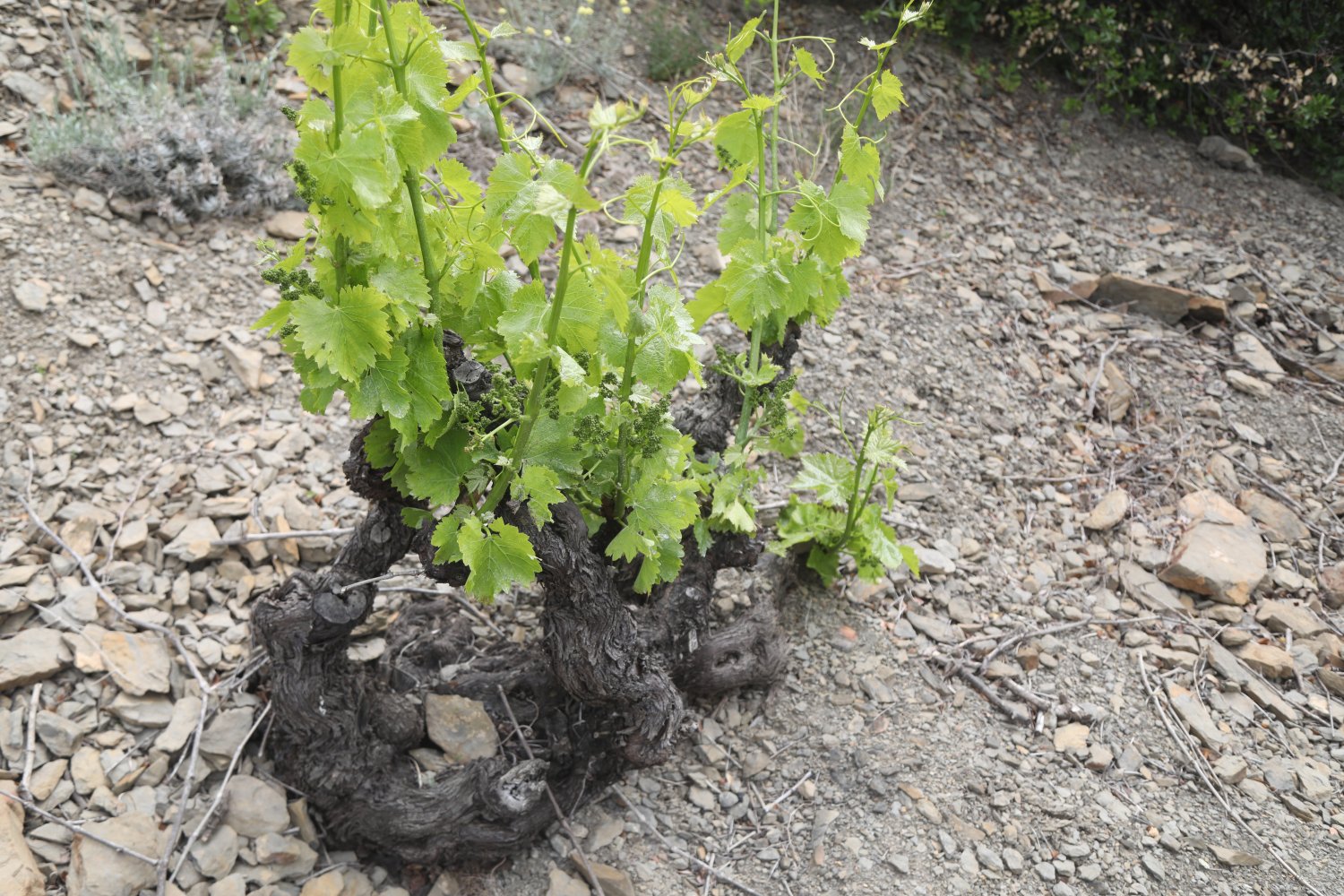
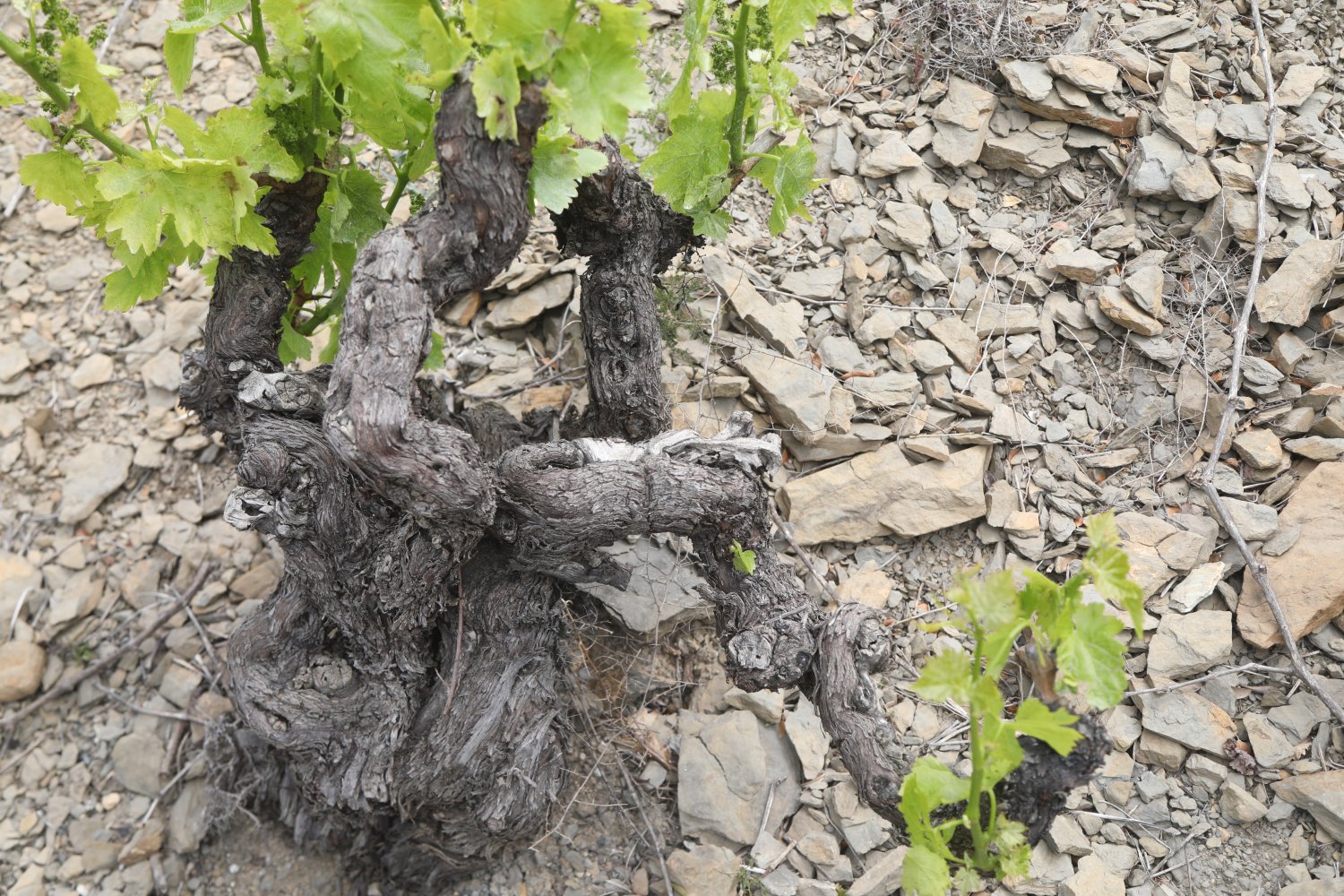
Maury is tucked away in the foothills of the Pyrenees mountains, about a 35-minute drive from the closest city, Perpignan which sits closer to the France coastline. Department 66 owns 300 acres of vines – which were planted in the 1960s. The first thing one notices when walking vineyards around Maury are the abundance of rocks – the short vines (no trellising and no irrigation) are literally planted in rocks. The soils/rocks are black schist with some smaller pockets of granite and limestone. Often the soils lower in elevation are red in color but are also found on the lower slopes. Schist is formed from mudstone or shale and is layered.
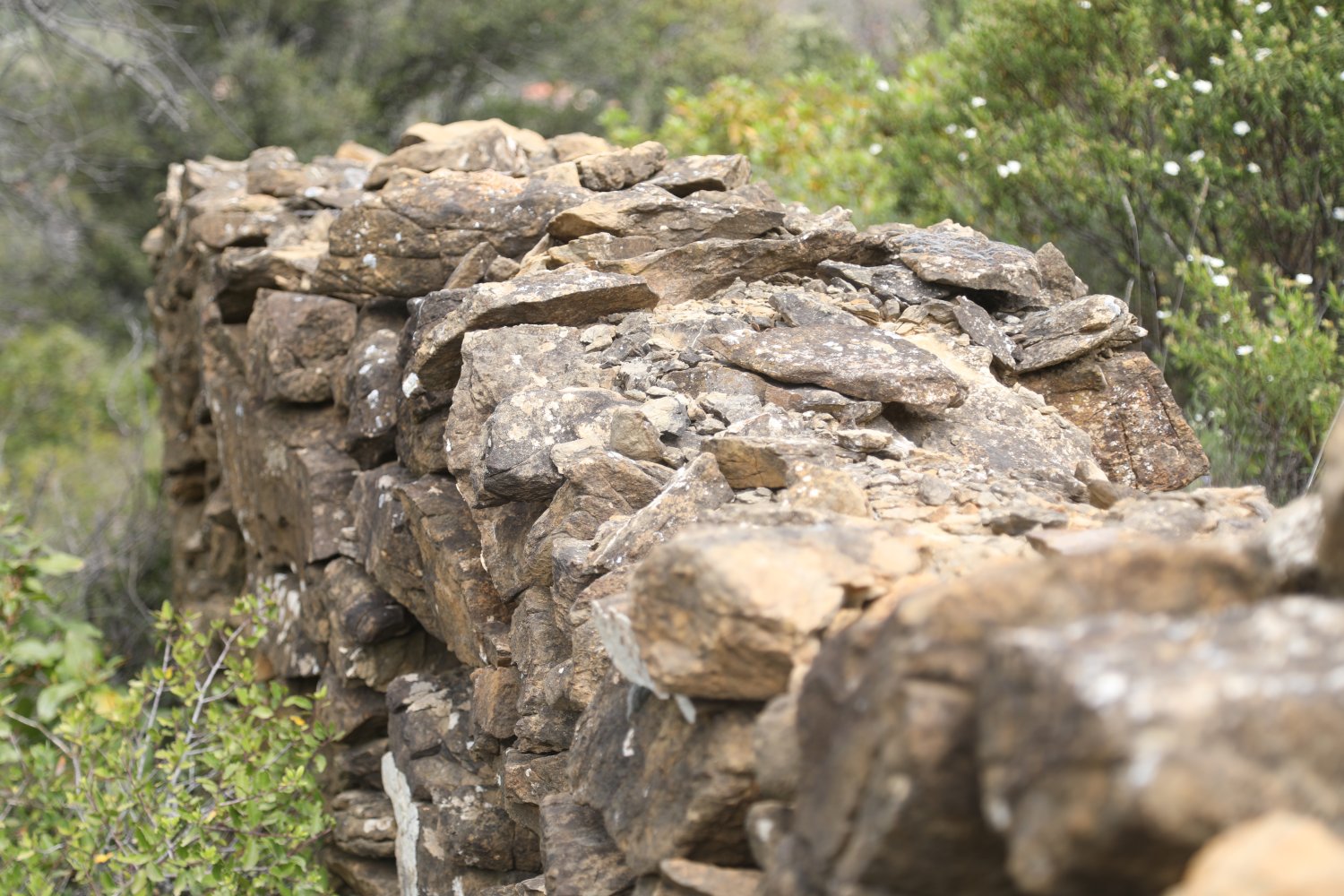
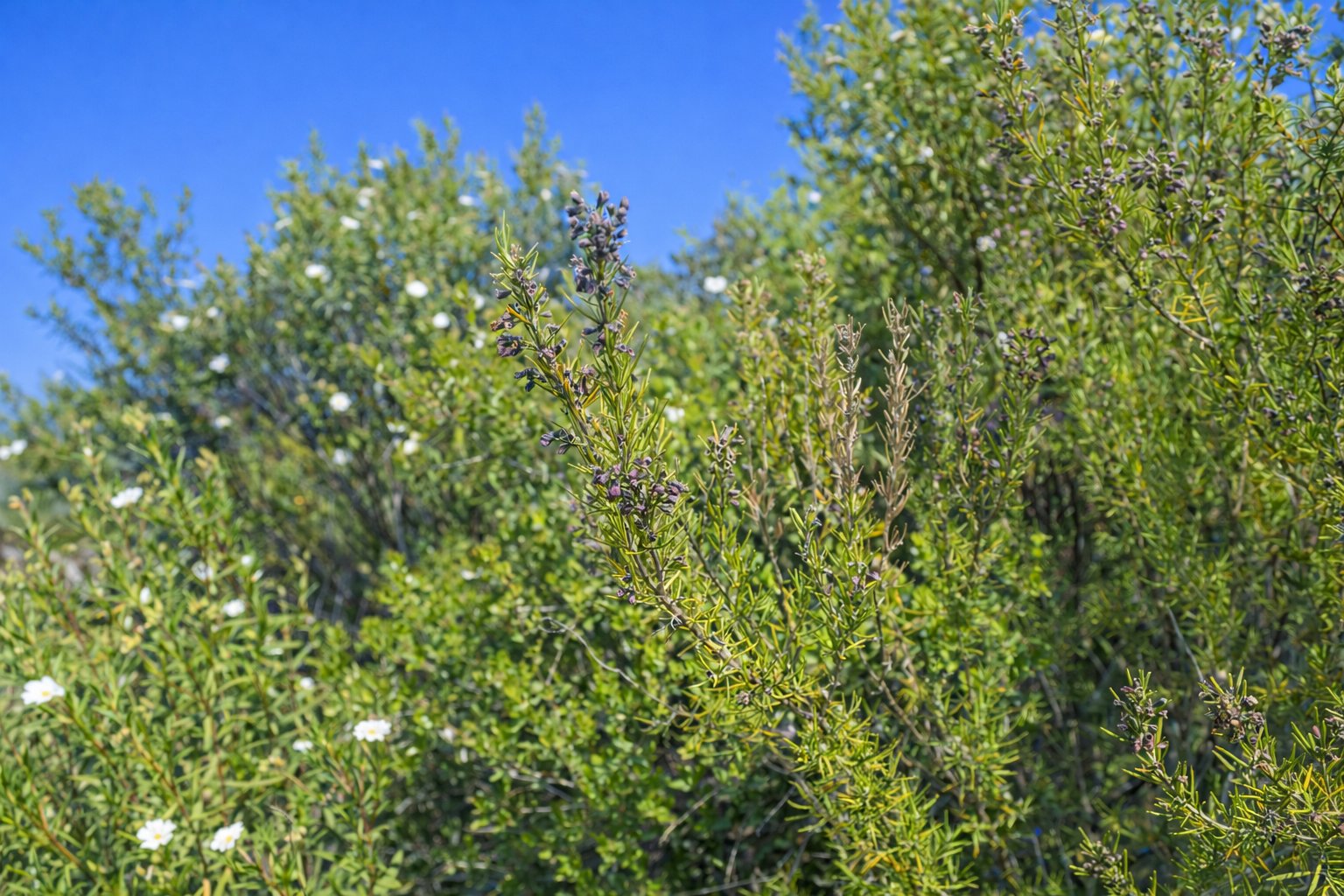
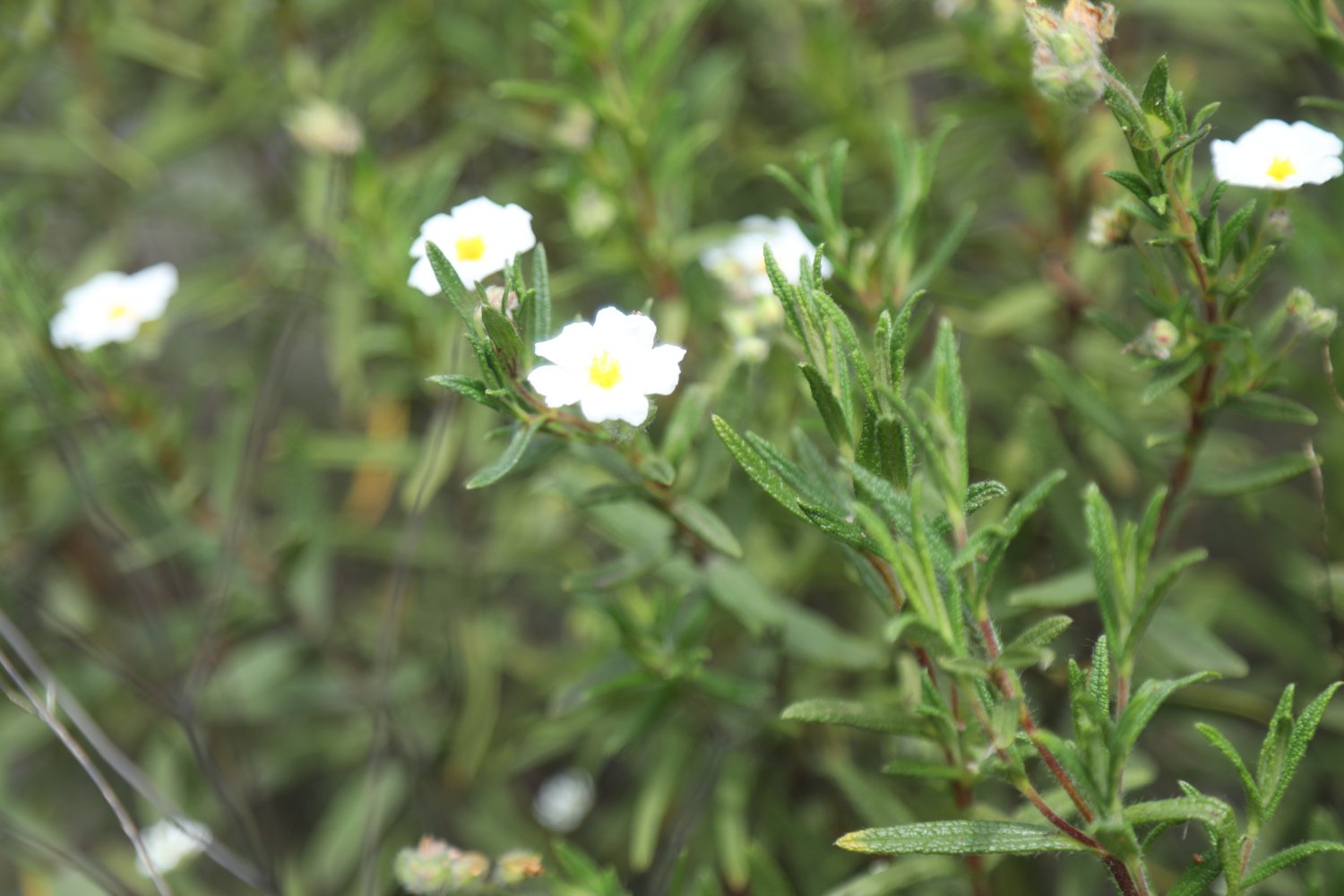
Also noteworthy is the vegetation that grows in the region (collectively referred to as garrigue)- during our visit, one day we spent several hours walking the hillsides coming across ancient well-constructed stone walls and as the day warmed up the aromas immediately piqued our attention; wild rosemary, thyme, the highly aromatic and resinous species of cistus and other aromatic chaparral like plants grow on these hillsides. Within a fairly short drive of Maury – deeper into the Pyrenees – this vegetation and look of the landscape changes dramatically – becoming lusher and greener.
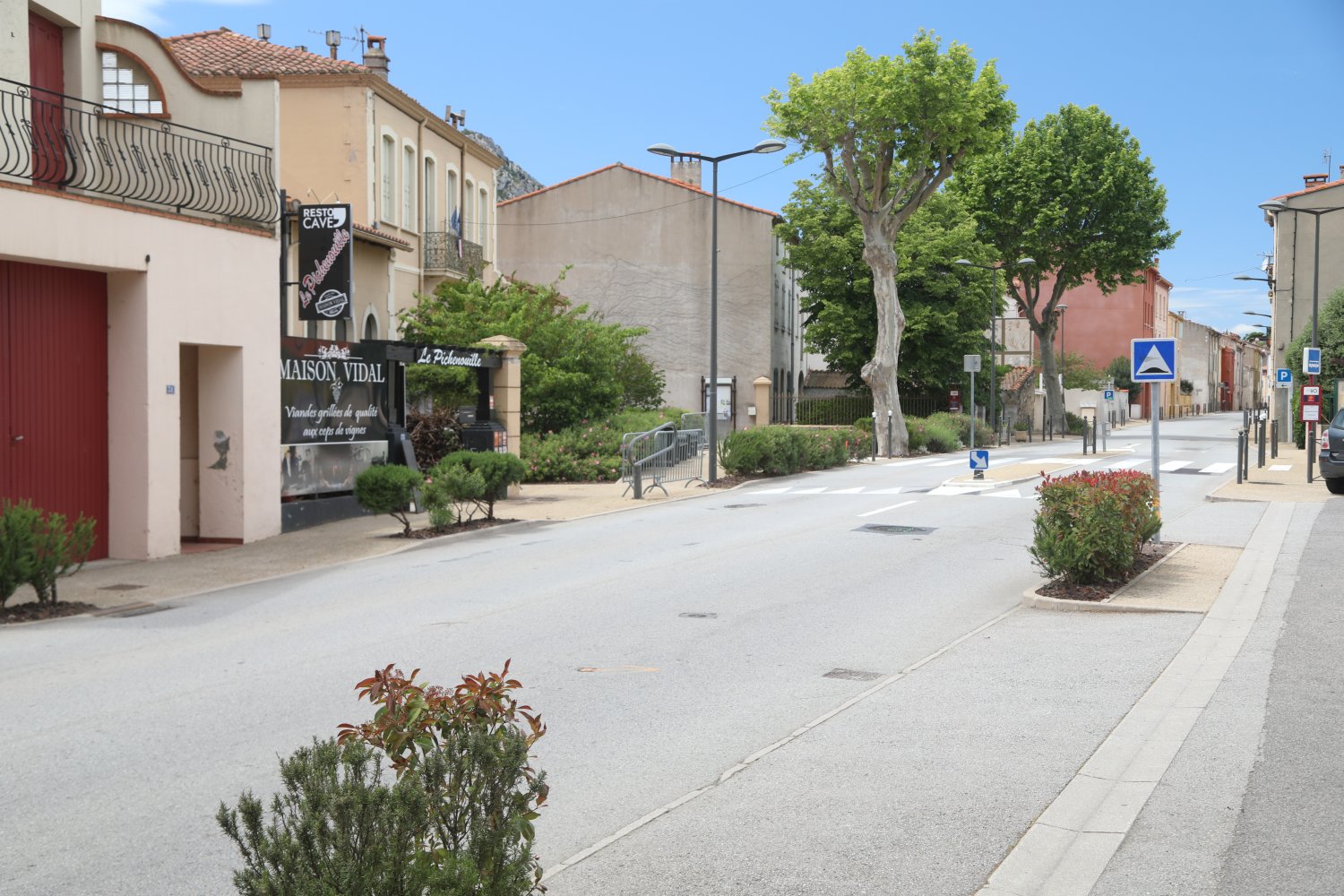
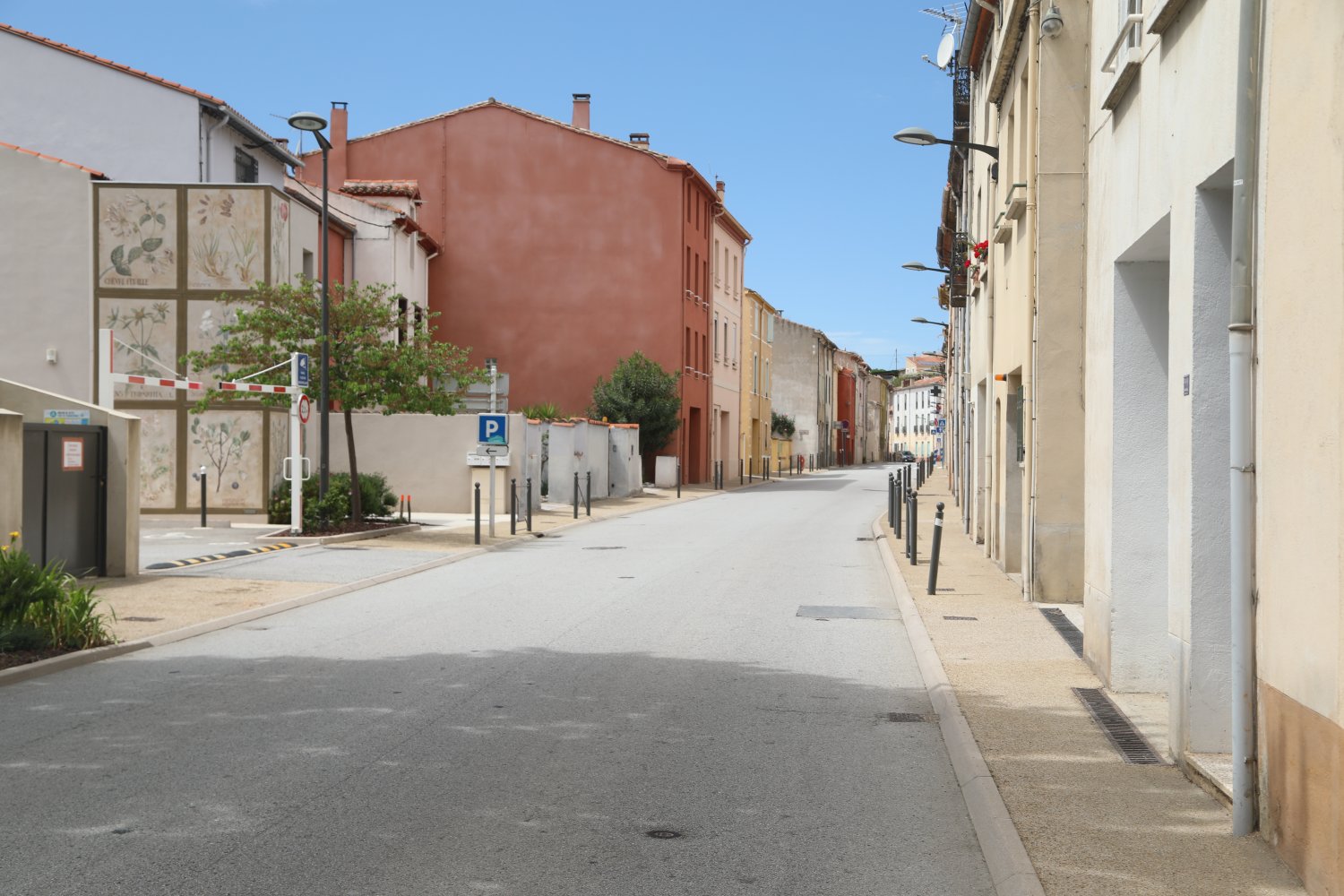
While there are other wineries (referred to caves, in French) that host tastings at their cellars, Department 66 is not open to the public nor are there any signs leading to the winery. Visitors to the region should spend some time exploring the village including both food and wine stops (and it’s easy to get off the beaten path as there are numerous narrow windy roads leading into the nearby hills). Theunevin Calvet (production dates from 2001) is well worth a stop (no appointment needed) and Le Pichenouille came recommended to us but was not open at the time of our visit.
Dave was also initially involved in a Maury based brand called Shatter along with Joel Gott (which is still operating as one of Trinchero Family Estate’s approximately 60 wine brands) but Dave is no longer involved. Dave and his team helped select the vineyard sources owned by members of the Cave Cooperative in the village, a winery which Dave helped renovate.
And prior to introducing Dave to Maury, Kimberly had already purchased land with old vine Grenache and Carignan and now produces wine from her property bottled as Domaine Courier. Her wine undergoes a significant aging regiment before being released (3 years in foudres and then 3 years in bottle).
Department 66

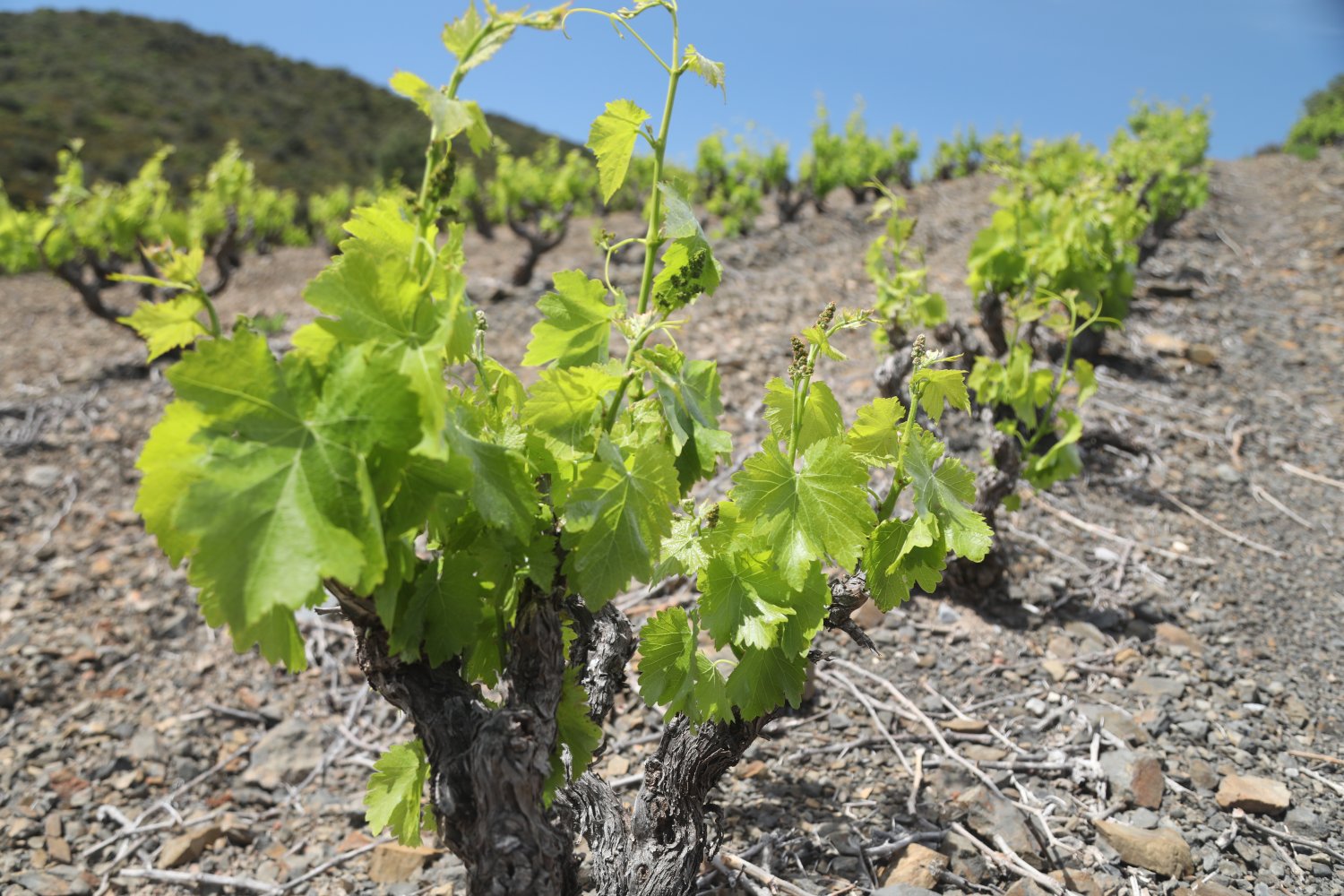
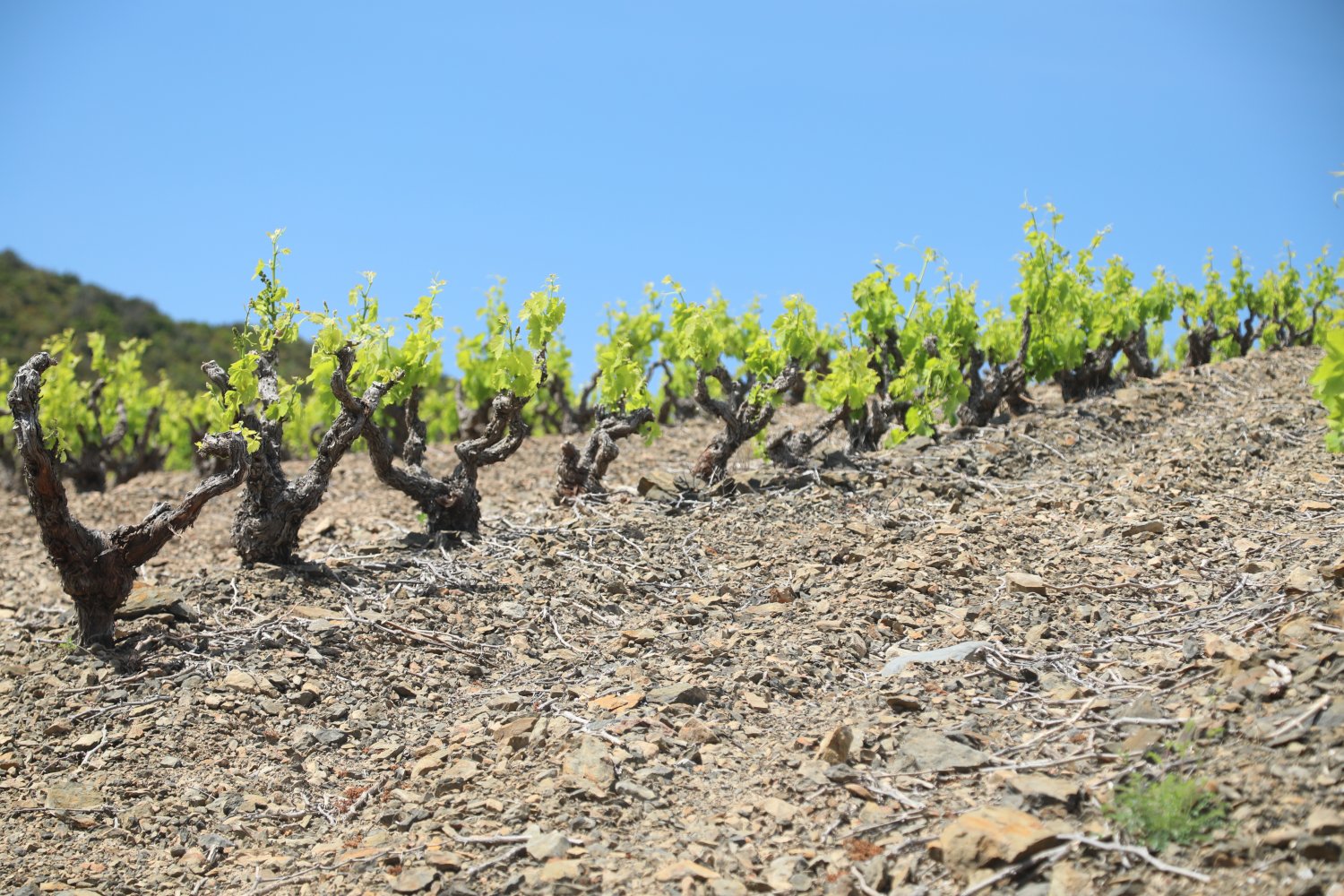
Maury


Garrigue



Select Wines
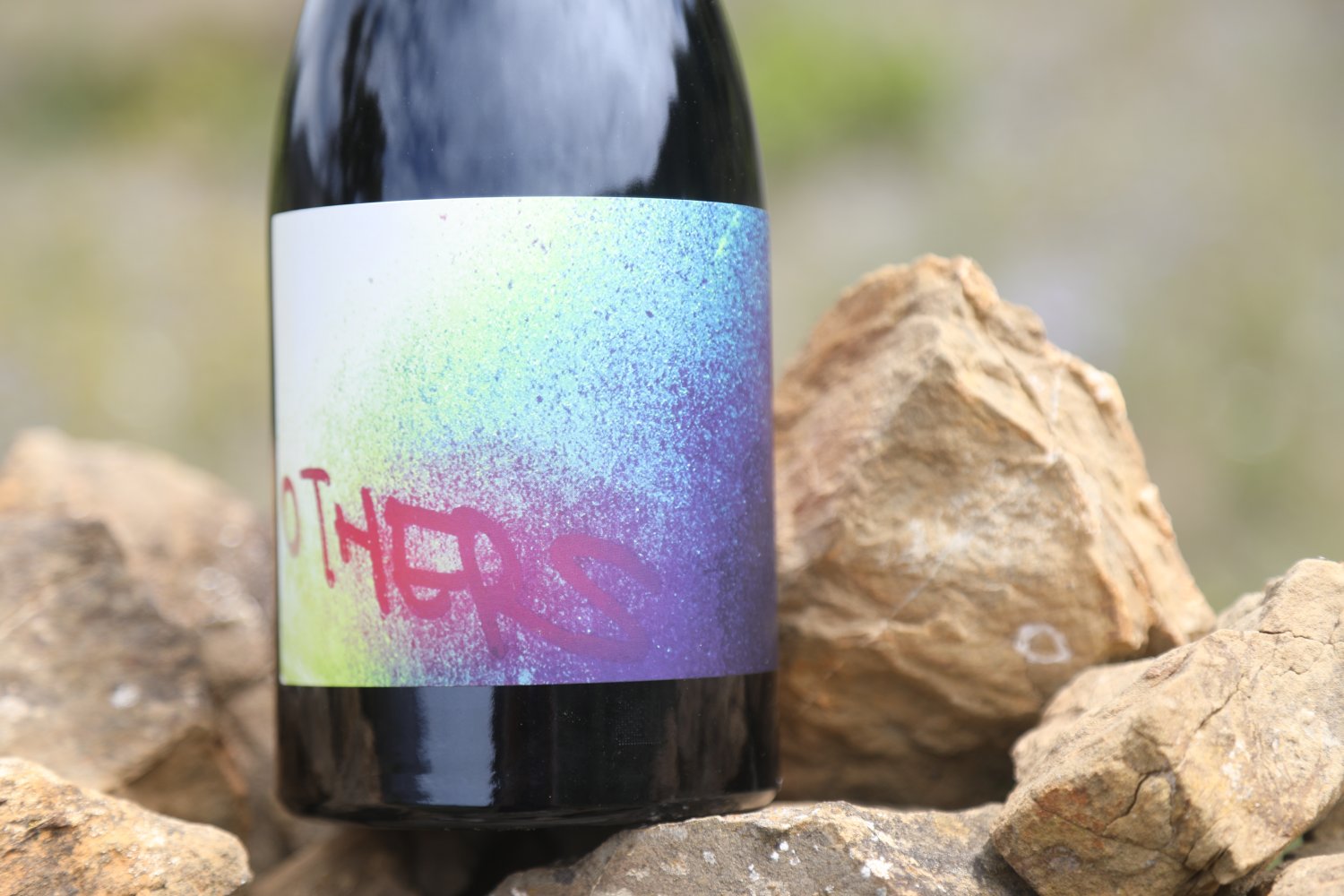
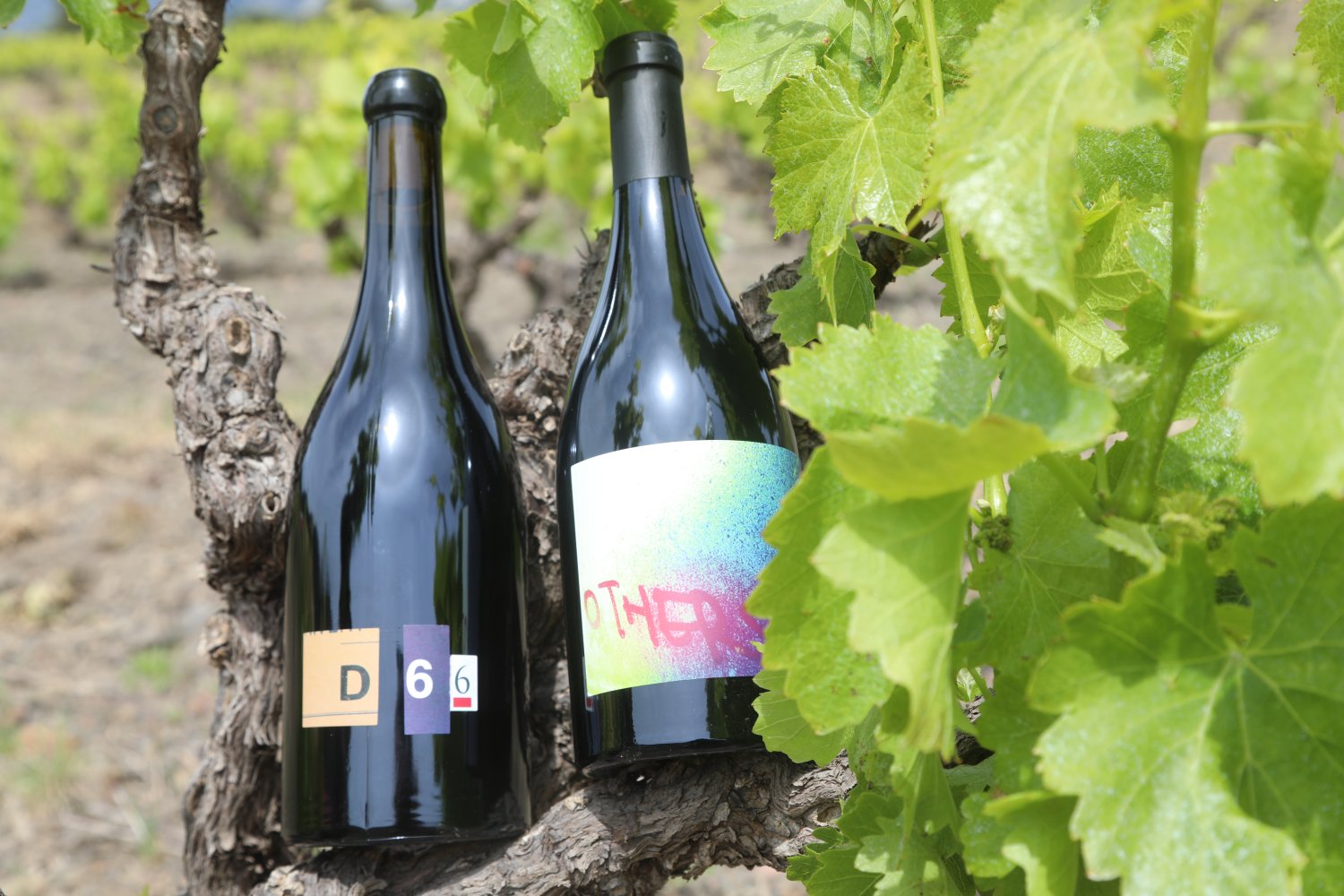
The 2017 Department 66 Others, Red Blend is a blend of Carignan, Grenache and Syrah. Dark ruby in color; sports aromatics of mushroom, forest floor, dark and dried herbs and as the wine continues to open, shows additional darker floral notes including violets. Also, some pepper & cedar notes but they are not overt. Definitely some savory characteristics to the bouquet. A mouthful of fruit on the palate – soft, plush and fairly opulent with flavors of ripe plum, red licorice and blackberry. The tannins are very fine; the finish lingers with both fruit and darker spices including peppercorn. Easy drinking. Made in a style perhaps more reminiscent of California then southern France. While tasting this wine in Toulousse, it made us want make the four-hour drive down for some paella in Barcelona, Spain!
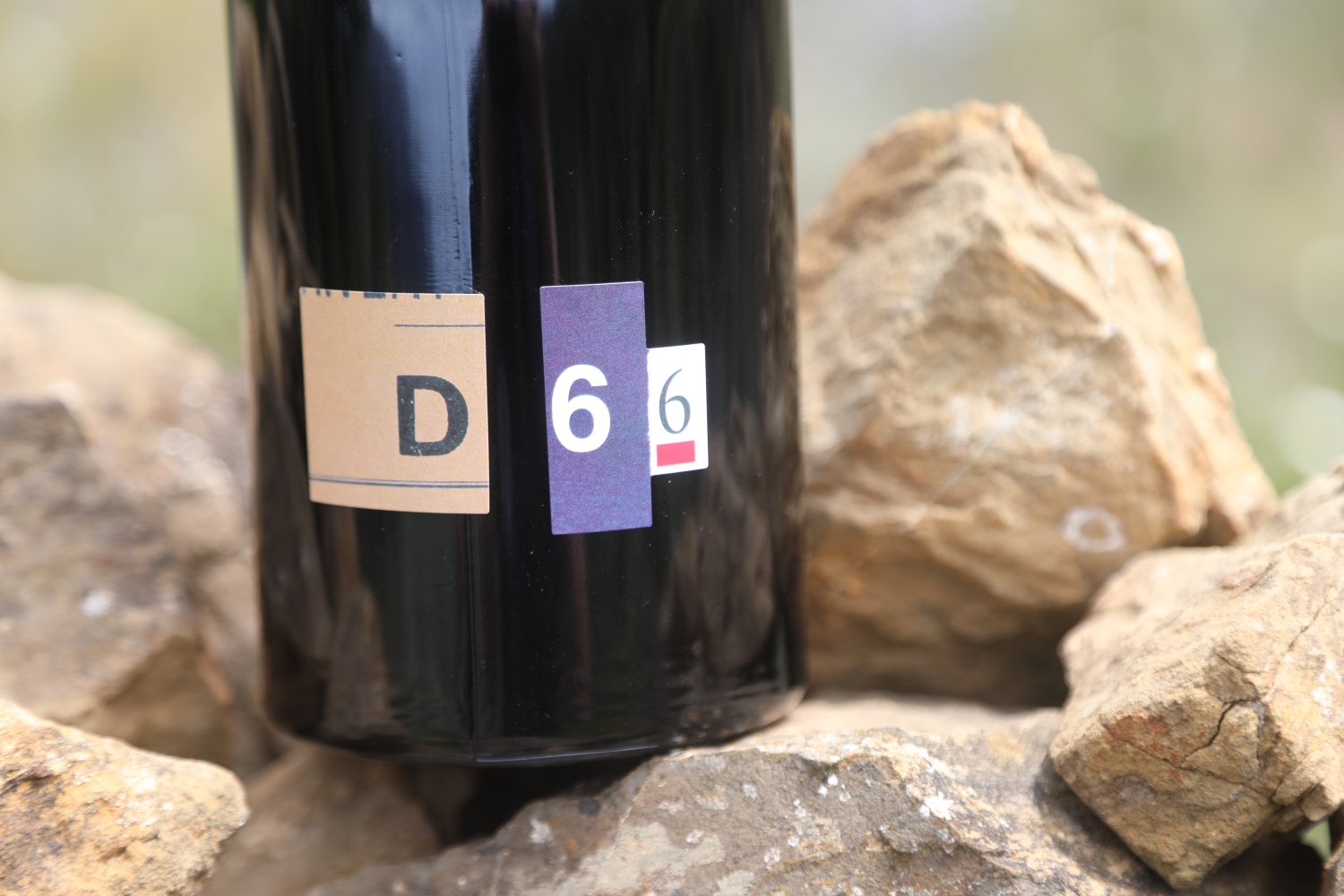
The 2017 Department 66, “d66” Grenache is 80% Grenache noir and 20% Syrah. Dark ruby in the glass; initially the bouquet is earthy, mushroomy, with notes of truffle and dried parchment paper. As the wine breathes shows aromas of Graham cracker, chocolate and toasted cedar. Some baking spices are certainly also present, with hints of clove, nutmeg and cardamom deeper into the aromatics. An initial sweetness of fruit shows on the entry and carries across the palate. Packs plenty of flavor from start to finish (primarily darker fruits). Lingers with an intensity of fruit, alcohol, earth notes, darker spices and rounded, nicely integrated tannins. Finishes juicy, savory and slightly meaty. The hallmark of this wine is clearly the richness of the fruit. Drinks very well by itself.
For more information, visit: www.department66.com
Can you tell me the exact ingredients of the 2015 El Coco, Estate and 2016 disciples?
I purchase these through a distributor for my wine shop and I feel I do not have correct information. Your clarification is appreciated.
Bob
Bob – hope you were able to connect with Ryan to get this info.