



 McCoy Family Estate is owned by John and Nancy McCoy. The family is from Nebraska, where they have long been involved in agriculture; they still own a farm there. During his time with Orthman Manufacturing, Inc., John had several roles including as President of the company. The agricultural division of Orthman Manufacturing provided services including tillage, seeding and fertilizer placement. He eventually sold that division but retained Orthman Conveying Systems, based near Dallas in Cleburne, as well as Pen Steel Manufacturing, based in Omaha, Nebraska. He also oversees Flat Water Investments, a company focused on sustainable energy solutions for industrial and agricultural sectors. Flat Water Energy is the only EPA-certified industrial company capable of utilizing up to 100% ethanol.
John’s sister was a flight attendant for American Airlines and was stationed near San Francisco; in 1991 John and Nancy visited her but also drove up to Napa Valley; this was their first trip to Napa Valley. But John’s interest in wine had started even earlier, including through a food and wine course in college. While traveling for business, he would work with sommeliers to select wines for client dinners, providing another opportunity to taste and expand his wine knowledge.
Trips to Napa Valley became an annual experience. And what became most important to John and Nancy was not simply tasting and buying wine; it was meeting vineyard managers, winery owners and others directly involved in the industry. Their trips eventually slowed to only two winery visits a day, allowing for more meaningful and educational experiences.
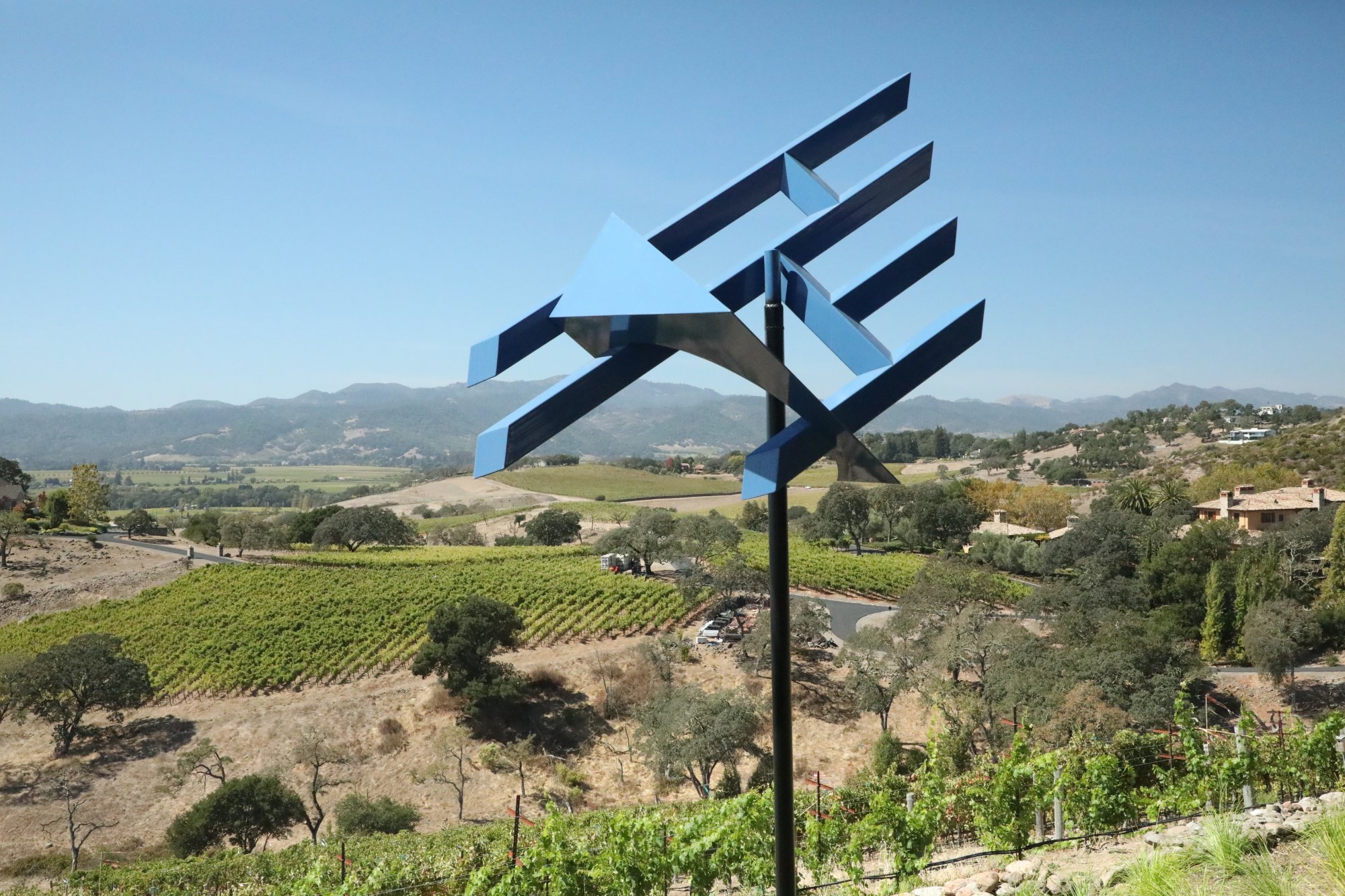
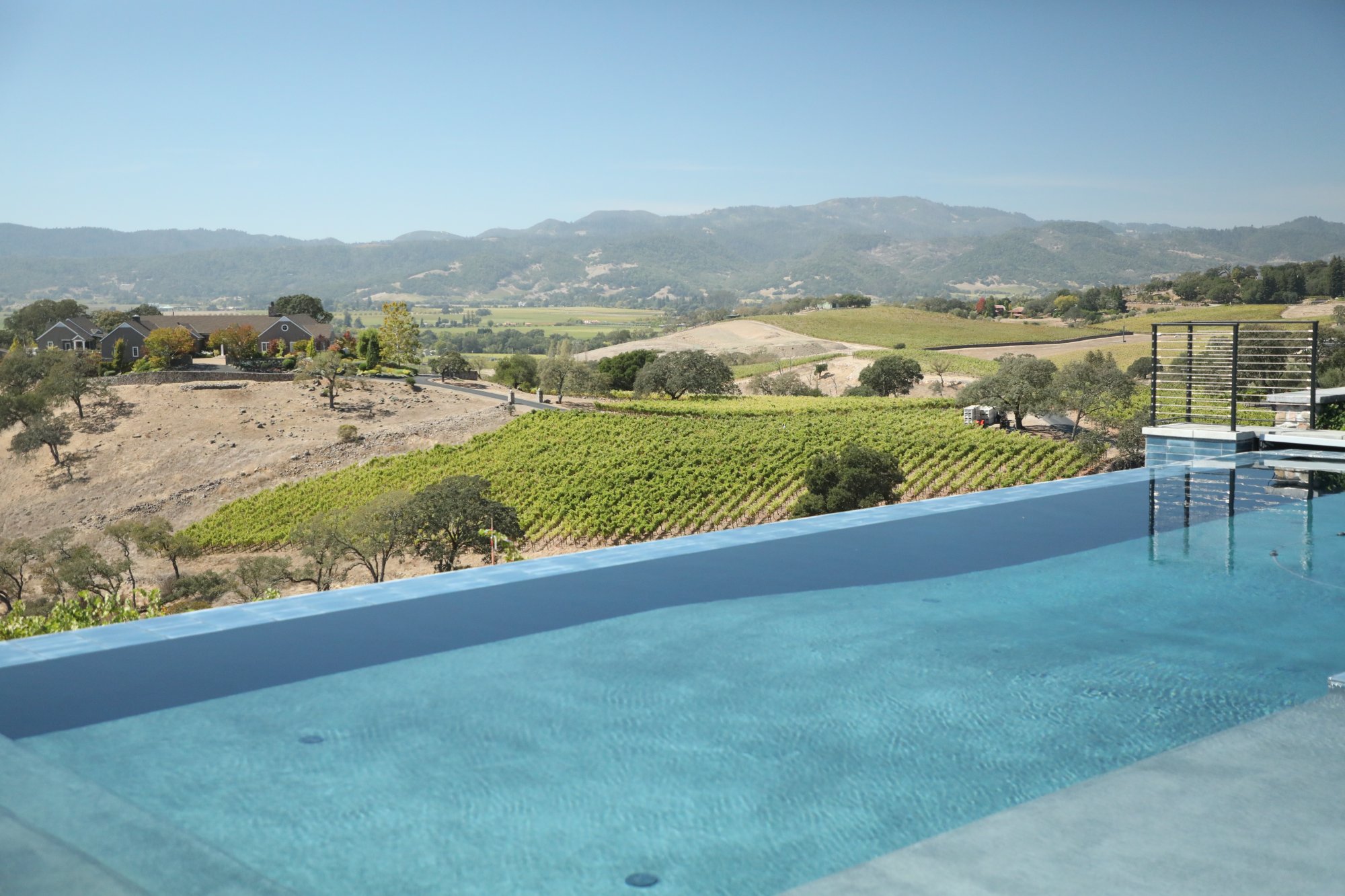
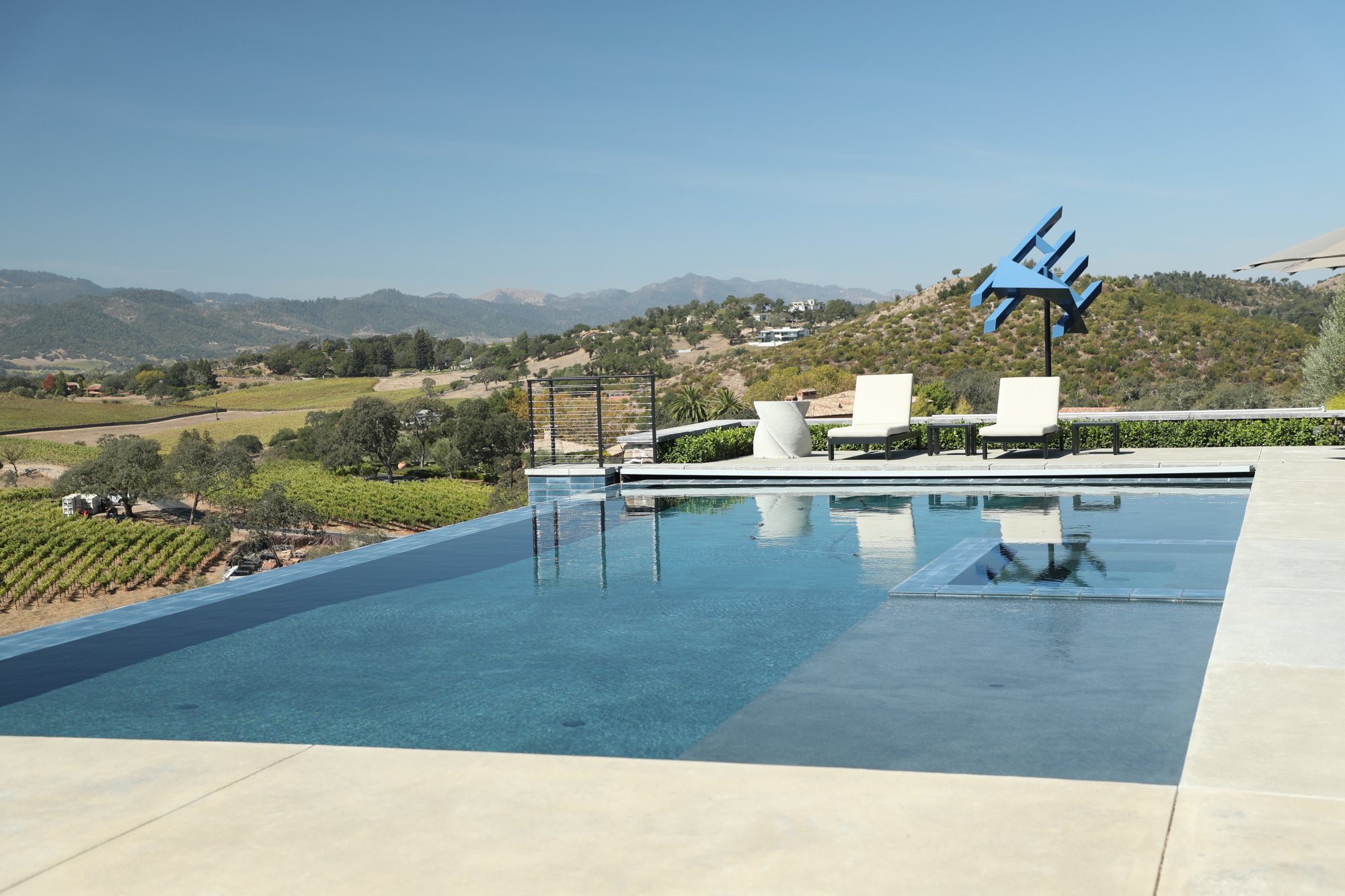
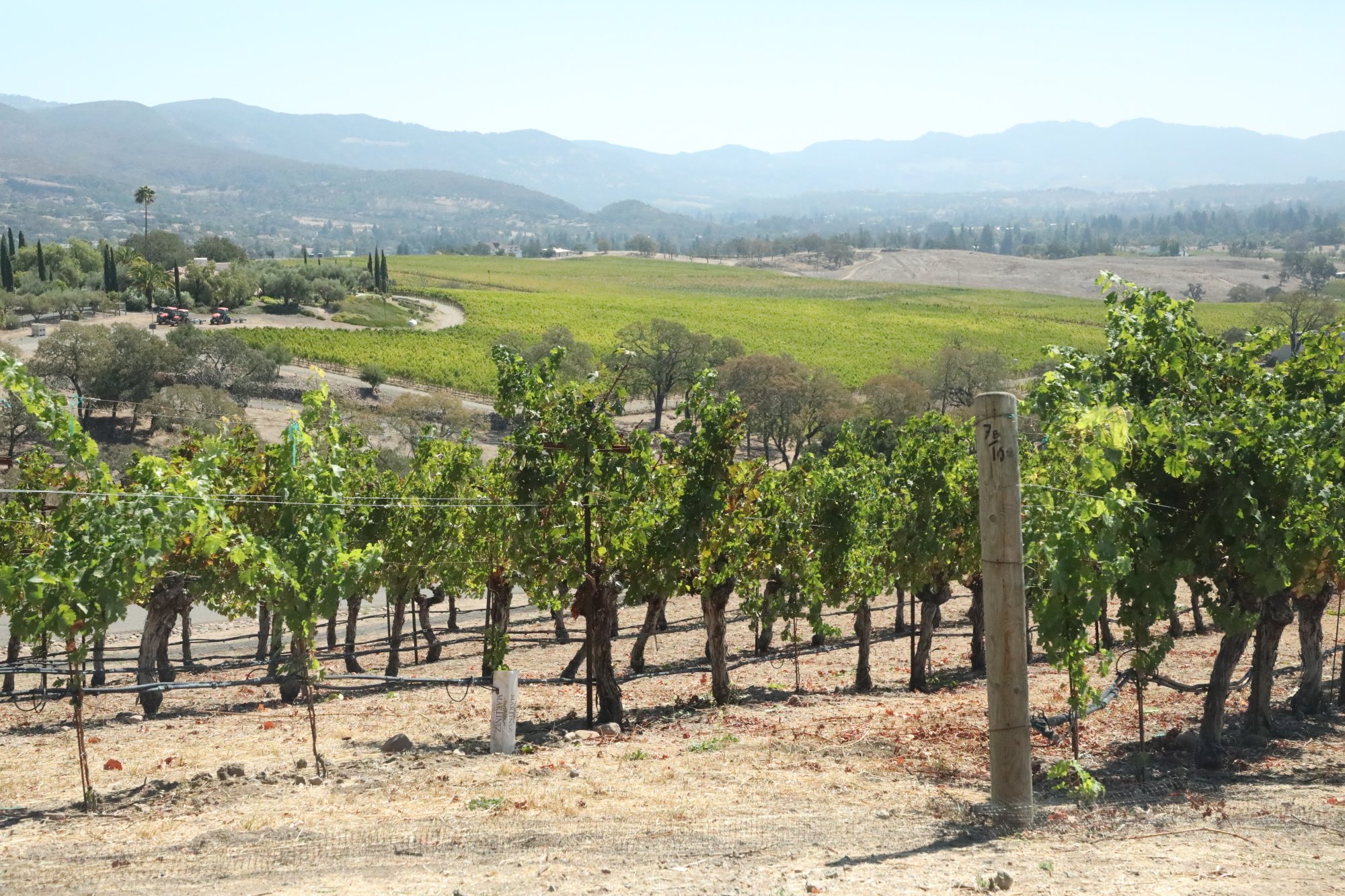
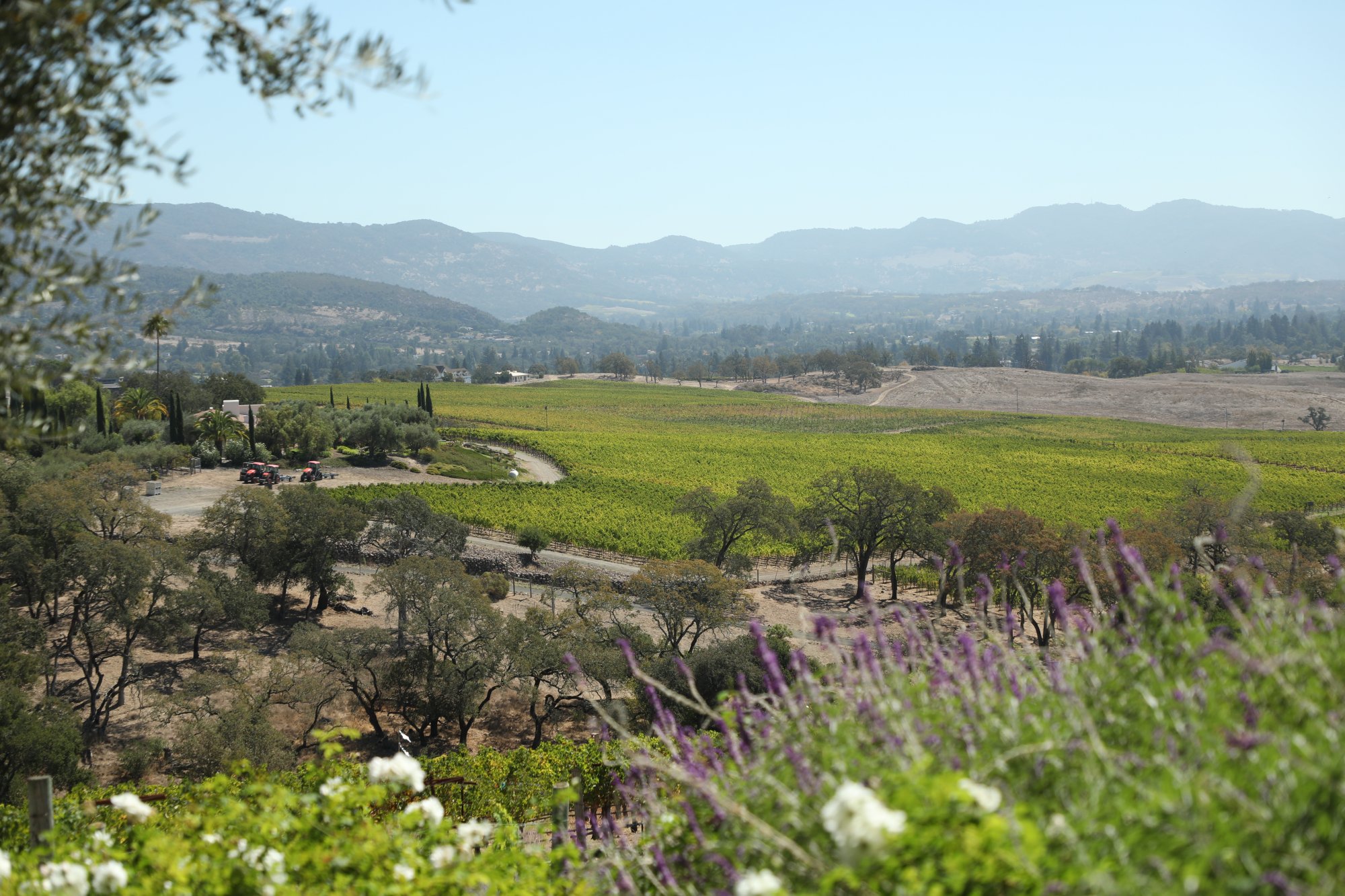
When looking for a property in Napa Valley, the initial search primarily focused on vineyards. The family toured eight different sites, but a property near Silverado Resort in the southern part of the valley was the one they kept coming back to. They were intrigued by the vineyard’s combination of characteristics, including elements of both mountain and valley-floor growing conditions. And the vistas. We can see why. The views overlooking the southern part of Napa Valley are stunning.
The property had a well established vineyard but also a home that was constructed in 1984 for the property owner at that time, Richard Long, with its design inspired by the work of Frank Lloyd Wright. The property subsequently changed hands several times, including ownership by Japanese businessman Isao Okawa, whose family owned Silverado Resort from 1989 to 2009. Okawa later sold the property to Thomas and Janice Bird; during their ownership, the vineyard was known as the TJB Vineyard. Thomas assisted with the implementation of the first ATM machines for Bank of America.
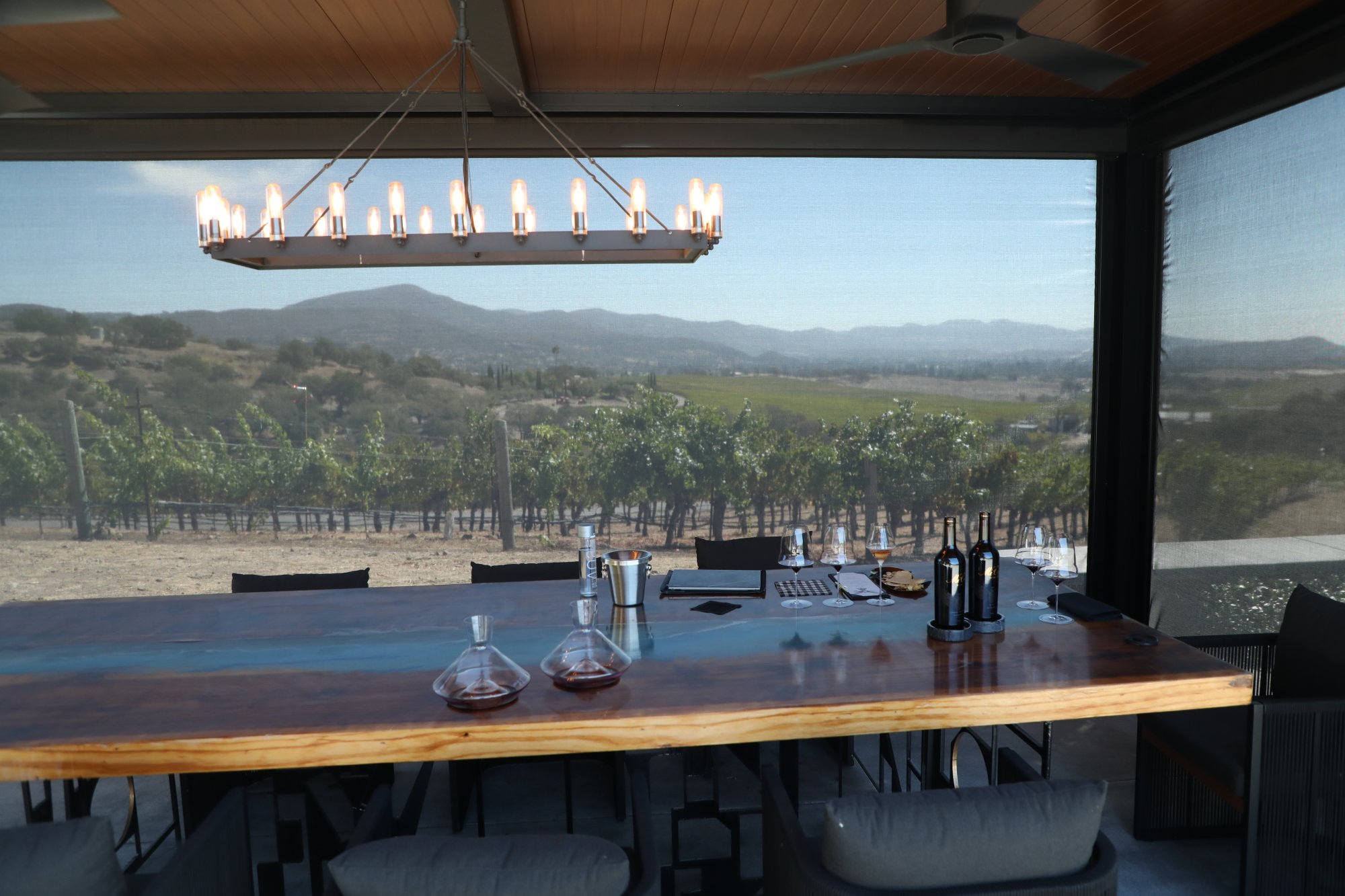
Today, the home is available as a 30-day vacation rental and can also be rented for private wine dinners, providing an intimate setting for showcasing the McCoy Family Estate wines.
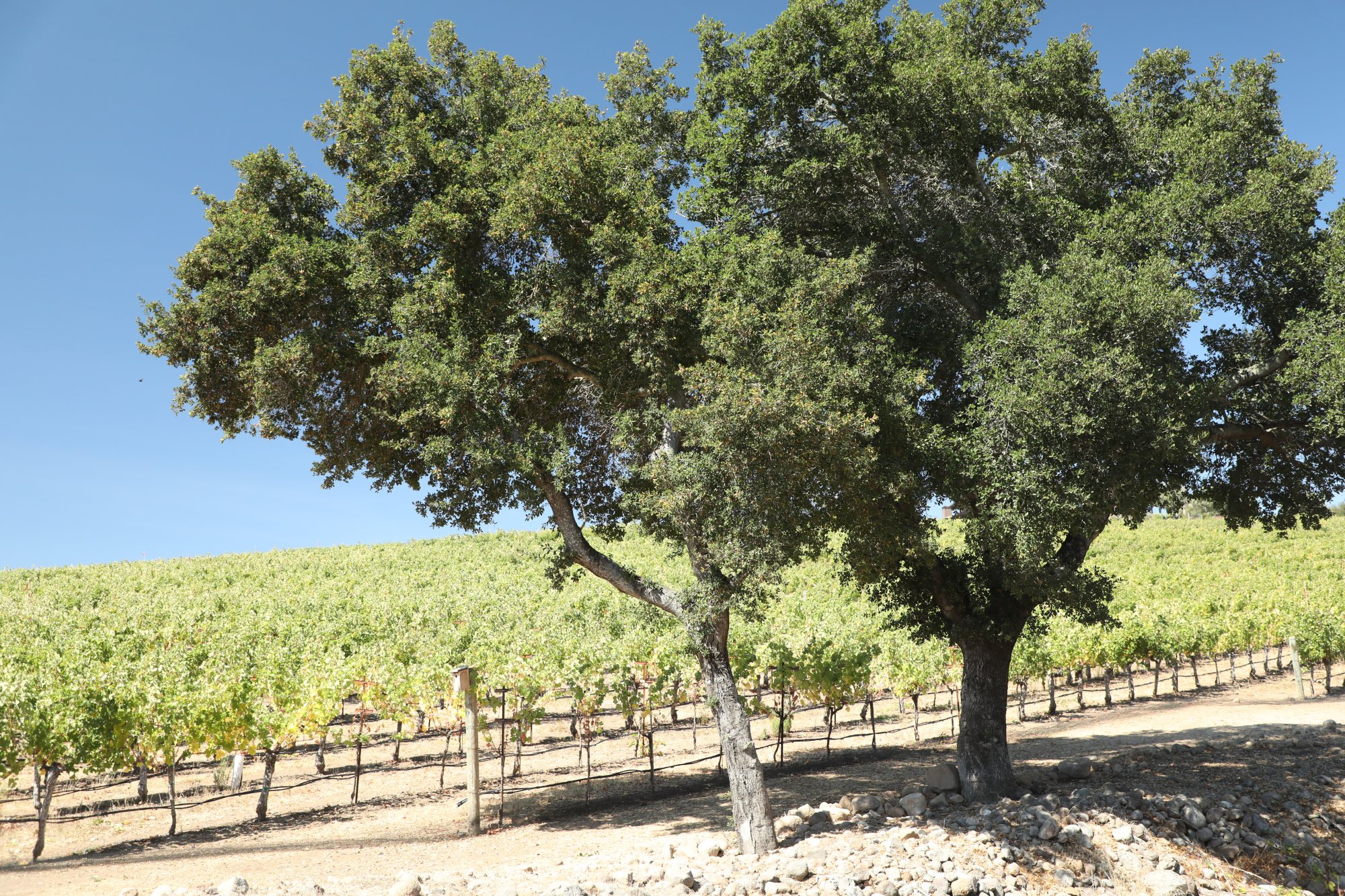
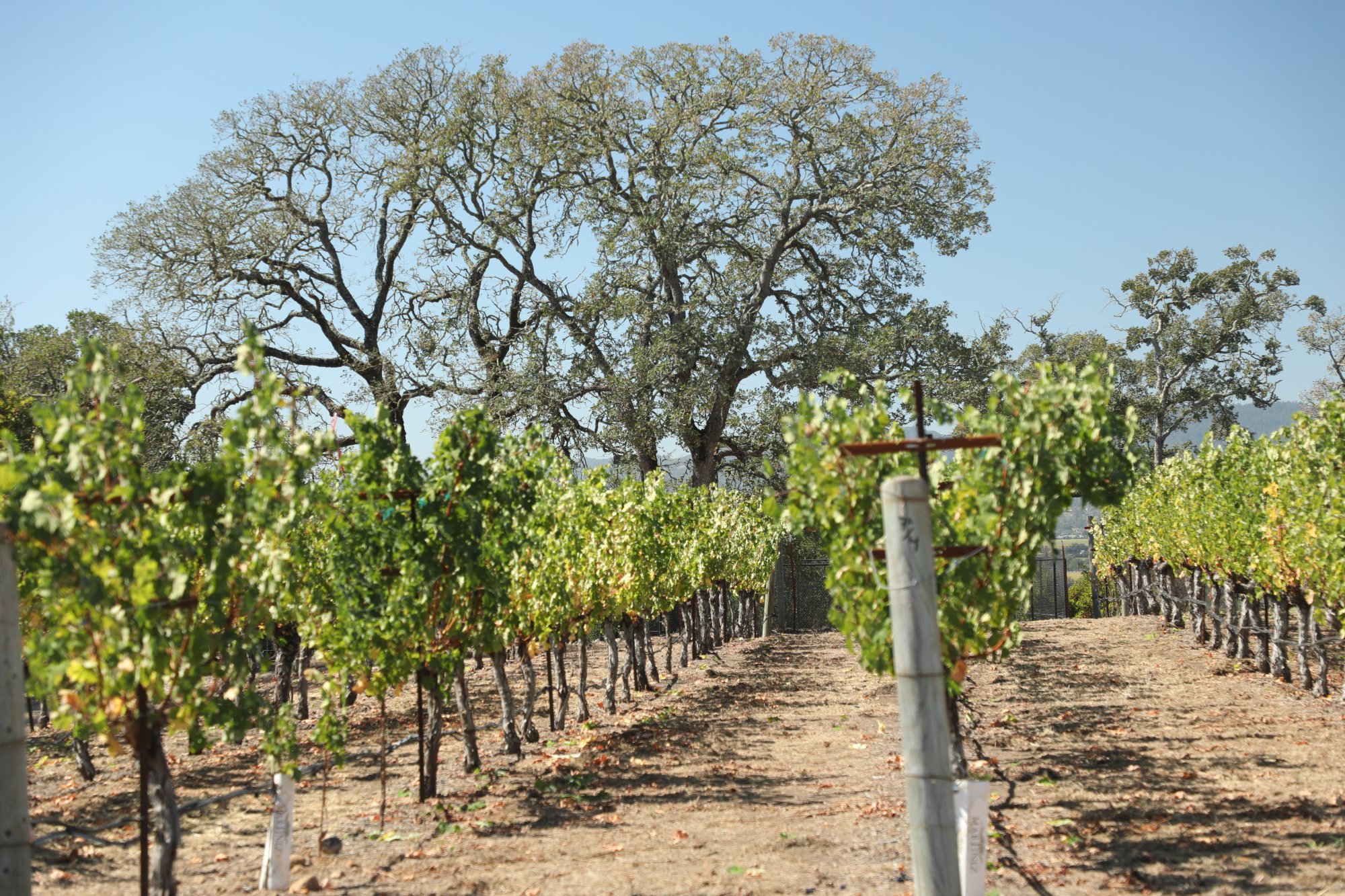
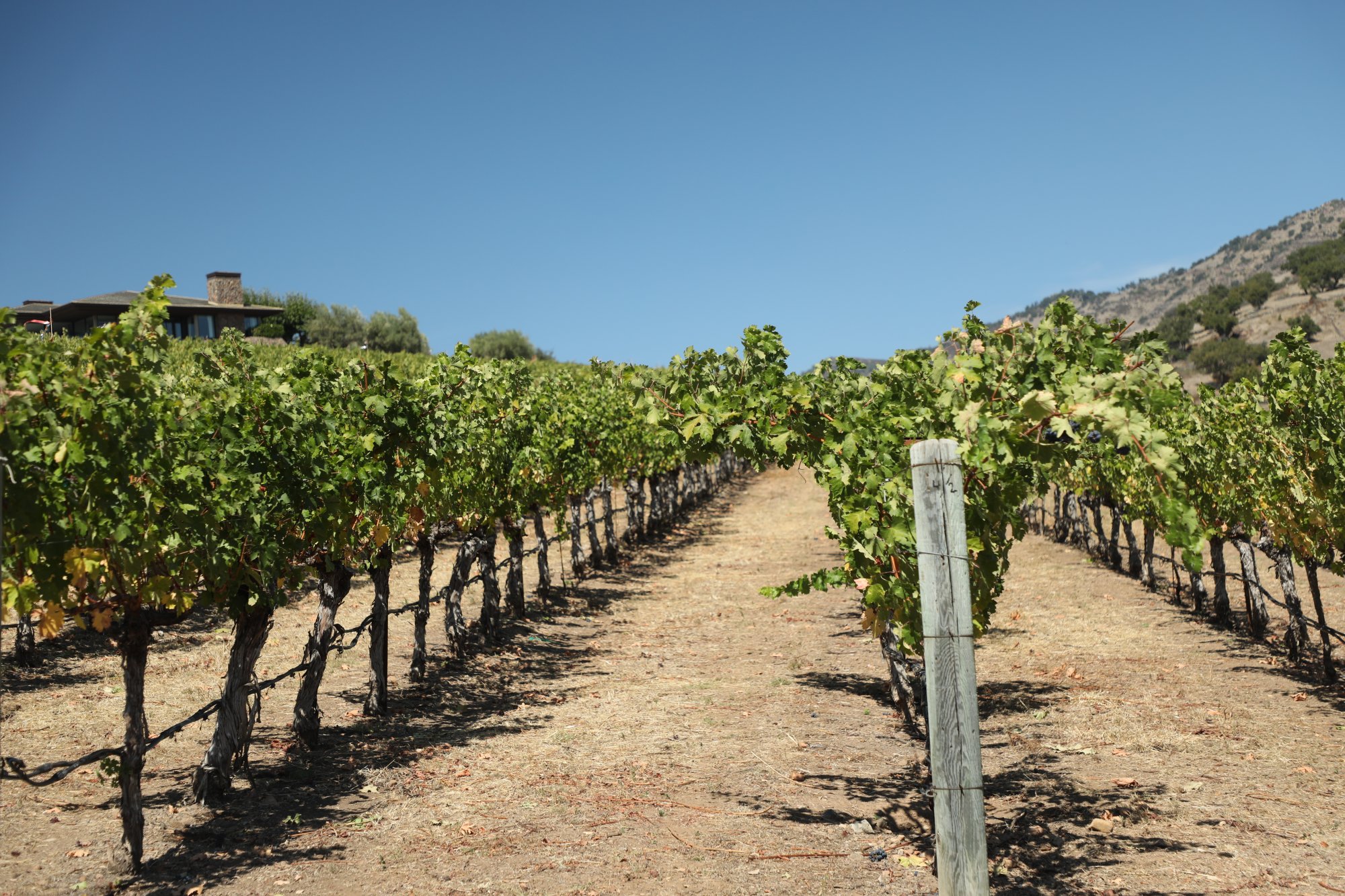
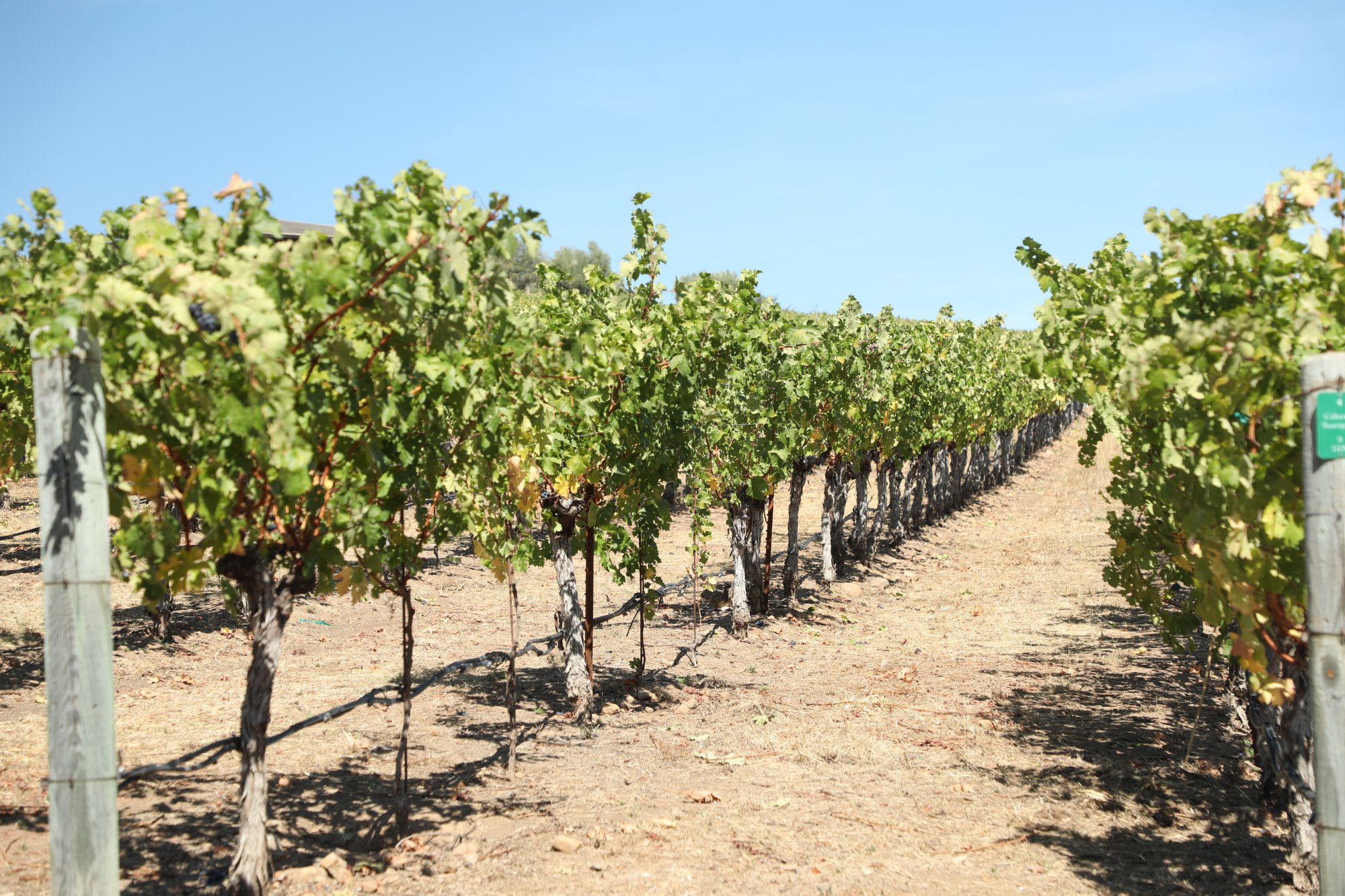
Fifteen acres of the 43-acre property are planted to vines, including 12 acres of Cabernet Sauvignon divided among nine blocks and three acres of Merlot divided among two blocks and planted at a slightly higher elevation. The vines were originally planted by John Caldwell of Caldwell Vineyards. Plans call for another 6 acres to be planted; due to the age of the vines, portions of the vineyard will be replanted in the coming years. The property features well-drained and very rocky soils.
The Atlas Peak Fire of 2017 burned close to the home, but fortunately the residence survived. The fire did destroy a barn on the property, while the vineyard sustained only minimal damage.
The McCoys closed on a 10-acre property planted to nearly three-acres of vines on Mund Road (just below Howell Mountain) in 2026 – located between Ecotone and Herb Lamb Vineyard. This property is planted to Cabernet Sauvignon and Cabernet Franc. This property was in the path of the Glass Fire; a home on the property was destroyed in the fire. After the fire, parts of the vineyard were replanted. Both vineyards under the family ownership are farmed by Matt Hardin.
John recalled the family’s first conversation with Hardin had little to do with grapes or wine but instead centered around Nebraska Cornhuskers football. In Husker country, as John told us, there are no other options. Matt also introduced the McCoy family to winemaker Thomas Rivers Brown.
Thomas is one of the busiest winemakers in the Napa Valley. Several producers have shown us lists of all the Napa brands that he consults for and or provides direct winemaking services; this is an extensive list. He is from South Carolina and developed an interest in wine while attending the University of Virginia where his major was not wine related (he studied English and Economics).
Today Thomas is highly sought after for his winemaking services, experience and access to premium area vineyards. And while he was once the student, over the years he has become the teacher. We have met with a number of winemakers who worked under Thomas and consider him one of their mentors. These are winemakers who have gone on to establish their own brands or consult for other Napa based brands.
Select Wines
Cabernet Sauvignon
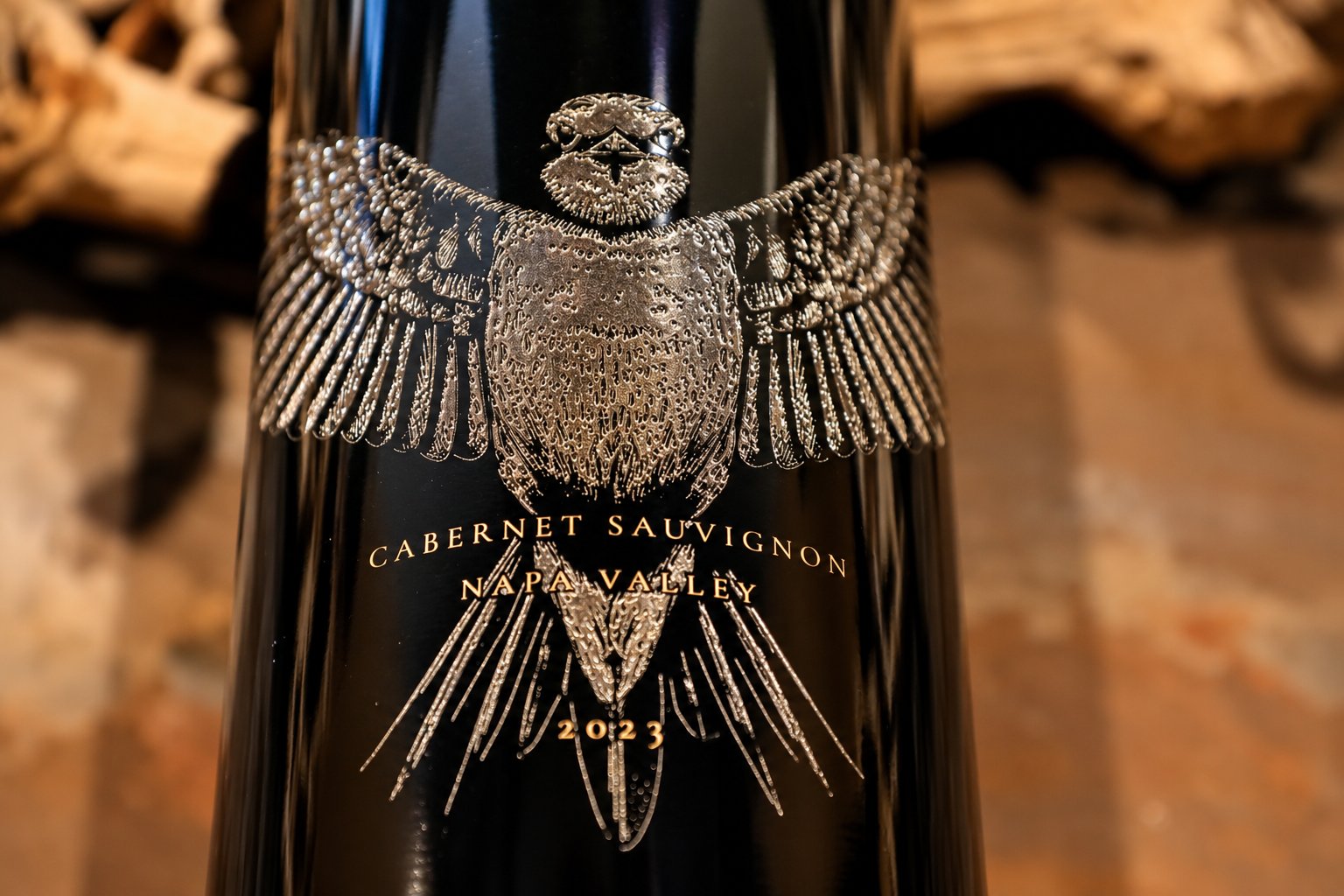
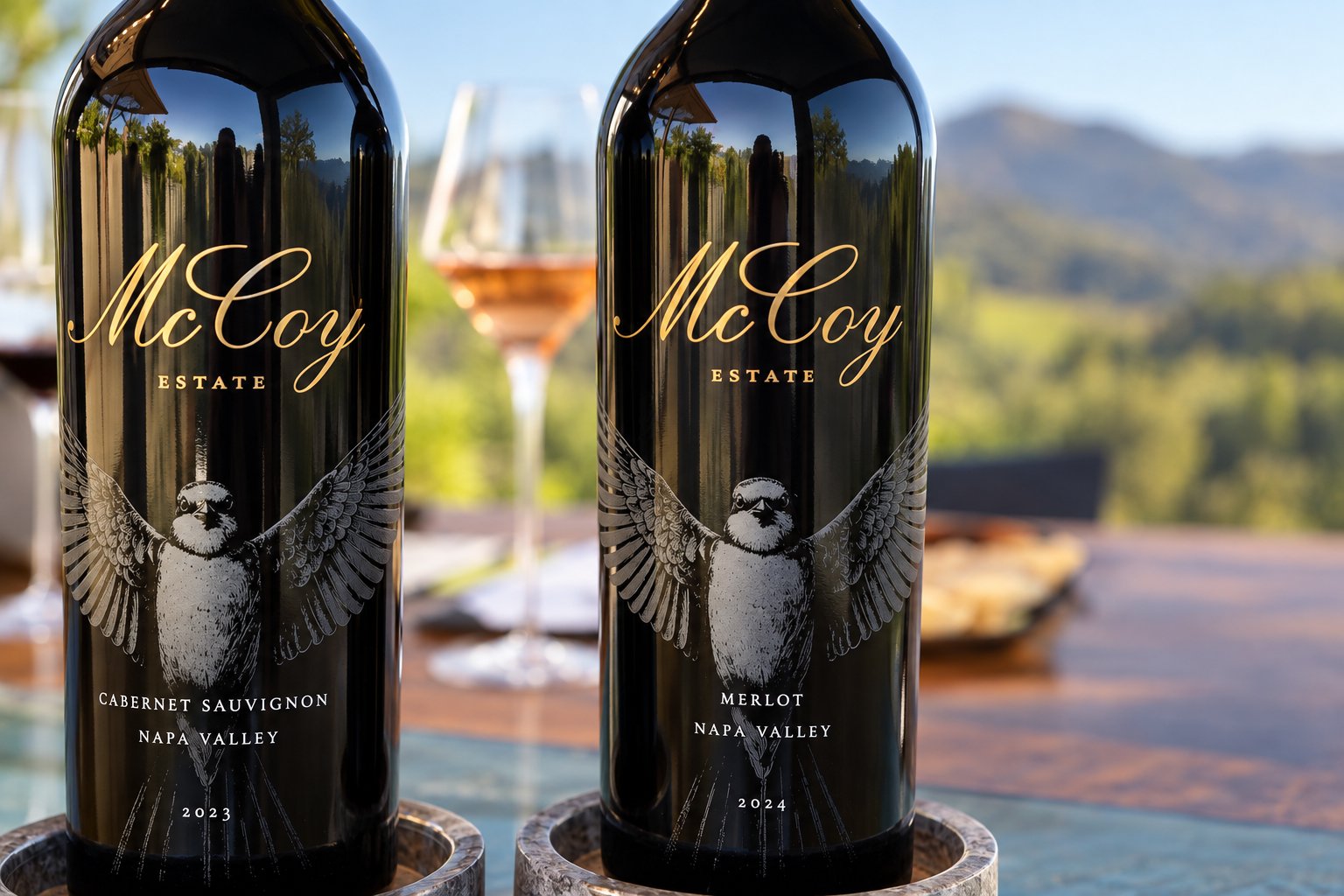
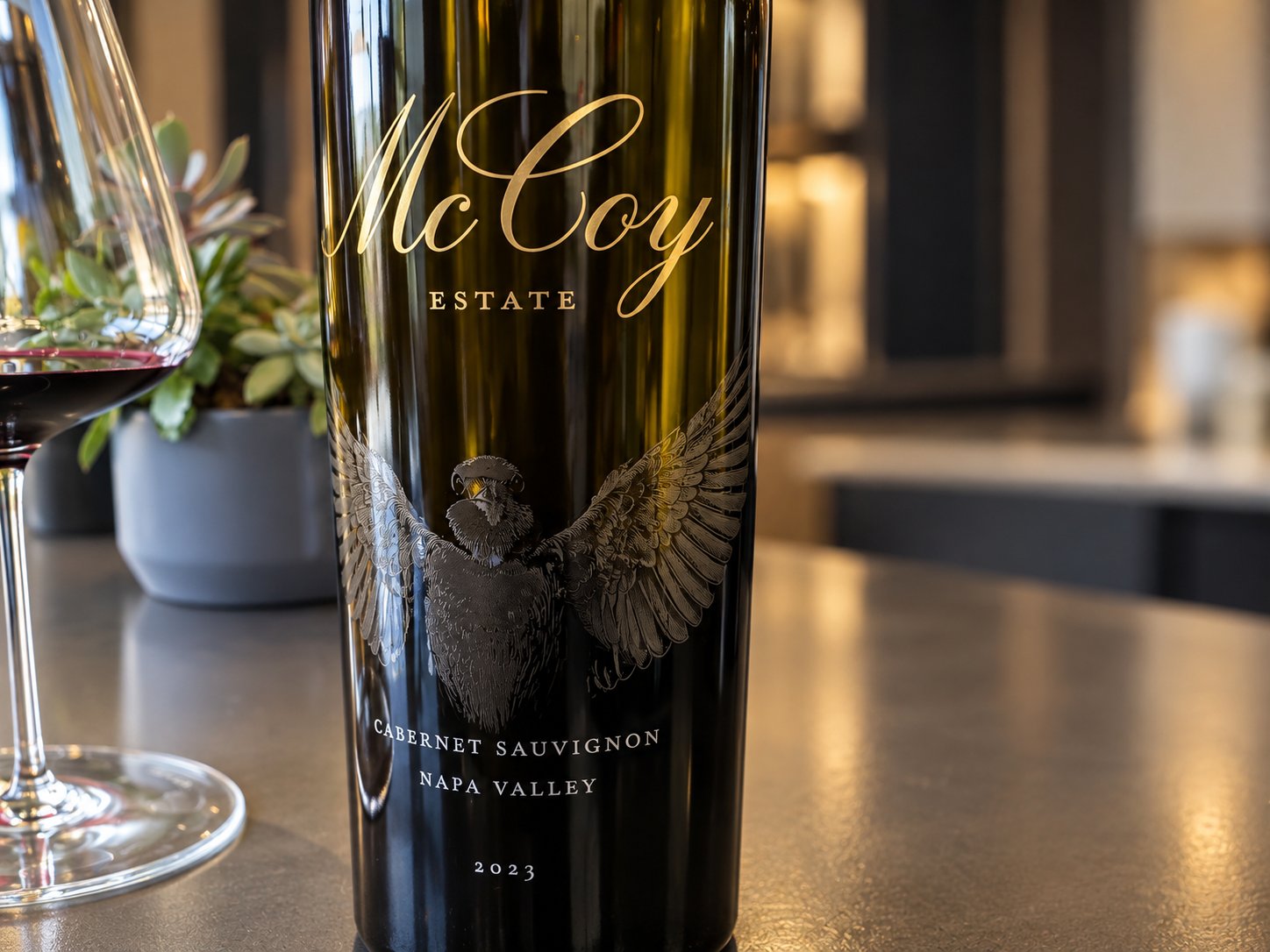
 The 2023 McCoy Family Estate Cabernet Sauvignon is 100% varietal. This wine is deep ruby with amaranthine hues and completely opaque. The bouquet is built upon the character of both the vineyard and its fruit, with the oak sitting in the background, providing a quieter conversation. This wine smells both red and dark fruited with scents of blackberry, cherry pie, plum compote, dark chocolate, cocoa powder and a light note of old cedar box. And like the bouquet, the oak sits more in the background; this wine is both dark and red fruited with flavors of cherry, slightly underripe ripe boysenberry, blueberry, currant and Persian mulberry. This wine is bright and lifted. It finishes red fruited and juicy with a vibrant acidity- not verbiage we normally associate with wines crafted by Thomas Brown – but this shows the diversity of vineyards he works with and his range of talent. The tannins are still highly youthful at three years post vintage; their texture is persistent with a gravelly and dusty feel, anchoring the extremely long finish. This is their inaugural vintage. Extremely age worthy, we would like to try this again in the 8-10 year window – but it has all the stuffing to age well beyond that.
Merlot
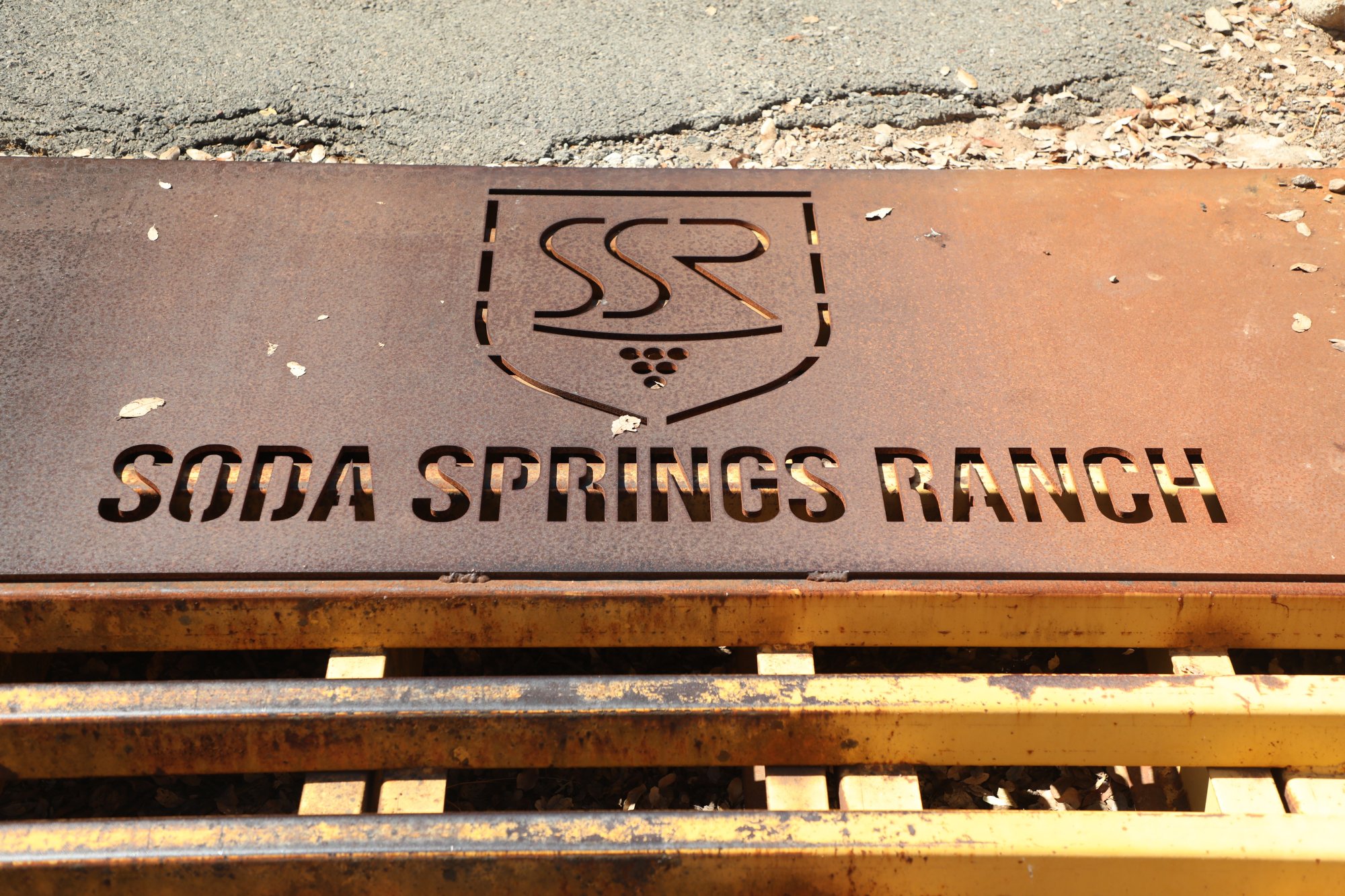
The 2024 McCoy Estate Soda Springs Ranch Merlot (100% varietal) is deep ruby and nearly opaque in color; the bouquet is dark fruited, bright, lively and floral. Its scents include violets, lavender, blueberry, plum compote, blackberry and boysenberry with lighter notes of tobacco, petrichor and smoked sage. As the wine opens, its barrel influence becomes more prominent, offering notes of mocha, vanilla and dark chocolate. The vineyard and the variety are the stars of the show here with the oak providing a complementary but quieter conversation. Dark fruited, this wine tastes like blackberry, boysenberry, Satsuma plum and dark mulberry. It finishes ripe but also bright with a lively but balanced acidity. It lingers with a savory character, including dried herbs, including sage and a minerally/chalky character. The tannins are well-tumbled in their youth, but very much present and supporting – persisting with a moderate tug, including a drying and dusty character. There is also a light but persistent warmth on the back of the palate.
—-
Possibly in the future, a non-estate Chardonnay will be introduced. The early focus is on building the brand and getting the word out. Parts of the vineyard were under contract with Caymus and Lewis Cellars prior to the McCoy family purchase in 2023. By 2026, the vineyard was out of contract so the McCoys had access to all of the vineyard’s grapes.
Two 18-Liter bottles are produced each year – with one kept for family and one for charity.
An image of a martlet is silkscreened on the front of each bottle. This mythical, footless bird, continuously in motion, is part of the family crest. The family’s motto is “continuous improvement,” an especially appropriate philosophy for the wine industry, where knowledge and perspective allow one to continually improve all aspects of the business. The label was designed by Kurt Gonsalves of Napa-based KMG Design.
Total production in the inaugural vintage was 350 cases of Cabernet Sauvignon and about 200 cases of Merlot. The plan is to strategically place the wines at restaurants in California and Nebraska. Production may grow slightly but the plan is always to remain small. The wines will primarily be sold direct to consumer. For more information, please visit: www.mccoyfamilyestates.com
Hospitality
Royal We Wines, 929 Main Street, St. Helena
In July 2026 McCoy Family Estate moved into the space at 929 Main Street in the southern part of St. Helena (almost across from Merryvale Winery). This space was previously occupied by Bello Family Vineyards followed by a tasting room for Yao Ming’s wines starting in February 2016. In 2020 this tasting room closed permanently, and Yao Family wines vacated the building. Following a period of vacancy the building was for a short while home to Vine Star, a wine and espresso bar. The owner of Vine Star, Jay was involved with the Yao Ming brand and as a result, for a short while, visitors were still able to taste select Yao Ming wines here. In late 2023, the Vine Star sign was removed from the exterior of the building and the building was vacated.
In the 1950s and 1960s this address used to be home to Mobil Super Service, a full service automobile service center offering services including tires and batteries. The business was later known as Penland’s Service. By the 1970s and 1980s the business was operated by Bob and Randy Penland and in addition to auto care, the business was also providing service for lawn mowers and other related garden care. And by the early 1990s the business was known as St. Helena Petroleum.
This land was also home to one of three Chinatowns within Napa Valley; by 1880 there were approximately 1,000 people of Chinese descent living in Napa County. For reference, the total county population that year was only approximately 13,000 residents. This Chinatown was home to grocery stores, post offices and banks serving the Chinese community. In 1886 a local anti-Chinese businessman purchased this land and tried to evict the residents. Fighting back in court, the Chinese eventually legally secured their rights to continue living on the property. A fire destroyed the last remaining 8 buildings in 1911. A plaque directly in front of Royal We Wines details some of this history.
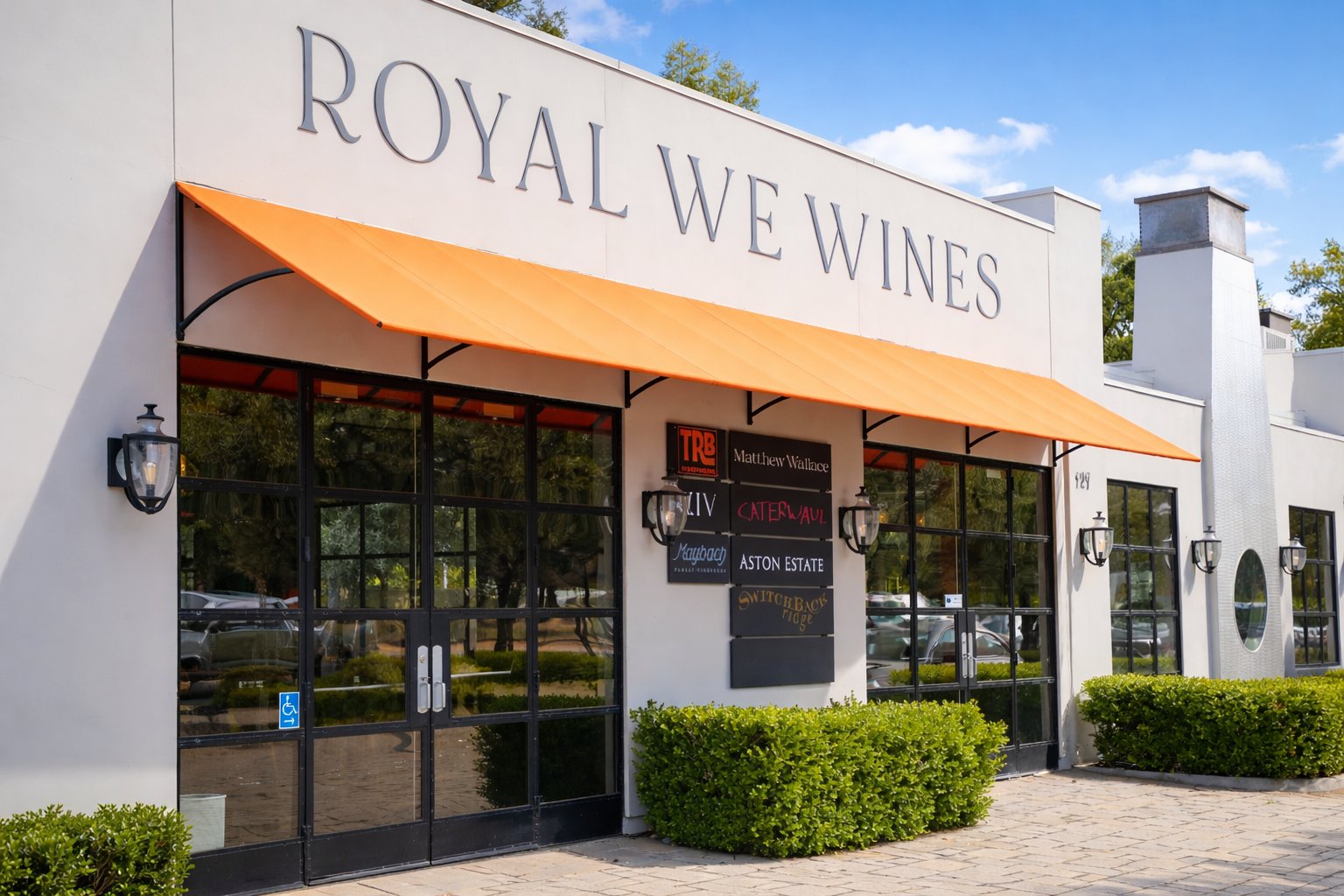
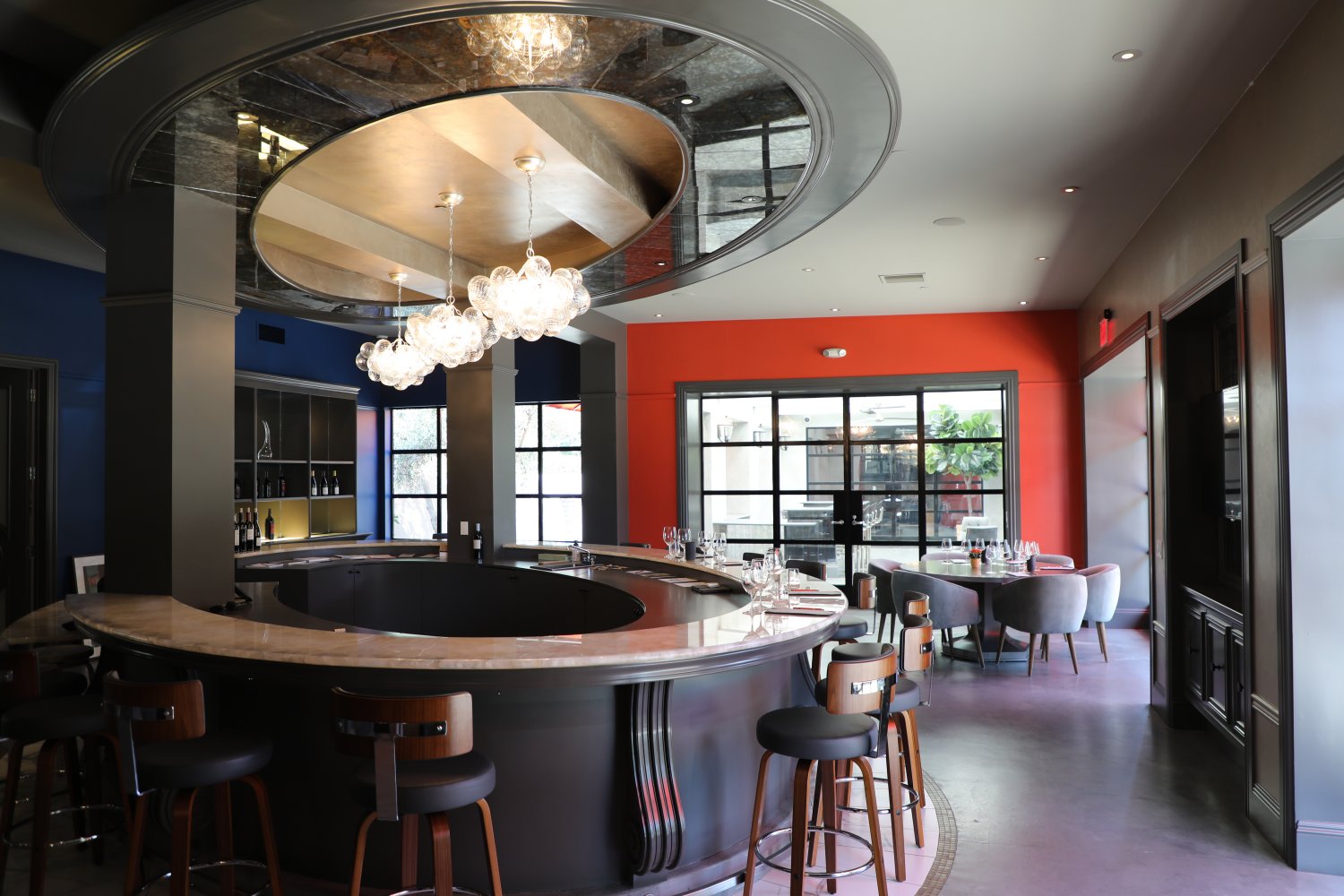
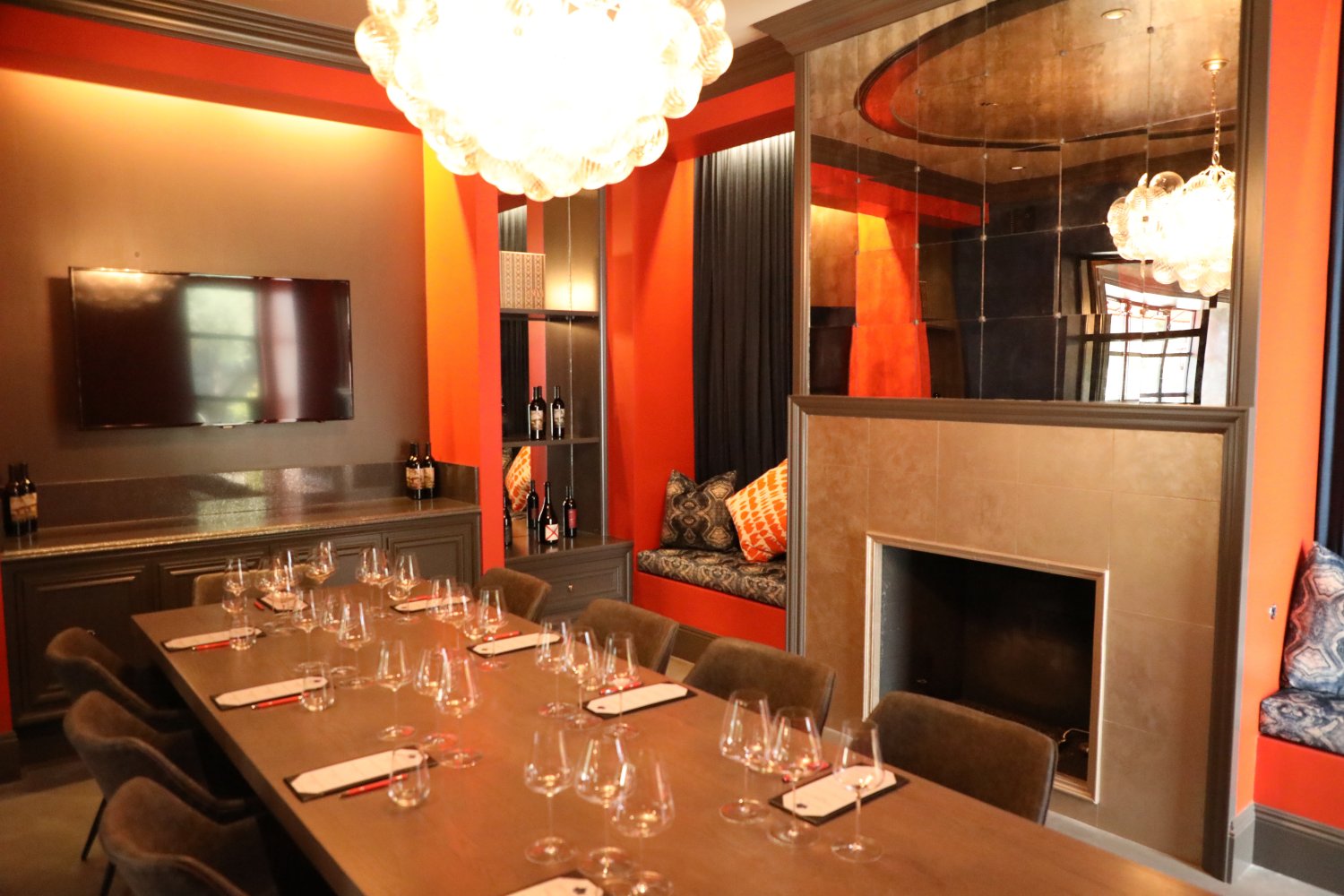
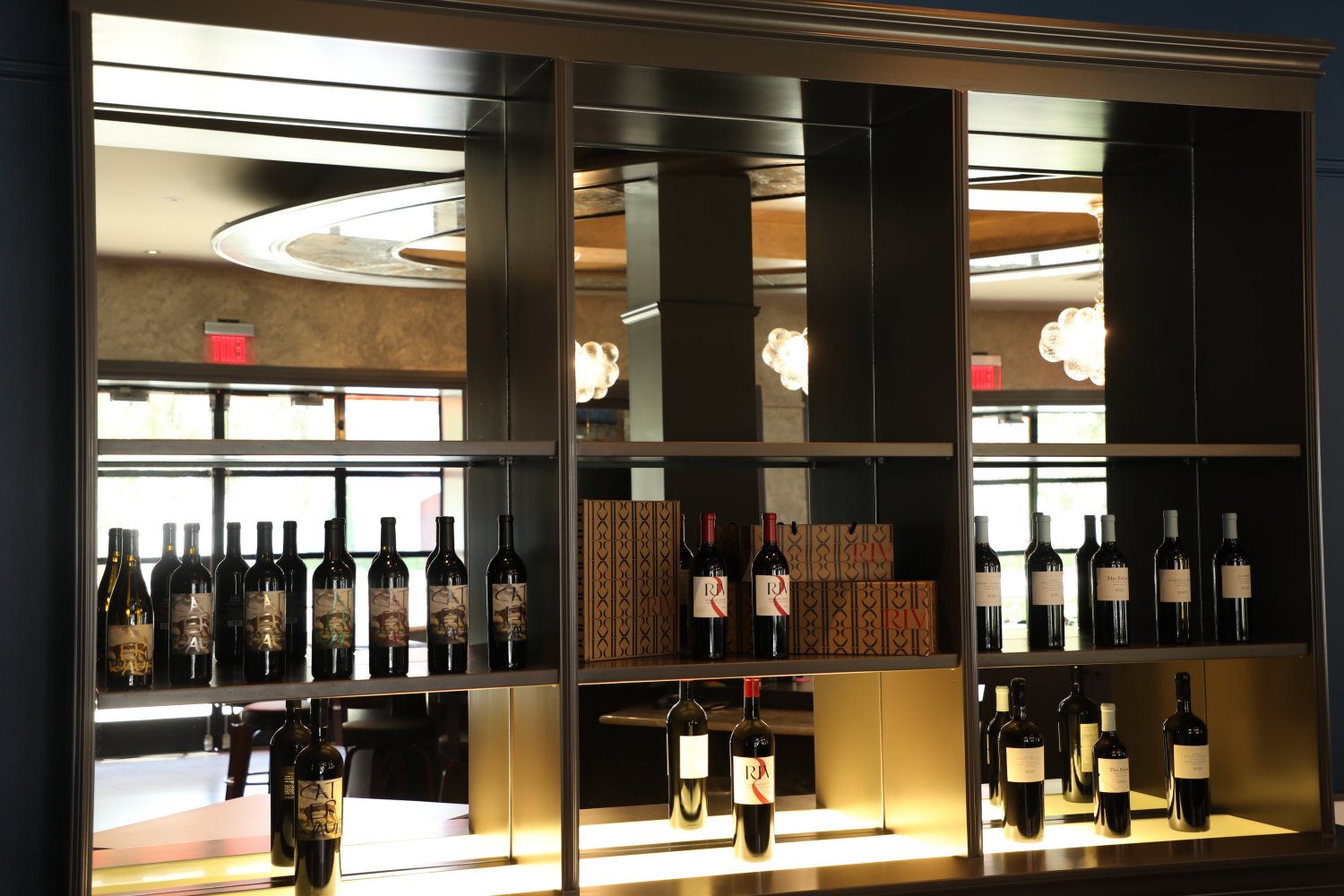
Royal We Wines is a collective, showcasing wines from several brands that Thomas Rivers Brown is the winemaker for. The interior was lightly remodeled and toned down somewhat from its previous opulent and flashy appearance. Visits are either by walk-in or appointment, with tastings hosted at the oval bar or in a private room adjoining the main space. Tastings can include a flight showcasing at least one wine from each producer or flights highlighting wines from one of the producers. Each of the brands may also taste their clients on their own wines using this space.
Several parking spaces are located in front of the tasting room including including an accessible parking space. Overflow parking is located in an adjacent lot on the south side of the tasting room.
Reservations are preferred but if the tasting room is not busy, walk-ins are welcome.
Micro Winery Guild
 This Napa County ordinance allows growers to convert part of their property into an area for at least a partial winemaking facility (not all of the winemaking needs to be done there); for example, a shed or garage. The costs of building a full winery (even a small one) can easily run into the millions of dollars. And this is important as Napa Valley is home to numerous small family-owned vineyards who prior to this ordinance had no legal path to host visitors for tastings.
Assembly Bill 720 (AB 720), passed in 2021 created the Type 93 “Winegrower Estate Tasting Event Permit” under the California Department of Alcoholic Beverage Control (ABC). Restrictions associated with the bill have been implemented at the state level and through a pilot program in Napa County. A couple of the key restrictions include a state-mandated annual renewal and a maximum of 36 events per year. Napa County also requires events to be held outdoors during daylight hours, requires 14-foot-wide emergency access roads to the site and prohibits these events on parcels containing winery production facilities.
As a result, McCoy Family Estate hosts up to 36 events or tastings per year on their property.
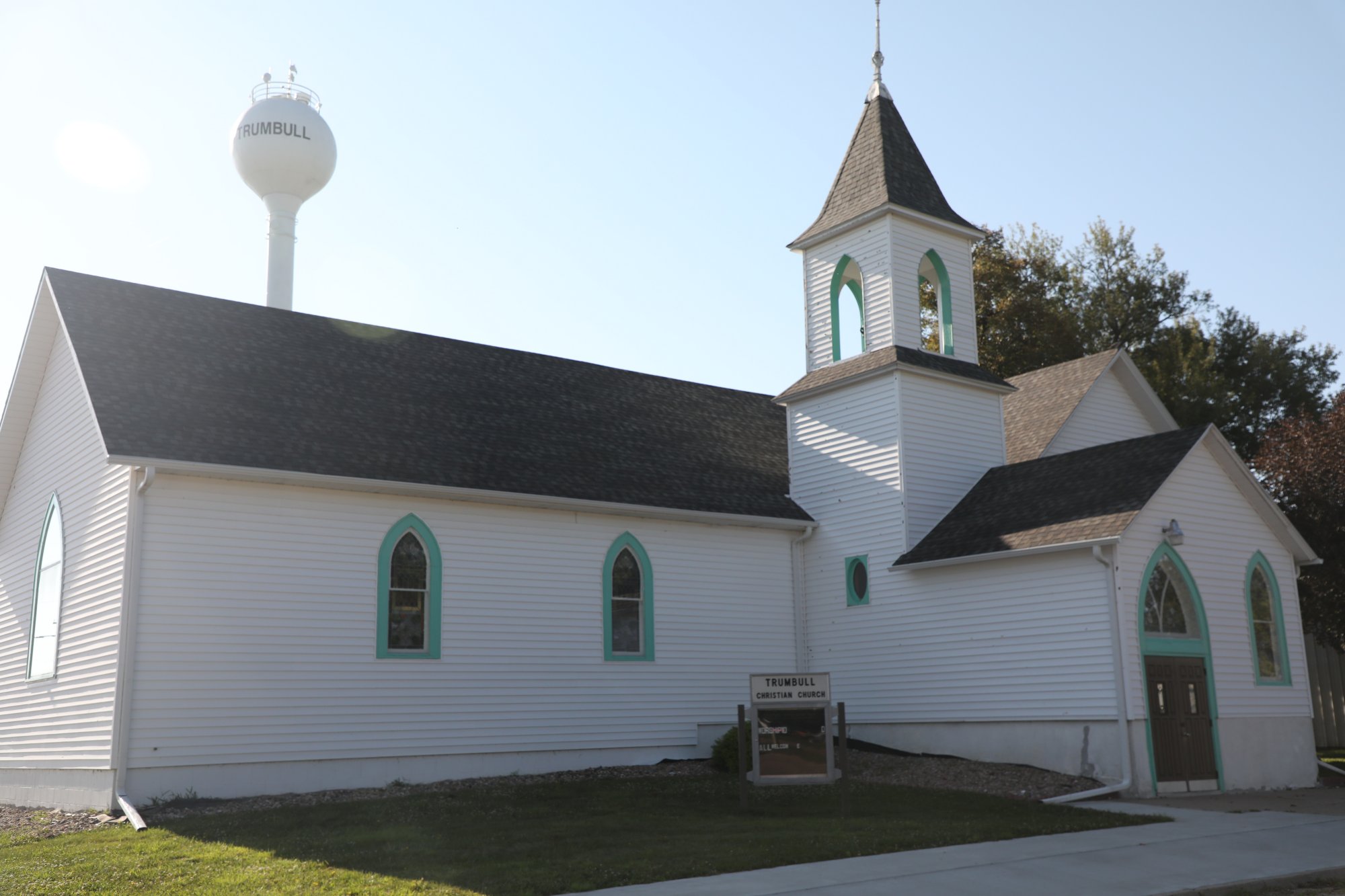
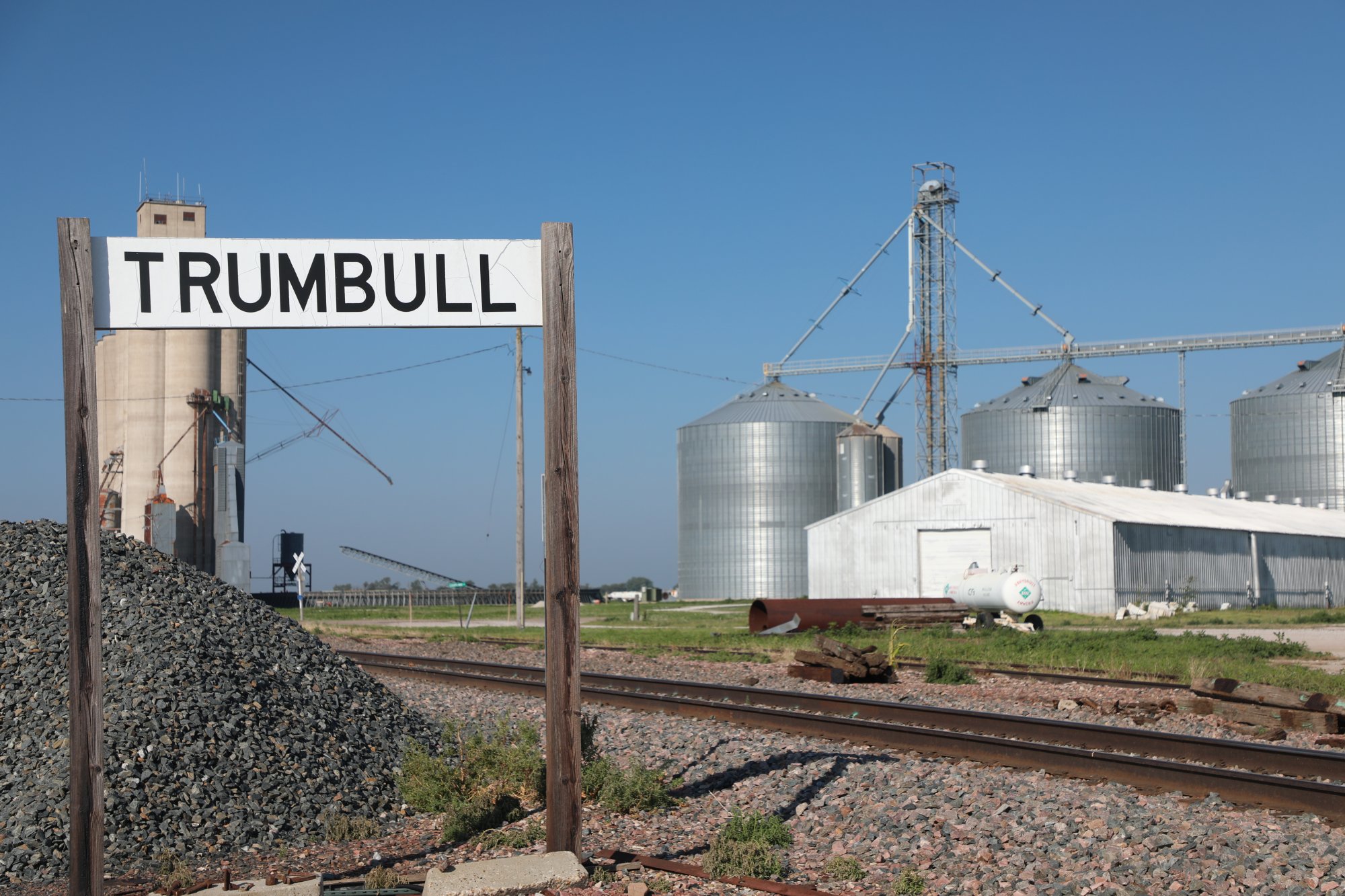
Trumbull, Nebraska
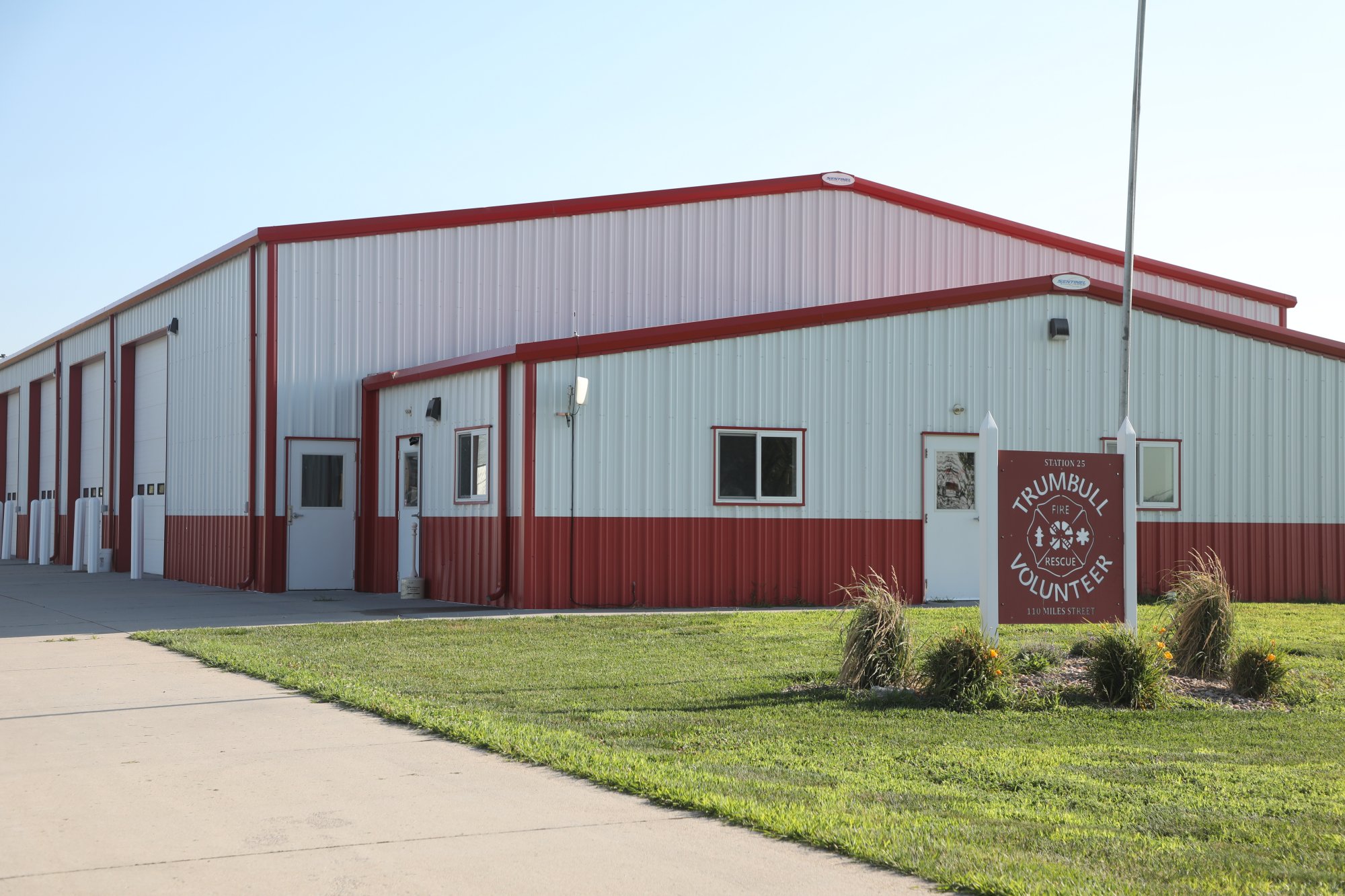
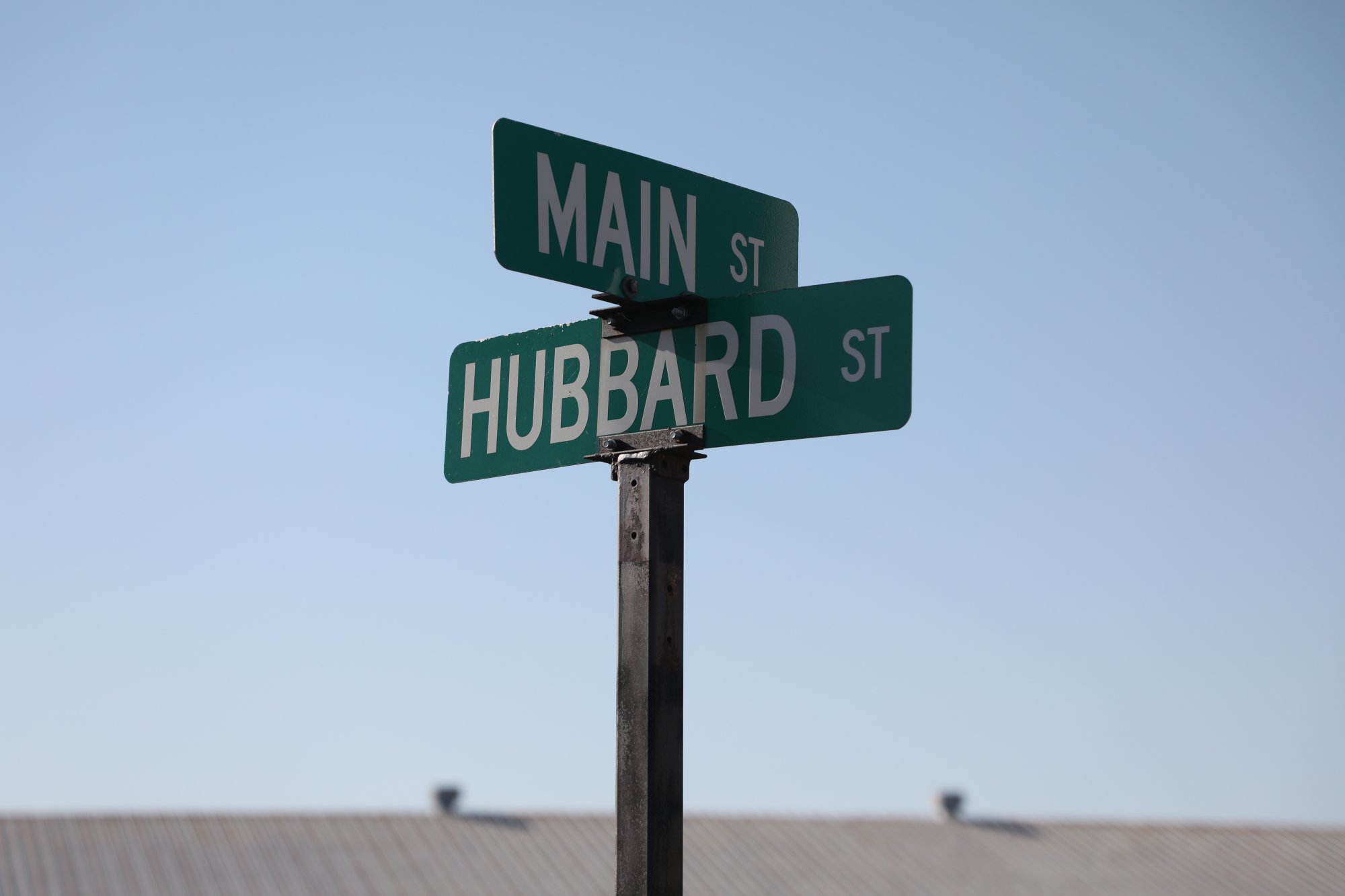
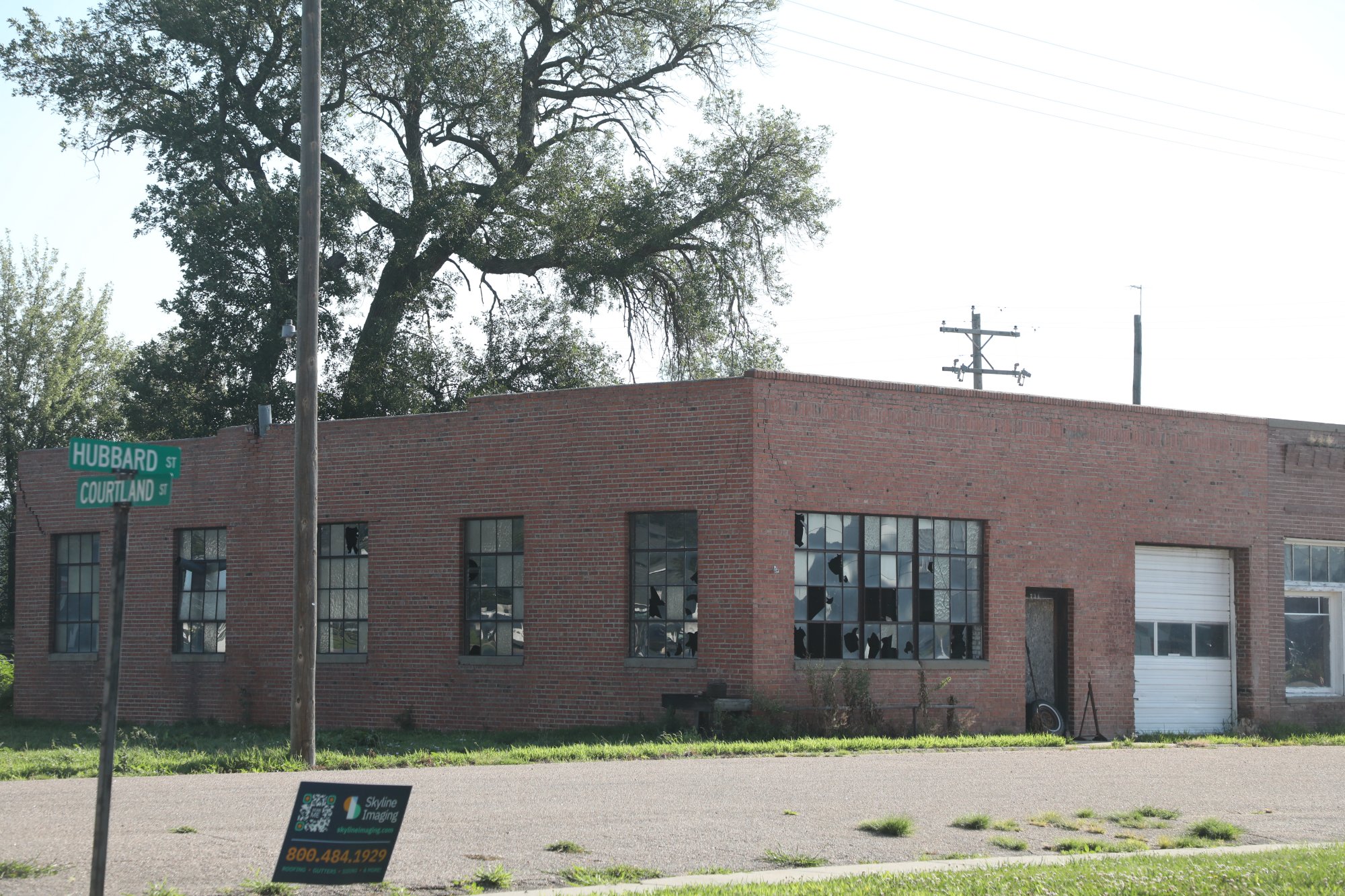
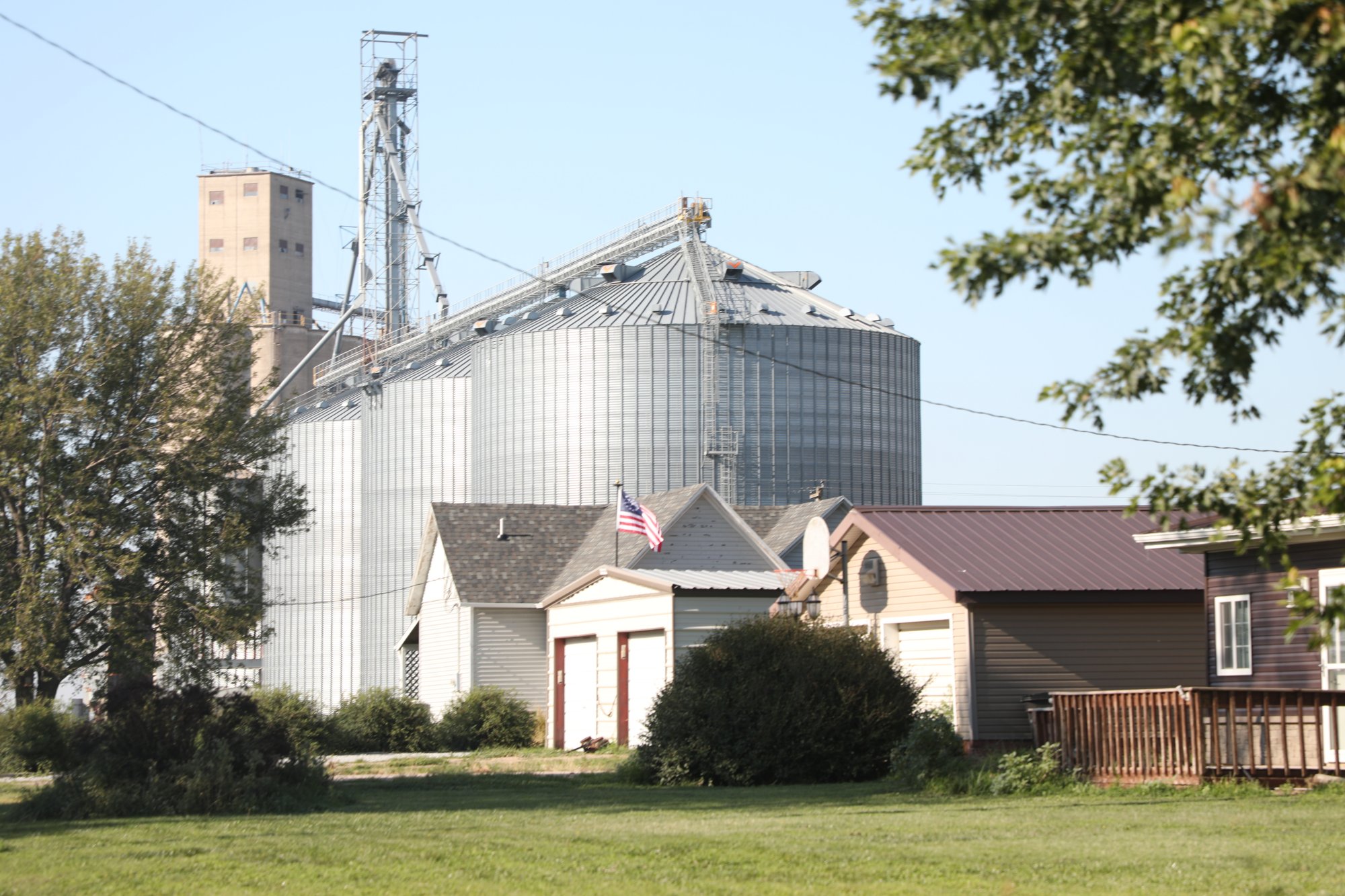
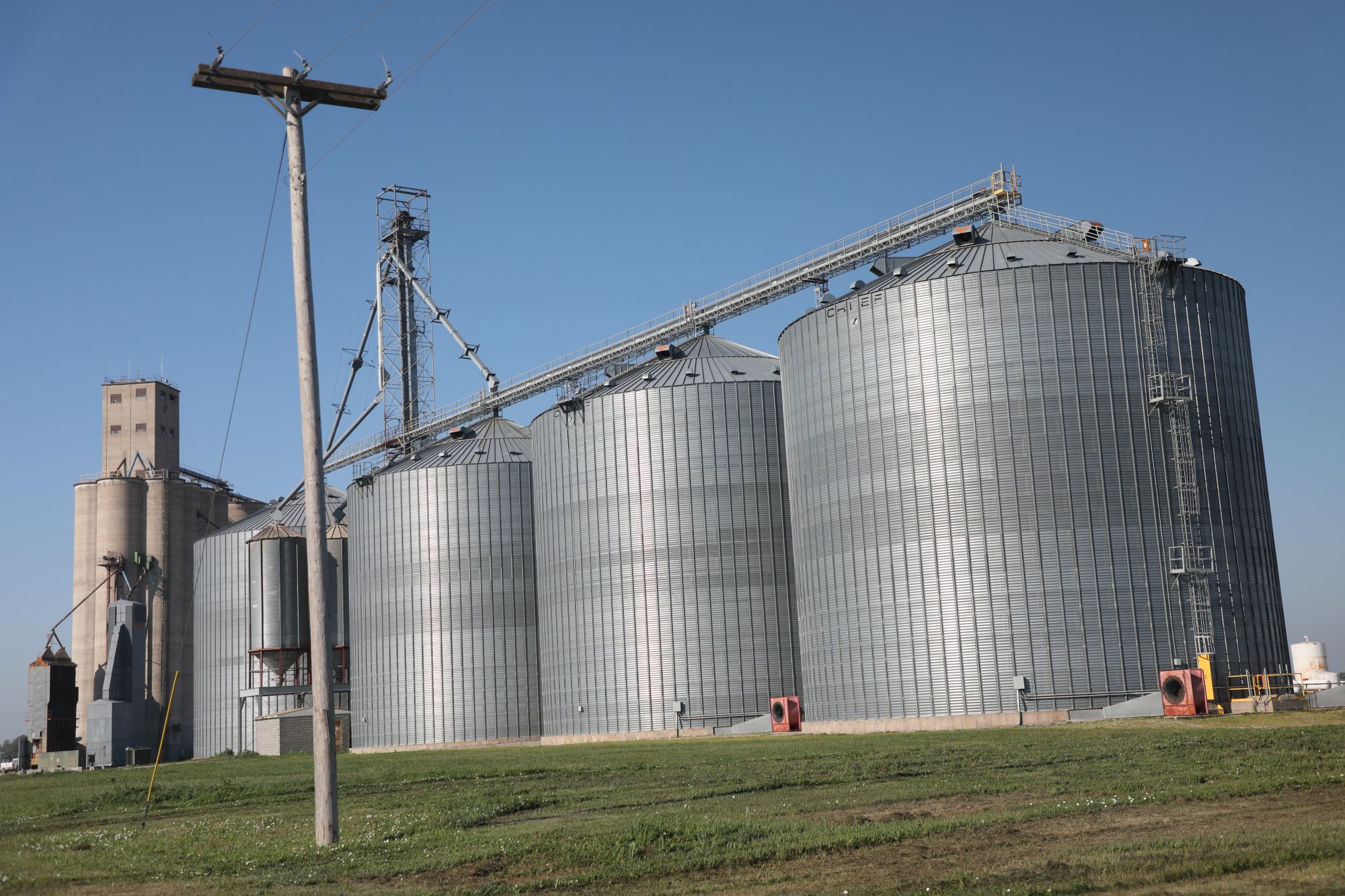
 The McCoy family is from Trumbull, a small rural village in south-central Nebraska, located approximately nine miles northeast of Hastings. Unusually, the community straddles the boundary between Adams and Clay counties, although much of the village is associated with Clay County. It forms part of the greater Hastings area and is surrounded primarily by agricultural land.
The community developed during the railroad expansion that transformed this part of Nebraska during the late 19th century. Trumbull was platted in 1886, when the Burlington & Missouri River Railroad was extended through the area. An 1890 history describes Trumbull as a post office settlement in the northwestern corner of Clay County and notes that the post office had previously been located across the county line at a place called Ludlow.
Trumbull remains exceptionally small. U.S. Census Bureau geographic data records roughly 200 residents around the time of the 2020 Census, illustrating the village’s distinctly rural character.
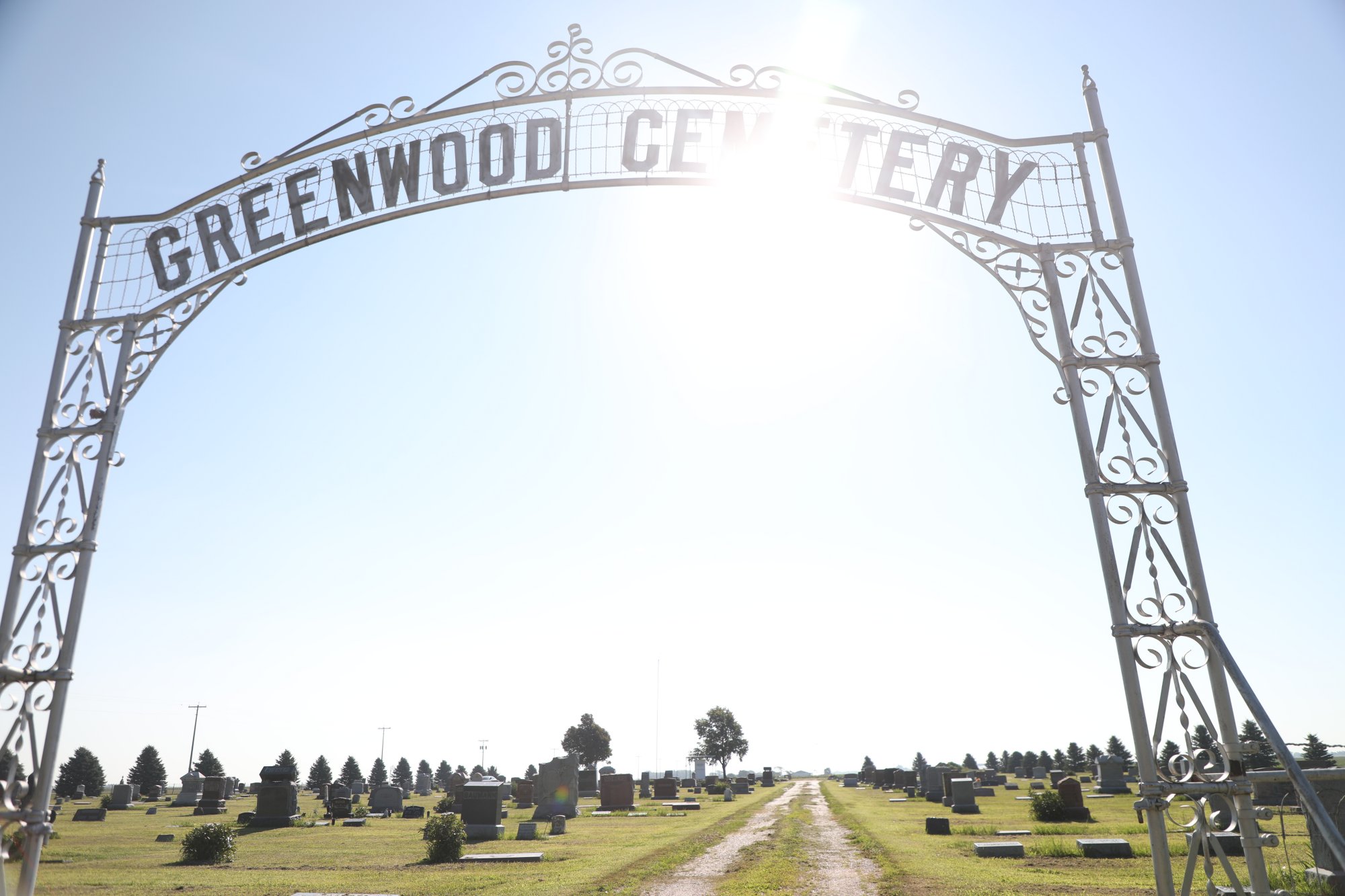
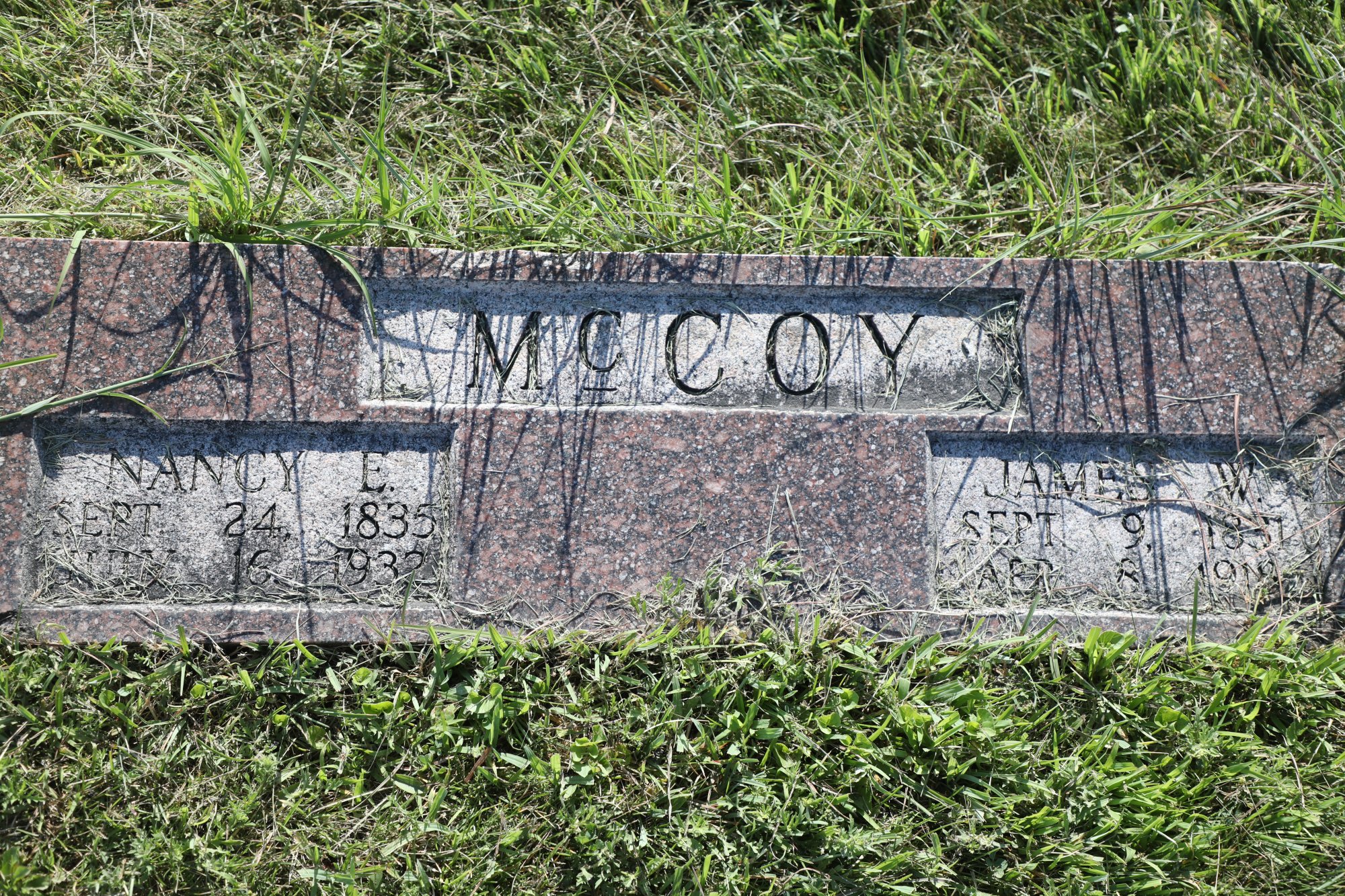
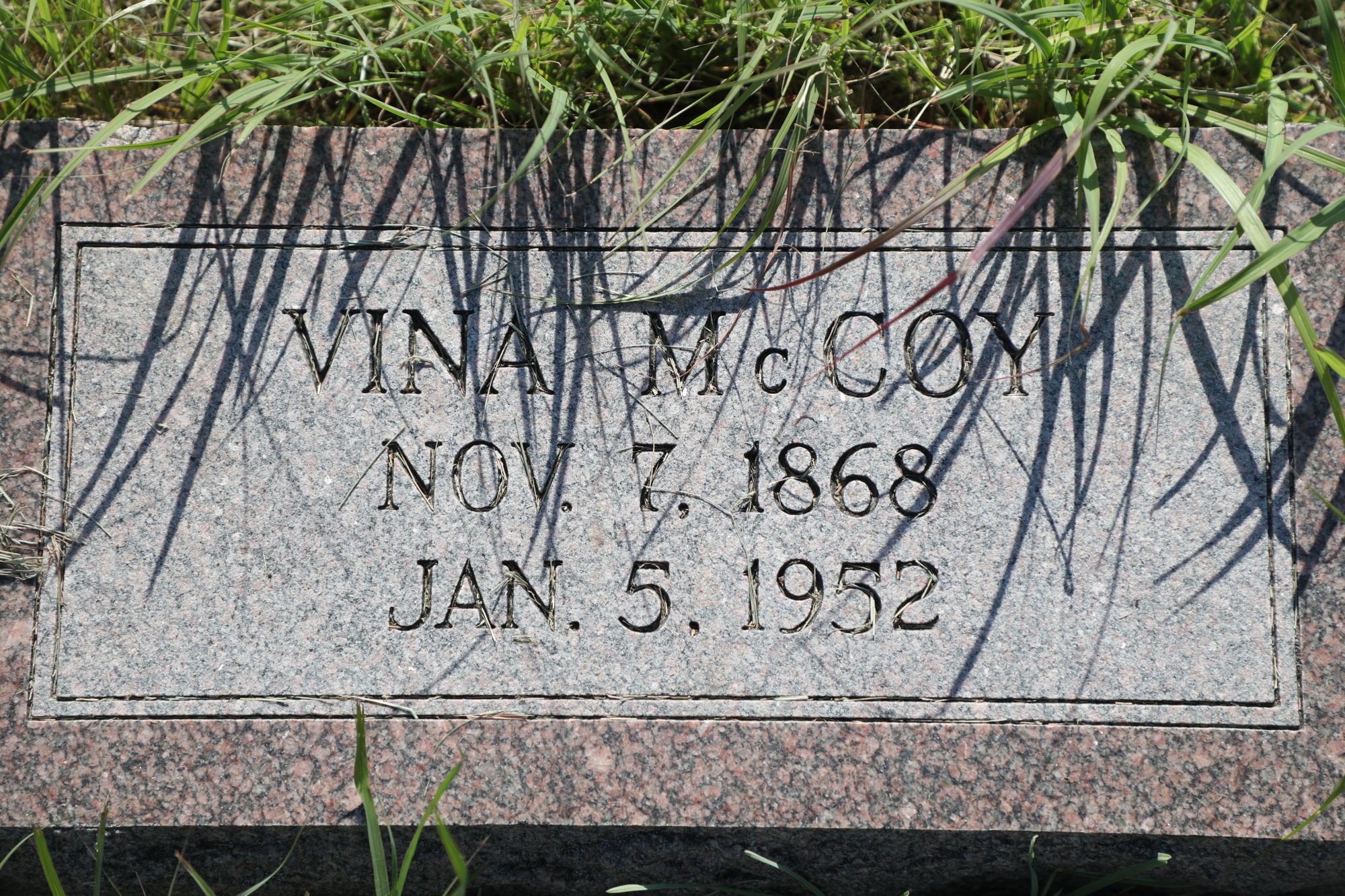
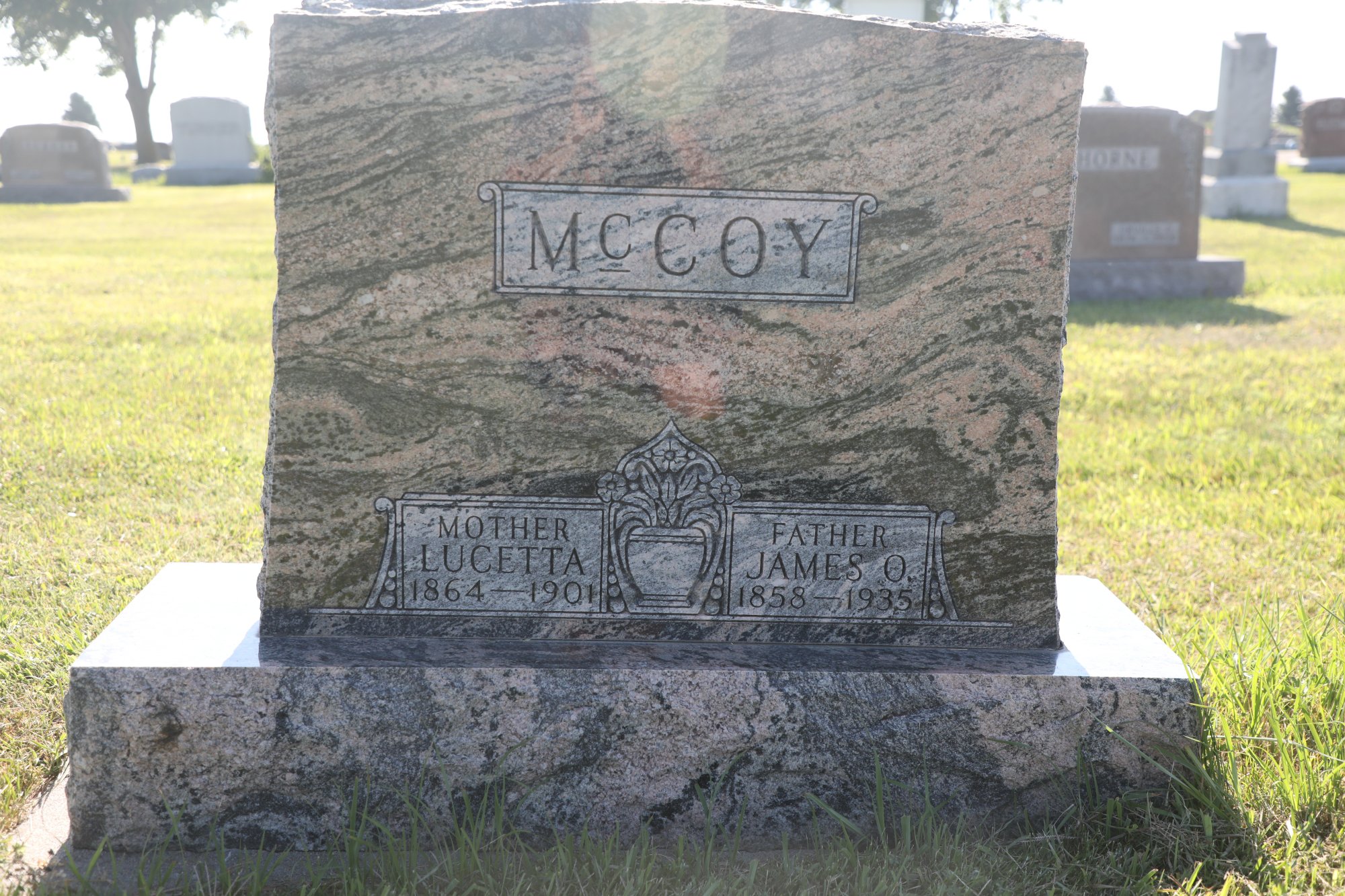
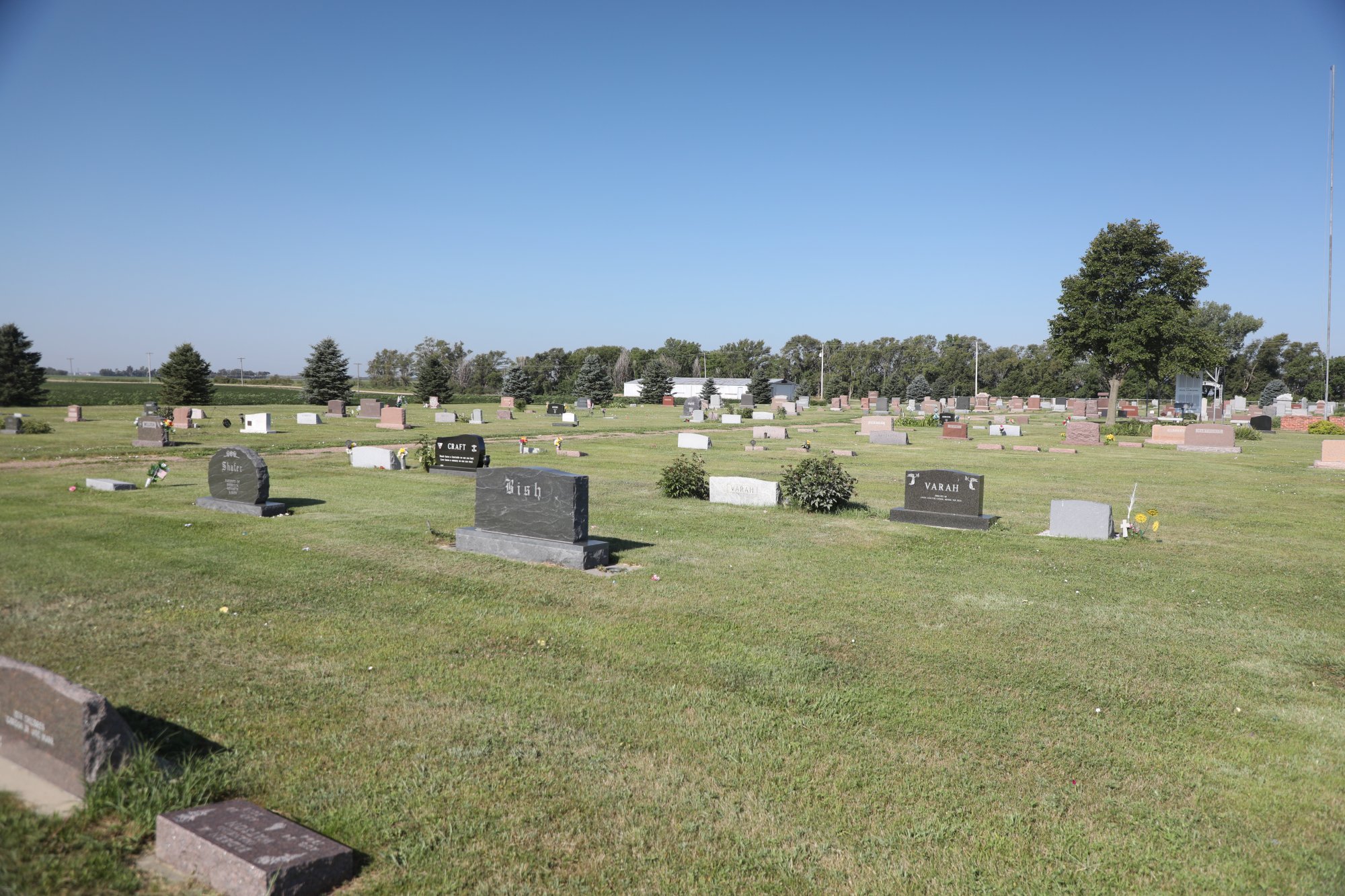
Agriculture continues to dominate the surrounding landscape. Clay County reports that approximately 82% of its land is devoted to agriculture, particularly corn, soybeans and livestock-related uses. Trumbull today is representative of the many small Nebraska communities whose origins are closely tied to railroads, farming and the settlement of the Great Plains. Greenwood Cemetery is located within a few minutes’ drive of Trumbull and is home to the graves of several McCoy family members.









Greenwood Cemetery, Nebraska

Leave a Reply