



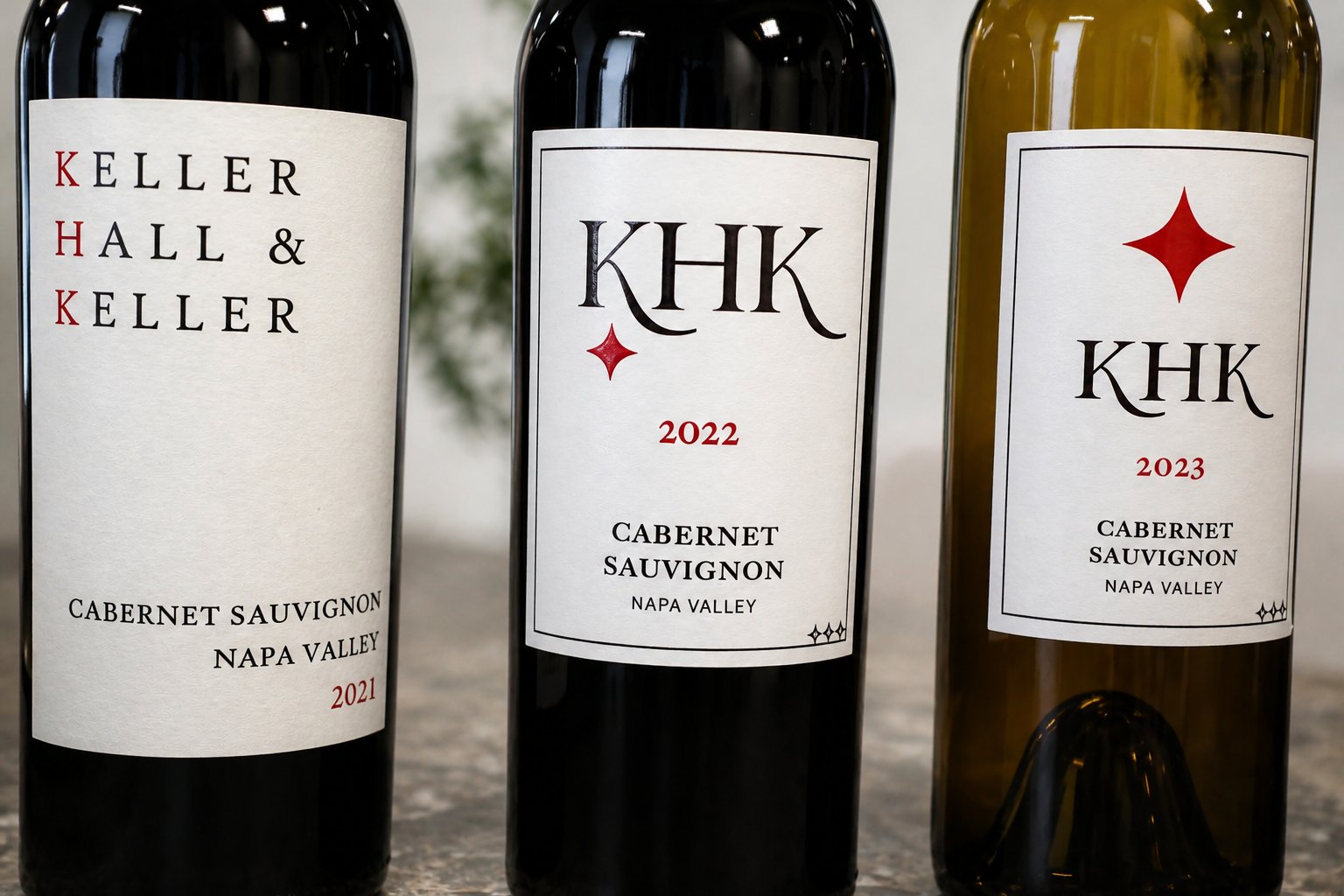
 KHK Wines was founded in 2021 by Napa native Jim Keller and his wife Lindsay: third/fourth-generation Napa real estate brokers/investors and grape growers in partnership with the Hall Family including brothers Billy and Tommy, hospitality operators of Hall Management Group (Hall’s Chophouse & other restaurants) and chef Thomas Keller, best known for The French Laundry. The early vintages were extremely small production and were bottled exclusively for Thomas Keller Restaurant Group (TKRG) and Hall’s Chophouse.
Integral to their sales operations is hospitality veteran and sommelier Jesse Rodriguez. Jim Keller first met Jesse at The French Laundry in 2004 (Table 1), where Jesse was serving as head sommelier. During that meal, Jesse served an older bottle of Kistler—either a 1989 or 1992 vintage alongside a truffle risotto course. Jim credits that bottle as one of the bottles that truly sparked his interest in wine. Jesse selected it because it served as a bridge between courses, creating a seamless transition through the meal.
Jesse grew up in Beaumont, California, where his grandparents owned and operated Jimmy’s Casa Figueroa, a Mexican restaurant that opened on April 1, 1966. As a young boy, he worked there as a busser, gaining an early appreciation for hospitality and service. The restaurant attracted a number of notable guests over the years, including Jason Robards, Frank Sinatra, and Tony Curtis. Located along a major travel corridor, Beaumont served as a natural stopping point for travelers heading to destinations throughout Southern California, making Jimmy’s Casa Figueroa a popular place to refuel—both for gas and for a good meal.
Jesse worked at The French Laundry for 4 years, ultimately leaving in 2006 to help open Addison by William Bradley at Fairmont Grand Del Mar in San Diego. In just 18 months, he earned Food & Wine’s Best New Sommelier distinction, helped Addison secure Best Wine List honors from Wine & Spirits Magazine, and contributed to the restaurant receiving a James Beard Award and recognition from Wine Spectator. Jesse is responsible for introducing Thomas Keller to chef William Bradley. Jesse still remembers the conversation he had with Bradley, “Chef would like to visit you at Addison.”
Jesse then moved to the Montage in Laguna Beach, where, within 16 months, the restaurant earned both a Wine Spectator Grand Award and a James Beard Award. Jim also made a point of stopping by to see him there. Around that time, Jesse began helping wineries he had long supported through his wine programs. He found that buyers respected the opinions of other buyers, so when wineries were looking to gain placements in specific restaurants, Jesse would advocate on their behalf and help open doors. His relationships and credibility within the industry often led to unique opportunities and placements that might not have otherwise been possible.
Following Addison’s James Beard nomination, Jesse was asked to move to Bluffton, South Carolina to open Montage Palmetto Bluff. He remembers thinking, “I know no one here.” Soon after arriving, he and his wife, Tiffany, traveled to Charleston and had dinner at Halls Chophouse, owned by William Ames Hall (the H in the KHK). Jesse recalls Mr. Hall’s unmistakable aura of hospitality and his ability to make every guest feel genuinely welcome. Seated at Table 61, Jesse and Tiffany shared their story and background with the Hall family. On a subsequent visit, Jesse met his sons, Tommy and Billy Hall, beginning an important relationship.
Jesse shared with Keller that he had recently met the Hall family. Jim immediately told him that he had grown up with Tommy and Billy Hall, whom he still considers his surrogate brothers. Their father, William, was born in Seattle, but raised in Sausalito, CA was a titan in the hotel industry, widely recognized for his expertise in turning around distressed hotel properties. And he was credited with elevating the restaurant scene in Charleston, South Carolina.
As Jim and Jesse’s relationship continued to develop, Jim increasingly sought Jesse’s perspective and insights. Eventually, he told Jesse about a small wine project he was working on and asked how he might become involved. Jesse’s background made him a natural fit. He had spent four years at The French Laundry, while Jim came from a third-generation family business. Jim’s wife, Lindsay (née Shifflett), also comes from a family with deep roots in the region (i.e. Shifflett Ranch); her grandfather was a prominent judge in Napa, Judge Shifflett.
It was during these conversations that Jim asked Jesse to serve as an ambassador for the KHK brand, helping secure placements for KHK wines beyond the Thomas Keller Restaurant Group and Halls restaurant networks. Jesse’s response was simple: “It is my privilege to oversee this.” Since then, he has leveraged his extensive network of buyers, sommeliers, and restaurant operators to expand the brand’s presence in key markets across the country.
KHK Wines is a brand deeply rooted in an existing network of strong relationships. KHK produces wines of quality, over delivering in terms of value and selectively places their product into the hands of those who can best tell their story in the face of the public. These channels are almost exclusively restaurants but also select clubs and hotels. At its core, the mission is to democratize Napa Valley Cabernet Sauvignon—making exceptional wines more approachable and accessible, particularly through by-the-glass programs.
Jim’s brother-in-law, Will Segui, serves as General Manager at Rivers-Marie, the winery owned by winemaker Thomas Rivers Brown. Through this connection and after hearing the story behind KHK Wines and the philosophy that drives the brand, Brown was intrigued. He has since been involved in crafting every vintage.
Jesse has also leveraged his extensive network throughout the hospitality and luxury sectors. One example is Josh Lesnick, COO of Magellan Jets. Jesse was invited to speak to more than 200 employees about creating authentic, hospitality-driven customer experiences. Following the presentation, Magellan offered him a position. When Jesse explained that he knew very little about private aviation, they responded that they were not interested in his aviation expertise—they wanted his hospitality mindset. Today, KHK Wines are served on all Magellan Jets flights, introducing the brand to a highly discerning clientele.
Another important relationship is with Courtney Liddy of UBS Private Wealth Management, whom Jesse first met while at Addison. Jesse later presented to UBS Private Wealth Management, and the event proved highly successful, opening doors to clients and creating opportunities for KHK Wines placements within that network. The strategy has always been to build from the top down. A similar opportunity emerged through Bellamy Exploration, an oil, gas, and mineral company operated by three brothers who share a passion for food, wine, and luxury hospitality. After acquiring six legacy restaurants in Dallas, including the iconic S&D Oyster Company, they asked Jesse to assist with their wine programs. Since then, they have become strong advocates for the brand and have played a significant role in introducing KHK Wines to the Texas market.
Wine is a language that can open up so many doors in your personal life and your career. And it has for Jesse, but he has also used hospitality and wine as a vehicle to help others in the industry.
Select Wines
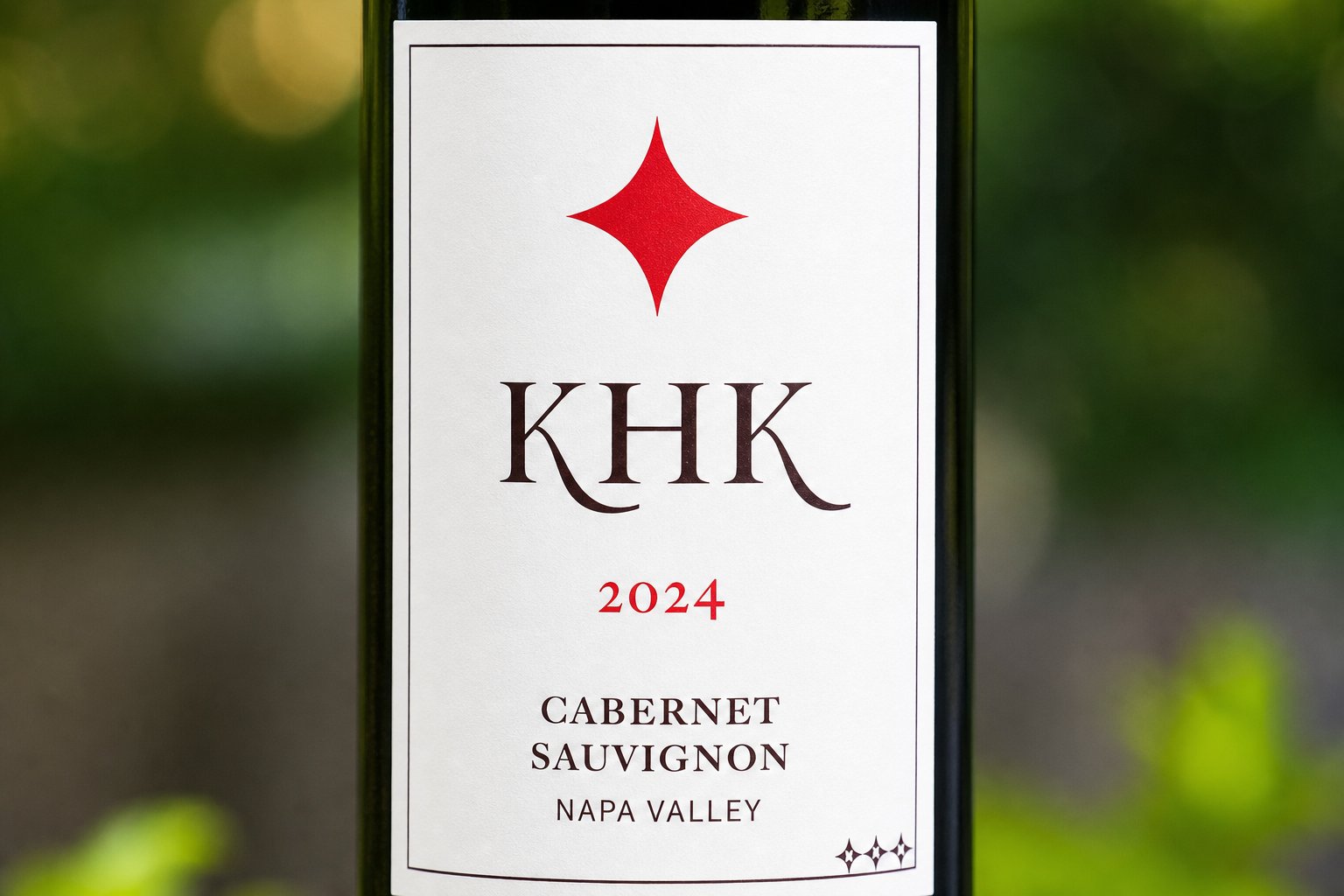
 The 2024 KHK Wines Cabernet Sauvignon (100% varietal) is deep ruby and nearly opaque; the fruit is the star here with the oak providing a light but complementary support. This wine smells floral including of violets and purple lilacs. There is a minerally thread here including chalk and a light ferrous character along with dark plum, blackberry, boysenberry, dark cherry and dark mulberry. Dark licorice. And a thread of cocoa powder, old cedar box and dark olive. Balanced across the palate, this wine tastes both red and dark fruited. Its flavors include Santa Rosa plum, blackberry, boysenberry, cherry and mulberry. And finishes with a light touch of non fruited flavors including of smoked cedar, dried sage and a kiss of baking spices. Its texture is still tight, not unexpected at less than 2 years post vintage, and prior to release. But we can see where this texture will be going with another year or two in bottle. The tannins are broadly distributed, with a persistent dusty and chalky tug that broadly coats the palate. Its ABV is 14.9%; this high alcohol is balanced by a medium acidity. The grapes were sourced from a Bettinelli farmed vineyard and Shifflett Estate. 4,000 cases were produced of this vintage.
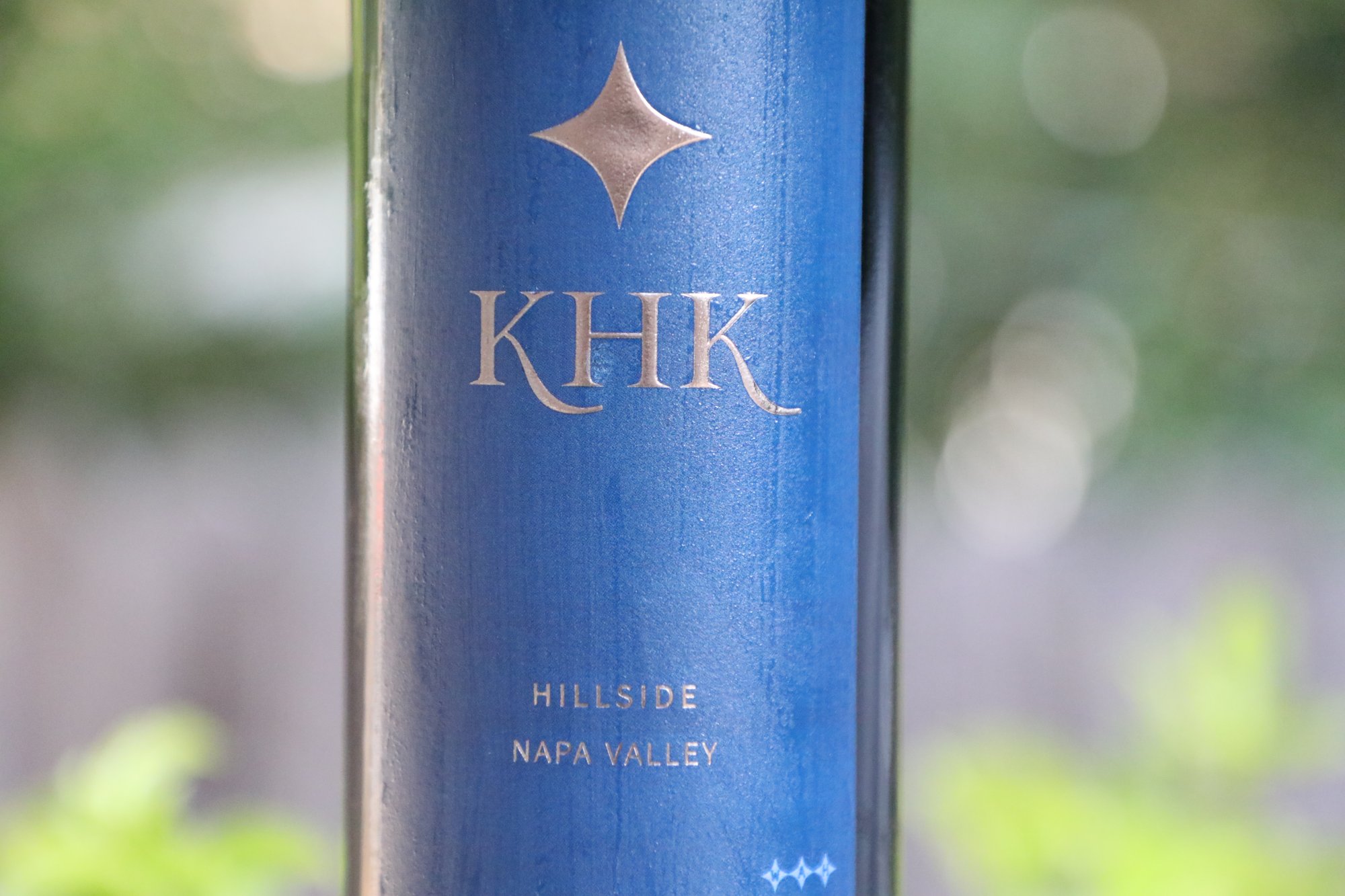
The 2023 Hillside Napa Valley (Shifflett Estate) Cabernet Sauvignon; noticeably dark, deep ruby and opaque with an amaranthine rim. Ripe and dark fruited, this wine smells both fresh and forward fruited at three years post vintage. Its scents include blackberry jam, boysenberry spread, cherry pie, fig, cocoa powder, milk chocolate and mocha. At this age, the bouquet is both ripe and still showing some youthful grapey characteristics. On the palate, this wine tastes like blackberry pie, dark cherry, boysenberry jam, dark mulberry and baked plums. In terms of fruit, there are a lots of layers at play here. The tannins are smooth, fine-grained with a light gravelly texture and are seamlessly integrated into the finish. They are rounded, ripe and already surprisingly resolved, especially for youth and vintage; they are felt with a gentle tug, primarily on the front of the palate. This is an immediate crowd friendly expression of the variety – a pleasure producer to the maximum. This was the inaugural vintage of this bottling. This wine was aged for 18 months primarily in new French oak barrels from Taransaud and Darnajou. Total production this year was only 300 cases. And visually, the label features a similar color as often used at the French Laundry and Per Se.
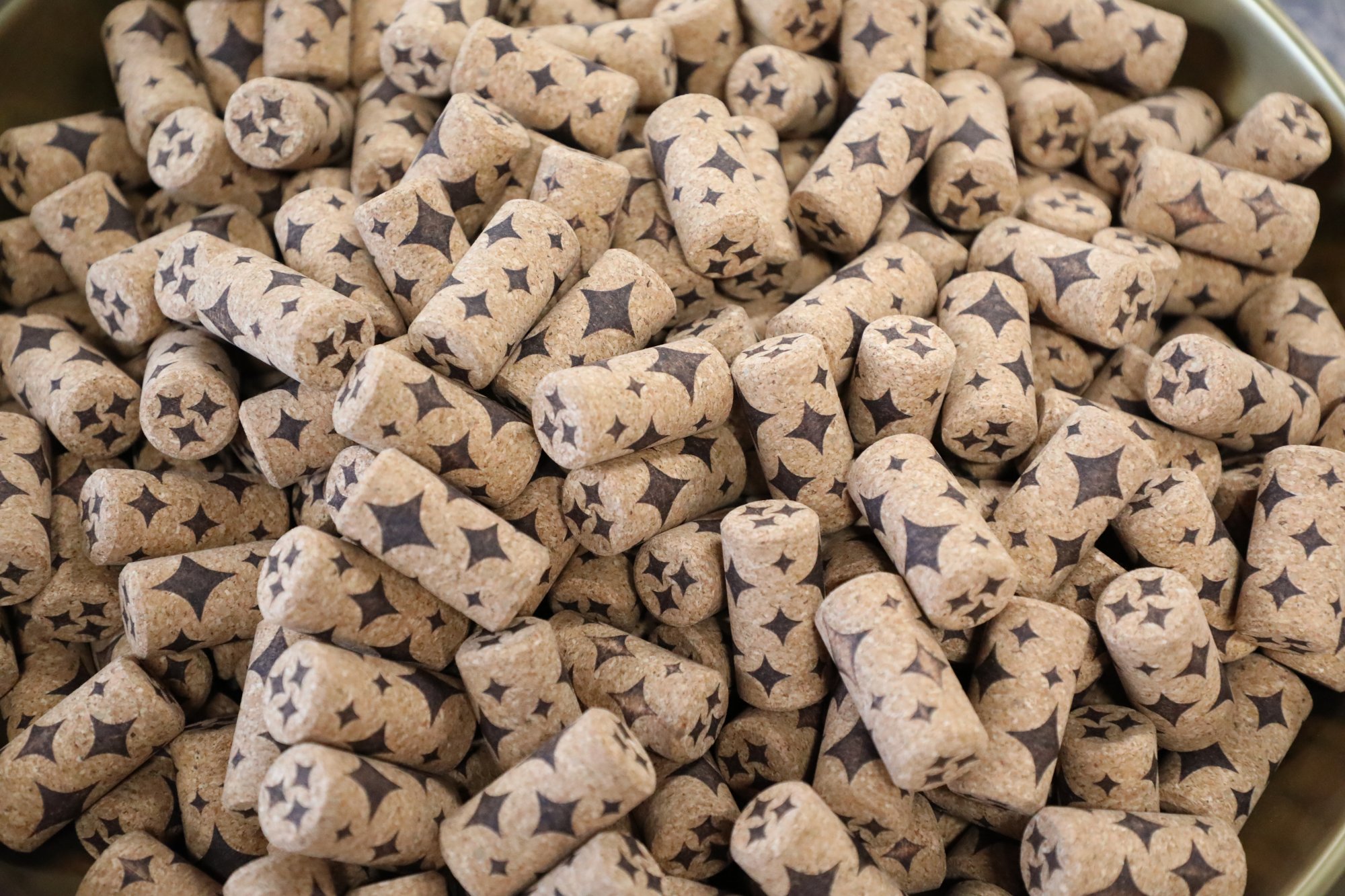
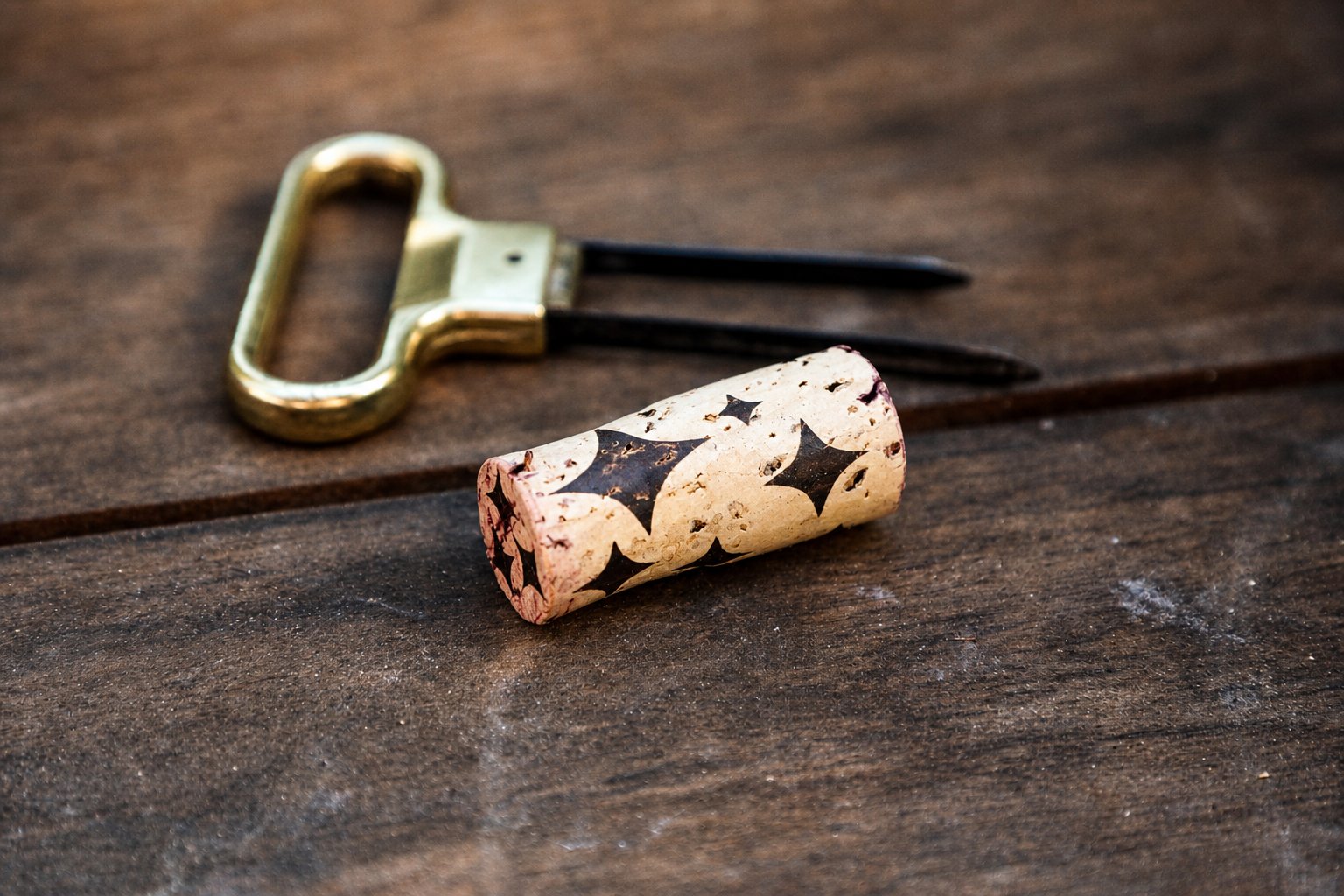
The top of the corks are printed with three diamonds, an homage to fine dining. In addition to the various acronyms associated with this brand, i.e. KHK and TRB, on the front label in the lower right corner is printed, WAM, an homage to William Ames Hall.
—
Trubody Ranch
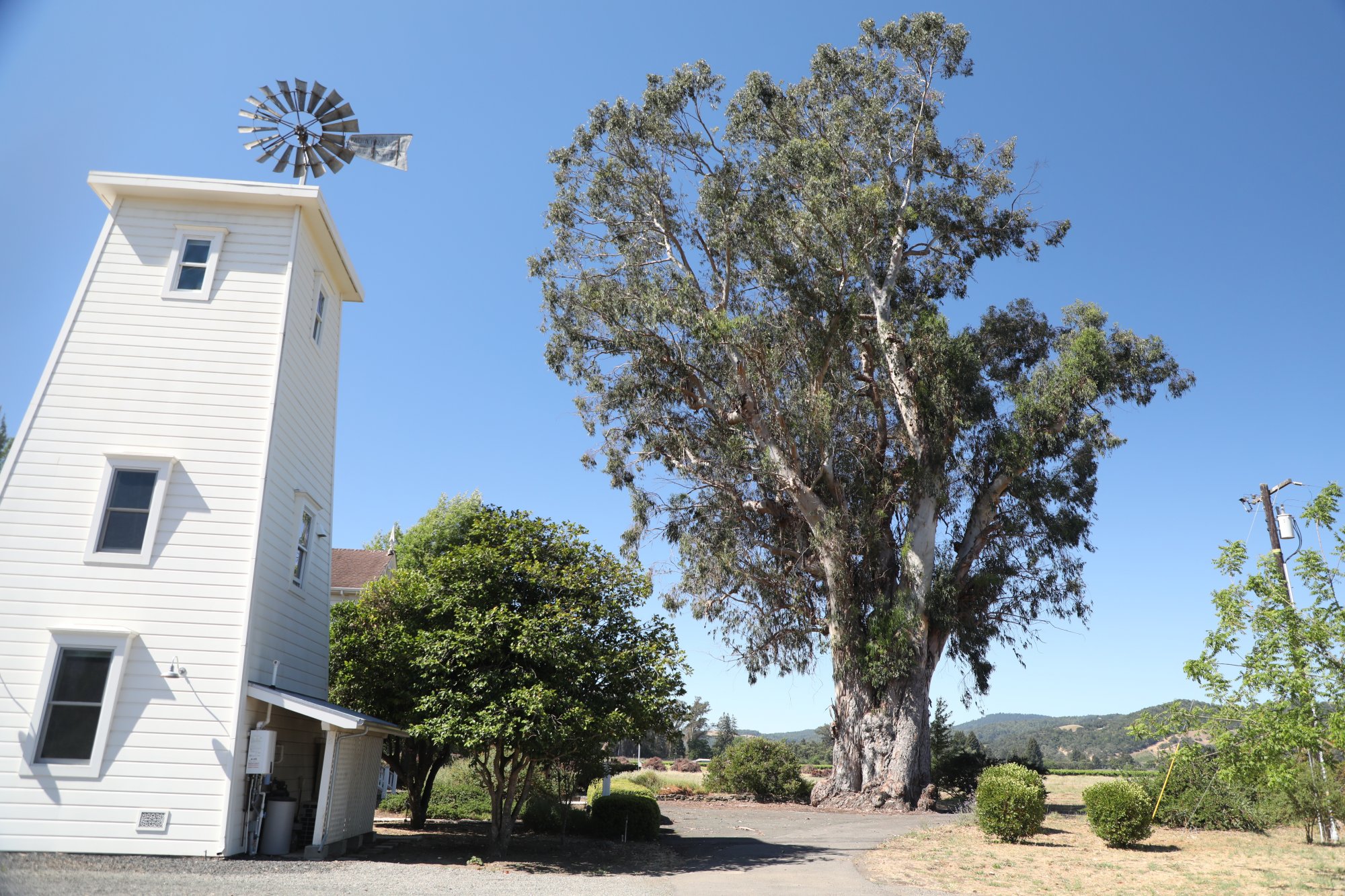
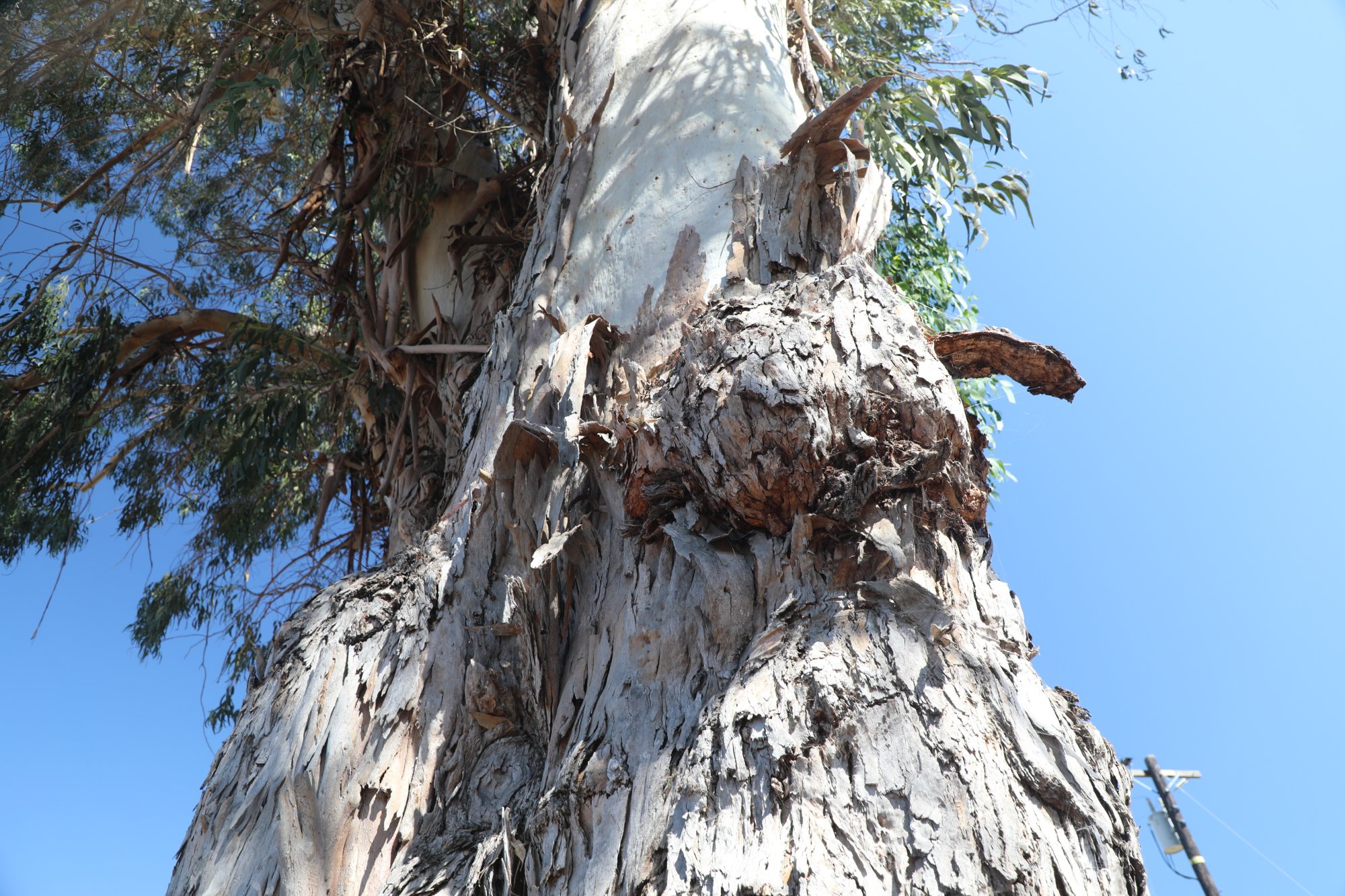
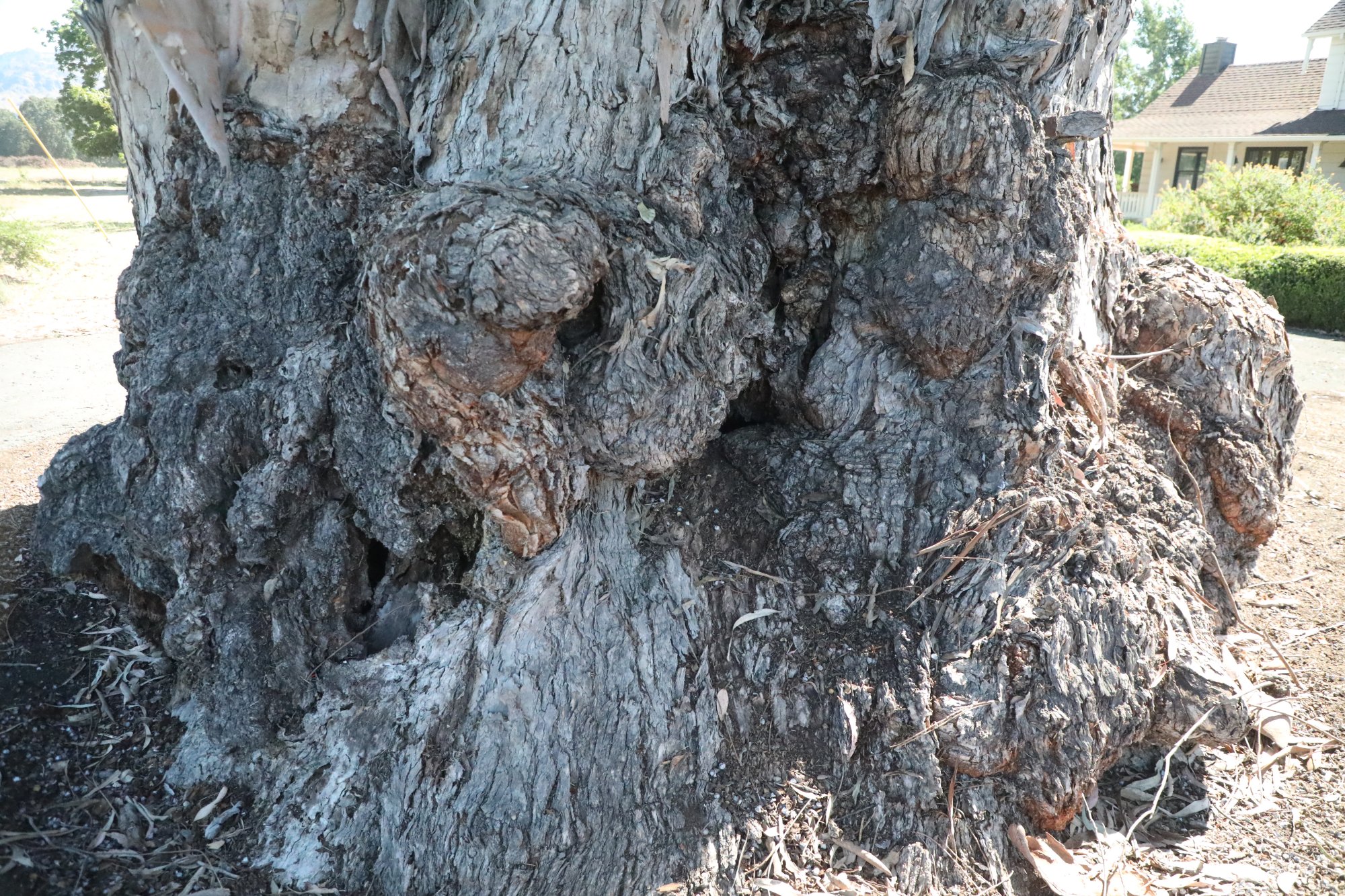
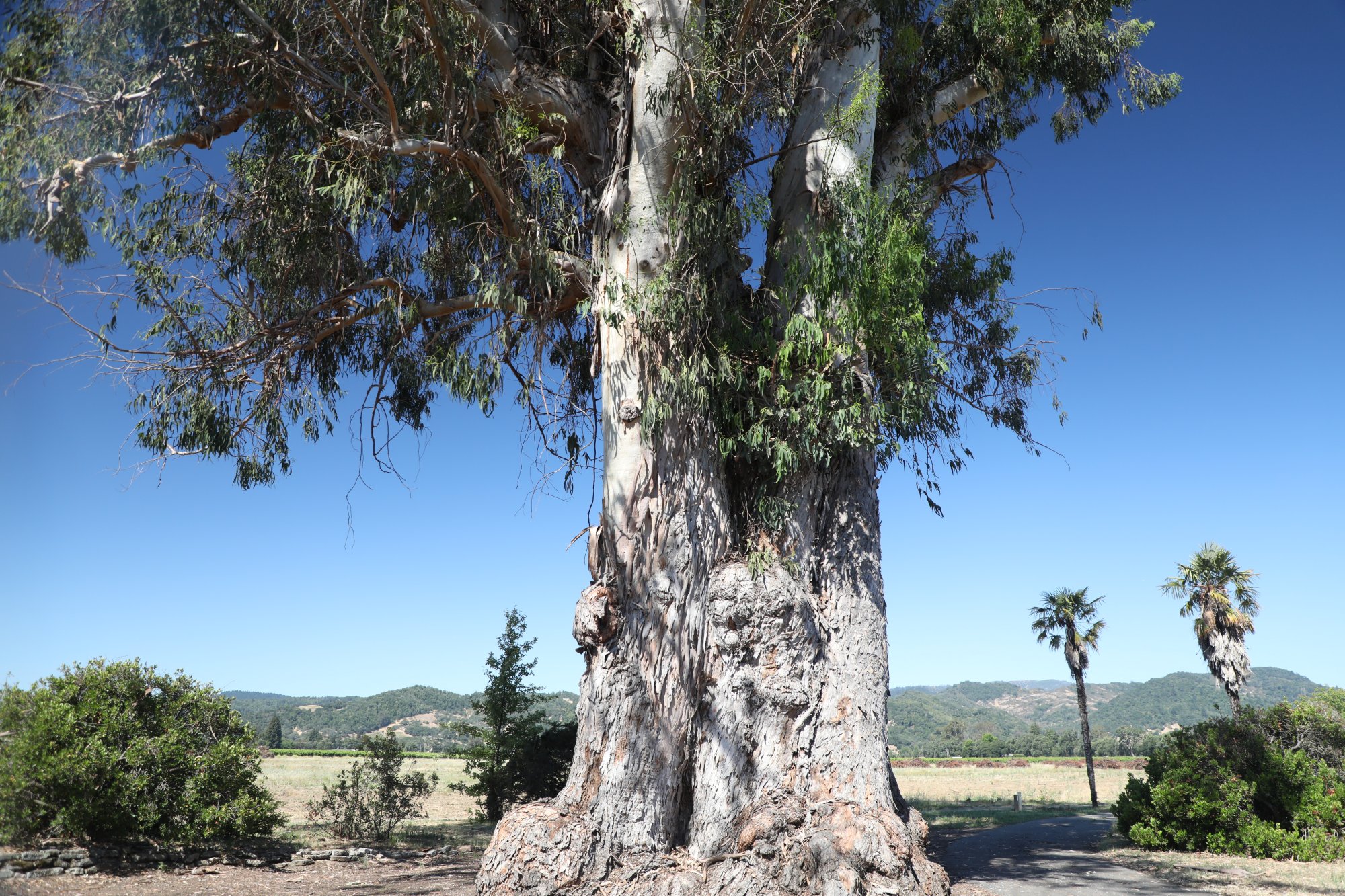
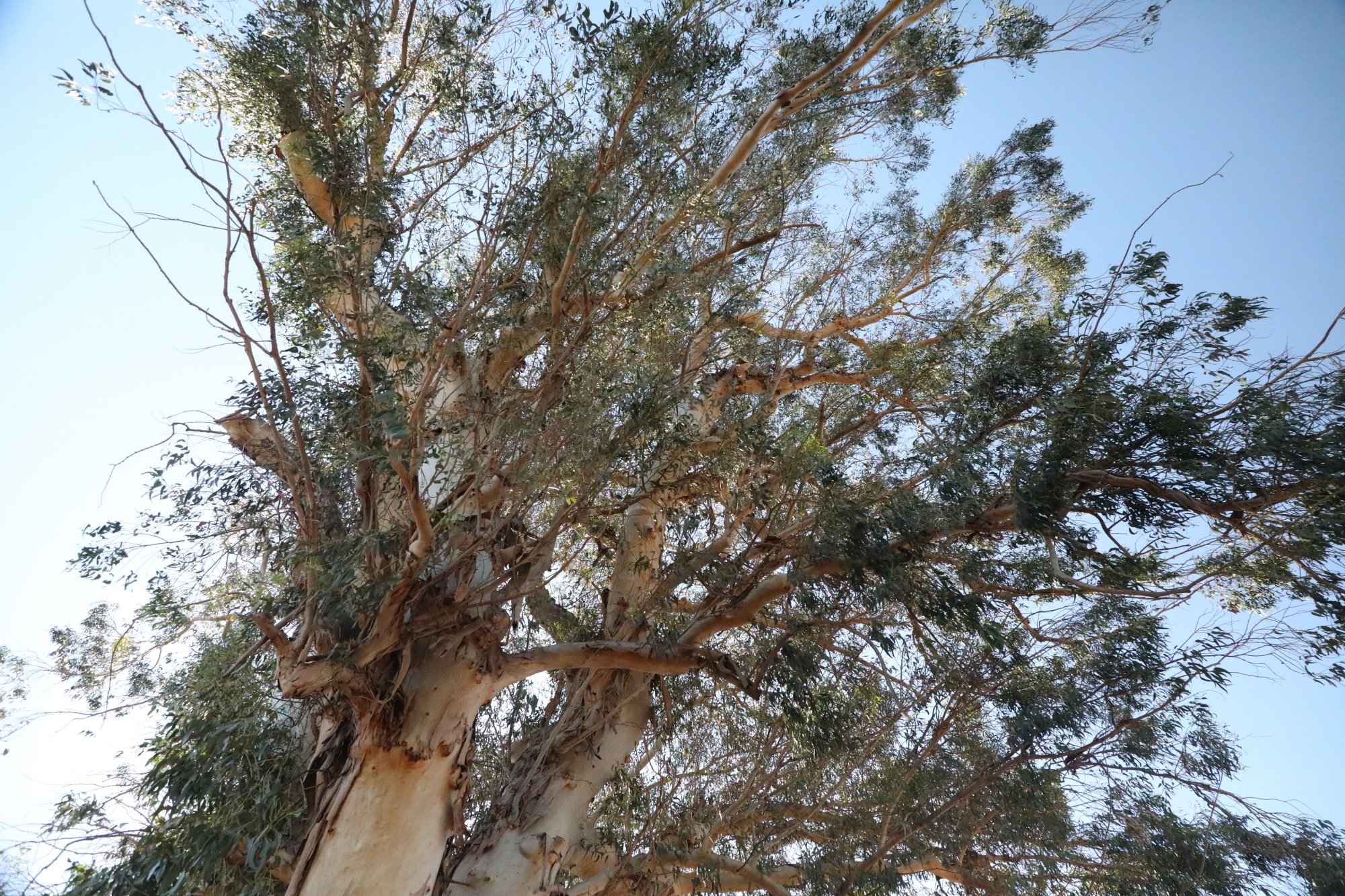
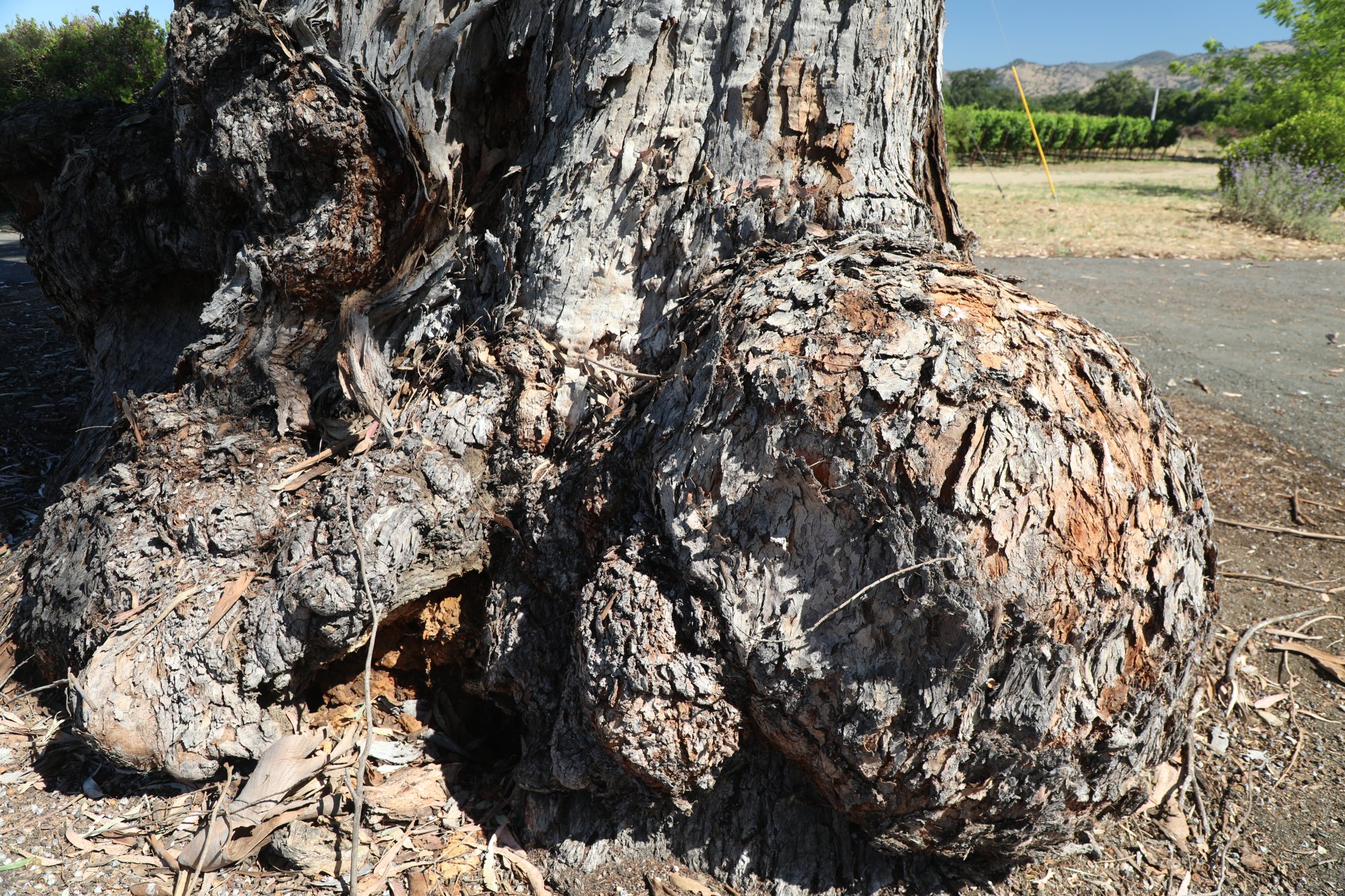
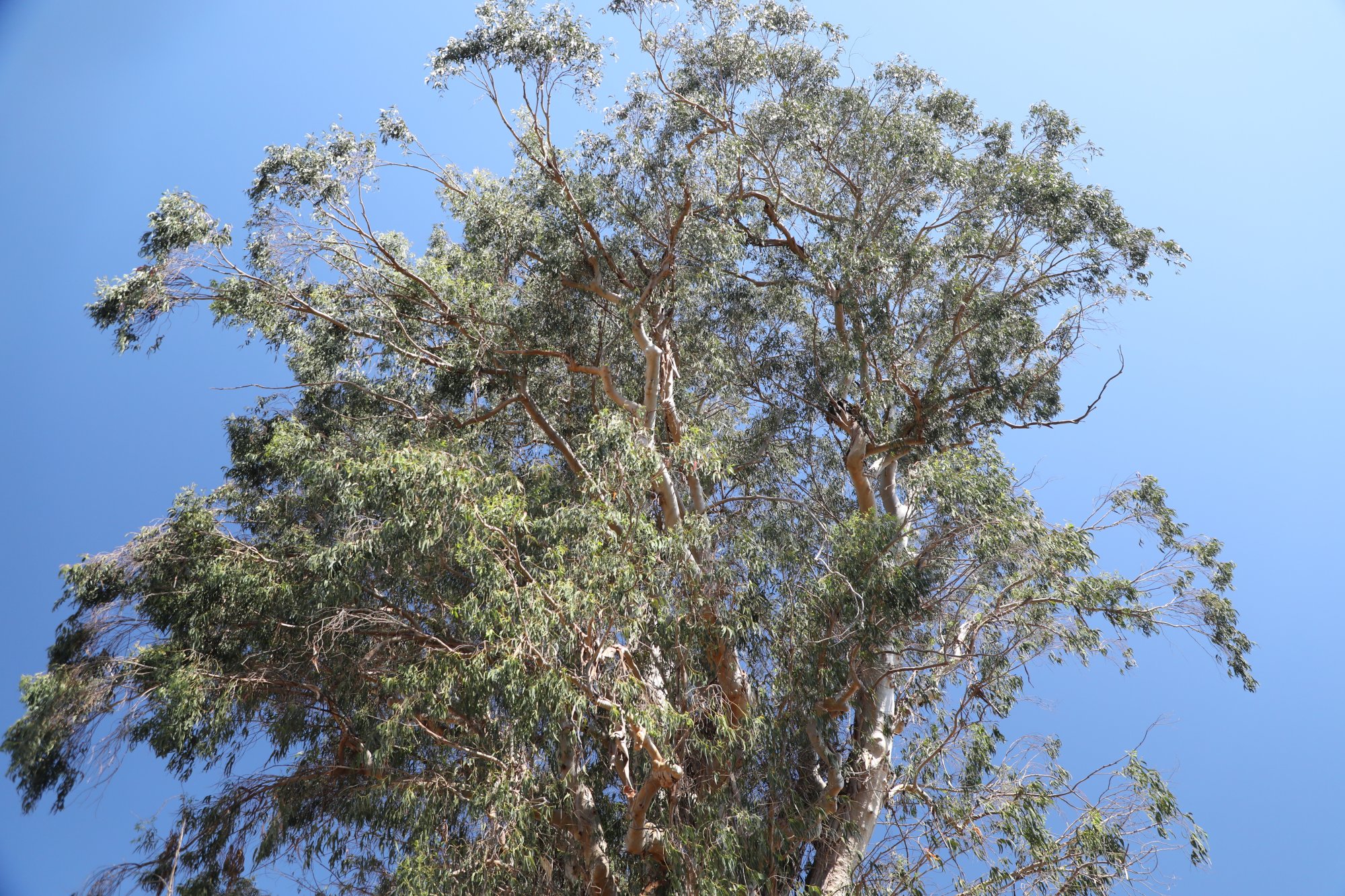
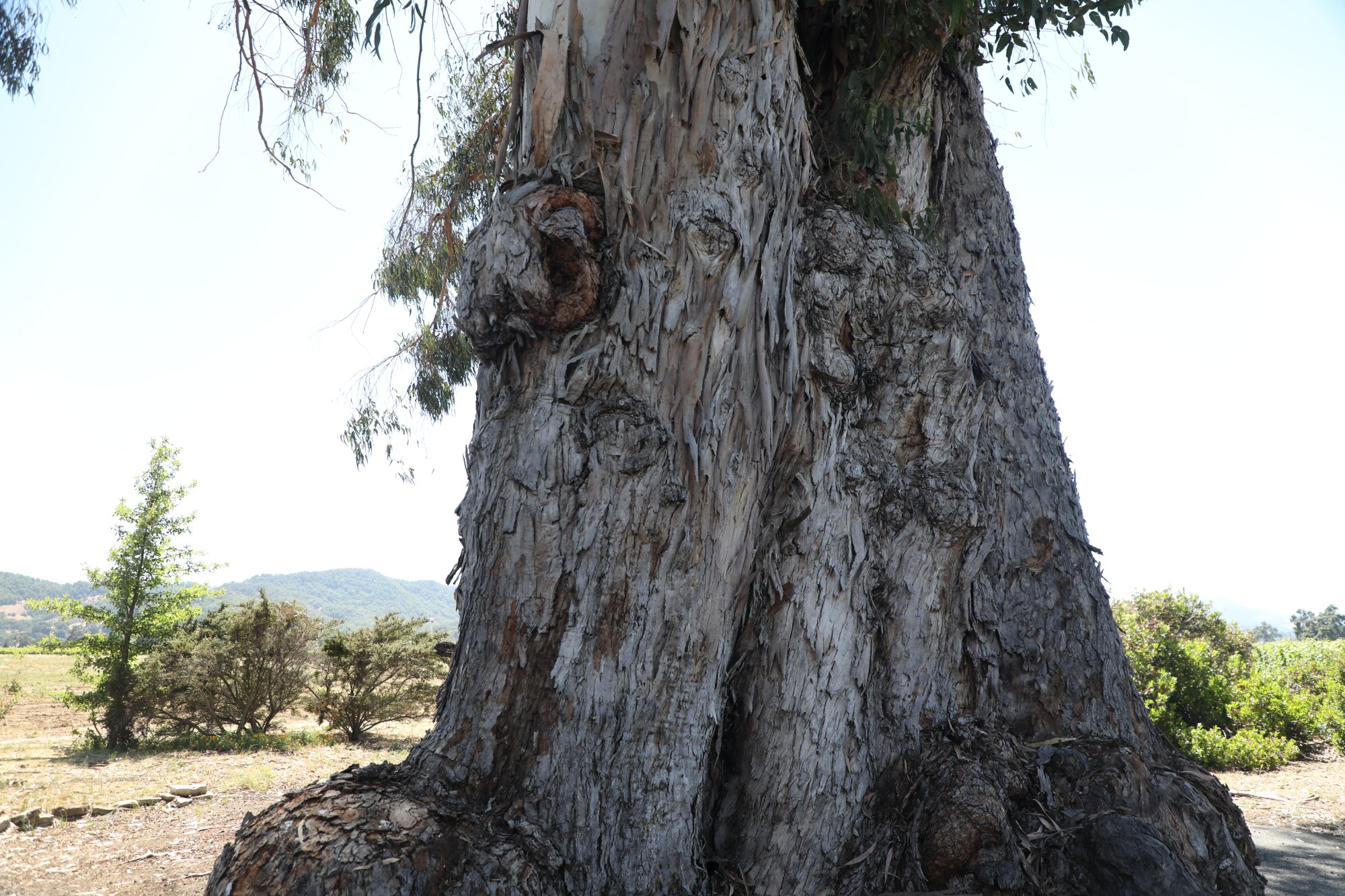
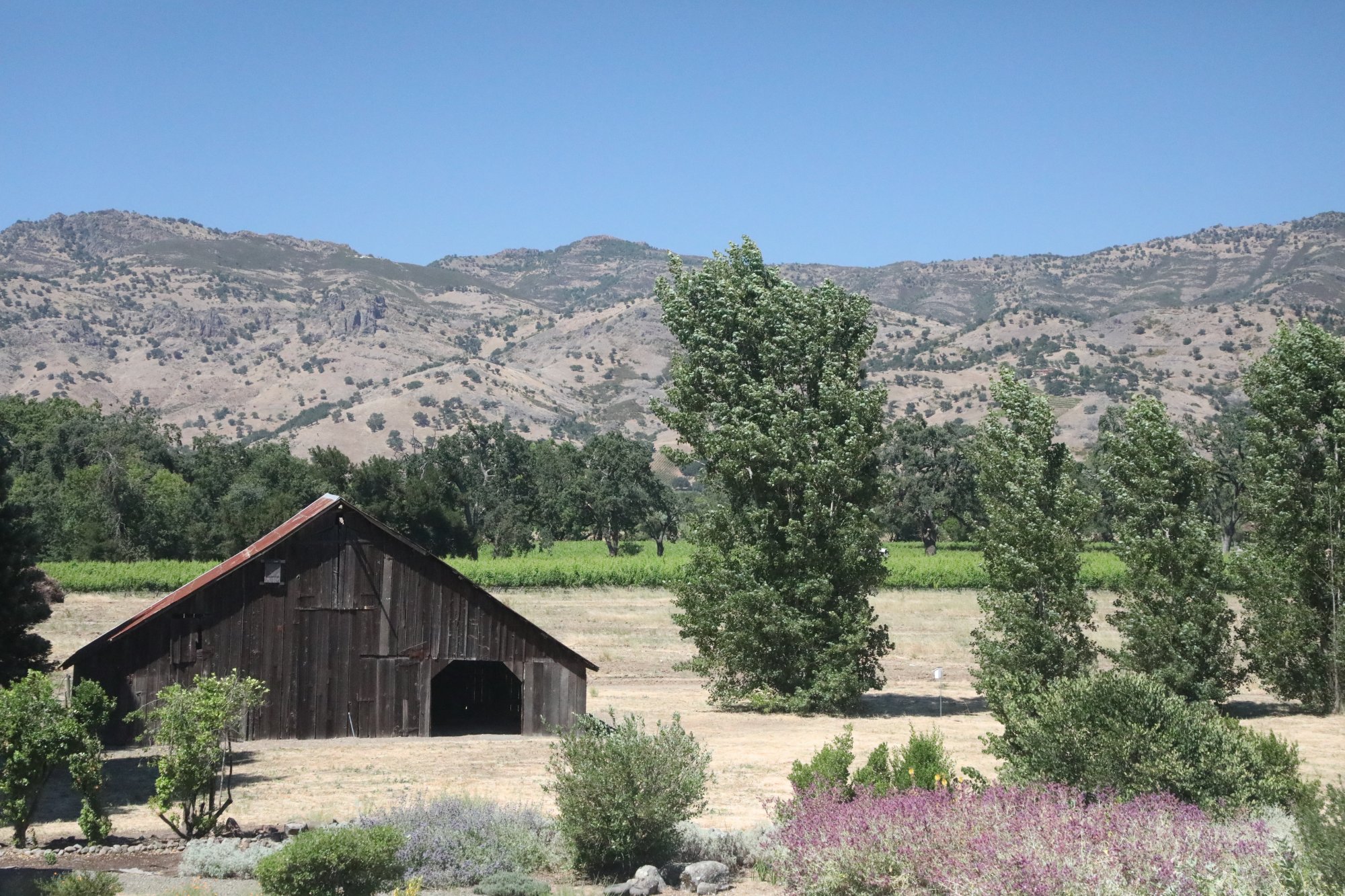
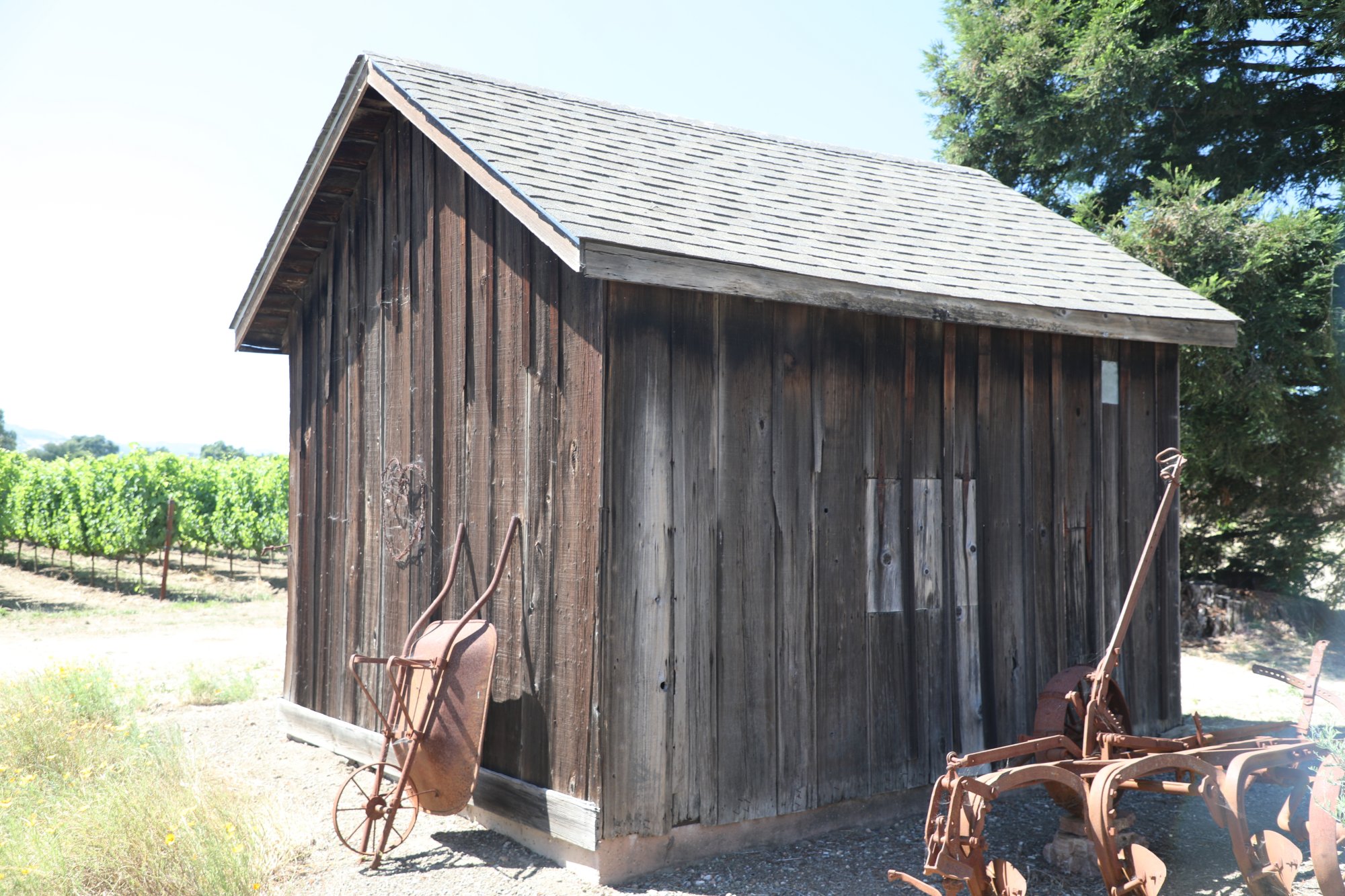
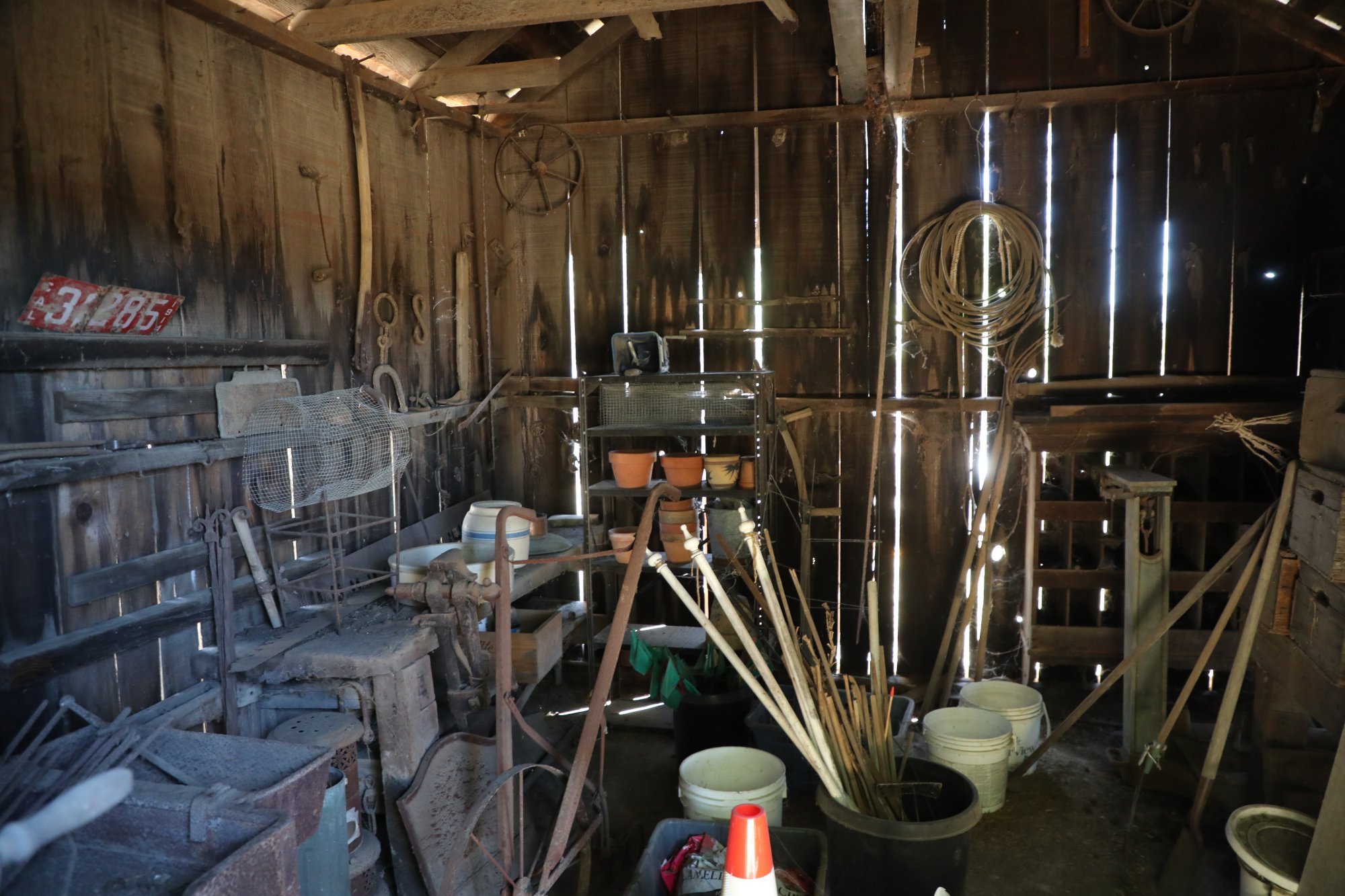
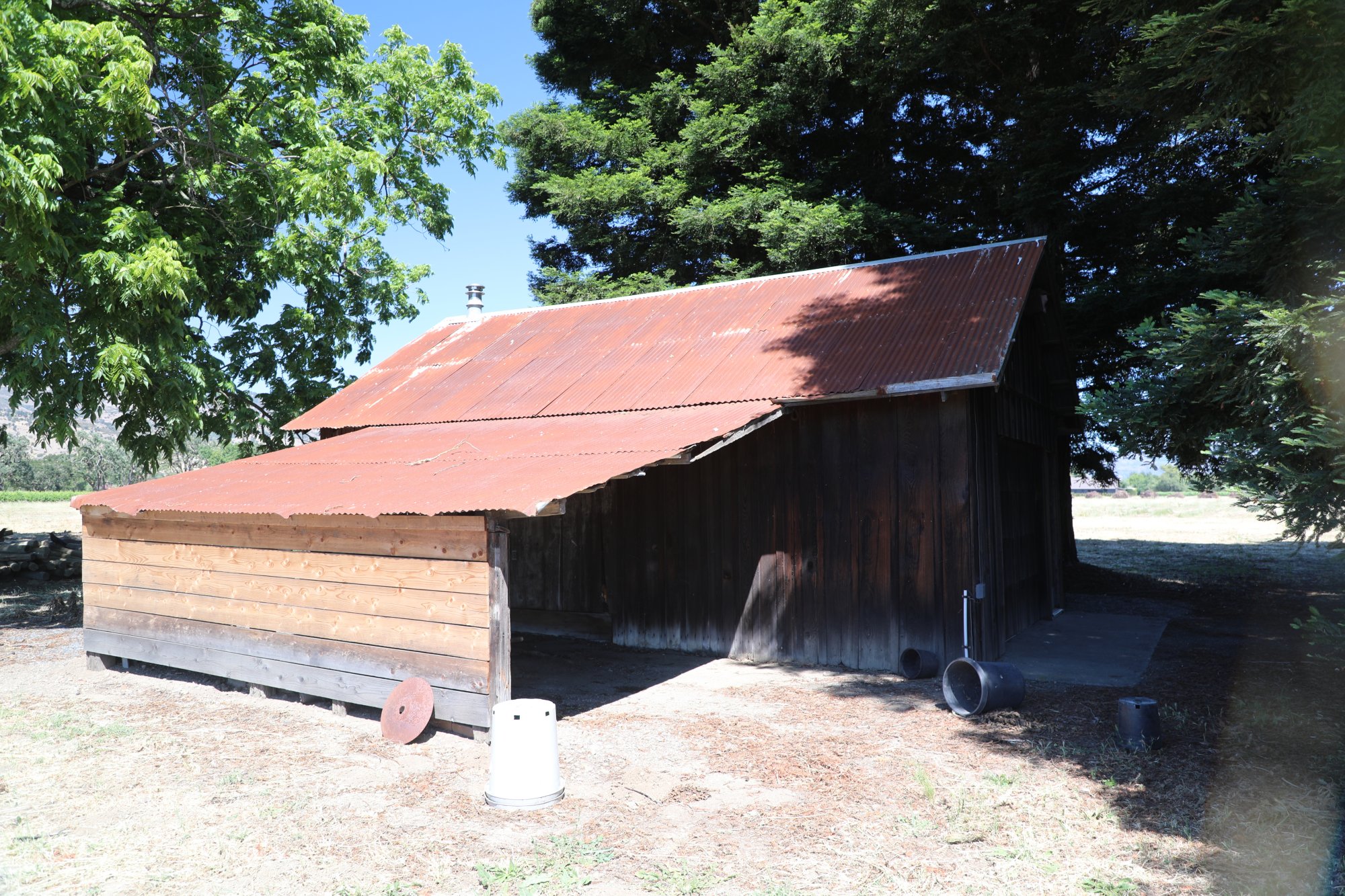
In 2026 KHK Wines purchased the 144-acre historic Trubody Ranch off of Trubody Lane in Napa Valley’s Oak Knoll District. The historic farmhouse was built in 1872. As massive eucalyptus tree, perhaps the largest in Napa Valley is located next to the house. A mention filed under ‘Events of the Week” in The St. Helena Star dated November 12, 1909 notes, “On the Trubody Ranch near Trubody Station is a eucalyptus tree that measures 20 feet, 6 inches in diameter. Supposedly planted in 1878, a short article in the Napa Register dated March 7, 1938 mentions a visit by Professor Woodbridge Metcal to the Trubody Ranch where he measured the giant tree. His measurements indicated this tree was 6 inches in diameter larger than the previously largest known specimen in the state in Saratoga.
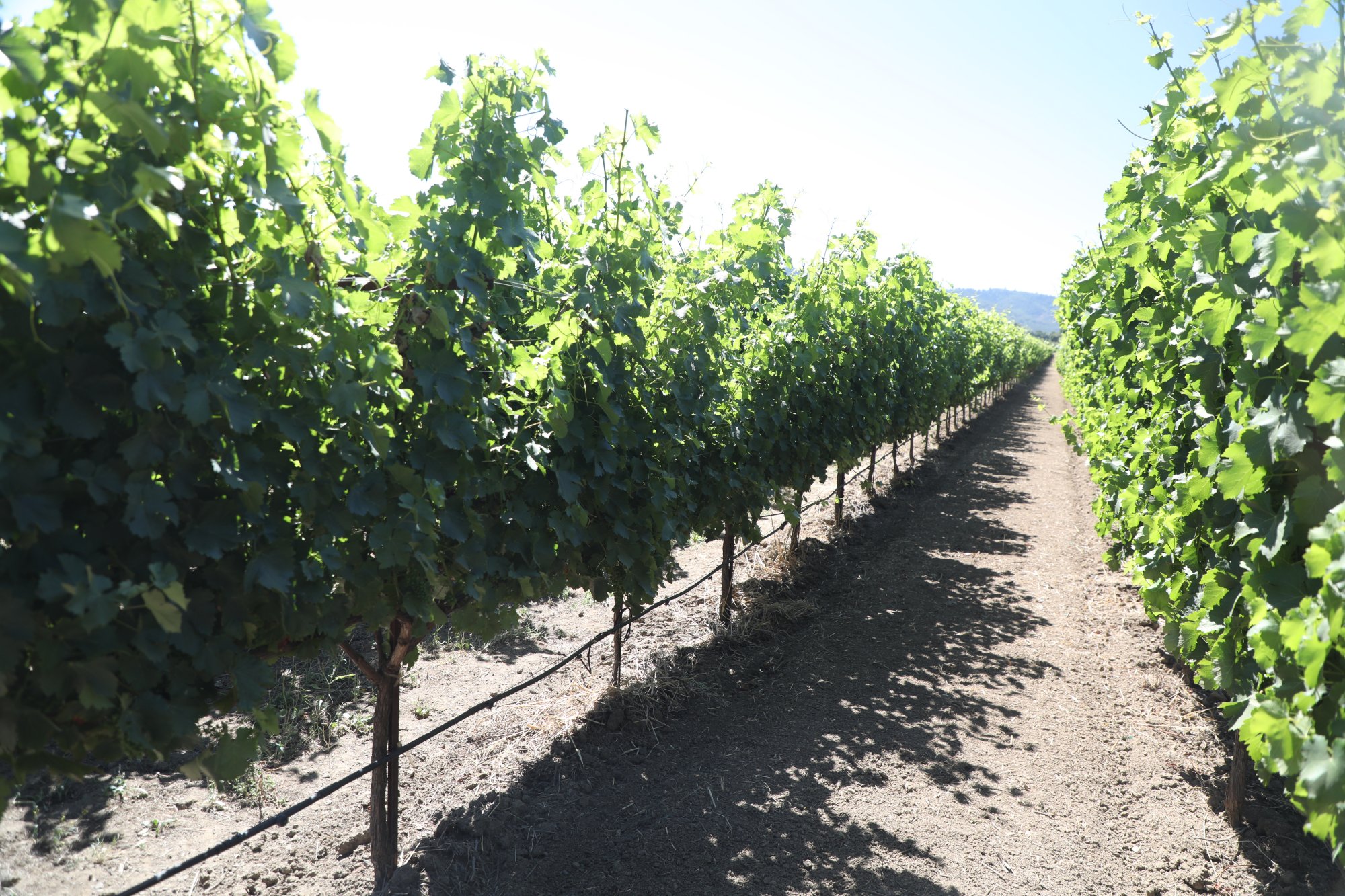
When fully planted the ranch grows 122 acres of grapes. This ranch dates back to 1850 when it was acquired by John Trubody, who purchased it with profits made during California’s Gold Rush. A list of deeds published in The Napa Valley Register dated February 25, 1932 references a 268.16 acre tract conveyed by Nathan Coombs and his wife to John Trubody (wife, Jane), dated April 13, 1850. The land was originally part of a grant owned by Salvador Vallejo. Trubody deeded his property to his two sons William and Josiah in 1882.
John Trubody was born in Cornwell, England in 1808 and died in San Francisco in 1897. He came from a noble family; his grandfather was Sir Thomas Trubody and his father was Sir Edward Trubody. John joined a wagon team from Lafayette County, MO riding west, and arrived at Sutter’s Fort in California in October 1847. He then moved to Napa and was listed as one of the residents of the Napa township in 1848. Around 1850 he built a warehouse in Napa which also served as a store, saloon, post office, church and boarding house. This was either the first or among the very first post offices in the town of Napa.
An article in the Napa County Reporter dated December 22, 1890 mentions he mowed much of the Napa townsite which was covered with wild oats in 1848 and sold the resulting hay to the government.
 According an obituary of his son William Trubody (known as ‘Uncle Billy’) published in The Napa Valley Register dated March 15, 1933, John Trubody sent the first letter to Missouri notifying of the gold discovery in California. Both young William and his father John mined several miles outside of Placerville on Webber Creek. They also mined near Mormon Island on the south fork of the American River. This was the first major gold strike following James Marshall’s initial discovery at Coloma. The Trubody family discovered gold worth about $15,000 at that time, equivalent to around $650,000 in todays money. Plenty of money to purchase land in Napa Valley.
Incidentally William visited the site of the Donner Party tragedy – only a few months after the remaining survivors were rescued in 1847. He recalled seeing the graves at that time when he was only eight years of age in an article published the Napa Journal dated August 07, 1927. And it was in 1927 that he finally revisited the site, more than 80 years since the rescue.
After finishing his studying at the University of Pacific in Santa Clara (California Wesleyan College, California’s first chartered university), William returned to Trubody Ranch in 1856 and in partnership with his brother Josiah established at its peak production, 35 acres of blackberries with 40 seasonal employees. Trubody Bros., became known throughout the state of California as one of the largest producers of quality blackberries. Buyers were located in part in Colusa County, Yolo County and San Francisco. A mention of their blackberries in The Napa Register dated July 25, 1890 mentions the previous year they earned 4.5 cents per pound and in 1890 the price had jumped to 5 cents per pound. The same article states, “the yield will not be the largest, but the quality is up to our valley’s high standards”. Successful varieties growing here were Lawton and Dorchester.
Grapes have grown on the property since at least the 1890s; an article dated July 12, 1895 in the Napa Register mentions 10 acres of grapes were planted on the ranch along with 20 acres of dairy feed for the family’s herd of cattle, 40 acres of hay and 30 aces of alfalfa.
An article in the Napa County Reporter dated August 29, 1884 describes several friends fishing in a slough on Trubody Ranch and catching 92 catfish.
William’s wife was Laura Grigsby, the daughter of Terrill Grigsby, the founder of T.L. Grigsby-Occidental Winery, the present day home of Regusci Winery. Their daughter Elma passed away in infancy and another daughter Lulu passed away on the ranch in late 1893 at only 20 years of age following child birth. After retiring from ranching and blackberry farming in 1900, William was elected to the office of County Treasurer in 1902 and then was re-elected two more times. William’s oldest son, George Trubody eventually took over the management of the ranch.
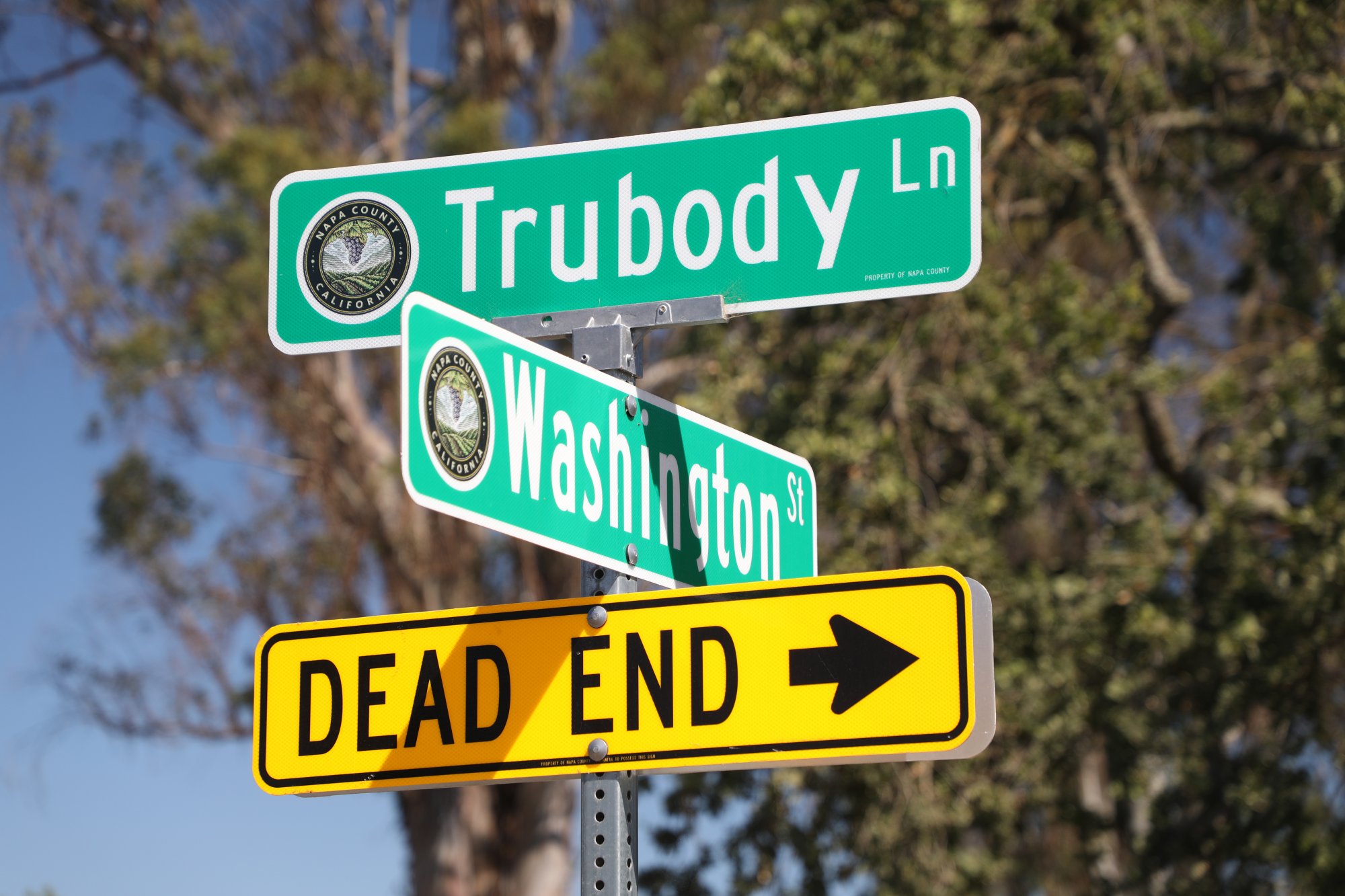
Trubody Lane, located just south of Yountville is named in homage to the Trubody family. And what used to be a stop on the railroad, Trubody Station was also named after the family and included a post office and saloon near Trubody Lane. Trubody Ranch has been known by several names over the decades including Trubody’s Island, Trubody’s Farm and J & W. Trubody’s Blackberry Farm Ranch.
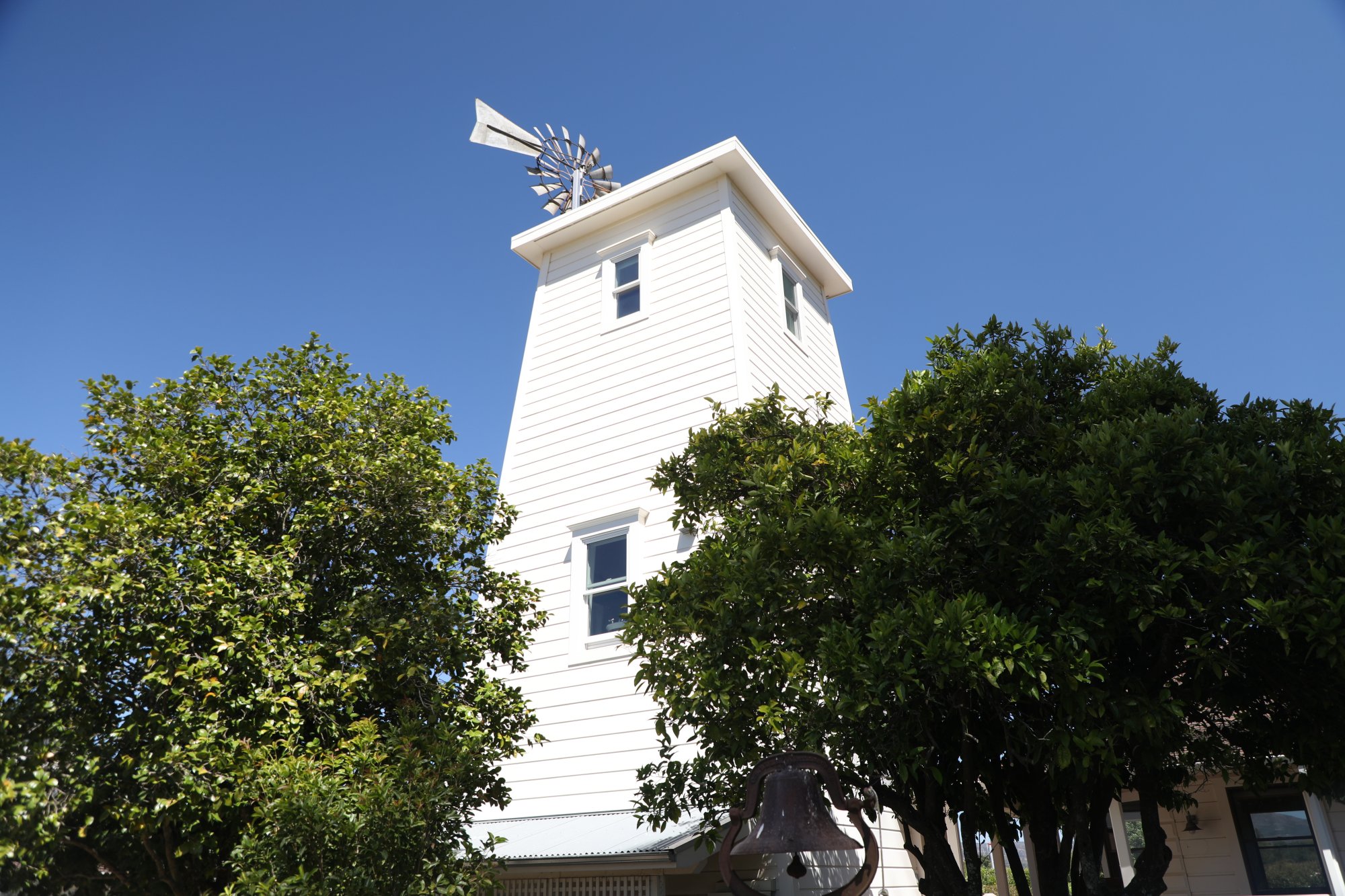
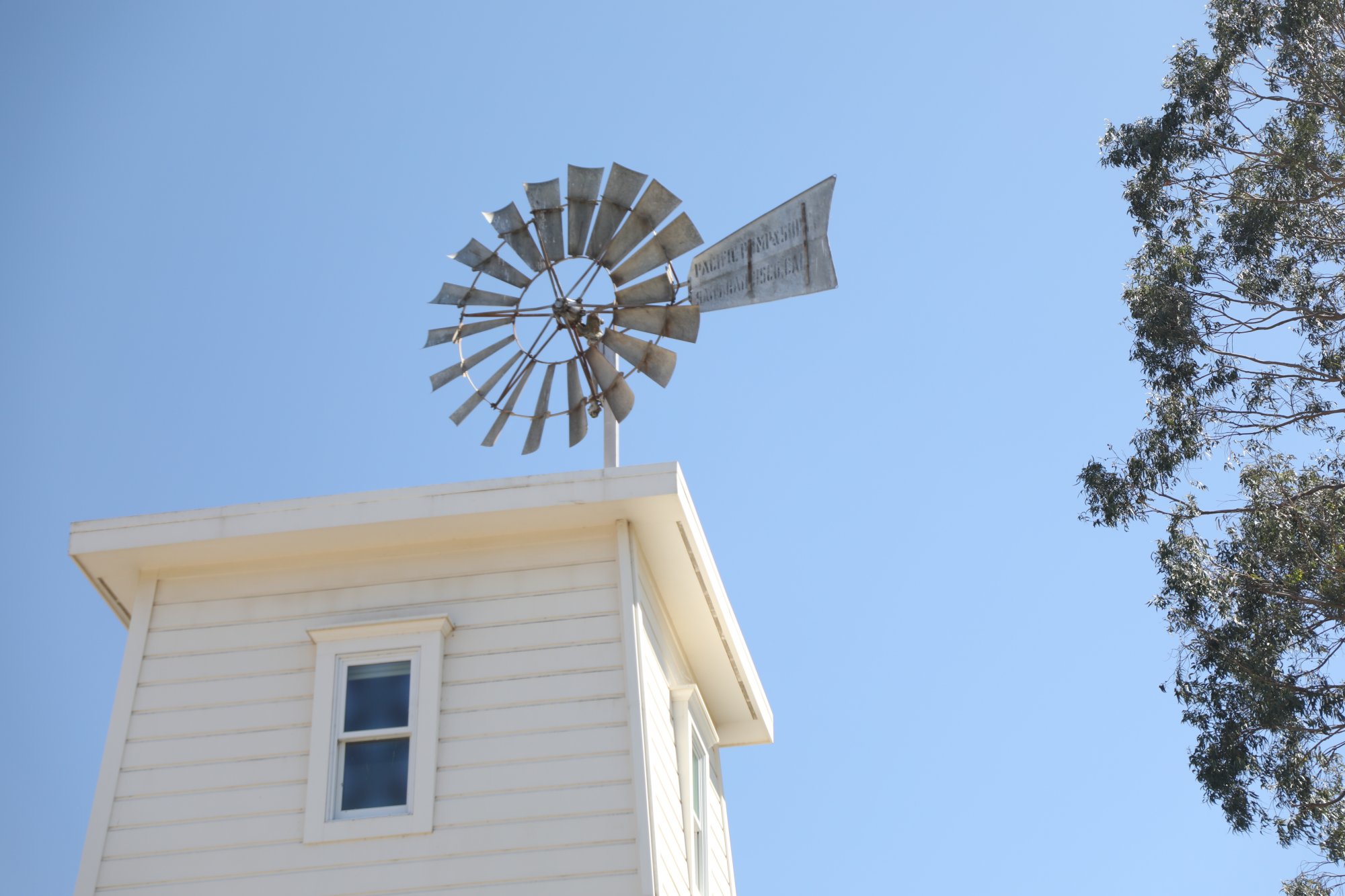
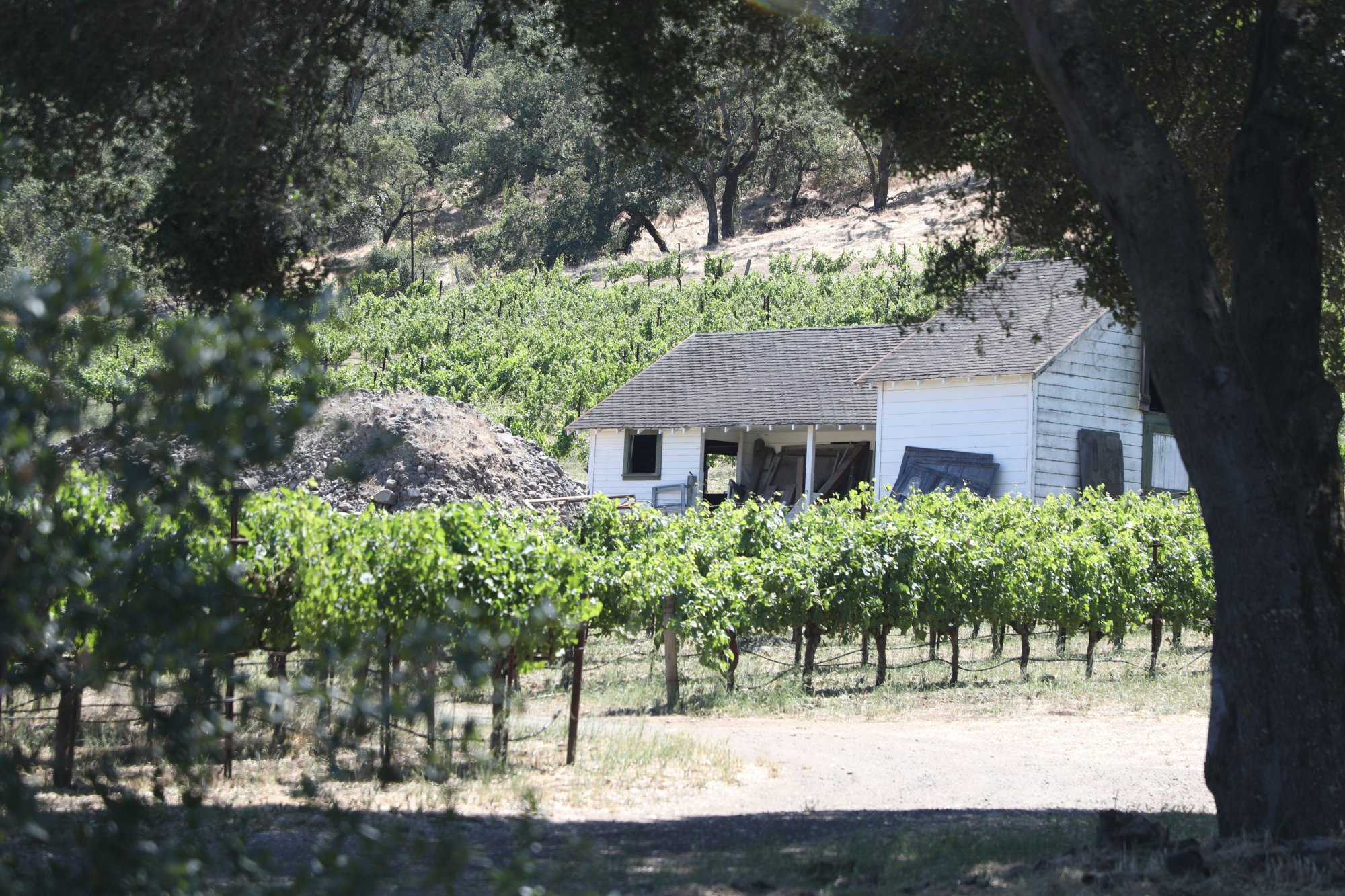
The Kellers purchased Trubody Ranch from Jeff and Mary Page; Jeff’s great grandmother Minnie was a cook for the Trubody family. Her daughter Lillie became friends with William’s daughter Clara who in the 1960s willed the entire ranch to Lillie. The Page’s raised cattle and planted walnuts. They planted grapes on the property in 1970 including Chenin Blanc and Grey Riesling. In the 1980s the Page’s restored the old water tower and rented it out to visitors as a bed and breakfast. Actress Goldie Hawn once stayed here in 1988. In 1983, Yountille hosted the Trubody Ranch Puppet & Music Festival centered around comedian and entertainer Bob Hartman.
In 1995 Napa County Landmarks awarded Trubody Ranch an Award of Merit for the Page’s preservation efforts.
Giant Eucalyptus
Trubody Ranch
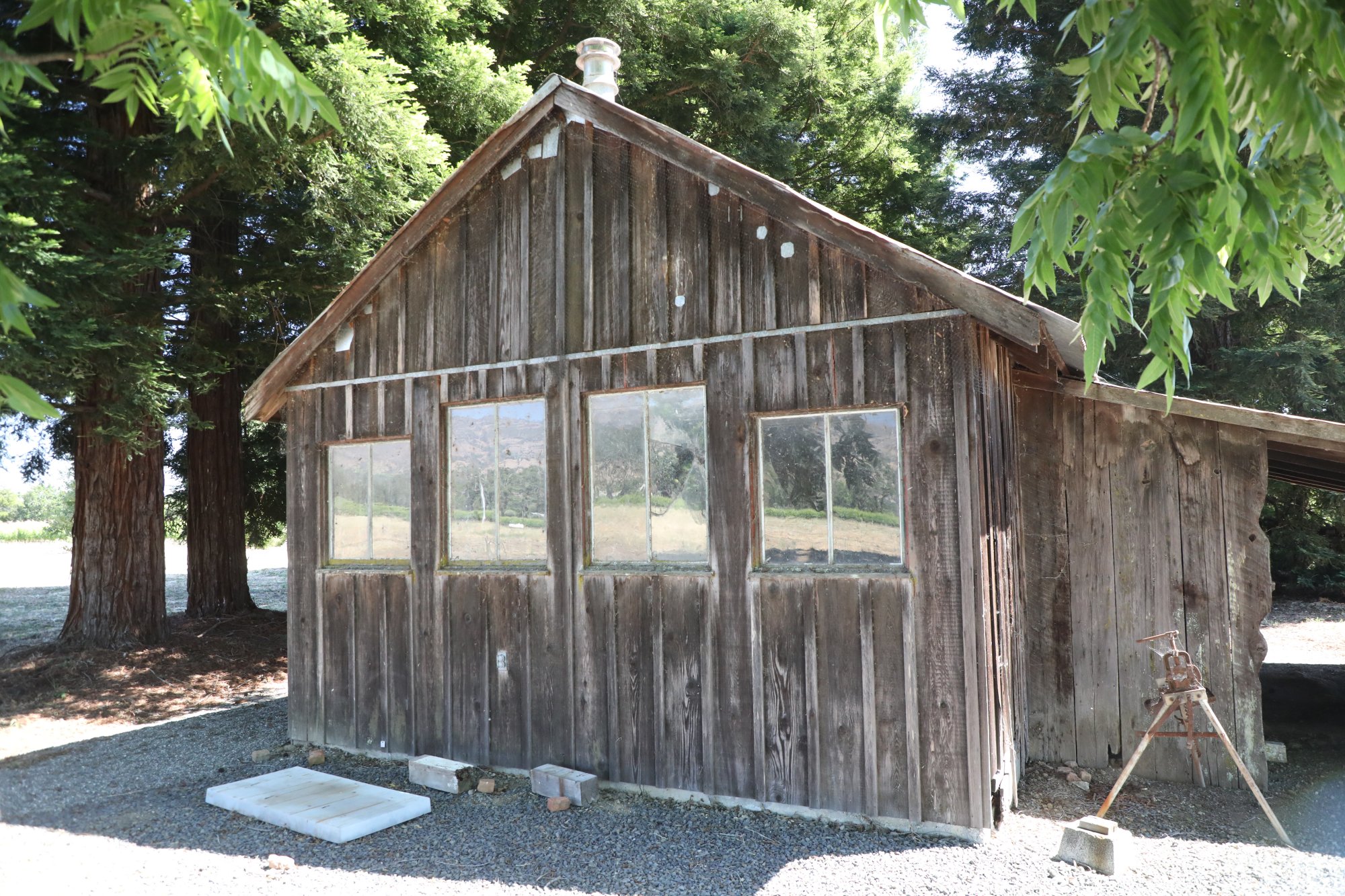
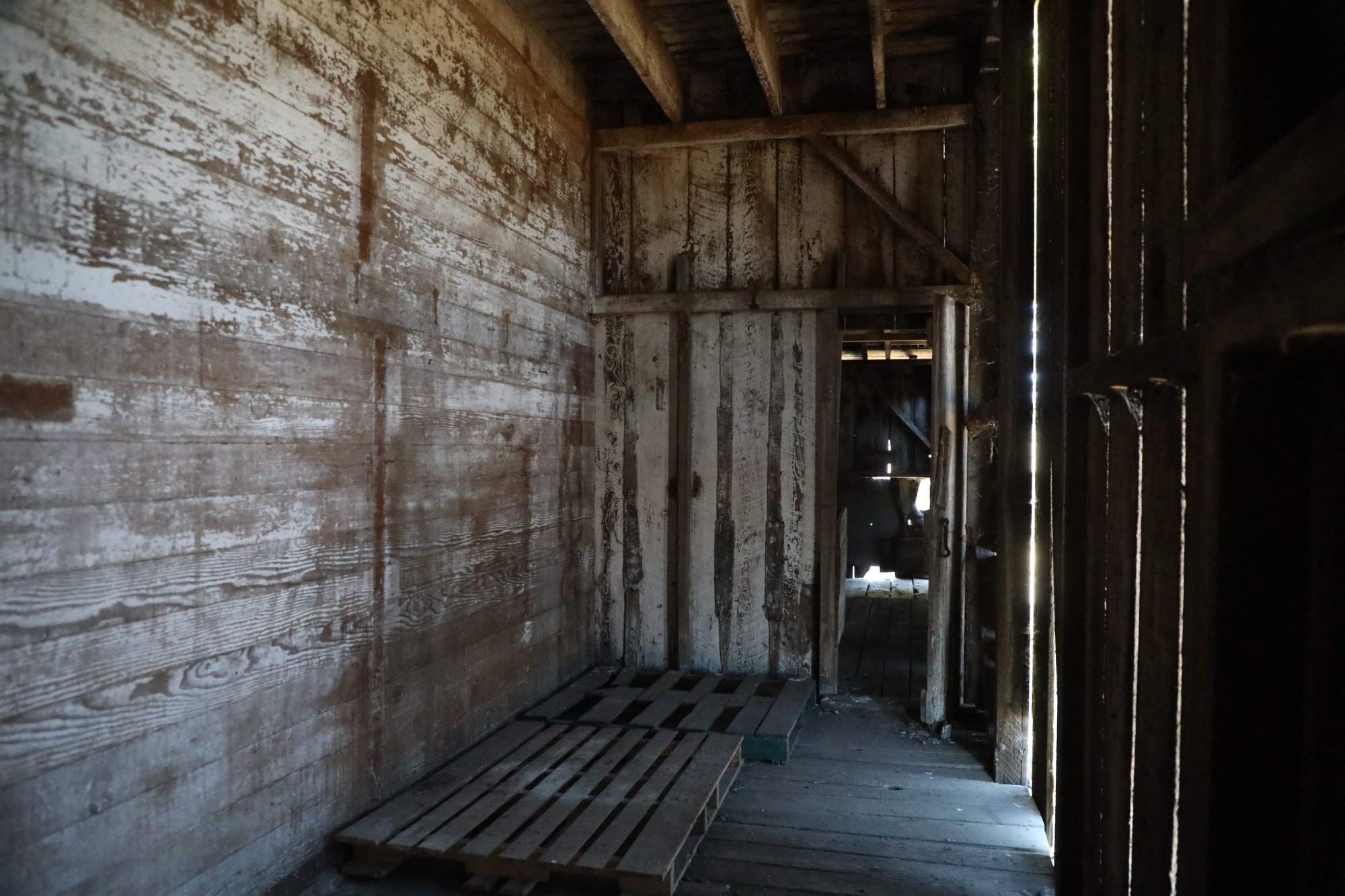
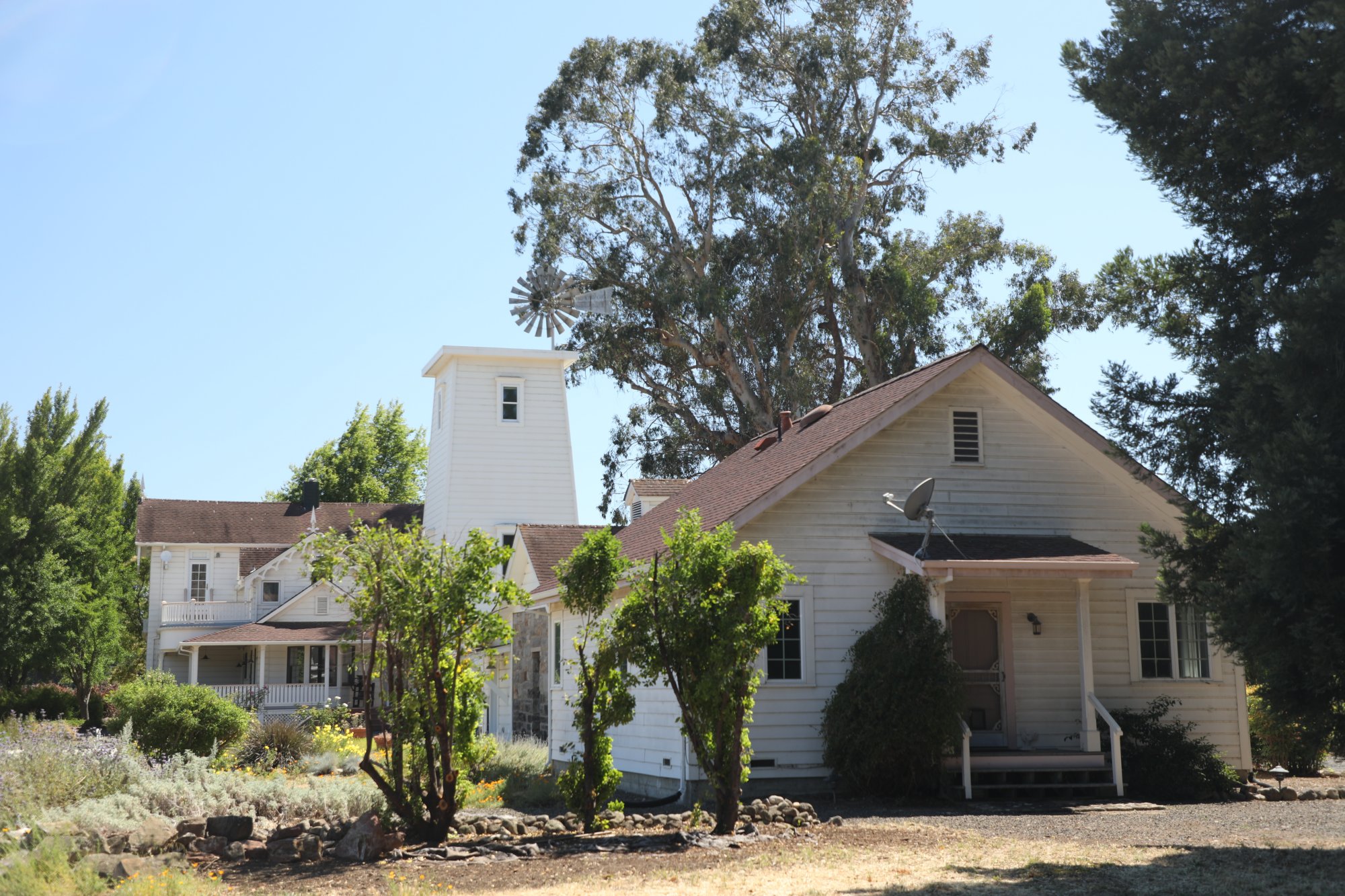
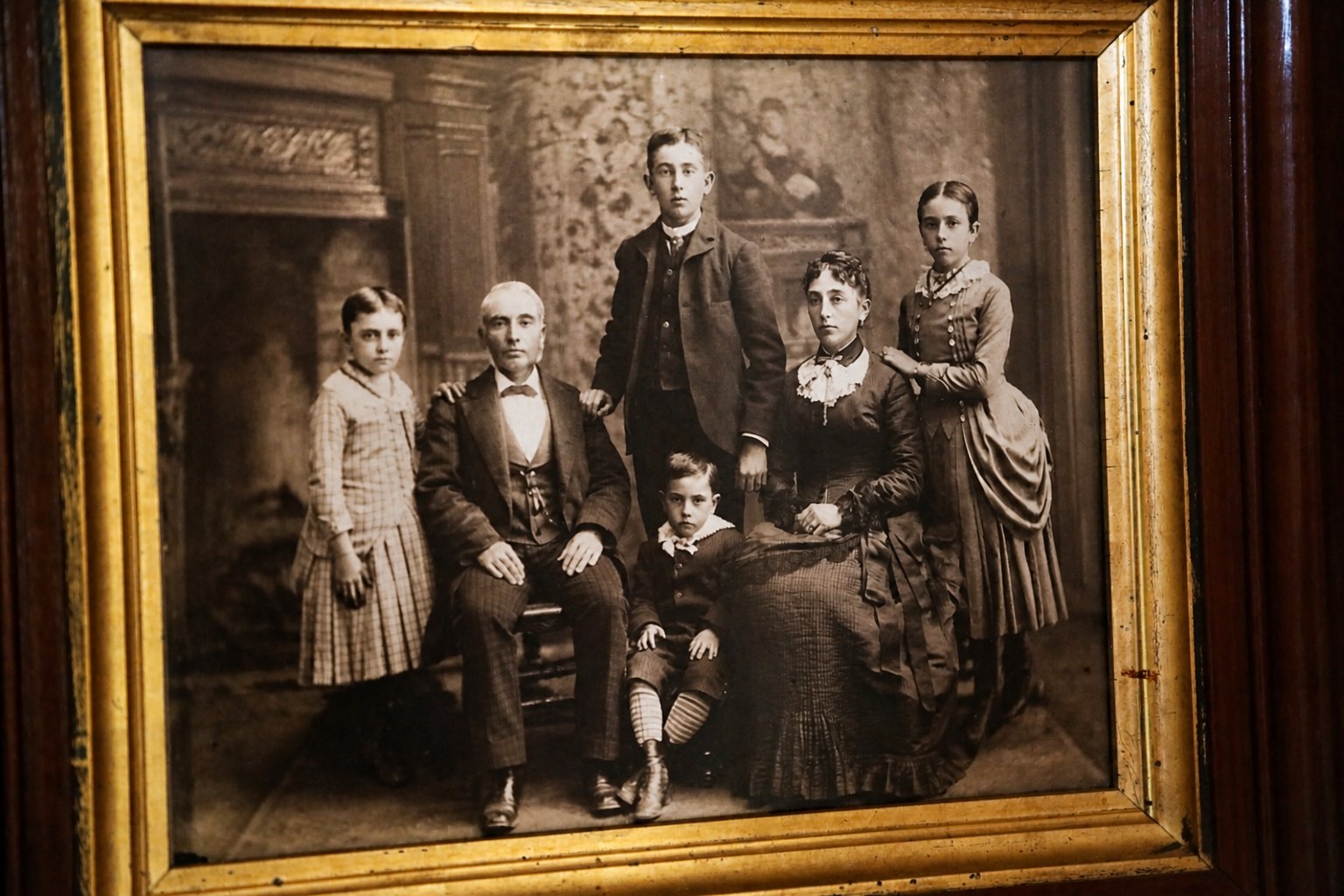

Shifflett Ranch
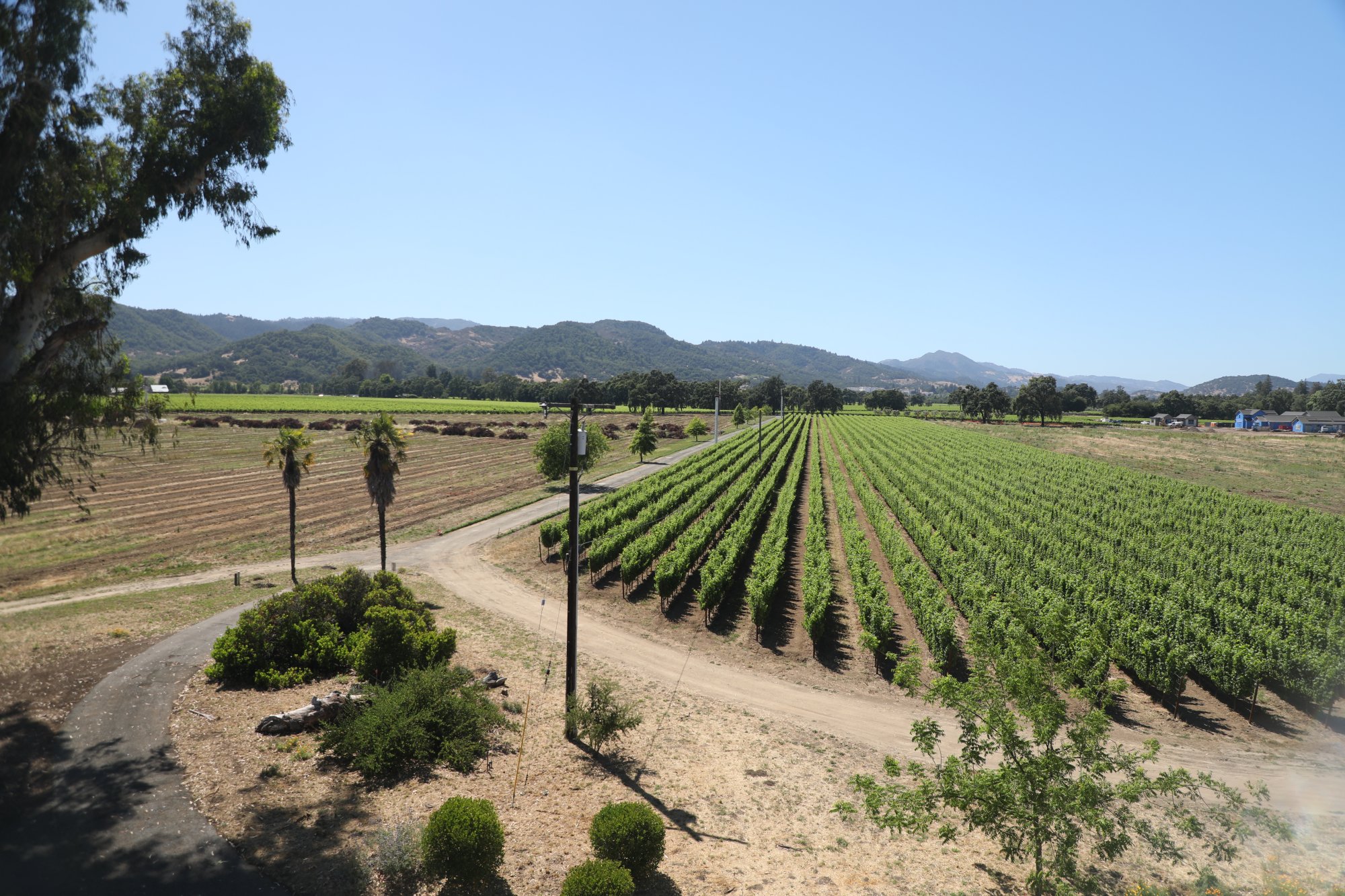
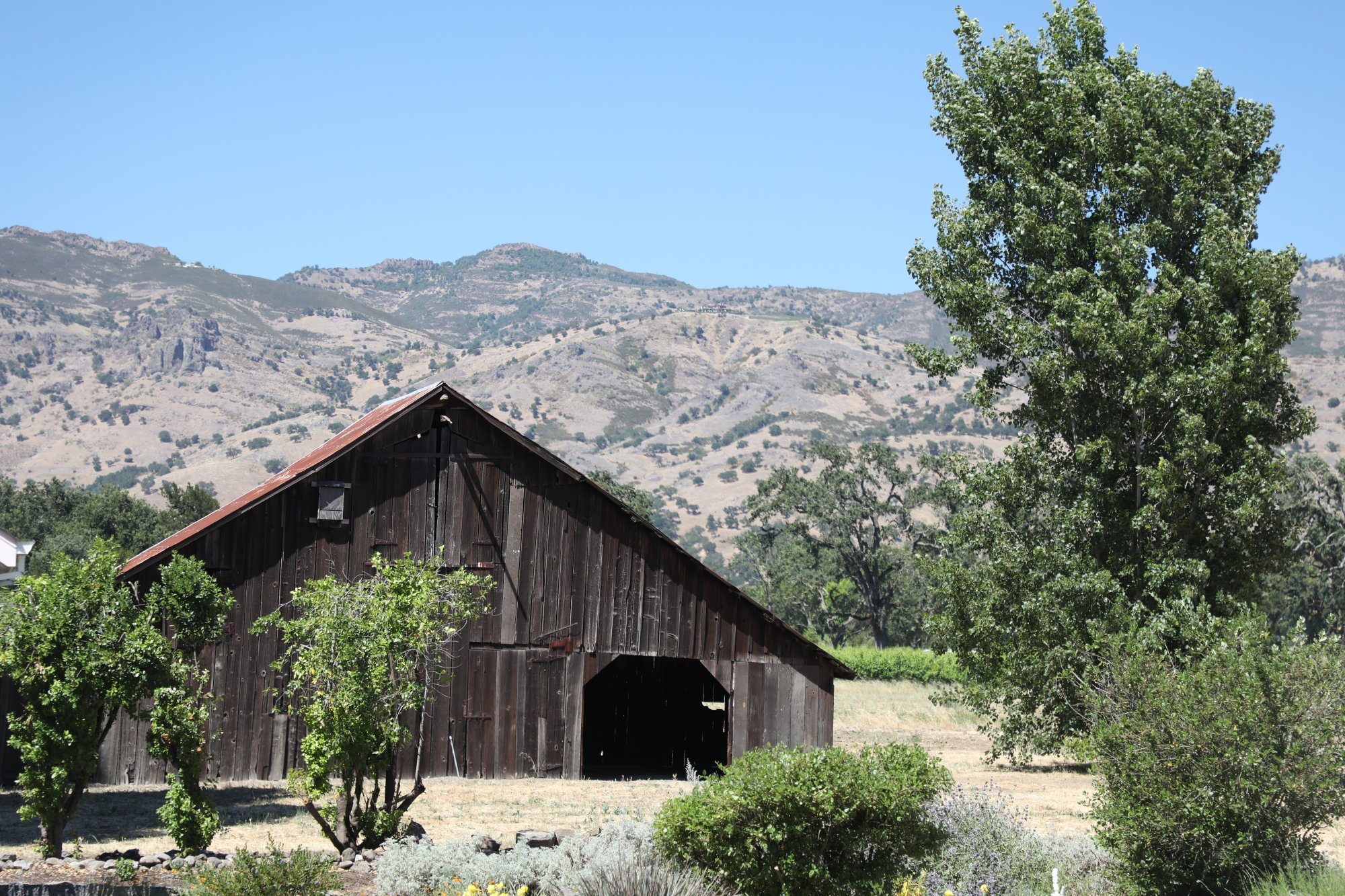
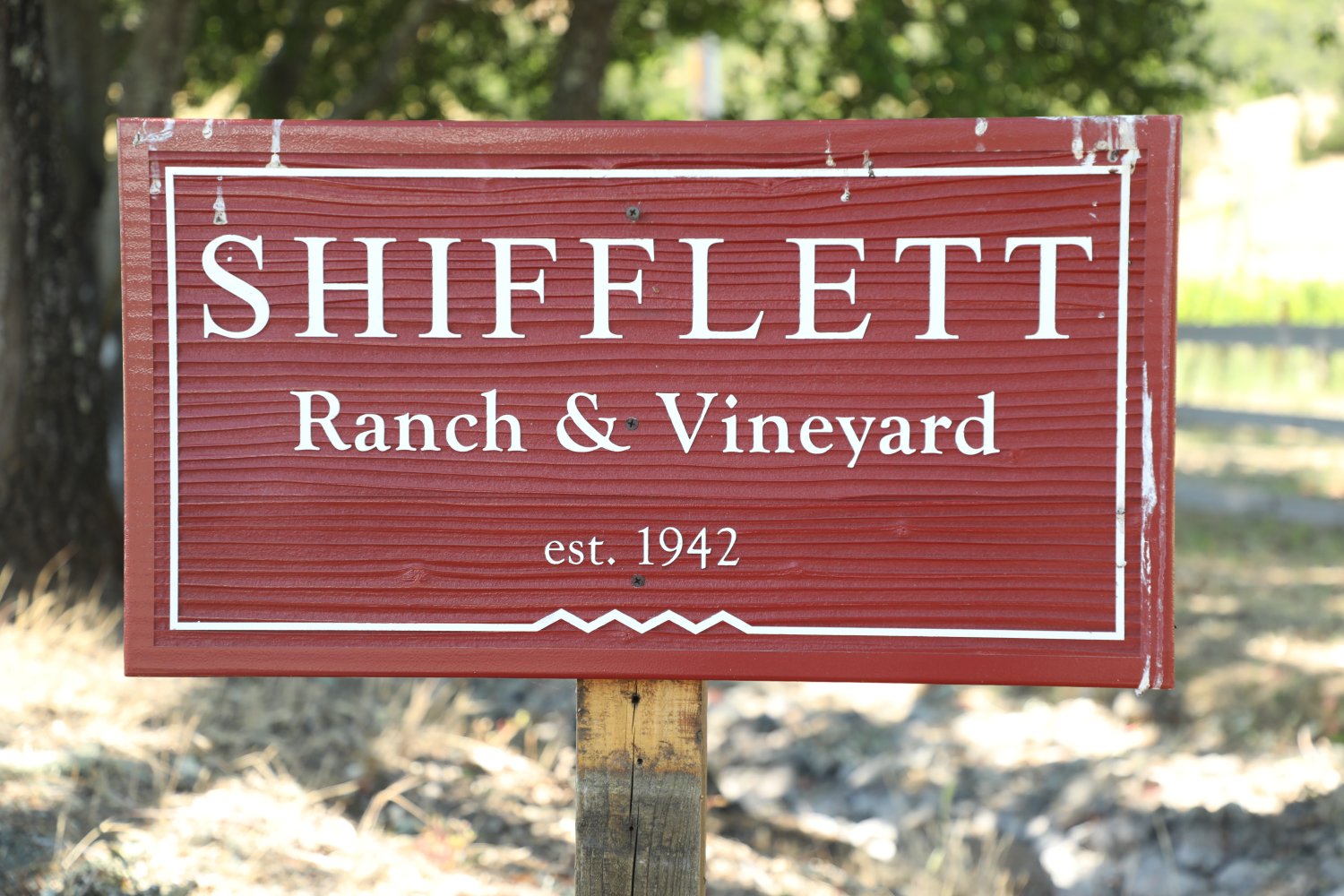
Patriarch Wade Shifflett Sr., and his wife Mary Elizabeth purchased this land at the end of Darms Lane from the Darms family in 1942. This 120-acre property is located within a short drive south west of Yountville. Wade Sr., was a prominent local businessman; he was born and raised in Grinell, Iowa and entered the lumber business along the Mississippi River as a young man. He eventually moved to California, later settling in Santa Rosa and marrying Mary Elizabeth, before moving to the city of Napa in 1917 to become manager of the Napa Lumber Company which he held through the 1930s. He owned lumber yards in Boyes Springs in Sonoma County, by the Hatt Building in downtown Napa, where Safeway is now located in St. Helena, in Calistoga, in Clear Lake Highlands (Lake County) and in Healdsburg.
In 1939 he oversaw the acquisition by Napa Lumber Company of McKinnon-McNair Lumber Company. Well liked and actively involved in the community, he spearheaded efforts in the early 1920s to build a baseball field in Napa and in 1926 he became president of the Credit Association of Napa. He sold his lumber business in 1942 and remained general manager of the company until retiring just before his death in 1946 at age 63. Sadly he never lived on Shifflett Ranch.
For decades the property was home to cattle along with peaches, plums, cherries and plenty of hay. In fact the ranch had their own shed for drying plums. Wade Sr’s son Wade Shifflett Jr. was a Napa County Judge and assistant District Attorney for many years. He ran for state senate in 1960, and according to an article in the February 25, 1960 edition of the Napa Journal, that same year he met with Vice President of the U.S. at the time, Richard Nixon.
Wade Jr (died 1991) and his wife Olga decided to plant grapes on the property with the help of their five children; their first variety was Chardonnay in 1982. Daughter Kathryn remembers planting the first vines on a weekend, with everyone pitching in to help including family and friends. They planted 25 acres and sold the grapes to their first buyer, Raymond Winery in 1984, a relationship which lasted through 2024. Kathryn recalls calling approximately 30 wineries before Roy Raymond agreed to buy their Chardonnay. Eventually more clients purchased grapes including Elyse and Freemark Abbey. Over the years, the vineyards were destroyed by phylloxera and pierce’s disease; a major replanting occurred in the early to mid 1990s and then again in the early 2000s.
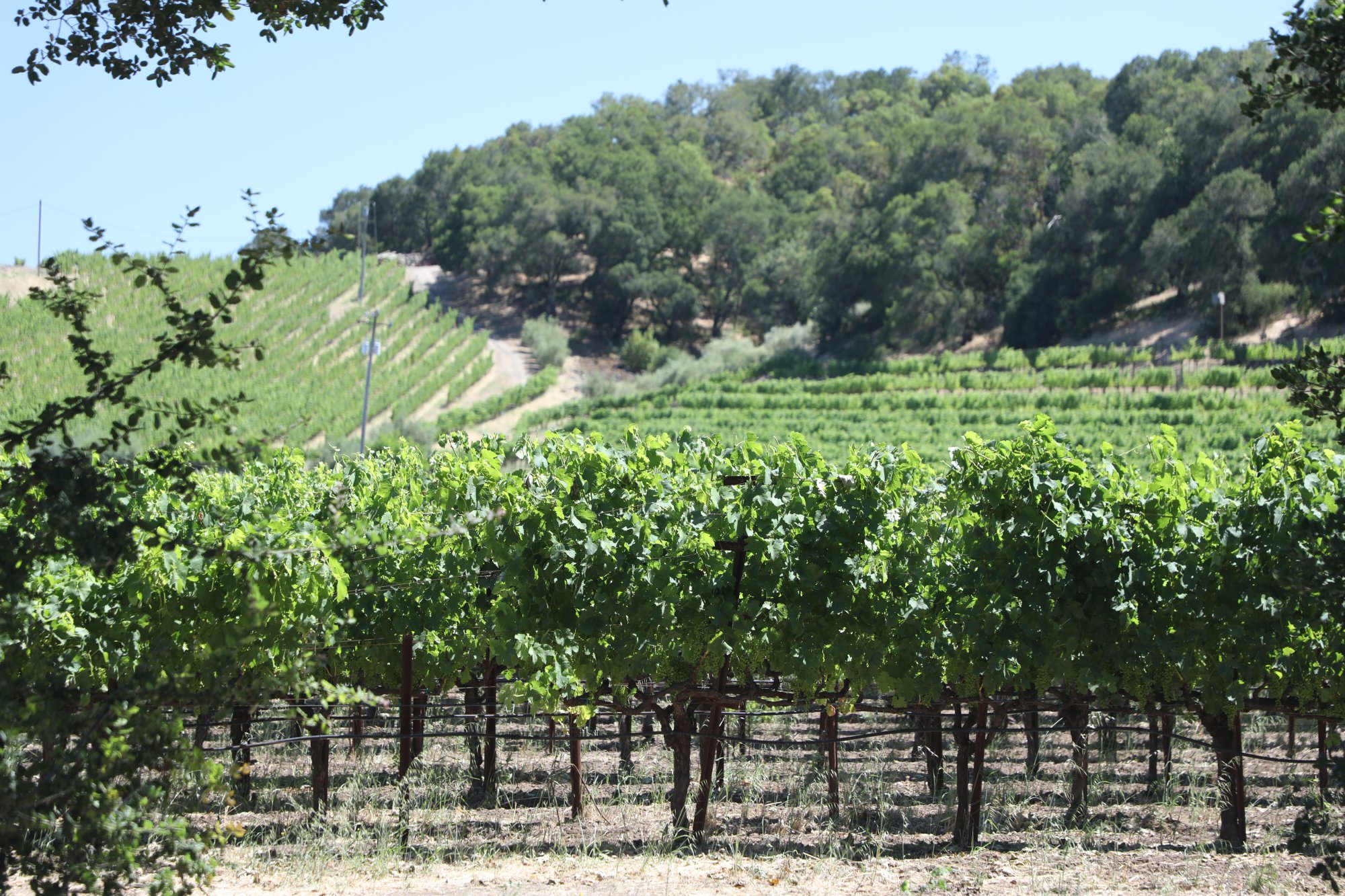
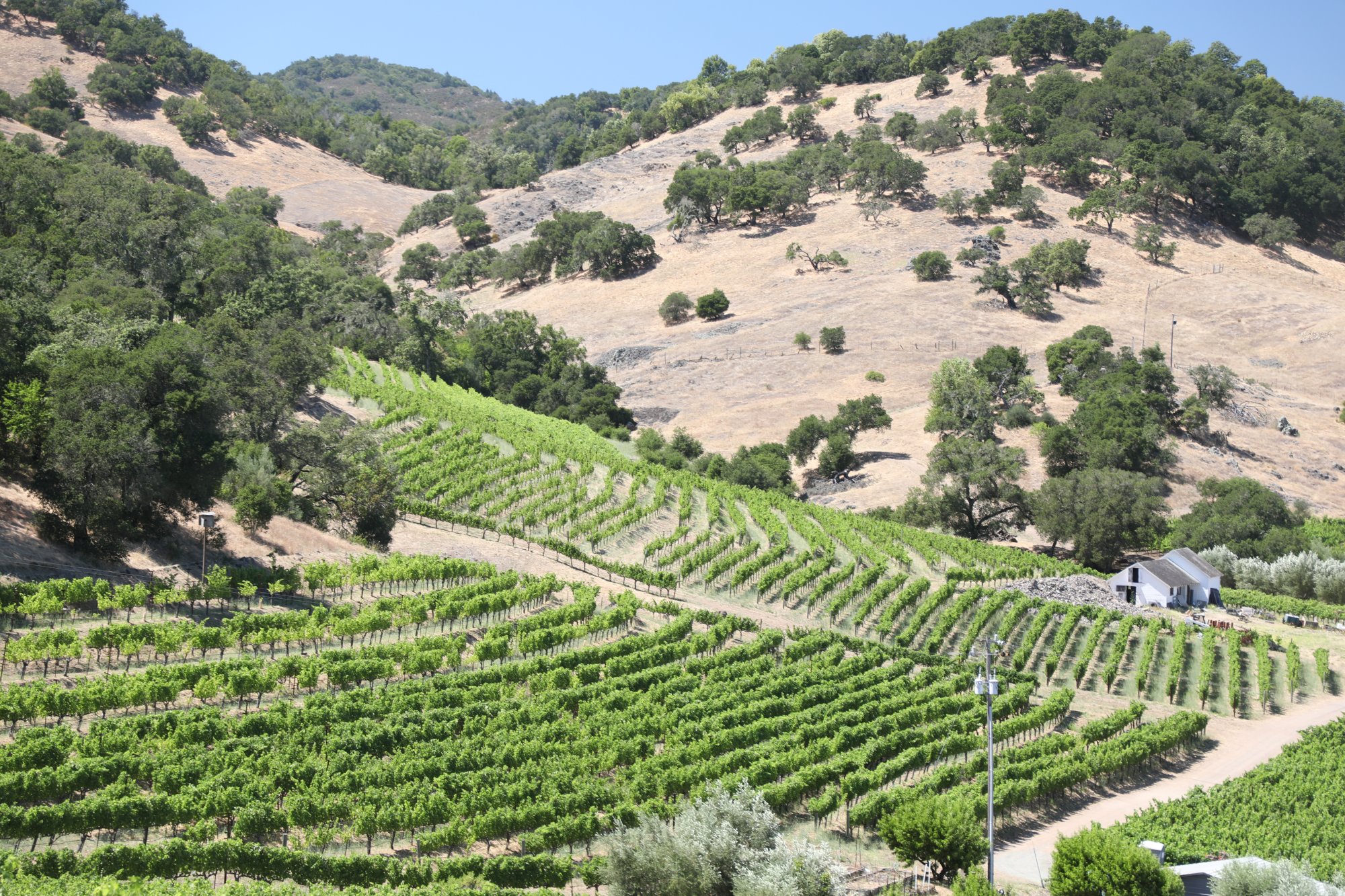
KHK Wines sources Cabernet Sauvignon from three hillside planted blocks from Shifflett Ranch, located in the Yountville AVA. The entire property is planted to about 52 acres of vines including the five primary Bordeaux red varieties along with Sauvignon Blanc and Syrah with the intent to eventually plant up to 60 acres in total. Chardonnay no longer grows on site. And the property was originally considered too cold to plant Cabernet Sauvignon. Most of grapes from the estate are still sold to premium area producers; past clients who have purchased grapes from the property included Duckhorn, Raymond Vineyards, Neal Family and Blackbird Vineyards. Others currently purchasing grapes include Revana, Darioush, Dakota Shy and William & Mary Wine Company.
Based on elevation and a diversity of exposures the property features a number of micro climates, all factoring into the decision where to plant certain varieties. And the property is geologically diverse, ranging from its volcanic rocky hillsides to the deeper alluvial fan deposits on the lower parts of the ranch.
For more information or to purchase current release wines, visit: www.khkwines.com
OTHER BUSINESSES, OWNERSHIP
JAMES KELLER REAL ESTATE, NAPA
The Howard Backen Estate on Pritchard Hill
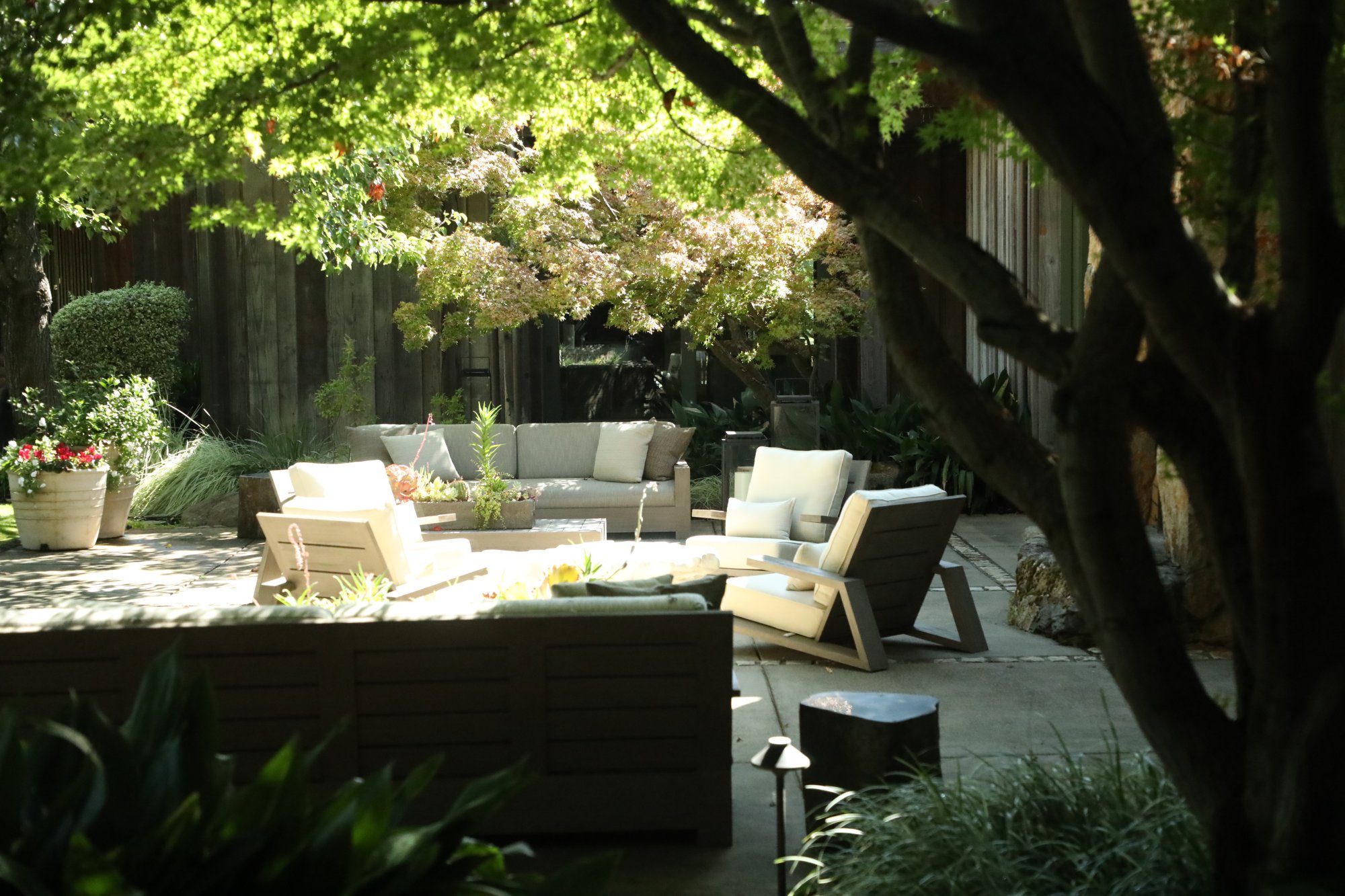
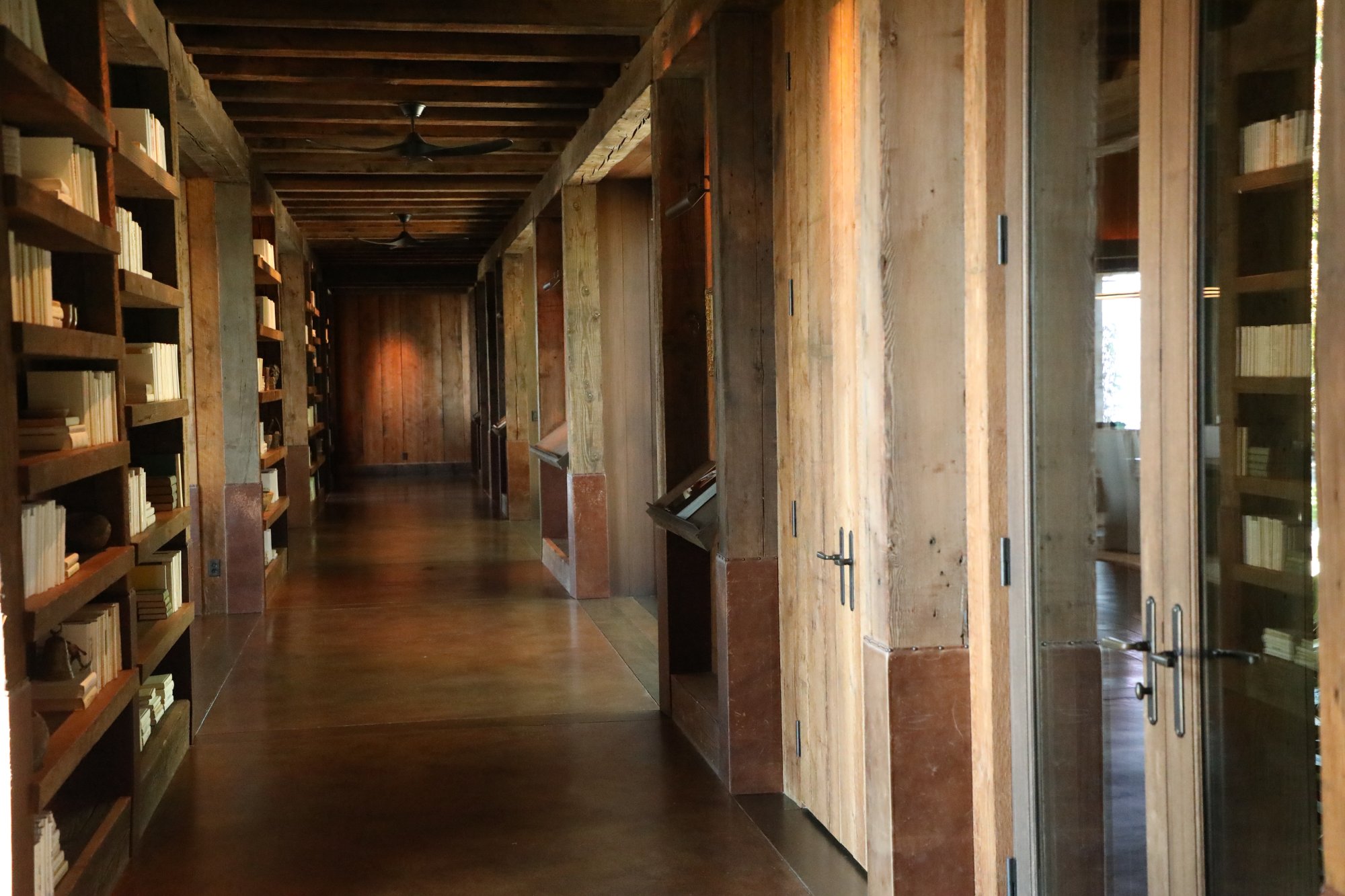
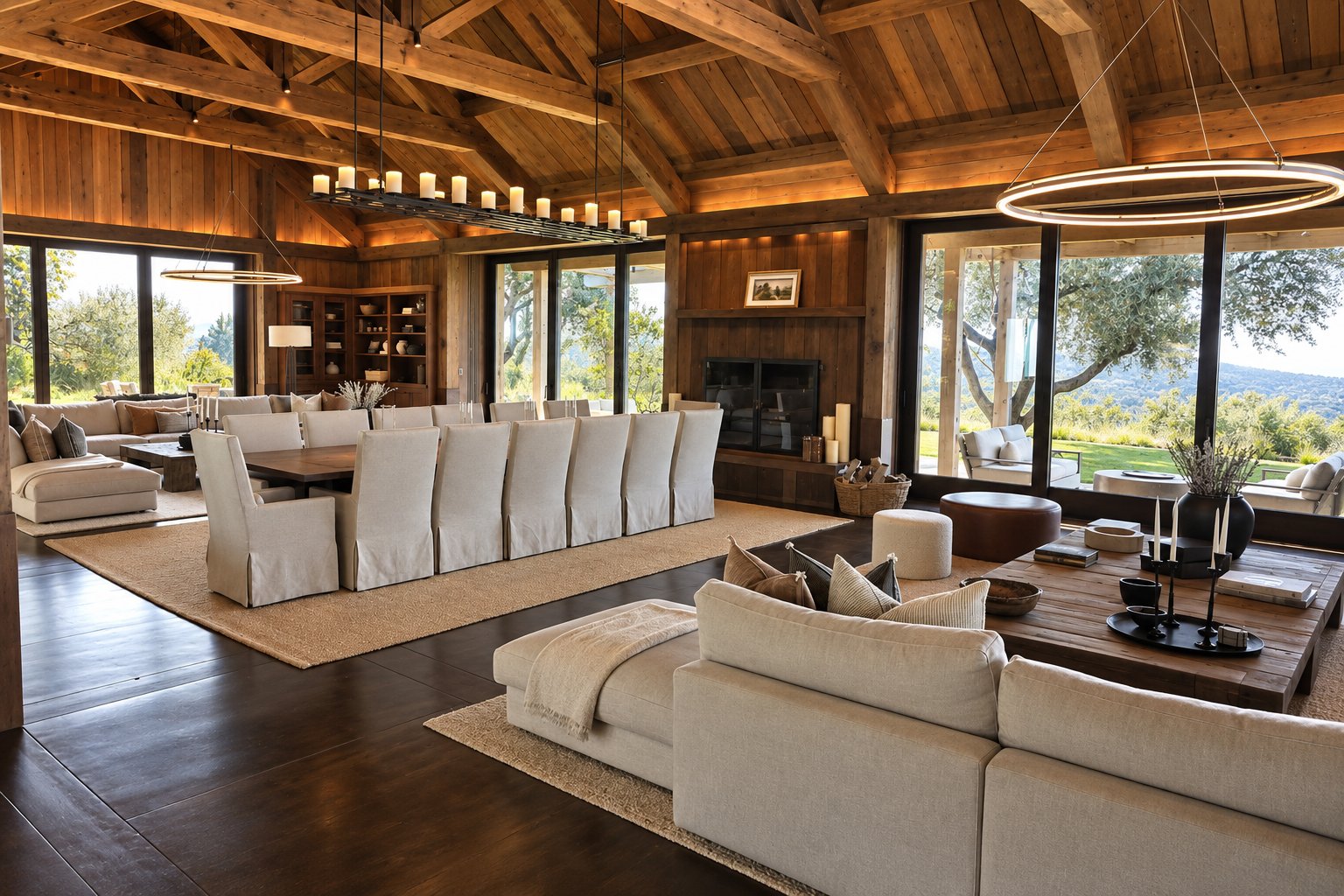
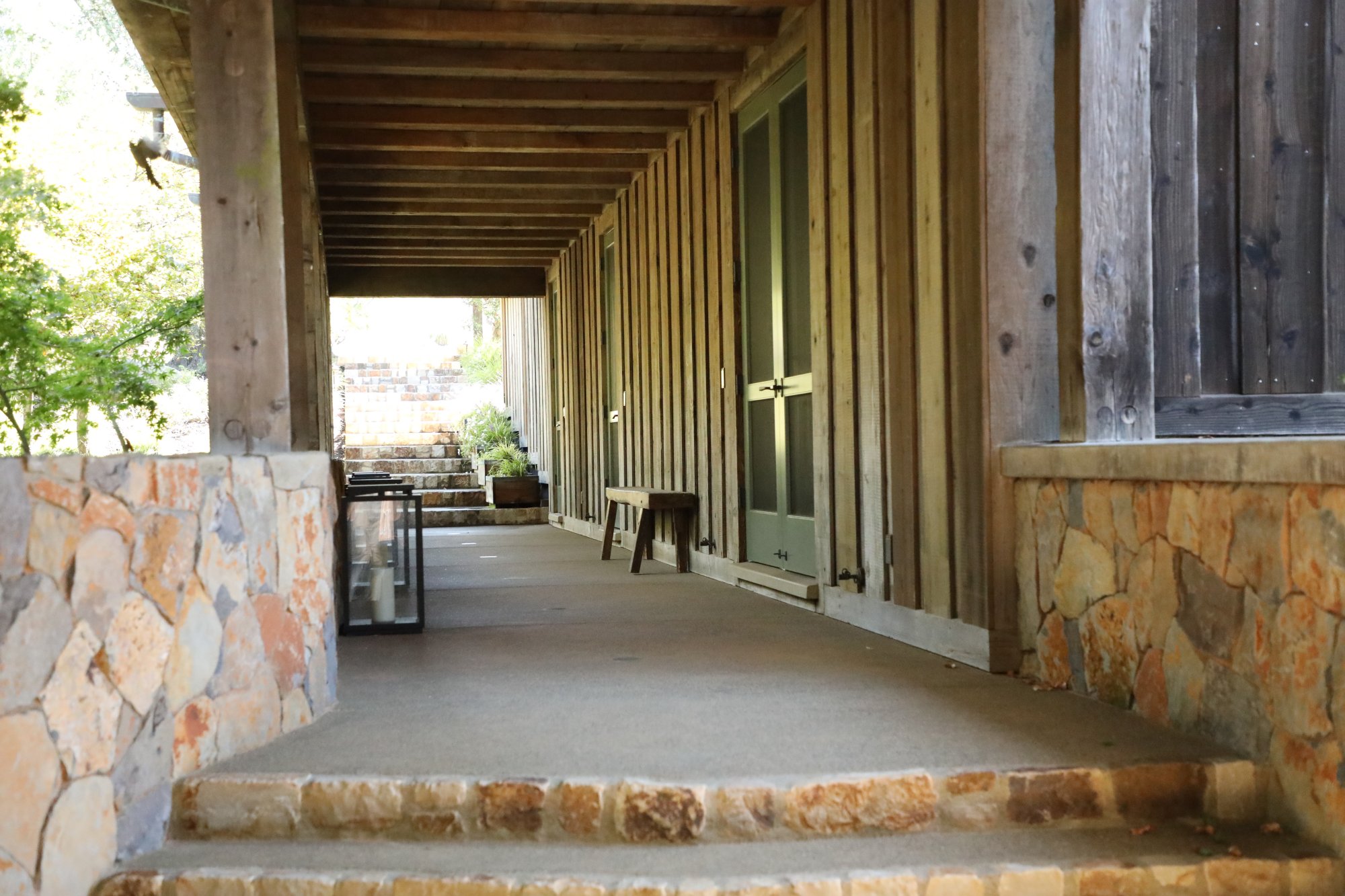
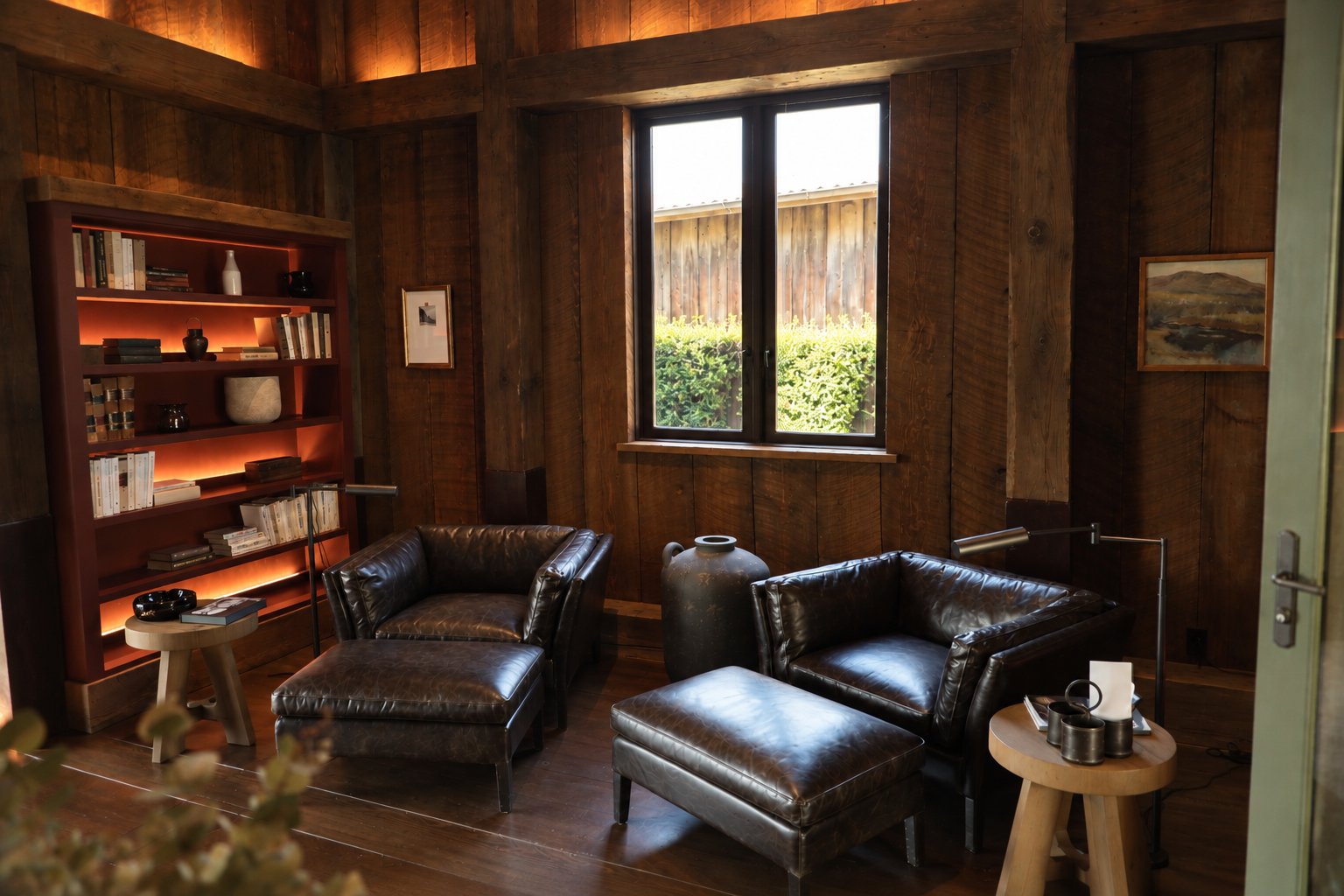
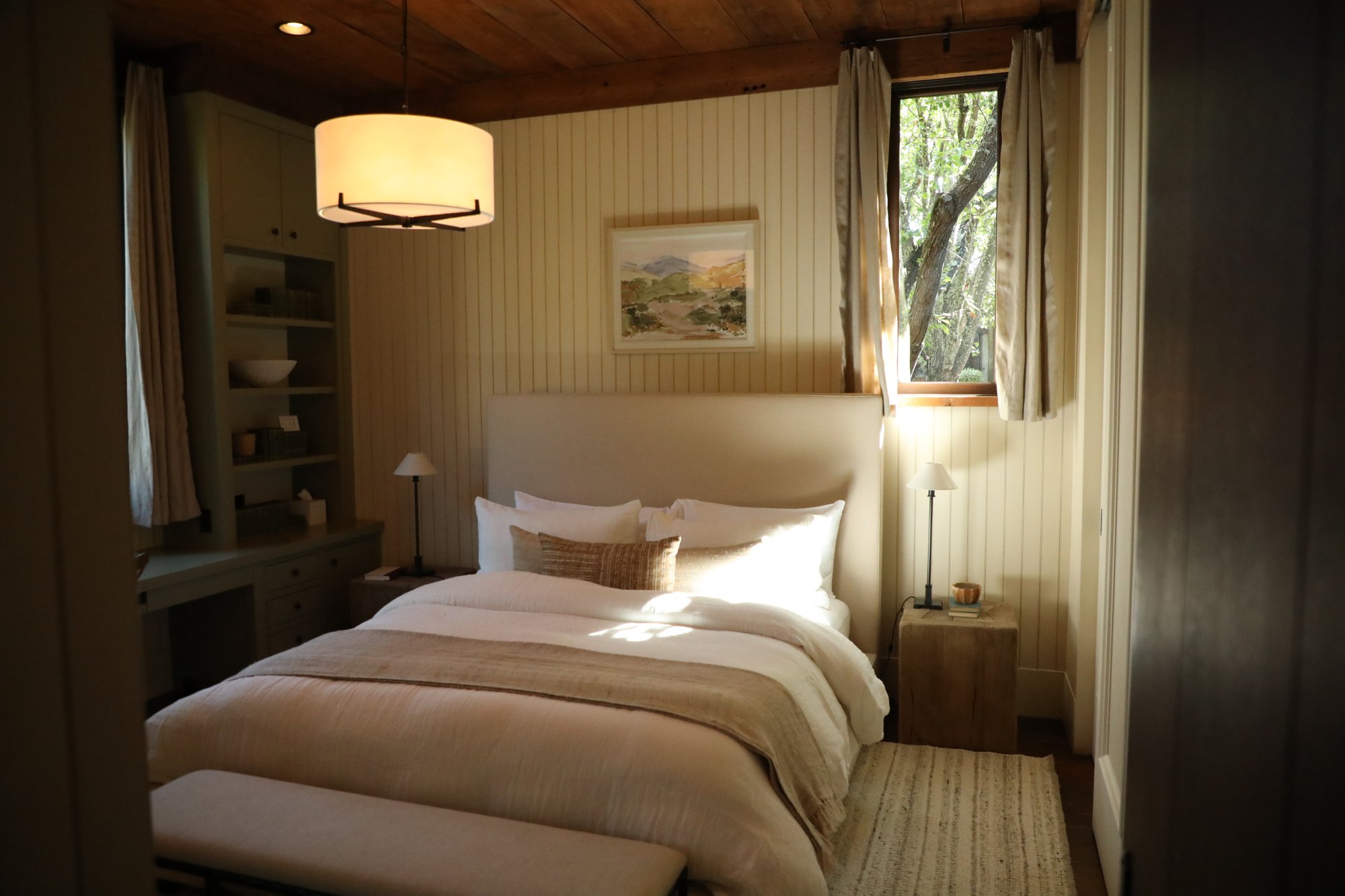
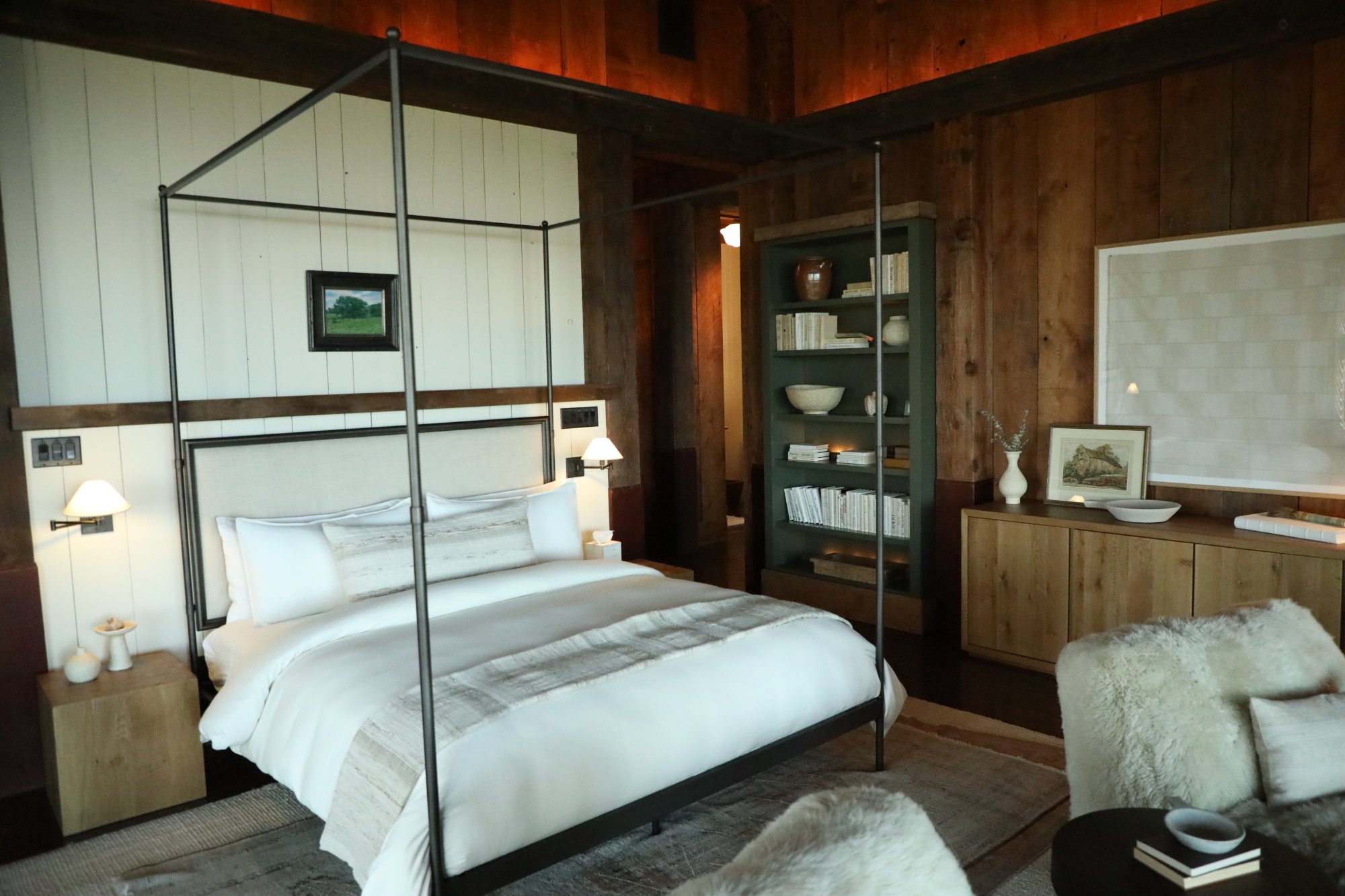
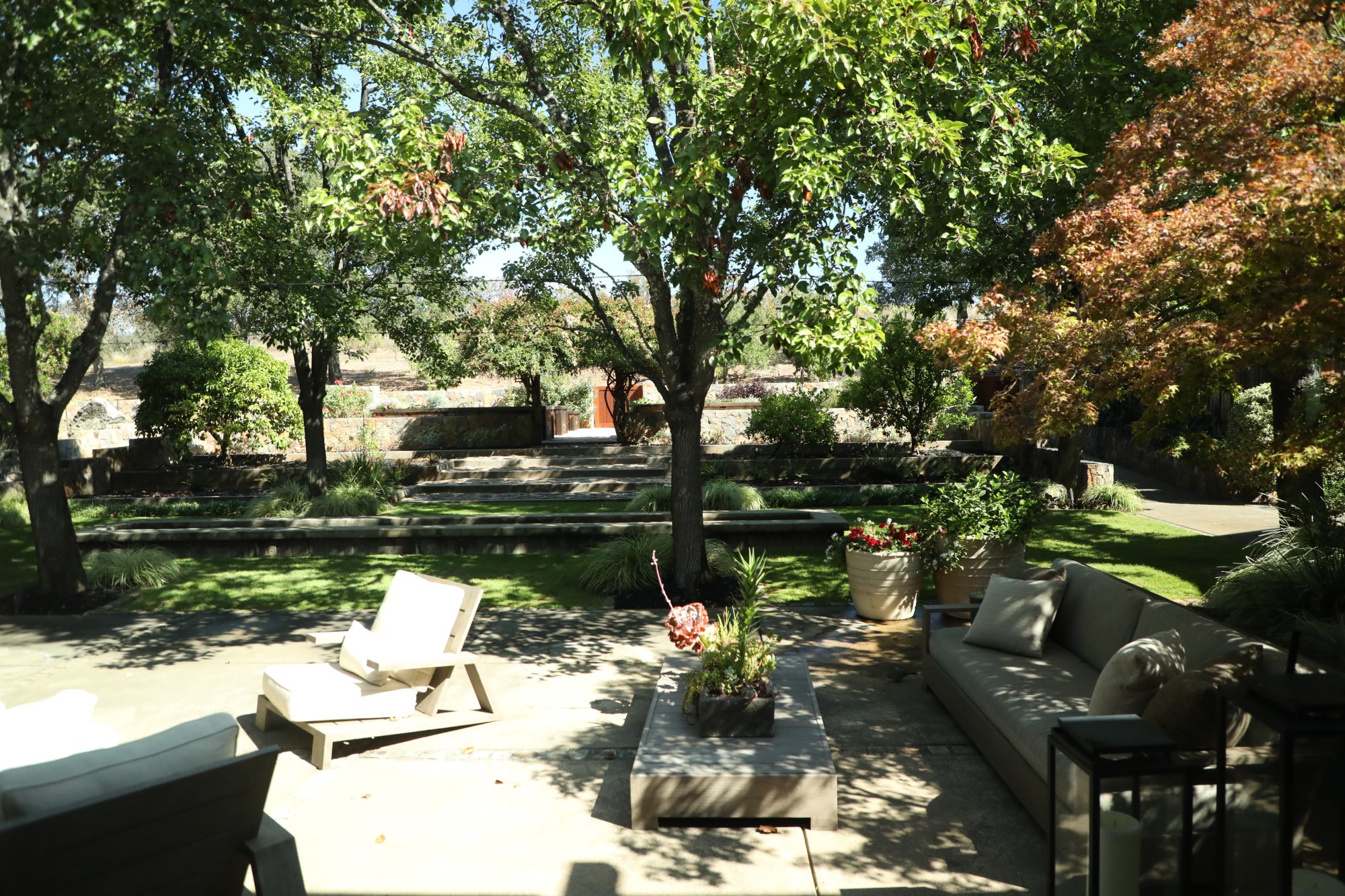
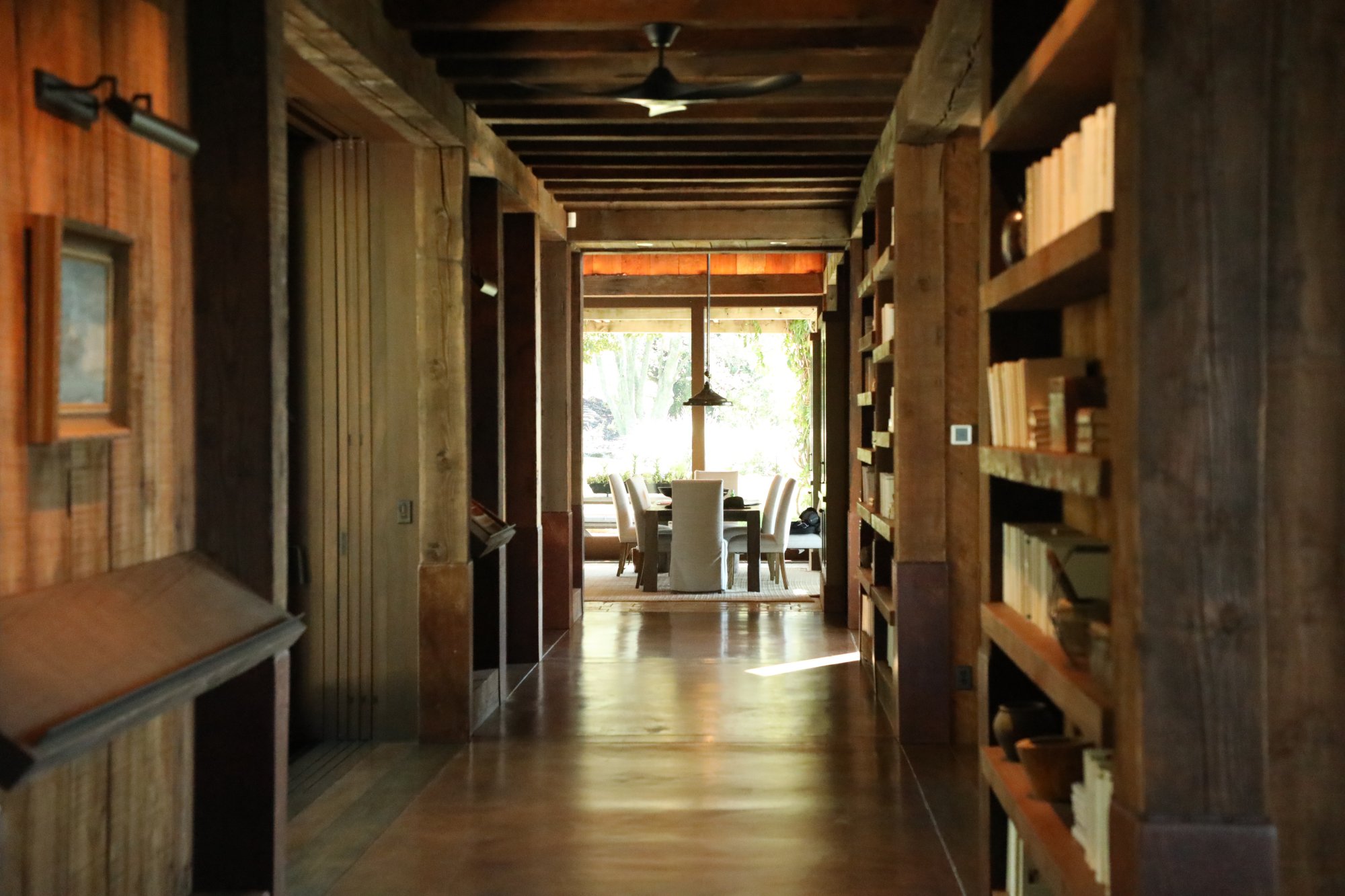
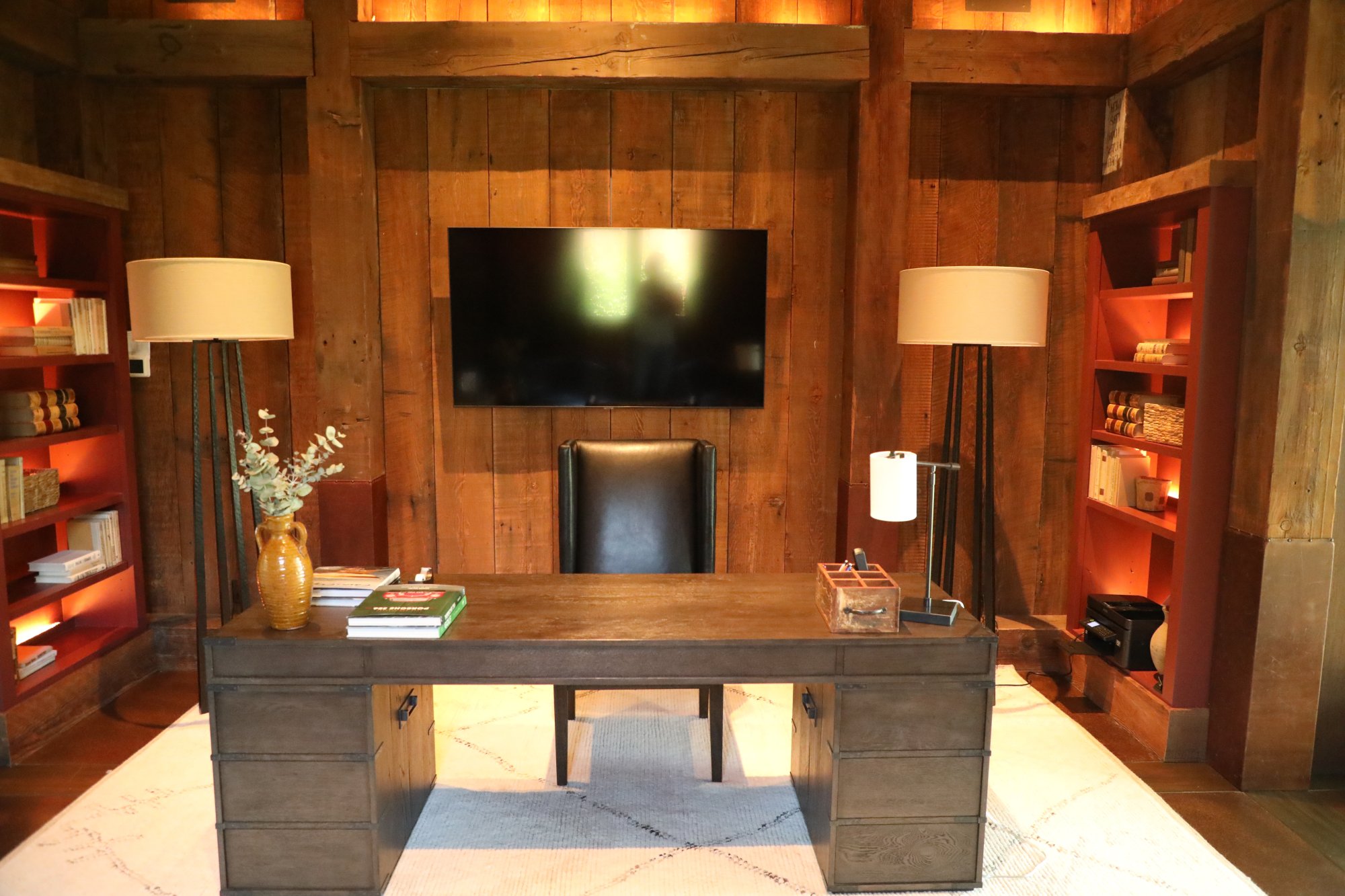
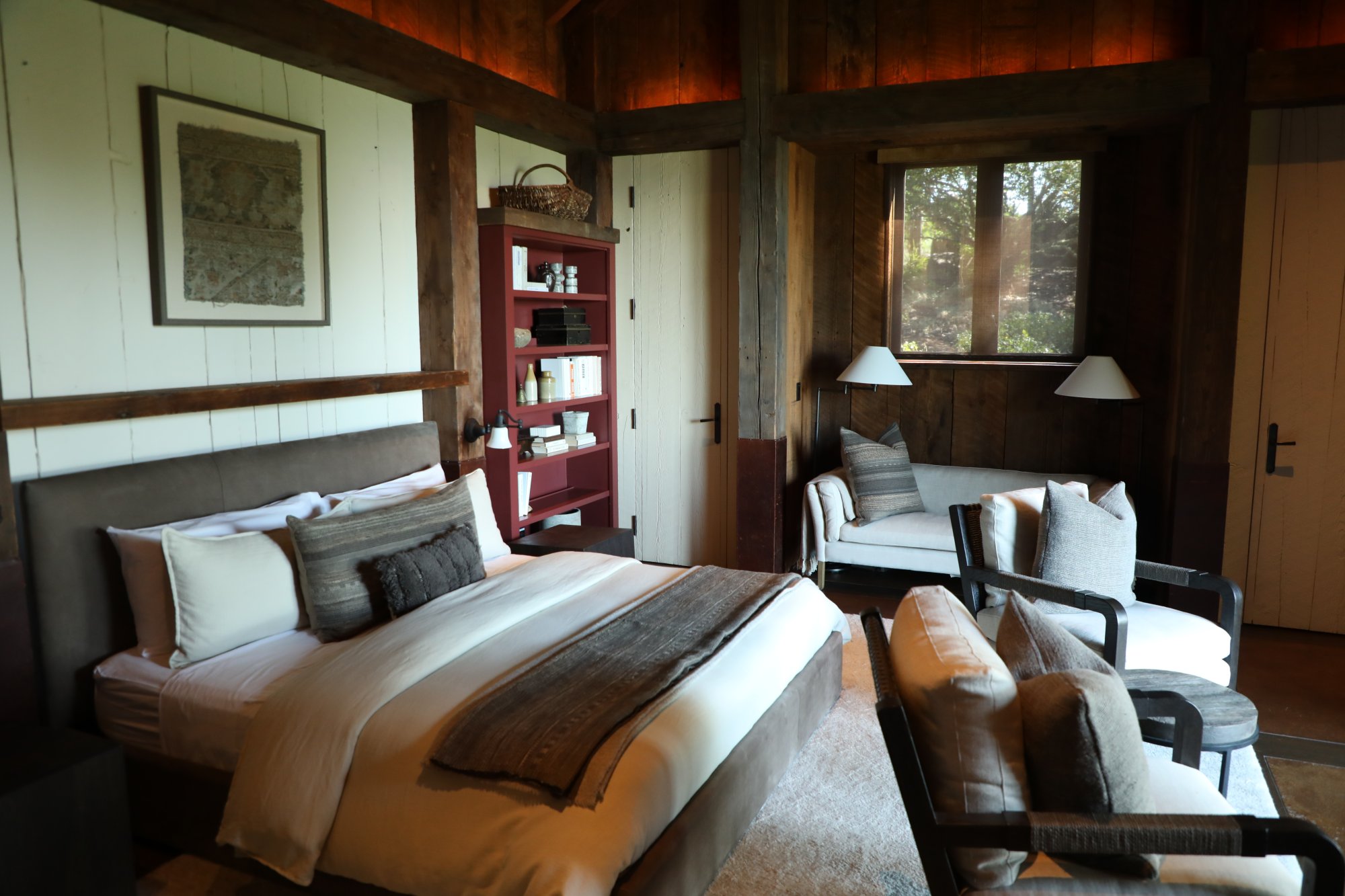
This premium gated 500-acre property is located on Pritchard Hill next Ovid Estate and the Keller Estate Vineyard; it was previously the home of Ovid Winery founders Mark Nelson and Dana Johnson. The current ownership and partners purchased this property in mid 2023; the estate welcomed its first guests in December 2023. Following the purchase, improvements were made including installing a fire-resistant roof, redoing the landscaping, restoring portions of the property and refurnishing both interior and exterior spaces, overseen by Restoration Hardware. The interior design incorporates darker colors inspired by a quilt formerly displayed at the end of the main hallway.
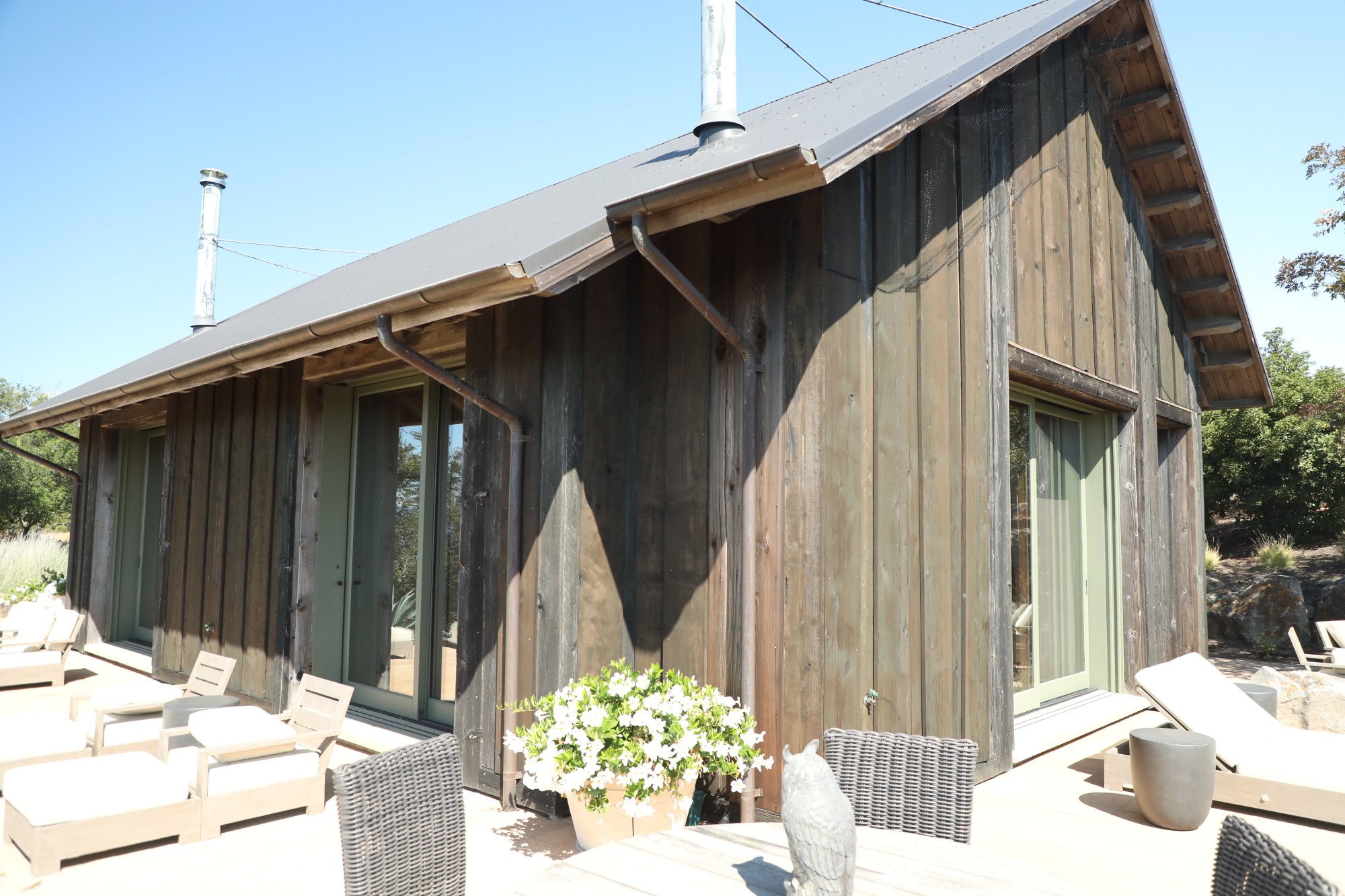
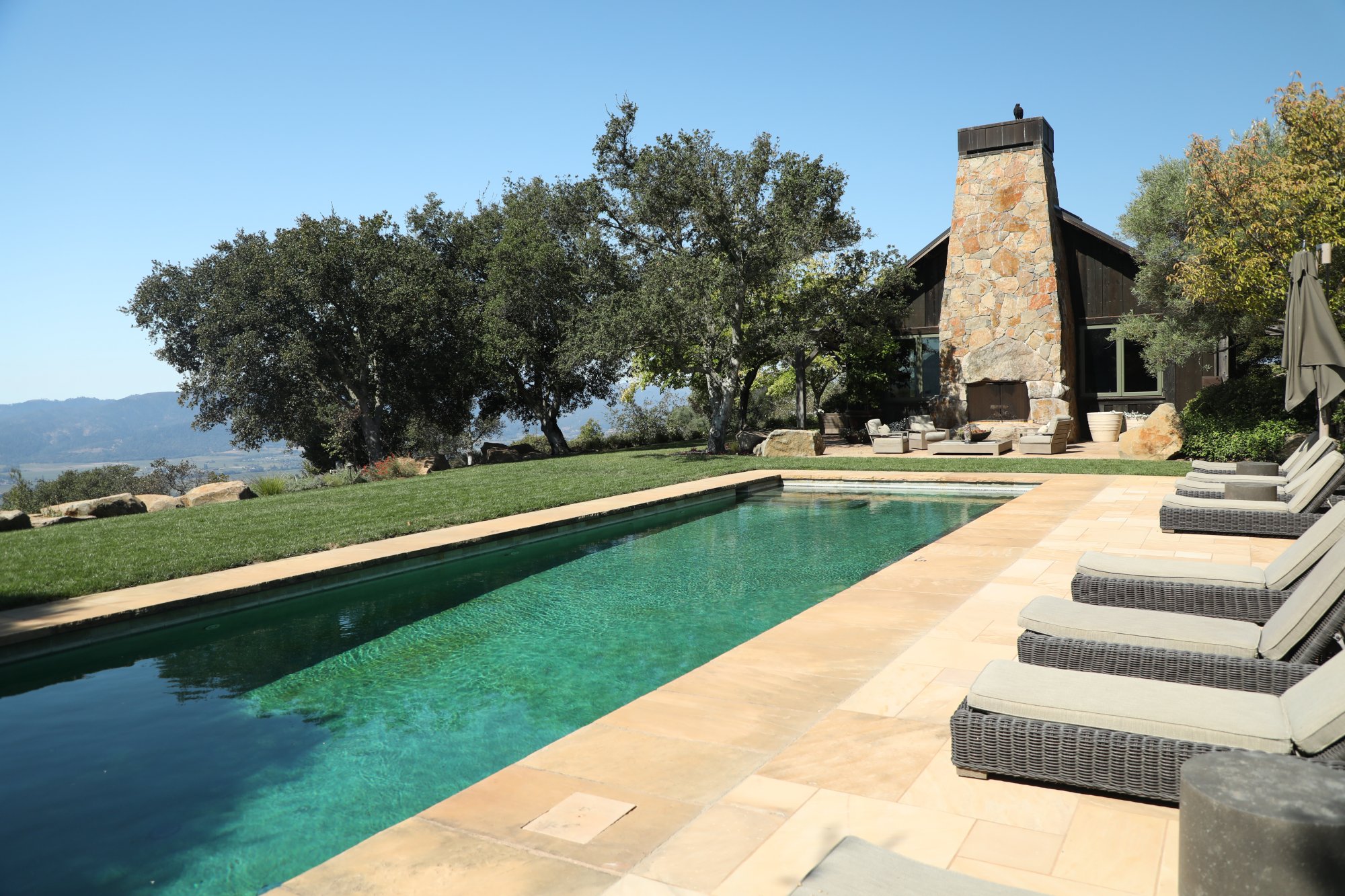
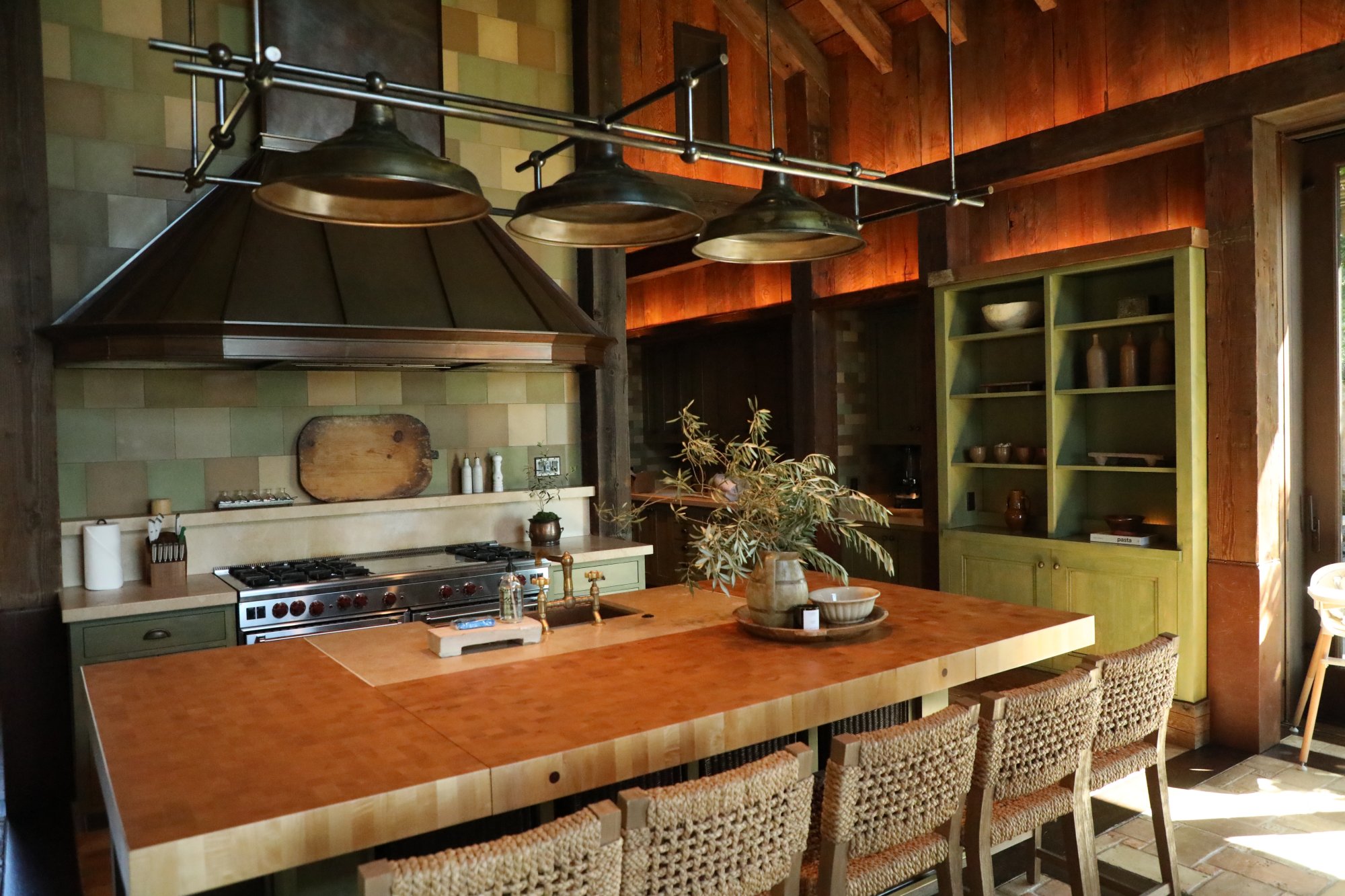
The Johnsons first built the pool house, followed by the main residence. The property features seven bedrooms, all with king beds, accommodating up to 14 guests. There are three kitchens, including one smaller kitchenette. Large timbers used throughout the home came from an actual mill. Despite its grand scale, the property retains a remarkably homey and welcoming feel.
This property is now used as a 30-day minimum vacation rental. Through a partnership with the Thomas Keller Restaurant Group guests at The Howard Backen Estate on Pritchard Hill has access to restaurants within the Thomas Keller Restaurant Group.
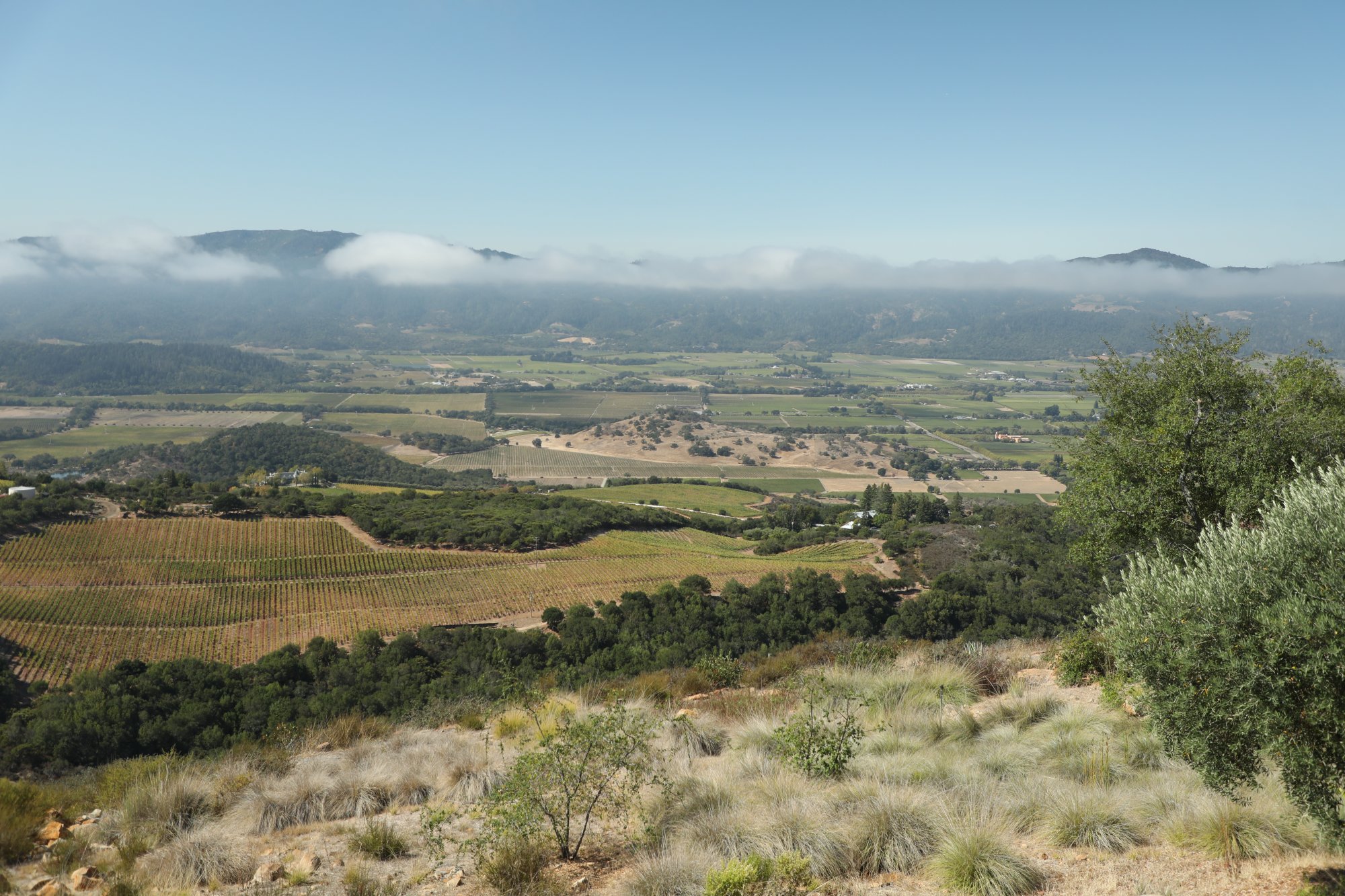
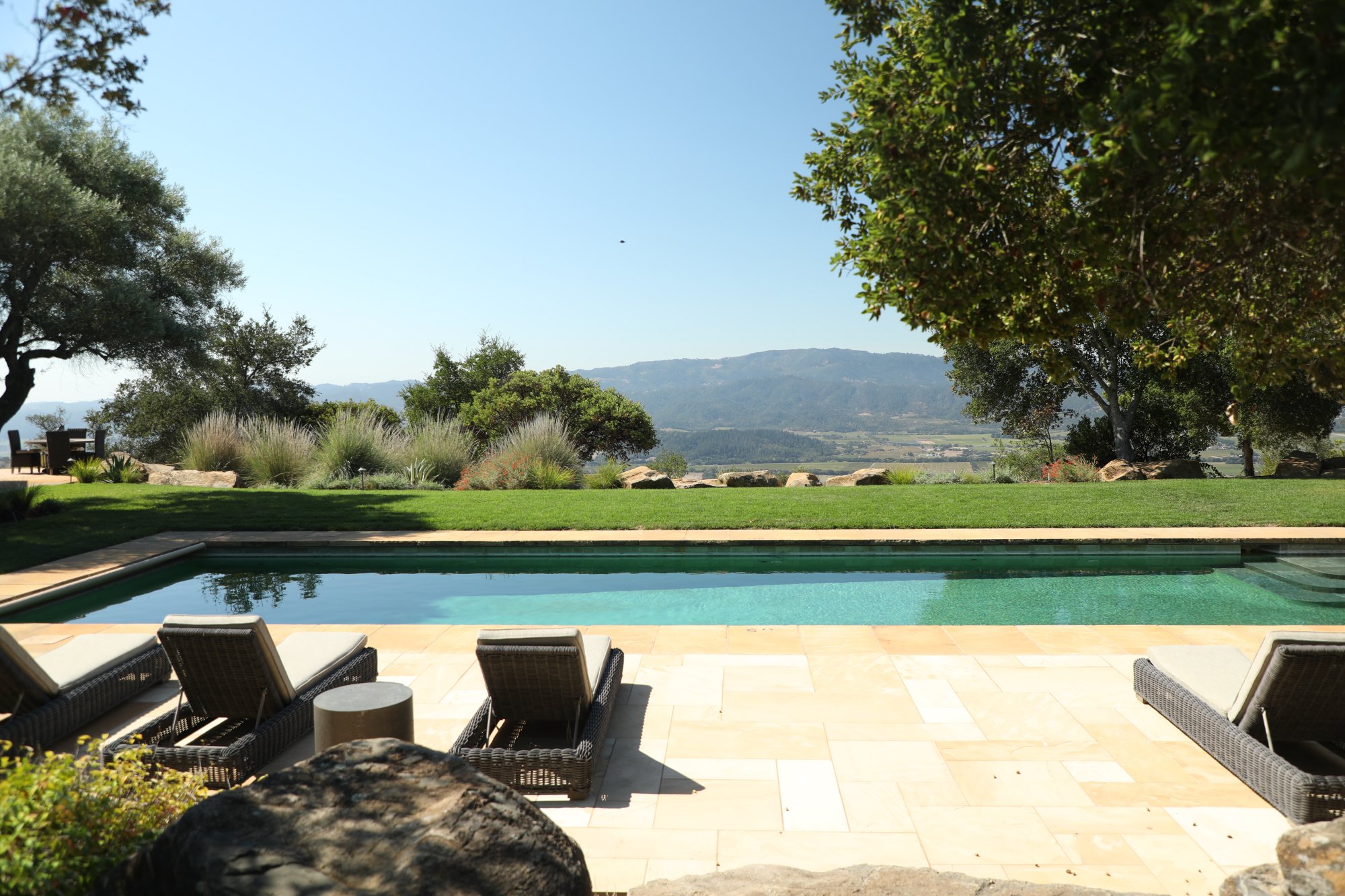
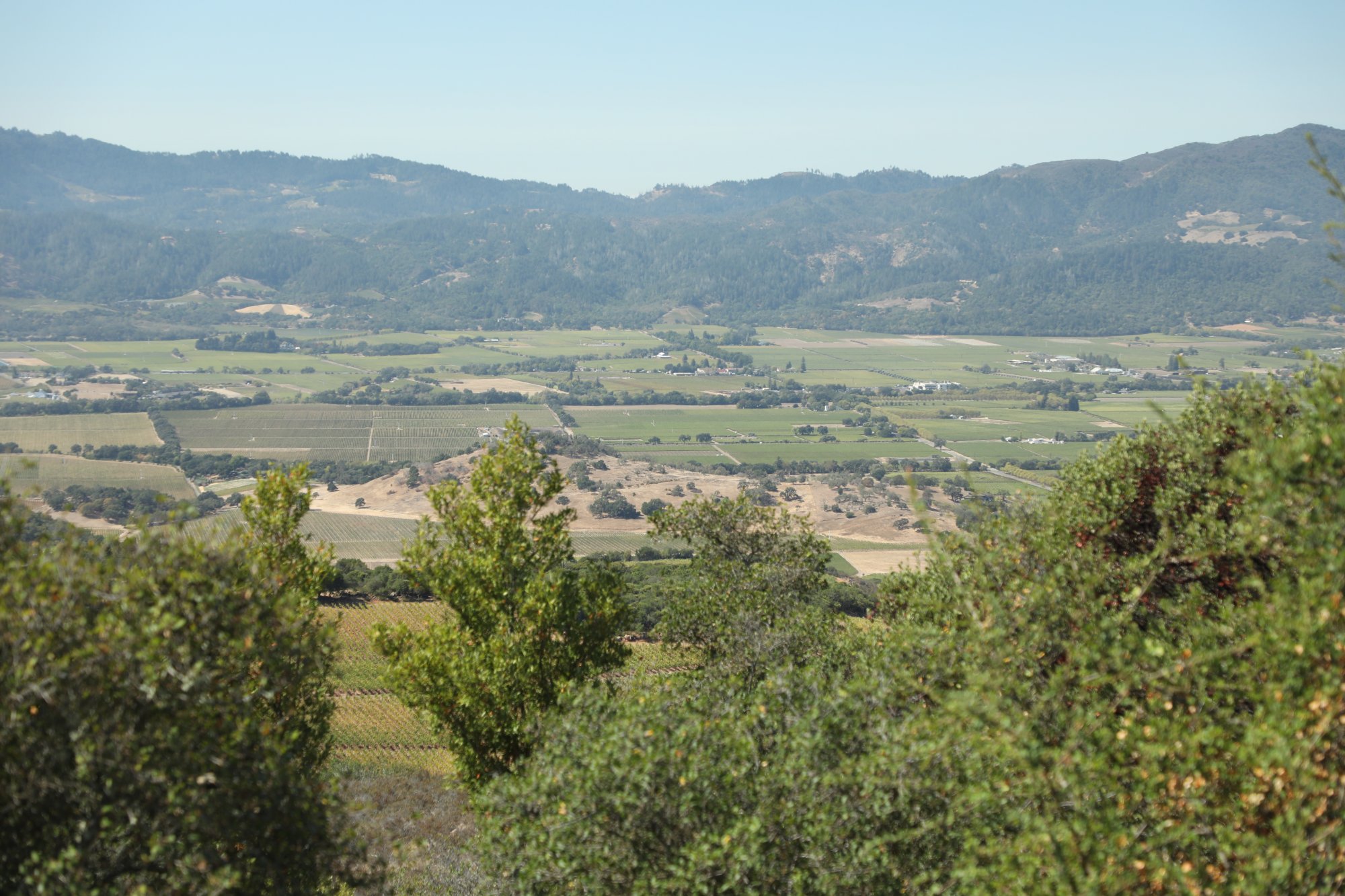
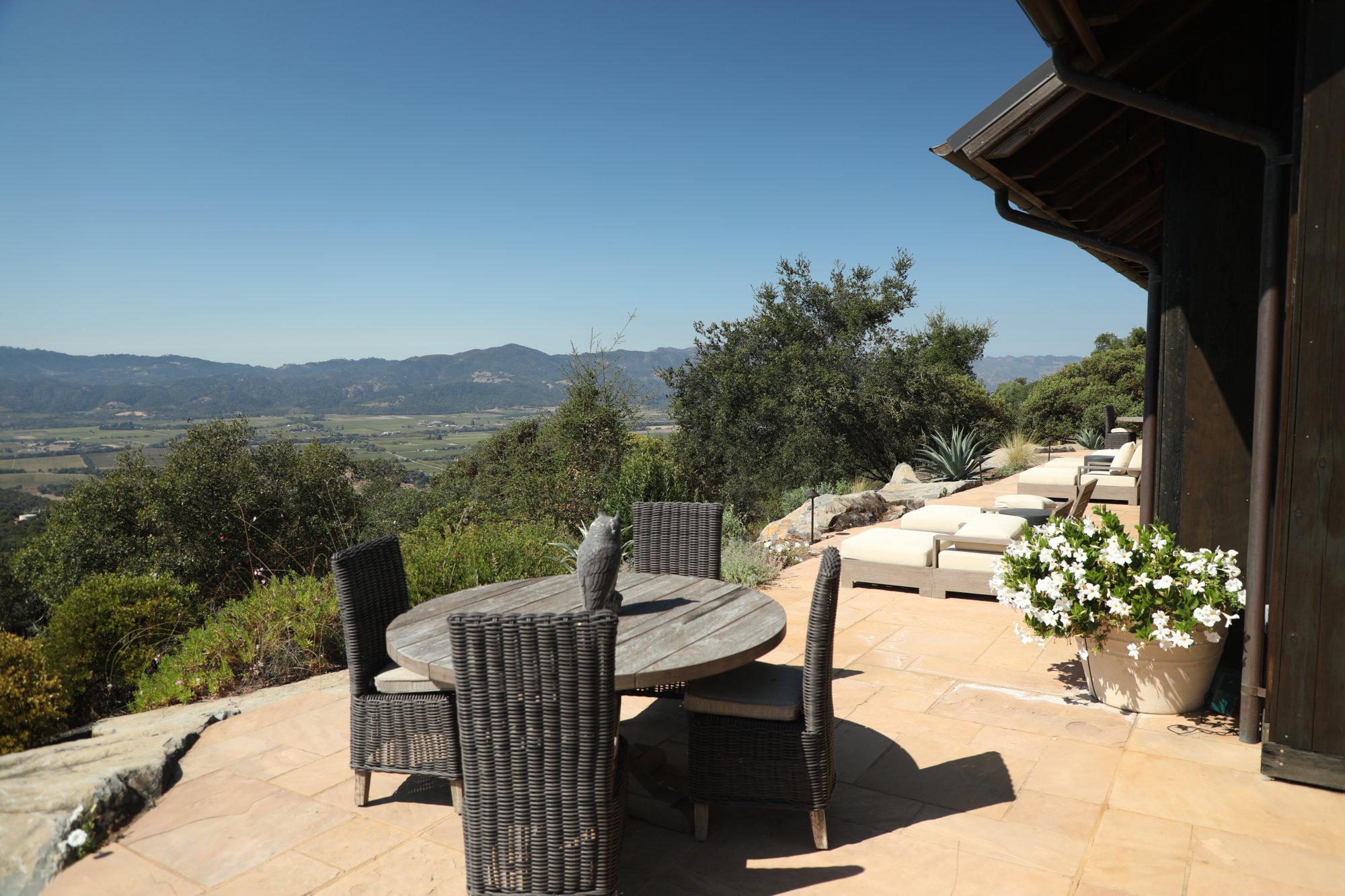
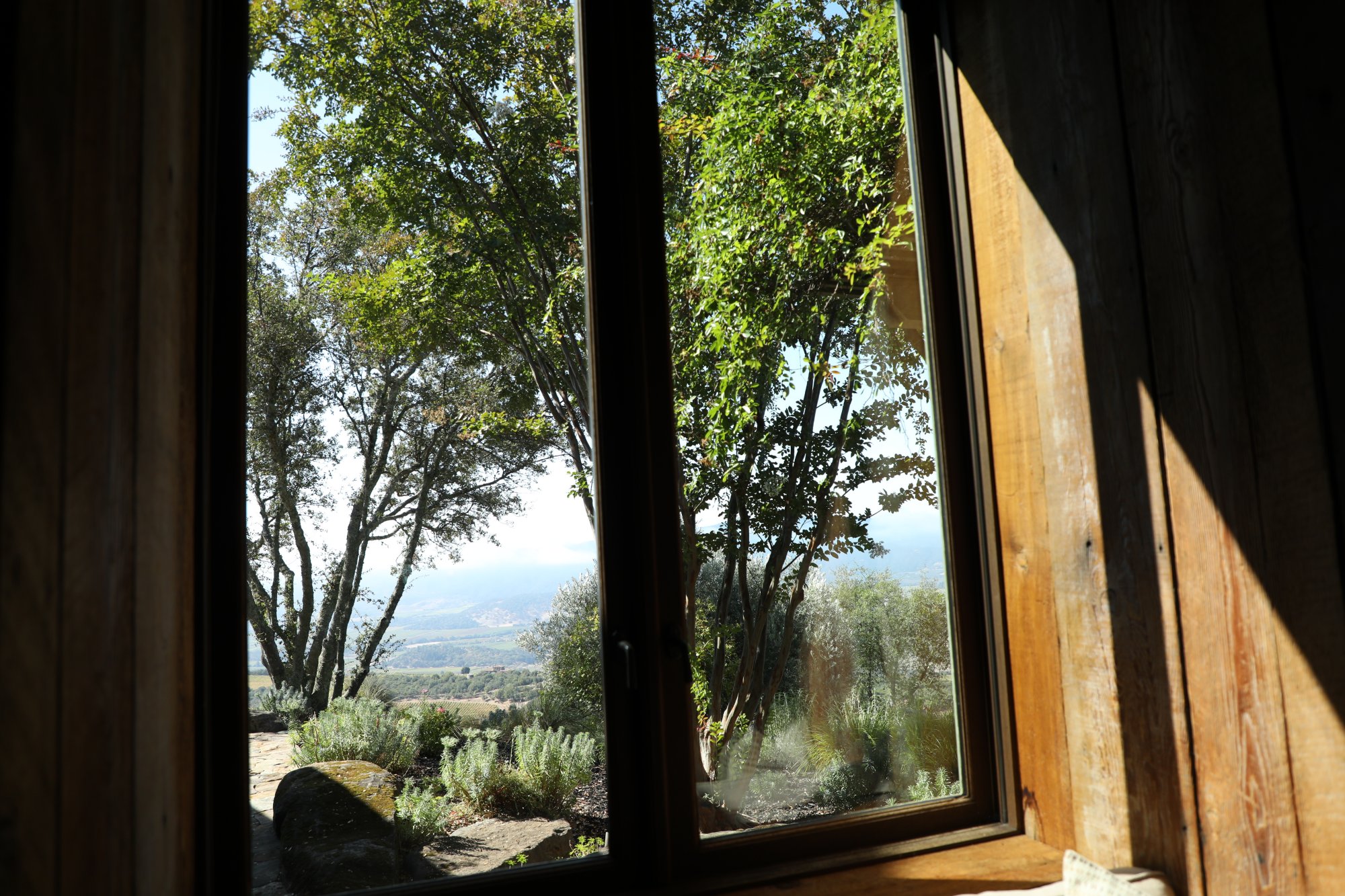
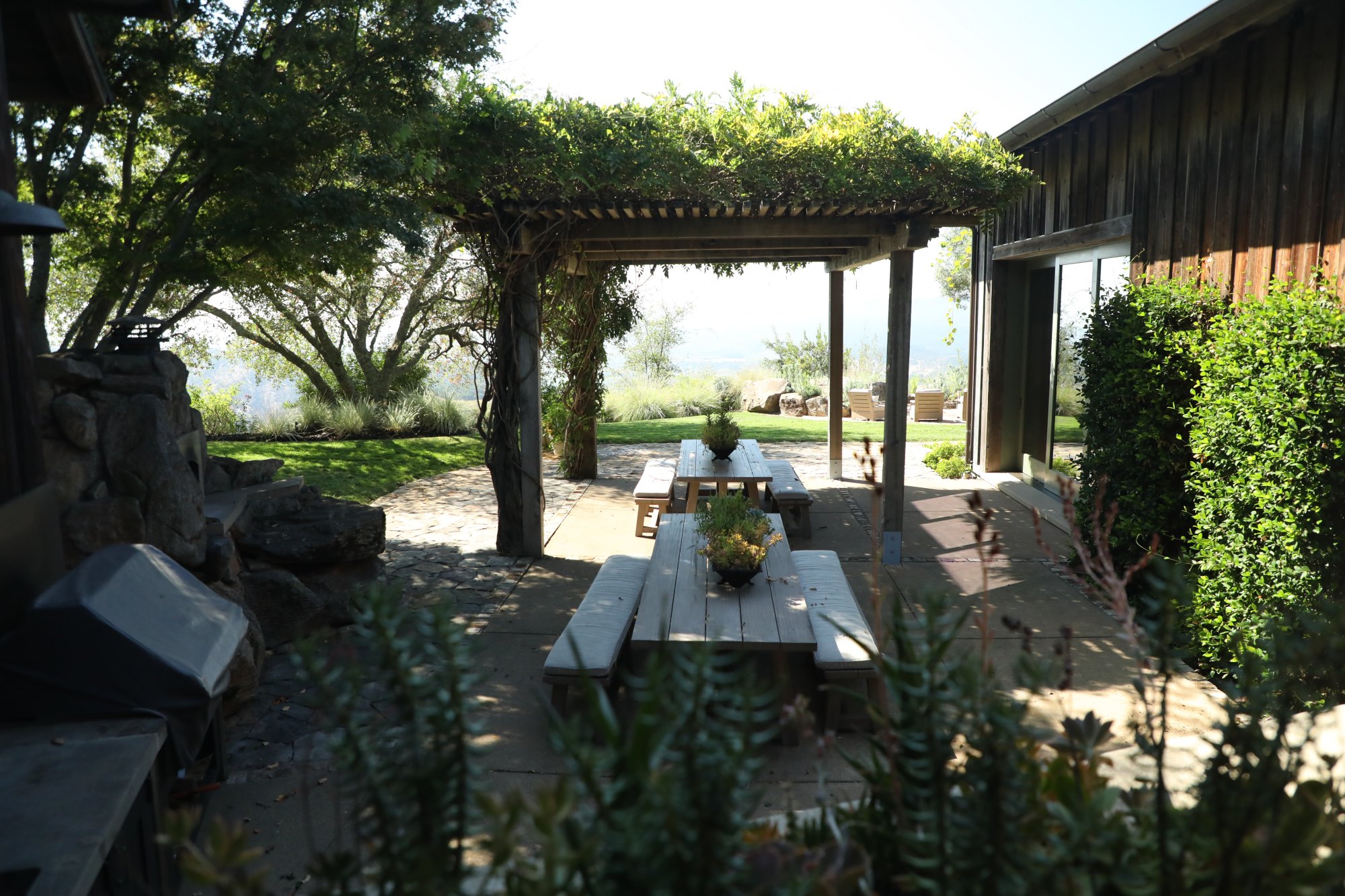
Some of the best views of Napa Valley are from Pritchard Hill and this property takes full advantage of the vistas. The estate encompasses more than 10,000 square feet of structures including the 7,400 square foot primary residence, the private wing suite (adjoining the main house), a guest house with a pool and guest cottages. All structures are within easy walking distance of each other.
In addition to hosting long term stays, the property is also used for private and intimate harvest dinners. The primary property chef is Stefani de Palma. She won Gold at the Bocuse d’Or Americas in 2024 and led Team USA as Head Chef at the prestigious global finals in Lyon. She also maintains the estate culinary garden.
Stays at the estate include access to a coveted network of local partnerships for restaurants, wineries (especially those on Pritchard Hill), transportation and other memorable experiences.
Young Building
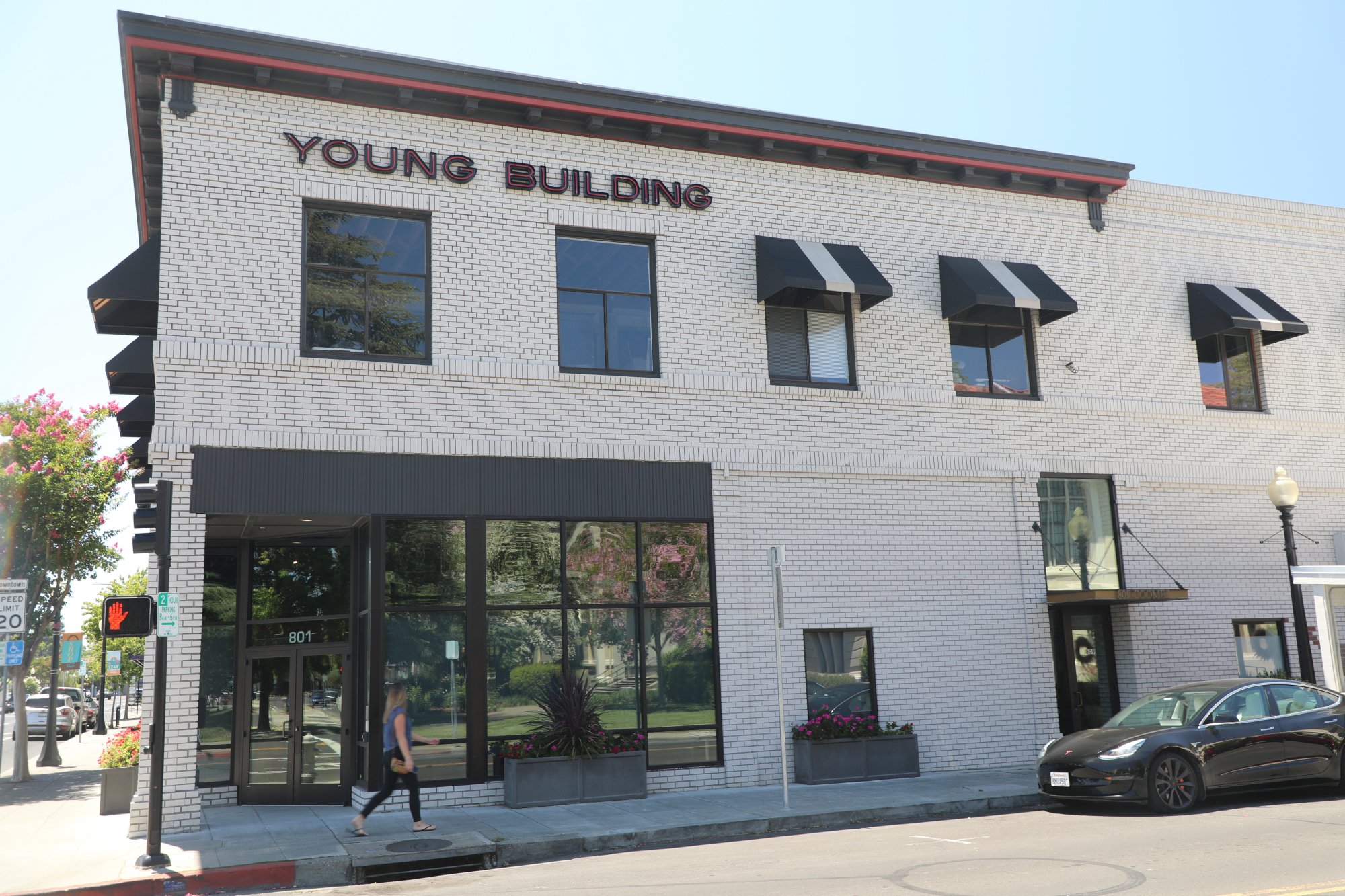 Located at 801 and 809 Coombs Street on the corner of 3rd Street this building is centrally located within downtown Napa and easy walking distance to numerous restaurants shops, wine tasting rooms and the Napa River. Keller also owns the building next door home to A16 Restaurant of which he is also an investor. The Young Building was built in 1920 and was fully remodeled in 2000 with another refresh occurring in 2014. Three residential lofts are located on the second floor.
This building is named after William H. Young, a prominent hardware merchant who used to operate his Young Hardware Store Co., business out of this building. Originally from Illinois he worked in a number of hardware stores prior to moving to Napa including in St. Louis, Los Angeles, Fresno and Santa Rosa. He founded Young Hardware Store Co., in downtown Napa in 1898 on Main Street. After his store burned in 1913, he purchased the present day site of the Young Building from Chancellor Hartson (one of Napa’s pioneer citizens) who used to live on a large property across the street, the current site of an open air parking lot.
In the late 1920s, Young submitted three bids to the U.S. Postal Service for placement of the main Napa post office to be located in downtown Napa including within his building. One of his bids was accepted and in early summer 1927 he moved his hardware store from this location and soon sold, allowing the U.S. Post Office to operate here under a lease. For reference, according to an article published in the Napa Journal dated May 28, 1933 the first post office in the city of Napa opened on April 9, 1850 on First Street near what was Chinatown. The main post office has been located in a number of spaces downtown over the years.
In the 1920s this space was home to the Napa Secretarial School, the Napa Business College, Berglund Tractor and chiropractor, Dr. George Riley who offered colonic irrigations and radionic diagnosis and maintained his practice in the Young Building through at least the 1960s. In the 1930s through the 1950s this was the home to Hagstrom’s Food Store, a chain of 300 stores started by Emil A Hagstrom in 1932 in Oakland, CA. With multiple spaces inside, in the early 1930s was home to Merrill Auto Service, and in the late 1930s it also housed the Napa National Farm Loan Association and the office for chiropractor Dr. Raymond Albers. From 1955 through the 1970s the building housed Herritt’s Gift and Flower Shop. In 1979, American Savings moved into the Young Building where it remained a tenant for a number of years. In 1982 in order to get more people to visit their office, they were offering one free Websters New World dictionary to anyone who stopped by and asked for a copy.
Young died at nearly age 95 in 1955.
Exchange Building
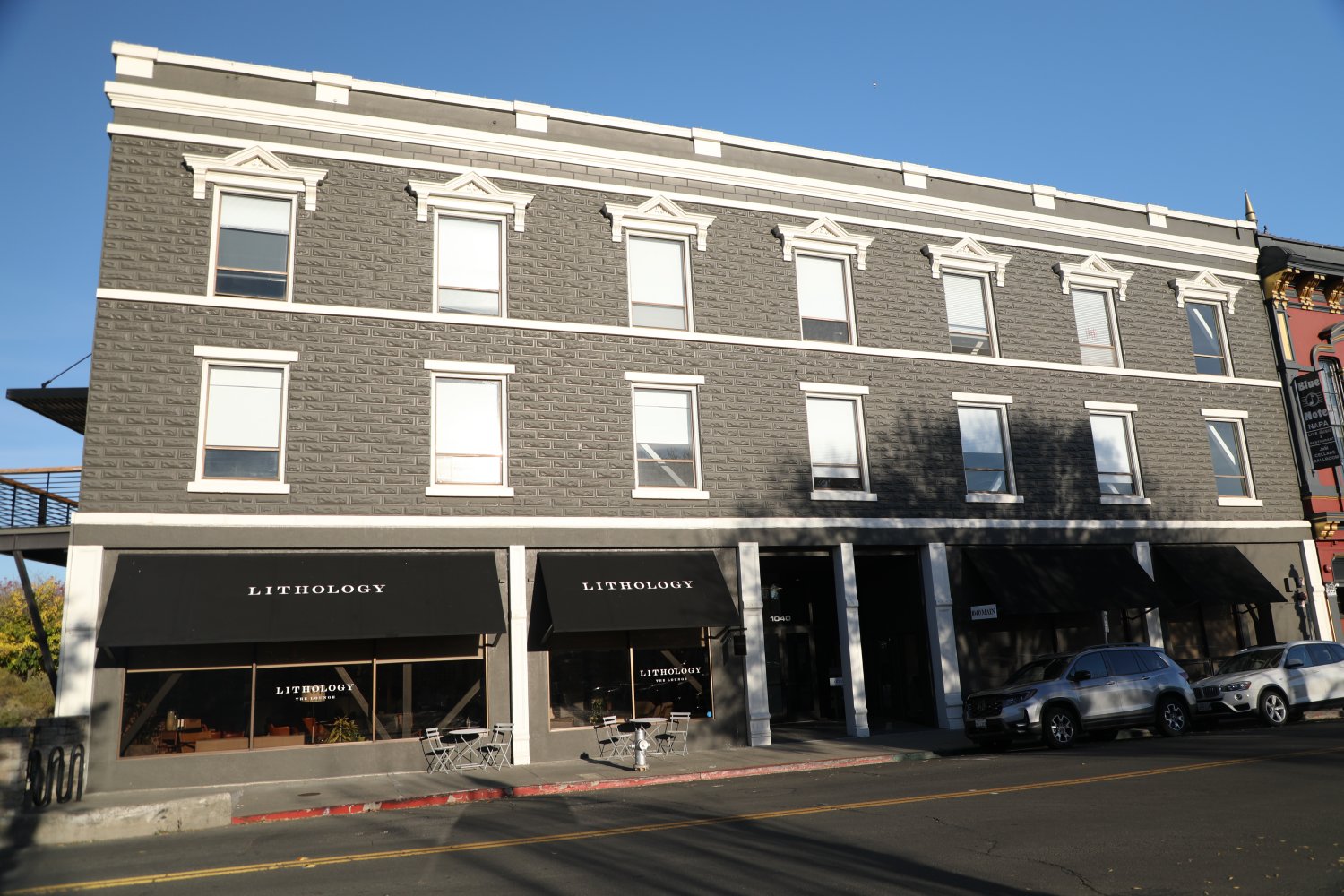 This building in downtown Napa dates from around 1900 and is owned by James and Lindsay Keller. The building features a number of offices and over the years has housed numerous tenants including in the 1980s, a computer repair company and a showroom for various artists and antique dealers. The building borders one side of the historic Napa Valley Opera House.
This is where James Keller Real Estate is headquartered. One of the tenants is Simon Family Estate, who operate a gorgeous tasting salon on the third floor.
A small open-air parking lot is located across the street from the tasting room as is the worth-visiting 9/11 Memorial created by well-known Napa artist and resident, Gordon Huether. A larger parking lot is within a very short walk of the Exchange Building, on the other side of Napa Creek and is where the weekly Napa Farmers’ Market is held every Saturday.
Franklin Station Hotel & Residences
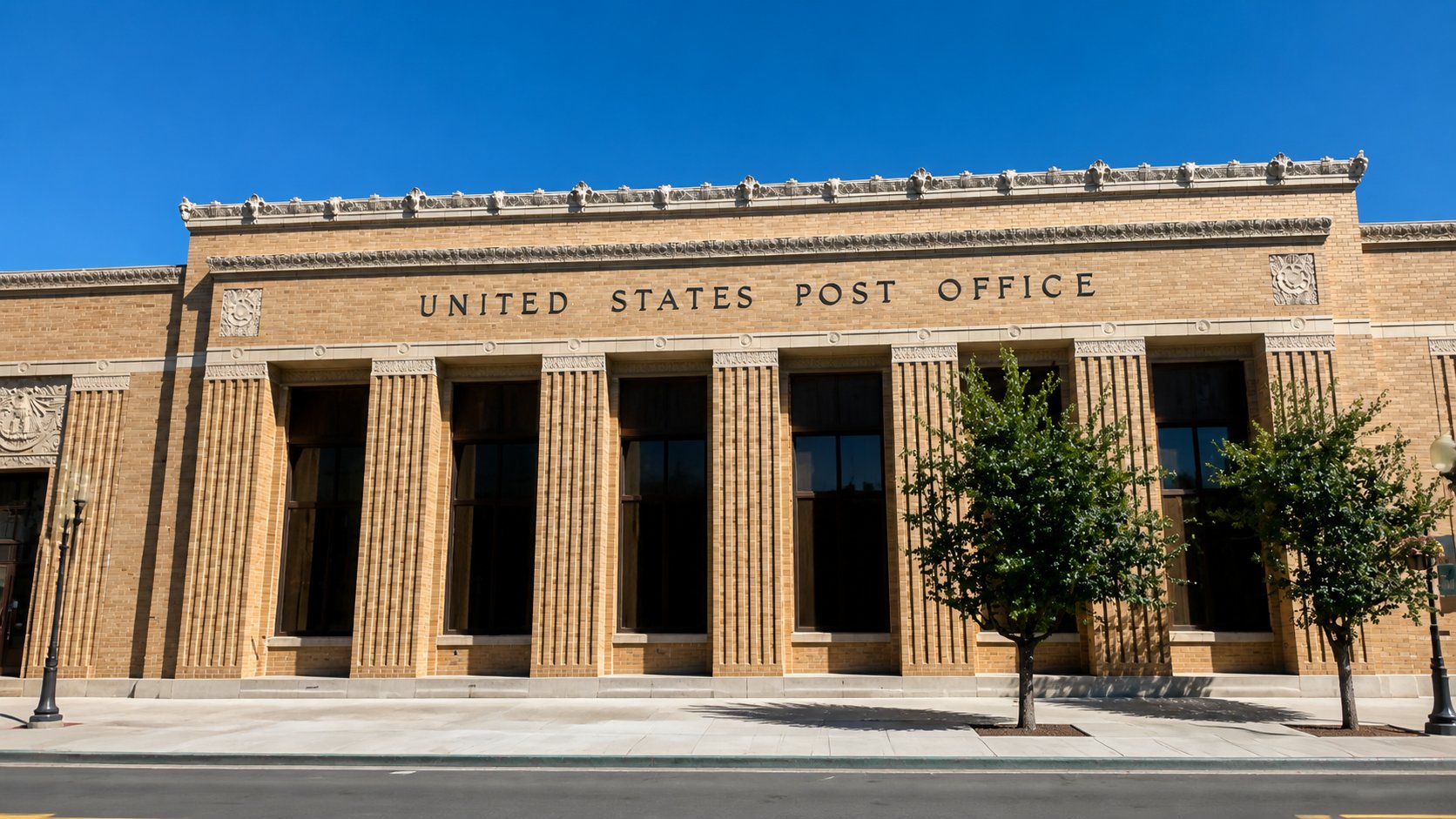 Formerly the main downtown Napa Post Office, this building was permanently closed following the 6.0 South Napa earthquake at 3:20am on August 24, 2014. We were trekking in Kyrgyzstan when this earthquake hit and remember receiving a number of texts from friends in Napa soon after wondering if we were ok.
This beautiful Art Deco brick building was constructed in 1933 with federal funds coming from the Public Works Administration. The building was designed by architect William H. Corlett. The cornerstone was laid on Saturday May 27, 1933 with Nathan F. Coombs in attendance as the festivities main speaker, the grandson of the founder of Napa City, Nathan Coombs. Numerous items were placed within the box inside the cornerstone including copies of newspapers, letters, photographs of the first Napa post office, other photographs, city directory, copies of various publications and other items that would how be of great historical value.
The giant antique lanterns outside of the building date back to the Panama Pacific International Exposition held in San Francisco in 1915. This building was added to the National Register of Historic Places in 1985. Following the major earthquake caused damage, the U.S. Post Office wanted to remove it and build another one in its place. Did not happen.
Still in progress is the potential to turn this into a hotel including a rooftop café and bar, pool and lounge, restaurant, event spaces, lobby lounge, spa, fitness center, and perhaps a speakeasy in the basement. Preserving its beautiful lobby is part of the overall plans. And build a 40-unit condominium next to this old building with covered parking and retail shops.
THOMAS KELLER RESTAURANT GROUP (TKRG)
Note: we will visit and dine at these restaurants as time and budget allow.
The French Laundry
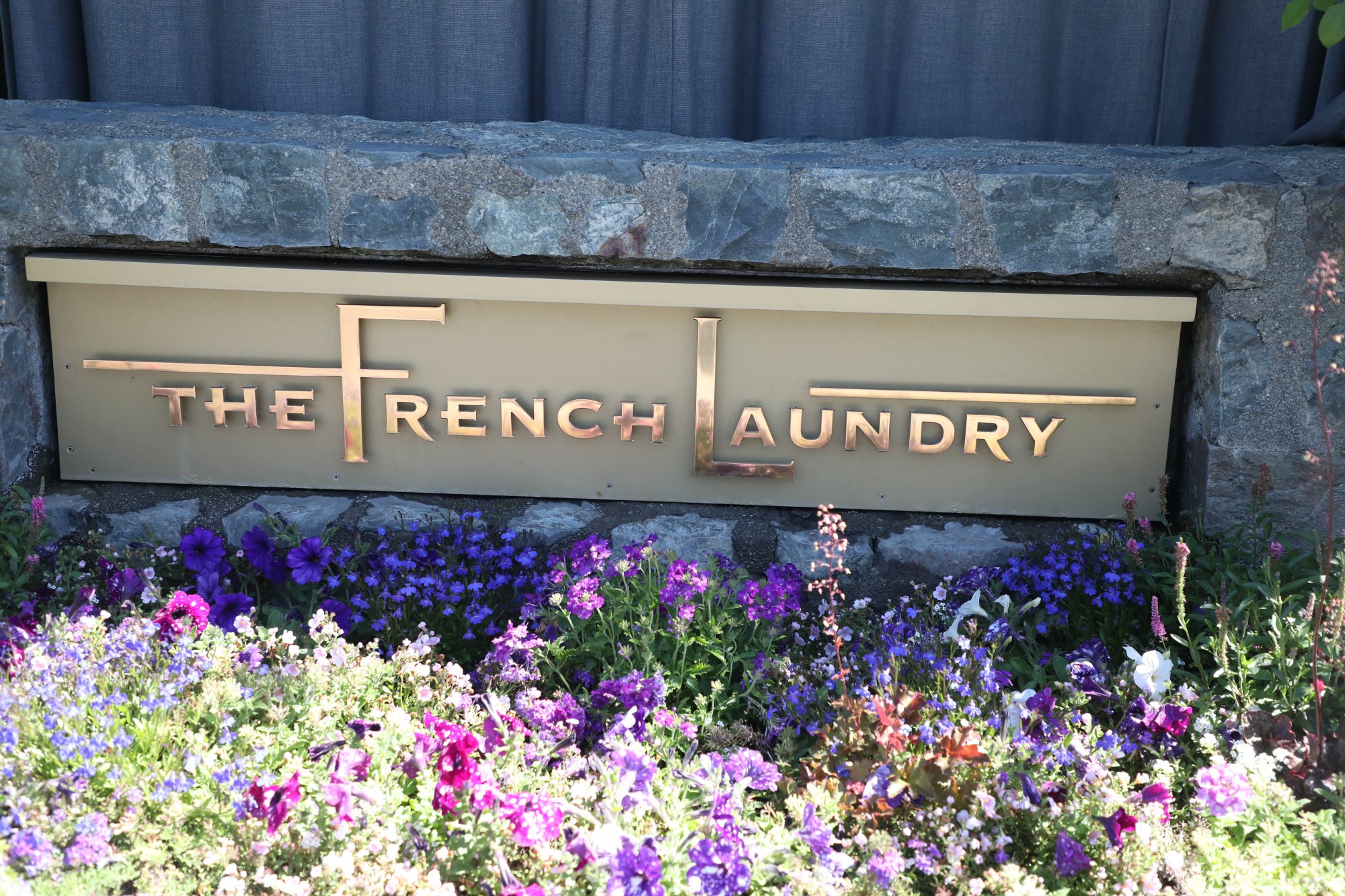
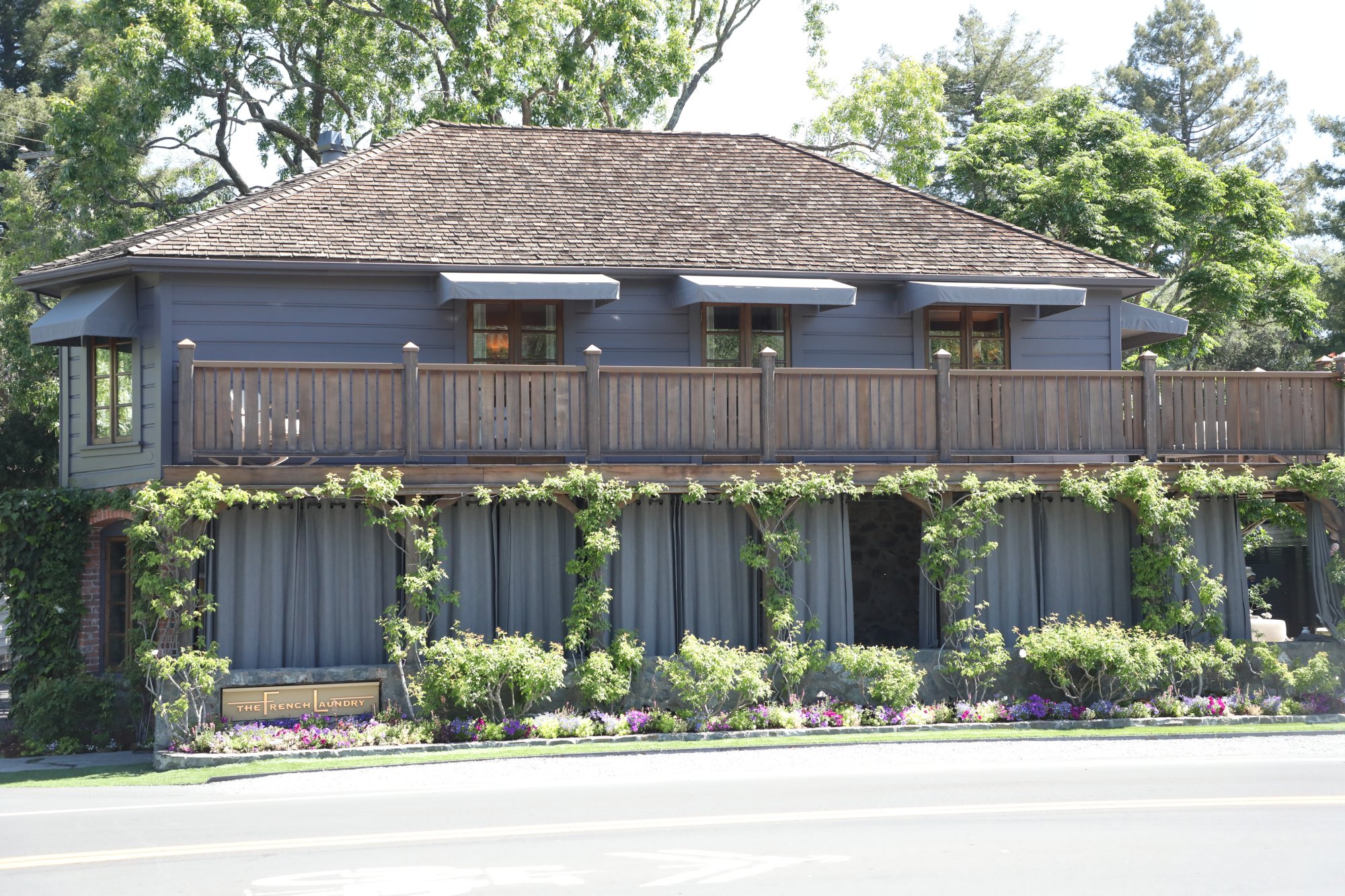
The French Laundry is one of those restaurants that people talk about almost in a mythical way, but what makes it truly memorable is not just the food — it is the entire experience. Visitors to the valley sometimes plan their trip around whether they were able to secure coveted reservations here or not. Located in Yountville, the restaurant is inside a restored stone building that originally functioned as a steam laundry in the early 1900s. Chef Thomas Keller purchased the property in the 1990s and transformed it into what many consider one of the finest restaurants in the United States.
What stands out immediately about The French Laundry is the attention to detail. Nothing feels rushed or careless. From the moment guests arrive, the service is polished but also warm and welcoming. Despite its international reputation and three Michelin stars, there is very little pretension in the atmosphere. The dining rooms are intimate rather than grand, helping create a surprisingly relaxed environment considering the level at which the restaurant operates.
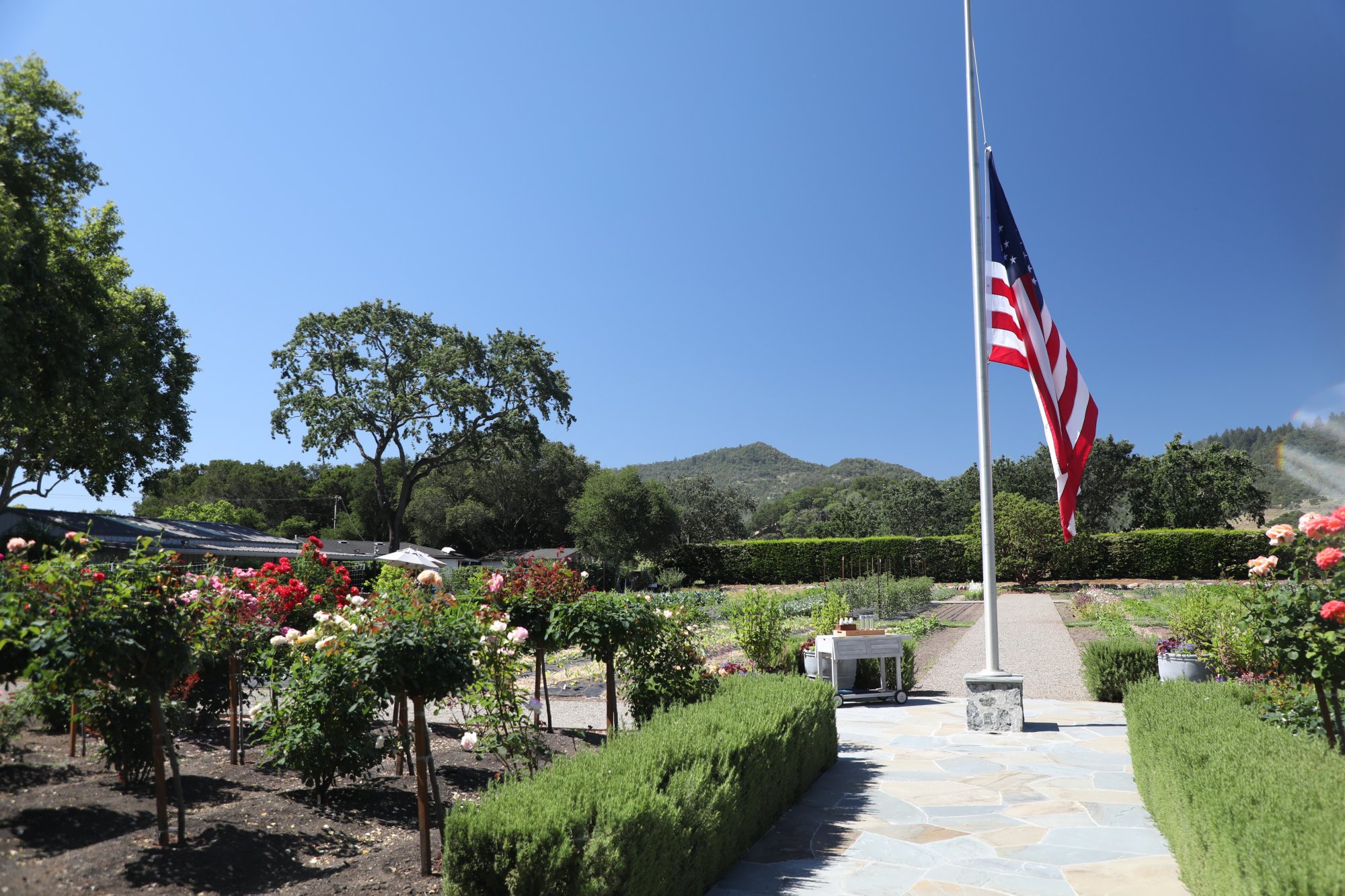
The restaurant serves two separate tasting menus each evening — one built around seasonal ingredients and another entirely vegetarian. No ingredient is repeated throughout the meal, which is especially impressive considering the number of courses. The cuisine is rooted in French technique but strongly influenced by California’s access to exceptional produce, seafood, and local ingredients. Many herbs and vegetables are sourced directly from the restaurant’s own garden located just across the street which passer-bys can get a glimpse of over the wooden entrance gate. Additional produce comes from the self-titled, Secret Garden, also in Yountville managed by culinary farmer Peter Jacobsen.
The dishes themselves are often refined rather than flashy. Keller’s cooking emphasizes precision, balance, and clarity of flavor over unnecessary complexity. Signature dishes such as “Oysters and Pearls,” a sabayon of pearl tapioca with oysters and caviar, have become iconic not because they are extravagant, but because every component works perfectly together. Even simple preparations can leave a lasting impression because of the care behind them.
Wine also plays a major role in the experience. The French Laundry’s cellar is legendary, with deep selections from both Napa Valley and some of the greatest wine regions in the world. The sommeliers are highly knowledgeable without making guests feel intimidated, and pairings are thoughtfully chosen to complement the progression of the meal.
Dining at The French Laundry is expensive and reservations are famously difficult to secure, but for many people it becomes more than just dinner. In our experience it is easier to try for a four-person reservation rather than two. Tables for couples are in high demand here. The French Laundry also keeps several tables available for last minute VIP’s or requests from vetted sources. Once a year the restaurant closes down temporarily and undergoes a full interior reimagination and refresh.
Ad Hoc, Yountville
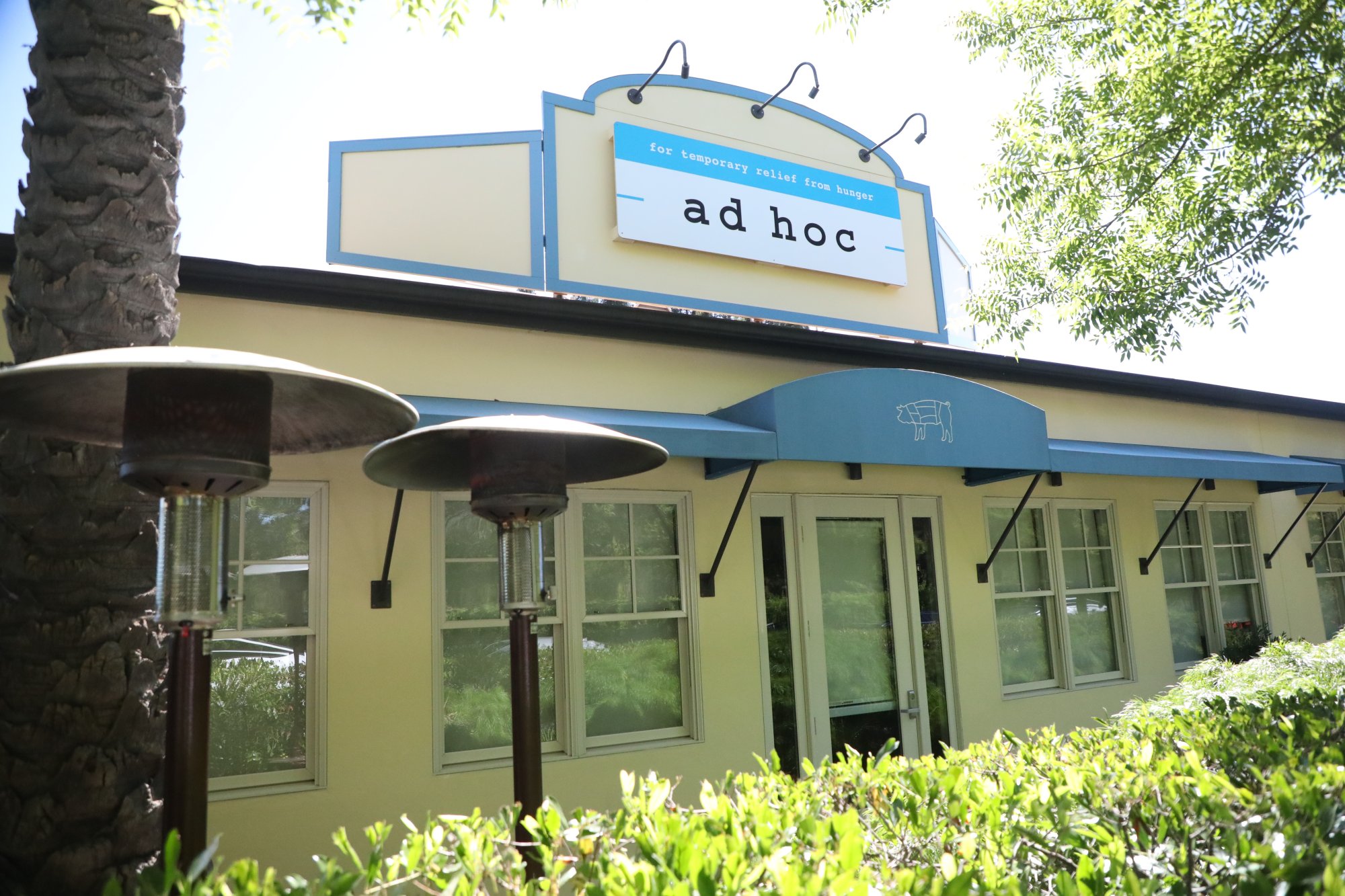
Ad Hoc in Yountville is one of chef Thomas Keller’s more casual Napa Valley restaurants. Ad Hoc opened in September 2006 and was originally intended to be temporary—the name literally means “for this purpose.” Keller planned to use the Washington Street space only while his team developed another restaurant concept. Instead, Ad Hoc quickly developed a following among locals and visitors and became a permanent part of Yountville’s dining scene.
The restaurant was created around the American comfort foods Keller remembered from childhood, with meals served family-style to encourage guests to share dishes around the table. Ad Hoc offers a menu that changes daily, allowing the kitchen to work with seasonal ingredients while preparing familiar dishes such as pot roast, barbecue and other hearty American classics.
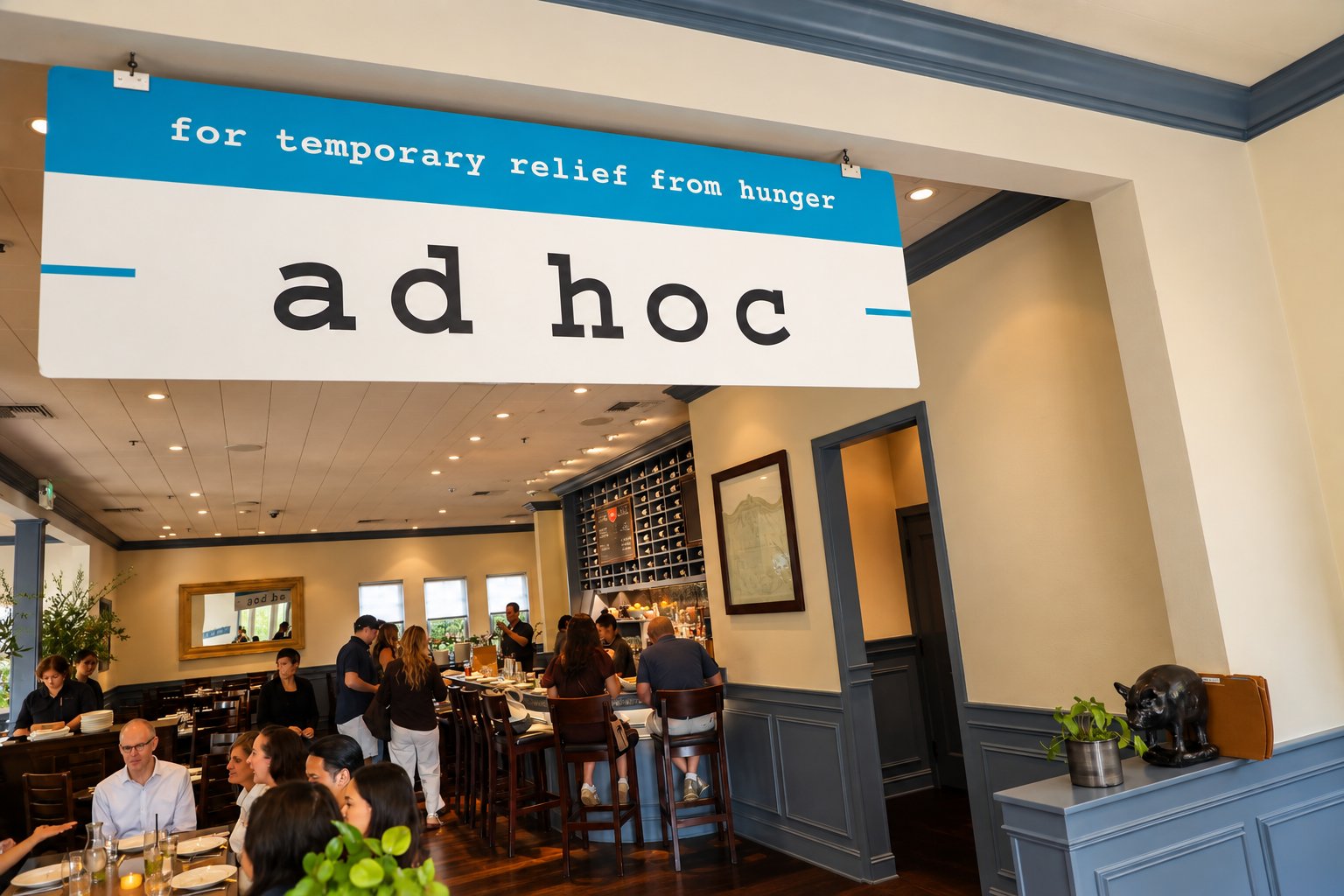 Ad Hoc is perhaps most associated with its buttermilk fried chicken, a dish that became one of the restaurant’s signatures and helped inspire Keller’s Ad Hoc at Home cookbook, published in 2009. The buttermilk fried chicken can also be ordered to go. However, rather than chickens, the restaurant features numerous figurines, statues and or other visuals of pigs.
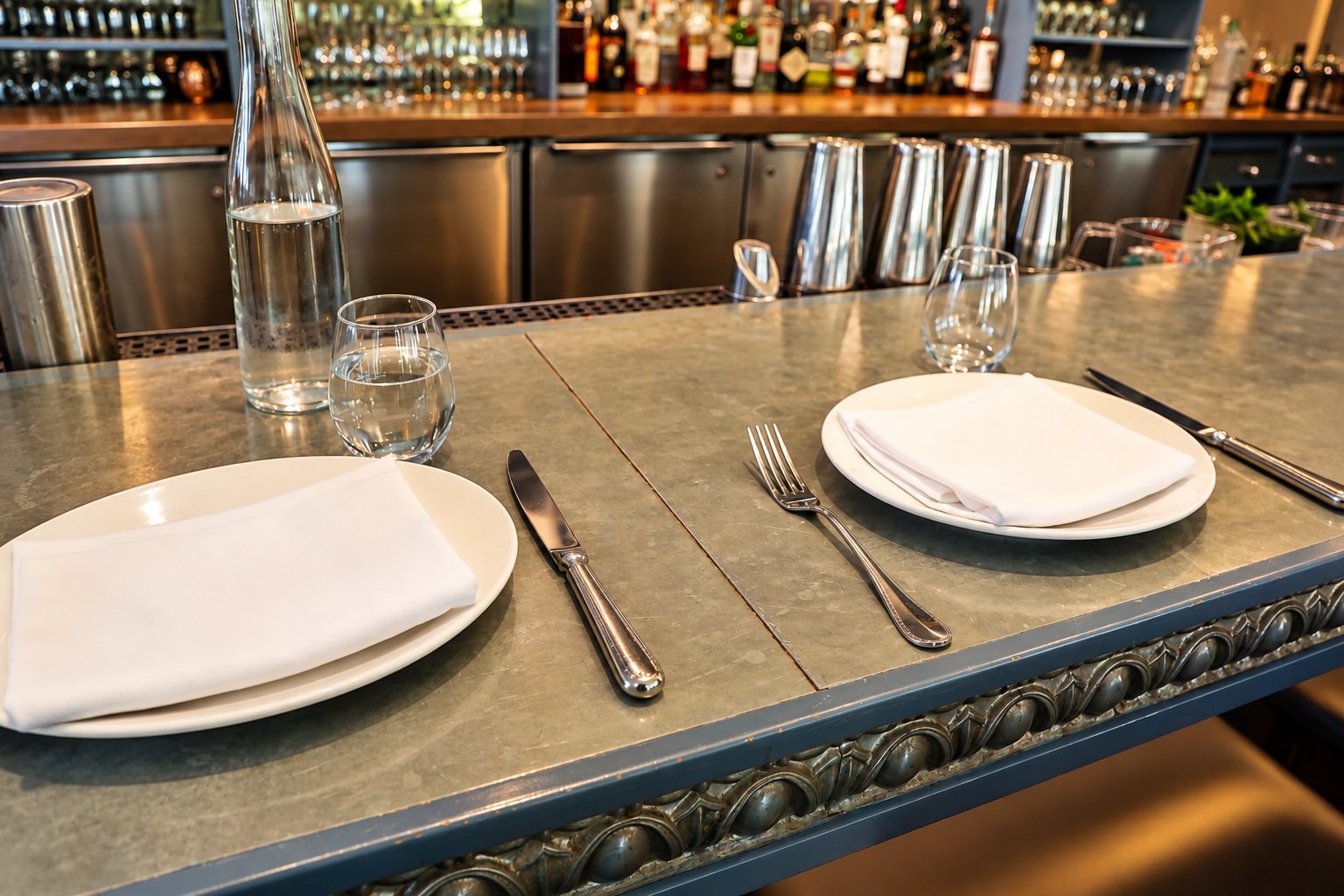
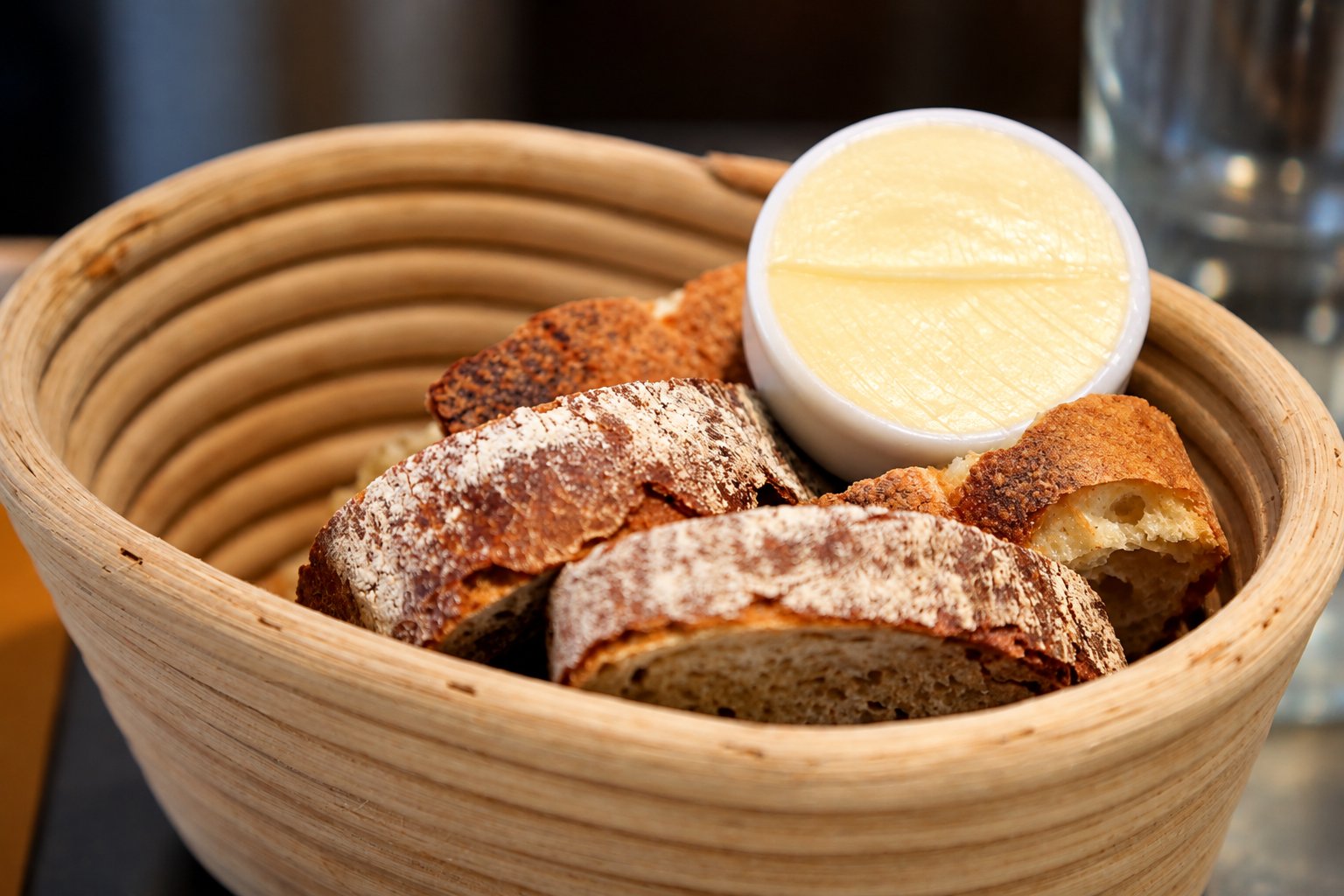
Primarily open for dinner daily, Ad Hoc also serves lunch Friday through Sunday. Patrons for lunch or dinner choose from a prix fixe menu available at any of the tables in the restaurant, or diners can choose to sit at the bar and choose individual items from the prix fixe menu. Bread is baked fresh daily from the nearby Bouchon Bakery.
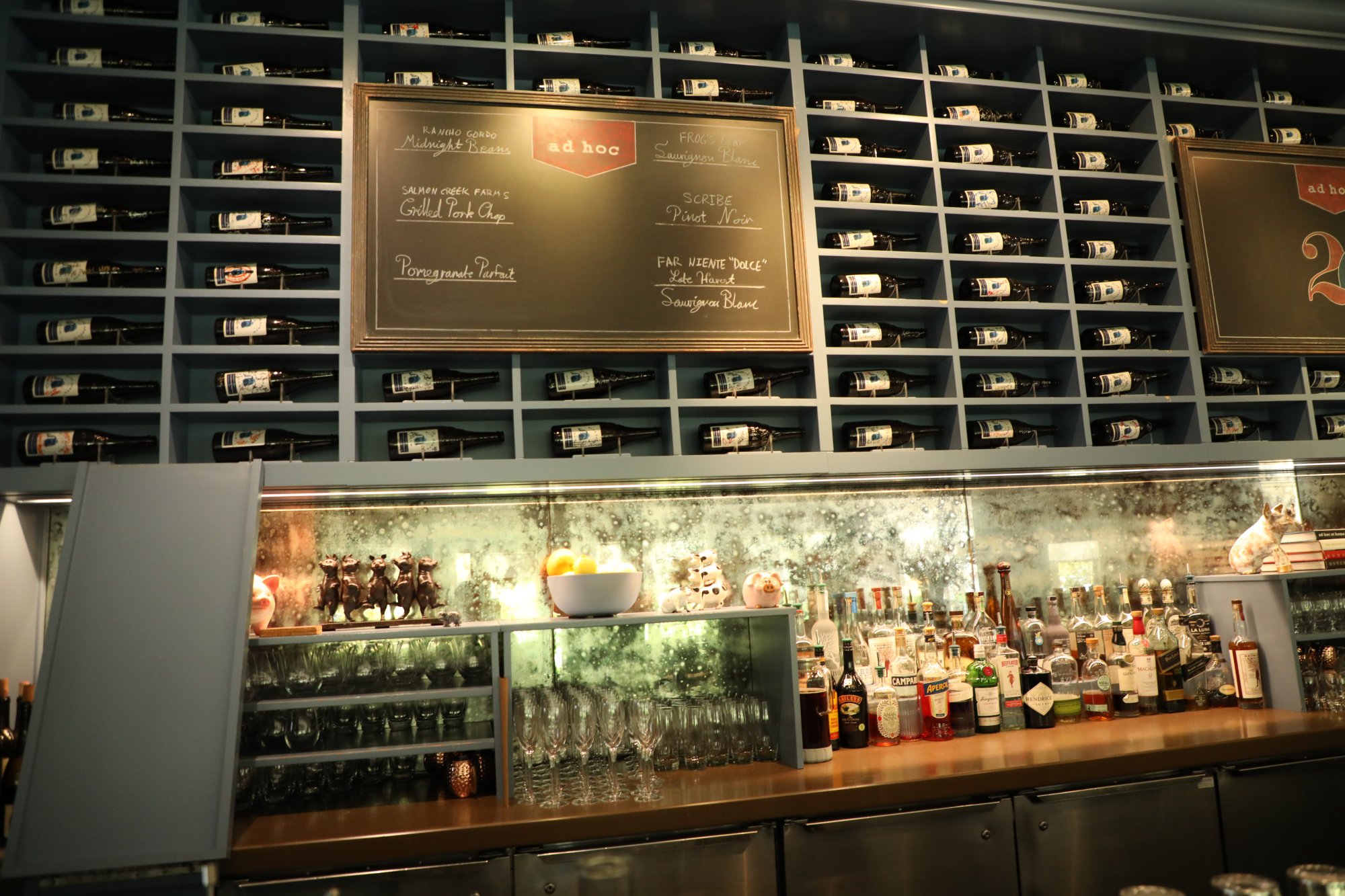
Sitting behind the bar on shelves are a number of signed beer bottles. These were made in partnership with Thomas Keller and Screaming Eagle’s winemaker Nick Gislason. These bottles are signed, featuring signatures of friends of Keller, vintners, winemakers and or regular patrons to Ad Hoc.
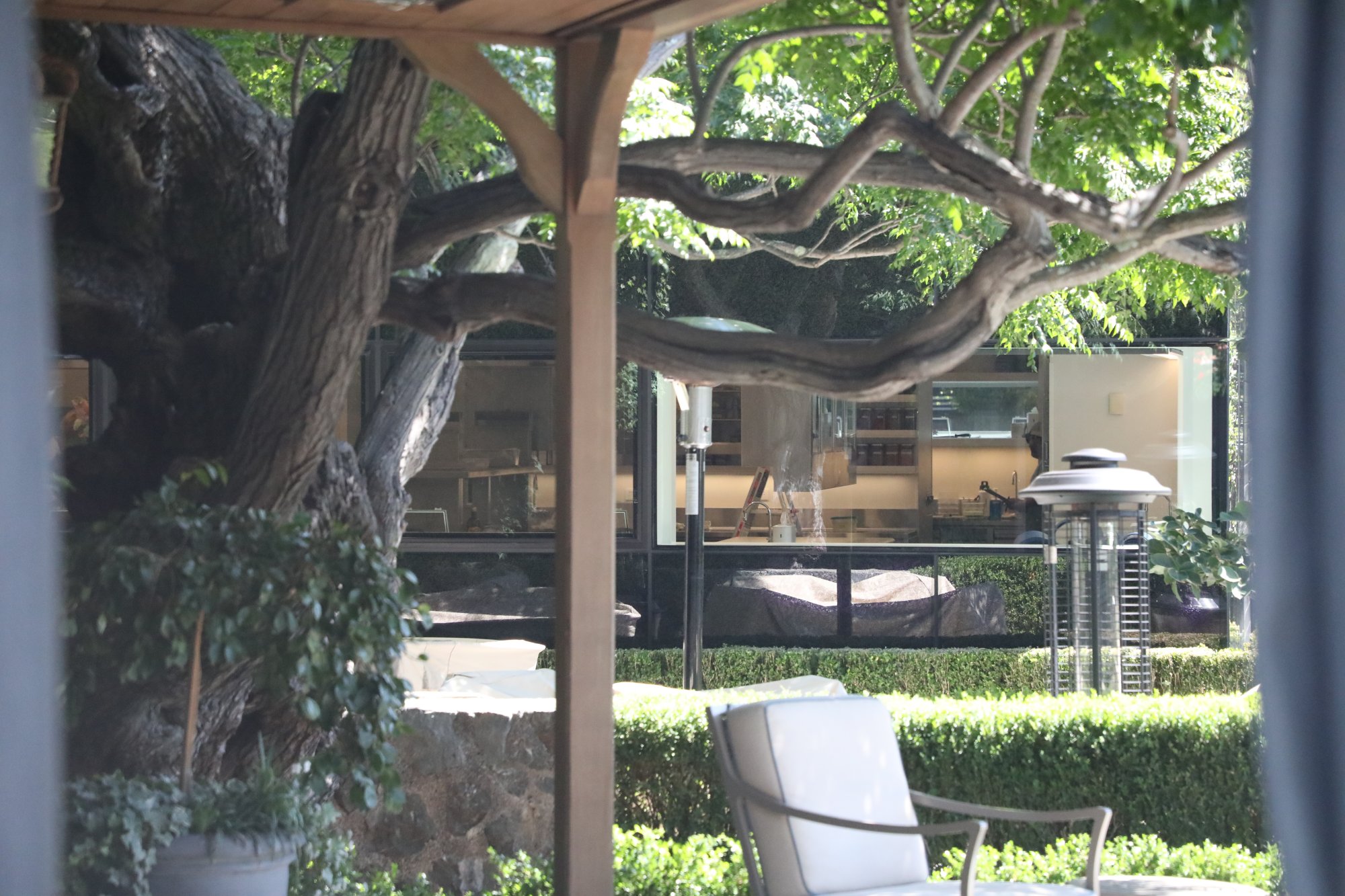
Ad Hoc shares the parking lot to the rear of the restaurant with Ad Hoc Addendum. Also worth mentioning is the cork tree with lots of character growing on one side of the parking lot. Yes, this is the same species of cork used for closures in wine bottles.
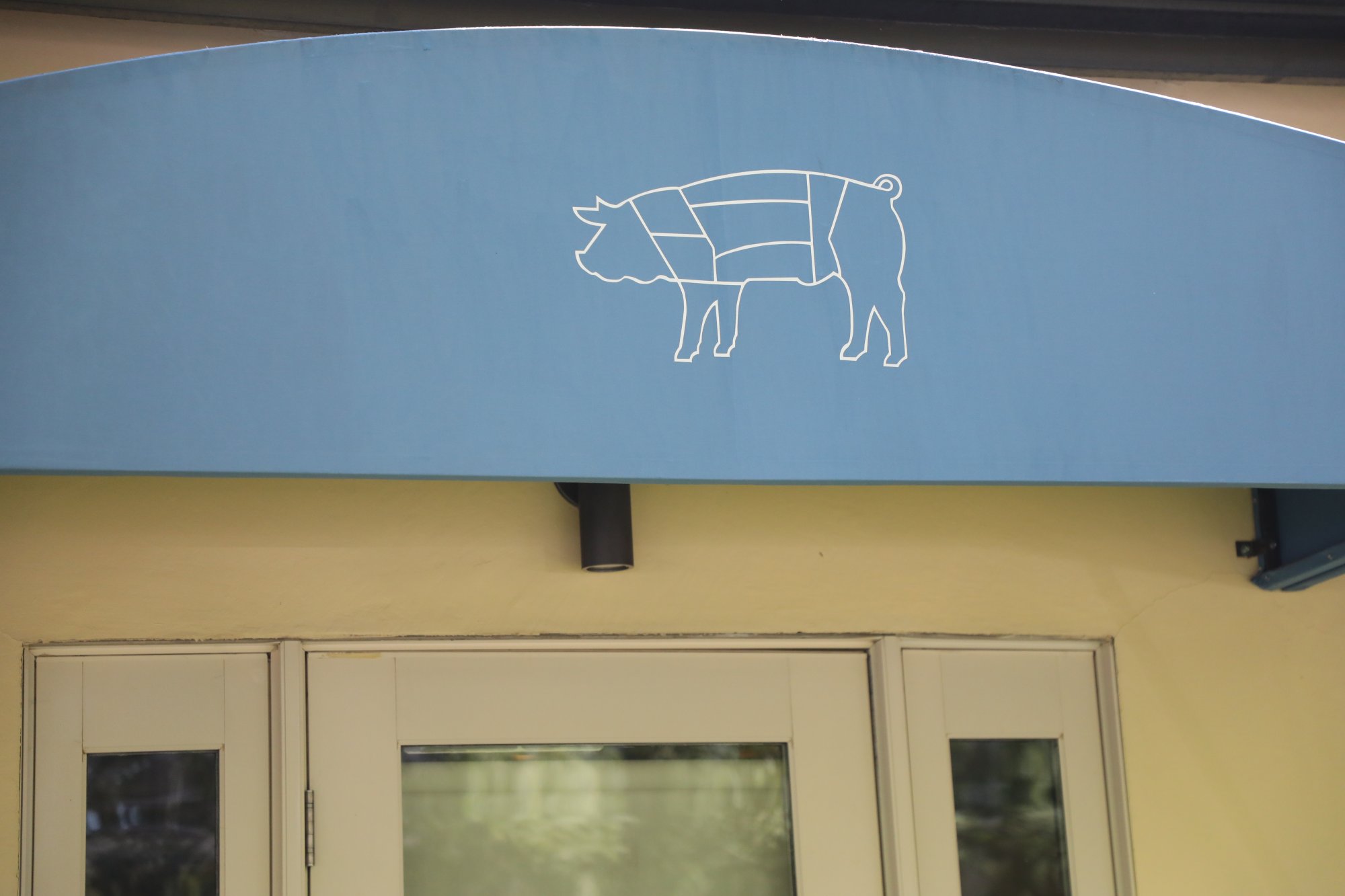
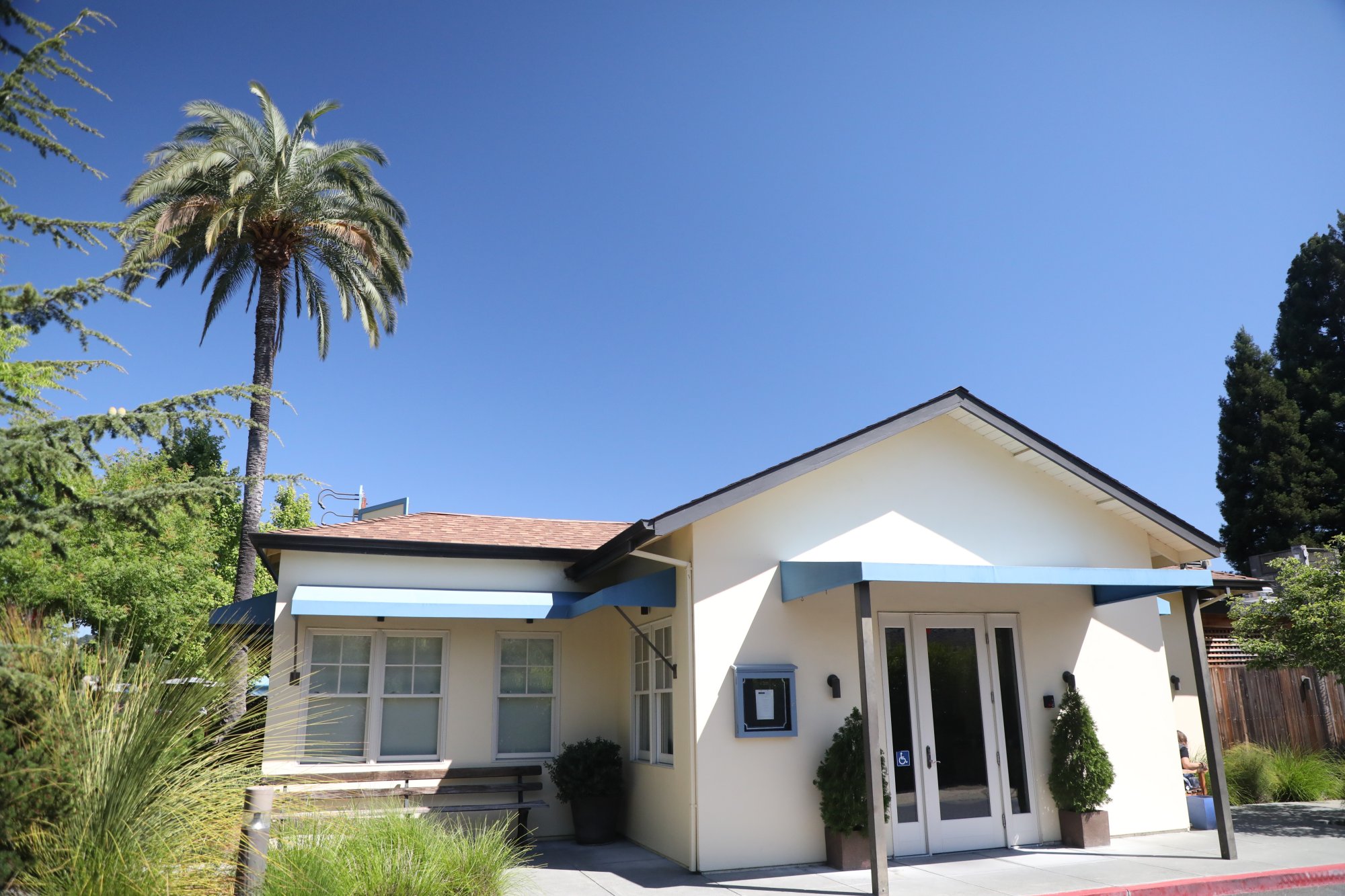
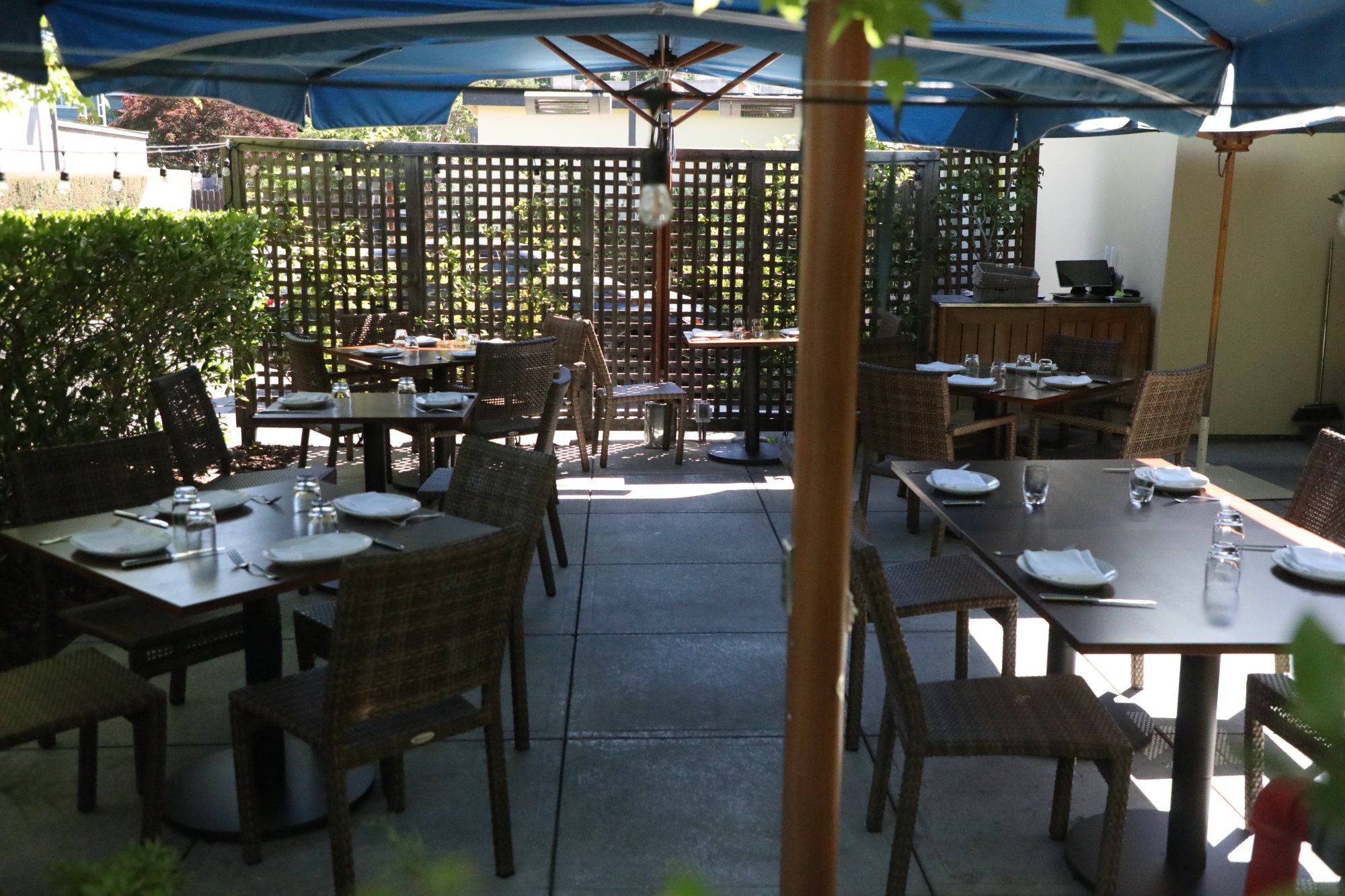
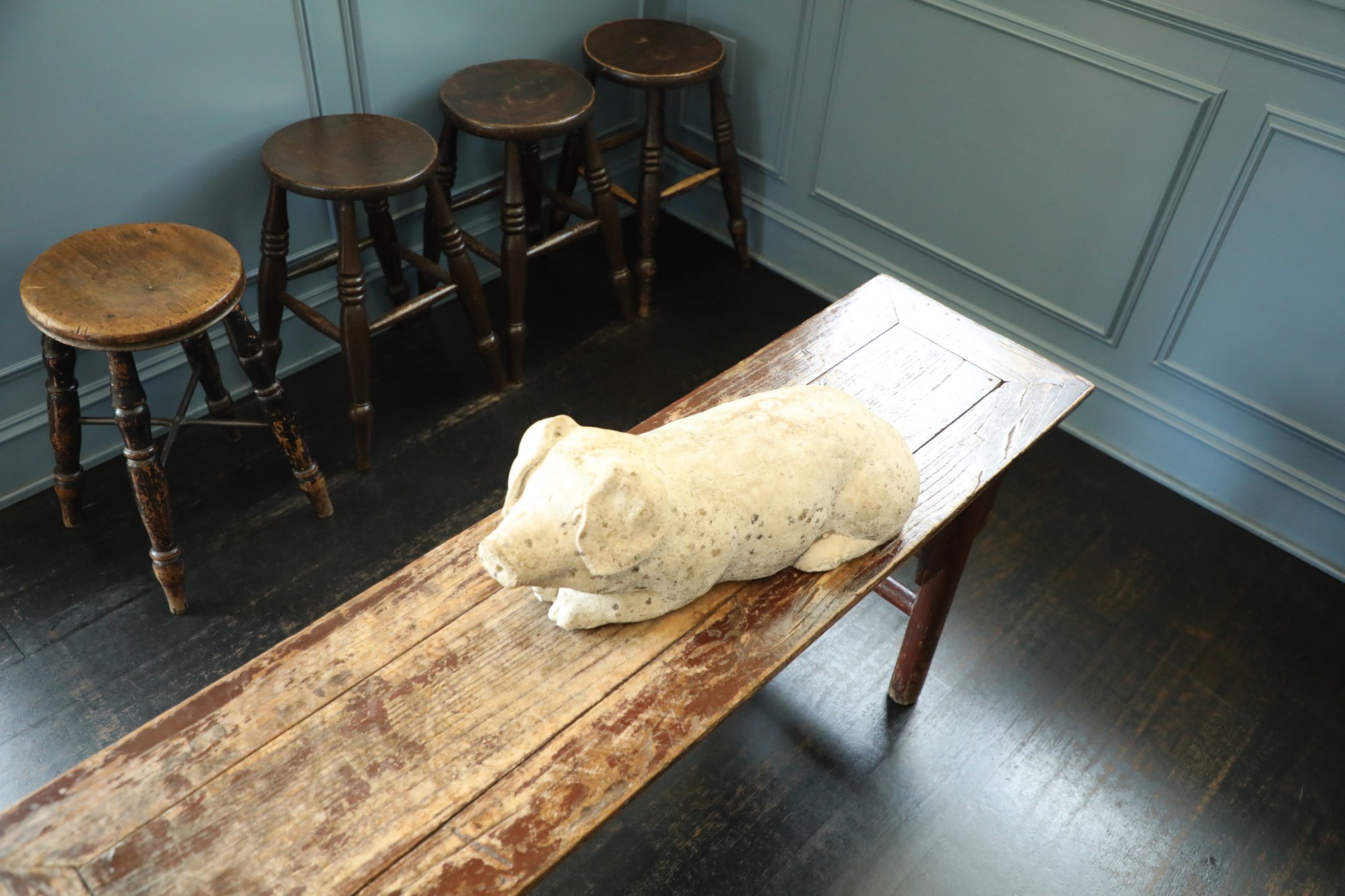
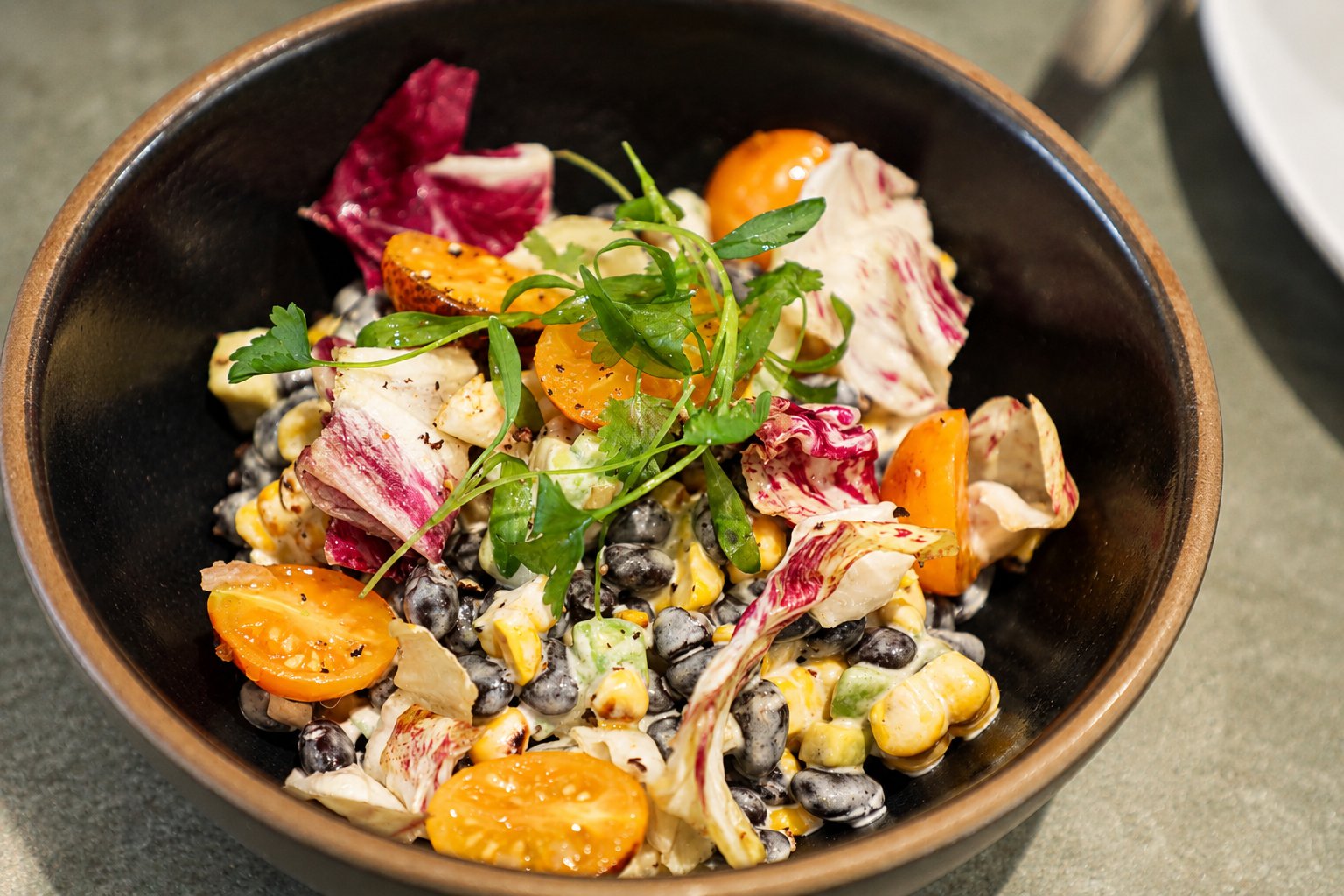
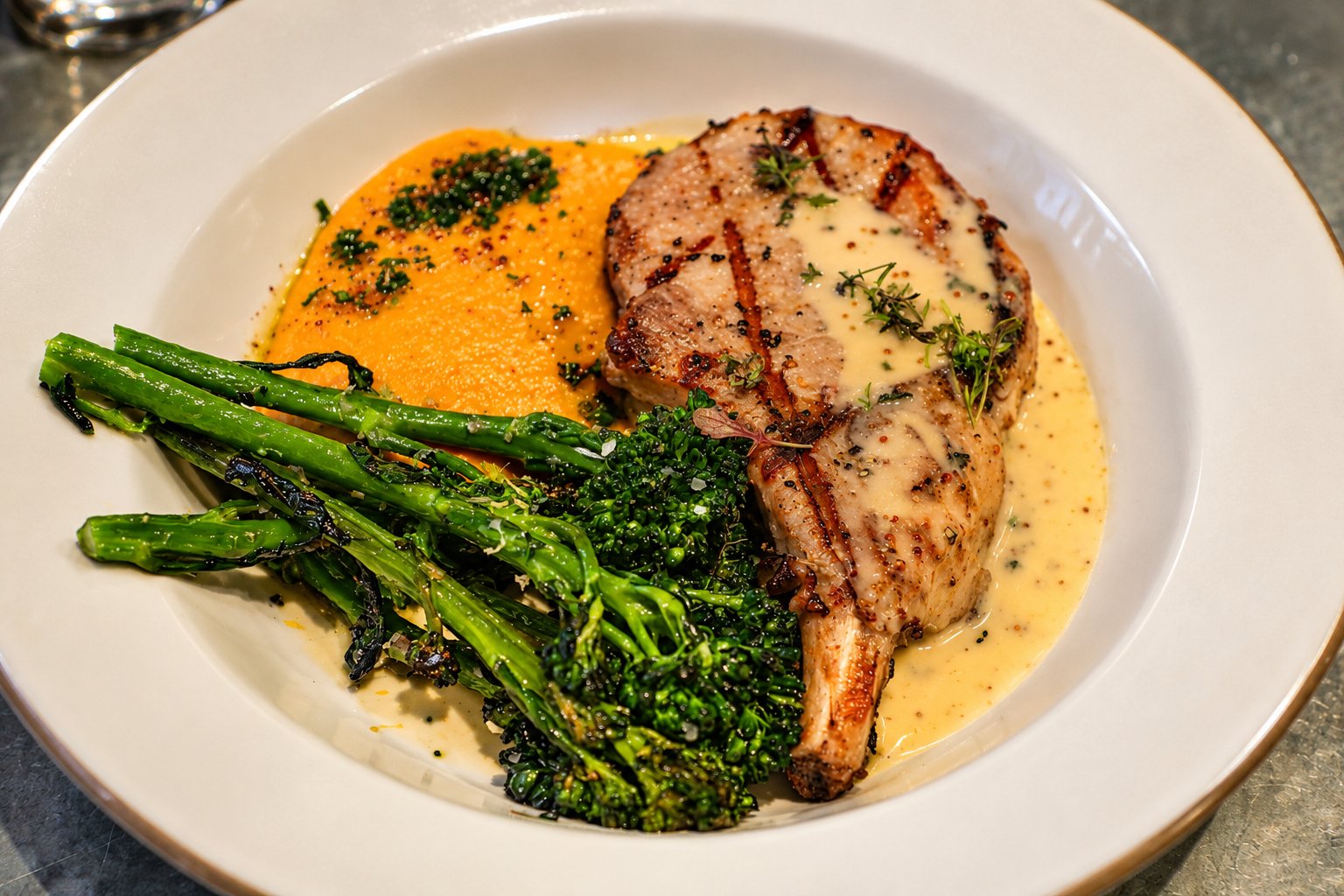
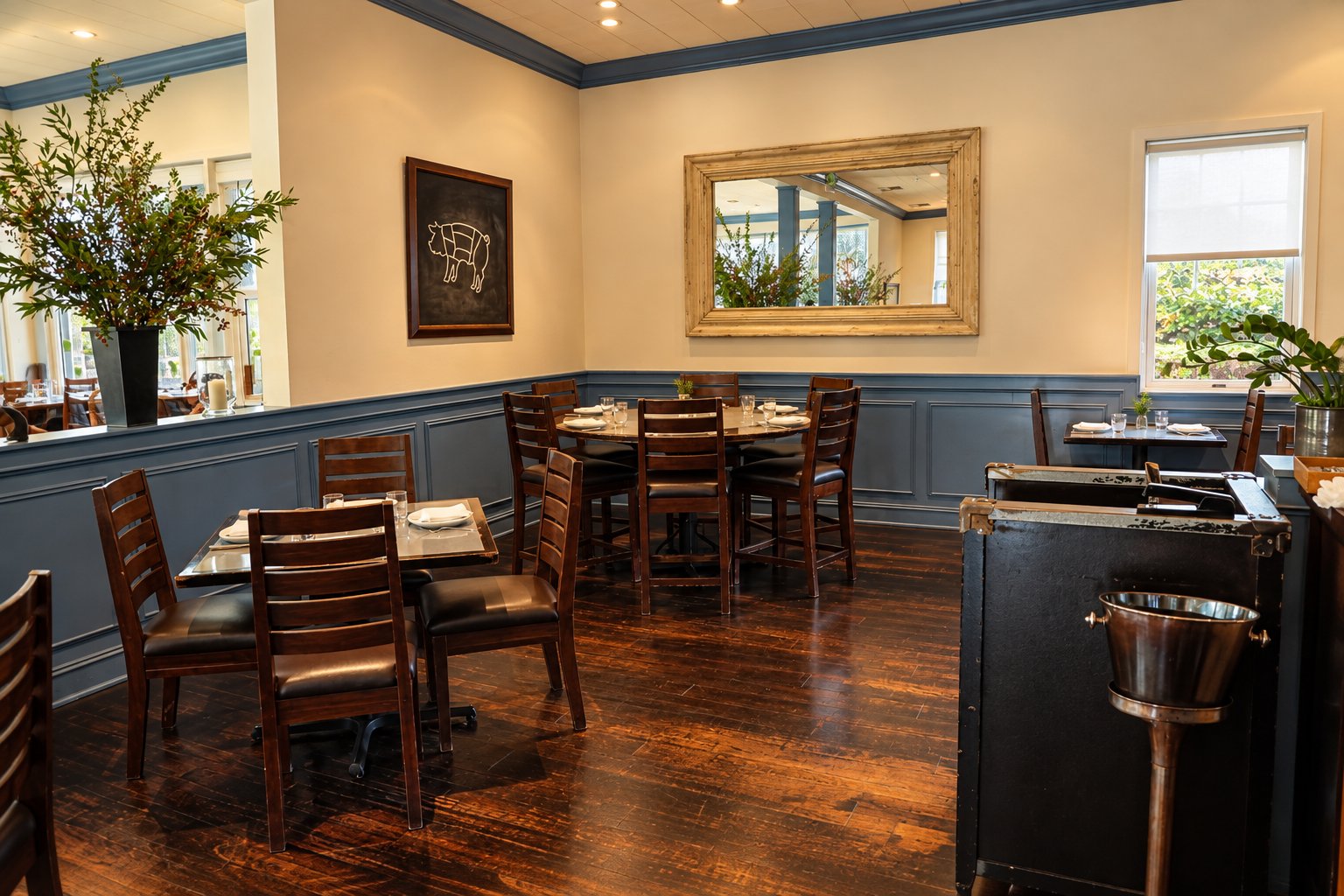
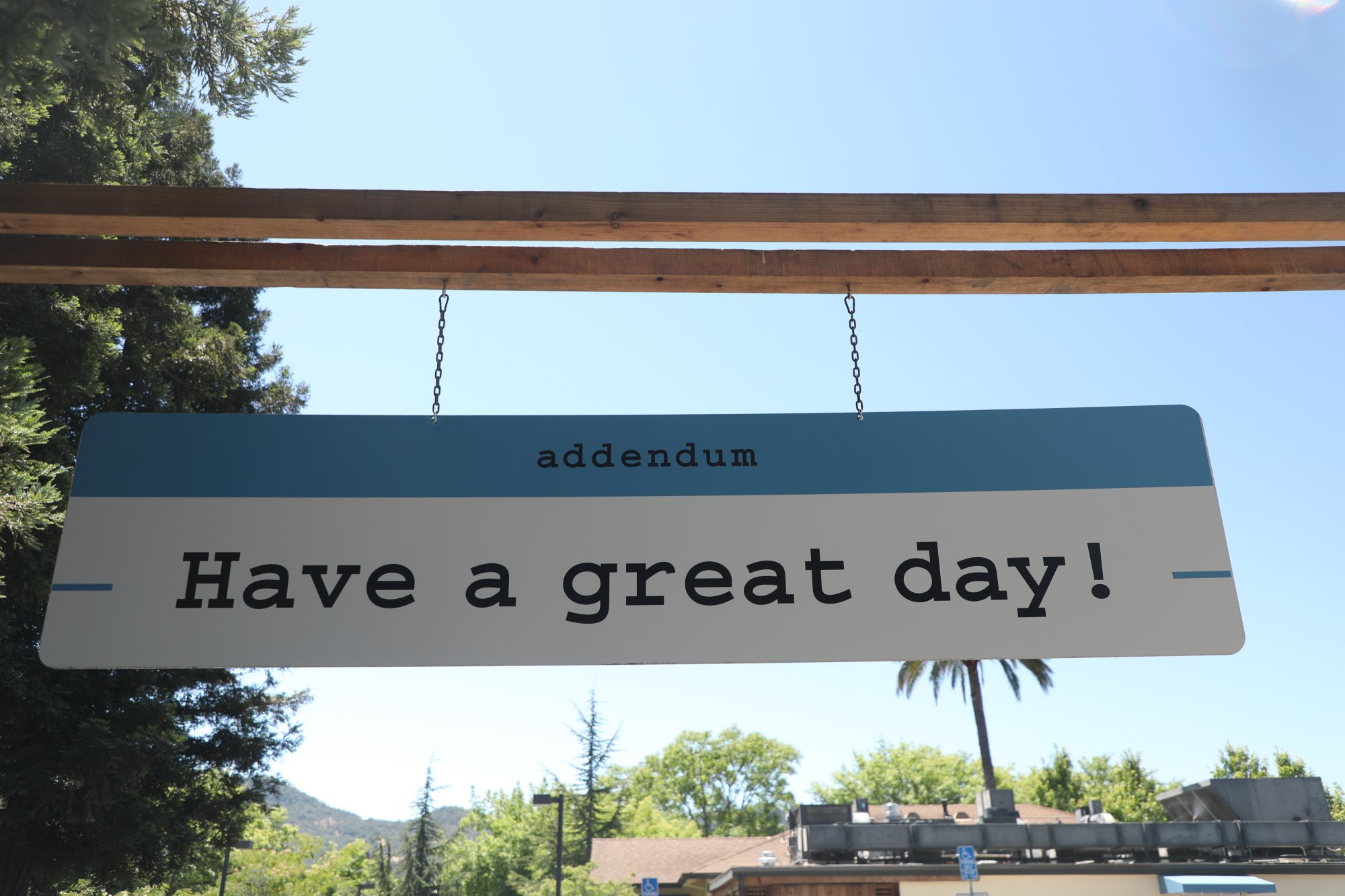
Ad Hoc Addendum, Yountville
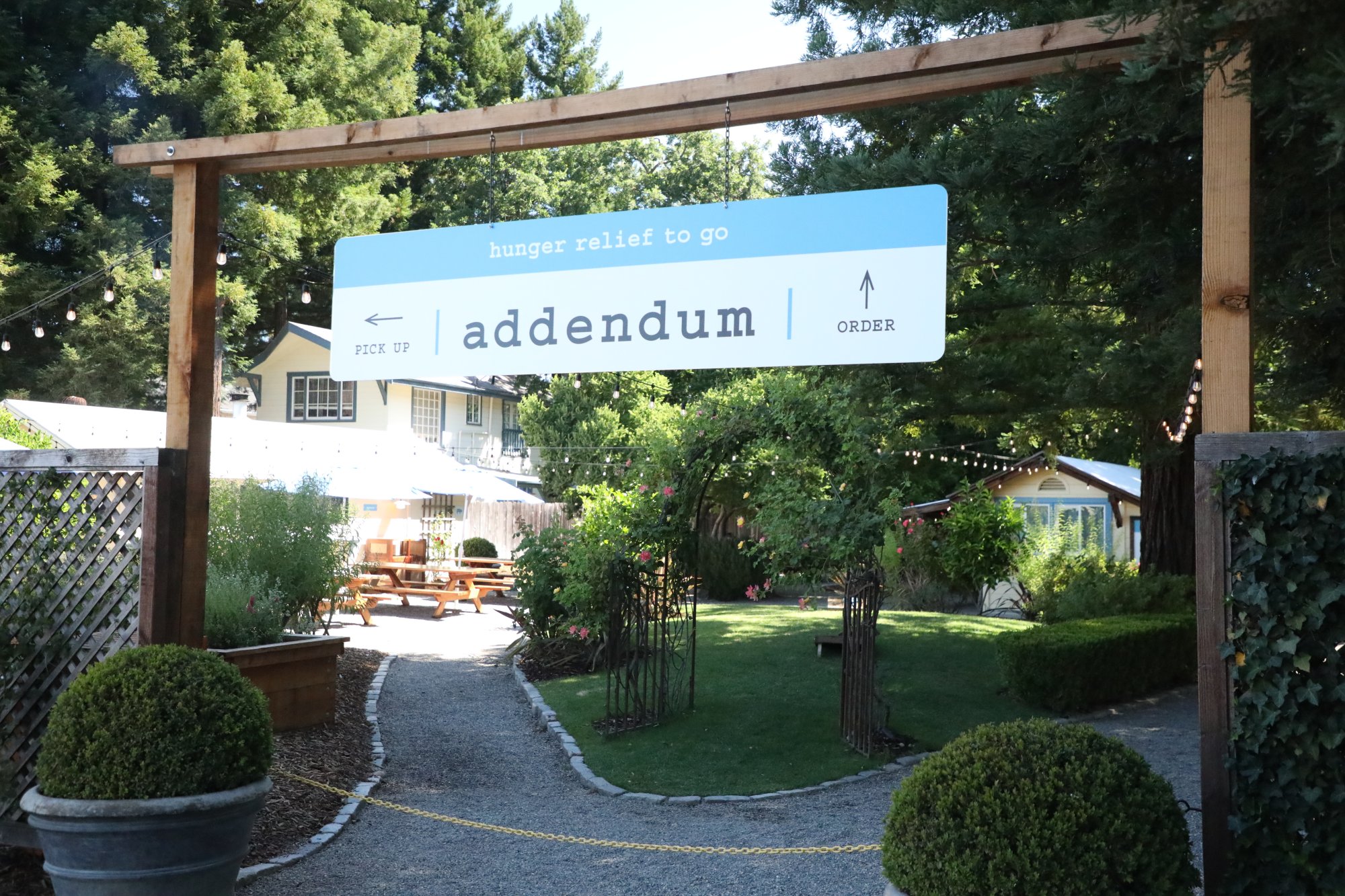
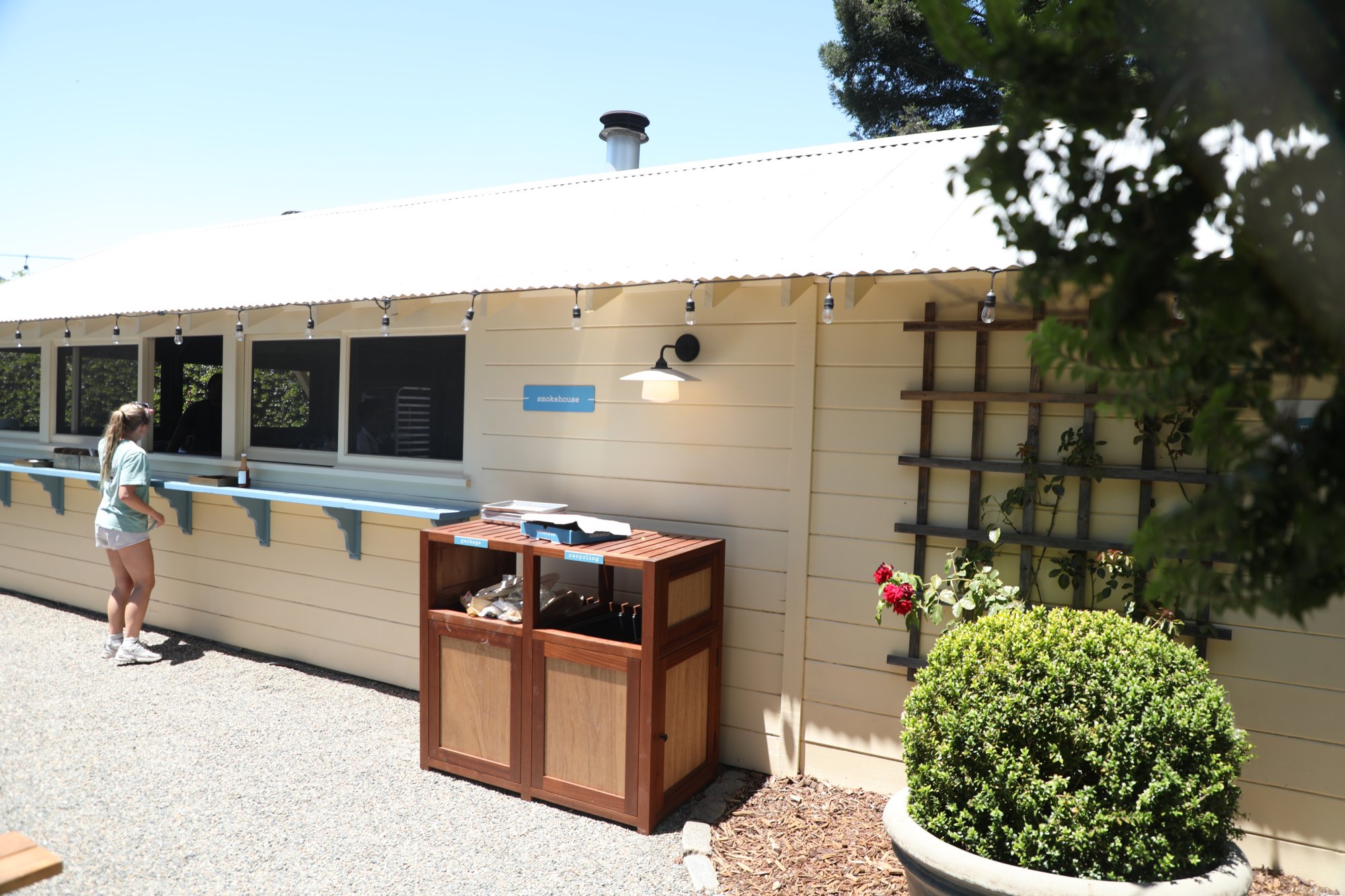
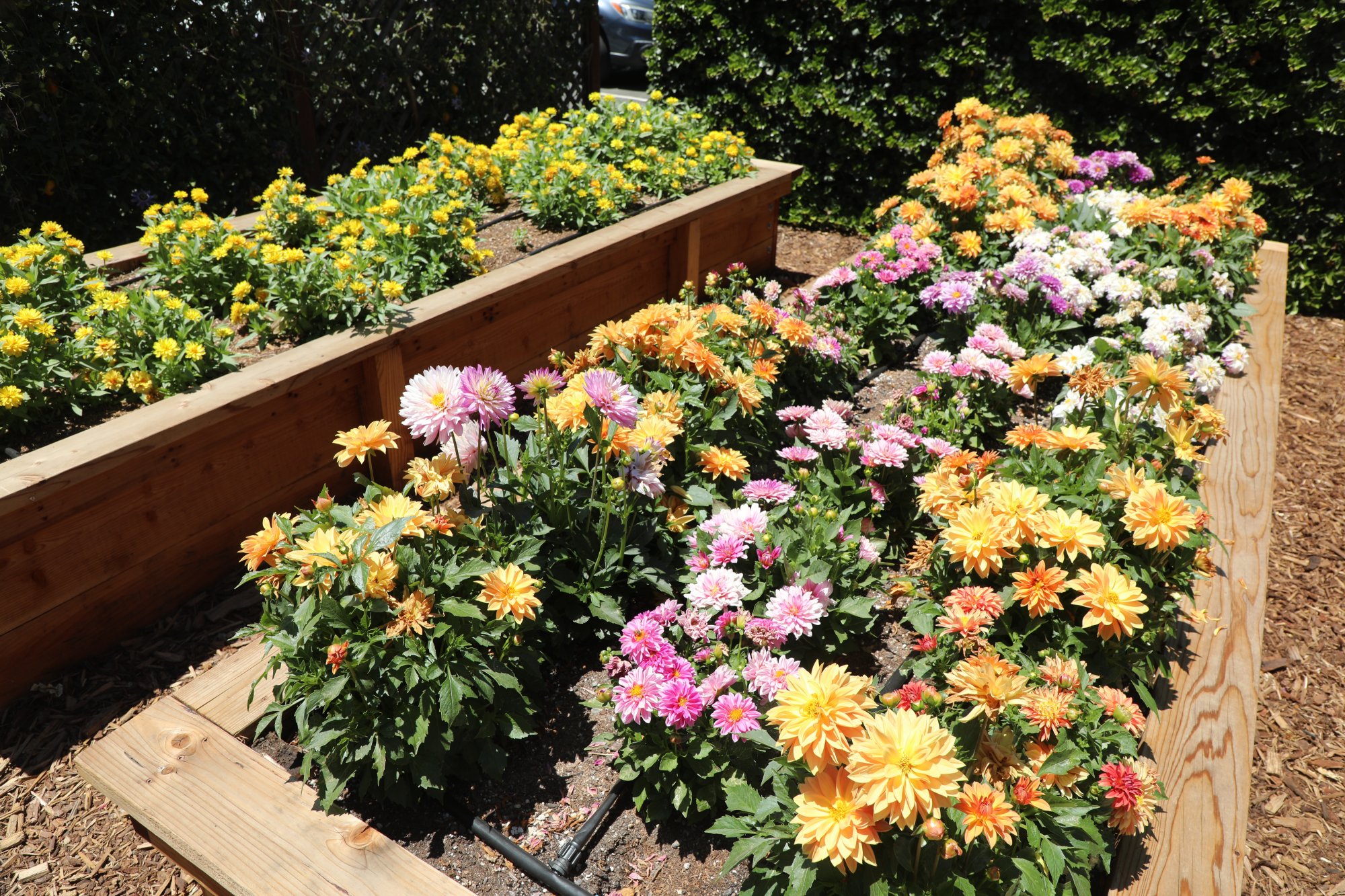
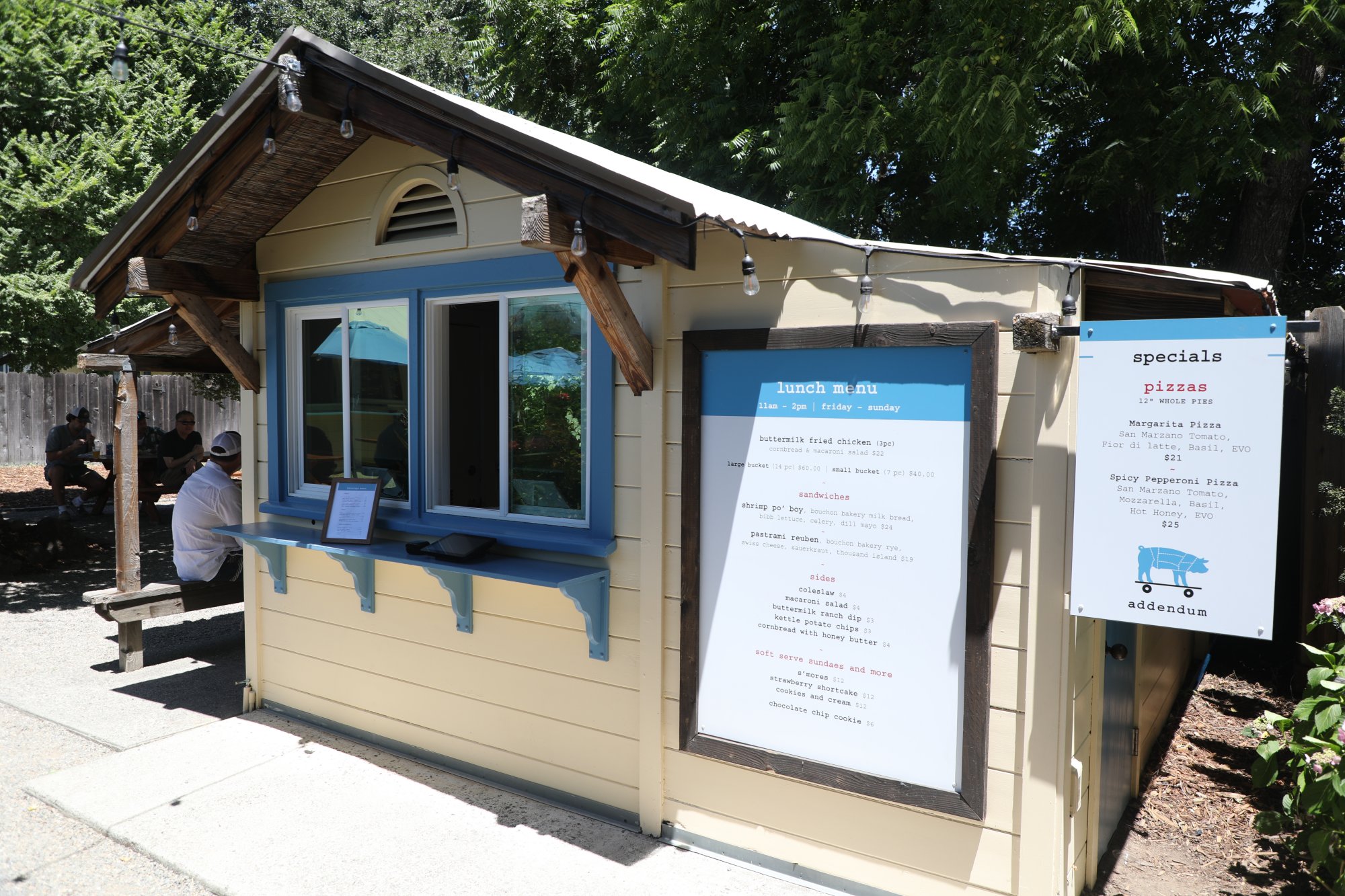
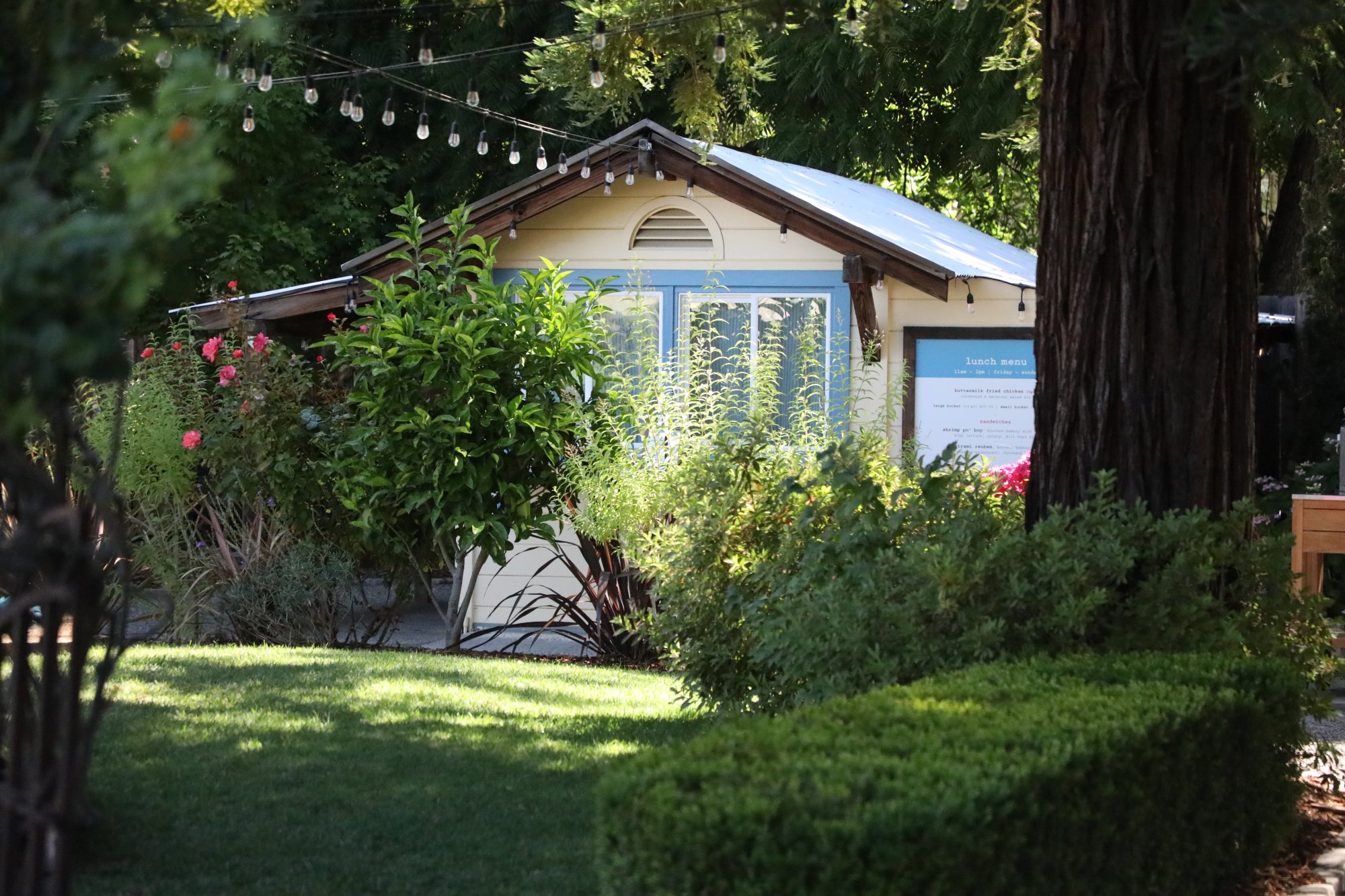
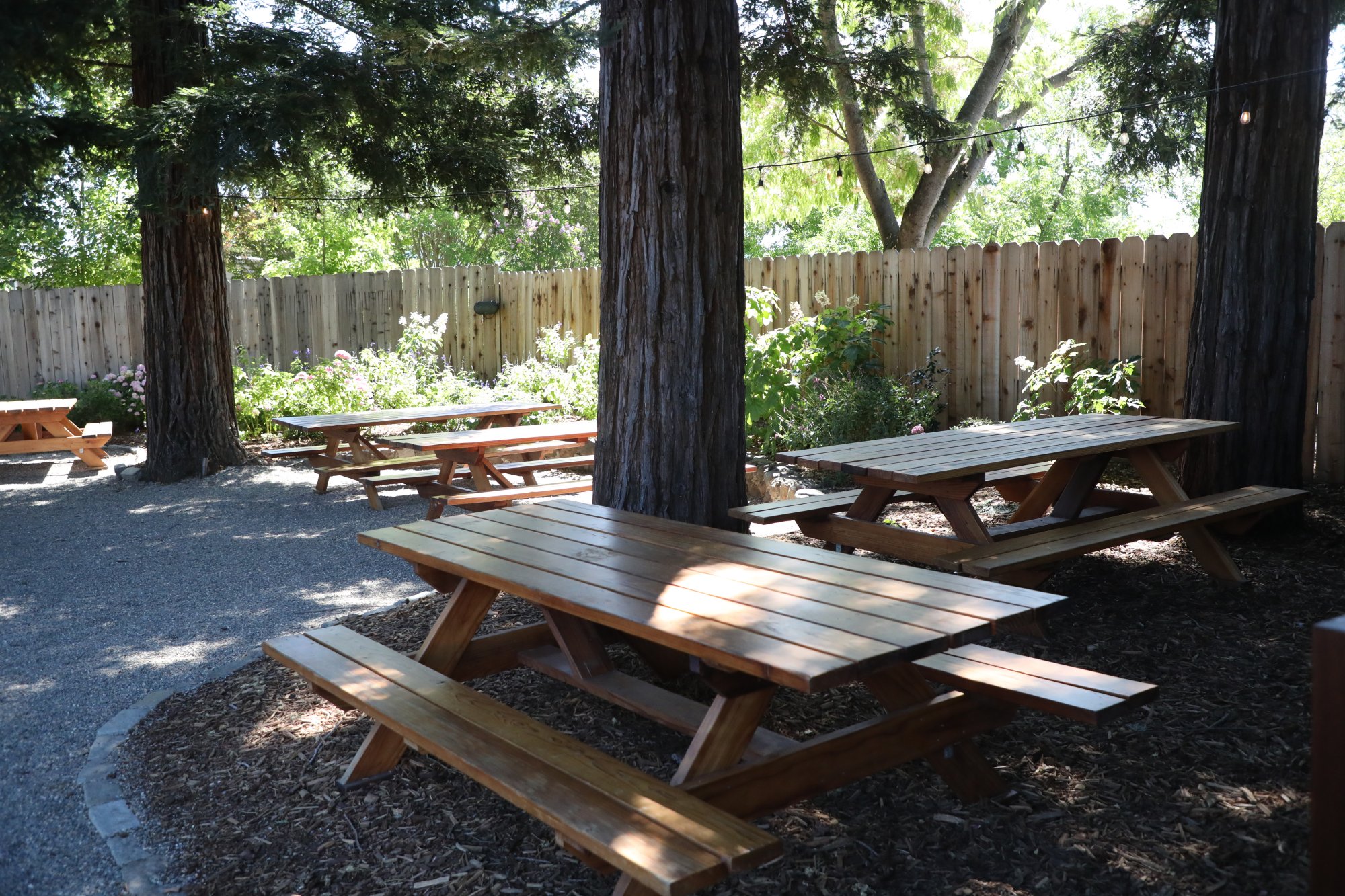
Surrounded by pretty landscaping, this seasonal restaurant has an easygoing, outdoorsy laid-back atmosphere that feels more relaxed than any of the other TKRG establishments. Lemon verbena is planted throughout the property.
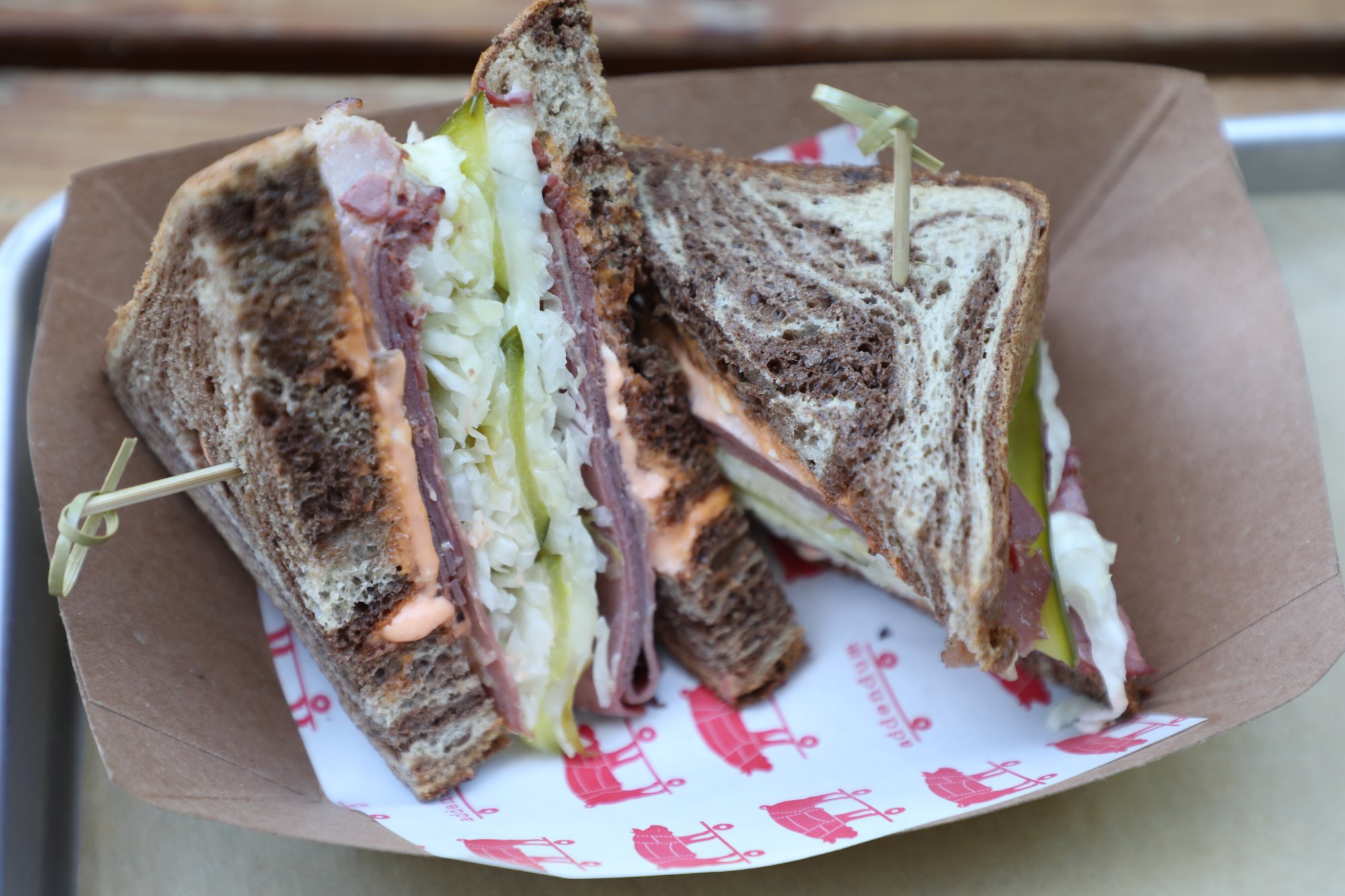
The casual picnic-table-style seating encourages guests to settle in, linger, and enjoy the outdoor surroundings. Known for its fried chicken, but with other tasty dishes including a pastrami sandwich, the restaurant combines comfort-food appeal with a welcoming, unpretentious vibe that makes it a favorite for leisurely lunches and relaxed gatherings. Ad Hoc Addendum is typically open daily from late May/early June through Labor Day. It is located directly to the rear of Ad Hoc.
Bouchon Bakery, Yountville
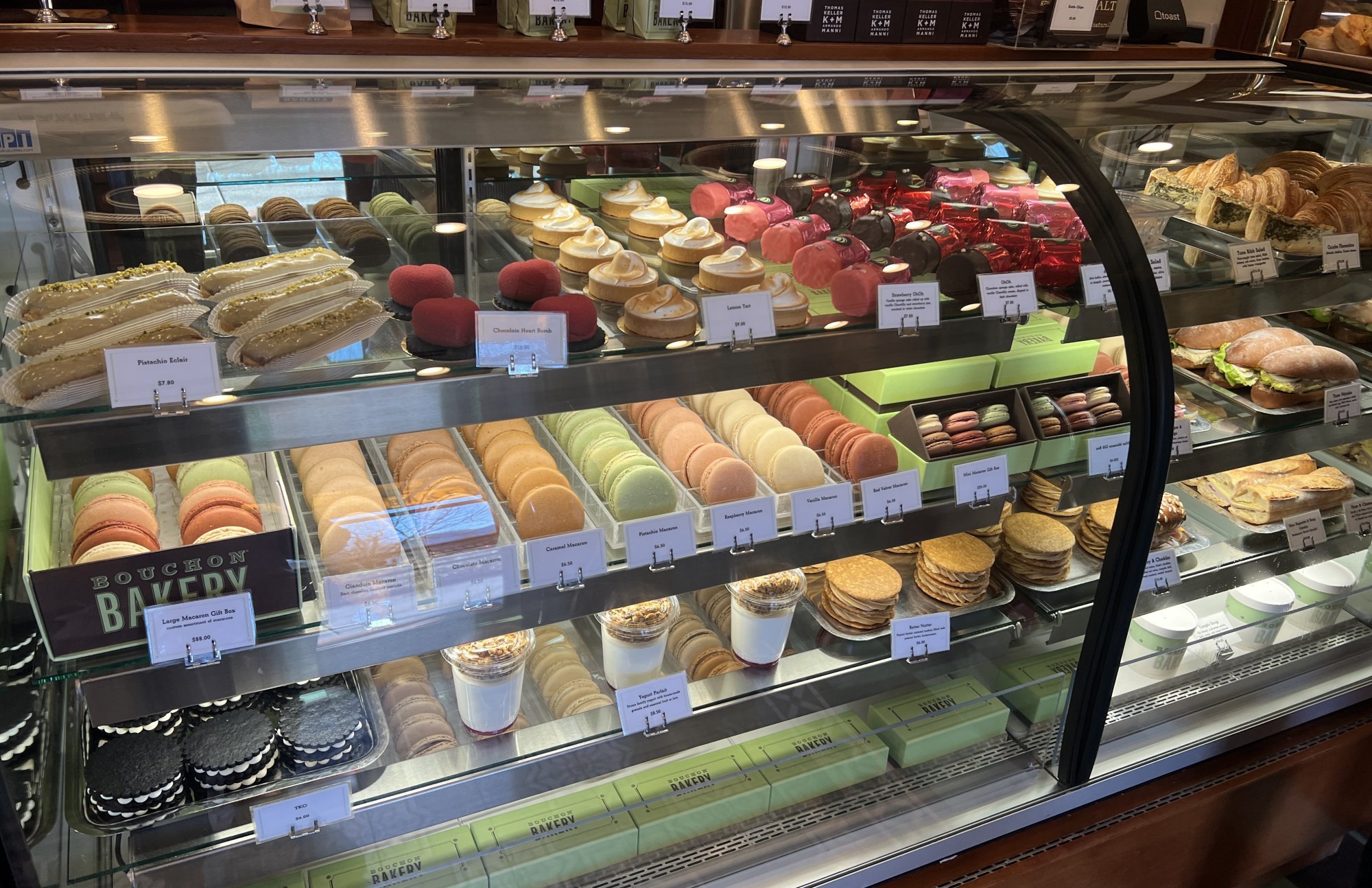
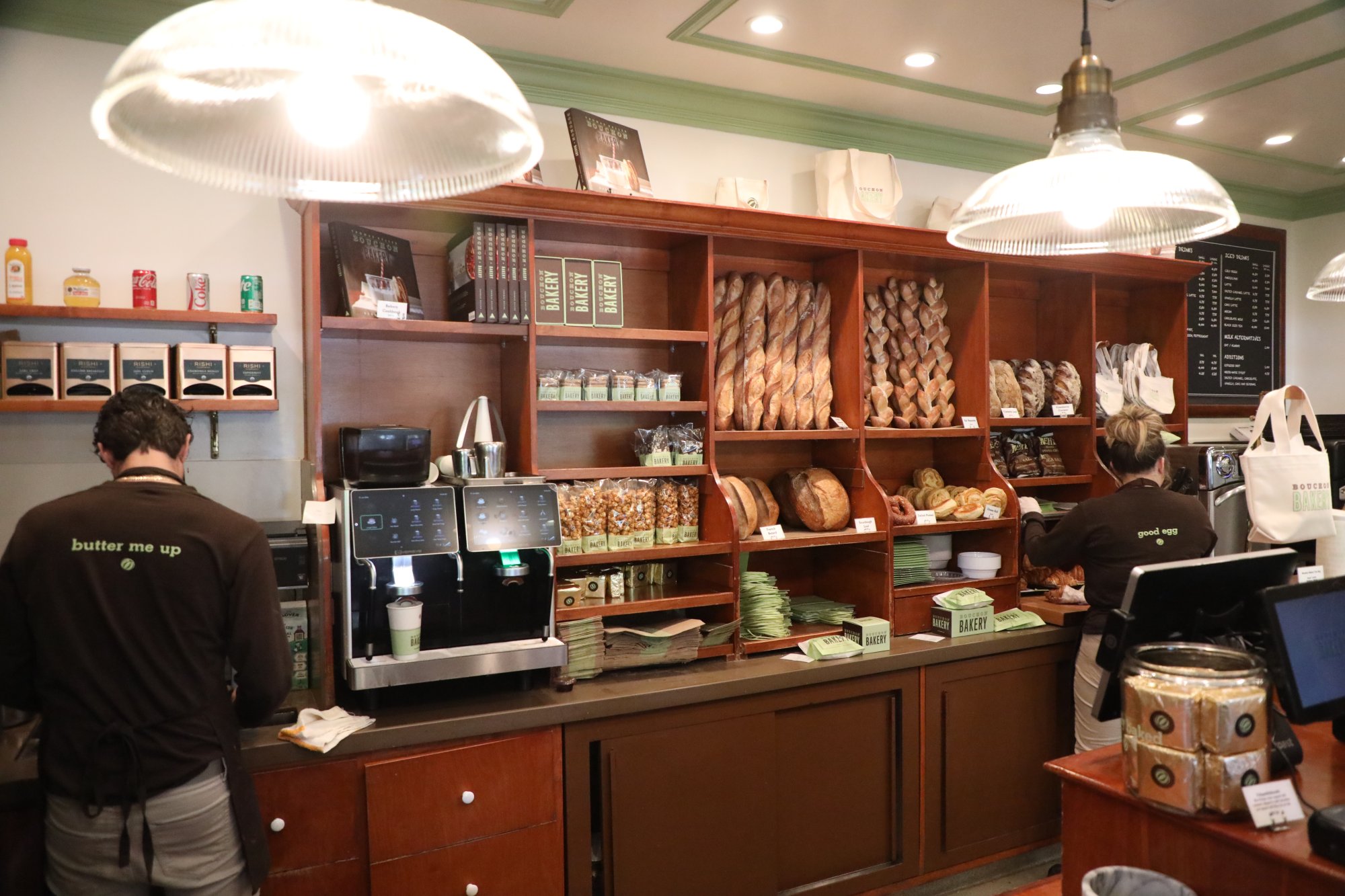
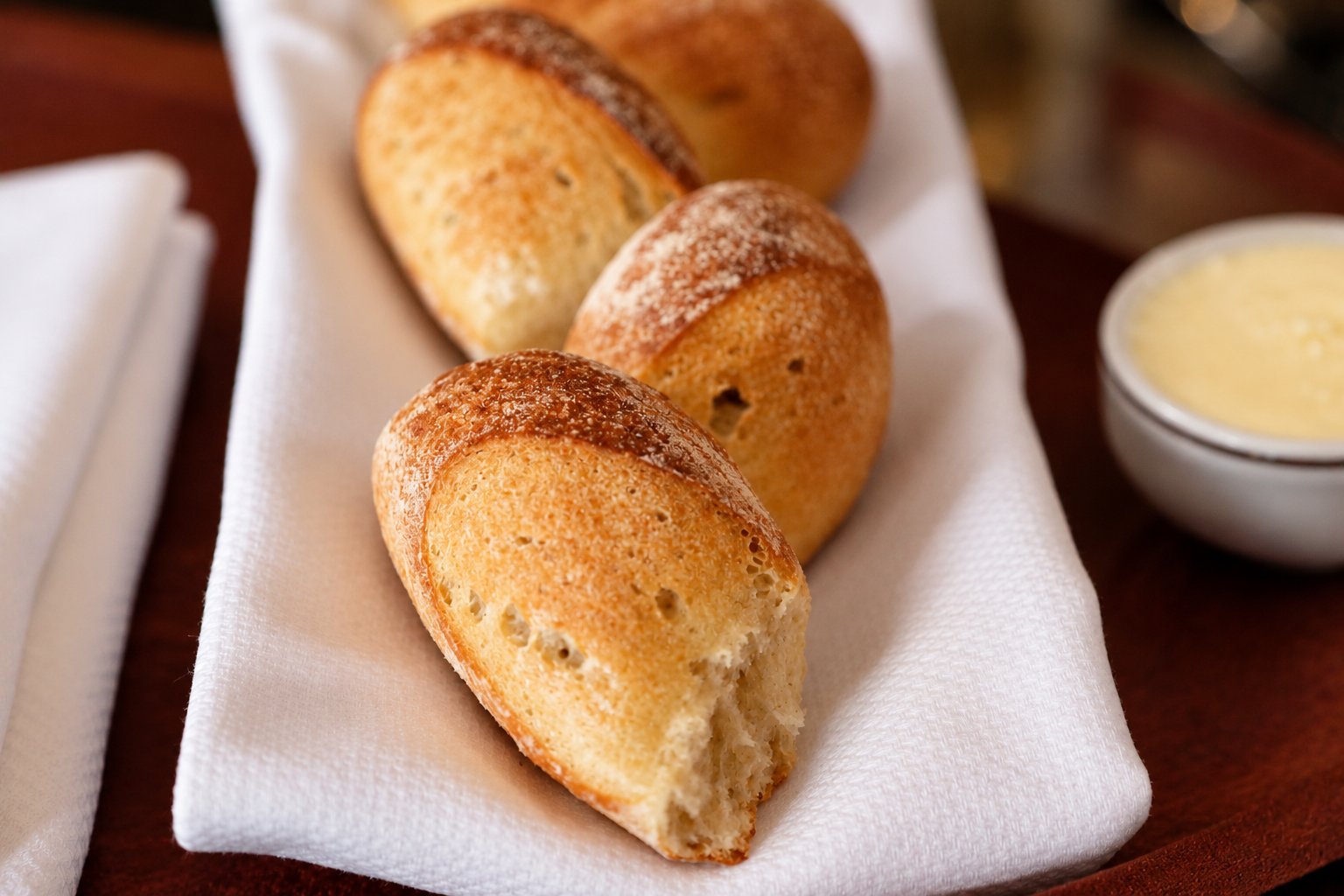
Bouchon Bakery is one of Yountville’s most iconic destinations, drawing visitors from around the world. Opened in 2003, the bakery was originally created to supply artisan breads to Keller’s renowned restaurants, including The French Laundry and Bouchon Bistro, but it quickly became a destination in its own right. Inspired by traditional French boulangeries, Bouchon Bakery combines classic techniques with meticulous attention to detail, producing an array of pastries, breads, and desserts that have become synonymous with Napa Valley.
The bakery is particularly famous for its buttery croissants, pain au chocolat, macarons, baguettes, and the beloved TKO cookie—Thomas Keller’s elevated take on the classic Oreo. Guests also flock to the bakery for seasonal tarts, brownies, sandwiches, and expertly crafted coffee drinks.
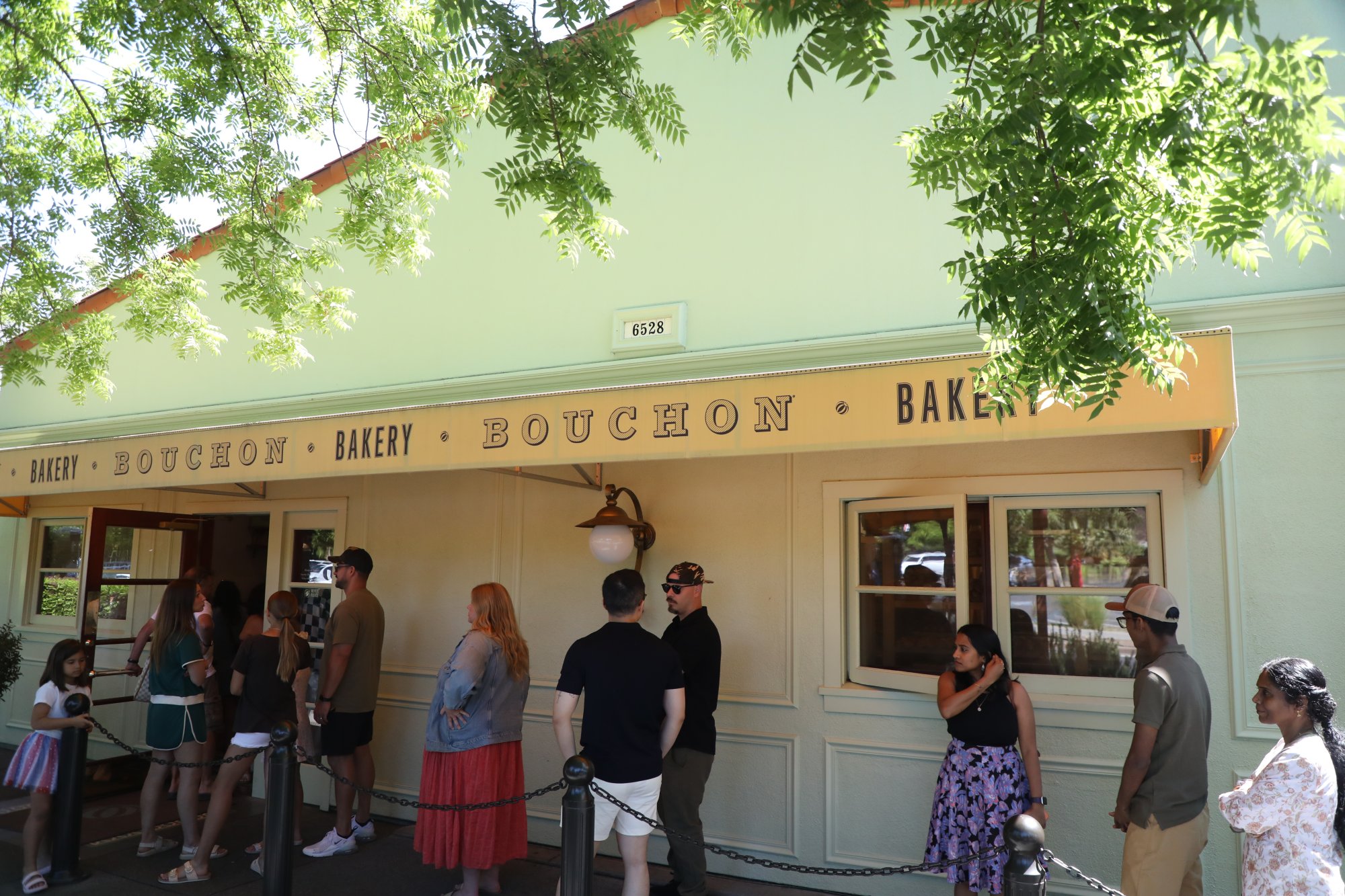
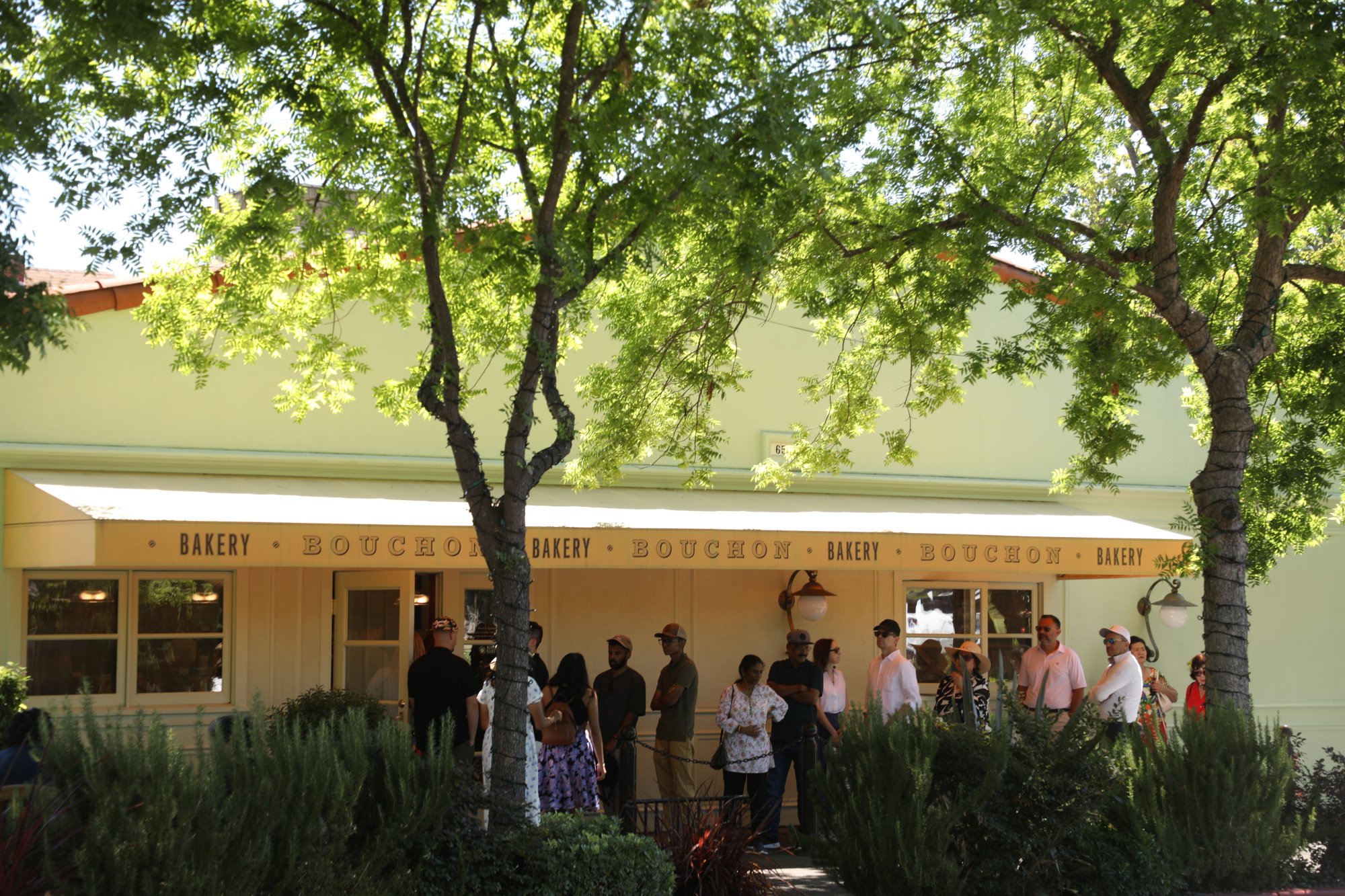
Just as well known as the pastries is the line that often stretches down Washington Street, especially on weekends. Arriving early is recommended, i.e., weekends, as eager visitors queue for a chance to experience one of Napa Valley’s most celebrated bakeries. The line always looks worse than the reality of the actual wait time and servers keeps customers flowing through quickly.
Bouchon Bistro, Yountville
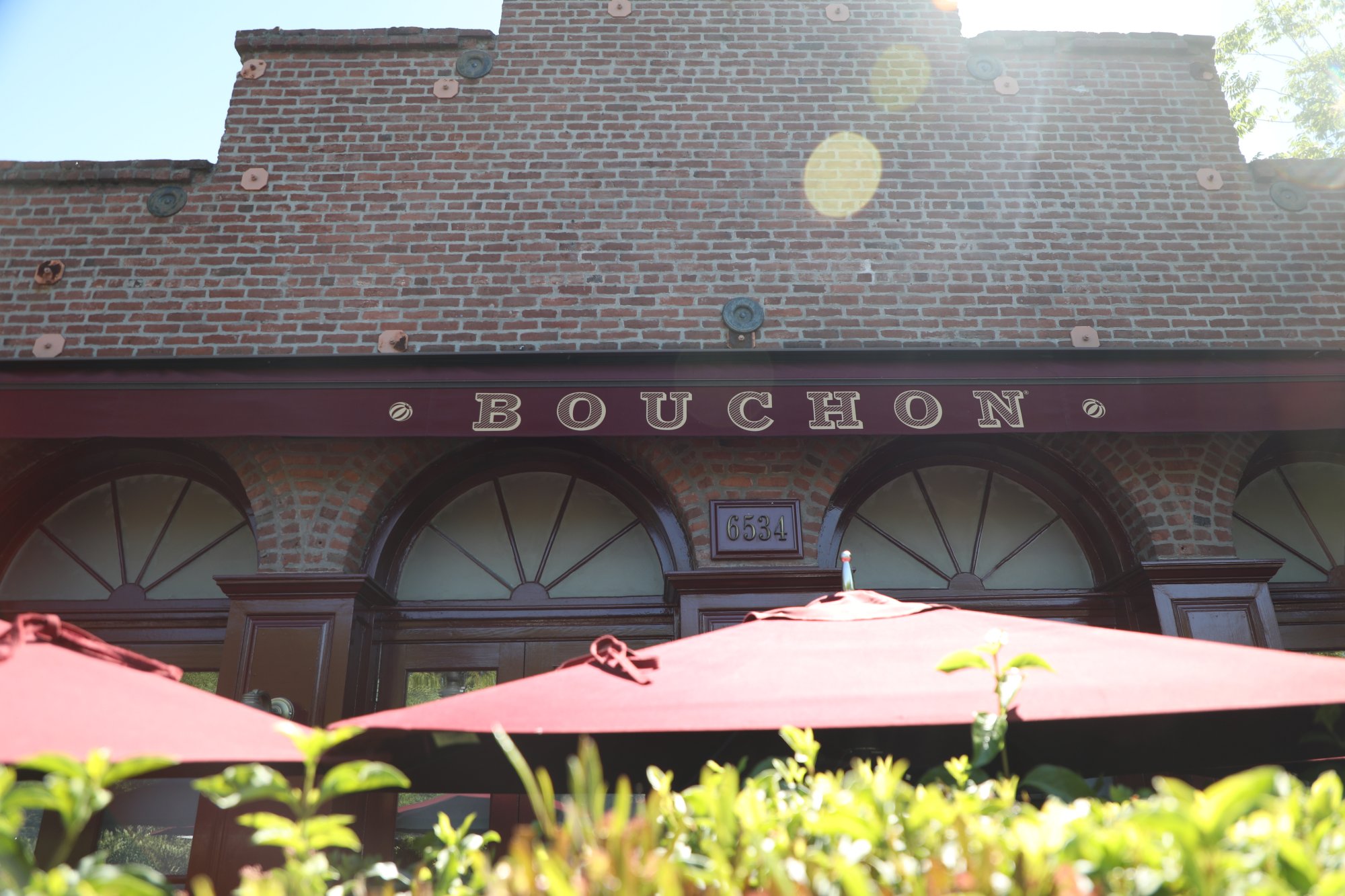
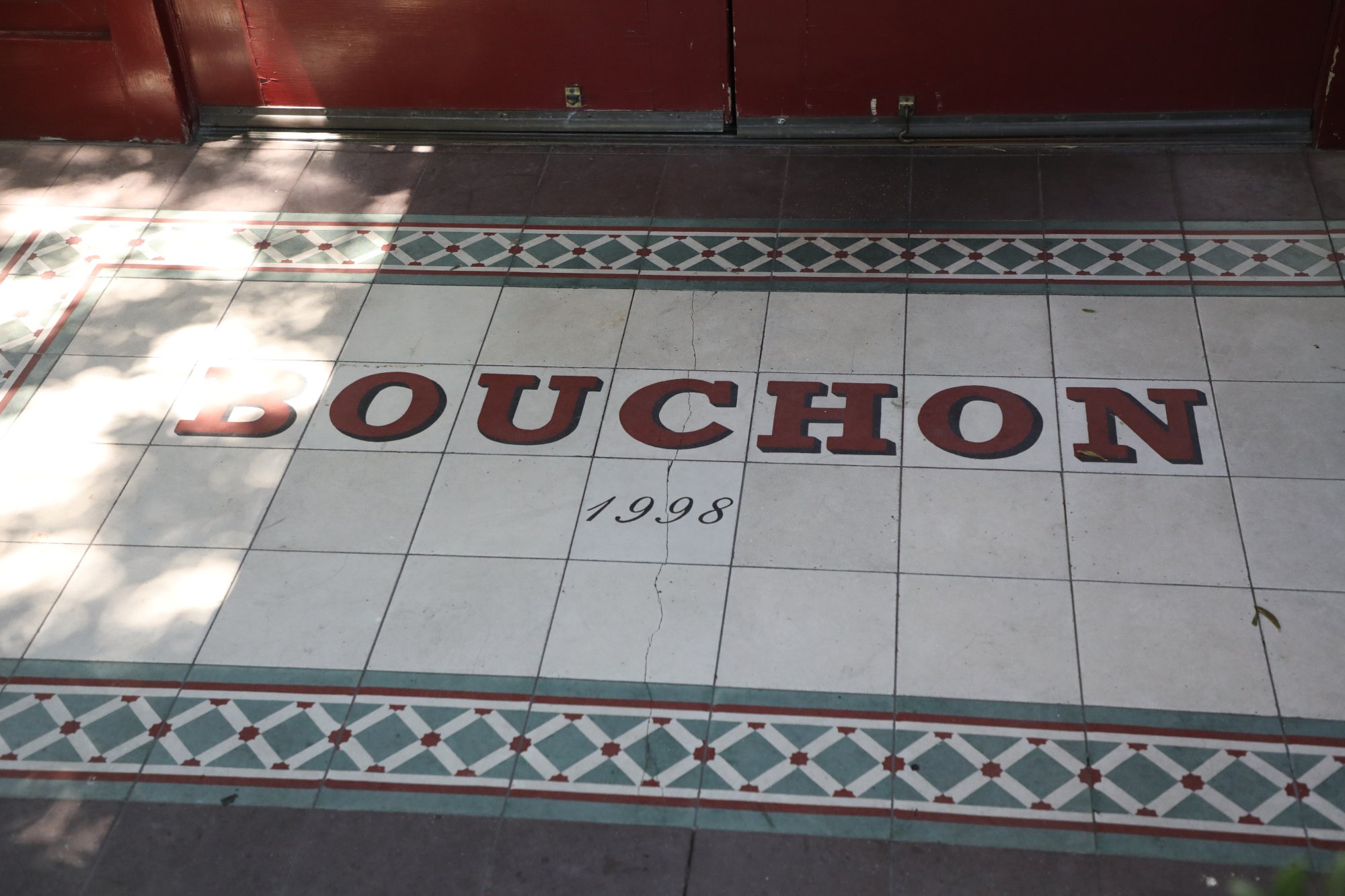
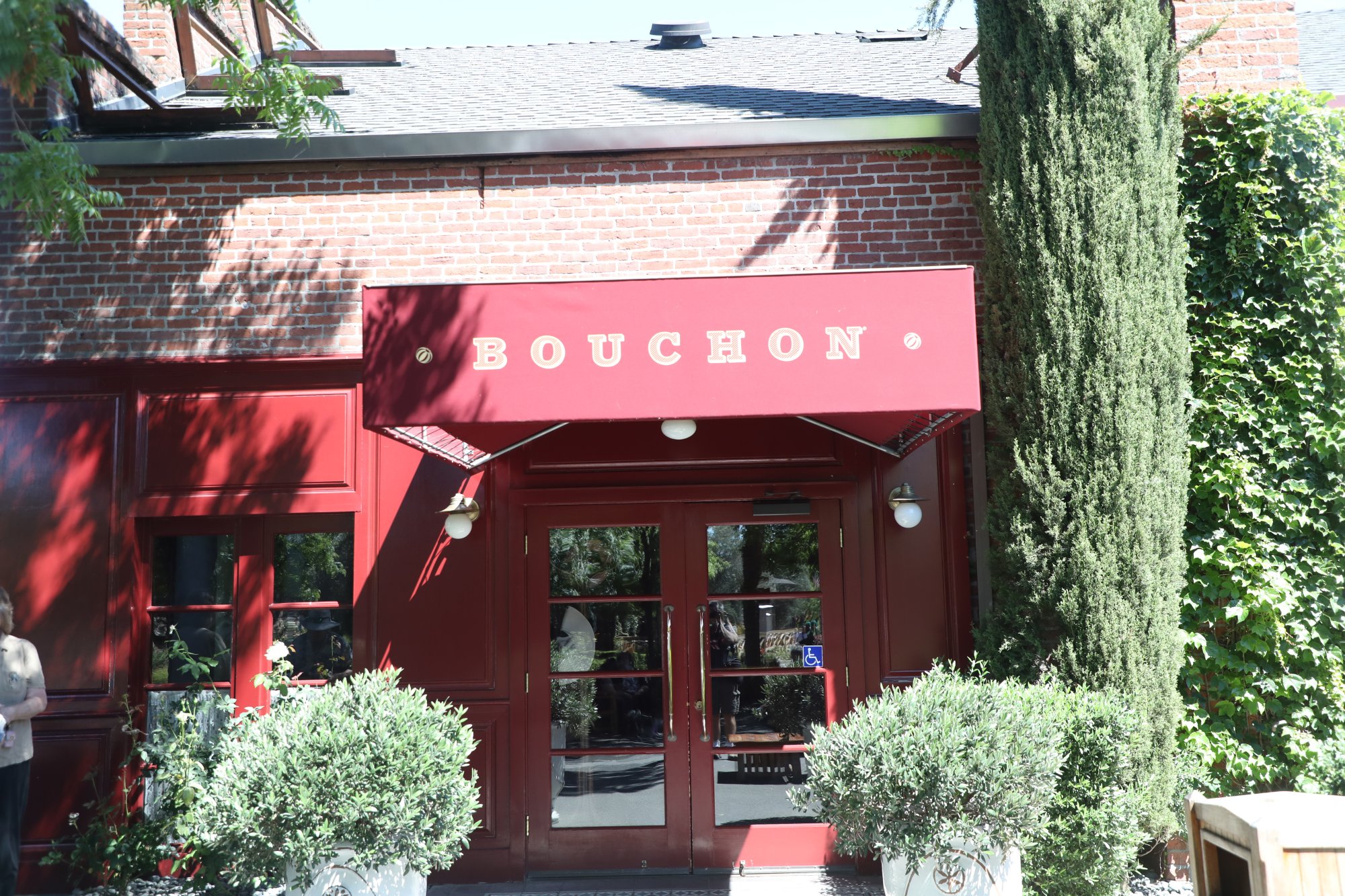
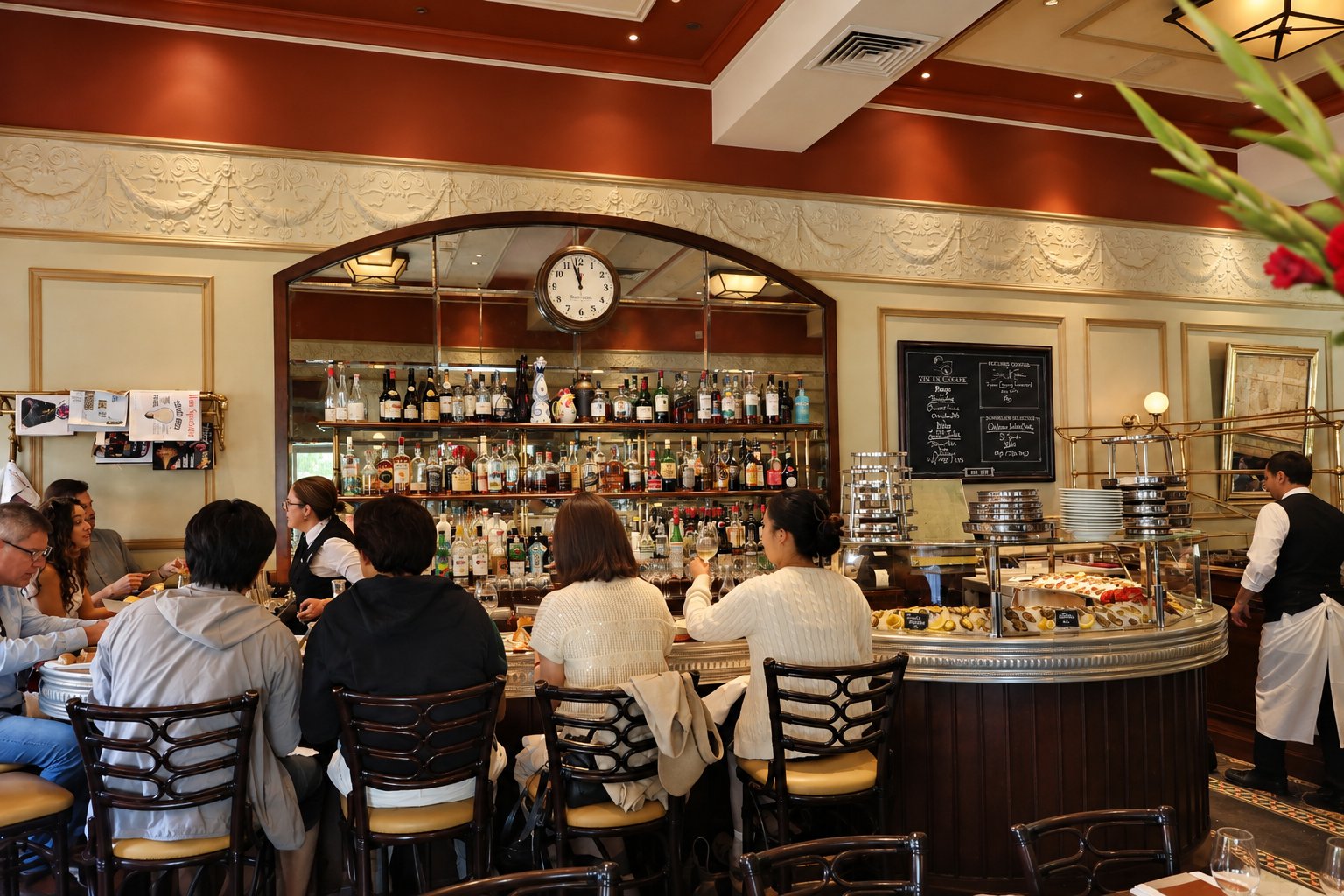
Bouchon Bistro is one of Yountville’s most recognized restaurants and a longtime part of chef Thomas Keller’s presence in Napa Valley. Keller opened Bouchon in October 1998, four years after taking over The French Laundry. The restaurant was created in the spirit of a traditional French bistro, combining classic French cuisine with Keller’s meticulous attention to ingredients, preparation and presentation. In our experience, even during very busy times, service is fast. A small parking lot is located directly next to and on the north side of the restaurant.
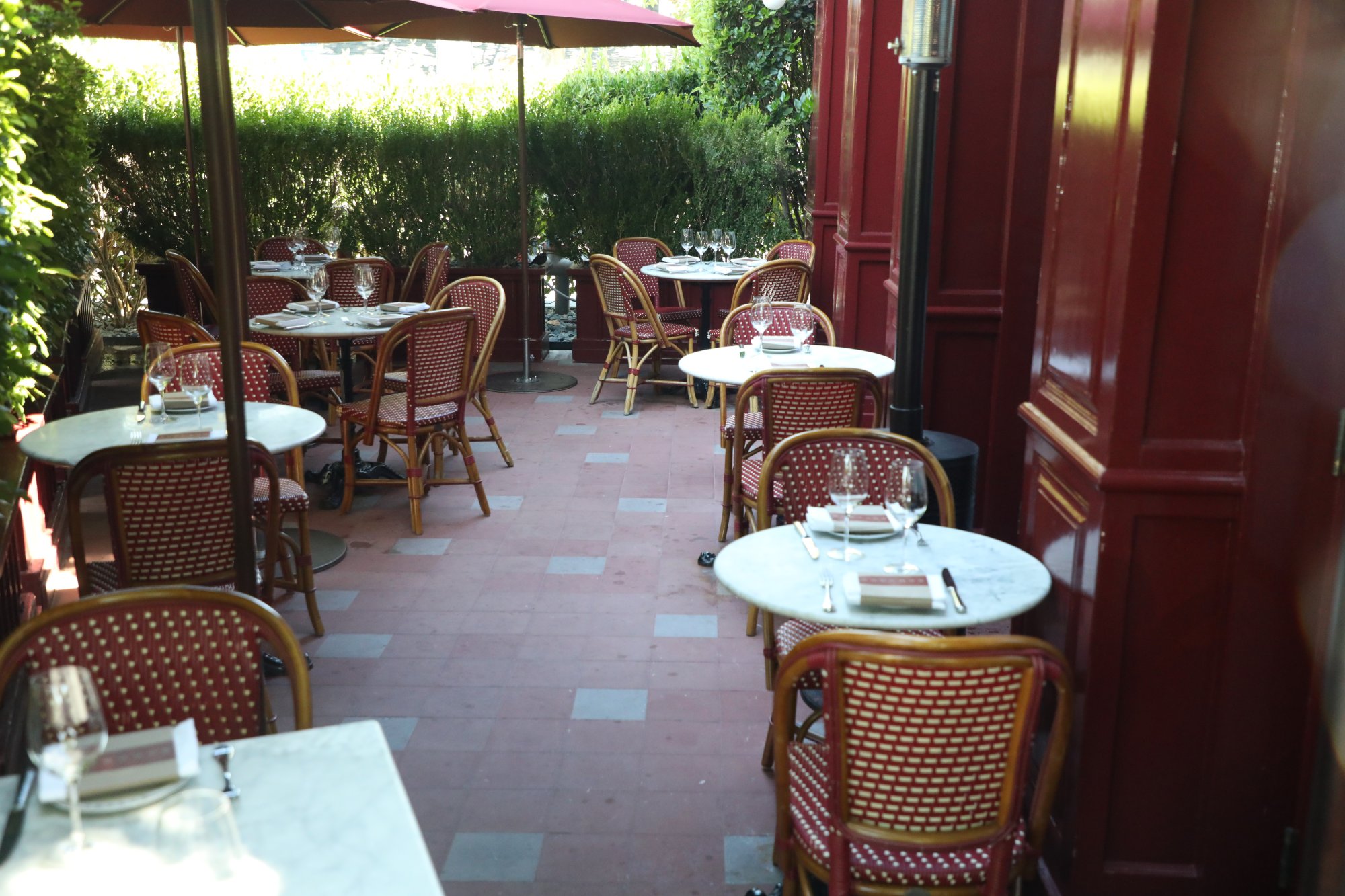
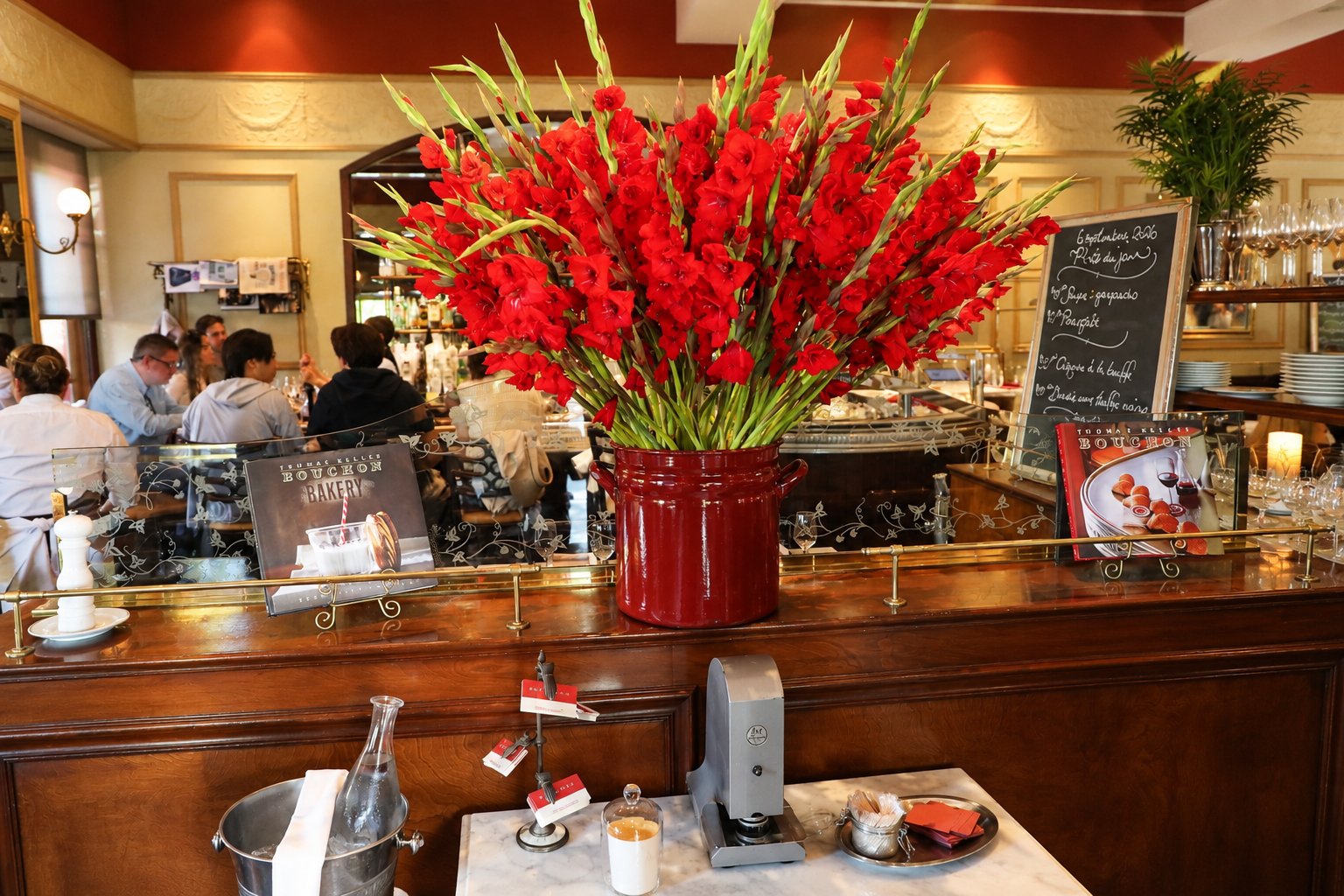
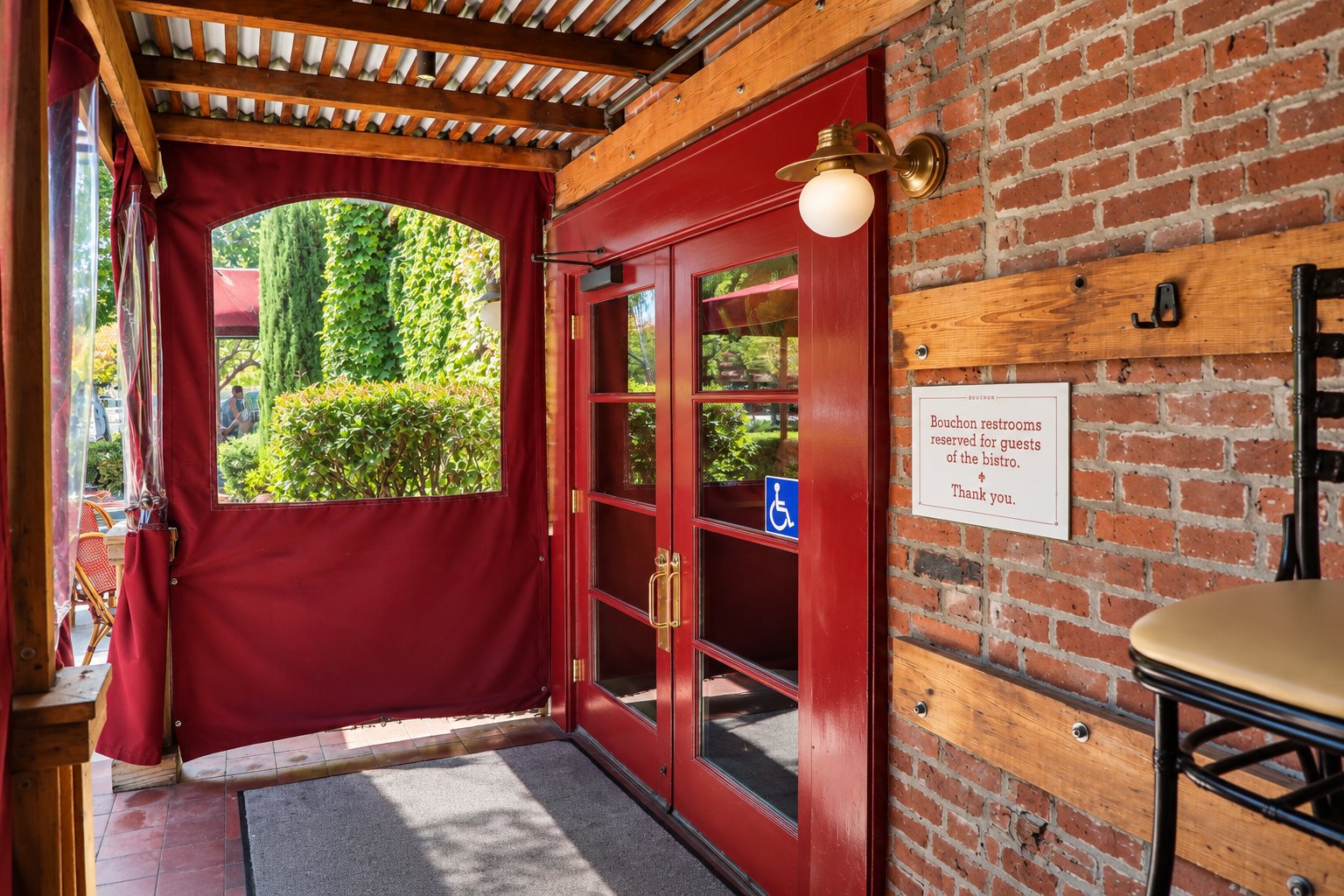
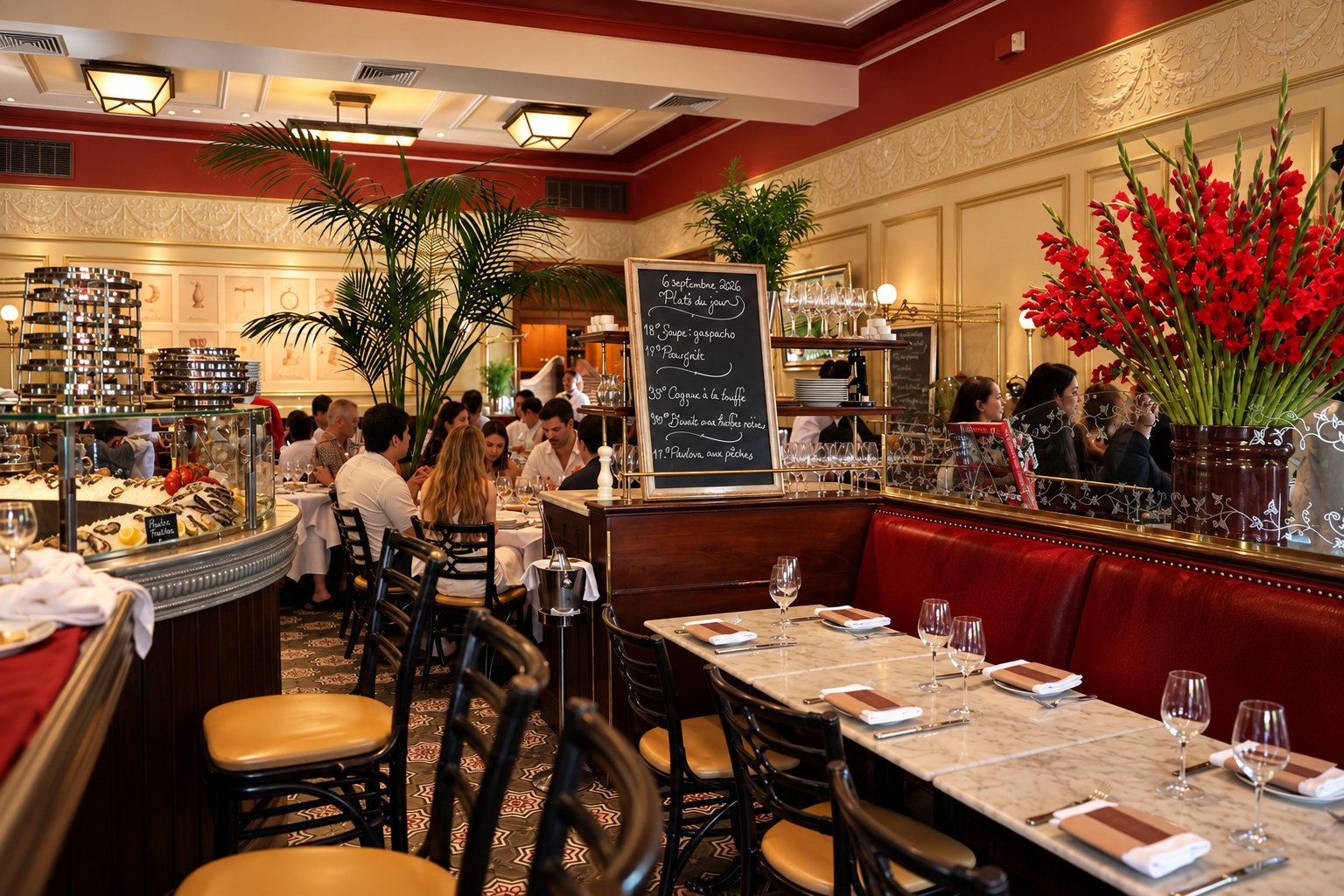
Located along Washington Street in the heart of Yountville, Bouchon has a lively, distinctly Parisian atmosphere. Designer Adam D. Tihany created the interior, incorporating a French zinc bar, colorful mosaic flooring, antique light fixtures and a large hand-painted mural by French artist Paulin Paris. Outdoor seating is also available on the patio.
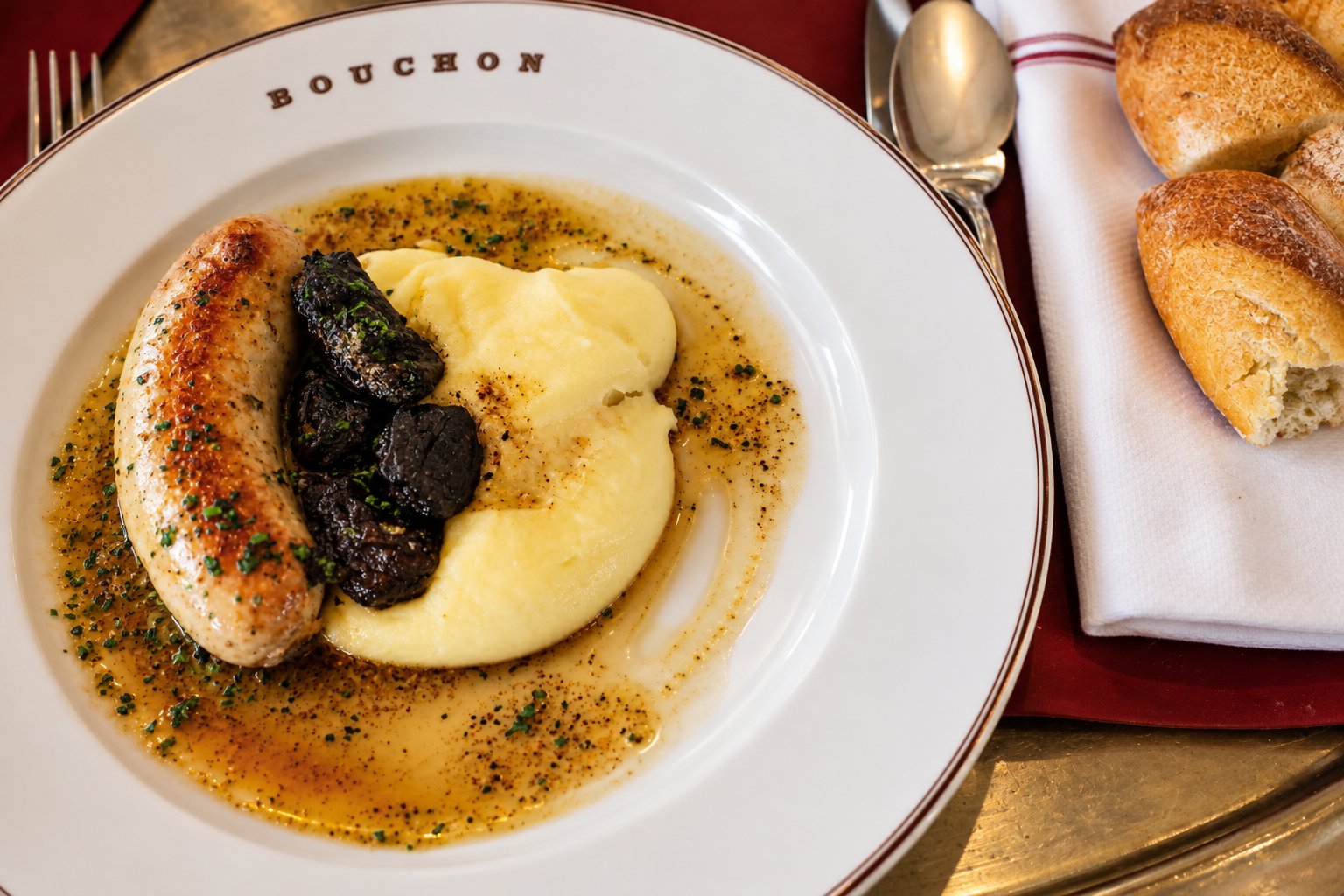
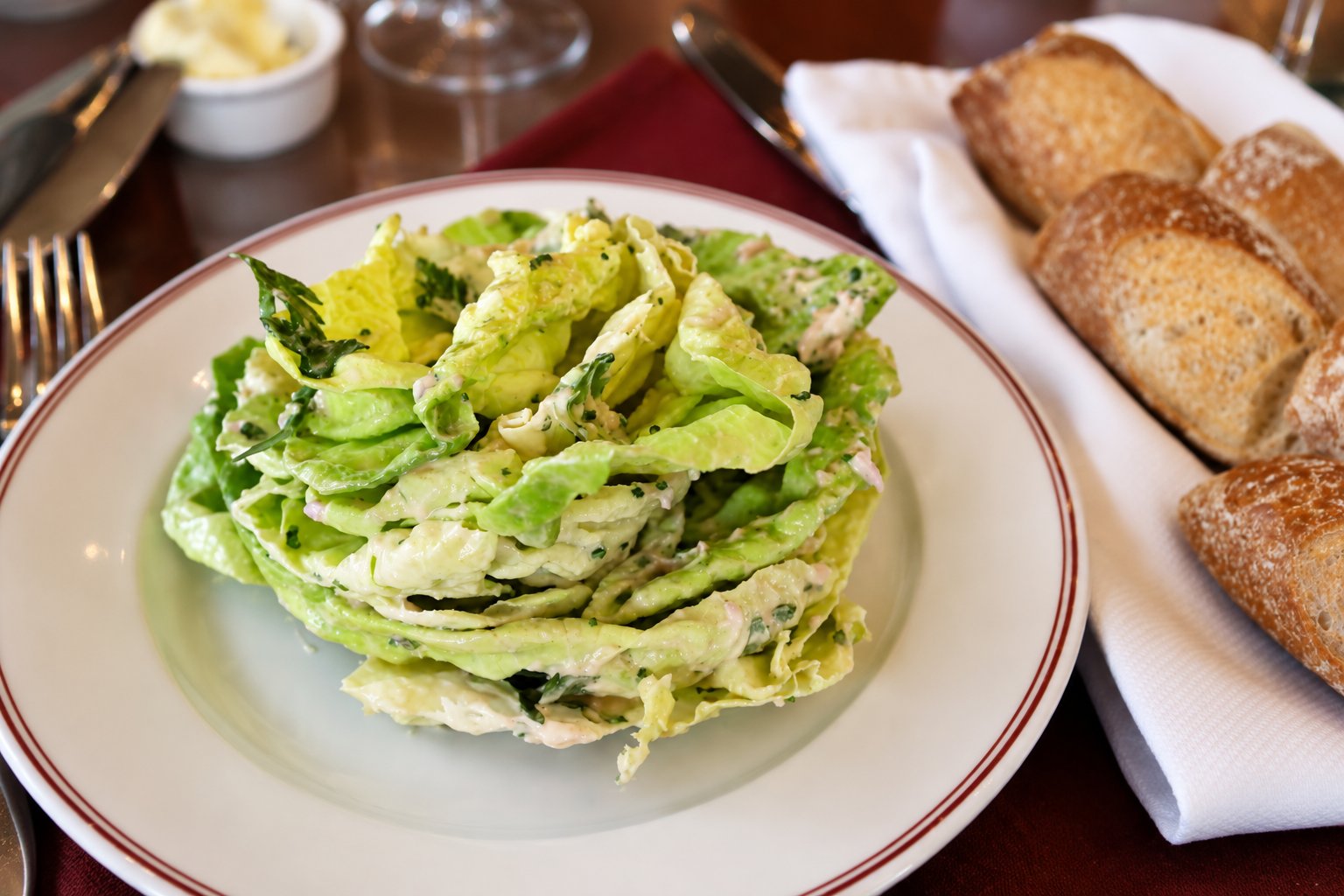
The menu changes seasonally but remains firmly rooted in traditional French bistro cooking. Longtime favorites have included roast chicken, steak frites, trout amandine and croque madame (can add truffles as an extra). An extensive raw bar features oysters and other fruits de mer. A very limited number of bar seats (8 in total) are available – all tightly packed together. The restaurant also offers its distinctive Vin en Carafe program, featuring wines produced specifically for Bouchon by select wineries in Napa Valley and France. And the ‘house’ wine, Modicum is also served here.
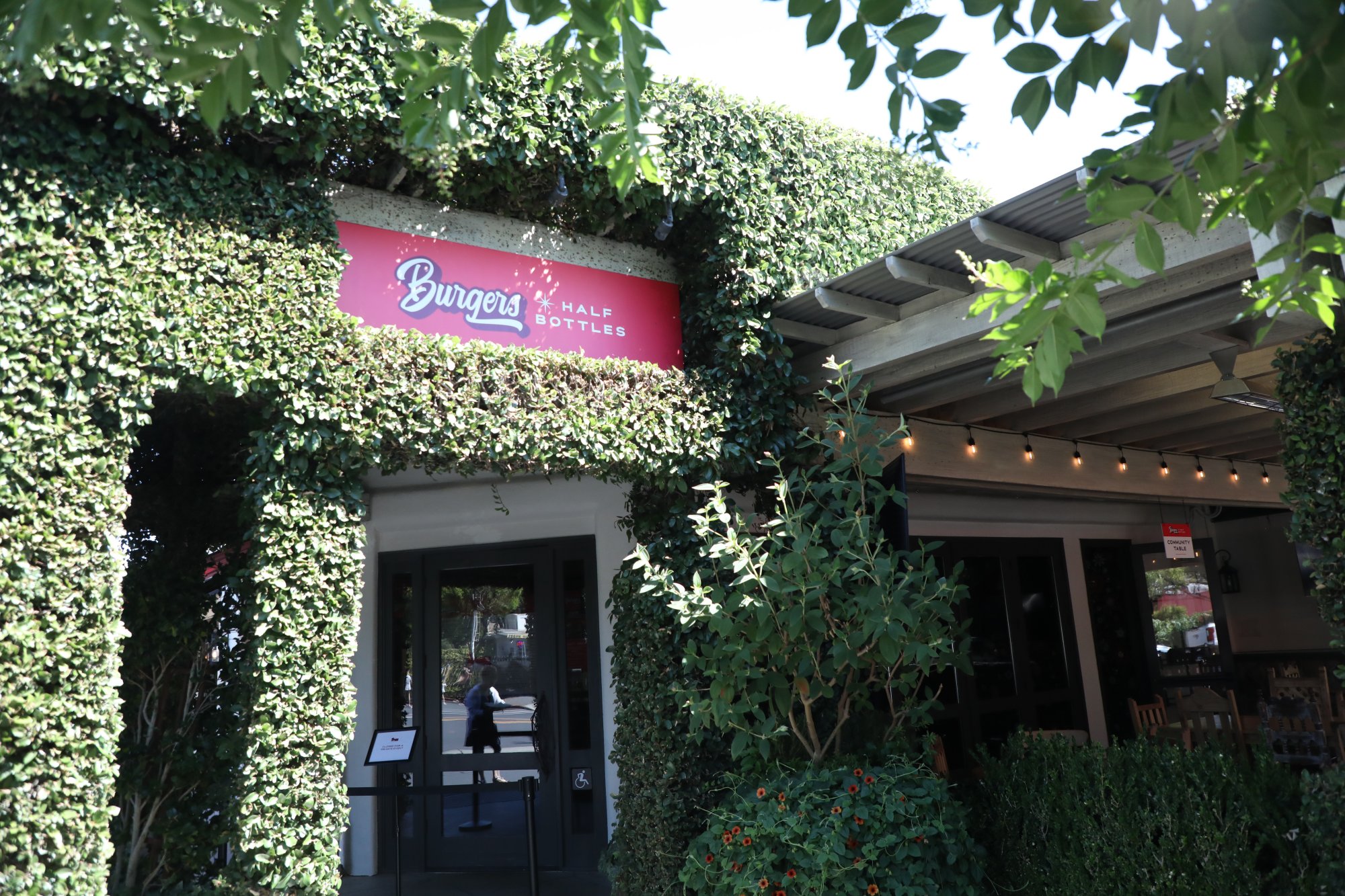
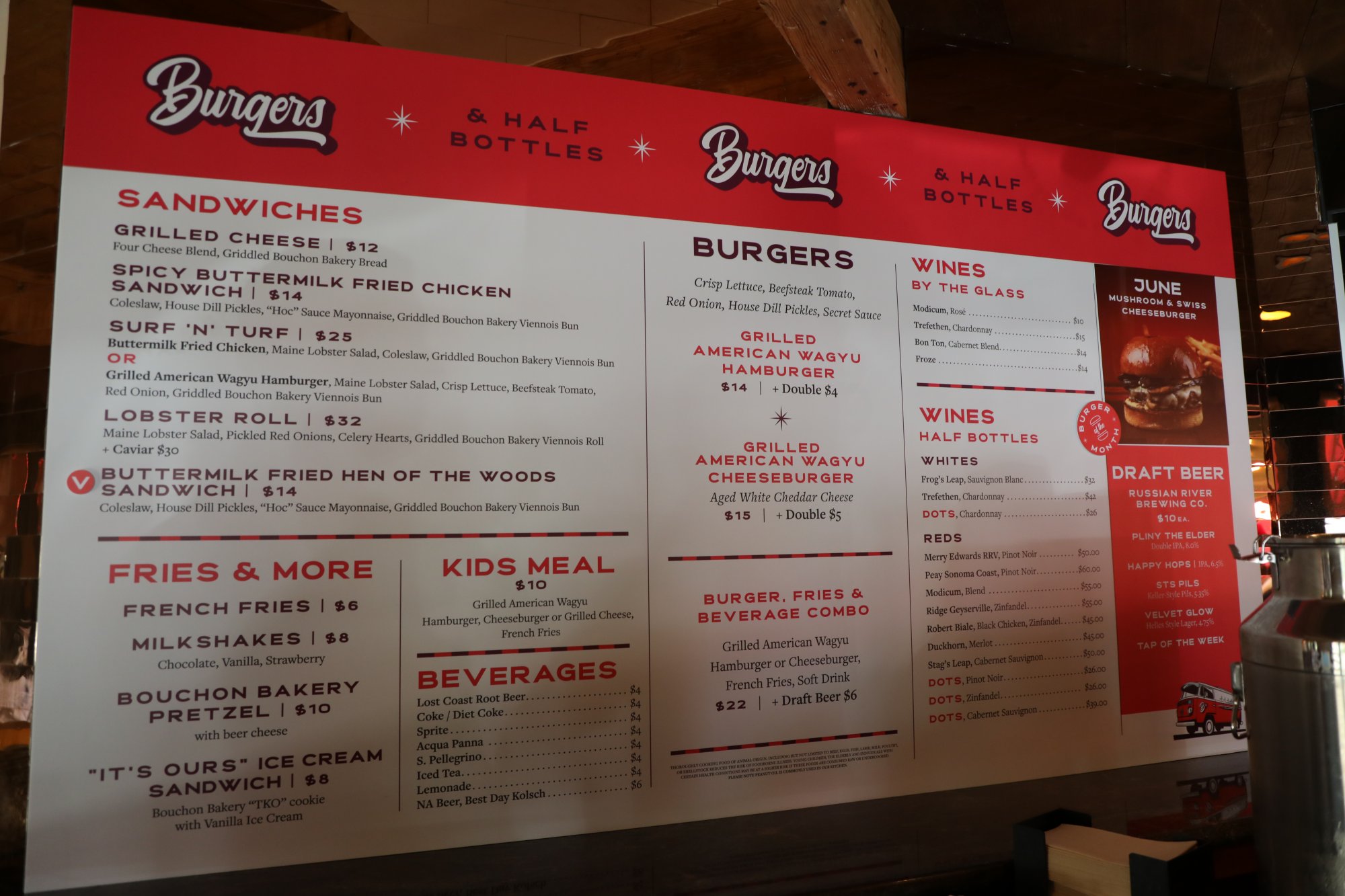
Burgers & Half Bottles
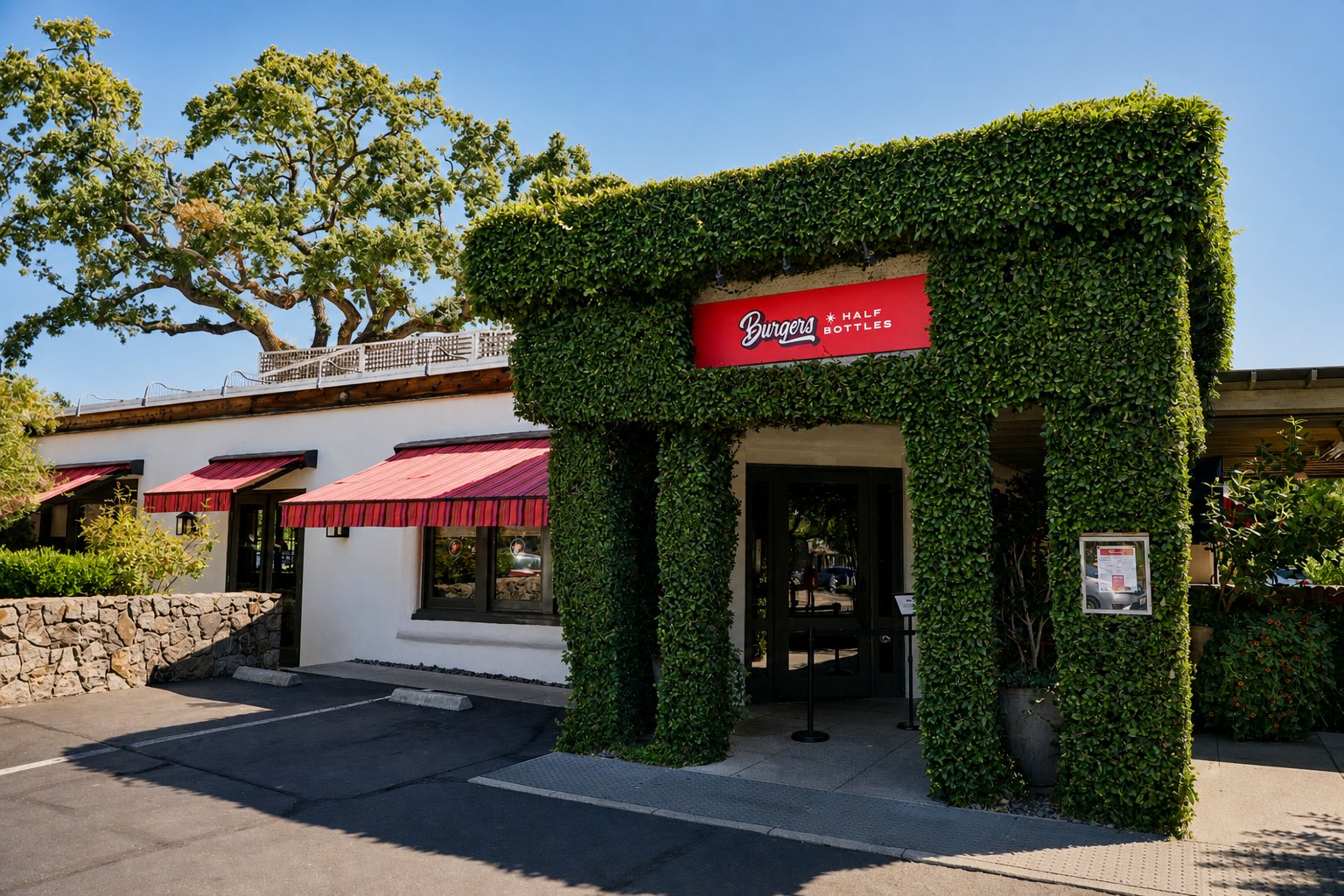
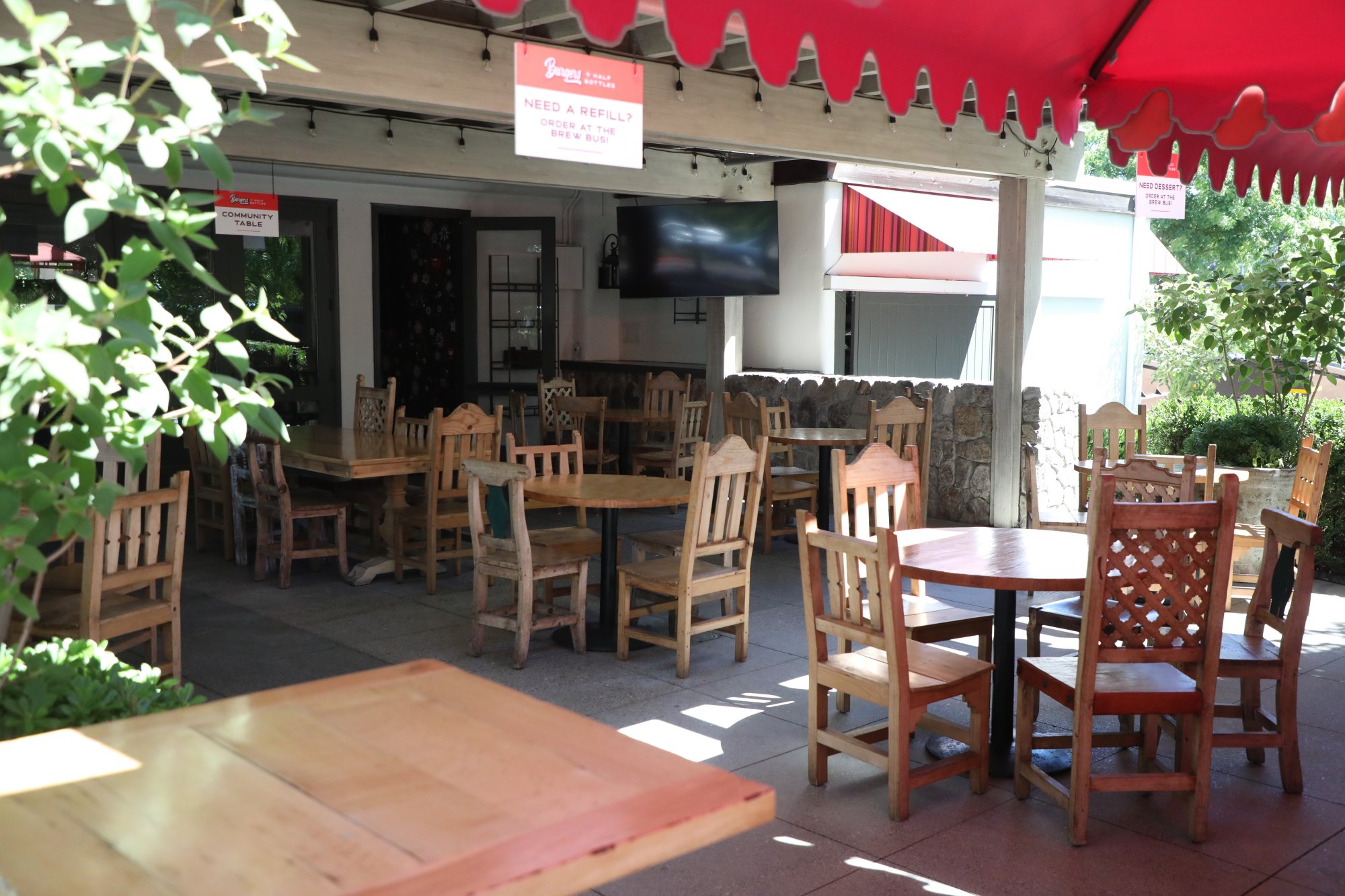
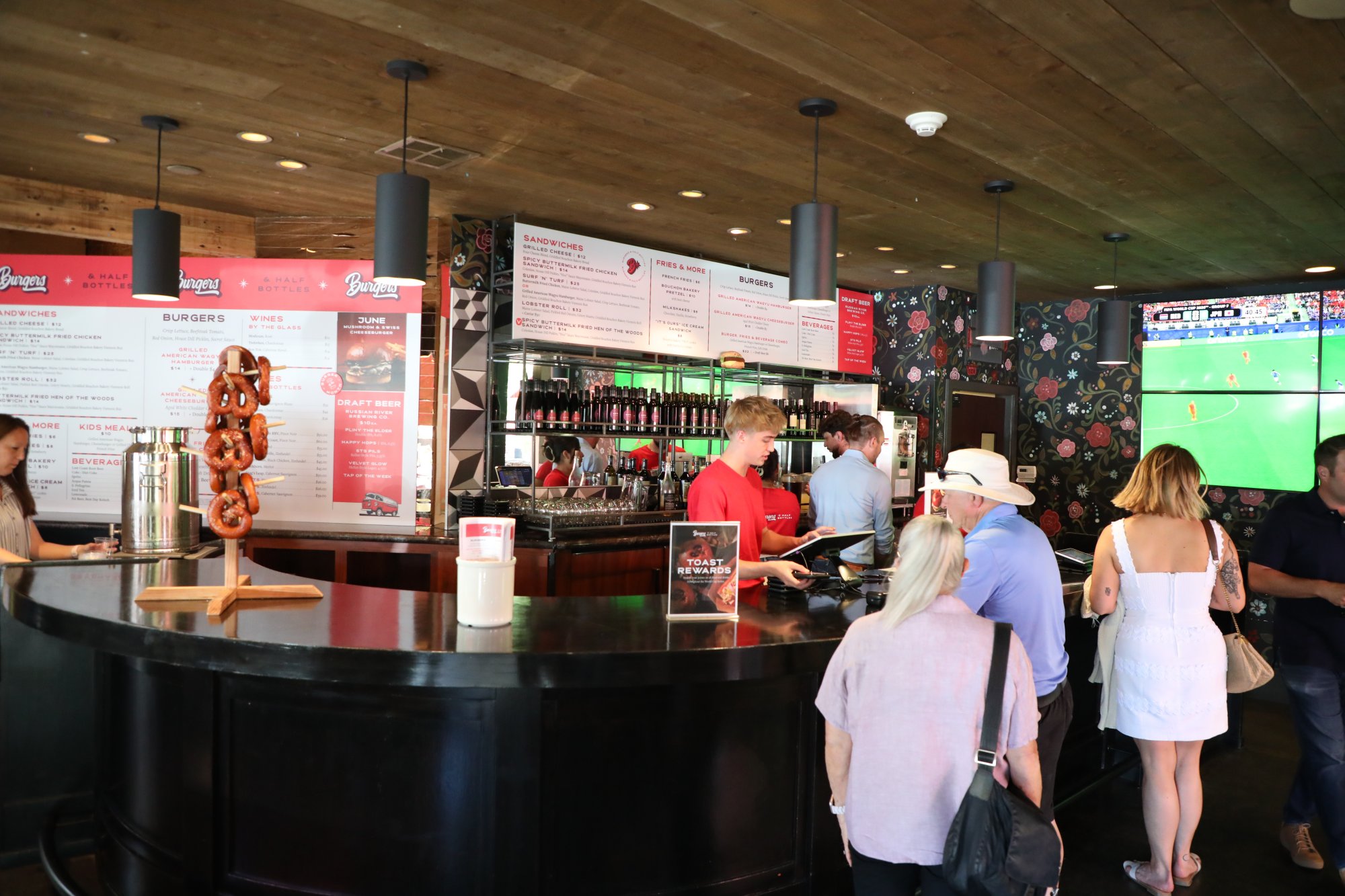
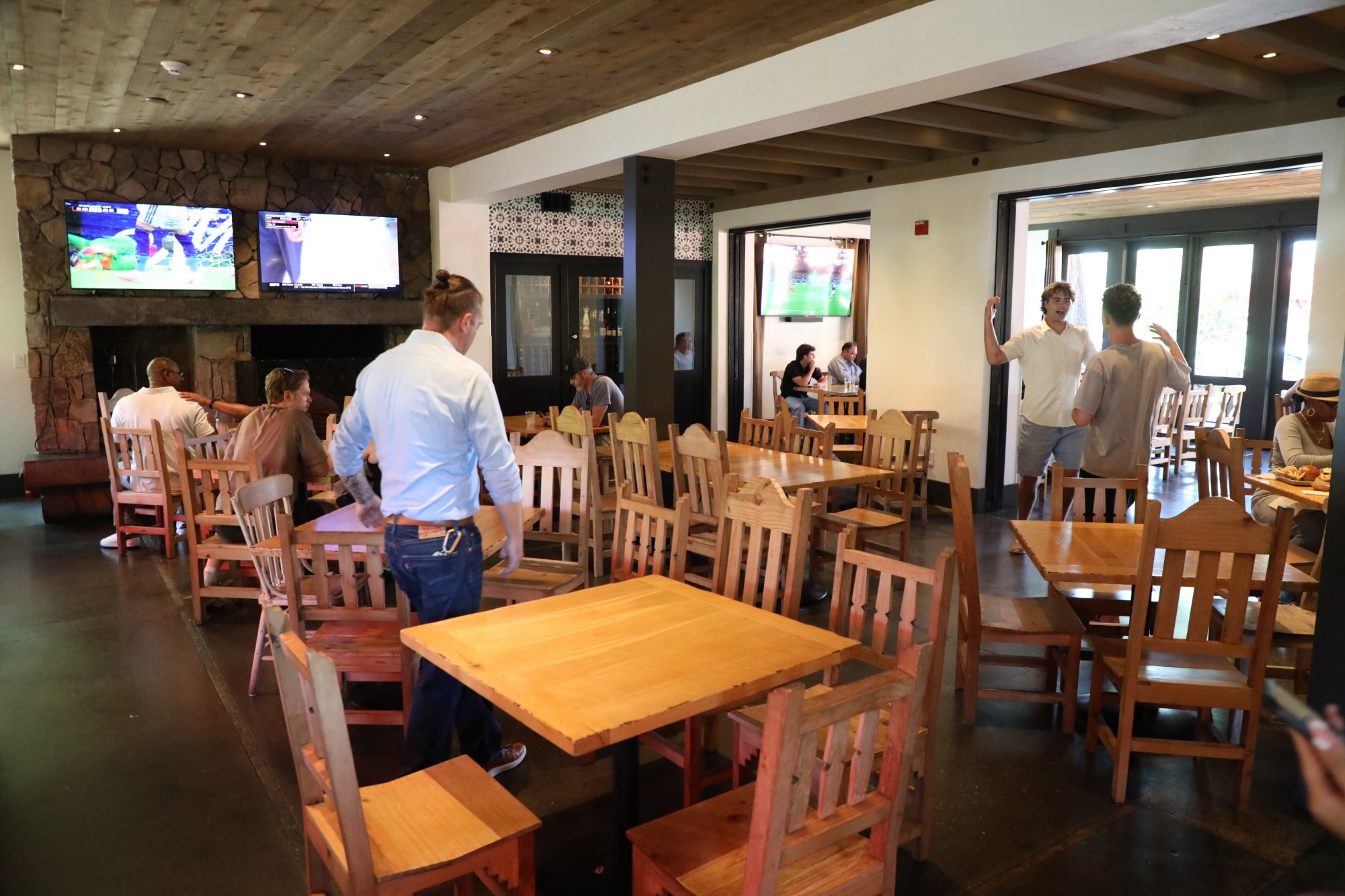
Known for its burgers, this casual and welcoming restaurant offers a lively atmosphere, friendly staff, and consistently quick service. A large screen often feature live sporting events, making it a popular gathering spot for both locals and visitors looking to relax over a meal and catch a game.
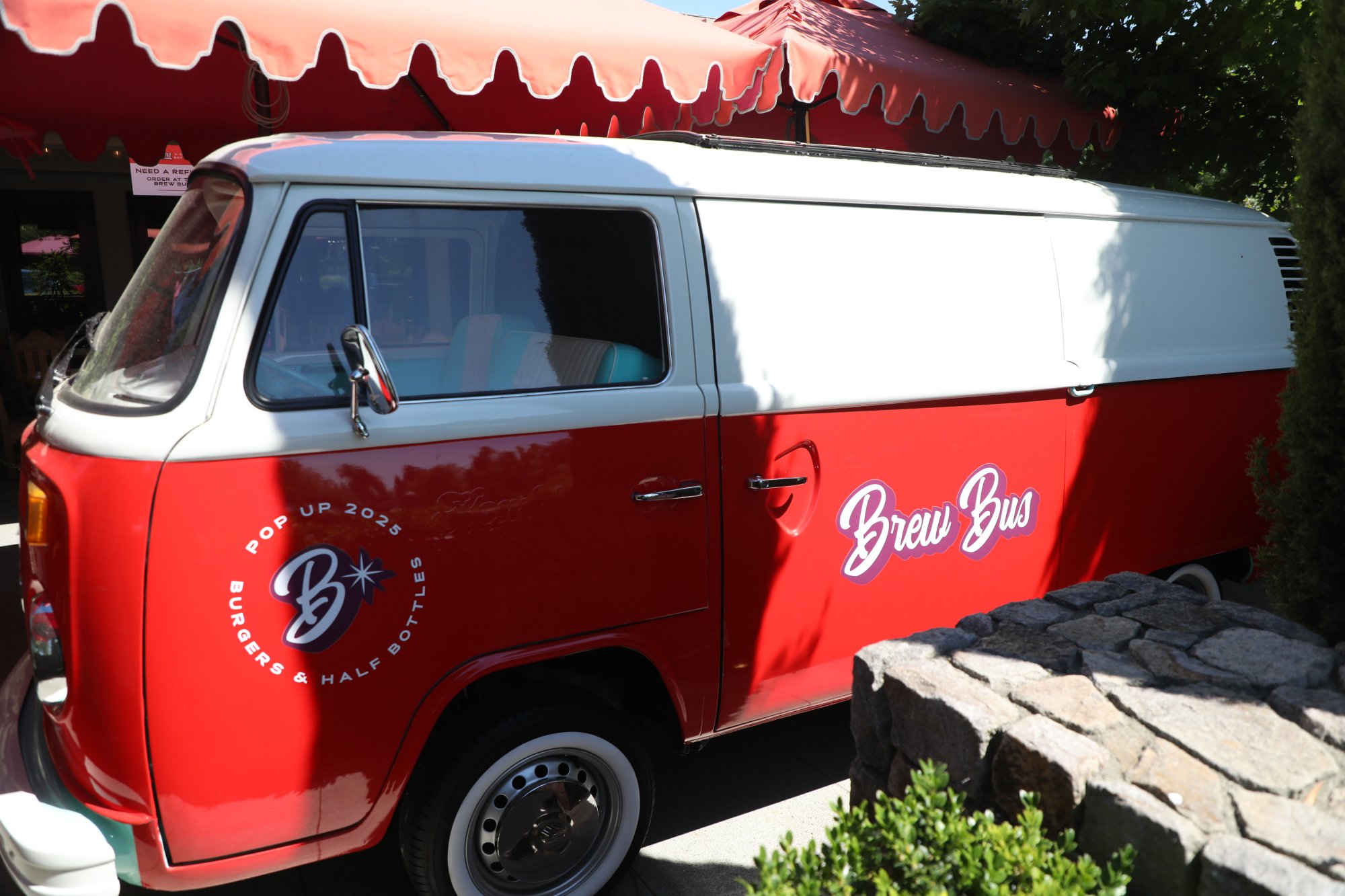
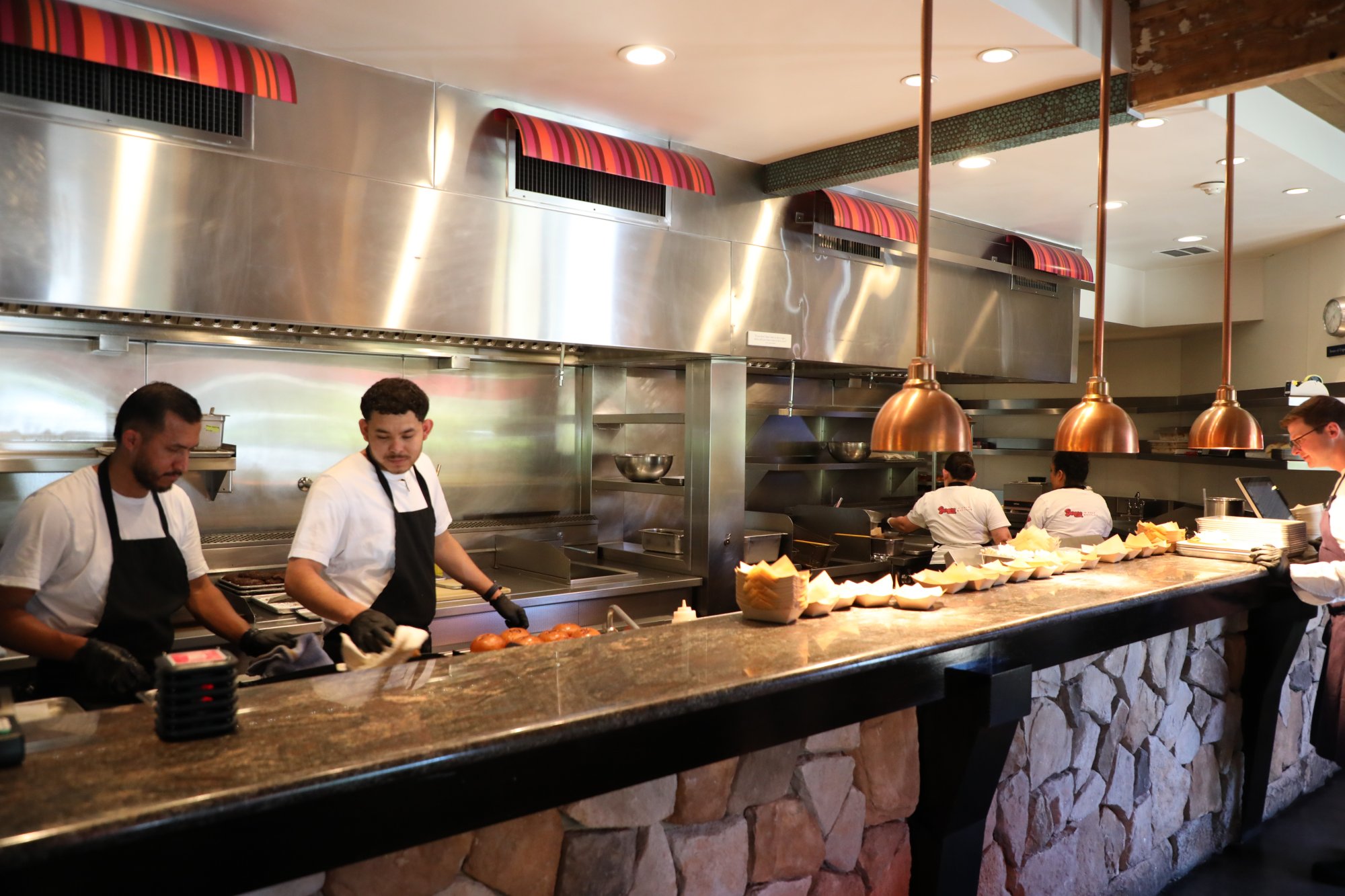
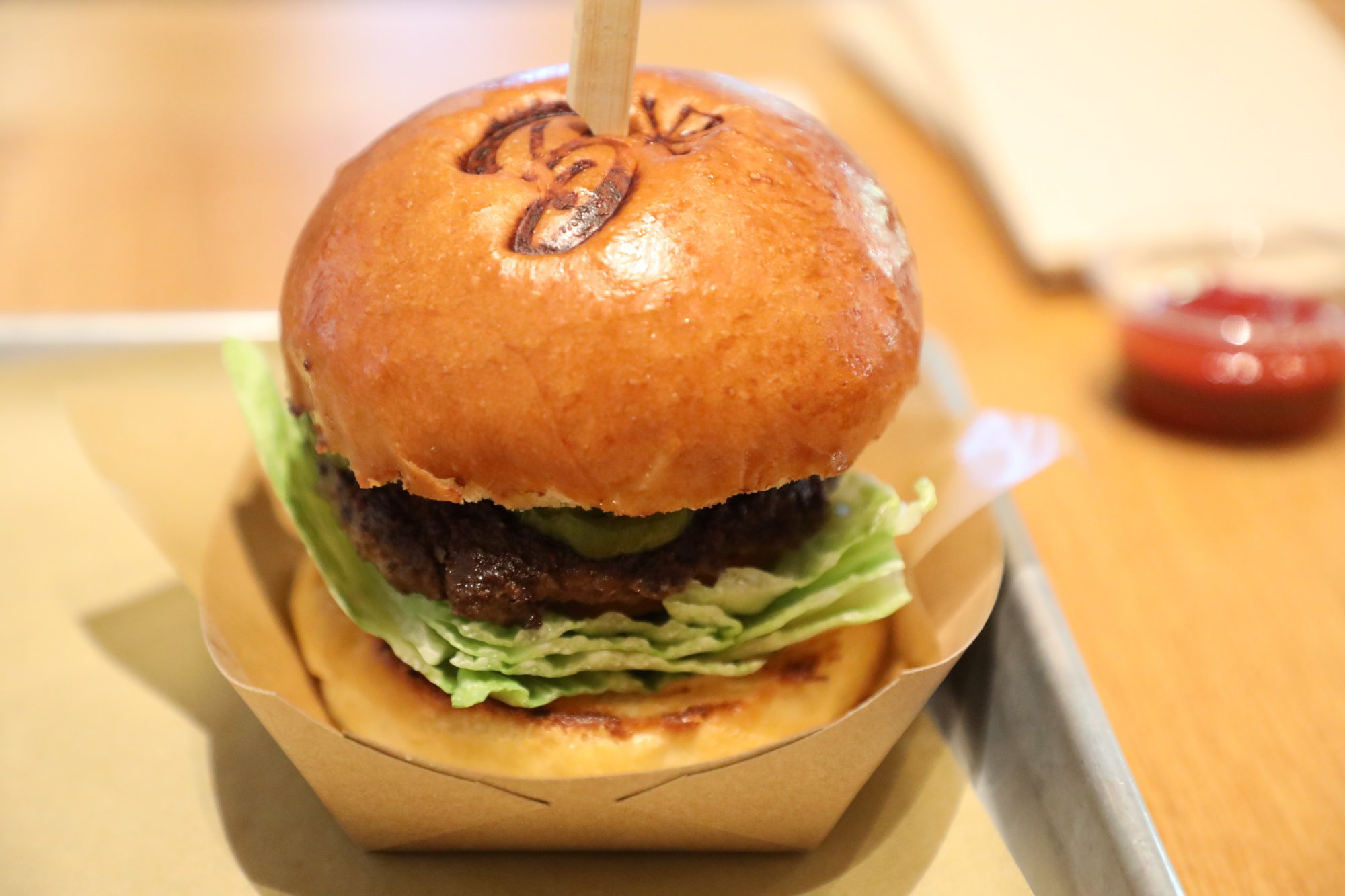
True to its name, burgers are the star of the menu, drawing guests in with a variety of classic and creative options. Food is prepared in an open kitchen. The restaurant features comfortable indoor seating as well as an outdoor patio area, weather permitting, located beside the iconic bright red Burgers & Bottles bus that has become a recognizable part of the dining experience.
For groups and special occasions, one section of the restaurant can be partitioned off to create a private event space, offering added flexibility for meetings, celebrations, and social gatherings.
Parking directly in front of the restaurant is limited. We recommend parking across the street in the large open air parking lot at V Marketplace.
RO Restaurant & Lounge, Yountville
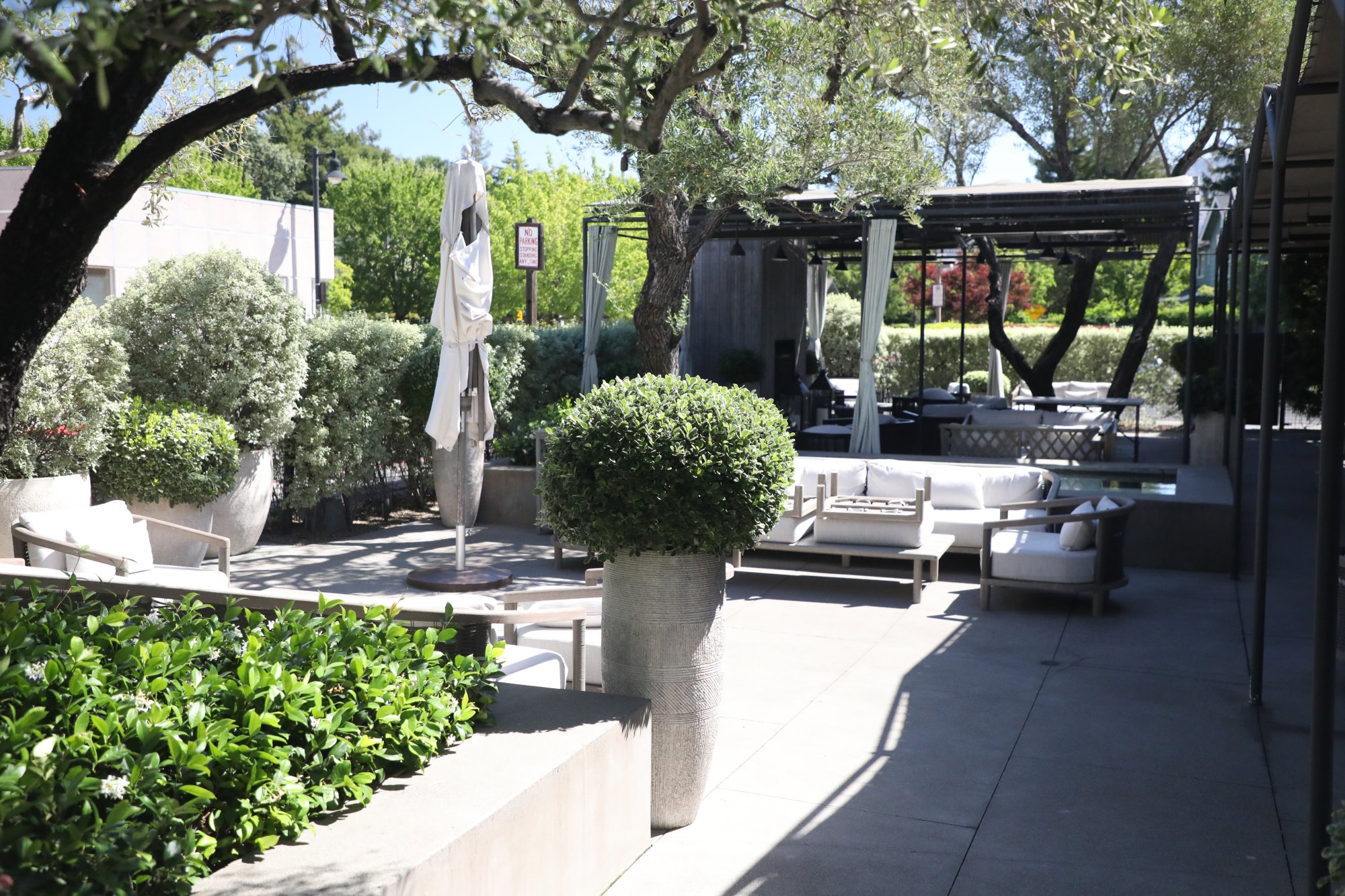
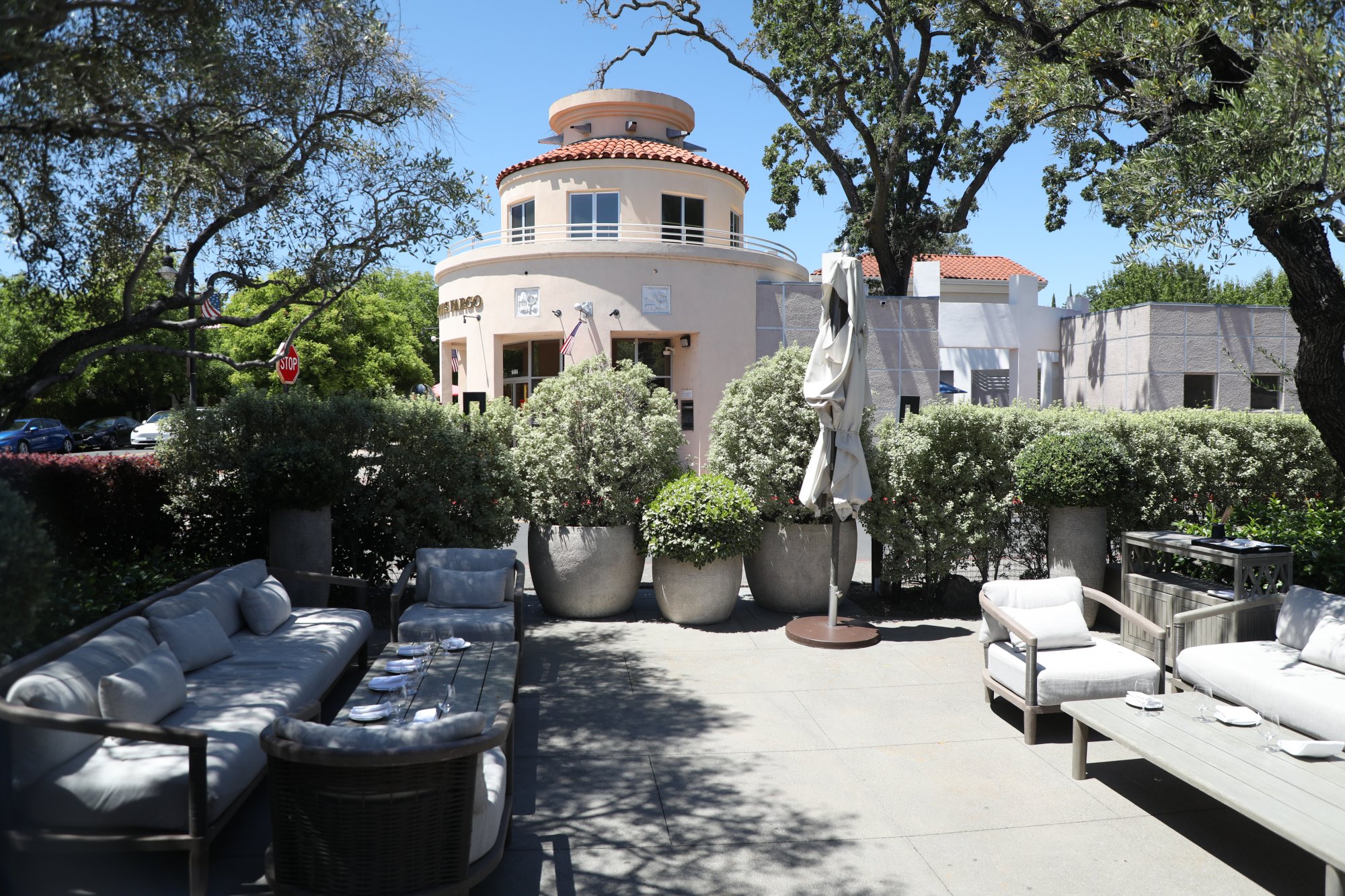
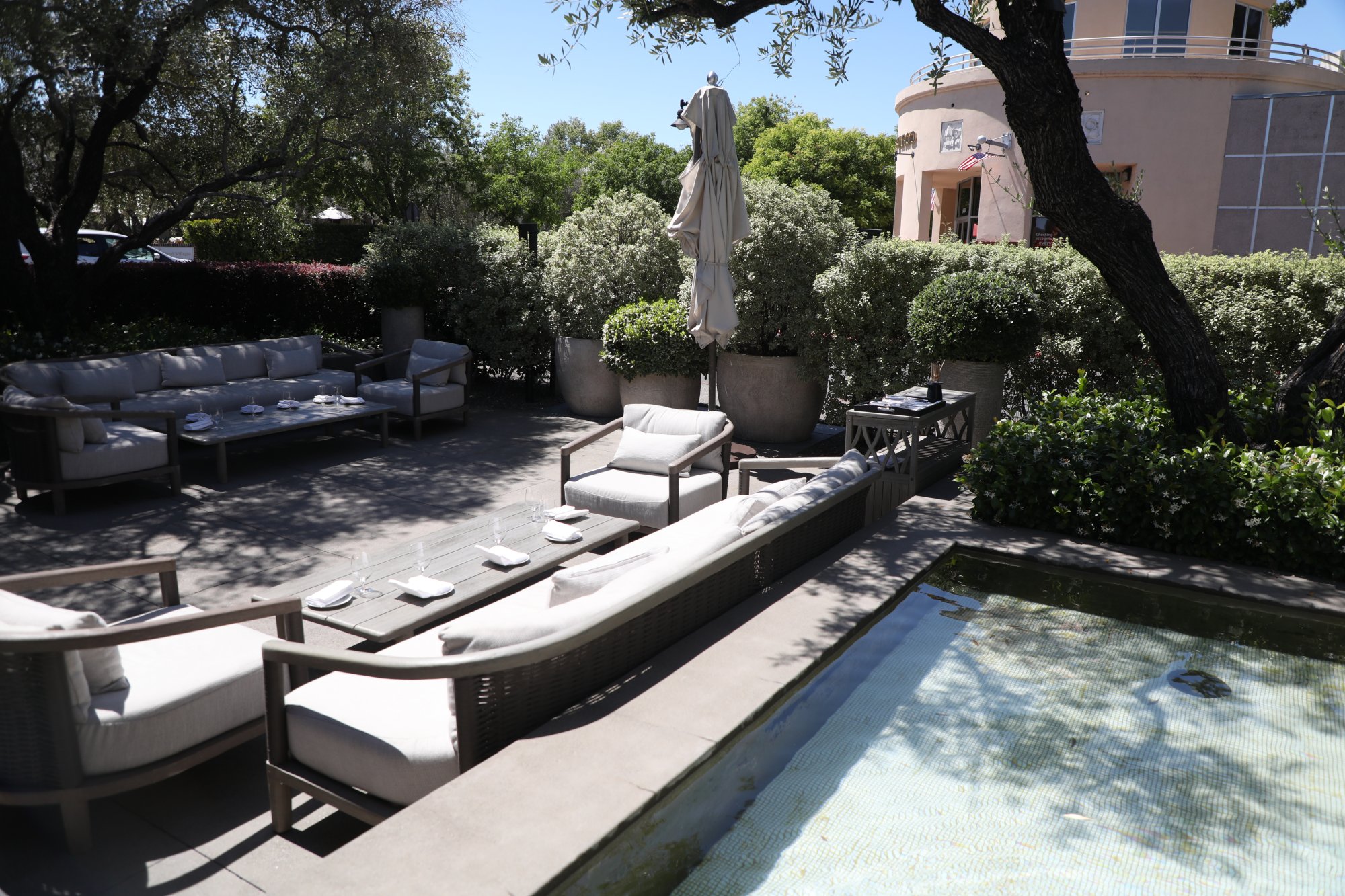
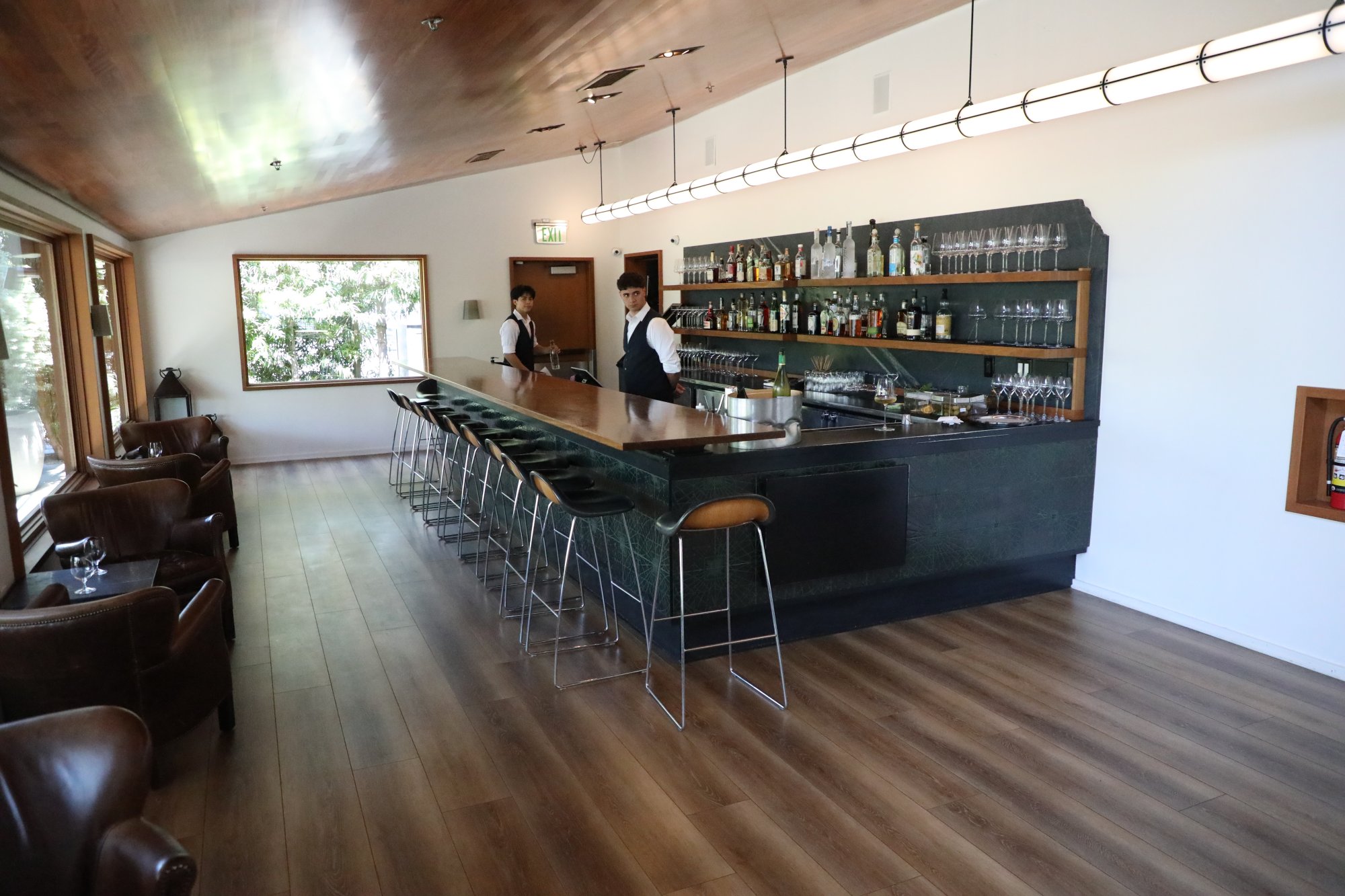
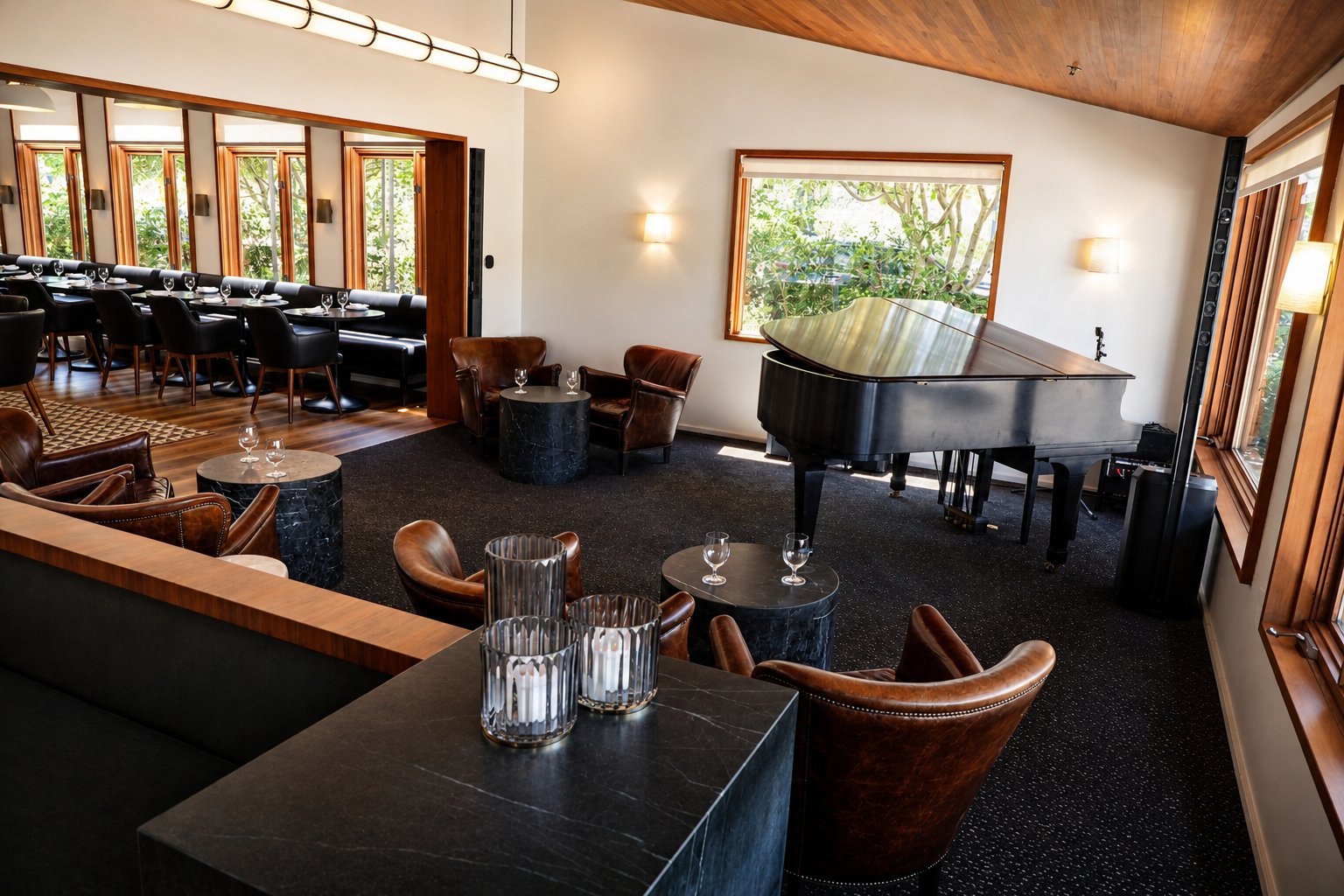
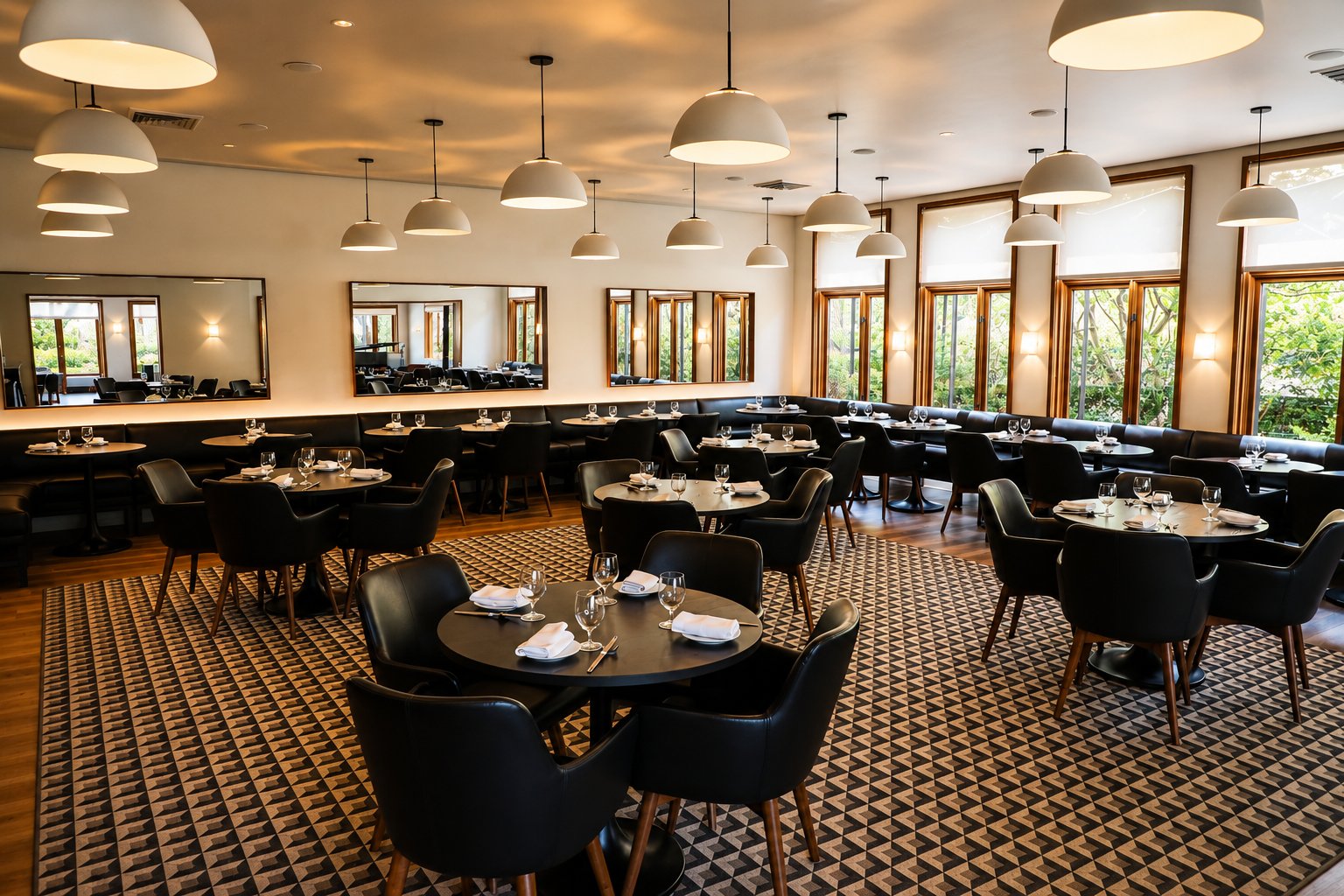
Centered around three mature olive trees in the courtyard, the outdoor space feels open, shaded, and inviting. The trees provide natural cover throughout much of the day, while retractable shade cloths can be extended in the late afternoon to maintain comfort as the sun shifts. Inside features a bar and additional seating.
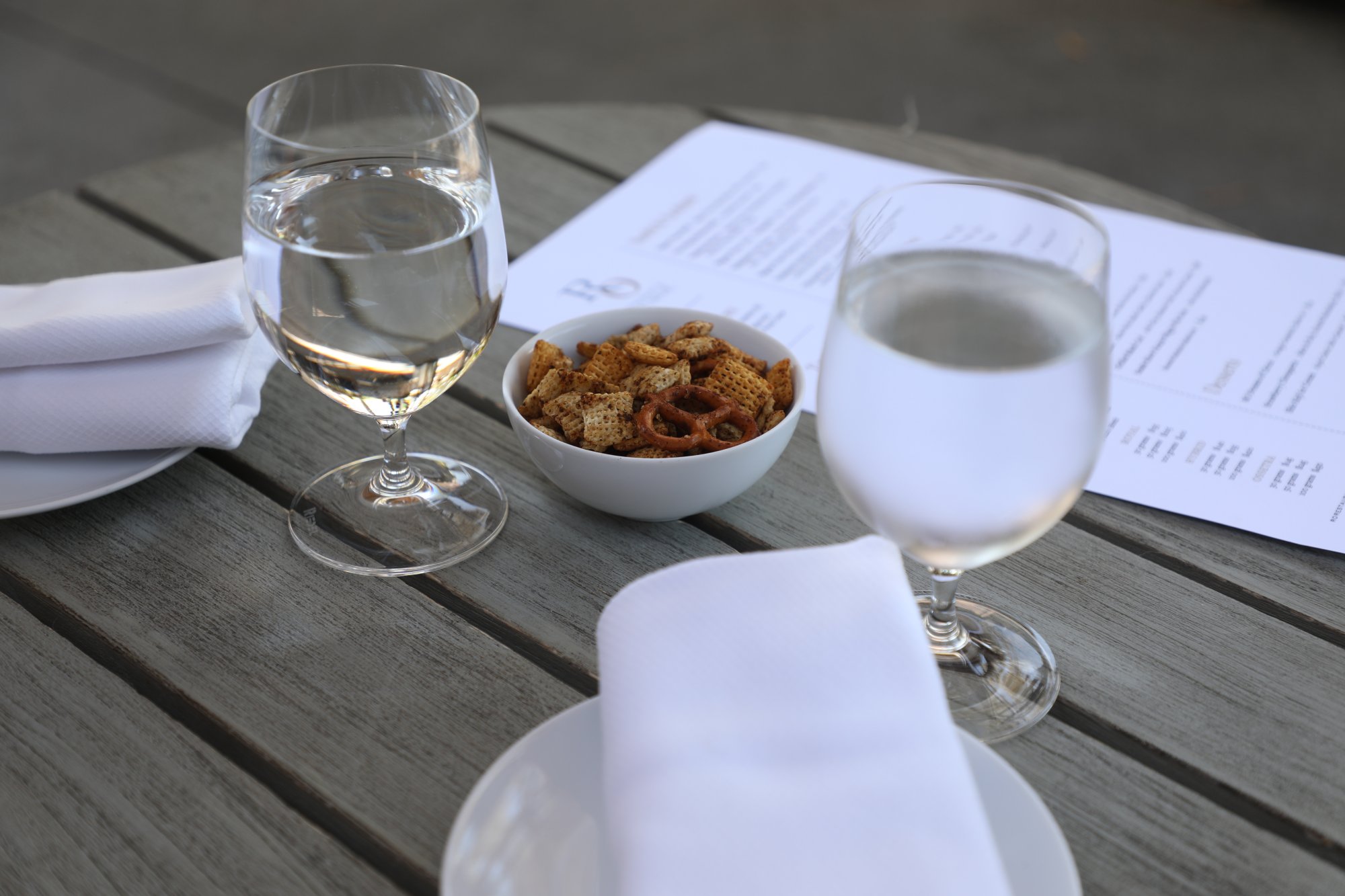
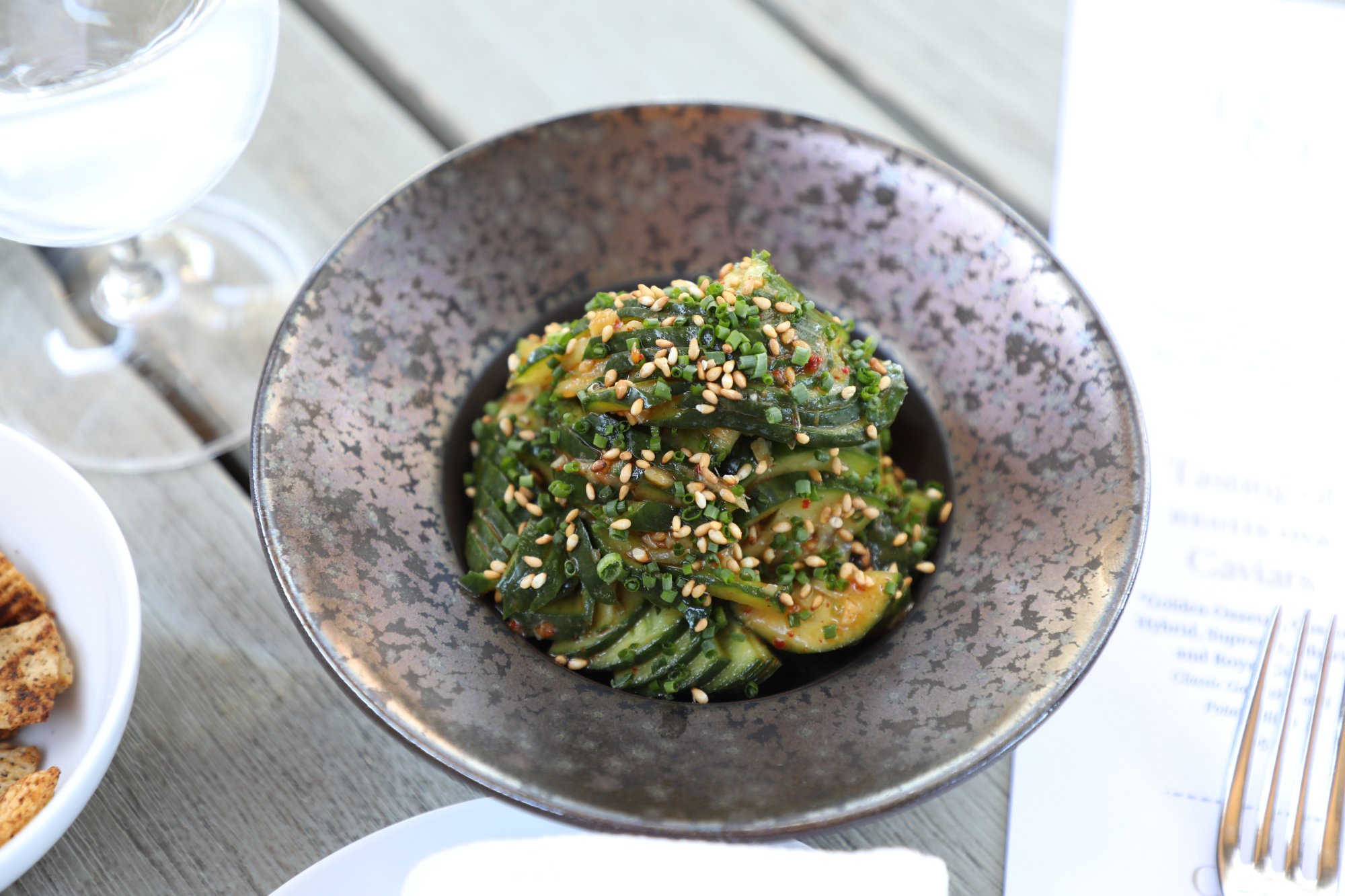
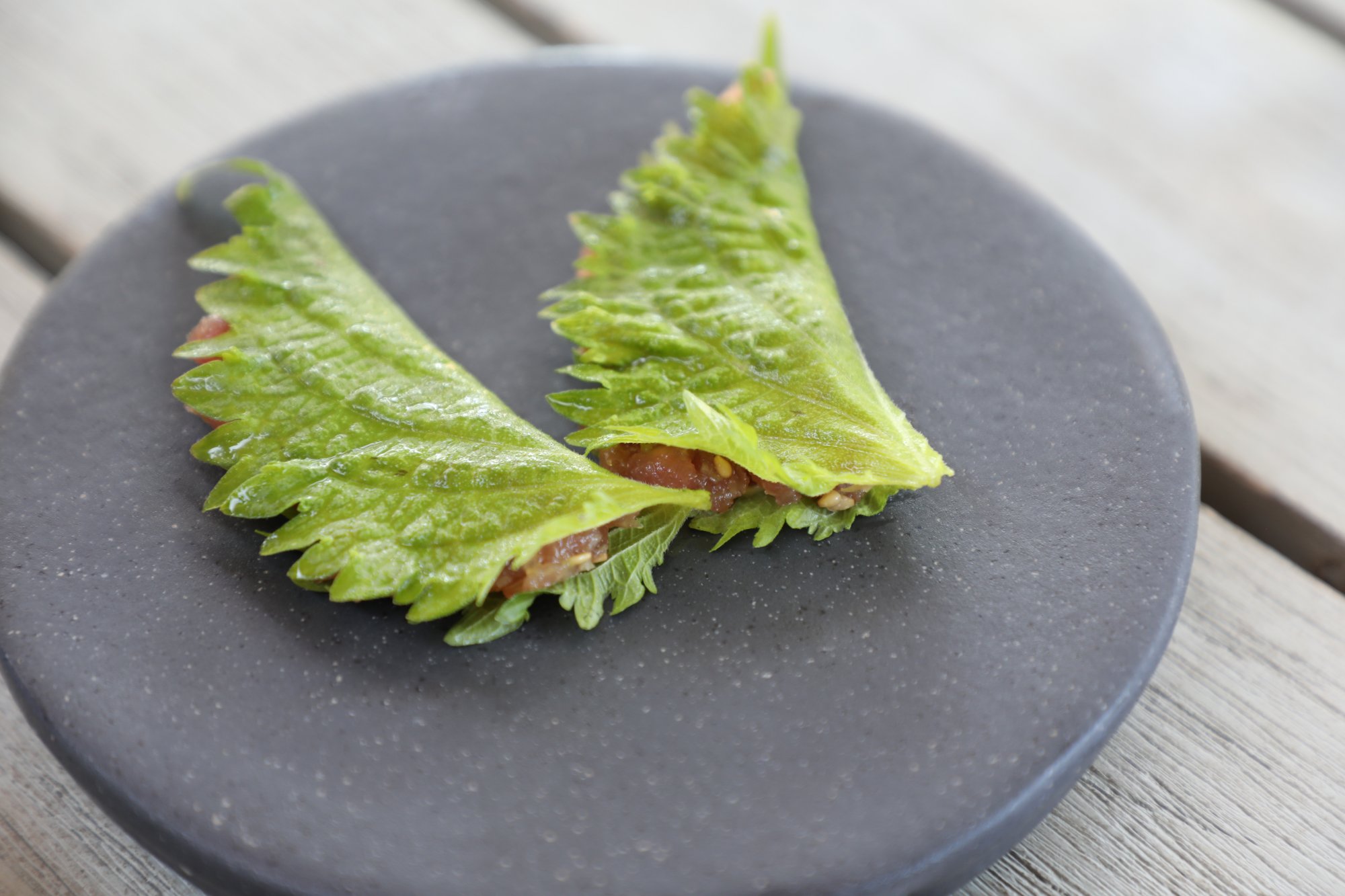
The restaurant is particularly known for its caviar service, including the signature REGIIS OVA caviar experience, which has become one of its defining offerings. The menu balances refinement with accessibility, featuring sushi and sashimi alongside thoughtfully prepared vegetable dishes, grains, fresh seafood, and premium meats. A limited selection of desserts rounds out the dining experience.
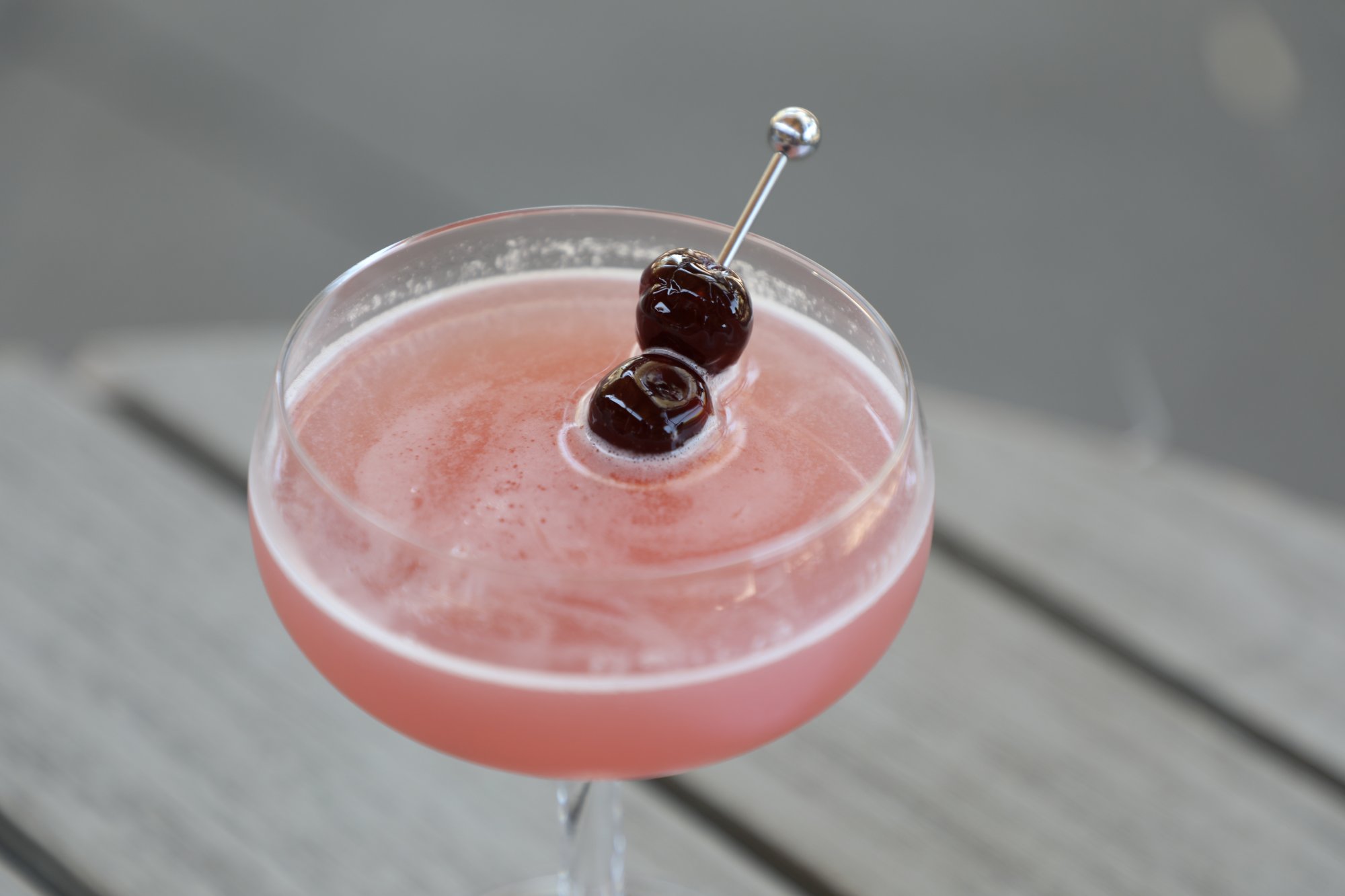
And their signature drink, the RO Sour hits all the pleasure points on the palate.
RO offers a limited number of dedicated parking spots accessed off of Oak Circle, adjacent to the restaurant.
—
Bouchon at The Venetian, Las Vegas
Bouchon Bakery at The Venetian, Las Vegas
Bouchon Bistro, Coral Gables Florida
Per Se, New York
Coral Casino Restaurant, Santa Barbara
The Surf Club Restaurant, Surfside, Florida
—
HALL MANAGEMENT GROUP
Note: we will visit and dine at these restaurants as time and budget allow.
Hall’s Chophouse, Charleston SC
Hall’s Chophouse, Columbia SC
Hall’s Chophouse, Greenville SC
Hall’s Chophouse, Summerville, SC
Slightly North of Broad, Charleston SC
High Cotton, Charleston SC
Rita’s Seaside Grille, Folly Beach SC
—
Hall’s Chophouse, Nashville TN
Hall’s Catch, Nashville TN
Leave a Reply