



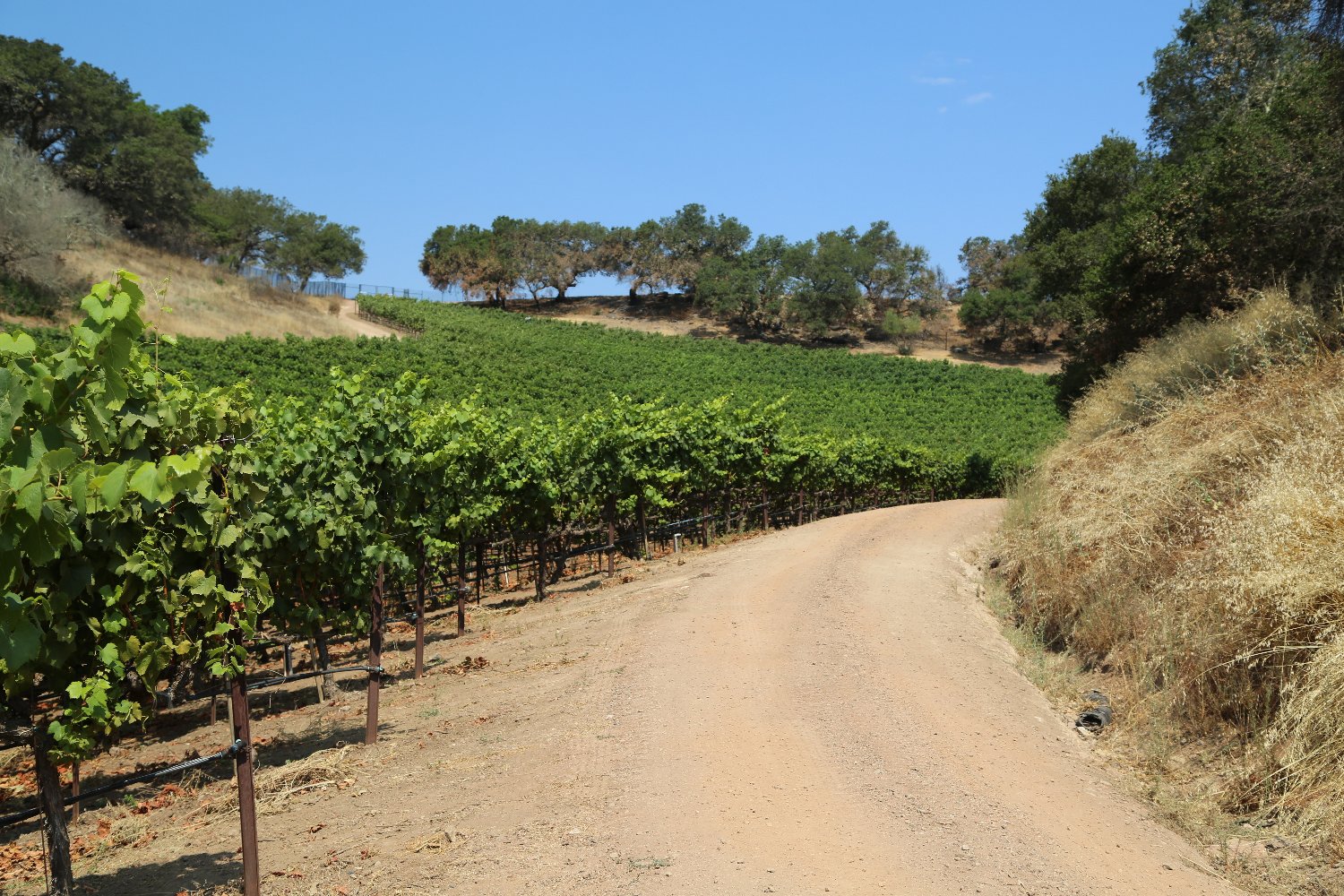
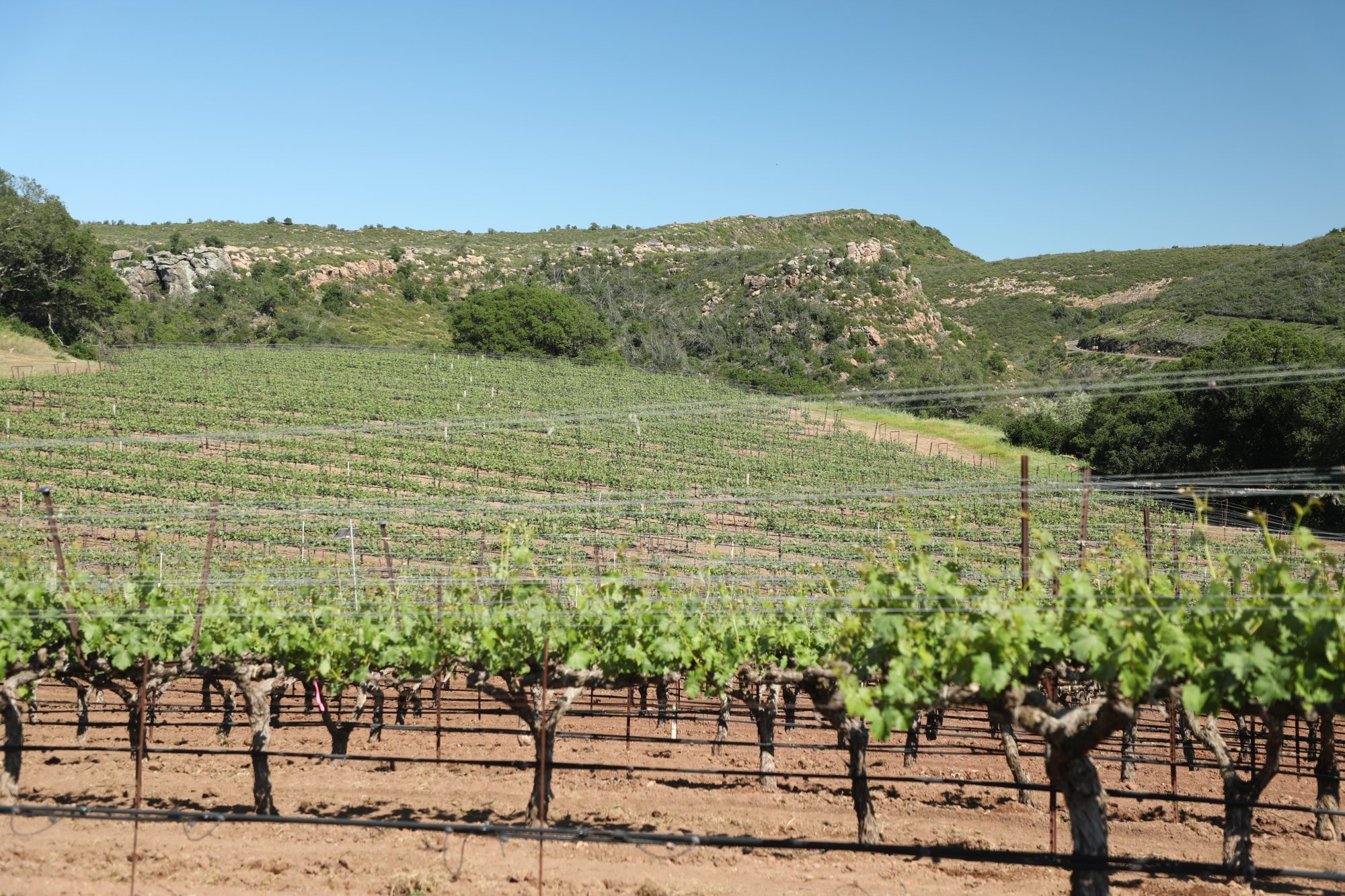
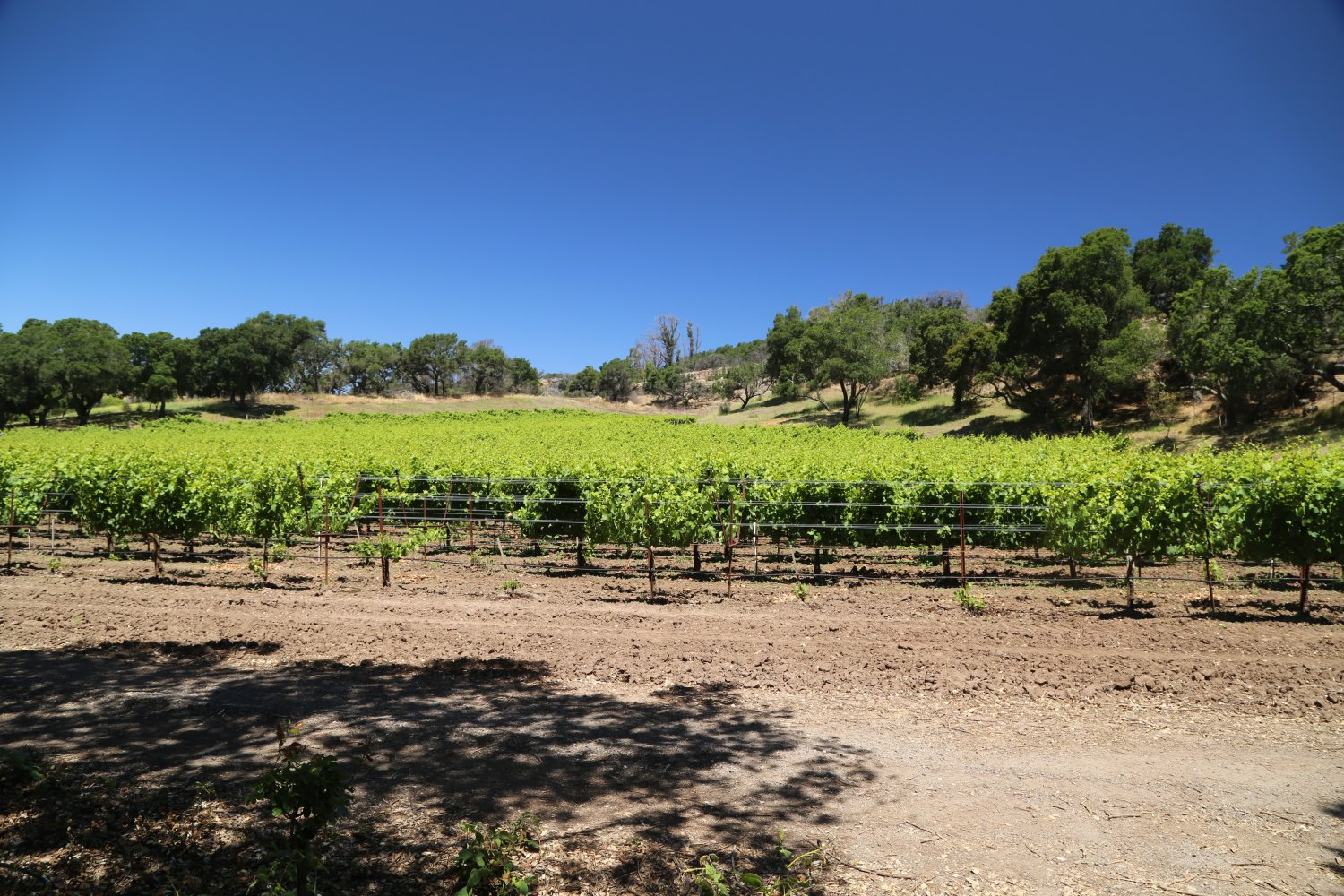
 Jarvis Estate Winery is located on Highway 121 on the way towards Lake Berryessa; despite a somewhat isolated feel to the properties’ location, Jarvis is located only about a 15 minute drive from downtown Napa. The estate is over 1,320 acres of which only 37 are planted to vine.
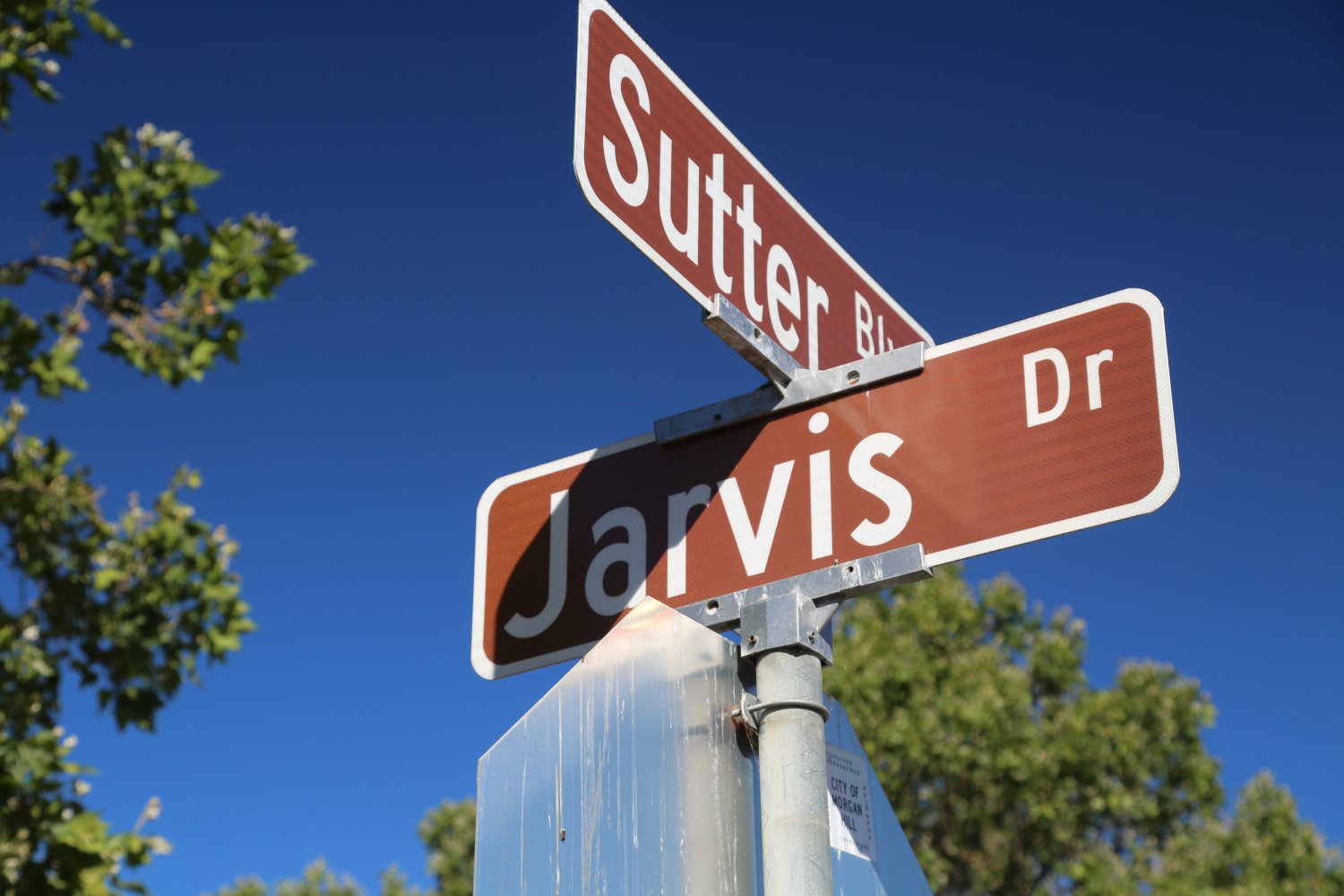
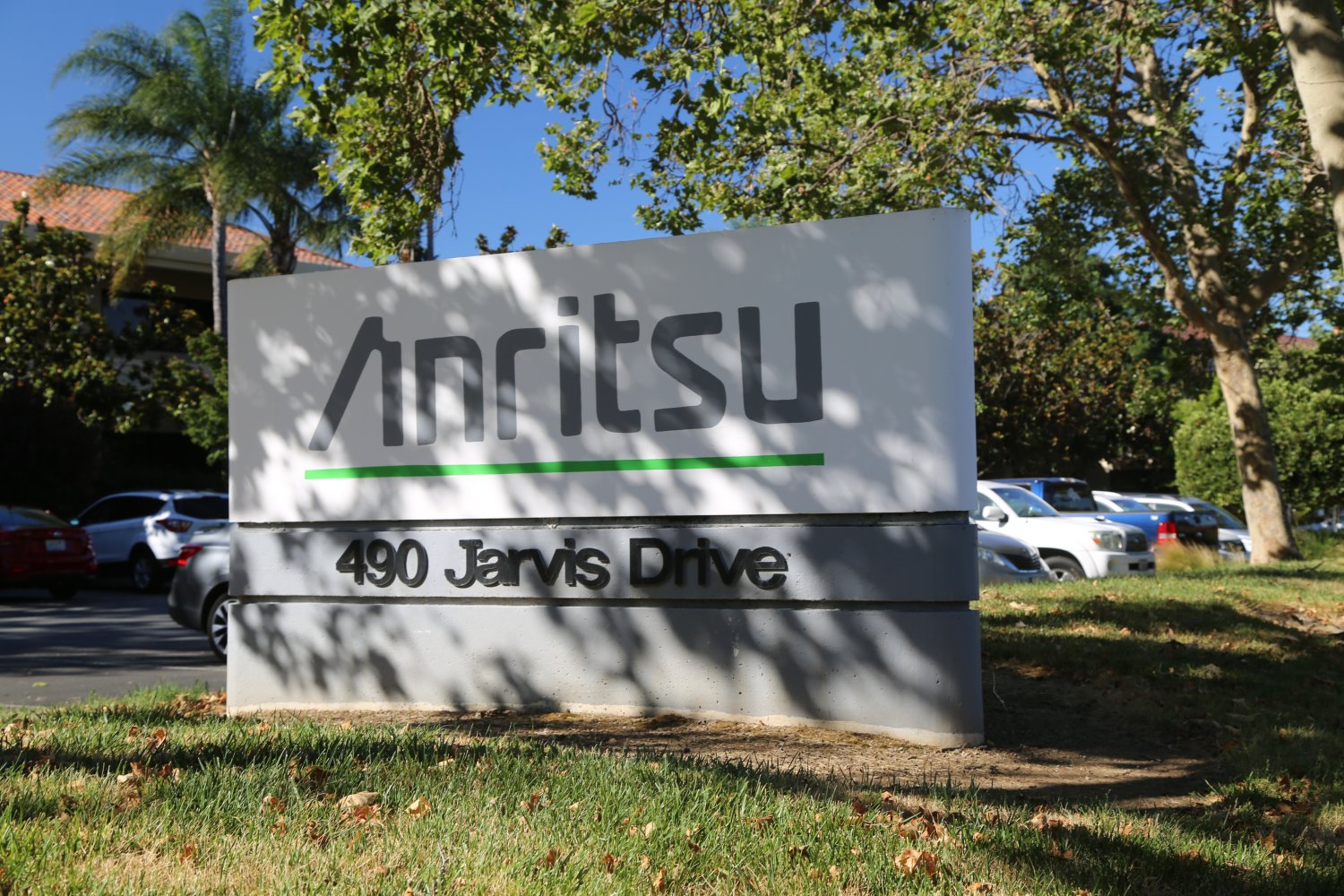
The winery was founded by William and Leticia Jarvis. William met Leticia in Mexico where he was studying Spanish; she is from Puebla, Mexico. William was born in 1925 (died a few months shy of age 100 in 2025) and grew up in tiny Sayre, Oklahoma; he has led a fascinating life. He was an officer in the Navy stationed in China slightly after World War II. After returning stateside he attended both UC Berkeley and later earned his MBA at Stanford University. After graduating, he worked for Hewlett Packard (their 300th employee) and in 1960 co-founded Wiltron, an extremely successful electronics company that was based in the Silicon Valley. William was president of Wiltron for 25 years before stepping away in 1985 a year after the company moved from Palo Alto. Jarvis Drive in Morgan Hill, site of the company’s later operations was named after William. Wiltron was purchased by Anritsu in 1991.
Much later in life William wrote a fascinating book and in-depth look at his family history; this is available for sale in hard cover at the winery or can be read online here. Both he and Leticia have lived and traveled extensively throughout Europe and have an appreciation for fine wine. The first wines made on the property were made by William prior to the cave being built.
After Bill and Leticia married, they studied French literature in France. During their time in France, after looking at 30-40 chateaus for sale, they purchased a Louis XIV era chateau in the Vesle Valley near Reims in Champagne. After selling this property to devote their time to Jarvis Estate, the chateau was converted into Château de Courcelles, a luxury 4-star Relais & Châteaux inn. While living in this part of France, they fell in love with wine including Champagne.
Their introduction to Napa Valley came through one of William’s friends Hugh (Hugo) Fleming who owned a home in Yountville; they would visit him. While living and working working in the South Bay, they began to visit Napa Valley regularly on the weekends with the intent to acquire property. Over the span of a year Leticia estimates they looked at approximately 100 different properties. Towards the end of their search, William asked Leticia which property was the most memorable; she told him it was the first property they looked at. But by this time, it had already been a year; fortunately it was still for sale and they closed in 1986.
The Jarvis family’s intention was not originally to plant a vineyard; the property was previously used for cattle grazing and had never been planted to wine grapes. The first grapes they planted were Chardonnay, Cabernet Sauvignon and a tiny block of Cabernet Franc. Leticia recalls friends from Wiltron helped plant the original vines; for some time a plaque underneath the vine noted the name of each person and their corresponding vine.
William and Leticia later decided to make wine in the barn, which had previously served as stables—essentially a pilot winery—with a small laboratory setup. Both began attending classes at UC Davis to study viticulture and enology. During this time, they sold grapes to producers such as Clos du Val, Grgich Hills and Rombauer. In 1992, they became bonded and began producing wine in the cave.
The previous property owners were Napa natives Peter and Vernice Gasser; their ownership spanned more than 30 years. Their influence and contributions in Napa were significant. Pete founded Gasser Motors and later invested in other local businesses. He sold Gasser Motors in 1965 to devote his time to real estate investments. He served on numerous boards, was president of the Napa Chamber of Commerce and served on the Golden Gate Bridge Authority. Perhaps their most important contribution was the Gasser Foundation which contributes between $1.5 and $2.0 million annually to the local hospitals, hospices, homeless shelters and cultural organizations.
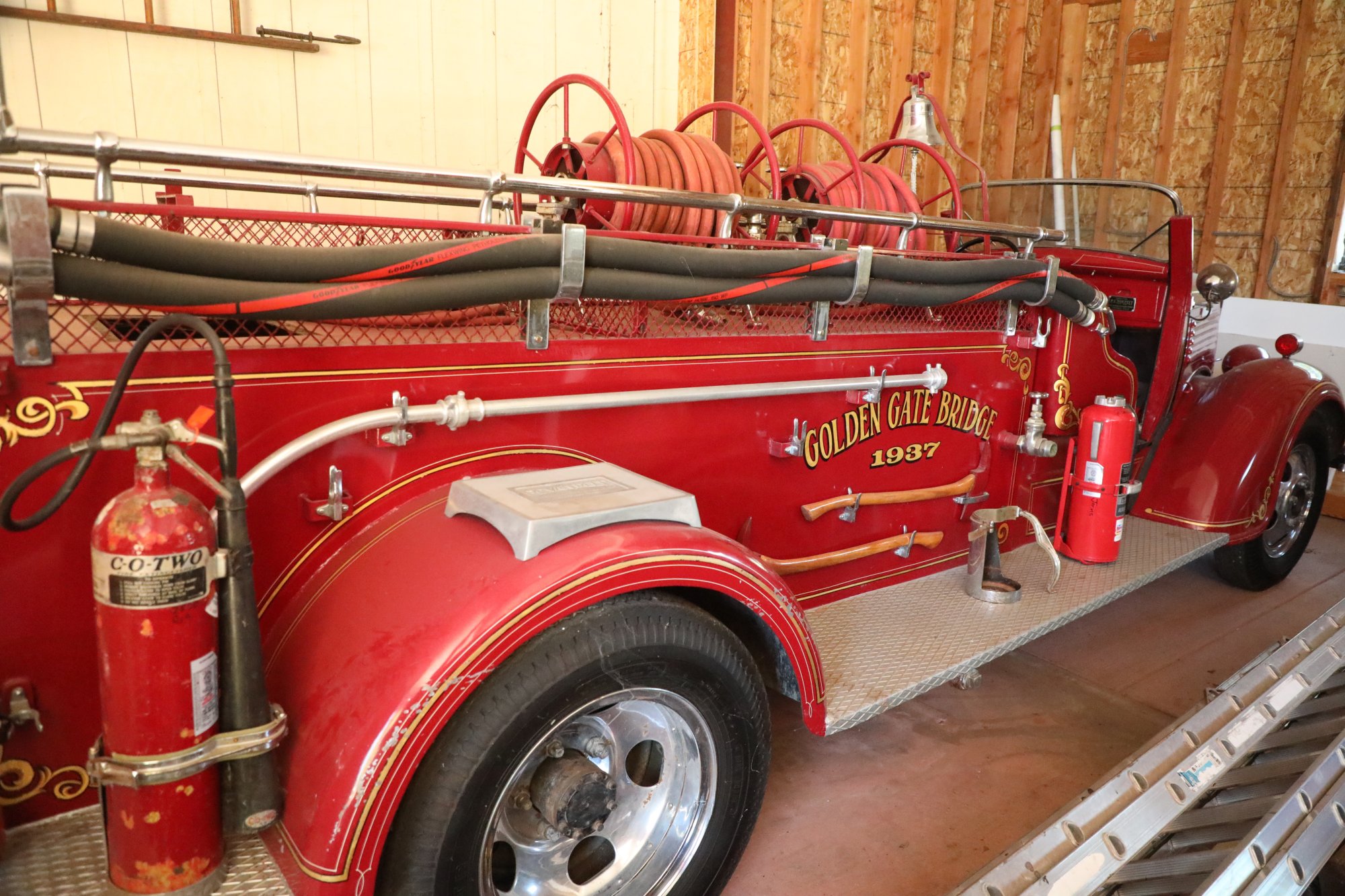
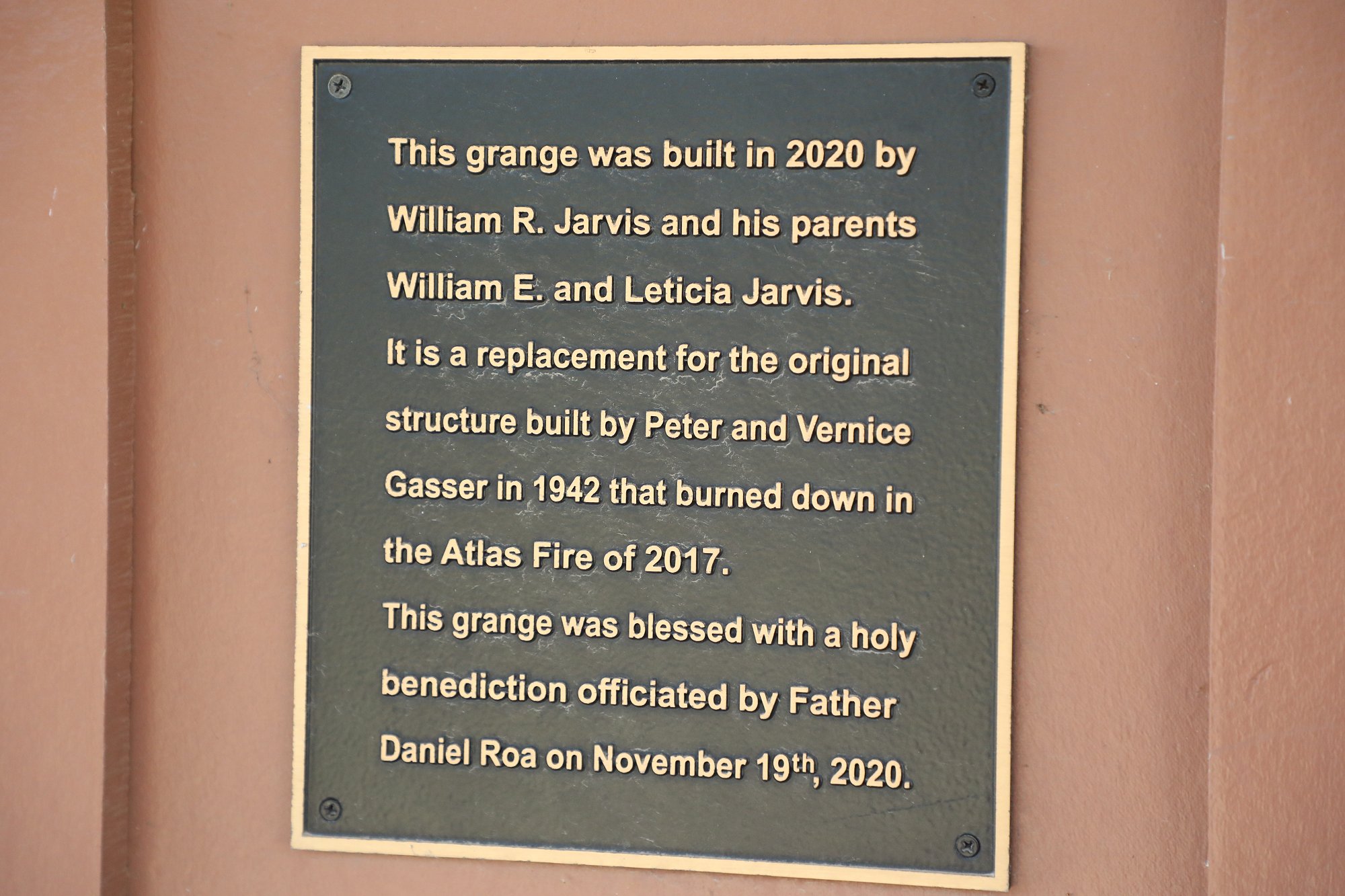
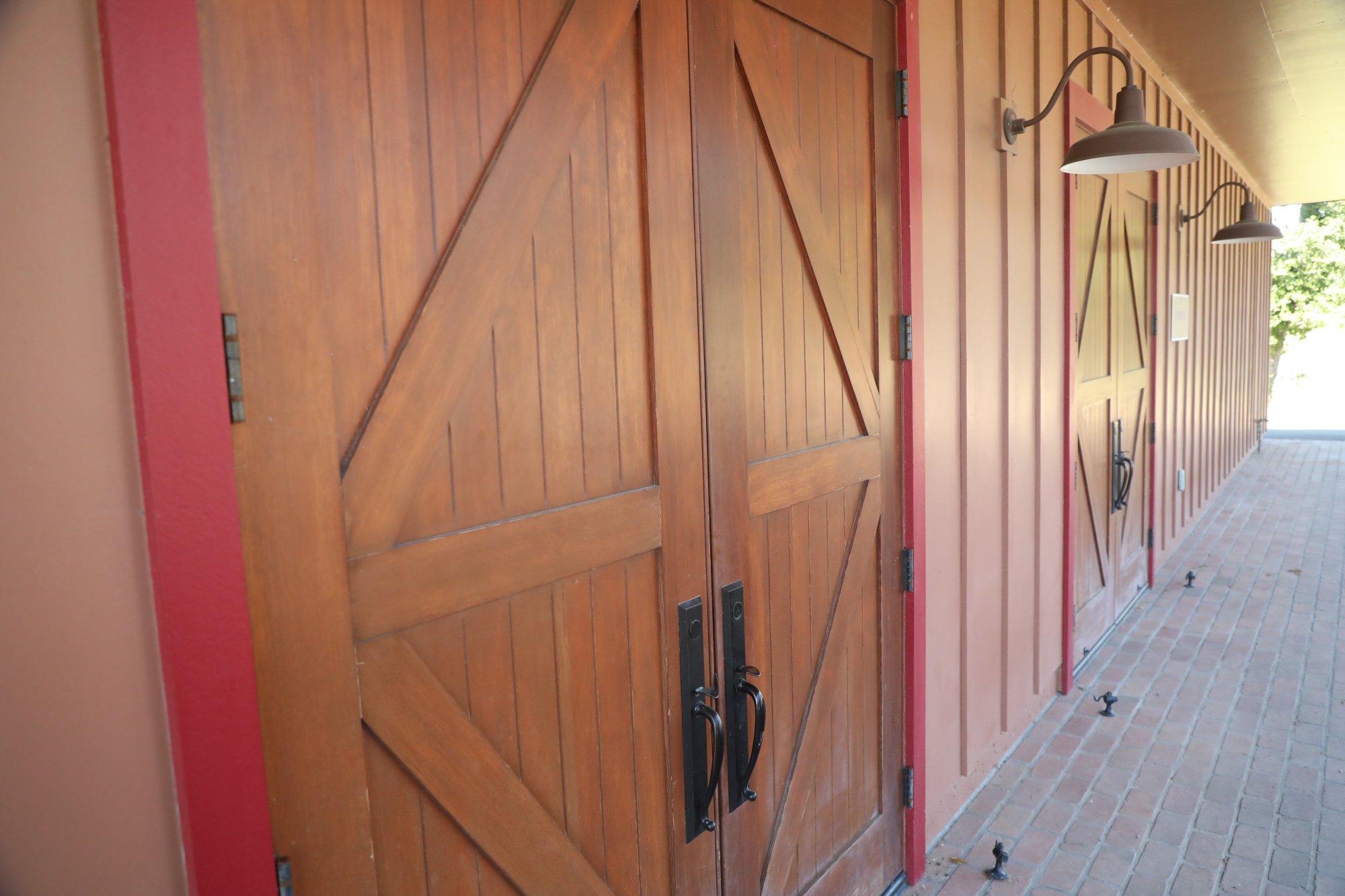
Gasser fought a fire on this property in June 1981. He was driving his fire engine, built in 1937 (named Golden Gate Bridge) when it stalled out and the winds changed quickly. He and the fire engine were engulfed in flames. He was temporarily saved by his 17 year old grand nephew, Albert Keller who ran through a wall of flames, grabbed his grand uncle from the fire engine and with the help of several friends carried him to safety. Both Albert and Peter were hospitalized with severe burns. Sadly, Gasser died less than a year later and later Vernice decided to sell the property. Incidentally Gasser’s original fire engine still runs and is housed on the property in the grange along with a modern engine acquired from the Ukiah Fire Department following the 2017 fires.
—
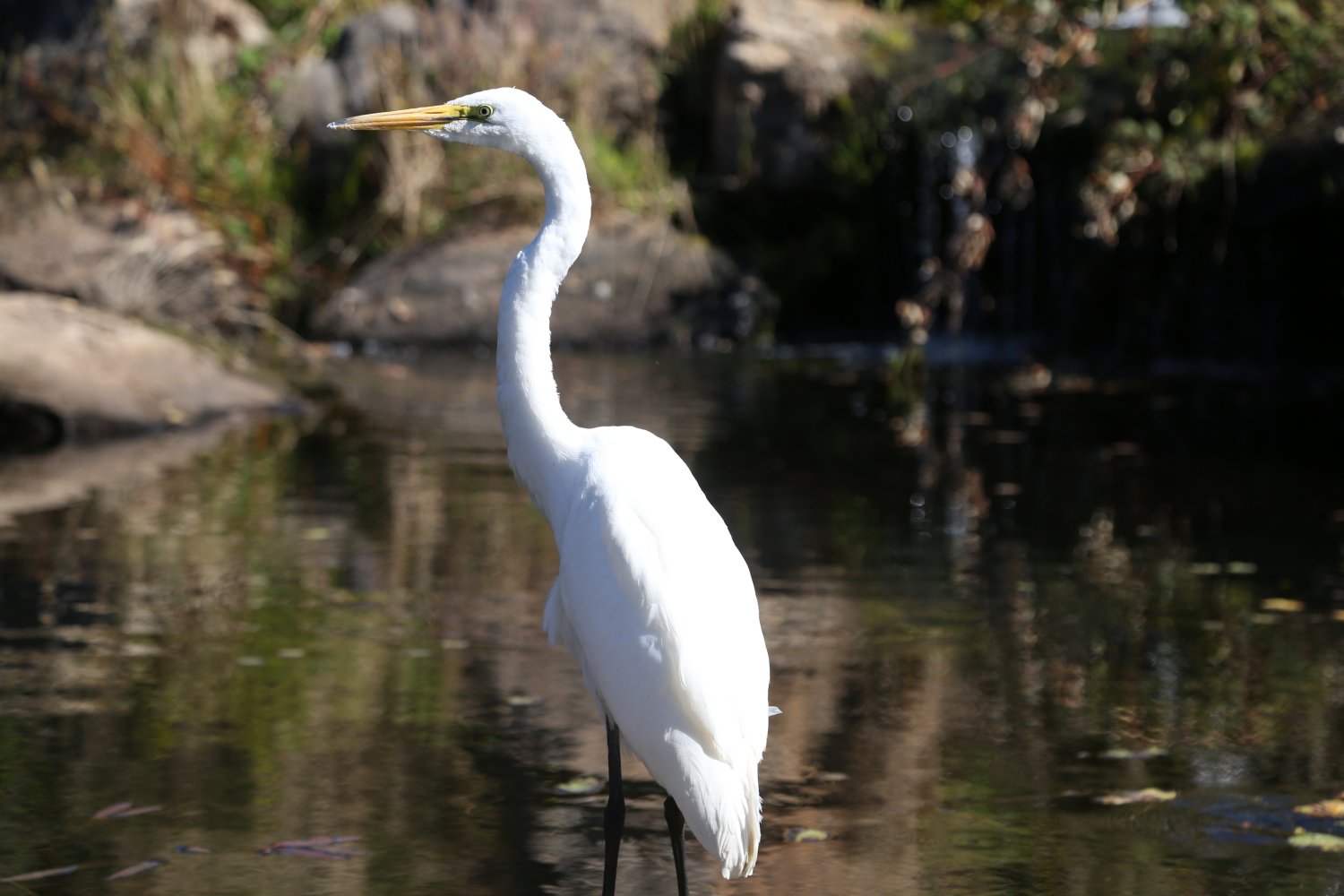
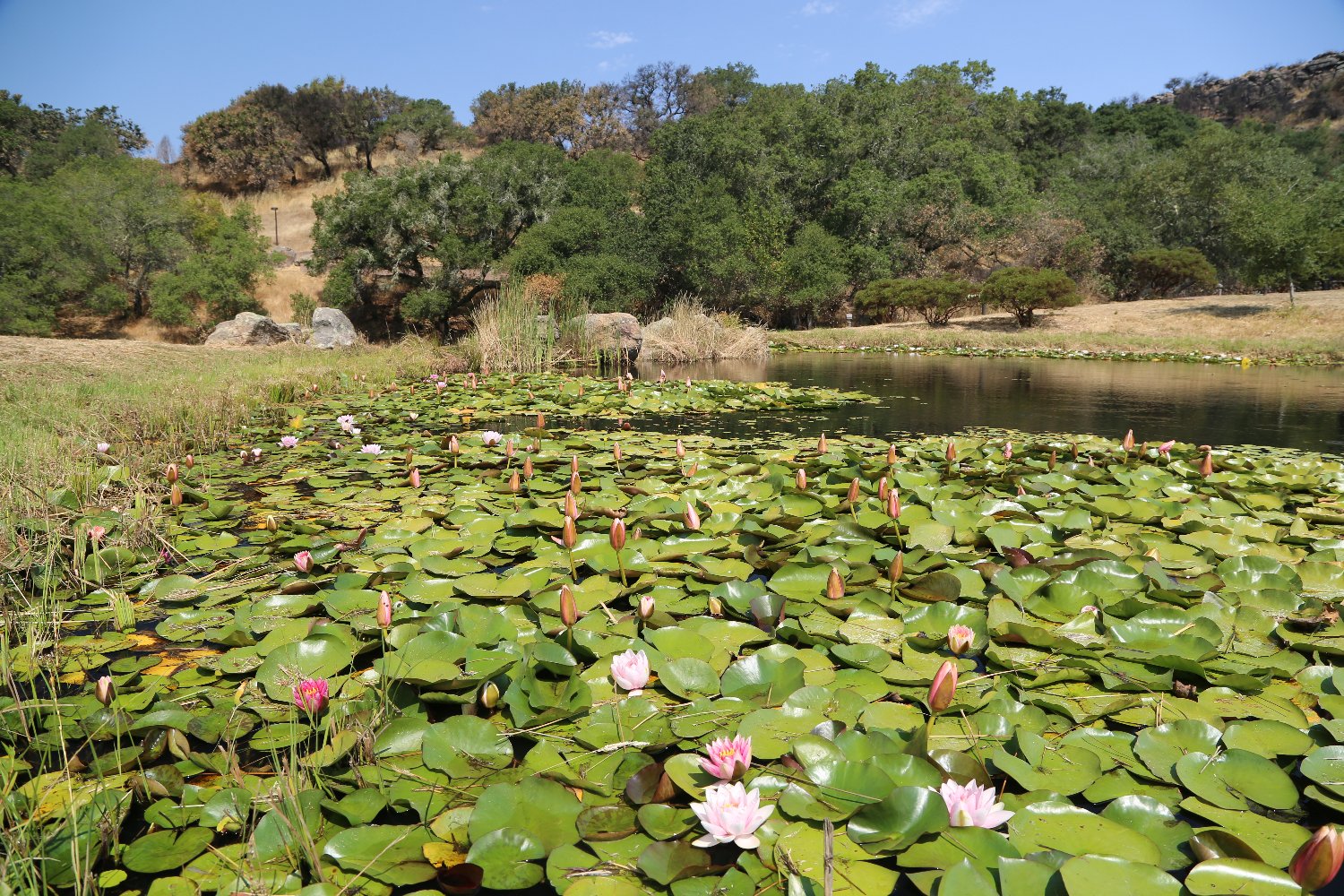
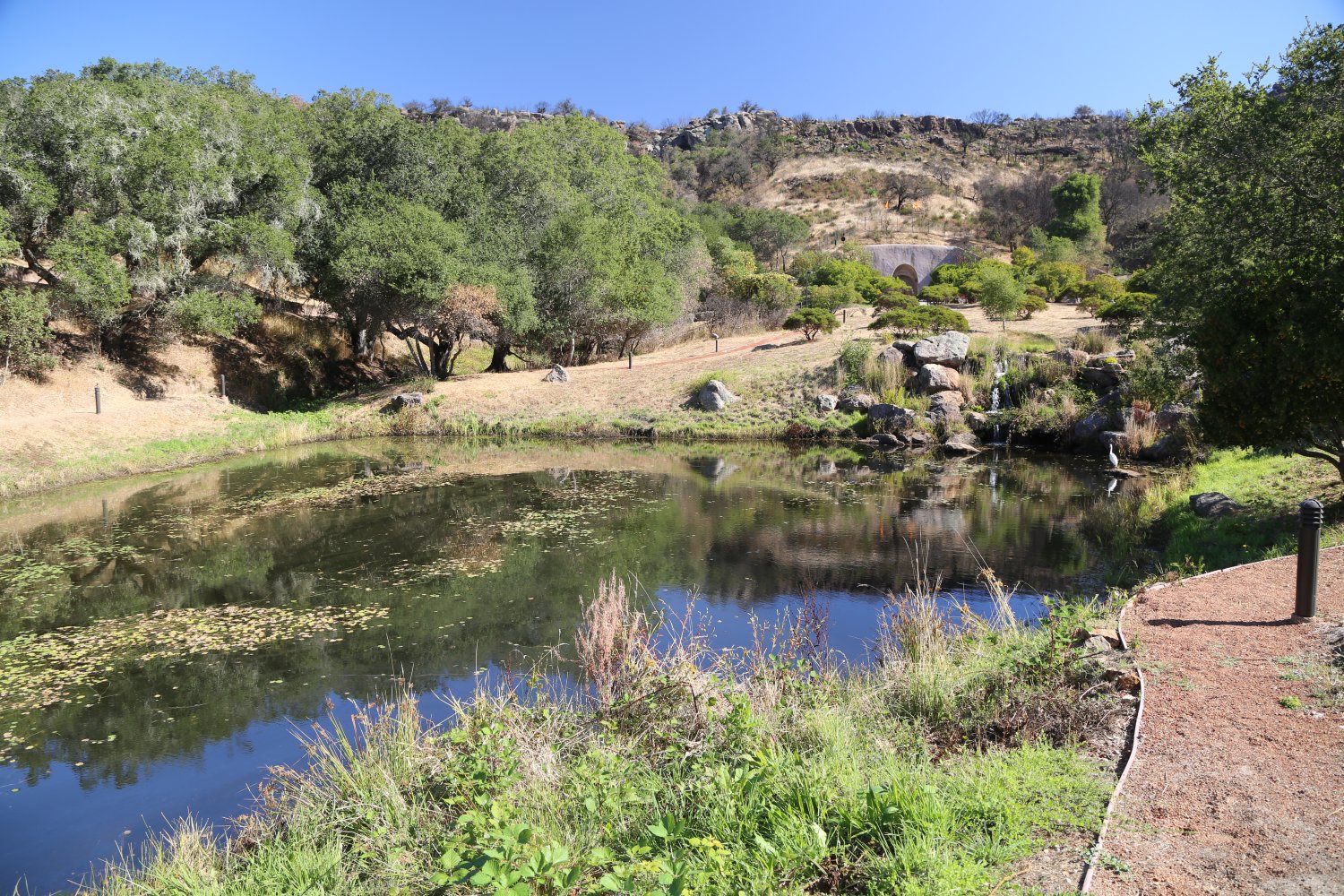
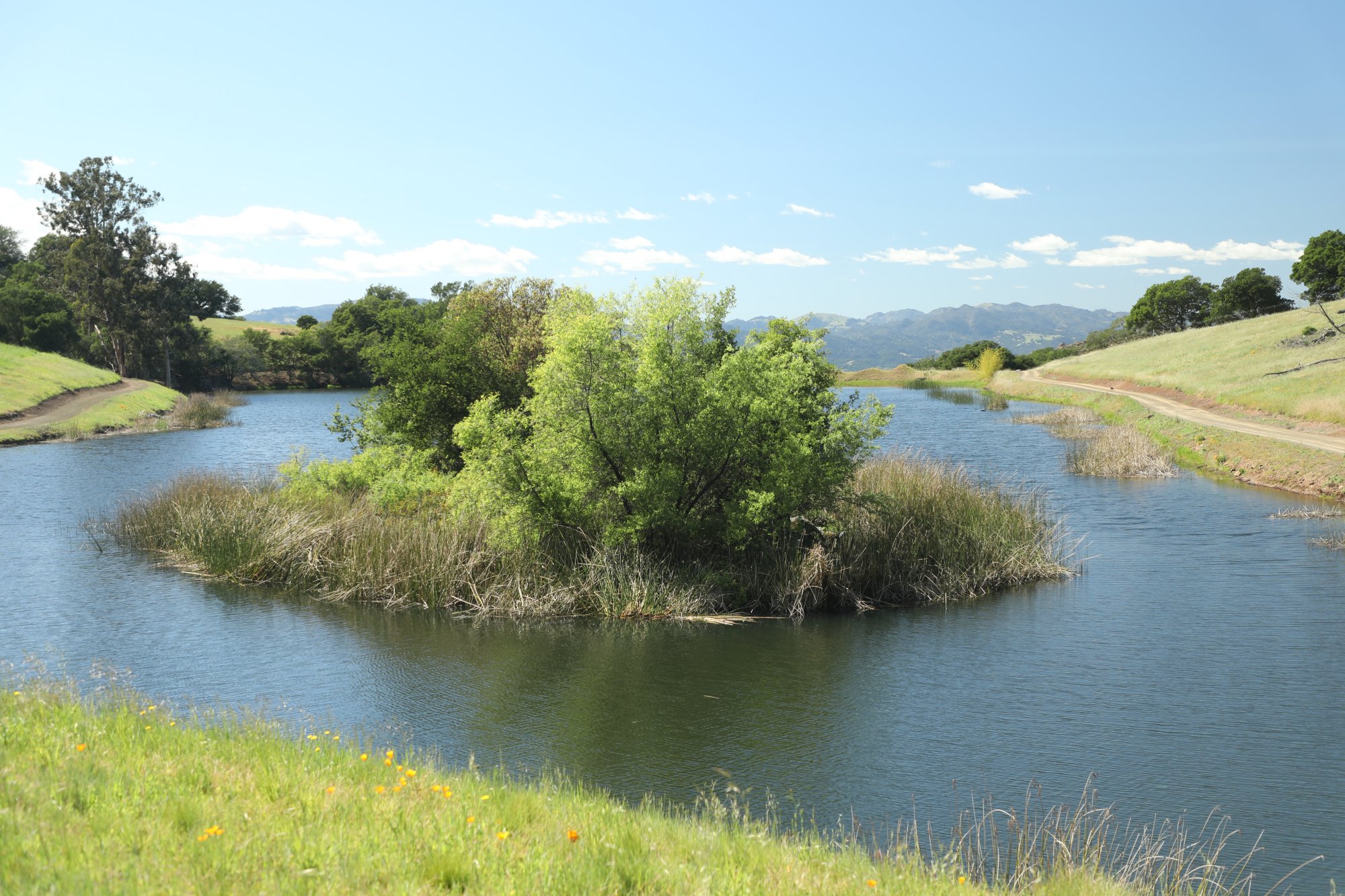
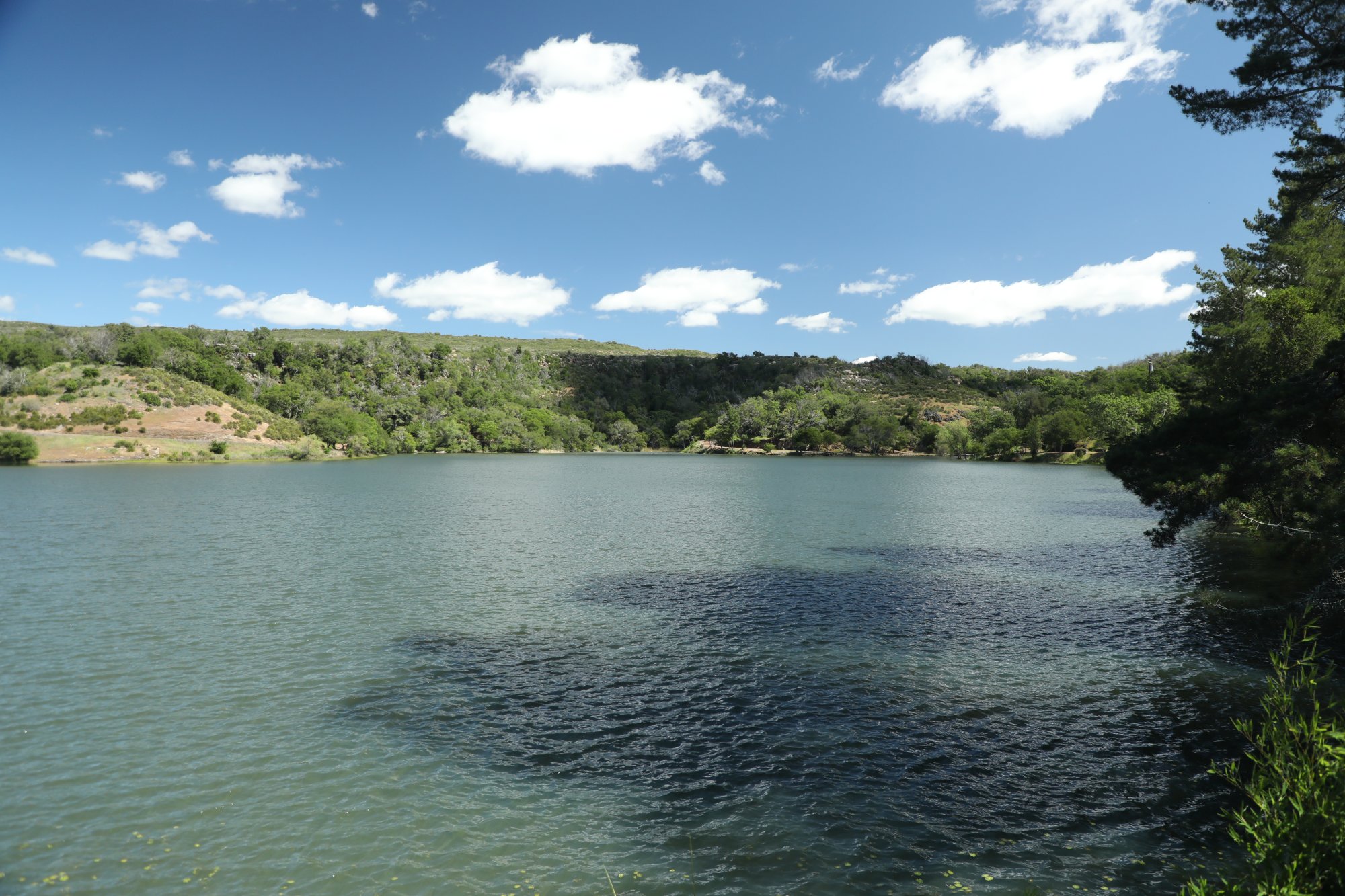
Water sources are critical in this part of the valley; two small lakes on site are appropriately named Lake Leticia and Lake William and both are filled from rainfall. Parts of the property burned during the devastating Atlas Peak fires in October 2017. Fortunately most of their wines were safely stored in the cave during the fires, although they did lose a number of case goods that were being stored near one of the entrances to the cave near where the fire burned. And the old barn where William made several vintages of wine prior to the cave being built was completely destroyed. All told, 11 structures were destroyed on the property during that fire.
In 2017, following the fires, the Chardonnay had already been harvested and was free of smoke taint. The red grapes were harvested as well, but due to the fires, overall production was nearly negligible. Instead of discarding the grapes, they chose to produce brandy in both 2017 and 2020, resulting in multiple SKUs. In 2017, the distillation was handled by Napa Valley Distillery.
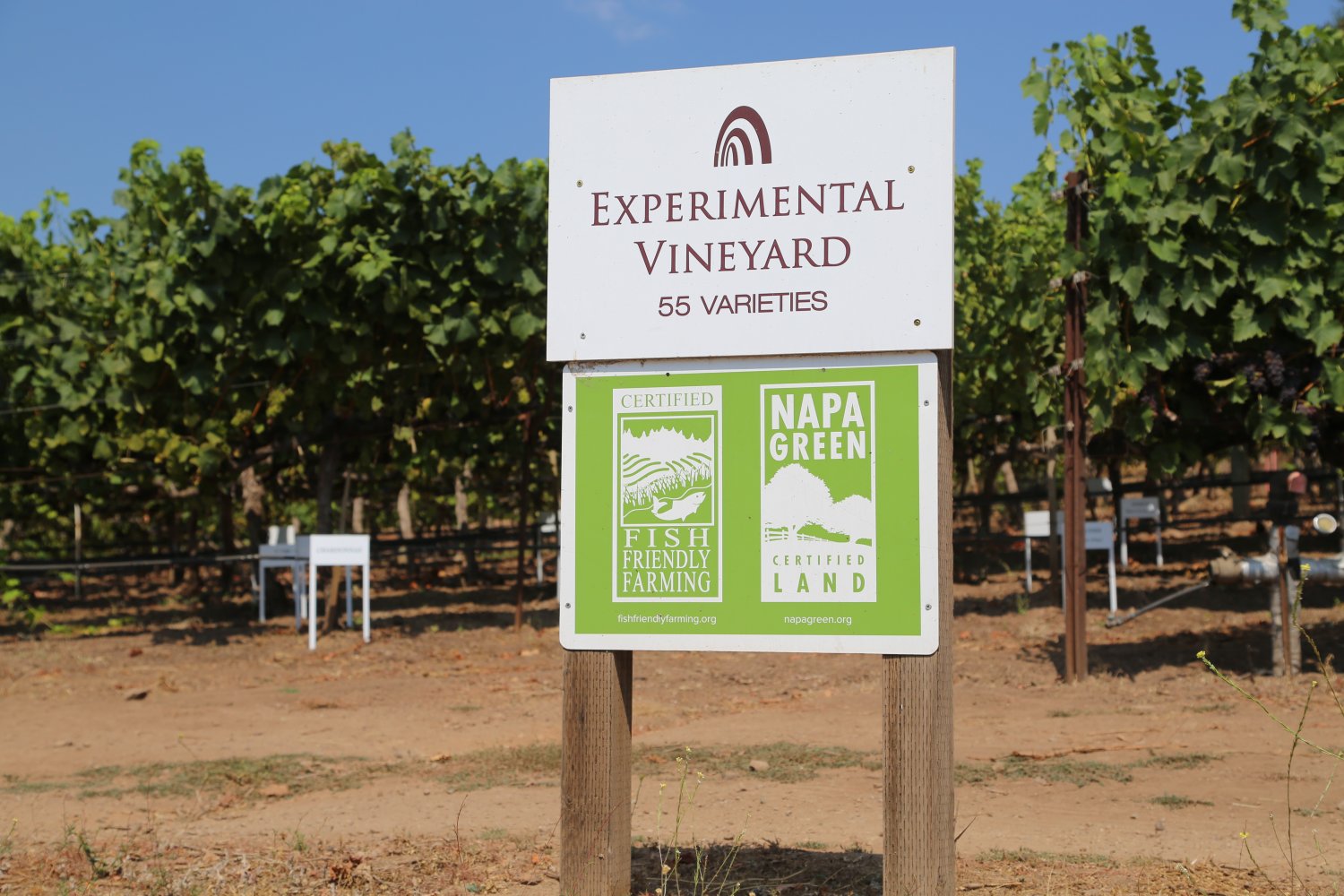
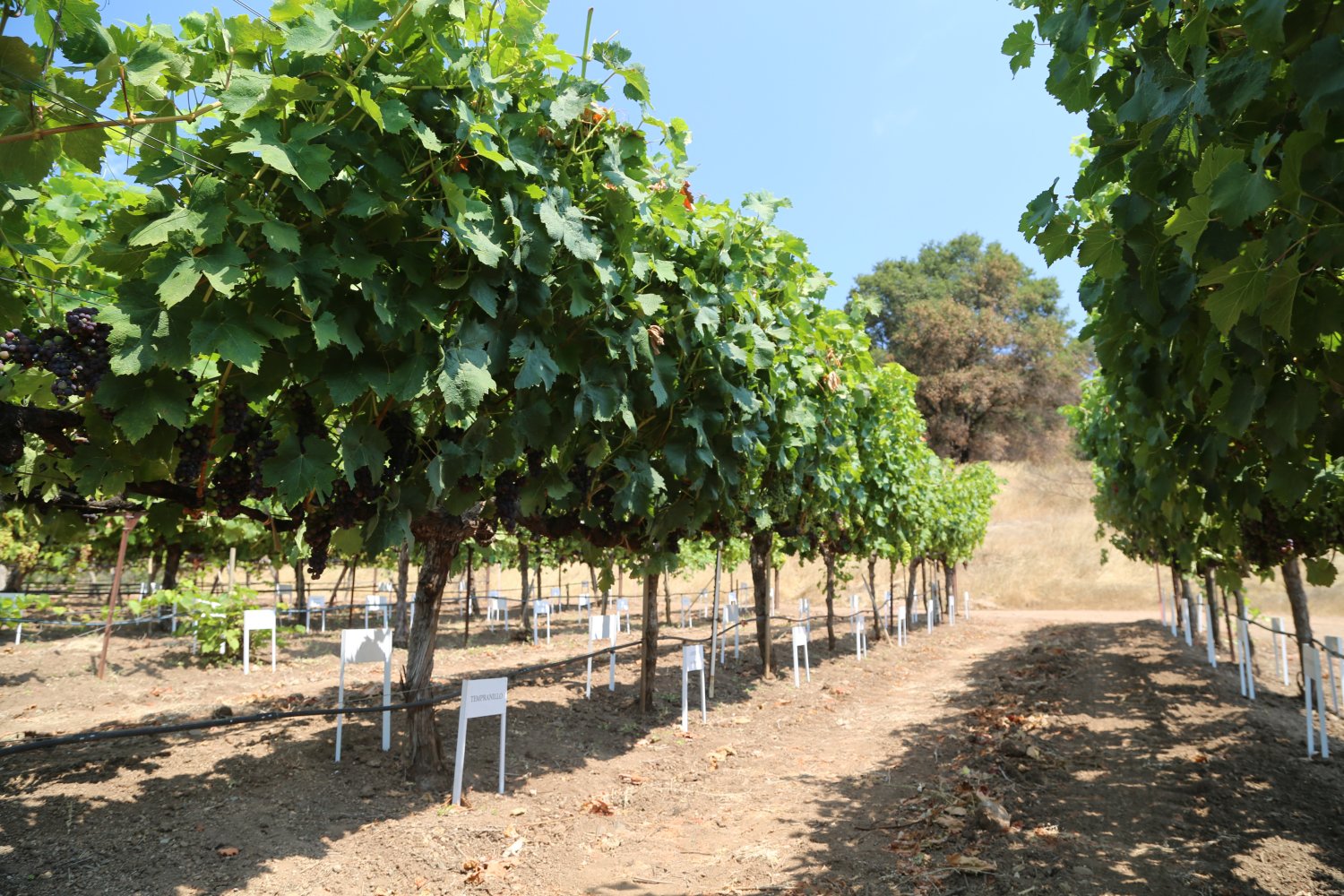
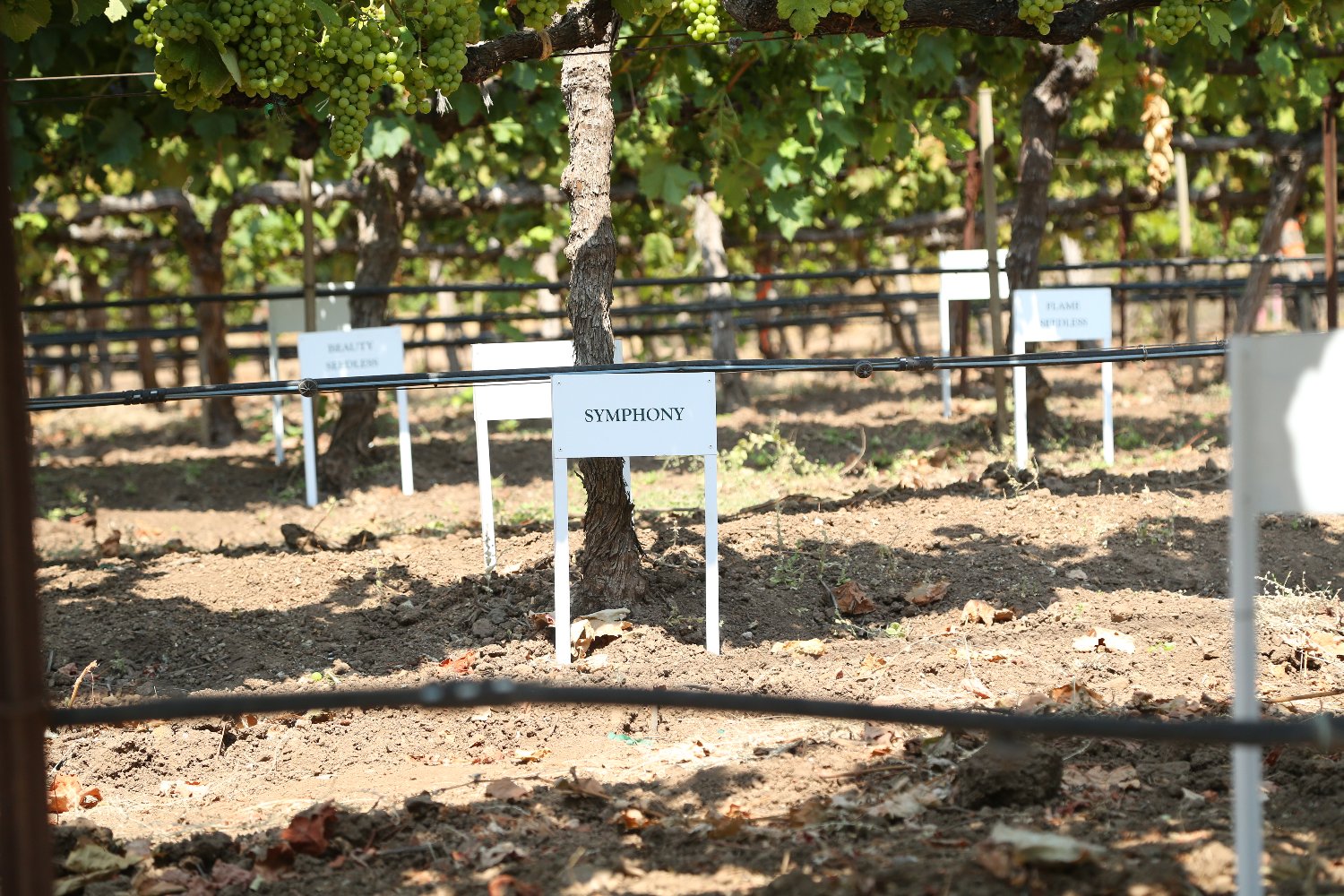
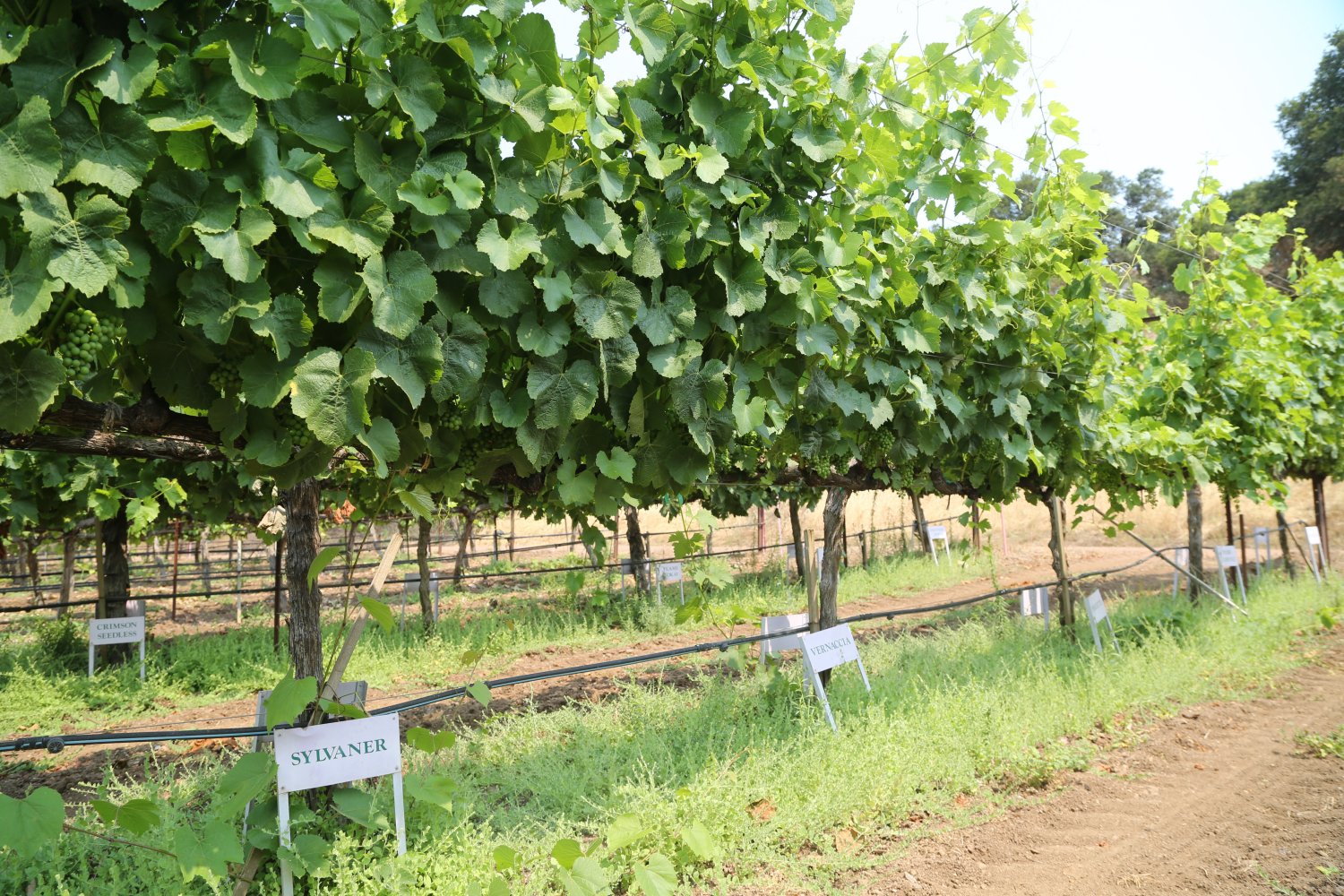
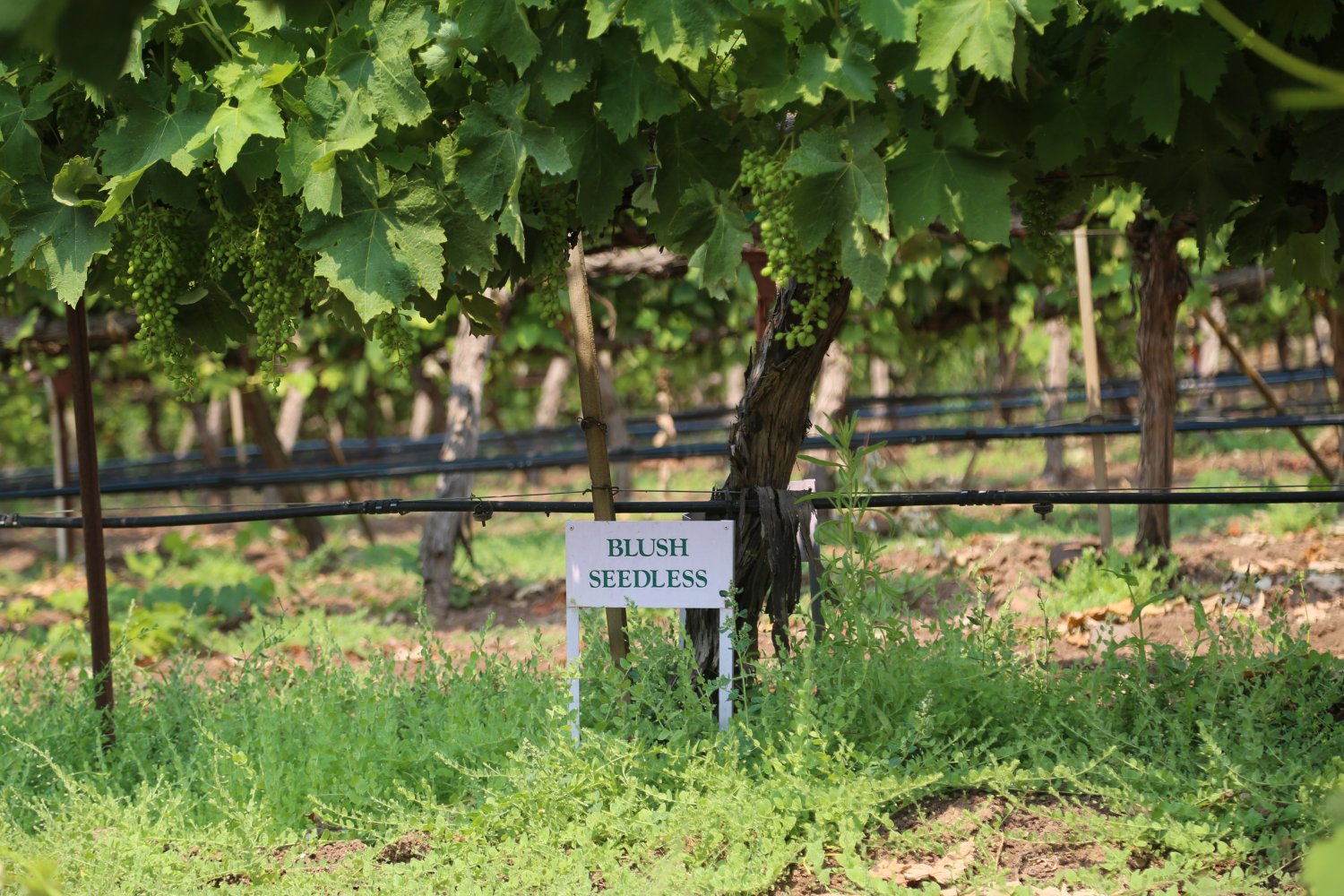
In what is possibly the most diverse vineyard in all of the Napa Valley – the Experimental Vineyard contains some 55 varieties of grapes including both table grapes and wine grapes. These vines were originally planted in the late 1980s; a sign at the base of each vine identifies the variety. Traditional varieties that Napa Valley has become known for are grown here including Cabernet Sauvignon and Chardonnay, but this vineyard also contains obscure varieties that are not planted commercially in Napa Valley such as Perlette, Pedro Ximenez and Muscat Hamburg, to but name a few.
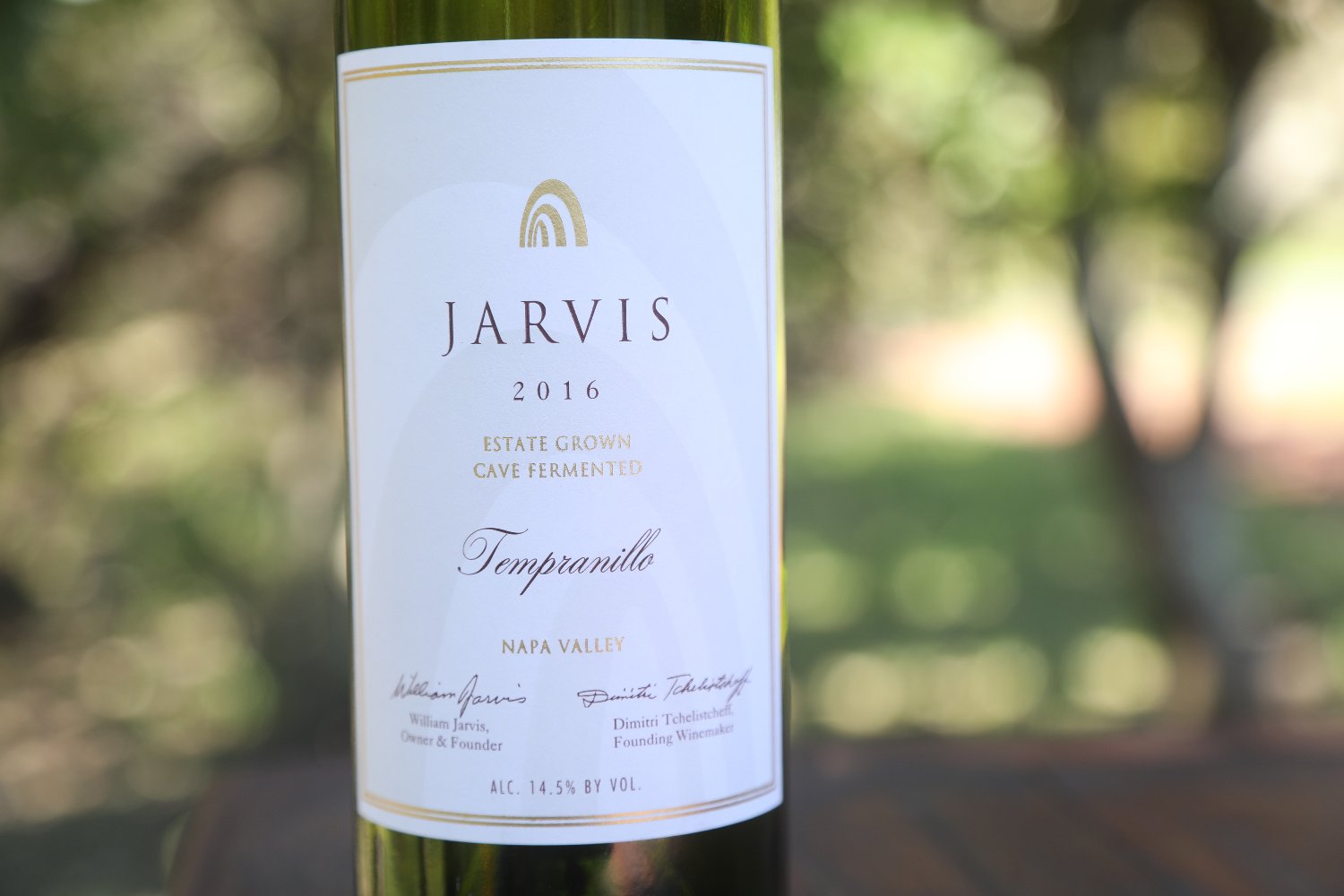
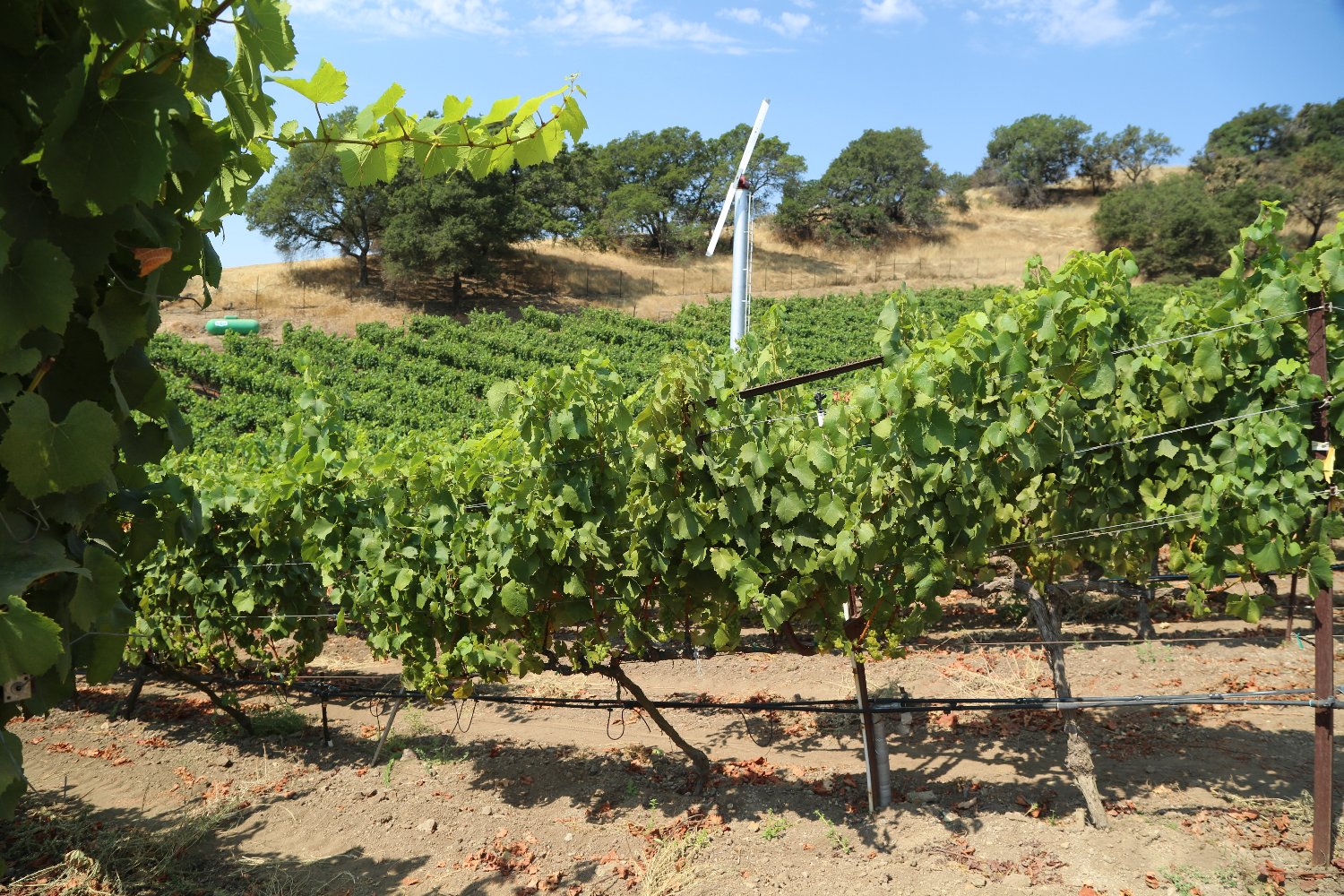
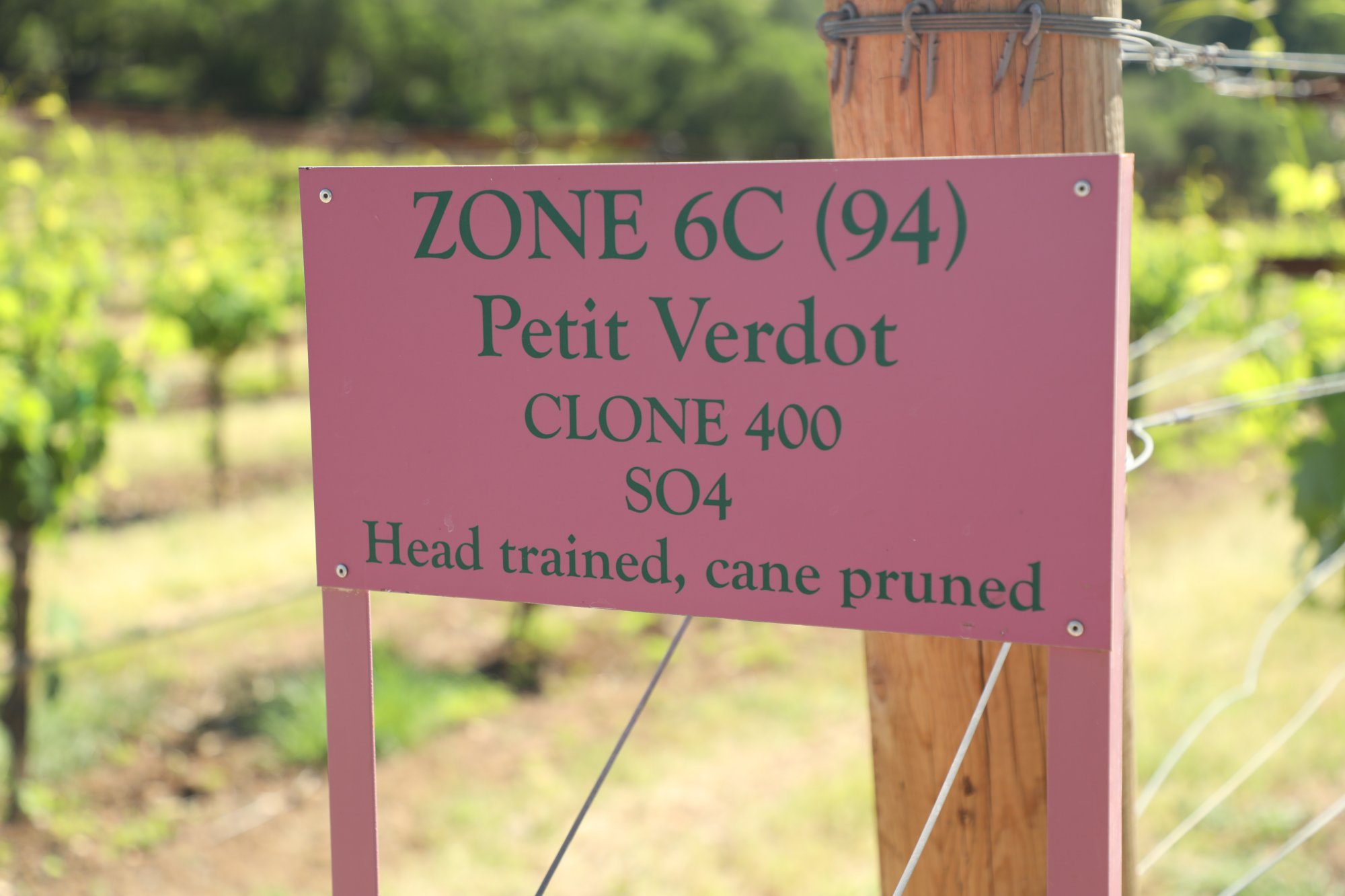
Much of their vineyard is planted to Cabernet Sauvignon at elevations ranging between 800 to 1000 feet ASL in volcanic soils. The entirety of their Cabernet Sauvignon is planted to the low-yielding but intensely flavored INRA clone 5197. They also grow Chardonnay, Merlot, Cabernet Franc, Petit Verdot, any a tiny block of Tempranillo, a Spanish grape variety. Founding winemaker Dimitri Tchelistcheff worked with this variety in Mexico and Spain and suggested they plant it at Jarvis.
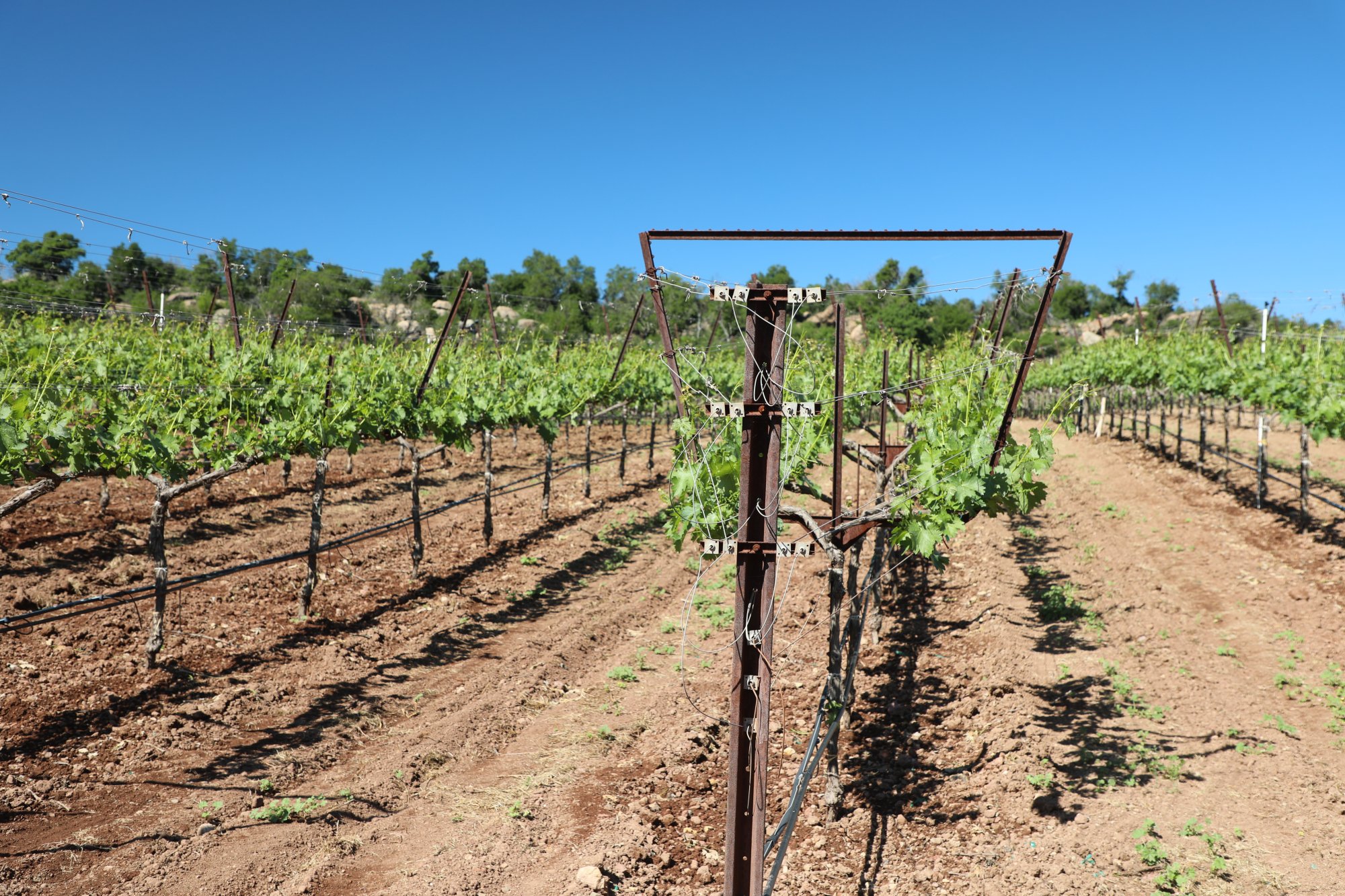
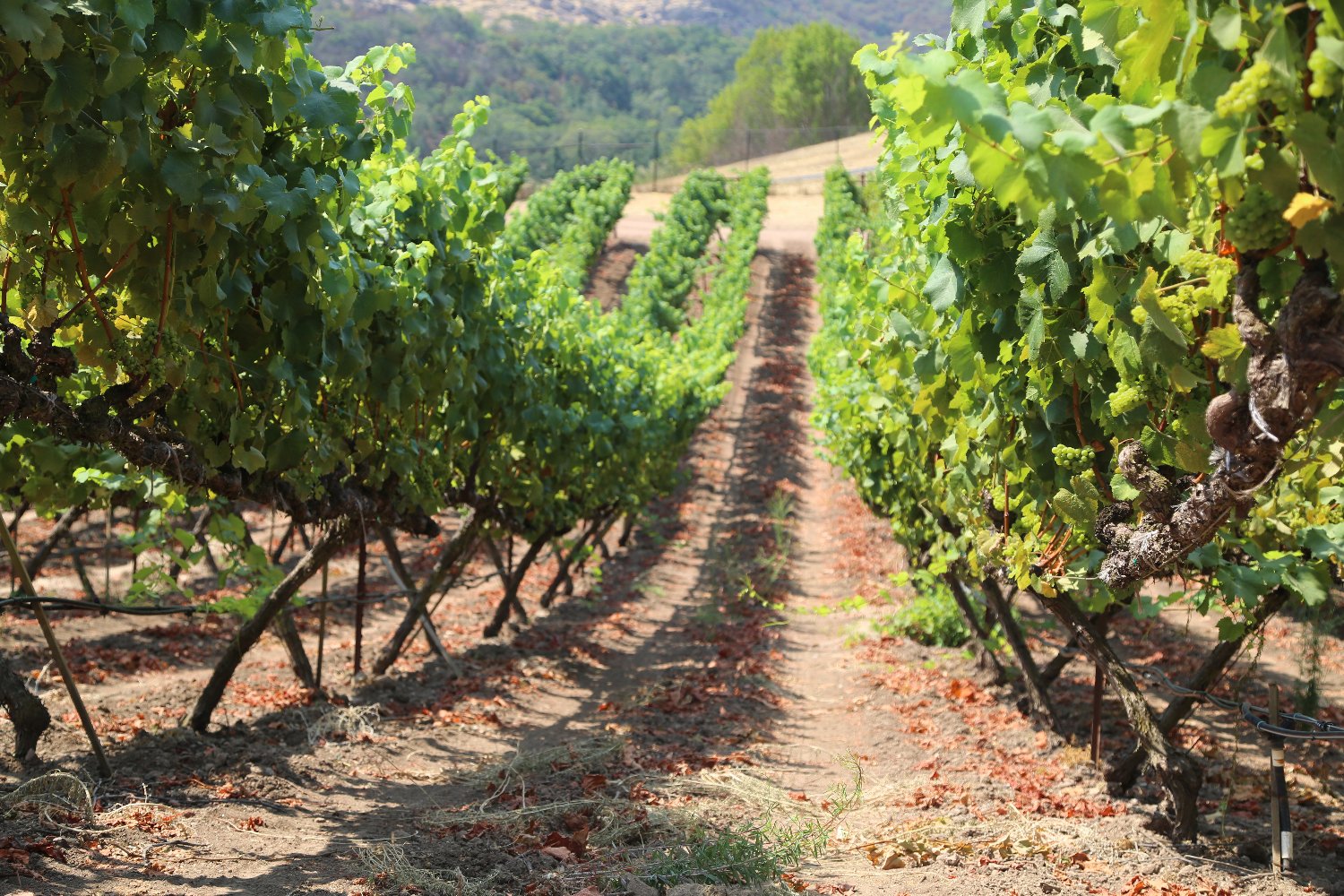
Effort was made to choose clones which produce small grapes resulting in a higher skin to juice ration. Unusual is the spacing in their vineyards – rather than the tight spacing that is the norm in contemporary Napa Valley vineyard layout, Jarvis uses a very wide 6′ or 7′ x 11 spacing in their shallow and naturally abundant nitrogen-rich soils. This results in less vine competition as only 566 vines are planted per acre. For reference, a high density planting in Napa Valley, such as at Opus One results in approximately 2,200 to 2,700 vines per acre.
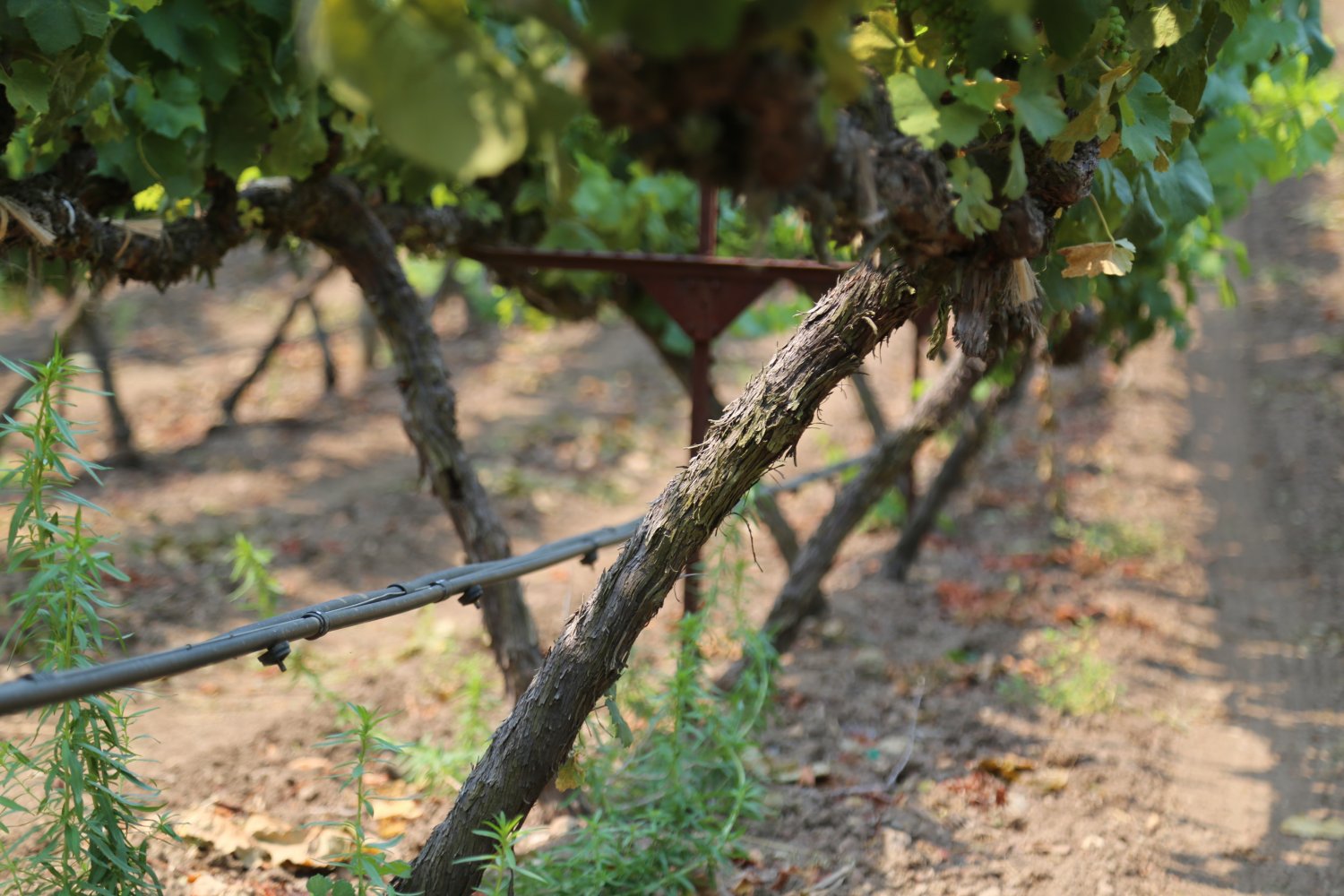
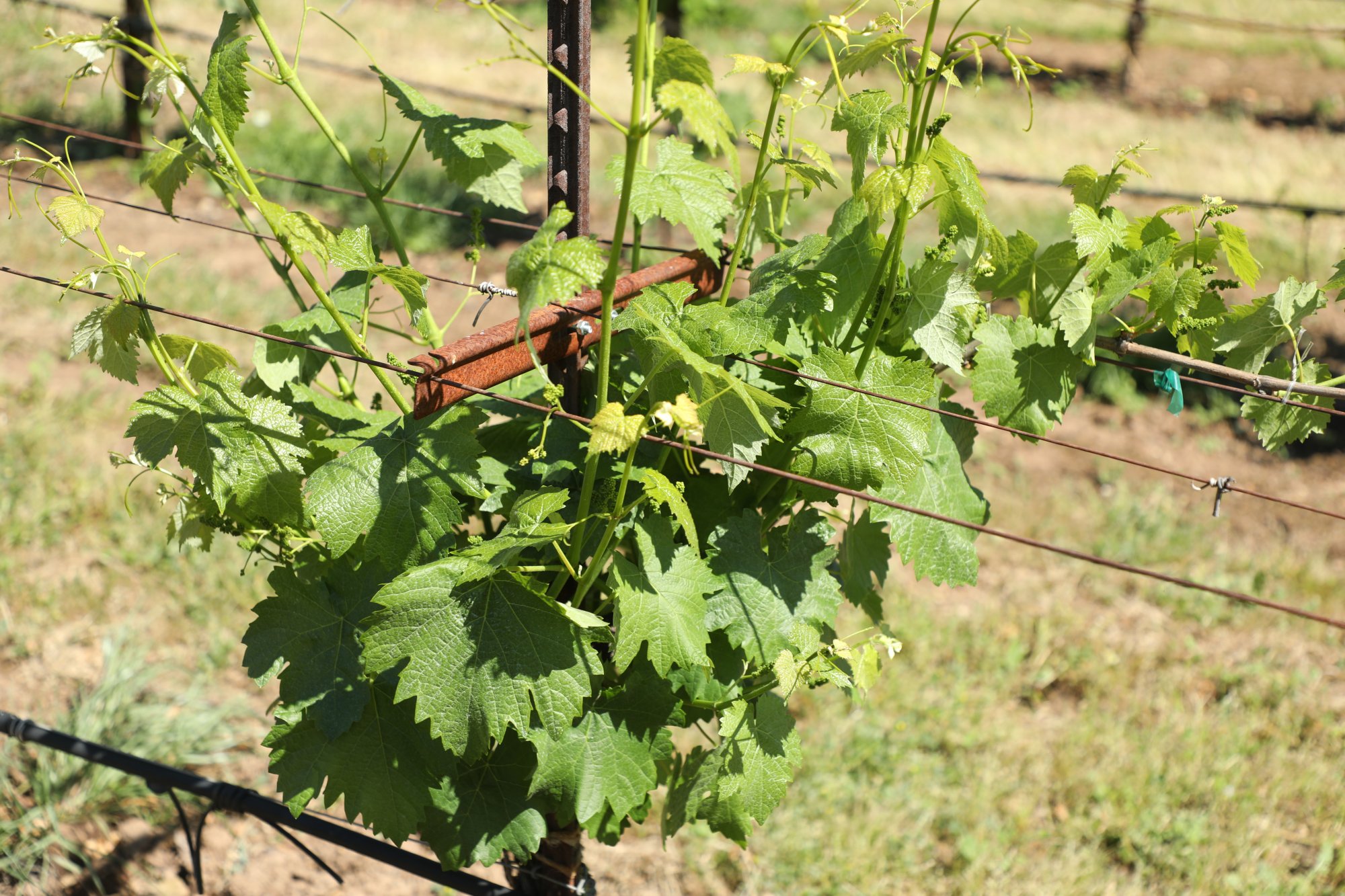
And also unusual in contemporary Napa Valley are their trellising systems; their vineyards are primarily trained on Extended Lyre, a divided canopy system, but they also utilize the Geneva Double Curtain. All of their vineyards are cordon pruned other than a small block of Petit Verdot which is caned pruned.
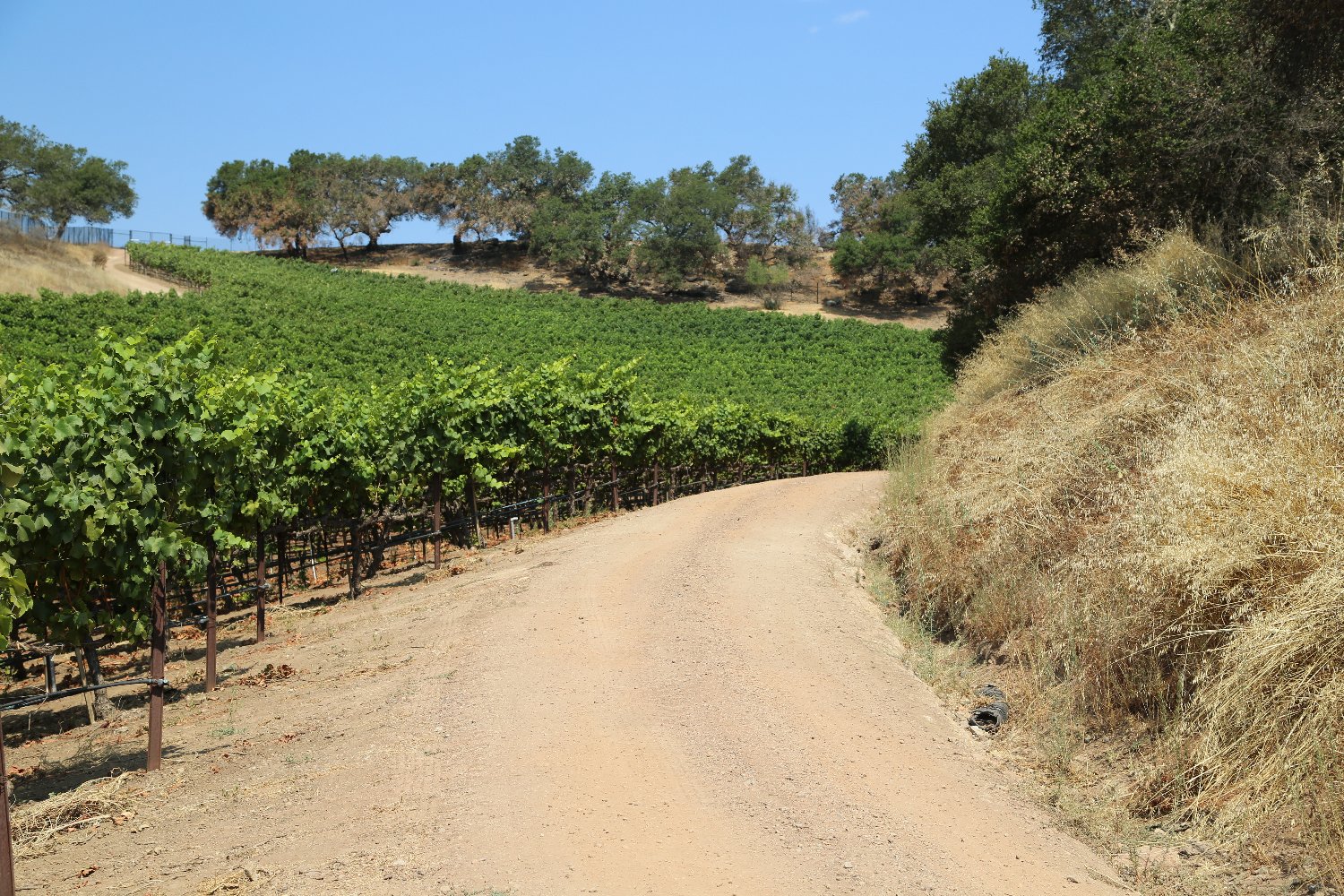
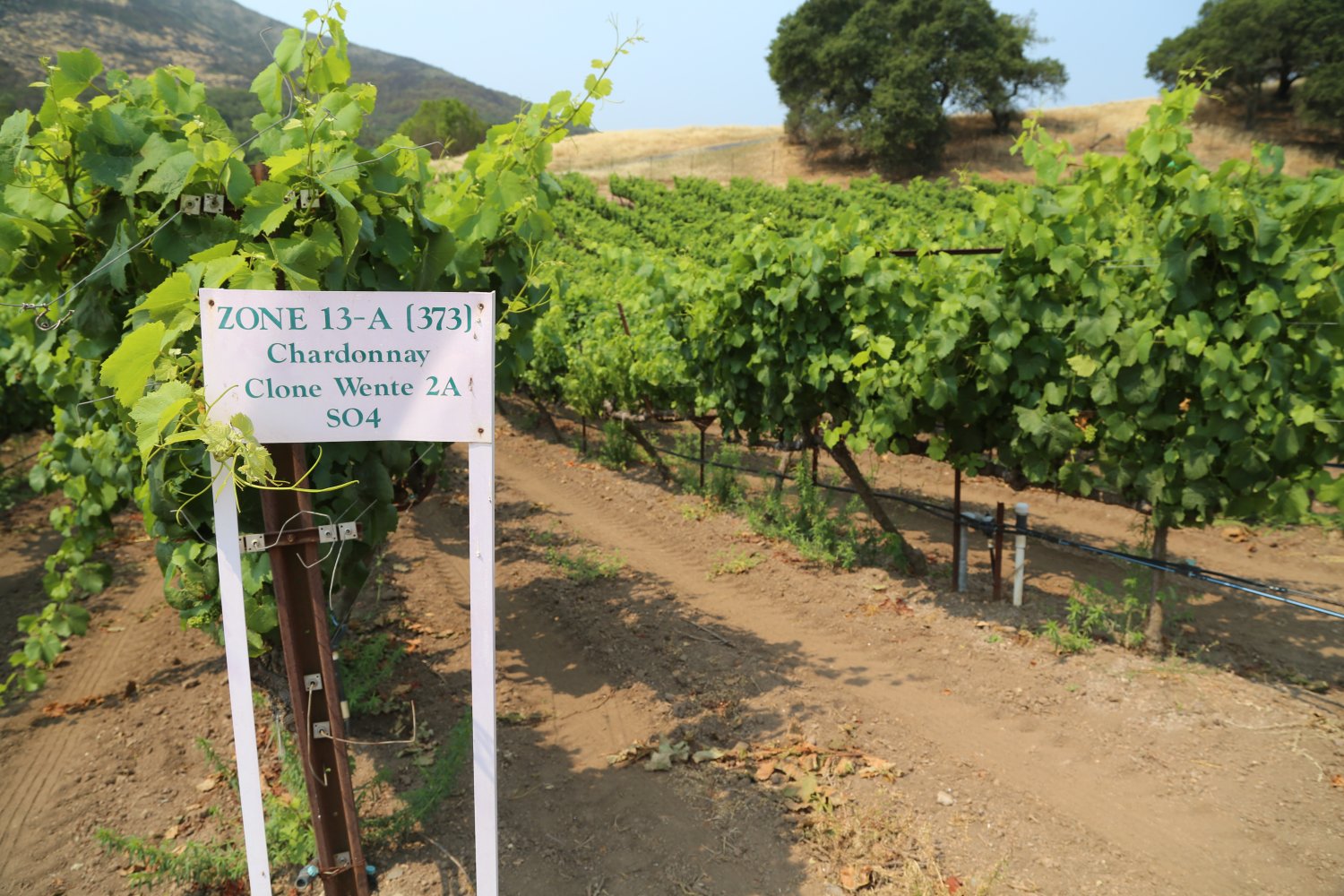
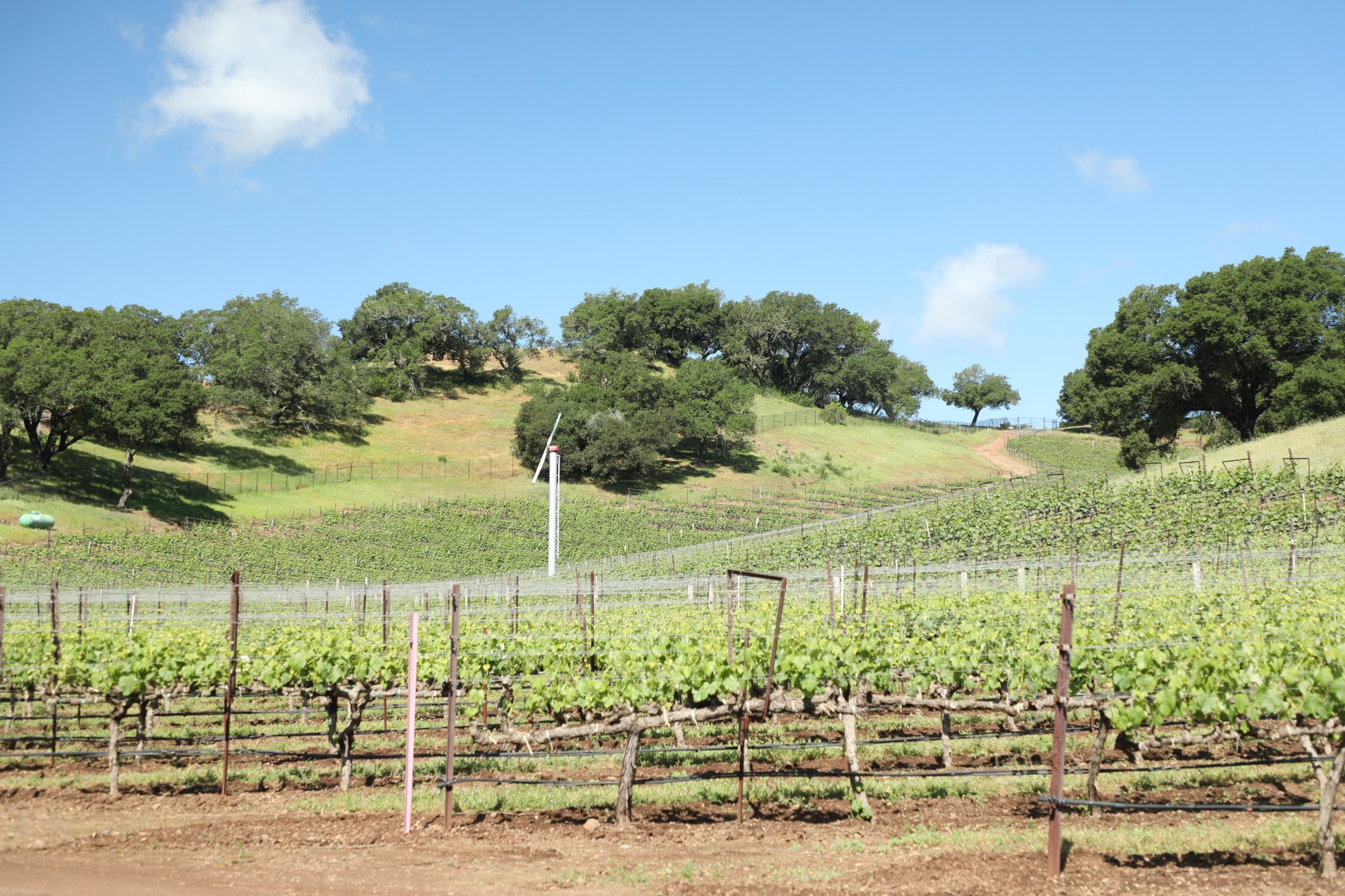
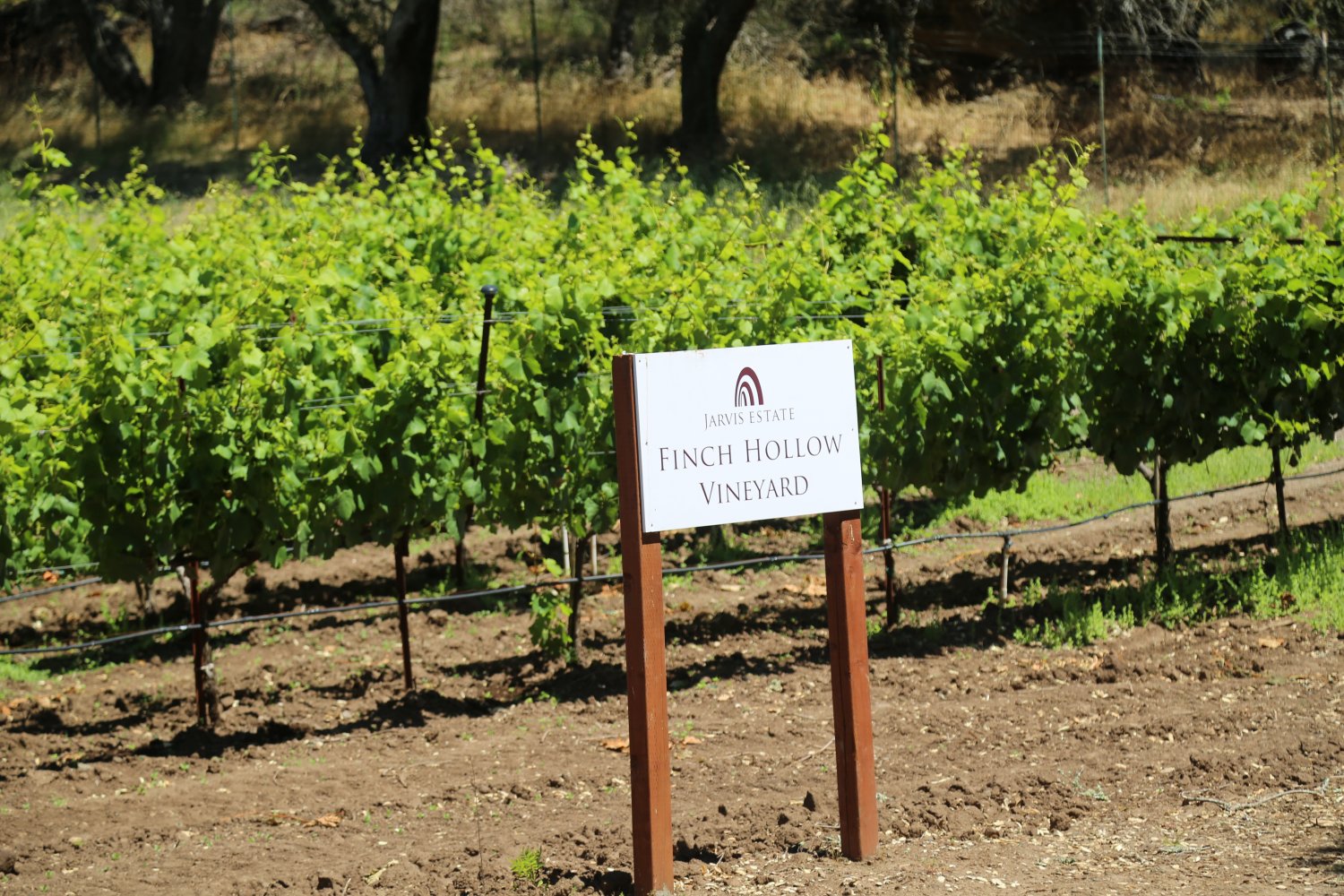
Five individual vineyards grow on the property including Lake William Vineyard, Lake Leticia Vineyard, Hillside Vineyard, Finch Hollow Vineyard and the appropriately named Tailing Vineyard, planted on tailing piles mined during the excavation of their cave. The two lakes provide a mini micro climate effect on the vines planted near their shorelines. All the vineyards have been replanted since the were originally planted.
Tour
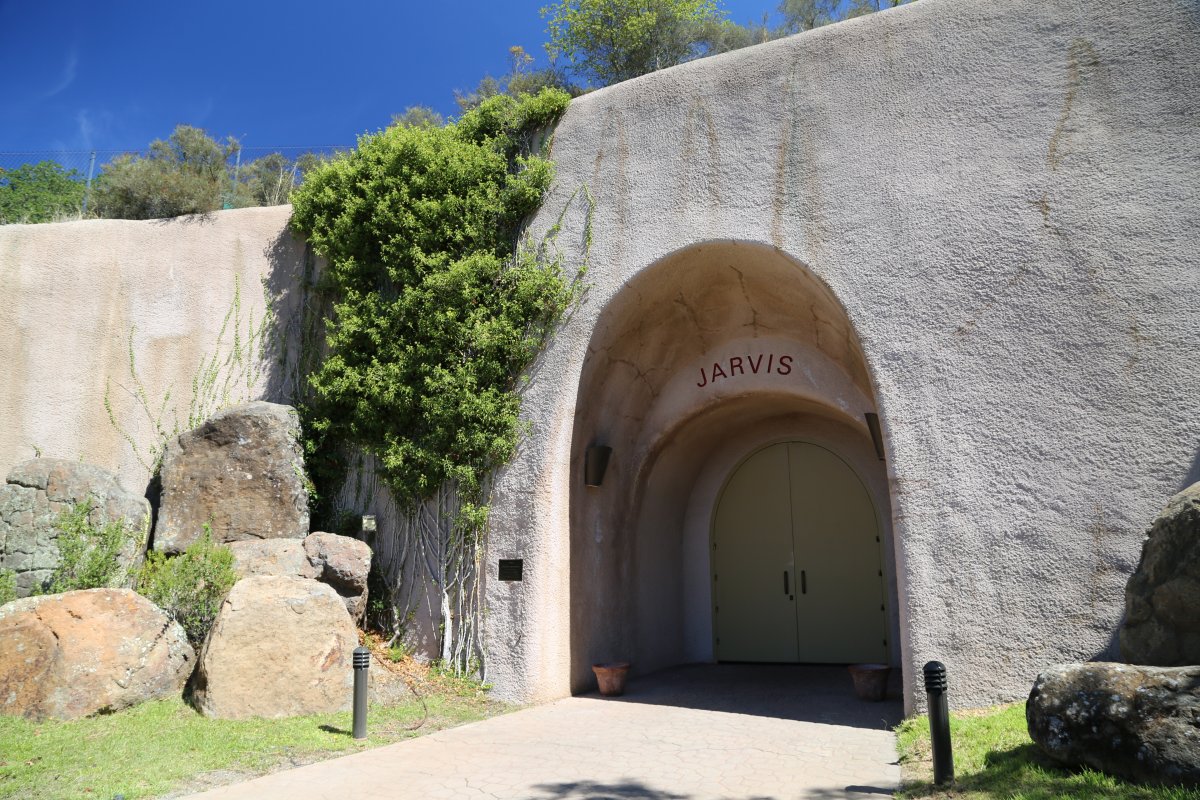
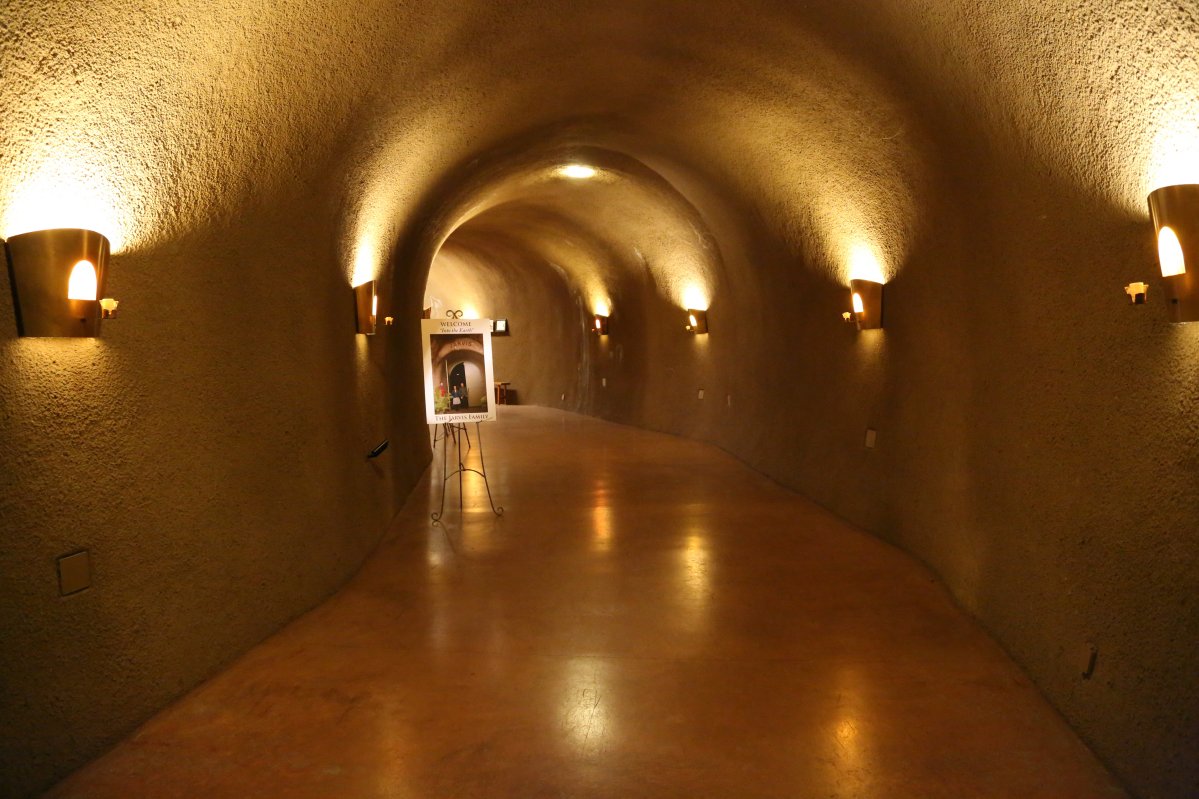
 It is recommended to make a reservation well in advance of your visit especially during the summer months. Visitors with appointments will pull off of Highway 121 and should use the call button at the gate to request entry. Once on the property, the drive passes by some of their vineyards and ultimately reaches the winery parking about 1/2 mile from the entrance gate. Nothing on the property’s exterior would lead one to believe such a visually stunning cave exists under this hillside – only two simple doors are located at the entrance to the cave. The entire tour and tasting takes place within the caves.
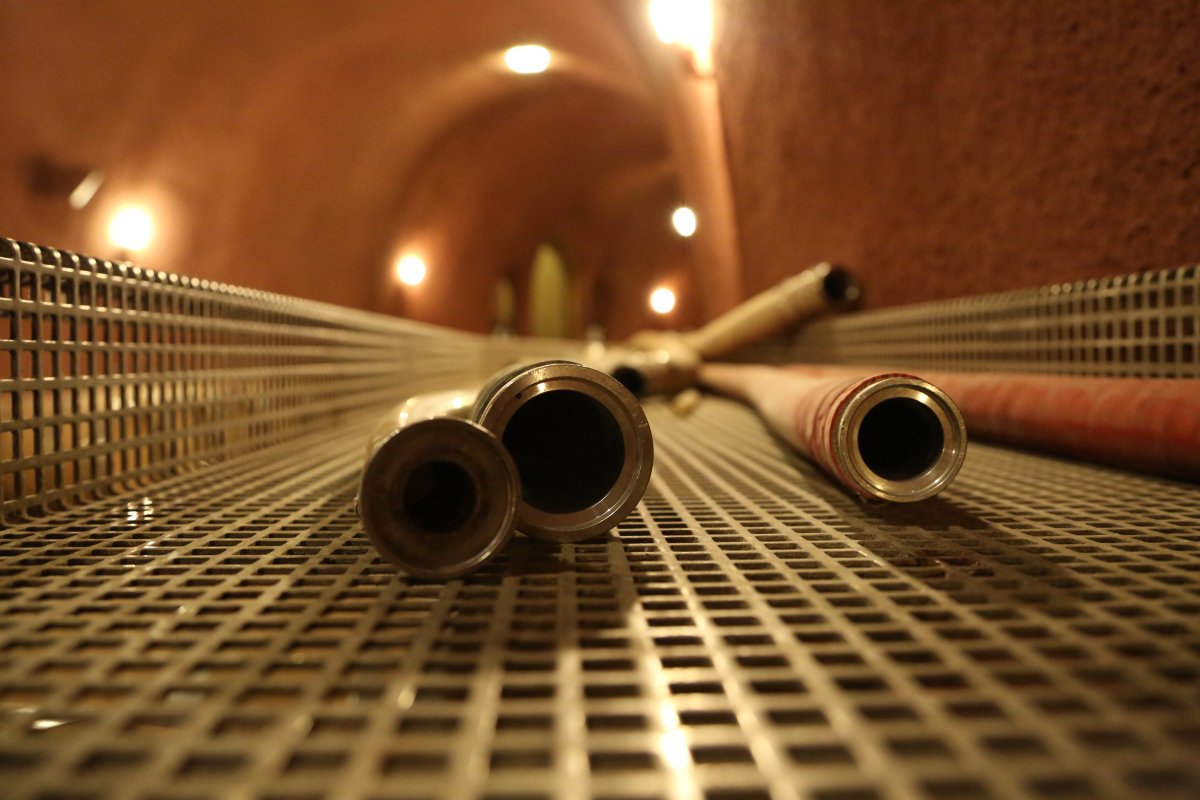
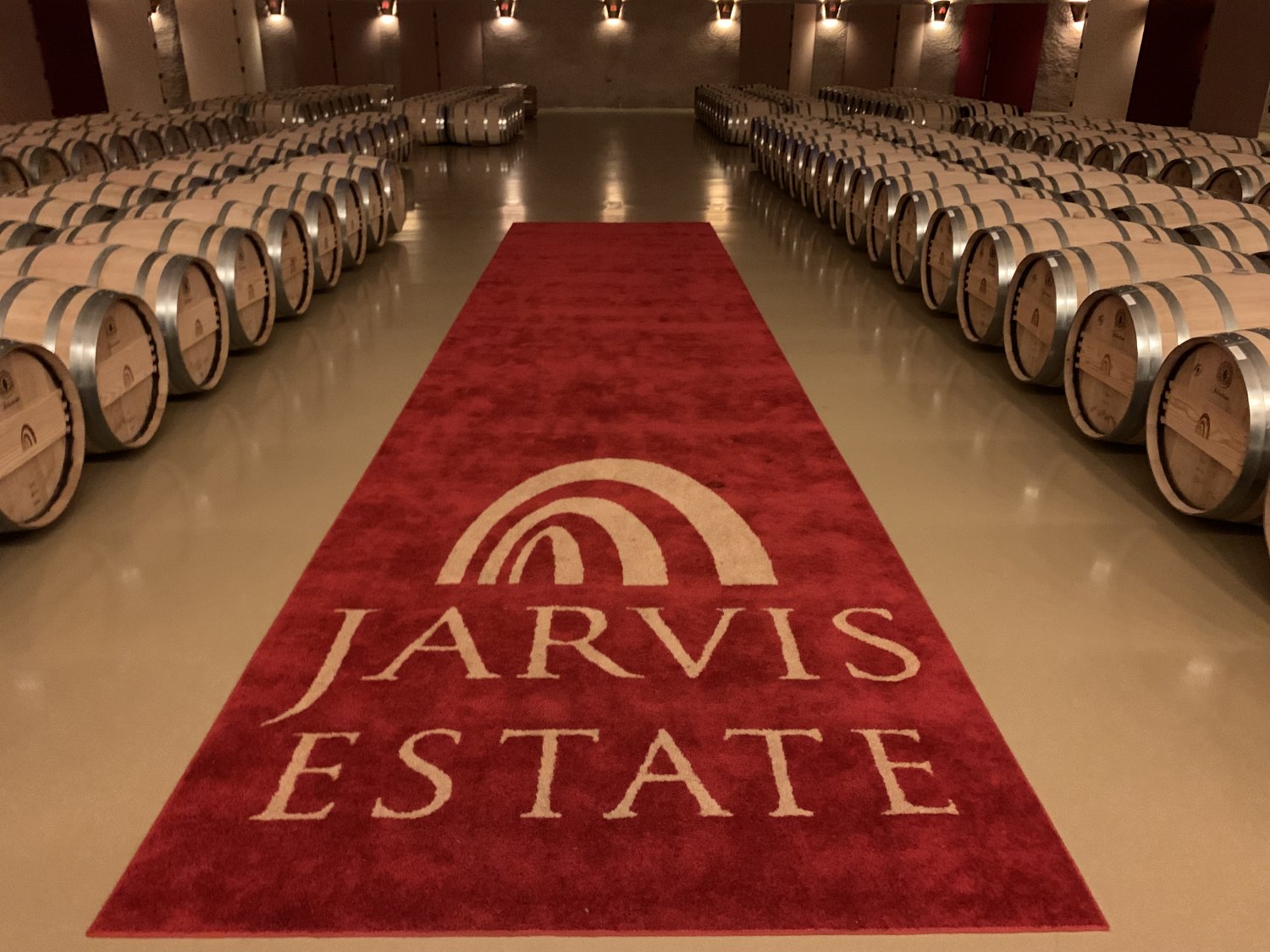
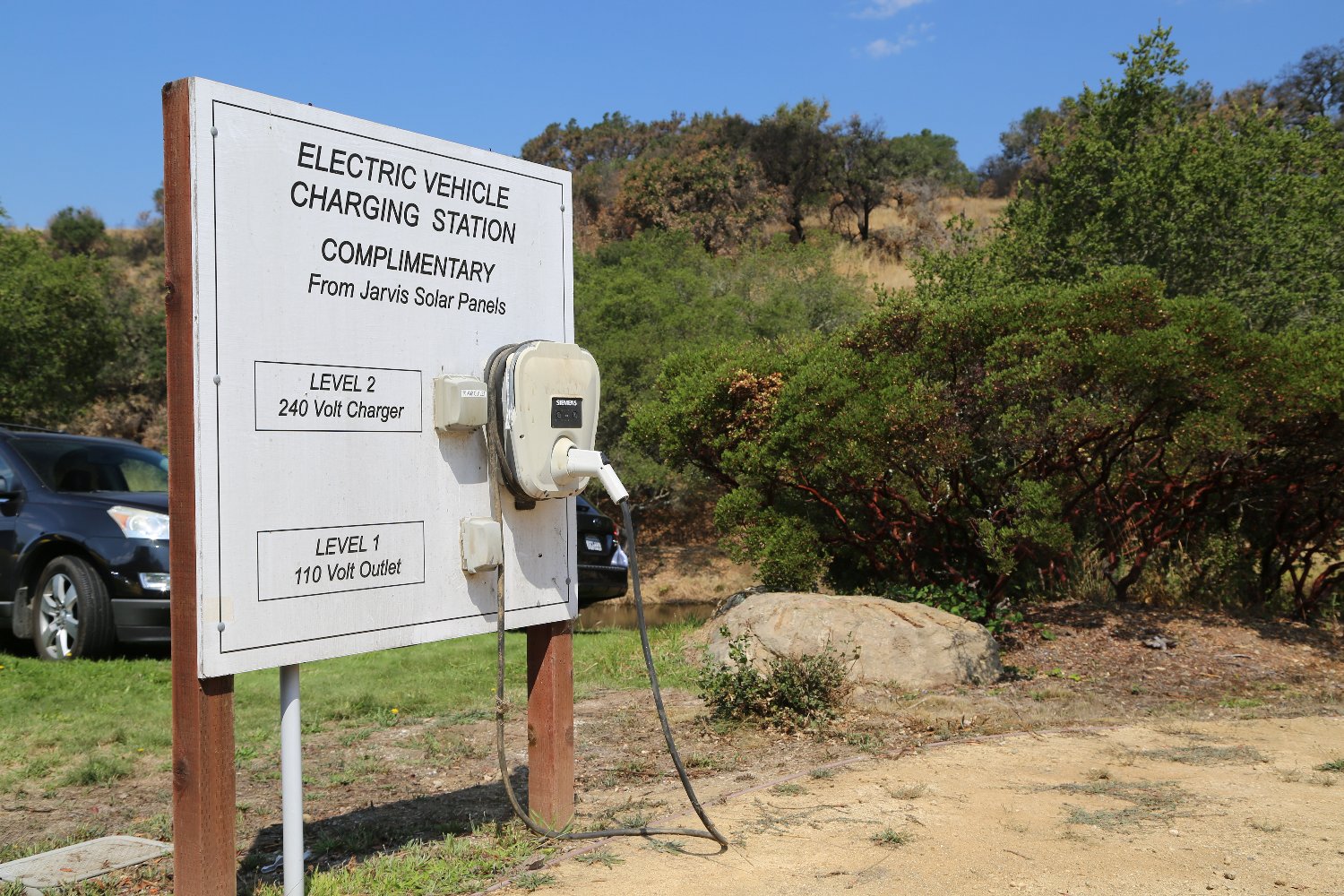
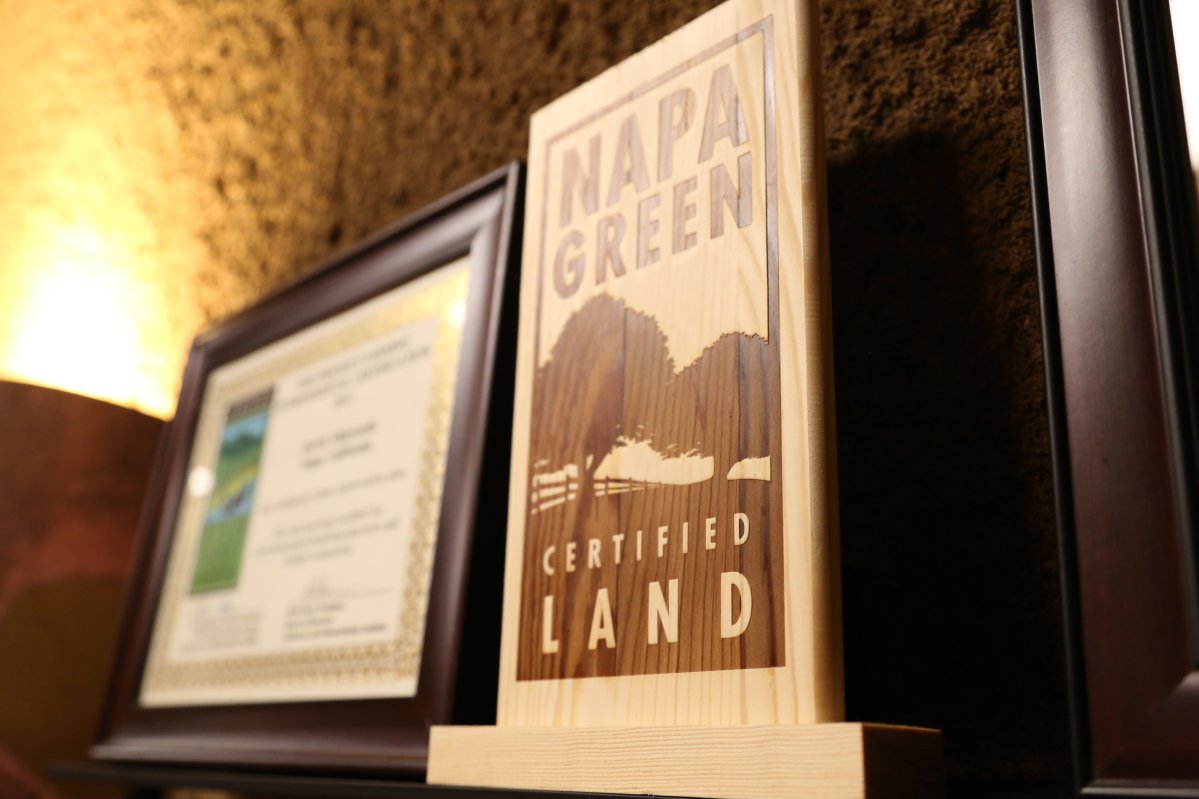
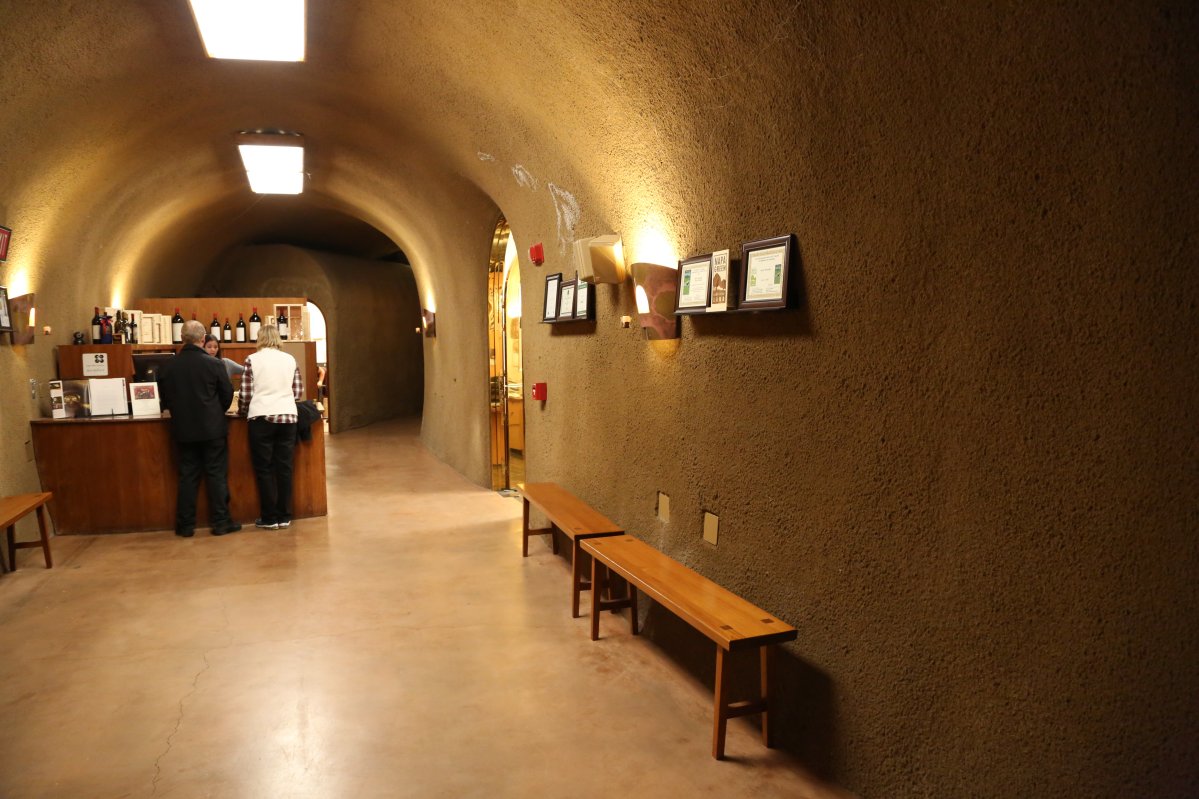
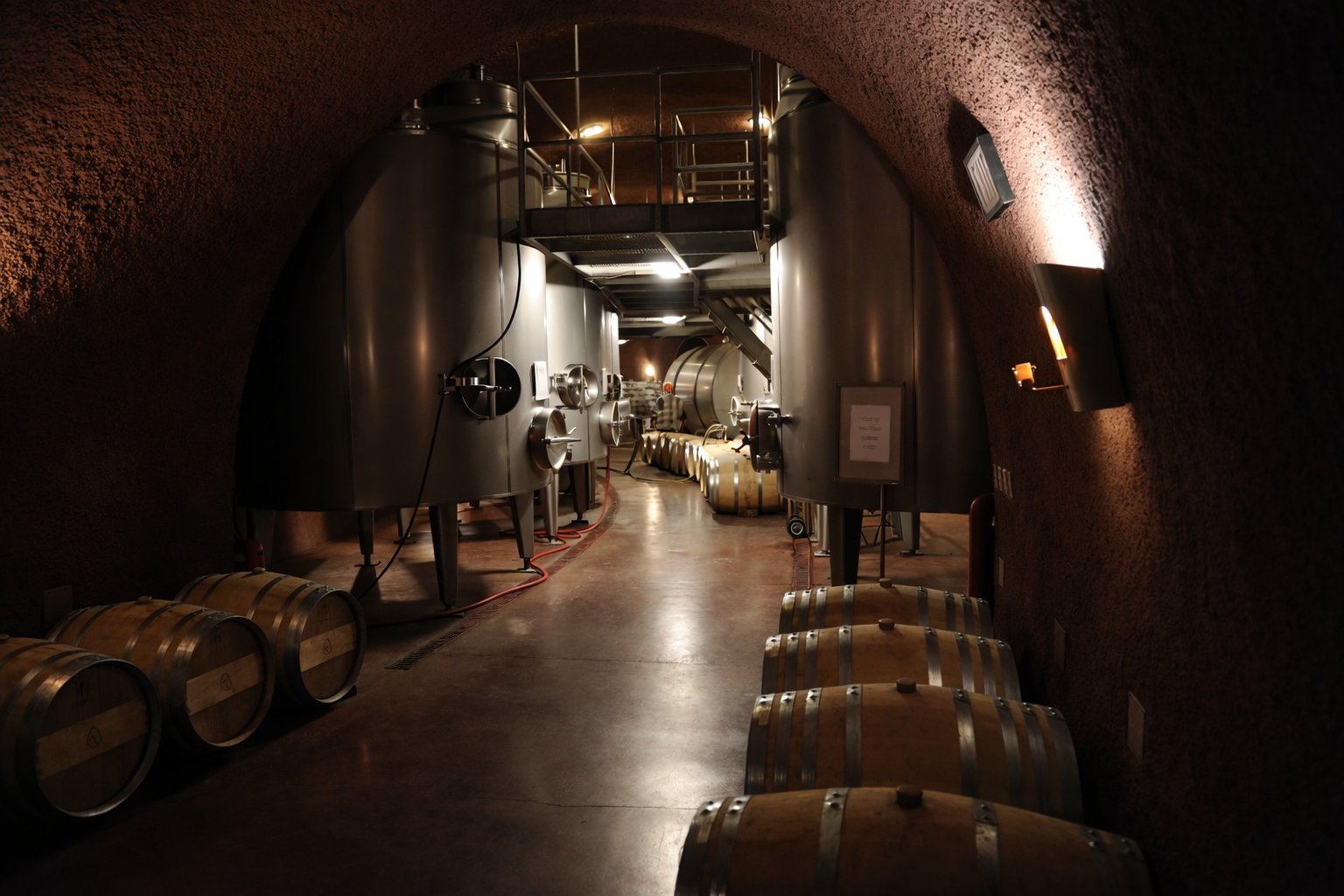
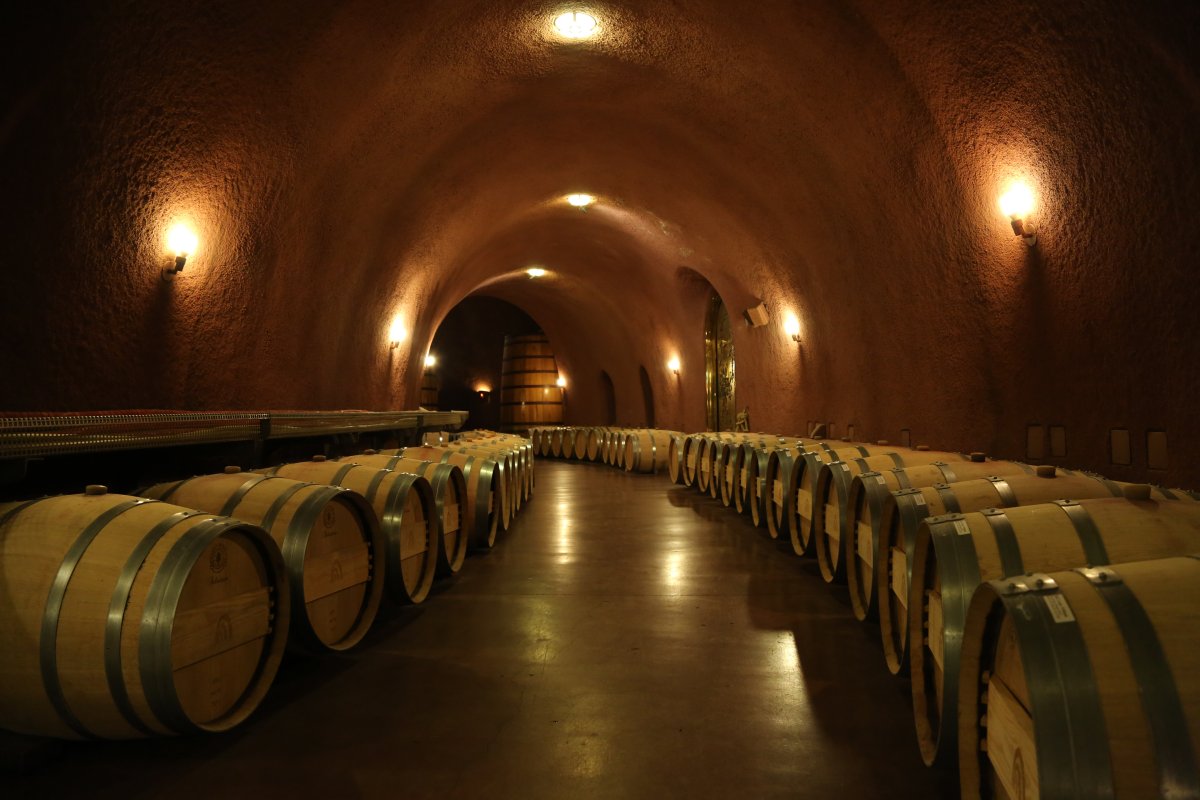
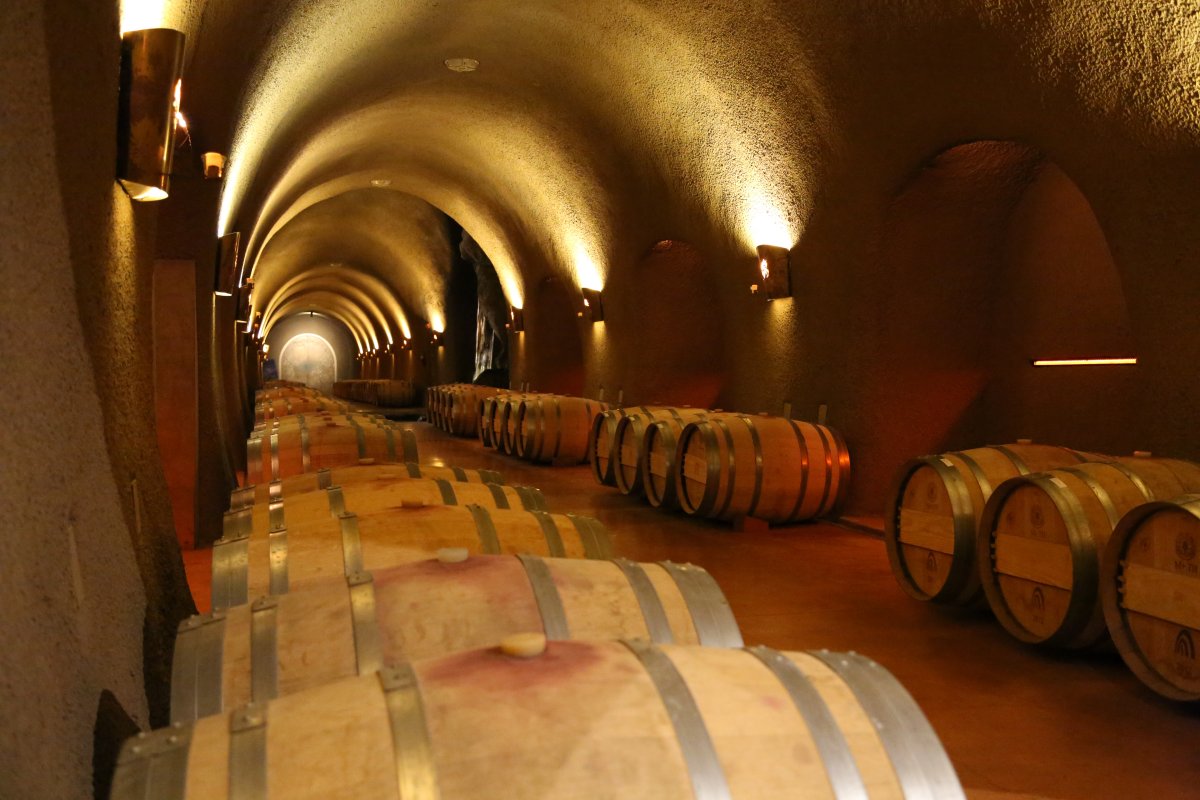
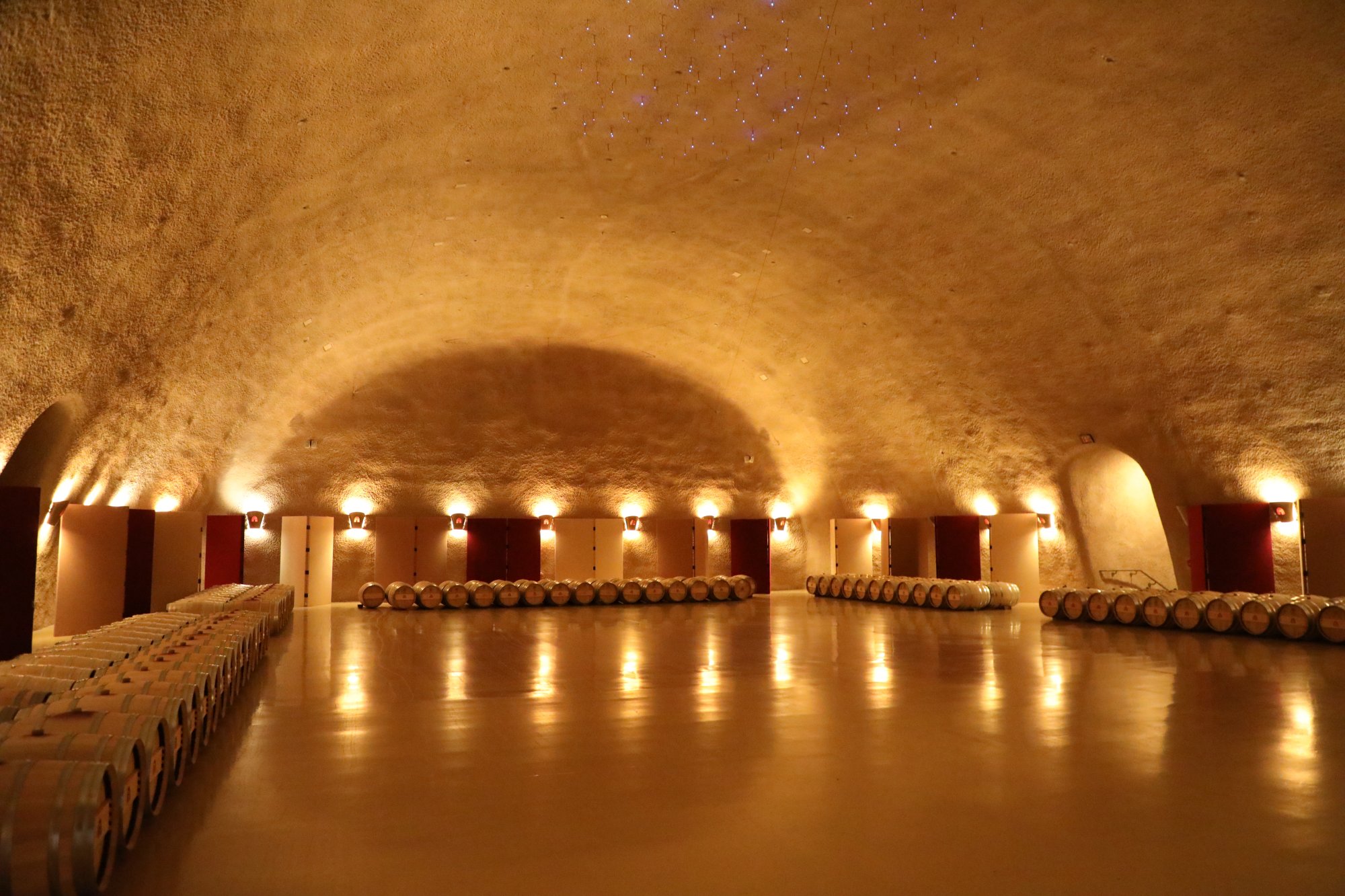
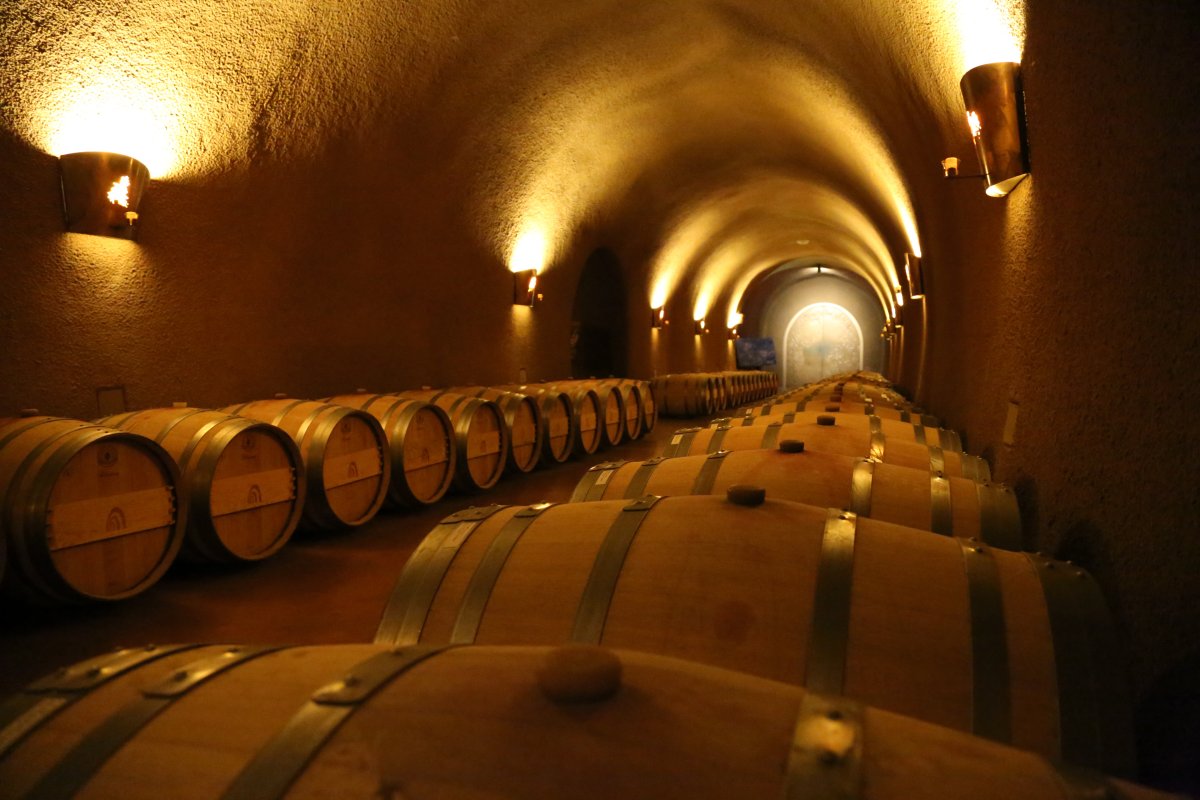
The highlight of a visit to Jarvis is the tour and tasting within the 45,000 square foot cave system. All winemaking facilities are located within the cave itself including their offices. Because of this, it is not an intrusive winery on the surrounding landscape. Coupled with a huge solar array installed in 2008 Jarvis is a fairly “green”, electrically self-sustaining winery. This winery feels like a complete underground city. We propose one office be on hydraulics in which it would raise above ground for the beautiful views and then lower back into the cave at closing time!
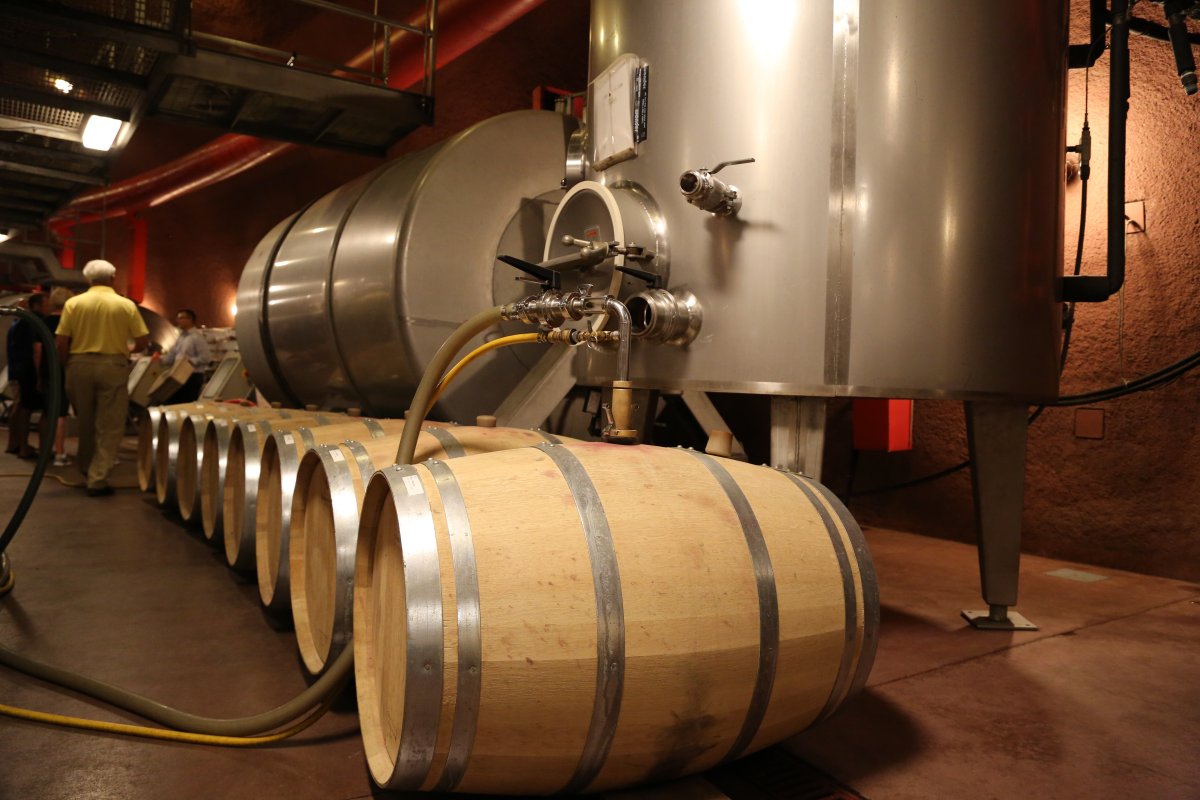
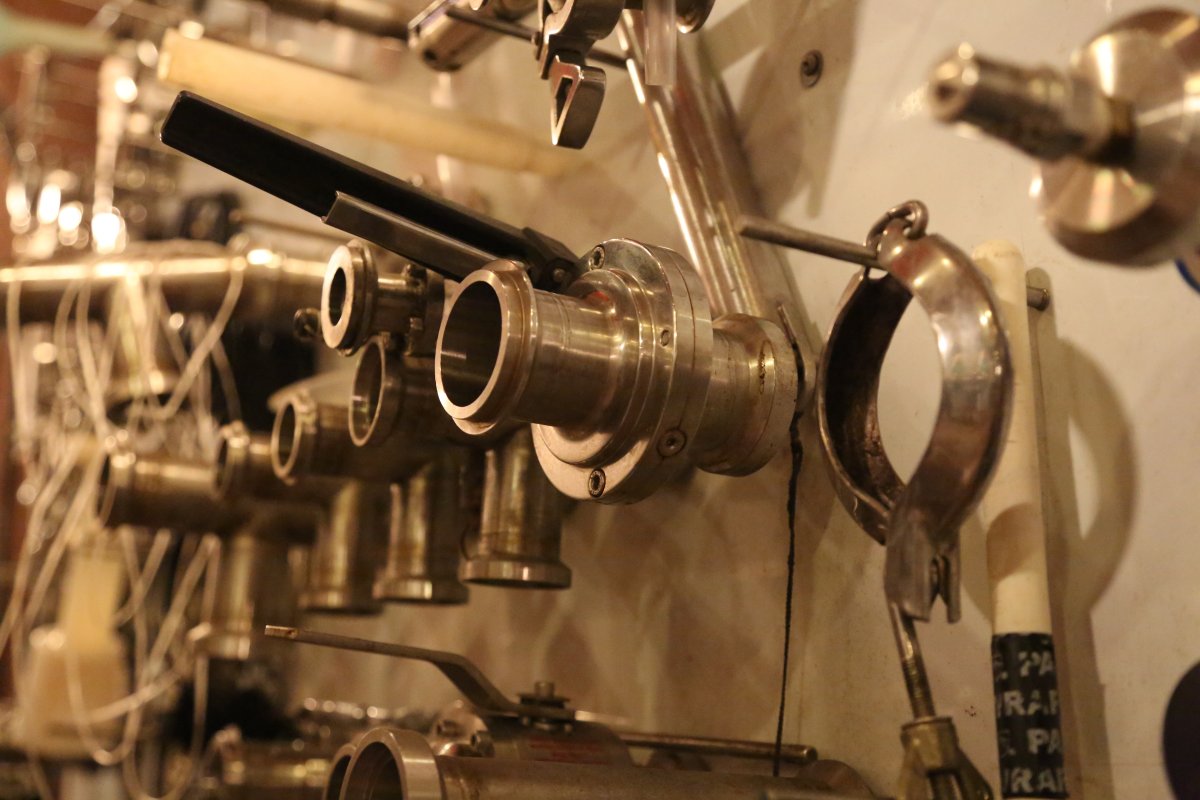
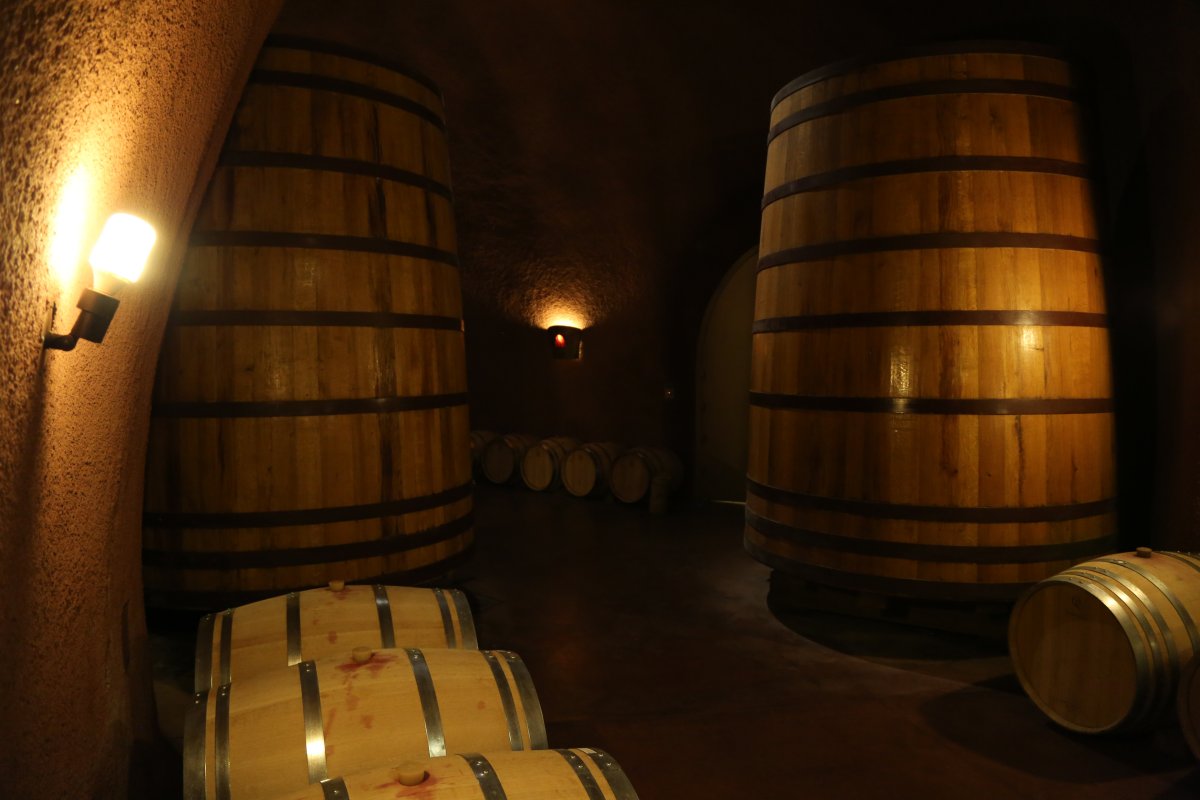
Visitors will walk through among winemaking operations including passing by both upright and the extremely rare for Napa Valley, rotary fermenters. These special fermentors are horizontal, motorized stainless-steel vessels that rotate on rollers. The young wines are transferred to finish fermentation into the tall oak cuves to reduce stainless steel contact and begin oak aging (although their input on the wine is minimal). This stage allows the wine to settle naturally, enabling unfiltered bottling. The cuves, crafted from French oak by Radoux, were assembled onsite by skilled coopers; these were first implemented by Jarvis in 1992 and they have since replaced the original cuves with newer ones. Jarvis use punch-downs for barrel fermentations, which are sometimes used for lots that are too small for the tanks.
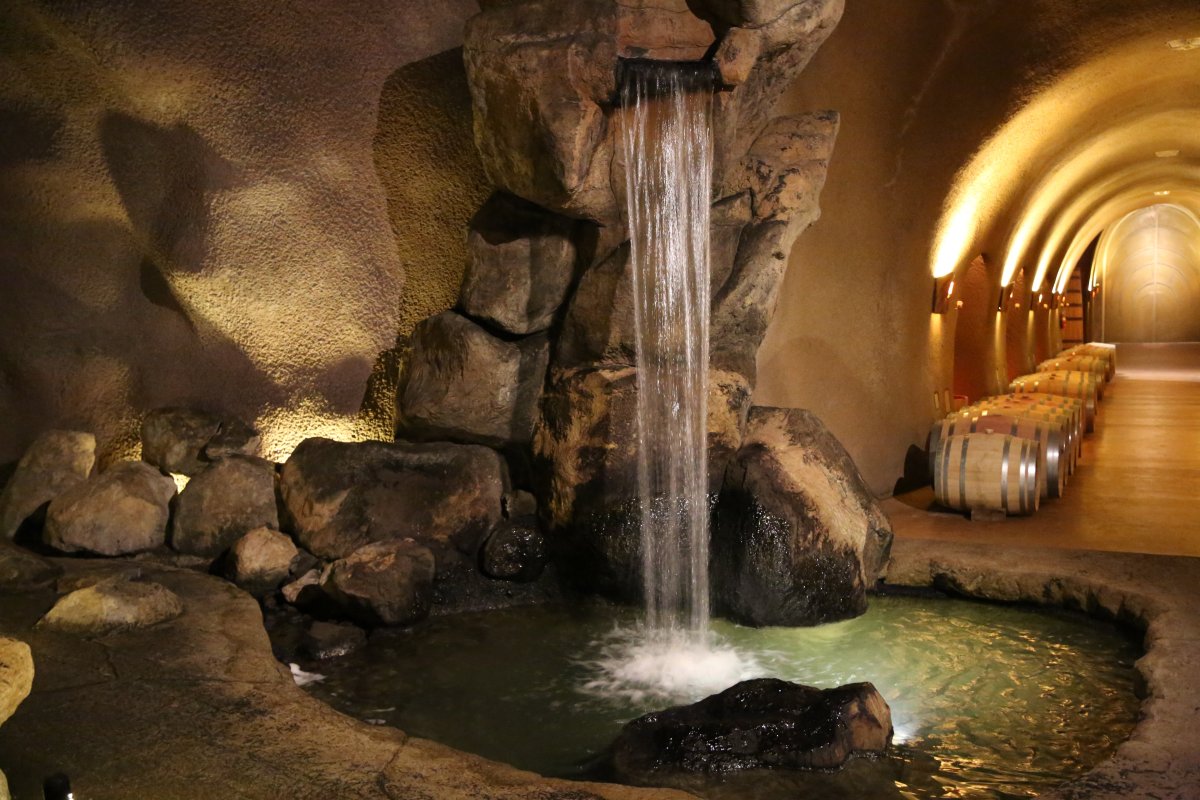
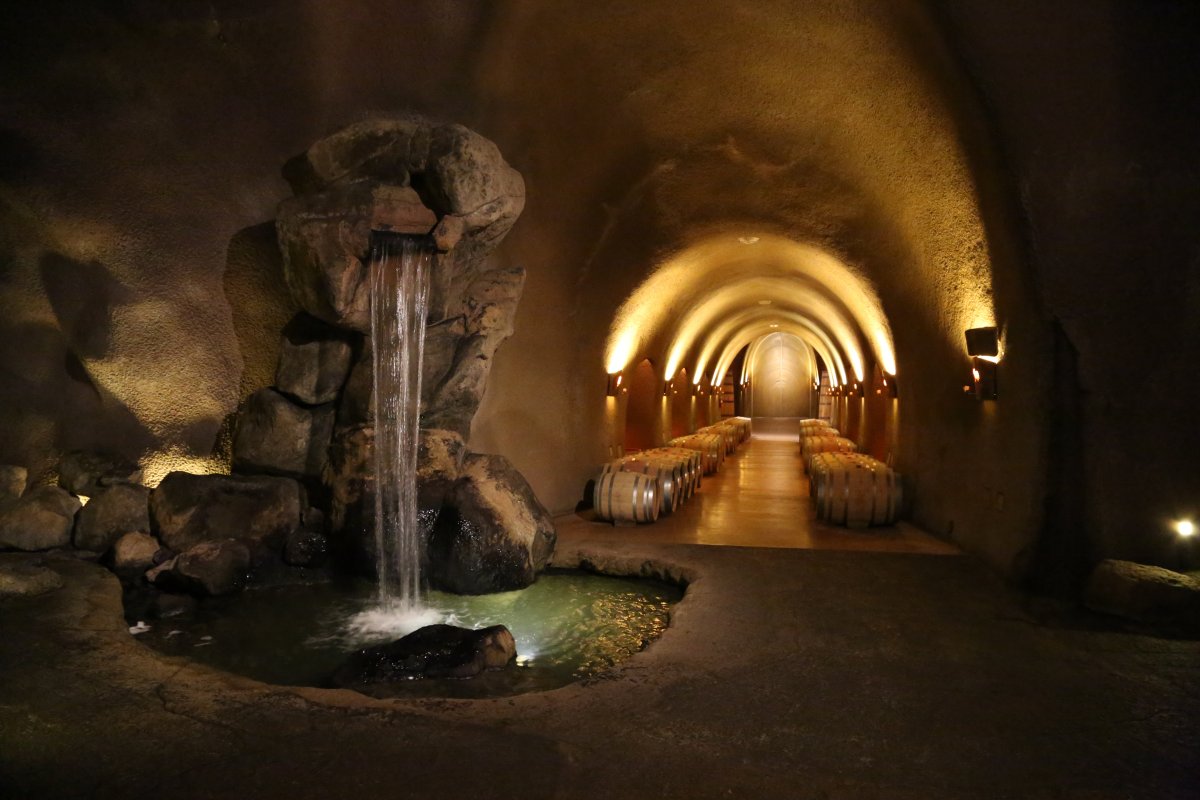
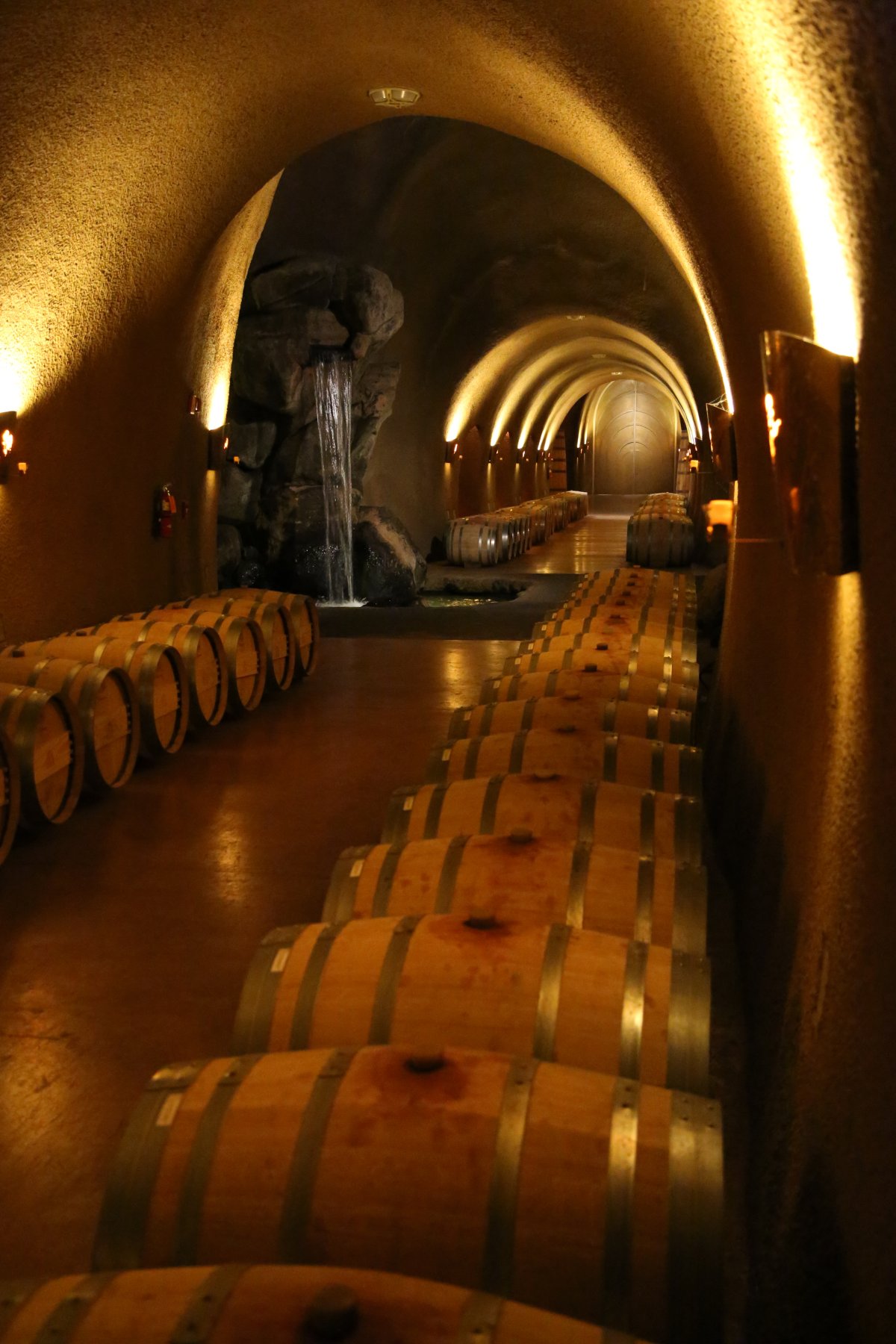
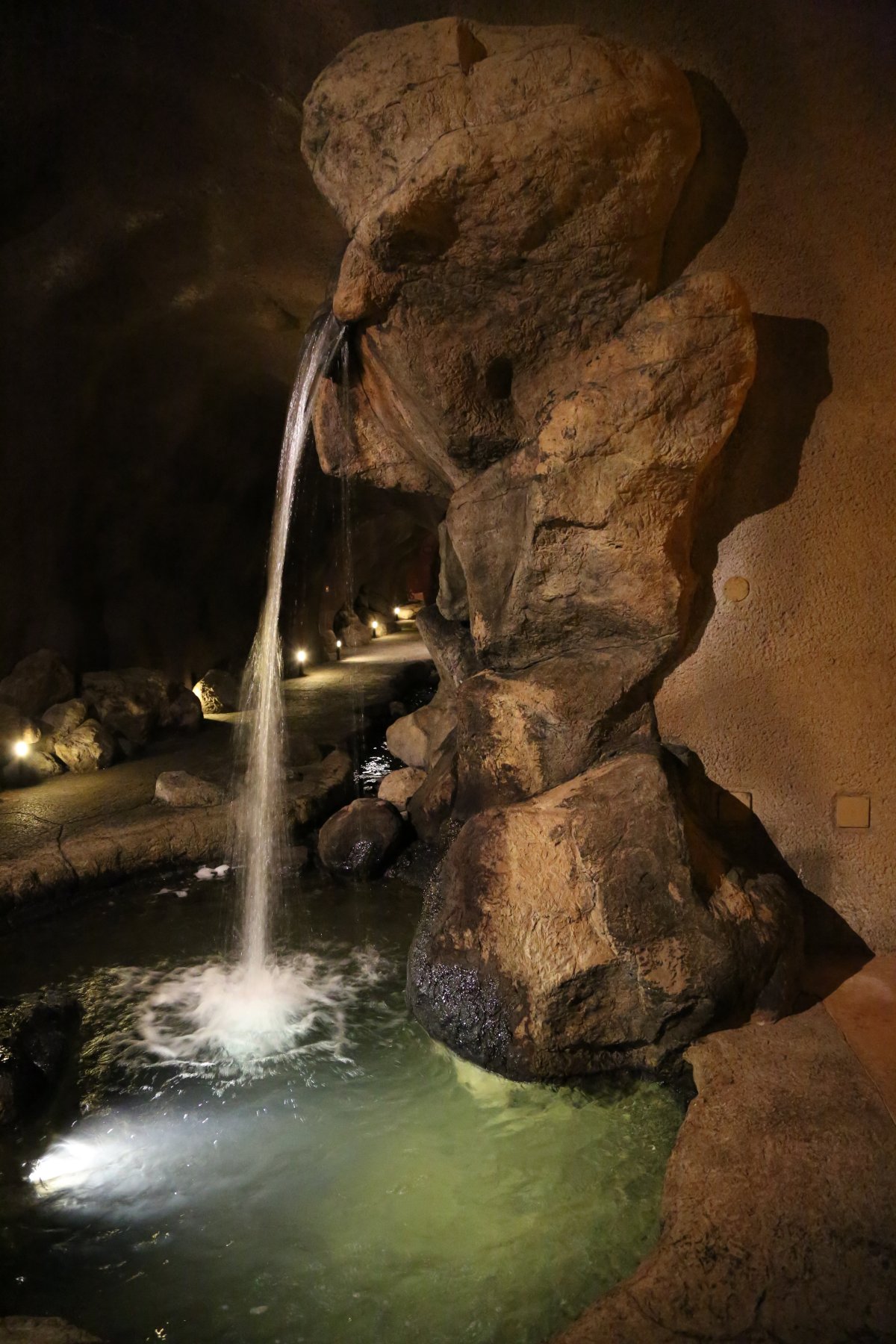
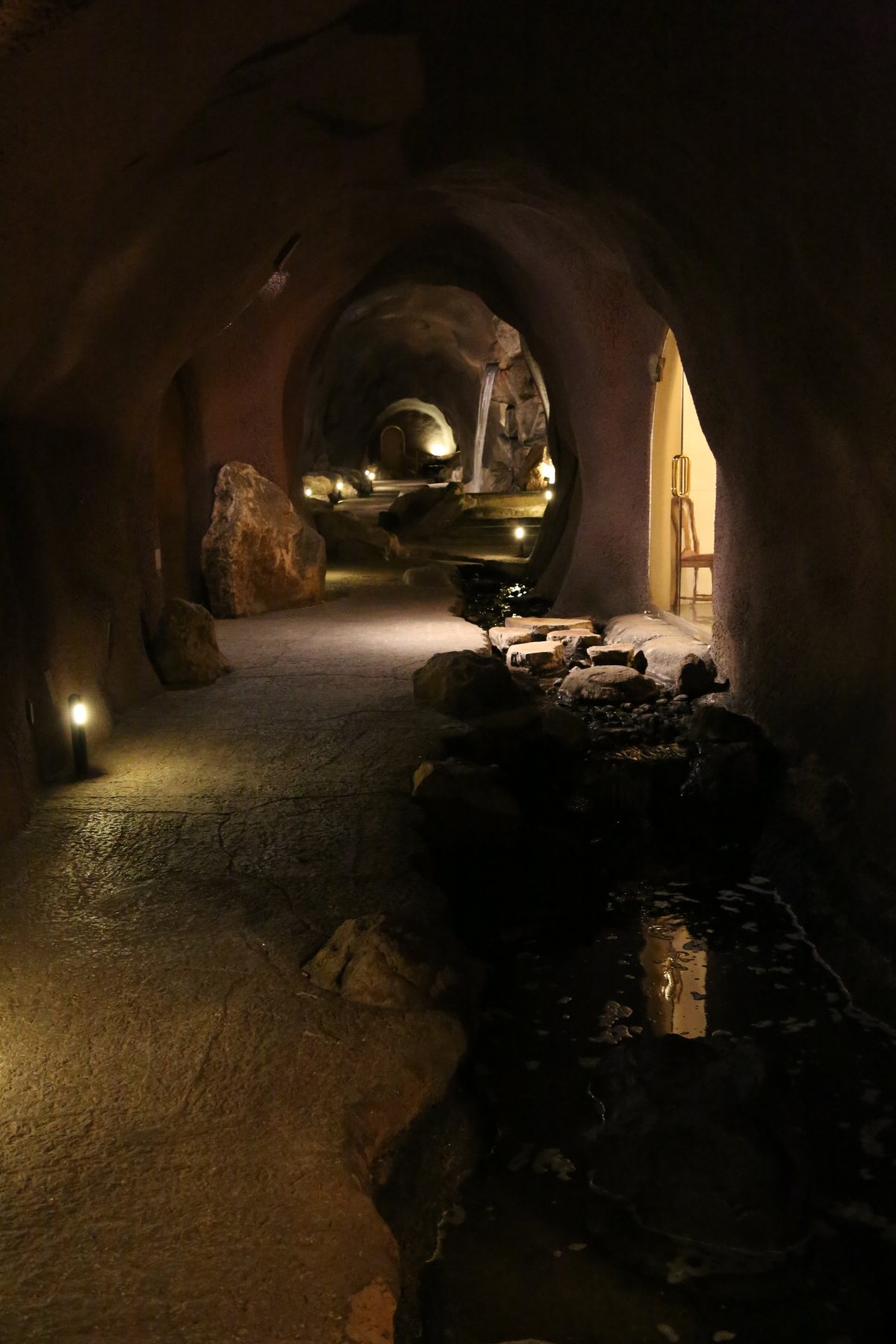
This cave is arguably one of the top 5 most interesting winery caves in all of the Napa Valley. Its drilling was overseen by modern day cave driller Alf Burtelson. A natural spring within the cave system was discovered while drilling the cave. They were advised rather to plug it up and take the risk of it leaking out somewhere else in the cave – to incorporate the water as a feature of the cave. And this extra water actually helps maintain a higher humidity content and helps limit the evaporation of their wines in barrel.
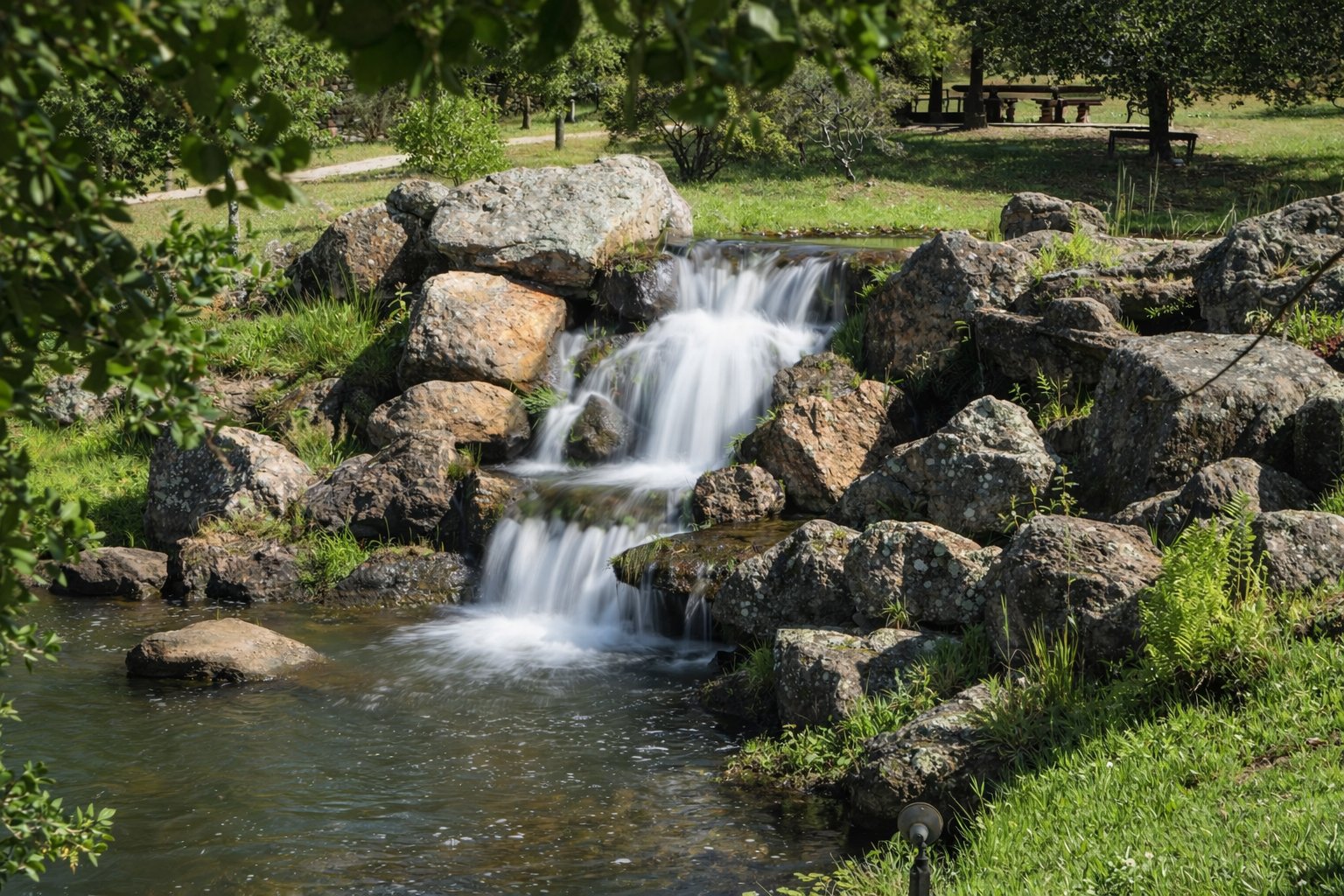
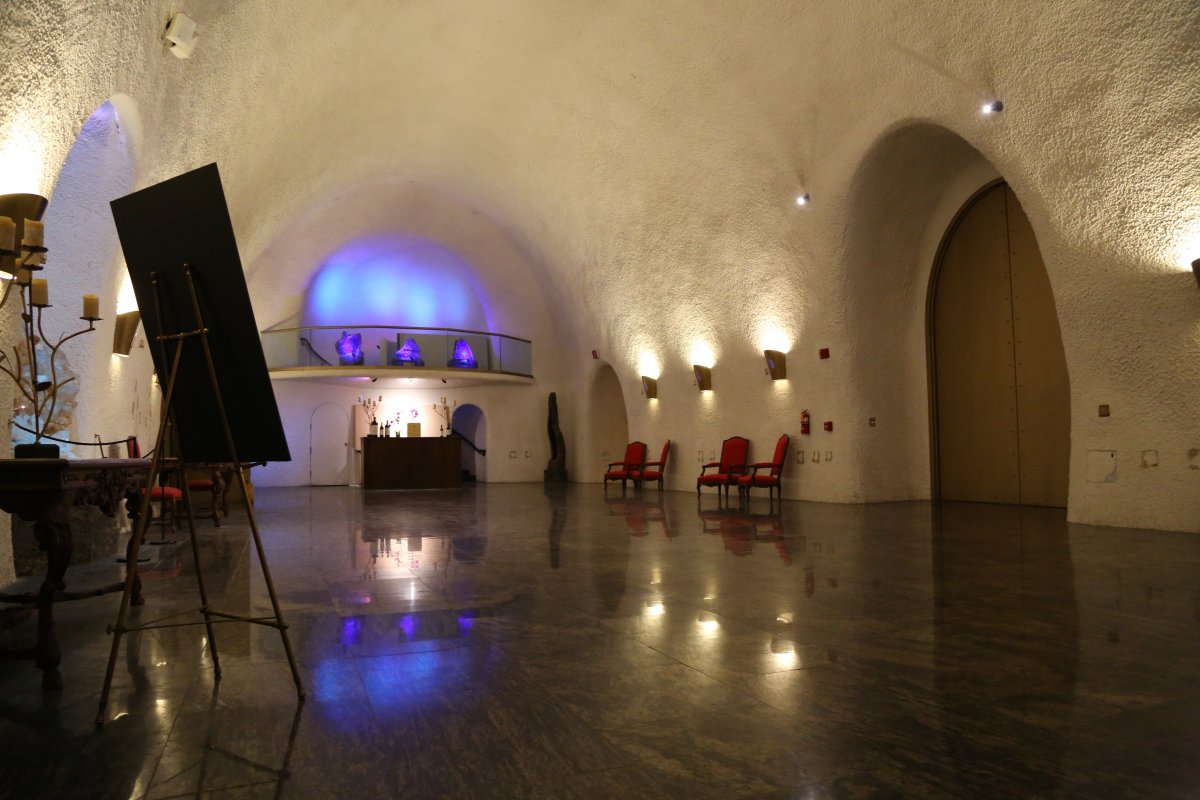
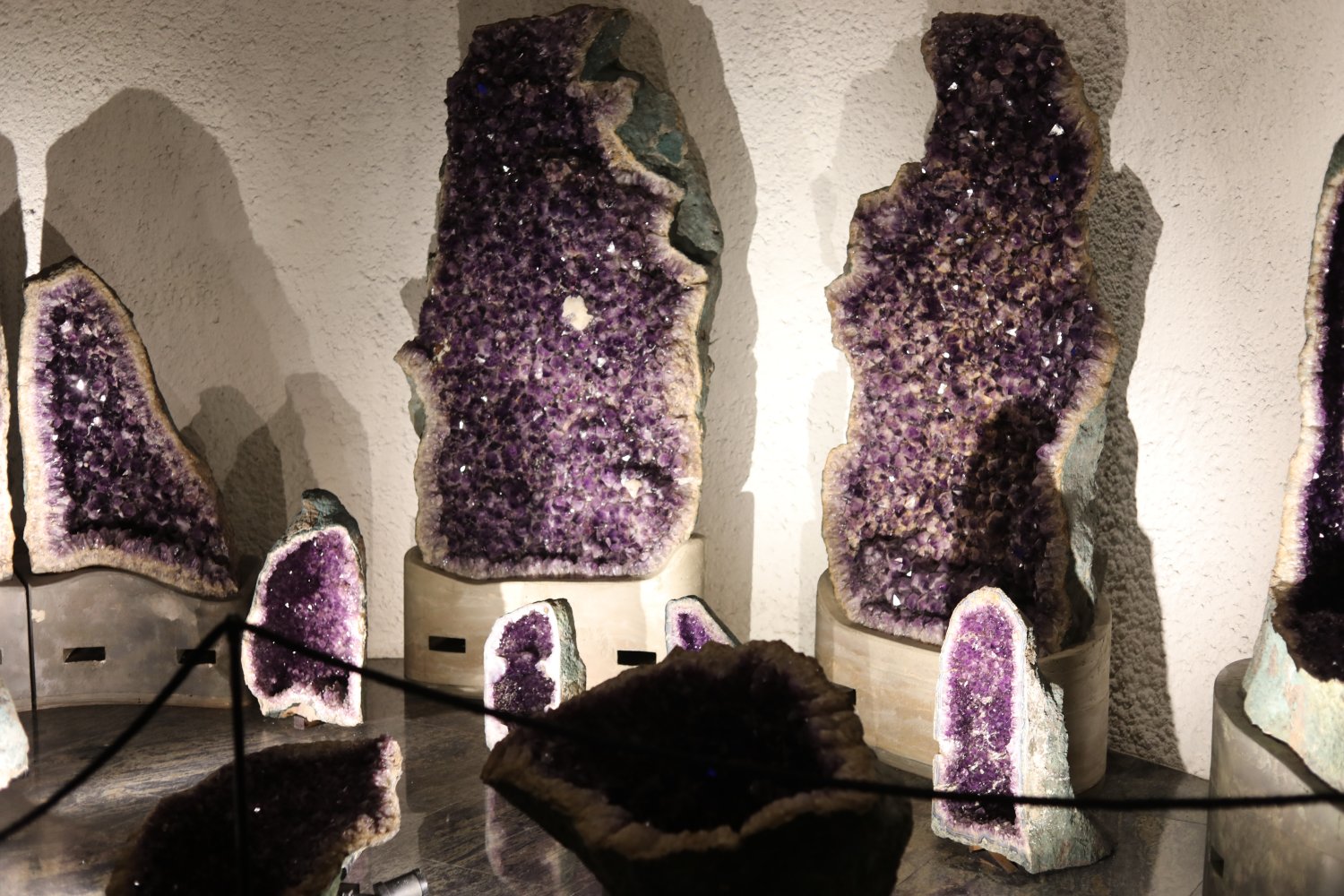
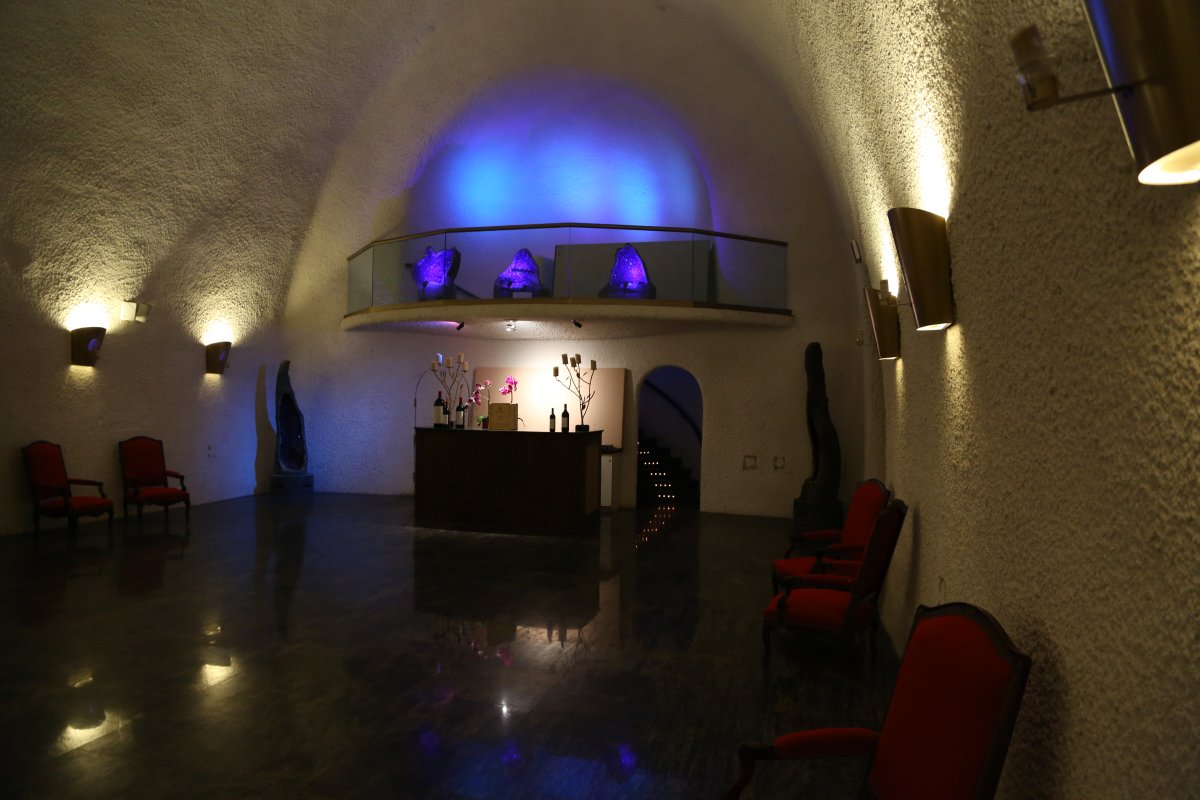
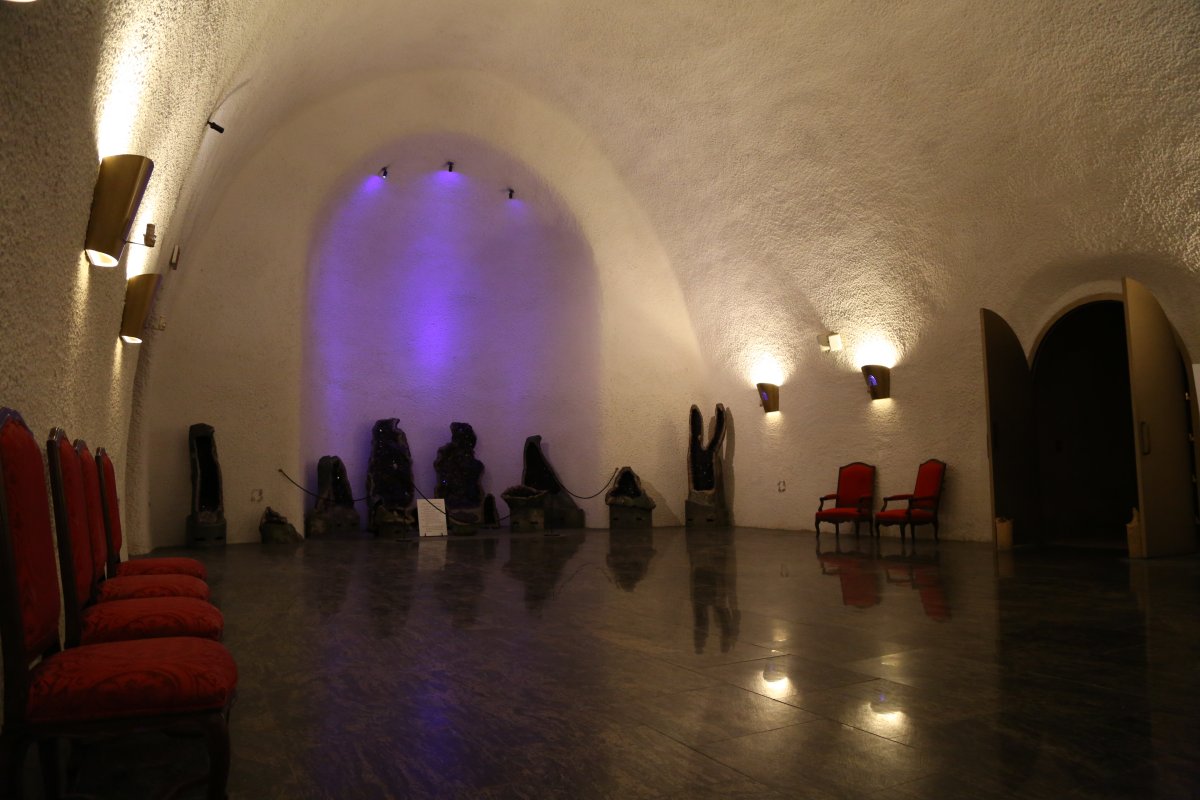
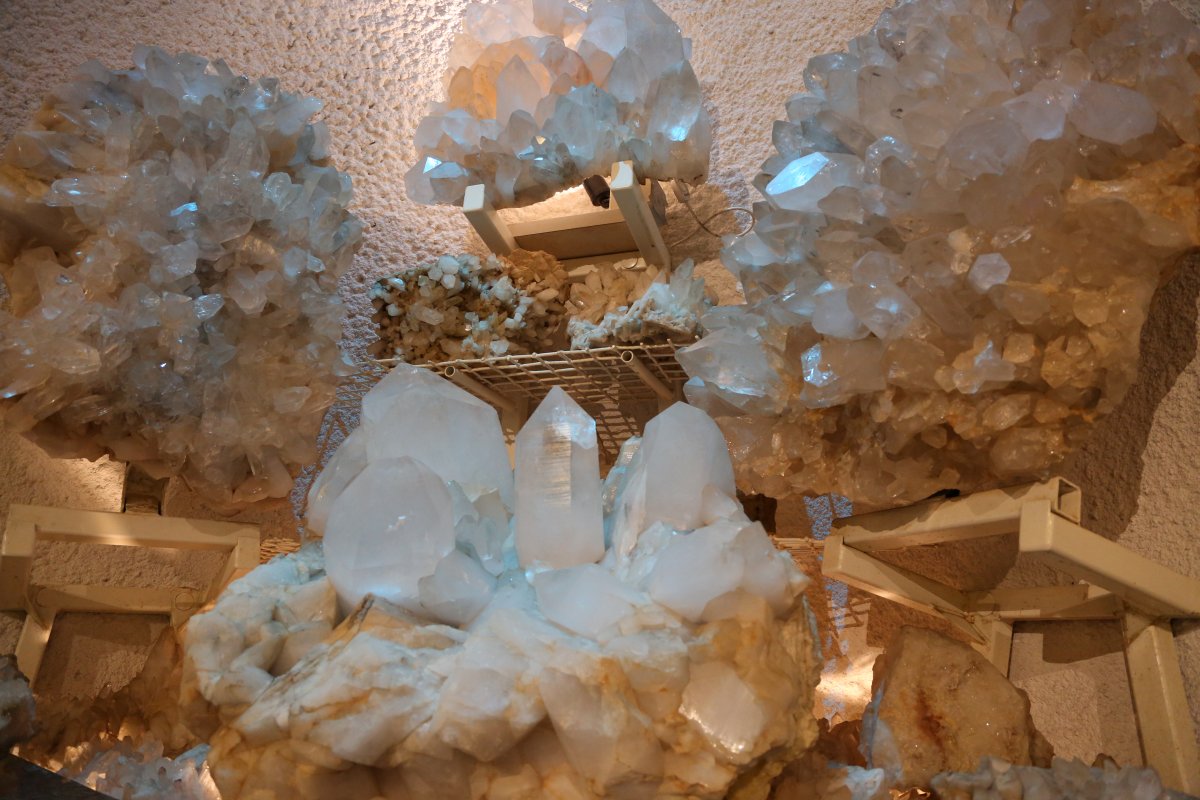
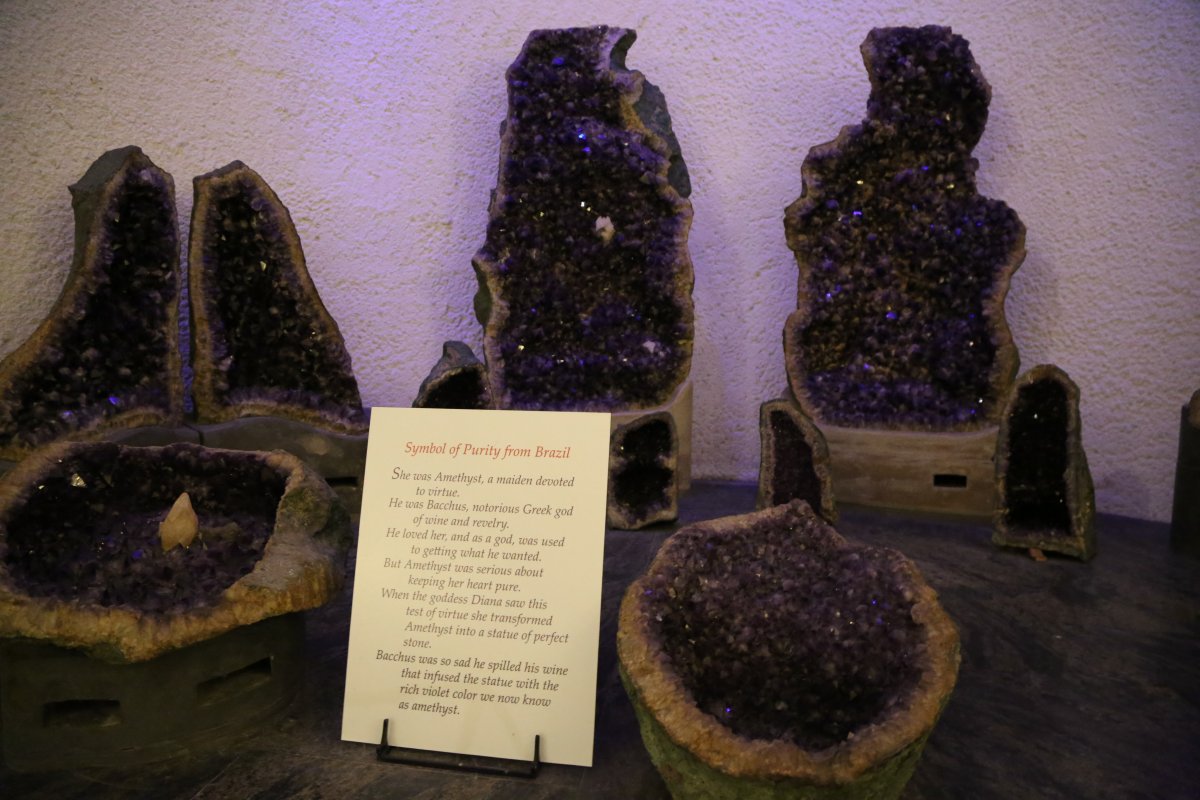
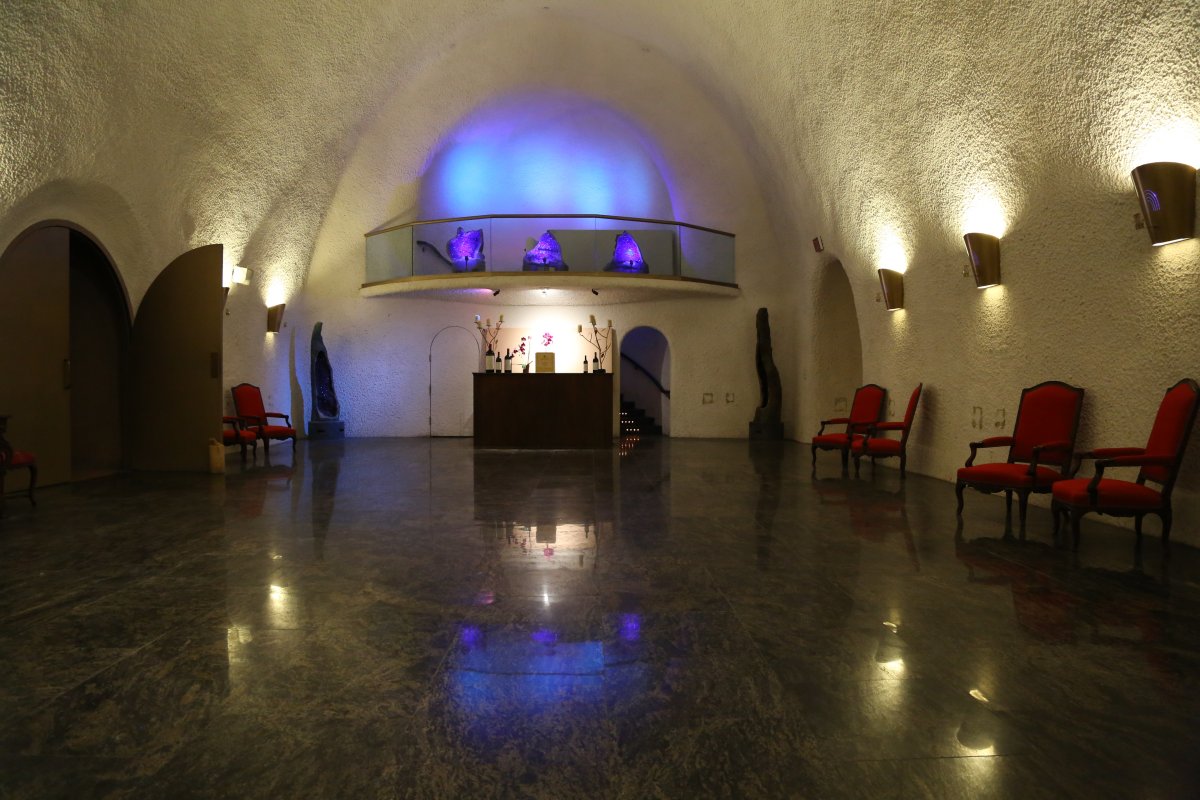
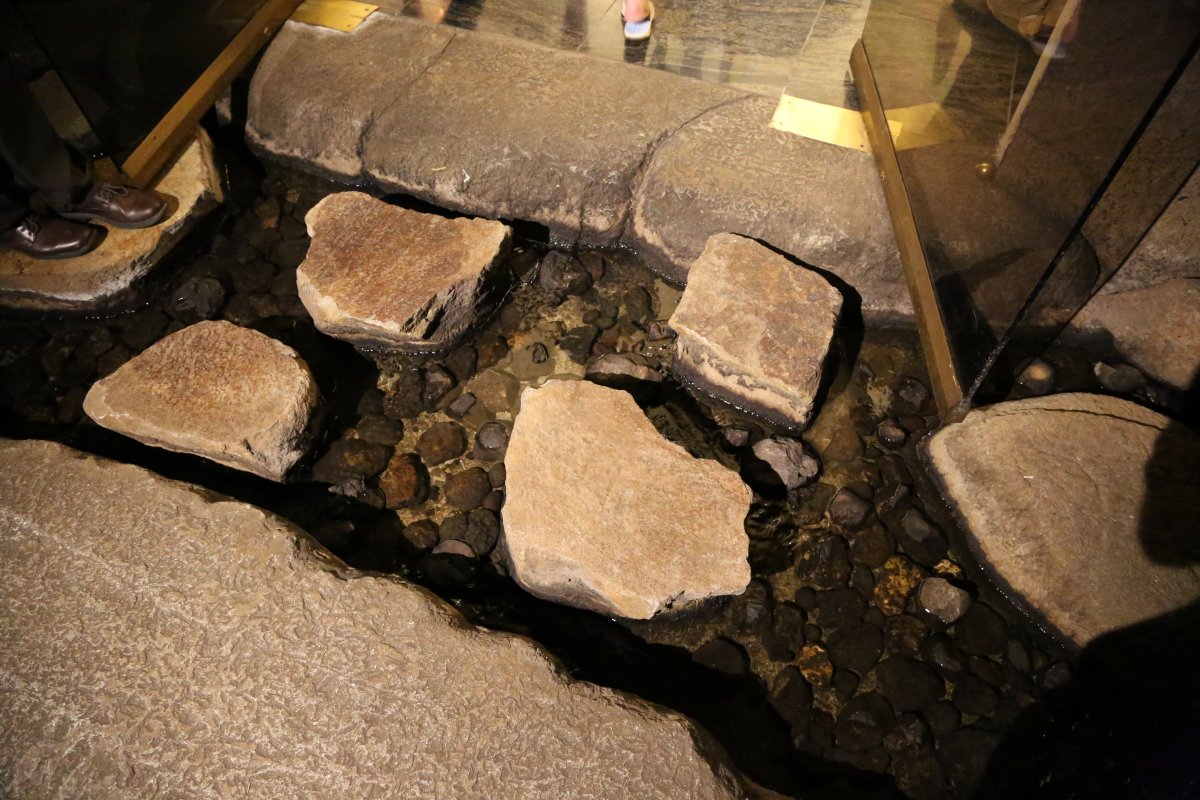
A beautiful waterfall flows into a ‘river channel’ in the floor of one of the tunnels – and this runs for some distance through the cave. The entrance to the tasting grotto is certainly one of the more unique presentations in Napa Valley. One must walk on large stones over the small creek. The Crystal Room contains large geodes of amethyst and other crystals – all imported from Brazil and other countries. And the Barrel Chai houses barrels for aging and can comfortably hold up to 500 people, and yes, they hold some of the most memorable hi-so events in the valley. The annual Harvest Festival used to be hosted in the cave; it is held outside of the winery, every September.
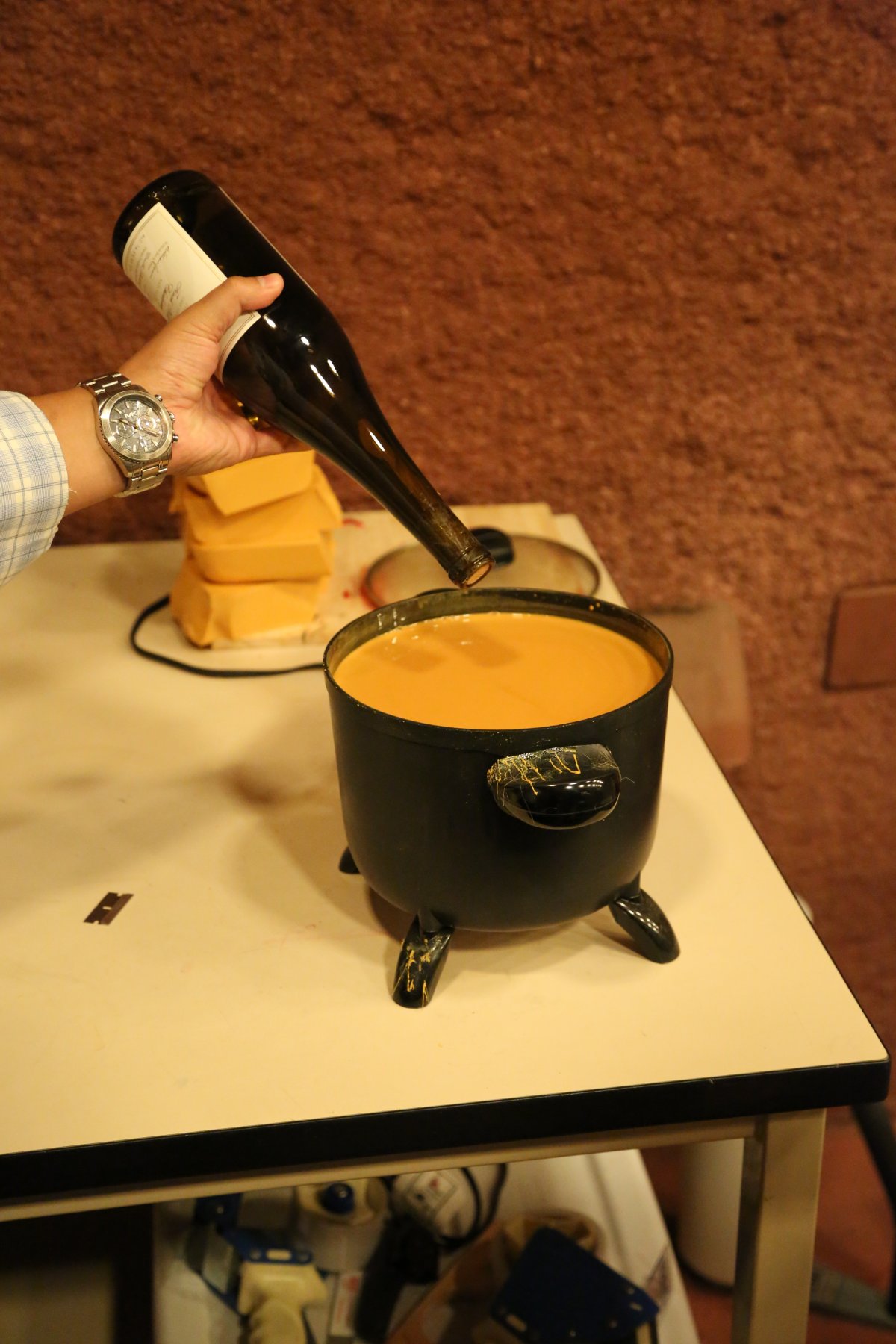
Other highlights of the tour include a small room where the reserve wines and large format bottles are all hand dipped in wax. The wax comes in small colored blocks; these blocks are then put into a pot and heated so that the wax melts – the already corked bottles are then lowered into the wax. Unlike other wax coated bottles, they score the top of the wax so that is can easily be removed with a knife prior to opening.
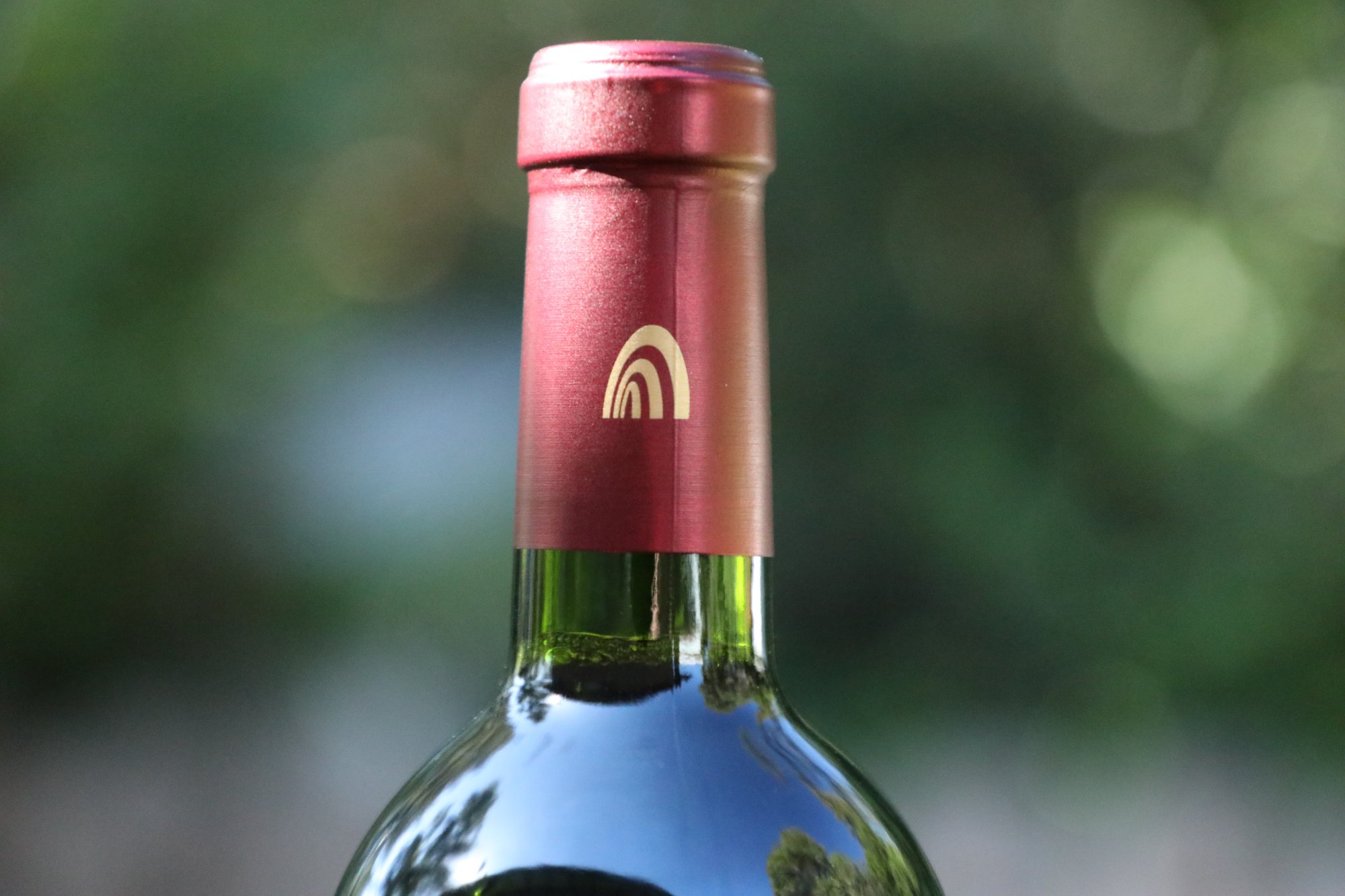
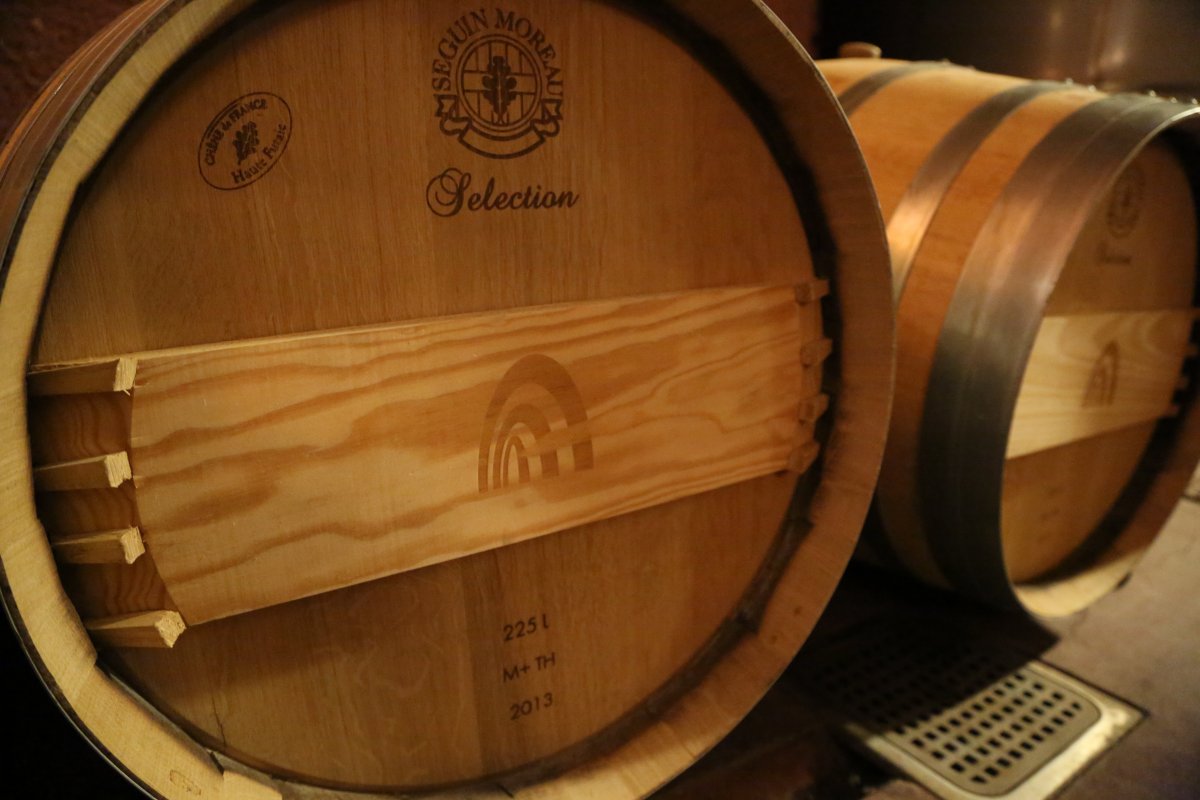
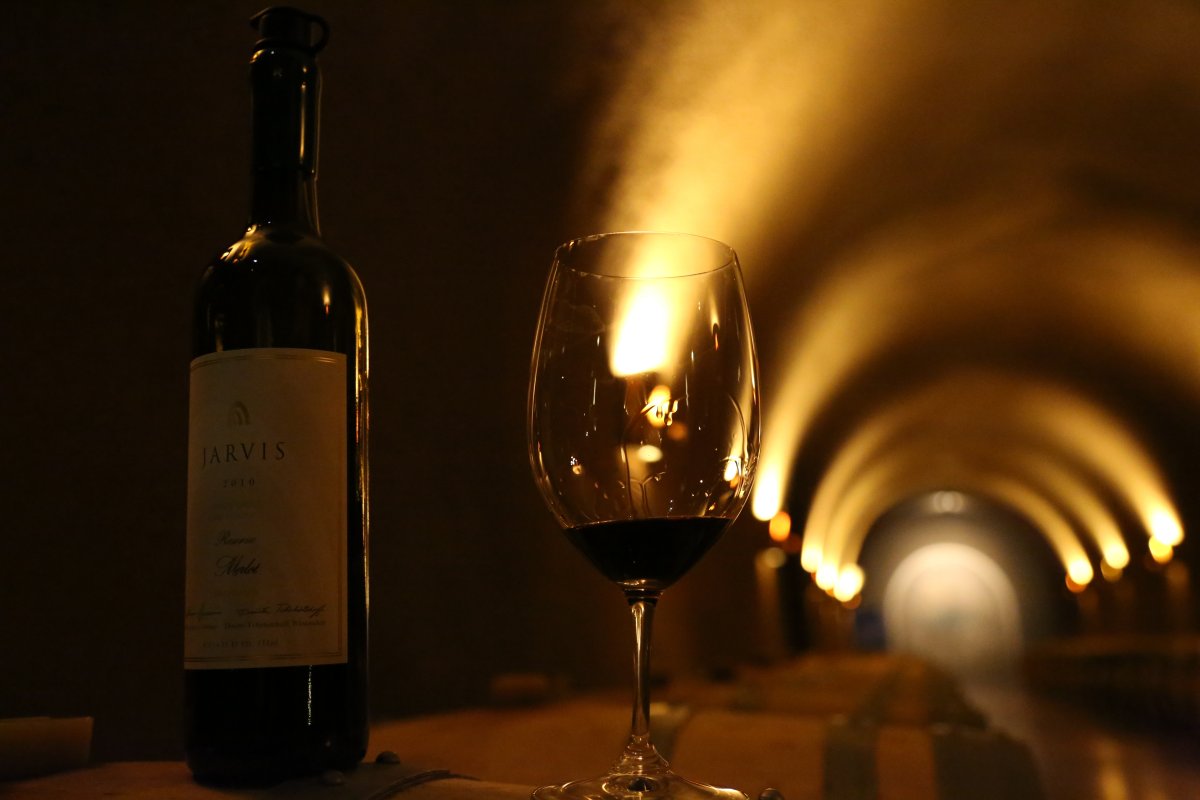
One cave tunnel contains barrels with lighting casting arched shadows on the wall. Look at this room closely; it is the depiction of the shadows on the cave walls that were the inspiration for the Jarvis logo.
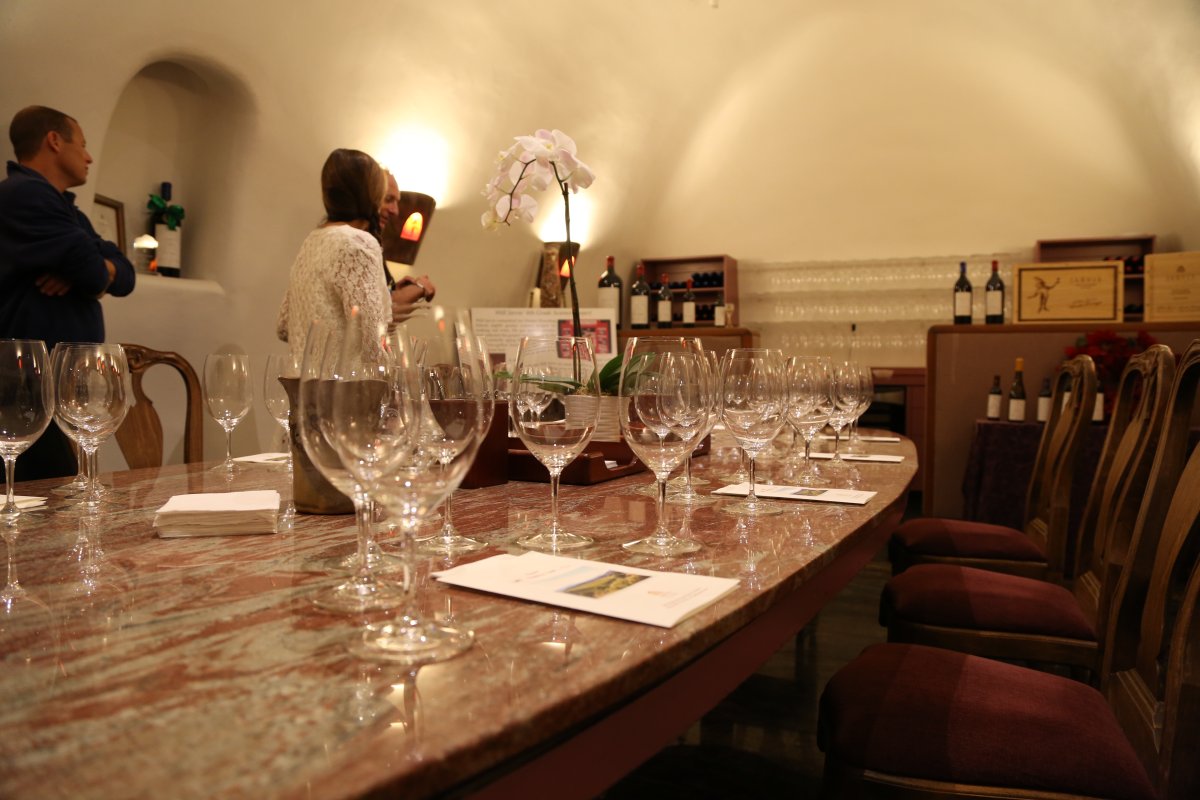
Tastings are held on a large stone covered table which seats no more than 10 people in a very well-lit smaller side cave room accessible by walking across a short stone bridge over the creek. Note the beautiful chairs within this room; they were previously at the chateau that the Jarvises owned in France. Tastings and tours are limited to under 10 people.
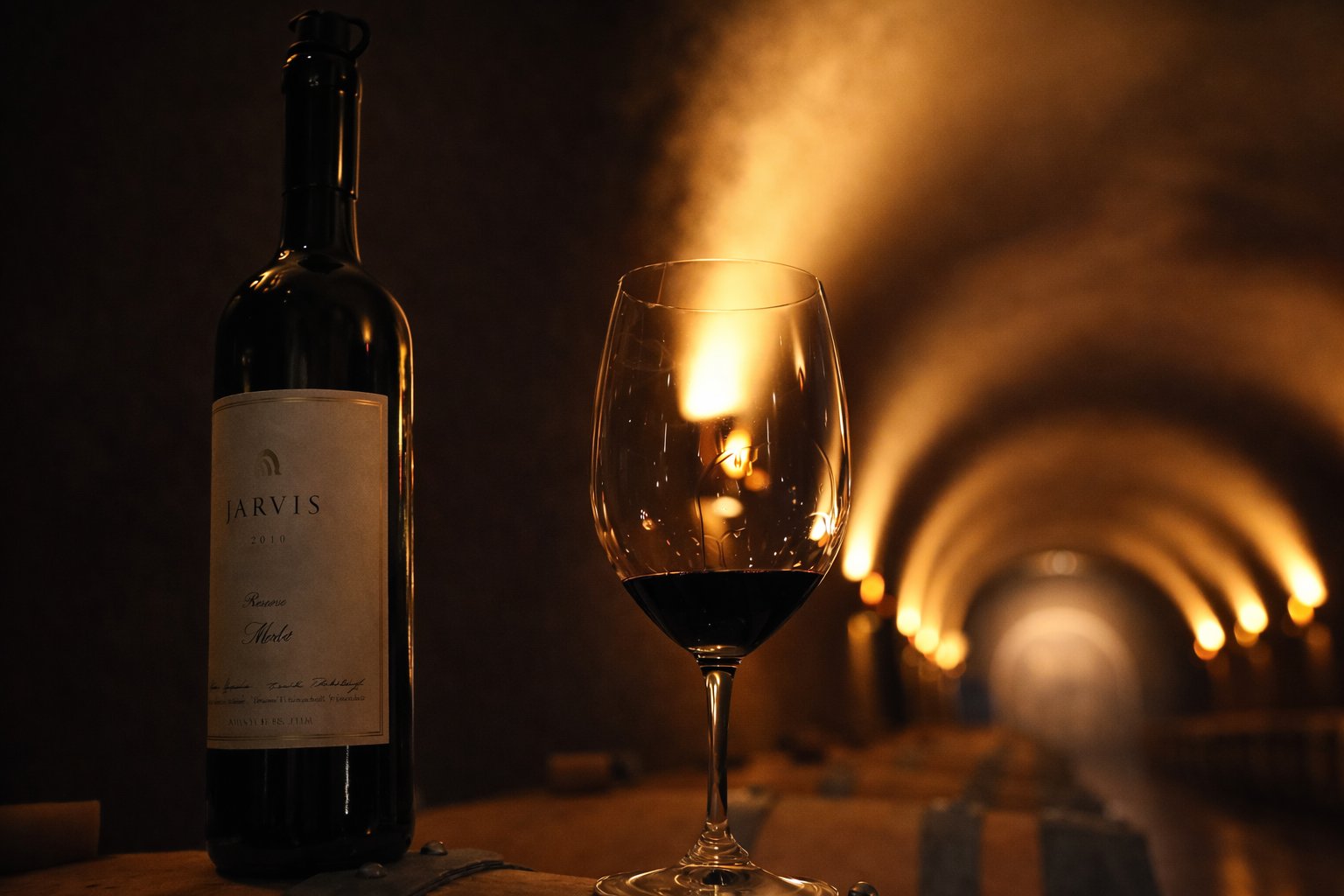
The Jarvis wines are an authentic representation of varieties, the vintage and show a stylistic continuity, regardless of vintage. And as William & Leticia’s son Will told us, there is always a tension between these three attributes, and it is their job to find the balance. They take a thoughtful and patient approach to their winemaking releasing their red wines between 5 and 10 years post vintage, utilizing extra time in both barrel and bottle.
Select Wines
Whites
Chardonnay Filtered
 Their focus is on red wine (all are unfiltered) but they do produce several premium chardonnays.
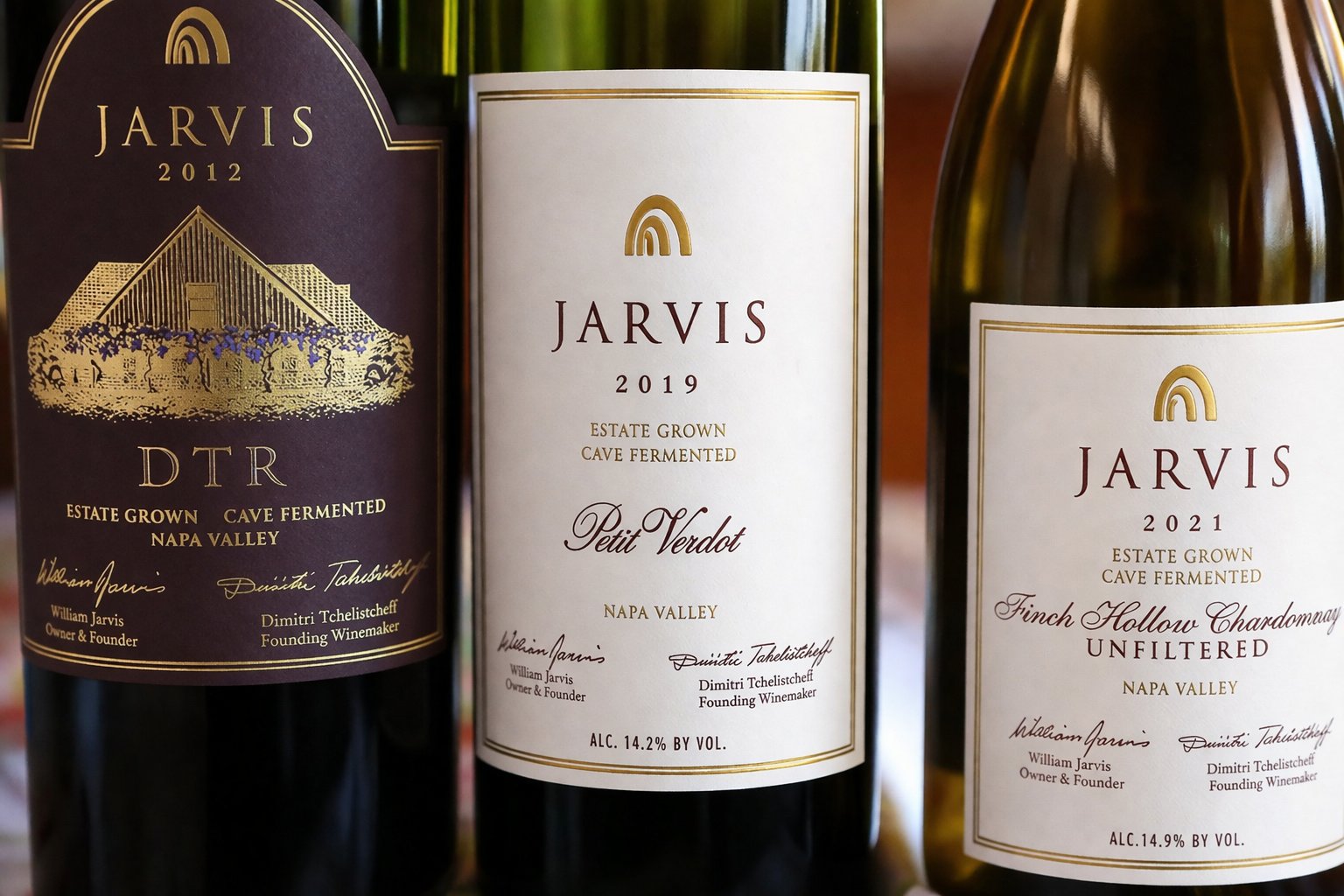
The 2021 Jarvis Finch Hollow Chardonnay is deep golden in color. The bouquet opens with rich aromas of honeycomb, yellow peaches in light syrup, Alphonse mango, baked pineapple, and ripe papaya, alongside dessert-like notes of vanilla and caramelized sugar reminiscent of crème brûlée. On the palate, the wine closely mirrors the nose, offering flavors of honeycomb, dried apricot, yellow peach, mango, and papaya, layered with vanilla and crème brûlée. The finish lingers with notes of hazelnut and toasted almond. This is a rich, layered expression of Chardonnay, showcasing both vibrant fruit and pronounced barrel influence. Its richness is matched by the mouthfeel—supple, creamy, and lightly viscous—balanced by a harmonious interplay of fruit and acidity. The wine has notable weight, yet remains beautifully balanced, never feeling heavy. A total of 800 cases were produced. Chardonnay grapes are typically the first of the varieties harvested on the property. This is the only wine in their portfolio that is filtered. It was barrel-fermented and aged sur lie for 12 months in new French oak, with weekly stirring. Consistently, regardless of vintage, it undergoes full malolactic fermentation.
The 2017 Jarvis Finch Hollow Chardonnay is a high-toned expression of this tiny estate block, with a golden yellow hue in the glass. The aromatics are immediately generous and complex, leading with the classic “California” notes of buttery popcorn and bright citrus, underscored by a sharp, refreshing lemon zest. As the wine is given time to breathe and expand, it reveals additional secondary notes, including toasted almond and the caramelized sweetness of crème brûlée. On the palate, the wine is concentrated and intensely flavored, featuring distinct mineral nuances that speak to the specific terroir of the Finch Hollow block. While the entry is notably rounded and soft, it maintains a structured elegance rather than a heavy, buttery creaminess. This richness is complemented perfectly by a vibrant, lively acidity that drives the wine into a long, persistent finish defined by lingering notes of fresh citrus. Recommended serving temperature is 68 degrees Fahrenheit and Jarvis suggests pairing this wine with a variety of seafood including oysters and scallops.
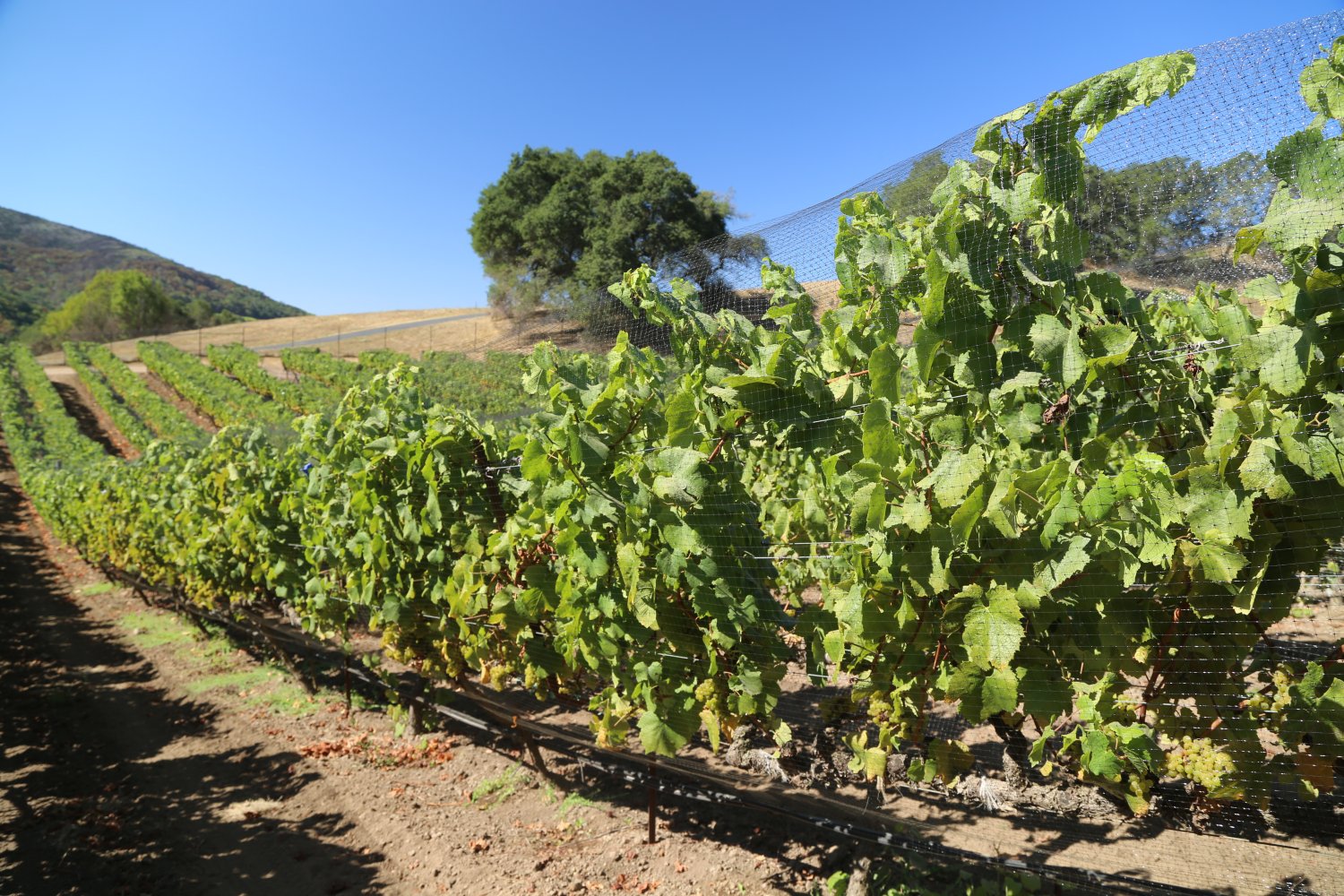
The 2013 Jarvis Finch Hollow Chardonnay is a rare and site-specific expression of the estate, sourced from a tiny vineyard block that is often glimpsed from the highway just before reaching the Jarvis winery’s gated driveway. This block is so coveted by the local avian population residing in the nearby trees that it must be meticulously netted every year to ensure there is a harvest at all. Crafted with traditional Burgundian techniques, the wine was fermented and aged in 100% new French oak and kept “sur lie,” allowing it to develop significant texture and complexity. The bouquet is immediately inviting, presenting elegant notes of warm caramel and delicate citrus blossom, underpinned by a bright and pleasing lemon zest. As the wine begins to breathe, nuances of ripe yellow pineapple emerge, eventually evolving back into deeper, more indulgent caramel-like aromatics. On the palate, the wine is supple and rounded, offering a mouth-coating richness that carries through to a long finish where the vibrant fruit notes find a perfect balance with the toasted oak influence.
Chardonnay Un-filtered
While the Finch Hollow (filtered) Chardonnay is selected from the upper part of the wine barrels, Jarvis also makes a second much more limited production reserve Chardonnay, the Finch Hollow Unfiltered Chardonnay – created from wine selected from the lower half of the same barrels.
The 2021 Jarvis Chardonnay, Finch Hollow Unfiltered is medium gold in color; the nose shows pineapple, golden apple, lemon, and a hint of chamomile. On the palate, the wine is bright, balanced, and fresh. Its flavors include Golden Delicious apple, pear, honeycomb, papaya, and a lingering layer of citrus, including a note of lemon meringue. Additional notes of apricot, papaya, pineapple, nectarine, and loquat come through. Minerally, with a citrus edge, the finish lingers with touches of lemon meringue and dried herbs, including thyme. The texture is lightly rounded, but the acidity is the standout feature, carrying through the finish and keeping it fresh and lively. Only 199 cases were produced in this vintage. And it is worth nothing that more people would change their perception about Chardonnay if they had the rare opportunity to taste this particular expression of the variety.
Reds
Cabernet Franc

 The 2011 Jarvis Cabernet Franc was produced in a challenging year for the Napa Valley that saw late rains into June and early rains coming in September. Not all the valley was affected in the same way; parts of the valley produced better wines during this year than others especially those from vineyards growing on eastern hillsides. Cabernet Franc can sometimes produce green aromas and even taste a bit green on the palate. This wine is not green but does show an easily recognizable hint of toasted pepper – as the wine opens more like a Serrano pepper. It offers an herbal character, representing both the variety and the vintage. Earthy aromas also show with notes of mushroom and some spice. On the plate, this is a very well-balanced wine, presenting a vibrant acidity and framed by tempered and integrated fine grained tannins.
Dancing Flowers Cuvée
The 2020 Jarvis Dancing Flowers Glass Cuvée (named after the Glass Fire that year) is a blend of 63% Cabernet Sauvignon and 37% Cabernet Franc. This wine is deep ruby in color; the bouquet is open-knit and friendly right out of the bottle. The aromatics are ripe, but not overripe, offering scents of blackberry, dark cherry, mulberry, and boysenberry preserves. Its barrel influence shows through with sweet spice notes, including cinnamon stick and nutmeg. Ripe like the bouquet, balanced, and falling into the crowd-friendly category, the palate delivers flavors of dark plum, blackberry, boysenberry, and dark cherry, supported by balanced acidity. The finish lingers with both fruit and barrel tannins, along with a layer of smoked cedar and dried tobacco leaf. The tannins are gravelly and lightly grainy, fully coating the palate with a lingering dusty character. This is a versatile wine, most likely pairing easily with everything from pizza to pasta to BBQ.
Petit Verdot
The 2019 Jarvis Petit Verdot is deep ruby, completely opaque, with vivid purple hues; its color extraction was clearly no issue with this bottling. Floral and expressive, the bouquet opens with aromas of purple lilacs and lavender, layered with bittersweet chocolate and notes of old cedar. On the palate, the wine delivers flavors of Santa Rosa plum, dark raspberry, boysenberry, red cherry, and dark licorice, all underscored by a brambly character. It is bright yet savory, finishing with dried herbs, hints of cured meats, and a light dusty edge. The acidity is vibrant and fresh, carrying both the fruit and texture in tandem before the structure gradually pulls ahead. The tannins are remarkably well managed and already nicely resolved, seamlessly integrated into the wine’s framework. They show a finely tumbled, polished quality that adds structure without overpowering the fruit.
Merlot
Vintage selection bottlings are one-off wines not produced every year, selected due to their pedigree that particular vintage. They may be a barrel selection or from a specific block within the vineyard that stands out for a particular reasons.
The 2019 Jarvis Merlot, “Vintage Selection,” was aged for 21 months in new French oak barrels. This wine is deep ruby in color; the bouquet shows ripe, sweet fruit, including strawberry, raspberry, plum jam, boysenberry, dark cherry, and dark olive, along with notes from its time in barrel, such as cinnamon stick and mocha. Darker-fruited and ripe, the palate offers flavors of blackberry, dark plum, boysenberry, and Coral cherry. The acidity is balanced, fitting in snugly like a perfectly cut piece of a puzzle. At this age—7 years post vintage—the palate is showing soft, with a rounded textural profile. The tannins are seamlessly integrated into the plush finish, lingering with a light gravelly character.
Lake William
This wine originated as a blending mistake. In the first couple of years of winemaking, William was very hands-on, helping with pump-overs late at night, taking turns with Dimitri. One evening, William accidentally connected a tank of Cabernet Sauvignon with a tank of Cabernet Franc and mixed them together. The next day, when Dimitri discovered what had happened, he was not happy, and both men didn’t speak to each other for about a week. Later, when they finally tasted the blend together, Dimitri said, “It’s not that bad,” and this ultimately was the inception for the Lake William blend.
The 2019 Jarvis Lake William—depending on the year, the varieties will change and are led by different components although Cabernet Franc is always one of the dominant varieties. This wine is a blend of 45% Cabernet Sauvignon, 28% Merlot, 25% Cabernet Franc, and 2% Petit Verdot. It was aged for 24 months in 100% new French oak barrels. Deep ruby in color, the bouquet shows dried rose petals, lavender, petrichor, dark plum, blackberry, and boysenberry. The palate is filled with both dark and red fruit, including blackberry, boysenberry, and Santa Rosa plum. The fruit is ripe, but never crosses into overripe territory. It finishes with a note of dried tobacco, along with dried herbs, including sage. The tannins are well-tumbled, yet they outrun the fruit on the finish, showing a gravelly, dusty, and drying texture. Despite this structure, the wine finishes fresh and lively.
Cabernet Sauvignon, Reserve
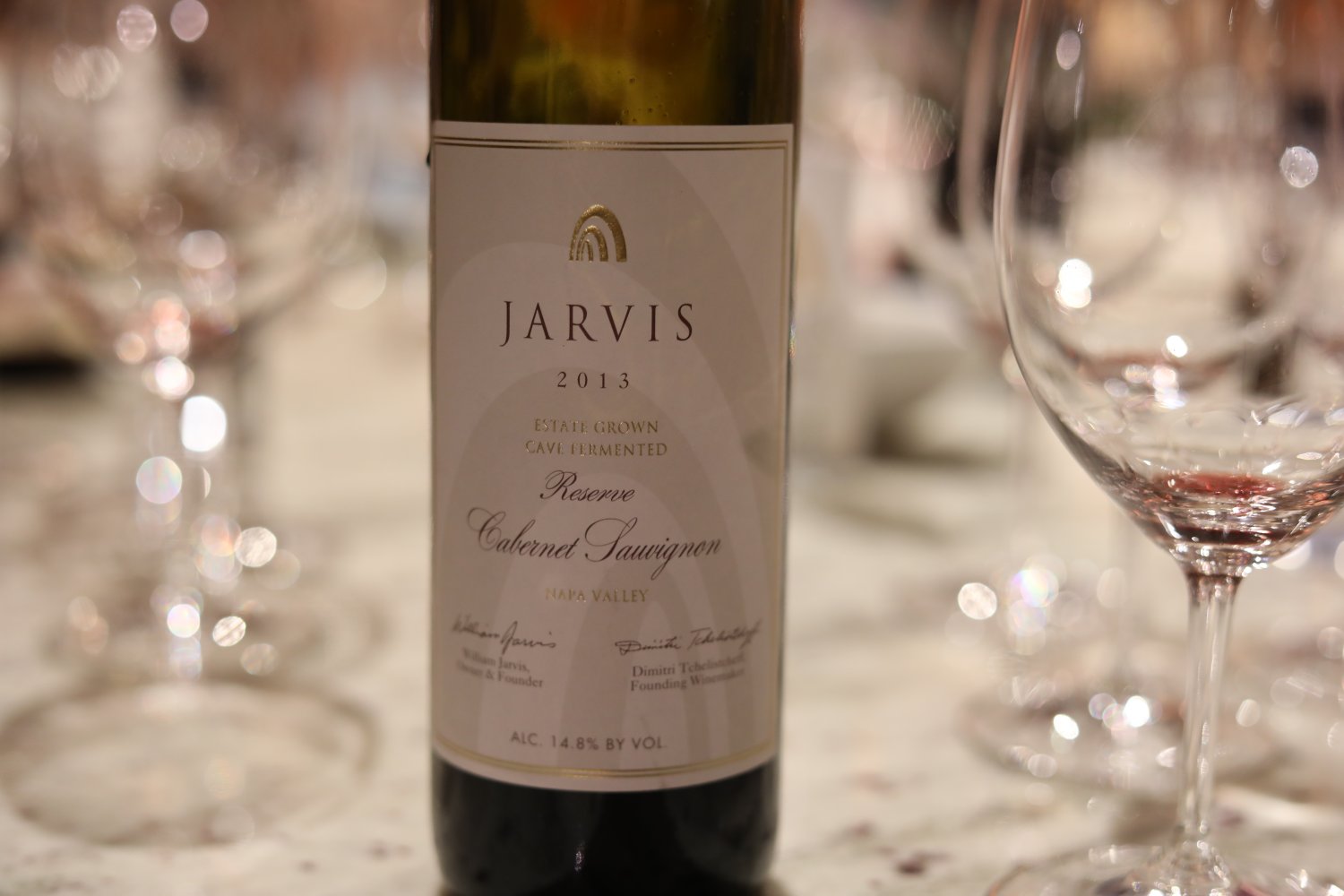
 The 2014 Jarvis Reserve Cabernet Sauvignon is deep ruby and opaque. The bouquet shows some bottle development and maturation, with a union of both sweet fruit and barrel-influenced sweetness. Its aromas include blackberry jam, boysenberry preserves, cherry pie, dark licorice, dark cocoa powder, and mocha. The fruit remains consistent even after the wine has been exposed to oxygen. This is a muscular wine, even at this age, 12 years post vintage. And this was their current release at the time of our tasting, one of the oldest current release wines we have tried in Napa Valley. With time in bottle, the tannins have certainly rounded, but they still carry plenty of girth and grip. This wine is exceptionally layered in both flavor and texture. The tannins persist on the extended finish, showing a dusty, drying grip that continues well beyond the fruit. Their presence doesn’t let go anytime soon, far outpacing the fruit on the finish. A gentle warmth lingers on the back of the palate, like settling in beside the edge of a warm fire. The palate is ripe, but that ripeness is nicely tempered by a backbone of vibrant, persistent acidity, along with a note of dried tobacco leaf. This wine, at 15.1% ABV, is built to age, with a strong underlying structure supporting its longevity.
The 2006 Jarvis Cabernet Sauvignon Reserve is a distinguished, cellar-aged gem that reflects the meticulous “cave fermentation” philosophy that Jarvis is famous for. At nine years post-vintage, the wine has gracefully transitioned from its youthful intensity, beginning to display a beautiful brick-red hue at the rim of the glass. The nose opens with a complex, exotic spice profile featuring notes of clove and warm cardamom that have deepened with age. These spices are layered over a core of concentrated fruit, specifically dried black fig and a touch of savory black licorice. On the palate, the wine reveals the benefits of its extended time in new French oak barrels, showing hints of mocha and toasty vanilla on a dark, persistent finish. While this Reserve was notably “hard” and tannic in its youth, the tannins have now softened significantly, offering a polished and velvety texture that still maintains enough robust structure to suggest further longevity. As a true “Reserve,” this bottling is produced in limited quantities, selected only from the most exceptional barrels during standout years.
Cabernet Sauvignon Estate
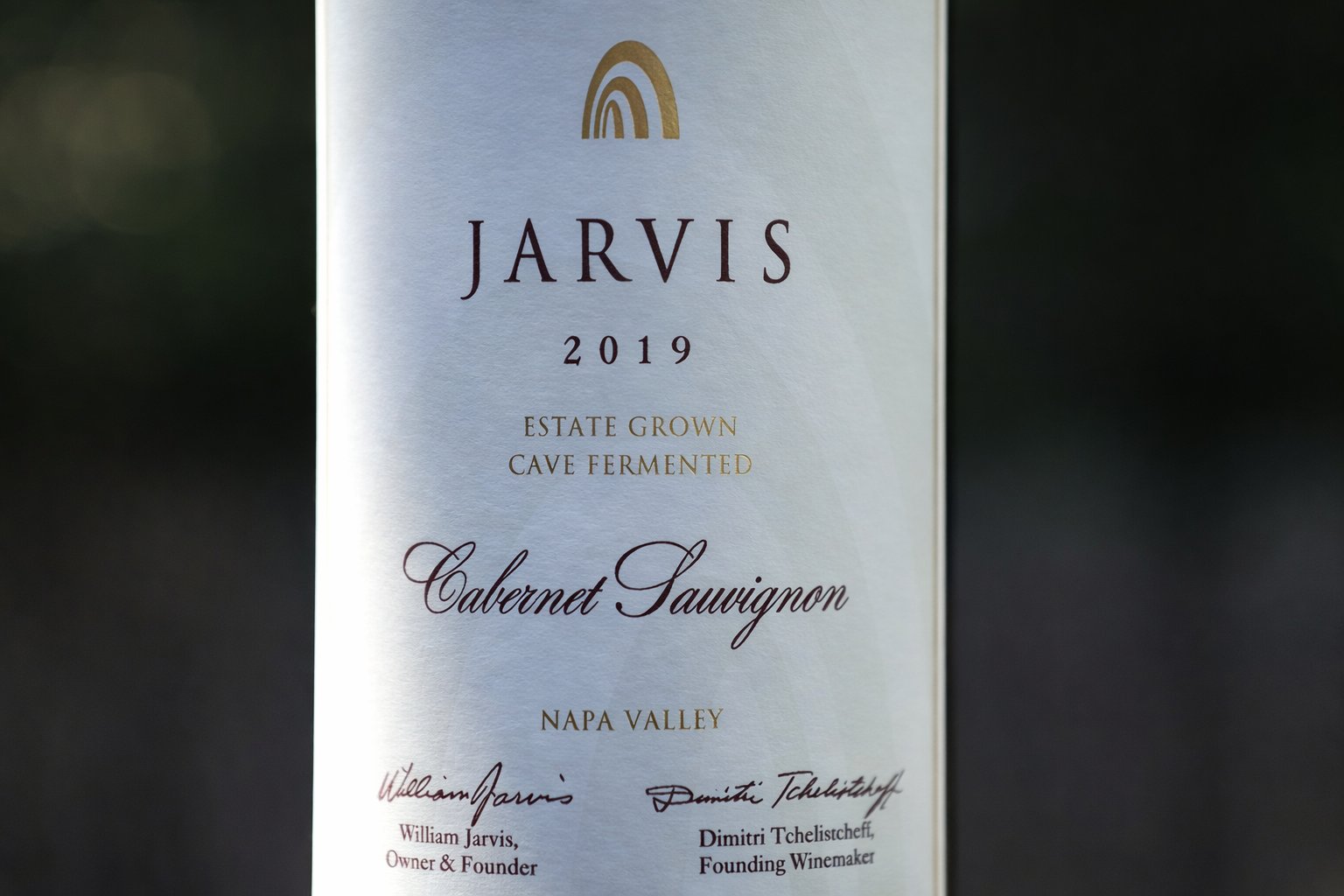
The 2019 Jarvis Cabernet Sauvignon was aged for 27 months in 100% new French oak barrels. This wine is deep ruby and opaque; the nose is distinctive, showing a mix of fruit, floral, and dried herb notes. Aromatically, it reveals red chili spice, a light note of shishito pepper, lavender, blackberry, boysenberry, raspberry, red cherry, pink peppercorn, pipe tobacco and old cedar box. It shows its inherent varietal characteristics, which are too often bled out by over ripeness with contemporary Napa Valley expressions of Cabernet Sauvignon. The palate is equally distinctive, bright and lifted with a balanced acidity. At 7 years post vintage, this wine is in a beautiful sweet spot. It is darkly fruited, with flavors of Satsuma plum, Coral cherry, blackberry, boysenberry and Persian mulberry. The savory and darker finish carries notes of dried herbs, including sage, lavender and bay leaf with additional layers of smoked cedar and crushed pepper. This wine shows plenty of depth in terms of both flavor and texture, but is never out of balance. The tannins are gravelly and lightly dusty, with a subtle chalky character. A note of dried tobacco leaf lingers on the finish, persisting well beyond the fruit. Drink now or cellar for the next 10–20 years.
Cabernet Sauvignon, Dimitri Tchelistcheff Reserve (DTR)
In 2012, this wine was originally going to be part of their Reserve Cabernet Sauvignon, but prior to bottling and after 24 months of aging in new French oak barrels, Dimitri tasted this and suggested it needed more time to age. Instead of keeping the wine in the same barrels, it was racked to new French oak barrels where it aged for another 5 months. This is an élevage that can be summarized as 200% new French oak. This wine was made in 2012, 2013, and again in 2014.
The 2012 Jarvis DTR is 100% varietal; at 14 years of age, this wine is deep ruby and opaque, with some brickish hues. At this stage, it is holding its color very well. Dark-fruited and savory, the bouquet reveals aromas of Satsuma plum, blackberry, and dark cherry, alongside notes of old leather, dark olive, dark chocolate, sandalwood, and dried herbs, including sage and bay leaf. It is also distinctly minerally and earthy. Surprisingly youthful, the palate shows flavors of dark olive, dark plum, blackberry, and a brambly, savory element that mirrors the bouquet. The finish carries dried herbs—again sage and bay leaf—along with a minerally, almost ferrous quality. This wine has aged exceptionally well. The texture sits on the palate with a present but lighter feel, while the tannins are dusty, gravelly, and broadly coat the palate, persisting beyond the fruit on the finish. It concludes with a savory edge, including notes of cured meats, dried tobacco leaf, and dried herbs, especially sage.
Science Project
Science Project is a wine created by William and Leticia’s son Will. While in 8th grade at Harker Boarding School in San Jose, California Will decided to make wine for his eighth-grade science project. He used a field-blend of grapes grown at Jarvis with fermentations and punch-downs conducted in old steel milk jugs. The wines were then aged in a two tiny two-gallon oak barrels in his dorm room for three months.
Ten years later when William and Leticia were cleaning out the original winery where William Sr. made initial wines, they found Will Jr.’s tiny barrel of wine. The family sampled some and were pleasantly surprised at the quality. They decided to bottle a wine commercially in honor of Will’s own wine – the first vintage of what is called the Will Jarvis’ Science Project was from the 2007 vintage. A single bottle was offered to club members with a note asking for feedback. The response was very positive. This wine is now made every year; a Cabernet Franc dominated blend which is always aged in half sized barrels. The wine is not aged as long as their other red wines due to the higher surface to volume ratio based on the smaller barrels and is bottled and also released sooner.
Sparkling
In 2021 Jarvis released their first ever and only sparkling wine produced from the property, the Sparkling Leticia. It was made from grapes from their Finch Hollow Vineyard and aged in the Jarvis cave for 10 years before it was deemed ready.
Jarvis produces a variety of various sized format bottles including all their estate reds bottled as 375ml. One year they even crafted a Primat, or sometimes called Goliath for one client. This 27 liter bottle is equivalent to 36 standard 750ml bottles
—
 Winemaker Dimitri Tchelistcheff (died at age 87 in Hawaii 2017) was the founding winemaker at Jarvis in 1988 and later their consulting winemaker; he spent 29 years working with Jarvis. He was the son of one of the most influential winemakers ever associated with Napa Valley, André Tchelistcheff. Dimitri enjoyed a long career in the business, first starting at Beaulieu Vineyard in 1944 as a lab assistant for his father. He went on to be a part of GALLO’s winemaking team and eventually took a series of wine consulting positions. He spent his later years living in Hawaii.
Dimitri established the philosophy and style of winemaking. That said, they are always challenging themselves when it comes to their practices and protocols. When describing Dimitri, William would say that hee was a man of few words—but when he did speak, he was worth listening to and his advice was invaluable. They always took his suggestions very seriously.
Associate Vintner Program
Jarvis offers a unique opportunity to make your own wine using grapes from their own vineyards. A small section of their cave is dedicated to vintners who participate in this program. Choose from either 1/2 or full barrels – one can be as hands on as one likes with the goal of creating a customized wine. Choose the varieties and once these grapes have been fermented, the Jarvis winemaker will offer guidance throughout the aging process including feedback on blending and when to rack the wine. Associate vintners can be as hands on or as hands off as they like throughout the winemaking.
The wine is ultimately bottled with a custom label – while not bottled to sell commercially, the wine can be enjoyed with family and friends and or be used for gifts.
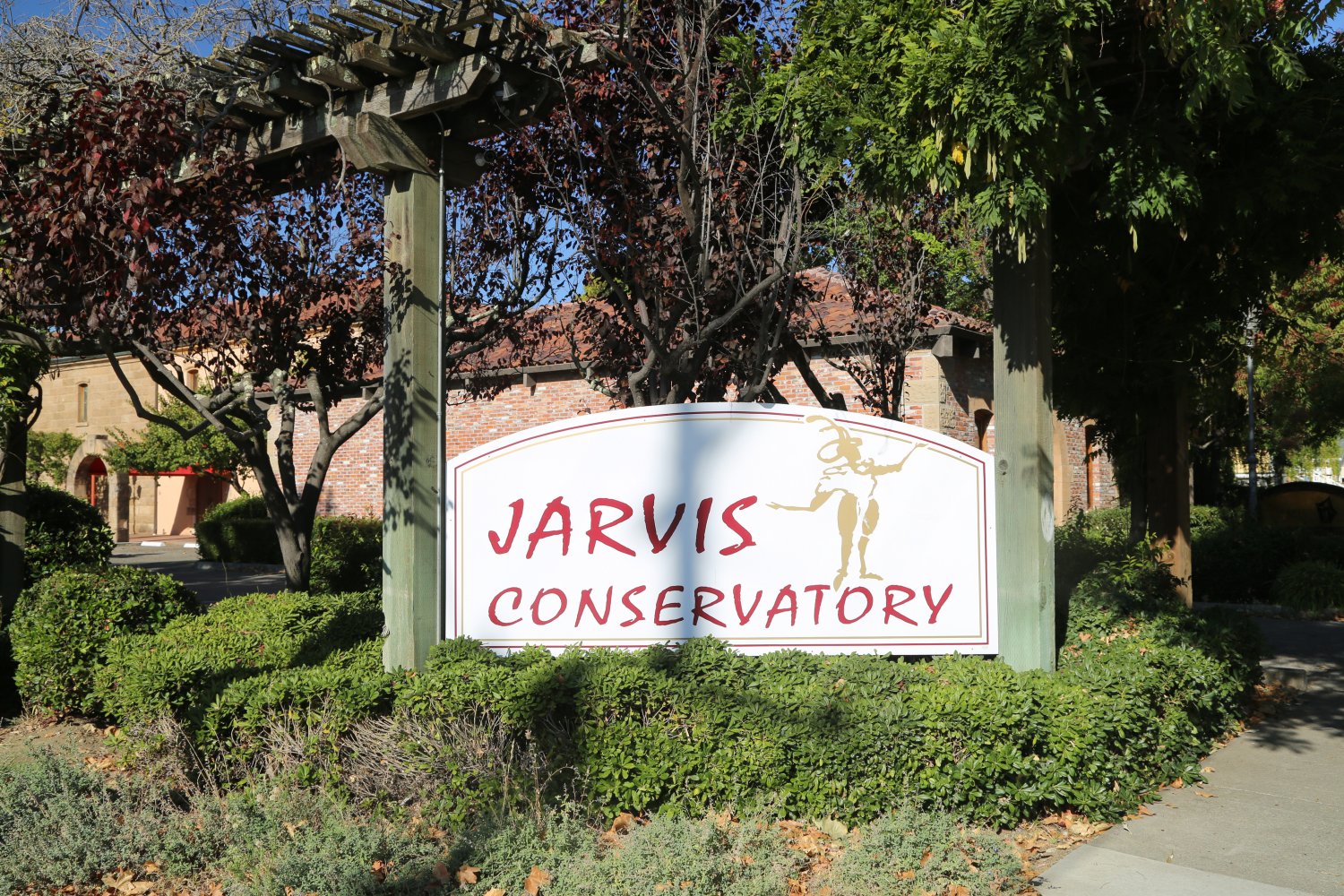
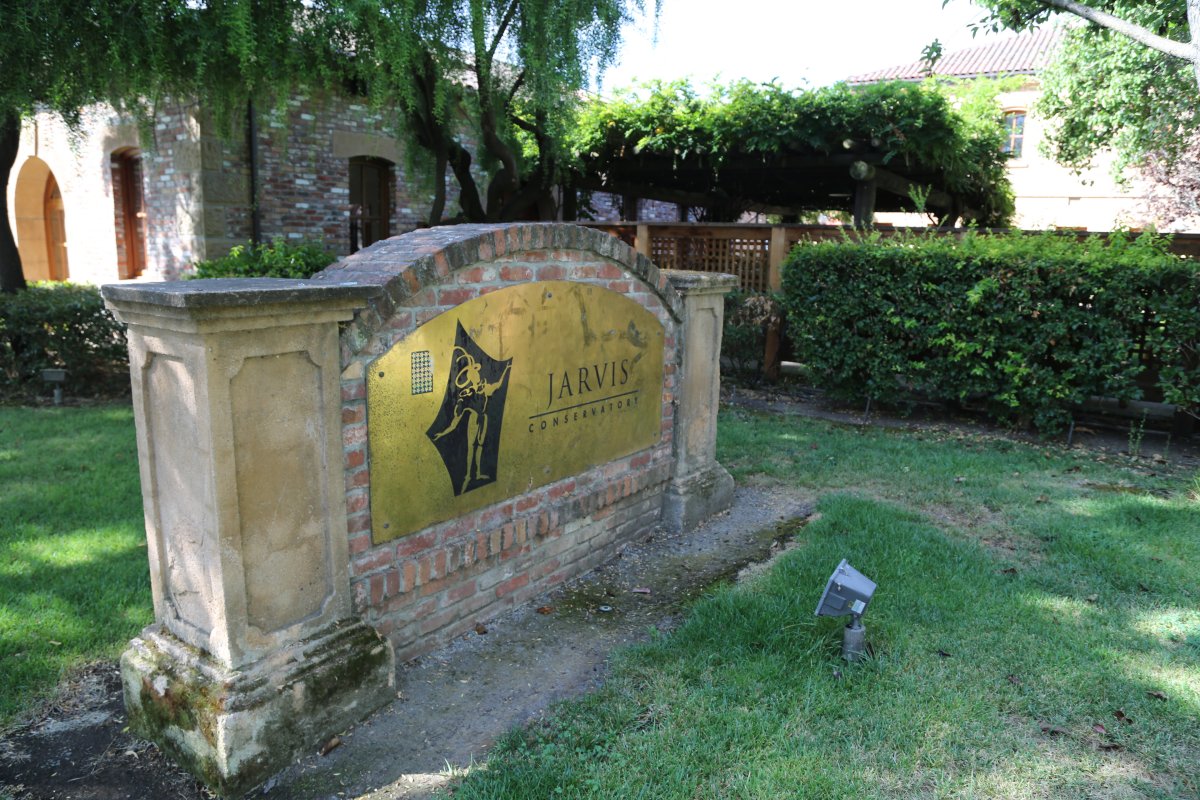
Jarvis Conservatory
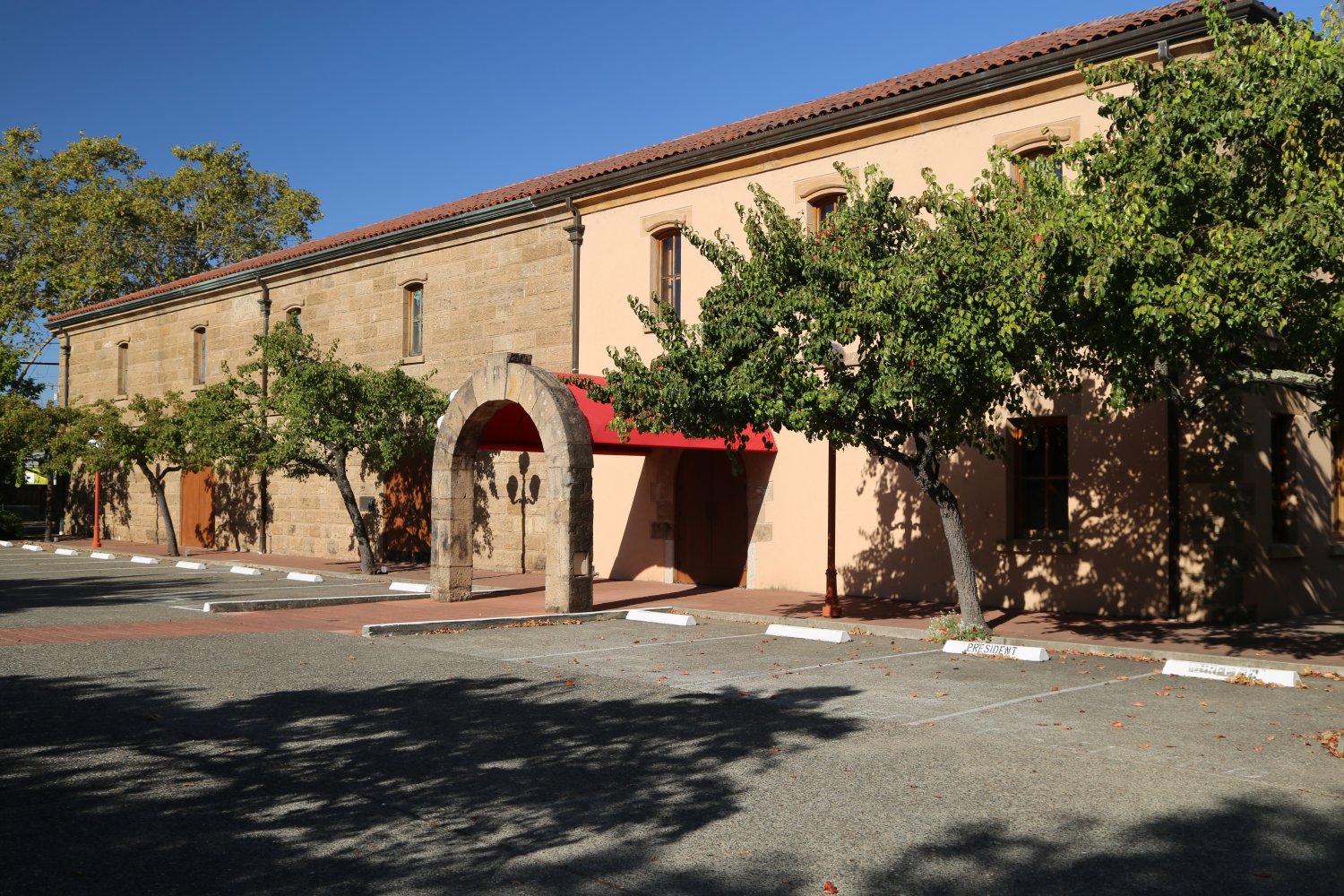
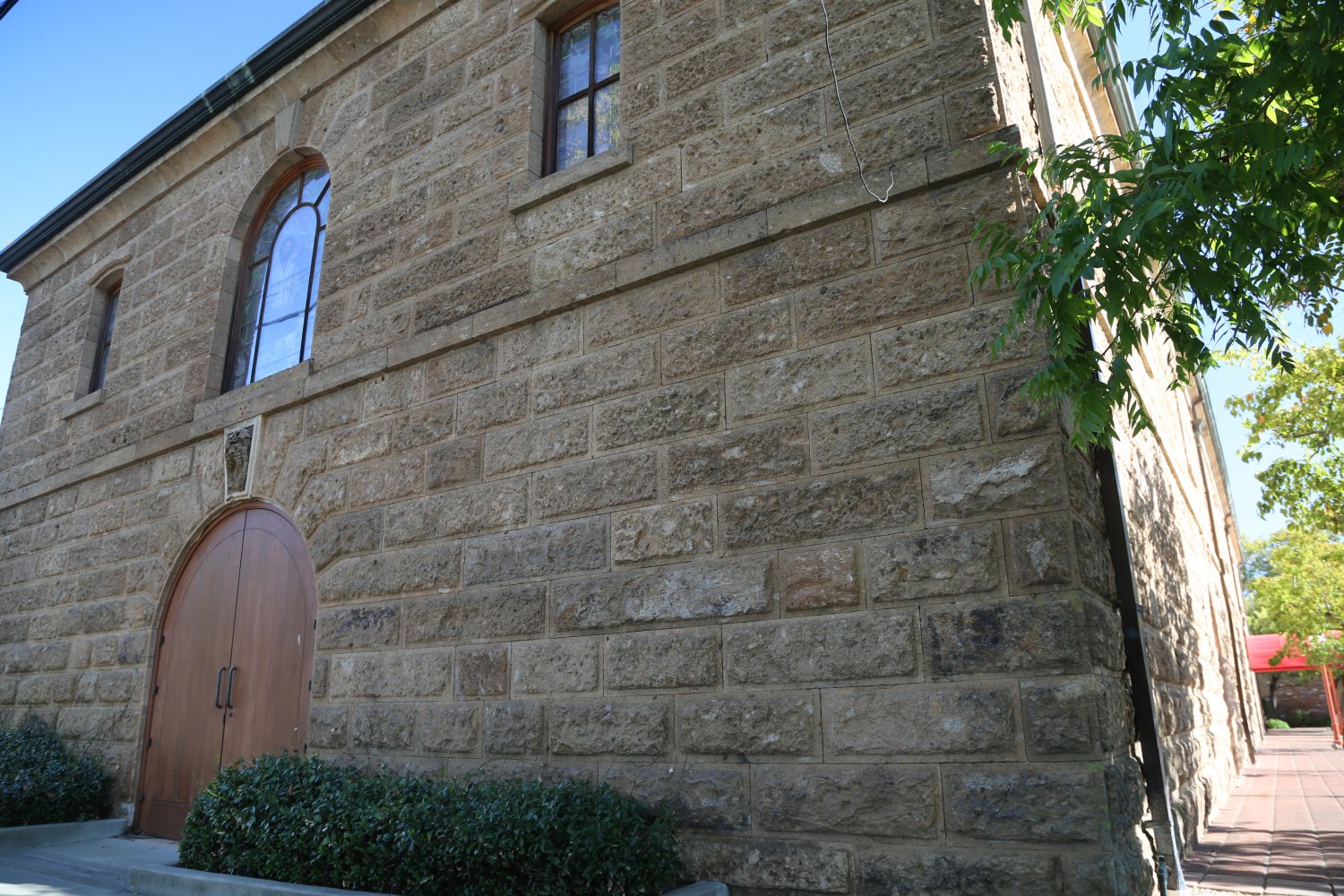
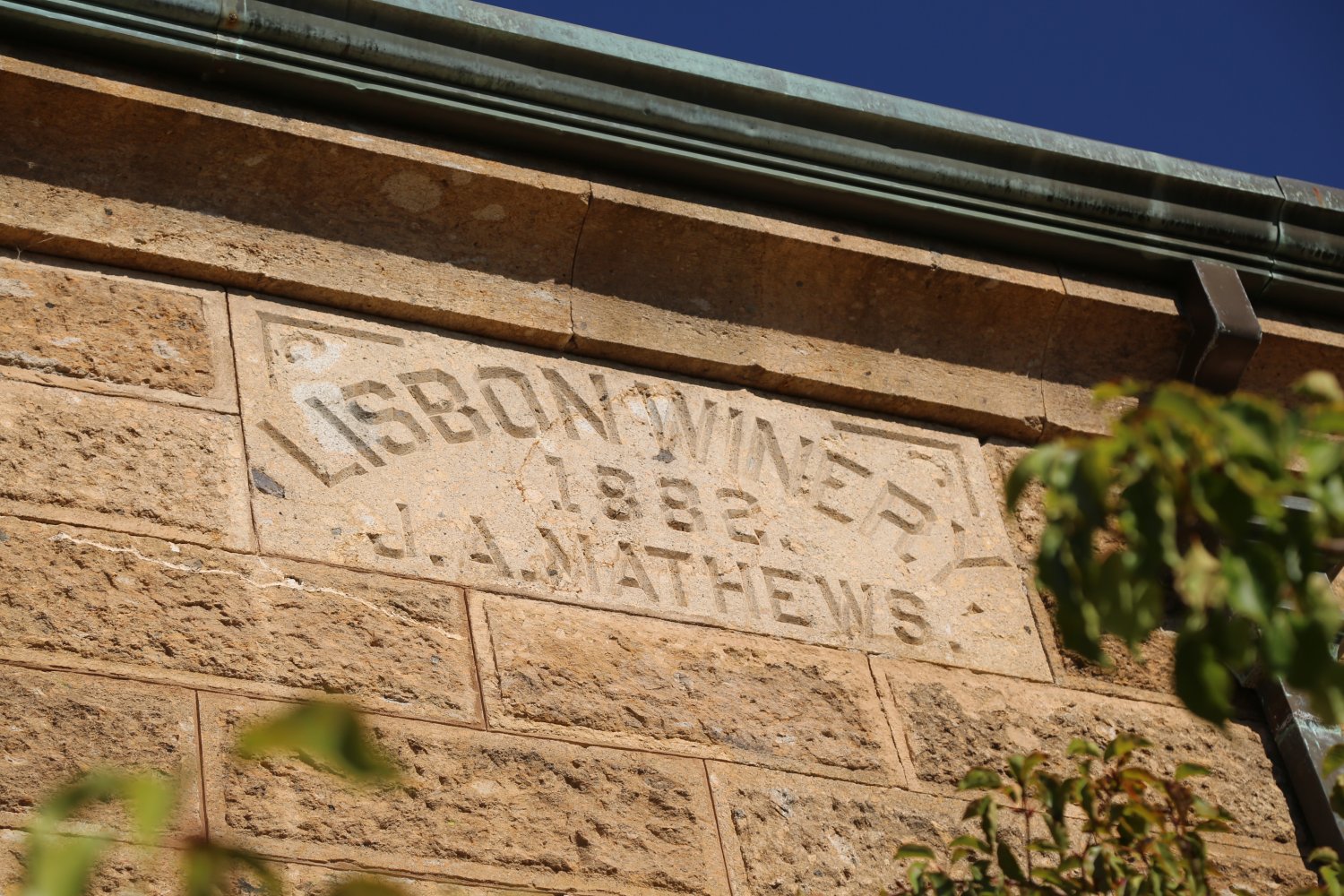
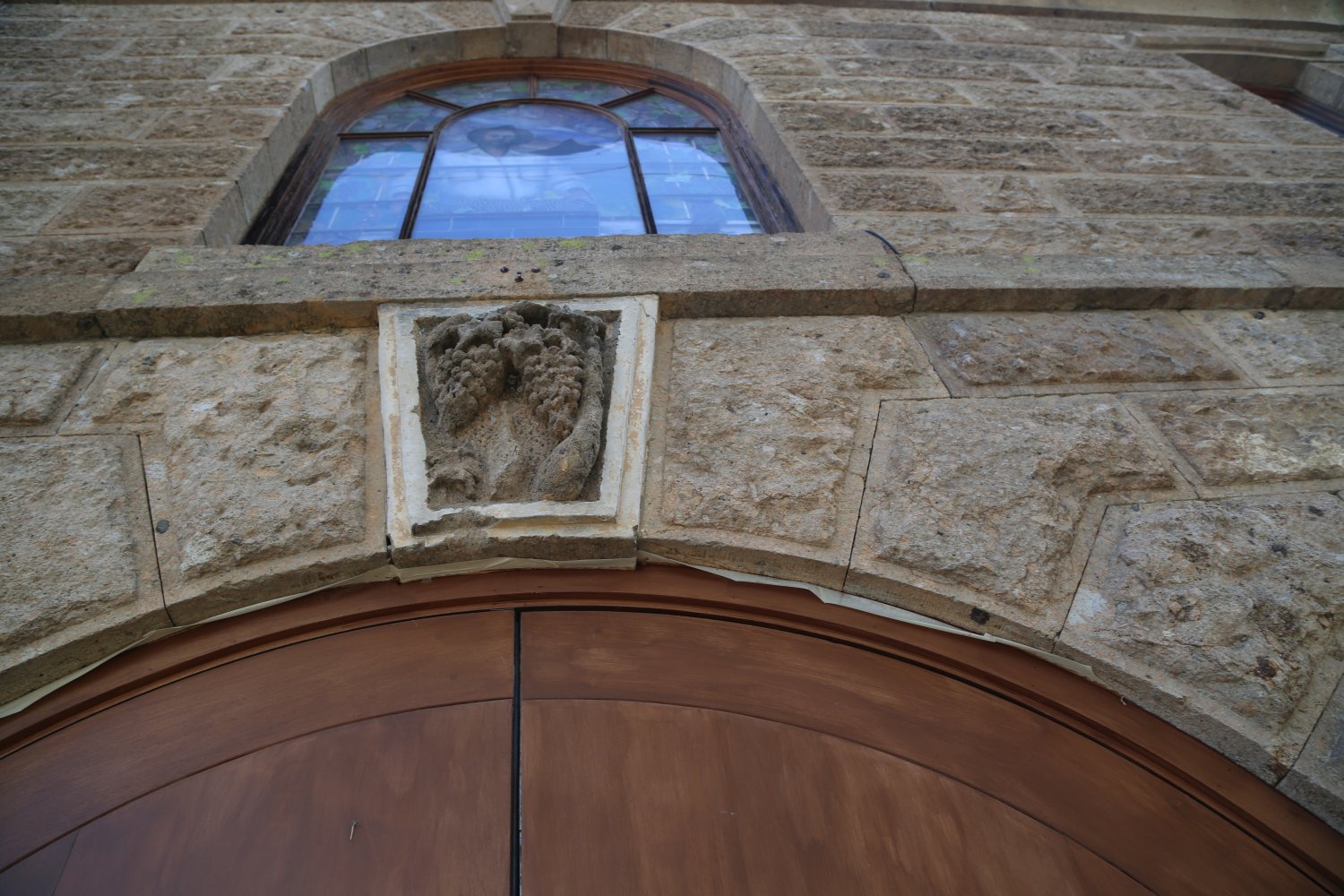
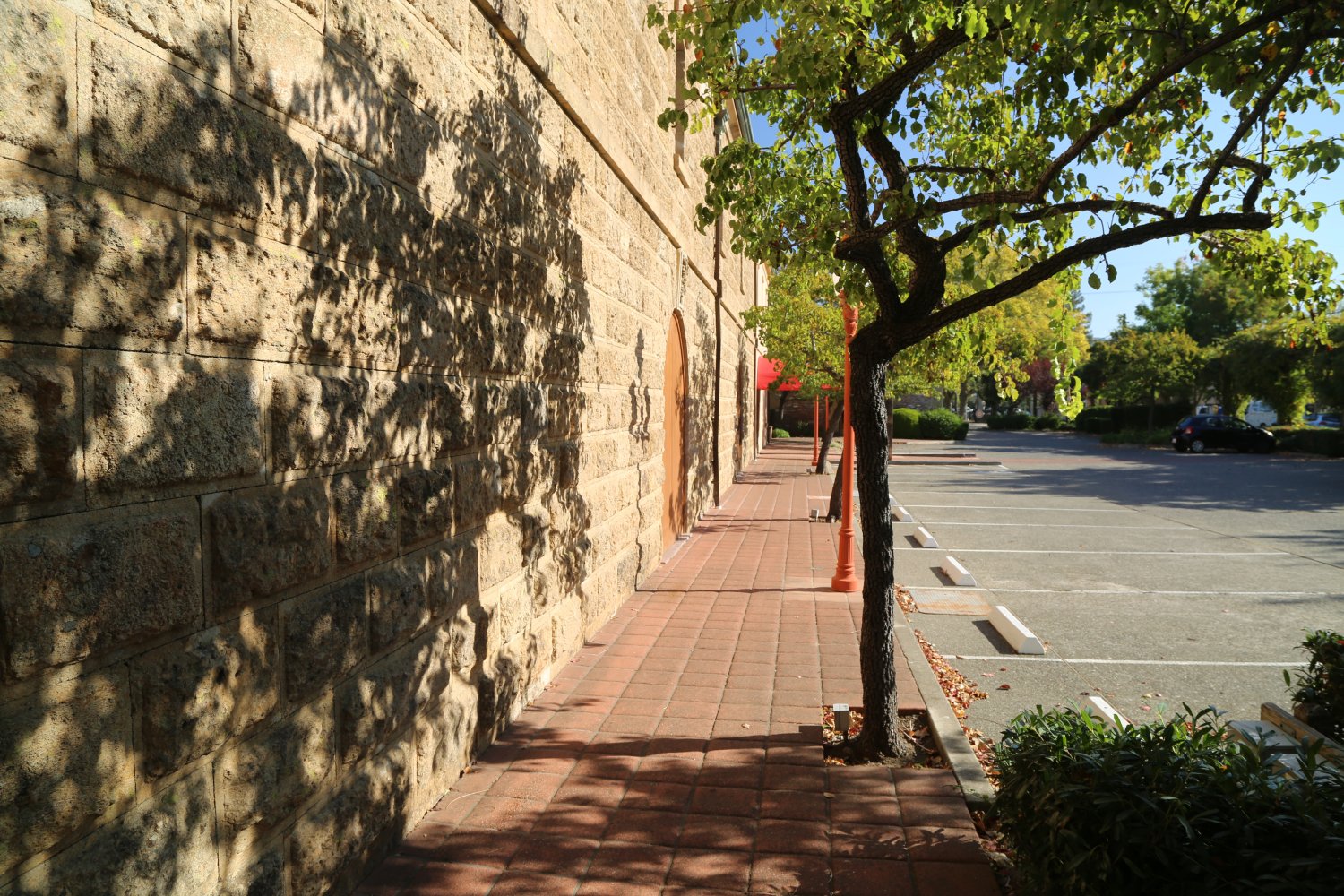
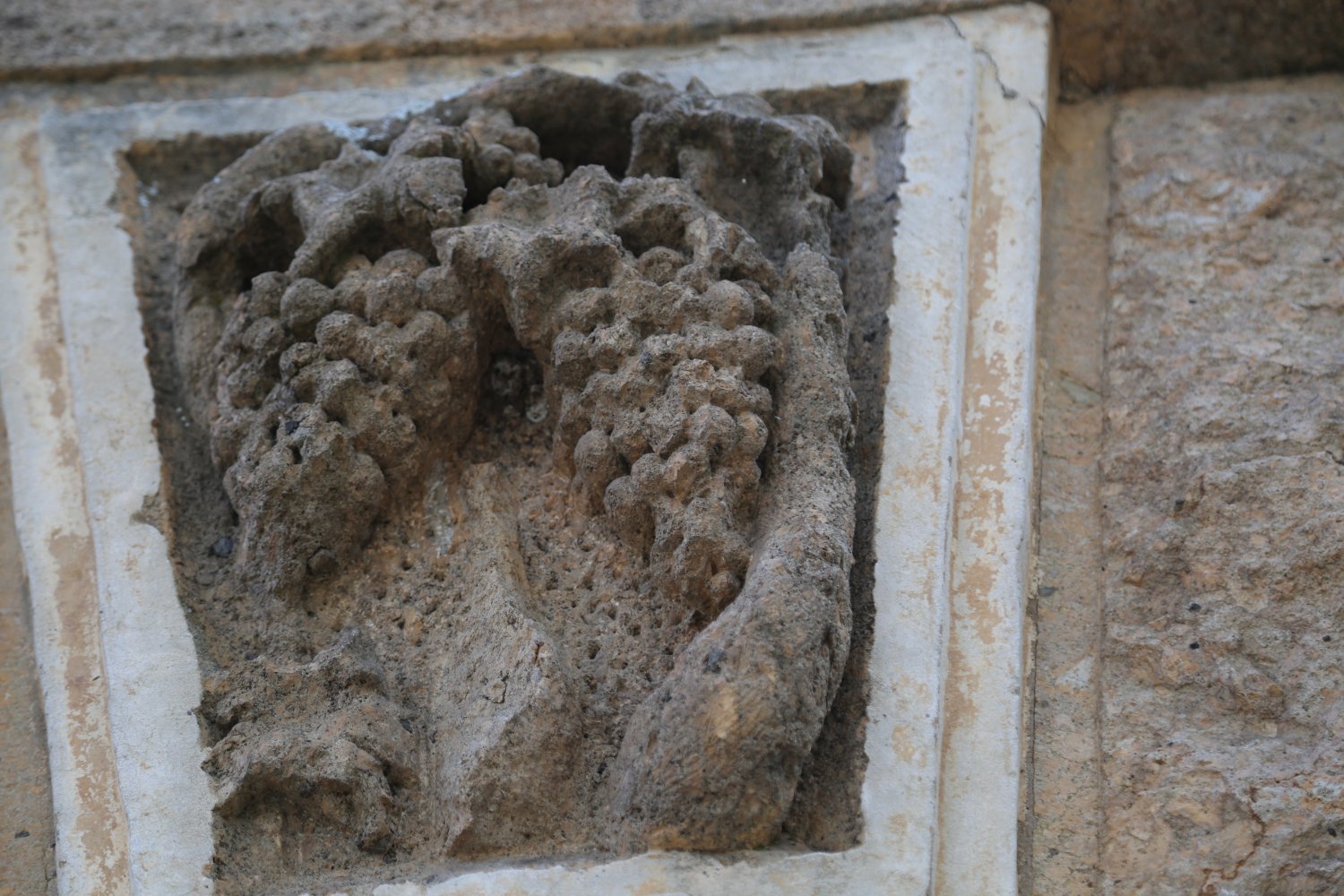
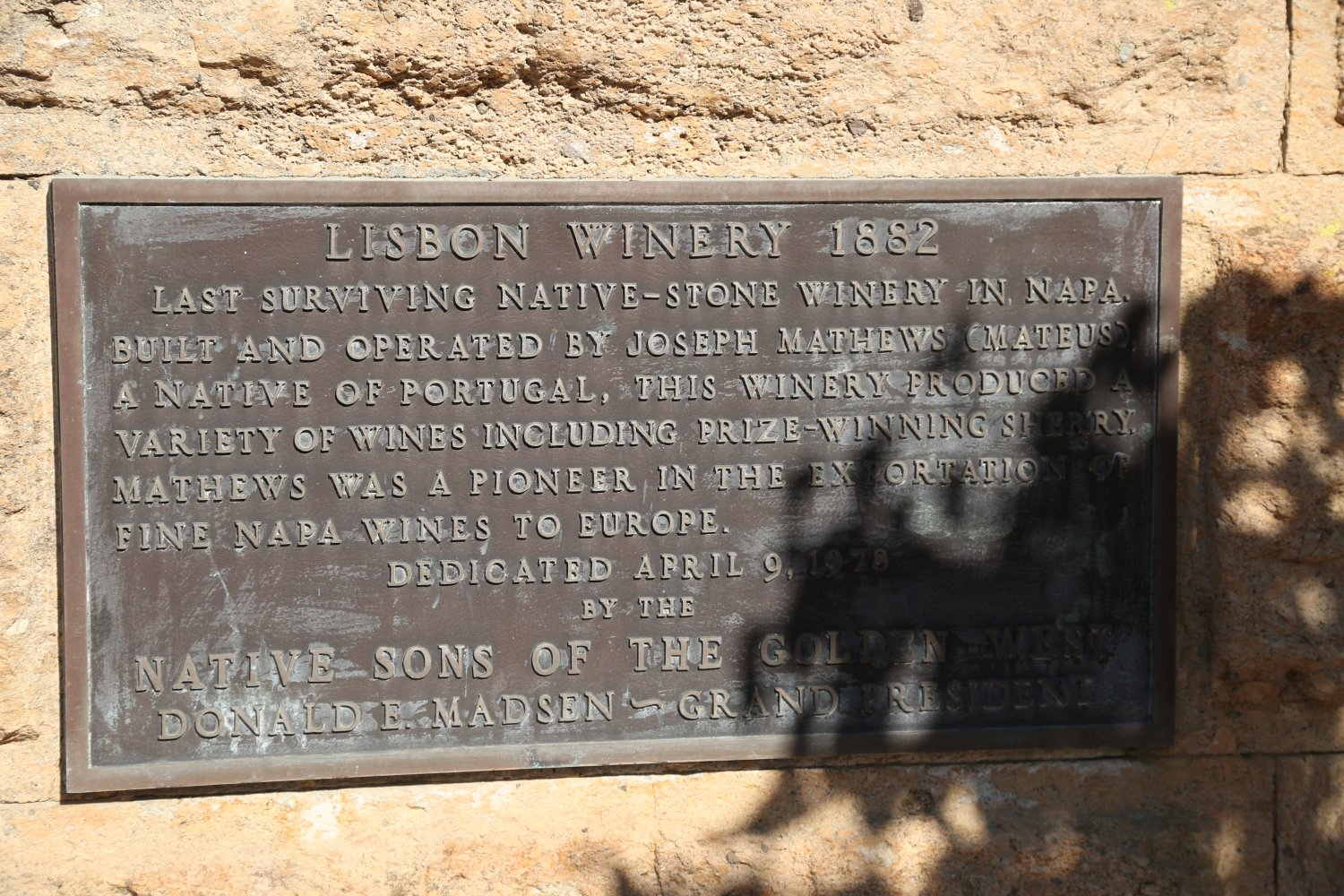
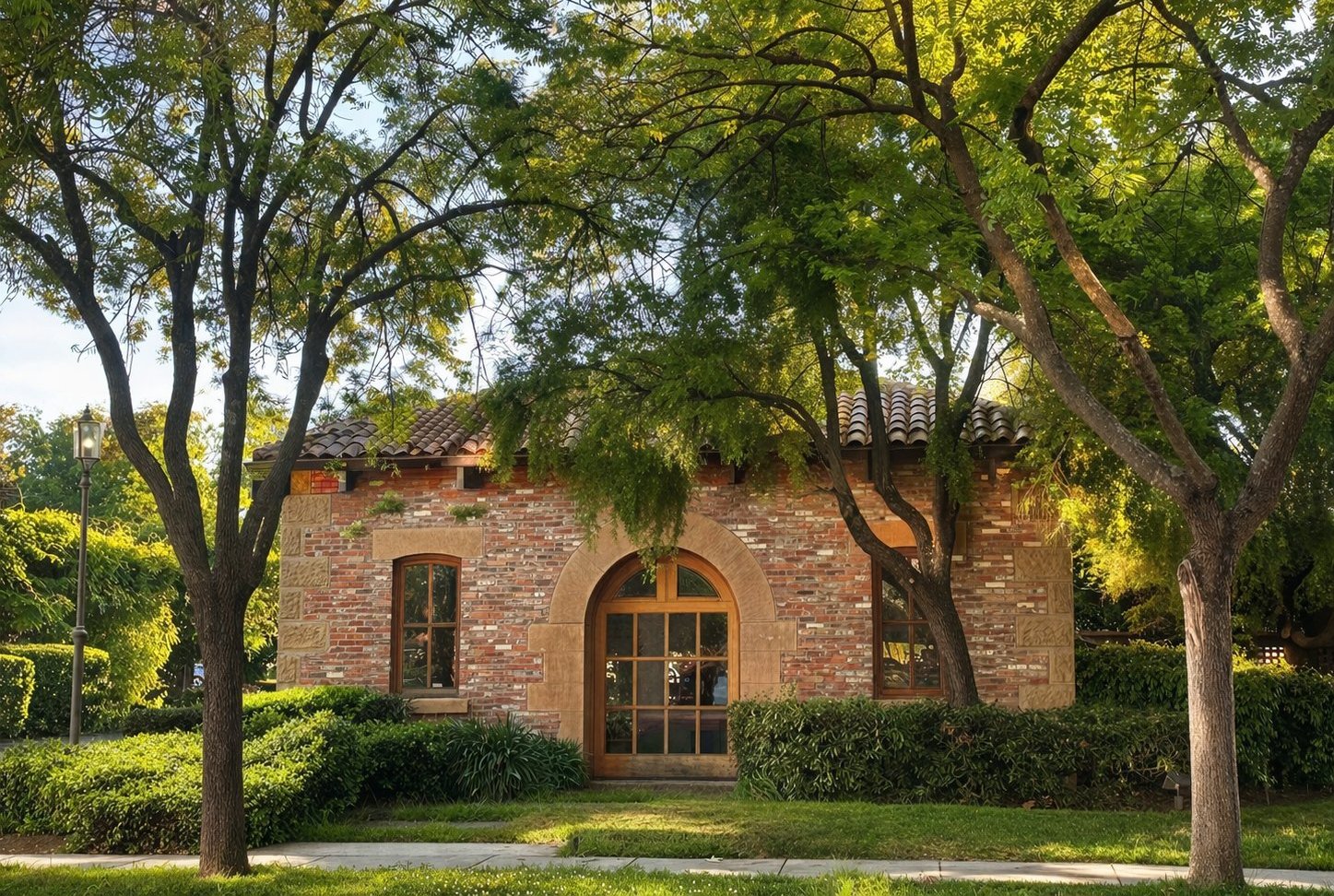
The Jarvis family also founded the Jarvis Conservatory in July 1995 located just north of downtown Napa. This was the old Lisbon Winery, built between 1882 and 1884 by founder Joseph Mateus, born in Lisbon, Portugal. He arrived in Napa in 1869. Besides being a winemaker, he was a skilled stone mason and craftsman and actively helped with the construction of the winery using rocks quarried in the hills just east of the city of Napa.
Mateus changed his last name to Mathews after he arrived in the U.S. Lisbon Winery featured what was at the time the largest sherry oven in the state of California with production up to 55,000 gallons. The winery had a production capacity of 300,000 gallons. Mathews’ wife died at age 32 and Mathews at age 43. Unfortunately, he only ran his operations until 1893, the year he died.
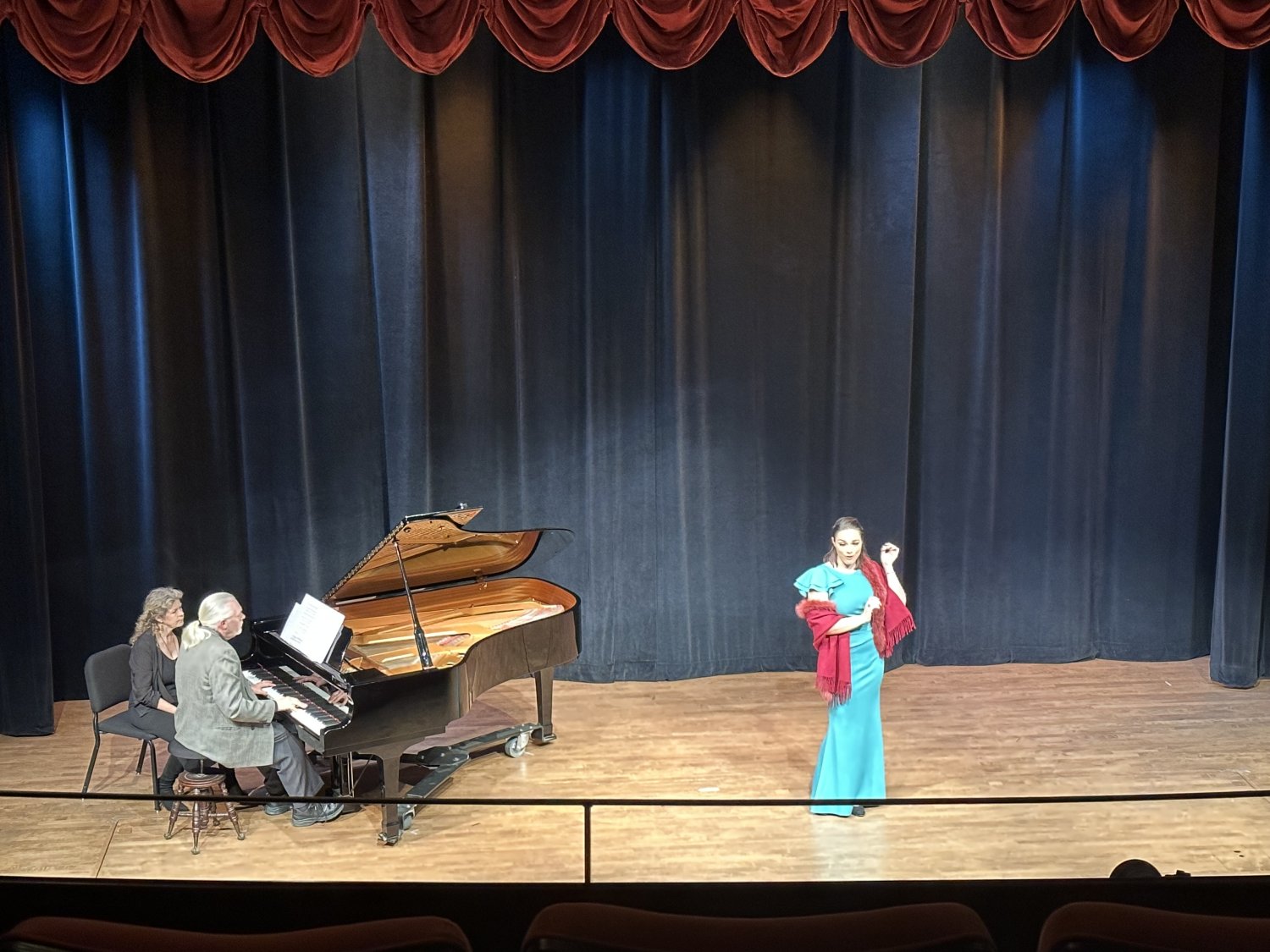
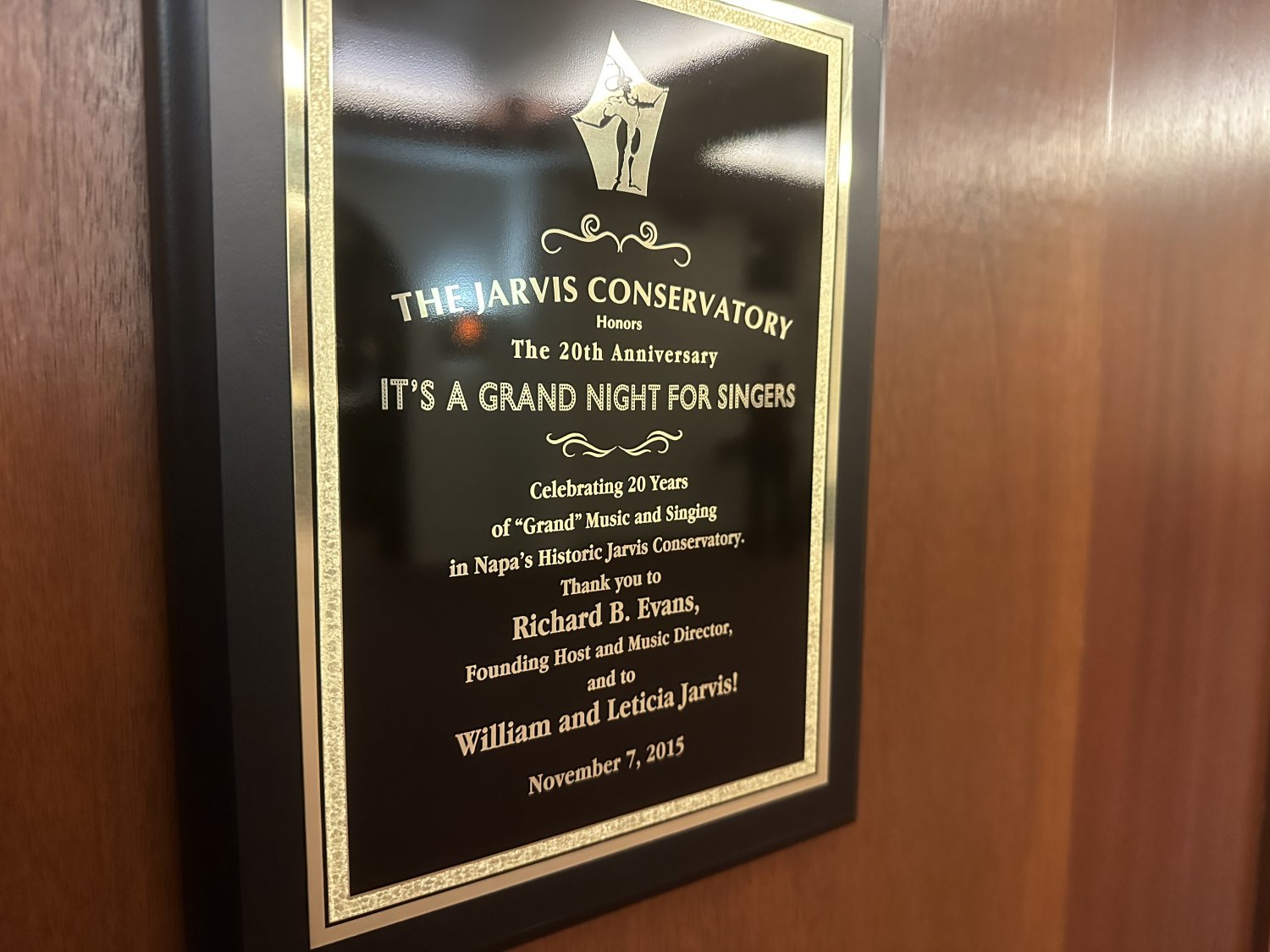
Leticia serves as president of the Jarvis Conservatory and oversees all programming, including the Napa Valley Youth Symphony. “It’s a Grand Night for Singers” has been held since November 1995, taking place on the first Saturday of every month. The program features singers with piano accompaniment, with a rotating lineup across a variety of genres. They also screen independent and art films, supported by an upgraded, high-quality projector. Additional programming includes an annual puppet show, along with enhanced audio-visual capabilities, and they now offer live-streamed events.
Exterior
Interior
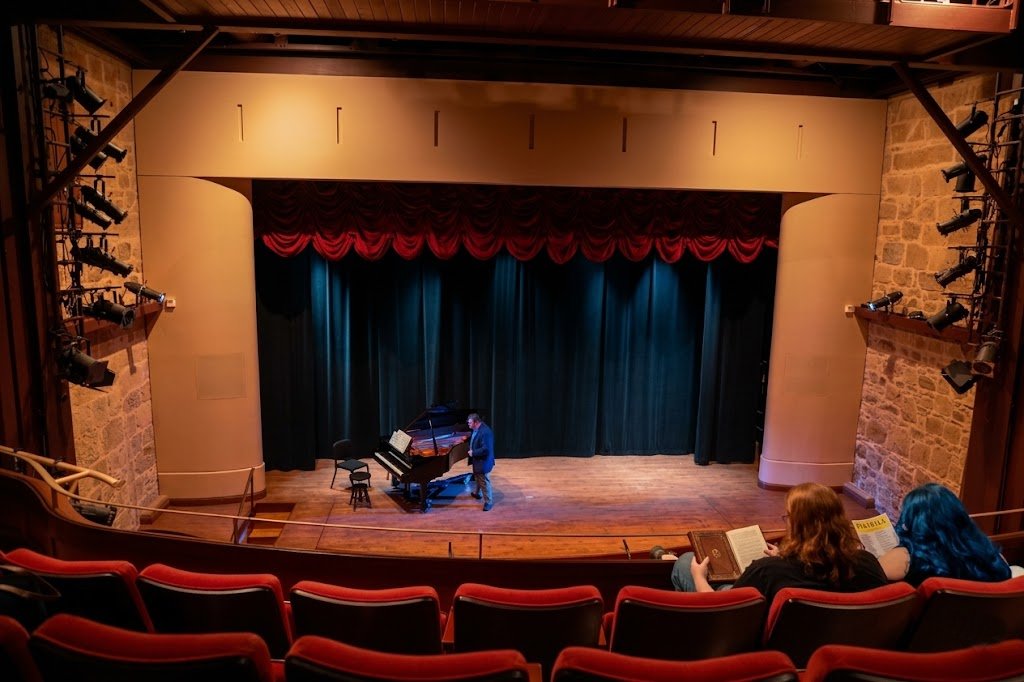
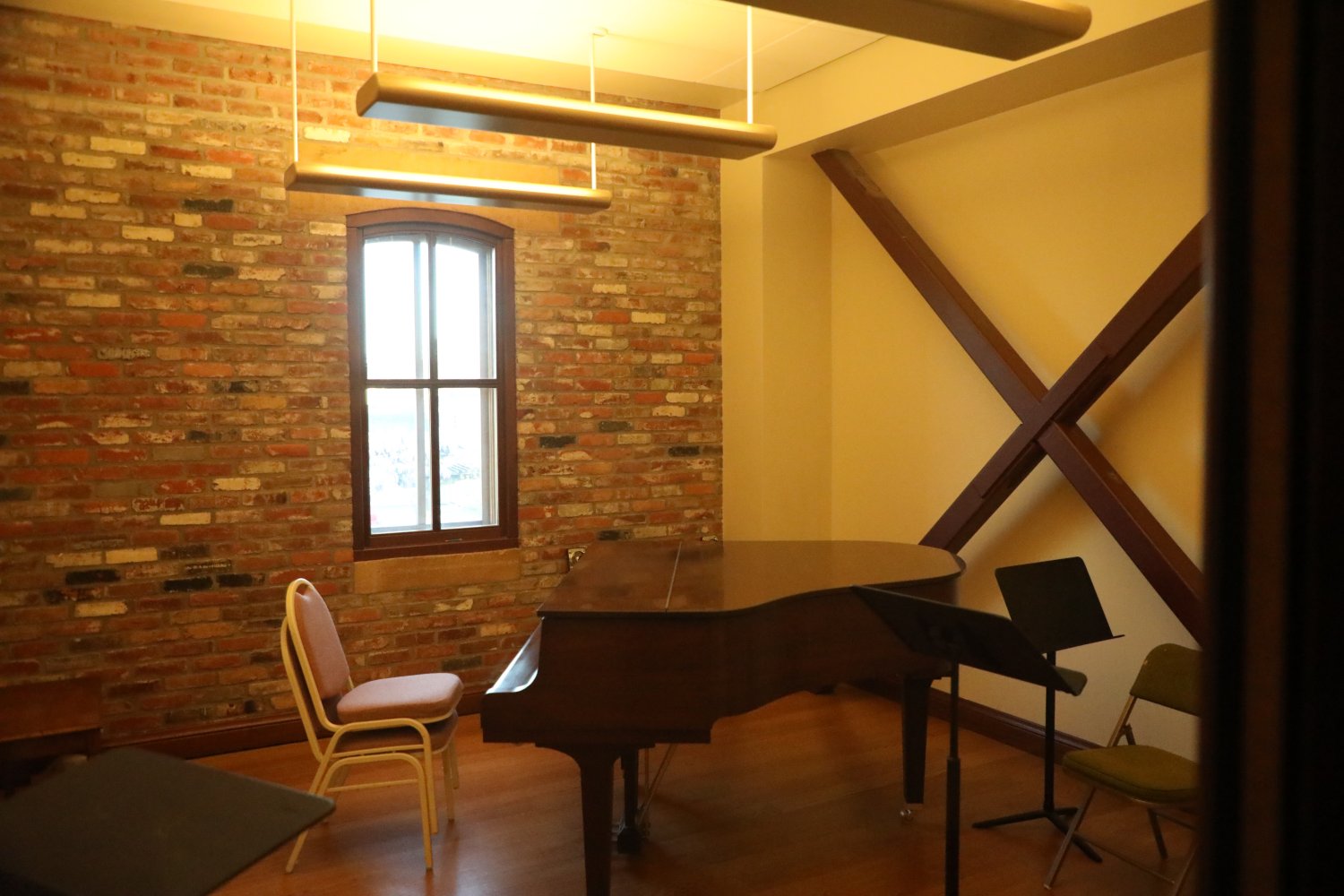
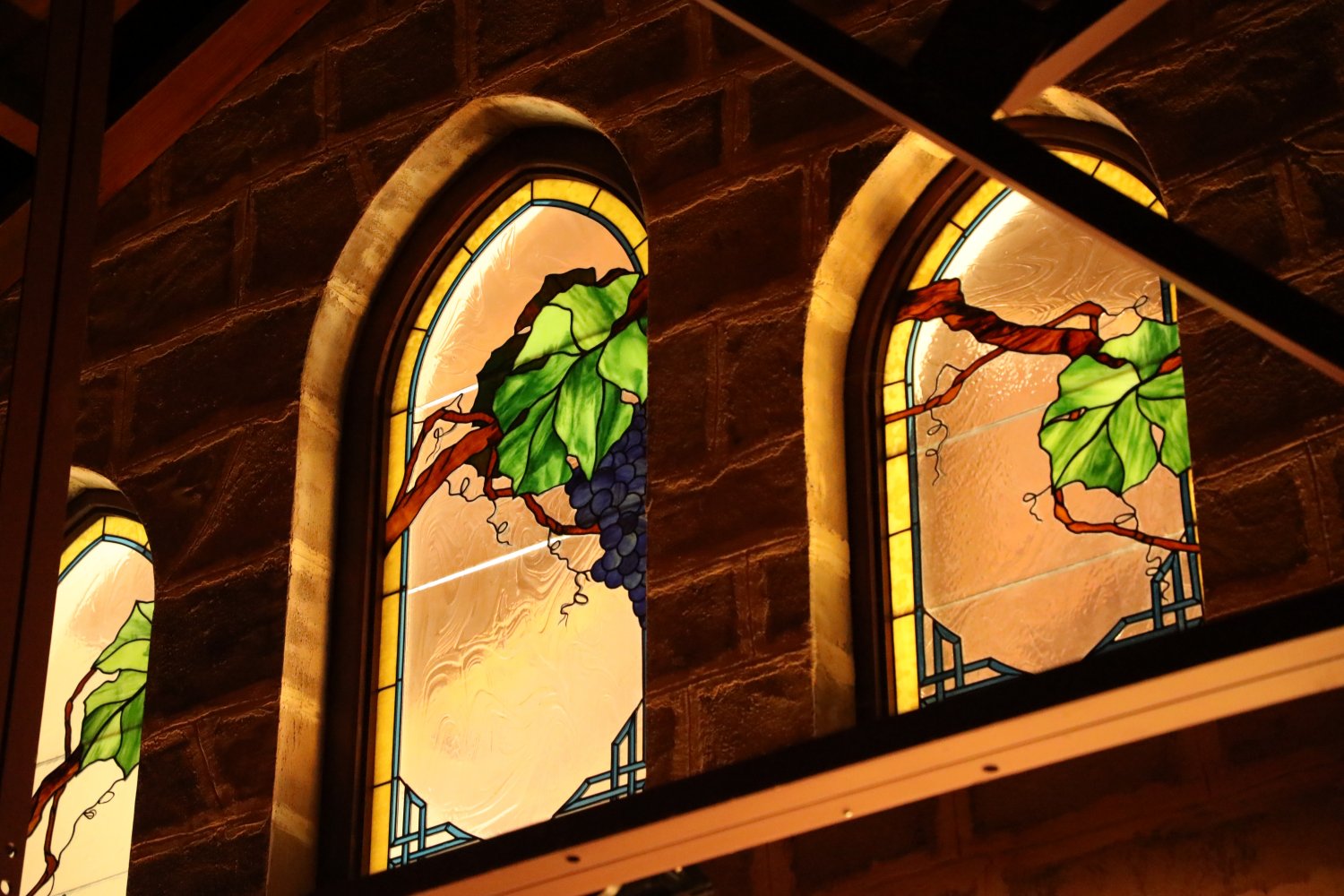
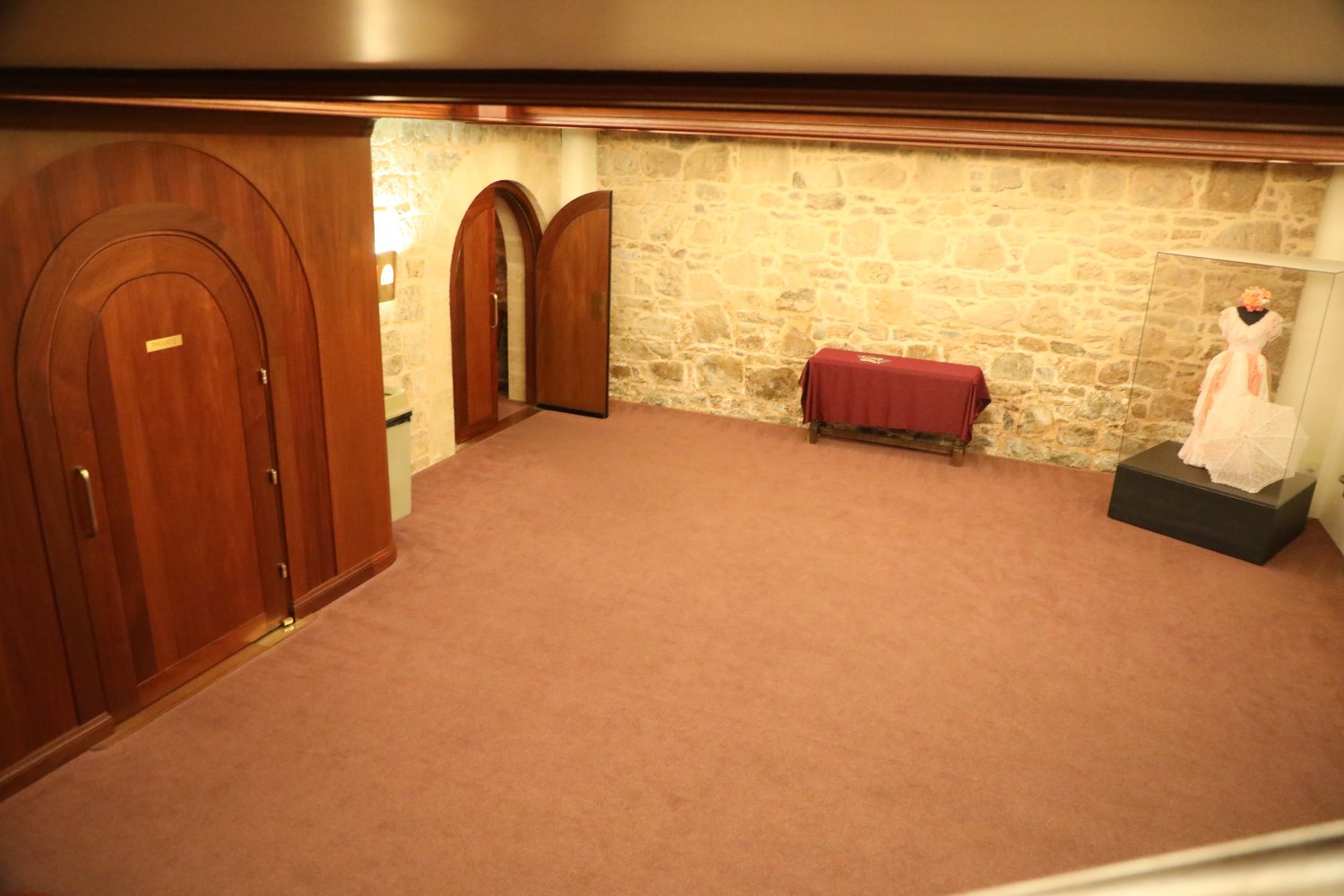
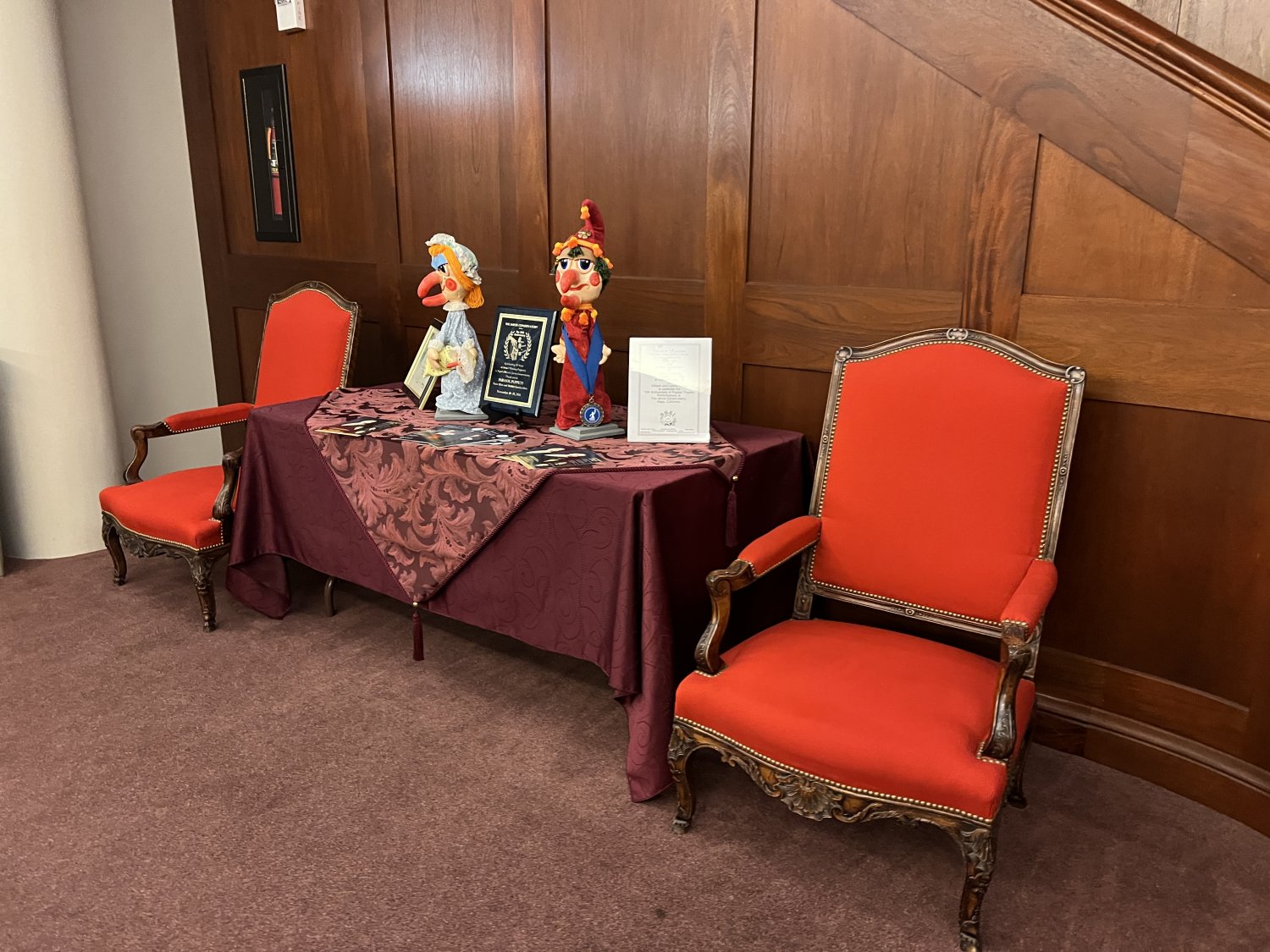
The winery was closed during Prohibition but later opened again and was in operation until 1976. It is the last surviving locally quarried stone winery in Napa city limits. In 1979 it was listed on the National Register of Historic Places. In 1983 a proposal to open the building as the Joseph Matthews Winery & Deli was presented to the Napa City Planning Commission, but these plans never materialized.
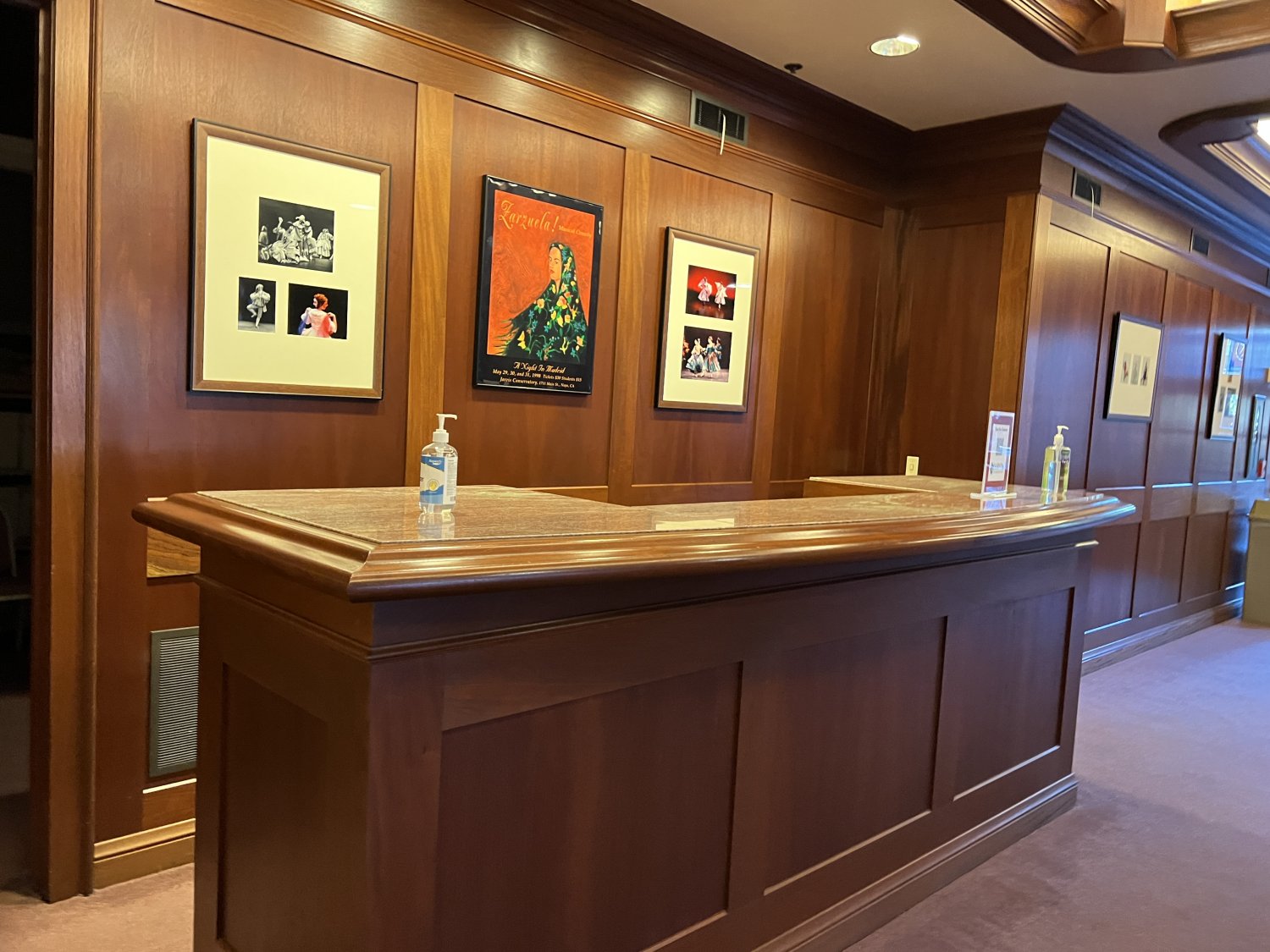
The old building was significantly renovated after William and Leticia purchased the property and opened in 1995. It is an excellent resource for the city of Napa for arts, music and opera performances. The conservatory features several annual workshops including Zarzuela (Spanish Musical Theatre), Baroque dance and a puppet festival. Art films are presented in high definition usually on the weekends often at 4pm and 7pm.
The theatre is small and features both downstairs and balcony seating. There is no bad seat in the house. Our ideal performance is becoming mesmerized by watching operatic ‘songbirds’ perform a variety of arias both in English and in foreign languages while accompanied by the soothing sounds of their music director playing the piano. Following live performances there will often be a reception in the main hall with drinks and hors d’oeuvres.
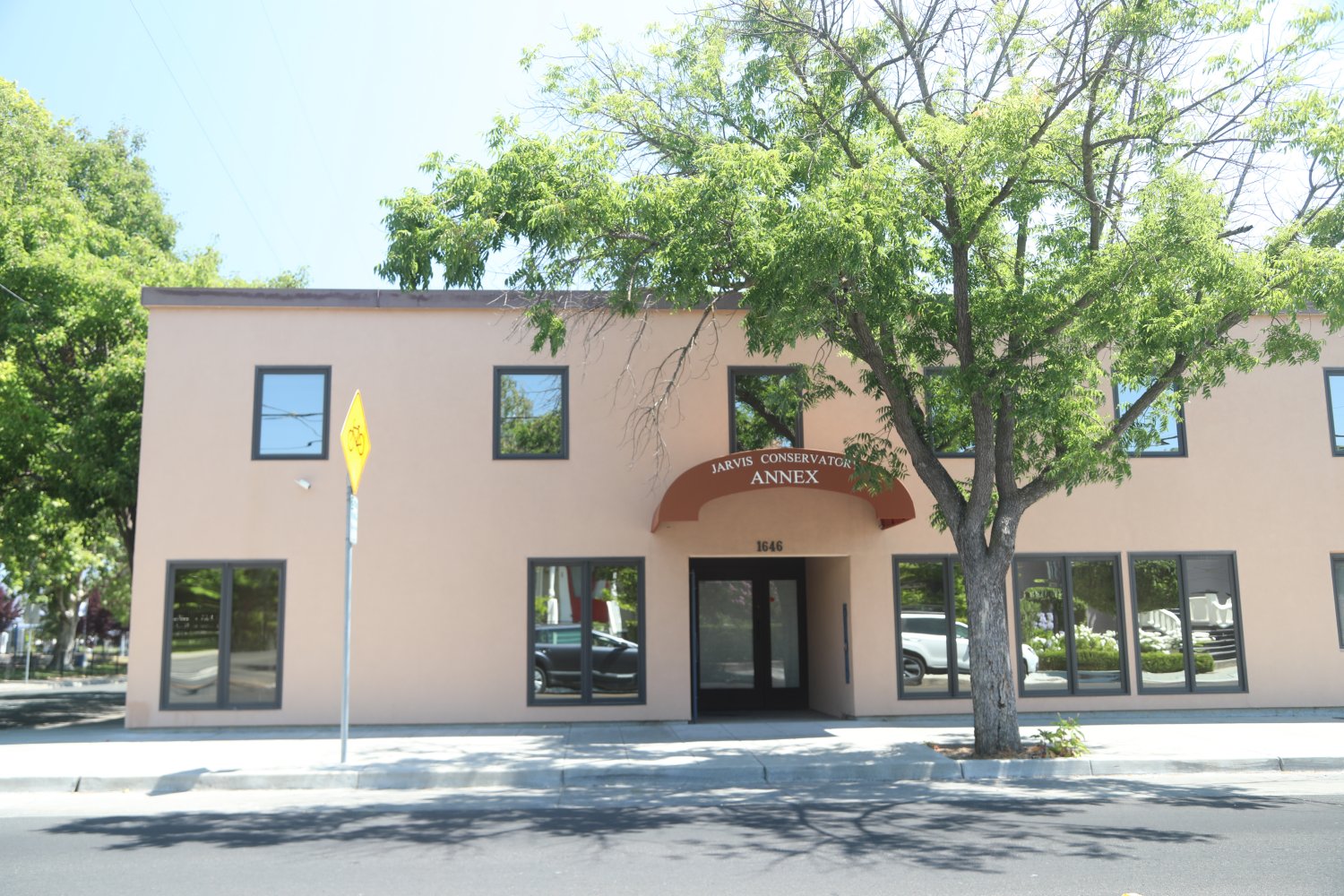
And the Jarvis Conservatory Annex building across the street houses a costume shop and provides storage for costumes.
—
In 2004 William Jarvis was one of the investors in Charter Oak Bank, a community bank that was in business until 2011. Other local vintner investors included Joseph Phelps, Bonny Meyer, Michael Moone, John and Janet Trefethen and Robert Steinhauer.
Jarvis wines are sold through visits to the winery or through their inner circle membership allocation. For more information or to make an appointment, visit: www.jarviswines.com
Grounds
Vineyards
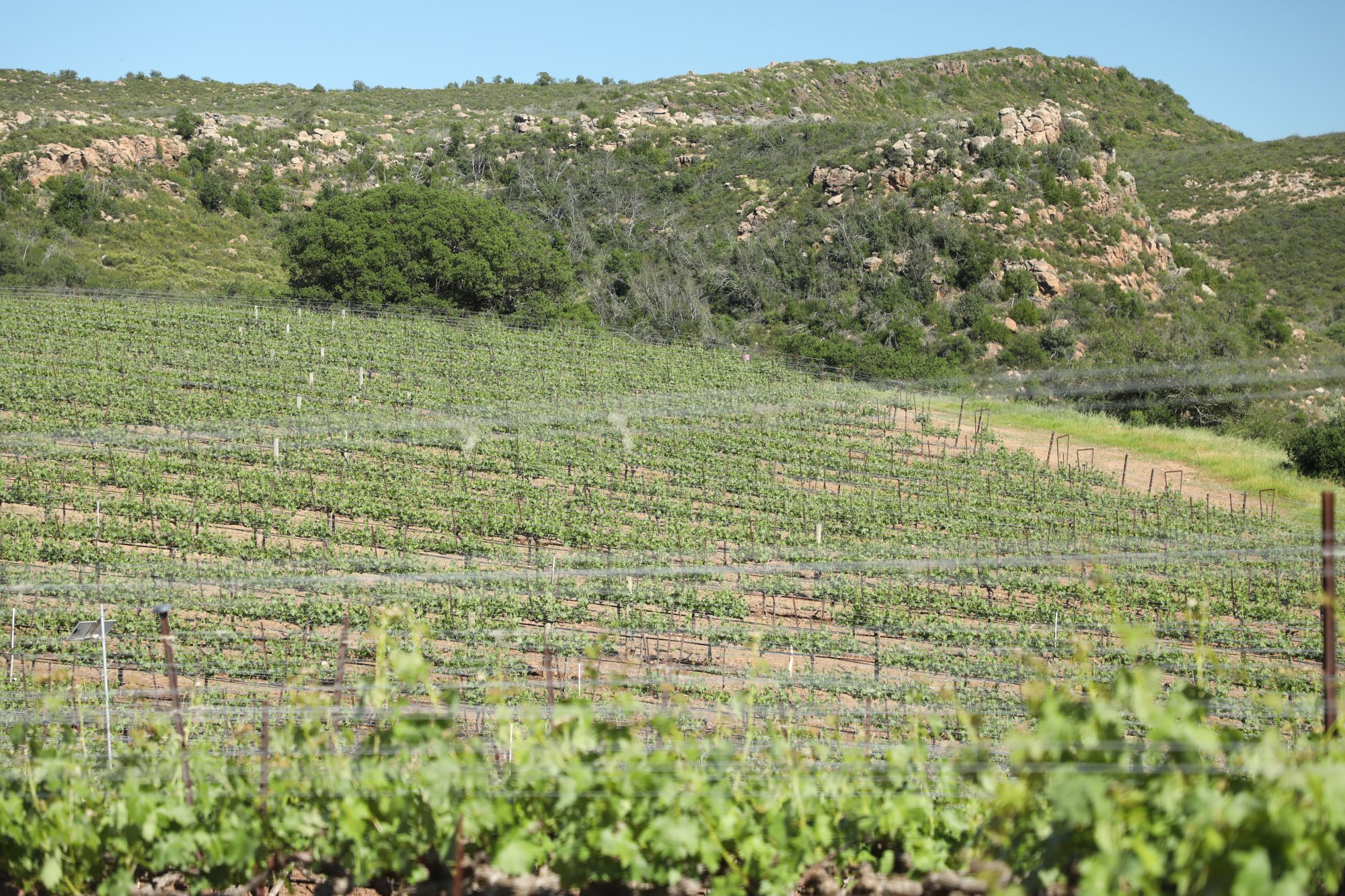
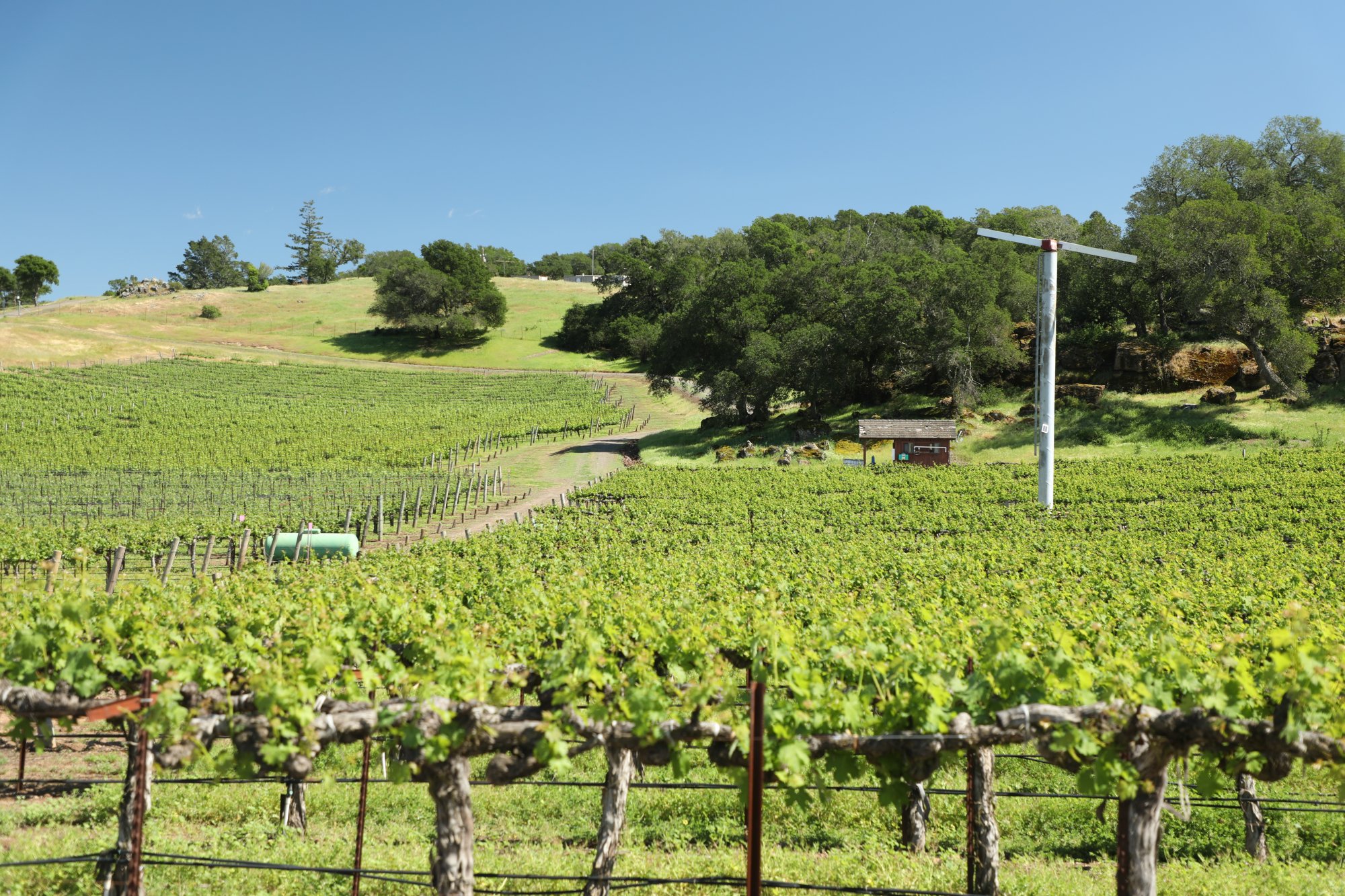
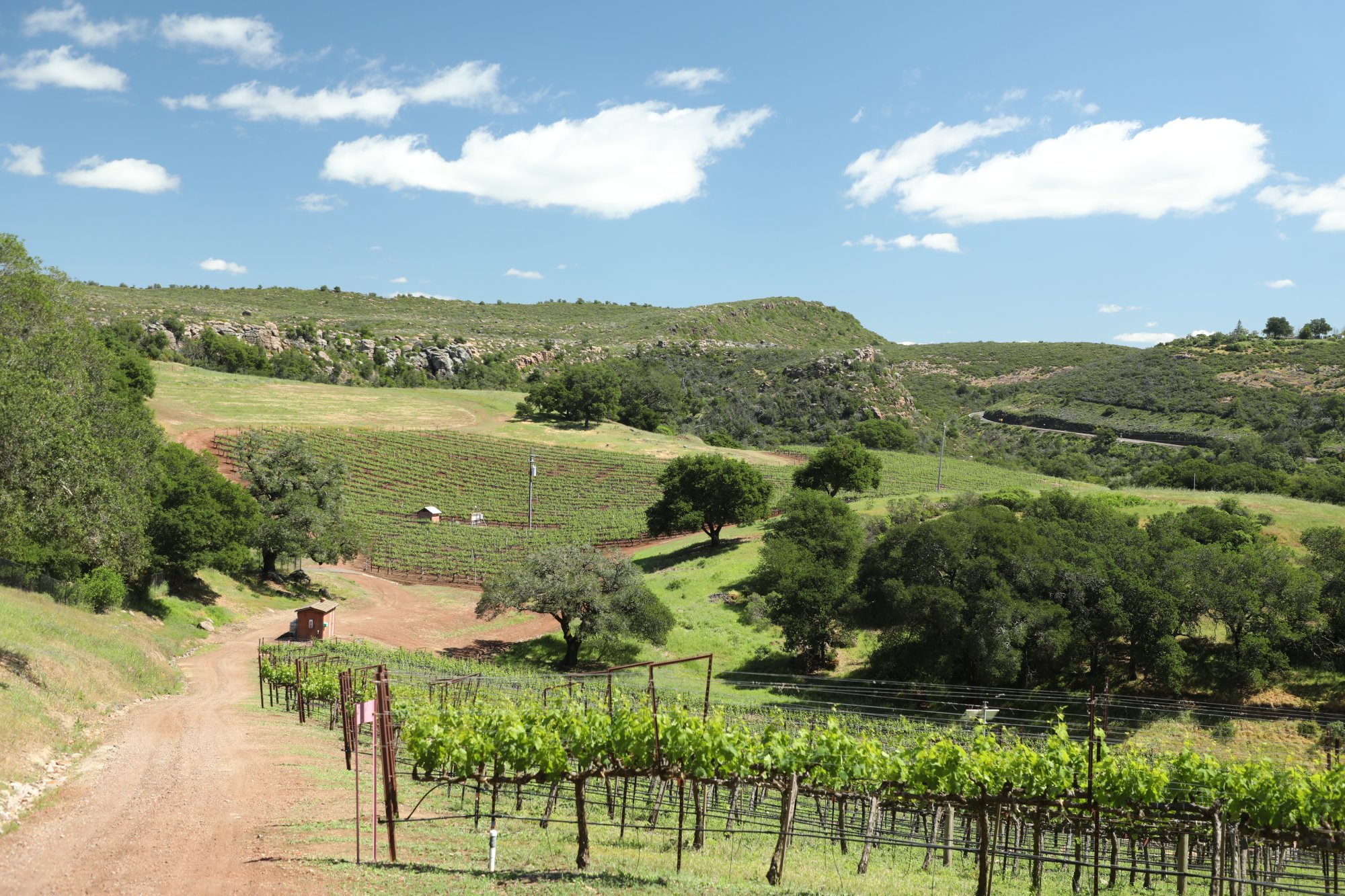
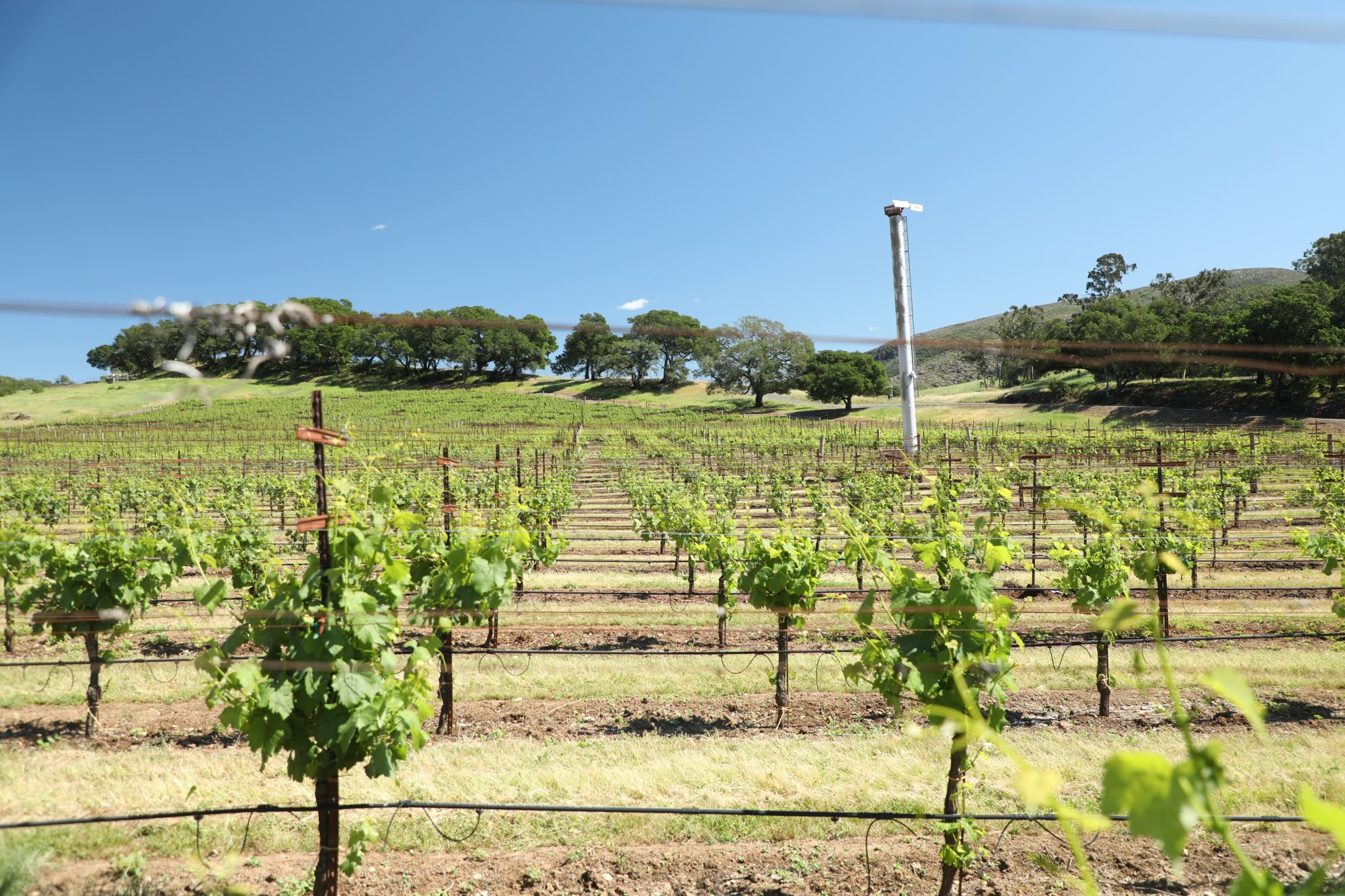
Finch Hollow Vineyard
Cave Winery
The story behind the wine known as Will Jarvis Science Project begins at San Jose’s Harker School, where young Will got special permission to make red wine.
Happy New Year!
Thanks Steven – its a very cool story – a wine made by an 8th grader ends up being so good it is eventually created commercially, nice!
I have a bottle of Jarvis 2009 estate grown cave fermented Tempranillo. I am trying to find out the value? I cannot find this year anywhere. I have had on my wine rack for about ten years. There is no serial
Number.
Yo tengo una botella de william jarvis de 1999 me la regaló el directamente y la conservo