



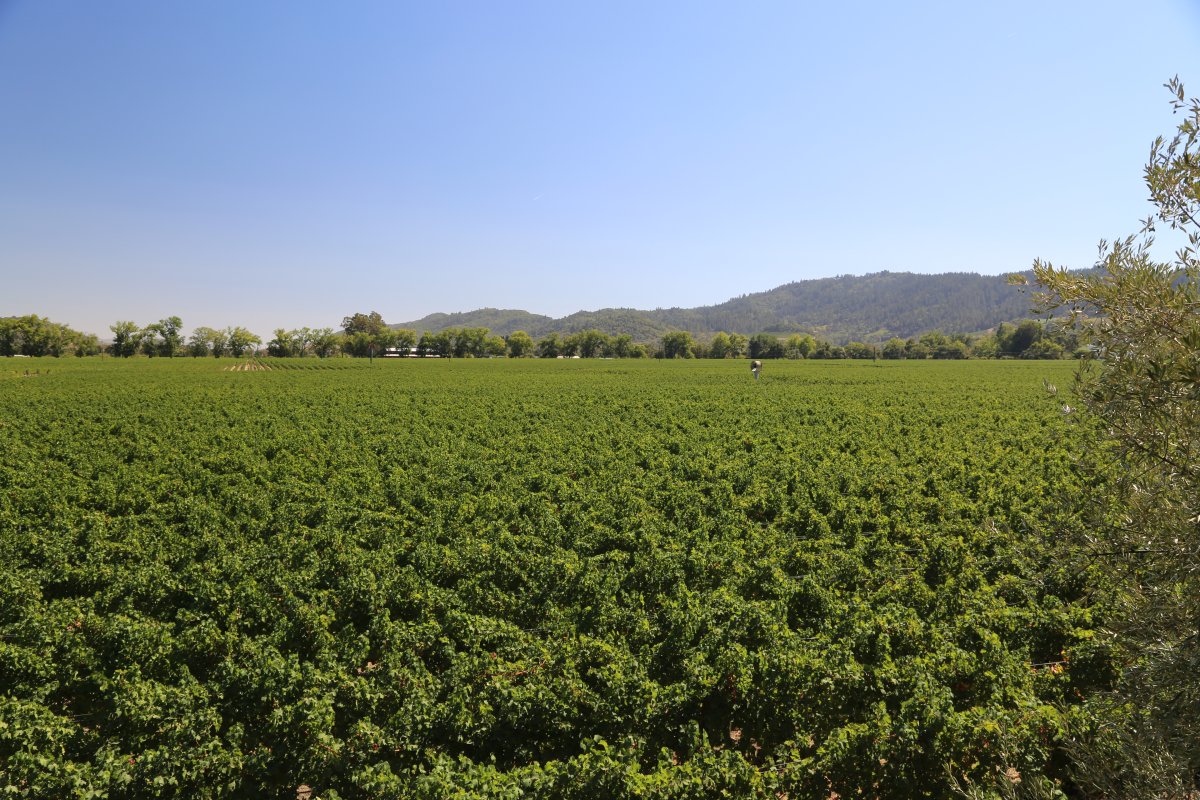
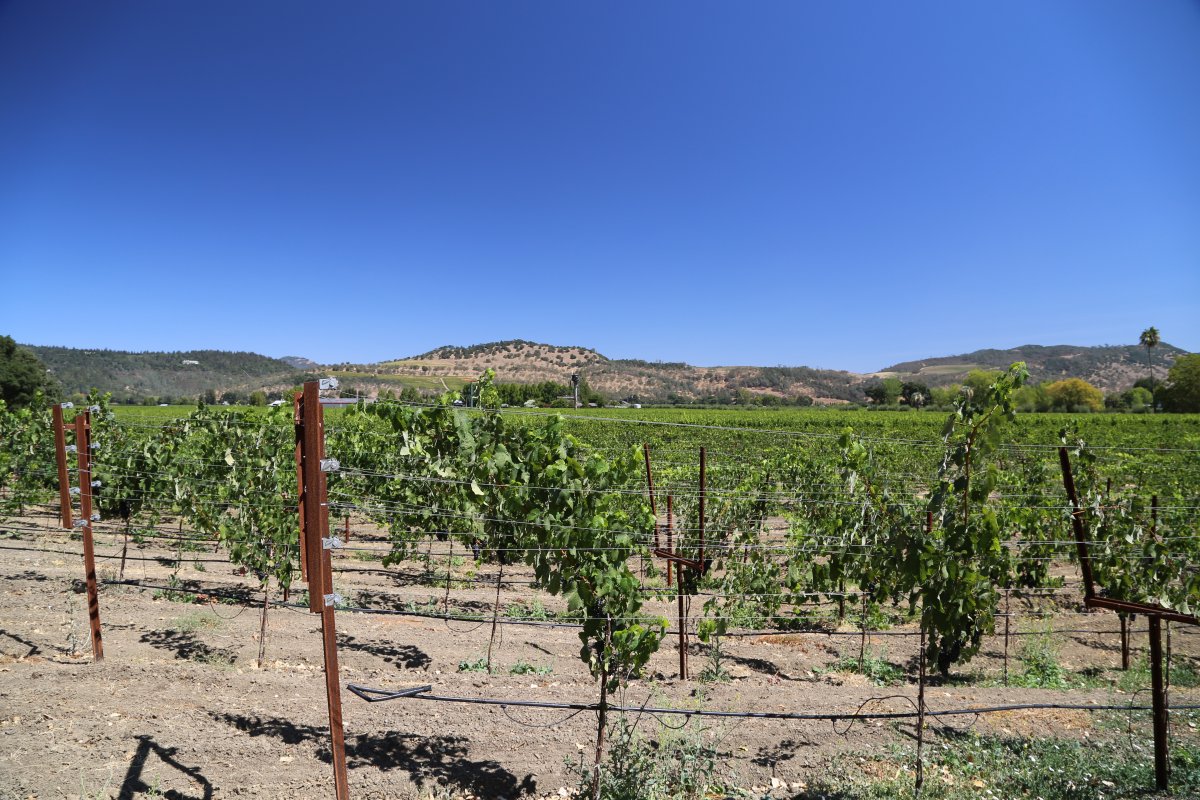
 Honig Winery is a family run winery whose first commercial vintage dates from 1980. Patriarch Louis Honig ran a successful advertising business in San Francisco when he decided to buy land in Napa Valley. He purchased 68 acres here in 1964 from the Wagner family, the owners of nearby Caymus Vineyards. The stage was set for what would eventually become the Honig wines; this vineyard was planted to two varieties, Cabernet Sauvignon and Sauvignon Blanc. For a number of years, the grapes from this property were sold to other area vintners.
Their first vintage of wine was a Sauvignon Blanc made in 1980 (merely several hundred cases) as a tribute to Louis Honig. Founding winemaker was Rick Tracy who was also the Honig General Manager and a general partner. After winning a Gold Medal at the Orange County Fair in Southern California the Honig family realized they might have something special in their vineyard and they decided to build a winery on the property which was completed in 1982. The Honig property was originally called the HNW Vineyard – the three initials taken from the names of the early partners including Louis Honig and San Francisco based judge Daniel Weinstein.
They made additional vintages – but did not have the sales and marketing expertise to promote this very good wine. At one point the family considered selling the property. Grandson Michael Honig realized at an early age that if they sold this property, they would never be able to afford to buy additional property in the valley. After discussion with his father (Bill Honig who in 1975 had been appointed by Governor Jerry Brown to serve on the California State Board of Education and later elected to three terms as California’s Superintendent of Public Instruction), it was jointly decided Michael would drop out of school at age 21 and focus on building their fledgling wine business. At only 22 years of age, he took over the management of both the vineyard and the winery. That was in 1984.
He would load the wine into his car and drive around to wine shops and restaurants making each sale by hand. Initially this was difficult as there wasn’t much Sauvignon Blanc being produced in Napa at this time, but he continued to market the wine and they slowly grew. Today Michael continues to maintain a busy travel schedule promoting their wines domestically and internationally. And his wife Stephanie who has worked in the beverage industry since 2000 (including for Clicquot, Inc., and Napa Valley’s Rudd Estate) is also a partner in Honig Winery and has been instrumental in their success. She is also a co-founder of Yolo Brand Group, a company that focuses on marketing and branding for the cannabis industry. As of our latest update to this review, she also serves as the President of the Napa Valley Cannabis Association.
Their growth has been remarkable, and this is certainly one of Napa Valley’s more inspirational family-owned business success stories.
Honig embodies the spirit of Napa Valley with their hard work ethos yet clearly understands hard work is not all about themselves. They are active in the local community, maintain a strong role with the Napa Vintners Association and are one of the pioneers and leaders in the industry for sustainable farming.
Today their wines are sold in all 50 states with distribution in 49 states, the exception being California where they sell direct. In addition, they have a solid international distribution with parts of Asia being a focus as well as Europe, the Caribbean, Canada, India and parts of South America among other countries and regions.
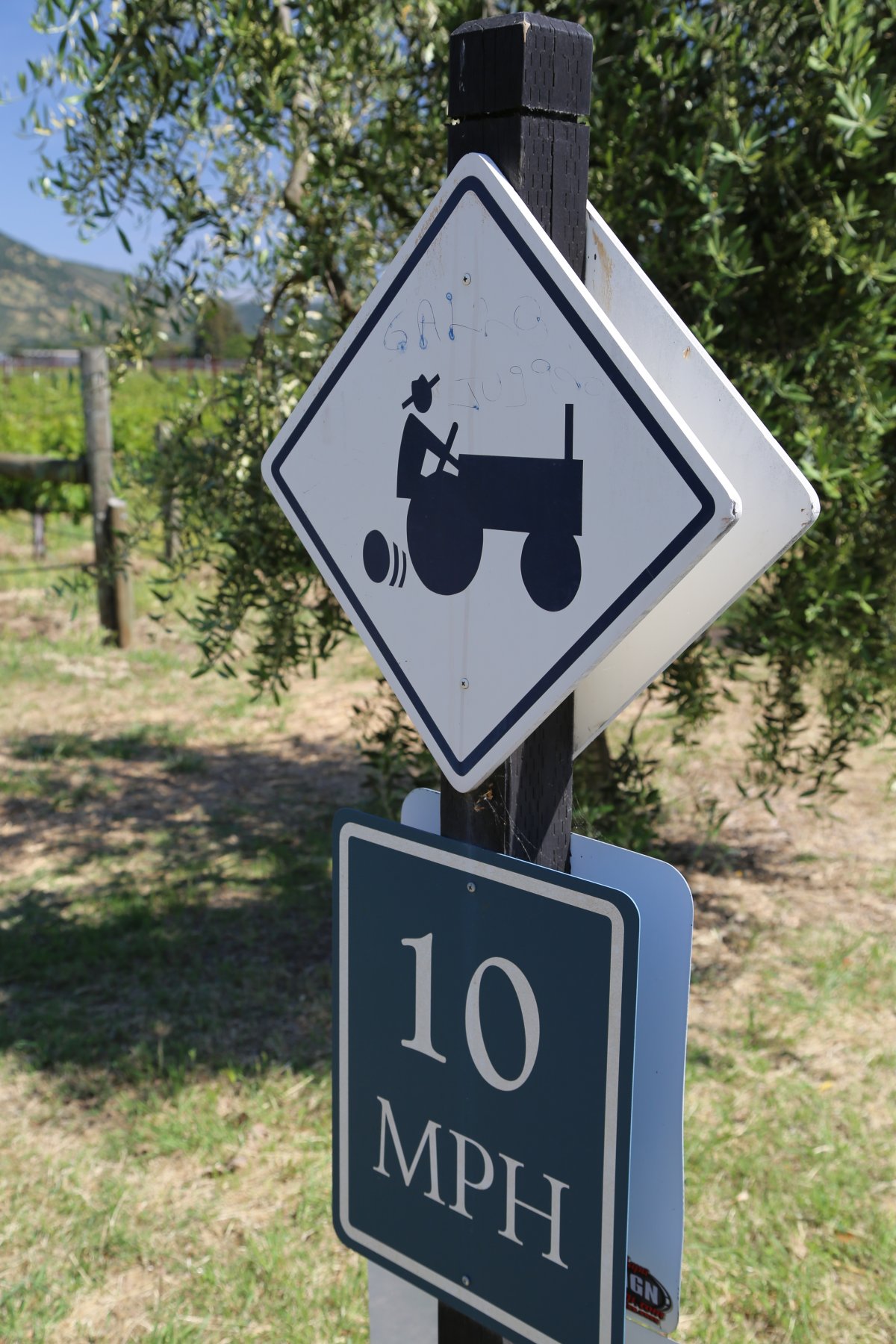 The winery is located off of Rutherford Cross Road; they like to refer to themselves as the “50-yard line winery of Napa Valley” – or perhaps more appropriately the “heart” of the valley. If one looks on a Napa Valley Wine map you will see that geographically they are nearly the center point in the valley.
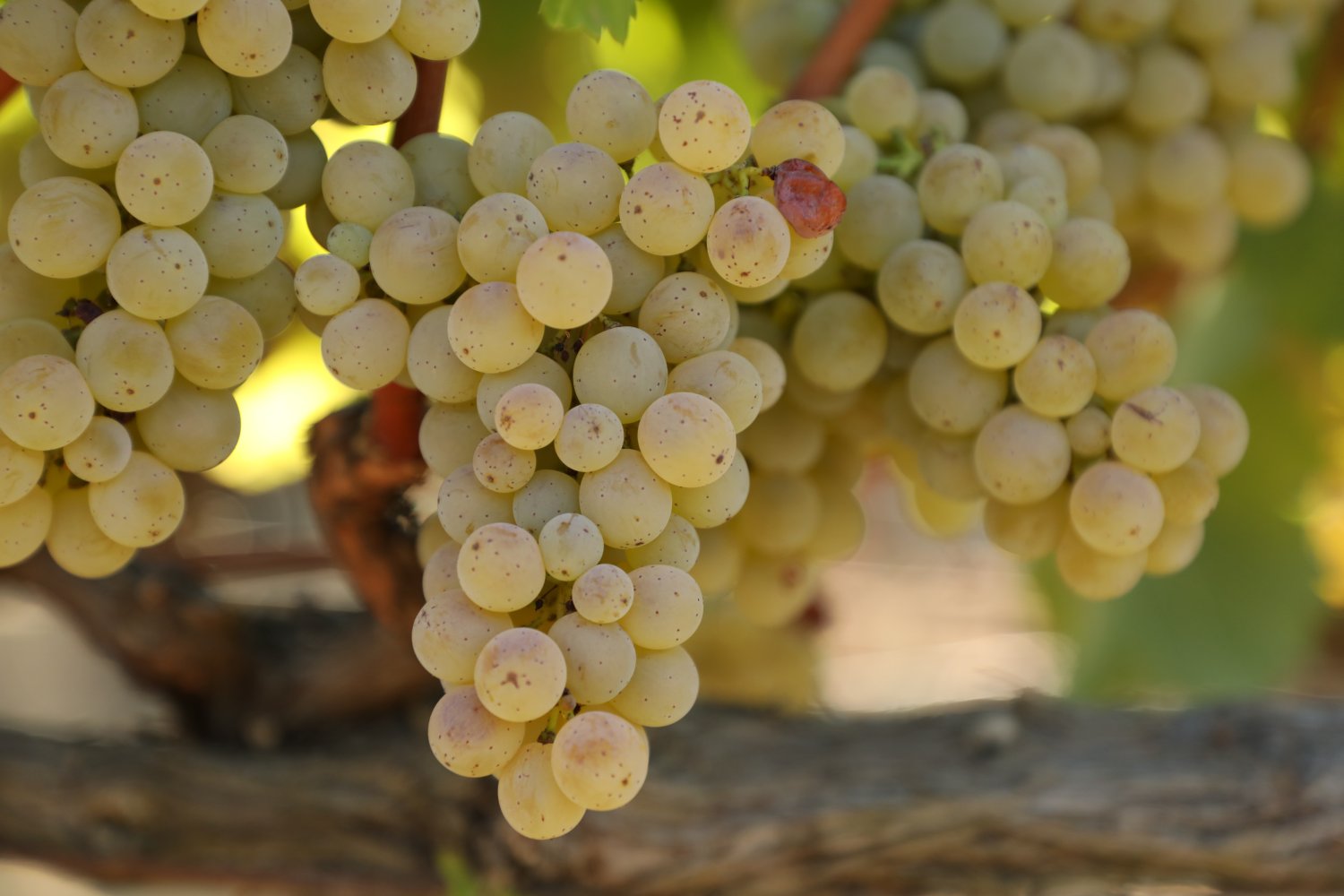
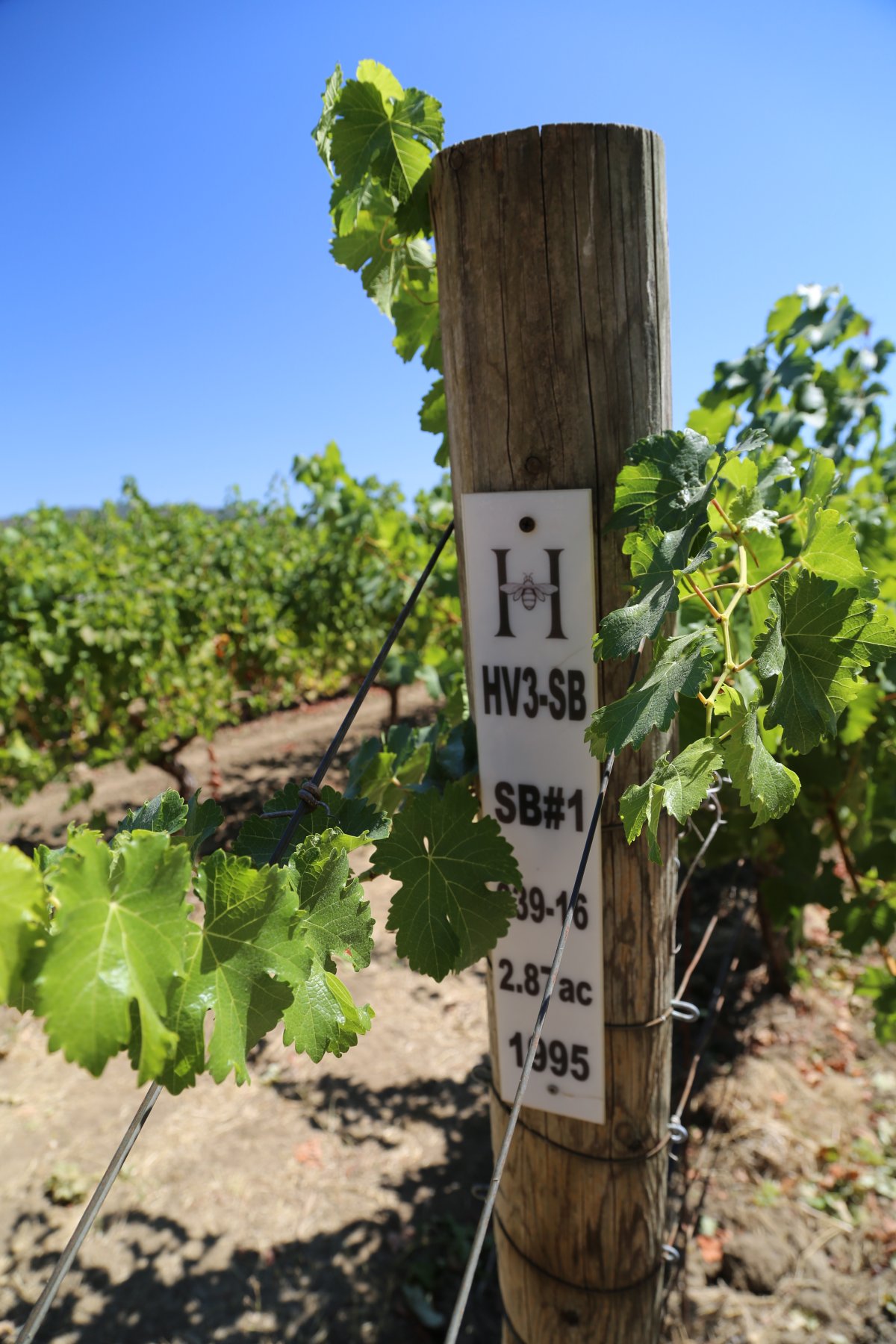
Honig concentrates on two varieties rather than many. They currently make two stylistically different Sauvignon Blancs, a primary Cabernet Sauvignon and several vineyard designated Cabernet Sauvignon wines. Honig in German means honey – and one will see an image of a honeybee on the label of all of their wines. And in order to cut down on their carbon footprint while simultaneously saving costs, they no longer bottle their wines using foil. Based on their production, this saves nearly 1 million foils each year.
Select Wines
Sauvignon Blanc
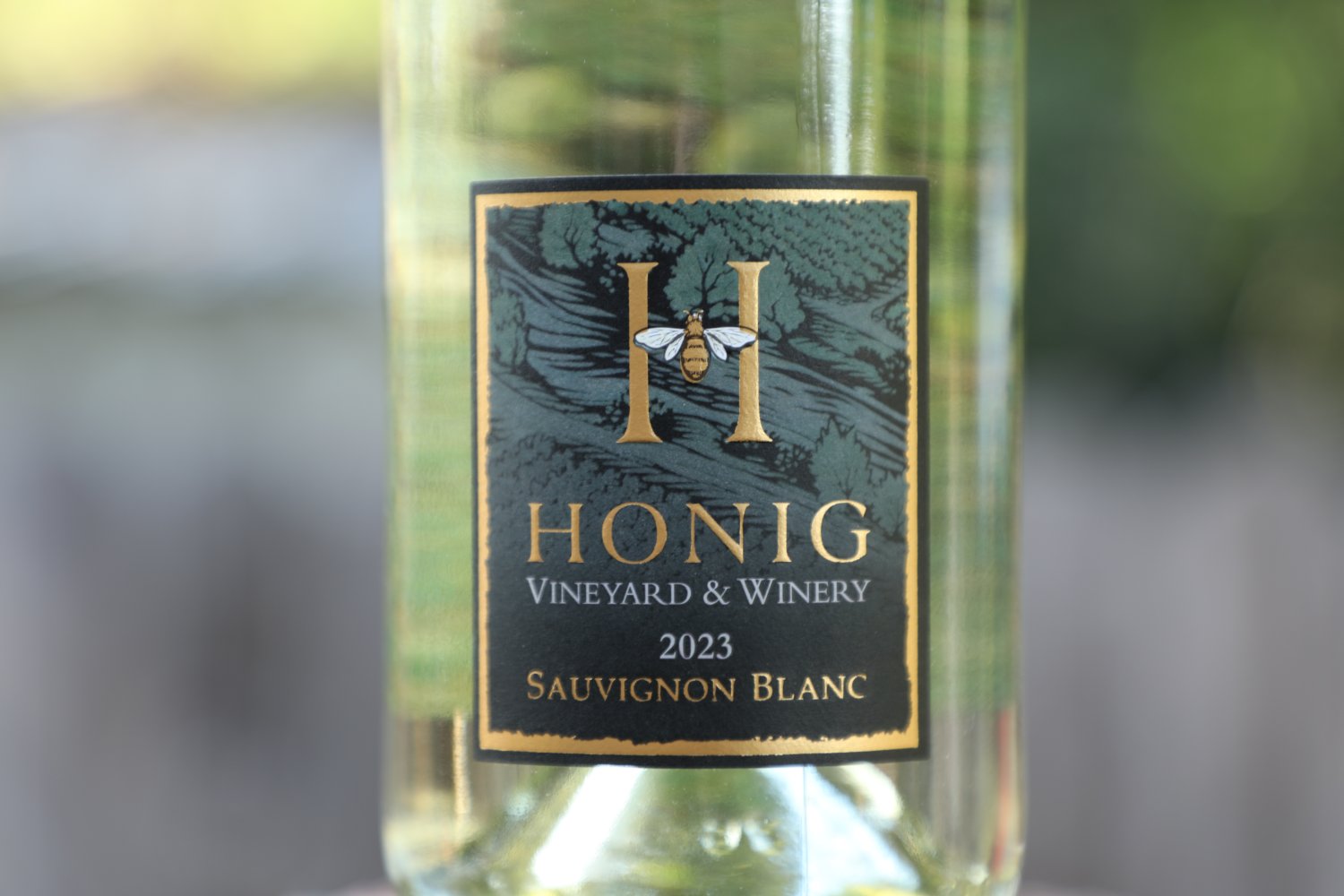
The 2023 Honig Vineyard & Winery Sauvignon Blanc is 58% from Napa Valley and 42% from Lake County and is a blend of 93% Sauvignon Blanc, 6% Semillon and 1% Muscat. Pale straw in color; the bouquet offers a perky union of bright fruit aromas including citrus blossom, pineapple, pear, red apple, Oro Blanco grapefruit, lime, pineapple guava, passion fruit, lemon grass and star jasmine. Balanced and easy drinking without being to complicated, this wine offers flavors of lime, pear, pineapple, Golden Delicious apple, not fully ripe kiwi and guava. The finish features mouthwatering, bright but not bracing acidity. Pair with some sort of shellfish, perhaps boiled Thai blood cockles with a spicy nam prik. The Honig Sauvignon Blanc is their most produced and widely distributed wine; it is always aged in stainless steel tanks on the lees before being bottled.
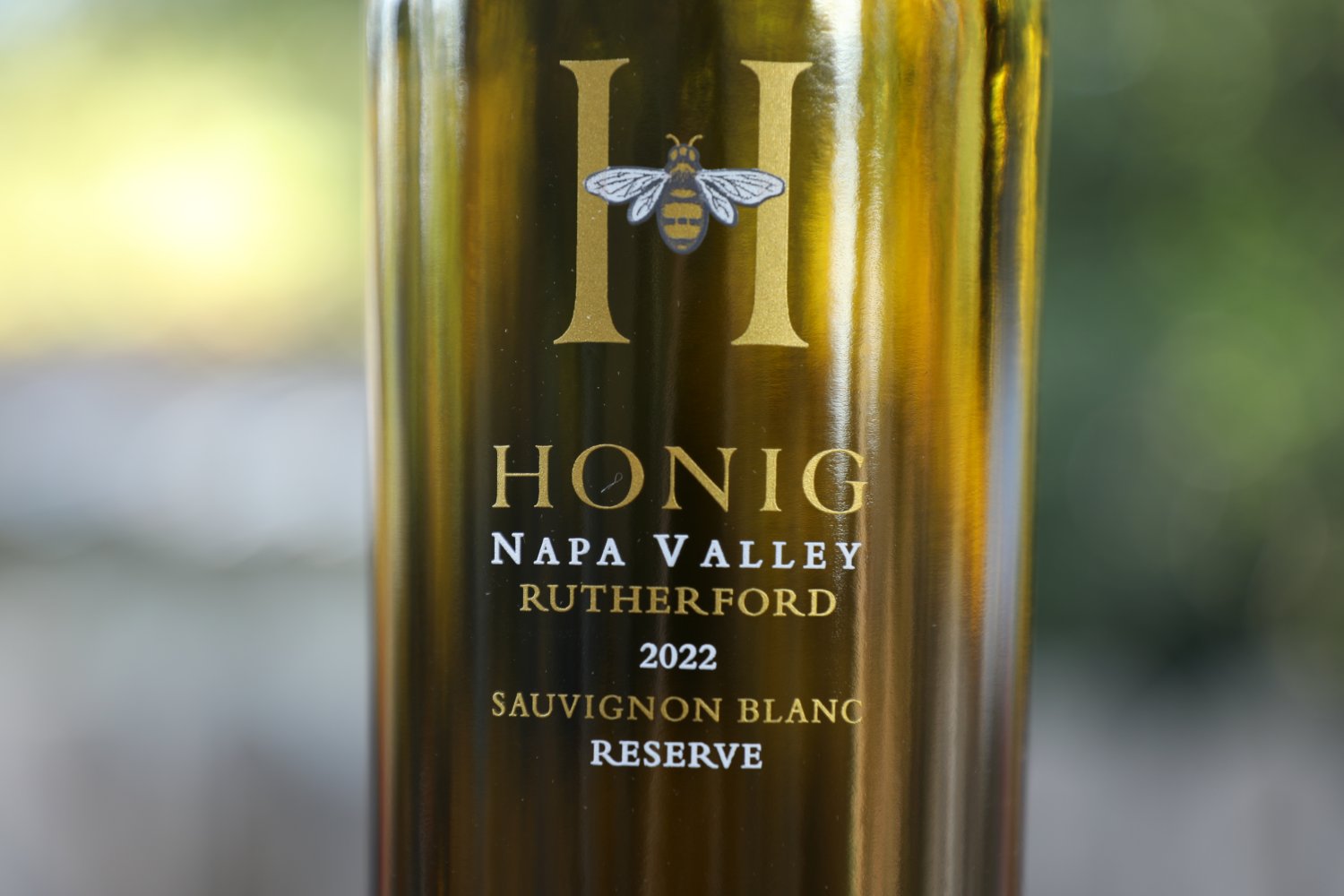
The 2022 Honig Napa Valley Rutherford Sauvignon Blanc Reserve is 100% from Honig’s estate vineyards and includes 89% Sauvignon Blanc and 11% Semillon. This wine was aged in both stainless steel tanks and new French oak barrels and puncheons. It wine was aged on the lees for 8 months in previously used French oak puncheons (63%) and 37% was aged on the lees for 8 months in new French oak barrels and puncheons. This wine is medium yellow in the glass; the aromatics immediately open to a honeyed note offering a completely different aromatic profile as compared to their primary Sauvignon Blanc. The bouquet offers scents of honeycomb, star jasmine, vanilla pudding, lychee, papaya, mango, pineapple and caramel. Richly flavored, this wine echoes parts of the bouquet including pineapple, papaya and mango along with honeydew melon, mandarin orange, and some stone fruited flavors of apricot and peach. The mouth feel is rounded, accompanied by a rich and lingering brightness of acidity. This wine drinks very nicely by itself.
The 2013 Honig Napa Valley Sauvignon Blanc saw no malolactic fermentation and was aged entirely in stainless steel tanks to preserve its freshness and varietal purity. Aromatically, it offers bright citrus notes of orange and lemon layered with a subtle floral component. On the palate, the wine is clean, crisp, and well balanced, showing flavors of grapefruit and citrus zest that are complemented by a refreshing acidity. The finish is persistent, with lingering mineralities that add precision and lift, making for a vibrant and elegant expression of Napa Valley Sauvignon Blanc.
The 2013 Honig Rutherford Sauvignon Blanc is blended with small amounts of Semillon and Muscat (about 10%), adding additional aromatic complexity and texture. Unlike their Napa Valley Sauvignon Blanc, this wine sees some oak during its aging, which contributes added depth and richness. Aromatically, the wine shows a number of differences, offering notes of baking spices alongside tropical nuances on the bouquet. On the palate, flavors of white peach and pear are prominent, supported by ripe orchard fruit and a subtle hint of citrus. The fruit carries nicely across the palate and lingers on the clean, flavorful finish. As a result of this blend and the winemaking practices, the wine displays a creamy mouthfeel with noticeable weight and texture, while still maintaining freshness and balance.
Cabernet Sauvignon
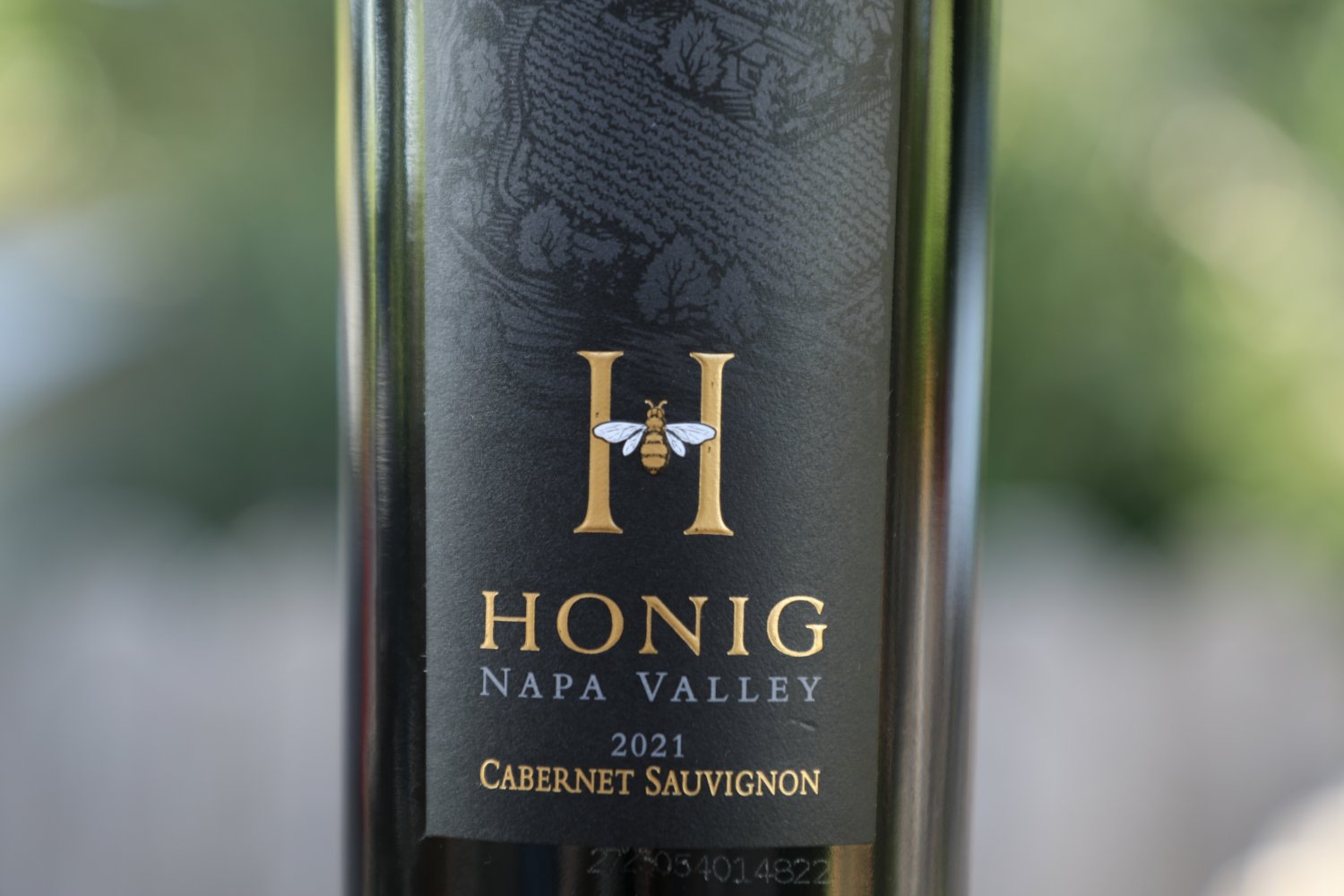
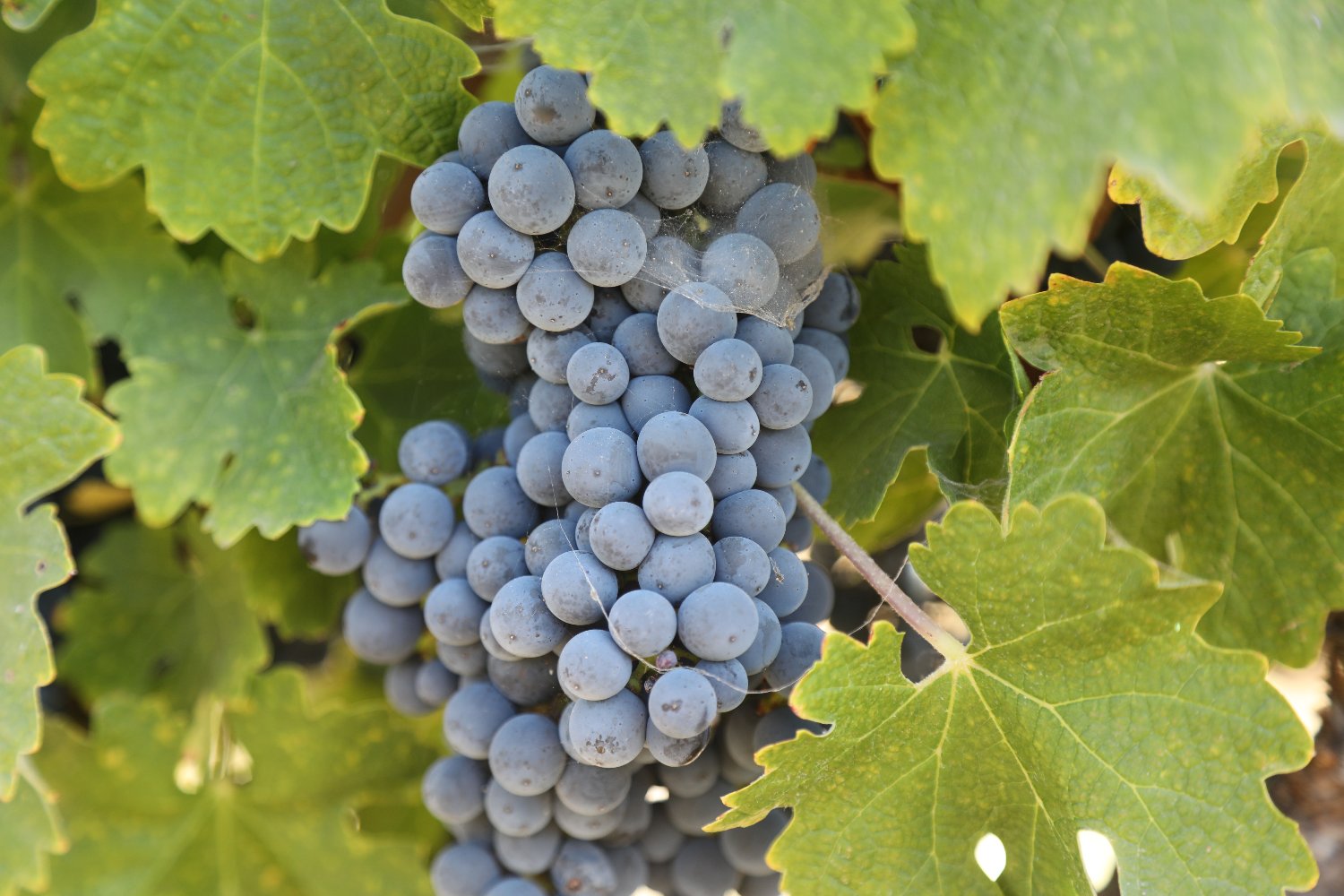
Their Napa Cabernet Sauvignon is widely distributed. The 2021 Honig Napa Valley Cabernet Sauvignon is a blend of 85% Cabernet Sauvignon, 5.3% Merlot, 4.6% Malbec 2.4% Petit Verdot 1.4% Cabernet Franc and 1.2% Petit Syrah. It was aged for 18 months in French and American oak barrels of which 25% was in new American oak and 20% in new French oak barrels. This wine is deep ruby in color; the aromas are like smelling chocolate covered blackberries, along with boysenberry, Pakistani mulberry, dark cherry, ripe dark plum along with mocha and other assorted brown baking spices. As we tasted this in April, cherry and mulberry picking season starts next month in Brentwood. The aromas on this wine are getting us in the mood for this once a year window. The palate offers flavors of red cherry, plum, blackberry and black currant. The tannins are grainy, gritty and linger with a light astringent touch, dark pepper, cedar box, toast and dried herbs. Savory. Pair well-marbled protein from the BBQ – preferably something that was dry rubbed in an assortment of darker spices.
The 2012 Honig Napa Valley Cabernet Sauvignon was blended with smaller percentages of Petit Verdot and Cabernet Franc, adding structure and aromatic complexity to the final wine. The resulting wine is elegant and somewhat more feminine in style compared to some of the more powerful, “big” Napa Valley Cabernets. The bouquet is appealing and refined, offering aromas of ripe red fruits along with subtle hints of darker berries. On the palate, the wine is soft, smooth, and well balanced, showing flavors of plum and cherry supported by touches of darker fruit and a light hint of spice. The tannins are well integrated, contributing to the wine’s graceful structure without overpowering the fruit. It finishes lively and fresh, with lingering notes of red fruit and a sense of polish that highlights its approachable and elegant character.
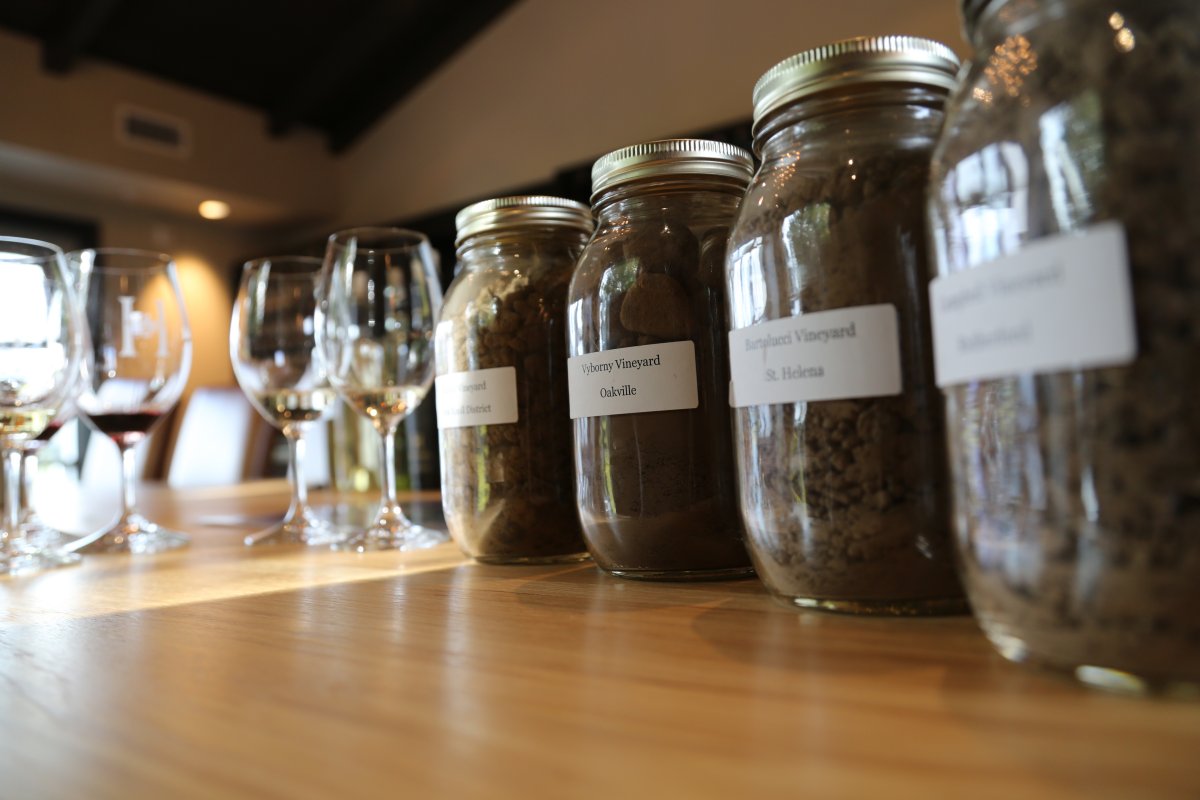
Several of their Cabernet Sauvignons showcase individual vineyards and it is interesting to taste these wines side by side and notice the differences (when taken into account the grapes were picked at similar sugars and treated similar in the winery). After a contract came up for grapes from the Bartolucci Vineyard, a vineyard in Spring Mountain managed by long time growers in Napa Valley, Michael convinced them to sell him the Cabernet Sauvignon from their vineyard in 1999. This has since turned into a strong grower/winery relationship and Honig makes wine from this vineyard every year.
 The 2010 Honig Bartolucci Vineyard is 100% varietal. It is a vineyard that grows on the lower slopes of Spring Mountain and does not display a huge mountain backbone as one might find in vineyards located higher in this appellation. It is rounded upon entry and surprisingly soft yet complex. Notes of black cherry, black plum, blackberry and tar are found on the palate. The tannins initially show on the palate in the front and linger for some time, slowly working their way to the back.
Honig also makes a Cabernet Sauvignon rosé for sale strictly at the winery. Some of the proceeds go directly to a local hospital to support fighting breast cancer benefiting women who cannot afford mammograms and other necessary testing.
Late Harvest
The late harvest Sauvignon Blanc has been picked anywhere from early November all the way through the first week in December. It all depends on the particular vintage and because this wine is made from natural botrytis, it is not produced every year.
The 2019 Honig Late Harvest Sauvignon Blanc is deep gold in color; this wine offers aromas of canned peaches in syrup, honeysuckle, caramel and is ‘dripping’ honey on both on the bouquet and palate. The bouquet is sweet, ripe with almost overripe scents of stone fruits including apricot, peaches, baked pears and red apple joined by additional notes of brown sugar, caramel and vanilla. The texture is supple and velvety but not viscous, and that is an important distinction, differentiating from more syrupy viscous bottlings. The sweetness outpaces the acidity on the long fruit filled and flavorful finish. Remarkably sweet.
The 2012 Honig Late Harvest Sauvignon Blanc is yellow-golden in the glass and shows inviting aromas of honey and tropical florals on the bouquet. These aromatics are layered with hints of ripe stone fruit and a subtle suggestion of citrus blossom. On the palate, the wine is rich and expressive, offering broad flavors of apricot, mango and honey that unfold slowly across the tongue. The texture is lush and coating, yet the wine retains enough brightness to keep the sweetness lively and balanced. This is followed by a long, warm finish that lingers with notes of honeyed fruit and soft tropical character. The palate is certainly rich and sweet, but not cloyingly so, maintaining a pleasing sense of balance. Sip this without food in front of a roaring fire in a log cabin in the middle of winter. We’ve done it; Lake Tahoe – all snowed in.
We enjoy dessert wines and for the complexity of taste as well as the price, the Honig late harvest Sauvignon Blanc is hard to beat. This wine does not remain aging in our cellar for very long!
Missing Thorn
Stephanie and winemaker Aaron Pott partnered to produce several non alcoholic wines bottled under the brand, Missing Thorn. Their inaugural releases included a sparkling and a still rosé of Barbera, a sparkling and a still Albariño and a Malbec.
—
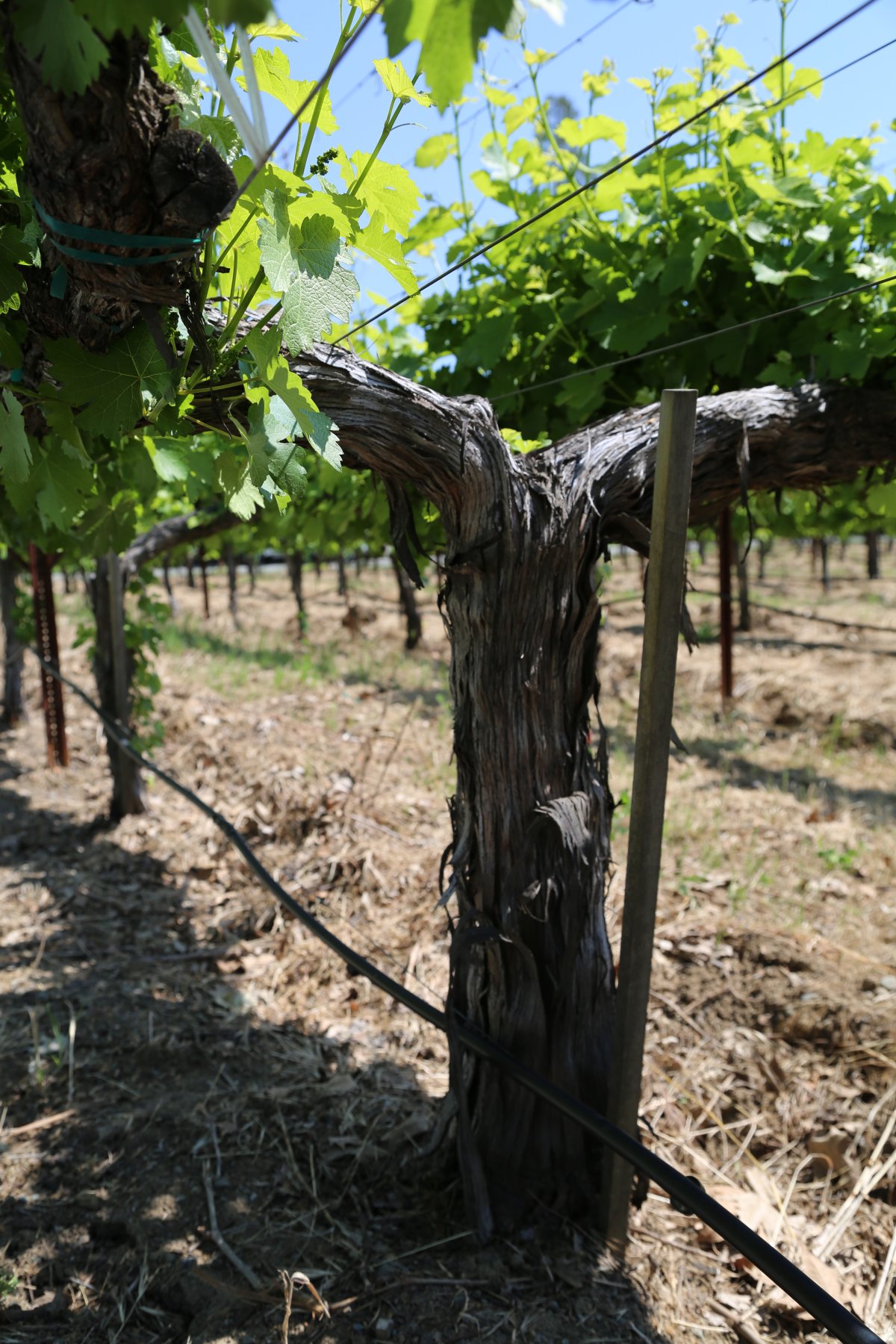
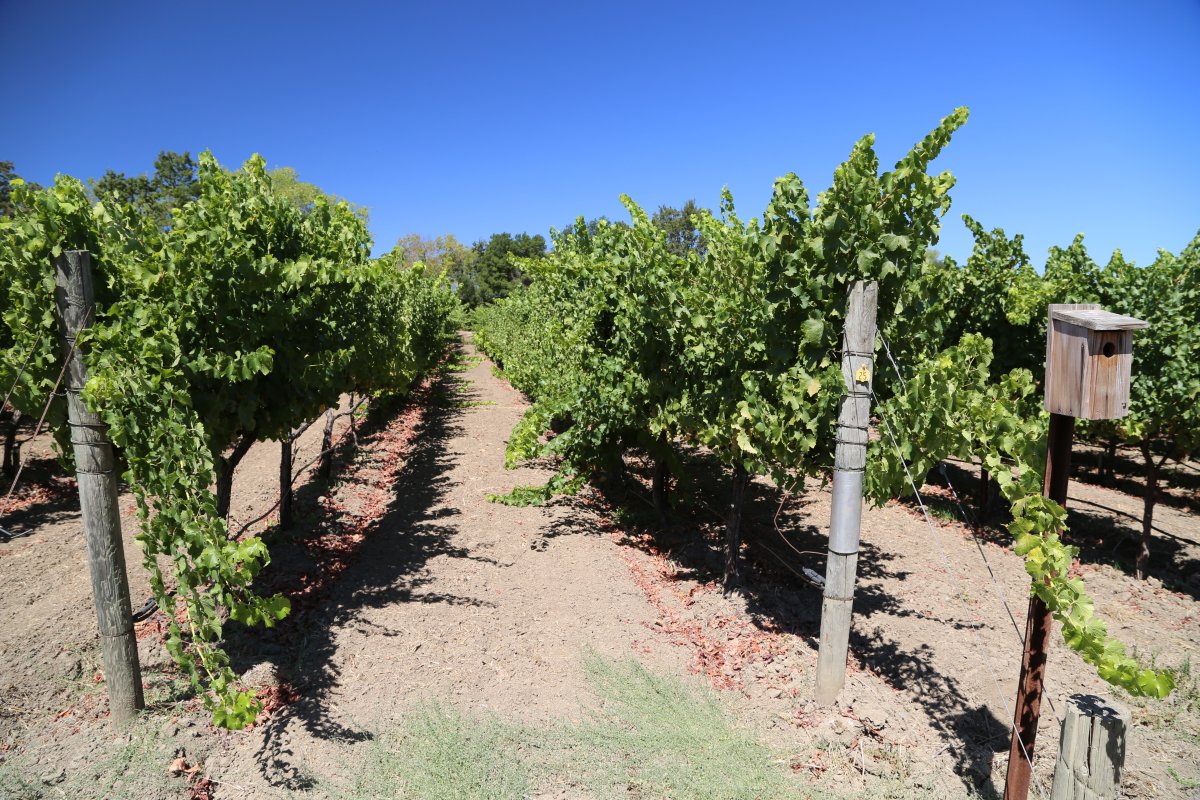
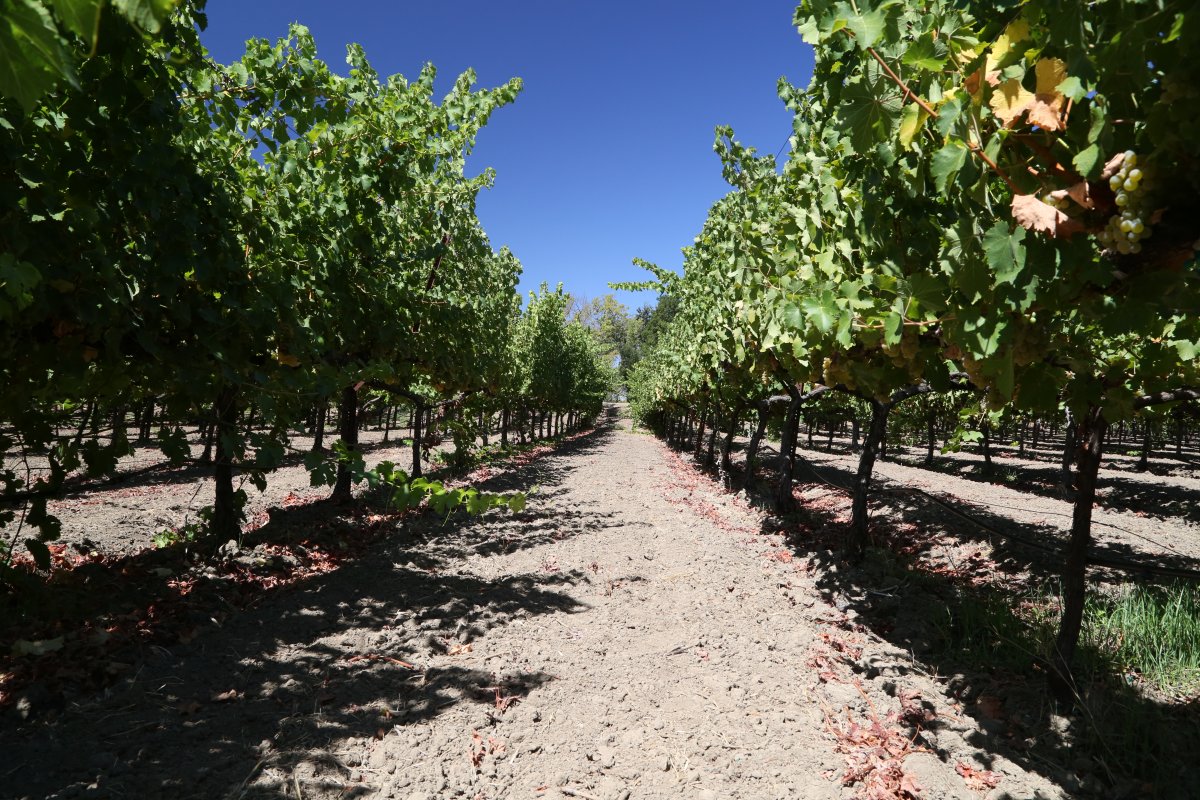
Honig has always practiced sustainable farming and currently employs several cutting-edge bio dynamic farming techniques – one of which is using sniffer dogs to find harmful bugs among the vines. Golden retrievers have a sense of smell many times more powerful than of a person and they are able to smell the scent given off by particular pests among the actual grape vines.
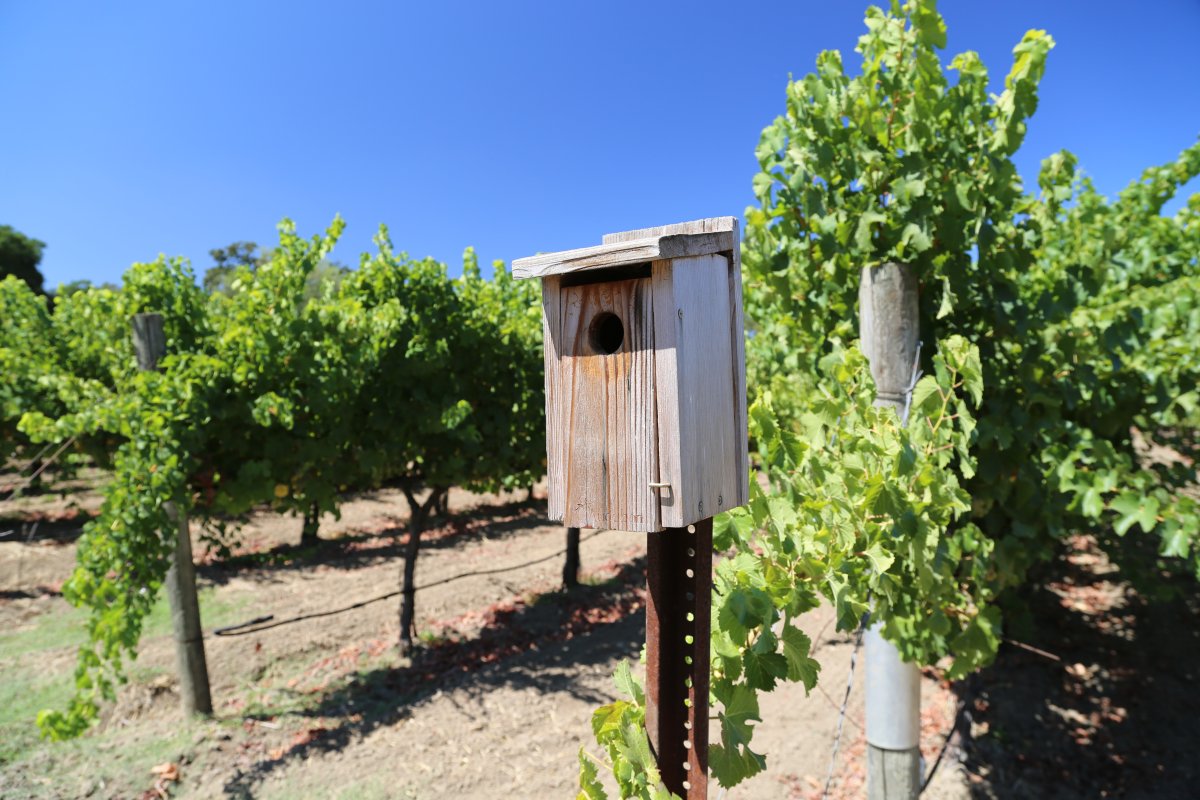
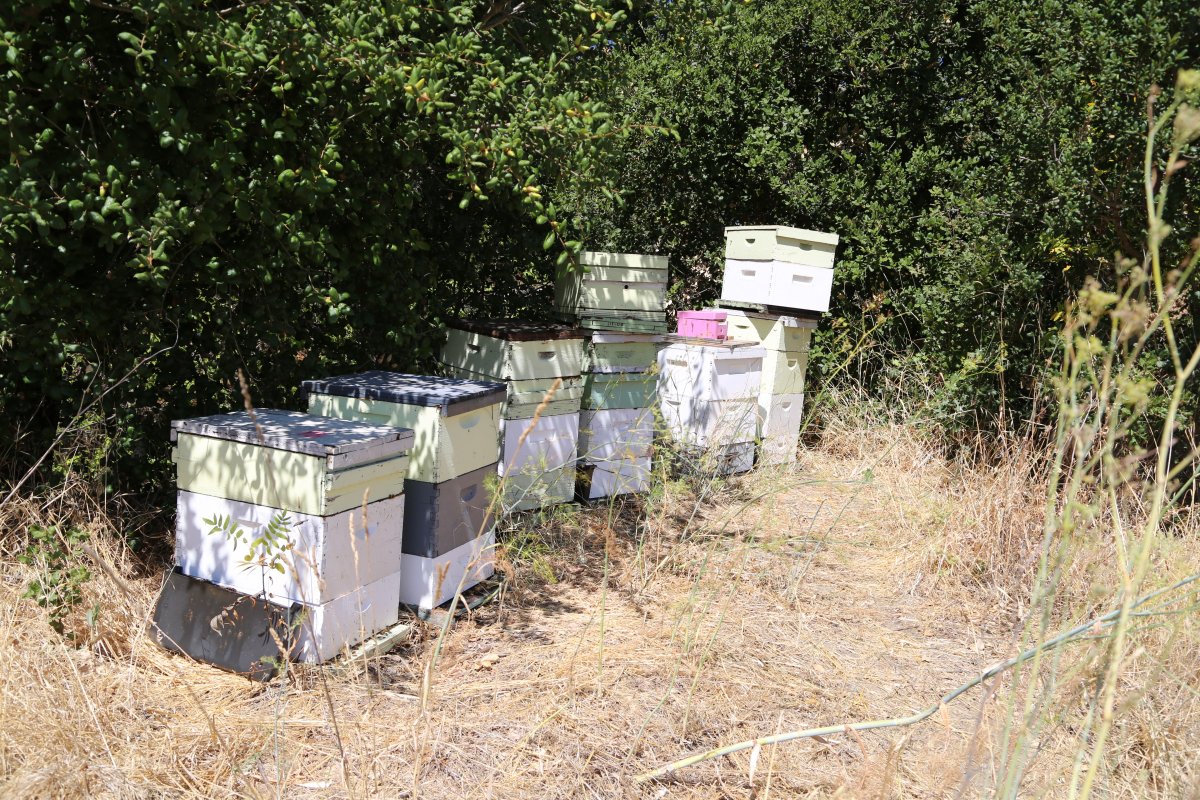
Honig uses solar to power the winery, has a number of owl, bat and bird houses around the vineyards, maintains honeybee hives and uses drought resistant plants for landscaping. In addition, their wines are bottled in lighter weight glass saving both themselves and the customer needless costs. And they no longer use foil on their wine bottles.
Hospitality
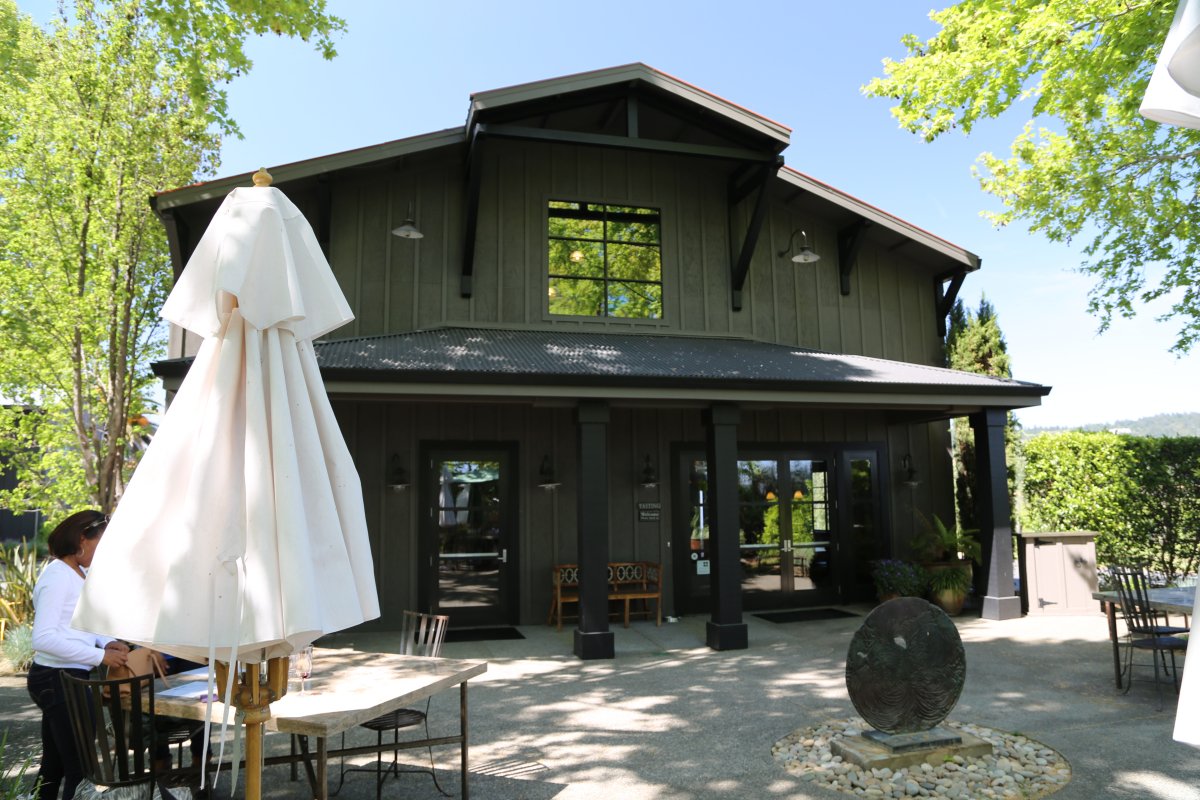
 Honig offers a number of tasting experiences. Their Terrace tasting, depending on the weather, is either held inside their elegantly furnished tasting room or outside under the small trees. Because of all the trees and their somewhat hidden location this is an ideal spot for an intimate quiet tasting. The VIB room (Very Important Bees) is also within the main hospitality building – often used by club members. The reserve room is located upstairs in another building slightly to the rear of their primary tasting room.
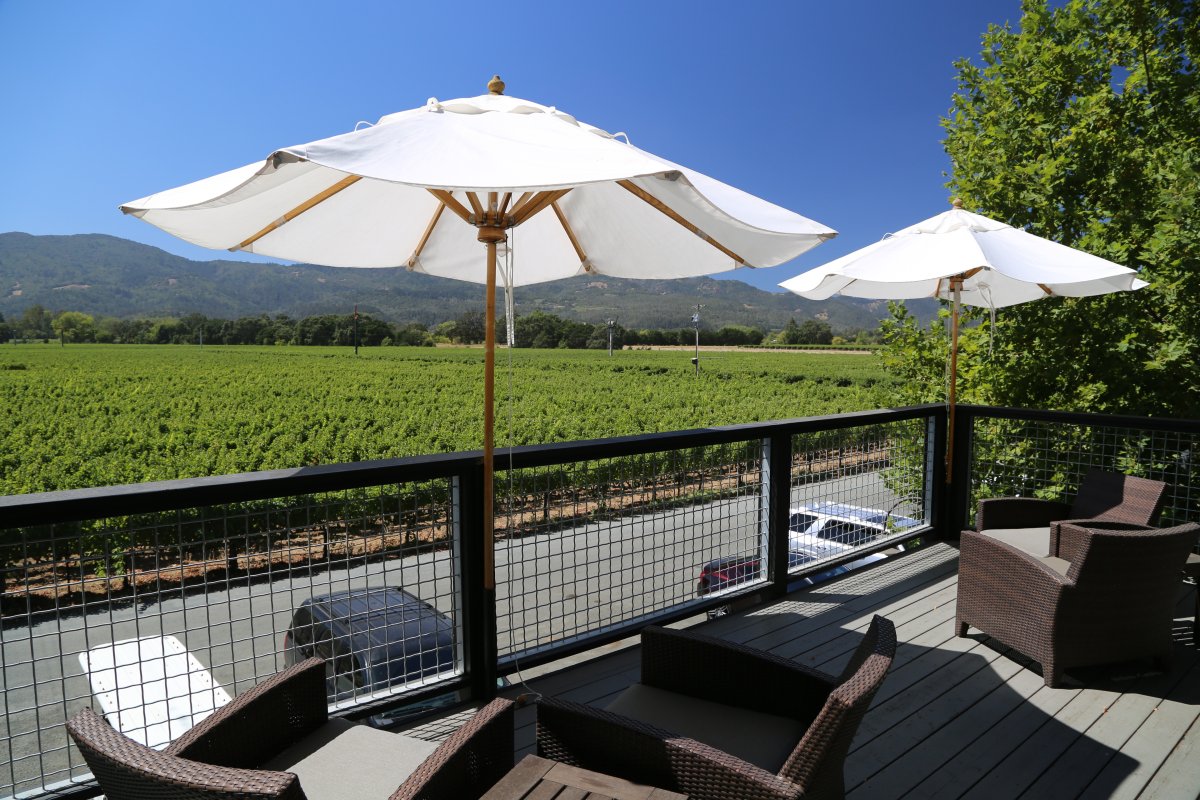
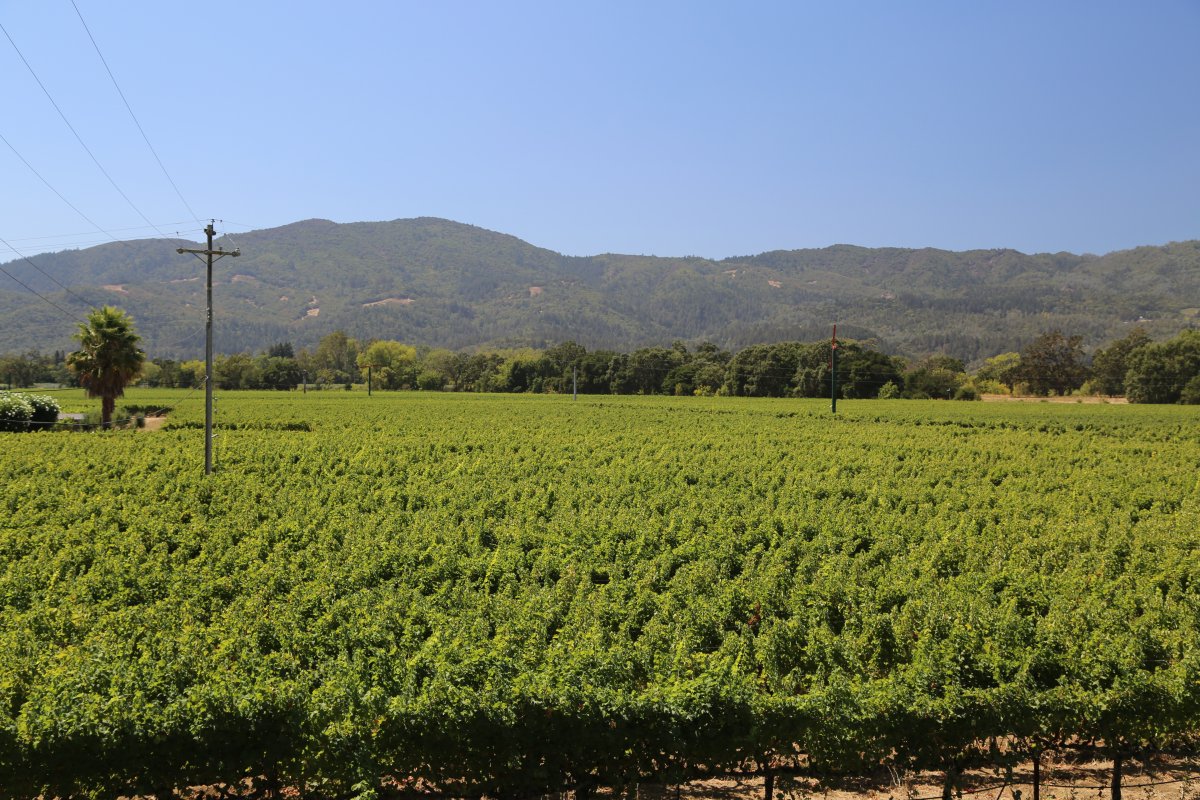
From the Reserve tasting room there are excellent views overlooking their vineyard to the west. The Reserve tasting is private per group and focuses on Honig’s single vineyard wines, all of which are produced in very small quantities – usually around 100 cases per wine. This tasting is paired with assorted cheeses and focuses to some extent on the educational component of growing grapes and making wine. Note the chandelier overhead; Michael saved this from his mother’s home when it was sold in San Francisco.
Another tasting is offered called the Eco-Tour. This involves a personalized tour of the vineyard (you are driven on their 6-passenger cart) where you will learn firsthand and see in action some of the practices they implement for sustainable farming and vineyard management along with a tasting of their current release wines. This tour has limited availability and is offered once a day at 10am, Monday through Thursday.
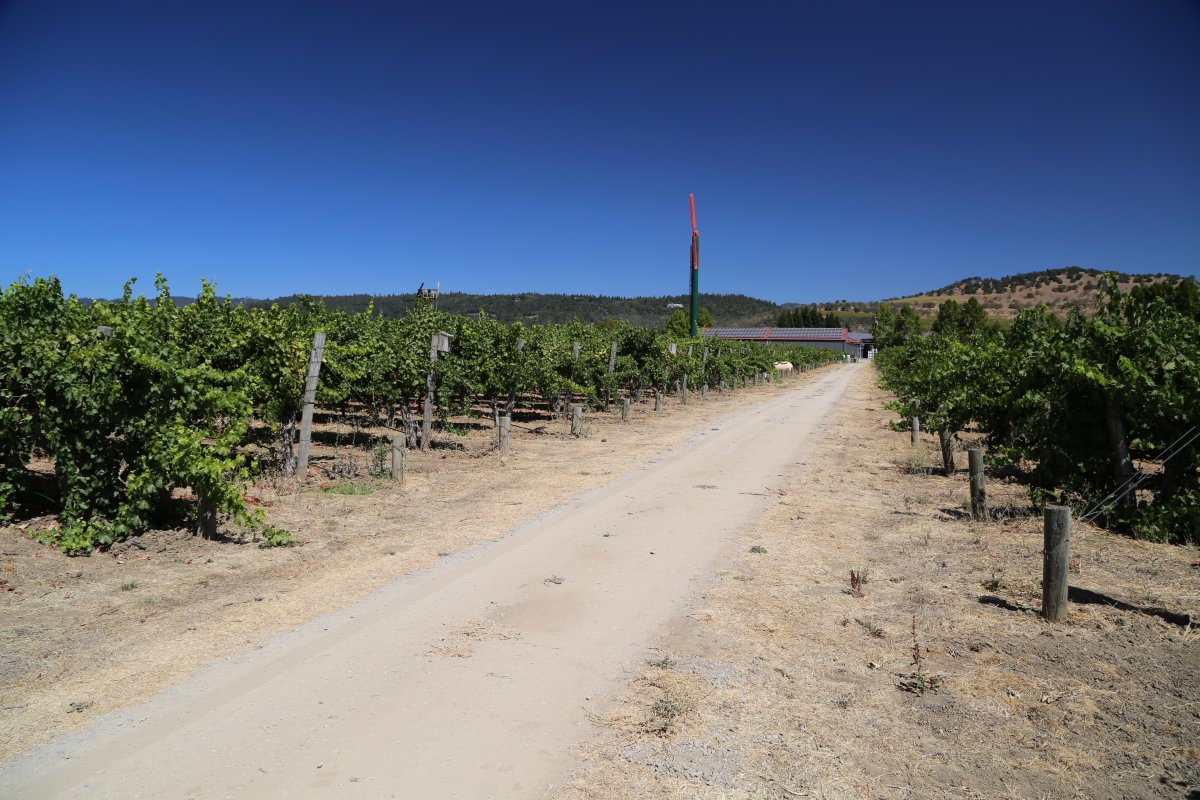
Also, of note, there used to be a small house where their gravel parking lot currently is, and it was here that Chuck Wagner Jr. of Caymus Winery was born; this property was formerly known as the Wagner Ranch.
The Honig postcards have become an annual tradition, dating back to the early 1990s. Part cheeky, part humorous and certainly creative, these are available in the tasting room for anyone who wants to take one.
The staff is friendly, knowledgeable and they can recommend other good local wineries and specific wines. From personal observation over the years, they tend to work here longer than the average employees at most wineries in the valley. If you dislike Chardonnay or know someone who dislikes this common very popular wine, be sure to purchase one of their humorous anti-Chardonnay shirts or hats!
Honig welcomes well-behaved children and offers juice tastings for them while their parents enjoy the wines.
—
Unlike many Napa Valley wineries, the tasting fee is applied towards any bottles purchased. For more information, to schedule a tasting, to join the mailing list or one of the wine clubs, or to purchase wine, visit: www.honigwine.com
Hi is this the winery that the Chinese owned for awhile? Thanks.