



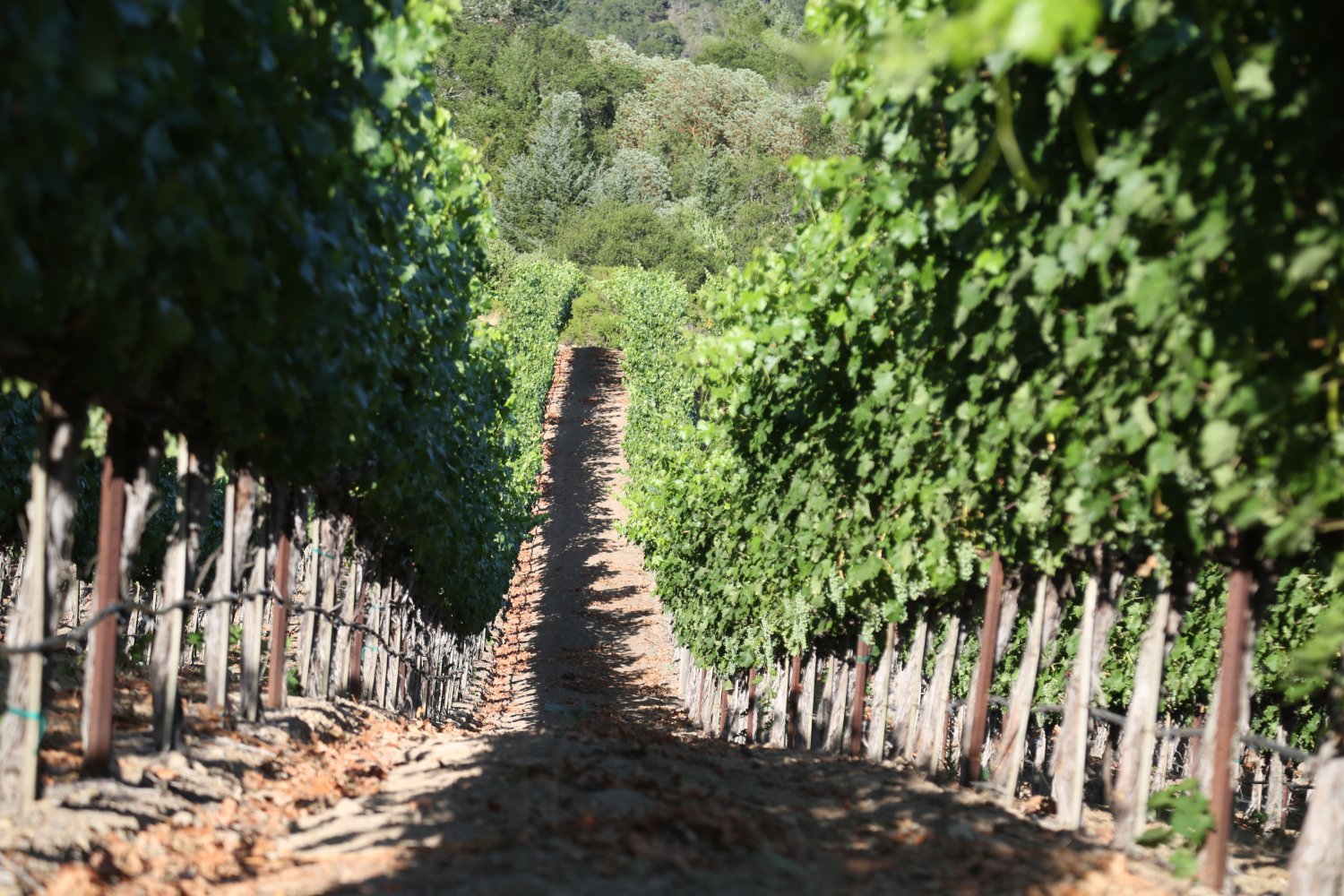
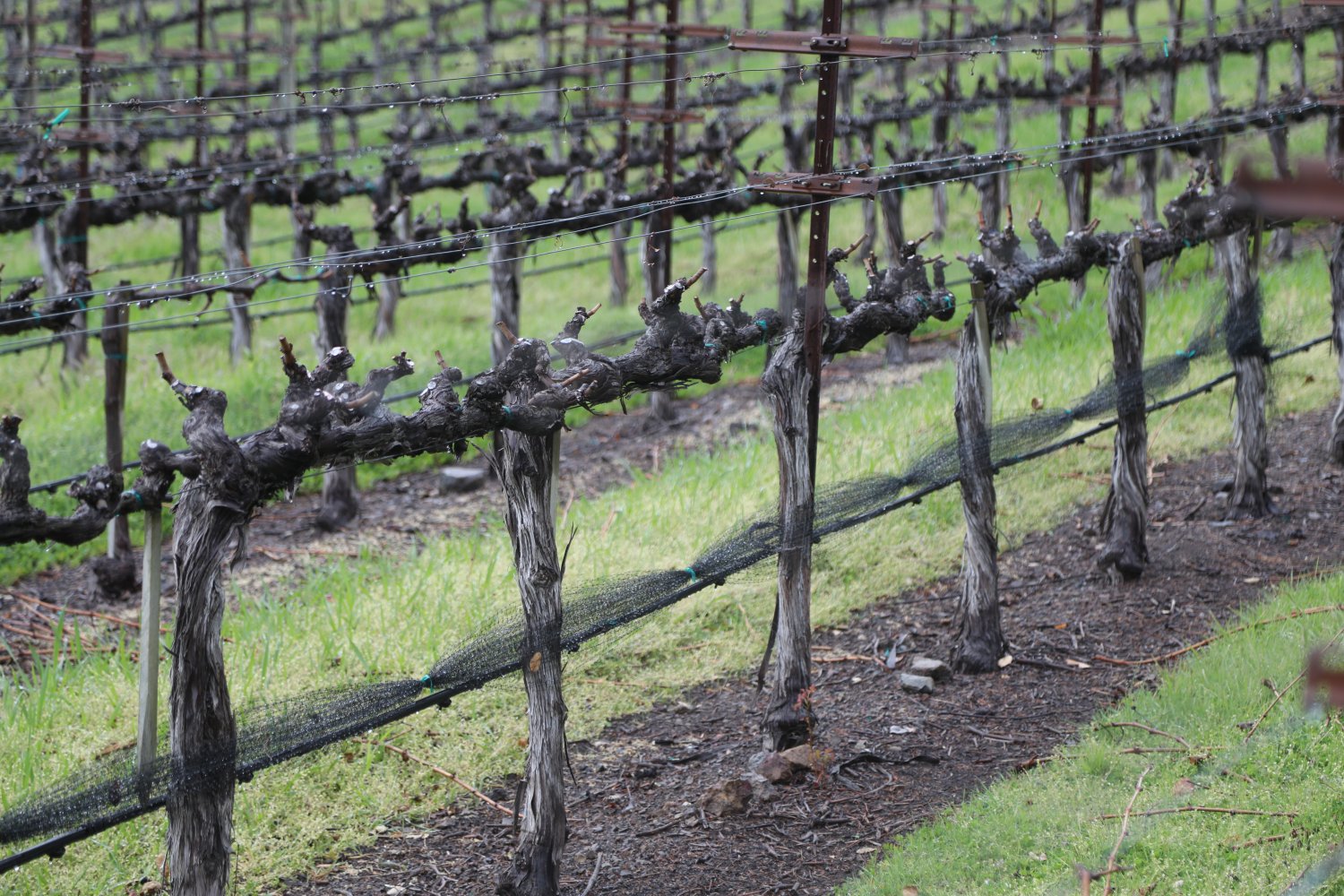
 Heimark Vineyard. This special site is hidden away in a part of the valley that often even locals are not aware of. Perched on extremely rocky hillsides at an elevation of around 1,100 feet are 14 acres of vines located towards the upper reaches of the narrow, windy and steep at times gated Dutch Henry Canyon Road.
In 1994, proprietors of Heimark Vineyard, Craig and Libby Heimark visited New Zealand for three weeks. The attraction for Craig was the trout fishing; while there he looked at a 20,000 acre ranch containing 1.5 miles of a fishable trout stream and potential land for vineyards. He told Libby that he wanted to purchase the ranch, but she quickly vetoed him. The land significantly increased in value in subsequent years. It was a veto he didn’t forget and occasionally reminded her about.
As part of a work conference in 1996, he visited northern California; he took extra time to visit Napa Valley. Craig remembered his desire to purchase the property in New Zealand and he surmised land in Napa Valley was still reasonably priced, but poised to potentially increase in value. He enjoyed visiting some of Napa Valley’s restaurants and the biking opportunities. He told Libby about a desire to purchase property; this time she encouraged him to look.
Craig and Libby purchased their property in 1997 as a place to retire (although 2+ decades later they have still not retired here); their primary residence is in Palo Alto. Craig recalls this property appealed to him for two reasons, its privacy and remote location and the fact it was only 20 minutes to one of his favorite restaurants. Their real estate agent specialized in vineyard land; he encouraged them to plant grapes on their property. As part of his retirement package, Craig received a week of consulting from UC Davis viticulture professors.
Their three children Jake, Eric, and Julia are also involved. Craig works in banking and finance (previously for Swiss Bank). Their heritage is Norwegian and Heimark refers to two Old Norse words: heiðr (heath) and mork (forest). Some of their relatives settled in North America in the 1600s including those involved in the whaling industry.
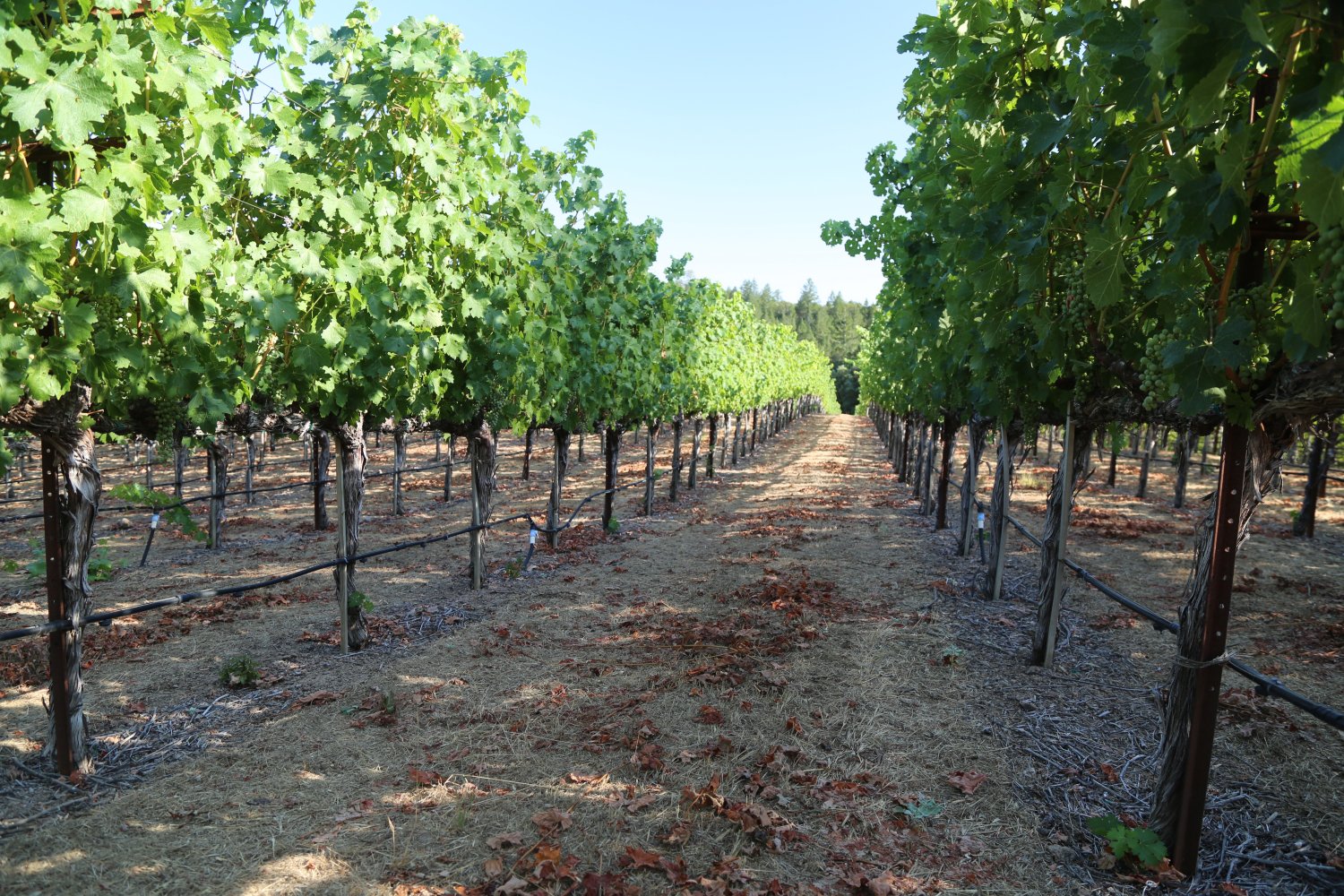
Land in this part of Napa Valley was sub divided many years ago into 100-acre sections – including the 100-acre Heimark property. Their site encompasses rugged and rocky hillside but also a gentler sloping area. These shallower slopes remarkably were not covered in trees like the surrounding steep hillsides – the soils (and they are very rocky) are the result of an ancient landslide. This is where vines were planted for the first time in 1997 – overseen by Mary Hall Maher and Mike Wolf.
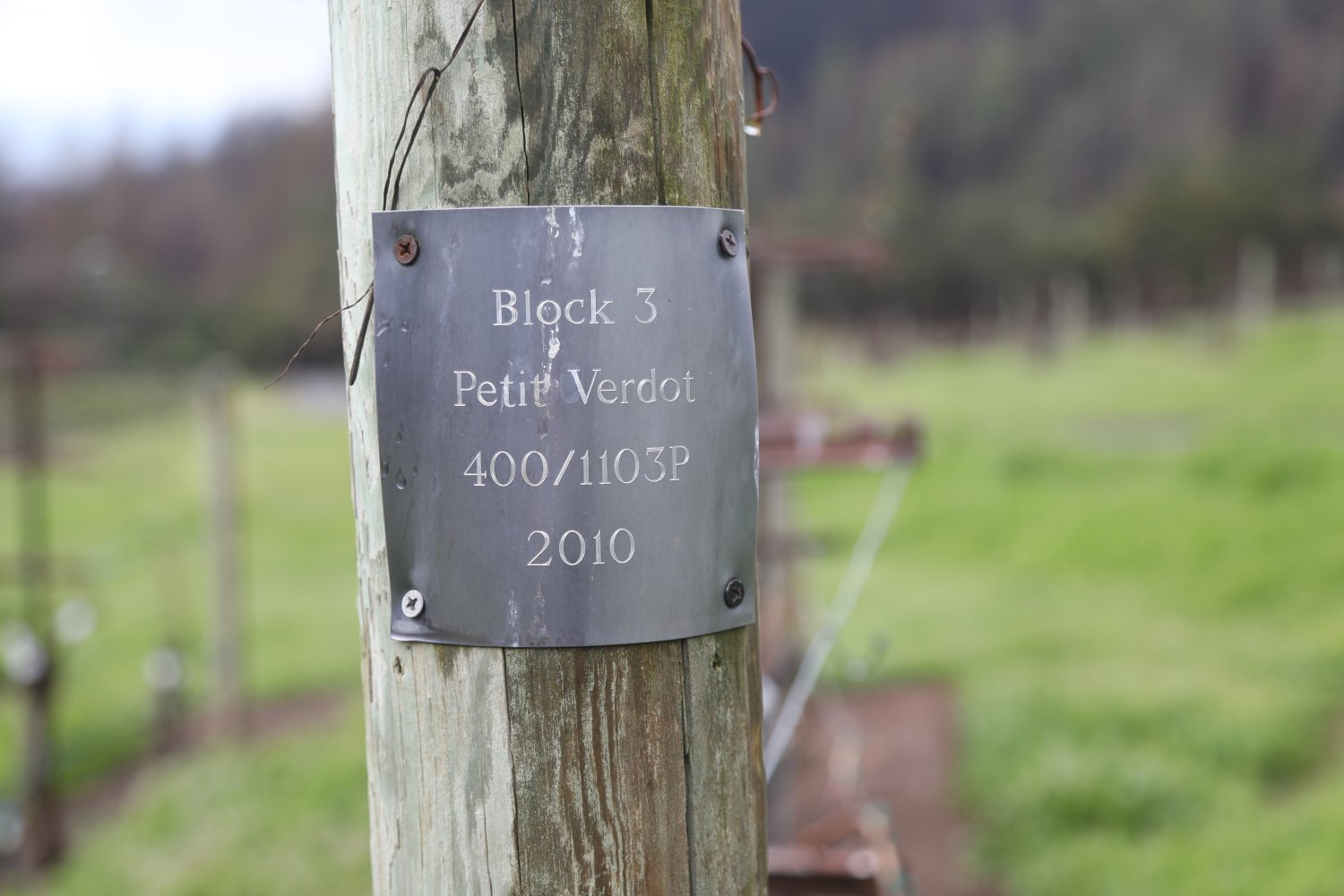
This was a challenging vineyard to plant based on the difficulties of getting equipment to the site (the road is in much better shape now). During the layout of the vineyard, part of the road was actually diverted to another section of their property. The vineyard is organized into 11 different blocks – planted to about 13 acres of Cabernet Sauvignon and a small section of Cabernet Franc and Petit Verdot. Mike calls this vineyard the least thirsty vineyard he works with in the Napa Valley – despite its hillside location and rocky terroir – there is enough water here so that they typically only have to water once or twice during each growing season.
And for 15+ years the grapes were sold and the Heimark’s made no wine. Tony Soter was one of the earlier buyers; over the years, grapes have been purchased by Arkenstone, Dakota Shy and Lail. In 2018 Arkenstone made the first ever Heimark Vineyard designate. It was Mike Wolf who broached the subject to the Heimark’s about making their own wine from the site – referencing all the other premium producers who had been making standout wines from the vineyard. And he introduced them to winemaker Françoise Peschon. 2016 was the first vintage bottled under Heimark Vineyard.
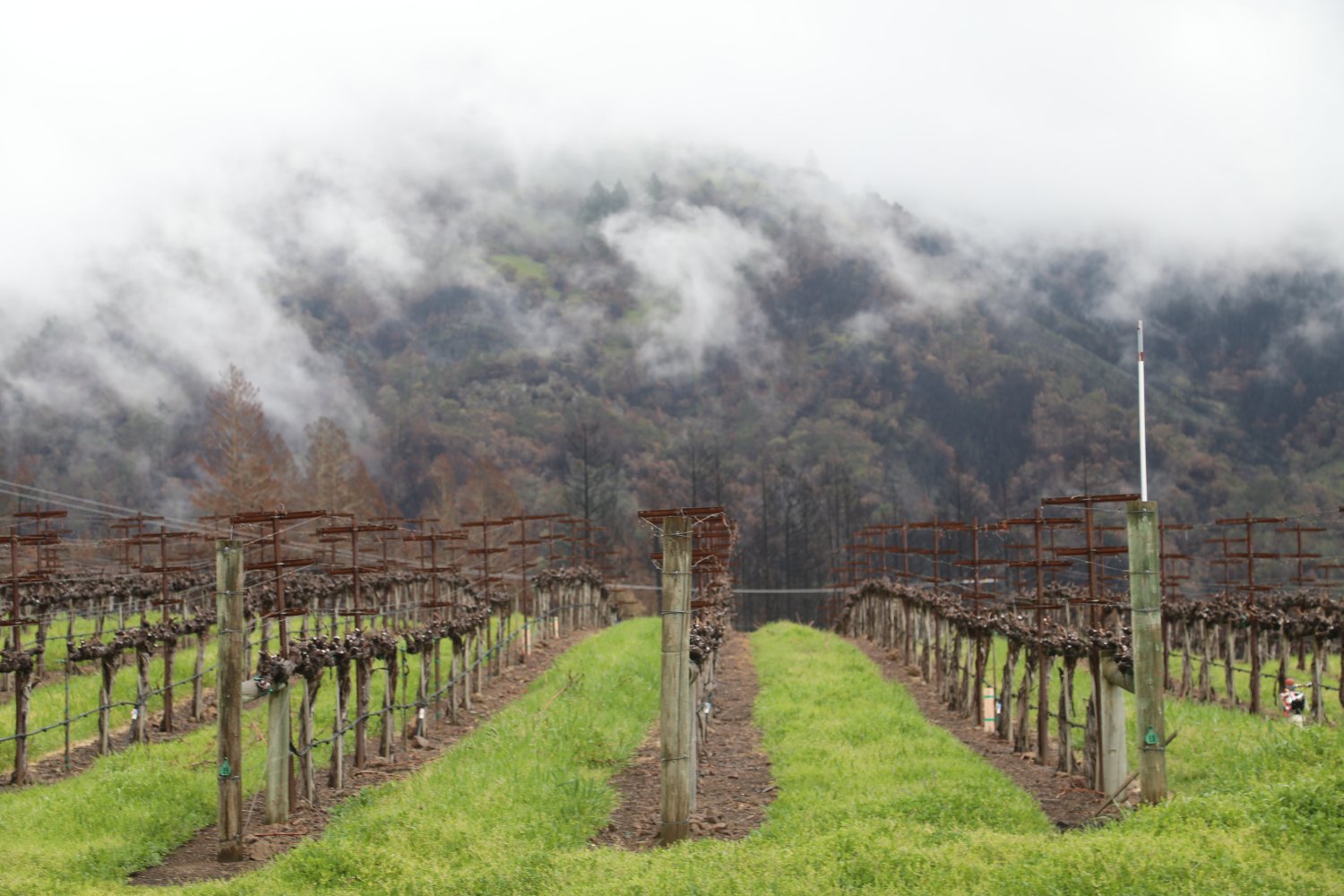
With mostly remote and wild surrounding landscape the site is visited by a variety of wildlife including at times black bear, wild turkeys and deer. Certain rows towards the edge of parts of the vineyard have to be netted (to keep out birds). In 2020 the Glass Fire burned the forest and vegetation almost entirely around the vineyard – but remarkably did not burn the vines themselves even though flames crept right up to the edge.
Vineyard Manager
 Founding Heimark Vineyard Manager, Mike Wolf was born in New York City and grew up just outside of the city. Viticulture was not a part of his formative years – he graduated with a history degree at Alfred University. He first moved to California in 1972 – to Mendocino County as a farm worker helping manage pears, prunes and grapes. Eventually he oversaw vineyard operations at Juliana Ranch in Pope Valley (one of Napa’s larger vineyard sites) and in 1994 took a job managing 500 acres for Beckstoffer Vineyards. He branched out on his own in 1997 and formed Michael Wolf Vineyard Services. One of his early clients was Vine Hill Ranch. In 2015, Mike was awarded Grower of the Year by the Napa Grape Growers Association.
In 2022 Mike sold his vineyard management company to fourth generation Napan, Domenick Bianco and the name of the company transitioned to Bianco Winegrowing. While Mike is still involved at Heimark Vineyark, Amanda Arnold who worked many years with Mike is Heimark Vineyard’s current vineyard manager. In 2024 she founded her own viticulture company, Vista Vineyard Services.
Winemaker
Talented winemaker Françoise Peschon Françoise was born in the back of a Volvo along El Camino Real, as she puts it, and was raised in San Carlos (San Francisco Bay Area). She spent her summers in Luxembourg and the rest of the year in California. She studied enology at the University of California, Davis and later apprenticed at Château Haut-Brion in Bordeaux, France. She has built a successful 30+ year career in Napa Valley helping make wine for other notables including Accendo Cellars, Cornell, Vine Hill Ranch.
She was already familiar with the Heimark Vineyard while working at Araujo Estate Wines (now the Eisele Vineyard). And in 2019 she was named winemaker of the year by the San Francisco Chronicle.
The Heimark wines are always balanced. But what we find most compelling about these wines, regardless of the year, is each bottling is respective of the vintage. A definition of a premium producer is how they perform during challenging vintages. And from both 2020 and 2022, these wines take a seat at the table of some of Napa Valley’s best wines from this vintage.
Select Wines
The focus of Heimark’s production is a singular expression every year of both their site and of Cabernet Sauvignon. Each wine released to date has been 100% varietal and each vintage sees about 20 months of aging in French oak. Less than 250 cases were produced of their first vintage; subsequent vintages are closer to 500 cases.
The 2022 Heimark Vineyard Cabernet Sauvignon; this wine is deep ruby and opaque. For reference we tasted this bottling three years post vintage soon after release. Its breath smells like African violets, lavender, dried sage, ripe Santa Rosa plum, raspberry and red cherry. We love the tension at this age between flavor, texture and acidity – each tugging the other without any of these attributes pulling ahead. Higher toned and highly expressive, its cadence is red fruited and fresh. This wine tastes like red cherry, pomegranate and currant and lingers with a red fruited tartness. The moderately textured, gravelly and grainy tannins are broadly dispersed and persist beyond the fruit with a dusty and drying texture. The finish on this bottling in particular, is particular lengthy.
The 2021 Heimark Vineyard Cabernet Sauvignon is deep ruby and opaque; more floral than some of the other vintages, this wine smells like dried rose petals, old cedar, dark raspberry, boysenberry, dark plums, and a lingering thread of dark baking spices. A powerful bottling, yet also bright fresh and lively, this wine is built for the long haul. The palate is a vivacious union of energy, lifted by its lively acidity, persistent texture and flavor. This wine tastes like red cherry, currant, boysenberry, raspberry and red plums. And the same note of baking spices mimicking that of the bouquet is also evident here, a thread of cloves. The tannins take the structure to the next level; firmly gripping, dusty and with a dense chalkiness, they far outpace the fruit on the finish with their drying character. At this age, we would love to pair this with a well-marbled Wagyu steak.

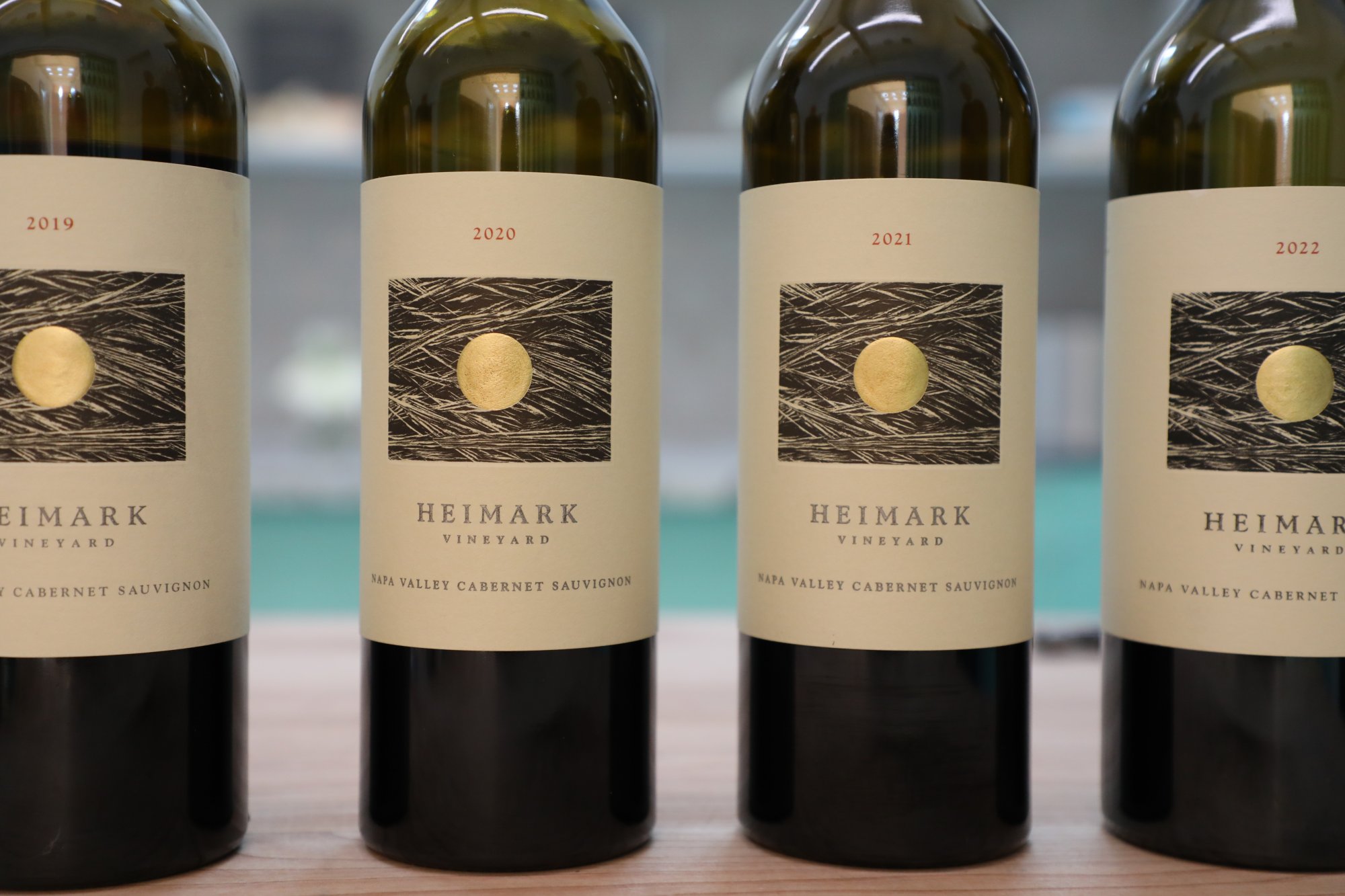
 The 2020 Heimark Vineyard Cabernet Sauvignon is deep ruby and opaque; the bouquet smells like both the variety and site in this particular vintage. Its aromatics include both herbal (but not green) and darker fruits. These scents include red chili spice, a light shishito pepper, old cedar box, chalkboard, raspberry, red plums, and not fully ripe boysenberry. Smells fresh, smells savory. And be patient, as the bouquet evolves the fruit becomes more expressive. Approachable 5 years post vintage; mostly red fruited, this wine tastes like Santa Rosa plum, cherry, currant, cranberry and Persian mulberry. And in this vintage, the texture is particularly soft. Gentle, the tannins linger with a light gravelly textured but overall rounded and supple feel. The grapes for this bottling were harvested in early to mid September, before the Glass Fire.
The 2019 Heimark Vineyard Cabernet Sauvignon is 100% varietal; this wine is deep ruby. Its breath is savory and dark fruited including plum skin, blackberry, boysenberry, a minerally element including crushed rocks, dried herbs including sage and thyme and old cigar box. As the wine evolves, it opens to a note of cocoa powder. Superbly balanced, this wine is a union of both red and darker fruits including plum, red cherry, dark raspberry and boysenberry. Lingers with supple and chalky textured tannins and a light but persistent dusty character, felt more on the front of the palate than the back. Its texture is compelling part of this bottling in particular, seamlessly integrated at 6 years post vintage. This wine is showing in a sweet spot at this age, yet still has years of life ahead of it with the proper cellar care.
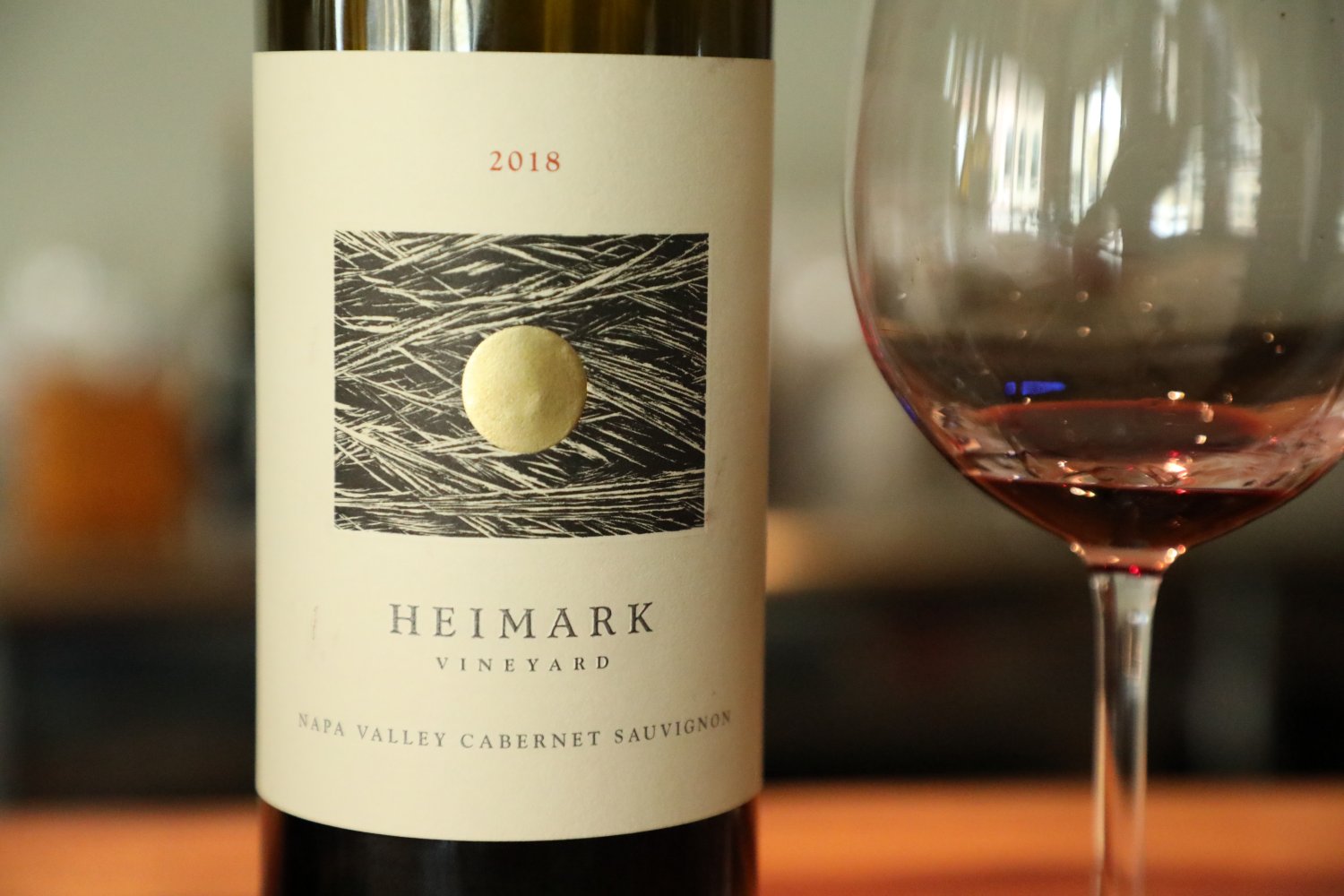
The 2018 Heimark Vineyard Cabernet Sauvignon is dark ruby and almost opaque; the bouquet remained inward and closed and resisted our efforts to get it to open up despite letting it breathe for about 45 minutes and occasional often vigorous swirling in the glass. This wine was tasted 6 days after being initially coravined and was about 50% full in the bottle. It offers scents of darker dessert spices, an Asian five-star spice, bramble and other dark fruited notes including plum. There is also a nuance of dust and dark tobacco spice. It offers loads of layering both in flavor and texture including of plum, cherry and blackberry. The tannins offer significantly more grip than the prior vintage; they are long lasting, broadly distributed and outpace the fruit by far on the finish. A dustiness also persists for quite some time. This wine is savory and clearly from a mountain site. Put aside a few bottles for early consumption but also a few for years down the road.
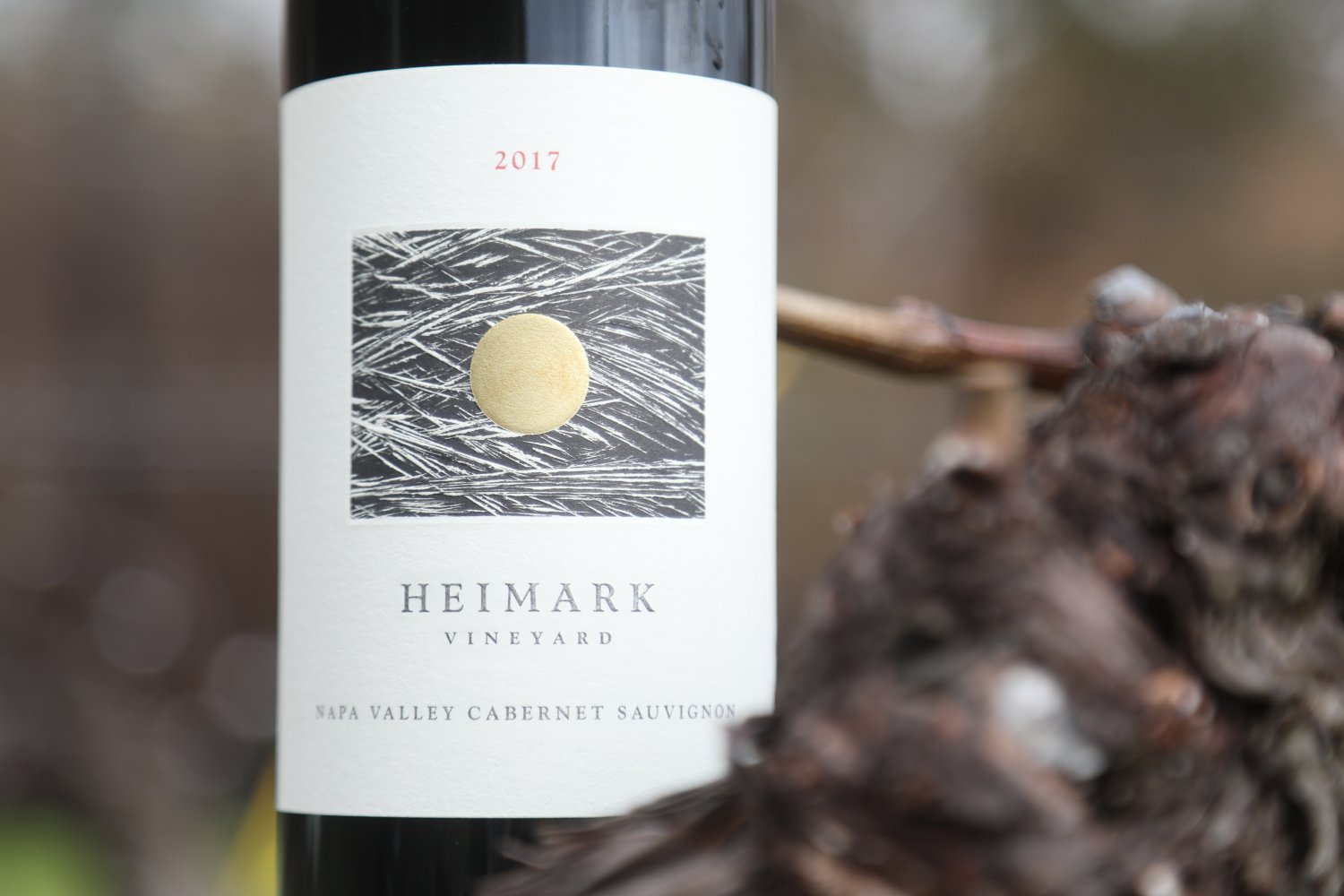
The 2017 Heimark Vineyard Cabernet Sauvignon is medium to dark ruby in color; the aromatics are refined, showing cherry, boysenberry and subtle hints of cedar. Also, a hint of earthiness initially before the fruit opens. The oak is relegated to a supporting role on the bouquet. Offers a brightness across the palate. The integration of all components, the wine’s balance and tannin profile are noteworthy characteristics. The tannins are chalky, fine-grained and smooth. If we were to make a visual comparison to this wines texture, it would be gossamer-like. The tannins are nicely integrated – they roll across the palate and linger lightly along with a hint of dried tobacco leaf. A wine well worth seeking out.
The wines we have tried in the past that were crafted by Françoise have always embraced the contributions of the respective sites yet also the ‘California maturity’ – while simultaneously championing restraint and a noticeable balance.
The label is stylish to match the elegance of the wine. Local artist (Marin County resident) Ido Yoshimoto works primarily with wood and created the textured wood grain image for their label. The gold color represents California’s gold rush – the 5 dots on the back label represent the 5 members of the Heimark family and the tiny image of a whalebone represents their whaling heritage.
The wines are very selectively distributed including in Switzerland and in the United Kingdom. Their son Eric lives in London and decided it would be nice to have their wine in select parts of the UK market. And locally certain vintages can sometimes be found through ACME Fine Wines in St. Helena and at K.Laz in Yountville. For more information, to join their mailing list or purchase wine (3 bottles per one wooden box), visit: www.heimarkvineyard.com
Sag Harbor Connection
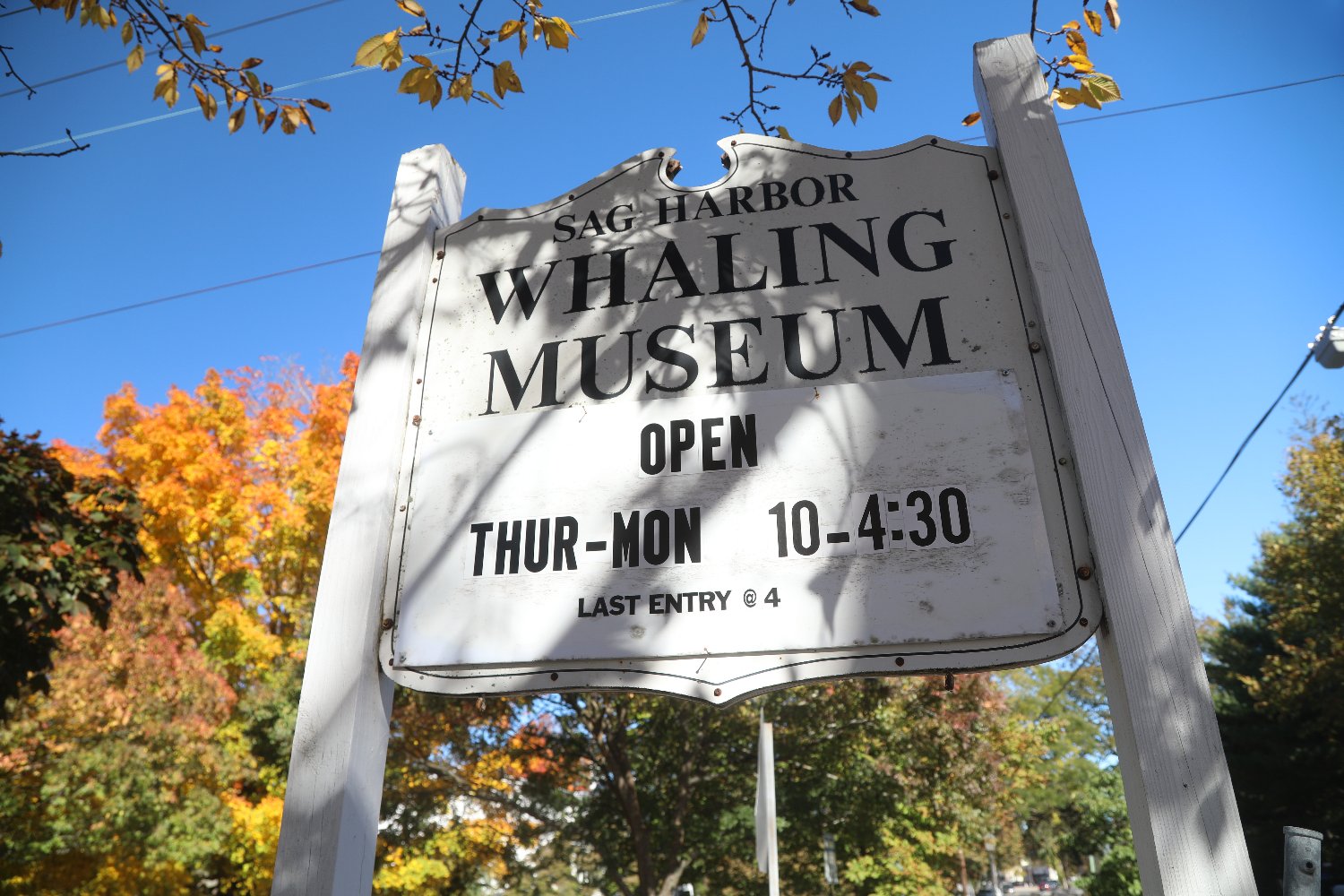
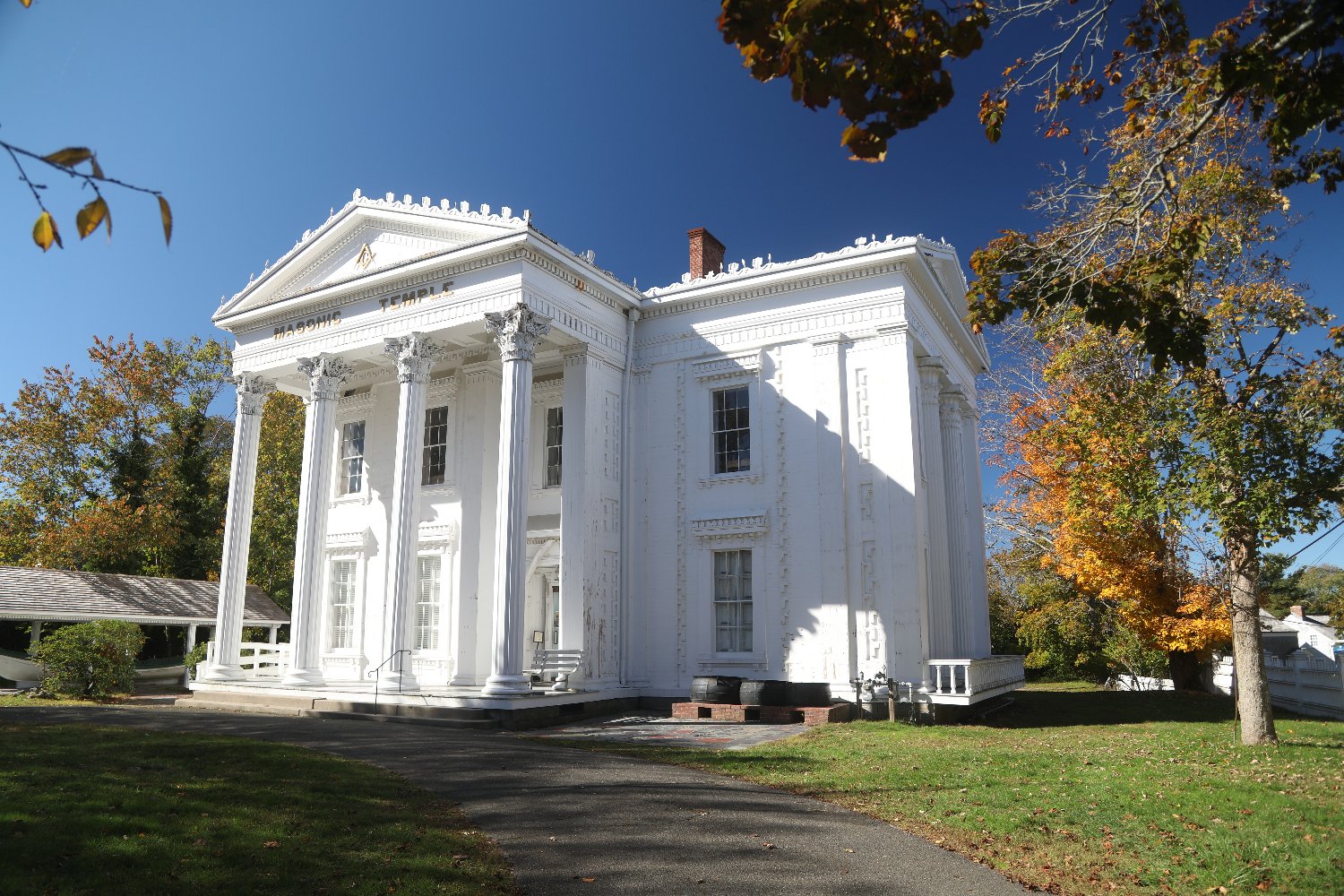
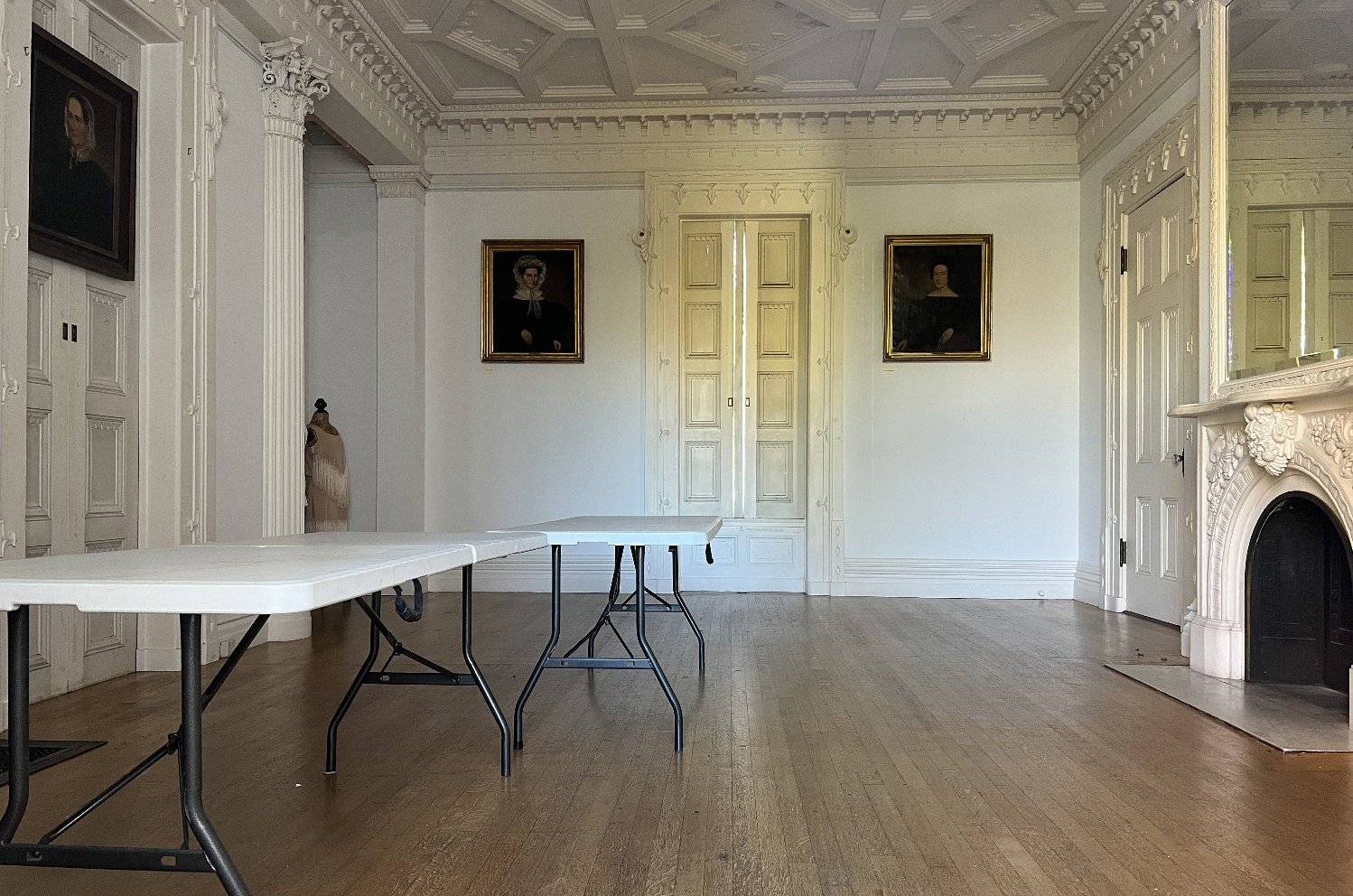
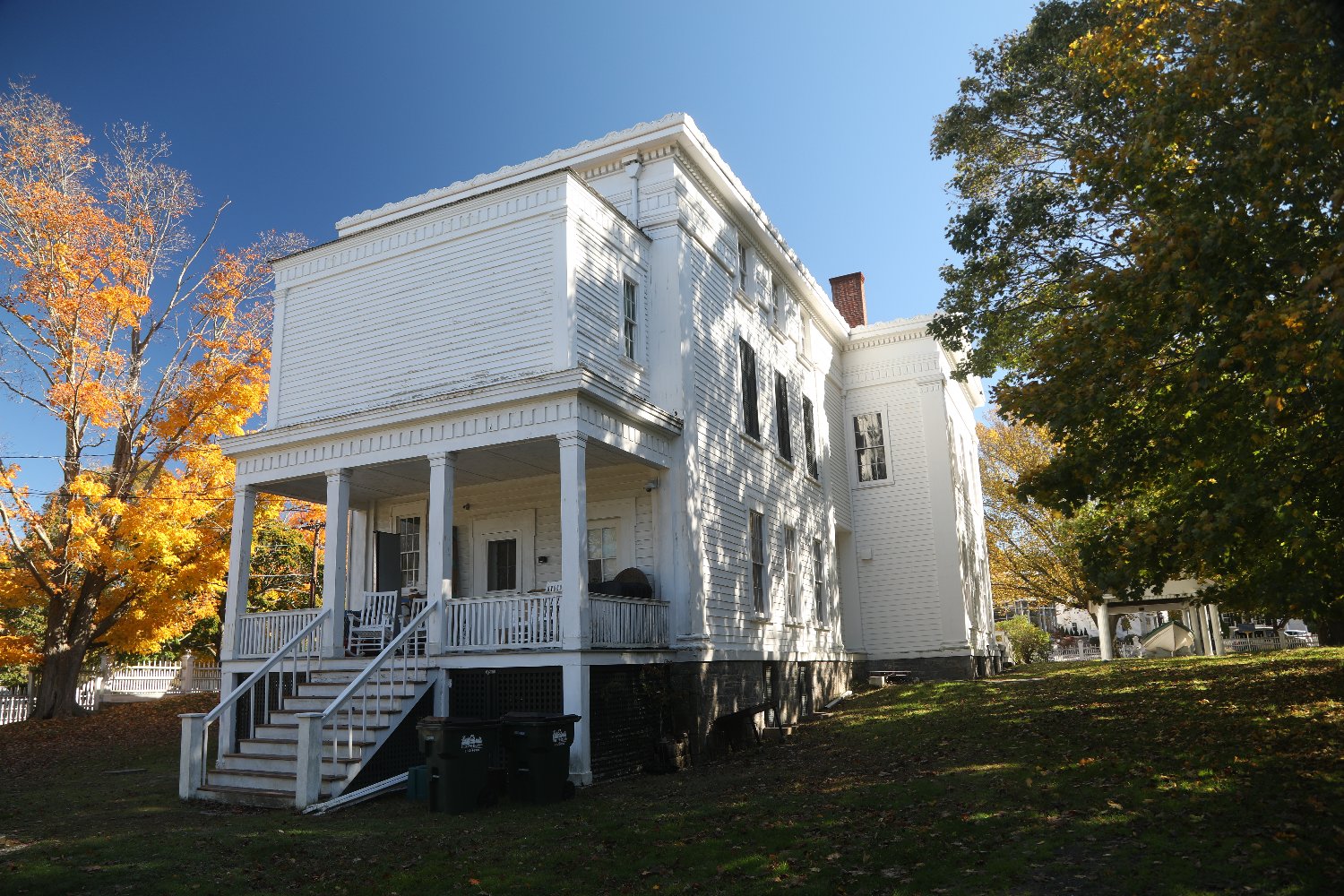
What is now the Sag Harbor Whaling Museum in Long Island was originally home to some of Craig’s relatives, merchant whaler Benjamin Huntting II and his family. Huntting owned whaling ships and became wealthy through sales of whale oil. His stately home was constructed in 1845. An article in the October 25, 1850, edition of New York’s The Evening Post lists Huntting as a trustee of New York based Merchants and Mechanics Mutual Life Insurance Company. Huntting died in 1867 and over the subsequent years, the home was owned by several families. In 1907 the house was sold to philanthropist Margaret Olivia Slocum Sage who owned it until her death in 1918. In 1920 it became a Masonic Temple. In 1945 the lower floors were purchased by the whaling museum which has operated as a museum ever since (today the museum owns the entire house).
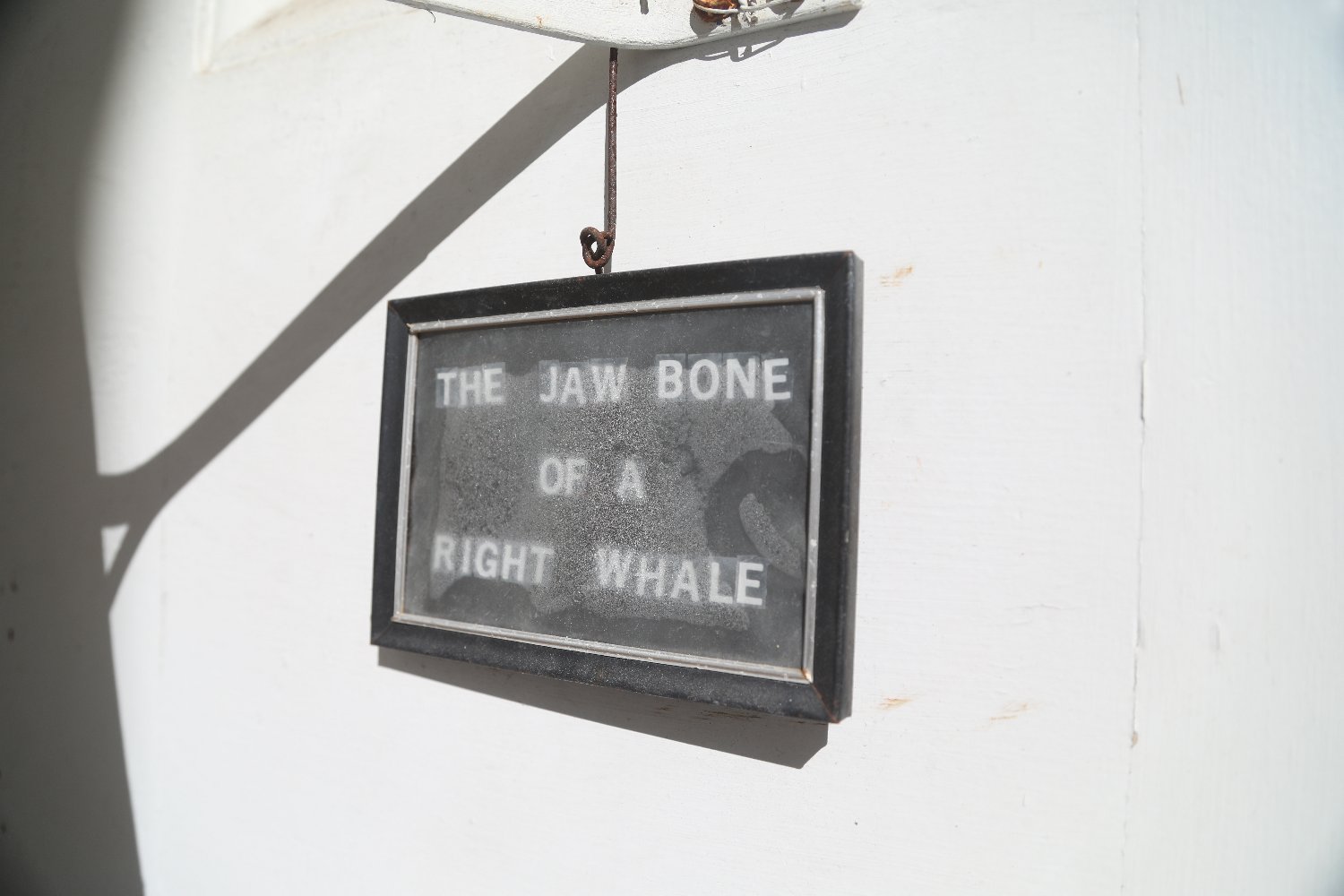
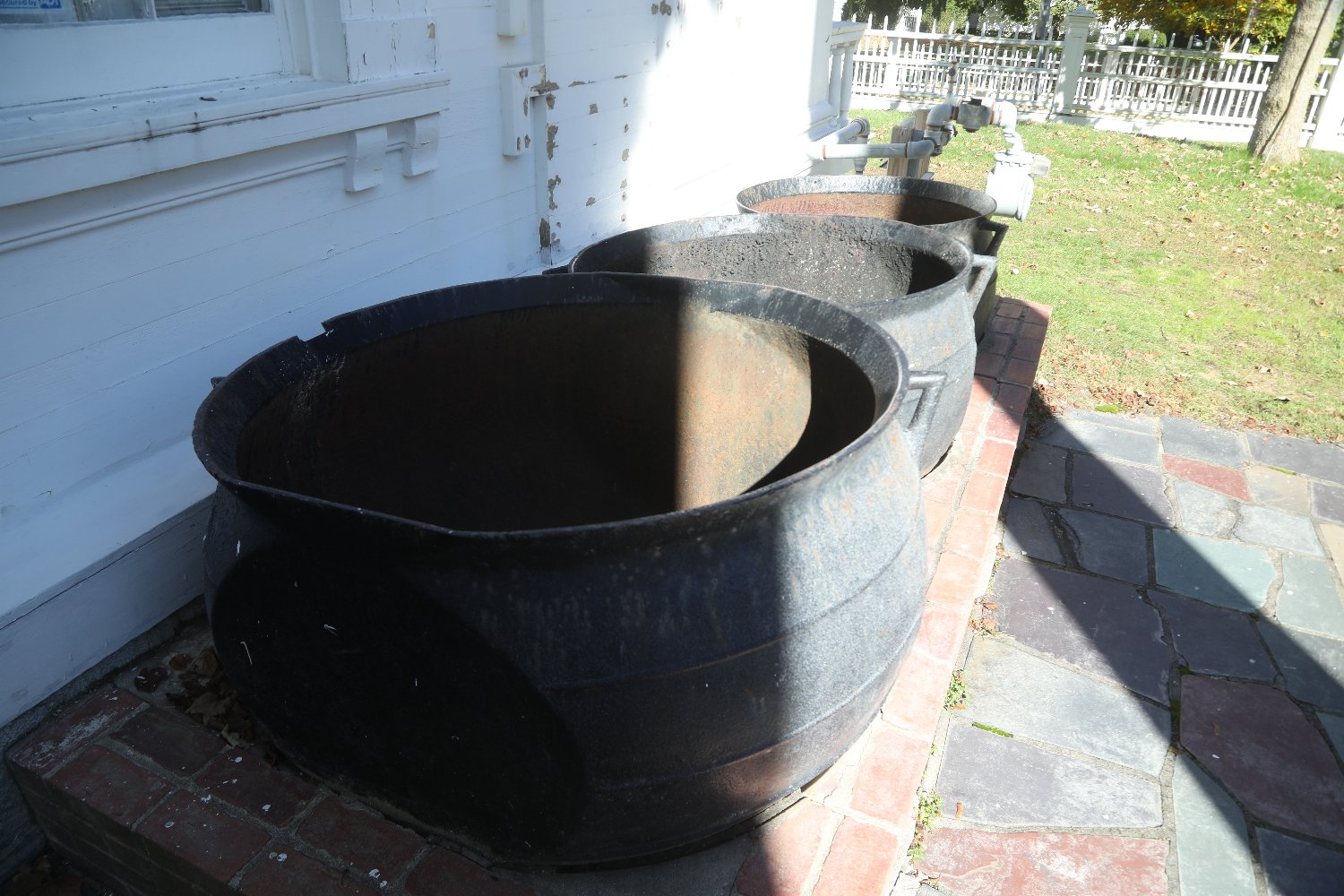
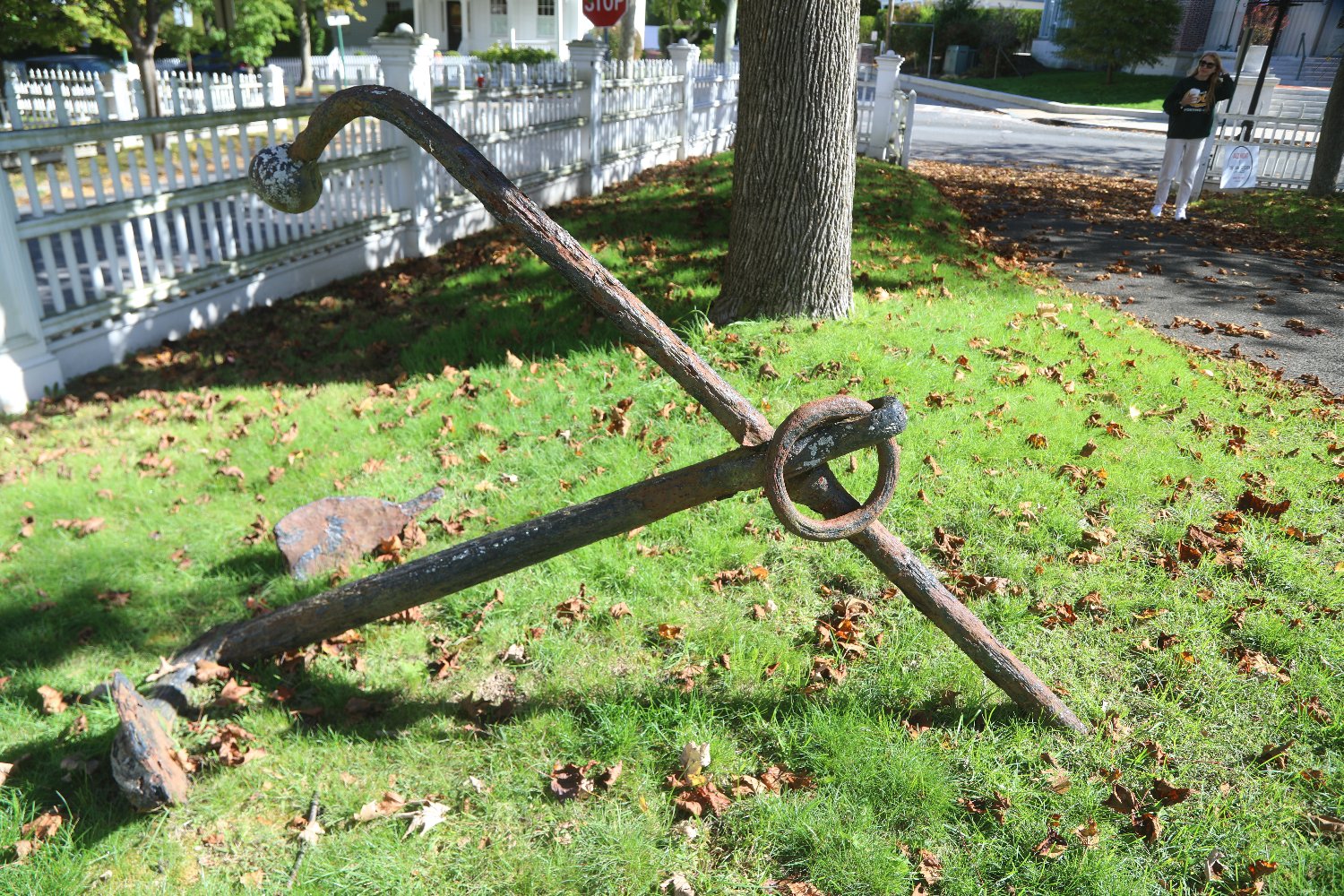
The museum houses New York’s largest collection of whale equipment and historical items in all of New York including pieces of whale bones, harpoons, old documents, photographs and small-scale model whaling ships. One walks under two large whaling bones to enter the museum. And several whaling mementos are on display outside including an anchor, a small whaling boat dating from the 1860s which is protected by a shed, try-pots (metal pots for heating whale blubber to extract the oil) and a millstone dating from the early 1800s. The museum is listed on the National Register of Historic Places and is open seasonally, closing from mid fall to mid spring.
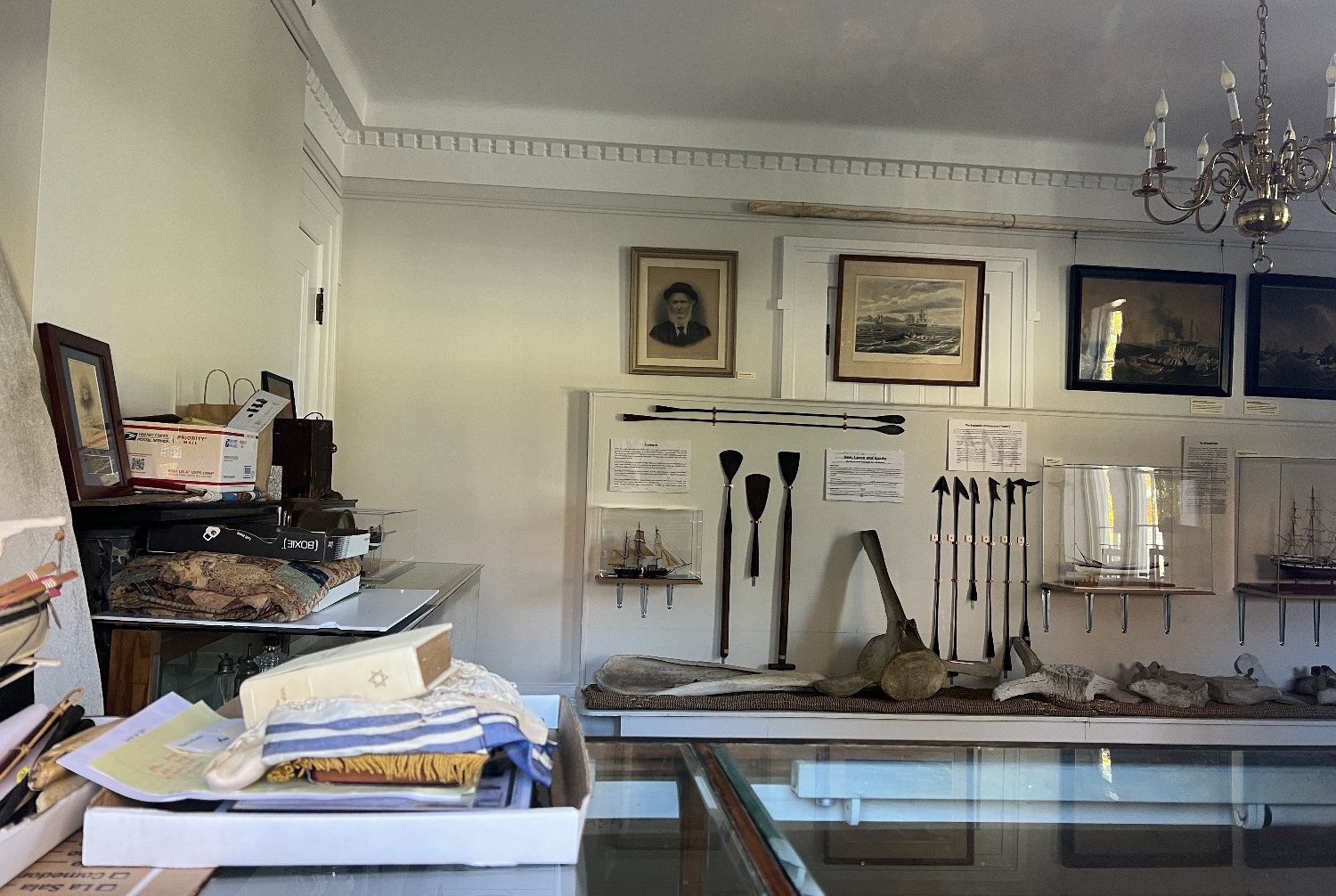
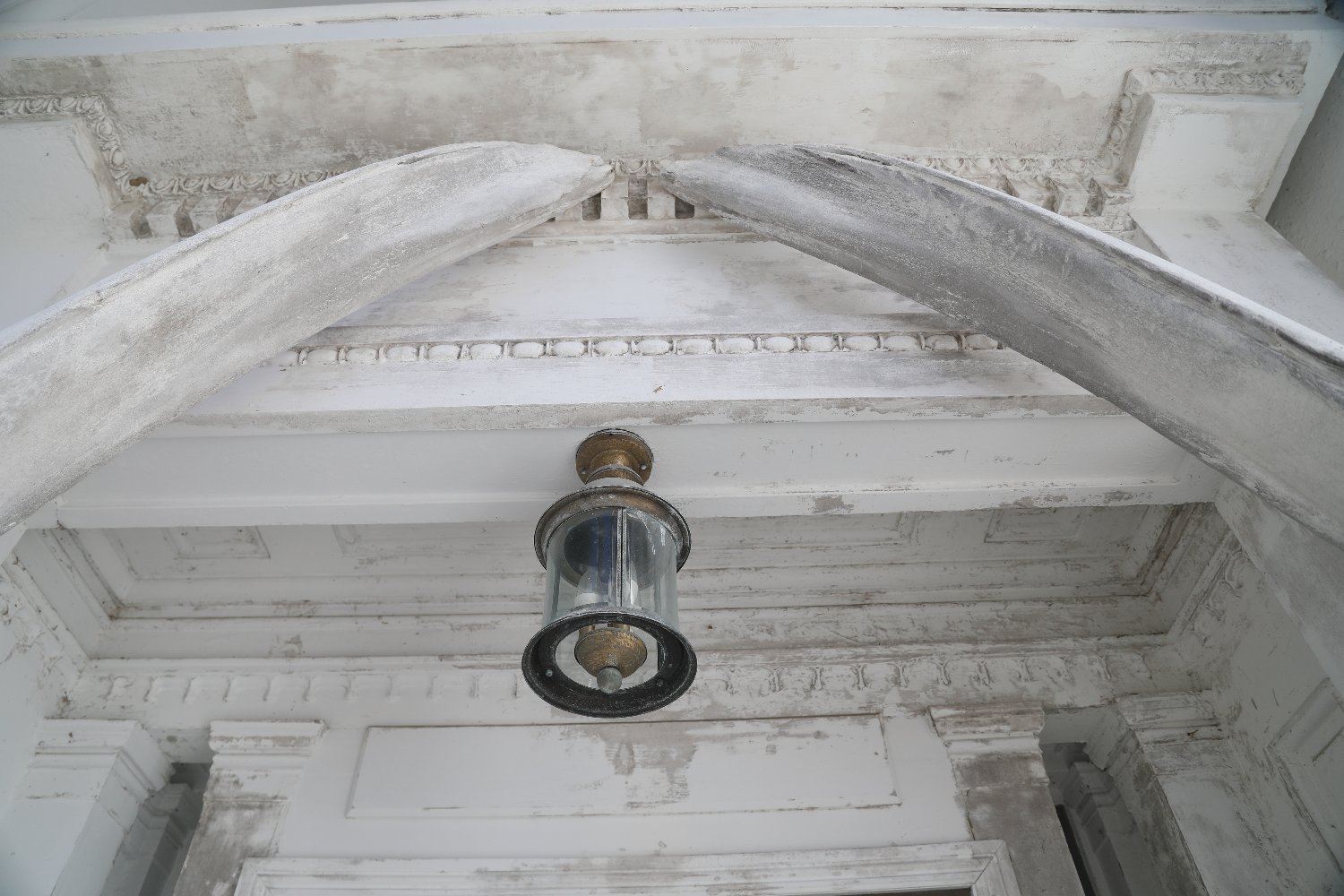
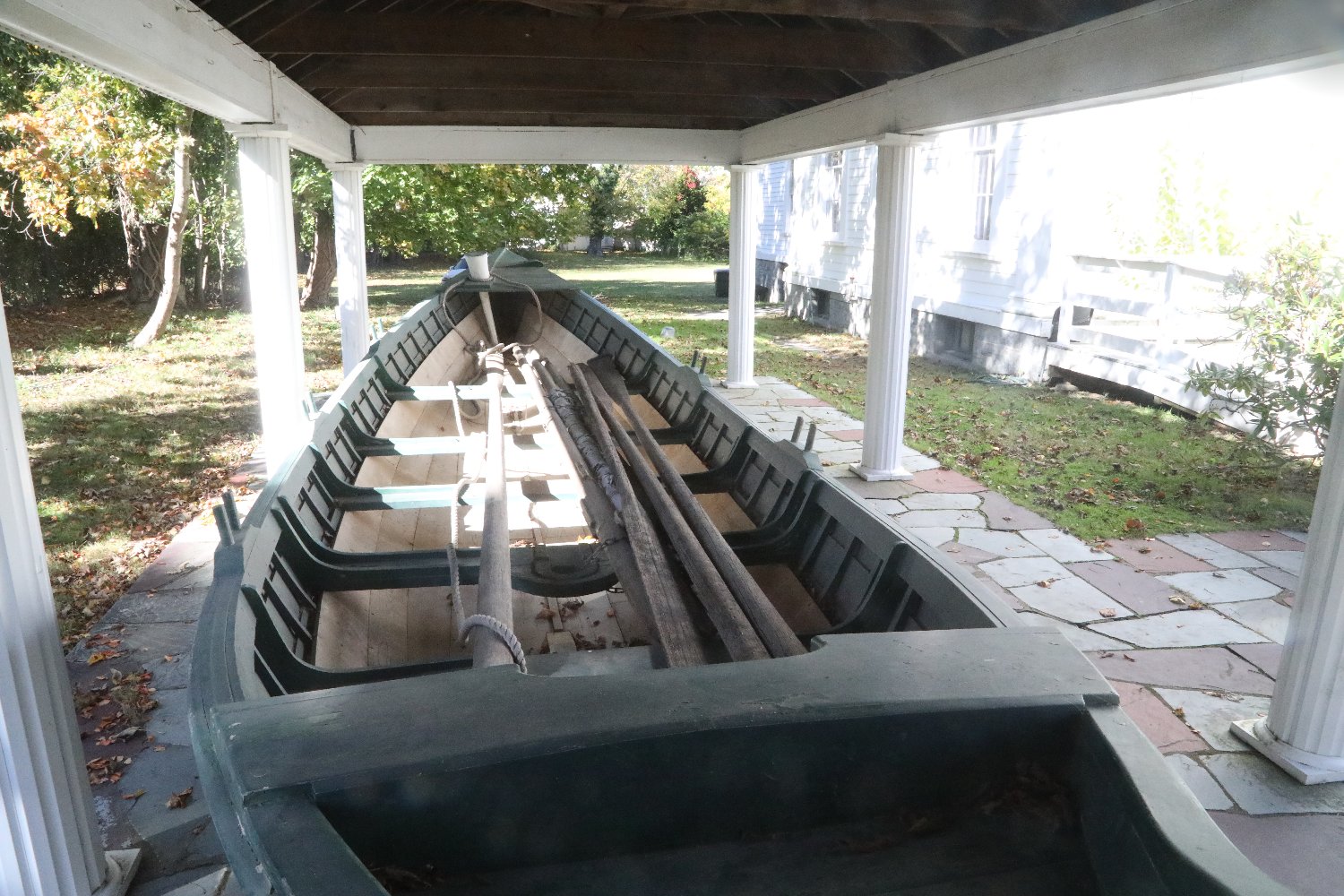

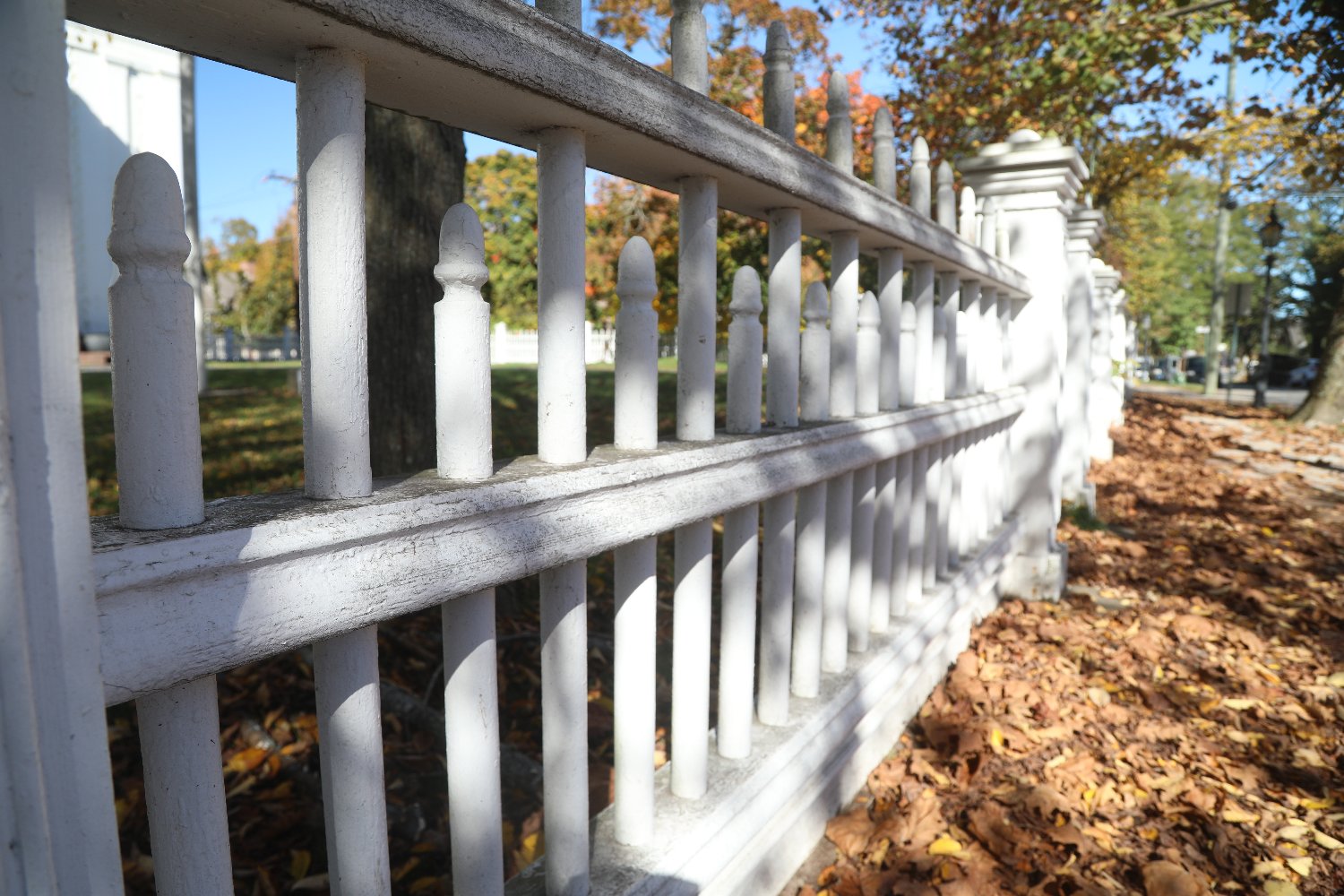
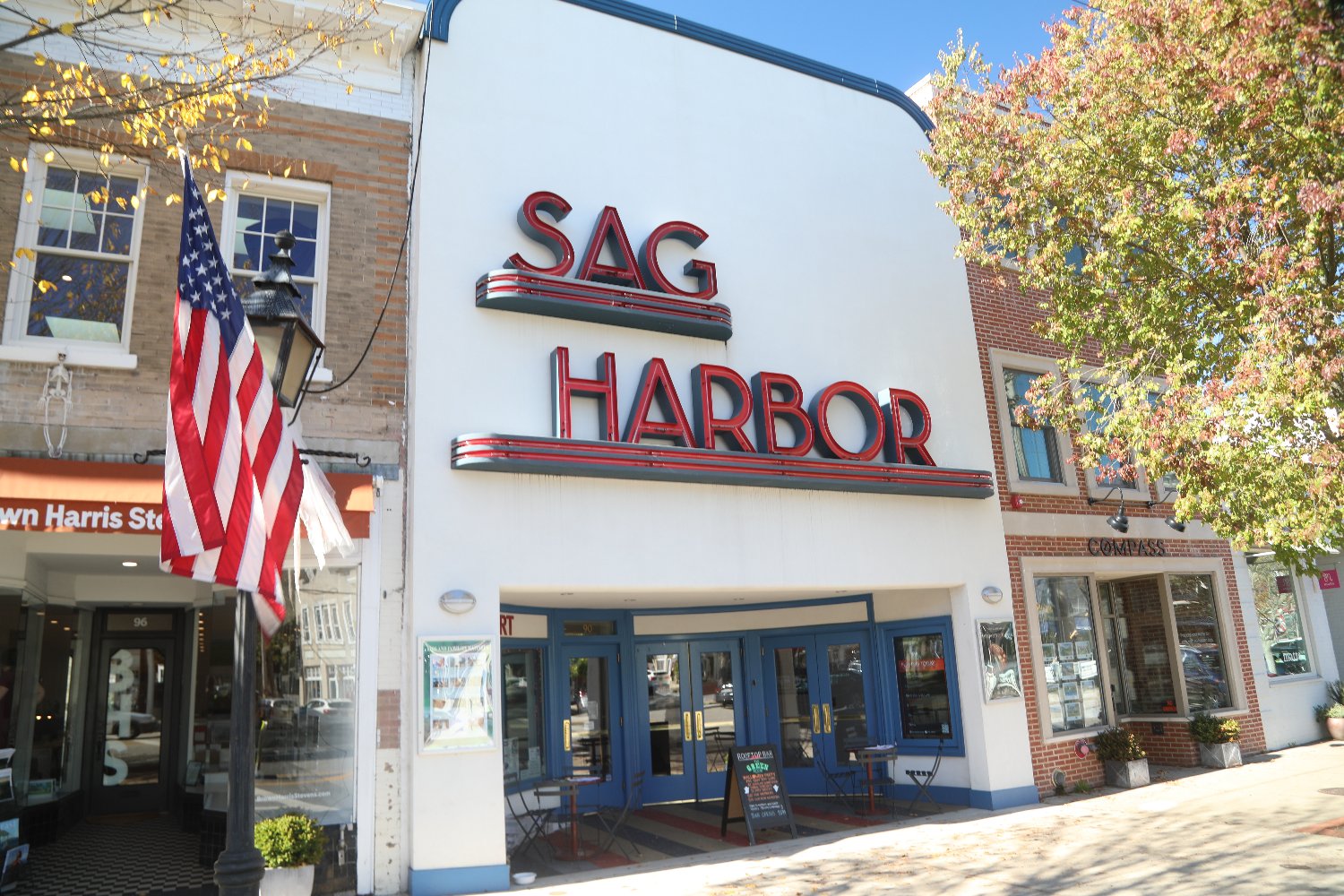
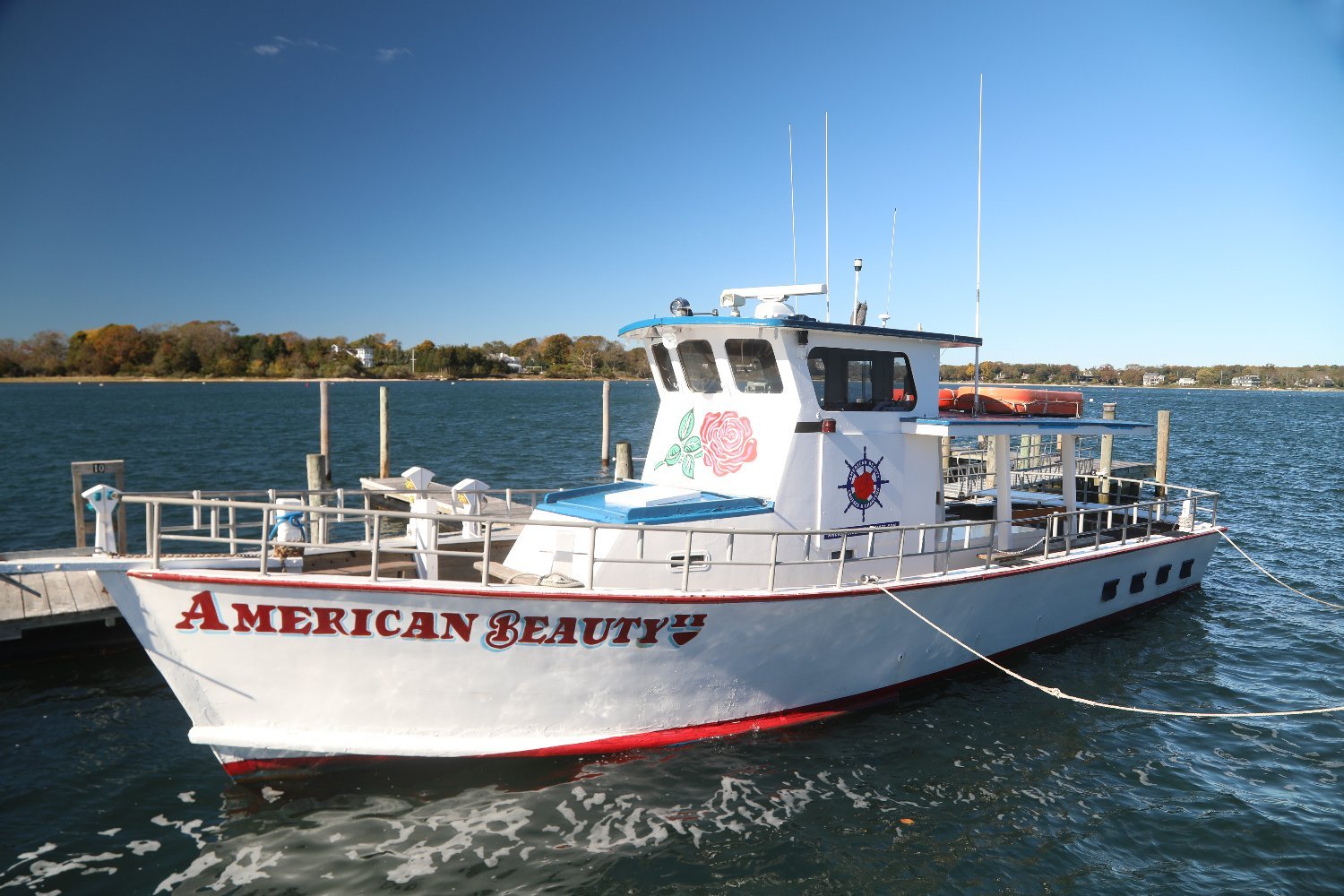
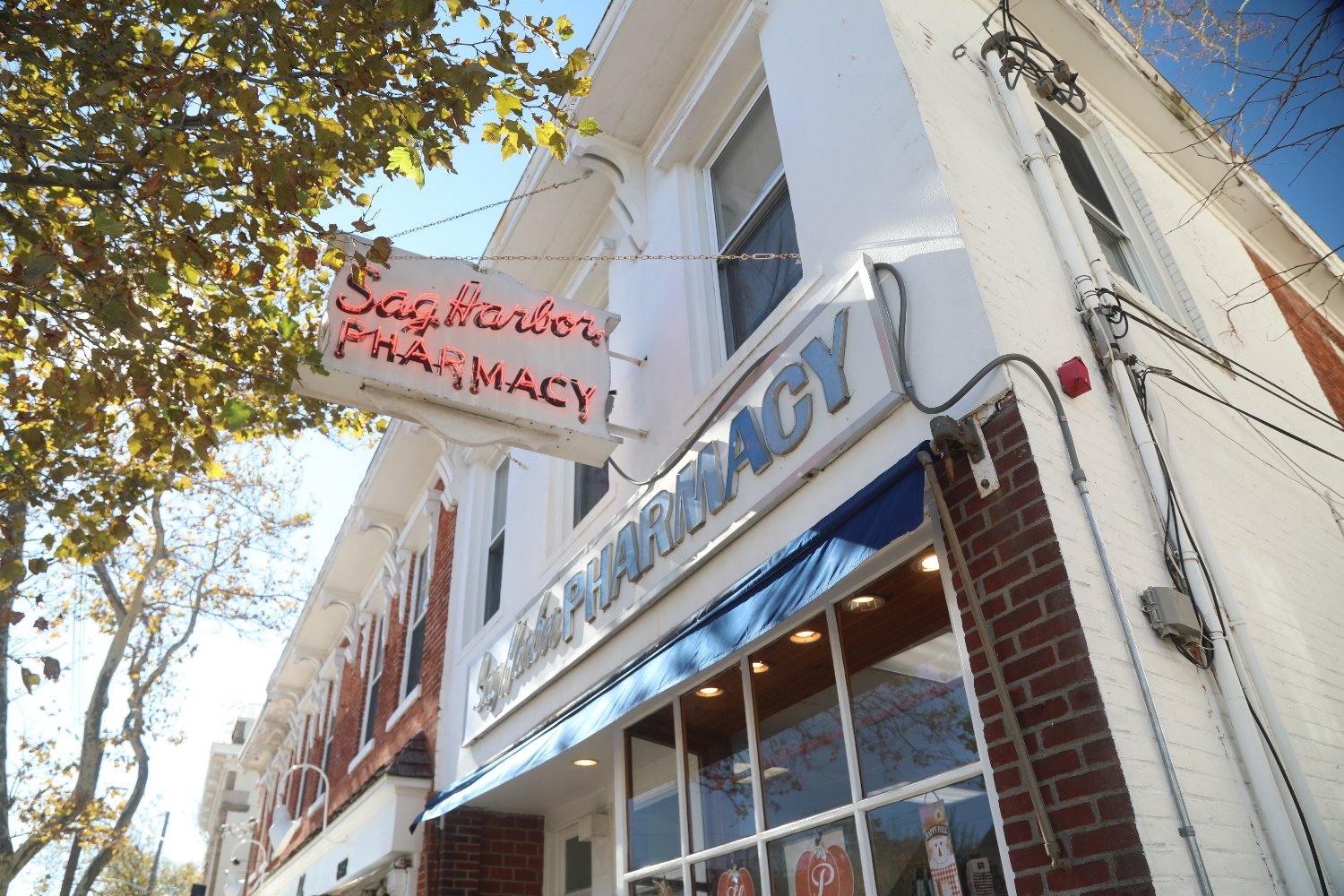
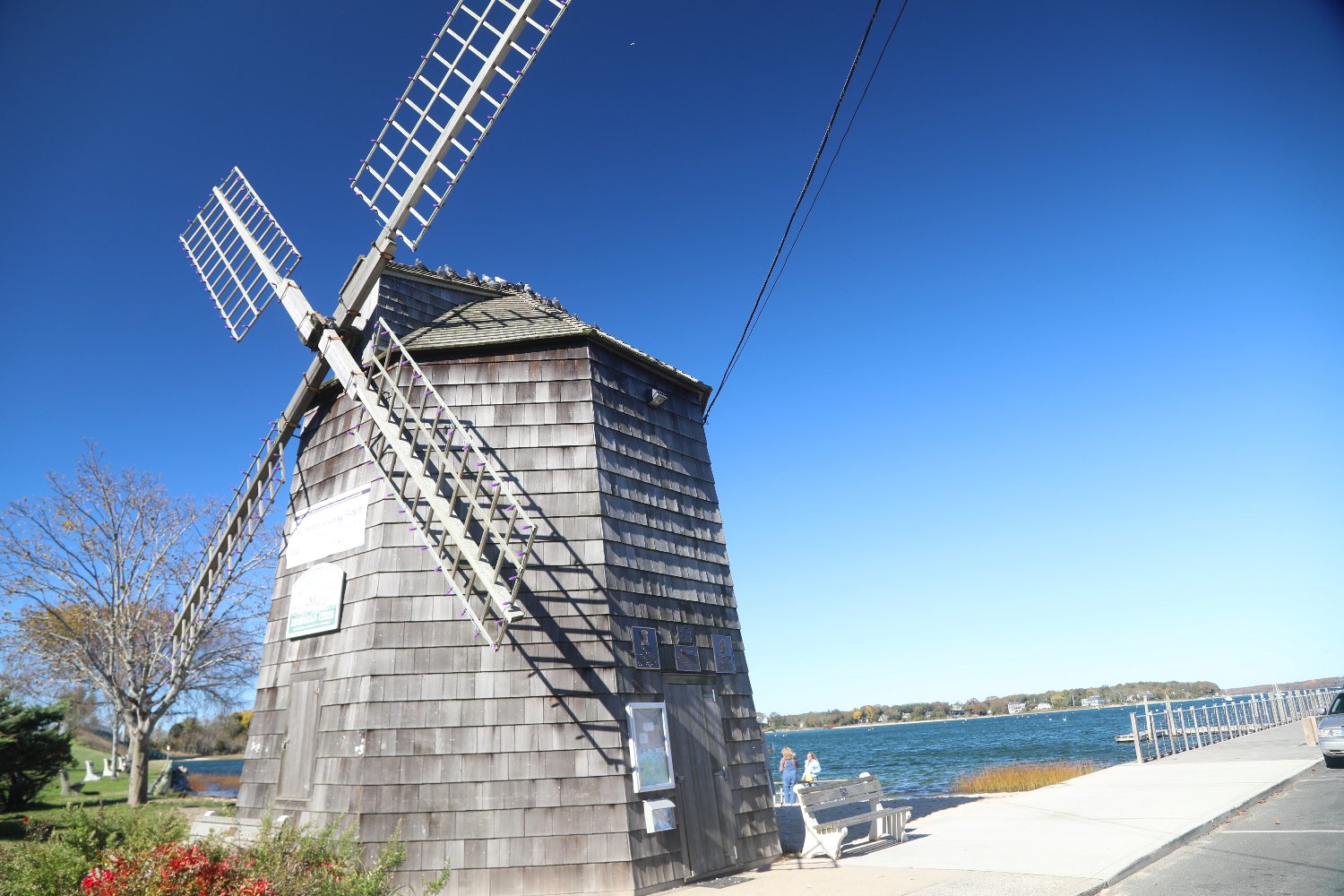
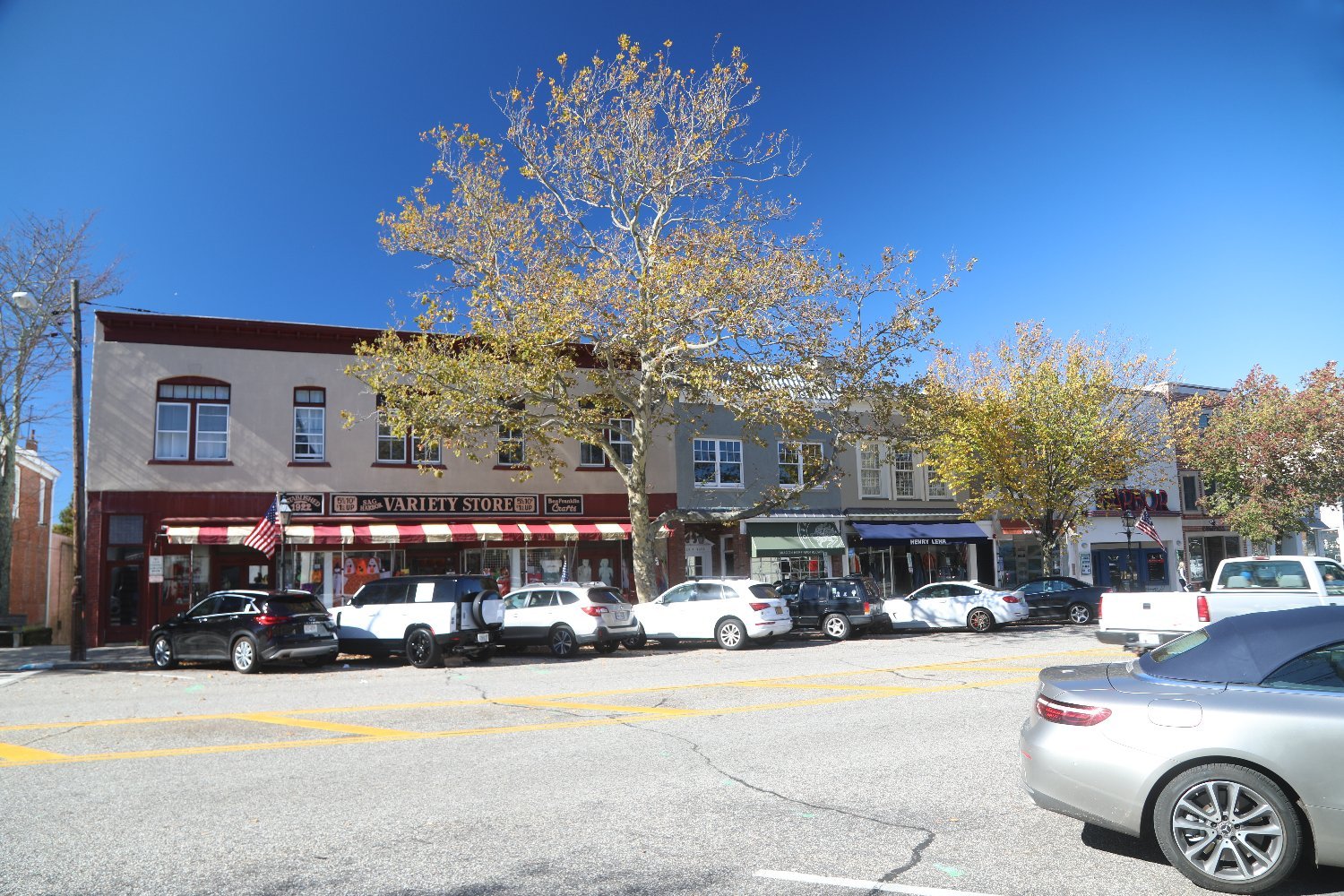
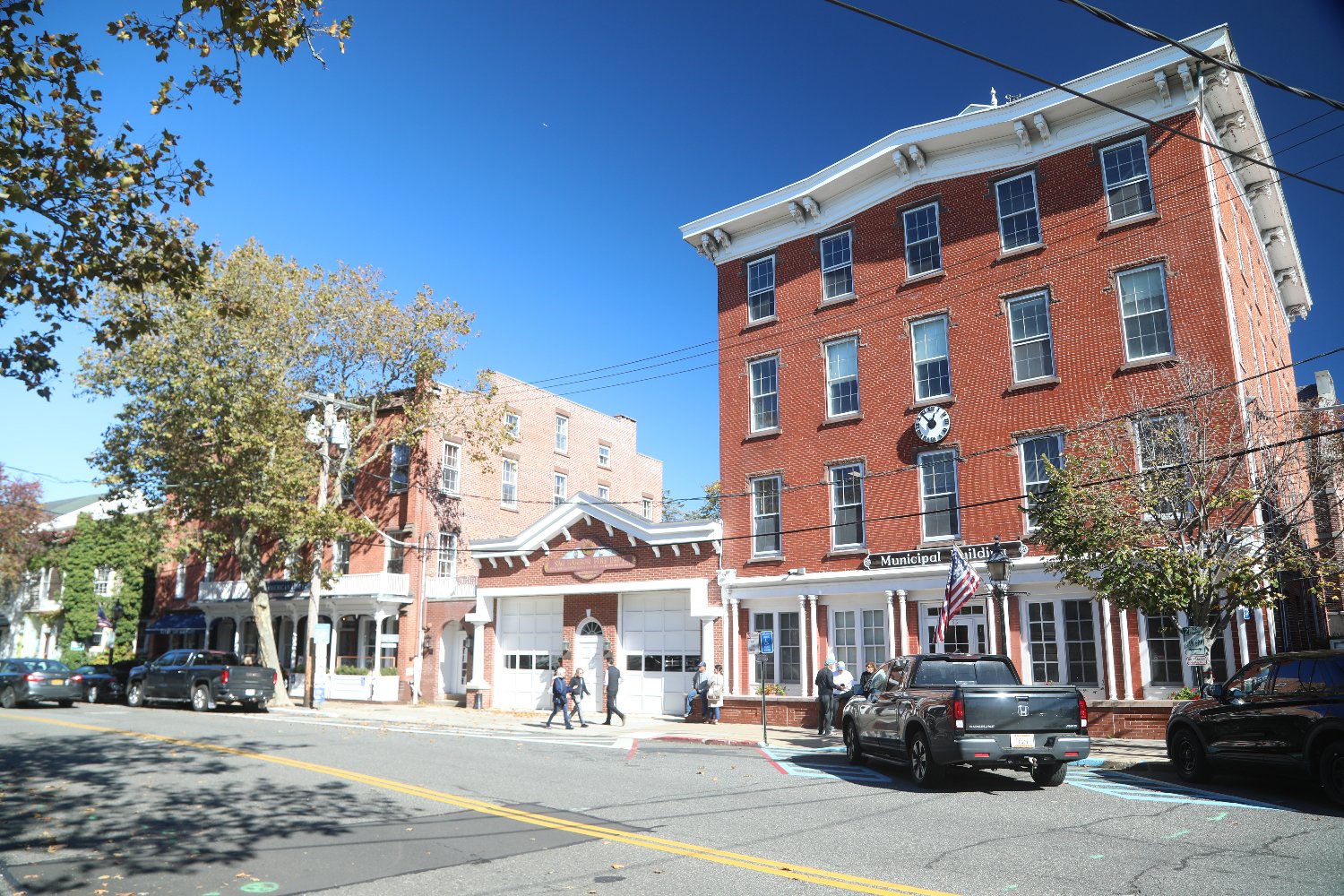
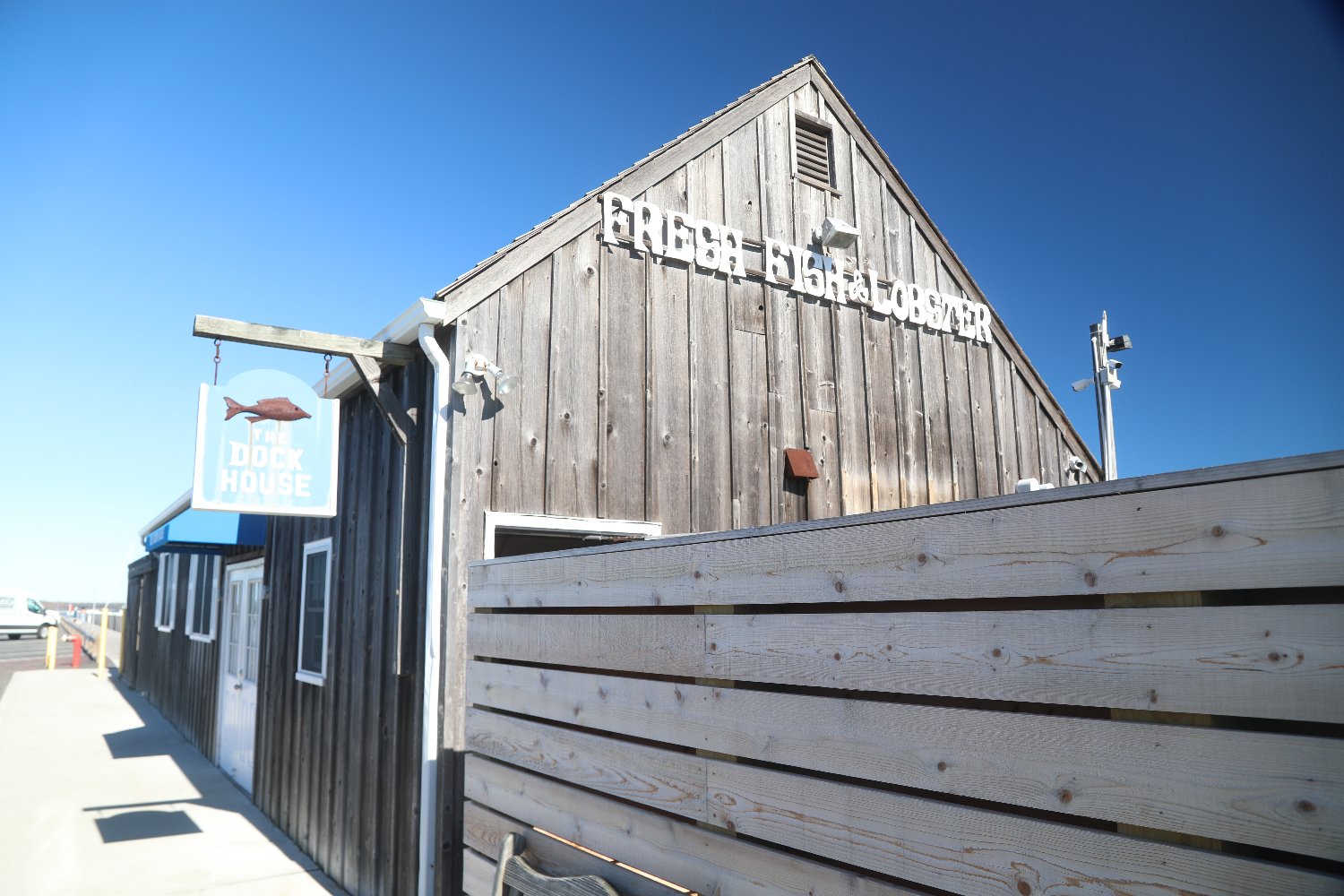
Sag Harbor is a cute town located about 2-3 hours from New York City (depending on traffic); it was settled by westerners in the early 1700s. Sag Harbor was the site of Battle of Sag Harbor during the American Revolution in 1777. The first newspaper printed on Long Island was in Sag Harbor, in 1791. The harbor became a port for whaling ships reaching its peak of related operations by the mid 1840s. The last whaling ship to depart Sag Harbor was in 1871. Visitors to Sag Harbor will enjoy walking the historic Sag Harbor Village District (the entire district is on the National Register of Historic Places) and browsing a number of one-of-a-kind shops. Our recommendation is to stop at Loaves & Fishes (a 10-minute drive away), pick up some gourmet deli items and drive out to Windmill Beach and Long Wharf and eat at one of the several picnic tables there.
Leave a Reply