




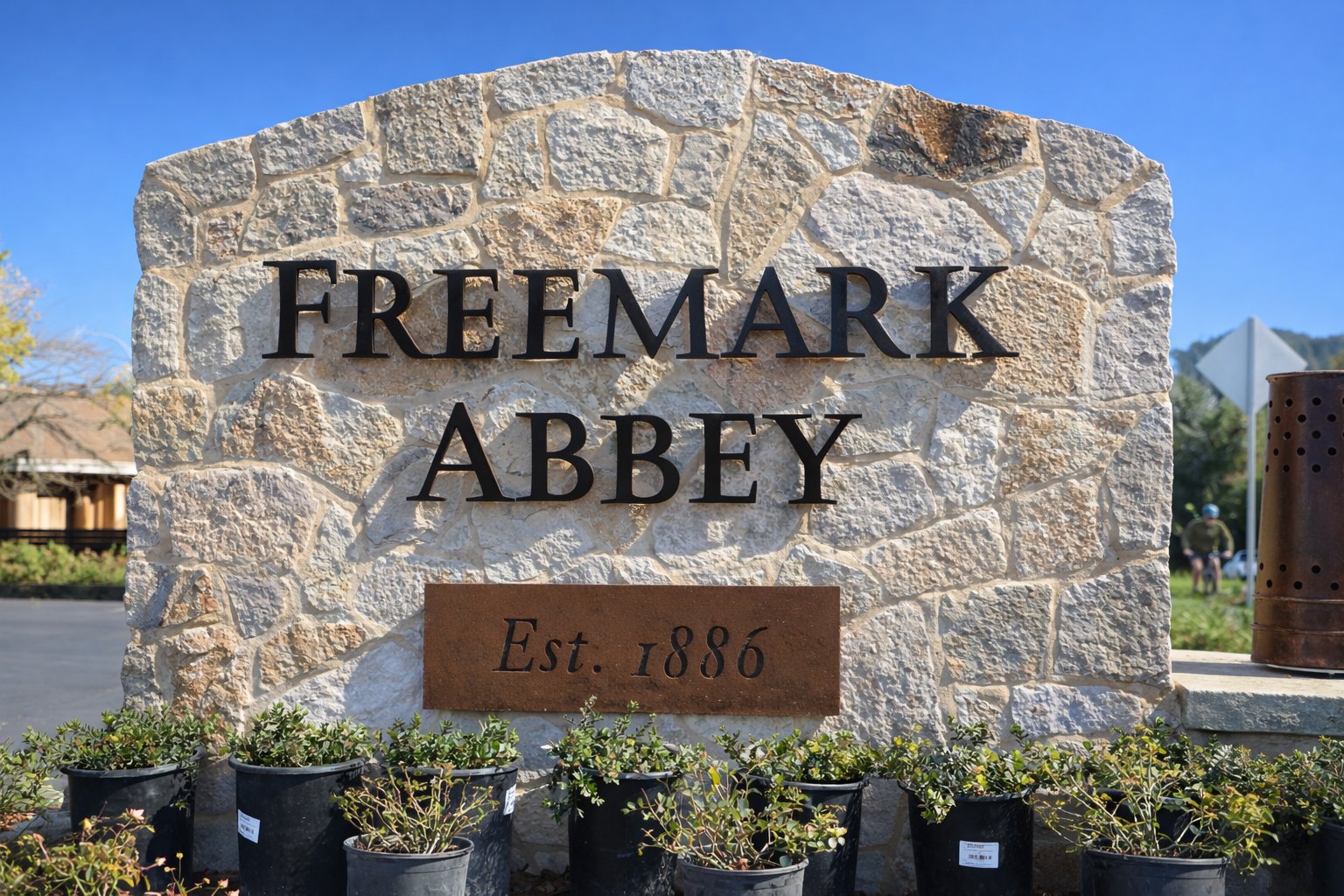
 Freemark Abbey Winery is a significant and historical winery located just north of St. Helena. The winery origins date back to 1881 when Josephine and John Tychson (a Danish immigrant) purchased 147 acres in Napa Valley from a sea captain William J. Sayward. Grapes were already growing on the property at the time of their purchase, most likely planted around 1875. They Tychson’s expanded the number of vines on the property. Unfortunately, John committed suicide on April 1, 1886, in a room in the Newland House Hotel in Oakland on the corner of Washington and Seventh Streets. He suffered from tuberculosis and also depression. That same year his widow Josephine took over ownership of their large Napa Valley property and built the original redwood winery on site (appropriately called Tychson Cellars). She became the first woman in the entire state of California to oversee the building of a winery and one of the first few female vintners in the state.
Tychson was described as a resourceful and self-sufficient woman. She raised chickens, a cow and had a vegetable garden on the property. And a never-ending flow of fresh spring water. She was also known for her love of horses and horse riding. She and John had two children, Annette who died young and John Jr who died in his early 90s in 1972 and is buried in the St. Helena Cemetery.
Incidentally the home where Josephine lived in until she passed away in 1939 is on the other side of the highway from Freemark Abbey. Today it is owned by Ann Colgin (of Colgin Cellars) and her husband Joe Wender. Their vineyard is appropriately named Tychson Hill.
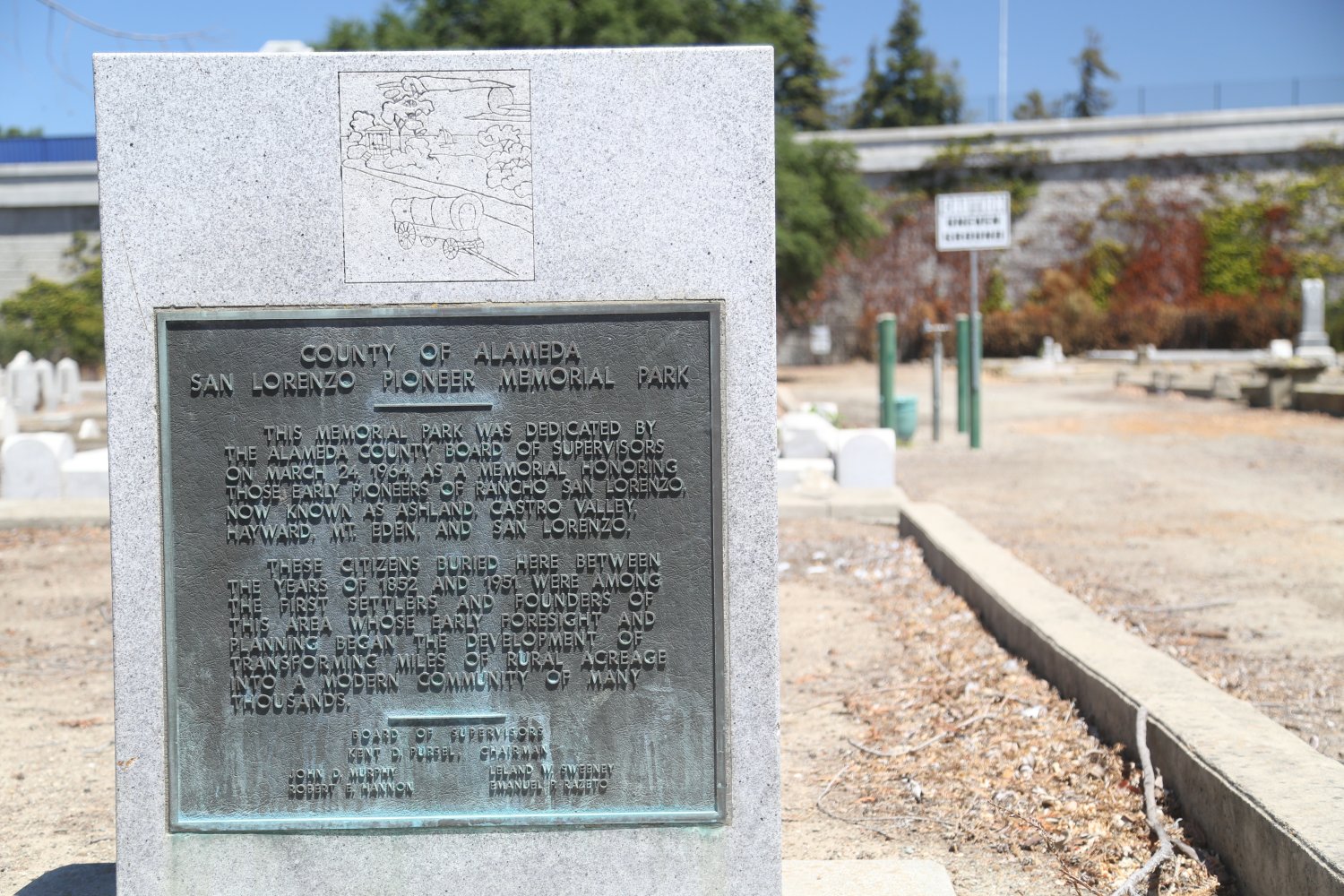
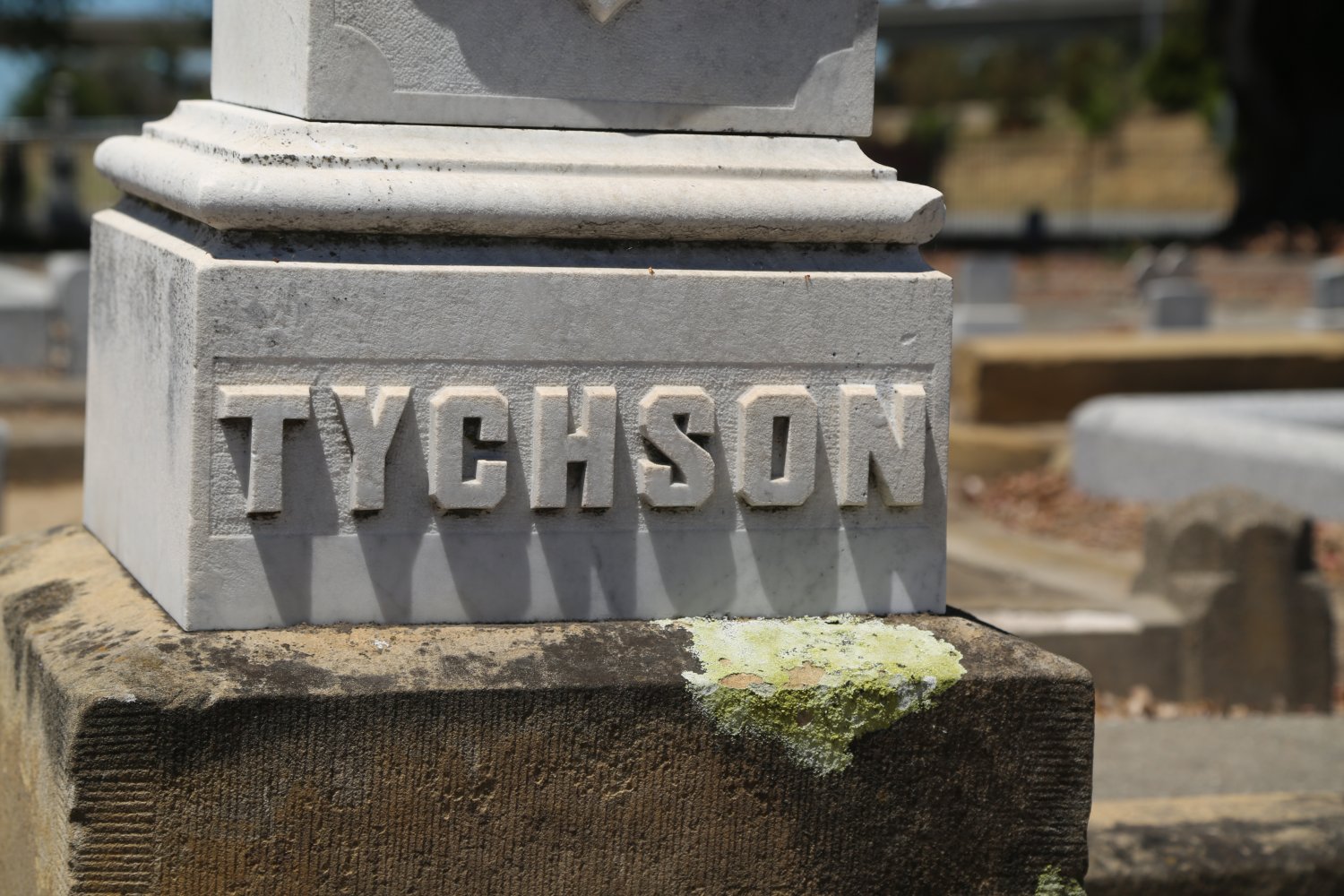
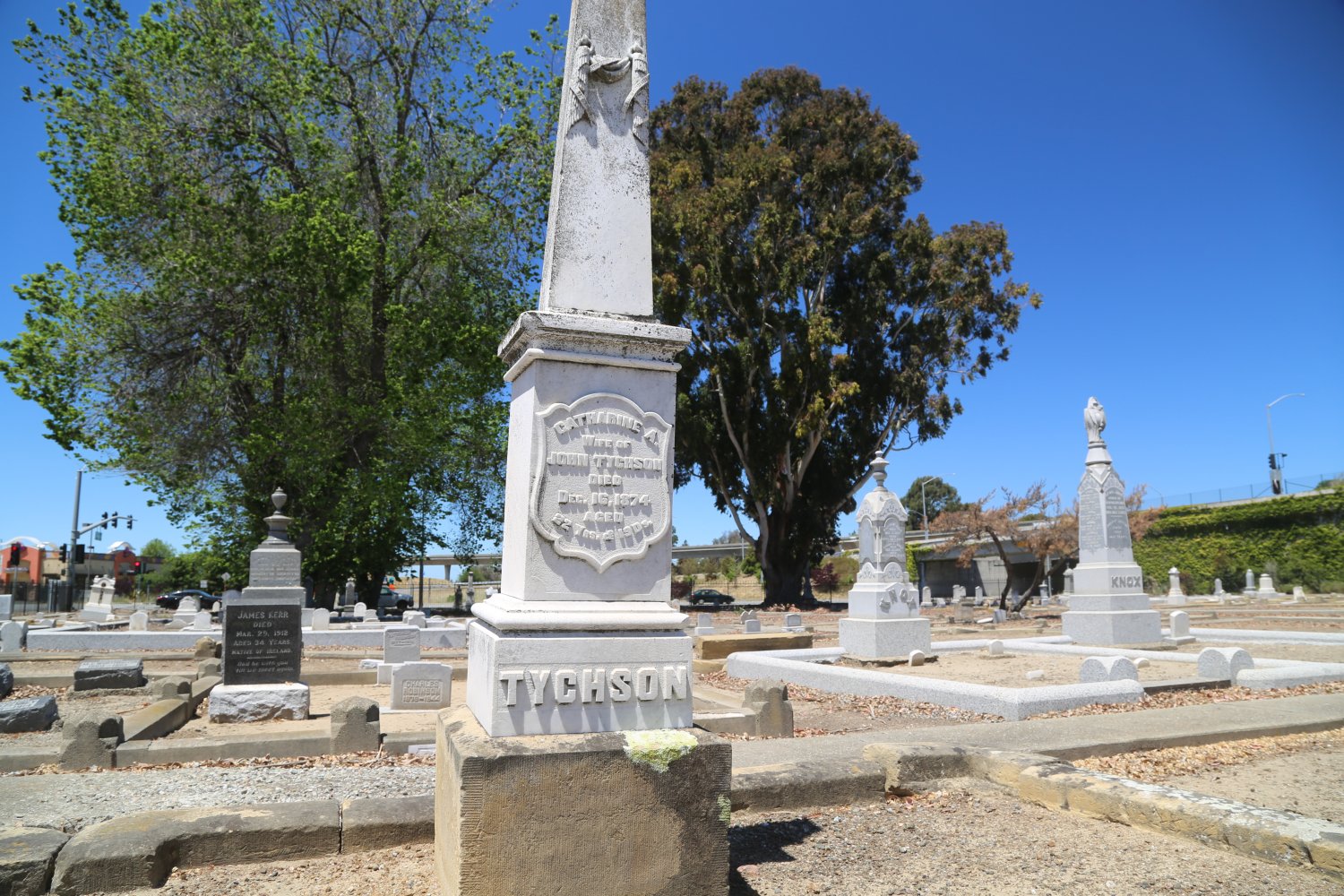
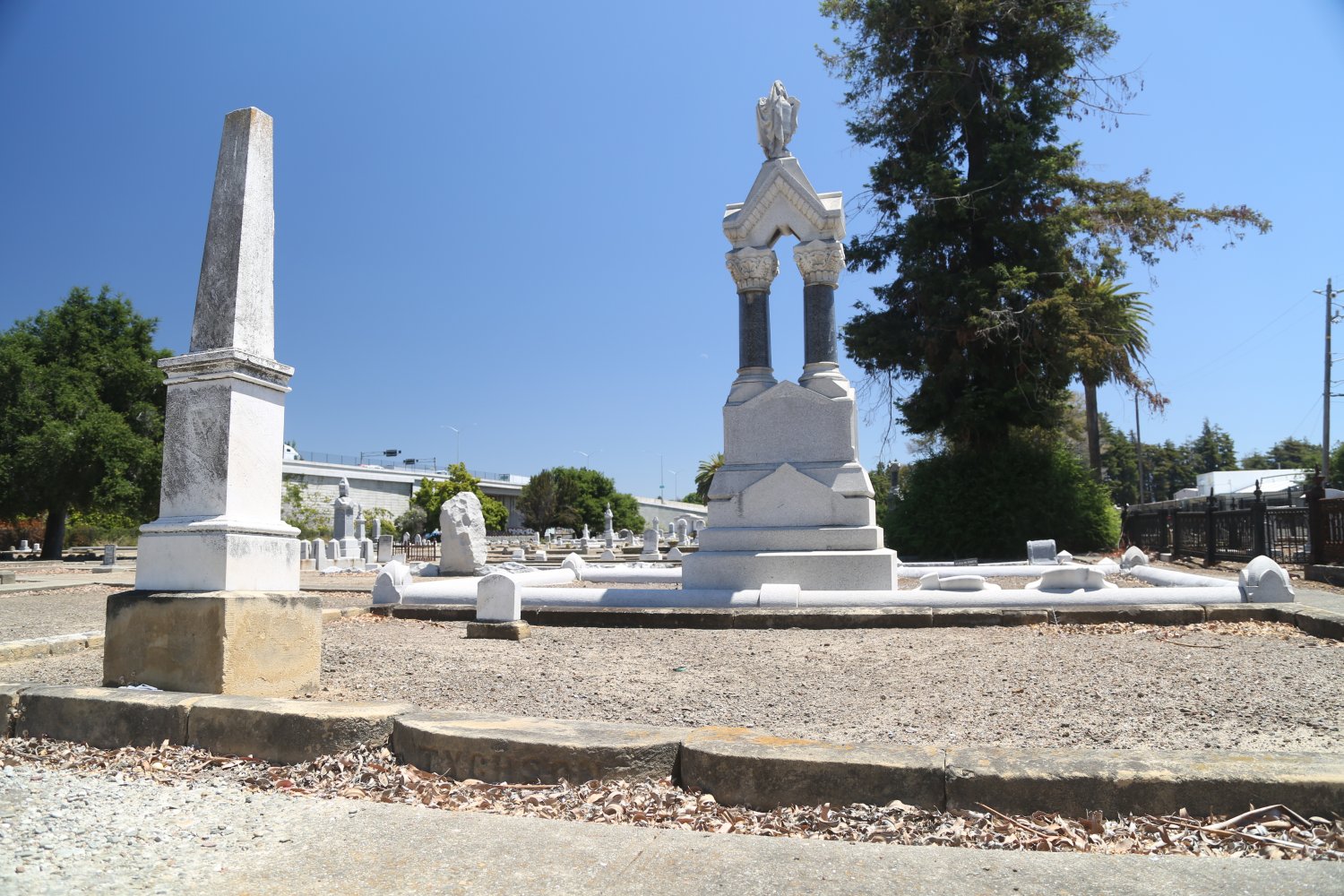
Josephine is buried in the San Lorenzo Pioneer Cemetery – the town where she was raised and would eventually marry her husband; see our photographs from our visit to this cemetery below. Although note that despite Tychson being buried here, her tombstone and the ones for other family members are missing probably due to prior vandalism including theft. The only tombstone of the three family plots we saw during our visit was that of Catherine Tychson, Josephine’s sister who was John C. Tychson’s first wife (a case of sisters marrying the same man). Other prominent era Napa vintners or growers are buried here including Hamilton Crabb, founder of To Kalon Vineyard and John Lewelling, one of Napa Valley’s earliest pioneer agricultural families.
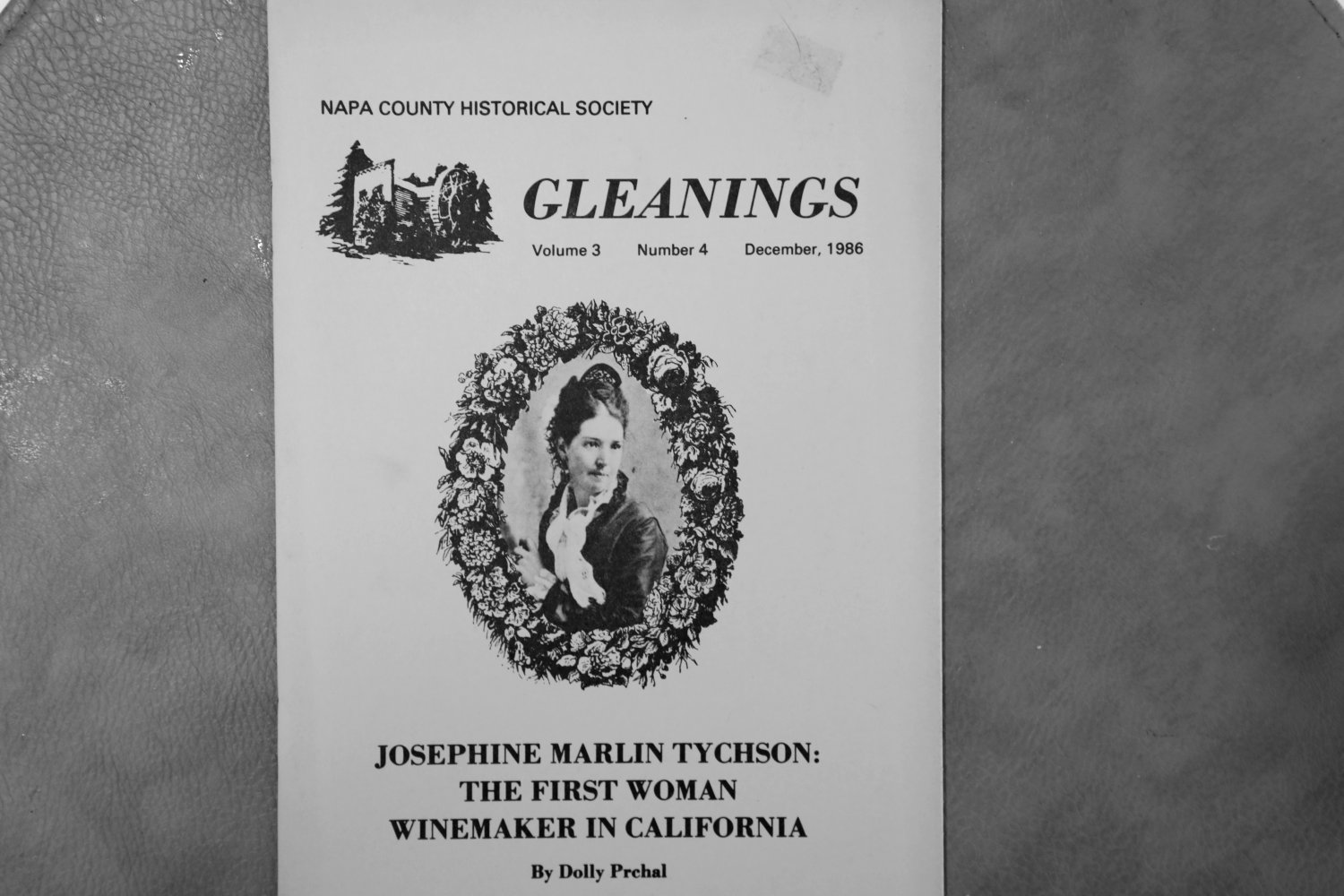
Those interested in reading more about Joesphine Tychson can do so in the Gleanings issue of December 1986, the Napa County Historical Society published, Josephine Marline Tychson: The First Woman Winemaker in California, written by Dolly Prchal.
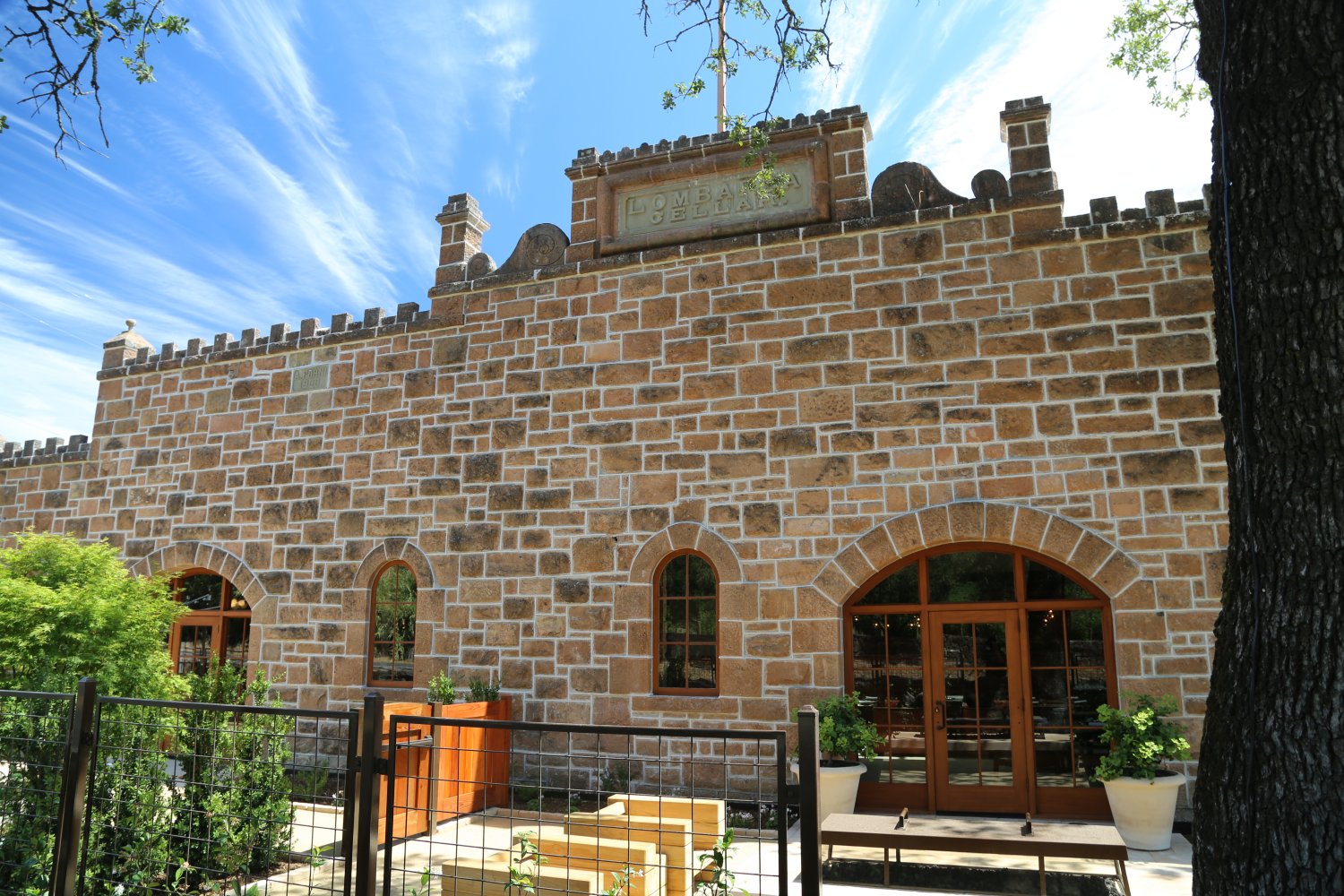
Due to financial difficulties by 1895, Tychson sold the winery, and it was leased to Antonio Forni. It was Forni who removed Josephine’s winery and built the existing stone winery over 8 years opening in 1898 and named it Lombarda Cellars in honor of his birthplace in Italy. Boulders were mined from near Glass Mountain (east of the winery), loaded on wagons pulled by horses and then cut into square shapes on site to be used in the construction. Workers were primarily Italian – many descendants of families still living in St. Helena today. The winery operated under this new name until the start of Prohibition (the name Lombarda Cellars can be seen clearly from either direction on the highway).
In early 1933 the winery was sold by Antonio’s widow, Mrs. Marianna Forni to Patrick Murphy (President at the time of the First National Bank of Crockett, CA) and James Mahoney. The next few years were financially challenging because of the ownership.
Mahoney was the President of Napa Cantina Wineries which was operating from Lombarda Cellars. By 1934 James Mahoney had already contracted for grapes and was installing additional cooperage, increasing the winery capacity to 500,000 gallons. By 1935, after some litigation against Murphy for 1 million dollars in regard to 100,000 gallons of rare and old wine that may have been purposely undervalued, Mahoney and his family were the sole owners of the winery. Murphy died in 1936. In 1937 Marianna Forni filed suit for funds she was never paid against Mahoney and the estate of Murphy. By 1939 Mahoney and Napa Cantina were in bankruptcy proceedings and Mahoney had been indicted by a federal grand jury for aiding a bank manager in embezzlement. The Forni heirs still live in California including Evan Shearer, a photographer.
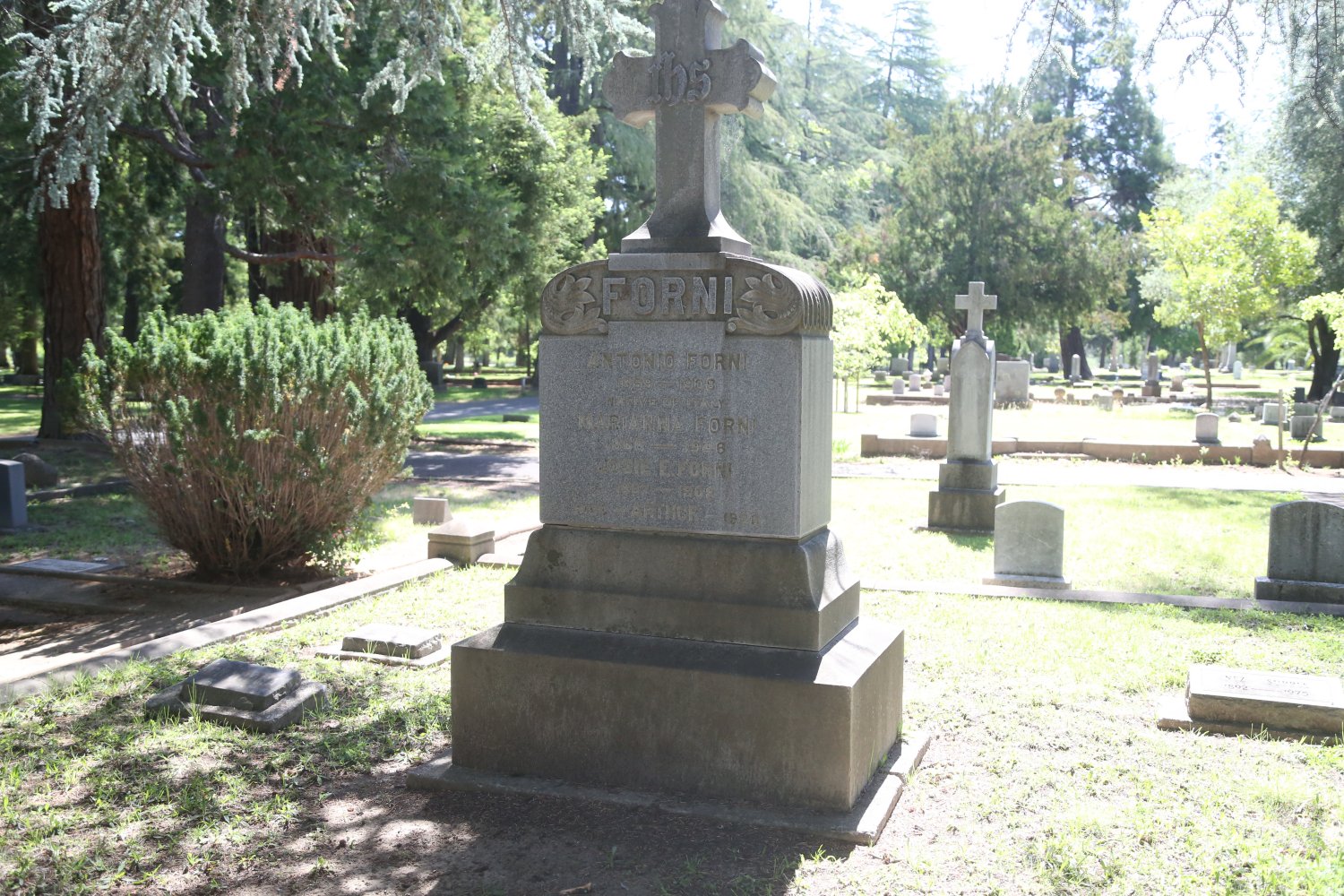
Antonio Forni grave, St. Helena Cemetery
The winery opened a “sampling room” in 1949 – making this one of the first tasting rooms in Napa Valley. Incidentally in the 1950s Freemark Abbey was one of the largest up-valley wine grape jelly producers. An article from the September 10, 1952, issue of the Napa Register references at least twelve different types of jellies produced at the winery that year.
Freemark Abbey was operated and owned by these three individuals until 1959. Then, for 8 years no wine was produced here until new owners, 7 partners purchased the property and name in 1967 including prominent Napa Valley residents, Bill Jaeger, Laurie Wood, Brad Webb, John Bryan and Chuck Carpy. Chuck Carpy had long ties in Napa Valley, his grandfather owned Uncle Sam Cellars in the city of Napa. One of the grower partners was Webb who was the winemaker who made the early Hanzell wines in neighboring Sonoma County. Two limited partners Dick Heggie and St. Helena realtor Jim Warren. The sixth and current owners, Jackson Family Wines purchased the winery in 2006.
Freemark Abbey was one of only 12 American wineries chosen to represent the country in the famed Paris Tasting of 1976 Incidentally they were the only winery with both an entry for Chardonnay and Cabernet Sauvignon. They placed 6th for their Chardonnay (called Pinot Chardonnay as was Chardonnay was commonly called during those days). One of Napa’s longest tenured winemakers was Ted Edwards who was Freemark Abbey’s winemaker from 1985 to 2020 before finally stepping back from his primary winemaking duties and ultimately retiring in early 2023. And for the first time since Josephine Tychson was winemaker on this property, another woman was hired as winemaker; Freemark Abbey hired Kristy Melton in 2020 after Ted retired.
And Ted is certainly not the only winemaker who has been part of the Freemark Abbey family in the past few decades. Often referenced as the “University of Freemark”, the winery has produced a number of vintners who have successful careers in the wine business including Cathy Corison and Tom Rinaldi.
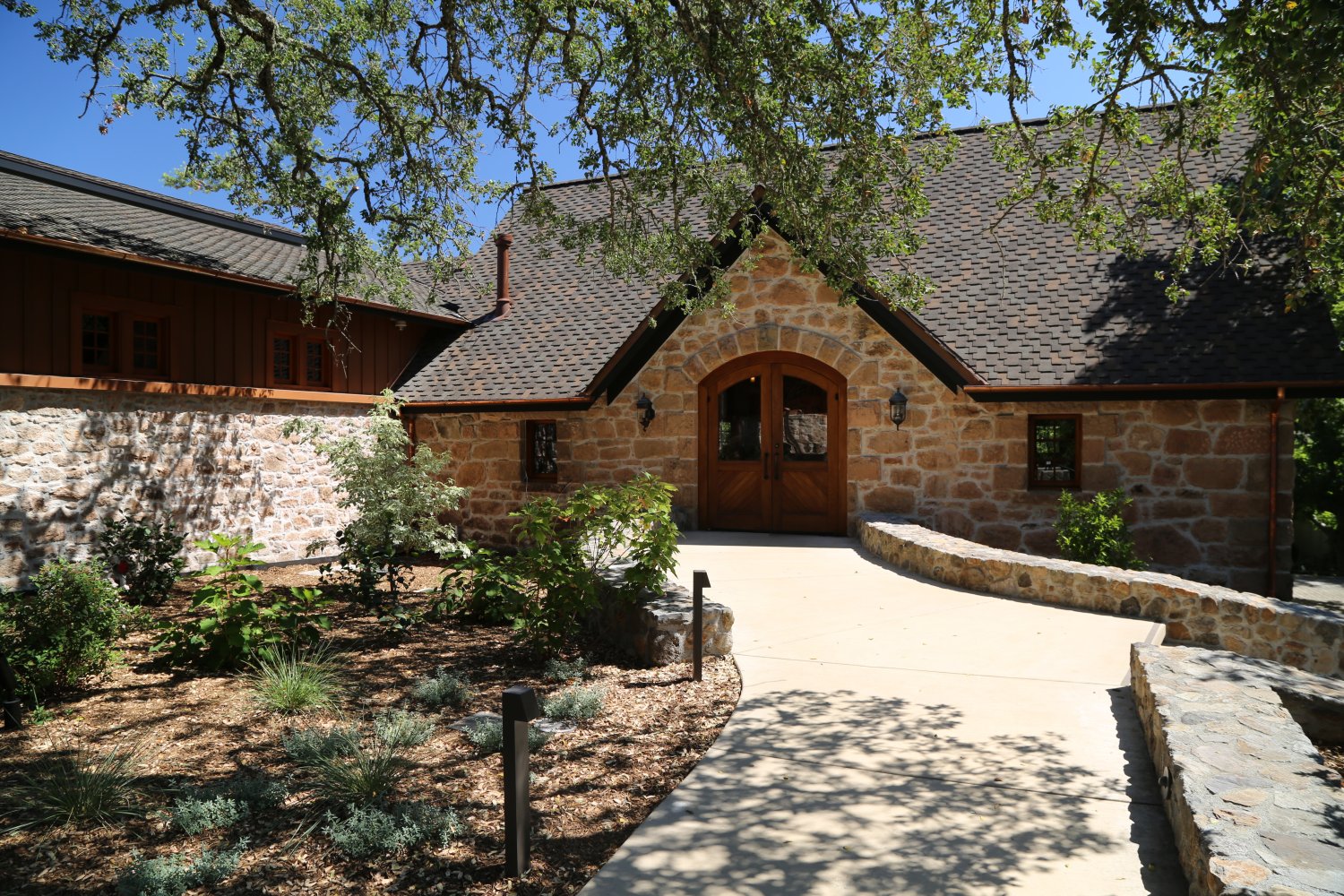
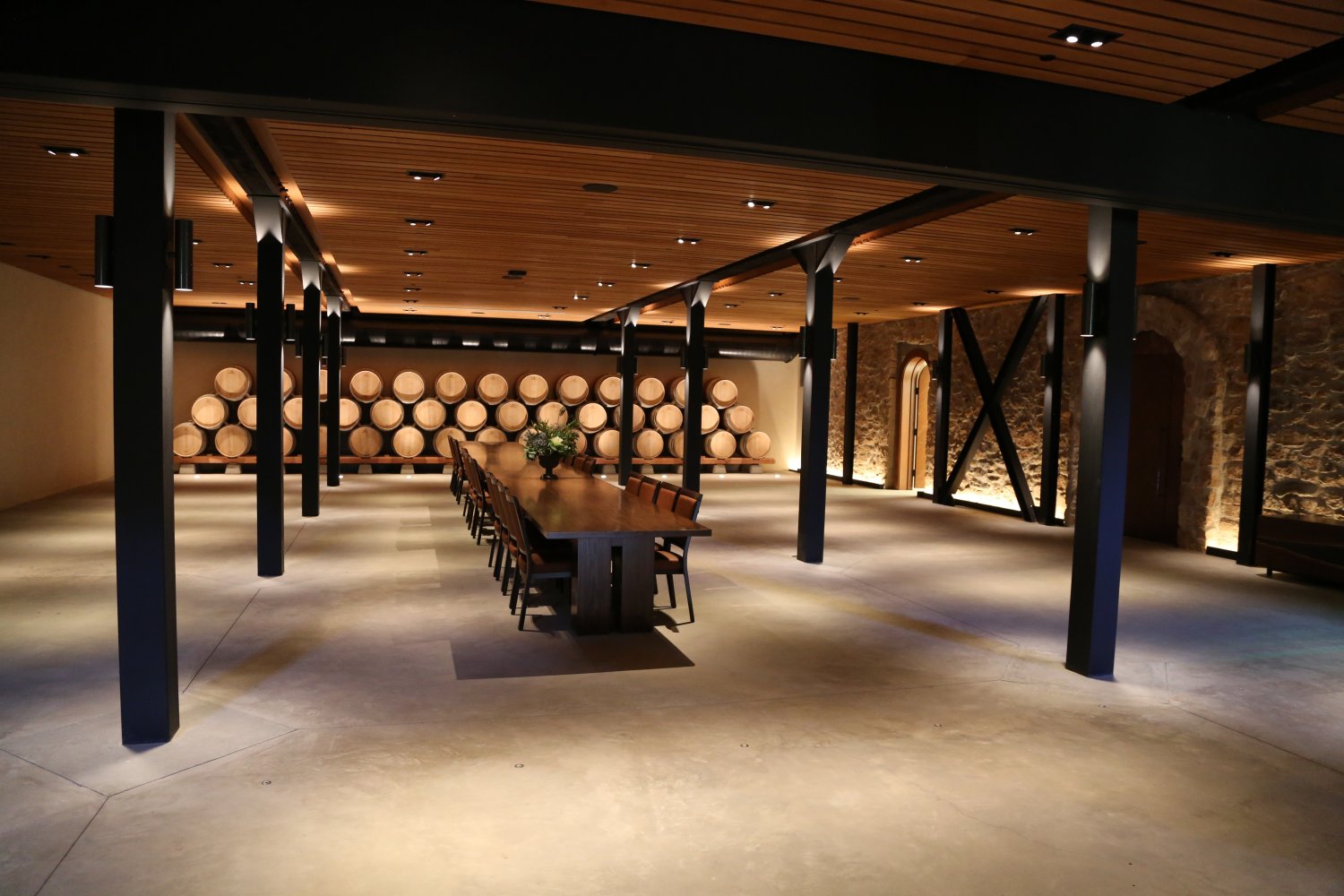
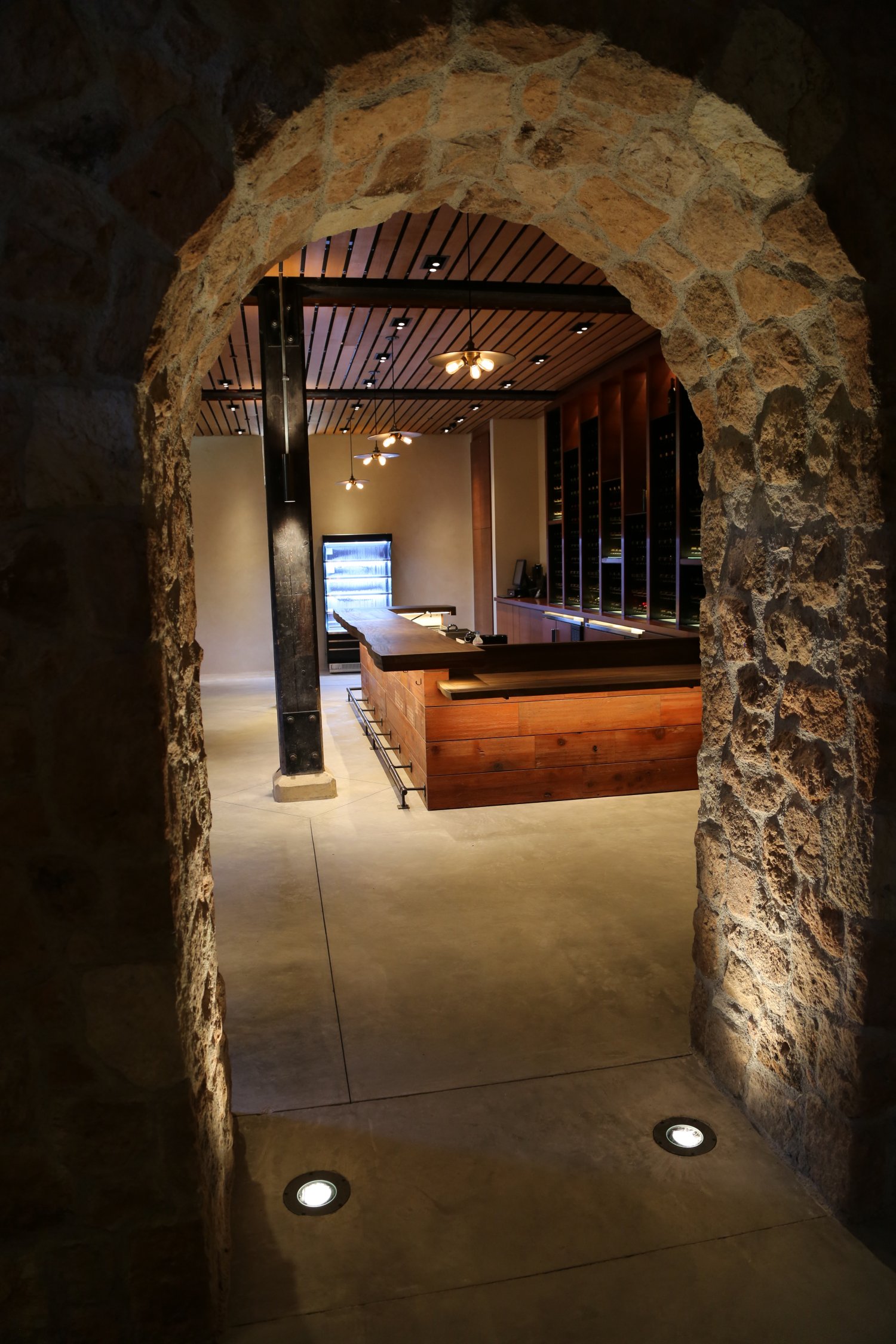
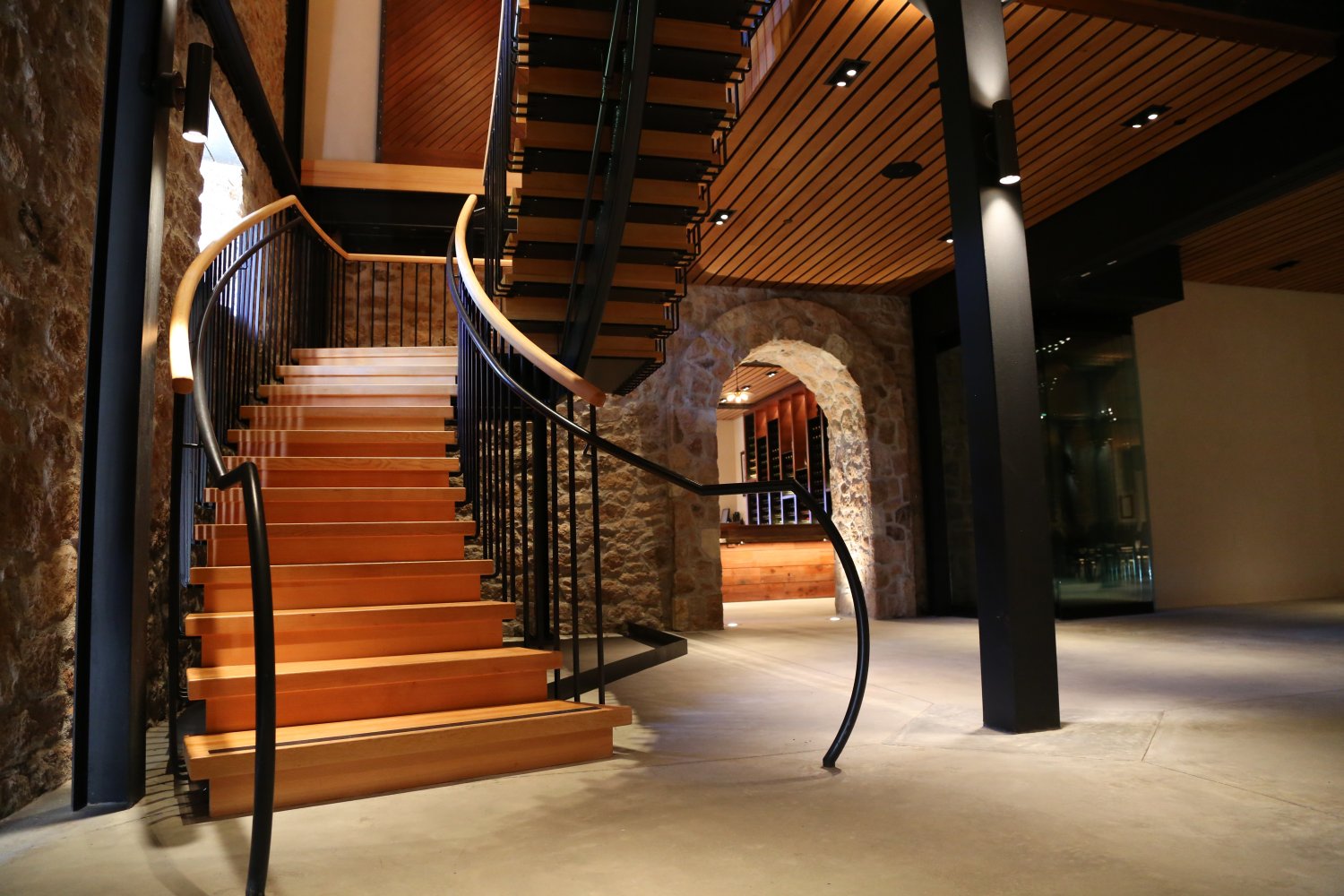
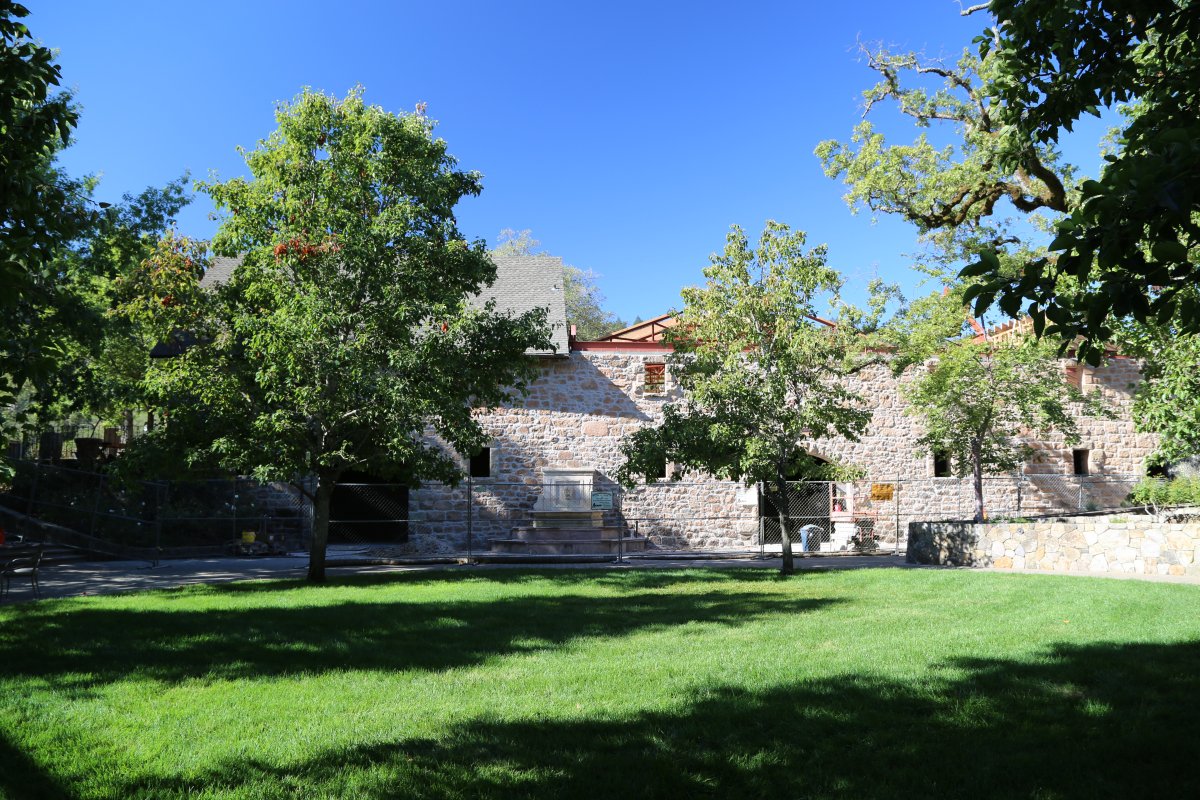
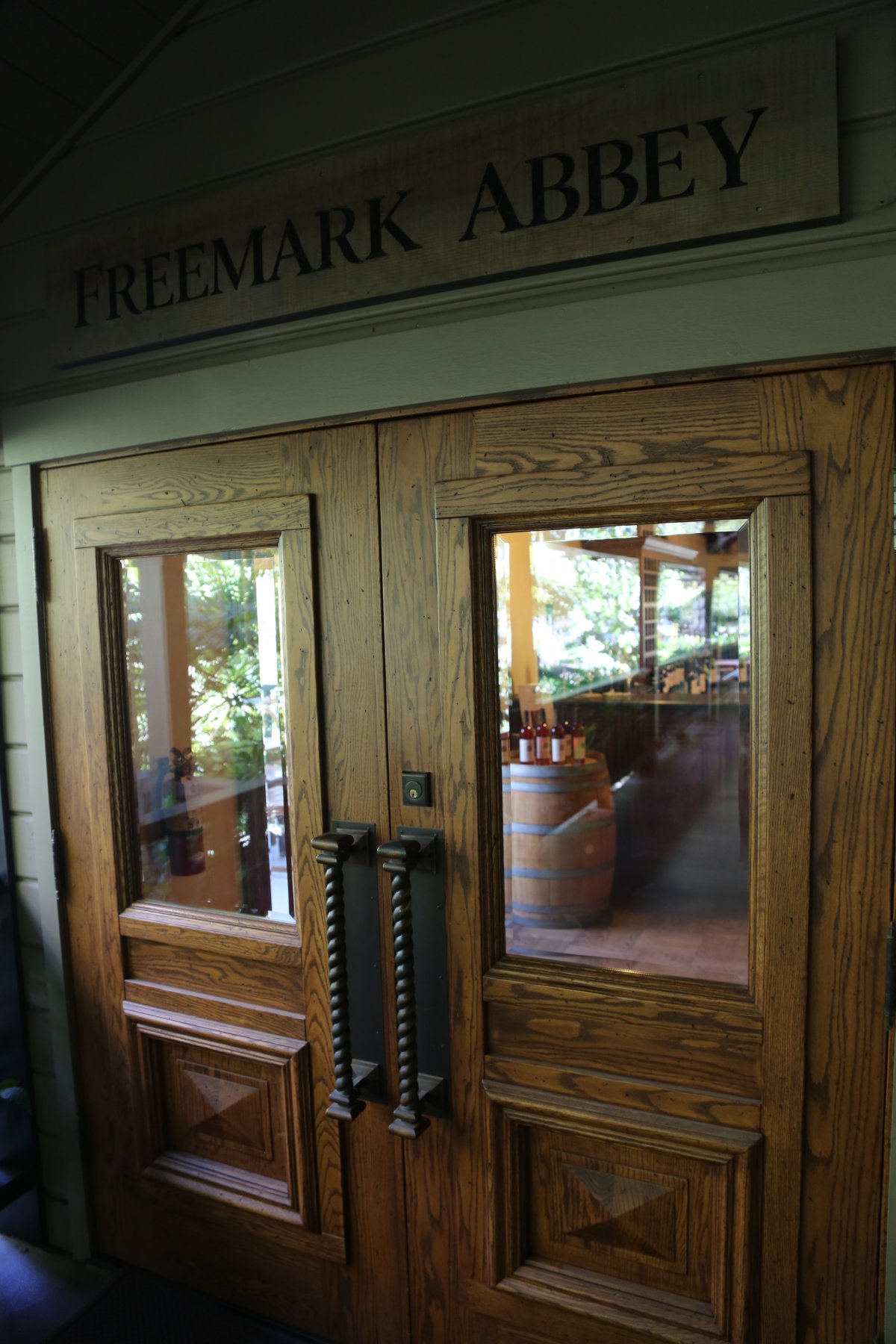
The hospitality center (housed in the old stone winery) is quite photogenic, with older looking stone walls and curved archways outlining large wooden doors. It is worth spending a few minutes admiring this old winery building. Freemark Abbey’s main building was used for barrel storage and wine making but both have since been moved off site. All wines are made at Cardinale Estate in Oakville – also owned by Jackson Family Wines.
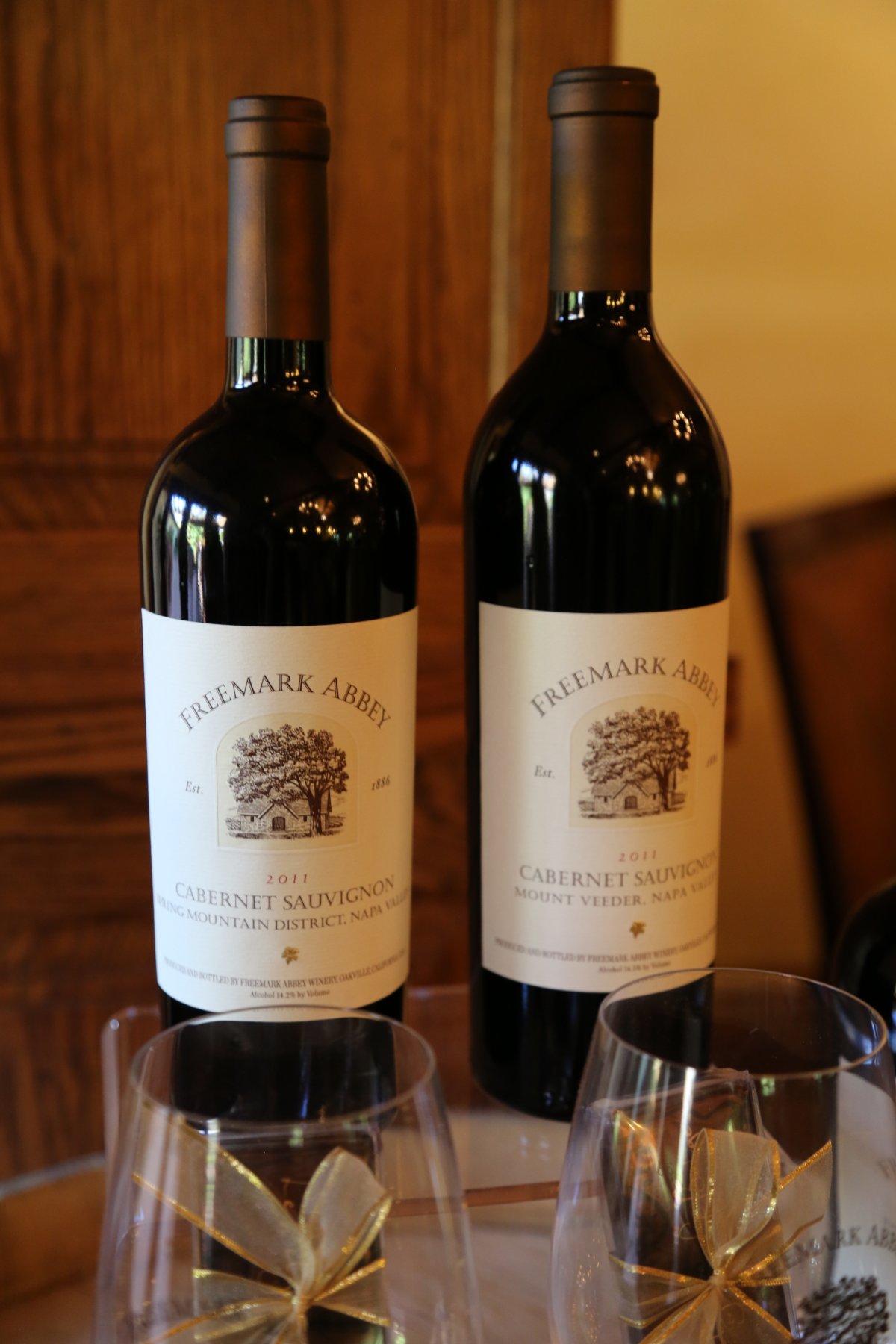
The property is truly focused on hospitality and offers a variety of experiences for visitors. They make a diversity of wines, including a refreshing and unusual number of white wines for a Napa Valley based winery. At the time of our latest update they currently offer three unique tastings: The Decades Tasting features wines from at least three different decades, Cabernet Comparison featuring Cabernet Sauvignon wines from different sub appellations and the Appellation Tasting offering six of their current release red wines. Freemark Abbey maintains an extensive library of older wines. Wines not included in the tastings are their larger production distributed bottlings, however these are available for purchase at the winery.

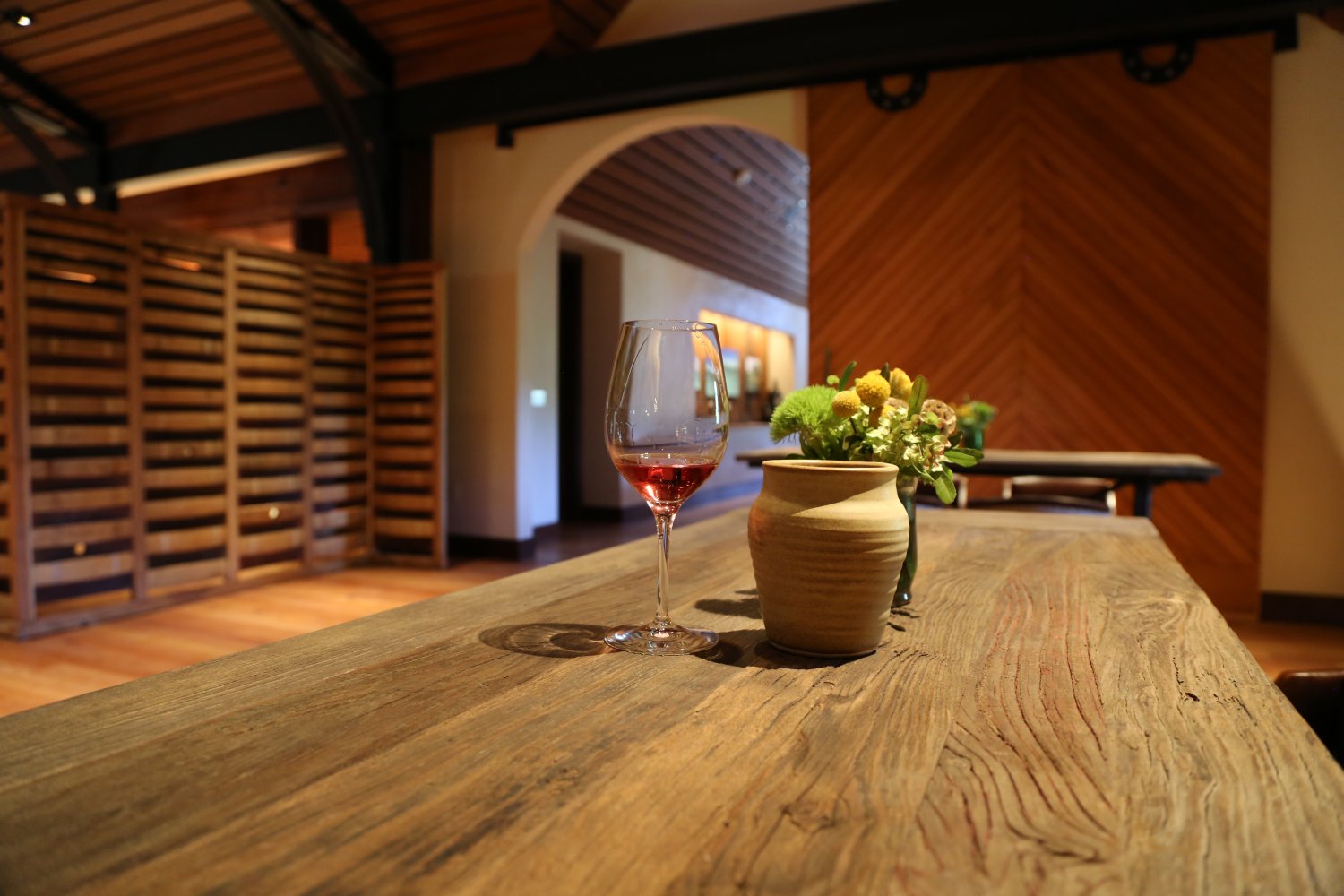
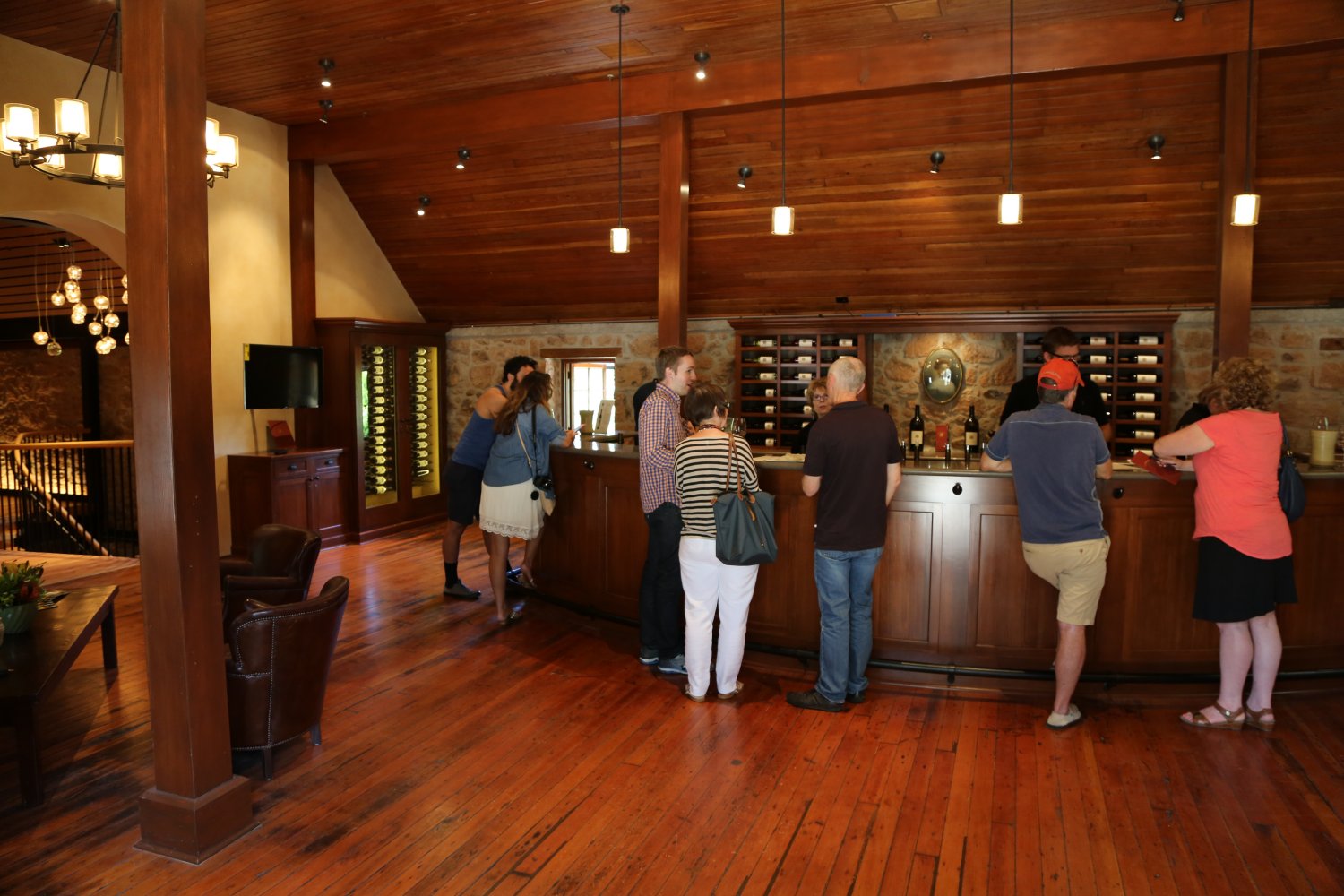
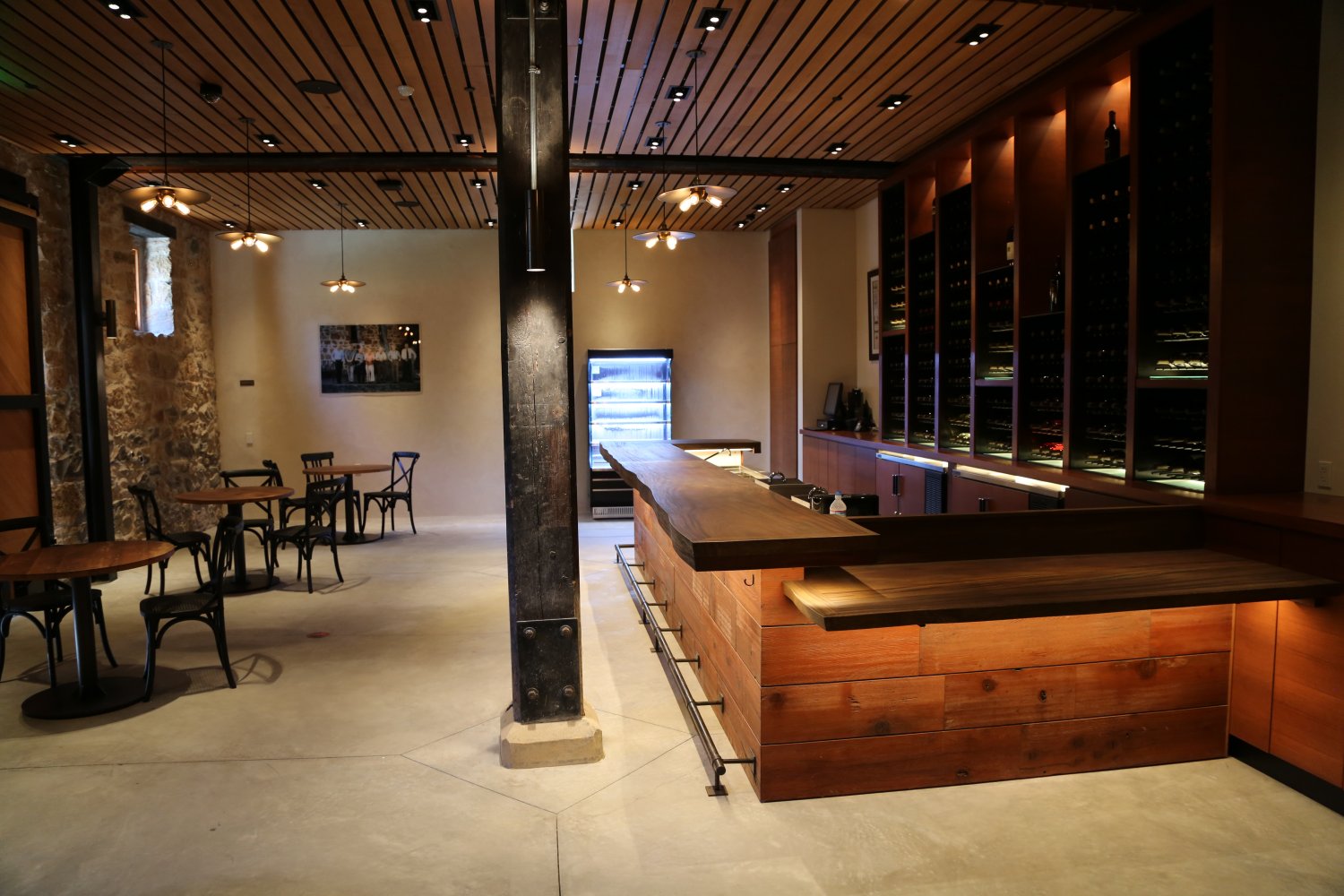
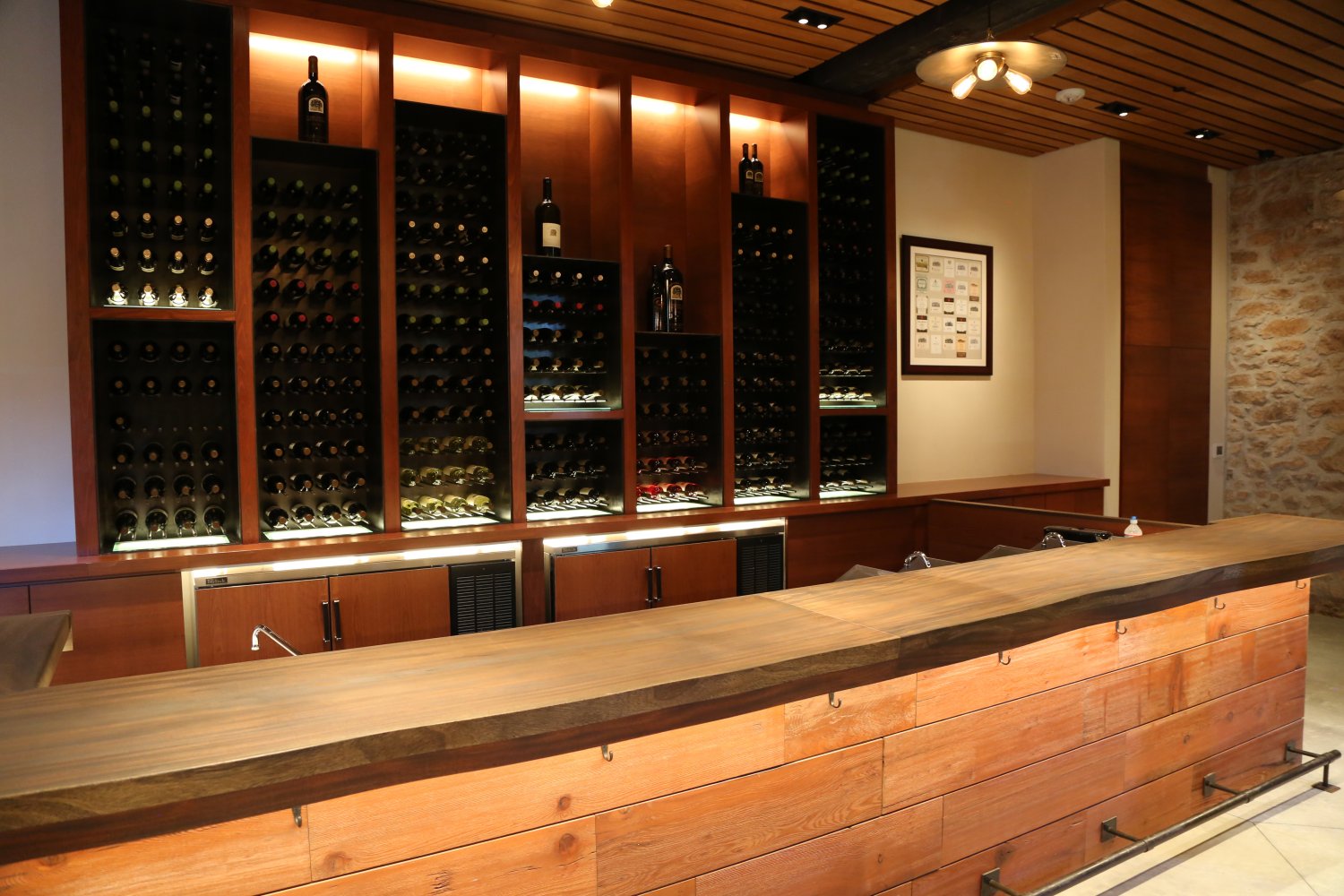
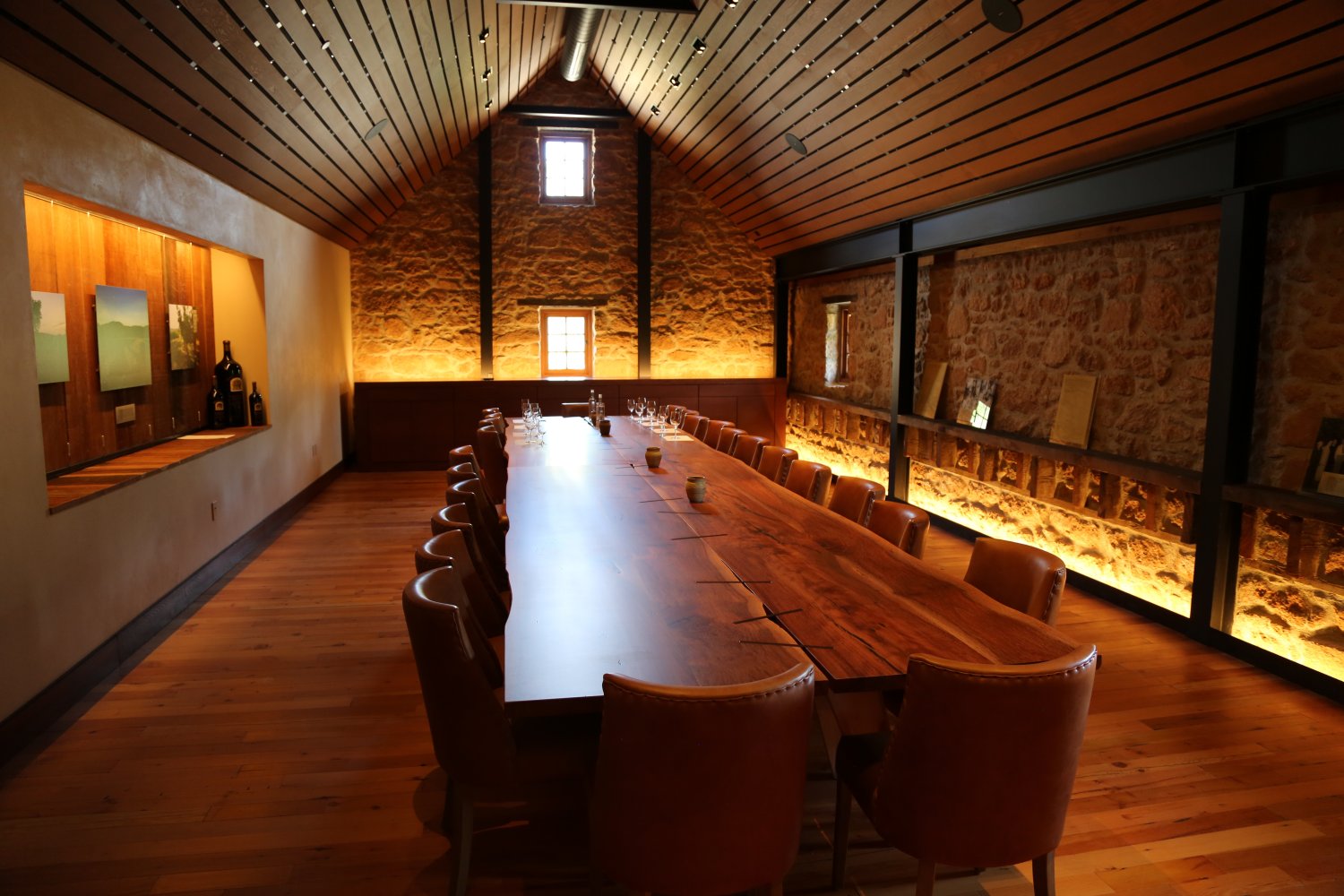
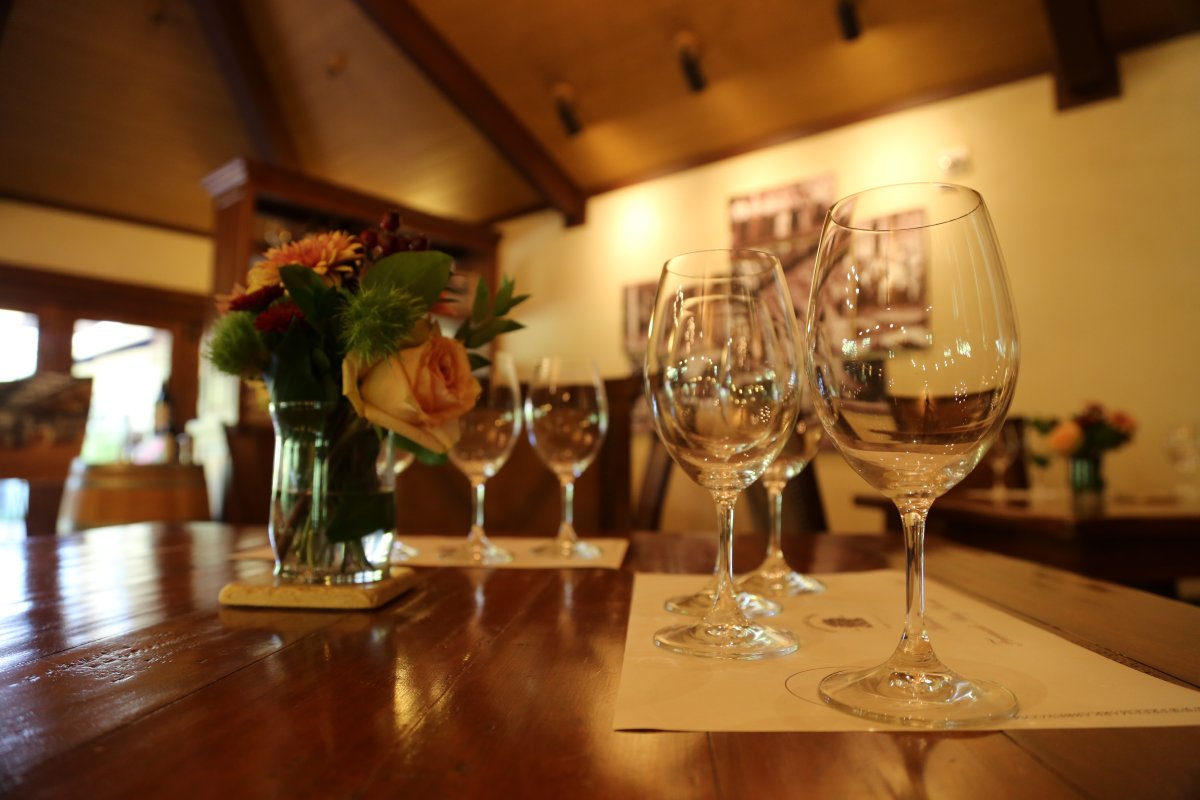
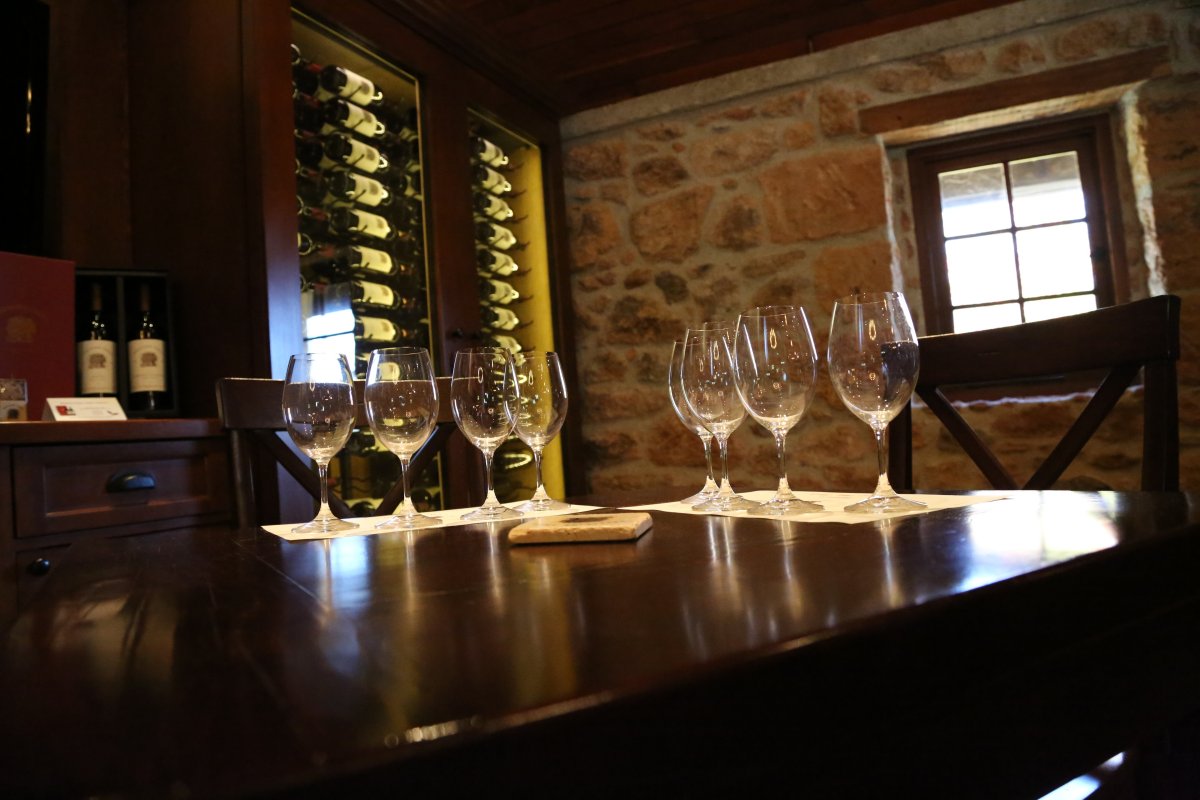
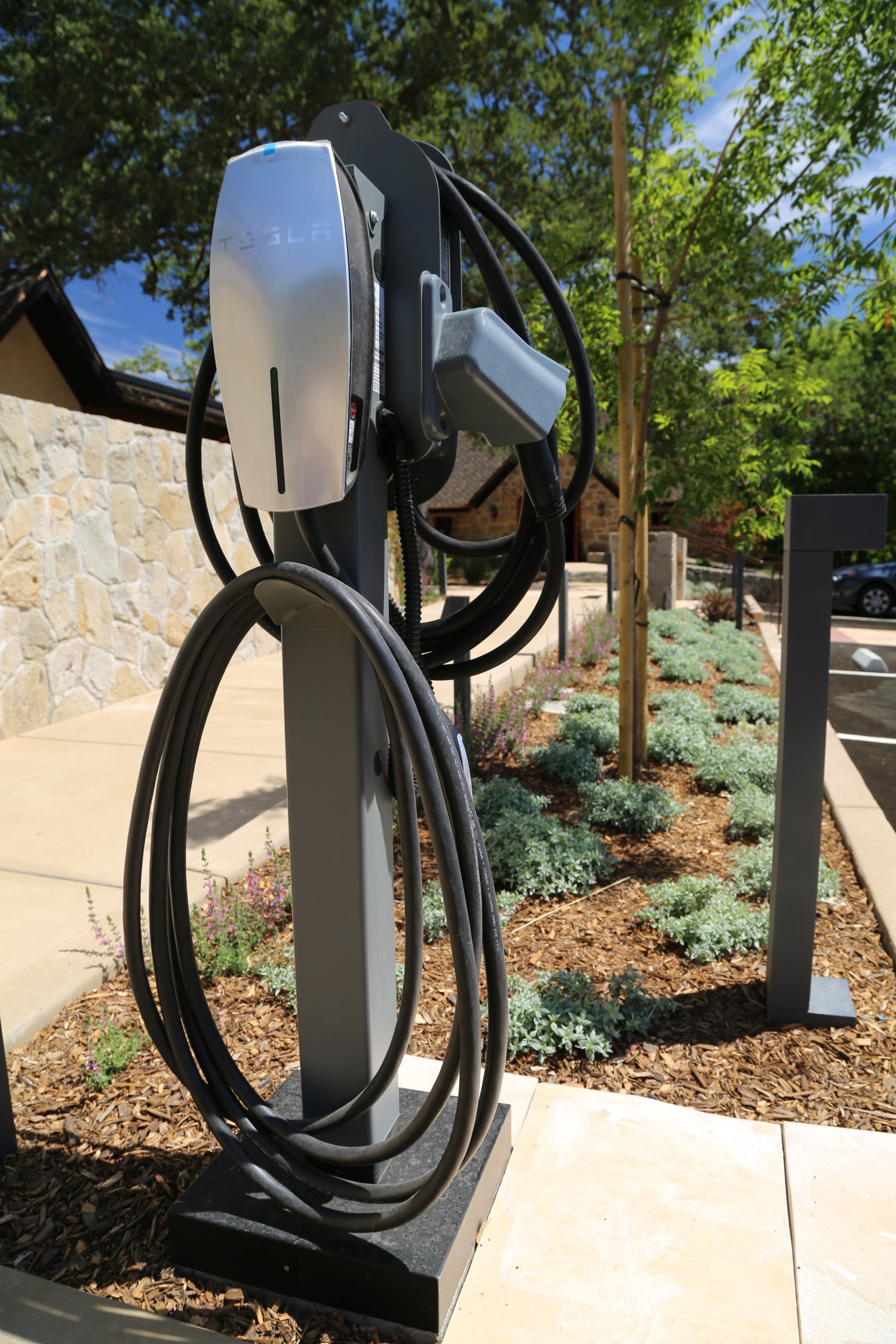
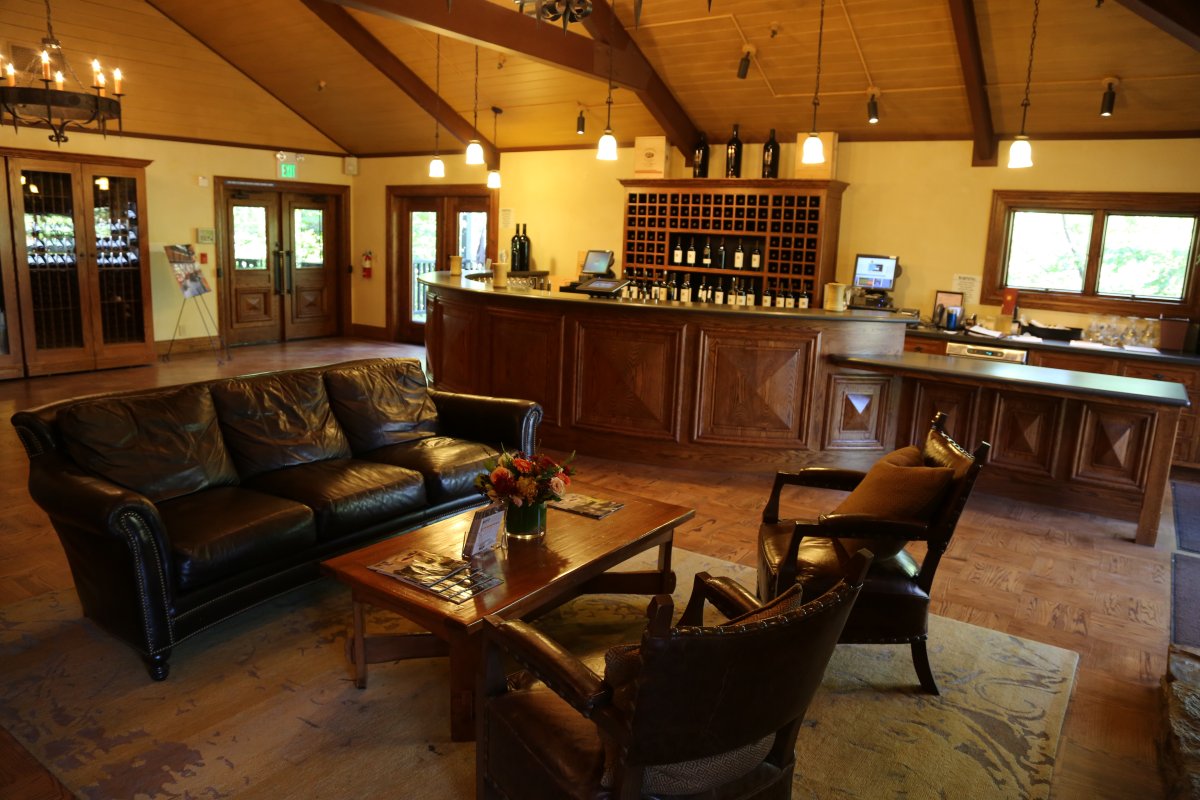
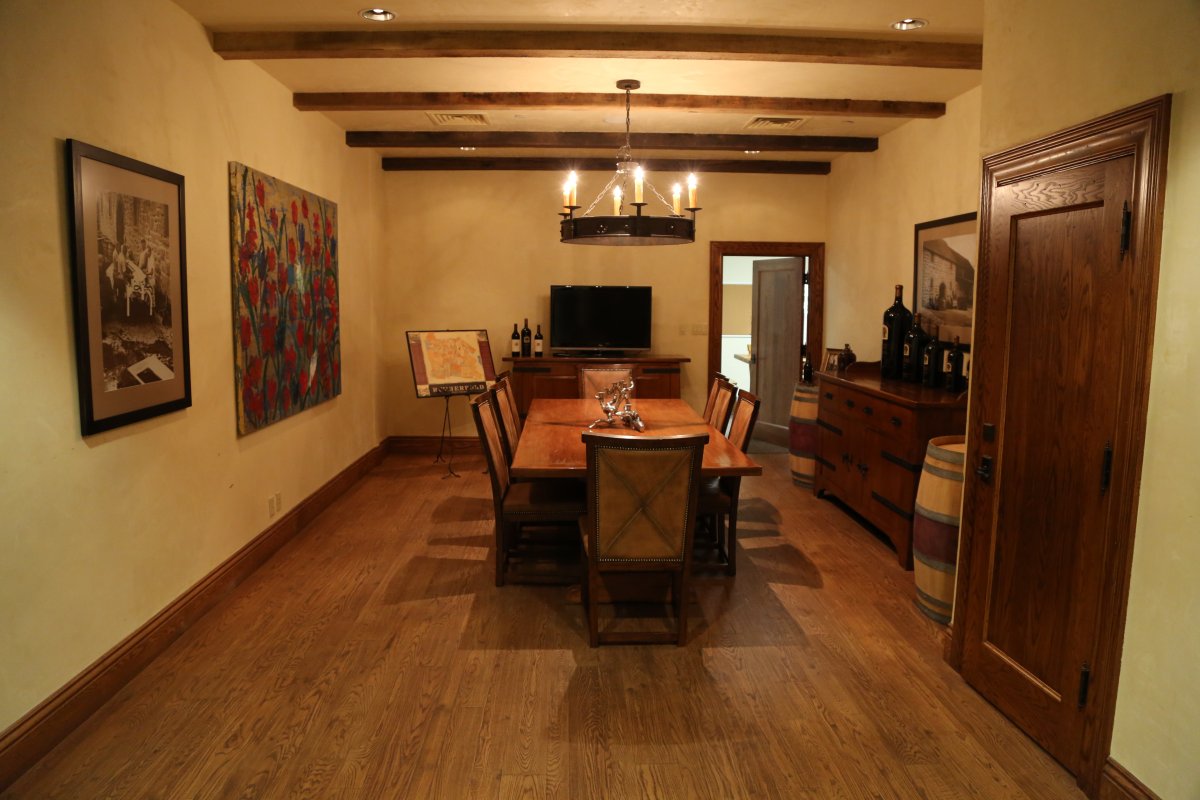
 Several tasting areas are located on site – the “newer” general tasting room features a bar near the entrance, a Reserve Room downstairs and the older tasting room called the Partner’s Lounge is available for club member use featuring both indoor and outdoor seating. There is plenty of parking on site for both the tasting room and the restaurant.
Their wine making focuses on wines that are food friendly and built to age – and time has shown these wines do age well given proper cellaring. The wine making team does not use a formula when making wines – vineyard sources and blends change from year to year. They tend to hold their smaller production red wines back for at least a year before releasing – so these wines see two years in the bottle.
For a winery with such long history, it is interesting to note that Freemark Abbey does not directly own the vast majority of the vineyards they work with in Napa Valley – rather they purchase fruit from other growers; the exception to this is the tiny vineyard on site of the winery. With that said, they have established long term relationships with select growers in the valley and several of their wines are from vineyards they have been sourcing from for many years. Their total production each year is around 60,000 cases with the majority of that for one wine – their distributed Napa Valley Cabernet Sauvignon.
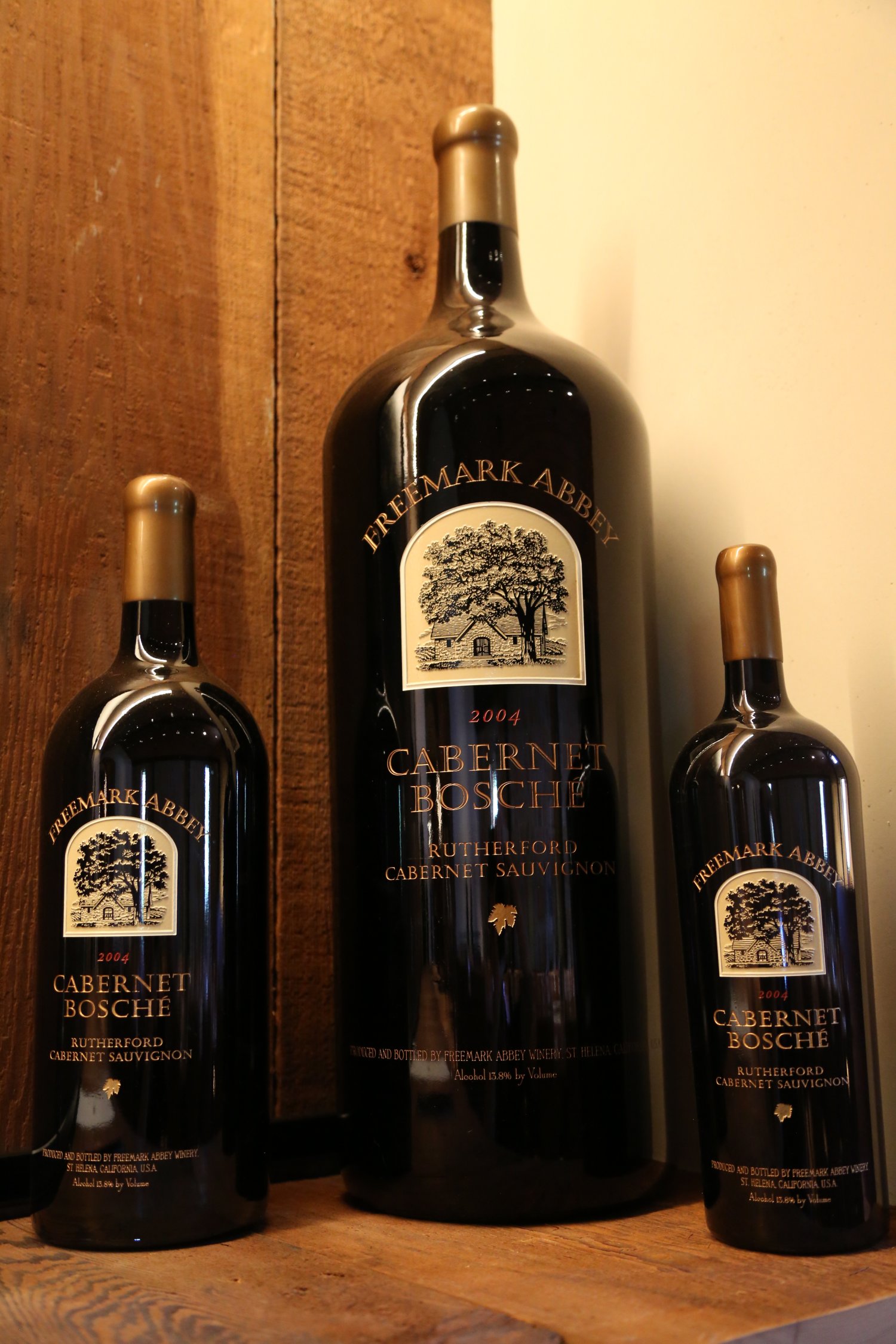
One such vineyard is the Bosché vineyard in Rutherford; wines from this vineyard have earned acclaim over the years (Freemark Abbey has been sourcing from this particular vineyard since 1970). Wines from this vineyard were being sold to Beaulieu Vineyard and during some vintages were used in their Private Reserve wine. The owner John Bosche wanted to find a winery who would make a vineyard designate of this wine referencing his name on the label. He found a perfect fit with Freemark Abbey, and this is now one of Napa’s longest continuously running vineyard/winery partnerships. While John has since passed, this vineyard is still owned by his family.
Select Wines
Whites
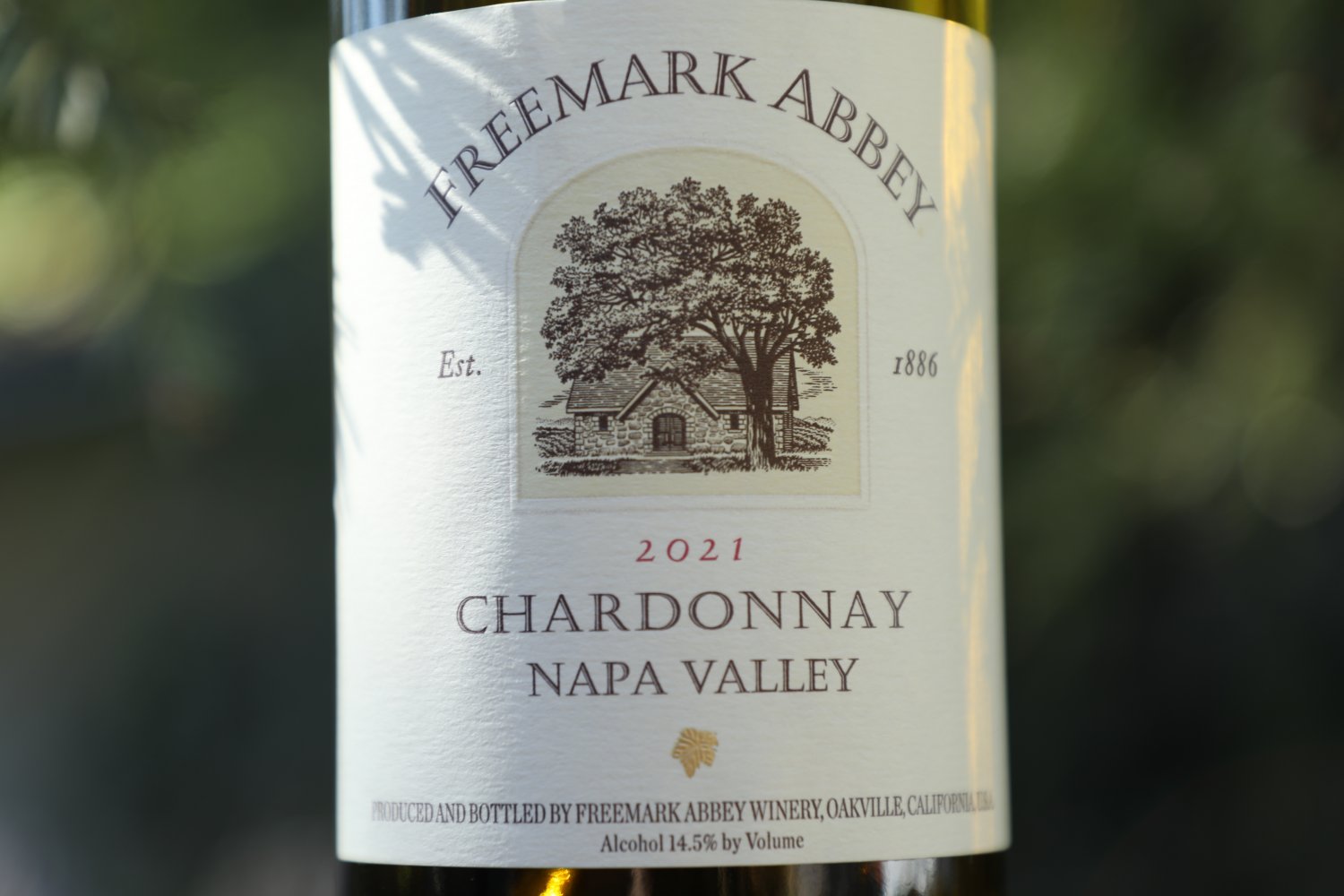
The 2021 Freemark Abbey Chardonnay Napa Valley is medium to deep yellow in color; the bouquet features ripe fruit and dessert aromatics including of pineapple, mango, almost overripe cantaloupe, apricot, crème Brule, caramel, butterscotch, vanilla, melted butter, hazelnut and a honeyed note including of honeycomb. Sweetly fruited across the palate, it offers flavors of baked apples, honeycomb, pineapple, crème Brule, butter, mango, apricot, nectarine and yellow peaches. The fruit is so ripe along with the oak used during its élevage, that there is a subtle but noticeable perception of sweetness across the palate. Bright finish. This wine was primarily barrel fermented (84%) with the remainder in stainless steel vessels. It was aged for 10 months in a combination new and used French oak barrels and stainless steel. The wine was sourced from three primary vineyards, all located in the cooler climate part of southern Napa Valley. These include: Ahmann Vineyard and Huichica Hills, both in the Carneros district and Rancho Sarco, located next to the city of Napa’s north eastern border.
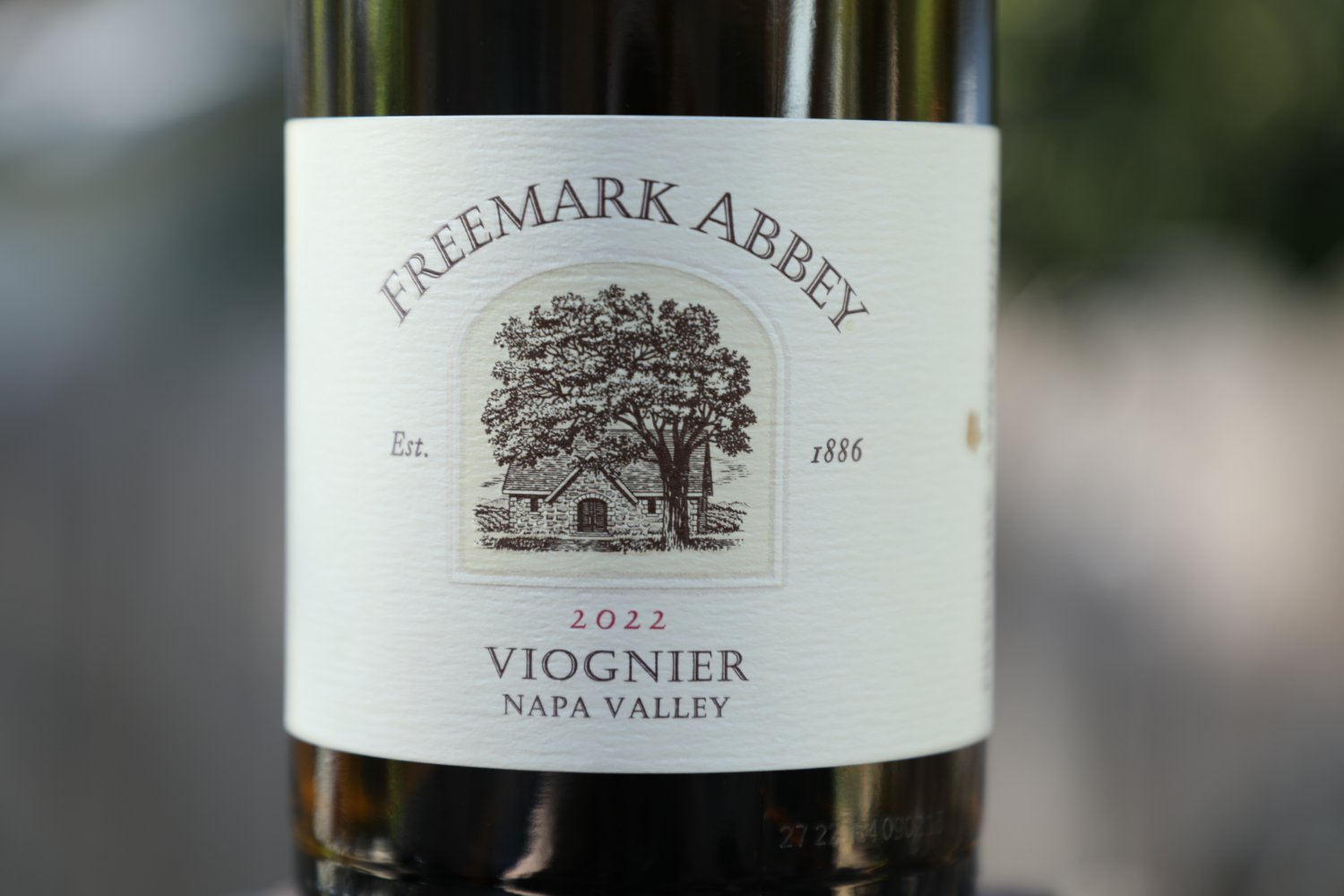
The 2022 Freemark Abbey Viognier is medium gold; the first two words we noted to describe its aromatics were floral and pineapple. The pineapple scents reminded us of harvesting these fruits fully ripe directly from plants in Thailand and then cutting off the fronds revealing even more aromatics. This bouquet reveals aromas of star jasmine and citrus blossom; this latter aromatic reminded us of driving east of Bakersfield on the 178 heading up to Lake Isabella passing through orange groves during March when the trees are all in bloom. There are also prominent notes of apricot, yellow peach, pineapple guava, and deeper in the bouquet, vanilla. As the wine evolves in the glass it offers notes of white nectarines. Regardless of what you pick out on the bouquet, this wine is highly aromatic. The palate echoes the bouquet to some extent especially its stone fruited characteristics of apricot, peach and nectarine accompanied by ripe pear. The finish lingers with both a richness of flavor, brightness of acidity and a subtle bitter note, inherent to this variety. This wine was aged used French Oak barrels and puncheons for 3 months. Pair with oysters, the larger the better.
The 2015 Freemark Abbey Sauvignon Blanc reveals plenty of aromatic depth on the bouquet, showing more nuance than is often found in wines of this variety. It opens with layered notes of dried apricot, pear, graphite, citrus blossom, and crisp green apple, along with subtle hints of white peach and fresh lime zest that add brightness and lift. As the wine continues to open in the glass, delicate floral tones and a faint mineral edge provide additional complexity and refinement. On the palate, the wine is beautifully balanced—lively and refreshing without being sharp—carrying its bright fruit flavors with poise and clarity. Flavors of pear, green apple, and citrus unfold across the mid-palate, supported by a gentle minerality that gives the wine structure and precision. The acidity is vibrant yet well integrated, keeping the wine energetic while maintaining a smooth and polished texture. The finish lingers gracefully, marked by a subtle orange-zest character and a touch of citrus oil that adds vibrancy and lift. Clean, precise, and elegantly composed, it’s a wine that drinks wonderfully on its own, needing no accompaniment to shine, though its freshness would pair effortlessly with light seafood or a simple summer salad.
Reds
Merlot
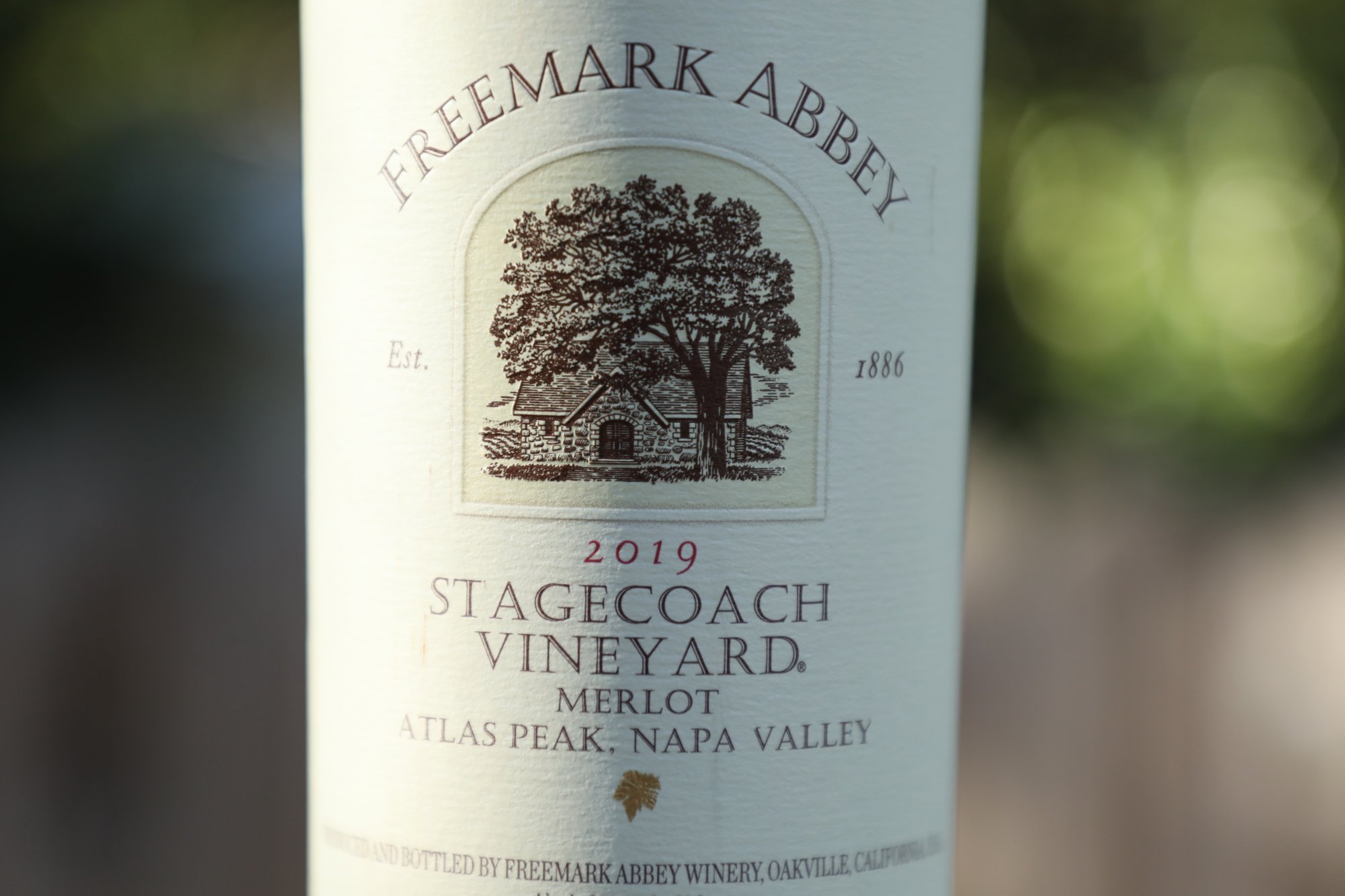
 The 2019 Freemark Abbey Merlot, Stagecoach Vineyard is deep ruby in color. We tasted this 7 years post vintage. The bouquet smells ripely fruited, sweet and very lively at this age. Very much a contemporary California expression of this variety. Its scents are focused on both fruit and barrel influenced sweetness. These include blackberry jam, cherry pie, boysenberry spread, dark plum, ripe boysenberry, chocolate, cinnamon stick and vanilla. This is a big boy’s Merlot showcasing its hillside terroir, offering plenty of flavor, complexity and structural persistency that does not let go, far outpacing the fruit on the finish. It tastes dark fruited with flavors of plum, cherry, boysenberry and blackberry. The tannins are broadly dispersed, dense and linger with a long-lasting chalky and drying character. The wine’s listed ABV is 15.1%; it still has loads of life ahead of it, perhaps another 10-15 years with the proper cellar care. Looking for a Napa Valley Merlot that would pair well with a variety of BBQ meats, look no further than this bottling.
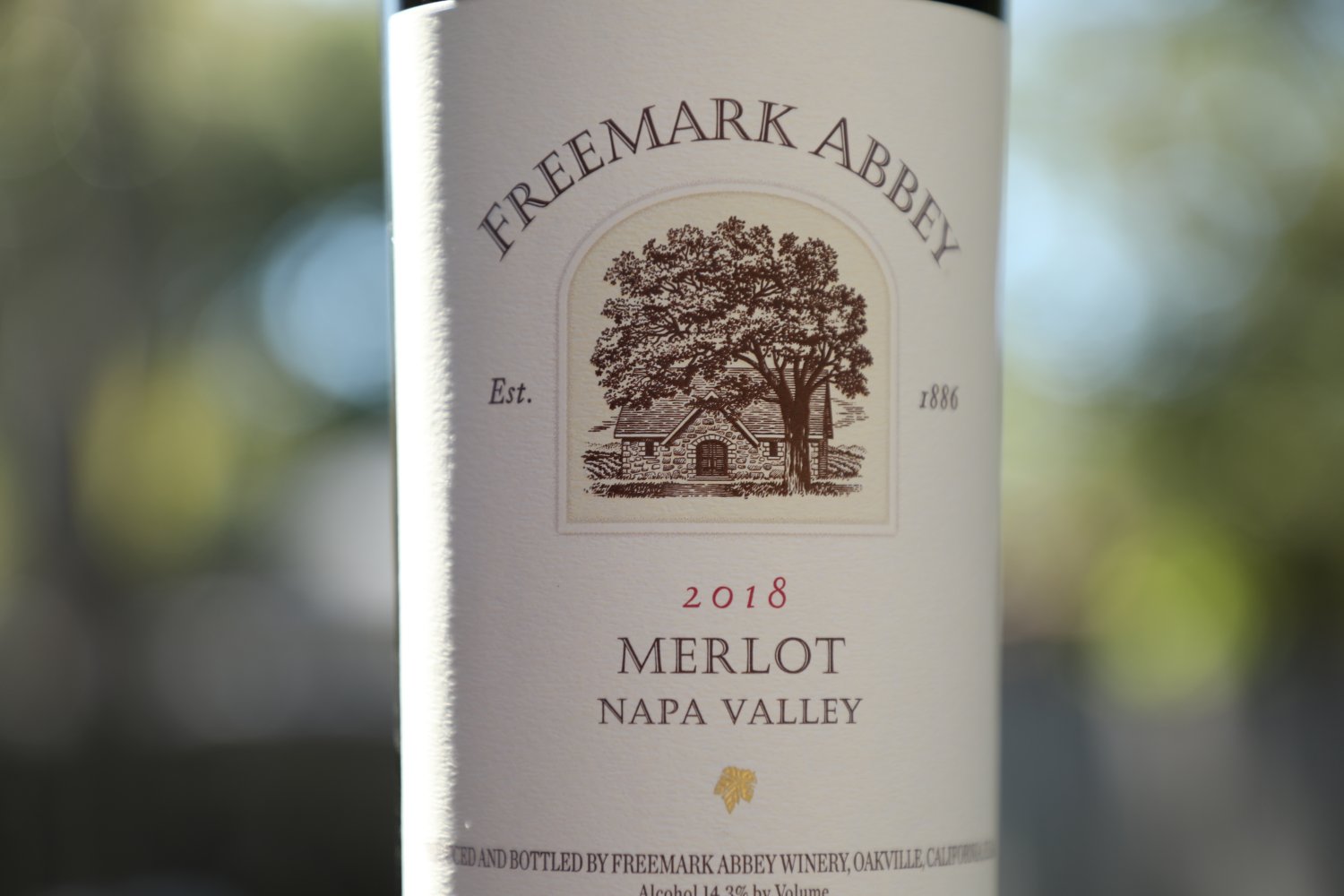
The 2018 Freemark Abbey Merlot Napa Valley was sourced from both mountain and valley floor vineyards. This wine is deep ruby and nearly opaque in the glass; the bouquet is highly aromatic and reveals scents of sweaty baseball mitt leather, red plum, dark raspberry and a savory and or a gamey character including pink peppercorn. The fruit begins to displace some of these darker characteristics as the wine evolves in the glass. If you wanted to describe its aromatic profile as brooding, we would not argue with you. Balanced across the palate, its flavors are primarily red-fruited including of cranberry, cherry, currant and raspberry. The finish lingers with a noticeable tartness, a very subtle note of dried tobacco leaf and a drying character which outlives the fruit. Bright acidity. The youthful tannins are still a bit taught and persist with a grainy and gritty texture. Fairly easy drinking, this wine would pair nicely with loins of lamb rubbed in a variety of dried herbs and a BBQ.
Bosché
The 2012 Freemark Abbey Bosché Cabernet Sauvignon shows a layered depth of aromatics, balancing both sweetly fruited and savory characteristics. On the nose, ripe dark fruit is complemented by subtle notes of cocoa, cedar, and a gentle earthiness that adds complexity. As the wine evolves in the glass, hints of dark chocolate and dusty soil emerge, revealing additional nuance and depth. On the palate, the wine offers flavors of red cherry and currant, supported by bright acidity that provides freshness and lift. As it opens further, delicate notes of plum, baking spice, and a touch of graphite begin to appear, enhancing the wine’s structure and complexity. The tannins still show youthful firmness, giving the wine a structured backbone and suggesting further development with time. Pair this wine with a medium-rare steak, where the richness of the dish will complement the wine’s tannin and fruit profile. This vintage displays both power and elegance, with a harmonious balance of structure, fruit, and acidity that suggests the potential to continue aging gracefully for many years.
The 1991 Bosché Cabernet Sauvignon remains remarkably rich in color, showing only a faint browning at the rim—an expected and graceful sign of maturity for a wine of this age. The nose opens with deep, layered aromas of blackberry, cassis, and dried plum, complemented by hints of cedar and earthy spice. On the palate, it displays a satisfying density of dark fruit flavors, framed by supple tannins and subtle secondary notes that speak to its long evolution in bottle. The finish is soft, lingering, and beautifully integrated. For reference, this wine was tasted 25 years post-vintage, and it continues to show both vitality and refined aged character.
Malbec
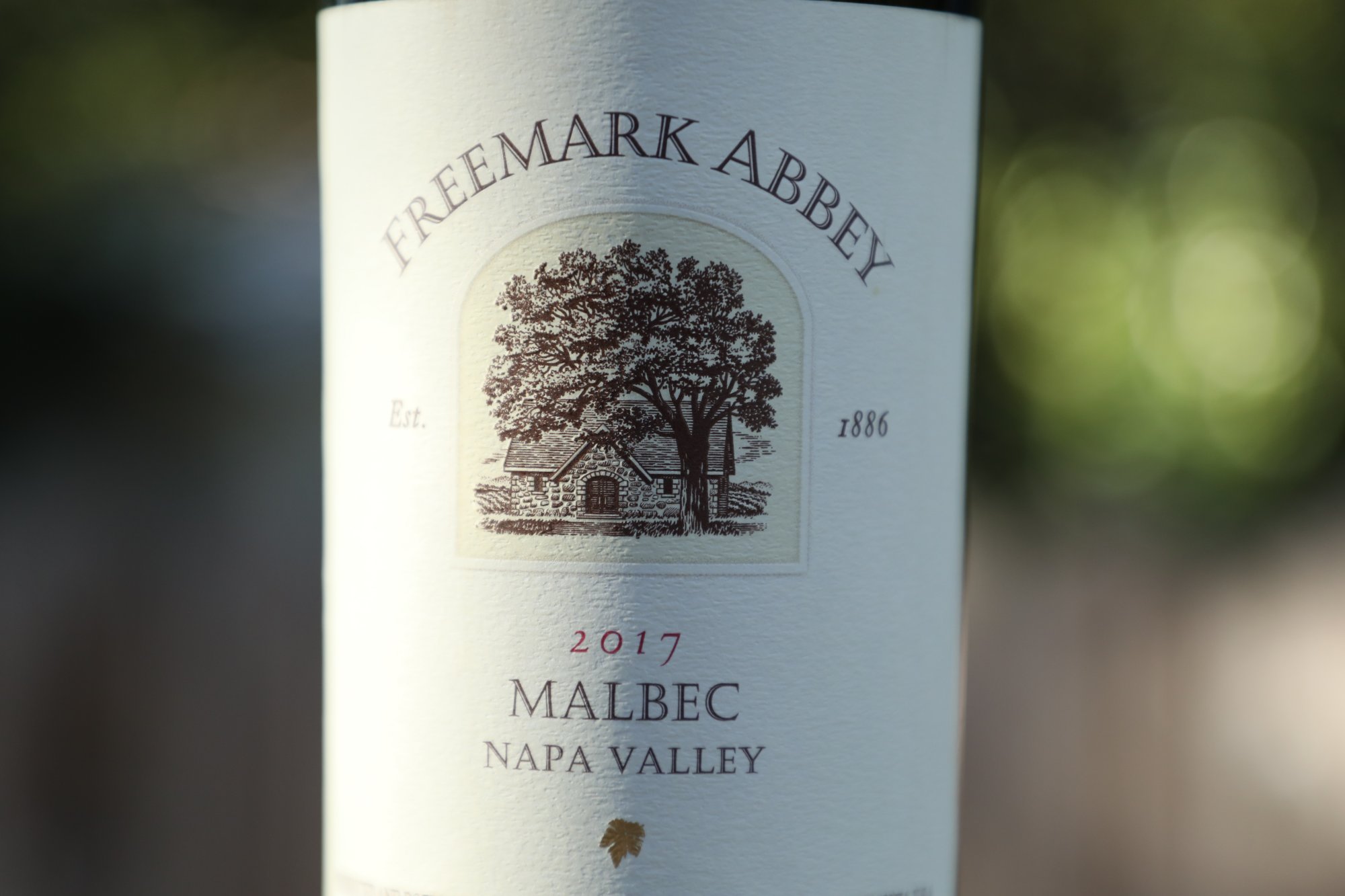
The 2017 Freemark Abbey Malbec is 100% varietal from the Herrick II Vineyard in Yountville; this wine spent 26 months aging in French oak barrels, 32% of which were new. Color is not an issue with this bottling – it is deep ruby with purplish tinges and completely opaque. We tasted this wine 9 years post vintage. Very perfumy and immediatley engaging the bouquet features scents of violets, lilacs and lavender, but with plenty of accompanying fruits. These additional notes are of blackberry, ripe boysenberry, dark plum and black cherry. Also sweet pipe tobacco. The oak never dominates. Smells ripe. Smells bright. And smells inviting. As ripe on the palate as the on the bouquet, this wine serves up layers of fruit flavors including blackberry, boysenberry, blueberry, dark cherry, dark plums and dark chocolate. Still very much primary. The finish persists with notes of toasted cedar, a light dusting of dark pepper and dried herbs including dried sage. The tannins fully make their presence felt across the palate but are never edgy or course. Rather their texture is grainy and gravelly. We would love to try this in another 10 years. Its listed ABV is 14.9%.
Petit Sirah
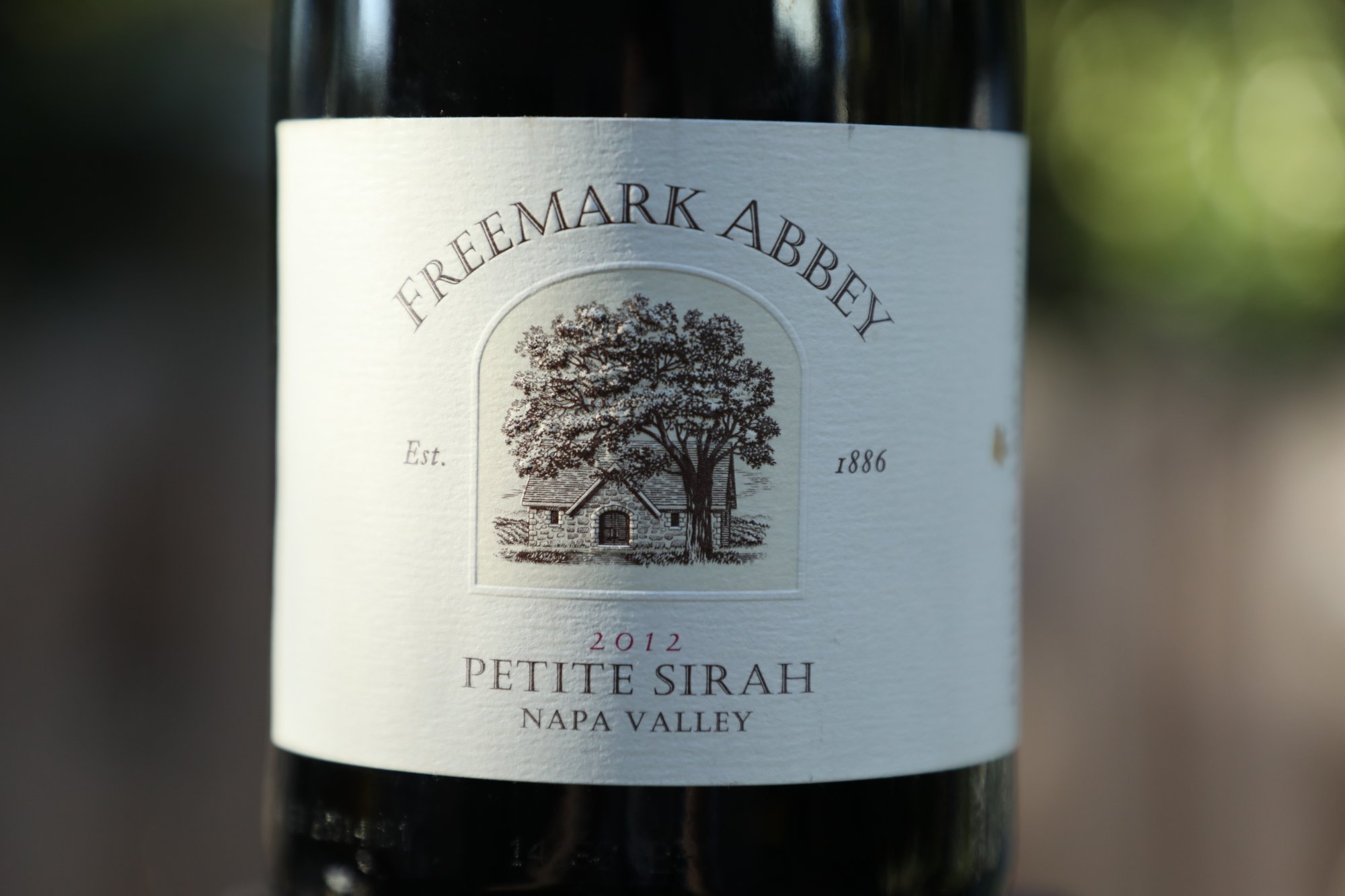
The 2012 Freemark Abbey Petite Sirah is 90% Petit Sirah, 8% Zinfandel and 2% Petit Verdot. This wine was aged for 21 months in French and American oak barrels, with 24% new French oak and 10% new American oak, the remainder being used barrels. At 14 years post vintage, this wine is holding on to its color exceptionally well, a cross between deep ruby and deep purple. Its listed ABV is 15.0%, not surprising for this variety grown in Napa Valley. The nose is ripe and sweetly fruited but not over ripe or jammy; its scents include blackberry pie, boysenberry, baked plums and dark cherry with non fruited notes of dark licorice, chocolate, cinnamon stick, cloves and vanilla. This wine smells like dessert. Big but balanced across the palate and still very much expressing its primary fruit characteristics. This wine tastes like Satsuma plum, dark cherry, ripe blackberry, boysenberry and Himalayan purple mulberry. It is intensely flavored, representative of this variety. The wine sits on the palate with some noticeable weight but is never heavy, rather the tannins are managed quite nicely. Their gravelly and dusty texture coats the palate in its entirety and lingers far beyond the fruit on the finish. This wine has years of life ahead of it still (maybe decades) but is currently showing in a particularly sweet spot. A T-bone steak please. Ted Edwards made this wine.
Cabernet Sauvignon
The 2012 Freemark Abbey Napa Valley Cabernet Sauvignon is dark ruby red in the glass. The aromatics are bright and expressive, leaning more toward red fruit than dark fruit, with aromas of red cherry, currant, and raspberry. The bouquet carries a subtle savory quality, complemented by touches of toasted oak and hints of cigar smoke, which become more noticeable as the wine continues to open and breathe. With time, faint nuances of dried herbs and cedar add further aromatic complexity. On the palate, there is a pleasing play of tannins across the front of the palate, providing structure while remaining well integrated with the fruit. Flavors of red cherry and tart cranberry are supported by a lively acidity that gives the wine energy and freshness. The tannins linger gently while a crisp, refreshing tartness carries through the finish, keeping the wine vibrant and balanced. Overall, this is a very balanced and approachable Cabernet Sauvignon that showcases both structure and brightness. Its moderate weight and lively acidity make it very food friendly, pairing easily with a range of dishes from grilled meats to hearty pasta. And, by Napa Valley standards, it remains available at a comfortable and accessible price point, offering excellent value for the quality in the glass.
The Sycamore Vineyard has formed the backbone for their wine of the same name for many years. This vineyard is located in the southern part of Rutherford nestled against the eastern side of the Mayacamas mountains. The 2011 Freemark Abbey Sycamore Vineyard offers an elegant earthy bouquet with notes of smoke, eucalyptus, mint and a dust character. The palate is lively with notes of blackberry, an oak spice mid palate and reasonably well integrated tannins.
The 2004 Freemark Abbey Sycamore Vineyard shows a brick red color in the glass, hinting at its maturity while still retaining a lively core. The bouquet opens with a gentle sweetness of fruit, offering inviting aromas right away. Ripe plum sits at the forefront, complemented by baking spices such as clove and cinnamon that weave through more subtly in the background. As the wine has time to breathe, notes of dark chocolate emerge, adding depth and a touch of richness to the profile. The wine has aged very well, with its structure and freshness holding up beautifully, and it perhaps drinks a bit younger than its actual vintage would suggest.
Josephine Tychson plot, San Lorenzo Pioneer Cemetery
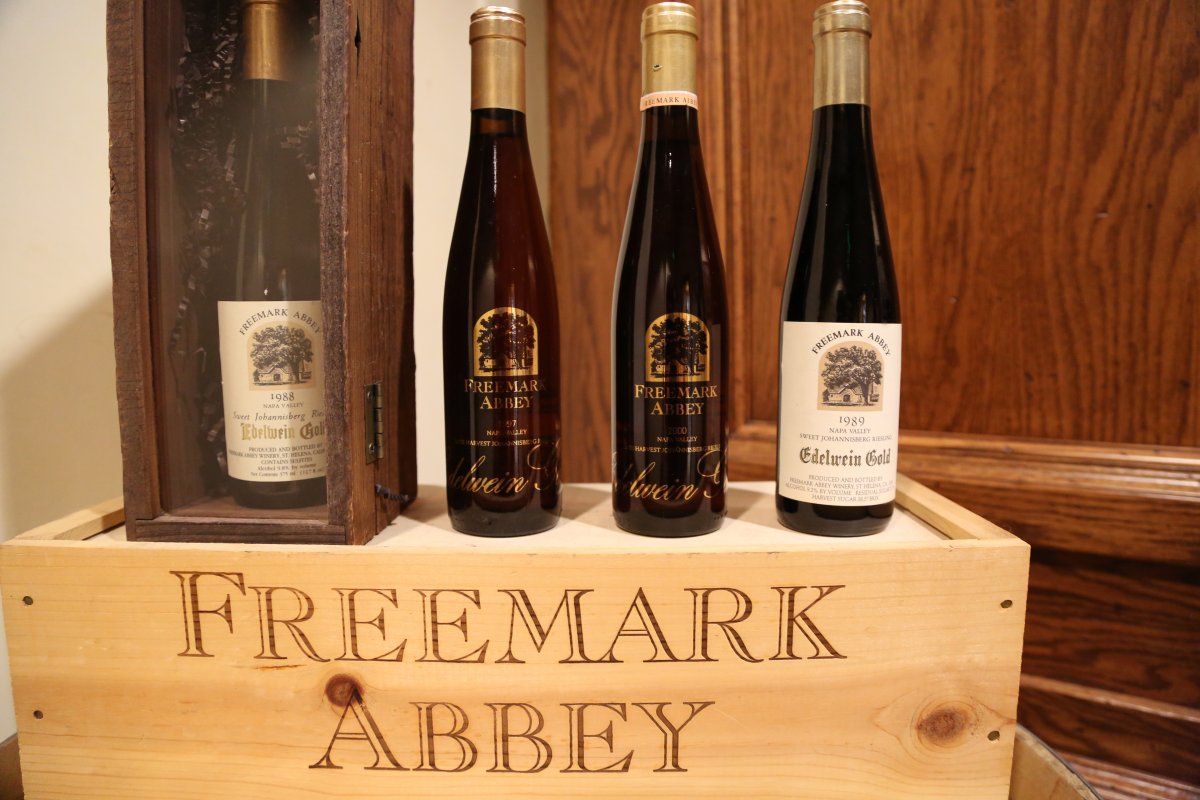
For many years Freemark Abbey produced a beautiful Edelwein late harvest Riesling and were the first winery to make a late harvest of this varietal in Napa Valley. Their last vintage of this wine was 2011 (sold out) but they may still have older vintages for sale. This wine was made from natural botryis so it is only made during certain years depending on the weather and growth of the Botrytis spores.
More recently, they started producing a port-style wine from Petite Sirah: the first vintage was released in late 2017.
—
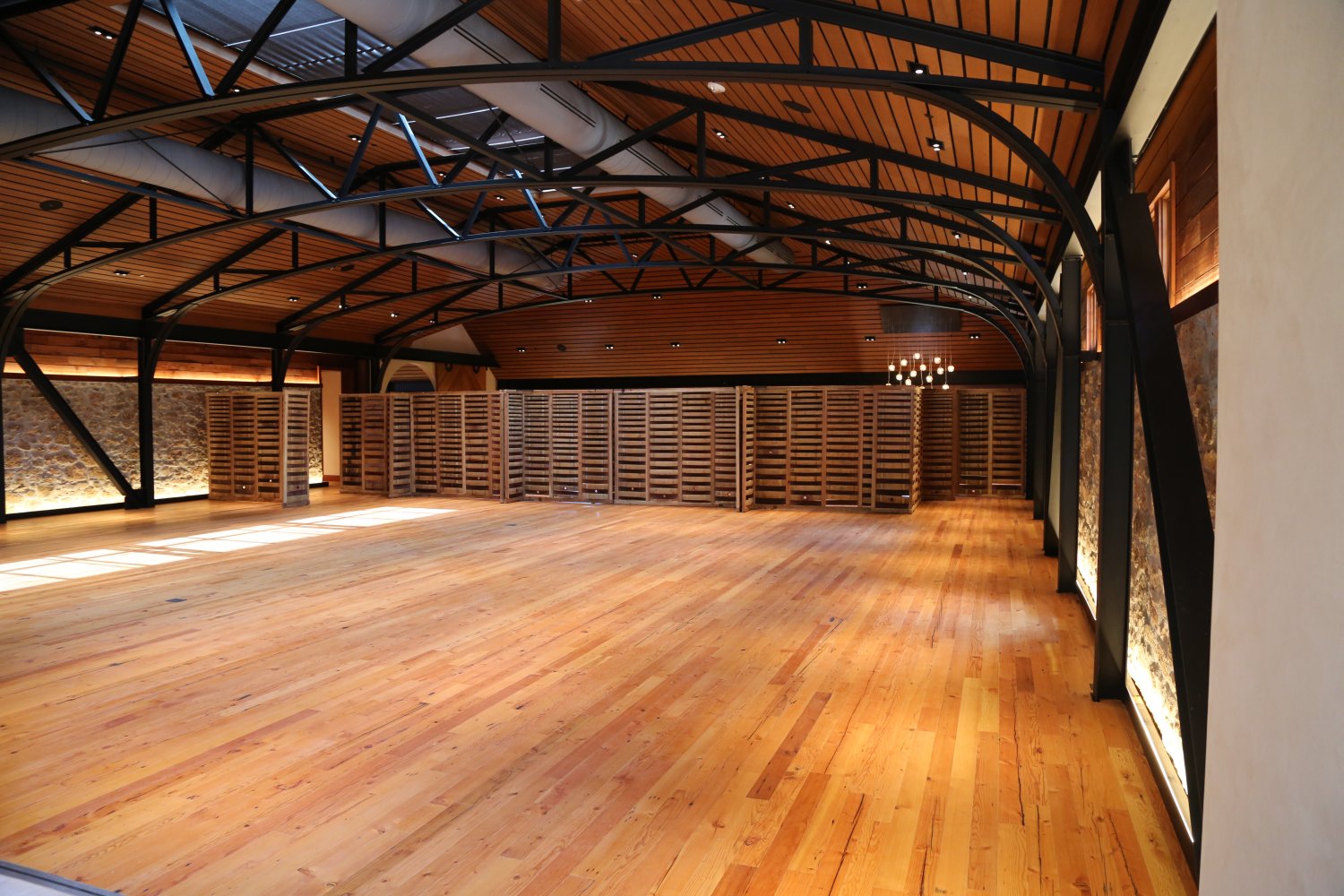
As of June 2016, the old stone winery building (Lombarda Cellars) which dates back to 1899 was completely restored. Some of the redwood from the original winery on site was used in the renovation of this old stone winery. In more recent times, this building housed the Silverado Brewery Restaurant and served as barrel storage for the winery.
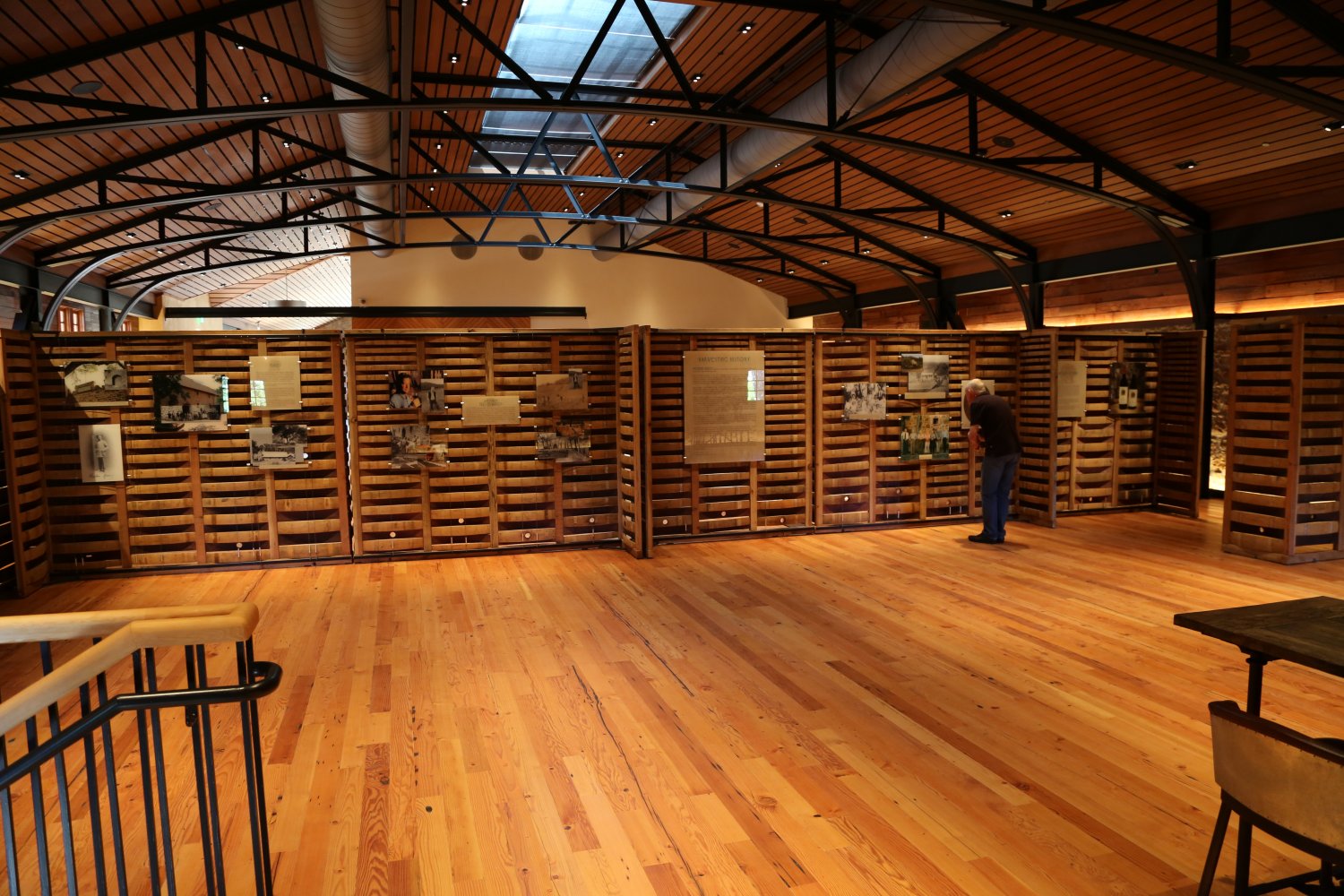
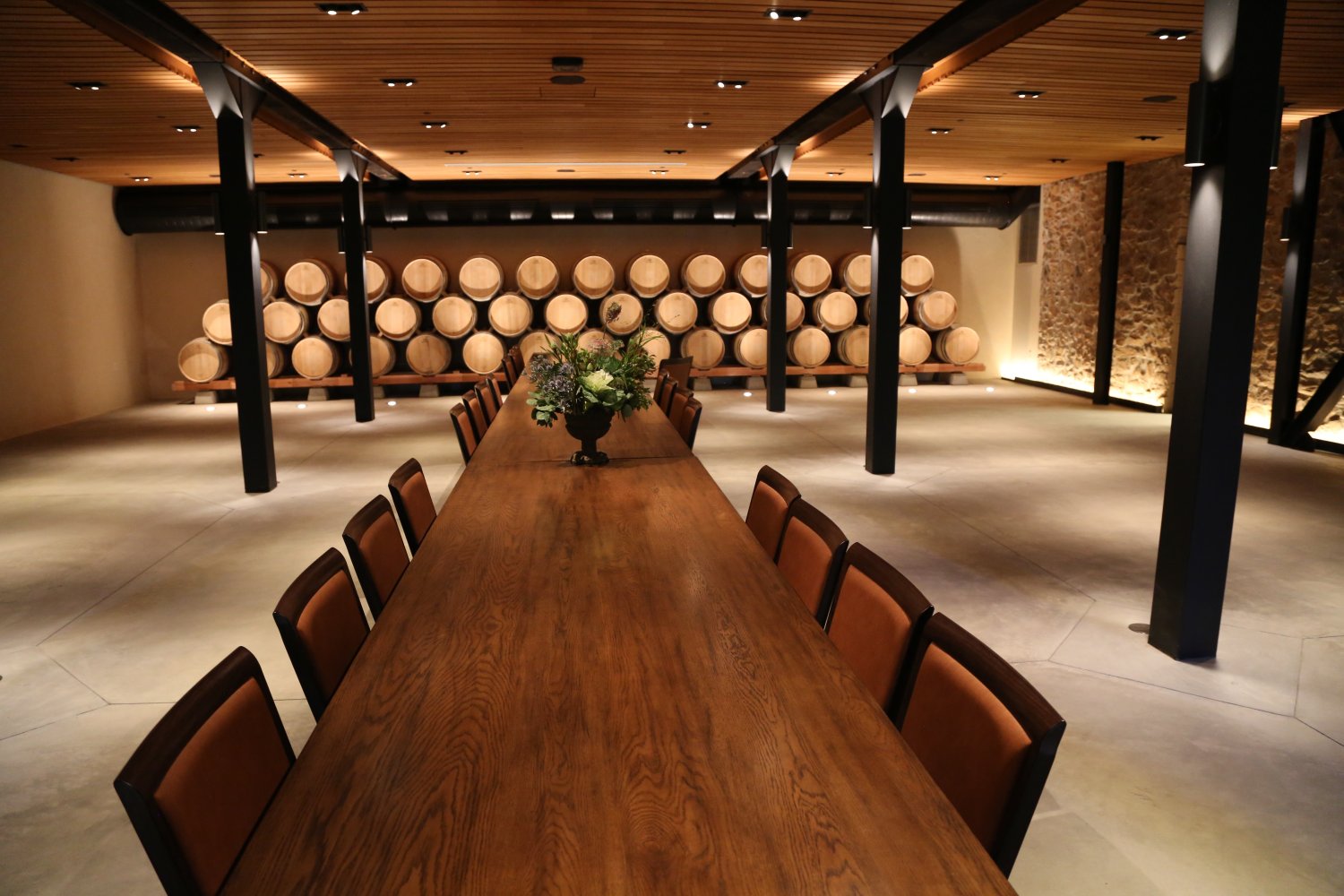
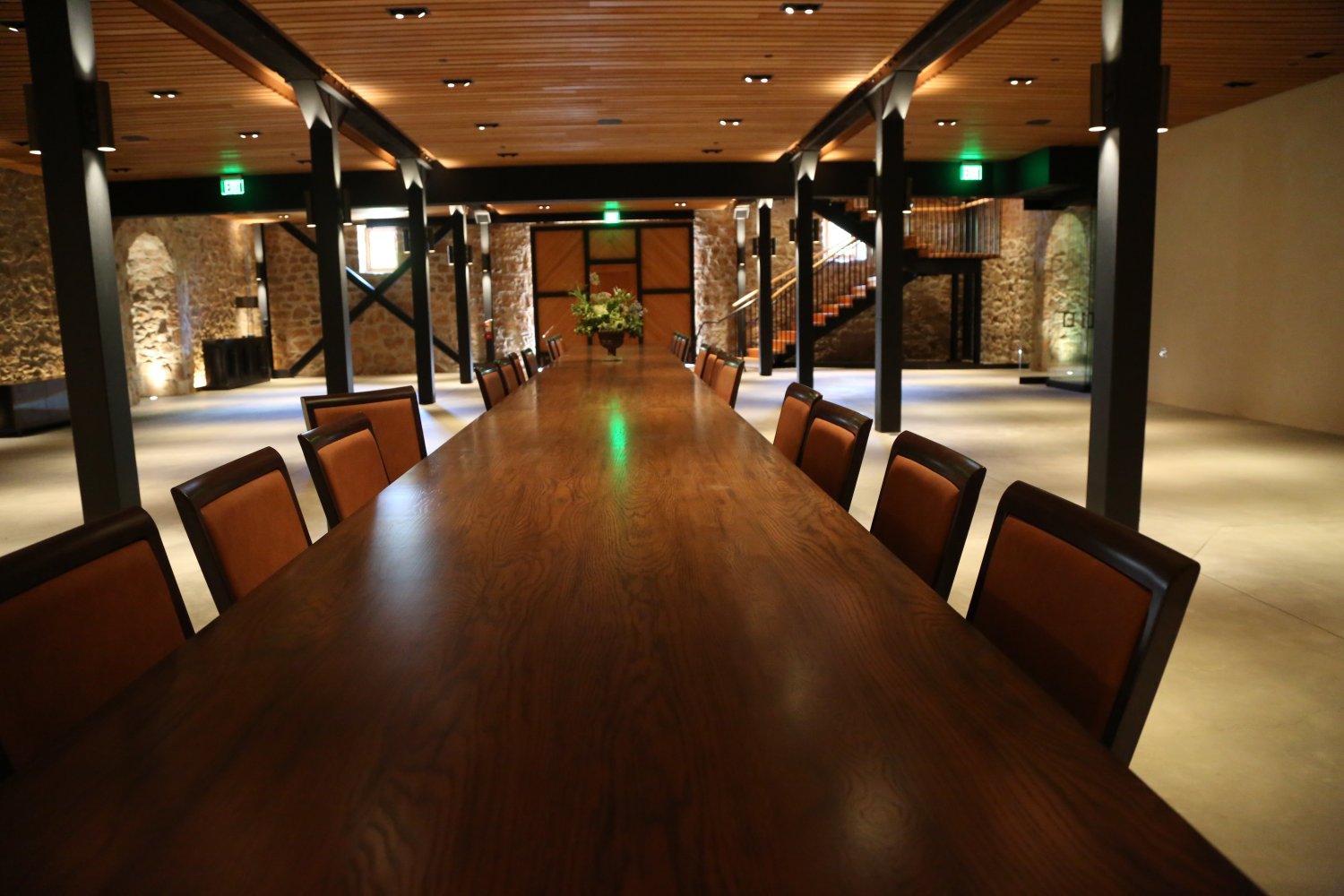
The old stone building houses three spaces, the general tasting room and a small retail outlet on the first floor, a reserve room on the lower floor and an event/banquet space (formerly was Roadhouse 29 Restaurant which used to focus on smoked meats and barbecue and a number of salads). And before Roadhouse, this was formerly the site of Two Birds & One Stone restaurant, a yakitori, a Japanese type of skewered chicken.
Inn at the Abbey
The Jackson family owns nearly 14 acres including Freemark Abbey along Highway 29 and on both sides of Lodi Lane including what was the A Dozen Vintners tasting room, the old Brava Terrace Restaurant and what was The Eagle & Rose Inn. They purchased part of their existing property footprint from Norman Alumbaugh in 2013 (just before he died in 2014). Alumbaugh used to own A Dozen Vintners and Eagle & Rose. Plans call for turning part of the property into a small inn. For updates and more details of this Jackson family vision, visit: www.innattheabbey.com
Jackson Family Wines
The remarkable success story of Jackson Family Wines began with Jess Jackson; San Francisco raised, he founded a law firm in the city in the 1950s focusing on real estate and land rights issues. Later, with his first wife Jane in 1974, he bought an old 80-acre pear and walnut orchard near Lakeport, Lake County. They converted this to Chardonnay and began selling the grapes to local wineries. Eventually the market for grapes softened and Jackson had more grapes than he could sell.
 He decided to make Chardonnay – the fermentation on one of the lots ended up not fully completing leaving the resulting wine with a little bit of residual sugar. With the help of Napa Valley vintner, Ric Forman they created the first Chardonnay from a blend of multiple lots from various vineyard sources. The 1982 vintage was the first wine from Jackson Family Wines – called Vintner’s Reserve Chardonnay. Priced reasonably, not to cheap and not too expensive, this was a premium made fruit-forward Chardonnay, soon made in large amounts with a flavor profile that appealed to many people.
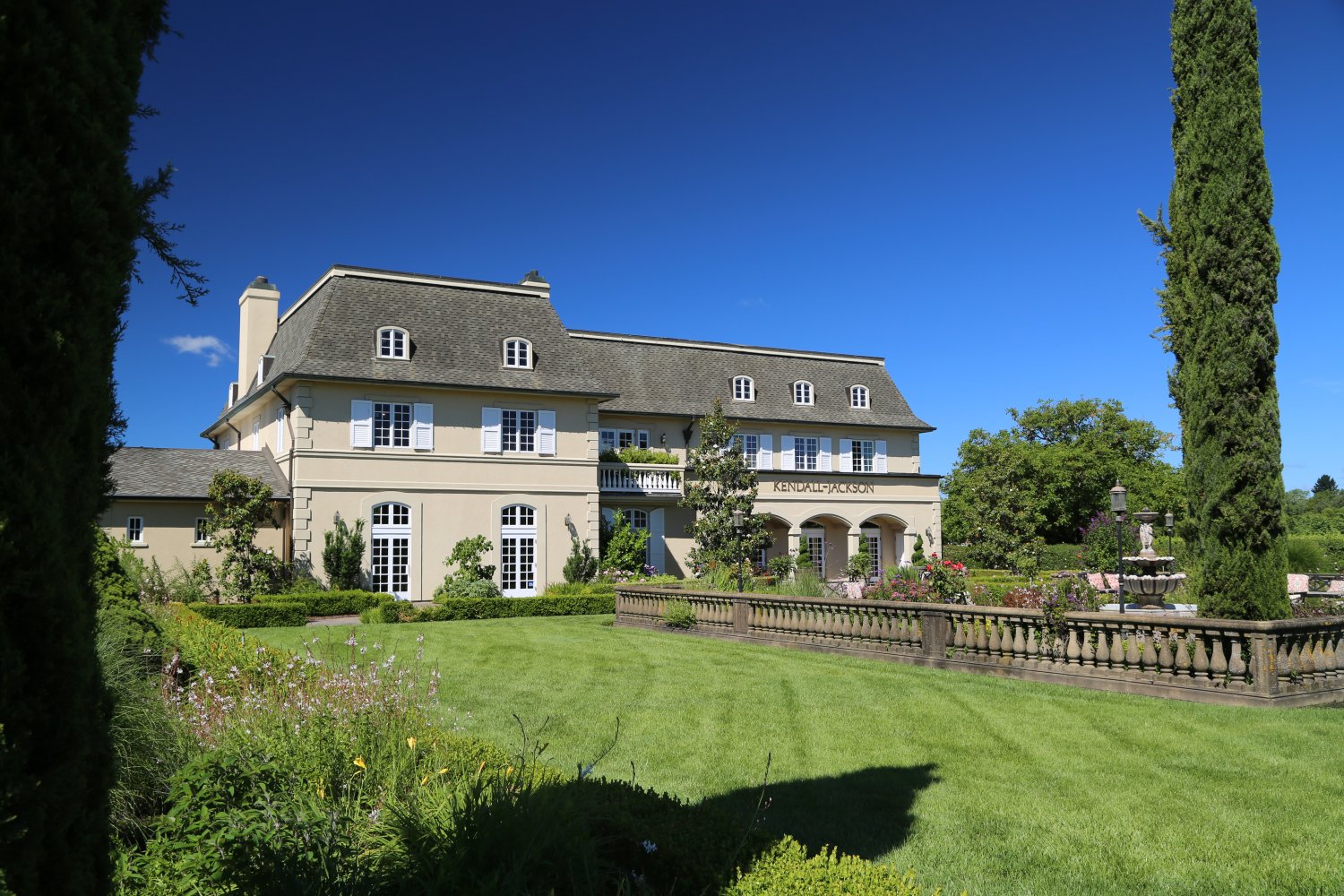
With the popularity of the Chardonnay, Jackson began expanding to other parts of California and eventually outside of the state including international properties. The Kendall-Jackson Winery and tasting room is located in tiny Fulton, just north of Santa Rosa in Sonoma County. The company headquarters is located in Santa Rosa. Kendall was the maiden name of Jackson’s first wife.
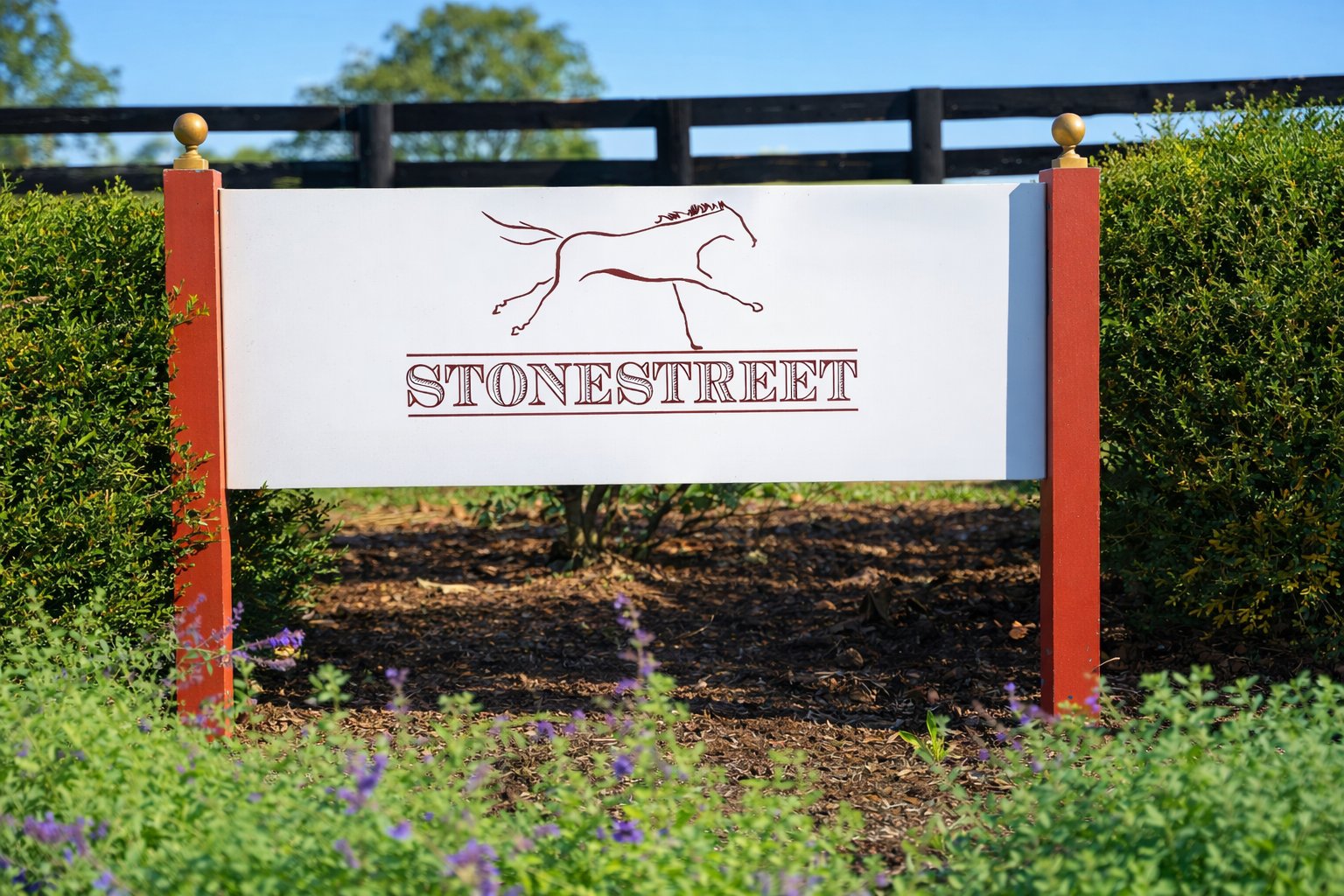
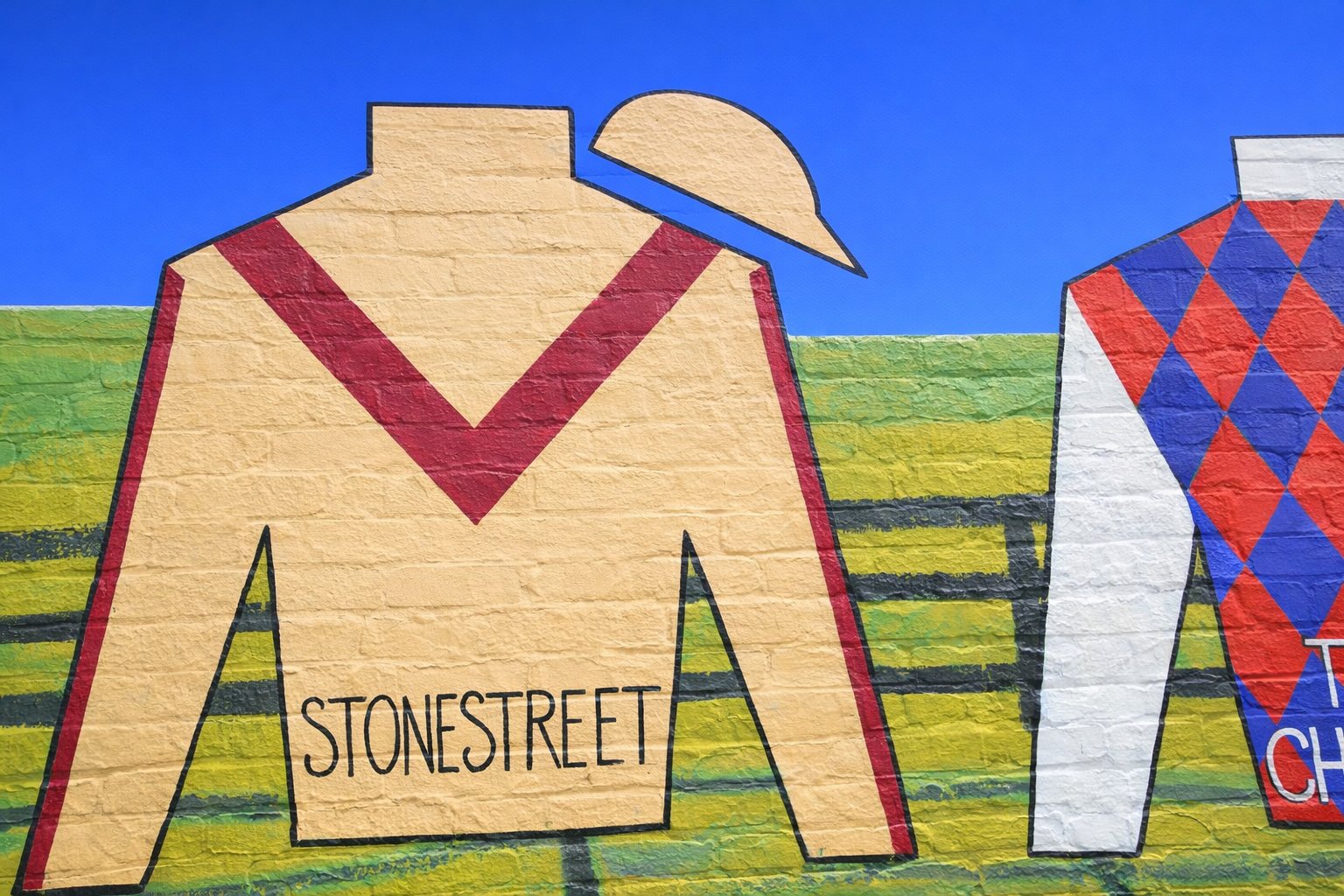
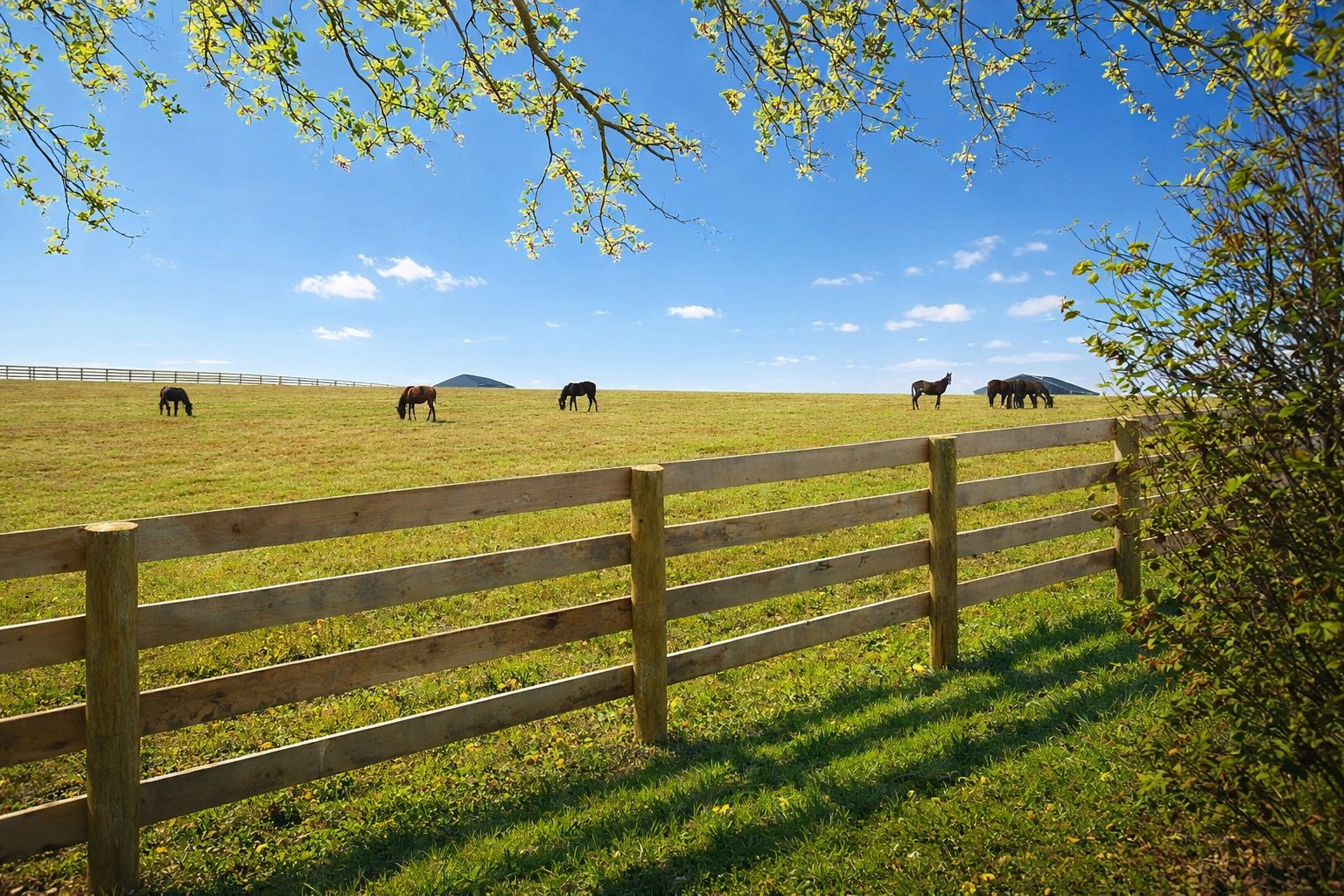
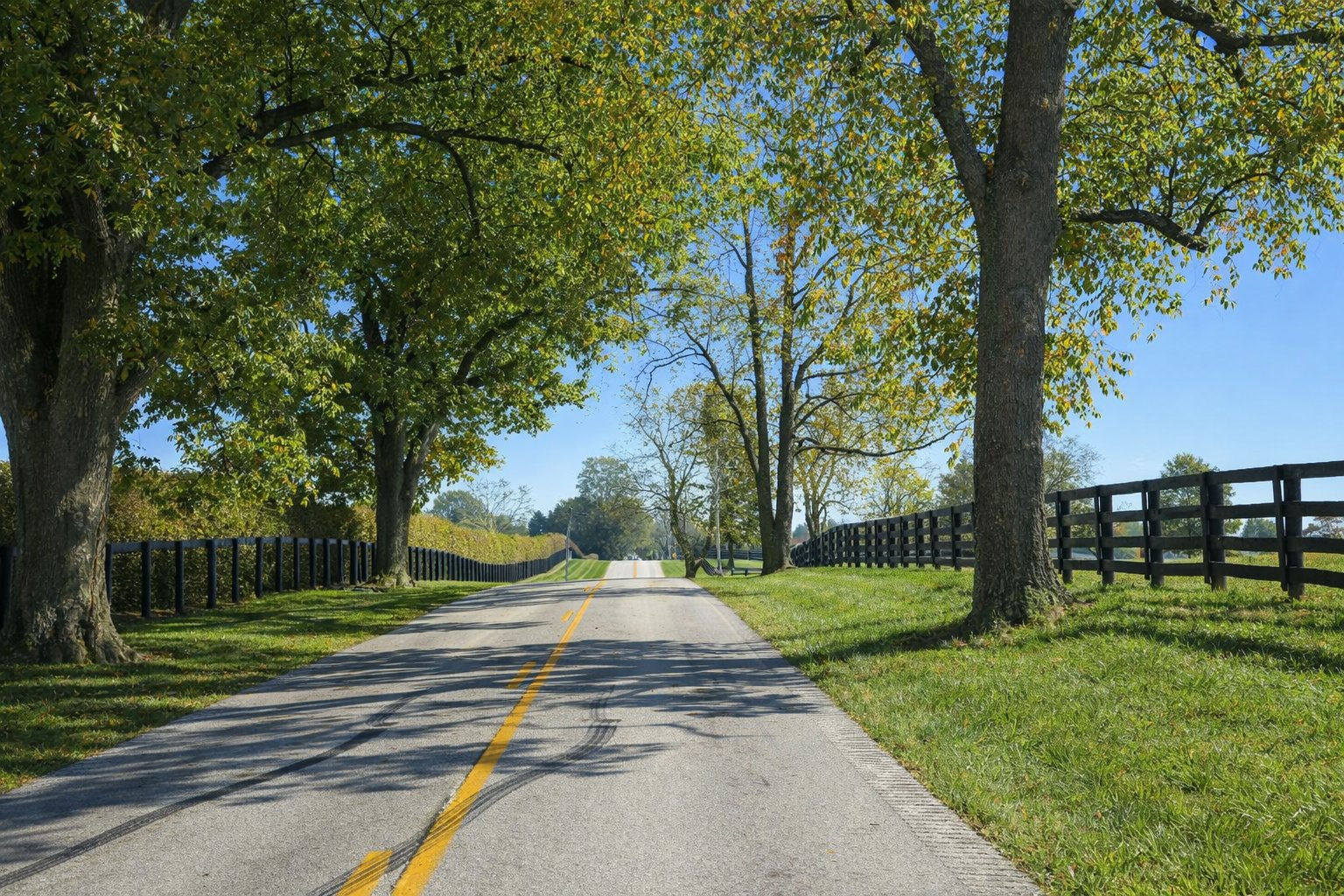
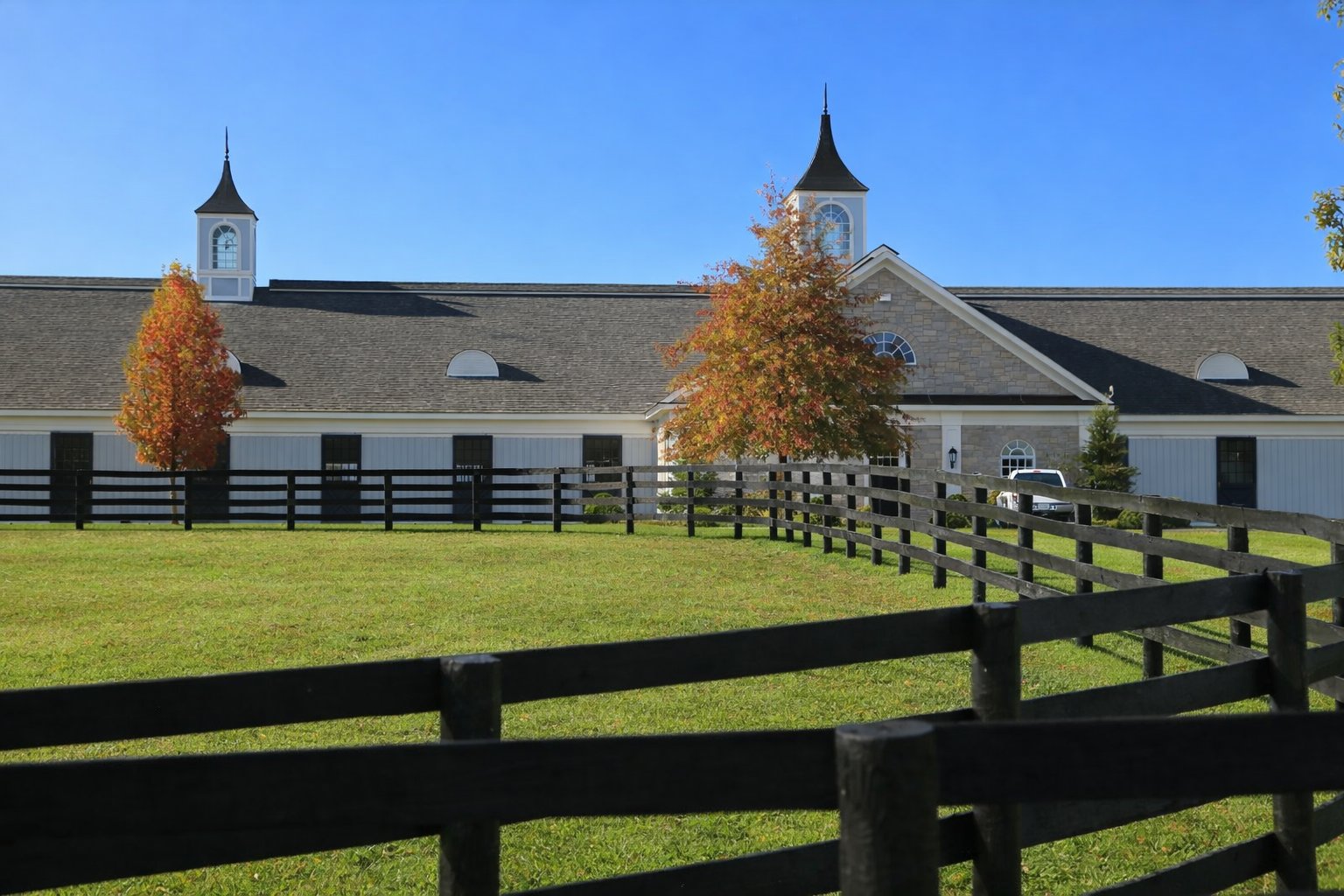
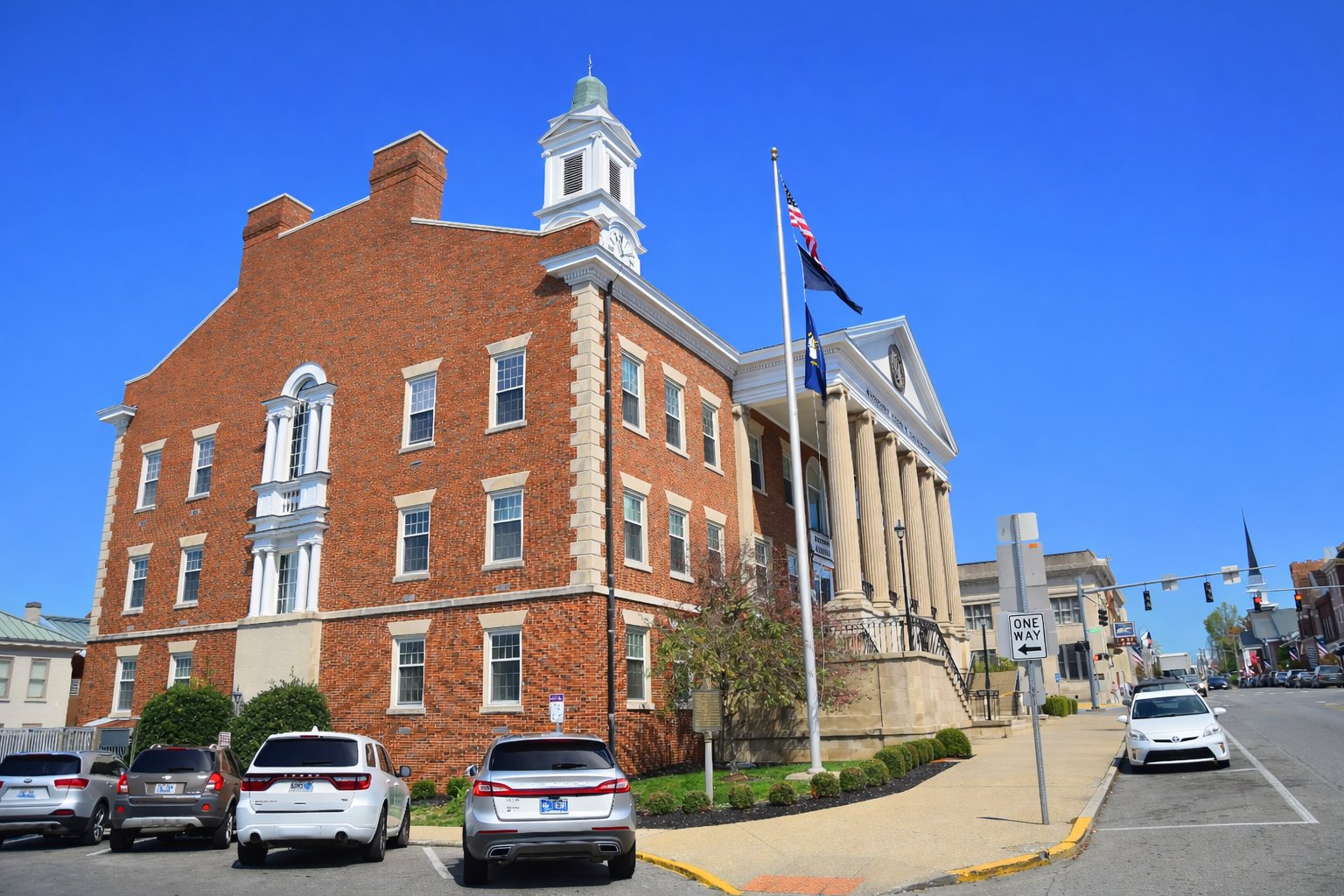
In 2003 Jess began involvement with professional horse racing including purchasing horses (some went on to stand-out careers) and establishing Stonestreet Farm (Stonestreet is Jackson’s middle name); this horse farm and racing stables is based just outside of the small town of Versailles in Kentucky. This is prime ‘horse’ country’ with numerous thoroughbred horse farms in the region. Stonestreet is also the name of their winery in Alexander Valley (not far from Field Stone Winery). And it should be no surprise that the horse stables are named after grape varieties.
In 2009 Jess was inducted into the Vintners Hall of Fame. He died in 2011; today his wife Barbara Banke oversees the growing company and its operations. For reference, in addition to Freemark Abbey, their Napa Valley owned wineries or brands are the following: Cardinale, Galerie, La Jota Vineyard Co, Lokoya, Mt. Brave and the Spire Collection.
Stonestreet Farms, Kentucky
For more information, to join their wine club or to schedule a tasting, visit: www.freemarkabbey.com
Hospitality Center
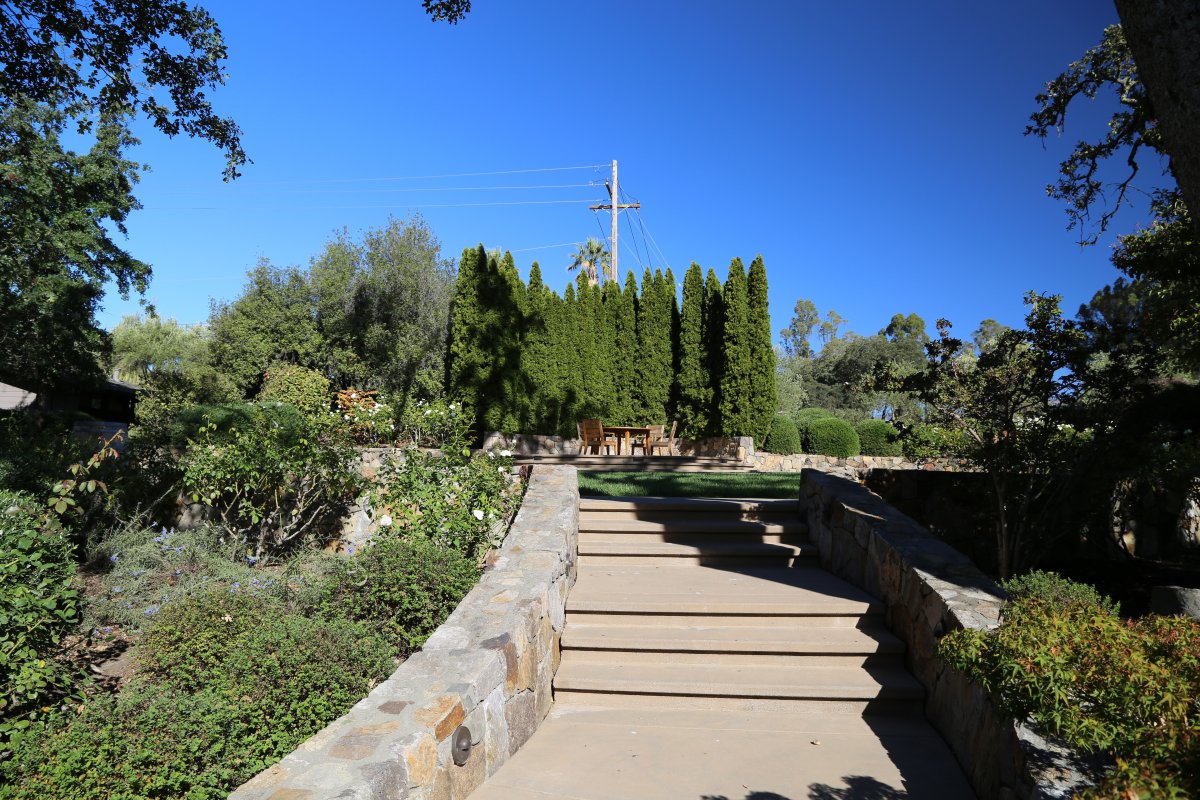
Grounds

Roadhouse 29
Now closed, but we keep these photographs here for historical reference.
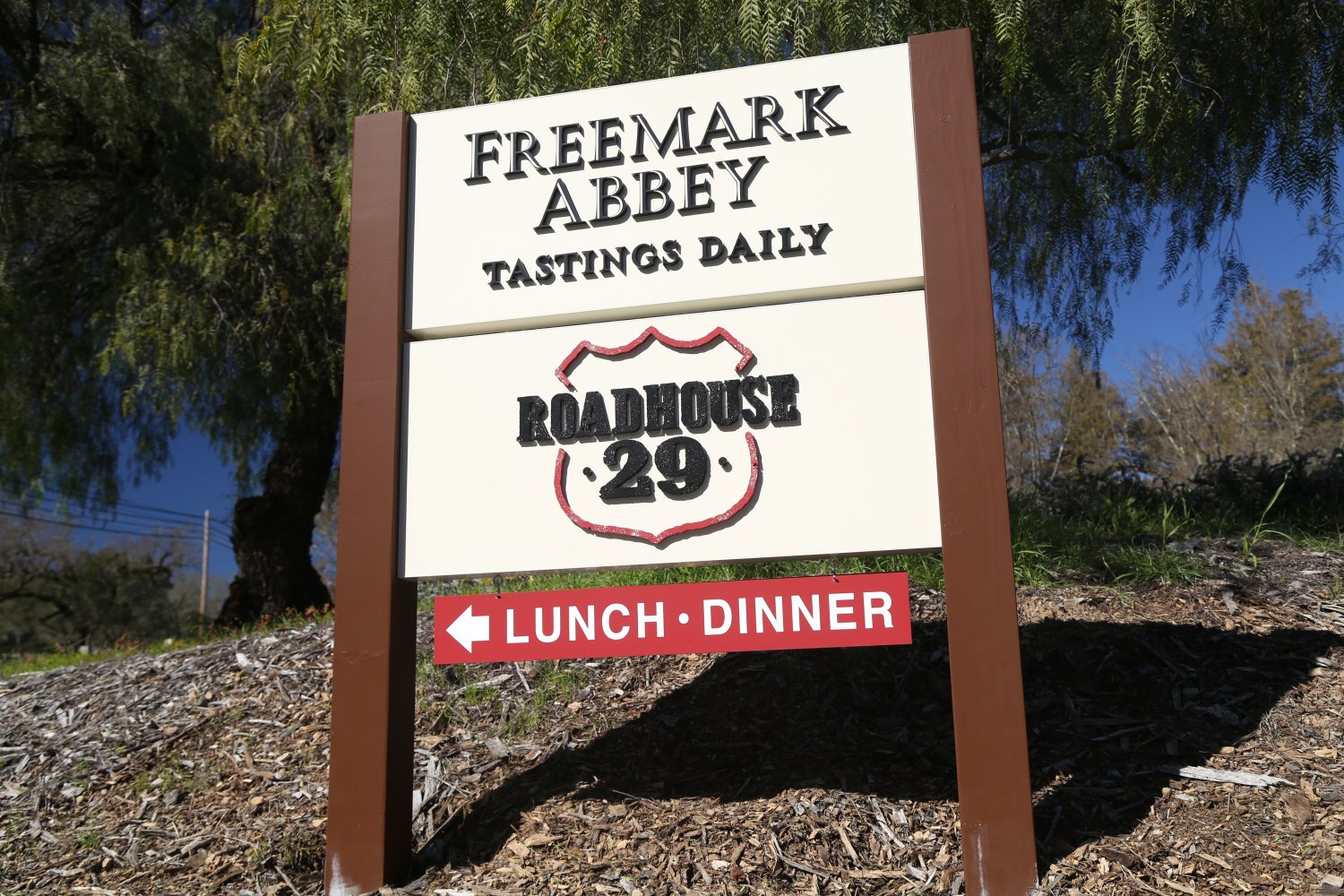
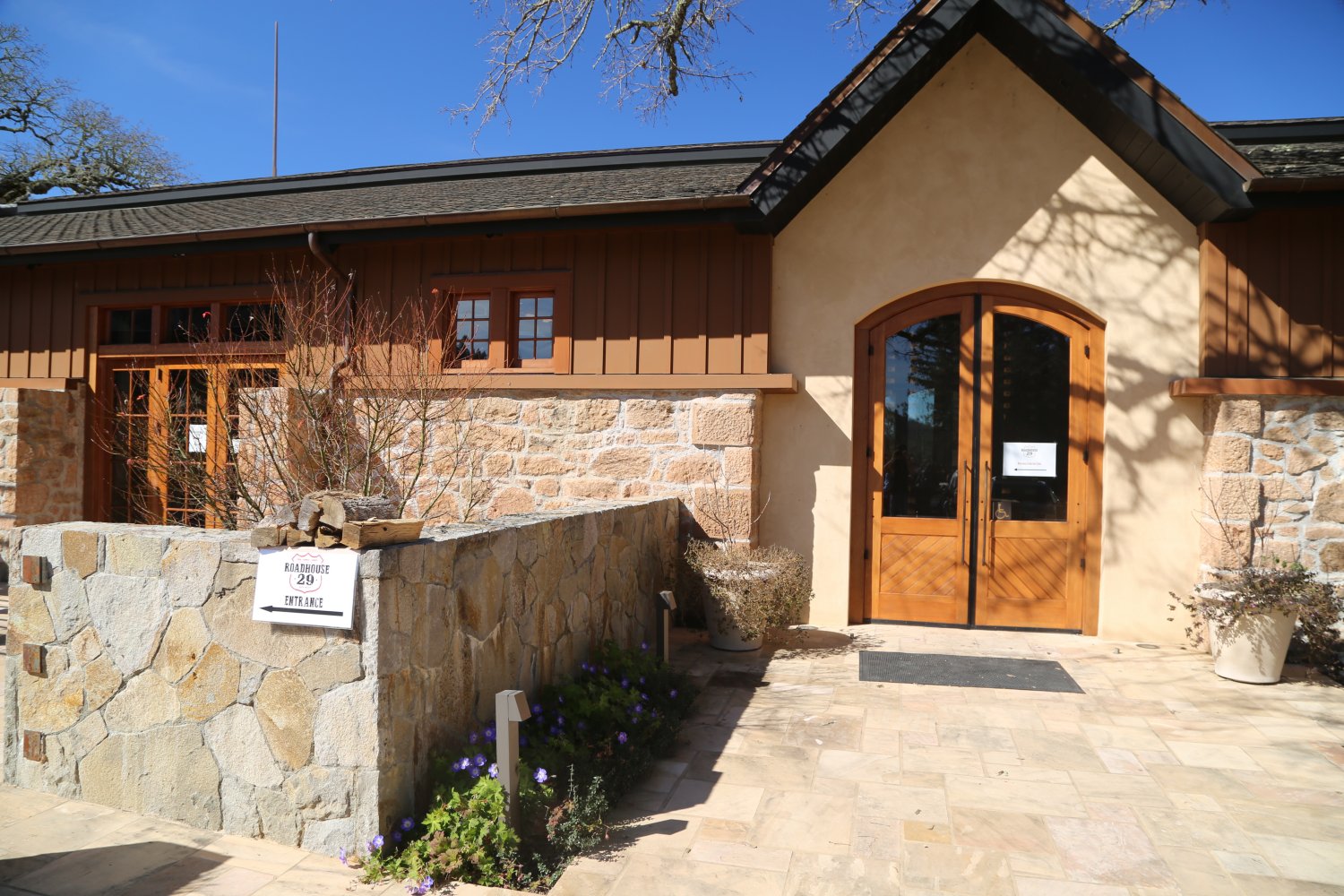
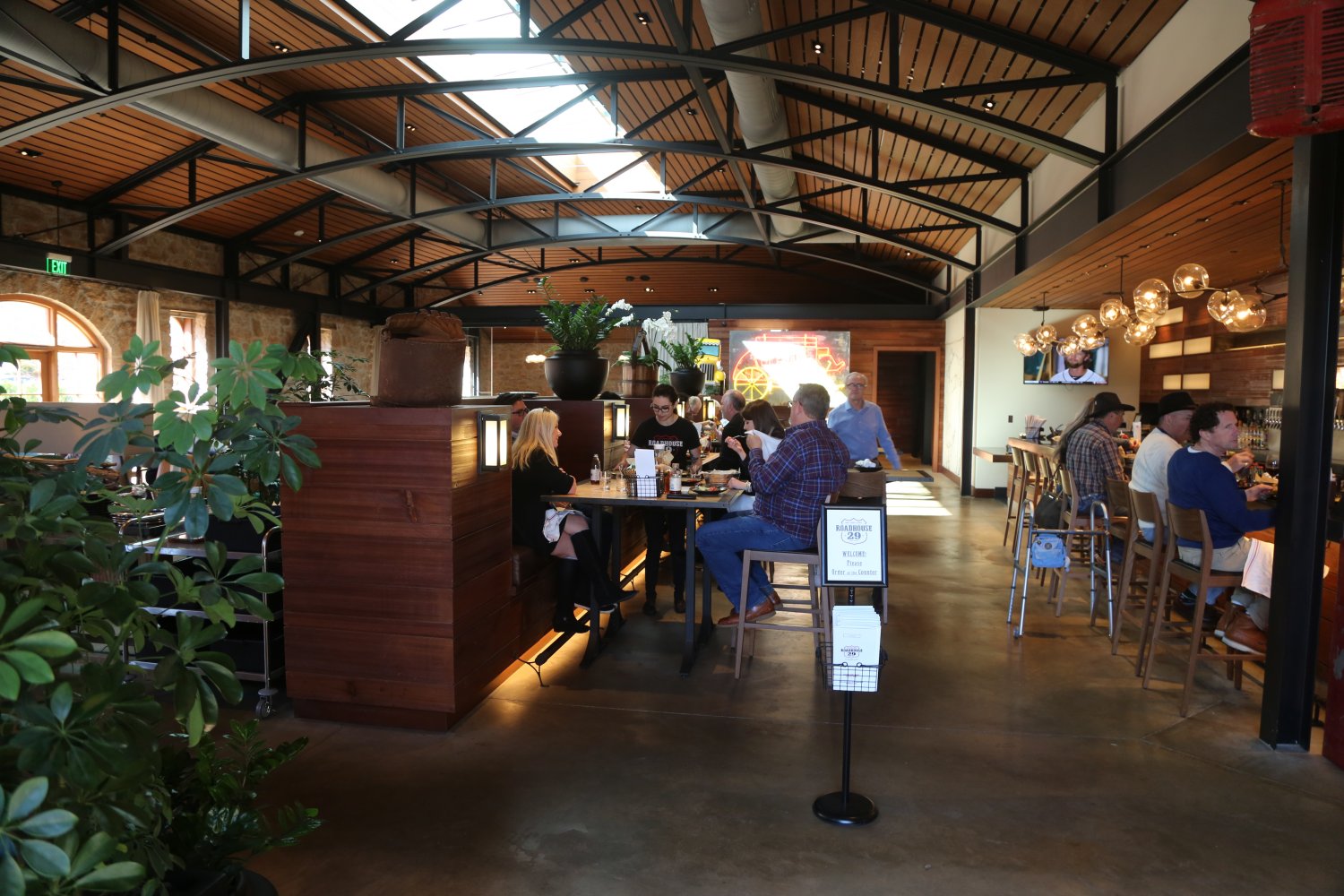

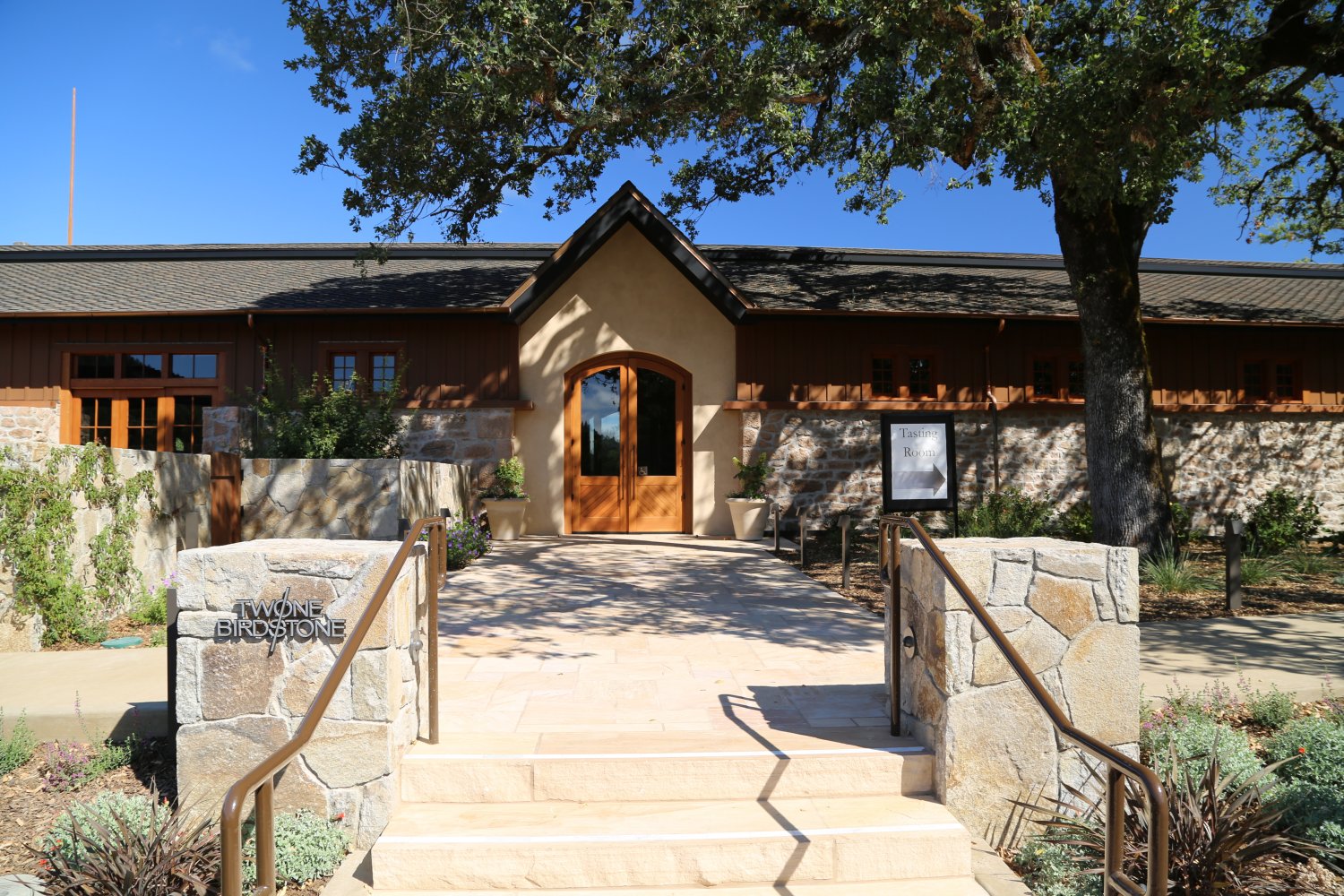
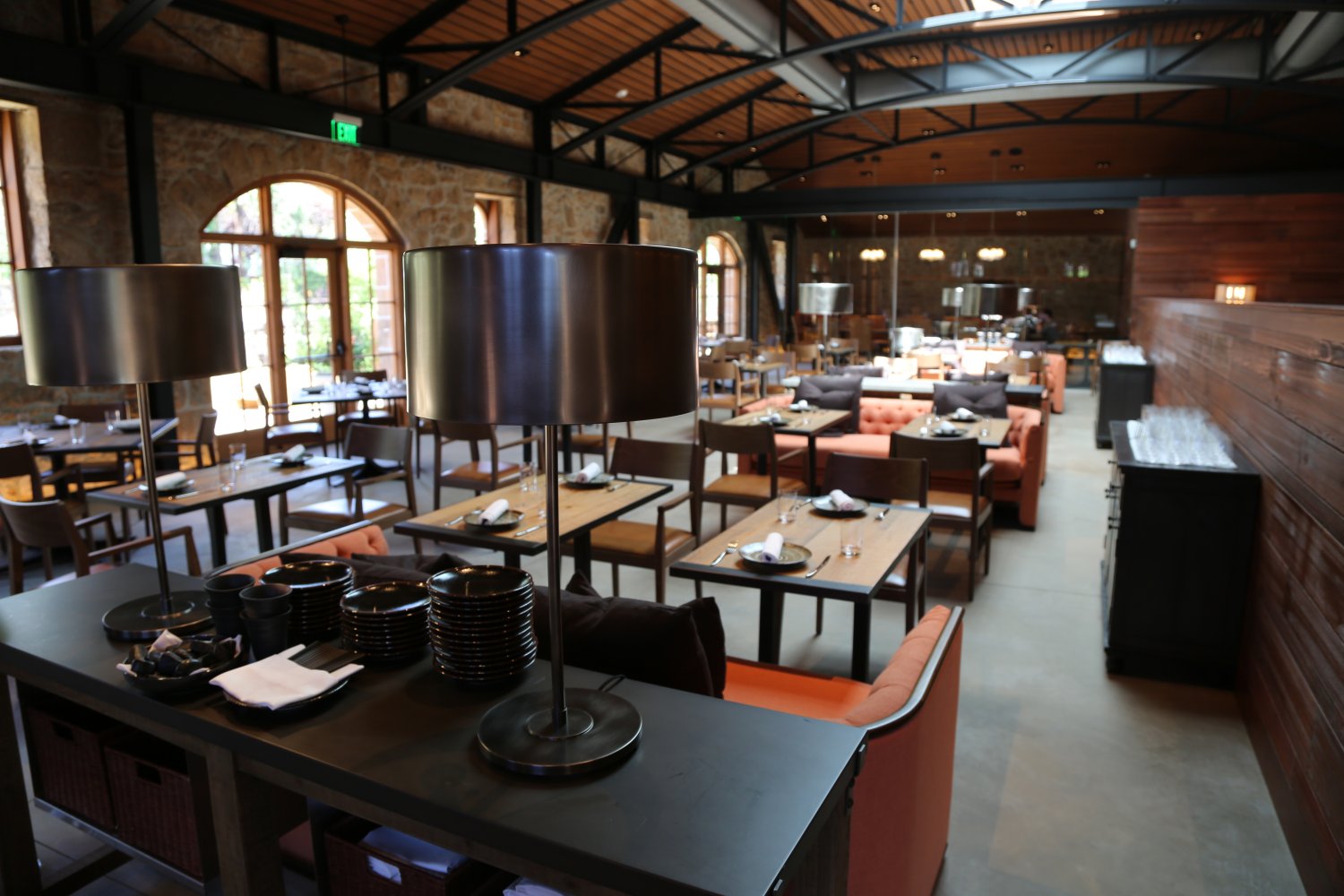
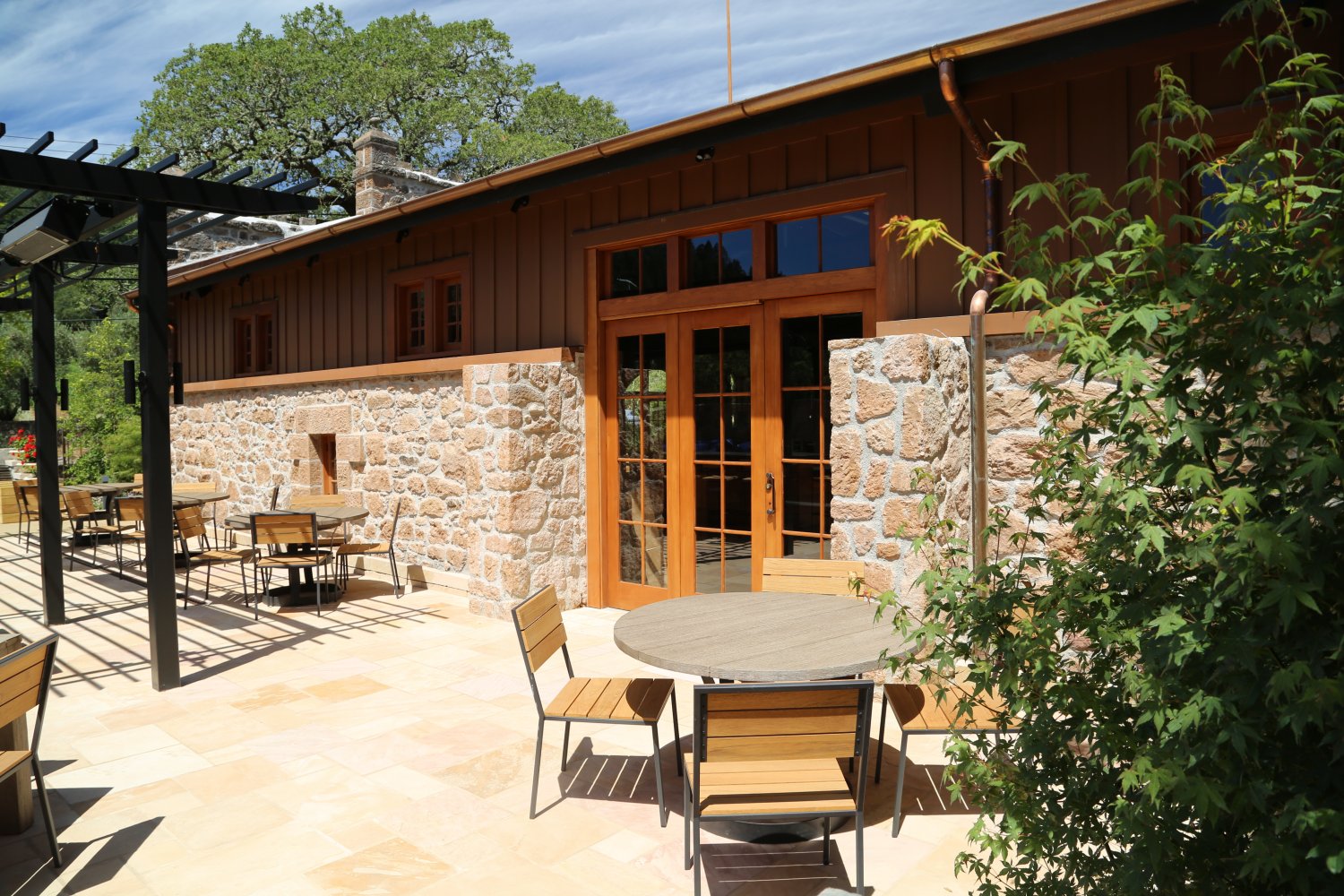
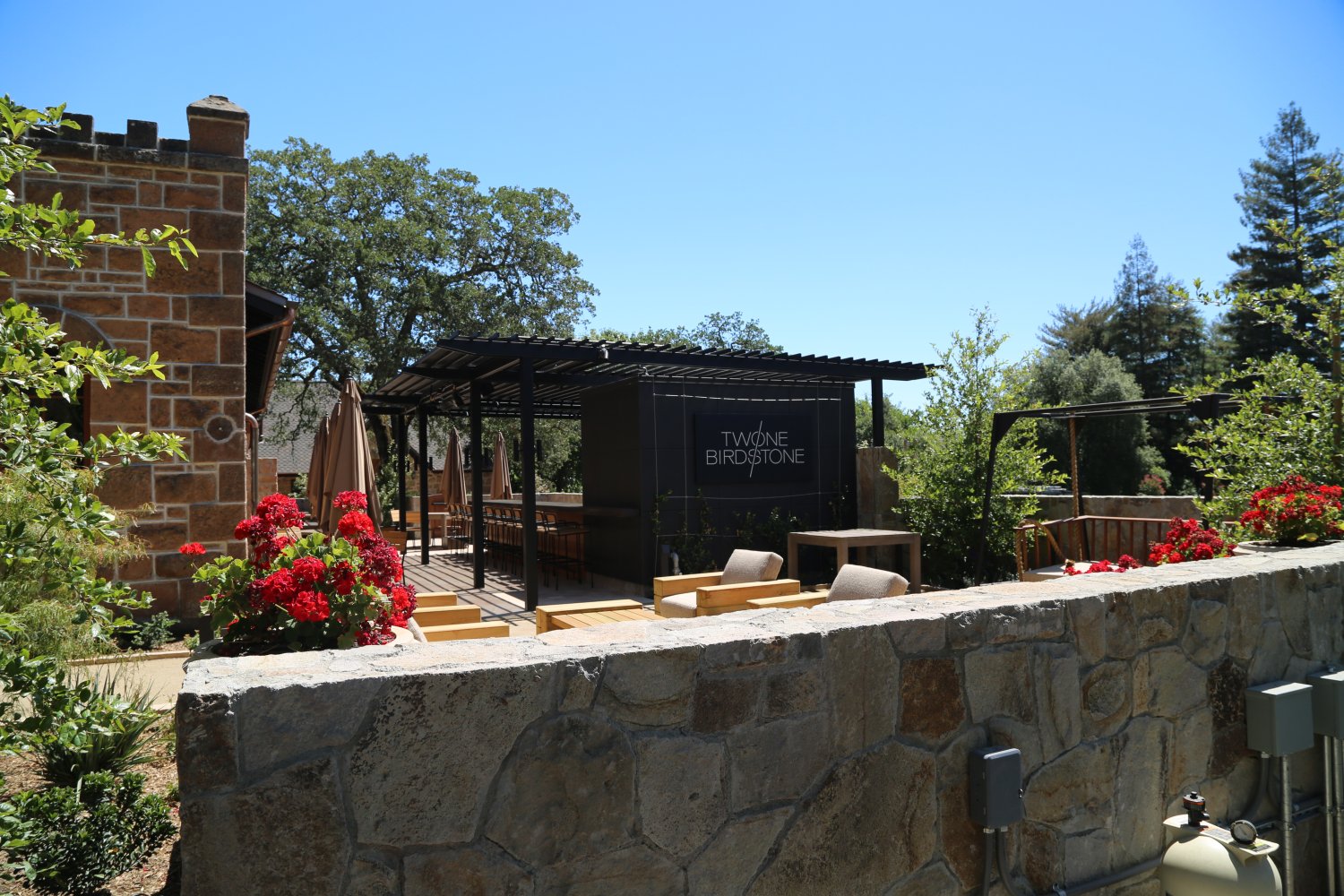
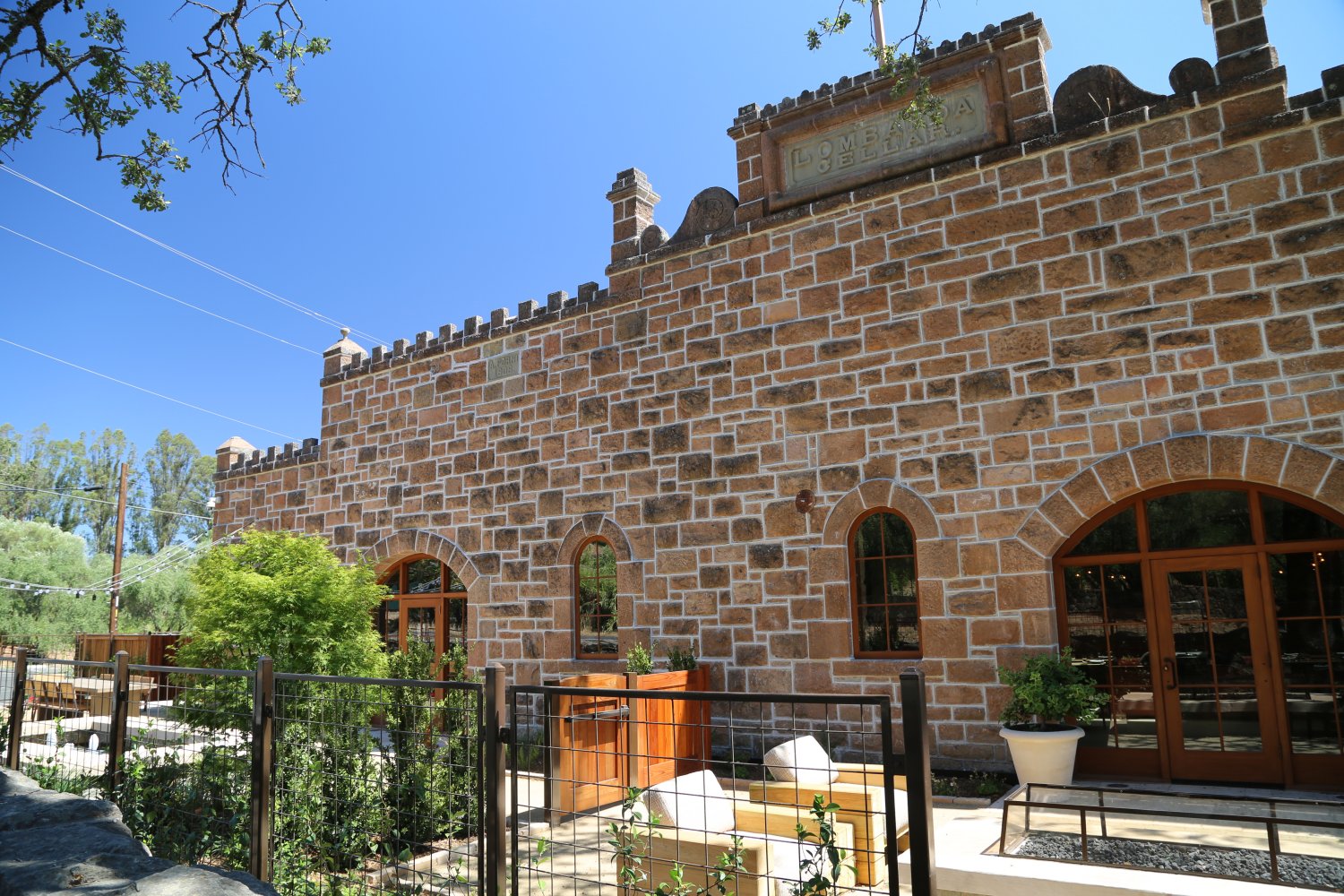
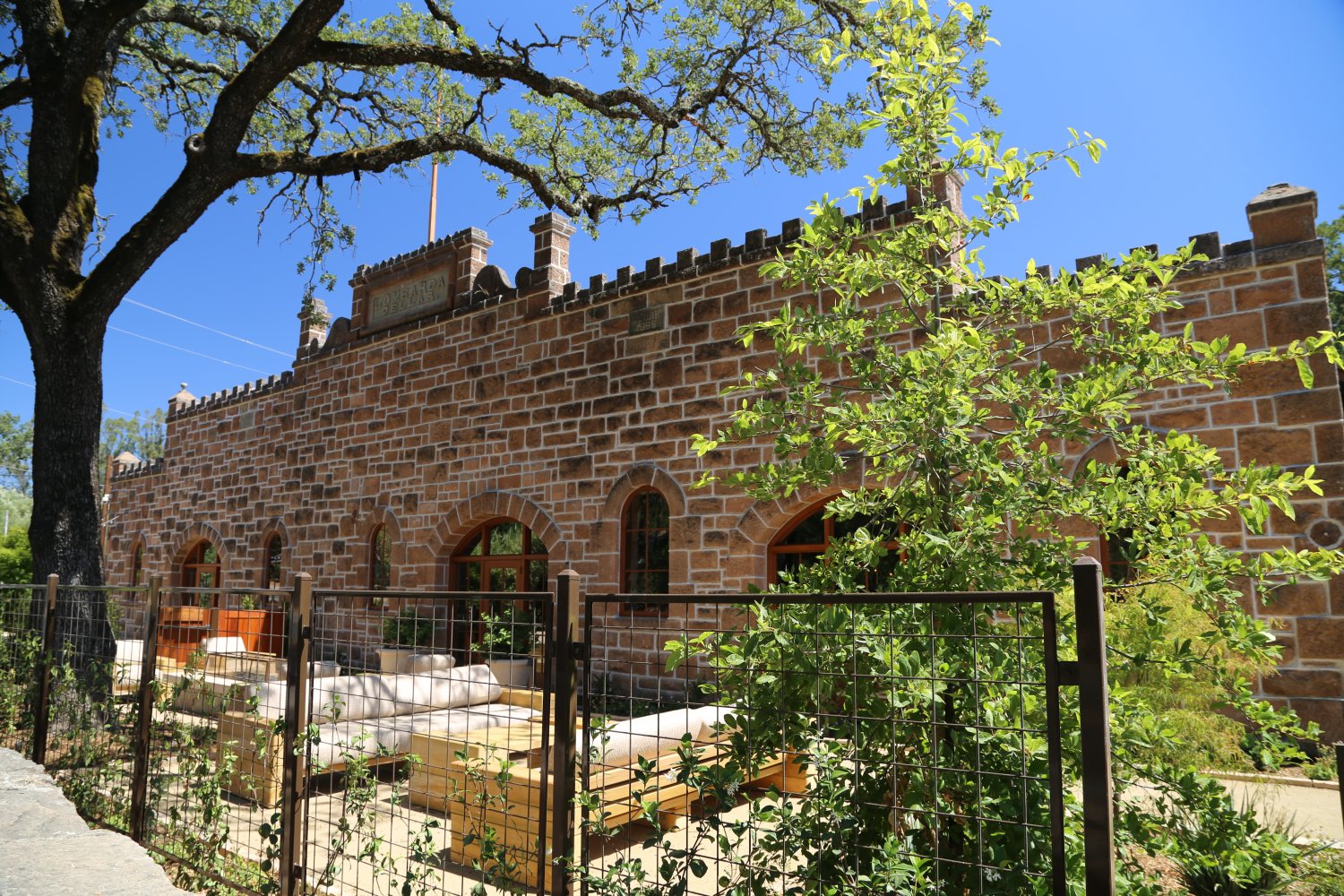
Old Tasting Room
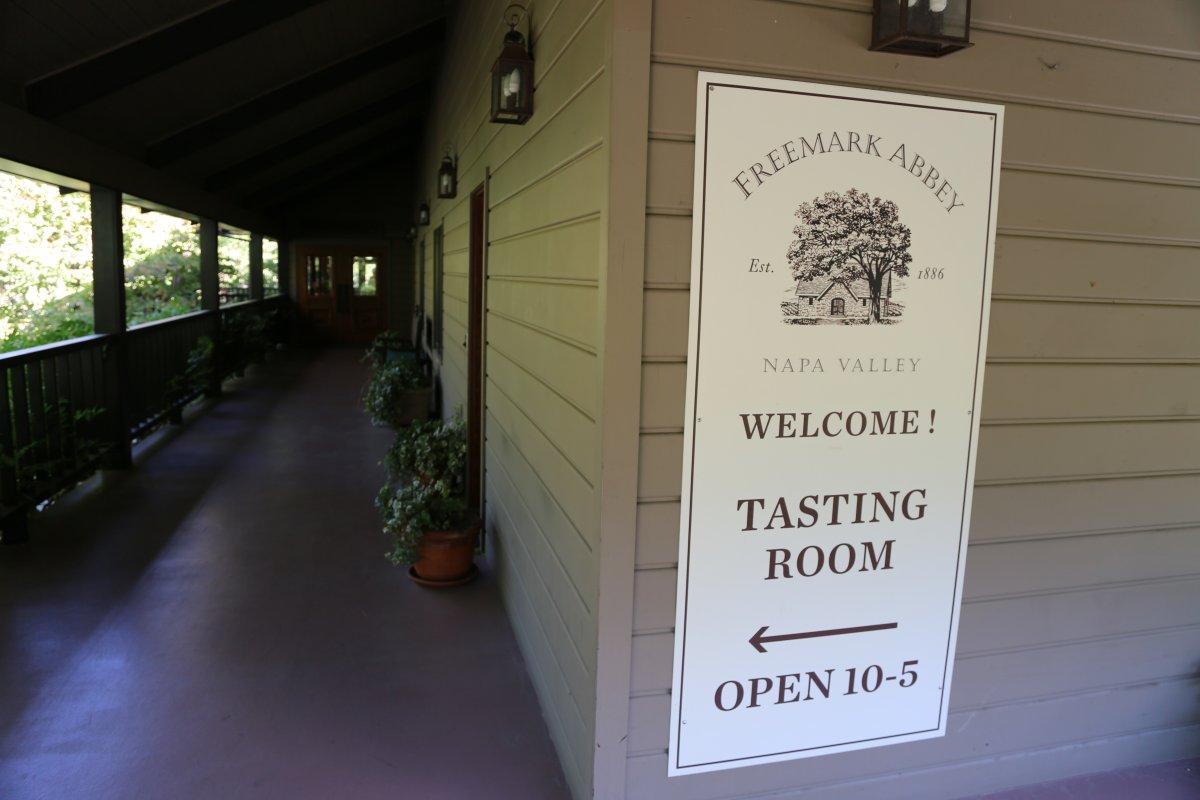
Would truly appreciate a similar site for Sonoma, The Sonoma Wine Project. This site has been invaluable as a resource but could use Sonoma!
Haven’t figured out why Josephine Tychson is buried in the San Lorenzo Pioneer Cemetery – along with John Lewelling and also Hamilton Crabb (To Kalon). Did they all know each other at some point? Well …. the start of another epic non locked down Napa road trip coming up this week – this time throughout the west USA and Midwest stopping at numerous places with strong connections to wineries in the Napa Valley, including apparently, cemeteries!
. Could it be that many of Josephine’s (nee Marlin) families are buried in the San Lorenzo Cemetery (and also in Mt Eden).
Thanks Carl – wish I had a duplicate. This site has been all encompassing for the past 15 years and I feel like I still have barely made a dent in the Napa Valley wine scene. Days are often long, working on this project from 8am till 11pm. I take one long break in the winter to refresh and then am back at it again – intensely and singularly focused starting in March through end of November. There are still at least 200+ Napa producers I haven’t yet met with and that is after visiting with more then 1,000 to date. Any Napa producers I haven’t yet met with not listed under the Reviews on this site? Please let me know and or make an introduction. I’m slowly working through my non reviewed list.