



 Flint Knoll was co-founded by proprietors Aaron Meredith Michaelis. Aaron fell in love with wine while working at Chateau Cigar Shop at age 18 in Wichita, Kansas. Jacob Liquor Exchange was located next door to the cigar shop. Aaron would walk over and look at their wine selection, his interest piqued by their portfolio of wines from around the world. See our notes and photography from our visit to both of these stores at the bottom of this profile.
At age 24 Aaron began a local wine tasting group called The Young Vines focusing on wine education. At age 28 he moved to Kansas City and worked for a wine distributor, in the process continuing to expand his own wine knowledge and equally as importantly make valuable wine related networking connections. During his time in Kansas City he also co-owned and operated the restaurant, Remedy Food + Drink.
Aaron was offered a job to work at Revana Winery in Napa Valley where he spent two years as their Director of Sales. This move in 2013 and the subsequent winery position played an integral role in the early pre-development of Flint Knoll including making valuable vineyard and winemaking connections and is where Aaron met his wife Meredith when she came for a wine tasting. And through various connections Aaron was offered a variety of wine related jobs; he has since become an independent wine consultant including label design, wine marketing, managing vineyards and working with individuals to develop private label wines. Aaron & Meredith founded Flint Knoll in 2016.
It takes time for a new brand to find its place in Napa Valley, where hundreds of small brands are vying for distinction and exposure in the right circles. Over the years we have seen Flint Knoll evolve in a direction that is more focused including changing winemakers, changing vineyard sources, and now, focusing entirely on sourcing grapes from mountain vineyards, showcasing the pedigree of these special places. But always trying to make each year’s bottlings better than the last. There are never any shortcuts on this path; those who follow their gut and don’t look for bypasses in the process are those who build brands for longevity.
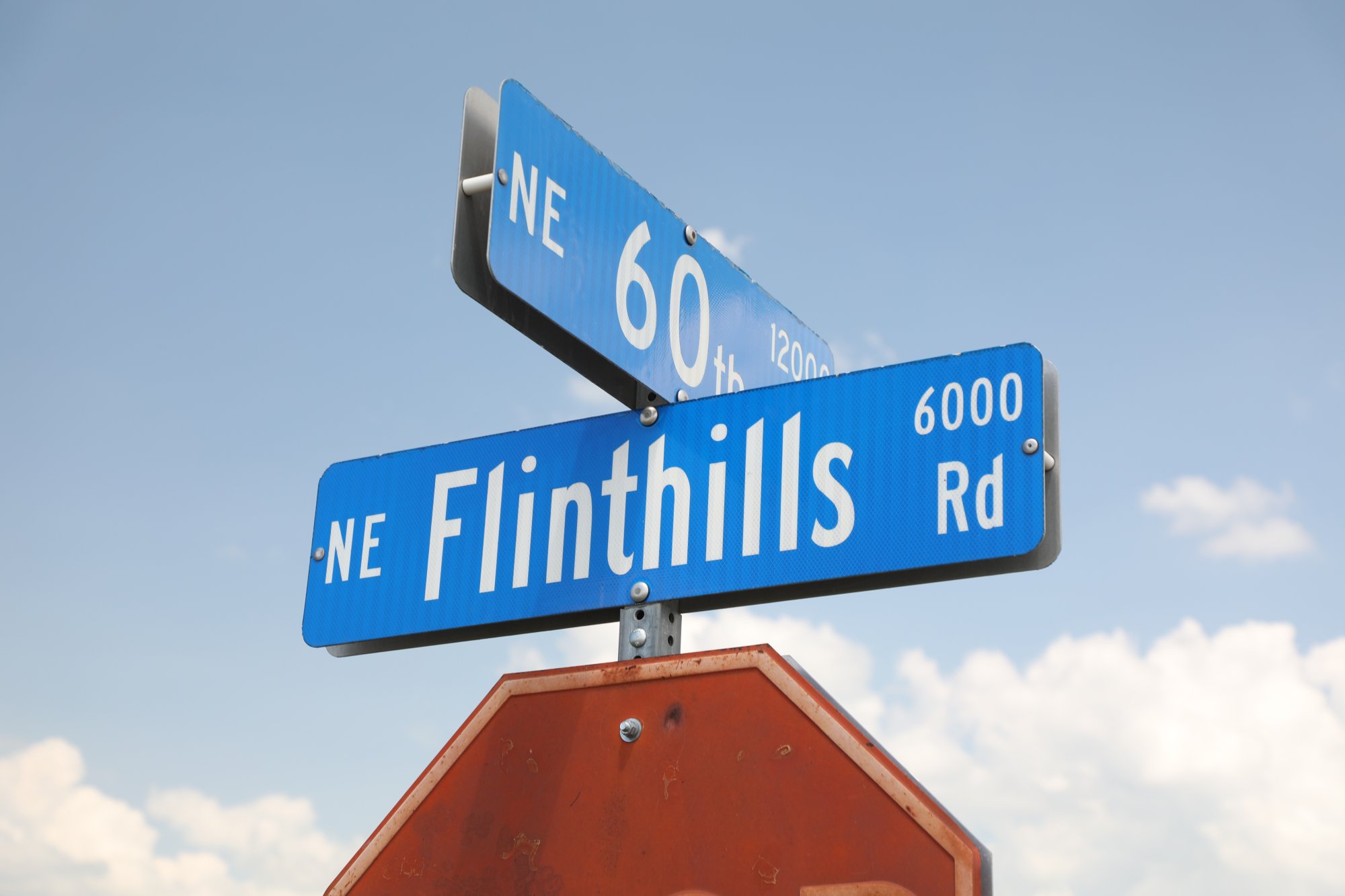
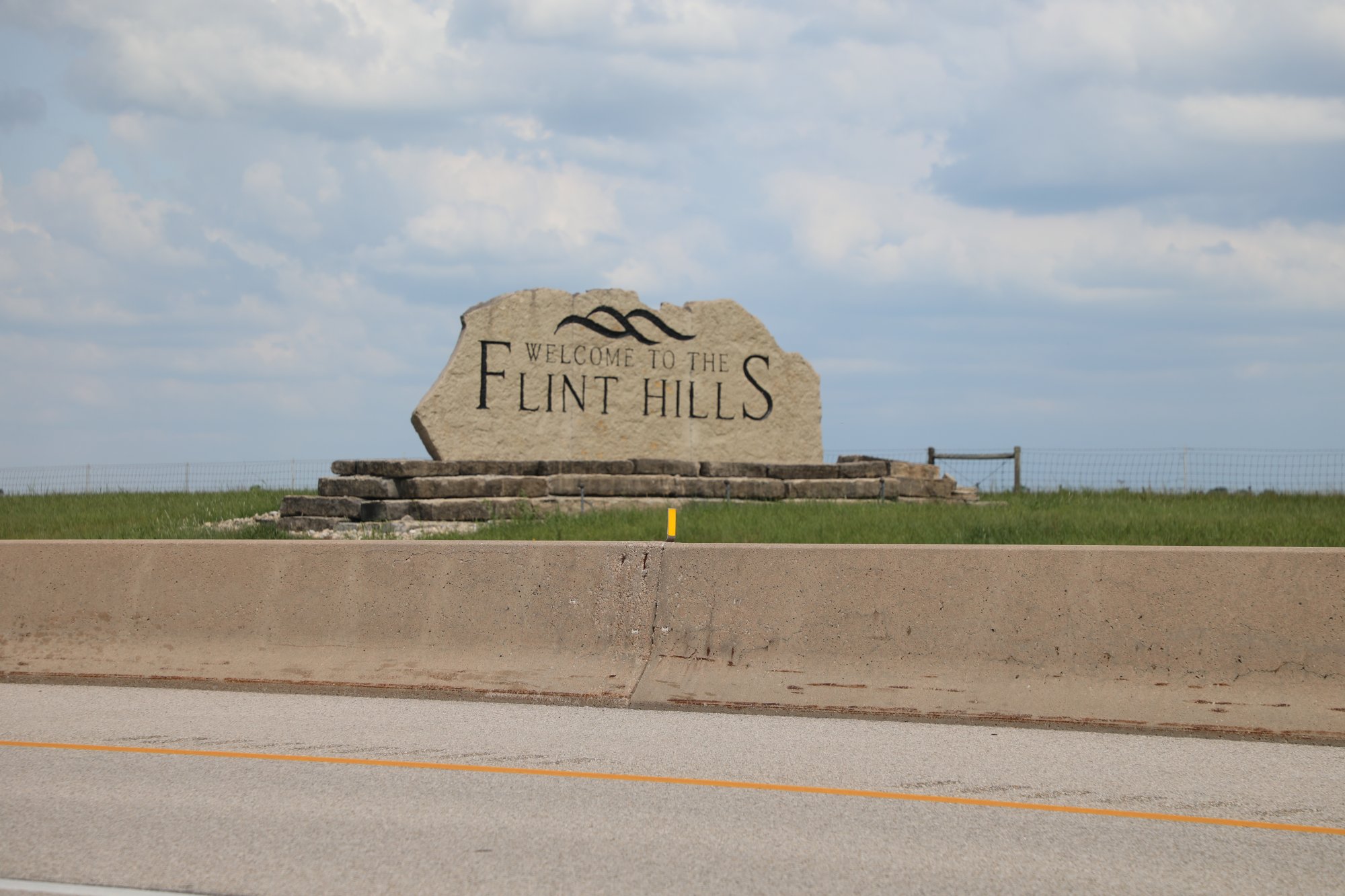
Aaron is relentless about his pursuit of quality. He doesn’t cut corners with his vineyard sources or in the cellar. The Flint Knoll bottlings are site expressions true to their terroir. And with that philosophy in mind, including in the cellar, the wines are complemented by a judicious use of premium French oak barrels. As part of honoring his roots, the name Flint Knoll is an homage to the Flint Hills in eastern Kansas near where Aaron was born and raised. The brand is rooted in faith, hard work and friendship.
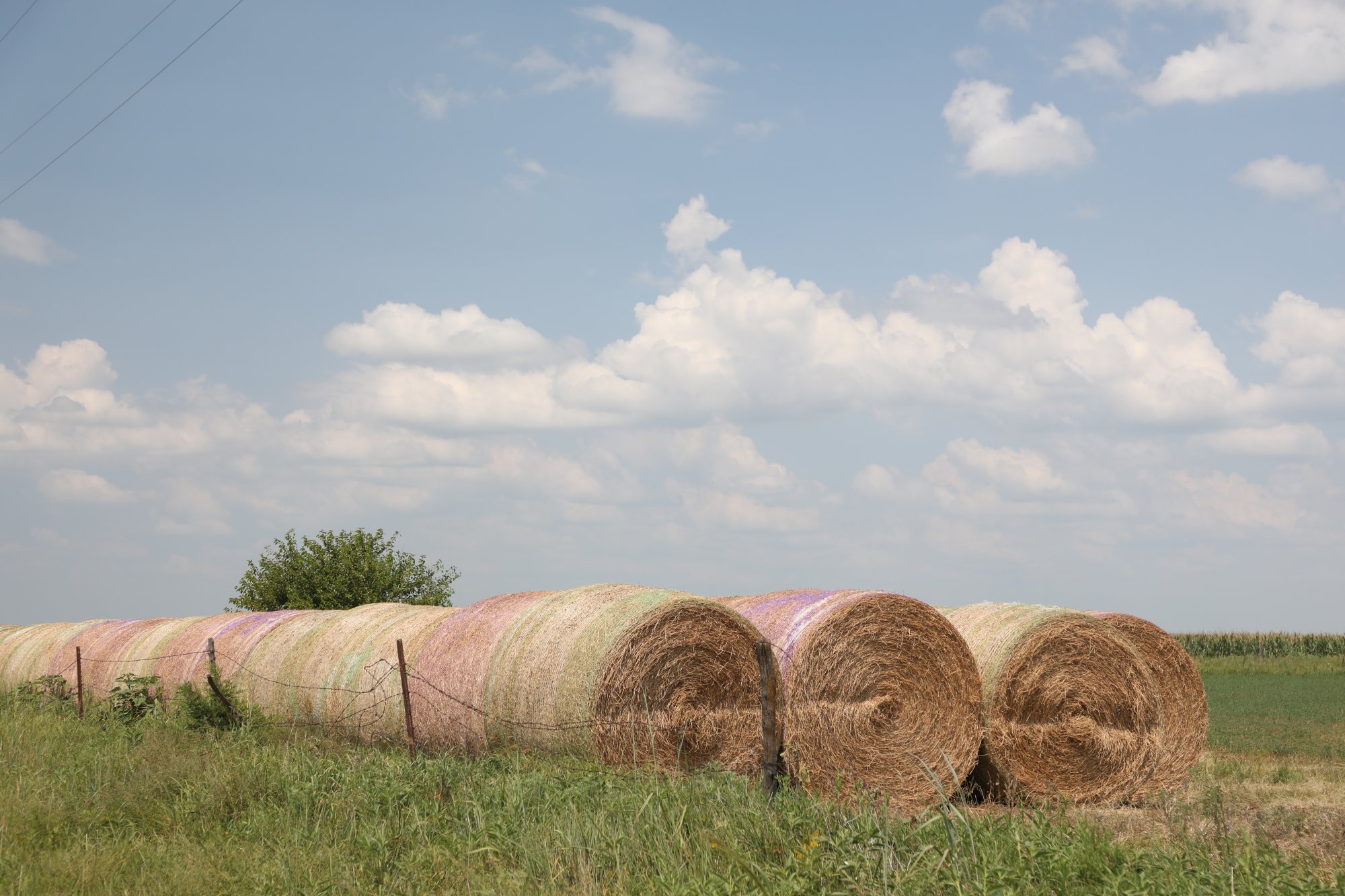
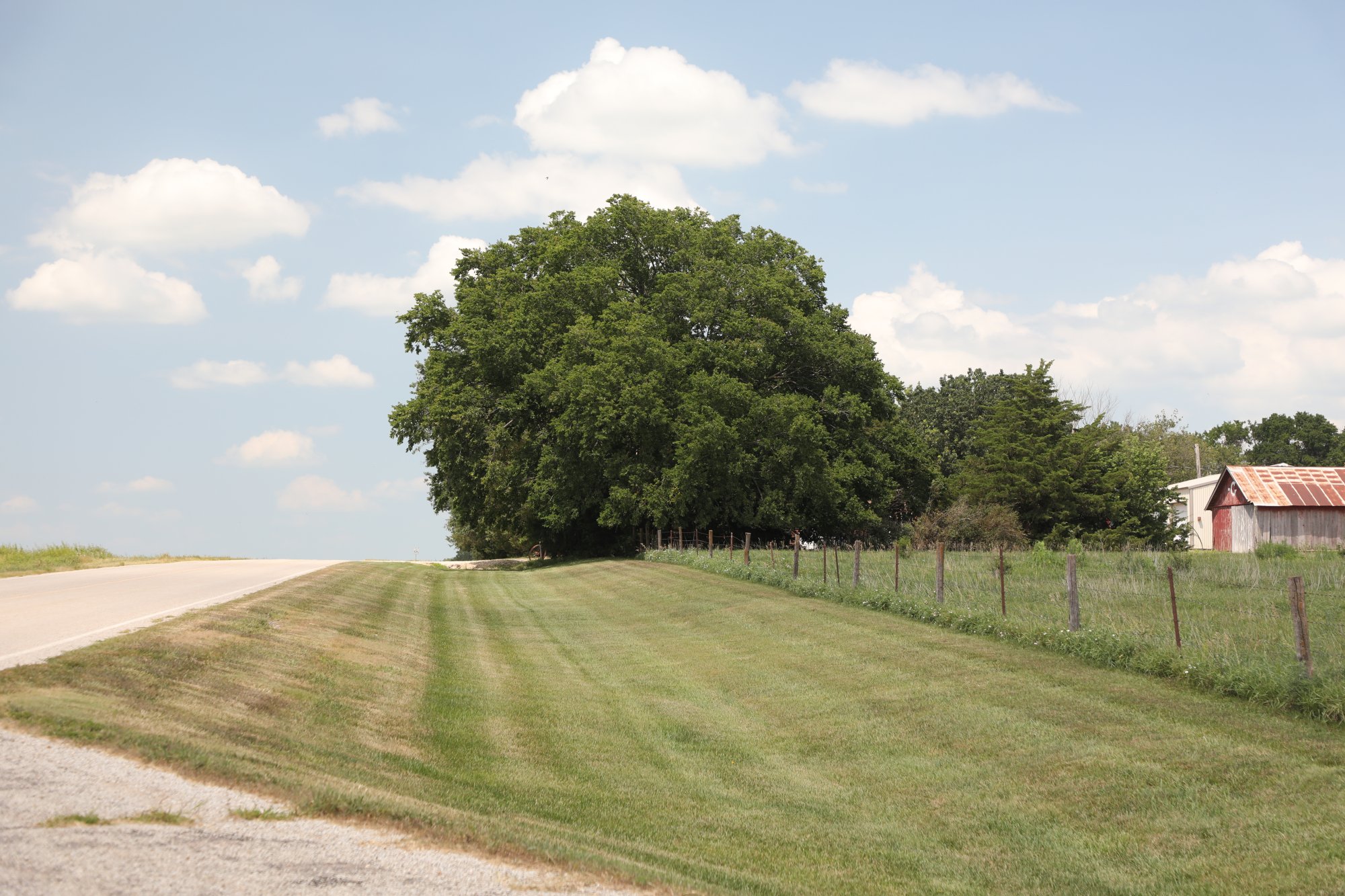
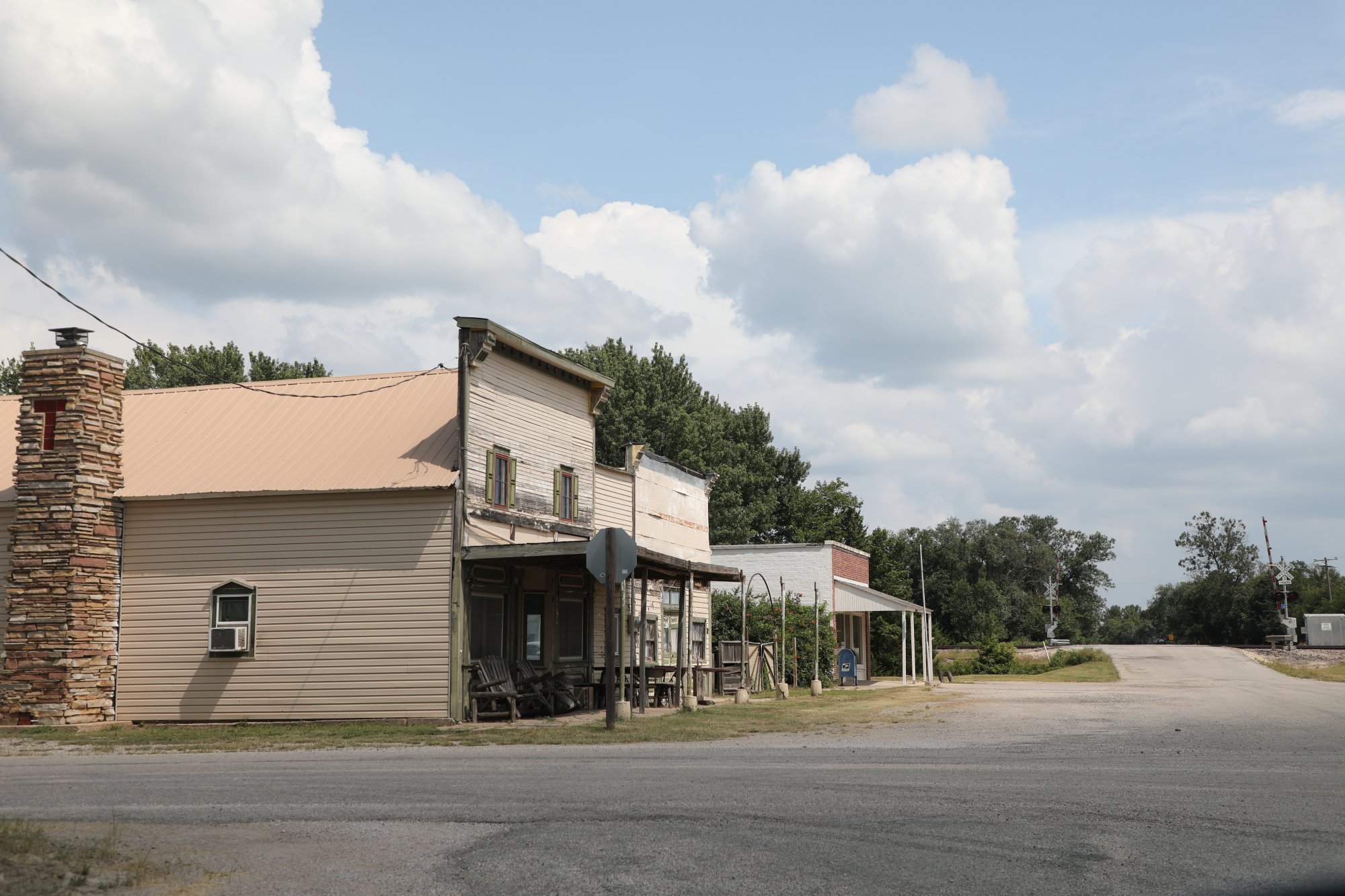
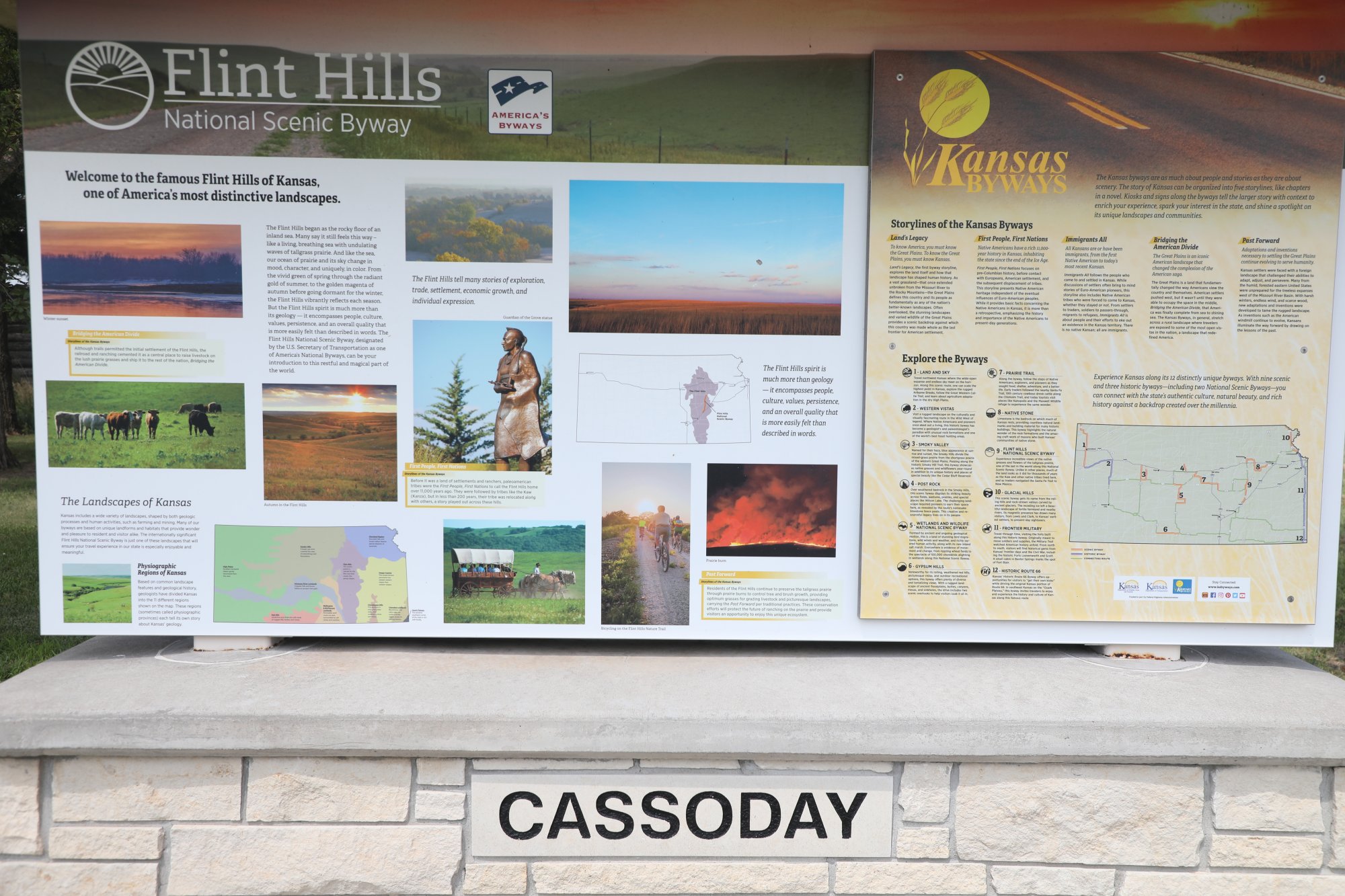
The Flint Hills of eastern Kansas represent the last significant expanse of tallgrass prairie in North America. This region’s distinct identity is defined by its geology; the hills are composed of alternating layers of limestone and shale, densely packed with “chert” or flint. Because this hard rock sits just beneath the surface, the land was historically impossible to plow, sparing it from the agricultural conversion that claimed most of the Midwest.
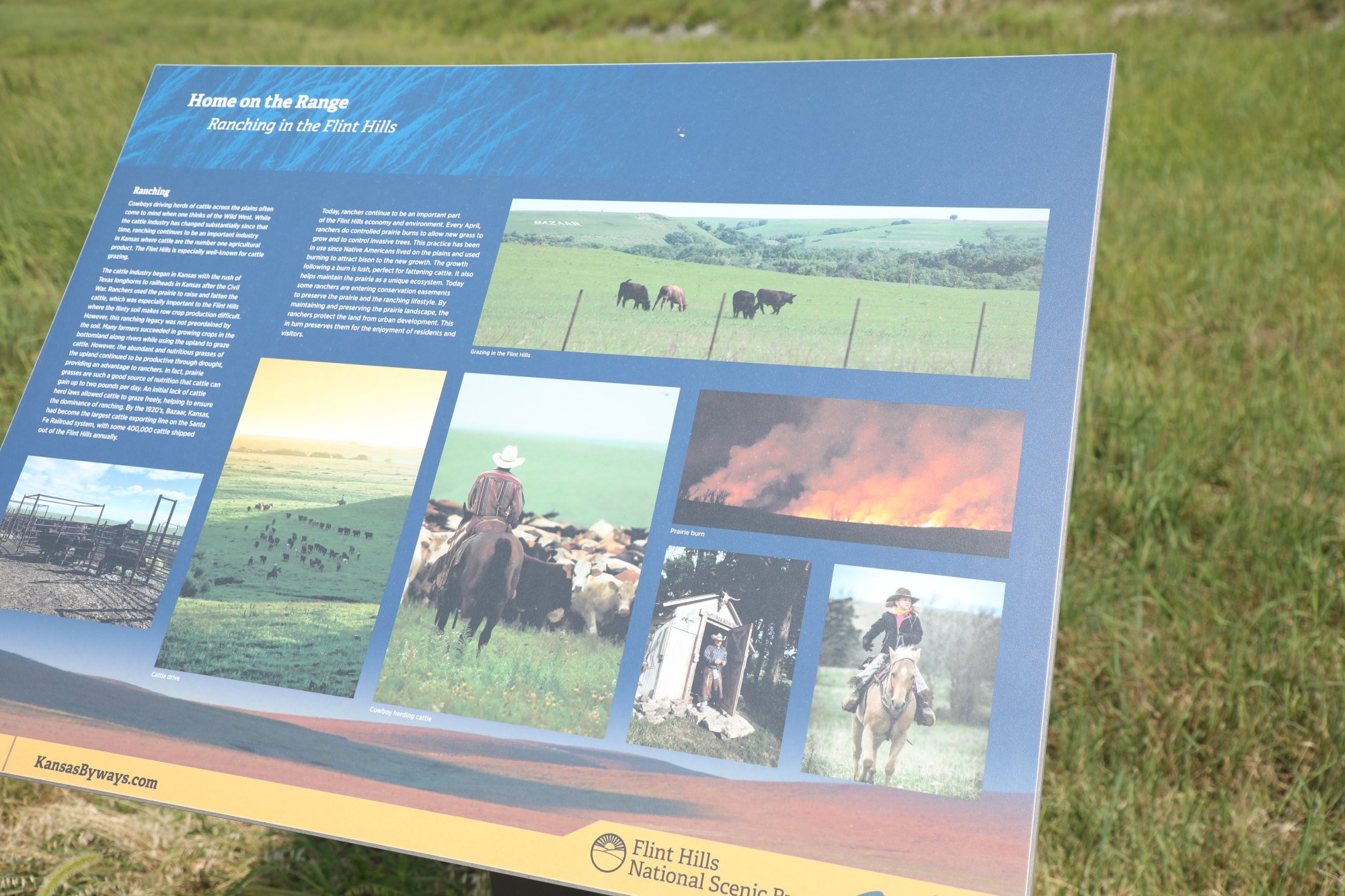
Today, this undulating landscape supports a deep-rooted ecosystem of Big Bluestem and Indiangrass, managed through a centuries-old tradition of spring burning. These controlled fires clear old growth and stimulate nutrient-rich new grass, sustaining world-class cattle grazing and a resilient, prehistoric beauty that stretches to the horizon.
Flint Hills








The Flint Knoll wines are made by winemaker Philippe Melka and Maayan Koschitzky. Philippe grew up in Bordeaux, earned his degree in Geology at the University of Bordeaux and later his master’s degree in Agronomy and Enology. His first wine position was at Château Haut Brion in Bordeaux. His first introduction to Napa Valley came in 1991 as an intern with Christian Moueix, proprietor of Chateau Petrus in Bordeaux and Dominus in Napa Valley. He did not yet speak English. Philippe came to Dominus to study soils and then spent a few years as a traveling winemaker and ultimately settled in Napa Valley in 1994.
100-point scores aside (of which Philippe has earned plenty) and along with numerous accolades, looking back on Philippe’s contributions to the valley one will realize the prominent part he has played in elevating the role of the consulting winemaker. He will forever be known as a master wine maker of Napa Valley’s most well-known variety, Cabernet Sauvignon, but he should also be recognized for his work championing and producing wines of the highest quality from varieties that he isn’t always known for – such as Syrah and Sauvignon Blanc.
While continuously striving to learn more, arguably Philippe is currently at the height of his wine making influence in Napa Valley. His legacy will be known for raising the bar on wine making in the valley and therefore elevating the reputation of the region as a whole.
In regard to the age-ability of his wines, Aaron’s ideal conversation when someone is trying one of his Cabernet Sauvignon wines some 20 years post vintage date would be, “what did they do to make this wine” referring to how well the wine has aged, and his older self would simply reply, “it is all about the fruit”. These wines are ripe, but always balanced. And they are distinctive, representing their mountain terroir. Texture is always a starting point with these wines but is always and integrated component.
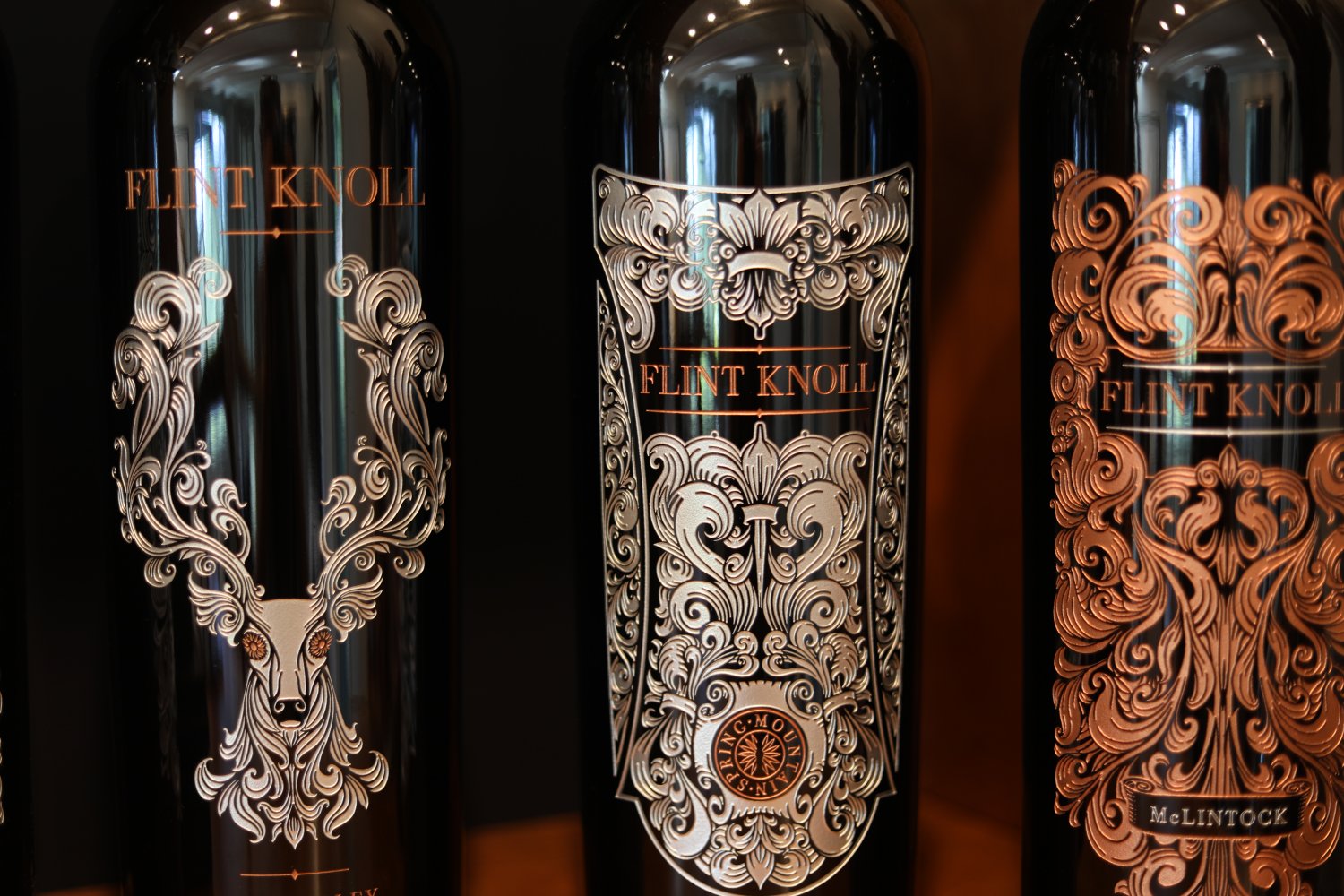
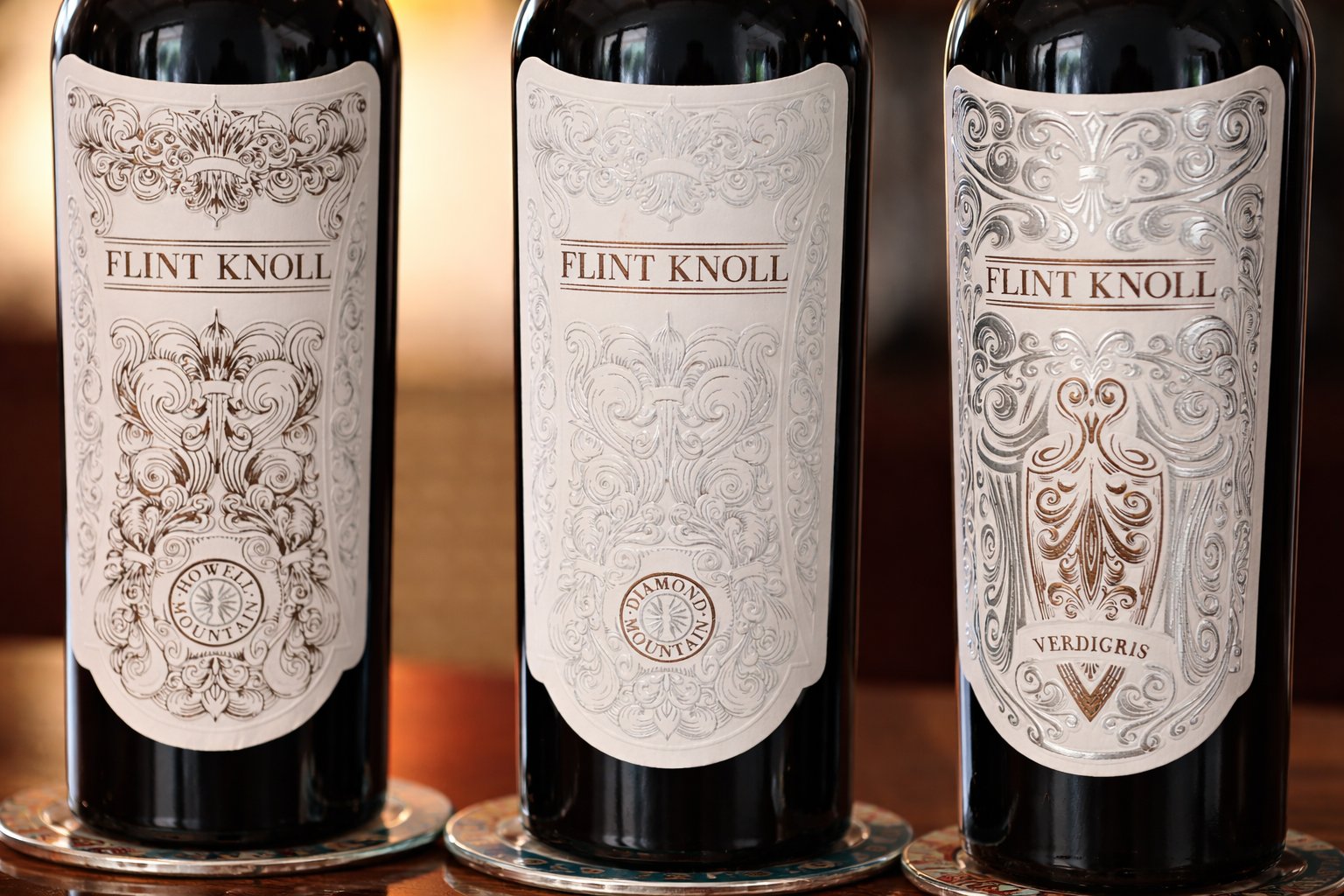
The Flint Knoll labels are among some of the most ornate and visually intriguing in the valley especially the etched larger format bottles. The details were inspired by the designs on the barrels of several family heirloom shotguns.
Select Wines
Access to vineyard sites has evolved as Flint Knoll has built the brand. Regardless of site, Aaron hand picks sections within vineyards, even row by row. According to Aaron, it is important to be inspired by wines from around the world but be true to terroir and make a wine that represents a particular region rather than trying to emulate another location.
Sauvignon Blanc
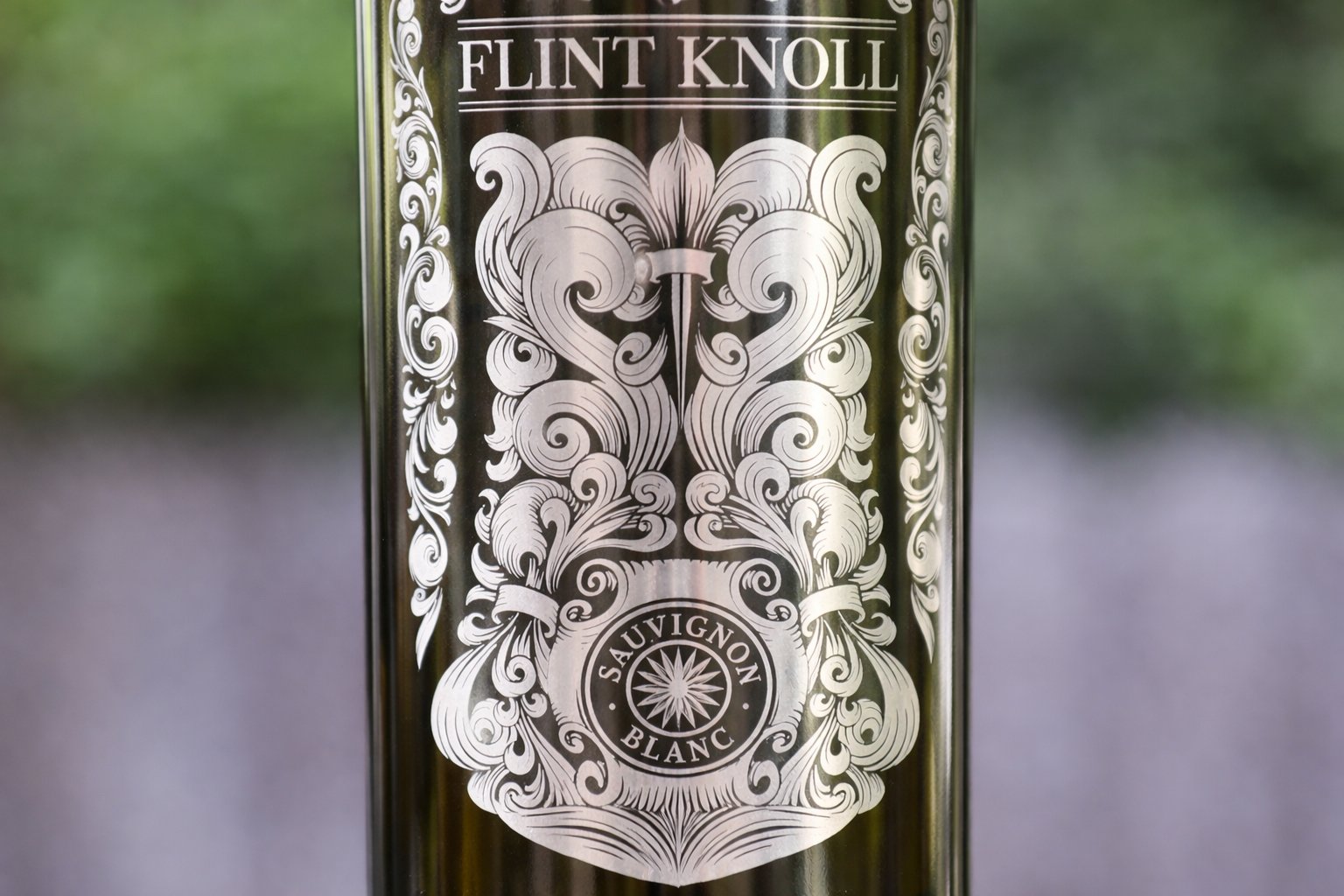 The 2024 Sauvignon Blanc, Rutherford was aged for 19 months in 60% new French oak barrels, specifically from Tonnellerie Sylvain. Medium to deep gold in color, the bouquet is bright and lifted, driven by its lively aromatics, with scents of underripe pineapple, a saline note, chalk, Meyer lemon, pepino melon, apple skin, chamomile, white nectarine, lemongrass, and orange blossom. Just as vibrant on the palate as on the nose, this wine sings with energy; one would never guess that it spent more than a year and a half in nearly 2/3 new oak barrels, either from its aromatics or its flavor profile. Across the palate, it feels almost soprano in pitch, vibrating at a frequency not often associated with up-valley Napa Sauvignon Blanc. It lingers with a light herbal character, but is never green, showing notes of lemongrass and lime, while the acidity keeps the wine thoroughly fresh and invigorating. Flavors include Meyer lemon, green kiwi, thyme, and lemon zest, supported by a subtle phenolic grip that is buoyed by its energetic acidity. The finish carries a delicate hint of dill. This is an exciting expression of the variety and also very much age-worthy. Their first vintage of Sauvignon Blanc was in 2023, and it is also available in magnums. Subsequent vintages will be harvested from a high elevation site on Atlas Peak.
Chardonnay
The 2019 Commonwealth Chardonnay was sourced from the UV Vineyard in neighboring Sonoma County (owned by the Ulises Valdez family). This vineyard is planted in the far reaches of western Sonoma County, only about 6 miles from the Pacific Ocean as the crow flies. Grapes from this special site are used by other premium producers including Aubert, Maxem and Sojourn Cellars. This bottling is a blend of two distinctive clones, Wente and Calera. The wine was aged in 17% new French oak on the lees with no racking until just prior to bottling. This wine is medium golden in color with a blend of aromas including apple and hints of honeysuckle. The bouquet evolves to show hints of lemongrass and lime and as the wine breathes further, opens to aromas of vanilla. Its texture shows a light creamy character without being viscous or heavy. This is a very balanced mineral laden showing from start to finish featuring bright fruit including flavors of mandarin and lively acidity. Its focus is on the purity of the fruit rather than cellar manipulation. Flint Knoll no longer produces Chardonnay.
Pinot Noir
The 2019 Flint Knoll Silver Eagle Vineyard Sonoma Coast Pinot Noir, produced from the Vosne-Romanée clone, is medium ruby in color and offers an intriguing, deeply layered bouquet. It opens with more savory, earthy notes of dried tobacco and mushroom, gradually giving way to brighter aromas of raspberry, cherry cola, and red licorice, creating a compelling aromatic evolution in the glass. On the palate, its texture is notably smooth, almost velvety, spreading evenly across the breadth of the palate. It delivers plenty of flavor while maintaining a sense of delicacy and refinement, balancing richness with an underlying elegance. The wine lingers with a brightness of youthful fruit and vibrant acidity, showcasing flavors of red cherry and raspberry that persist cleanly on the finish, leaving a fresh and lifted impression. Flint Knoll no longer produces Pinot Noir.
Cabernet Sauvignon, Spring Mountain, Keenan Vineyard
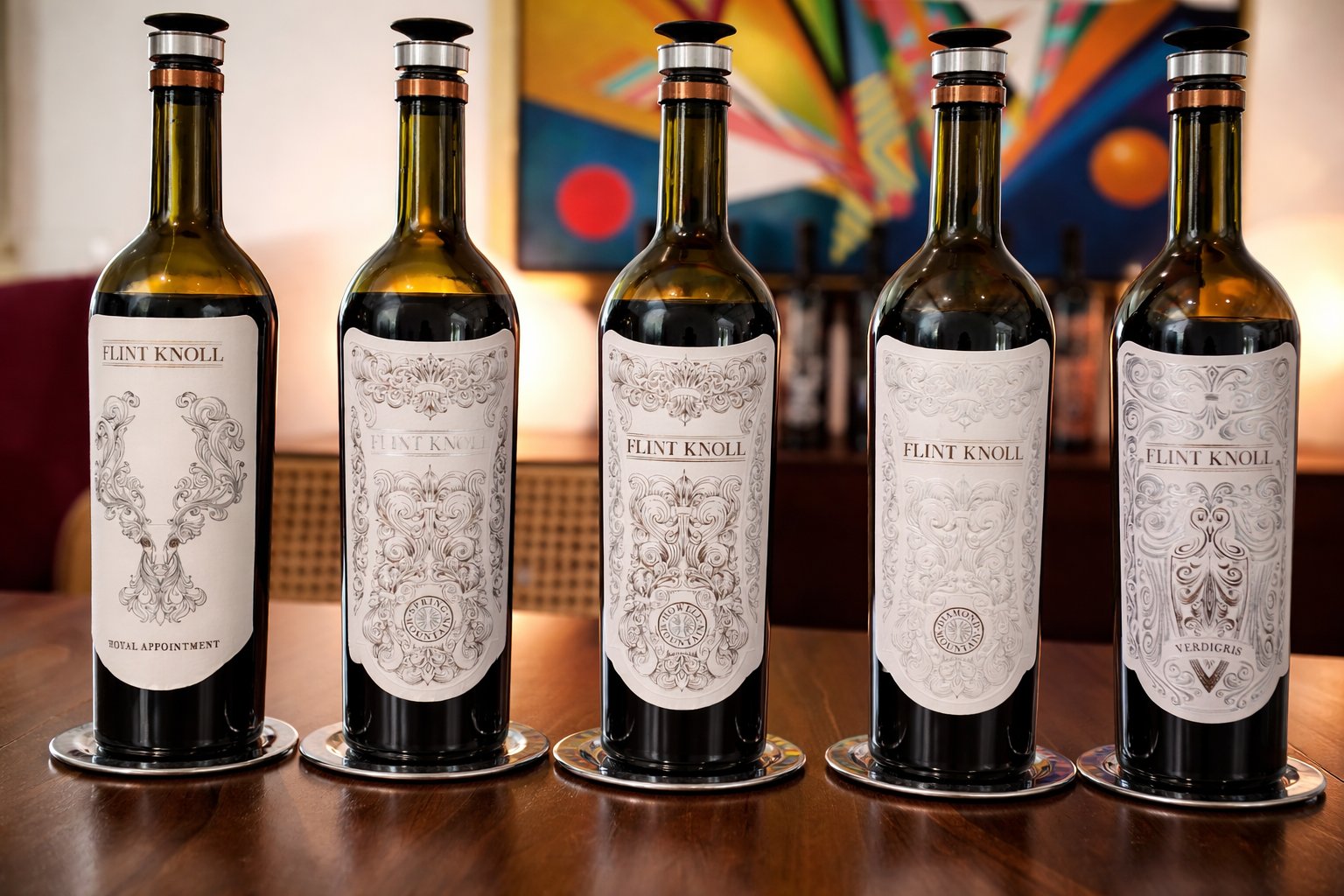 Historically Flint Knoll produced two exceptional 100% varietal Cabernet Sauvignon wines from Keenan Vineyard on Spring Mountain, from vineyard blocks growing right next to each other but from different clones (15 and 7). The vines are located at about 1,850 feet in a specific block referred to as “Big K” – referencing their last name, the highest block in their vineyard and also the site that has produced numerous wines earning top scores over the years.
Flint Knoll now produces a single Cabernet Sauvignon incorporating Clone 15 alongside old vine clone 7 (noted for its floral character). The 2022 vintage marked the first bottling with both clones, a thoughtful decision that clearly enhances the wine’s depth and character.
The 2023 Flint Knoll Cabernet Sauvignon, Keenan Vineyard Spring Mountain is deep ruby and opaque; the bouquet is a harmonious union of floral tones, red fruits, and herbal notes, but never veering into the territory of being ‘green’. This wine is showing in a particularly compelling place at about 2.5 years post-vintage, offering a well-layered aromatic profile with scents of red chili spice, chalk, petrichor, and dried herbs including sage, alongside raspberry, Persian mulberry, and red cherry, with subtle hints of humidor, lavender, and violets adding further lift and complexity. Balanced and equally expressive on the palate, it mirrors the depth found on the nose; starting with its texture, the tannins are tightly packed yet already well-rounded, carrying a dusty, persistent chalky quality that provides both structure and finesse. The finish leans savory, marked by dried herbs, chalk, and a lingering dusty grip that persists well beyond the fruit, which slowly fades to reveal the wine’s structural core. The overall texture feels cohesive and comforting, like the handshake from a good friend, suggesting both approachability and underlying strength. This wine is built to age yet already showing beautifully in its youth.
The 2019 Flint Knoll Cabernet Sauvignon, Keenan Vineyard Spring Mountain (clone 15, rare in Napa Valley but more common in southern France). This 100% varietal wine is dark ruby in the glass with purplish tinges and is opaque; the aromas are dark with an appealing union between both fruit and barrel influence. It offers aromas of dark plum, blackberry, boysenberry and bramble along with notes of tobacco smoke. It is generous in flavor across the palate with a noticeable density of tannins featuring a long lasting and slightly dry grip anchoring the finish. This wine also lingers with notes of dried tobacco leaf. One quickly notices it’s lively acidity – especially on the finish. At the time of our tasting, two years post-vintage, this was a very youthful wine with clearly many years of life ahead, showing both early appeal and promising aging potential.
The 2019 Flint Knoll Cabernet Sauvignon, Keenan Vineyard Spring Mountain, (clone 7). The first vintage of this wine was in 2018, a year that both of Aaron’s grandfathers passed away. Remarkably both men considered the 1963 western/comedy McLintock starring John Wayne and Maureen O’Hara among their favorite films; this wine is an homage to them. This wine is dark ruby in color with primarily darker fruits on the bouquet along with notes of dust, licorice and as the wine opens in the glass, reveals aromas of darker baking spices. Generous in flavor and serious in structure – this is robust meat lovers Cabernet Sauvignon. It is deeply layered across the palate and carries a noticeable weight of dense long-lasting tannins along with notes of crushed peppercorn lingering on the finish.
Cabernet Sauvignon, Howell Mountain
The 2023 Flint Knoll Cabernet Sauvignon, Ciminelli Vineyard Howell Mountain is deep ruby and opaque; the bouquet offers aromas of petrichor, chalk, dried sage, dried pipe tobacco, and cocoa powder, along with a brambly character featuring raspberry and blackberry. Fairly balanced and approachable from the outset—especially considering its youth, vintage, and mountain origin, there is nonetheless, significant layering here, both in flavor and texture. The wine shows a mineral-driven profile, with a chalky note on the palate that is present but perhaps less pronounced than on the bouquet. Its texture is somewhat latent, taking time to fully reveal itself as it moves across the palate; the tannins are densely packed yet already rounded, carrying a chalky, persistent grip. Flavors include dark plum, boysenberry, blackberry, and Persian mulberry, all supported by a fresh underlying structure. This wine is currently in a very appealing window, showing brightness, balance, and energy, while clearly built to age with proper cellaring. At 2,200 feet, this is the highest vineyard in the Flint Knoll portfolio.
The 2019 Flint Knoll Cabernet Sauvignon, Commonwealth Las Posadas Vineyard Howell Mountain (100% varietal, Clone 4), is noticeably dark ruby in color; the bouquet reveals layered aromas of earth, cedar, spiced plum, and dried herbs, offering both depth and a subtle savory complexity. On the palate, it is juicy and mouth-filling, delivering expansive flavors of ripe blackberry, plum, dark cherry, and clove. The tannins are gravelly in texture, dry and dusty, yet well integrated within the wine’s fruit intensity, providing structure without overwhelming the palate. They are perhaps slightly less robust than one might expect from a mountain-grown site, lending the wine an added approachability. There is a pleasing harmony throughout, with fruit, structure, and acidity working in concert, and our overall impression is one of balance, where power and restraint are thoughtfully aligned.
Las Posadas Vineyard (owned by vintner David Abreu) is located on Howell Mountain, just below the Angwin Airport at about 2,000 feet. This vineyard was Abreu’s first property purchase in 2001; he named it for his daughter. The site is located at 2000 feet above sea level. This is prime Howell Mountain terroir in a beautiful part of the sub-appellation referred to as Las Posadas. The site is 33 acres of which 15 are planted. Nearby vineyards include one owned by Pine Ridge, a vineyard owned by Marc & Janice Mondavi and further down the road, the historic Bancroft Vineyard with grapes being sold to Beringer Vineyards. Rancho La Jota – part of an old land grant is also nearby and dates to 1843.
Cabernet Sauvignon, Diamond Mountain
 The 2023 Flint Knoll Diamond Mountain Cabernet Sauvignon, Andrew Geoffrey Vineyard is deep ruby and opaque; the bouquet is initially restrained, but with patience the fruit becomes increasingly expressive. The star of the show here is clearly the fruit, with aromas of dark berries including blackberry, boysenberry, and raspberry, layered with notes of dark chocolate, lavender, and violets. This is a wine that speaks to its mountain terroir, showing a distinctive dusty character with a chalky, mineral-driven edge. This is expressed in the wine, but is also a integral component of the site which features white tufa and chalk-like soils. We visited the site during an expansion of the vineyard; after walking just a short distance in these soils, our shoes were white and completely covered with dust. On the palate, this wine is juicy yet structured, with impressive depth and layering in both flavor and texture, offering flavors of blackberry, dark raspberry, and dark plum. The tannins are prominent—dusty, long-lasting, and firmly built—providing considerable girth and persistence without overwhelming the wine’s balance. This wine was made from 100% clone 15, Cabernet Sauvignon.
Verdigris
Verdigris incorporates barrels from Sylvain and Taransaud, among others, and is crafted not as a barrel selection but as a thoughtful blend, after the single-vineyard wines are completed. Specific percentages of wine are drawn from those lots to create Verdigris. The concept for this wine is rooted in Meredith’s inquisitive perspective; in conversations around blending with Melka, she suggested producing a wine incorporating components from their single vineyard mountain expressions. This wine is not produced every year and always in extremely limited quantities – in 2023 only 75 cases were produced.
The 2023 Flint Knoll Verdigris is deep ruby and opaque; the bouquet reflects a union of both barrel and fruit, with aromatics of cocoa powder, dark chocolate, cinnamon stick, and clove, layered with sweet pipe tobacco and dark fruits including blackberry, boysenberry, dark cherry, and black cherry. With time in the glass, the fruit increasingly takes center stage, becoming the dominant aromatic theme. This is a powerful, layered wine in terms of both flavor and texture, showing a decidedly dark-fruited profile on the palate with notes of blackberry, boysenberry, and Persian mulberry. The acidity is a bright and important component, tying together the wine’s richness with a sense of liveliness and lift. The tannins are persistent, gravelly, and dusty, carrying a long-lasting grip; both texture and fruit track together across the palate before the structure ultimately takes the lead on the finish, leaving a final impression of a dusty and tactile grip. This wine is clearly built for long-term aging and we don’t mean just in terms of years, but over the course of several decades.
Proprietary reds
The 2022 Flint Knoll Royal Appointment Cabernet Sauvignon is deep ruby and opaque, layered with dark fruit while the barrel plays a very supportive, never dominating role. Aromatically, it reveals notes of blackberry, dark raspberry, boysenberry, and Persian mulberry, accented by a light touch of cocoa powder. Ripe yet bright, it falls easily into a crowd-friendly style, offering both approachability and energy. On the palate, it is ripe and juicy, showing plenty of vibrancy for the vintage, with initial flavors of Santa Rosa plum, blackberry, boysenberry, dark cherry, and dark mulberry. The tannins are gravelly, ripe, and resolved, lingering with a light dusty character felt more on the front of the palate than the back. Still, there is a thread of freshness that runs throughout, balancing the fruit and inviting another sip, while the tannins remain integrated and seamless. This wine is showing very nicely at this age. Barrels used include Darnajou, Sylvain, and Taransaud; 2023 will be their final vintage. Historically this wine has been sourced from the valley floor.
Aaron describes the The 2019 Flint Knoll Royal Appointment as a big but elegant wine that only gets prettier over time and brings a certain energy to the table. We simply describe it as a crowd pleaser. It is dark ruby color and noticeably opaque; the aromatics are generous and opulent featuring ripe fruit including blackberry and boysenberry. It also shows notes of chocolate and mocha and a hint of dried tobacco leaf as the wine evolves in the glass. It is energetic, juicy and mouthwatering. The tannins are dusty, dry and silty and almost chalk-like. The label of the Royal Appointment is an homage to Kansas featuring a white-tailed stag whose eyes are two wild sunflowers (the Kansas state flower). This was Flint Knoll’s most produced wine; the 2019 bottling was approximately 370 cases.
The 2019 Noble Right is an ode to Bordeaux’s Right Bank, where the wines are primarily Merlot-based; this bottling is composed of 65% Merlot, 34% Cabernet Sauvignon, and 1% Petit Verdot, the latter adding a touch of weight and structure. Dark ruby in color, the bouquet reveals both ripeness and a sense of elegance, offering a layered aromatic profile that includes delicate baking spices, violets, and a subtle dusty character. There is a refined balance here, with the fruit neither overripe nor restrained, but instead harmoniously integrated with its savory and floral nuances. On the palate, the wine shows poise and structure, with lightly gravelly-textured tannins that provide gentle grip without overpowering the fruit. The finish is lengthy and composed, marked by lingering darker spice notes and a persistent sense of balance, making this a polished and thoughtful expression inspired by the Right Bank style.
Glorious Revolution
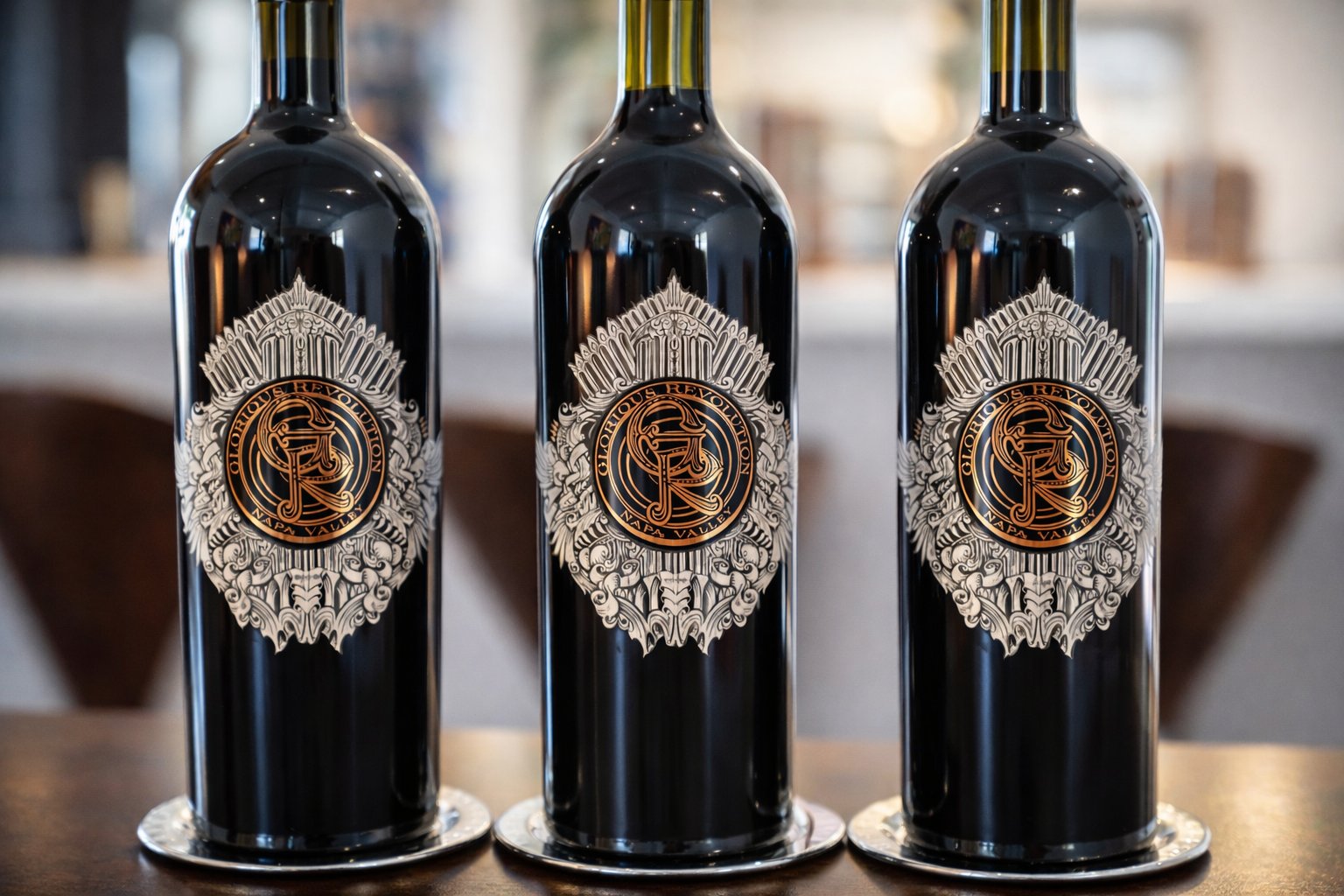 Glorious Revolution is a brand founded by proprietors, William (“Billy”) and Mary (“Beth”) with their first vintage in 2018. Aaron is the General Manager for Glorious Revolution. The couple purchased 123 acres in 2012; the property spans elevations from approximately 300 to 1,700 feet above sea level, with the majority situated within the Diamond Mountain sub-appellation. Aaron originally met them when they came into Revana to do a tasting, not long after they had purchased this property.
The concept behind Glorious Revolution reflects their background, William with Scandinavian heritage and Mary from the United Kingdom as well as their shared love of wine and the land. The idea for this name came over drinks between Billy and Aaron at the now closed Goose & Gander. The name Glorious Revolution has a nomenclatural tie-in to 1688 when Mary (from the UK) and her Dutch husband William III replaced King James II.
Billy was drawn to the labels for Flint Knoll; the Glorious Revolution bottles incorporate a fine gold filigree including a throne and crown motif, and a gold medallion in homage to Mary’s family ties to the banking world.
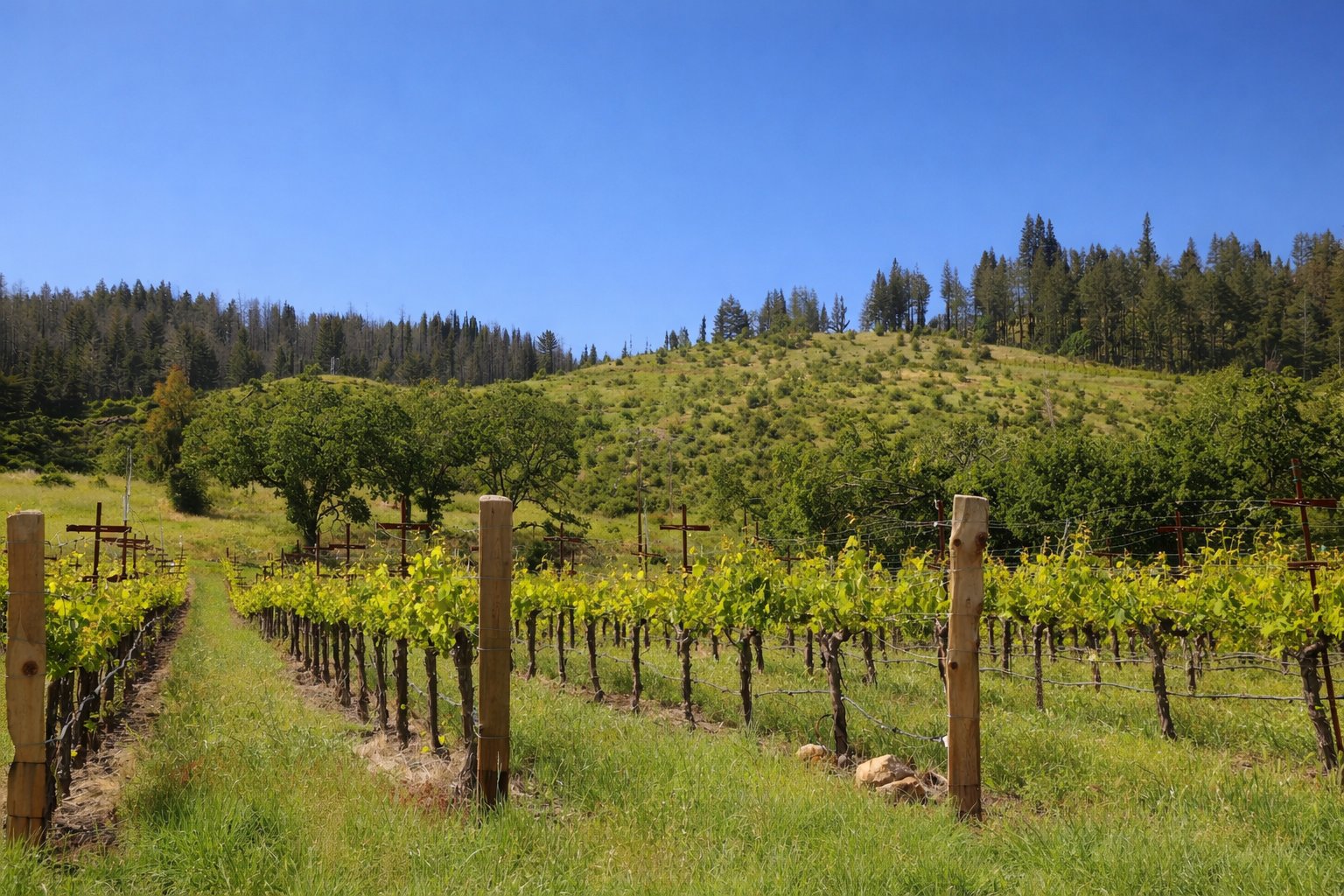
Grapes from the ranch were historically sold to producers such as Revana, von Strasser, and Castello di Amorosa. It was previously planted to Sangiovese and Zinfandel but was redeveloped following the 2020 fires with viticulture overseen by Pina Vineyard Management. Thomas Rivers Brown is the winemaker; the focus is on a single estate bottling with each vintage less than 200 cases.
Morris Family Vineyard
—
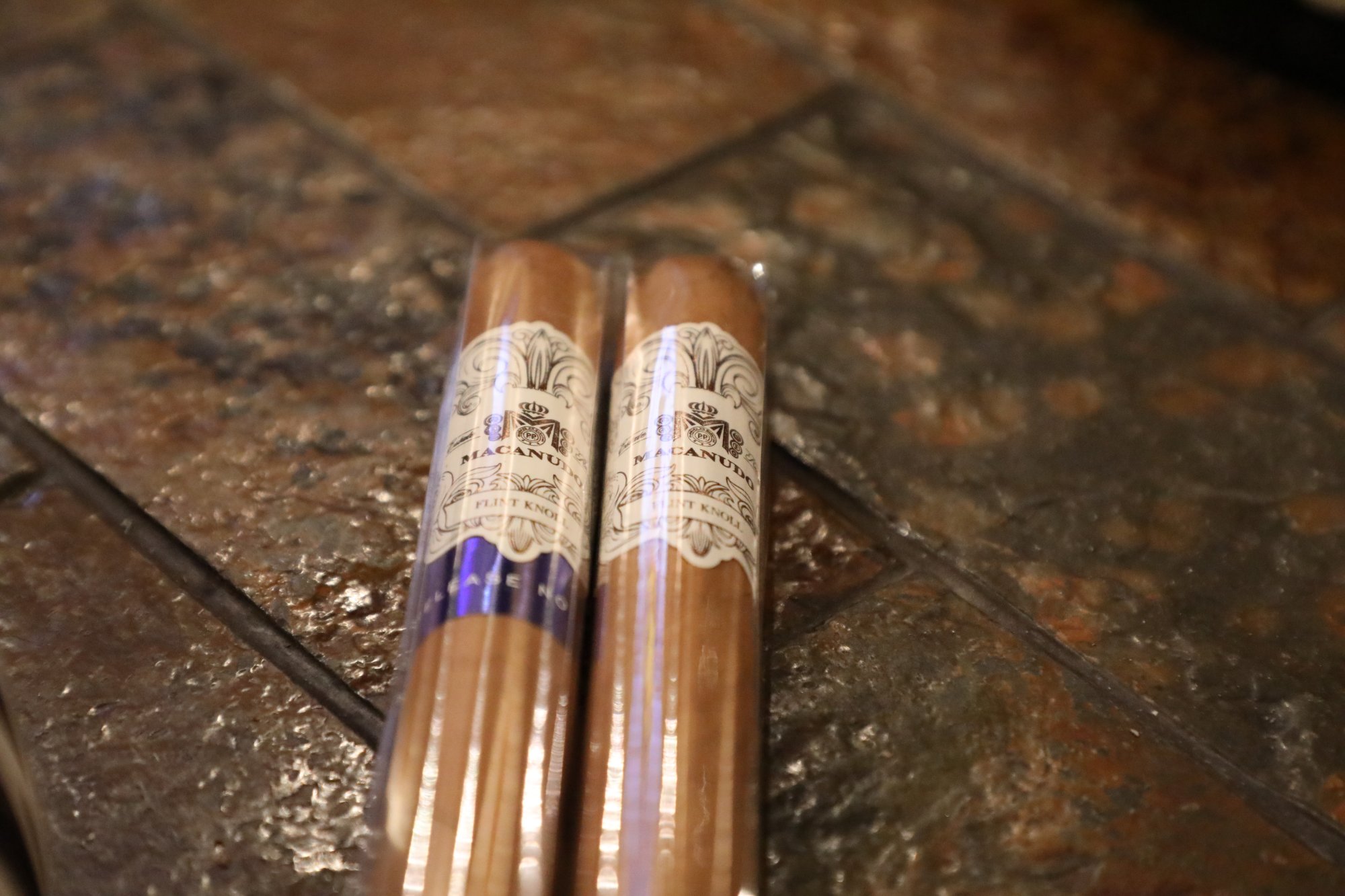
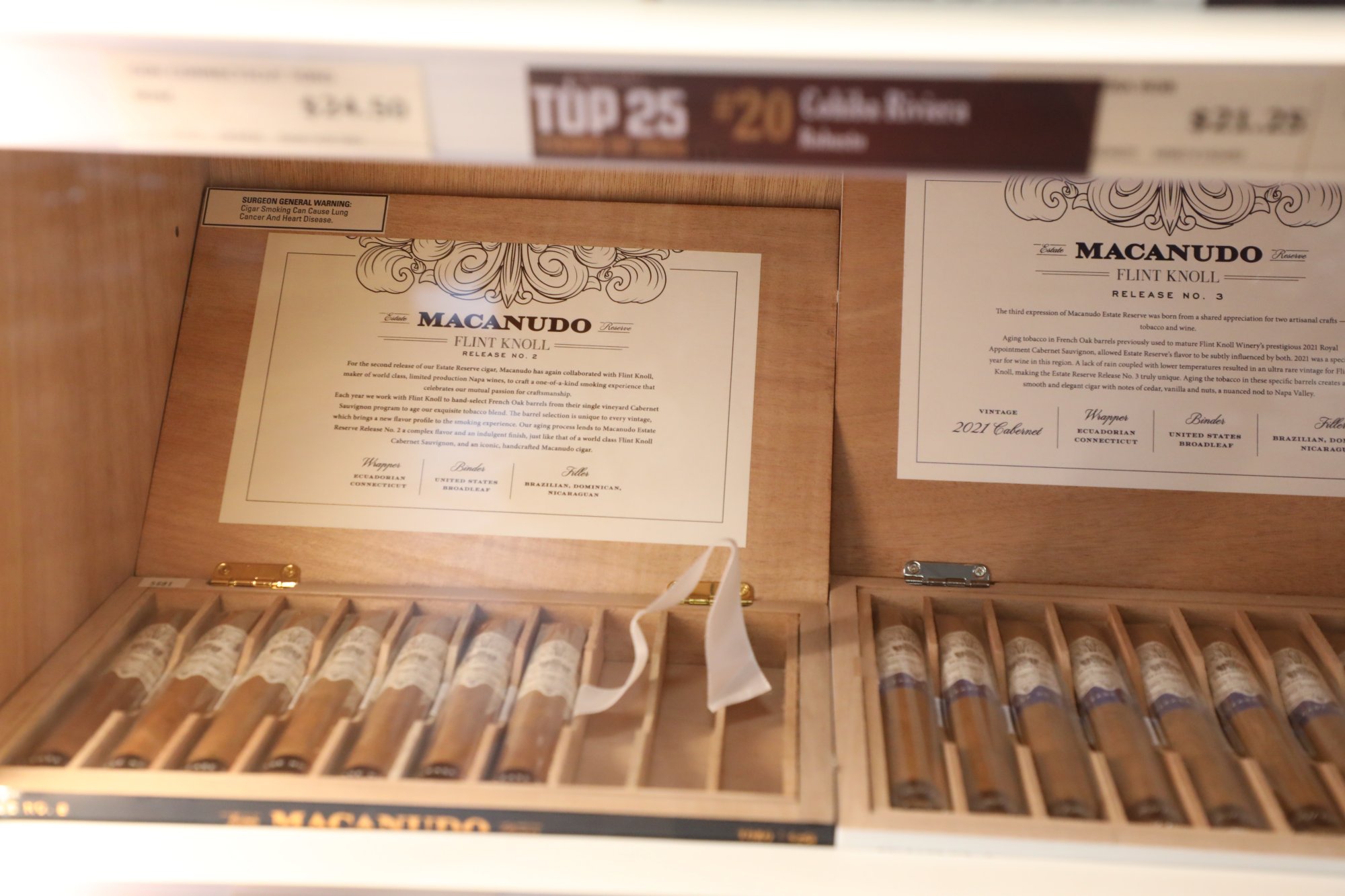
In late 2022 Aaron released his own limited production cigar brand through a partnership with Macanudo Cigars. The cigar leaves are aged through a special process inside French oak barrels previously used to age Flint Knoll’s Royal Appointment Cabernet Sauvignon.
Aaron spends a significant amount of time on the road showing the wines to select clients across the country at vintner dinners, wine auctions and other special events. He is building his brand organically, getting to know each customer at a time. Total annual production is around 1,300 cases per year with most of their wines sold direct to consumer through referrals. Flint Knoll has limited distribution in Texas and Kansas; the wines are often available through a diversity of online retailers including Benchmark Wine Group and Wine Bid. Collectors and serious wine enthusiasts can make an appointment with Aaron to taste the wines at Mending Wall Winery where the Flint Knoll wines are produced.
To join their mailing list and or for more information, visit: www.flintknoll.com
Cigar Chateau & Gifts, Wichita
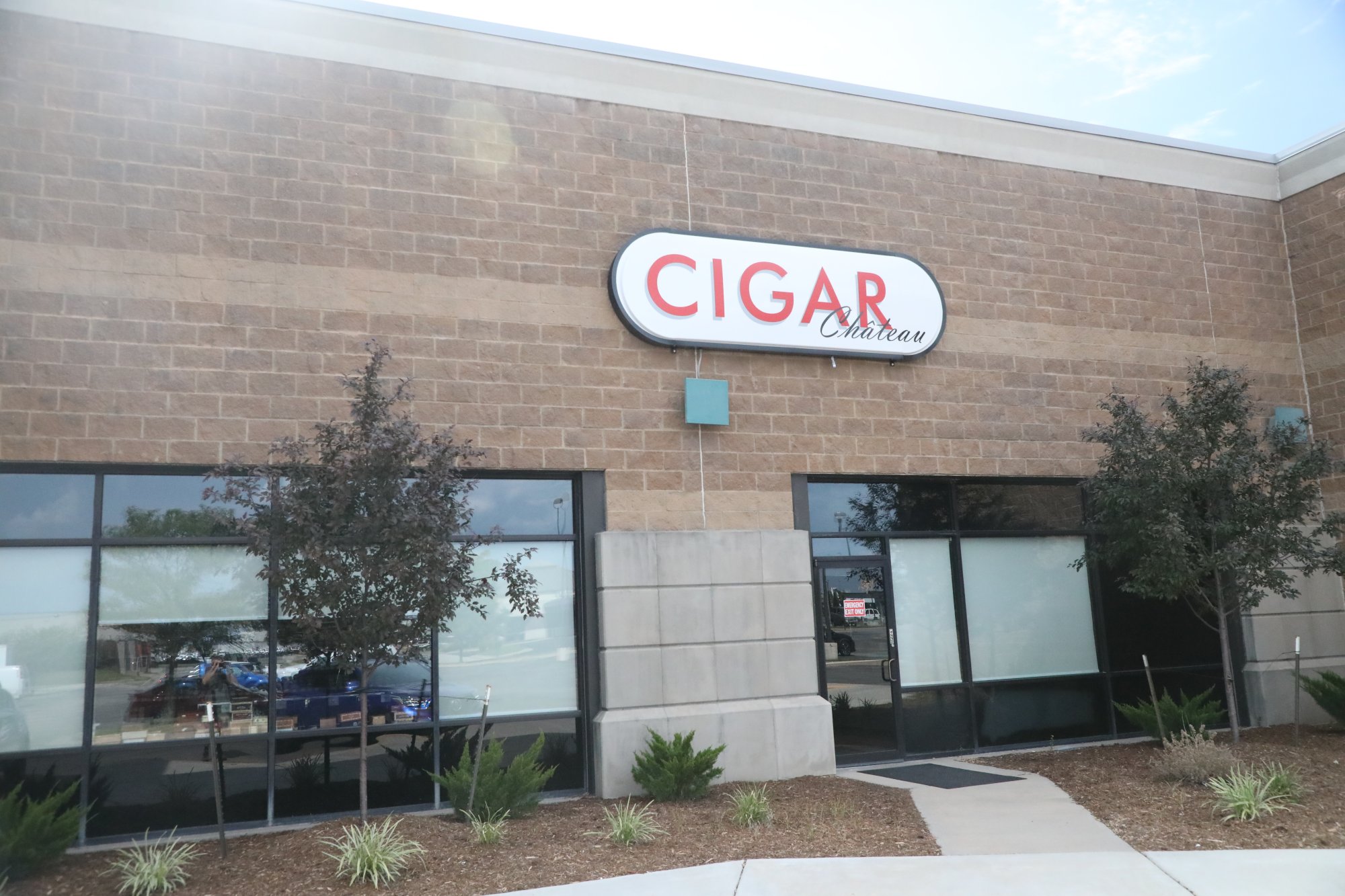
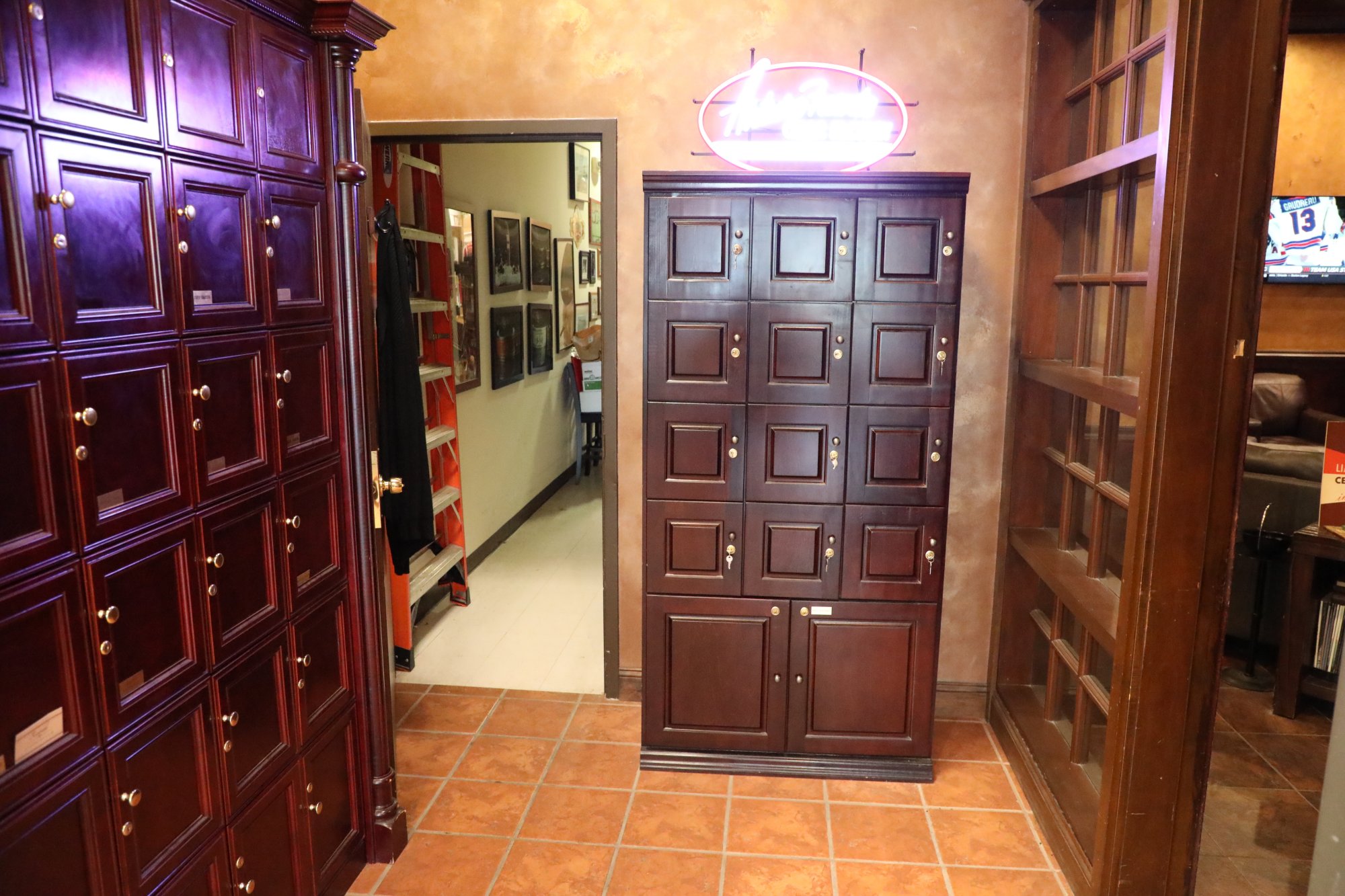
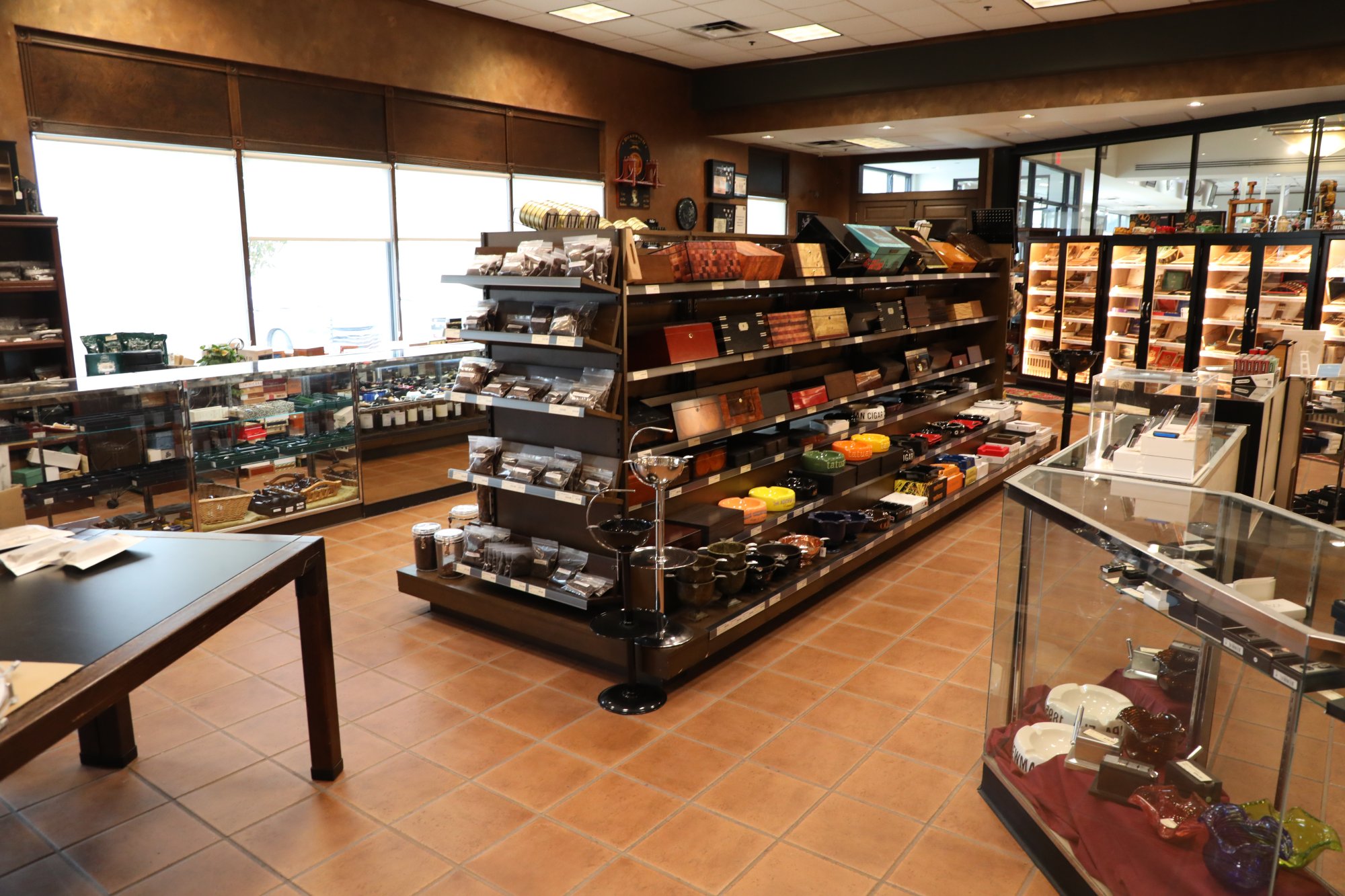
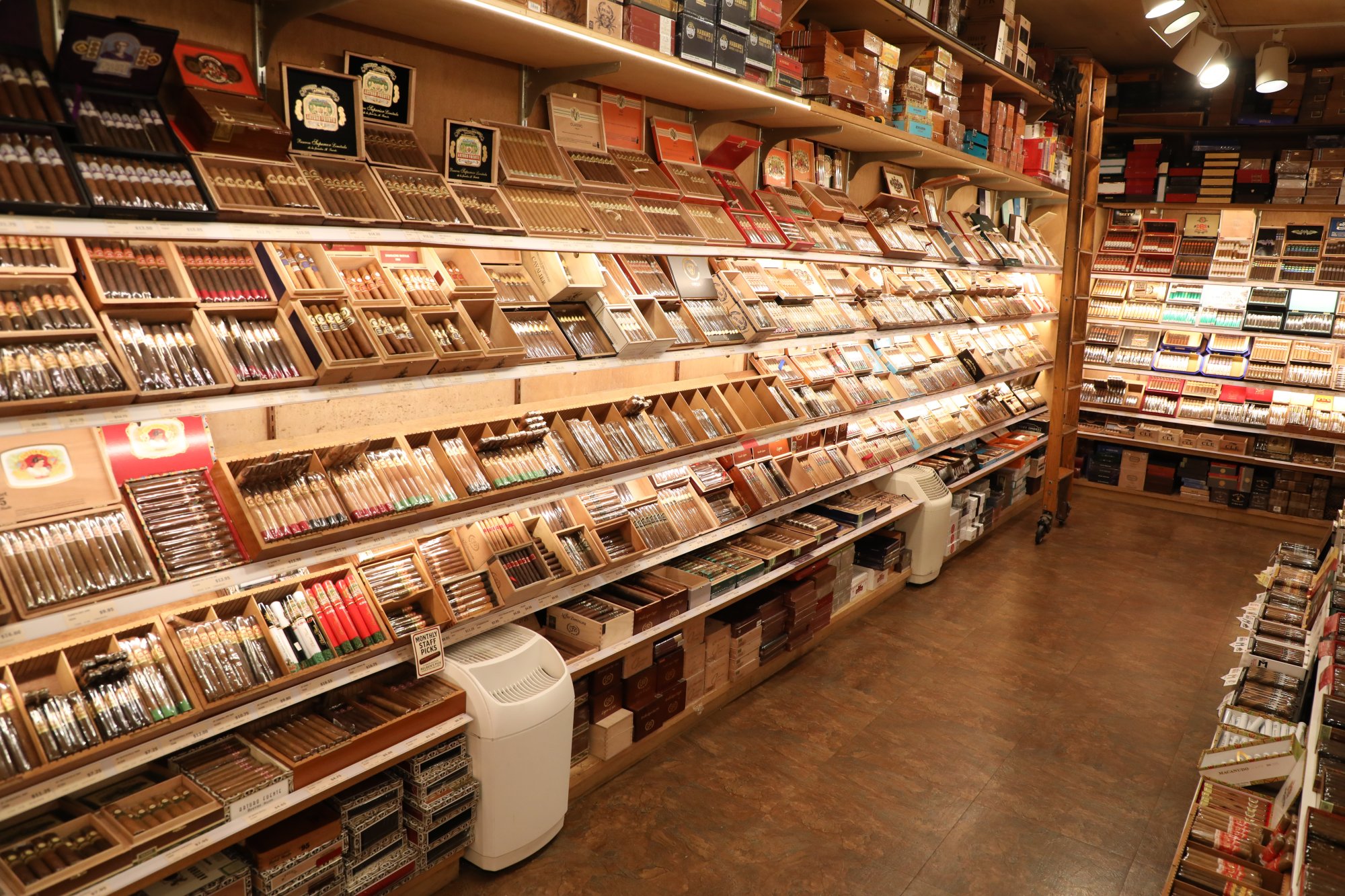
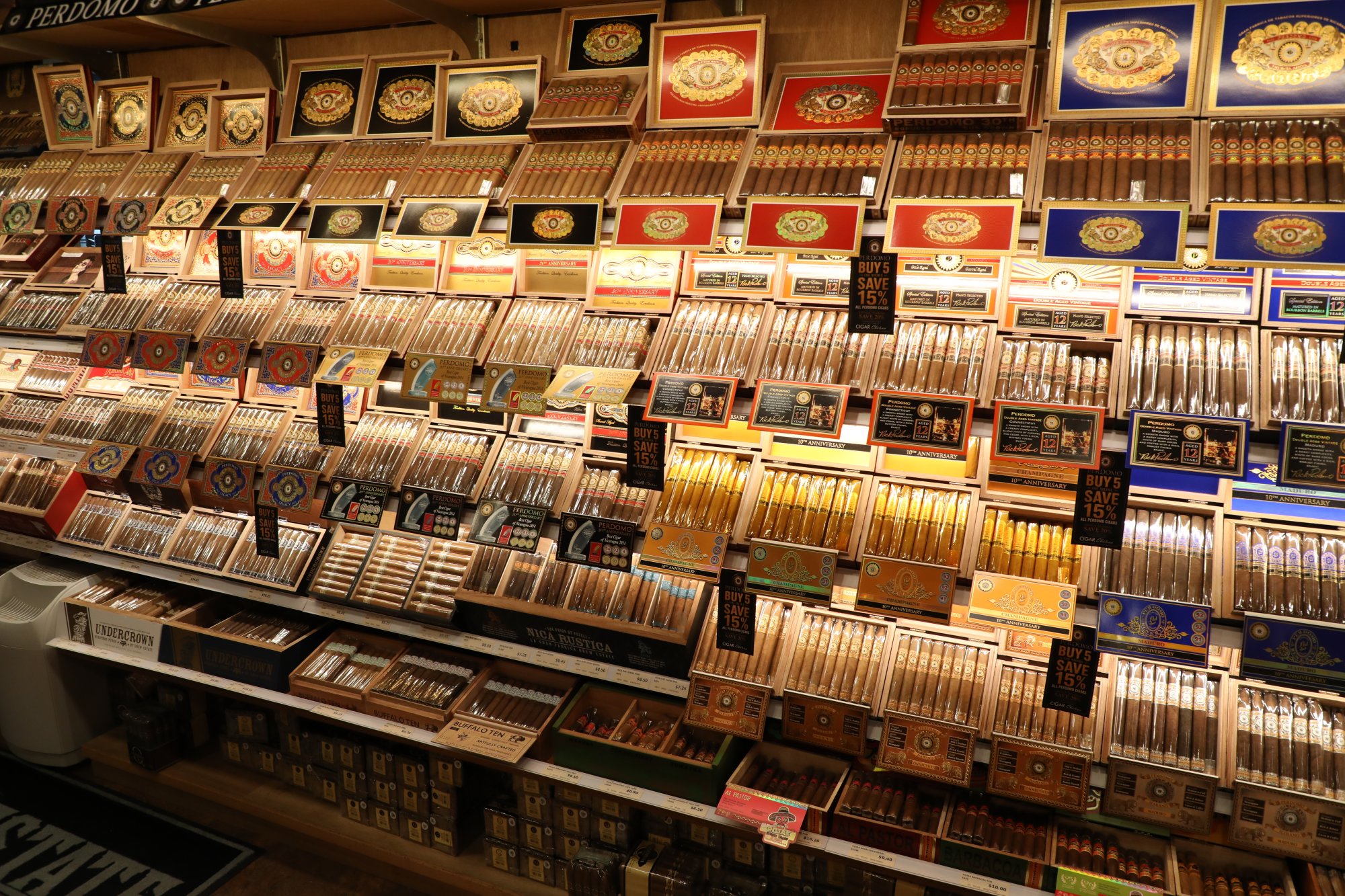
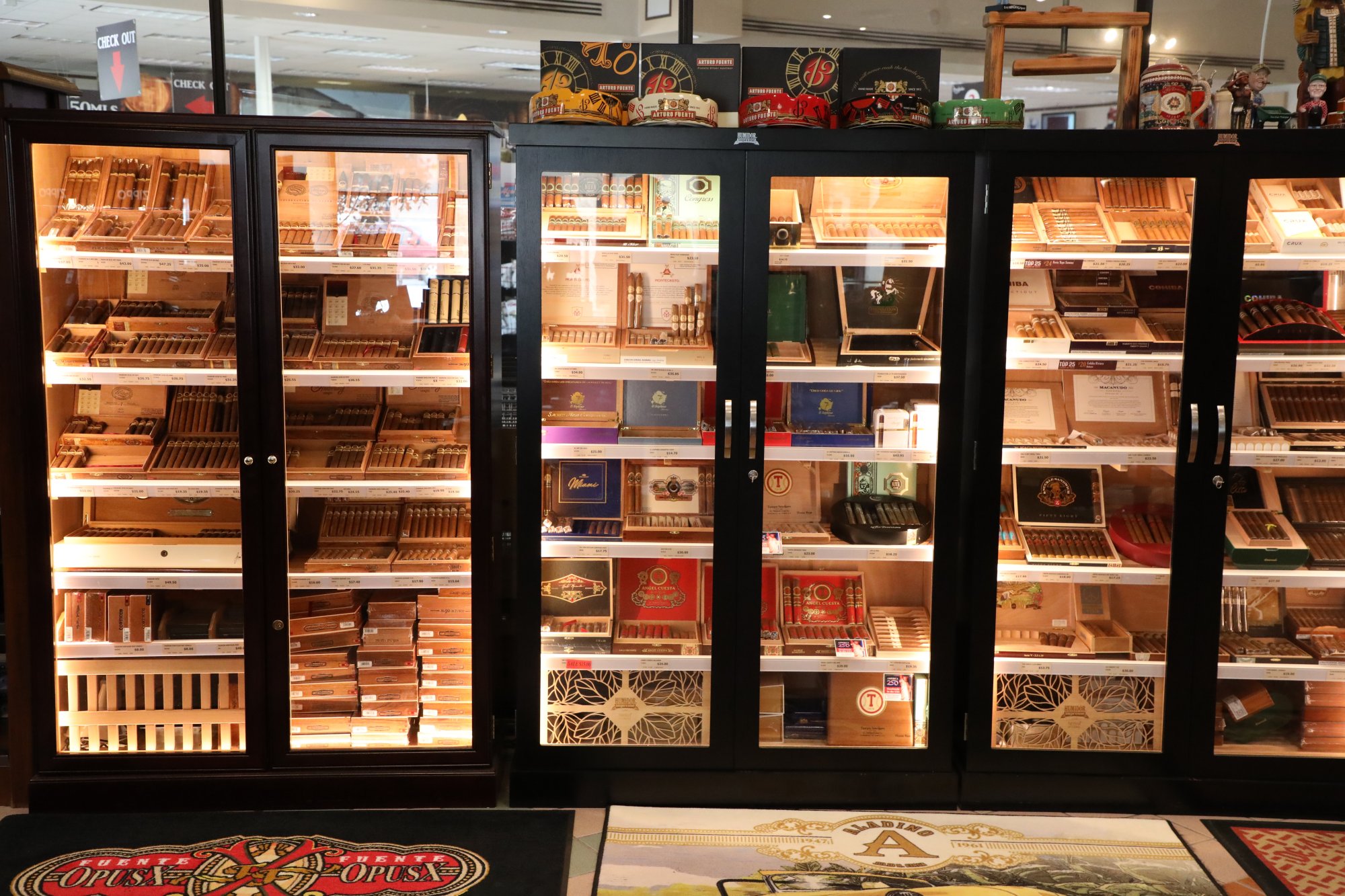
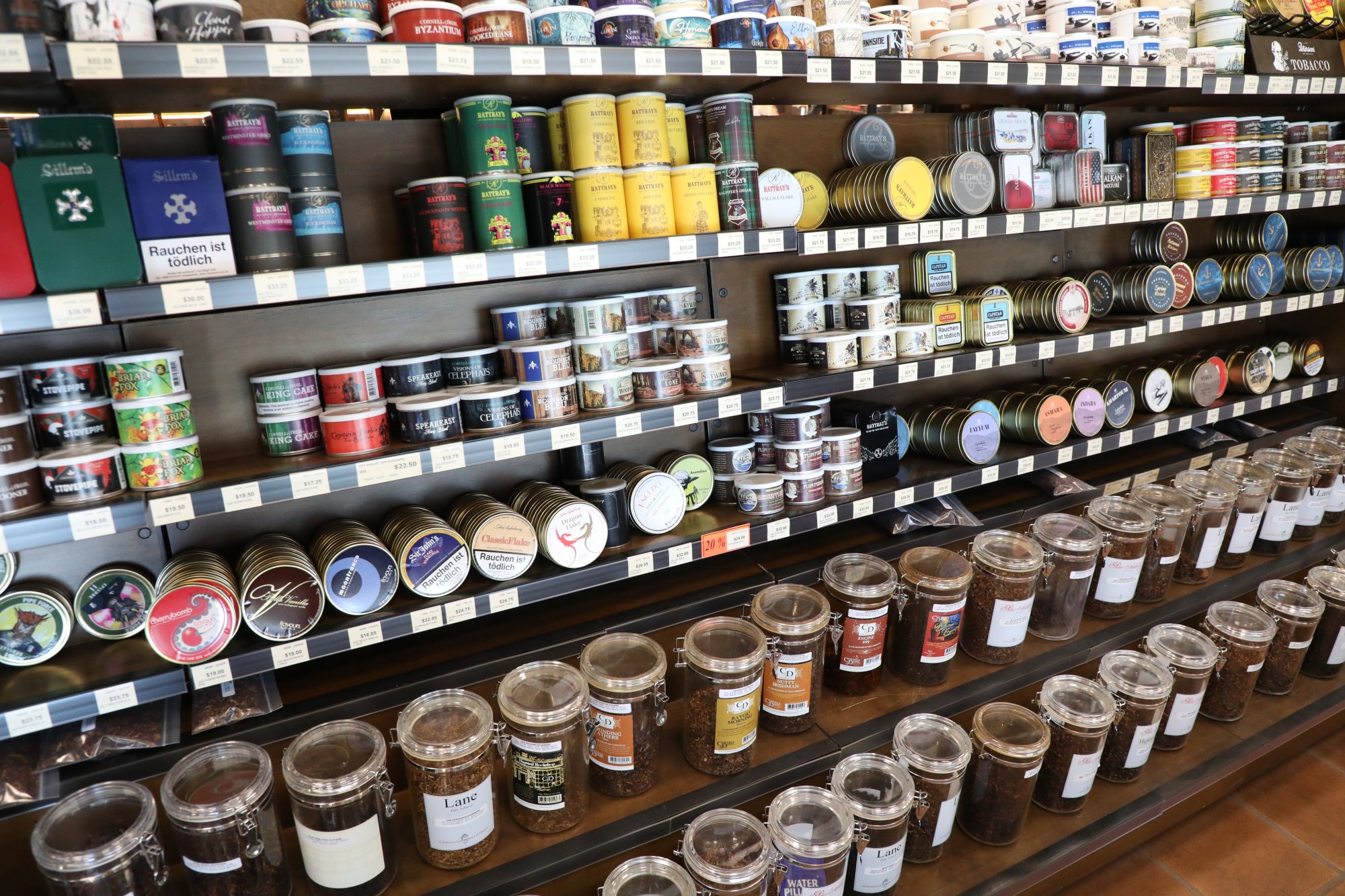
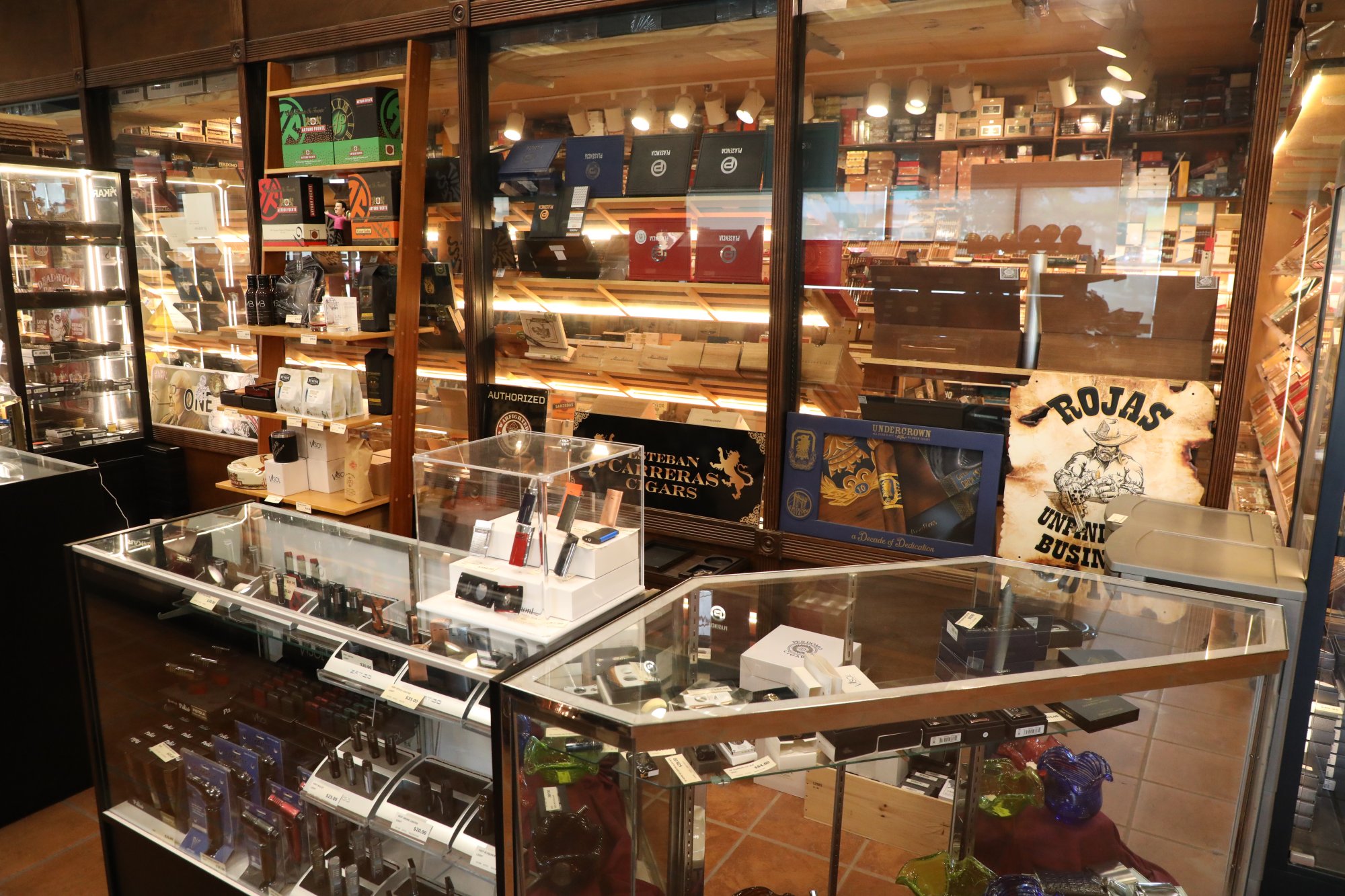
Cigar Chateau & Gifts has earned a well-deserved reputation as one of Wichita’s premier destinations for premium cigars, pipe tobacco, and smoking accessories. This shop is uniquely impressive. Conveniently located on North Rock Road in east Wichita (with the main access to the right as one enters Jacob Liquor Exchange), the shop caters to everyone from newcomers exploring their first premium cigar to seasoned enthusiasts seeking rare releases and trusted favorites. The store is open seven days a week, making it an easy stop whether you’re visiting the city or are a local looking to replenish your humidor.
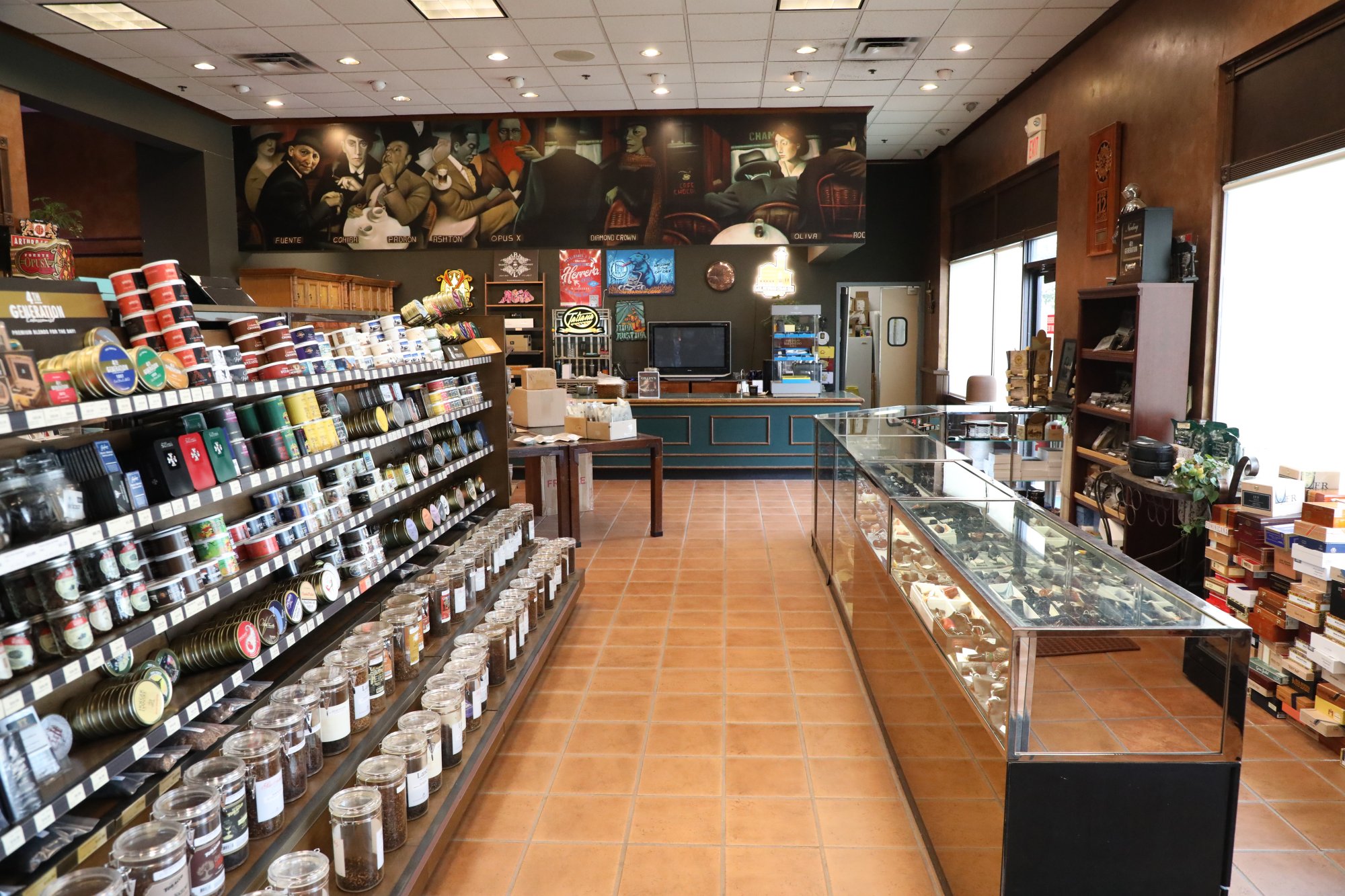
One of the shop’s greatest strengths is the breadth of its selection. Cigar Chateau carries hundreds of premium cigars representing many of the industry’s most respected manufacturers and blends from countries including Nicaragua, the Dominican Republic, Honduras, and elsewhere. And Cigar Chateau carries the Flint Knoll Macanudo Estate Reserve cigars. In addition to cigars, visitors will find pipes, pipe tobacco, humidors, cutters, lighters, ashtrays, and other accessories. Knowledgeable tobacconists are available to answer questions and help customers select a cigar based on strength, flavor profile, size, or occasion.
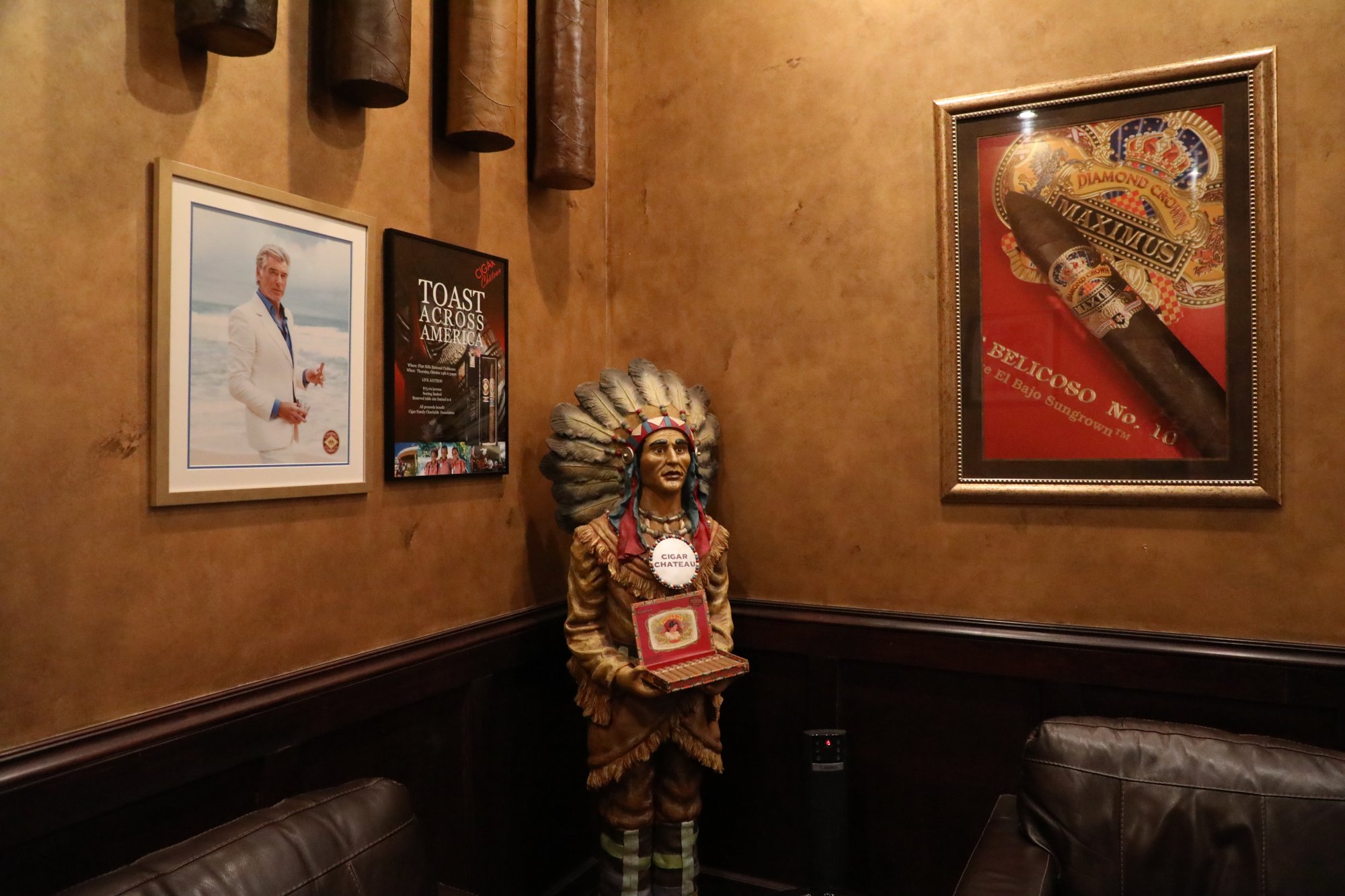
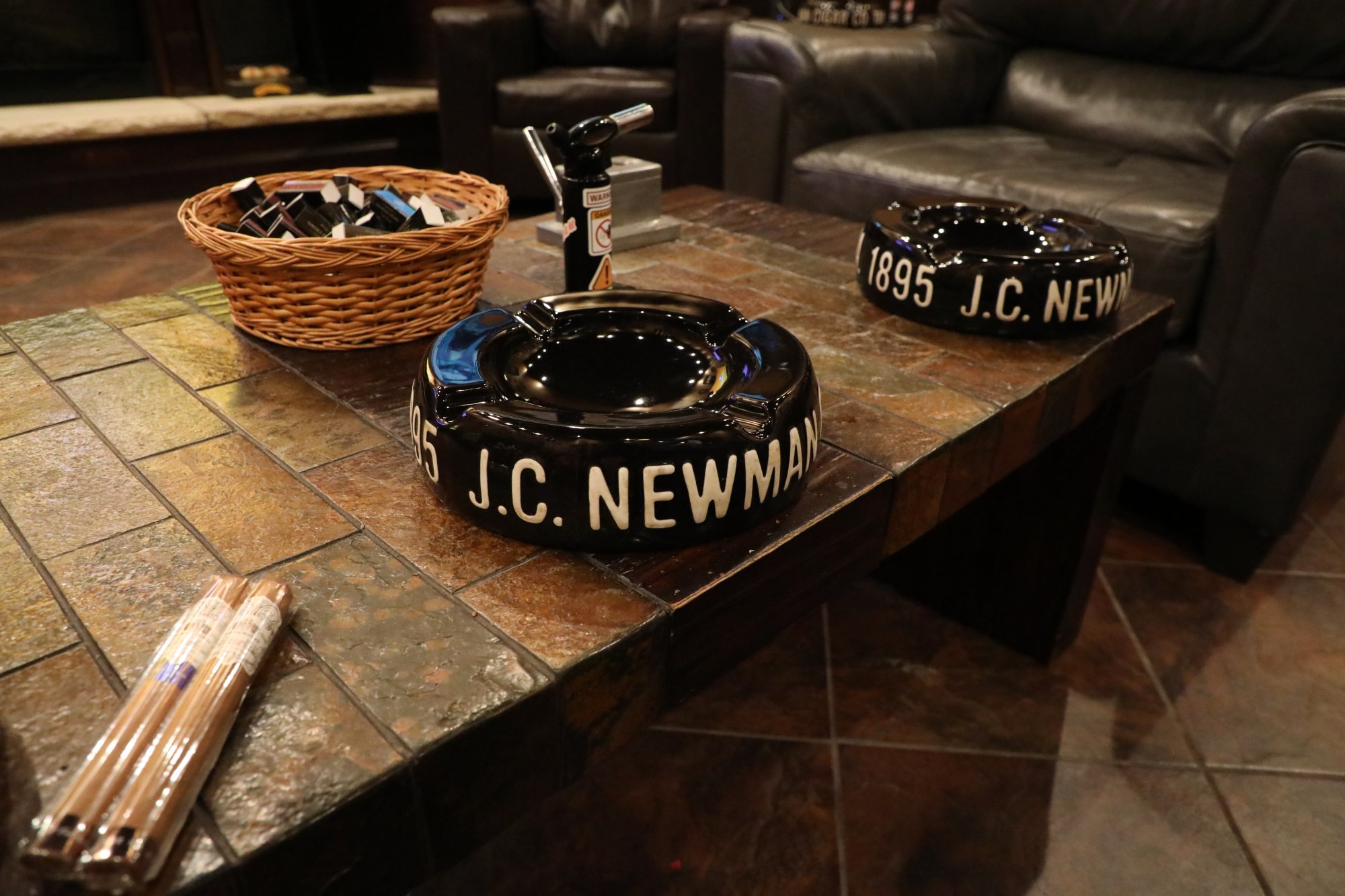
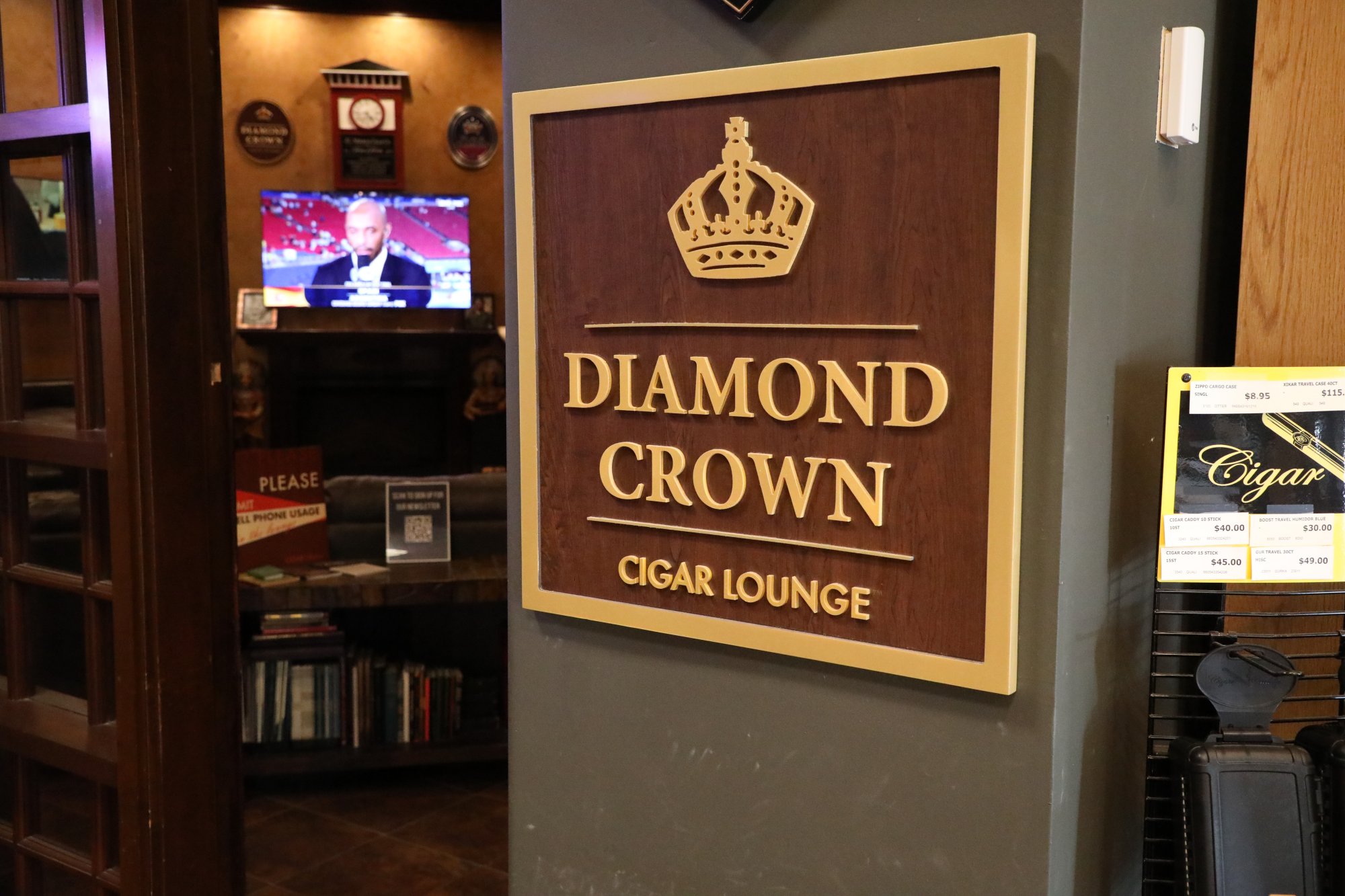
This space is also home to the Diamond Crown Lounge, offering cigar enthusiasts a comfortable place to relax and enjoy a smoke. As a designated Diamond Crown retailer, Cigar Chateau features a complete selection of Diamond Crown cigars and regularly offers products that are exclusive to members of the Tobacconists’ Association of America (TAA), making it a worthwhile destination for collectors and aficionados seeking limited-production releases. Visitors who purchase cigars can smoke them in this lounge; this is the quintessential cigar smoking space, featuring dark leather sofas, subdued lighting, a large screen television and an overall casual environment for cigar enthusiasts to hang out. And complementary drinks are served depending on what is available and or time of the year, i.e., ice tea or coffee.
Cigar Chateau offers a combination of selection, expertise, and atmosphere. Rather than simply functioning as a retail store, it serves as a gathering place where customers can learn more about premium cigars, discover new brands, and spend time with fellow enthusiasts. You don’t need to be a local to enjoy time here. Whether you’re looking for a special gift, building a personal humidor, or simply enjoying a leisurely afternoon in Wichita, Cigar Chateau provides a welcoming environment centered around quality products and knowledgeable service.
Visit: www.cigarchateau.com


Jacob Liquor Exchange, Wichita
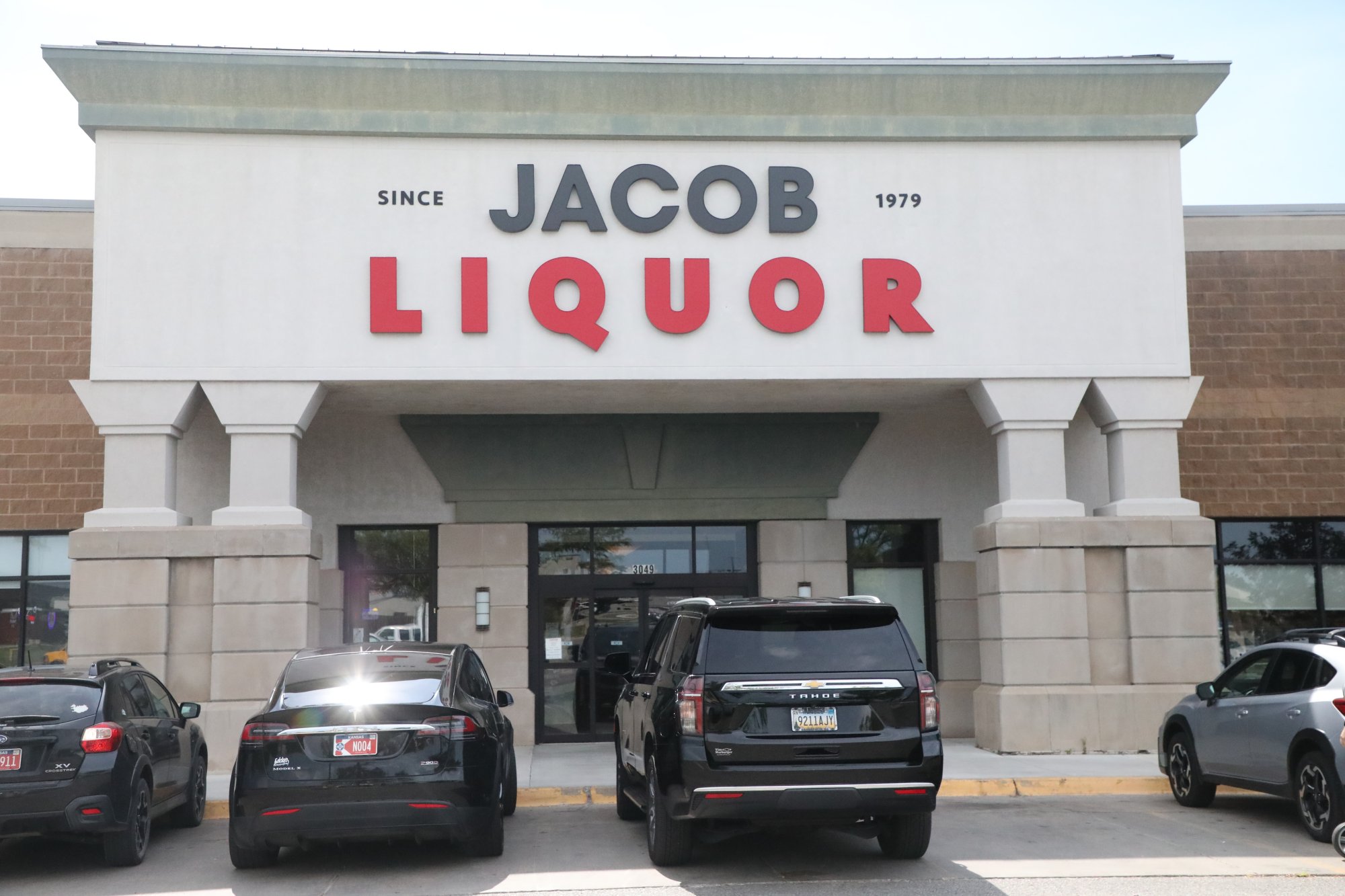
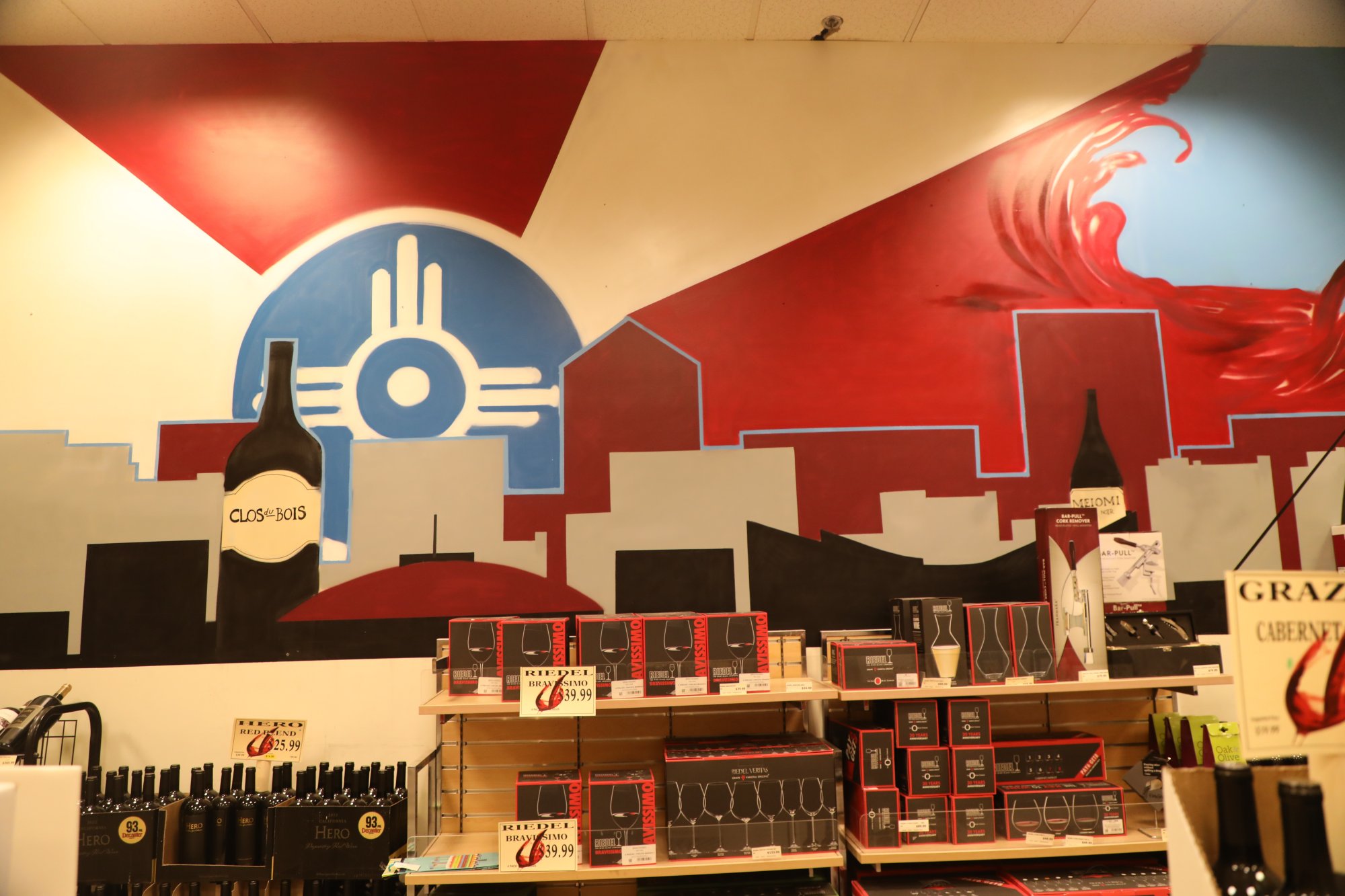
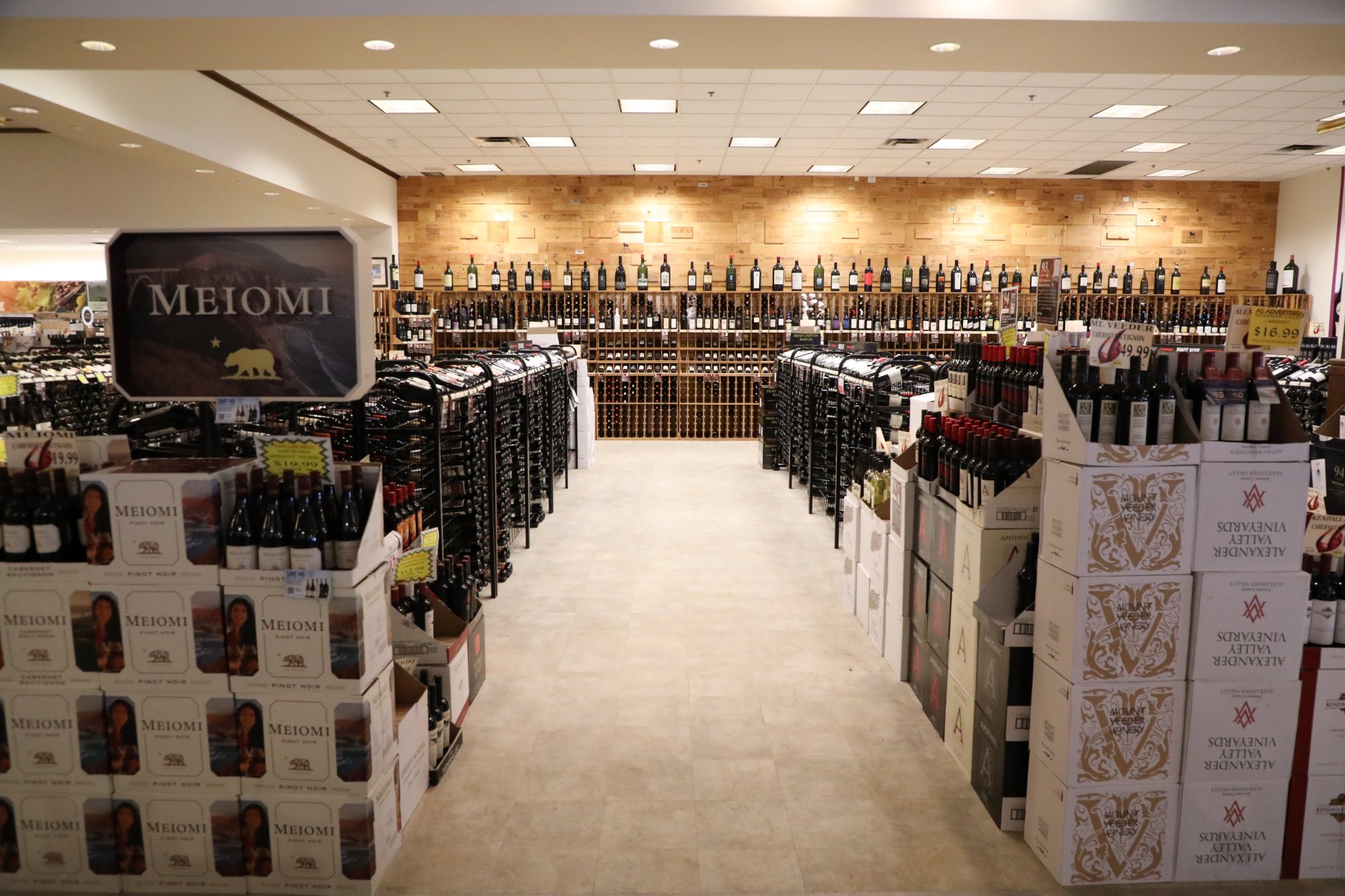
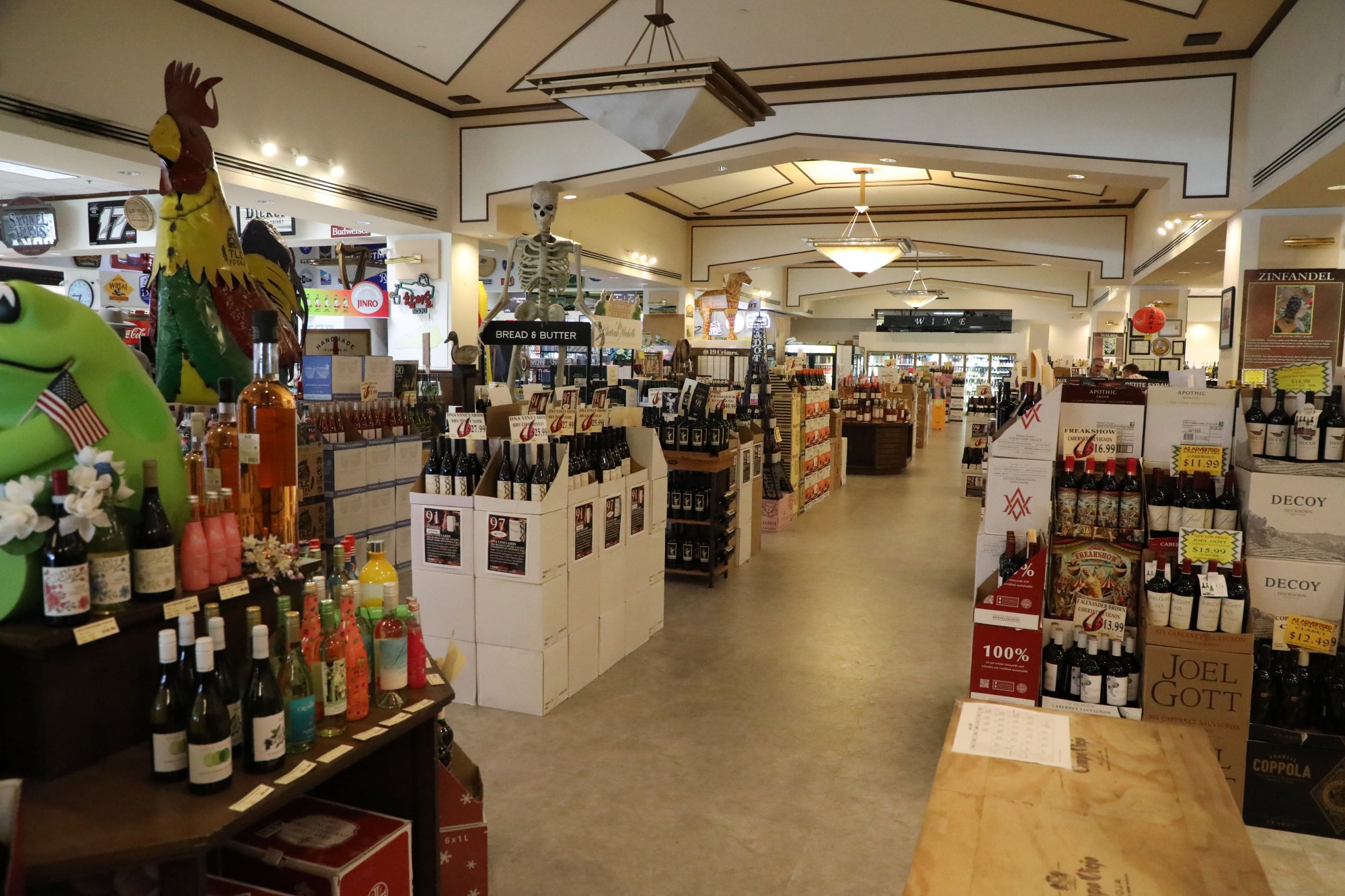
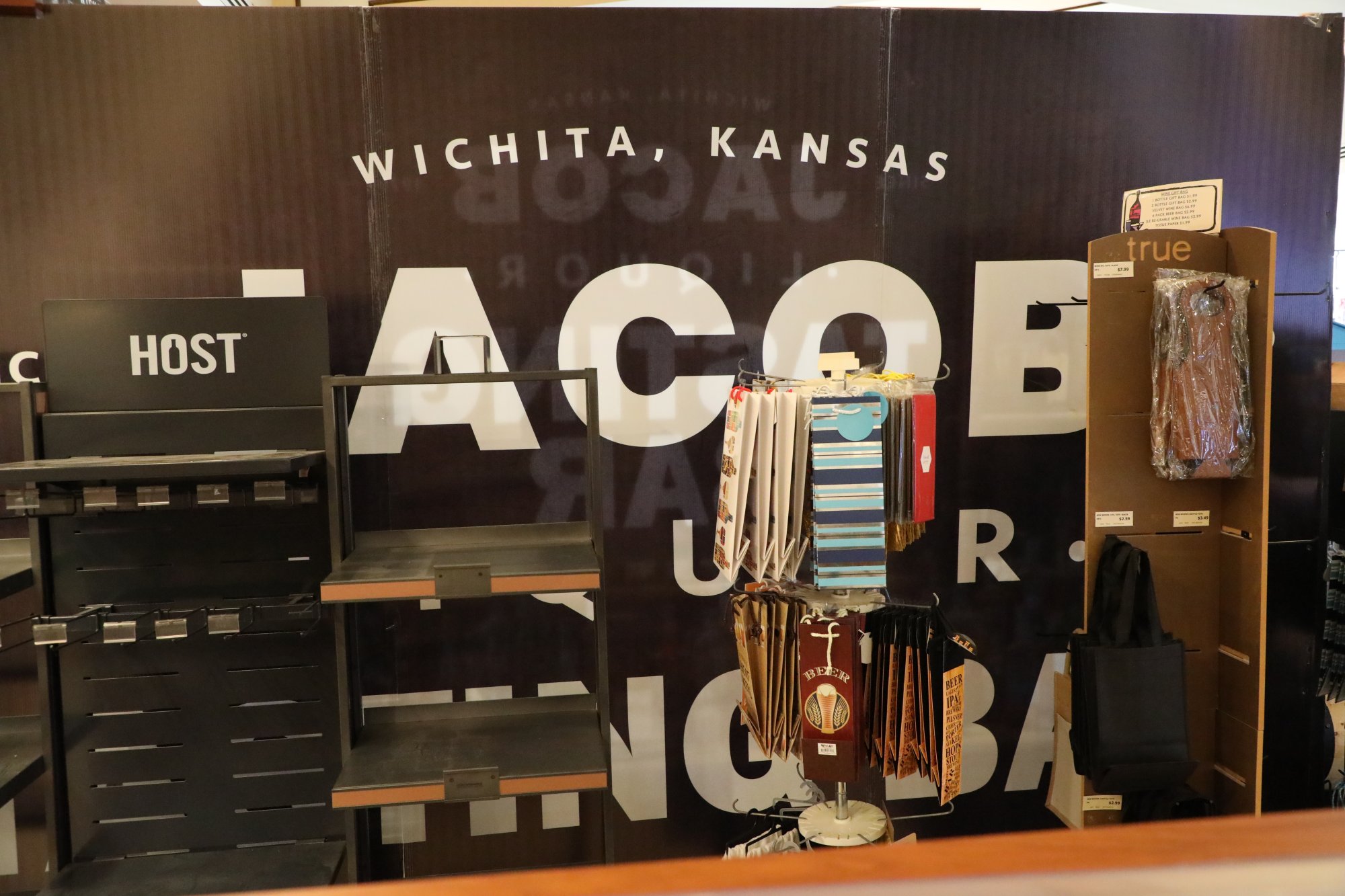
Jacob Liquor Exchange has been a fixture in Wichita’s retail beverage community since 1979 and is one of the city’s best-known independently owned liquor stores. Located at 3049 North Rock Road on Wichita’s east side, it is open seven days a week.
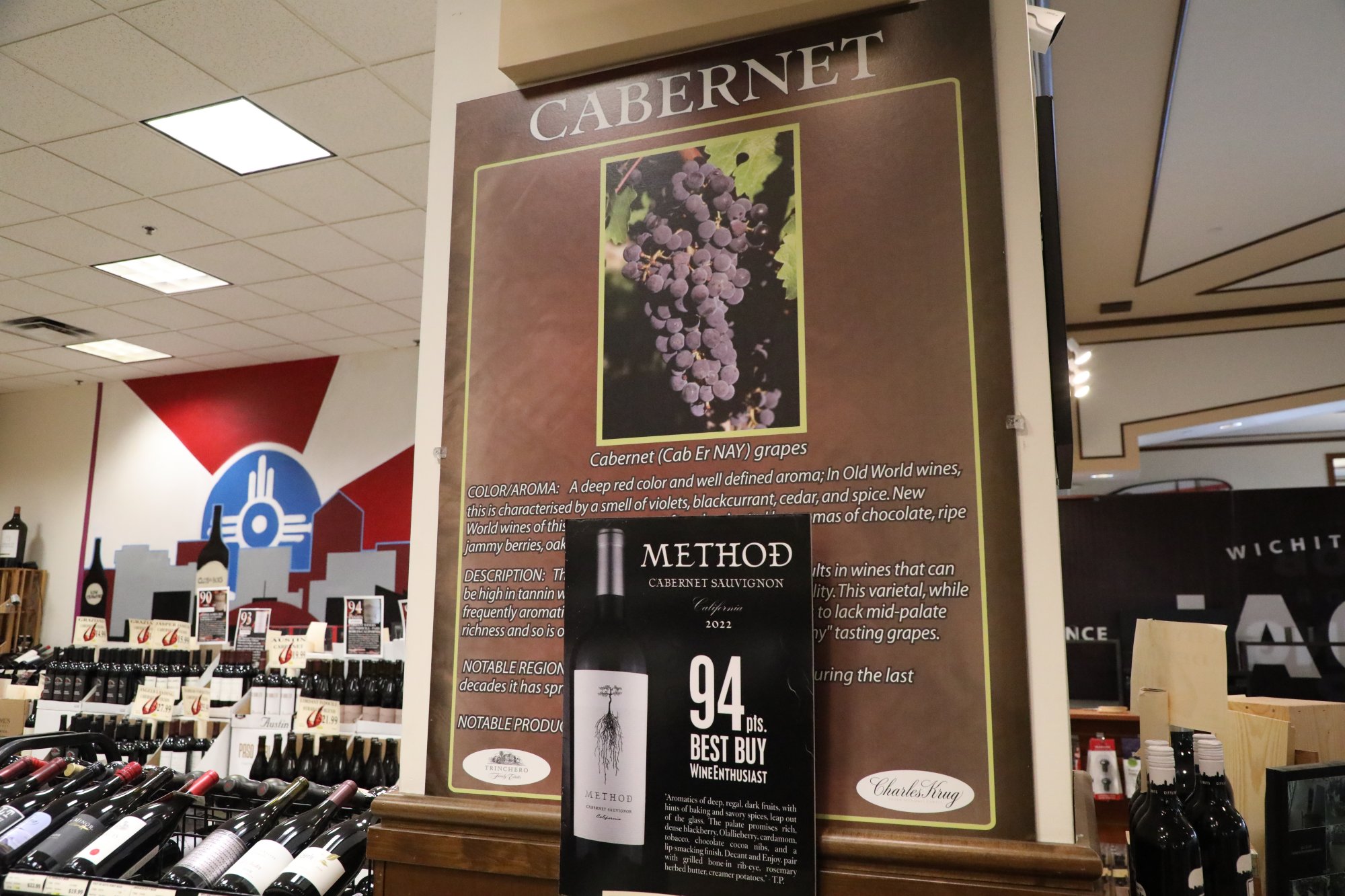
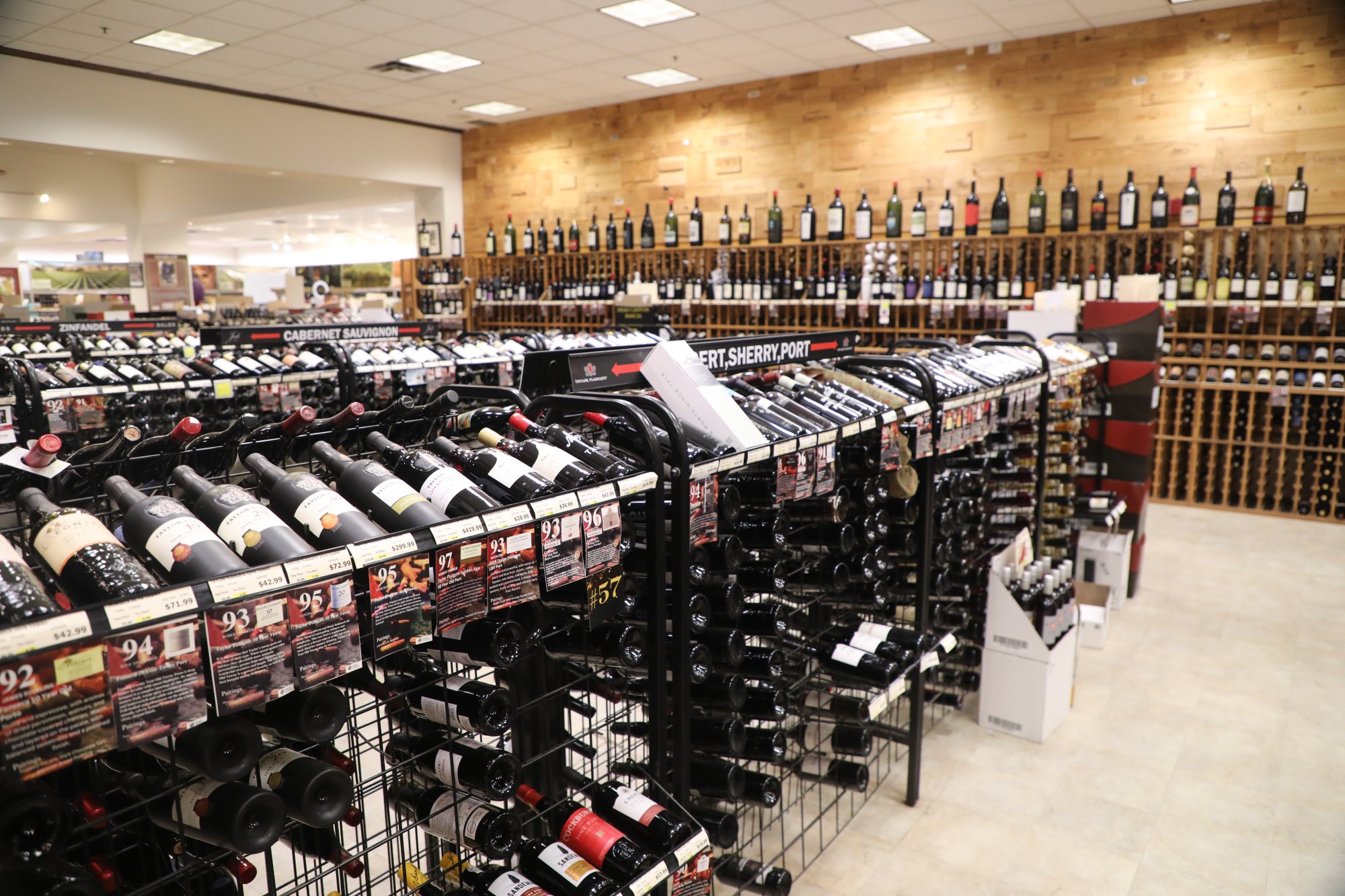
One of the store’s defining characteristics is the breadth of its inventory. Customers can browse wines from leading wine-producing regions around the world including a very fine selection from Napa Valley ranging from smaller less-known producers to mainstay wineries, a wide assortment of whiskey, bourbon, Scotch, tequila, rum, vodka, gin, and other spirits, as well as domestic, imported, and craft beers. The store also features an online catalog that allows shoppers to browse products by country, producer, or brand before visiting, making it easy to locate specific bottles or discover something new. Jacob Liquor Exchange often carries wine from Flint Knoll.
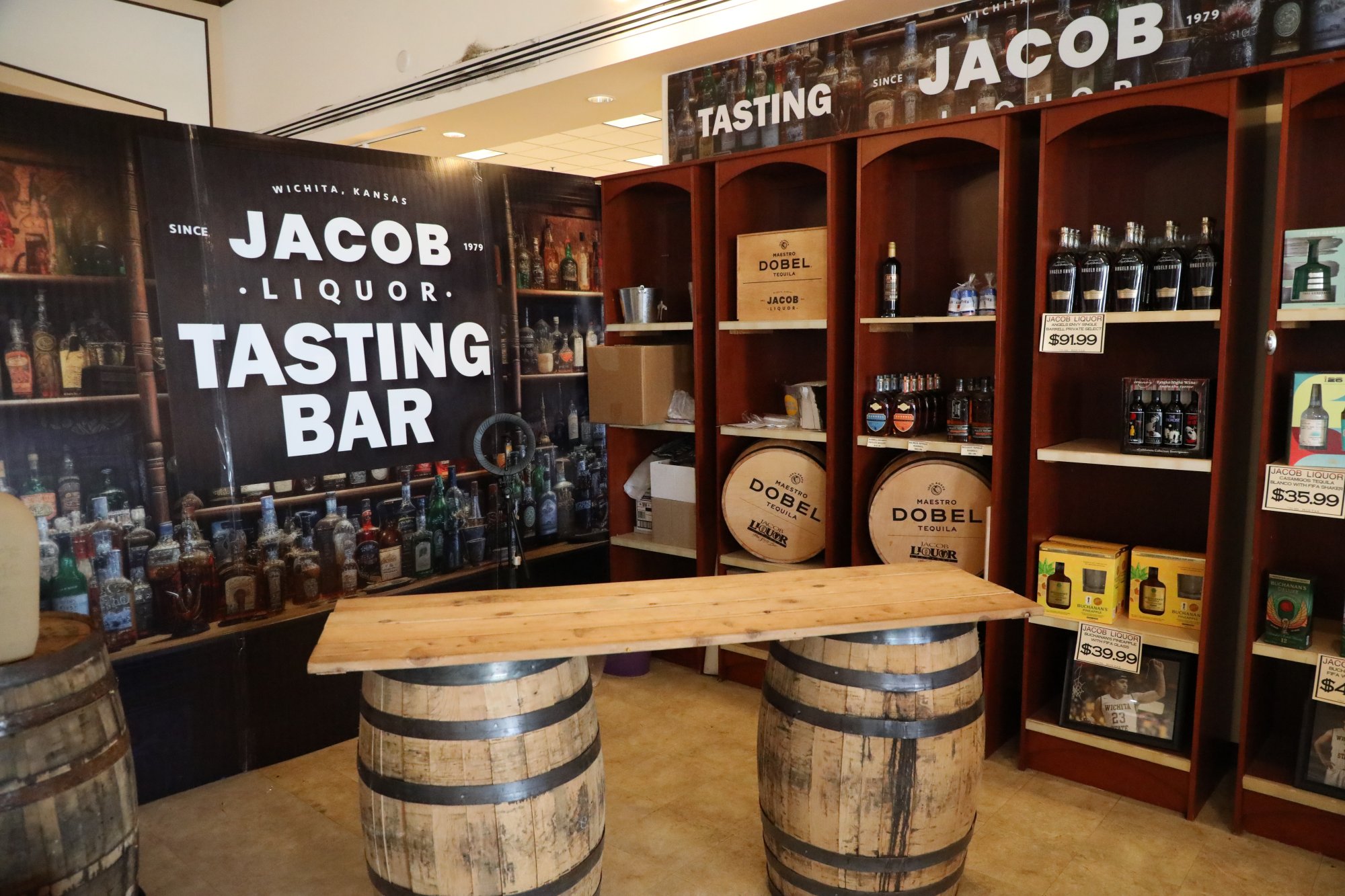
Jacob Liquor Exchange is also known for hosting tasting events and special promotions throughout the year, giving customers opportunities to sample products and learn more about wines and spirits from knowledgeable industry representatives. The store maintains a weekly specials program and keeps customers informed about new arrivals and limited releases through its newsletter and website.
For visitors to Wichita, Jacob Liquor Exchange is much more than a neighborhood liquor store. Its extensive selection makes it an excellent place to search for a special bottle to enjoy during a visit or to purchase as a gift. Wine enthusiasts can compare labels from numerous regions, whiskey collectors can browse a wide range of premium spirits.
Whether you are seeking a rare spirit, a bottle of wine to pair with dinner, locally available craft beer, or premium cigars, Jacob Liquor Exchange offers the selection, expertise, and great customer service.
Visit: www.jacobliquor.com
Leave a Reply