



 Eagle Eye Wine was founded by Bill & Roxanne Wolf in 2003 after they left previous careers. Unlike some who come to the Napa Valley and start a winery with a dream in the eye and leave much of the work to others, both Bill (died in 2025) and Roxanne entered the wine business with a determination to learn by doing. Before they actually started their wine label, they certainly did their homework by taking numerous classes at UC Davis, gaining other wine certification as well as spending significant learning time in the vineyards not only locally but also in international wine regions.
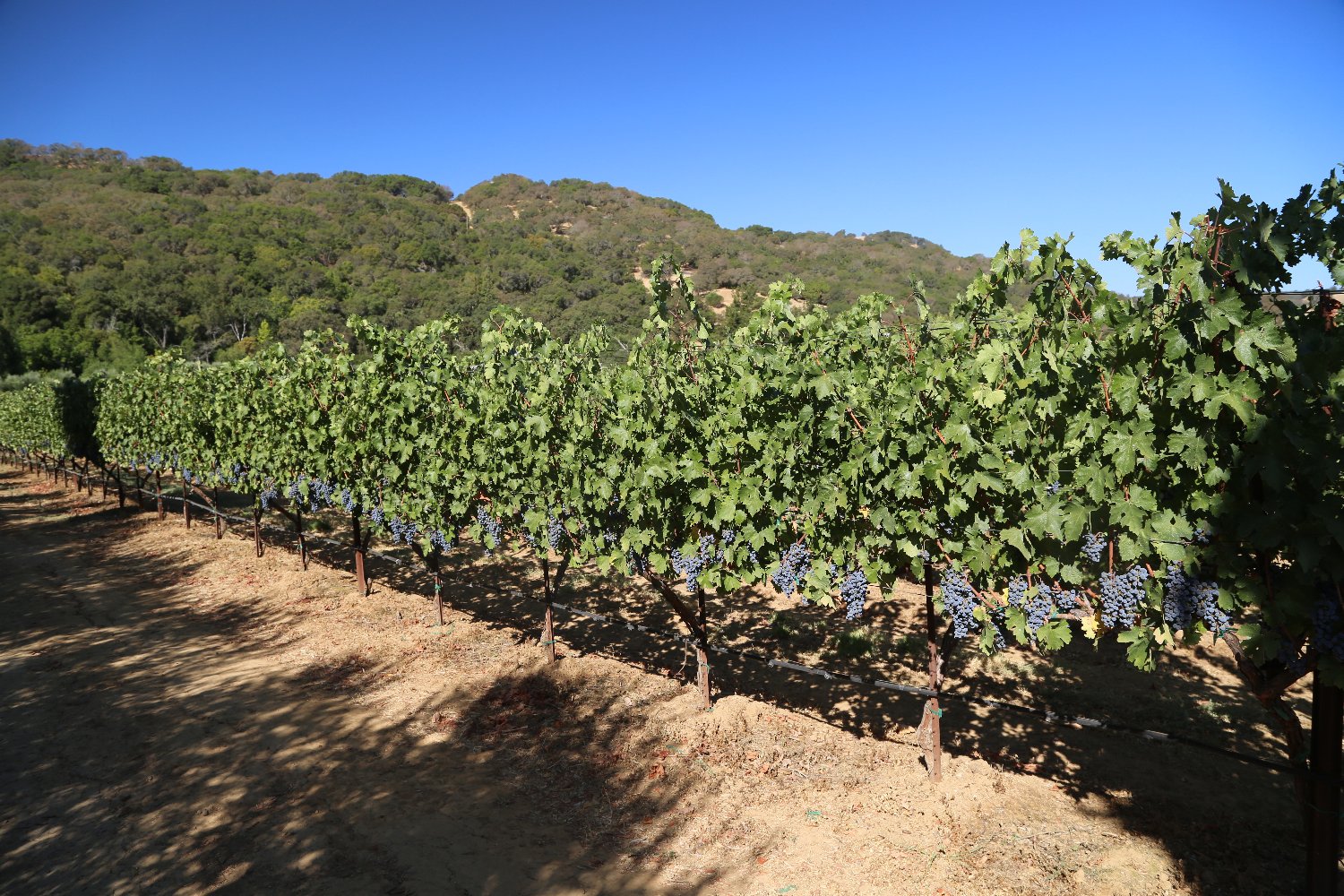
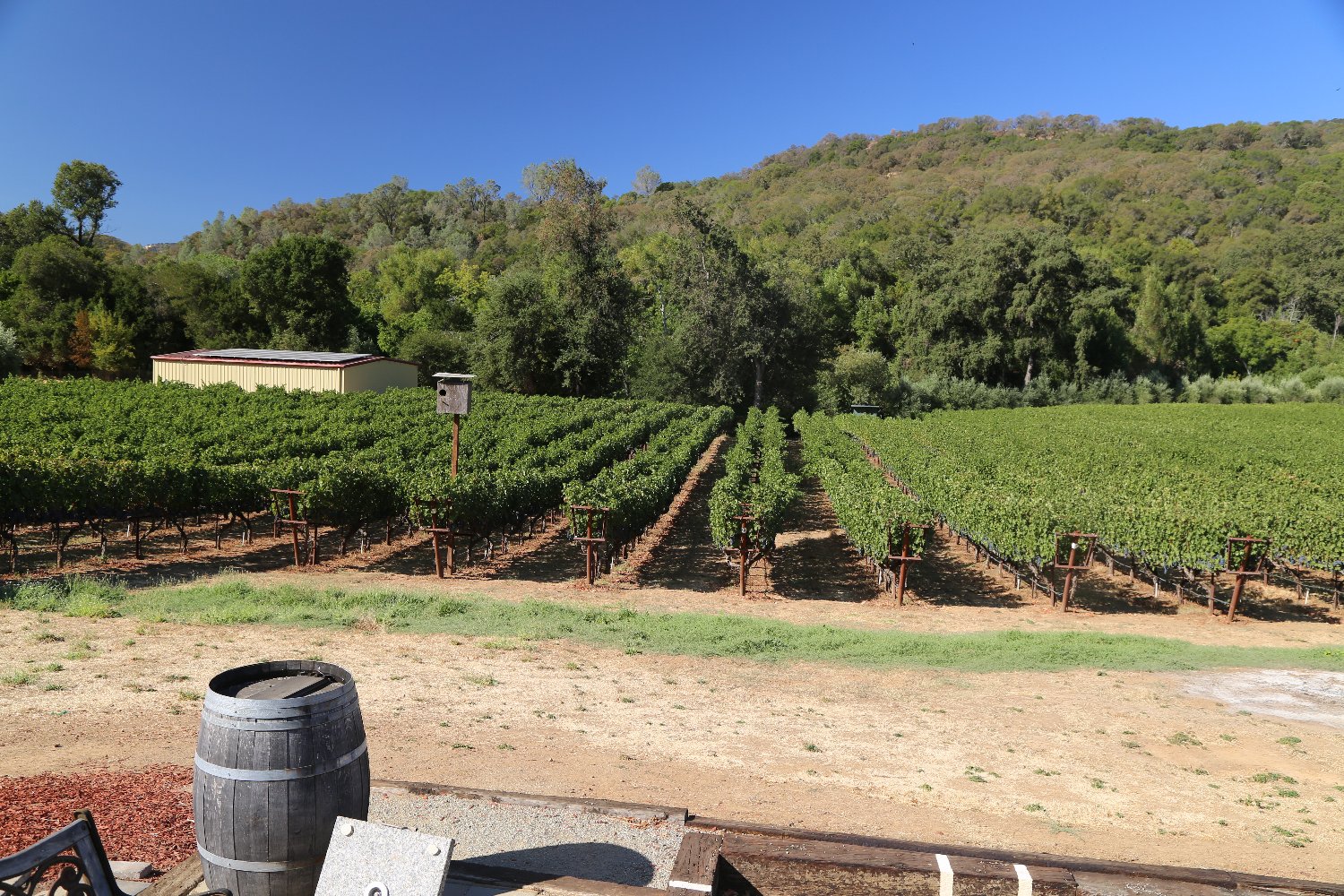
They manage about 9 planted acres in Gordon Valley (the total property is 13 acres), located in eastern Napa County. They are Napa’s easternmost commercial wine producer. Their vineyard is only several miles from the Solano County line and about 8 miles from the city of Fairfield. Driving through this part of Napa feels far removed from the valley floor. There are 1000 acres planted between both Gordon and Wooden Valleys, but this part of Napa is where the natural land still far out numbers the number of grapes planted here. And compared to the valley floor, roads are generally much less traveled.
Both valleys produce grapes that are sought after by some of Napa’s big names including Caymus, Michael Mondavi and Pahlmeyer. This is not a part of Napa where are there many physical wineries – Altamura is Eagle’s Eye’s closest Napa winery neighbor and they are five miles down the road.
Gordon Valley
Gordon Valley remains one of the more serene and lesser-known viticultural gems within Napa County, tucked into the southeastern corner where the Vaca Mountains begin to merge with the Suisun Valley. Geographically, it is part of the greater Napa Valley watershed but sits separated from the main valley floor by a series of rolling hills and ridges. This isolation has allowed it to maintain a distinct, rustic character, largely defined by wide-open cattle ranches and sprawling vineyards that feel far removed from the bustling tourist corridors of Highway 29.
The history of the valley is deeply intertwined with the early settlement of California. It is named after William Gordon, a colorful pioneer who arrived in the region in the early 1840s. Gordon was a contemporary of George Yount and a skilled woodsman and trapper who eventually secured land through Mexican grants. While he is often remembered as the first white settler in neighboring Yolo County, his family’s influence extended firmly into this tranquil Napa valley. In the mid-19th century, the valley was a hub for diverse agriculture, ranging from grain and livestock to some of the county’s earliest experimental orchards and vineyards.
 From a viticultural perspective, Gordon Valley offers a fascinating microclimate that differs significantly from the central Napa Valley floor. Because of its proximity to the Suisun Bay and the Sacramento Delta, the valley acts as a natural conduit for cooling marine breezes. This influence creates a moderate Mediterranean climate with warm, sun-drenched afternoons followed by sharp nocturnal temperature drops. This diurnal shift is a critical component for high-quality grape growing, as it allows the fruit to develop deep, concentrated flavors while preserving the natural acidity required for structural balance.
The soils of Gordon Valley are a complex mixture of alluvial fans and volcanic remnants. Over millennia, erosion from the surrounding Vaca Mountains has deposited a “tapestry” of well-draining gravelly loams and clay. These soils are particularly well-suited for late-ripening red varieties. Cabernet Sauvignon, Merlot, and Syrah thrive here, often producing wines with a signature “savory” edge and supple tannins that distinguish them from the more opulent, “dust-driven” styles found in Rutherford or Oakville.
Today, Gordon Valley serves as a vital source of grapes for both local boutique wineries and larger Napa Valley estates looking for the unique “mountain-meets-maritime” profile that the region provides. While it does not share the same level of fame as the valley’s mid-section AVAs, its historical roots and ideal growing conditions ensure it remains a cornerstone of Napa’s agricultural heritage. The valley’s continued commitment to large-scale agriculture and low-density planting makes it a rare example of the “old Napa” aesthetic, preserved through generations of family farming.
—
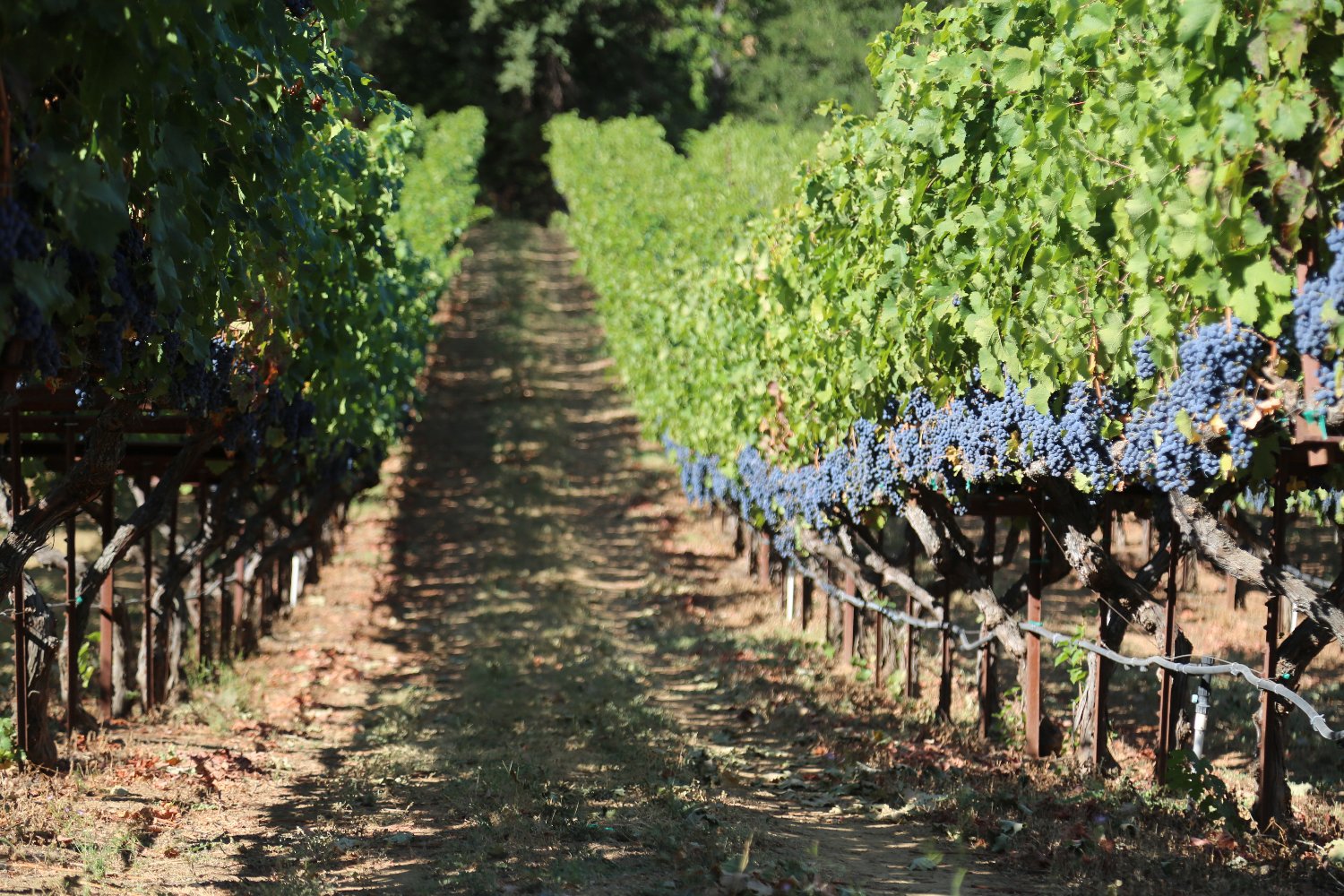
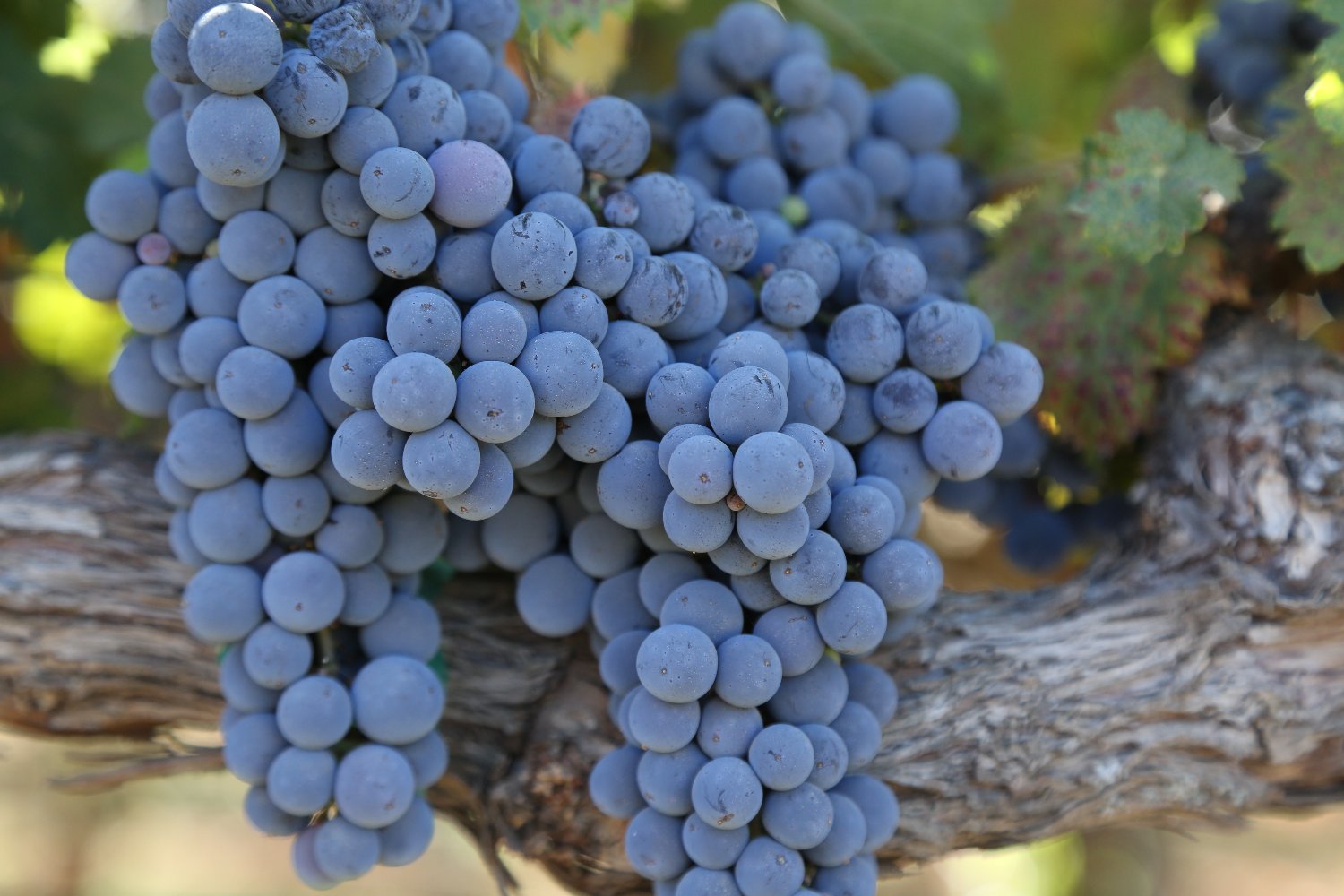
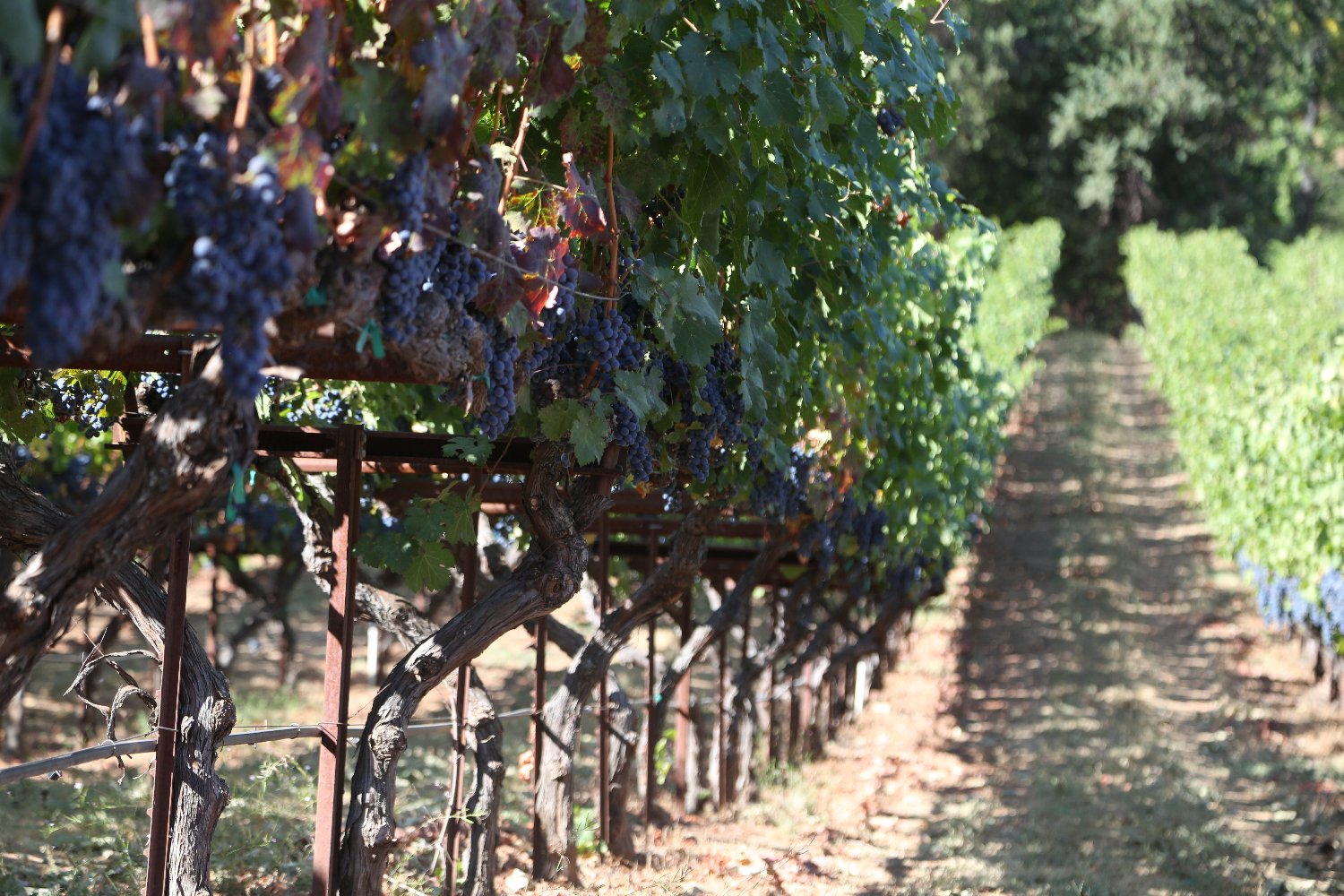
Their vineyard is planted to several varieties including several clones of Cabernet Sauvignon, Petit Verdot and Cabernet Franc. This vineyard was the site of a very old walnut orchard. Before planting, the walnut trees were removed including all their root systems; if left buried, the roots will carry a fungus detrimental to grapes. Holes up to 14 feet deep for each tree had to be dug in order to properly ensure the removal of the root systems! Alaska humus was brought down specially from Alaska; this highly prized nutrient rich soil has been formed by nearly 10,000 years of post-ice age decomposition. It is soil that because of the long winters does not see the extent of microbial breakdown that if found in warmer climates.
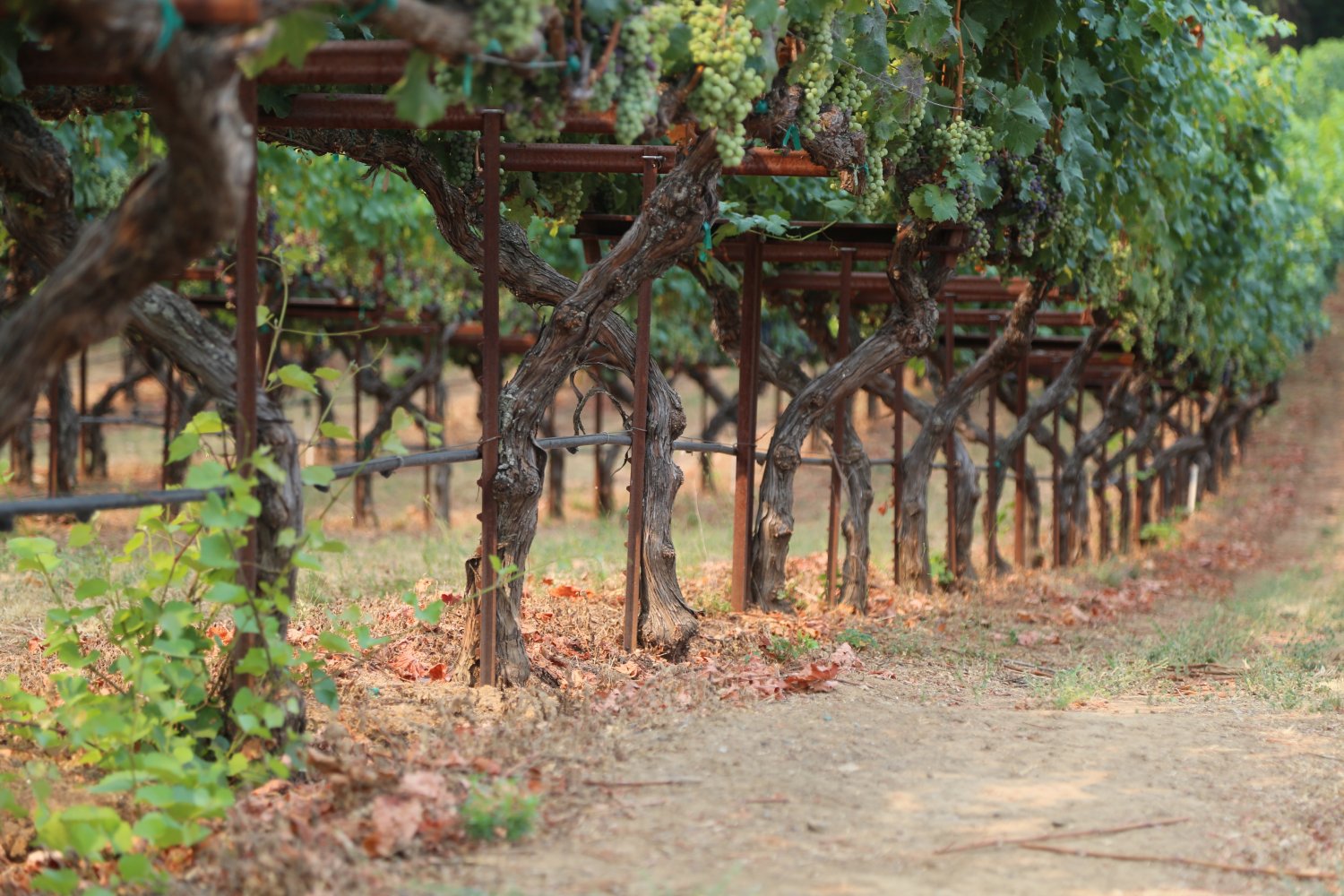
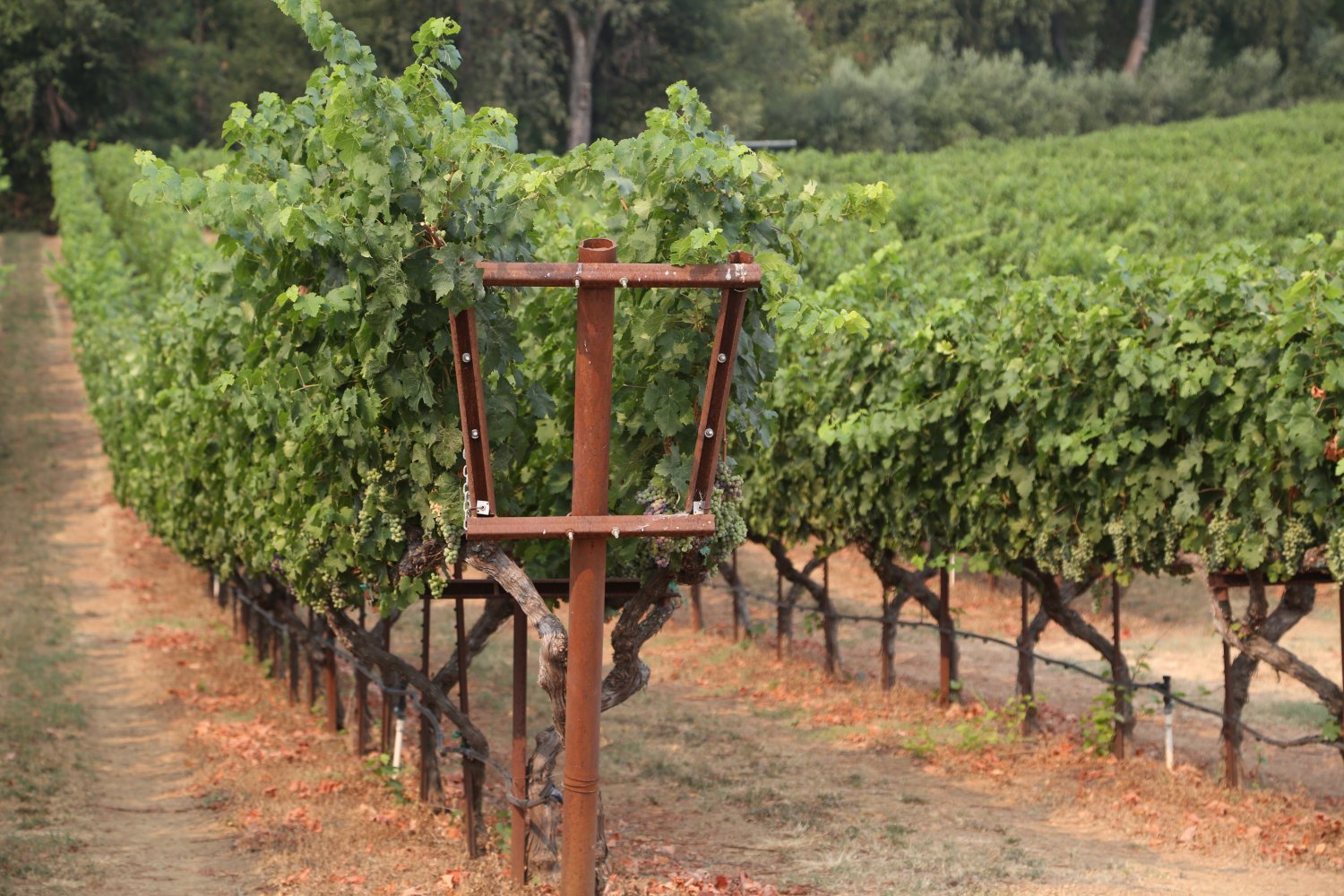
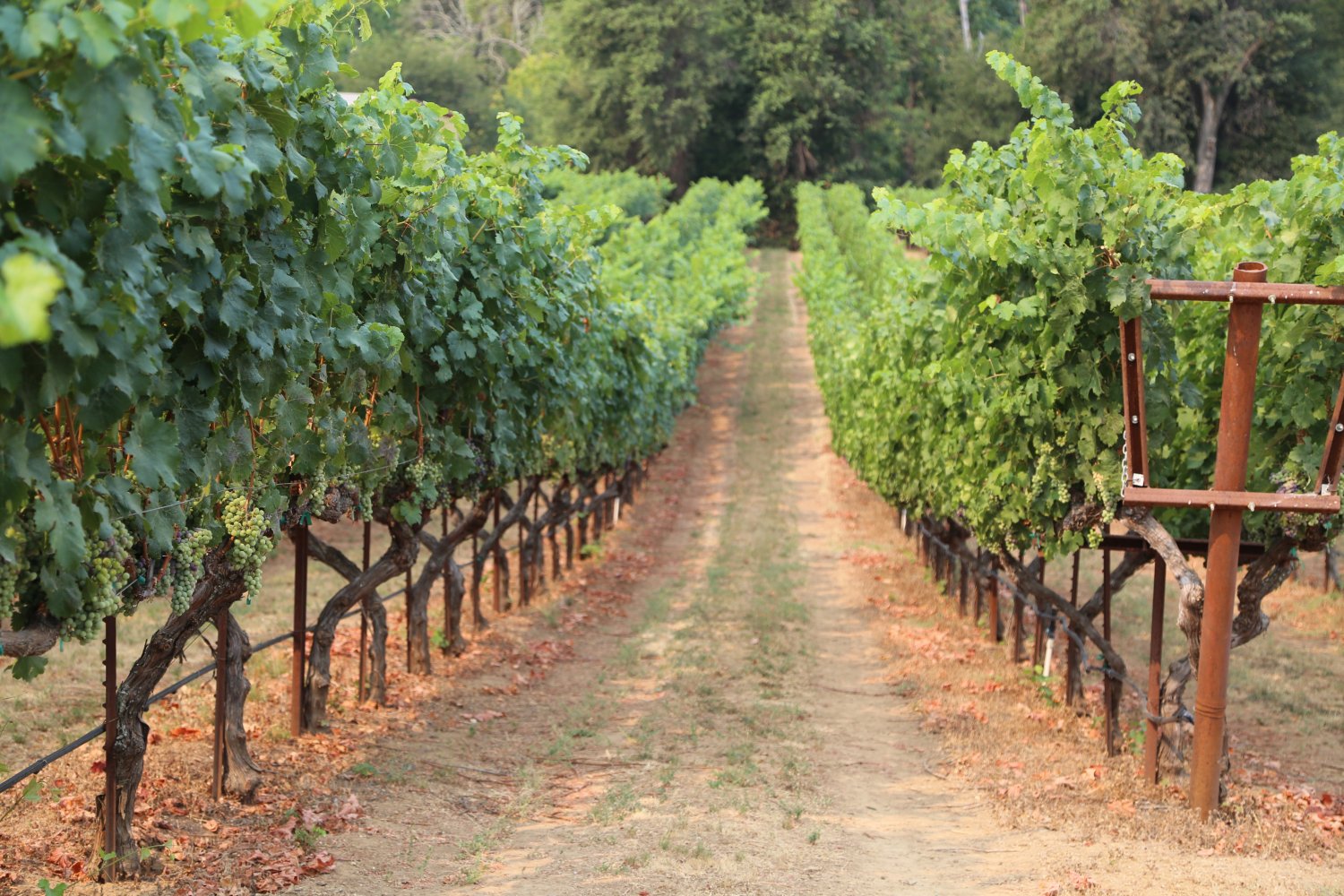
The vineyard is trellised with a U-Lyre system; if you stand in front of a row and look down the row it looks like a goalie post of a football field. Bill used this system for a variety of reasons: it is open in the center and allows sufficient air flow through the canopy, allows for carrying more grapes without compromising quality, it helps trap heat near the clusters of grapes and is a system that promote beneficial predators.
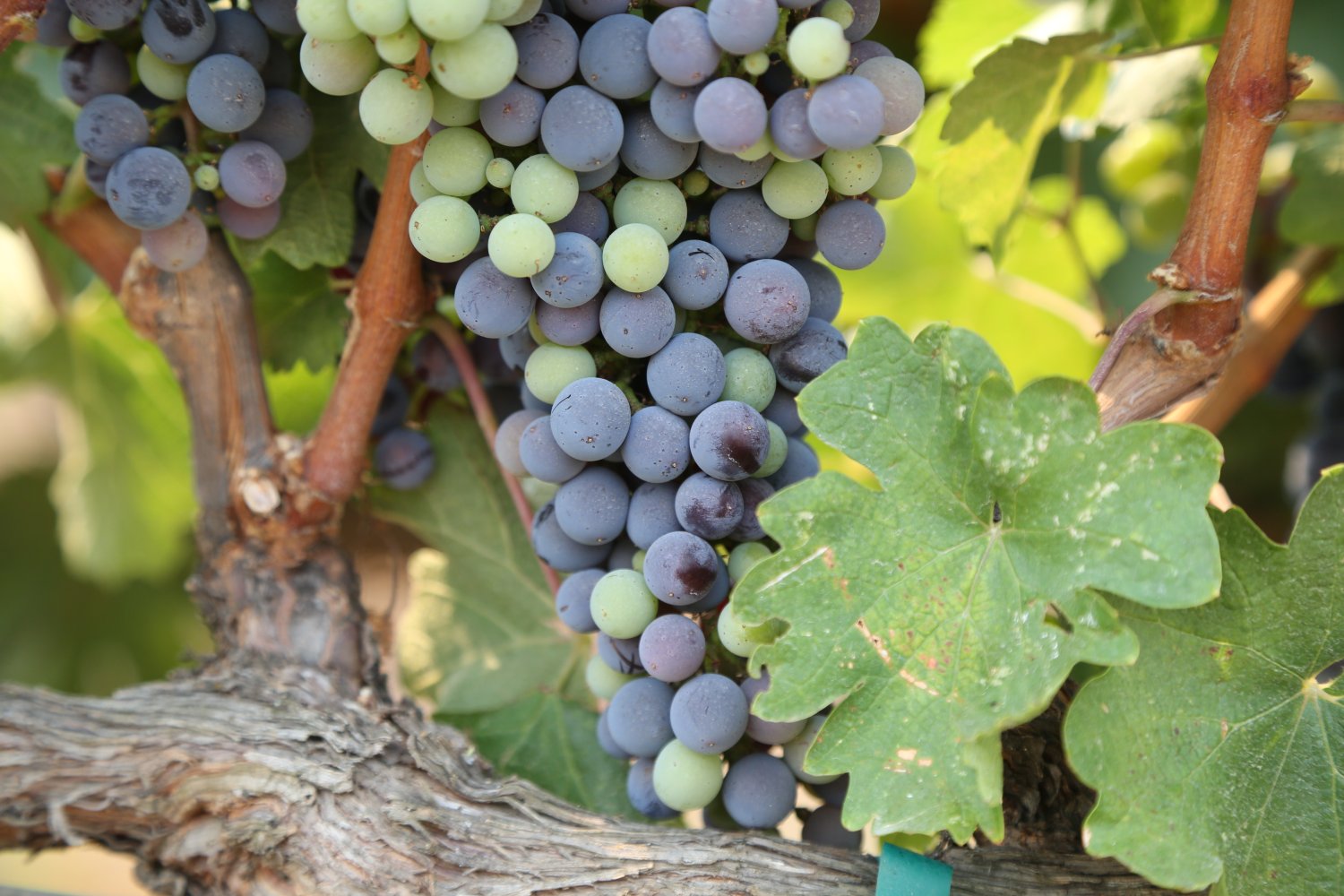
 Their vineyard is farmed organically; Bill was on the forefront in Napa for using compost tea on wine grapes. Compost tea involves decomposing organic matter and then putting this material back into the soil which introduces additional nutrients to the vines. Compost tea is a nutrient-rich, liquid amendment created by steeping high-quality compost in water, often while aerating the mixture to promote the growth of beneficial microorganisms. In the context of premium viticulture, the primary benefit of compost tea is the restoration of soil health and the enhancement of the vine’s natural defense systems. By introducing a diverse population of aerobic bacteria, fungi, protozoa, and beneficial nematodes directly to the rhizosphere or the leaf surface, winemakers can foster a living soil environment that traditional synthetic fertilizers often suppress.
When applied as a soil drench, compost tea improves the soil structure and increases the bioavailability of minerals. The microorganisms in the tea break down organic matter and convert nutrients into forms that the grapevines can easily absorb. This is particularly beneficial in vineyards with depleted soils or those transitioning to organic and biodynamic farming. Furthermore, these microbes form symbiotic relationships with the roots, such as mycorrhizal fungi, which extend the reach of the root system to better access water and phosphorus. This results in more resilient vines that can better withstand environmental stressors like drought.
Foliar applications of compost tea provide a different set of advantages by creating a biological barrier on the leaves and fruit clusters. This “living film” of beneficial bacteria and fungi competes with pathogenic organisms for space and food. In many cases, this can significantly reduce the pressure from common vineyard issues like powdery mildew and botrytis bunch rot without the need for harsh chemical fungicides. Because compost tea contains various plant growth hormones and trace elements, it also boosts the vine’s photosynthetic efficiency. For the winemaker, the ultimate benefit is more balanced fruit with complex phenolic development, as the vine grows in a state of biological harmony rather than being forced by synthetic inputs.
Their vineyard and property are certified Fish Friendly and Napa Green and Sustainable.
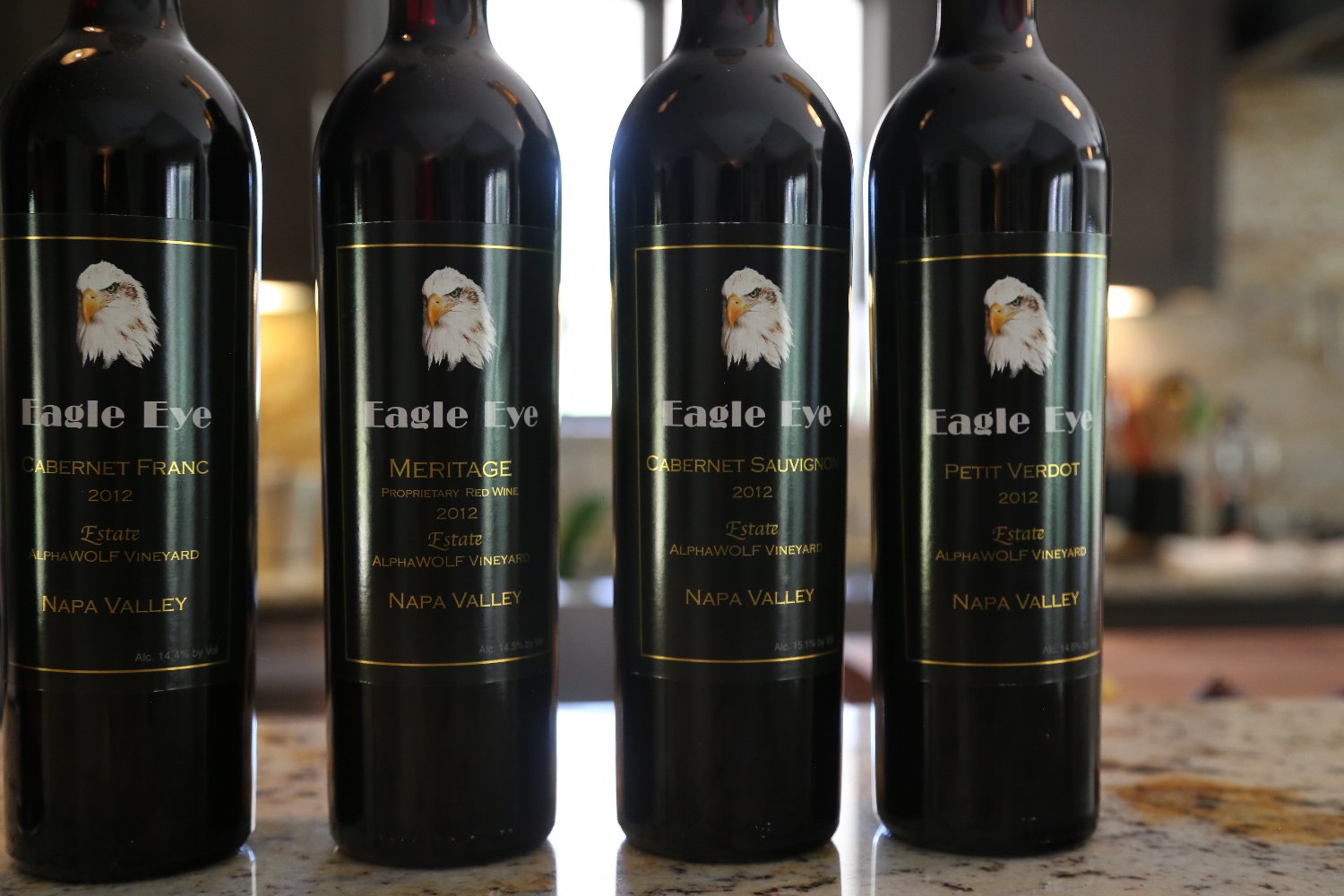
In addition to their own vineyard, they source grapes from select premium vineyards exclusively in Napa Valley. While they produce single varietal wines, they also make blended wines, often coming up with some unique blends that you will not find anywhere else. Their original labels were based on “eagle eye” paintings by Roxanne; today the labels creatively look like a Tuxedo, are distinctive and certainly stand out among other wine labels.
Eagle Eye has shown amazing resilience, especially in their early years. In 2005 (merely a year after they started making wine) a huge warehouse storing several vintages of their wines completely burnt down in Vallejo due to arson (all told, 4.5 million bottles of wine were lost in that fire including inventory from numerous Napa based producers). All their wine was lost – which effectively put them out of business, a devastating setback for a young producer. Despite the fire and incredible loss, they still had the sources for the grapes and their own vineyard; it took a few years until they were able to fully resume operations. Today they typically produce several red wines annually. Current releases are generally a few years behind most wineries – one of a select number of Napa wineries who hold their wines for a bit longer than the industry norm.
Select Wines
Rosé
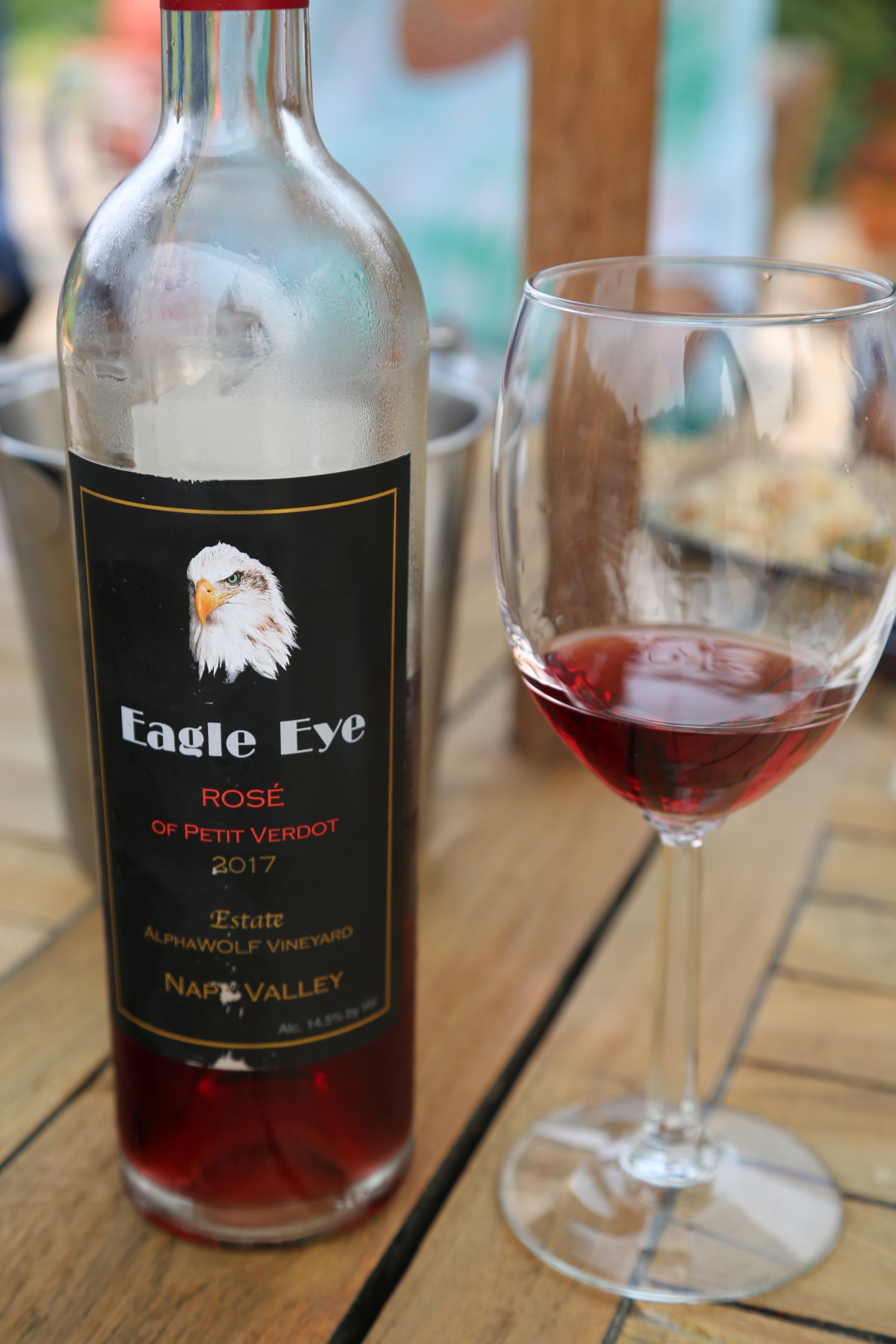
 The 2012 Eagle Eye Rosé is a unique wine; it is 75% Cabernet Franc and 25% Petit Verdot. During winemaking, the juice is left in contact with the skins for about 24 hours and then is bled off. It is fermented to dryness. This wine is a darker colored in the glass; on the bouquet there are sweet notes of plum and raspberry with bright fruit up front on the rounded palate. The palate is pleasing – “delicious” is an apt word for describing this wine. It is not a light rosé as it offers some present structure. We would like to try this wine with a charred Mediterranean octopus, grilled salmon with a cherry glaze, or a savory paella featuring chorizo and seafood.
Reds
Cabernet Franc
The 2009 Eagle Eye Estate Cabernet Franc has an opulent nose; it shows ripe fruit along with nice notes of earthiness. As the wine opens it becomes more elegant, revealing aromas of blackberry, sandalwood and dried rose petal, along with subtle darker spice notes. This wine has good depth of flavor with a pleasing balance between its fruit and more savory characteristics. Its vibrant acidity provides plenty of freshness across the palate and makes this a particularly food-friendly wine. It should pair beautifully with herb-crusted roasted chicken, duck confit or grilled lamb chops seasoned with rosemary. For vegetarian options, try roasted root vegetables or dishes featuring bell peppers and portobello mushrooms to mirror the wine’s savory profile. The combination of ripe fruit, earthiness and acidity gives this wine plenty of versatility at the table.
Petit Verdot
The 2008 Eagle Eye Petit Verdot is dark in the glass, as expected of this variety. Dark fruit, big fruit and big structure define this wine. However, the structure holds up well on the palate; despite being a big wine, it has balance and good acidity, keeping its richness from becoming too heavy. The nose is intriguing, offering a mix of holiday spices and ripe dark fruit, with additional hints of darker spices and earthiness as the wine opens. The finish is very long, with plenty of fruit supported by its formidable tannins. This powerhouse bottling demands rich, high-protein dishes to help soften its structure. It should pair exquisitely with fatty meats like braised short ribs, roasted lamb or smoked brisket. For cheese, opt for pungent, aged varieties like Stilton or smoked Gouda to match its intensity.
—
As Bill says, “our wines do not overwhelm food”. Along with this statement we can add, “their wines will not “overwhelm your wallet”, as all are affordably priced, especially by Napa Valley standards.
With 300 olive trees planted on site (6 different Italian varieties), they also produce their own olive oil. There are currently only three wineries with olive mills in Napa Valley; they are Long Meadow Ranch, Round Pond and Marciano Estate. These mills are used exclusively by each of these respective wineries and other local wineries making olive oil must bring their olives to mills outside of the county
Eagle Eye used to haul their olives to Marin County; more recently a production facility offers milling services in nearby in Solano County. However, for their unique packaging, they had to look much further afield – to Austria in fact. While the focus of wineries is on wine, numerous wine producers in Napa Valley also bottle small amounts of estate grown olive oil. Tasting some of Napa Valley’s hand produced olive oils is always an eye opener especially when you compare the flavors and aromas to many of the mass produced generic stripped-of-flavor olive oils you find in the supermarkets. We always love the herbal freshness and ‘green’ burn that we commonly taste in smaller production olive oils.
Bill always enjoyed talking about his vineyard and the hard work that he put in over the years to bring it to this level. An understandably so – the number of details relating to managing and maintaining premium grape vines is rather remarkable.
All their labels are displayed on what they call the “label wall” – these are Roxanne’s original paintings. In the last few years, she has also started creating custom jewelry made from a variety of stones.
Note: this review has been identified as needing an update including tasting notes for current releases. As of mid 2026 the property is for sale. Possibly no longer producing.
For more information or to purchase wines, visit: www.eagleeyewine.com
Leave a Reply