



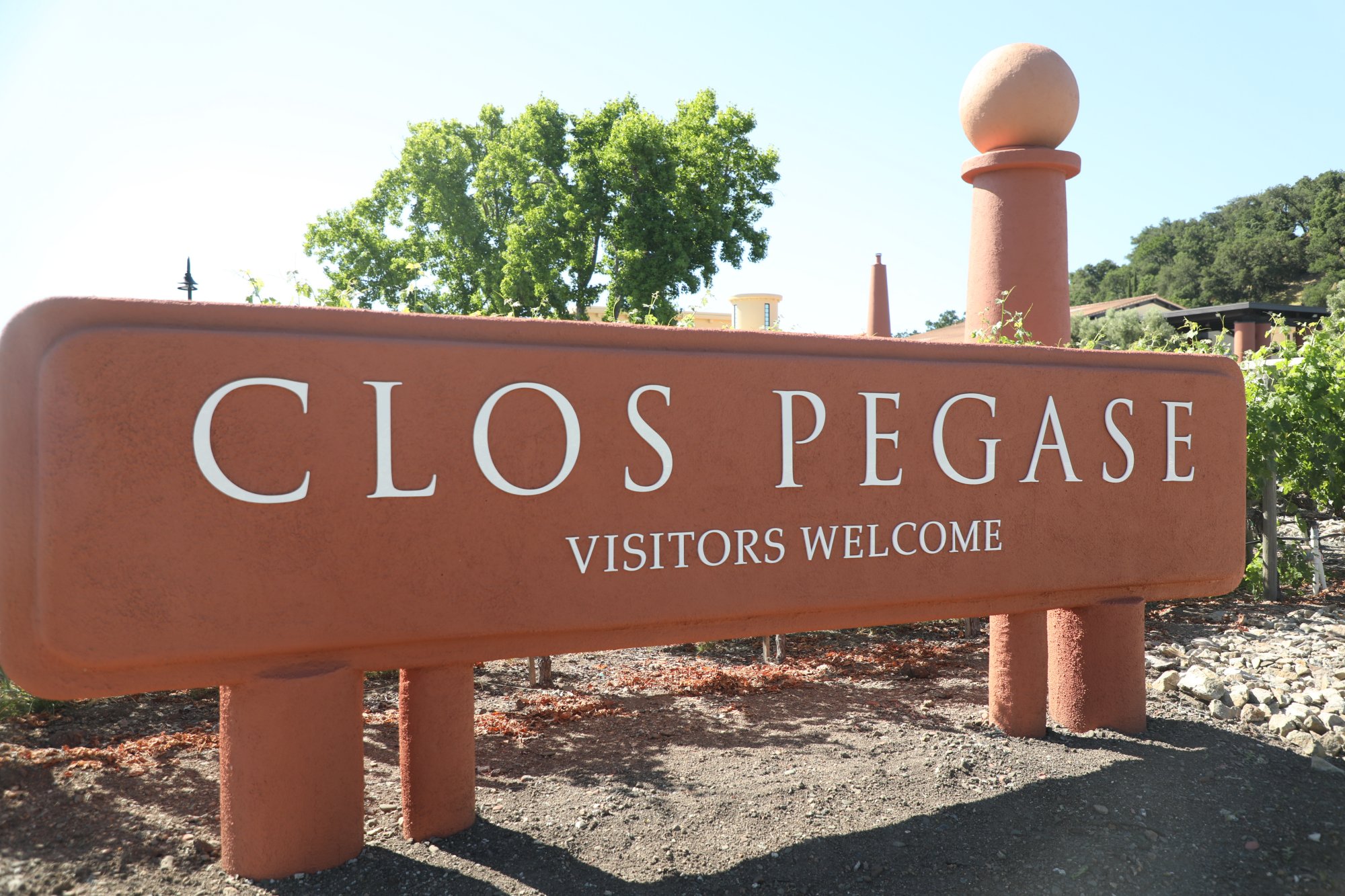
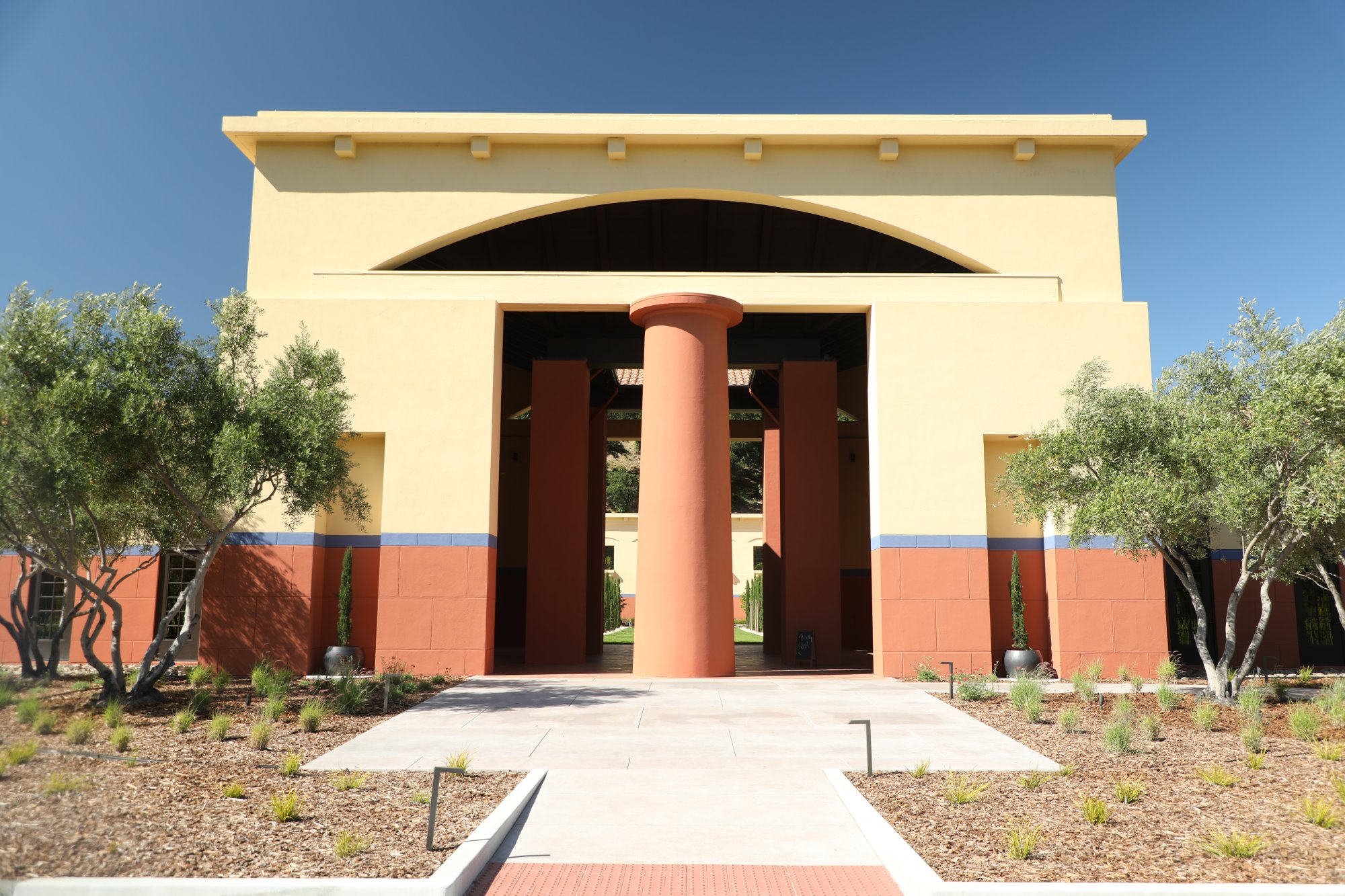
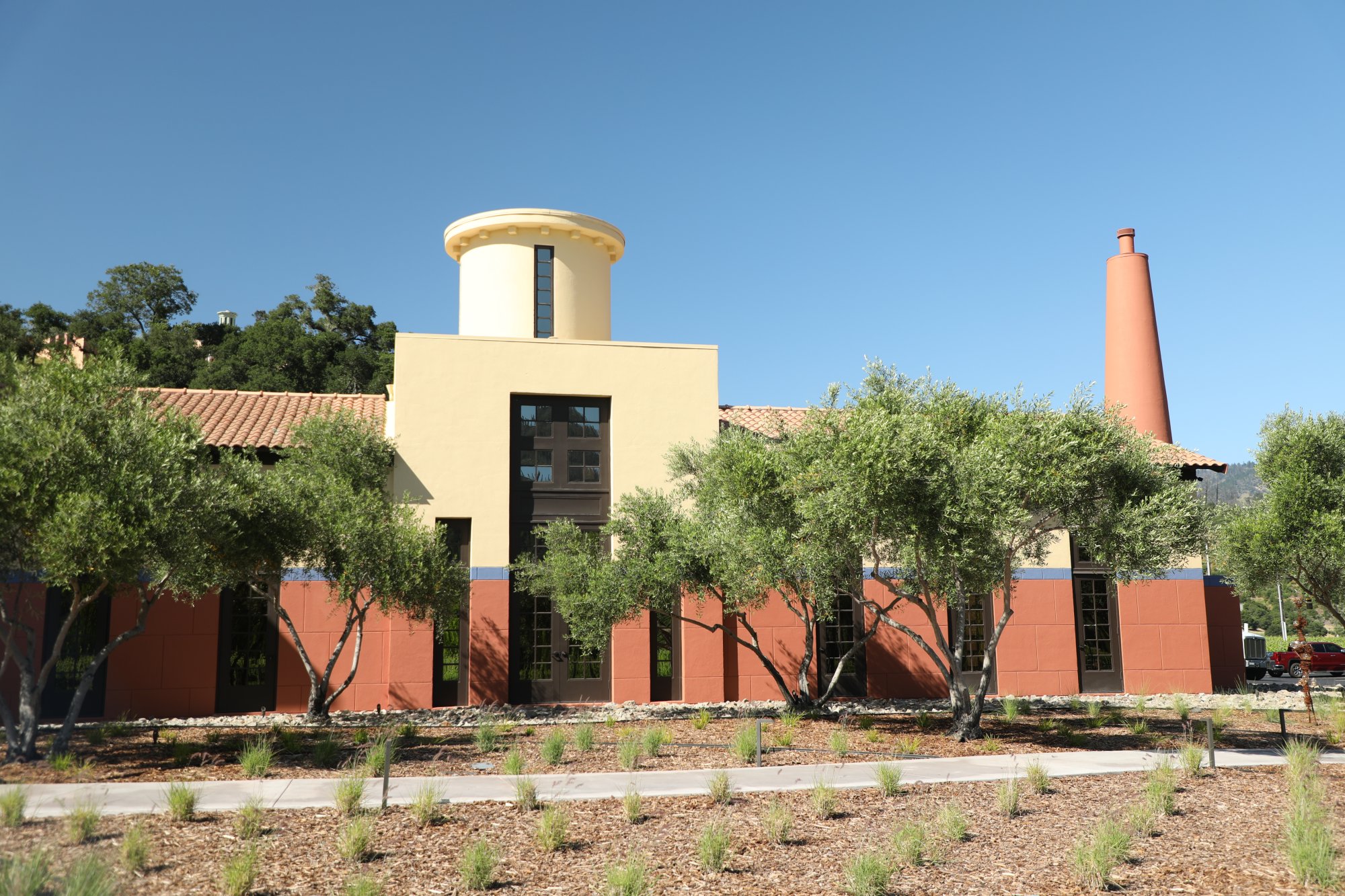
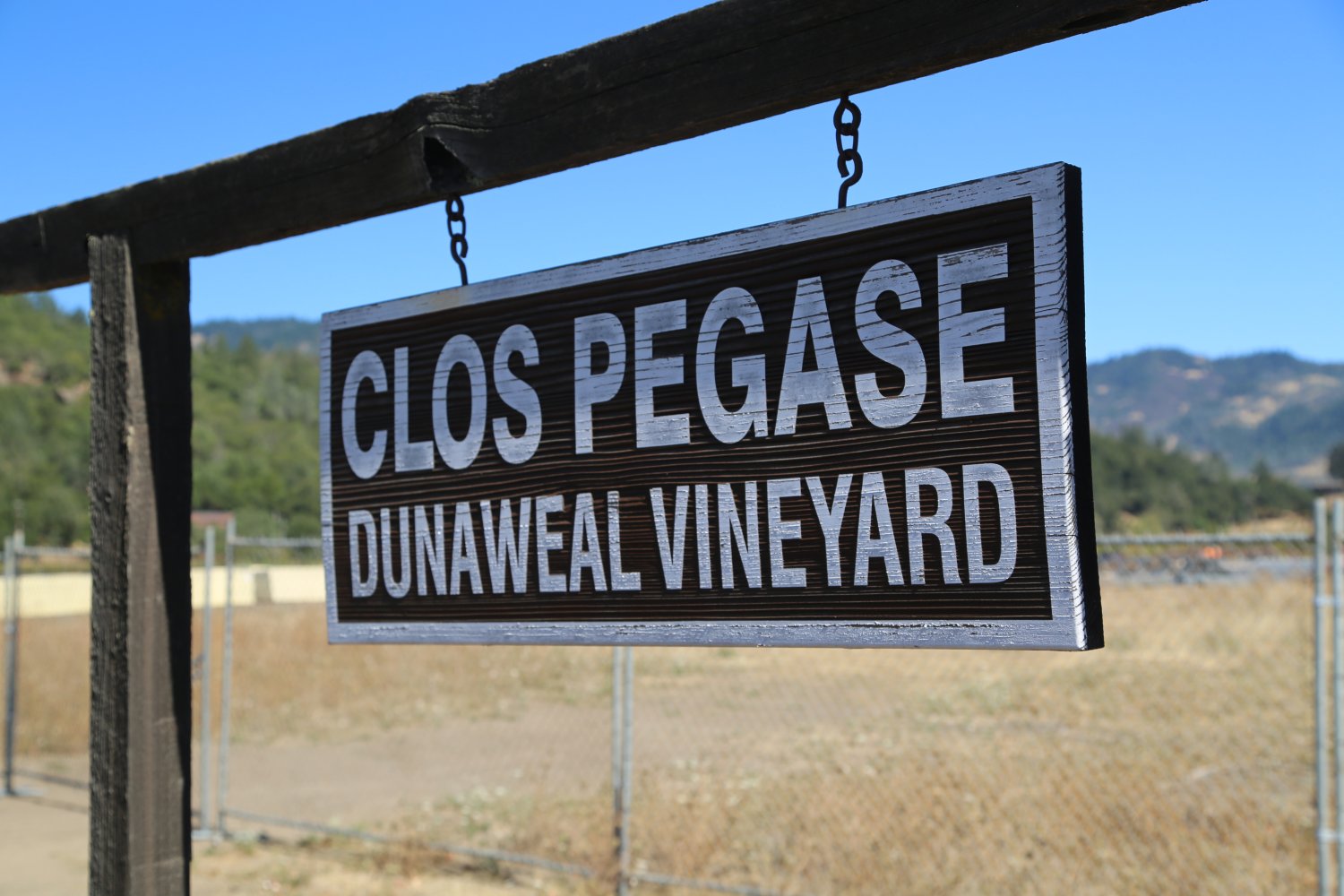
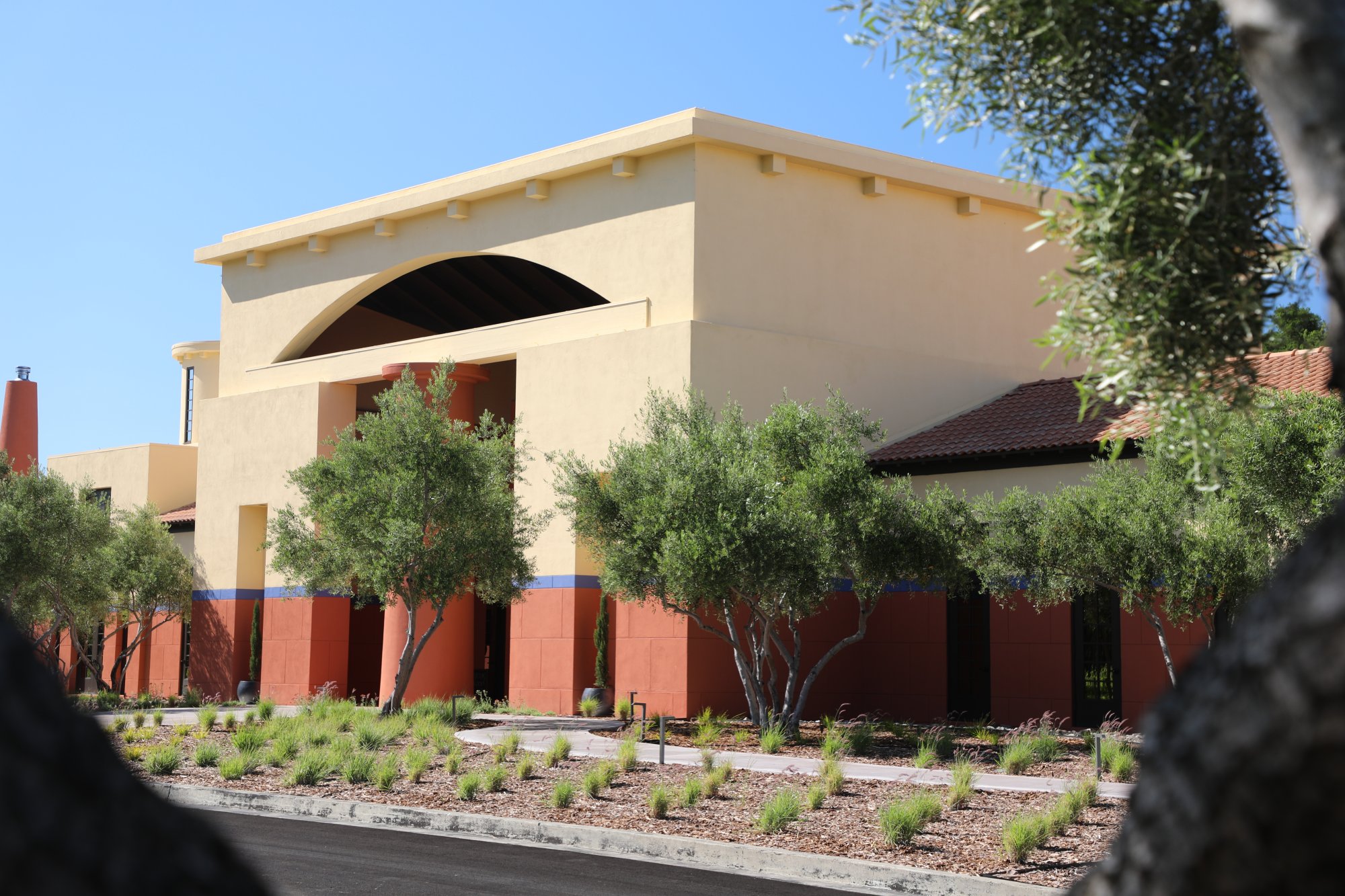
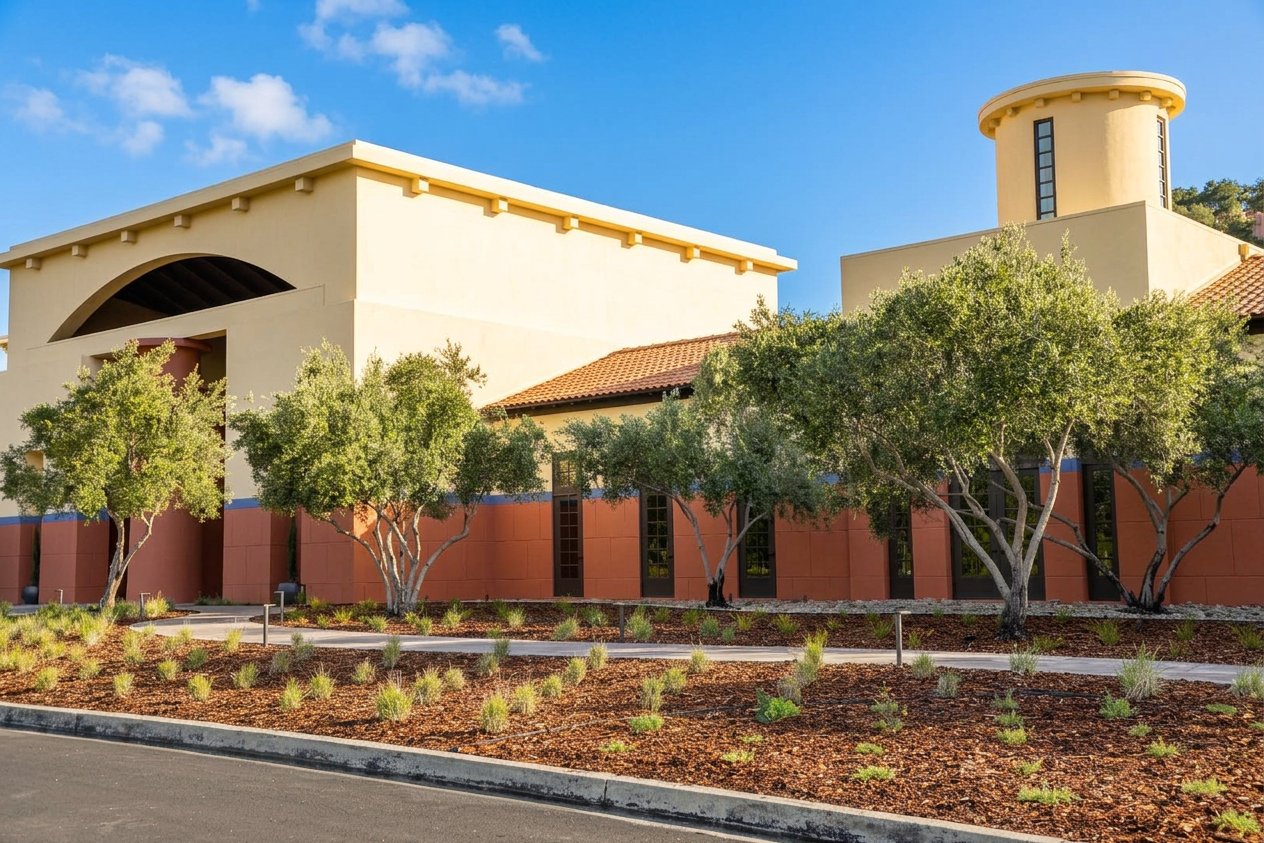
 Clos Pegase is a very contemporary looking winery despite being over 30 years old, is often called the Napa Wine Temple due to its Greek styled architecture and several statues of Bacchus which used to be prominently placed on the grounds. Its design was created by prolific architect Michael Graves (1934-2015). Clos Pegase is located in the northern part of Napa Valley on Dunaweal Lane just down from the Silverado Trail. We first visited this winery 30+ years ago when it opened in 1987; it was such an ultra-modern looking winery which really stood out so that when it first opened it received much publicity. This may have been the first ever Napa Valley winery we visited but memories from our youth have somewhat faded. Their first vintage was produced at Rombauer Vineyards prior to the Clos Pegase winery being built.
Founder, Jan Shrem (1930-2024) was born in Columbia, and spent most of his youth either there or in Jerusalem. Over the years, he built a hugely successful publishing business in Japan and during this time married a Japanese woman named Mitsuko and were married for 41 years before she died in 2010. We were fortunate to have met her and Jan before both passed. She introduced Jan to the art of wine (one of her many hobbies was working with ceramics) and after 25 years in the publishing business Jan entered the enology program at the University of Bordeaux in France. Eventually he moved to Napa Valley and enlisted the help of famed winemaker, André Tchelistcheff. 50 acres in Napa Valley quickly turned into 450 acres.
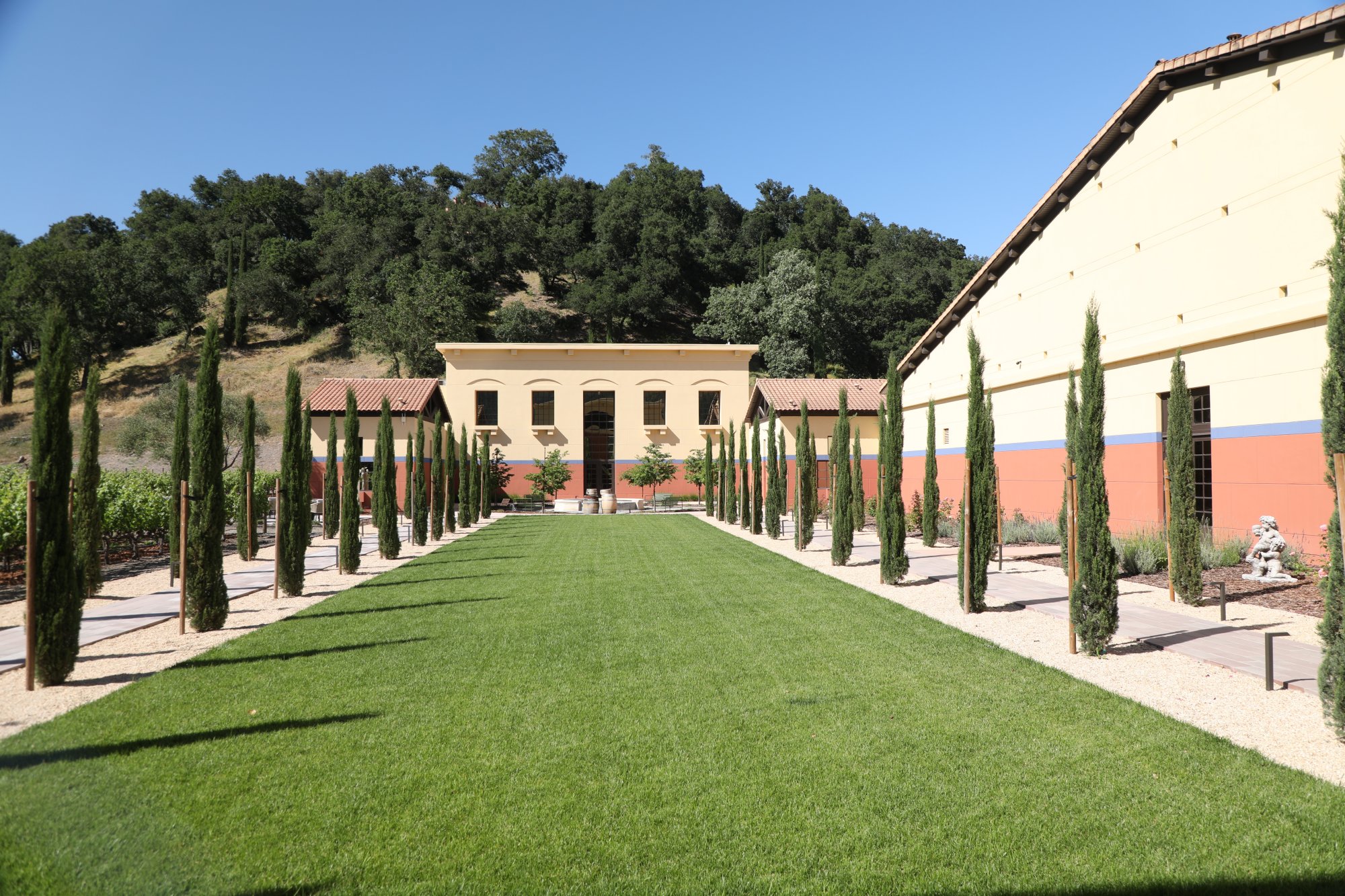
Clos means “enclosed vineyard” in French and this winery is a blend between open space, an interior courtyard and the nicely landscaped gardens. It is a uniquely designed complex which can be popular with larger group tours. Note the similar looking architecture of the house on top of the hill next to the winery; Jan and Mitsuko used to live here and it was also designed by Graves.
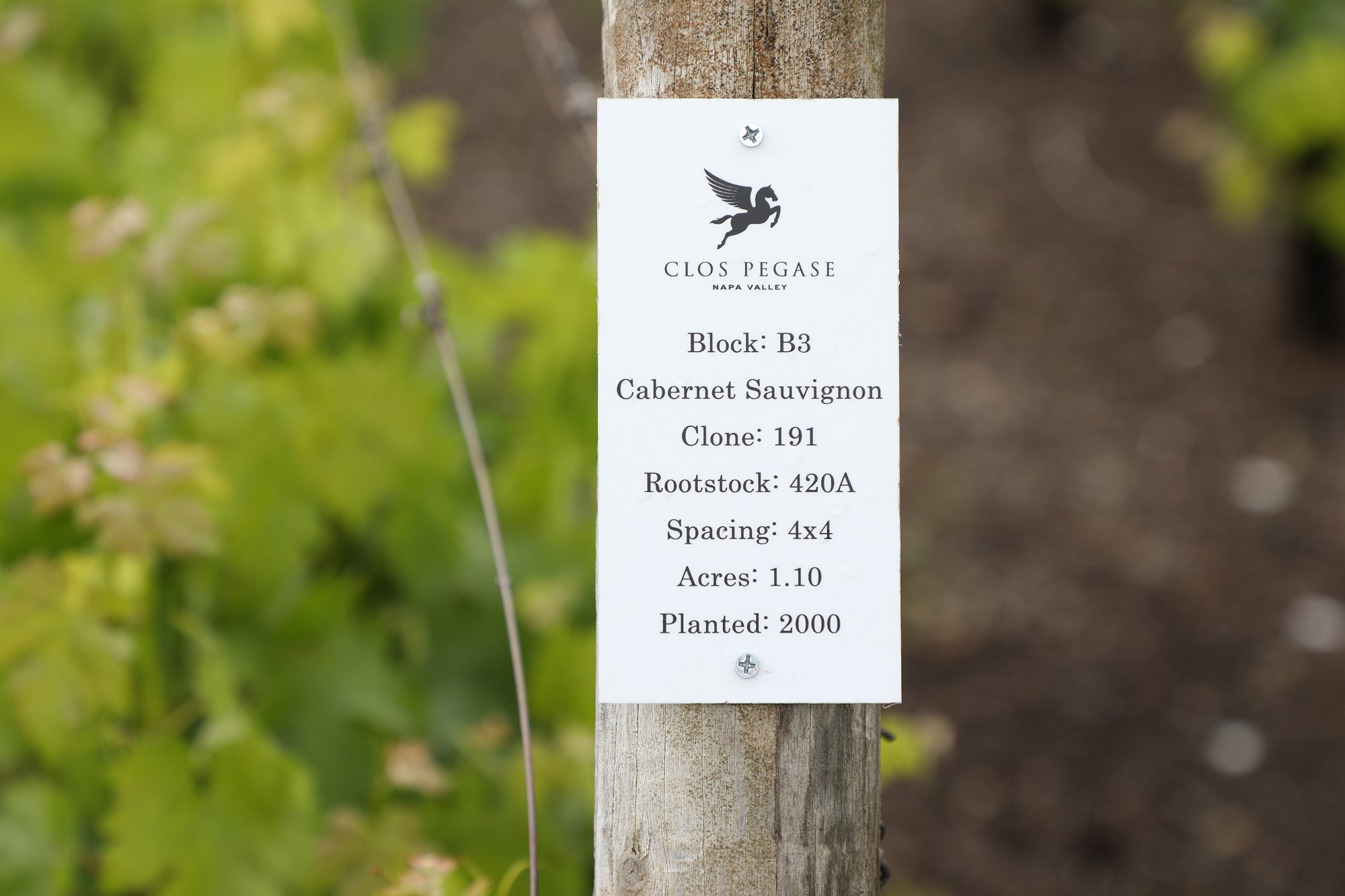
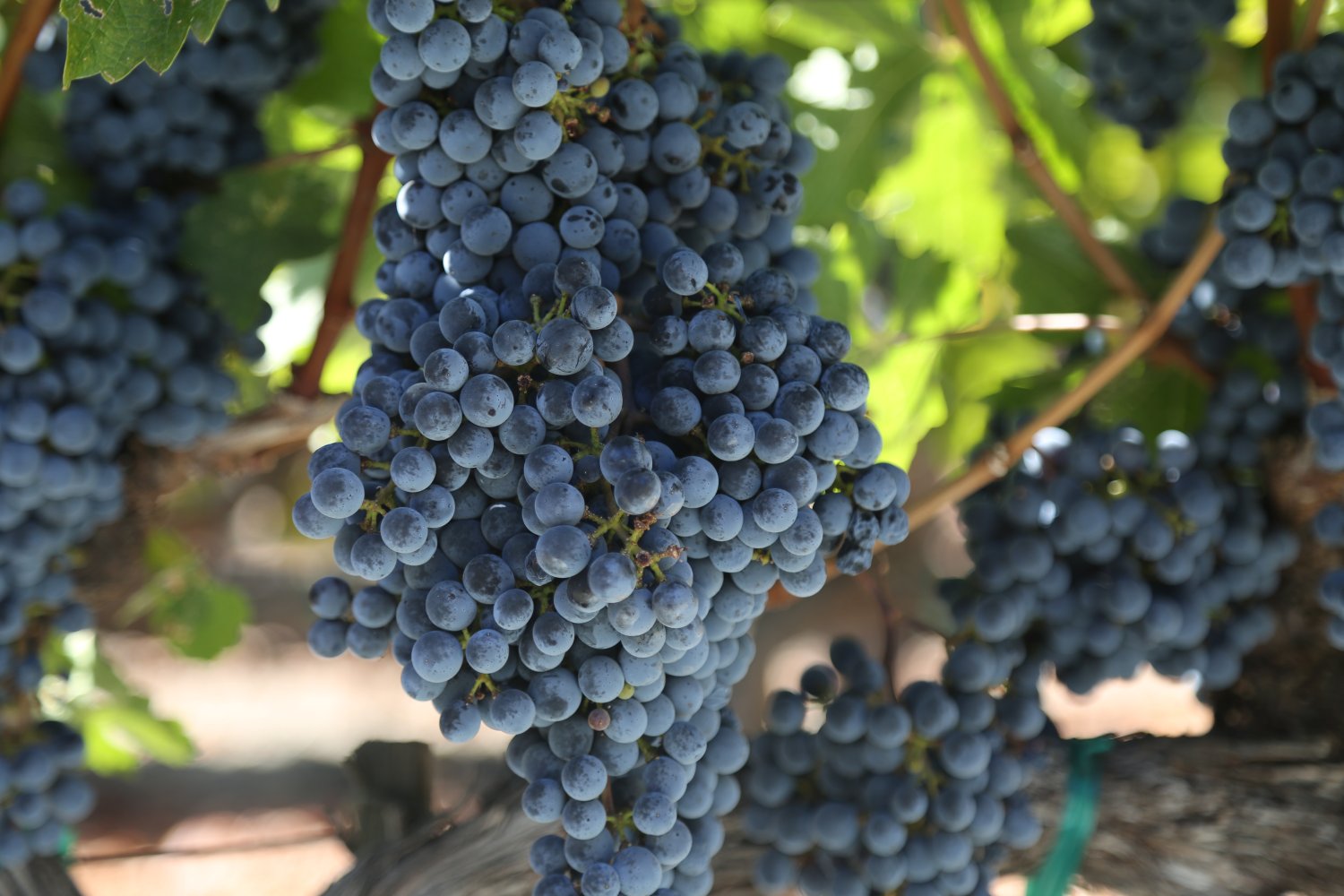
The winery and on-site vineyards (four acres of Cabernet Sauvignon) were sold in 2013 to prominent Napa vintner Leslie Rudd, founding partner Pat Roney and the wine group, Vintage Wine Estates. The company was headquartered in Santa Rosa, CA and were owners of numerous wineries and wine brands – with a focus in both Napa and Sonoma but also other locations within California, Oregon, Washington and Argentina. As of 2024, Clos Pegase is owned by Jay Adair and his wife Tammi. See our notes towards the end of this review for more information as well as visits to all California wineries currently under their ownership.
Clos Pegase has employed a remarkable number of winemakers or consulting winemakers over the years – many of whom have had successful careers at other wineries including Chris Howell and Paul Hobbs.
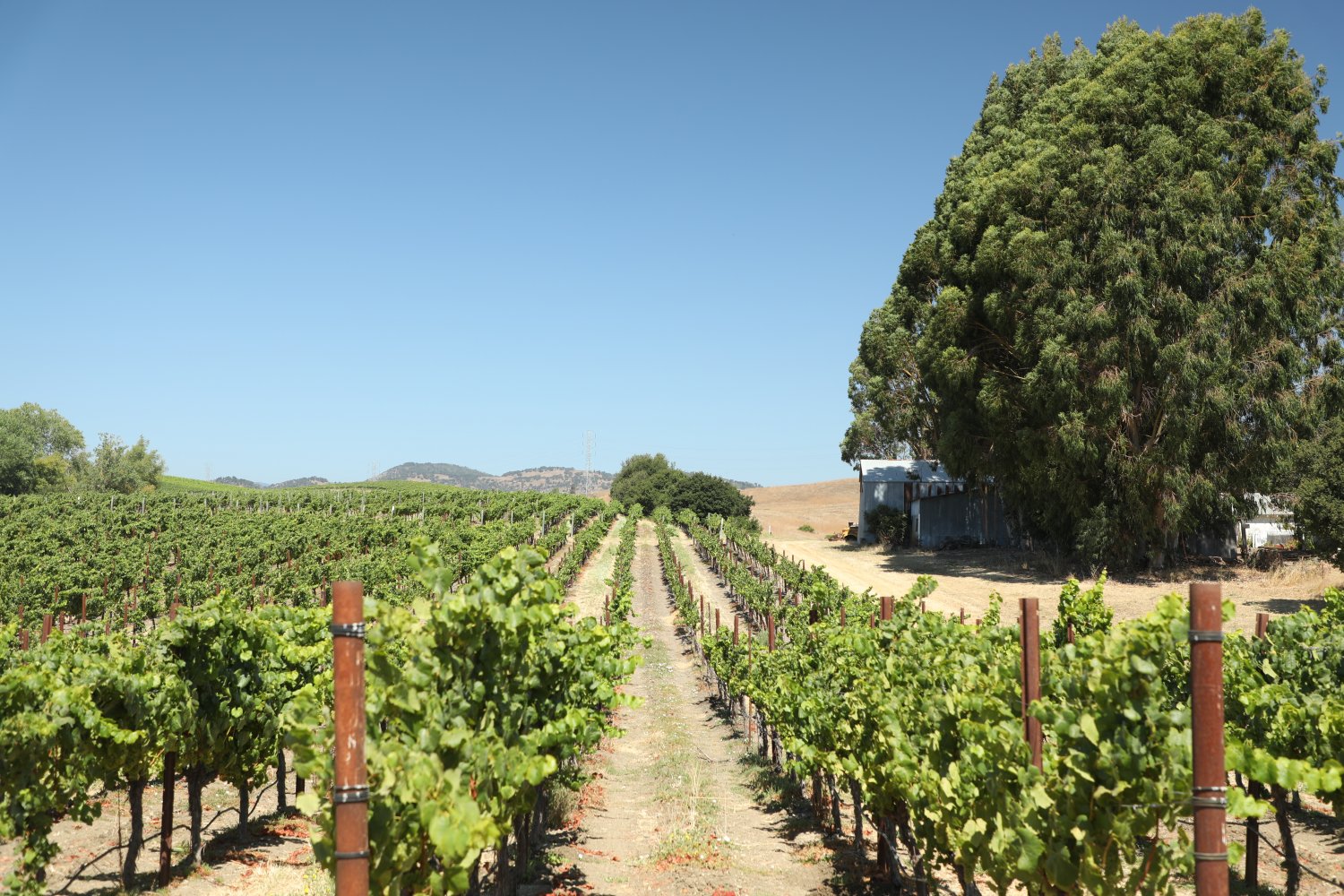
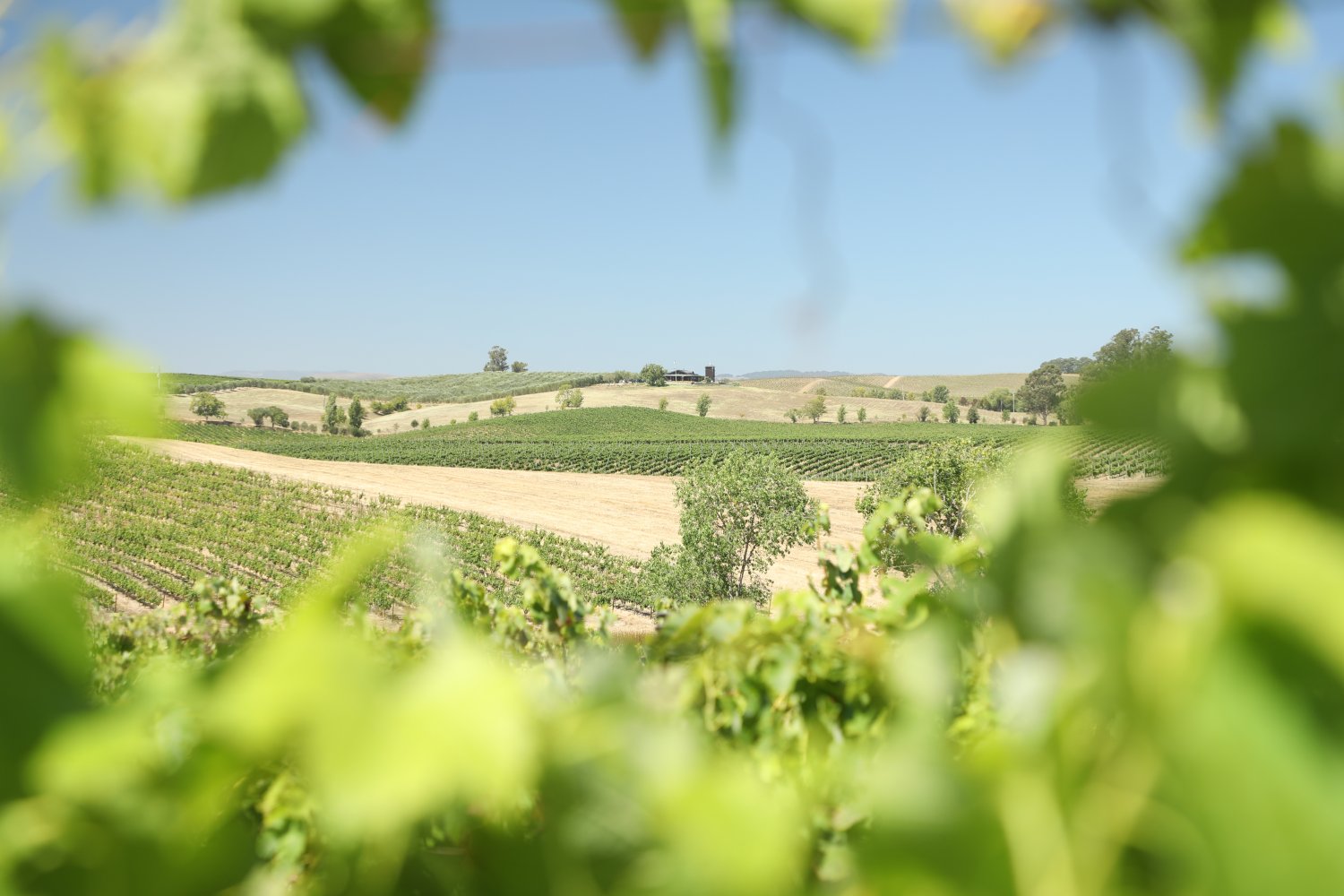
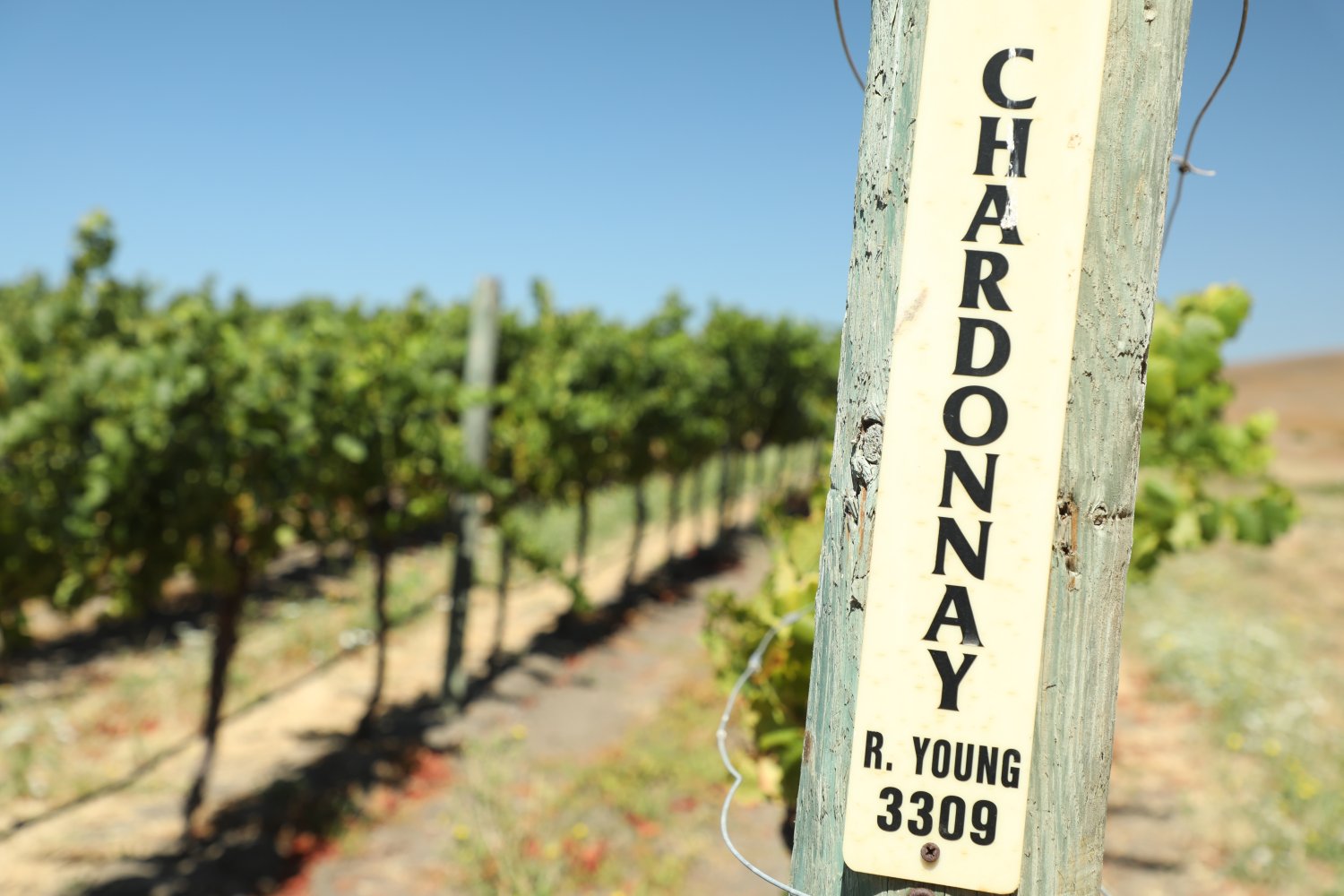
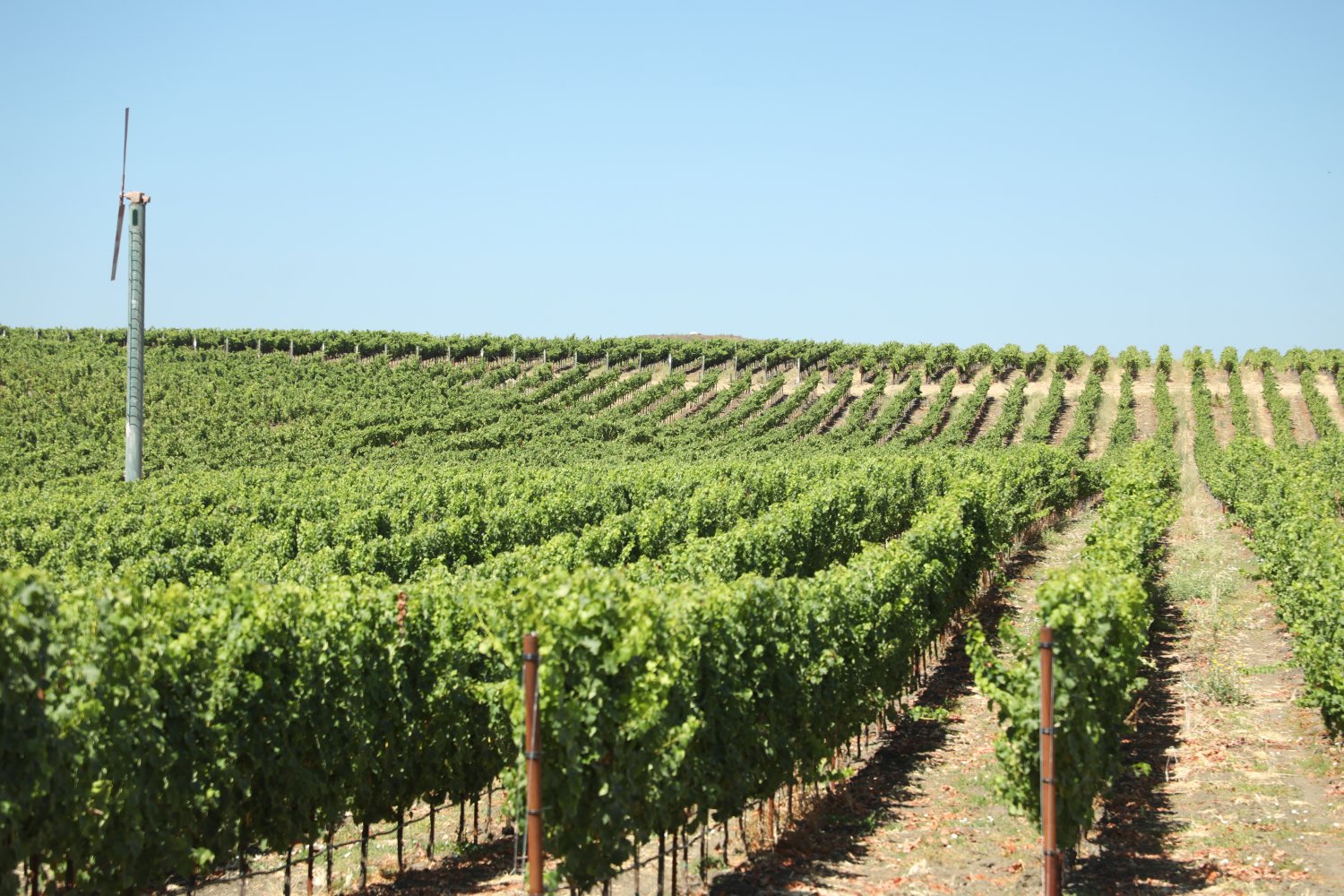
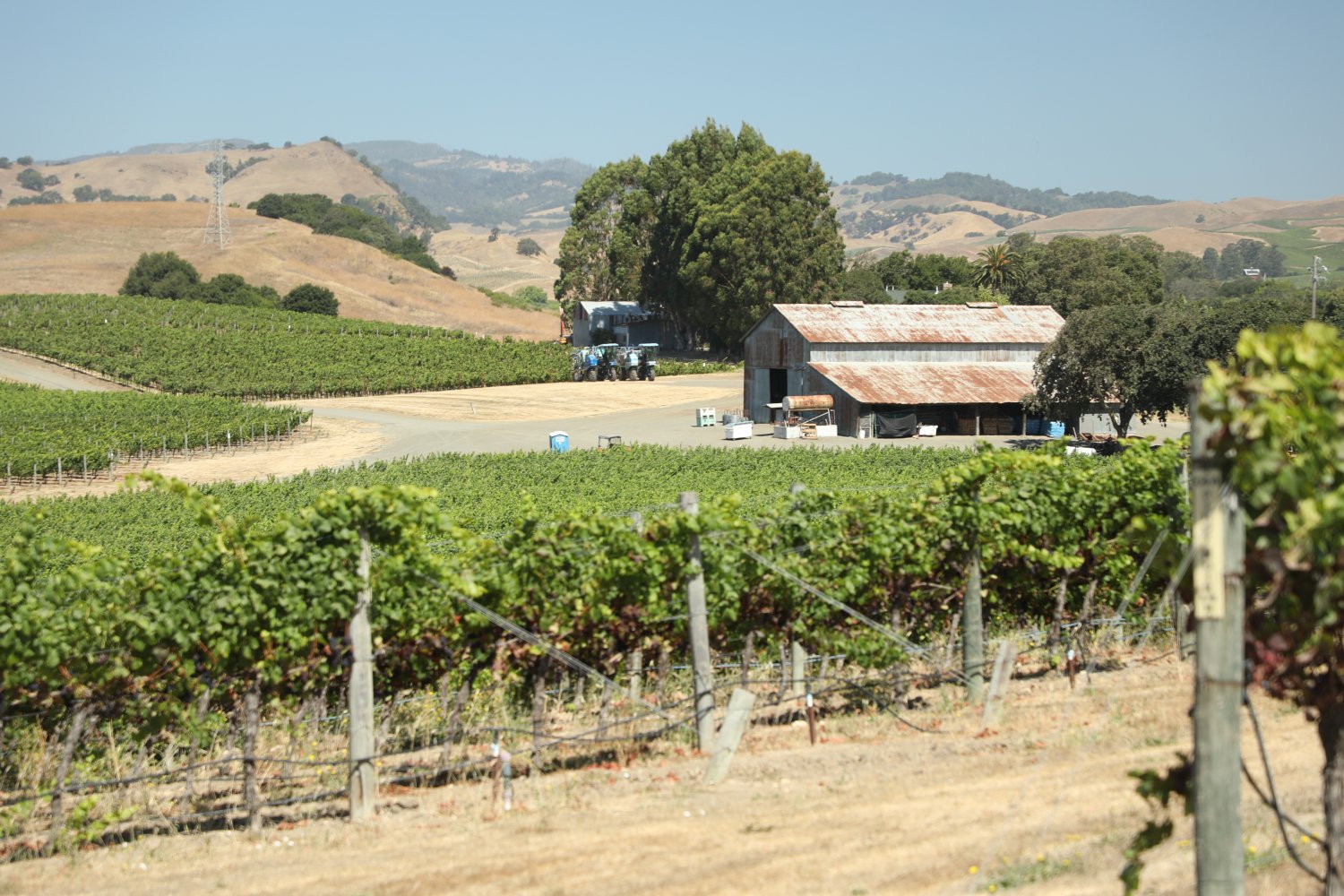
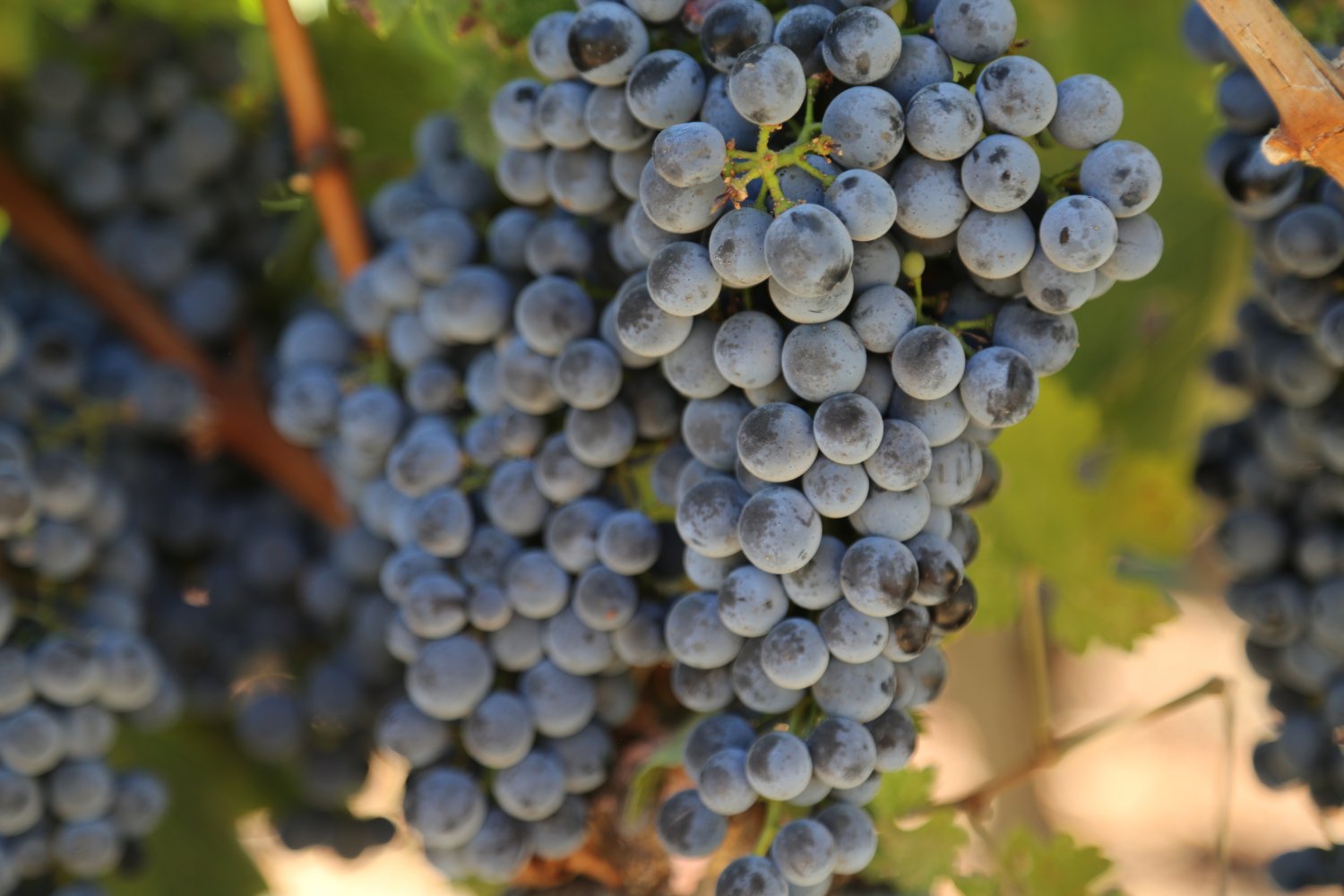
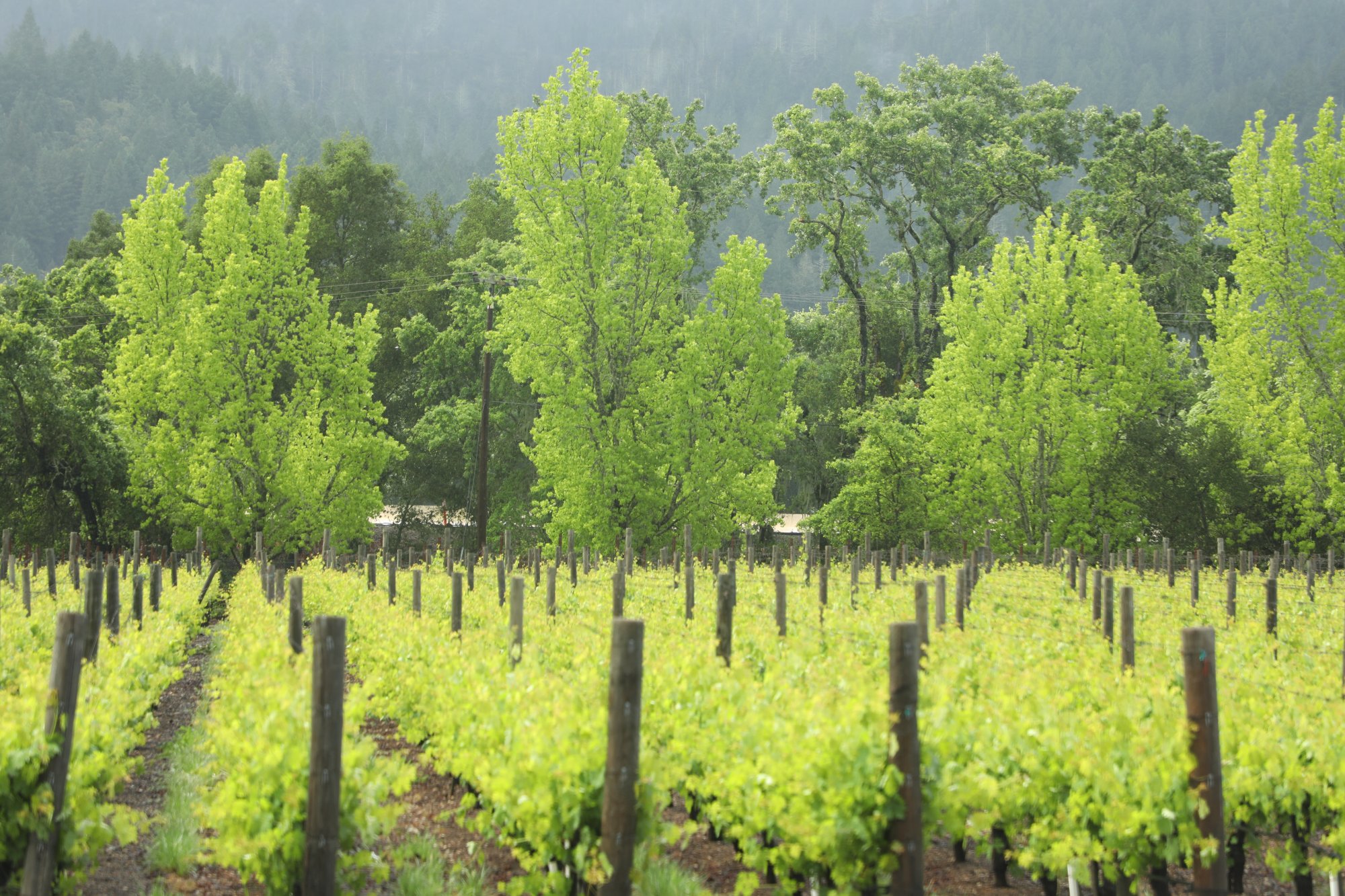
Clos Pegase owns one vineyard in Napa Valley, the small vineyard on site, and still sources grapes from several vineyards previously under their ownership. What was their largest holding, Mitsuko’s Vineyard, is 365 acres in the Napa Carneros (next to Carneros Creek) and in 2019 was sold to Virginia based Gladstone Land Corporation; despite the sale, Clos Pegase continues to source grapes from this picturesque property. This property is planted to a diversity of varieties, including primarily Chardonnay and Pinot Noir but also Malbec, Merlot, Sauvignon Blanc, Syrah and Cabernet Sauvignon. This vineyard was a gift by Jan to Mitsuko on Valentine’s Day.
Mitsuko’s Vineyard

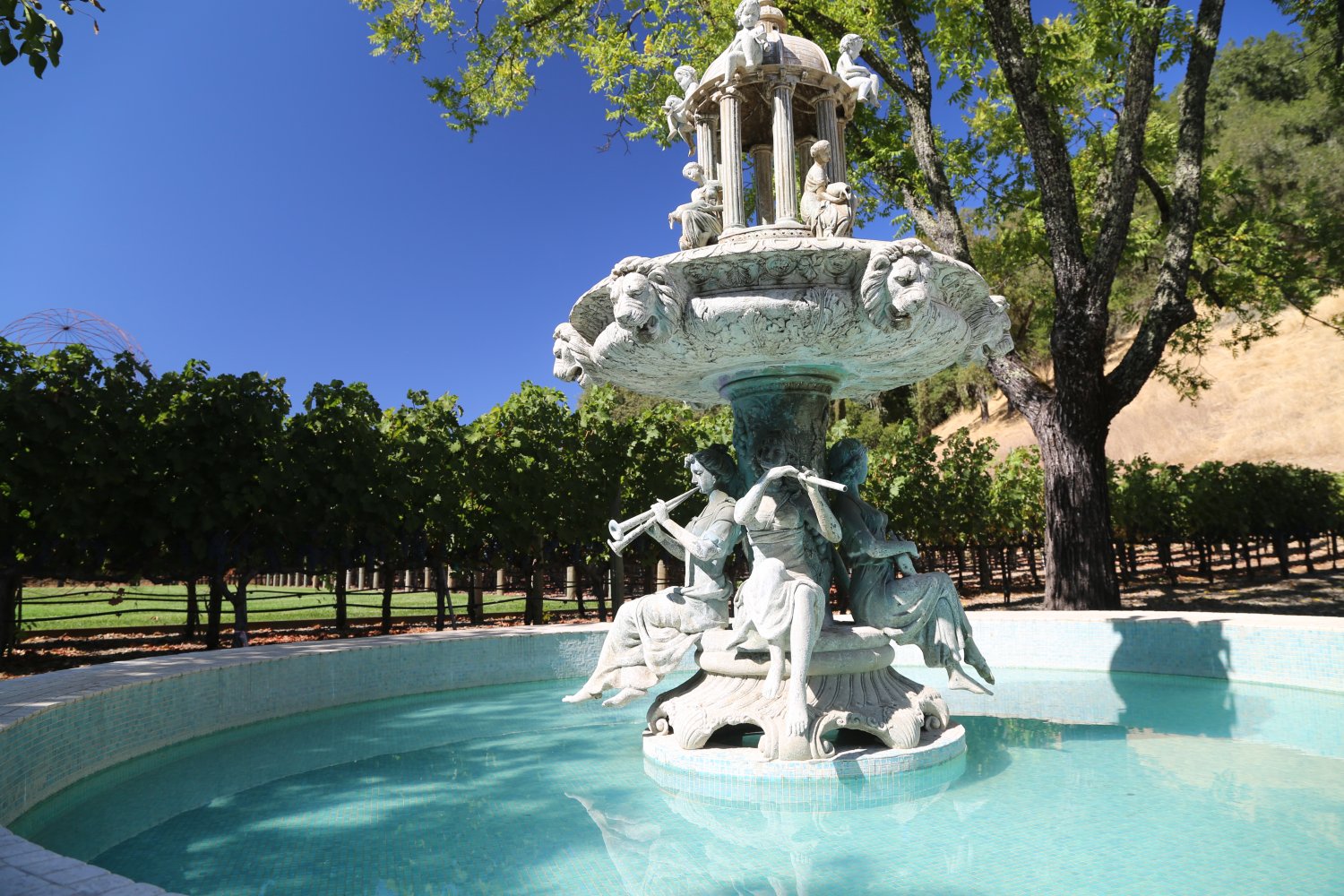
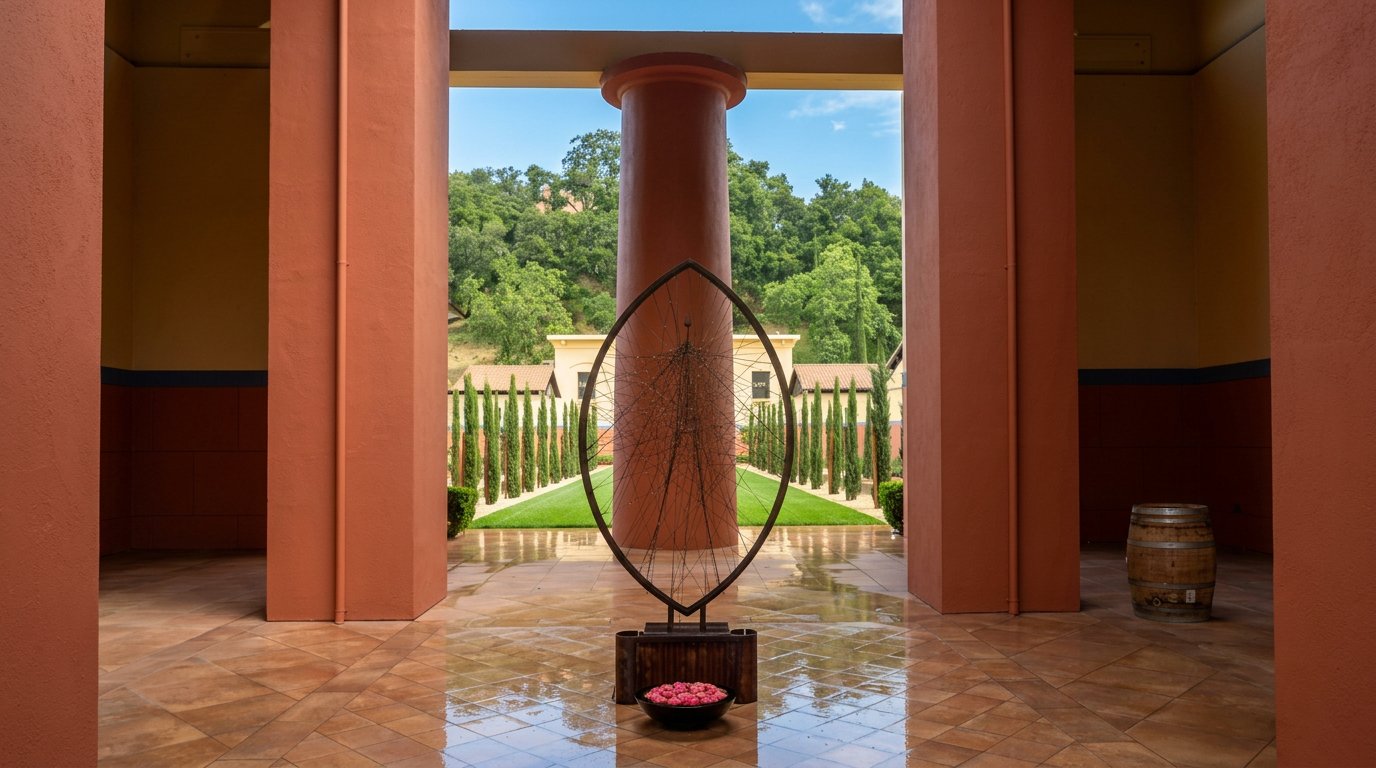
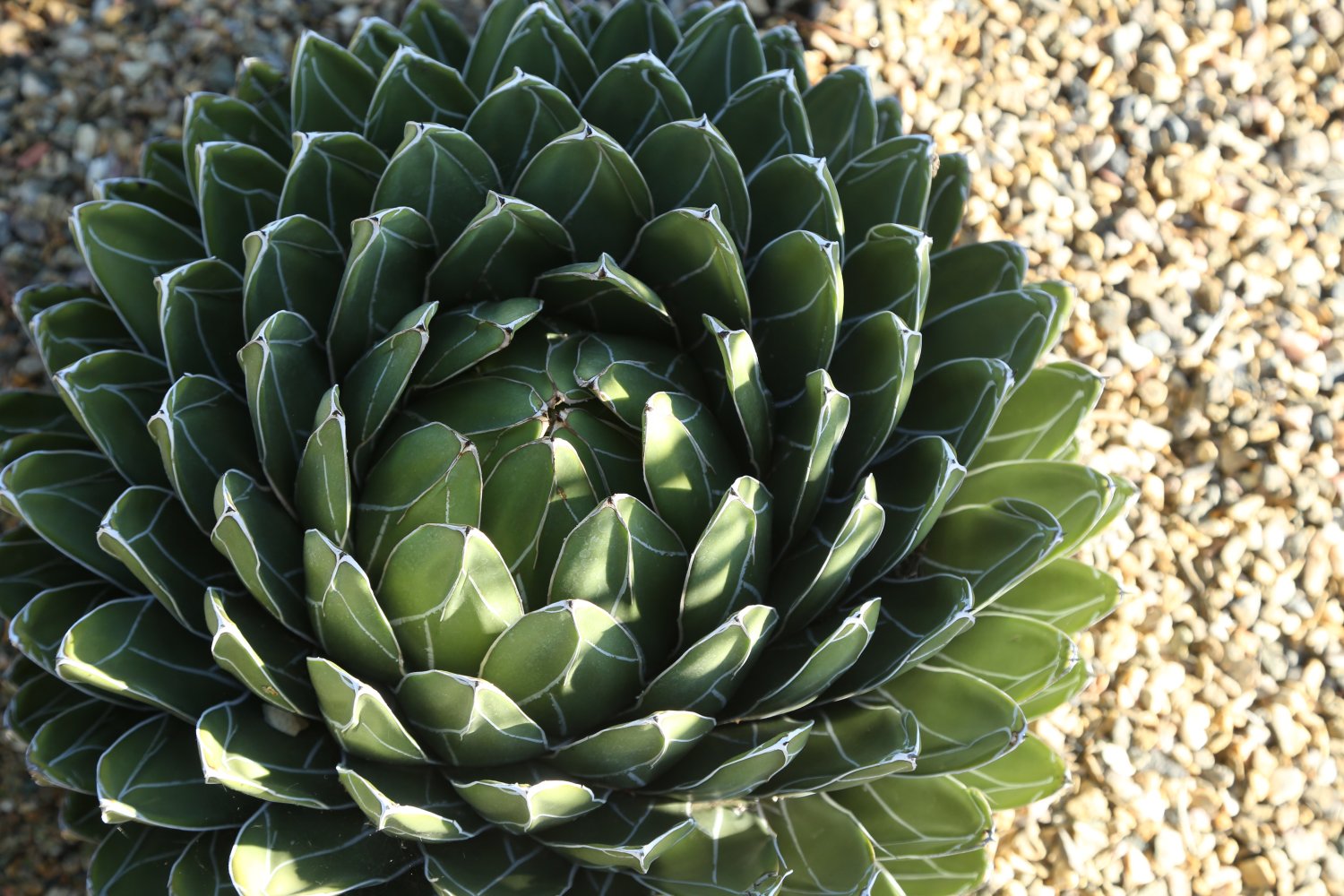
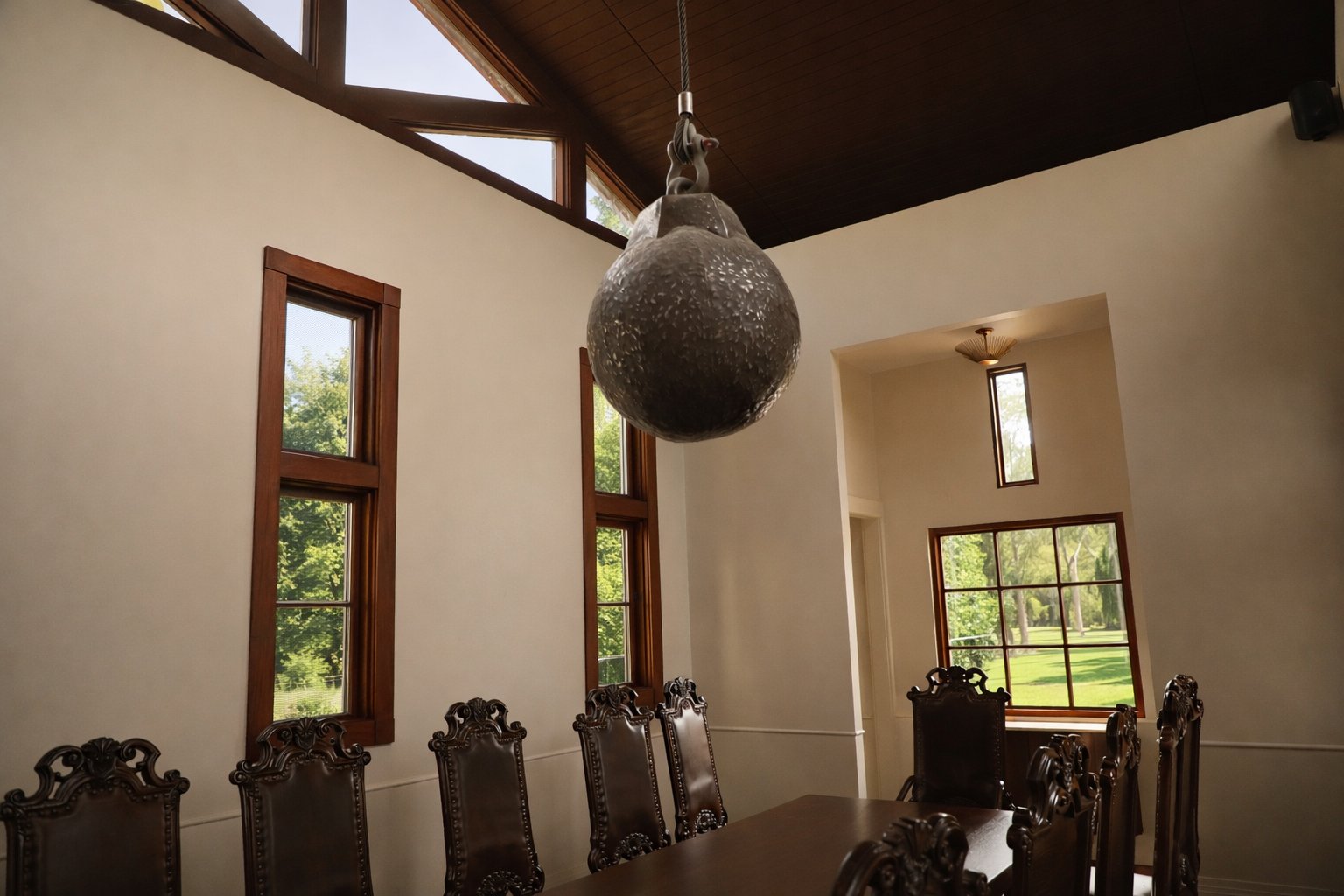
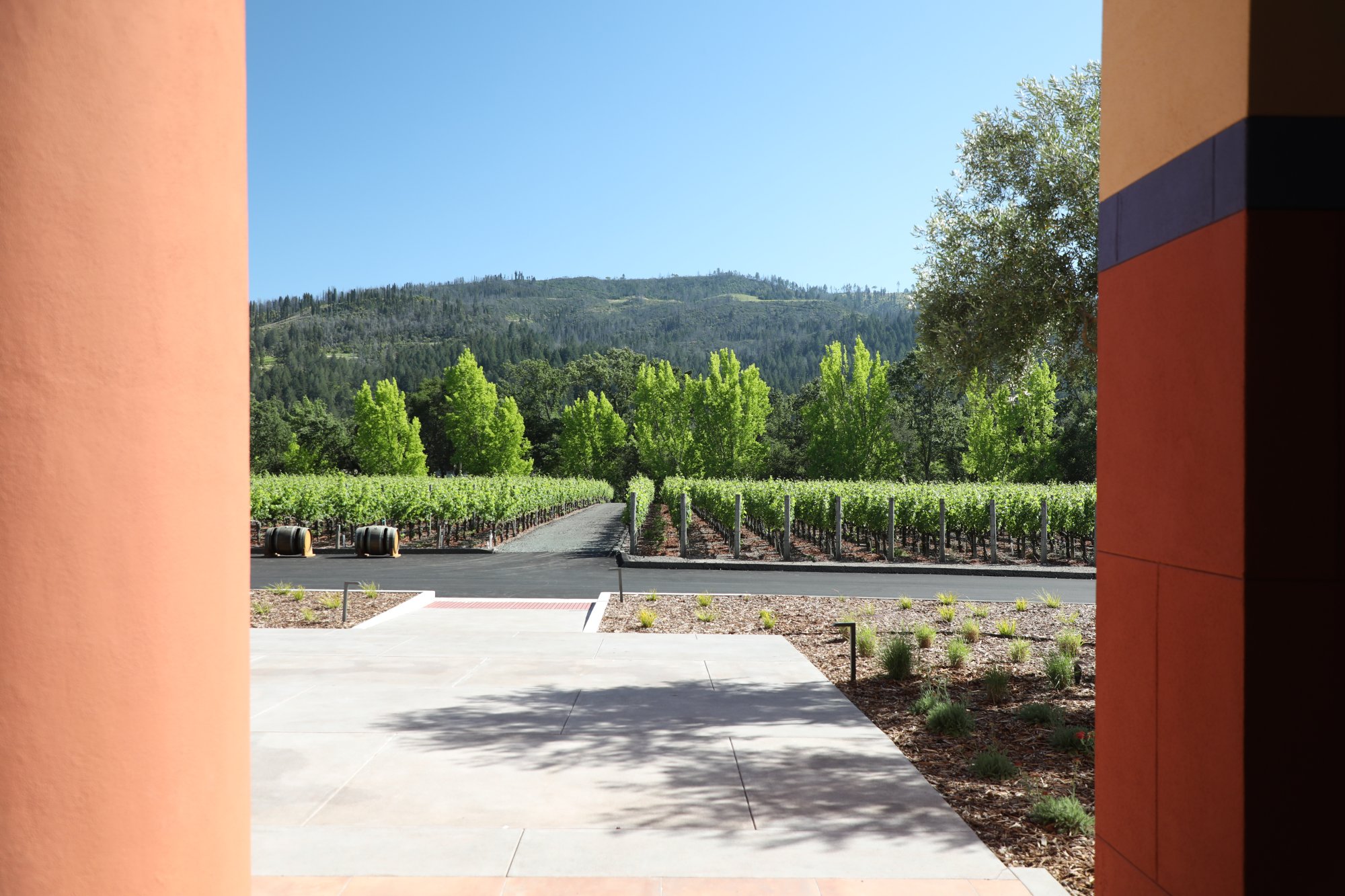
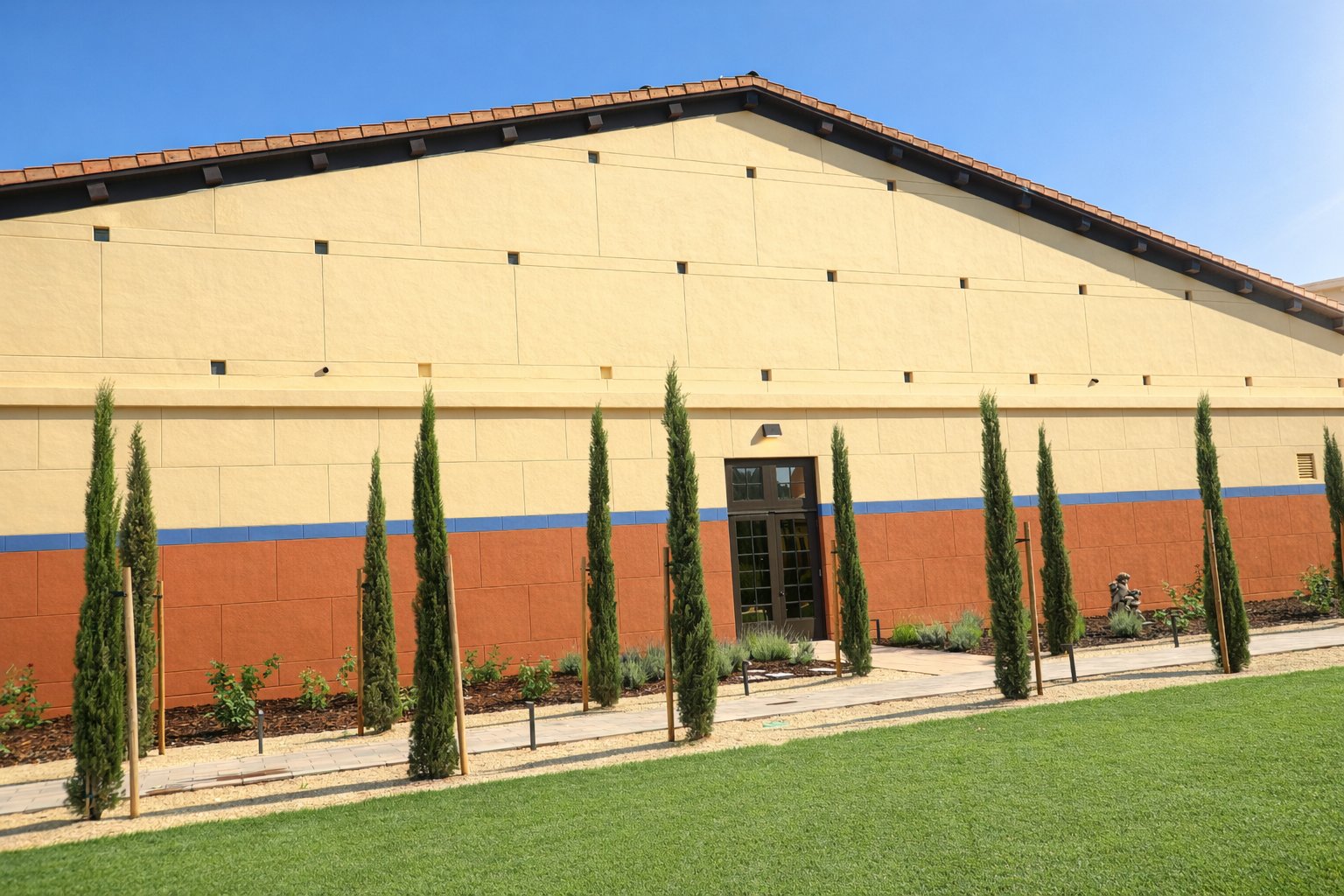
The grounds are beautiful and well landscaped especially the large cypress lined inner courtyard. Much of the landscaping, designed by landscape architect Daniel Nolan, is drought tolerant. For many years various statues graced the property, some were quite bizarre like the one of a thumb sitting next the grape rows which was probably their most photographed piece. One of the few pieces of art on the grounds left from prior ownership is a marble statue of the god Bacchus and the impressive Torino Royal Bacchus fountain made from Carrara marble – this used to be owned by Italian royalty and dates from the 17th century – perhaps it is the oldest fountain at a Napa winery. It was a gift to Jan from Mitsuko. And what became an iconic piece in their collection, the Hanging by a Thread – is a massive looking ball that still hangs from what appears to be frayed threads in a side room next to their original tasting room (now used for hosting club members).
Much of the artwork that was previously on display has been donated to the Manetti Shrem Museum of Art at the University of California Davis.

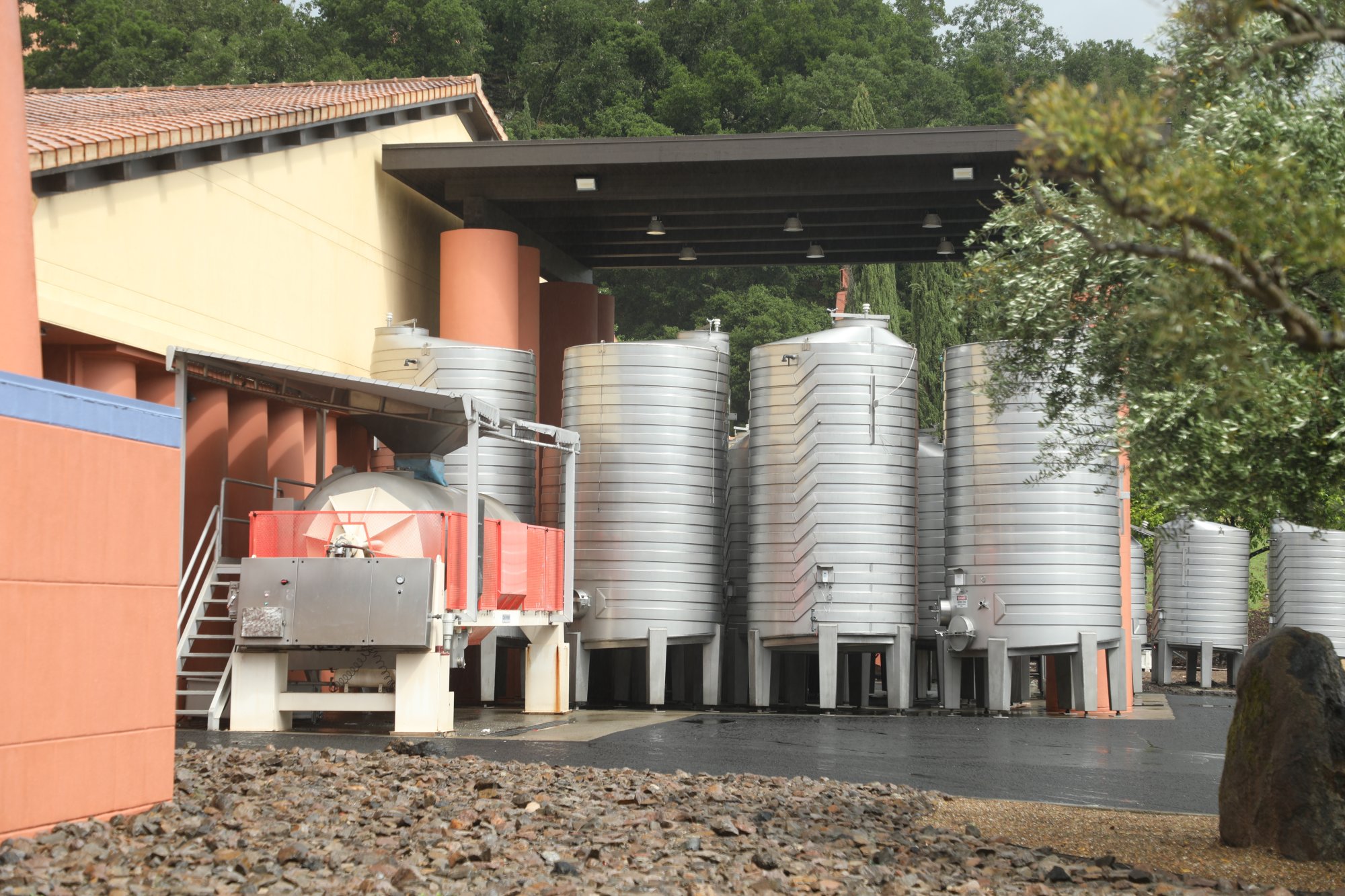
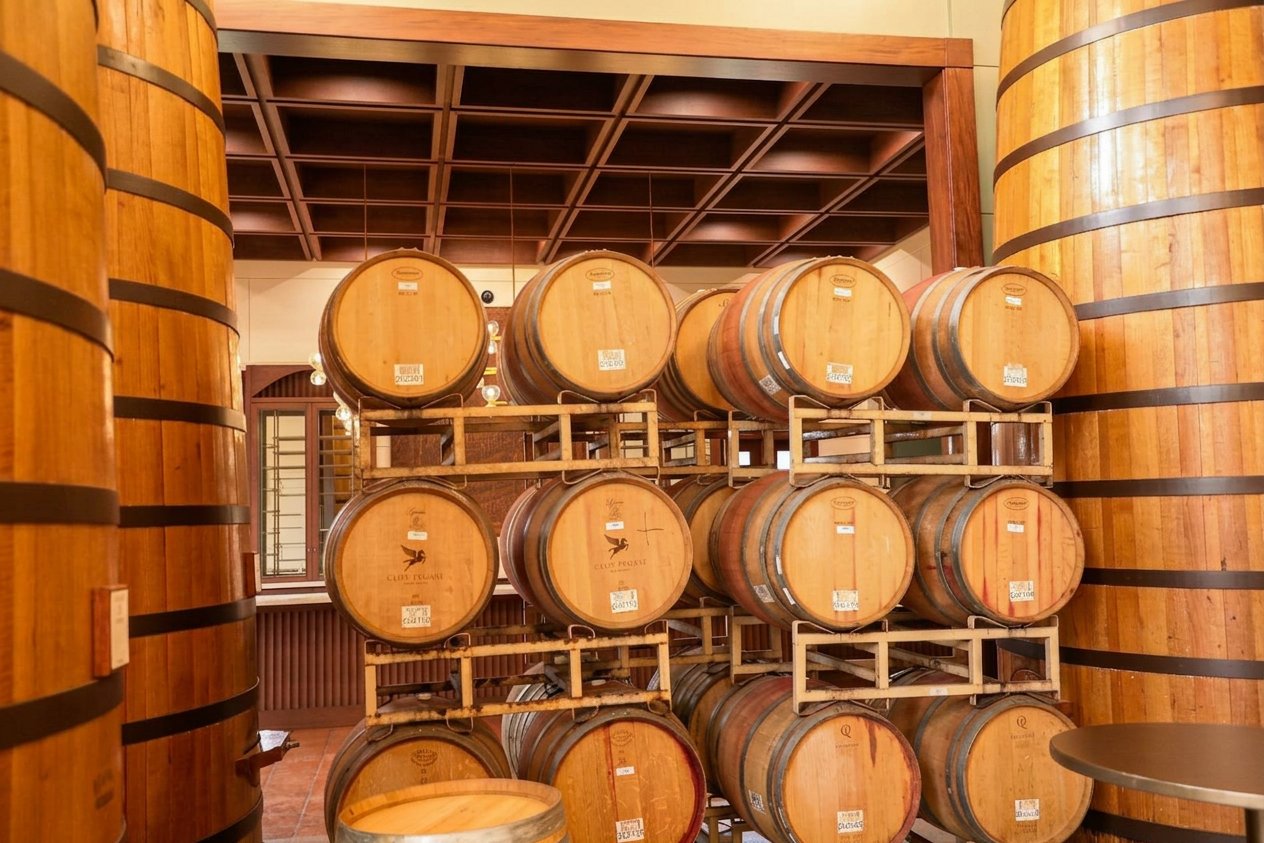
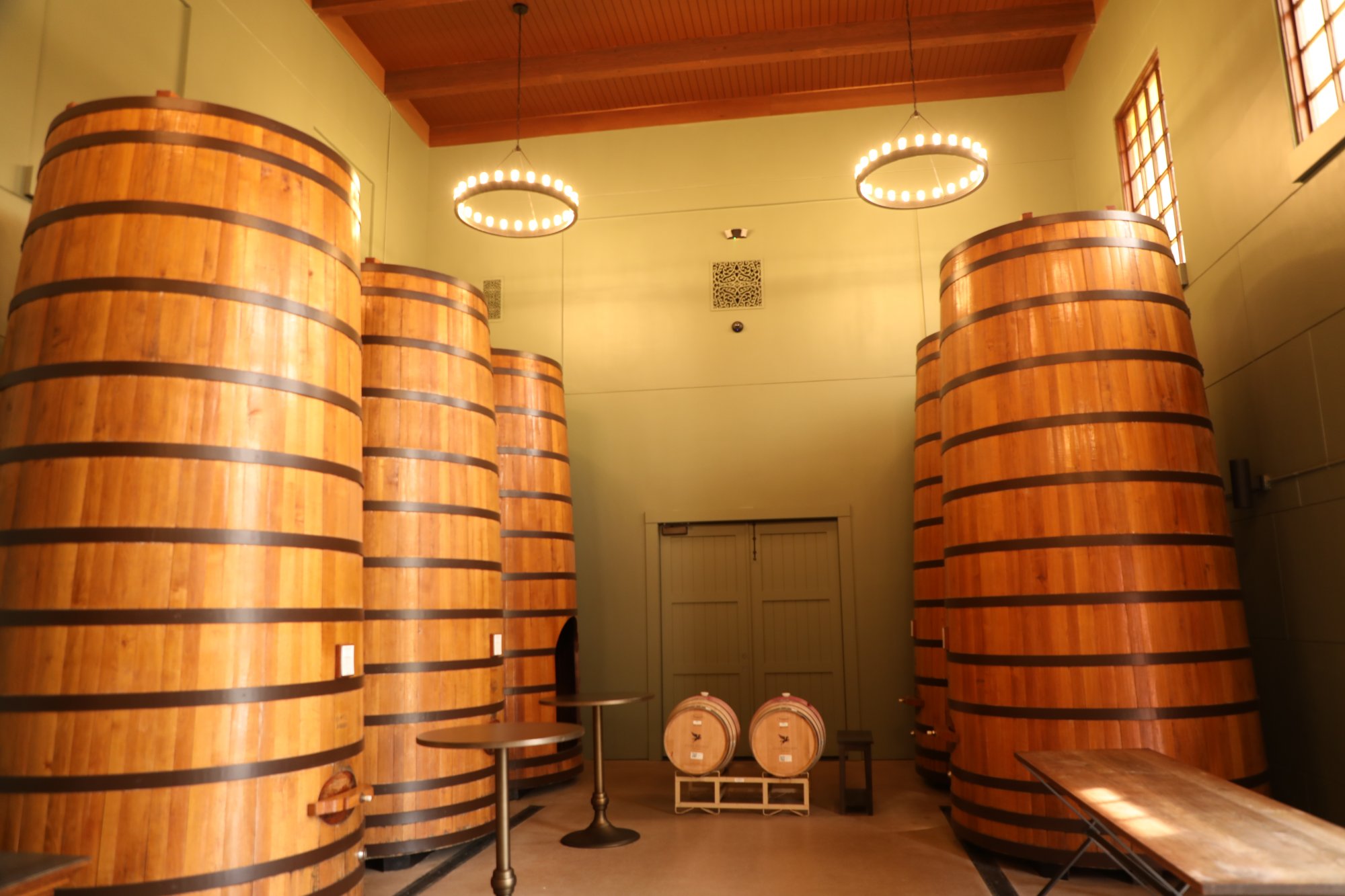
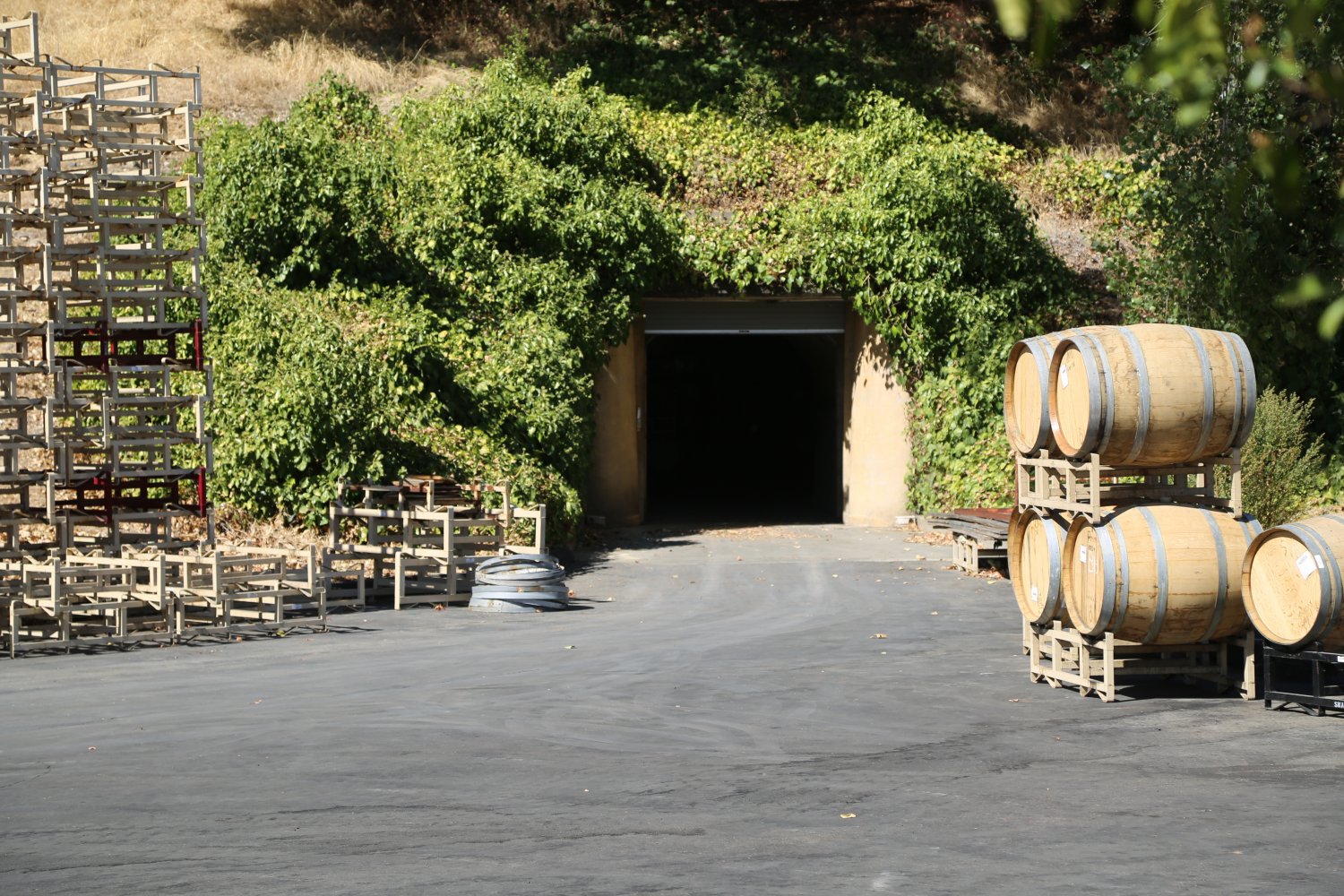
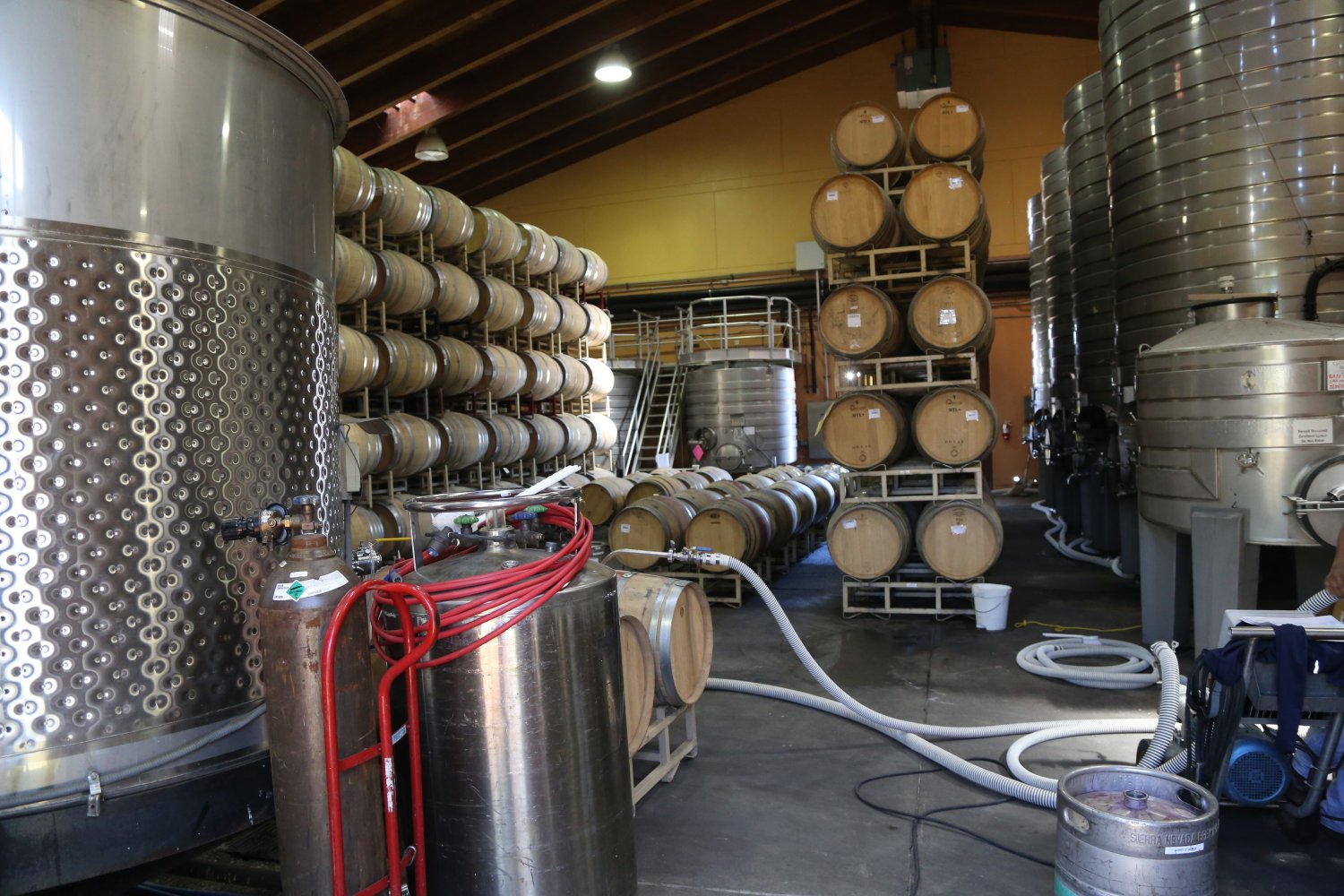
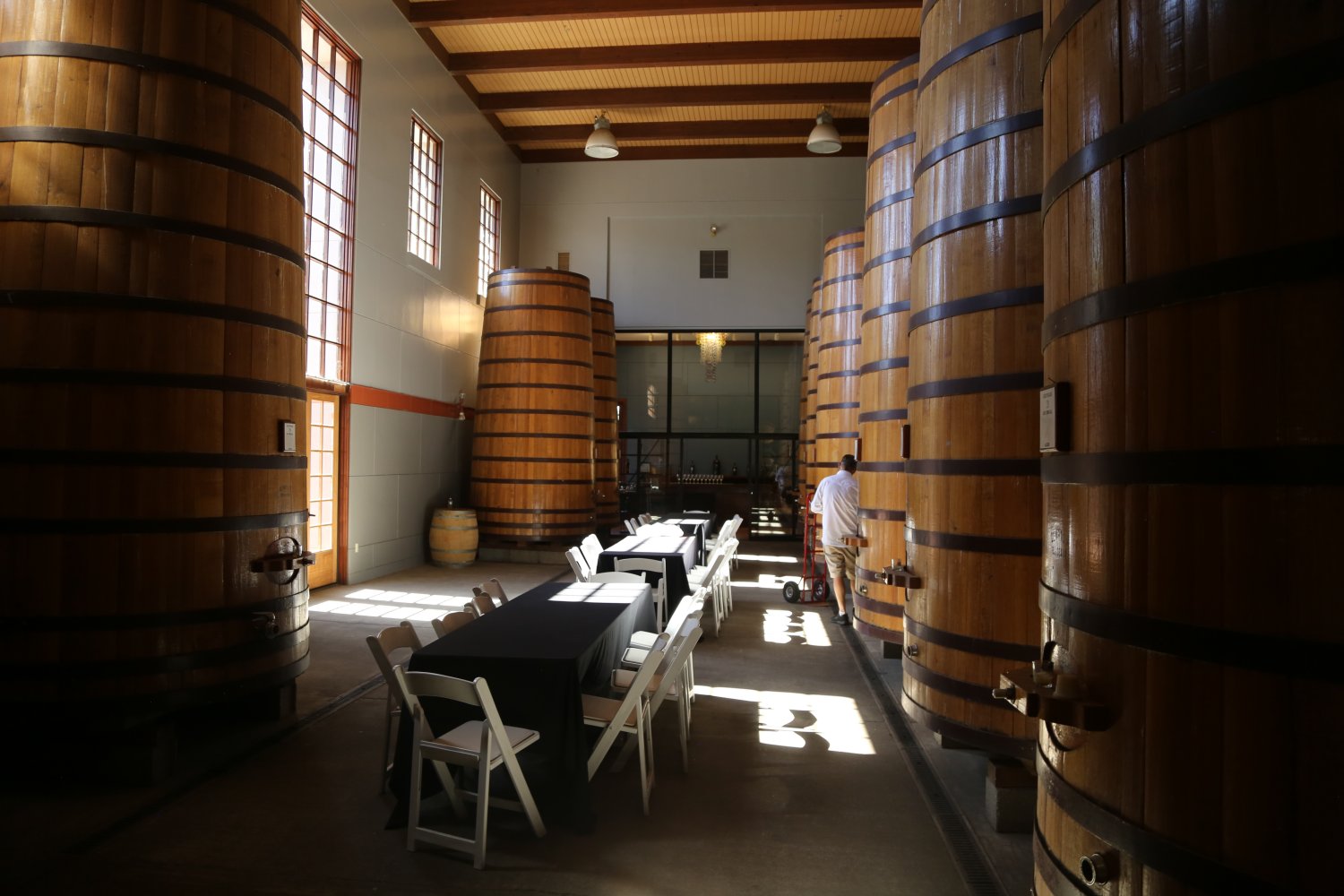
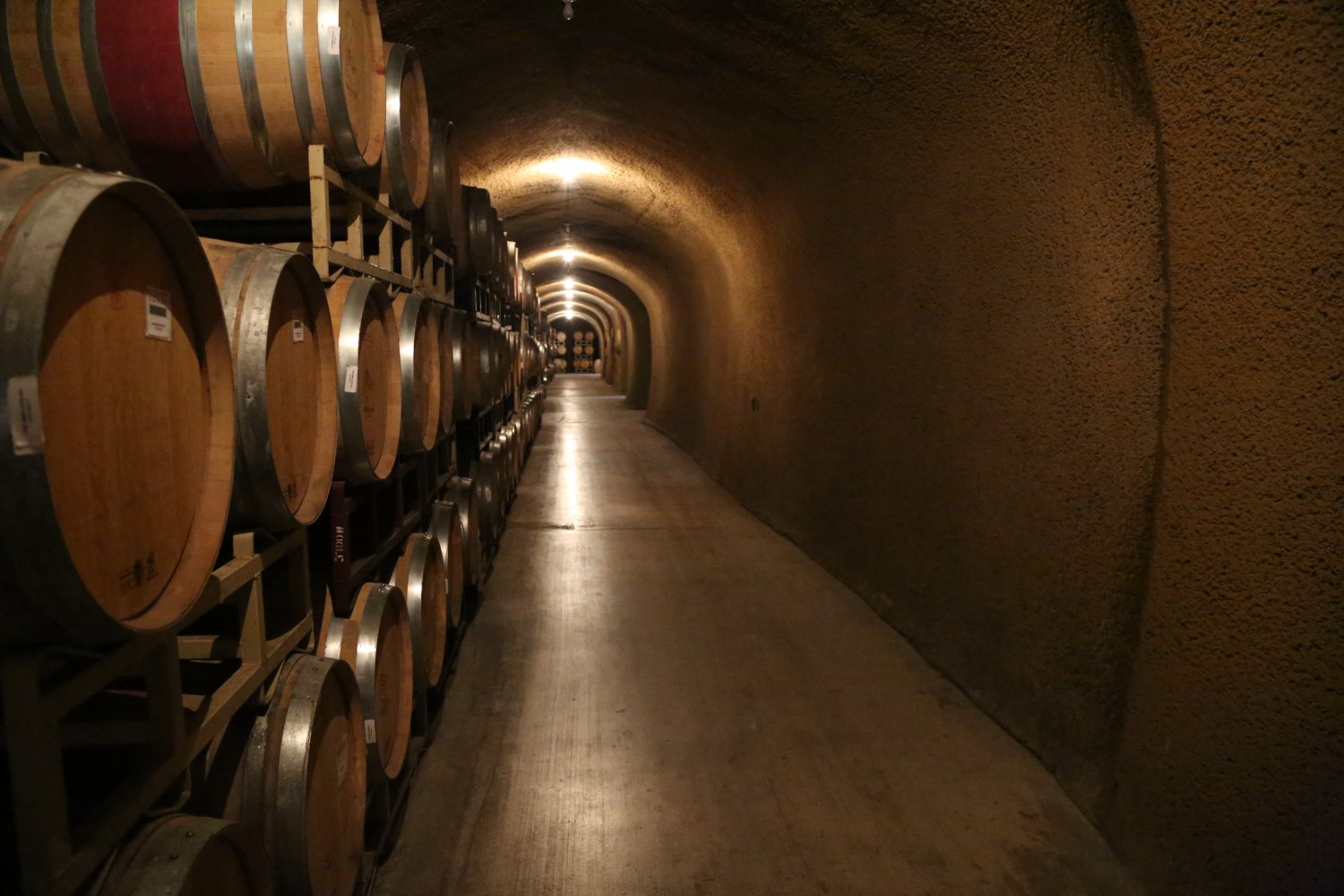
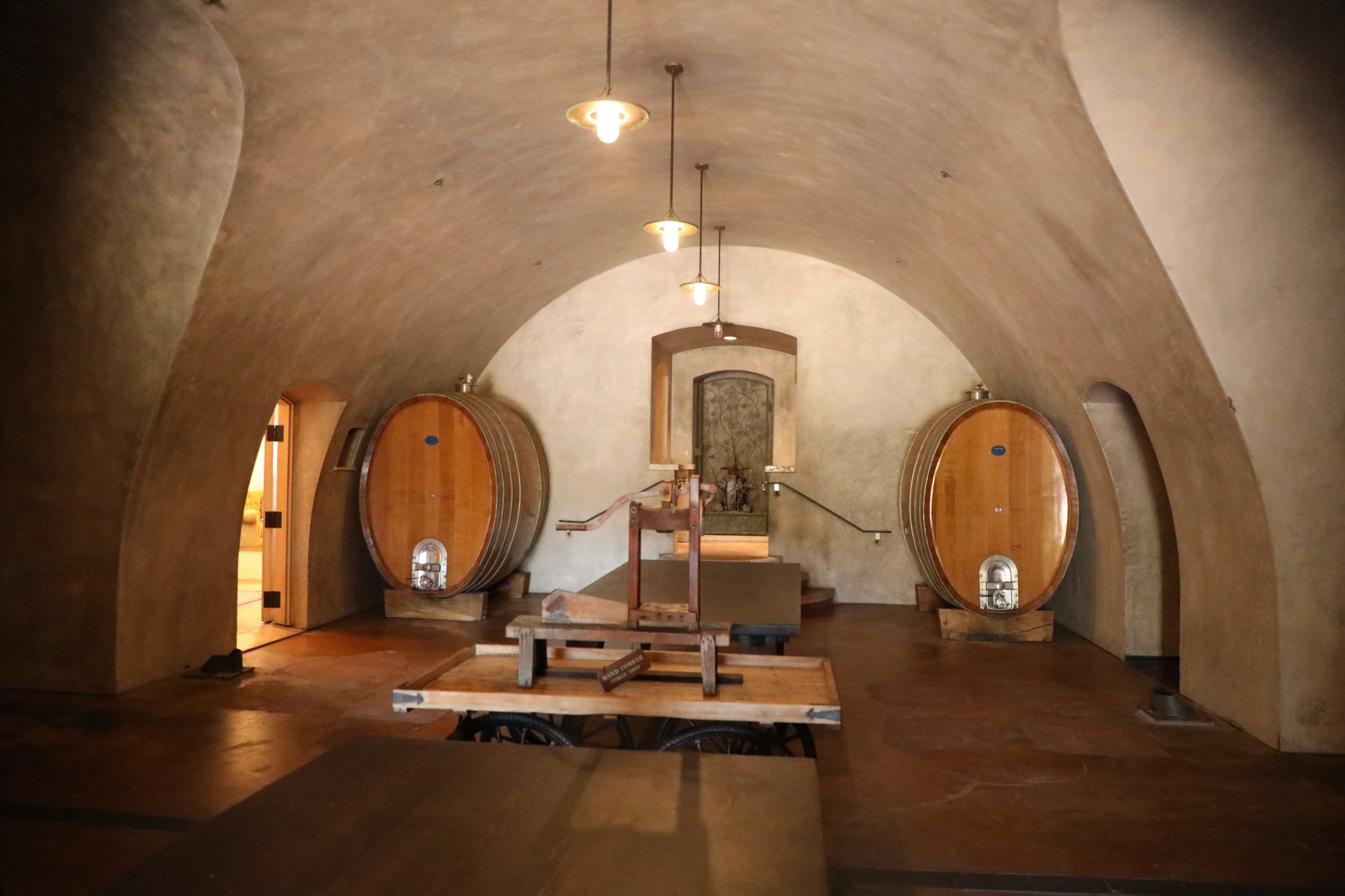
 The “functional” part of the winery houses bladder and basket presses. The 20,000 square foot cave includes the sit-down room Cave Theatre. A number of marble sculptures are nestled in various grottoes within the cave. One of the cave portals exits the hillside next to Dunaweal Lane.
Clos Pegase offers several tasting experiences including their by appointment or walk in The Signature Tasting, featuring several of their current releases, The Pegase Collection, a more intimate and curated experience (both hosted in the main tasting room or weather permitting outside) and The Art of Wine Tour & Tasting, an experience that includes a guided vineyard walk, a visit to the art gallery and finishes in their tasting room. Tasting experiences do change: check the official website for the latest offerings.
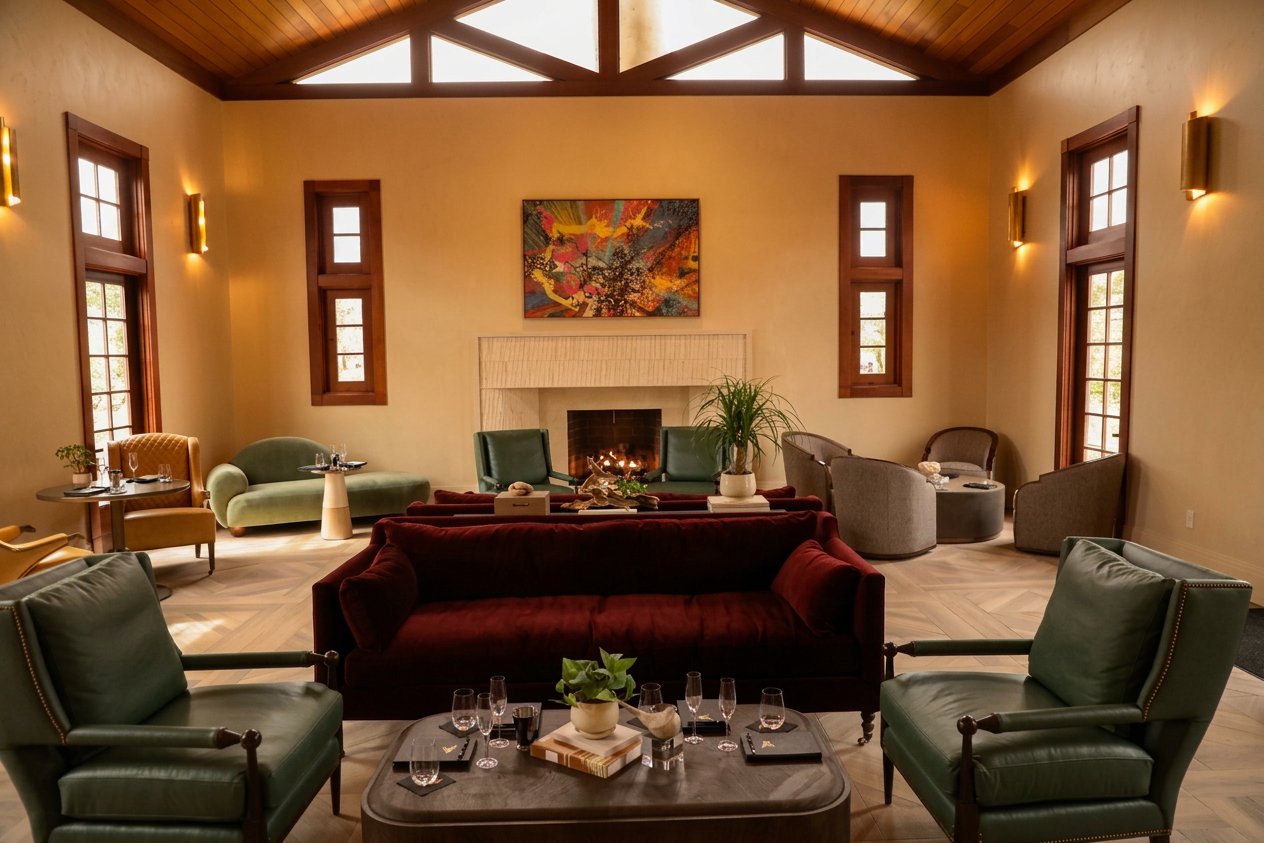
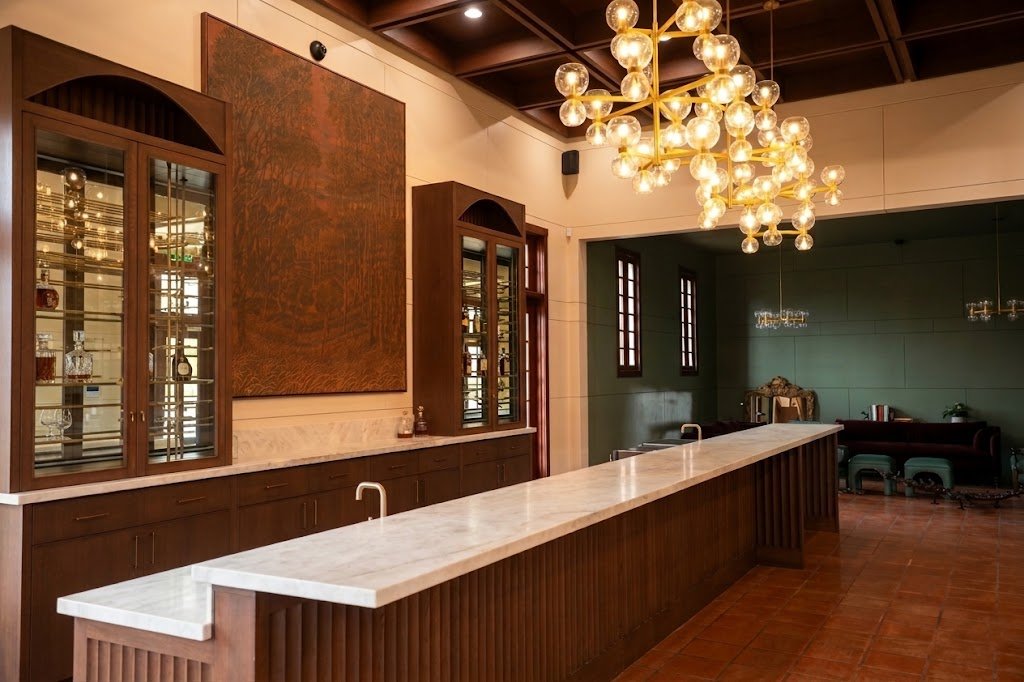
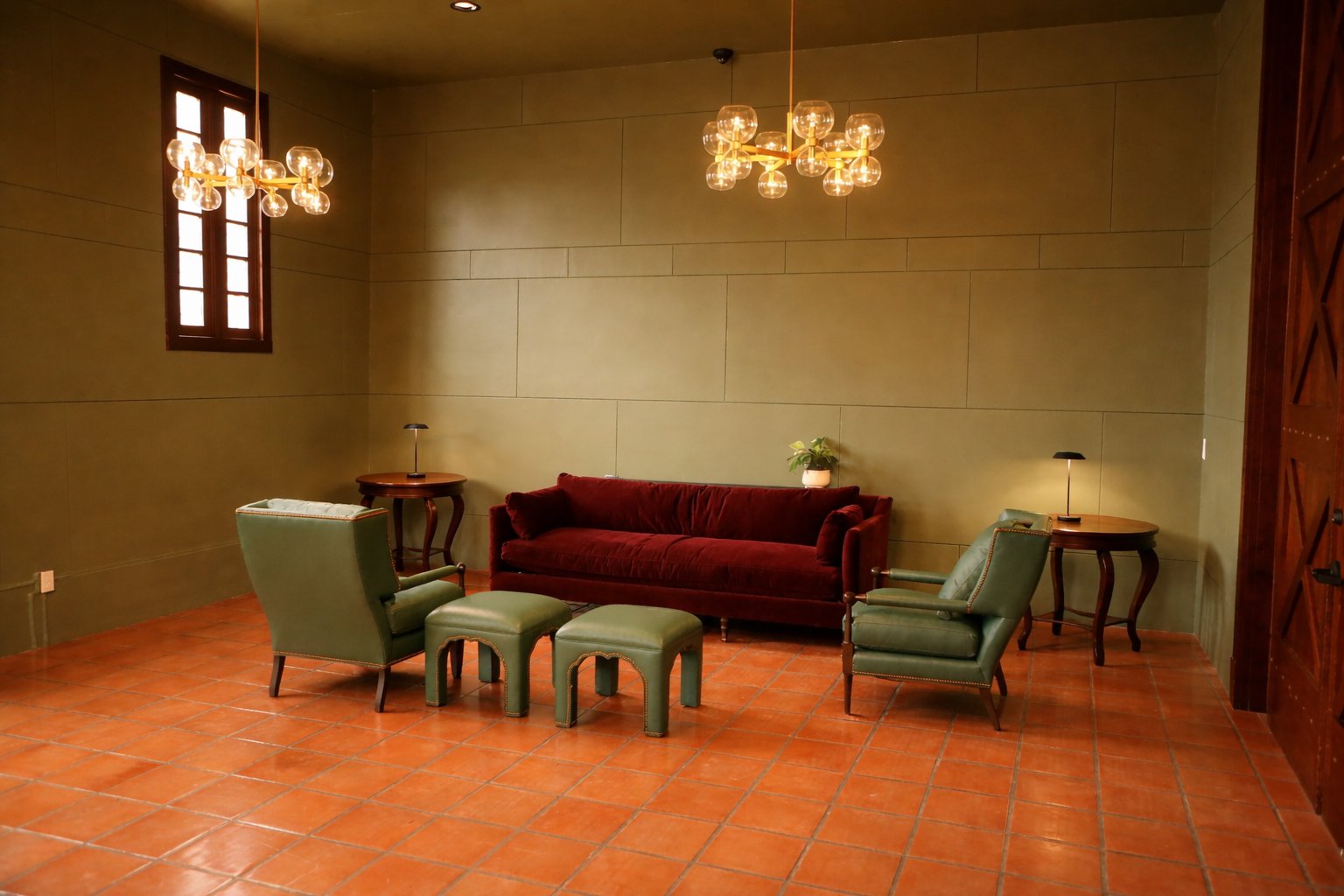
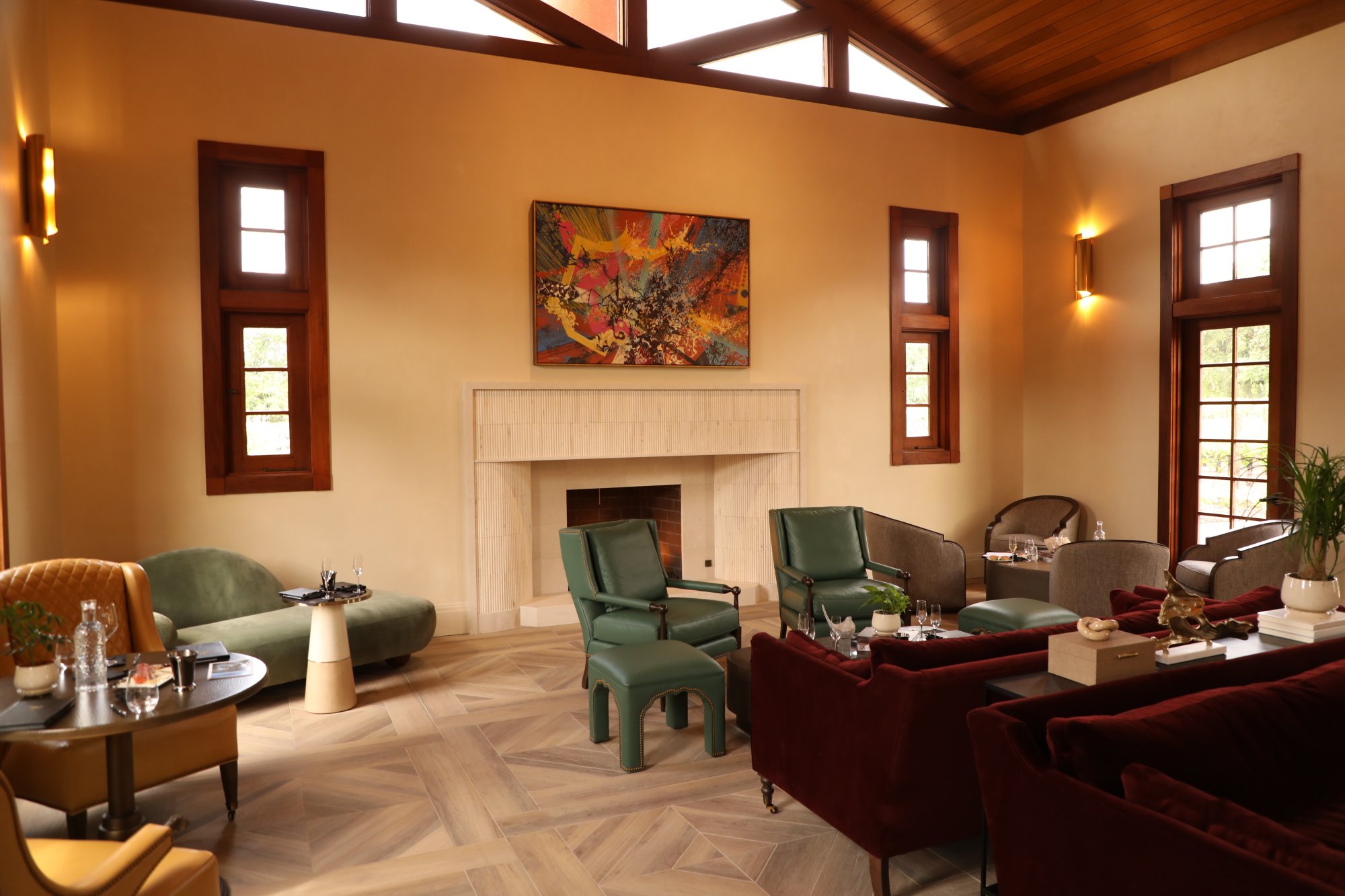
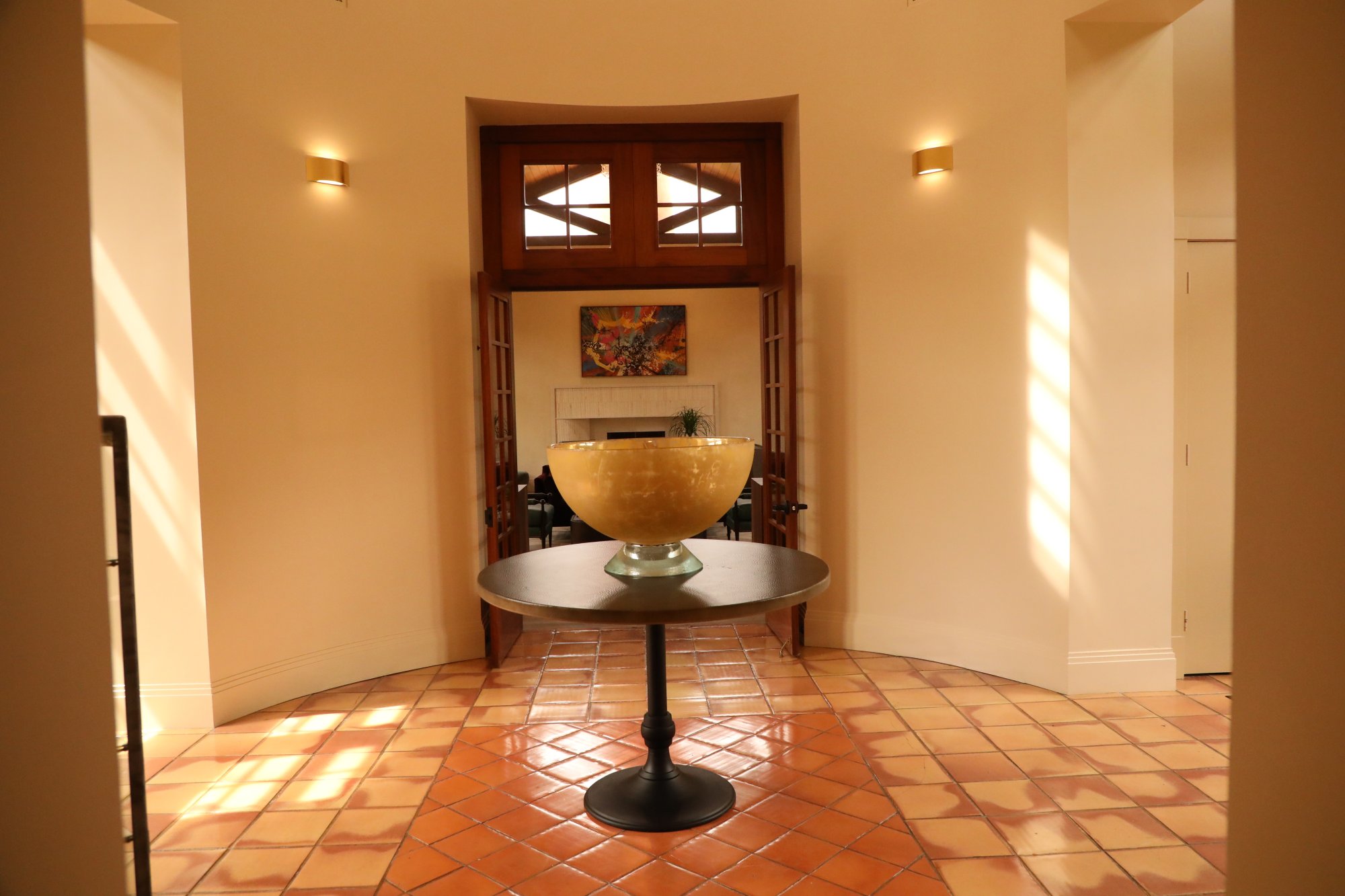
In mid 2017 Clos Pegase moved their long-time tasting room to a room near the main entrance. The focus now is not tasting wines at the original bar, but rather a more personalized and relaxed experience – with tastings held at tables, either indoors or weather permitting, outdoors. Their primary tasting room (with the bar) is used for larger groups and club members.
After being closed for about a year, Clos Pegase hosted their ‘soft’ re-opening on March 21, 2026 and had their official opening on Saturday April 11, 2026. As part of the refresh, Clos Pegase updated the exterior of the winery to its original colors. And the winery once again features an art gallery; the inaugural artist in 2026 was Calistoga residence and muralist, Carlo Marchiori. Several sculptures are displayed on the property, created by local sculptor Guy Pederson. These include a piece titled, Vitruvian Man made of glass, copper and steel and another untitled piece that greets visitors at the main entrance.
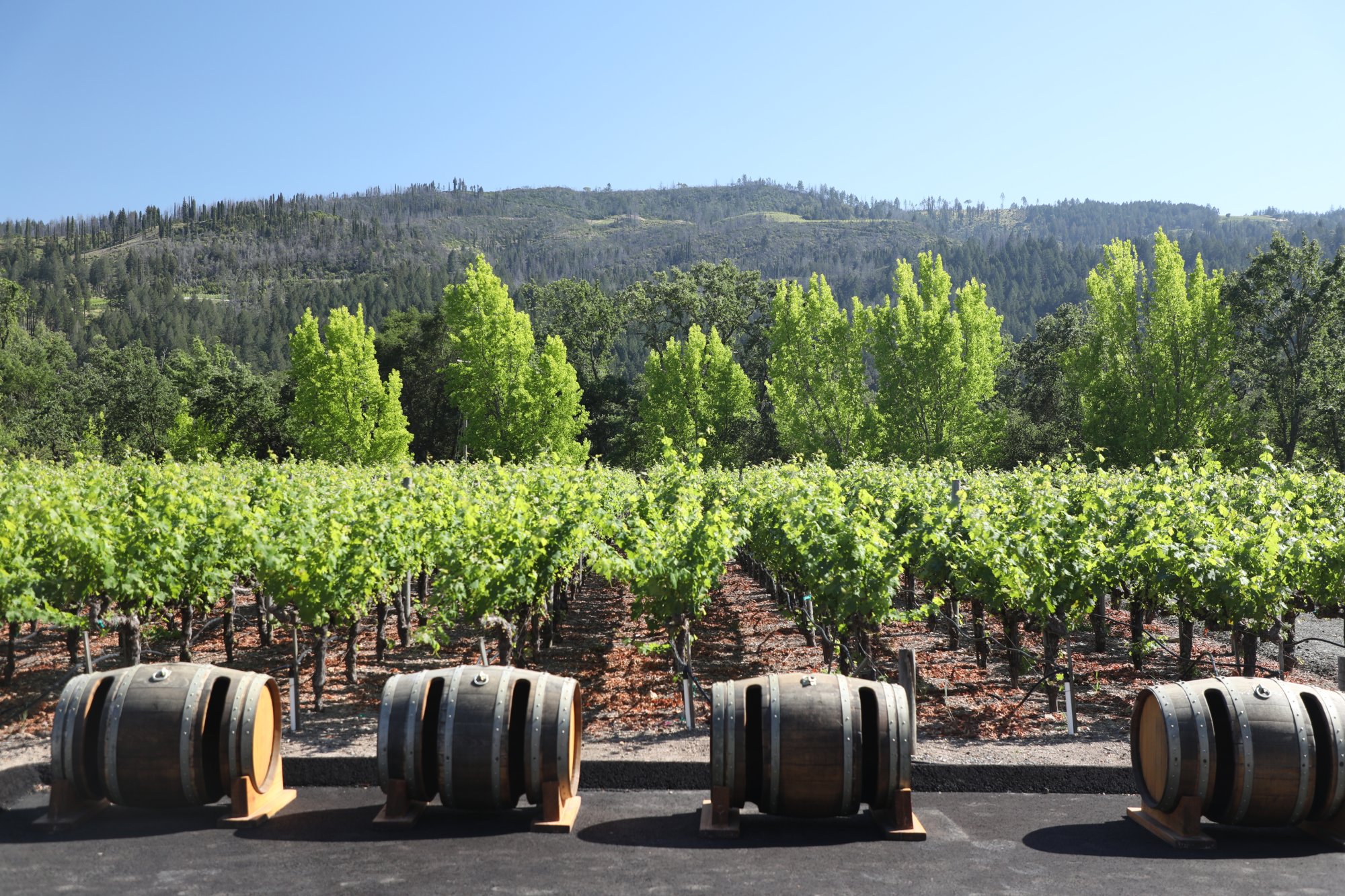
Part of the Napa Valley Vine Trail runs past the west side of Clos Pegase’s property leading to Calistoga. This bike and pedestrian path offers a relaxing respite from driving and passes near several wineries, the Calistoga reclamation plant and through vineyards. Following some of our visits to Clos Pegase, we’ve taken 15-30 minutes to hike this trail. Alejandro, a jack of all trades who works for the Adair family, presented a prototype of a wine barrel bicycle rack to Jay Adair. He liked it and Alejandro ofrered to make more. These are among the most creative uses we have ever seen for used wine barrels; four such barrel bicycle racks are located near the main entrance to Clos Pegase.
Select Wines
Whites
Chardonnay
The 2023 Clos Pegase Sauvignon Blanc; this wine is pale gold in color and was aged in stainless steel vessels for 10 months. The nose is sprightly, showing the energy of the variety and cooler weather Carneros climate, but never crosses in to the territory of being green or grassy. Its scents are of Babcock peach, white nectarine, guava, a hint of lime, a whisper of chalk and some florals including jasmine and honeysuckle. On the palate there are flavors of pineapple guava, lychee, pomelo, apple, pear and a light but finishing note of herbs including tarragon and dill. Texturally soft and supple, its lightly creamy character slides across the palate like running one’s fingers across a thick cashmere sweater. This texture is supported by a balanced and bright acidity. Recommended, per Jeff, a Clos Pegase tasting room host as of our latest visit, is the lobster taco severed at The Waterfront Seafood Grill along the Napa River in downtown Napa.
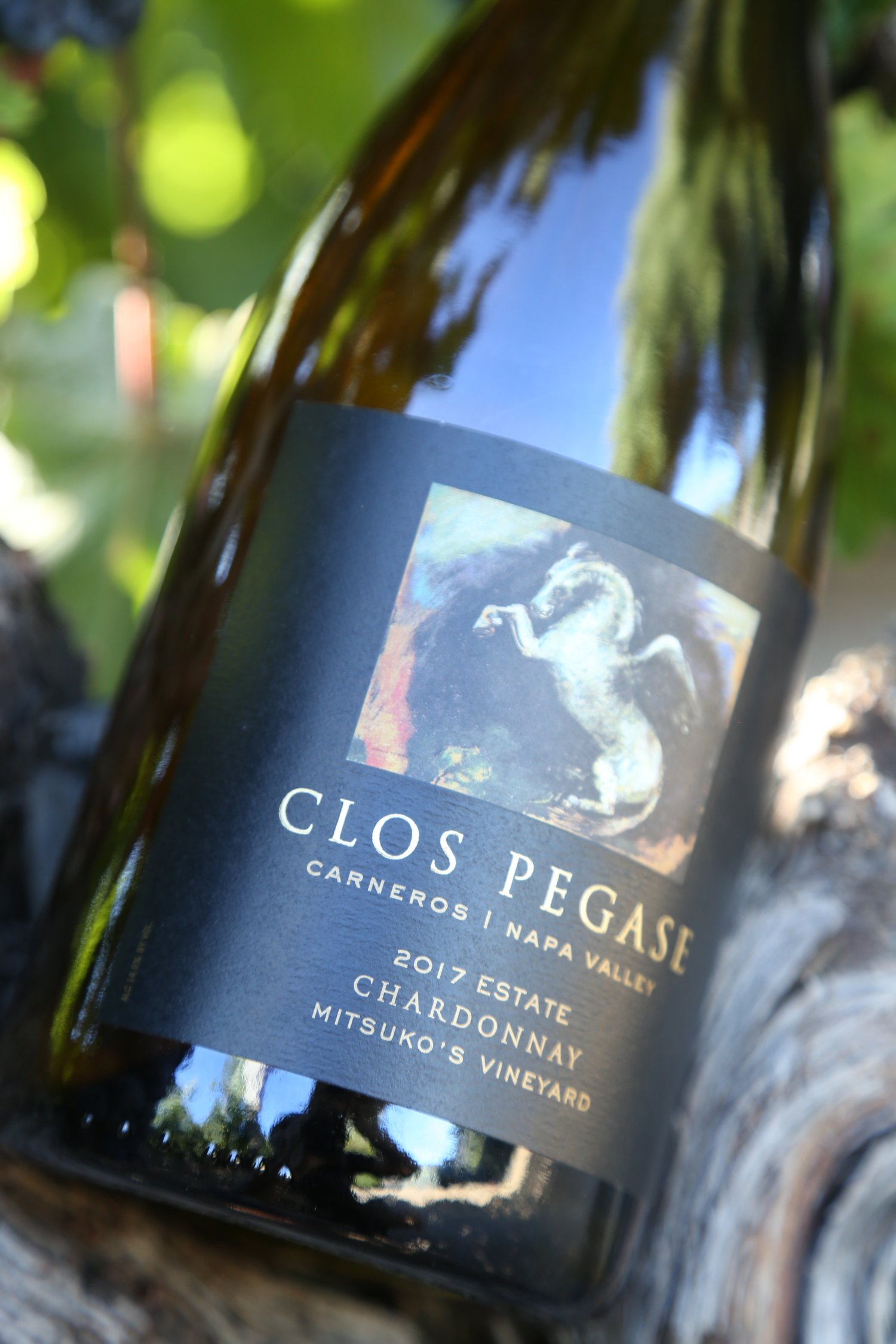
The 2017 Clos Pegase Estate Chardonnay, Mitsuko’s Vineyard is golden in the glass similar to a ripe pear skin color; offers rich and diverse aromatics including initially a flinty nuance, opening to yellow pineapple, hints of caramel, ripe peach, kumquat and an orange peel zest. A very pretty bouquet. Rounded and slightly creamy across the palate, this texture is immediately noticeably upon the entry – has some depth and character with flavors of nectarine, cantaloupe and mandarin. Offers depth of flavor complemented with nice acidity. A very balanced showing with a clean finish and long-lasting fruit. This Chardonnay was fermented using both inoculated and non-inoculated yeasts – fermentation began in tank and then was transferred to barrel to complete. The wine went through full secondary fermentation in barrels – regular battonage helps contribute to the pleasing mouth feel.
Rosé
The 2021 Clos Pegase Sparkling wine is 70% Pinot Noir and 30% Chardonnay, with both grapes sourced from Mitsuko’s Vineyard in Carneros. This wine was on tirage for 2 years. This wine is pale gold in color with a hint of pink; the bouquet smells bright and energetic with aromas of citrus blossom, grapefruit rind, raspberry and wild strawberry. Refreshing across the palate, it tastes like golden apples, comise pear, guava, passion fruit and a light kiss of raspberry and strawberry guava. Finishes with a citrus edge including of ruby grapefruit with both flavor and acidity running in tandem. Pair this with a plate of fresh oysters and tangy mignonette sauce complementary to the vibrant acidity in the wine.
Reds
Red Blend
 The 2023 Close Pegase Hommage Red Blend is deep ruby and opaque; the bouquet is a dark fruited and well layered union between ripe fruit and barrel spices. The nose smells blackberry pie, boysenberry jam, Pakistani mulberry at the peak of ripeness and cherry pie, with supporting layers of cinnamon, nutmeg, clove and cardamom. The palate tastes like cherry, Santa Rosa plum, blackberry, boysenberry and Persian mulberry with finishing notes of smoked cedar, dried sage, pipe tobacco and dark chocolate. The tannins don’t show right away on the palate, a bit latent, their texture becomes more prominent the longer the wine sits on the palate. Still they never dominate, rather their texture is gravelly with a well tumbled character and are felt more on the front of the palate than the back. This wine delivers plenty of depth in terms of its fruit, but .
The 2021 Clos Pegase Hommage Red Blend presents a medium to deep ruby color in the glass. The bouquet opens with an intriguing herbal freshness that brings to mind bell pepper, red chili spice, and shishito pepper, yet it maintains a balance that prevents it from crossing fully into overly green territory. This savory edge is layered with elegant aromatic notes of red cherry, currant, black tea leaf, and dark olive, creating a multi-dimensional nose. On the palate, the wine is bright and balanced, leaning toward the red-fruited side of the flavor spectrum. It leads with flavors of red cherry, red plum, and a hint of not-fully-ripe boysenberry, followed by the tart sweetness of Persian mulberry and currant. The evolution of the wine concludes with a savory, herbaceous finish featuring smoked sage, lavender, and bay leaf. Structurally, the tannins sit on the less-ripe side of the spectrum, providing a singular, drying grip that fully coats the palate. These tannins are notably persistent, outlasting the fruit on a finish that remains firm and structured. Pair with a lighter cut of beef, perhaps a grilled flank steak.
The 2021 Clos Pegase “Pegaso” Red Blend (varietal percentages change depending on vintage), is 50% Merlot, 47% Cabernet Sauvignon and 3% Petit Verdot. This wine is medium to deep ruby; the bouquet is a union of ripe forward fruited scents accompanying by sweet influences from its barrel aging. This wine smells like blackberry pie, baked plums, boysenberry, dark raspberry, blueberry and cinnamon stick, cardamom, a light note of nutmeg and cocoa powder. Ripe but never jammy, the palate mimics to some extent the bouquet with flavors of Santa Rosa plum, red cherry, boysenberry and mulberry. And finishes with a lightly spicy and savory edge, i.e. dried herbs including sage and bay leaf and a note of smoked cedar. Remarkably soft, a contribution from the Merlot no doubt, the tannins are ripe, rounded and fully resolved at 5 years post vintage. They linger seamlessly, perfectly integrated into the finish. Easy drinking
Syrah
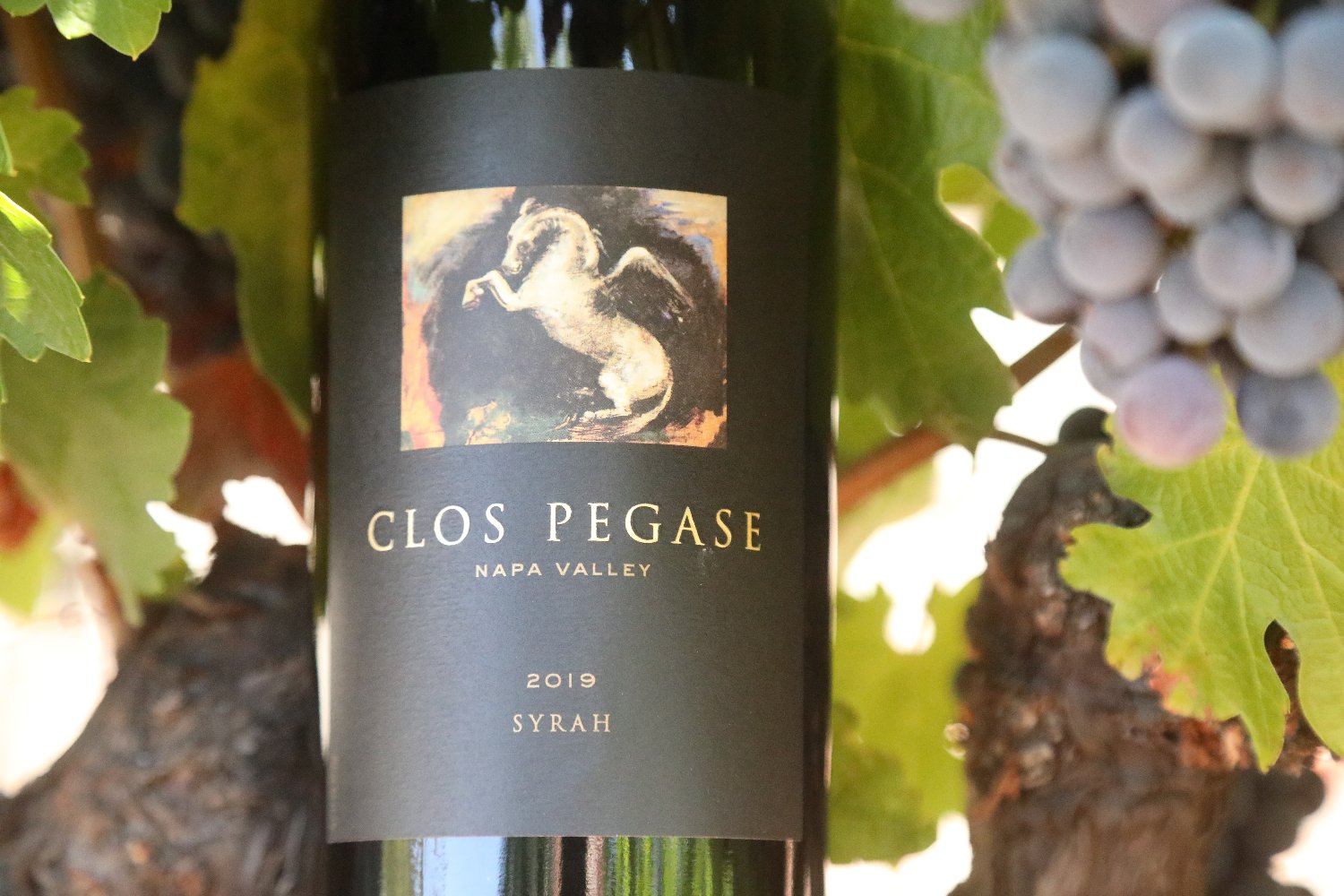
The 2019 Clos Pegase Syrah, Mitsuko’s Vineyard Napa Valley is medium to deep ruby in color; offers dark fruit (blackberry and plum) wrapped in a blanket of cedar box, cardamom, black pepper and milk chocolate. Slightly savory, but not overtly so. Shows plenty of fruit on the palate including spicy plum and a brightness of cherry. The well-integrated tannins linger with dark spicy note. Not grippy nor course, they persist with notes of toasted cedar on the finish and peppercorn. Also, a final lingering note of dried tobacco leaf. The varietal spice of Syrah clearly shows on this wine both on the bouquet and the palate. For such a young wine at the time of our tasting, it is already very approachable.
Cabernet Franc
The 2021 Close Pegase Cabernet Franc (100% varietal) is made from grapes at Tenma Vineyard above Jericho Canyon in Calistoga and also a smaller percentage from the vineyard surrounding the winery. This wine is deep ruby and nearly opaque; the bouquet smells like the variety, with the varietal characteristics not bled out by over ripeness which is commonly associated with Cabernet Franc from Napa Valley. In addition to its red fruits, scents include a red chili spice, shishito pepper and dried tobacco leaf. A light note of old cedar box finishes out the aromatics. Bright, balanced and with a leaner profile, this wine tastes like red plums, not fully ripe boysenberry, currant, red cherries and cranberries. Some of the spice attributes on the bouquet are also expressed on the palate, finishing with a layer of dried tobacco leaf and smoked sage. The gravelly textured tannins sport a light to moderate dusty grip. Finishes fresh and mouthwatering.
Pinot Noir
 The 2018 Clos Pegase Pinot Noir, Mitsuko’s Vineyard Carneros is pale ruby in color; the bouquet shows plenty of spice influences – imagine grinding peppercorn on top of toasted cedar. As the bouquet evolves, the spice notes persist but the fruit aromatics become more pronounced. Shows plenty of red fruits on the palate including red cherry, red licorice, rhubarb and cranberry. This wine is very flavorful and has great acid. The fruit is complemented by some darker spice notes which linger on the finish including hints of pepper and some Asian spices. Offers a light but persistent kiss of tannins. If one were to taste this wine blind, perhaps one could tell this is Pinot Noir more from the palate rather than the bouquet.
Cabernet Sauvignon
The 2021 Clos Pegase Cabernet Sauvignon (100% varietal) is from grapes sourced from Tenma Vineyard and the estate vineyard surrounding the winery. This wine is deep ruby; more red fruited than dark, the bouquet smells ripe yet with some brambly characteristics. These scents include raspberry, red plums, red licorice, red cherry and a whisper of old cedar box, and cinnamon stick. On the palate, there are flavors of Santa Rosa plum, blueberry, mulberry, cherry and boysenberry. A softer and therefore more approachable expression of the variety, the tannins are well tumbled at this age, 5 years post vintage, and are felt with a rounded and supple texture. Persists with a light layer of smoked cedar and dried sage.
Merlot
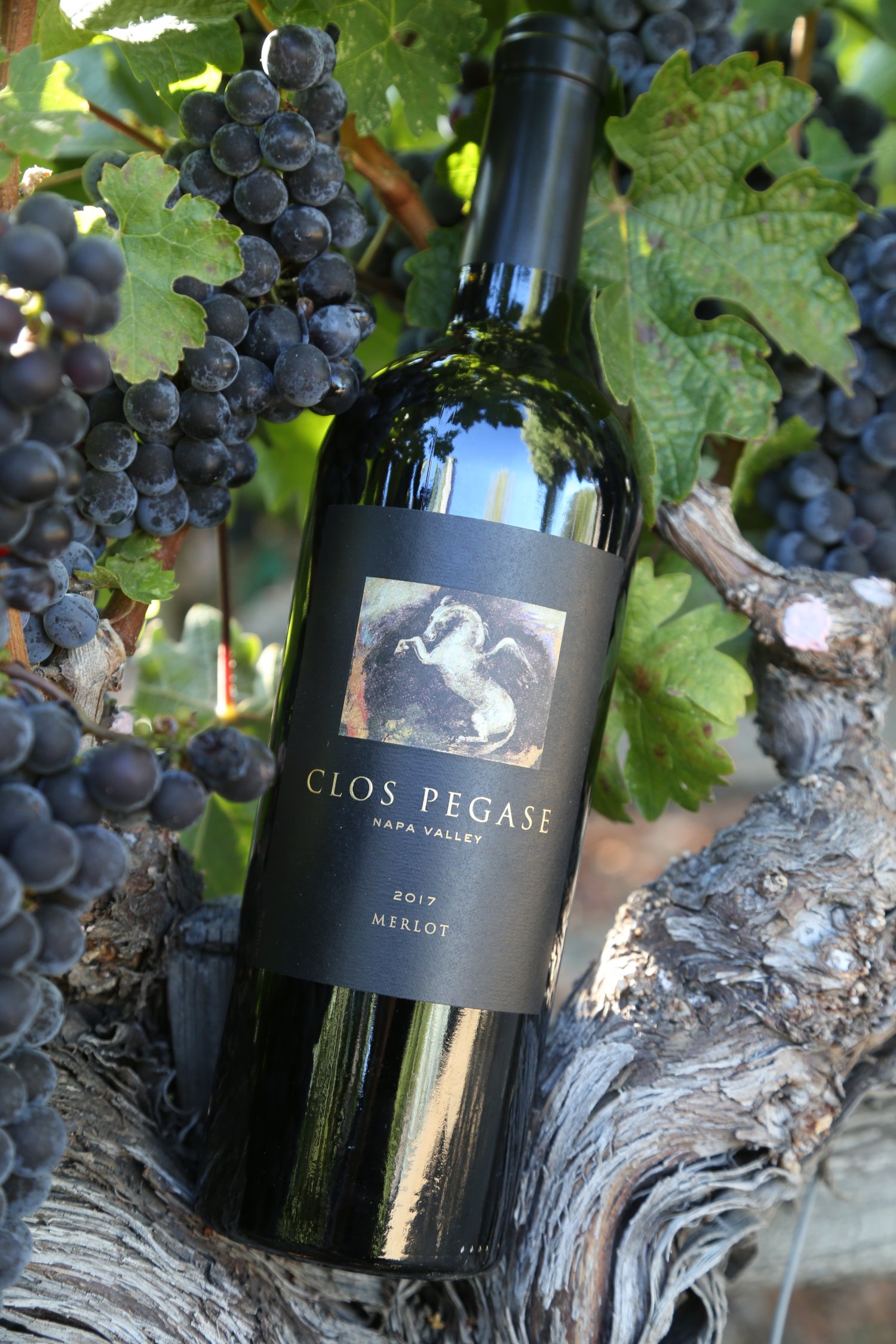
The 2017 Clos Pegase Merlot, Napa Valley offers powerful fruit focused aromas – intense and ripe yet simultaneously elegant at the same time. Aromas of plum, blackberry along with subtle herbal notes, old cedar box and mocha. A little bit savory, especially as the wine breathes. The bouquet is mostly about the fruit rather than secondary characteristics from oak aging. More red fruits then darker fruits on the palate including red cherry, currant and cranberry. Bright acidity. Medium bodied with assimilated tannins that are fairly seamless. Balanced throughout. A lingering hint of clove shows after the fruit has dissipated on the finish. This wine is enclosed with a Diam 5 high quality processed cork.
Dessert
 The Clos Pegase Non-Vintage Portico, Napa Valley (tasted in 2021) is made from Petit Sirah grapes. The wine is medium ruby in color; shows powerful aromatics of ripe dark cherry along with a diversity of sweet dessert spice notes including brown sugar, chocolate, mocha, vanilla and Graham Cracker. This wine is extremely sweet which is only slightly tempered by the bright red fruit flavors and acidity. A light creaminess runs the breadth of the palate. Lingers with rich berry driven fruit flavors, slight menthol notes and brown chocolate notes. The light but noticeable tannins are well integrated into the smooth finish (no harshness of tannins nor oak). The Portico is generally bottled every few years in several hundred case increments as needed.
And Girard Winery, located on the opposite side of Dunaweal Lane is also owned by Adair Family Wines.
For more information about Clos Pegase, to purchase wines and to join their wine club, visit: www.clospegase.com
Estate & Grounds
Cave/Winery
Adair Family Ownership
 Previous owner of Clos Pegase, Vintage Wine Estates went public in mid 2021 and was traded on the NASDAQ under the symbol, VWE before being delisted in 2024. Vintage Wine Estates declared bankruptcy in July 2024 and was sold in U.S. bankruptcy court in late 2024 to Jayson Adair, CEO of the car car salvage company Copart that his father-in-law, Willis Johnson founded in 1982. The company offers online vehicle auctions and other services to a variety of automotive resellers and maintains nearly 250 locations worldwide and over 10,000 vehicles in inventory. Their headquarters are in the Copart Tower in Dallas, Texas.
The Adairs purchased property in Suisun Valley in Solano County in 1997. They produced their first vintage of wine in 2004; in 2021 they purchased a neighboring property and in 2023 began construction on Adair Winery at Vigneto Estate on Mankas Corner Road. In Napa Valley, the Adairs also owns Girard Winery. In addition to owning Clos Pegas and Girard wineries in Napa Valley, the company owns several other wineries outside of Napa Valley including Kunde in Kenwood, B.R. Cohn in Glen Elle and Viansa in Sonoma.
We will update our notes here once we have additional intel about their Suisun Valley winery. Visit: www.adairfamilywines.com
ADAIR FAMILY WINES
B.R. Cohn Winery
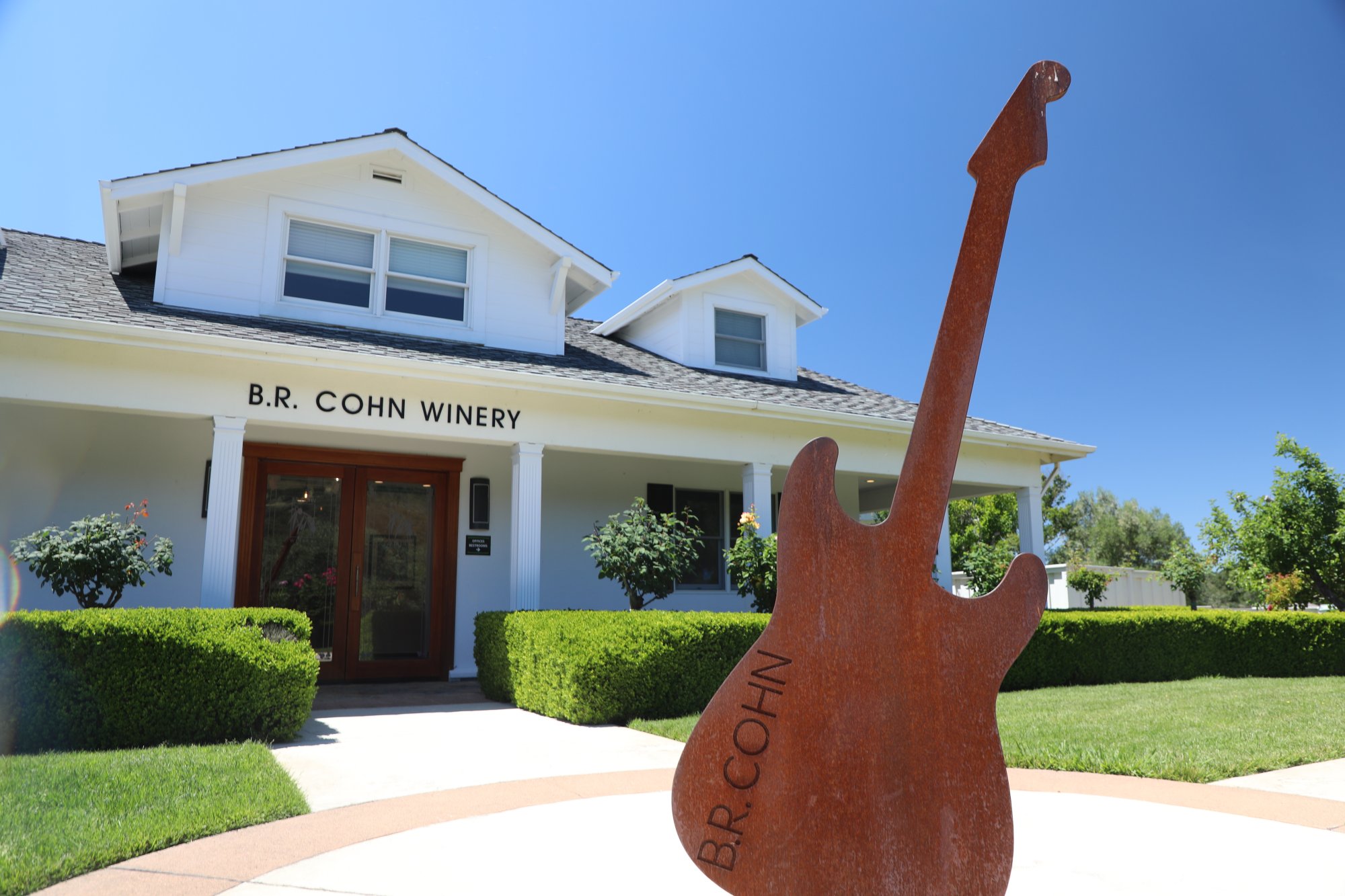
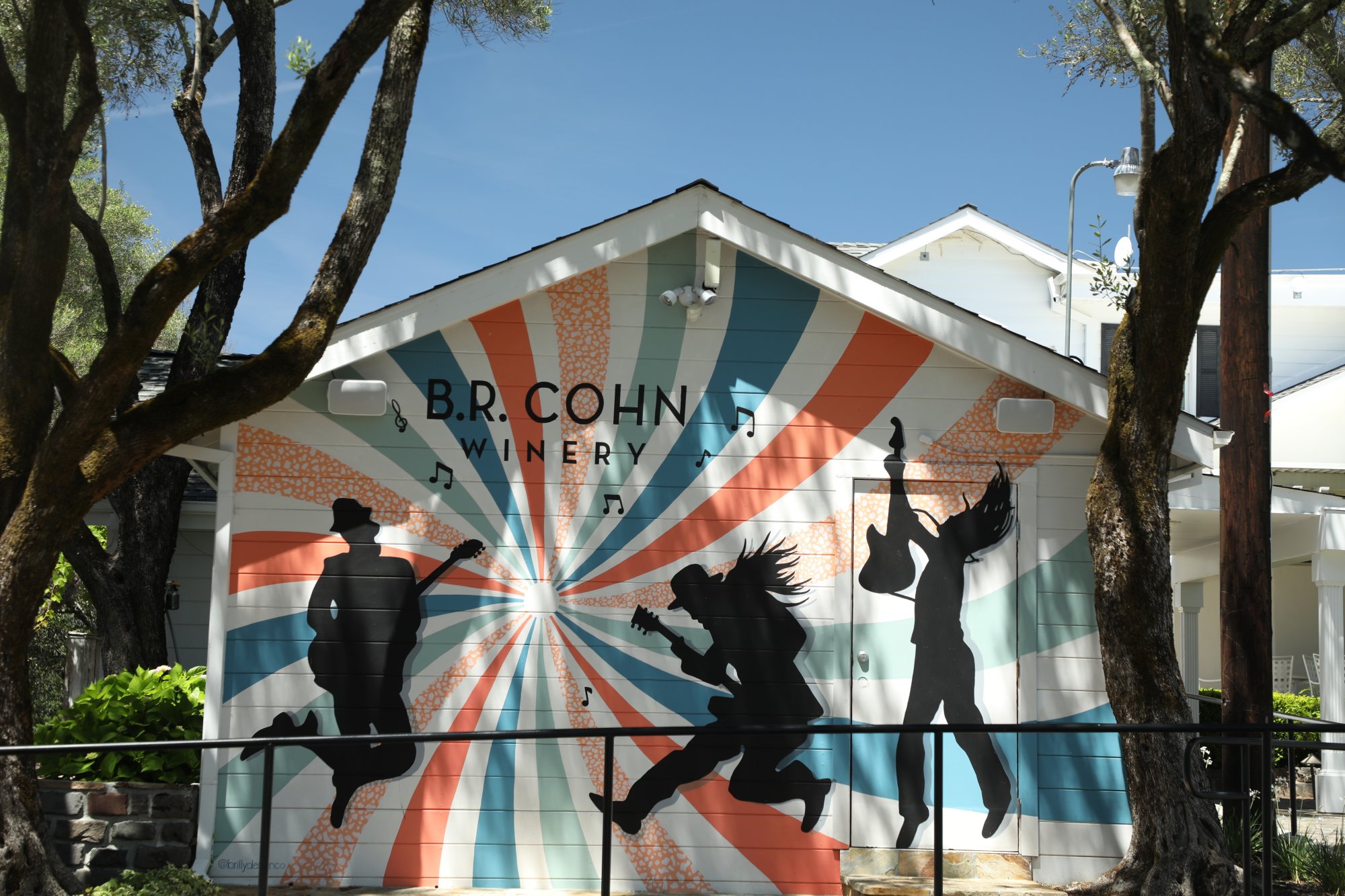
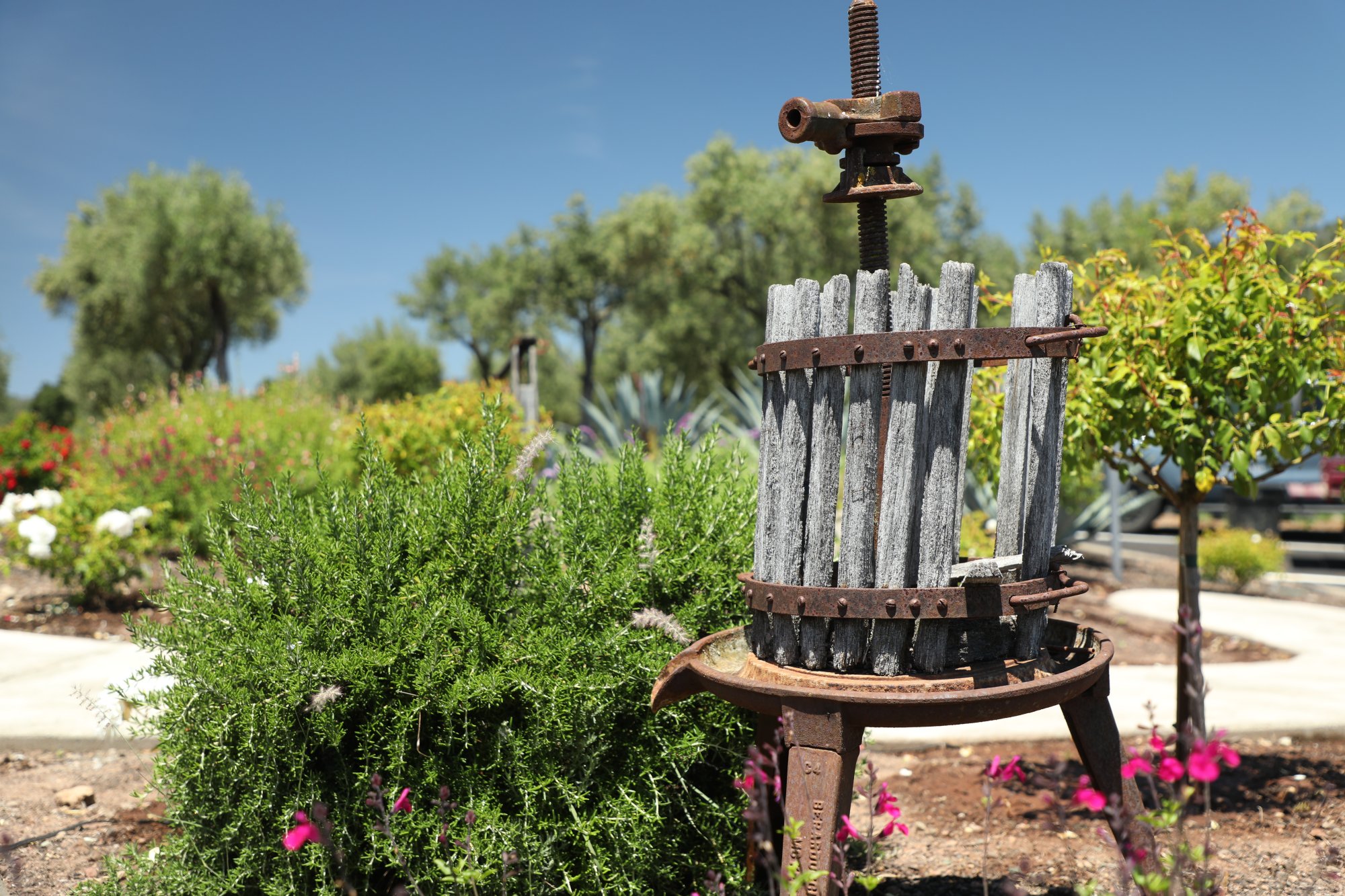
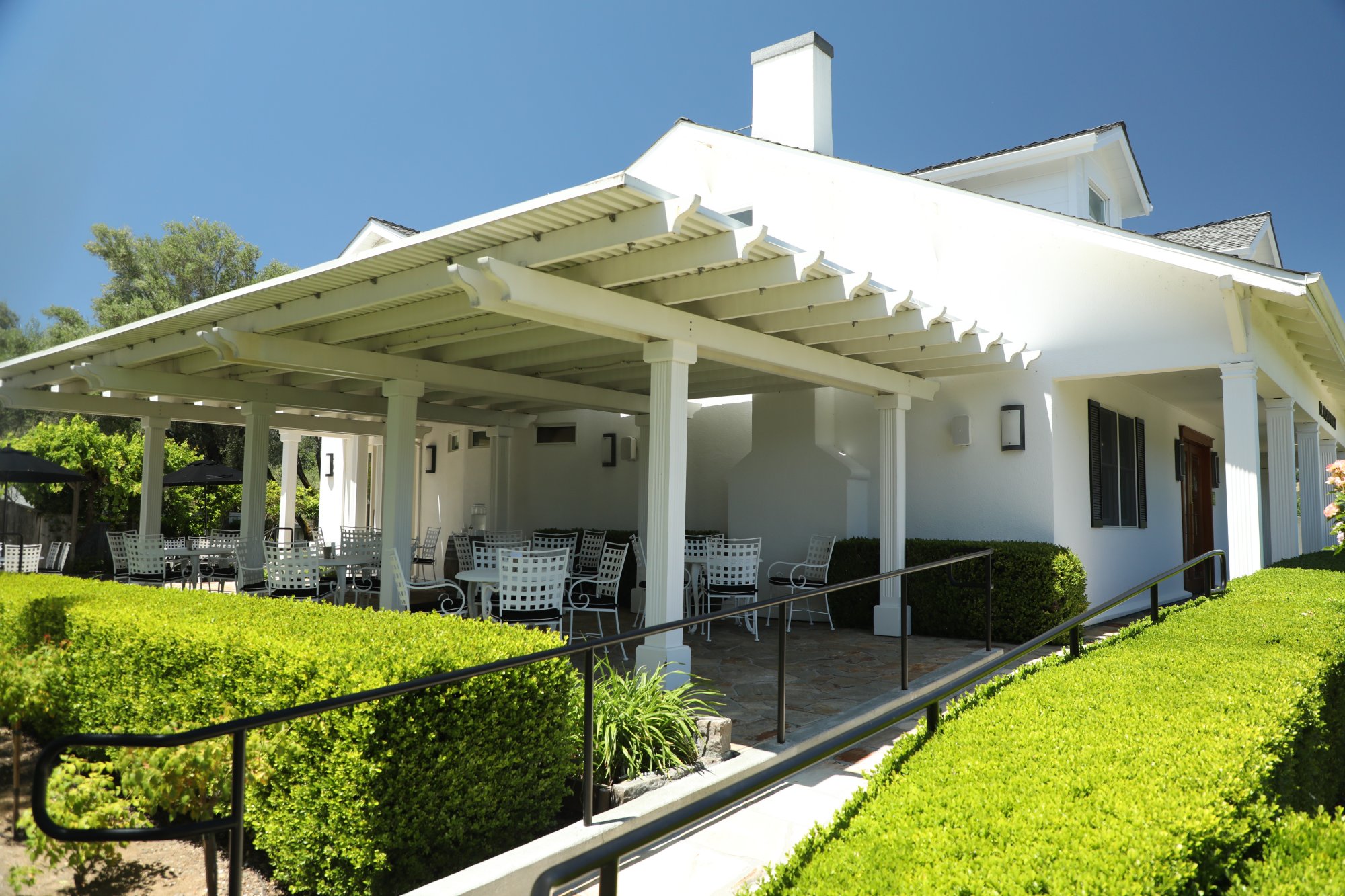
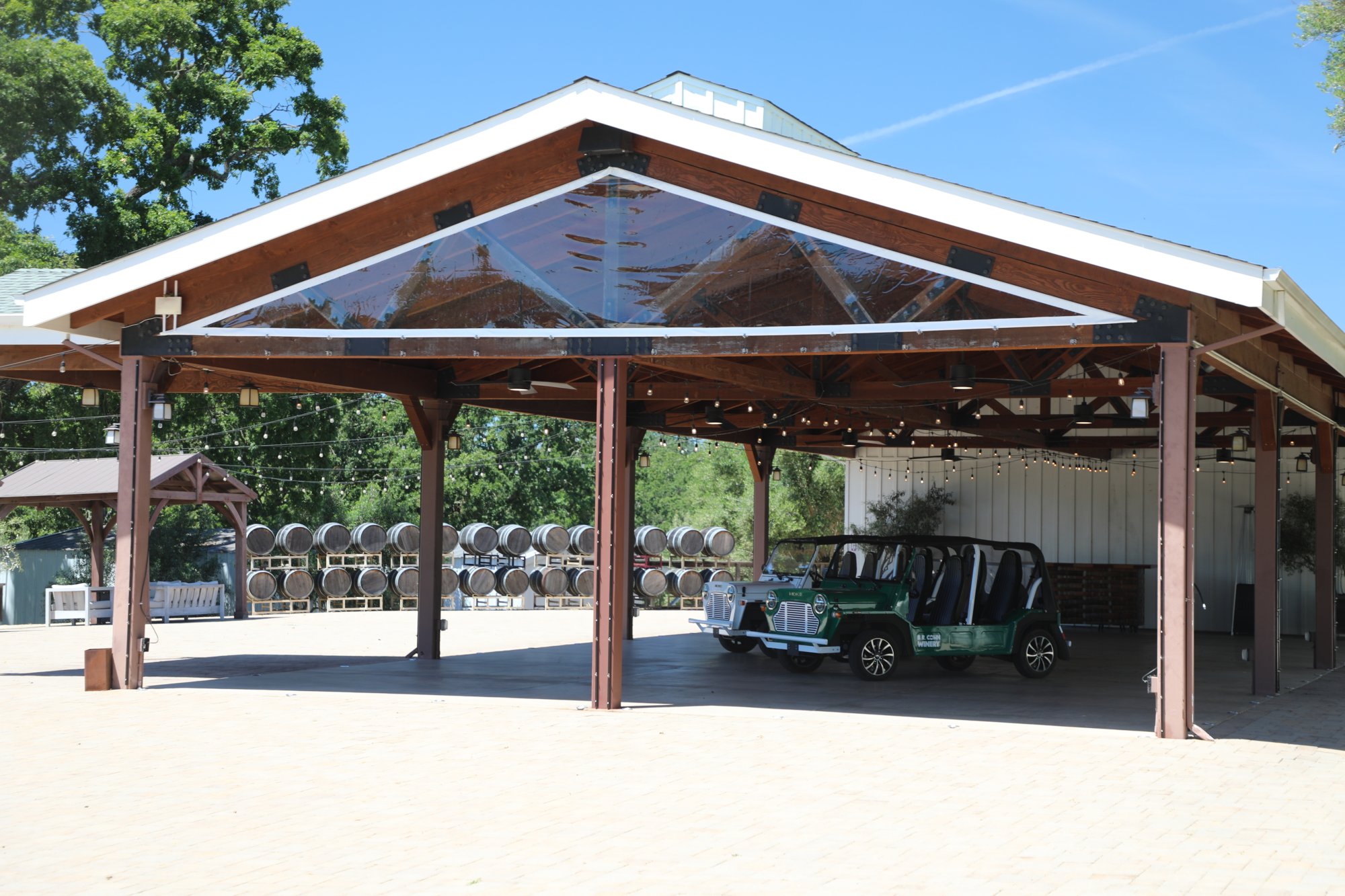
B.R. Cohn Winery is located in Glen Ellen in Sonoma Valley, one of Sonoma County’s most recognized wine growing regions. The winery was founded in 1984 by Bruce Cohn, longtime manager of the rock band The Doobie Brothers. Cohn originally purchased the property in 1974 as a retreat from the music business and named it Olive Hill Estate Vineyards after its historic grove of Picholine olive trees, some of which date back more than a century. Before establishing his own label, he sold grapes from the estate to other wineries.
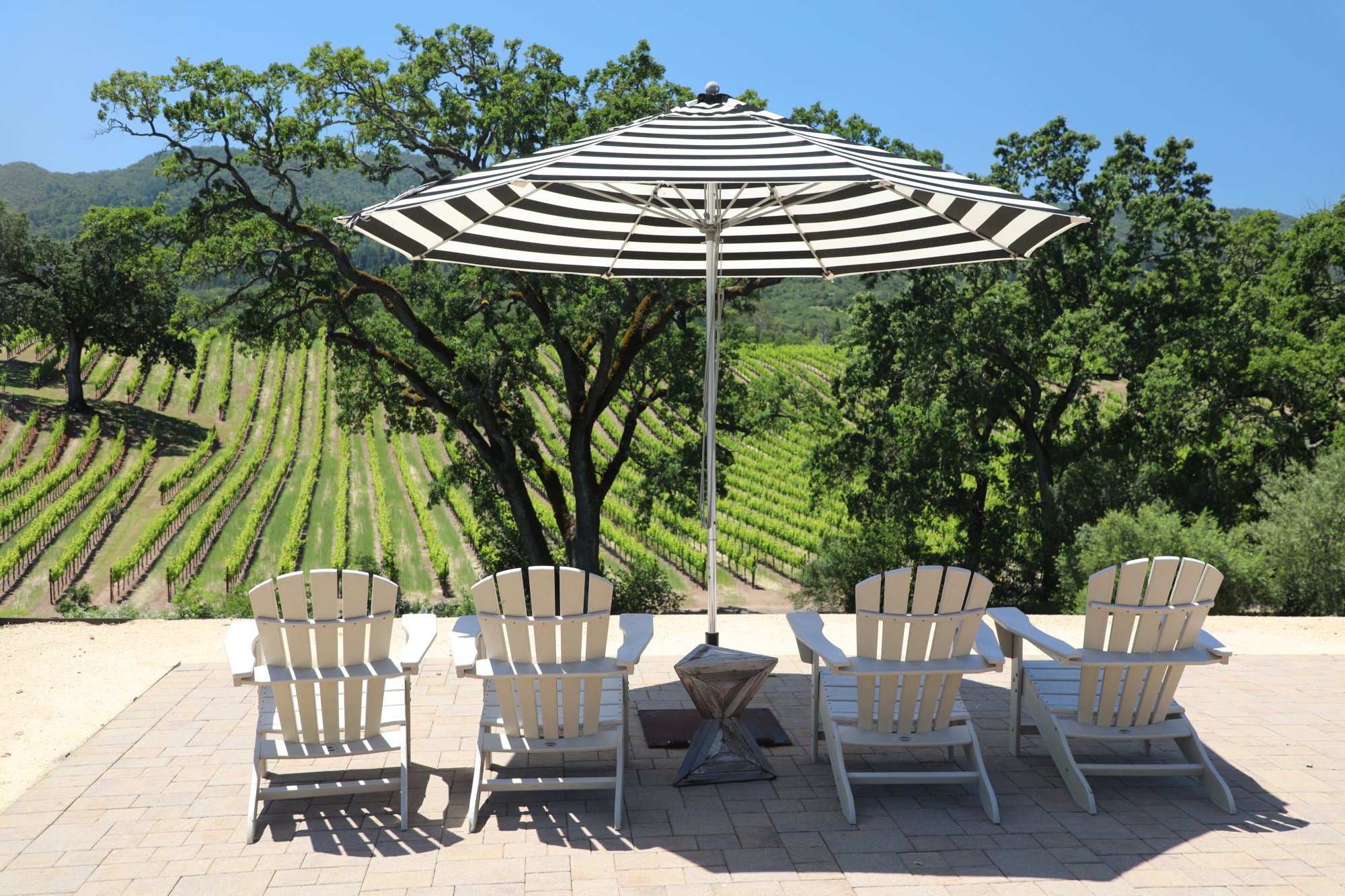
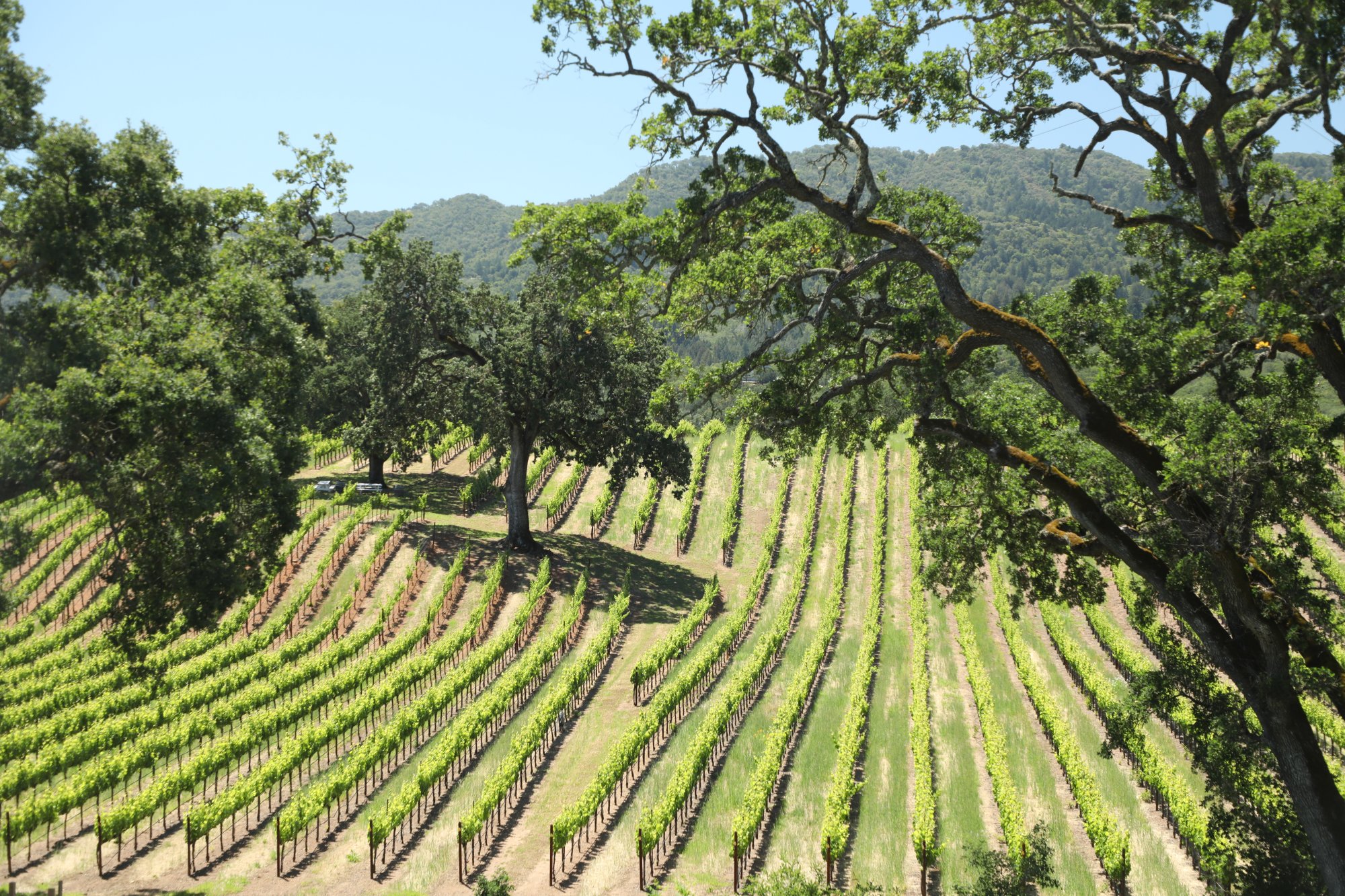
The winery is situated between Sonoma Mountain and the Mayacamas Mountain Range along Sonoma Highway in the area often referred to as the “Valley of the Moon.” And the winery is within a very short drive of the 700-acre Oak Hill Farm (shoutout to them for their fresh produce and flowers – only open part of Wednesdays and Saturdays). The estate vineyards are planted primarily to Cabernet Sauvignon, although the winery also produces Merlot, Pinot Noir, Zinfandel, Petit Sirah, Chardonnay, Sauvignon Blanc, Cabernet Franc, Malbec and Petit Verdot. B.R. Cohn became especially known for its Olive Hill Estate Cabernet Sauvignon, with several vintages receiving strong scores from Wine Spectator. The 1985 and 1986 Olive Hill Cabernets were each rated 94 points and ranked among the publication’s top wines at the time.
One of the winery’s earliest winemakers was Helen Turley, who later became one of California’s most influential wine consultants. Over time, B.R. Cohn expanded production beyond wine and became equally associated with premium olive oil. In the 1990s, Bruce Cohn began producing estate olive oil from the property’s historic Picholine olive trees, helping pioneer California single-estate olive oil production. The winery also produces balsamic vinegars and gourmet food products.
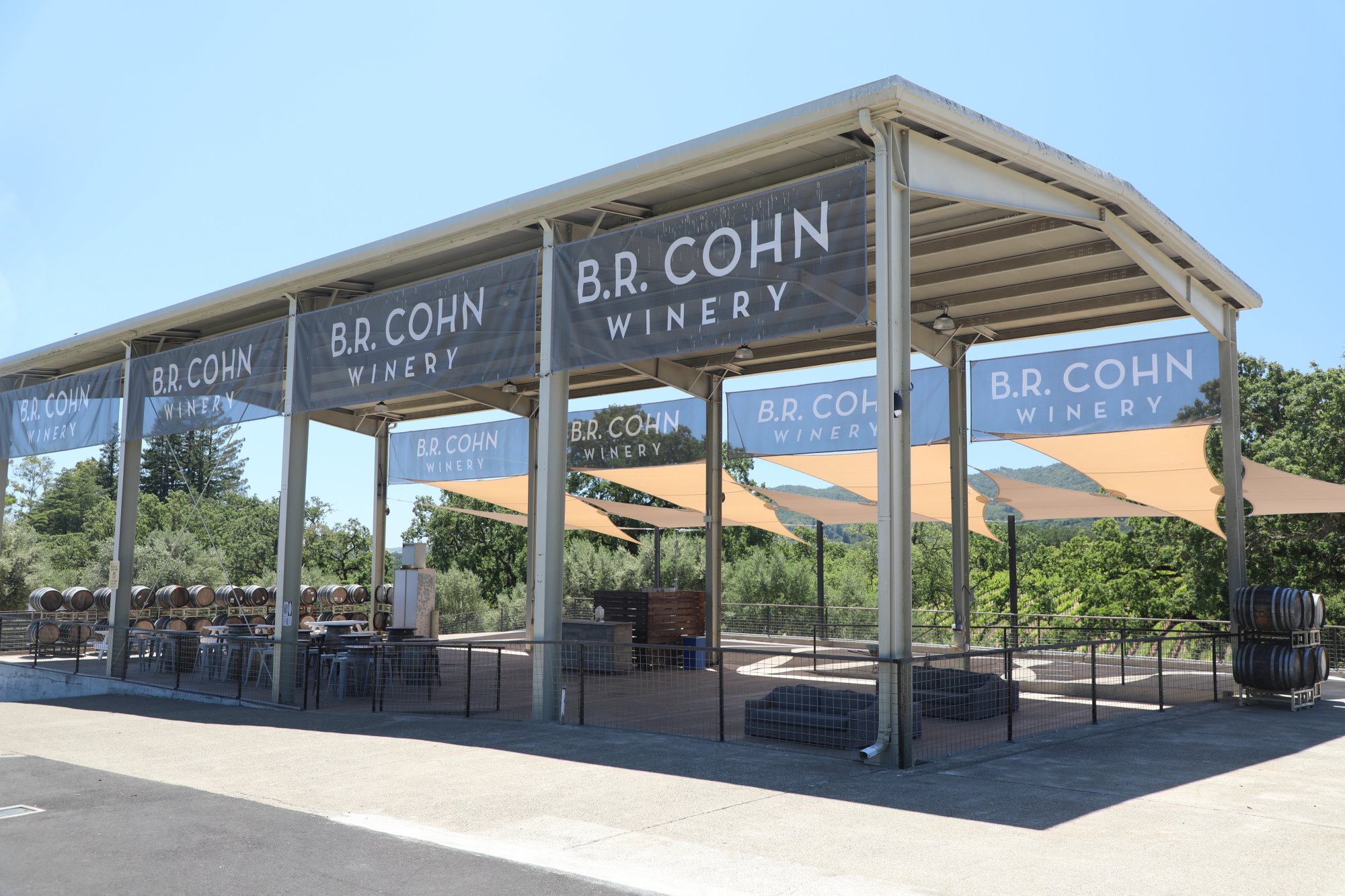
Music has remained an important part of the winery’s identity. The property has hosted concerts and music events for years, including the Sonoma Harvest Music Festival. The tasting room ‘on the hill’ includes memorabilia related to Bruce Cohn’s decades managing The Doobie Brothers and other musicians. And be sure to duck into The Studio located near the primary tasting room. This space offers a place for more intimate sit down tastings.
In 2015, B.R. Cohn Winery was acquired by Vintage Wine Estates. Following Vintage Wine Estates’ 2024 bankruptcy proceedings, the winery became part of Adair Family Wines along with several other California wine brands. Today, B.R. Cohn continues to operate as both a winery and olive oil producer while remaining closely tied to Sonoma Valley’s wine and music culture.
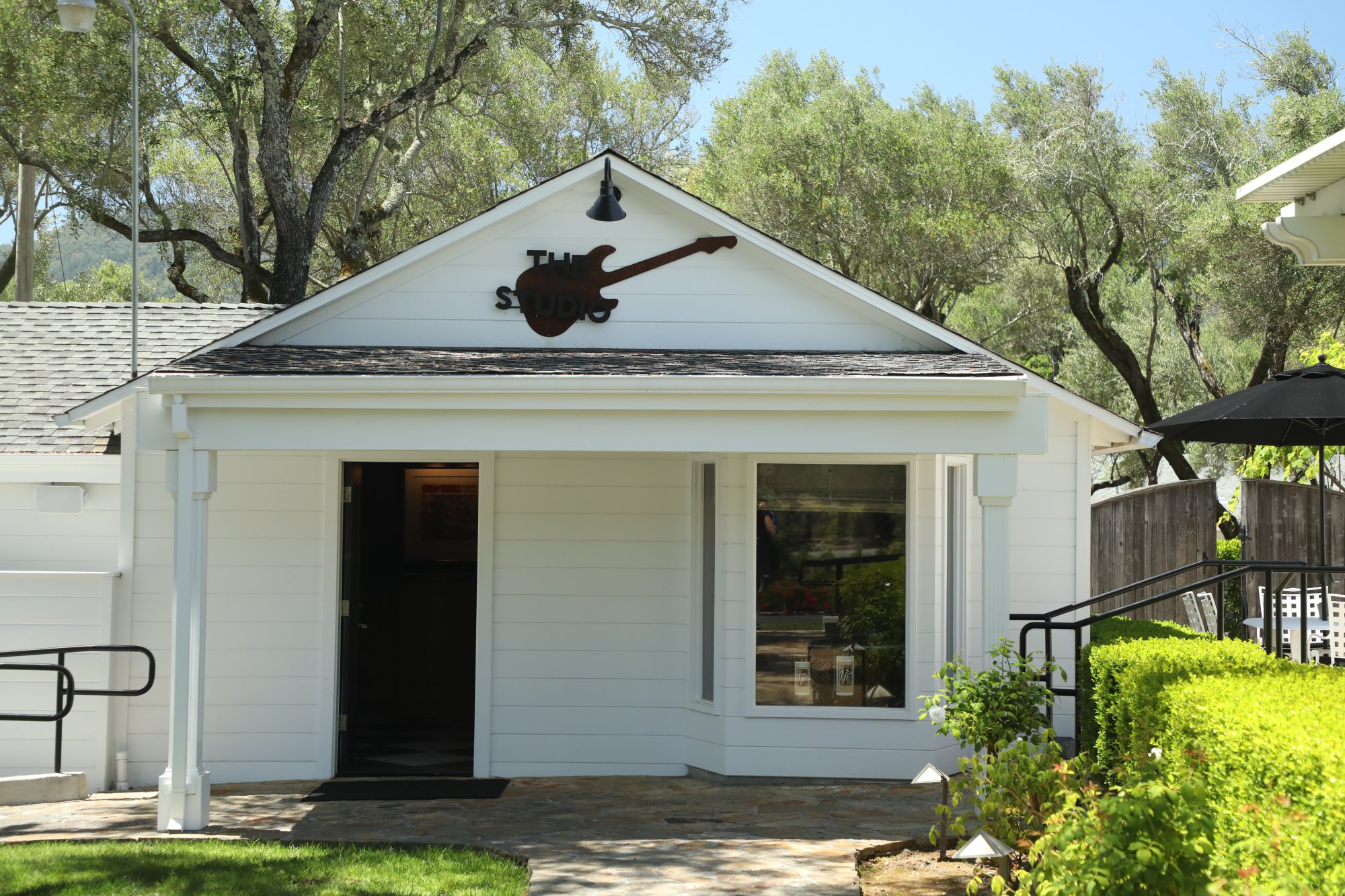
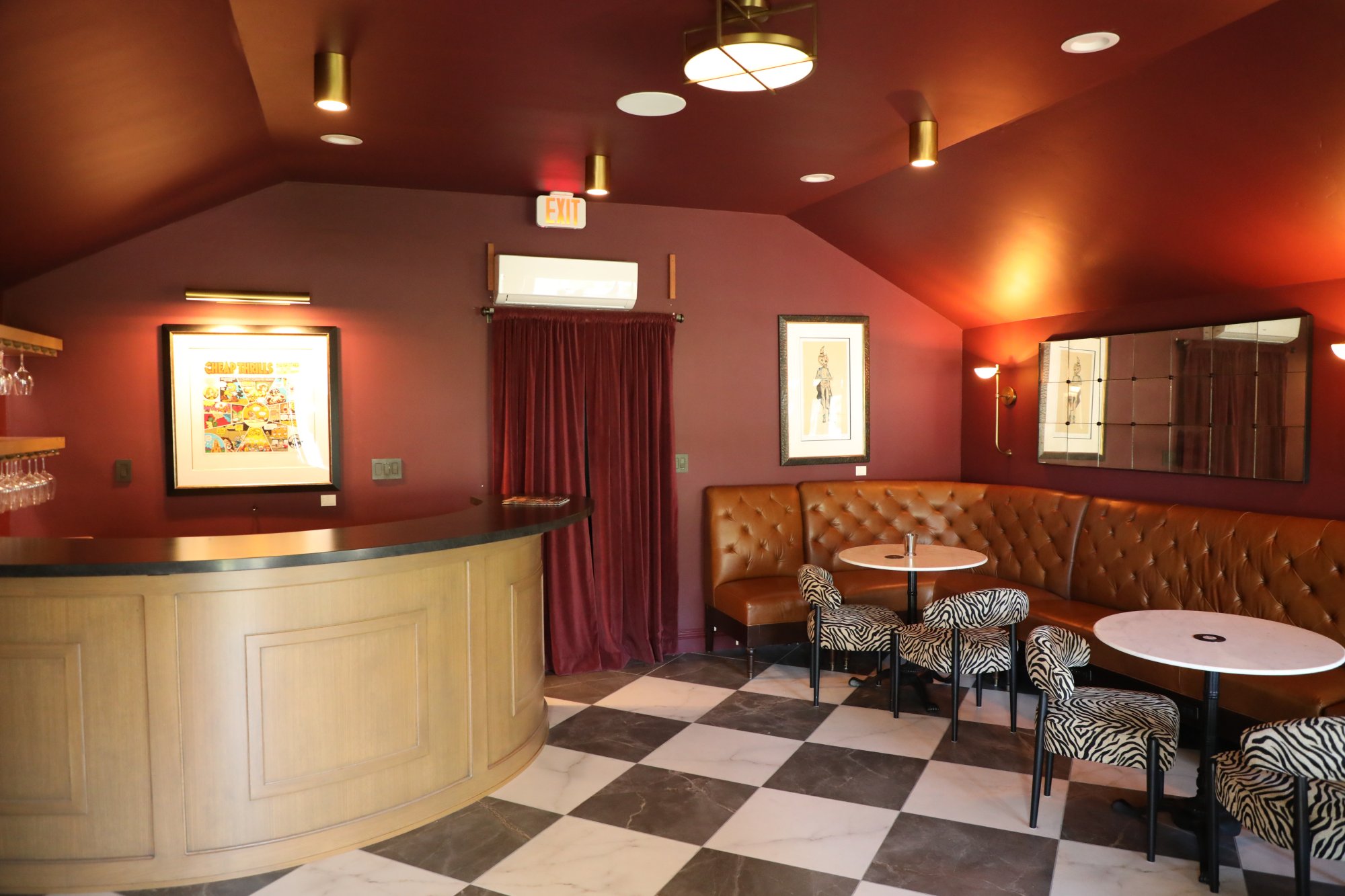
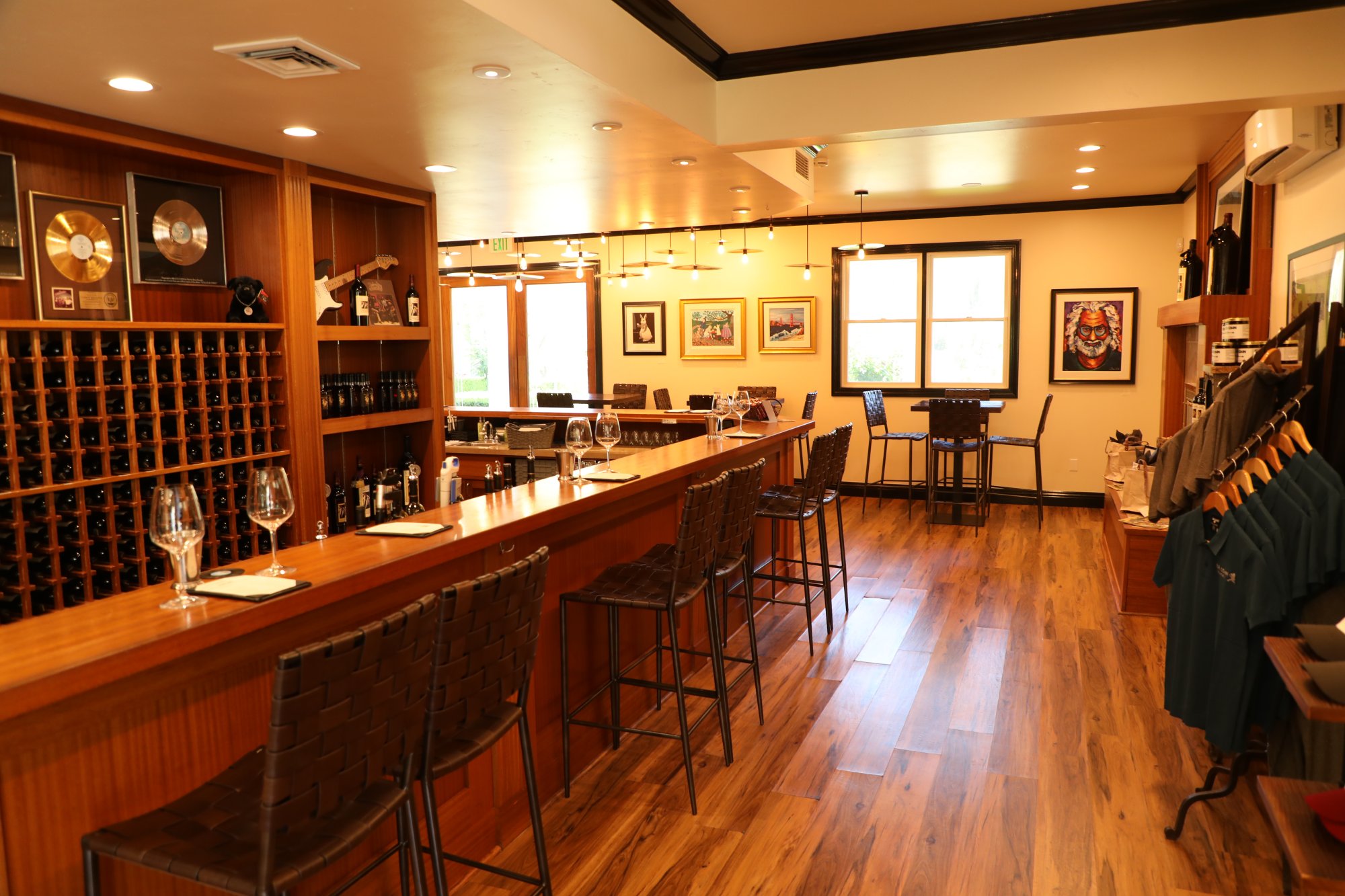
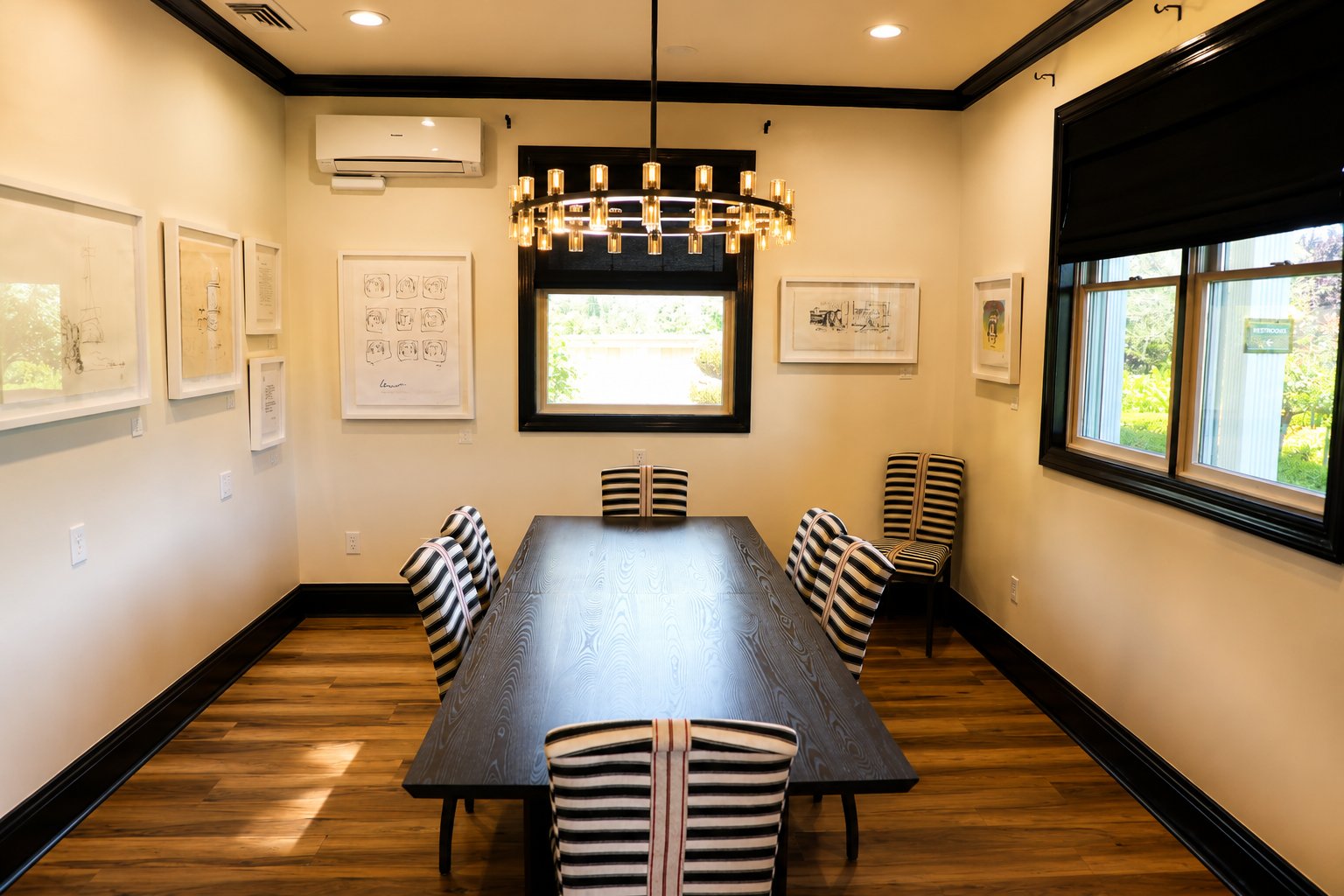
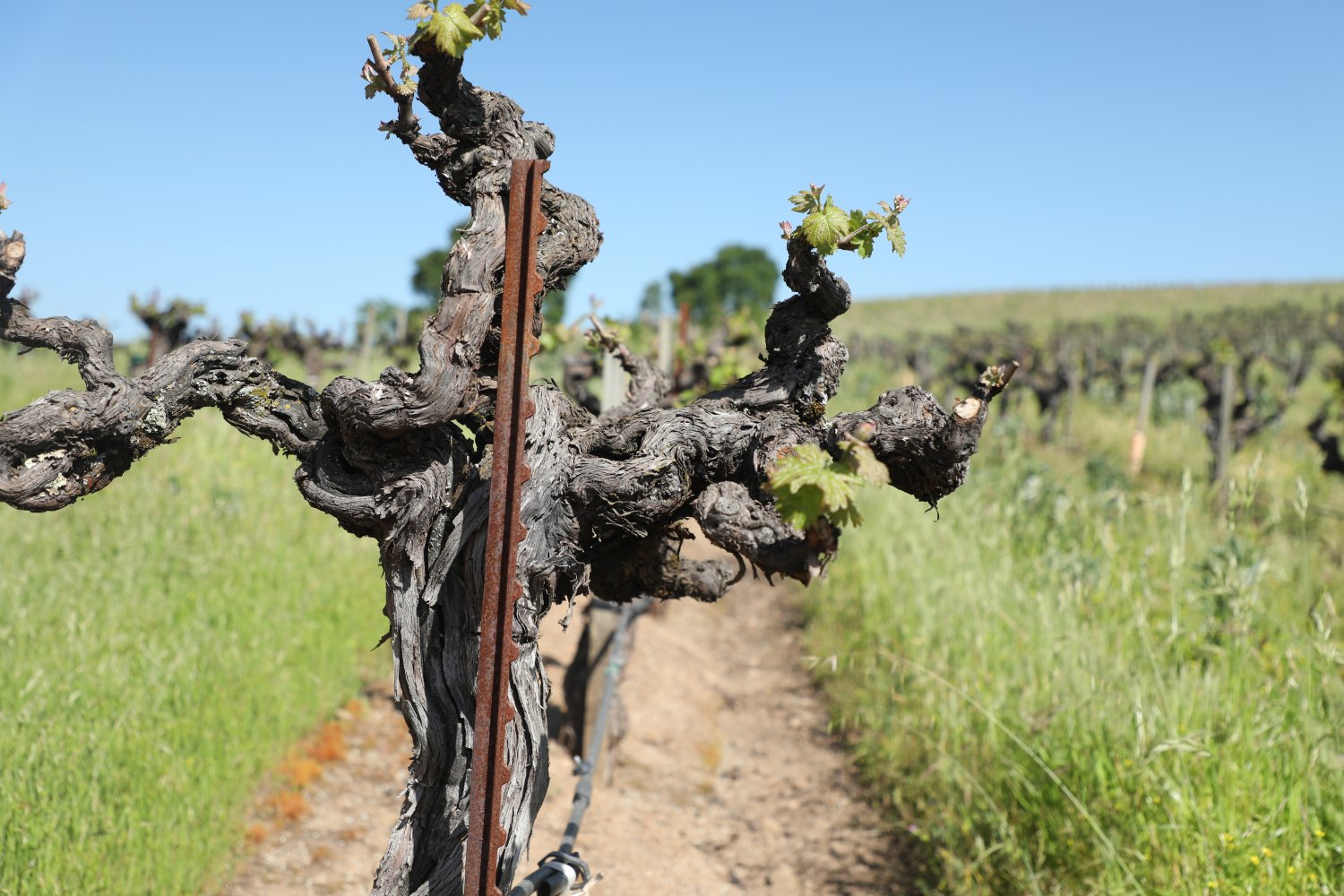
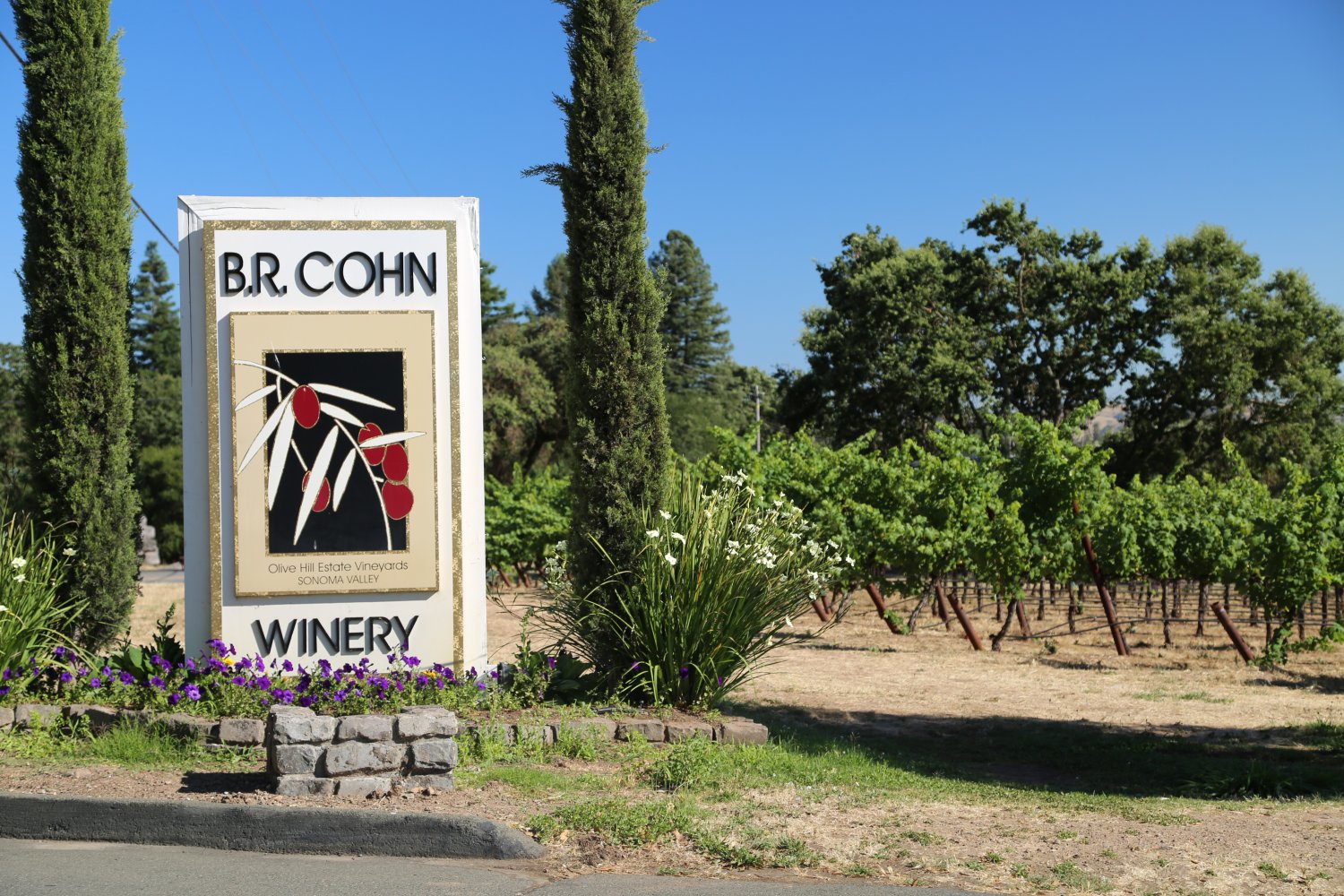
Select Wines
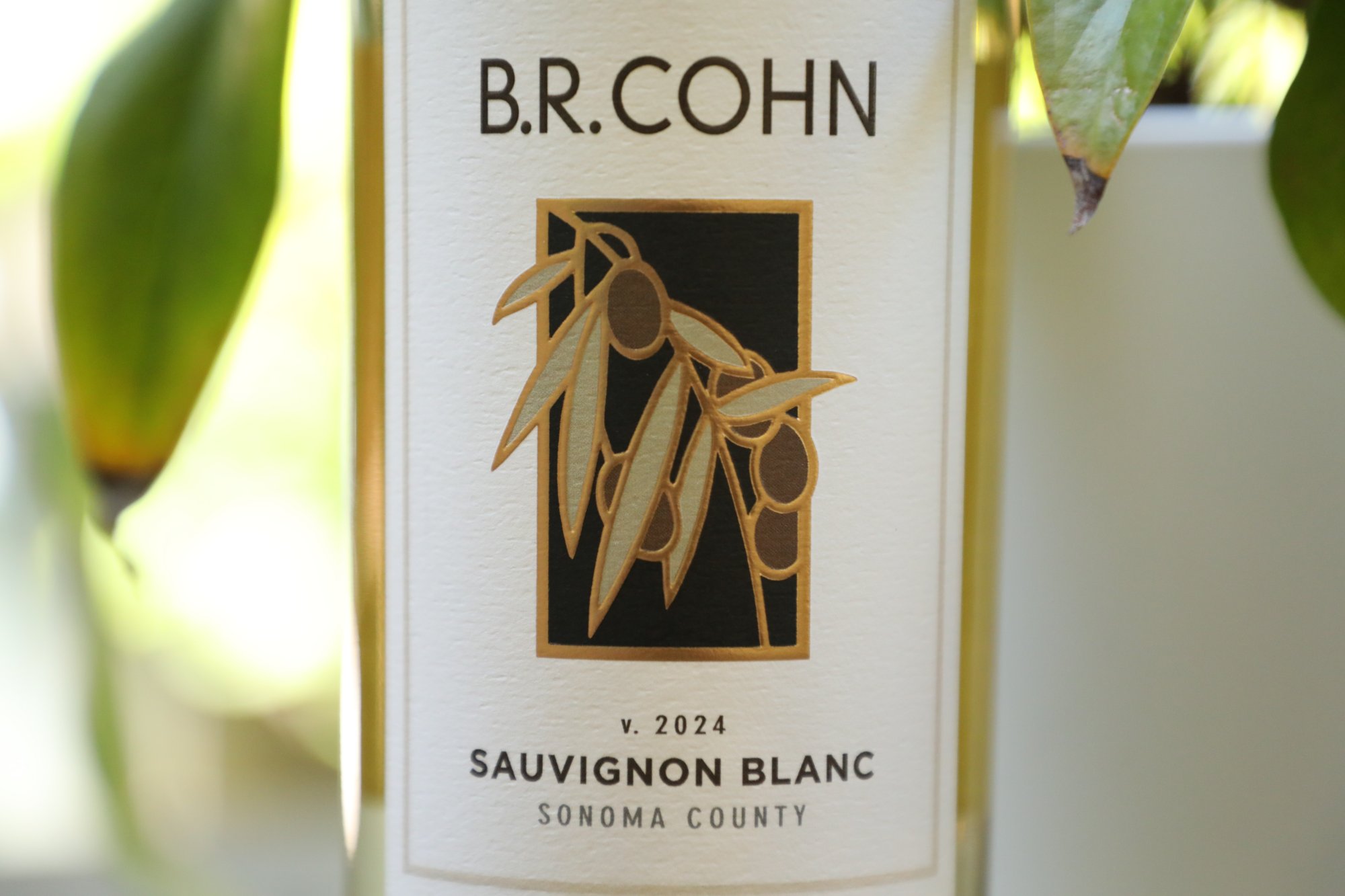
The 2024 B.R. Cohn Sauvignon Blanc, Sonoma County is pale to medium gold in color; lightly tangy in its aromatic approach and ripe, this wine smells like pineapple, pineapple guava, white jasmine, citrus blossom, honeydew melon, apricot, yellow nectarine, papaya, passion fruit, freshly cut grass, lemon zest and lemongrass. Still it has plenty of other fruit characteristics besides citrus and herbal so that that it never shows as a green expression. Plenty of ‘California’ sunshine shows through both on the bouquet and the palate. This wine tastes like pineapple, honeydew melon, golden apples, pomelo, white grapefruit including a character that lightly resembles the pith in grapefruit and passion fruit. Tightly woven together in terms of the play between flavor, texture and acidity, this wine lingers refreshing and bright. And we would feel quite comfortable holding it for a couple of years to see how it evolves. Our pairing of choice would be two-fold, freshly shucked oysters and a view of the rugged Pacific Ocean from west county Sonoma or a Dungeness crab salad.
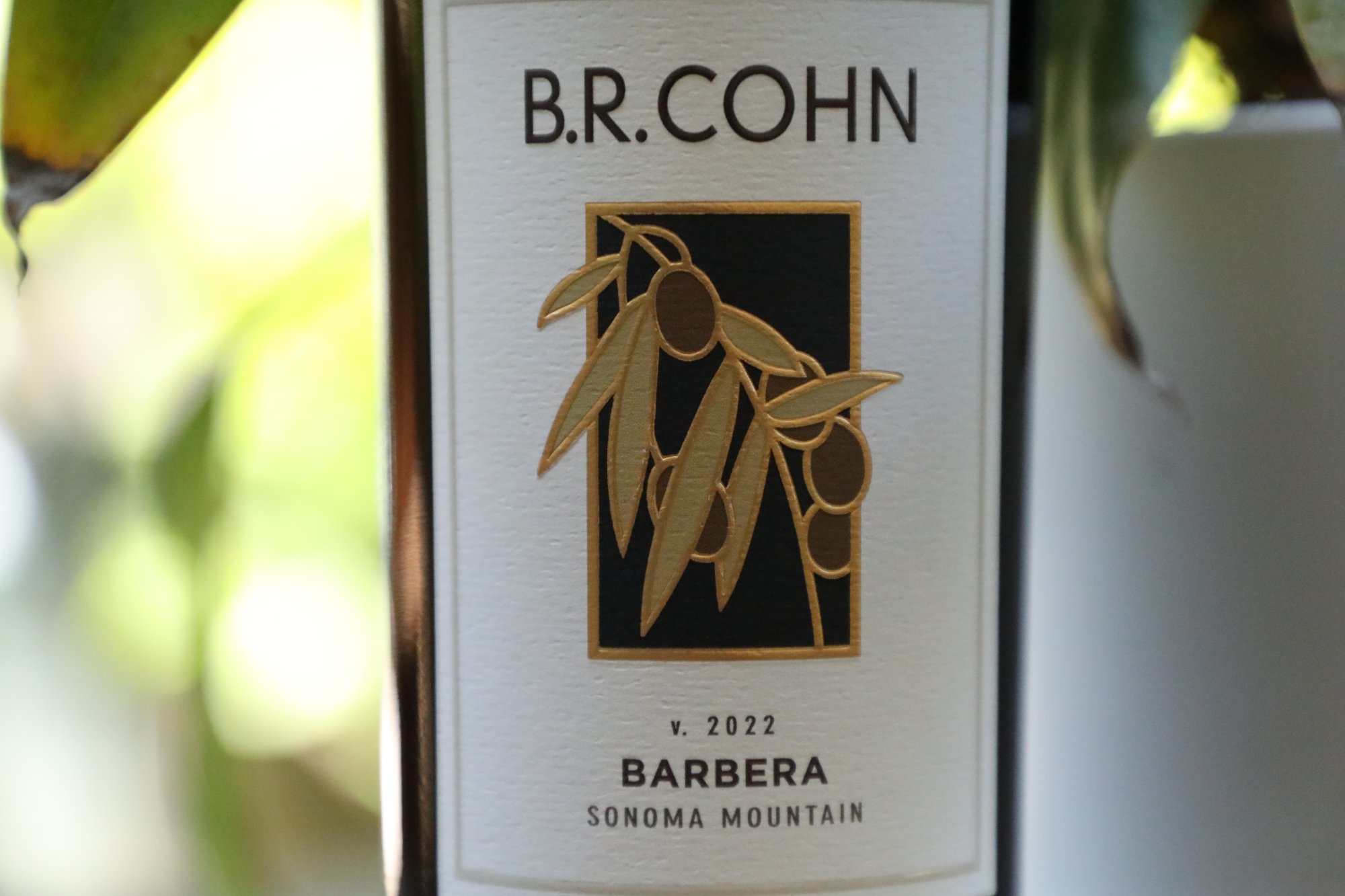
The 2022 B.R. Cohn Barbera, Sonoma Mountain Sonoma County was aged for 18 months in tight grain French oak barrels. This wine is medium to deep ruby with purplish hues in the glass; the bouquet smells lifted and bright, not weighted down by the exceptional warmth of the vintage. And that is partly due to this variety’s ability to retain its inherent natural acidity regardless of external conditions. It smells like red berries including raspberries and currants along with plum and cherries. Additional non fruited layers are of violets, purple lavender, dried herbs, anise, dark pepper and a kiss of cocoa powder. At four years post vintage this wine is showing in a particularly sweet spot. Across the palate are primarily red fruited flavors including currant, cherry, raspberry, Persian mulberry, underripe boysenberry and cranberry. This is very much a fresh showing, expressing juiciness and a crunchy acidity – not adjectives we often use to describe Napa or Sonoma wines from 2022. In warm years, this variety shows particularly well. Lingers red fruited, tart and a little savory with a finishing note of dried herbs. The tannins are gravelly textured with a light dusty nuance that persists beyond the fruit. Pair with a pizza please, perhaps the Moto Guzzi at Rosso Pizzeria & Wine Bar in Santa Rosa. Or age it for 5-10 years.
Kunde Winery
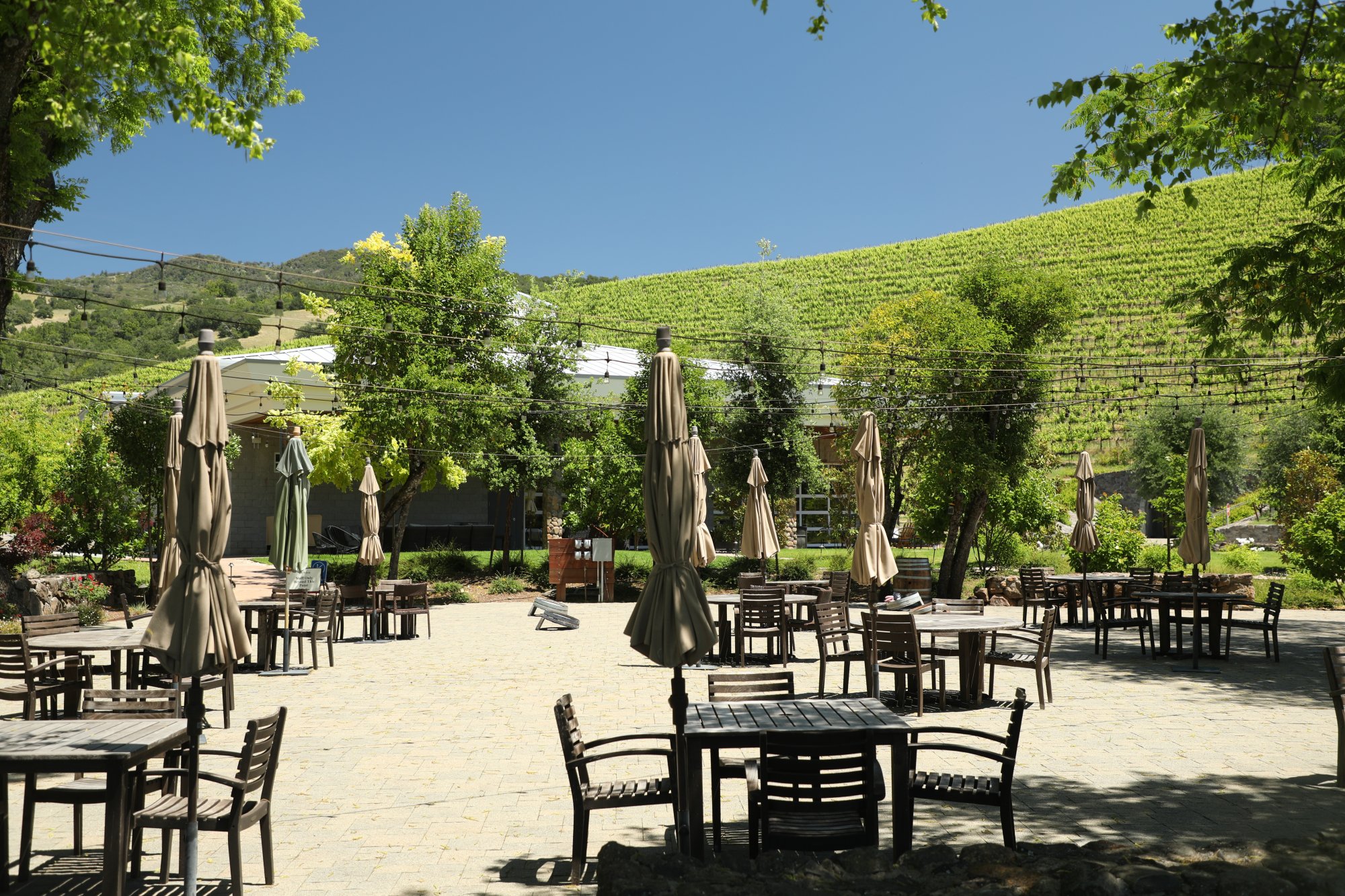
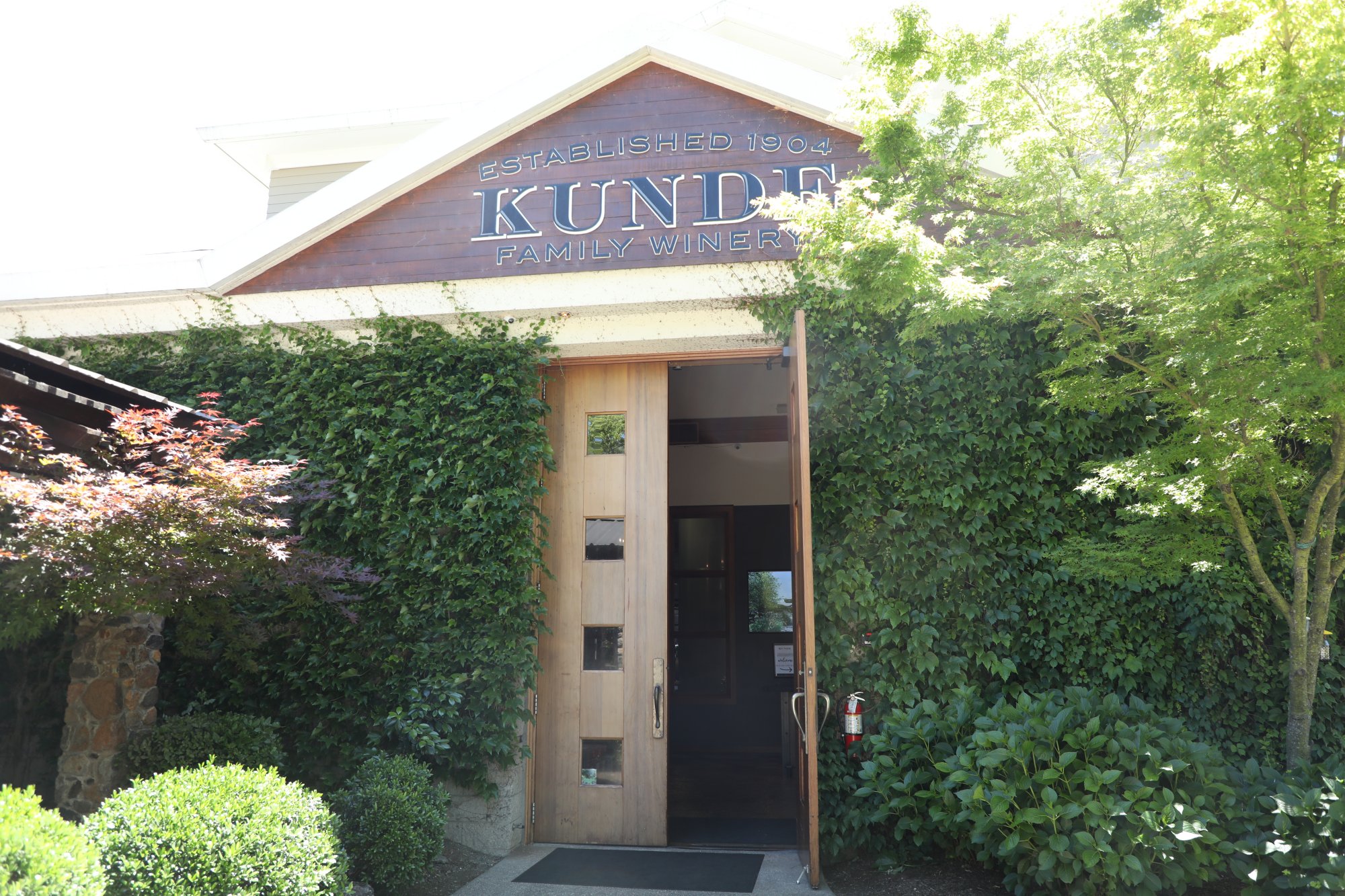
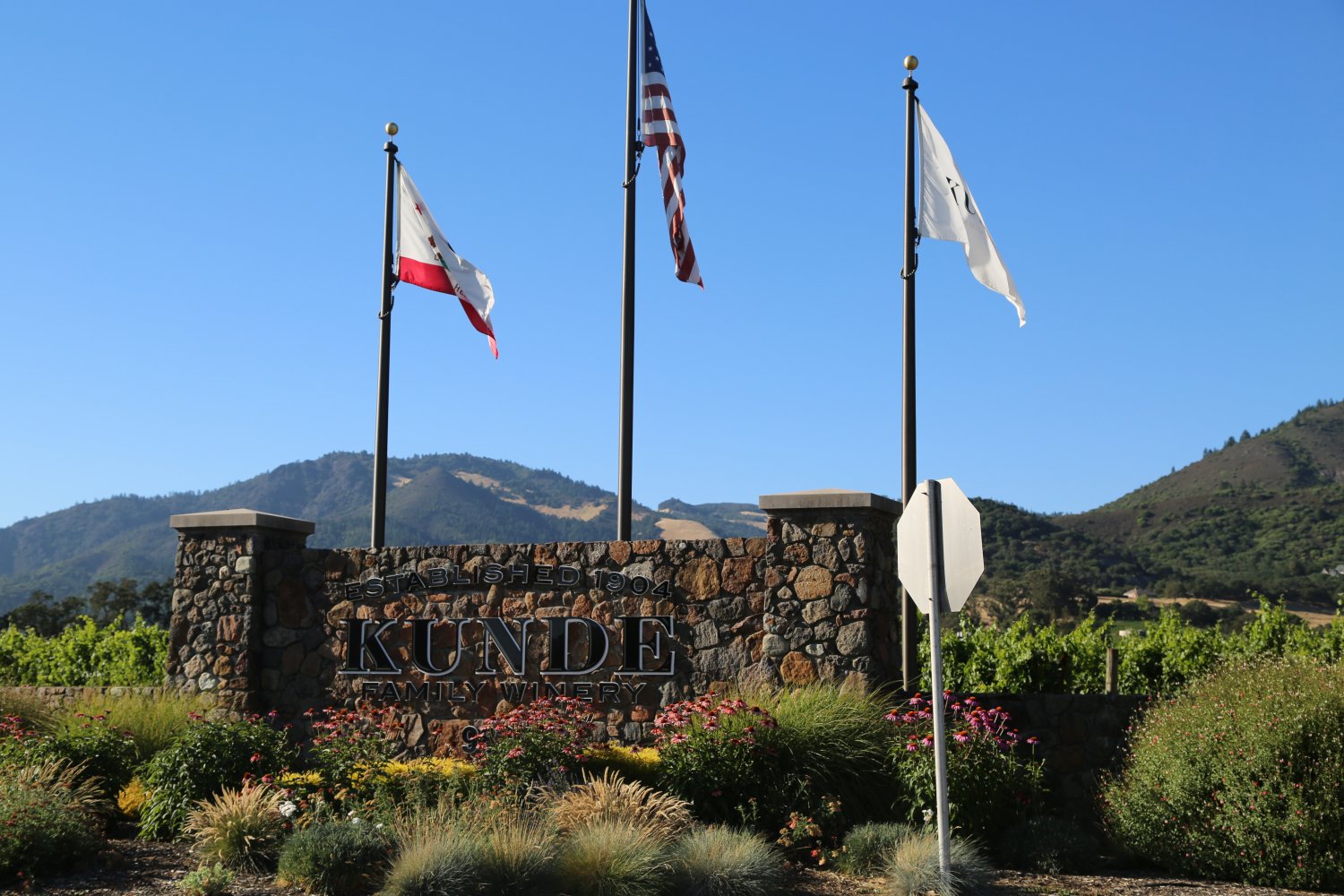
Kunde Family Winery (pronounced cun-dee) is located in the Sonoma Valley appellation near the town of Kenwood in Sonoma County, California. The winery traces its roots to 1904, when Louis Kunde emigrated from Germany and purchased the Wildwood Ranch property. Some of the vineyard land on the estate dates even earlier; portions were originally planted in 1879 by Captain John Drummond using cuttings reportedly sourced from Bordeaux’s Château Margaux and Château Lafite Rothschild.
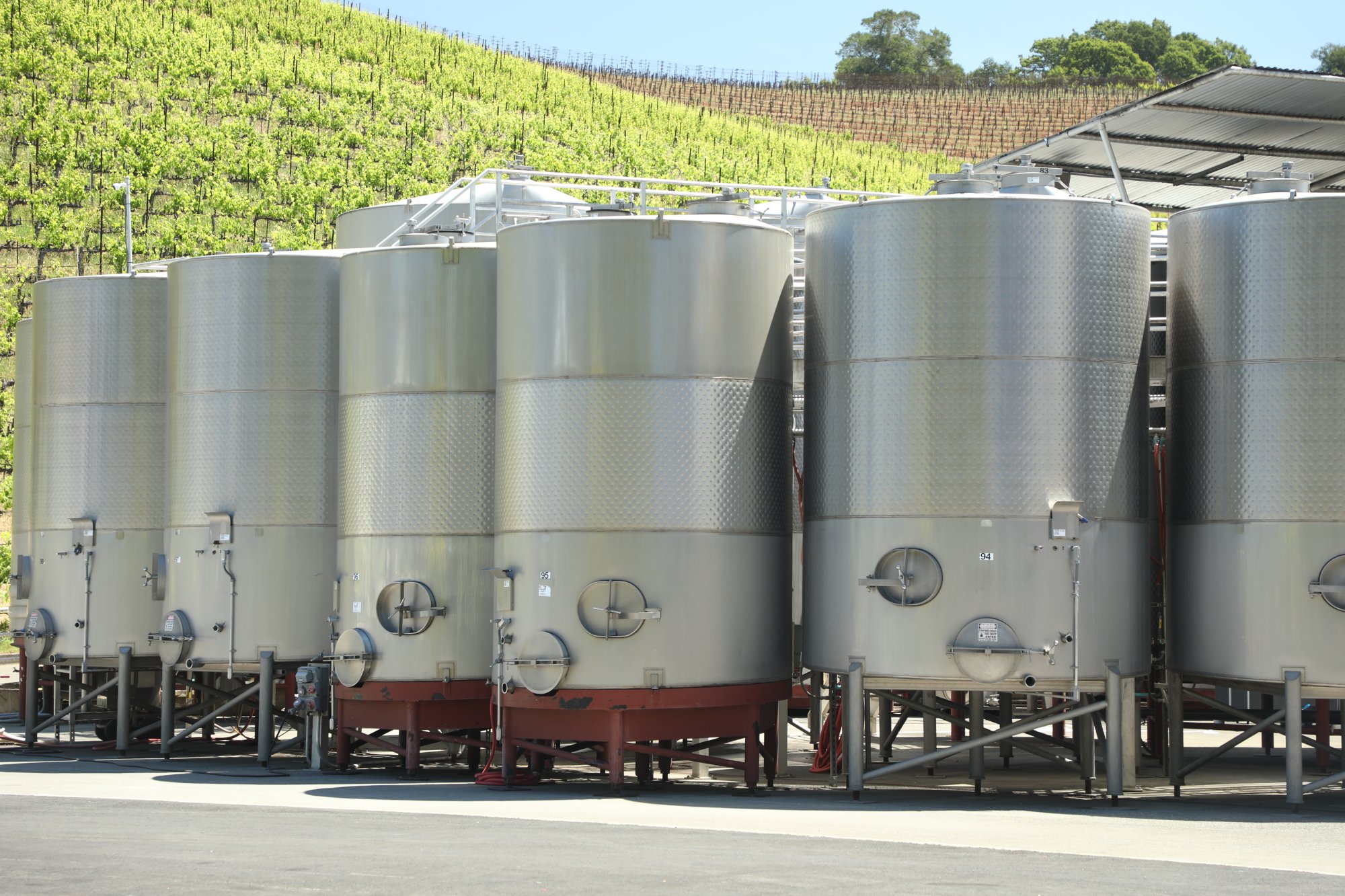
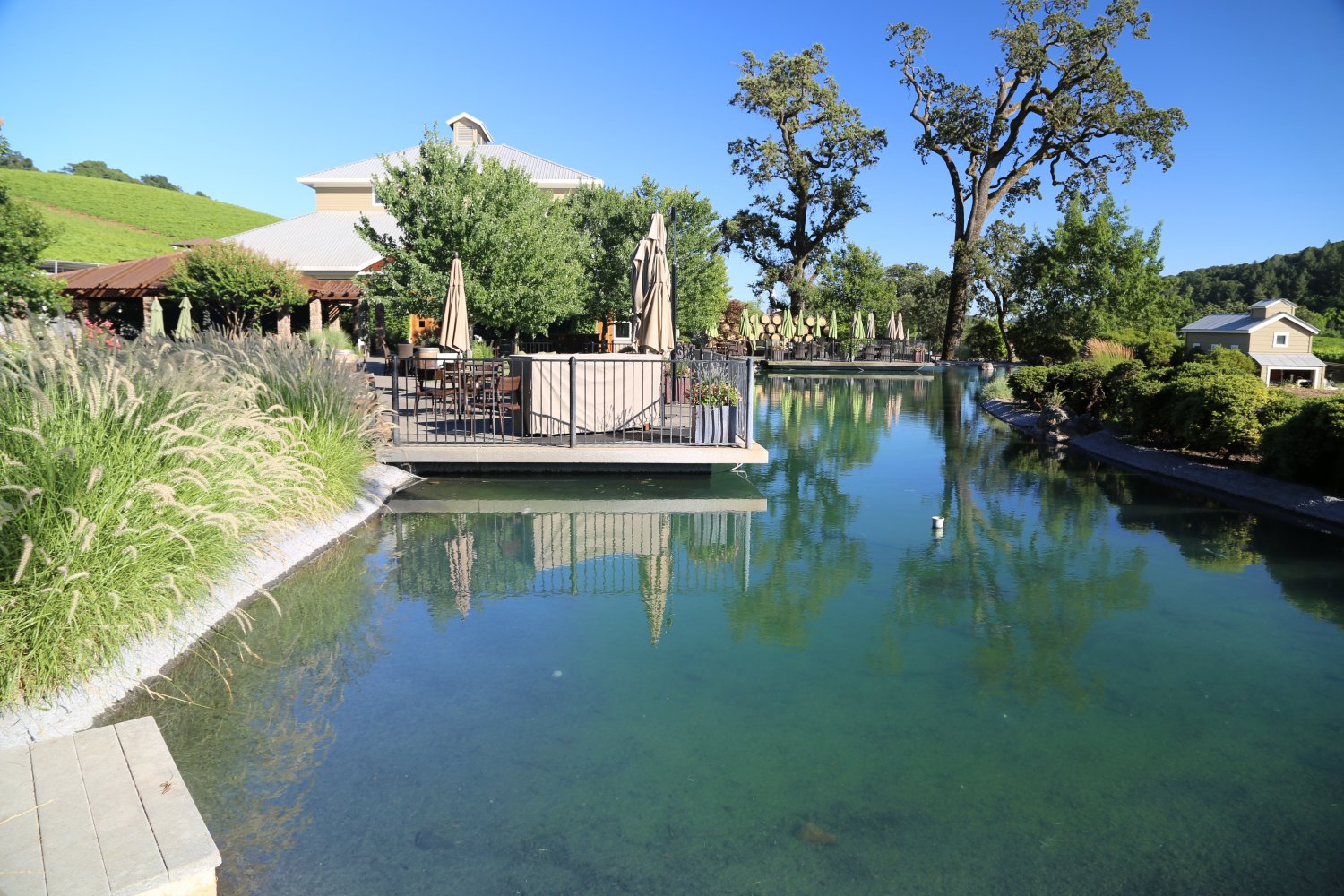
Today, Kunde Family Winery (the physical winery, the brand and some surrounding land including a vineyard block planted to Syrah) is owned by the Adair family, however members of the Kunde family continue to own, farm and manage their own vineyards. The property encompasses approximately 1,850 acres in Sonoma Valley, making it one of the larger contiguous vineyard estates in the region. The vineyards extend from the valley floor into the Mayacamas Mountains, providing a range of elevations, exposures and microclimates suitable for growing numerous grape varieties.
The winery produces a broad portfolio of estate-grown wines, including Cabernet Sauvignon, Chardonnay, Sauvignon Blanc, Merlot, Zinfandel and Syrah. Kunde is particularly known for emphasizing estate viticulture and sustainable farming practices. Over the years, the family has implemented water conservation measures, solar energy systems and other environmentally focused vineyard practices. According to the winery, Kunde has significantly reduced water and energy consumption through drip irrigation systems and energy-efficient technology.
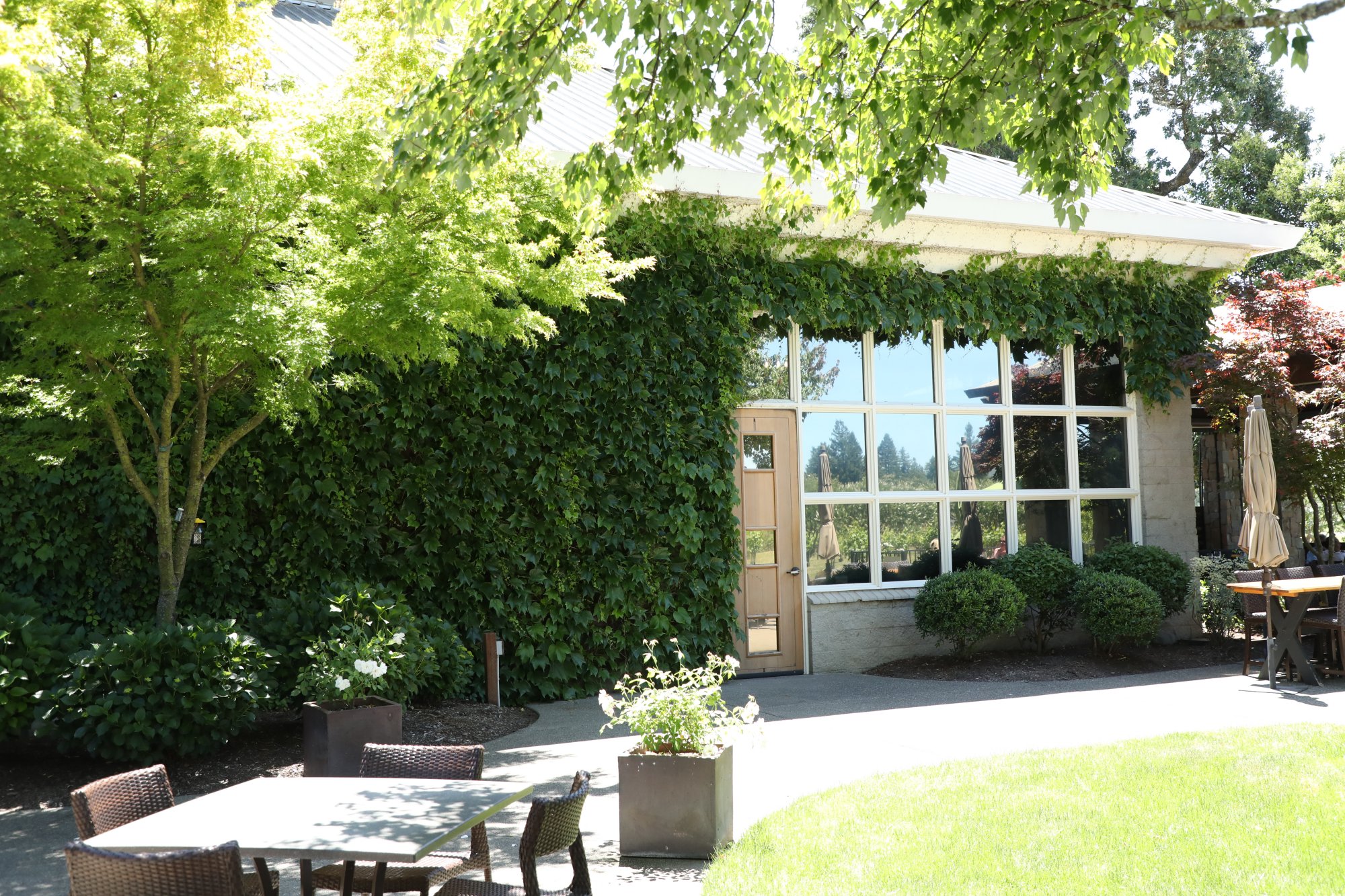
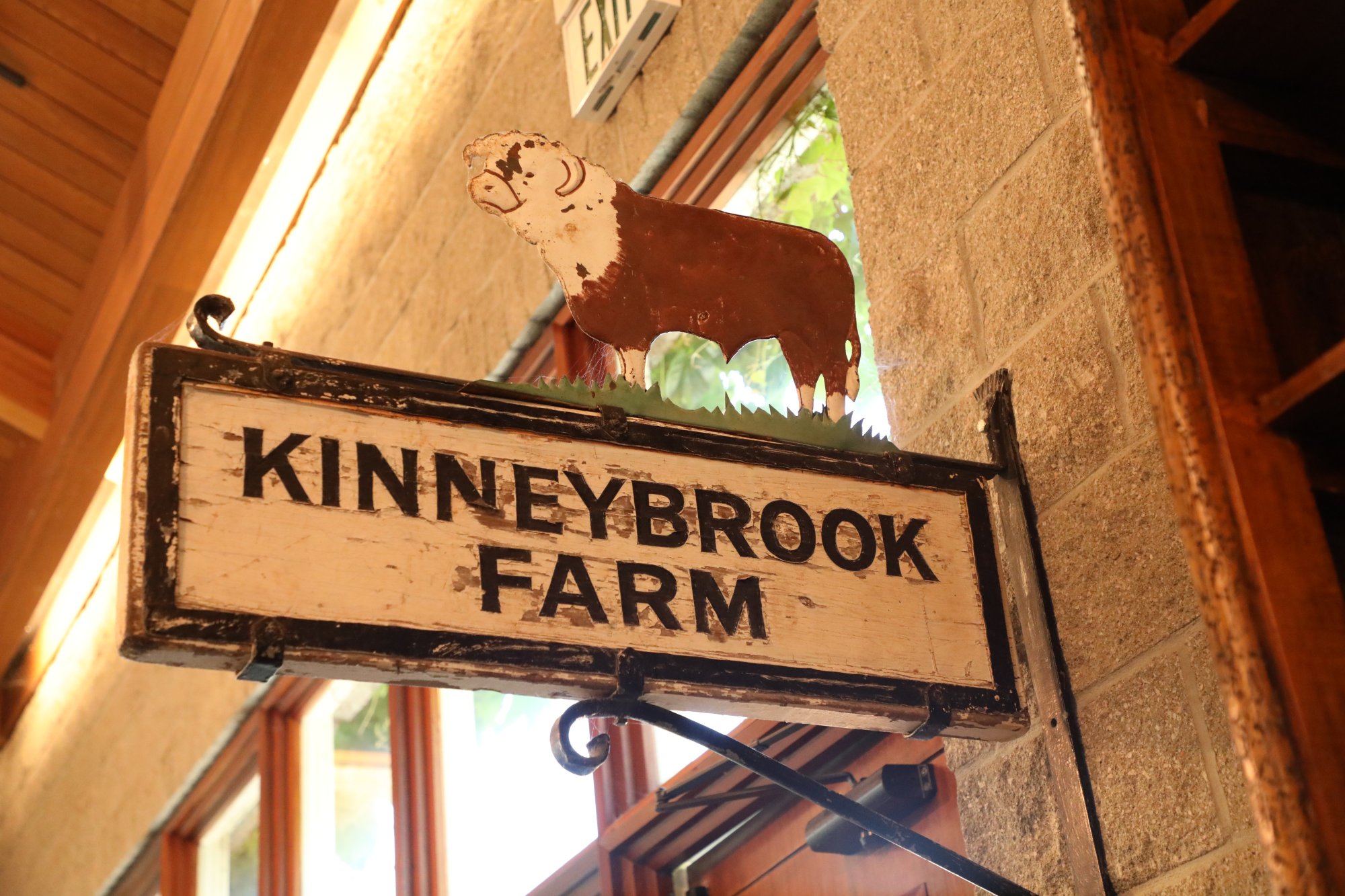
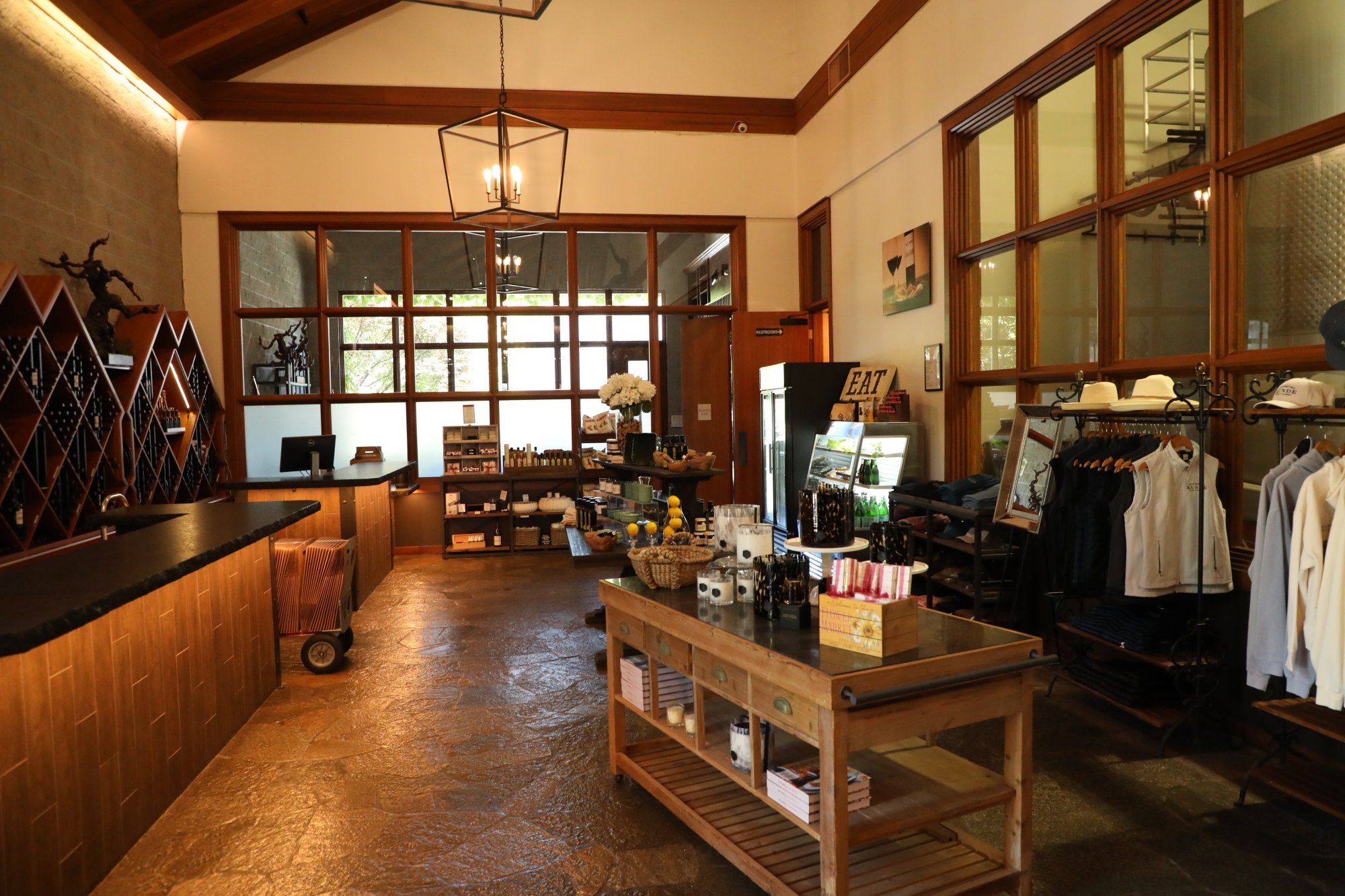
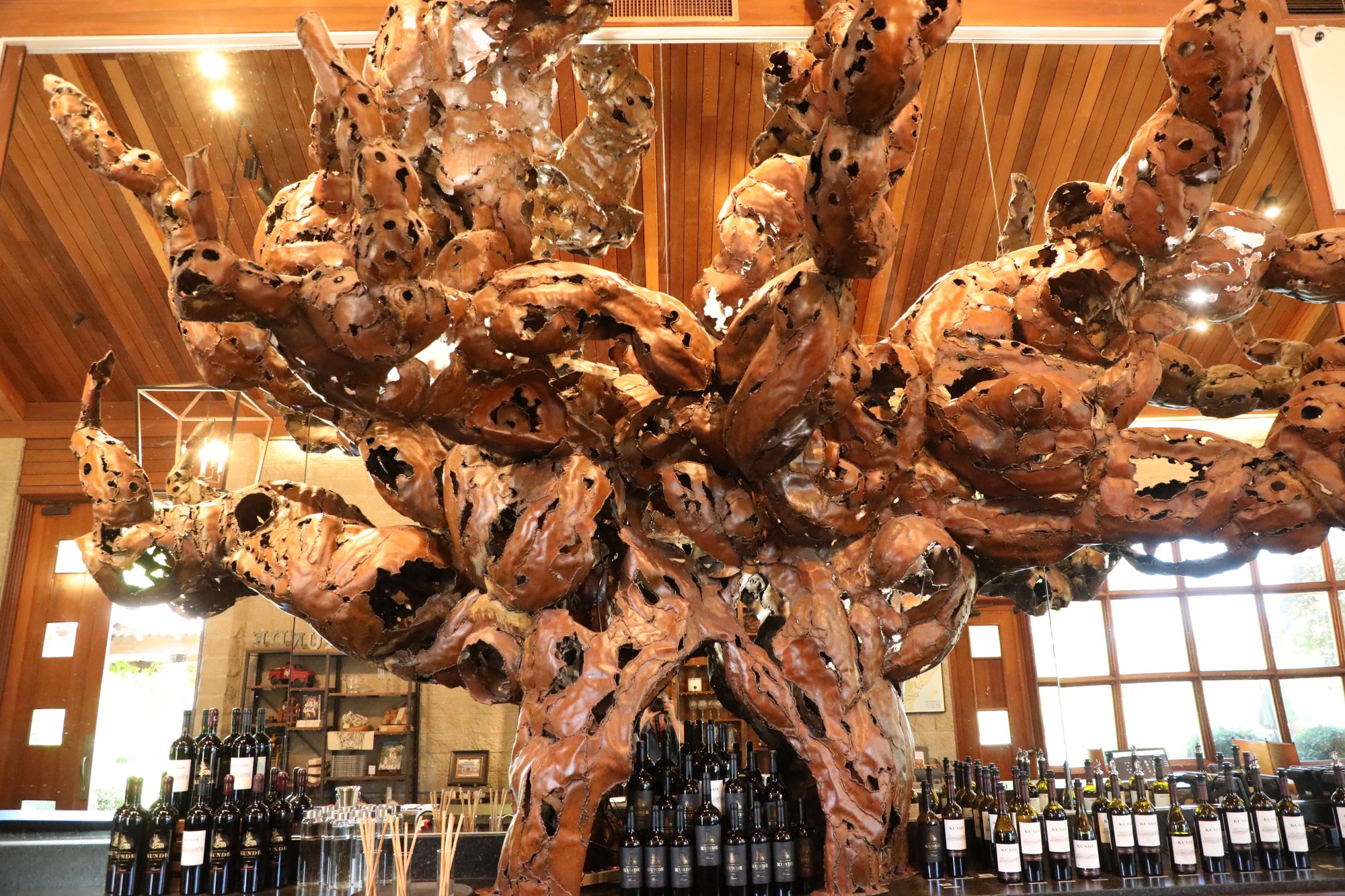
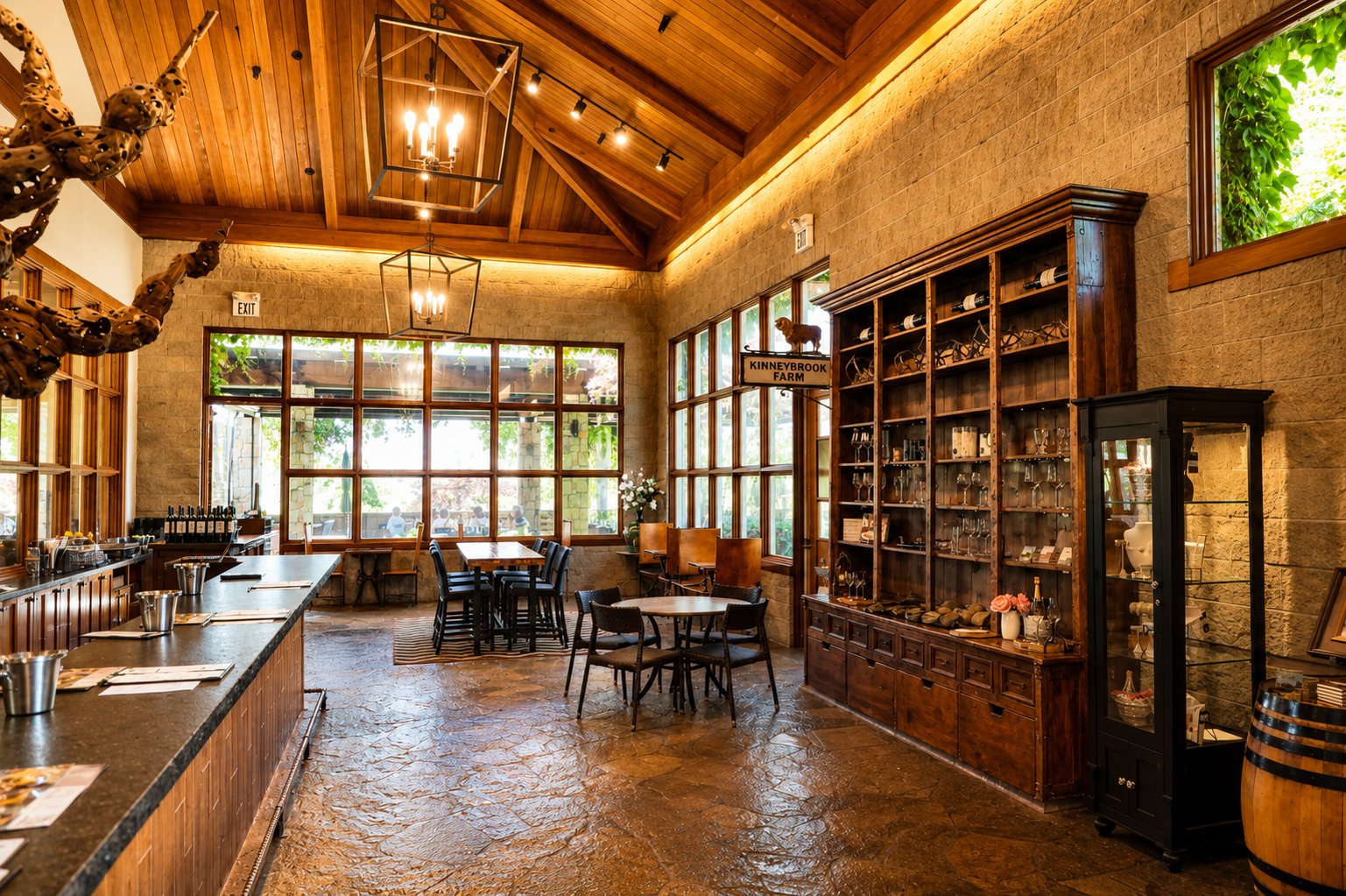
The current tasting room and winery facility were constructed in 1990 and designed as a replica of the historic Kinneybrook Ranch cattle barn that once stood on the property for more than a century. In fact there is even a Kinneybrook Ranch sign hanging inside. The estate has become a well-known destination along Sonoma Highway, offering vineyard tours, mountain-top tastings and hiking experiences that showcase the diverse terrain of the property.
Throughout its history, Kunde Family Winery has maintained strong ties to Sonoma Valley agriculture and winegrowing. The family has been recognized by Sonoma County Winegrowers as part of the organization’s “Century Club,” honoring multigenerational farming families with more than 100 years of continuous agricultural stewardship in Sonoma County.
The winery has hosted events, tastings and vineyard experiences for decades and has frequently been highlighted as one of Sonoma Valley’s historic wine estates.

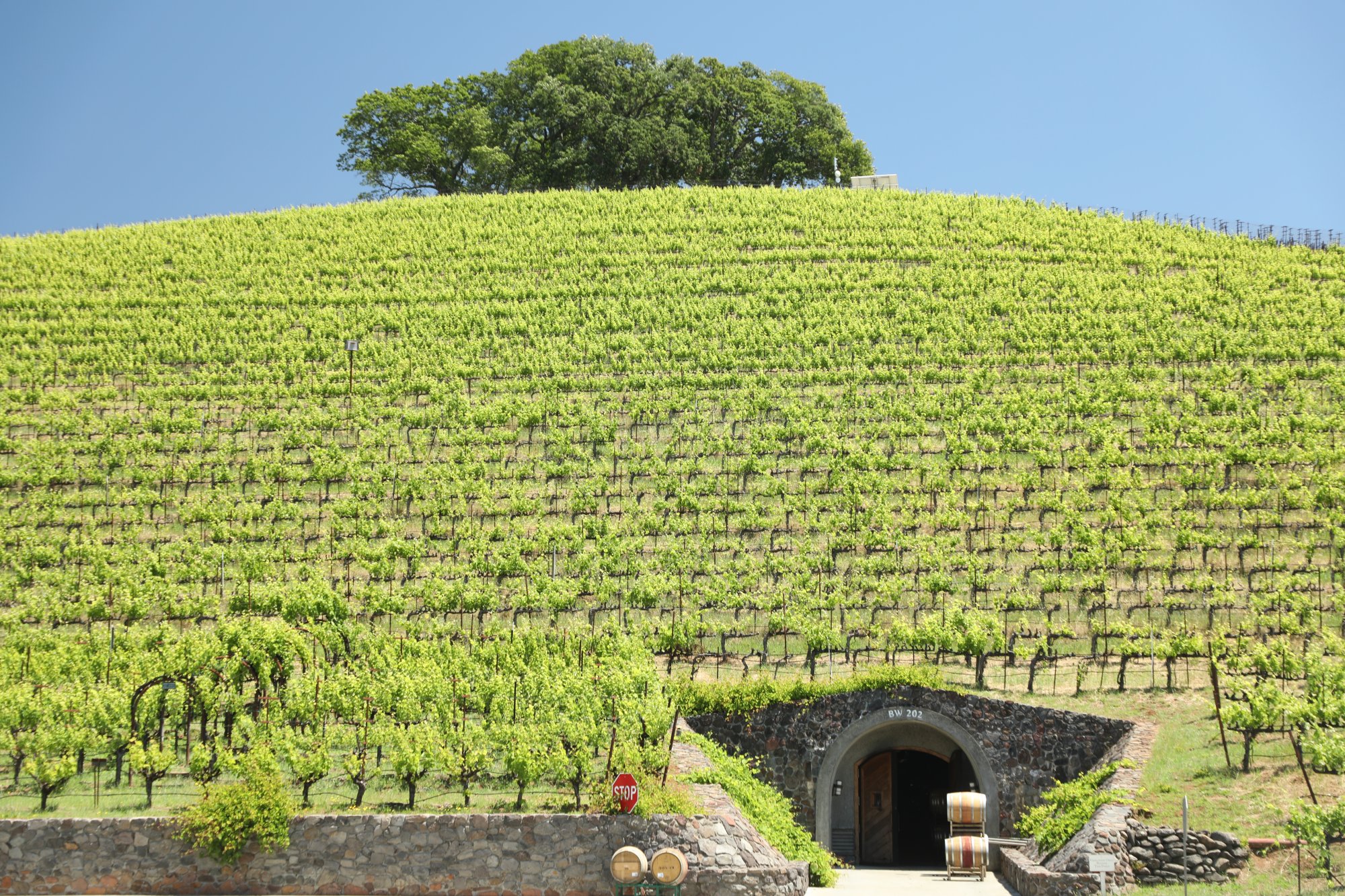
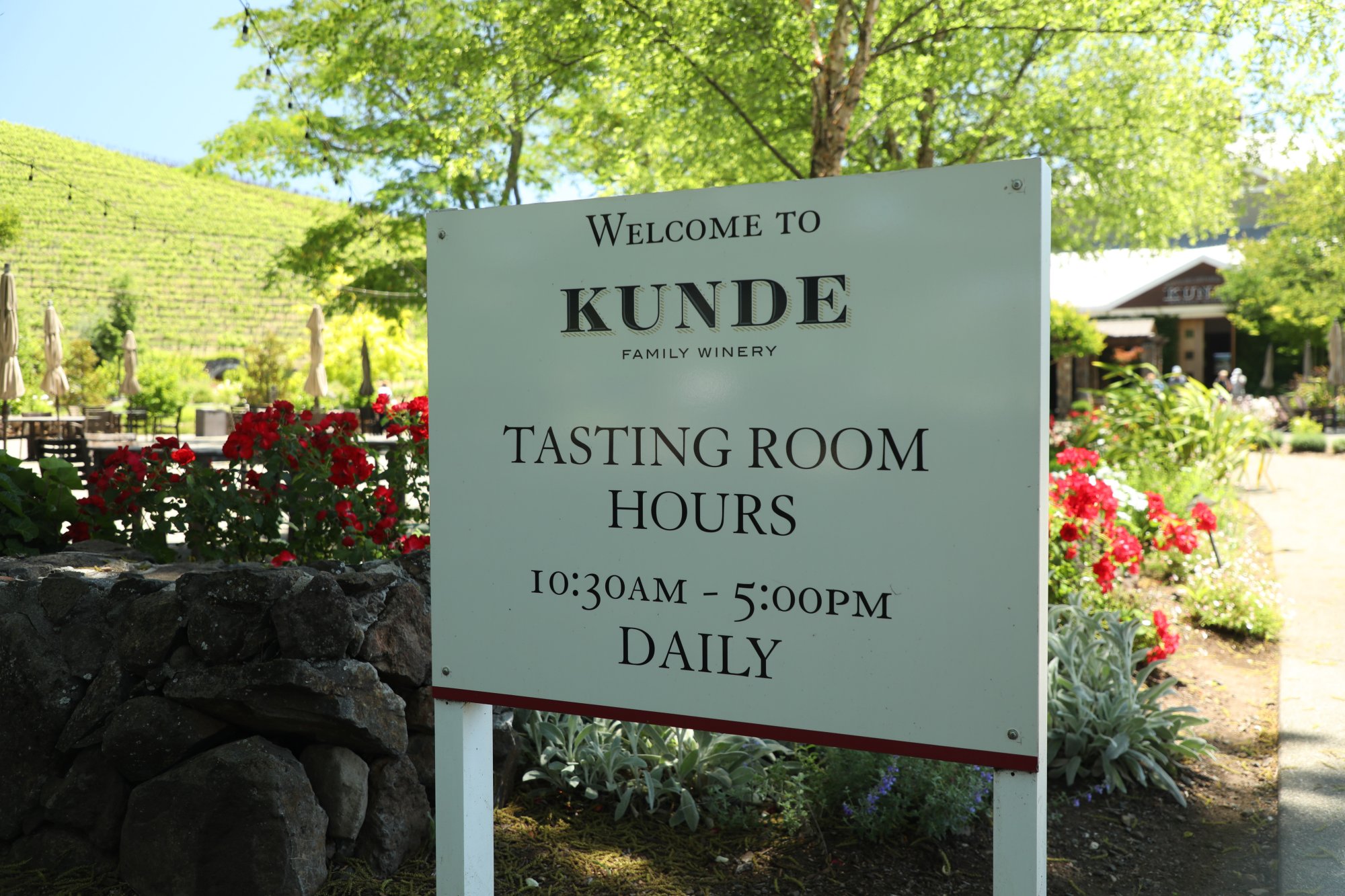
Select Wines
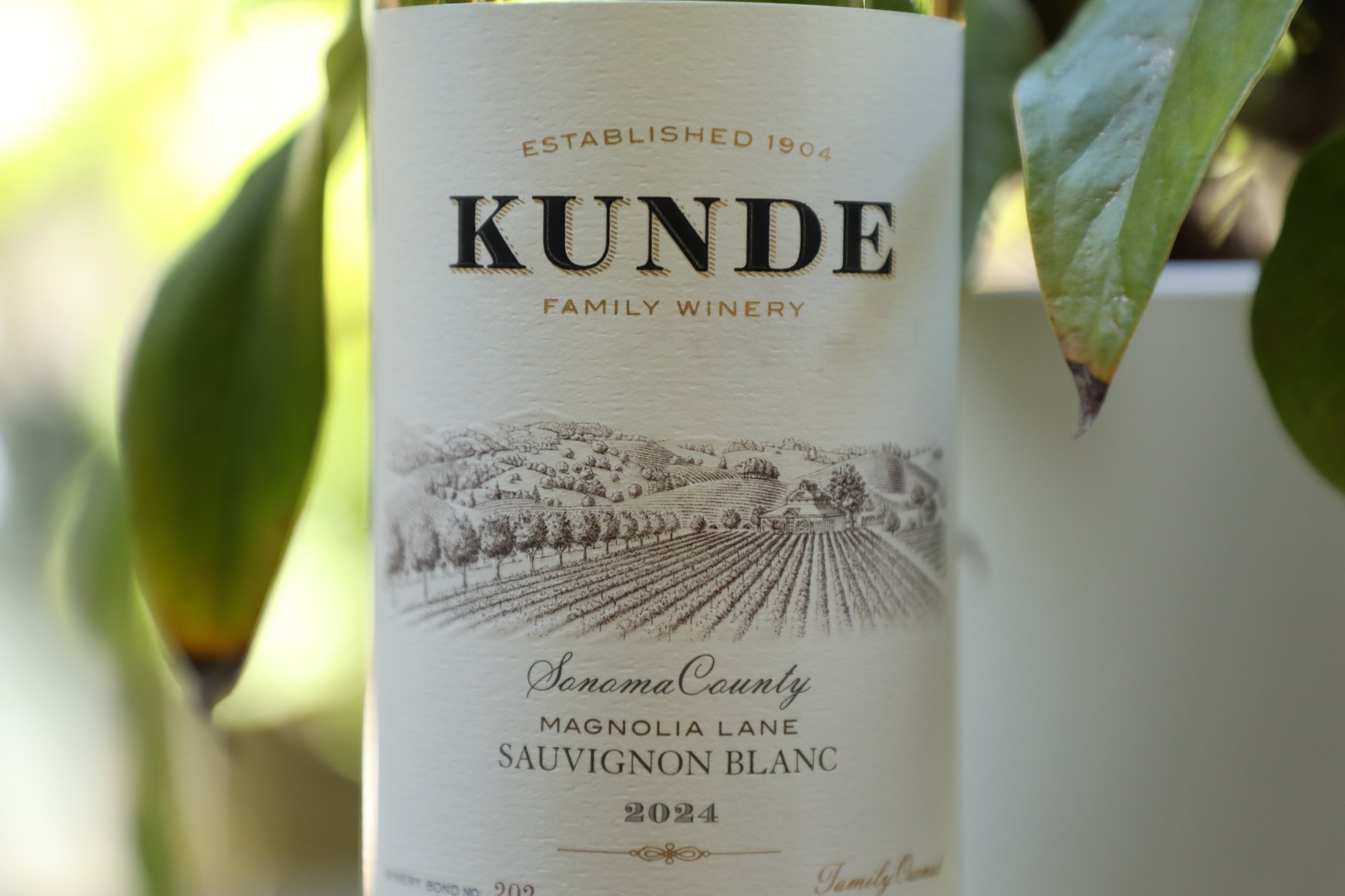
The 2024 Kunde Family Winery Sauvignon Blanc, Magnolia Lane Sonoma County is medium gold in color; bouncing off the walls of the glass, the aromatics are filled with energy and the beauty of youth. These tangy scents tickle the olfactory nerves with notes of underripe pineapple, honeydew melon, Meyer lemon, star fruit, pineapple guava (a smell we are intimately familiar with from harvesting these fruits in late fall from a variety of public places in Santa Rosa, CA), grapefruit, lemongrass, chamomile and thyme. Aqueous, but thoroughly flavorful with persistence, this wine tastes like pineapple, guava, golden plums, grapefruit, kiwi berry, loquat, honeydew melon and a finishing note of dried herbs including thyme. The rounded, creamy and loose texture is supported nicely by a vibrant acidity. Lingers mouth watering. Pair this easy to drink Sunday summer sipper with your favorite seafood dishes, for us, the spicier the better.
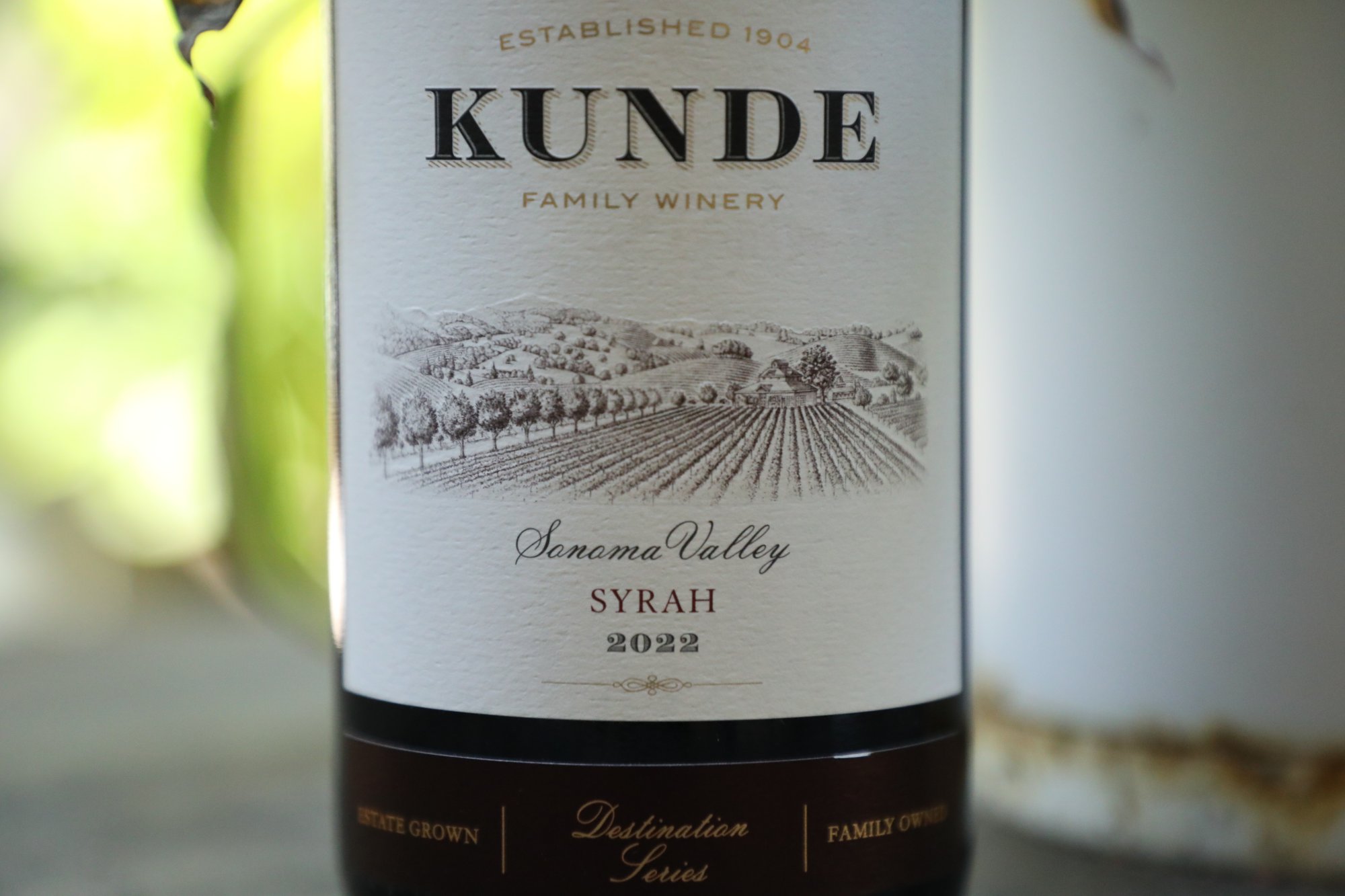
The 2022 Kunde Family Winery Syrah, Sonoma Valley is 100% varietal with grapes coming from the hill directly behind the winery and a vineyard about a mile to the north on the valley floor. The wine was aged for 19 months in oak barrels of which 35% were new barrels. This wine is deep ruby with amaranthine hues and nearly opaque; the bouquet smells ripe with aromas of blackberries harvested at the peak of perfection, boysenberry, dark raspberries, Santa Rosa plums, red licorice, dark chocolate, cocoa powder, cinnamon stick, a light note of pepper, and a subtle layer of old cedar. This wine is a union of bright fruit but also darker non fruited components. It tastes like red cherry, red plums, currants, cranberries, Persian mulberry, boysenberry and blackberry. Finishes with a savory edge, its darker spiced characteristics balanced by the energetic acidity. These notes include dark pepper, smoked cedar and dried herbs including sage. Juicy. Mouth watering. And in terms of texture, the tannins are very much present, persisting with a chewy and moderate to strong tug. Their drying character outlasts the fruit by far on the finish at this age, 4 years post vintage. Looking for wine to pair with meat on a BBQ? This is your bottling.
Viansa Sonoma
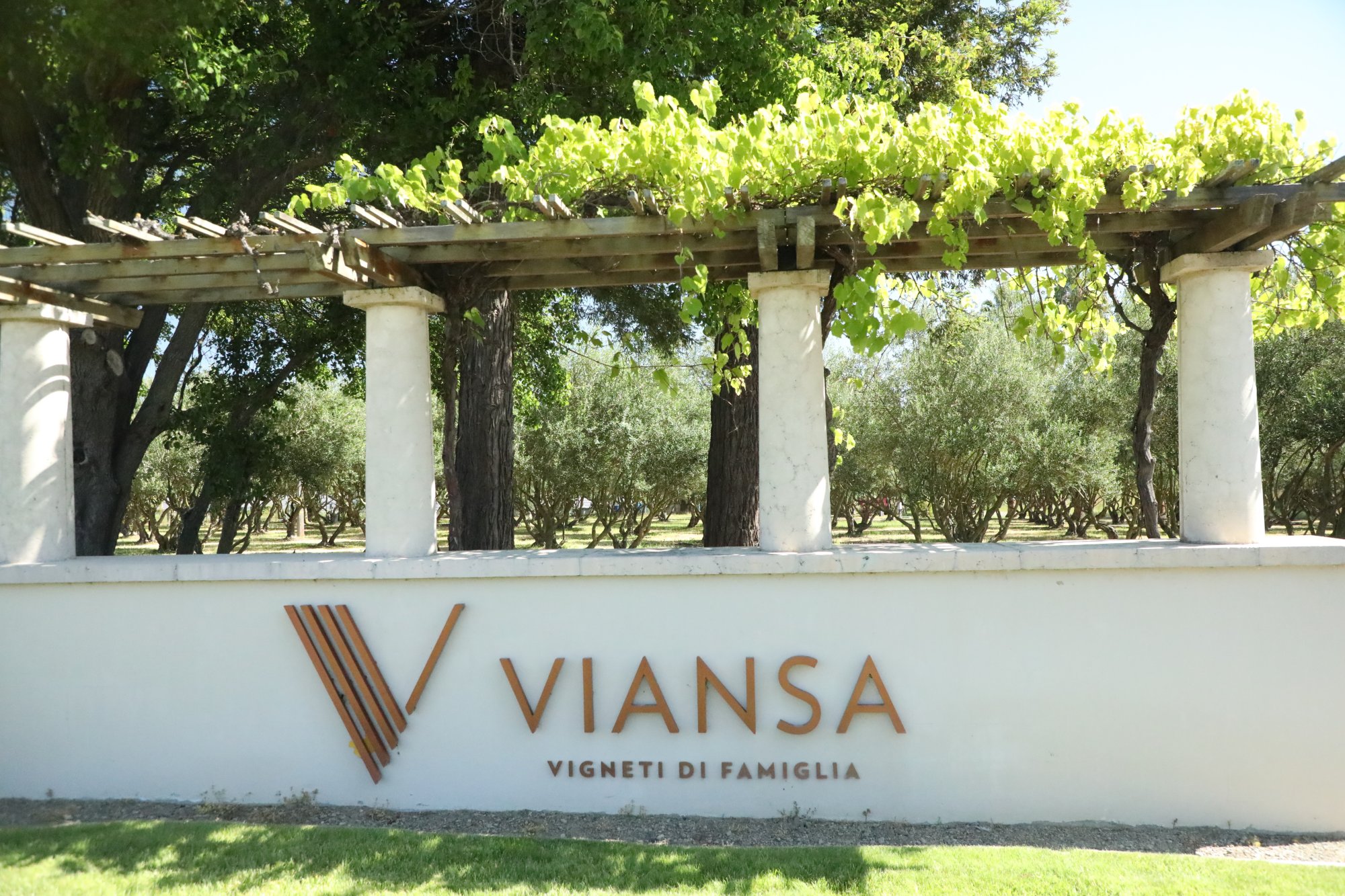
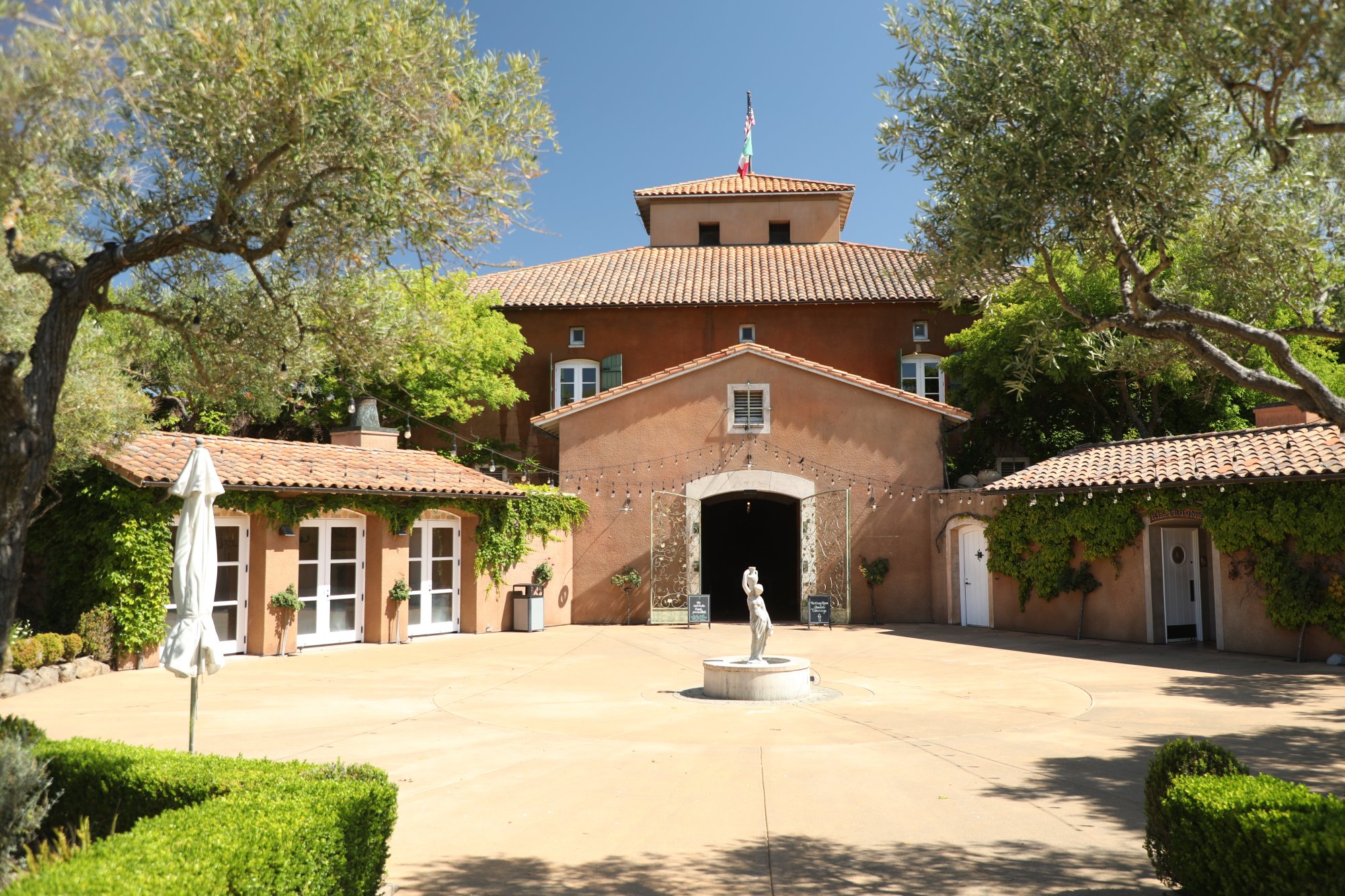
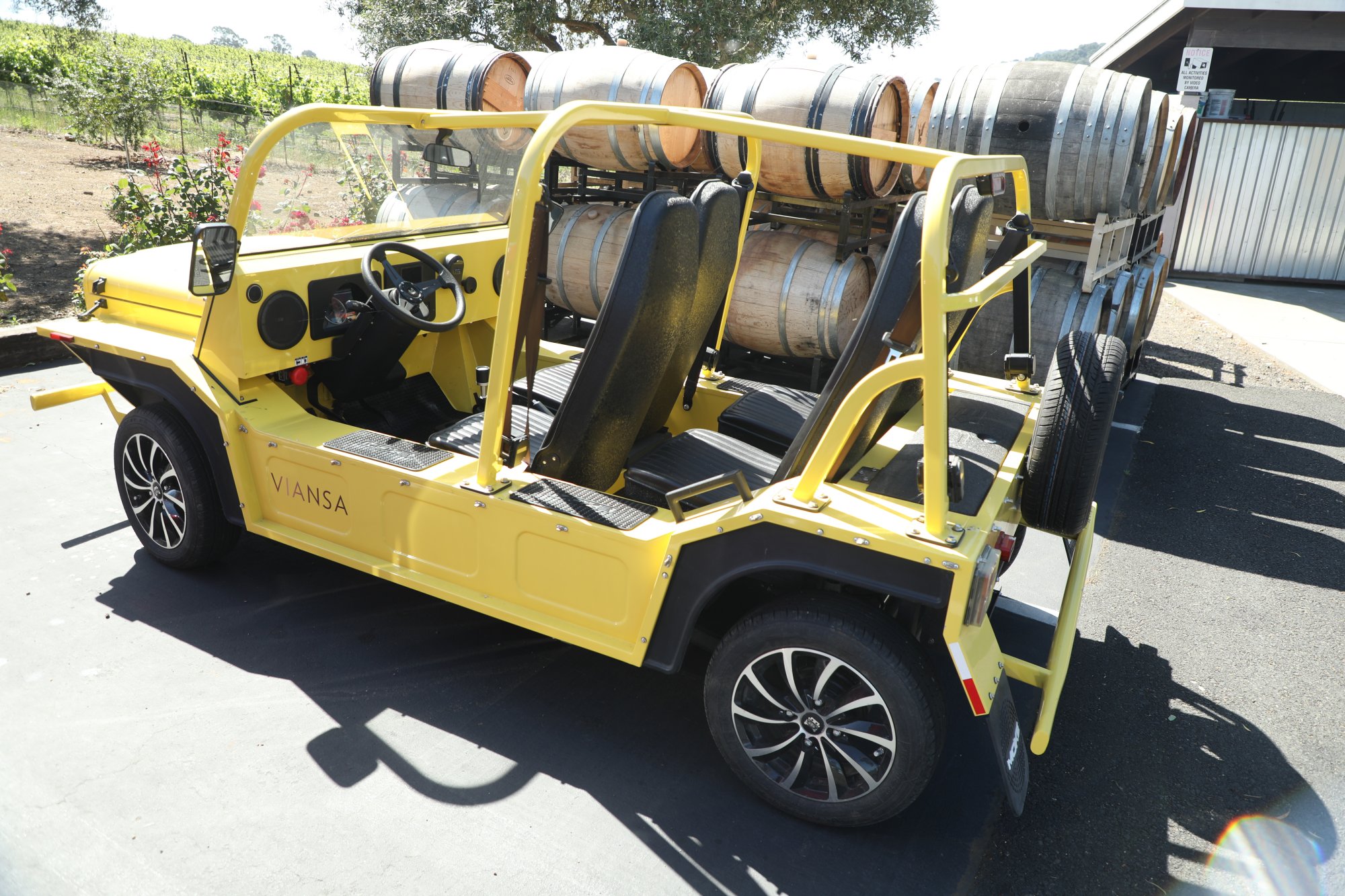
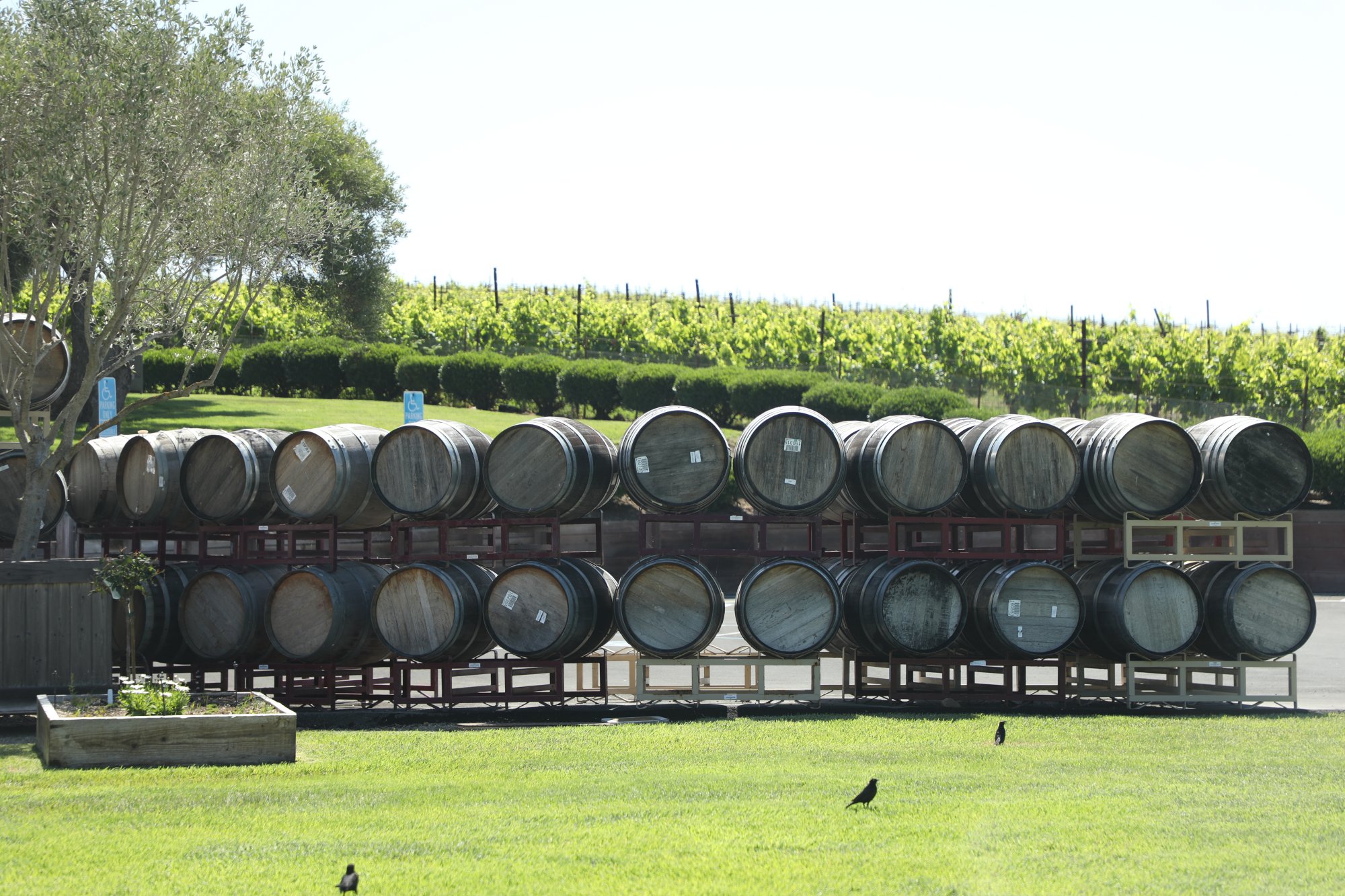
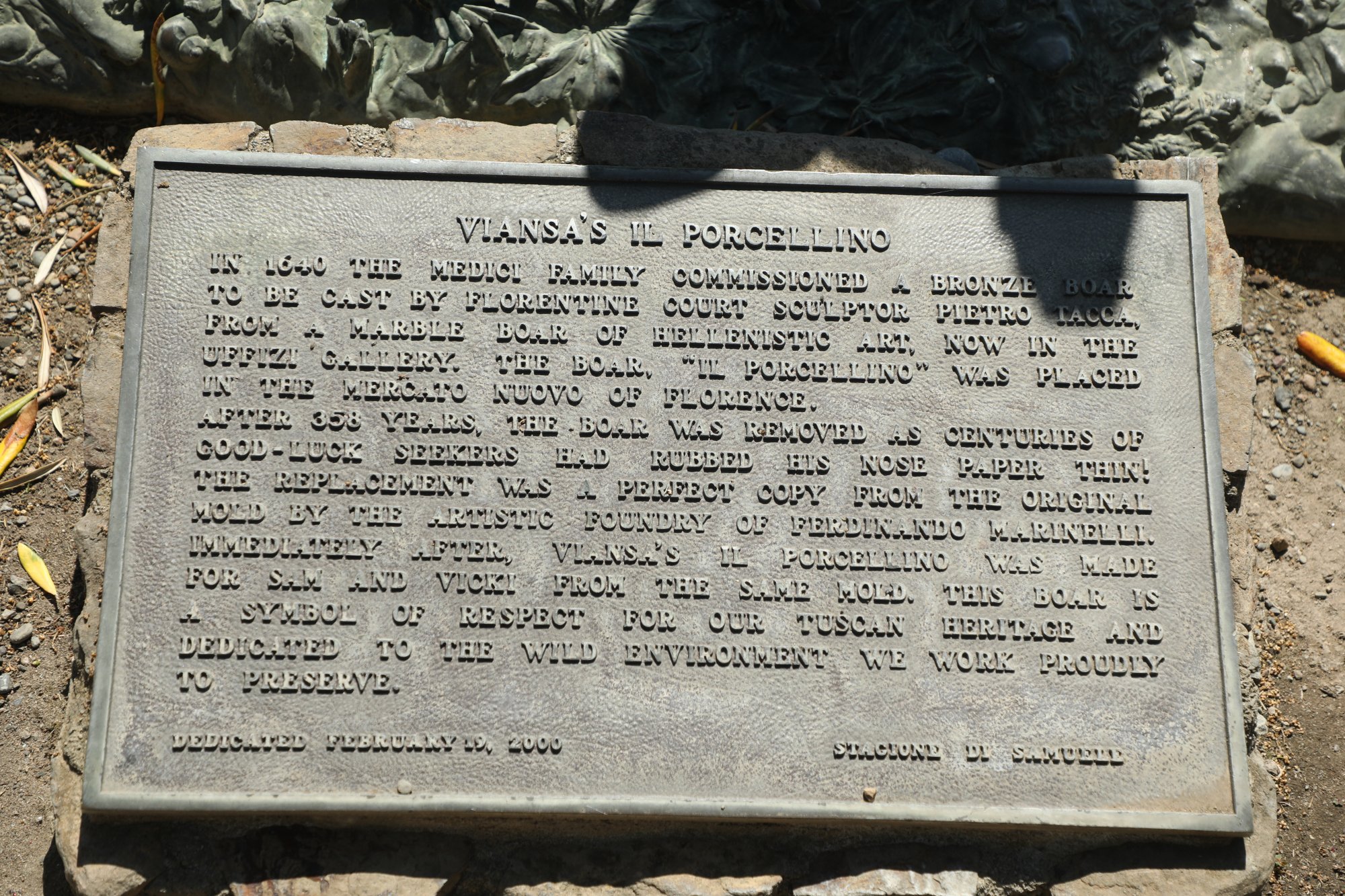
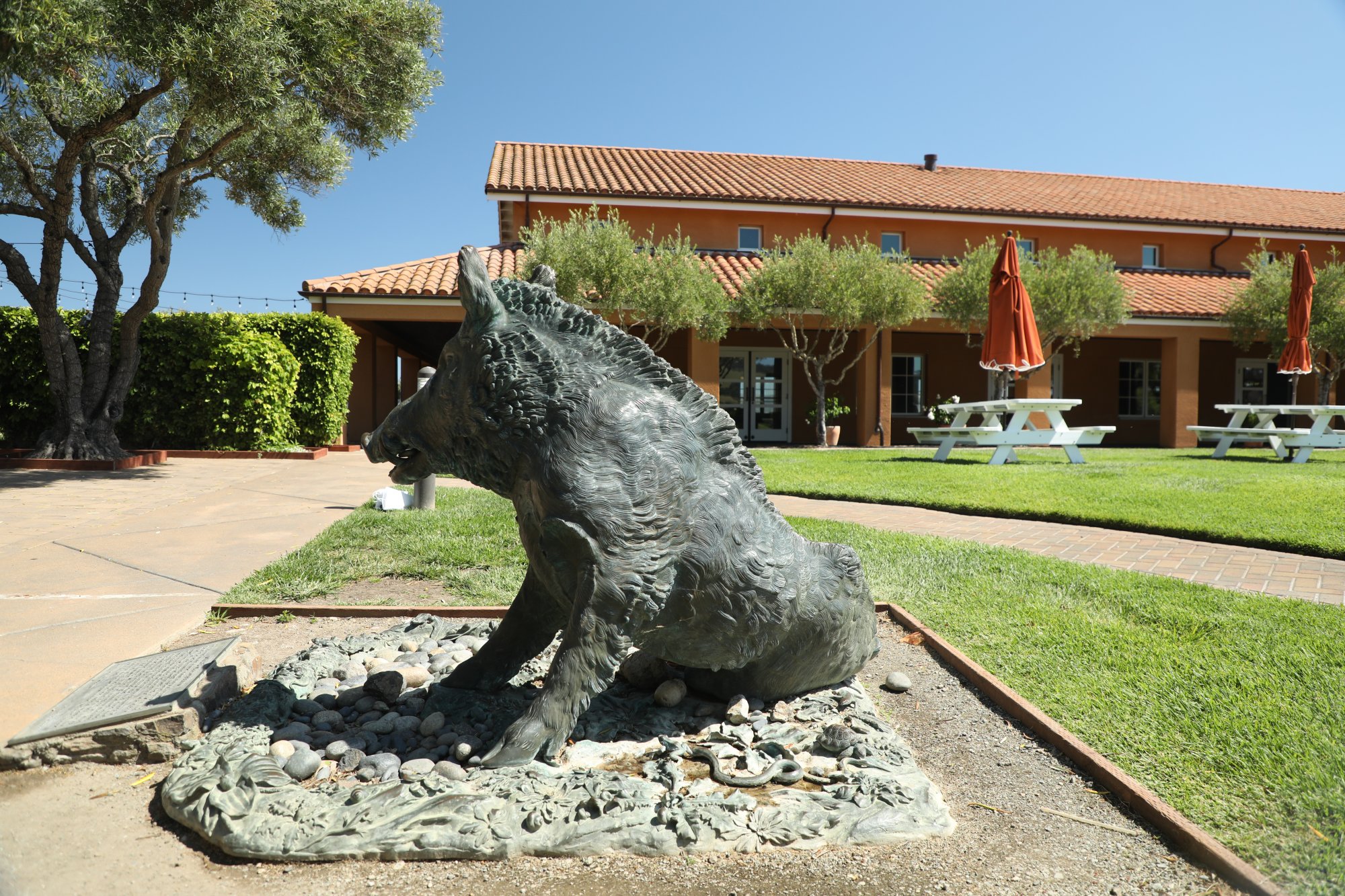
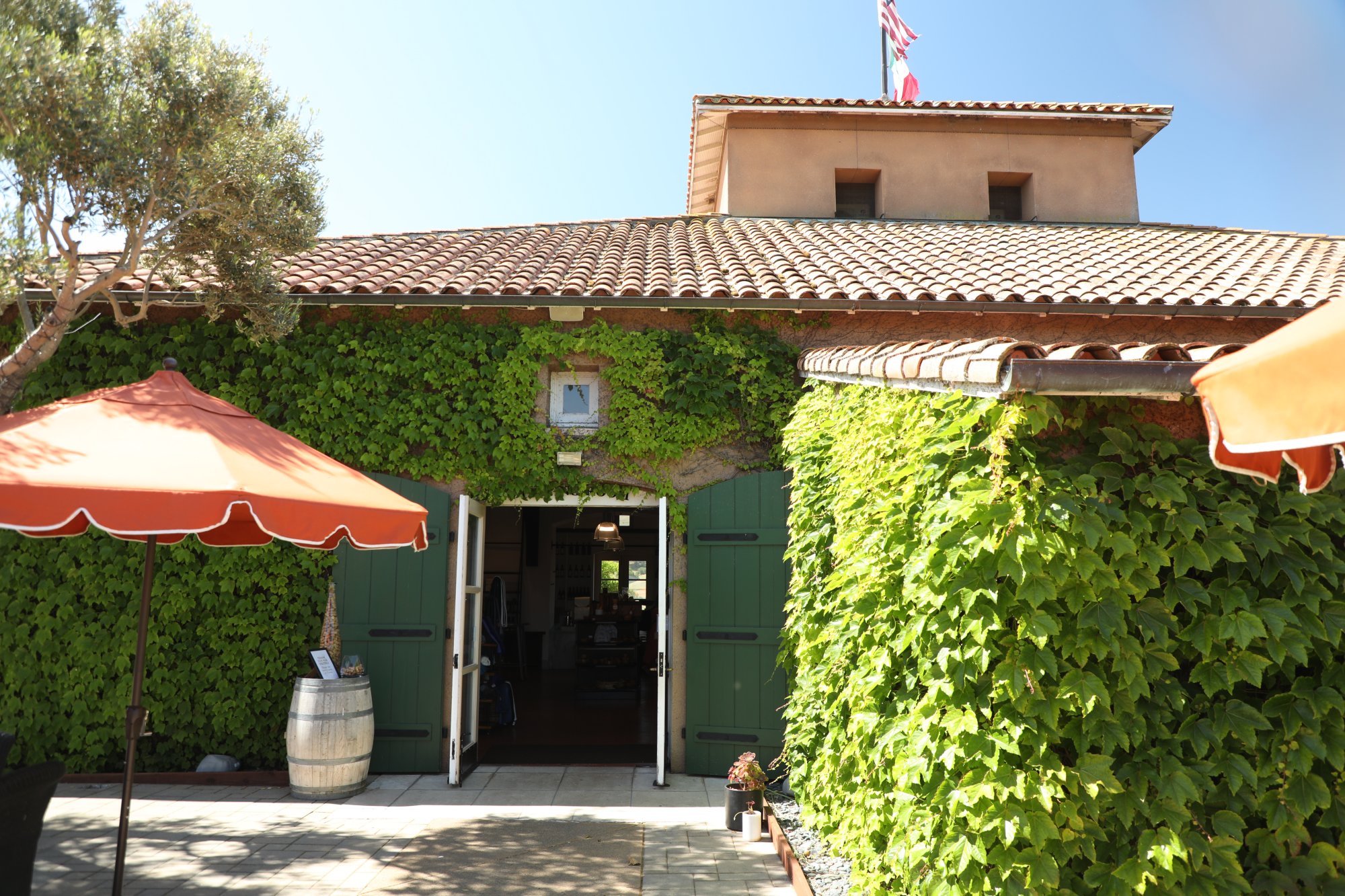
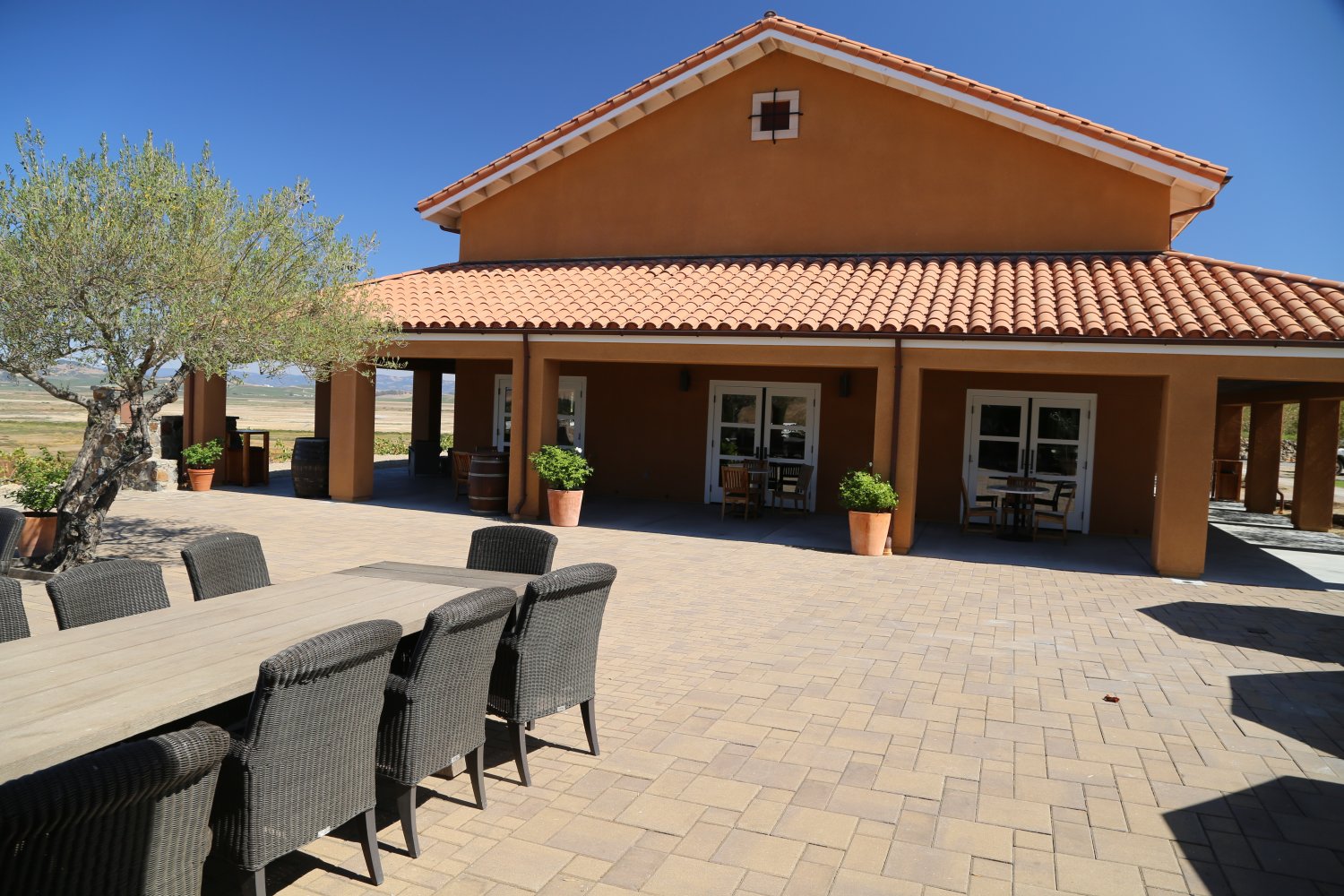
Viansa Winery is located at the southern entrance to Sonoma Valley near the town of Sonoma in Sonoma County, California. The winery was founded in 1990 by Sam and Vicki Sebastiani, members of the multigenerational Sebastiani wine family whose roots in Sonoma date back to the late 19th century. Viansa was created as a reflection of the family’s Italian heritage and was designed to combine wine, food and hospitality in a distinctly Tuscan-inspired setting.
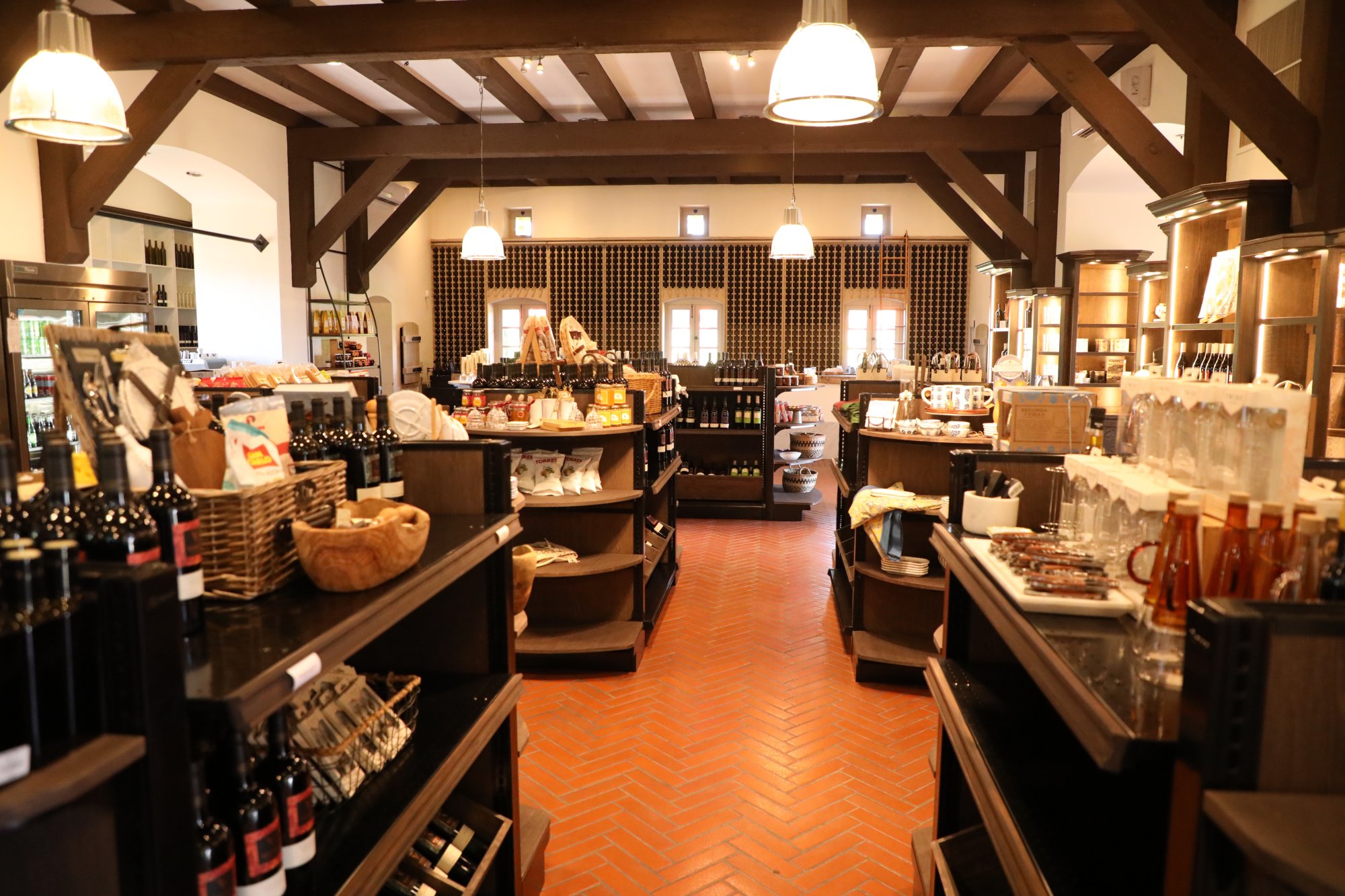
The name “Viansa” is derived from the founders’ first names, Vicki and Sam. From its beginning, the winery emphasized not only wine production but also the broader experience of wine country hospitality. The property became known for its Italian marketplace, deli and culinary offerings at a time when many California wineries focused primarily on tastings alone. Viansa was also among the earlier wineries in California to develop a direct-to-consumer wine club model, helping shape the modern wine tourism experience in Sonoma County.
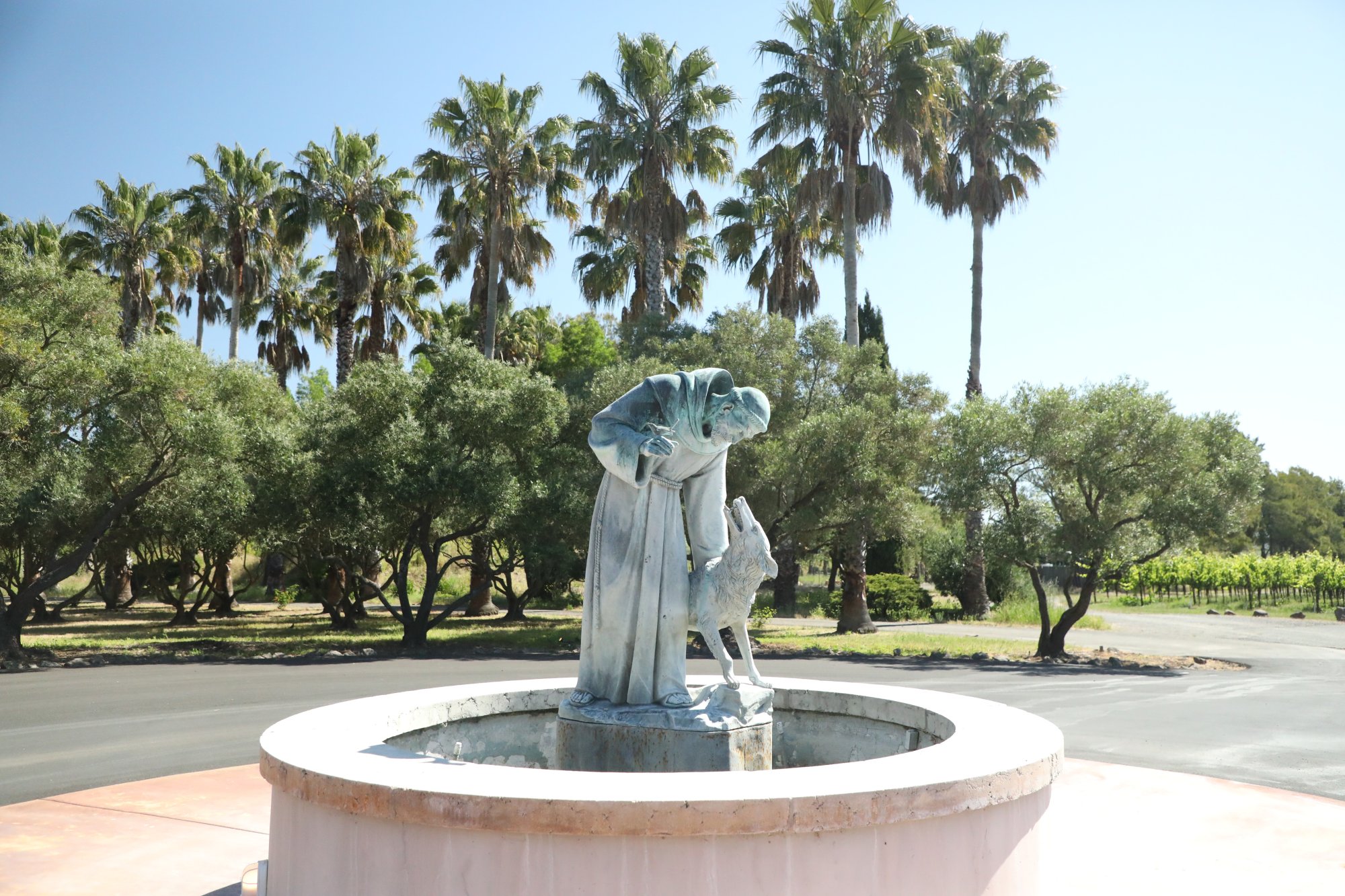
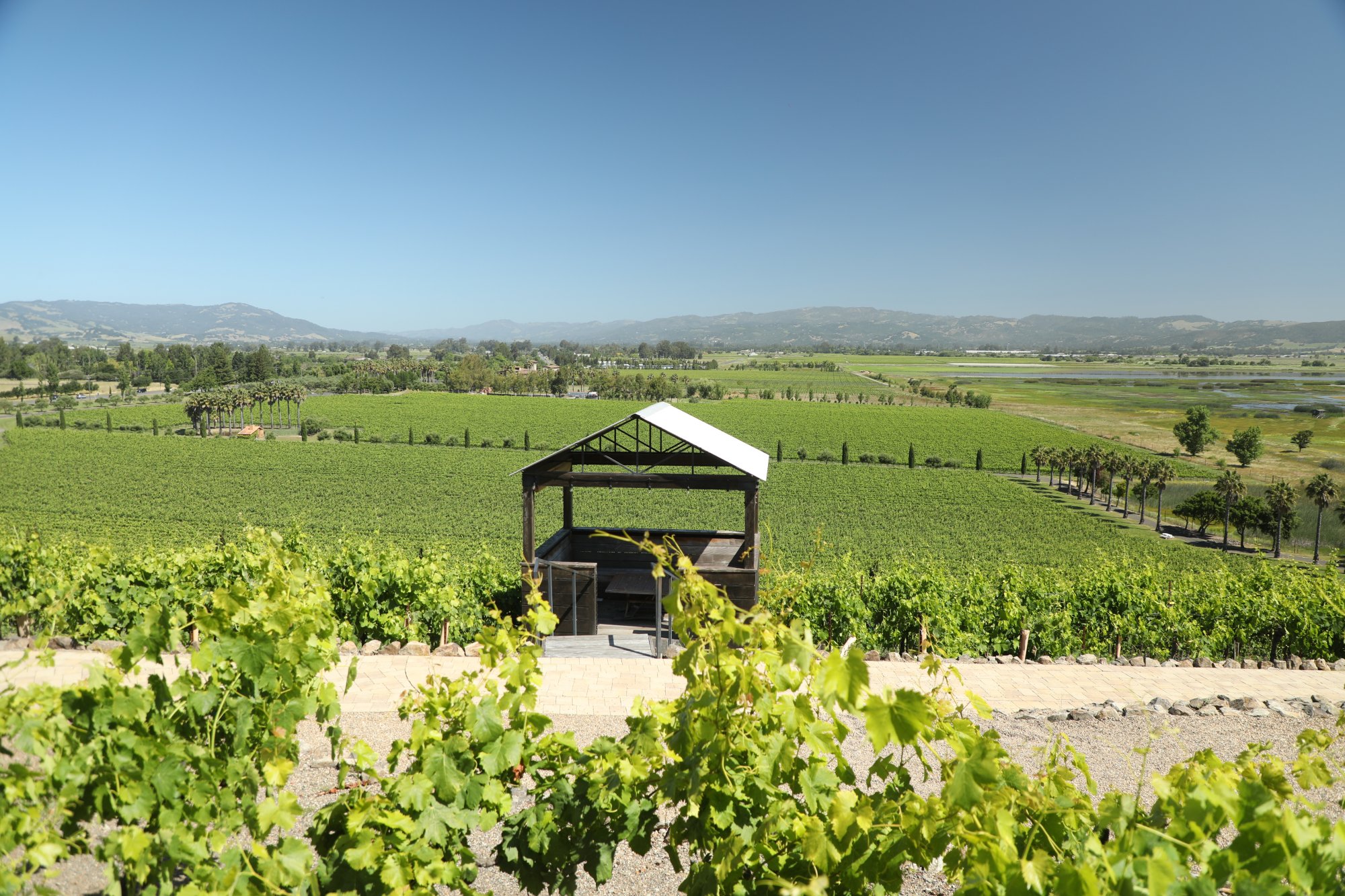
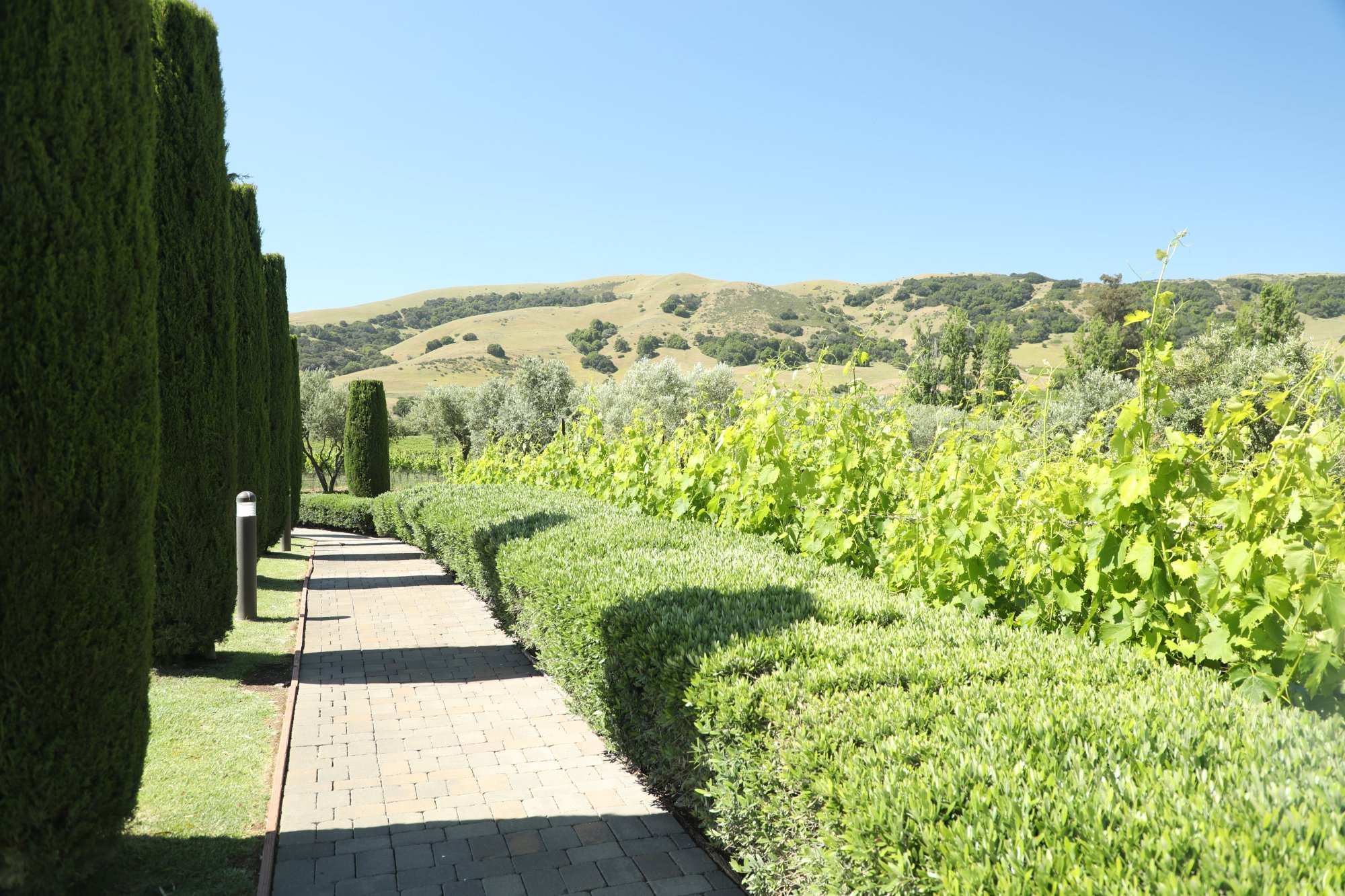
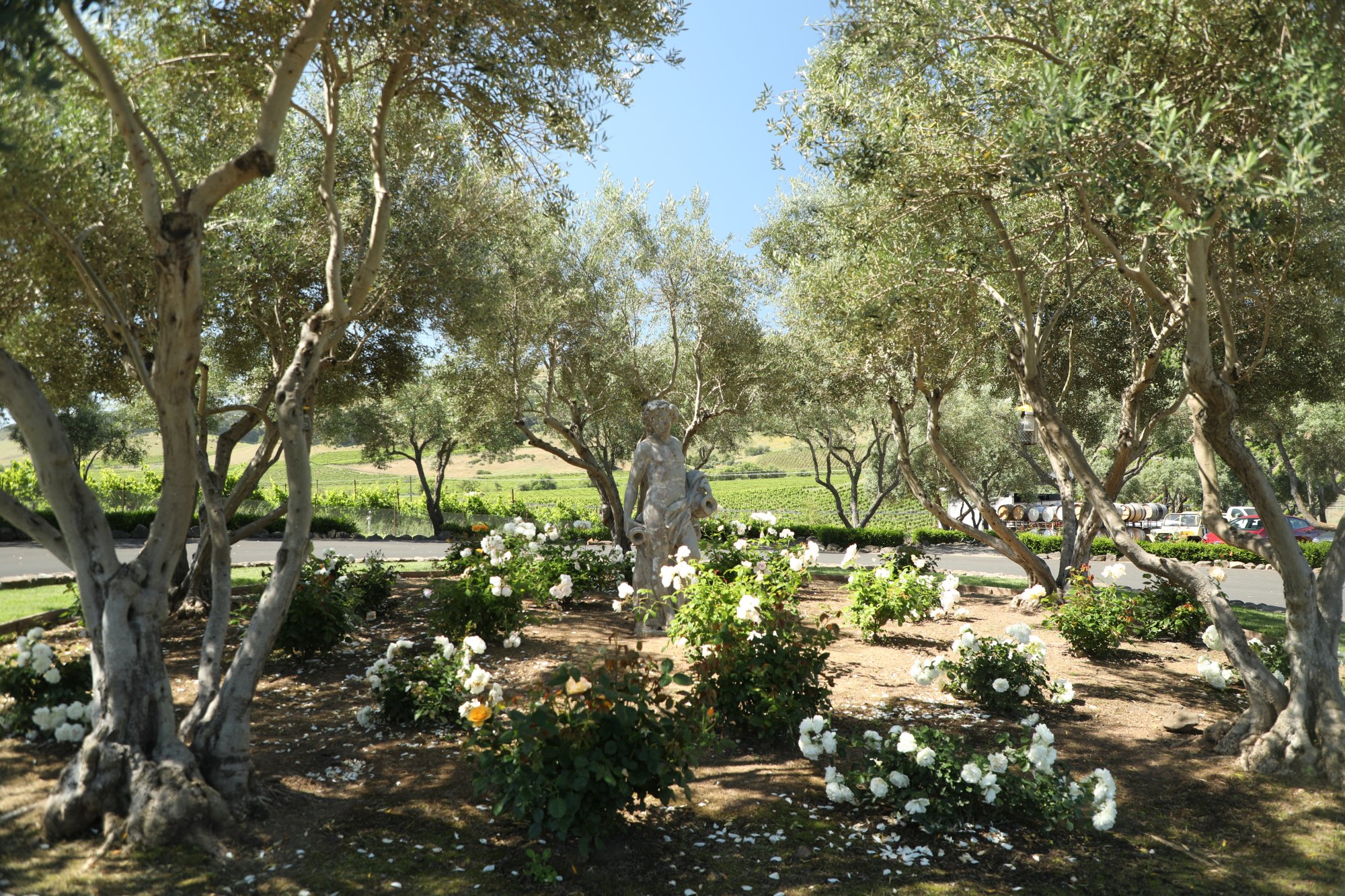
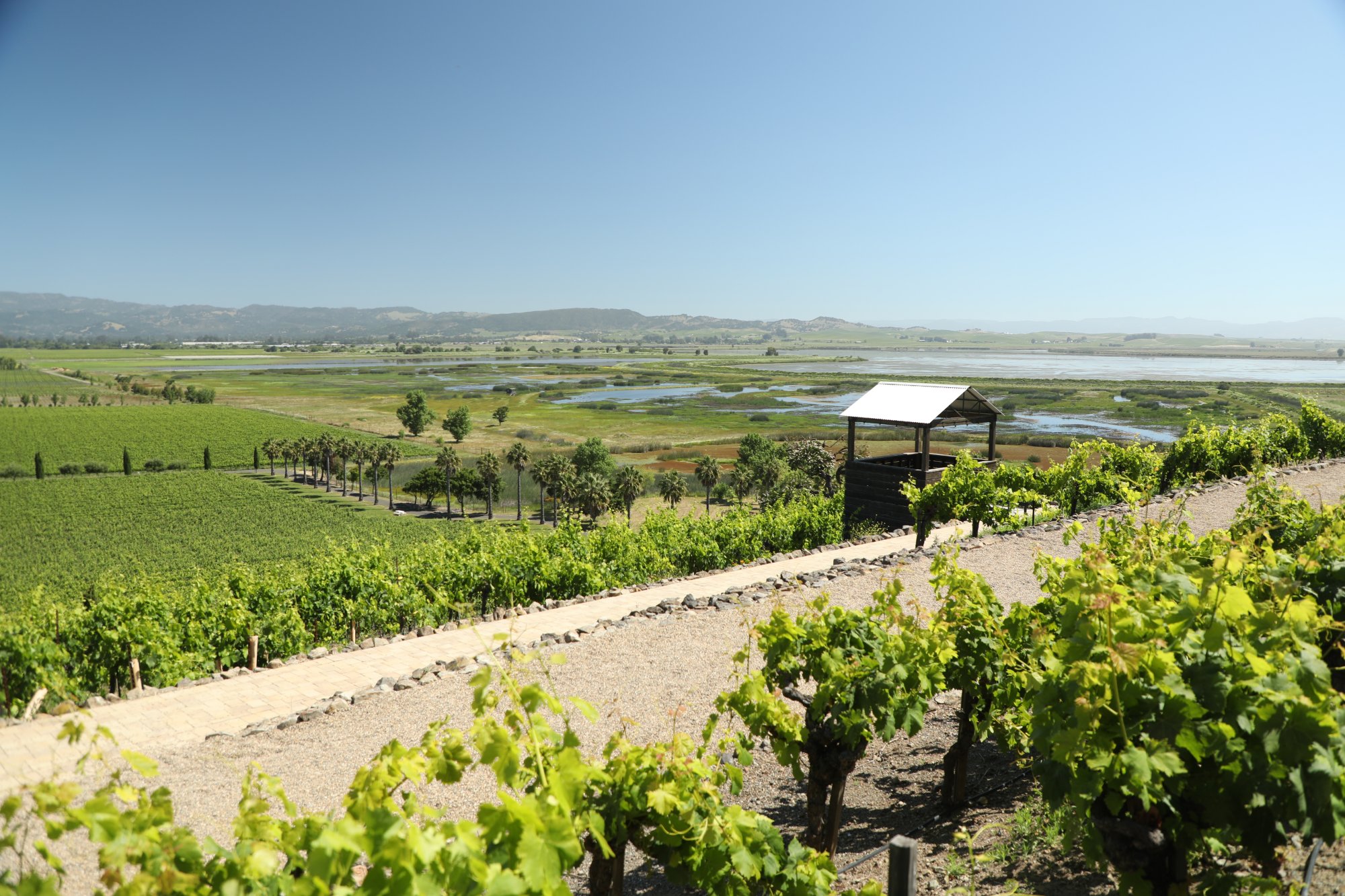
The winery sits on a hilltop site often referred to as the “Summit of Sonoma,” offering panoramic views of Sonoma Valley, surrounding vineyards and a 97-acre wetland preserve adjacent to Sonoma Creek. The estate’s architecture was inspired by Northern Italian villas and includes courtyards, olive groves and vineyard-lined approaches designed to evoke the atmosphere of Tuscany. Environmental stewardship has also been an important part of the property; the wetlands preserve established at Viansa became recognized for habitat conservation and migratory bird protection.
Viansa produces a range of wines sourced from Sonoma County vineyards, including Chardonnay, Pinot Noir, Cabernet Sauvignon, Merlot and several Italian-inspired varietals. The winery has traditionally emphasized the connection between wine and food, reflecting the Sebastiani family’s Italian background and culinary traditions.
The Sebastiani family has played a major role in Sonoma County wine history for more than a century. Samuele Sebastiani emigrated from Lucca, Italy, and founded Sebastiani Vineyards in Sonoma in 1904. Sam Sebastiani later became president of Sebastiani Vineyards before founding Viansa following his departure from the family company in the 1980s. Ownership of Viansa changed several times after the Sebastiani family sold the winery in 2005. In 2024, the winery became part of Adair Family Wines following the bankruptcy proceedings involving Vintage Wine Estates. Today, Viansa continues to operate as a winery, tasting destination and event venue while remaining closely associated with Sonoma Valley hospitality and the Sebastiani family legacy.
Select Wines
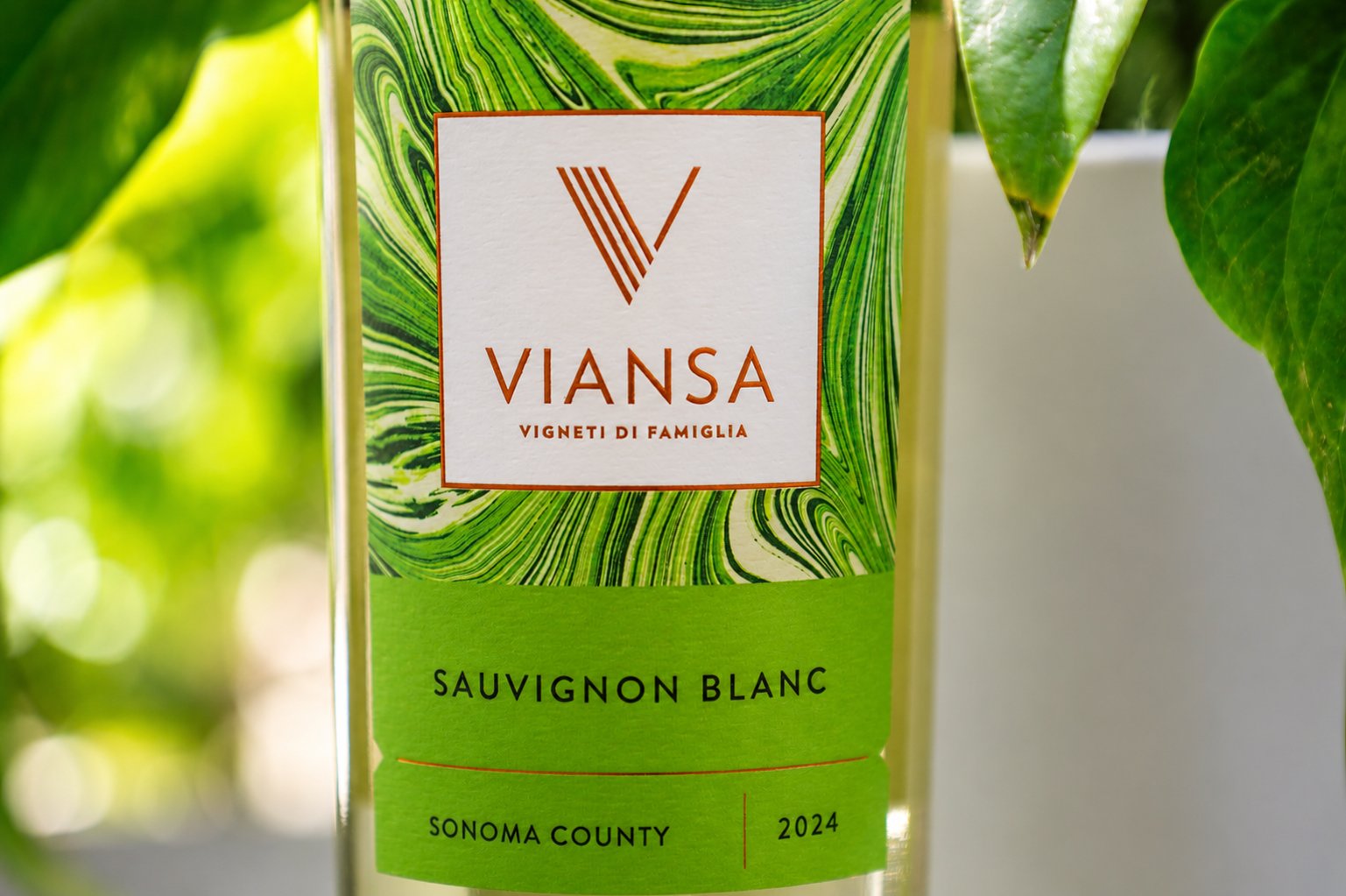
The 2024 Viansa Sauvignon Blanc, Sonoma County is pale to medium straw in color; the bouquet allows the typicity of the variety to show well. It leans far into the spectrum of bright, citrus, herbal and lifted aromatics. This wine smells like freshly mowed lawn, pronounced lemon like scents including a union of lemongrass, lemon verbena and lemon bomb, citrus blossom, green apples, grapefruit, honeydew melon and additional herbs including thyme and oregano. The palate is also bright, but a bit ‘riper’ than the bouquet would lead one to believe. This wine tastes like honeydew melon, pineapple, guava, white nectarine, Babcock peach, lime and finishing with ‘sweet’ notes of fennel and tarragon. Shows a salinity or briny character both in terms of its vibrant acidity but also its texture. And there is some present weight here, but it never feels heavy. Zippy, zesty and mouth watering, this bottling would pair well with a diversity of seafoods, or salads including Crab Louis.
Dolcetto is a red grape variety native to Italy’s Piedmont region, prized for producing approachable, fruit-forward wines with soft tannins and moderate acidity. Despite its name meaning “little sweet one,” Dolcetto wines are typically dry, featuring flavors of black cherry, plum, blackberry, licorice, and almonds. The grape ripens early and in Italy, thrives on hillside vineyards where Nebbiolo may struggle. Dolcetto wines are usually meant for early drinking rather than long aging. Their smooth texture and mild bitterness make them exceptionally food-friendly, pairing well with pasta, pizza, roasted meats, and aged cheeses.
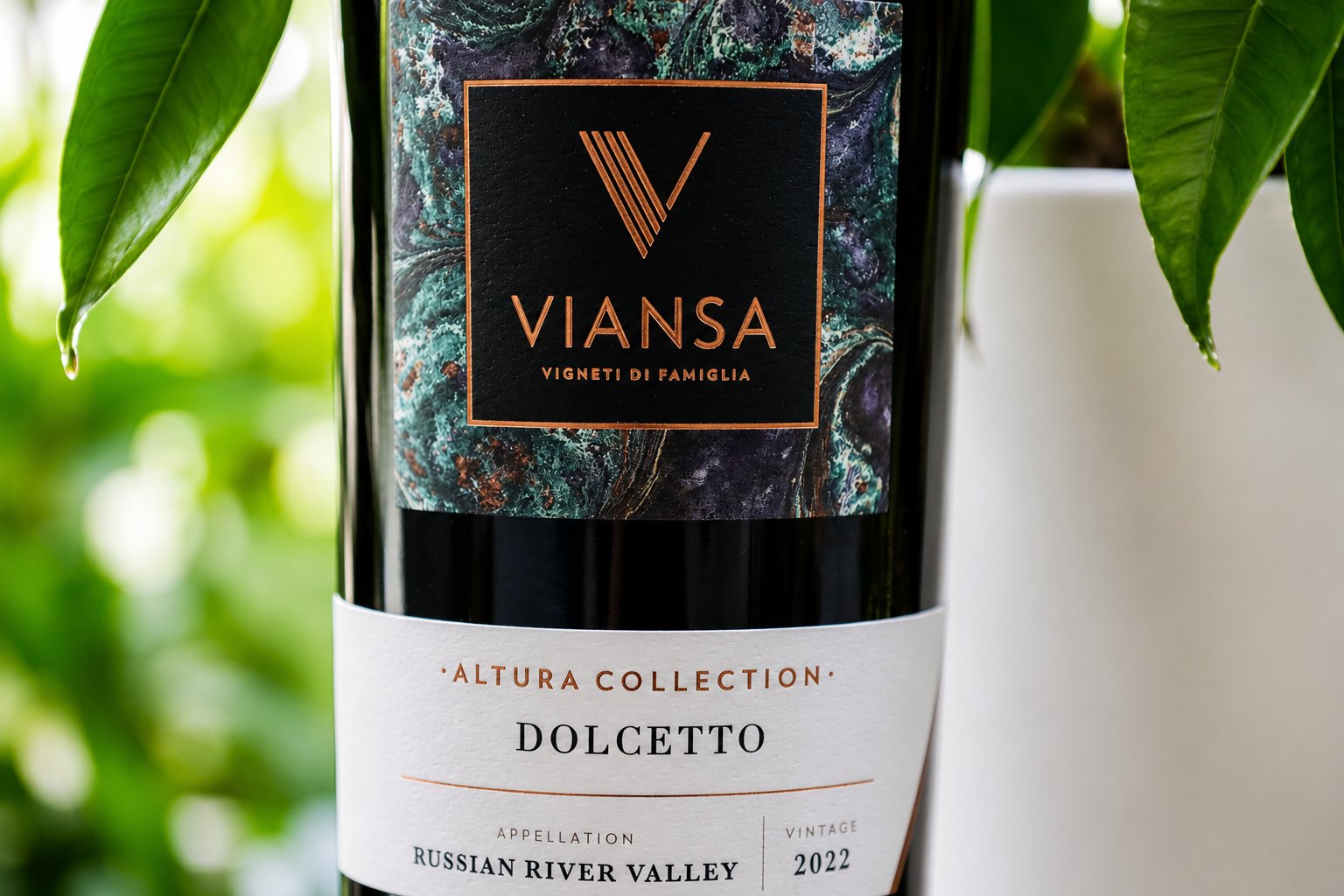
The 2022 Viansa Dolcetto Altura Collection, Russian River Valley is medium ruby in color; the nose is a union of both red fruits and savory characters. These include scents of dark raspberry, plums, red cherry, red licorice, dried jerky, old cedar box, lavender, peppercorn, smoked sage, Tonka beans and a light note of cinnamon stick. Light to medium bodied and higher toned, this wine sports flavors of red cherries, red plums, currant, not fully ripe boysenberry, blueberry, toasted cedar and dried herbs. Finishes lifted, bright and juicy, with already texturally integrated tannins at 4 years post vintage. Their presence is lightly gravelly, lingering with a dusty perception, felt primarily on the front of the palate. We recommend drinking this in the next 4-6 year window. We would like to drink this with the Ducati pizza and its spicy Italian sausage, offered as one of the items on the menu at Tra Vigne Restaurant in St. Helena, CA. This wine was aged in 20% new French and American oak barrels for 15 months prior to bottling.
ARCHIVED NOTES
These notes are from when Clos Pegase was owned by the Shrem family; we keep them here for historical reference.
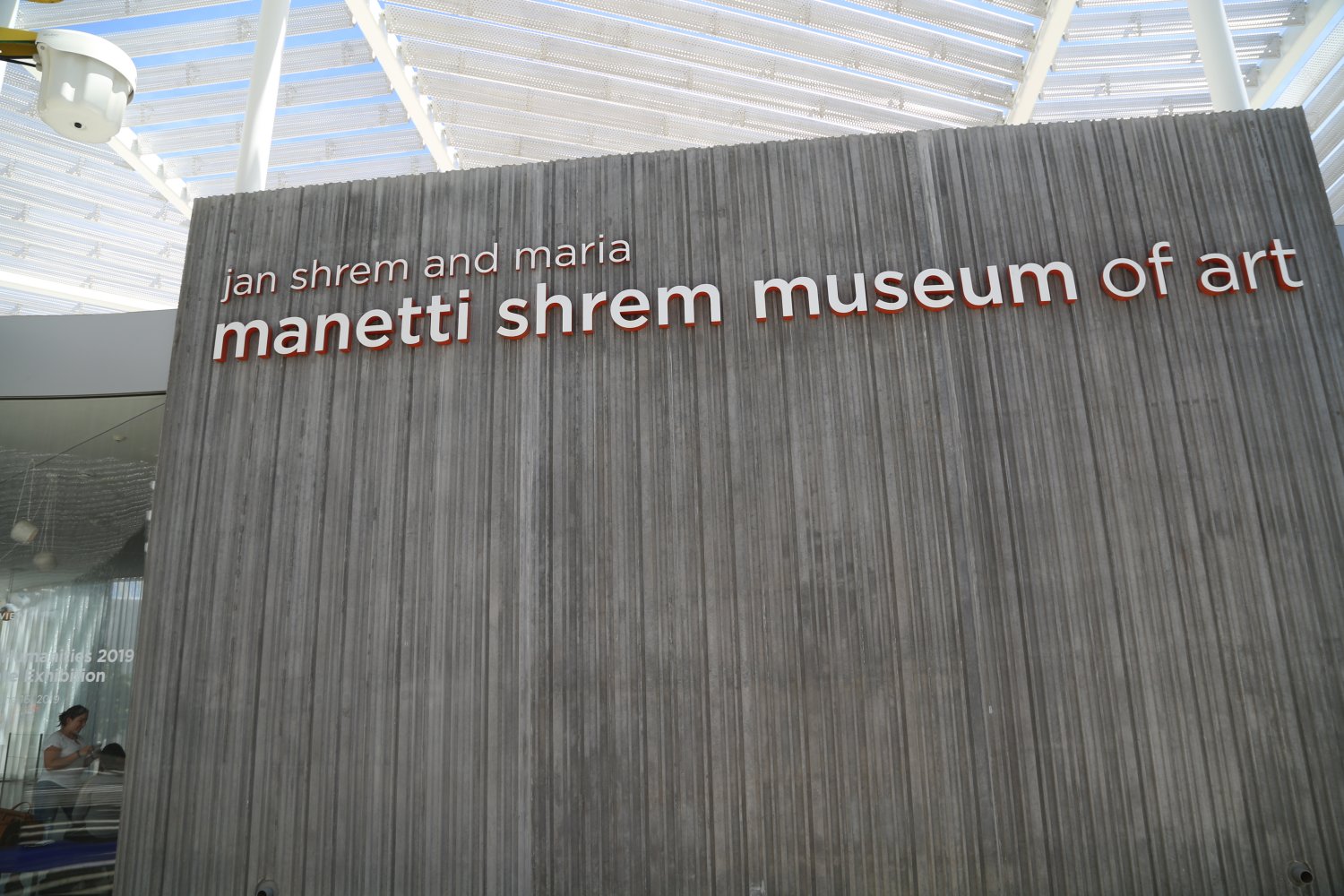
Jan Shrem and Maria Manetti Shrem Museum of Art, UC Davis.
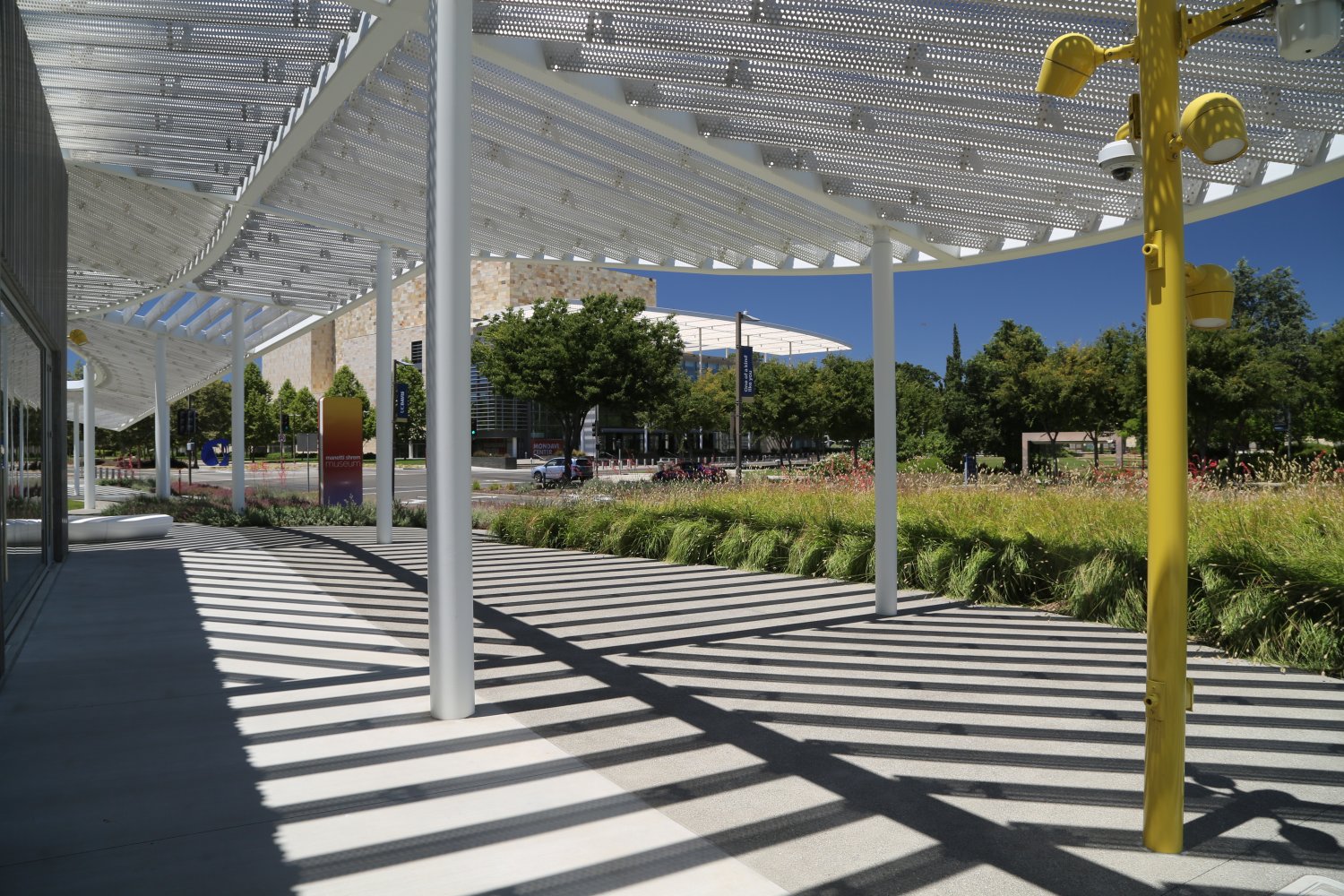
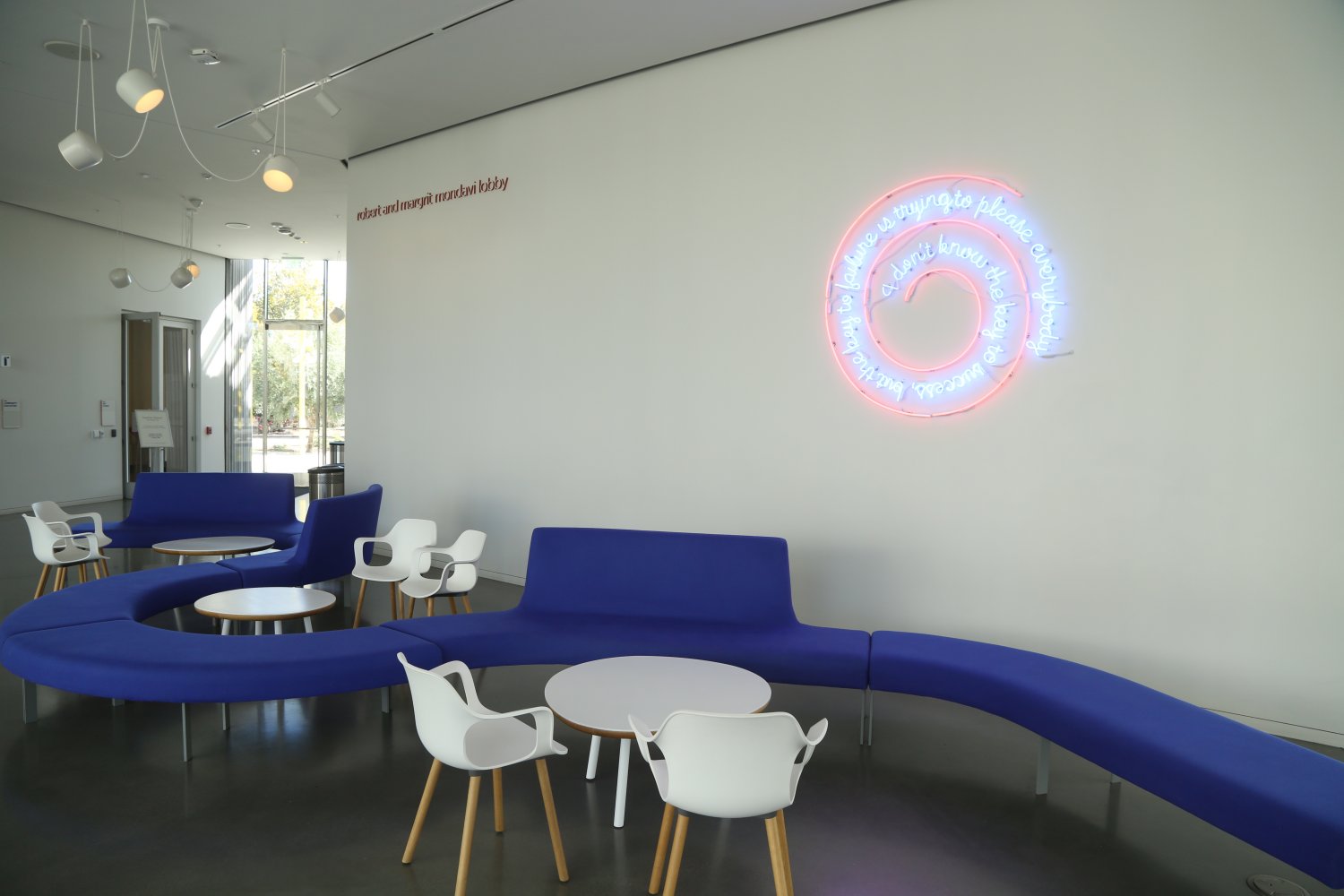
This museum opened in November 2016 and is named after Jan Shrem and his wife Maria Manetti who in 2011 donated $10 million towards funding the museum. Margrit Mondavi also donated $2 million to the museum and in tribute to the Mondavi’s, the lobby is named the Robert and Margrit Mondavi Lobby.
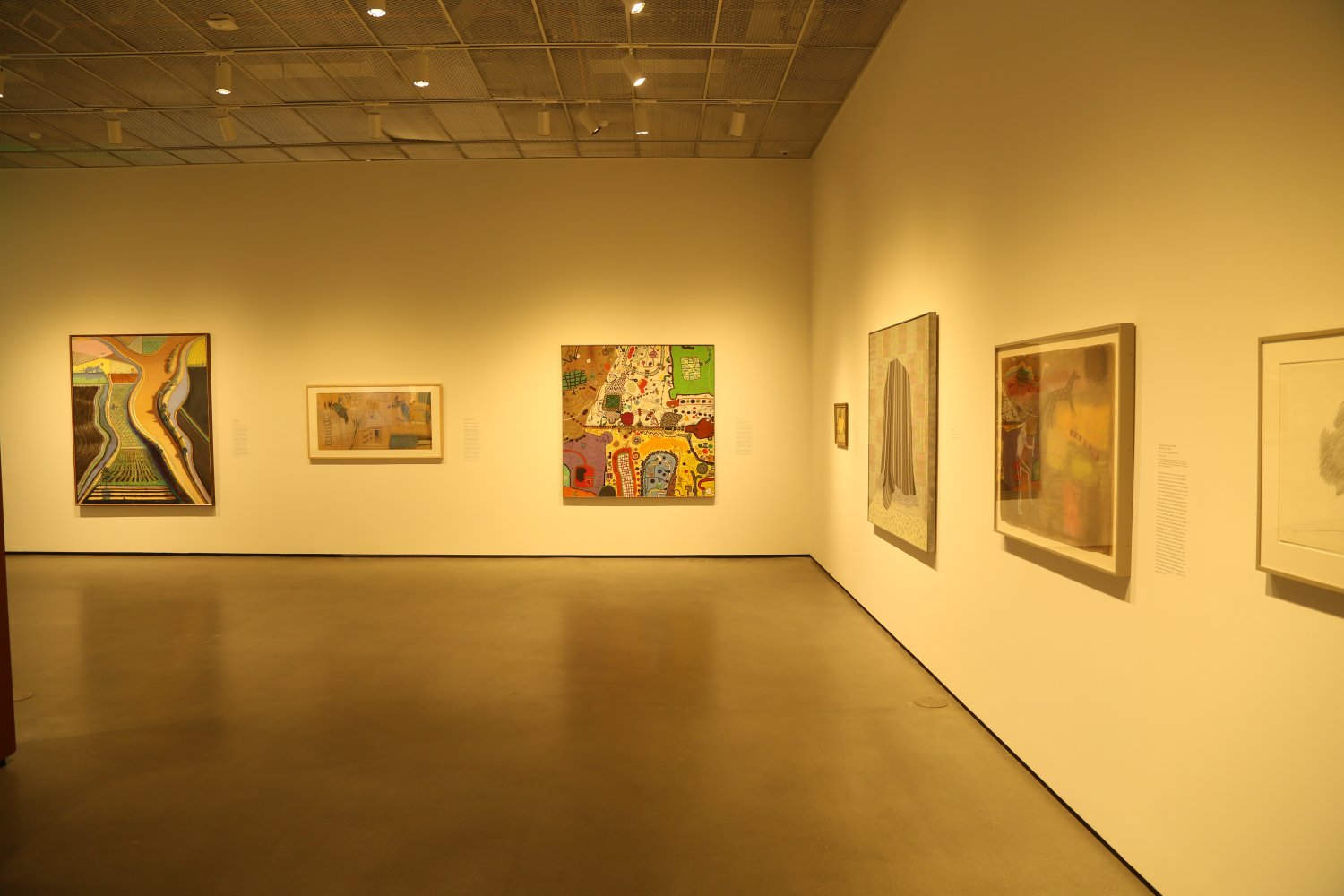
The art collection at UC Davis was established in 1964 and today contains more than 5,000 objects with a focus on Old Master Prints, East Asian Prints, Ceramics and art produced by UC Davis Faculty (current and previous) and Alumni. This 50,000 square foot museum is easily seen by drivers usually whizzing by on the next door 80 freeway (but also often stuck in traffic). The museum rotates collections typically every 2-6 months in one of two rooms – often closing for a period of several weeks in between installations. Also, one room contains art from the permanent collection. In 2016, former UC Davis professor and world renown painter, Wayne Thiebaud donated several of his paintings to the museum. Wayne began teaching at UC Davis as an assistant professor in 1960 and continued to teach on campus until 1991. Thiebaud died in 2021 at 101 years young.
Several outdoor pieces of art are located near or next to the museum including works donated by other Napa Valley based vintners, Donald Hess of Hess Collection and Craig and Kathryn Hall of Hall Wines. Plenty of parking is located on site including a surrounding open-air lot as well as a nearby parking garage. Some 2-hour coin metered spaces are also available. From the southern edge of the parking lot look south at the bank below the railroad tracks during a number of our visits to campus and parking here, we have always seen what look like gophers chirping at each other – sometimes standing vertical in front of large holes dug into the embankment!
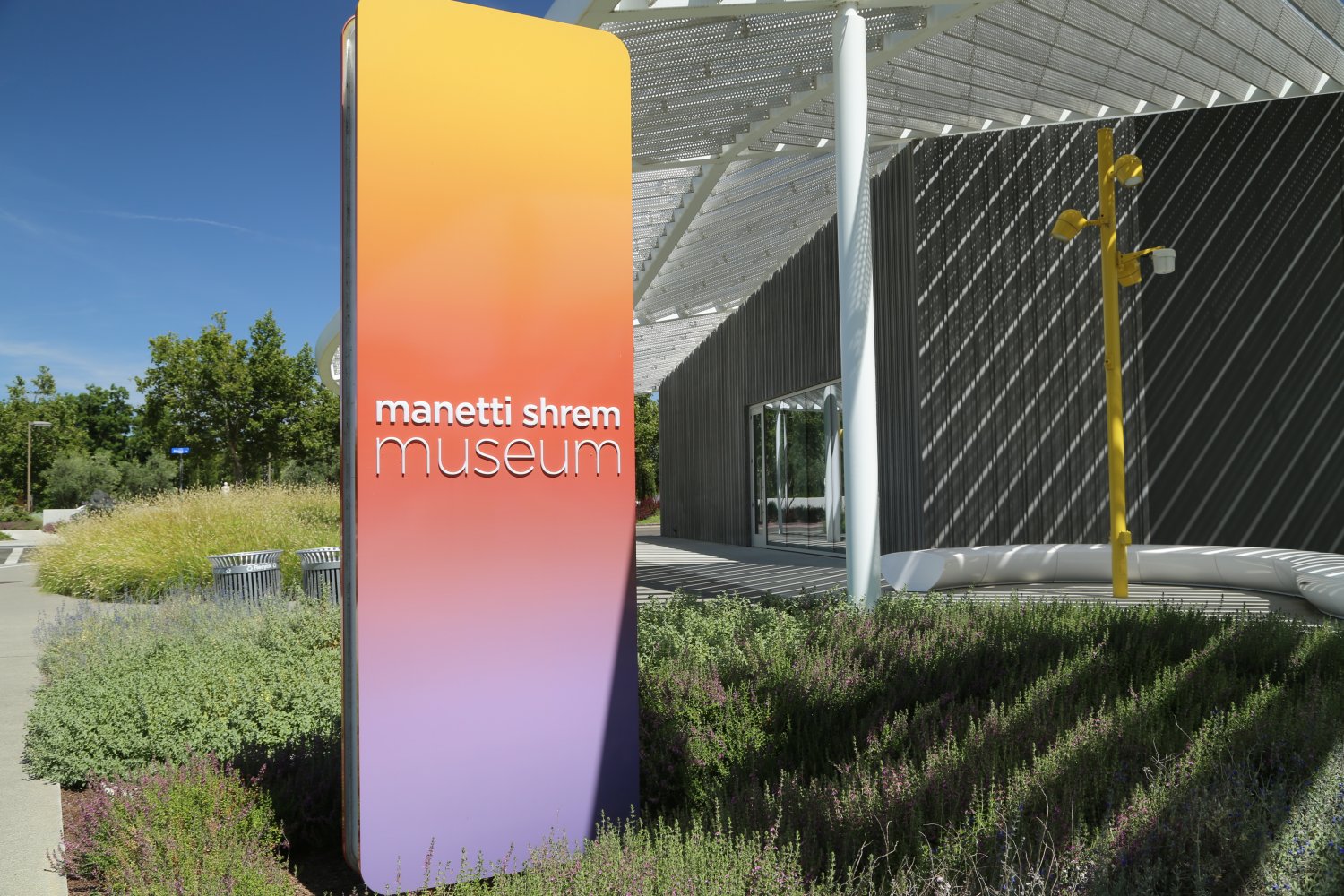
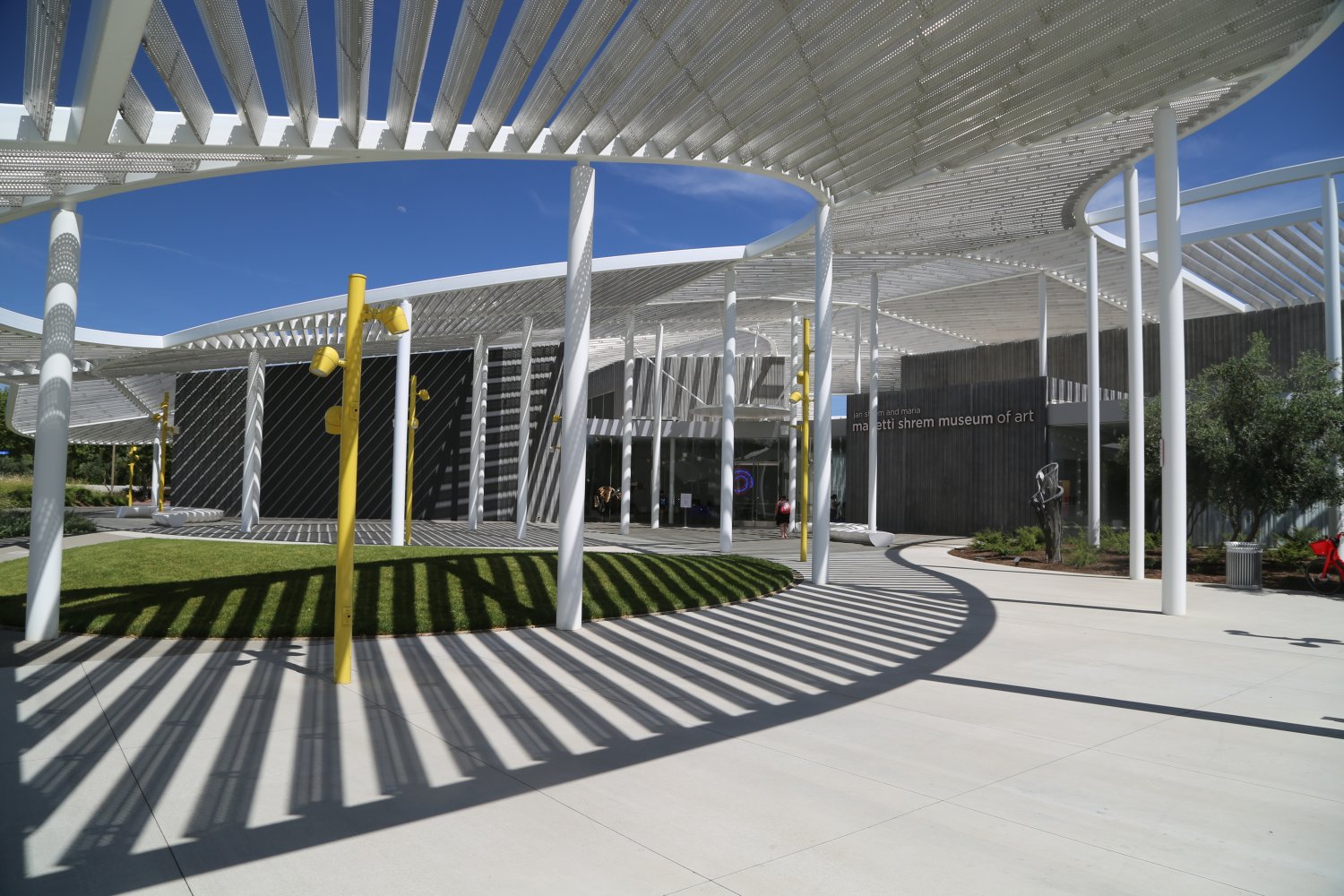
Manetti Shrem Art Museum, UC Davis – Exterior
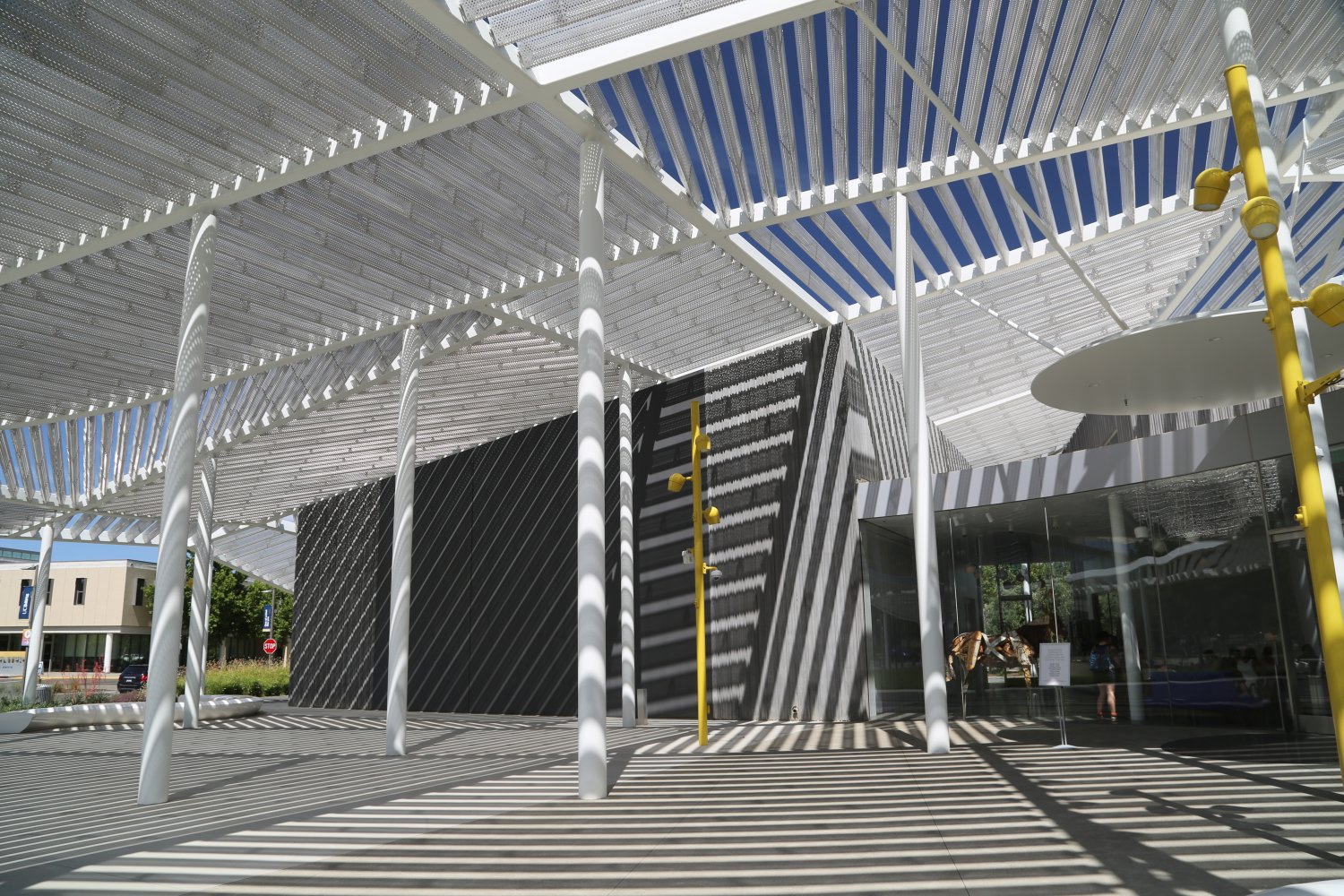
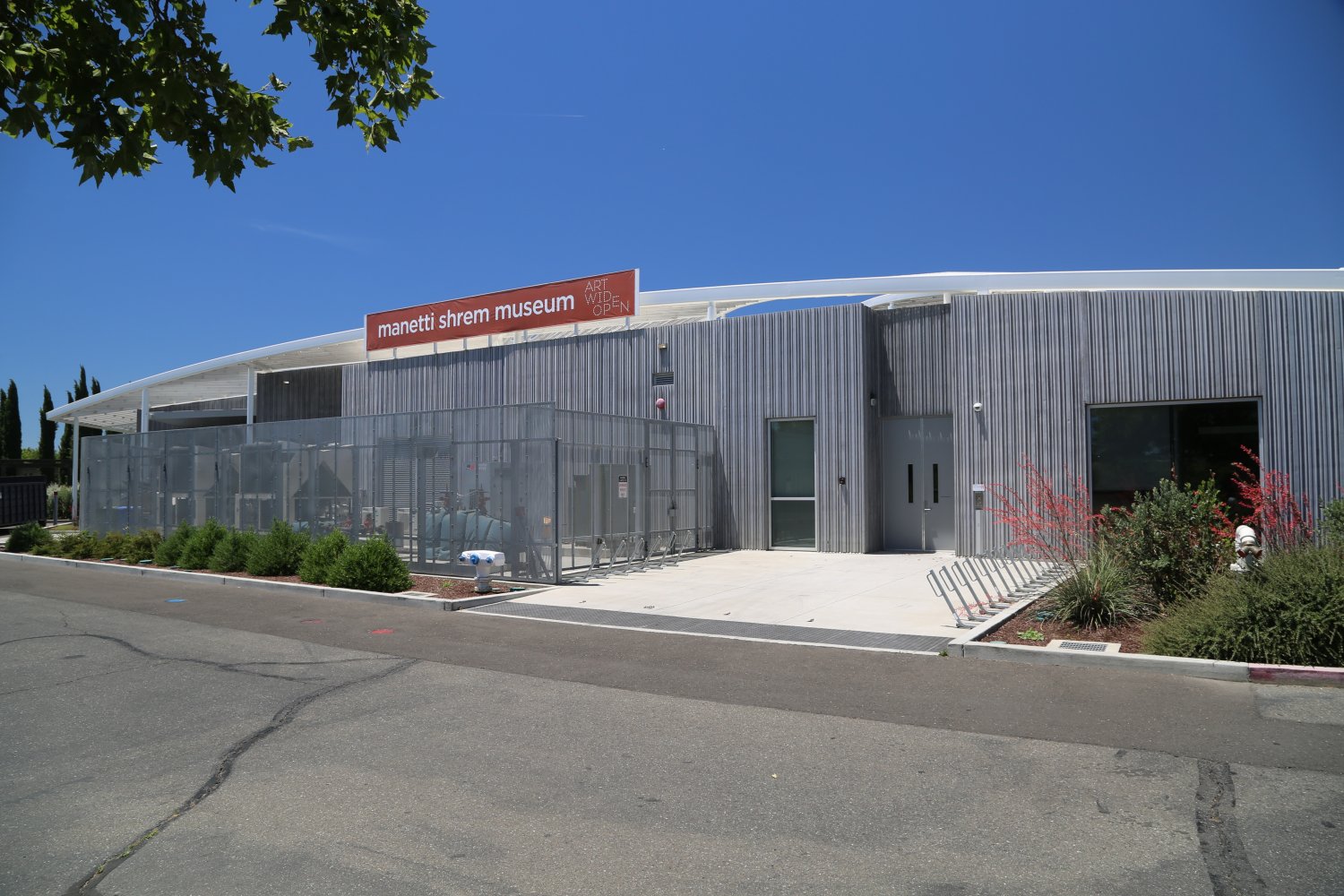
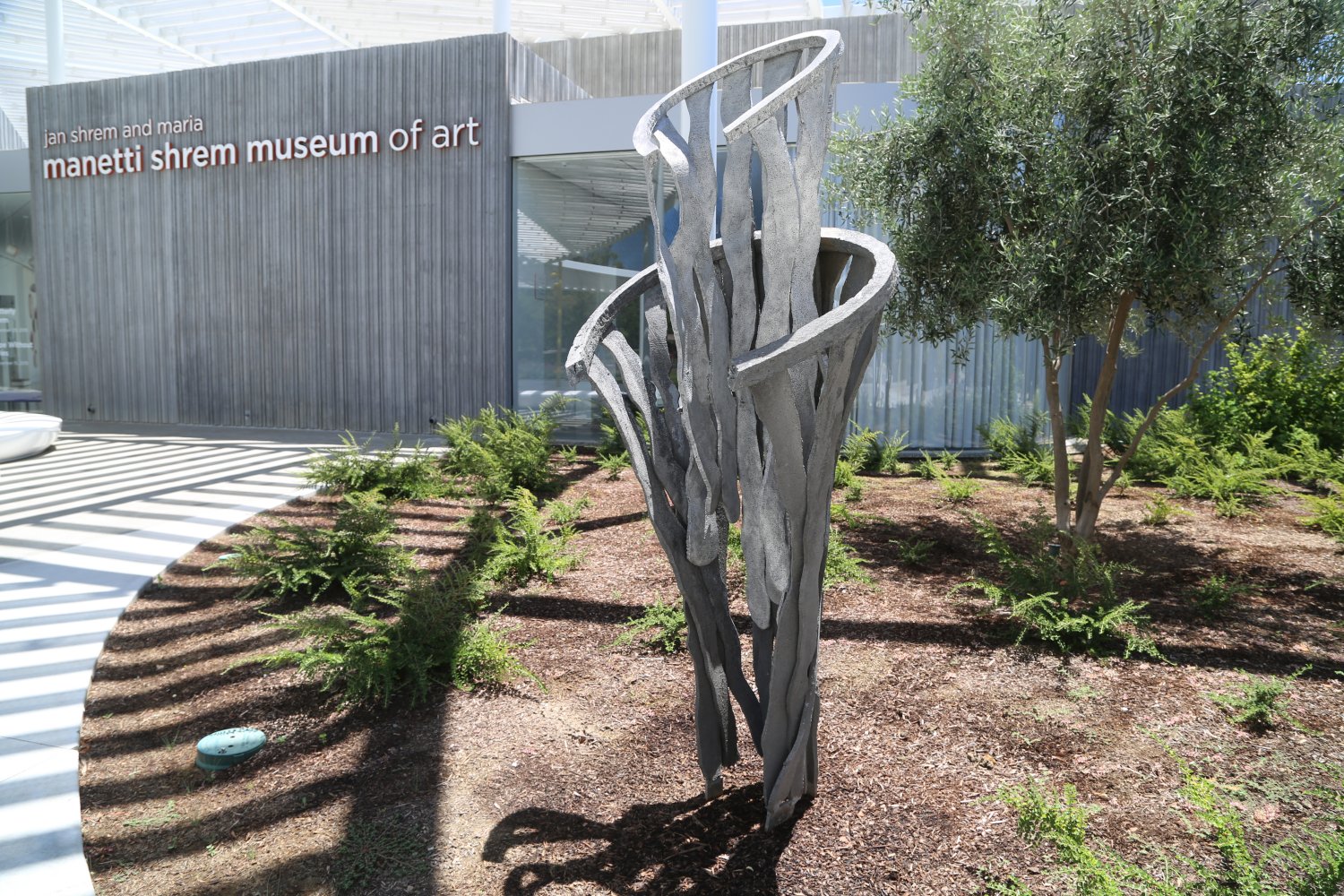
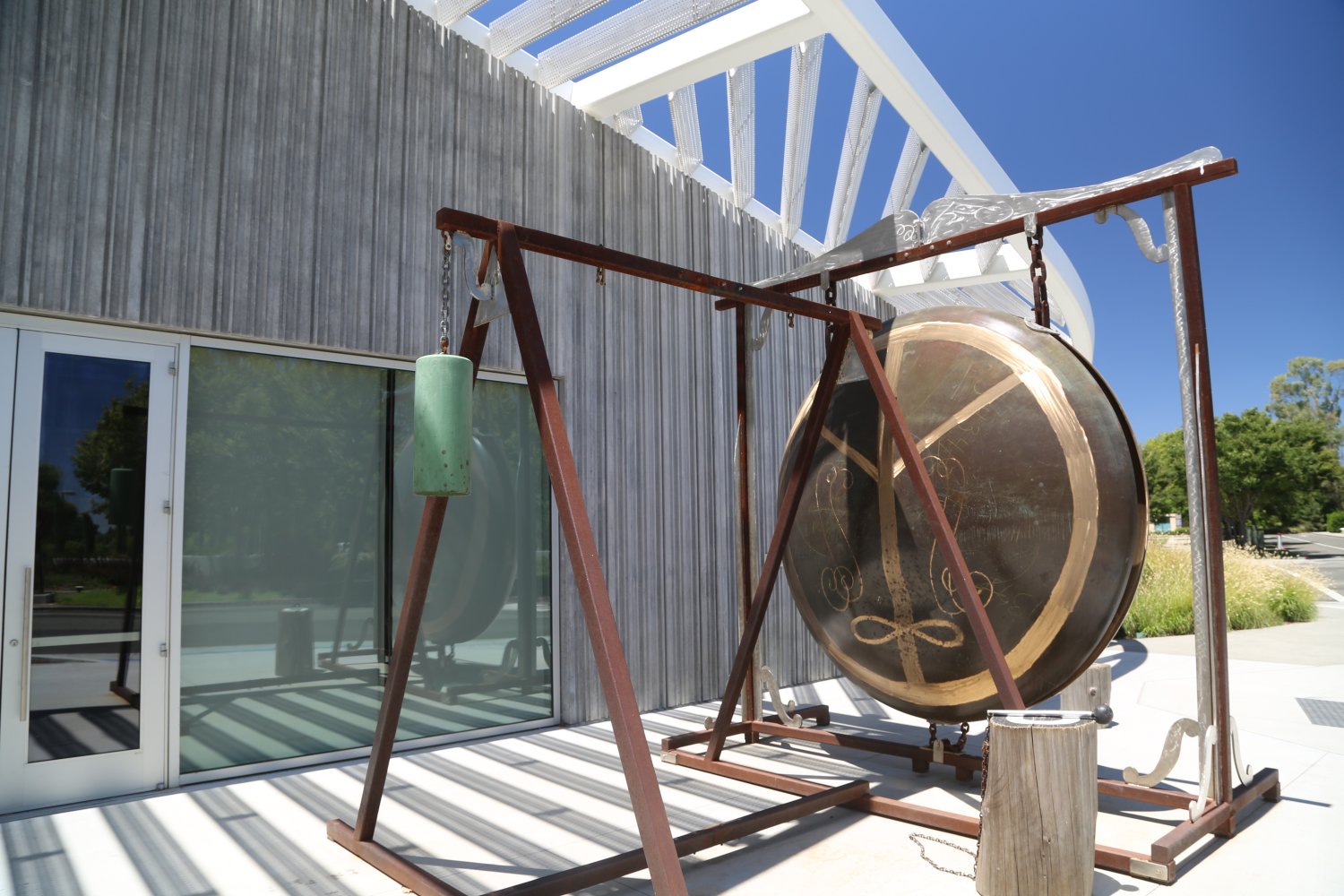
Manetti Shrem Art Museum, UC Davis – Interior
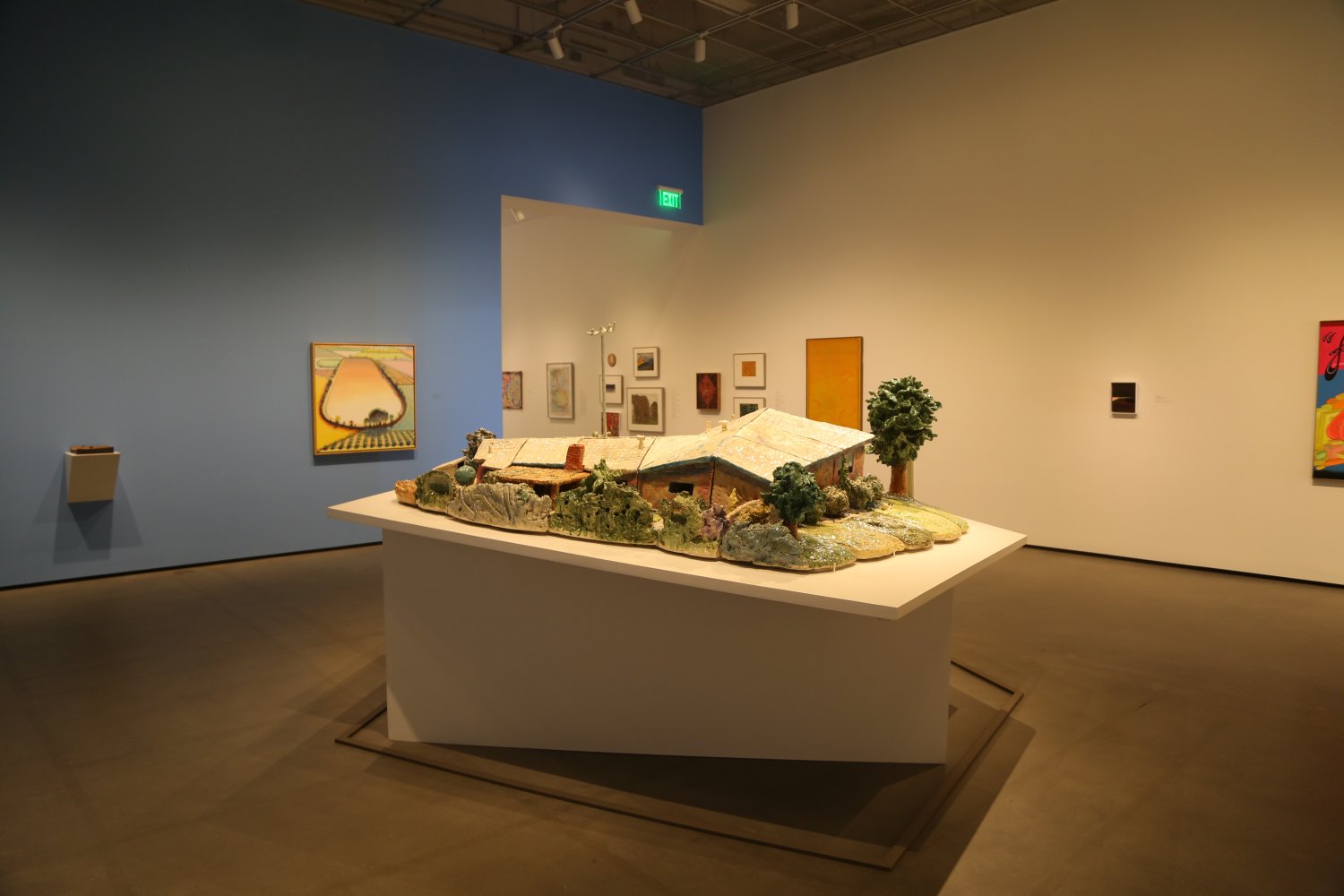
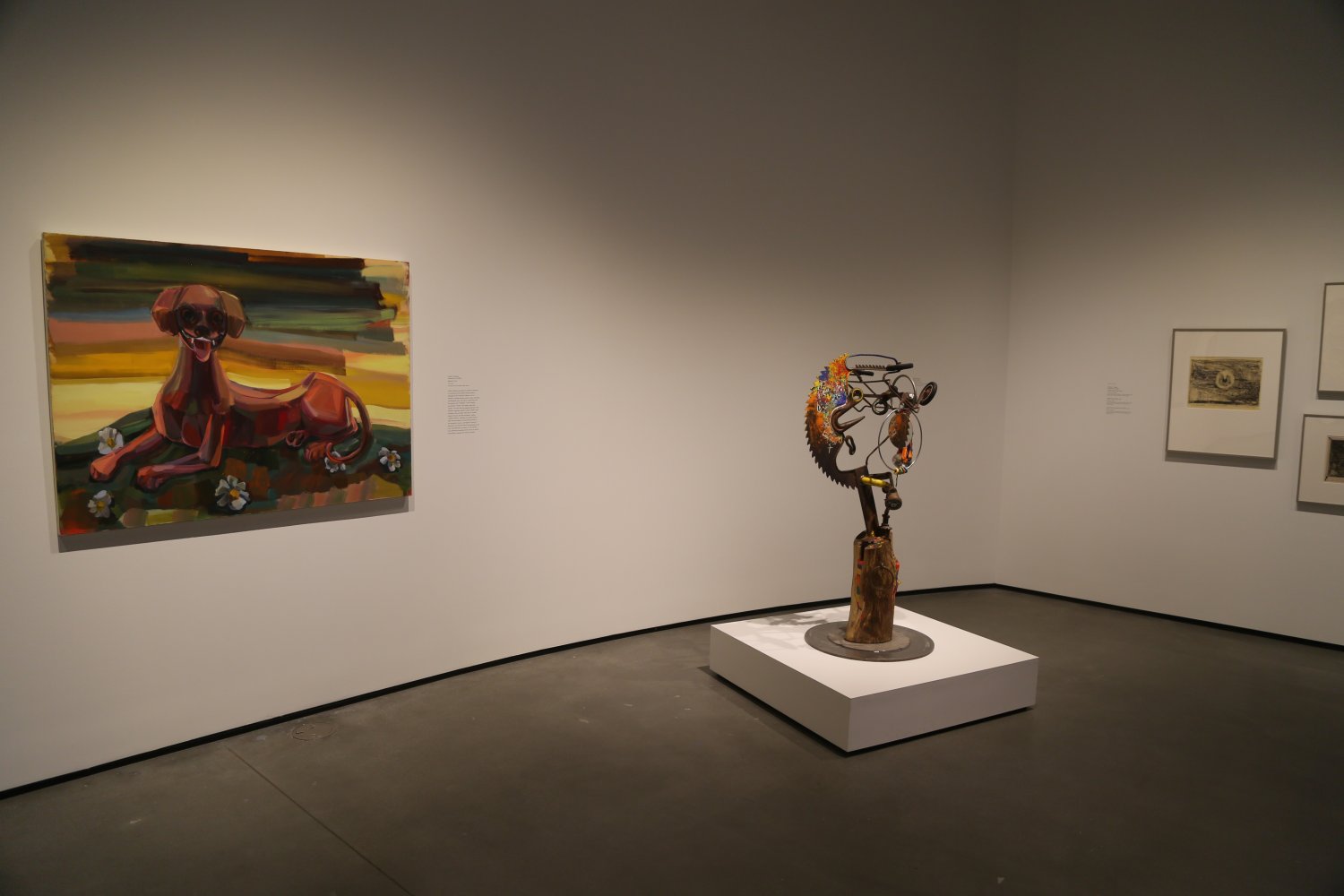
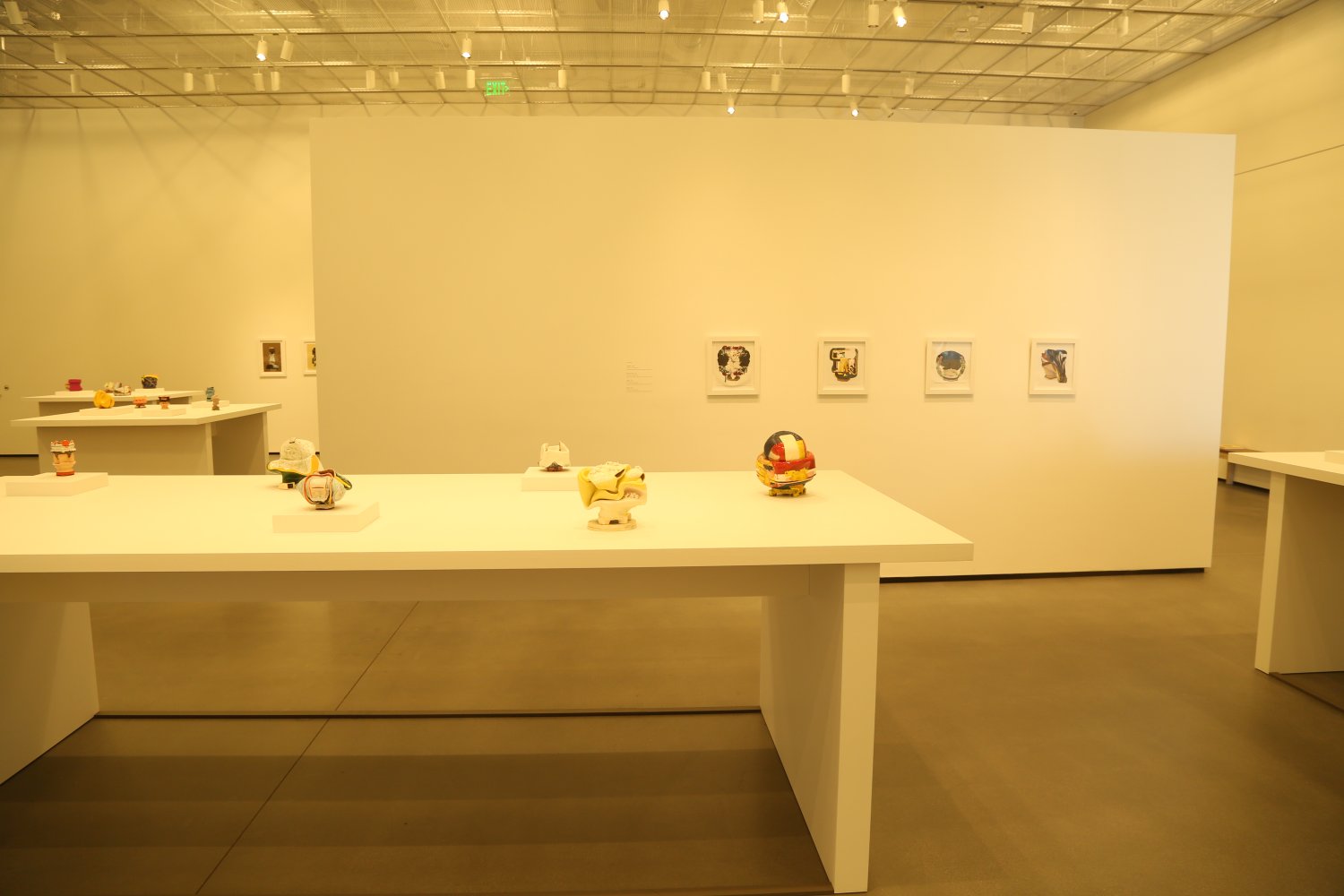
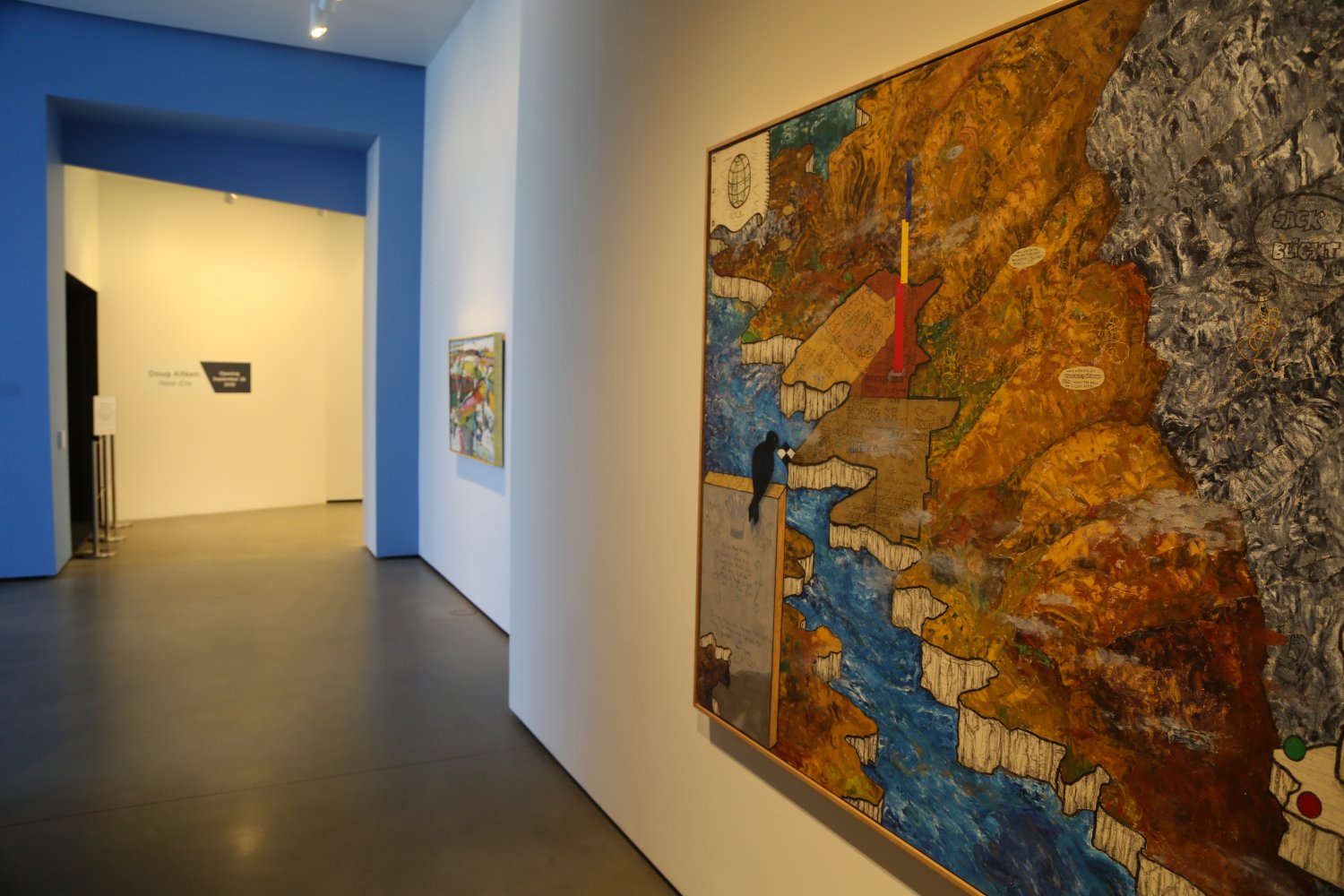
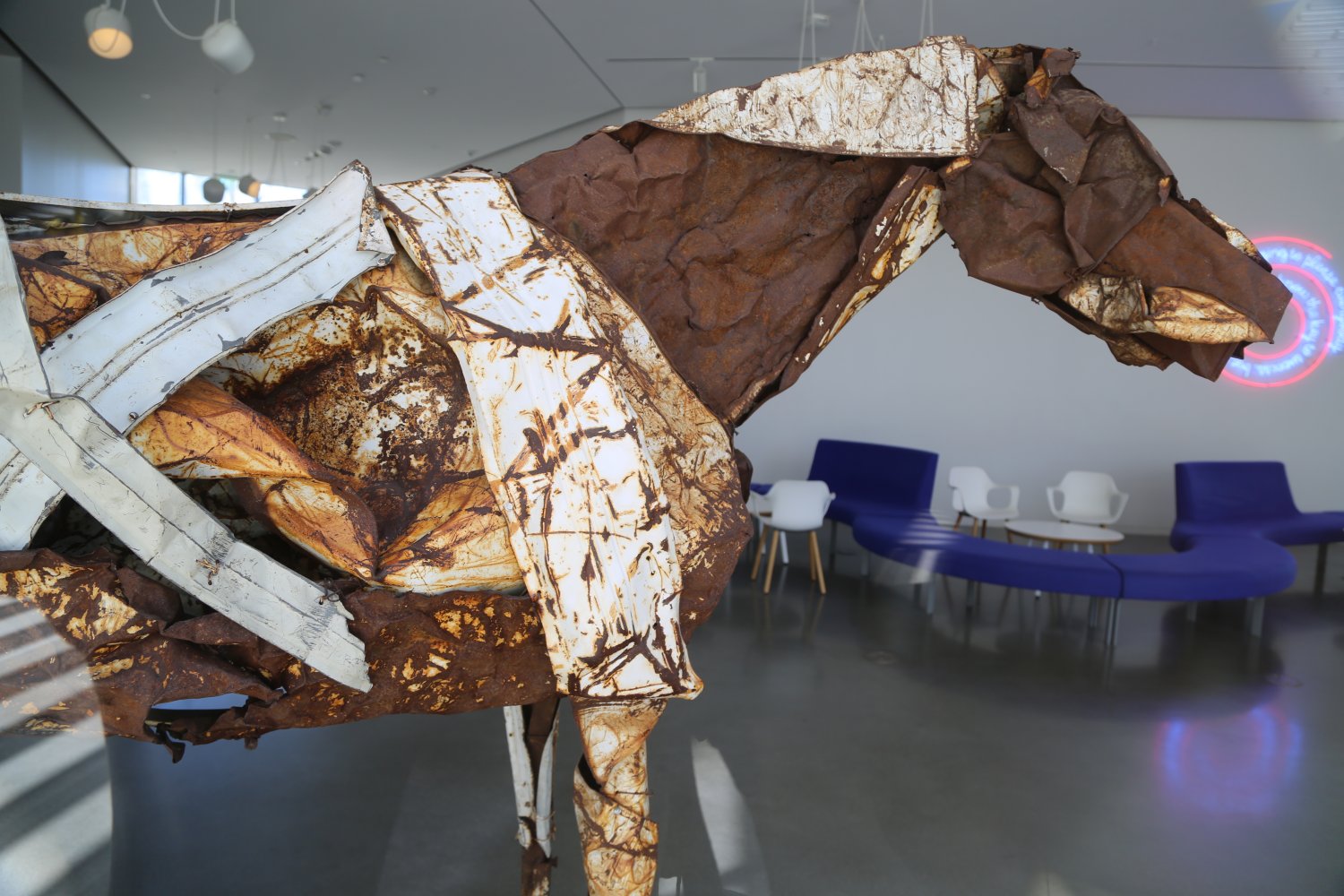
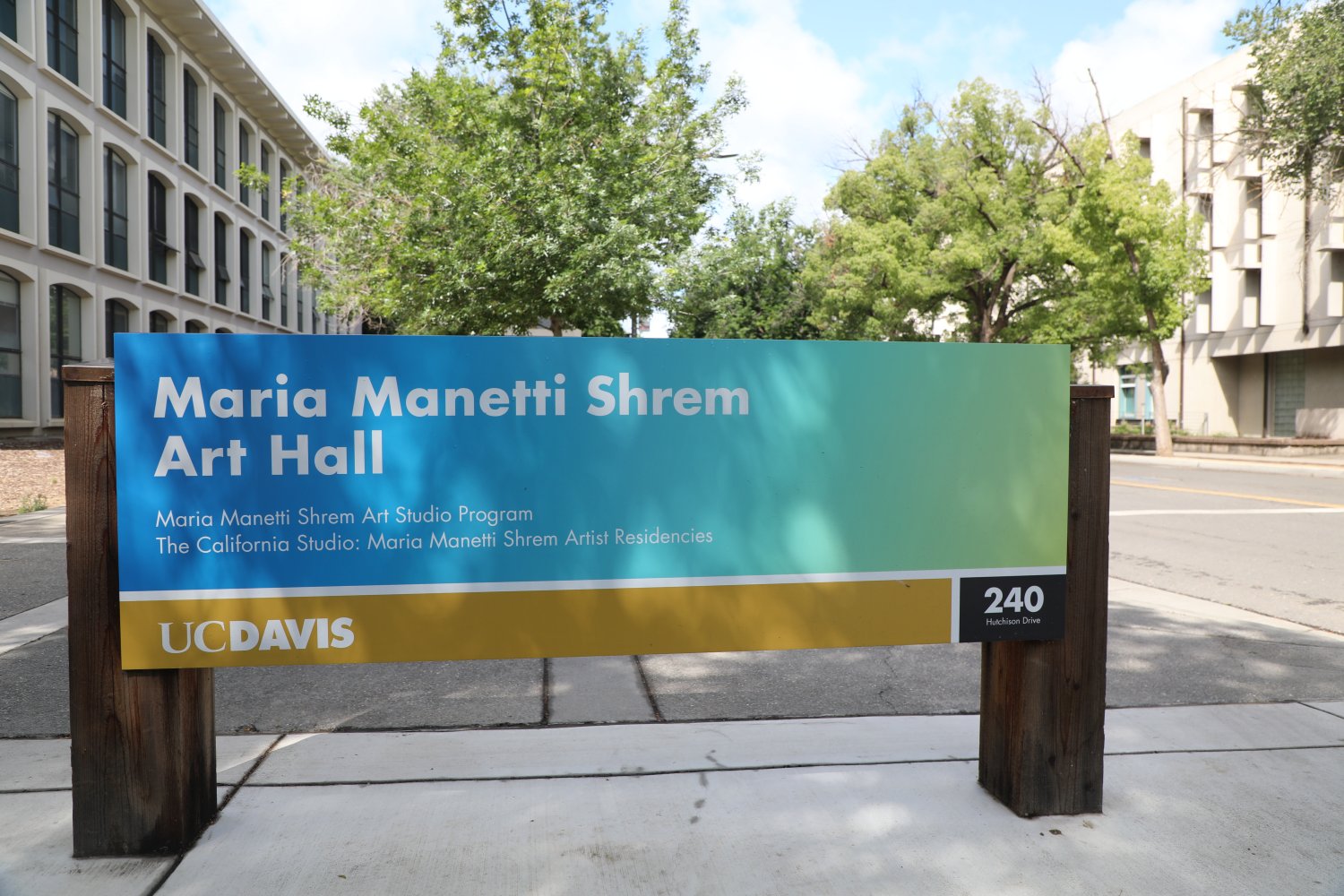
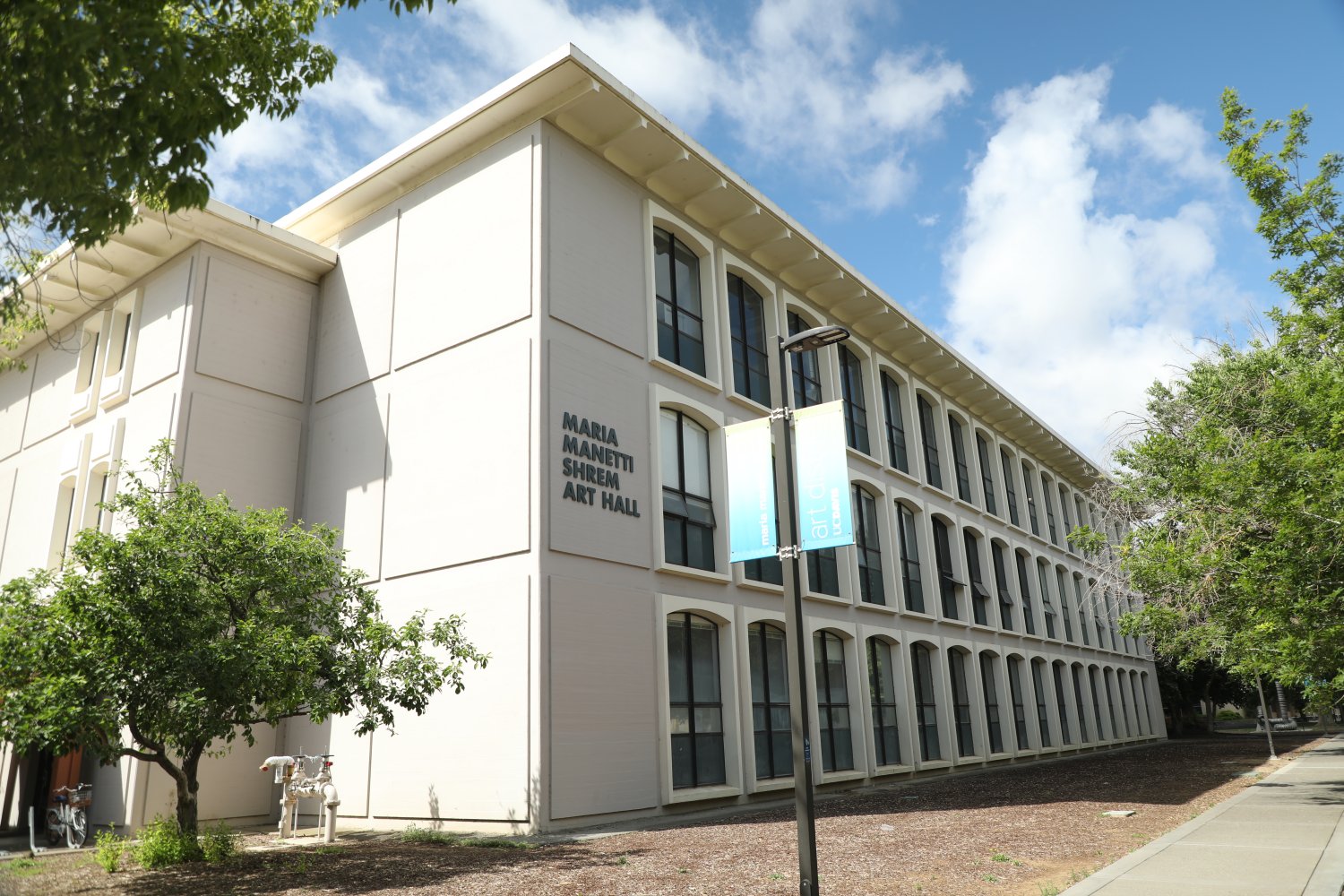
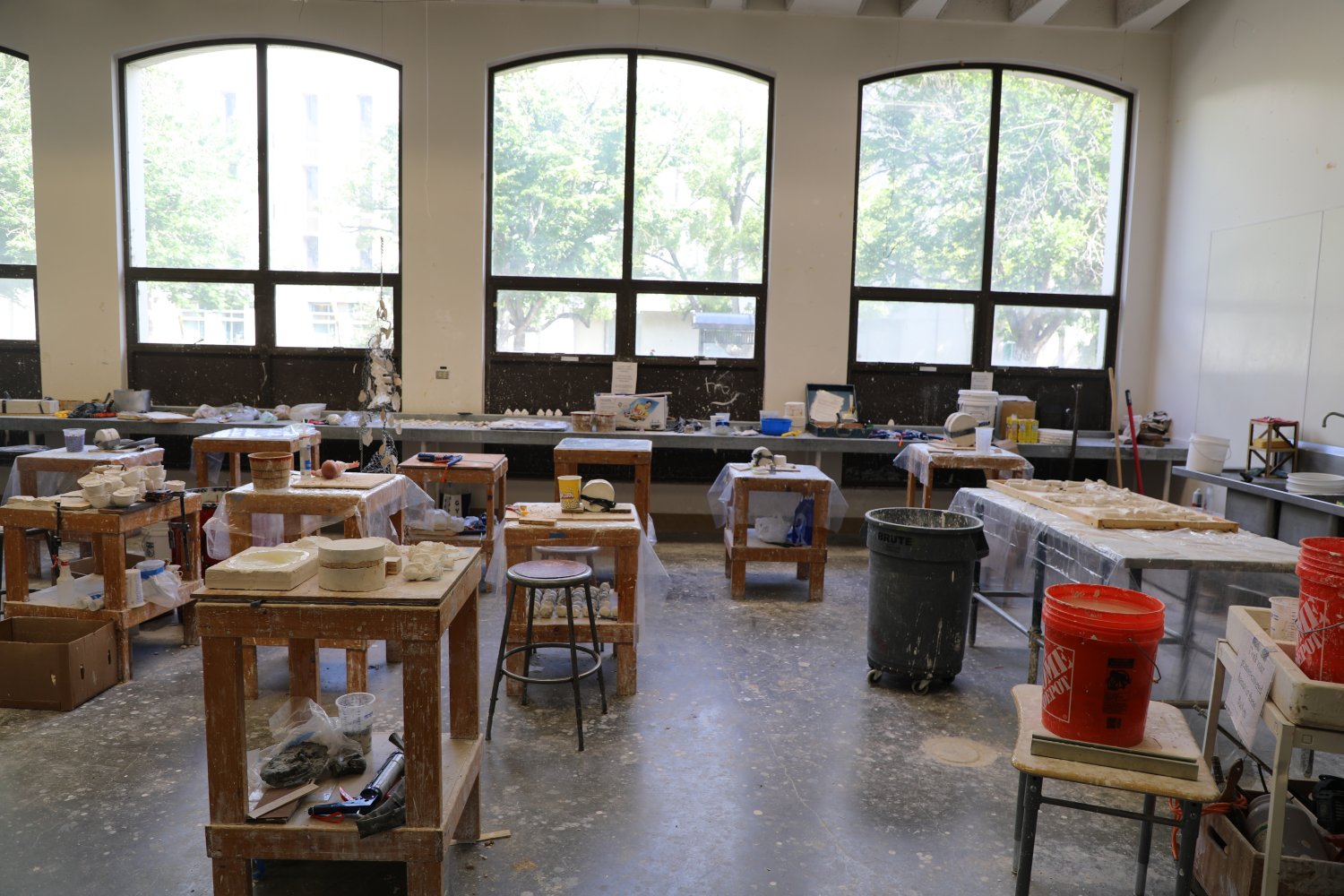
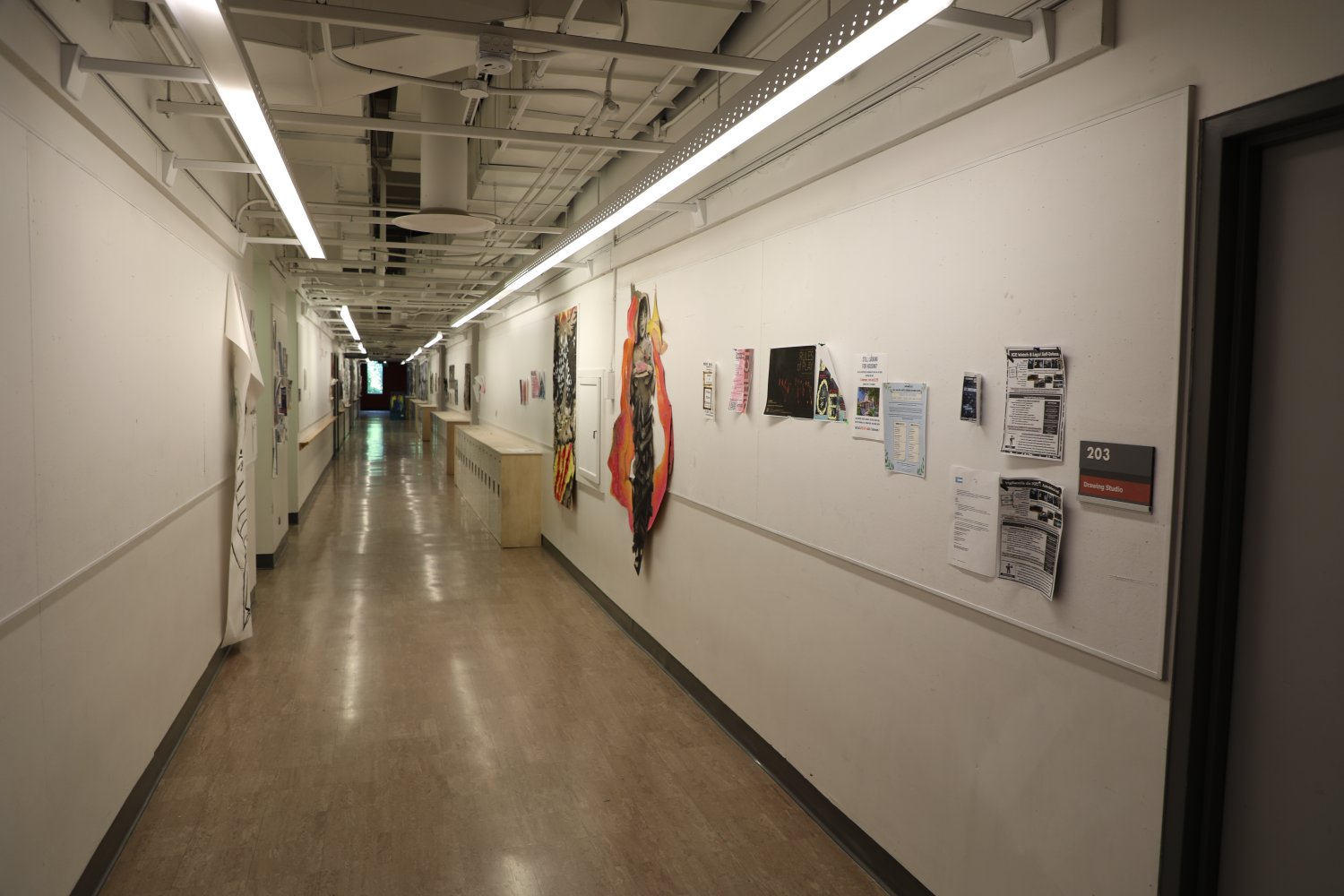
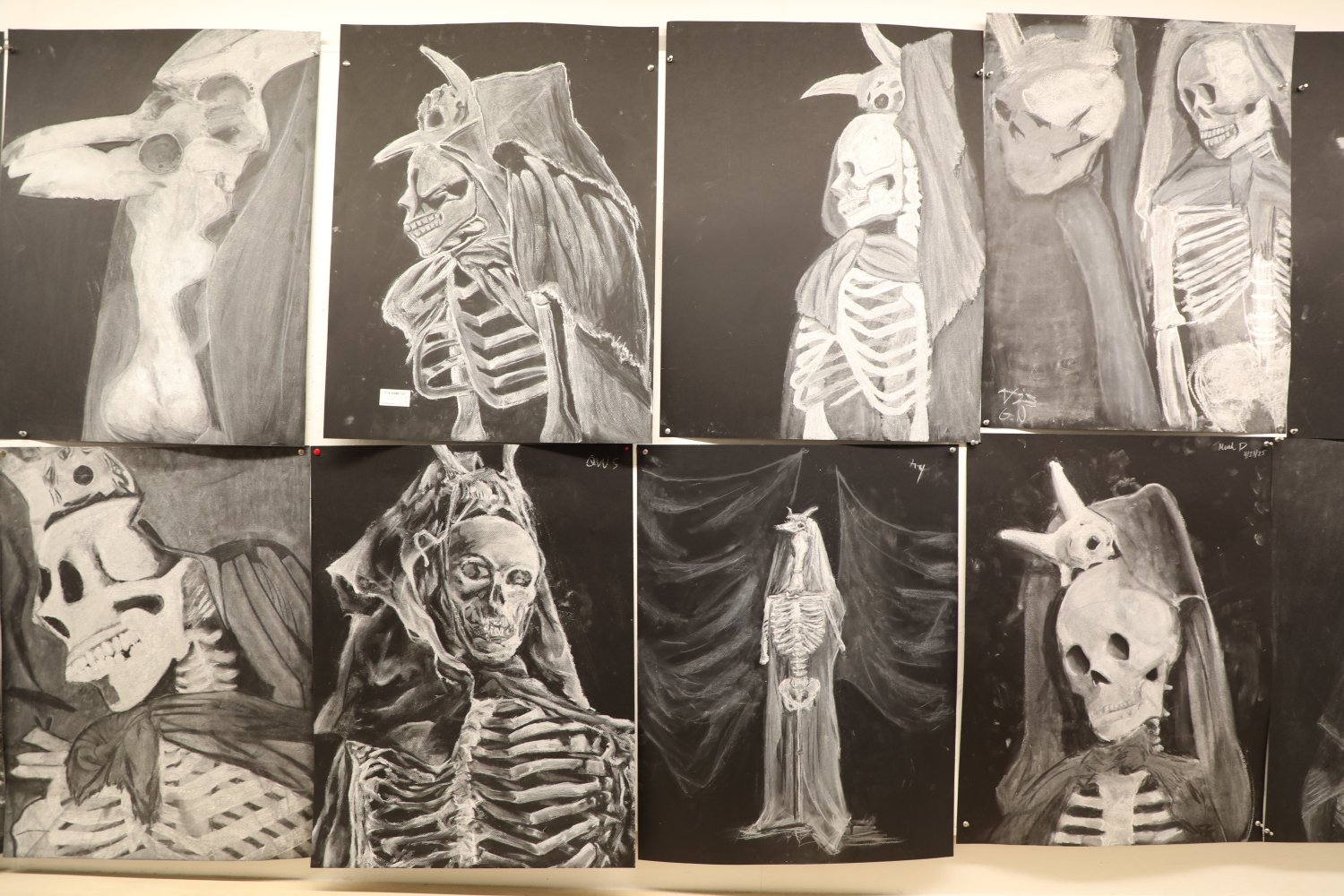
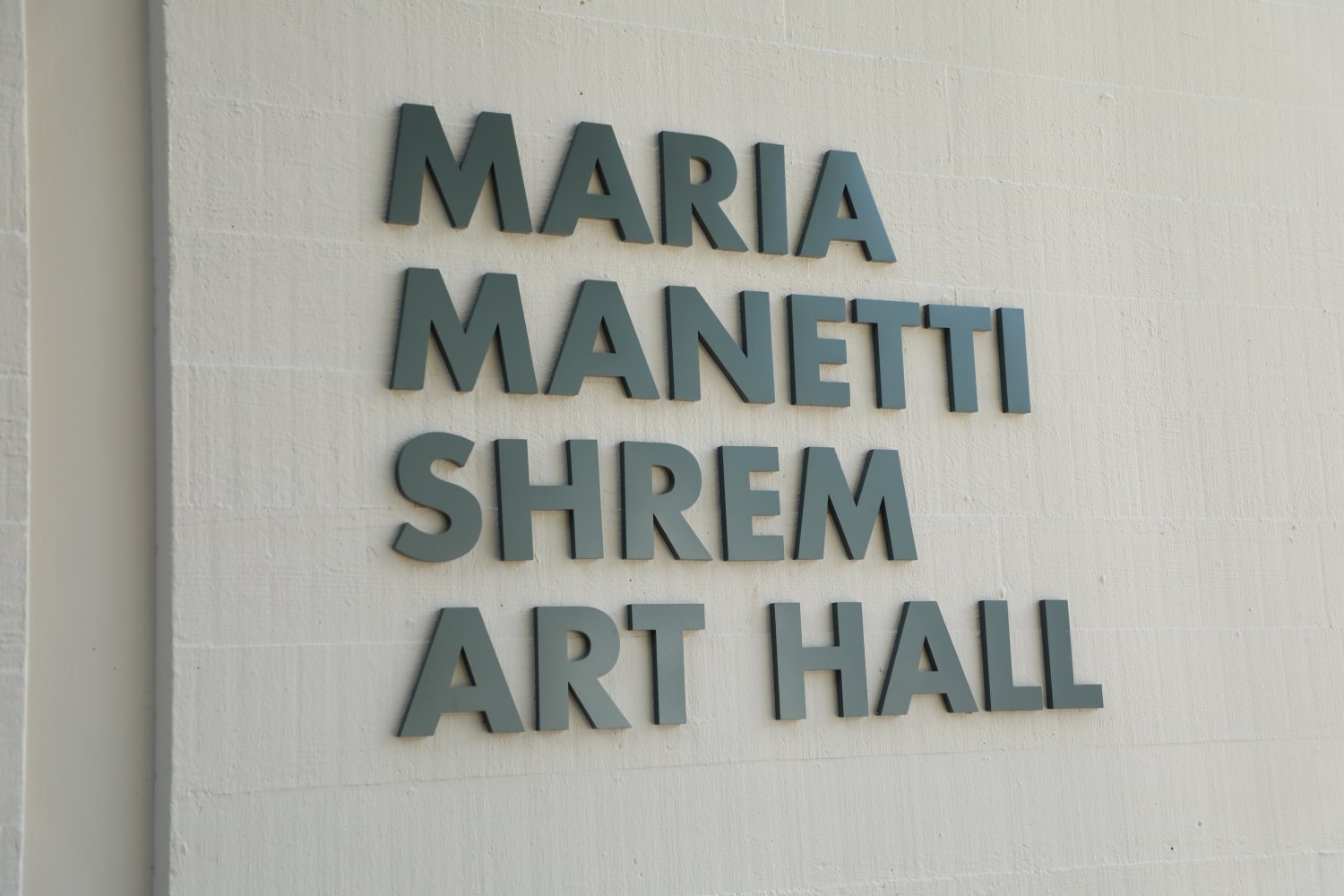
Maria Manetti Shrem Art Hall
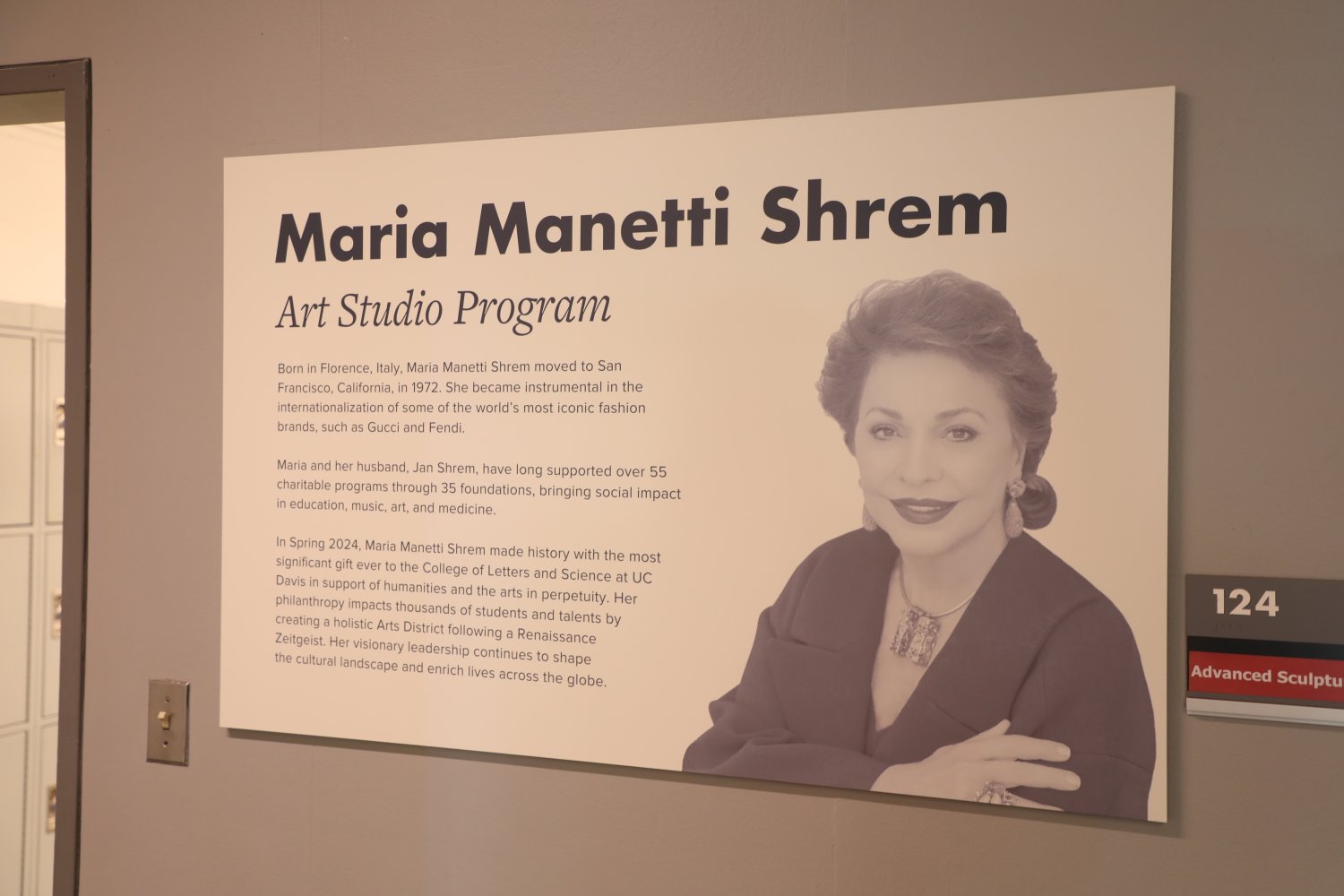
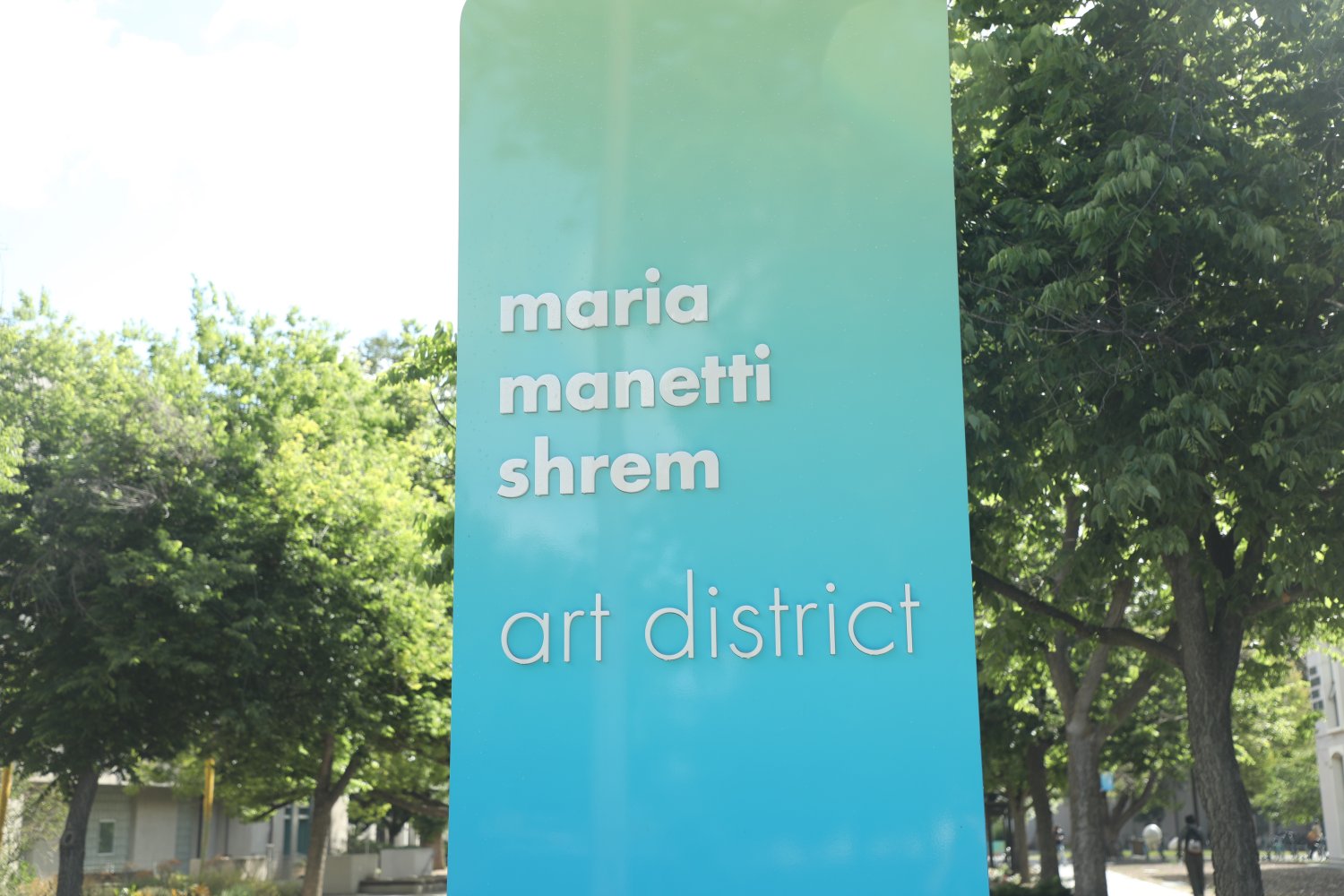
Located in the Maria Manetti Shrem Arts District on the campus of UC Davis, this existing building was renamed in early 2025 after Maria Manetti donated 20 million USD to the arts department, the largest such donation ever received by the arts department at UC Davis. The gift was used to fund eight endowments for arts and design, as well as three new faculty chairs within the College of Letters and Science. With this donation, Shrem has donated more than 40 million to the campus.
And in November 2025, the Maria Manetti Shrem Institute for Sustainable Design, Fashion and Textiles was launched on campus.
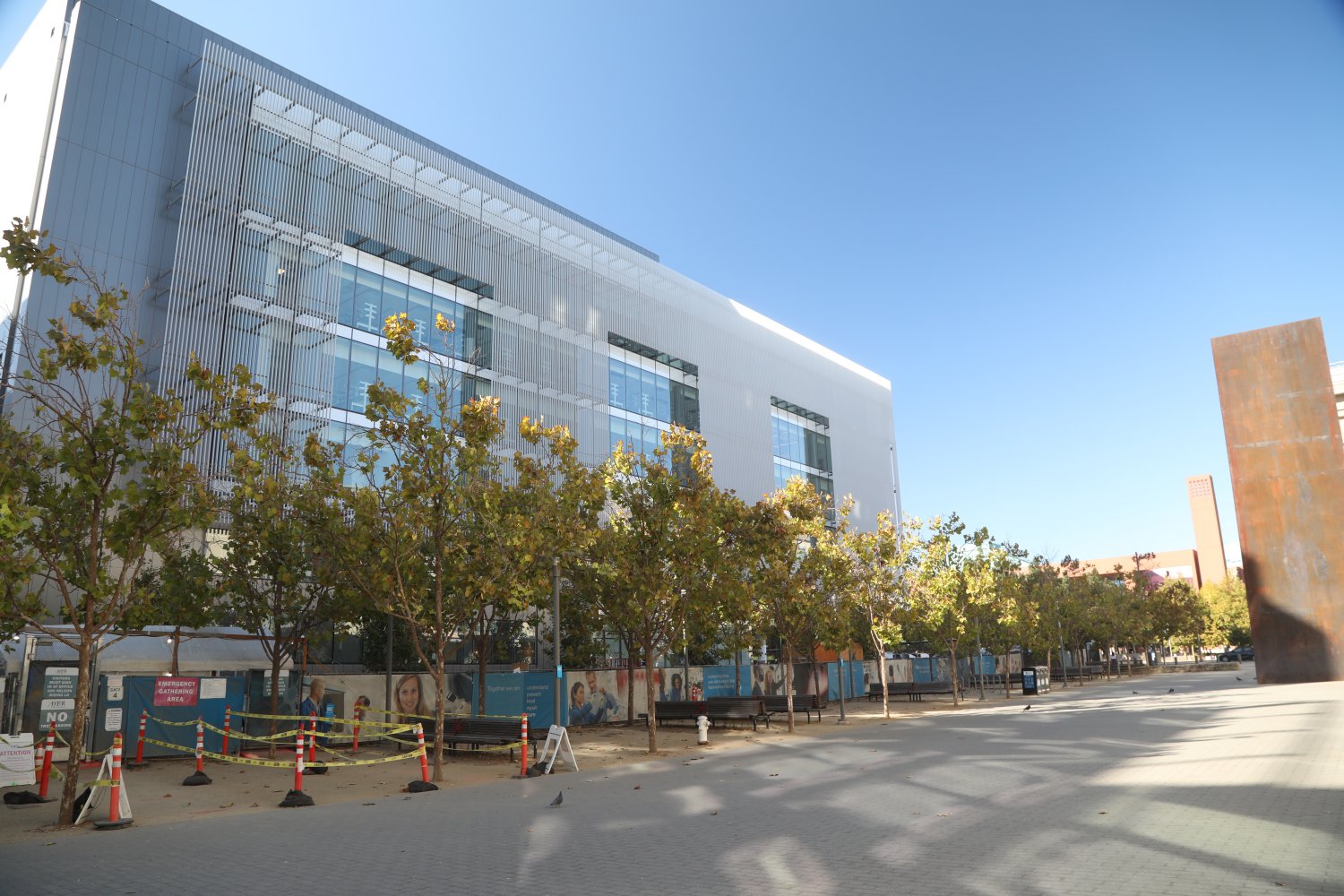
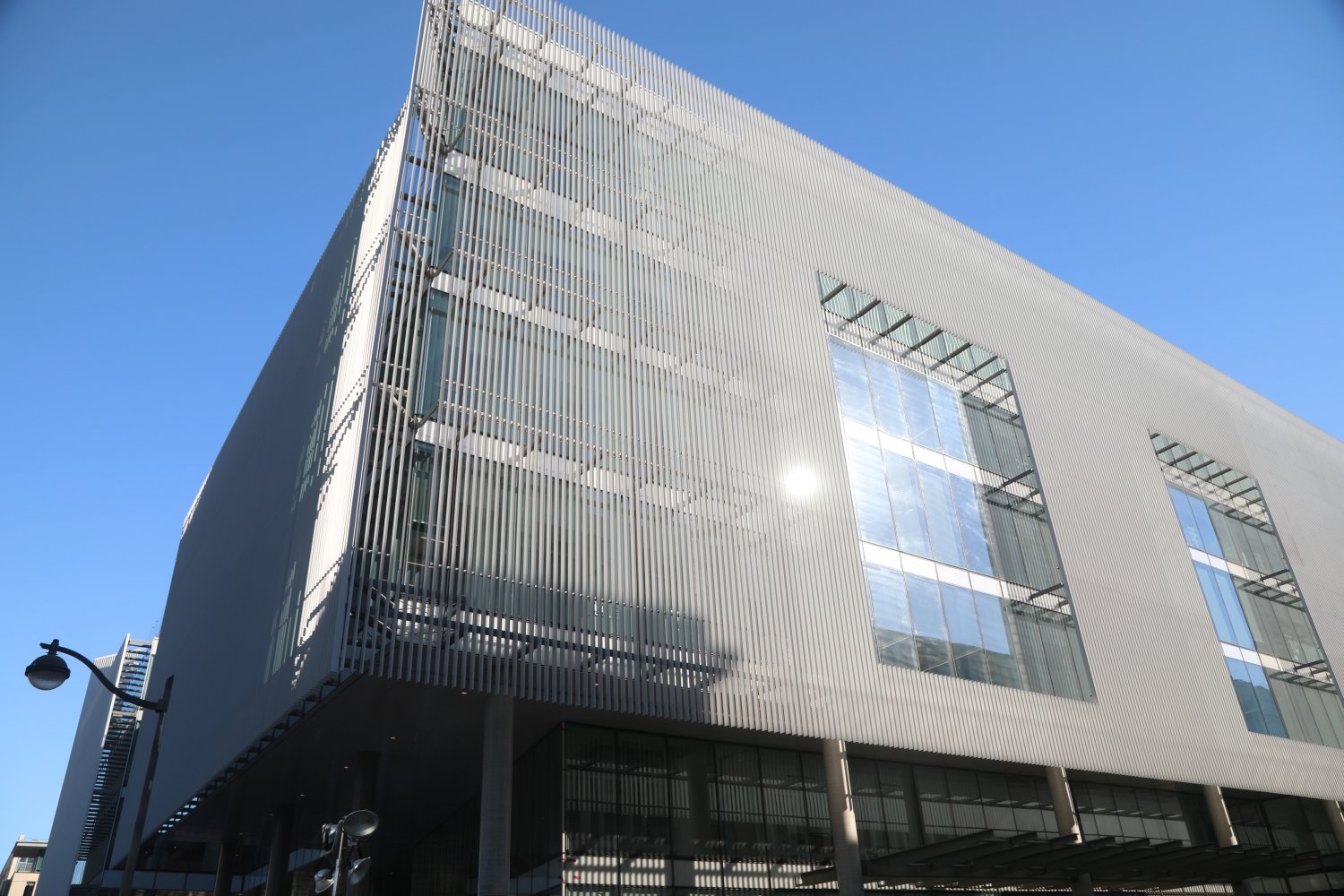
UCSF Jan Shrem and Maria Manetti Shrem Neurology Clinic, San Francisco
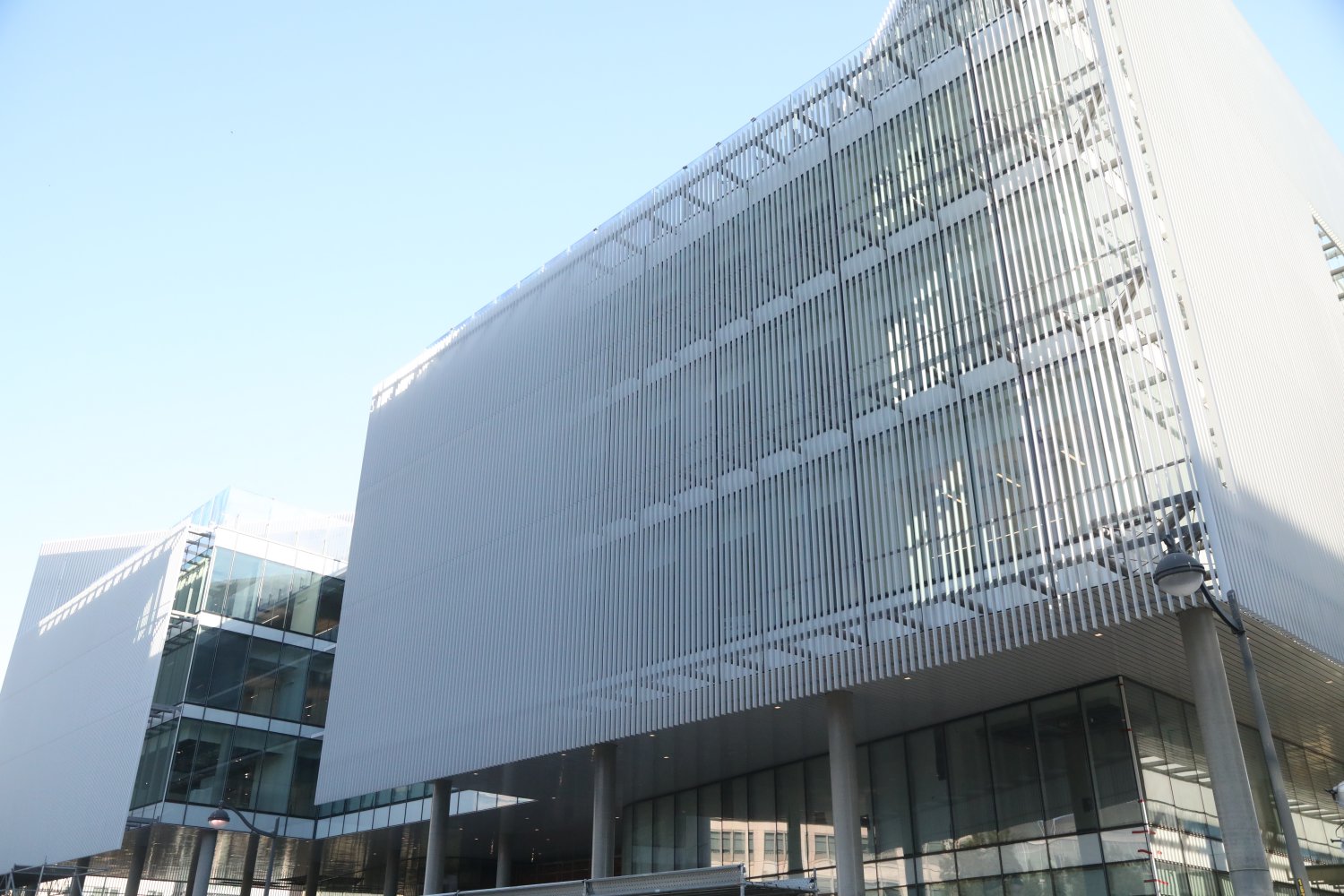
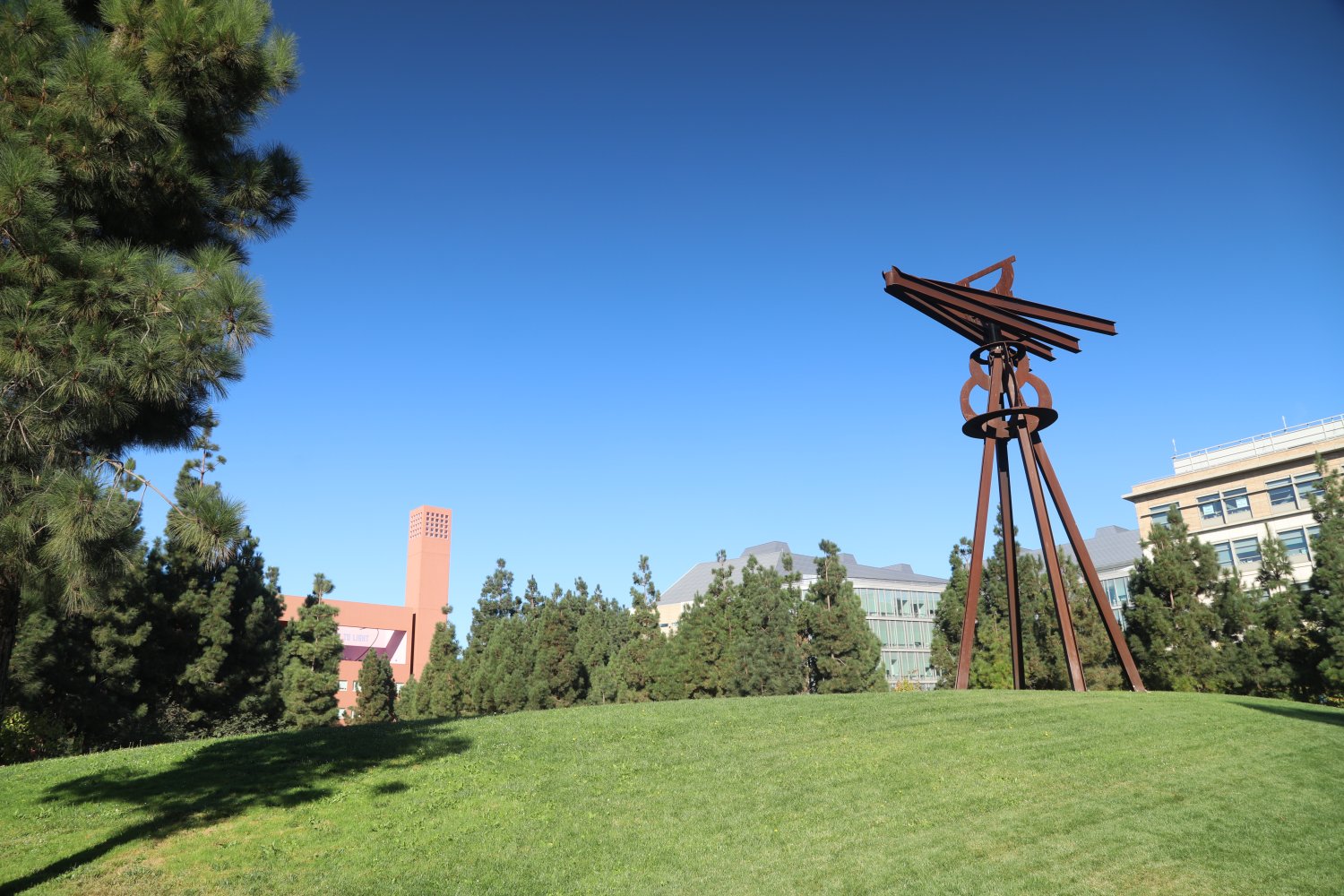
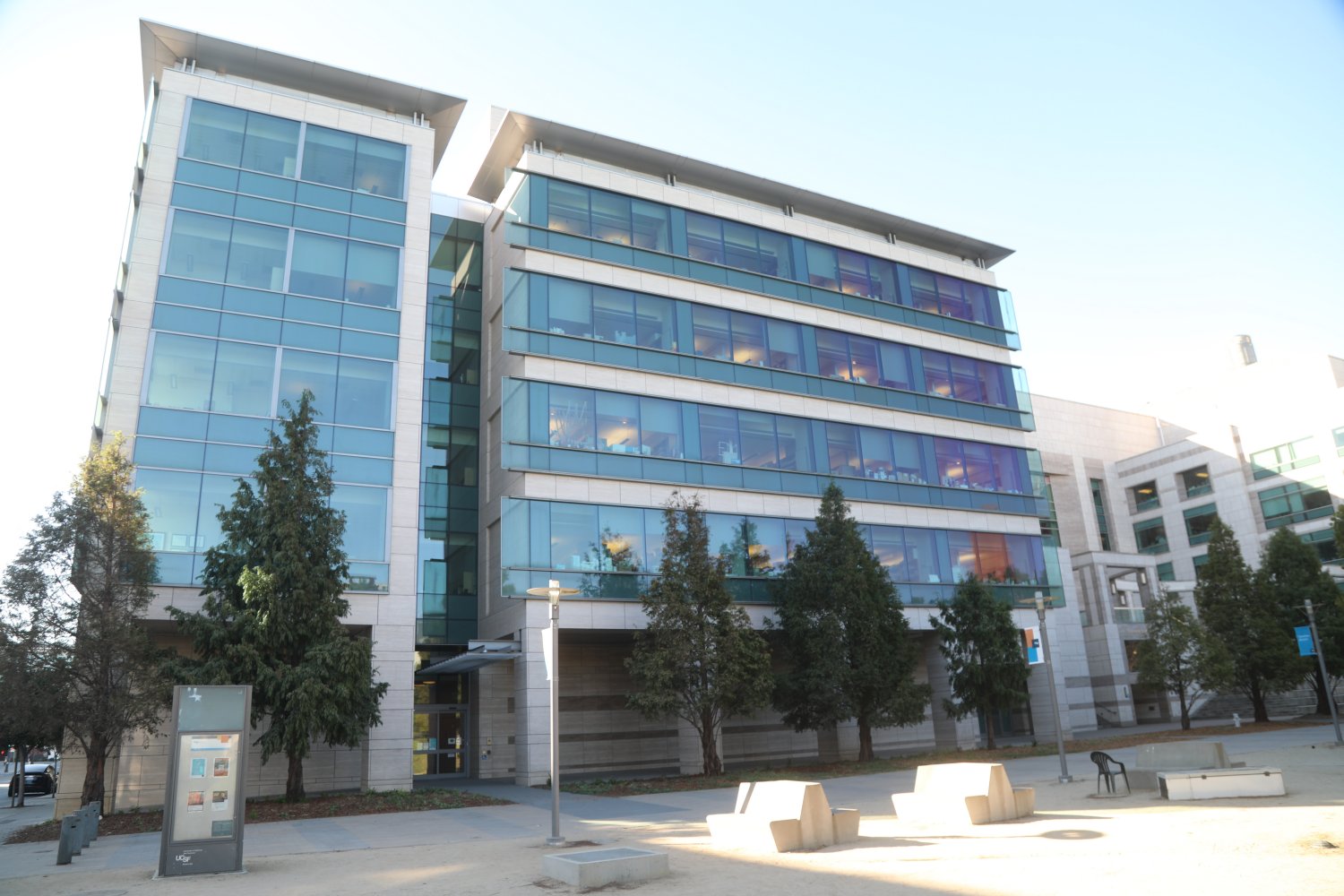
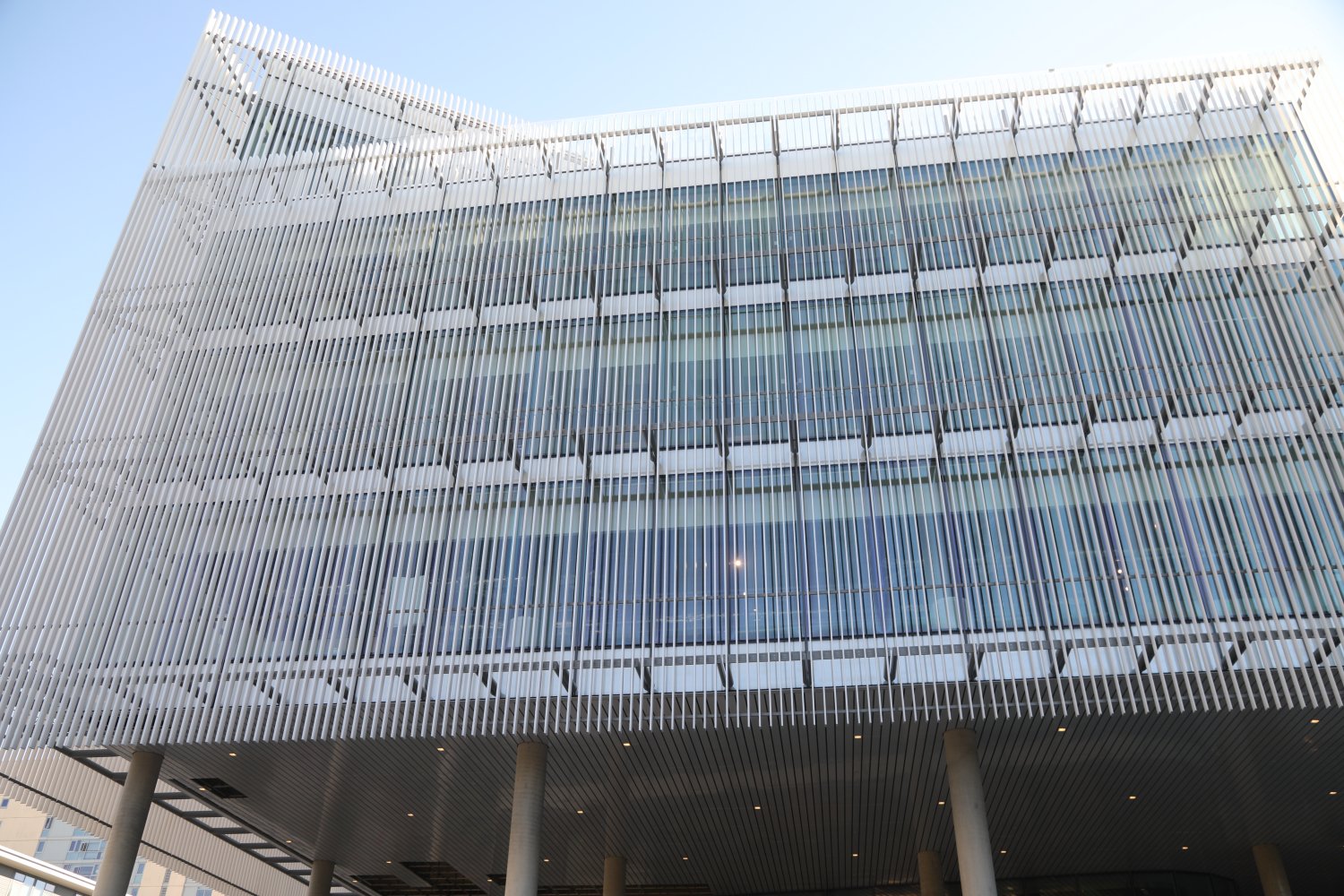
This clinic opened in late 2020 inside the Joan and Sanford I. Weill Neurosciences Building (on the first floor). This building is located on the UCSF campus – just south of Oracle Park (home of the San Francisco Giants) and near to Chase Center (home of the Golden State Warriors). Jan and Maria donated $18 million to help fund the clinic which is focused on neurology, neurosurgery and psychiatry.

—
Jan and Maria were married in 2012 (after Jan’s wife Mitsuko passed in 2010). Italian born and a native of Florence Maria was involved in the world of fashion for decades including in the 1980s as director of Gucci franchises and later managing distribution for Mark Cross and Fendi. For many years she owned one of the most beautiful private estates in Napa Valley, Villa Mille Rose on Money Road in Oakville, a short drive north of Saddleback Cellars slightly south of the Rutherford appellation. She has since sold his property to the Castellucci family of Castellucci Wines. The 60-acre estate produces olive oil and balsamic style vinegar.
Maria has long enjoyed wine and was one of the co-founders of what is now Festival Napa Valley, focused on bringing performance arts events to the Napa Valley combined with wine and food. The Schrem’s founded the Manetti Shrem Opera Program at UC Davis which provides a tuition-free summer residency for college students a vocal arts series of concerts and the Manetti Shrem Opera Prize. This program is also associated with the annual Festival de Sole in held in Napa Valley every July.
And combined, the Shrems have supported numerous foundations across the U.S., U.K. and Italy.
Leave a Reply