



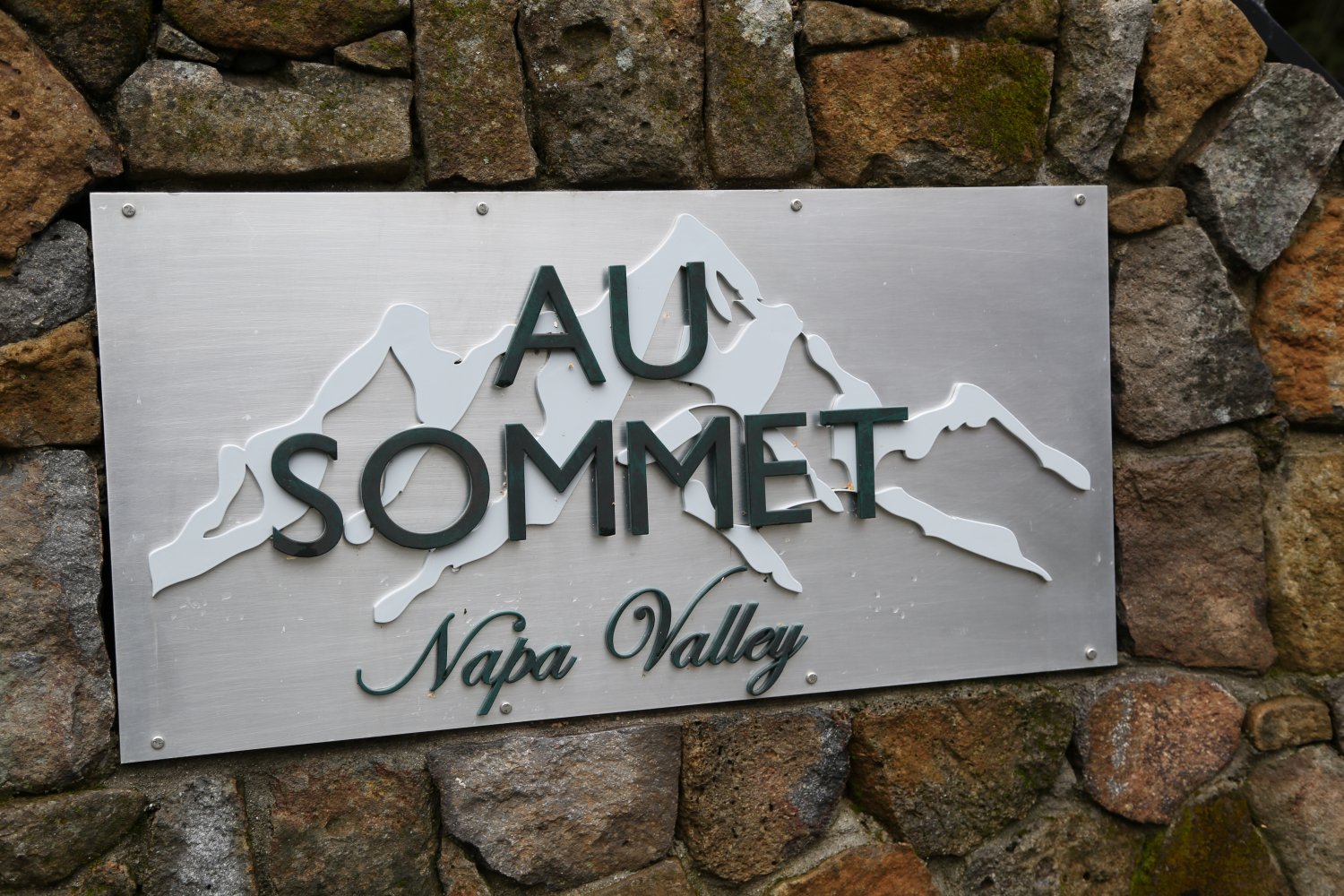
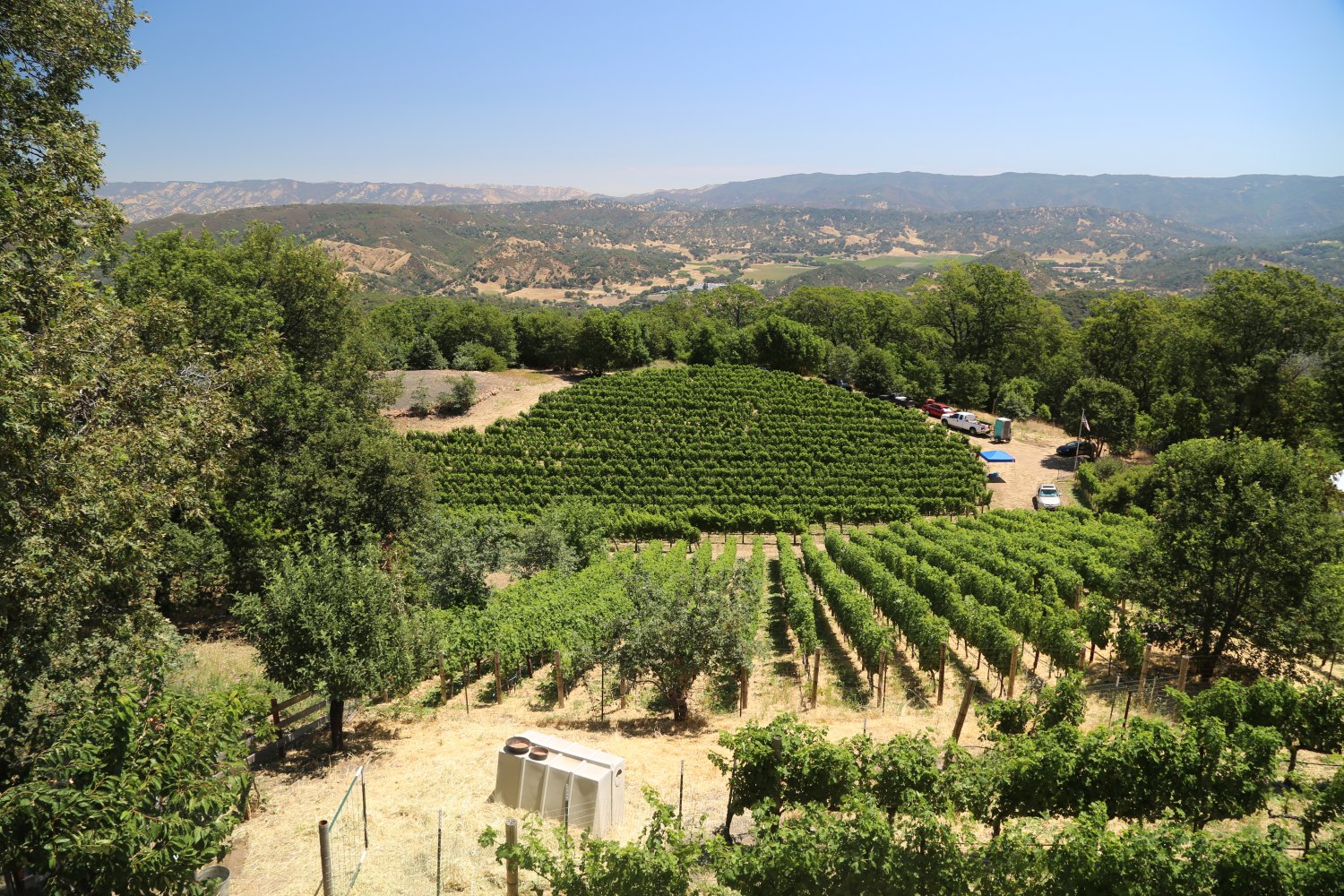
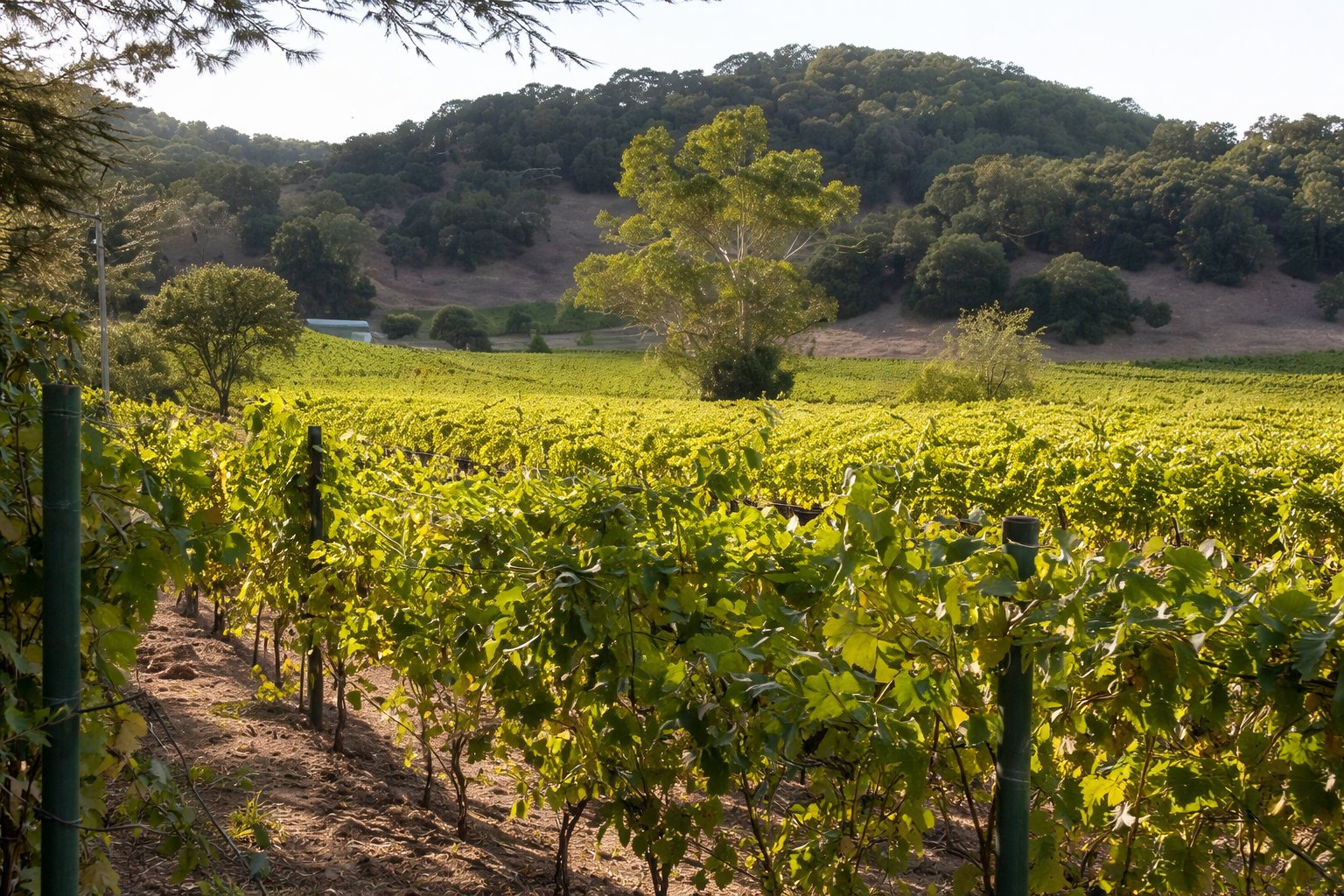
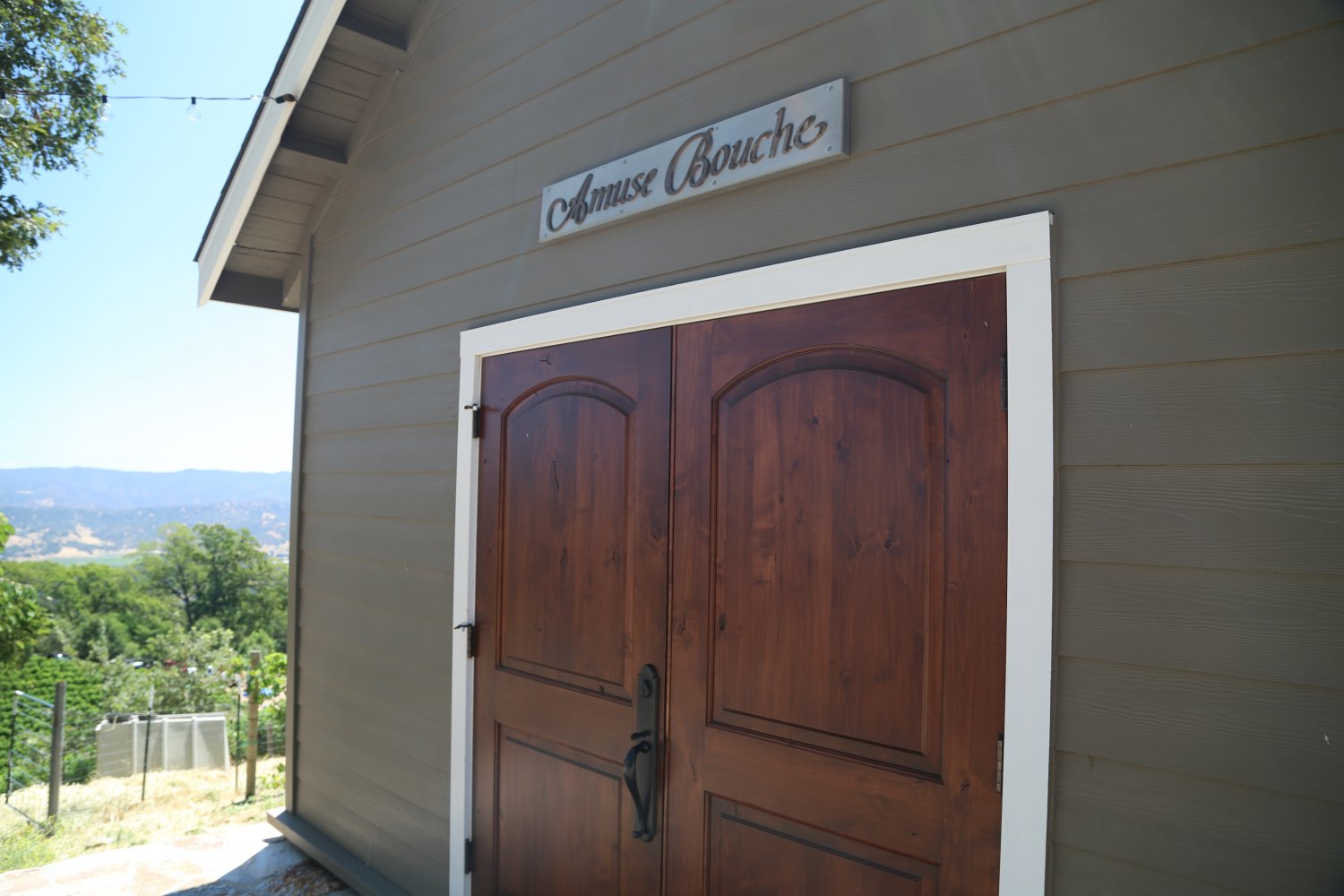
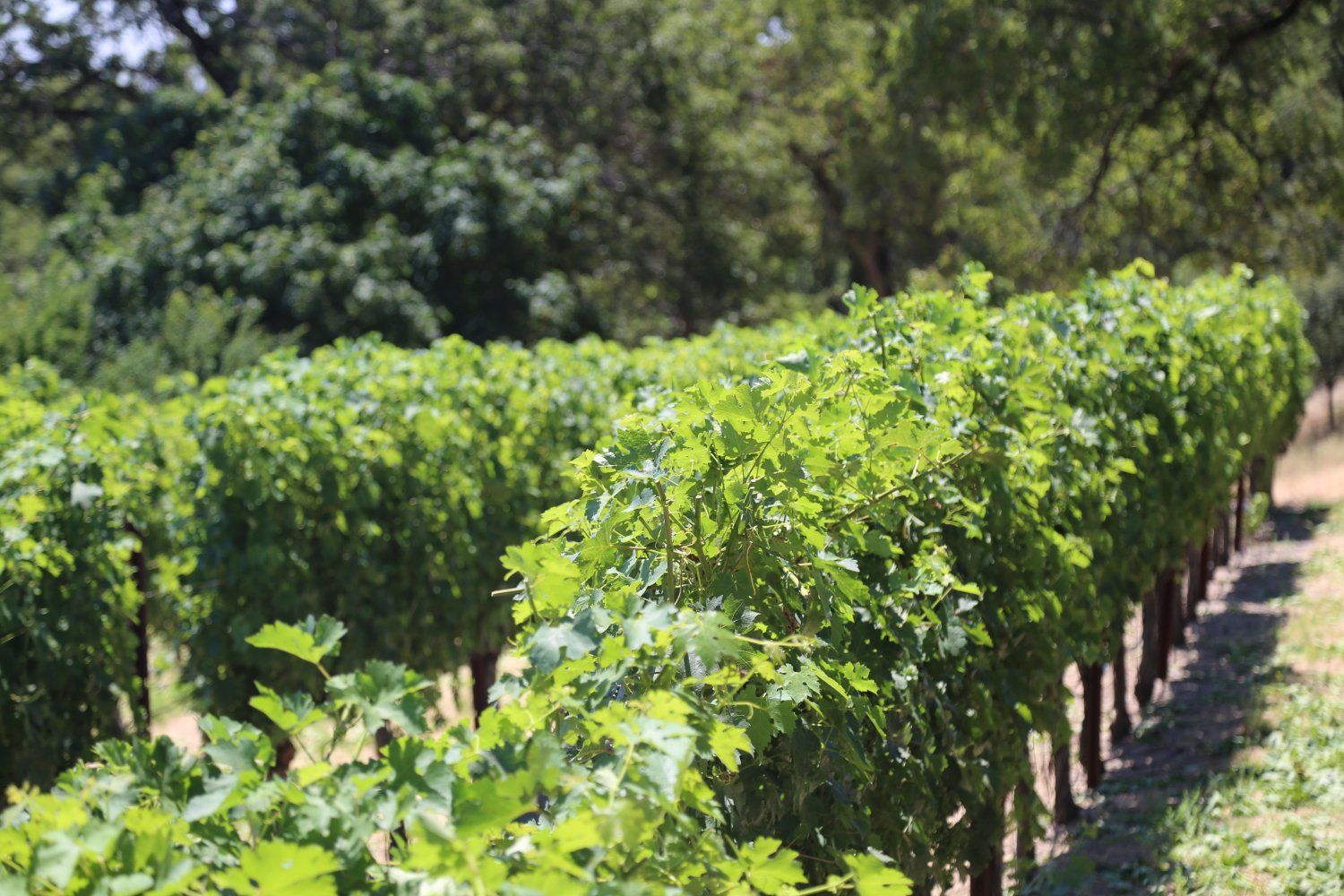
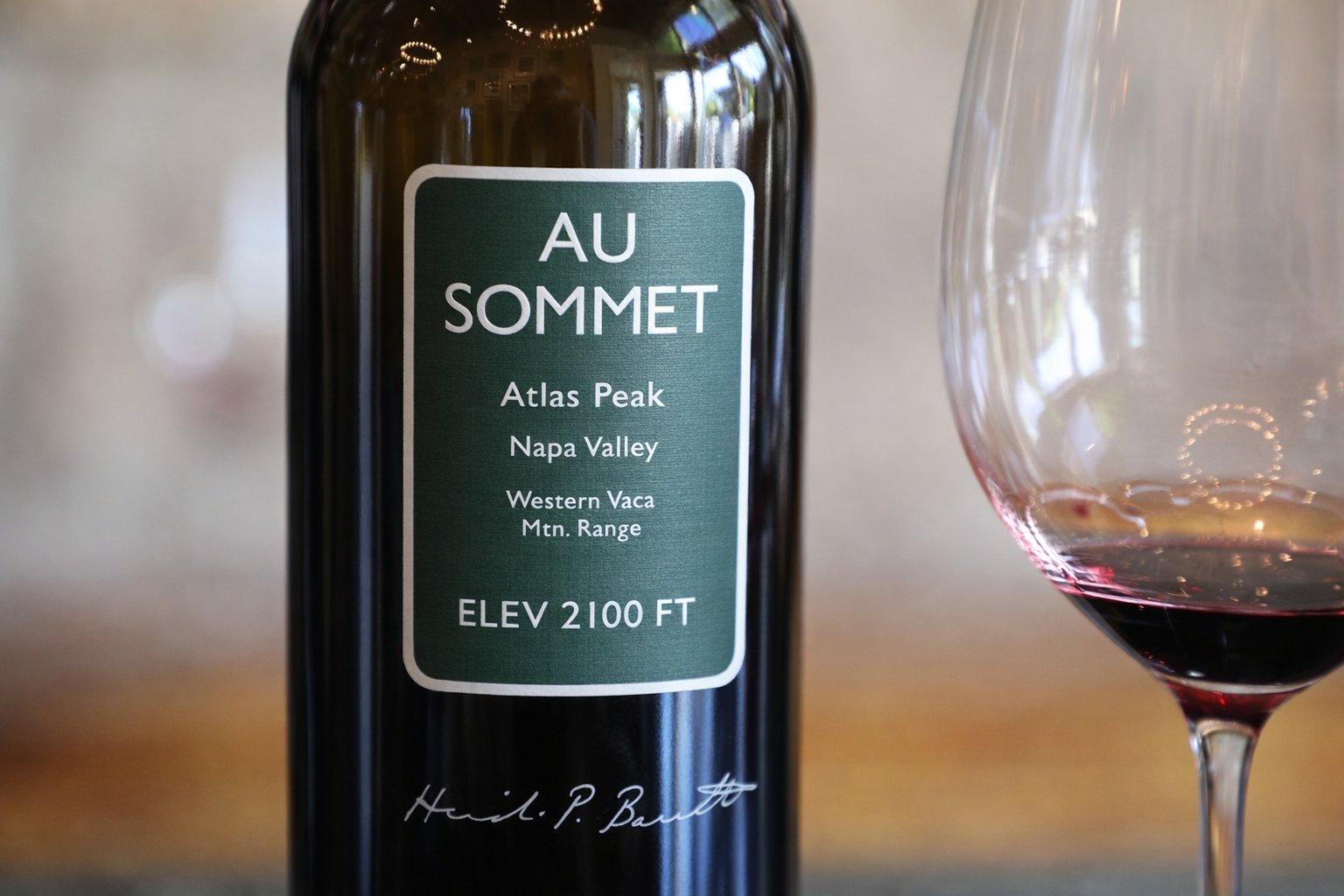
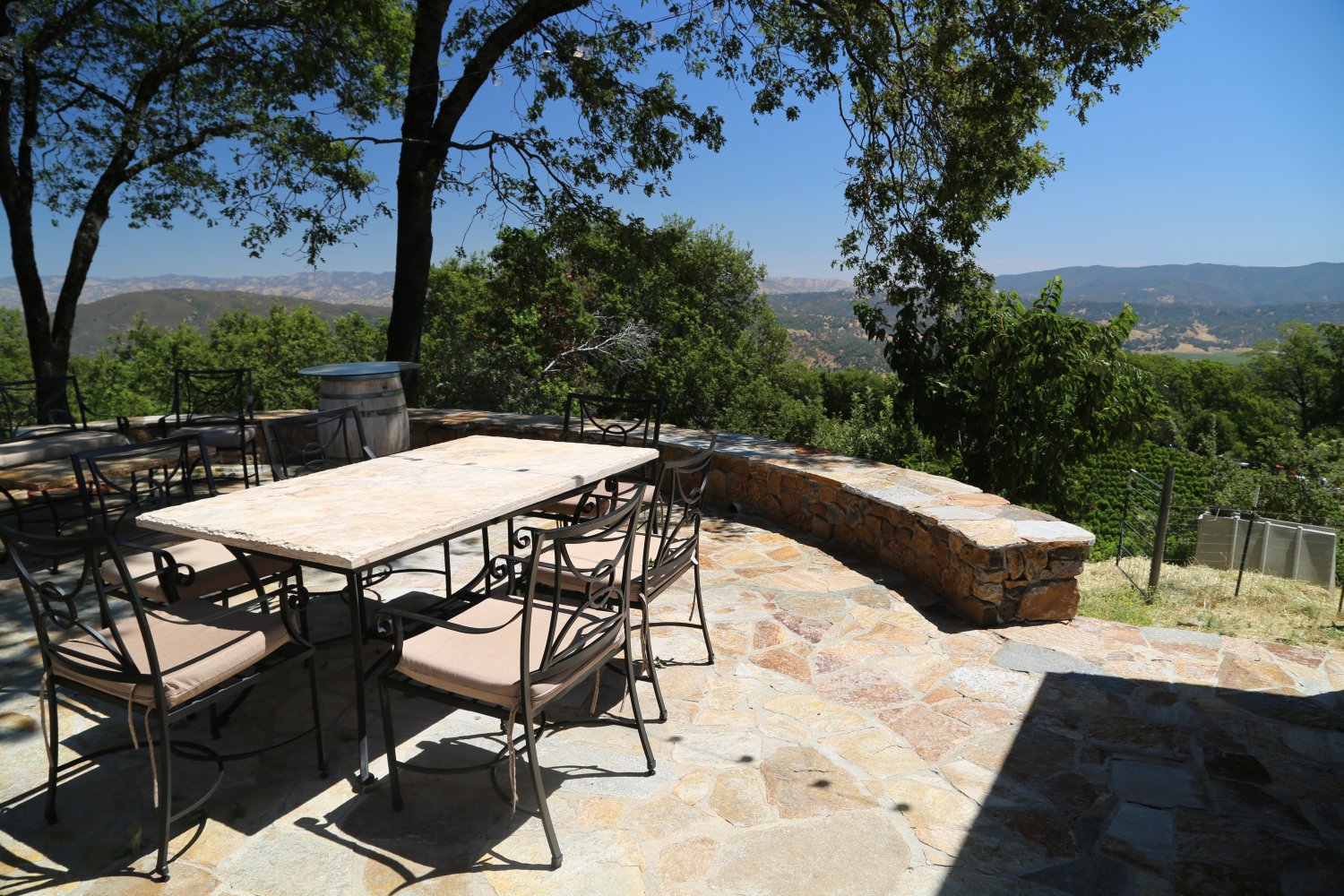
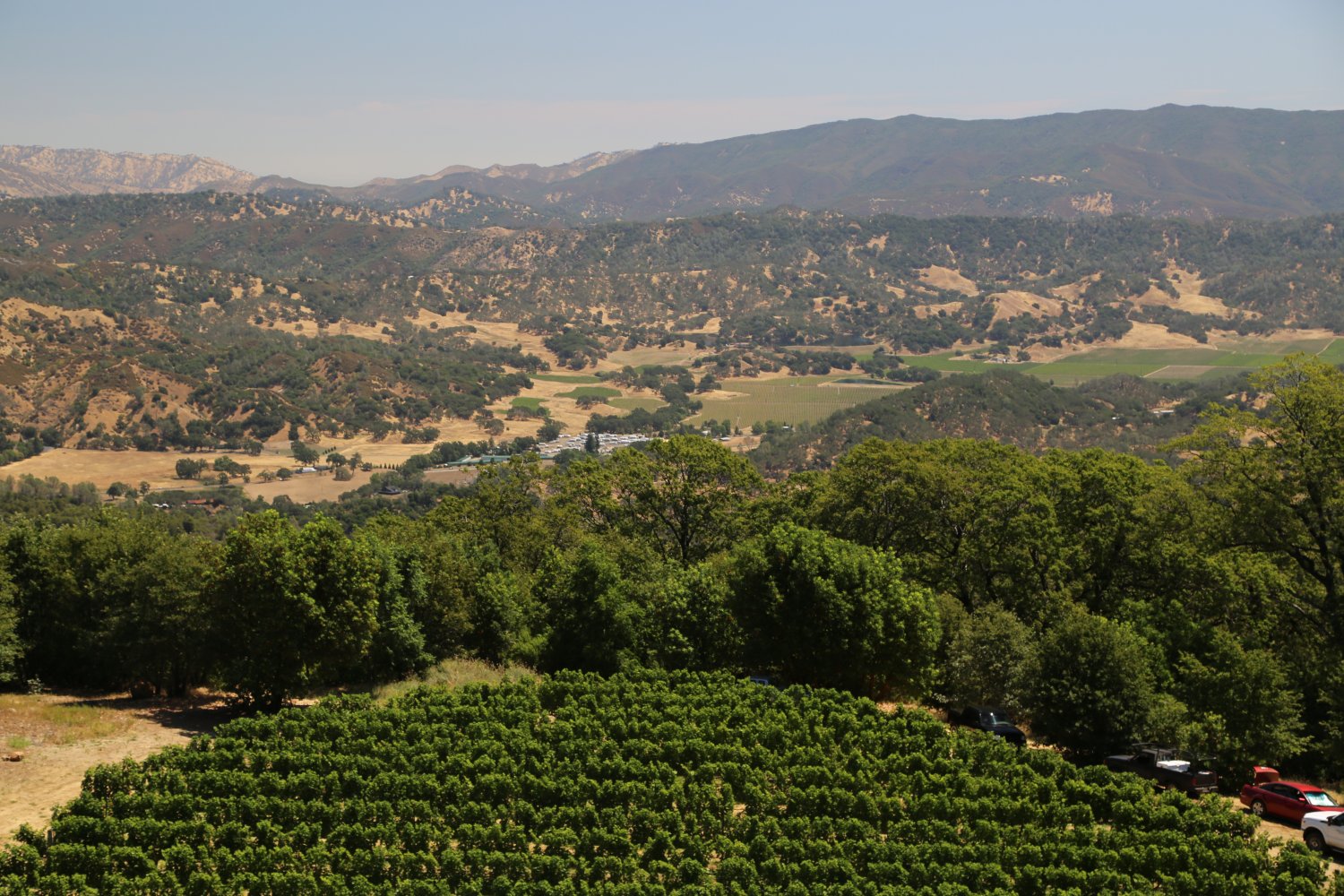
 Au Sommet is a 44-acre property located high on the slopes of Atlas Peak (2,100 feet). Nine acres of vines are planted; the majority being Cabernet Sauvignon with two small blocks of Petit Verdot. The site offers incredible views at times and on clear days one can look east into the Central Valley, on very clear days the snowcapped mountains of some of the Sierra Nevada mountains can be seen from the property including a tiny view directly into Yosemite and of Half Dome. Because of their elevation, the property sees a dusting of snow at times, including the day before one of our latest visits.
And we have to mention this; their normal rainfall is about 20 inches per year but every so often their rainfall is dramatically higher like in 2016/2017 when the property received nearly 70 inches. These are rocky soils and despite the years with higher rainfall, their vineyards drain very well. The vines are farmed organically including periodically moving chicken hutches throughout the vineyard rows. A garden supplies fresh produce and goats produce milk which they turn into cheese.
This property was purchased by John and his wife Carrie Schwartz in 2008 from Susan Curtis, the previous owner of this land and proprietor of Jocelyn Lonen wines from 1997-2016. Susan and her husband, Lonen originally founded their label in the mid 1990s in the Santa Cruz Mountains; they purchased this property in 1997. Our first visit to the site was in 2007 to meet with then managing partner of Jocelyn Lonen, Brandi Jocelyn Pack and her mother, Susan Curtis.
Au Sommet (inaugural vintage 2008) is a partnership between Schwartz, viticulturist Jim Barbour and winemaker, Heidi Peterson Barrett, one of America’s foremost winemakers. Heidi’s father is Richard Peterson, an icon in the industry and her mother Diane was an artist. Winemaking is both an art and a science and Heidi has used her talents in both disciplines to build an extremely successful career in Napa Valley.
She began her winemaking studies at UC Davis, graduating in 1980 with a degree in Fermentation Science. Her first job in Napa Valley after graduating was for Justin Meyer at Franciscan Vineyards and Silver Oak. She later worked for several other wineries in Napa Valley until she became an independent consulting winemaker in 1988. Her work with Dalla Valle Vineyards and Screaming Eagle was noteworthy – producing two 100 point scored wines awarded by Robert Parker for wines she made at both wineries. Today her talents are as sought after as ever; besides her own labels she continues to consult and make wine for several smaller producers in the valley.
Heidi and John have known each other for years; they first met when they were children. John is extremely talented; he has made food and wine an integral part of his life for several decades. His parents sent him to France to learn the culinary arts when he was young; he has spent time with some of the culinary greats including living with chef, Julia Child for several months and at an early age, getting to know chef Jacques Pépin.
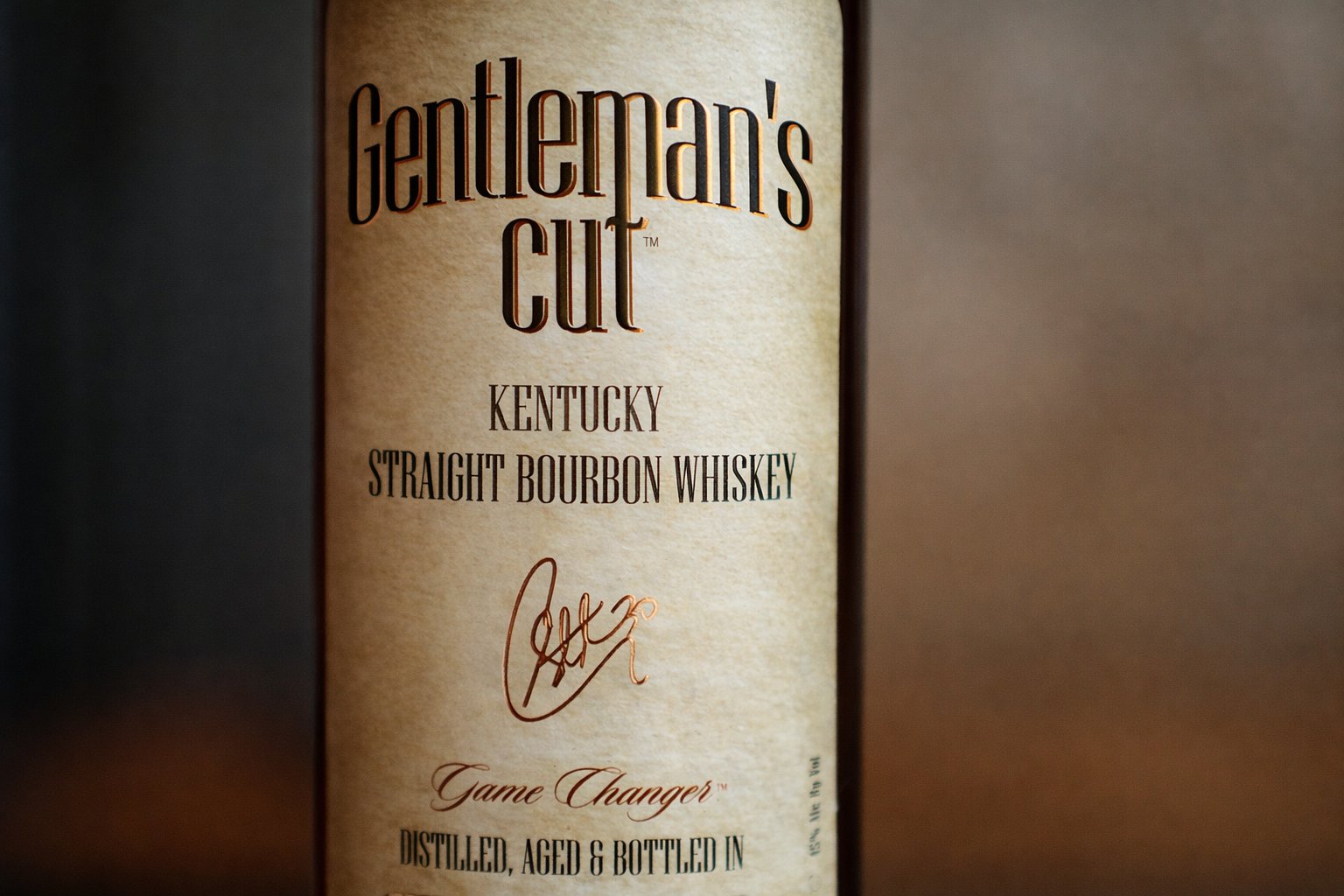
He is involved in remarkable number of food & wine related projects including a partnership in Gentleman’s Cut Bourbon with basketball player Stephen Curry. John is an avid traveler and a collector of fine art and fine wines. Previously he was proprietor of Napa Pearls Caviar. He is also involved with the American Assistance for Cambodia, an organization which is dedicated to providing opportunities for Cambodian youth and the impoverished living in rural parts of the country.
In addition to Au Sommet, both Heidi and John are associated with a number of well-regarded wines including Amuse Bouche with the following labels sold through Amuse Bouche: Prêt à Boire, Richard G. Peterson and Vin Perdu. And John is the proprietor of Coup de Foudre.
The name Au Sommet in French translates to “at the top”. In regards to Au Sommet Winery, this has multiple meanings; the estate vineyard’s lofty elevation high on the slopes of Atlas Peak but also the high standard of excellence they set for themselves. This wine features a Cabernet Sauvignon based blend each year. Only estate grapes are used and in addition, no grapes from the property are sold to other vintners.
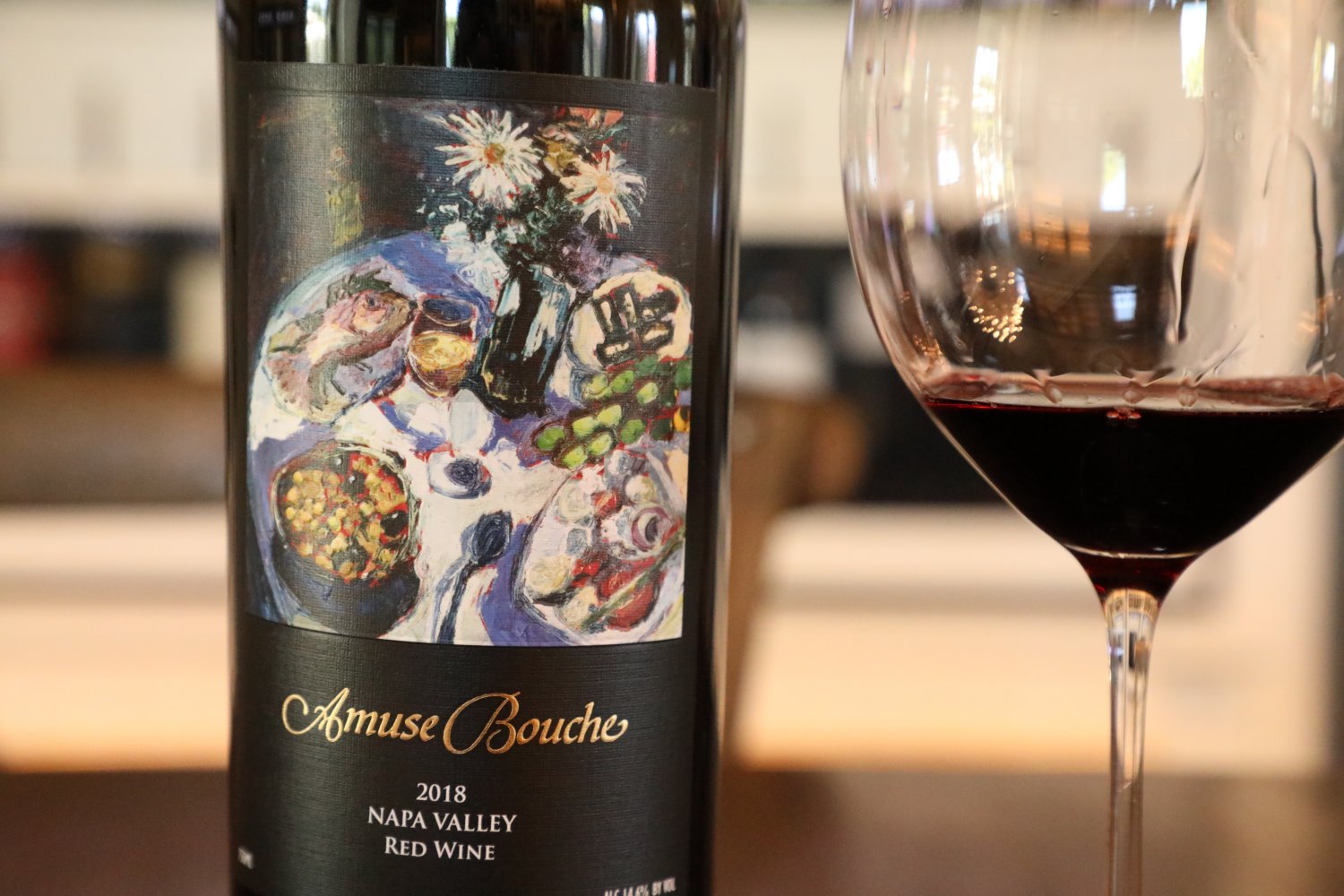
Amuse Bouche (meaning “appetizer” in French) was founded in 2002 (the first vintage). The focus of this wine is on producing a premium Napa Valley grown Merlot (simply called Red Wine) to rival some of France’s best Merlots; perhaps a taste of this wine will change your perception of Merlot, in a very good way. This wine is a part of their artist series – a wine where the label changes each year, displaying a painting picked out by Heidi and John. The 2011 vintage featured a painting by Heidi’s mother Diane and the 2016 vintage featured one of Heidi’s own paintings. Works by other prominent artists including Chef Jacques Pépin, George Rodrigue (of blue dog fame) and Wayne Thiebaud have been used.
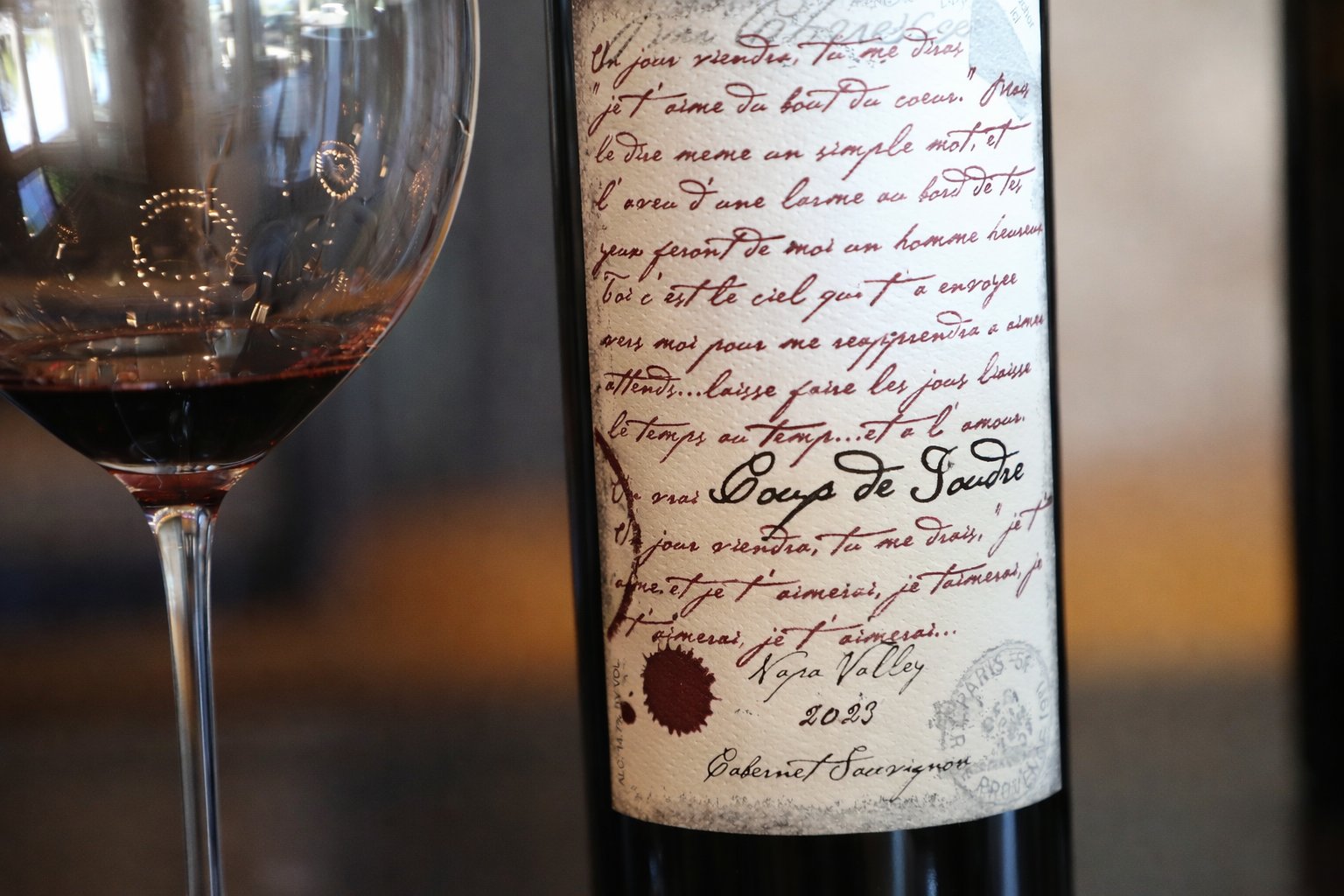
Coup de Foudre, sometimes is available for tasting at Ma(i)sonry Napa Valley in Yountville. The name translates from French as “something that happens quickly, not foreseen – usually love at first sight.” As it is written on the label, “is best enjoyed when you want to capture a special moment in time and remember it forever”. John met his wife while in France and the labels for this wine are images of his early letters to her (in French) written during their courtship. John also developed the ‘peel back label’ on this wine to further treasure the memories from when it is consumed; simply peel off the front label for a keepsake, marked with who, where, when, and why on its back”, leaving behind the ‘real’ label still adhered to the bottle. Heidi does not make these wines.
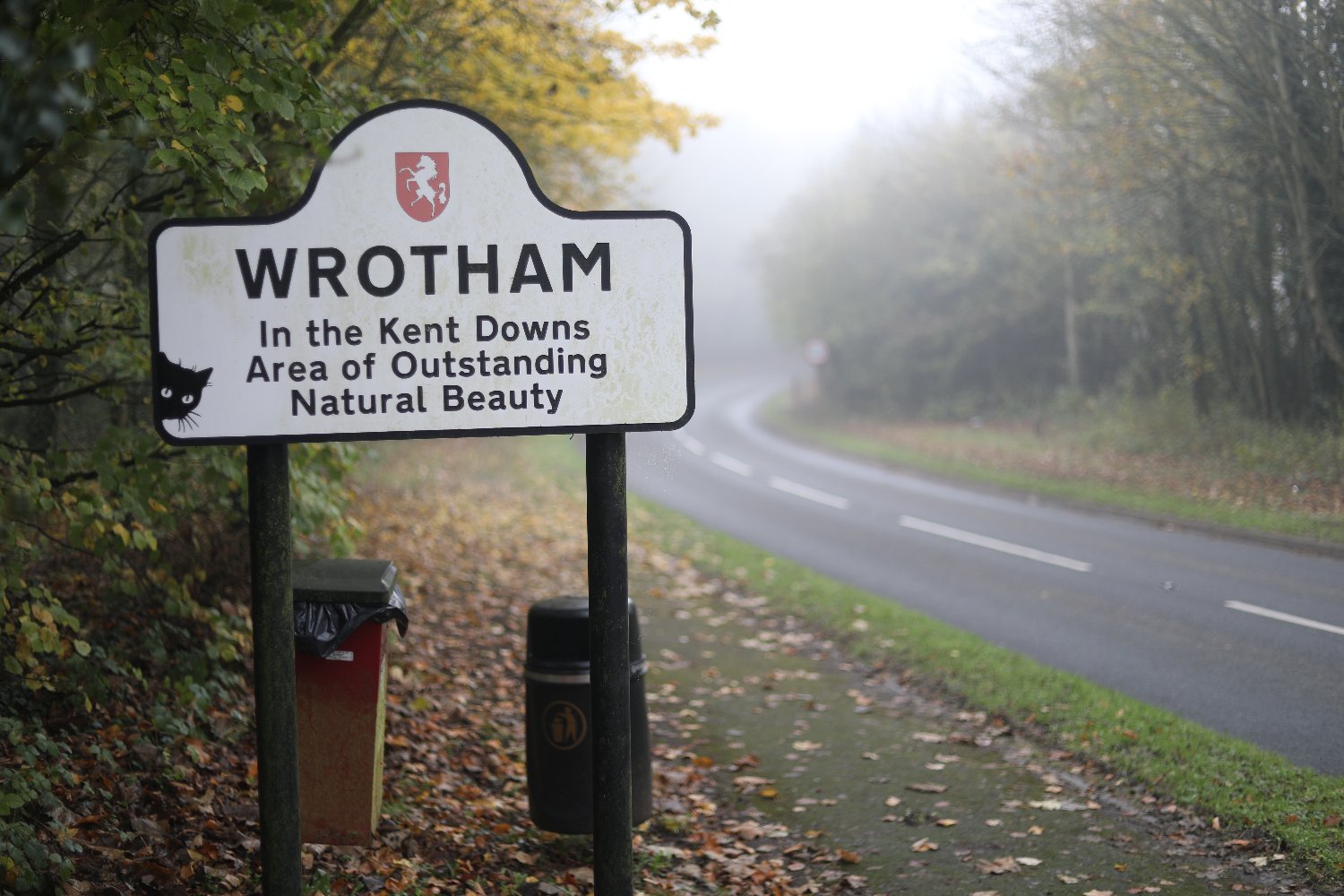
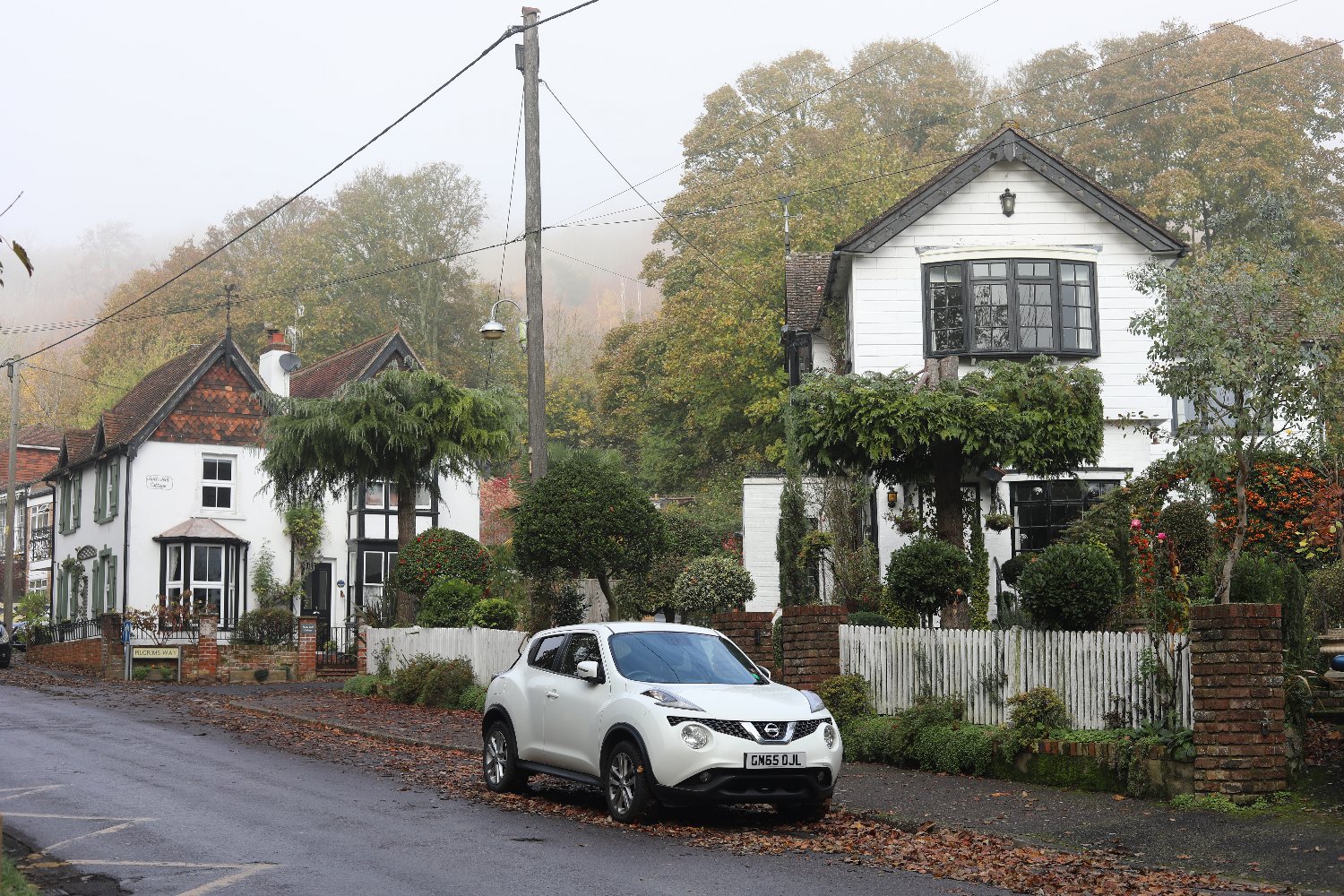
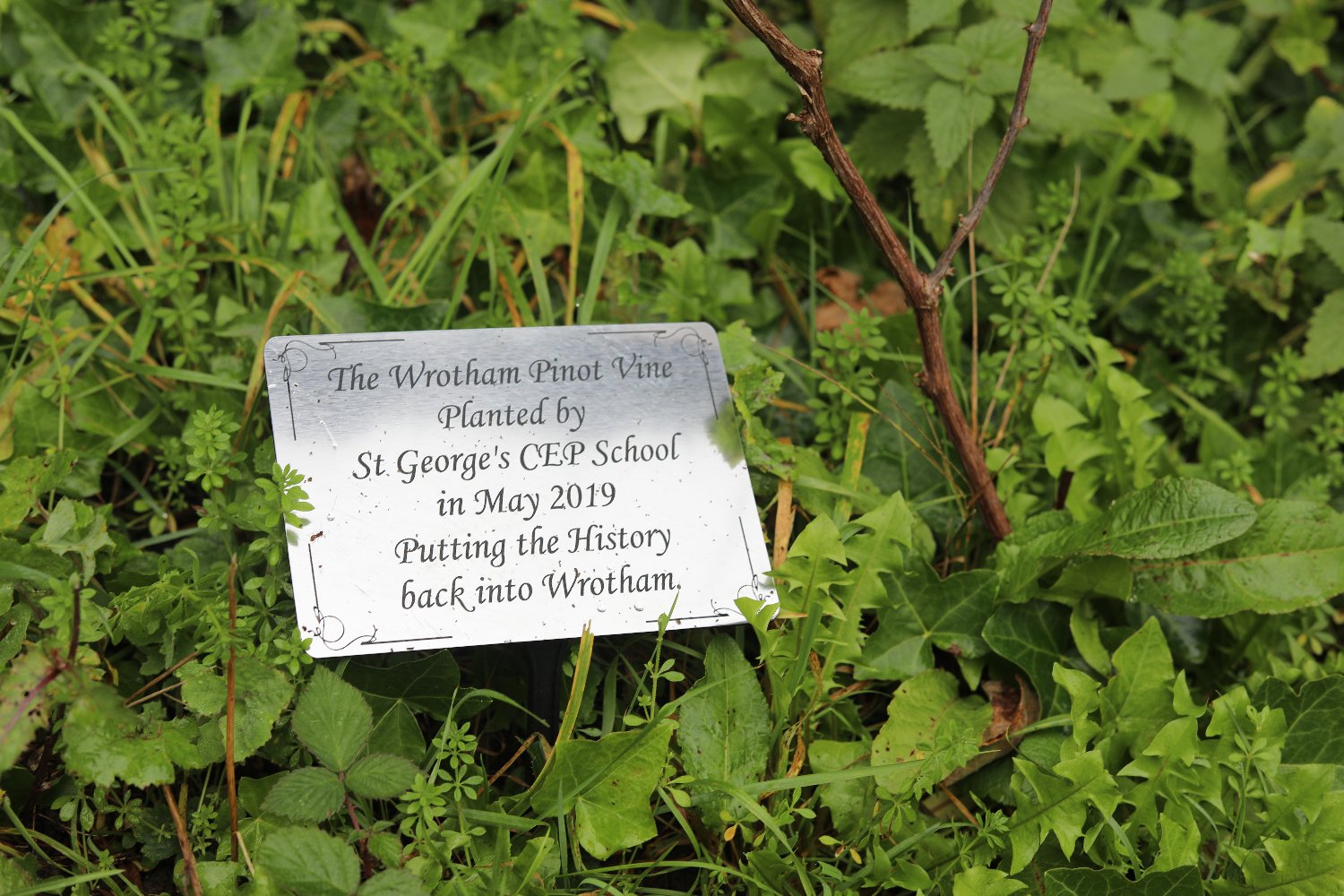
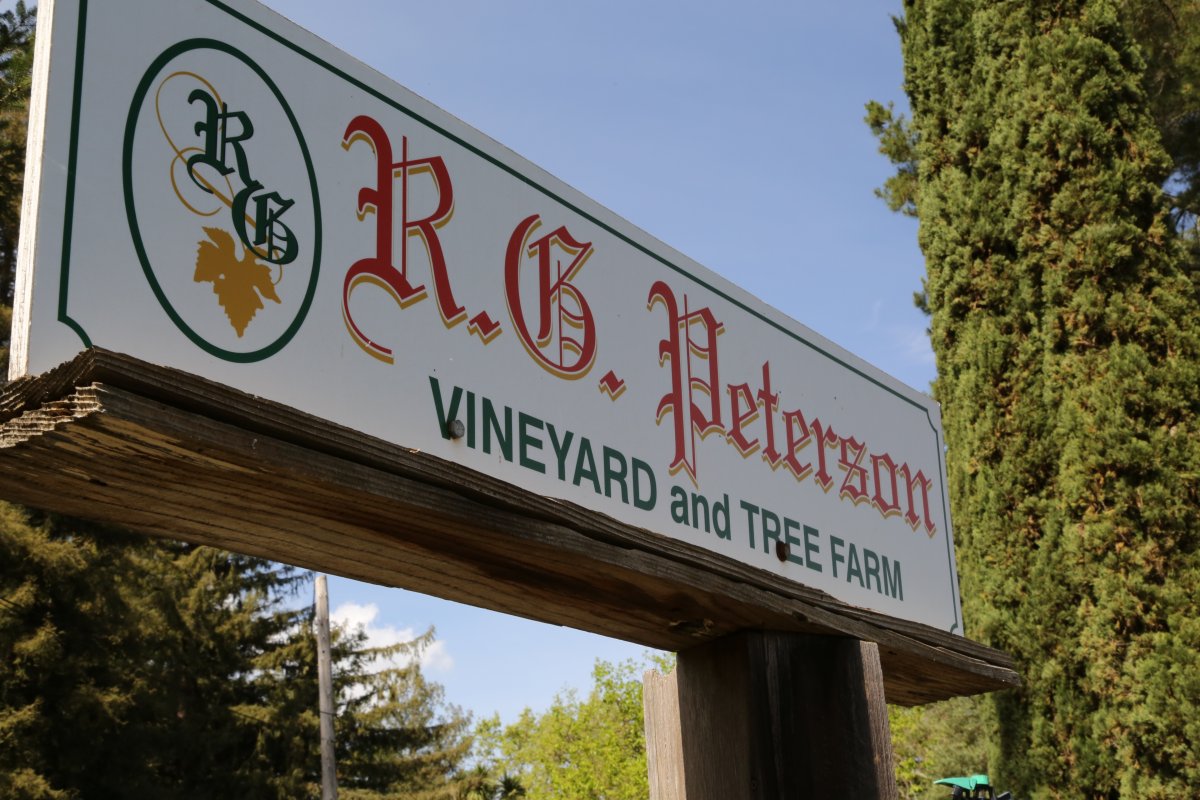
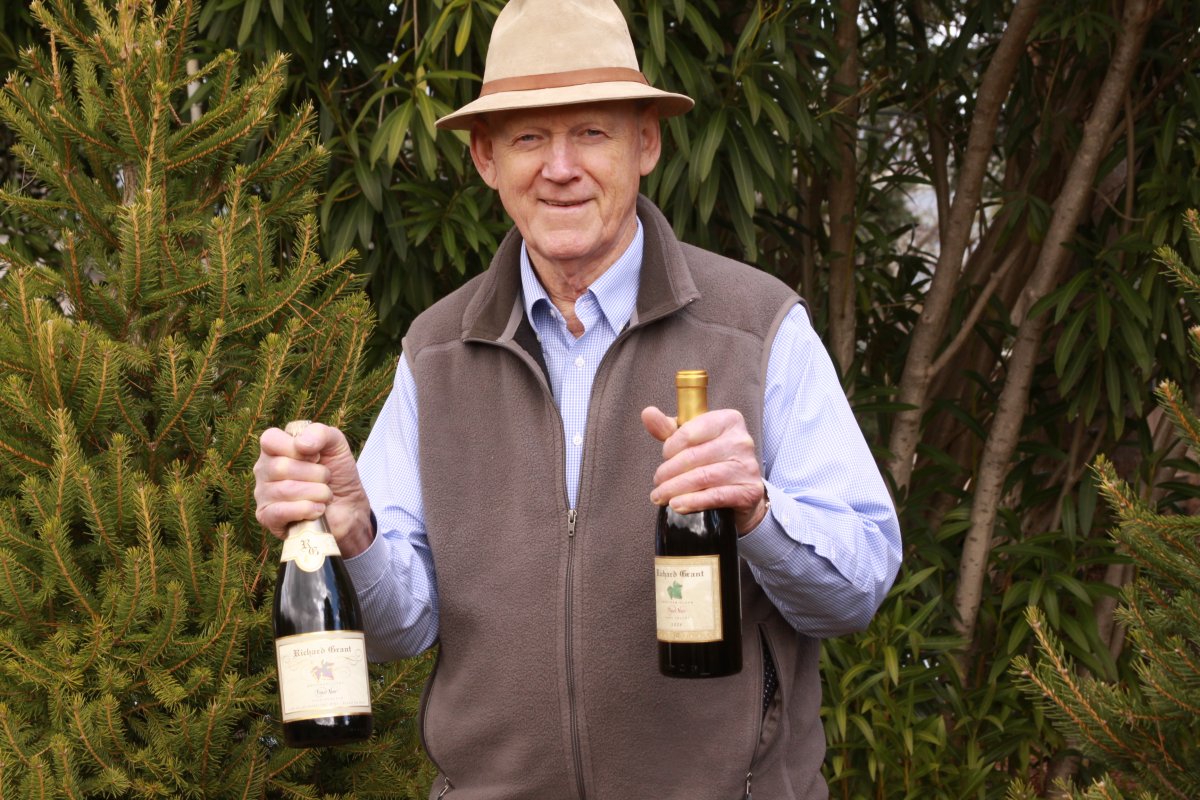
Richard G. Peterson is made by Heidi’s father Dick Peterson and features an extremely rare wine because of its particular clone – a Brut Rosé from the Wrotham clone of Pinot Noir. Dick discovered this ancient clone of Pinot Noir growing in the village of Wrotham (south of London) in the early 1980s when he was in the UK judging a wine contest. He brought back several cuttings of this clone and dated it to nearly 2,000 years ago when the Romans introduced it to this part of what is now England.
He planted three acres in Yountville and called it his ‘diddly squat vineyard’. This clone is resistant to powdery mildew (never had to spray sulfur) and made one of the most unique wines ever grown in Napa Valley, based on both the clone and the winemaker’s fascinating pedigree. After Dick sold his property on Darms Lane the new owners pulled out the entire vineyard of Wrotham Pinot Noir. Fortunately, Dick gave grower Joe Alarid cuttings; Alarid currently grows the Wrotham clone of Pinot Noir in Monterey County. Dick gets these grapes every year.
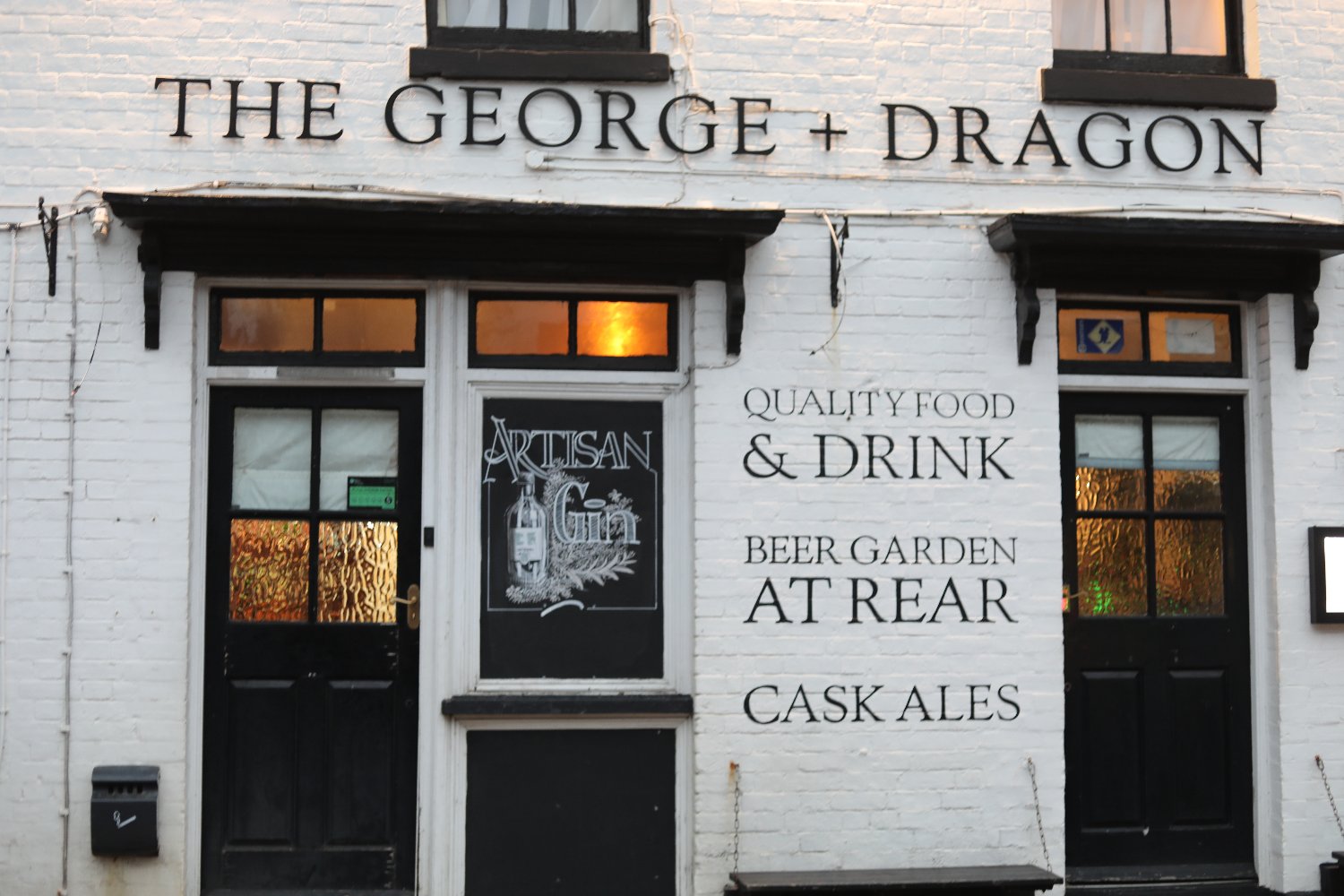
Wrotham, UK
Dick’s former Diddly Squat Vineyard, Yountville

The Brut Rosé was originally made from his Yountville vineyard. Dick gave some cuttings of this clone to a friend in the Santa Lucia Highlands AVA (Monterey County to the south of Napa County); today his friend now has 8 acres of this and one other Pinot Noir clone. Dick continues to produce Pinot Noir from this vineyard in Monterey County.
Select Wines
Amuse Bouche
Rosé
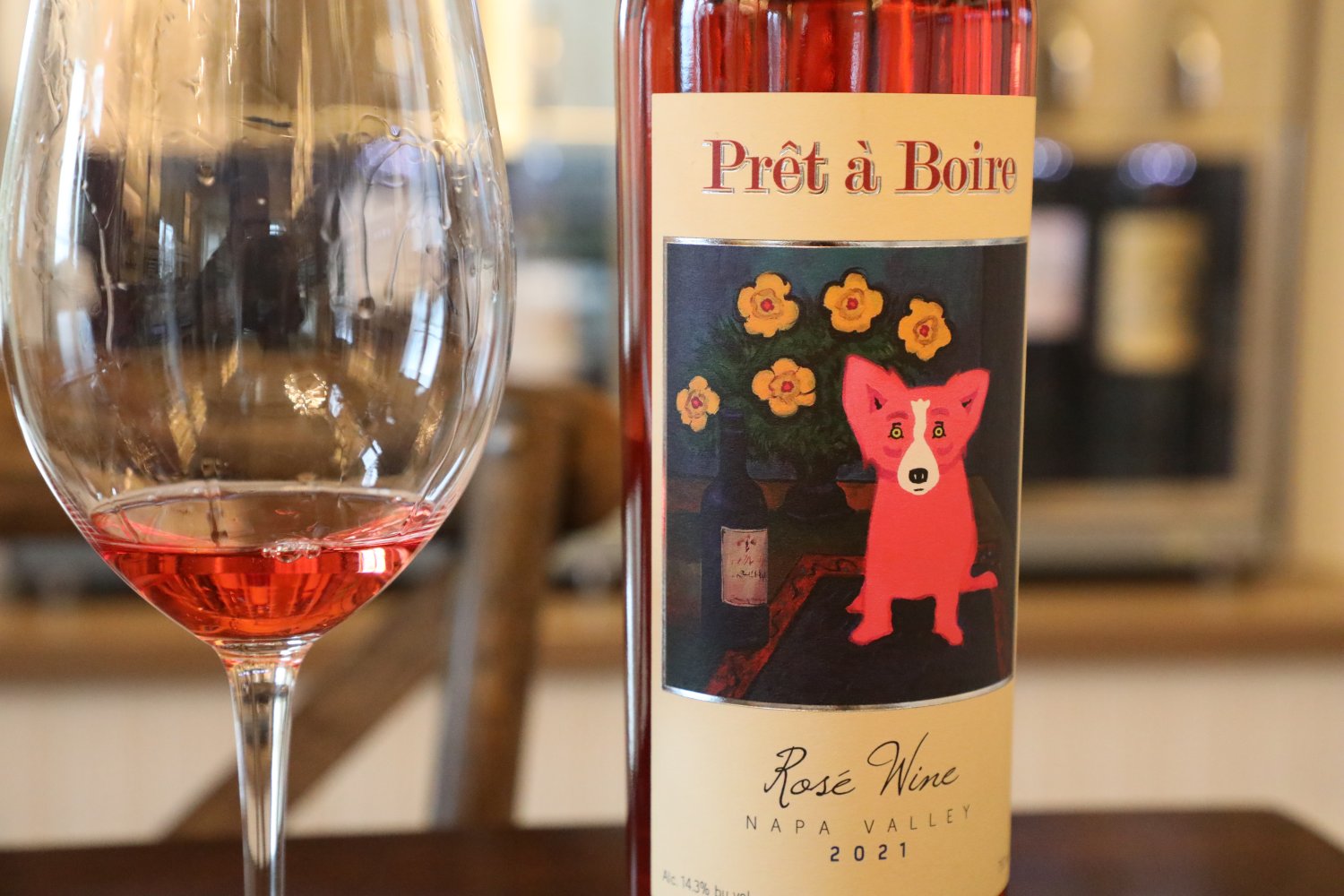
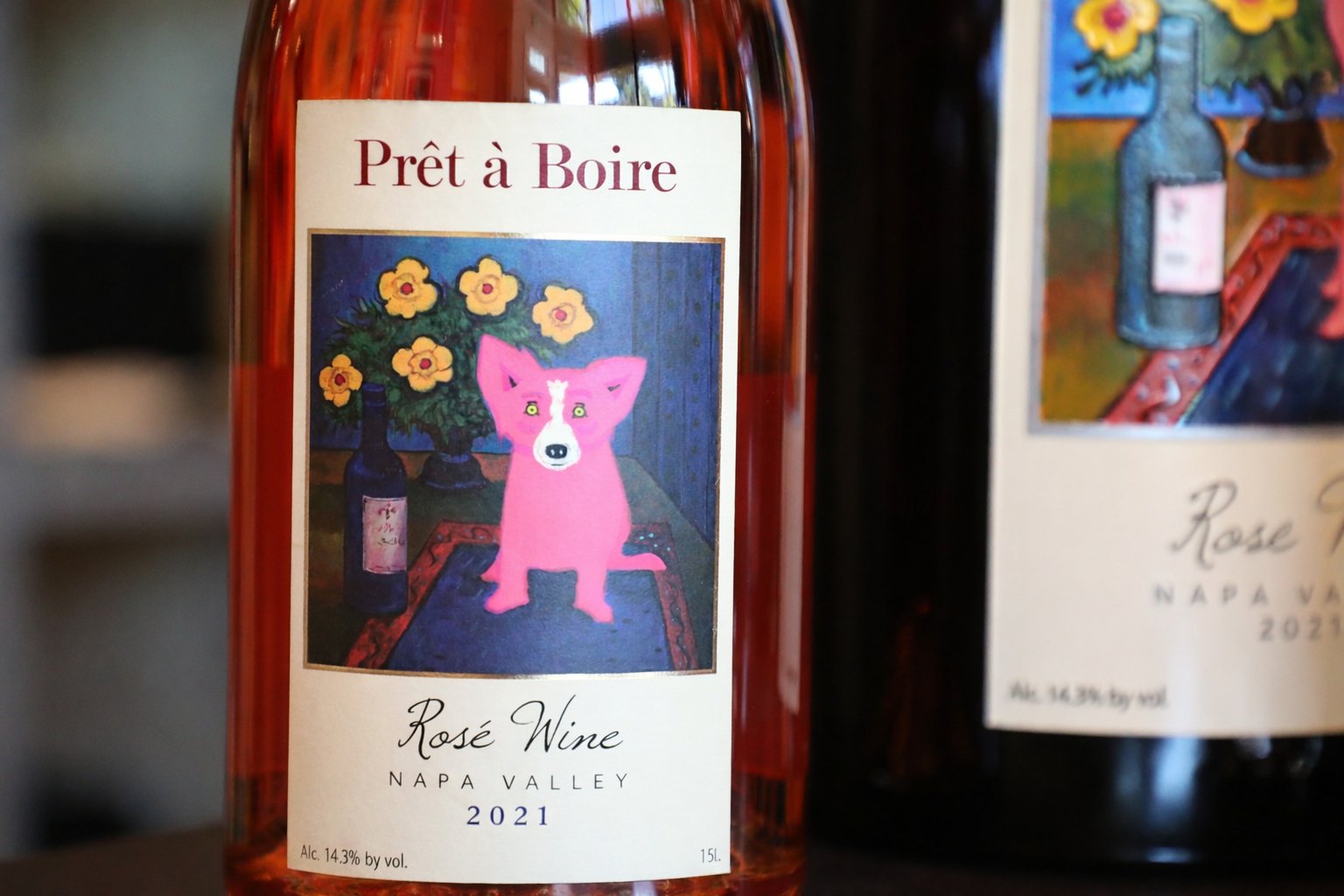
The 2021 Amuse Bouche Prêt à Boire Napa Valley Rosé is a blend of mountain grown Grenache and Syrah from the eastern hills of Rutherford. The name Prêt à Boire means ‘ready to drink’ in French. And this wine is most definitely ready to drink. It is dark pinkish somewhat salmon in color; the highly aromatic and fruited bouquet offers scents of watermelon, raspberry, rose petals and citrus blossoms. It’s texture is creamy and rolls over one’s palate softly, the same touch one experiences when running their hands over velvet. A perceived sweetness of fruit shows not from any residual sugar but from richness of flavor with notes of black raspberry, citrus and watermelon. The long fruit-filled finish lingers along with a slight tanginess. In our humble opinion, this is among some of Napa Valley’s best rosé wines.
Red Wine
The 2023 Amuse Bouche Red Wine is 92% Merlot and 8% Cabernet Franc. This wine is deep ruby and nearly opaque; distinctive aromatics compared to other vintages we have tried of this bottling, this wine smells like ripe, yet also alive and loaded with layering representative of this amazing vintage. Its scents are of raspberry jam, red cherry, mulberry, and some florals including rose petals, purple lilac and lavender. Savory and more dark-fruited than previous vintages, the palate tastes like Satsuma plum, blackberry, boysenberry, dark currant and blueberry with supporting layers of dried sage, dried bay leaf, dark olive and chalk. The tannins broadly coat the palate with a light drying and persistent dusty character. Their grip is light to moderately textured. This wine features an energetic acidity – building to a finish that is vibrant and lasting. Between the vertical of 2021 to 2023, this wine has the most character and perhaps is the most age worthy of the three vintages. The artwork on the label is titled Days of Wine & Roses by Jennifer Garant.
The 2022 Amuse Bouche Red Wine is 91% Merlot and 9% Cabernet Franc. This wine is deep ruby and nearly opaque; the bouquet is ripe but never crosses into the territory of being over ripe, like a number of red wines from this vintage in Napa Valley. Reminder: 2022 experienced some of the worst and extended heat spikes later in the growing season in recent memory. This wine smells like boysenberry jam, dark raspberry, blackberry and red plums, with lighter accompanying layers of cinnamon stick and light toast. On the palate, this wine tastes like red cherry, Persian mulberry, raspberry and red plums. It is balanced and bright, featuring a lively and persistent acidity. And the finish features present tannins, persisting with a light gravelly and dusty character felt more so on the front of the palate. Looking for an age worthy red from this challenging vintage, this bottling is a good choice for your cellar. The label features a country scene by Napa Valley based Beverly Wilson.
The 2021 Amuse Bouche Red Wine is 92% Merlot and 8% Cabernet Franc. This wine is deep ruby and nearly opaque in color; the bouquet is a harmonious union of both ripe fruit and sweeter barrel influences. These notes include blackberry pie, dark cherry, boysenberry jam and dark mulberry, accompanied by cocoa powder, mocha, milk chocolate and a tinge of old cedar box. Perhaps not as ripe on the palate as the bouquet, this wine tastes like red cherry, dark raspberry, boysenberry and Santa Rosa plum. We thought we were tasting Cabernet Sauvignon, until the texture reminded us otherwise. The tannins are soft, supple and seamlessly integrated into the finish at 4.5 years post vintage. Cellar your Cabernet Sauvignon from Napa Valley from this vintage, but drink this Merlot in its youth, although with its bright and balanced acidity and plenty of flavor, it is also cellar worthy. The label features a chaotic kitchen inspired piece titled, Casse Croute by French artist Marc Clauzade.
The 2018 Amuse Bouche Red Wine is a blend of 92% Merlot and 8% Cabernet Franc; its color is deep ruby. The bouquet is layered and expressive, offering a diverse range of aromatics—dark raspberry and a nuanced raspberry jam note that remains vibrant rather than overly sweet, alongside cherry, dried cranberry, and red licorice. Subtle floral tones of rose petals lift the nose, while a gentle touch of toasted oak and old cedar box adds quiet complexity in the background. Despite these secondary notes, the wine’s identity is clearly driven by its pure, focused fruit. On the palate, the wine leans toward red fruit expression, with plum and cherry taking center stage, supported by a freshness that keeps everything lively and precise. The texture is particularly appealing, with tannins that feel grainy yet polished, providing structure without heaviness. Crafted in an elegant, restrained style, the wine shows excellent harmony between flavor intensity, supple texture, and well-integrated acidity. The finish is long and persistent, leaving a bright, fresh, and mouthwatering impression that invites another sip. The image on the front label is titled, Fish Swish by New Orleans artist James Michalopolous.
The 2013 Amuse Bouche Red Wine is composed of 96% Merlot and 4% Cabernet Franc, sourced from a vineyard perched at roughly 1,600 feet in the hills of eastern Rutherford. It opens immediately with inviting floral aromatics, layered with a core of sweet spice—fig and brown sugar—subtly interwoven with gentle oak nuances. As it evolves in the glass, hints of dried herbs and a touch of cocoa add further depth. On the palate, a vibrant acidity lifts the wine, giving clarity and energy to the bright fruit profile. Flavors of red cherry and blackberry take center stage, complemented by a faint mineral edge that reflects its hillside origin. The texture is polished yet expressive, leading into a long, persistent finish marked by a refreshing tartness. Well-integrated tannins—slightly chewy yet supple—provide structure without overshadowing the wine’s elegance, leaving a balanced finish. Now deceased LeRoy Neiman’s Sun Drenched Table is the painting that is depicted on the front label.
Au Sommet
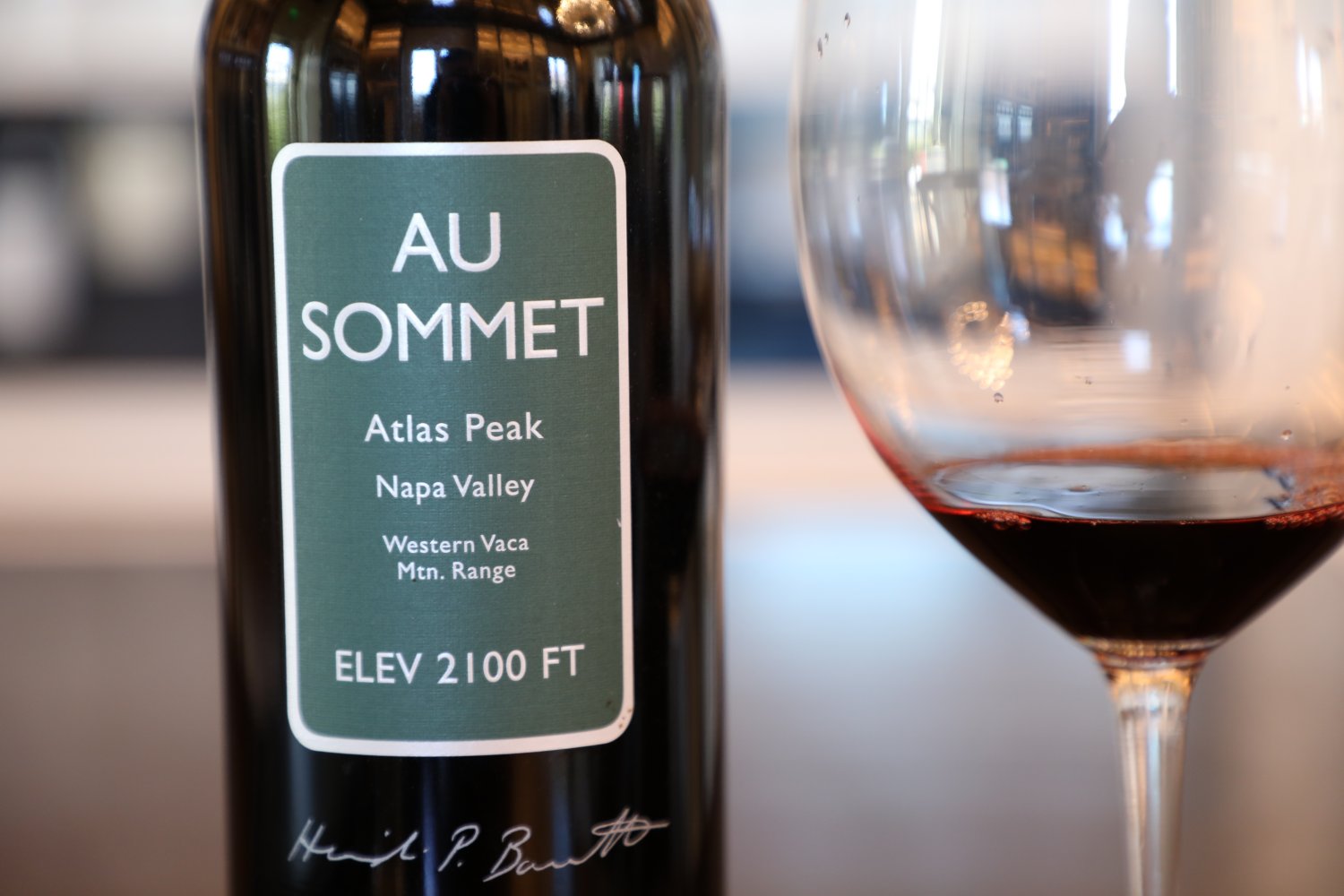 The 2023 Au Sommet is 97% Cabernet Sauvignon and 3% Petit Verdot. Grown at 2,100 feet on Atlas Peak, this site is considered ‘high elevation’ for Napa Valley. The interaction of restrained fruit plus sweeter baking spices is an appealing interaction on the bouquet. The nose smells raspberry, red cherry, red mulberry and boysenberry with a light note of sage and old cedar box supporting. Fresh and filled with plenty of youthful energy, this ‘teenager’ has already learned how to manage its character and is already remarkably approachable for both the vintage, elevation and its age (2.5 years post vintage). Still it is well-layered both in terms of flavor and structure. In terms of flavor, the fruit is the star of the show here, a union of both red and darker fruits including cherry, raspberry, Damson plum, boysenberry and blackberry. The mouth watering acidity is going to keep this wine fresh for at least another 8-10 years, but its built to age much longer than that. The gravelly textured tannins persist well beyond the fruit with a dusty character. A lightly marbled Wagyu steak and a BBQ please.
The 2019 Au Sommet Cabernet Sauvignon Atlas Peak Napa Valley is deep ruby in color; the bouquet is highly aromatic and the freshness of its fruit core jumps immediately out from the glass. It offers aromas of blackberry, red plum, raspberry, slate rock, dust, dried rose petals, and a brambly character. The simultaneously red and dark fruited palate reveals flavors of dark raspberry and red cherry. The palate is balanced and dare we say elegant for a mountain wine that is nearly 15% alcohol. There is nothing angular or grippy about these mountain tannins; rather they are finely woven and seamlessly integrated into the supple finish. Lingers with a subtle drying nuance. For reference, we tried this wine 5 years post-vintage. Doesn’t need a well-marbled steak but would pair nicely with a lighter cut of beef such as flank steak.
The 2013 Au Sommet Cabernet Sauvignon is composed of 97% Cabernet Sauvignon and 3% Petit Verdot, all sourced from estate fruit. In the glass, it opens with a brooding bouquet—initially earthy with a distinct mushroom nuance and a sense of dark, layered depth. With time and air, the wine steadily reveals additional complexity: notes of cigar smoke, freshly brewed coffee, and a subtle hint of burnt toffee emerge, intertwined with a core of ripe, dark fruit. On the palate, this is unmistakably a mountain-grown Cabernet—muscular and commanding, with impressive power, structure, and concentration of flavor. Despite its intensity, there is a refreshing, mouthwatering acidity that keeps the wine lively and prevents it from feeling heavy. The tannins are robust and assertive, yet well-formed, framing the fruit and contributing to a long, persistent finish that lingers with both strength and poise. This is a bold yet balanced expression of Napa Valley Cabernet Sauvignon, ideally suited for pairing with a richly marbled steak. It will particularly resonate with steak lovers from Texas who appreciate wines of depth and structure—built to impress now, but with the backbone to reward patience over time.
Coupe du Foudre
The 2023 Coup de Foudre is 92% Cabernet Sauvignon, 6% Petit Verdot and 2% Cabernet Franc and is from vineyards exclusively in Calistoga. This wine is deep ruby and opaque; sporting the quintessential Napa Valley nose of this variety, highly attractive, ripe and with supporting barrel influences, but never oaky as the fruit and oak are harmoniously integrated. This wine smells like Coral cherry, blackberry at the peak of its summer ripeness, Himalayan purple mulberry, dark plums with supporting layers of cocoa powder, coffee and dark chocolate. This wine expresses loads of depth but without ever being heavy in terms of the integration of texture, flavor and acidity. It tastes like dark plum, blackberry, boysenberry and finishes savory with dried herbs, i.e.. sage and bay leaf, and supporting gravelly and grainy, but already well-tumbled tannins. This broadly distributed texture parallels the fruit on the finish before the dusty grip finally takes over. This wine was aged for 18 months in 60% new French oak and 40% neutral French oak barrels.
The 2015 Coupe du Foudre Sauvignon Blanc is 100% varietal and crafted in a style that departs from the more typical expressions of Napa Valley Sauvignon Blanc. Aged for 8 months sur lie, it gains added texture and complexity, resulting in a wine that leans more toward richness than crisp austerity. The aromatics are distinctly tropical rather than citrus-driven, led by notes of white pineapple along with hints of ripe melon and a subtle citrus nuance that provides lift without dominating. With a bit of air, delicate floral tones and a faint suggestion of wet stone begin to emerge, adding dimension to the bouquet. On the palate, the mouthfeel is what truly sets this wine apart. It is creamy—almost oily in texture—with a notable weight and depth of flavor. Layers of peach and pear unfold through the mid-palate, supported by a gentle acidity that keeps the richness in balance. The finish is long, clean, and composed, leaving behind a lingering impression of ripe orchard fruit and a soft, rounded elegance.
And part of Coupe du Foudre is the Les Bouquinistes Chapters Project; simultaneously producing wines while supporting authors and a diversity of books documenting injustices, primarily involving young women and girls. Les Bouquinistes has donated more than $250,000 to charities in countries such as Cambodia, India, parts of Africa, Syria and Nepal.
Vin Perdu
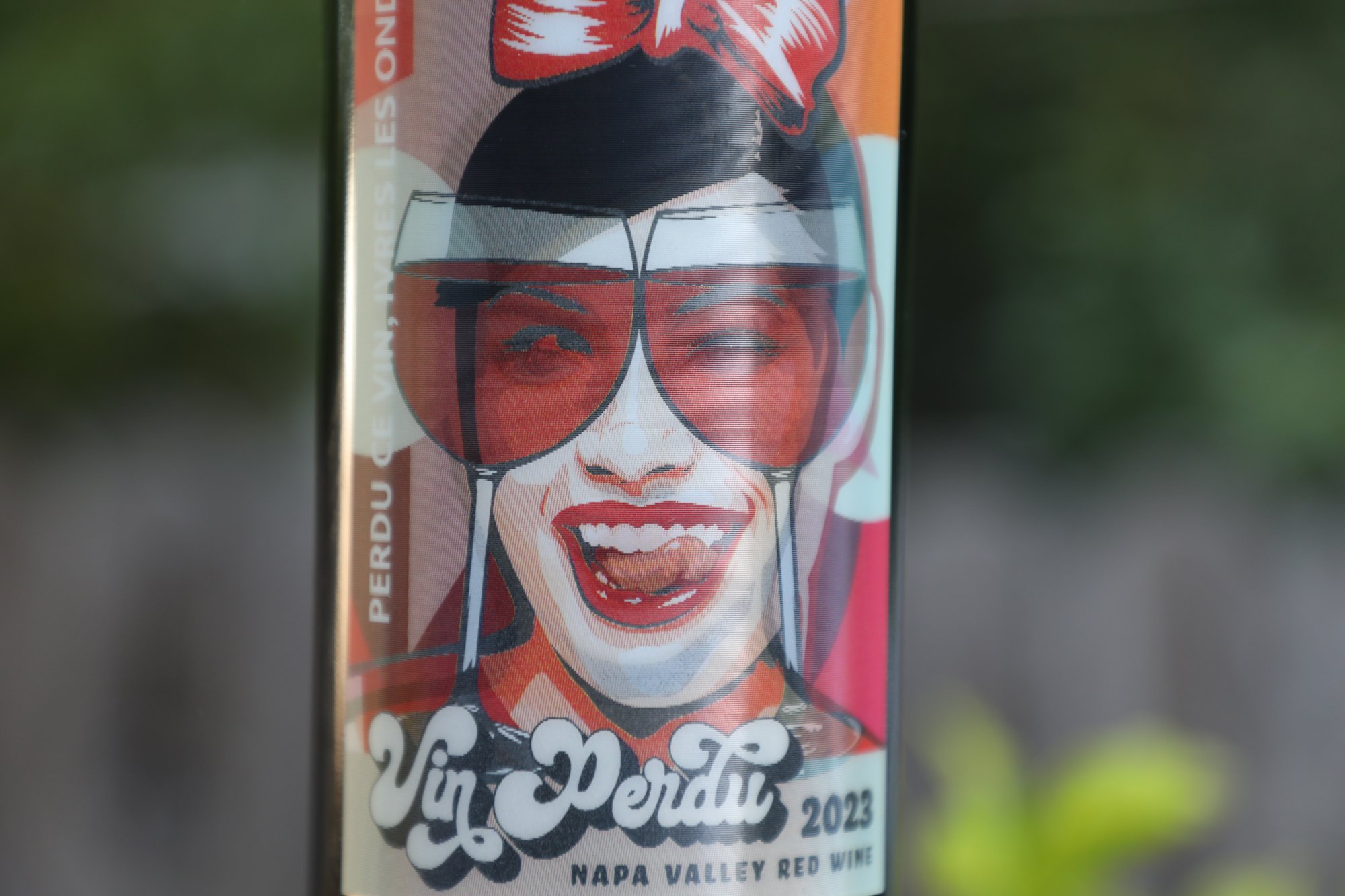
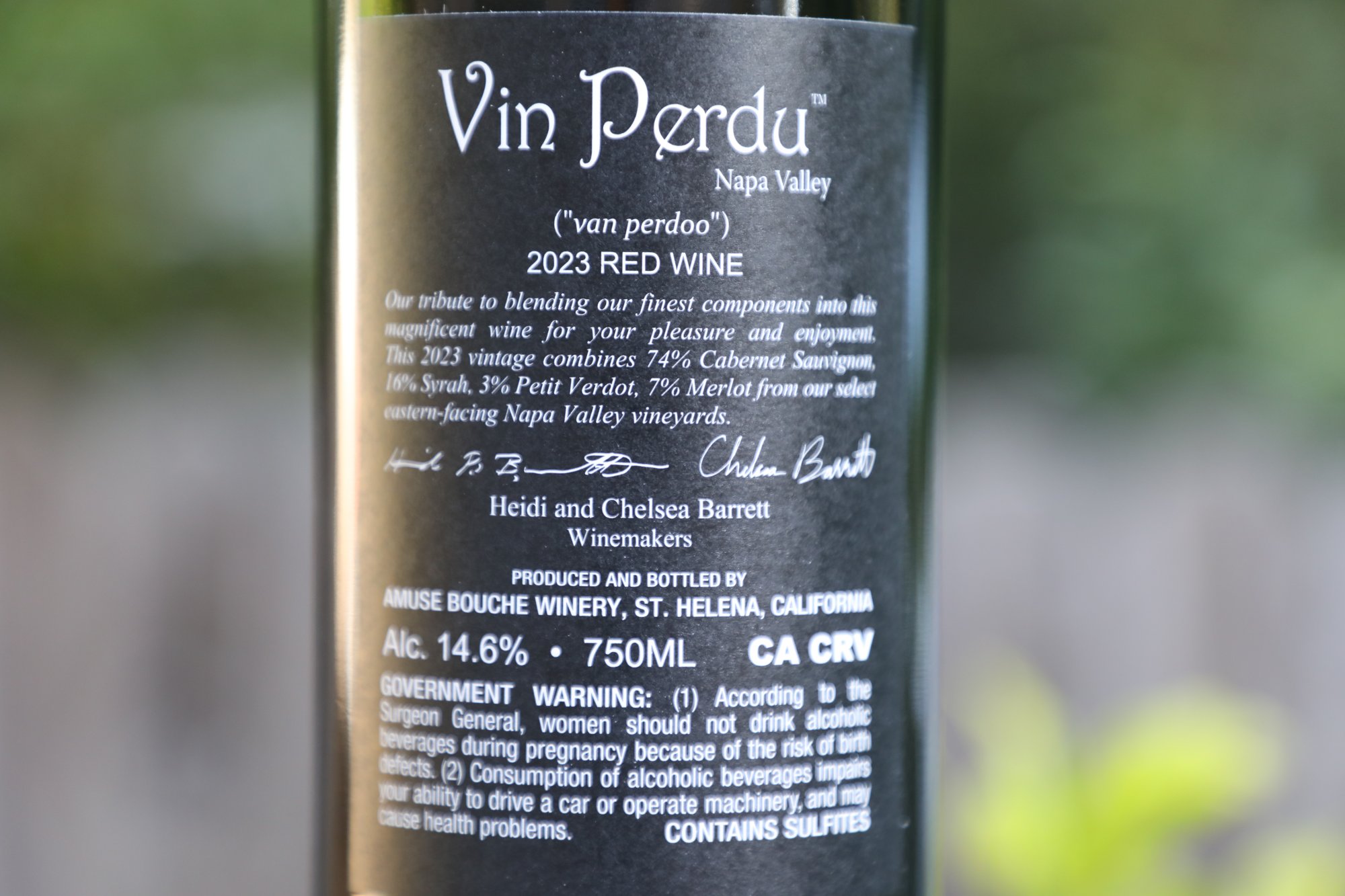
 Vin Perdu (pronounced van perdoo) translates to “lost wine” from French. This wine is made each year with premium wines that do not fit into their other portfolios. These components might be “lost” each year when they create their other blends – but they are certainly found when they build the final Vin Perdu blend. Take note of the one-of-a-kind lenticular label – the artwork ‘changes’ when you tilt the bottle. For example, the 2014 vintage shows a loose interpretation of the God Bacchus holding a glass. As you tilt the bottle, the wine glass rotates to catch the now dripping grape juice from the grapes above his hand. Regardless of vintage, the labels are always equally as intriguing.
The 2023 Vin Perdu is a blend of 74% Cabernet Sauvignon, 16% Syrah, 7% Merlot and 3% Petit Verdot. This wine is deep ruby, opaque and sports amaranthine hues; dark fruited with some woodsy up front cedar tones, this wine smells like Satsuma plum, red cherries, dark raspberry, dried herbs, tobacco and lavender. And hints of mocha and cocoa powder as the wine evolves further. A union of both fruit and barrel, this fleshy mid toned bottling tastes like raspberry, red cherry, boysenberry, blackberries, Santa Rosa plum and dried bay leaf. Lingers with a noticeable warmth deep on the palate. Finishes savory with lasting notes of smoked cedar, dried sage and dried tobacco. The grape and wood tannins are already showing in a comfortable textural space, lingering with a well tumbled and dusty character which broadly coats the palate, but never dominates. At this age, this wine shows plenty of oak influence both on the bouquet and the palate. 600 cases were produced.
Richard G Peterson
Dr. Richard Grant Peterson began making home wine for the first time in 1948 from Concord grapes growing in Iowa. As one of the living legends of Napa Valley and beyond he has a storied resume. After graduating from college, he went to work for GALLO in 1958 when they were among the top producers by volume in the nation – which included Roma Winery (the largest winery in California at the time) and the Italian Swiss Colony. By the time Richard left after 10 years GALLO was the number one winery in terms of production. He then went on to become wine master at Beaulieu Vineyards following the famed viticulturist André Tchelistcheff and then later at Monterey Vineyard in Monterey County.
It was at Monterey Vineyard that he invented his ingenious yet simple device which is now found wineries around the planet. It is the steel double barrel pallet (Peterson Pallet) used for stacking barrels on top of each other. Richard never sought a patent for his invention, instead he presented it as a gift to the industry for the first time at WITS (Wine Industry Technical Seminar) in Fresno in 1974. Before his invention he remembers the incredible work and detail that would go into managing wine barrels, moving, rolling, stacking with wood chips, dropping empty barrels onto tires and then catching the barrel as it bounced back into the air, etc. This invention quickly revolutionized the production side of the industry. Within 5 years this pallet was commonly used. In addition, while perhaps not appearing to be earthquake friendly – the Peterson Pallet has already proven itself during a number of earthquakes. Richard remembers one article talking about a number of items that crashed down in a winery during a particular earthquake in California’s Central Coast but how the author made a point to mention that the pallets and the stacked wine barrels remained intact.
Dr. Peterson also holds several wine related patents including a process to physically inject antibiotics via a screw into the grapevine’s trunk to fight Pierce’s Disease. Ever enjoy a Seagram’s wine cooler? Richard developed their first wine cooler. Richard’s daughters Heidi Peterson Barrett and Holly Peterson continue to have much success in the food & wine industry. Heidi is a much sought-after winemaker and Holly is a well-known chef. Holly even created some special recipes to pair with her father’s Wrotham Pinot Noir.
Throughout his career, Richard judged many wine competitions; in 1980 he found himself judging a competition in England. Always curious about wine he asked to try some of the local wines and the head of the wine judging said, “have we got the wine for you!”. A very old vine “discovered” in 1950 was growing next to an old stone wall in the village of Wrotham; no one knew anything about this vine other than it was very old and that its leaves looked different from the leaves of most other grapevines. After tasting the wine Richard knew it was a special variety and had some sort of pedigree. He had a plethora of previous experience working with fruit from native rootstock and vines in North America and knew this grape was clearly of much higher quality. He took several cuttings back to the USA where they remained in quarantine for three years at UC Davis; they were found to be completely disease free.
He eventually planted the cuttings among his rose bushes at his former property in Yountville. He watched as the cuttings leafed out and over time never contracted powdery mildew while the rose bushes of course had little immunity. This particular selection of Pinot Noir was resistant to powdery mildew, a common fungus that vineyard managers spend much time and money fighting with sulfur and other sprays. As a result, he took some cuttings to UC Davis where they are genetically trying isolate this particular gene(s). If they are successful, this has the potential to completely revolutionize vineyard management and certainly significantly cut down on sulfur uses.
The vineyard was pulled out when Richard sold the property. The vineyard stood out in stark contrast to typical shiny yellow green grape leaves of the other surrounding vineyards. Richard’s vineyard of Wrotham Pinot Noir was a grayish color due to all the small white/grey hairs that cover all of the leaves. Another unusual attribute of this Wrotham selection is during bud break and for a time thereafter the small leaves are a distinctive red/pinkish color. This was certainly the first vineyard of Wrotham Pinot Noir growing in the USA; there are currently not even 4 acres planted worldwide.
Pinot Noir is a varietal that tends to mutate, and sure enough Richard found several mutations in his own small vineyard. One vine produced one shiny yellow green leafed shoot in contrast to the muted whitish/grey leaves found on the rest of the vine. During one harvest he also found one vine produced both red and white fruit. These mutations can then be isolated and once they bear fruit it can be determined if the quality is good enough to continue to propagate them.
Sparkling Pinot Noir
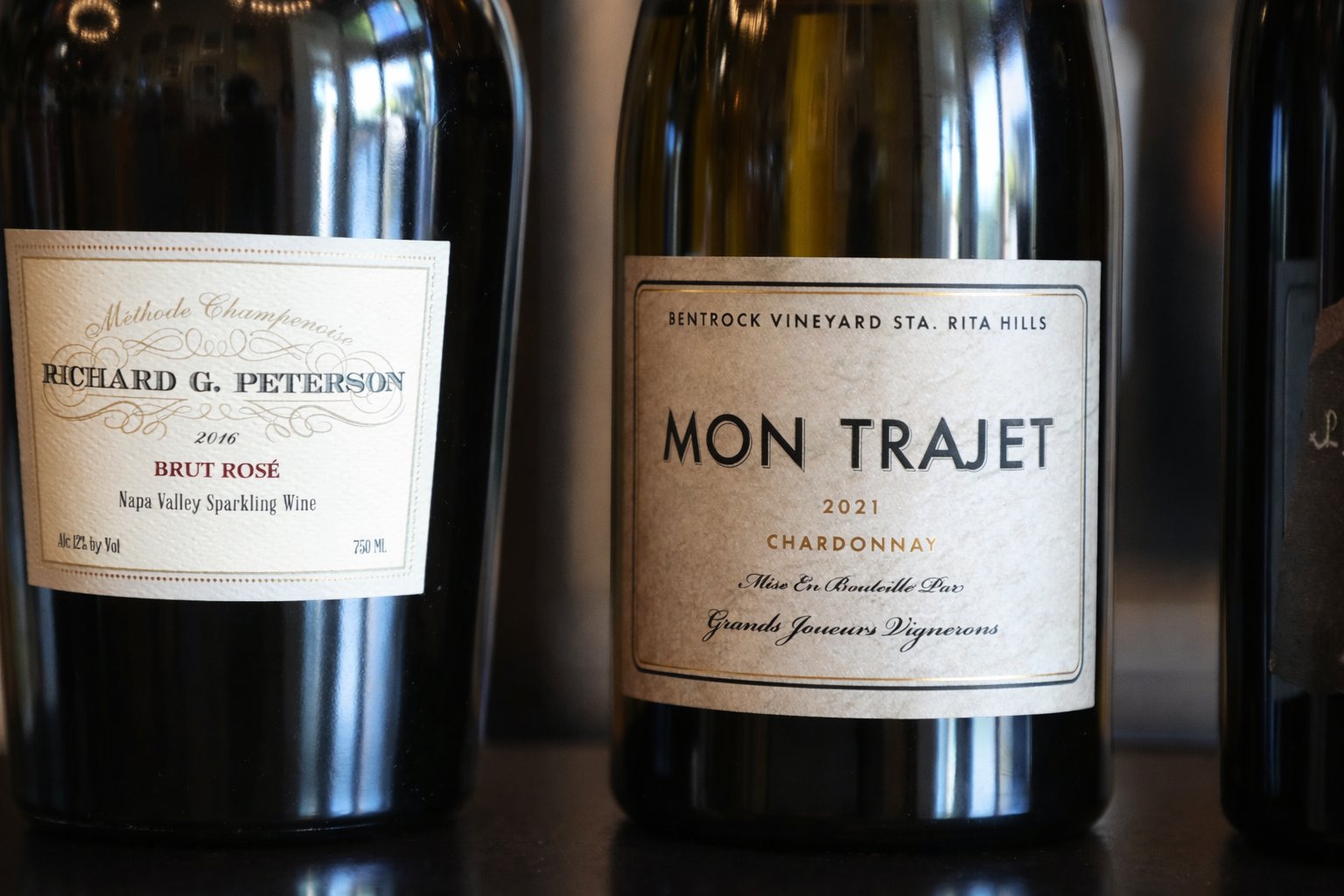
The 2016 Richard G. Peterson Brut Rose, Pinot Noir, Wrotham Clone Yountville Napa Valley. This wine is medium copper in color; smells minerally bright and fresh at 10 years post vintage. Its aromatics include an orange zest, raspberry, white peaches strawberry, Rainier cherry, white toast and brioche. And there is as floral edge here including of citrus blossom and dried rose petals. This wine was released in 2024; if we were to use one word to describe its overall character, it would be refreshing. And it will be so for years to come. For reference, it was on tirage for 6 years. On the palate there are flavors of white strawberry, ruby grapefruit, strawberry guava and red delicious apples. The finish is vibrant, balanced and quickly invites another sip. Dr. Peterson has always said the Wrotham clone of Pinot Noir shows exceptionally well as a sparkling wine. And he is right. Looking for a musical pairing? Try The Air That I Breathe by The Hollies.

Still Pinot Noir
The 2024 Richard G. Peterson Pinot Noir, Wrotham clone Santa Lucia Highlands is medium ruby in color; one might mistake the spices represented here as from the barrel, but they are from this particular clone. Red fruited but also spicy, front and center is an aroma of cardamom, along with rose petals, cloves, crushed peppercorn and perhaps a hint of nutmeg. And its fruits include plum skin, raspberry and strawberry. Ripe with plenty of fruit expressed, the palate is less spicy than the bouquet. This wine tastes like raspberry, strawberry, red mulberry, red licorice, pomegranate – including the white membrane and rhubarb. Soft in terms of its texture, the tannins sport a creamy feel. This finish persists red fruited, bright and balanced with both fruit and a lingering note of cardamom. Its listed ABV is 13.8%.
The 2014 Santa Lucia Highlands Richard G. Peterson Pinot Noir is ruby red in color, accented by delicate pink tinges along the rim. The nose is immediately pleasing and expressive—at times slightly sweet—with lifted aromatics of red cherry and cranberry woven together with an earthy spice component that adds depth and intrigue. Subtle notes of dried rose petal and forest floor emerge with time in the glass, enhancing its aromatic complexity. This wine is beautifully balanced across the palate, showcasing harmony between fruit, acidity, and structure. Flavors of red cherry and currant are complemented by a distinctive cardamom spice—characteristic of the Wrotham clone that Dick has often talked about – which lends a unique and memorable nuance. The texture is silky and refined, with fine-grained tannins and a gentle brightness that carries through to a smooth, lingering finish. Approachable and composed, it drinks very well on its own while still offering enough complexity to reward attentive sipping.
PharaohMoans
And is yet another project John is involved with. Joining efforts with chef Bryan Ogden and winemaker Guillaume Fabre, this brand was produced for over 10 years before what was going to be its final vintage in 2018. However this wine is now produced under the brand Grands Joueurs Vignerons with Kent Jarmon as the winemaker. Other wines produced under Grands Joueurs Vignerons include Mon Trajet and Rougiste.
PharaohMoans used to be sourced from California’s central coast (Paso Robles) including a Syrah and a Grenache. It featured one of the most creative play on words and packaging one will ever see with the wine shipped in a pyramid shaped wooden box with a handle. However as of our latest update to this review, the grapes for PharaohMoans are all from Napa Valley.
The 2023 PharaohMoans Red Wine is a blend of 50% Syrah (Pope Valley) and Grenache (Carneros), Napa Valley. A GS, rather than a GSM. This wine is medium to deep ruby in color; grapey, forward-fruited with a pleasant sweetness (but not jammy), this wine offers plenty of aromatic depth. Its scents include Santa Rosa plum, red cherry, boysenberry, Persian mulberry, strawberry, dried rose petals, crushed pink peppercorn and cloves. PharaohMoans is made from grapes grown in Napa Valley and is produced in Napa Valley. Its flavors include red plum, red cherry, boysenberry and mulberry. Texturally soft, the tannins are perfectly rounded little spheres, seamlessly integrated into the finish. Lingers with a light savory and spicy edge including of crushed peppercorn, probably a contribution from the Syrah and a note of dried herbs including sage along with smoked cedar. This wine was aged for 15 months in 20% new French oak and 80% neutral oak barrels. In terms of a pairing, we would like a lighter cut of meat, perhaps with BBQ pork ribs.
Mon Trajet
The 2021 Mon Trajet Chardonnay, Bentrock Vineyard Sta. Rita Hills (inaugural vintage) was made by winemaker Kent Jarman. It was aged for 12 months in 10% new French oak, 20% concrete and 70% in neutral French oak barrels. This wine is medium gold in color; the bouquet is immediately filled with beautiful florals including honeysuckle and jasmine followed by additional scents of golden apples, nectarine, pineapple, apricot and golden plums. Rounded with some supple and liquid velvety texture, but it never feels heavy as the balanced acidity complements the texture perfectly. Easy drinking, but with plenty of cerebral intention, this wine tastes like golden apples, bosc pair, guava, pineapple and a hint of papaya. It stays far away from the perceived perception of California Chardonnay in that it is not oaky, buttery or over manipulated. This is a more delicate and gentle expression of the variety that is defined by its overall superb balance. And it reinforces our perception of why we enjoy Chardonnay so much from this appellation.
Au Sommet Estate
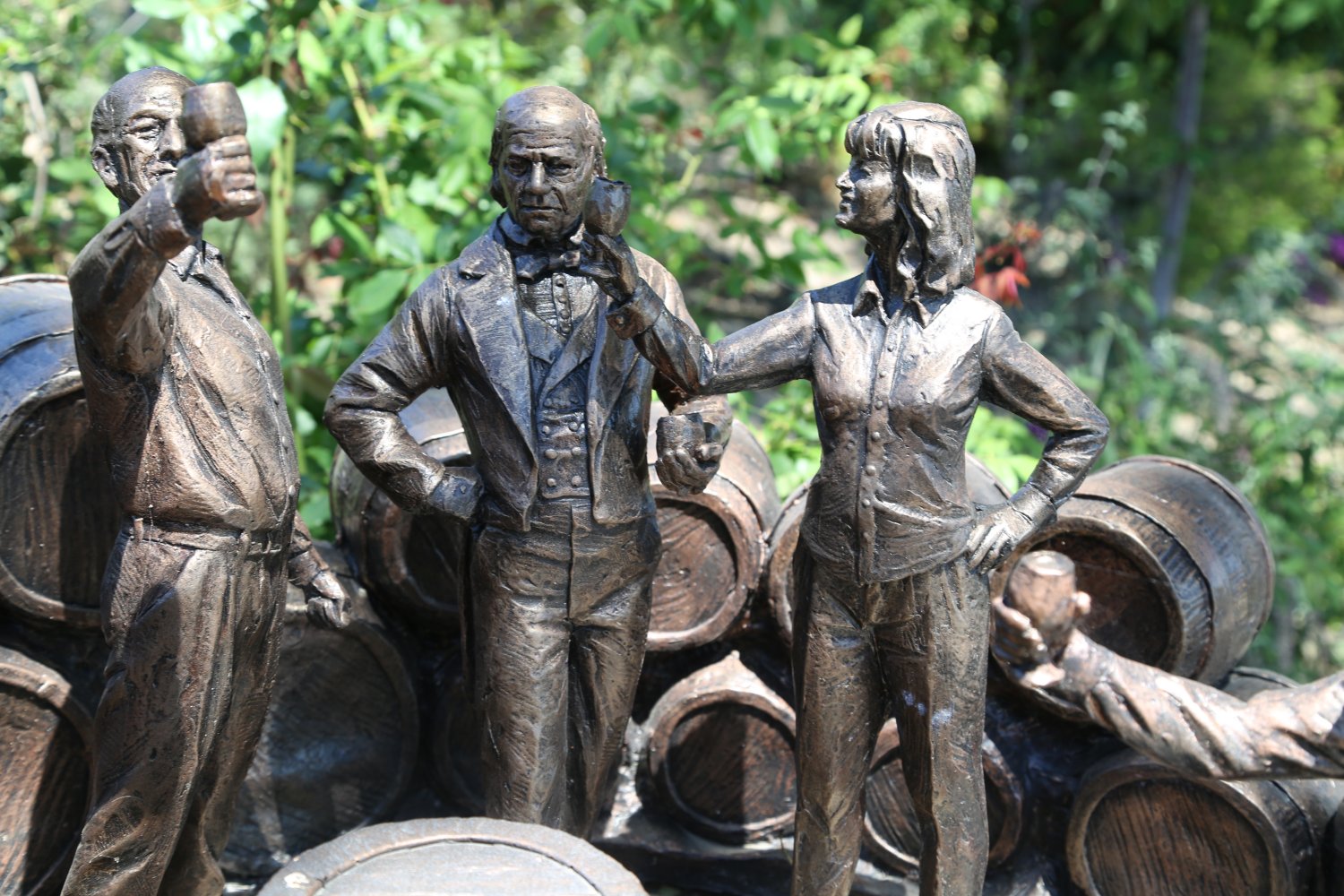
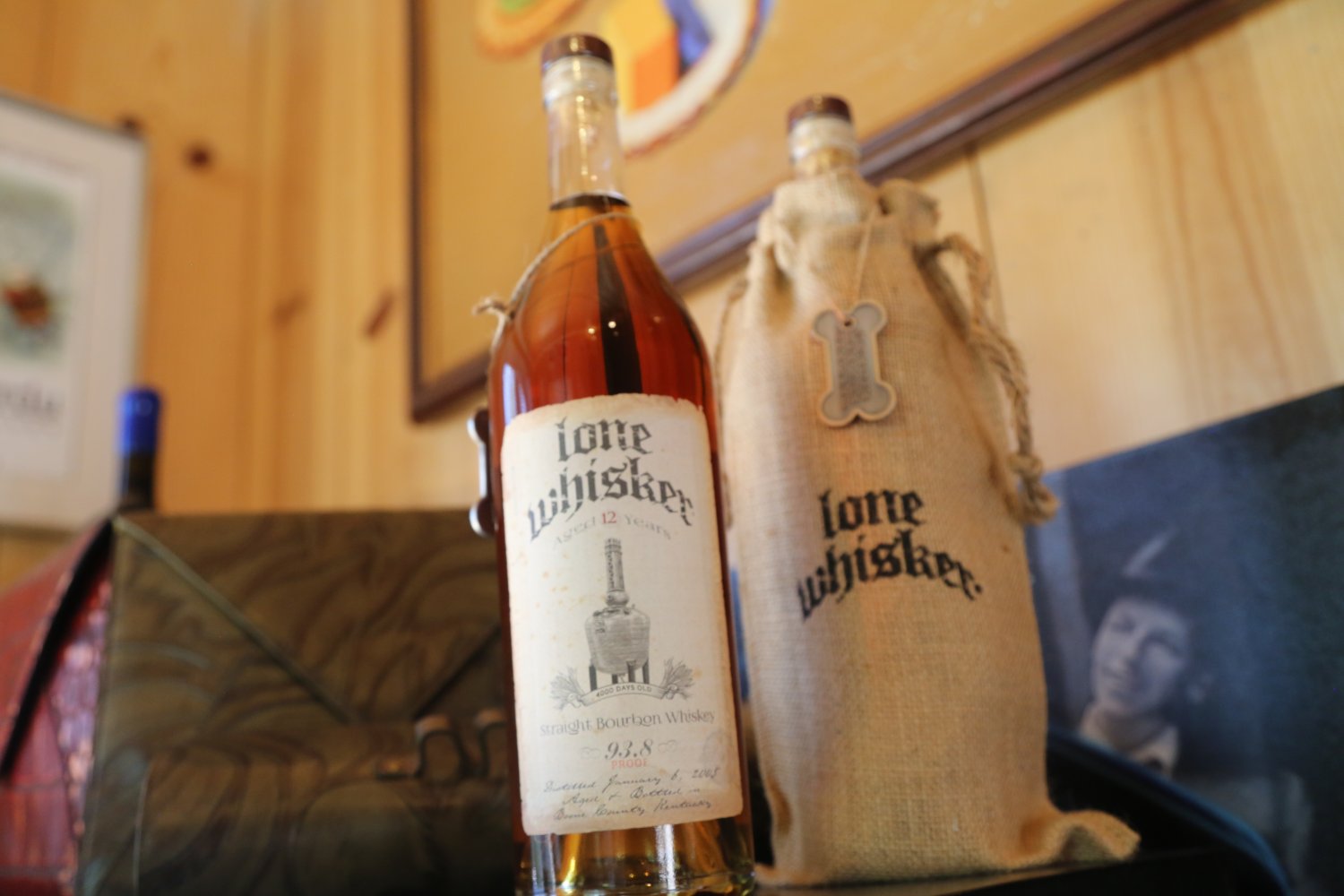

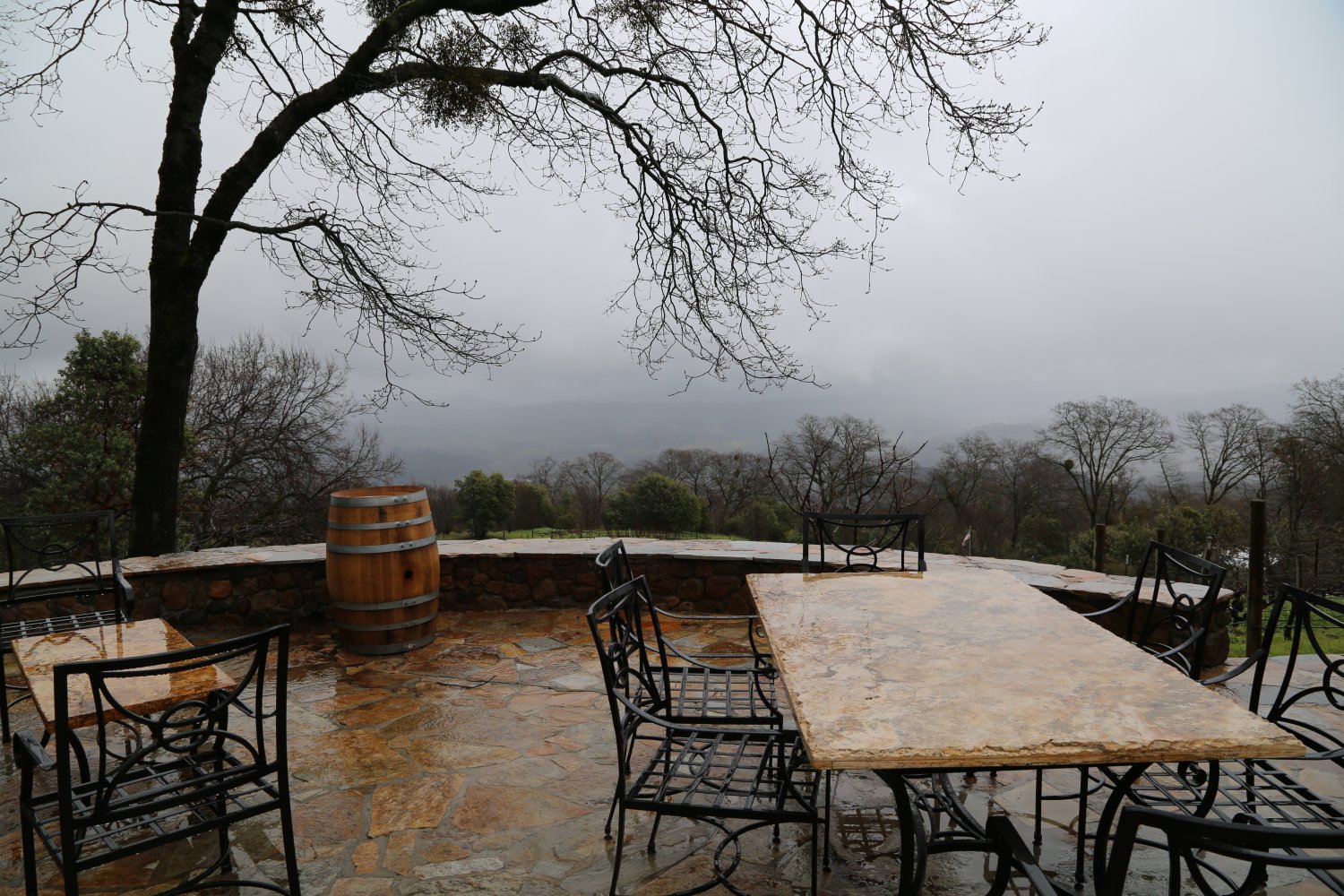
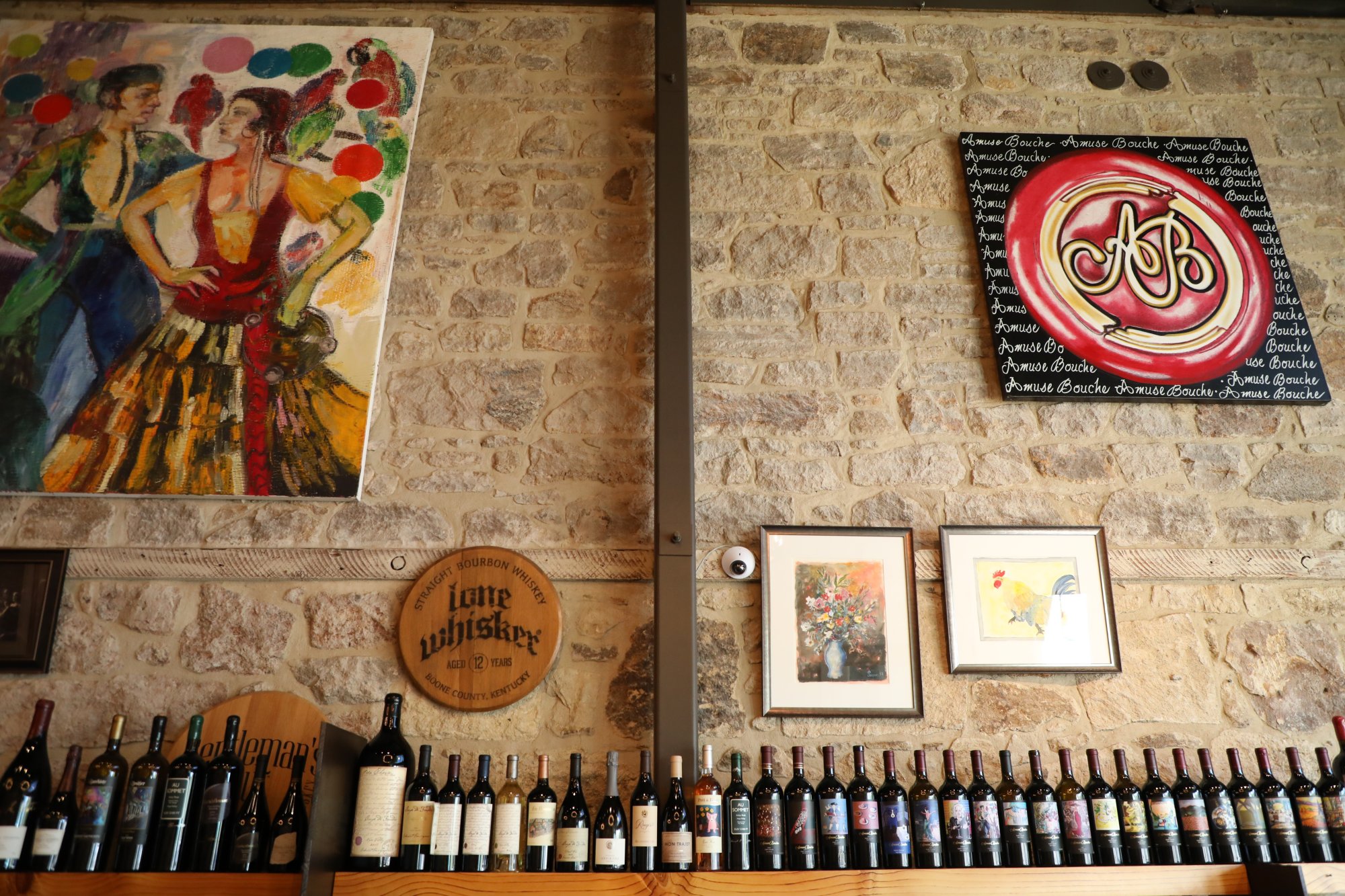
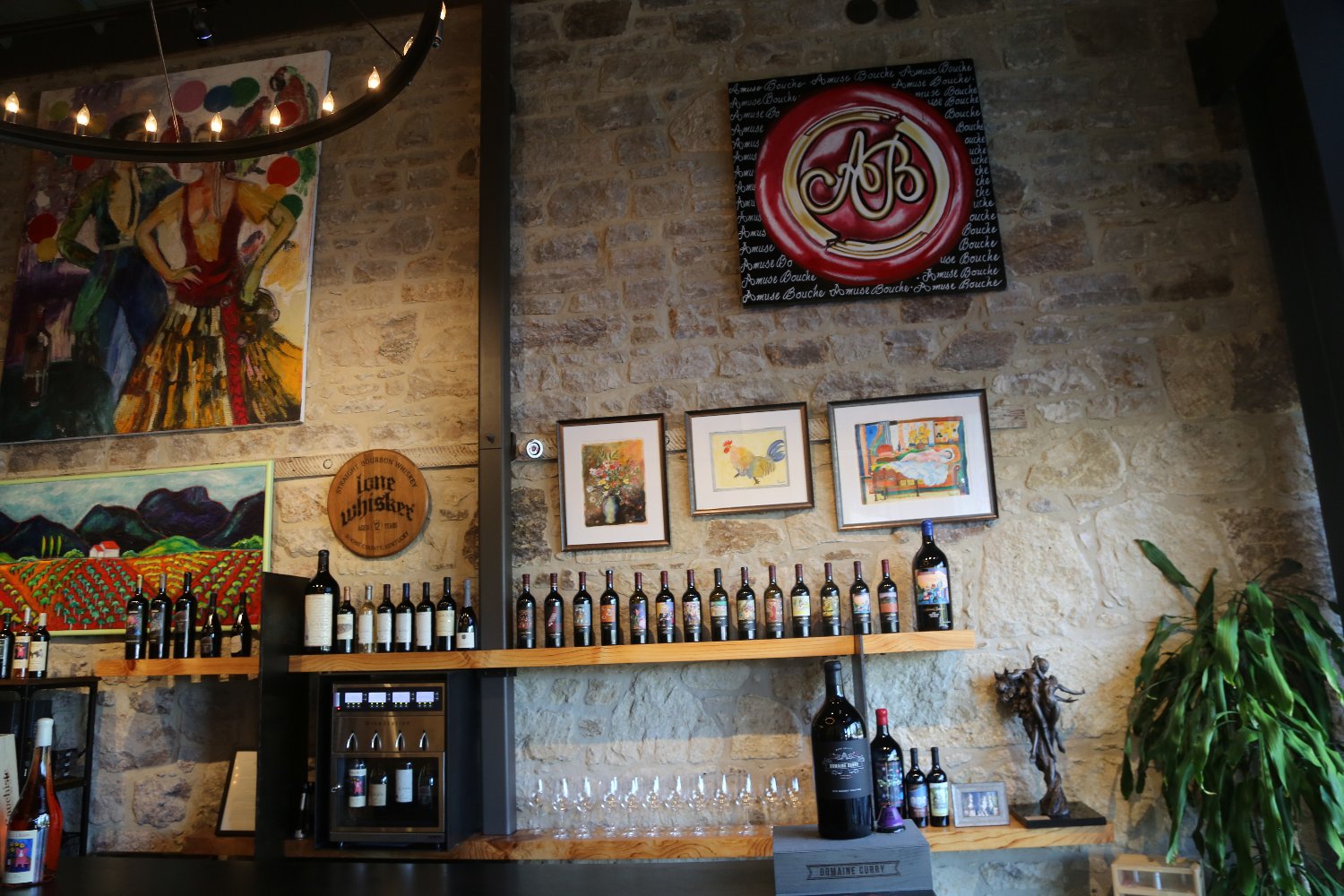
Their wines appeal to serious wine enthusiasts and collectors and perhaps to those who are partial to fine art. And because John and Heidi produce a number of wines under various labels, collectors certainly have a diversity of wines to choose from in their portfolio. And a surprising offering for a Napa winery is their Lone Whisker, a 93.8 proof Bourbon Whiskey. Aged for 12 years in barrel, this whisky is remarkably smooth on the palate.
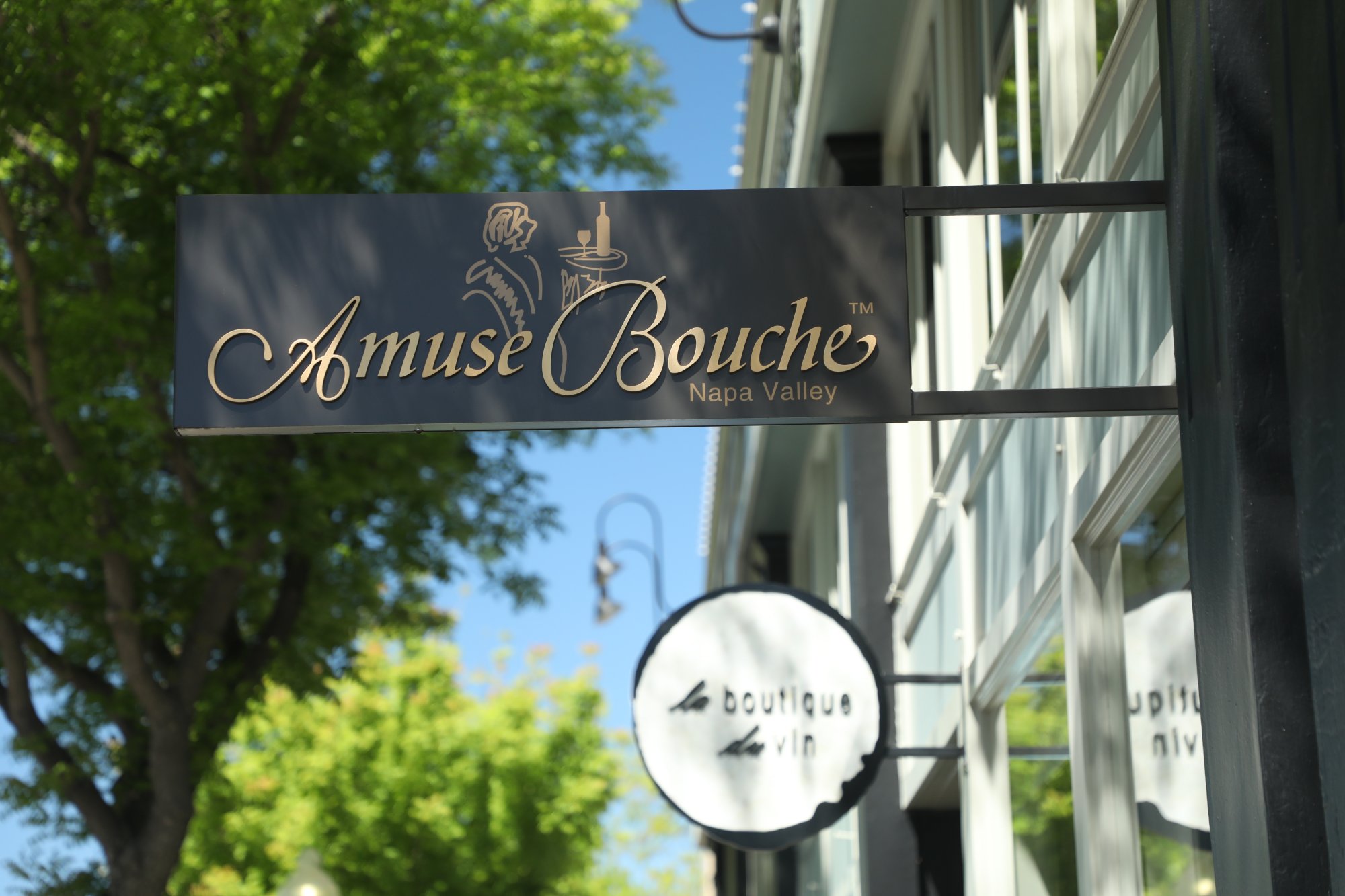
La Boutique du Vin – Amuse Bouche
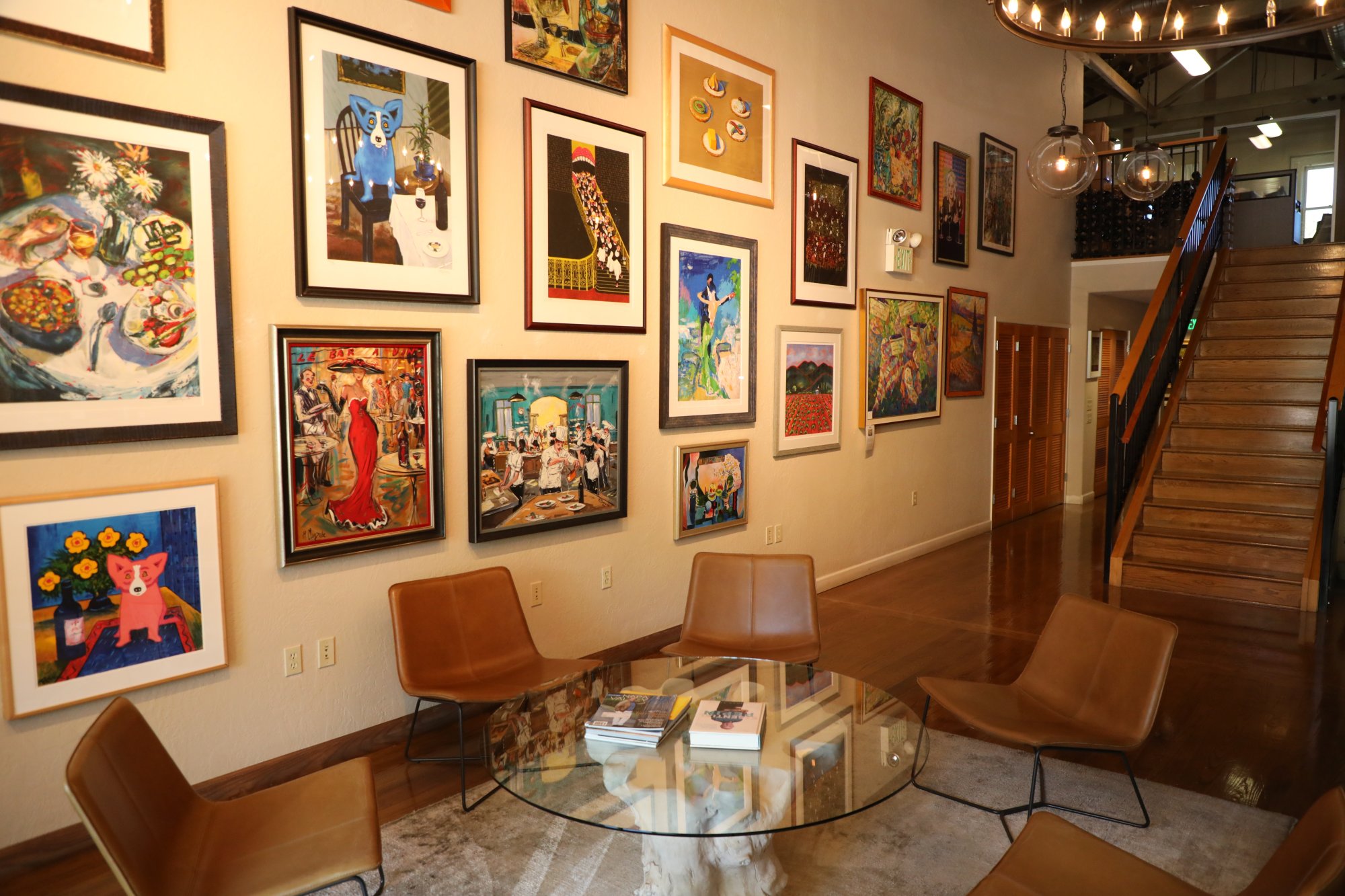
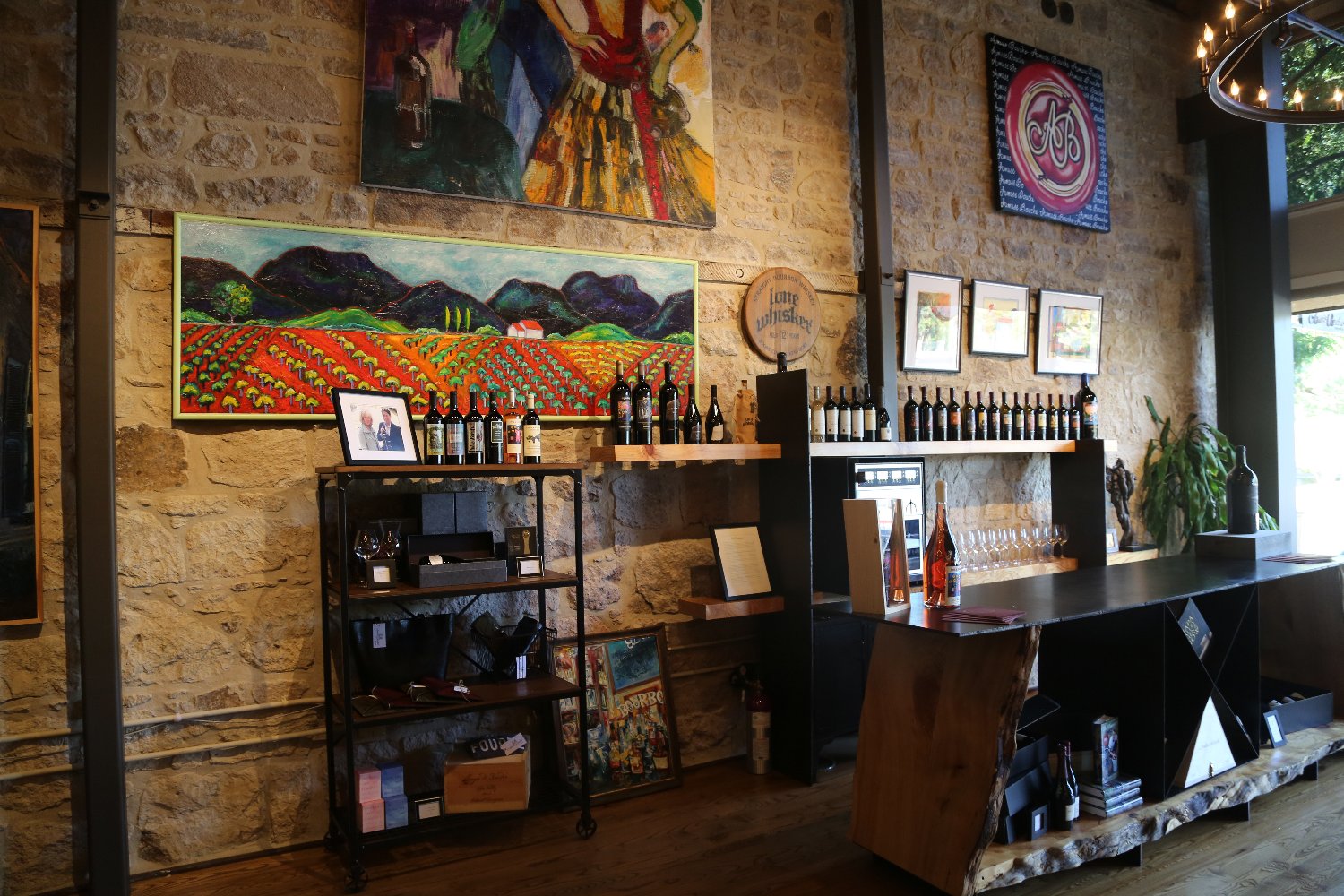
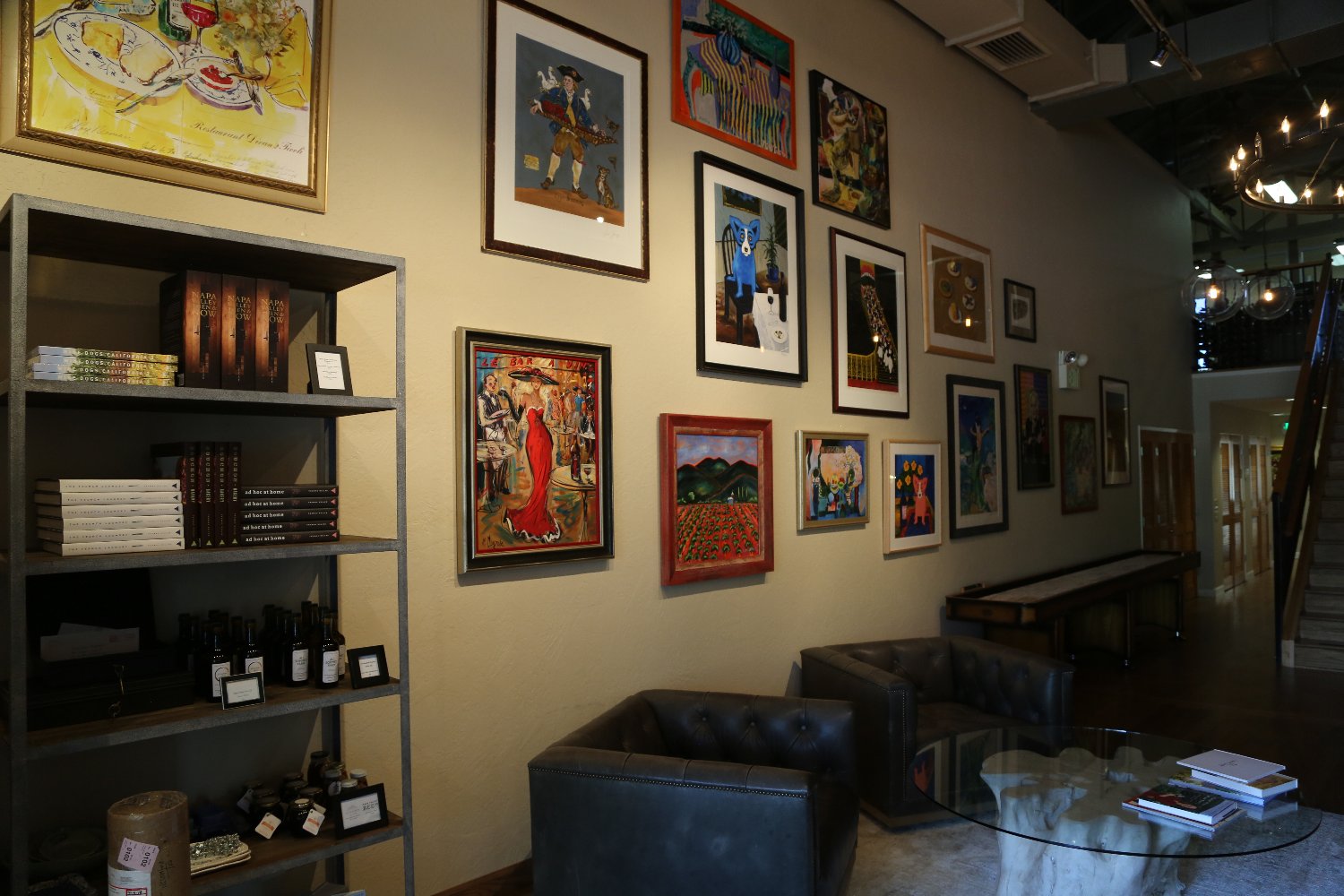
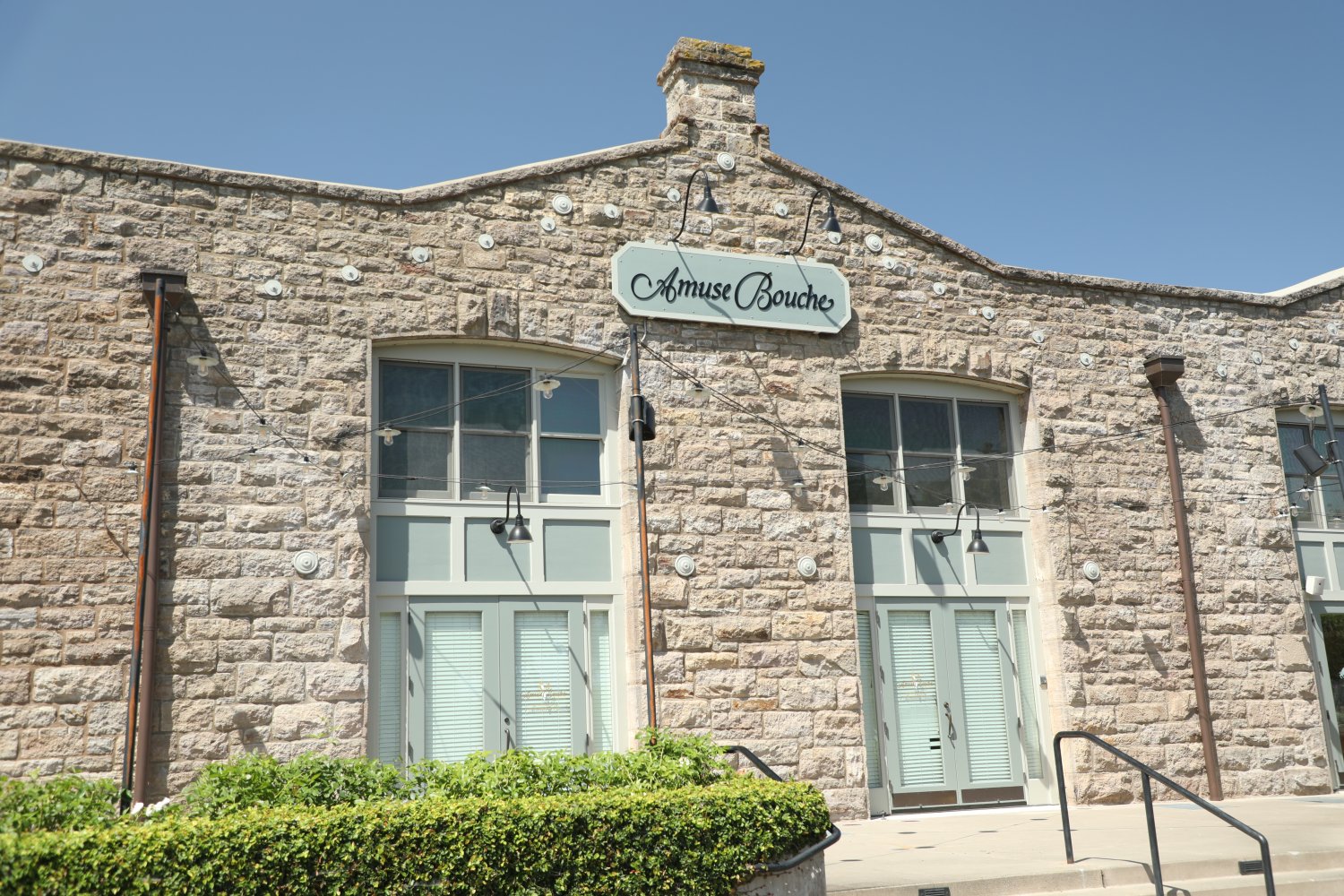
In early 2017 Amuse Bouche moved their offices slightly further north on Main Street in downtown Napa and in the process built out an art gallery which is sometimes used for showcasing special art exhibitions featuring individual artists. There is always a fine collection of art here including prints of some of the paintings used for wine labels. And Heidi displays some of her ceramics here.
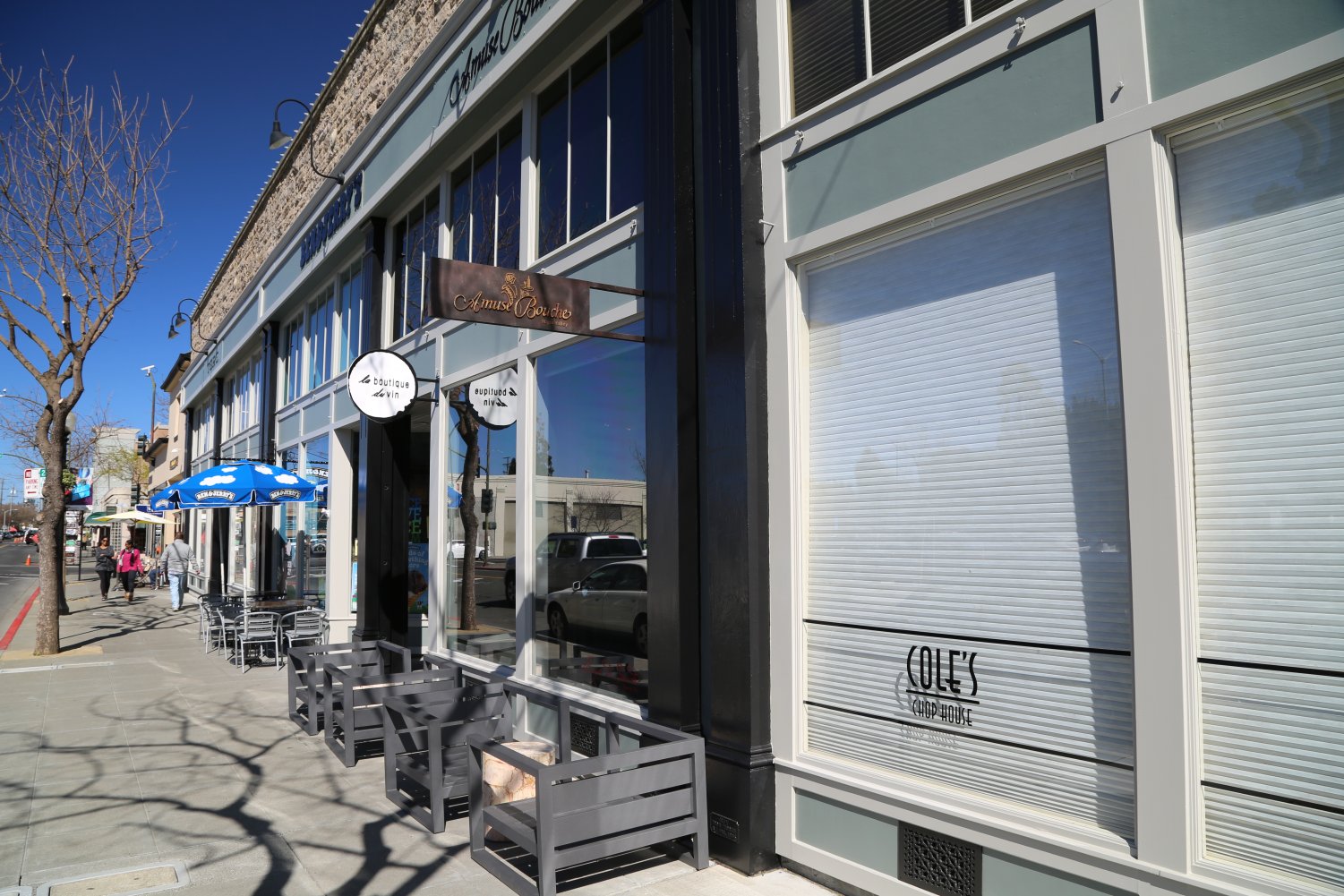
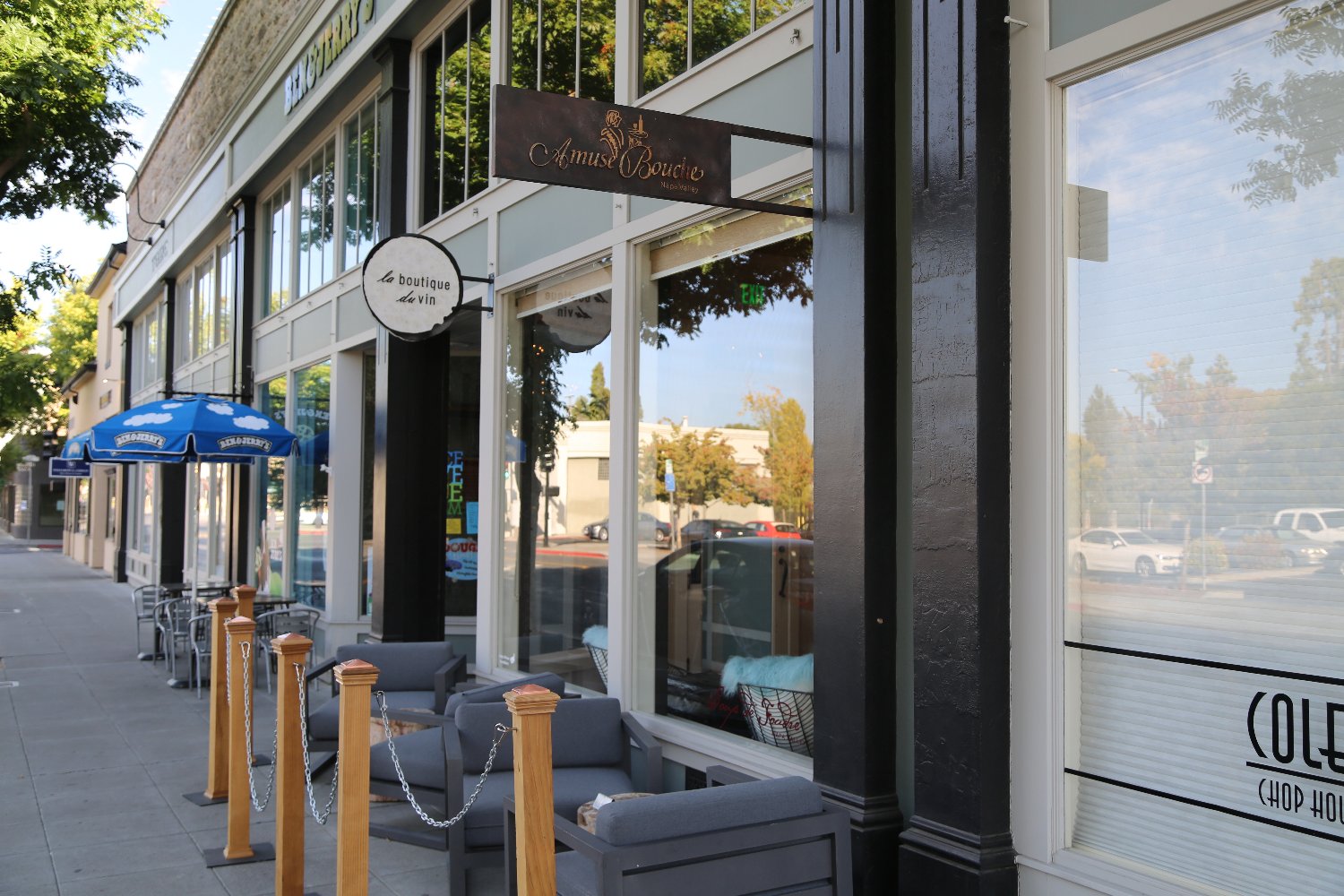
This elegant space is used for hosting tastings for the wine brands associated with Heidi or John. This space is next door to the ever popular Cole’s Chop House and also neighbors Ben & Jerry’s Ice Cream – all businesses are located in the same building. Indoor seating and weather permitting, several outdoor chairs, roped off from the sidewalk are used for tastings.
This historic building has housed numerous tenants; in the 1920s Rosenthal’s was located here, a general hardware and clothing store. In the 1930s this building was home of Lohman Tractor & Implement Co, in the 1940s and 1950s other businesses here included Warner-Ritz Tractor & Equipment Co and Johansen Electric. In the 1960s and 1970s the County Superintendent of Schools office was located here. And in the mid 1980s through the early 1990s, the space housed Oberon Gallery.
Taste at the bar or for a more relaxed vibe, saddle into the seats around the low-top glass table. If you are at the bar, glance down and you will see a number of inspirational books, including perhaps these titles at your feet: A Path Appears, Girls Burn Brighter, The Blue Sweater, No Longer Untouchable, I am Nujood, Age 10 and Divorced, Strength in What Remains, and I am a Girl from Africa.
And the sound track complements the airy vibe of the tasting room.
In 2025 this tasting room was voted Napa Valley’s best tasting room by readers of the Napa Valley Register.
For more information about Au Sommet, to make a tasting reservation or to purchase wine, visit www.ausommetwine.com, Amuse Bouche, visit: www.amusebouchewine.com and Coup de Foudre, www.coupdefoudrewine.com
Amuse Bouche, downtown Napa


Leave a Reply