



 Arador Wine. Roberto Alfaro was born and raised in Atacheo in Michoacan, Mexico. Michoacán is one of Mexico’s most important agricultural regions, known for its fertile soil, favorable climate, and hardworking farmers. Located in western Mexico, the state produces a wide variety of crops that contribute significantly to the country’s economy and food supply.
Michoacán is especially famous for its avocados and is often called the “Avocado Capital of the World.” The state exports millions of tons of avocados each year, providing income for thousands of farming families. In addition to avocados, farmers grow berries, limes, mangoes, corn, and vegetables. Agriculture plays a central role in the lives of many rural communities, where farming traditions have been passed down through generations. Farmers in Michoacán combine traditional knowledge with modern agricultural techniques to improve productivity and sustainability. Their work supports local markets, creates jobs, and contributes to international trade.
However, farmers also face challenges such as climate change, water shortages, rising production costs, and market fluctuations. Despite these difficulties, they continue to adapt and innovate to protect their livelihoods. The dedication and resilience of Michoacán’s farmers help ensure a stable food supply while preserving the region’s rich agricultural heritage. Their contributions make Michoacán a vital agricultural center in Mexico and an important supplier of food to the world.
Roberto moved to Napa Valley when he was 17; this was his first time to the U.S. and he only spoke very few words of English at that time. He told his brothers and sisters who were already living in Napa Valley that his plan was to finish high school in Napa, but this never happened. While he was waiting for school to start, he started working, initially pruning vineyards on Highway 12 near Cuttings Wharf in Carneros. He recalls the first days were difficult as he had never worked with grapevines before, but he met numerous other employees, also from Mexico. He realized he enjoyed learning about the importance of timing in the vineyard and other details including pruning, suckering, leafing and harvest.
He soon started working for David Abreu in St. Helena at Madrona Ranch; he was part of the crew that planted vineyards at Colgin Winery. This was for about a year and a half, but then he decided learn winemaking. So he worked harvest at Hess Collection; after this, he realized he really enjoyed cellar work. He told us, “This is where I wanted to be and what I wanted to do”.
He enrolled at Napa Valley College, solidifying what he learned in both vineyard and cellar. In 2005 he started working for Caldwell Vineyards as their Lead Cellar and worked there for three harvests. Following his time at Caldwell Vineyards he began working in the cellar at Arkenstone Vineyard in 2008; today he is the assistant winemaker to Sam Kaplan. Incidentally, Arkenstone’s first two vintages were made at Caldwell; Roberto has helped make every vintage ever produced by Arkenstone Vineyards.
Part of creating his own brand was the inspiration to learn more about the industry. He loves learning and pushing himself outside of his comfort zone, especially when it comes to sales. Building his brand has allowed him to expand his knowledge and, just as importantly, grow his network within the wine industry while also helping support his family.
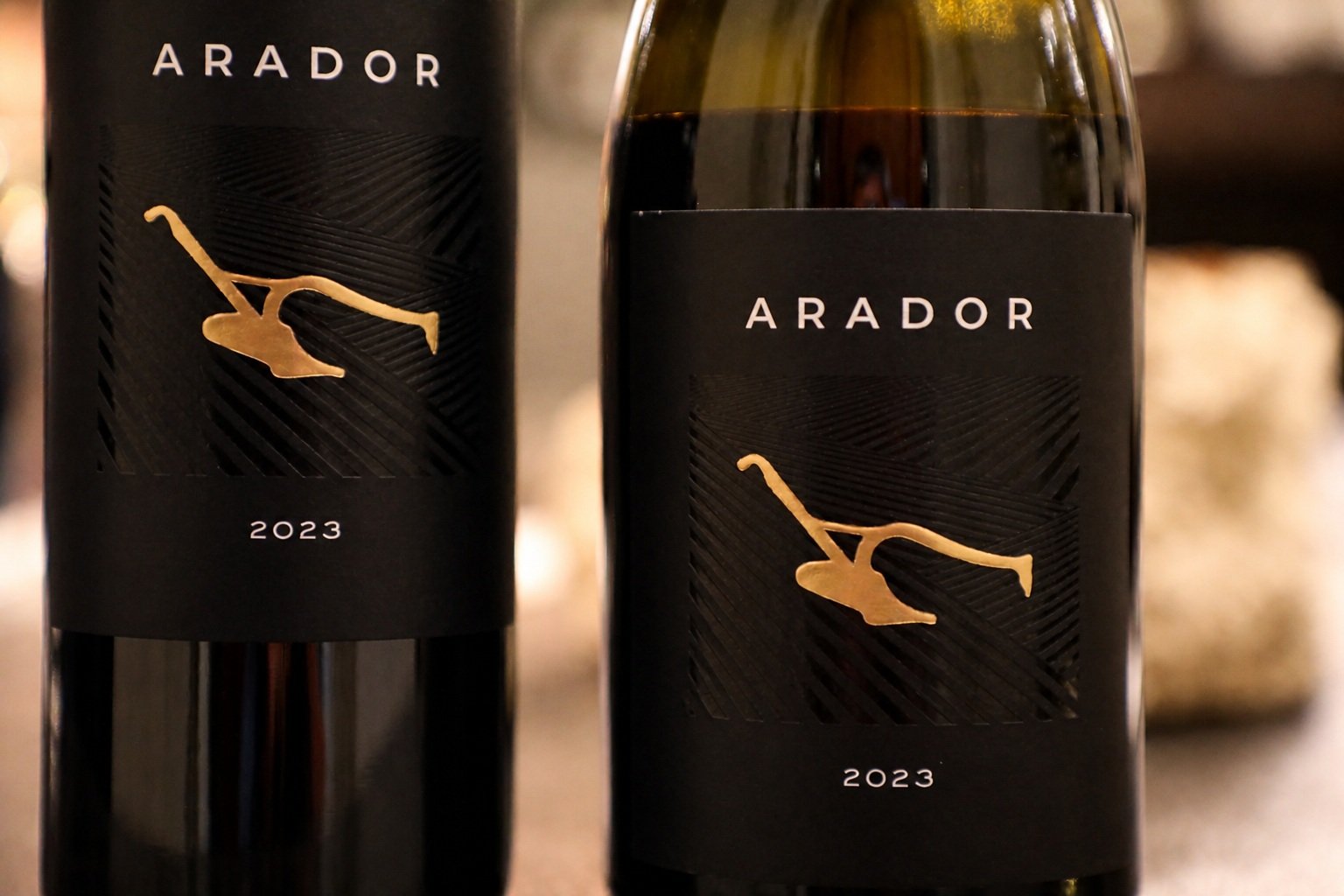
His wife, Carmen, is also from a small village not far from Atacheo. Both of their families have deep roots in agriculture, growing crops such as tomatoes, beans, and corn. Without the financial means to purchase a tractor, they relied on horses and plows to do much of the agricultural work. The image depicted on their label serves as an homage to those farming roots and the hard work of the generations that came before them.
However, it took Roberto some time to settle on a name that reflected both his family roots and his childhood growing up on a farm. He had a clear vision for the logo and wanted someone who could bring that image to life with elegance and simplicity. Through a woman at MCC Printing in Napa, he was introduced to a visual designer from Sacramento who helped translate that vision into the brand’s identity.
Roberto is very familiar with Cabernet Sauvignon; it is the variety he has worked with since he started making wine. When starting Arador, however he wanted to produce something other than Cabernet Sauvignon. Roberto’s first wine was a Zinfandel produced in 2019. Due to the fires in 2020, he skipped that vintage. In 2021, he produced a Clone 6 Cabernet Sauvignon from Coombsville, as well as a Syrah from the Amoenus Vineyard in Calistoga. Syrah from that vineyard was produced for just one year. In 2022, both his Cabernet Sauvignon and Syrah were sourced from small vineyards in Coombsville. In 2023, he introduced a white wine—a Sauvignon Blanc from tiny Vineyard 45, located in the hills next to Keever Winery near Yountville.
Regardless of variety, the Arador wines are meant to be balanced upon release yet also have the potential to be aged. Roberto enjoys working with varieties that are inherently spicy, namely Zinfandel and Syrah – wines that go particularly well with Mexican food. Roberto considers the beginning of harvest his favorite time of year in the cellar. It is this ‘next chapter’ that keeps him motivated regardless of vintage. And that is when he feels like his purpose is being most fulfilled.
Select Wines
The 2024 Arador Sauvignon Blanc is medium gold in color; the nose immediately smells lifted, bright and elegant and never strays in directions of green or grassy or tropical either but fits somewhere in between. The bouquet offers scents of pineapple, pineapple guava, white peach, nectarine, golden delicious apples, papaya and as its opens offers a light vein of citrus including Meyer lemon and a light herbal note including of chamomile. Bright, balanced, minerally and expressive, this wine tastes like pineapple, golden delicious apples, golden kiwi, golden plums, apricot and white nectarine. The mouth feel is silky with a rounded lightly creamy character, supported by a balanced acidity. Lifted. This expression is refreshing and is the definition of balance. And it has the cadence to be age worthy – we would like to try this again in the next 3-5 years. Seafood please, preferably something from two shells and spicy. Or we won’t argue with pairing this with ceviche.
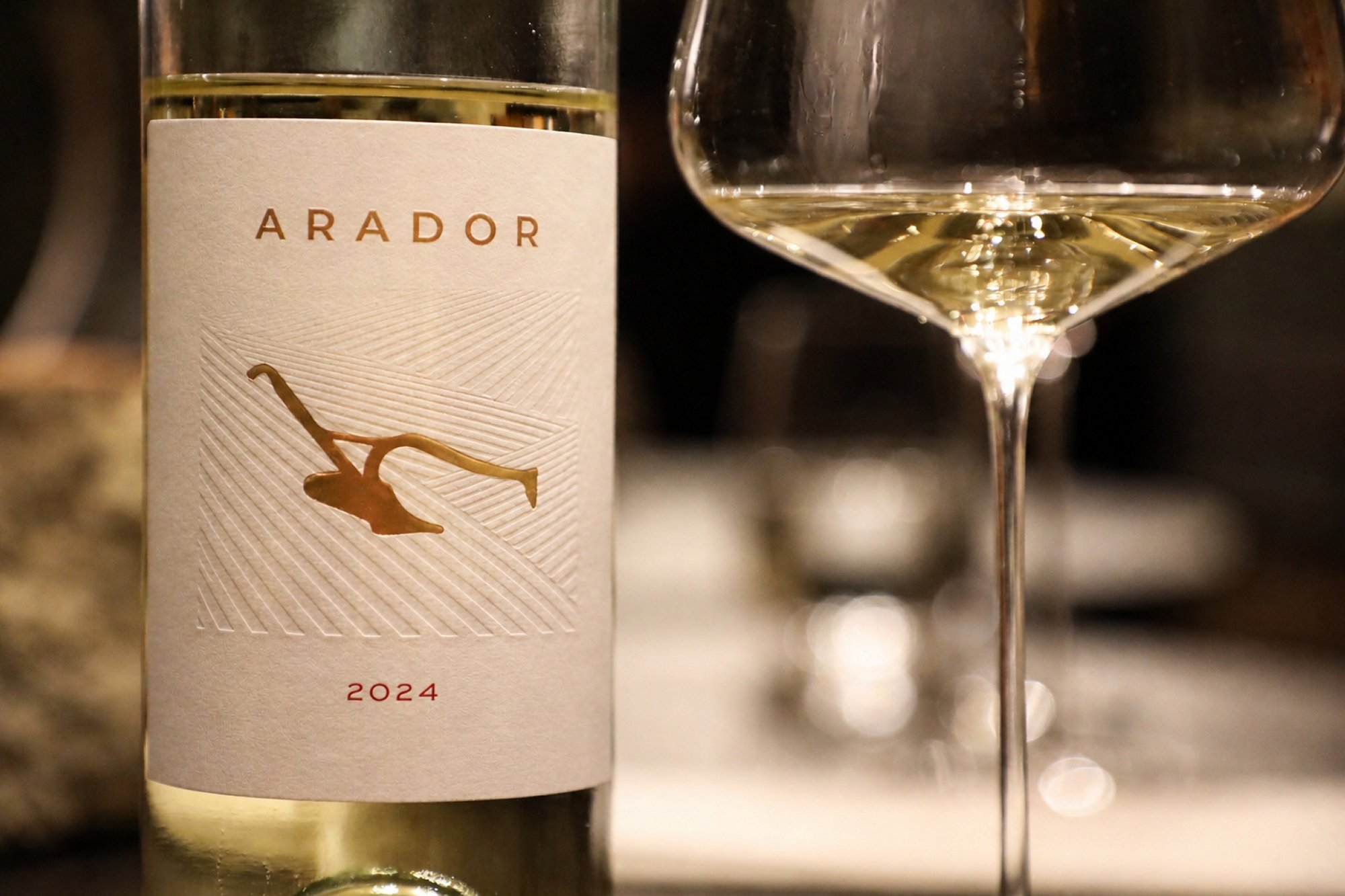
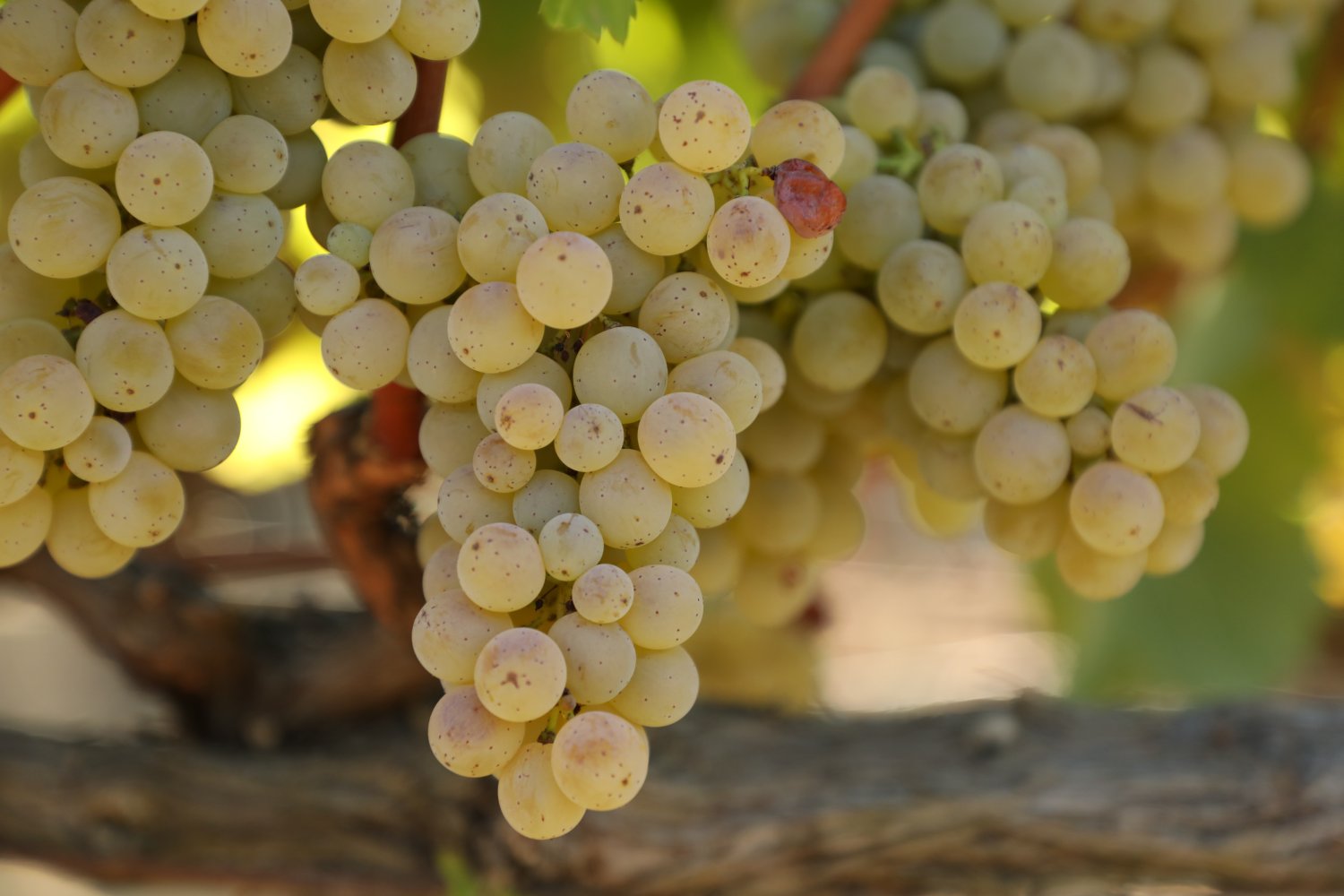 This Sauvignon Blanc was fermented and aged in barrel for on its gross lees 6-9 months, with the time on élevage always dependent on each year’s vintage. Roberto doesn’t use a whole lot of new oak on this wine, not wanting to over power the variety, rather the oak is primarily used lift the mid palate and give it some volume. And he only stirs the lees once a month.
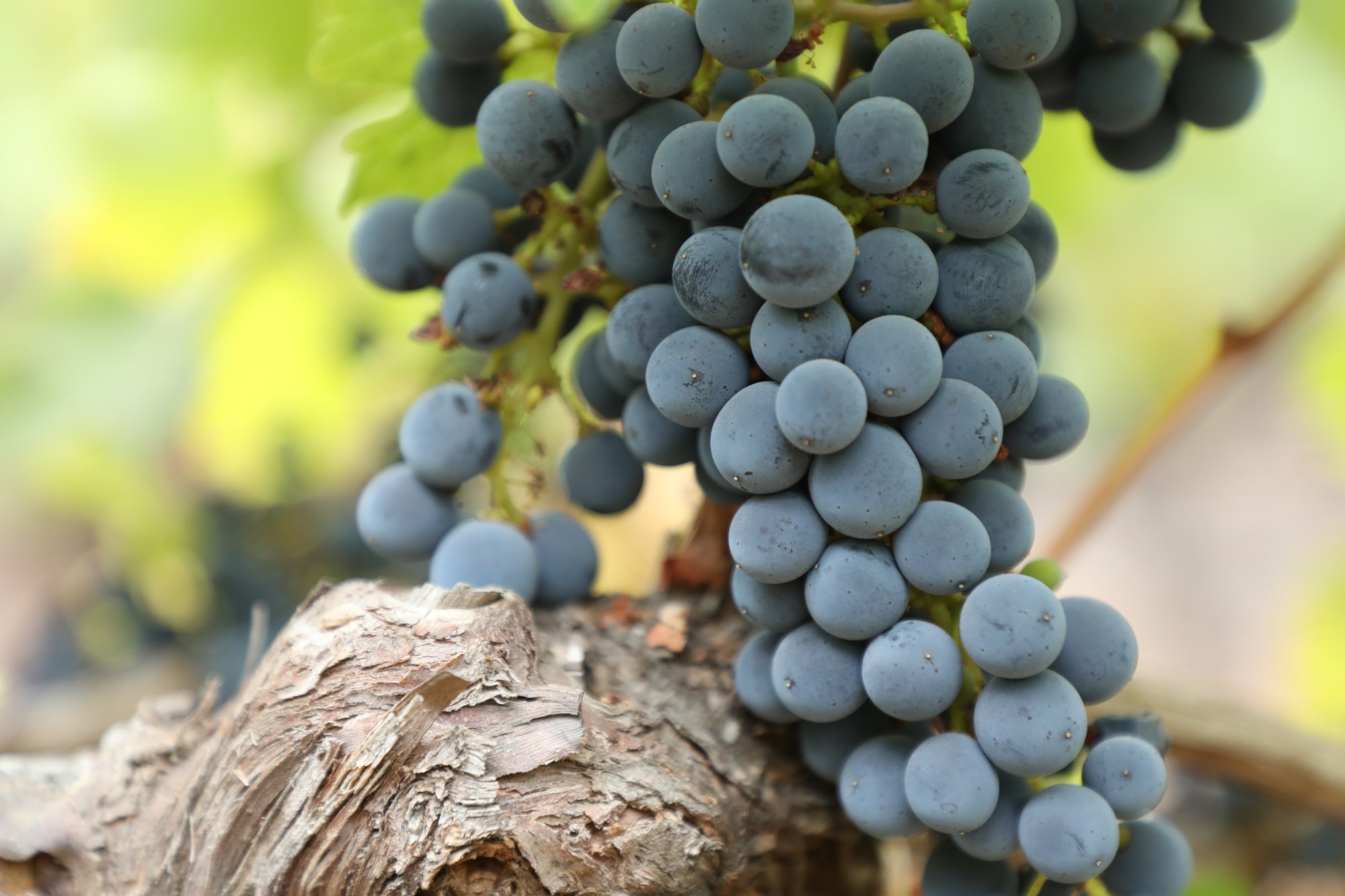
This part of the Sauvignon Blanc vineyard produces very small clusters, perhaps a product of the combination of both clone and its hillside location. Varying sections of the vineyard express different levels of vigor—some vines are naturally stressed, while others are more vigorous. Together, these contrasting conditions contribute both bright acidity and a ripe fruit character.
The 2023 Arador Cabernet Sauvignon, Napa Valley is 100% varietal from clone 6; the bouquet is a union of darker fruits, floral and oak contributed spices. This wine was aged for 22 months in barrel including Allier and Sylvain. It is deep ruby and opaque with purplish hues; on the bouquet, this wine smells like lavender, old cedar box, dark plum, blackberry, dark cherry, finishing with layers of sweeter baking spices including cardamom and clove. As it evolves, it opens to mocha and cocoa powder. Balanced and ready to drink in its youth, this wine tastes dark fruited with flavors of blackberry, dark raspberry, boysenberry, Satsuma plum and dark mulberry. Finishes with a savory contribution from the oak, including of smoked cedar. The tannins are remarkably friendly, for both its youth and this particular vintage. Their texture, both fruit and grape contributed, is fine-grained, rounded and seamlessly integrated into the finish. Arador produced wines from this particular vineyard in 2022, 2023 and 2024.
The 2023 Arador Syrah, Napa Valley is 100% varietal; this wine is deep ruby and opaque. The distinctive bouquet is a union of both ripe fruit and floral including violets, purple lilacs, lavender, blackberry jam, cherry pie, boysenberry, dark plum, blueberry and dark mulberry. A light vein of dark pepper. With layers of sweeter baking spices accompanying. Brighter across the palate than we would have guessed from the bouquet, this wine is vibrant from its lively acidity. It tastes like red cherry, raspberry, red plums, white pepper and dried herbs including sage. The wine finishes with broadly dispersed tannins – persisting with a gentle and rounded dusty tug, felt more on the front of the palate than the back. Its already showing in a sweet spot at only 3 years post vintage. One new Ramon barrel is used with a medium long toast from Allier, a cooper that he feels works particular well with this variety – in combination with once-used oak for 22 months before bottling. And a small percentage of grapes are fermented whole cluster. Its ABV is 14.9%.
—
The wines are primarily sold direct to consumer; locally Angele Restaurant in downtown Napa has the wine on their list, and there is very limited distribution in parts of Los Angeles. Arador has also participated in Manhattan Wine Auction in Manhattan Beach, CA.
The wines are made at a winery near St. Helena. Total production each year is about 300 cases with about 100 cases per SKU. For more information and to purchase wine, visit: www.aradorwine.com
Leave a Reply