



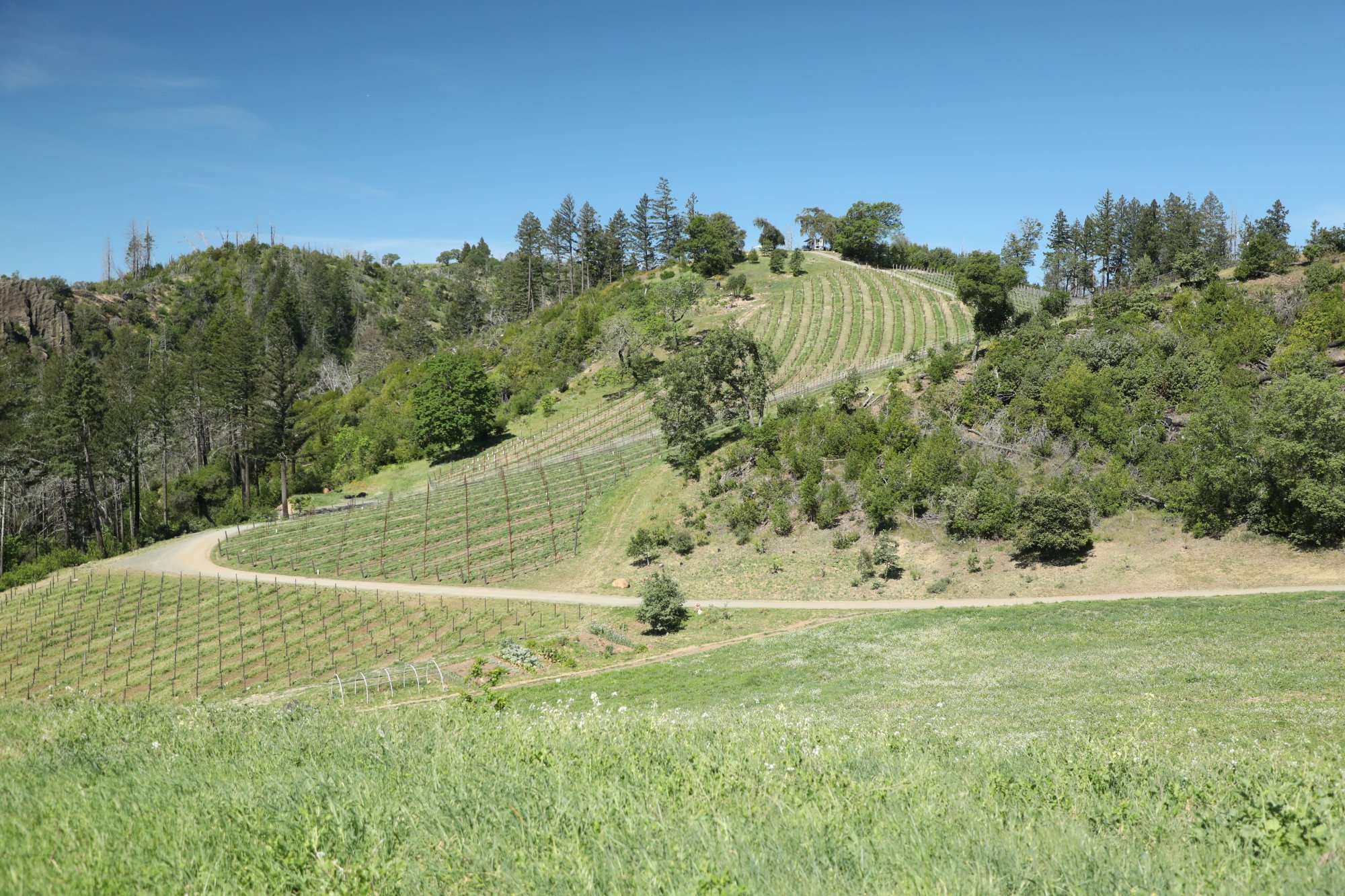
 Aerika Estate. When describing Mt. Veeder, adjectives like remote, rugged, and steeply forested are proper descriptors. And those characteristics all define Aerika Estate, overseen by its passionate proprietors, Julia van der Vink & Rob Black. But one has to visit and walk the property to get a real gut feeling of the place. This is not the valley floor. The views are spectacular, especially to the south where on a clear day one has a bird’s eye look onto the San Francisco Bay and the glistening buildings of San Francisco about 40 miles to the south.
Background
Both Julia and Rob worked extensively for other wineries around the world before starting this project.
Rob’s experience spans New Zealand, Canada, Spain, and France. He came to Napa Valley in 2014 for what was intended to be a one-year knowledge exchange at Screaming Eagle, focused on cool-climate winemaking. That year turned into a total of nine years at Screaming Eagle.
Originally from Maryland, Julia has been making wine in Napa since she was 21 and has worked in the wine industry since she was 18. Her experience includes work in Australia, New Zealand, and South Africa. A formative moment in terms of the ‘pull’ of Veeder that those who invariably spend any sort of time on the mountain will experience, came while working at Mayacamas Winery over a decade ago. She encountered a sense of rawness and spirituality from the site that left a lasting impression.
In part, inspired by reading Thoreau in college, she became determined to pursue a vocation involving working with nature and being outdoors. She wasn’t raised with wine on the table, but she does remember being inspired by neighbors from Europe who used to bring wine over to her home. Becoming extremely creative in her youth, without having the financial means to travel, she pitched a story to Fortune on the “New California” wine movement in 2012 with the caveat that they pay for her airfare to Napa Valley. They agreed. While interviewing winemakers, she asked if they had any available jobs for her—an unconventional but ultimately effective entry into the industry. Her article, California wine gets back to its roots was published in July 2013.
At one point, she considered returning to Europe after working in South Africa, influenced by peers who dismissed Napa wines as overblown and culturally limiting. But in that moment, she realized she wanted to make Cabernet Sauvignon in Napa for the rest of her life. She worked at Harlan Estate for nearly 8 years. She and Rob met at Screaming Eagle; both had long envisioned building something of their own. Julia, in particular, remained deeply drawn to Mt. Veeder and its potential.
In contemporary Napa Valley, ownership is often disconnected from agriculture; Julia and Rob are proving that a different path is possible—one rooted in passion, obsession, and direct connection to the land. We understand this commitment well. Their goal is to explore the deepest potential of both the vineyard and themselves.
This is a lifelong commitment for both of them. Julia told us that by having everything on the line unlocks a level of creativity that would otherwise be inaccessible. It is a demanding, sometimes painful way of living—but one that yields authenticity and pulls upon all available resources.
The Property & Vision
A defining moment came for Julia came when she assisted Ketan Moody in planting his Jasud Vineyard on Diamond Mountain. She remembers thinking how rare it was in Napa Valley to see an owner new to the valley, plant and develop a vineyard from the ground up.
Once a year for 10 years, Julia would drive the upper parts of Mt. Veeder, leaving letters in mailboxes asking owners with vineyards to contact her if they were interested in selling their properties. Eventually, through winemaker Andy Erickson—who knew the area well from his time at Mayacamas—they were introduced to this property in 2021. Rather than pursuing a smaller site, they committed to this larger property after seeing its potential. Their search was highly specific: they wanted volcanic soils, rather than the uplifted marine sediments typical of lower elevations on Mt. Veeder.
They assembled a group of like-minded supporters aligned with their vision; it took them two full years to finally close on the property. The estate spans 60 acres, with 12.5 acres currently planted and plans to expand to 18.5 acres. The land was once part of the Veedercrest property—originally planted in the 1970s and then replanted in the 1990s. The most recent vines were removed between 2016 and 2019. When they acquired it, the site had been fallow for several years—marked by burned trees and remnants of past use including scrap metal.
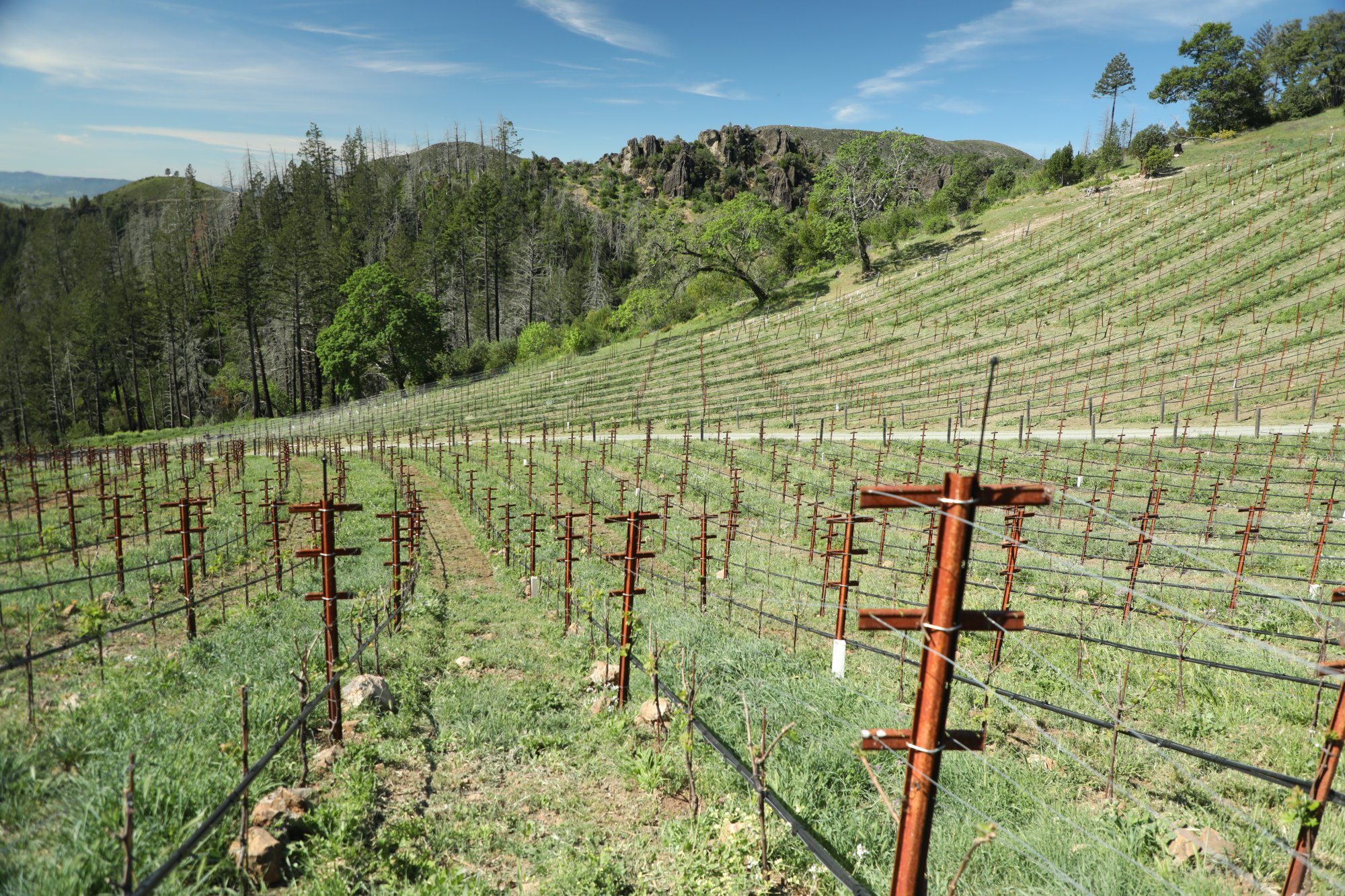
They began preparing the site for planting in 2022. The vineyard sits between 1,650 and 2,000 feet in elevation, with most vines between 1,800 and 2,000 feet. One of the defining features of the site is its unobstructed exposure to the San Pablo Bay, which brings breezes-strong at times and cooling influences. Temperatures vary depending on elevation, often differing up to 5 degrees Fahrenheit. They designed the vineyard around this wind corridor, recognizing it as a critical element of the terroir.
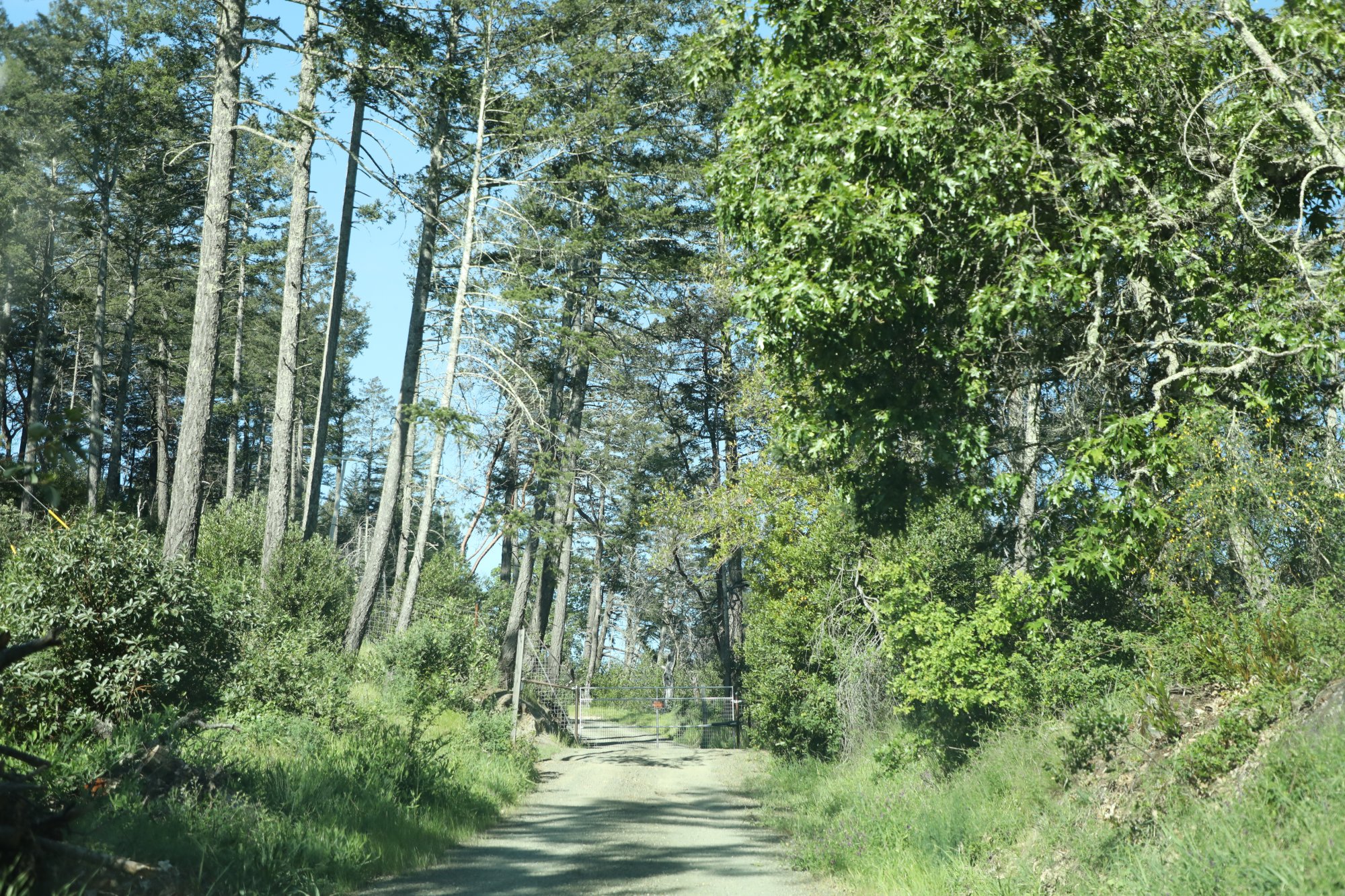
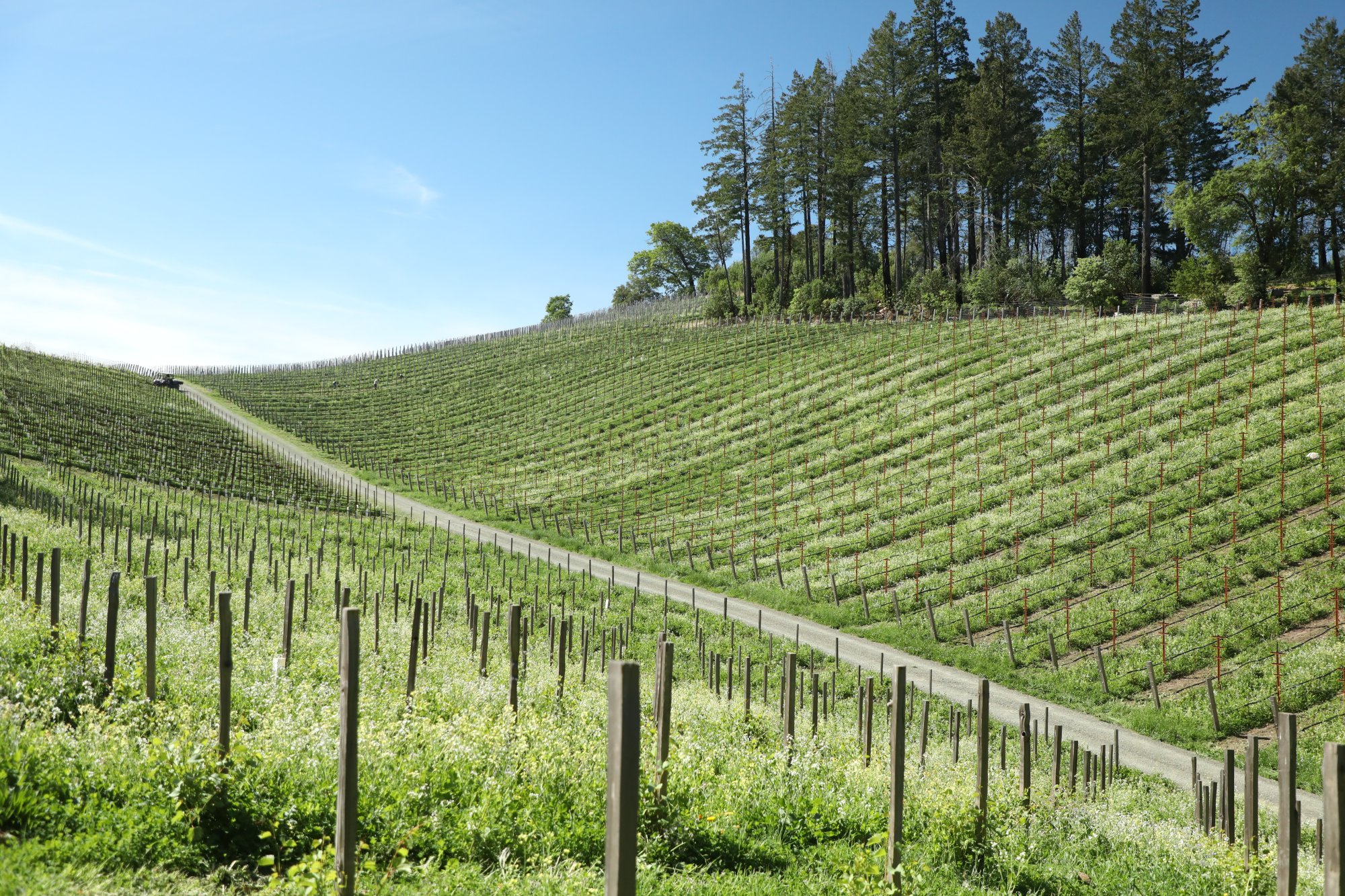
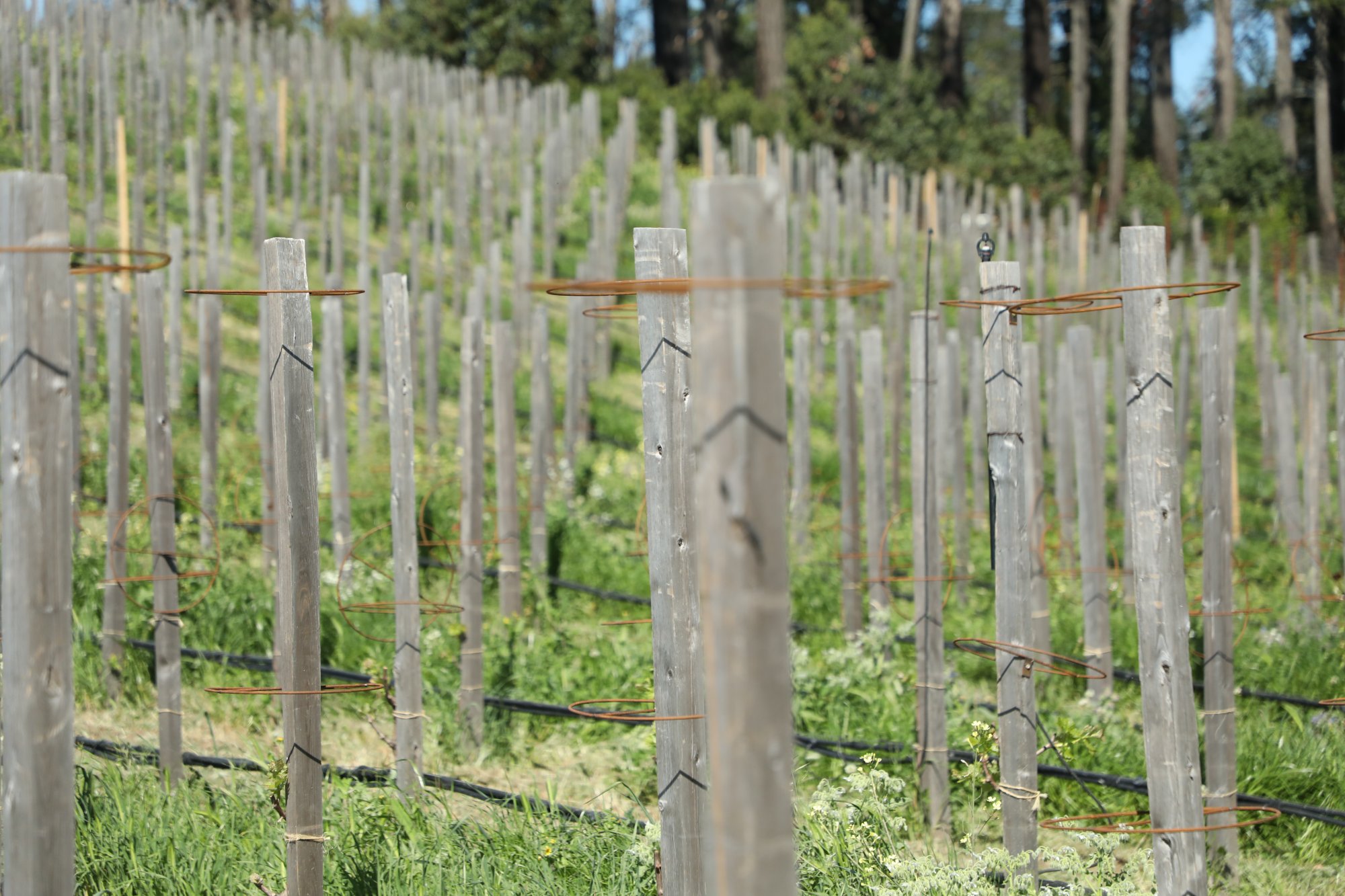
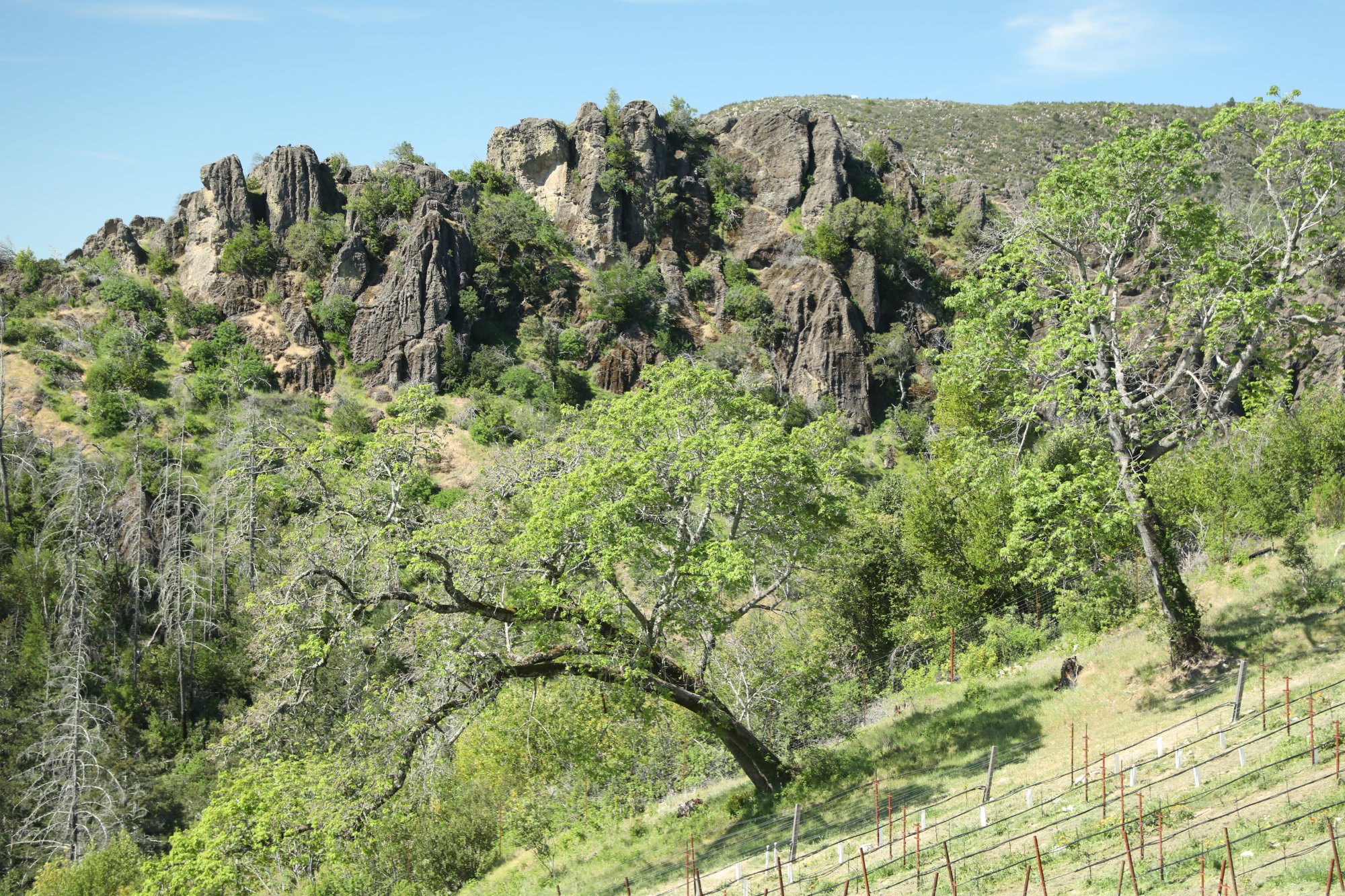
Three distinct volcanic soil types converge here: andesitic basalt (iron-rich) on the eastern side, rhyolite on the western side, and an Aiken mélange in the lower parts of the property. Think the soil convergences at Diamond Creek but at a much higher elevation here. The site offers full exposure in all directions and soil heterogeneity.
Farming Philosophy
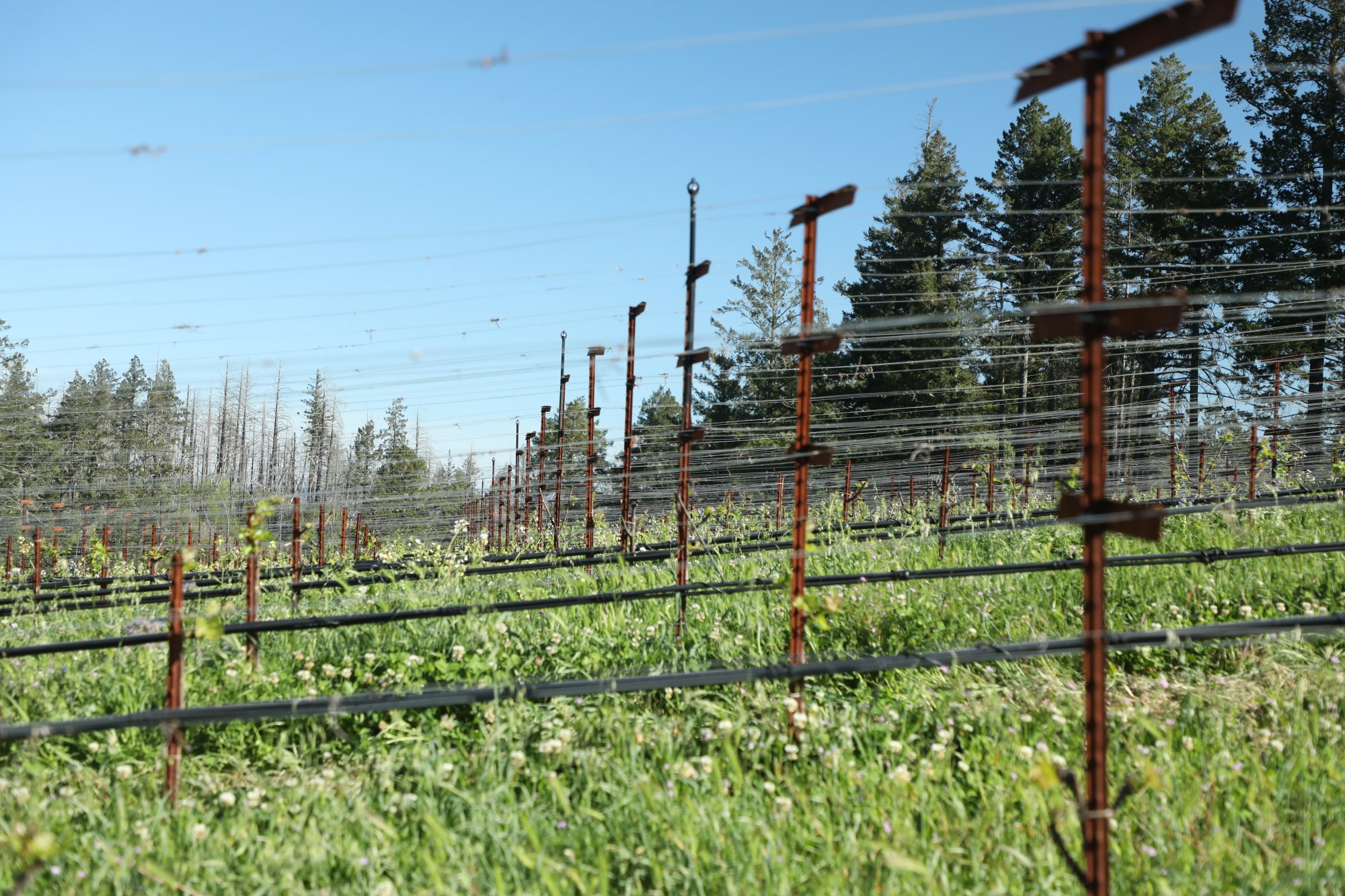
Their approach is deeply intentional and rooted in restraint and observation. They farm vine-by-vine, setting yields early in the season during pruning. Four types of head training are utilized, allowing each vine to develop its own structure and character, respecting natural variation.
Water is primarily used only in the first two years to establish the vines; after that, the vineyard is largely dry-farmed with a goal of eventually dry farming approximately 85% of the vines. In their youth, the vine roots grow quickly and deeply; during the first first few years they observed root depth of already 6-12 feet through digging soil pits.
With such a topographically intriguing property in terms of its soils and exposures, clonal diversity is embraced, with material sourced from clean mother vines and carefully matched to site conditions. They focused on heritage selections, including pre-1950s plant material and even pre-Prohibition clones, tracing oral histories where possible. Some lineages remain unknown, as those individuals connected to those vines are no longer alive. No nurseries provided plant material for their vineyard. All grafting onto established rootstock is done on site. A small black of Sauvignon Blanc will be grafted in spring 2026. And Julia and Rob each maintain their own namesake blocks, both less than an acre.
Harvest requires precision and agility—there is no margin for error in terms of timing. The combination of elevation, inversion layers, and nighttime metabolism leads to shorter hang times and early tannin maturity. The vineyard is rugged and demanding, and if their first vintage is any indication, the site will yield wines of character, depth and length.
This project is not an extension of their past work; it is a clear and independent expression of their shared and collaborative vision. But it is based on perspective gained from prior experience, calculated risk, philosophy, and place, an attempt to fully realize both the potential of the land and their own creative depth.
Over the course of several years, several moments have been particularly gratifying. One was their first harvest for Aerika Estate in 2025. This marked a moment that Julia describes as one of the best days of her life, a feeling of complete alignment. And another moment was when visiting with Paul Draper at Ridge Vineyards; he told them that if he had not dedicated his life to Montebello, he most certainly would have dedicated his life to the top of Mt. Veeder.
The Name
“Aerika” can refer to many things depending on context and language. Here it refers to air, wind, sky, and spaciousness—capturing the essence of the site. It is also a tribute to Rob’s mother, Erika. In mythology, Aerika evokes protectors of the pre-Christian Garden of Eden—nymph-like figures tied to nature. The name reflects both a personal homage and a broader idea: an embodiment of the West, of Napa Valley, and of those who moved westward in search of something greater. There is also a philosophical thread drawn from Hinduism—the pursuit of the highest form of beauty.
Select Wines
Prologue
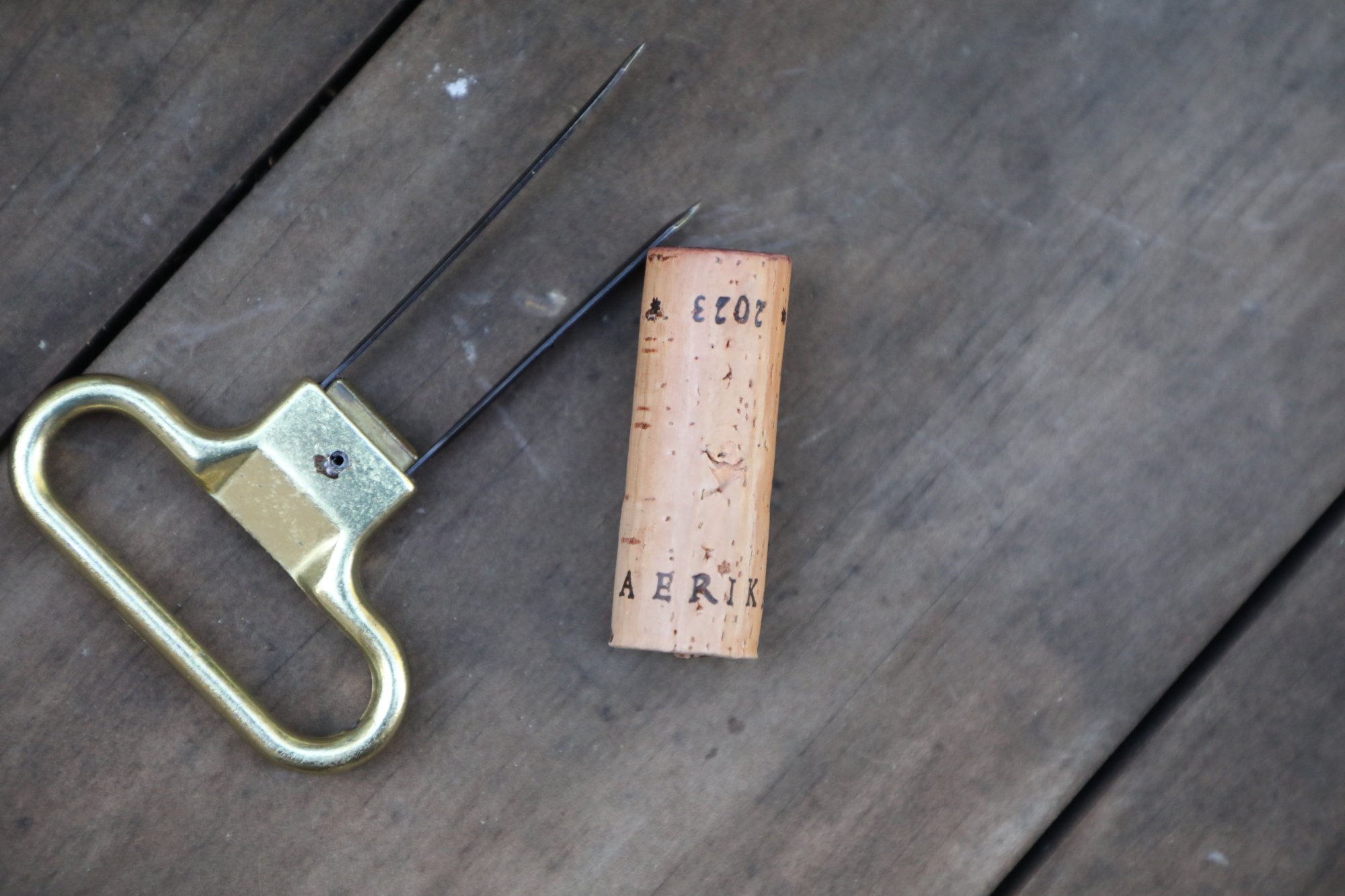
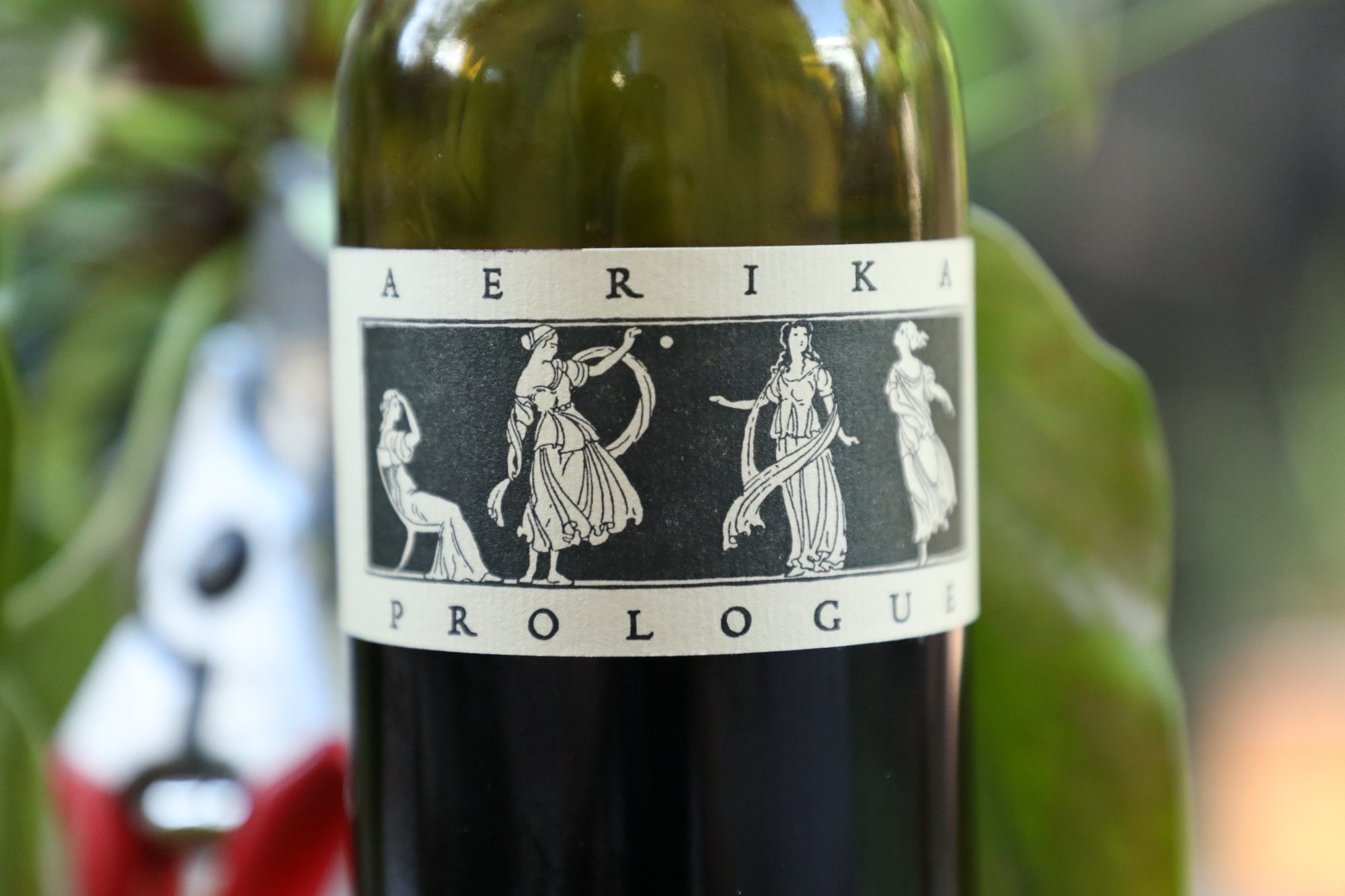
Prologue’s first vintage was in 2023. All vineyards for Prologue are located above 1,400 feet in elevation, representing a study of primarily volcanic soils of Mt. Veeder across a diverse range of vineyards. Wing Canyon serves as the counterexample in this exploration; it is the lowest site and its soils are uplifted marine strata. All vineyards are farmed with no tilling, use organic practices and are dry farmed as much as possible. The highest elevation vineyards are harvested first. The Aerika Estate vineyard team actively farms some of these sites themselves. What was originally intended to be a five-year study continues to evolve.
In terms of winemaking, chemistry is always known, but their philosophy of winemaking goes beyond numbers. They are classicists at heart, yet deeply independent in thought—believing in the pursuit of perfection while also listening carefully, responding intuitively, and allowing the wines to express their natural character. All fermentations are native, including malolactic, with no fining or filtration. If a wine does not meet their standards i.e., if it lacks character or proper tannin resolution, it is not bottled. Only wines that truly express the identity and integrity of any sites worked with are released.
Wildwoods Vineyard
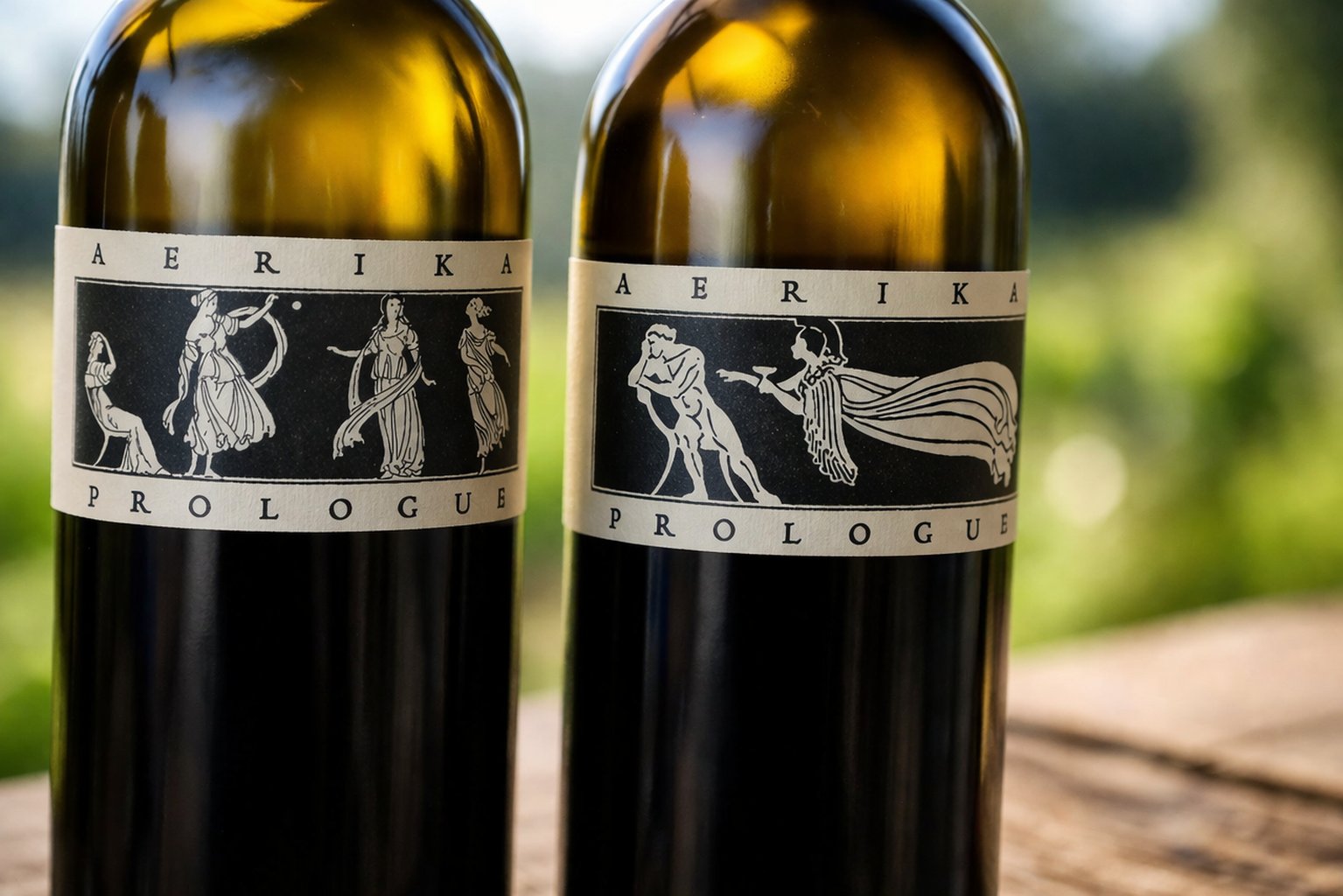
 The 2024 Prologue Wildwoods Vineyard Cabernet Sauvignon (puncheon sample, tasted in late March 2026) is deep ruby in color and nearly opaque. At this stage, it shows a more pronounced barrel influence, as expected. The nose reveals notes of mocha, dark cocoa powder, old cedar box, alongside floral tones of dried rose petals and dried herbs, including sage. On the palate, the tannins are particularly appealing, tumbled and savory, they offer a texture that persists beyond the fruit on the finish, leaving a fully coating, lightly dusty grip. The wine shows considerable layering, with a red-fruited profile of boysenberry, red cherry, red plum, currant, and cranberry. Harvested six weeks earlier than the 2023 bottling, it nonetheless shows very similar chemistry. Balanced early on, a hallmark of the vintage, the palate reveals flavors of spiced plum skin, raspberry, red cherry, currant, slightly underripe boysenberry, and blueberry. The finish is dusty and structured. Even at this early stage, the wine is showing exceptionally well, with both depth and harmony already in place.
The 2023 Prologue Wildwoods Vineyard Cabernet Sauvignon is located at 1,600 ASL, planted on a volcanic outcrop off of Wall Road, located in the northern part of the sub appellation. This site faces entirely east, is planted to a single clone (8); this wine is 100% varietal. This wine is medium to deep ruby; the nose is red fruited with a dried herbal wild-garrigue like quality and a layer of pipe tobacco. Bright, balanced and fresh and like the bouquet, red fruited, this wine tastes like cherry, currant, cranberry, boysenberry, red plums and dried tobacco leaf. Its balance is a key component to its overall cadence, with integration already fully developed between flavor, acidity and texture. The tannins are well tumbled and feel comfortable at only 2.5 years post vintage. Broadly distributed, they linger with the fruit on the finish in a seamless union. Minerally, this wine finishes fresh with a bright vein of acidity. Juicy. Chalky. Dried herbs. Refreshing. This wine is about a gentleness, a descriptor Julia used to note its overall feel, regardless of vintage. The vineyard is only one acre and typically produces between 100 to 120 cases of wine annually.
Wing Canyon
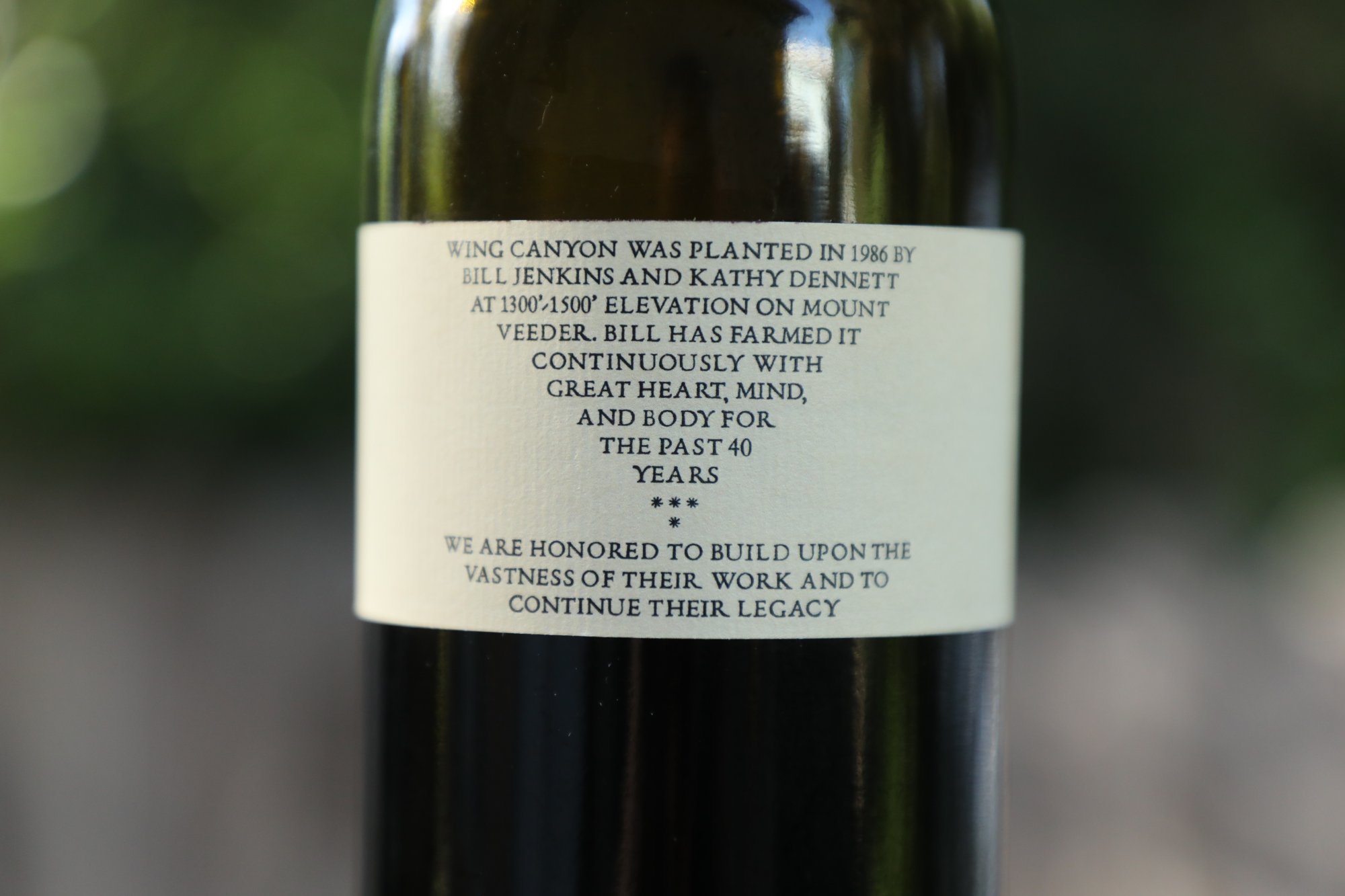
Julia and Rob were introduced by Mayacamas Olds of Sky Vineyards to Bill and Kathy Jenkins, the owners of Wing Canyon Vineyard. This vineyard is now collaboratively managed with Bill and Kathy.
The 2024 Prologue Wing Canyon Vineyard is co-fermented from 70% Cabernet Sauvignon, 30% Cabernet Franc, and 10% Merlot. We tasted this from a barrel sample. It is medium to deep ruby in color. At this stage, the bouquet handles the oak exceptionally well, having been sampled from a new French oak puncheon at the time of tasting. The aromatics open with notes of raspberry, cherry cola, red plum, and blueberry. As the wine evolves in the glass, the barrel influence recedes, revealing floral nuances of dried rose petals and violets. Bright and expressive, the palate is energetic and lifted. Flavors of raspberry, slightly underripe boysenberry, red cherry, and currant carry through with clarity. The tannins are gravelly in texture, persisting alongside the red fruit and contributing to a layered, structured mouthfeel. The finish is long and textural, with multiple layers of flavor unfolding over time. Already singing with energy in its youth, this wine shows tremendous vibrancy and promises a long life ahead.
The 2023 Prologue Wing Canyon Cabernet Sauvignon is co-fermented from 70% Cabernet Sauvignon, 30% Cabernet Franc, and 10% Merlot. Once the Cabernet Franc reaches optimal ripeness, the team is able to harvest the remaining varieties. The wine is deep ruby and opaque with purplish hues in the glass. The bouquet is centered on vibrant red fruit—led by raspberry and layered with Santa Rosa plum along with floral notes including violets and lavender. Subtle barrel influences add nuance, including a note of old cedar wood. This wine is bright and juicy, with a crunchy acidity driving a fresh, mouthwatering profile. Sourced from deeper, richer sedimentary soils, the tannins show a distinctly different profile from those grown in volcanic mountain soils; very much present, their texture, like flavor, shows plenty of depth and density. They offer an earthy, gravelly and dusty presence, broadly distributed across the palate. And a persistence, which outpaces the fruit by far at this age. The finish lingers savory, with dried herbal notes, including sage and bay leaf. The wine is aged in a combination of foudres and large puncheons, with 100% new French oak. The oak is a complementary influence here, both on the bouquet and the palate. Its ABV is 13.6%, with a pH approximately 3.6.
The 2024 Prologue Wing Canyon Chardonnay is medium gold in color and immediately distinctive; this wine would stand out in a blind tasting of other Napa Valley Chardonnay. For reference, it was tasted from a barrel sample. The nose opens with aromas of freshly popped, toasty popcorn, roasted and toasted almond, and golden apple, layered with hints of vanilla, light butter, apricot, pineapple, papaya, and dried herbs. On the palate, it echoes golden apple and papaya, complemented by notes of dried herbs—thyme and a touch of rosemary, particularly on the finish. The wine is simultaneously rich in flavor, acidity, and texture. Its phenolics provide a rounded, supple, velvety mouthfeel, almost crossing into the territory of being saline or briny. Its texture is lifted high by the vibrant, expressive acidity. The finish is fresh and mouthwatering, inviting another sip. Not all California Chardonnays are especially food-friendly, but this one certainly is, best enjoyed with something from the sea, perhaps with two shells. Balanced and never leaning too far in any one direction, the wine shows impressive harmony and textural depth.
Produced from a single barrel, this wine is a tribute to Bill and Kathy Jenkins. It undergoes full malolactic fermentation and comes from a cooler pocket of Wing Canyon, planted to merely 300 vines on old AXR-1 rootstock (along with SO4 and 1103).
Paratus Vineyard
The 2024 Prologue Paratus is 100% varietal, sourced from vines approximately 30 years old at a historic, formerly Chandon-owned vineyard. Julia had previously worked with this site during her time at Mayacamas. We tasted this from a barrel sample. Deep ruby and nearly opaque in the glass, the nose is both fresh and savory, showing a mix of barrel influence and vibrant red fruit. There is also a distinct ferrous note—reminiscent of rusting iron or a sanguine edge—alongside aromas of currant, cranberry and red cherry. The wine is layered across the palate, offering red cherries alongside underripe boysenberry, blueberry, raspberry, currant, and Persian mulberry. This is a powerful expression of the variety, with clear mountain character. The texture is especially notable in its youth, with grainy and gravelly tannins that outlast the fruit on the finish. Earthy, dusty notes linger, with both red and dark fruit tones persisting. This is a wine of depth, character, and structure, built to age. The acidity keeps it lively and energetic, carrying the flavors across the palate with freshness. A natural companion to steak, it embodies what Julia describes as “classical power,” with a pronounced mountain presence that simply shows ‘more’.
Sky Vineyard
 The 2023 Prologue Zinfandel from Sky Vineyard is medium ruby in color. Primary fermentation occurred natively at Sky, with malolactic fermentation completed off-site. While this is a slightly different expression of the Sky bottling, the Sky energy from this variety clearly shows in this bottle. The nose is lifted, layered, fresh, spicy and savory, offering notes of strawberry, cherry cola, root beer, white pepper, raspberry, red cherry, red licorice, Santa Rosa plum, currant, and a touch of dried sage. And we wouldn’t argue with you if you pick out a note of citrus zest and ripe peach. This is an energetic interpretation of Zinfandel—quite the opposite of many California examples. The wine is youthful (tasted 2.5 years post vintage), with vibrant acidity driving a lively interplay of red fruits. Flavors of raspberry, strawberry, currant, tart cherry, red plum and cloves carry through a finish marked by crunchy, juicy acidity and a distinct sense of lift. The tannins are seamlessly integrated, offering a fine, lightly dusty grip that complements an herbal edge on the finish. Fresh and distinctly red-fruited, this wine is already nicely balanced in its youth. It is highly cellar-worthy—built to evolve over decades—and should retain its core freshness whether tasted in 10, 20, or even 30 years from now. The inception of this wine traces back to a lunch at Rutherford Grill with Mayacamas Olds from Sky Vineyards; she casually mentioned that she might have some extra Zinfandel fruit available for sale.
Aerika Estate
The 2025 Aerika Estate Cabernet Sauvignon was tasted from barrel in late March 2026. Only grapes from vines strong enough to carry a crop were harvested; grapes on weaker vines were thinned or dropped entirely. Through this process, the team found they could ripen the vineyard evenly and harvest all at once, which took place on September 1. In total, 1.07 tons were picked, with chemistry exactly where they wanted it. At this early stage, the bouquet is somewhat restrained, but patience reveals impressive layering. And one can smell the freshness of this site. Aromatically, it bridges red fruit and florals, offering notes of rose petal, violet, and lavender alongside cherry, currant, Persian mulberry, blueberry, and a subtle hint of darker spice. Ultimately, this wine is driven by its fruit. On the palate, it shows raspberry, red plum, currant, cranberry, underripe boysenberry, and red mulberry. The tannins are already well-formed—tumbled, dusty, and chalky—providing a broad, coating texture. The wine is remarkably whole already in its youth, showcasing length, lively acidity, and notable tannin resolution. There is both a rare depth and seamlessness, even at this early stage. Fresh and energetic, the wine already feels slightly more mature in terms of both its élevage and vine age.
—
The wines are primarily sold through a mailing list, with a small allocation reserved for select restaurant placements. The first Prologue release was in early March 2026. Distribution focuses on key markets such as New York and Los Angeles, with placements in establishments that reflect strong relationships and alignment with the brand.
For more information and or to signup for the mail list, visit: www.aerikaestate.com
Leave a Reply