


During our visit to Felco headquarters, we learned about the company’s origins, values, production methods, and long-standing commitment to quality. Felco was founded in 1945 by Felix Flisch, who had previously worked with a company producing pruning shears. He believed there was an opportunity to create a better tool using lighter aluminum handles and replaceable spare parts, but when his ideas were rejected, he decided to start his own company. The original factory had once served the watch industry, and Felco’s location in Switzerland’s watchmaking region helped shape its focus on precision, mechanics, and craftsmanship.
The visit highlighted Felco’s core philosophy: tools should be durable, repairable, and passed from one generation to the next. A major innovation from the beginning was the use of forged aluminum handles, which made the shears lighter, stronger, and more comfortable to use. Felco also emphasized replaceable blades and spare parts, lifetime repairability, and resistance to planned obsolescence. The company encourages users to maintain, sharpen, and repair their tools rather than replace them, which is central to both its sustainability message and brand identity.
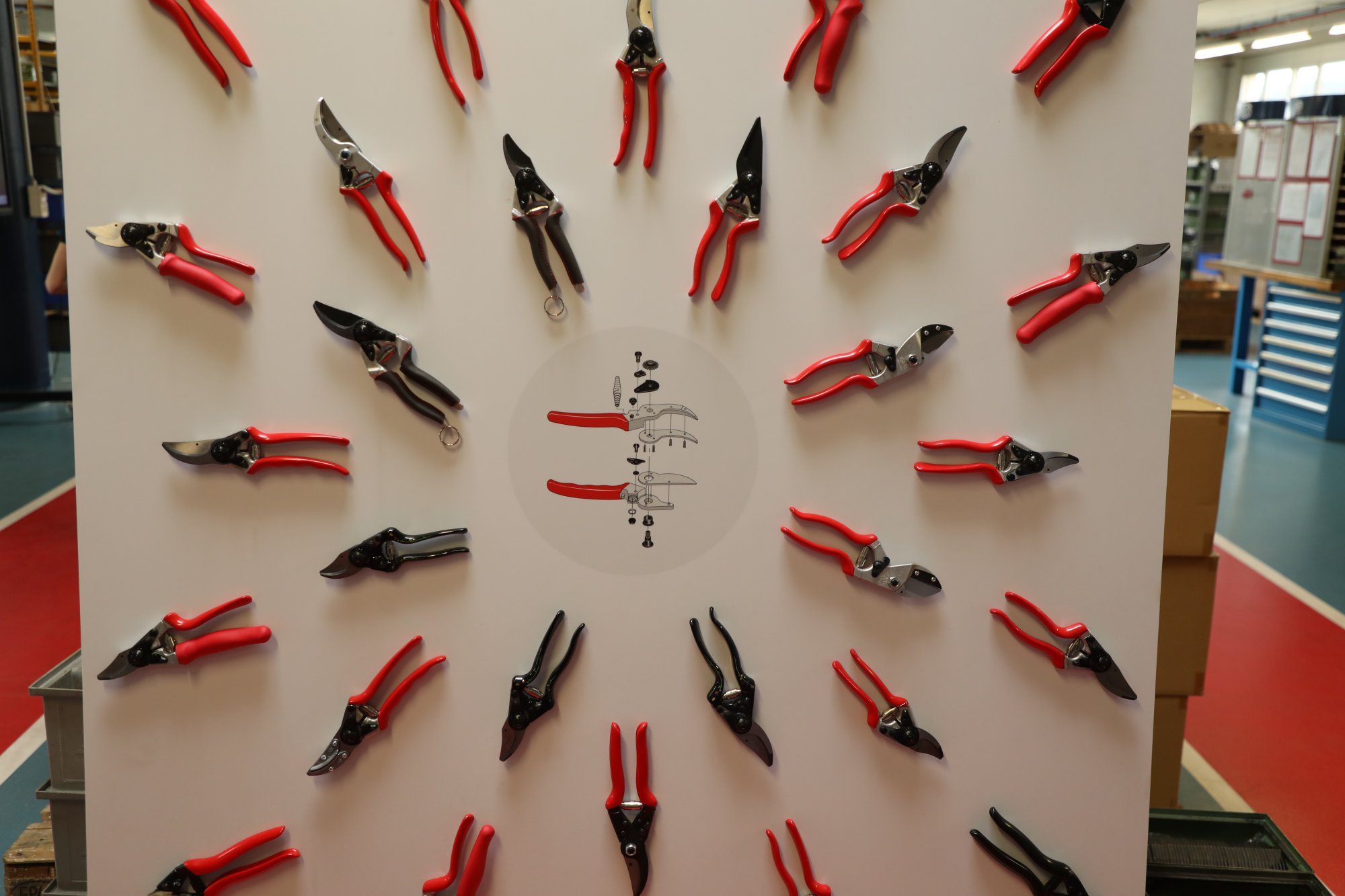
We also saw how Felco designs tools for professional comfort and performance. The range includes right- and left-handed models, different sizes for different hand shapes, and rotating-handle versions that reduce effort and help prevent strain during long periods of use. Choosing the correct size is important because a tool that is too large can reduce control and cutting performance. Felco has also developed sharpening tools, including diamond and ceramic options, as well as easier guides with preset angles for non-professional users.
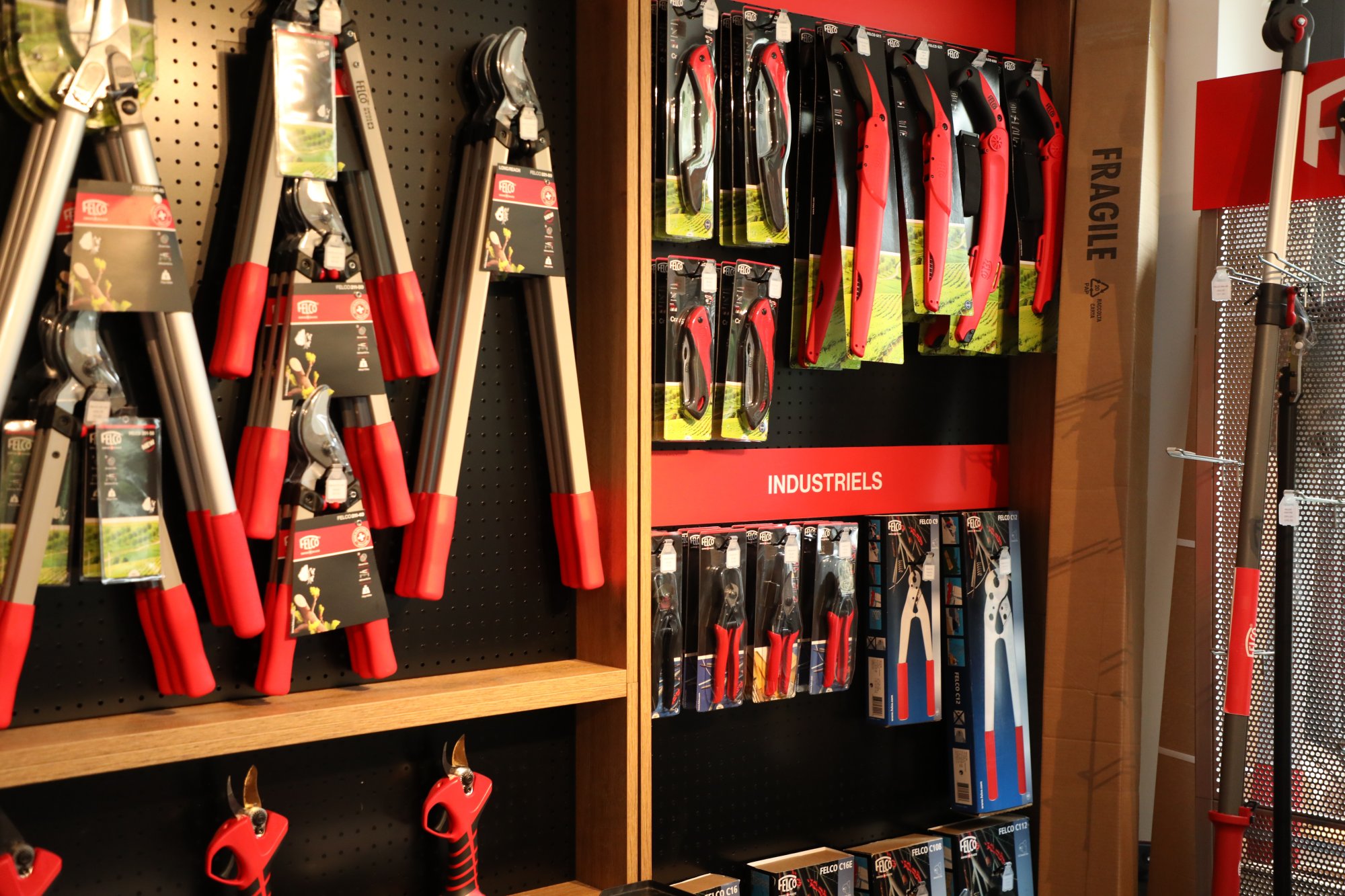
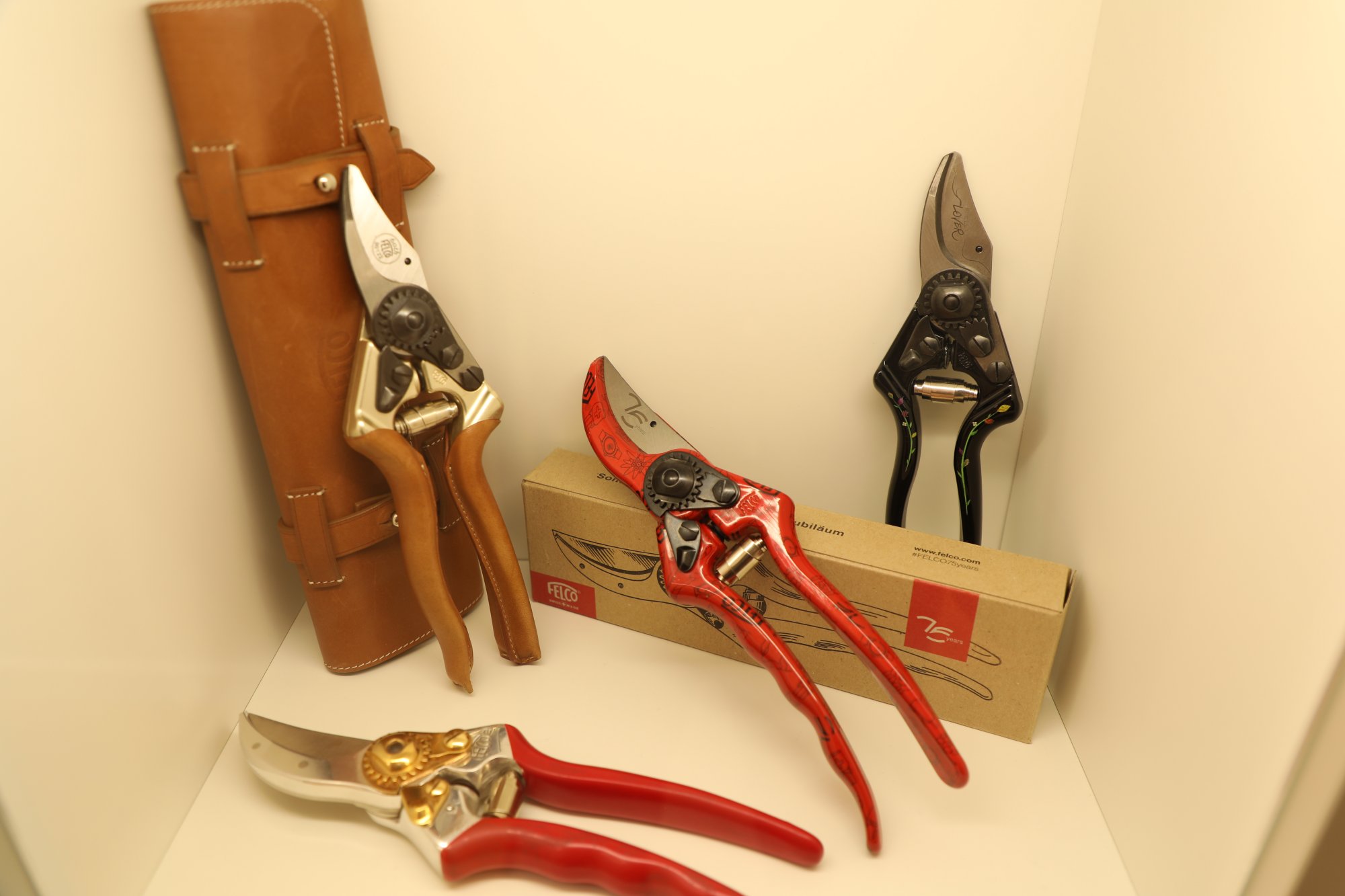
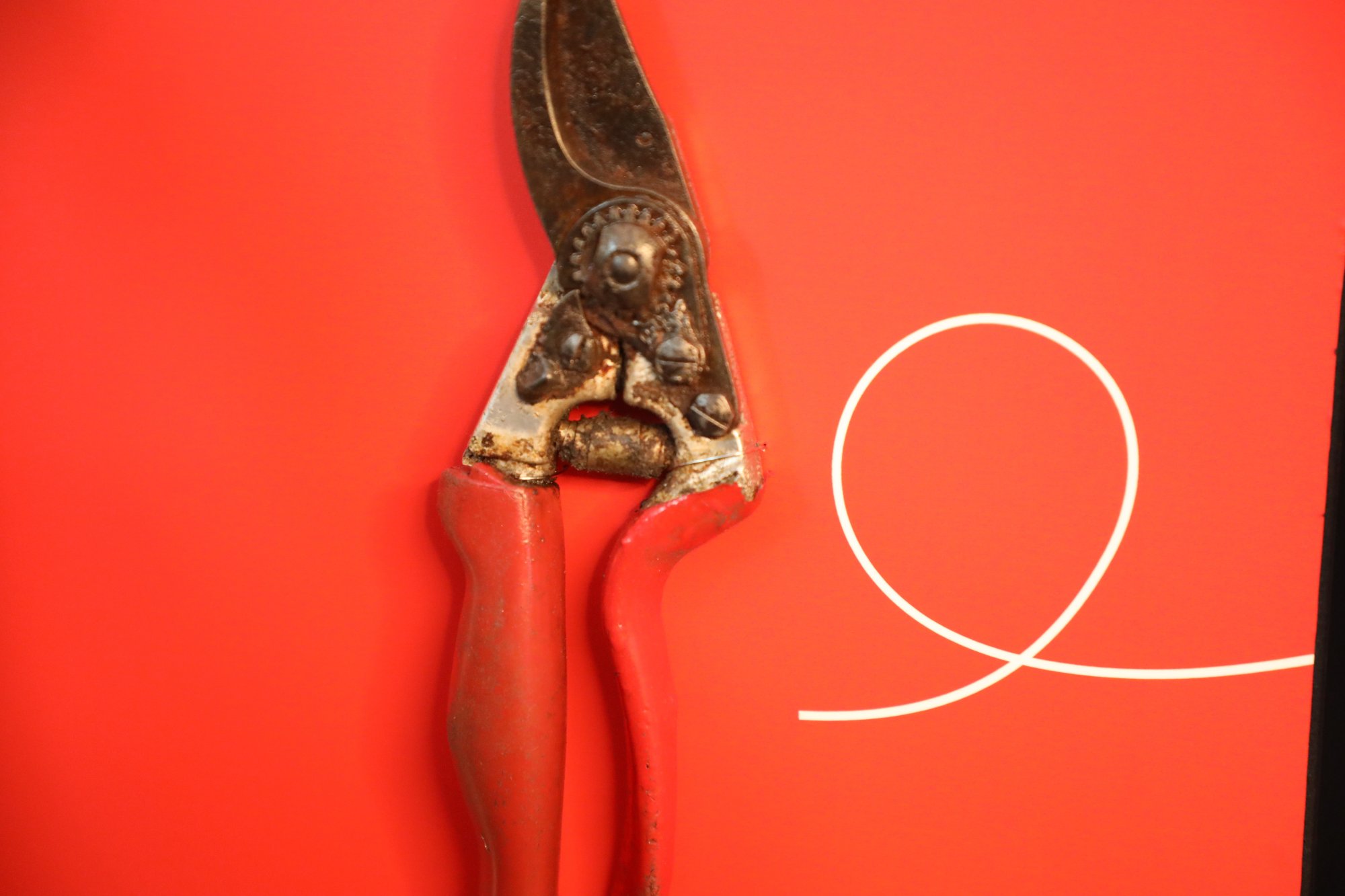
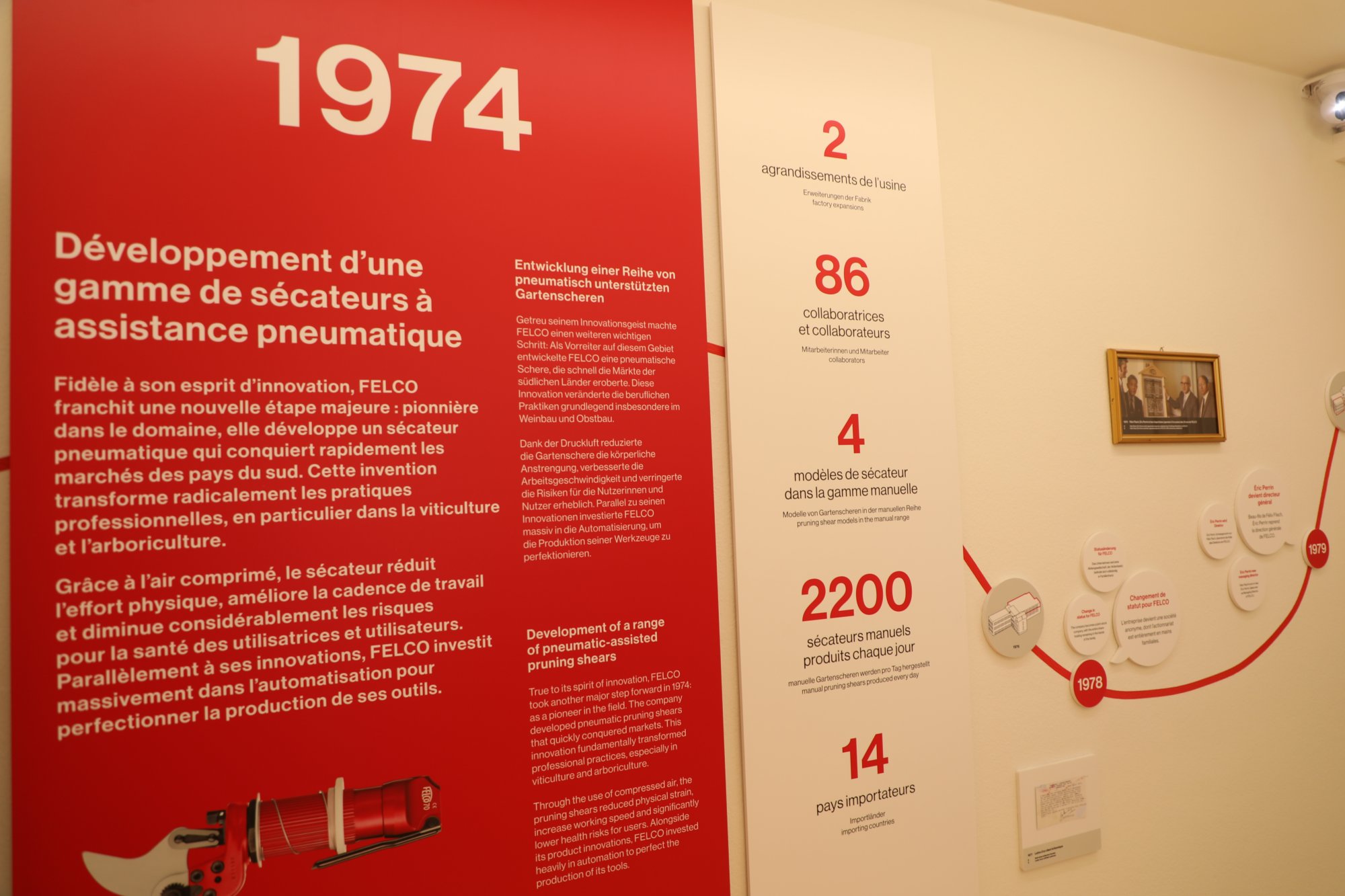
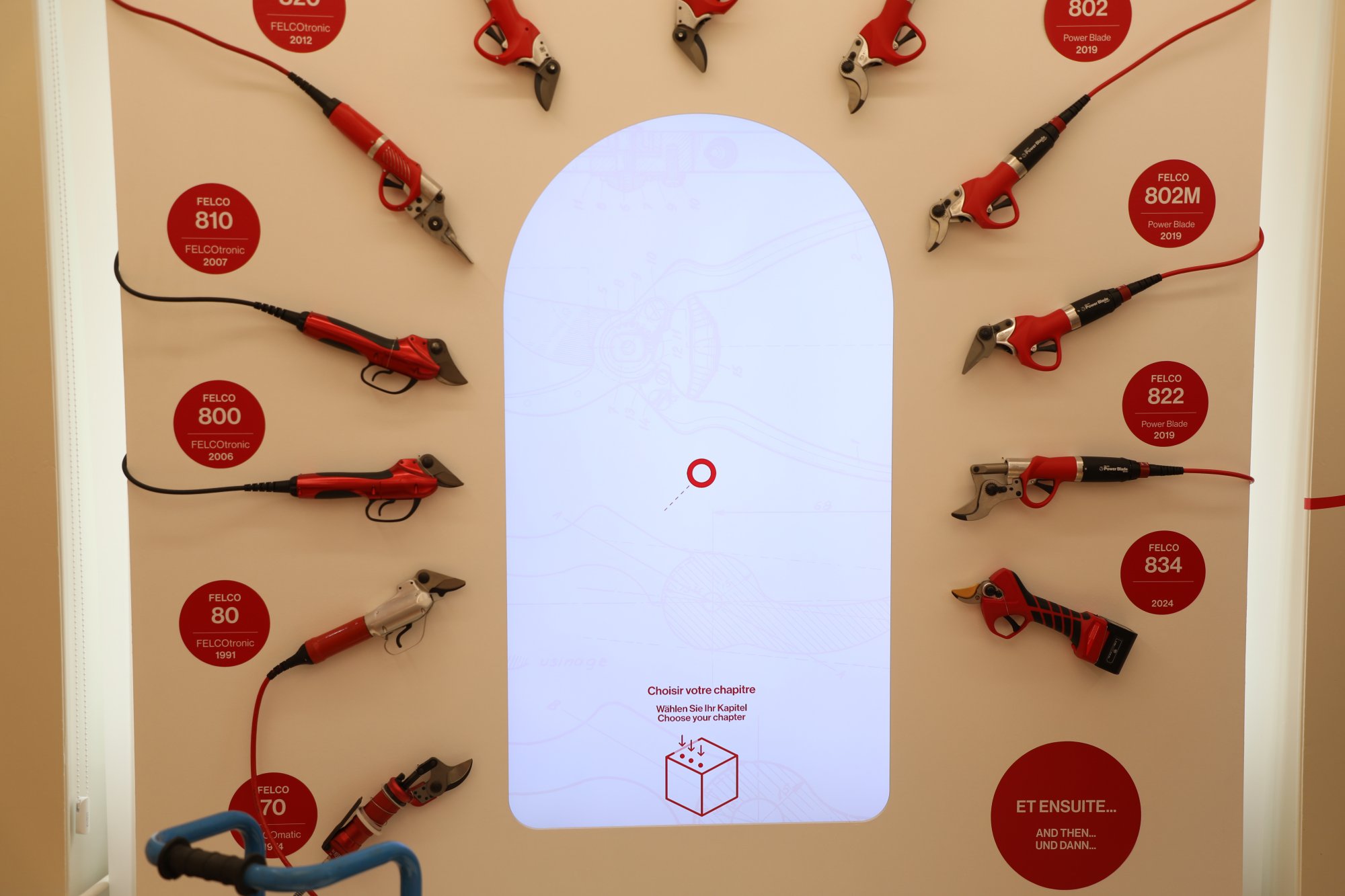
The museum portion of the visit showed Felco’s history and product evolution, beginning with the Felco 1 in 1945 and the iconic Felco 2 in 1948, which remains very close to its original design. We learned that the red handle color was chosen both for visibility in the garden and as a link to Switzerland. The museum also displayed Felco’s expansion into cable cutters, loppers, electric pruning shears, and premium editions, including anniversary and leather-handled models. Felco now sells in around 120 countries, with strong markets in the United States, Europe, Africa, and other agricultural regions.
In the factory, we saw how much handwork remains behind each product. The aluminum handles are forged by Prétat, another company in the Flisch group, then finished, coated, and assembled at Felco. The red plastic coating is applied through a dipping and polymerization process, while surface finishing uses several materials, including walnut shell powder for the final stage. Any handles with small imperfections may be repurposed into other products, such as fondue forks, reflecting the company’s effort to reduce waste.
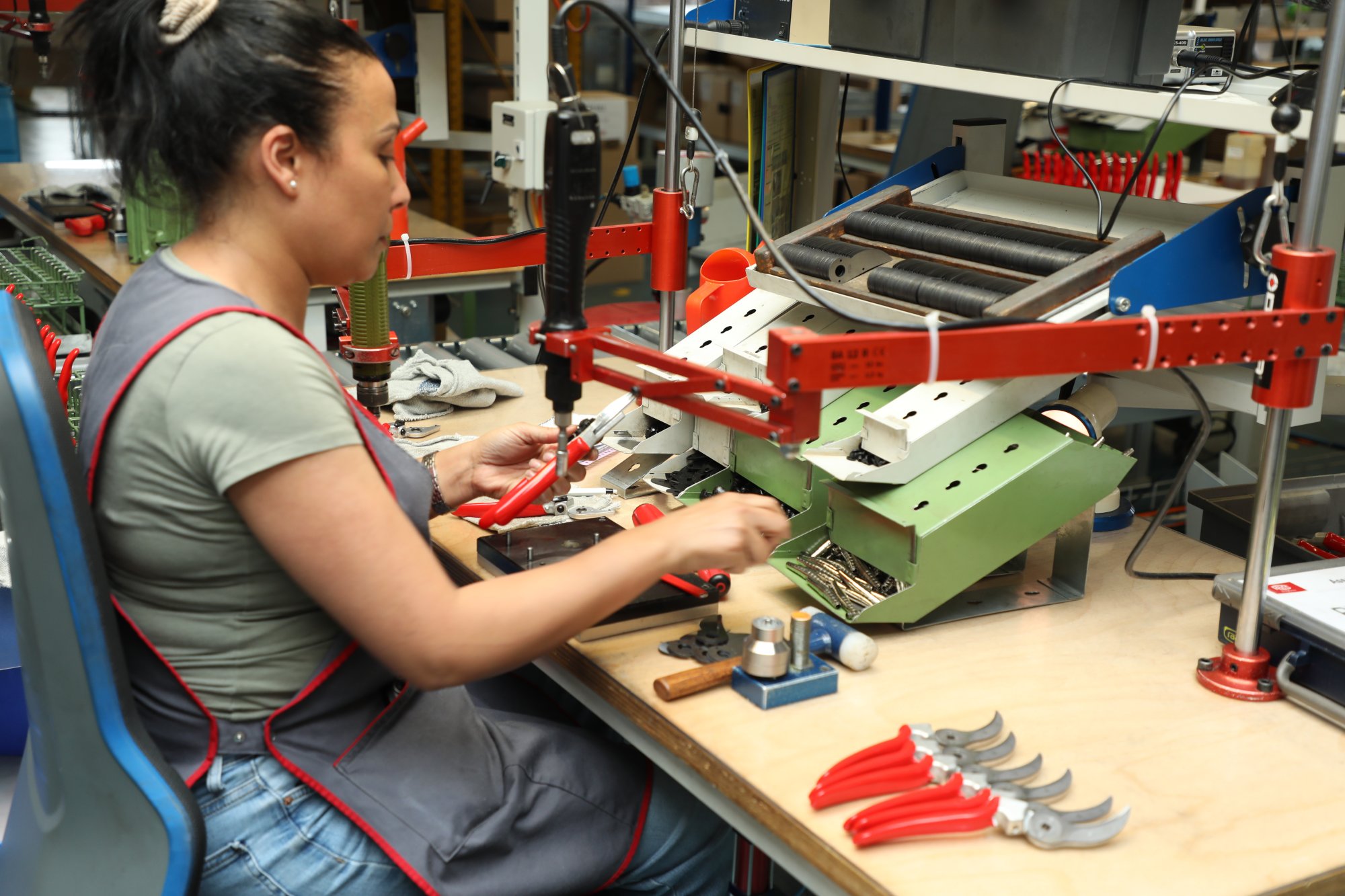
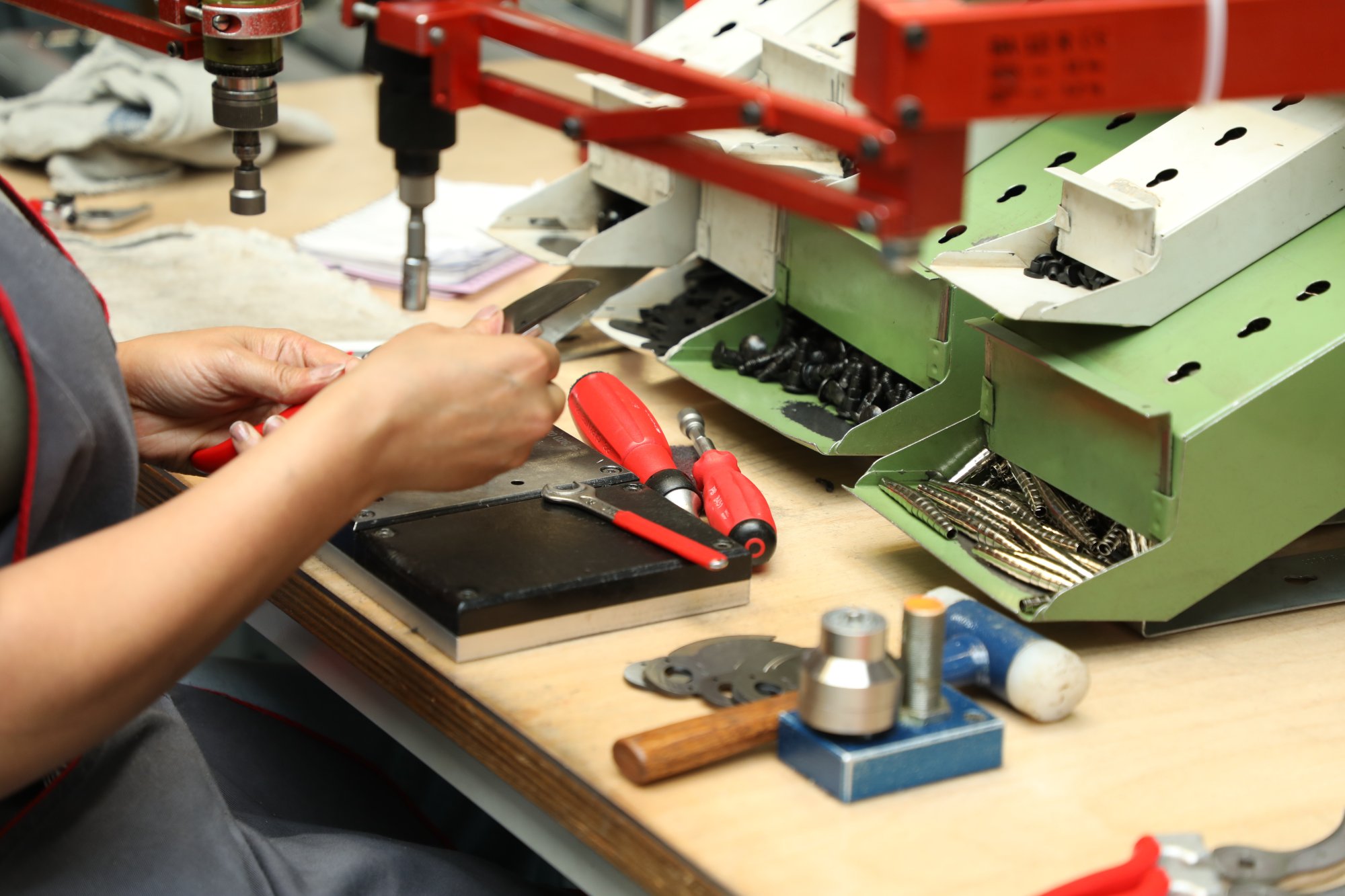
The assembly process was especially impressive. Each pruning shear is assembled from start to finish by one person, who adjusts the screws, checks the feel, oils the tool, and ensures it works correctly. This artisanal approach means each tool is individually handled and tested. Felco uses carbon steel rather than stainless steel for its blades because it provides the strength and sharpness required, and the company’s heat-treatment process creates a blade that is hard on the outside but slightly softer inside to avoid brittleness.
Sustainability was a recurring theme throughout the visit. Felco collects and recycles metal waste, reuses heat from machines to warm its buildings, uses green energy, and produces some electricity through solar panels. Its repair service restores old pruning shears so they can continue to be used for many years. The company also works with people with disabilities for packaging and has a long-standing human and community-focused culture.
Overall, the visit showed that Felco is not just a manufacturer of pruning shears, but a company built around precision, durability, repairability, and Swiss craftsmanship. Its products are designed to last a lifetime, and every stage of production reflects a balance between industrial efficiency, manual expertise, environmental responsibility, and respect for the people behind the tools.
Leave a Reply