



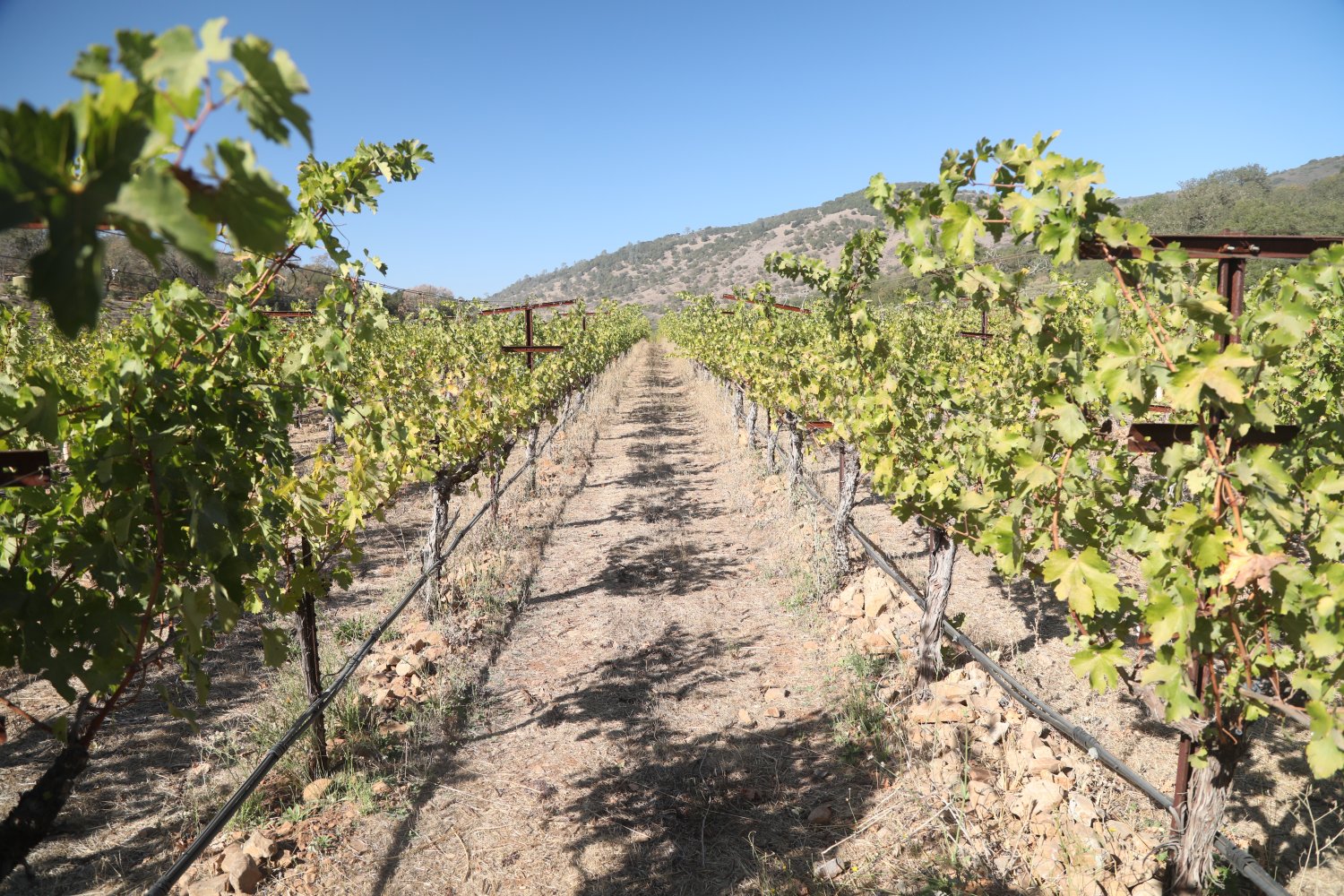
 Tench Vineyards. This beautiful 61-acre property sits just west of the Silverado Trail in Oakville. The property is the same footprint in size from when John (born in Wales, 1902-1990) and Joan Tench (born in Great Britain, 1908-2001) purchased this site in 1965, the same year that John retired as the Manager of Shell Oil. He immigrated to the U.S. in 1928 to work at Shell Oil; during his career at that company he managed the Shell Oil plant in Martinez, CA including overseeing a major expansion of that operation in the mid 1950s and then taking over operations in 1955 at their Deer Park Refinery in Houston, prior to retiring in 1962.
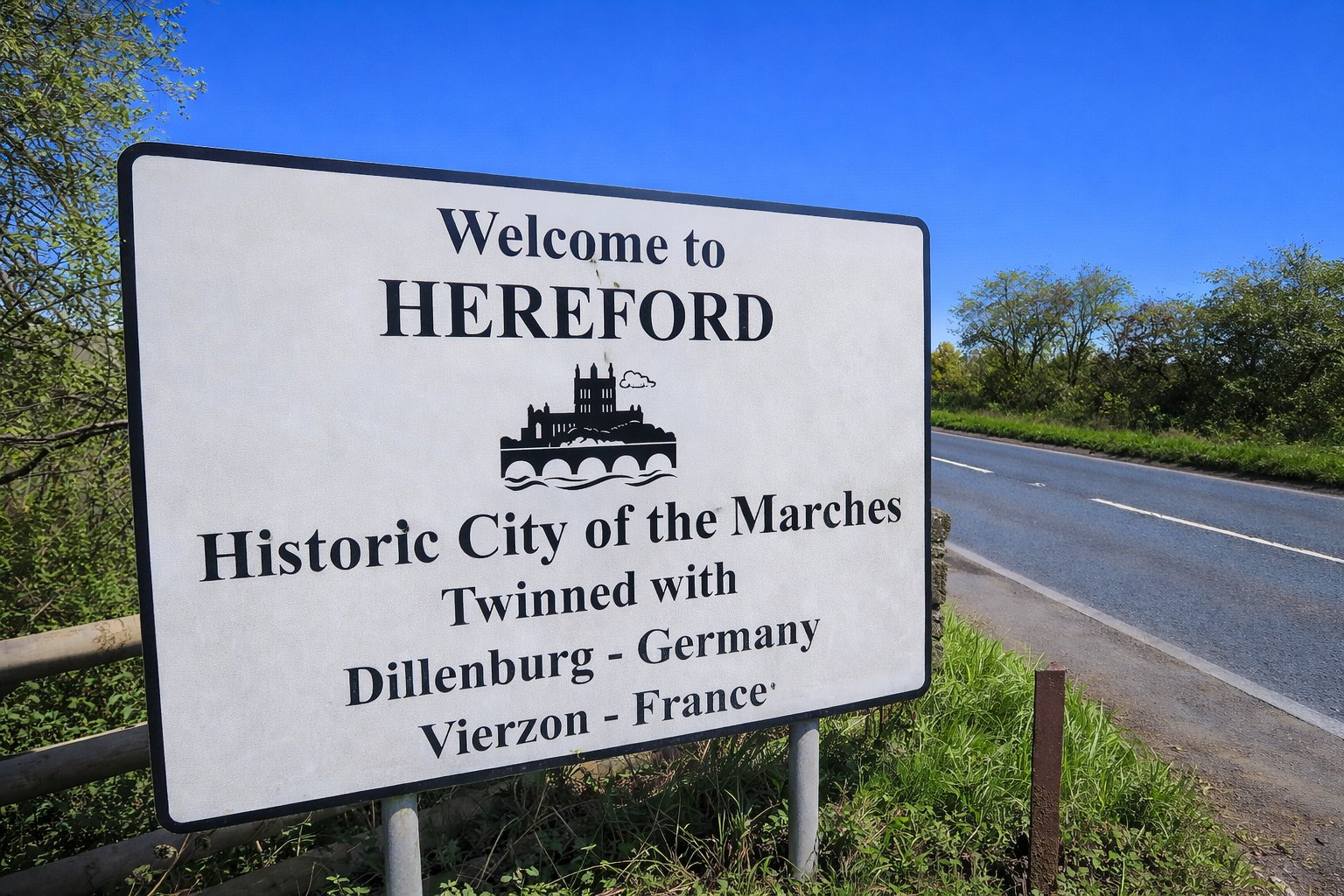
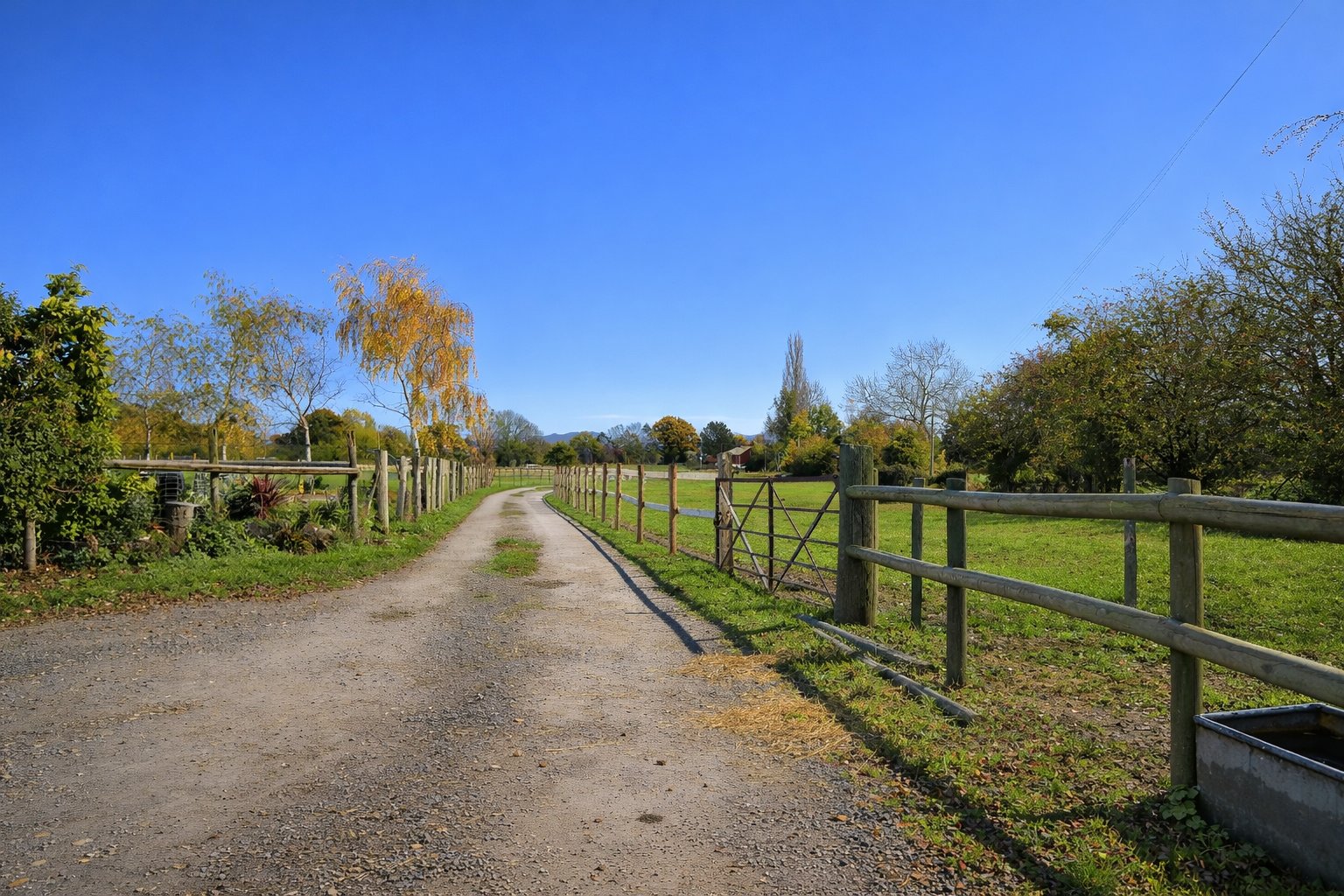
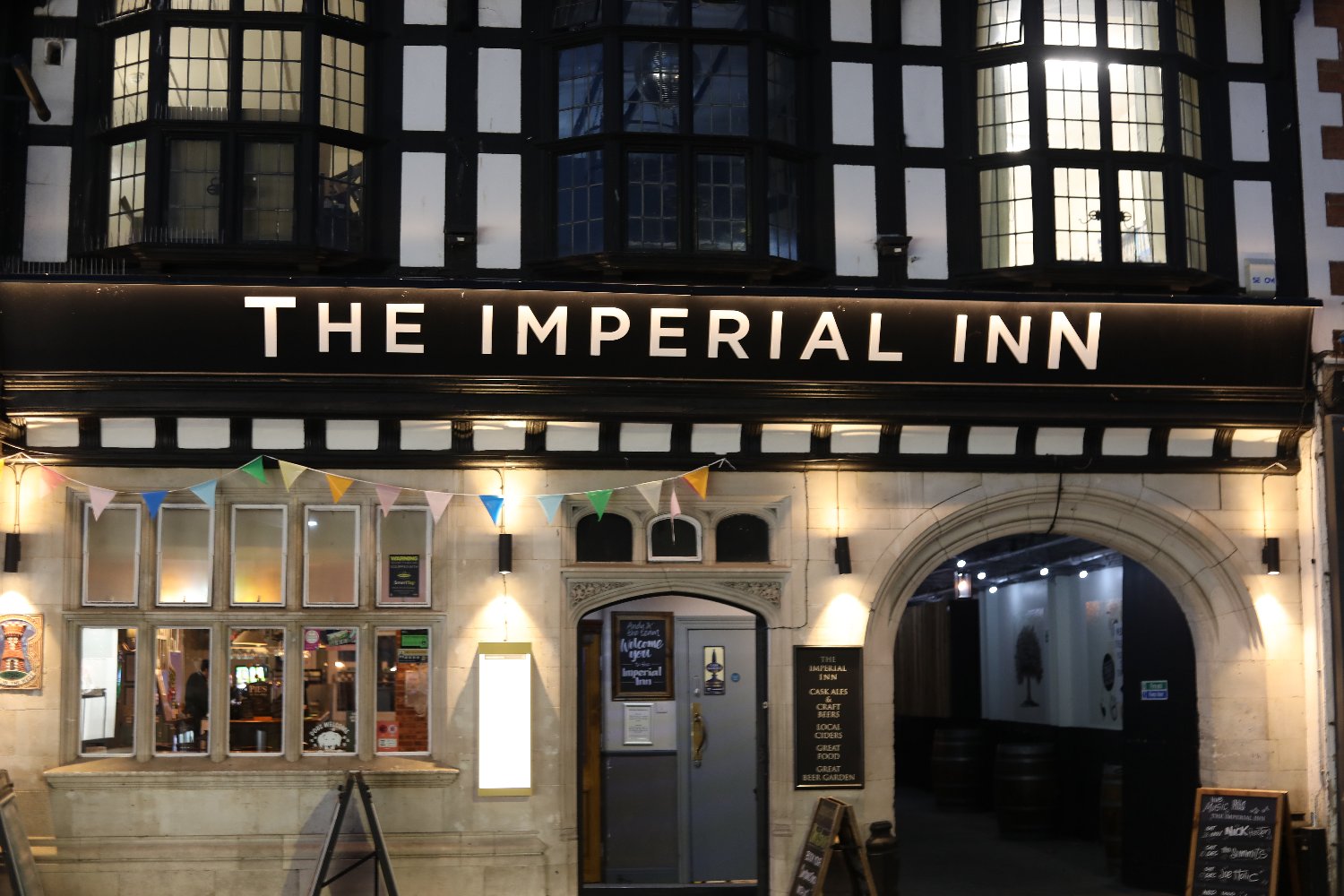
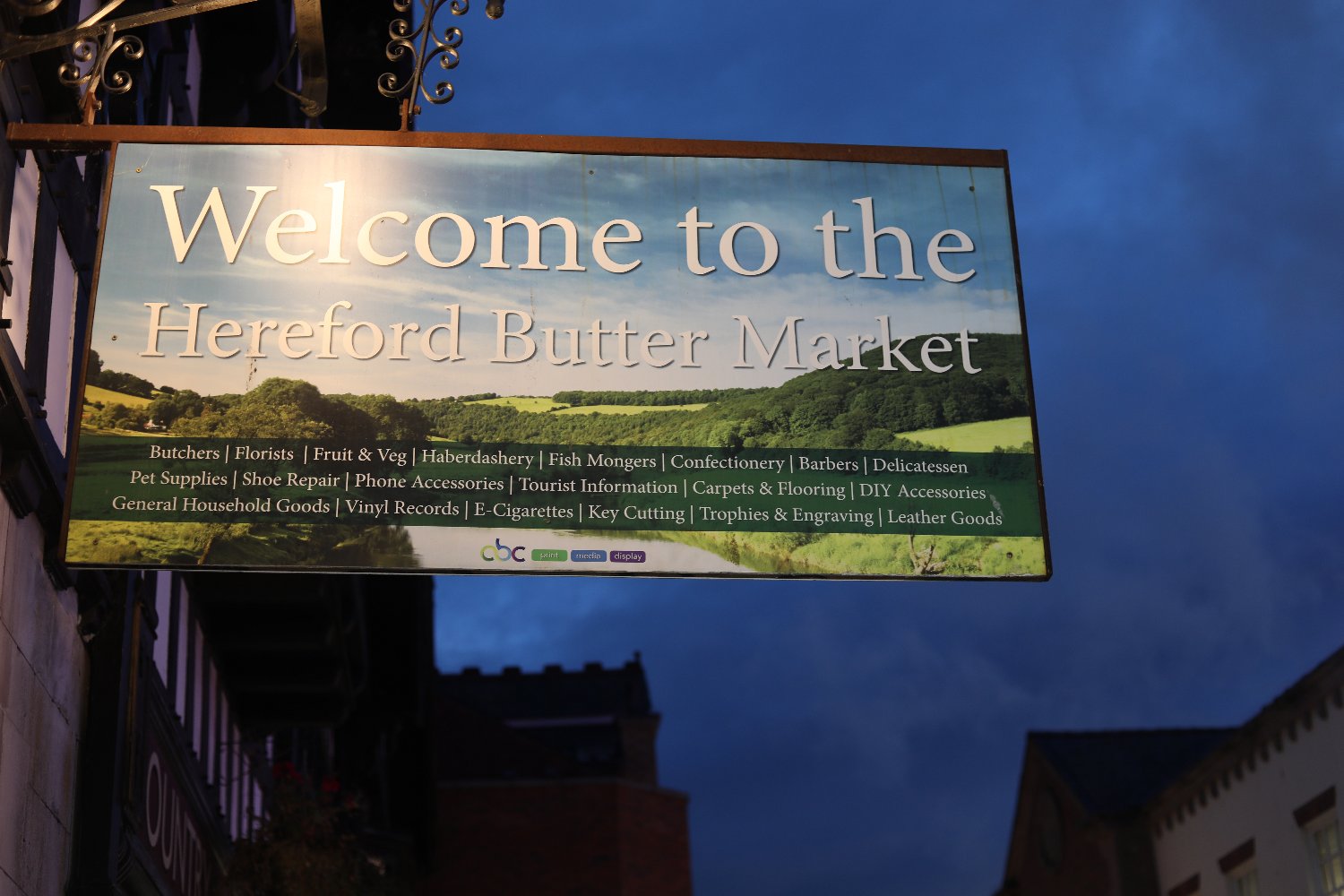
John was born and raised in Knighton, Wales located on the border of England. John was part of the family that bred the first Hereford cattle in 1802 in Bromfield. This part of the UK is very agricultural, rural and one of the least populated regions in the U.K.; tiny Bromfield (population less than 300 residents) is located less than 10 minutes from Ludlow (a proper town) and about 40 minutes north of one of the largest towns in the region, Hereford. See our photographs from our visit to Hereford at the bottom of this review. From the center of London, allow about 3.5 hours’ driving northwest which from personal experience, is not an easy drive in the dark in pouring rain. Bromfield is home to a couple of restaurants, a couple of shops and the Parish Church of St. Mary the Virgin.
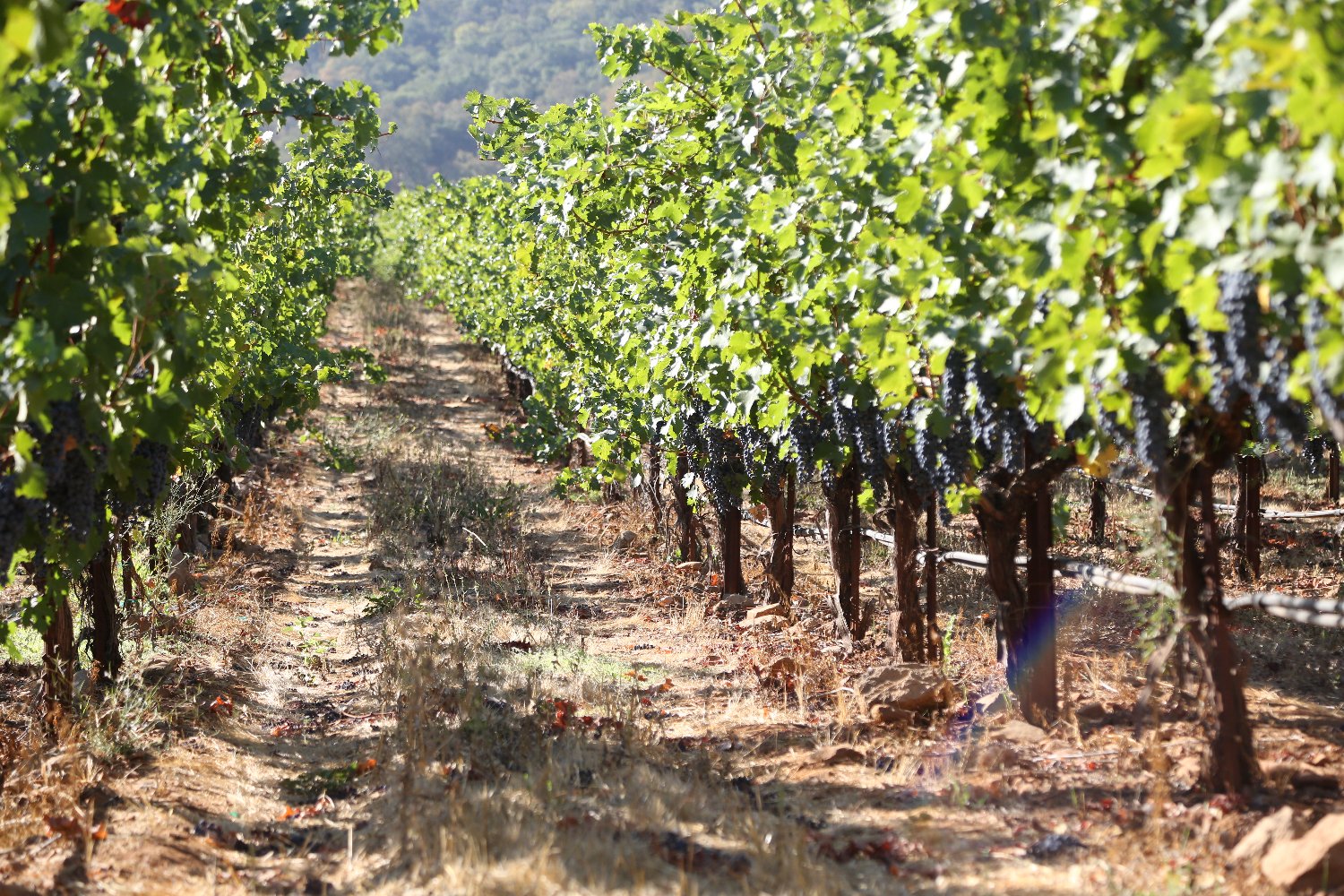
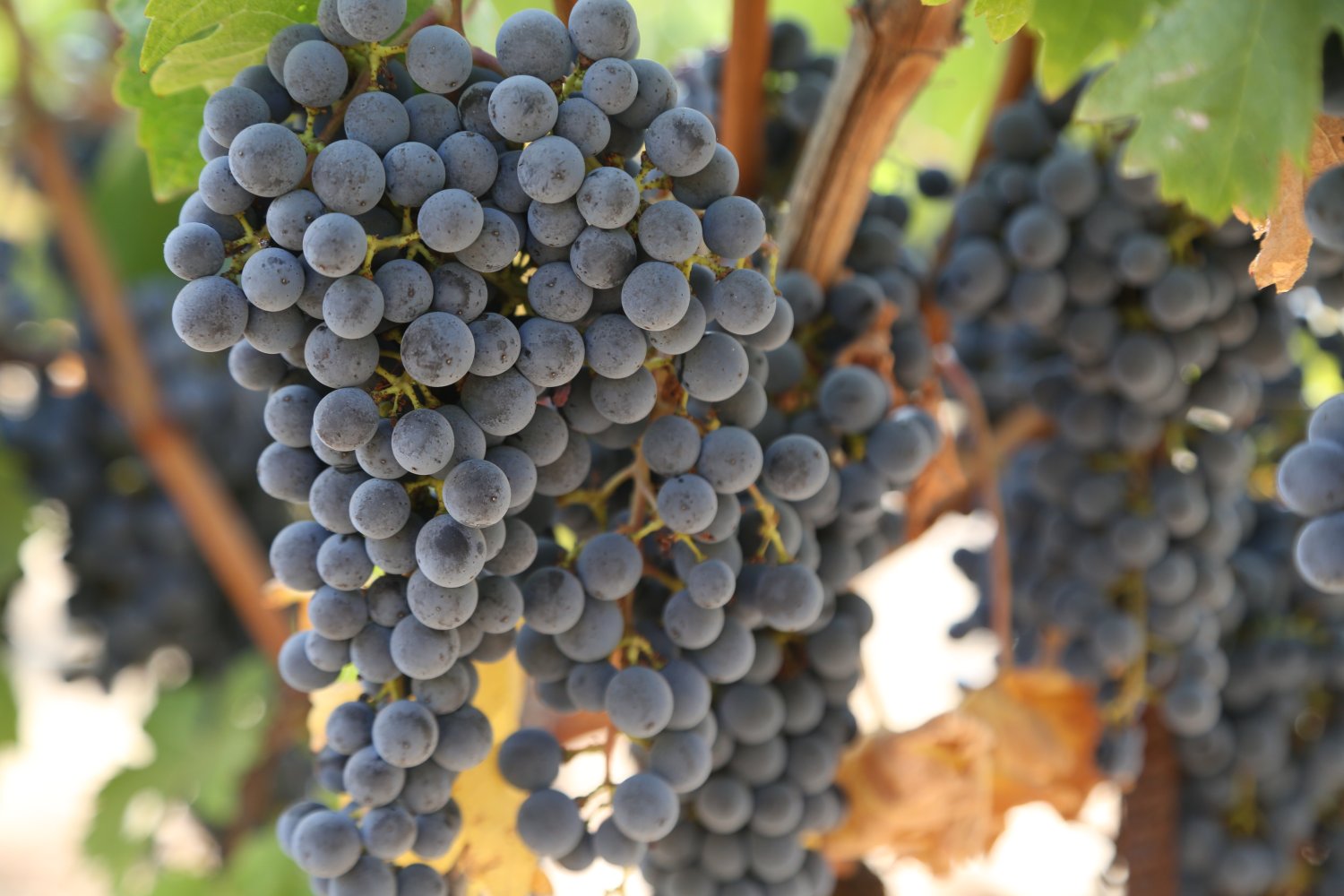
However, the properties’ agricultural footprint has certainly changed over the years. During John and Joan’s ownership the site was known as Bromfield Farms, with even a sign indicating such on the Silverado Trail (the family still has this old sign). At that time, the property was planted to plums, pears, nectarines and walnuts among other crops, all used for family and friends. In honor of their farming heritage in the UK, they also raised several Hereford cattle on site. John planted the first grapes on the property in the late 1960s. Today it is planted to 42 acres of grapes, dominated by Cabernet Sauvignon with smaller plantings of Cabernet Franc, Malbec, Merlot, Petit Verdot and Sauvignon Blanc. And in addition to the grapes, this property contains a rare knoll; not planted to vines it sustains an oak forest, grasslands and some fruit trees.
In a feel good story from 1977, John and Joan along with one of their neighbors slightly to the south, Harry See (of See’s Candy fame) donated 5 tons of second crop grapes to members and related family of the St. Helena High School Jazz Band. The band members with help from their families harvested the grapes, sold them to Joseph Phelps Winery for $2,500 where they were made into wine and bottled as vintage 1977 Jazz Band Cabernet Sauvignon. The attractive label was the donated work of designer Charlotte Kay and featured two students blowing horns. The wines were sold at several wine shops around Napa Valley, of which all are no longer in business except for Oakville Grocery. Profits from the sales of the wine totaled nearly $5,500 and were donated by Phelps to the band to help with their expenses in 1980/1981.
John and Joan’s youngest son Brian married Napa Valley native Adair; her family is deeply rooted in the fabric of Napa Valley’s early history (see below). Eventually the couple took over ownership of the property and continued to sell grapes. The first Tench Vineyard designate was produced in the 1980s by Niebaum-Coppola (Inglenook Winery).
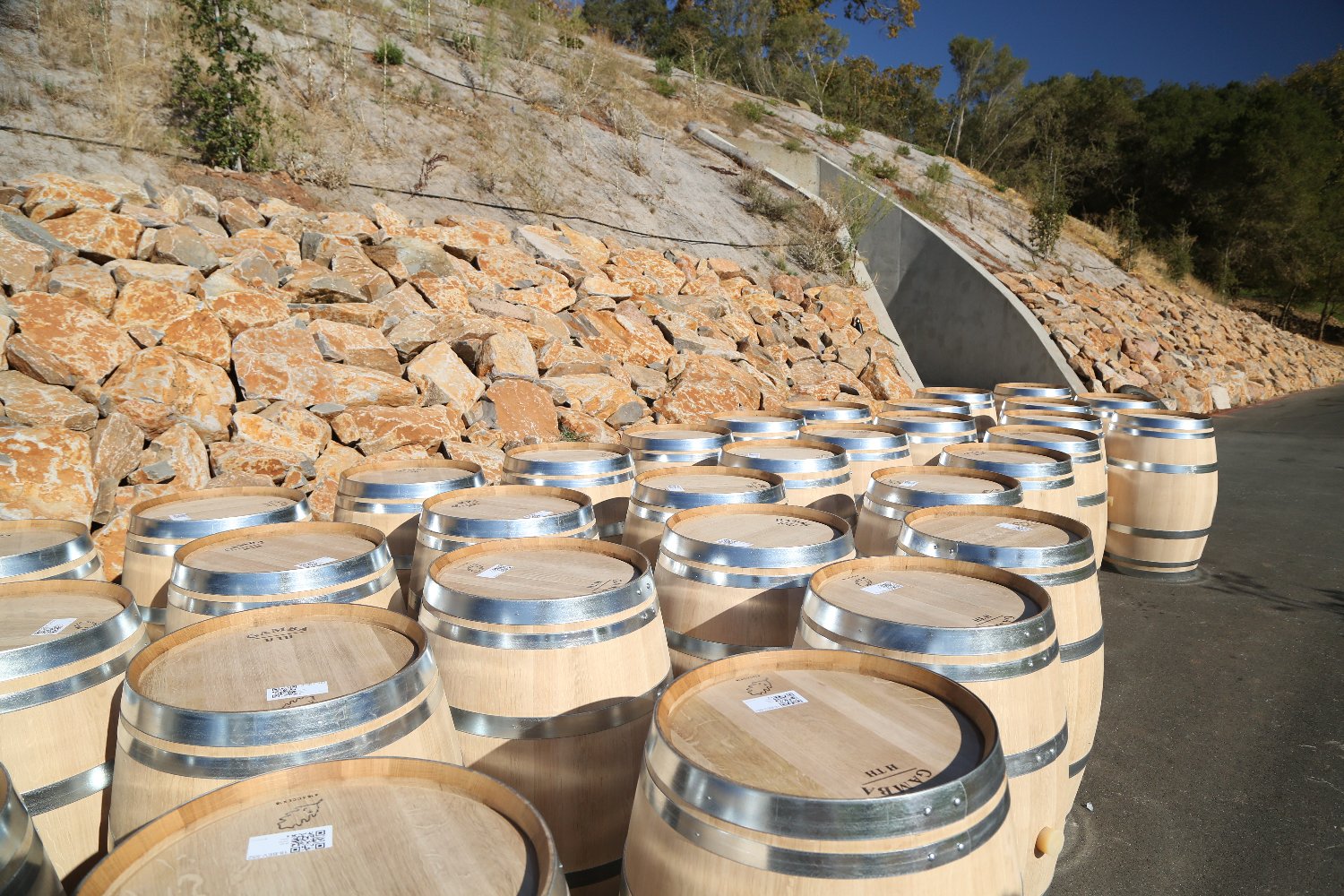
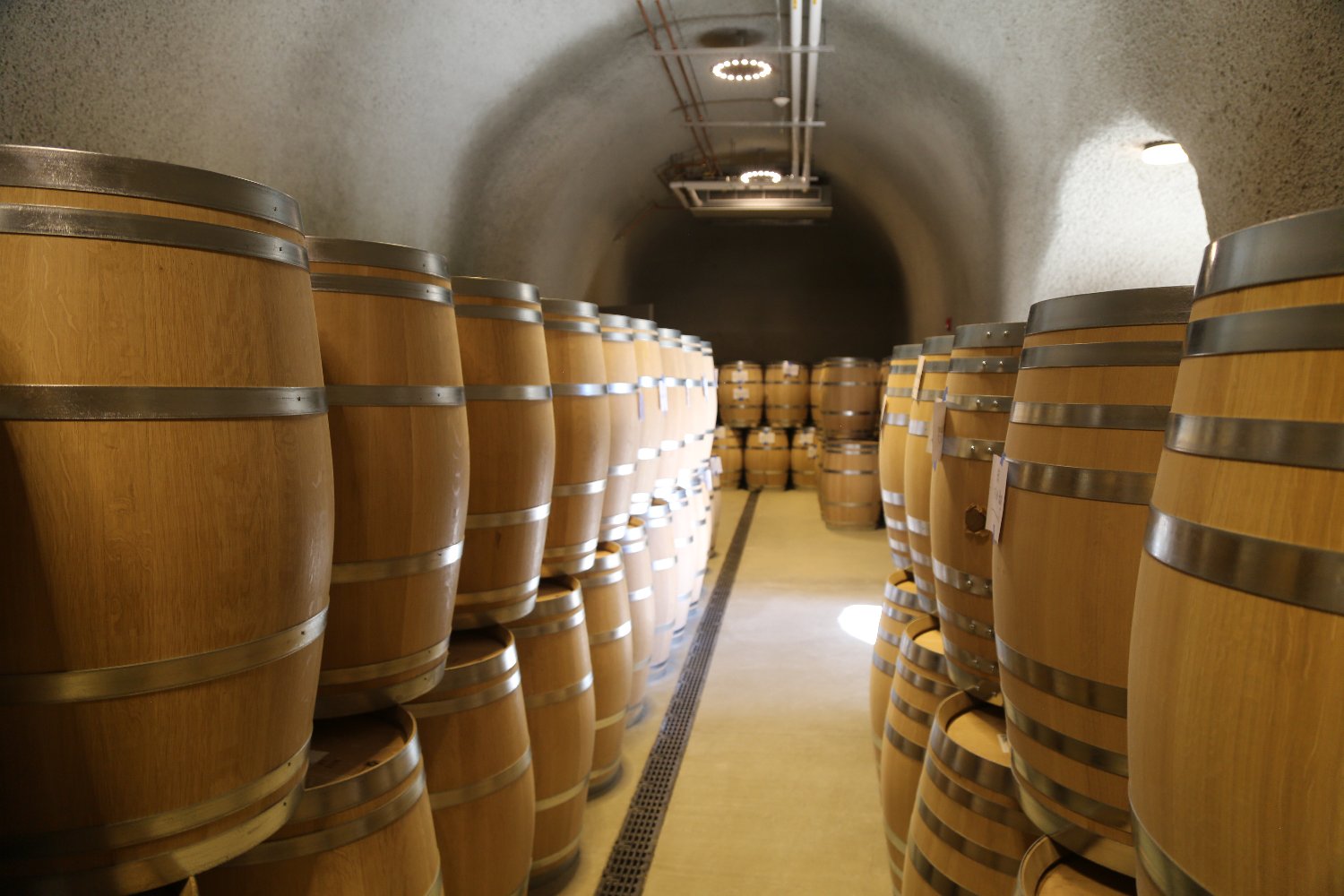
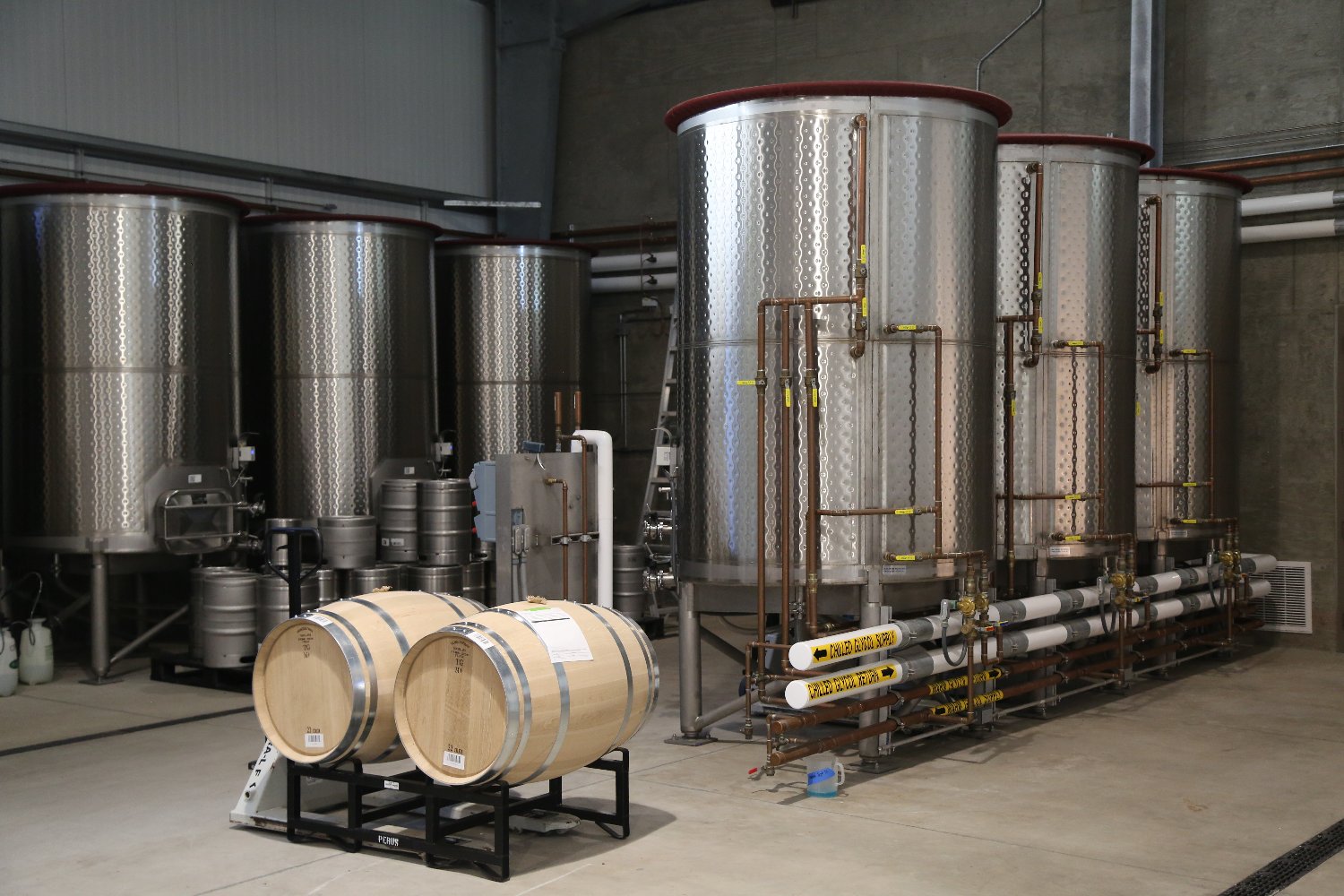
Today Brian and Adair’s daughter Margaret Tench and her husband Rem Reigersman live on the property and oversee the vineyard; they met in 1997 while both were studying at the University of St. Andrews in Scotland. They founded Tench Vineyards with their first vintage in 2017. And in 2016/2017 they built a state-of-the-art winery and caves on the property – used for their own wines but also for a small group of other premium producers.
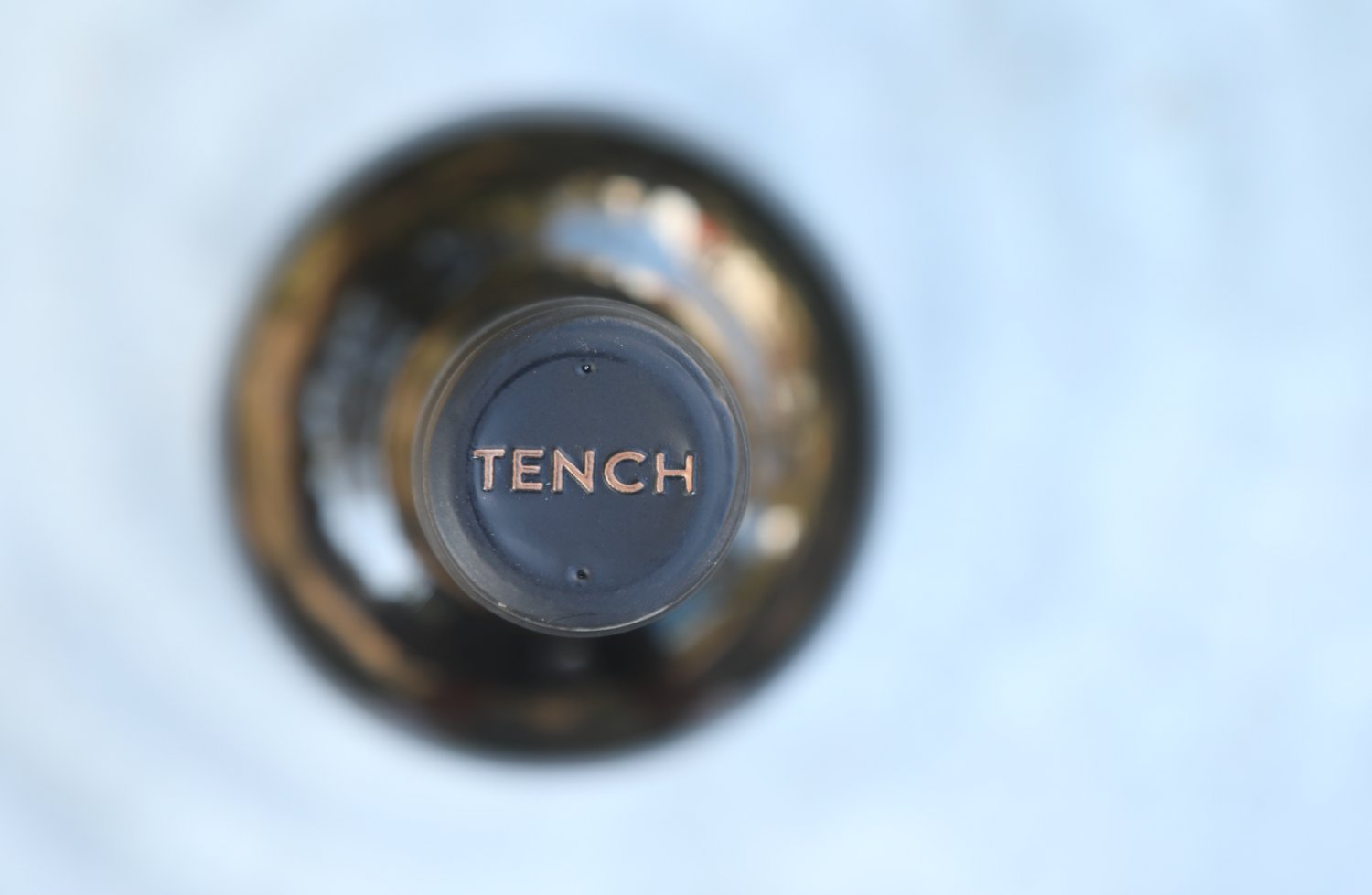
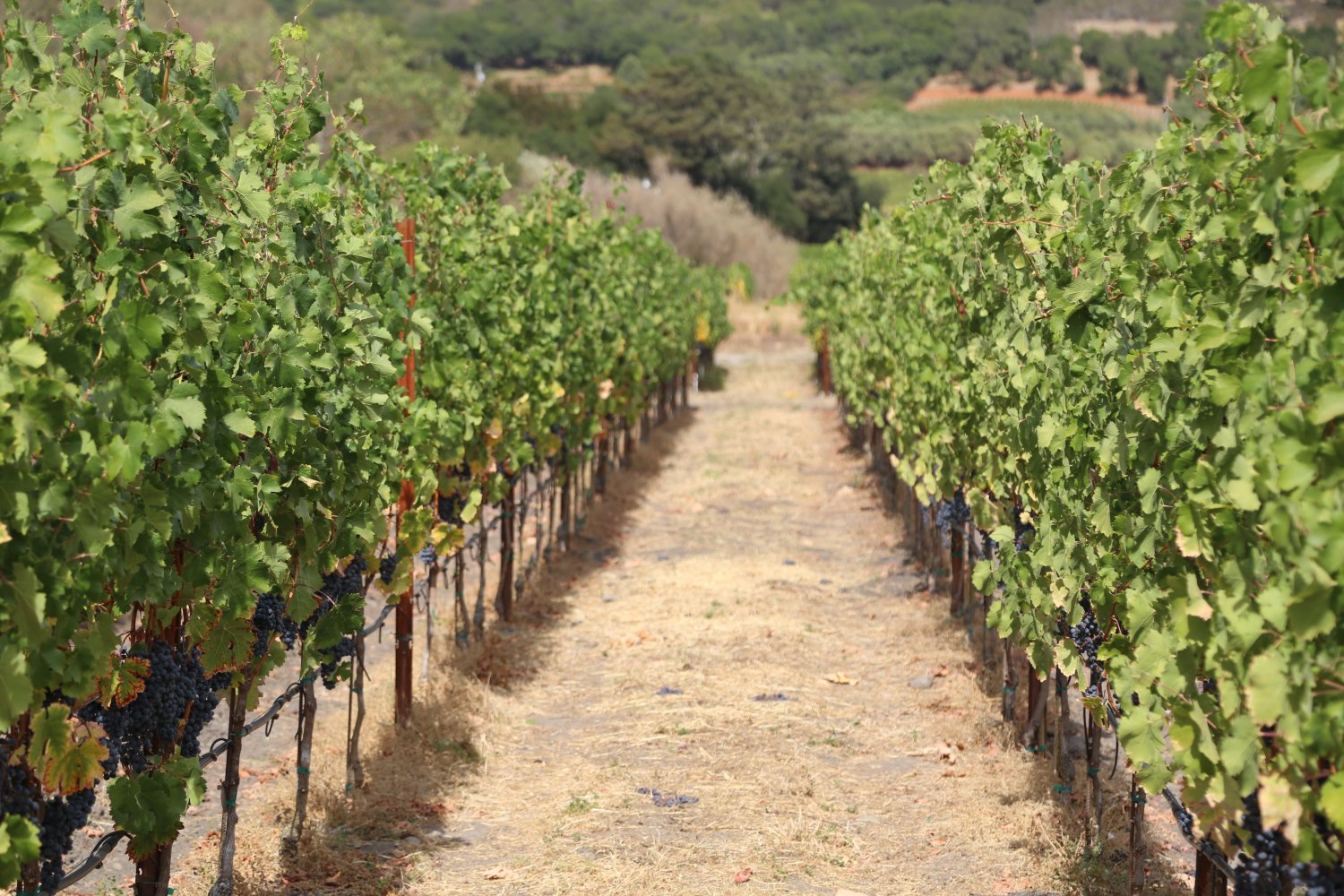
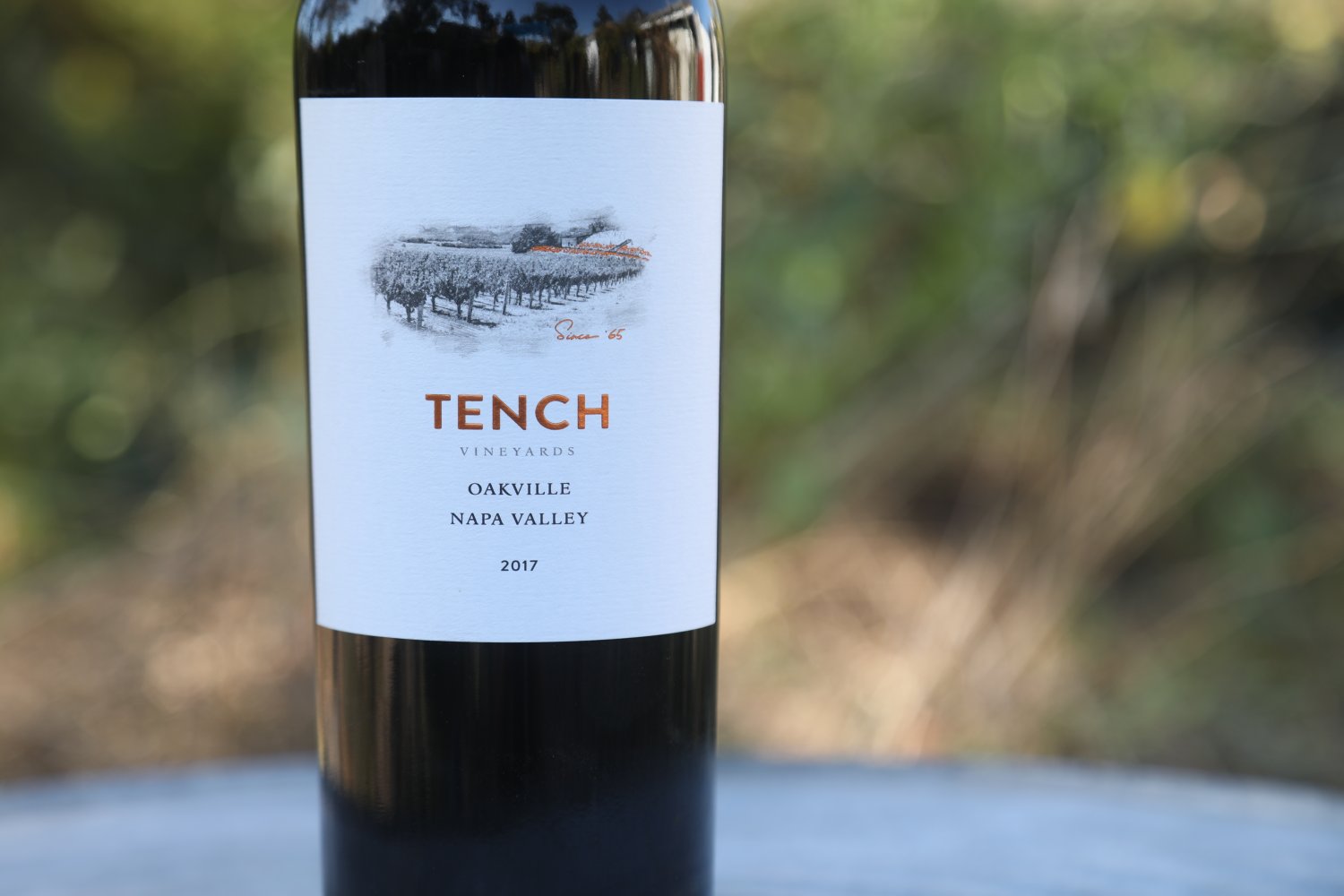 The soils change dramatically from the east to the west sides of the property, to the east featuring red rocky iron rich soils that are characteristic of the eastern Oakville benchlands and higher into Pritchard Hill and to the west, the property features alluvial and clay soils. Simply walking through the vineyard rows, it is fairly easy to see the dividing line between these two remarkably different soil types. Winemaker Russell Bevan clearly enjoyed driving us during one of our visits to the property – at fairly high speed through vineyard rows in reverse through part of the vineyard so we were able to quickly see the changing soil types.
This is a prime part of Oakville – immediate neighbors are Screaming Eagle, Gargiulo Vineyards and Harbison.
Bevan has been crafting the Tench wines since the beginning (with plenty of help from there cellar team including seasonal interns). When Rem and Margaret were living in New York, Rem spotted a short article mentioning Kal and Dorothy Showket (who we first met with many years ago when they owned their property and made their own wine) were selling their eastern Oakville hillside property to Peter Michael of Peter Michael Wines; this was in 2009. A paragraph at the end of the article caught his eye; it indicated that because of the sale of this vineyard, winemaker Russell Bevan would no longer have access to the grapes and had already contacted several other vineyard neighbors. Rem called Russell soon after reading the article and eventually both men met and walked the property together. All Russell needed was this one visit and he was hooked before becoming the winemaker for Tench Vineyards he began purchasing grapes from the site for his own brand, Bevan Cellars.
—
Margaret’s heritage is deeply rooted in Oakville through Tench Vineyards; John and Joan were her paternal grandparents. Rewinding much further, her relatives on her mother Adair’s side of the family first came to California in 1846. One of her ancestors, John C. McCracken, his wife Rebecca and their three children crossed the United States in 1846 in covered wagon. During their trip they met up with the Boggs Party, named for Lilburn Boggs, Missouri’s 6th governor. Falling on hard economic times, Boggs decided to move west for new opportunities. Incidentally Boggs is the great grandfather of John Kongsgaard, a Napa Valley winemaker.
McCracken also joined with the Donner Party who eventually became trapped in the Sierra Nevada mountains by early snowfall because that party elected to take an alternative route. However, the McCracken’s were part of another team which chose the established route and arrived safely at Sutter’s Fort in the fall of 1846. Soon after their arrival McCracken served as a private in John C. Fremont’s California Rifle Brigade during the Mexican-American War.
John McCracken grave & family plot, Mountain Cemetery, Sonoma

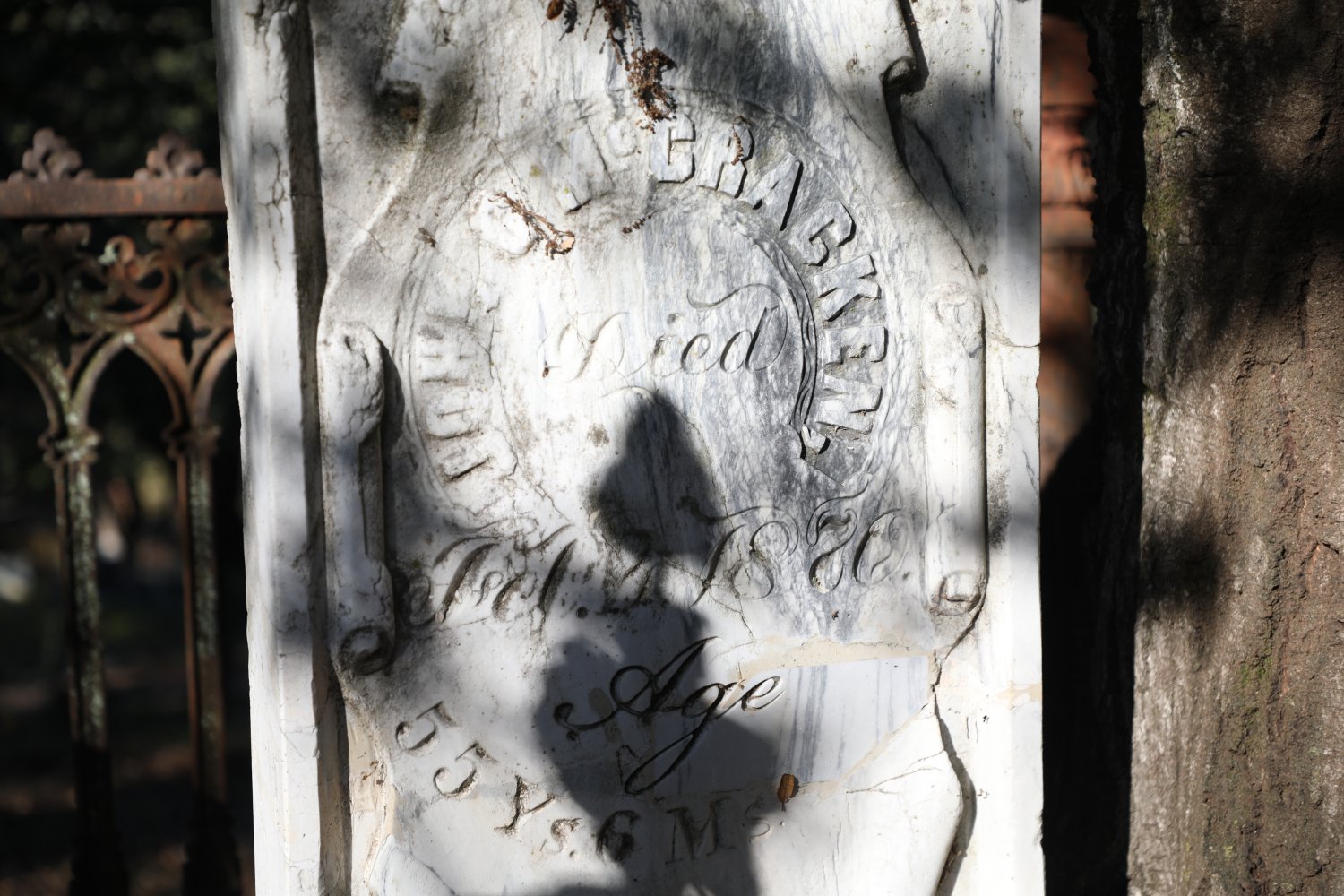
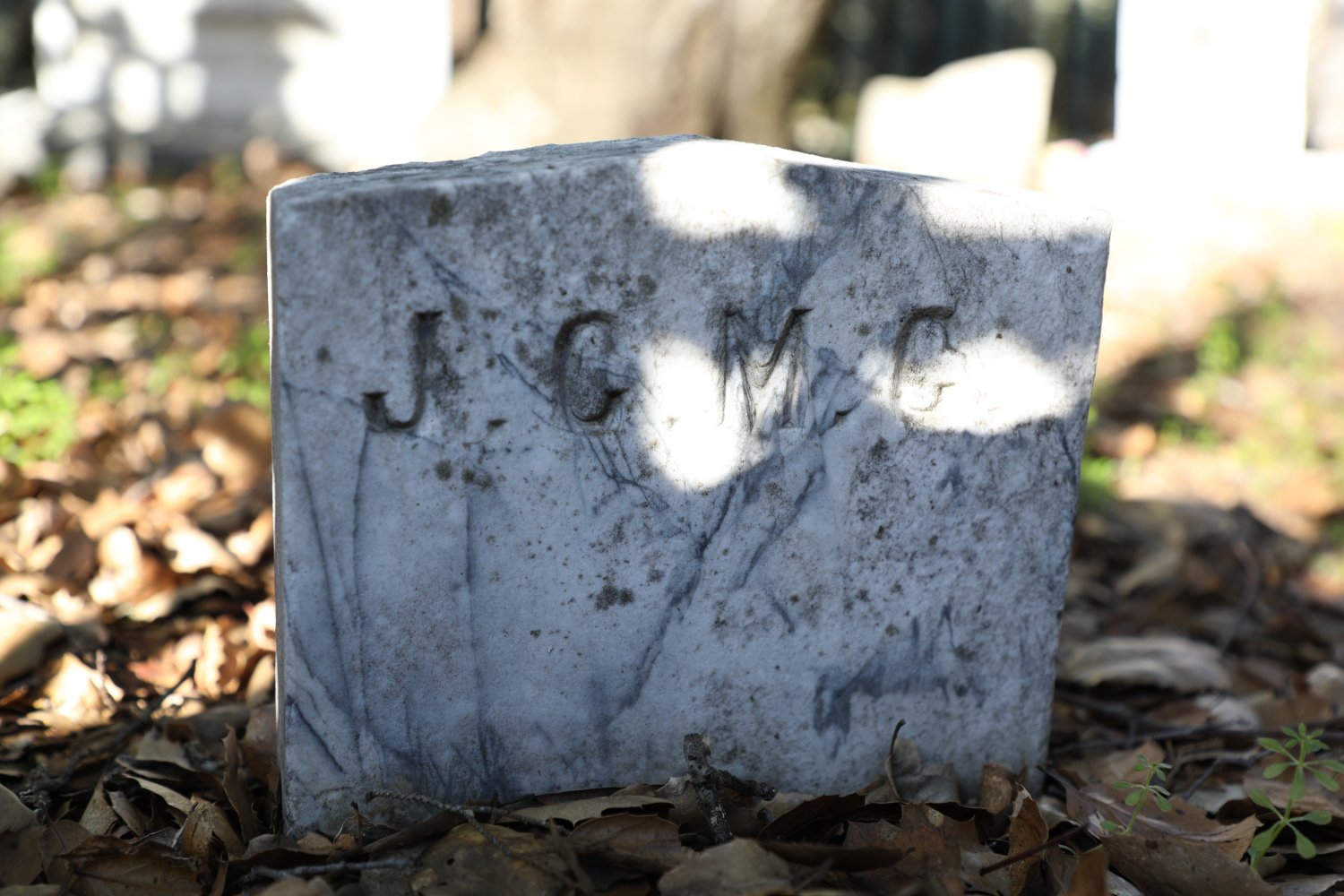
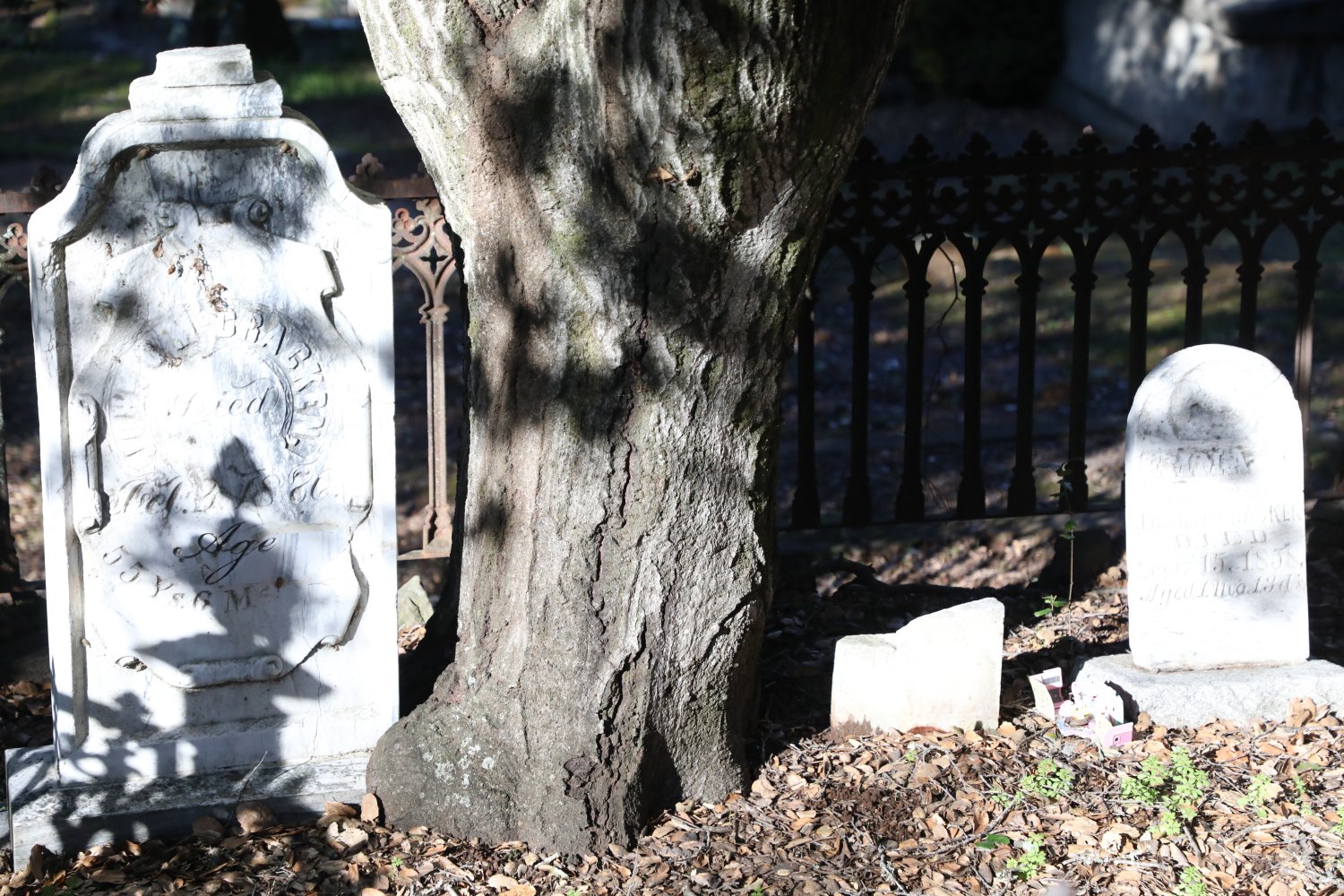
In 1847, the family moved to Sonoma; gold was discovered by James Marshall in 1848 and already living in California they beat the domestic and international rush to the gold fields – moving yet again, this time to the Feather River where they prospected for gold. Successful, they moved back to Sonoma and purchased a number of pieces of land – one of which John eventually sold to General Vallejo which became part of Vallejo’s Lachhryma Montis estate.
Success finding gold in California is always an appealing story to us; we used to have a 10 acre mining claim in the foothills of the Sierra Nevada mountains. During our time maintaining this claim, we discovered over a pound and a half of gold that previous miners overlooked – including one beauty which weighed about 6 ounces (a gold in quartz specimen). We have also prospected the Feather River several times over the years but never had much luck as the early miners took all the easy finds.
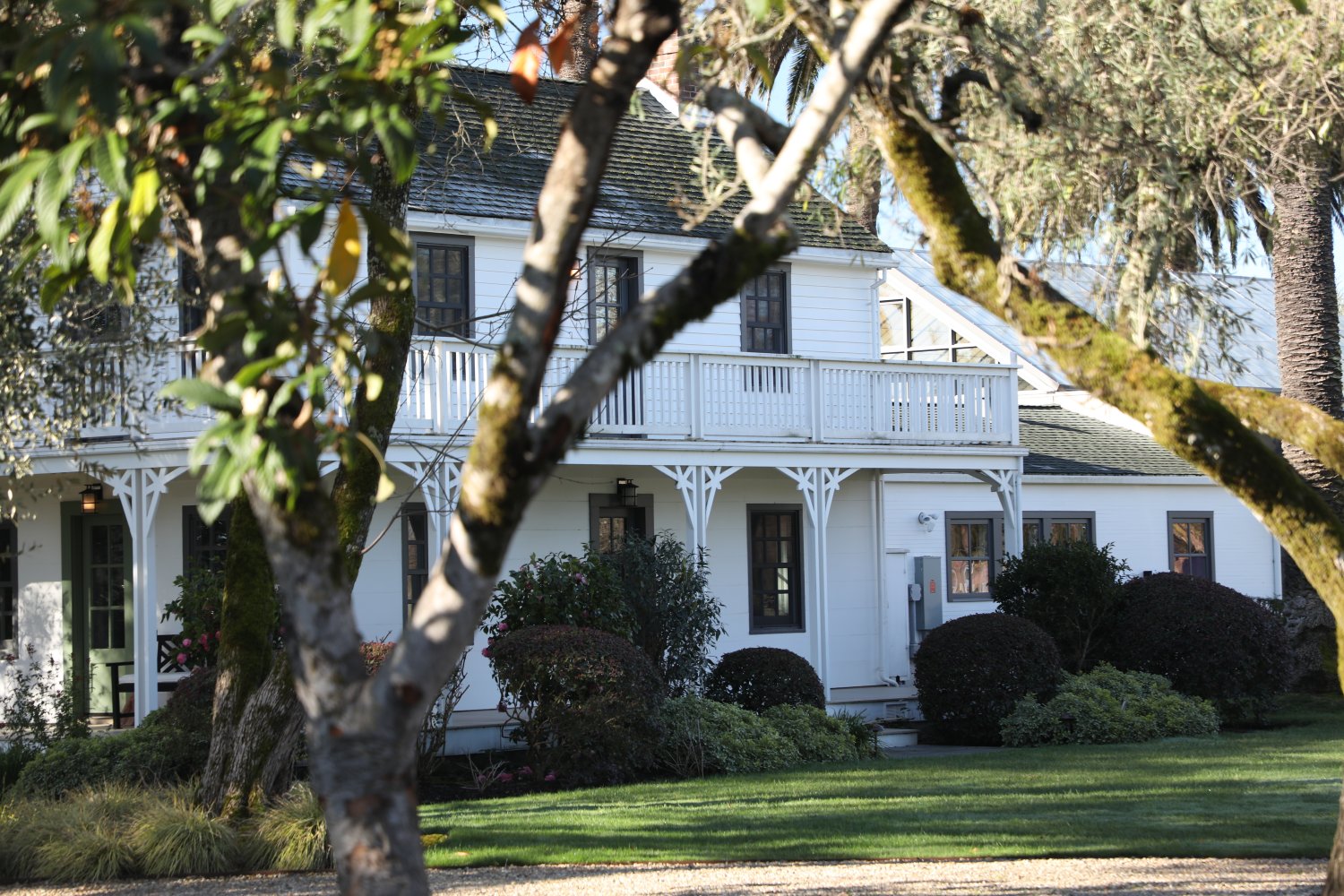
McCracken Magnolia Farm House, Sonoma
McCracken was the Sonoma city treasurer from 1856 to 1861. His Magnolia Farm House which sometimes is referred to as the McCracken House was built in the early 1850s still stands at 19745 8th Street East in the town of Sonoma. This private estate is now used for hosting weddings and can be rented on AirBnB. The home and property was once owned by General Mariano Vallejo. McCracken, is buried in Sonoma at Mountain Cemetery a very short walk from Vallejo’s gravesite.
One of John and Rebecca McCracken’s eight children was Louisa Adair “Lou” McCracken Howard. Louisa married John Benjamin Howard and one of their children was Winfield Lee Howard. Winfield married into the Walden family – his wife was Hazel Adair Walden Howard. Which brings us to Margaret’s great great grandfather, John E. Walden, the father of Hazel Adair Walden.
Tench Vineyards
John E. Walden owned, operated and was the editor of the Napa Journal for more than 40 years. He was also the postmaster for three terms for the city of Napa during the presidencies of Grover Cleveland and Woodrow Wilson. For reference, in 1890 there were several newspapers operating in the city of Napa; they included the Napa Register (still in business), and two weeklies, the Napa Reporter and Napa Journal.
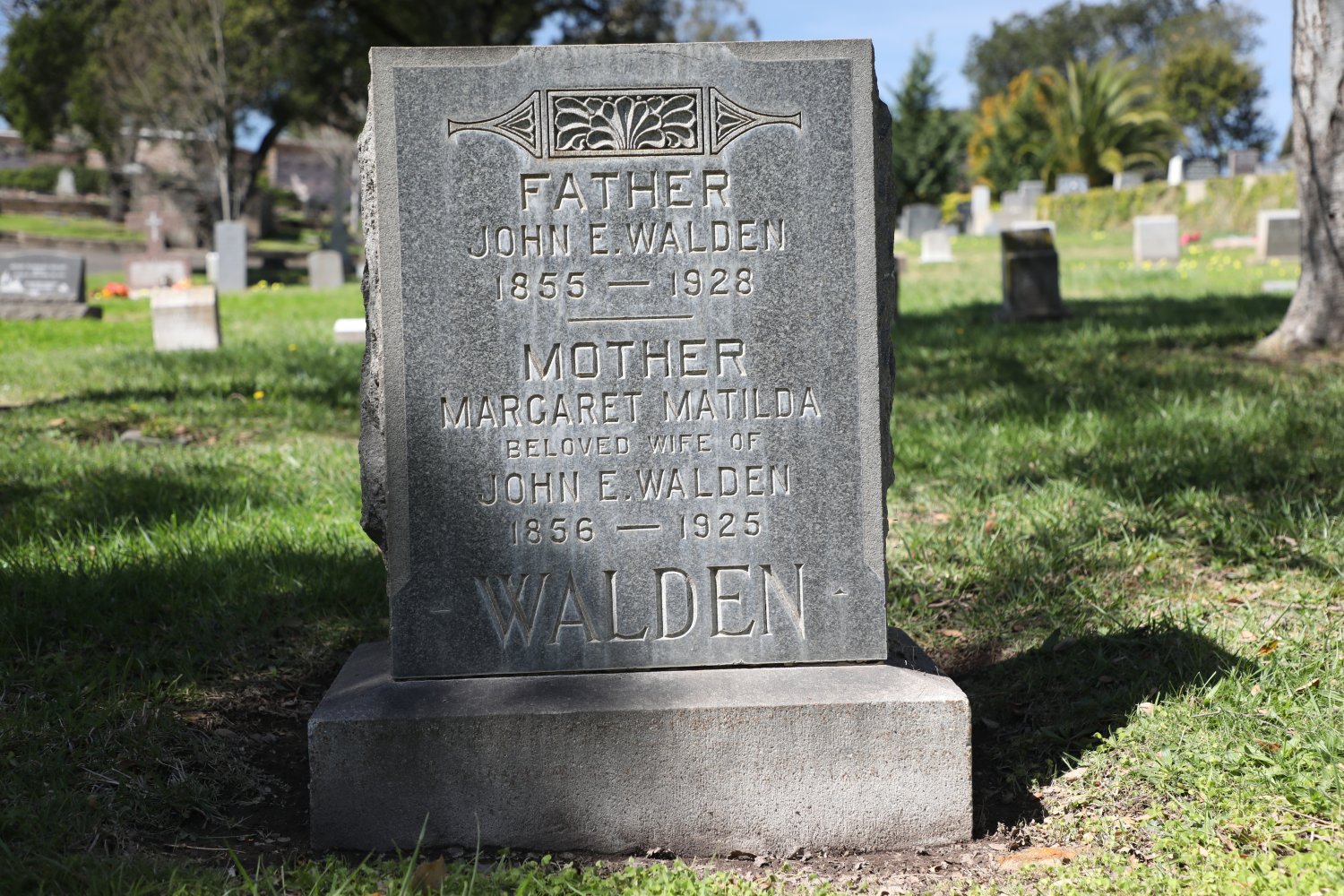
Born in the tiny community of Lapeer, Michigan in 1855 he crossed the country by covered wagon in 1860 with his family; they soon settled in the city of Napa. For reference the first building in the city of Napa was constructed only 12 years prior in 1848, a saloon. Walden began his career as a printer for what was known as the Solano Democrat in Vallejo.
In 1871, at age 16 he returned to Napa and began working at the Napa Weekly Reporter for newspaperman R.T. Montgomery; Walden leased the Napa Reporter in 1882. With $300 including his savings and borrowed funds, he founded the Napa Journal in 1884 in a small room on the corner of Main and 2nd streets in what was known as the Hargrave Building (later the Smith Building). Two years later he founded the Napa Daily Journal. And in 1888 he purchased and merged the Napa Daily Reporter.
 He moved offices for the Napa Journal several times during his 50+ year career including due to the 1906 San Francisco earthquake which caused significant damage to their building. Incidentally according to an article printed in the Napa Journal dated Tuesday April 5, 1927 the only day in his career that he missed a scheduled publication was on April 19, 1906 due to the earthquake the previous day. He fully retired in 1927 when he sold his newspaper business to Lyman B. King.
His death was the leading headline on the front page of the Napa Daily Register dated August 23, 1928. In his obituary, he was mentioned as, “a very prominent and highly respected citizen of this county”. He is buried in Tulocay Cemetery in the city of Napa.
Select Wines
Sauvignon Blanc
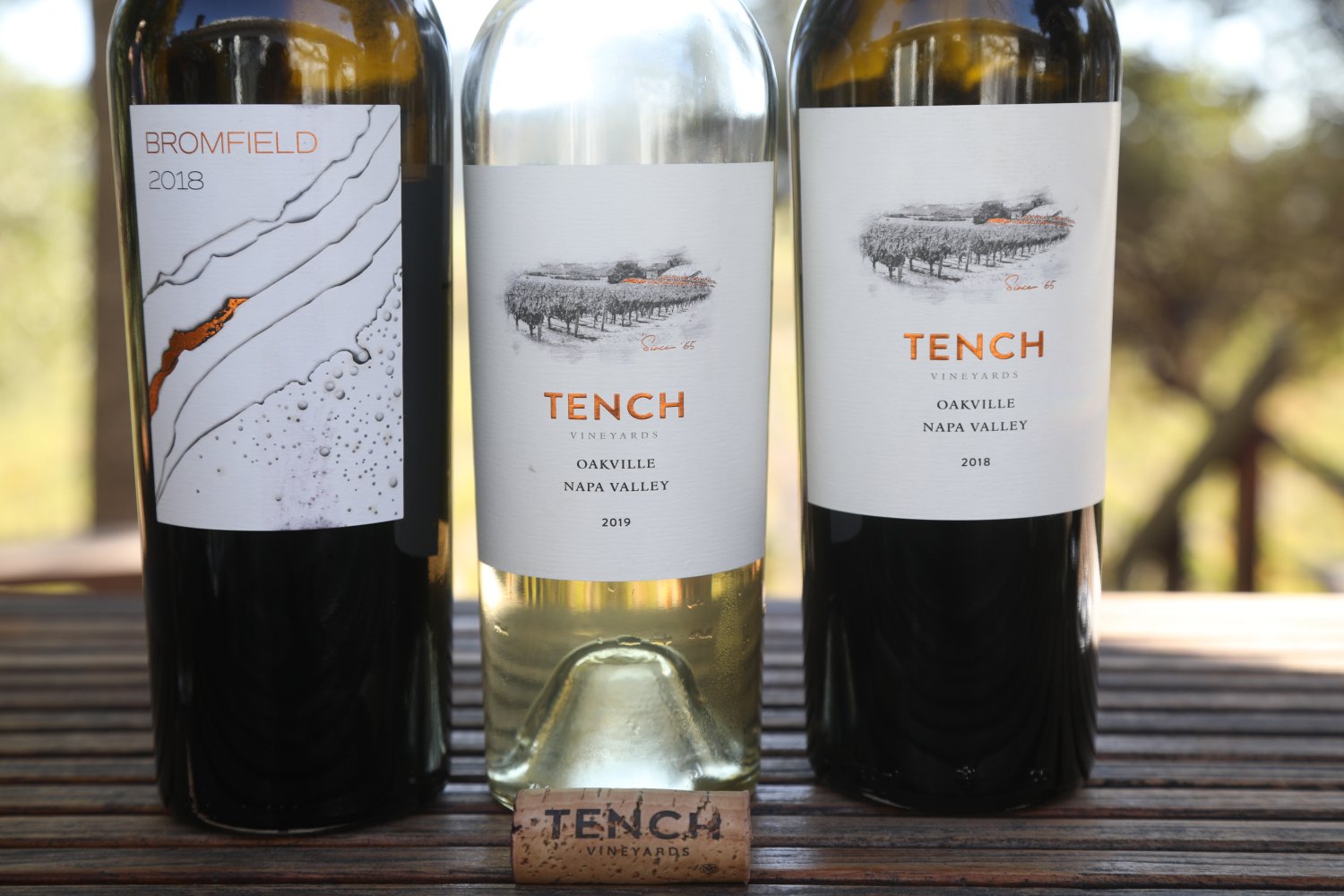
Tench Vineyards has one of the rare plantings of Sauvignon Blanc in eastern Oakville; only about an acre of this variety is planted on the lower part of their property to two clones: Clone 1 and Musqué. Yields end up being low – despite the small block they picked twice in 2019, fermented entirely in stainless steel and then blended both clones together. Usually only around 50 cases are produced.
The 2019 Tench Vineyards Sauvignon Blanc is medium yellow in color; the bouquet presents a wide variety of attractive aromatics including honeysuckle, pineapple, and lemon/lime zest, with a very subtle hint of cut grass. As it opens further, the aromatics become increasingly tropical, revealing notes of guava, ripe melon, and a touch of citrus blossom. Balanced with a gently rounded viscosity, the palate offers flavors of citrus—lemon, lime, and a hint of grapefruit—layered with suggestions of pineapple and stone fruit. There is a pleasing interplay between texture and freshness, with enough weight to carry the fruit while maintaining a lively, refreshing profile. The finish is bright and energetic, lingering with a clean citrus-driven lift. This wine clearly shows the varietal elements of Sauvignon Blanc, but it also embraces its site and the abundant sunshine this part of the valley affords, lending both ripeness and generosity to the fruit. Or more simply put, as Margaret states, “this is our sunshine in the glass wine.”
Merlot
The 2018 Tench Vineyards Bromfield is a Merlot-based blend; it is deep ruby in color with vibrant aromas of blackberry and boysenberry complemented by darker chocolate and hints of graham cracker. There is plenty of aromatic depth here, with additional notes of ripe plum, cassis and a subtle touch of mocha emerging with time in the glass. A faint suggestion of toasted oak and baking spice adds further complexity to the bouquet without overshadowing the fruit. On the palate, this wine’s hallmark features are both its balance and its somewhat uncharacteristic depth for a Merlot-driven blend. The fruit is concentrated yet polished, showing flavors of blackberry, dark cherry and plum layered alongside hints of cocoa and warm spice. Lingers with a brightness of young fruit and acidity with still somewhat tightly woven tannins, although they are fairly fine in their texture. The structure provides both tension and length, suggesting considerable aging potential. The finish persists with dark fruit and darker spices including white pepper, along with a lingering impression of cocoa and toasted oak.
It should be noted that the Merlot from this site is exceptional.
Cabernet Sauvignon
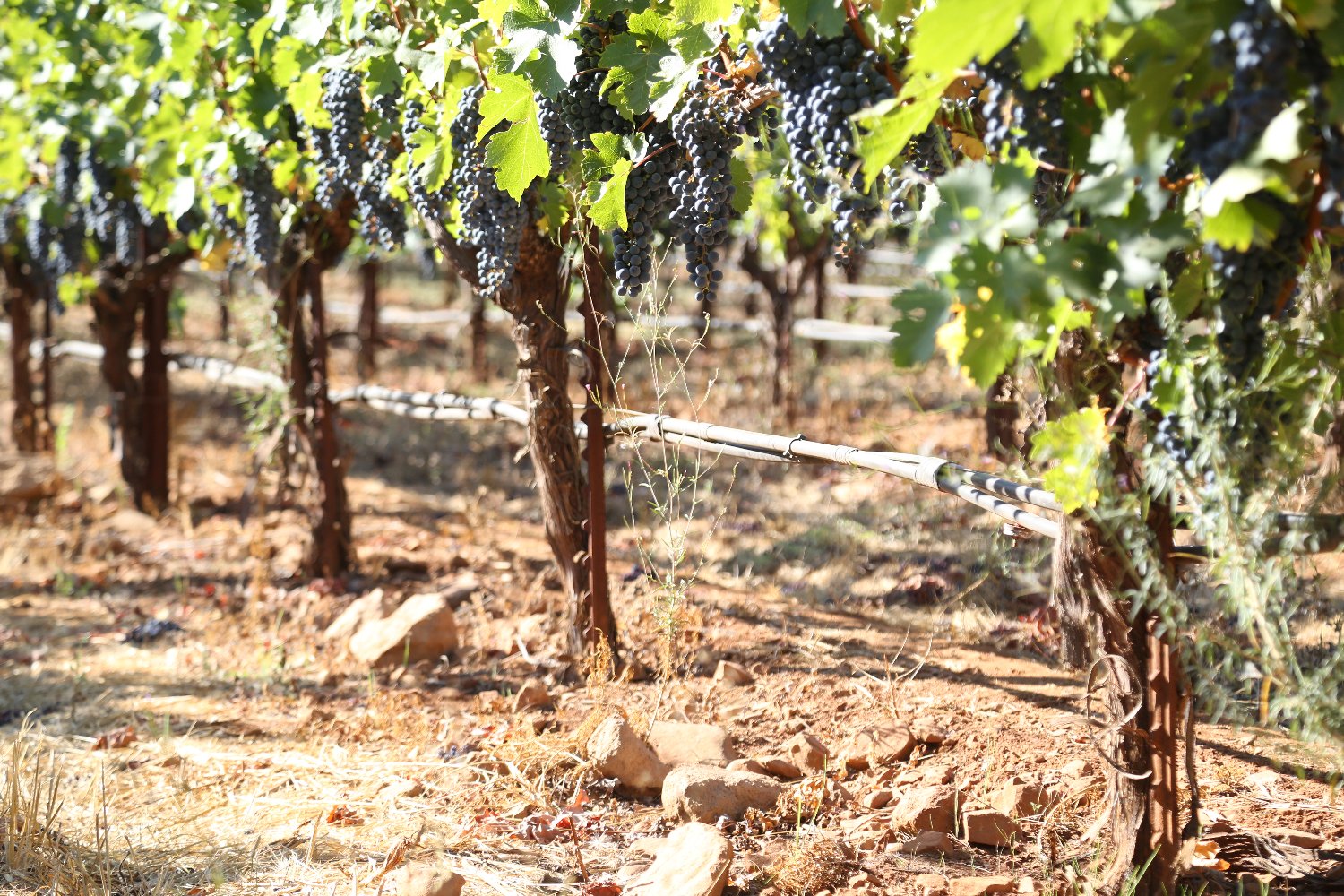
 Their Cabernet Sauvignon is sourced from the rockiest part of their vineyard located in the southeastern part of their property directly next to the Silverado Trail. They treat the rocks here with respect – they are never removed from the vineyard, rather they accumulate underneath the vines. Rem refers this block as their cobblestone block. One can see why he refers to it as such – immediately when walking through the vines.
The 2023 Tench Estate Cabernet Sauvignon is deep ruby, completely opaque and sports amaranthine hues. One is immediately attracted to its remarkably dark color. On the nose there are aromatics of ripe blackberry – an aromatic that reminds of us carefully moving our way through bramble thickets in mid summer in search of these tasty fruits, boysenberry, dark cherry and dark plum. The palate is at the peak of ripeness but never crosses into the territory of being over ripe; barrel influences are supporting and let the fruit do most of the talking. On the palate there are flavors of blackberry, boysenberry, dark mulberry, Satsuma plum and dark cherry. But there is a vibrant thread of acidity that plays well with the ripeness. Its keeps the wine humming a soprano tune finishing fresh and lively. Persists savory with notes of dried sage and bay leaf and accompanying tannins sporting a firm and persistent hand shake. They do not let go anytime soon. Lots of girth. Lots of presence. Long lasting. This is a memorable expression from this vineyard of this varietal.
The 2018 Tench Vineyards Oakville Cabernet Sauvignon (with 12% Petit Verdot) is dark purple in the glass; the bouquet shows aromas of rose petal, dust, and dried rocks, along with a core of blackberry sweetness and hints of dried herbs. With air, it becomes slightly more savory, revealing subtle notes of graphite, cocoa powder, and a faint earthy undertone that adds complexity. This wine offers rich flavors of raspberry, dark cherry, and blackberry. There is a compelling interplay here—simultaneously bright and plush—with a Bevanesque sense of balance that keeps the wine energetic despite its depth. The mid-palate shows a gentle layering of fruit and structure, while the finish is mouthwatering and persistent. The tannins are well integrated and polished, providing a texture that holds some grip but avoids any sense of dryness, astringency, or coarseness. As it lingers, a touch of savory spice and mineral nuance emerges, adding further dimension. This is a beautiful wine, showing both power and finesse, and is well worth seeking out.
The 2017 Tench Vineyards Oakville Cabernet Sauvignon is deep ruby in color; the bouquet is both intriguing and expressive, offering aromas of ripe dark cherry, plum, and dried black fig, layered with black licorice, old cedar box, and a clove/cardamom spice note, along with a subtle graham cracker sweetness. With time in the glass, additional nuances of cocoa powder and a faint earthy undertone begin to emerge, adding further depth. Across the palate, it features a plush and supple mouthfeel, delivering flavors of plum and blackberry supported by a hint of lingering cedar and dried tobacco leaf. There is a seamlessness to the fruit and structure, with just enough lift from the acidity to keep the wine lively and composed. The tannins are very finely dispersed, rounded, and slightly chalk-like in their textural feel, contributing to the wine’s polished profile. It glides effortlessly across the palate with a velvet-like texture, finishing with a gentle persistence of fruit and spice. This is a well-balanced and harmonious expression of the variety.
Lilian John
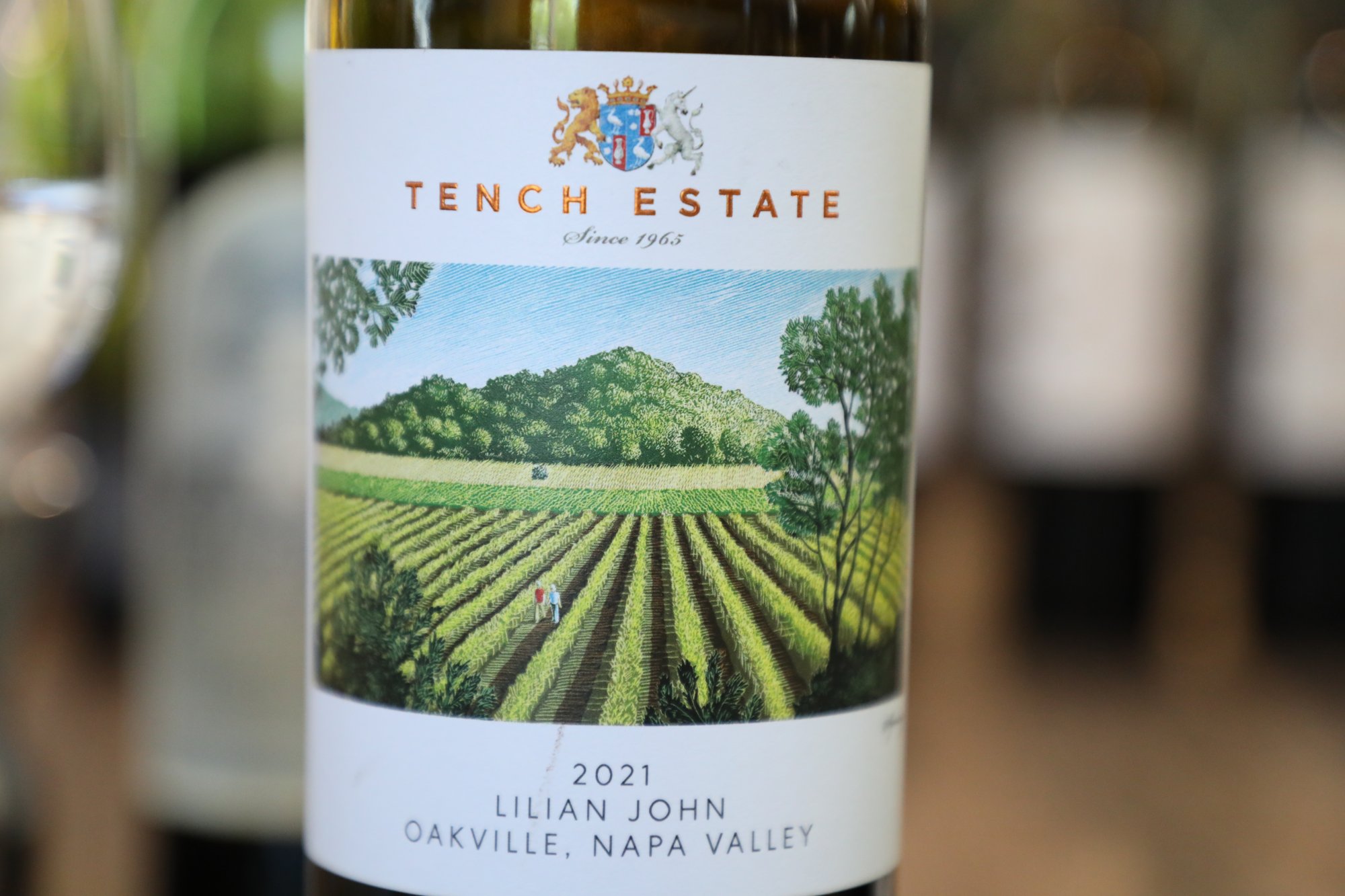
The 2021 Tench Estate, Lillian John Oakville Napa Valley is a blend of Merlot (we suspect it is strongly Merlot-driven based on its overall character), along with Cabernet Sauvignon and Cabernet Franc. The wine was aged for 21 months in 85% new French oak and 15% neutral French oak. It is deep ruby and opaque; ripe, but never crossing into jammy territory, its aromatics lean primarily toward dark fruit. The nose reveals dark plum, blackberry, and boysenberry, with a pleasing thread of oak spice including cedar, and as the wine evolves, a layer of chalky minerality. On the palate, there are flavors of dark cherry, blackberry, boysenberry, and red plum. The finish carries a slightly darker, more savory edge, including notes of smoked cedar, dried herbs, and dark pepper. This wine shows plenty of power in terms of its fruit, yet maintains a restrained and comfortable texture. The tannins are rounded and already well resolved at four years post-vintage, lingering with a well-tumbled, lightly drying character. Its listed ABV is 14.3%, though it may present as slightly higher.
And Tench Vineyards produces a very limited production Cabernet Franc bottled under the Tench Vineyards Ardeomo label.
—
Tench Vineyards continues to sell most of their grapes to a very select group of vintners who commonly produce a Tench Vineyards designate. Tench Vineyards production at the time of this review is only about 500 cases annually. The wines are sold primarily direct through their members mailing list membership although we have seen it in a few retail outlets around Napa Valley.
Visits are by appointment for serious wine enthusiasts and collectors and are always very personalized with an unscripted look at their operations including a visit to the winery and a walk among the vines (weather permitting), followed by a seated tasting. For more information or to become a member, visit: www.tenchvineyards.com
Hereford, United Kingdom
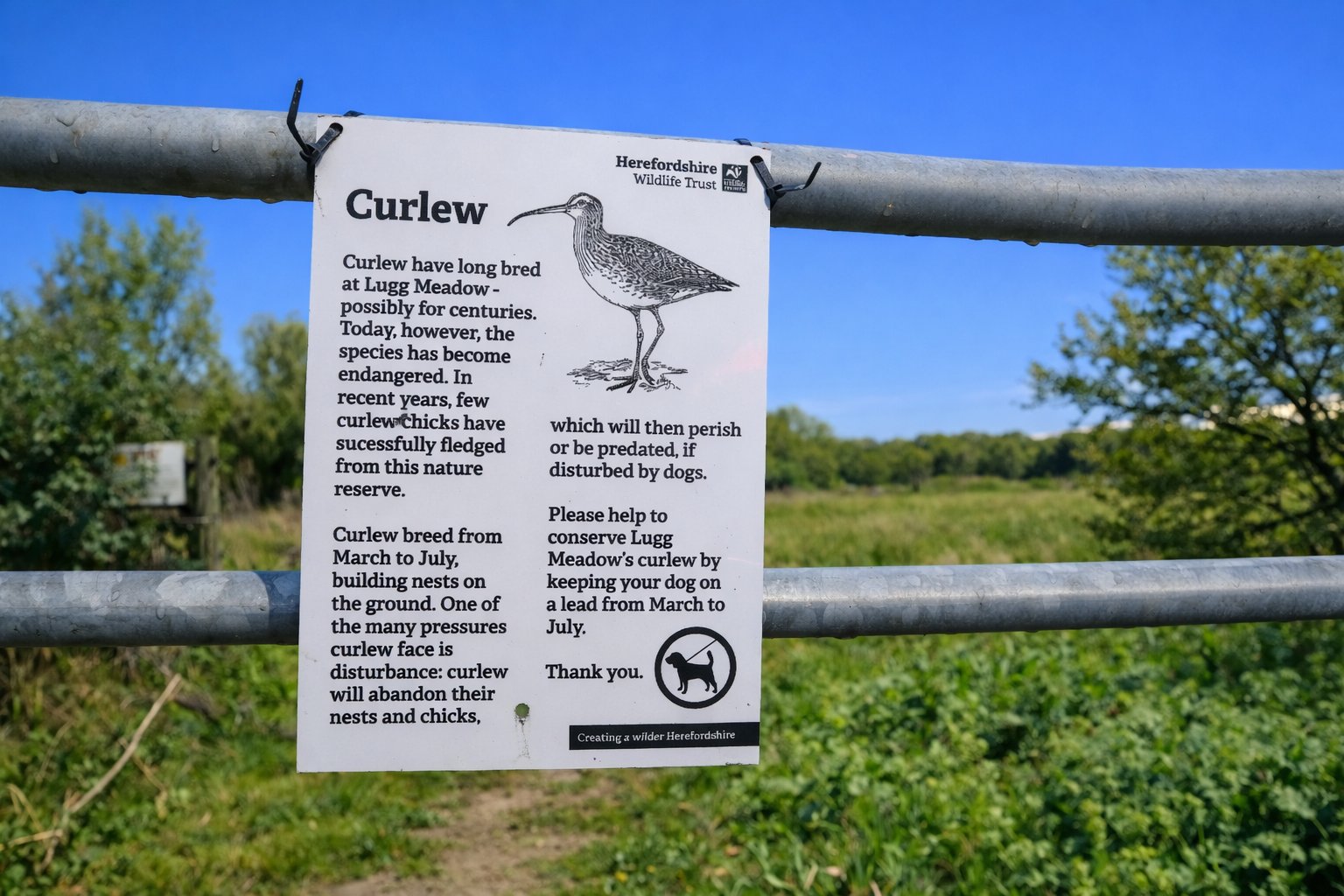
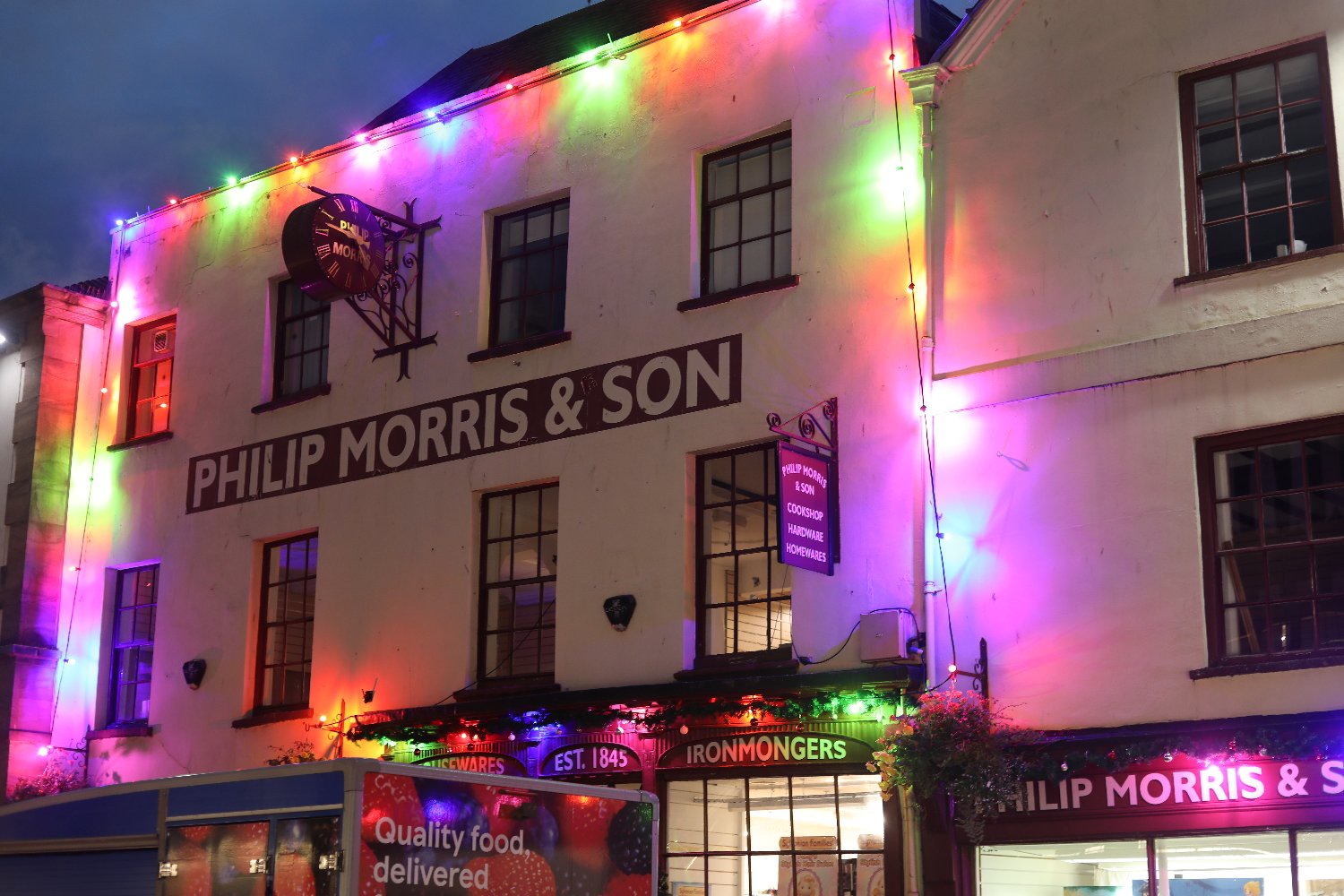
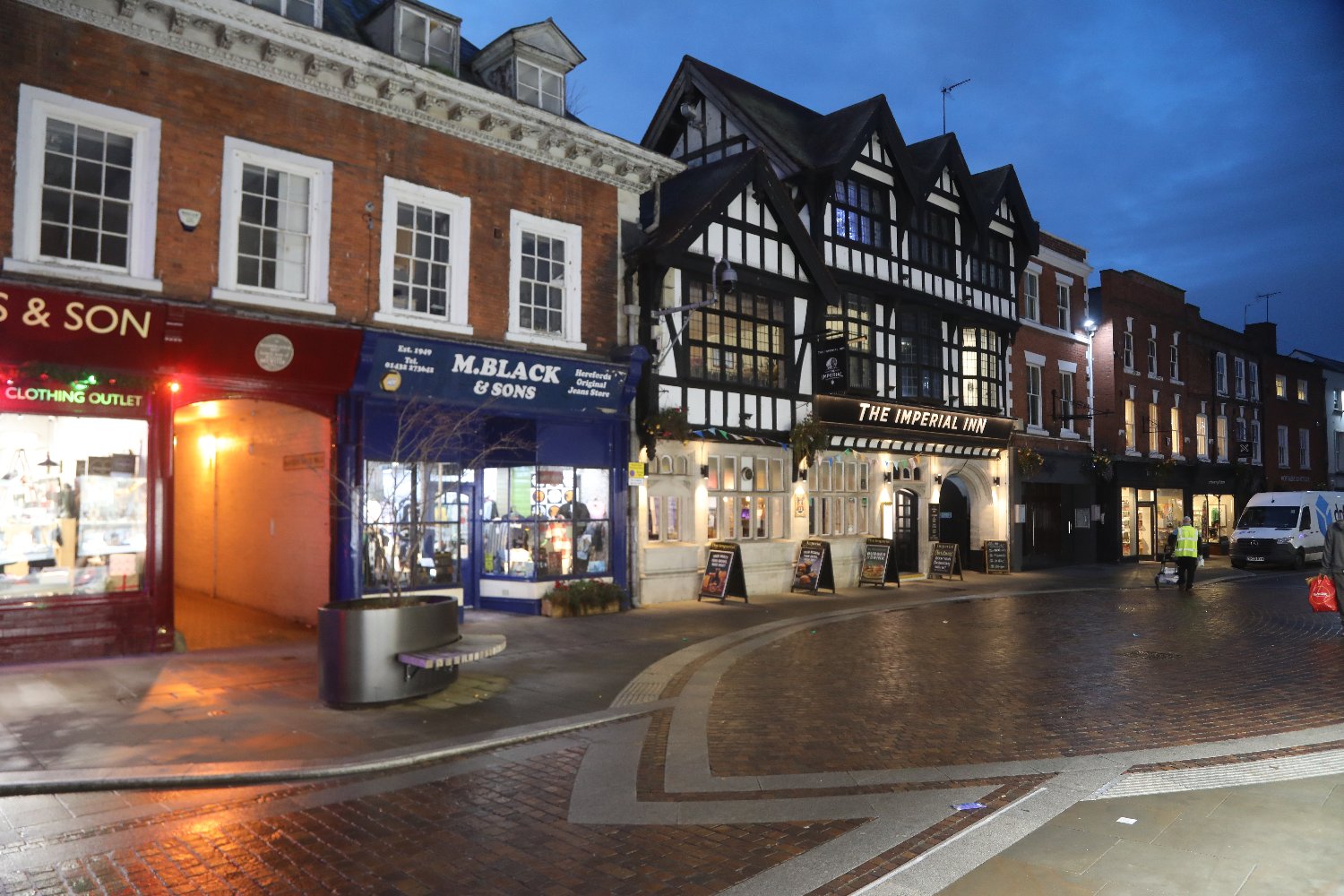
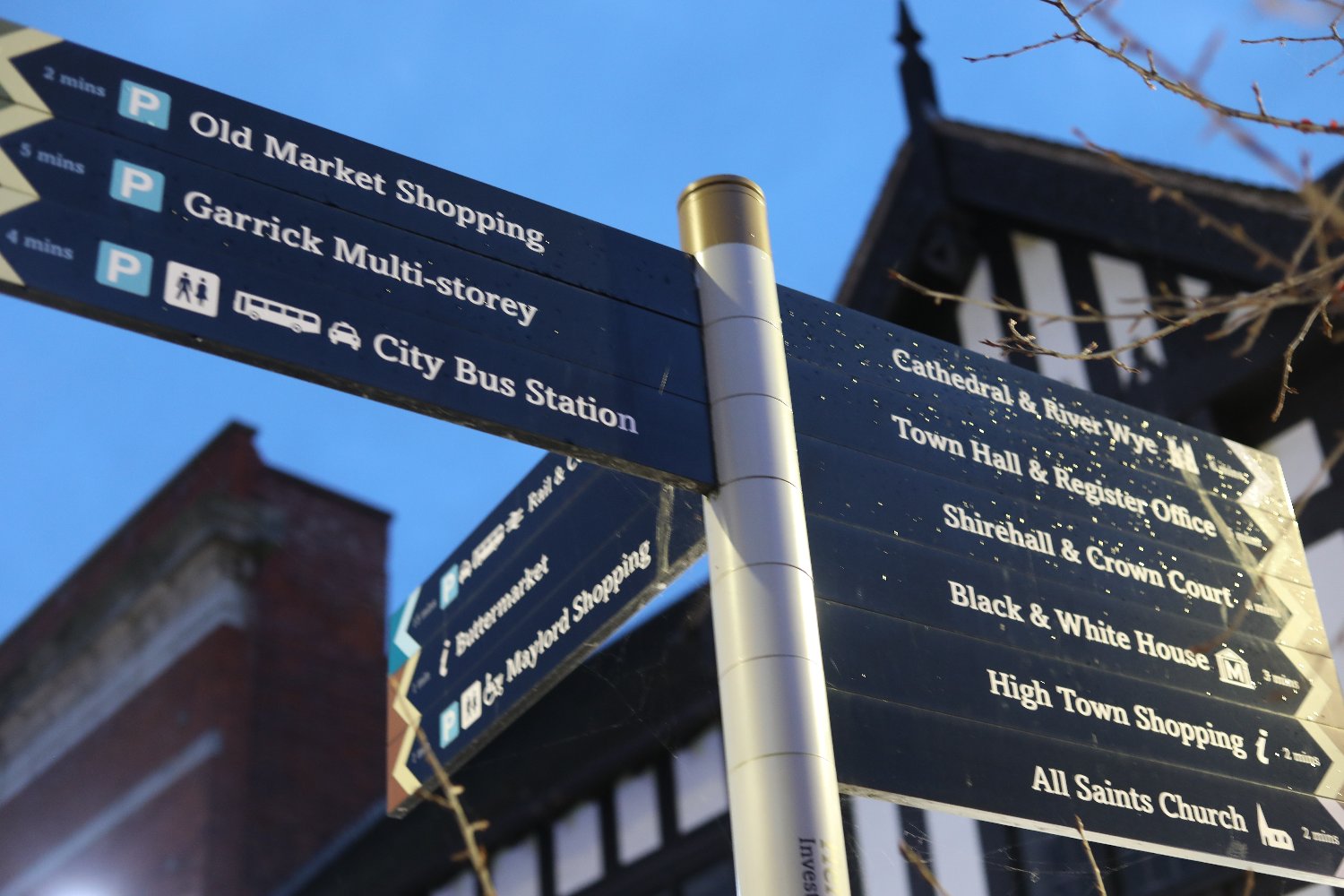
Hi, we are John and Jill Hopkins. We worked with your dad with Sealand. We hope that Brian and your mom are well. We always had a great time. We were also at the house. Your parents were so gracious to us and everyone at the party your folks threw. A great time! Please give our best to Brian and your mom.
All our best wishes, Jill and John