




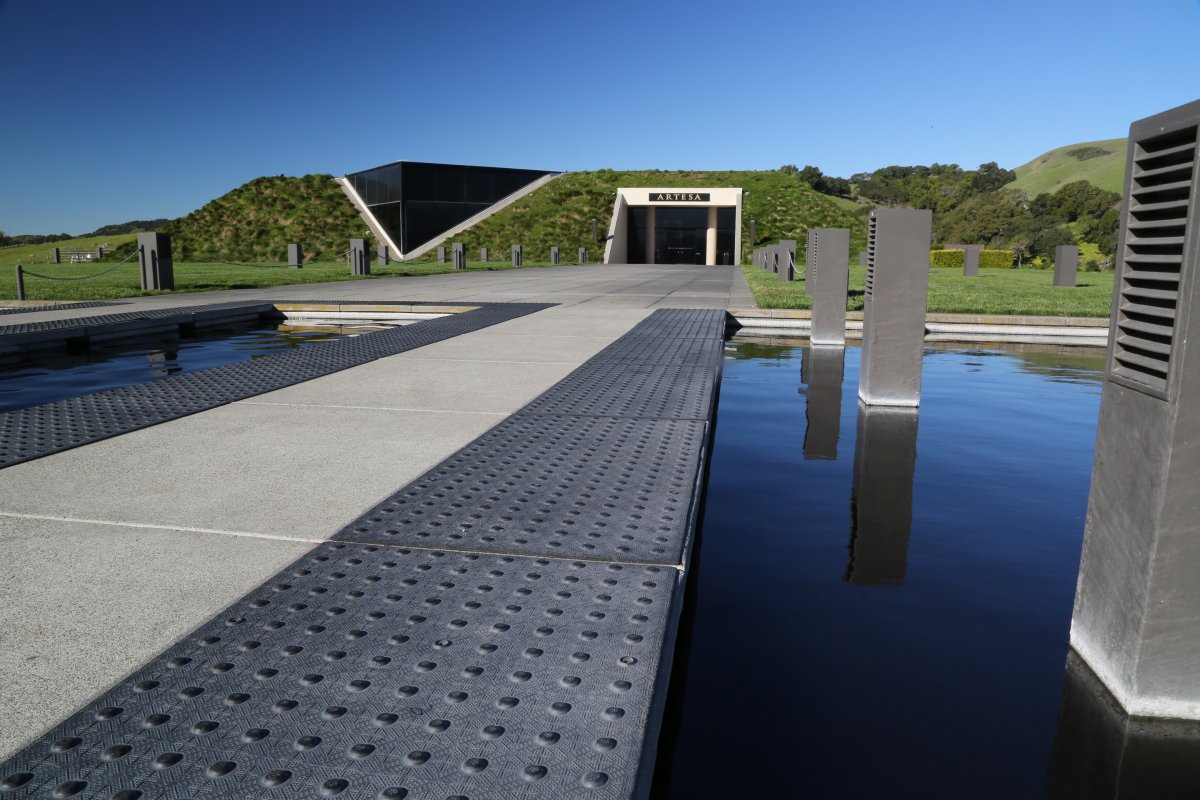
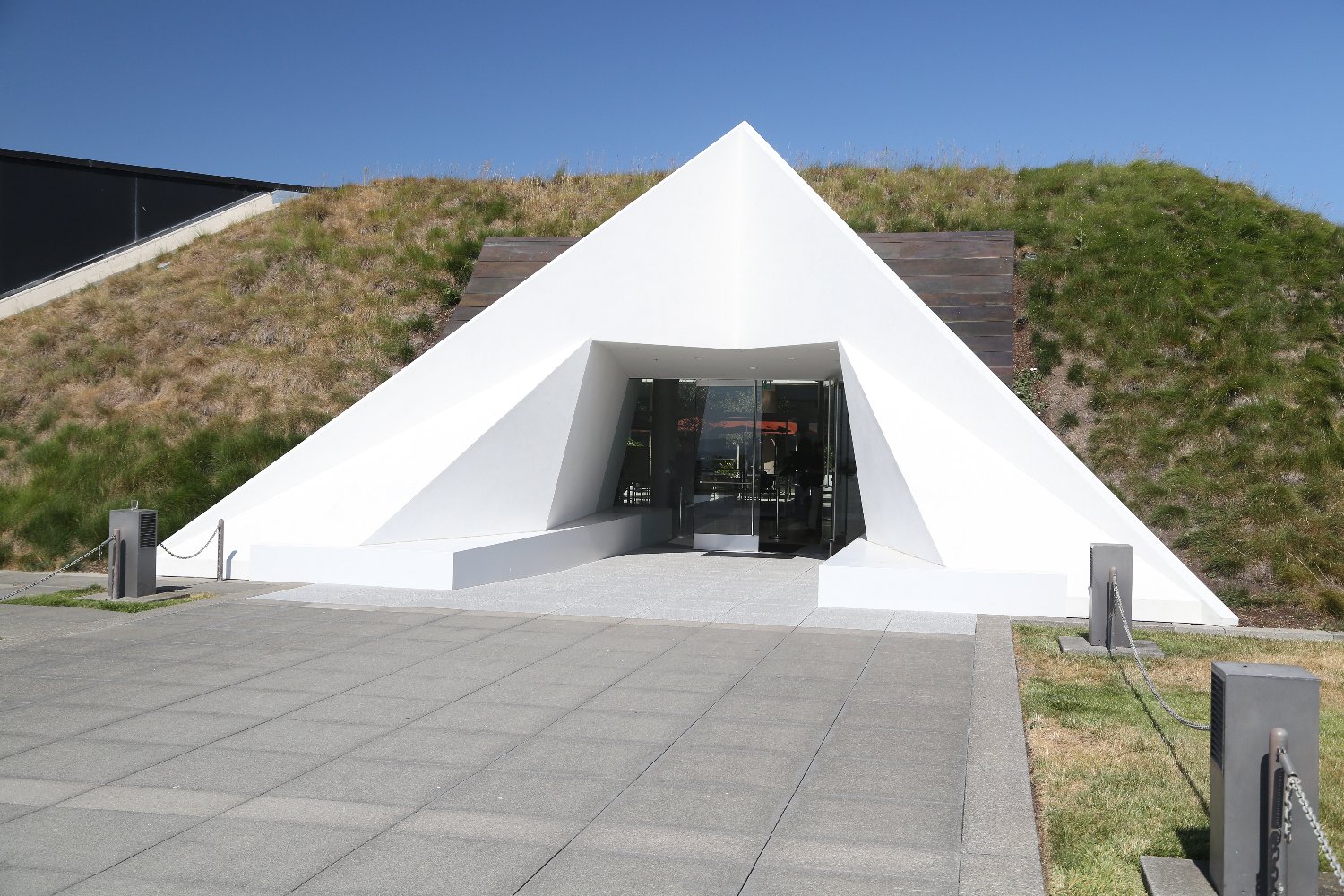
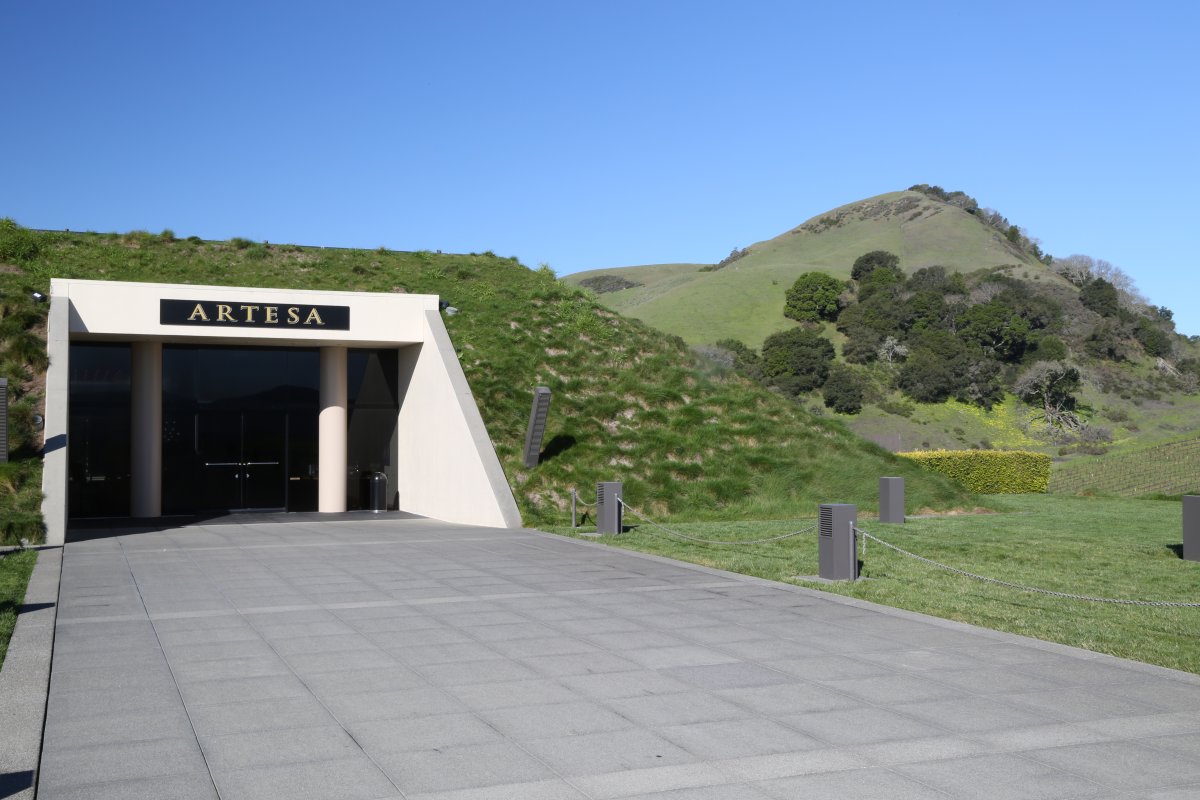
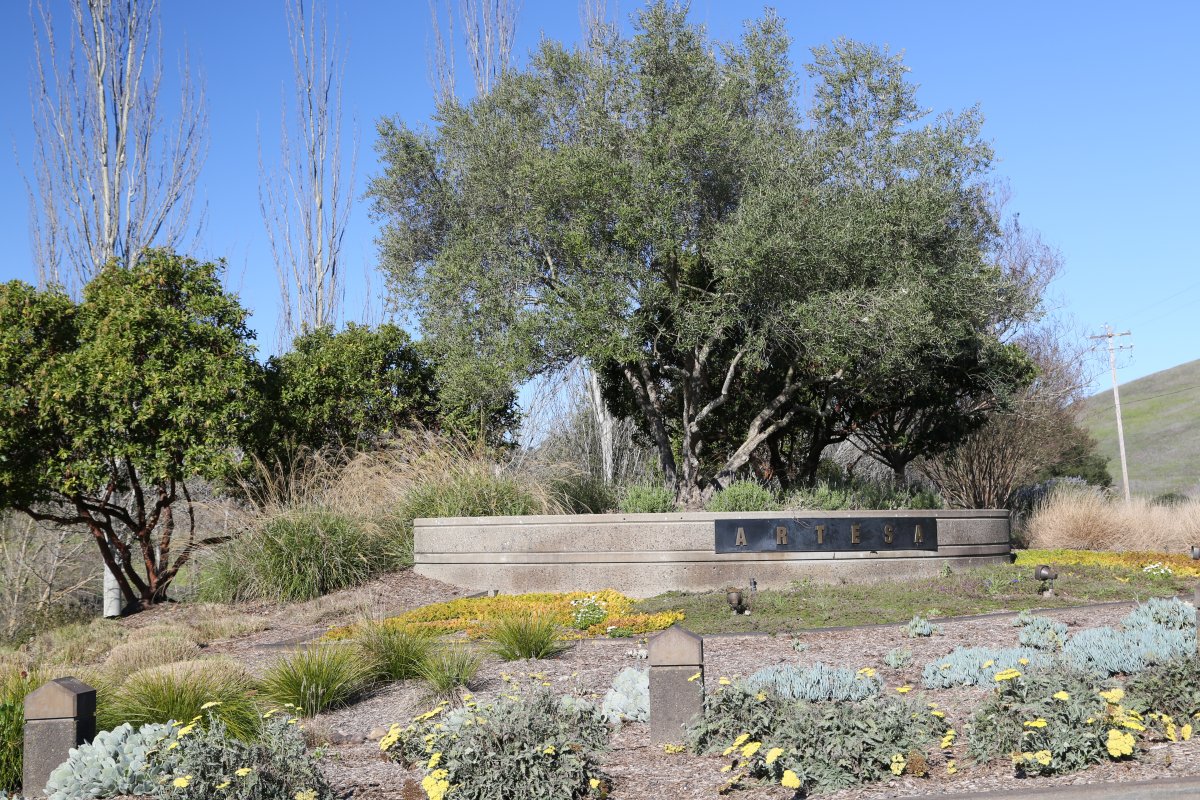
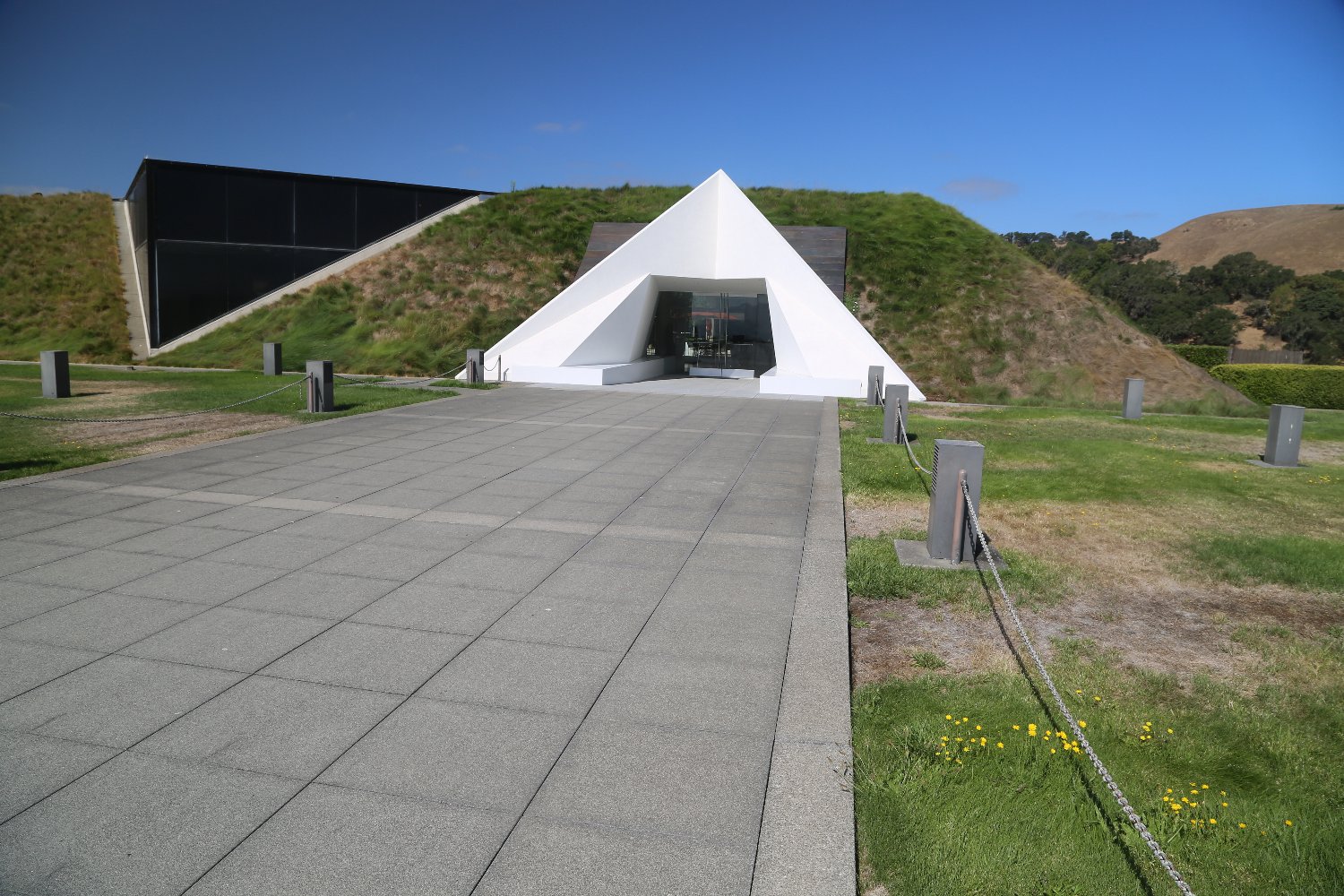
 Artesa Estate, formerly Artesa Winery is located in the Carneros District of southern Napa Valley; from an architectural point of view this is a very unique winery; the primary building is mostly set within the confines of a small hill rather than located above ground. As a result, it is somewhat difficult to distinguish where the winery ends and where the ground begins. In other words, Artesa fits extremely well within its natural surroundings. During construction (designed by Barcelona architect Domingo Triay), the top of the hill was leveled – the winery was then built, and the earth was moved back over. Four levels are built deep into the hill. And wondering if that hill directly behind the winery has a name? It does, it is referred to as Milliken Peak, named after an earlier settler in the area.
Artesa was founded by Spanish Raventós Codorníu group (the Raventós family, with Sergio Fuster the managing director of the Raventós Codorníu group) and The Carlyle Group, a USA based publicly traded financial investment firm with more than 200 billion USD in assets. As of early fall 2026, Artesa was sold to Jean Charles Boisset.
Codorníu traces their winery history back to 1551 and is the world’s oldest producer of bottle fermented sparkling wine and one of the largest producers. Note that in Spain, sparkling wine is called Cava; the Raventós family were responsible for creating the DO Cava. Born in Barcelona, Raised in Napa Valley is the winery’s tagline. As of our latest update to this review, the Raventós Codorníu group owns 14 wineries & properties of which 12 are located in Spain, Artesa in Napa Valley and Bodega Septima in Argentina.
Codorníu’s original intent with this “new world winery” was to make sparkling wines; these wines became their initial focus for a number of years. Eventually they converted their production to still wines which was also when they changed their name over to Artesa from Codorníu Napa (a change that made sense, considering that Codorniu is synonymous with sparkling wines). In the Catalan language of Spain, Artesa means craftsman or ‘something that is hand crafted’.
They own their own sparkling wine production equipment, and their sparkling wines are 100% estate – all grapes come from their vineyard, and the wine is made, aged and bottled on site.
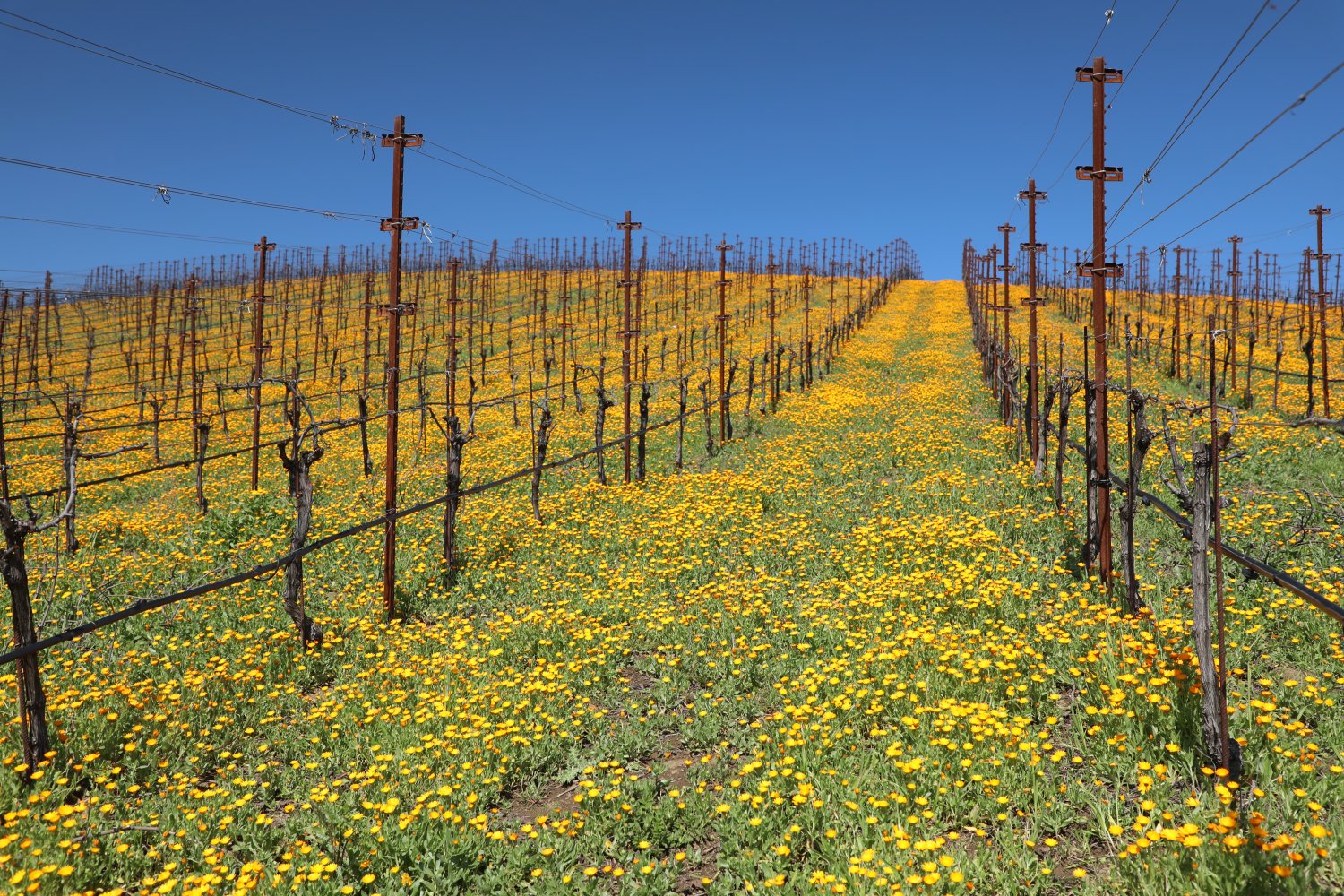
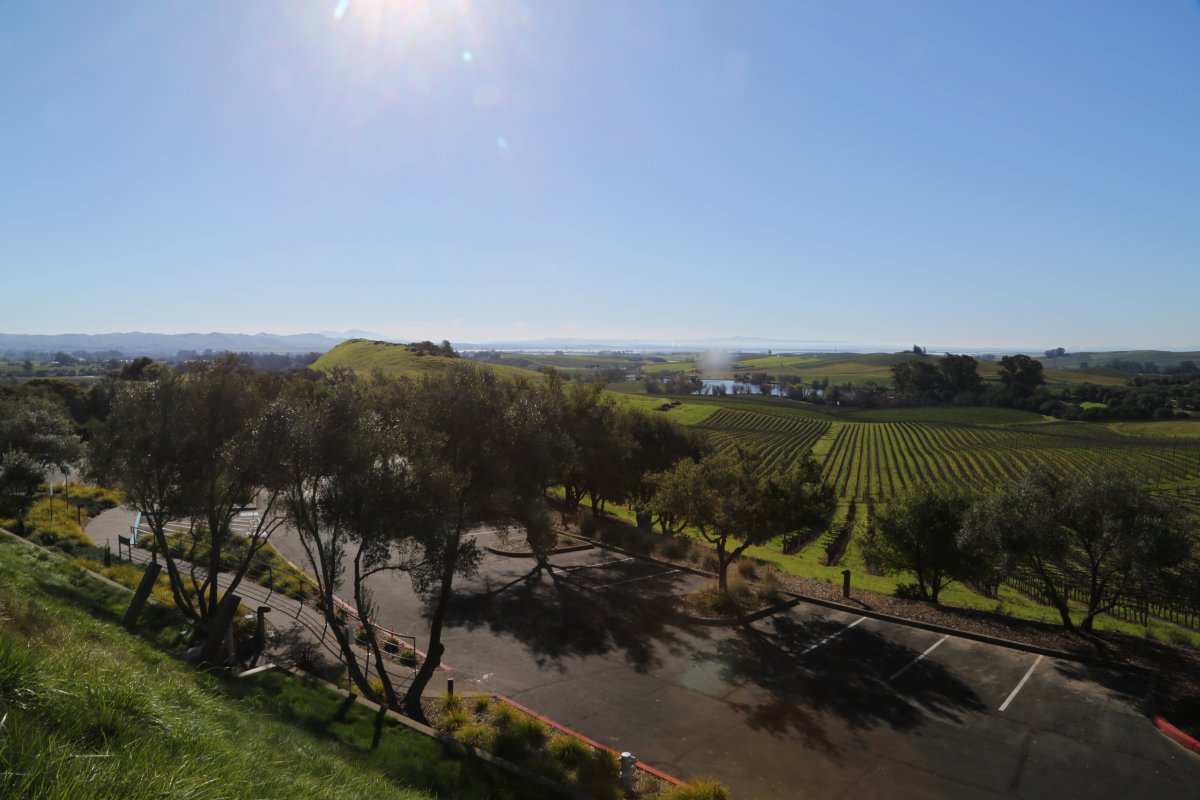
From their outside porch on a clear day, one can see the skyscrapers of San Francisco far in the distance, several Bay area bridges, Mt. Tamalpais, Mt. Diablo, the San Pablo Bay – and in the foreground, the di Rosa Art Preserve and Domain Carneros. The entire estate property is 350 acres of which approximately 150 acres are planted to vine. Much of Carneros is planted at a lower elevation but this part of Carneros is typically higher than the surroundings. Their vineyards are planted at an elevation from 200 to 400 feet above sea level and span two sub appellations with about 90% of their grapes grown in Carneros about 10% grown in the southern part of the bordering Mt. Veeder appellation.
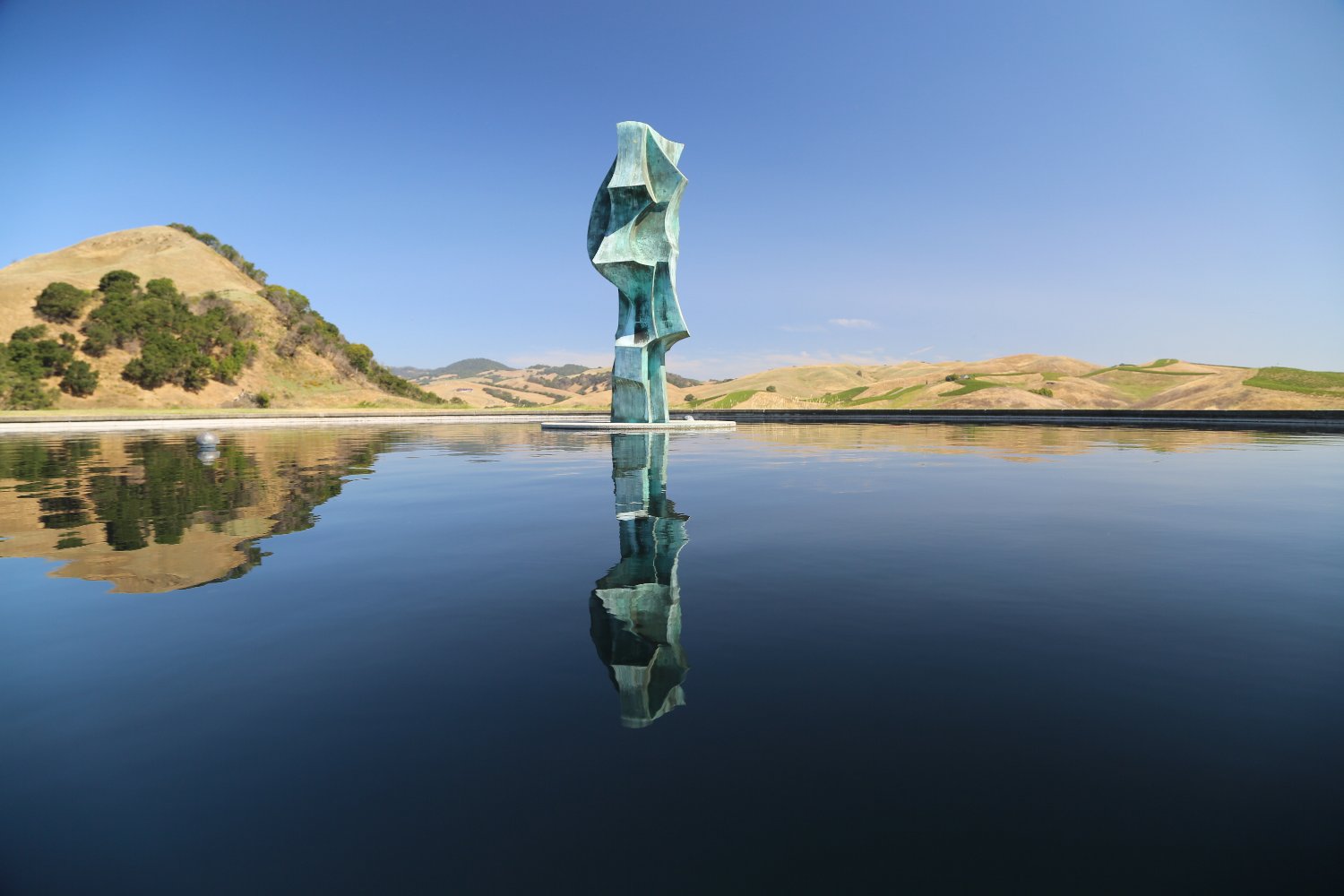
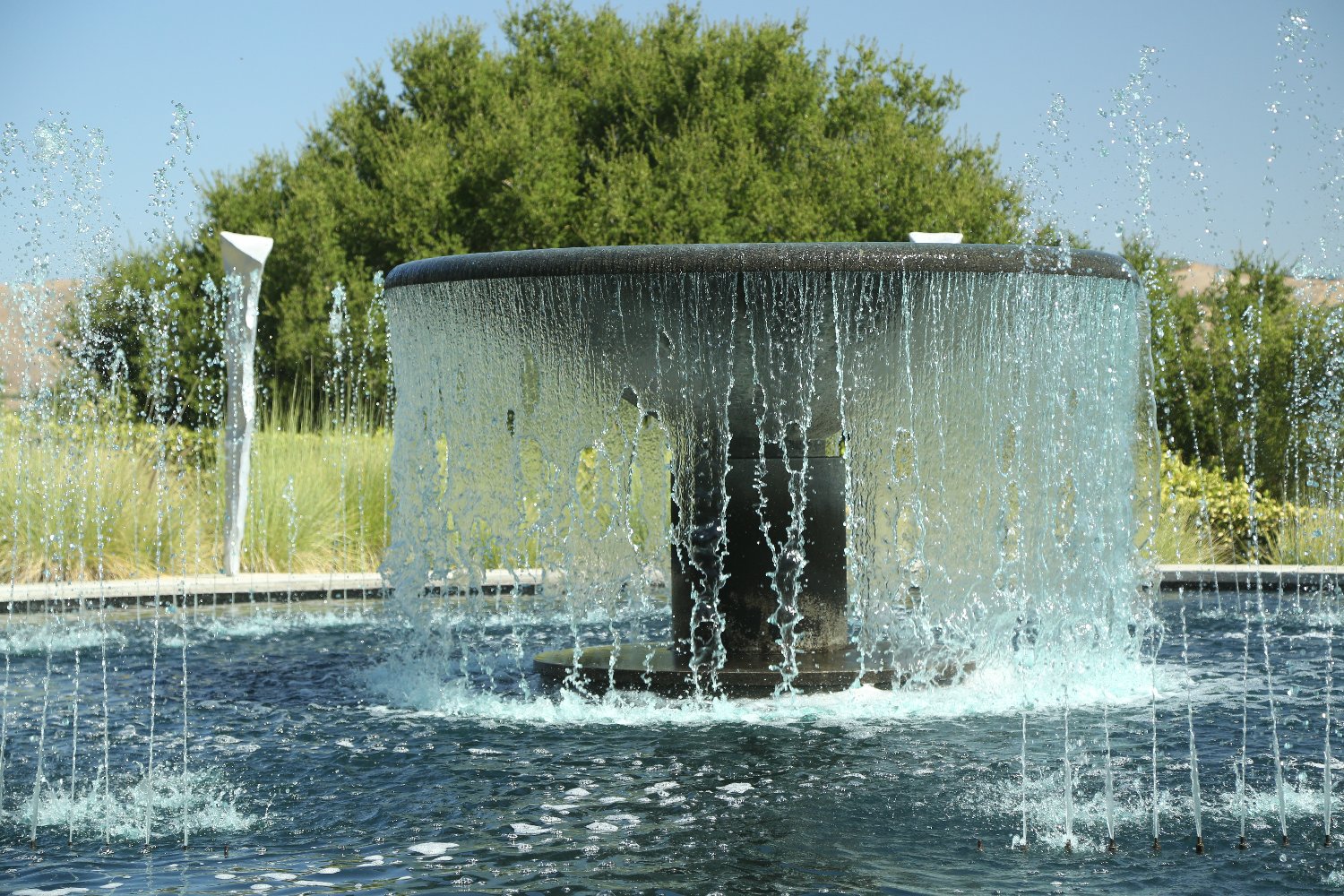
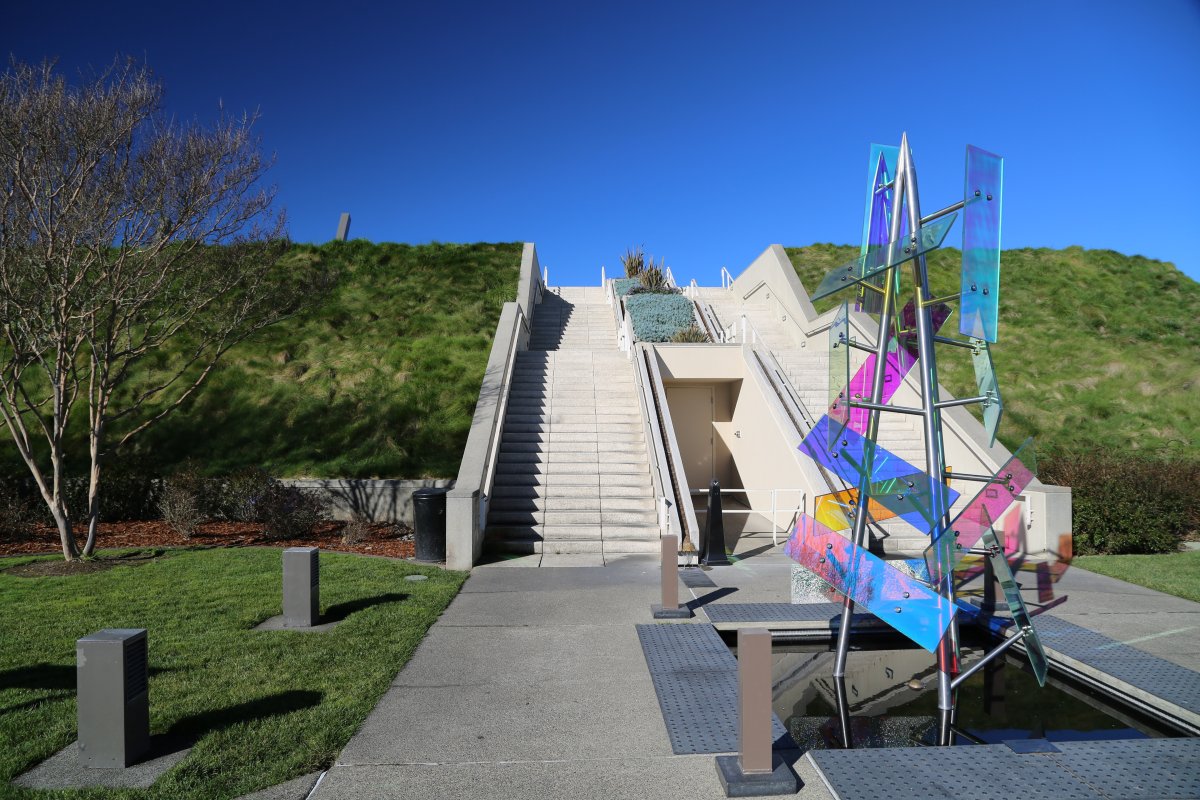
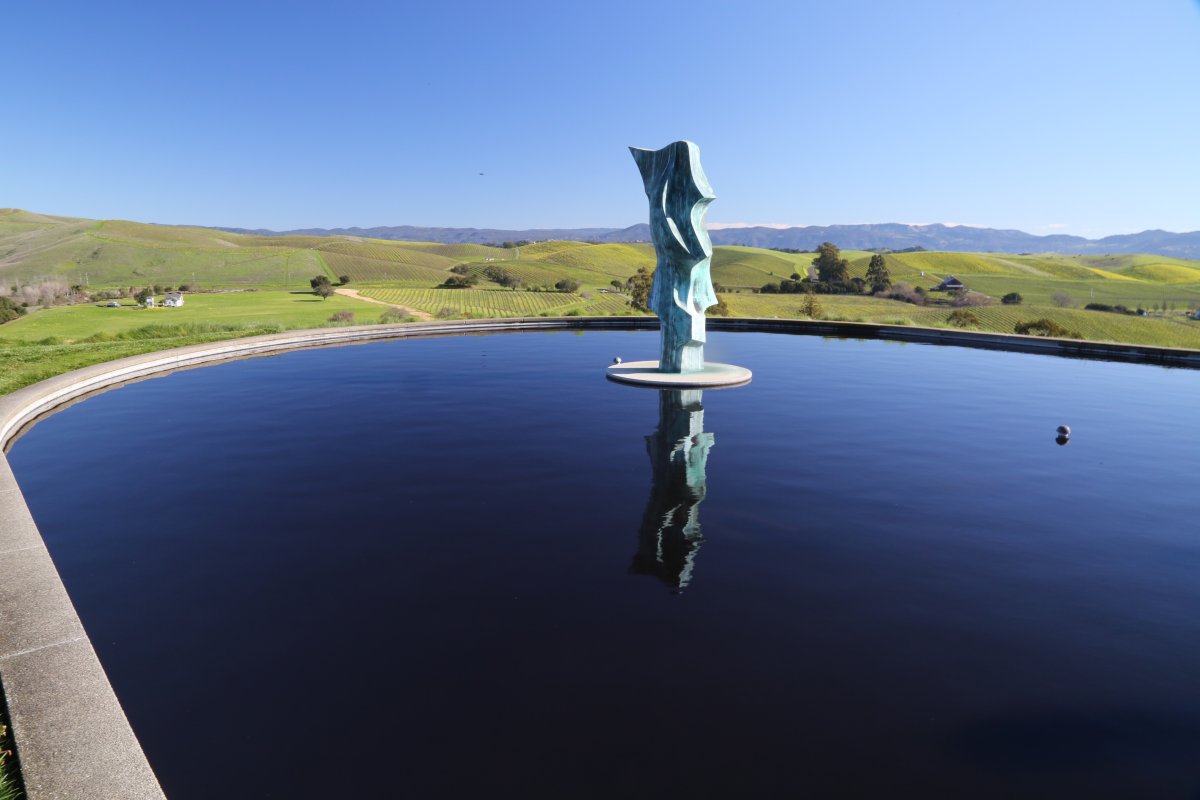
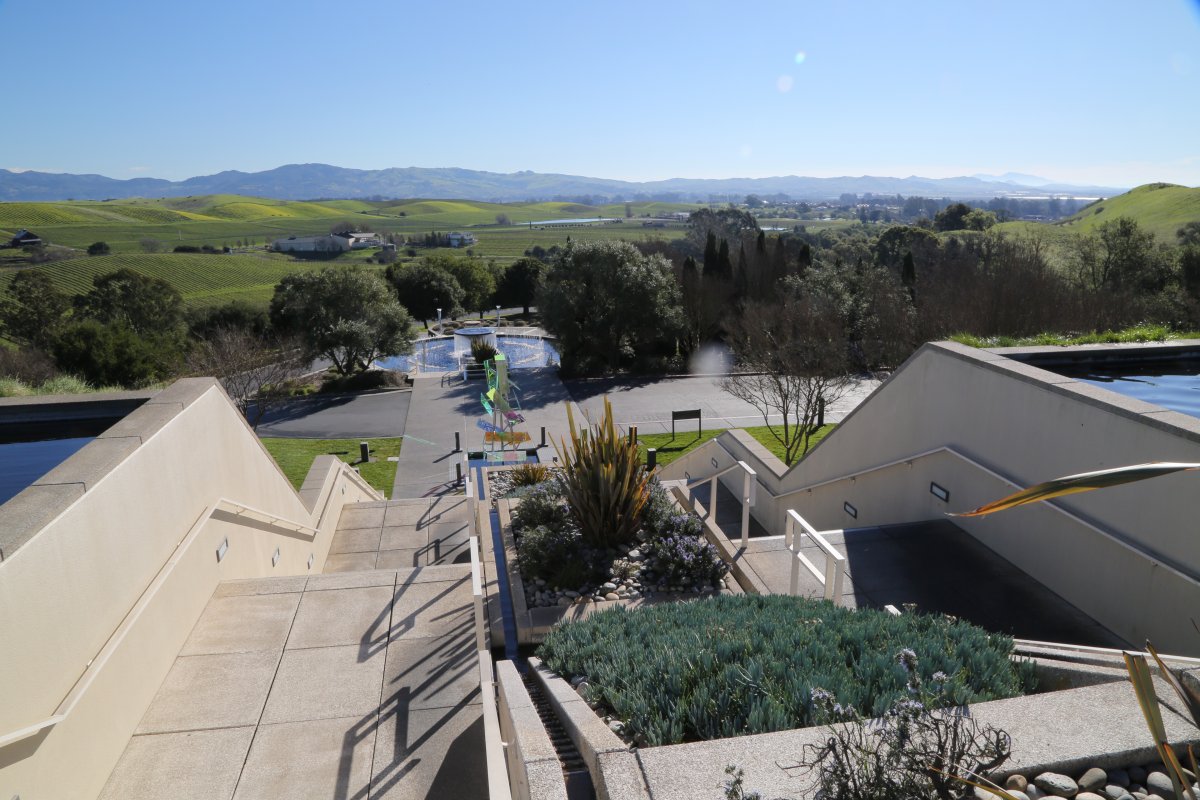
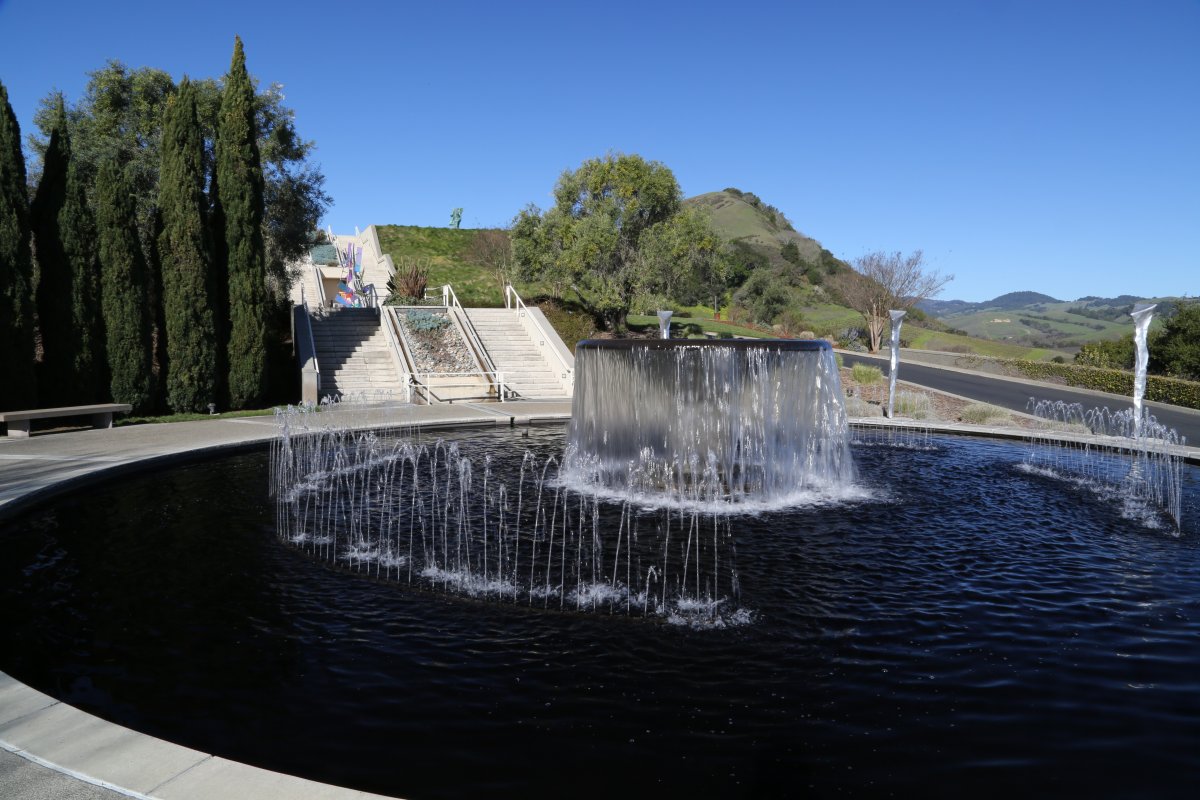
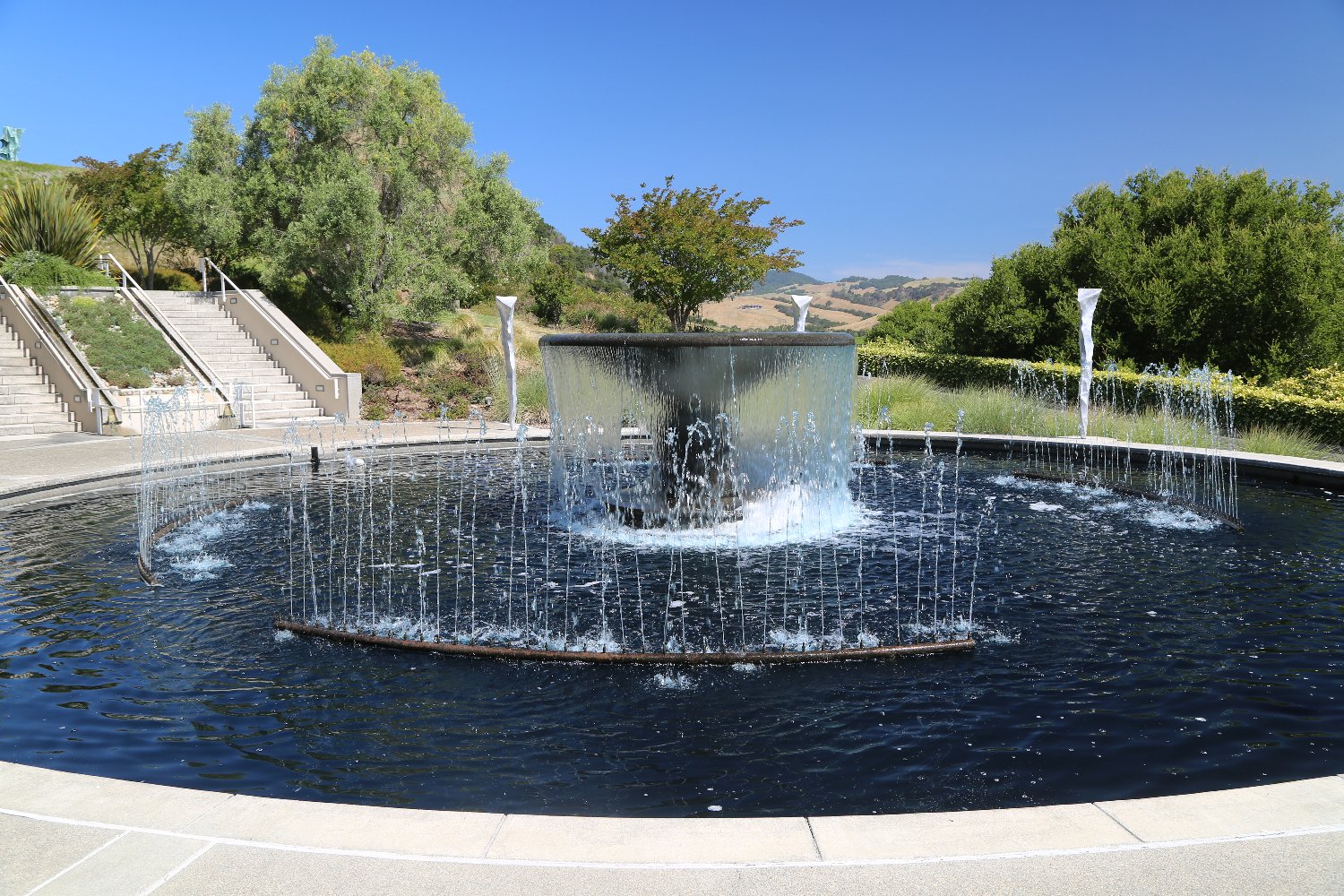
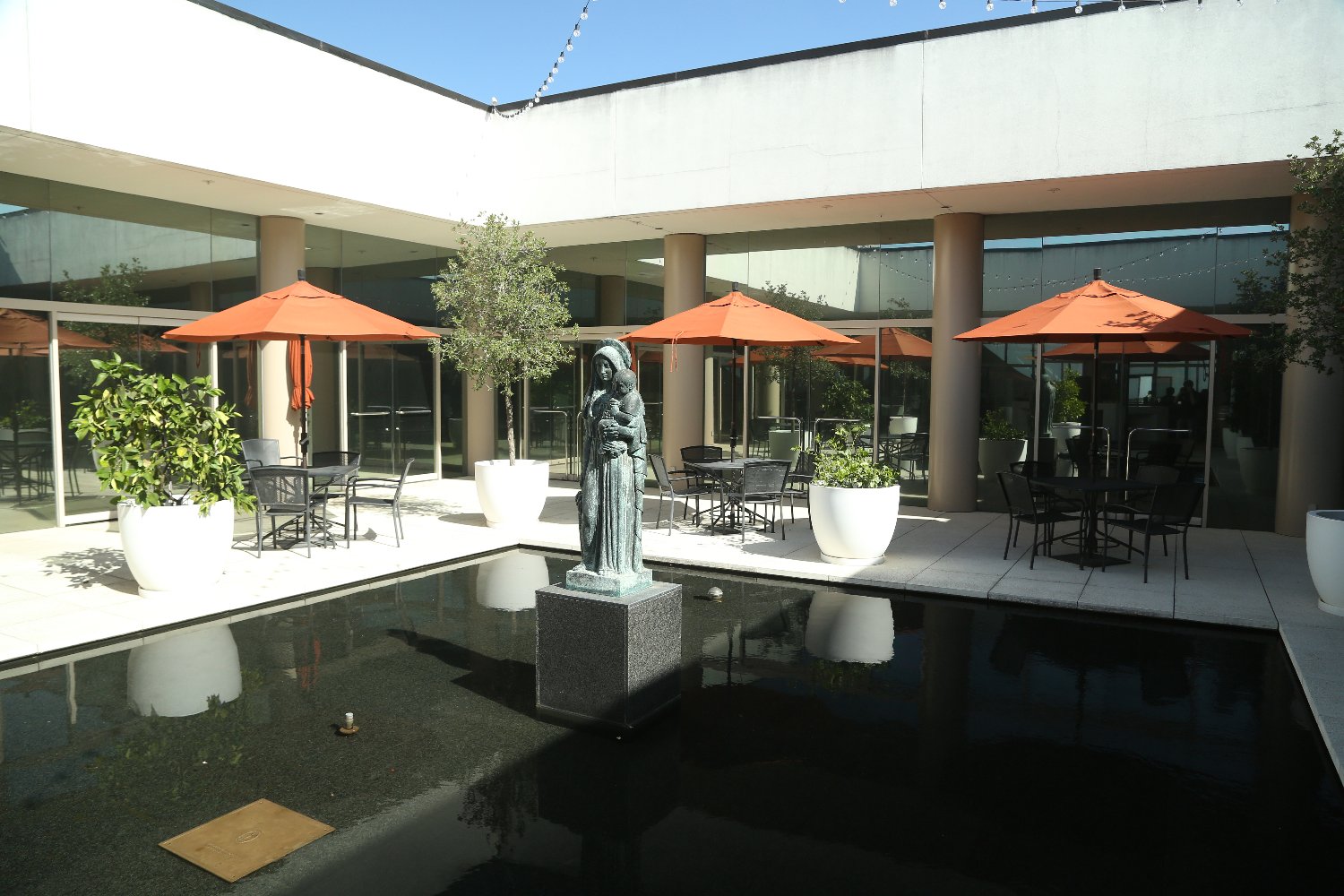
Artesa has picturesque grounds including modern statues, waterfalls, and a serene inner courtyard. After you climb up the steps from the parking lot you will walk down a long path to the entrance – across what appears to be square concrete pavers. Visitors are walking directly on top of their barrel room so if your footsteps sound a bit hollow, there is a good reason for it.
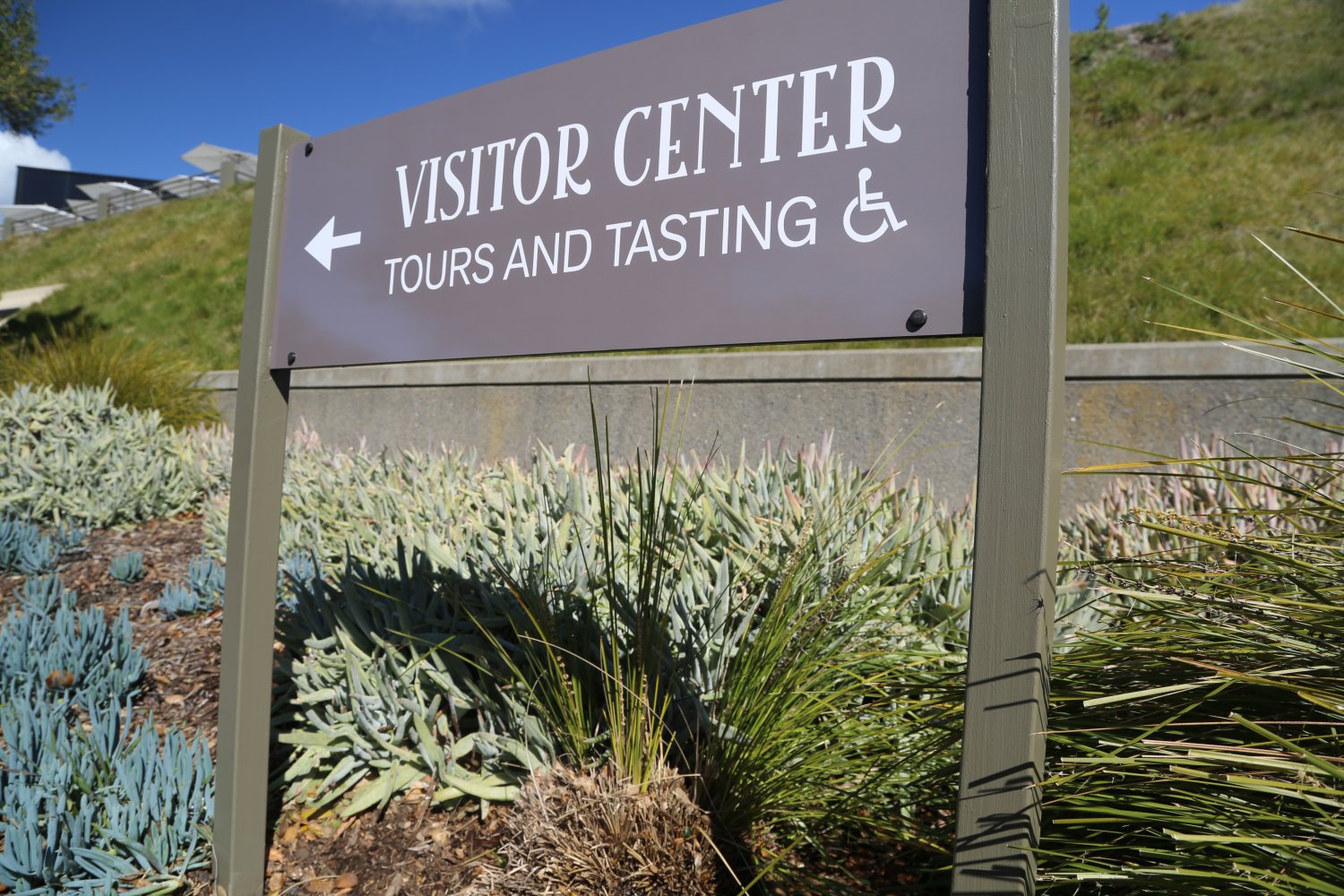
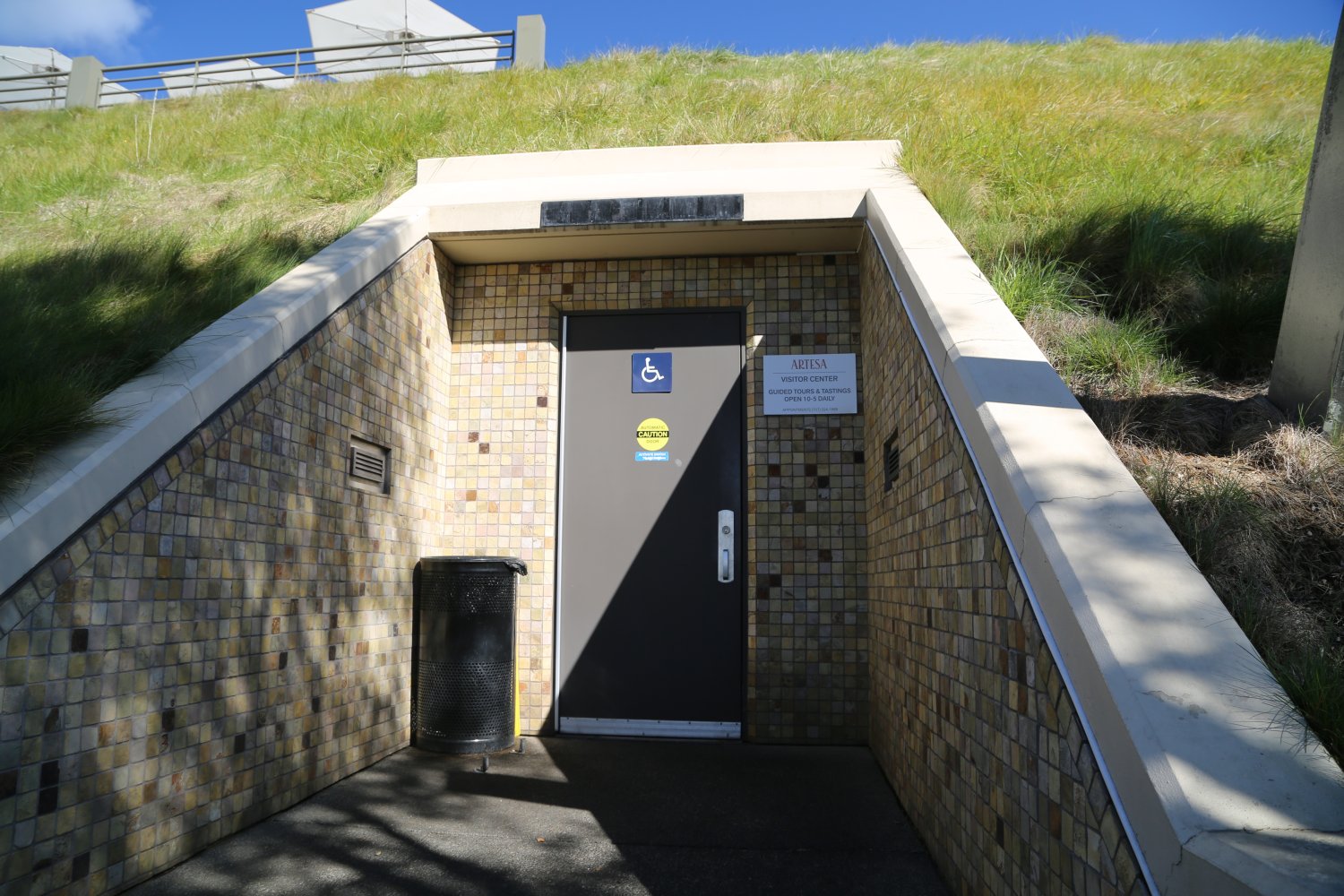
And those in the know, have discovered Artesa’s side entrance (also for wheelchair users) and good for drivers who want to make an under the radar trip to the bathroom which is located right next to the elevator on the hospitality floor. Once you enter from the outside, you will be next to the barrel room; under former ownership plaques hung on the wall highlighting the history of the region from the 1700s through to present day. An elevator will take you to the hospitality floor and the main tasting salon.
A wine members only tasting room is located near the main tasting salon – visible from the outside so you can see who is inside. However, we recommend they take the next step in VIP room windows like the one in the Dolby Theatre in Hollywood. The Dolby has installed “soft glass” so that when you walk past the outside of the room, the windows instantaneously turn fuzzy, and you cannot make out the features of those inside. However, at certain angles you can see who is inside; this is done so those outside of the VIP room have at least a glimpse of who is inside there, but at the same time gives the VIPS their privacy.
Since the transition in ownership, wines in addition to Artesa’s wines are available for tasting here. These include sparkling wines from Boisset’s JCB Collection.
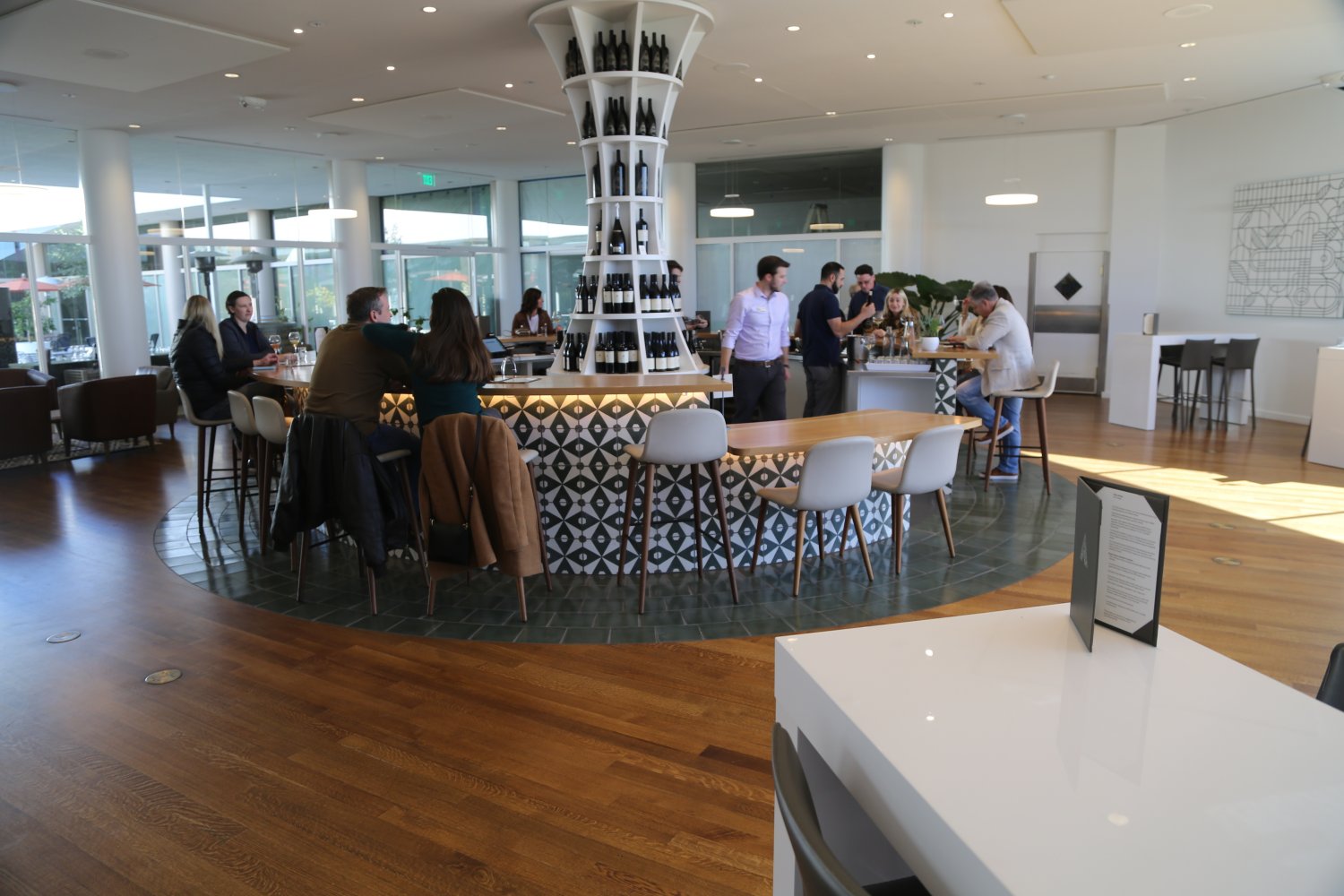
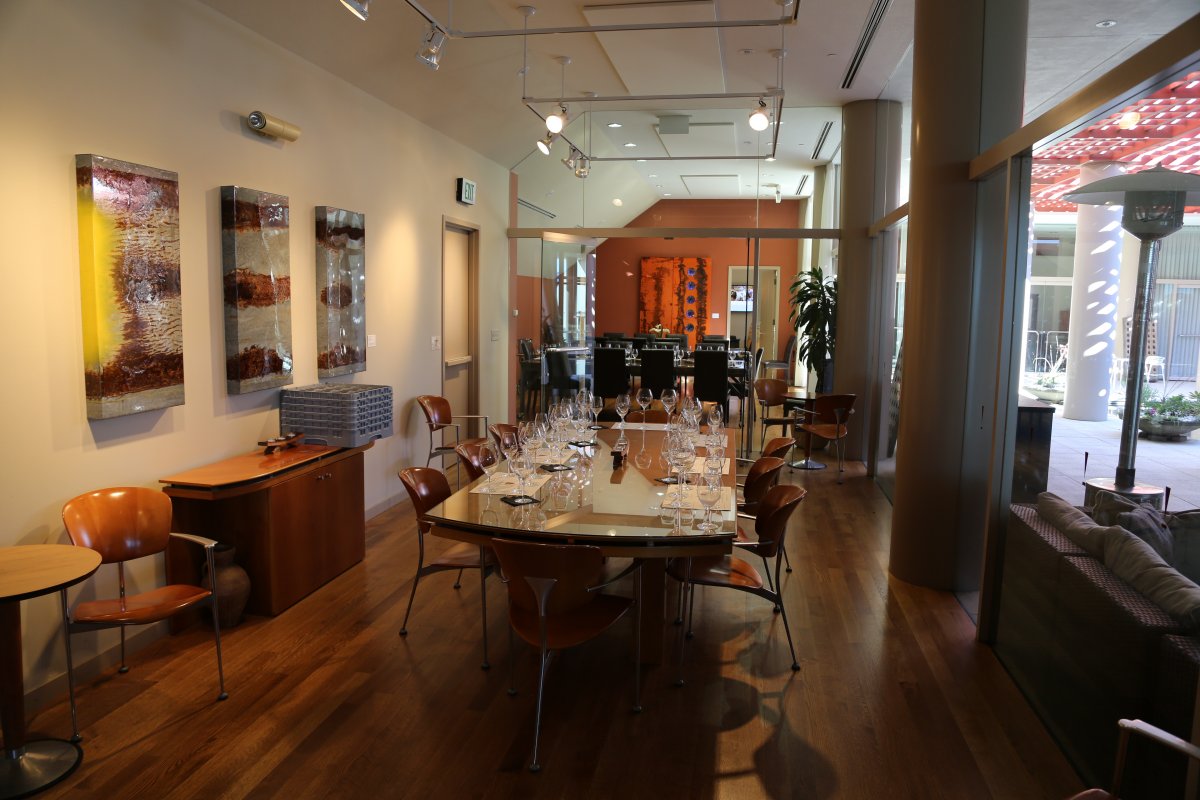
We have been visiting Artesa off and on for more than 20 years; we have noticed they often change the interior of the hospitality center (more than most wineries) – updating either the spatial arrangement of how tastings are conducted or interior decoration. As a result, if your visits are several years apart, you probably won’t recognize the interior of the tasting salon because it has been altered since your last visit.
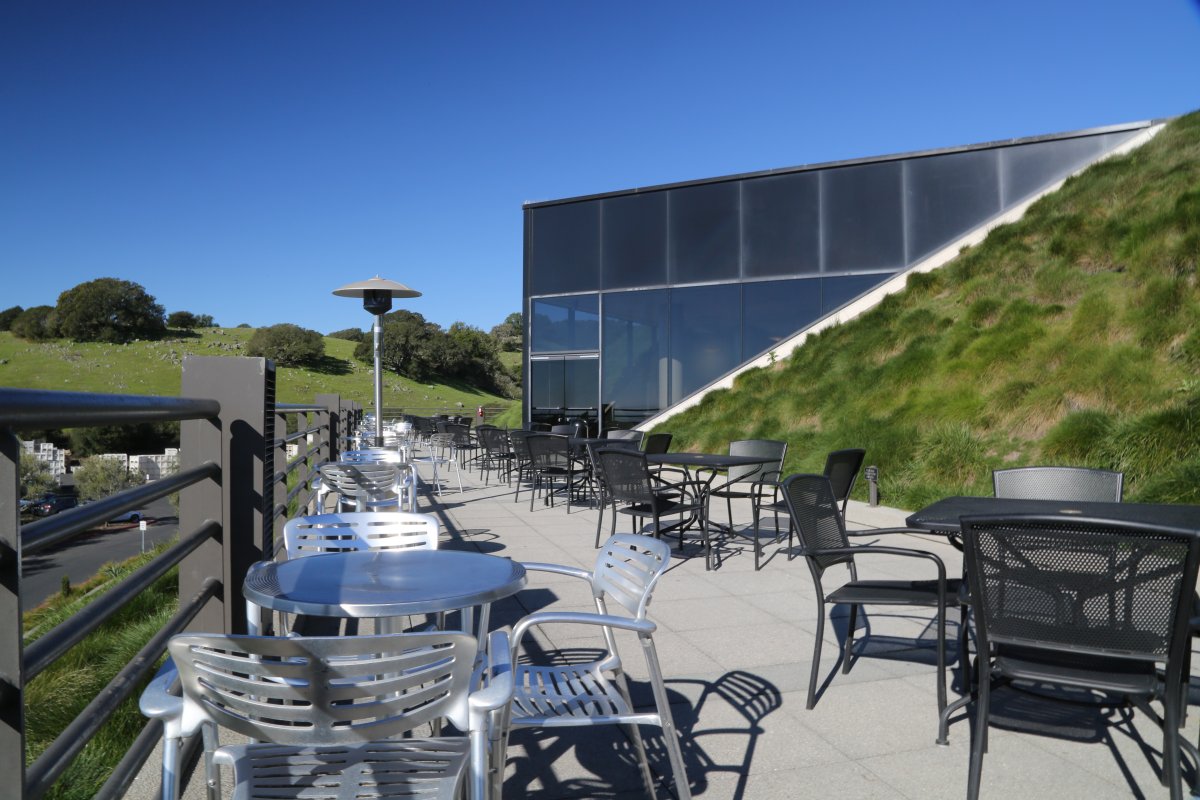
 While no longer offering tours, guests used to be able to book a daily tour. We keep our notes here for historical reference. A tour included a tasting and lasted about 90 minutes; weather permitting the tour began outside on their porch overlooking the rolling hills of Carneros with the San Pablo Bay in the background. The groups would move inside the hospitality center; here it was always nice to point out the statue of Madonna in their central courtyard. Not many Madonna statues have braided hair such as this one. And depending on the time of year and the sun’s angle, a unique image of the Madonna statue was reflected indoors. The tour highlighted both the history of Carneros and the winery and included a stop in their production facilities.
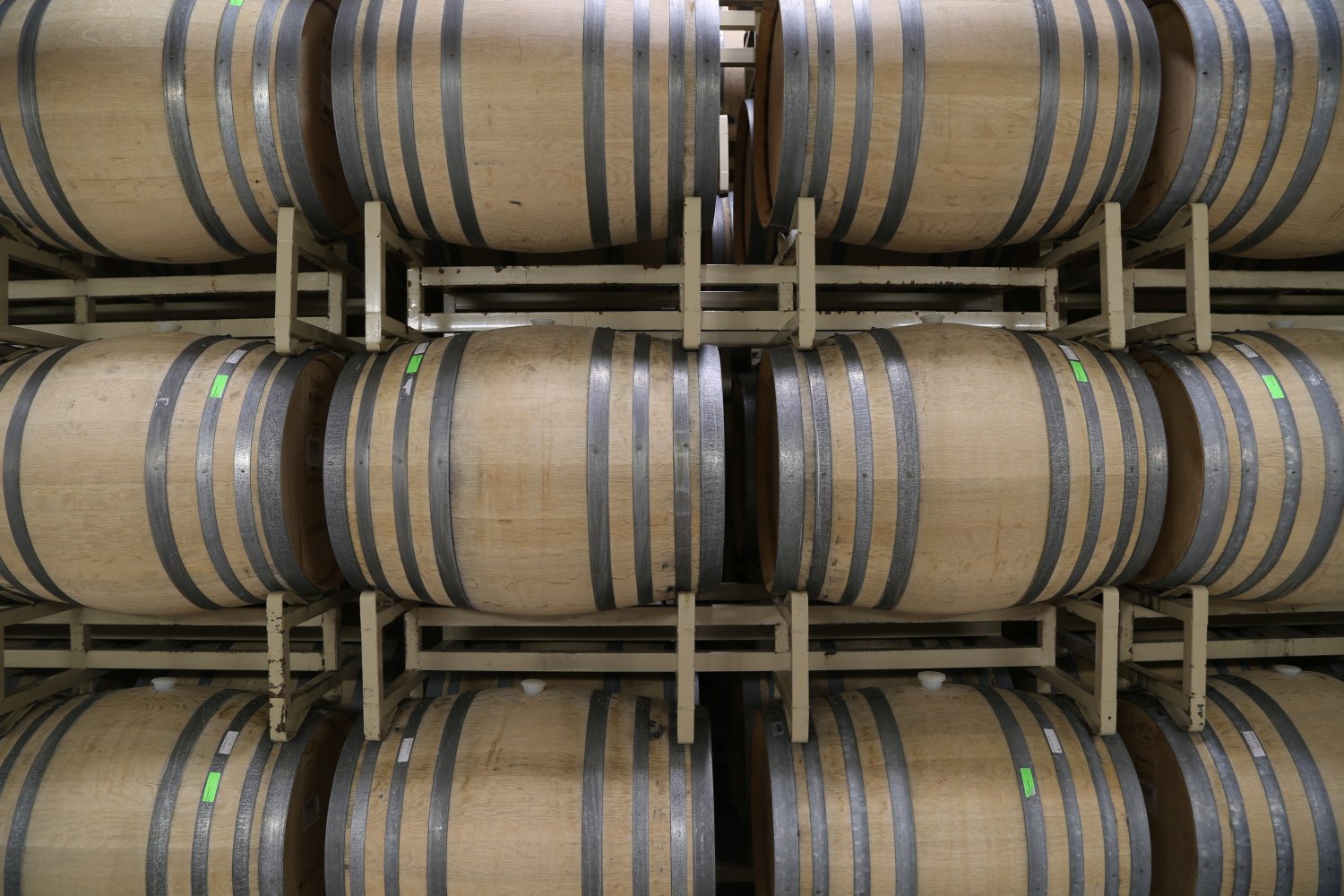
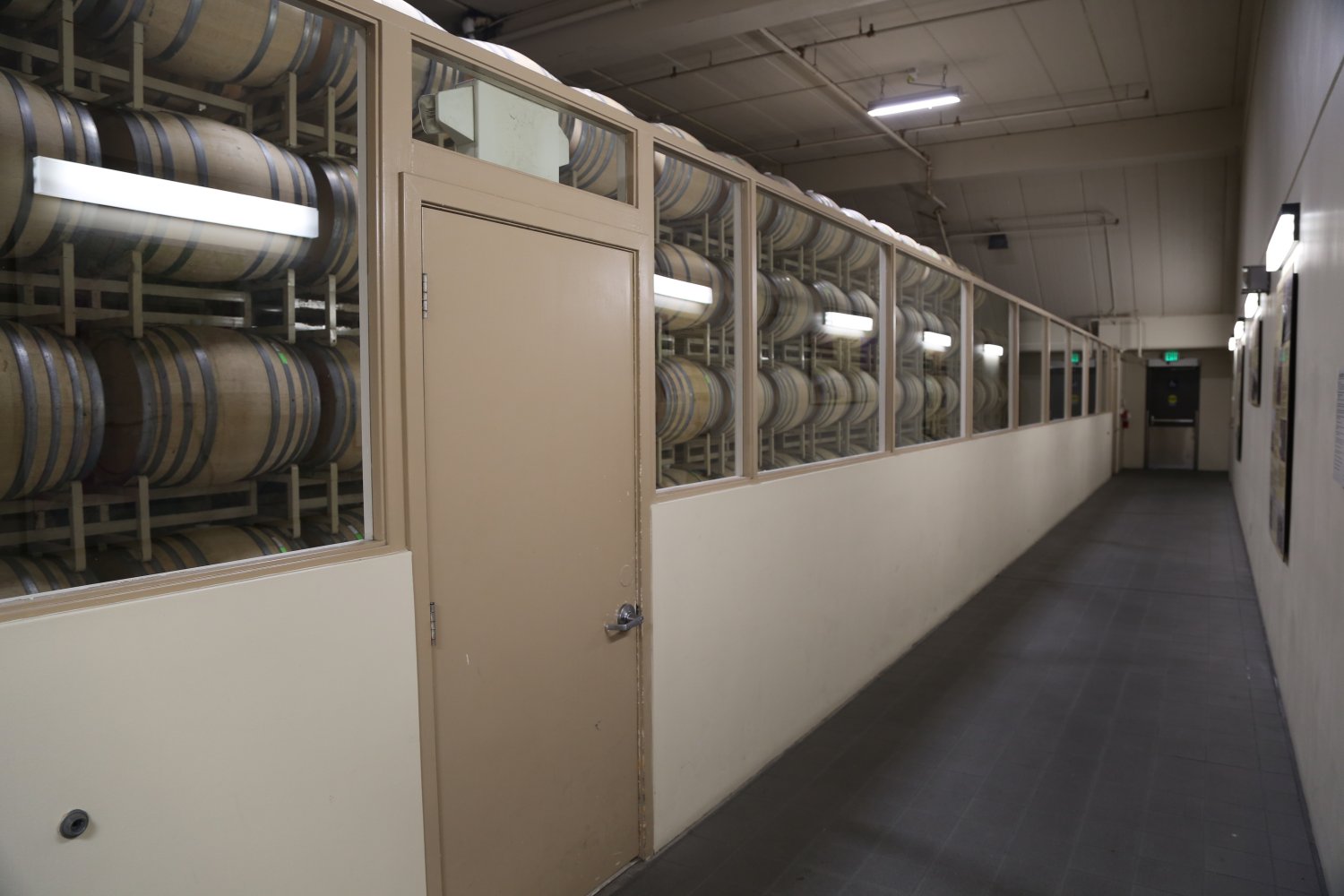
The Artesa barrel room is one of the larger ones in Napa Valley. Benedictine monks chanting from the hidden speakers used to add an “old world” flavor to a visit here. Perhaps this soothing music was even good for the wine as it aged, who knows? During one of our tours, the guide was appropriately a Carneros local and grew up before the rolling hills were covered in grapes and pointed out that this entire region used to be sheep and dairy farms.
Artesa is also known for some of its art decorating the inside and outside of the winery. These pieces are from noted local artist Gordon Huether; he has been the resident artist at the winery since 1997. He maintains his own studio just north of the town of Napa.
The exterior of Artesa played a role in one scene in the movie Wine Country starring Amy Poehler and Tina Fey (released in 2019). A movie poster and a signed bottle of wine by the actresses in the film are on display inside the tasting room.
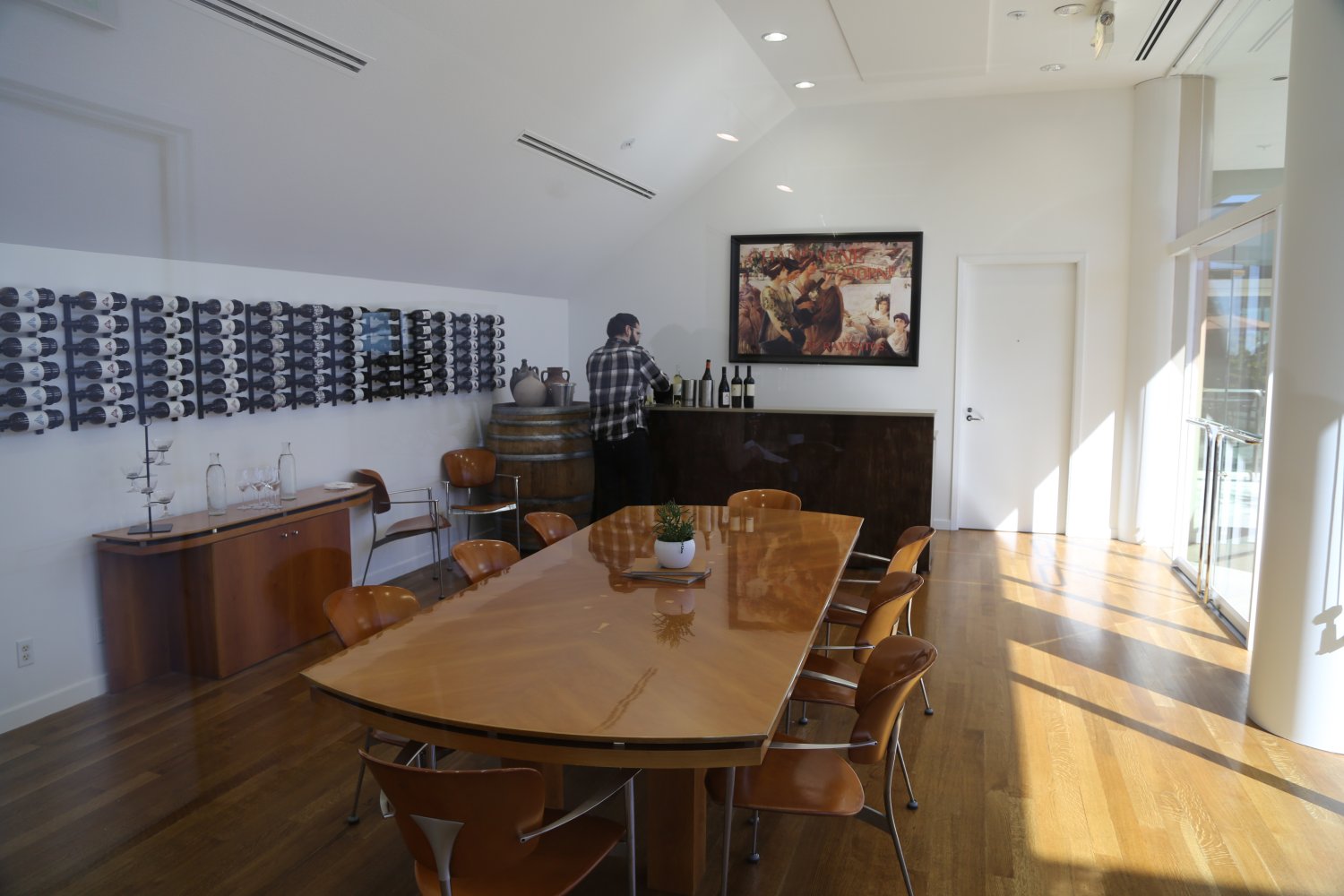
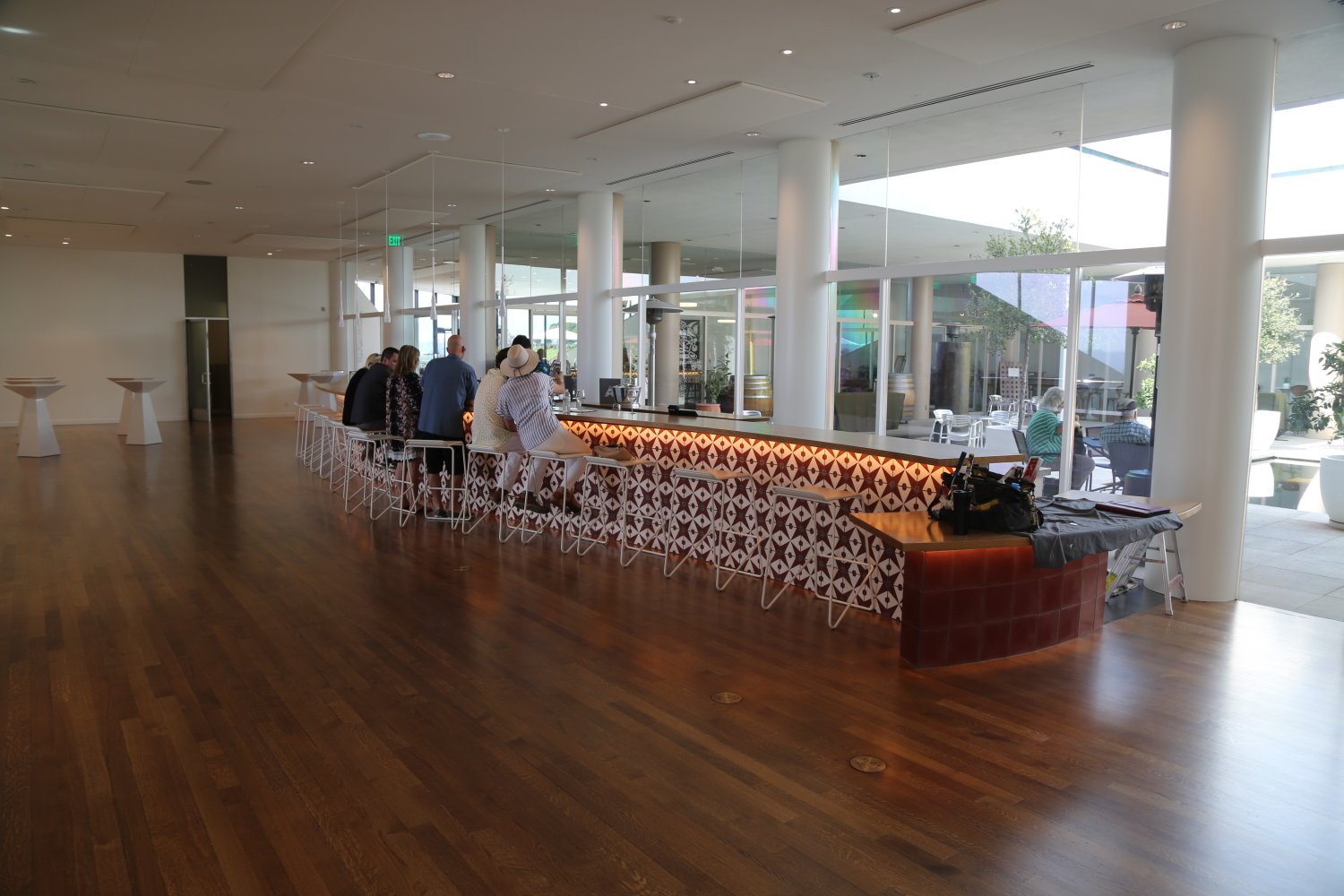
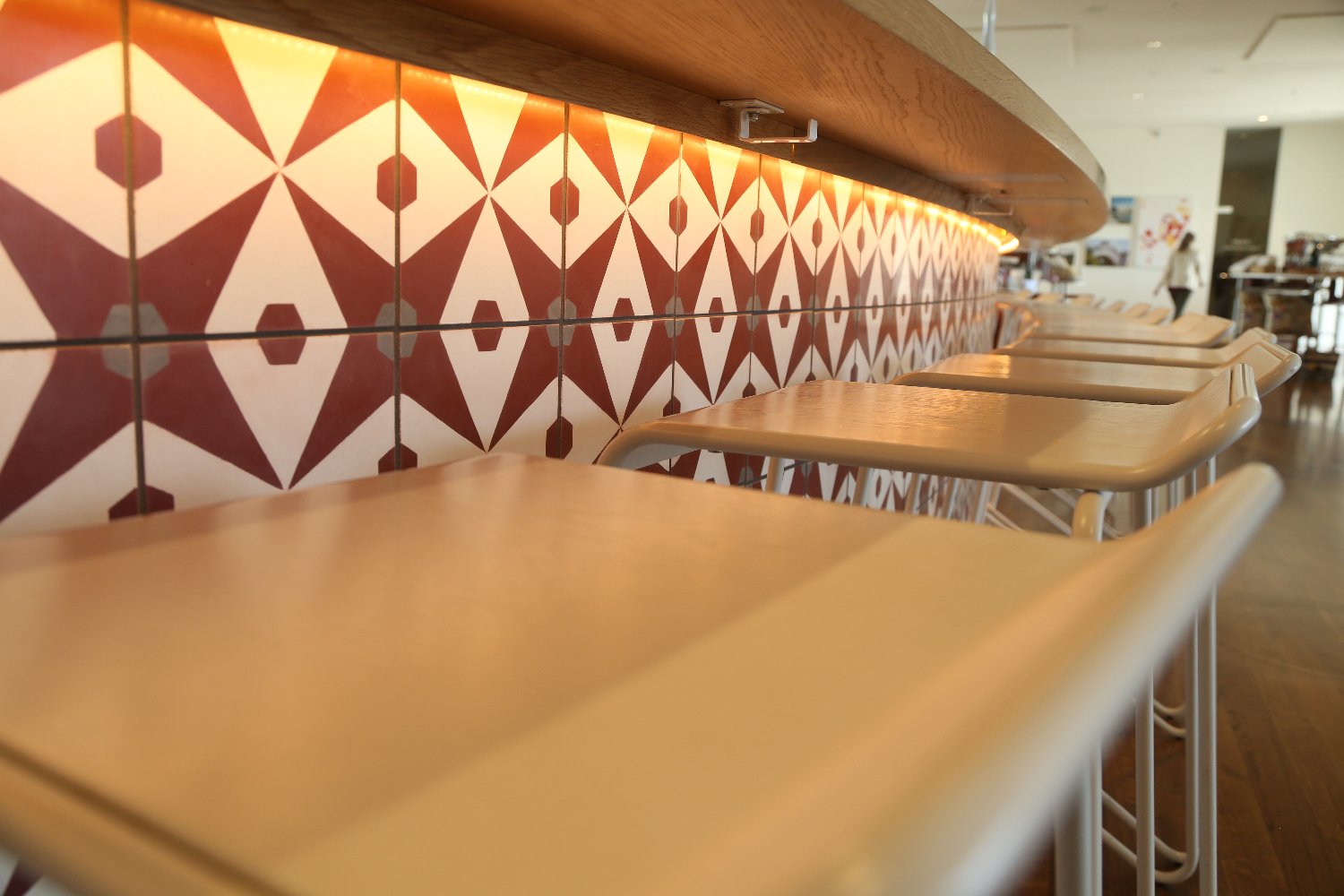
Choose from several tasting flights, most of which include small bites. Tastings are hosted at the salon bar indoors or seated on tables near the bar or on the outside terrace (weather permitting). It can often be quite breezy on the terrace. Despite having a number of tasting spaces, summer weekends are typically crowded, and advance reservations are strongly recommended.
The winemaking team strives to craft wines with personality, that express both soil, climate and variety. In other words, terroir. Plus taking into account other important factors such as harvest date and how the wines are treated in the cellar. Regardless of variety and vintage, their wines are consistently fresh and lively.
Select Wines
Whites
Albariño
True to their Spanish roots Artesa produces two Albariño wines; we know of only several of other Napa wineries producing wine from this variety from Napa Valley grown grapes. In addition to Artesa, Stewart Ranch located just south of the city of Napa, the Hibbard Ranch in the deep end of Carneros, Neal Family Vineyards in Rutherford and a hillside planting in Deer Park owned by Fleury Winery are planted to this variety. And additional plantings of this variety have since come online in Napa Valley.
The 2023 Artesa Pyramid Block Estate Vineyard Albariño was primarily fermented and aged in concrete tanks with a small percentage of oak. The winemakers favor the porosity of the concrete, its minerality contributions and its preservations of the varieties’ freshness. This wine is medium gold in color; the bouquet is sweetly fruited and floral with scents of honeysuckle, star jasmine and citrus blossom. Smells like spring. And there are loads of stone fruit scents at play here including nectarine, peaches, apricot along with pineapple. Highly aromatic. Superbly balanced, on the palate there are flavors of golden delicious apple, lemon juice, lime, not fully ripe kiwi and green apple. Its energetic acidity will wake up your palate, leaving a mouth watering sensation which immediately begs another sip. Tasting this wine we are thinking of sitting above the rocky and rugged northern California coastline enjoying a plate of freshly shucked oysters.
 The 2021 Artesa Pyramid Block Estate Vineyard, Albariño Los Carneros was fermented and aged entirely in concrete. The wine is noticeably golden in color; the bouquet is immediately intriguing offering a union of dried herbs, honey comb and sweetly fruited melon. One could almost describe these scents as racy. The texture complements the brightness of acidity which persists across the palate. This mineral-driven wine offers flavors of citrus, mandarin, lemon and lemongrass. Lingers tangy and mouthwatering. Albariño thrives in cool conditions – as a result Artesa grows this variety on one of the cooler parts of their property. And inherently it reaches phenological ripeness without high sugar levels. The Artesa Albariño’s are well worth seeking out for those who prefer lower alcohol and interesting white wines, especially from Napa Valley where the envelop on white wine alcohol levels seems to continue to rise during the early 2020s.
The 2018 Artesa Artesa Pyramid Block Estate Vineyard, Albariño Los Carneros is a fruit forward representation of this variety – especially on the bouquet. Light straw yellow in the glass. Smells lovely with ripe aromas of yellow pineapple immediately showing along with sweet aromatic floral threads of citrus blossom and jasmine and ripe pear. Well-balanced, the palate offers more citrus notes then the bouquet would lead one to believe. Great acidity, with flavors of lime, flinty mineralities and mandarin. A lively finish with flavors of green apple and a subtle tartness that lingers. Should pair well with oysters and sashimi. 1200 cases produced.
White Wine Blend
The 2021 Artesa Estate Vineyards & Winery White Wine Blend, White House Estate Vineyard, Carneros is a blend of 80% Chardonnay and 20% Albarino. Grapes from both varieties are sent direct to press whole-cluster. Because both varieties ripen at different times, each variety is harvested and fermented separate from on another. The grapes are fermented in both concrete tanks and barrel while the Albarino was fermented in stainless steel tanks. It was aged for 8 months on lees before being blended and bottled. This wine is medium gold; the bouquet offers a diversity of stone fruits including apricot and nectarine accompanied by pineapple, pina colada, citrus blossom and a light herbal note, perhaps lemongrass and kaffir lime leaf. On the palate there are flavors of nectarine, pineapple and mandarin orange and pineapple guava. Bright, alive and fresh, 3.5 years post vintage. The name White House is an homage to a state dinner at the White House in which one of the Artesa Chardonnays was served.
Chardonnay
The 2016 Artesa Vineyards Los Carneros, Napa Valley Estate Vineyard Chardonnay shows a pretty yellow hue in the glass. This wine immediately reveals aromas of popcorn butter on the bouquet but as the wine breathes, the aromas offer much more. This wine shows scents of melon, white peach, dried straw, honey, a sweetness of vanilla and a slightly tropical floral note. It is velvety across the palate and silky without being overtly creamy in texture. Shows concentrated flavors, mineralities and lively acidity. The finish is very clean with just a kiss of baking spice and a buttery component that lingers. It is well focused with plenty of depth. 2,500 cases produced. Very nicely done.
Sparkling
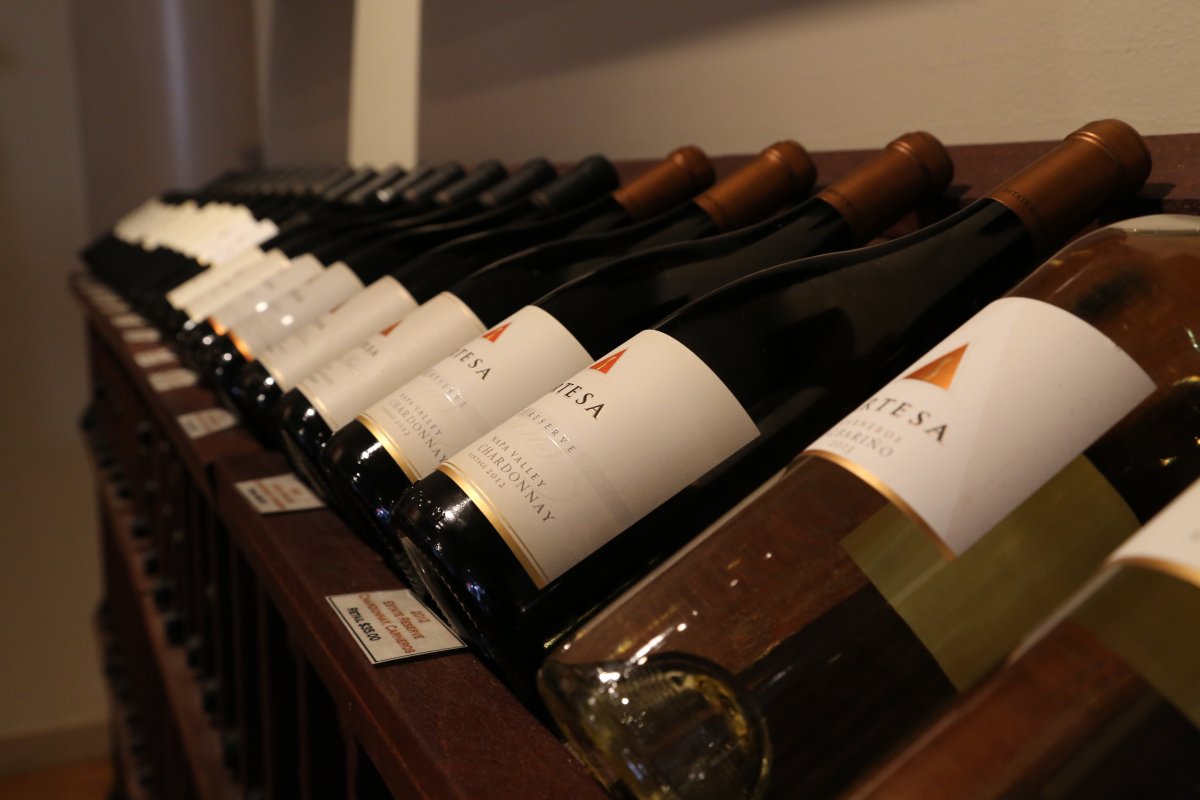
Artesa is one of the few Napa Valley wineries to produce multiple bottlings of sparkling wine.
The 2015 Artesa Estate Vineyards & Winery La Jefa (chief in Spanish, the head of the house) Brut, Late Disgorged was produced by the metodo tradicional. This wine is a blend of 52% Pinot Noir and 48% Chardonnay; both varieties were fermented separately and aged for 10 months sur lie before being blended. The wine was on tirage for 8 years before it was disgorged. We tasted this bottling 10 years post vintage. This wine is medium to deep gold in color; on the bouquet the heady aromas include golden delicious apple, mandarin orange, lemon zest and a toasted almond character. The crisp and refreshing palate offers flavors trending towards citrus including lemon and tangerine along with honey crisp apple and nectarine. Brightly lit, the finish lingers refreshing and mouth watering. This liveliness is complemented by a light creamy and supple texture.
Reds
Pinot Noir
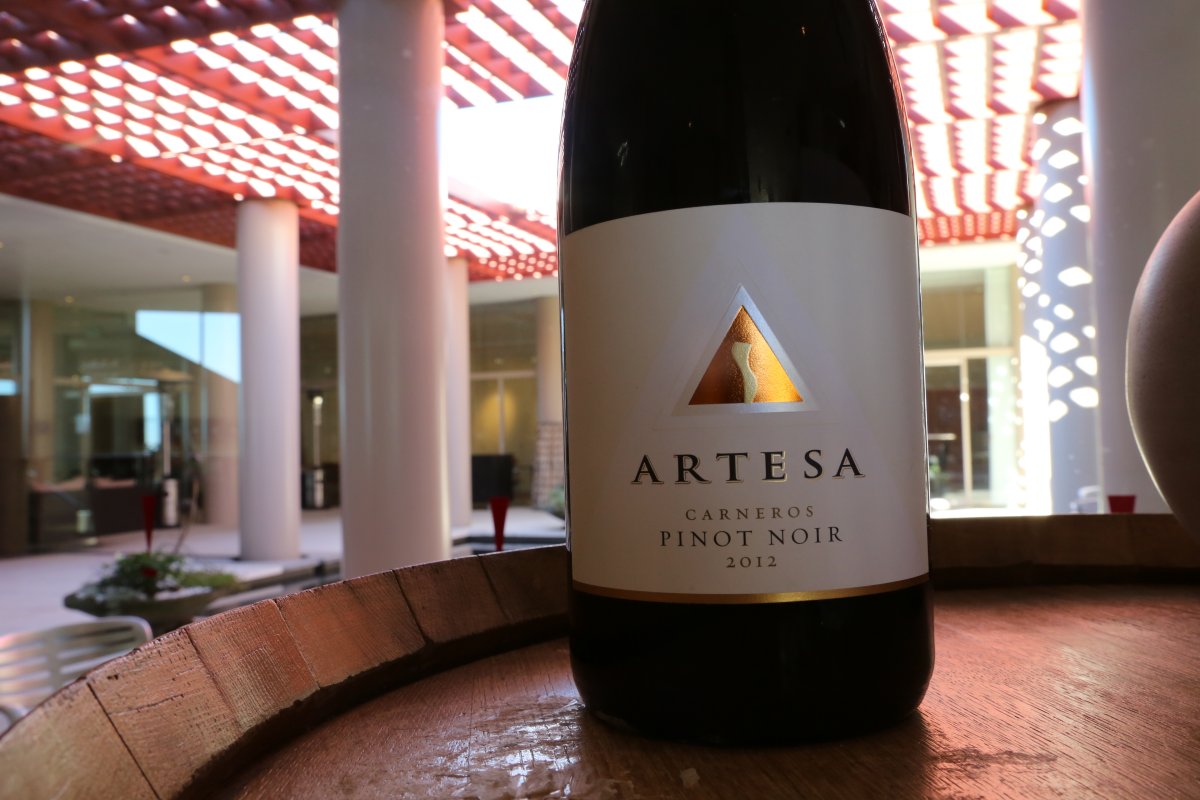
The 2021 Artesa Estate Vineyards & Winery Pinot Noir was produced from three different clones (Dijon, Martini and 777) from a young block. It was fermented 30% whole cluster and then fermented in stainless steel tanks and also in puncheons. This wine was aged in 40% new French oak. Each lot was kept separate before the final blending. This wine is medium ruby; the bouquet is elegant, red fruited with a focus on the fruit rather than spicy attributes that this variety often expresses. Its aromas include raspberry, red cherry, currant and cranberry with additional notes of parchment paper and white pepper. Brightly lit across the palate, there are flavors of red cherry, cranberry, currant and a light note of lasting white pepper. The highly polished tannins are seamlessly integrated on the flavorful finish. Peking duck pairing please.
Tempranillo
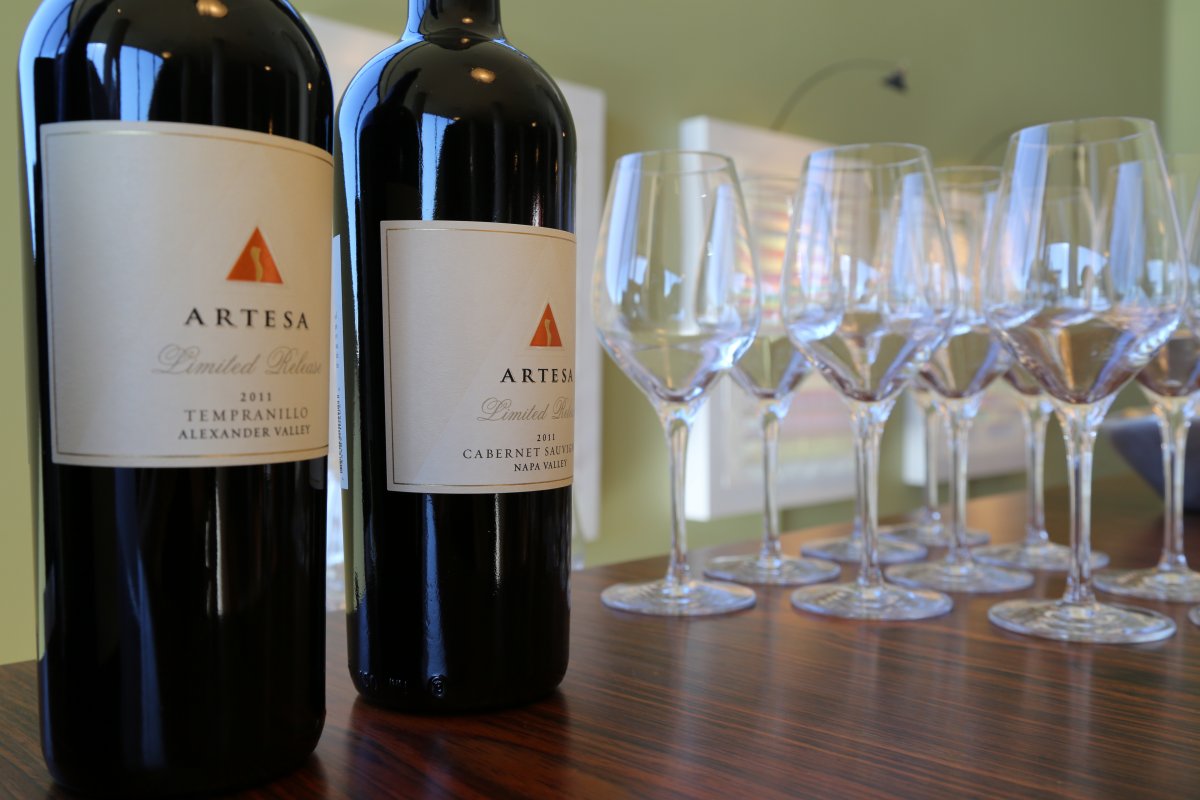
The 2019 Artesa Estate Vineyards & Winery Tempranillo is 63% from Napa County and 37% from Sonoma County. This wine was fermented 40% with stems and 60% fermented whole berry. And the grapes were cold soaked for 5 days prior to fermentation. This wine is medium to deep ruby; the nose smells of red fruits including plum, cherry, currant. On the palate there are red fruited flavors of currant, cherry, plum and cranberry and dried herbs including sage. The tannins sport a persistent dusty, drying and chalky character; they are tumbled and exert a moderate and long lasting grip. Lingers with a red-fruited tartness. This wine is fresh, lively, savory and very youthful at 6 years post vintage. This wine is built to age.
Cabernet Sauvignon
The 2021 Artesa Estate Vineyards & Winery Elevation Block Estate Vineyard Cabernet Sauvignon, Mount Veeder Napa Valley is deep ruby and opaque. The fruited bouquet sports scents of Satsuma plum, boysenberry, blackberry, dark raspberry, cherry, dried black figs, freshly tilled soil and a light note of jalapeno. The aromatics are focused on the inherent fruit characteristics of this variety rather than oak. And its aromatic profile is a chameleon of sorts – ever changing quickly in a short period of time. The palate is higher toned with flavors of red cherry, currant, cranberry, and raspberry. The acidity runs a linear and brightly lit thread across the palate. Lingers with a noticeable red-fruited tartness, a hint of dried tobacco, a red chili spice and a persistent drying character. The grainy and lightly gritty tannins are broadly spread across the palate and persist in parallel with the fruit on the extended finish. This wine has loads of life ahead of it.
—
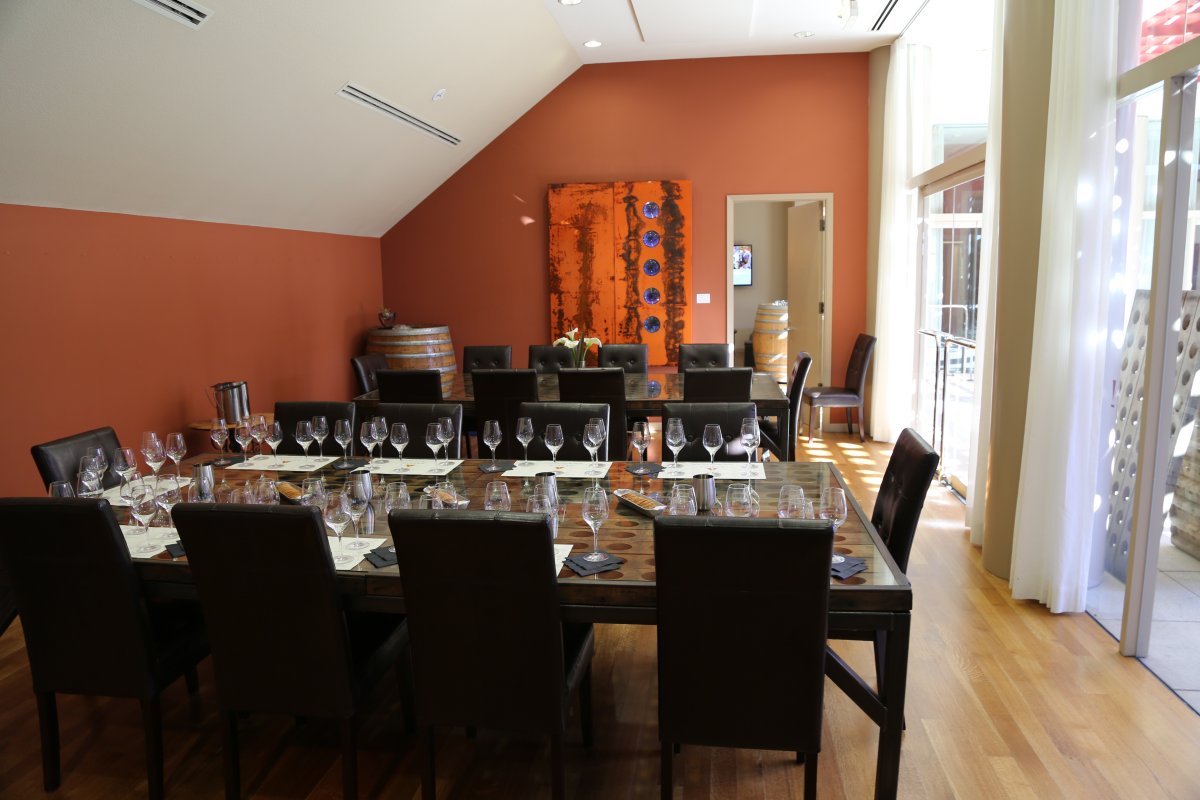
And for serious wine lovers, or for those looking to simply have a fun experience, be sure to check out the remarkable variety of pairings and special culinary focused tastings (including pinxtos or tapas or caviar, among other offerings) available only by appointment. These are either held in the main salon or in a smaller more intimate room.
Their monthly newsletter includes recipes, wine information & more. For more information, to schedule a visit to the winery, to sign up for their mailing list or to join the Club Artesa wine club, visit: www.artesawinery.com
Artesa Winery, Exterior

Artesa Winery, Interior



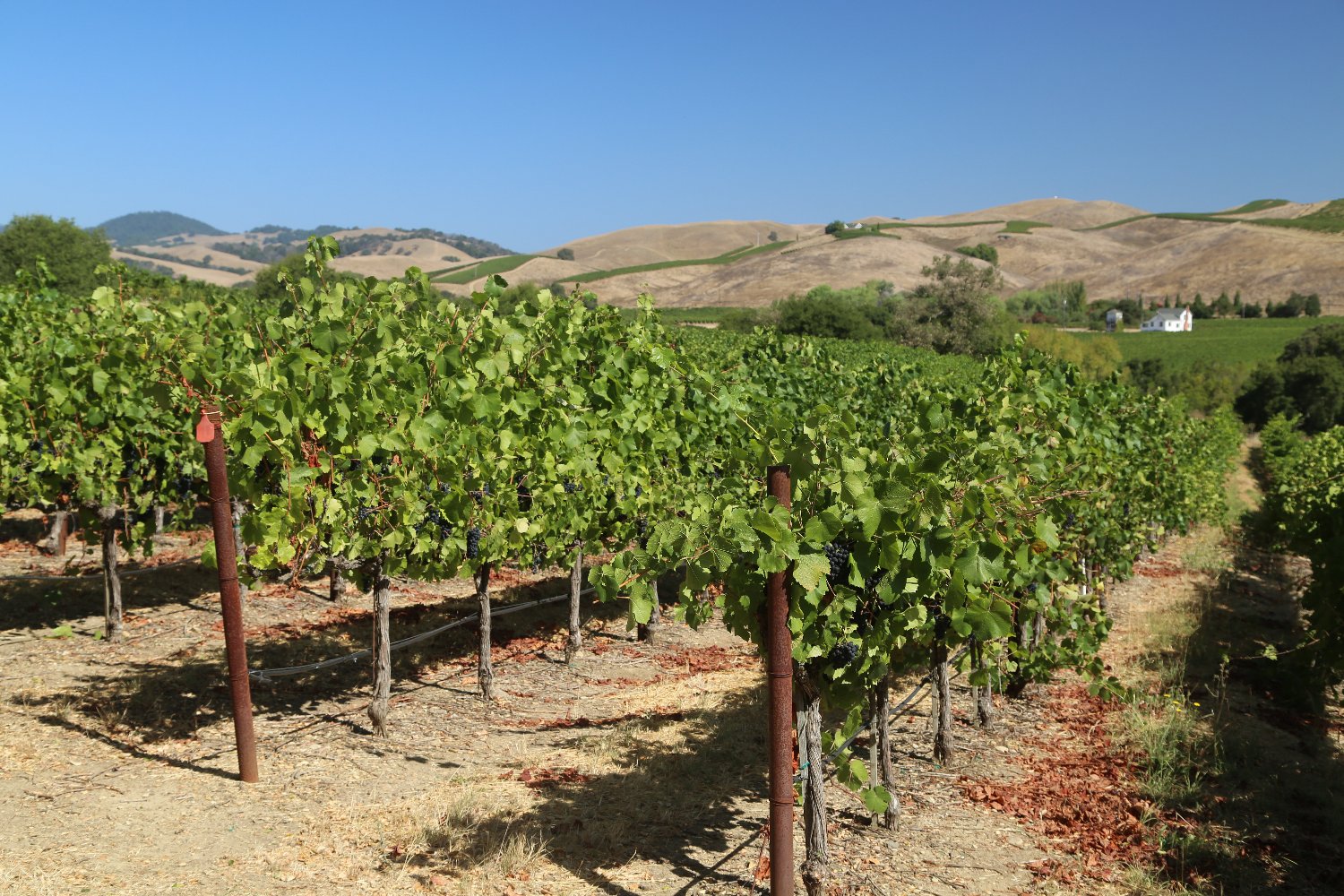
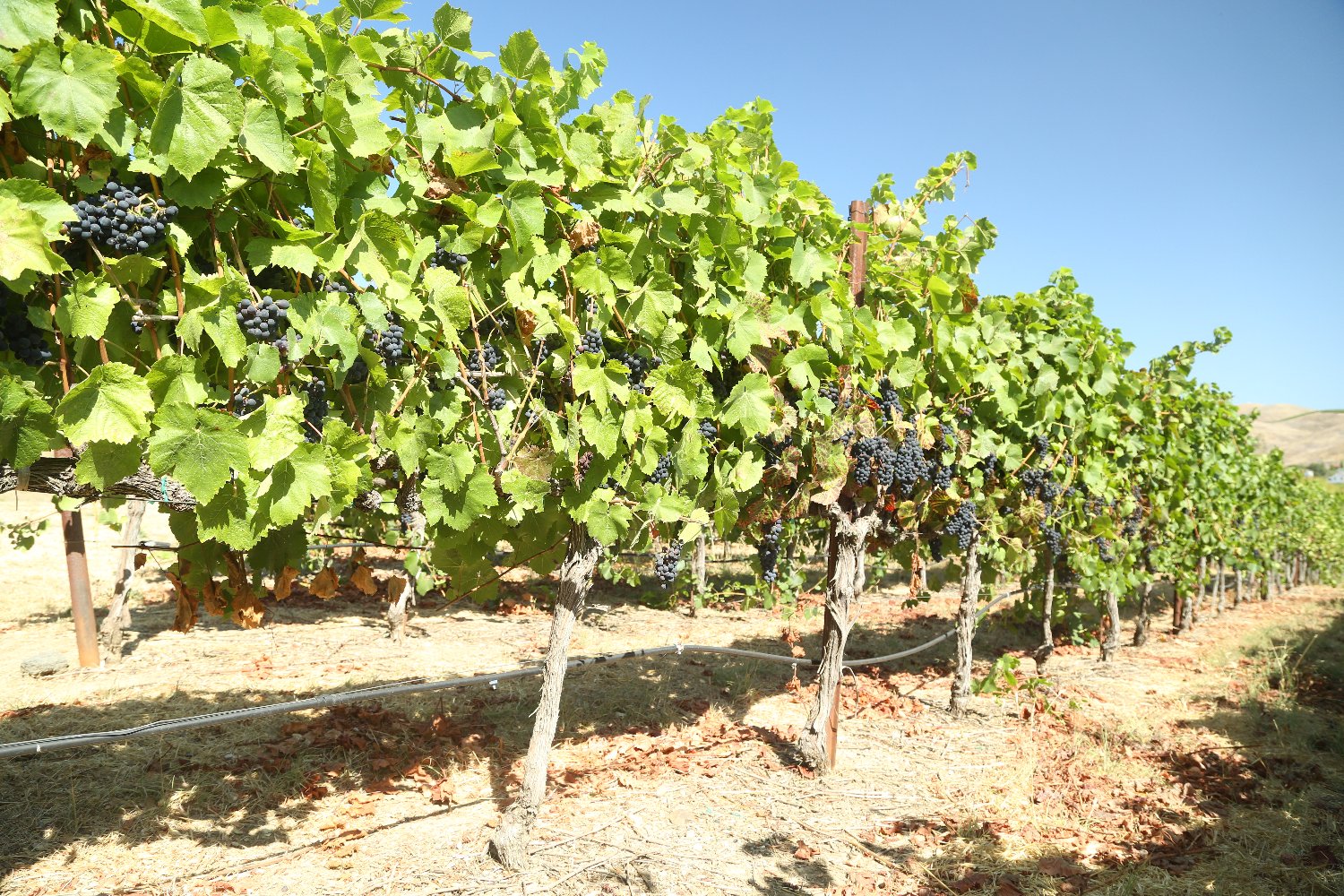
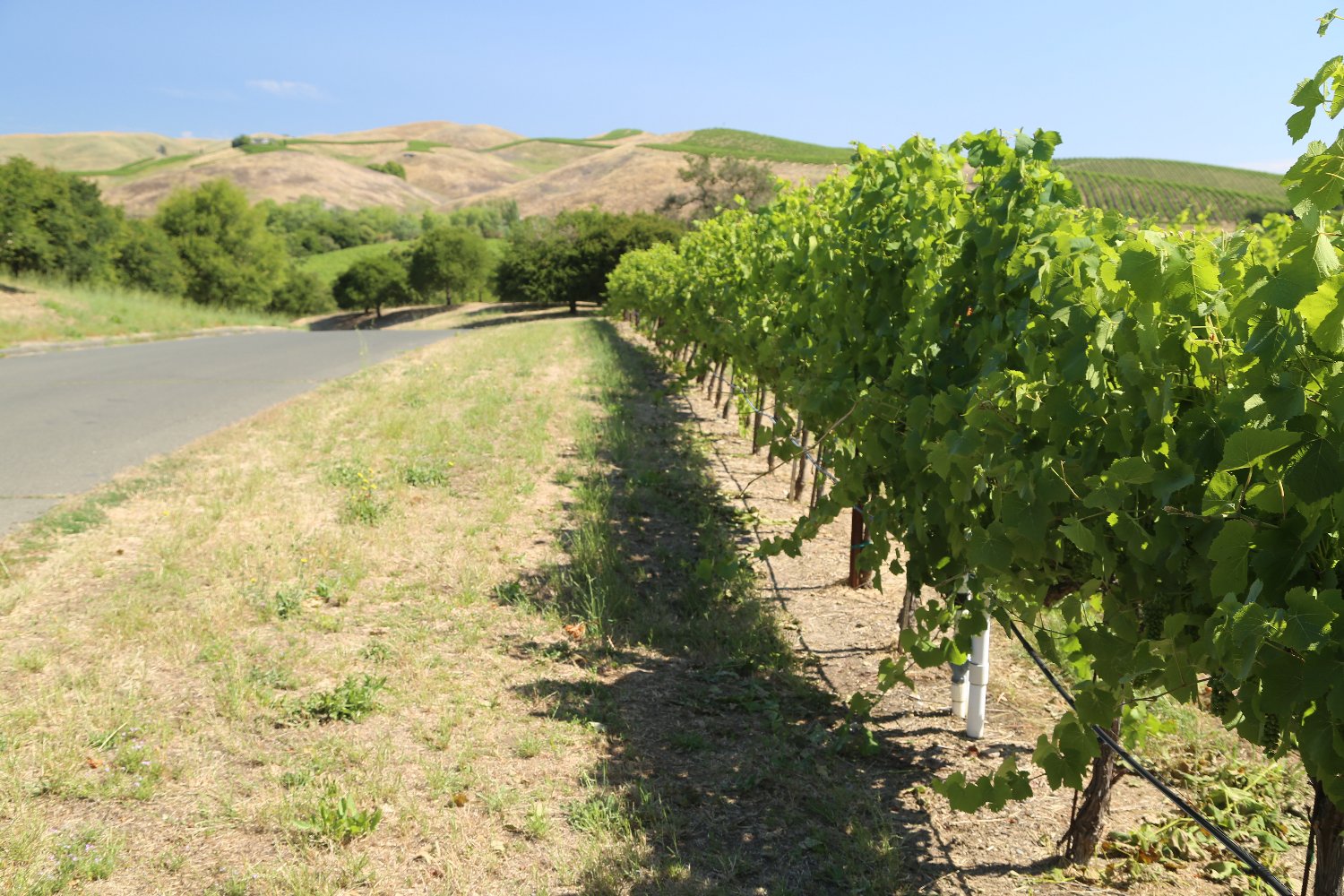
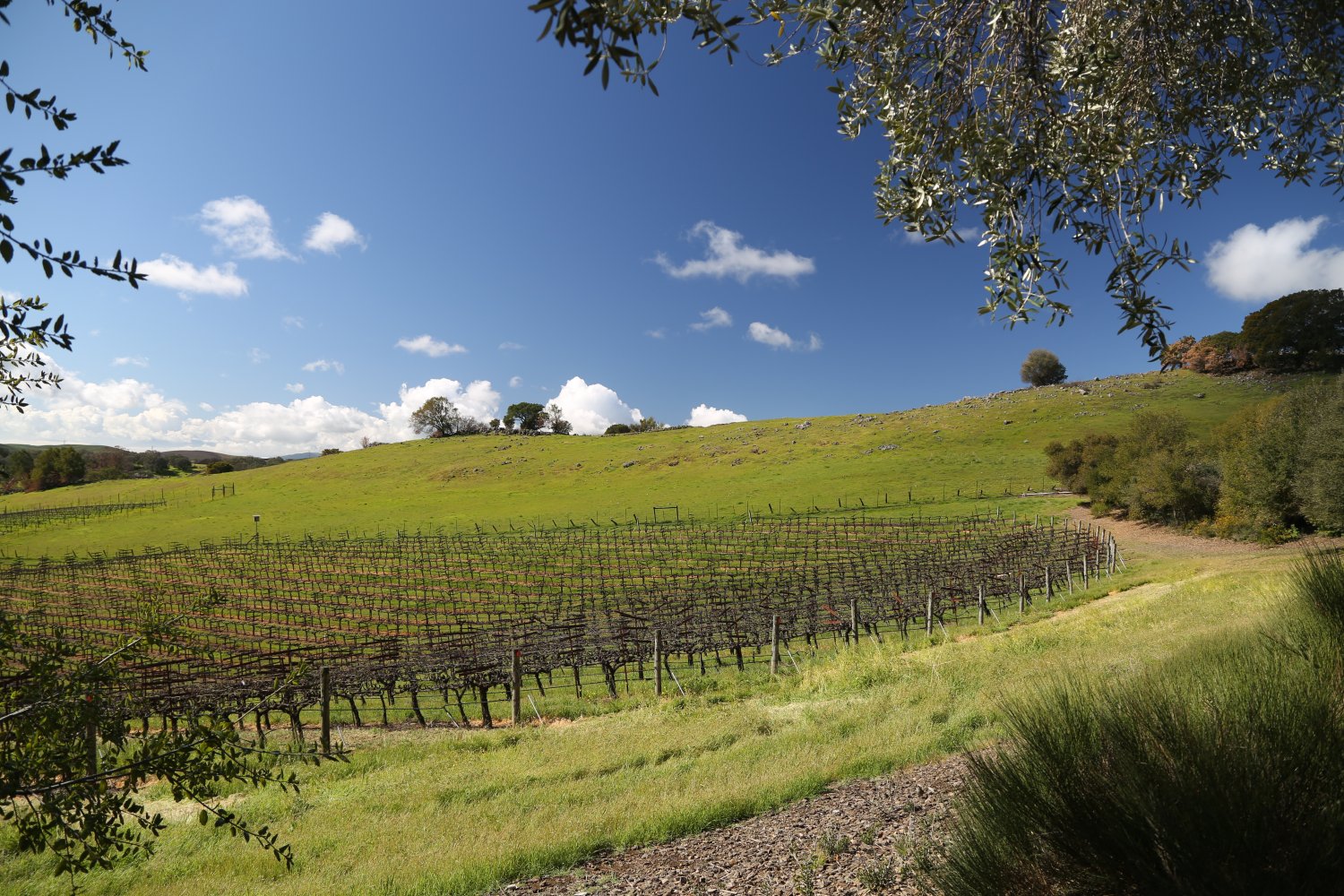
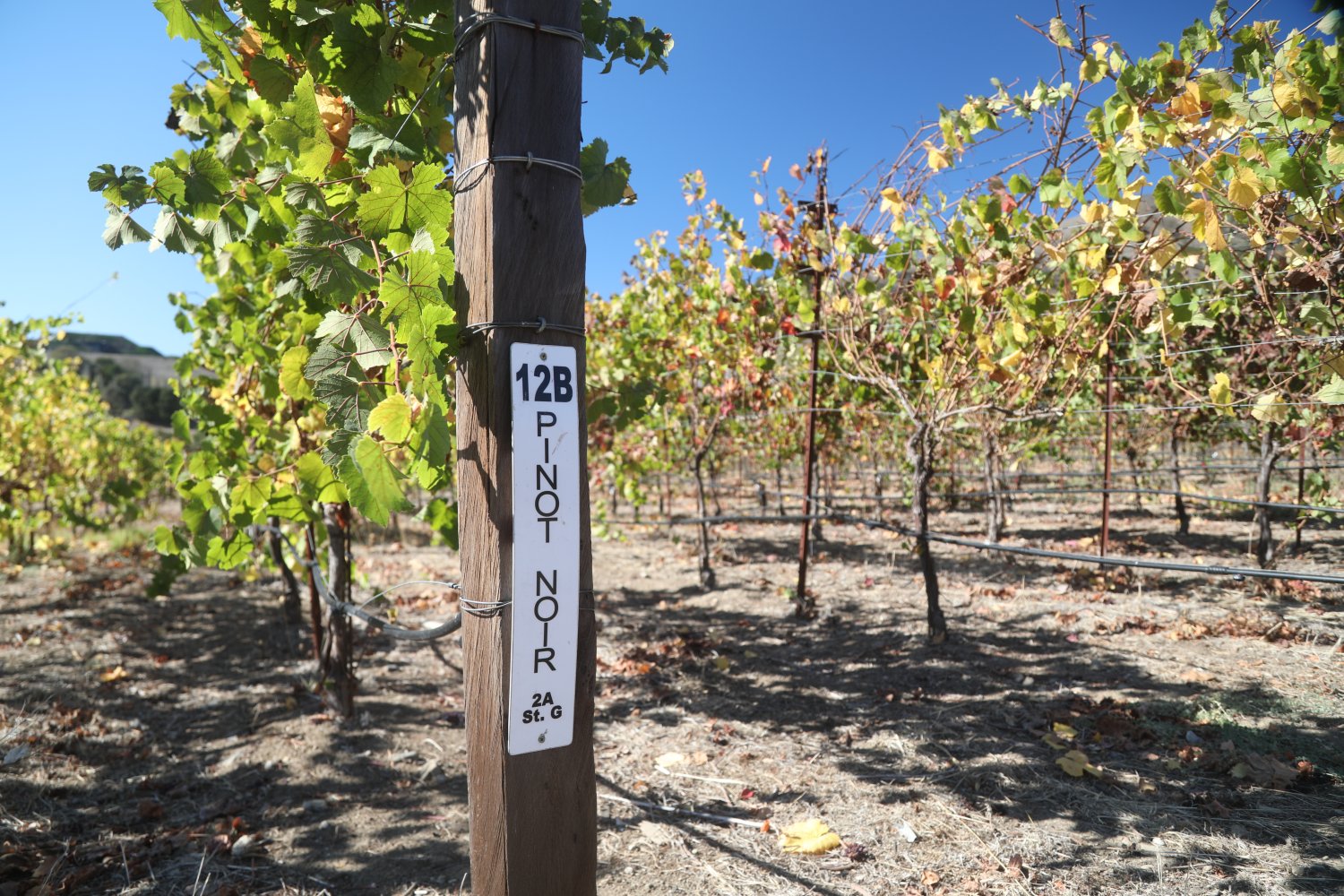
Artesa Winery, Vineyards
ARCHIVED NOTES
These notes were written when Artesa was owned by Raventós Codorníu. Since the ownership change, we have archived these notes and keep them here for historical reference.
RAVENTOS CODORNIU WINERIES
As of our latest update to this review, in addition to Artesa the following wineries are either partially or fully owned by the Raventós Codorníu: Bodega Bilbainas (the oldest winery in Rioja, Spain), Bodegas Legaris (Ribera del Duero, Spain), Bodegas Raimat (Catalonia, Spain), Cavas Codorníu (Raventos Codorníu headquarters in Catalonia, Spain), Scala Dei (Priorat, Spain) and Bodega Séptima (Mendoza, Argentina). All of these properties are open to the general public by walk-in or reservation. We have visited all of these properties; see our notes and photography below.
In addition to the above properties, Raventós Codorníu also owns the following physical wineries in Spain, none of which we have yet visited, but all are on our list to do so once time and budget allow although some of these may not be open to the general public: Abadia de Poblet (Catalonia, Spain), Can Matons (Catelonia), Masia Bach Winery (Catalonia), Parxet Winery (Catalonia), Portal del Montsant (Tarragona, Spain) and Rondel Winery (Catalonia).
Bodegas Bilbaínas, Rioja Spain
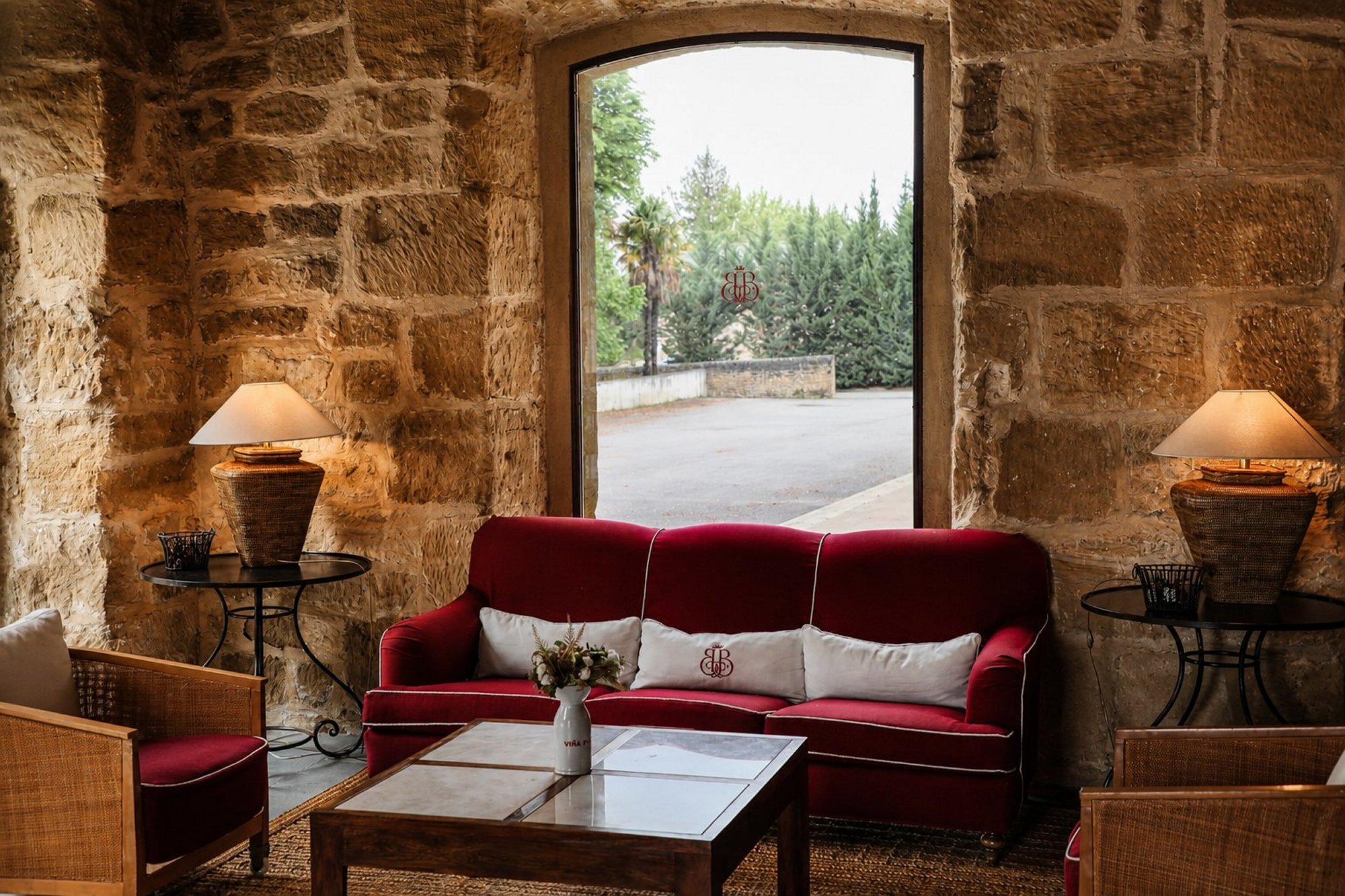
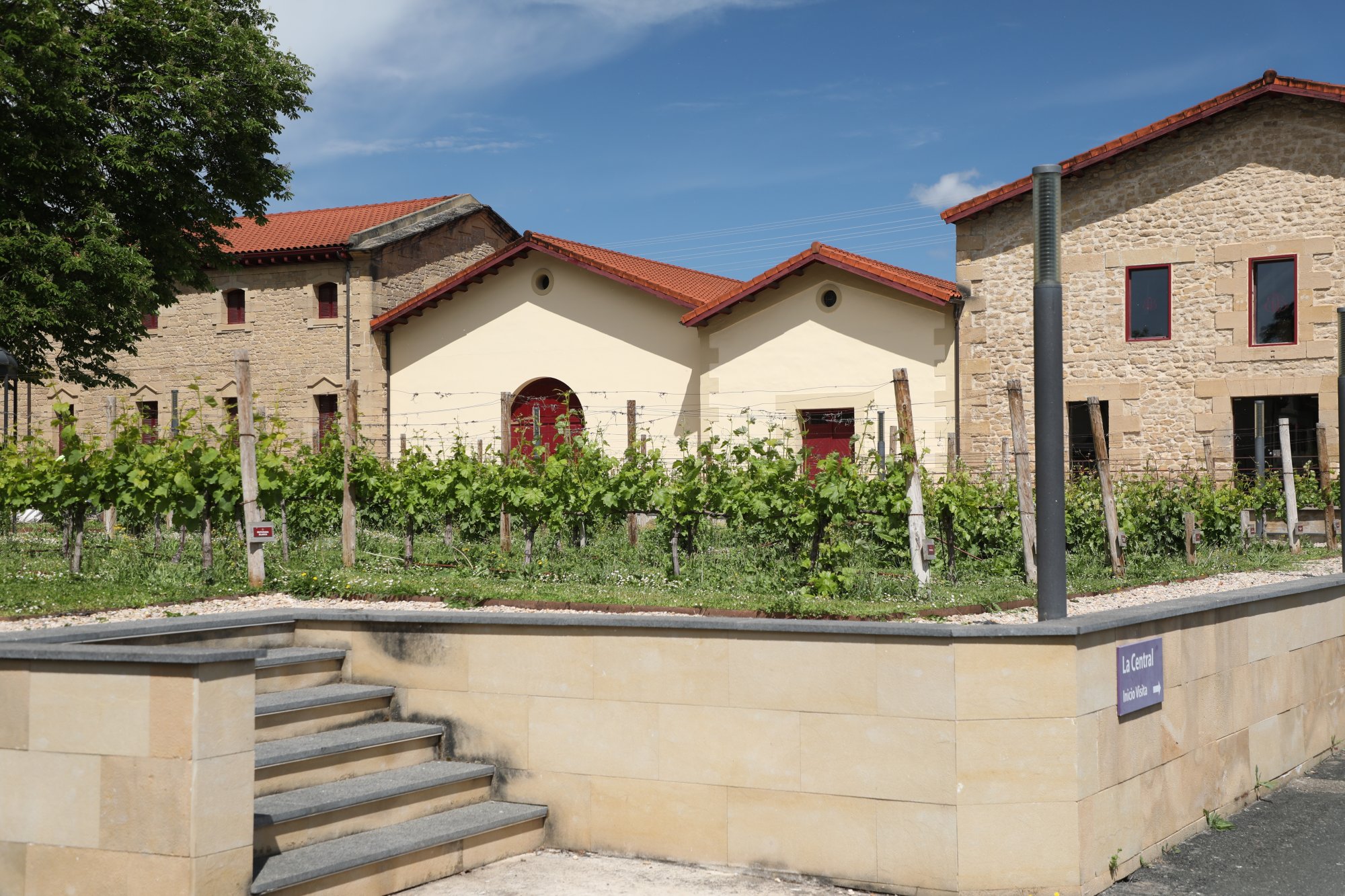
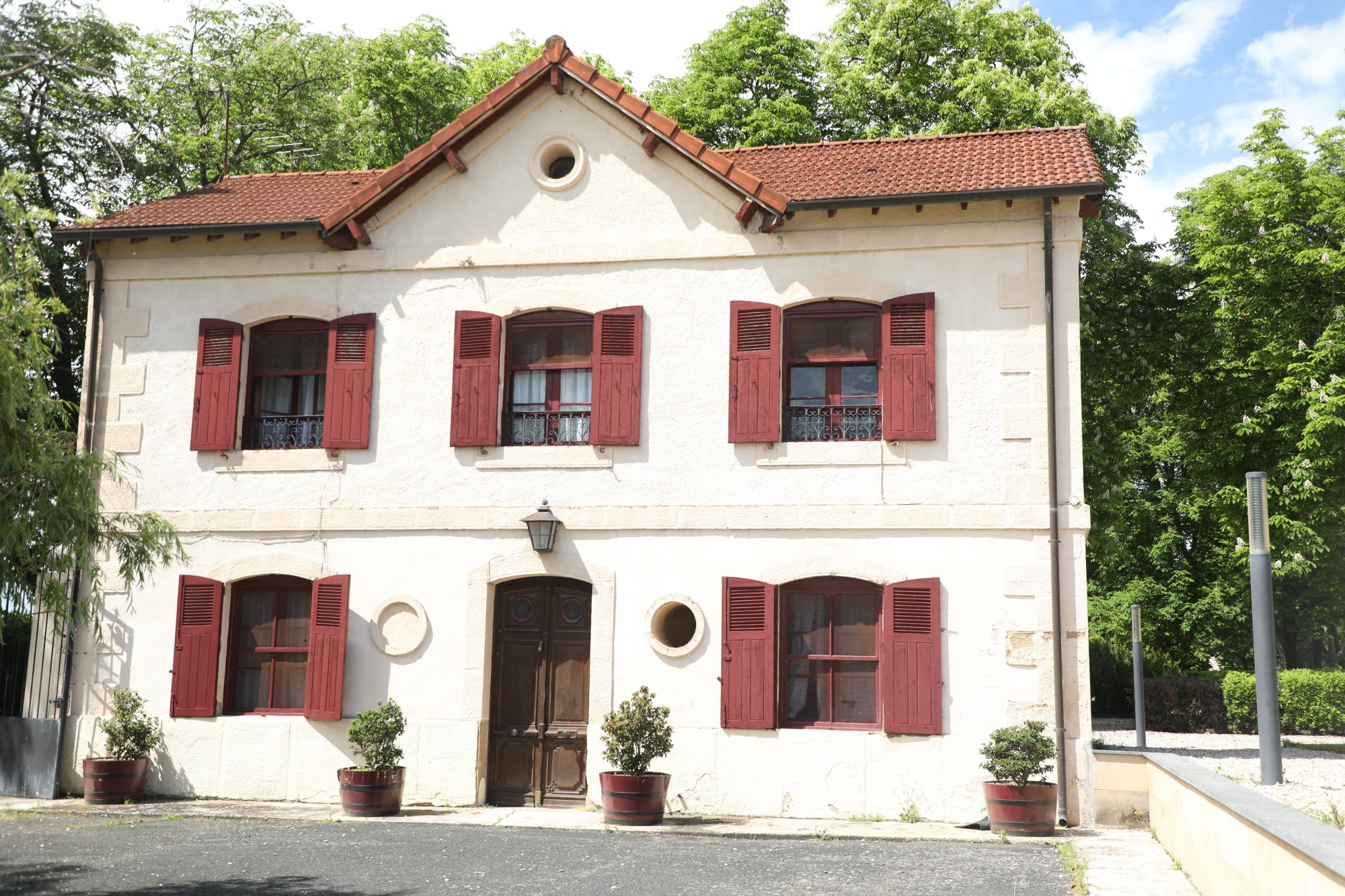
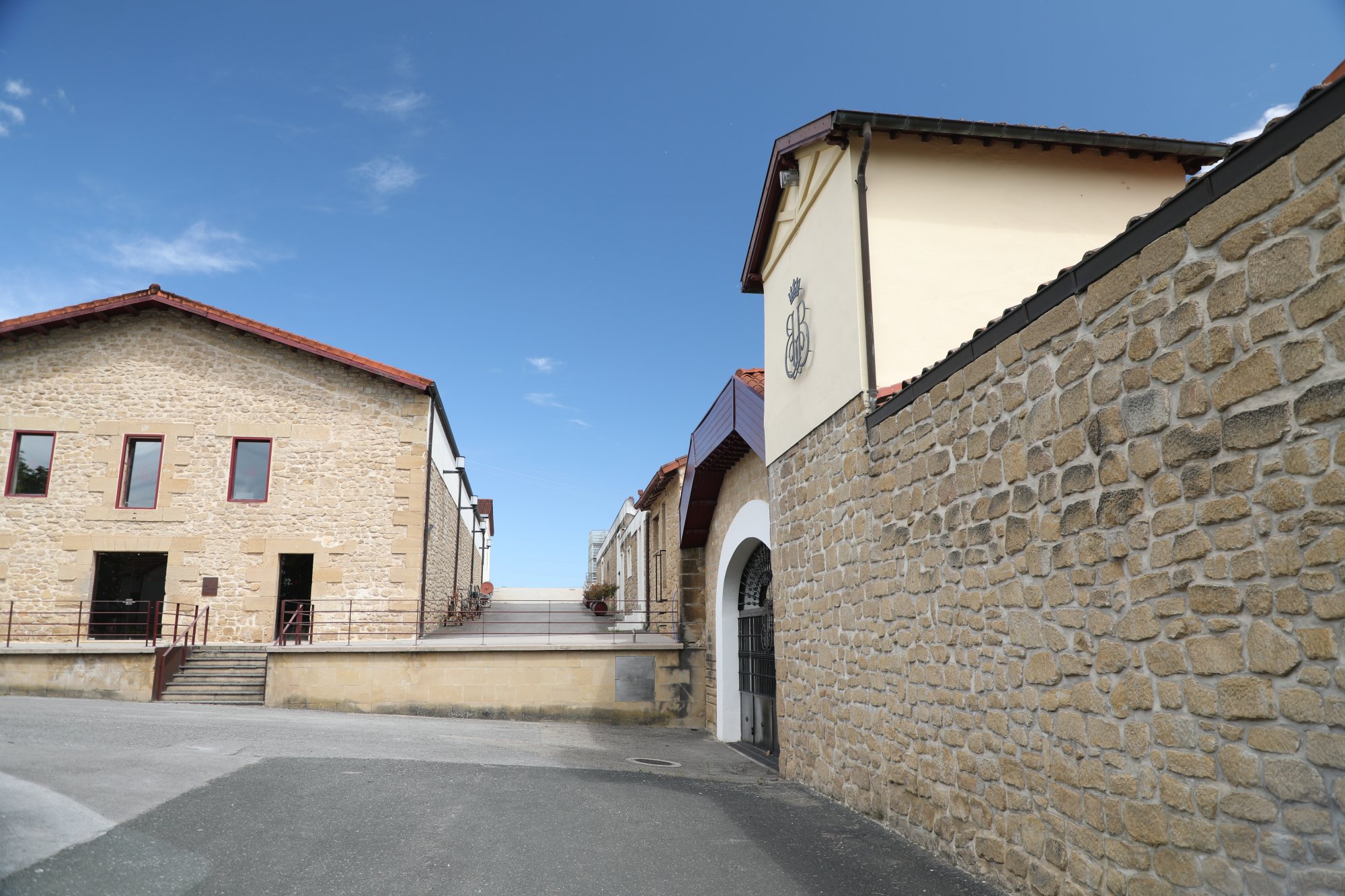
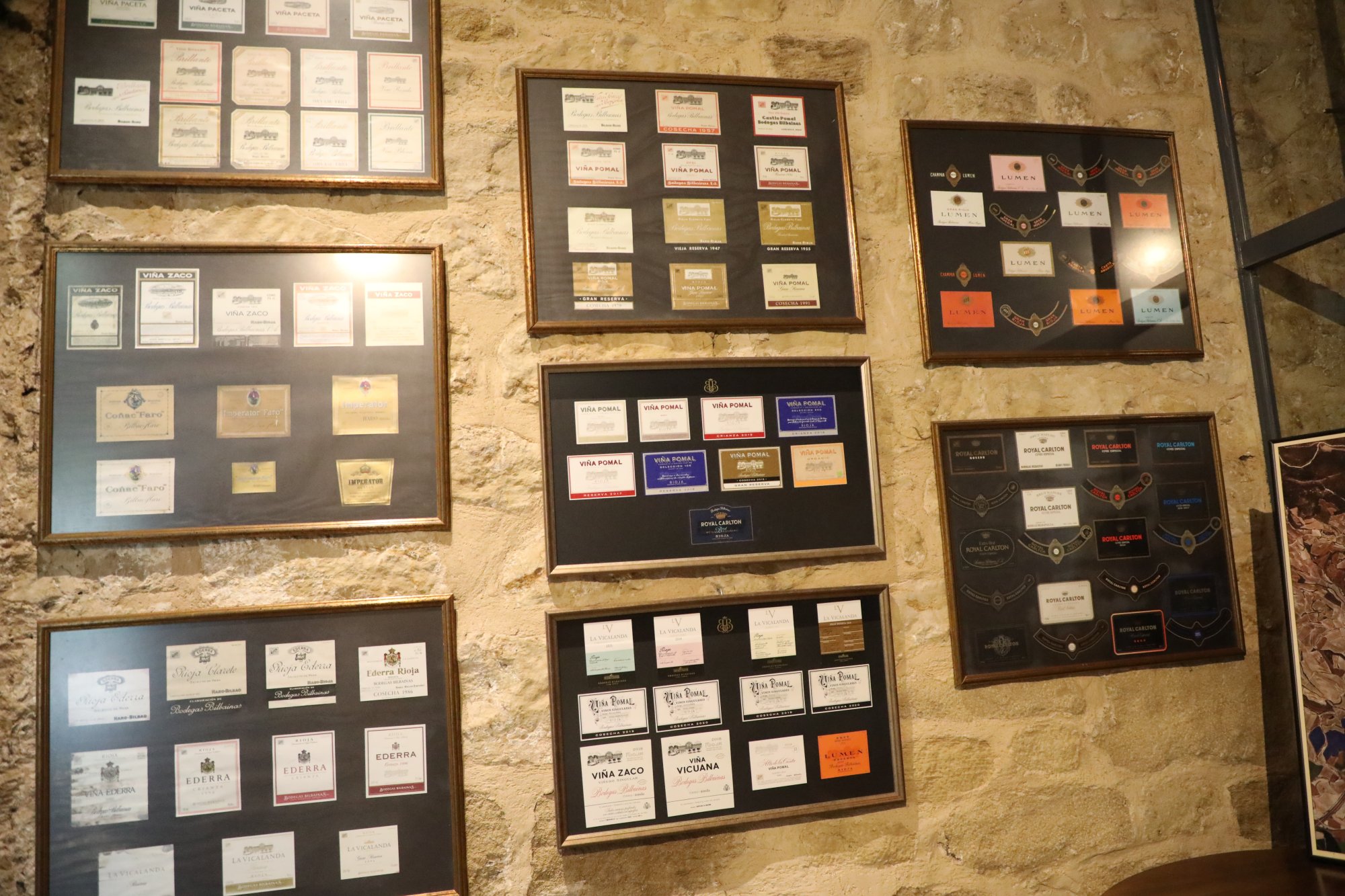
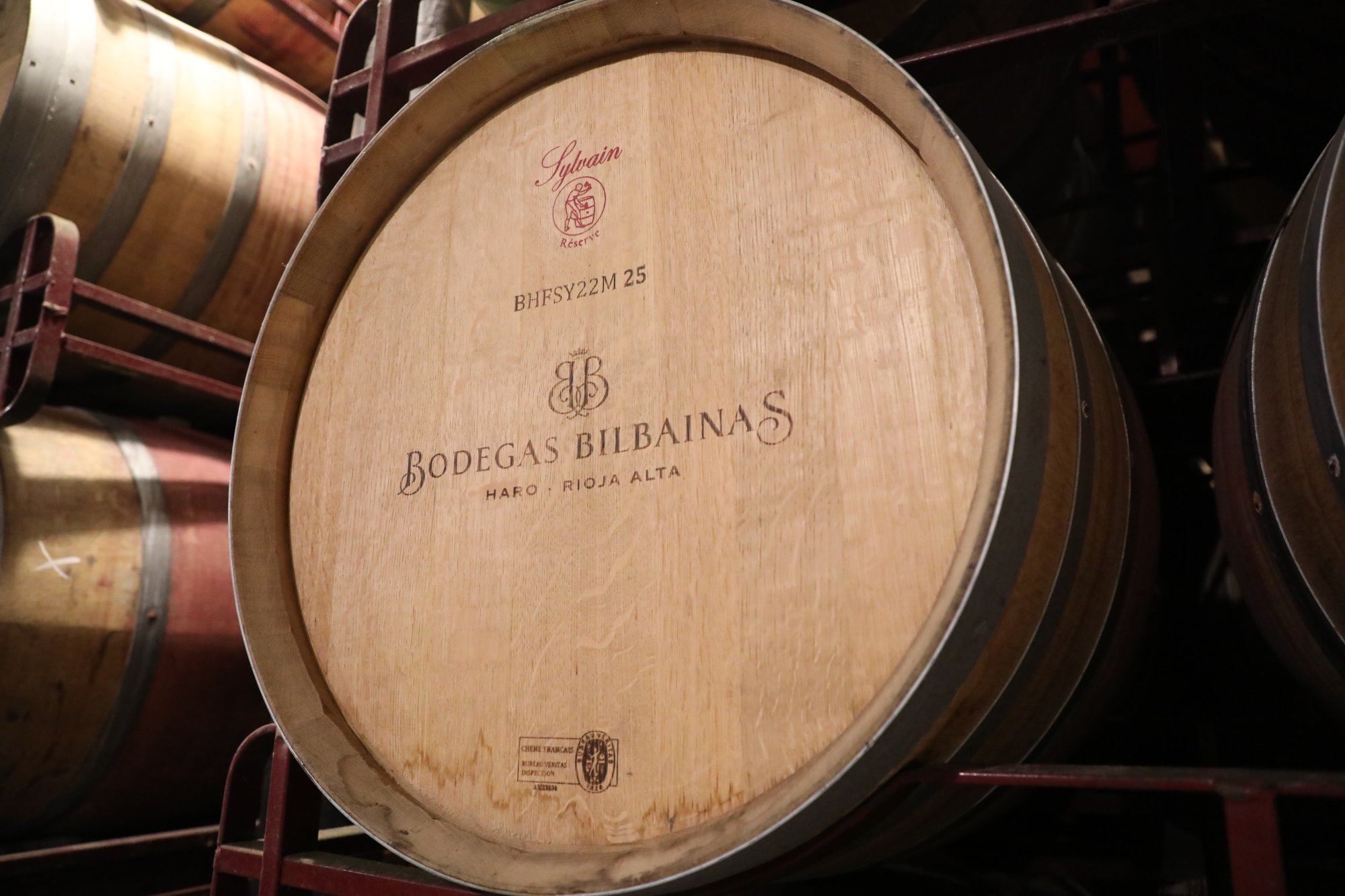
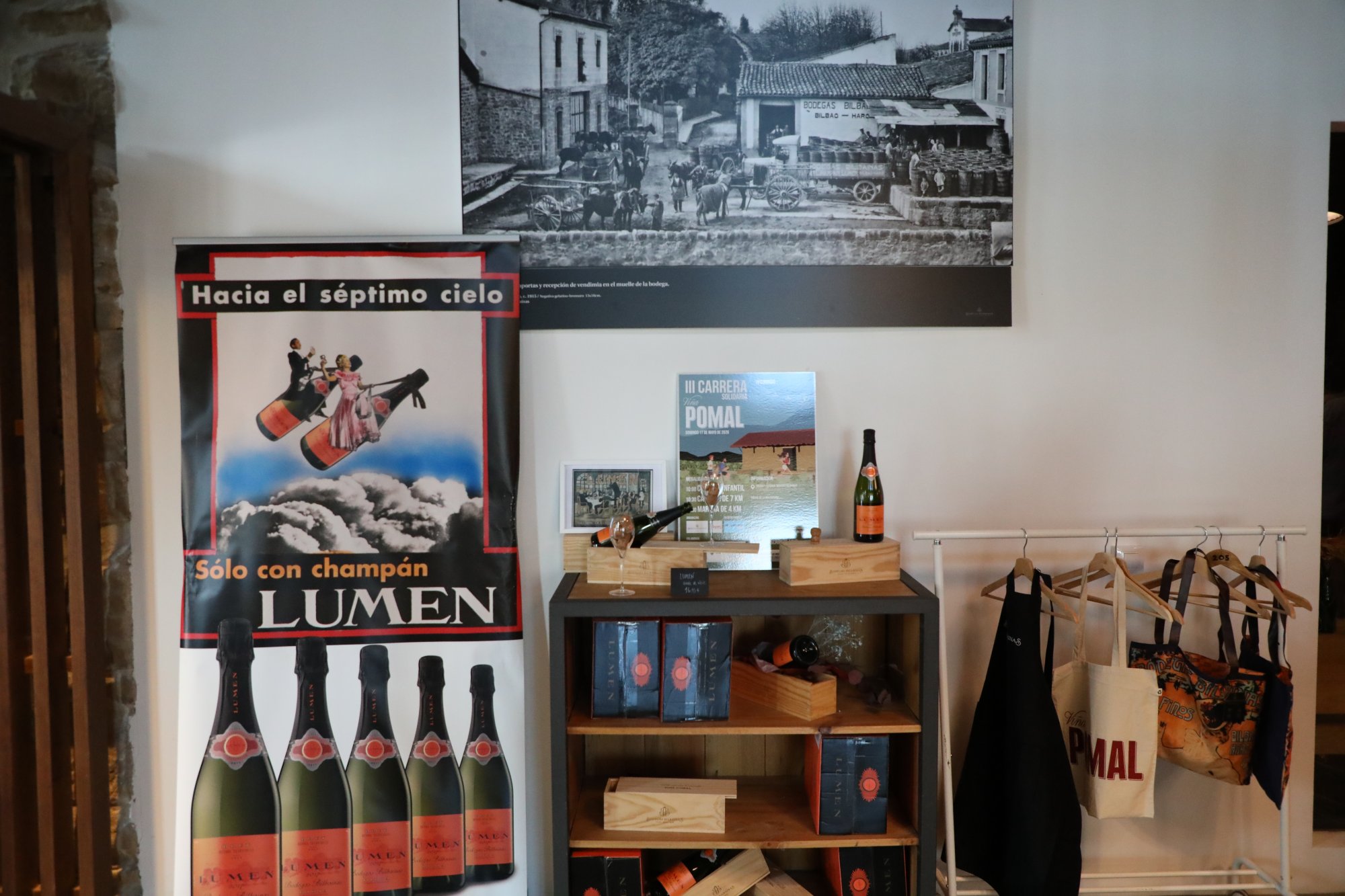
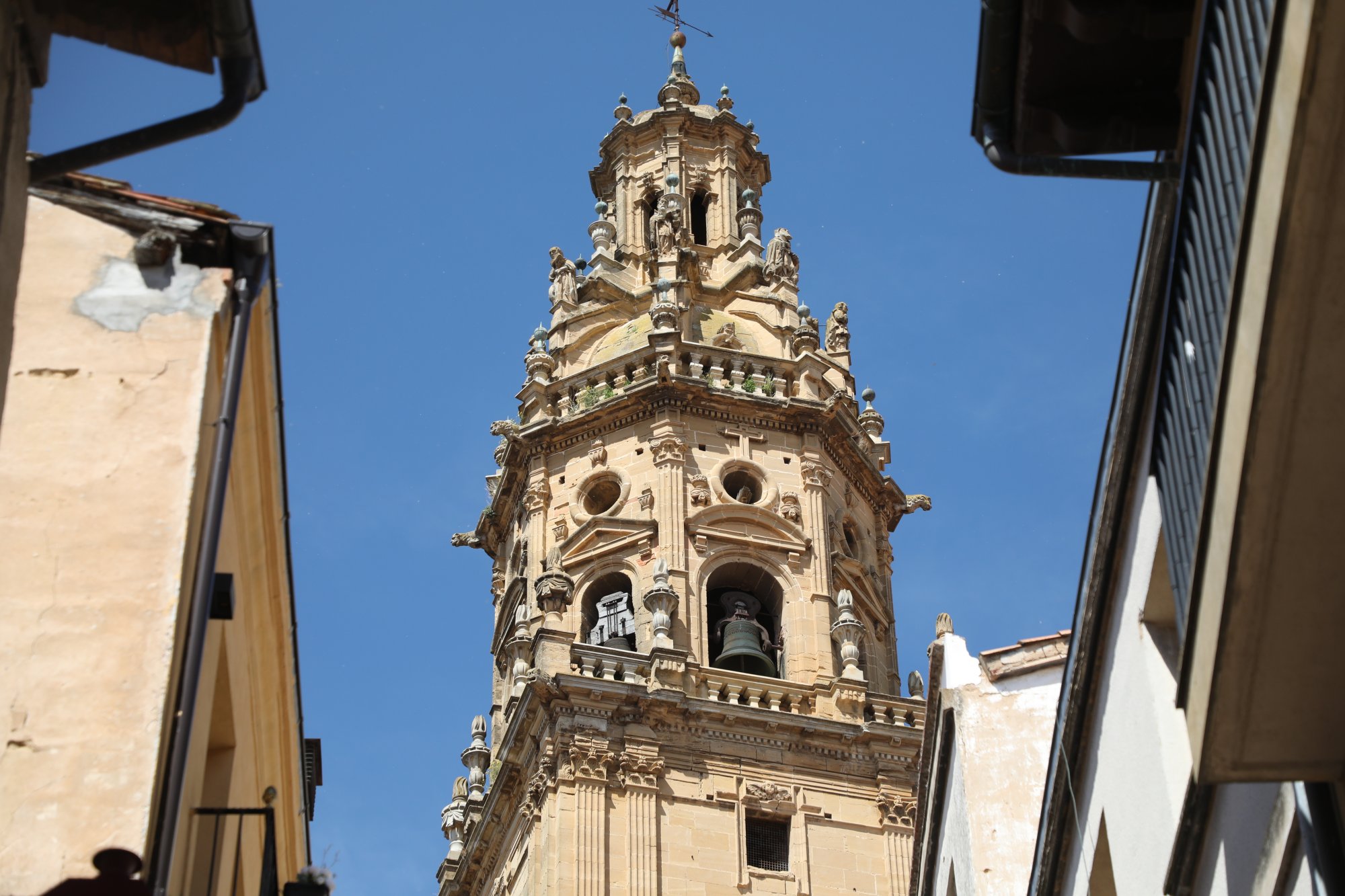
Bodegas Bilbaínas is one of the historic wineries located in Haro’s famed Barrio de la Estación, or Station District, a neighborhood whose identity developed around the arrival of the railway in Rioja. In fact a train stop is located just around the corner from Bodegas Bilbaínas. The winery’s origins trace back to 1859, when the French family Savignon Frères established operations in the area after their vineyards in Bordeaux were devastated first by oidium and later by phylloxera. Seeking regions with similar growing conditions, several French wine families relocated to Rioja during this period, bringing with them advanced knowledge of viticulture and winemaking. Their influence helped shape not only Bodegas Bilbaínas, but also other major Rioja producers including Cune, Muga and La Rioja Alta.
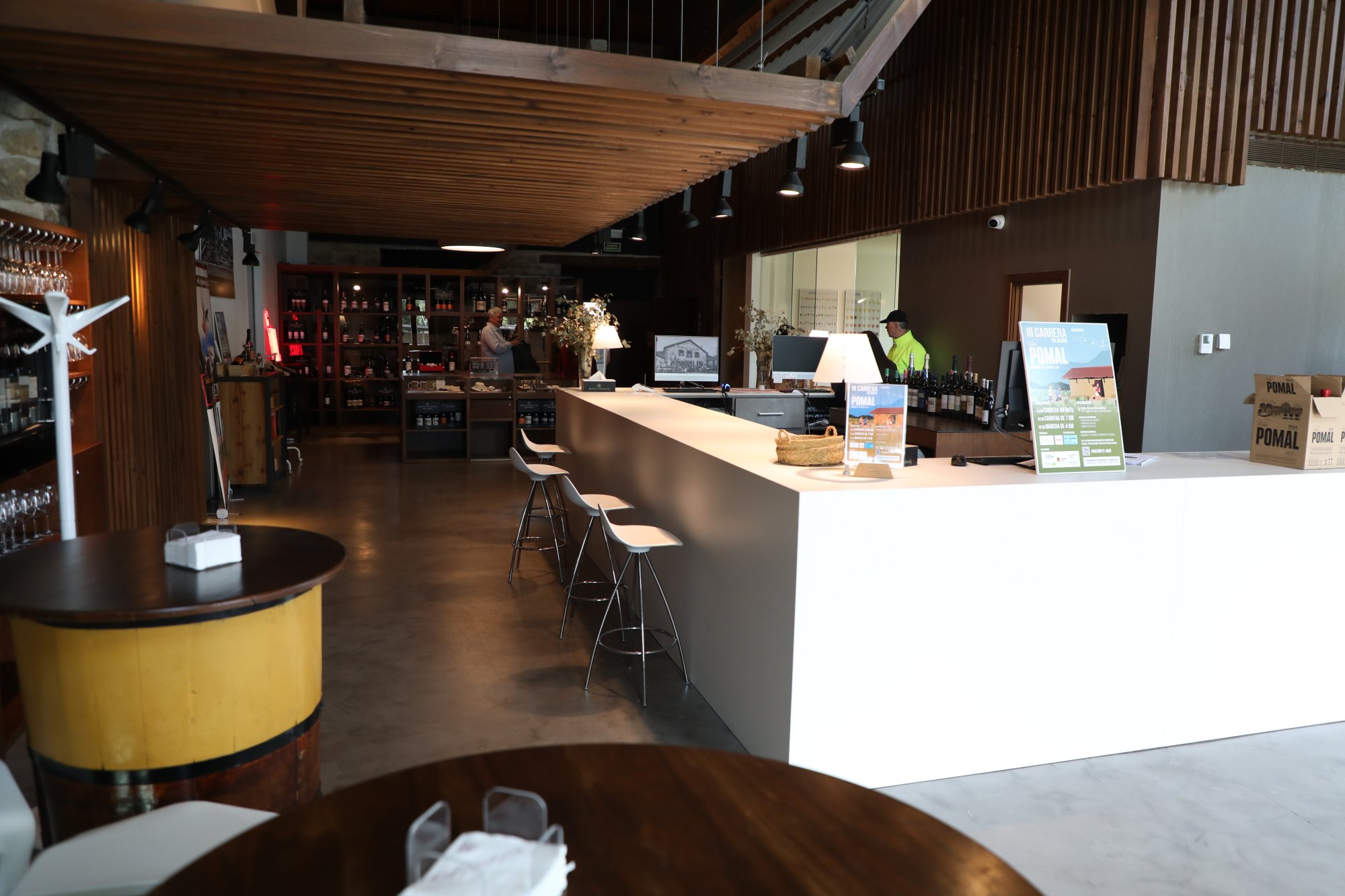
The Savignon Frères family originally lived in what is now the winery’s reception and hospitality space. They introduced French winemaking techniques and vineyard management practices to the region. They established vineyards close to the winery, a philosophy still maintained today. Bodegas Bilbaínas currently owns more than 250 hectares of vineyards planted to ten grape varieties. The winery operates within the DOCa Rioja appellation, one of only two “qualified” wine appellations in Spain alongside Priorat. This designation imposes strict regulations governing grape origin, vineyard practices, aging requirements and winemaking processes to preserve the region’s quality standards.
 The winery’s history changed significantly in 1901 when Santiago Ugarte, a wine and oil merchant from Bilbao, purchased the property after the French family returned to Bordeaux once their vineyards recovered. Ugarte named the winery Bodegas Bilbaínas in honor of his hometown. Although ownership changed, much of the French influence remained visible in the architecture and production philosophy.
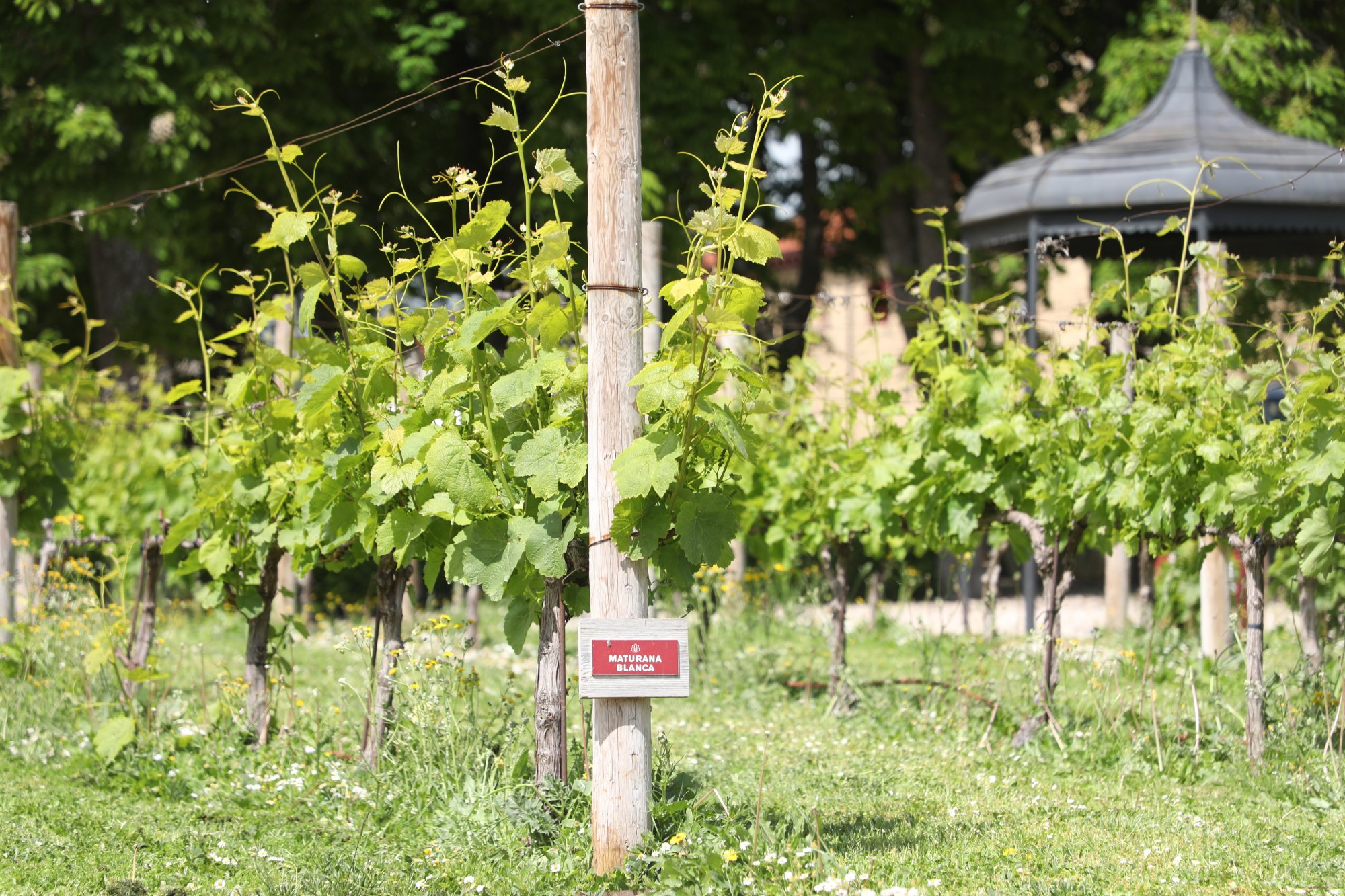
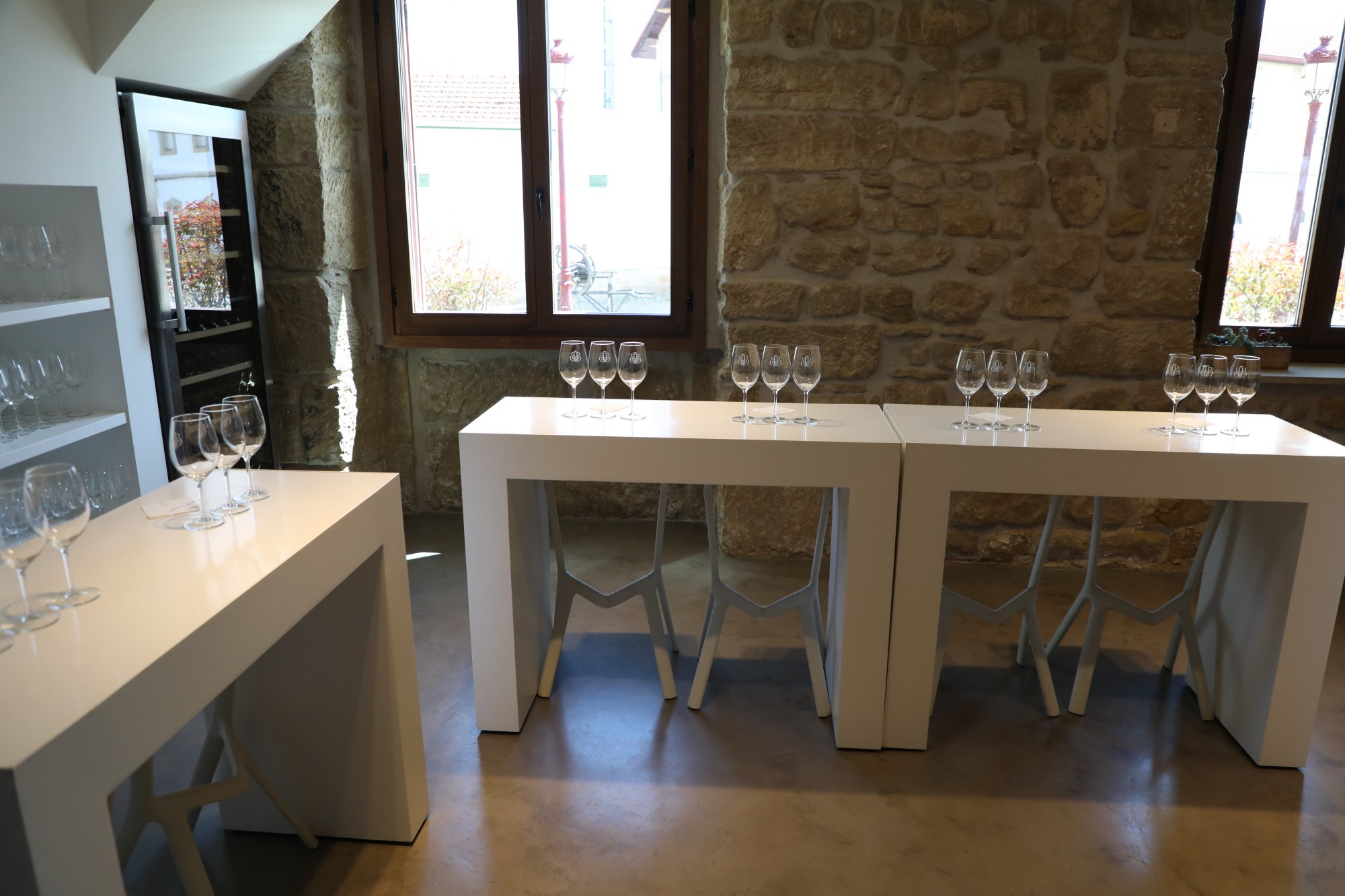
A tour and tasting typically lasts about 90 minutes and is conducted in Spanish or English. Visitors are introduced to the winery’s varietal garden, which serves as a small-scale representation of the estate’s vineyard holdings. Traditional Rioja grapes such as Tempranillo and Garnacha are planted alongside white varieties including Tempranillo Blanco and Garnacha Blanca, both of which originated from natural genetic mutations discovered in nearby Rioja vineyards. The winery emphasizes that grape variety, vineyard location and cultivation methods all contribute to different wine styles rather than one being inherently superior to another.
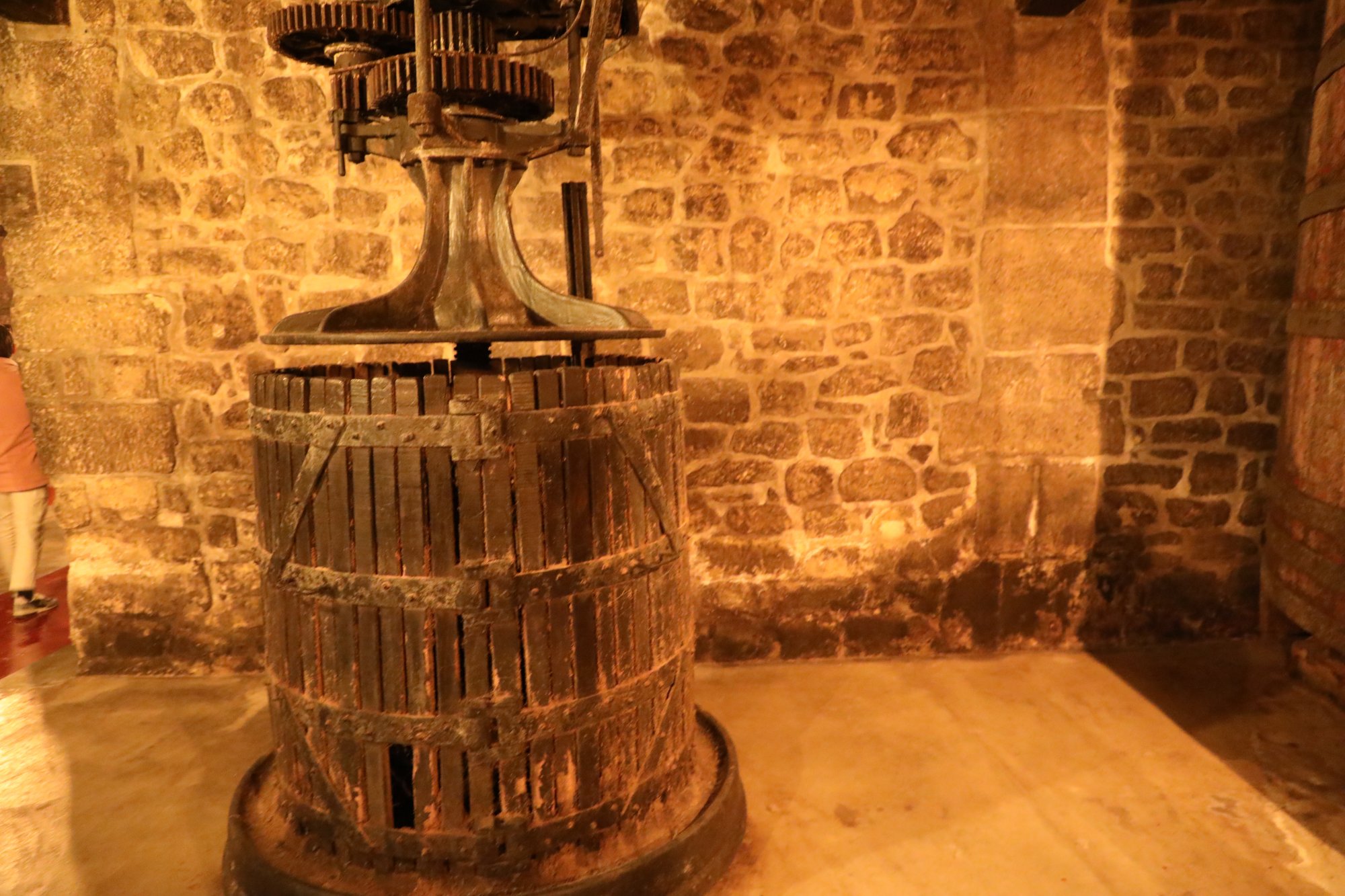
The tour visits the historic French winery building housing original fermentation vats made from chestnut wood reinforced with steel hoops. These vats varied significantly in size, some holding over 30,000 liters. During the 19th century, grapes were harvested manually and carried in large basket-like containers before being pressed. The resulting must, along with skins and seeds, was transferred into the vats for fermentation. At that time, maintaining proper fermentation temperatures was difficult, so workers lit fires beneath the vats to generate heat and encourage fermentation activity.
A tour also highlights the dangers of early winemaking. During alcoholic fermentation, large amounts of carbon dioxide accumulated in the cellar, sometimes causing fatal accidents known as “sweet deaths.” Workers used candles as primitive oxygen detectors; if the candles extinguished, the cellar had to be evacuated immediately – the same idea as, ‘a canary in a coal mine’.
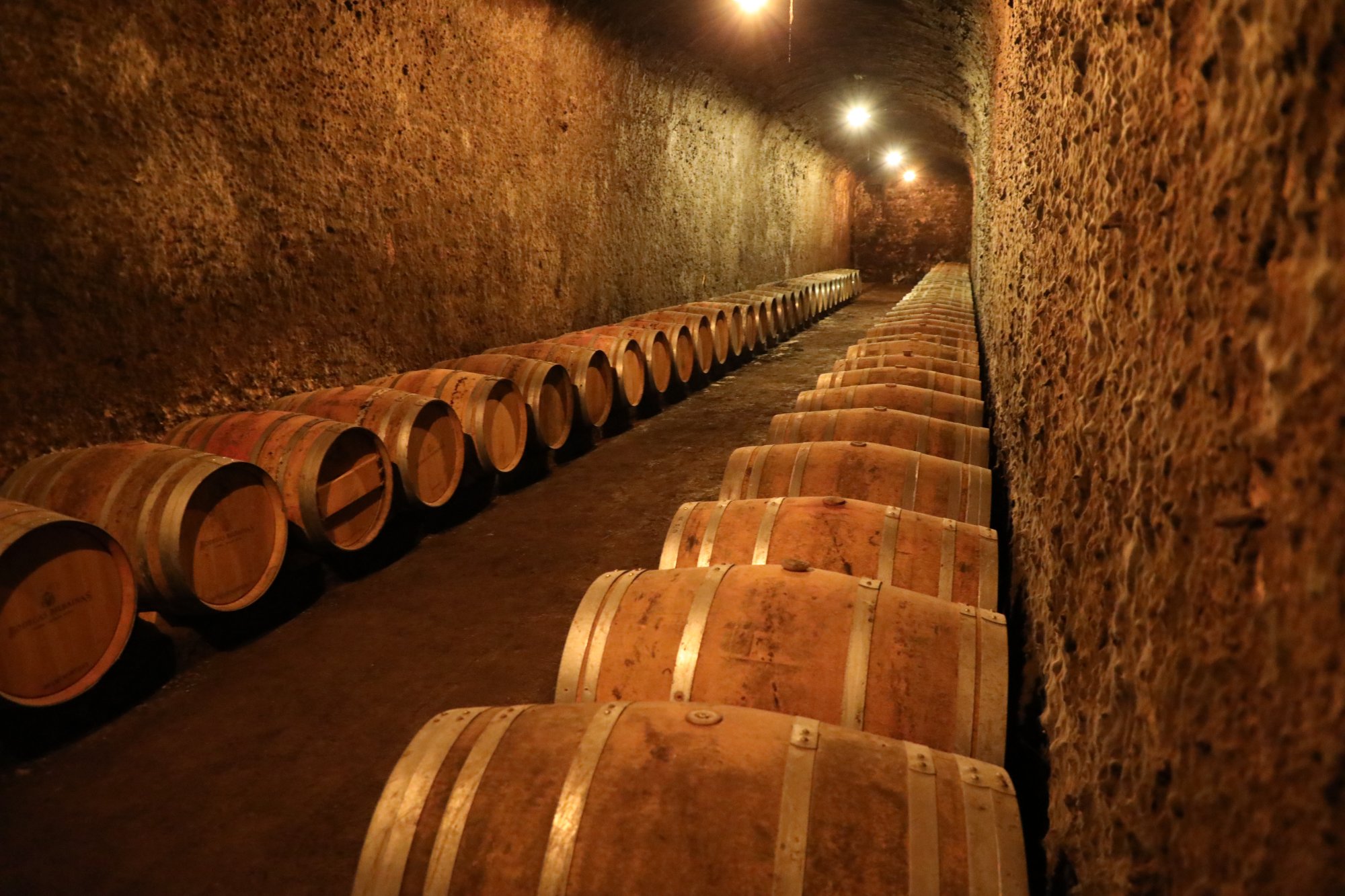
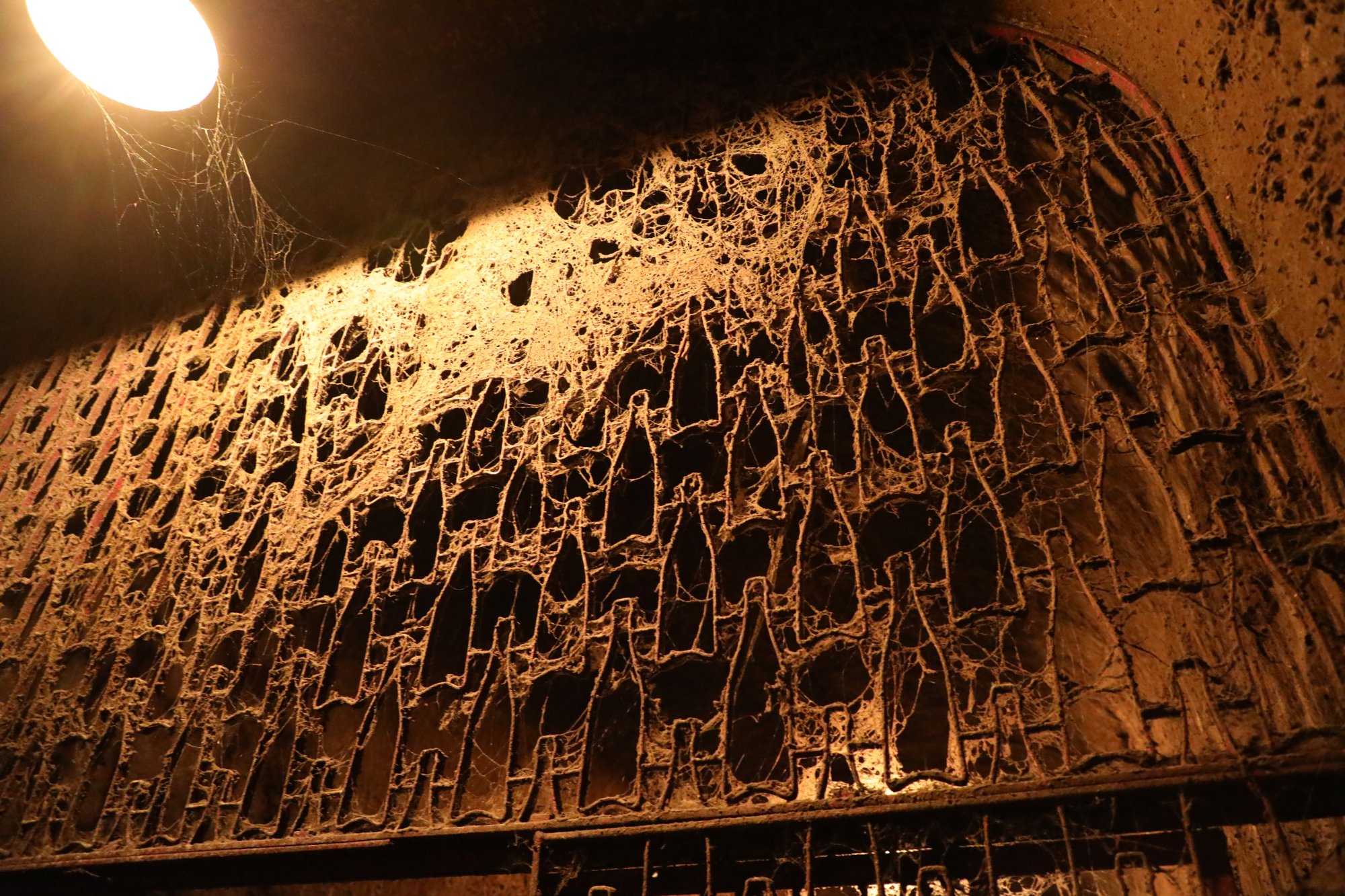
Visitors will walk through ancient tunnels covered in cladosporium cellare, otherwise known as cellar mold.
Bodegas Bilbaínas was also innovative in transportation. Santiago Ugarte developed large rail transport wagons known as “Cuba wagons,” which carried wine in enormous wooden foudres attached to trains. At one point the winery operated up to 30 of these wagons transporting wine throughout Spain. However, theft by people referred to as “thirsty throats” and oxidation problems during the Spanish Civil War and World War II era eventually forced the project to end.
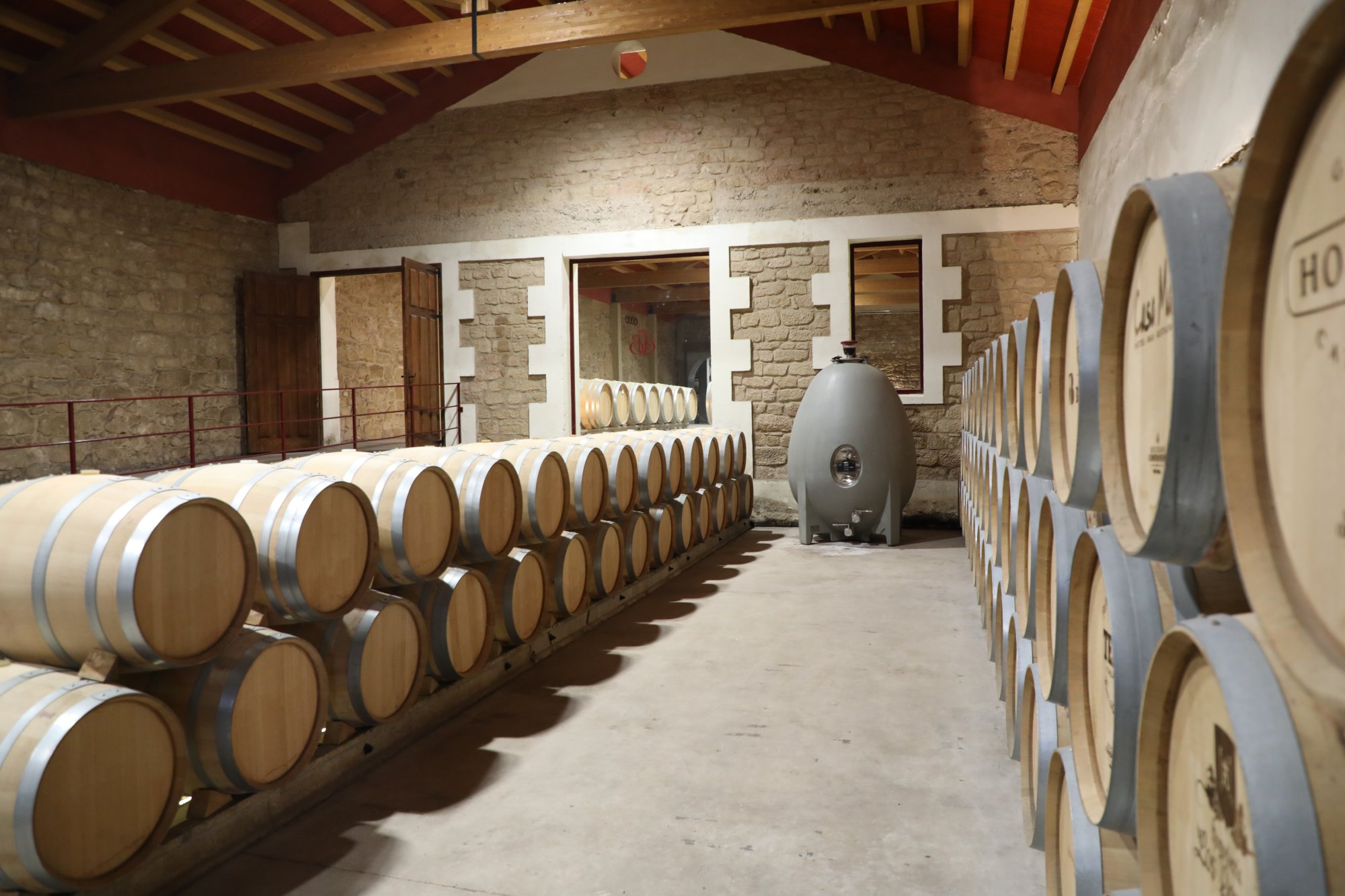
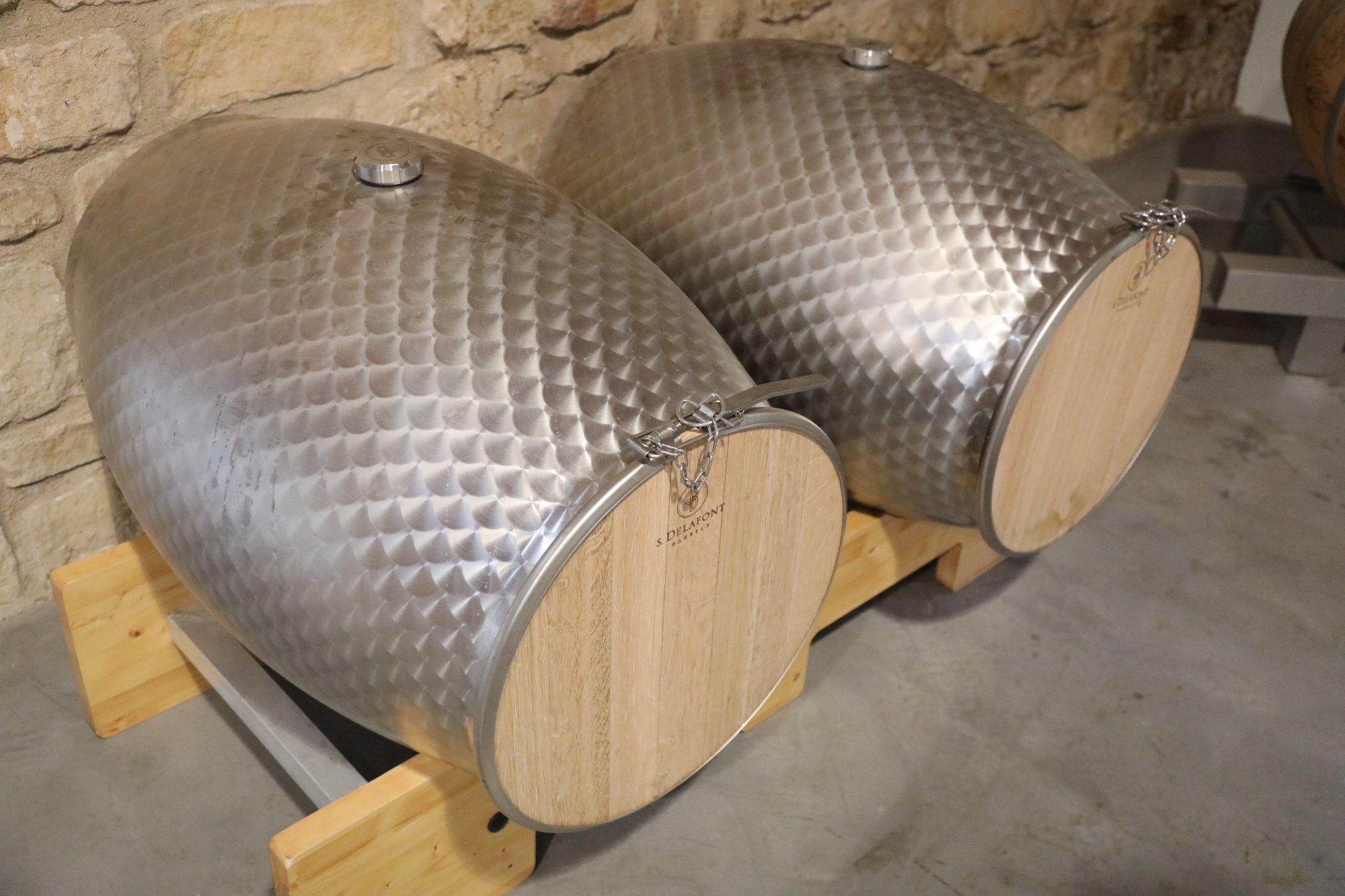
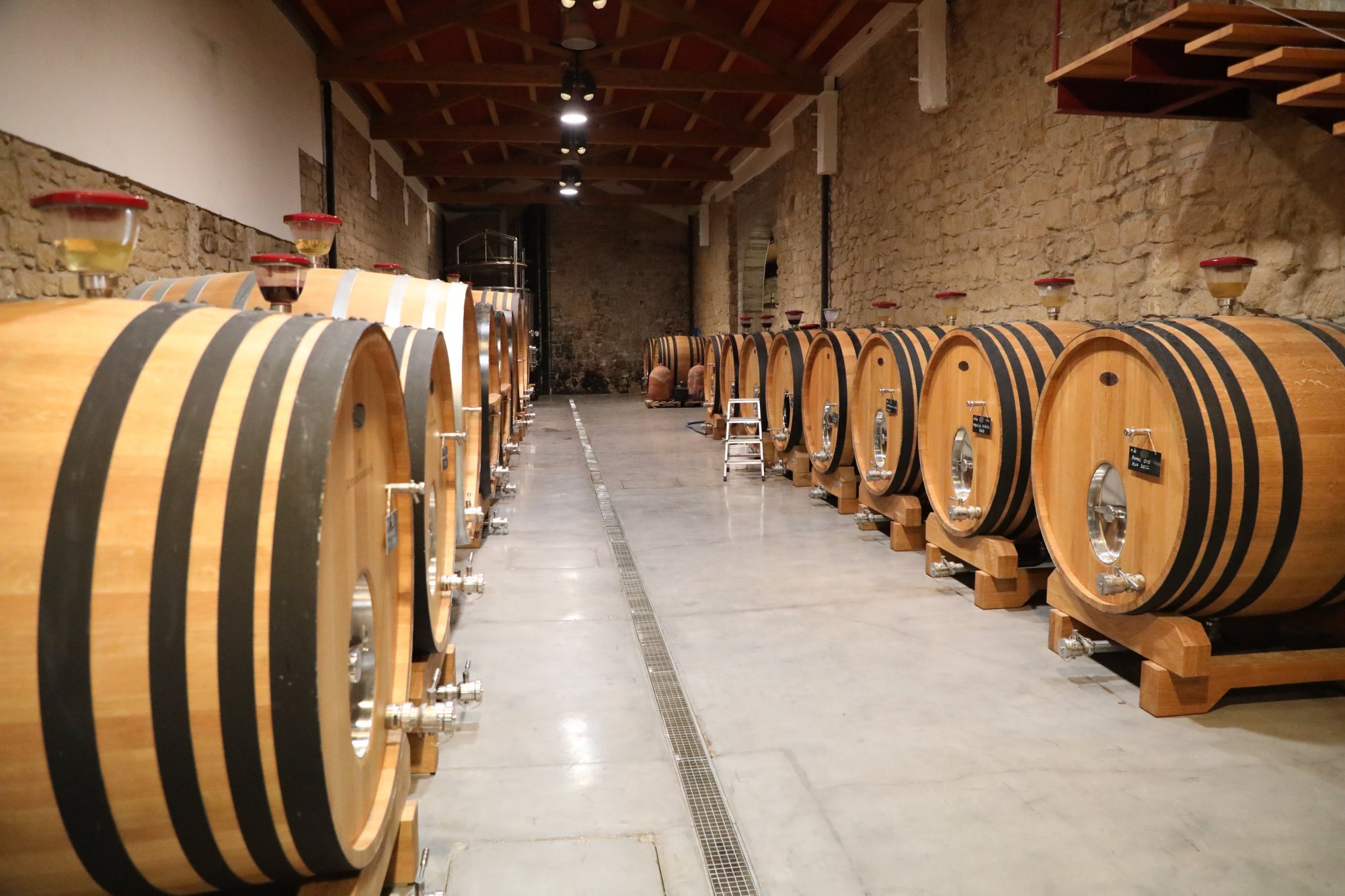
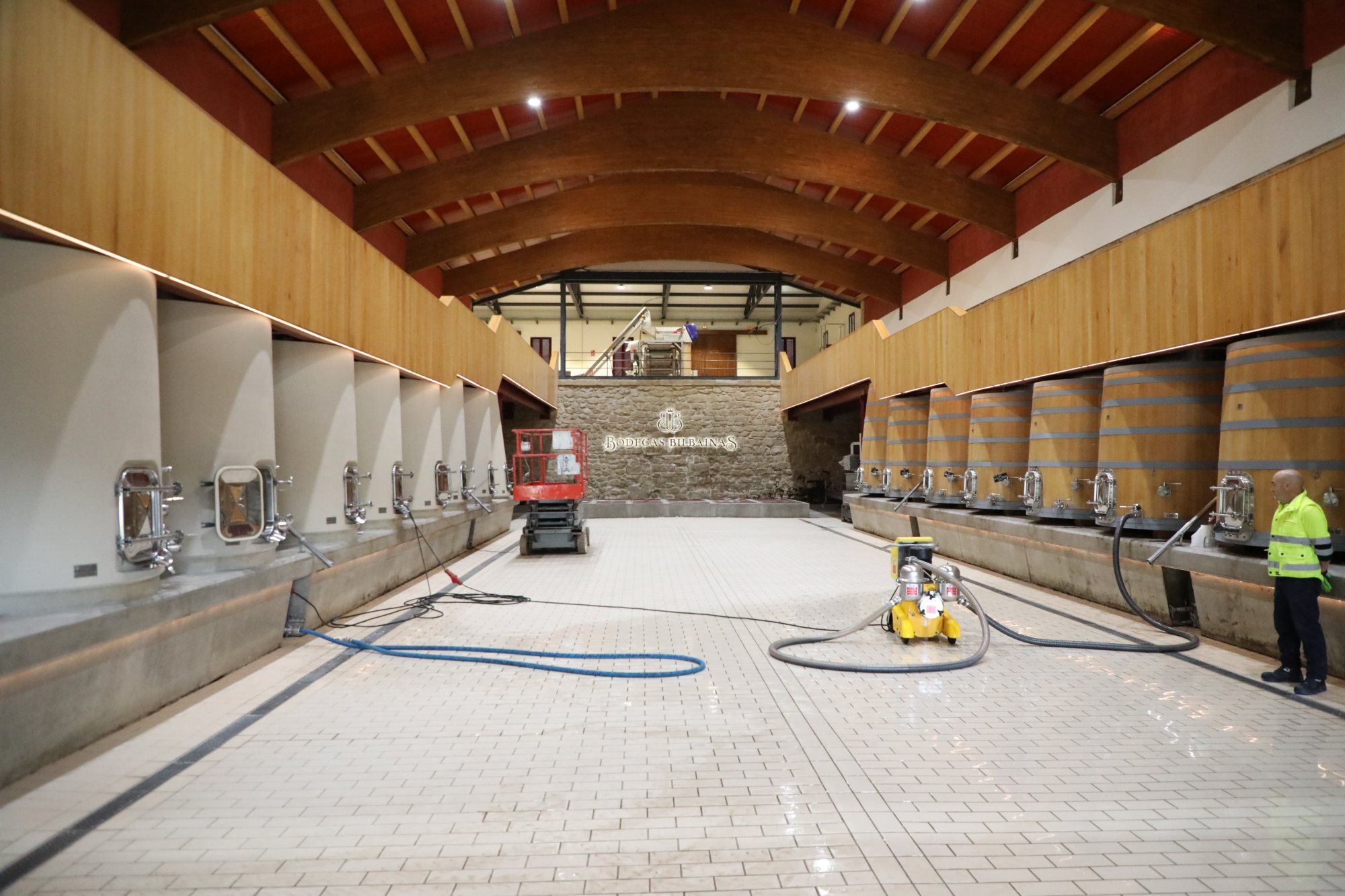
The tour continues in the modern barrel chaix and fermentation room. Bodegas Bilbaínas combines traditional methods with modern enology. Wines may ferment or age in stainless steel, concrete, vats, barrels or large bocoy casks depending on the desired style. Larger aging vessels reduce wood influence and micro-oxygenation, producing fresher, more aromatic wines.
The tour concludes with a sit down tasting of several bottlings of current release wines.
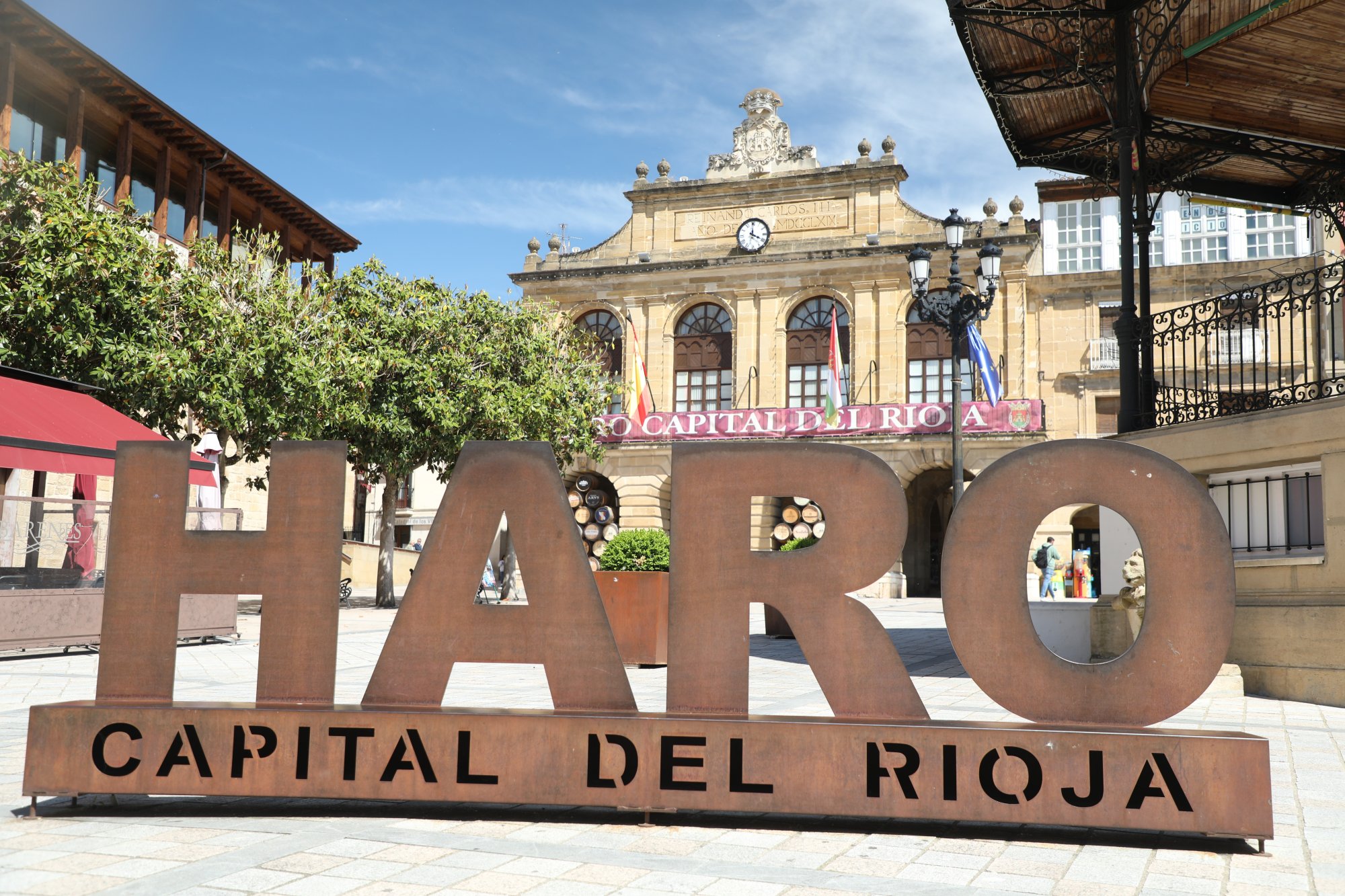
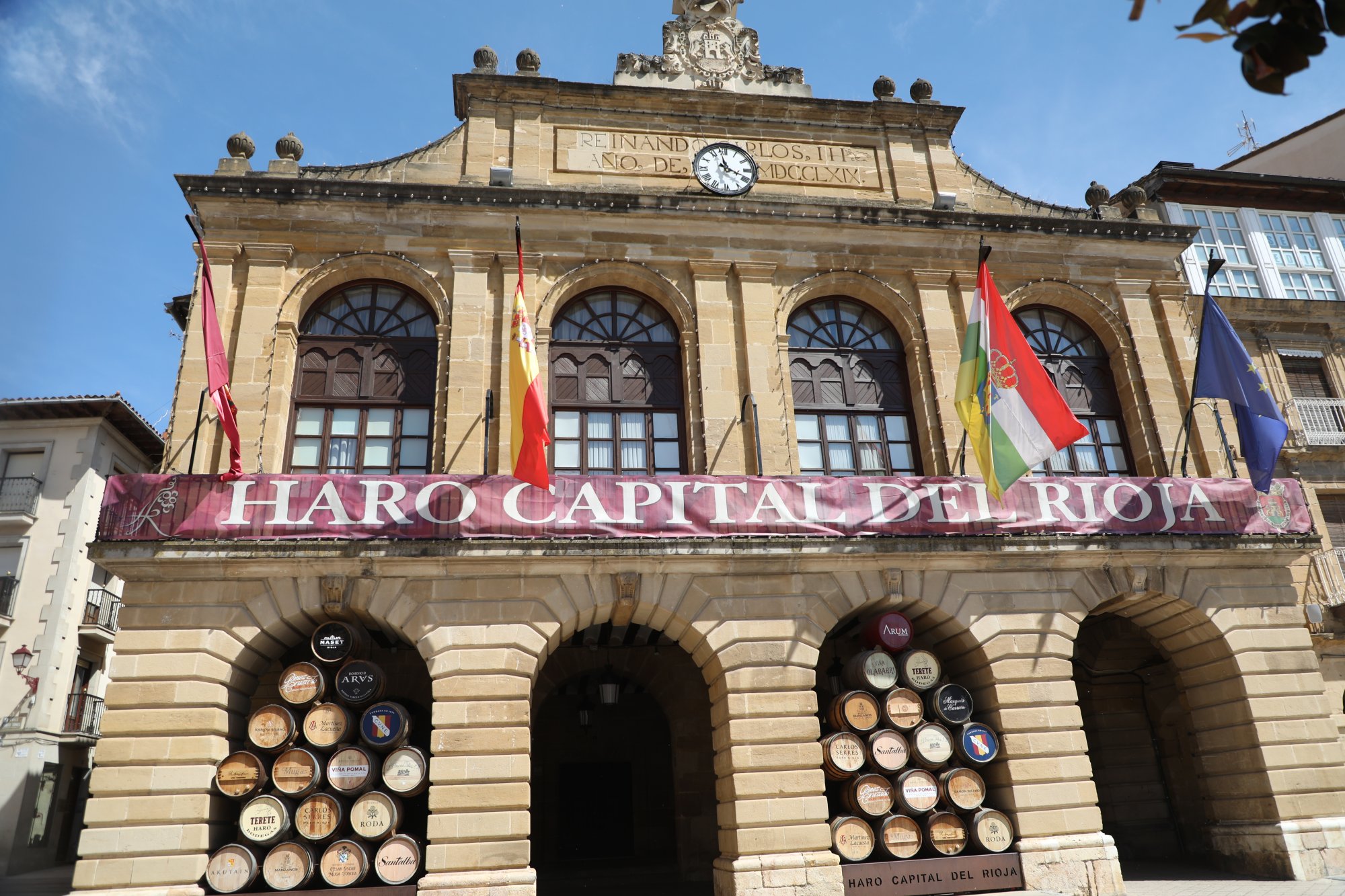
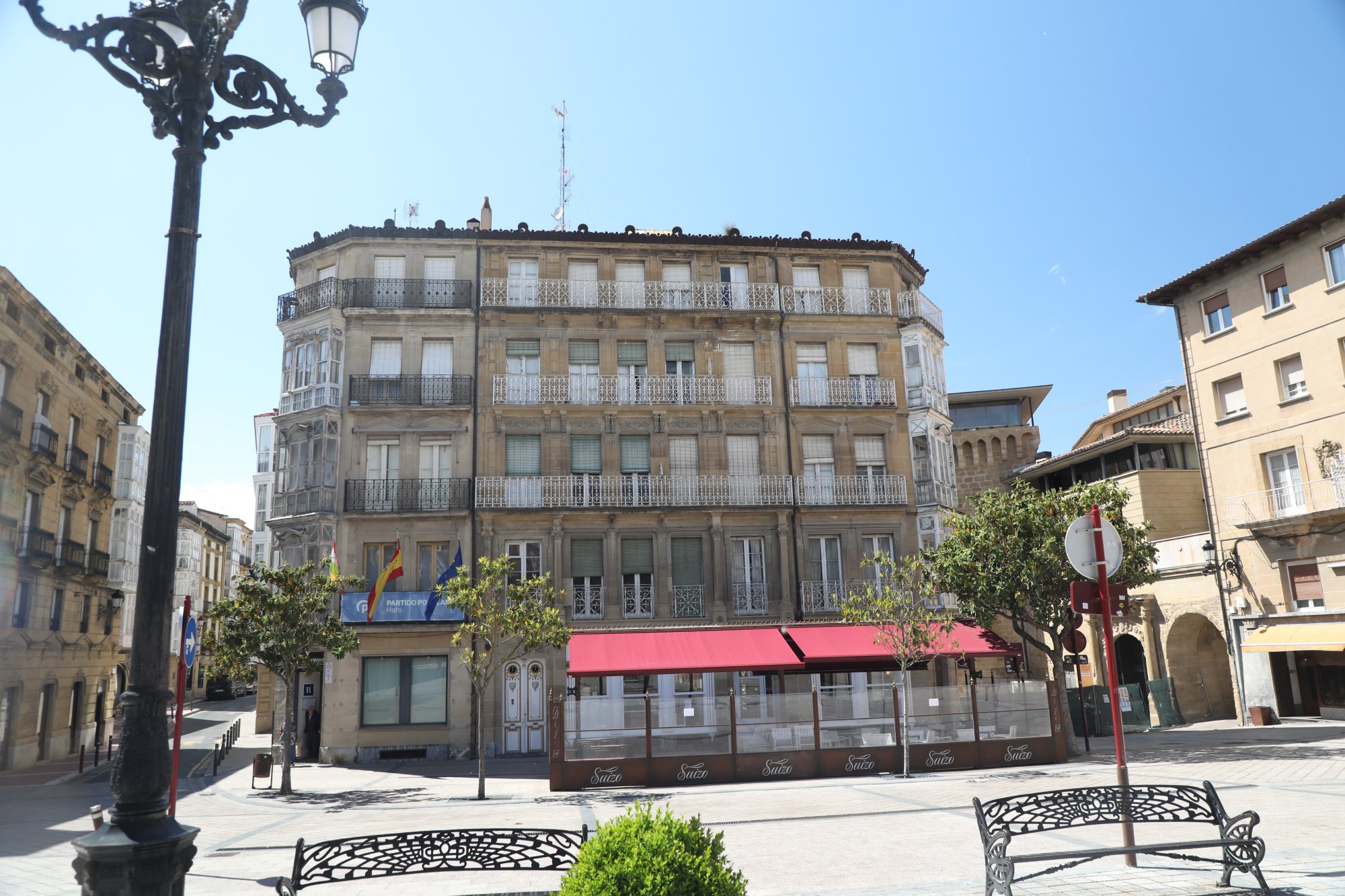
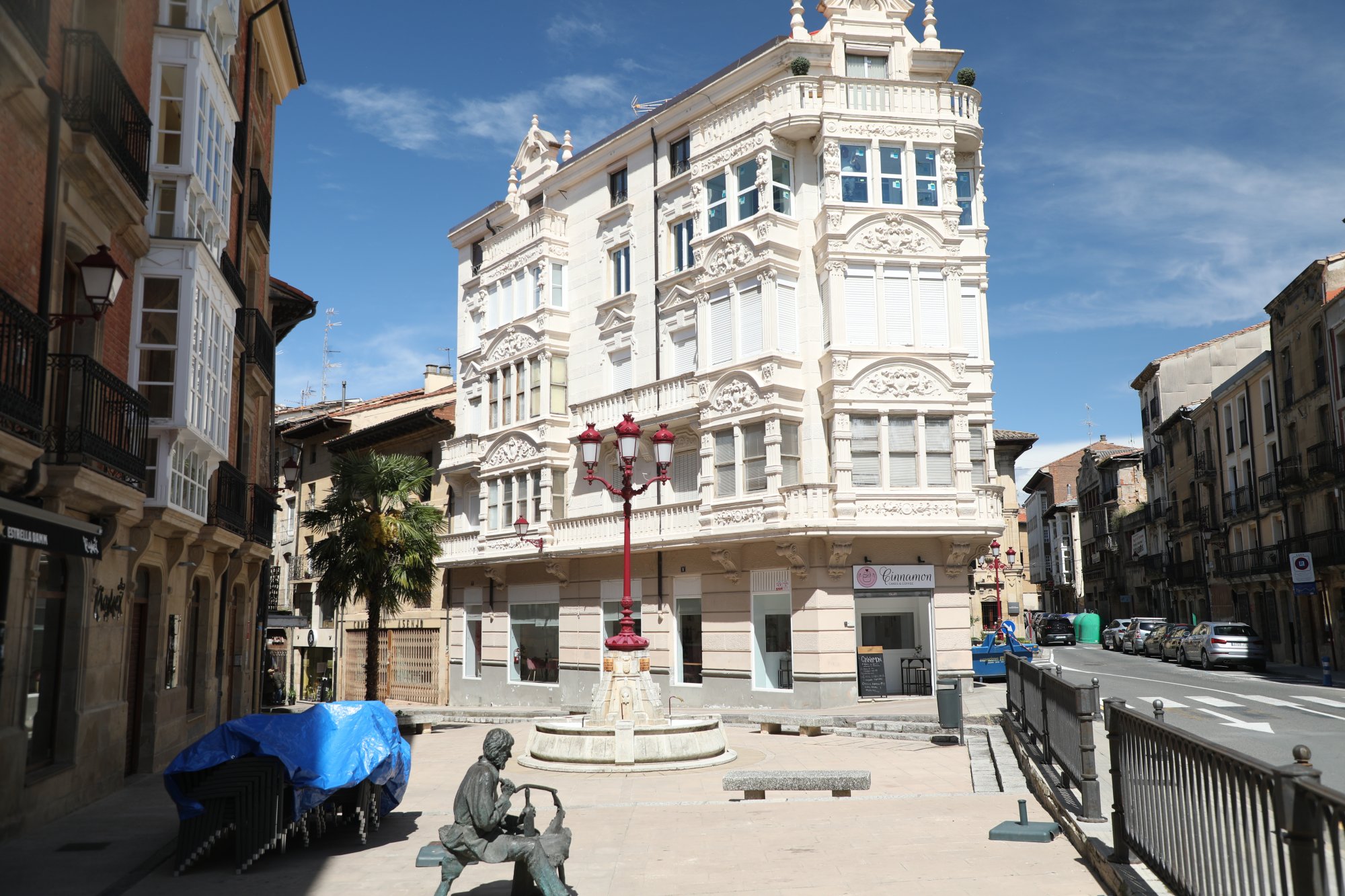
Haro is the most important town in Rioja in terms of being where some of the best bodegas in the region are located. It bills itself as the, ‘capital of Rioja’. Two restaurants worth checking out in Haro include Beethoven and Terete; both carry wines from Bodegas Bilbaínas.
Select Wines
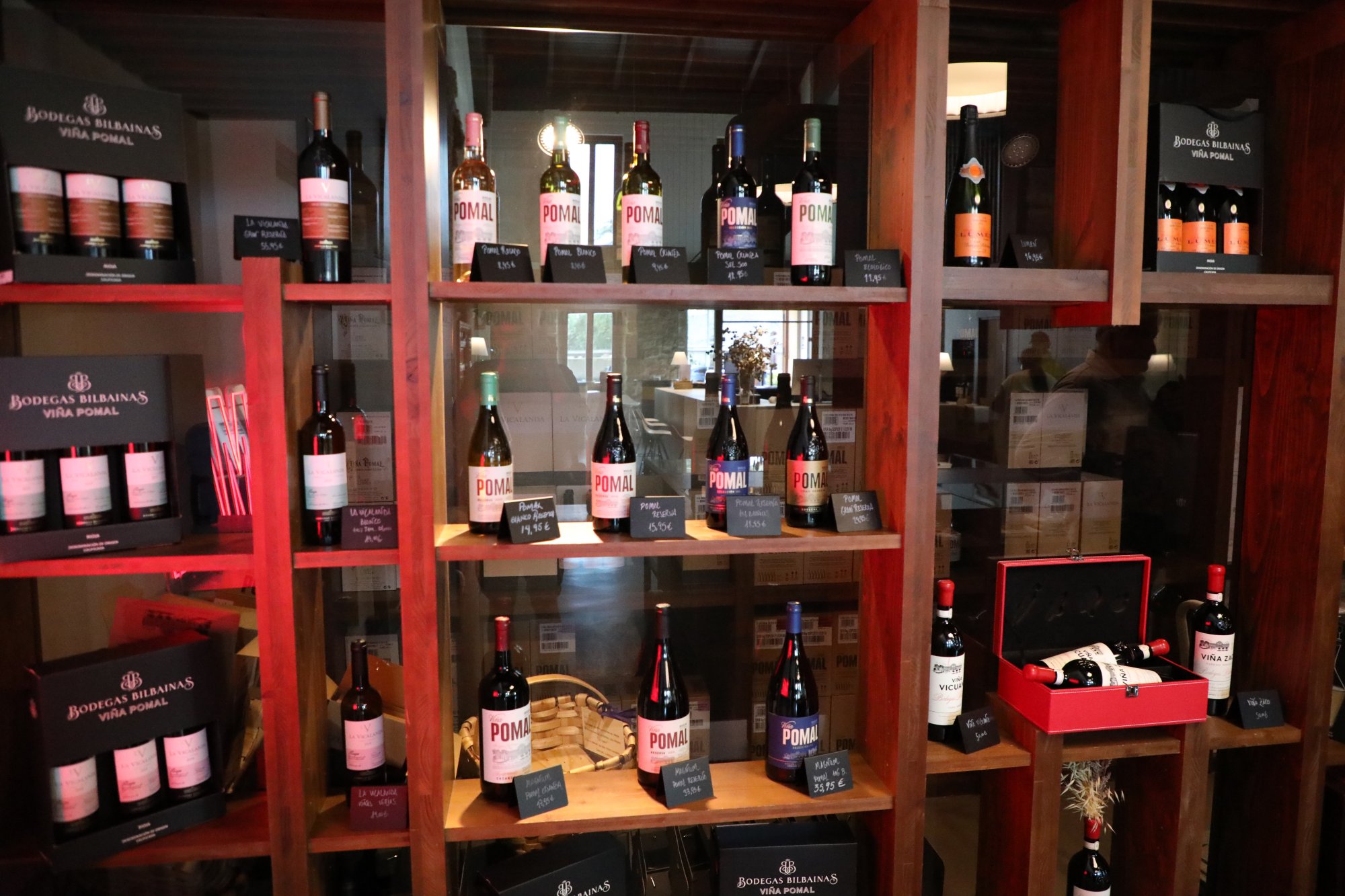
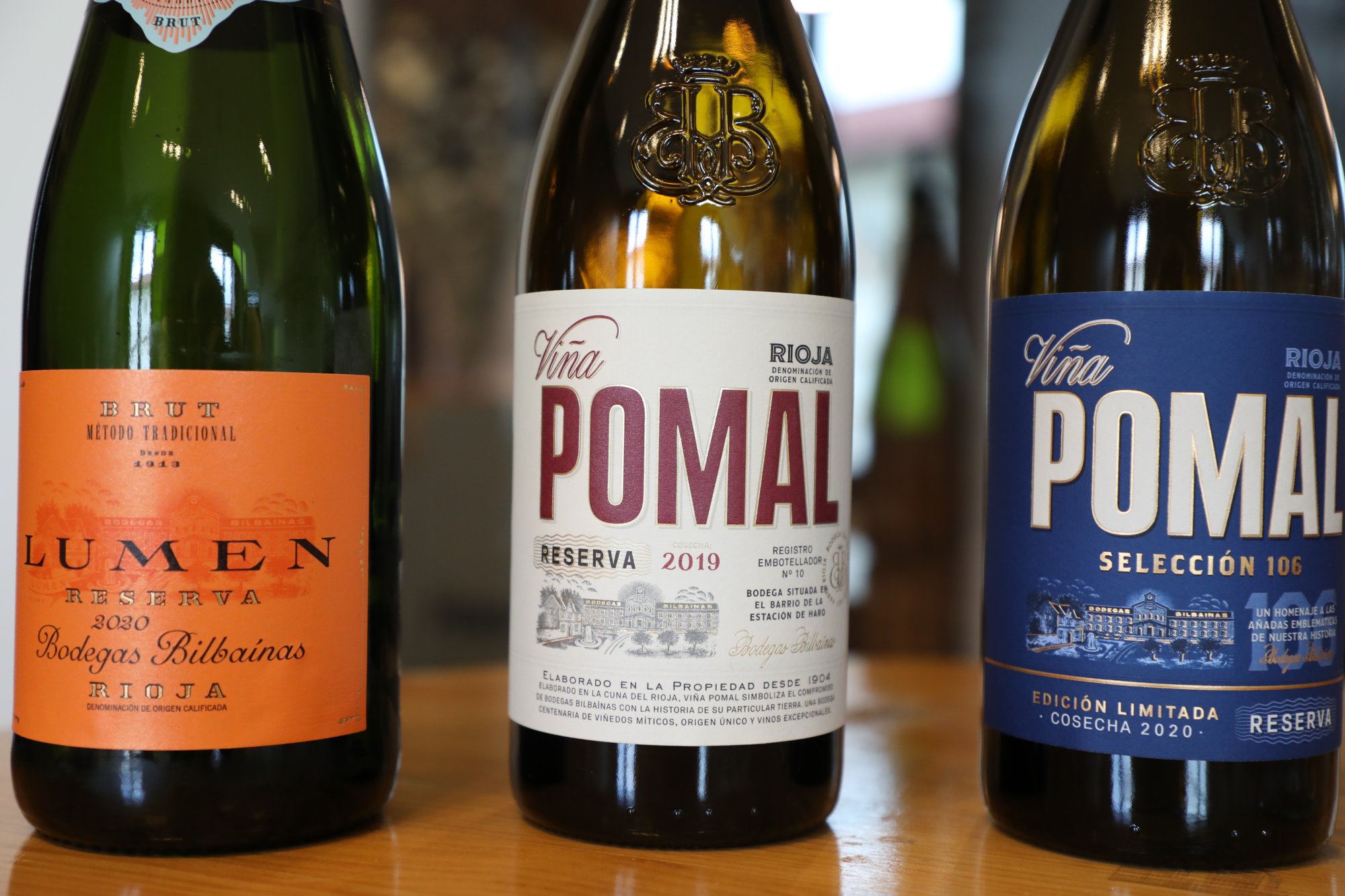
The 2020 Bodegas Bilbaínas Lumen Reserve, Método Tradicional Rioja is a Blanc de Noirs made from 100% Grenache. Pale gold in color, this wine offers a pleasant citrus-driven bouquet with aromas of citrus blossom, green apple, slightly underripe kiwi and carambola (star fruit), accompanied by a subtle minerally character. A persistent intensity of acidity greets the palate from the opening through the finish, lingering vibrant, bright and refreshing. Flavors of green apple, pomelo, white grapefruit, green kiwi and white peach are carried by a long, energetic finish that beautifully unites both flavor and acidity. Highly refreshing.
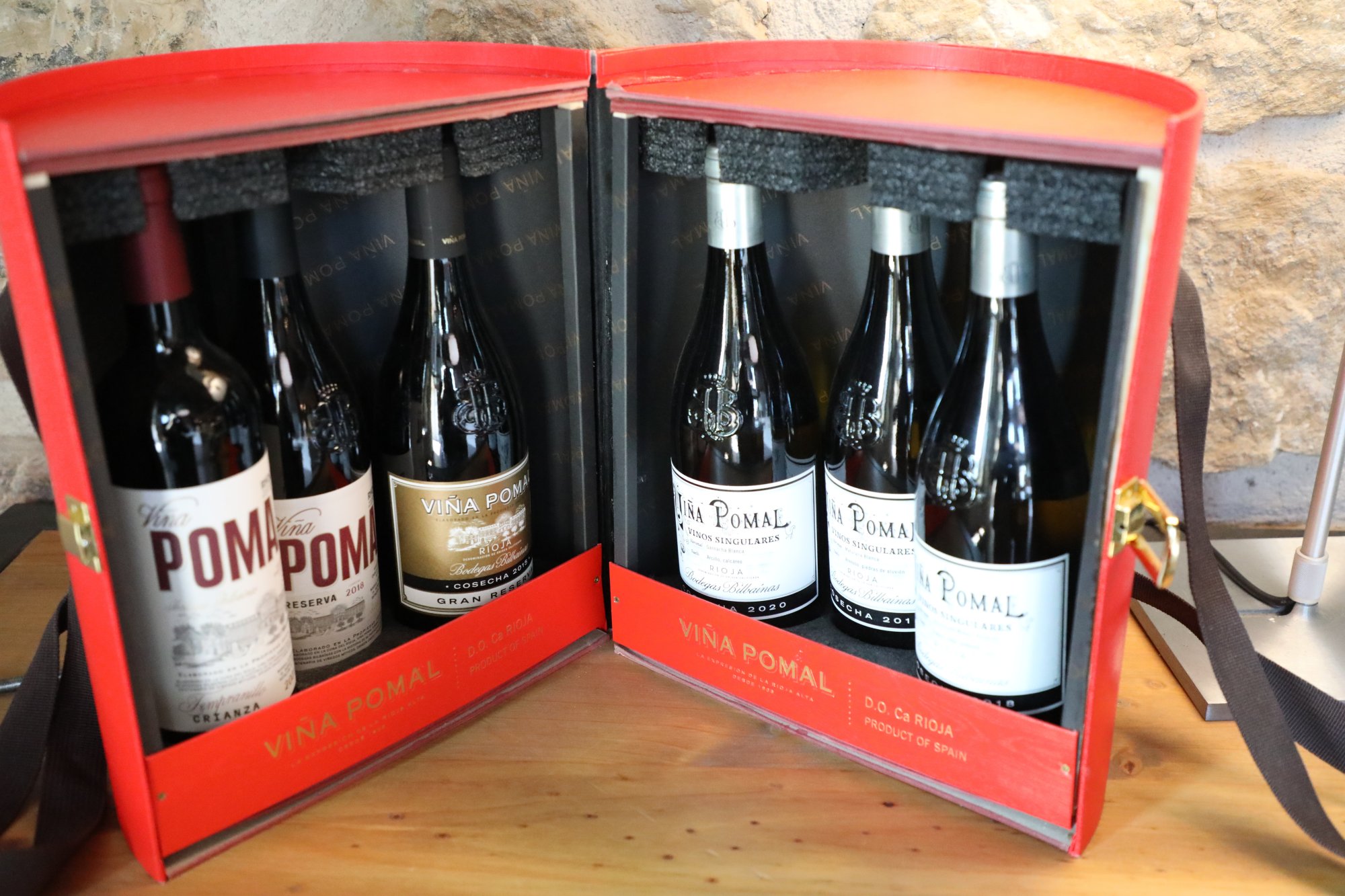
The 2019 Bodegas Bilbaínas Viña Pomal Reserva is made from 100% Tempranillo. Medium to deep ruby in color, the bouquet reflects both time in barrel and expressive fruit character. At seven years post-vintage, the wine shows mature aromas of dried rose petals, raspberry, cherry and red plum, layered with notes of vanilla, baker’s chocolate, mocha, dried herbs, pipe tobacco and old cedar wood. Balanced across the palate, this wine brings together red fruit and savory characteristics in seamless harmony. It tastes brambly, with flavors of raspberry, Santa Rosa plum, dried sage and dried tobacco leaf. The tannins are rounded and chalky-textured, almost creamy due to their fine-grained structure, while remaining broadly distributed across the palate. ABV: 14.5%.
The 2020 Bodegas Bilbaínas Viña Pomal Selección 106 is a blend of Tempranillo, Grenache and Graciano. Medium ruby in color, the bouquet shows fruit, oak and savory notes working in harmony, with aromas of red cherry, Santa Rosa plum, white pepper, smoked sage and old cedar box. Bright and balanced across the palate, this wine offers flavors of red cherry, red plum, dark currant, slightly underripe boysenberry and pomegranate. The finish carries a savory edge, combining lively acidity with notes of dried herbs, crushed pepper, smoked cedar and gravelly-textured tannins. Their textural weight is never heavy, instead showing a rounded and lightly dusty character. Pair this with something spicy from the barbecue — a T-bone steak would be ideal. ABV: 14.5%.
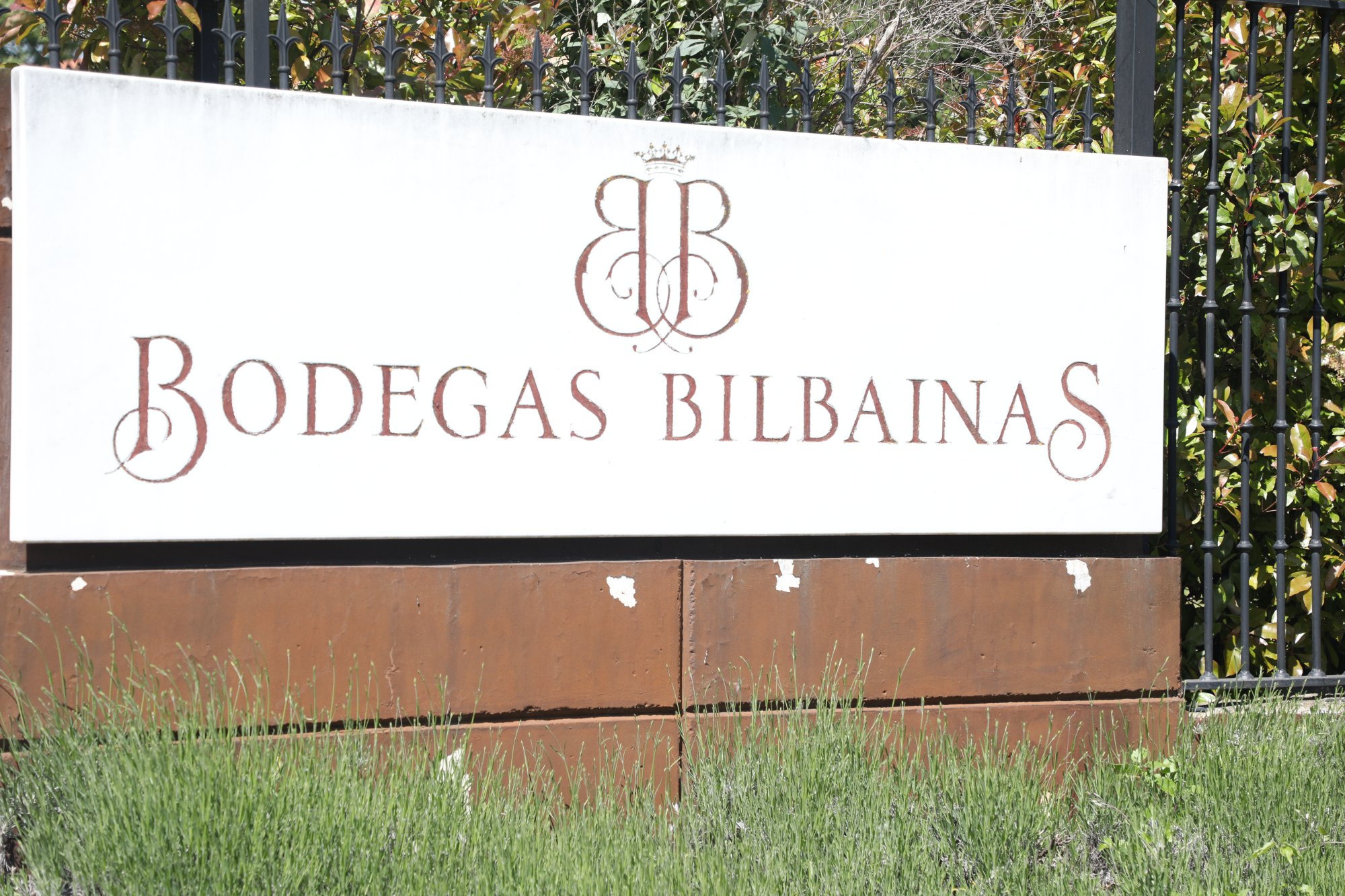
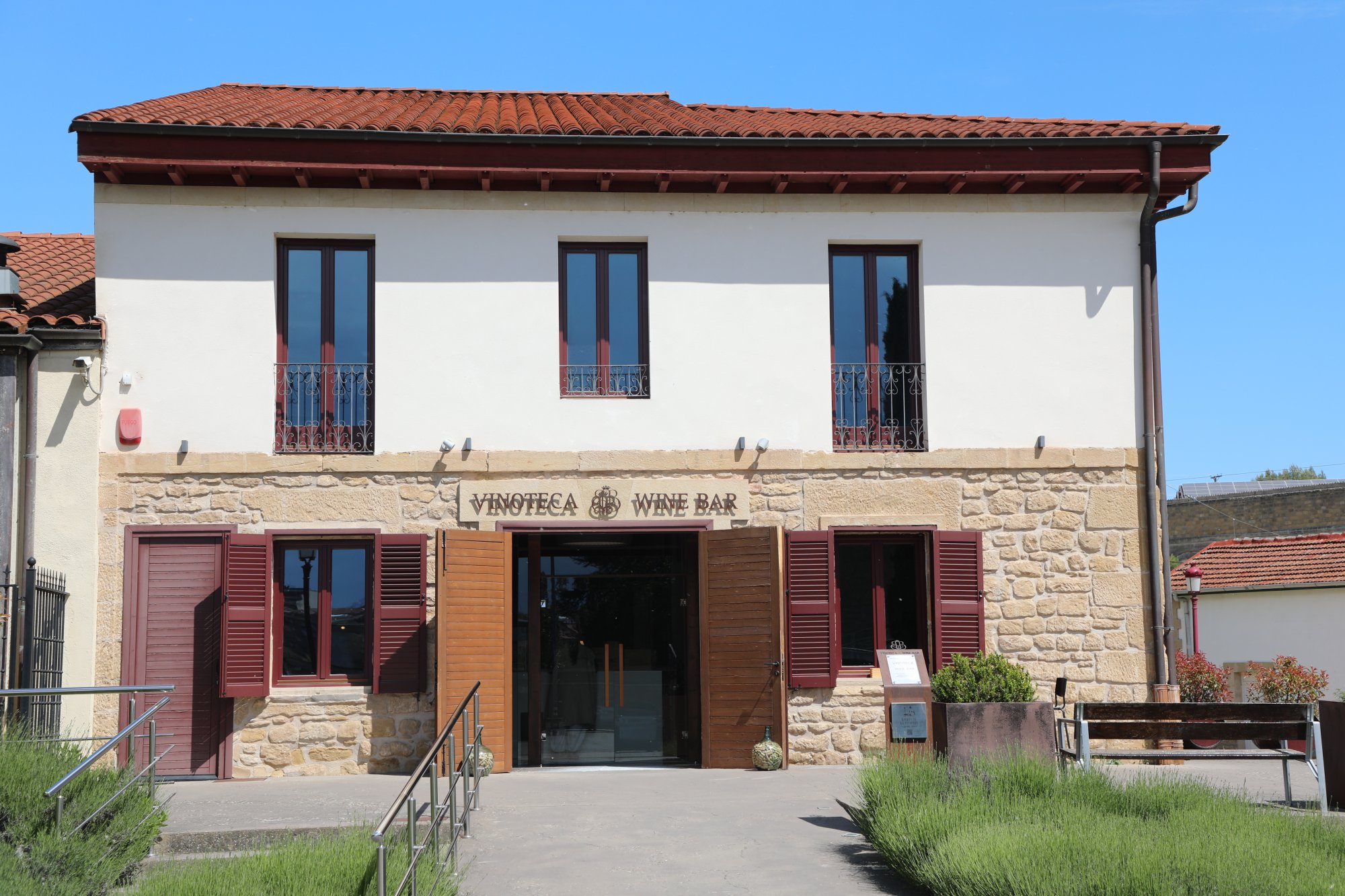
Bodegas Bilbaínas, Exterior
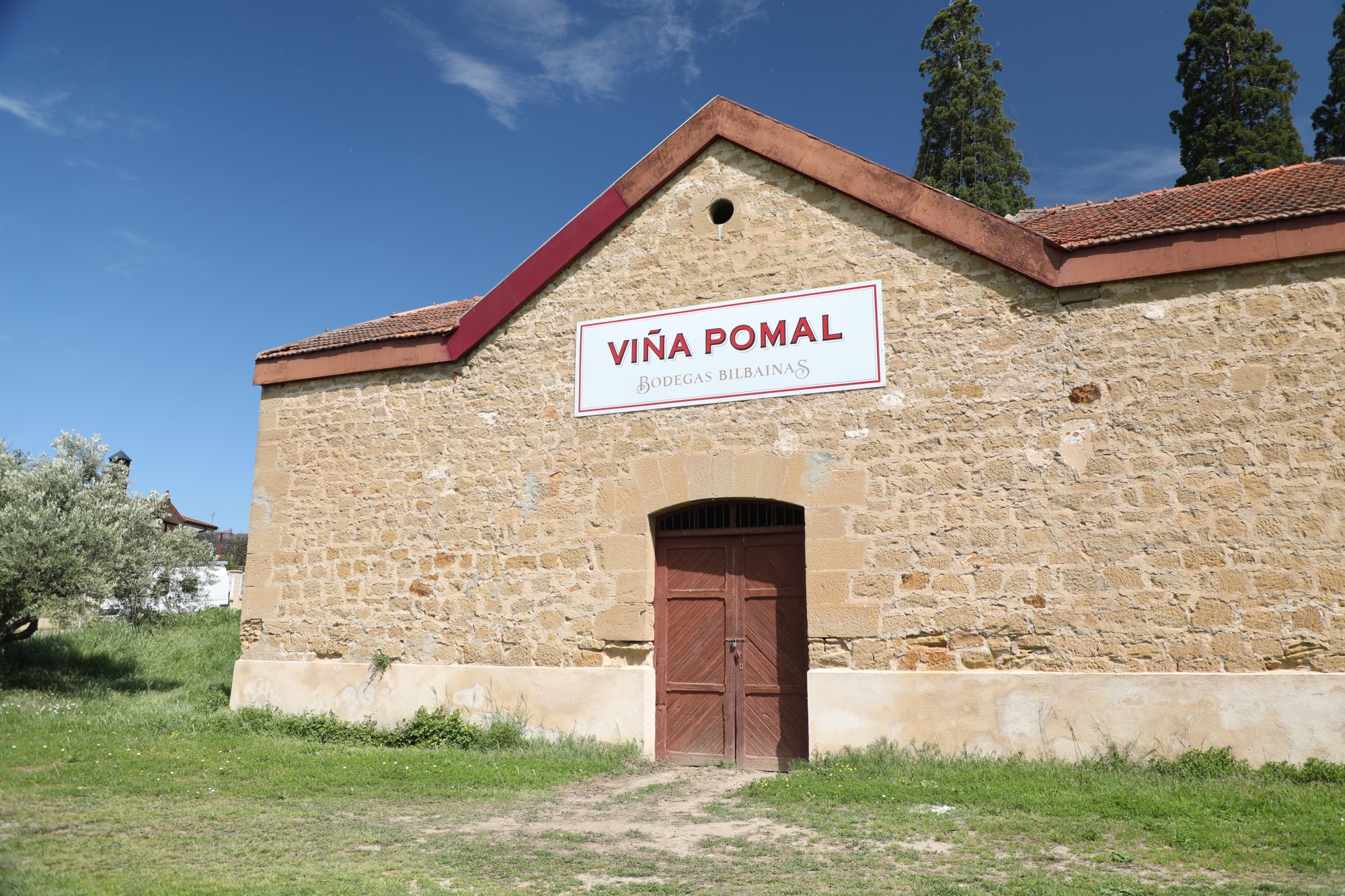
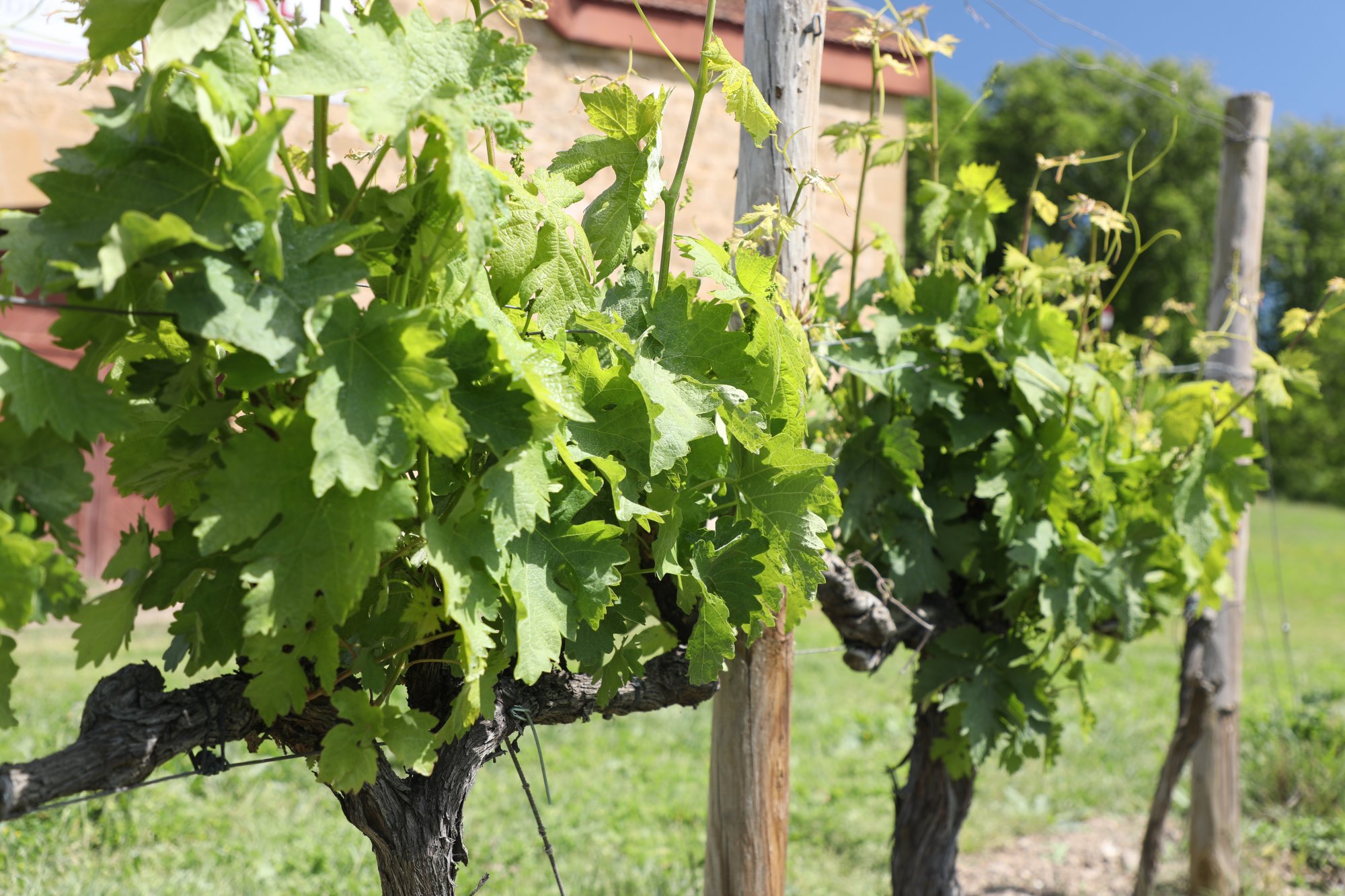
Bodegas Bilbaínas Old Cellar
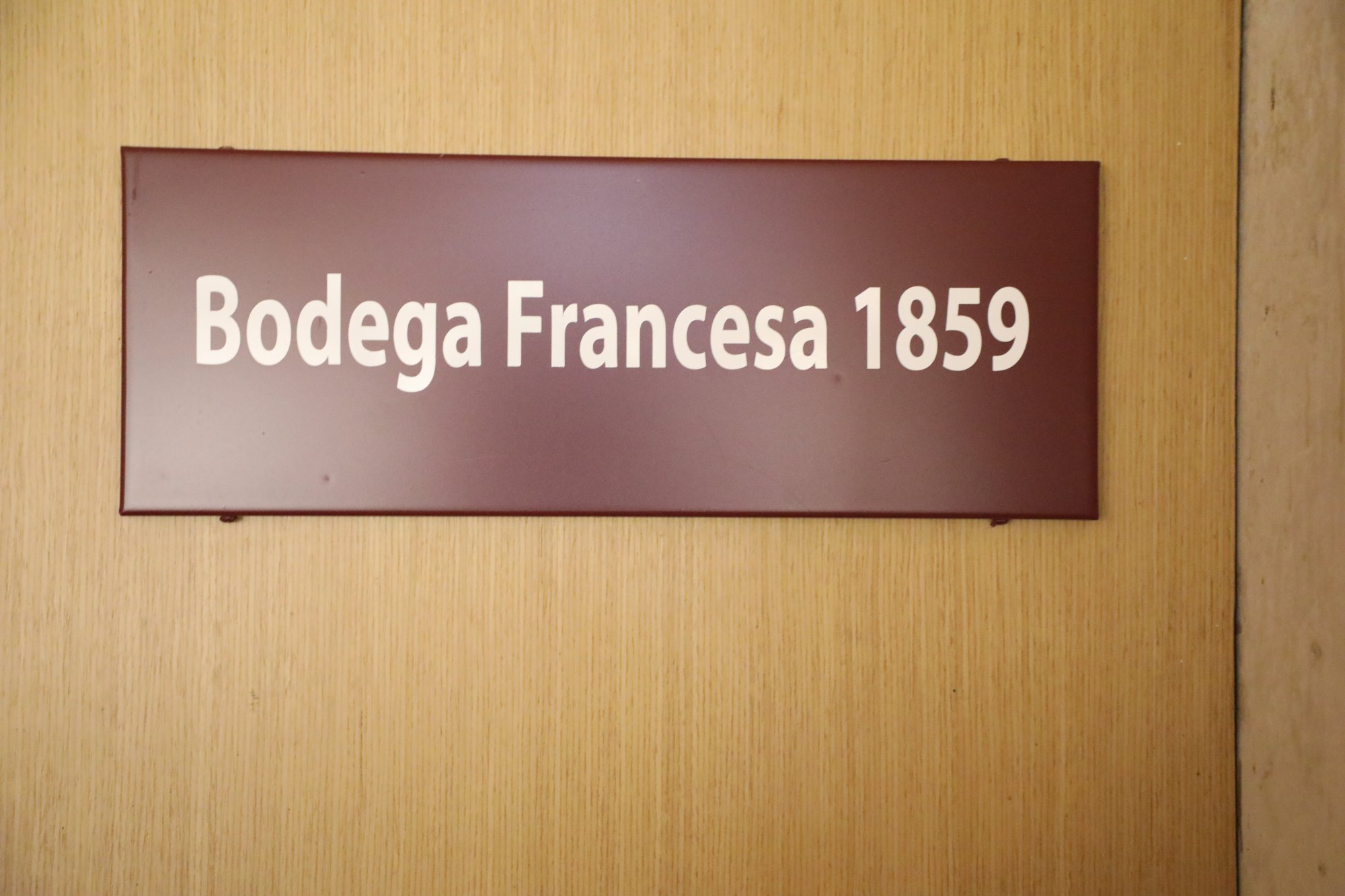
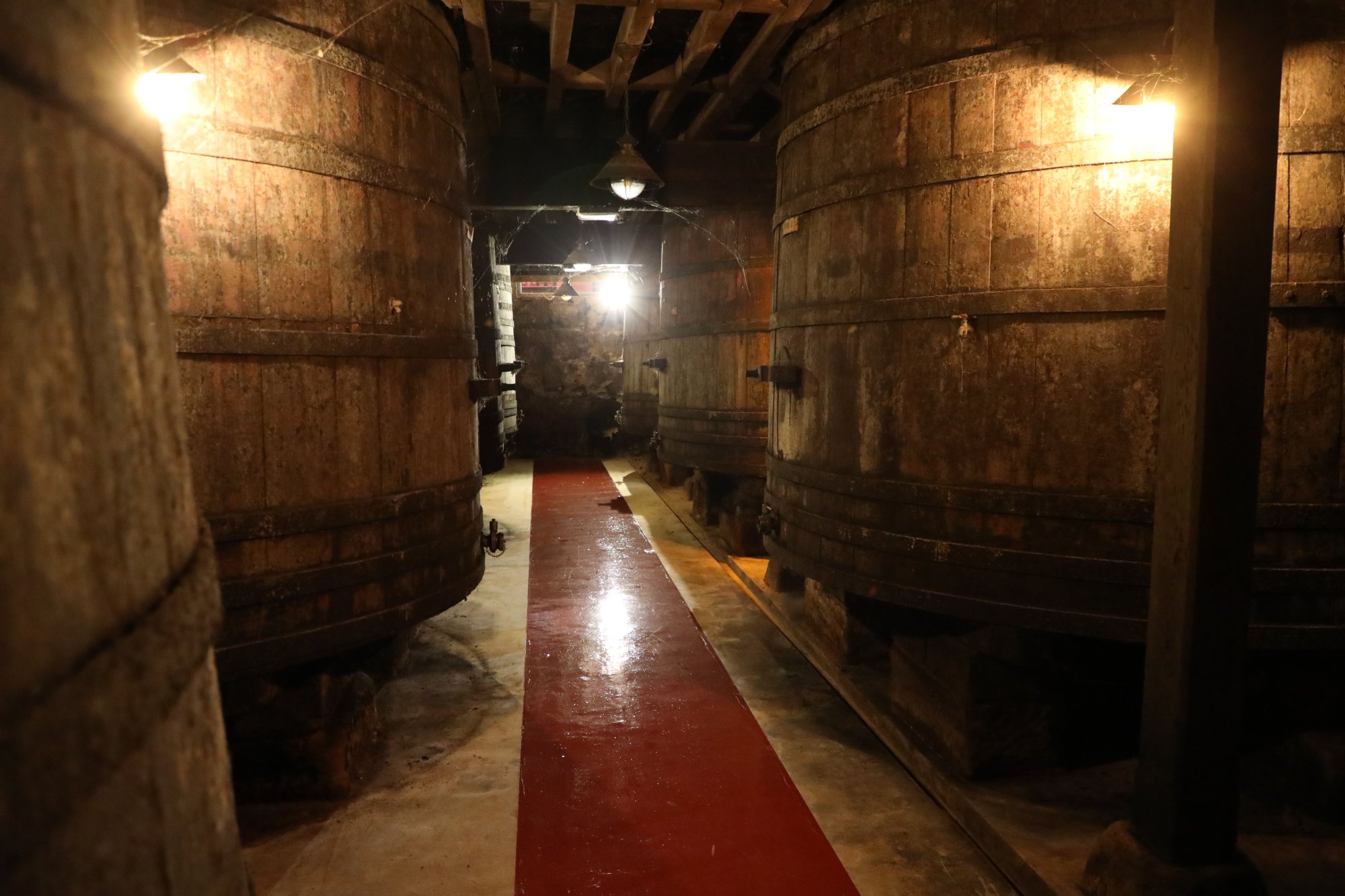
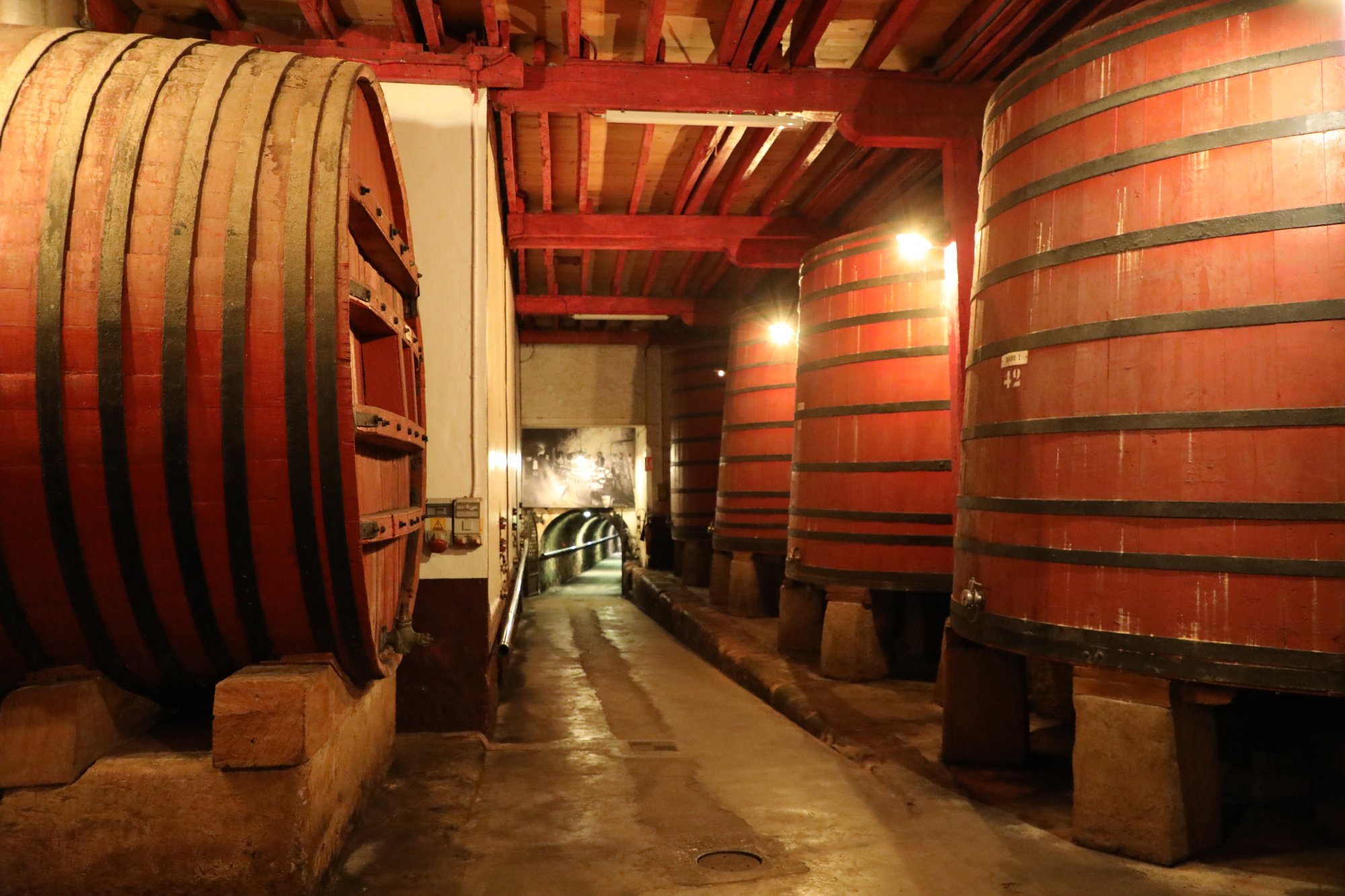
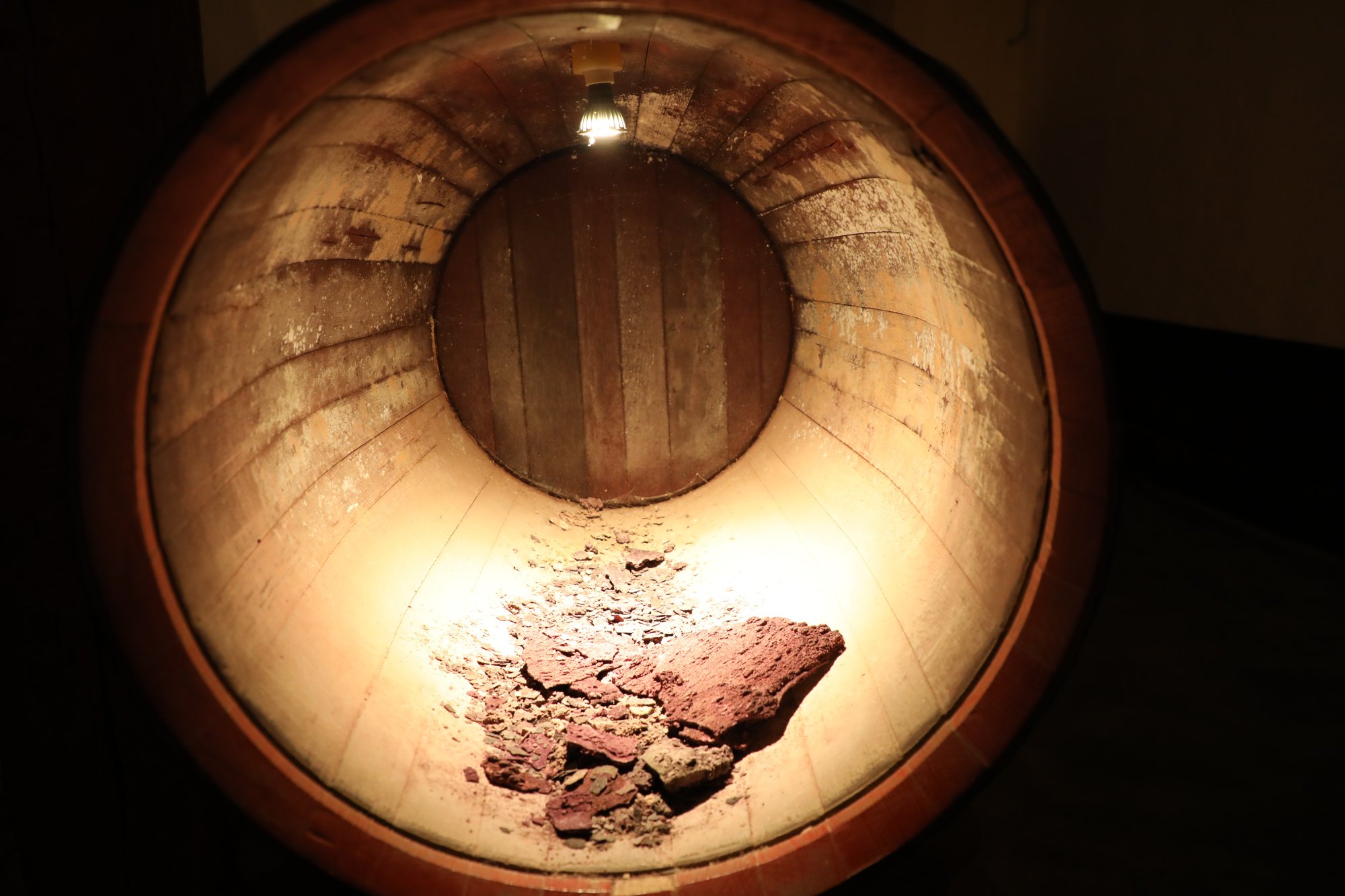
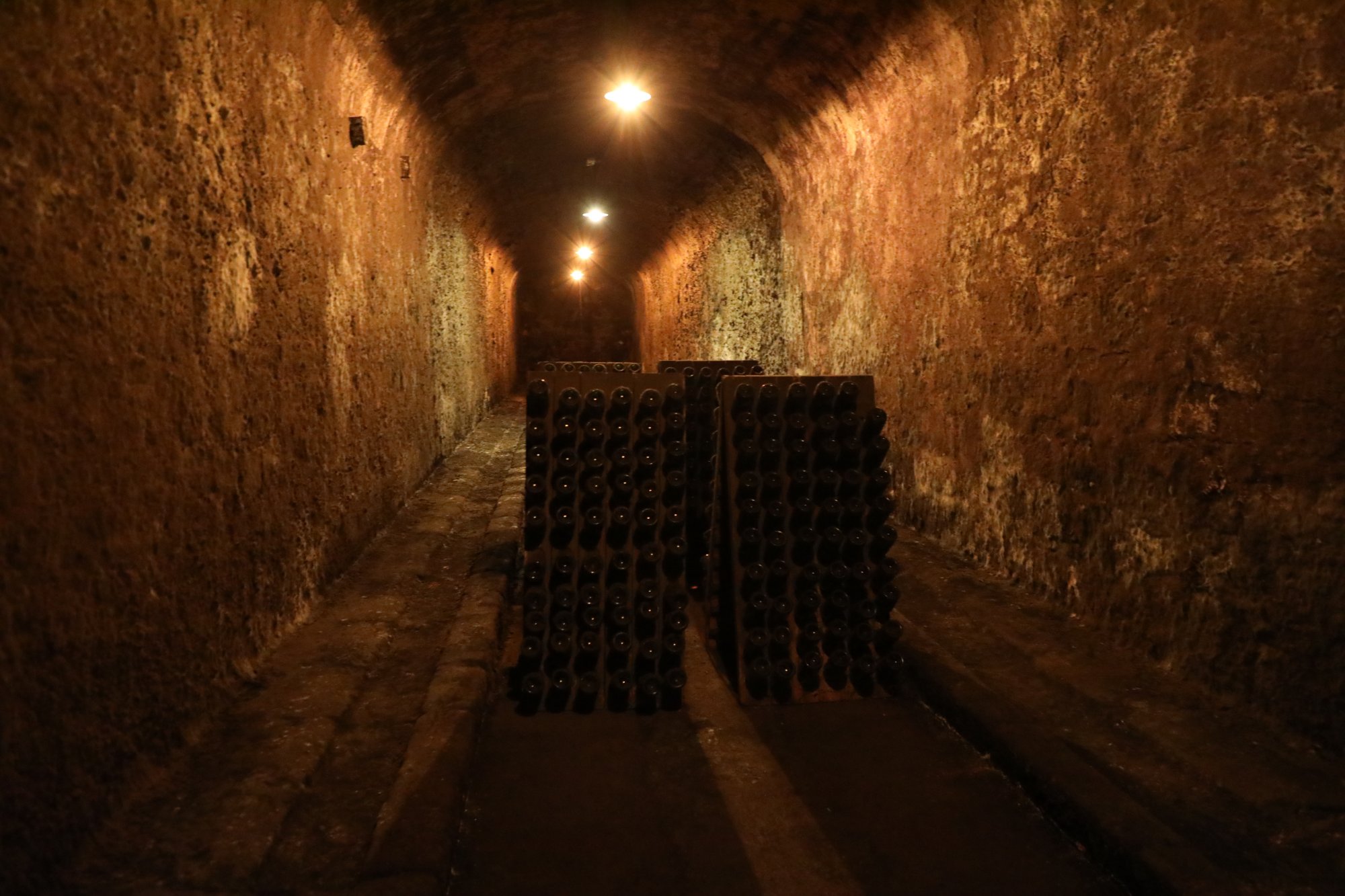
Bodegas Bilbaínas Modern Cellar
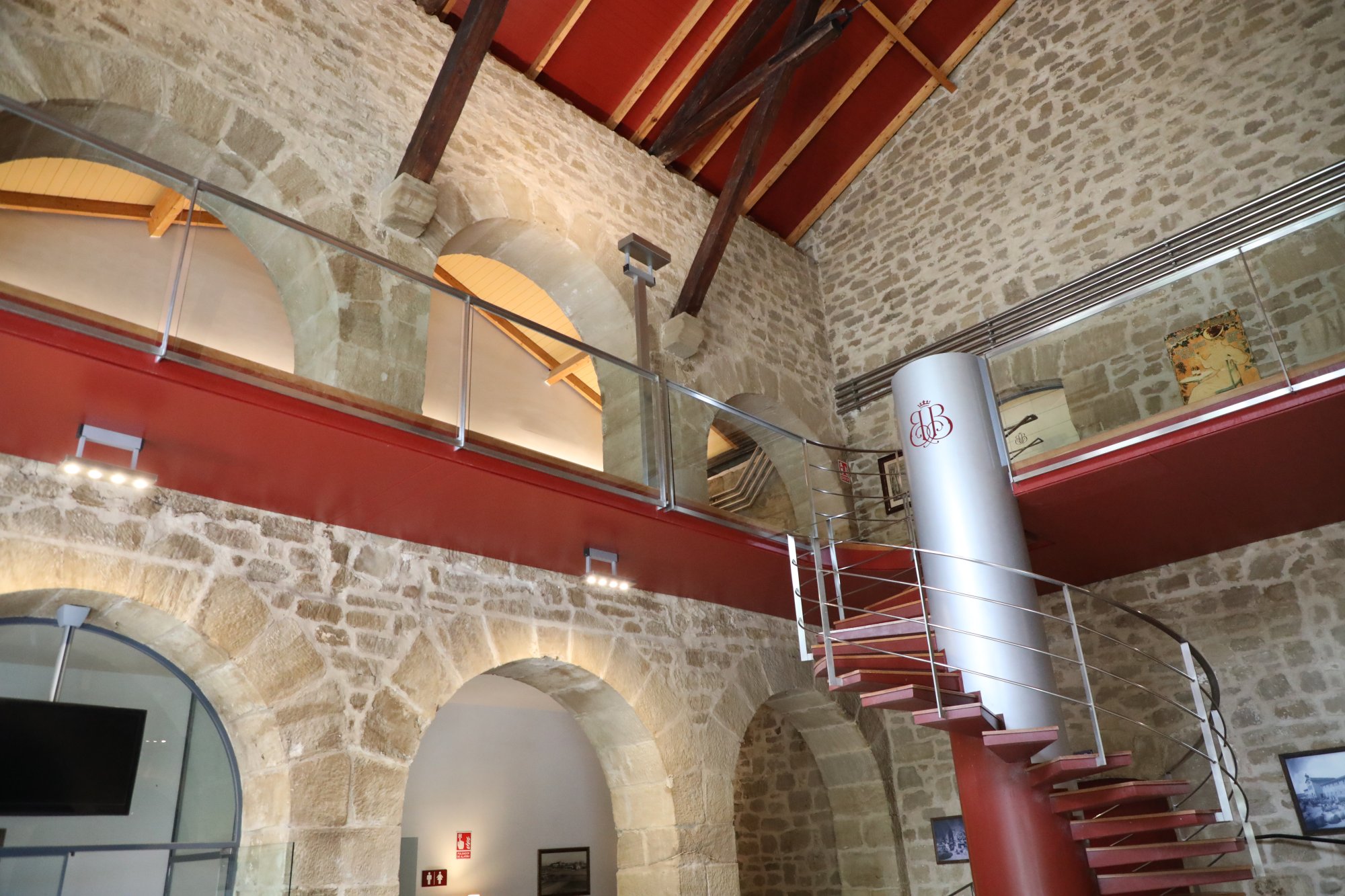
Bodegas Bilbaínas Hospitality

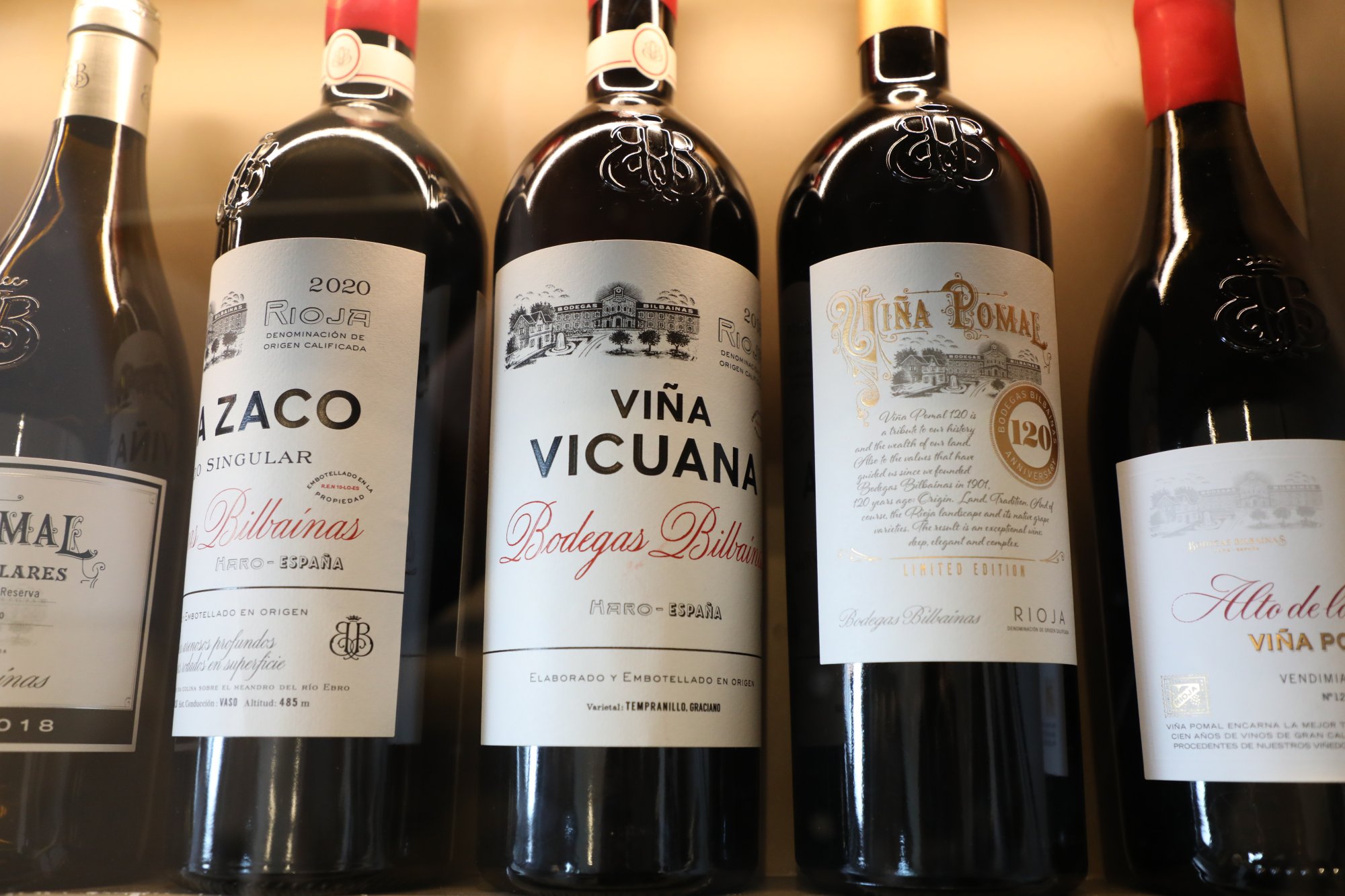
Haro
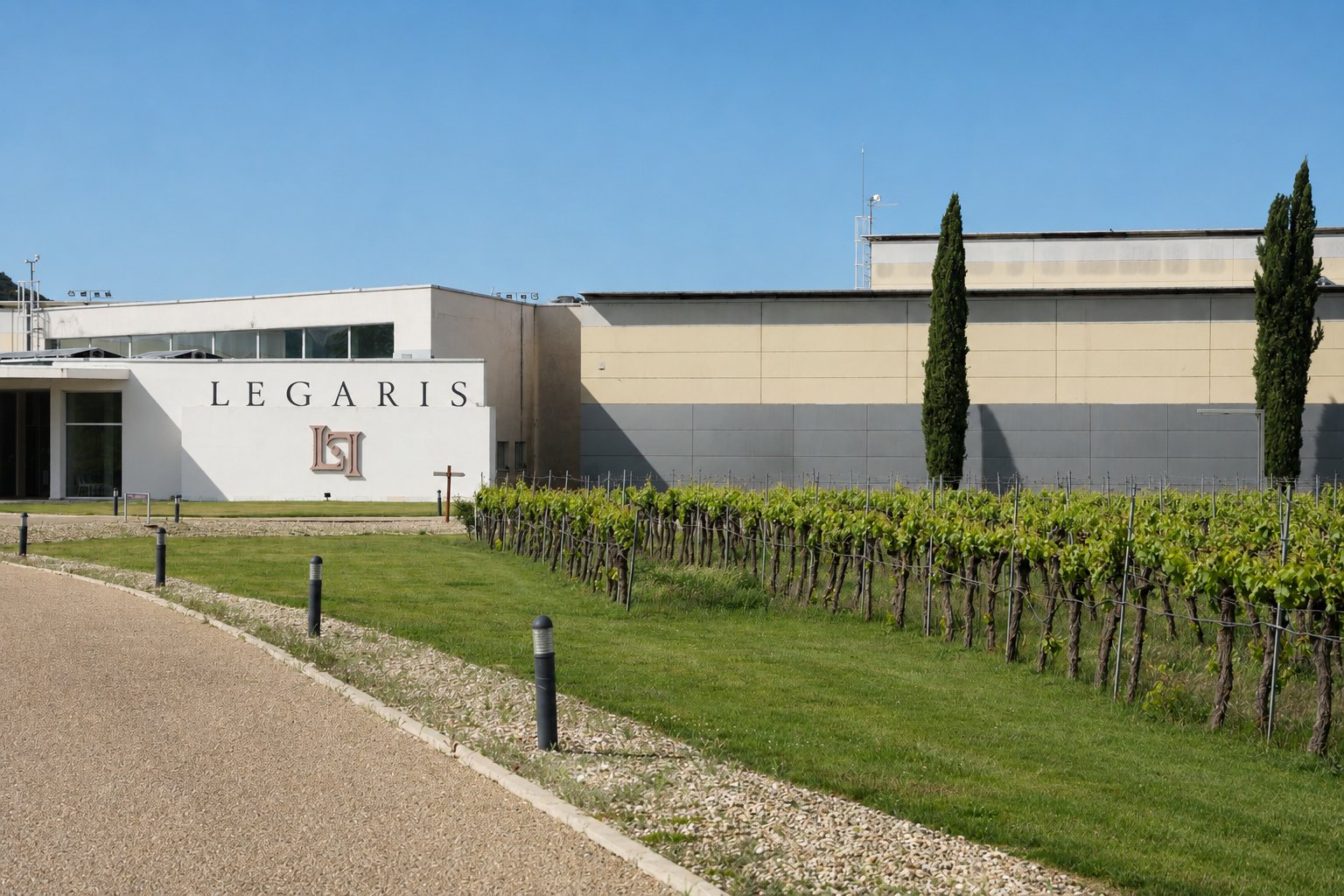
Bodegas Legaris, Spain
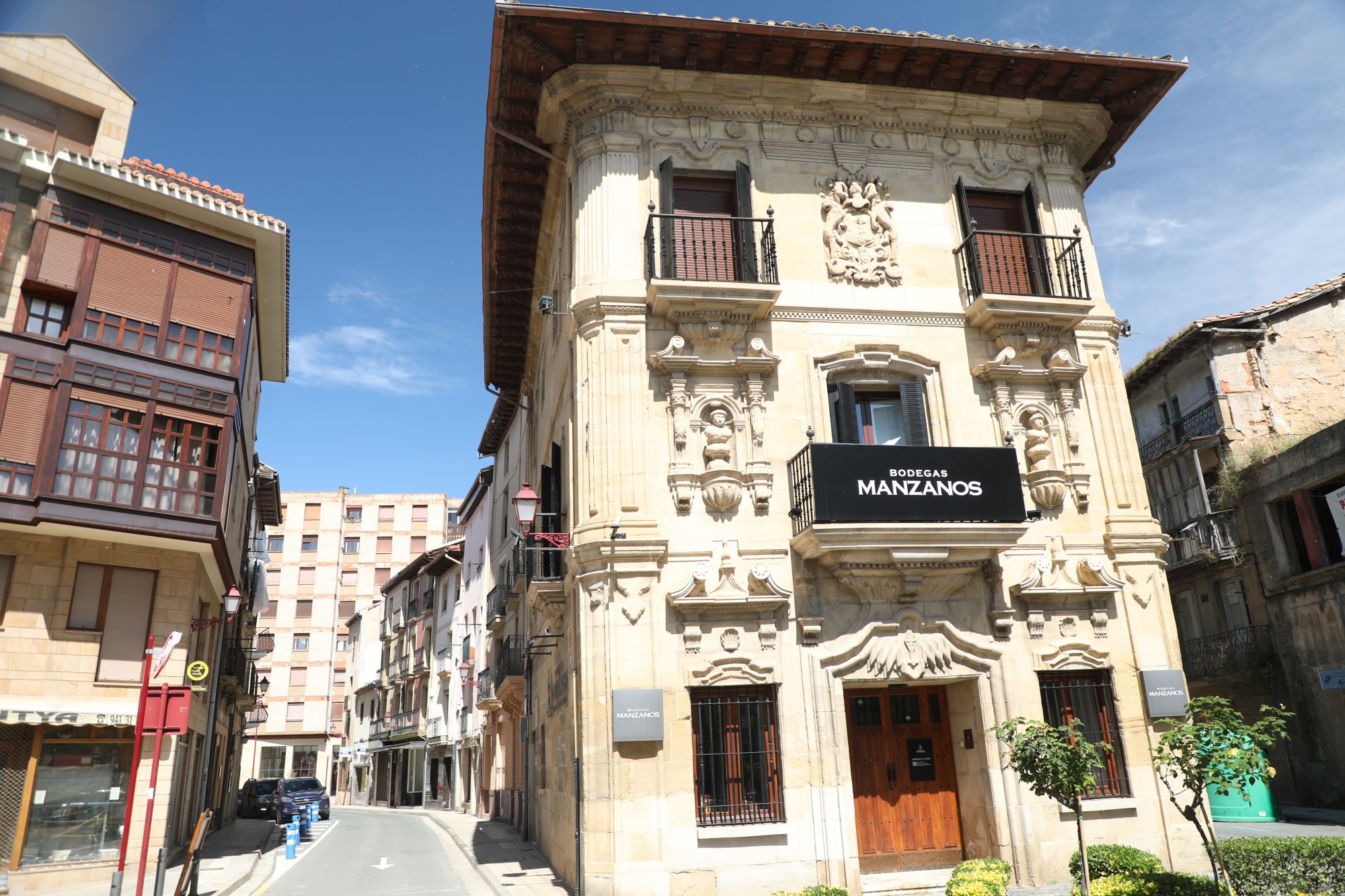
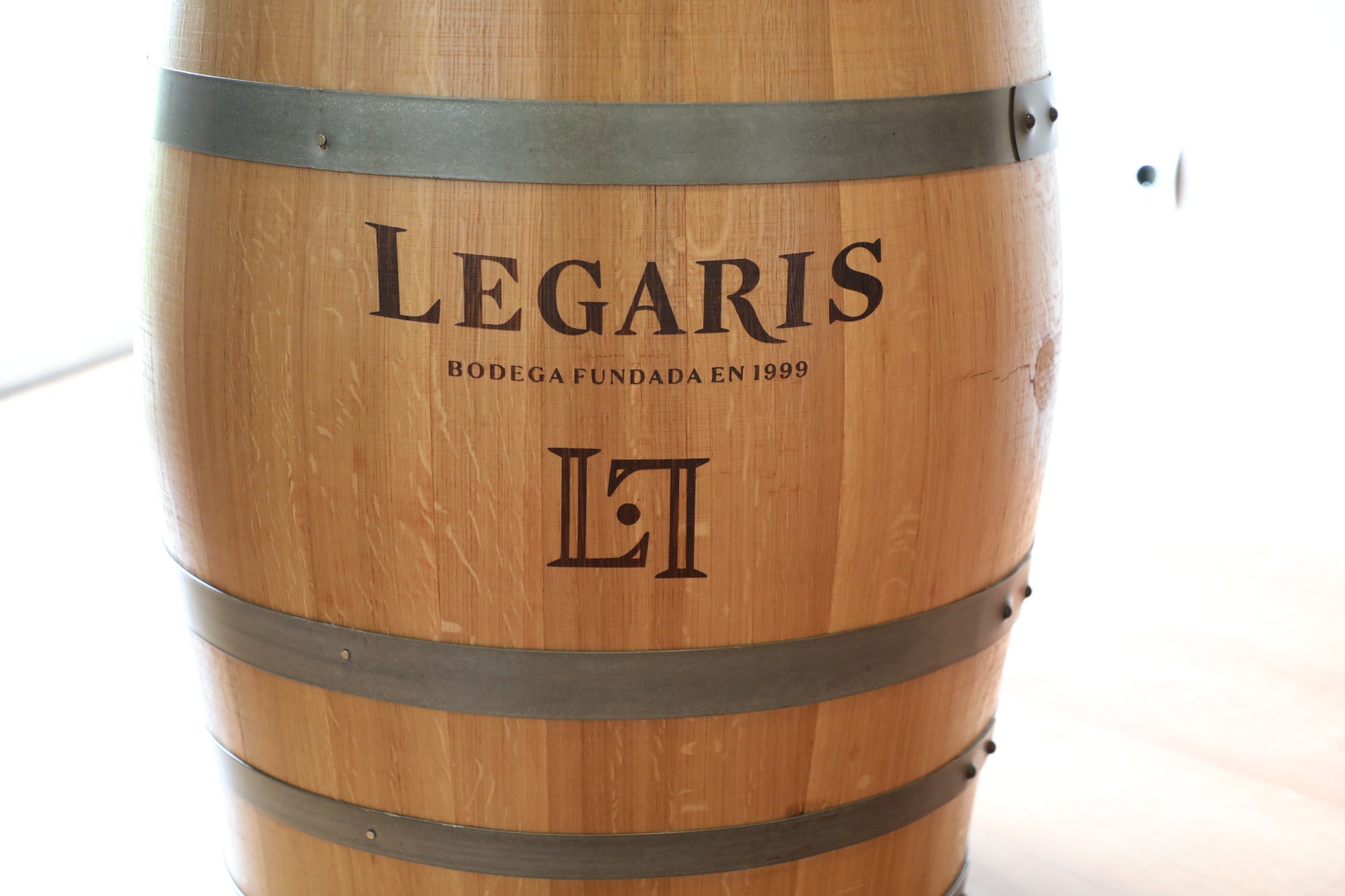
Bodegas Legaris is one of the modern benchmark wineries of Spain’s Ribera del Duero appellation, located in Curiel de Duero in the province of Valladolid, just a few kilometers from Peñafiel. Founded in 1999, Legaris was created with a clear philosophy: to produce wines that express the diversity, character and terroir of Ribera del Duero through careful vineyard selection and precise winemaking.
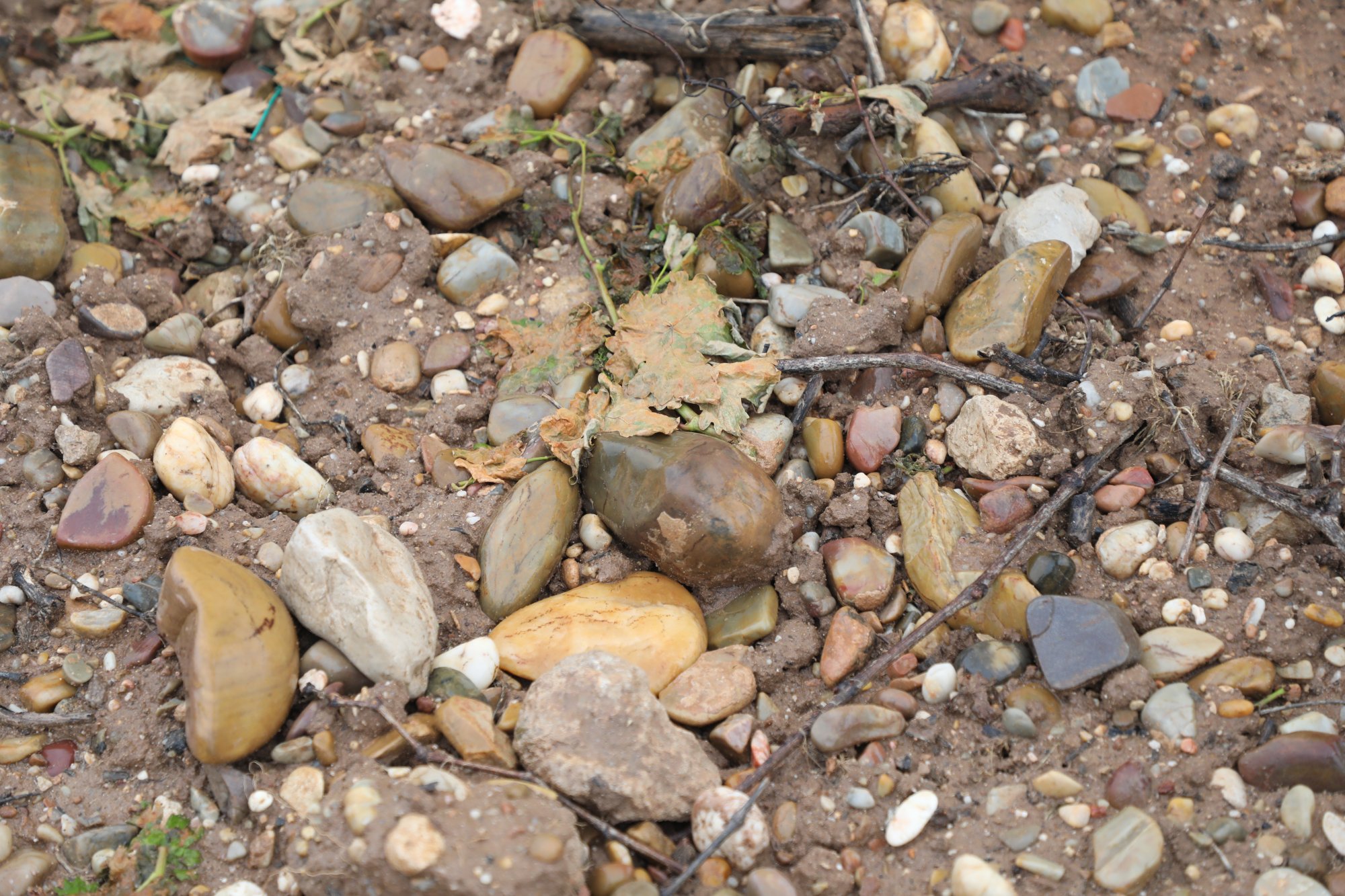
From its inception, Legaris focused heavily on vineyard quality and site expression. The winery owns 121 hectares of vineyards in several parts of Ribera del Duero, particularly around Curiel de Duero and San Martín de Rubiales, with additional grapes sourced from selected growers throughout the appellation. Estate vineyards are planted primarily to Tinto Fino, the local name for Tempranillo, along with smaller amounts of Cabernet Sauvignon. The vineyards sit at relatively high elevations on the northern Spanish plateau, where dramatic temperature swings between warm days and cool nights help preserve acidity and aromatic freshness while allowing grapes to achieve full phenolic ripeness. The soils vary considerably across the region, including limestone, clay, gravel and sandy compositions, contributing complexity and differing expressions of Tempranillo.
Legaris has increasingly emphasized terroir-driven wines through its “Vinos de Pueblo” range, highlighting village-specific expressions from areas such as Olmedillo de Roa, Alcubilla de Avellaneda and Moradillo de Roa. These wines are designed to showcase the diversity of microclimates and vineyard conditions within Ribera del Duero.
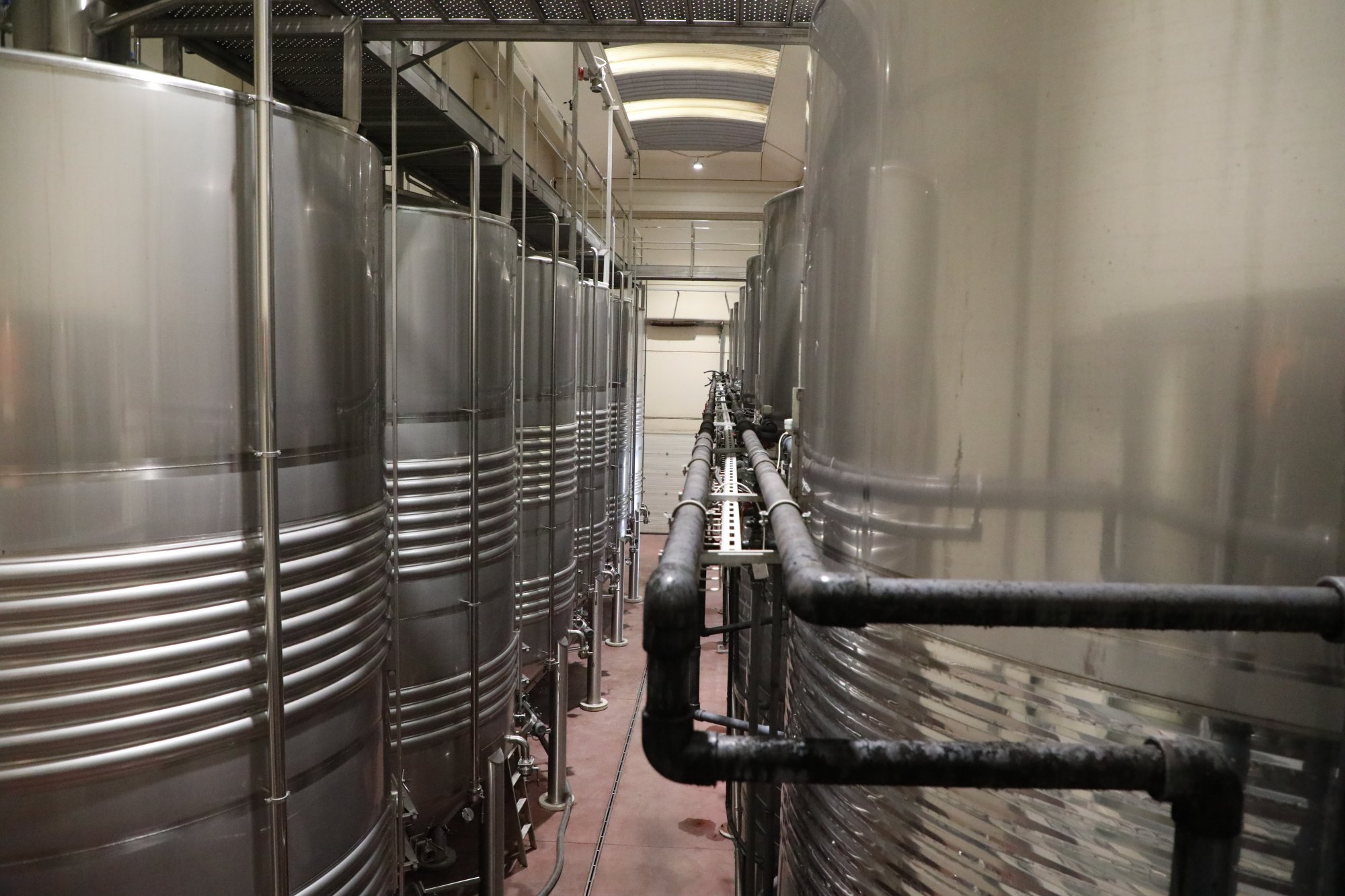
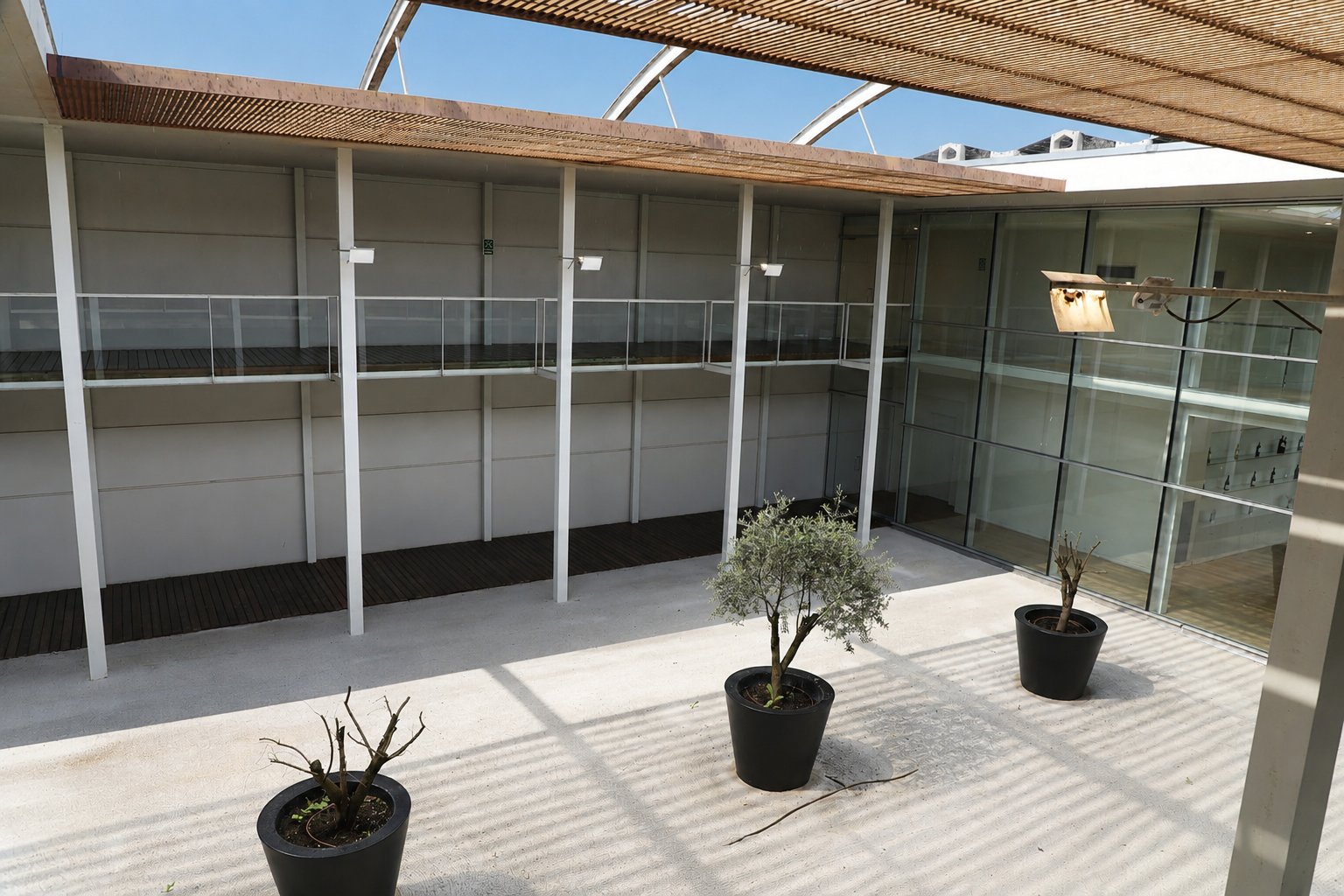
Architecturally, Legaris is distinctly contemporary. The winery was designed by architect Domingo Triay, who sought to balance minimalist modern design with harmony toward the surrounding landscape. One can see similarities in design between other wineries he has designed for Raventós Codorníu. Stainless steel fermentation tanks, gravity-assisted movement of grapes and wine, temperature-controlled facilities and extensive barrel-aging rooms allow the winery to combine technological precision with traditional aging practices. Fermentation and élevage vary depending on the wine style, with aging conducted in French and American oak barrels to achieve different structural and aromatic profiles.
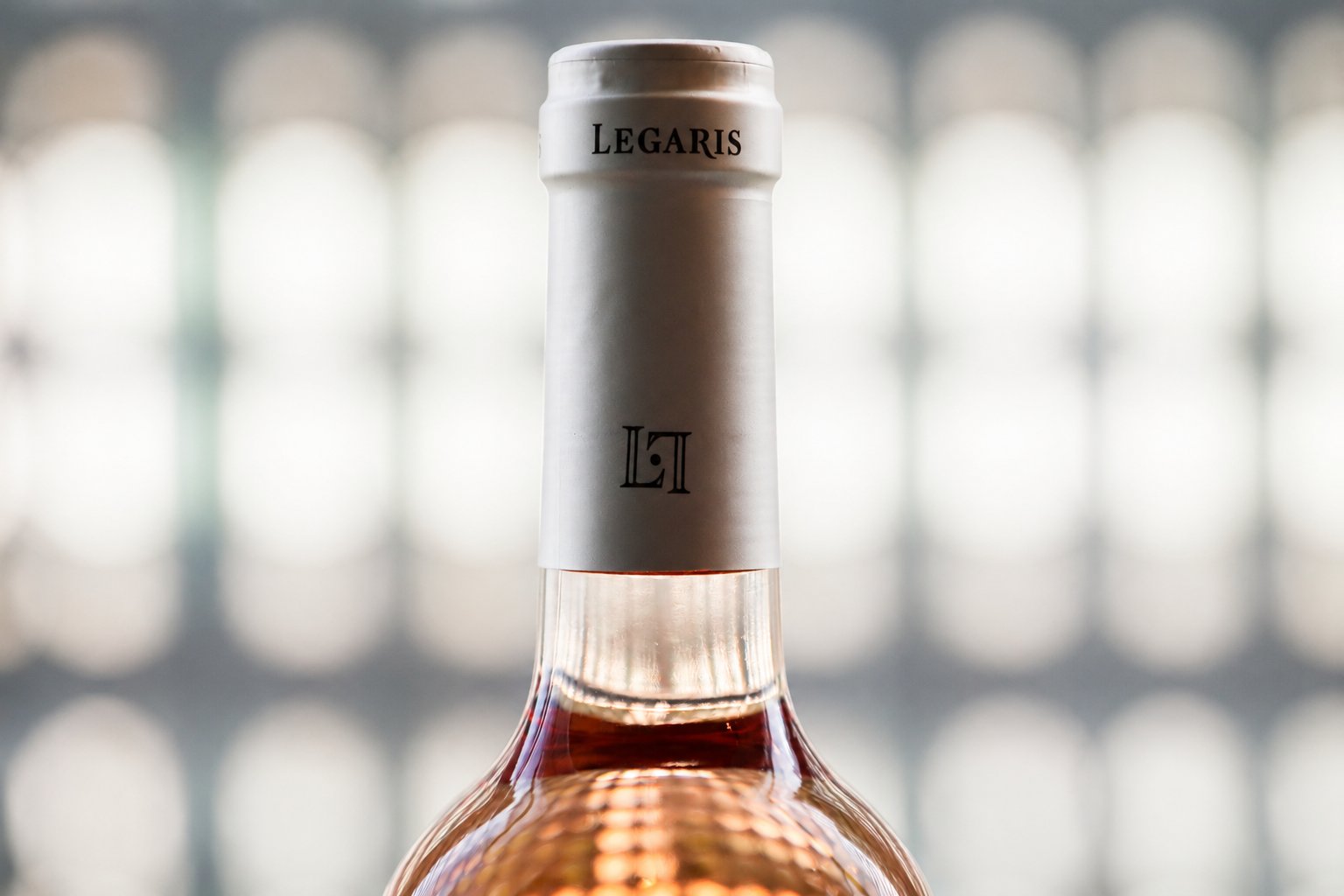
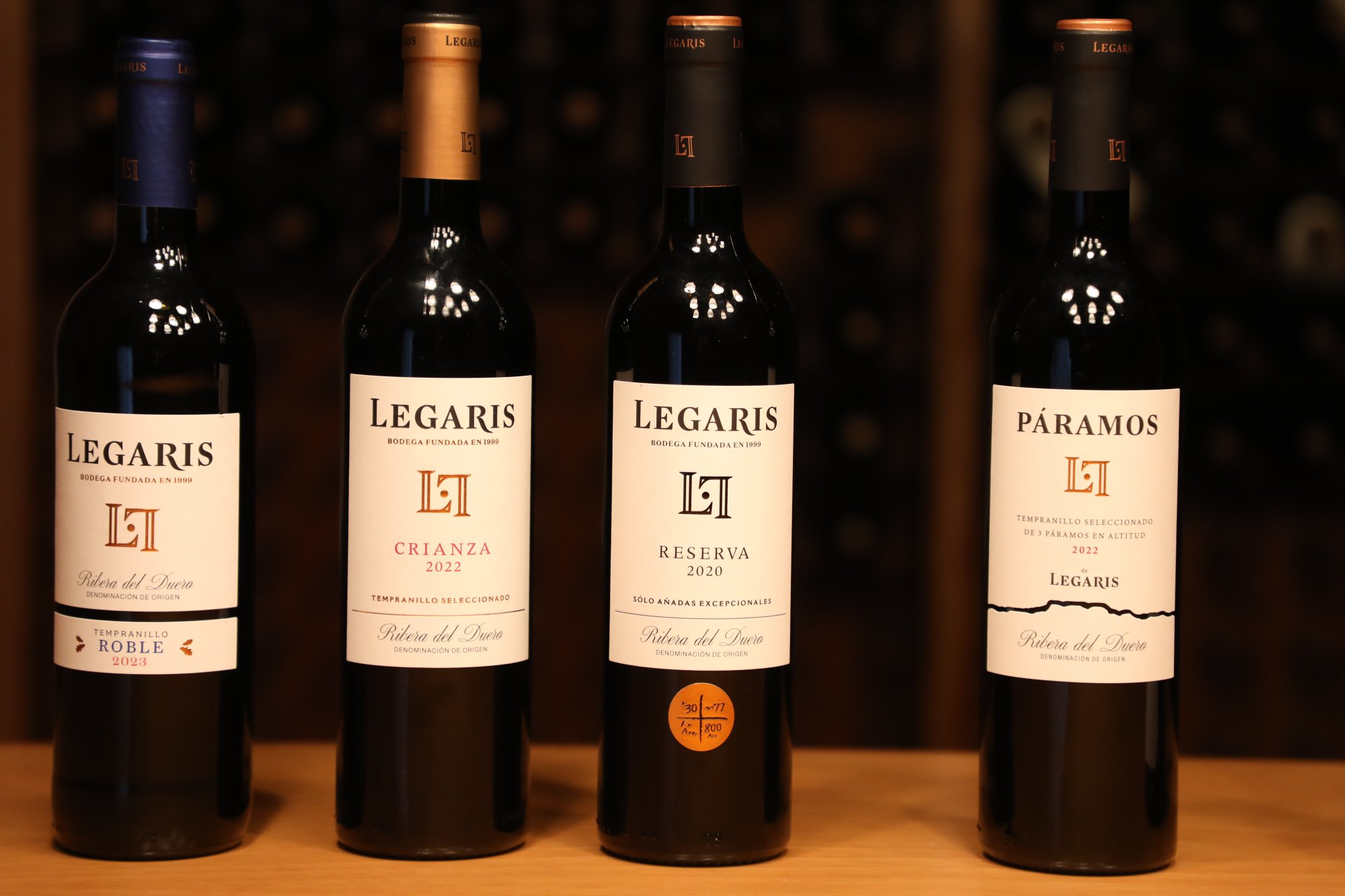
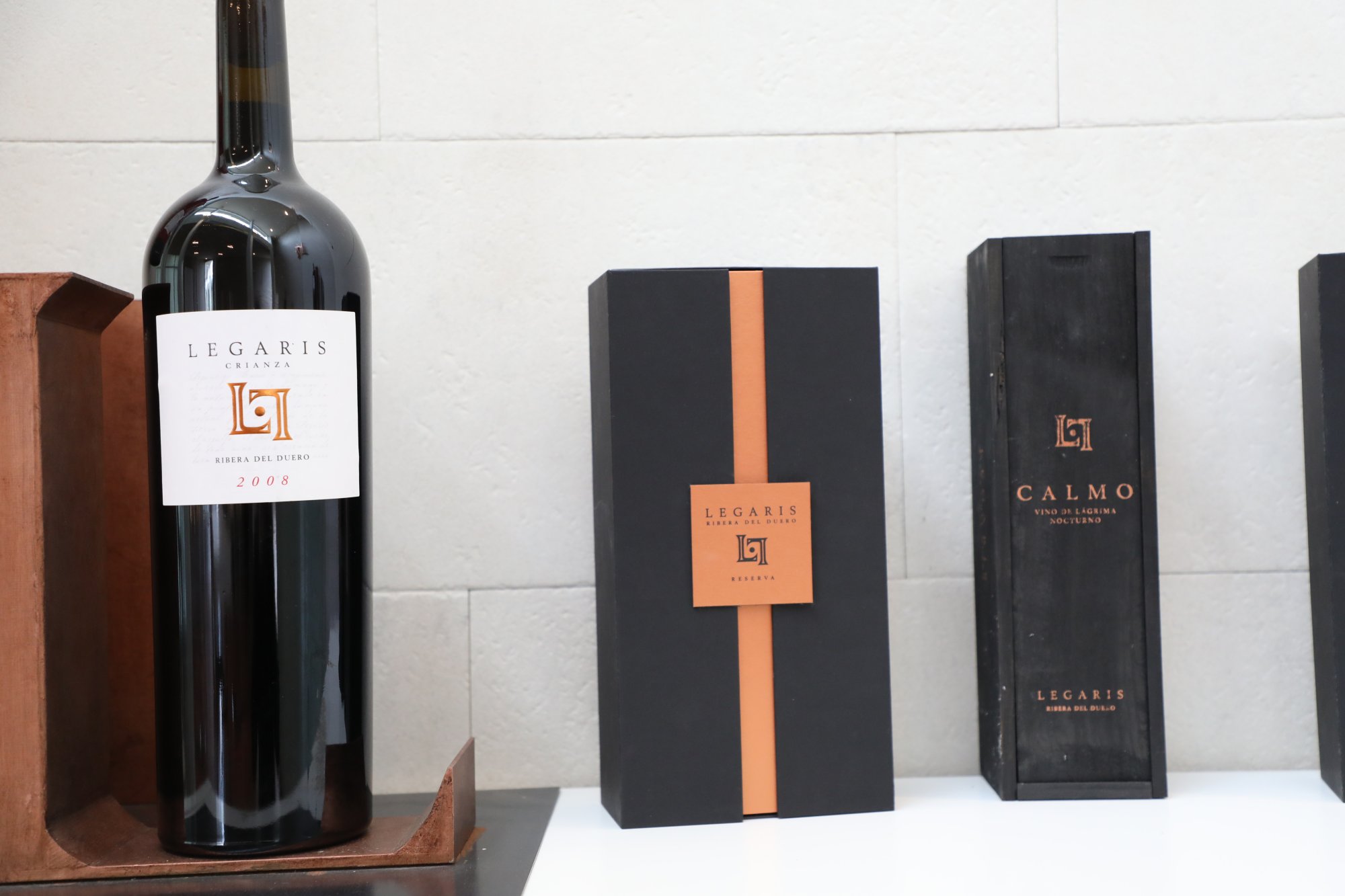
 Production at Legaris is substantial for a premium Ribera del Duero winery. According to industry sources, annual production reaches approximately 1.5 million bottles, with the entry-level Roble accounting for a significant portion of that volume. In addition to Roble, the winery produces Crianza, Reserva, single-village bottlings and higher-end wines such as Calmo and Páramos, all emphasizing structure, freshness and varietal purity. The wines are generally recognized for balancing Ribera del Duero’s concentration and power with elegance and aromatic precision.
Sustainability and vineyard management are also central to the winery’s philosophy. Legaris employs dedicated viticulture specialists who oversee both estate vineyards and grower relationships, focusing on responsible farming practices and careful grape selection. Attention to vineyard origin is considered fundamental to maintaining wine quality and authenticity.
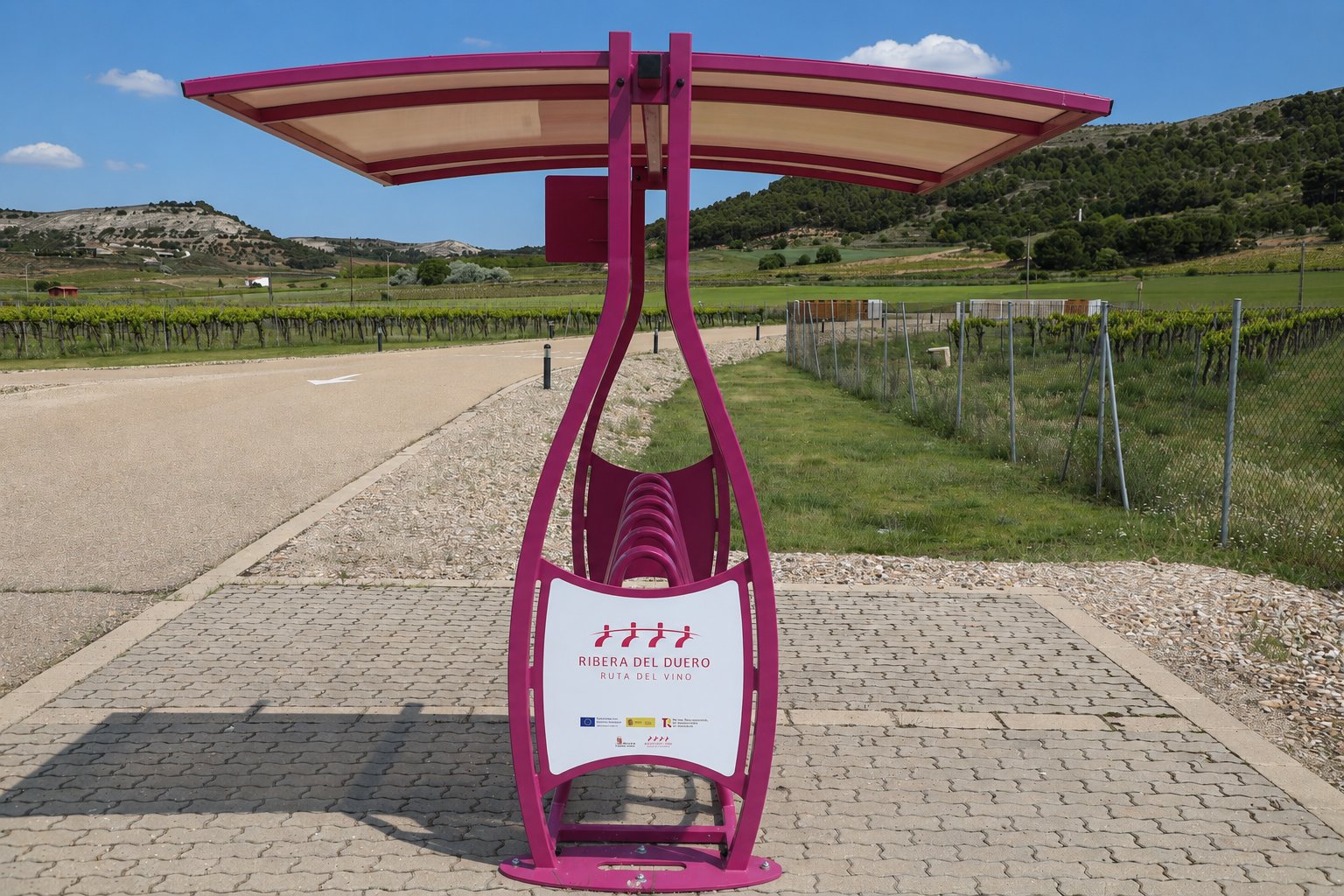
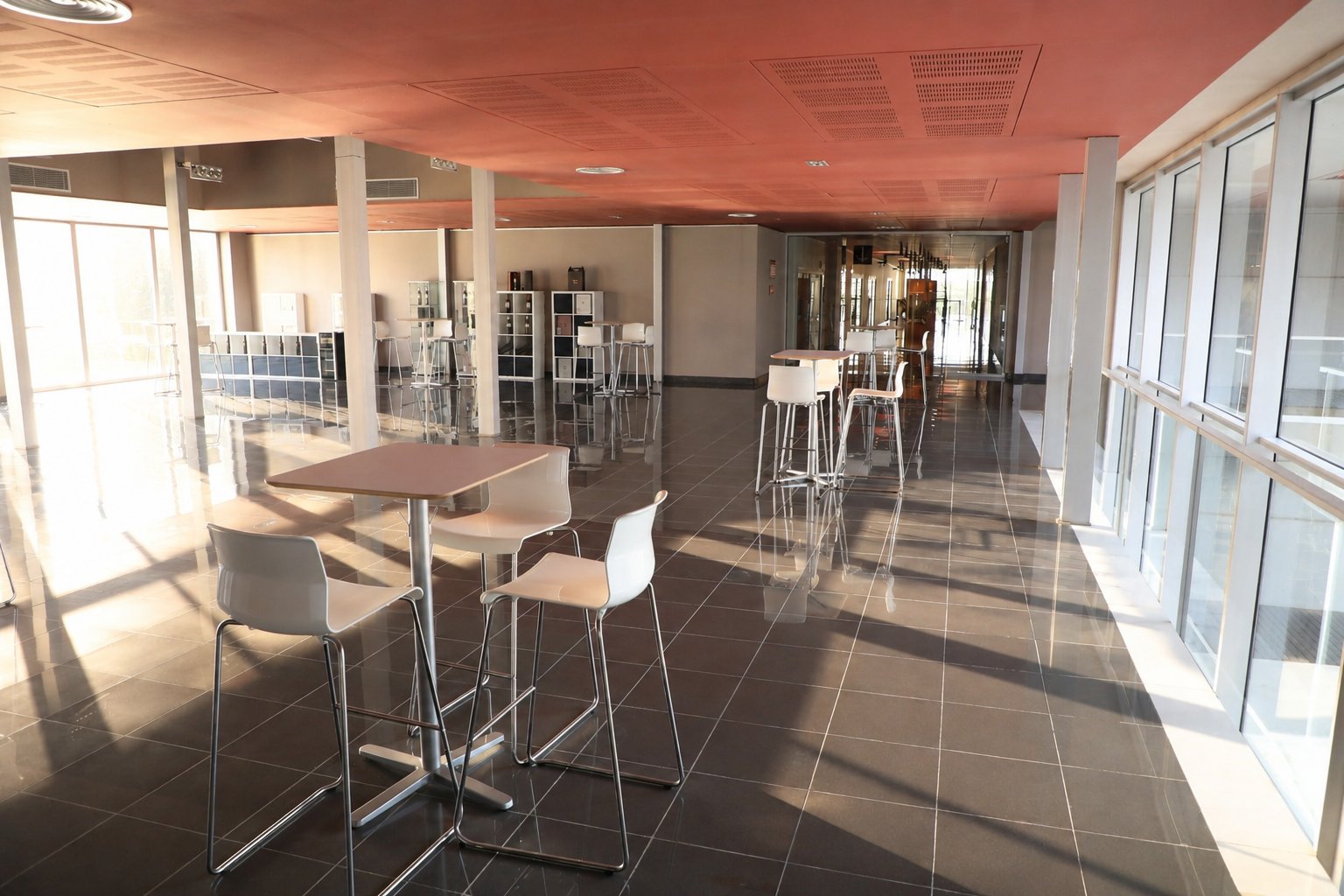
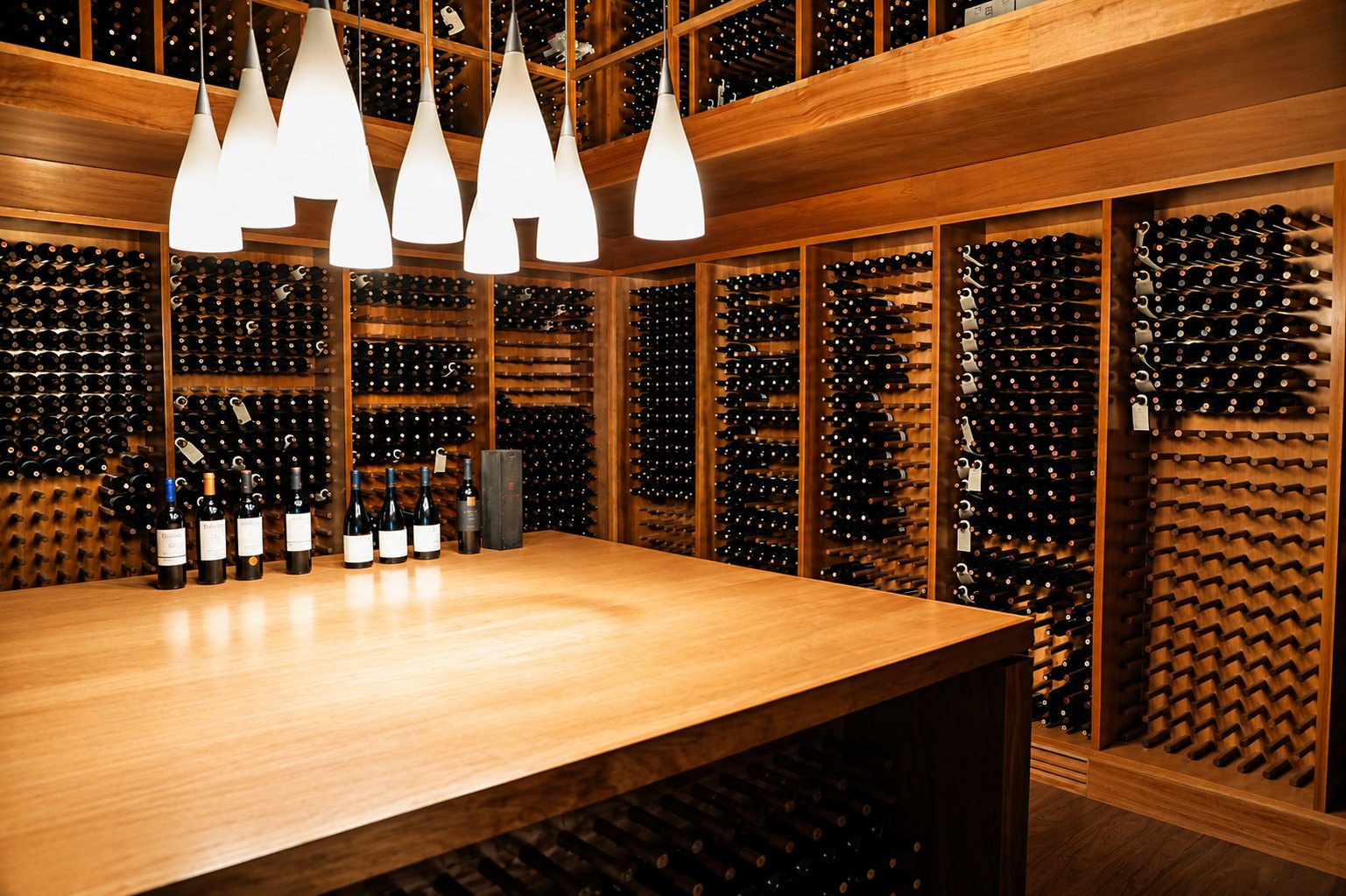
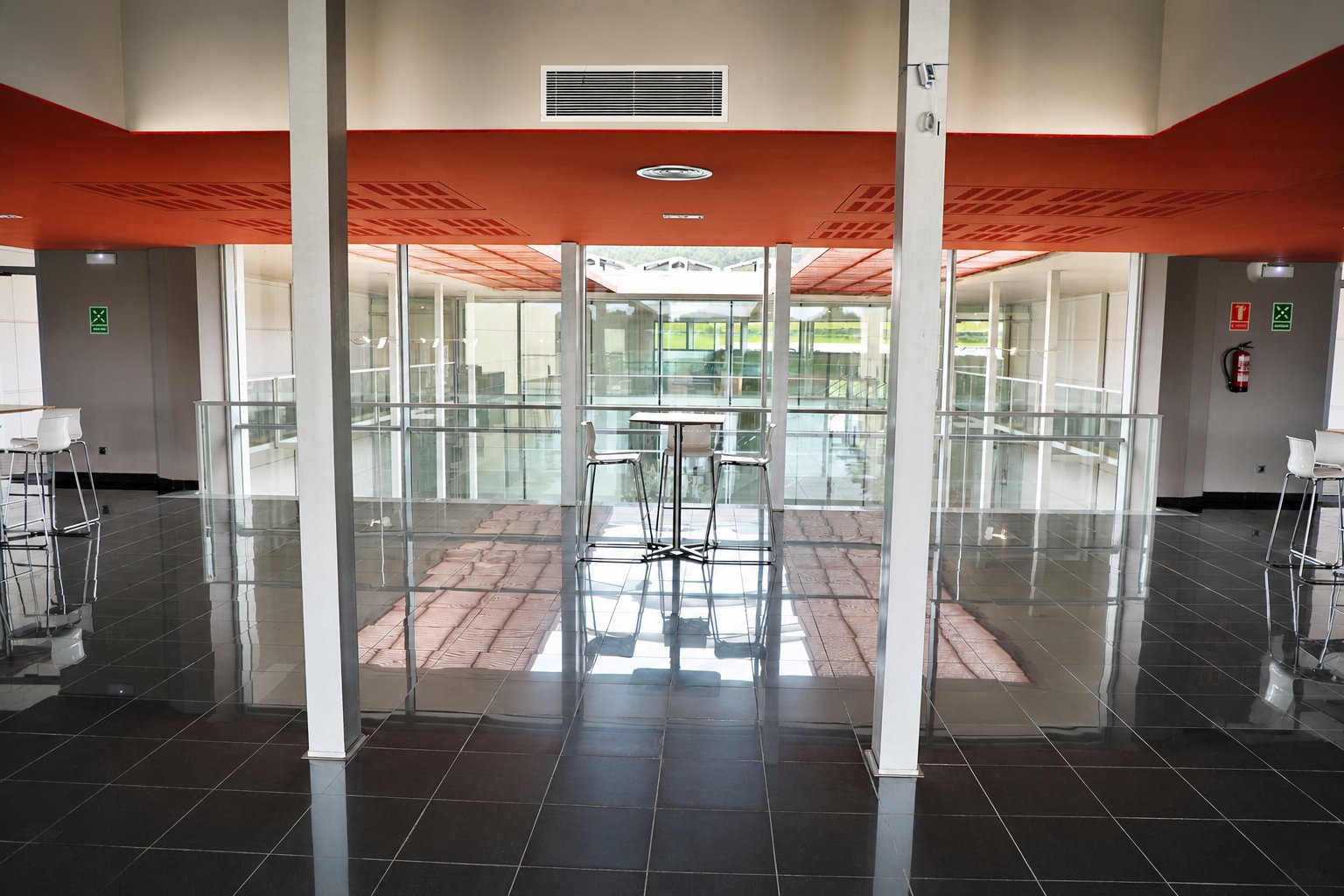
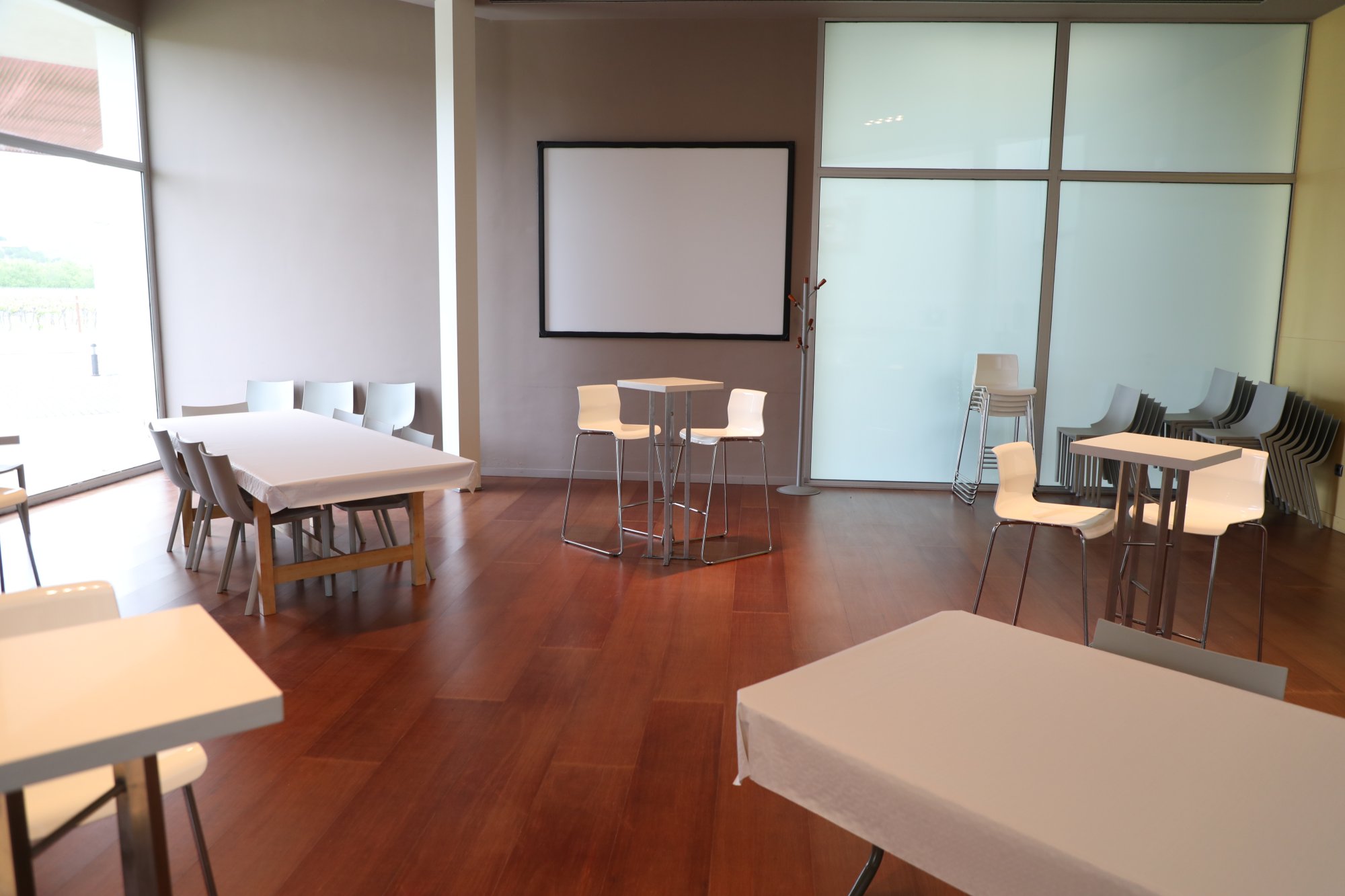
Wine tourism and hospitality form an important part of the Legaris experience. Visitors can tour the vineyards, look down on production facilities and barrel rooms while learning about Ribera del Duero viticulture and modern Spanish winemaking. Tastings are often paired with regional gastronomy and designed to highlight the winery’s various terroir expressions. Legaris has developed a reputation for professional, welcoming hospitality, including guided tours available for international visitors.
Select Wines
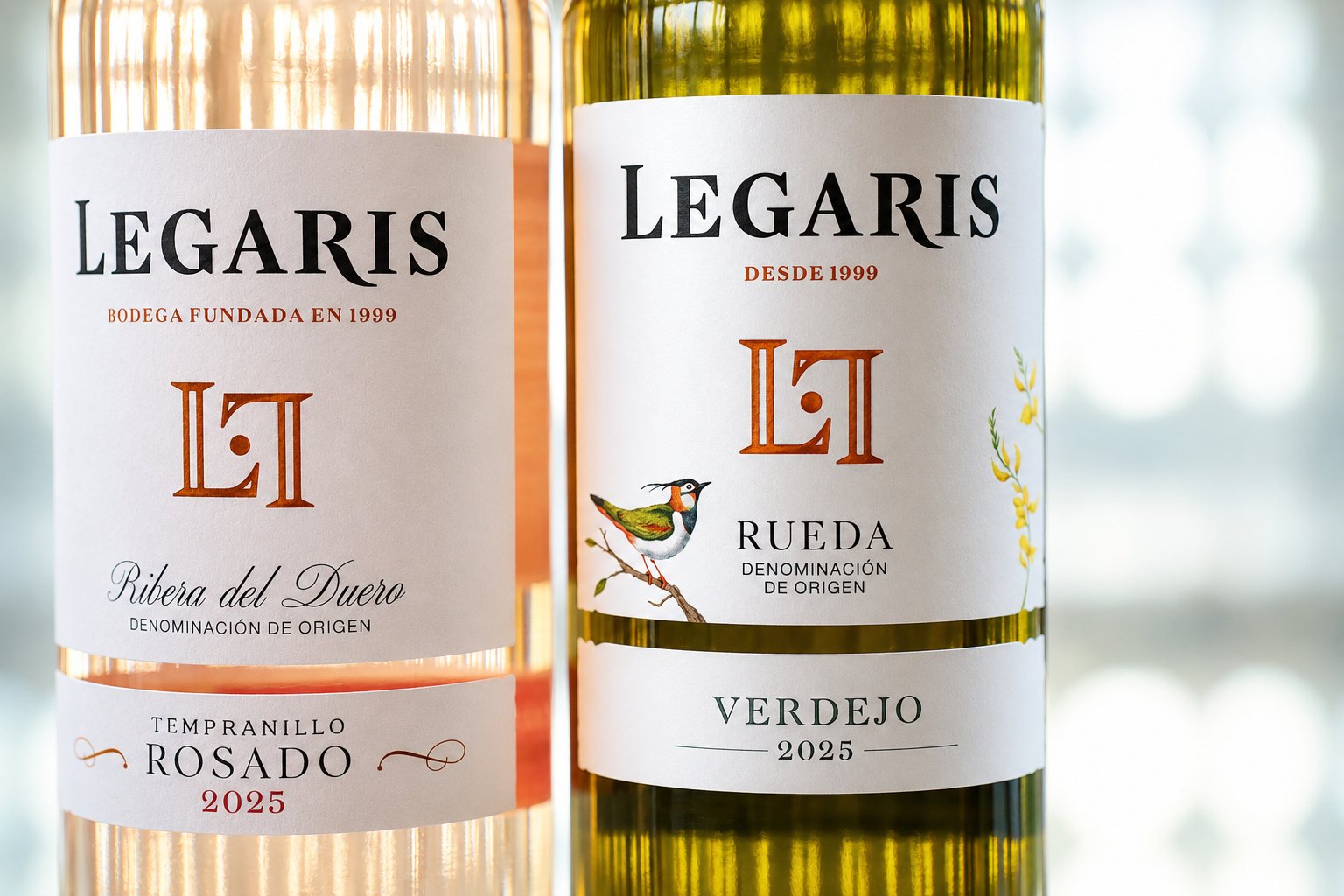
The 2025 Bodegas Legaris Tempranillo Rosado, Ribera del Duero is pale to medium salmon in color; the bouquet is immediately fresh and fruity with aromas of wild strawberries, white raspberries, watermelon jolly rancher candy, Rainier cherry, yogurt with any one of these red fruits, freshly cut roses and a light layer of red licorice. This wine’s flavors somewhat mimic the bouquet; it tastes like Rainier cherry, raspberry, white strawberries, red licorice, blood peaches and subtle balsamic character. Shows a rounded, creamy and silky texture, but this weight is never heavy. Finishes vibrant with an intensity of flavor that continues to persist on the palate. This wine falls into the dangerously drinkable category. We would to pair this with grilled Shishito peppers. This wine is 13.5% ABV.
The 2025 Bodegas Legaris Verdejo, Rueda is medium golden in color; sporting compelling aromatics right out of the gate, this wine smells like pineapple guava, comise pear, white nectarine, Babcock peach, golden apples, melon, apricot, sweet white florals and a layer of fennel. It is not green nor grassy nor overtly citrusy. It smells fully ripe at its listed 13.0% ABV. This wine tastes of white peach, white nectarines and mandarin orange. Its acidity is balanced, medium plus. Finishes with an herbal sweetness, offering notes of fennel, tarragon and sliced and sauteed artichoke hearts. One of this varieties’ trademark characteristics is its inherent bitter character, but we don’t readily notice that in this wine. Finishes with layers of lasting fruit complementing a texturally rounded mouth feel. Pair with something raw from the sea.
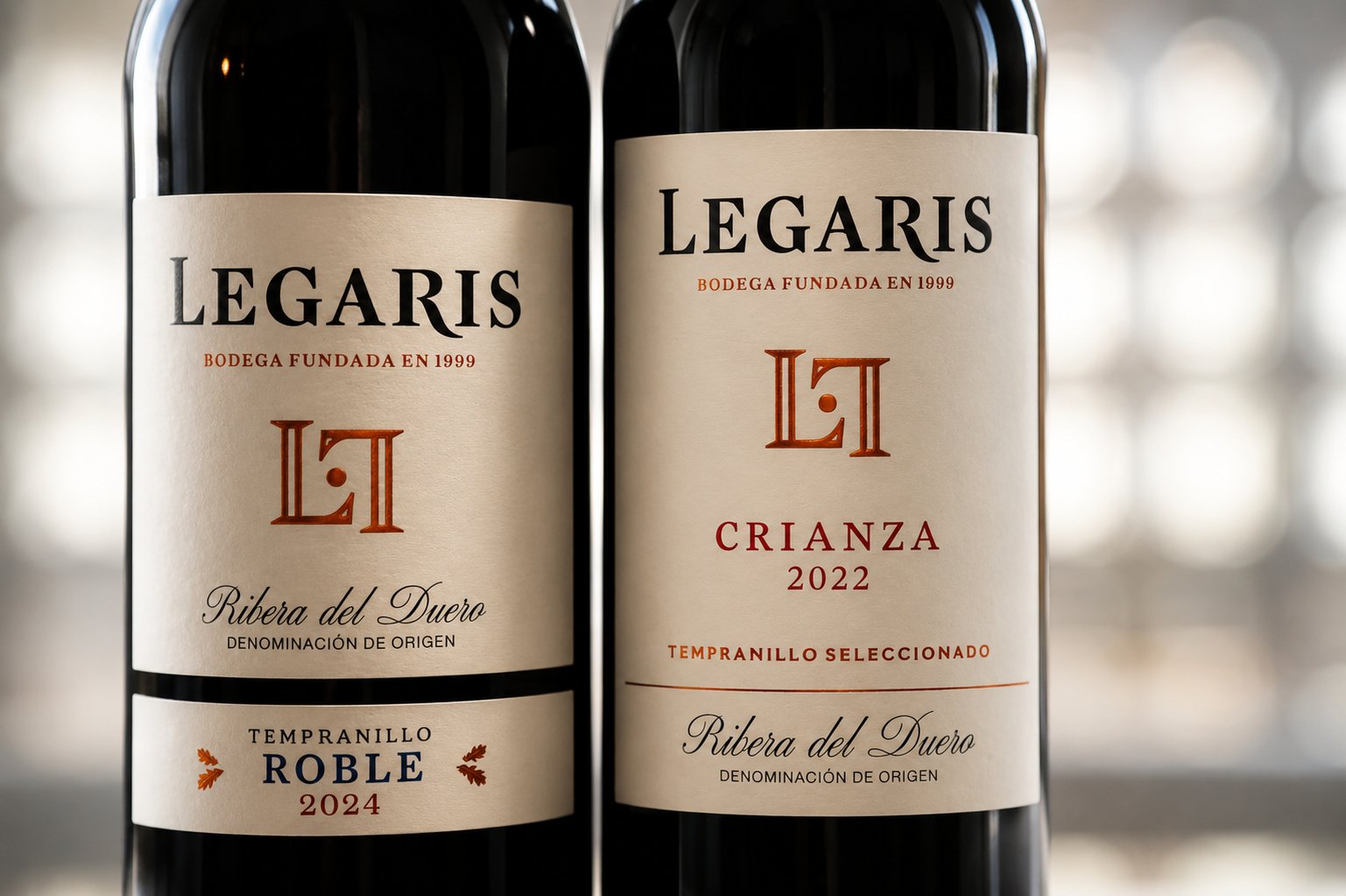
The 2024 Bodegas Legaris Tembranillo Noble, Ribera del Duero is deep ruby in color, with some purplish tinges on the rim and nearly opaque; dominated by its darker fruits, this attractive bouquet is well layered. Its scents include blackberry pie, boysenberry jam, dark mulberry, dark cherry and ripe black currants. Its floral, barrel and earthy notes are lighter influences including of violets, vanilla, cloves and dark chocolate. Dark fruited on the palate, with a balanced presence of acidity, this wine tastes like blackberries, dark cherries, dark mulberries, boysenberry, and dark plum with supporting layers of dark chocolate, a light savory/meaty edge, chalk and cocoa powder. Finishes with well tumbled yet noticeably structured tannins sporting a lightly gravelly and dusty character that broadly coats the palate. Its ABV is 14%.
The 2022 Bodegas Legaris Crianza, Tempranillo Seleccionado Ribera del Duero is deep ruby, with amaranthine hues and very much opaque. This bottling is not lacking in terms of its dark color intensity. The bouquet smells ripe but not jammy – an important distinction with aromas of blackberry, boysenberry, dark mulberry, blueberry, ripe plums, dark chocolate and cocoa powder. This wine was produced from Tempranillo vineyards in 11 different municipalities with grapes from each municipality fermented and aged separately until the final blend was created. Dark fruited, ripe with savory characteristics this wine tastes like blackberry, dark cherry, Satsuma plum, boysenberry, dark pepper, dried sage and a meaty character. The tannins are ratcheted up in this bottling, showing a pronounced presence at 4 years post vintage. The are drying and broadly coat the palate, lingering with a persistent textural tug far outrunning the fruit on the finish. And in the back of the throat a warmth from the higher alcohol. This wine was aged in both French and American oak barrels for 12 months. Its AVB is a listed 15.0%.
Bodegas Legaris, Exterior
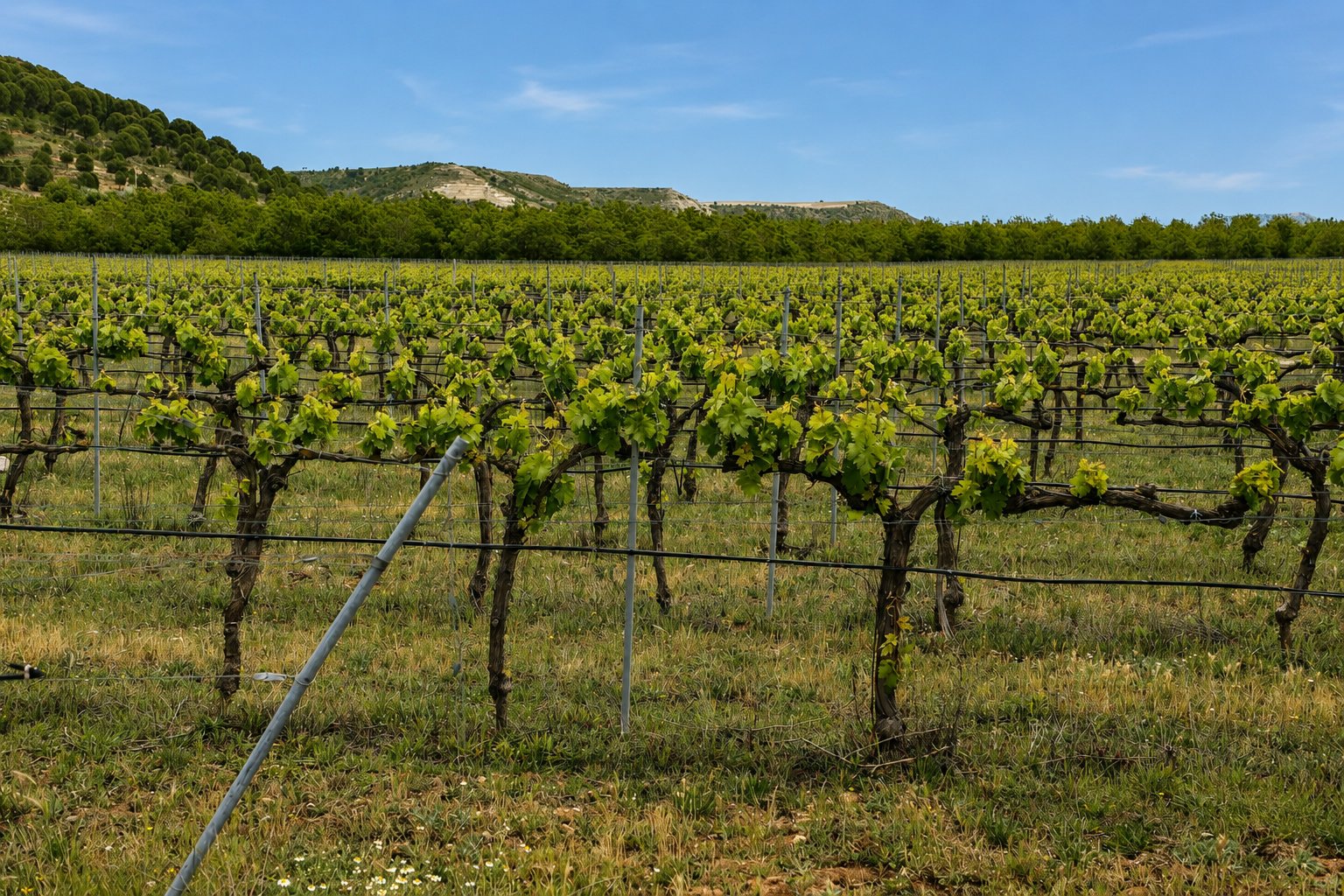
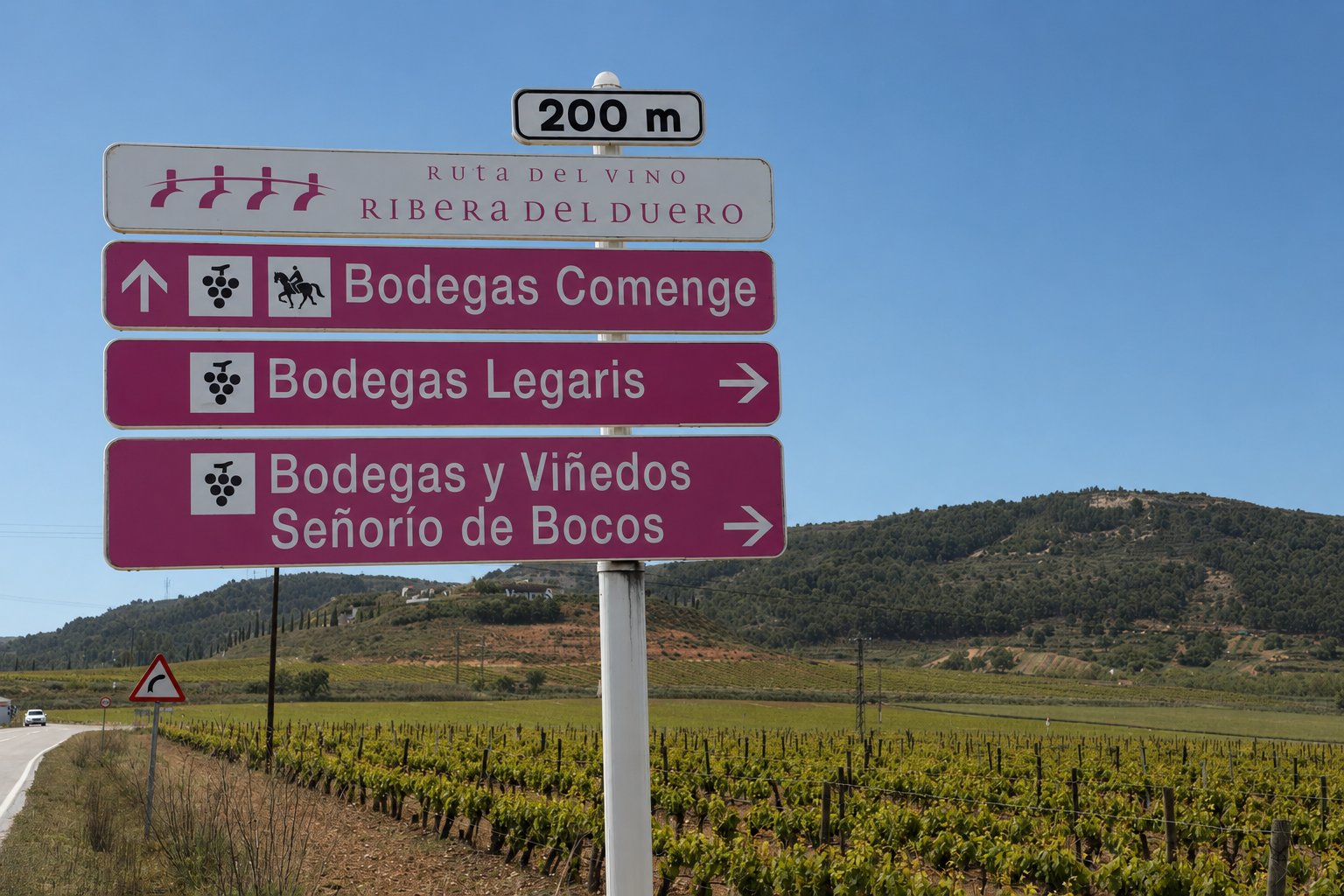
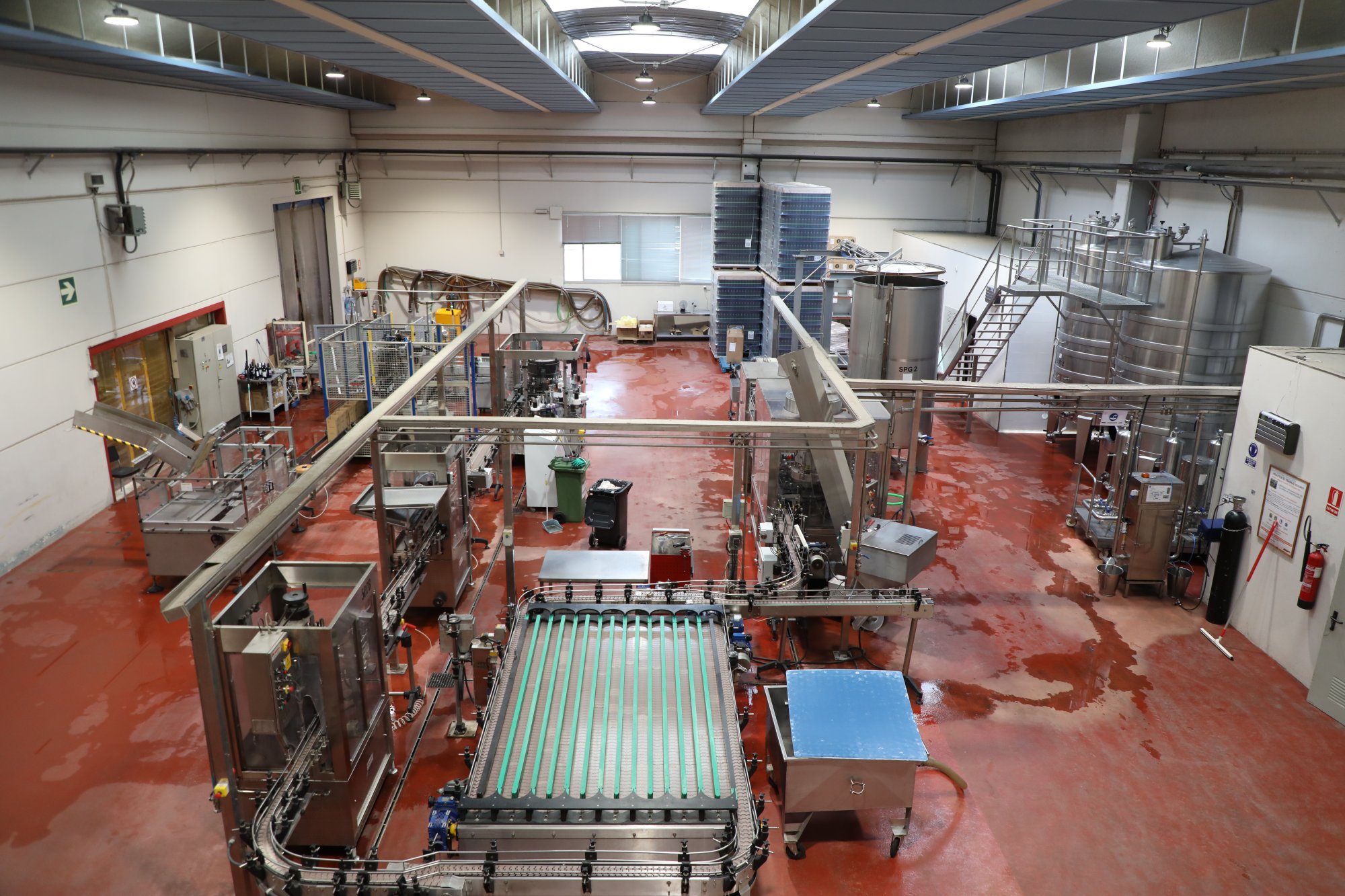
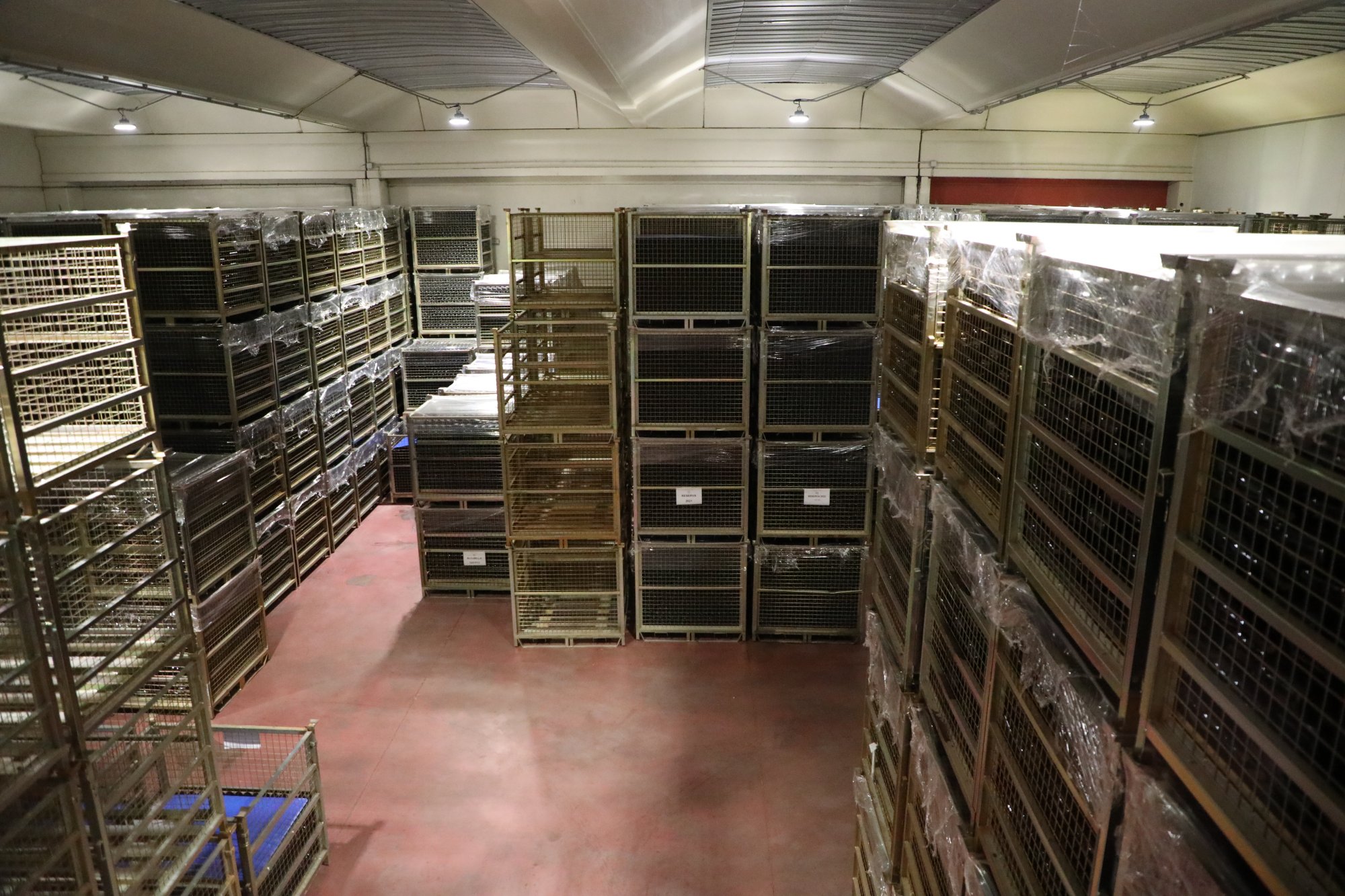
Bodegas Legaris, Winemaking
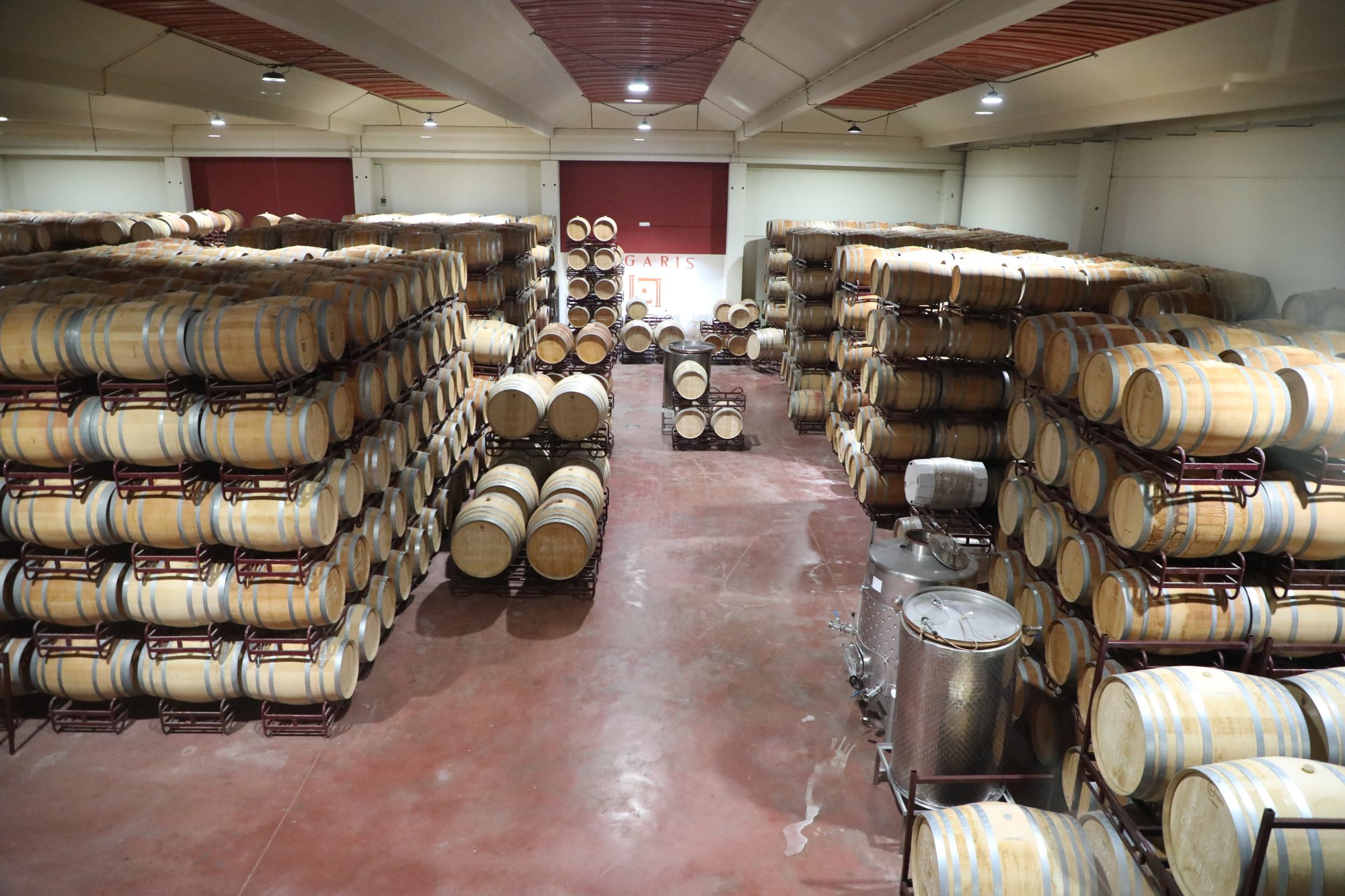
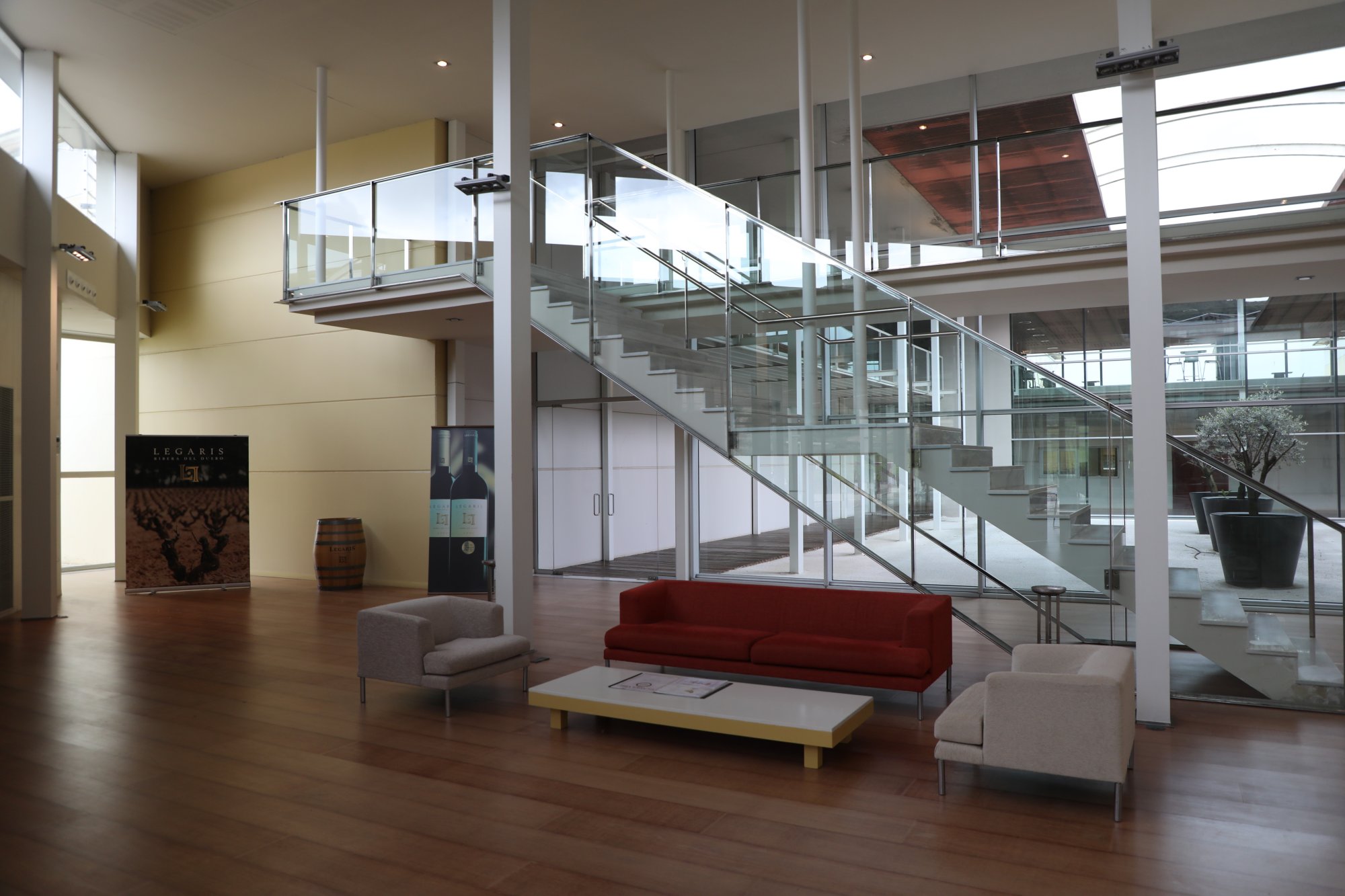
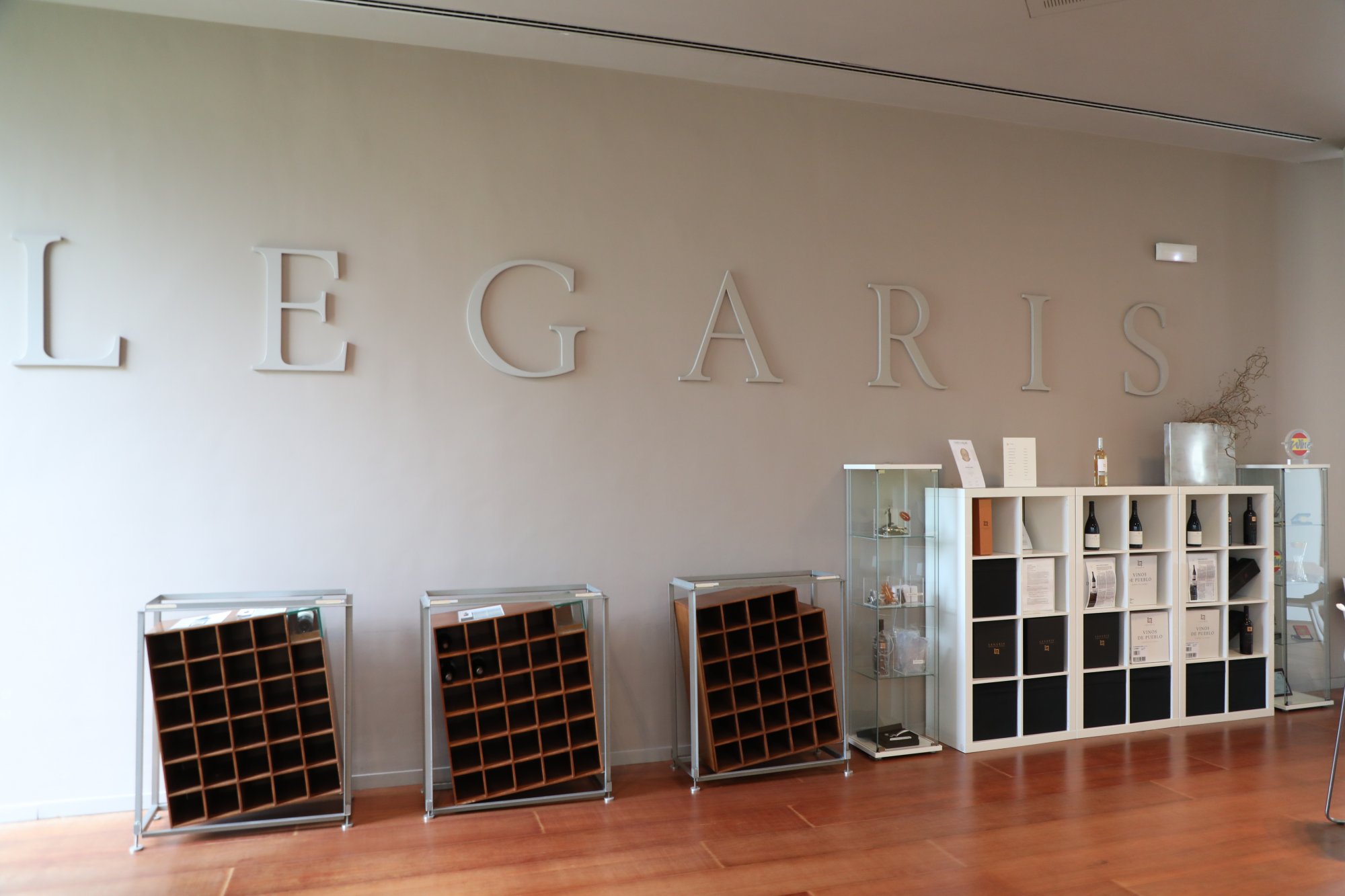
Bodegas Legaris, Hospitality


Bodegas Raimat, Spain
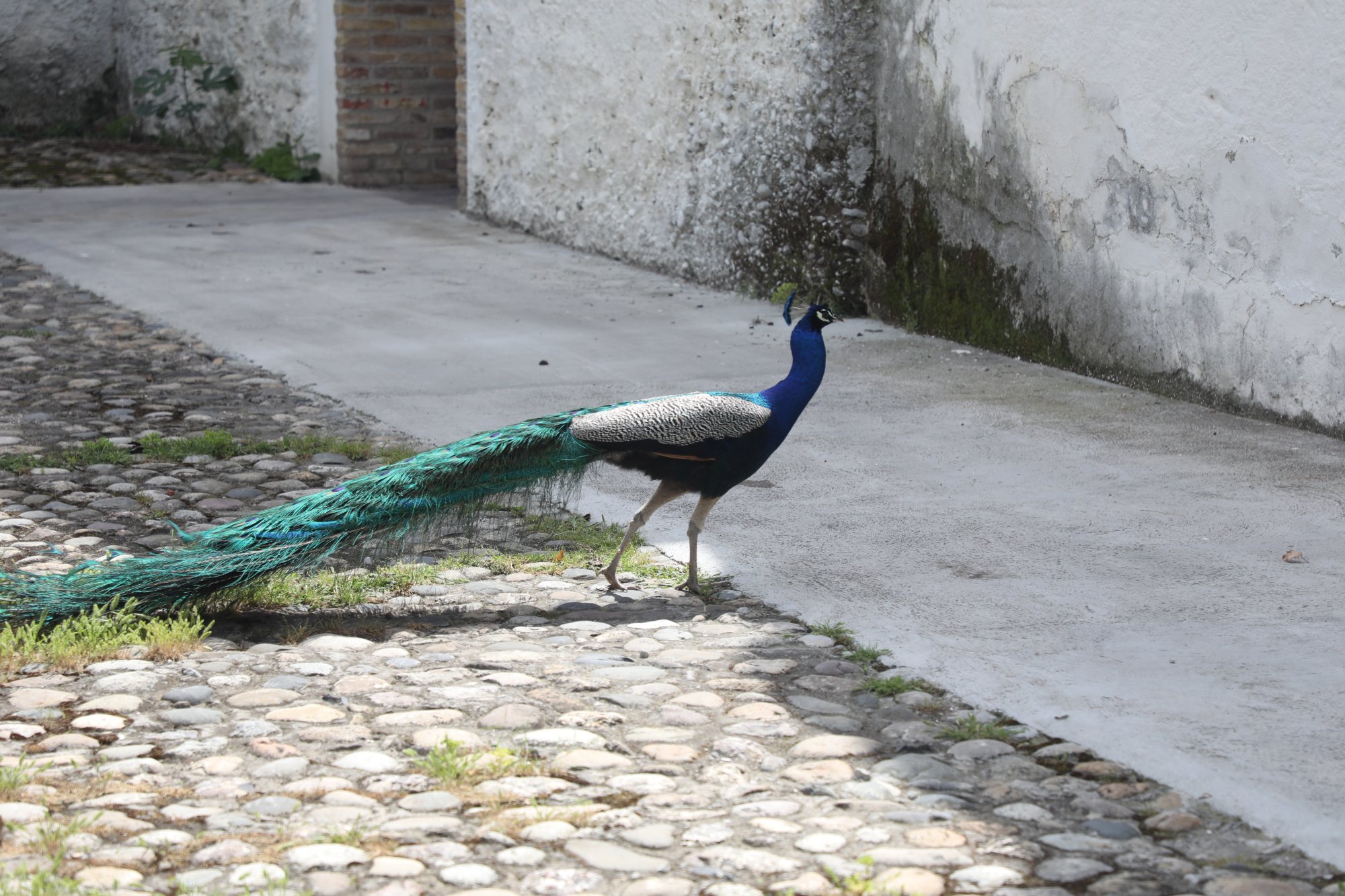
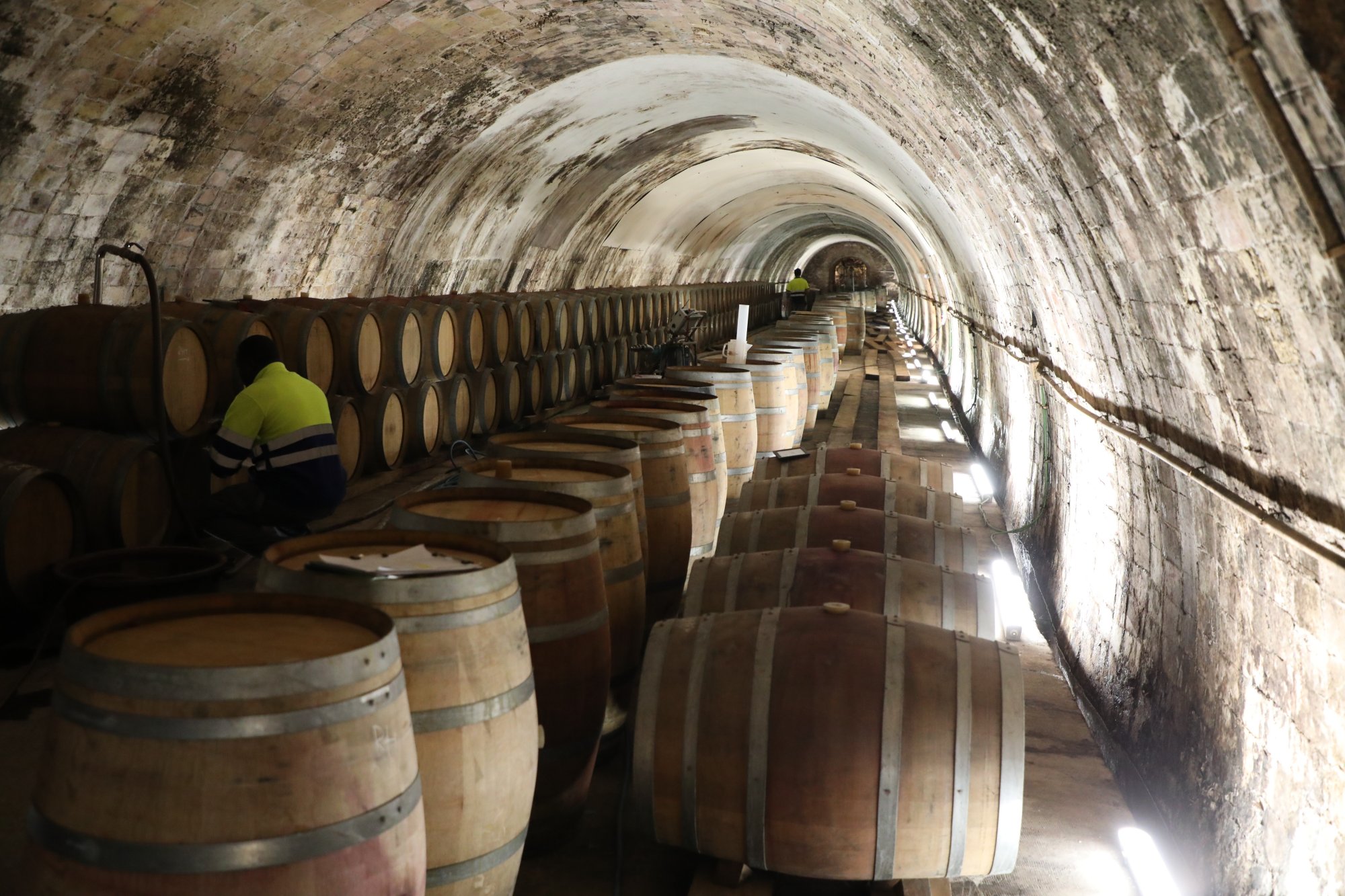
Visits to this historical winery are strictly by appointment; visitors check in with the guard at the gated entrance to badge to wear for the duration of your stay on the property. The start of the tour is a short walk from the parking lot. Note the peacocks/hens that stroll around the property – you will probably hear their loud calls before you actually see them.
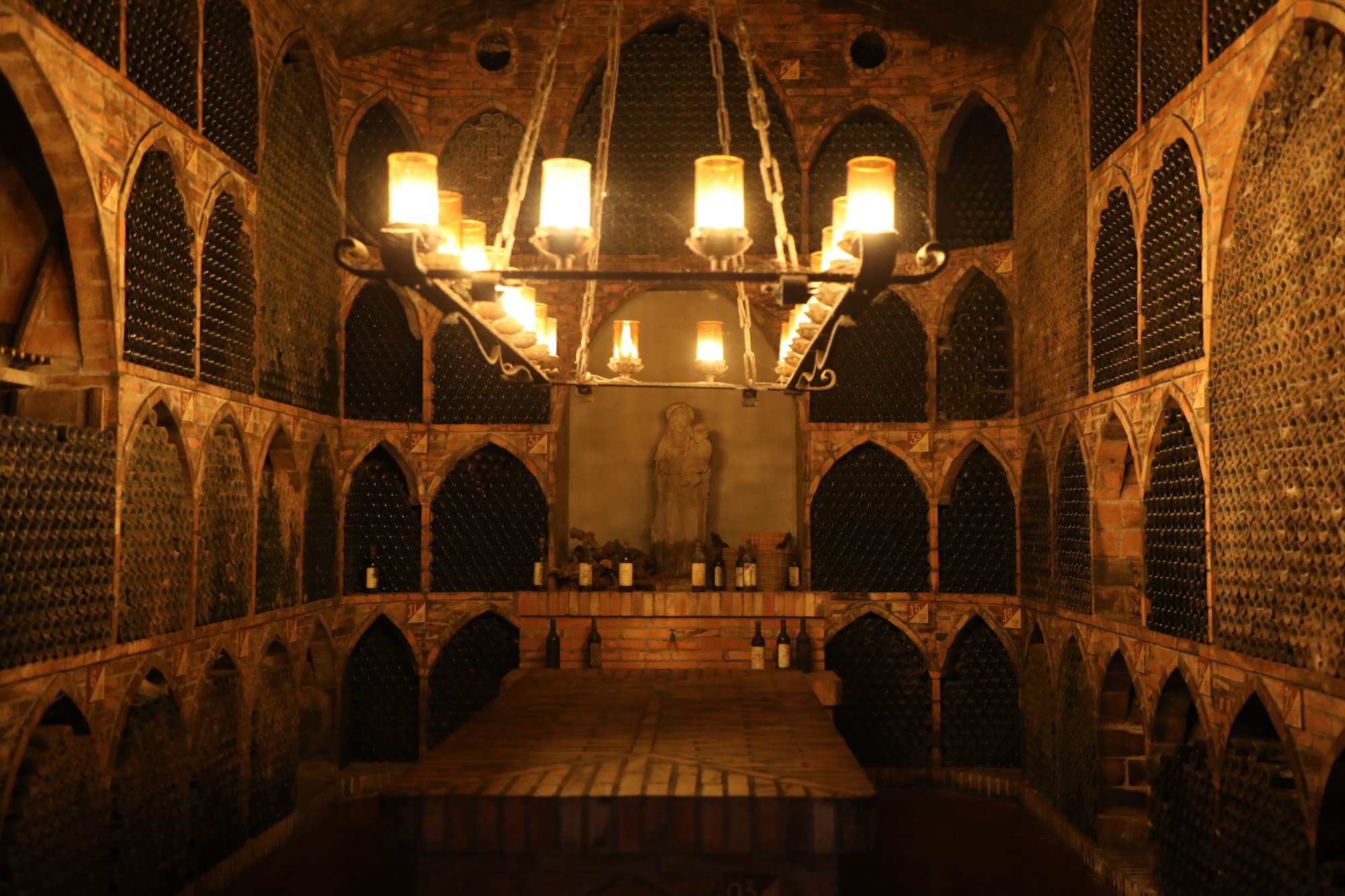
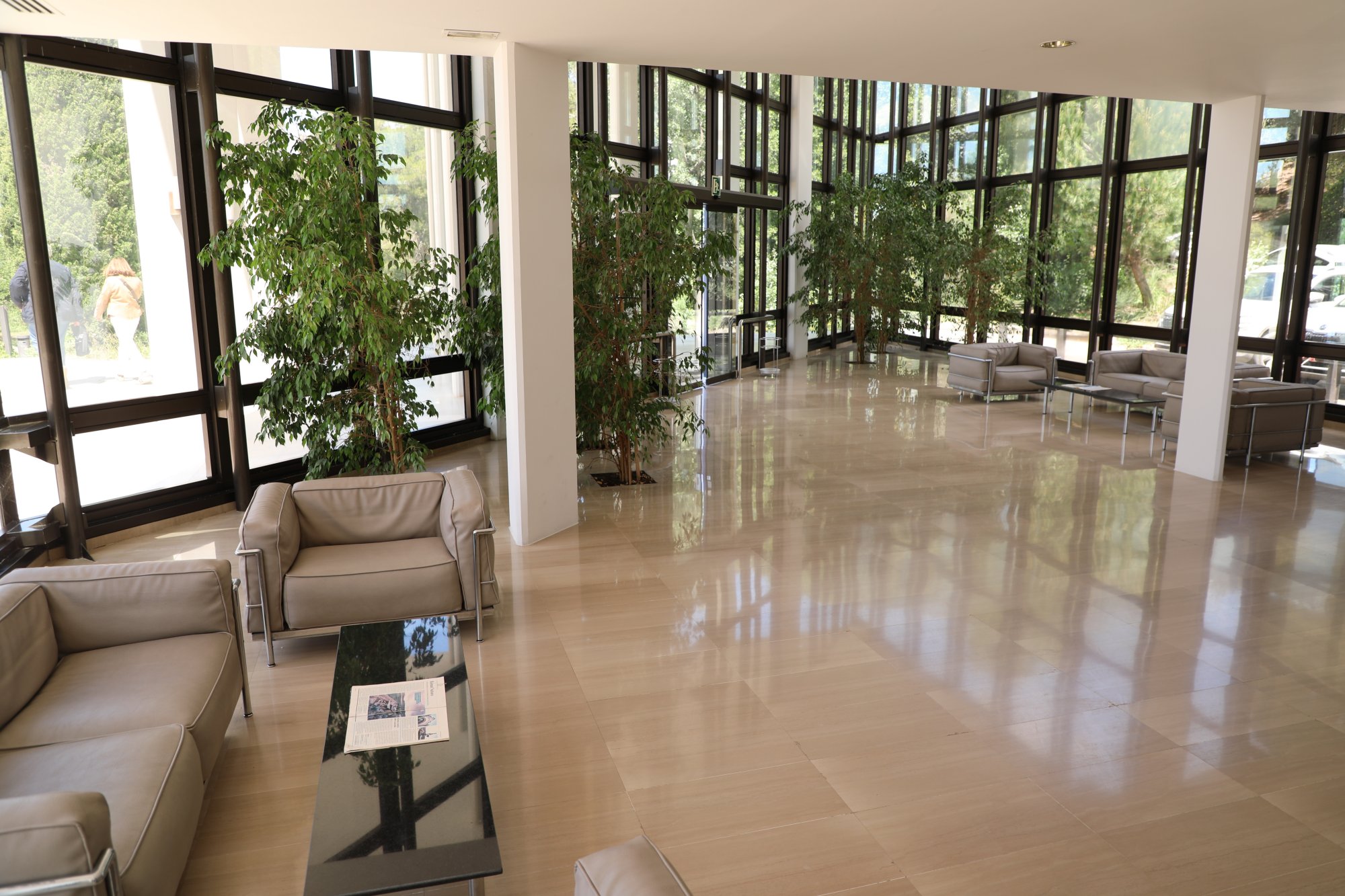
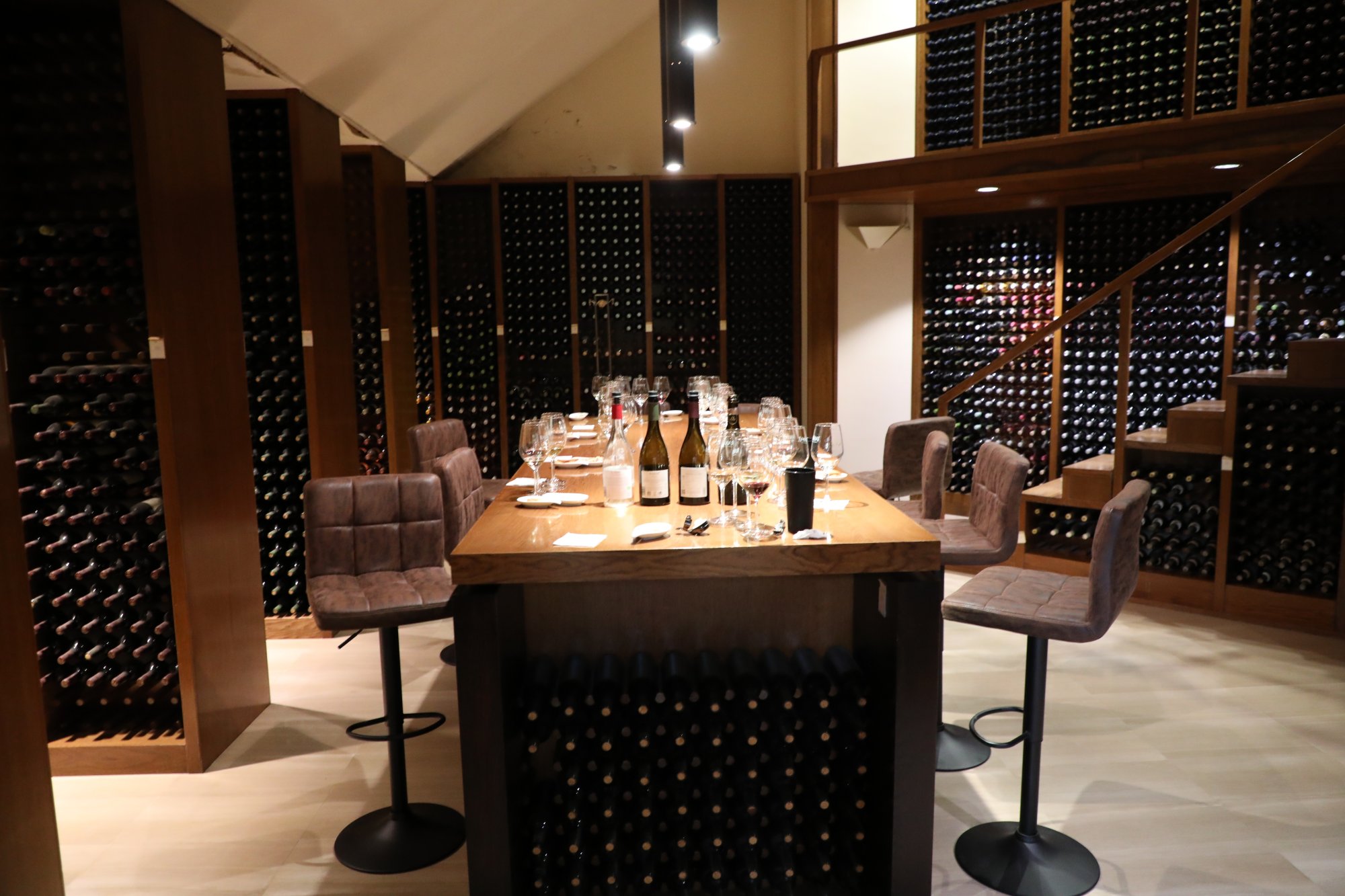
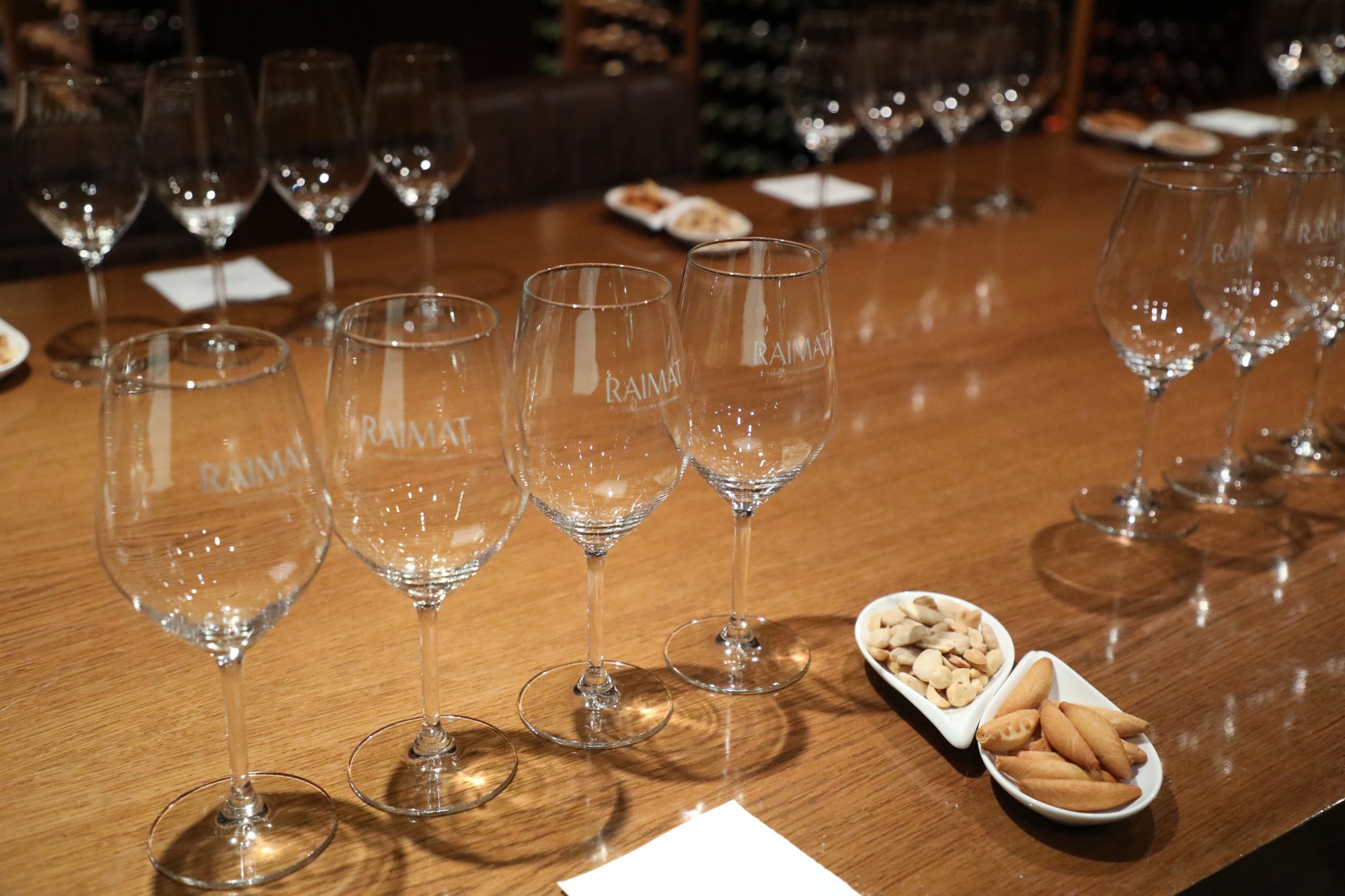
As of our latest update, visits are hosted daily at 11am, last about 2 hours and include an extensive tour of the winery, including visits to their ‘display library’ featuring older bottles and the history room, followed by short walk to their modern hospitality center for a tasting in a private room. Tours are generally hosted in Spanish but are also selectively offered in English, although are not offered every day. If you don’t understand Spanish and are on one of the tours in Spanish, we recommend standing next to your host and using the live translate feature provided by Google. Its not perfect and doesn’t work in all parts of the cellar due to no cell service.
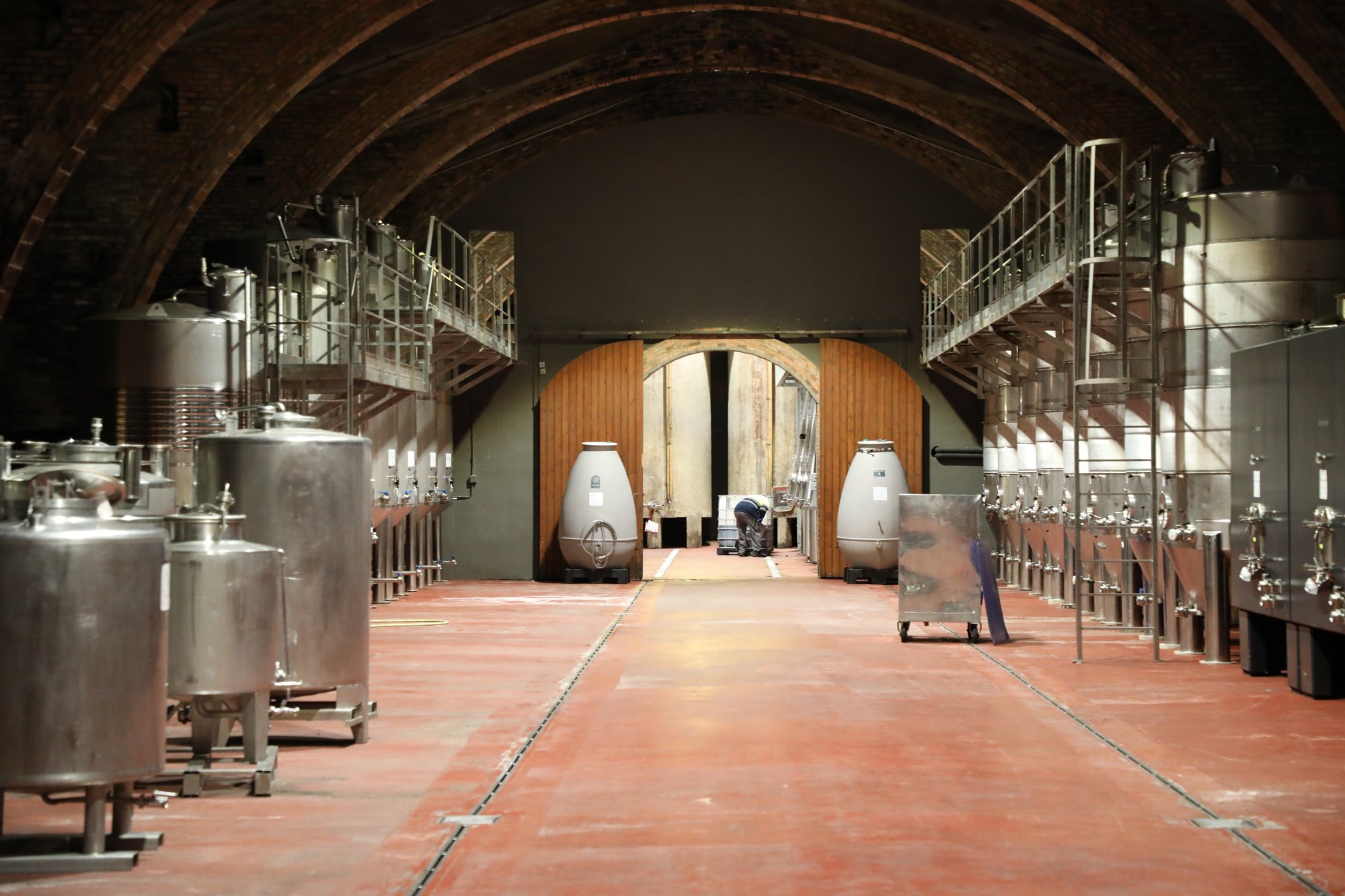
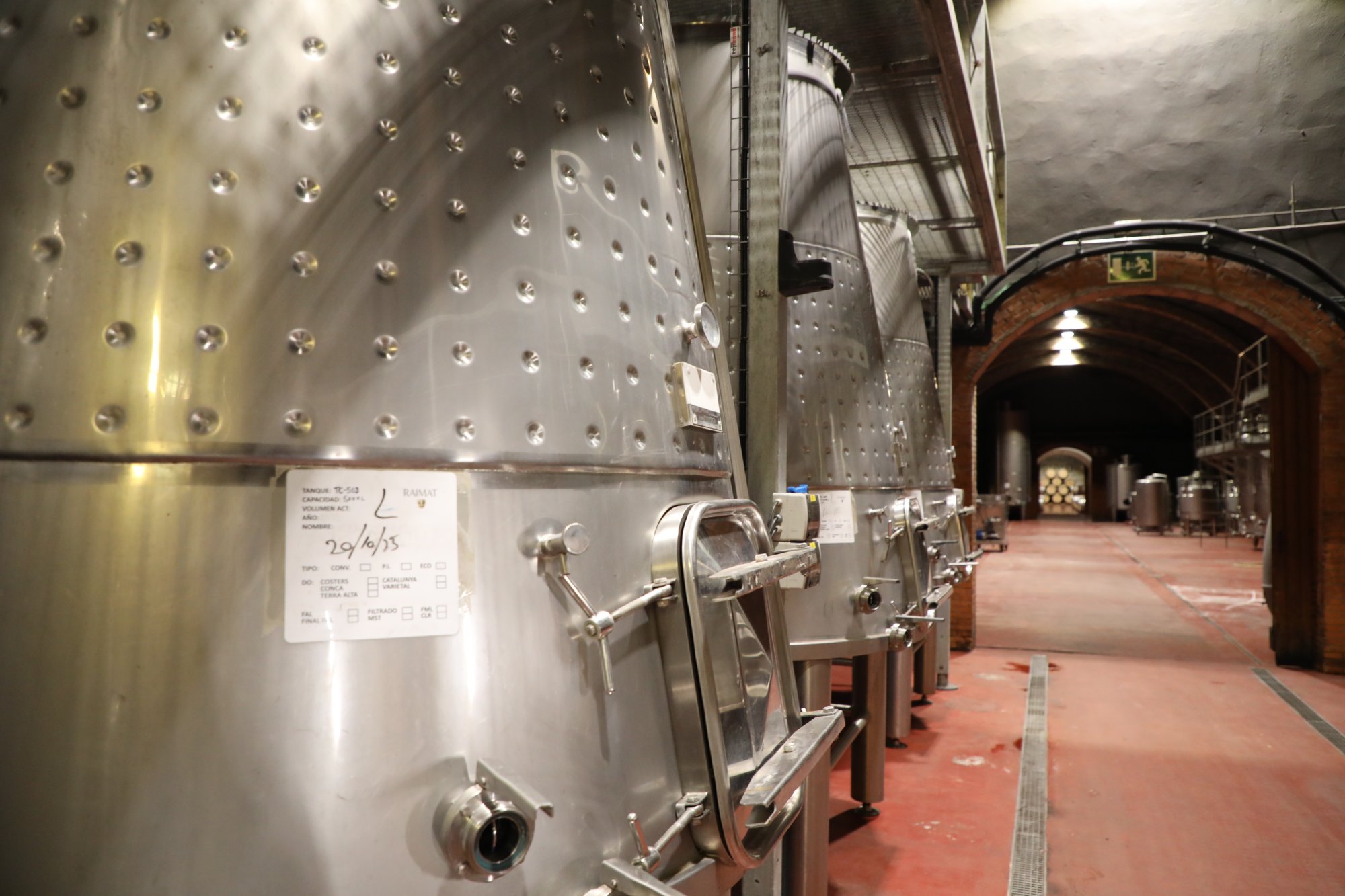
Bodegas Raimat is one of Spain’s most historically significant and innovative wineries, located in the province of Lleida in Catalonia. Founded in 1914 by Manuel Raventós i Domènech of the Codorníu family, Raimat transformed a vast area of barren land near the Monegros desert into one of Europe’s largest vineyard estates. Raventós purchased approximately 3,000 hectares surrounding the ruins of a medieval castle (Raimat Castle) and began an ambitious agricultural project that included planting vines, building irrigation canals and establishing an entire settlement for workers and their families.
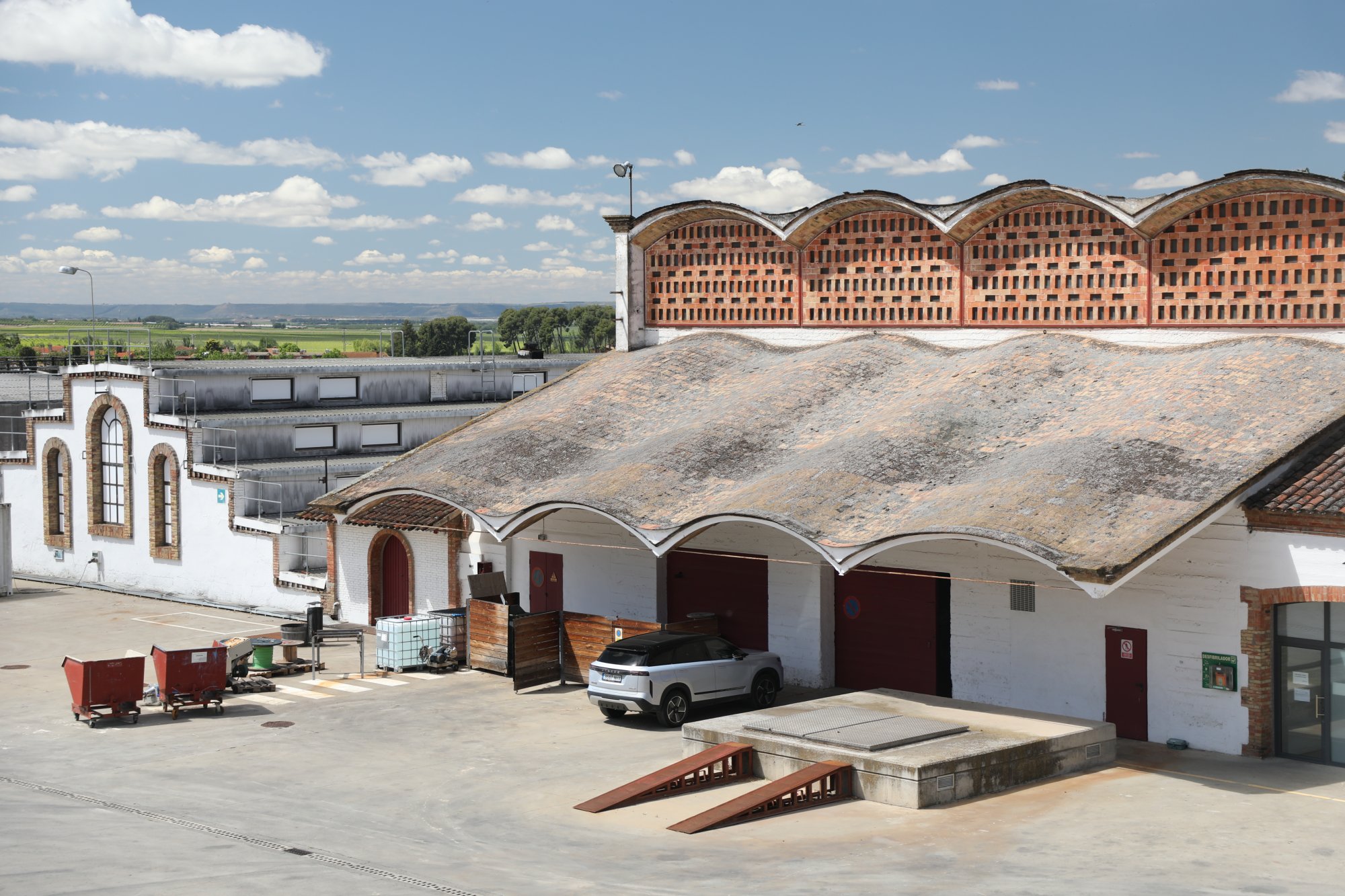
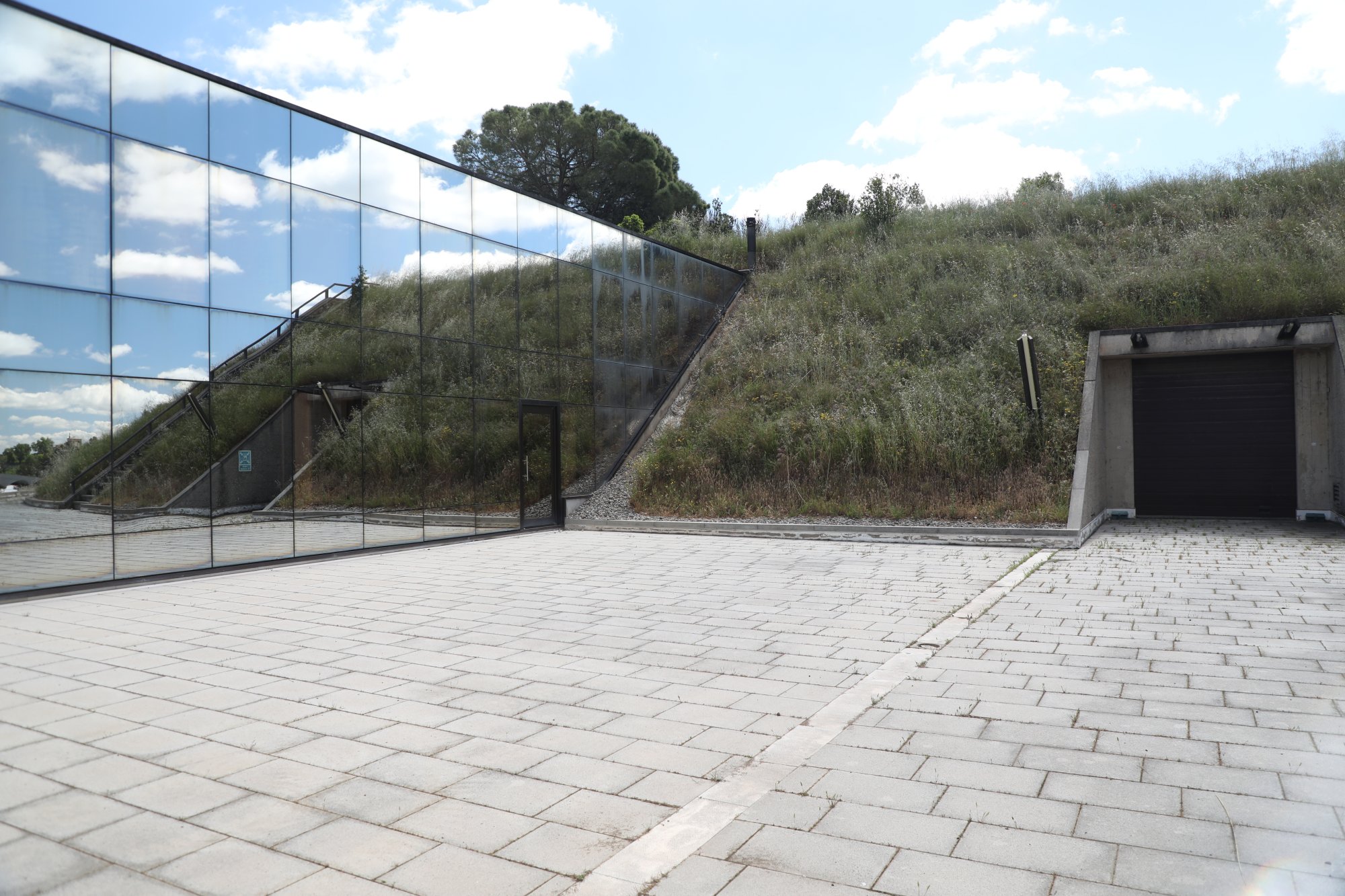
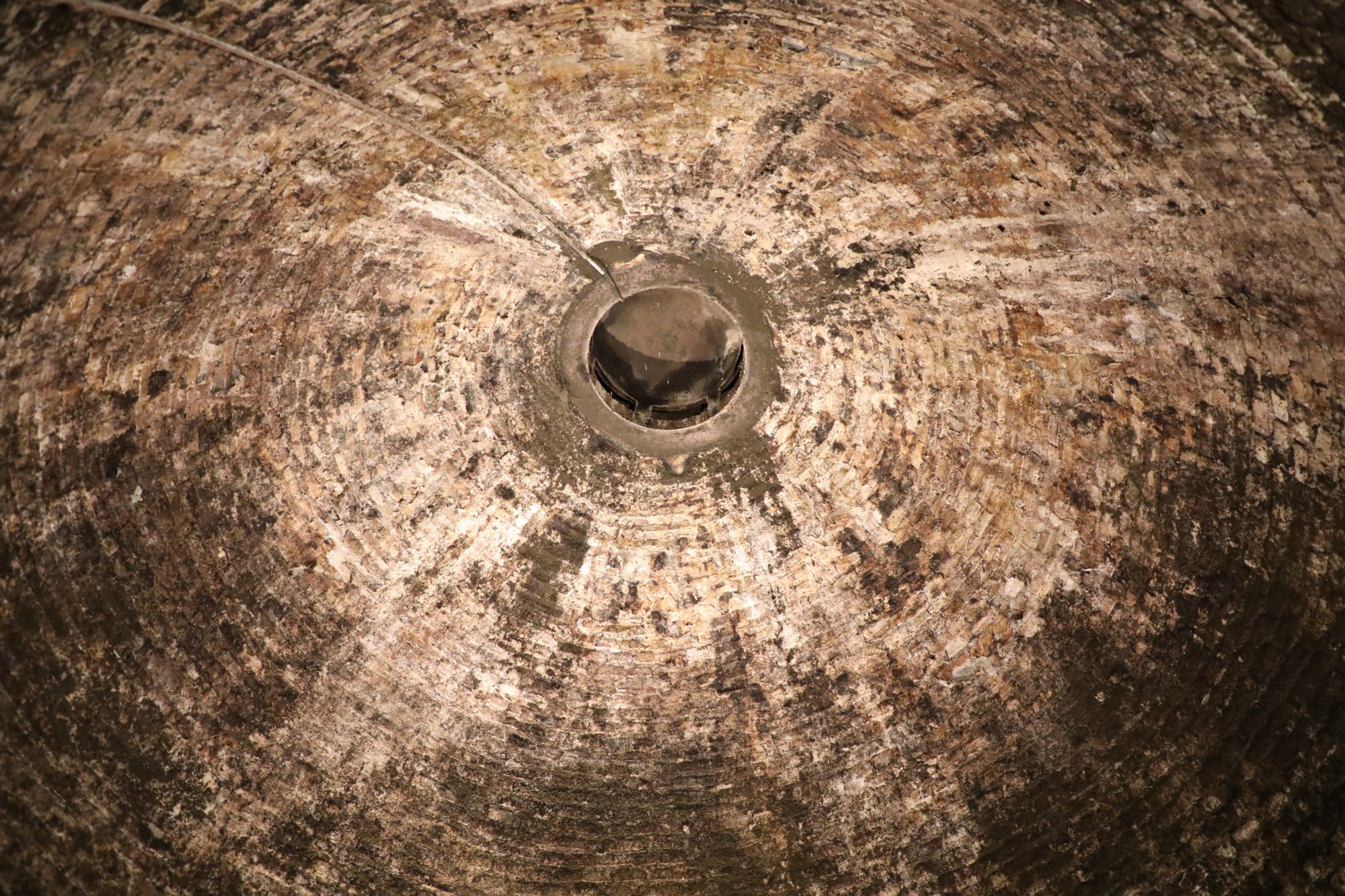
 The winery itself was established in 1918 and became architecturally notable as one of Spain’s earliest reinforced concrete wine buildings. It was designed by Joan Rubió i Bellver, a disciple of Antoni Gaudí, in the Catalan modernist style often referred to as “wine cathedral” architecture. In 1998, a newer winery designed by architect Domingo Triay was integrated into the landscape with underground barrel rooms built into a hillside, combining modern production facilities with environmental sensitivity.
Raimat played a major role in the creation and development of the D.O. Costers del Segre appellation, officially established in 1986. The winery’s estate is considered a distinctive subzone within the denomination because of its unique climate and geology. The region experiences a continental climate with strong temperature variations between day and night, conditions that help produce grapes with concentrated flavours and balanced acidity.
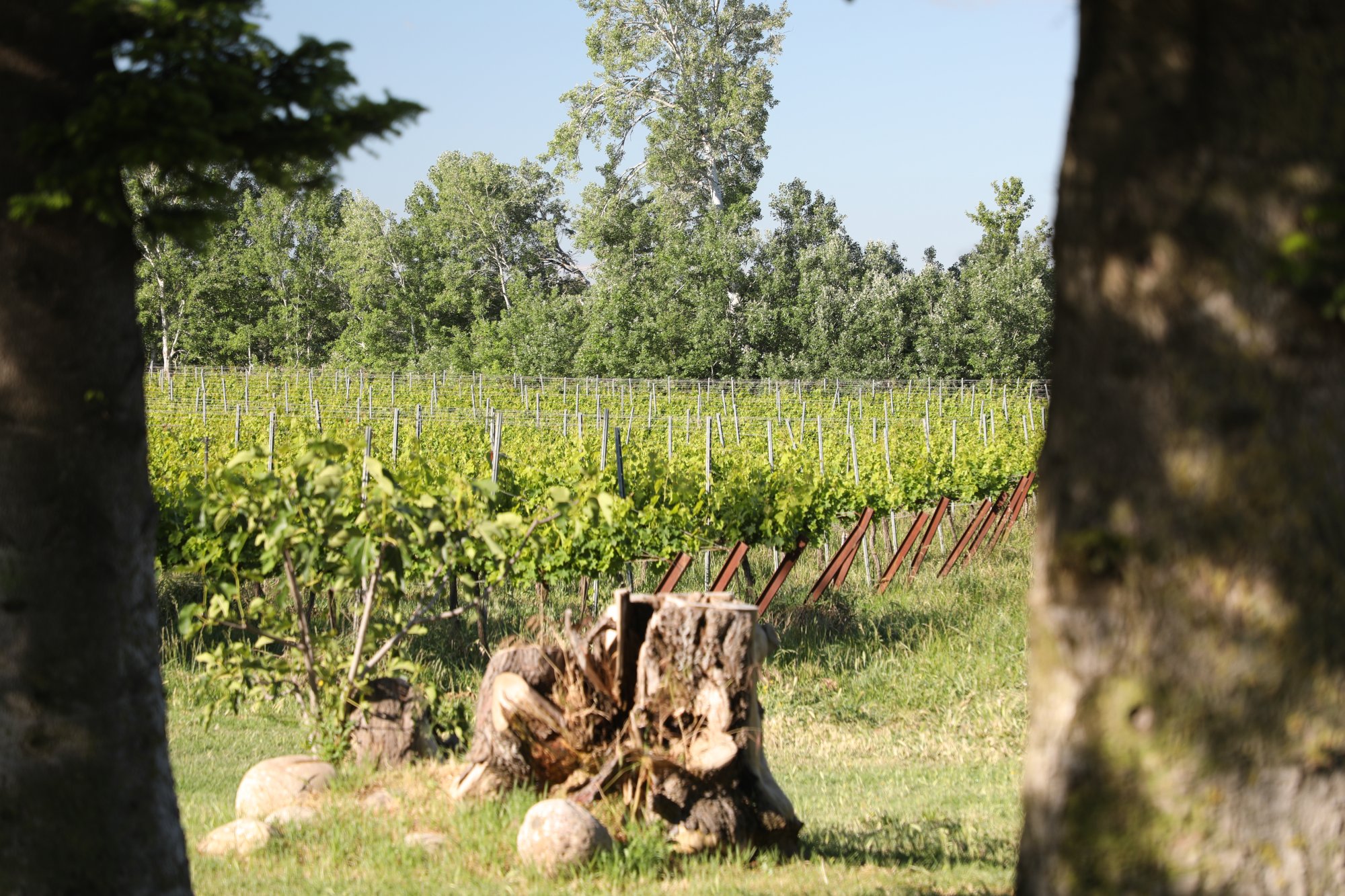
The vineyards at Raimat are among the largest family-owned vineyard estates in Europe. Sources report between 2,245 and 3,000 hectares of vineyards, much of which is now certified organic. Raimat has long been recognized as a pioneer in sustainable viticulture and environmental management. The winery uses integrated farming methods, recycling systems and water management practices designed to minimize environmental impact while maintaining biodiversity across the estate. Hunting is prohibited on the property, helping preserve local wildlife habitats and ecological balance.
The Raimat Natura project highlights the estate’s protected natural environment, which includes hundreds of hectares dedicated to biodiversity conservation.
Winemaking at Raimat combines traditional Spanish grape varieties with international varietals introduced during the twentieth century. Early plantings focused on grapes used for cava production, including Macabeo, Xarel·lo and Parellada. Later, varieties such as Cabernet Sauvignon, Chardonnay, Merlot and Pinot Noir were introduced alongside modern viticultural techniques including trellised vineyards and advanced irrigation systems. The winery is known for producing both still wines and sparkling wines under several appellations, including D.O. Costers del Segre, D.O. Cava and D.O. Catalunya. The sparkling wines are not produced here but rather at another bodega.
Select Wines
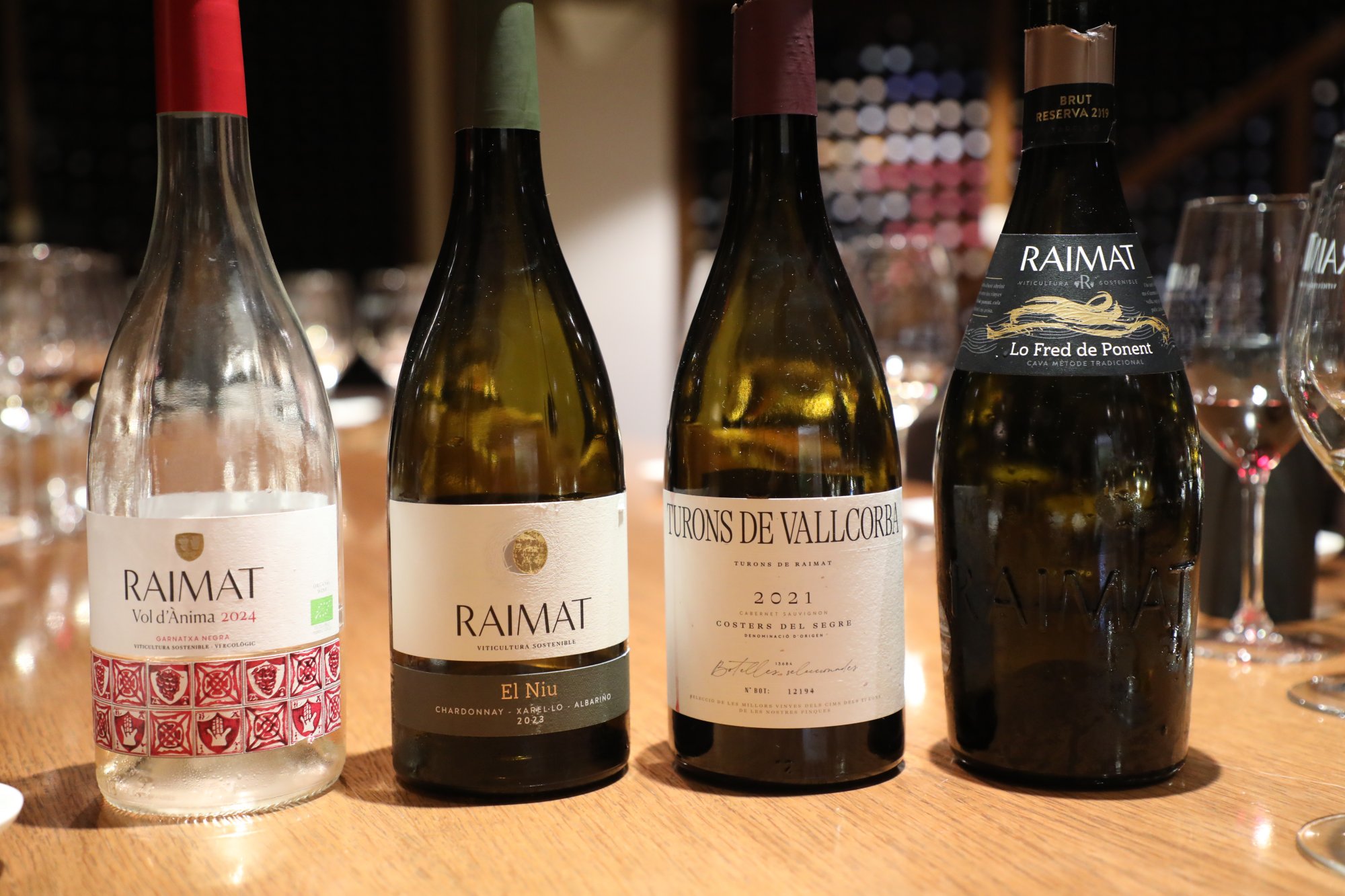
The 2024 Bodegas Raimat Vol d’Anima Grenache and Pinot Noir blend spent 4–9 hours on the skins before pressing. Pale gold in color with a light copper tinge, the nose reveals aromas of citrus blossom and ruby grapefruit. Bright, clean and easy drinking, the palate offers flavors of grapefruit, pomelo, slightly underripe white nectarine, green apple, kaffir lime, kiwi and lemon zest. The wine features a rounded texture with medium viscosity, resulting in a silky, somewhat creamy mouthfeel. This weight is nicely balanced and lifted by vibrant, persistent acidity. Pair with spicy seafood dishes. The images on the label represent the tiles used on the walls of Raimat Castle since 1935. ABV: 12.5%.
The 2023 Bodegas Raimat El Niu is a blend of Chardonnay (barrique), Xarel·lo and Albariño. Pale to medium gold in color, the nose offers aromas of honeysuckle, ripe pineapple, apricot, peach, Comice pear and golden apple, along with a light citrus influence reminiscent of Meyer lemon. Refreshing across the palate, this wine delivers flavors of golden apple and honeydew melon, accented by citrus notes of pomelo and mandarin orange. It finishes lively, with bright but not bracing acidity. The texture is slightly rounded with a silky mouthfeel. ABV: 13%. For pairing, consider grilled sea bass or halibut.
The 2021 Bodegas Raimat, Cabernet Sauvignon Turons de Vallcorba (100% varietal) is medium ruby in color. The bouquet is bright yet ripe, without crossing into overripe territory, offering aromas of dark raspberry, red cherry and Persian mulberry, along with floral hints of dried rose petals. A lightly savory note reminiscent of an old cedar box adds complexity. On the palate, the wine is distinctly red-fruited, with flavors of cherry, currant, cranberry and slightly underripe boysenberry. It finishes fresh and savory, with subtle dried herb nuances and “crowd-friendly” tannins that are seamlessly integrated into the finish. The tannins are rounded with a light dusty texture. This wine was aged for 20 months in foudres and large oak vats.
The 2019 Bodegas Raimat Lo Fred de Ponent Brut Reserva is made from 100% Xarel·lo. Pale to medium gold in color, this wine offers a heady, fruit-forward and highly aromatic bouquet with notes of Golden Delicious apple, ripe pear, honeysuckle and pineapple guava. The nose is bright and lively. On the palate, it opens with a vibrant burst of acidity, delivering a noteworthy freshness. Flavors of pineapple guava, golden apple and Bosc pear are complemented by a hint of slightly underripe apricot. The finish is creamy and lingering. Pair this wine with sashimi, freshly shucked oysters and tangy mignonette sauce. Very flavorful. This wine was produced using the méthode traditionnelle.
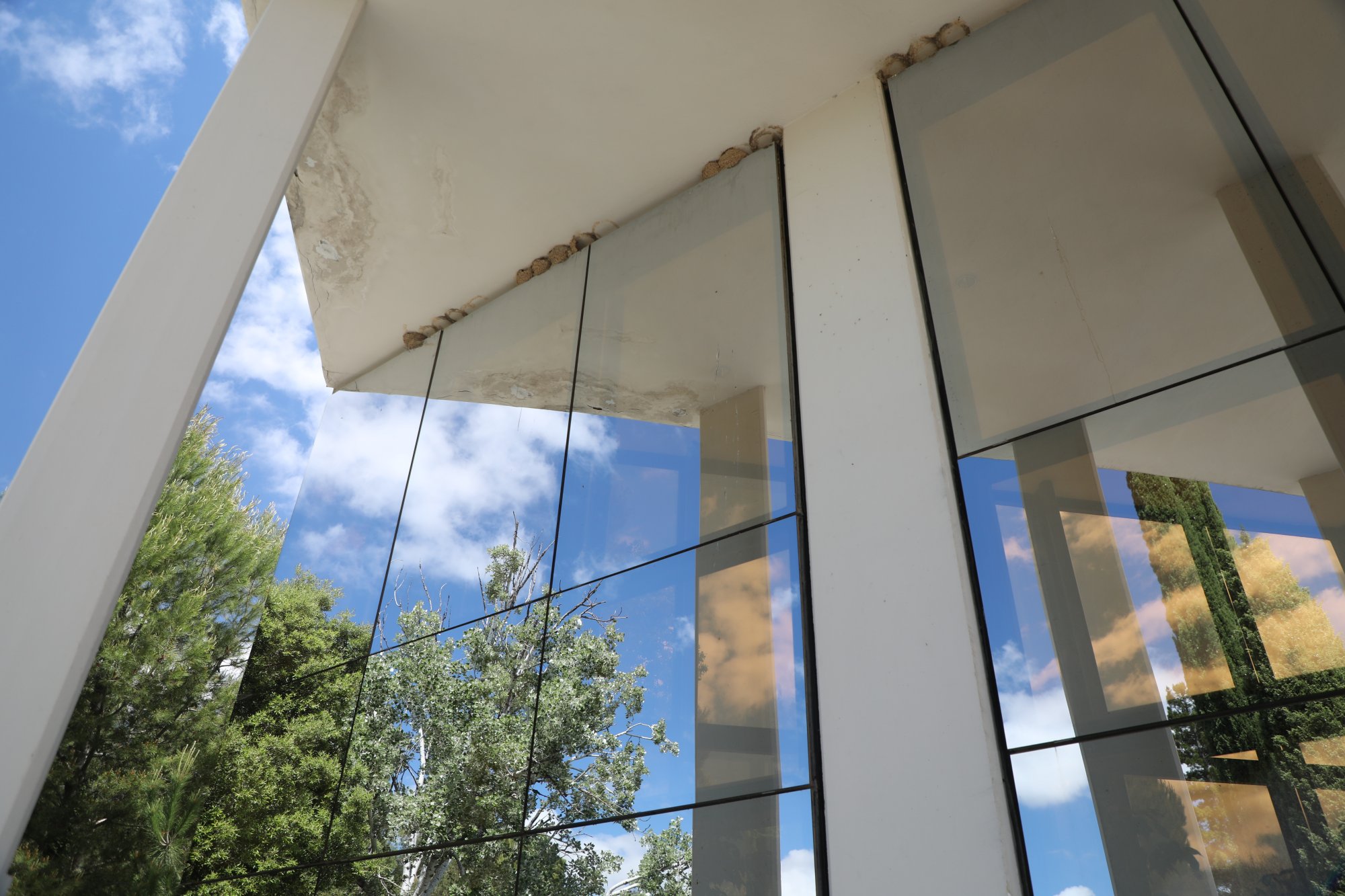
Bodegas Raimat, Exterior
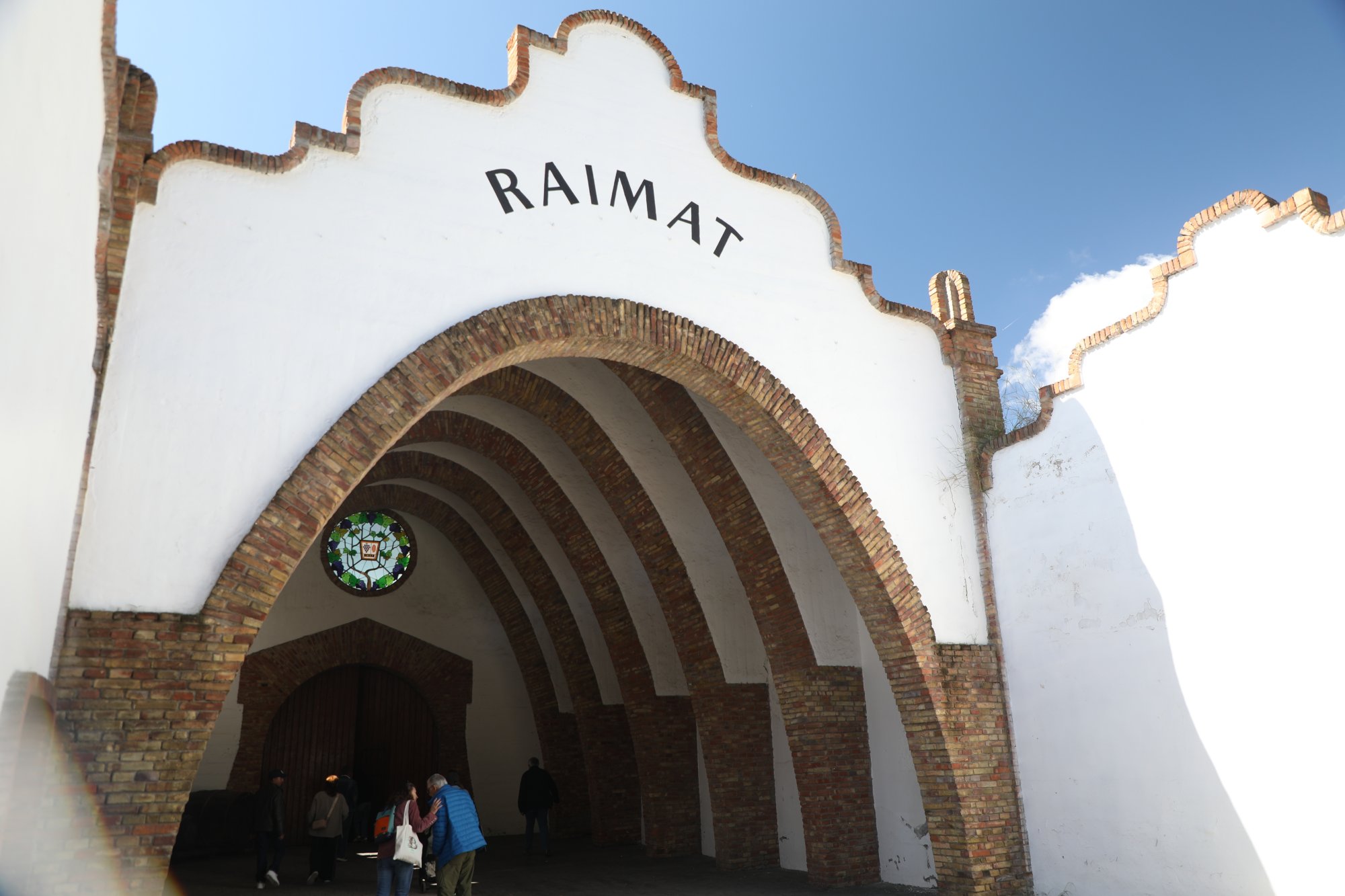
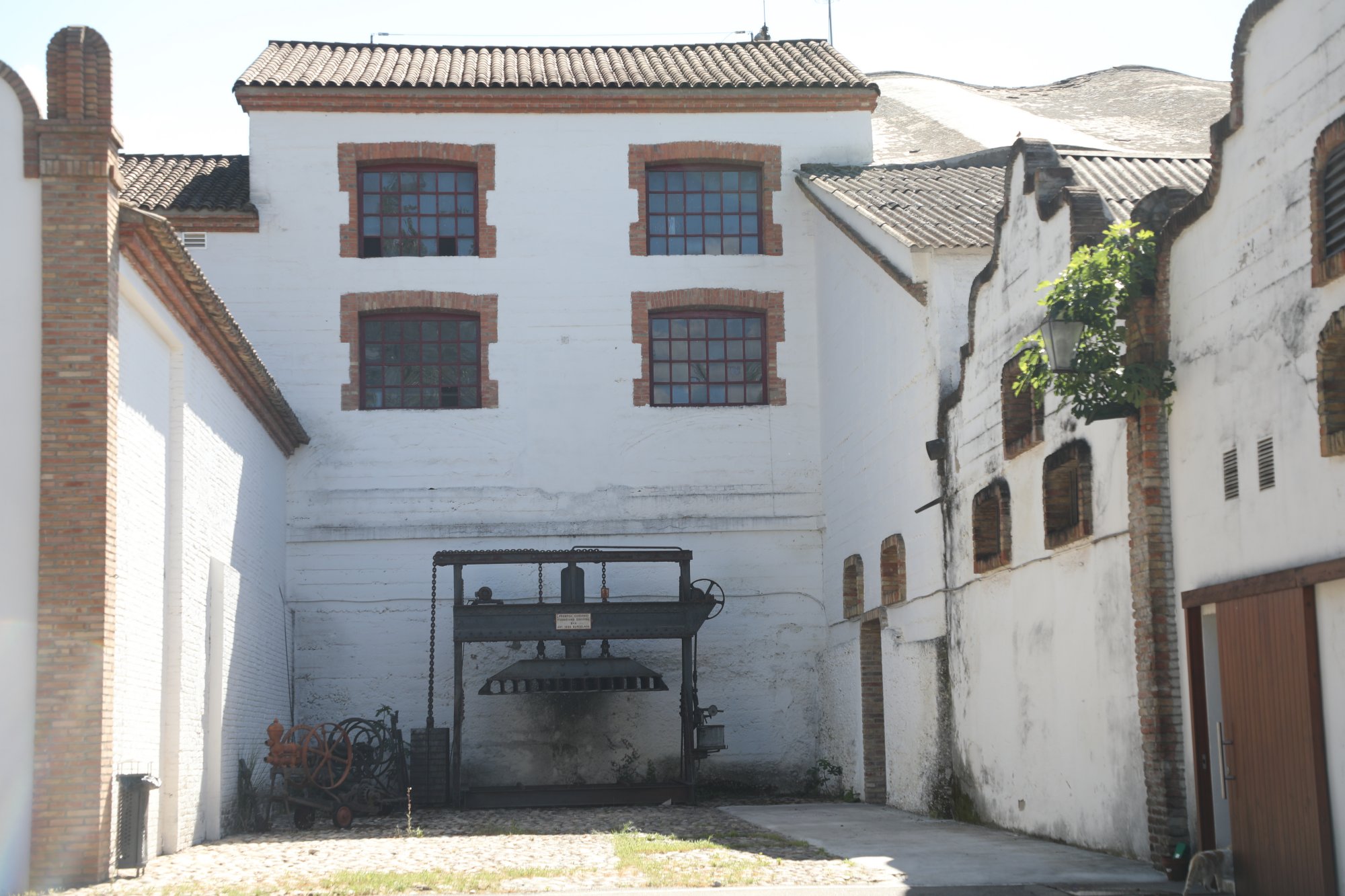
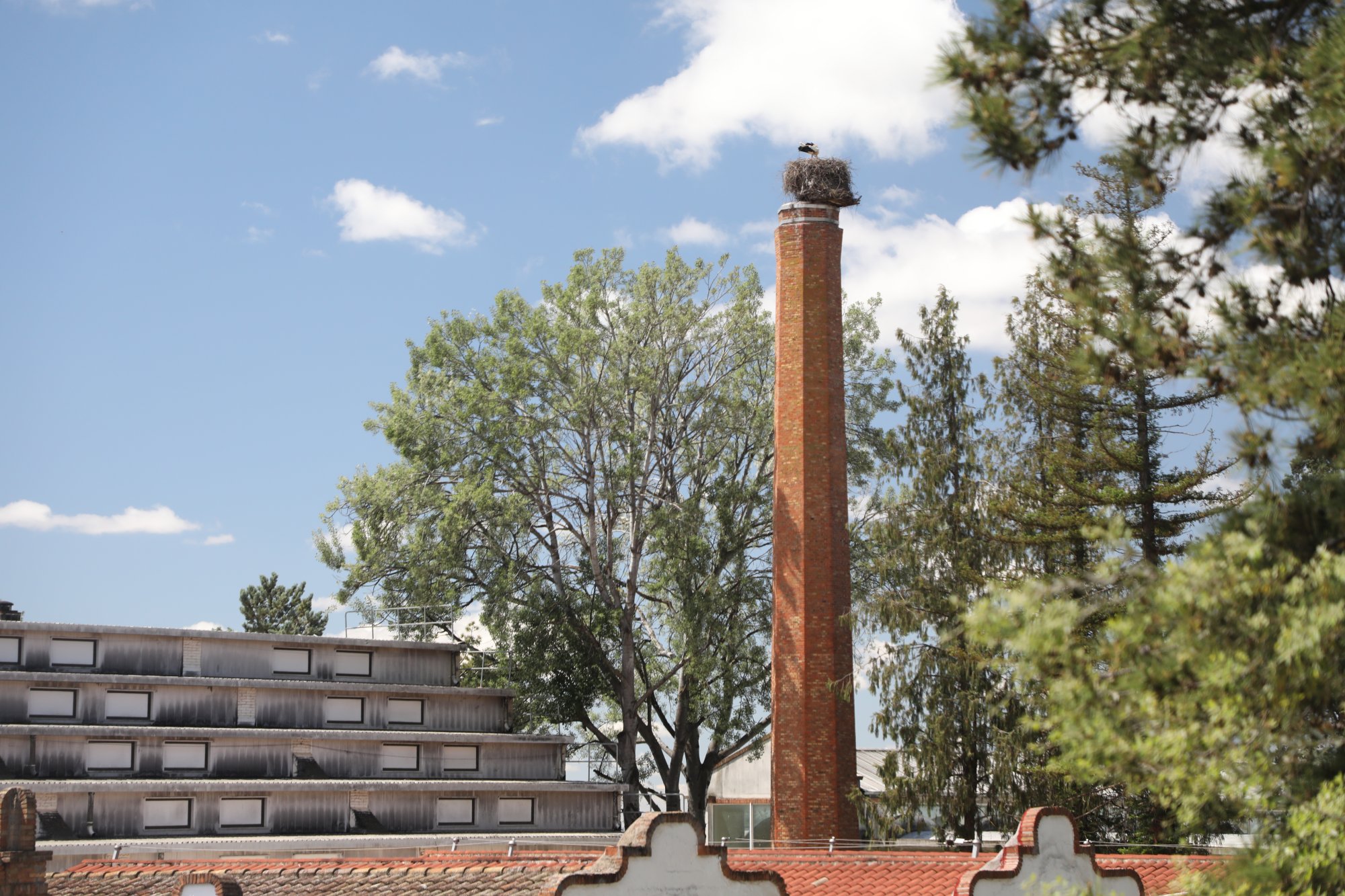
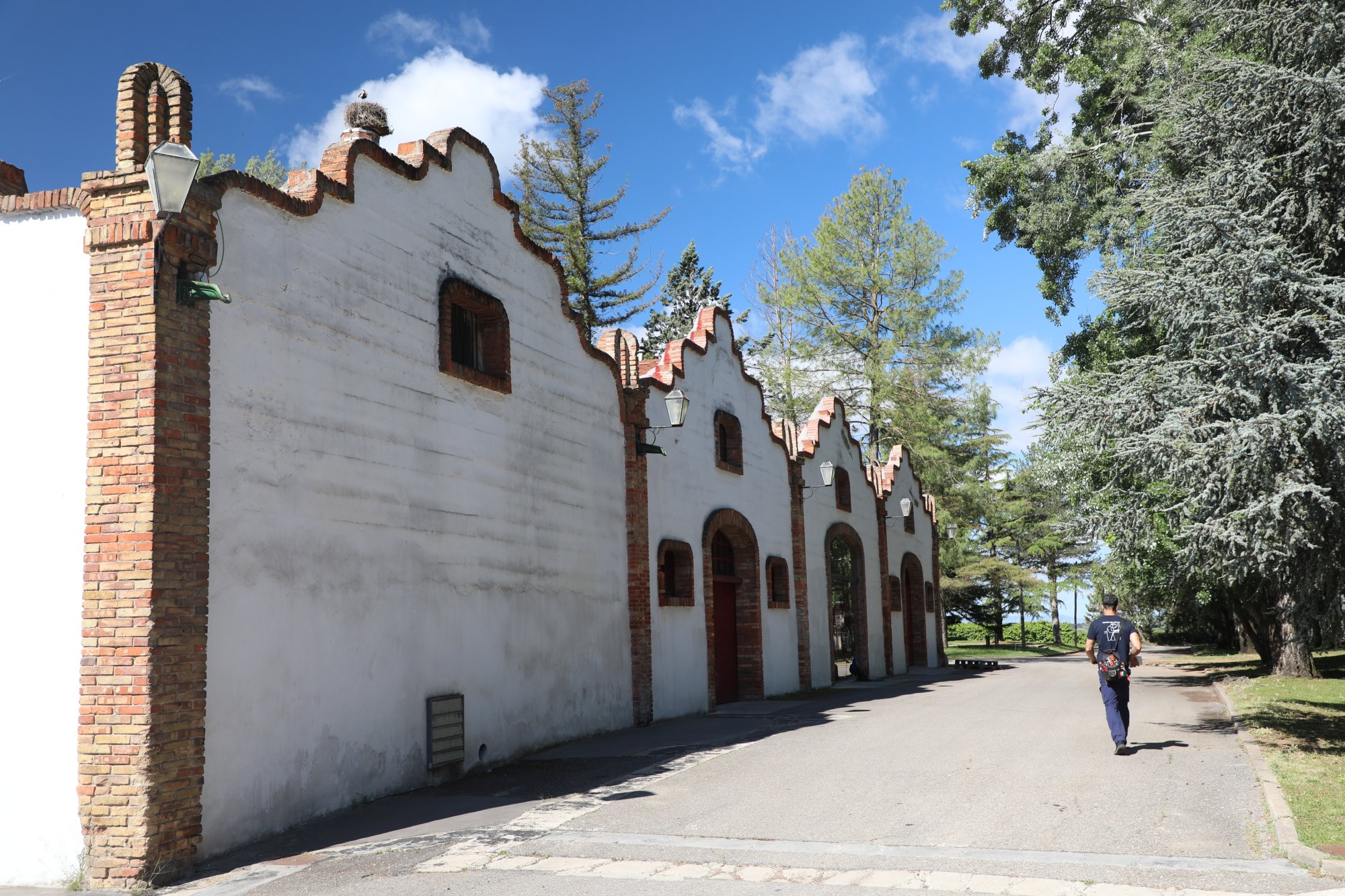
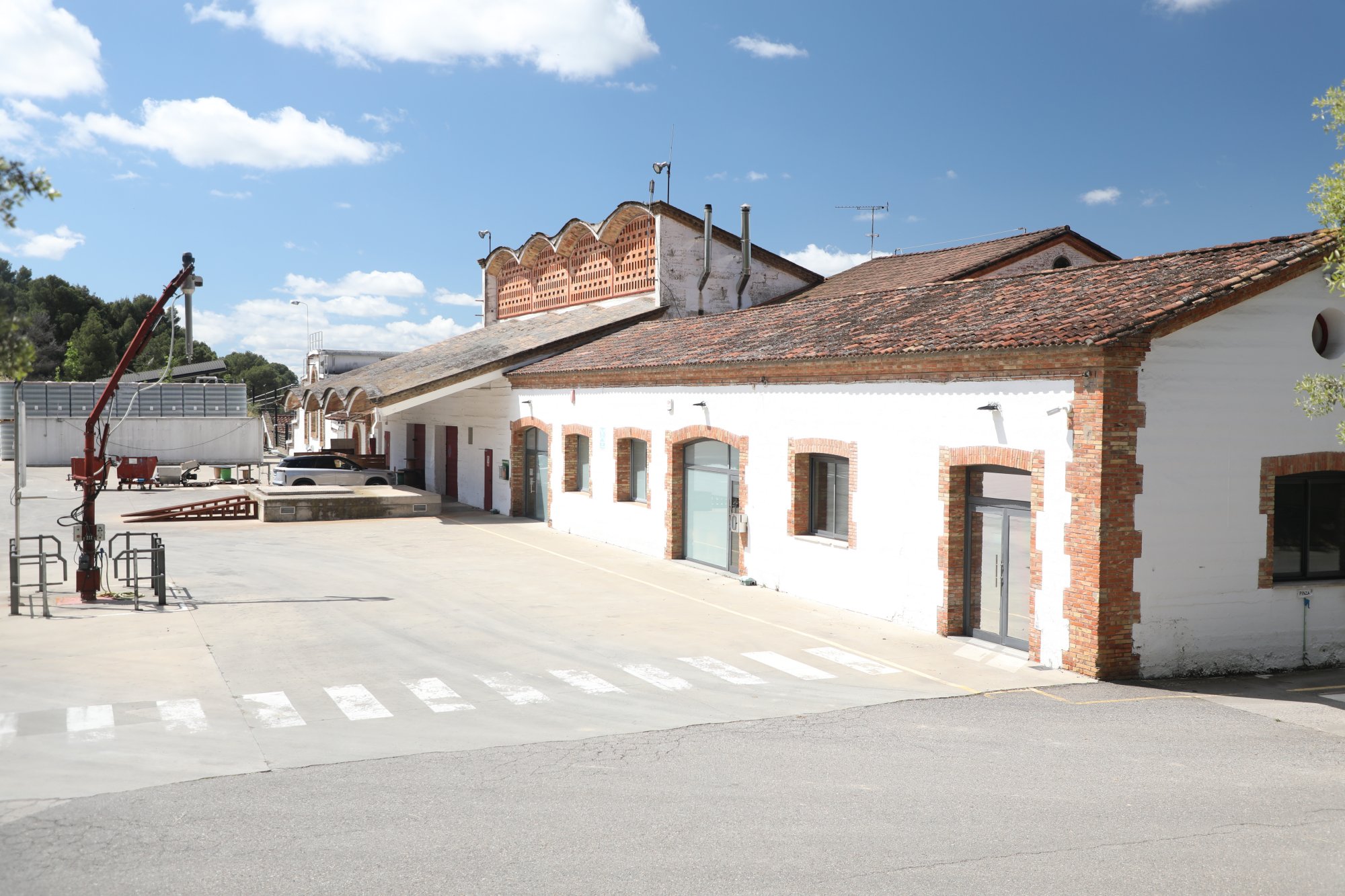
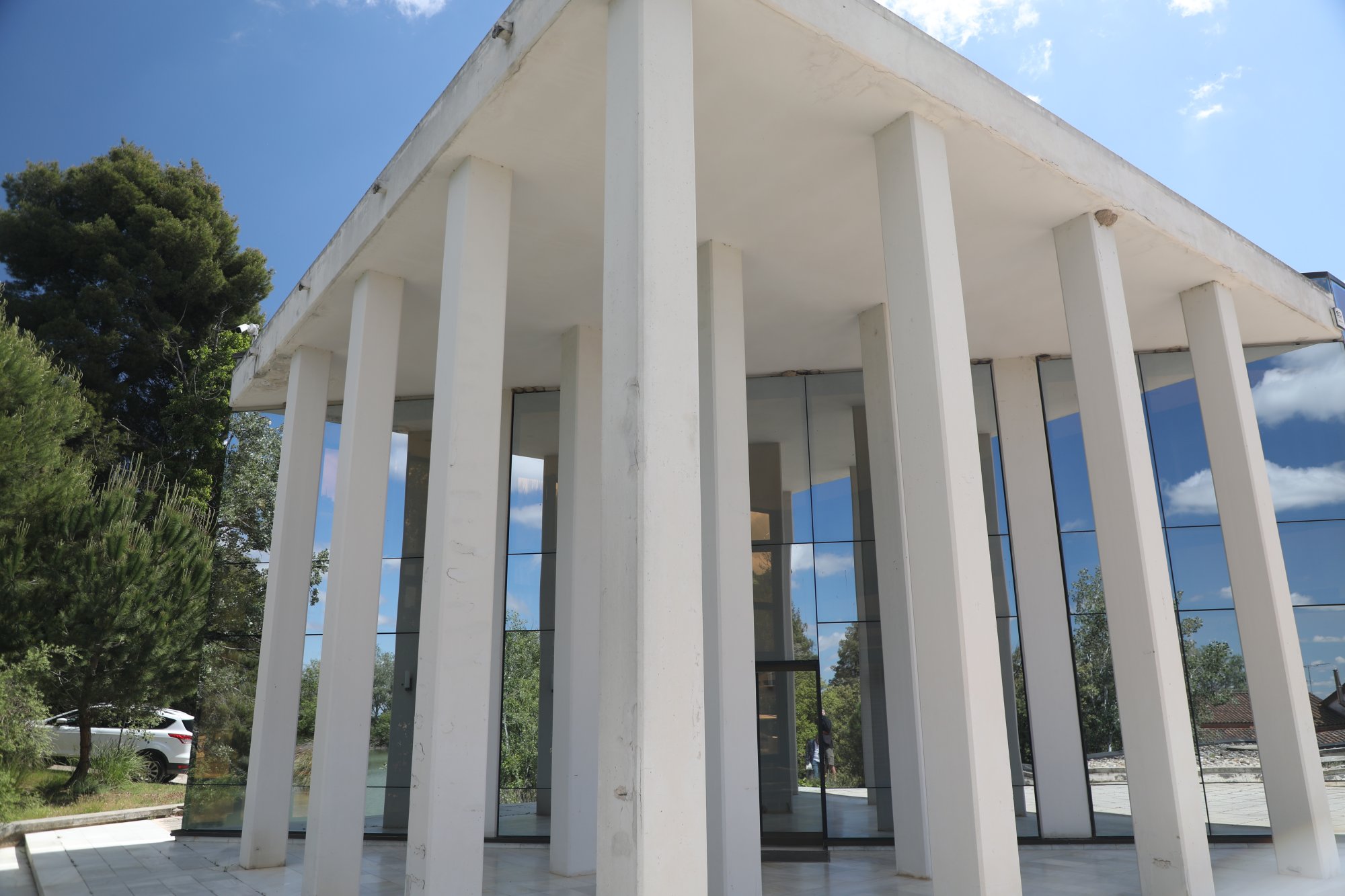
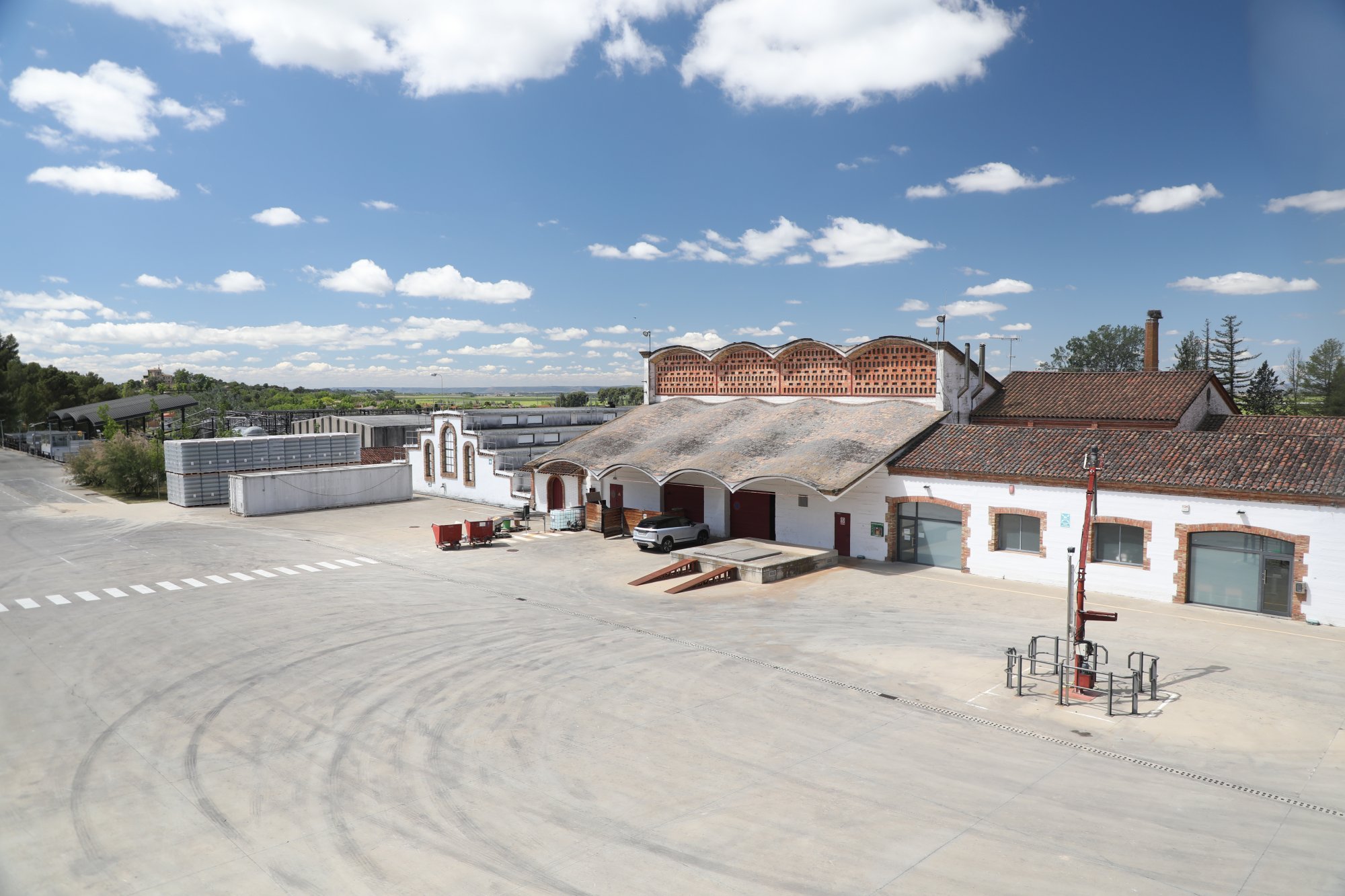
Bodegas Raimat, Winery operations
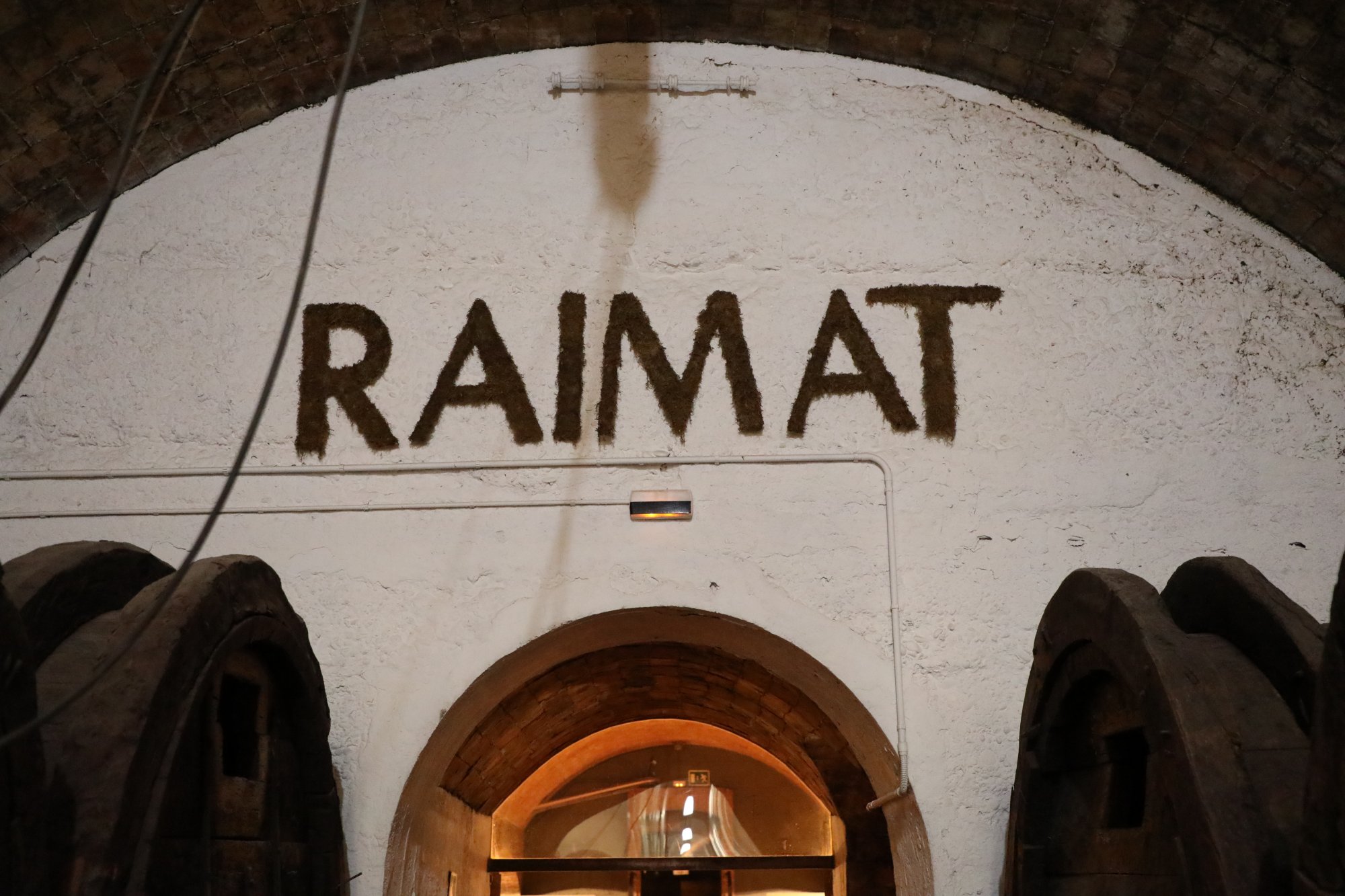
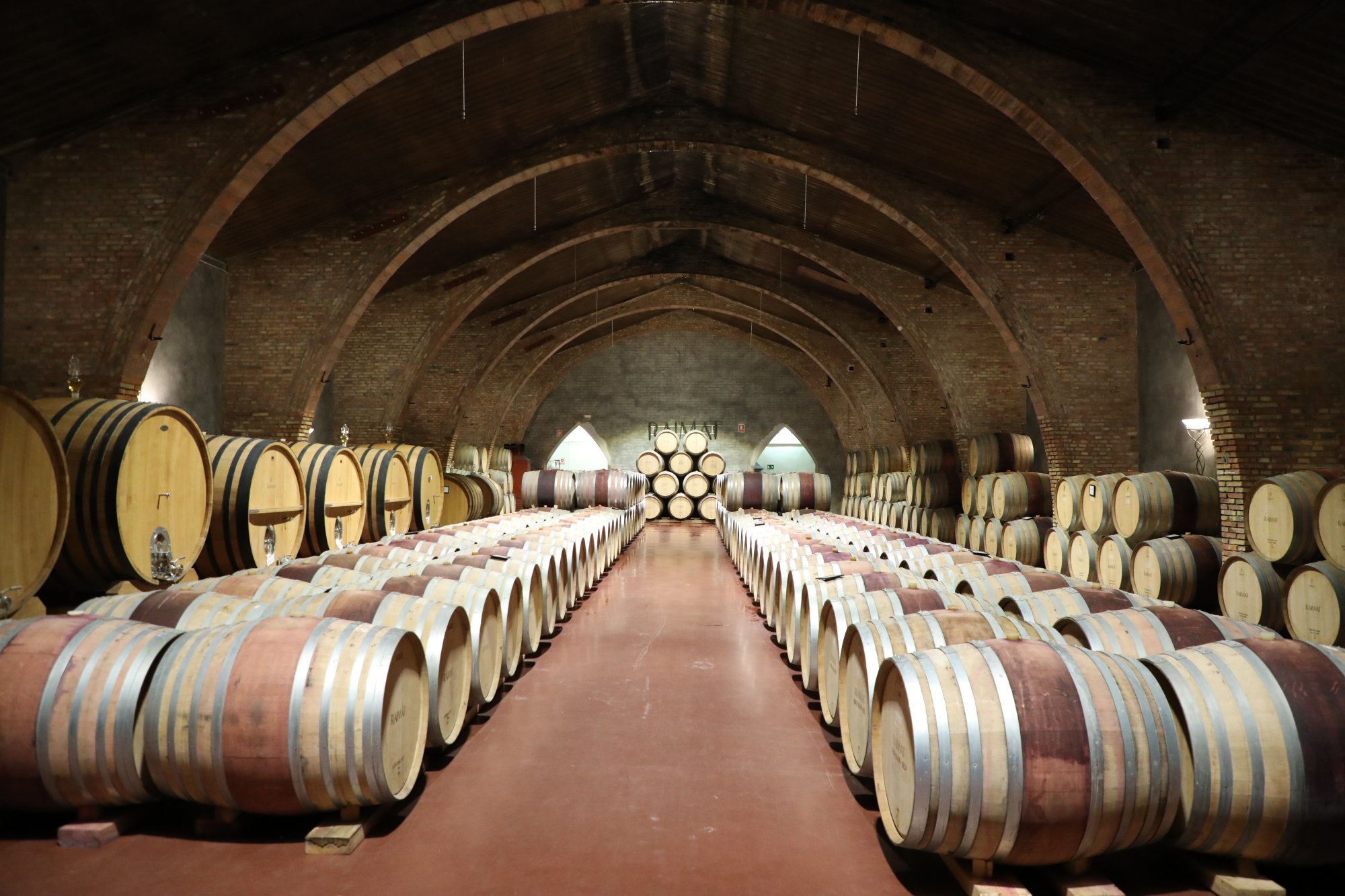
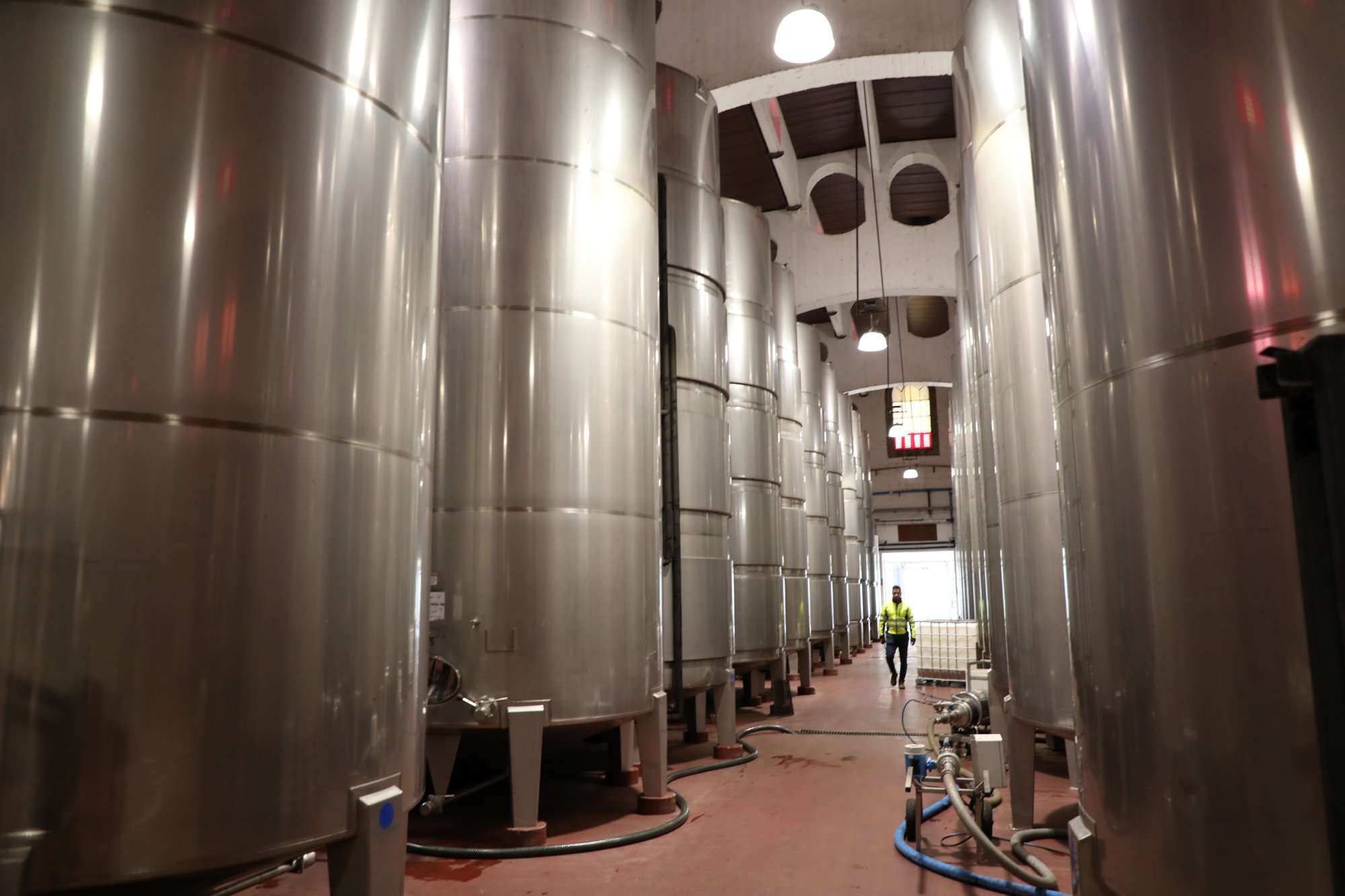
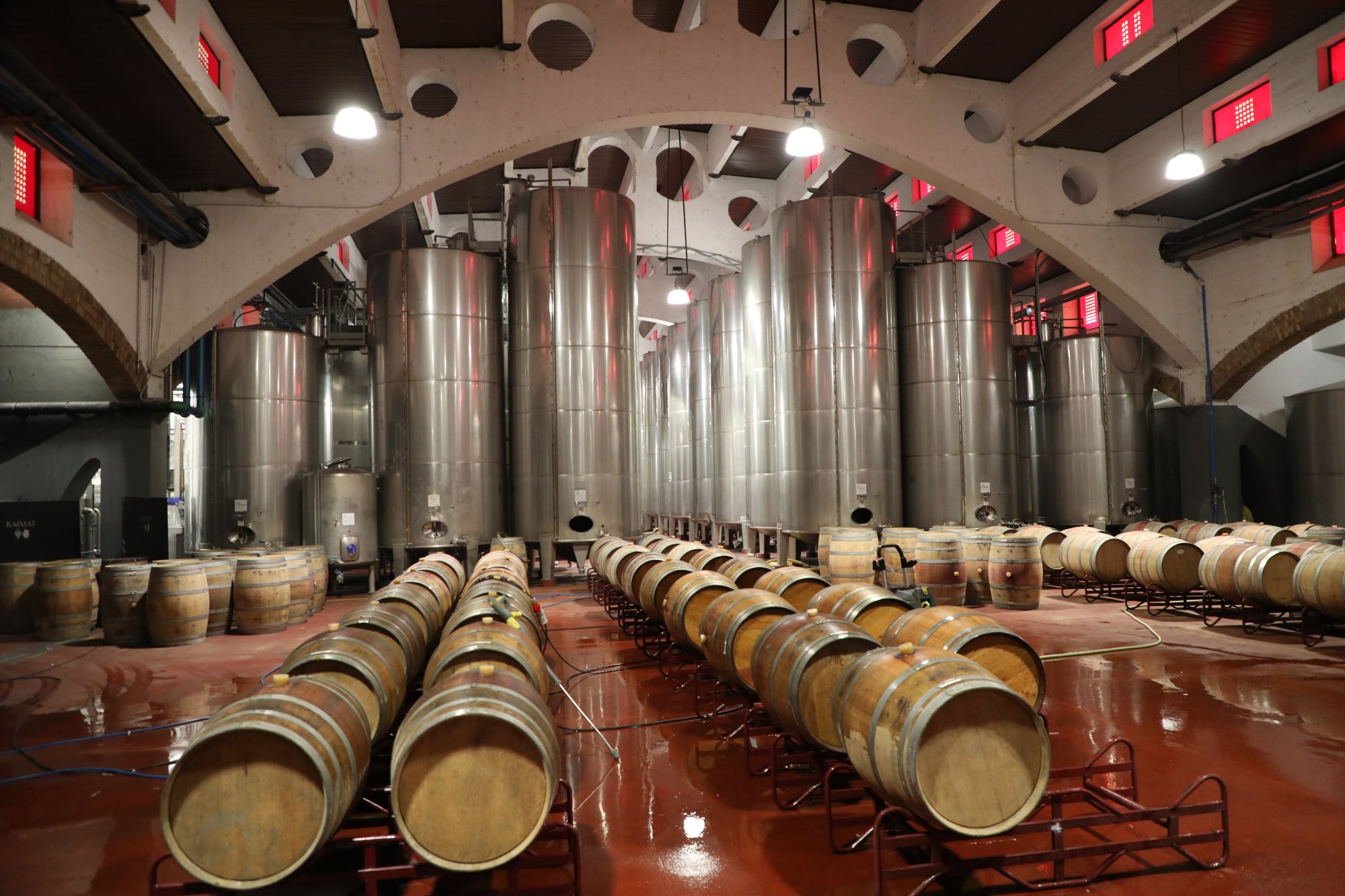
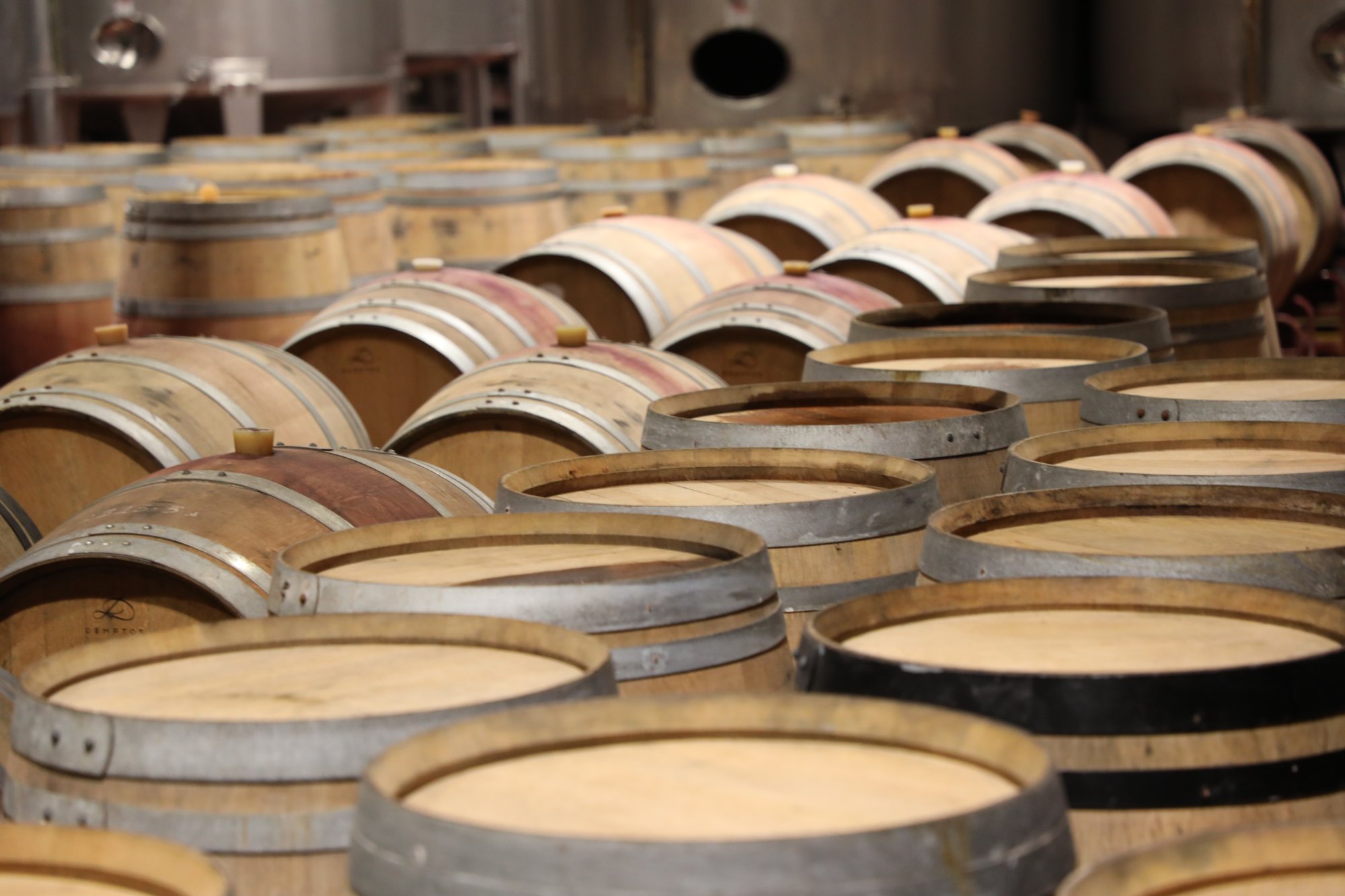
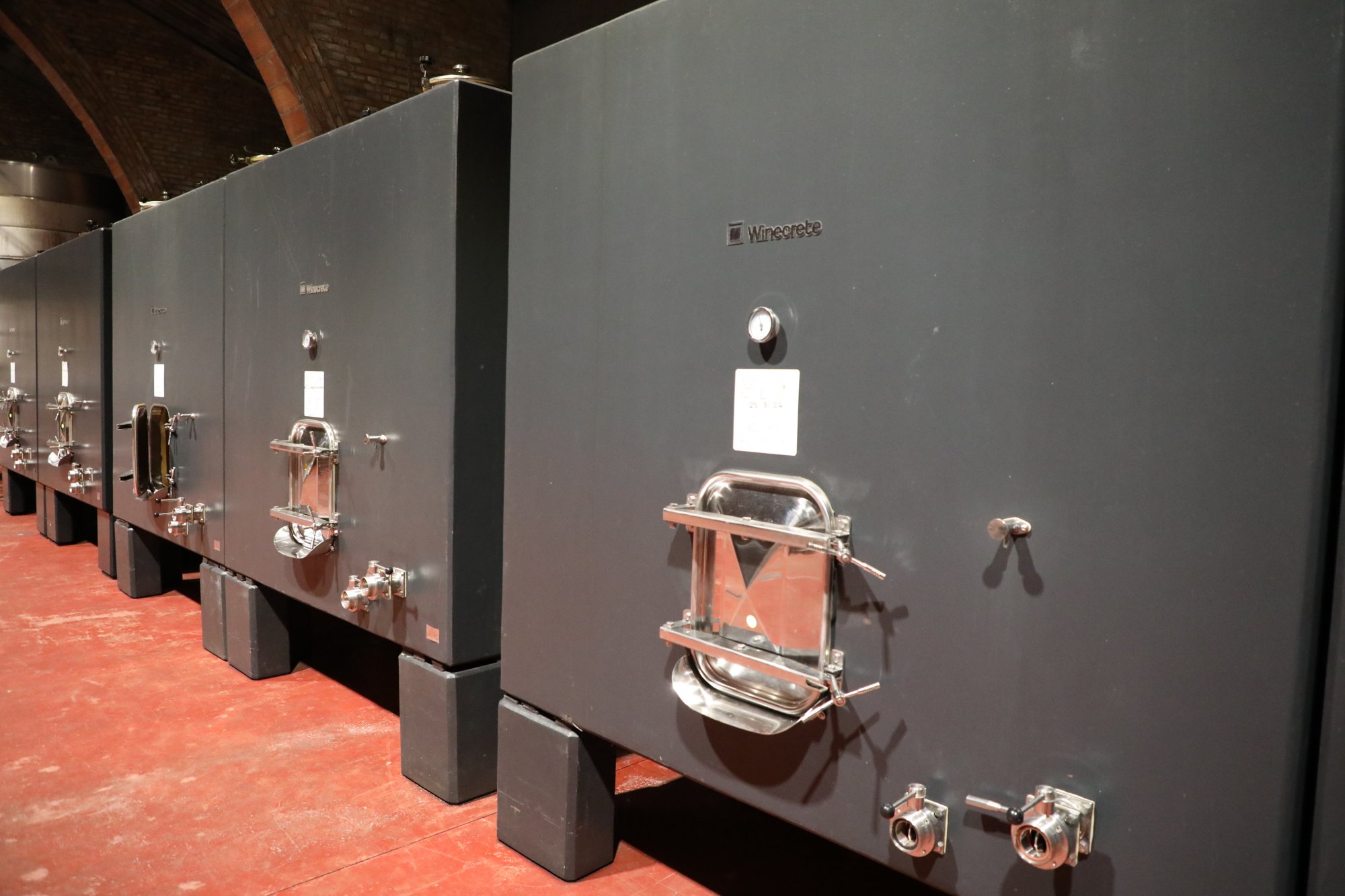
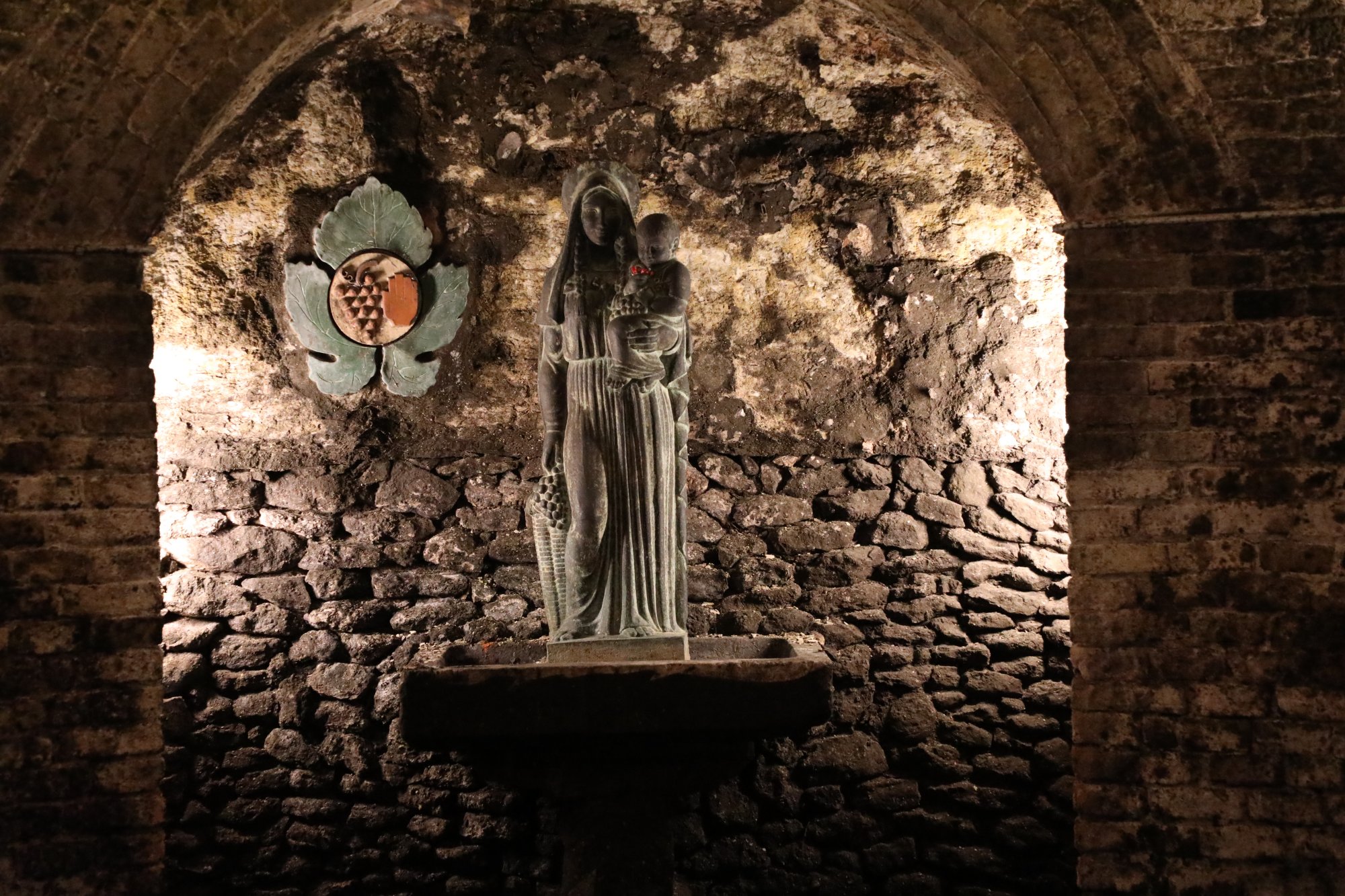

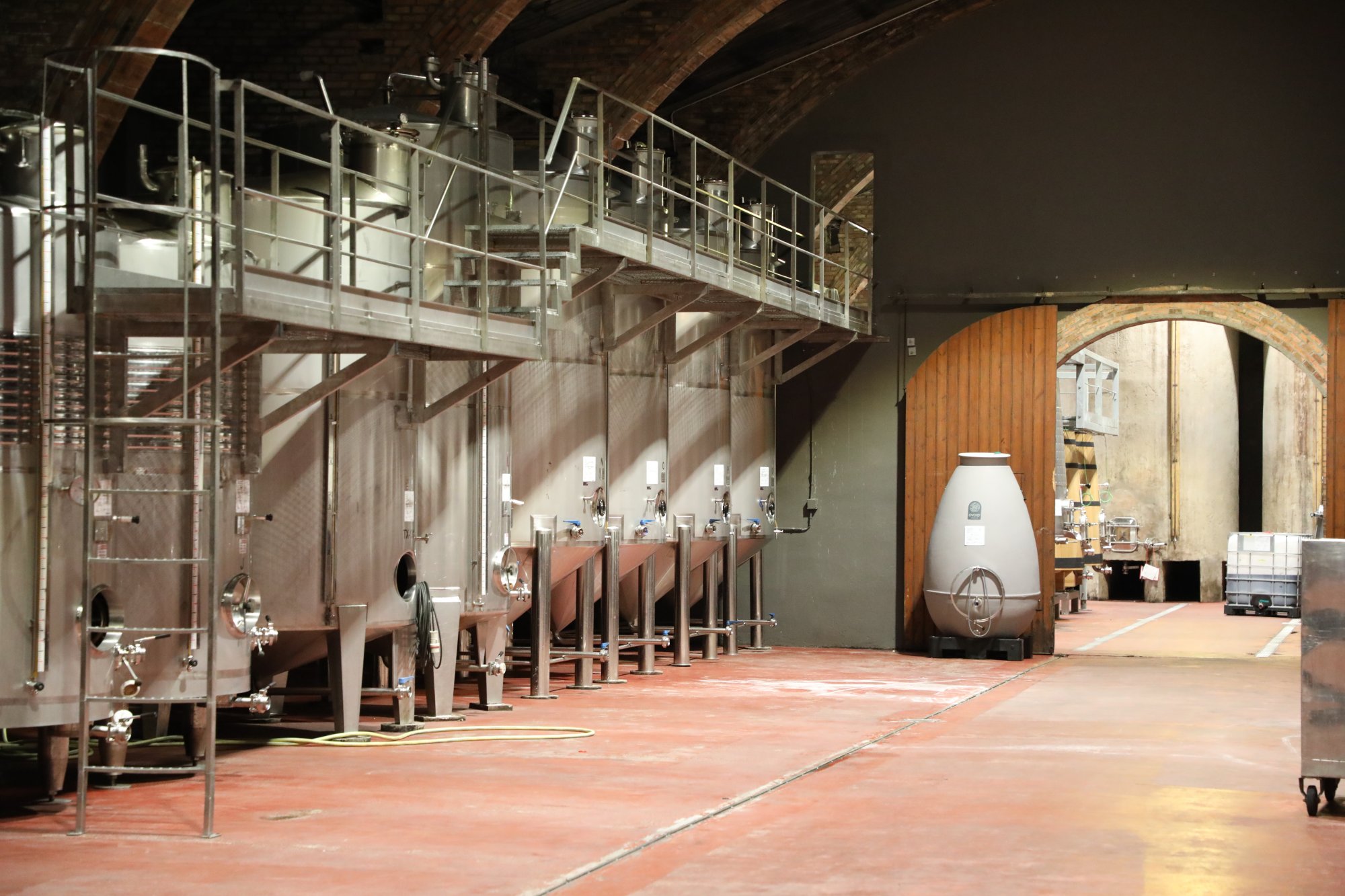
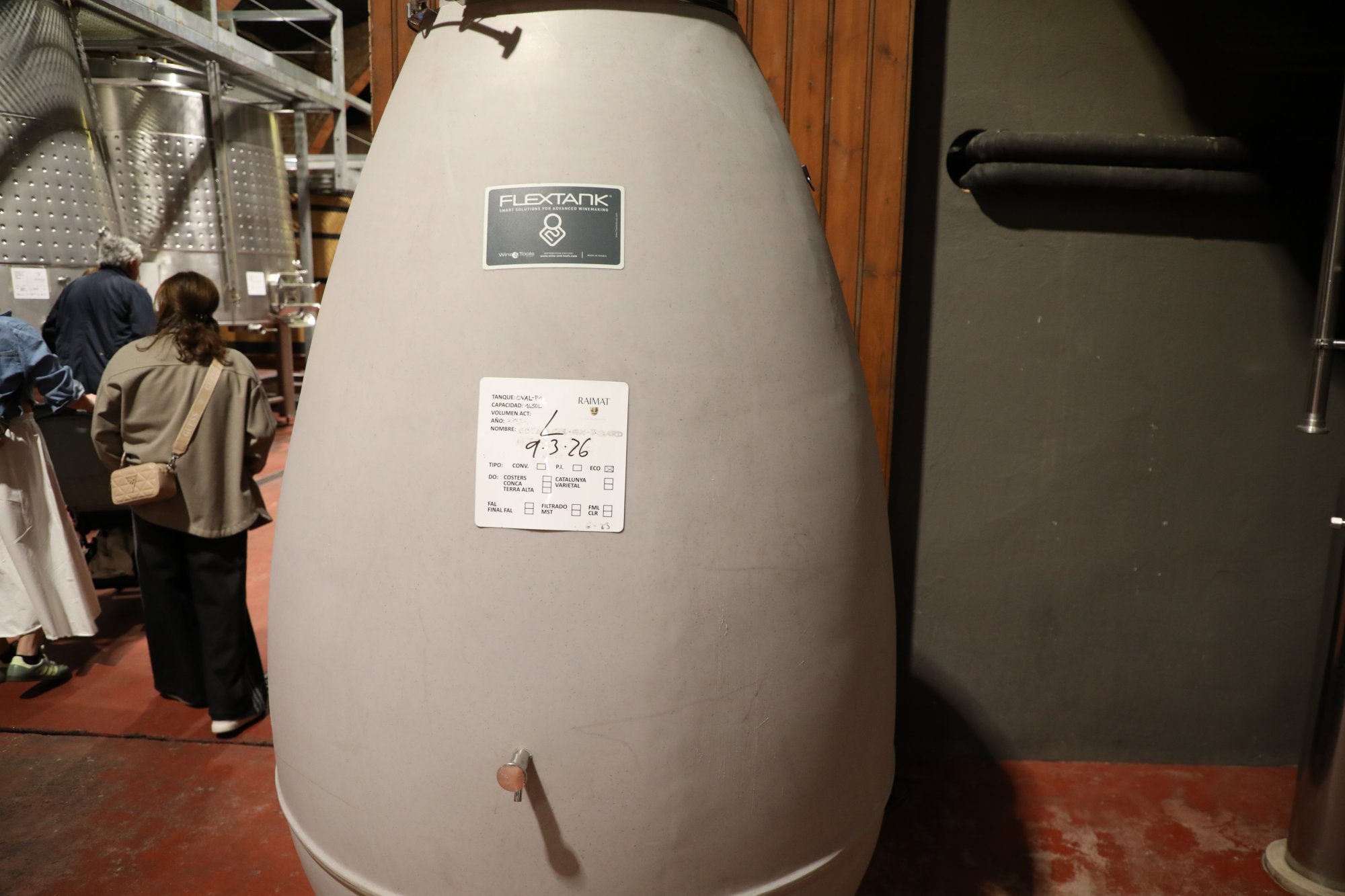
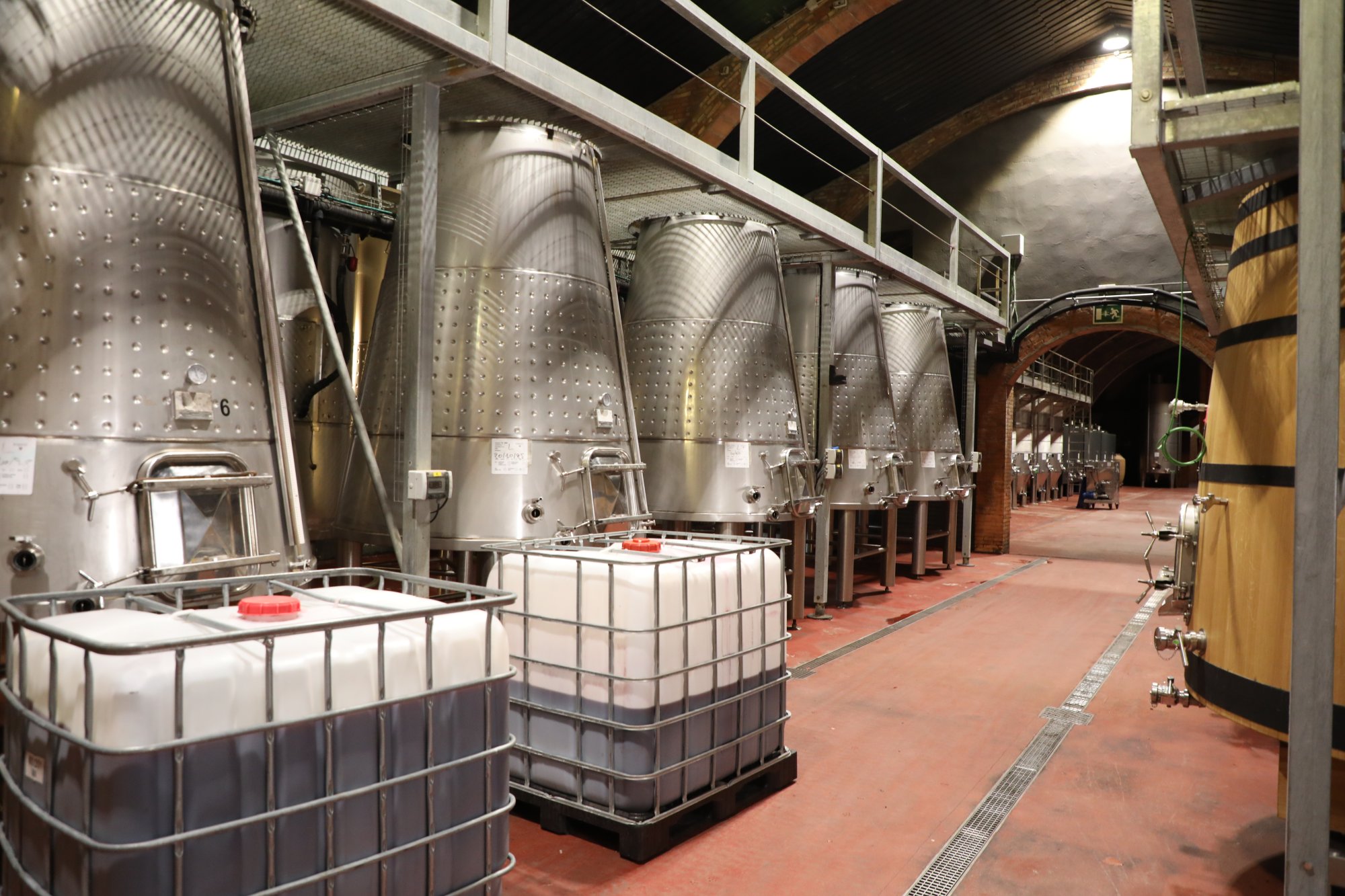
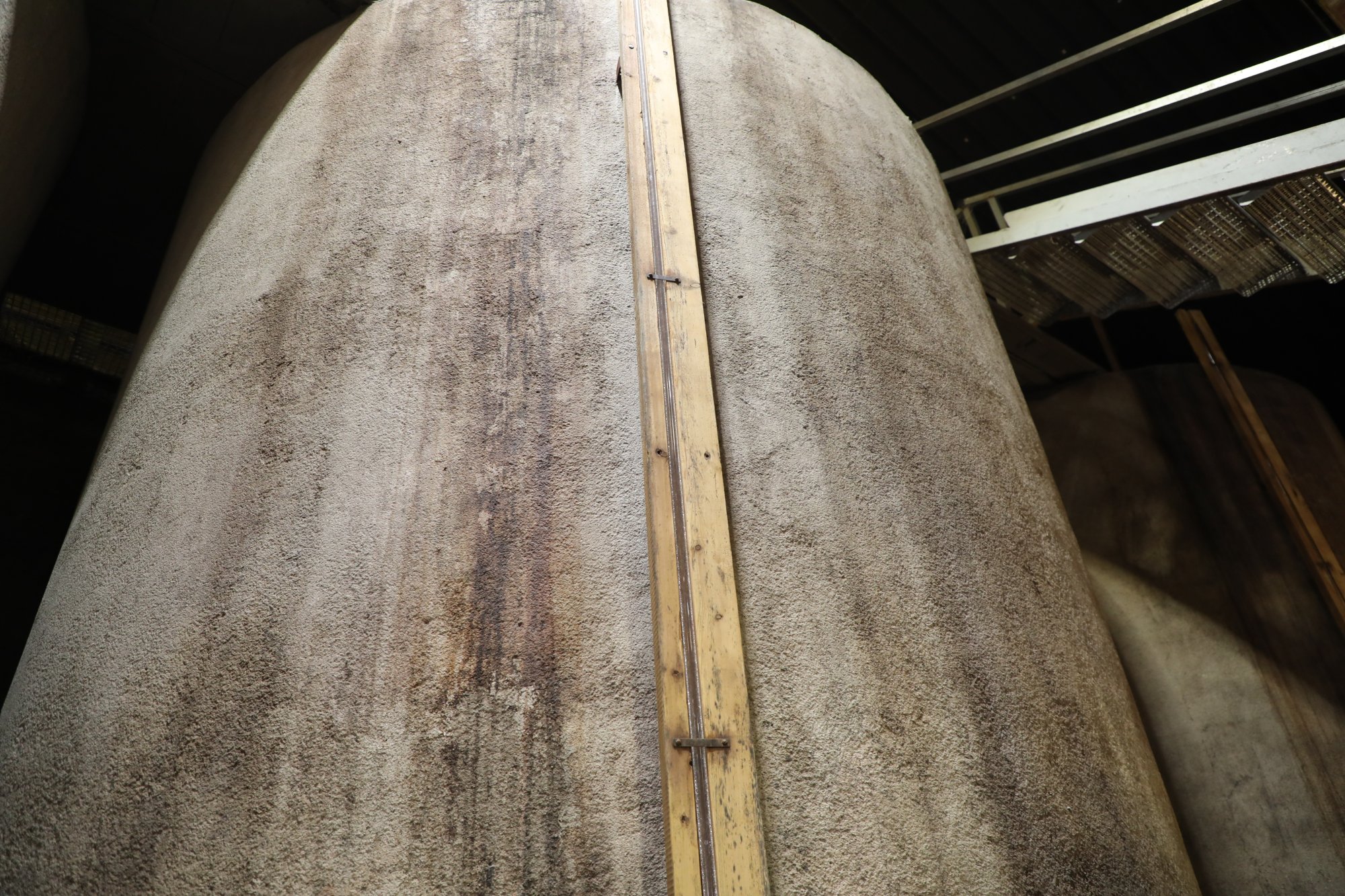
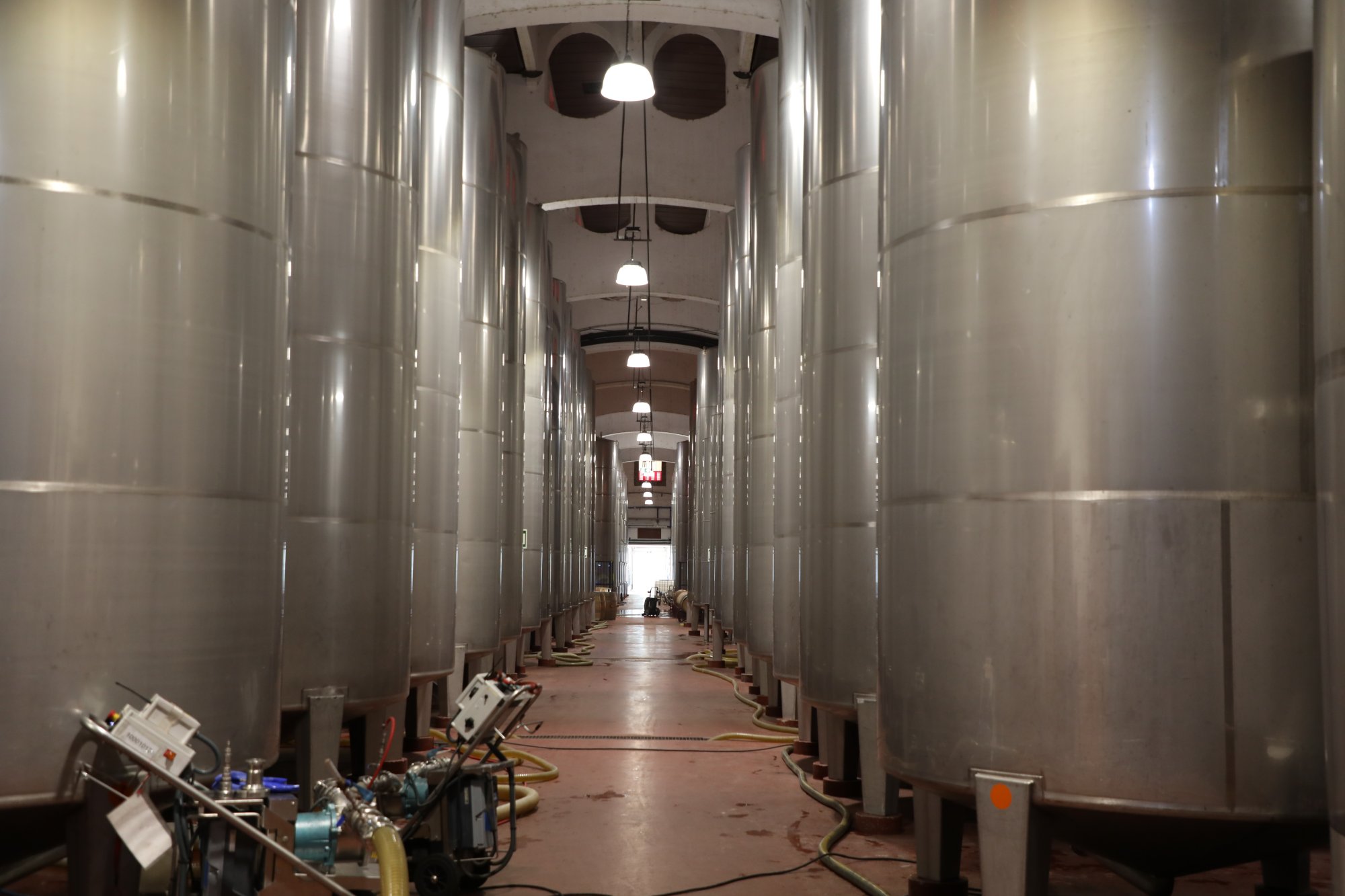
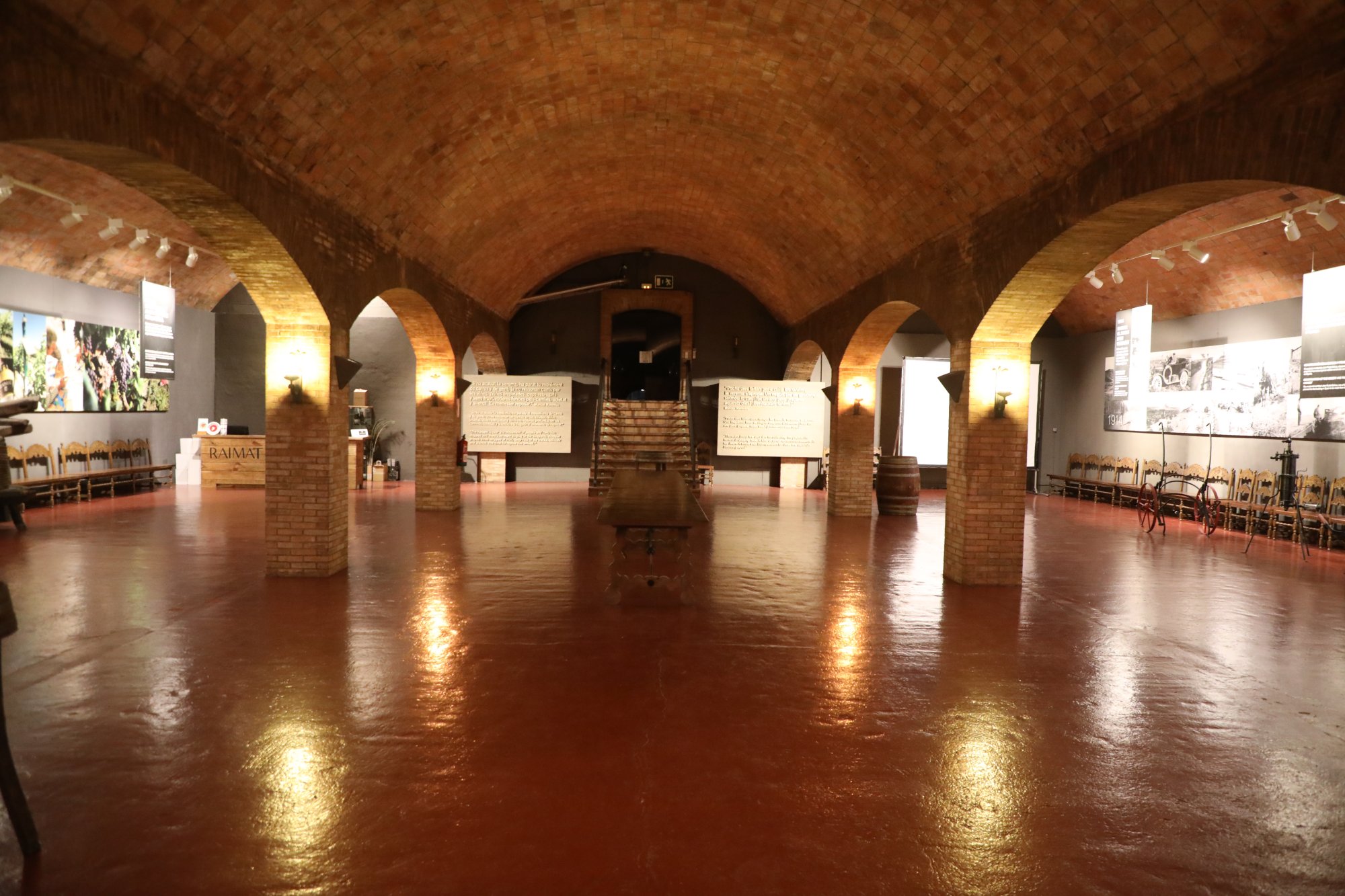
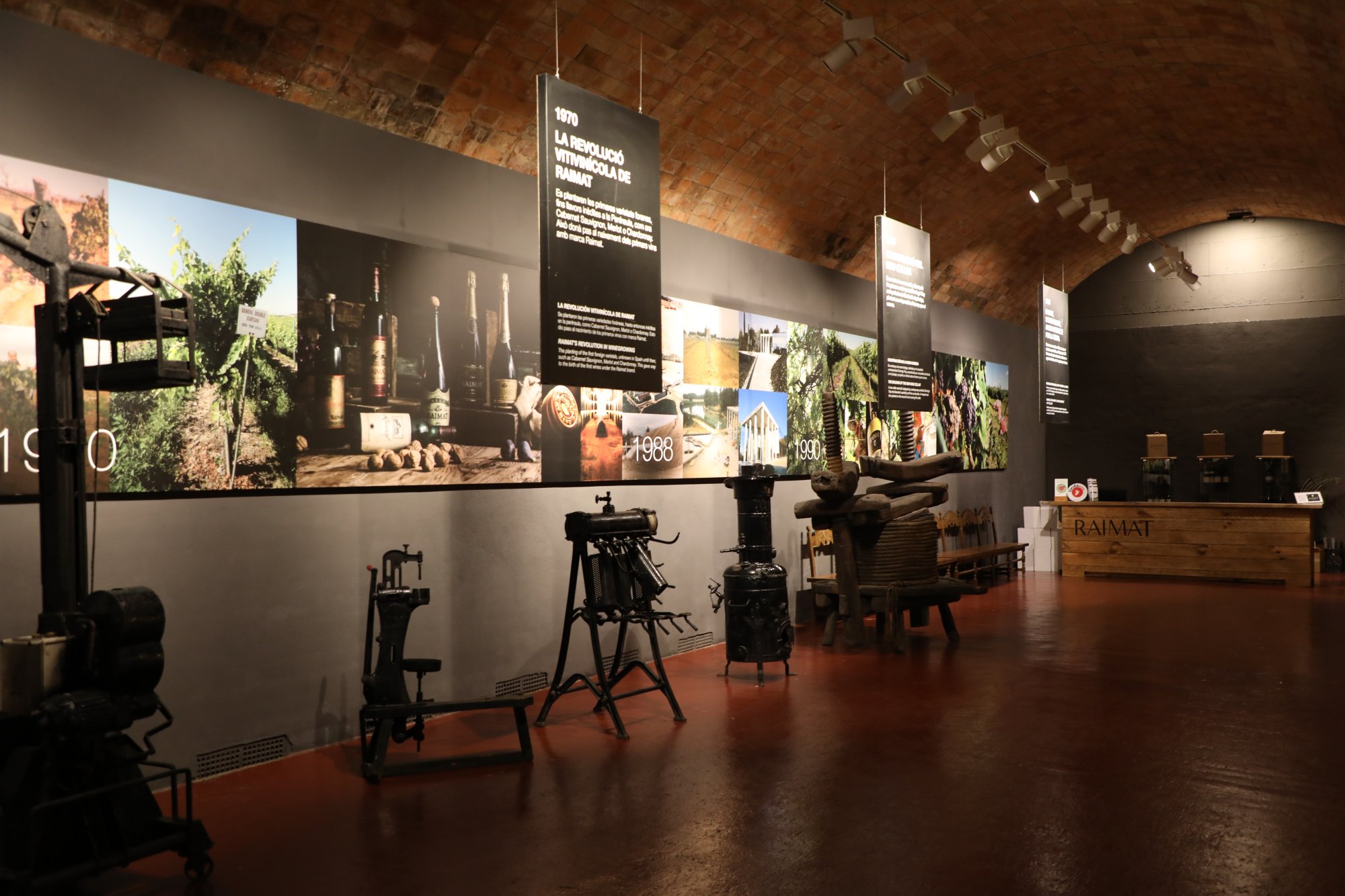
Bodegas Raimat, Hospitality
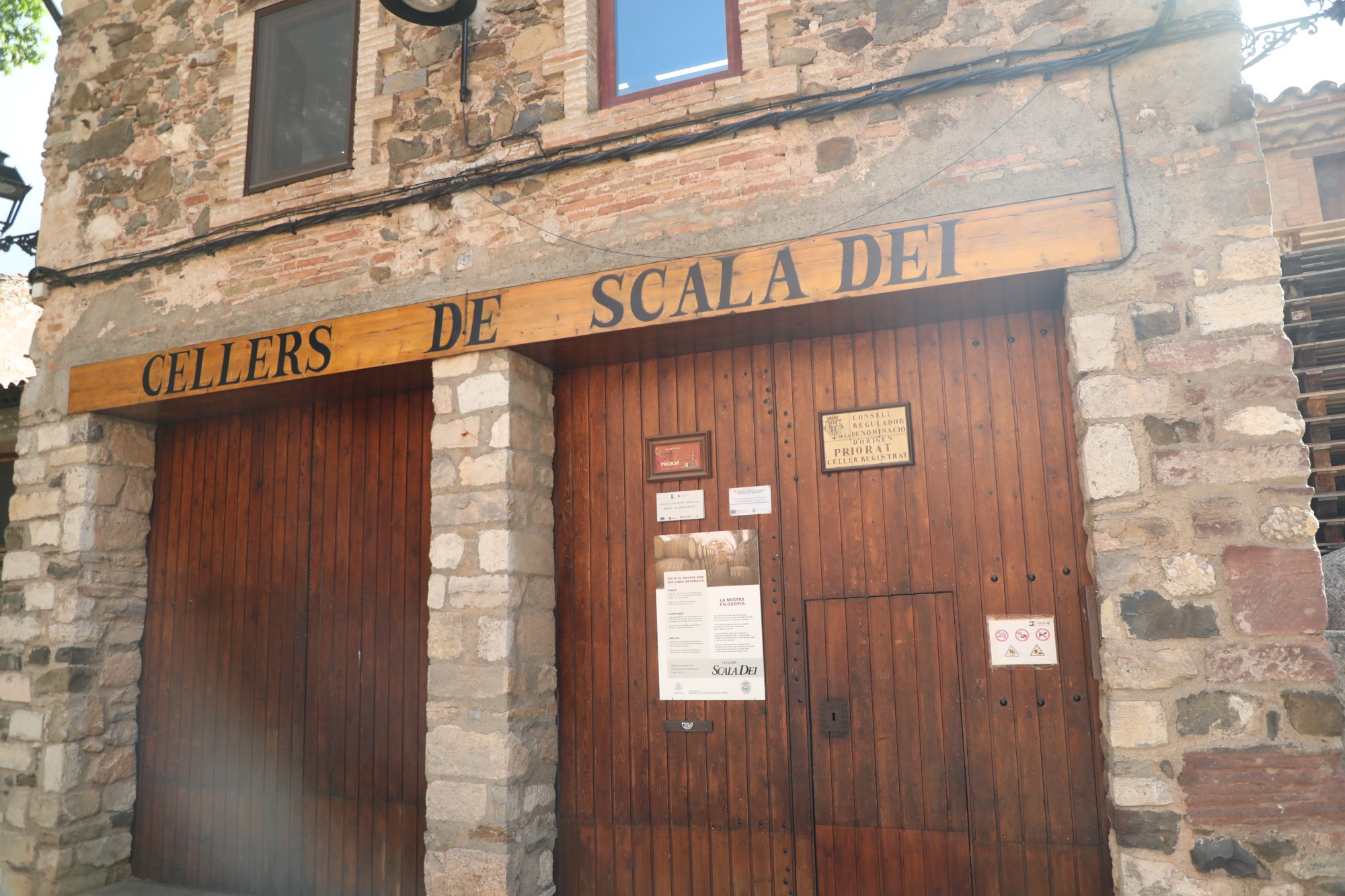
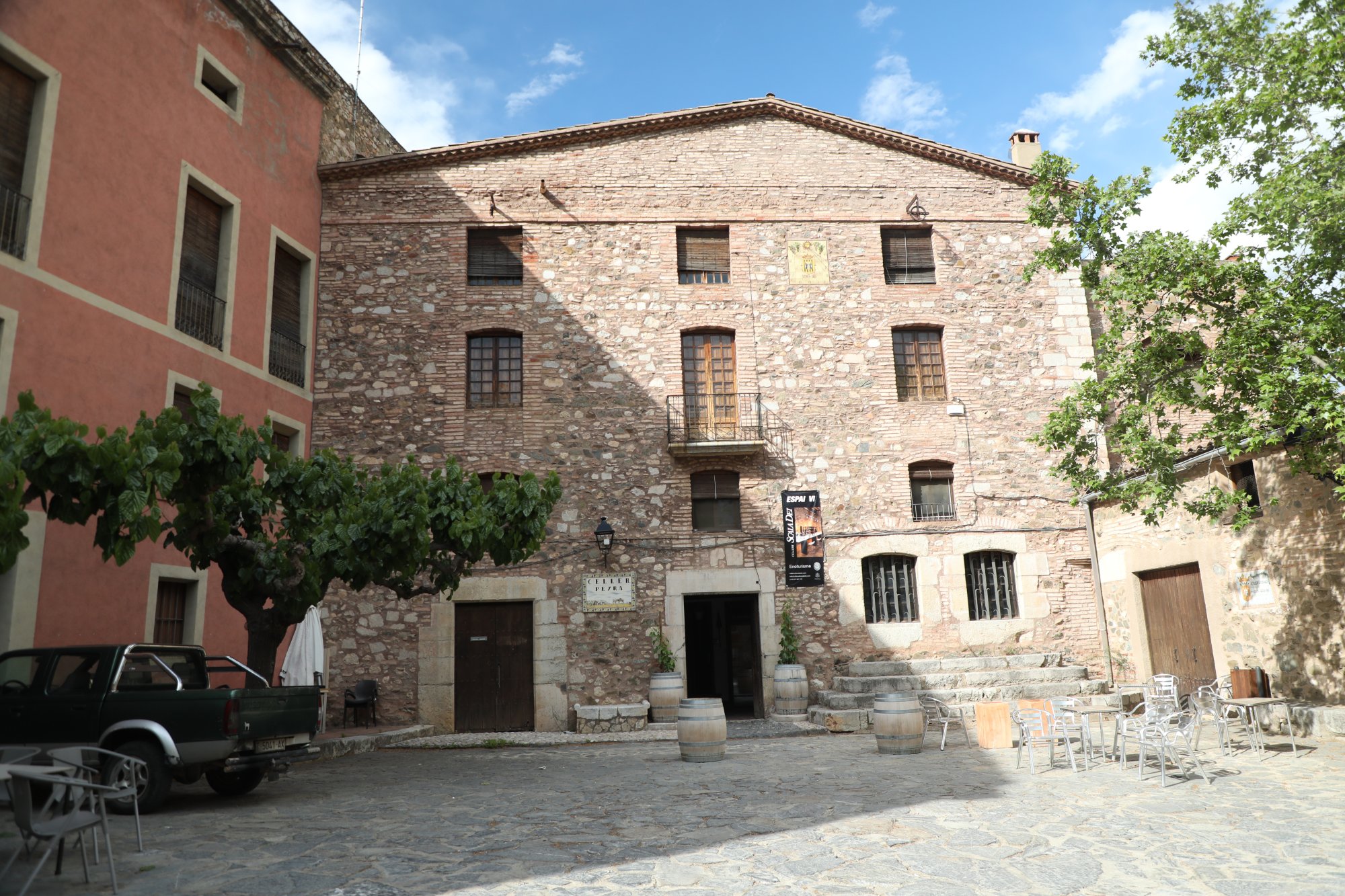
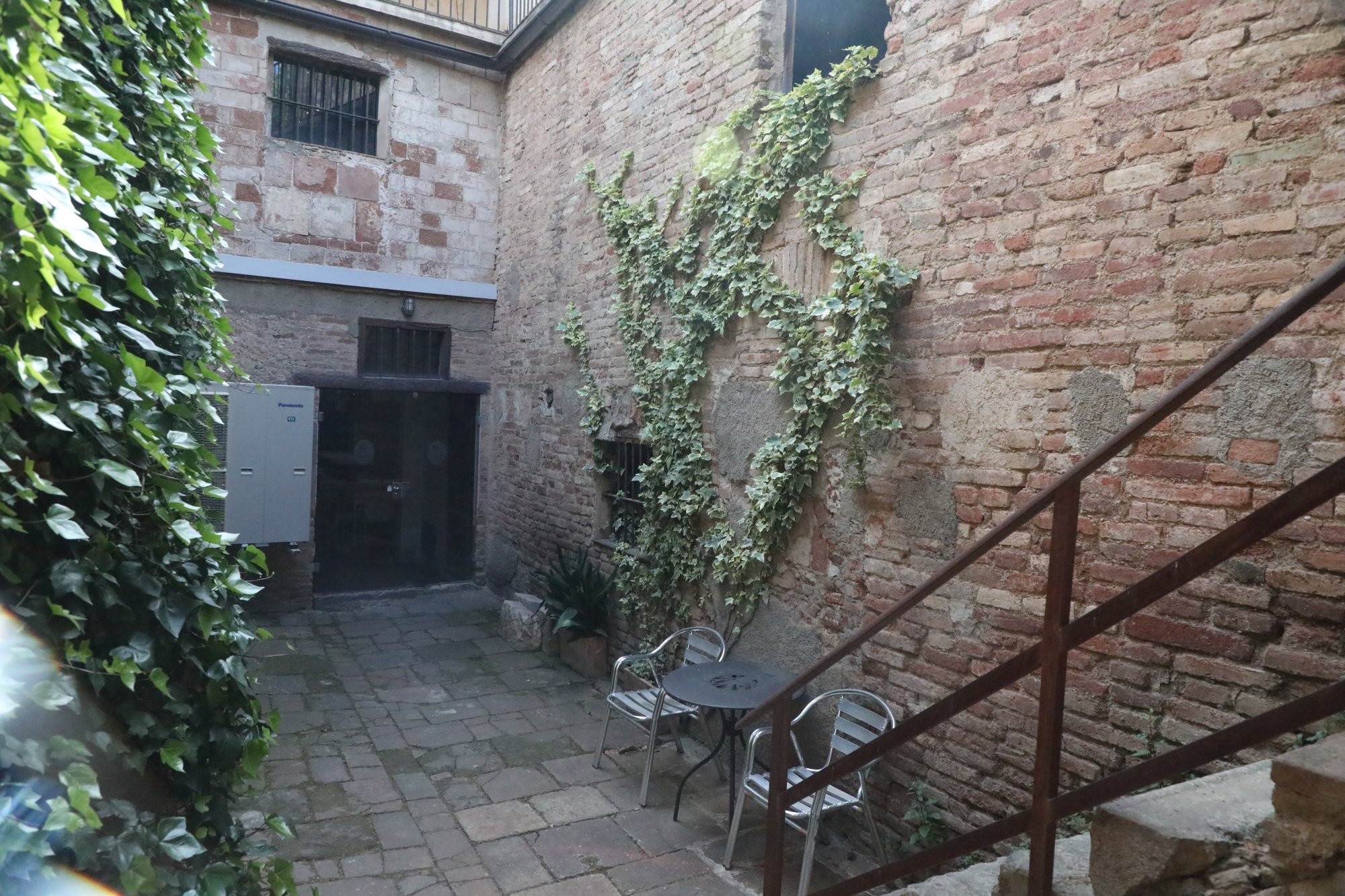
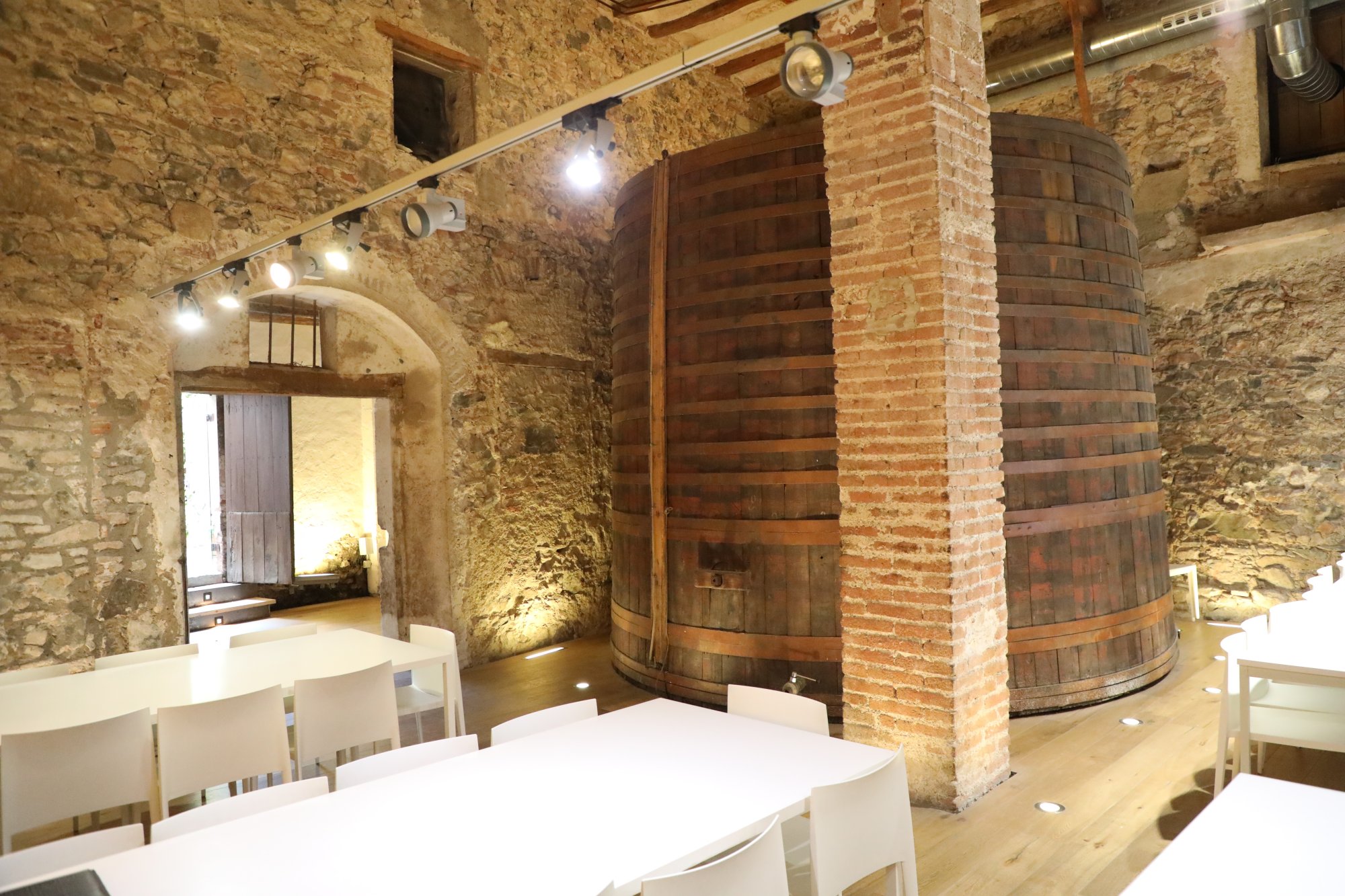
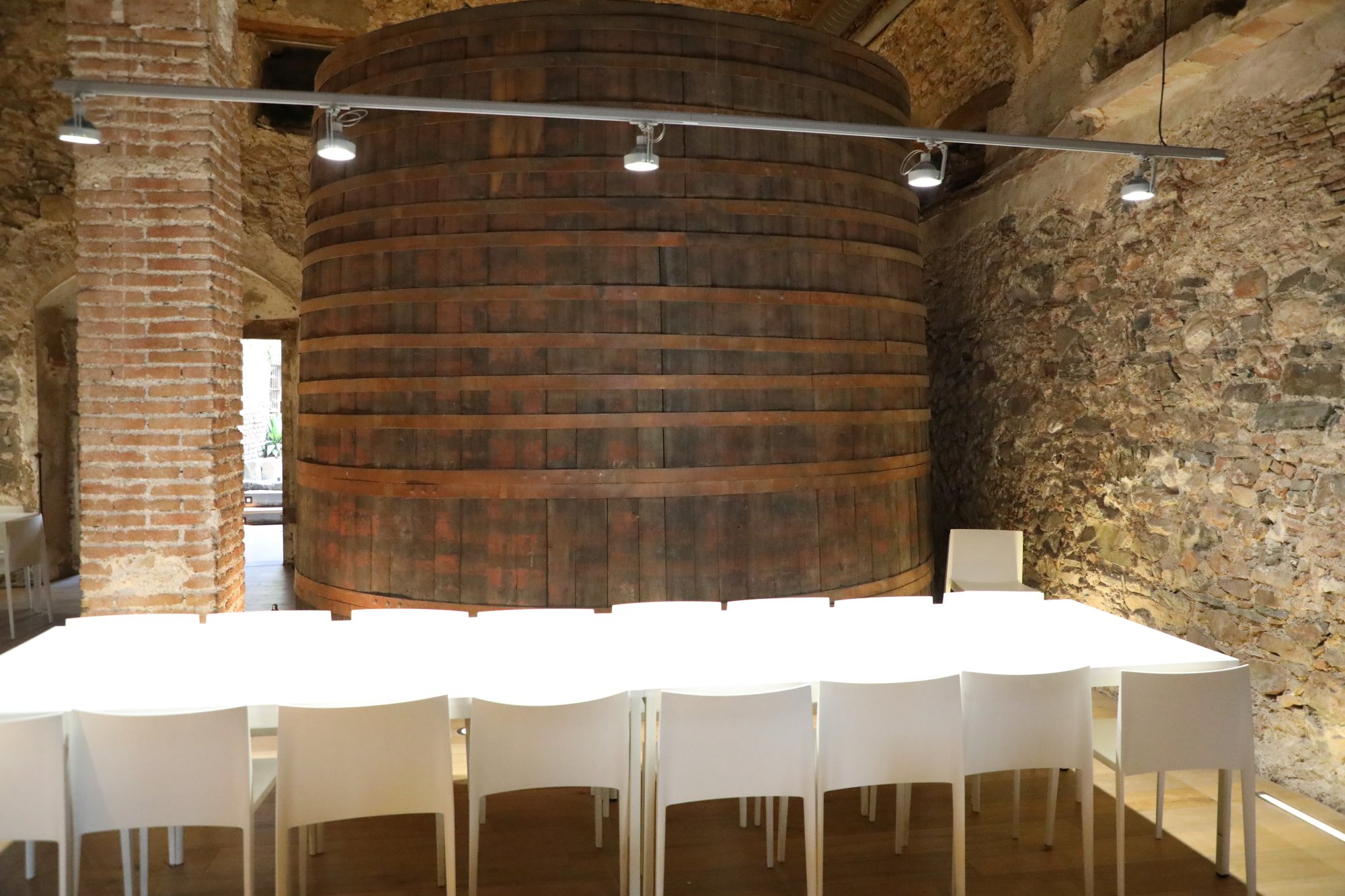
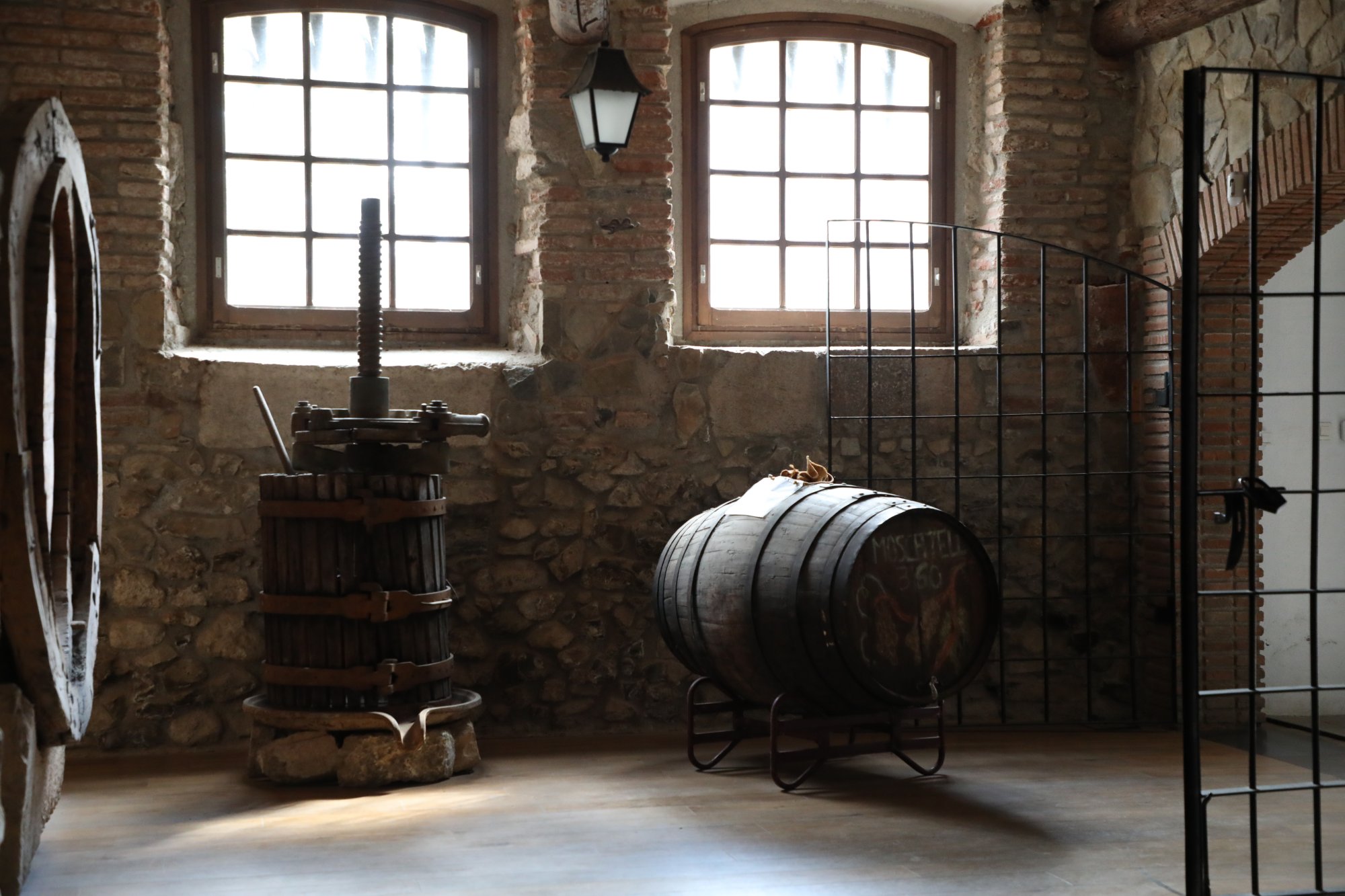
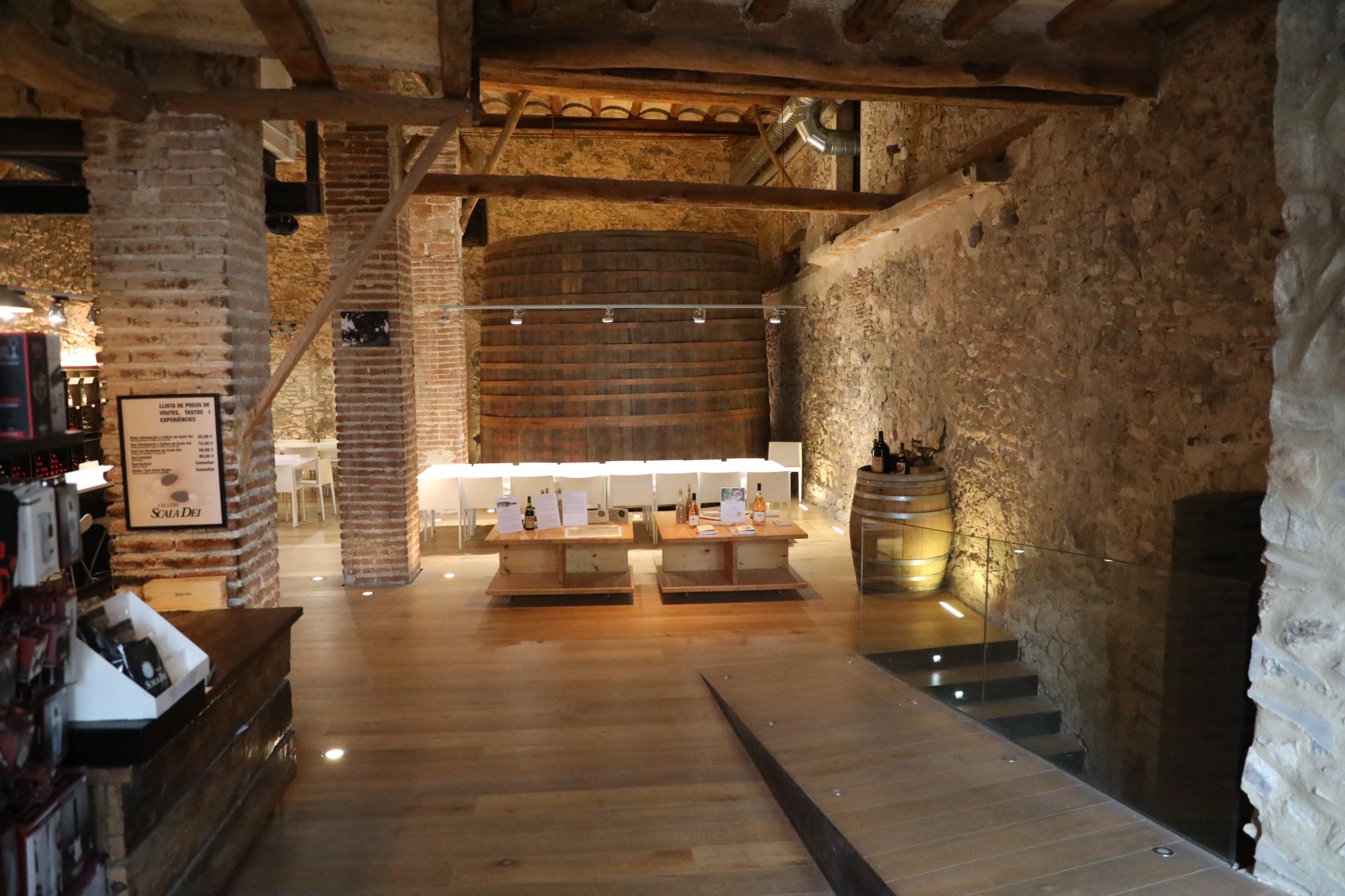
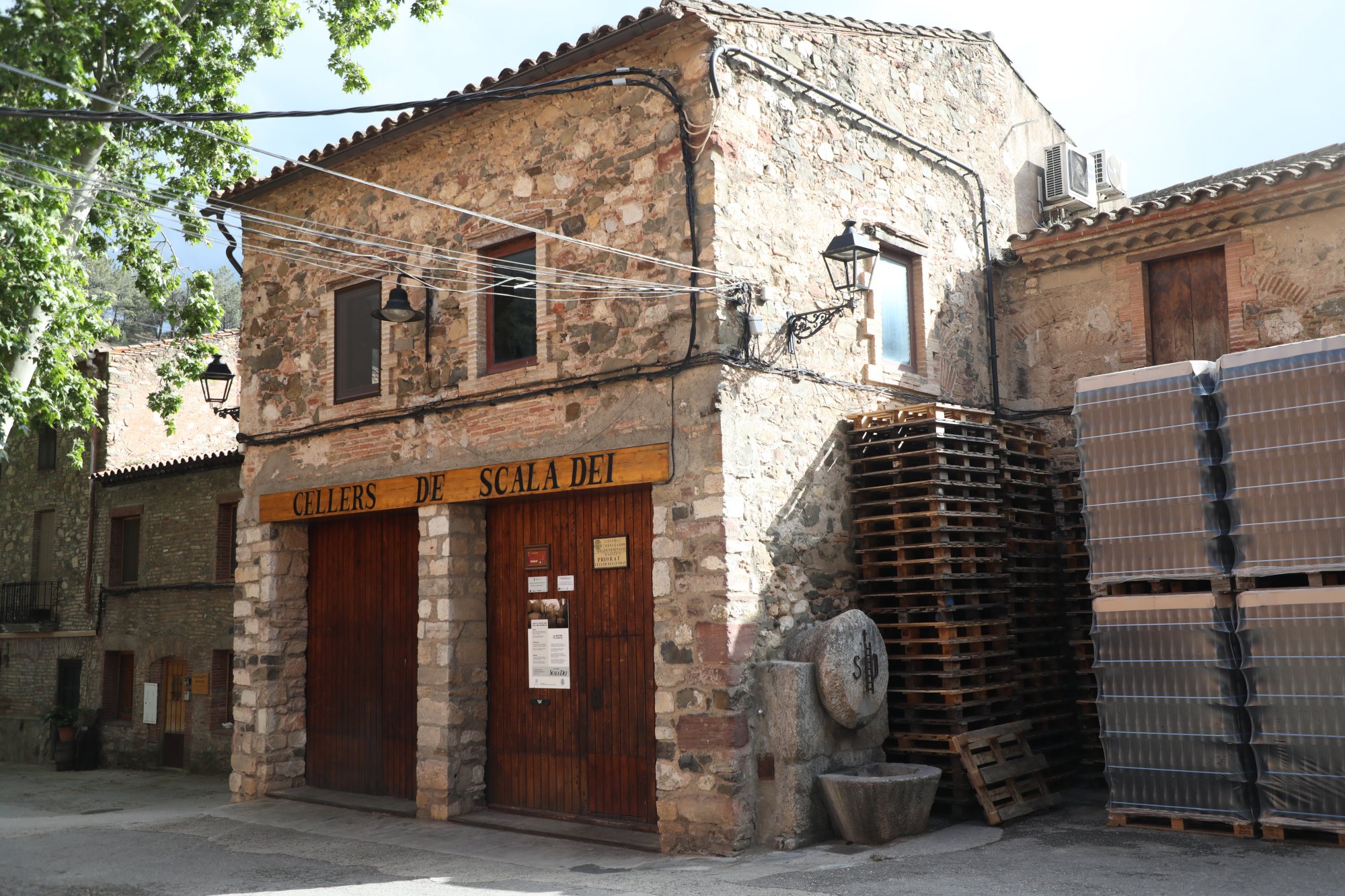
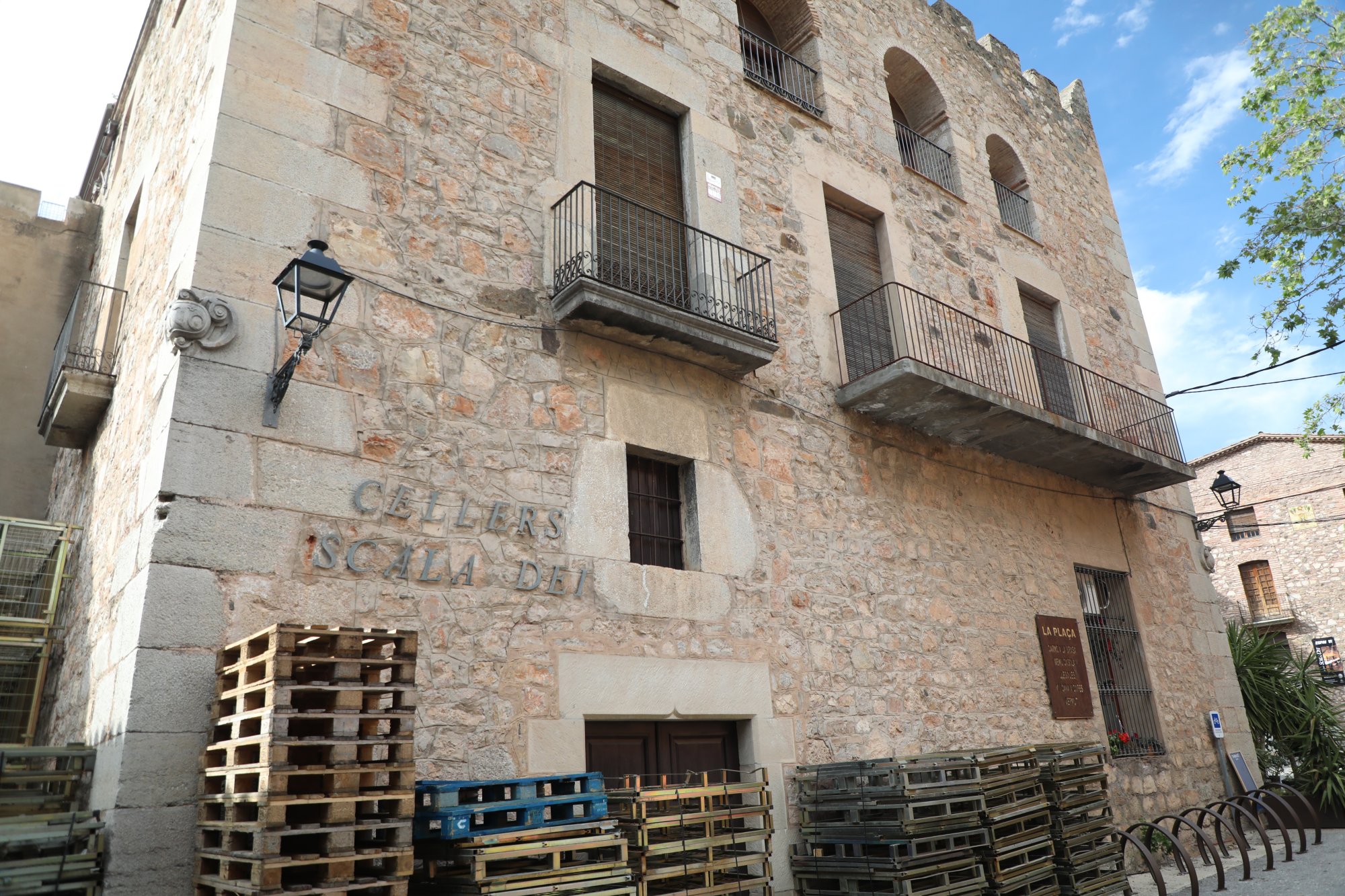
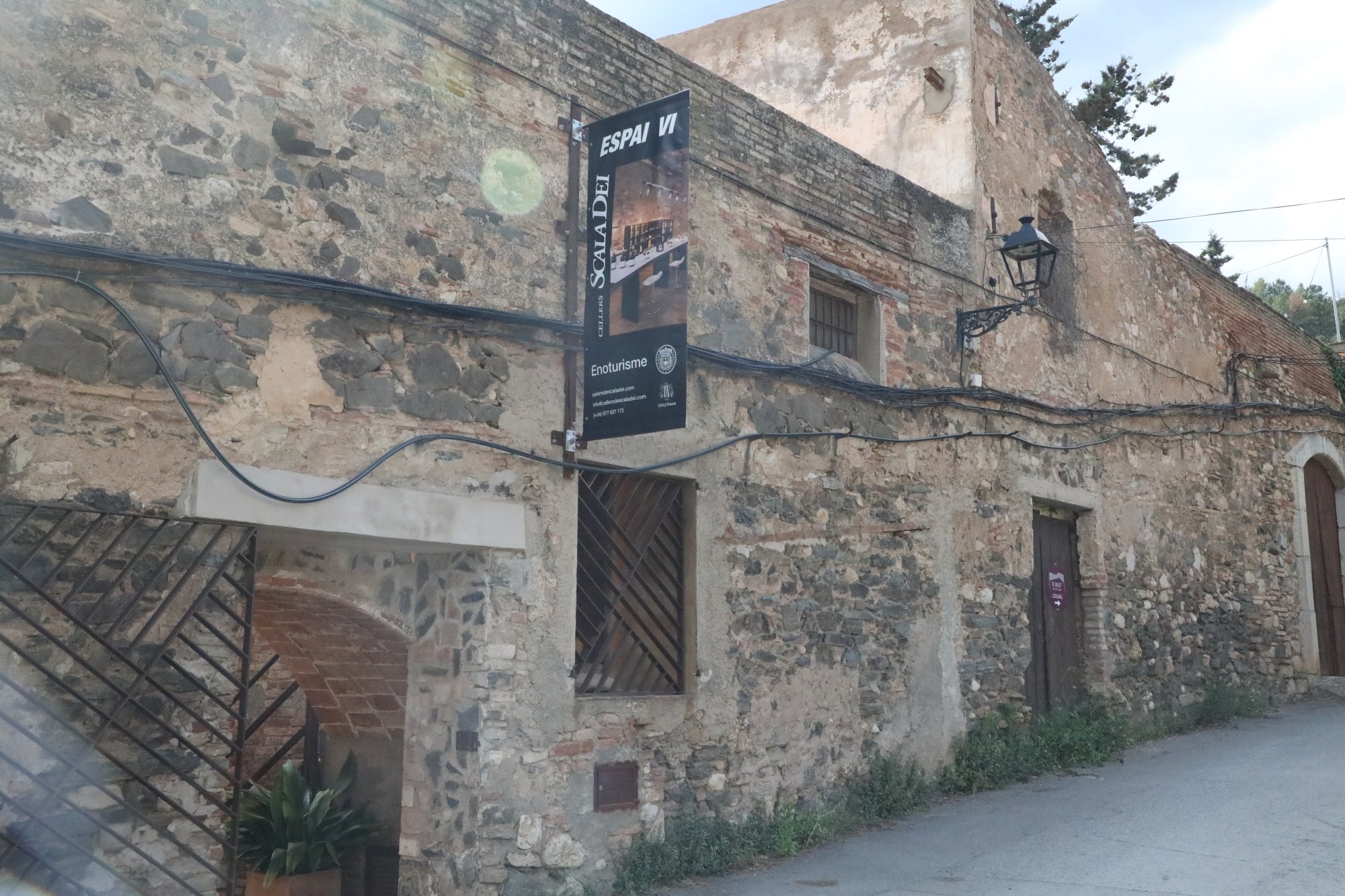
Scala Dei, Priorat Spain
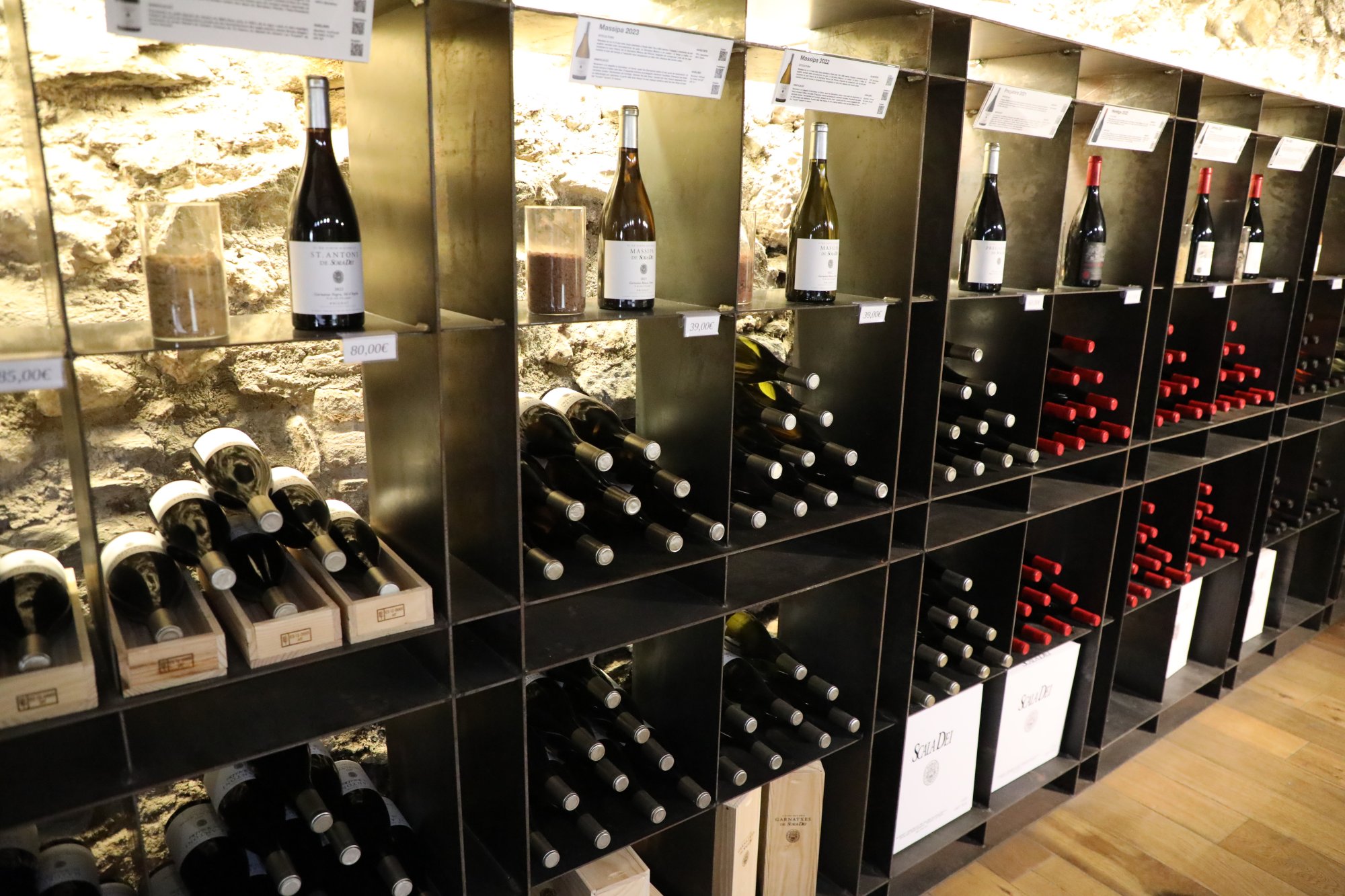
Visits here can either be for a tasting at the boutique (walk-ins welcome) or by appointment for a tour of their cellars followed by a tasting. Parking is in an upper dirt lot located within a short walk of the boutique.
Scala Dei is one of the most historically important wineries in Spain and is widely regarded as the birthplace of modern Priorat wine. Located in the village of Escaladei in Catalonia’s Priorat region, the winery traces its origins to the Carthusian monks who established the Monastery of Scala Dei in 1194. The monks arrived from Provence and introduced viticulture to the rugged slate hillsides of the region, laying the foundations for what would eventually become the prestigious DOCa Priorat appellation. The name “Scala Dei,” meaning “Stairway to God,” originated from a legend in which a shepherd dreamed of angels ascending to heaven on a staircase.
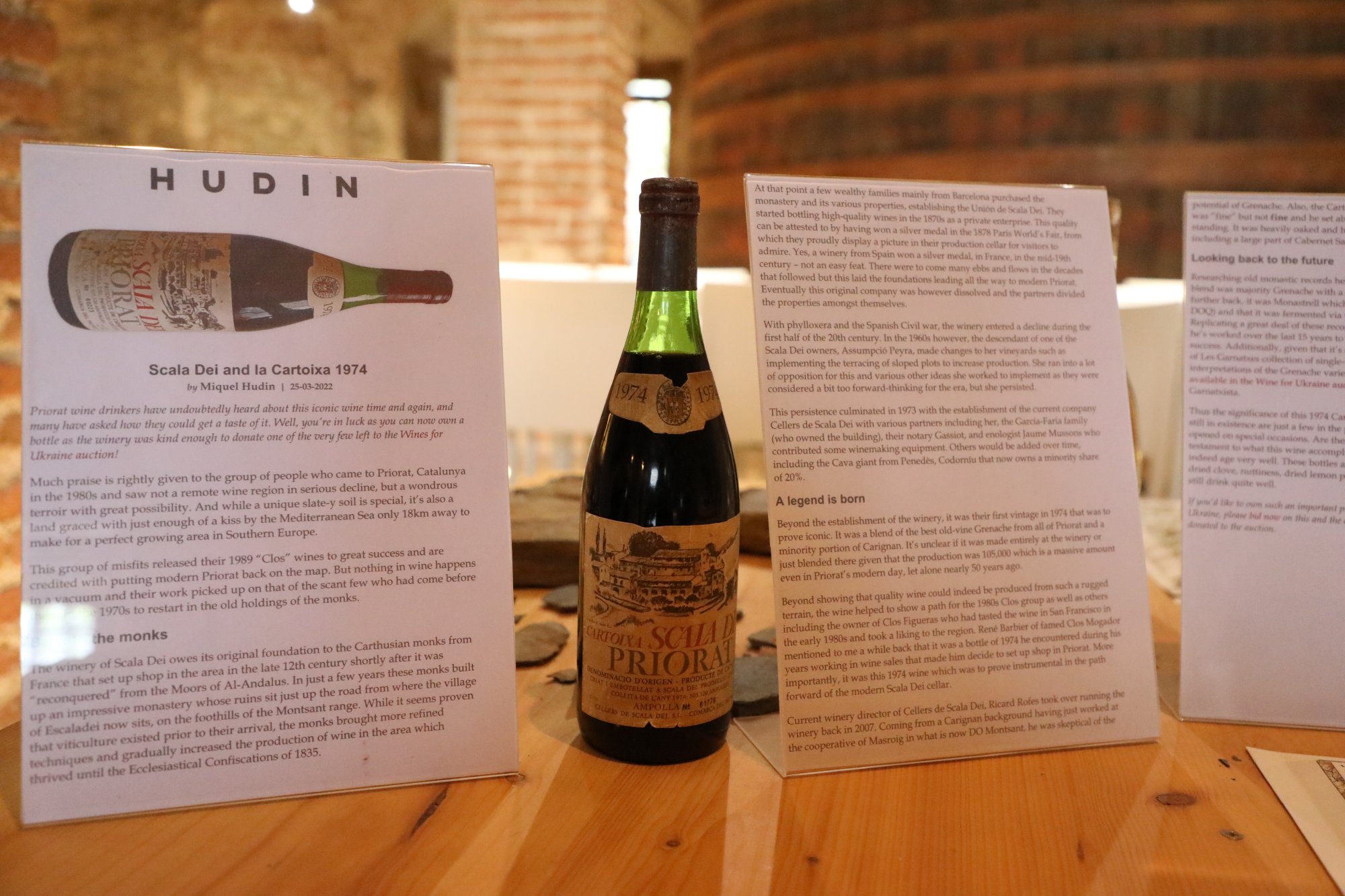
 For centuries, the Carthusian monastery dominated the region economically and spiritually, overseeing vineyards throughout the area. After the confiscation of church lands in the 19th century following the Mendizábal disentailment, local families acquired many of the monastery’s vineyards and continued producing wine. Scala Dei became especially significant in 1878 when it produced what is considered the first bottled wine of Priorat. Following setbacks caused by phylloxera and the Spanish Civil War, the winery was re-established in 1974 by a group of local families, helping spark the modern revival of Priorat wines. The 1974 Cartoixa Scala Dei bottling is considered a landmark wine in the contemporary history of the region.
The vineyards of Scala Dei are planted on the steep slopes of the Montsant mountain range, where vines grow in the region’s distinctive llicorella soils — decomposed black slate mixed with quartz. These poor, rocky soils force the vines to root deeply, naturally limiting yields and contributing concentration and minerality to the wines. Vineyard elevations range from approximately 400 to 800 meters above sea level, with dramatic temperature swings between day and night helping preserve acidity and freshness in the grapes. Garnacha (Grenache) and Cariñena (Carignan) are the traditional varieties of Priorat and remain central to Scala Dei’s wines, although international varieties such as Cabernet Sauvignon and Syrah are also cultivated in some vineyards.
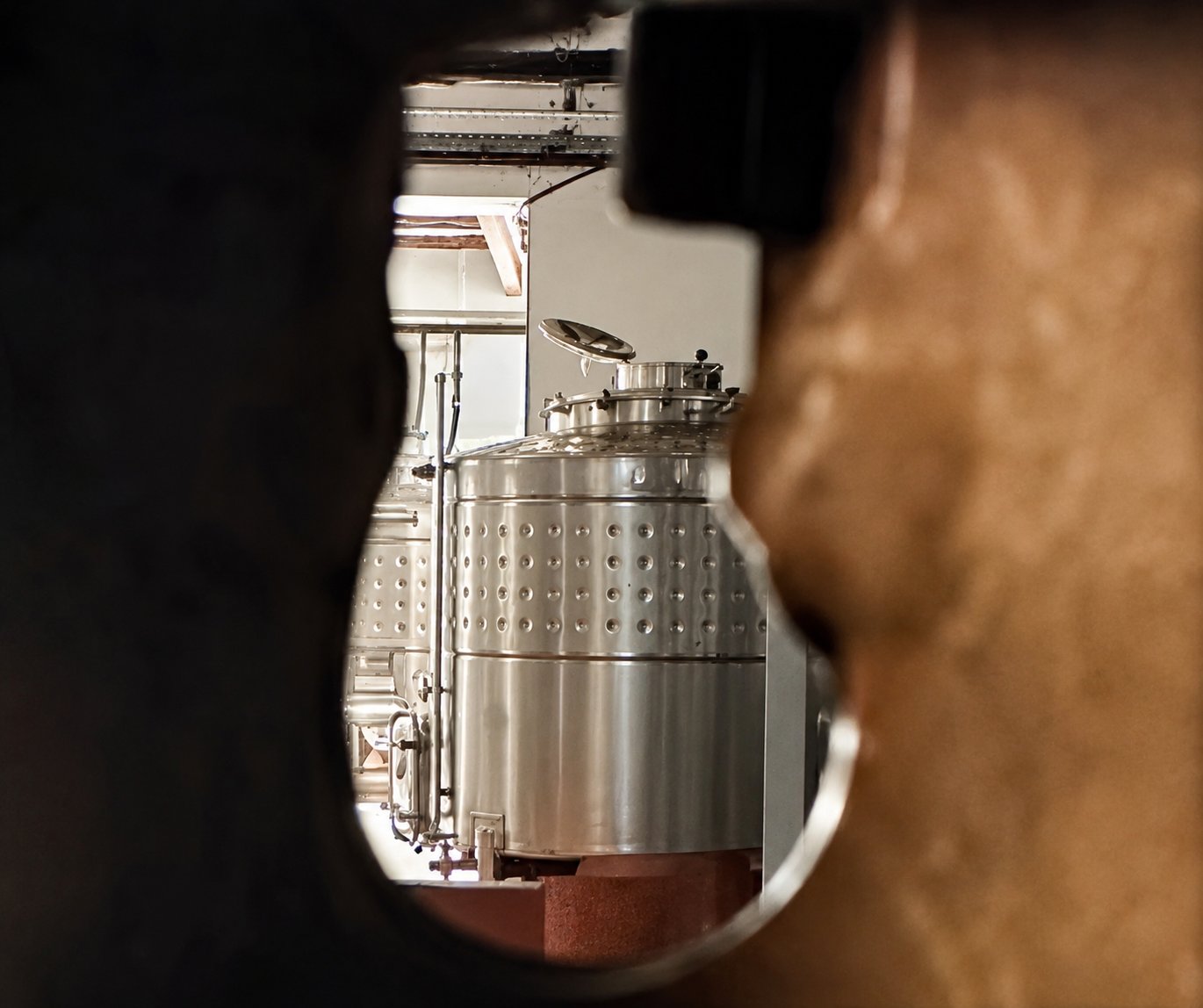
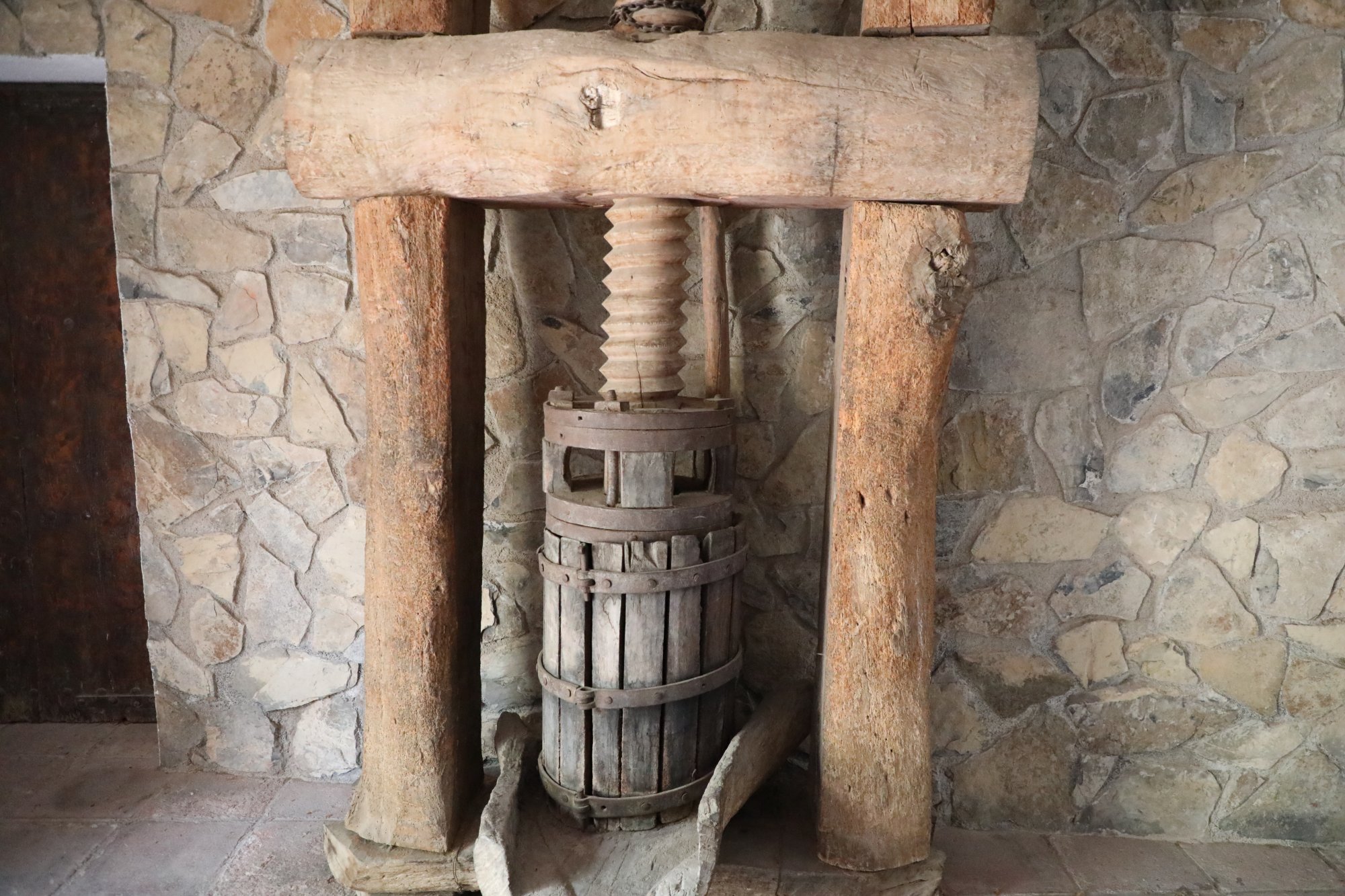
Scala Dei combines traditional viticulture with modern winemaking practices. Harvesting in many of the steep vineyards must still be done manually because the slopes are too severe for mechanization. Fermentation and aging techniques vary depending on the wine, with some cuvées aged in French oak barrels and others in large oak foudres to preserve freshness and vineyard character. The winery produces a range of wines including village wines, single-vineyard bottlings and traditional Priorat blends known for their structure, minerality and aging potential.
Scala Dei is located within a less than 15 minute drive of two other wineries in Priorat with connections through ownership to wineries in Napa Valley including Perinet (Alpha Omega) and Mas Doix (Cliff Lede).
Select Wines
The 2024 Scala Dei, Blanc, Priorat is a blend of White Grenache and Macabeu. Pale to medium gold in color, the bouquet is tangy and high-toned, offering aromas of lemon, lime, white grapefruit, guava and white nectarine. The palate differs from the aromatic profile, showing a clean, fresh, crisp and well-balanced character with flavors of guava, Comice pear, golden apple, kiwi, slightly underripe pineapple and lemon zest. The texture is soft and silky, gliding smoothly across the palate. The finish is lively and bright, with acidity, flavor and texture moving in harmony.
The 2021 Scala Dei Cartoixa Priorat is a blend of 75% Grenache and 25% Carignan. This wine is medium ruby in color. Fruity and expressive, the bouquet offers aromas of raspberry, red plum, cherry and Persian mulberry. Lighter-bodied and easy drinking, the palate delivers flavors of cherry cola, raspberry and Santa Rosa plum, along with lingering herbal notes of dried sage. Distinctly red-fruited in character, the tannins are felt more on the front of the palate than the back, offering a rounded and gently dusty grip. The acidity is bright and balanced. Pair this wine with grilled prawns. The Scala Dei Cartoixa has been produced since 1974.
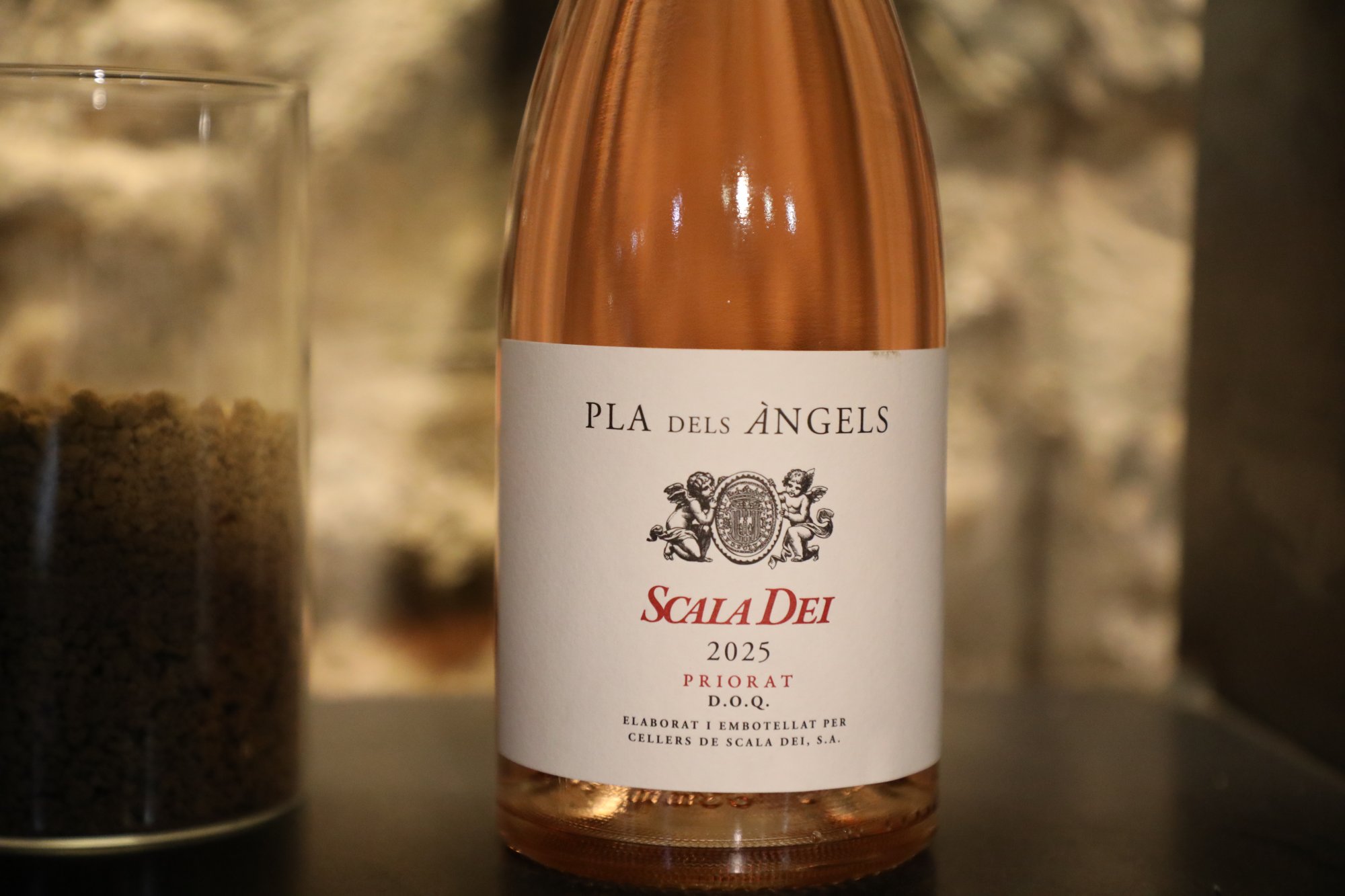
The 2021 Scala Dei Grenache, Pregartera Priorat is 100% varietal and was aged in both concrete tanks and 1,000-liter oak barrels. Pale to medium ruby in color, the bouquet is fresh and aromatic, with scents of rose petals, raspberry, cherry and dark fig, complemented by appealing non-fruit notes of cinnamon stick, clove and cardamom. Balanced between fruit and spice, the palate reveals flavors of raspberry, red cherry, currant, cranberry and Persian mulberry. Lingering notes of dried sage and white pepper add complexity. The finish is fresh and juicy, supported by broadly dispersed, rounded tannins with a light textural grip. Decidedly savory.

Cavas Codorníu
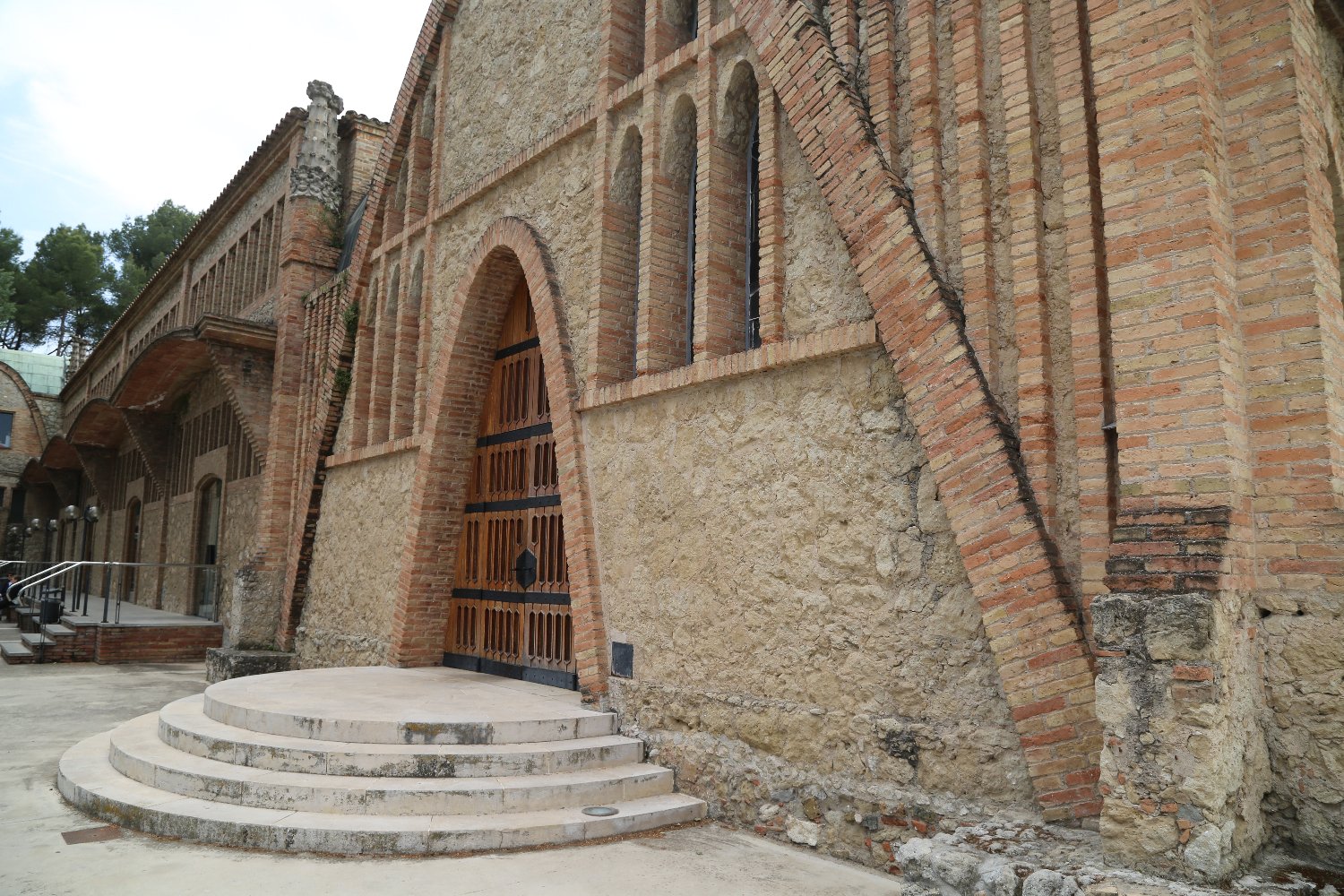
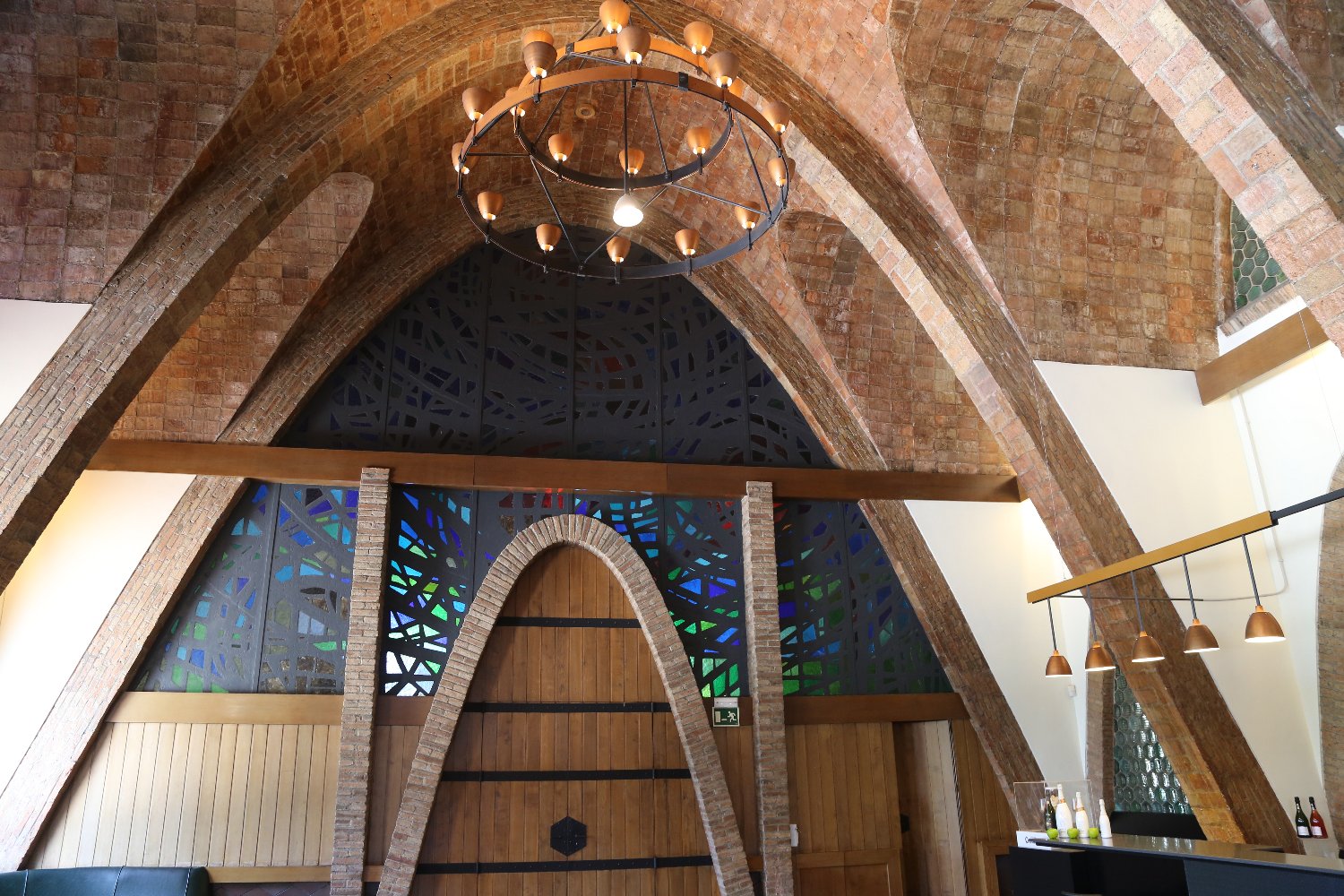
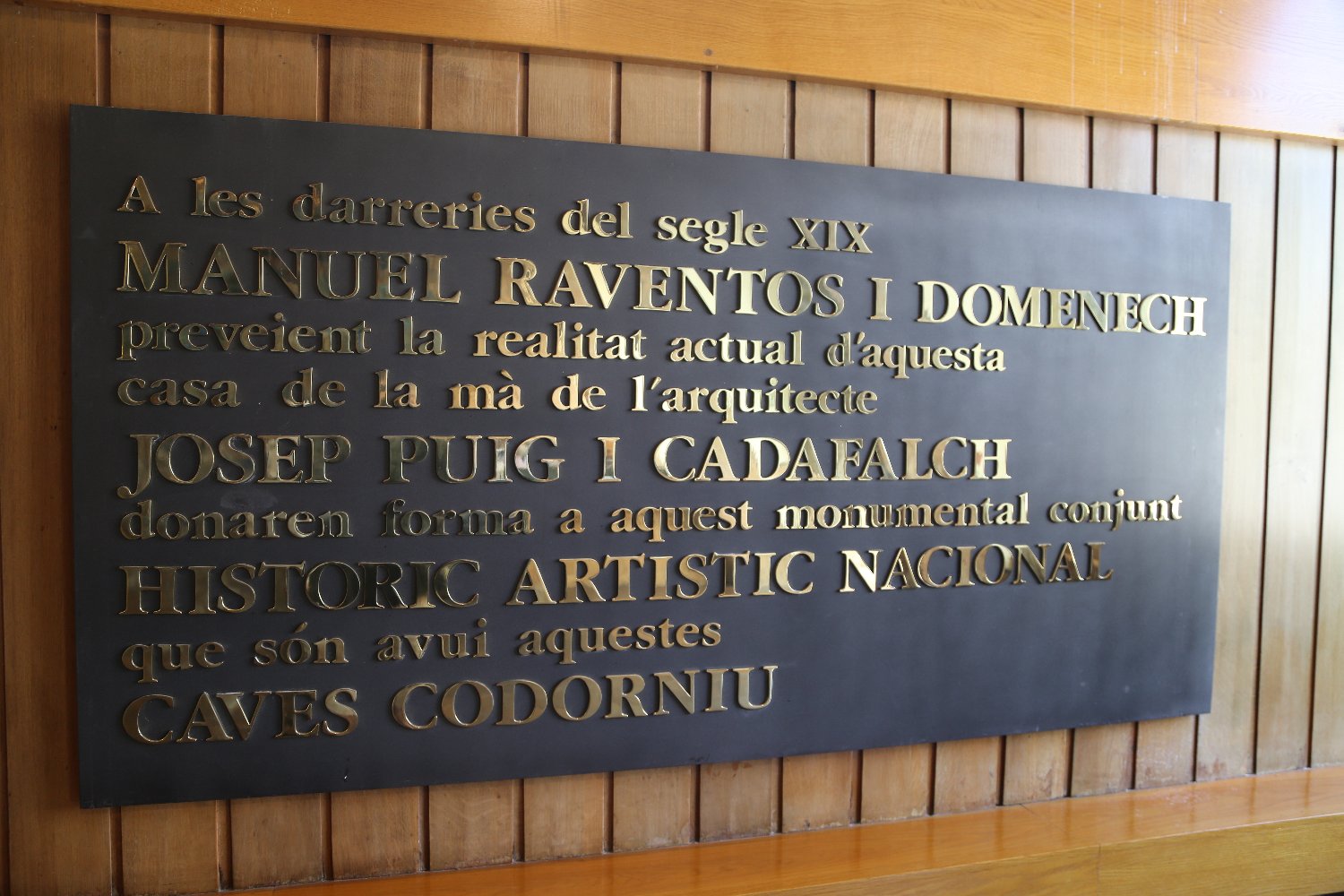
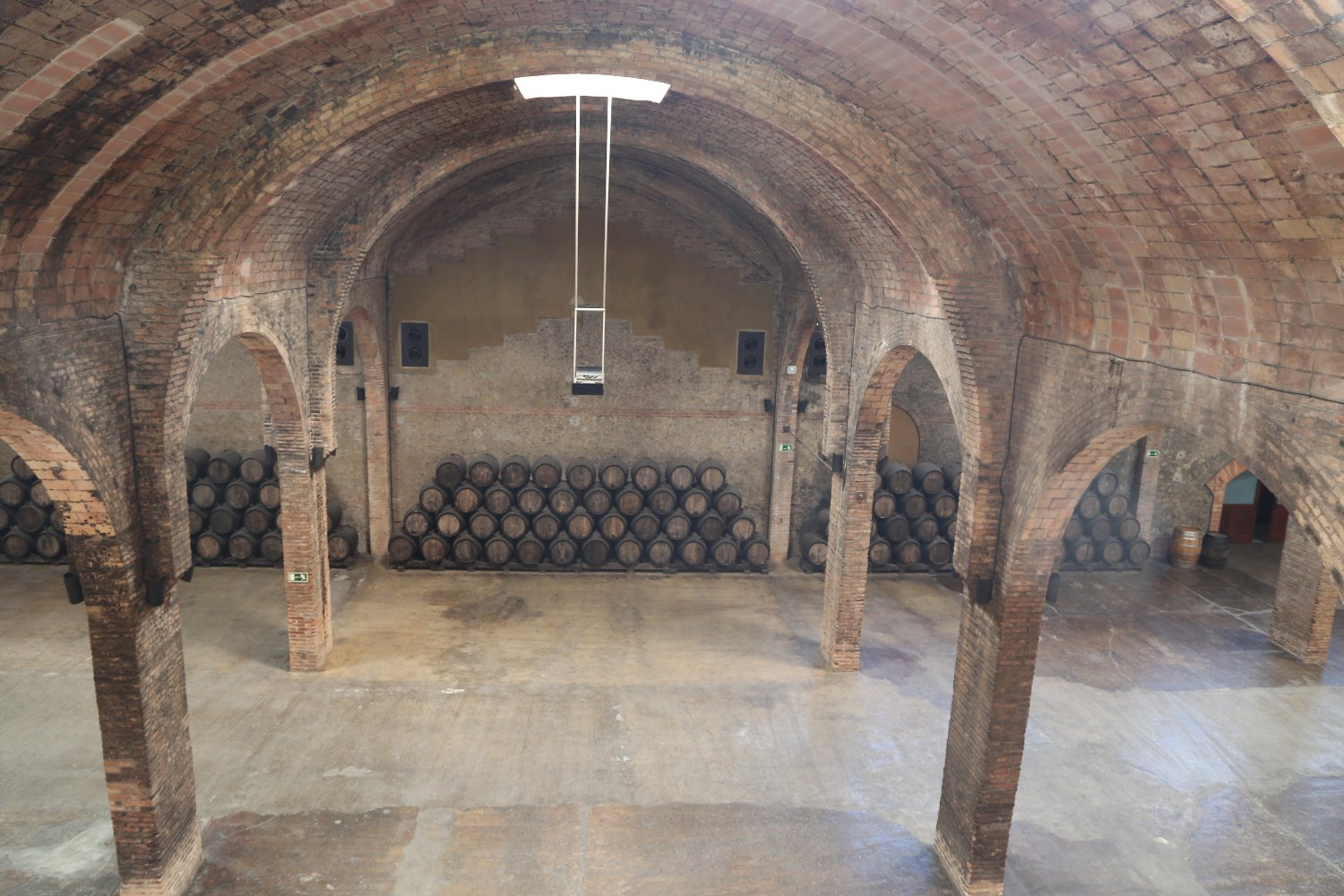
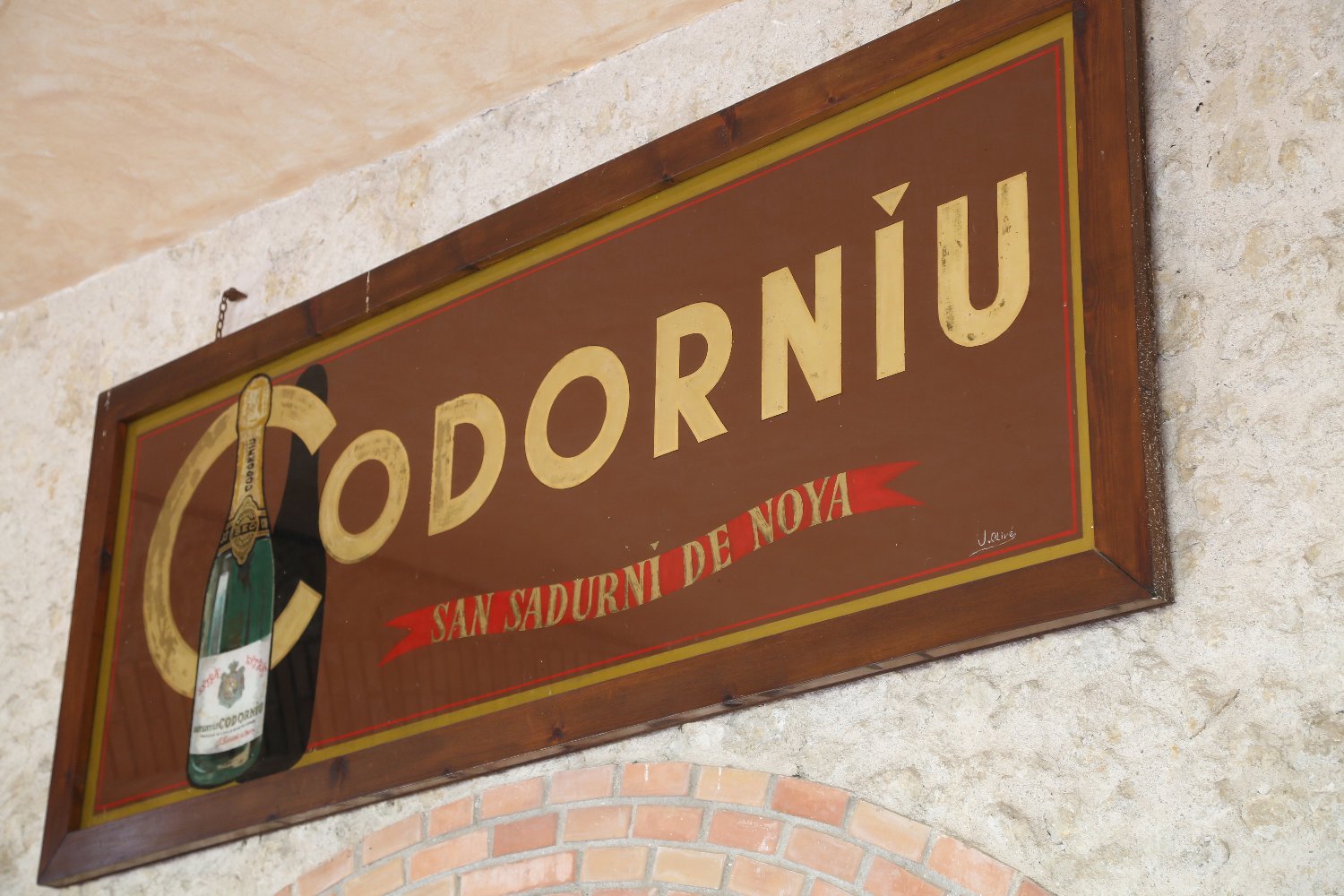
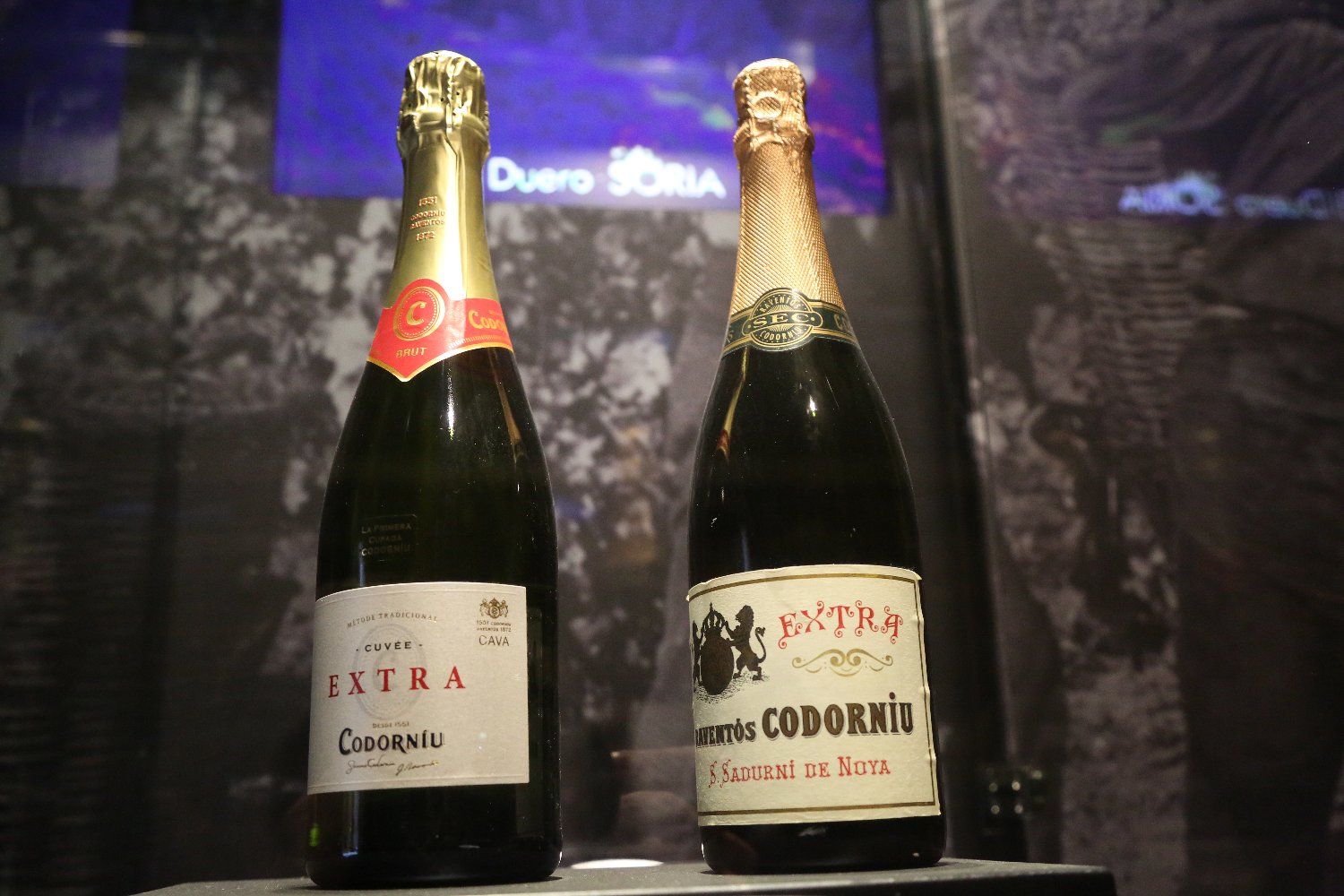
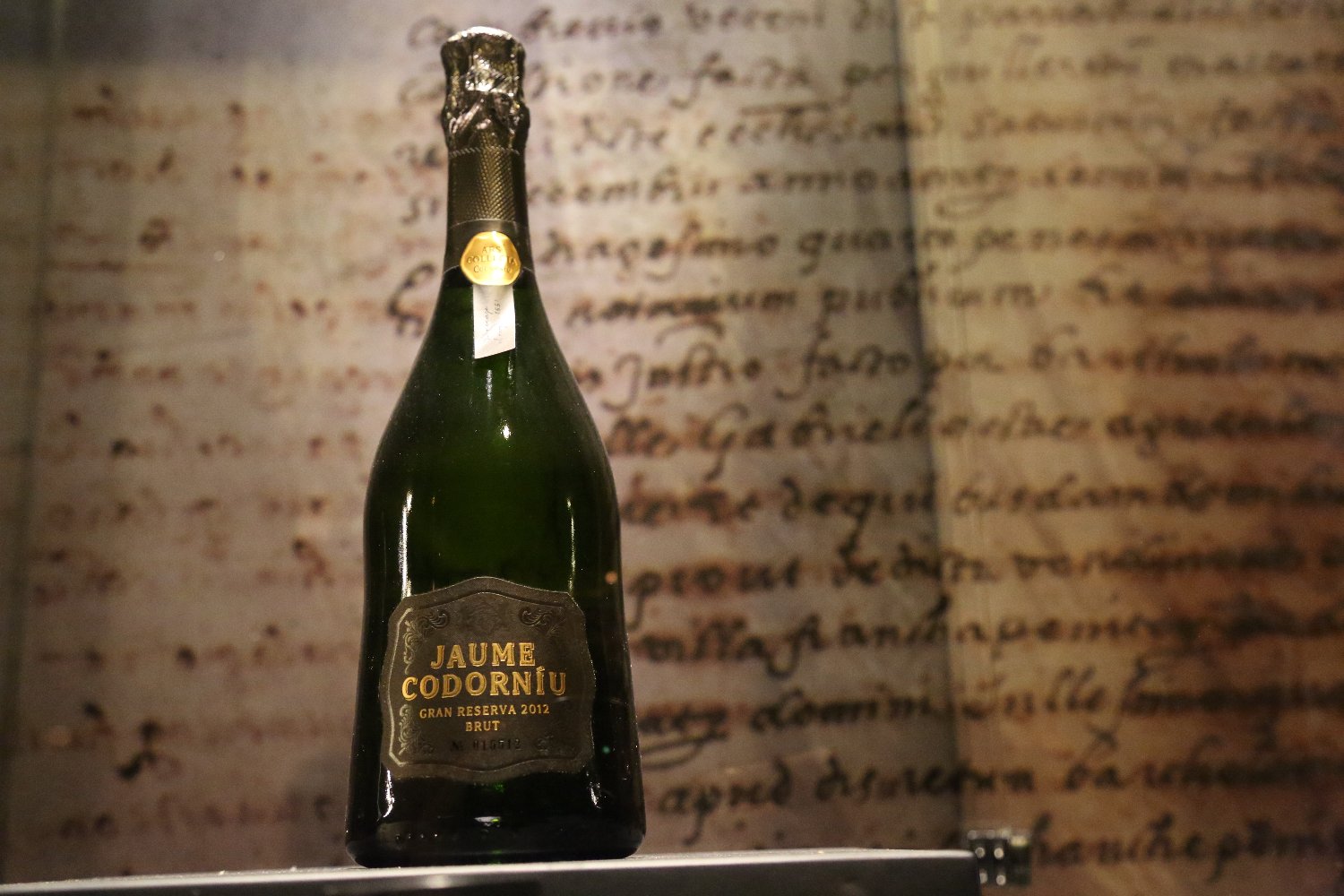
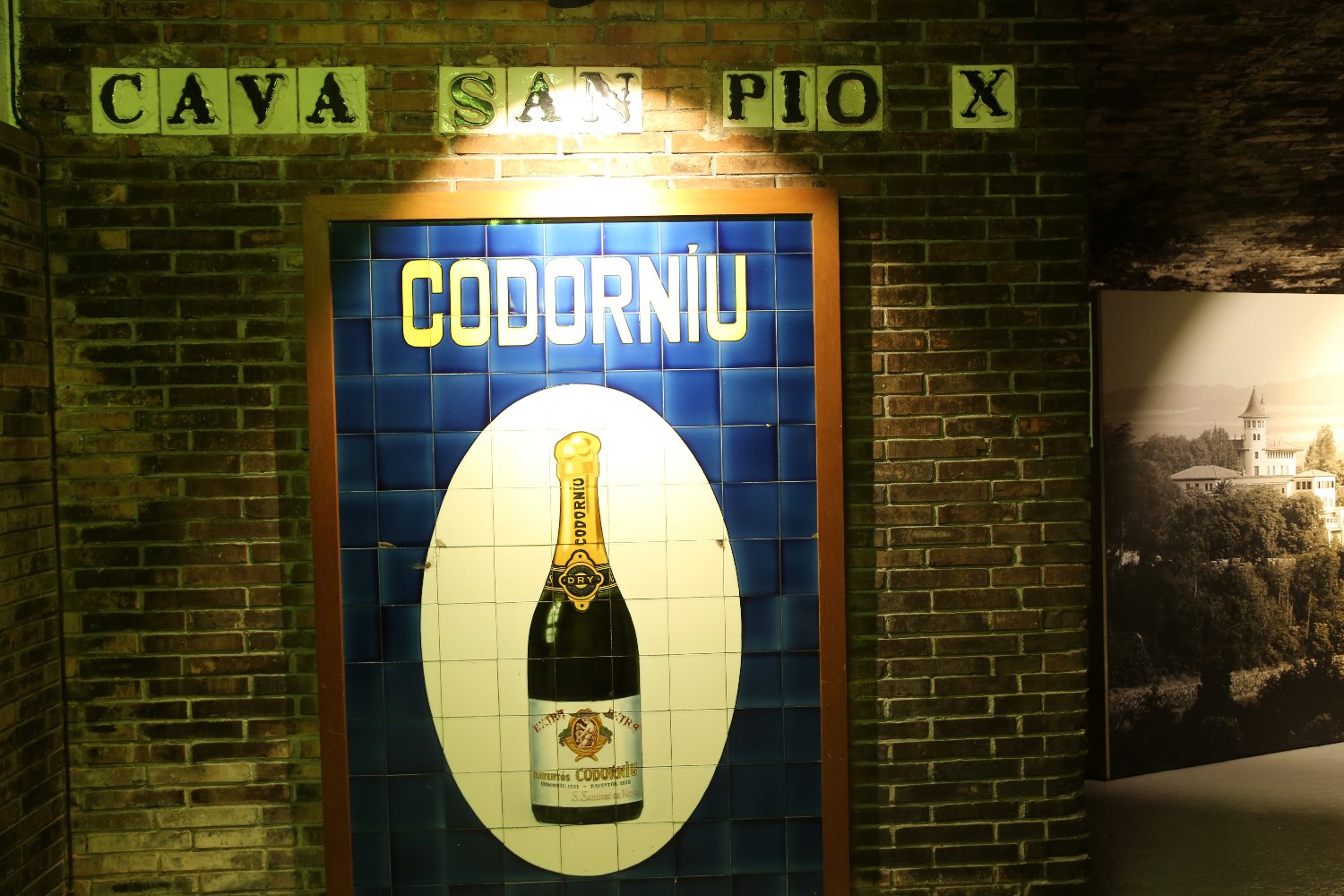
While documentation shows the company dates back to 1551 when founder Jaume Codorníu grew and made wine, it is much more recently that Cavas Codorníu began making sparkling wine. Their sparkling wine lineage dates from 1872 when Josep Raventós created the first bottle of Cava in Spain (his family married into the Codorníu family back in 1659). In 1885 Josep’s son Manuel hired prominent Spanish architect Puig i Cadafalch to design a grandiose winery – construction began in 1895 and finished by 1920 with the caves ready for use by 1915. The company focused its winemaking efforts entirely on Cava beginning in 1895.
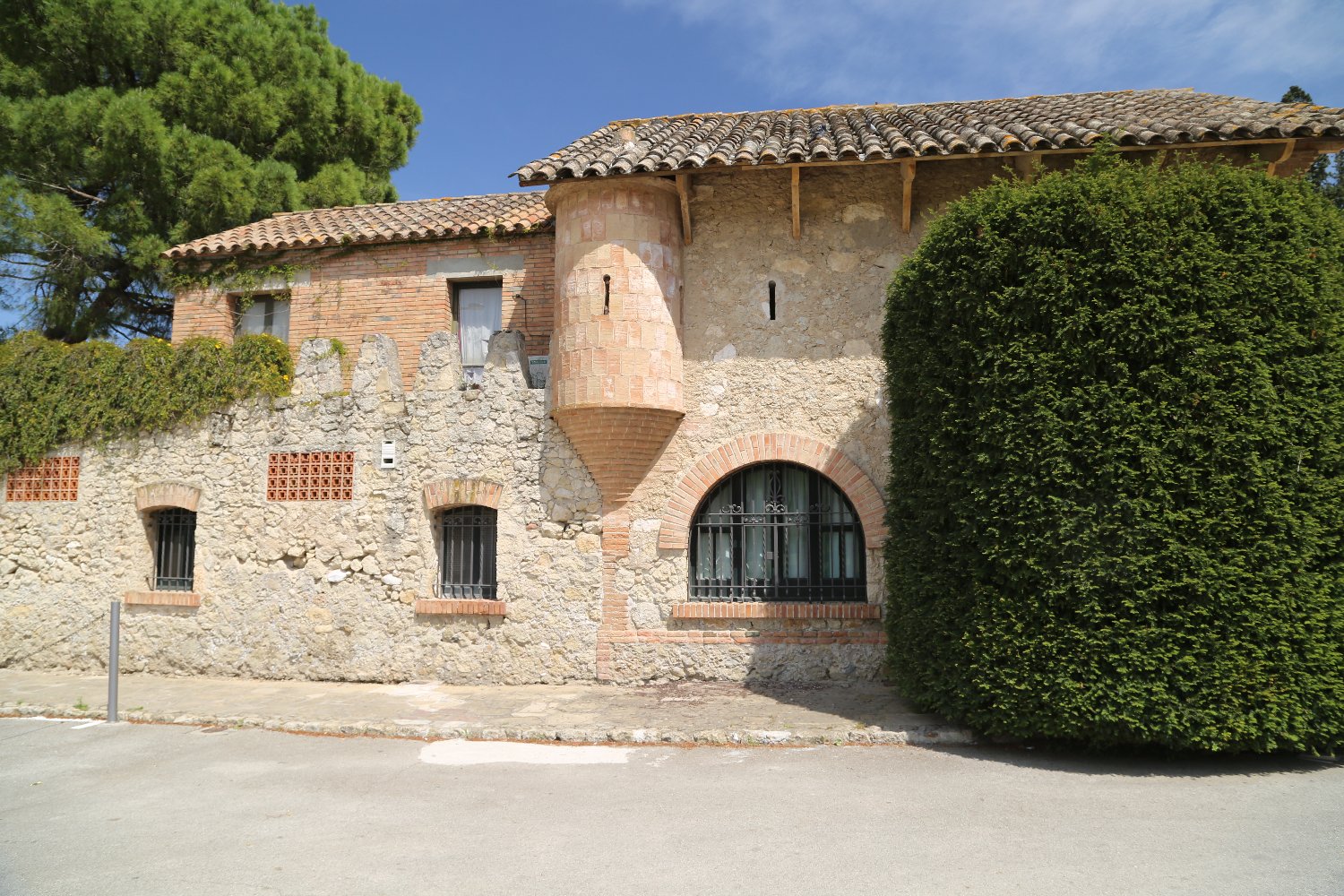 Cavas Codorníu was under family ownership until late 2018 when after 17 generations of ownership, The Carlyle Group (an International asset management fund/private equity firm) purchased a majority interest in their parent company. Today along with owning Artesa, the company also owns 13 other wineries, all of which are in Spain other then Séptima Winery located in Mendoza, Argentina.
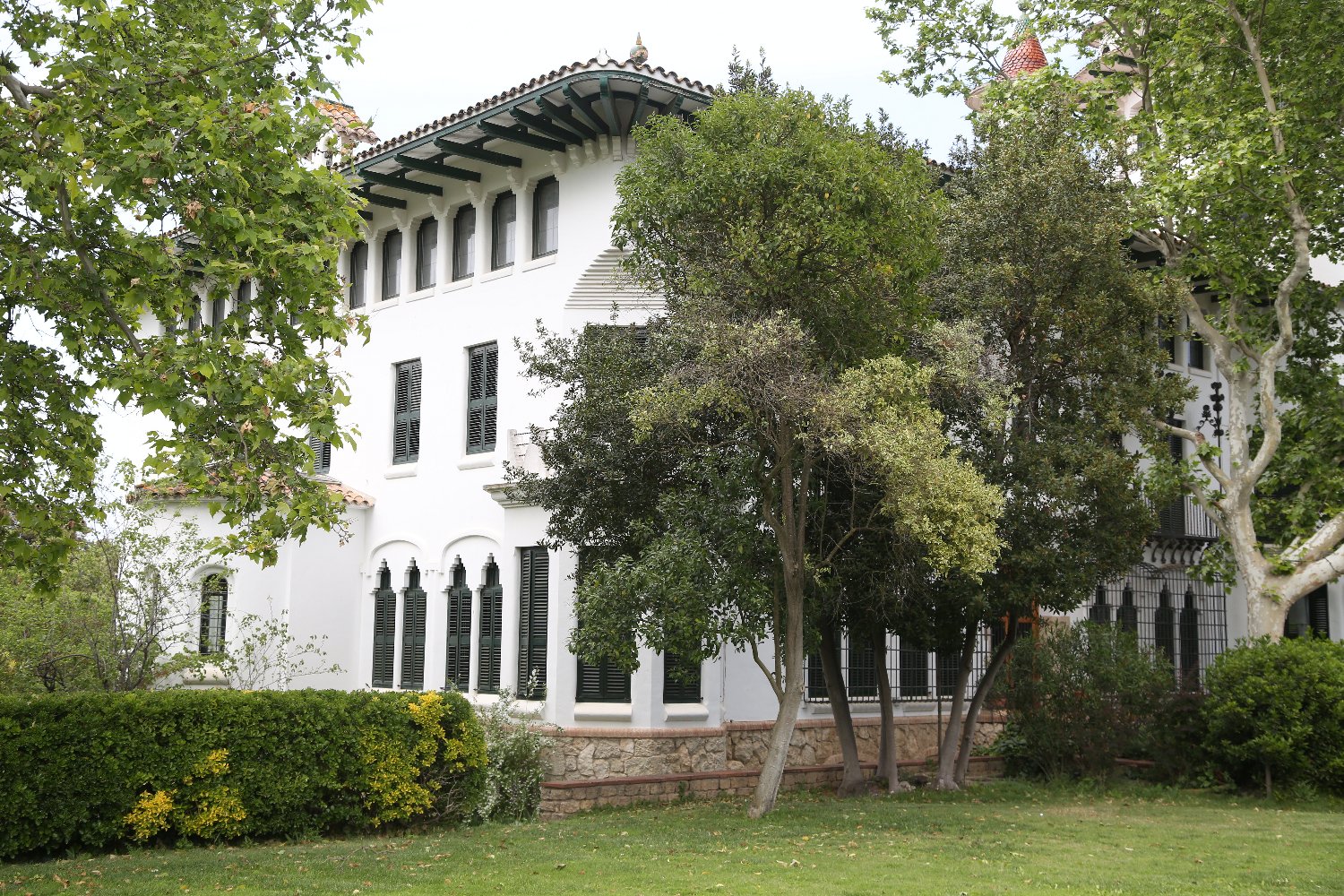
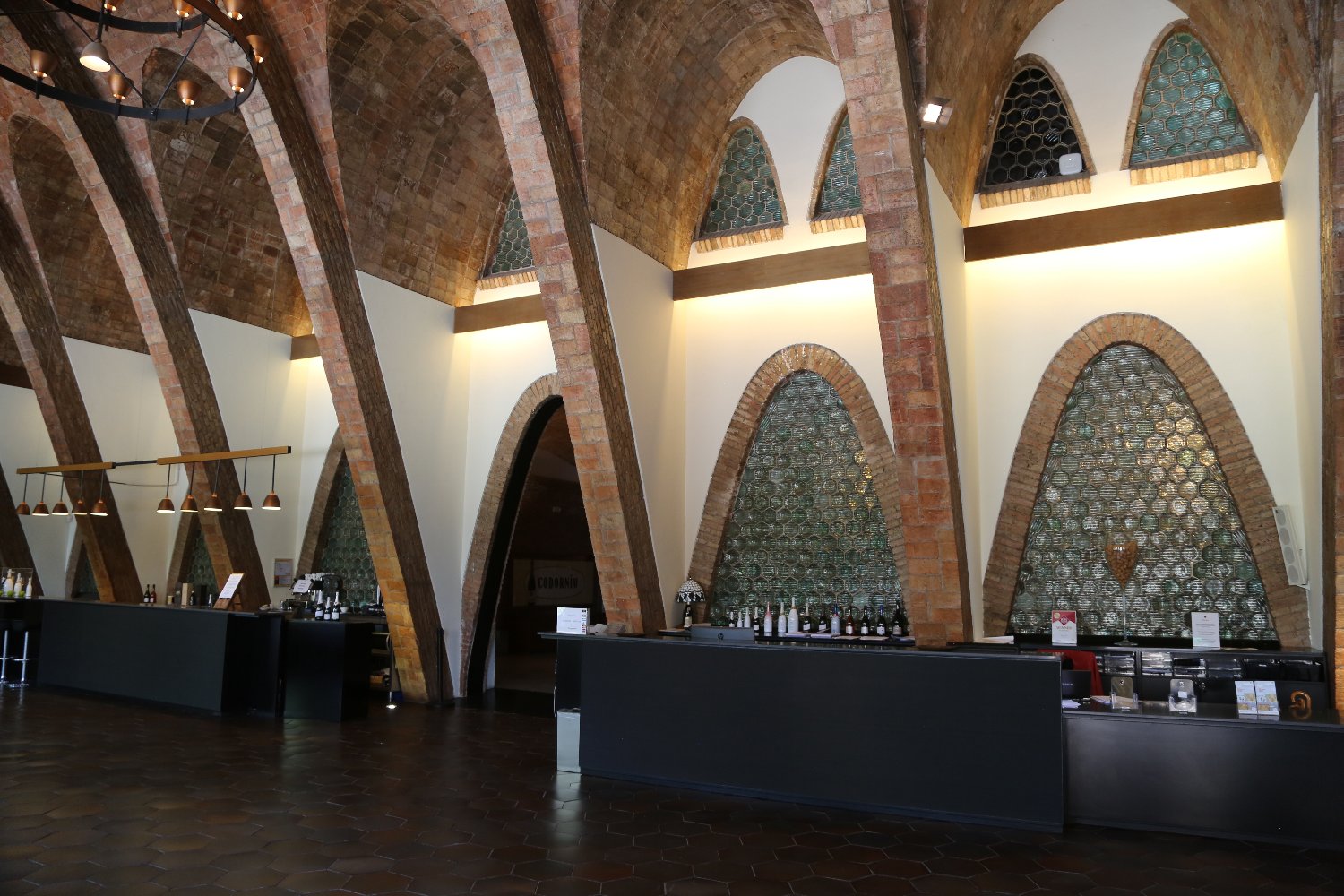
Conveniently located only about 35 minutes from the Barcelona Prat Airport (BCN) or about 50-60 minutes from the center of Barcelona, a visit to Cavas Codorníu should be on any sparkling wine enthusiasts list. Accessible via Barcelona by bus or train (the winery is about a 30-minute walk from the closest train station of Sant Sadurní d’Anoia). If driving, after parking across from vineyards visitors enter the welcome center, often called “the Cathedral of Cava” due the architecture of this building perhaps resembling both the exterior and interior of a cathedral. This was one of the more enjoyable winery tours we have been on (and we have been on several hundred over the years). The combination of the family’s history, site and entertaining guide made for a memorable tour.
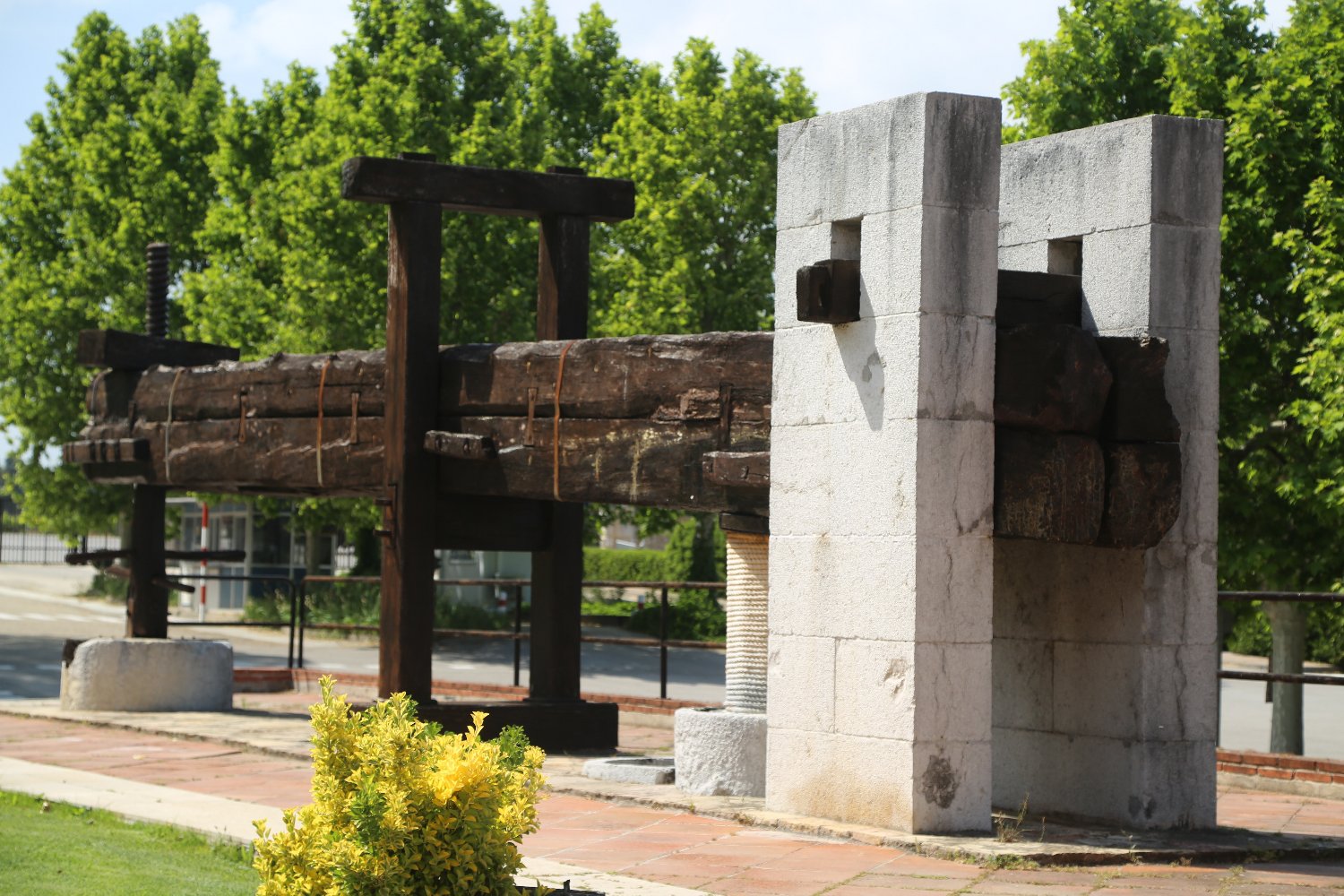
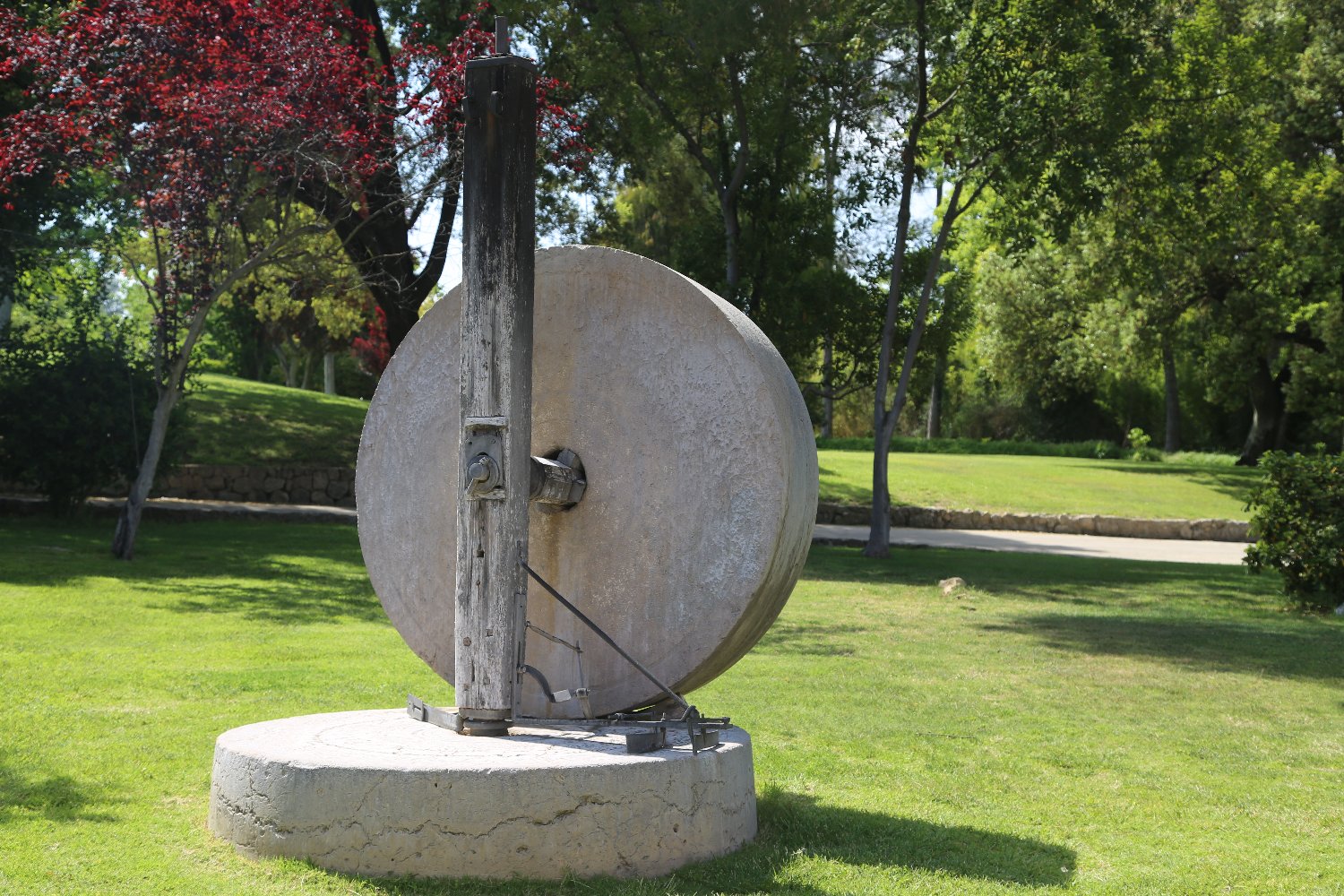
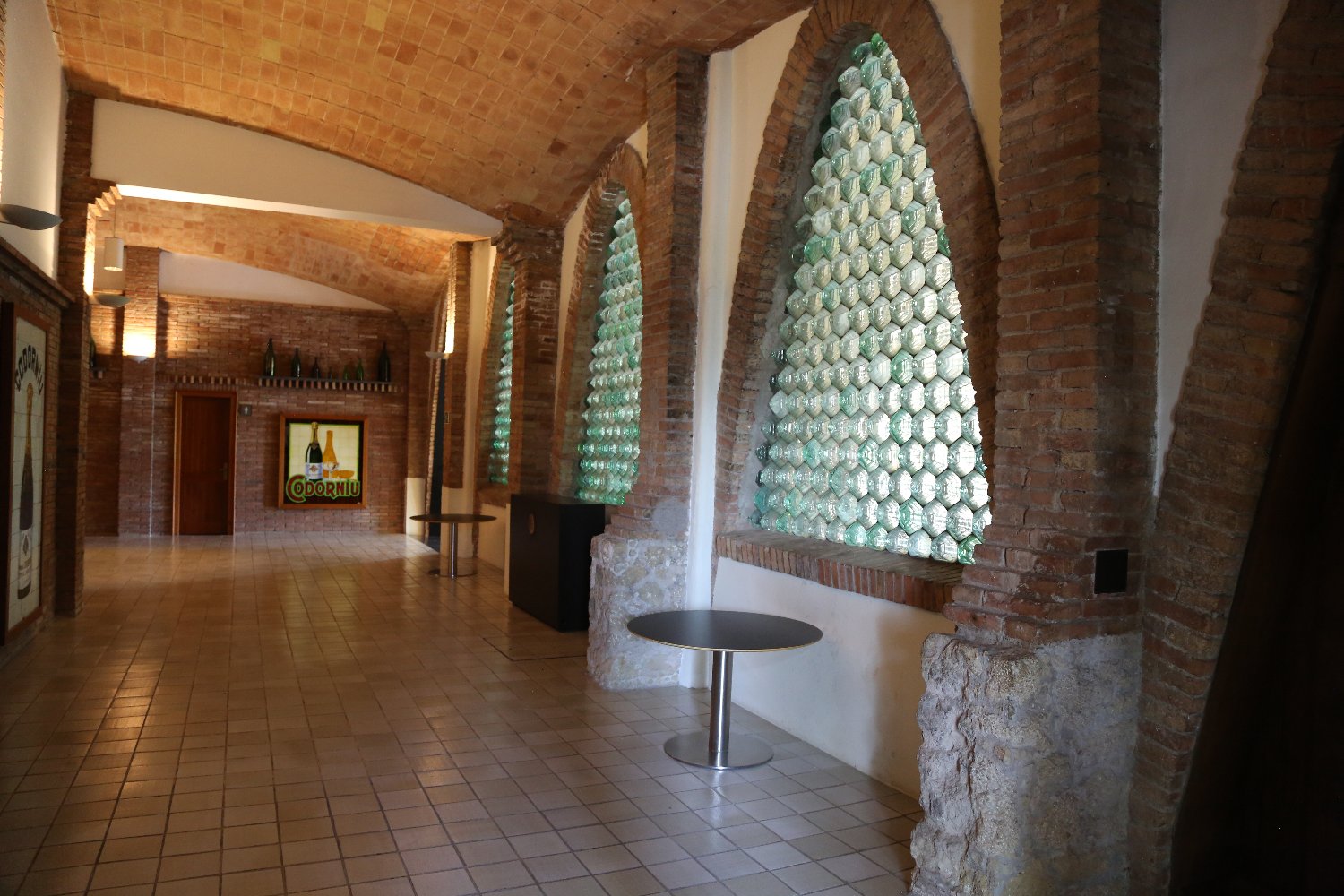
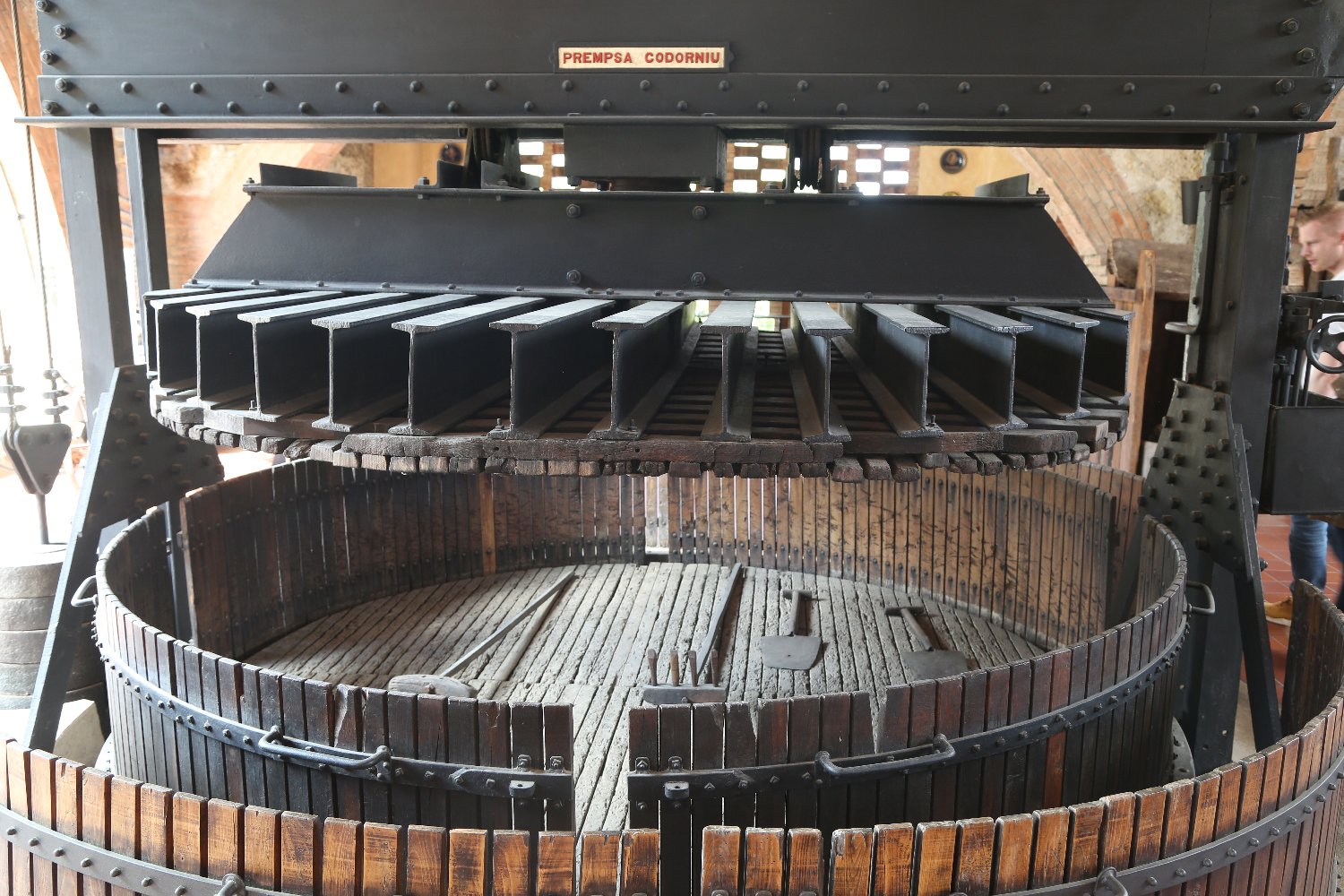
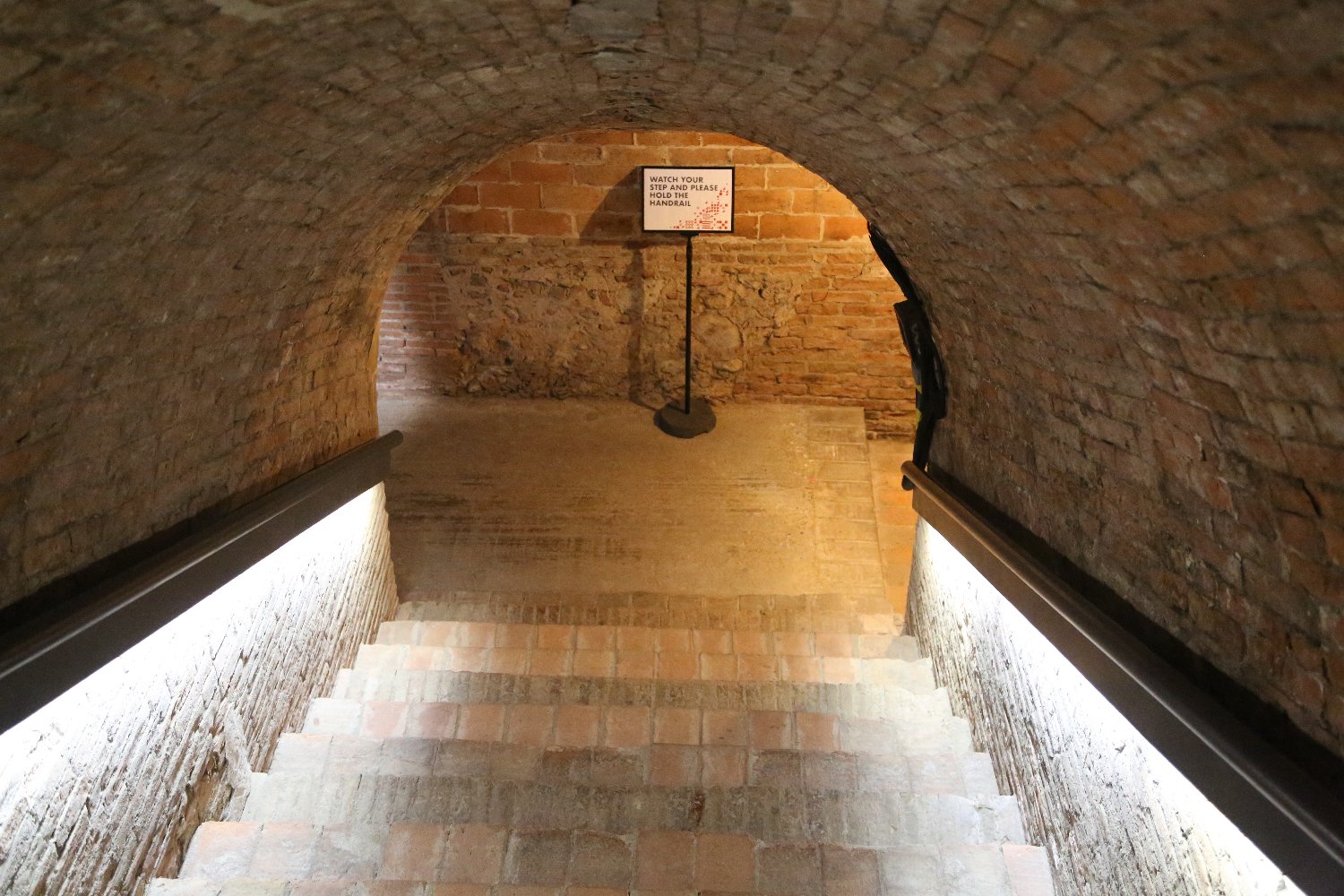
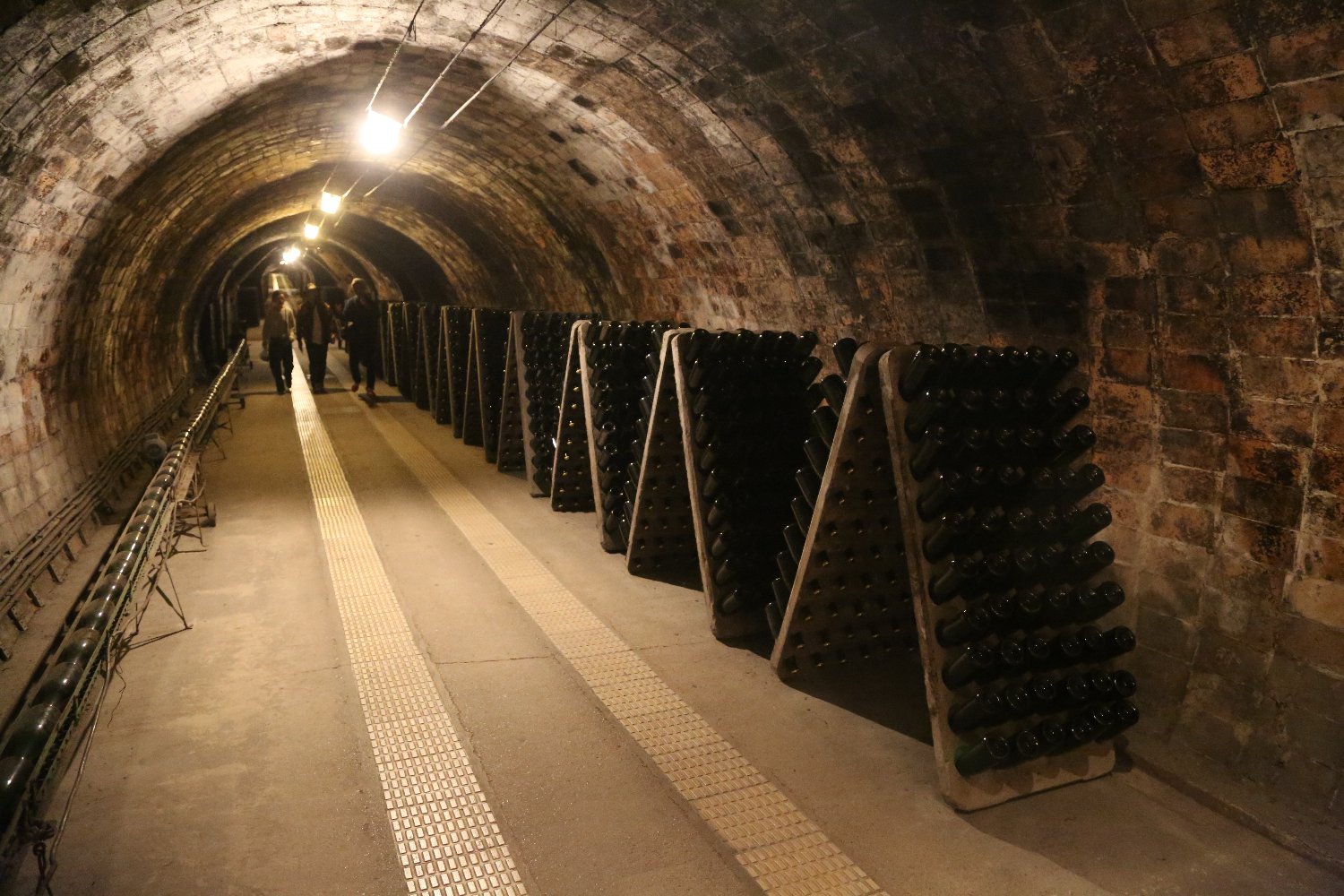
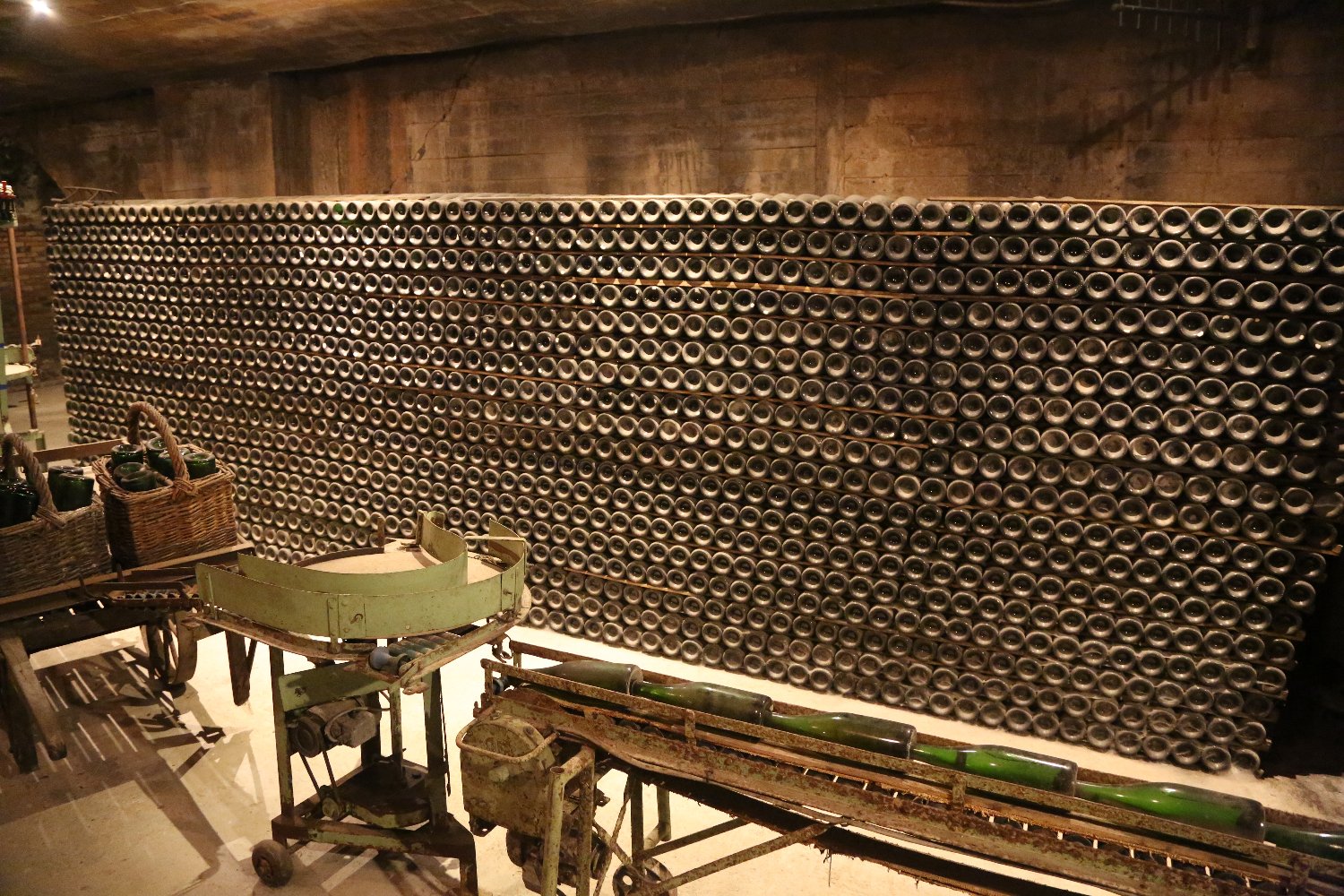
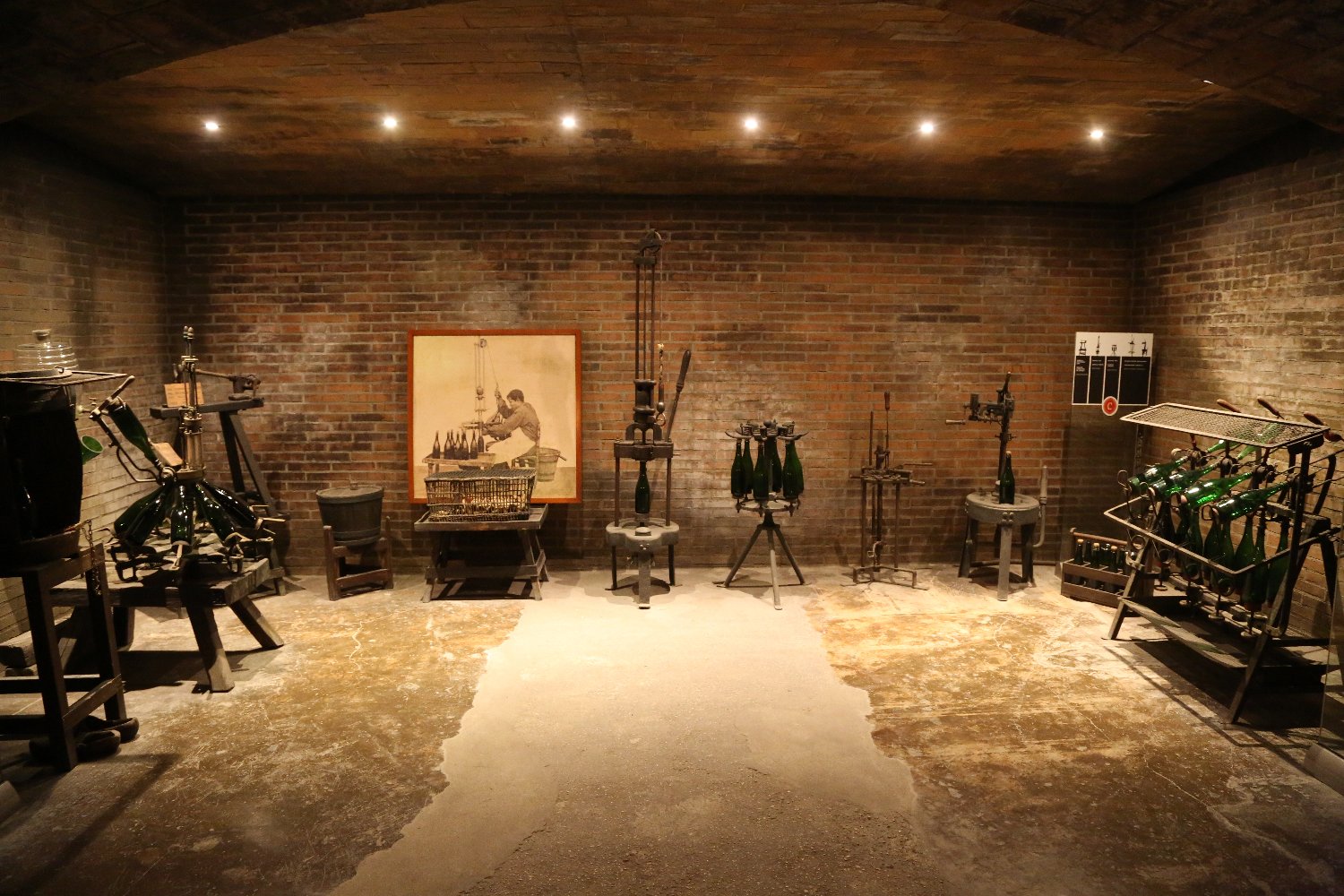
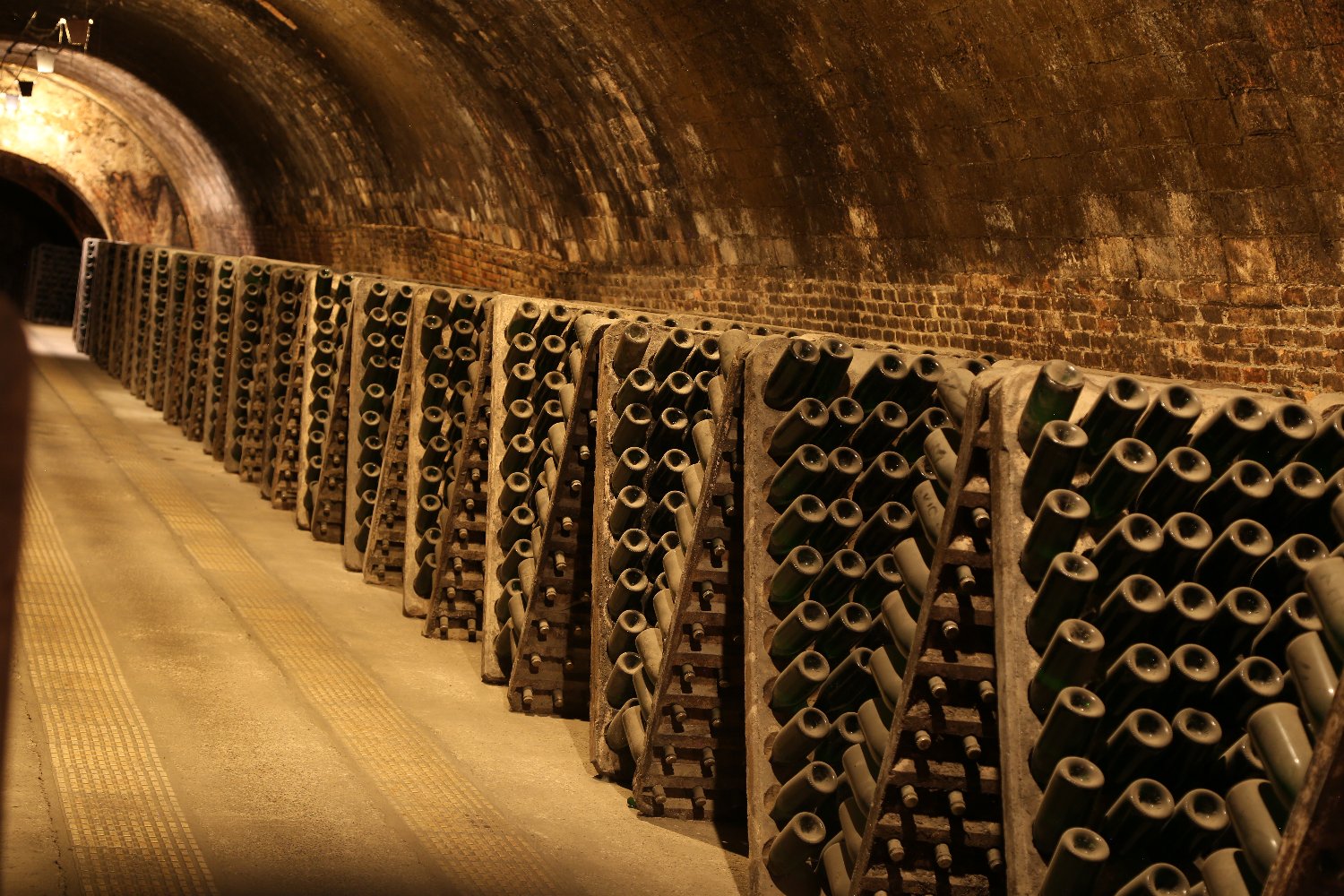
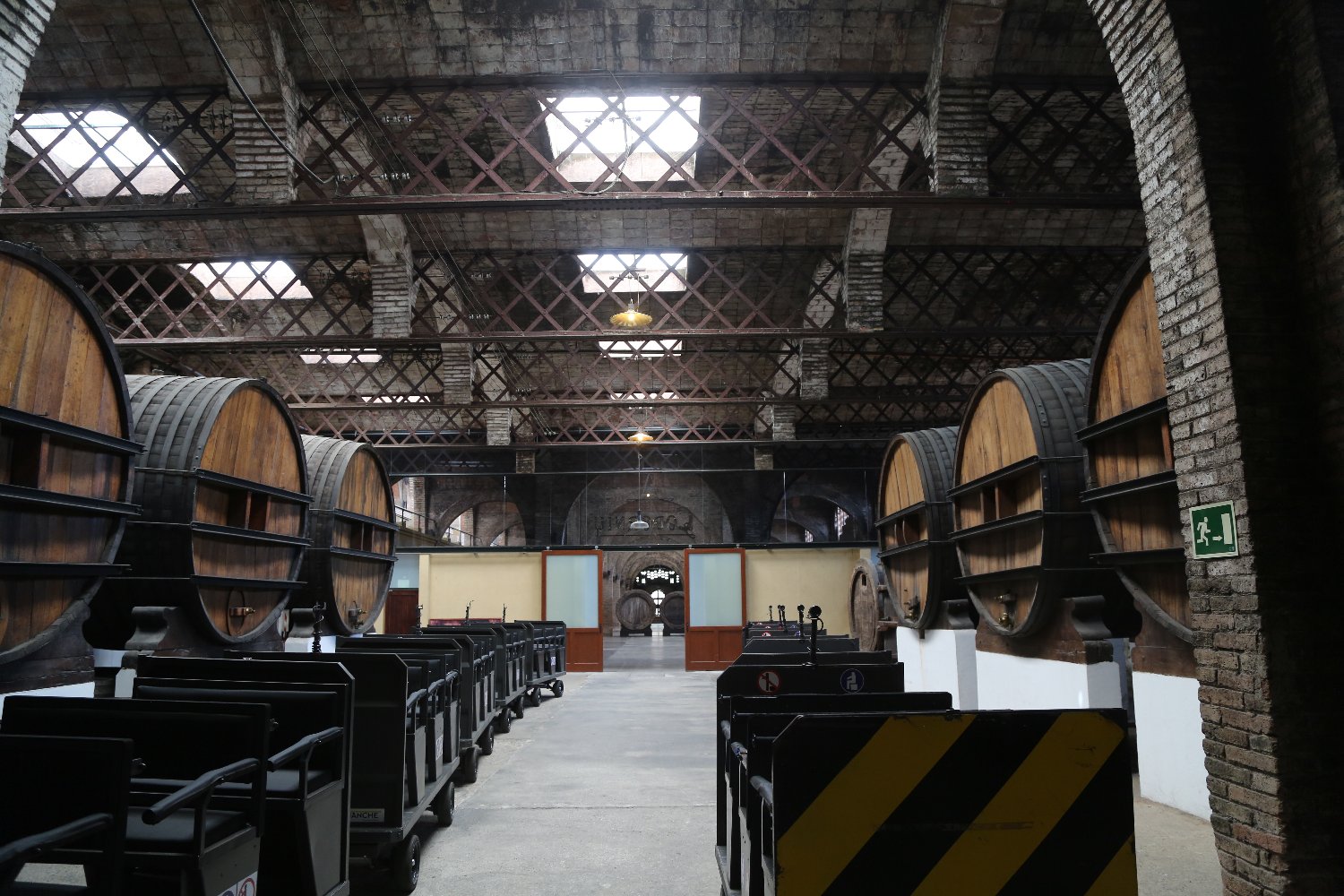
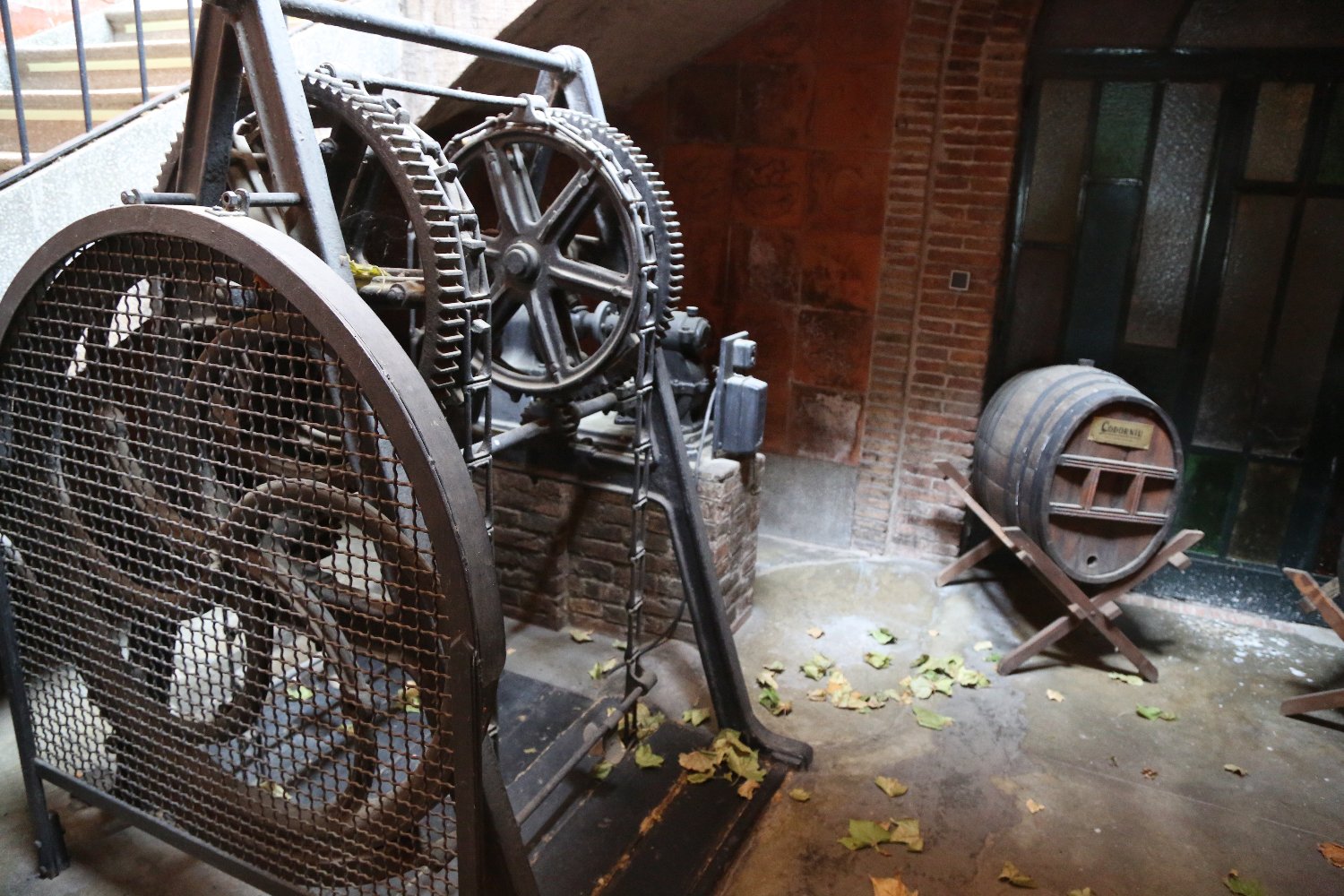
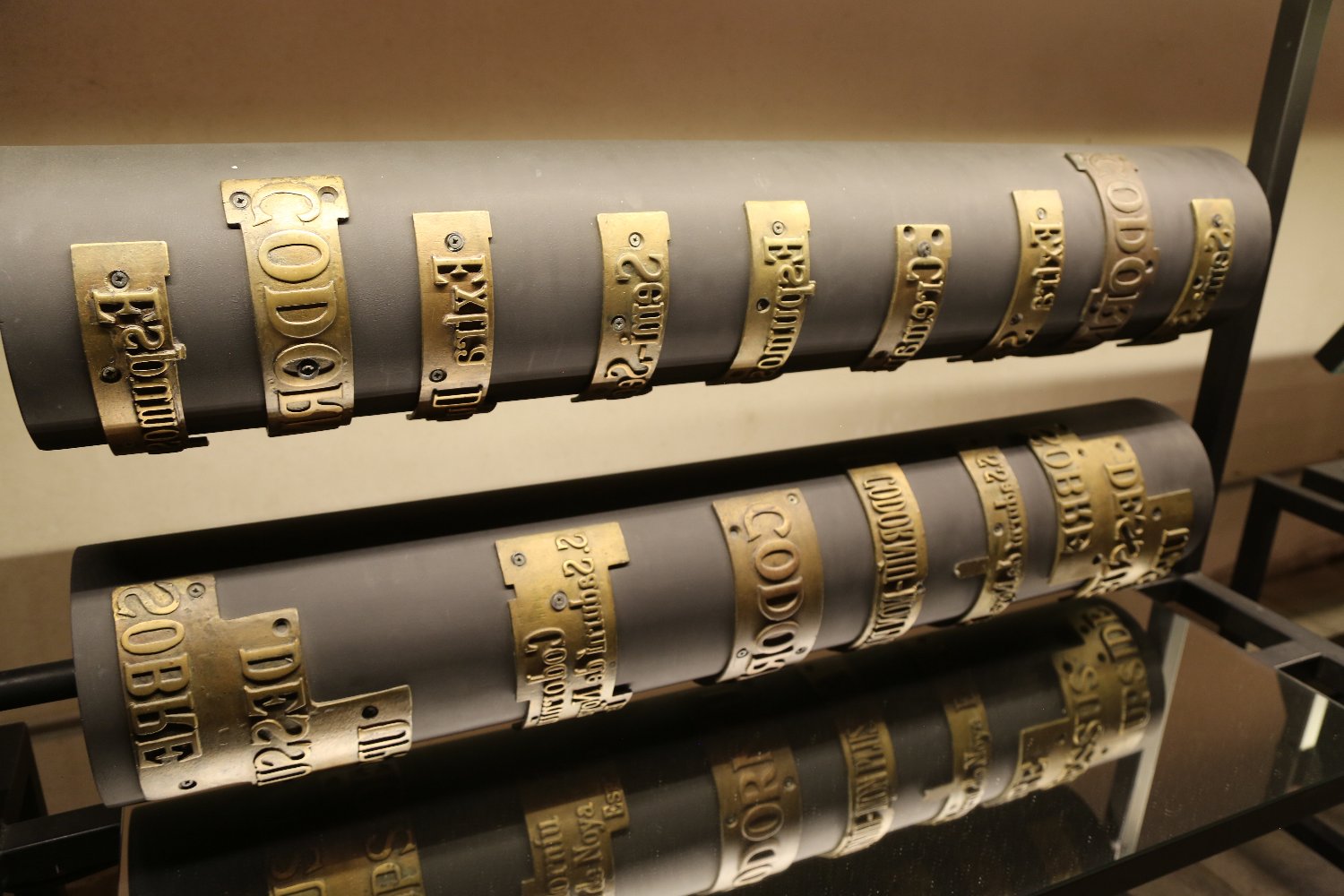
Highlights include a visit to “Cellar Gran” Museum which displays a number of historical wine making pieces of equipment as well as a sensory table highlighting specific aromas found in wine followed by a visit to the underground cellars.
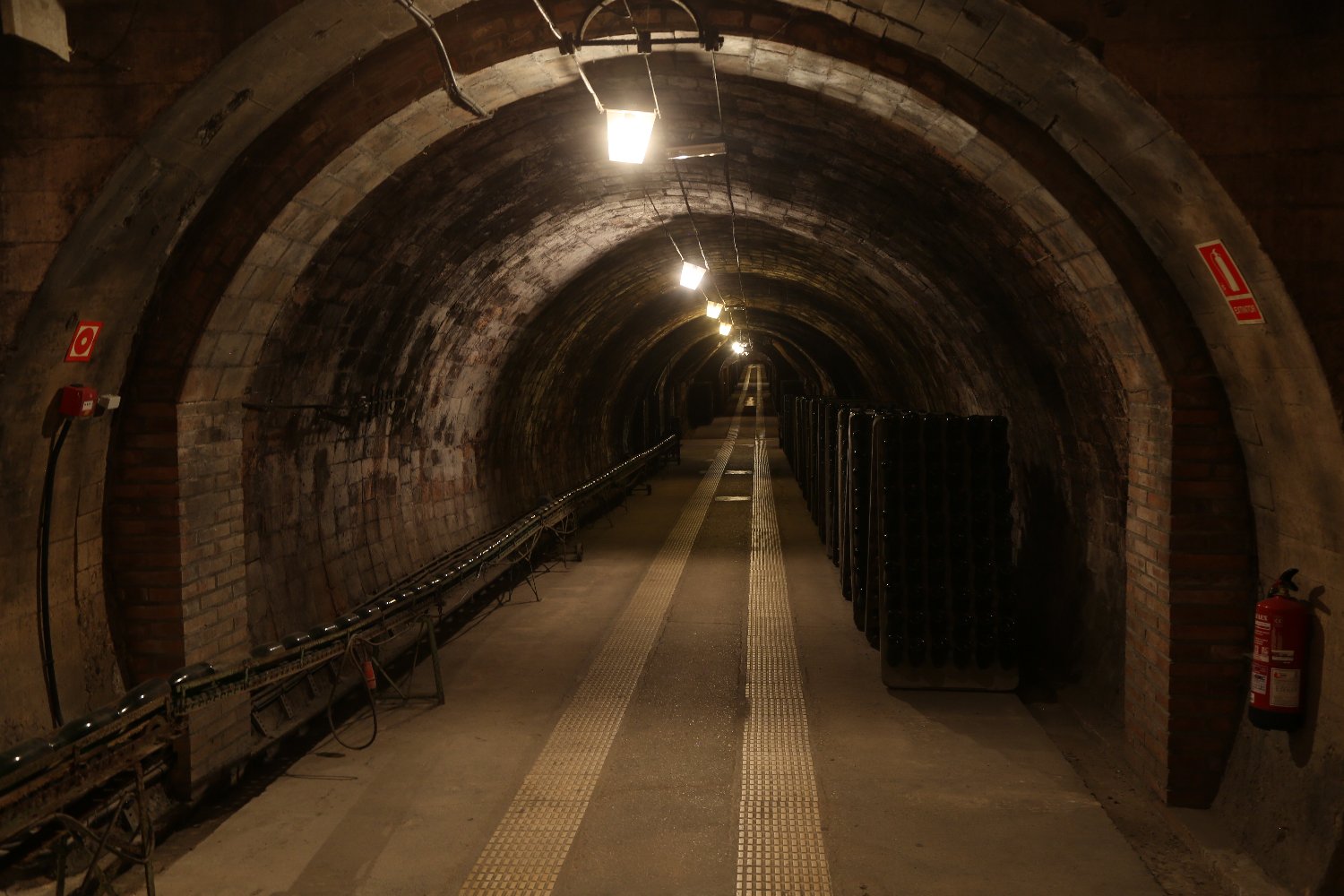
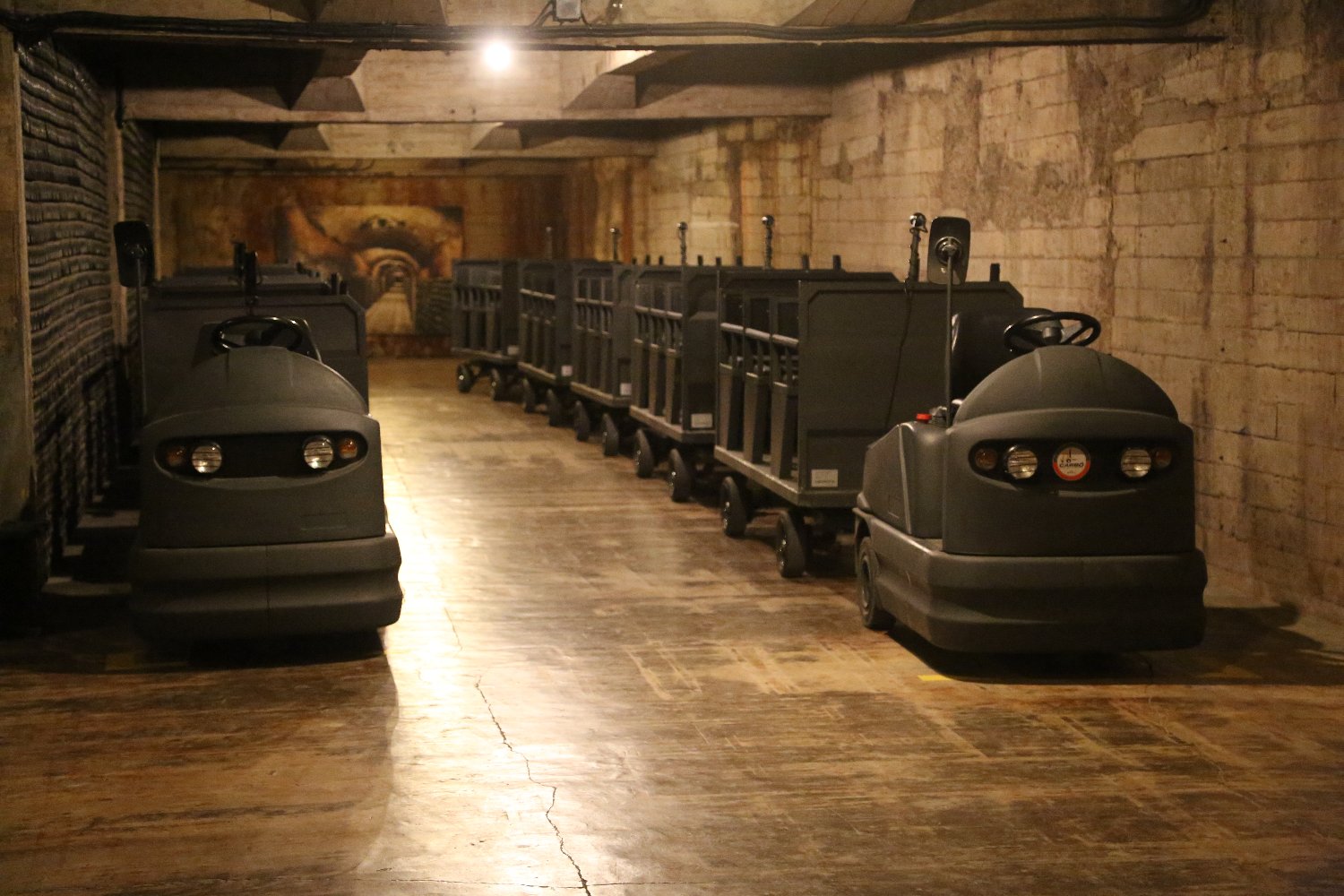
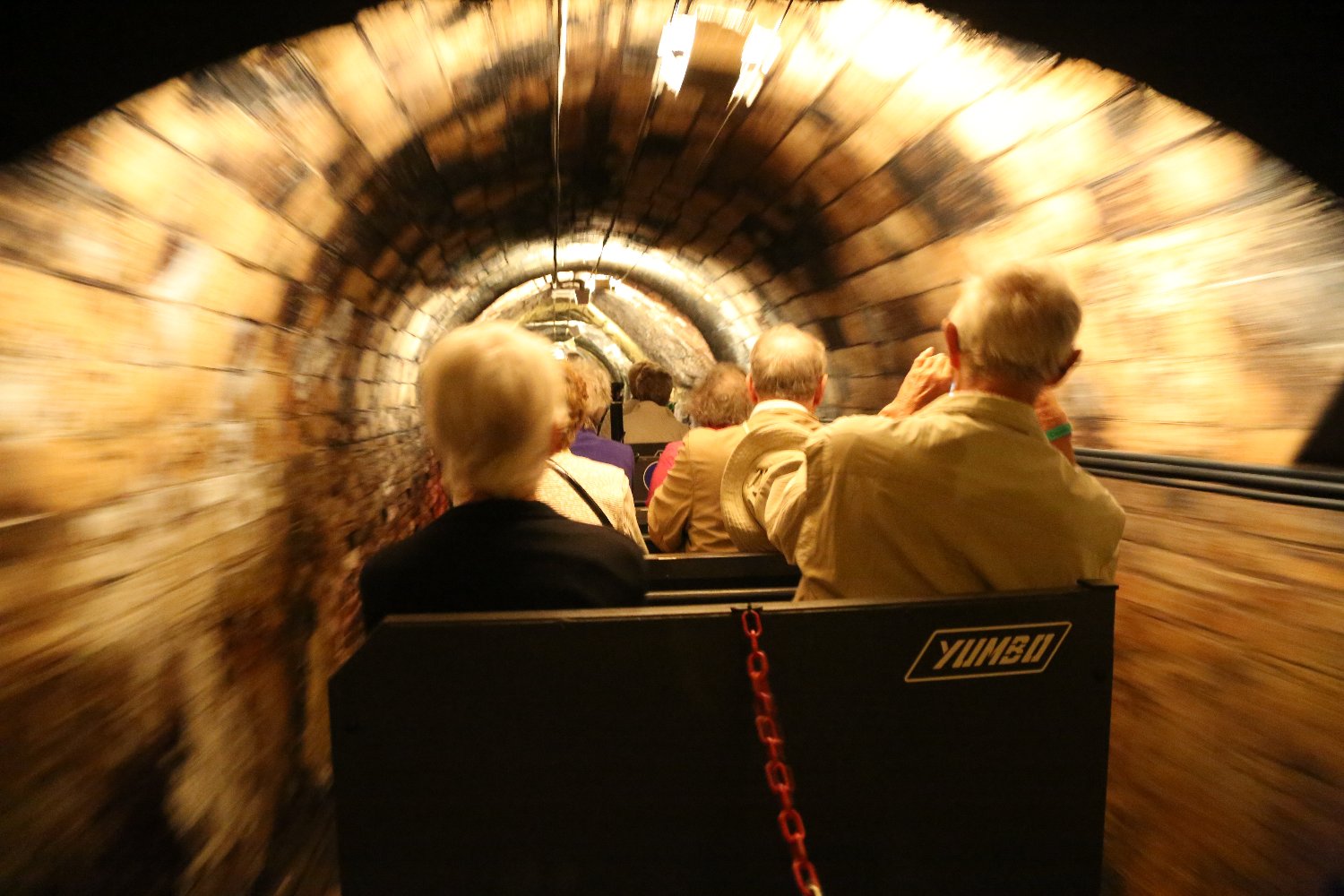
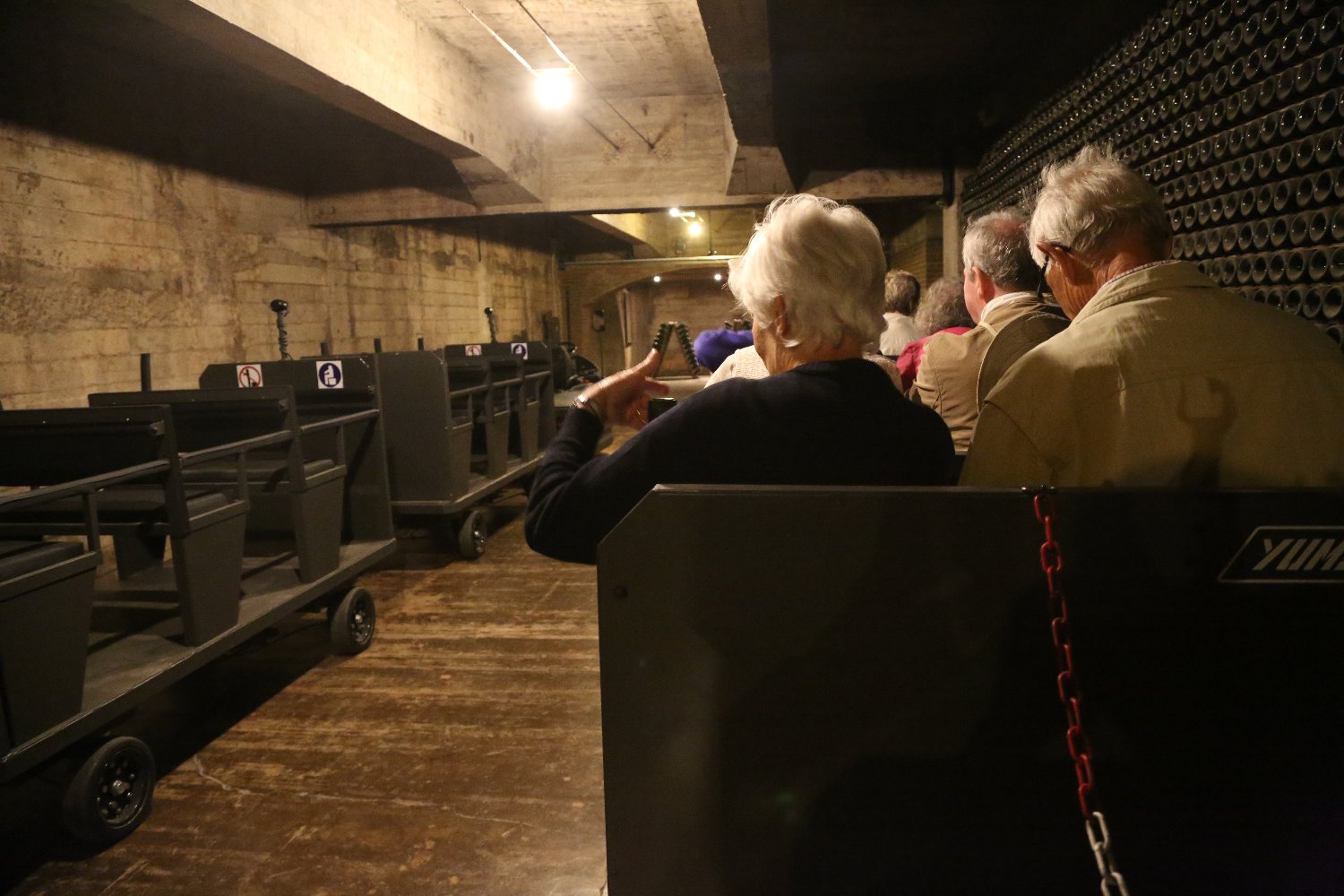
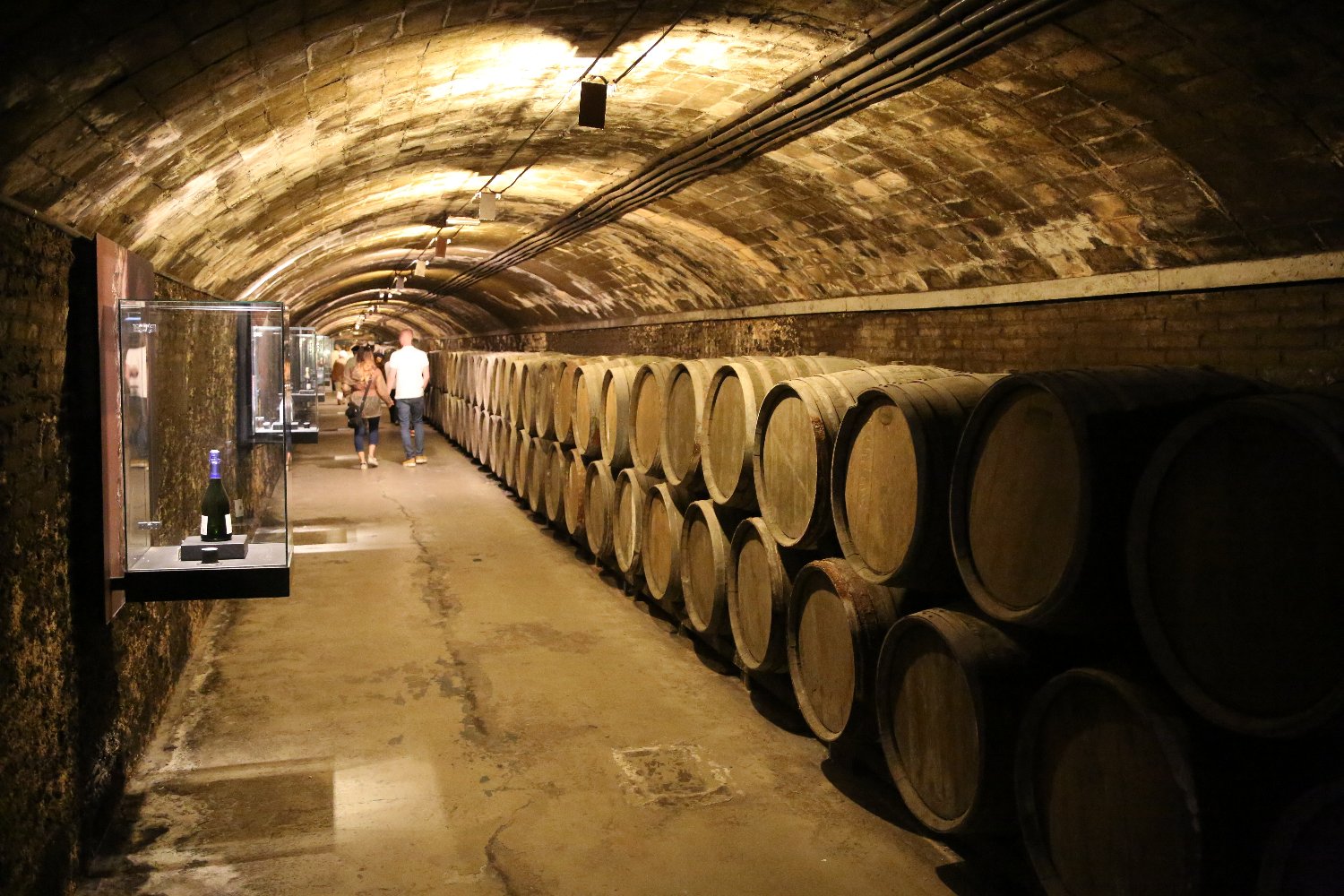
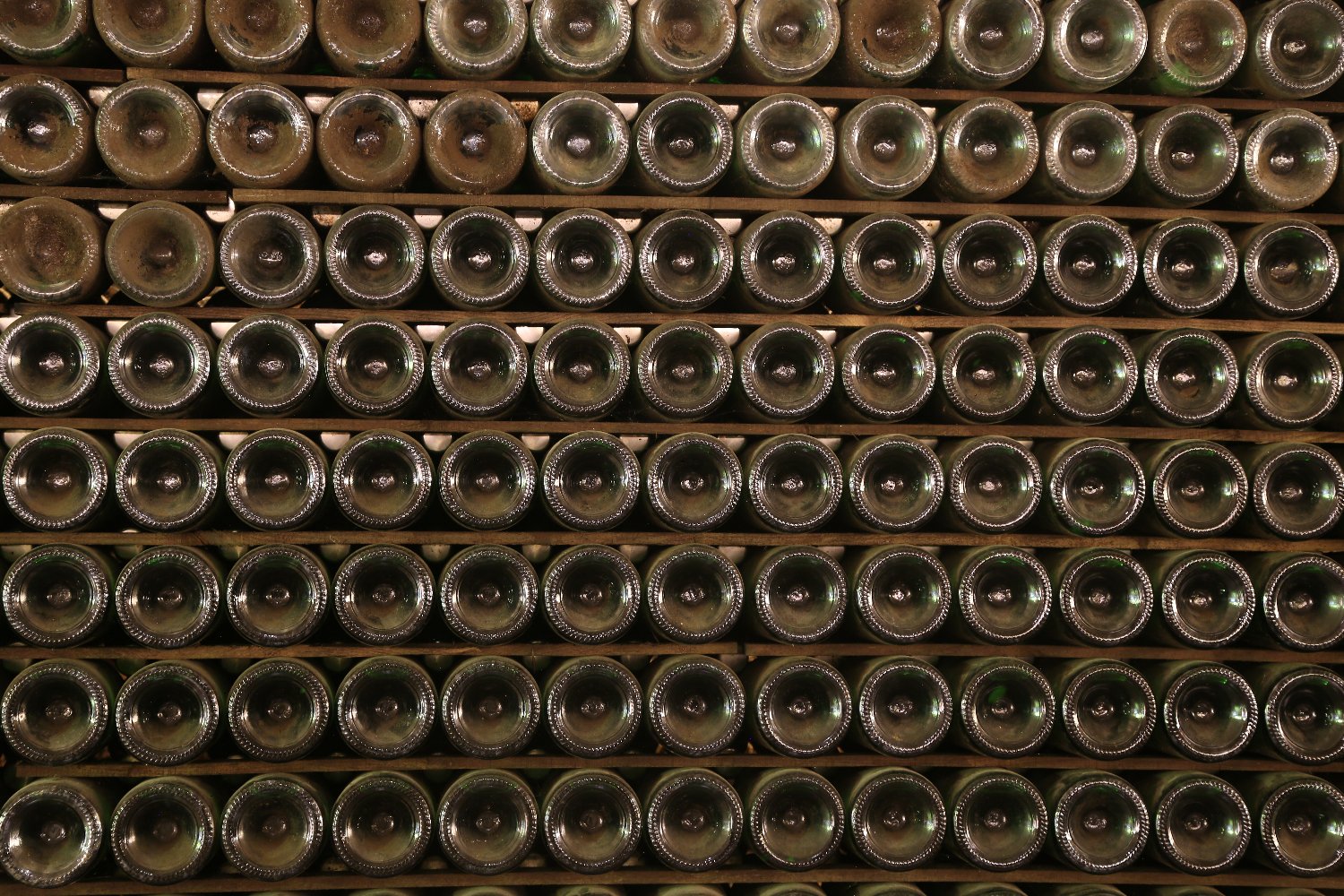
Not many wineries have caves large enough to justify offering train tours – the other one that comes to mind is the train tour we took of Cricova Winery in Moldova. During our visit to Cavas Codorníu, our tour guide took us on a high speed ‘race’ through a small section of the 18.6 miles of Codorníu’s caves – followed by a visit to a large underground tasting room where samples were provided of two of their wines. Several private tour and tasting experiences can also be booked through their website.
Incidentally the largest export markets for their wines are Belgium and the United Kingdom. For more information about Cavas Codorníu visit, www.visitascodorniu.com
Cavas Codorníu, Exterior

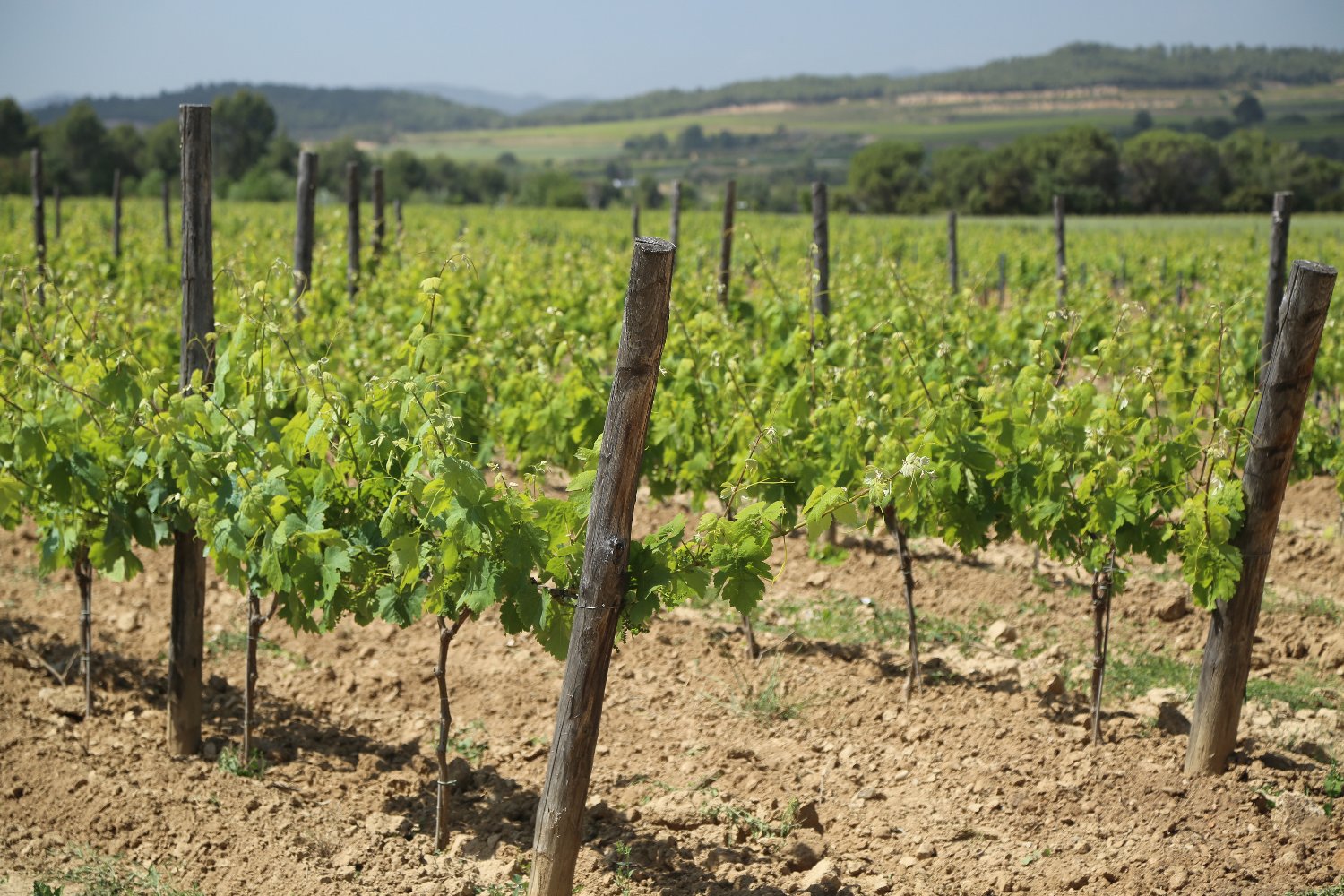
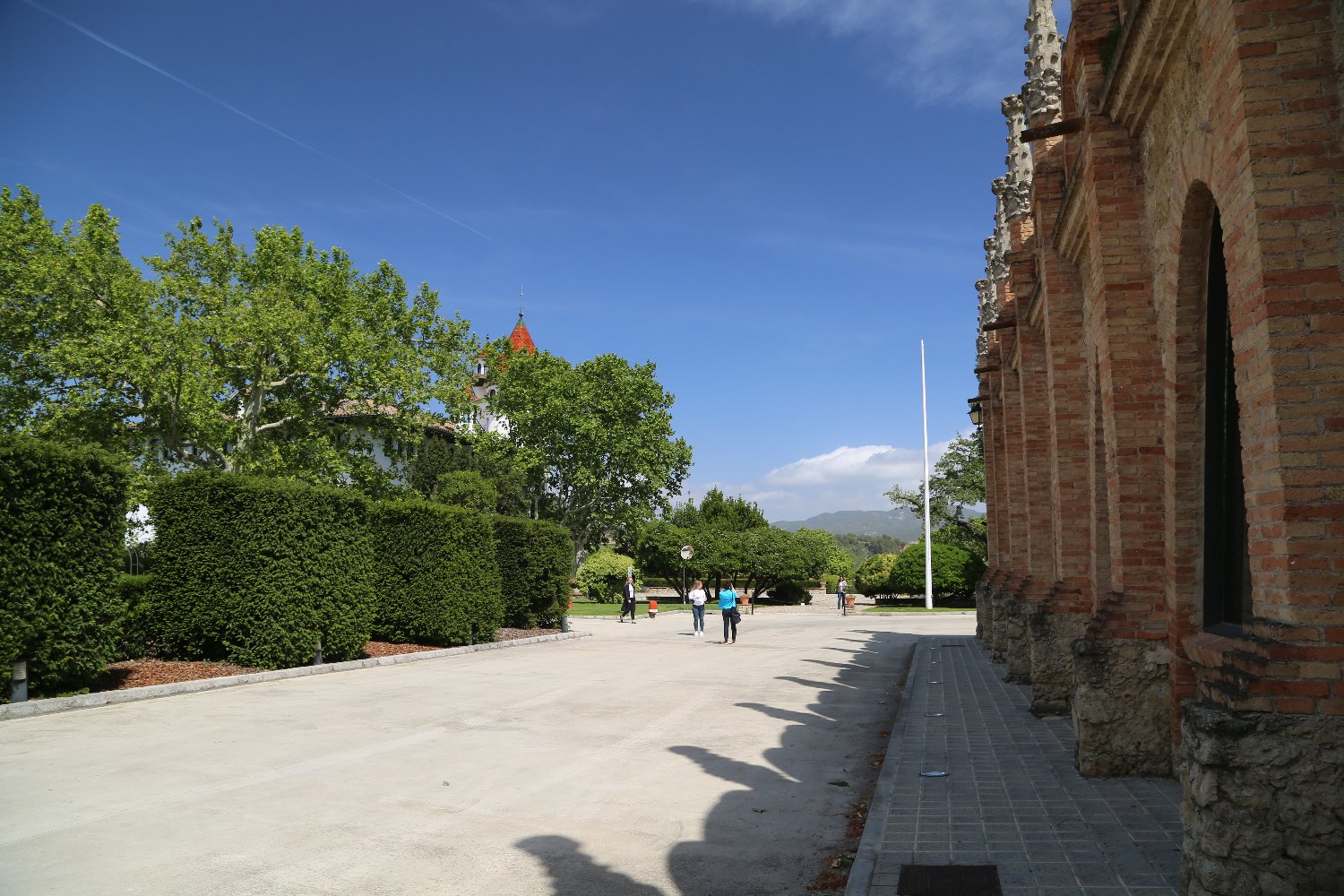
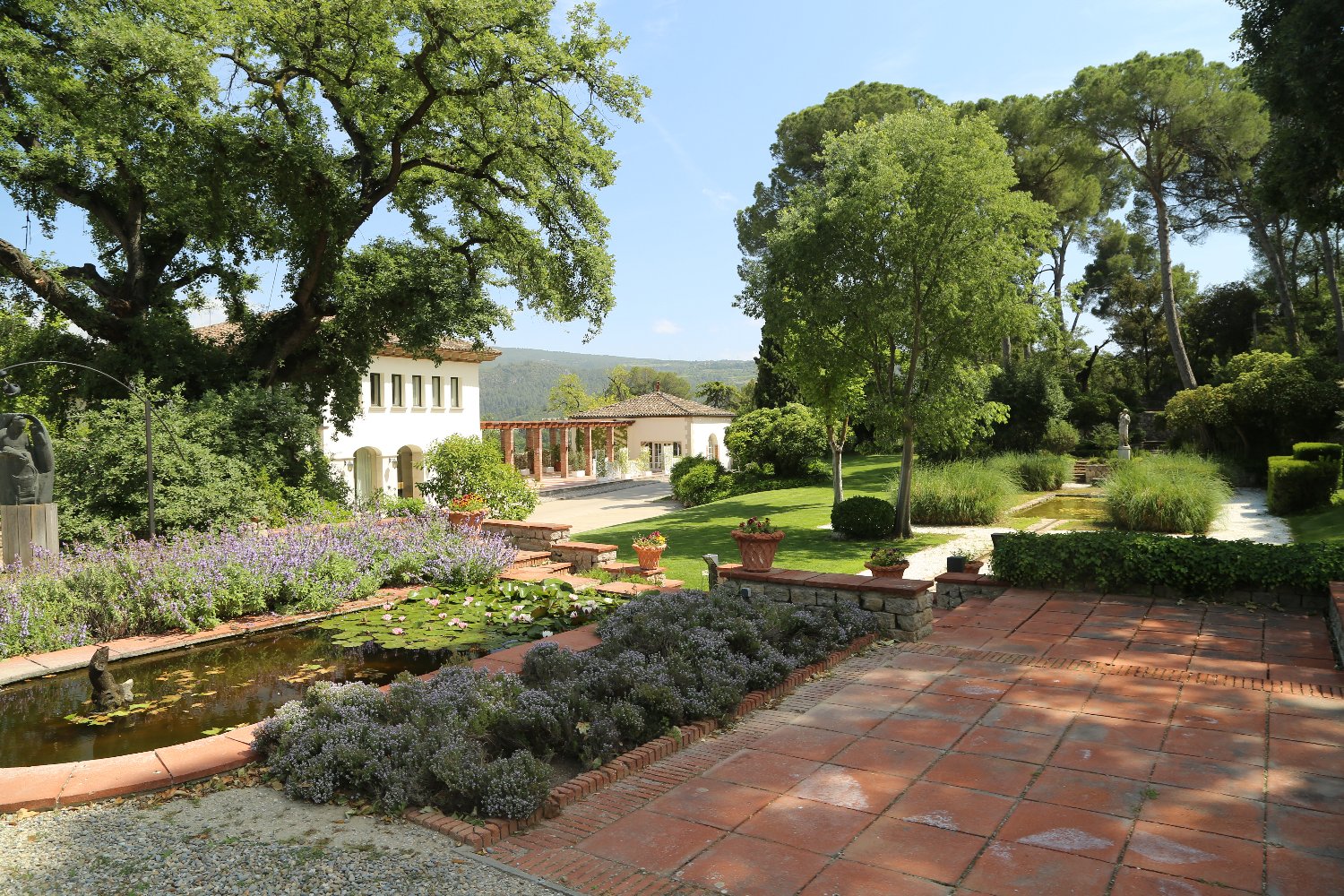
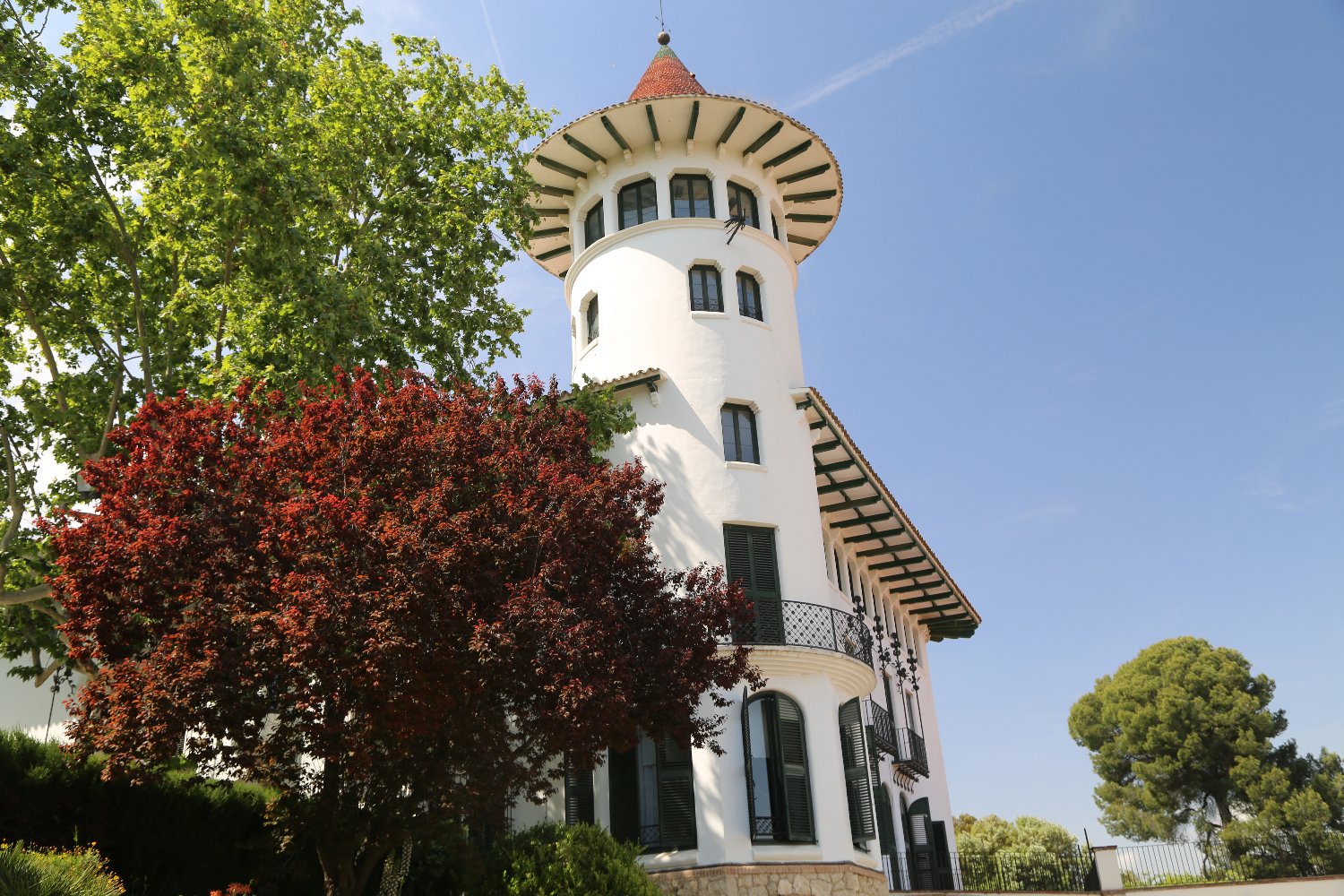
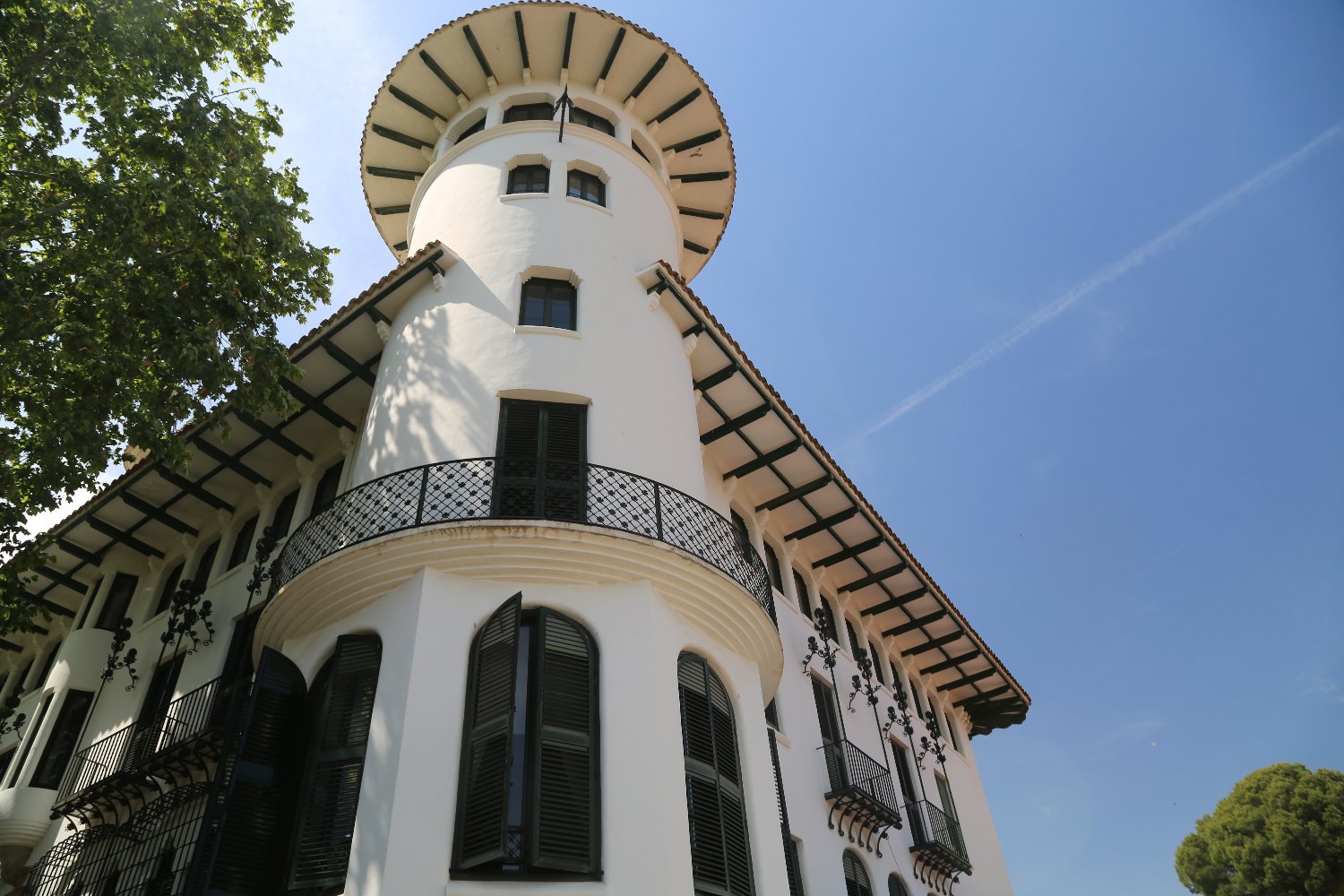


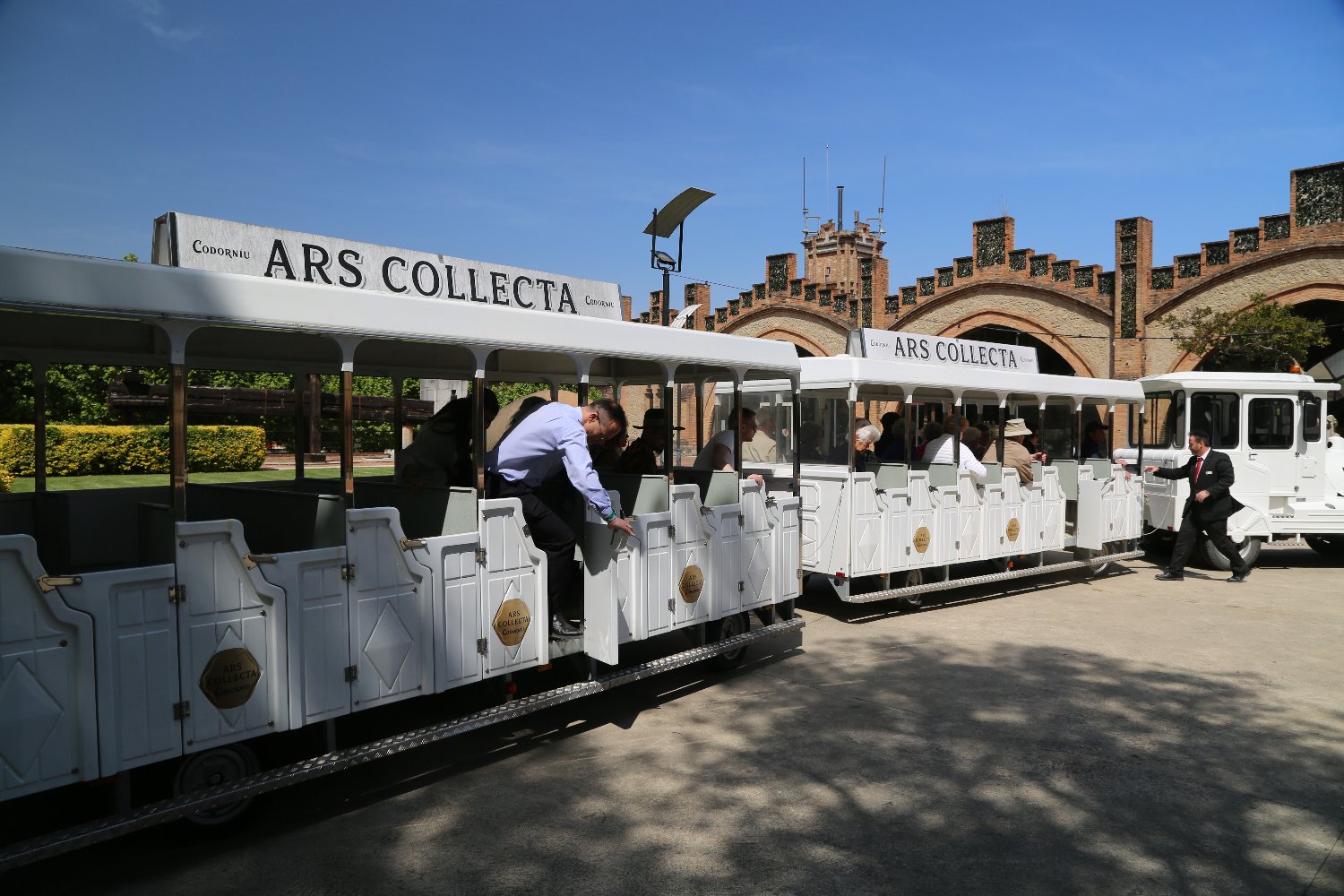
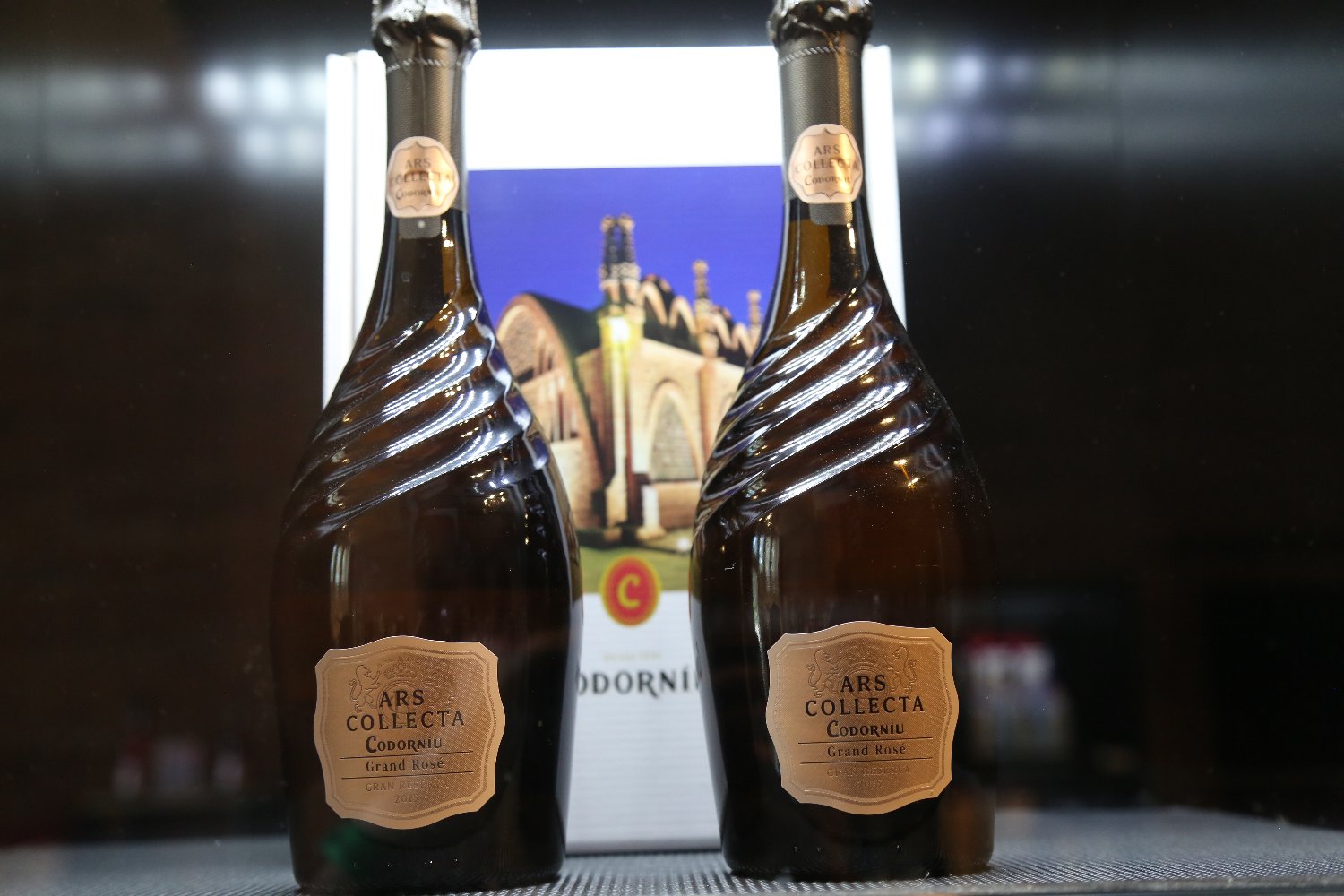
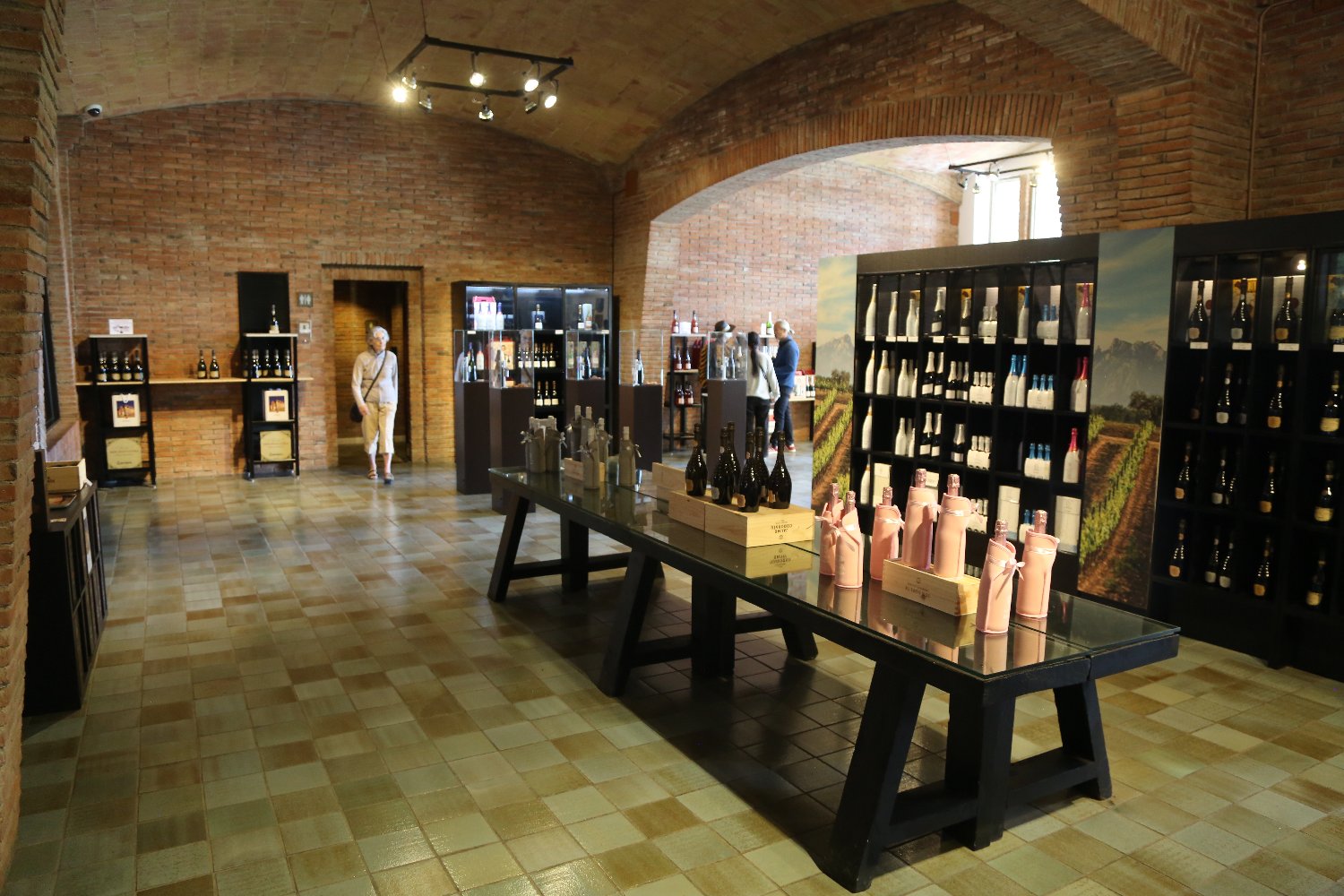
Cavas Codorníu, Reception/Wine Shop

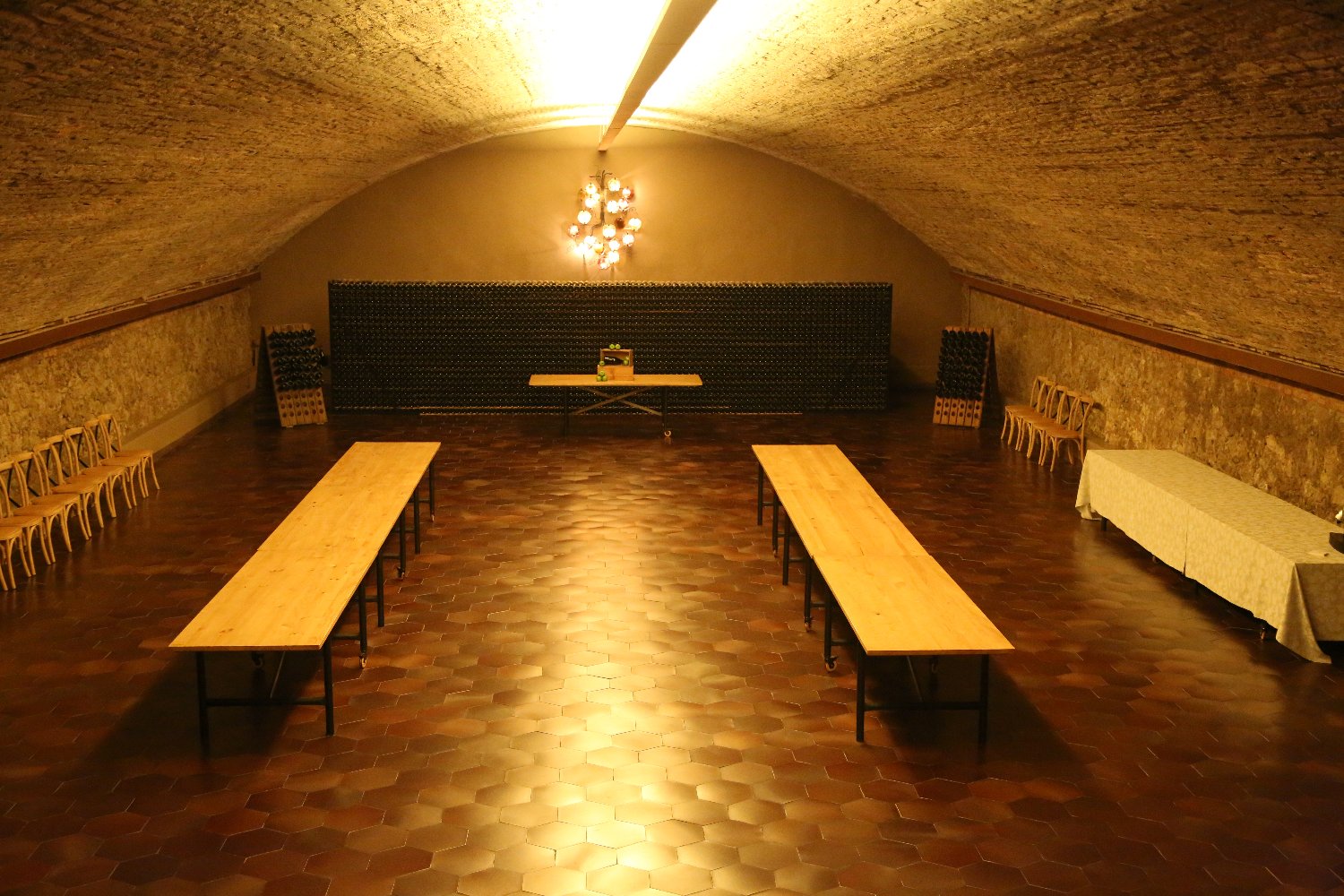
Cavas Codorníu, Wine Museum
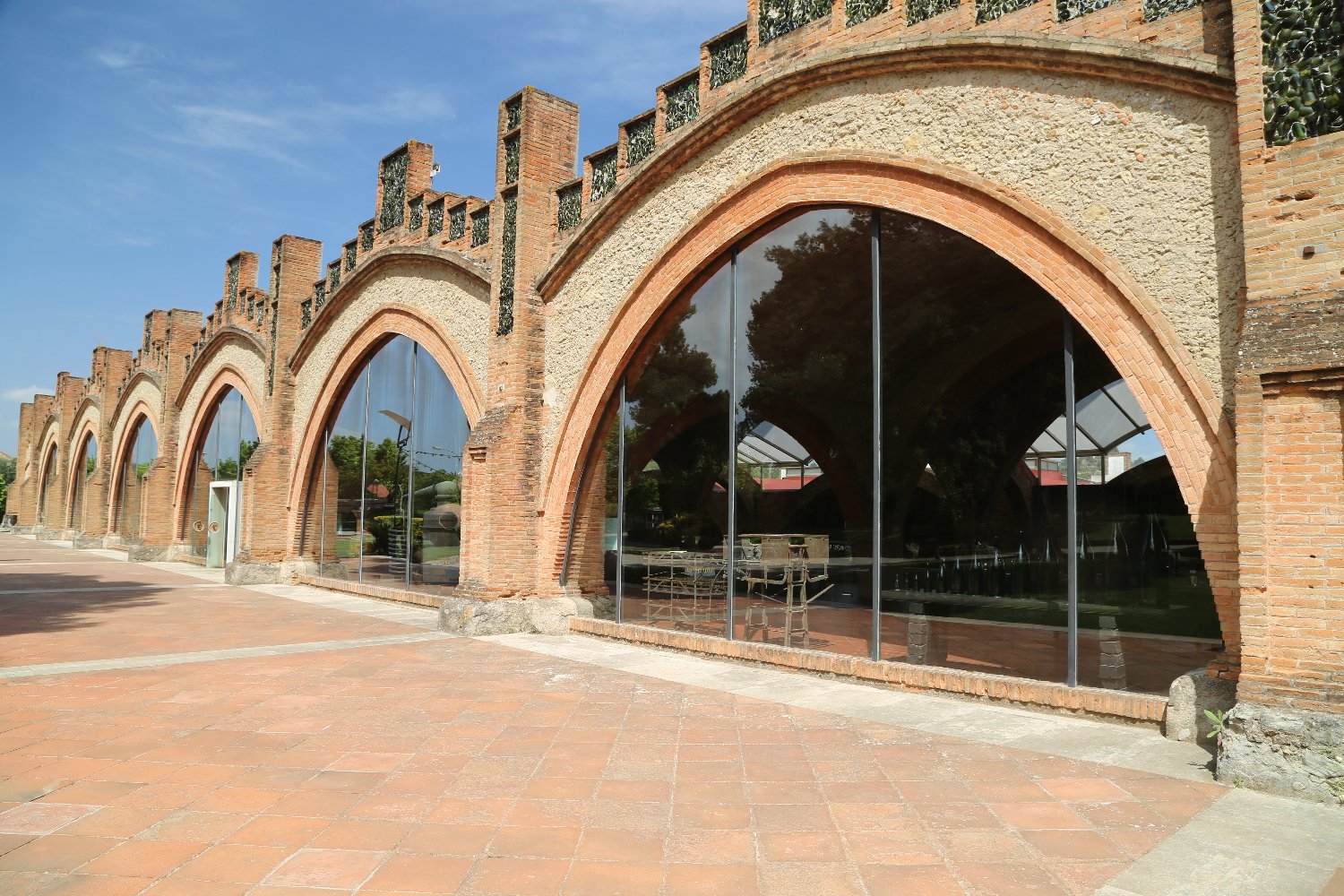
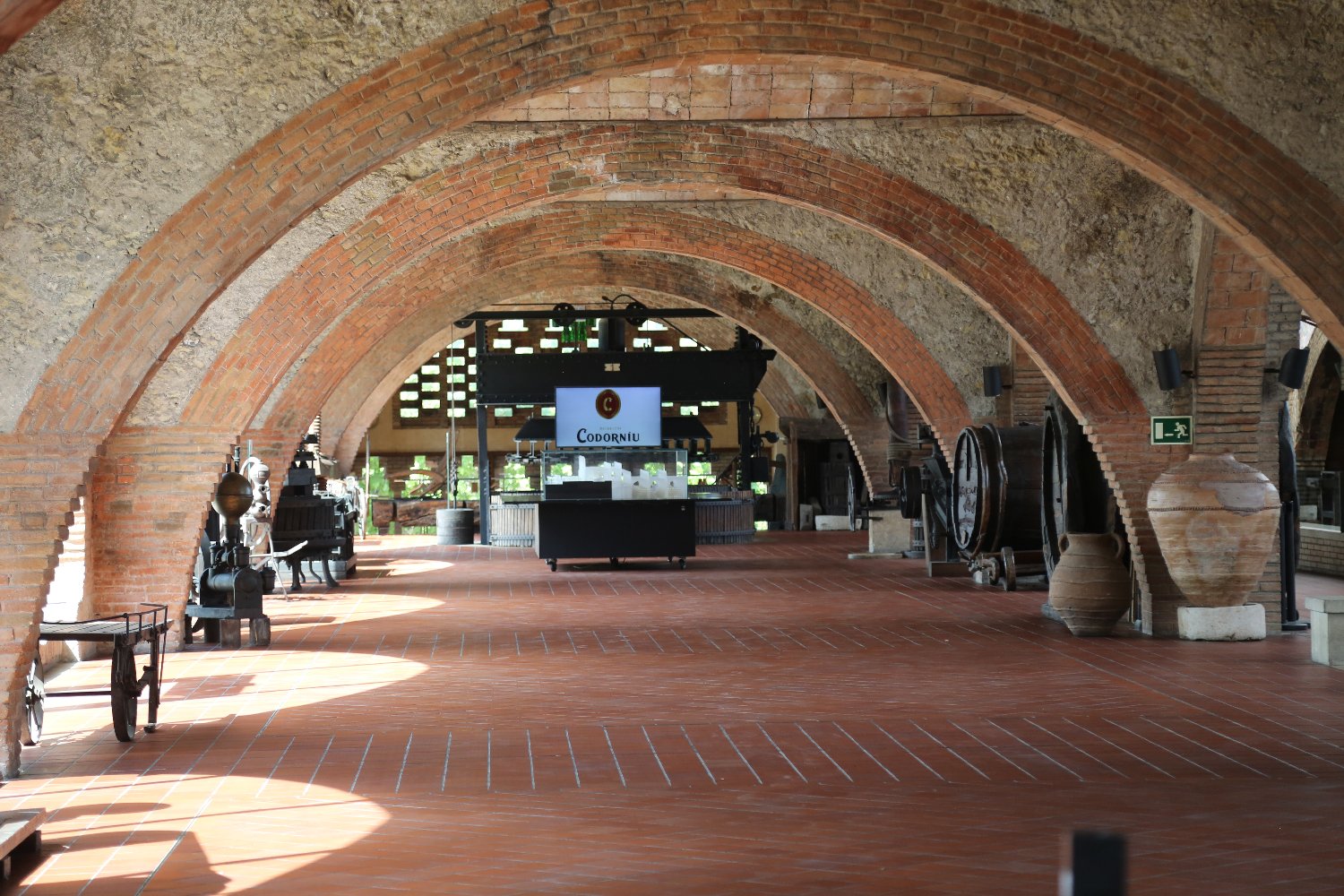
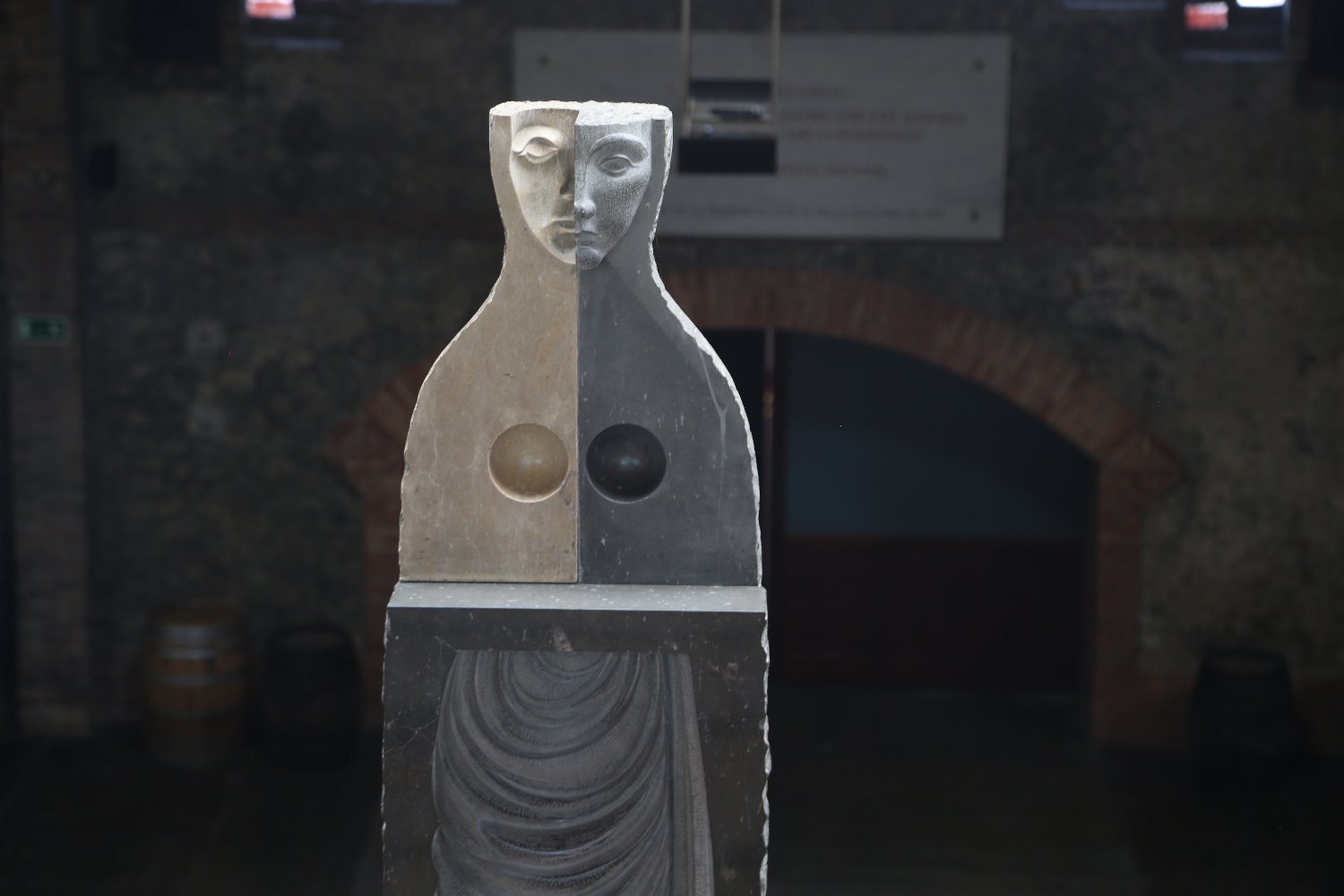
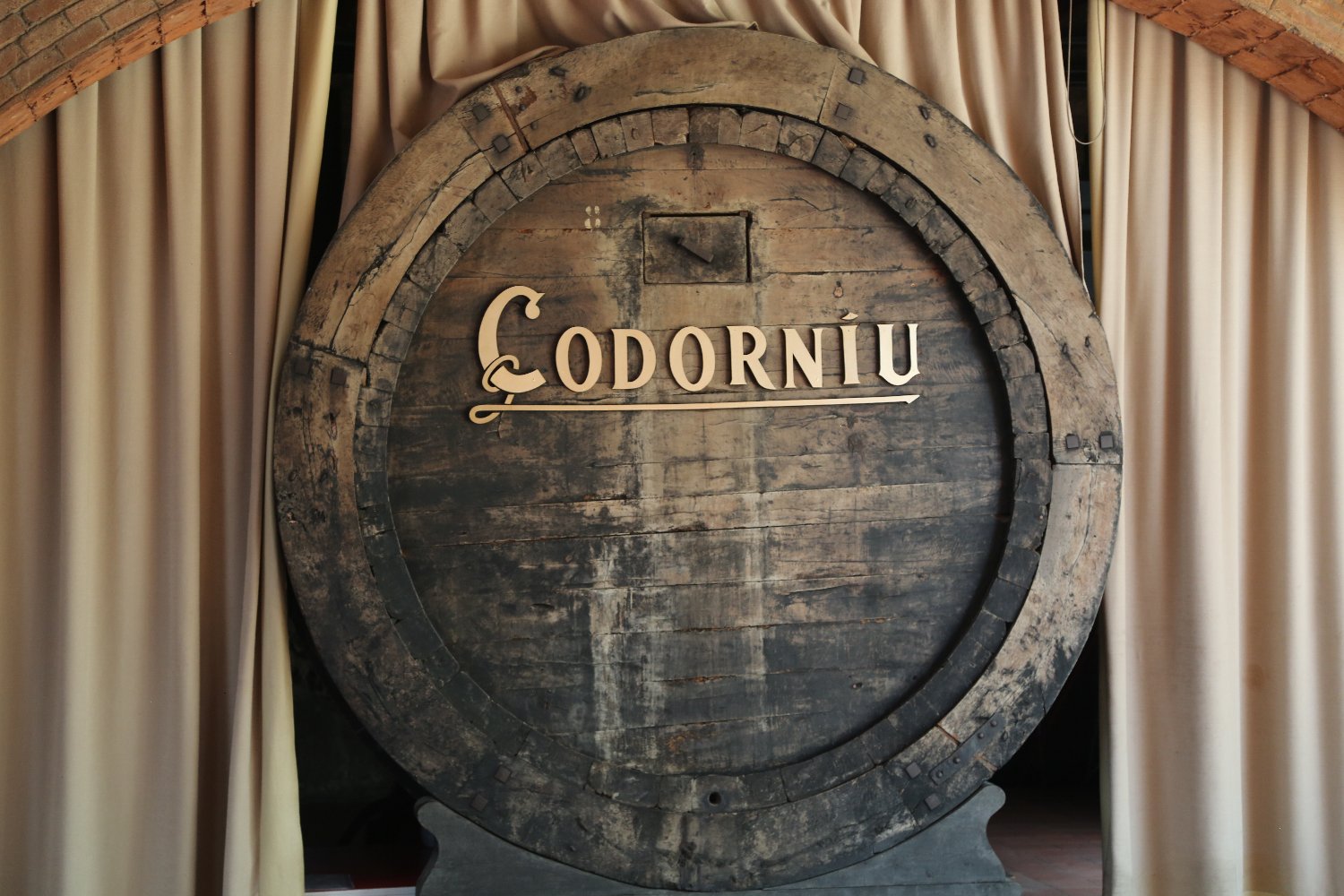
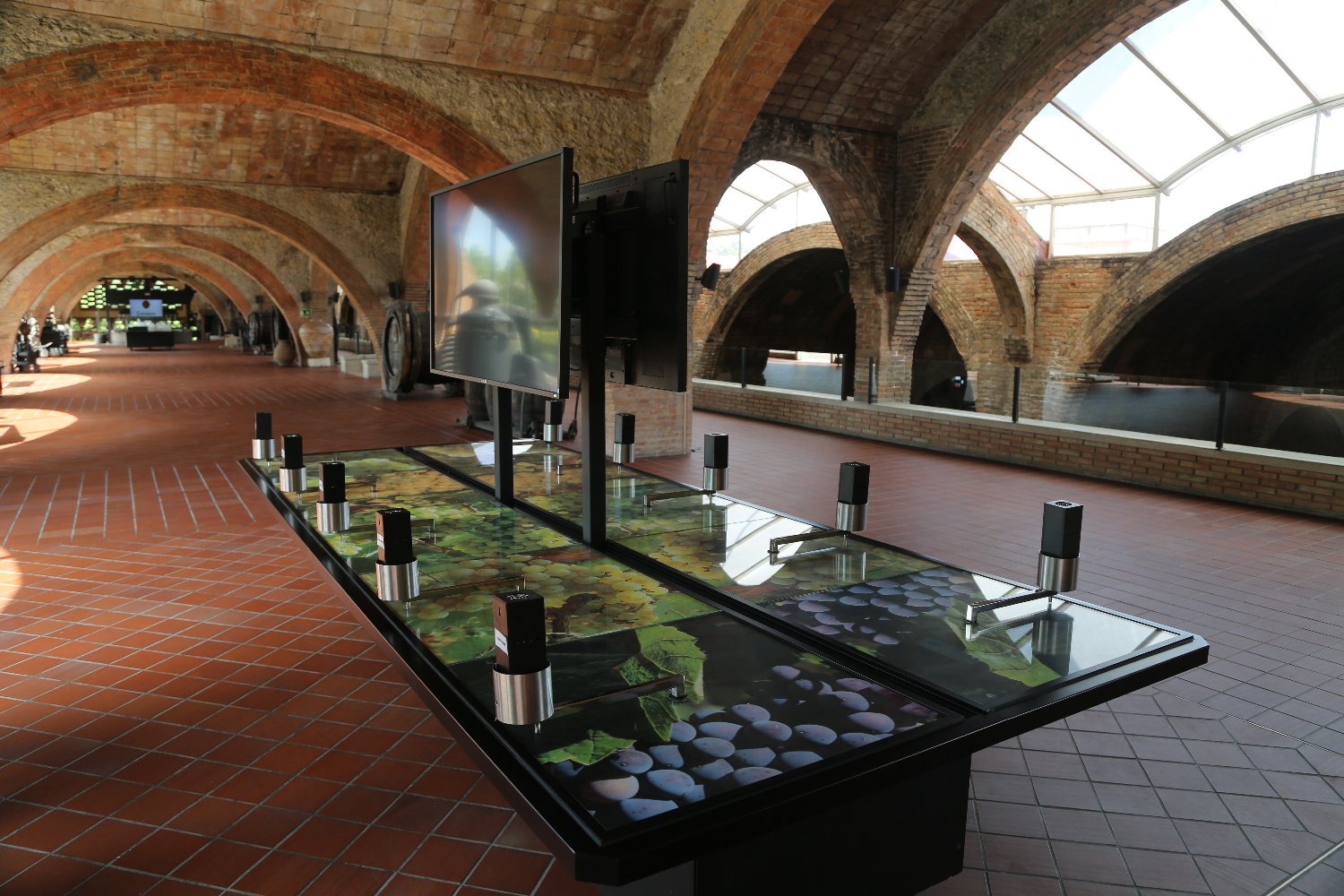
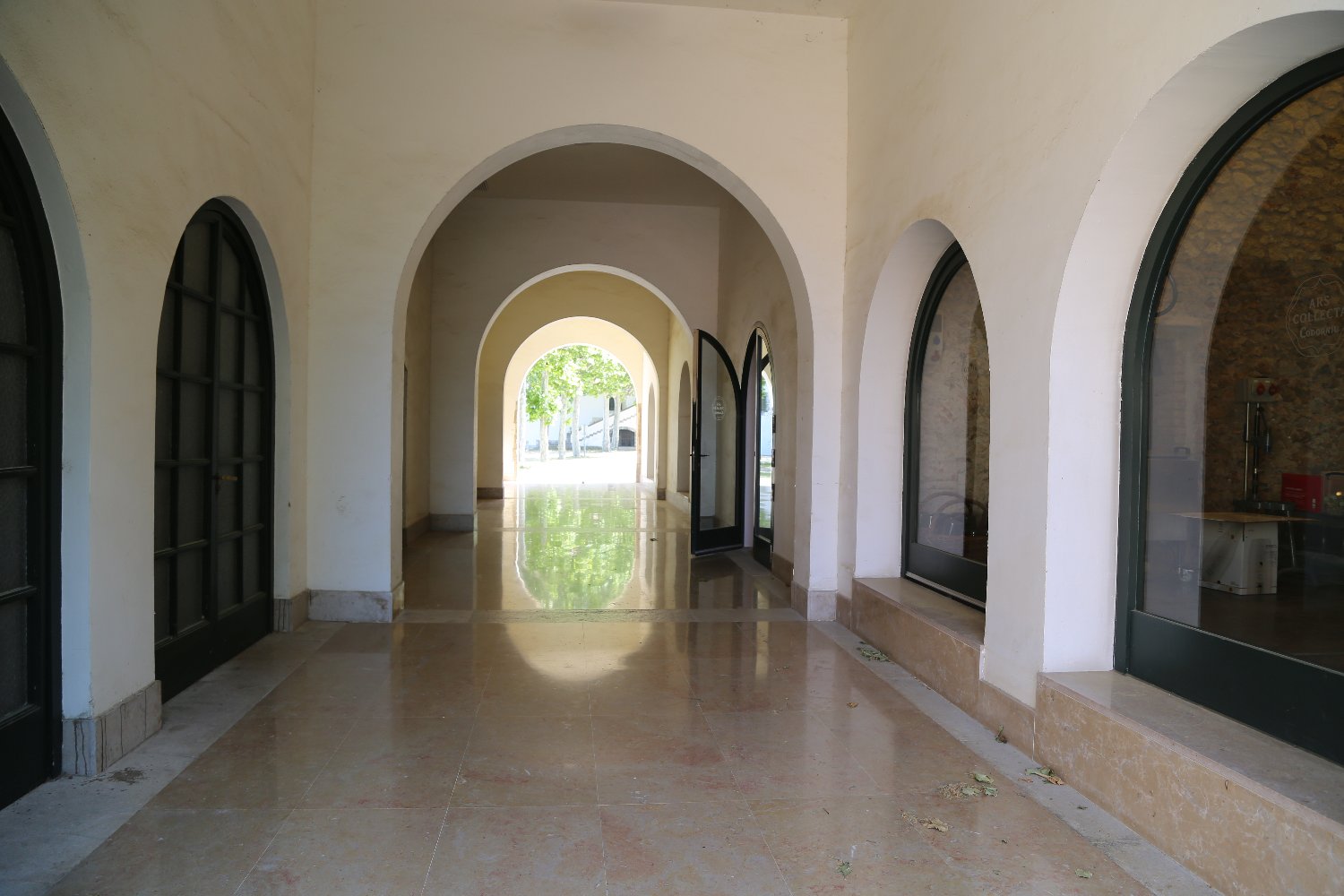
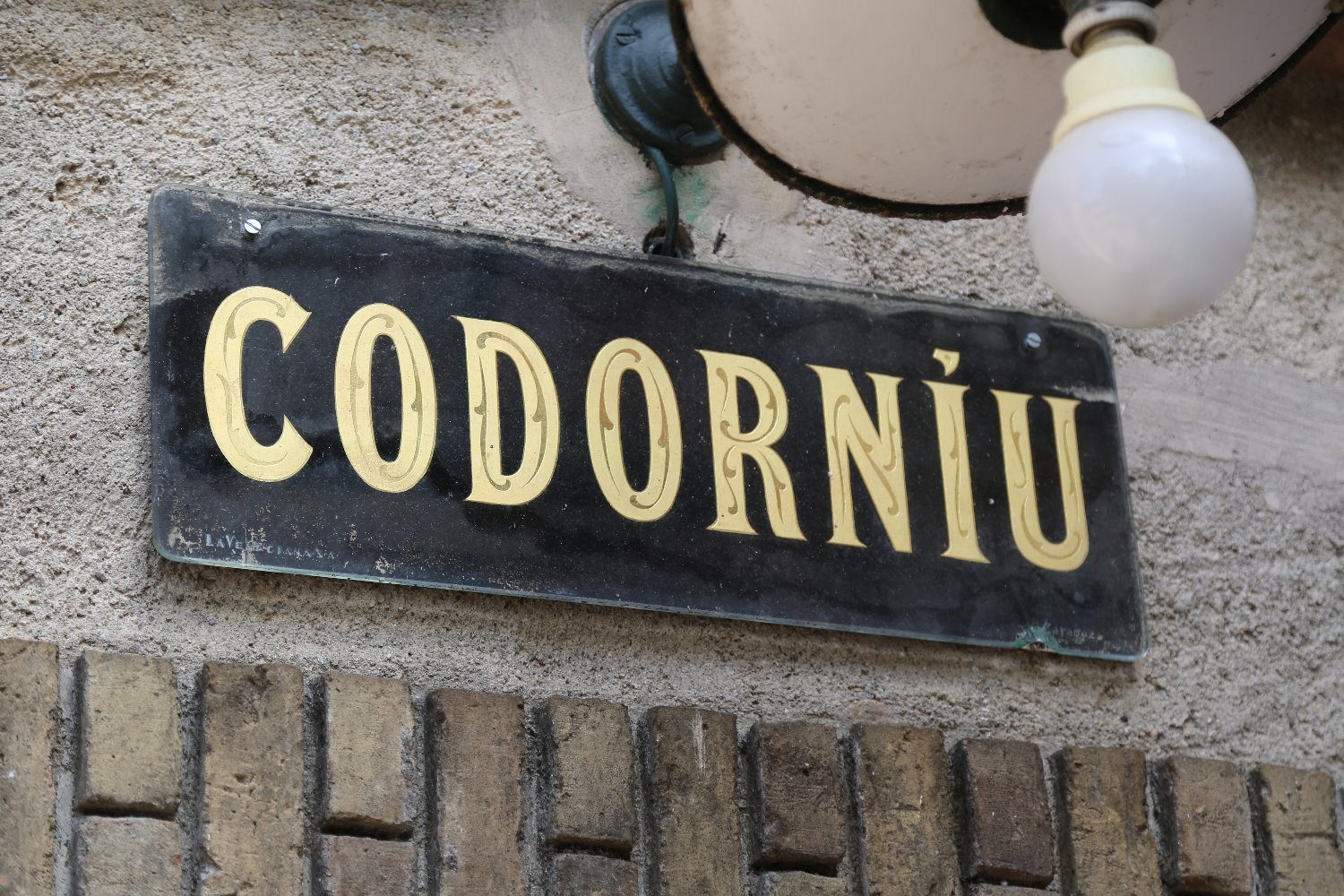
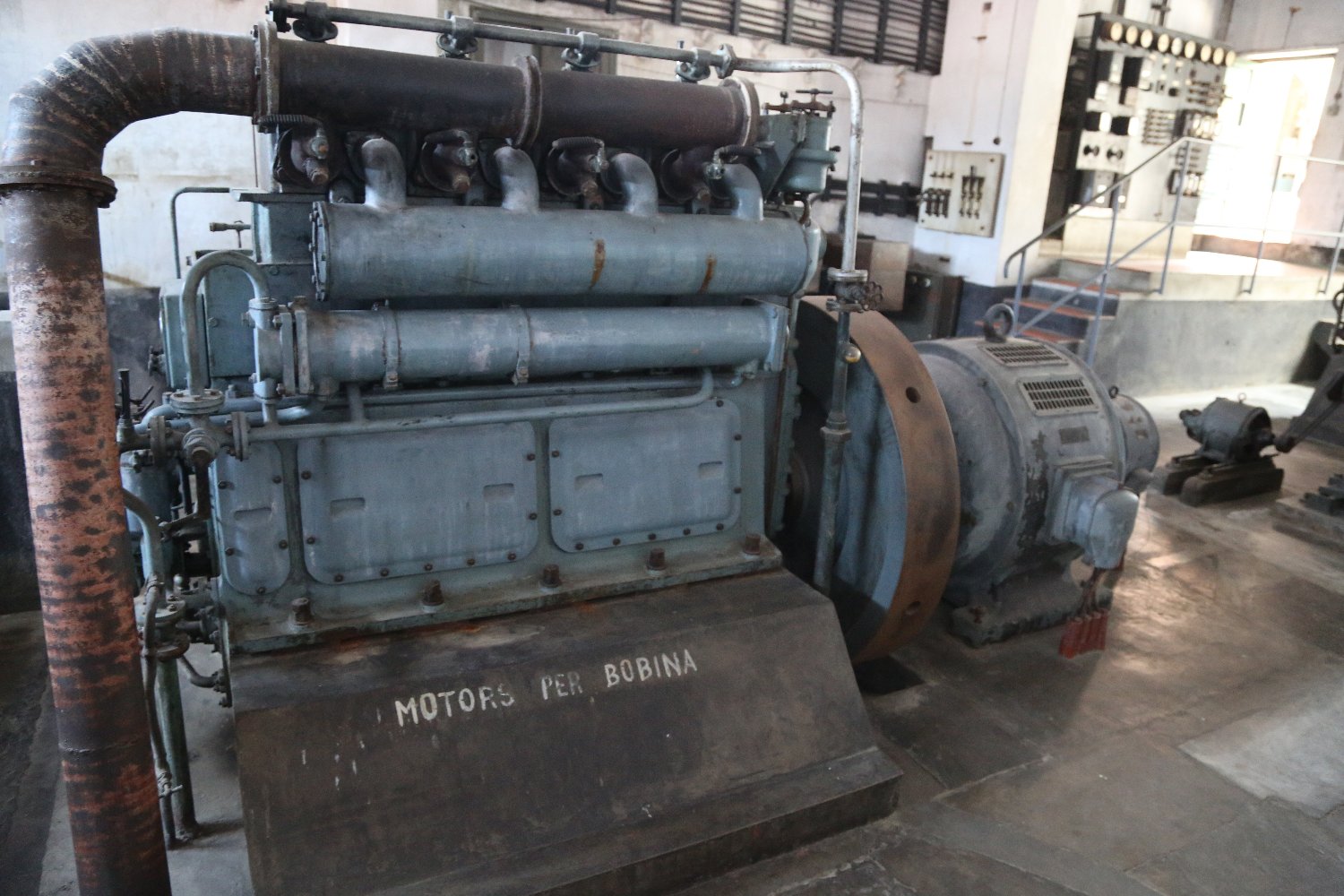
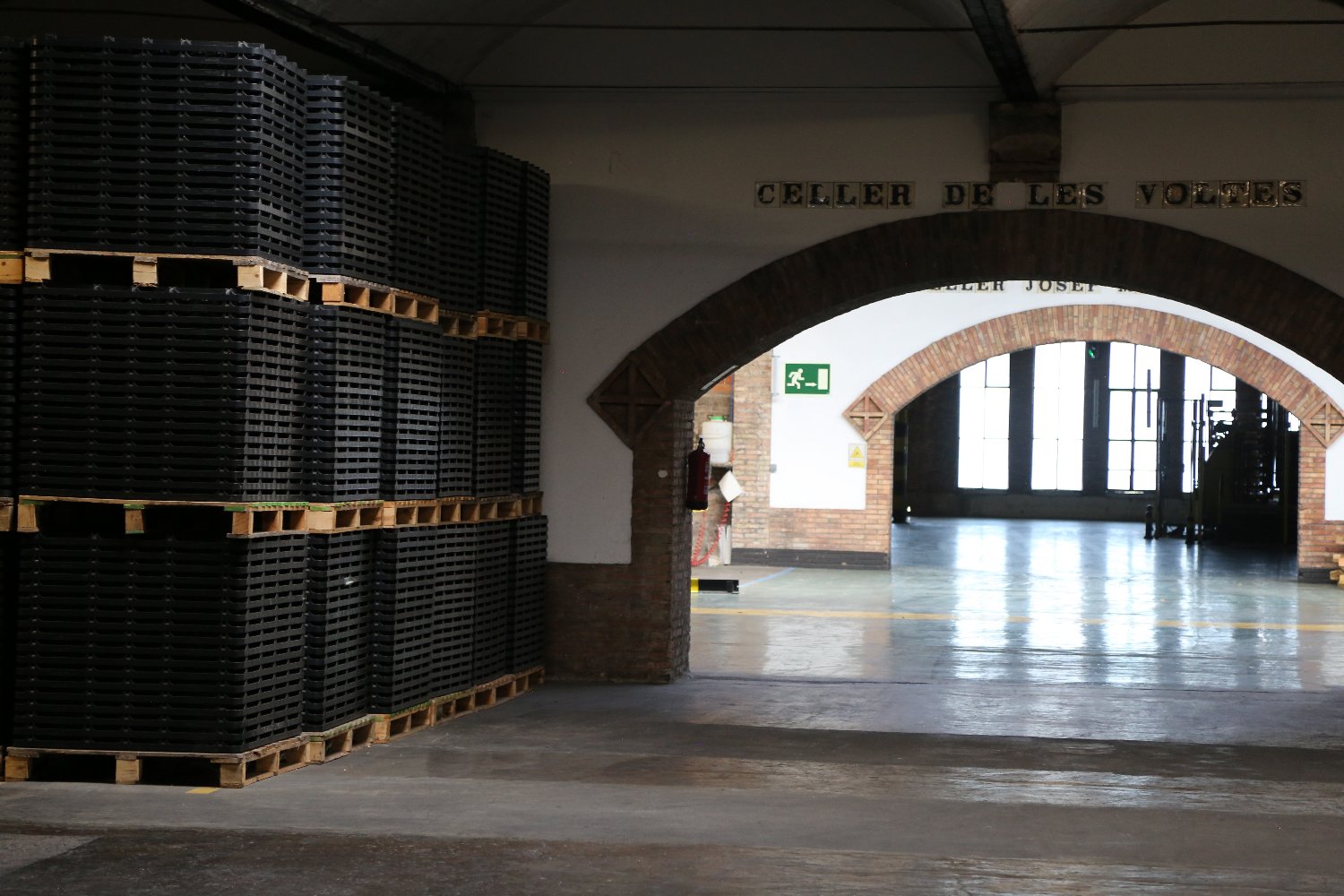
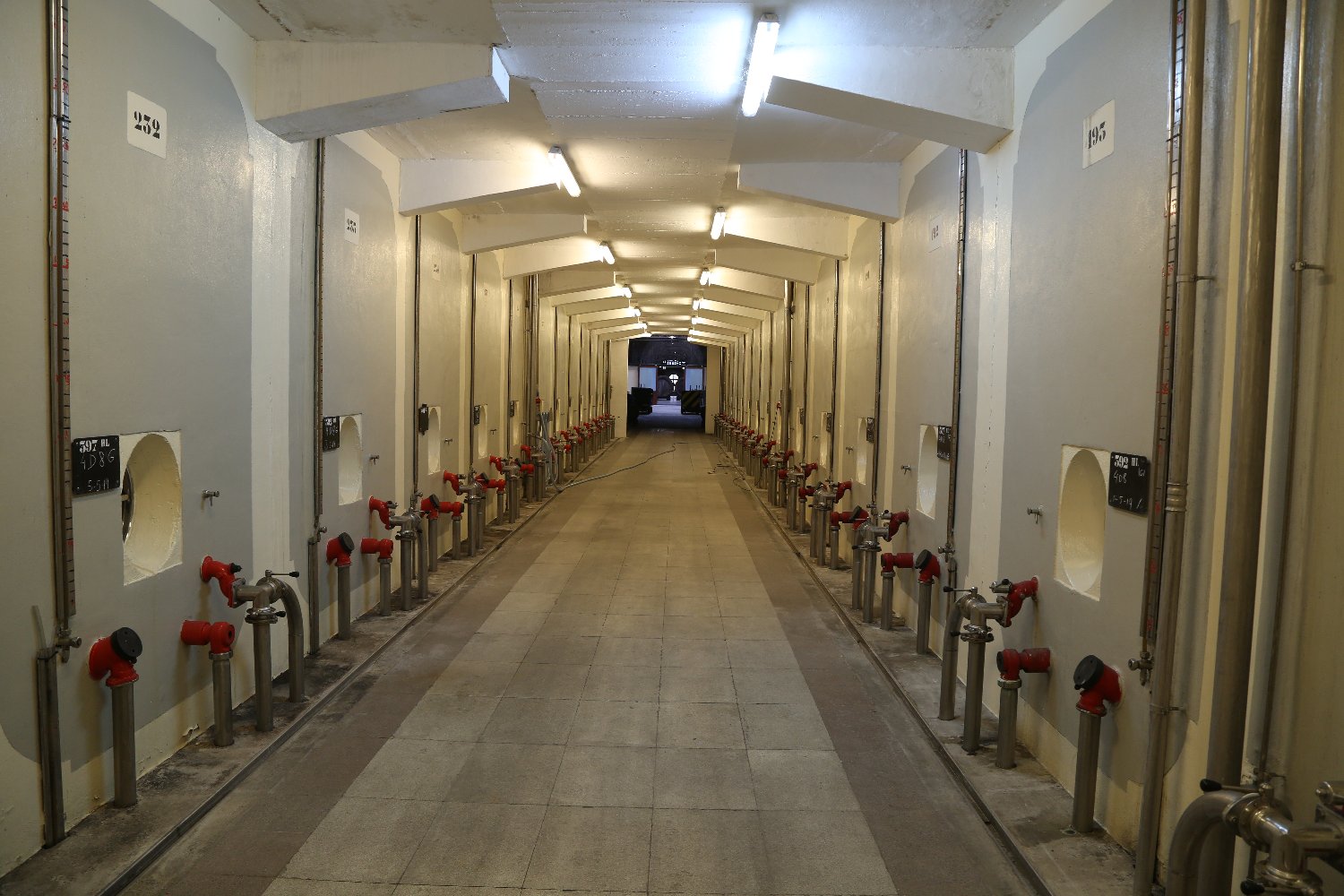
Cavas Codorníu, Cellar
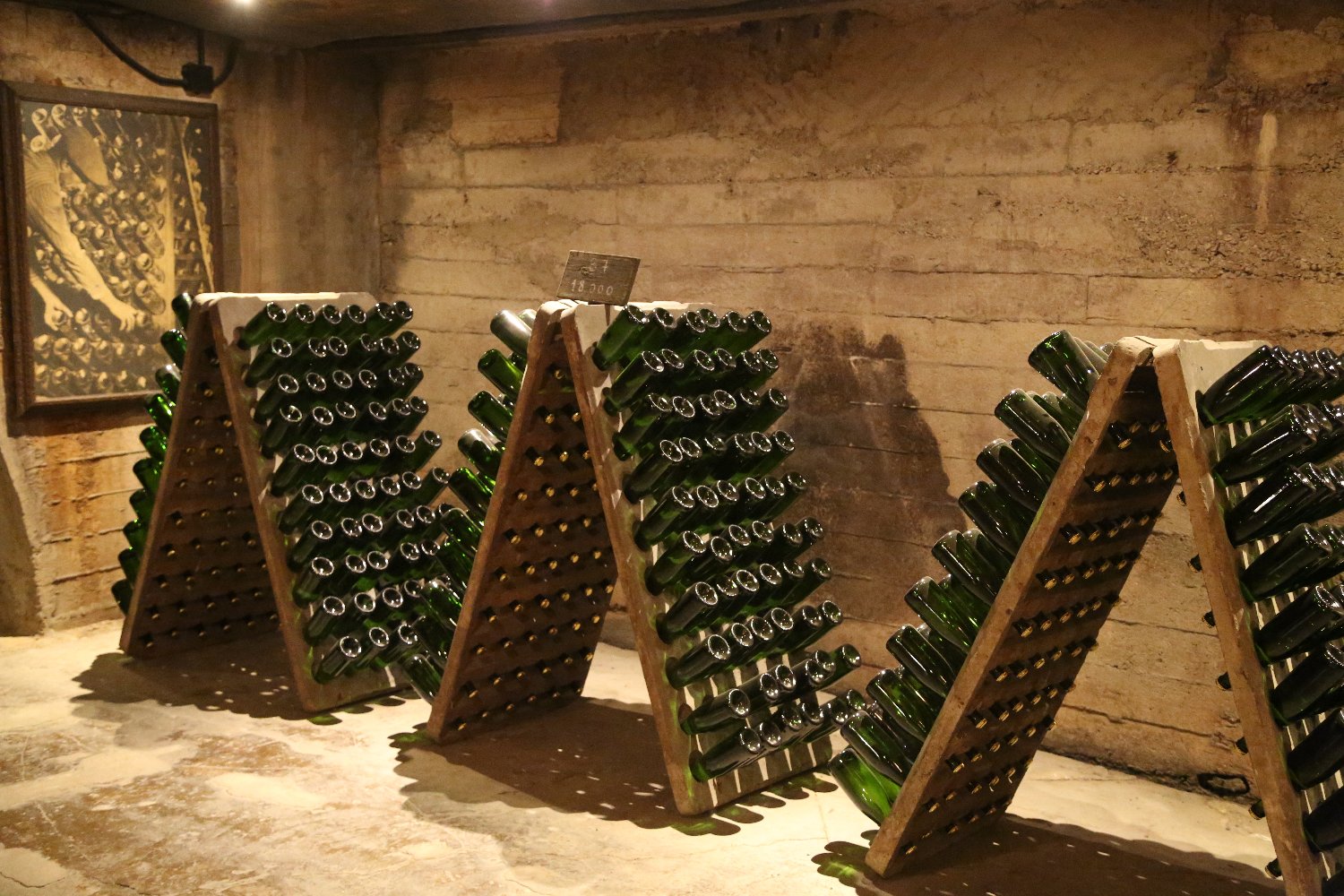


Bodega Séptima, Mendoza Argentina
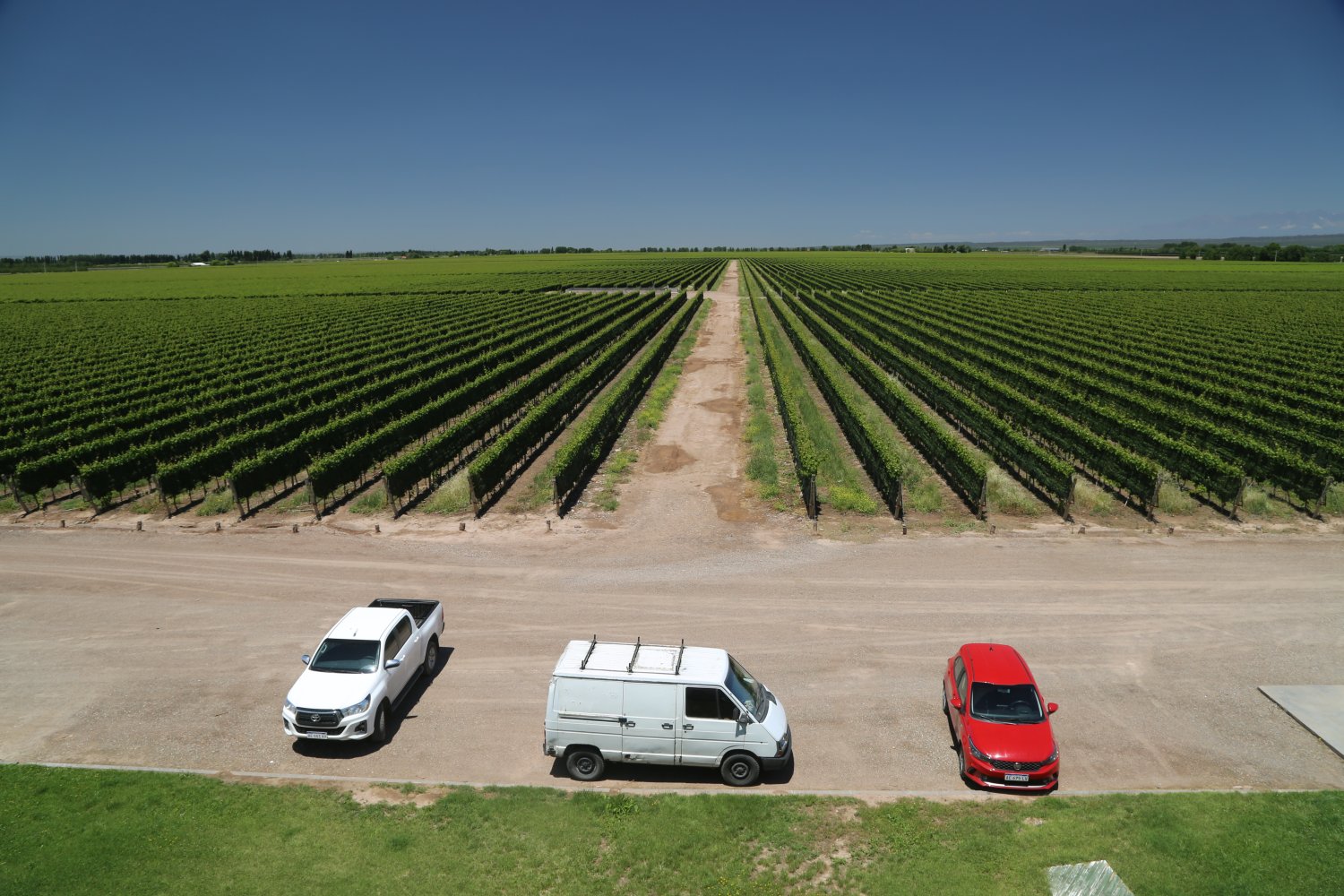
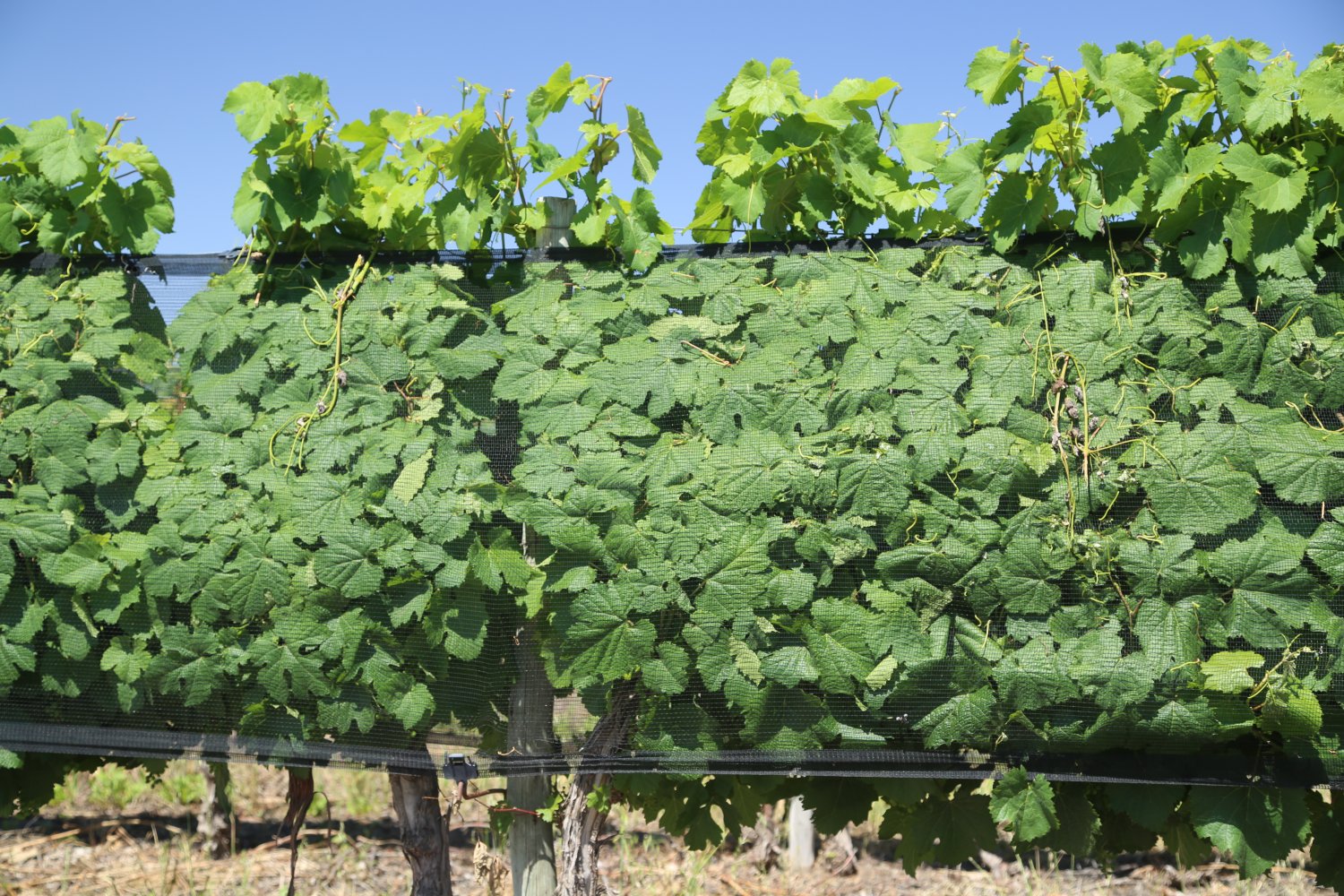
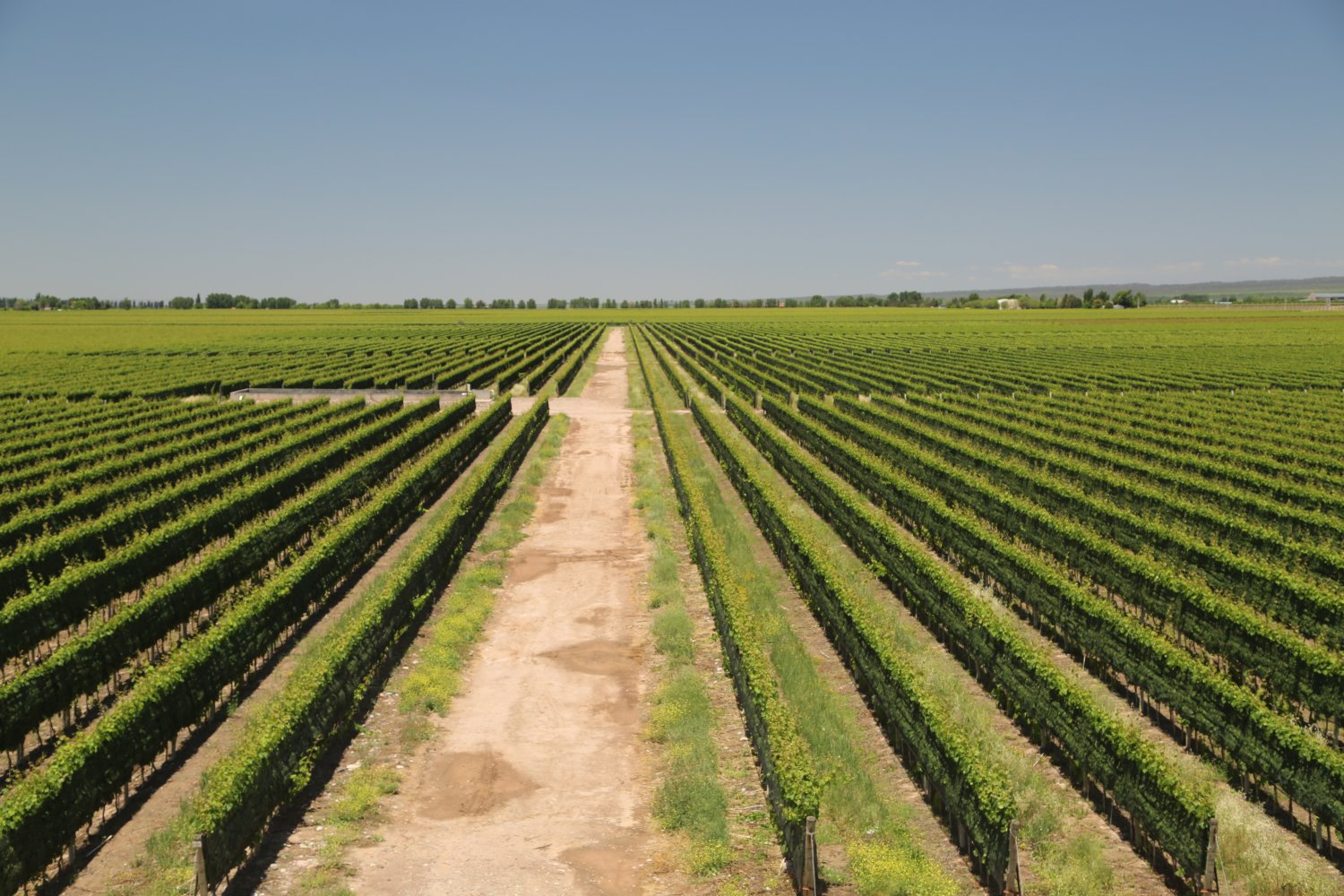
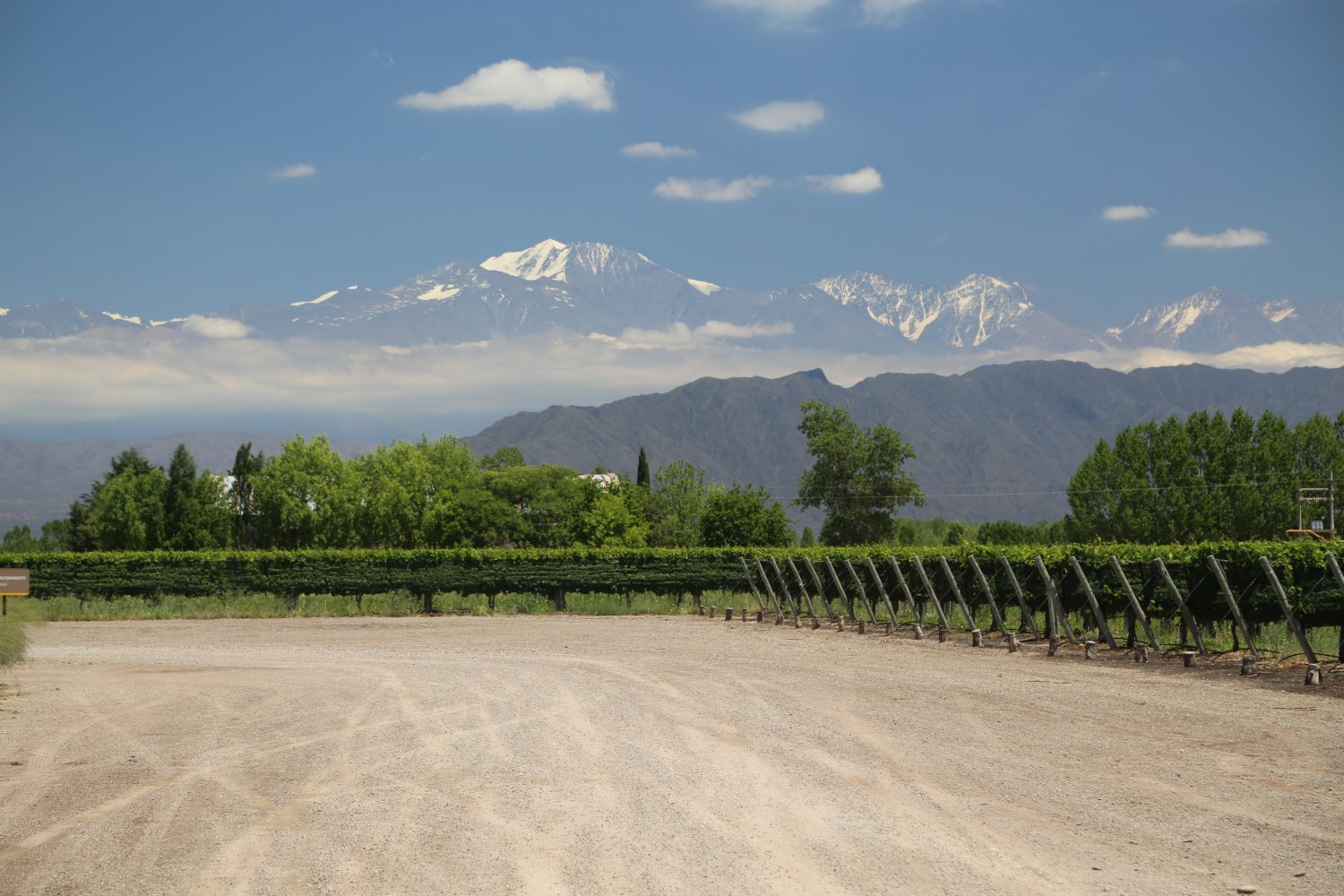
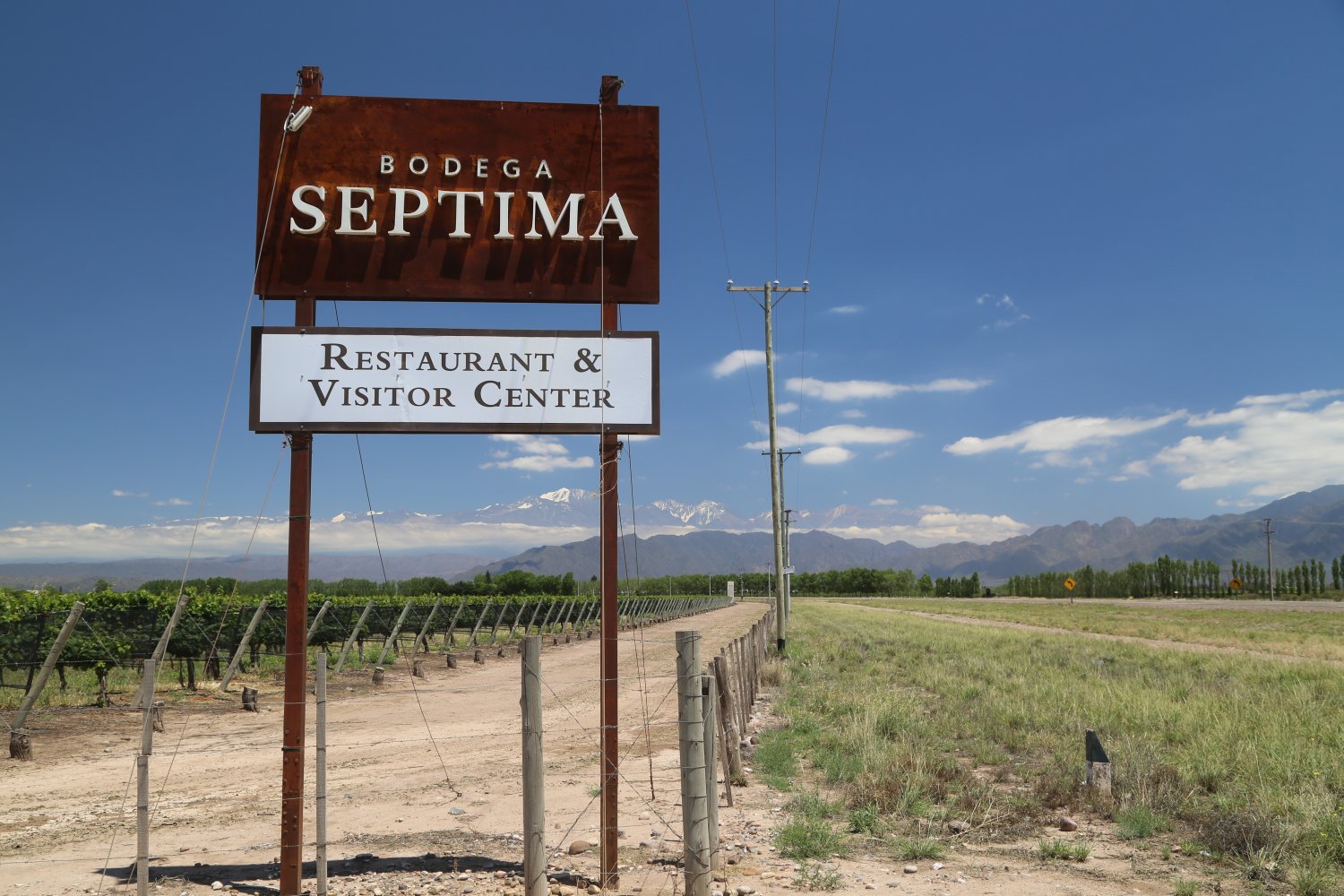
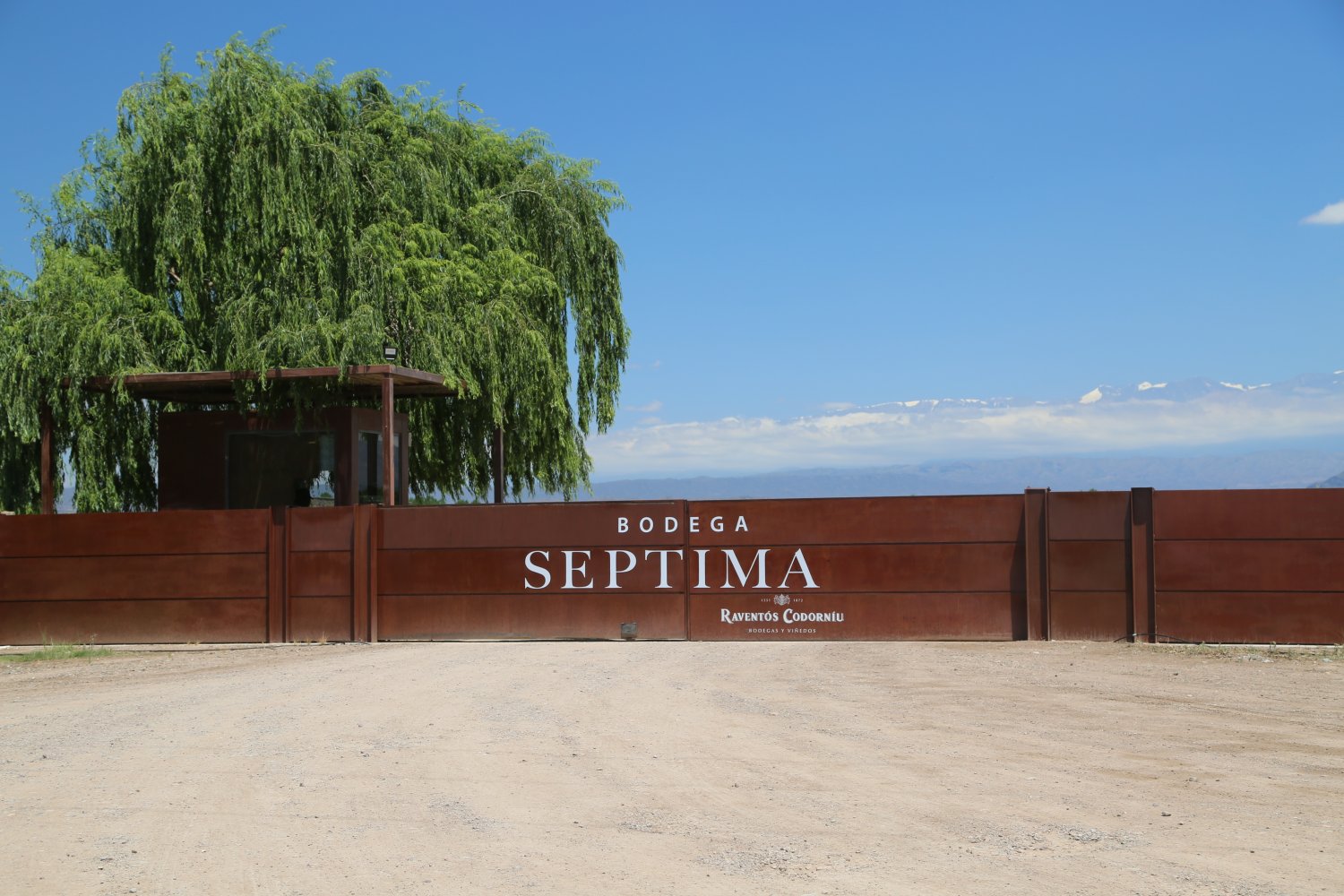
Bodega Séptima – along with Artesa are the only two wineries under the Raventos Codorníu group located outside of Spain. The property for the winery was located and purchased in 1999 (was not planted to vines at that time) and the winery was completed in 2002. The core of their wines are grapes sourced from three separate estate owned properties totaling 300 hectares of which 150 hectares are planted to vines: the vineyards surrounding the winery in Luján de Cuyo, Valle de Uco, Tupungato and Los Chacayes in Tunuyán. Varieties grown by Bodega Séptima include Cabernet Franc, Cabernet Sauvignon, Chardonnay, Malbec, Pinot Noir, Sauvignon Blanc and Tannat.
Located along Route 7 only about a 30-minute drive from central Mendoza. One can continue past their property high into the Andes following the roads that eventually will connect to Santiago Chile; highlights of this route are the Parque Provincial Aconcagua where one has views from afar of the highest mountain above water in the world outside of the Himalayas. We have made this park in about 1:40 minutes but 2:15 minutes is more the normal pace.
In addition to their own vineyards, the winery also purchases grapes for their needs from select growers in the Mendoza region. Their harvest typically begins sometime in February for their sparkling wines – harvesting the Chardonnay and Pinot Noir and lasts until the first week of May when their late harvest Gewürztraminer is usually picked. As of our latest update Bodega Séptima produces 8 different lines of still wines and one sparkling wine, the María Codorníu.
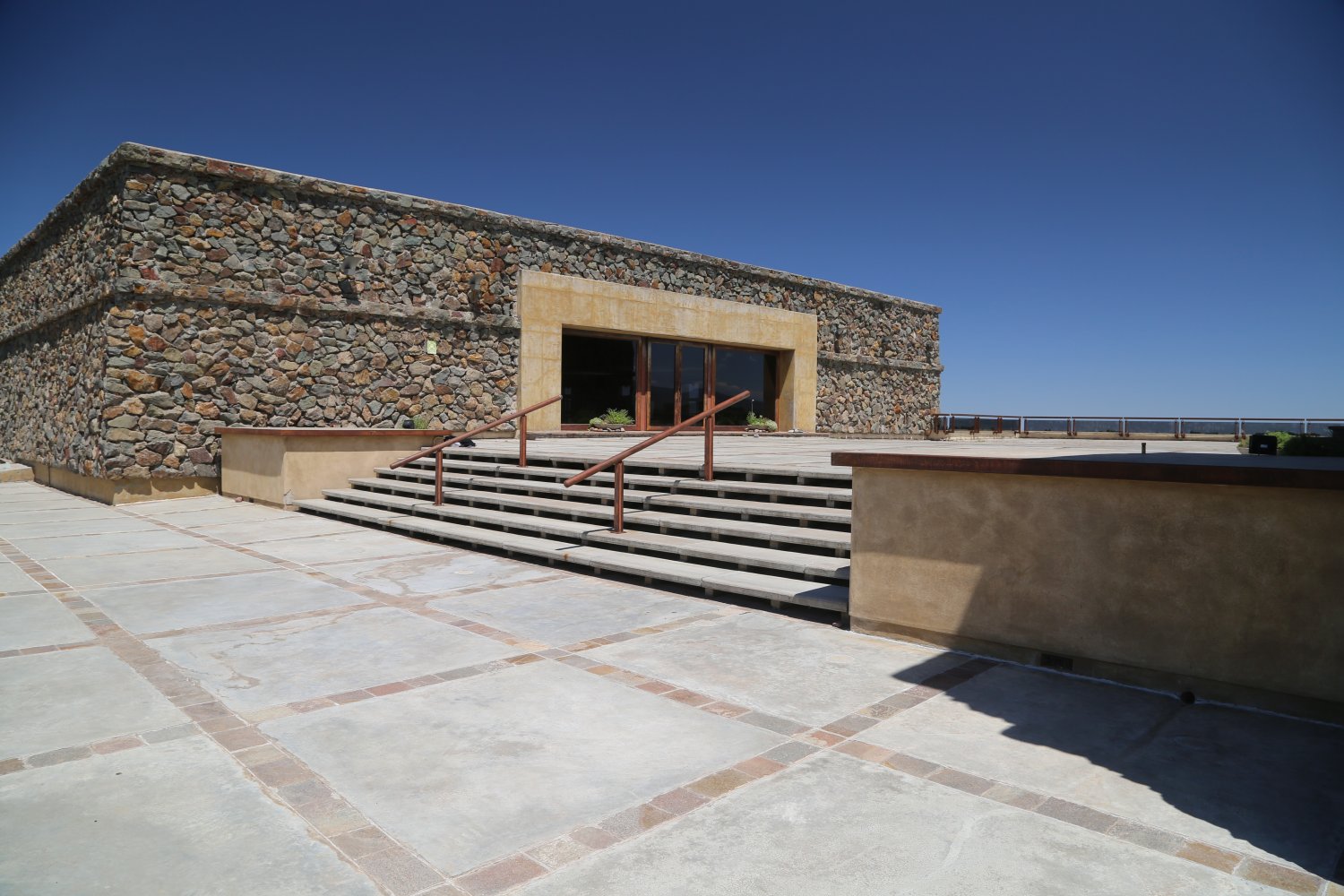
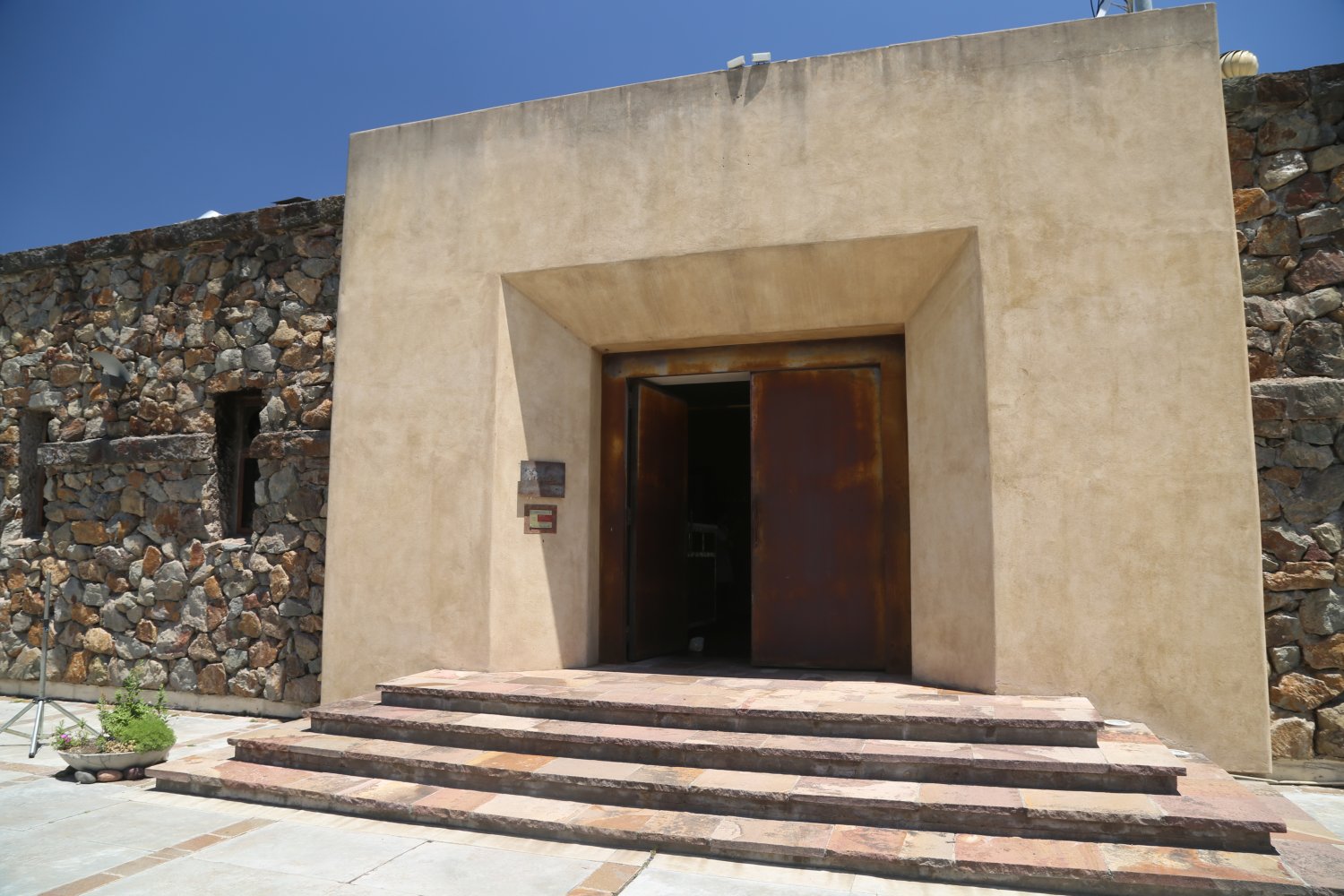
The winery was designed by Mendoza architectural firm Bórmida & Yanzón and features a building whose walls were created by manually stacking rocks on top of each other. Because there is a law in Argentina that prohibits making sparkling wines inside the same winery as still wines are made – all their sparkling wines are made at an offsite location.
An open-air terrace located between the winery building and the Maria Restaurant provides exceptional views in all direction of their vineyards. Wide open panoramas of both vineyards and the Andes mountains to the east.
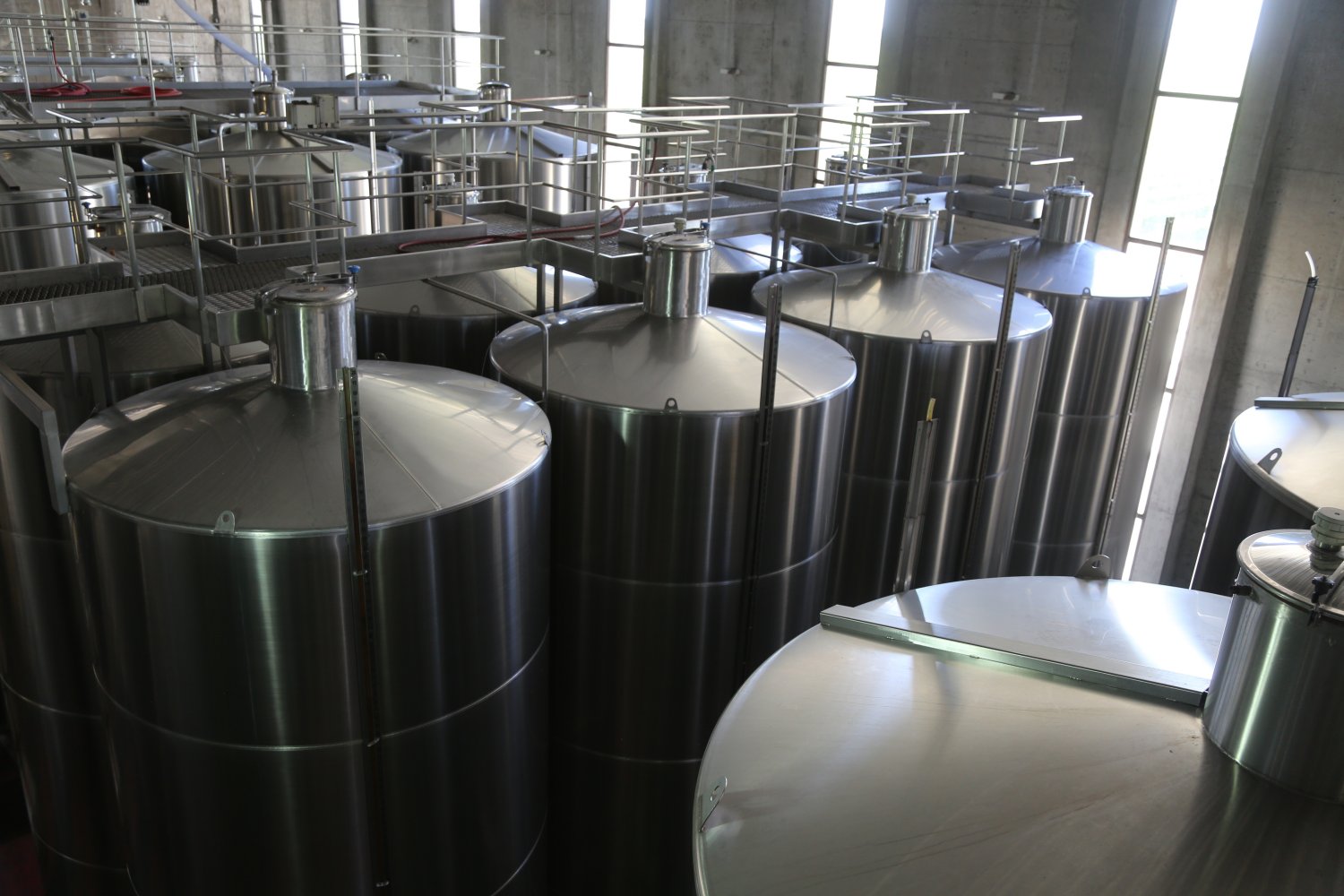
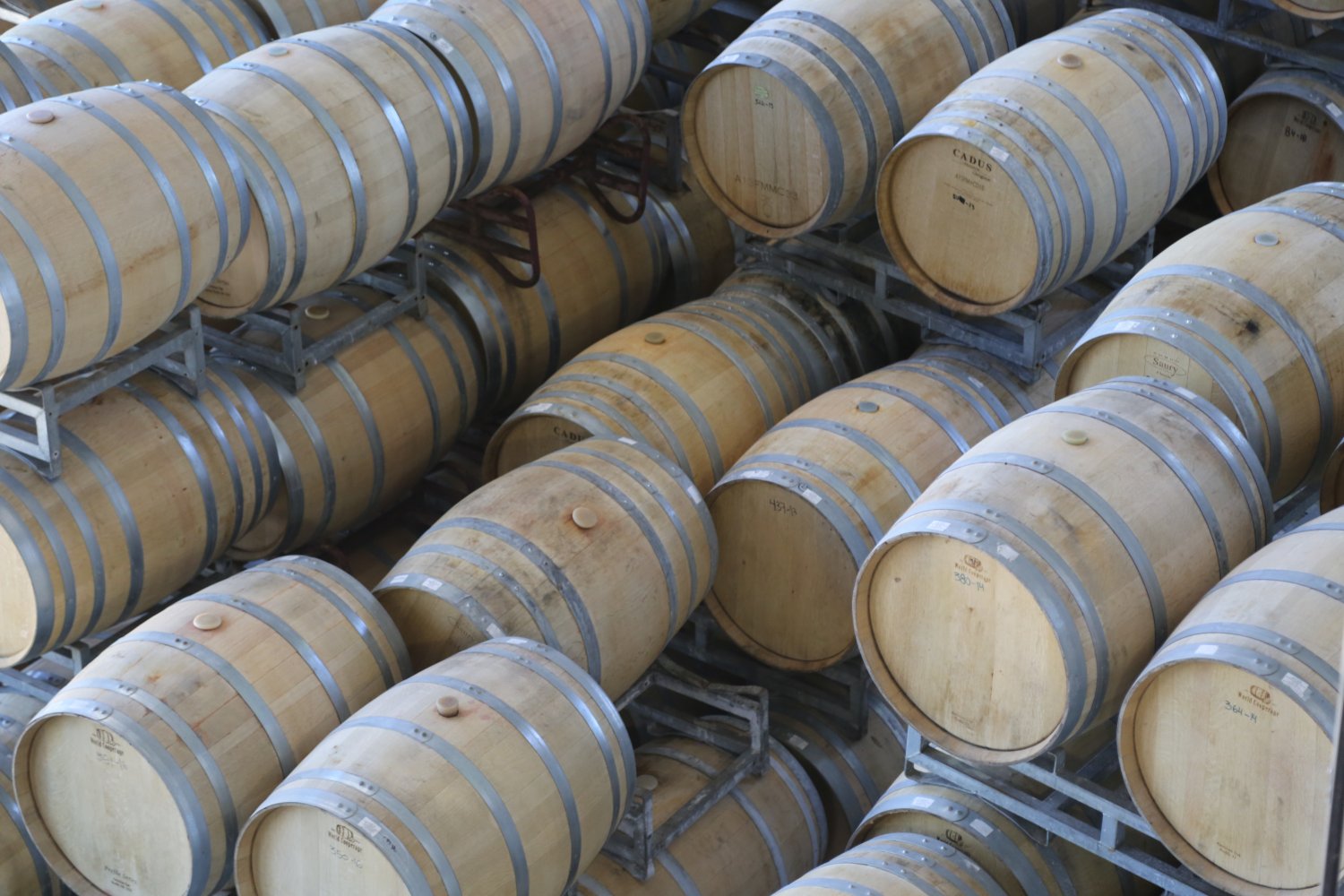
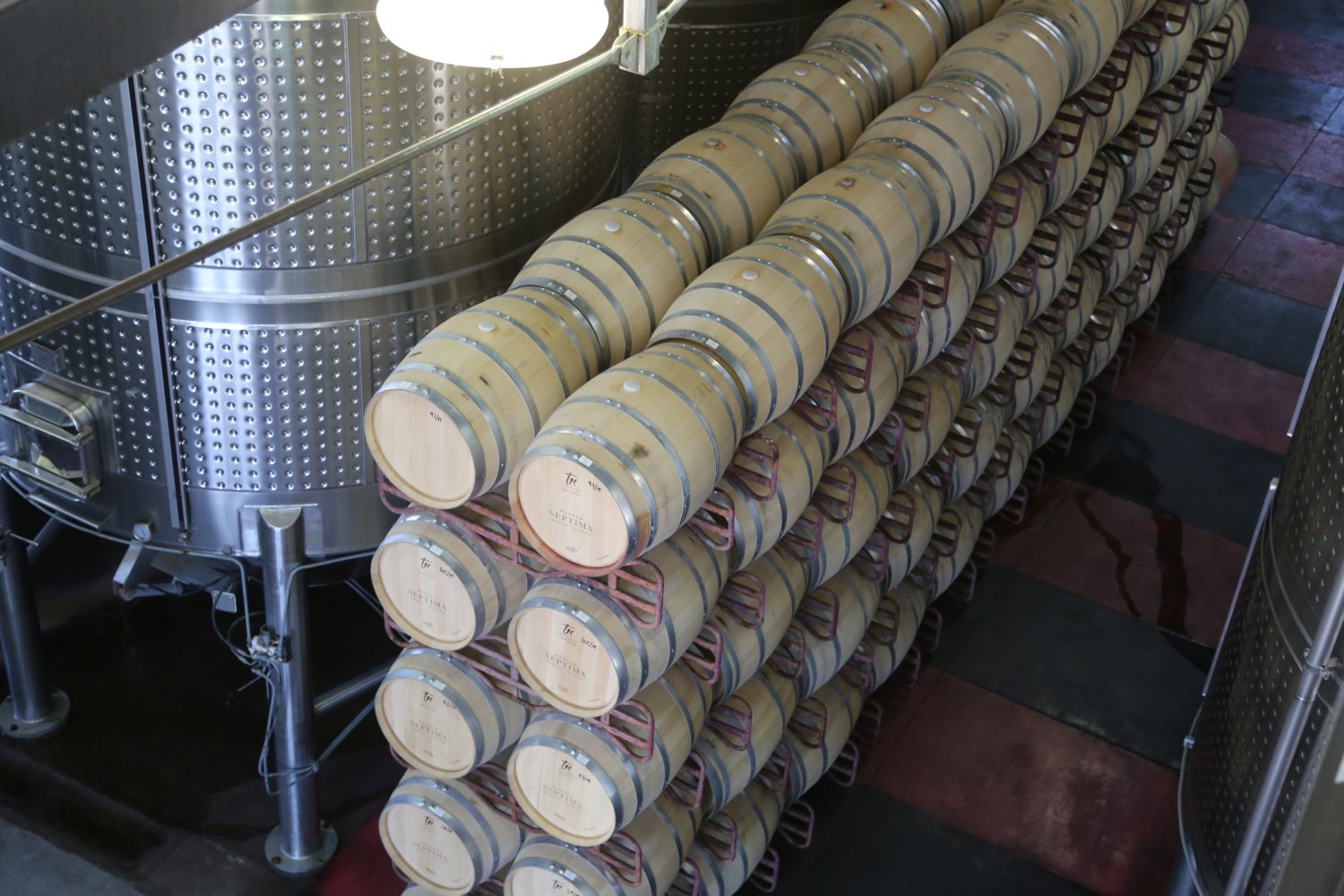
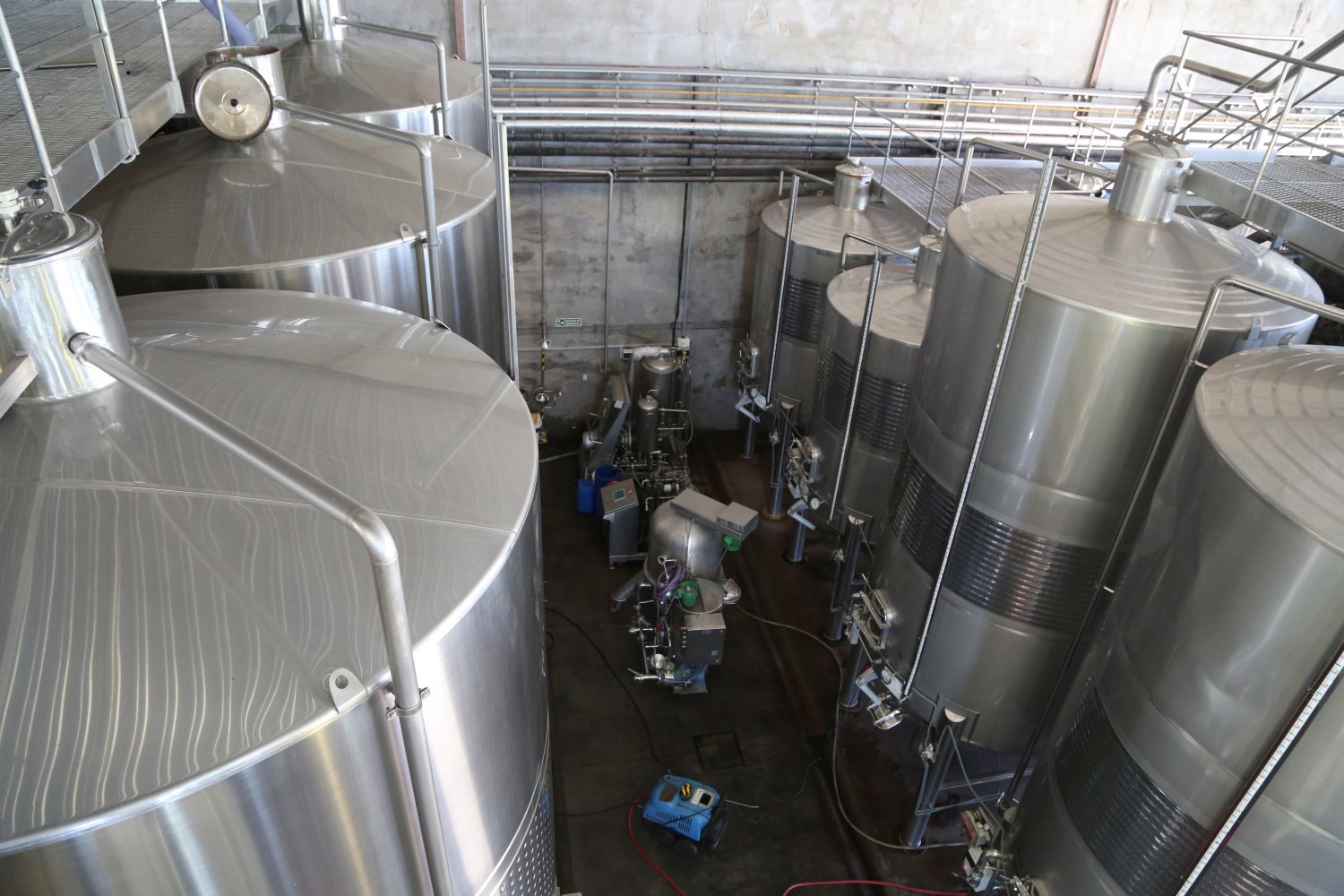
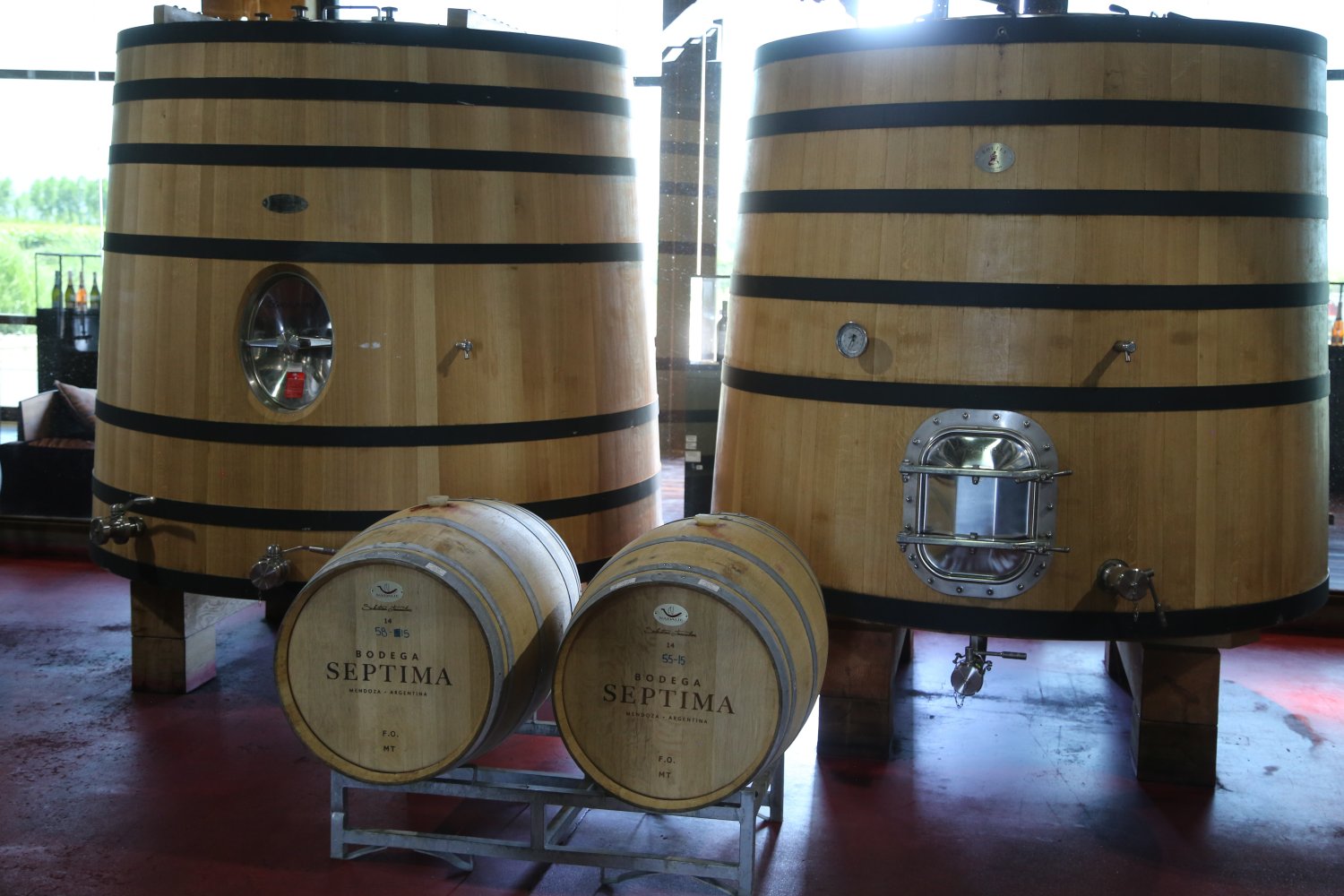
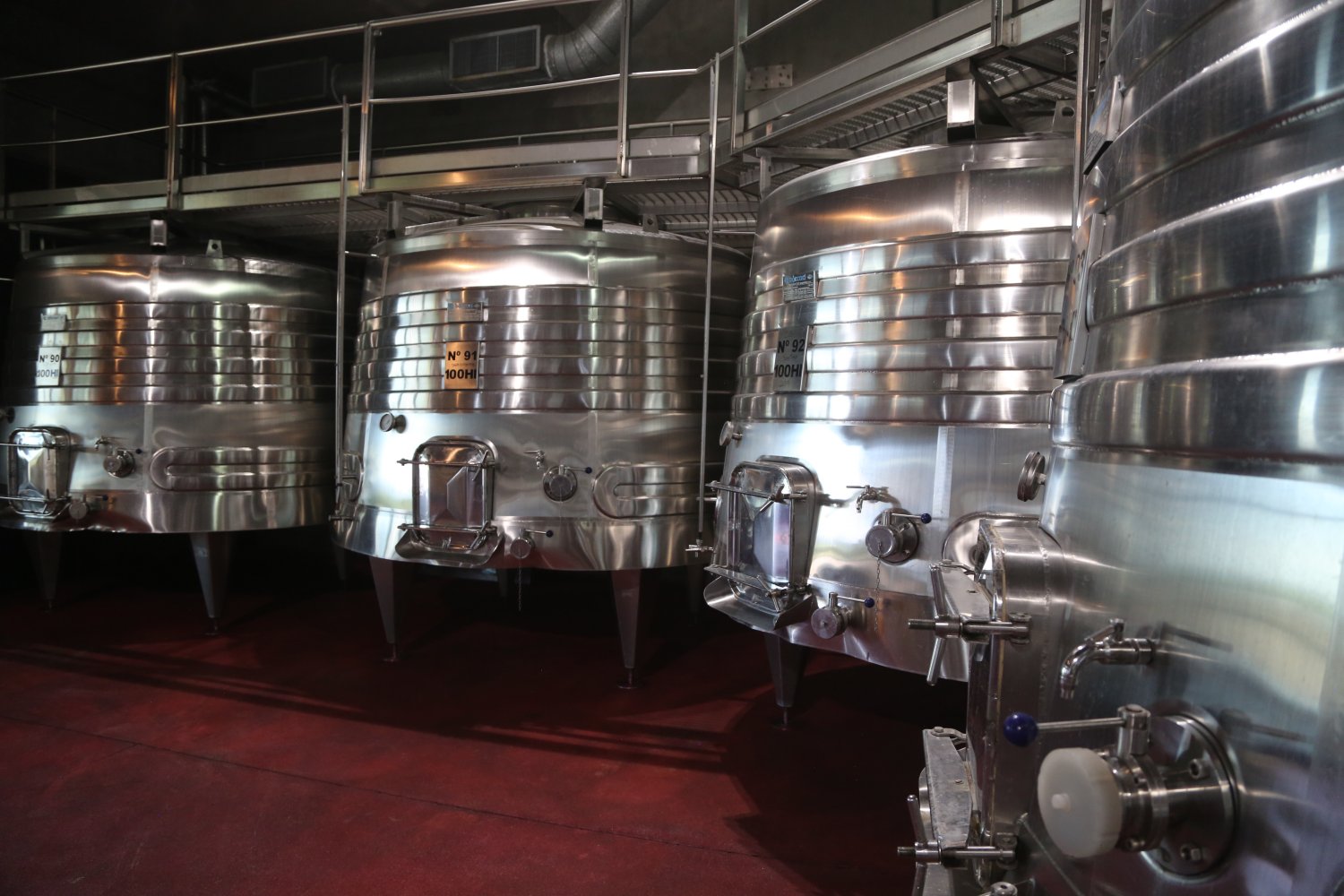
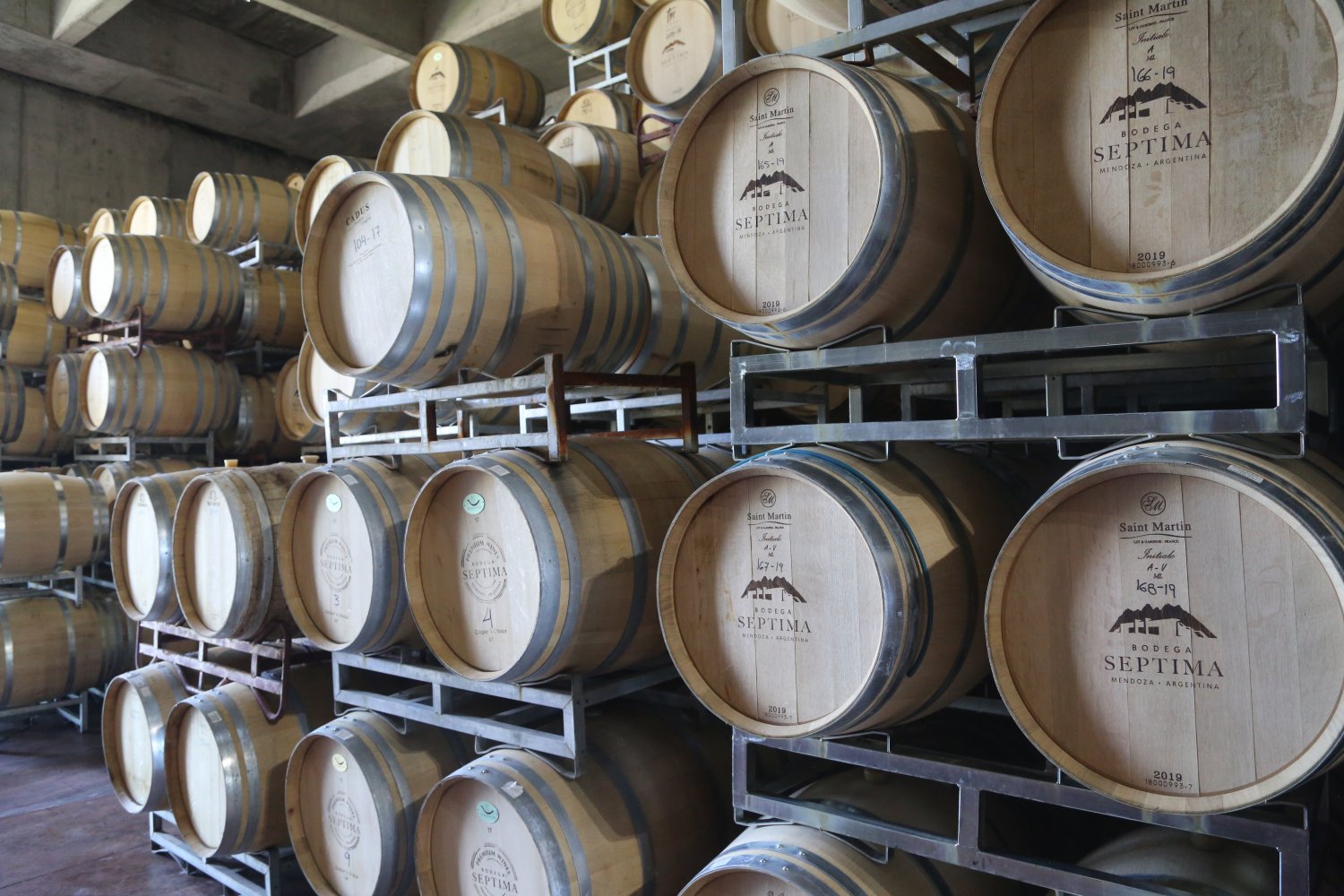
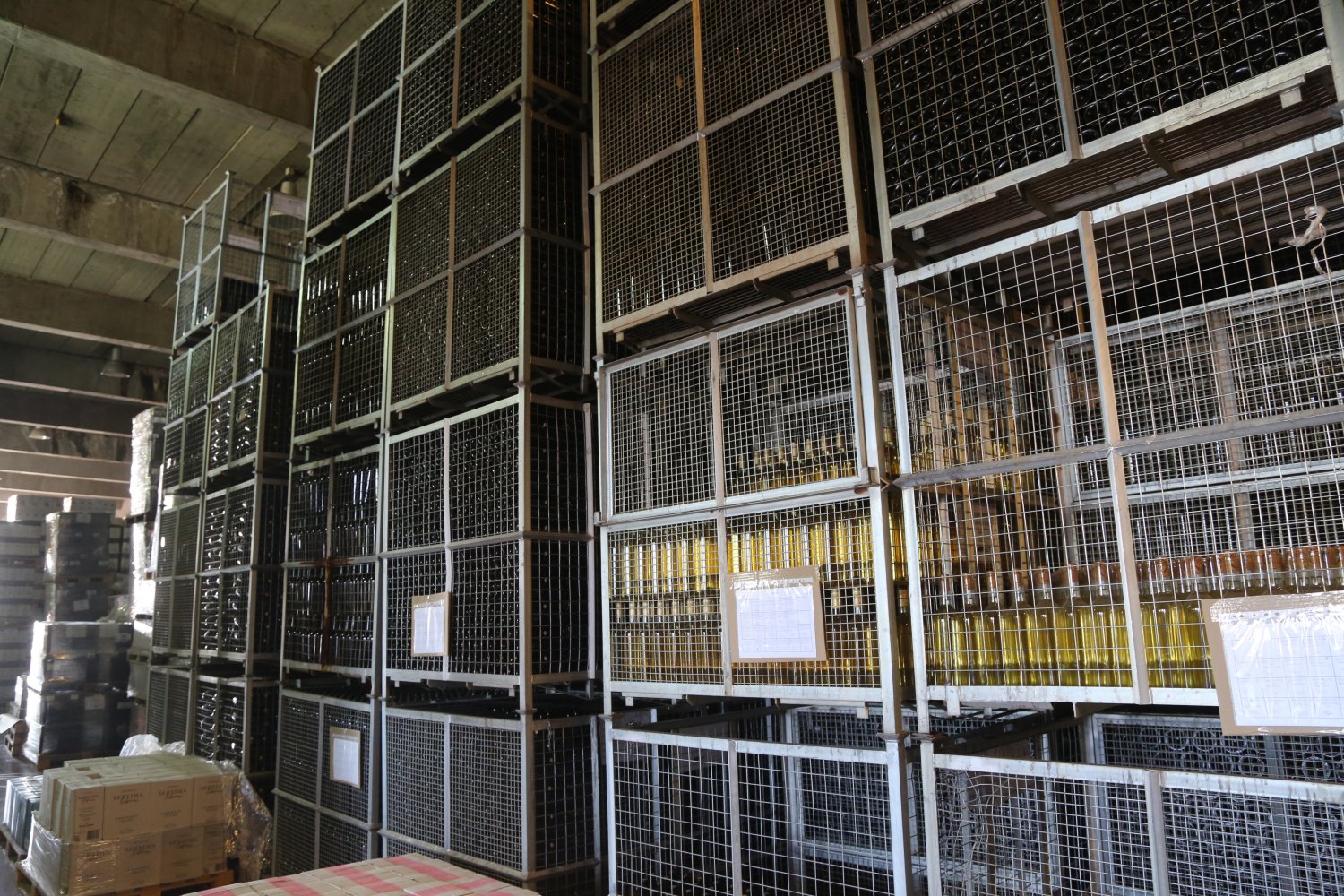
Tours (in English and Spanish) begin with a welcome wine at the elegant visitor center located on the first floor and then proceed up to the terrace for the wow views and some introductory history of the Raventos family as well as the history of Bodega Séptima. Tours continue into the cellar with a bird’s eye view looking down onto the tanks and barrels – followed by a stop in their warehouse to see hundreds and hundreds of cases of final product waiting to be shipped. Tours last about 40 minutes and can either be followed by a tasting or a lunch at the Maria Restaurant with a pairing of current release wines.
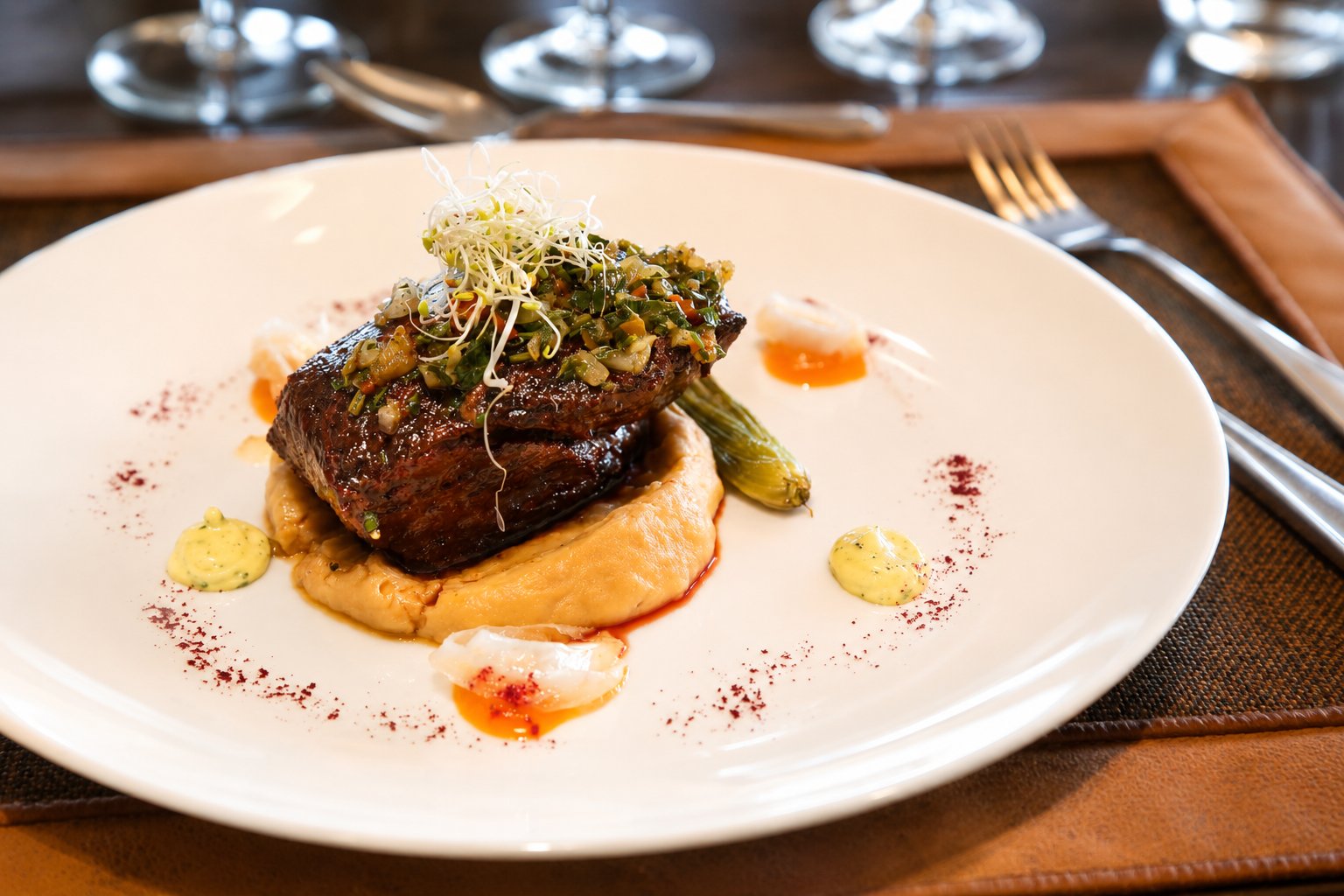
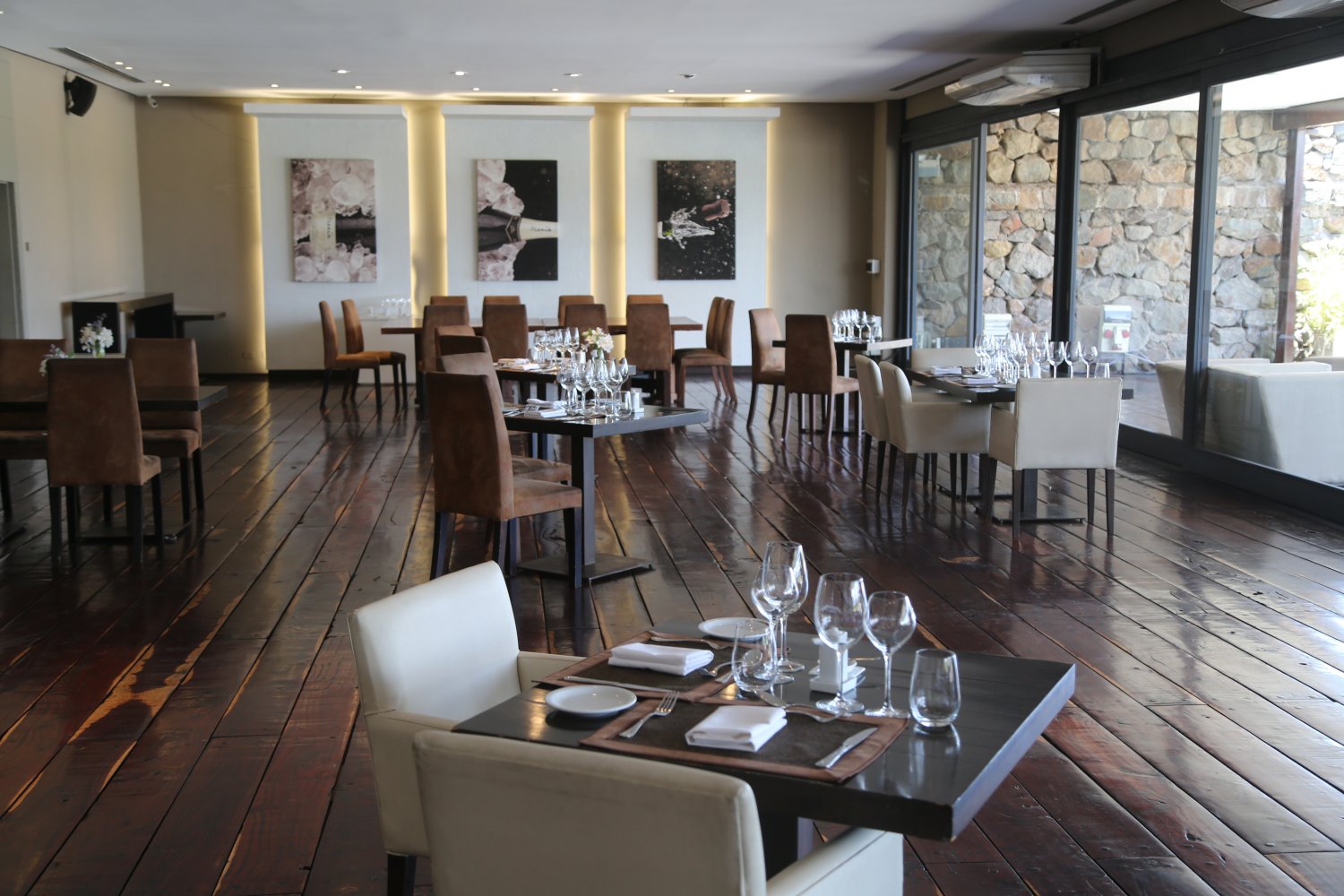
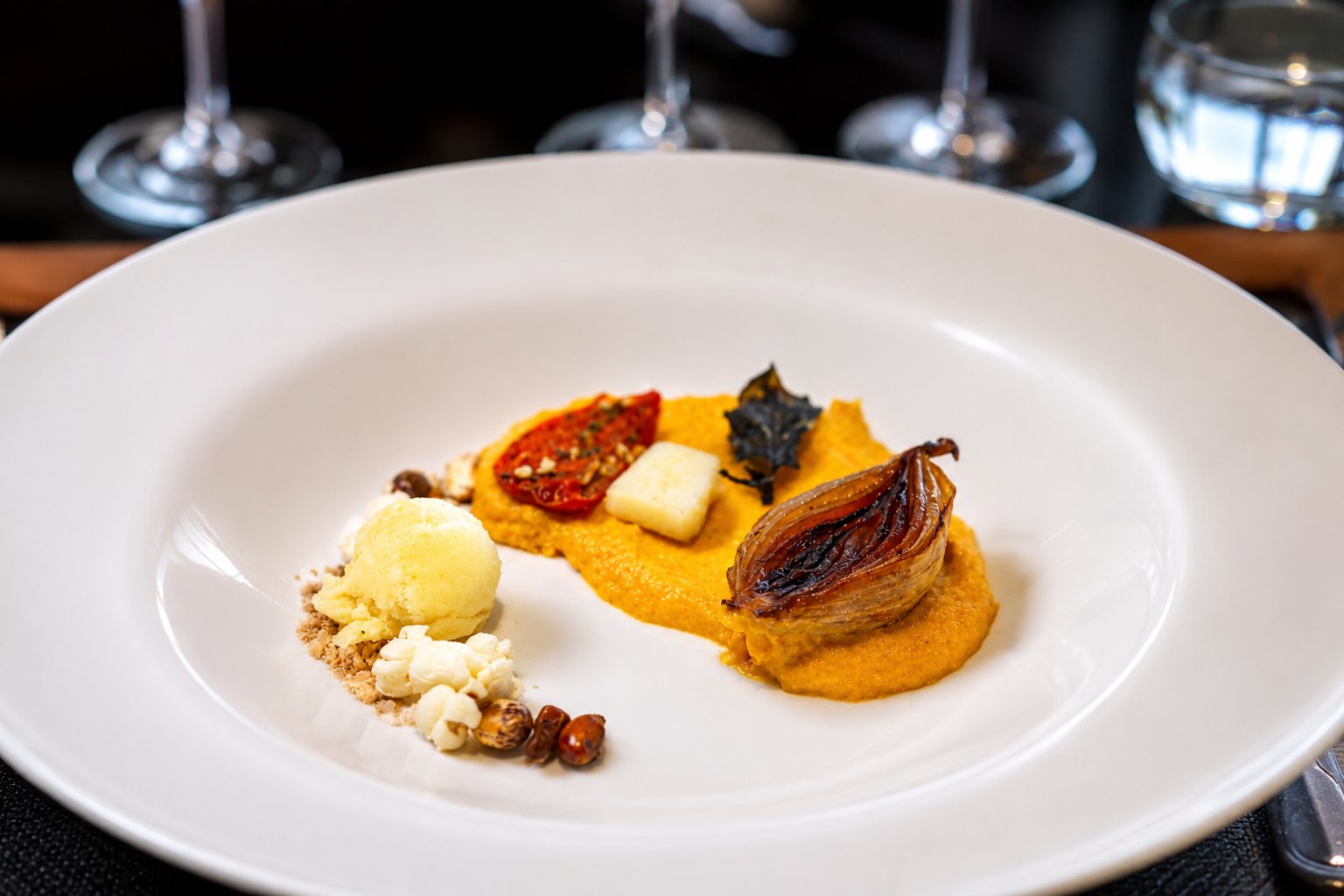
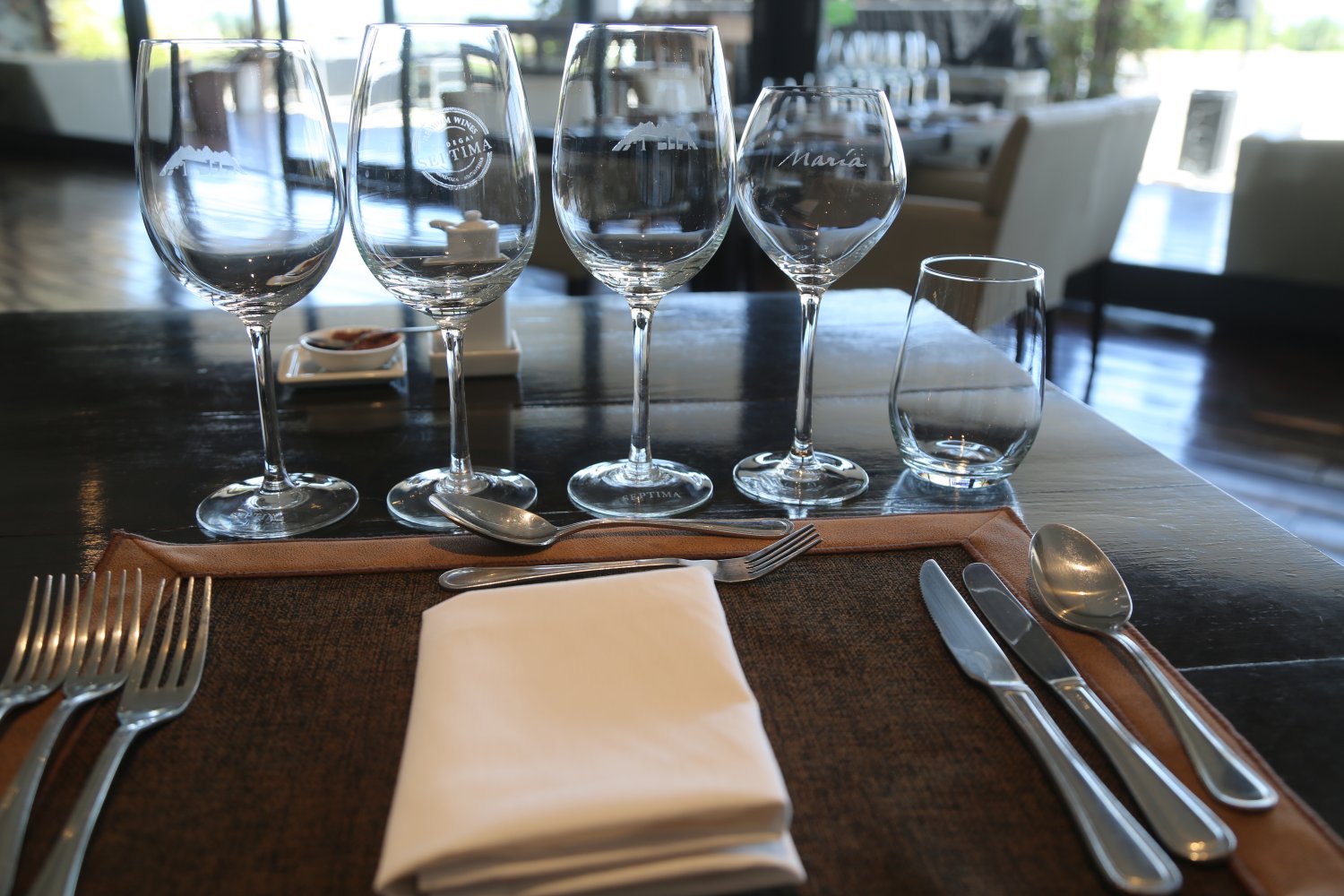
Unlike the Napa Valley where regulations prohibit wineries from also operating restaurants, wineries in Mendoza with restaurants are quite common. Maria Restaurant is located upstairs and features a regional cuisine which complements their wines. The menu changes seasonally and uses fresh products and ingredients sourced locally as much as possible. Plenty of seating with lots of space between tables – windows on one side of the restaurant overlook the vines and the Andes. A sommelier will present each of the wines during the pairings. An outdoor patio area is often used for special culinary events.
Total production is between 60,00 to 80,000 cases per year – with select distribution across 6 continents. A variety of oak is used within the winery including American, French, Hungarian and at the time of one of our visits, the winemaking team was conducting small experiments with both Slovenian and Romanian oak barrels.
vineyards
winery

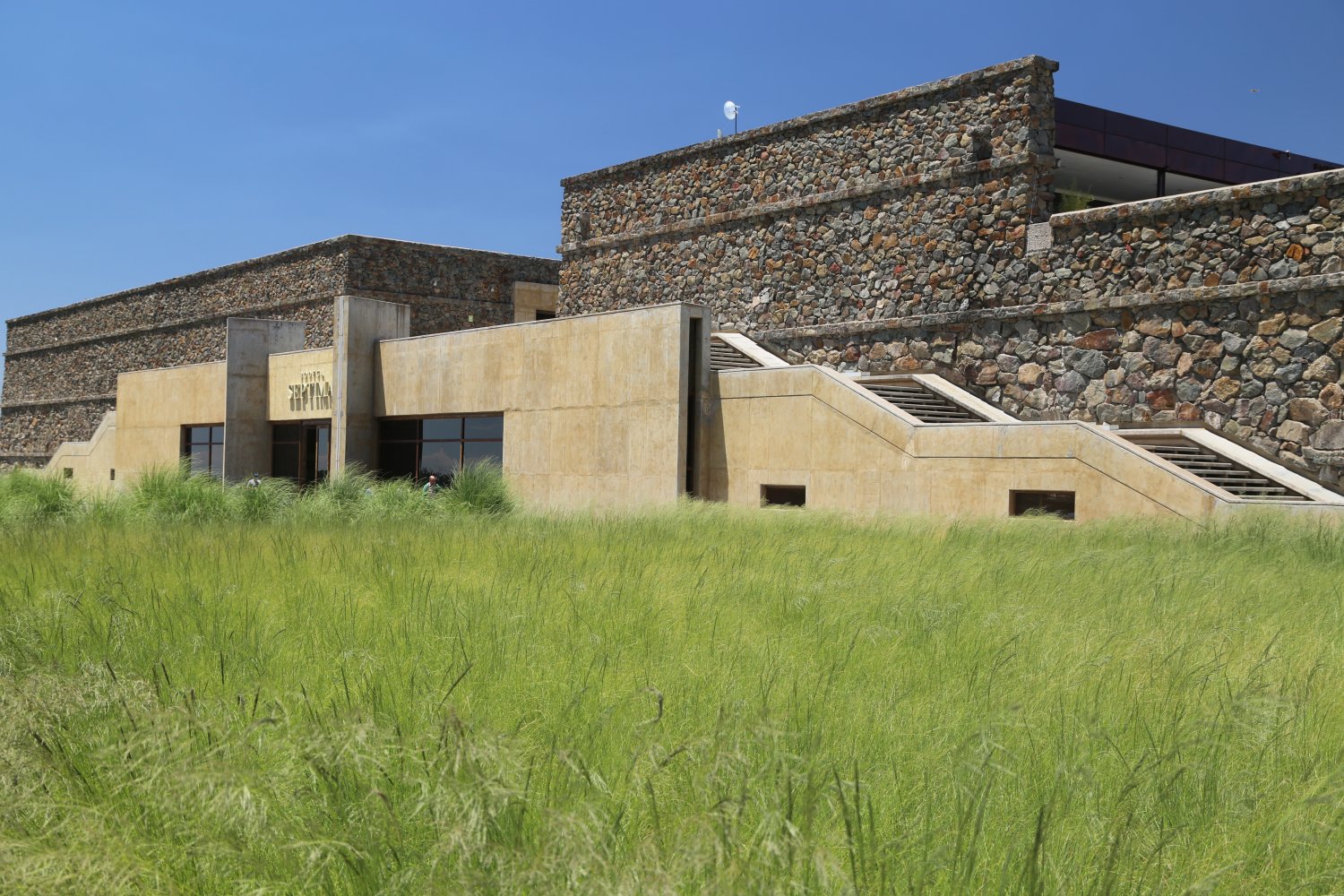
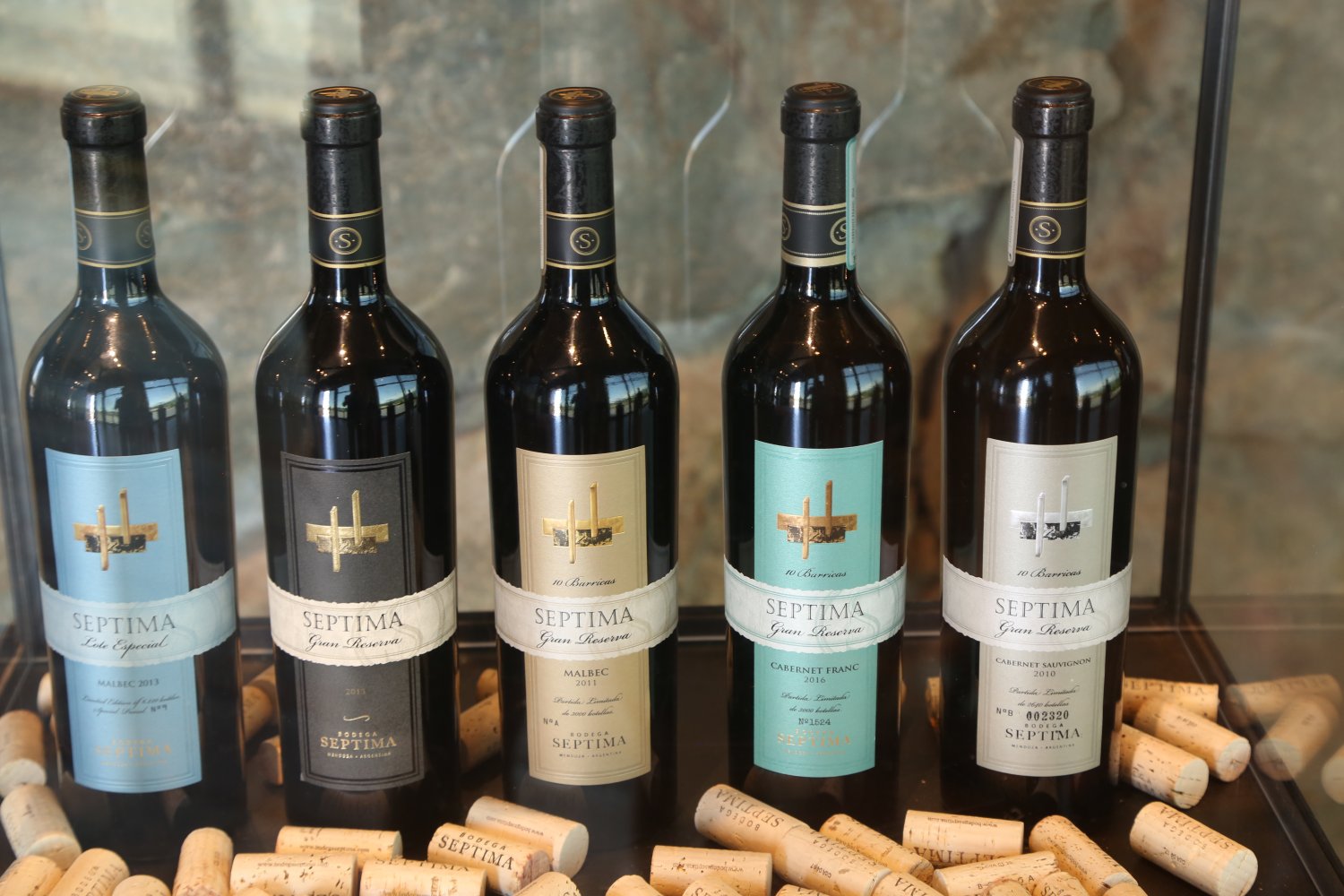
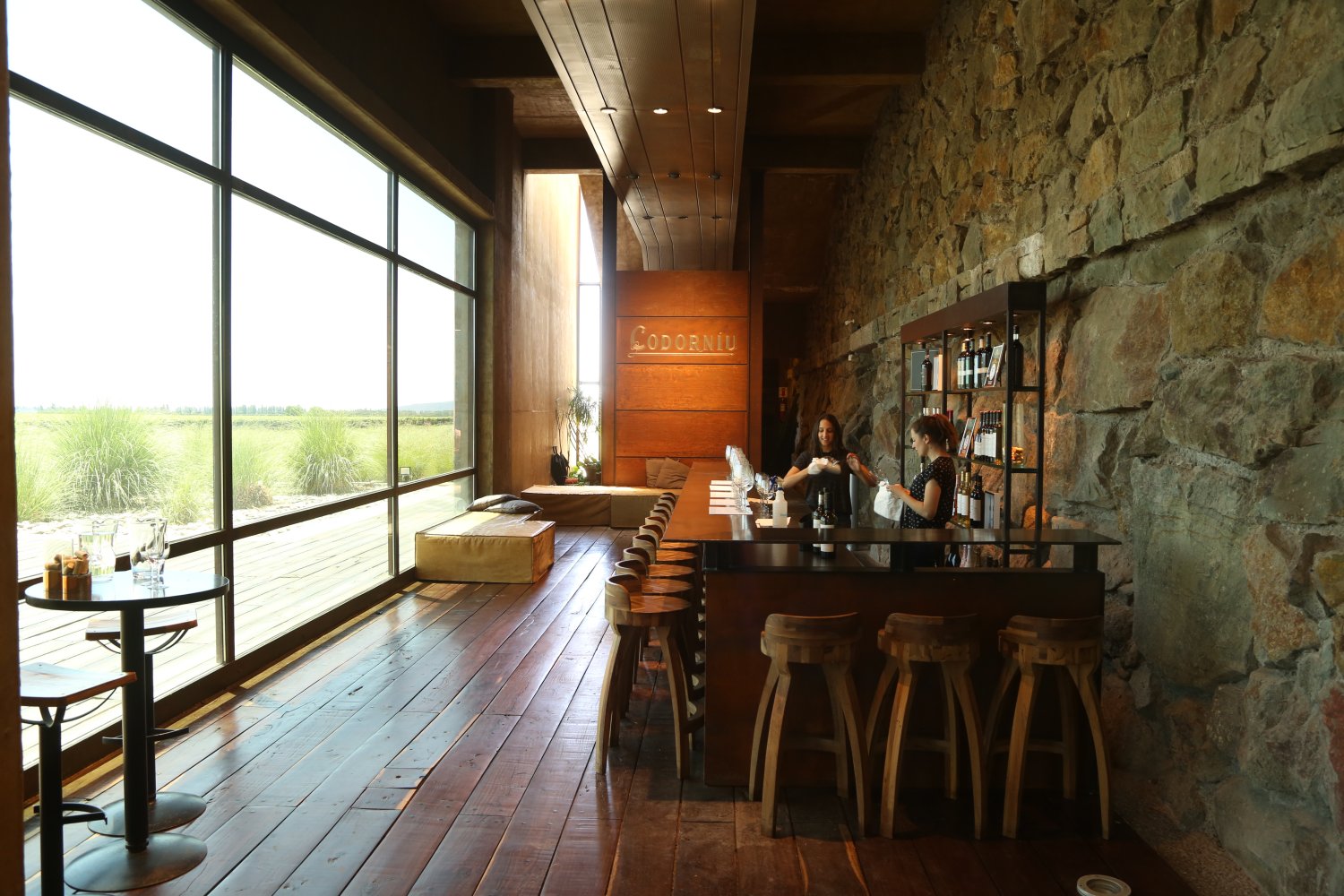
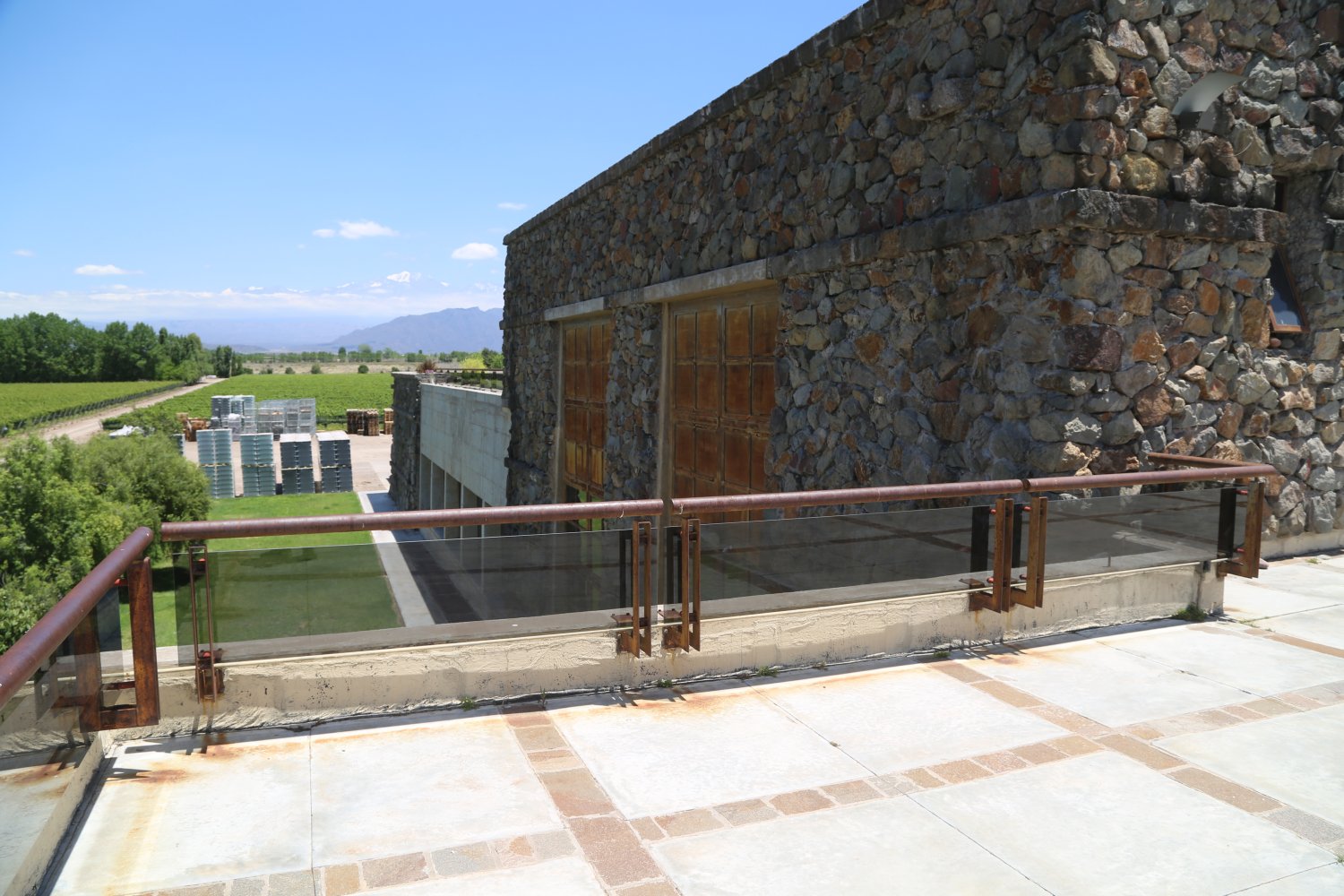
maria restaurant
Tasted your 2011 Limited Release Meritage and loved it. Planning on stopping by to visit next week (thanksgiving weekend) to get bottle. I was truly impressed!
Thanks!
PS Any special hours?
Daniel – Artesa is typically open from 10am until 5pm (last pour is usually at 430pm) – sometimes their winter versus summer hours vary slightly. Check their website for the current information.
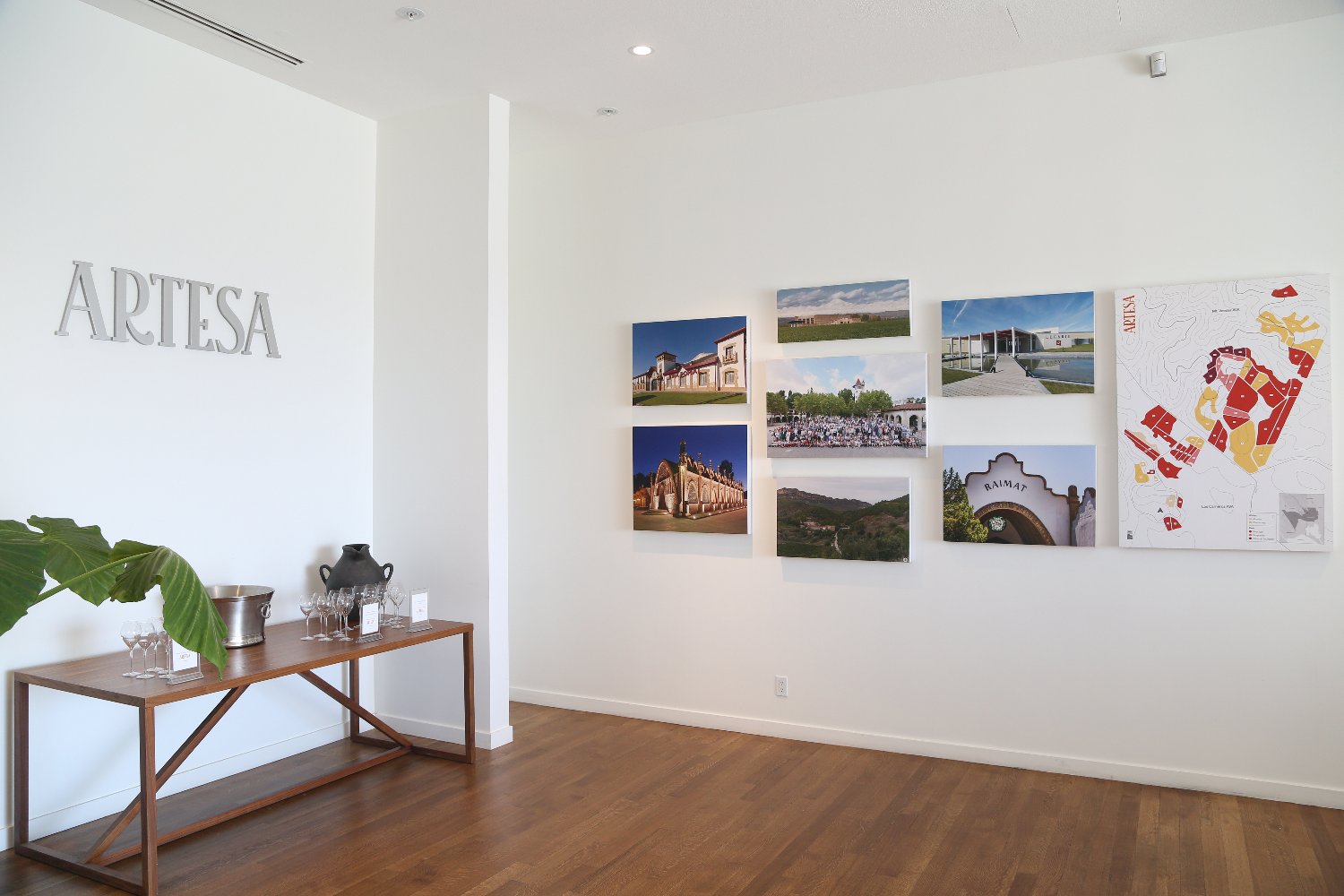
I’m tired of walking into Artesa and seeing the photos to the right on the wall of all their properties – and not yet having visited all these. *This will be changing over the next year* and soon we will be able to walk into Artesa and tell our clients more information about each of the properties under the Raventos ownership from first hand knowledge 🙂