



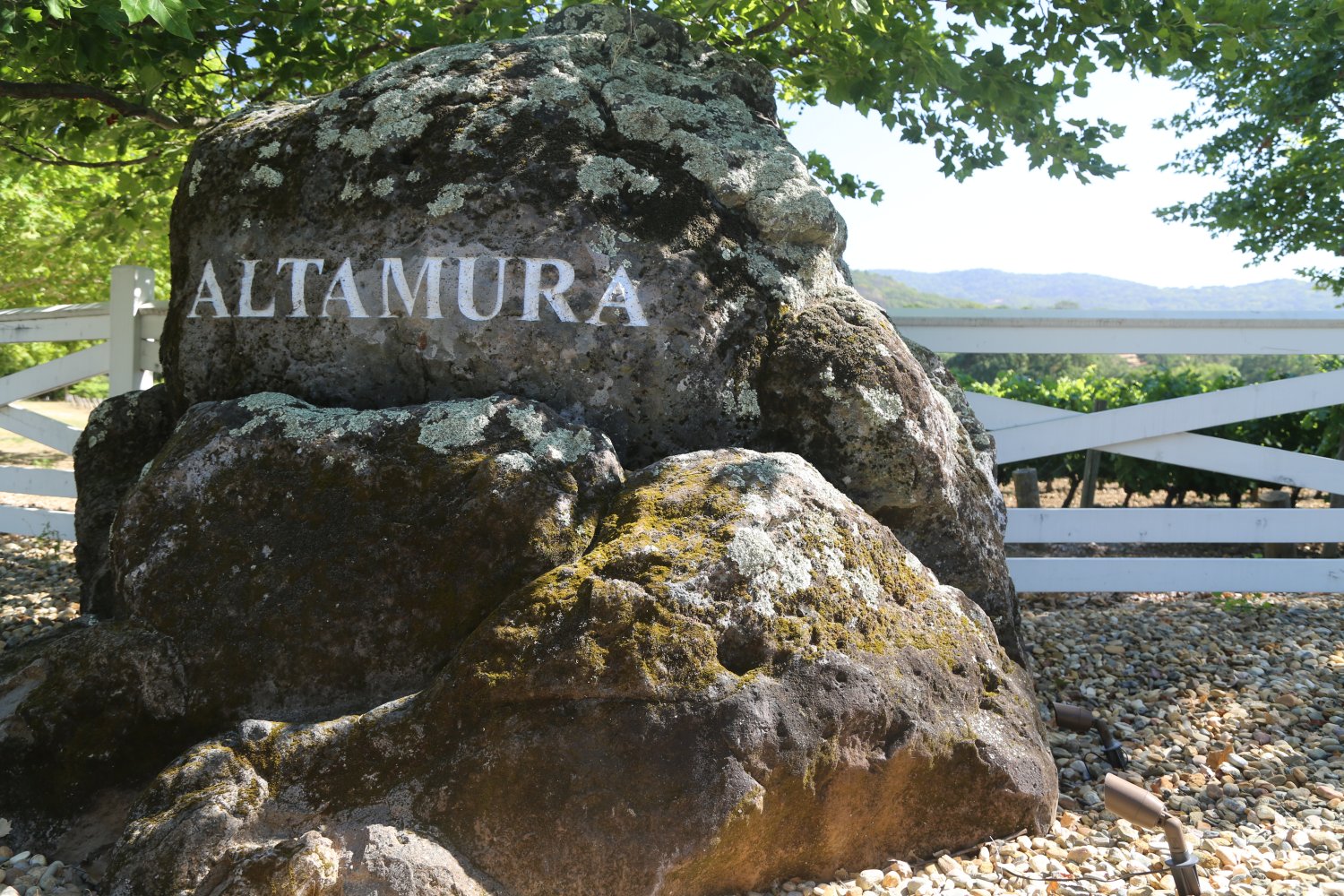
 Altamura Winery is located about 25 minutes east of the city of Napa in Wooden Valley and was established in 1985 by Frank and Karen Altamura. Their early focus was on Chardonnay; in fact, the first vintage of Altamura wine ever produced was the 1985 Chardonnay which earned a 91 point score from the Wine Spectator. The first Altamura red wine was a Cabernet Sauvignon from 1986.
Perhaps this is the furthest winery from the city of Napa that still has a Napa address; it is also one of the more easterly located wineries within Napa County. However, with that said, despite being in the country, the drive from the city of Napa is a pleasant one, with much of the trip spent winding through the hills. This was not the first location for Altamura Winery; originally the winery was located on Silverado Trail on 70 acres on the site of what is now Darioush Winery until that property was sold in 1997. The early Altamura wines were from several family owned sites next to the Silverado Trail.
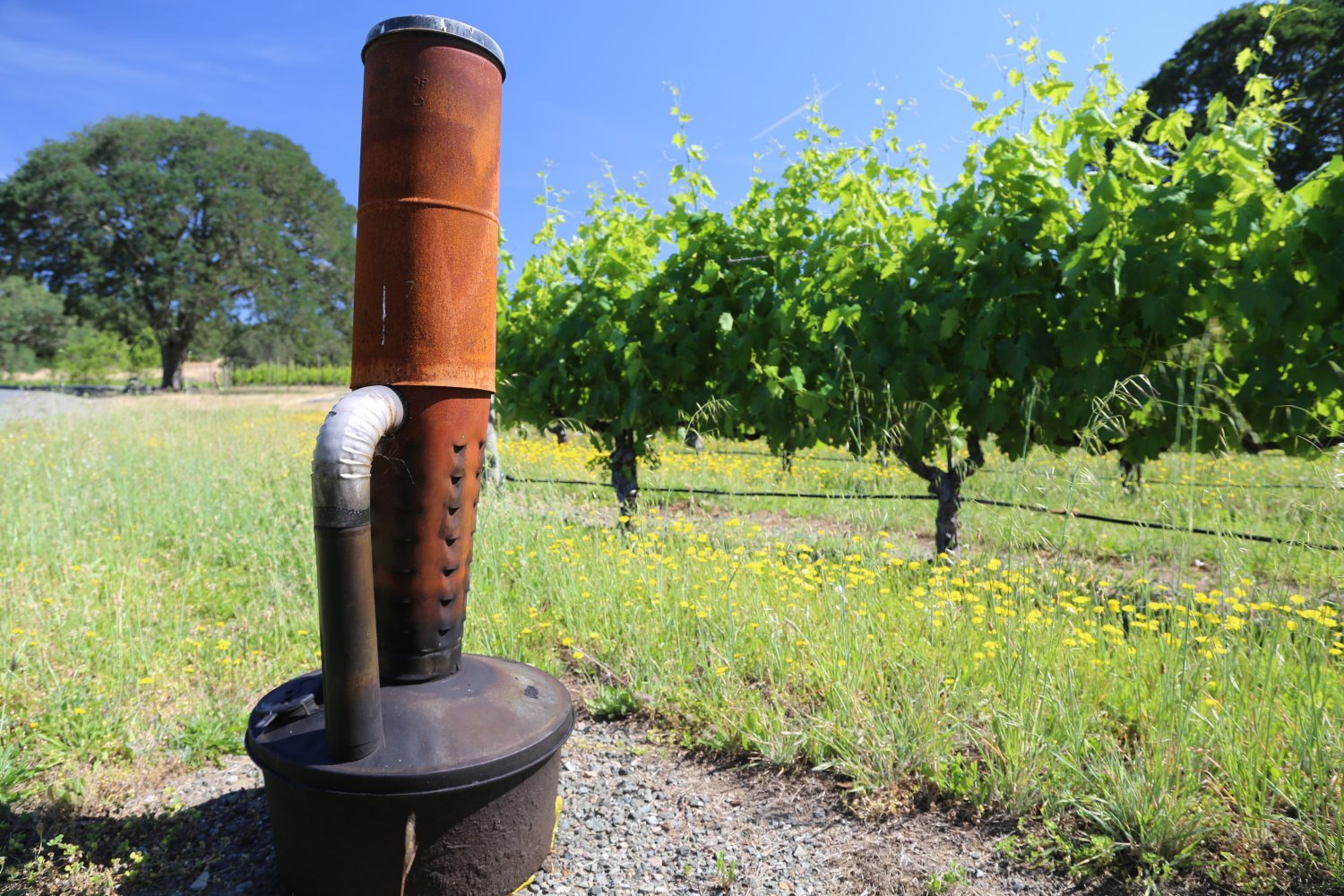
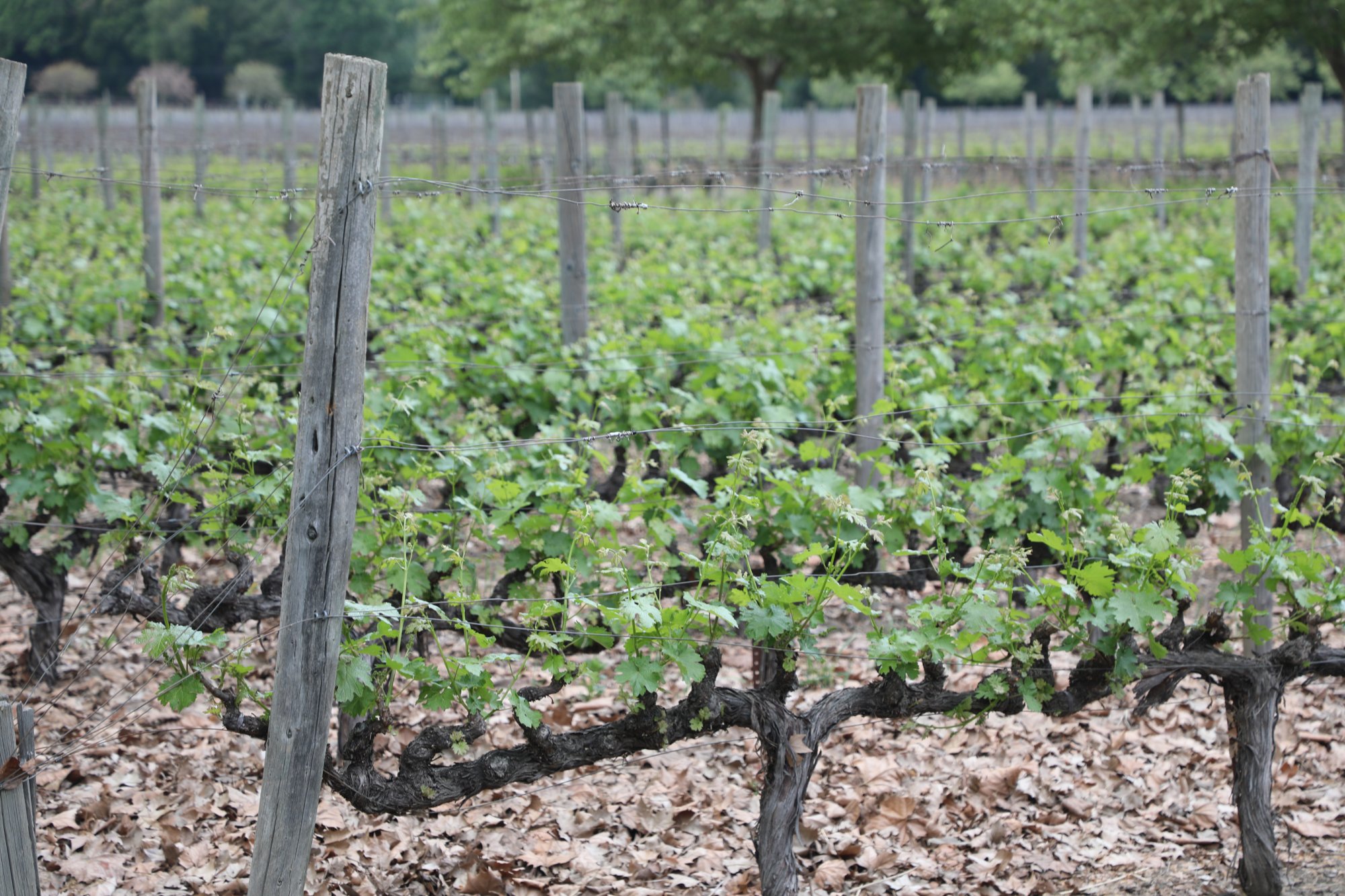
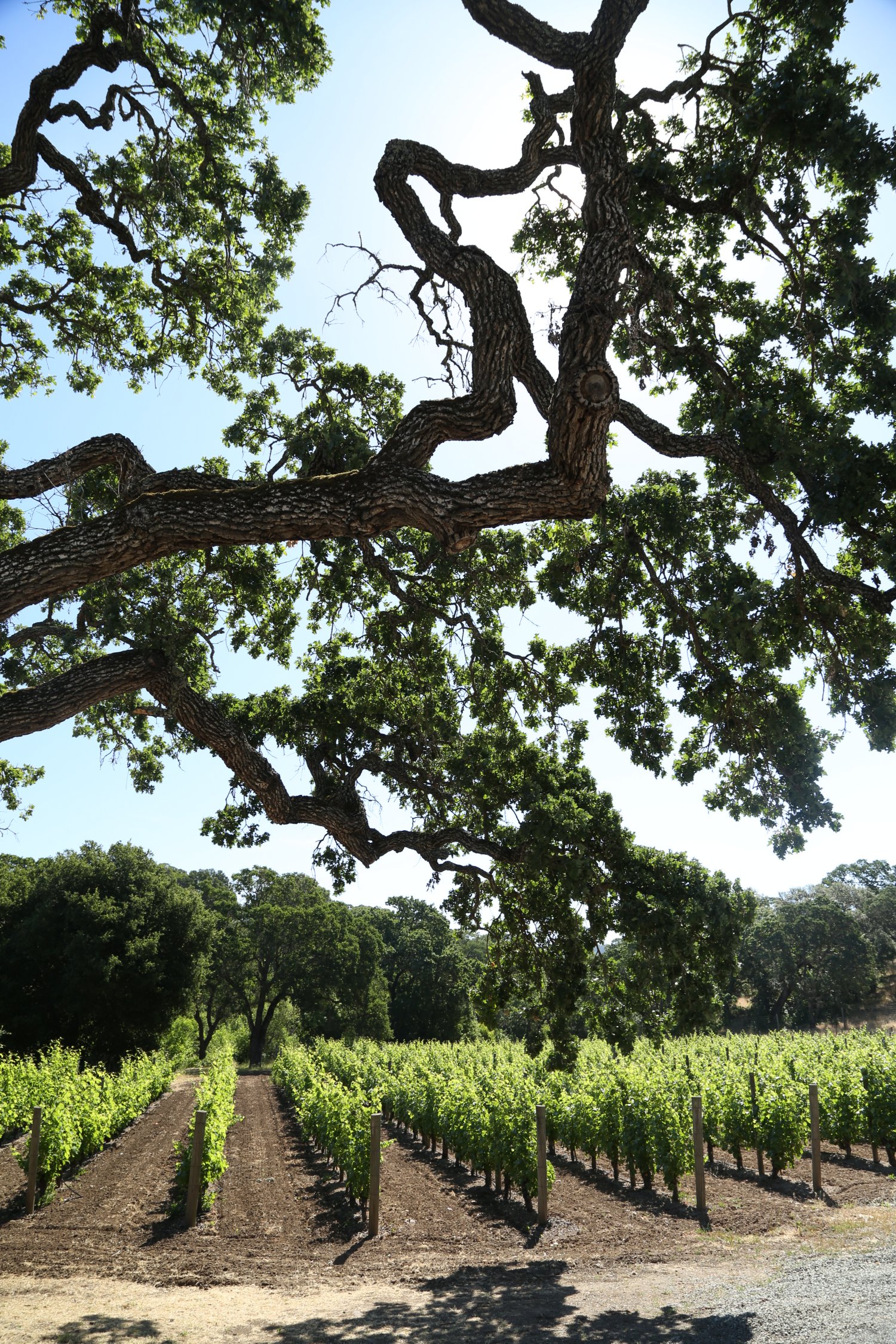
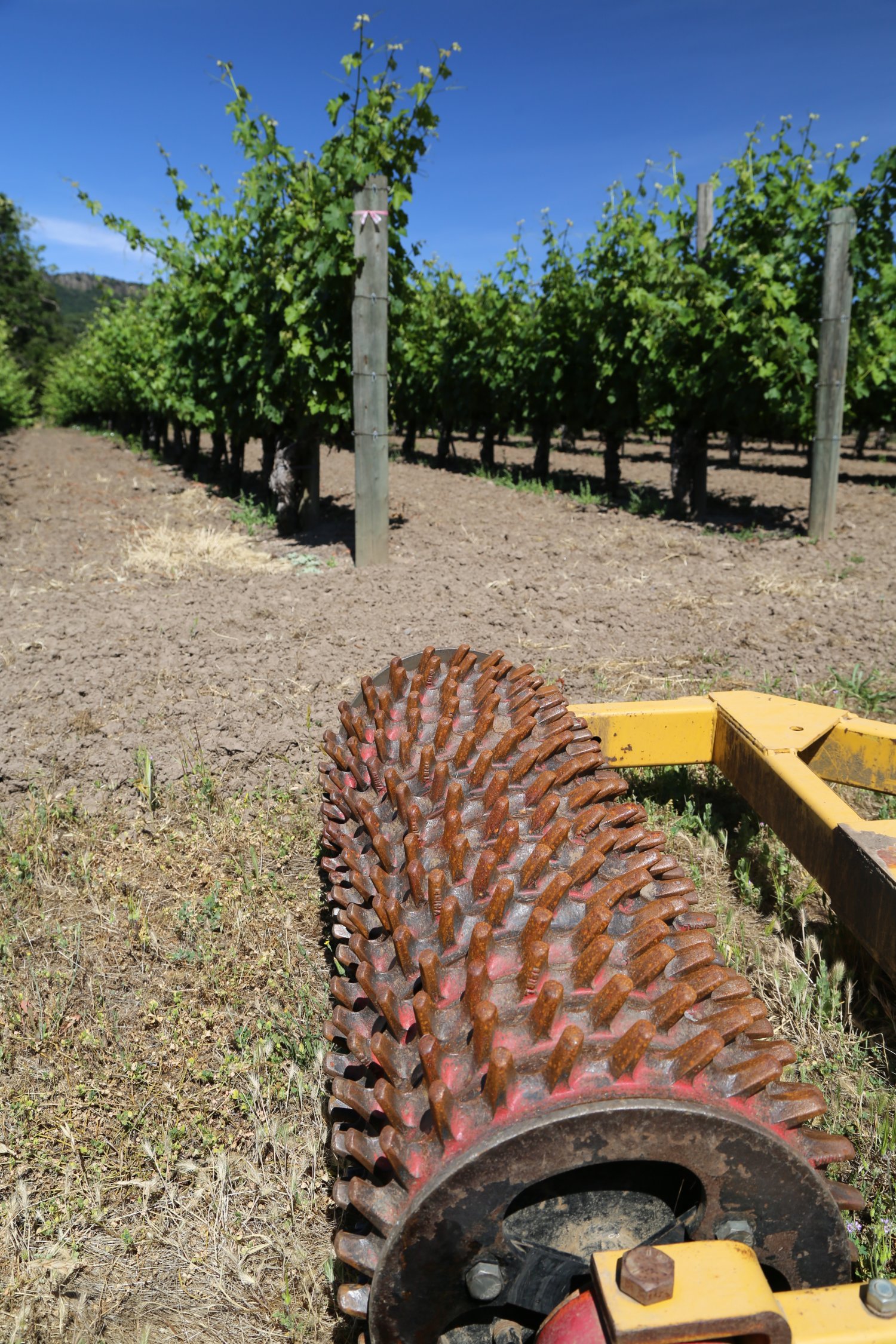
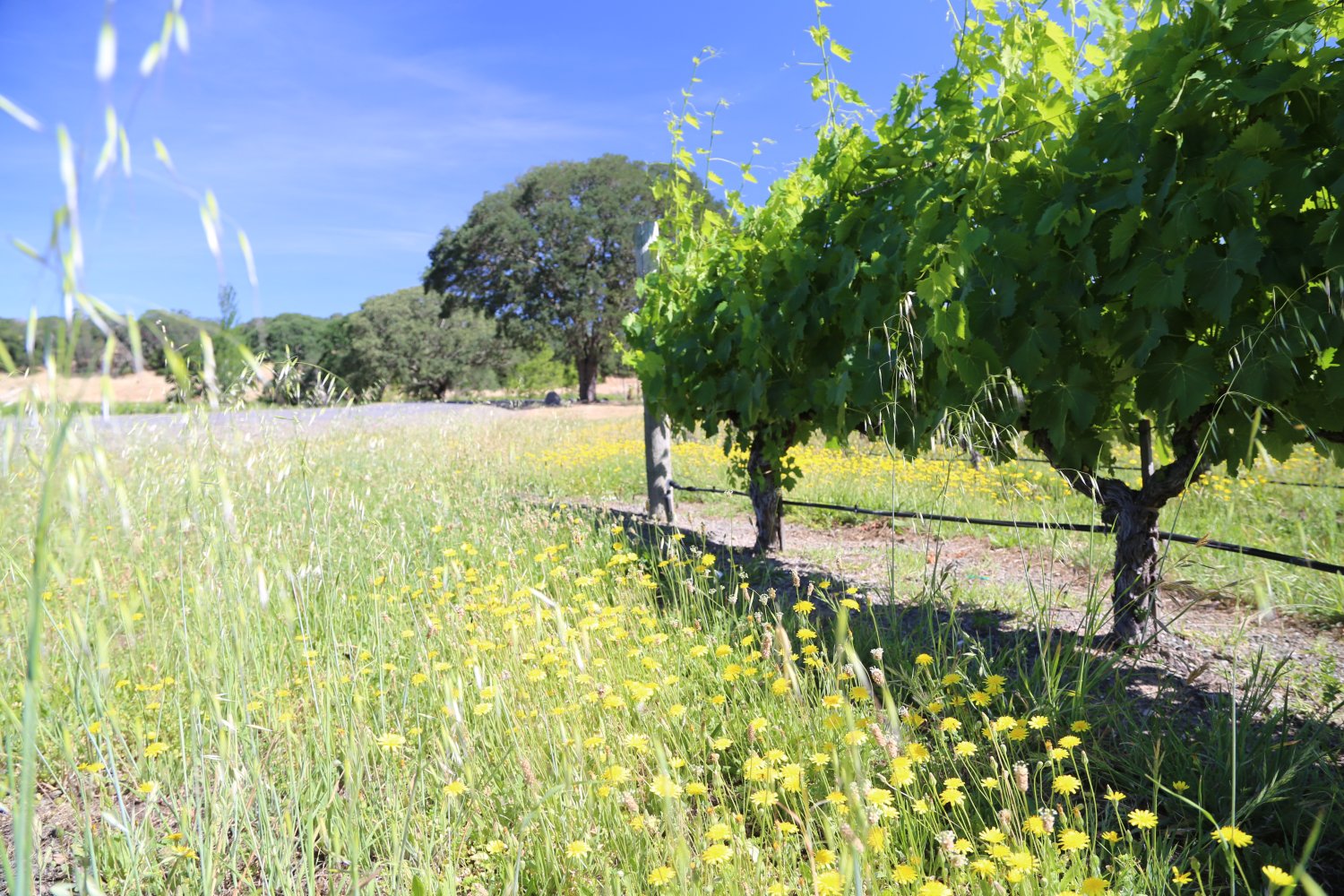
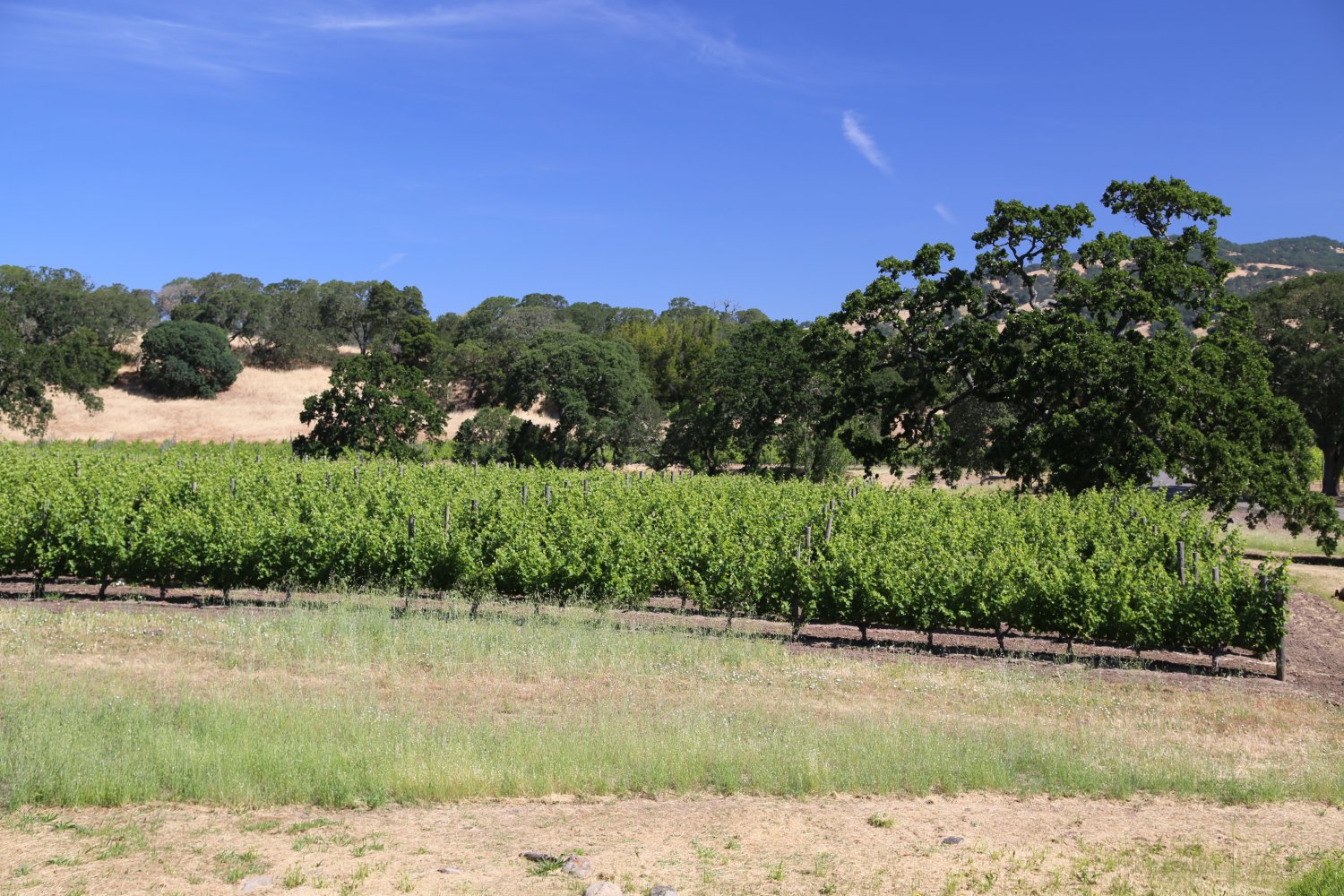
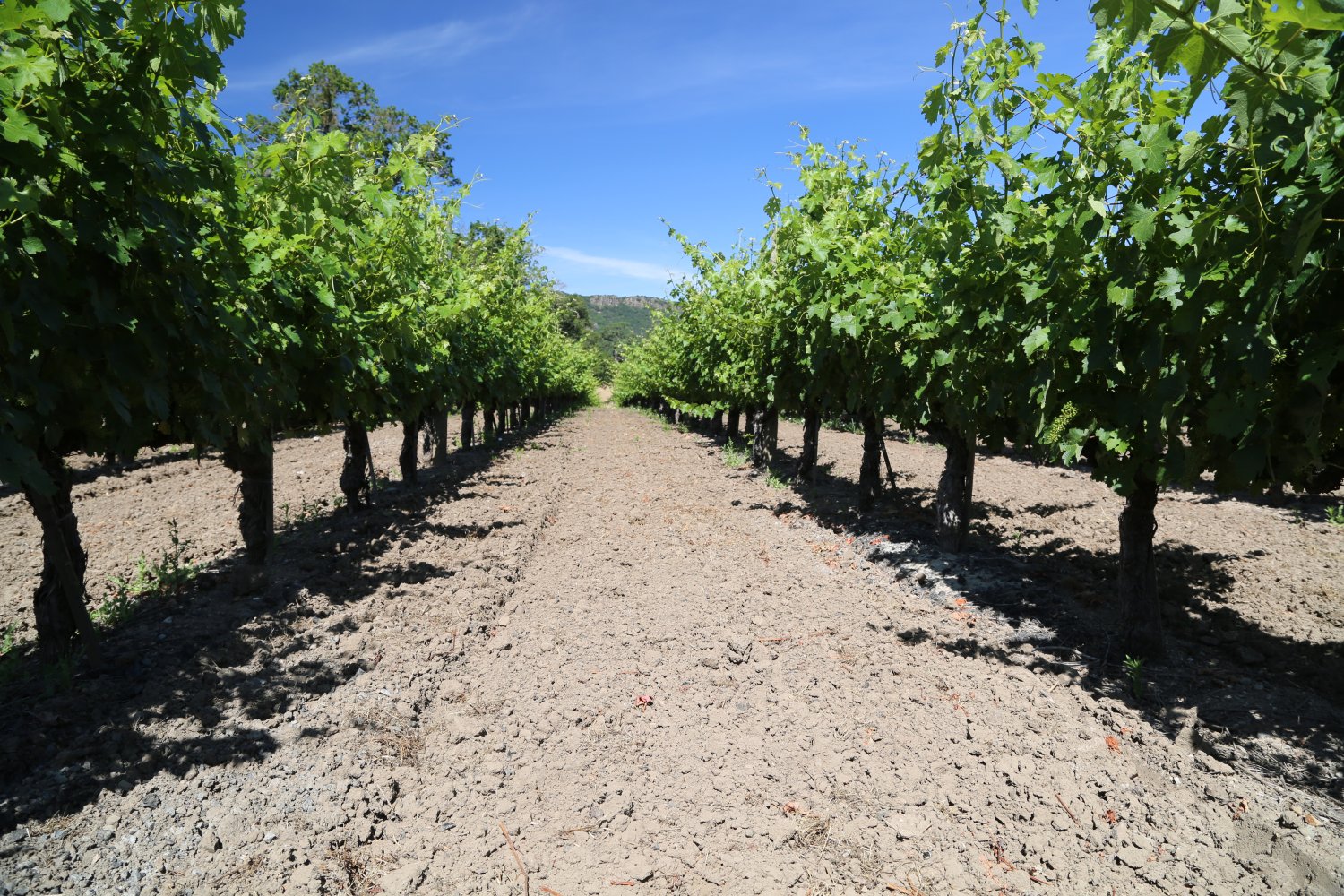
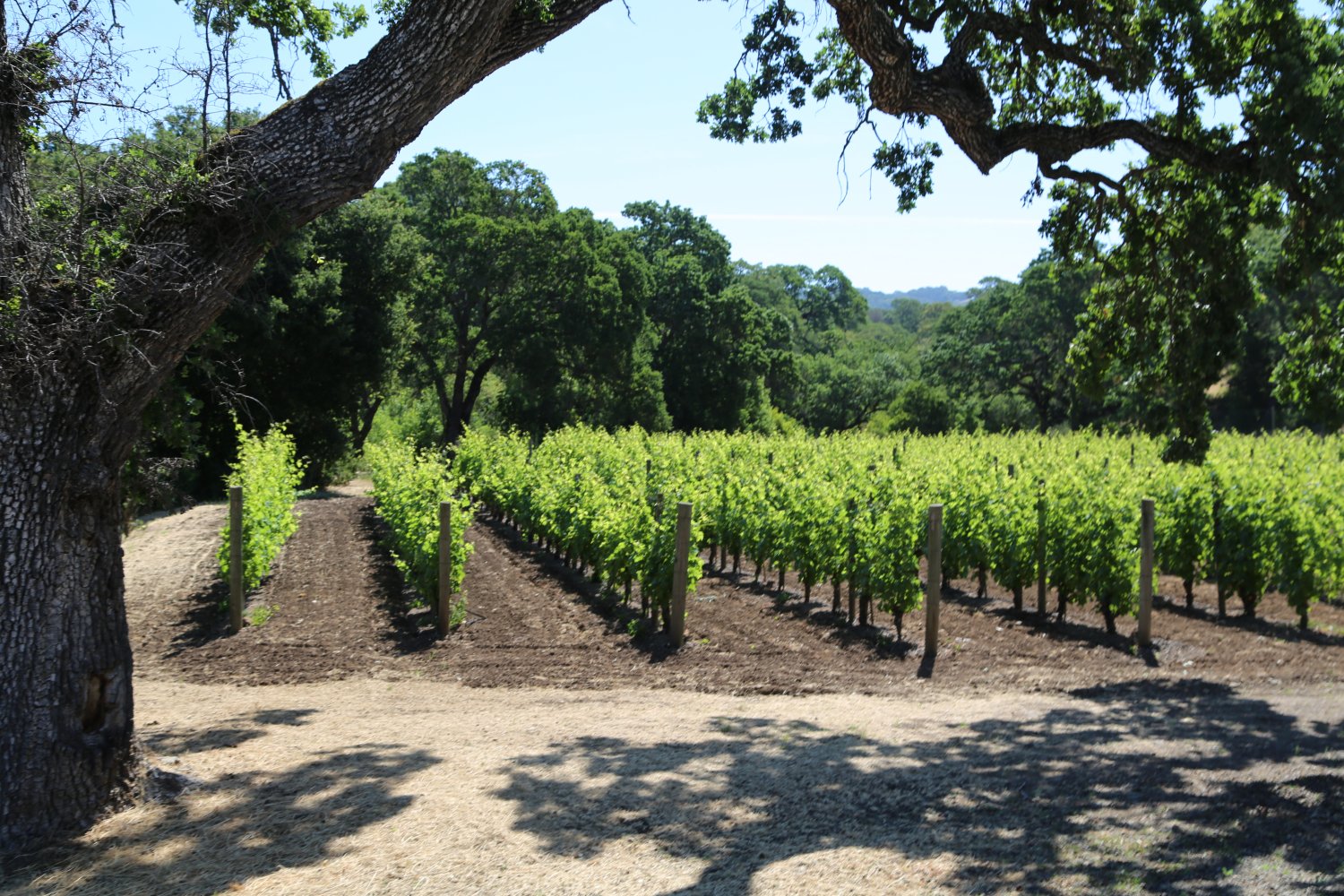
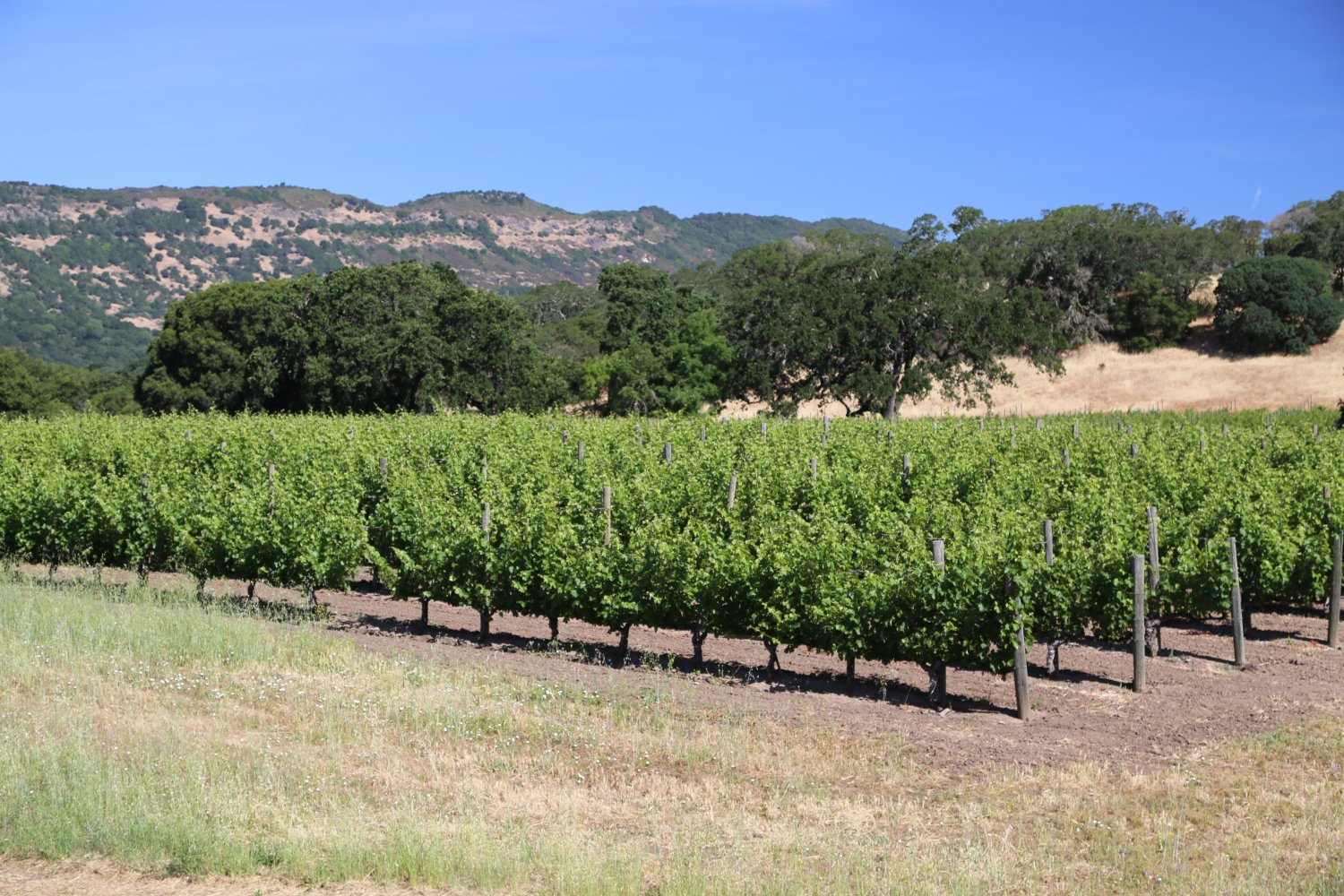
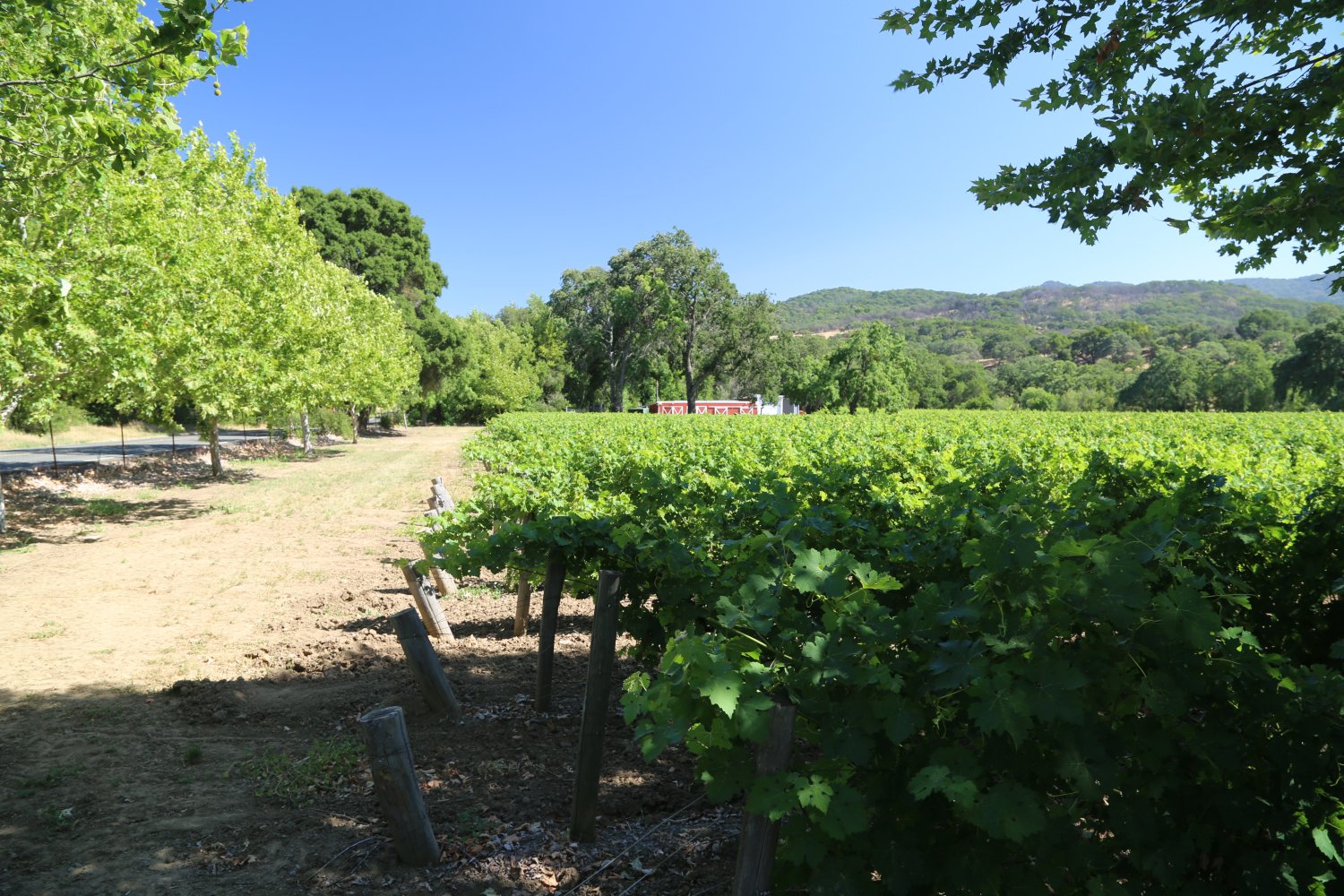
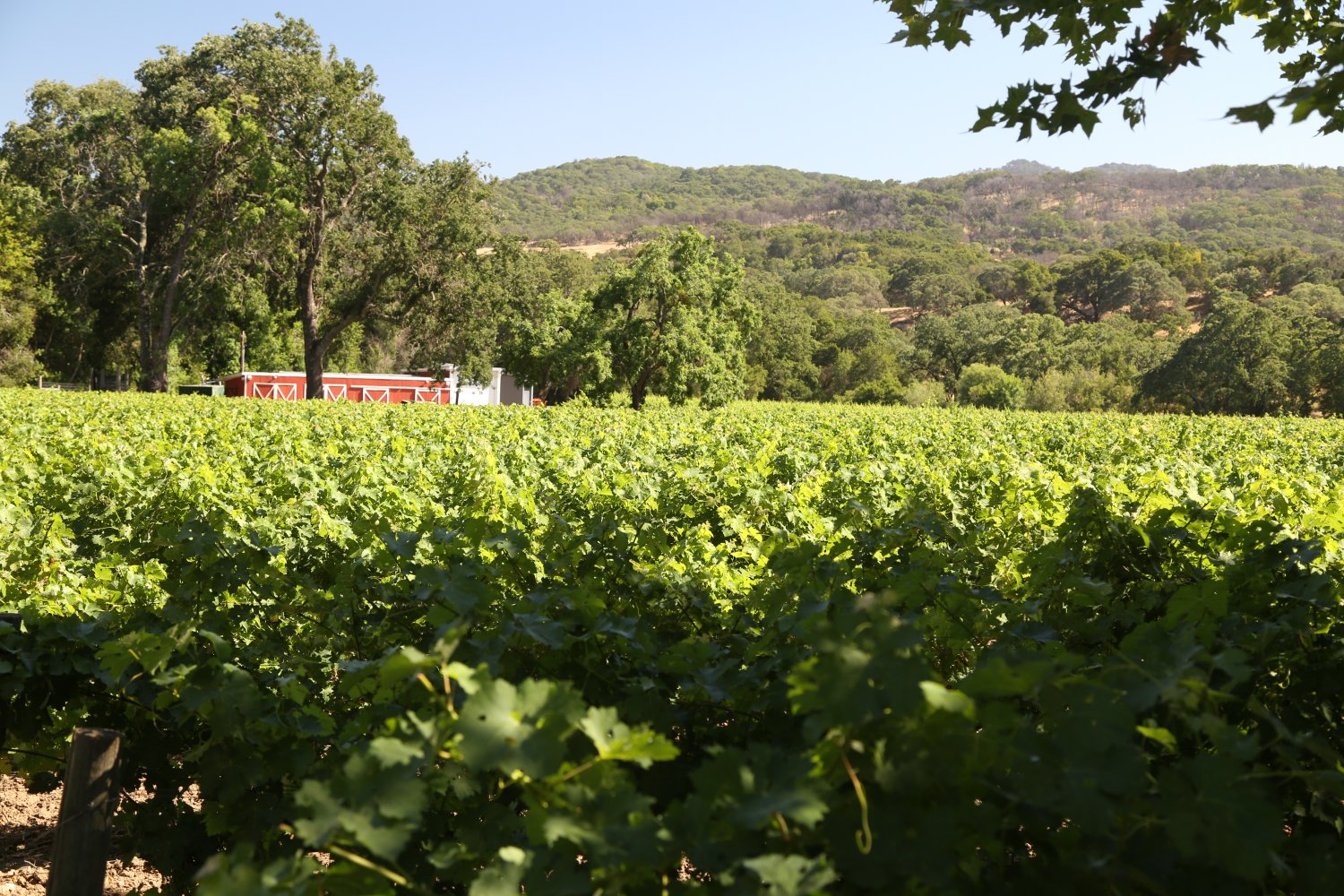
This is one of only several physical wineries located in or next to Wooden Valley, including Mount George Winery and Lost Valley Ranch. The Altamura ranch is approximately 800-1,000 feet ASL, is often 10 degrees cooler at night than the main floor of Napa Valley and in the afternoon like clockwork, breezes often flow through Wooden Valley helping mitigate mildew and mold pressures on the vines. The property is 400 acres. Approximately 85% of their 70 acres of vineyards are dry farmed and are overseen by their own vineyard management team. They do not use pesticides or herbicides in their farming. And the yields are small, typically resulting in 1.5 to 2 tons per acre.
The winery was built in the late 1990s. Wooden Valley most likely will never become dominated by vineyards like other parts of Napa Valley due to the fact there is not a lot of ground water here. Regardless of direction coming from, the drive here is on windy roads, through a combination of wooded oaks and open grassland. While only 9 miles from the town of Napa, a visit to Wooden Valley is certainly not the “wine strip” found on busier parts of Highway 29. The roads here are little traveled (except early mornings or later afternoon as people use this road for commuting), cattle still graze some of the hills, and natural vegetation by far outnumbers vineyards. From Mankas Corner in Suisun Valley, allow about a 10-12 minutes drive to the winery.
It seems like it is becoming rarer to discover a family who actually grew up in Napa Valley, has historical family ties to the valley and both manages their vines and makes the wine. Such is the case with the Altamura’s; Karen’s (maiden name: Bacigalupi) family is deeply rooted in Napa Valley. Her family has owned their Wooden Valley property since 1855. A mention in The Napa Register dated December 22, 1893 refers to an Isola and Bacigalupi being granted a liquor license to open the Liberty Saloon on Main Street above the Napa Hotel.
Frank’s family has been in Napa Valley since his father George Altamura first visited with friends in 1947 and then hitchhiked here the following year from his home in Buffalo New York at age 17. George began what would eventually become a migration west for other family members including his parents Cataldo (Carl, born in Corato, Italy) and Mary who moved to Napa Valley in 1961. Like many Italians of his generation, Carl used to produce home wine, when he was living in Buffalo. With little money, no college education and admittedly having never read a book in his life, George Altamura has become a very successful local businessman.
He is one of Napa Valley’s most influential citizens, a real estate developer but more importantly, an investor in community and people. He has operated numerous businesses in Napa starting in the early 1950s with Knotty Pine Drive-in, which was located at 2508 Jefferson Street across from Napa High School. It should also be noted, what was Napa Junior College was also located on the Napa High School campus in those days. An ad in The Napa Valley Register dated June 19, 1953 listed hamburgers for 19 cents and cheeseburgers for 29 cents, appropriately priced for the Napa High School students. The drive-in was also known for their thick creamy shakes and Sunday specials.
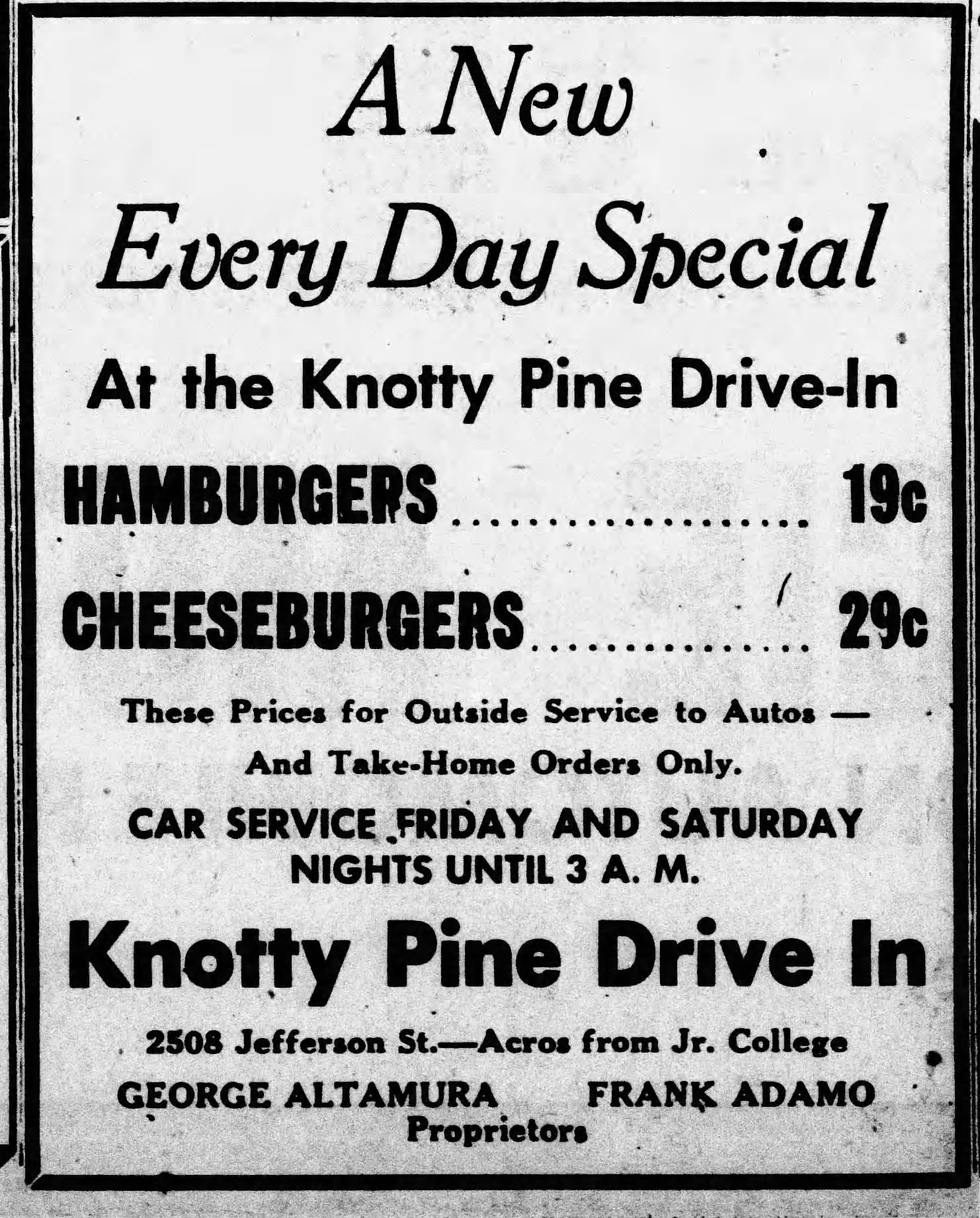
Ad in Napa Valley Register from the early 1950s for George Altamura’s Knotty Pine Drive-in
In 1994 he and his wife Jacqueline (Jackie) founded what has since become an annual event, Hands Across The Valley. Its inception was when George discovered that the Napa Food Bank was running low on funds due to reduced commitments from the Federal government. So George decided to do something about this and organized a fundraising event hosted at Bistro Don Giovanni on May 6th of that year. Celebrities in attendance including Francis Ford Coppola who was cooking his ‘godfather’ wood-fired pizzas, 49ers quarterback at the time, Steve Young (just before what would be a super bowl winning season) hand pro-golfer Johnny Miller, helped create a buzz of excitement. The next year the event was hosted at Francis & Eleanor Coppola’s home. In recent years, the main fundraising gala and event has been held at Charles Krug Winery. To date, Hands Across The Valley has raised more than 2 millions dollars, supporting Napa Valley’s food programs.
George turned 95 years young in 2026.
Frank was born and raised in Napa Valley; however, he is not to be confused with his uncle, also Frank Altamura (died 1996), a New York transplant, and artist who moved to Napa Valley in 1964. This Altamura taught at Napa High and then spent 22 years teaching at Napa College including as the chair of their art department. He was one of the founders of the Depot Gallery in Yountville. And Frank’s uncle oversaw a small vineyard, made home wine bottled under the label Villa Alta Vineyards.
But back to the subject of this review; Frank Altamura began working in the vineyards with his cousin right out of high school including five years working for Charlie Wagner, co-founder of Caymus Vineyards. Altamura later gained invaluable experience by learning from some of Napa’s notables who already had established careers in the 1970 and 1980s – vintners such as Randy Dunn, Ric Foreman, and Chuck Wagner. His first winery viticulture job was working for Sterling Vineyards in 1976 and he also worked for Trefethen Vineyards.
In 1990 he and his brother George Jr. raced a 1948 Chevrolet Woody from Reno to the Queen Mary in Long Beach, placing third in what was called the Great American Race. Seventy cars participated in this unique race; automobiles were limited to those built prior to 1955.
Having grown up in Napa Valley but trying to plant vineyards in an area with few existing vineyards, Frank found himself identifying soil types on his property similar in nature to those found in some of Nap Valley’s more premium terroir – i.e., Howell Mountain, the Rutherford bench, Mt. Veeder, etc. Once the soils were identified including primarily heavy clay, but also with some rockier higher sections, Altamura chose appropriate rootstalks and clones.
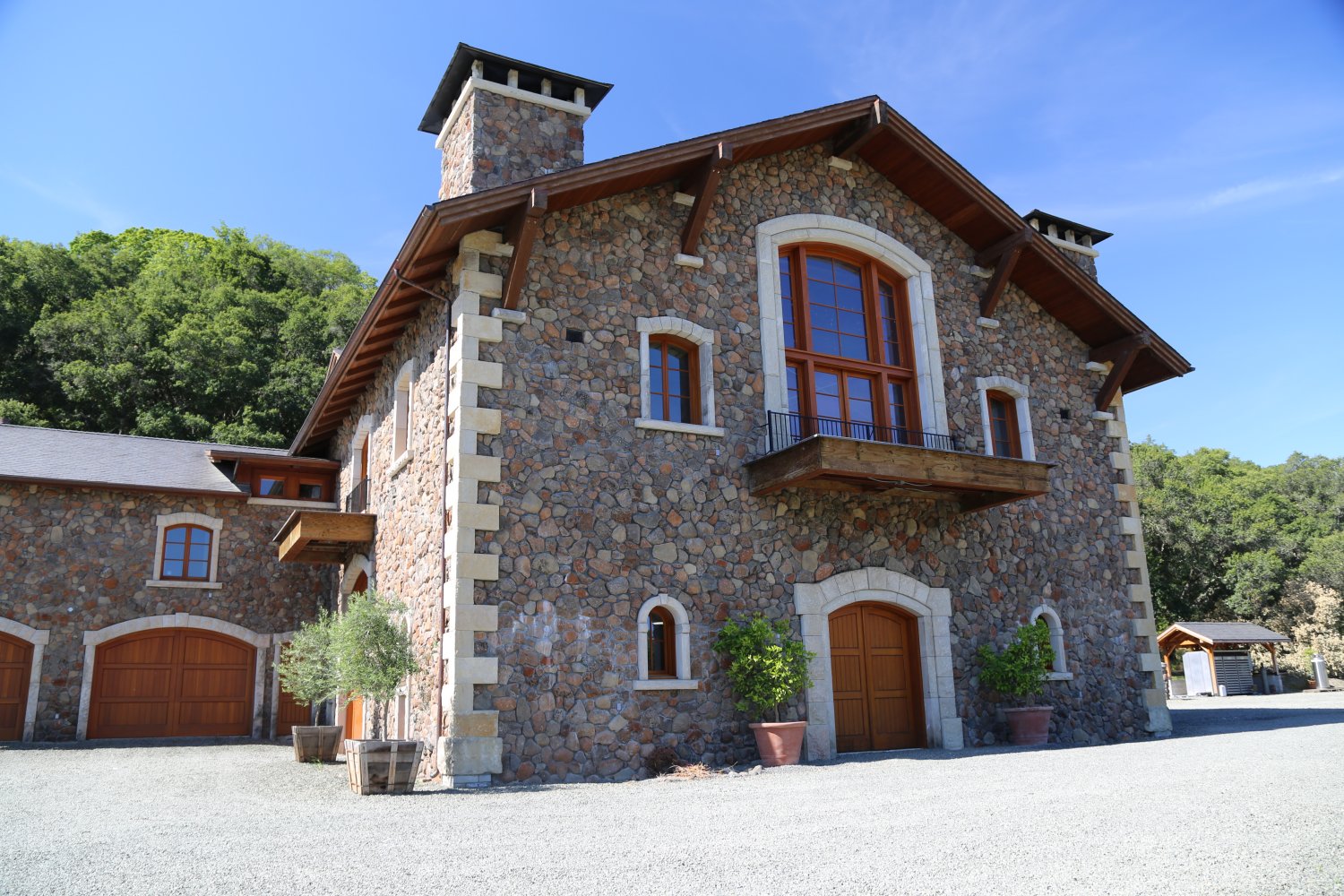
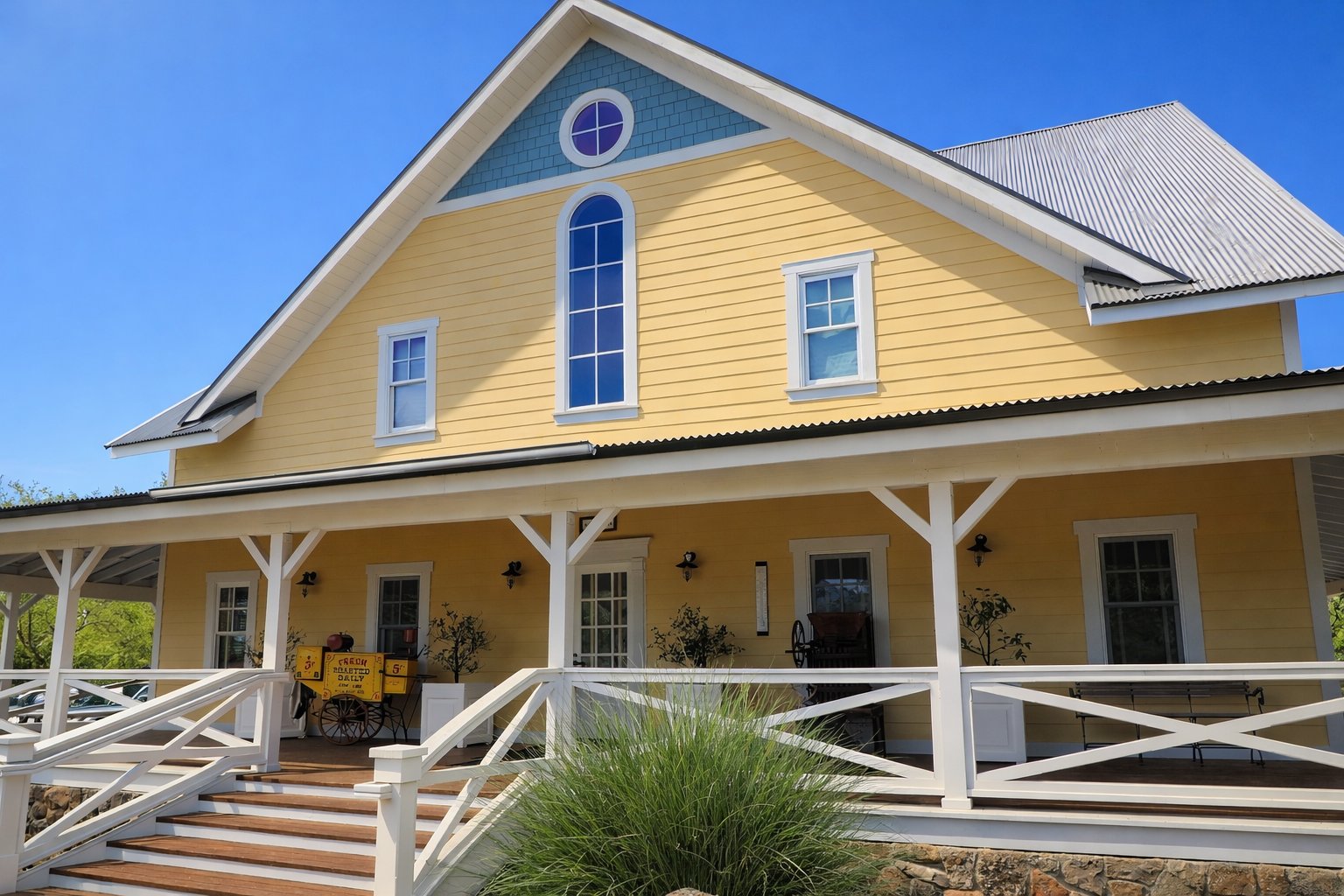
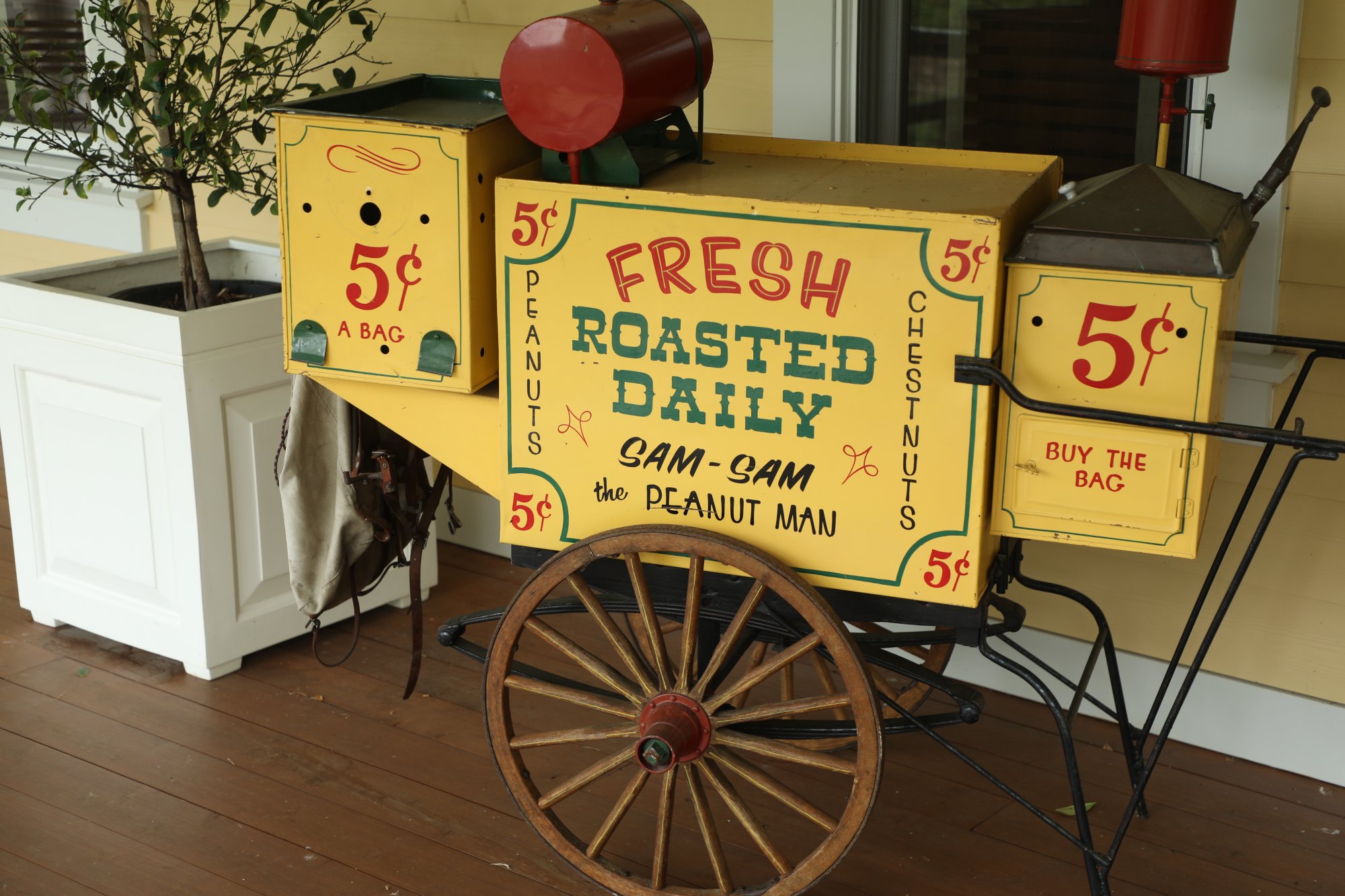
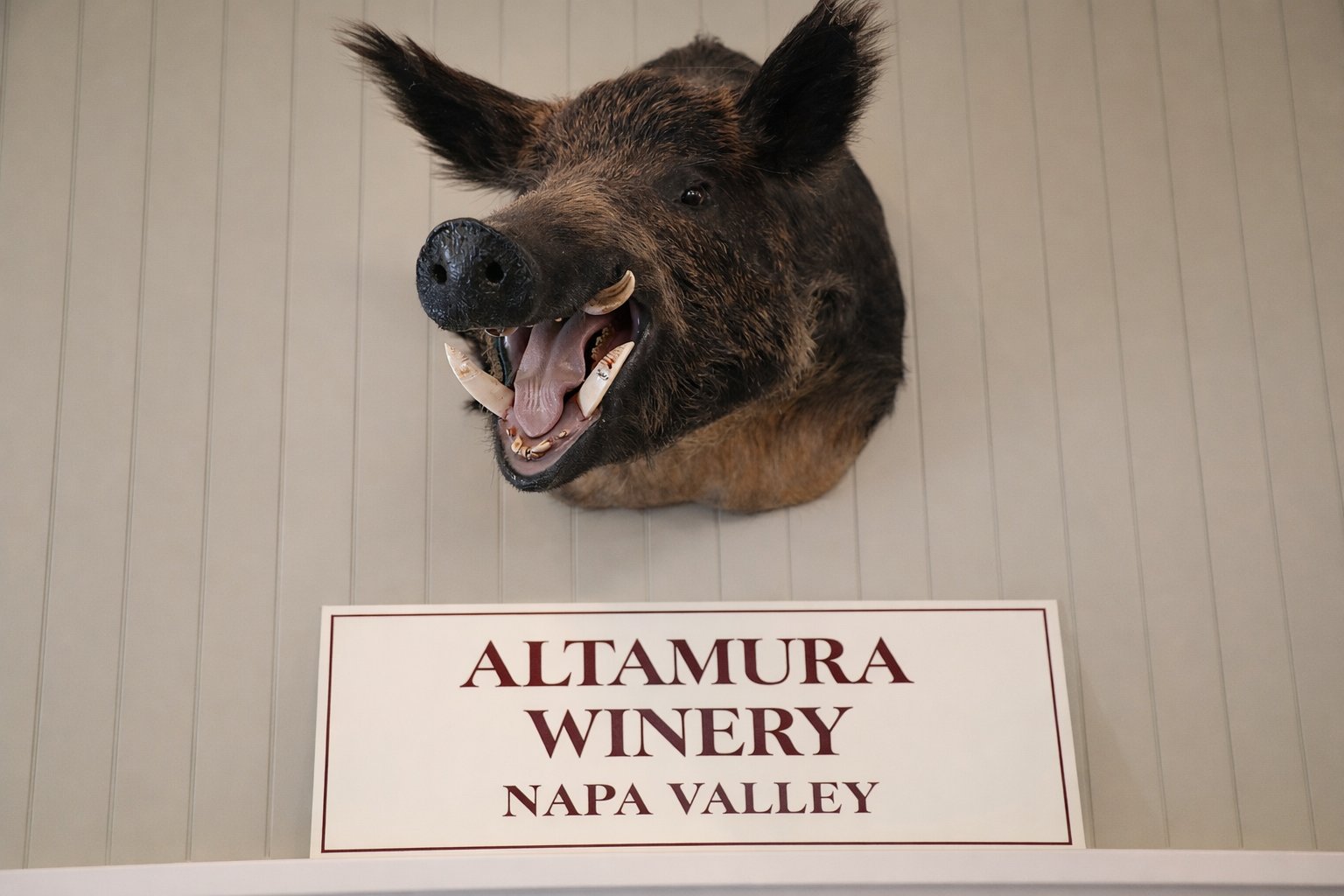
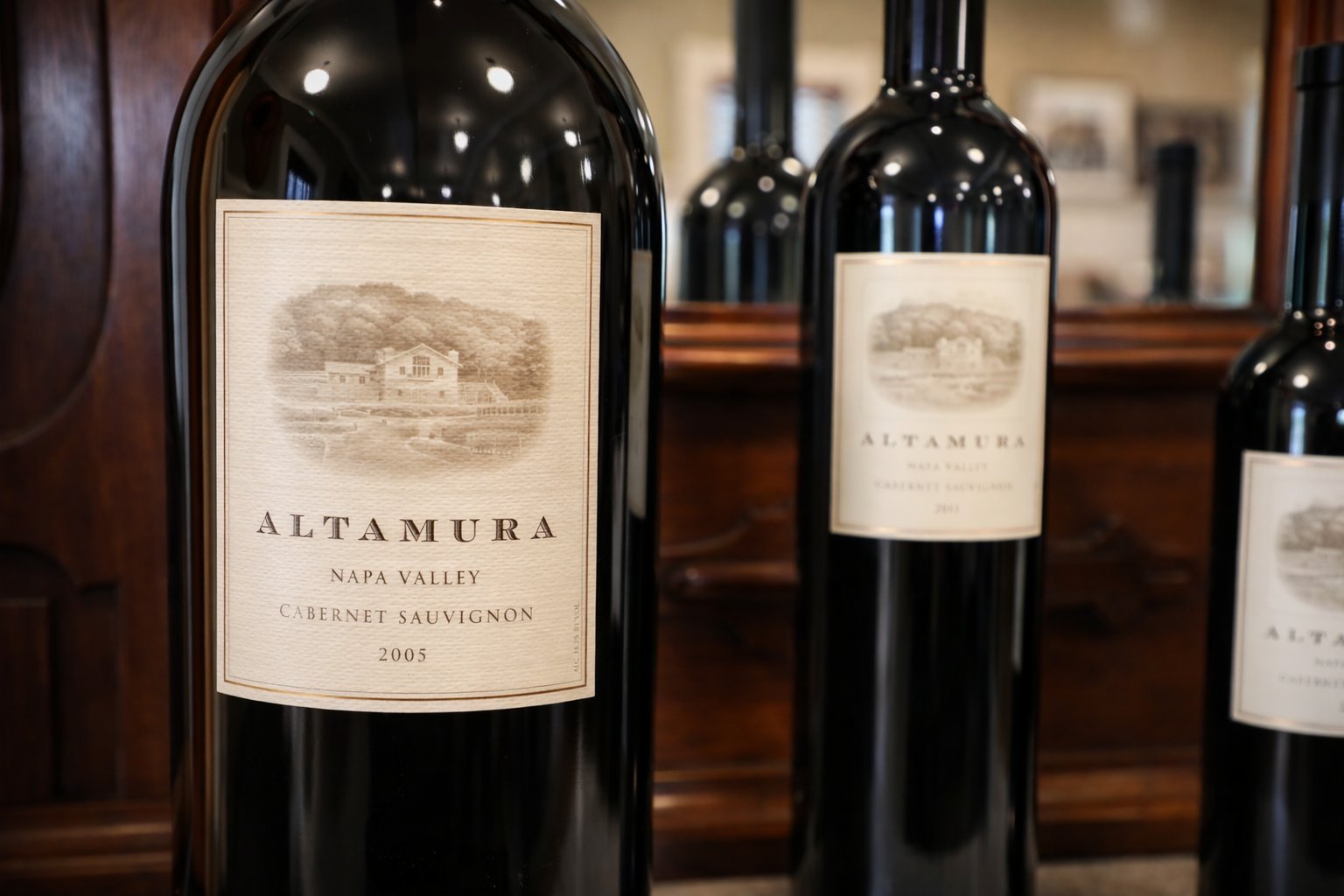
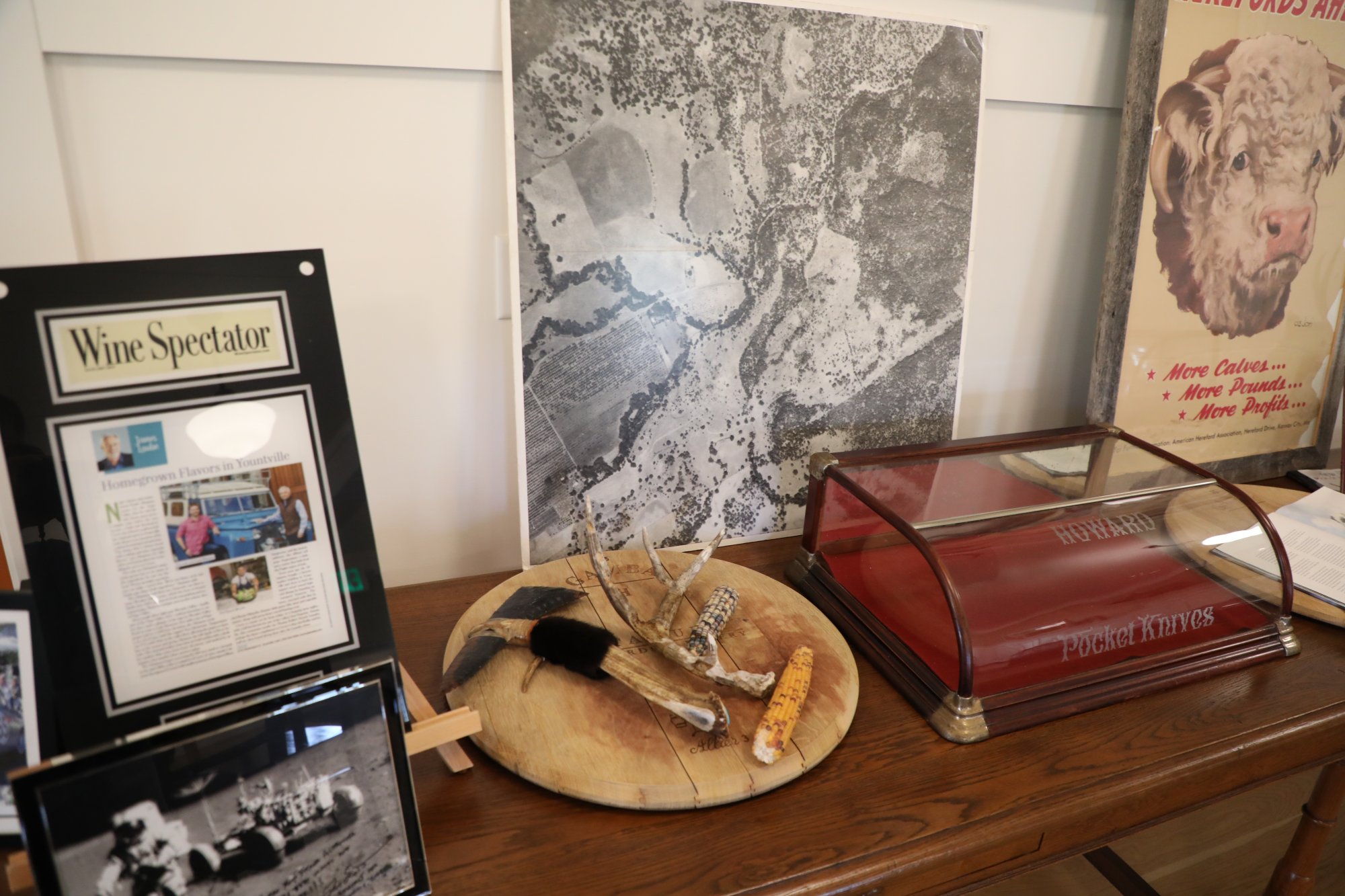
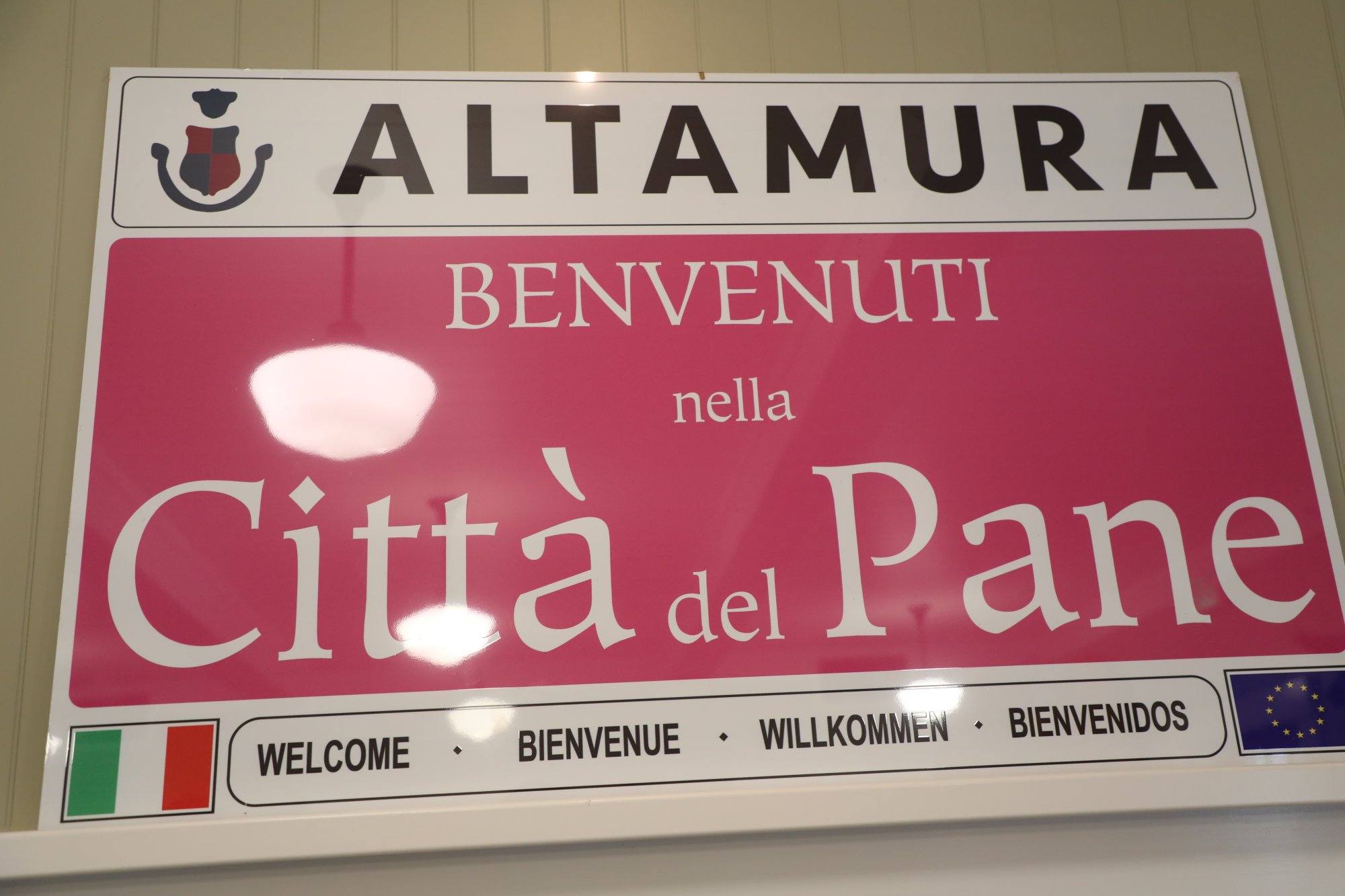
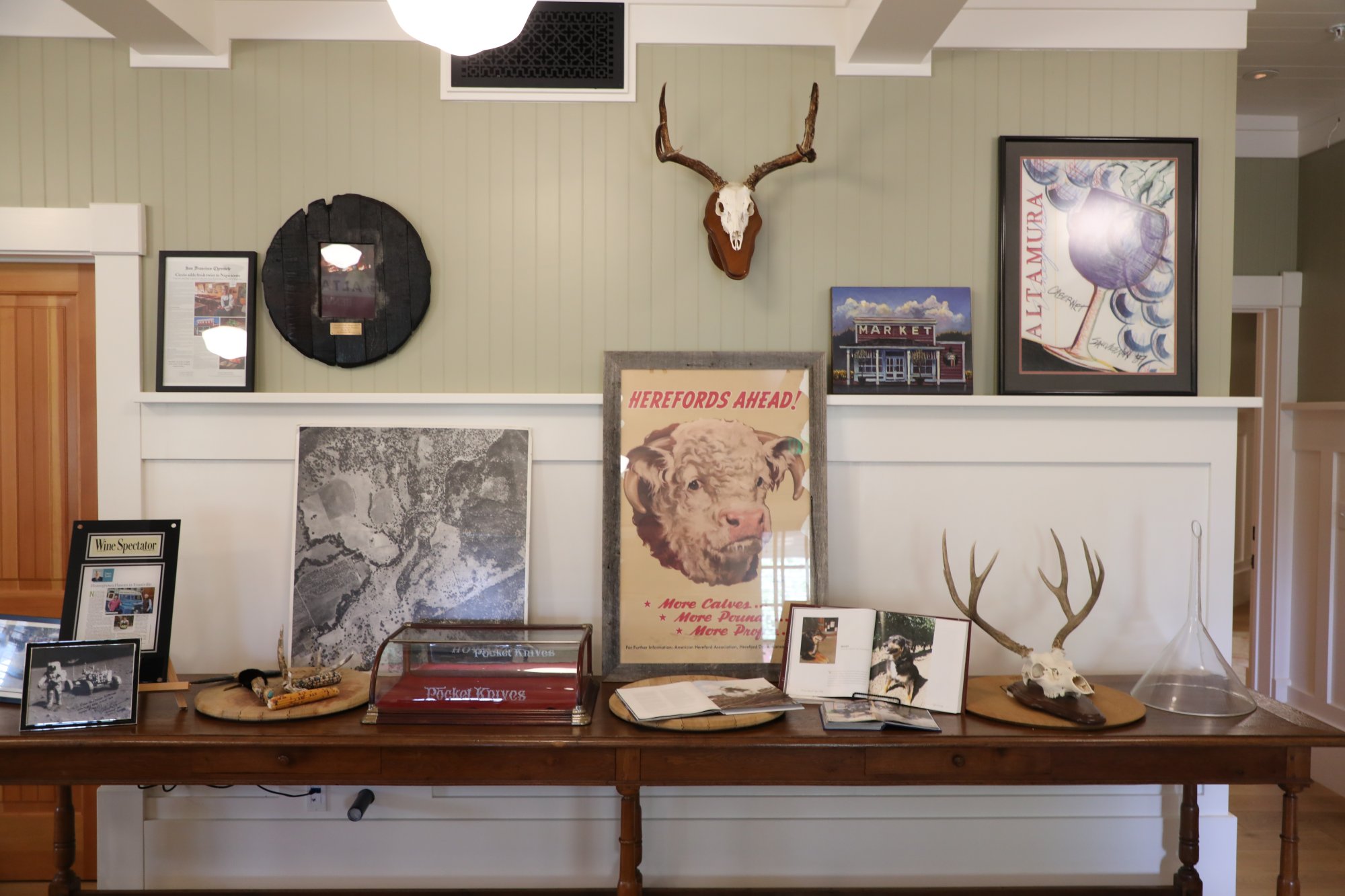
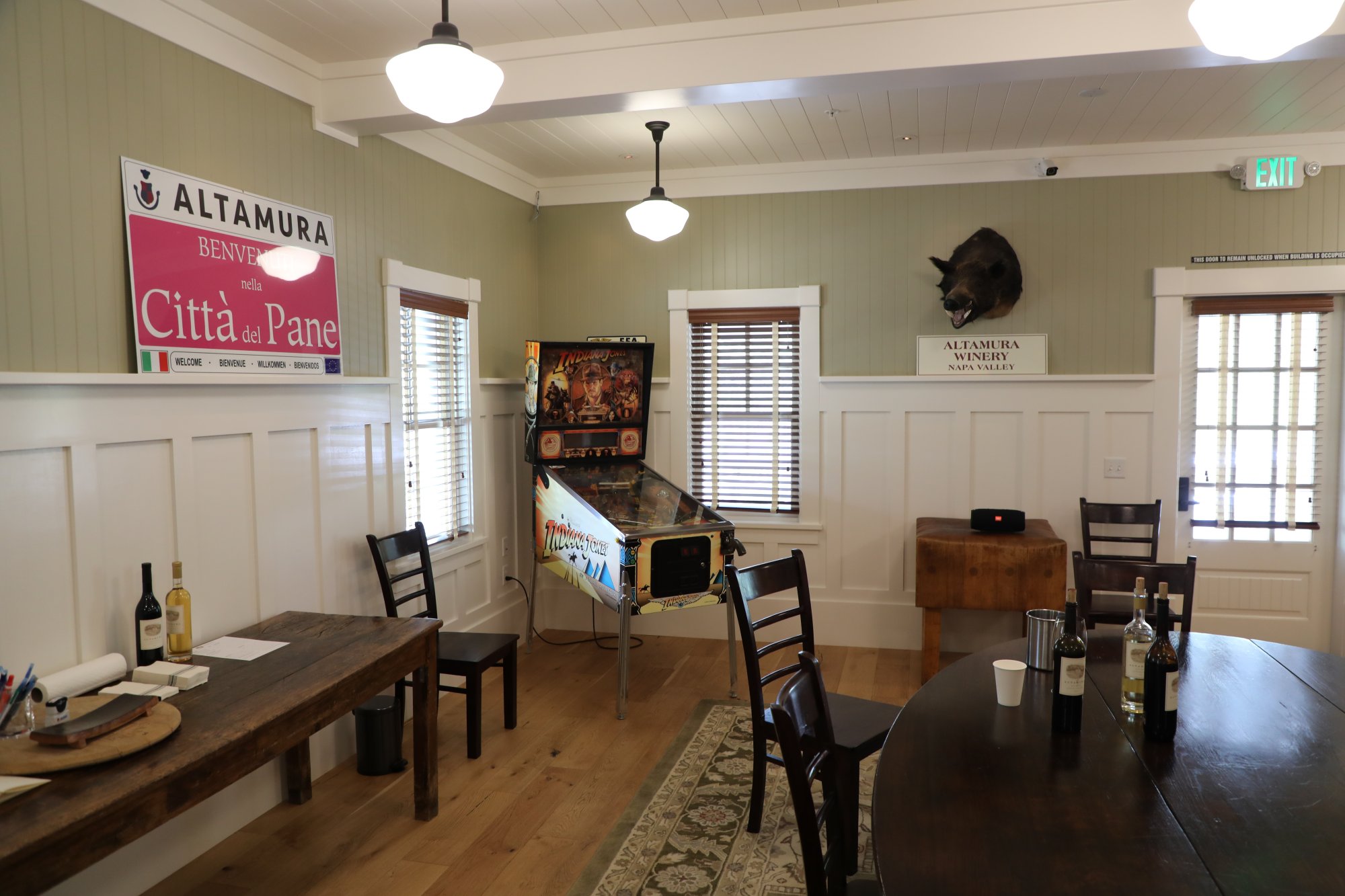
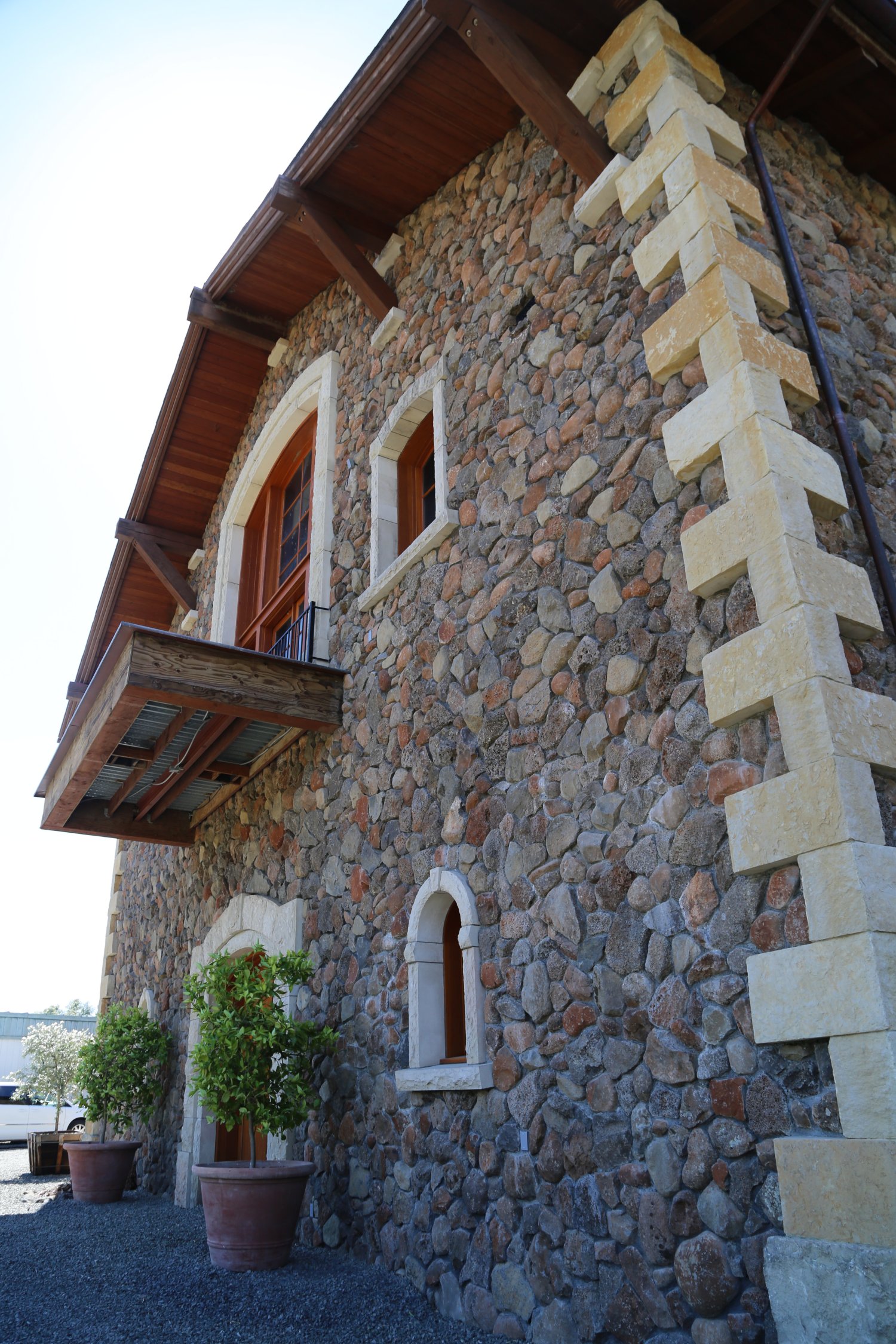
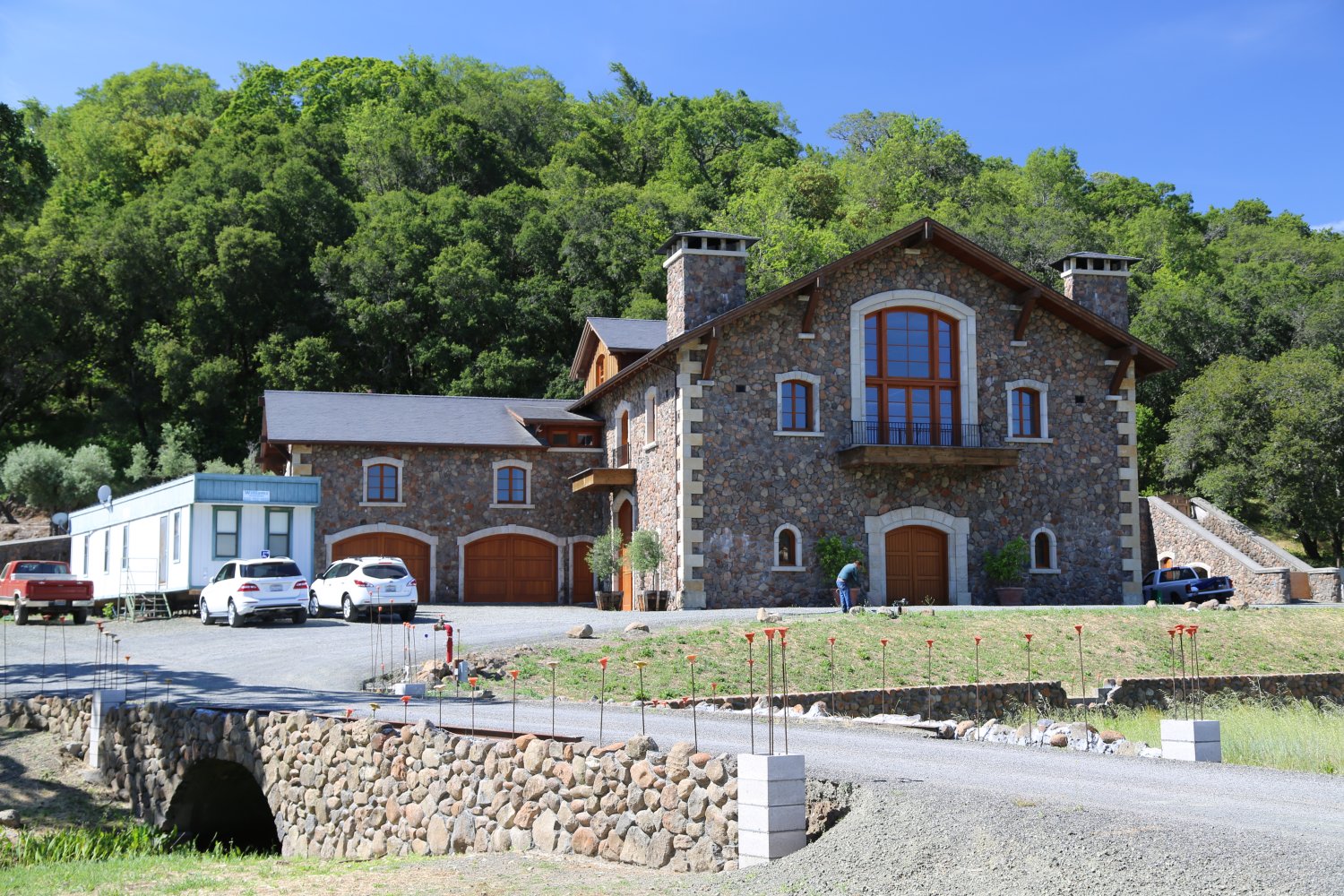
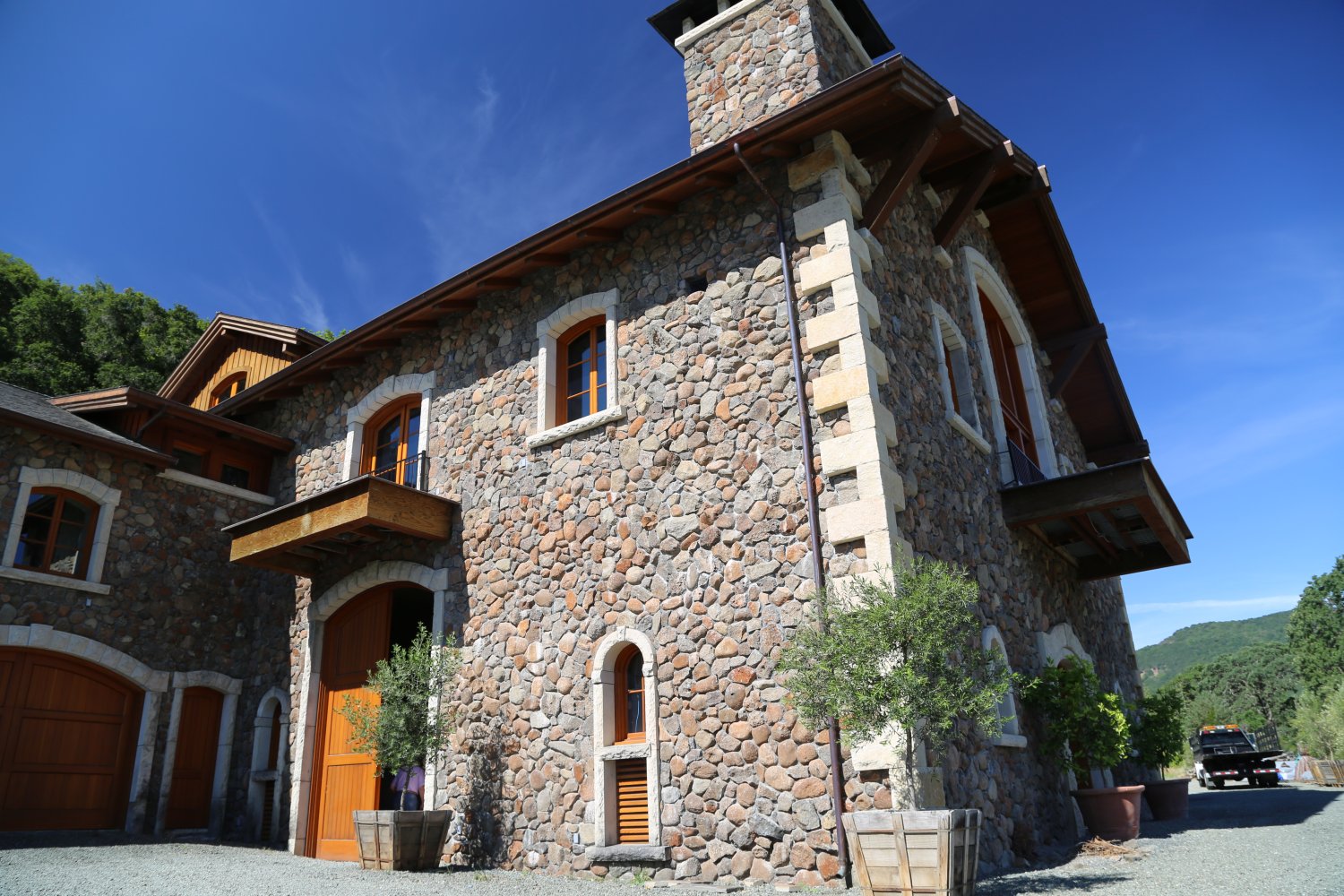
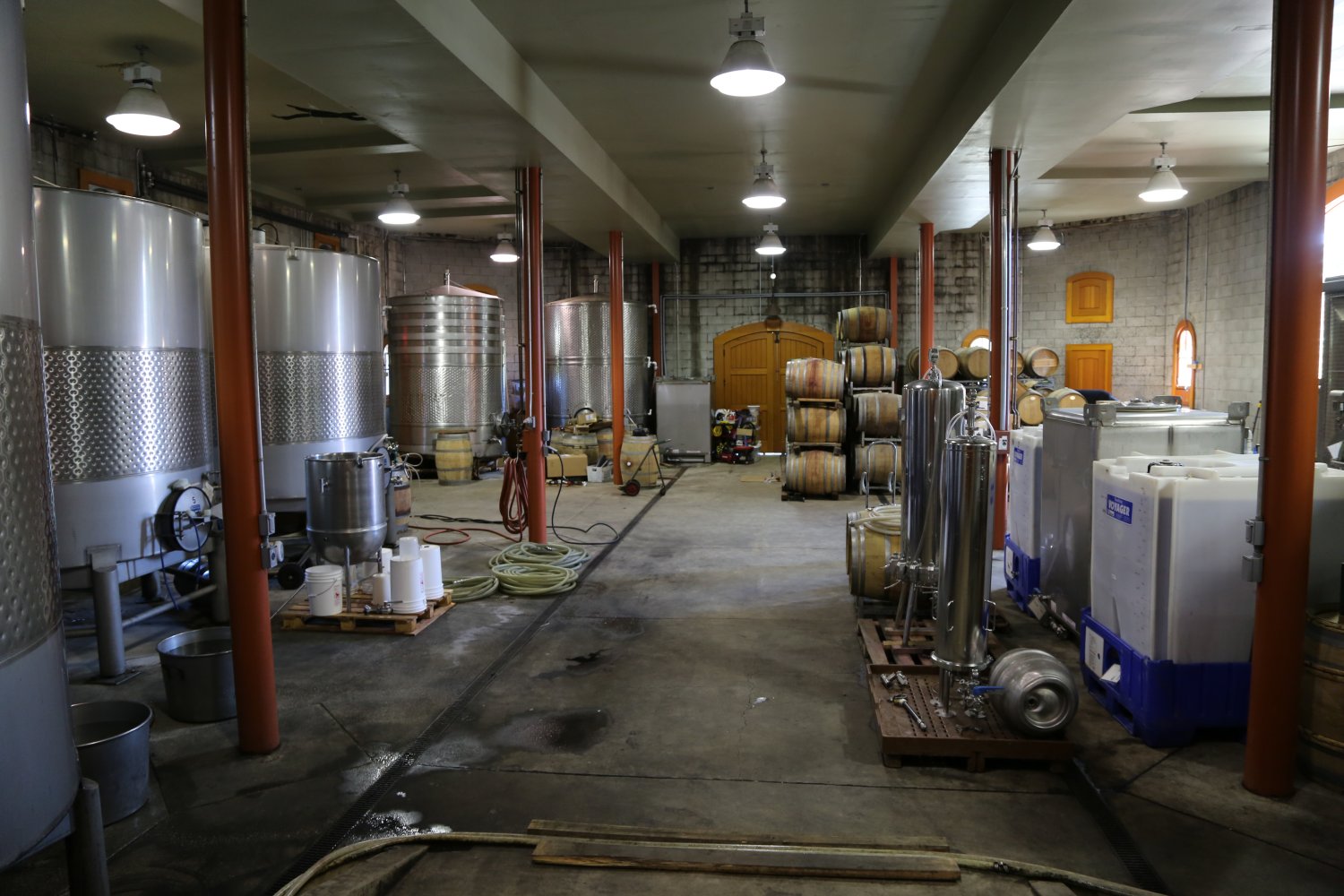
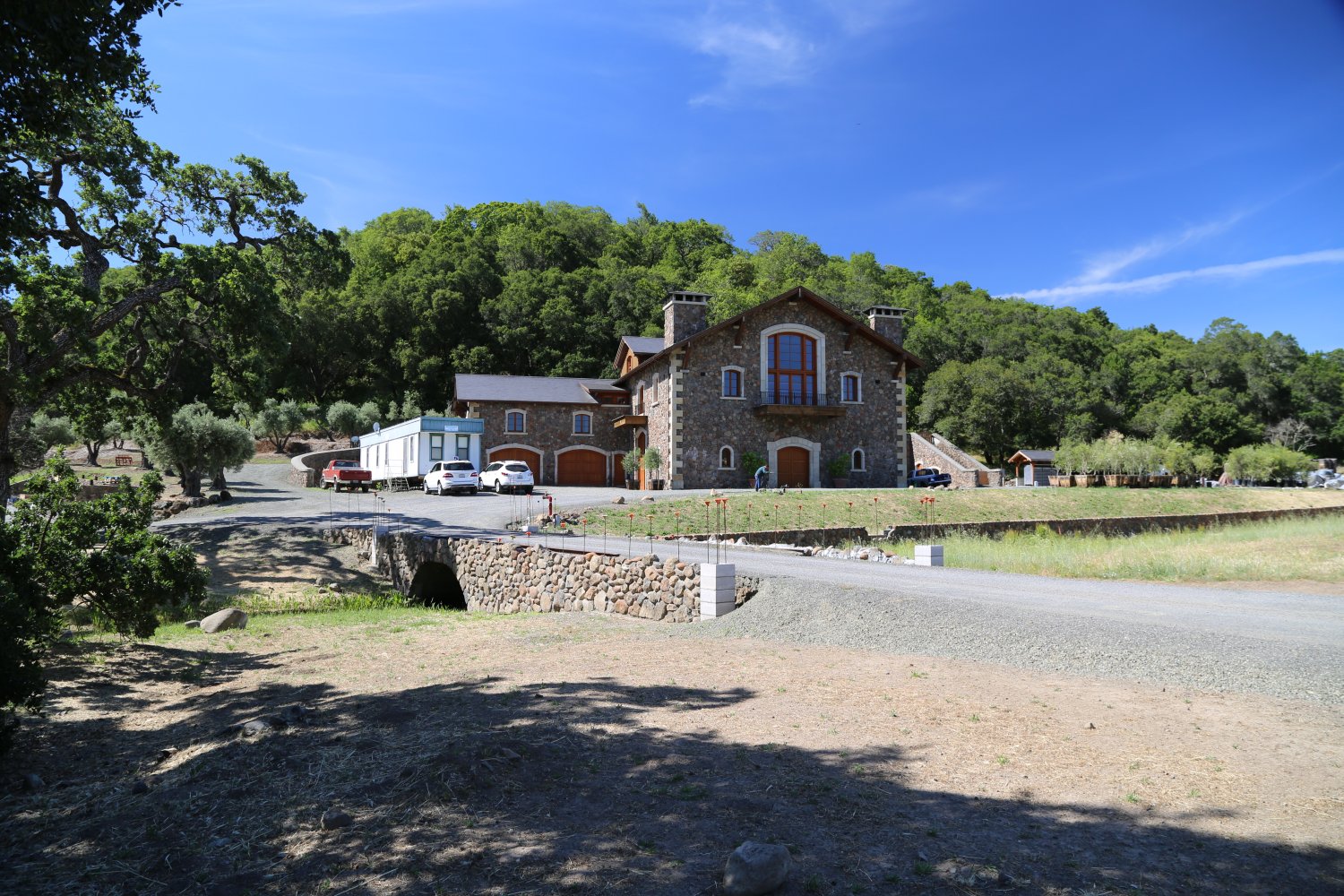
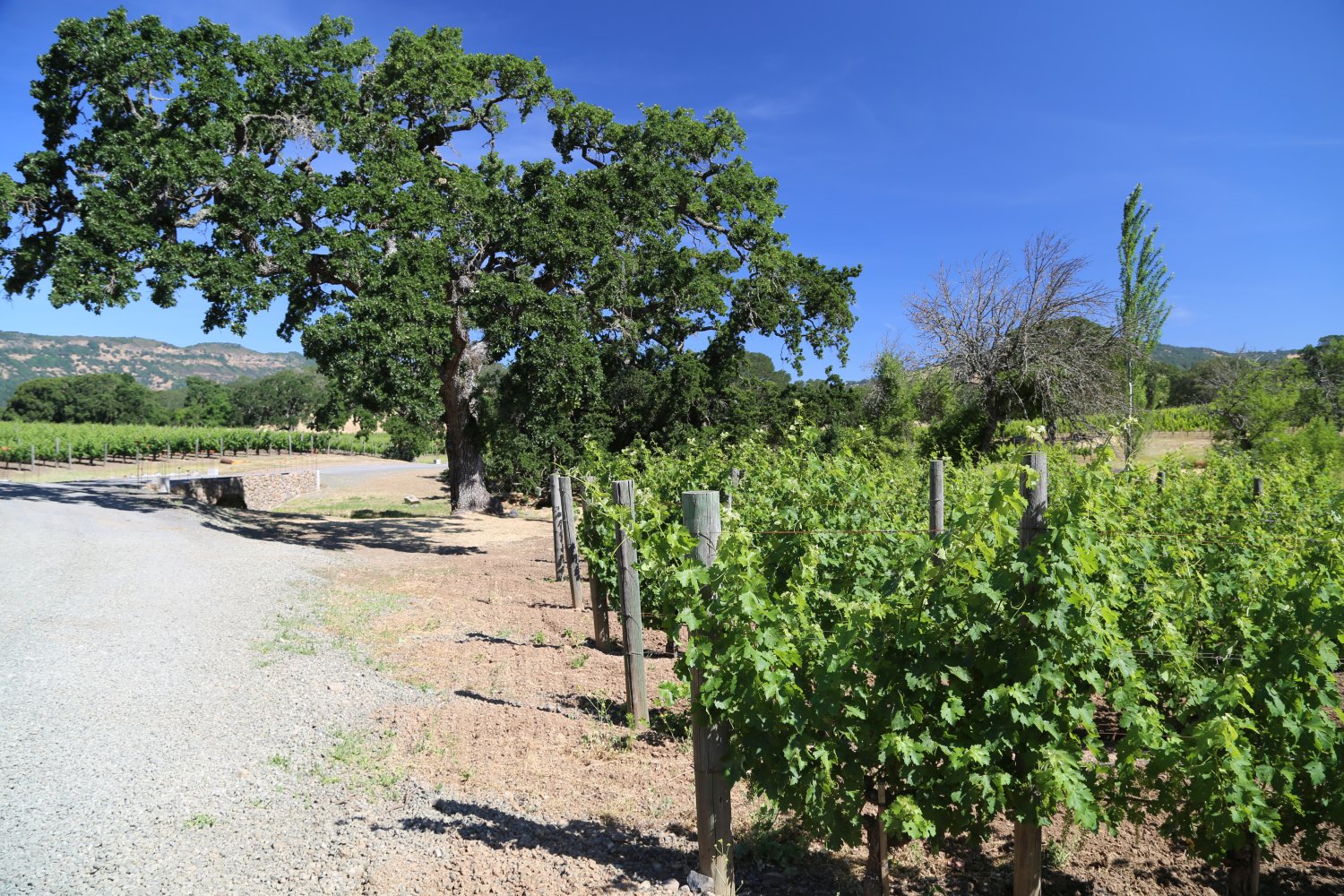
The outside of their winery is made of stone, quarried from the many rocks that “grow” on the property. A small home built in 2005 serves as both tasting room and offices and is decorated with heirlooms, articles about the family and other historical items. The physical winery is located about 1/2 mile in on a gravel road which winds its way past the vineyards and is where tastings used to be hosted. Like most producers in Napa Valley, Altamura produces Cabernet Sauvignon, but unlike most producers, they also grow and bottle wines from Italian varieties including Sangiovese, Nebbiolo and the rare Negroamaro. And it is through these varieties that consumers are often introduced to Napa Valley – rather than the ubiquitous Cabernet Sauvignon. Their wines have been well received by some of the best-known wine critics.
Frank and Karen’s son, Giancarlo Altamura, a graduate of the enology and viticulture program at California State University, San Luis Obispo, is the assistant winemaker.
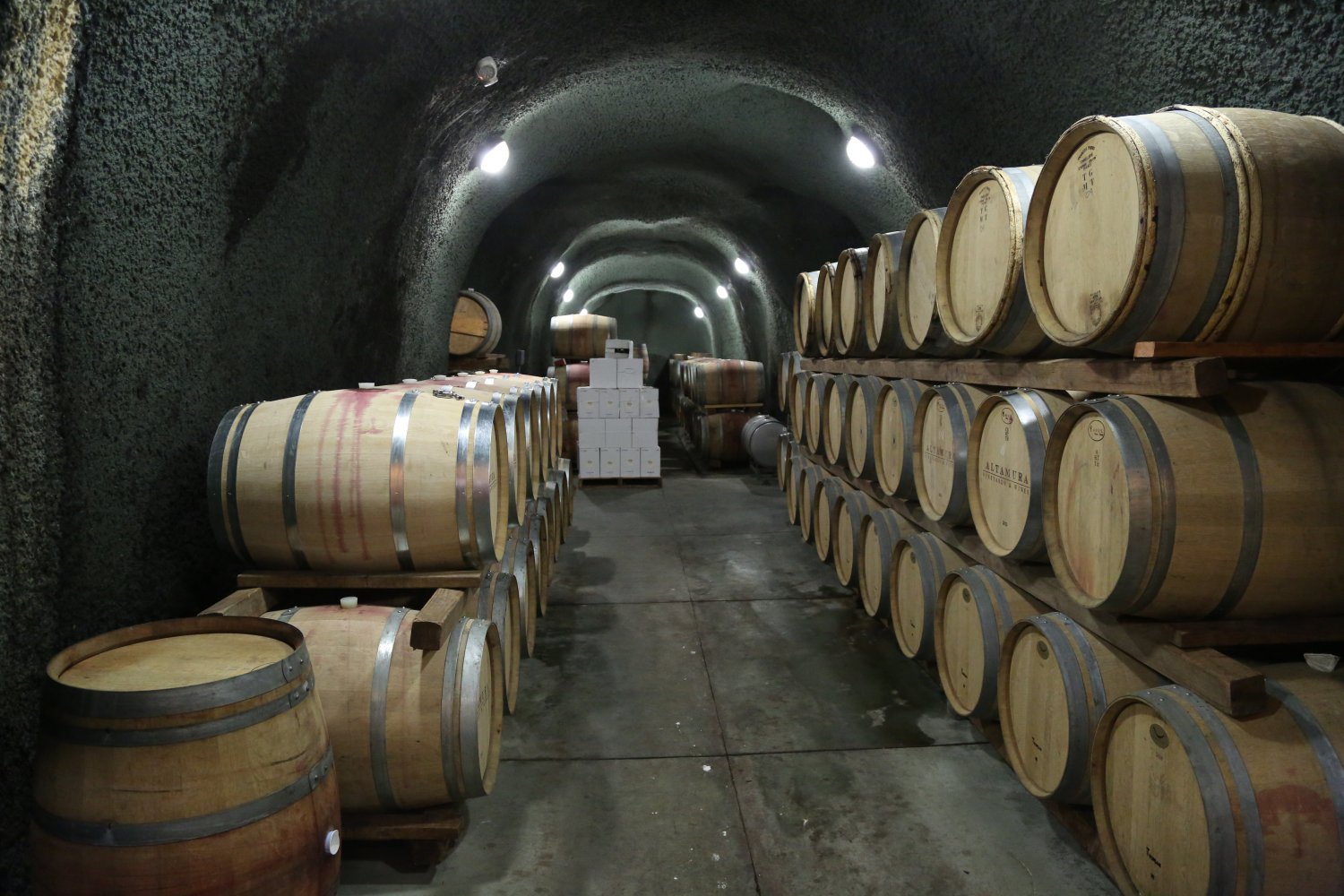
Altamura uses exclusively French oak for aging their wines. All wines are 100% varietal. Annual production is about 5,000 cases.
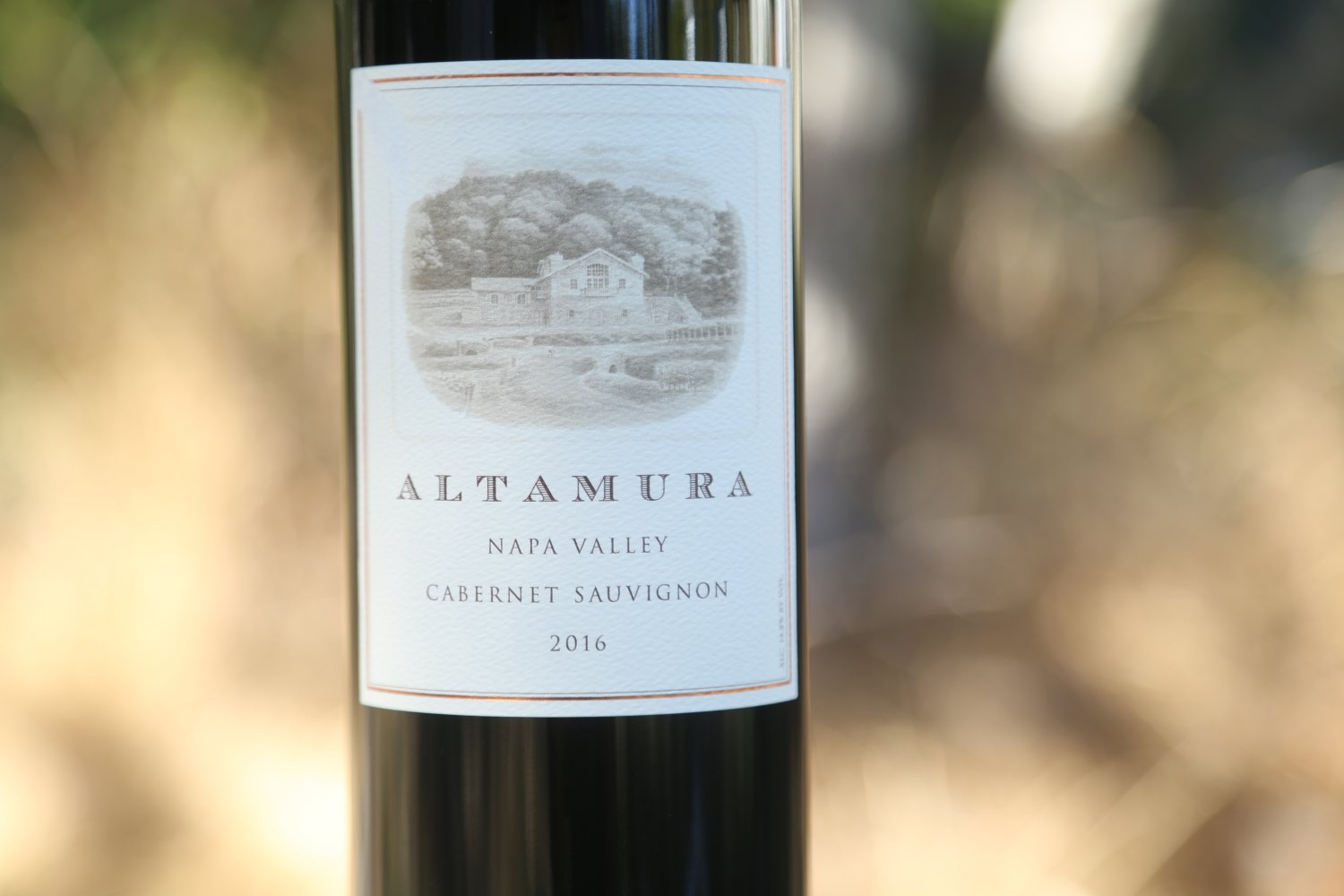
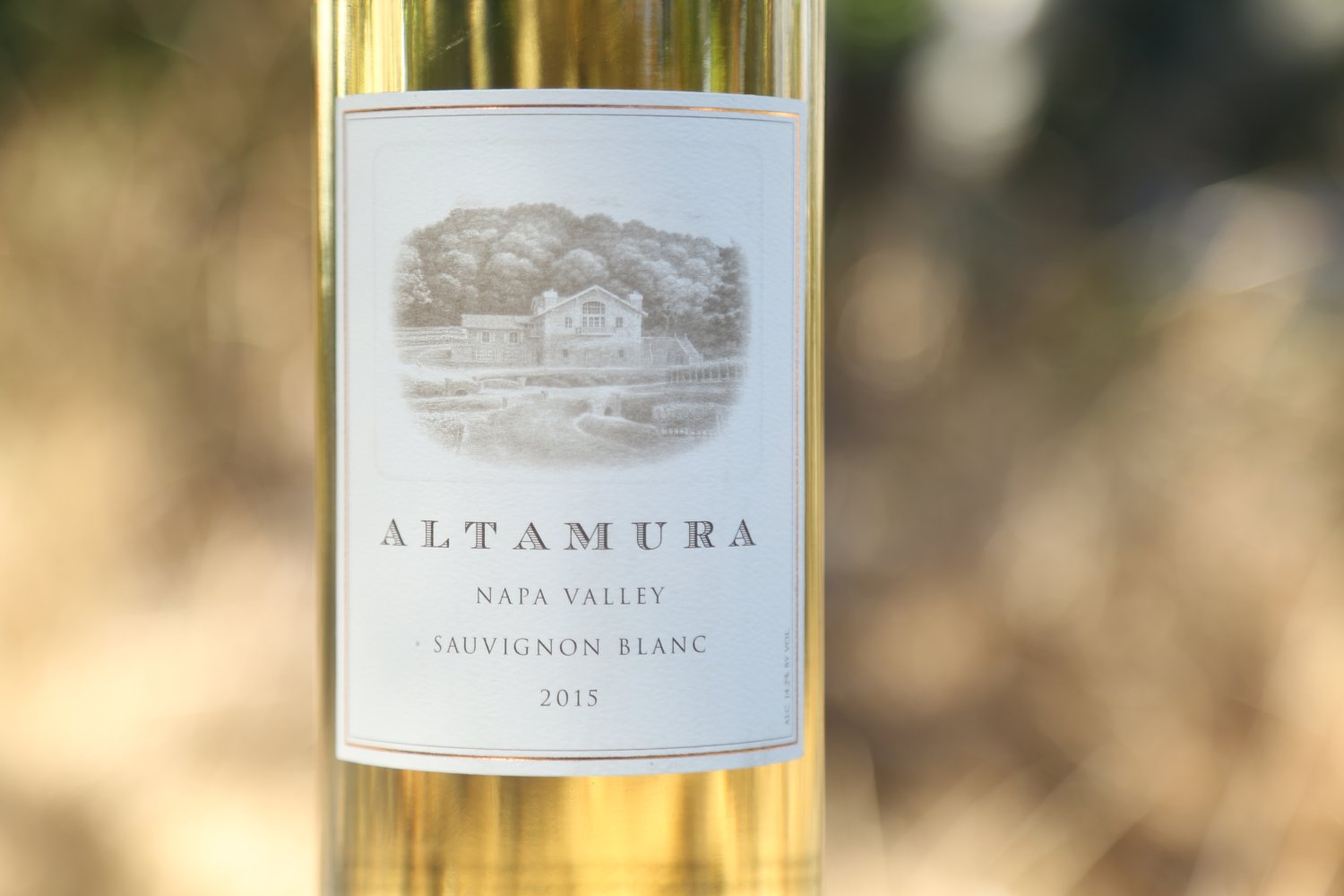
The Altamura wines are grown and made by family. Patience is a critical part of their winemaking, both in the vineyard and in the cellar. As Giancarlo told us, “the wines tell us when they are ready”. They remain in the cellar long after most wineries have bottled their own wines. And when they are bottled, they are not released for another year or two. As a result, their current release red wines generally range from 5 to 10 years post vintage. These wines are ripe, forward fruited with oak always providing a complement rather than dominating. They are ready to drink upon release including a softer texture, but they certainly have the sensibilities for additional aging and have the history to back that up.
Select Wines/Winemaking
Whites
Sauvignon Blanc
The Altamura Sauvignon Blanc is sold primarily at the winery or through their website. Early vintages of this wine were aged for up to 18 months, but the oak influence has since been reduced to better showcase the varietal character. Although we do remember some of those earlier bottlings as never tasting ‘over oaked’.
The 2022 Altamura Sauvignon Blanc, Napa Valley is medium gold in color and was aged for approximately 8 months in French oak barrels. On the nose, it offers aromas of yellow apple, yellow plum, and loquat, with a lift and brightness from floral notes of jasmine and orange blossom. On the palate, it reveals flavors of white nectarine, Golden Delicious apple, yellow peach, papaya, and a lingering note of dried thyme. Rich and layered yet well balanced, this bottling falls squarely into the crowd-pleasing category and is highly enjoyable on its own. For reference, we tasted this wine four years post-vintage, and it still has several years of aging potential ahead. The texture is lightly rounded and complemented by balanced acidity. There is a perception of sweetness from the ripe—but not overripe—fruit. The oak aging softens some of the sharper edges of the variety, compared to a Sauvignon Blanc fermented and aged entirely in stainless steel. The grapes for this wine received a light press.
The 2015 Altamura Sauvignon Blanc, Napa Valley is deep gold in color; the bouquet simultaneously shows both tropical and citrus aromatics. The aromatics are sweet and include notes of ripe mango, mouthwatering summertime fresh peach, apricot, honeycomb and caramel. Smells like dessert! Rounded but not viscous in texture, offers flavors of red delicious apple, mandarin and notes of honey. Lingers with a raciness of spice and fruit but with acidity that keeps one salivating. But the palate is not tart – this is definitely not a greener’ showing of this variety – but rather embraces ripeness and Napa Valley sunshine with presumably a longer hang time before being harvested.
The 2006 Altamura Sauvignon Blanc, Napa Valley was tasted 20 years post vintage. This wine is deep gold bordering on being pale pale amber; the bouquet offers loads of aged aromatic depth including a honeyed character with scents of honeycomb, beeswax, jasmine, saran wrap, apricot marmalade, bruised apples, lemon preserves, ripe papaya, baked pineapple, vanilla, dried grass and plenty of nutty nuances, i.e., walnut and toasted almond. Perhaps more honeyed on the palate than the bouquet with a sweet perception of mature fruit, this wine tastes like honeycomb, apricot jam, pineapple upside down cake, baked apples, yellow peaches in light syrup, yellow mango and a lingering layer of vanilla wafer. And a light finishing note of hazelnut, but is less nutty than on the bouquet. Still bright from its acidity, there is a light citrus lift on the finish that keeps this wine bright and complements well its rounded and supple texture. This wine is not tired, just evolved, with characteristics on both the bouquet and palate resulting from its time in the bottle. Its listed ABV is 13.8%
Sangiovese
 The 2020 Altamura Napa Valley Sangiovese is deep ruby and opaque; like all of their wines, it is 100% varietal. This wine was aged for up to four years in once-used French oak barrels. The bouquet is a union of both fruit and subtle barrel influences. Its forward-fruited aromatics include dark plum, dark raspberry, cherry pie, dark licorice, caramel, mocha, and milk chocolate. On the palate, it offers flavors of red cherry, Santa Rosa plum, boysenberry, and Persian mulberry. It is lightly textured, with gravelly tannins felt primarily on the front of the palate. Both the fruit and texture persist together through the finish, which lingers with notes of dried herbs—especially sage—alongside a dusty character and a vibrant thread of acidity. Crowd-friendly, food-friendly, balanced, and approachable at six years post-vintage, this wine shows both immediate appeal and structure. Additional Sangiovese was planted in 2026, underscoring Altamura’s continued commitment to this variety.
Cabernet Sauvignon
The 2019 Altamura Cabernet Sauvignon, Napa Valley is deep ruby and opaque; extracting color was not a problem in this wine. The bouquet is focused on ripe fruit characteristics of the variety with some floral undertones. This wine smells like liquid violets, purple lilacs, and sweet dark fruits at the peak of their ripeness including Satsuma plum, Coral cherry, blackberry, boysenberry, mocha, dark cocoa powder, cinnamon, nutmeg and milk chocolate. Ripe but never overripe, this wine sports a minerally and ferrous element with additional flavors including blackberry, dark cherry, boysenberry, Satsuma plum and Himalayan purple mulberry. The fruit is the star of the show here with the oak a complementary influence. Of all the Altamura wines we tried, this one shows the most grip, not surprising considering the variety and its relative youth. The tannins are gravelly with a light grainy character, and persist in parallel with the fruit on the extended finish with a long-lasting dusty grip. This wine shows great by itself and is in a sweet spot at 7 years post vintage but if we were to pair with food, it would be with a well marbled Wagyu steak.
The 2018 Altamura Cabernet Sauvignon, Napa Valley is deep ruby and nearly opaque. We tasted this 8 years post vintage. The nose is bursting with ripe fruits as soon as this bottle was opened, including of Santa Rosa plum, blackberry, boysenberry, dark cherry and other layers of red licorice, mocha, cocoa powder and brown chocolate. If this wine was at a party, she would be the voluptuous beauty wearing a red dress, sexy, and attracting plenty of glances. Still very much primary in terms of its ripe fruit expression, this wine is sitting in a sweet spot at this age. Its flavors include red plums, raspberries, boysenberry, cherry, mulberries, blackberry and dark currants. The ripeness of fruit is supported and tempered by a lively and persistent vibrant acidity. It finishes with a light but a lasting note of dried tobacco leaf and a chalky character. The tannins are framed so that they complement the fruit rather than detract. Their texture is gravelly and broadly coat the entire palate with a persistent dusty grip.
The 2016 Altamura Cabernet Sauvignon, Napa Valley is deep ruby in color; the bouquet immediately shows a spiciness on the bouquet upon opening with aromas of dried sage, white pepper, dark olive and basil. The fruit is dark including plum with subtle hints of vanilla in the background which become more Graham Cracker-esque as the wine continues to open. The palate is fairly ripe with a sweetness of fruit and flavors of blackberry, black licorice and espresso. The tannins are still somewhat tightly woven (tasted 4 years after vintage date); they are certainly noticeable but are not coarse in their textural grip. Juicy. A ripe tartness lingers on the finish including red cherry and currant. This wine was aged for 34 months in 70% new French oak barrels before being bottled. Pair this with a T-bone steak, a BBQ, a pool, a warm summer’s afternoon and the company of long time friends.
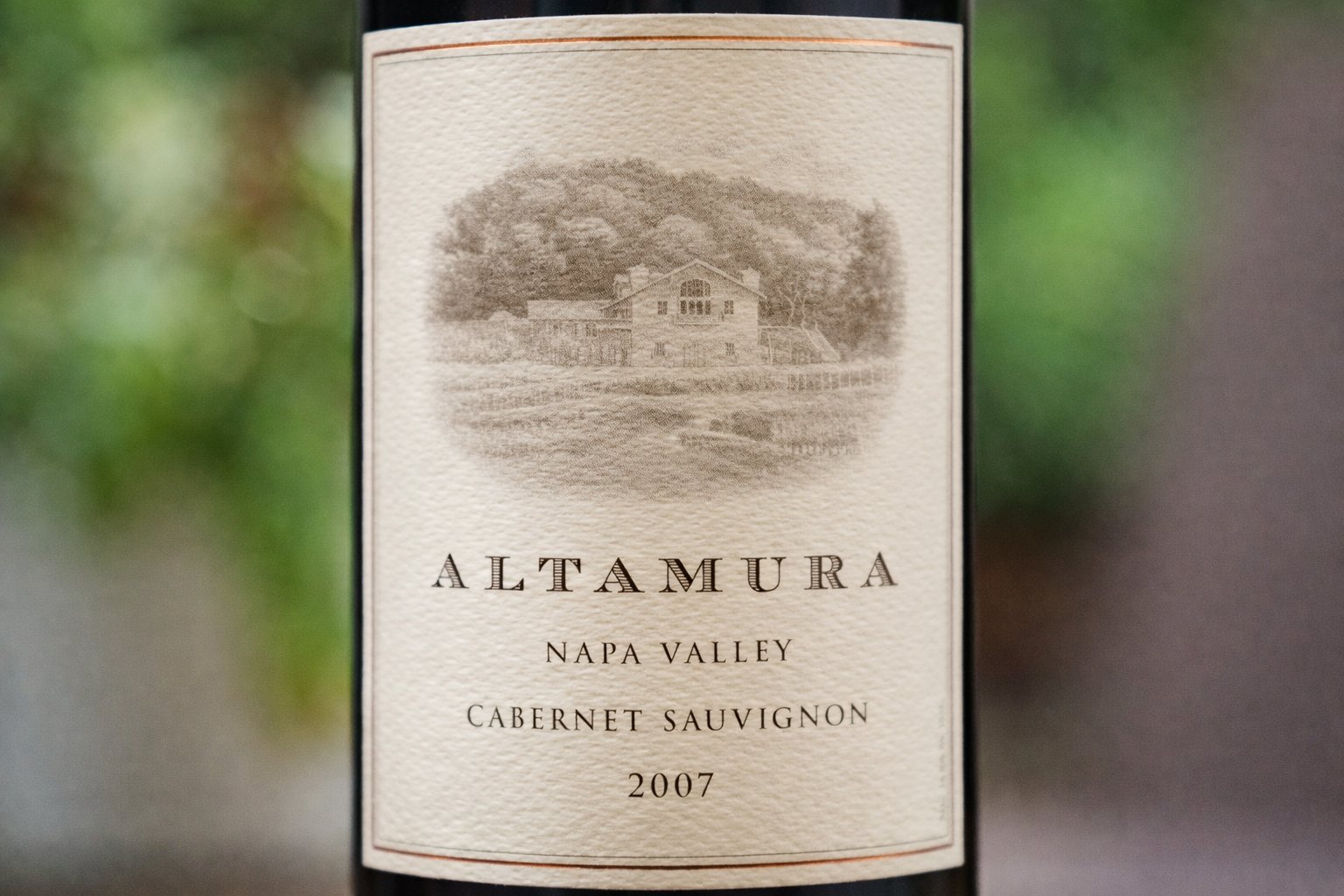
 The 2007 Altamura Cabernet Sauvignon, Napa Valley was aged for 30 months in 70% new oak. This wine is deep garnet and opaque with its color representing its time in bottle. For reference, we needled and nosed this bottle 19 years post vintage. And coincidentally, it was in 2007 that we made our first trip to Altamura. Sweetly fruited and uber ripe, the bouquet smells like cherry liqueur, blackberry jam, boysenberry spread, baked plums and assorted berry compote. And its non fruited layers include dark chocolate, sweet tobacco spice, and sweet baking spices. A mouthful of deliciousness for those who like riper and perceived sweeter expressions of this variety, at this age there is still plenty of fruit showing. Darkly fruited, this wine tastes mature, showing sweet blackberry, plum, boysenberry jam, raspberry, cherry pie, mulberry, cocoa powder and chocolate. The finish lingers with a gentle warmth deep on the palate, like cozying up to the edge of a warm fire in the winter. The tannins are fully resolved, fine-grained, their texture is like a comforting hug. Their presence lingers with a well-tumbled and lightly drying character. This wine was chosen among 8 wines as Wine Spectator’s #5 top wine of 2007, highlighted during a tasting called, 2010 New World Wine Experience: 2007 California Cabernet. Other notables chosen for that tasting included Peter Michael, Colgin and Schrader.
Nebbiolo
For Nebbiolo lovers, Altamura makes a delicious wine of this variety. It is very smooth yet complex and goes well with most foods. Typically, they do not open this wine unless visitors specifically request it, as it is made in such a low production. There are just a handful of Napa Valley wineries producing it and it is not well known outside of its country of origins, Italy.
The 2018 Altamura Nebbiolo is medium ruby in color. Its immediately intriguing bouquet offers aromas of cherry cola, red licorice, red plum, boysenberry, mulberry, raspberry, and a light layer of old cedar box. Forward-fruited yet restrained, this wine is showing beautifully at eight years post-vintage, right in its sweet spot. More red-fruited than dark, it carries a softer, mature character. The palate reveals flavors of plum, boysenberry, cherry, raspberry, and strawberry. One of Altamura’s textural hallmarks regardless of variety or vintage, is approachability. Here, the tannins are well-tumbled and gravelly, persisting in tandem with ripe, slightly sweet fruit, with neither element outpacing the other on the finish. The wine lingers with a light but persistent dusty, chalky character. Bright acidity keeps the wine fresh and balances out the ripeness of the fruit.
Negroamaro
A variety, that to the best of our knowledge is not grown or produced anywhere in Napa Valley except at Altamura is Negroamaro. This red wine grape is native to the southern part of Italy including in Puglia and Salento. Altamura has about an acre planted of these vines; this block typically produces about 100 cases of wine. In Italy this variety is often part of a red blend; in Napa the Altamura’s make a 100% varietal expression. It is available exclusively at Ciccio’s in Yountville or directly through the winery.
The 2016 Altamura Napa Valley Negroamaro is deep ruby in color; for reference, we tasted this wine 10 years post-vintage. The ripe bouquet reveals both sweet fruit and dessert spice aromas, including fig newton, cocoa powder, cinnamon stick, dark licorice, baked plum, and cardamom. As with the bouquet, the palate is a ripe union of fruit and dessert-driven barrel influences. The flavors are rich but never overripe, showing notes of blackberry, Santa Rosa plum, licorice, boysenberry, Persian mulberry, and cherry, with a lingering impression of dark cocoa powder. The acidity helps balance the ripeness of the fruit. At this age, the tannins are seamlessly integrated—soft and fitting into the finish like a perfectly aligned puzzle piece—while still carrying a light, chalky texture. The fruit persists beyond the structure on the finish, giving the wine a lasting and satisfying impression. Friendly and approachable, this wine spent six years in barrel followed by up to two years in bottle before release. This is one of the oldest current release wines we have ever tried in Napa Valley, 10 years post vintage at the time of our tasting.
Hospitality
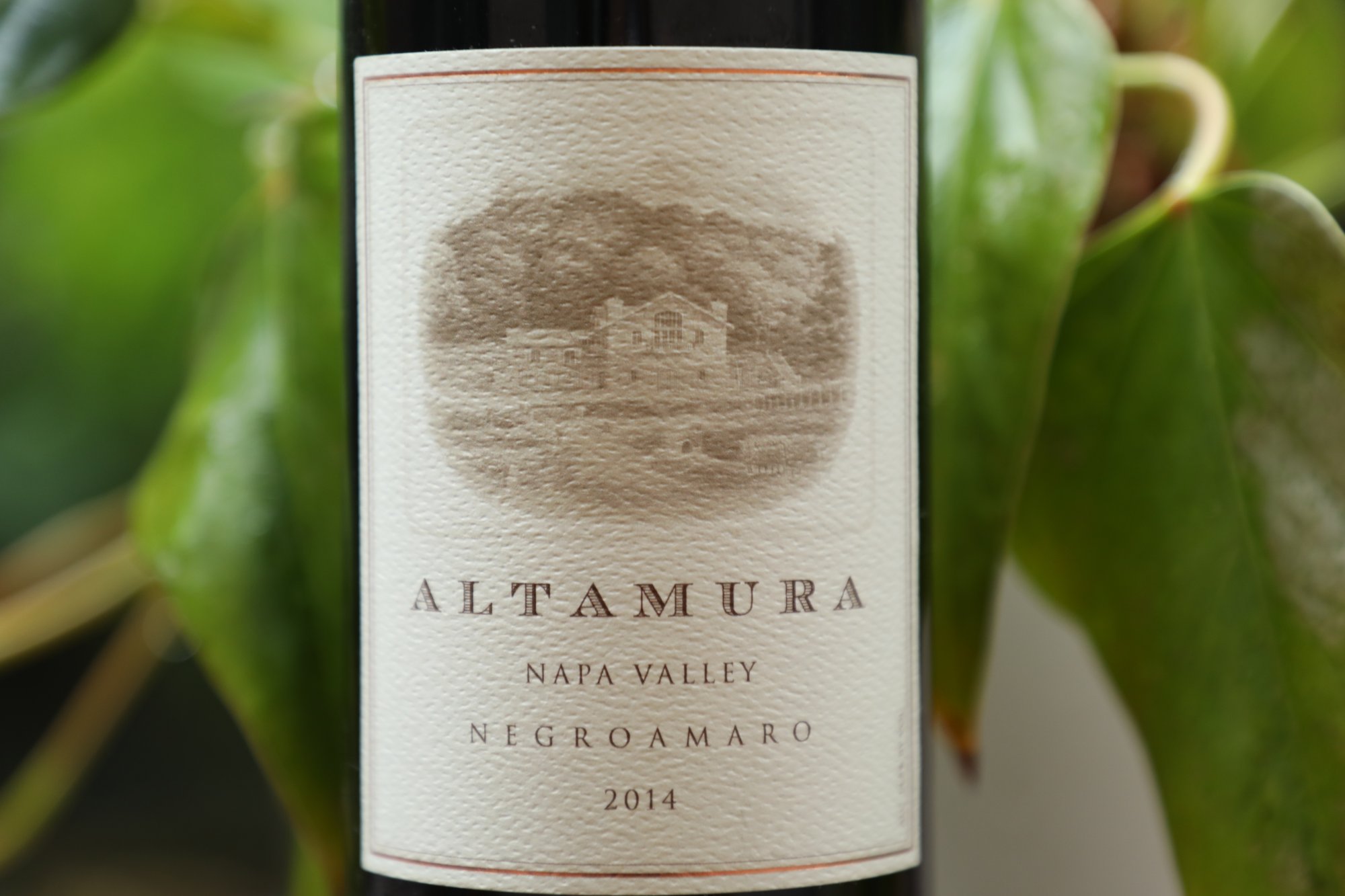
The 2014 Altamura Negroamaro is medium to deep ruby with some brickish hues; the forward fruited and sweet bouquet smells like raspberry jam, red licorice, ripe strawberry, ripe Santa Rosa plums that have already fallen and harvested a day or two after being on the ground on a super hot day, dark raspberry and mulberry – with several light sweeter notes at play here, undertones to the fruit, perhaps of dried anise seeds, cloves, nutmeg and cinnamon stick. The palate is a mirror of the bouquet, showing soft, mature and sweet fruits including raspberry, red plums, boysenberry, blackberry, strawberry and licorice. Accompanying spices include cloves, cinnamon and perhaps a light but lingering note of orange bitters, green tea leaves and or dried bay leaf. Medium acidity. The fruit and varietal character still drives this wine at 12 years post vintage with oak taking a comfortable back seat. The tannins are gentle and well-tumbled; their light grip is integrated smoothly on the finish. To be honest, we are surprised that other Napa Valley producers do not make wine from this variety.
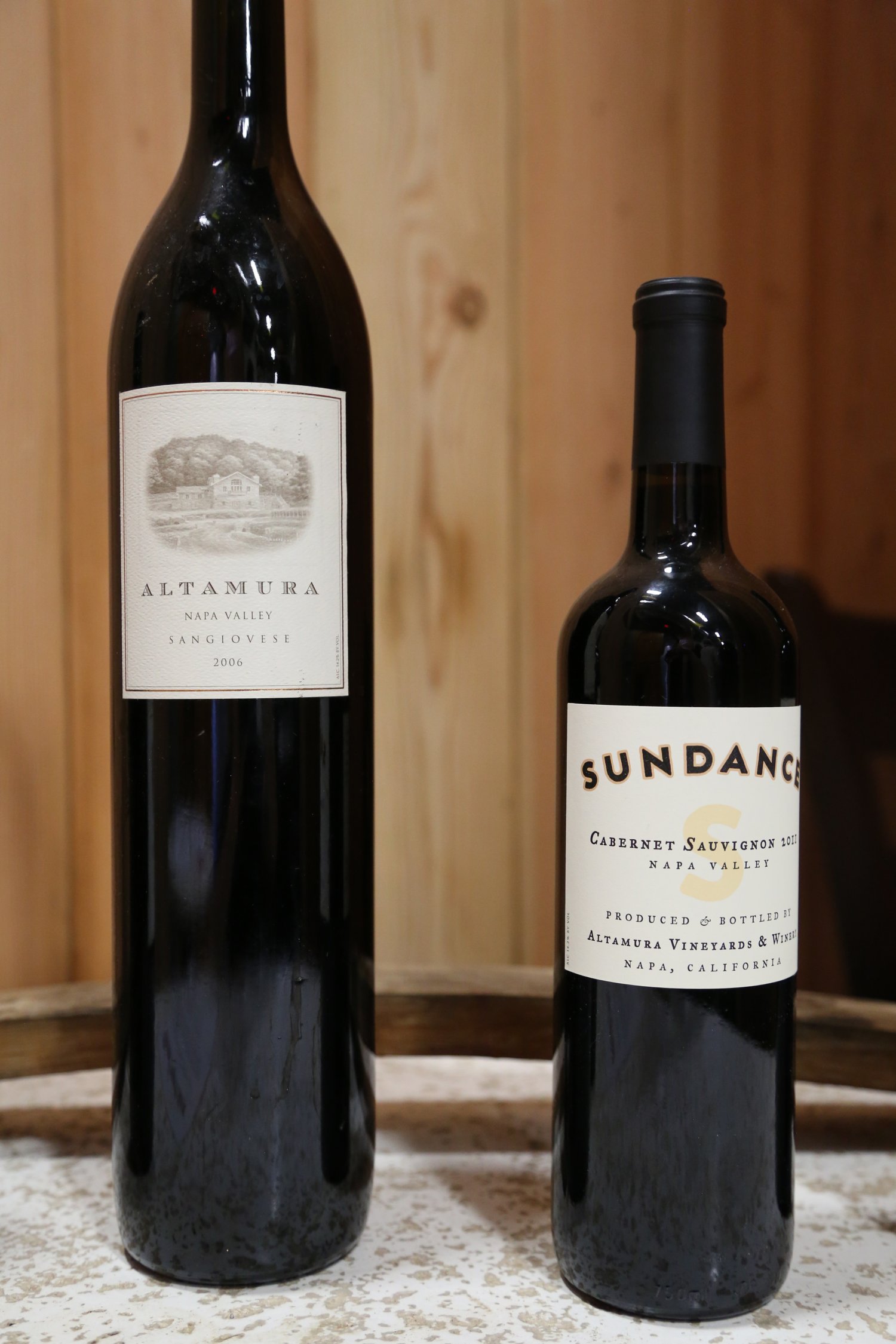
Their glass comes from Italy; the bottles are distinctive for their elongated narrow shape with especially long necks.
Ciccio Restaurant, Yountville
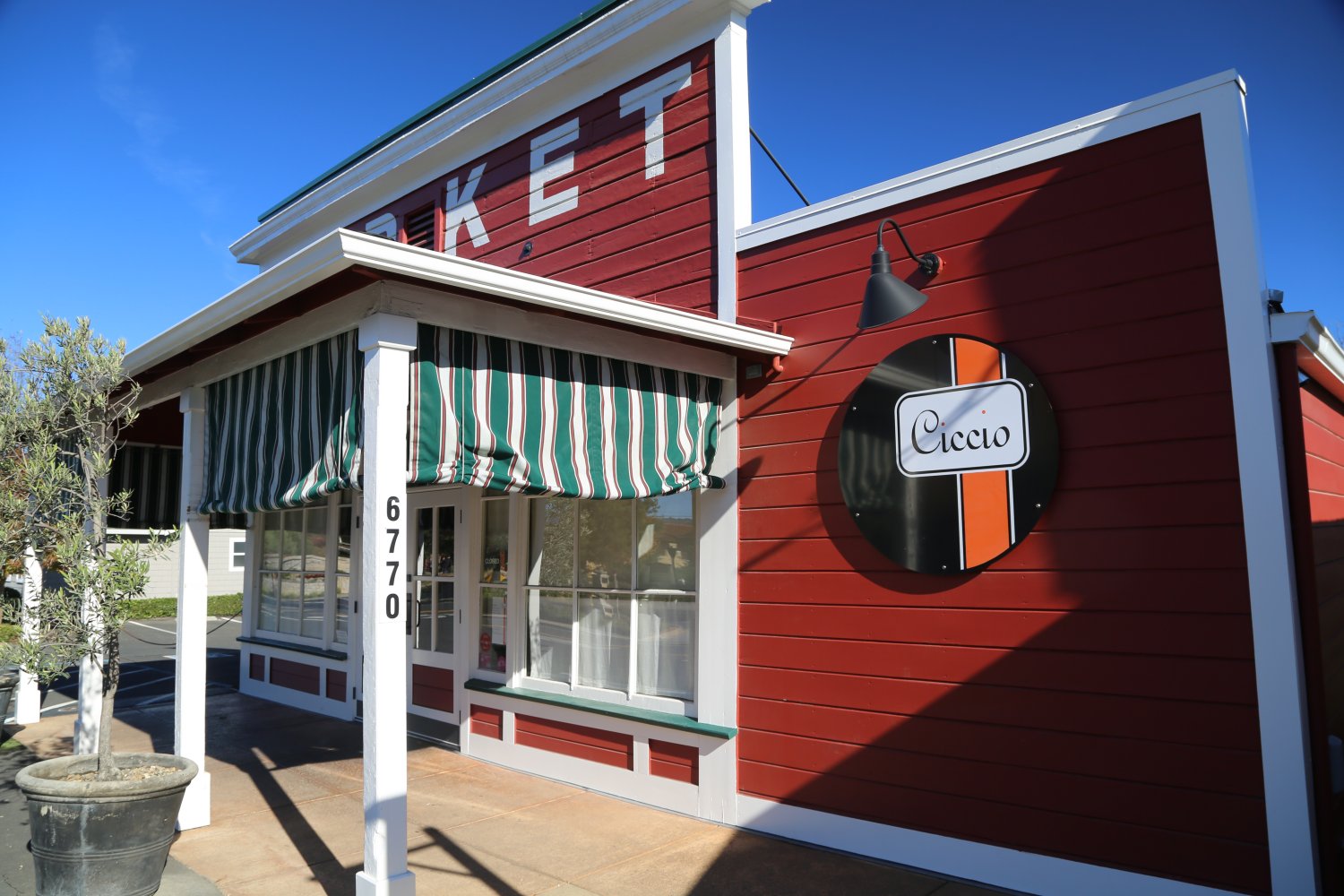
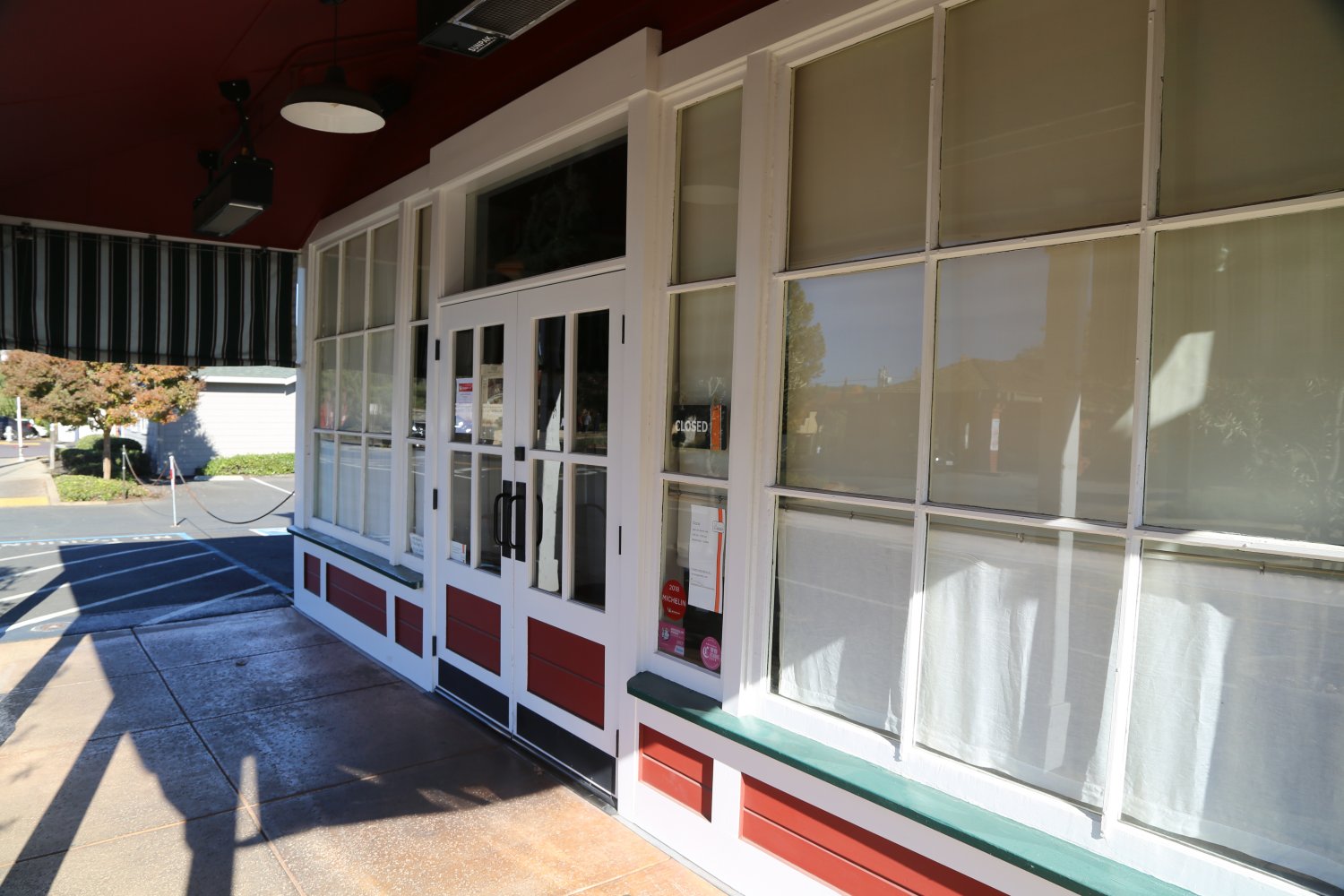
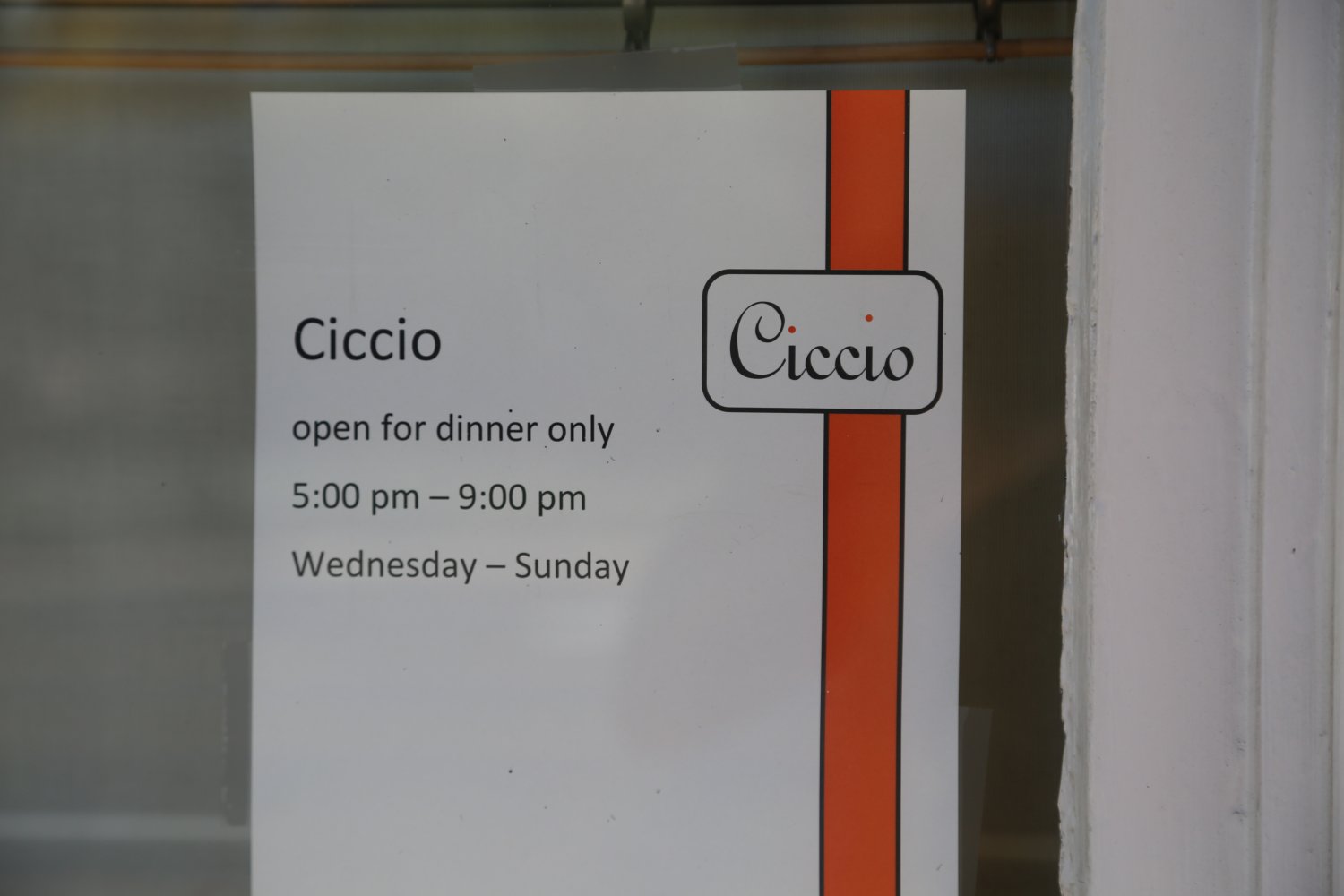
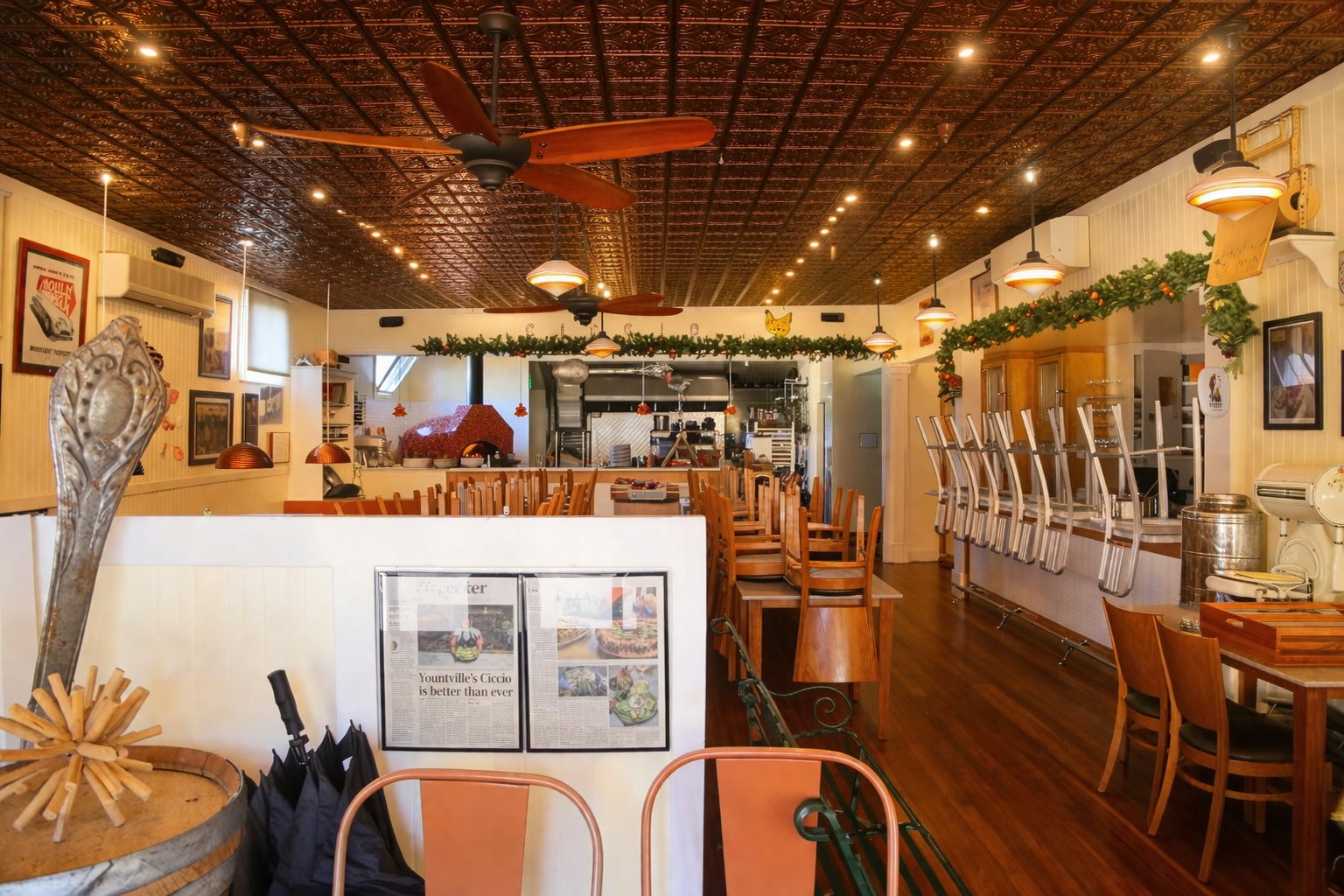
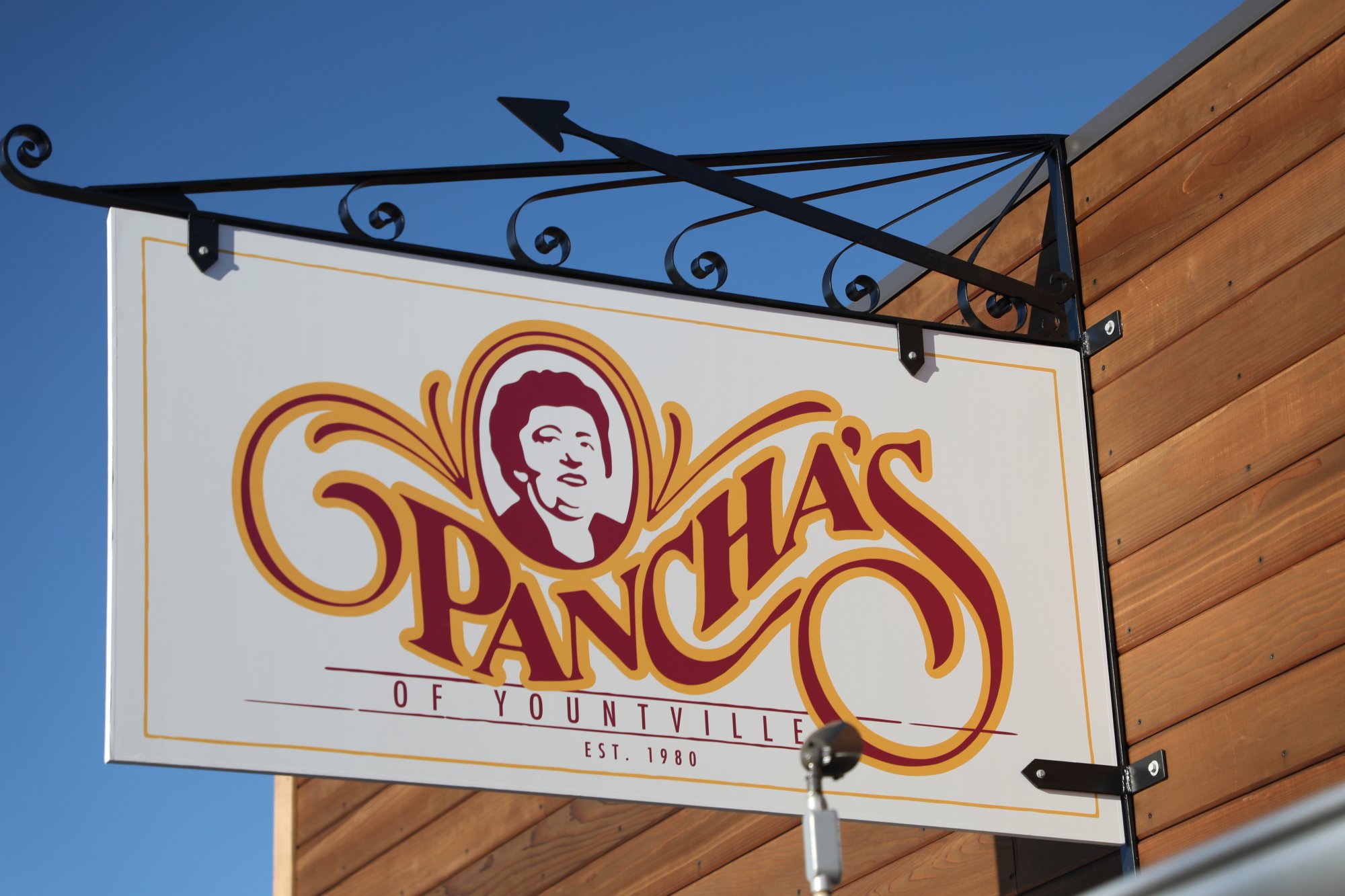
Frank & Karen Altamura and their two sons, Frank and Giancarlo own the very popular walk-in only (no reservations taken) small Ciccio Restaurant in North Yountville or “NoHo” if you are a local. Located just north of the famous French Laundry restaurant and next to one of Yountville’s former and falling down institutions, Pancha’s of Yountville – a rough and tumble establishment that contrasts greatly with the contemporary luxurious zing of Yountville today. The name Ciccio is what Frank was referred to when he was a child, meaning ‘little Frankie’.
Ciccio features a variety of pizzas as well as Italian entrees cooked in their wood-fire oven. In addition, locally sourced ingredients are used in their dishes including some trucked over from their own Wooden Valley located ranch & vineyards. Only their Cabernet Sauvignon is distributed in retail outlets – their other wines are not distributed however Ciccio is one place where you can try them without visiting the winery. And Ciccio has developed a reputation since opening for producing some of the valley’s best Negronis, the one drink we always order whenever we eat here.
What is now Ciccio’s used to be the Tonascia Market which operated until the end of 1983 by the Tonascia family after originally established in 1916 by two brothers, Joseph and Silvio Tonascia. Over the years the market sold a variety of items including according to an ad dated July 28, 1960, in the Napa Journal, meats, produce, beer, ammunition and dairy products. At one point a gas pump was located in front of the market. By the time it closed this was Napa County’s oldest continuously operating grocery. It was reborn in 1984 as Yountville Market.
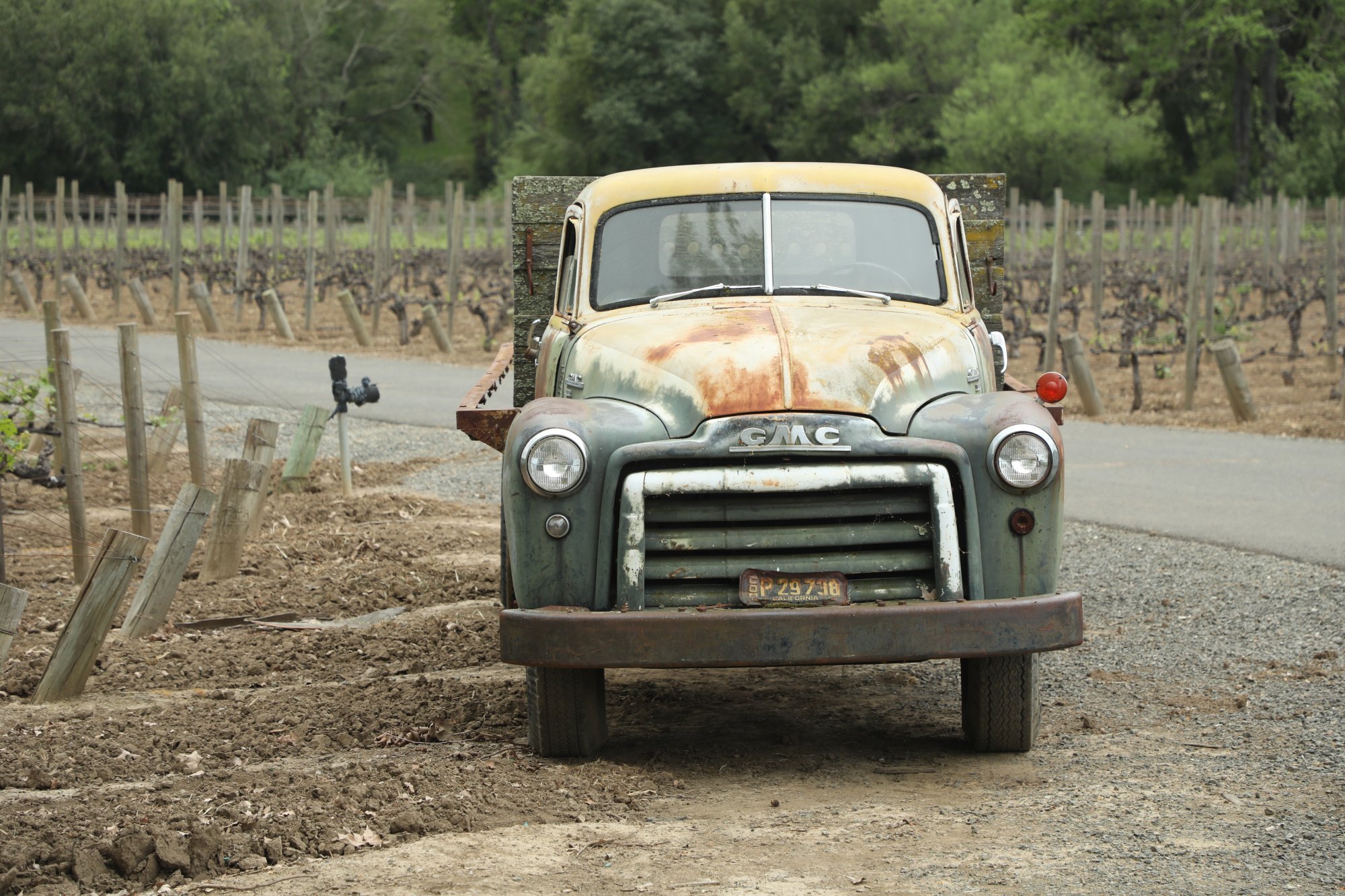
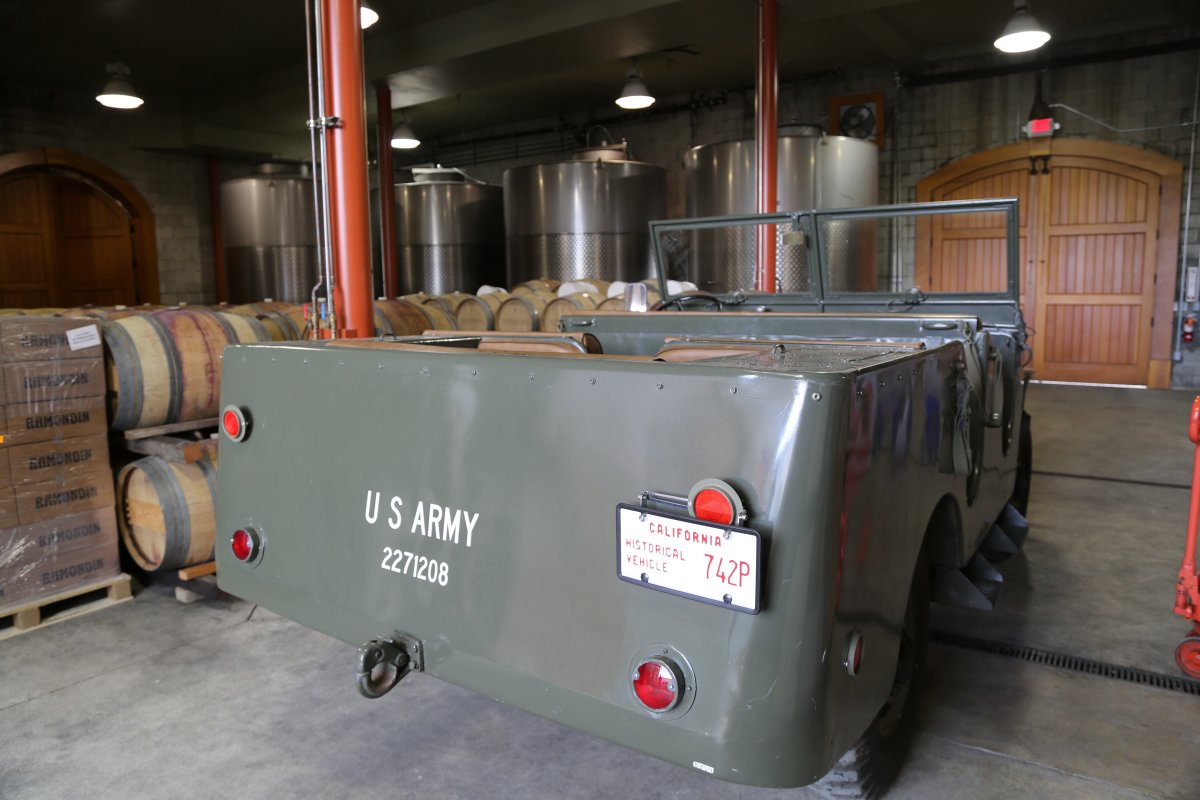
Visits are private to the winery and ranch – if Frank is hosting the tour, you may be driven around in his old army vehicle, a Dodge which was built in 1943. It doesn’t get more Napa Valley rooted than a visit here.
Beside sold direct, the wines are also distributed and available through a number of online retailers including Gary’s Wine & Marketplace in New Jersey. The Altamura’s often host wine dinners around the country as schedules allow. For more information, to schedule a visit or to purchase wines click through to their website: www.altamura.com
Winery
Vineyards
Altamura visit starts at about 21:30 in the video.
We own a wine shop in Morro Bay. Who is your distributor?>
Tammy 805-772-5055
Tammy – I would email Frank directly.