

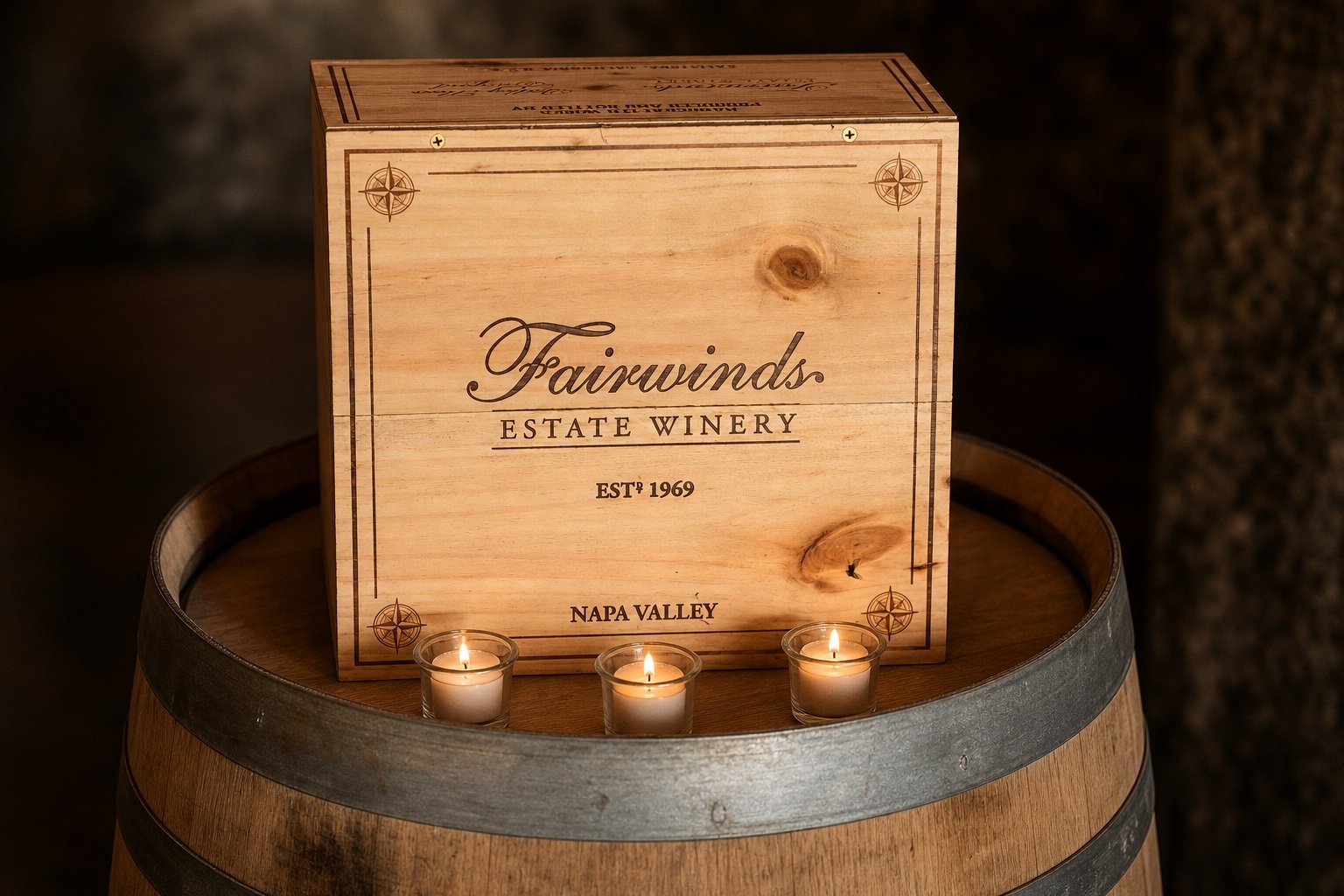
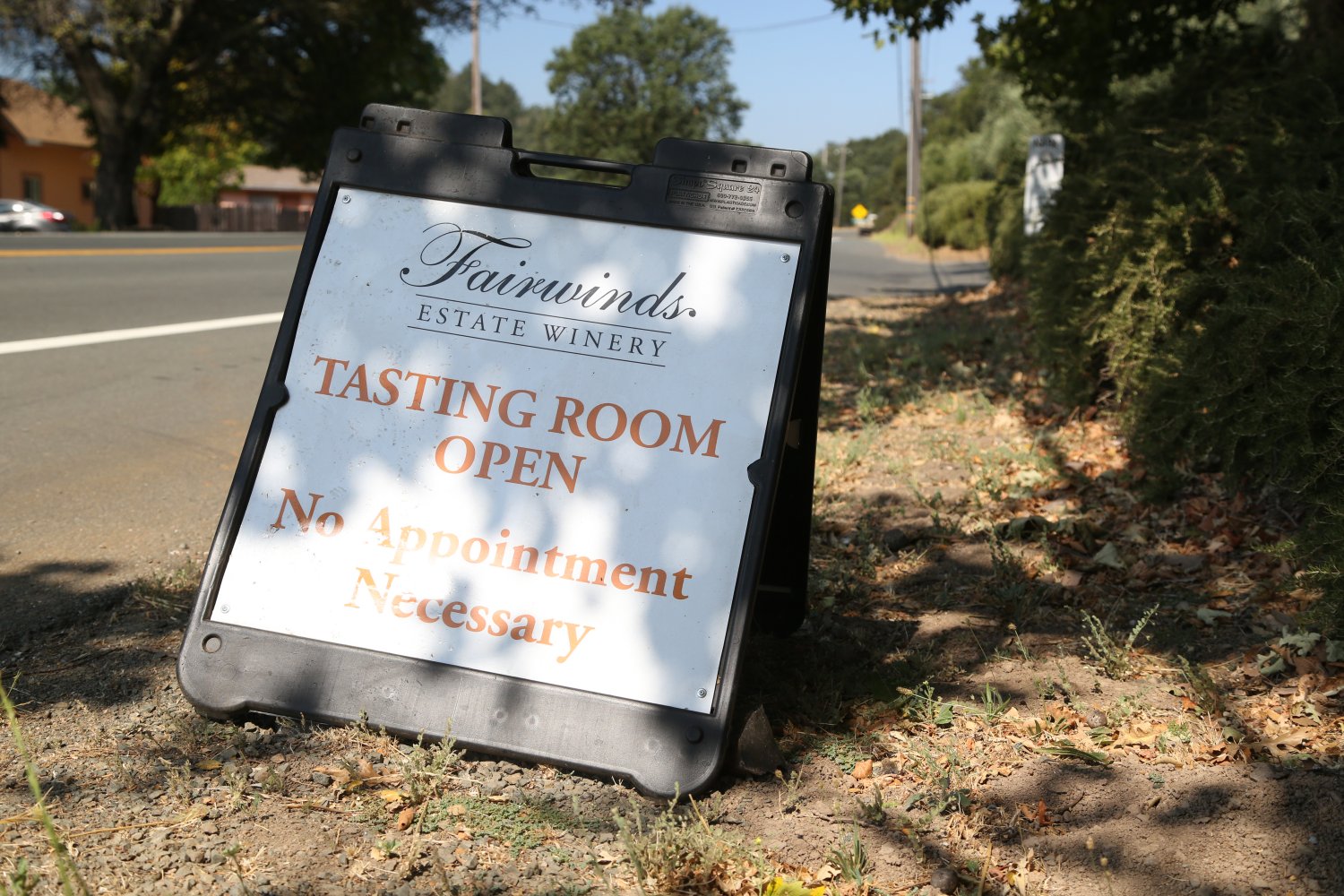
 Fairwinds Estate Winery, not to be confused with FairWinds Winery in Port Townsend, Washington is located a few minute drive south of Calistoga on the east side of Silverado Trail. In 2015, proprietors Brandon Chaney and Anthony Zabit purchased the the previous winery and property for Cuvaison Winery and renamed it to Fairwinds Estate Winery. They opened their tasting room with limited hours in January 2016.
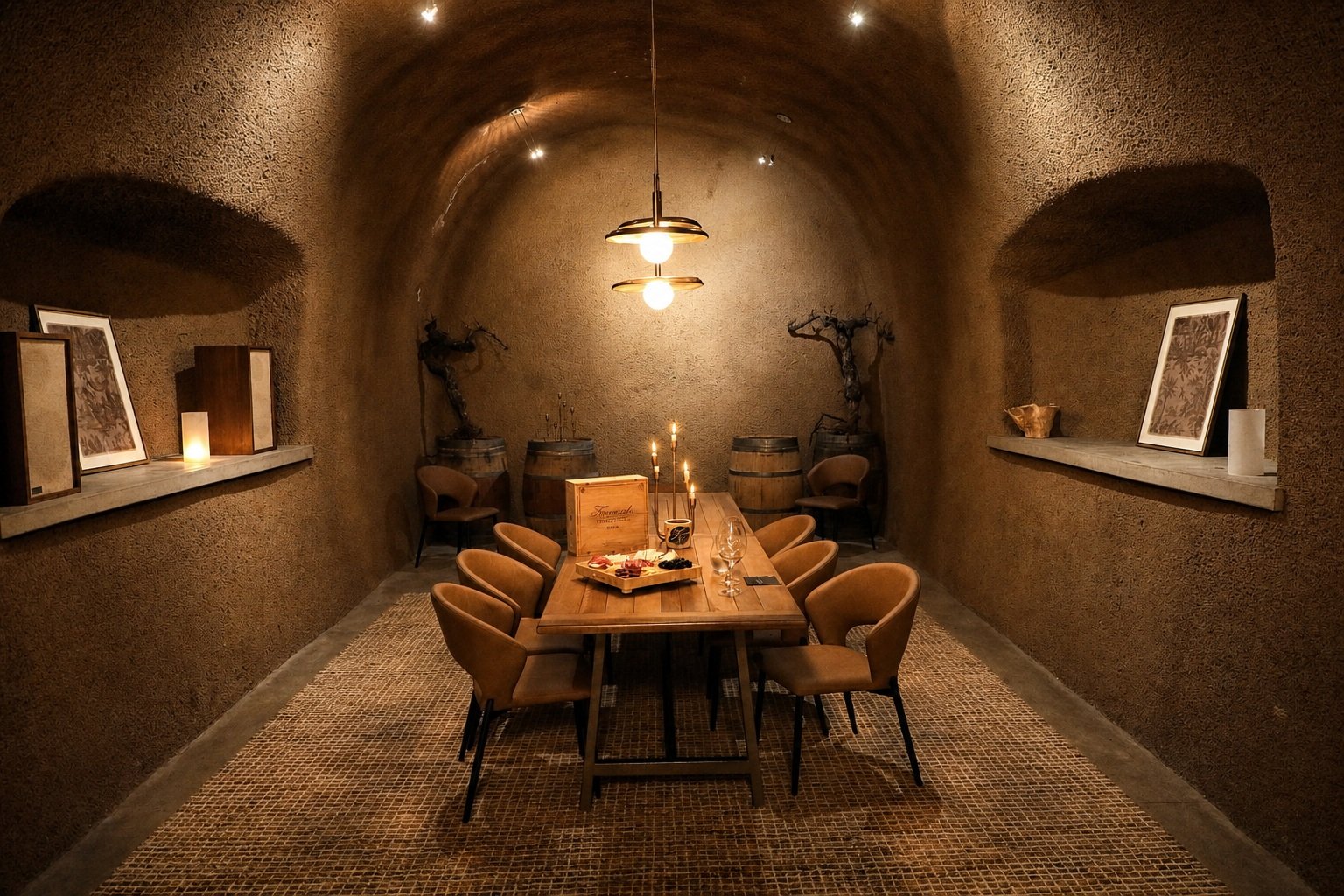
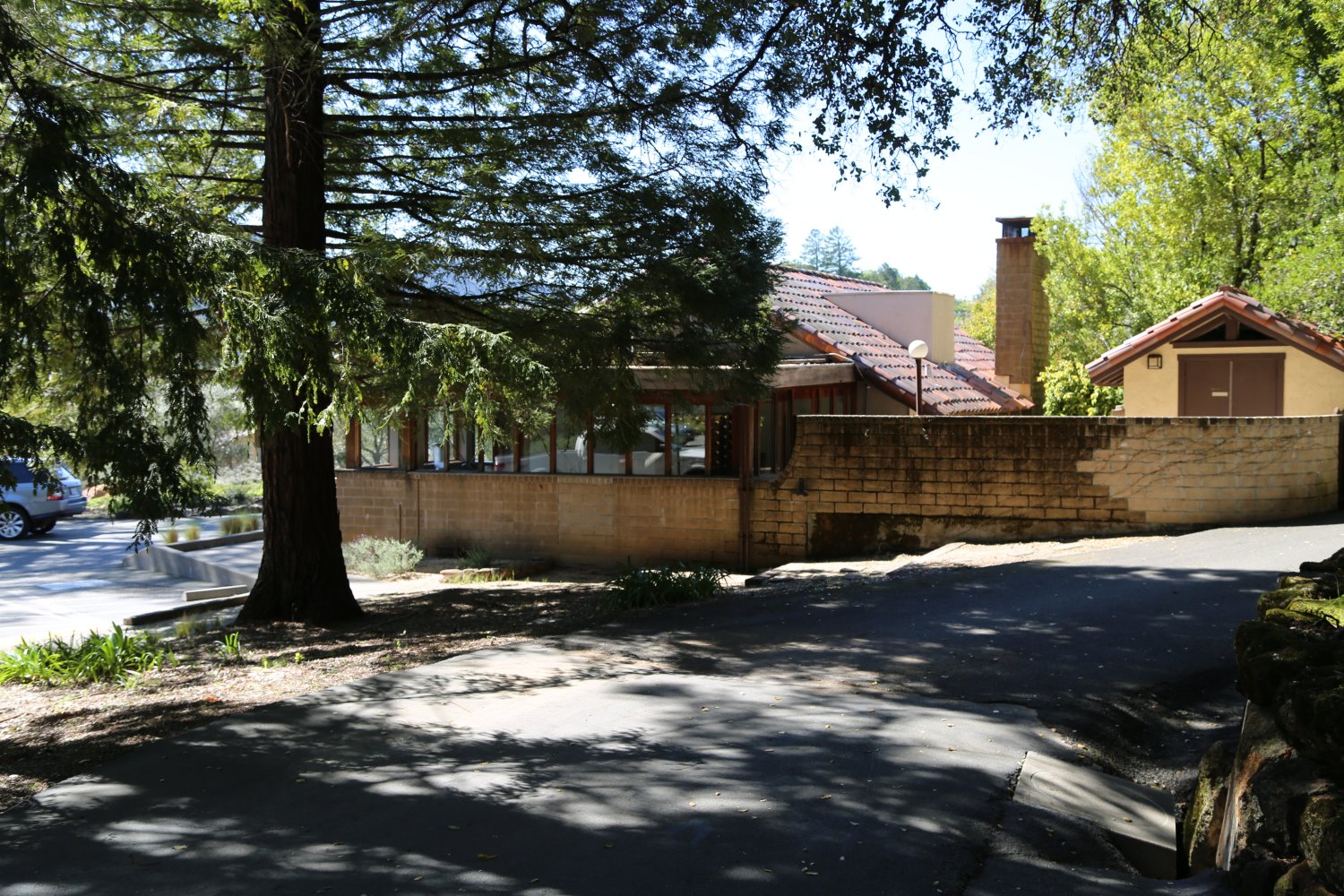
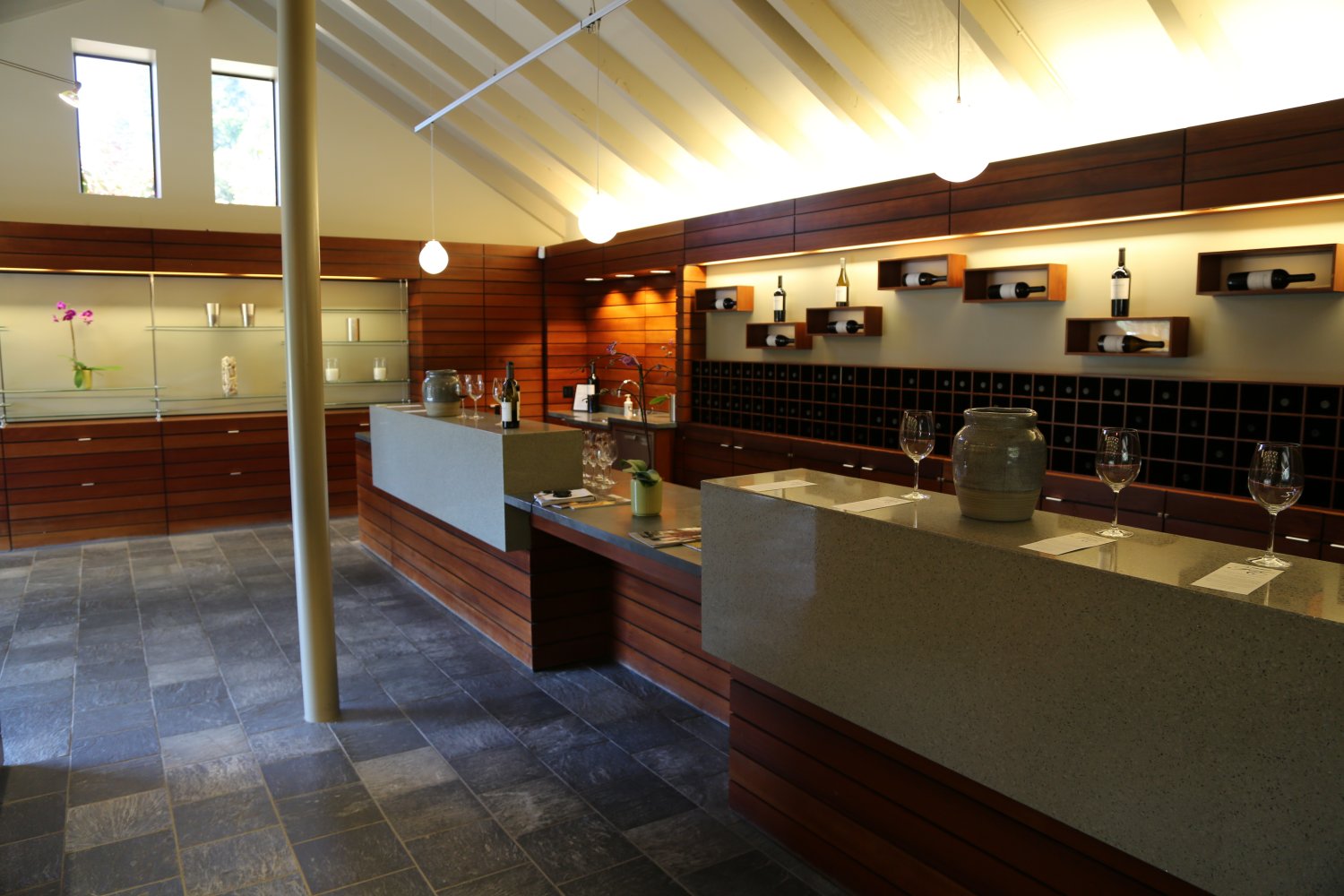
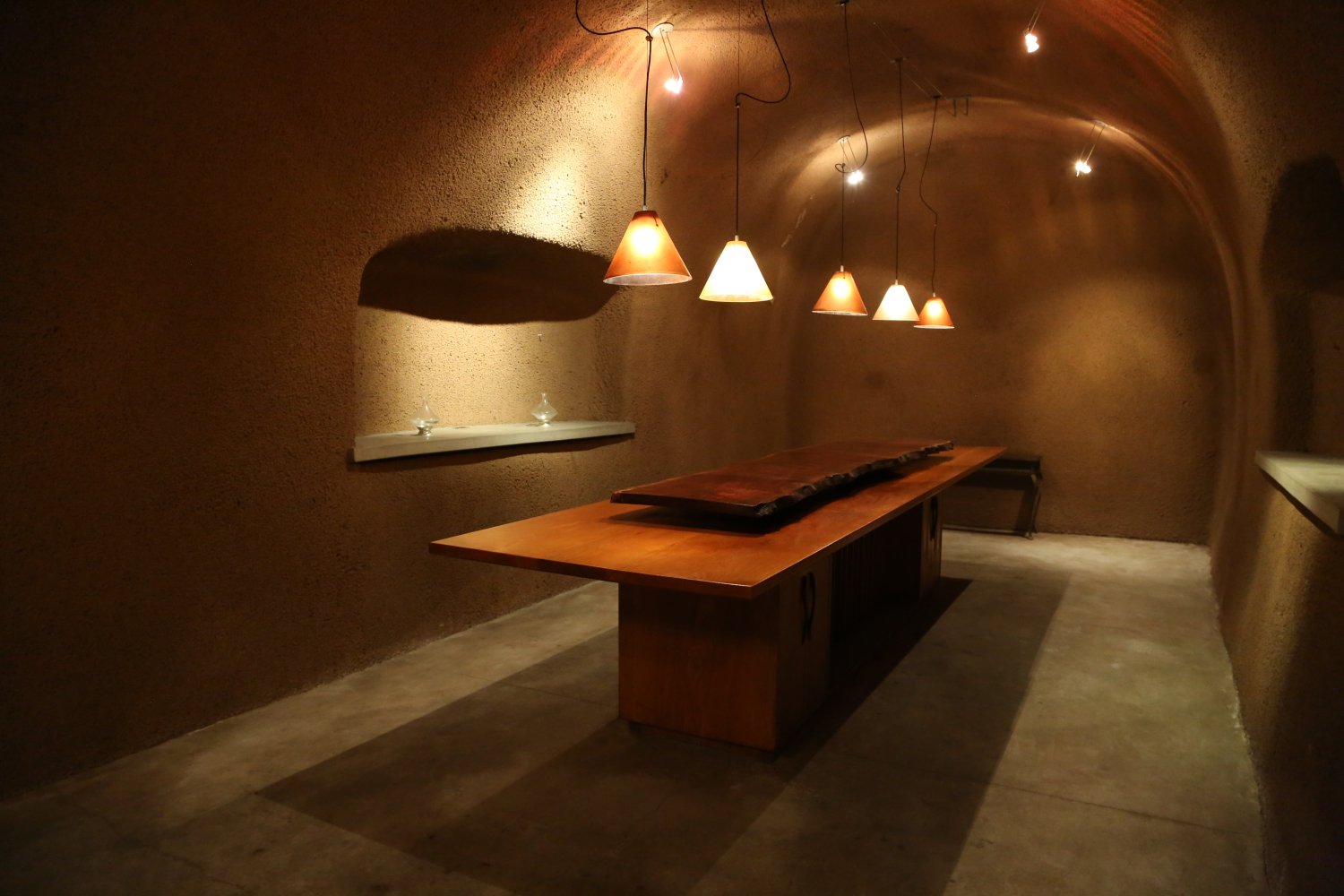
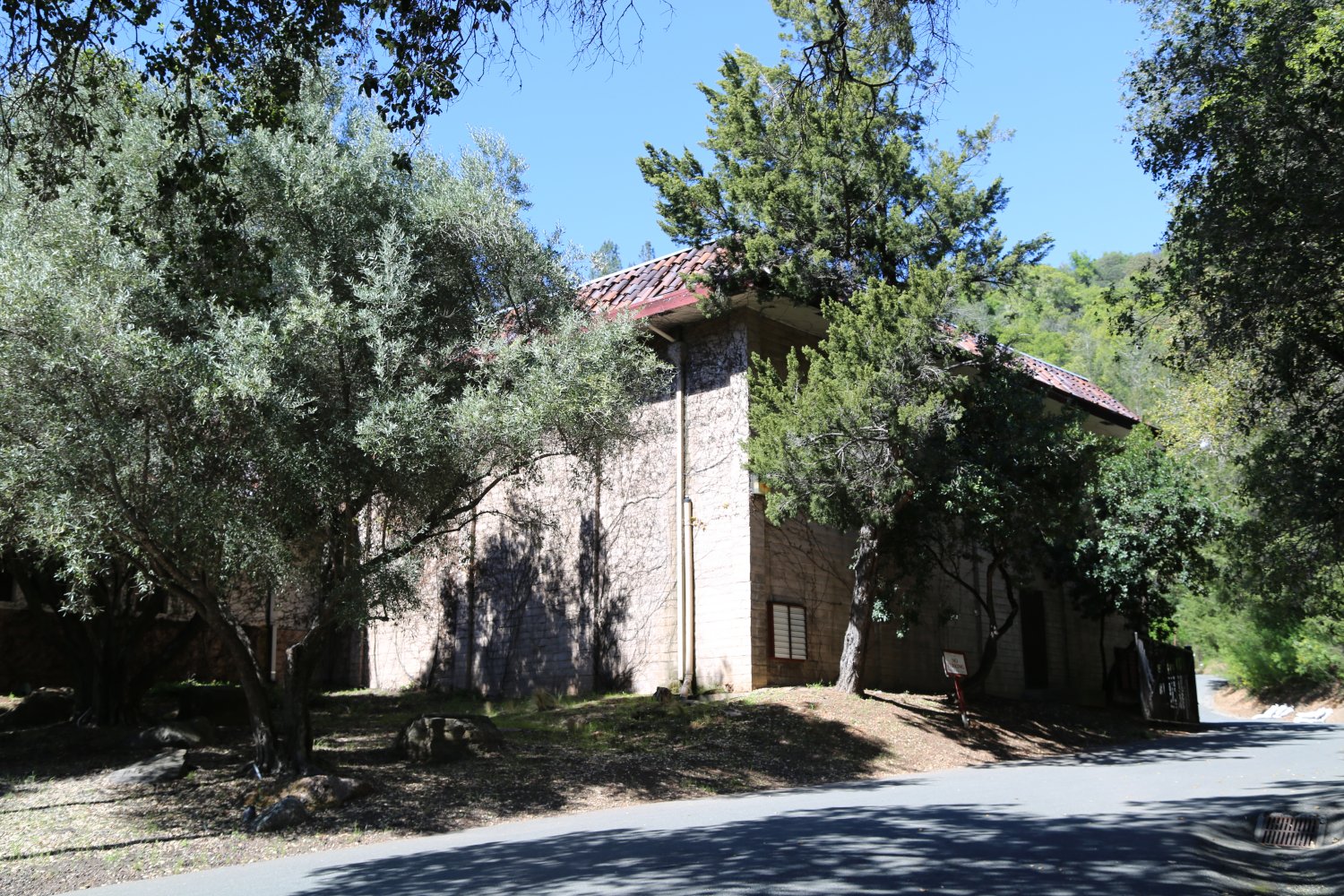
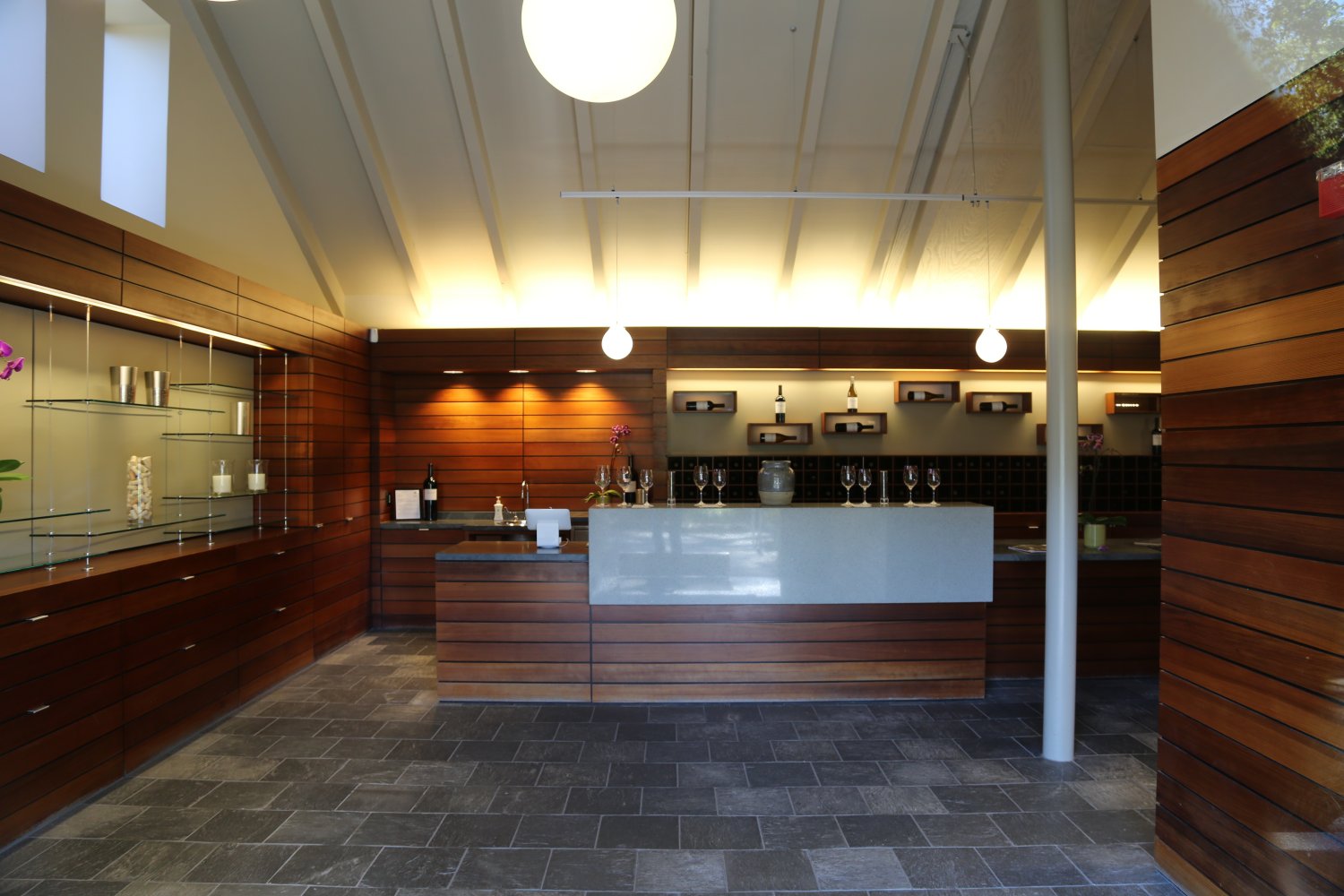
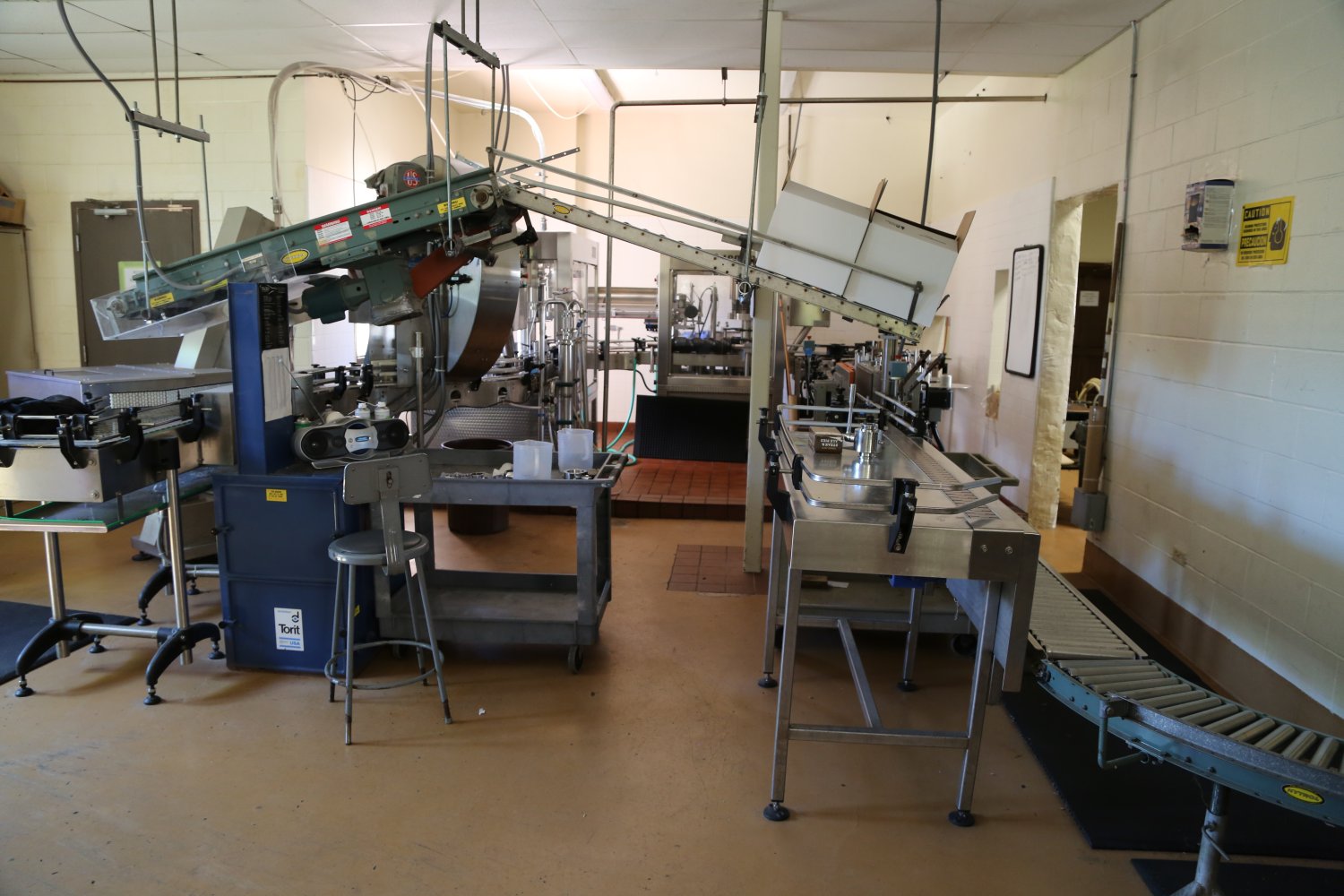
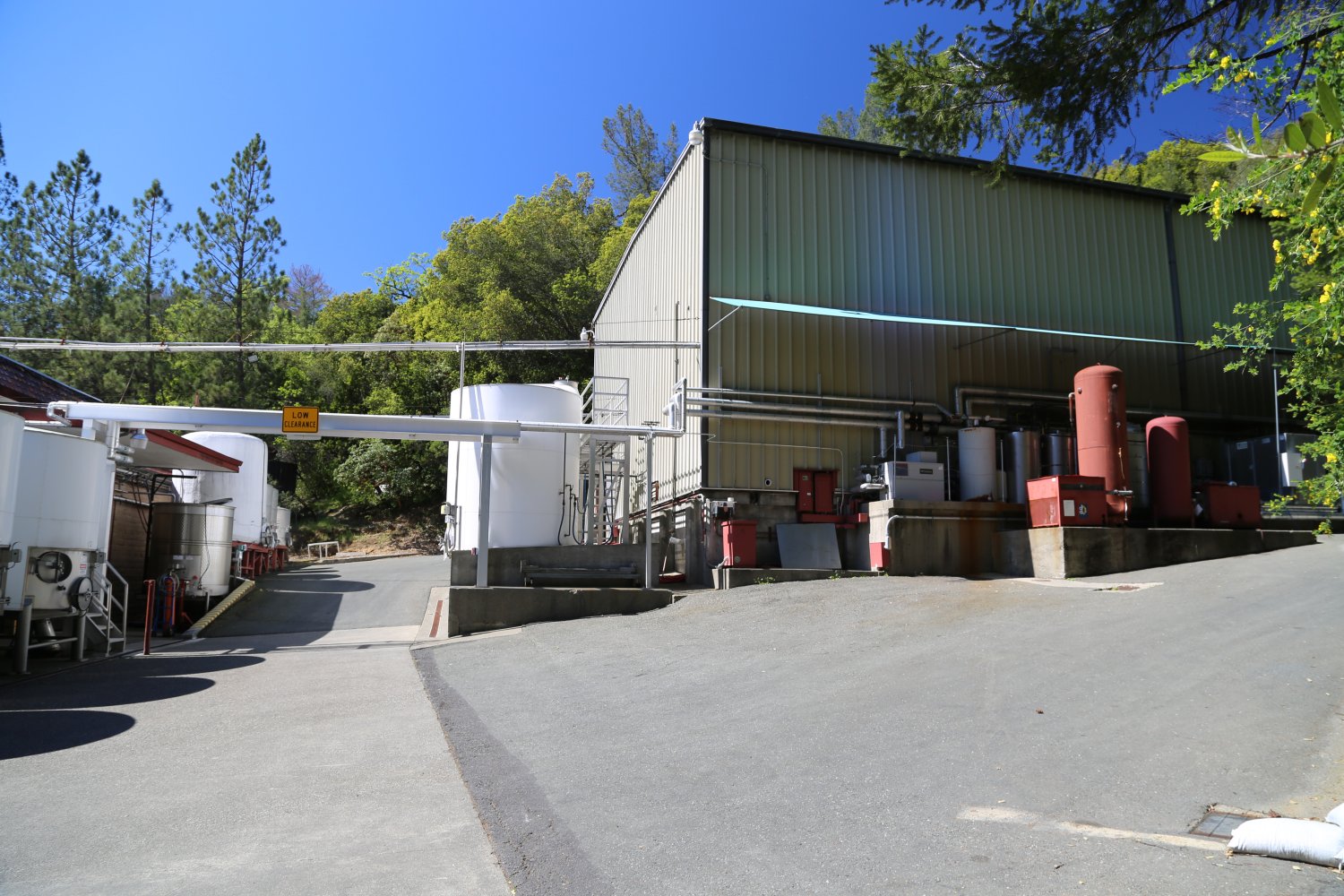
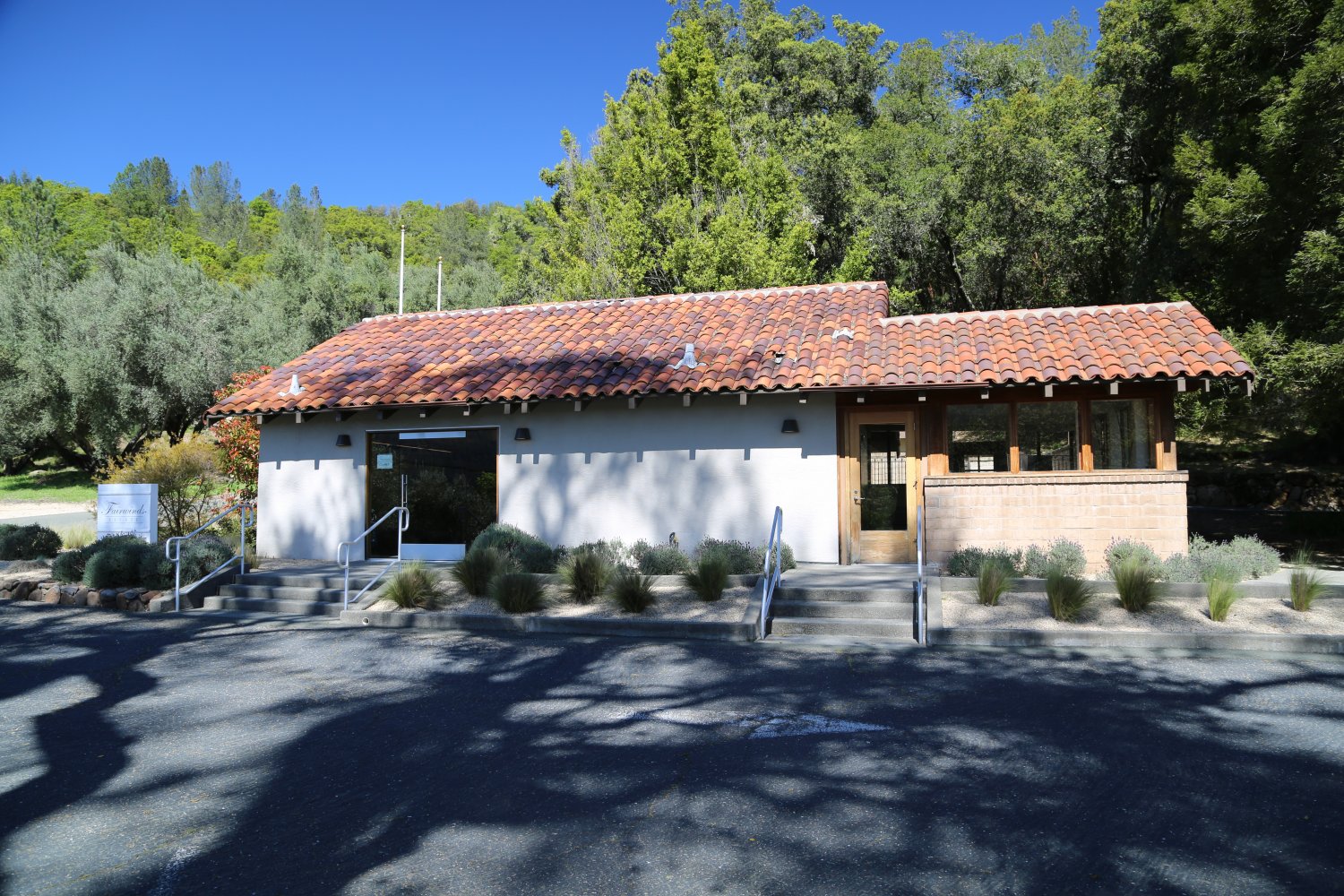
The Fairwinds Estate Winery tasting room and winery building burned to the ground in the devastating Glass Fire of 2020. As of our latest update to this review, this tasting room has not yet been reconstructed and tastings are primarily hosted only for wine club members but also for others – strictly by appointment. These are conducted inside the wine cave and include a pairing with local cheese and charcuterie.
The rest of the property sustained major damage. A number of other producers stored and made wine here and unfortunately their products were also destroyed in the fire. Following the fire Fairwinds Estate rented a small warehouse in downtown Calistoga which they ultimately purchased in 2021. This space was their fulfillment center for storing, packing and shipping wines, but is no longer owned or used by Fairwinds Estate.
—
Life paths can certainly lead to some interesting endeavors. Take Brandon and Anthony for example; they met as college roommates when both were attending Indiana University. Later in life they both became partners in various tech and real estate businesses. Brandon, who we met with and is a serial entrepreneur, runs the day-to-day operations of Fairwinds Estate and spends time commuting between his home in Incline Village, Nevada to Napa Valley.
The name Fairwinds Estate is directly tied to a historic property built in 1934 on Lake Tahoe’s north shore that Brandon and Anthony purchased; the former owner of that property used to call it “Fairwinds”, perhaps inspired by a warm August day up at “the lake” enjoying the afternoon breezes blowing through the pine trees while enjoying panoramic and picturesque lakefront views. Brandon and Anthony no longer own that property and as of 2026 it is again for sale. Address: 9898 Lake Street in Kings Beach, CA.
Brandon’s parents were in academia; during his youth, the family moved to Wales. While in Wales, they purchased a VW bus and Brandon fondly remembers his family driving around Germany and staying at numerous B&B’s and visiting wineries. This was his first introduction to hospitality and the world of wine. Wine to him has always been important and an enjoyable part of life but it wasn’t until he and Anthony purchased this property that it became a part of their business world.
And their timing on finding this property was impeccable. Brandon drove over to see the property once or twice and then immediately decided it was worth purchasing. He did not know at the time the extent of this properties’ grandfathered permits and or its history within Napa Valley as several now prominent wineries in Napa Valley made their first vintages here. And or perhaps the pull that some visitors to the valley have with this particular property. Soon after they acquired this property, a number of visitors told Brandon about celebrating highly personal special occasions in their life while visiting the property.
Interestingly, the original founders of Cuvaison, located on this property in 1969 came from a tech background in Silicon Valley. The roots of Cuvaison began when Silicon Valley based engineer Thomas Parkhall began making home wine in the early to mid 1960s. He came to the Napa Valley in 1967 looking to purchase premium grapes. In 1969 he partnered with Tom Cotrell (a Silicon Valley based laser physicist who would go on to become Pine Ridge’s founding winemaker) to start Cuvaison. They built a basic building on site in 1970 which was replaced by a larger winery four years later; they sold the property and brand in 1974 and was sold again in 1979 to Dr. Stefan Schmidheiny and his brother Alexander. Brandon and Anthony purchased the property from the Schmidheiney family.
For reference, in 1969 from our own count and research there were approximately twenty wineries located within Napa Valley that are still in business and producing wine. For comparison, today according to an often-updated list we personally maintain, there are over 1,000 unique active wine producers in Napa Valley.
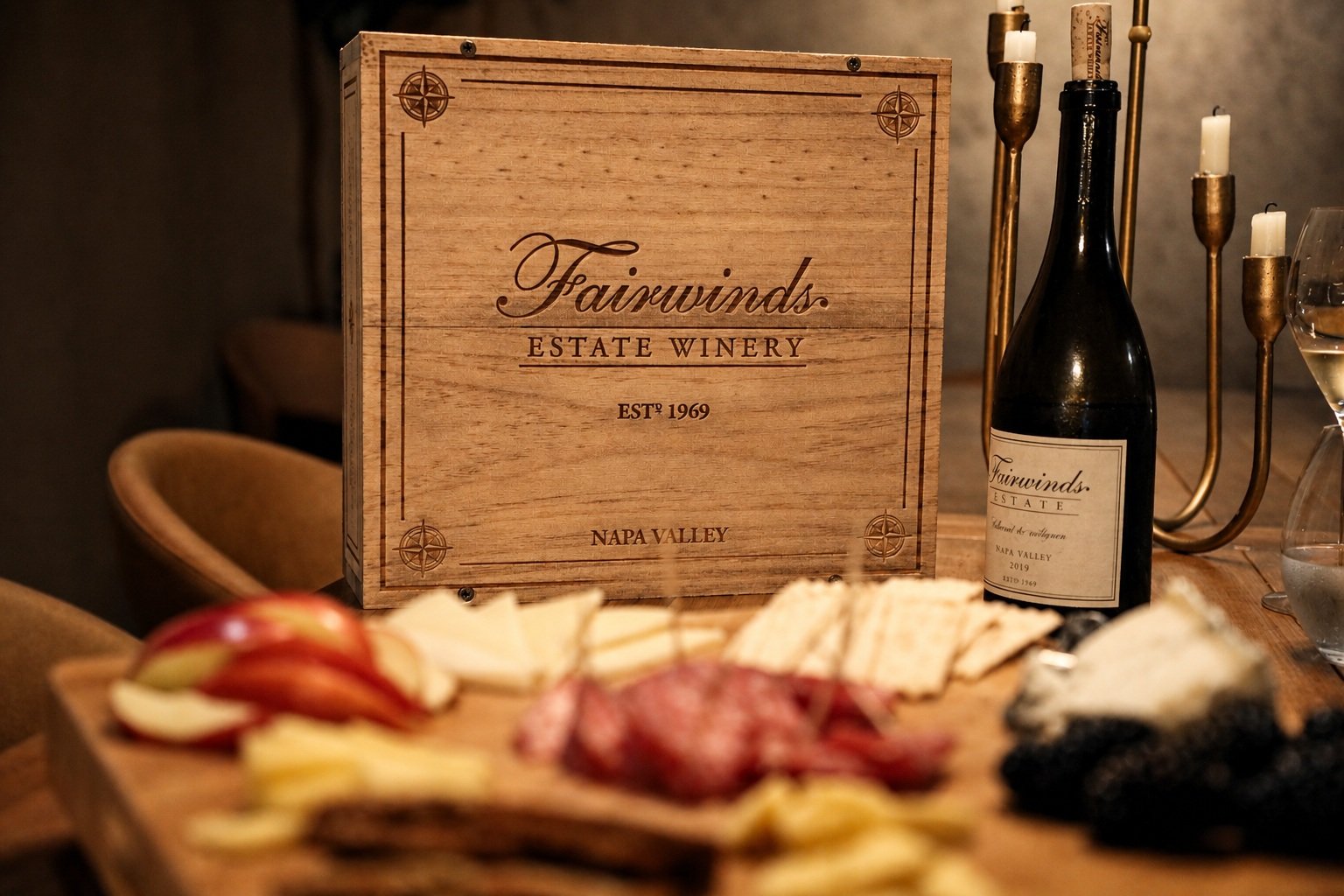
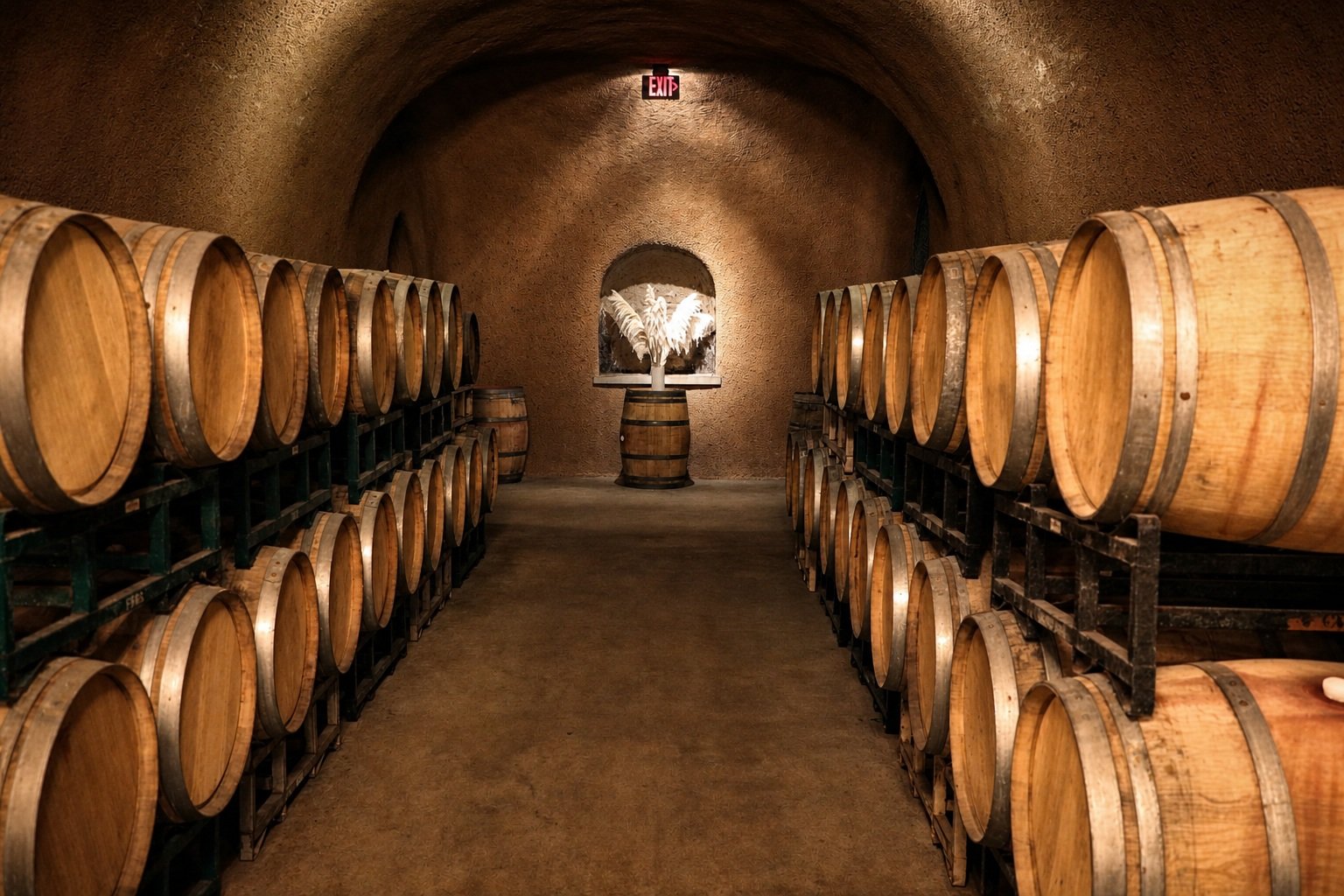
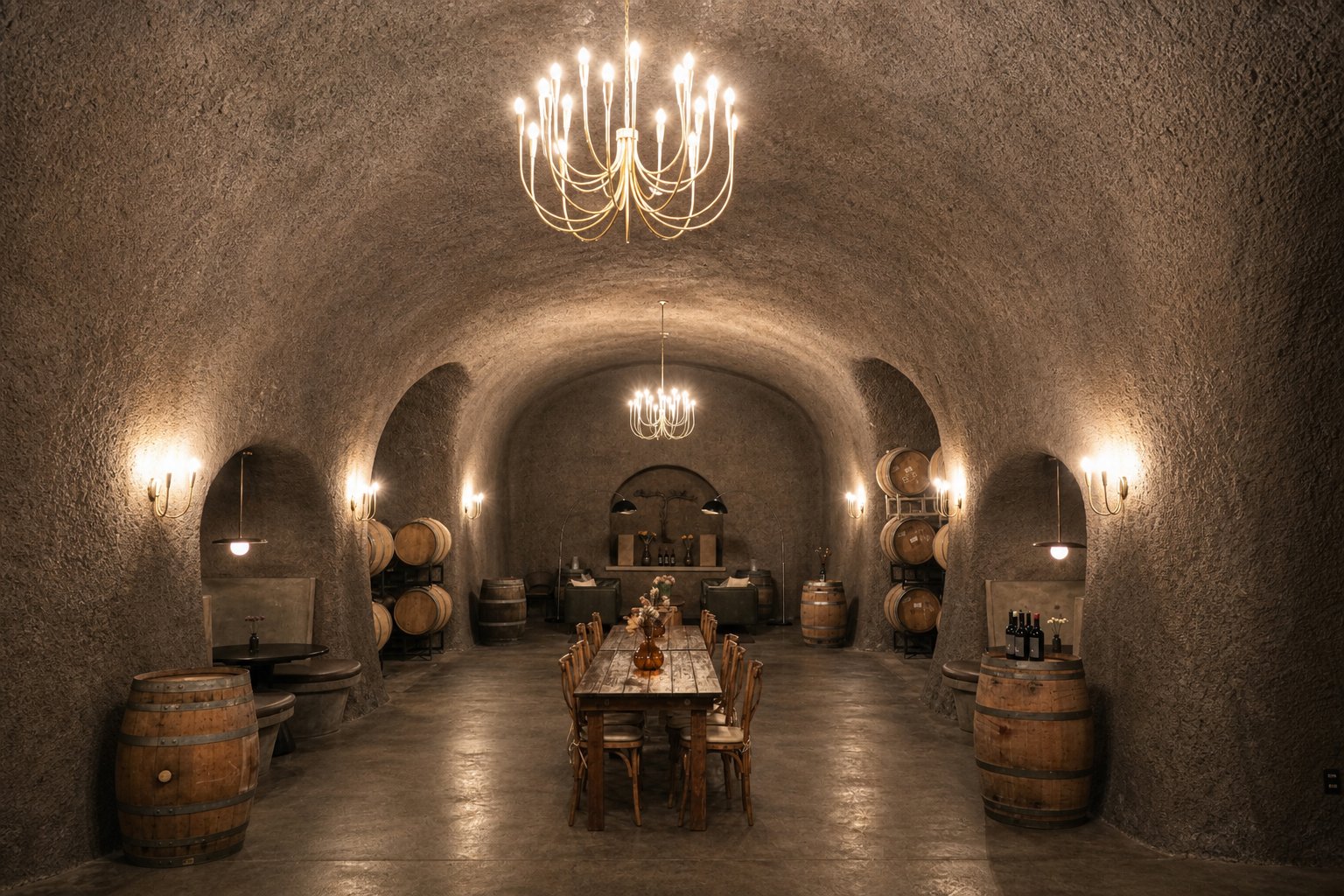
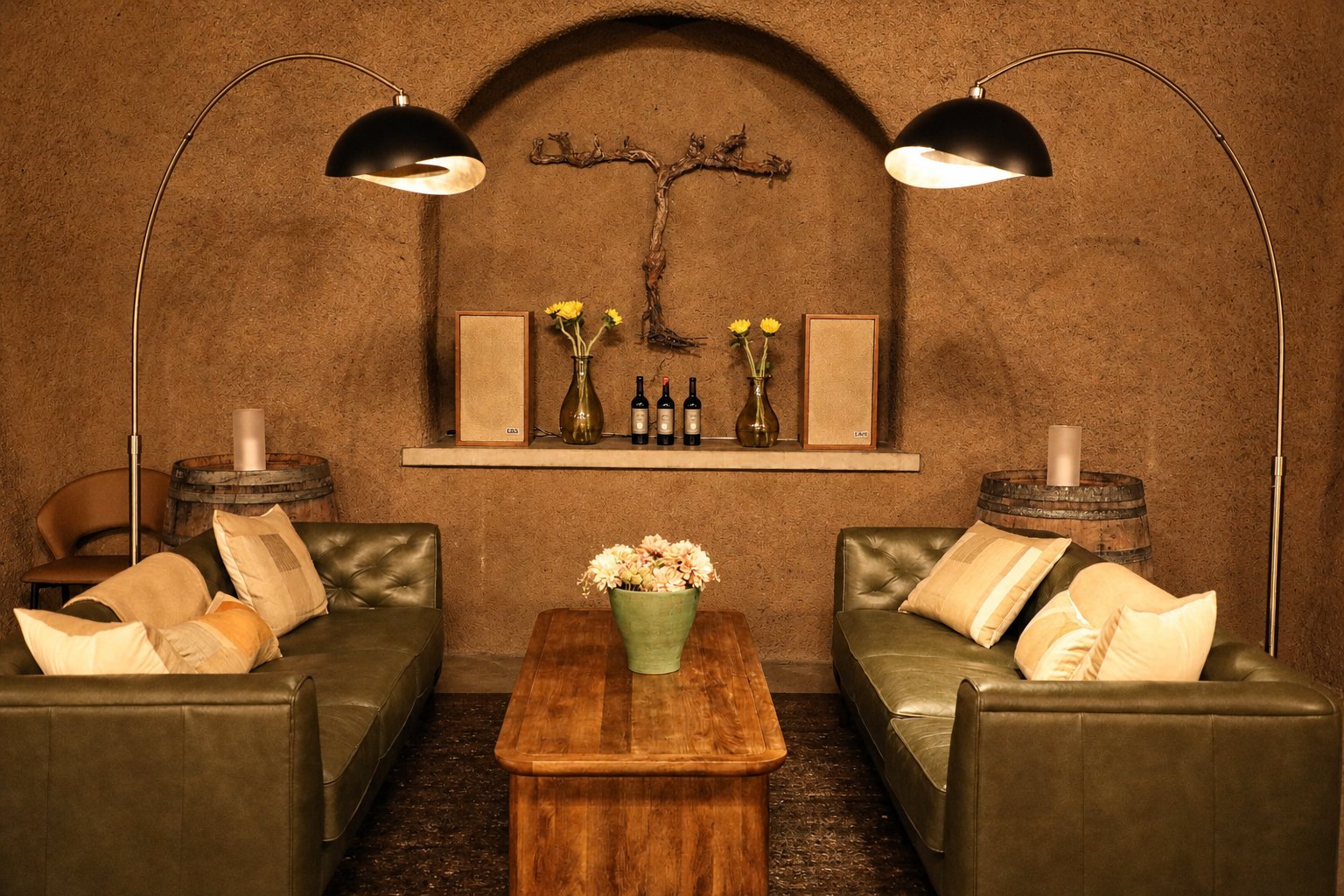
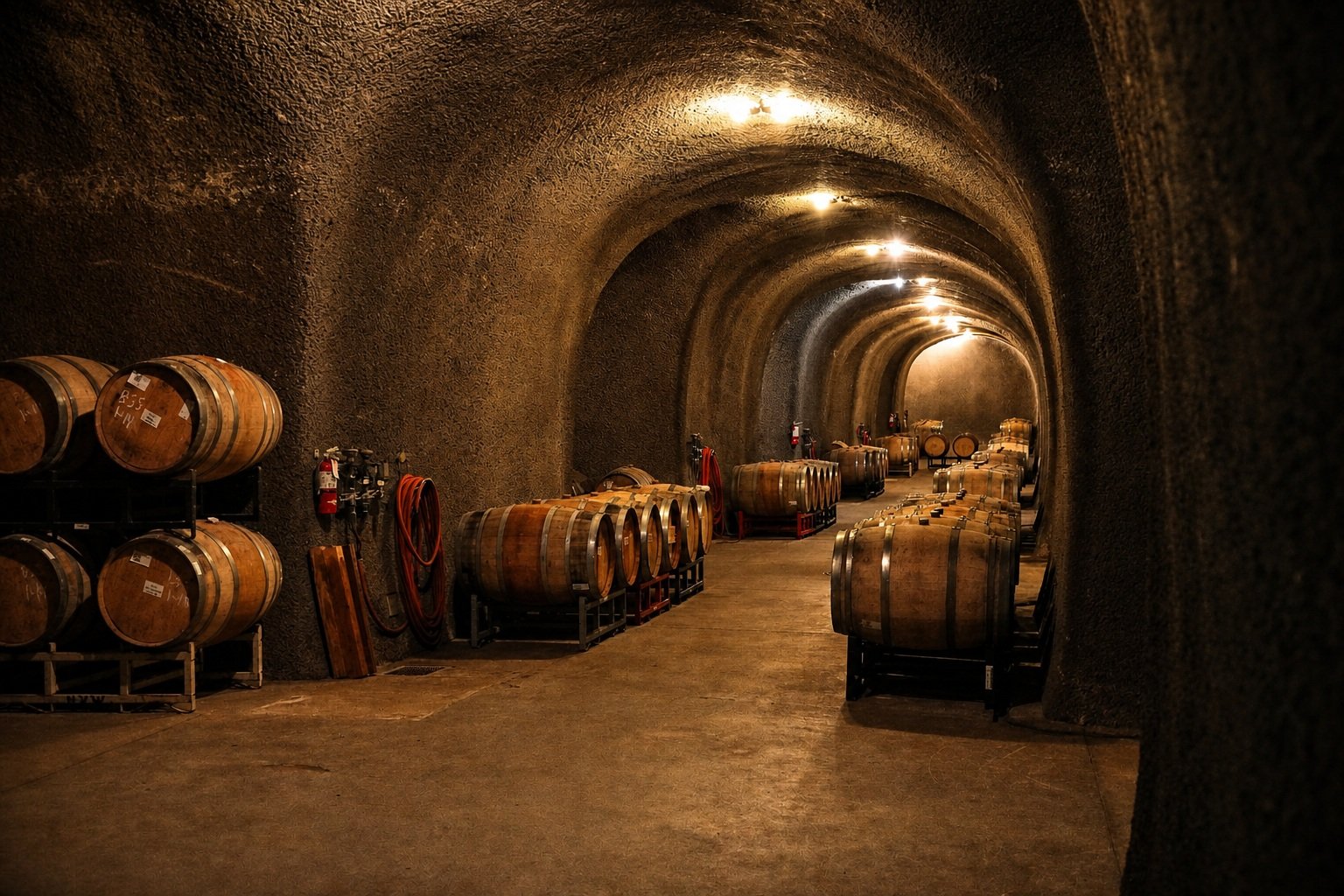
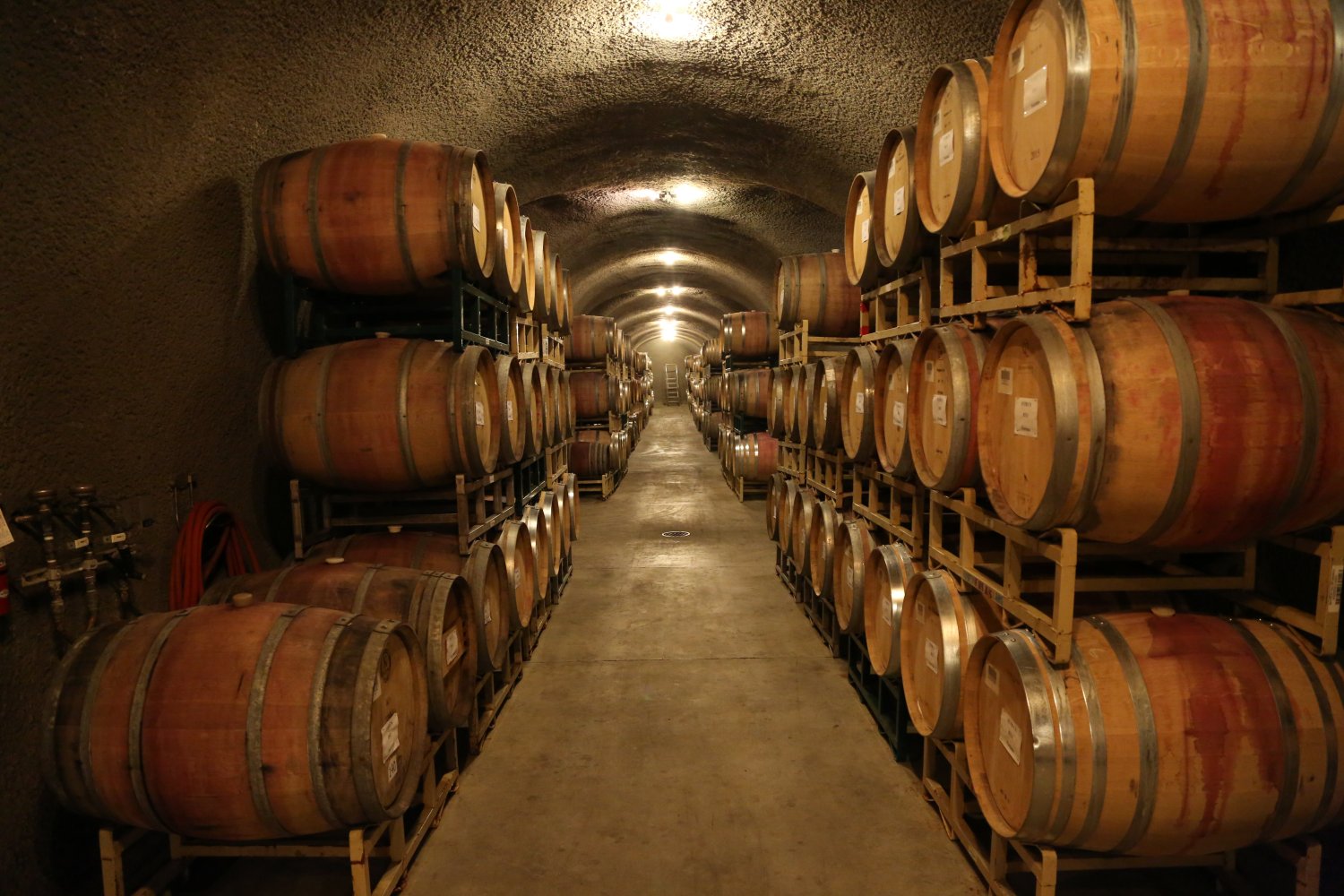
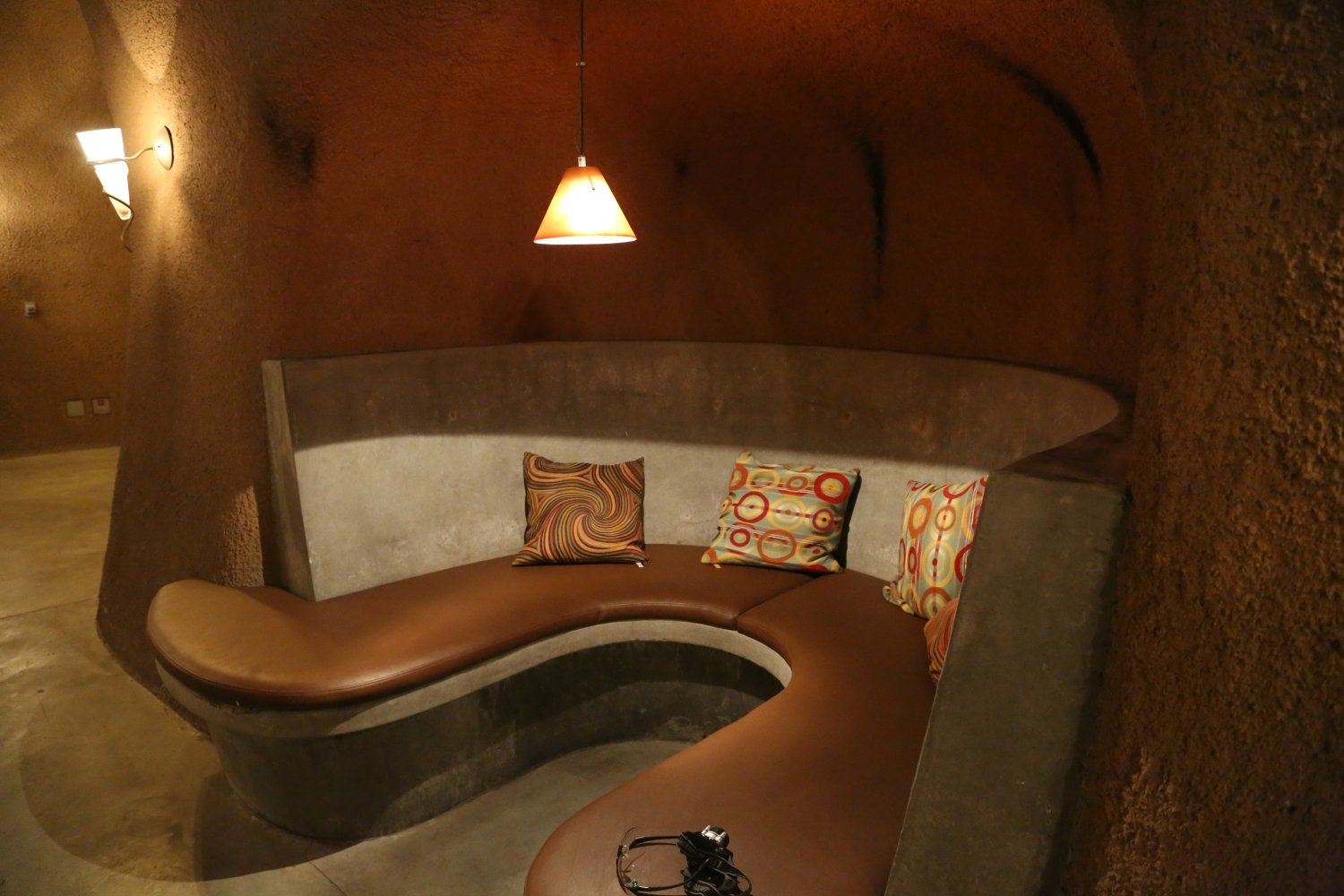
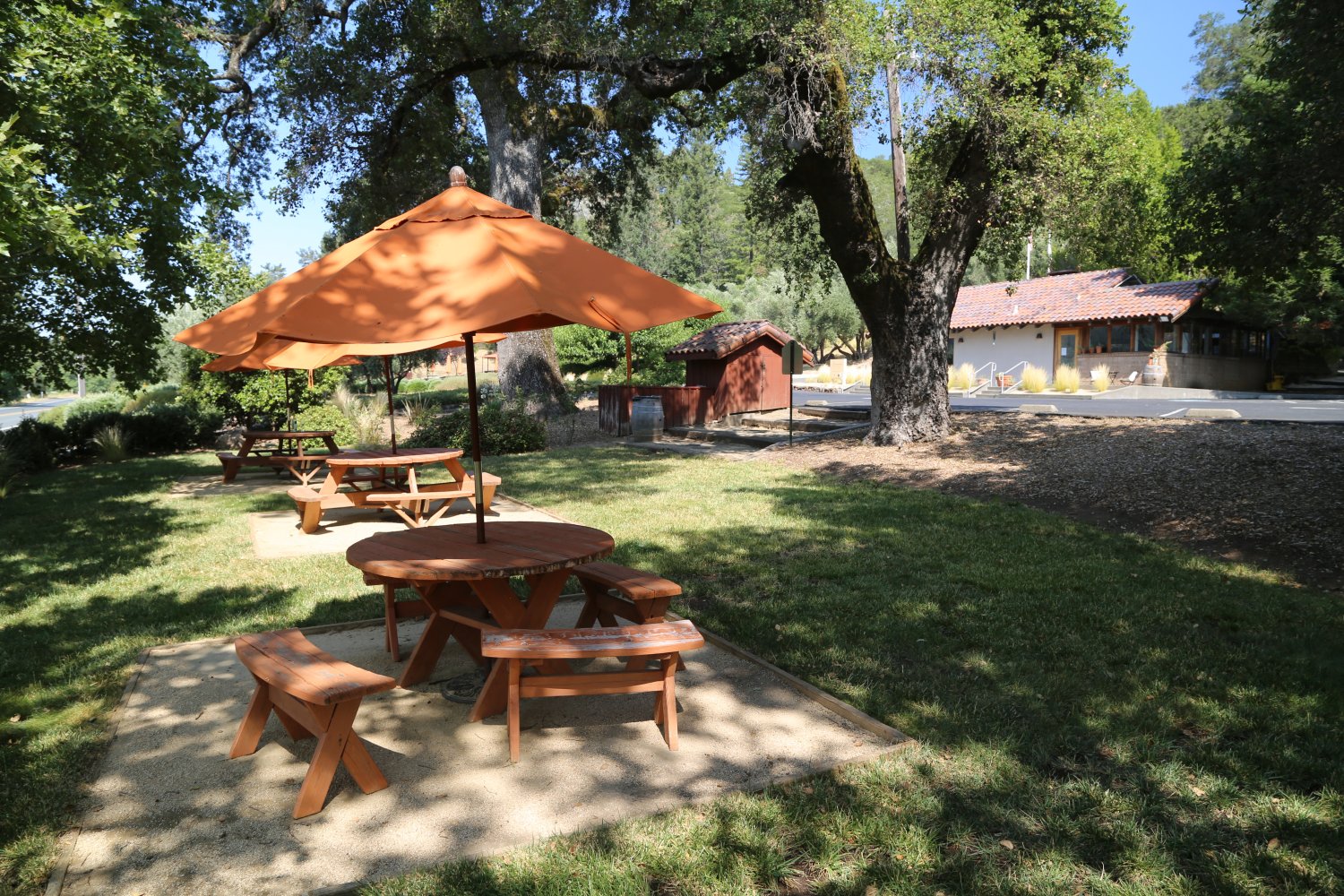
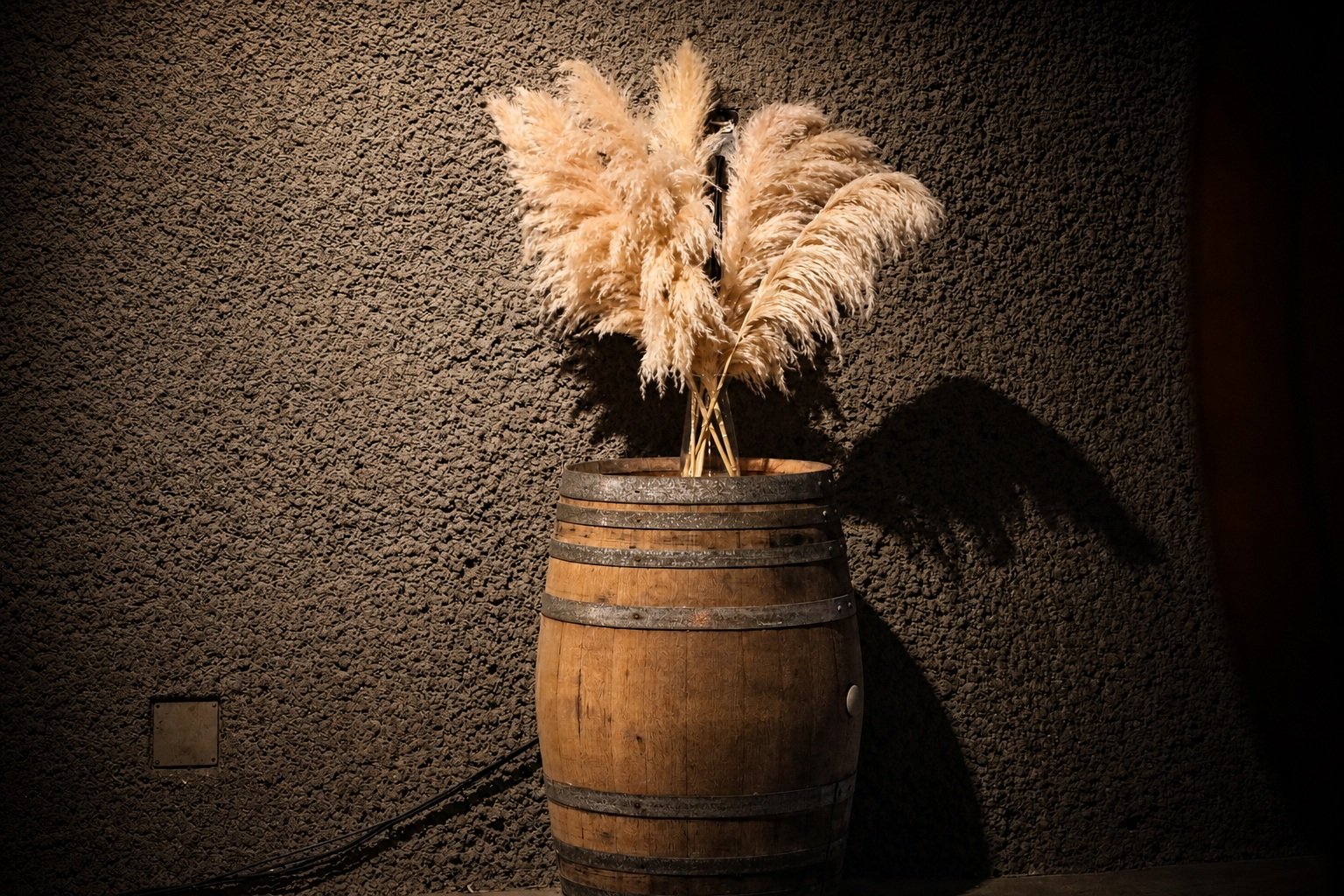 Because this was a well-established winery with grandfathered permits, the site is not as restrictive as most wineries in the valley in terms of visitation. Permits allow guests to picnic on site (a rarity among open to the public wineries in the county) and the winery is allowed to host food and wine events in their cave. The cave is spacious; at 22,000 square feet it is a functioning wine cave along with several larger tunnels reserved for hospitality and private tastings.
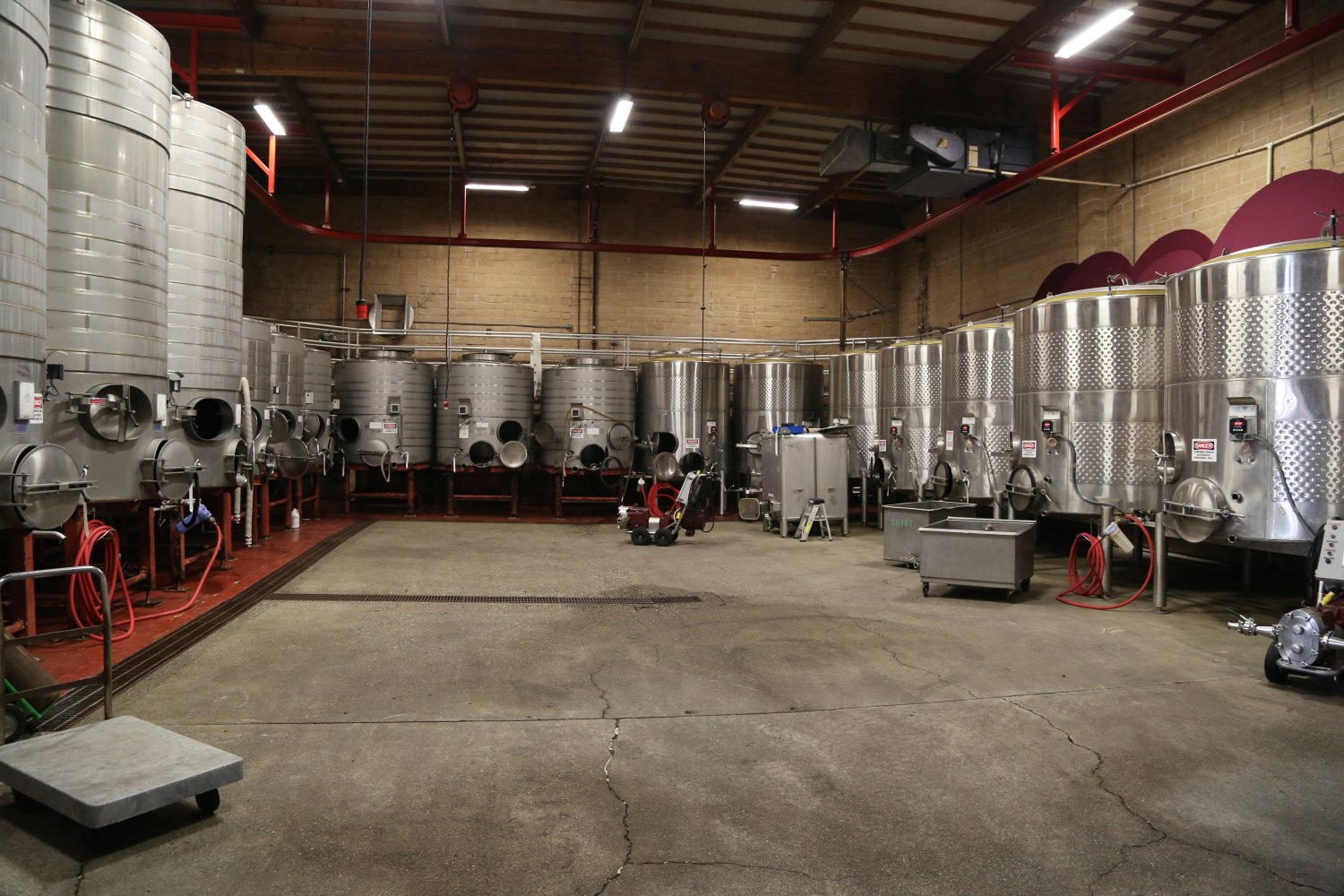
After the transition in ownership, many of the staff remained. The average tenure among employees was around 15 years. Upwards of 30 custom crush clients used to make their wine here prior to the Glass Fire.
The property is nearly 15 acres – most of which is rugged forested hillside land that extends up the ridge behind the winery. However, there is a small piece of their property (less steep) just north of where the tasting room used to be located that was historically planted to grapes. It is no longer planted. Fairwinds Estate currently purchases from vineyards located both in neighboring Sonoma County, Napa Valley and Santa Barbara County.
The first vintages bottled under Fairwinds Estate were appropriately a Chardonnay and a Cabernet Sauvignon. They chose these varieties for several reasons; it was Chardonnay and Cabernet Sauvignon that helped put the region on the “international wine map” as a result of the Paris Tasting of 1976 and they have since become the two most produced varieties in Napa Valley. According to the Napa Valley Vintners, Cabernet Sauvignon comprises 40% of the entire AVA’s production.
Winemaker Todd Heth, who stayed after the ownership change and is still the Fairwinds winemaker as of our latest update to this review, had several wines already aging in barrel; through his vineyard contacts, he helped secure the grapes for the two inaugural Fairwinds Estate wines.
Select Wines
Since their inaugural vintage, Fairwinds Estate has produced additional wines and added other varieties to their wine making portfolio. They also have a permit to crush wine from grapes outside of the county and they produce a Sonoma Coast Chardonnay and a Russian River Pinot Noir.
Whites
White Blend
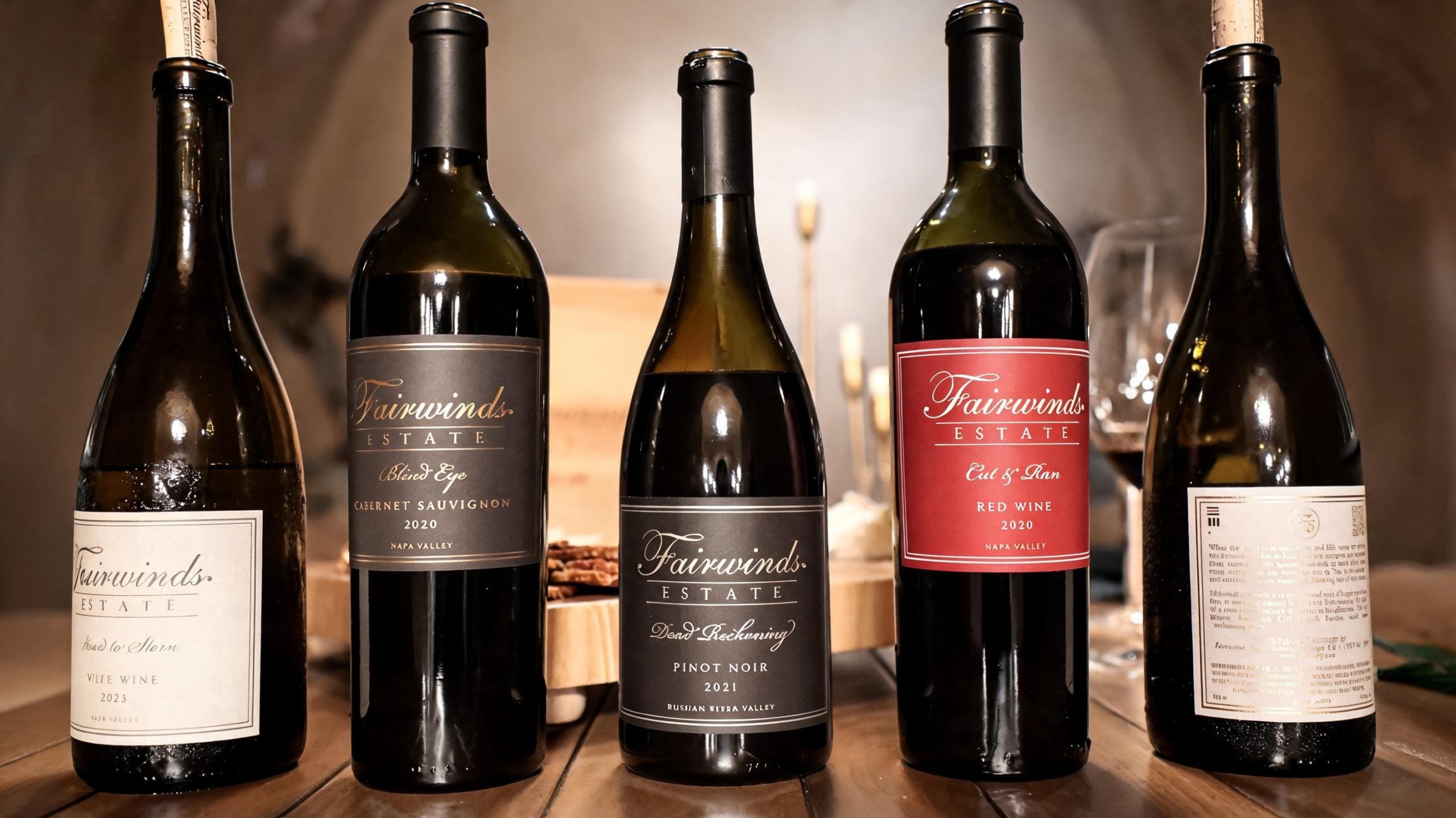
The 2023 Fairwinds Estate White Wine, Napa Valley Stem to Stern is medium to deep gold in color; the bouquet is sweetly fruited and sweetly floral. In a blind tasting we might have thought this is a late harvest wine. The highly floral driven bouquet offers aromatics of honeysuckle and honeycomb, apricot, yellow peaches in light syrup, creme brule and butterscotch. Based on the aromatics, we were expecting the palate to be sweet, but that is not the case here. Still, it expresses flavors that might be more in line with a dessert wine including of apricot, peach, papaya, a hint of creme brule, vanilla and butterscotch. And there is a lingering spicy character including white pepper and toasted almond – both of which persist beyond the fruit on the finish. This wine is light bodied with a gentle and creamy texture. Easy drinking.
Chardonnay
The 2020 Fairwinds Estate Chardonnay, Russian River Valley. For reference, we tasted this 6 years post vintage. This wine is medium to deep golden; at this age, this wine smells mature fruited including of apricot, honeycomb, papaya and a persistent baking spice including of nutmeg and cardamom. This wine does not smell oaky or buttery. In fact, it never crosses into that territory at all. A similar vein of baking spices on the bouquet is also mimicked on the palate, along with flavors of yellow peach, apricot, yellow nectarine, pineapple, papaya and a light oak influenced spicy and or phenolic character on the finish including of white pepper and toasted hazelnut. The mouth feel sports a rounded and silky texture, supported by a bright but balanced acidity.
The 2014 Fairwinds Estate Chardonnay, sourced from Carneros, shows a rich golden color in the glass and immediately reveals a bright citrus-driven bouquet featuring aromas of lemon zest, lime, citrus blossom, and a subtle nutty component that adds both warmth and complexity. As the wine continues to open, hints of ripe orchard fruit, vanilla, and light baking spice start to evolve beneath the citrus core. On the palate, the wine is rounded and supple with a noticeable sweetness of fruit that brings flavors of ripe apple, lemon curd, and hints of pineapple into focus without becoming overly heavy or overly rich. The texture is smooth and polished, balanced by enough acidity to maintain freshness throughout. The finish is clean and lingering, leaving behind notes of citrus, light oak spice, and a gentle creamy nuance that complements the wine’s overall elegance and approachability.
Sparkling
The Fairwinds Estate Blanc de Blanc, Charlie Noble is pale to medium gold in color; the bouquet is fruit driven, ripe and expressive. It smells like golden apples, pineapple, comise pear, white grapefruit, apricot, white peach, jasmine, brioche and as the wine opens, a note of vanilla. On the palate, this wine is fresh with flavors of green apples, golden plums, bosc pear, pineapple guava, white peach, citrus blossom and a light note of pomelo and white grapefruit. Its texture is lightly creamy, especially more as the wine sits on the palate – this texture is lifted by nicely by the vibrant acidity. Finishes fruity, yet also very much fresh with a persistent mouth watering sensation. This is a wine that perhaps when you finish a bottle, you will quickly be looking to open a second bottle. 12.5% ABV. This wine is named in homage of Charles Noble, a British sea captain who when he discovered the stack of his ship’s galley was made of copper, ordered his seamen to keep it constantly polished. His crew began referring to their ship’s galley smokestack as the ‘Charlie Noble’.
Reds
Pinot Noir
 The 2021 Fairwinds Estate Pinot Noir, Russian River Valley is medium ruby in color; the bouquet offers an immediate savory and spice influence upon opening including scents of dried mushroom, white pepper and cured meats. It smells like the variety. Be patient with this bottle, the fruit will start showing, given more time. Brambly, it offers additional notes of raspberry, Santa Rosa plum, boysenberry and mulberry. Easy drinking at this age, 5 years post vintage, this is a balanced expression of the variety. This wine tastes like raspberry, boysenberry, red plums, blueberry, and a hint of licorice. Finishes lightly savory with a balanced acidity. The tannins are soft and supple and are gently integrated into the seamless finish. In terms of layering, there is more going on here on the bouquet than the palate.
Red Blend
The 2020 Fairwinds Estates Red Blend, Cut & Run is 70% Cabernet Sauvignon with the balance being Merlot, Petit Verdot and Malbec. This wine is deep ruby and nearly opaque; layered in terms of its aromatics and both brambly and savory, this wine is dark fruited with aromas of Satsuma plum, dark cherry, boysenberry, and dark mulberry. Additional scents include dark olive, a light note of petrichor, dried sage and as the wine evolves, a ferrous/iron character. At 6 years post vintage, this wine is smelling in a sweet spot and never is the oak dominating. This wine tastes like boysenberry, red cherry, red plum, blackberries and boysenberry. Minerally with a light ferrous character, noticed primarily on the finish. Lighter bodied, the tannins are present but never dominate. They linger with a light gravelly and dusty texture in tandem with the fruit. This wine is nicely balanced between flavor, acidity and texture. A great every day wine.
Cabernet Sauvignon
The 2020 Fairwinds Estates Cabernet Sauvignon, Napa Valley is deep ruby and opaque; the nose smells a union of both fruit and barrel influences. Its scents are of blackberry pie, dark cherry, boysenberry jam, smoked cedar, dried sage, dark licorice, dark chocolate, baker’s chocolate, mocha and dark cocoa powder. And minerally with a ferrous and rusted iron character. Given time, the aromatics keep evolving. Not linear. This wine smells ripe but never crosses into the territory of being over ripe. It smells lifted from the red fruits. Brightly light across the palate, the vibrant acidity is carrying the palate high at 6 years post vintage. Its flavors include red cherry, boysenberry, raspberry, red plums and currant. The tannins are integrated, and linger with a gravelly and dusty texture which eventually outruns the fruit on the finish. There is no smoke taint evident, either on the bouquet or the palate.
The 2013 Fairwinds Estate Cabernet Sauvignon was sourced from several vineyards including Stagecoach, a prominent vineyard used by a number of winemakers in Napa located high on the slopes of Atlas Peak. This wine was also blended with small amounts of Cabernet Franc, Merlot and Petit Verdot. It is dark garnet in the glass with bright aromatics; the bouquet offers both red and darker fruits with hints of cedar box aromas and cigar smoke. It is a young wine and will need time to open; the tannins are youthful, still a bit tight but not overpowering. This bottling shows very good acidity accompanied by a juicy mouthwatering finish. It will be interesting to try this wine again after a few years bottle age.
—
Prior to the Glass Fire and the destruction of their tasting room and primary winemaking building, the ownership of Fairwinds Estate was open to partnerships with smaller mostly Calistoga based producers who did not have a winery and a tasting room of their own. In the tradition of the prior ownership, Fairwinds Estate continued to allow other producers to make their wine here. And as a valuable service for small producers who made their wine here, who didn’t necessarily have the needed permits to host tastings, Fairwinds Estate allowed them to host tastings on the property.
Fairwinds Brands
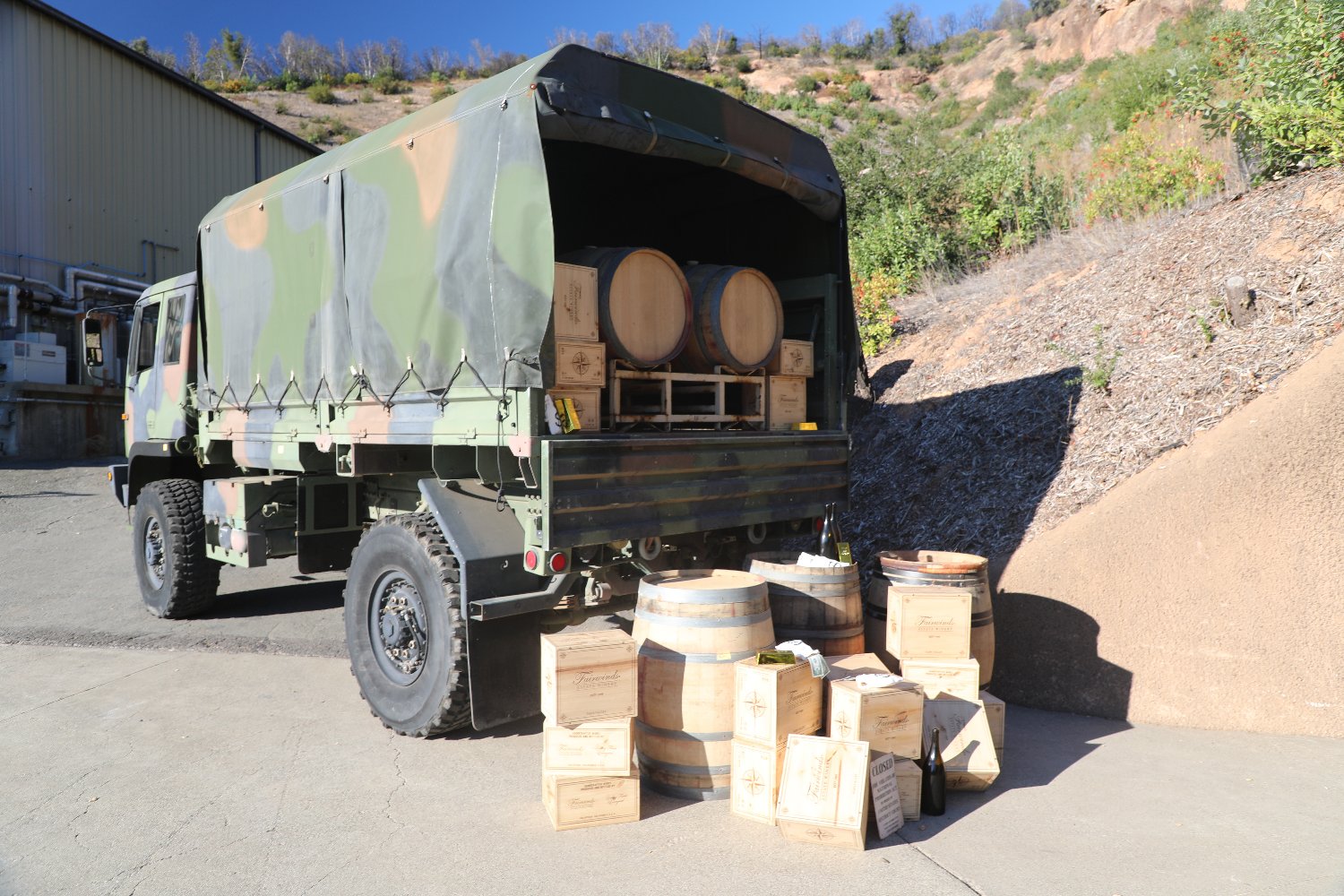
 Following the Glass Fire which destroyed the tasting room and one of the primary buildings for winemaking the partners were forced to downsize their custom crush operations. While continuing to produce the Fairwinds wines, they pivoted to a new business model which has been highly successful in a remarkably short amount of time. They created the Fairwinds Brand program, curating private labels and helping create club membership options for numerous high profile clients including universities, film, music and sports teams.
Some of their more prominent clients have been Yellowstone (a TV series which starred Kevin Costner for its first four seasons), singer Barry Manilow, at least 10 NFL teams and several NHL teams. And some of their most successful brand clients have been Greek fraternities and sororities at various universities across the country. In addition, Fairwinds Estate produces wines for The Duke, Wayne Family Estate (John Wayne) and these wines can be tasted on site with a prior reservation.
Through these various partnerships, especially with sports teams they are introducing both wines and Napa Valley to a diversity of new clients who otherwise perhaps would not have discovered wine on their own. Their creativity in the face of adversity is something to truly be admired.
Beyond Vino
Brandon & Anthony are also managing partners of BeyondVino, a company that offers a comprehensive suite of operational, logistical, and business support services tailored specifically for wineries, wine brands, and beverage companies. The company functions as an integrated infrastructure and management platform designed to help wine businesses streamline operations and scale efficiently.
Based on the perspective gained from operating Fairwinds Estate and producing numerous brands for clients, ownership created this one-stop shop for both new and existing wineries and wine brands.
Their services include direct-to-consumer fulfillment, warehousing, logistics coordination, in-house compliance management, licensing, and shipping support, helping brands navigate the often complex regulatory environment of the wine industry. BeyondVino also offers e-commerce development, digital marketing support, analytics, and technology integration intended to strengthen online sales and customer engagement.
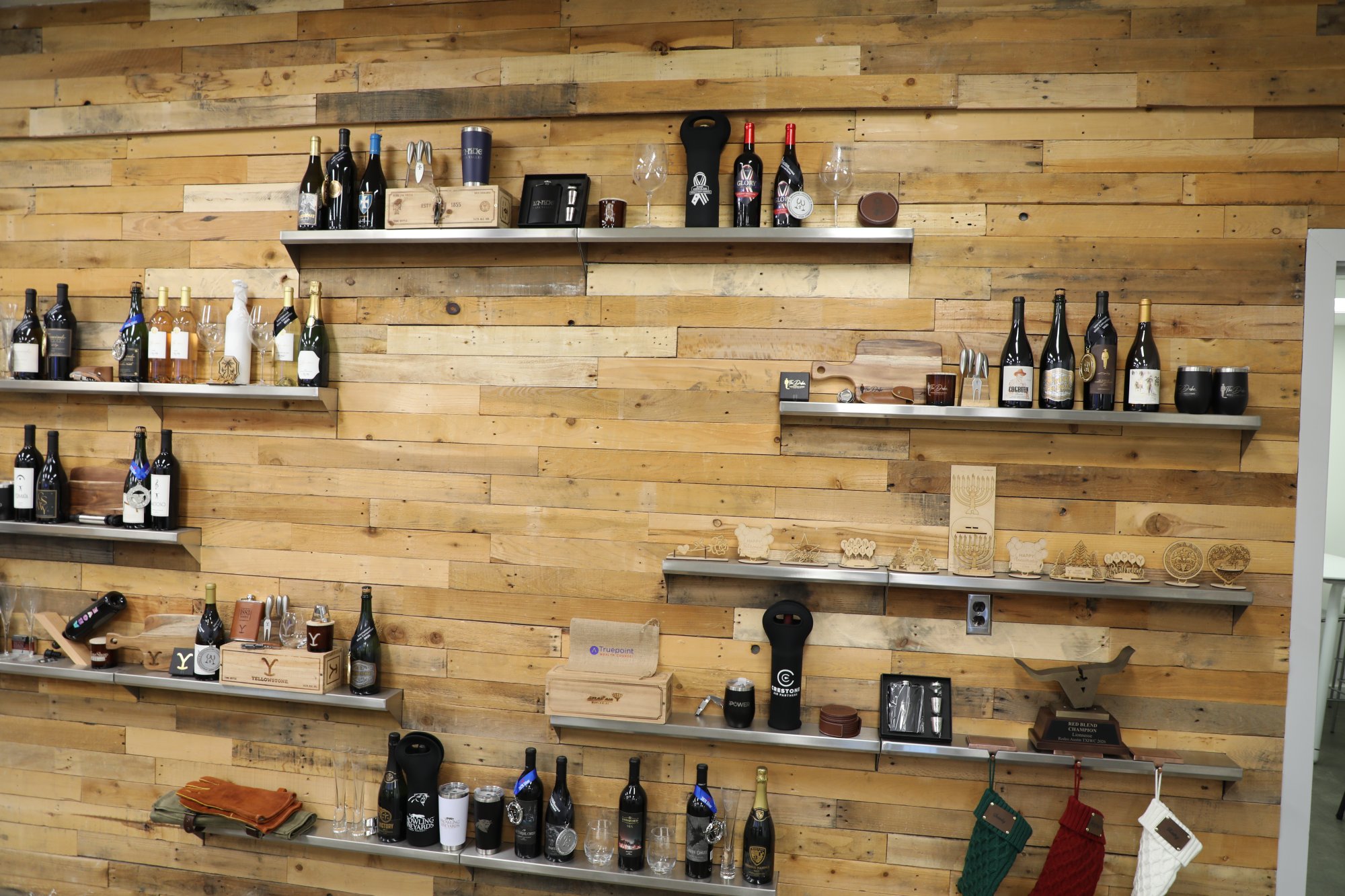
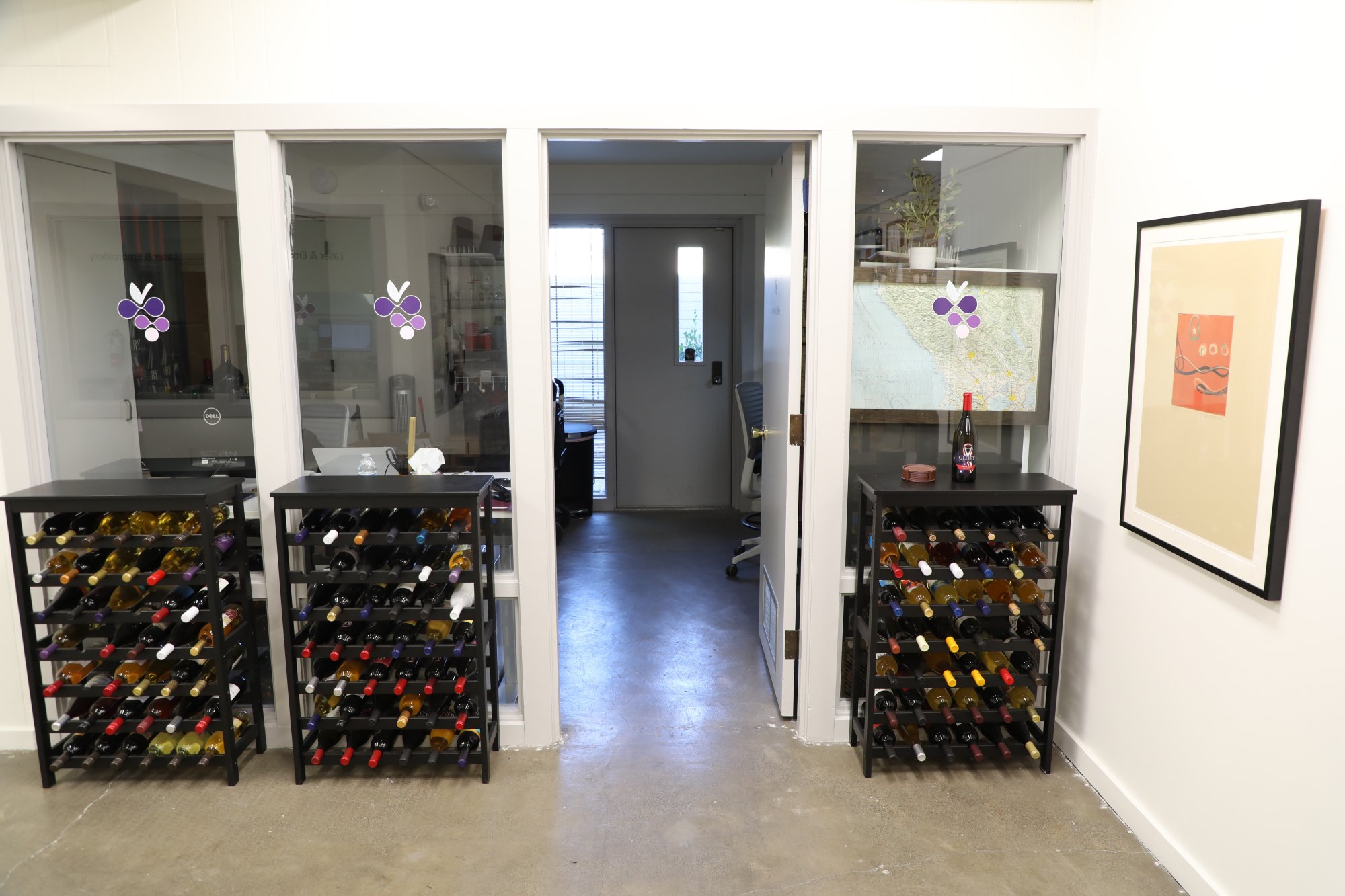
In addition, the company assists with branding, packaging, on-site merchandise with gifting solutions, and private-label wine development, working with both established producers and emerging brands. One specialized machine mechanically wraps gift baskets. A diversity of wine related items can be customized on site using their laser and embroidery lab. Financial administration and business management services are also part of their offerings, allowing clients to consolidate multiple operational functions under one platform.
BeyondVino positions itself as a behind-the-scenes partner for wine companies, handling the infrastructure, systems, and operational details necessary to bring products to market while allowing producers and brand owners to focus on winemaking, sales, and long-term growth. Their overall model emphasizes scalability, efficiency, industry expertise, and integrated support specifically built for the modern wine business.
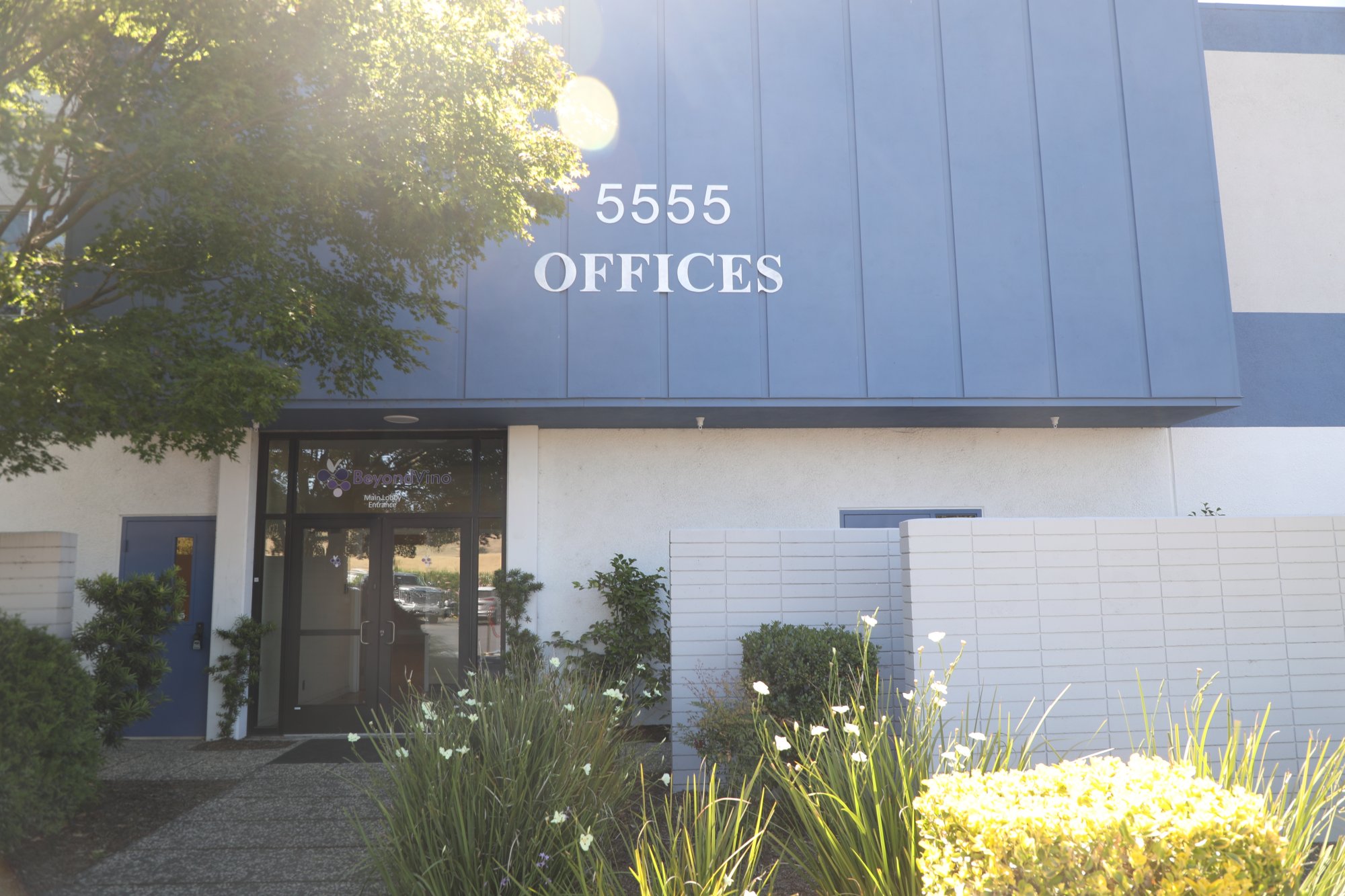
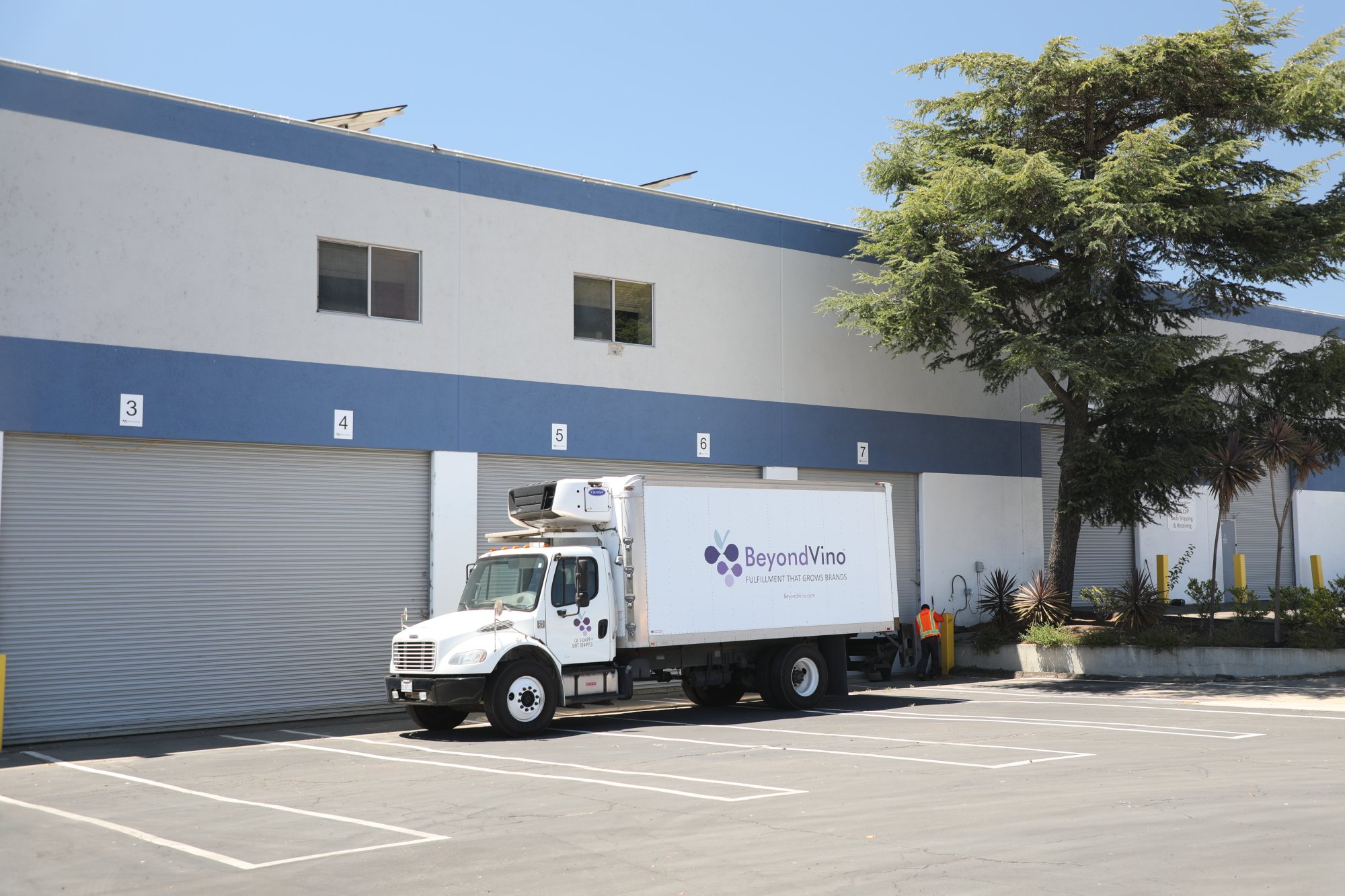
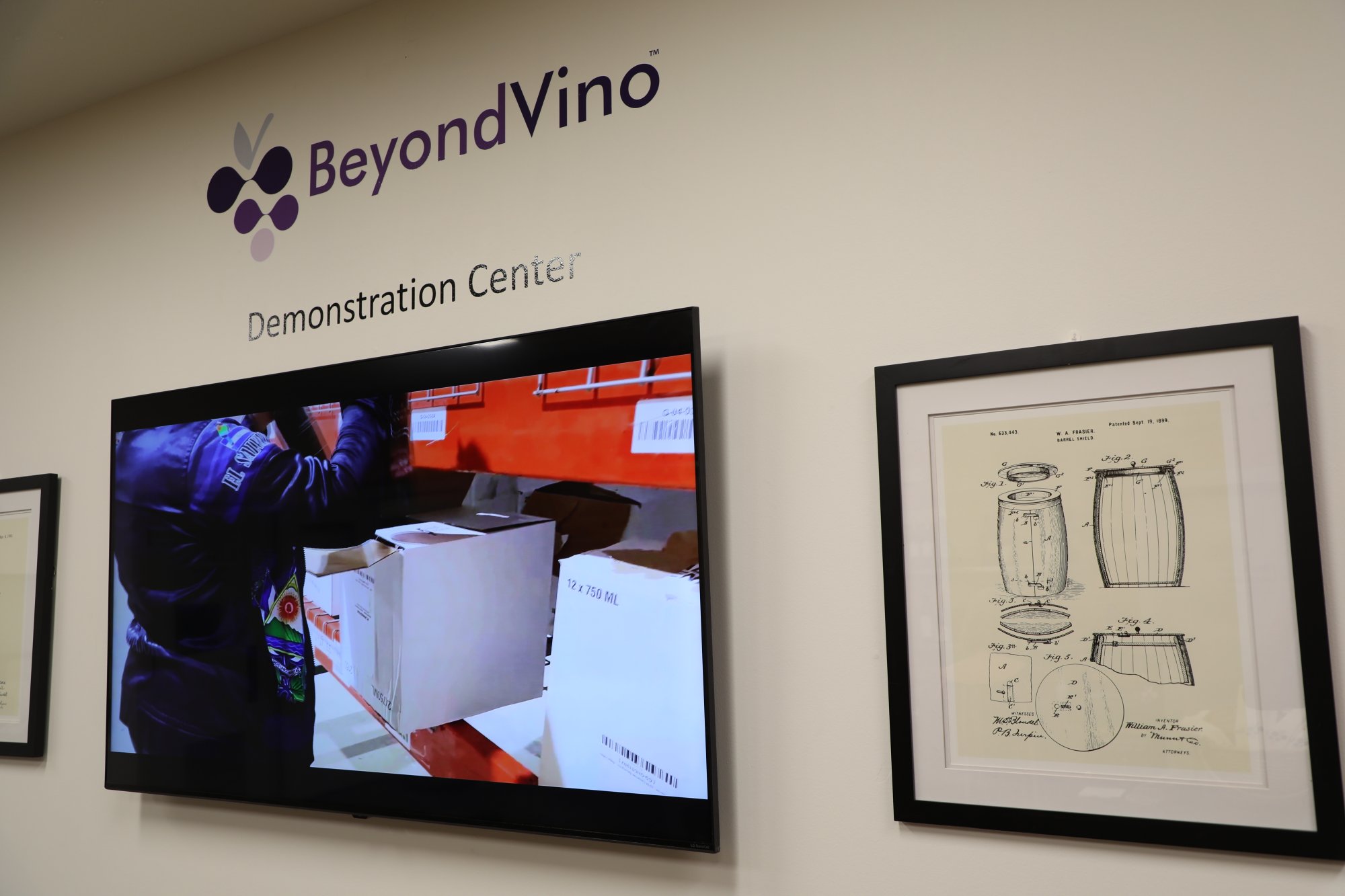
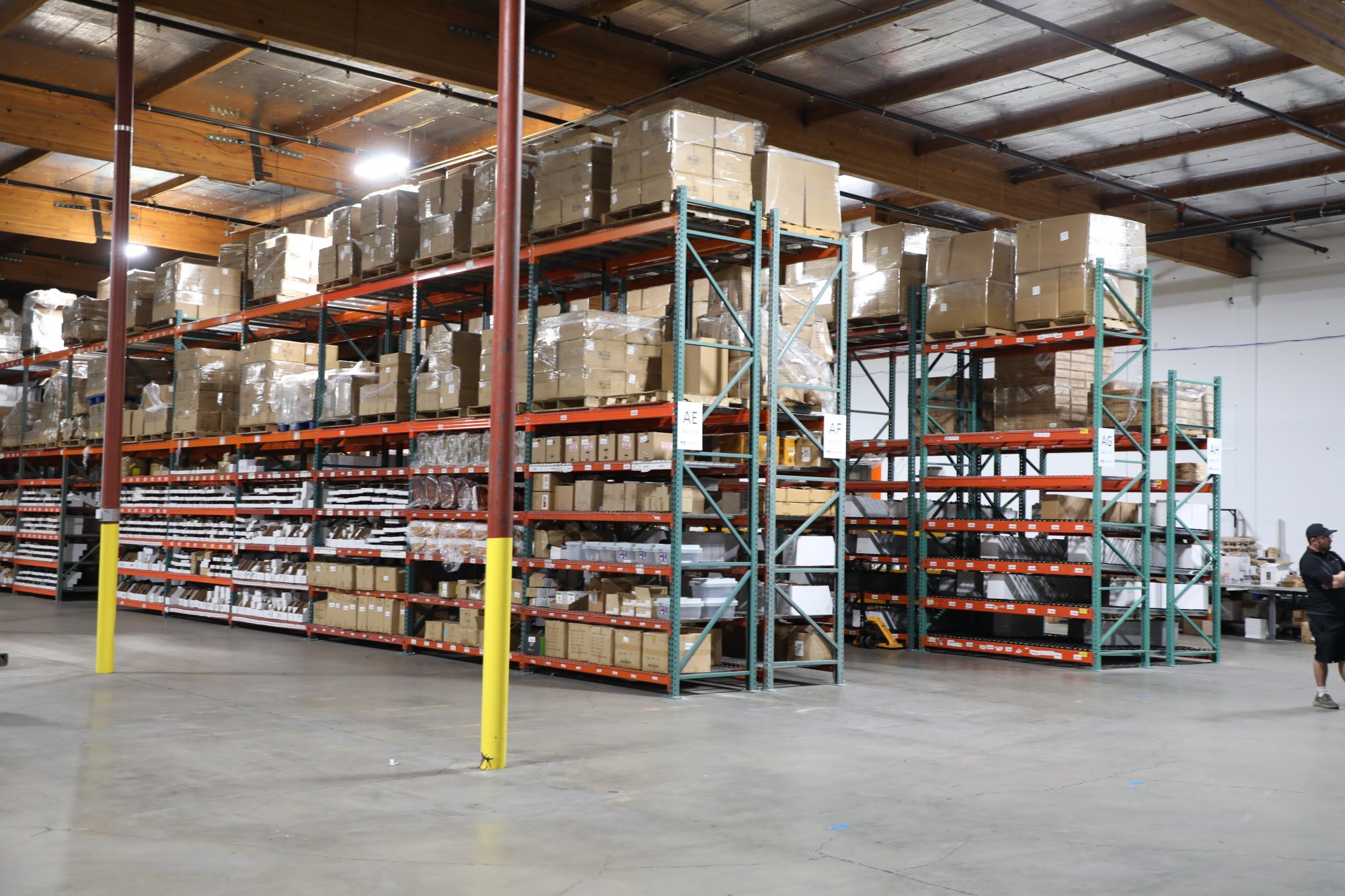
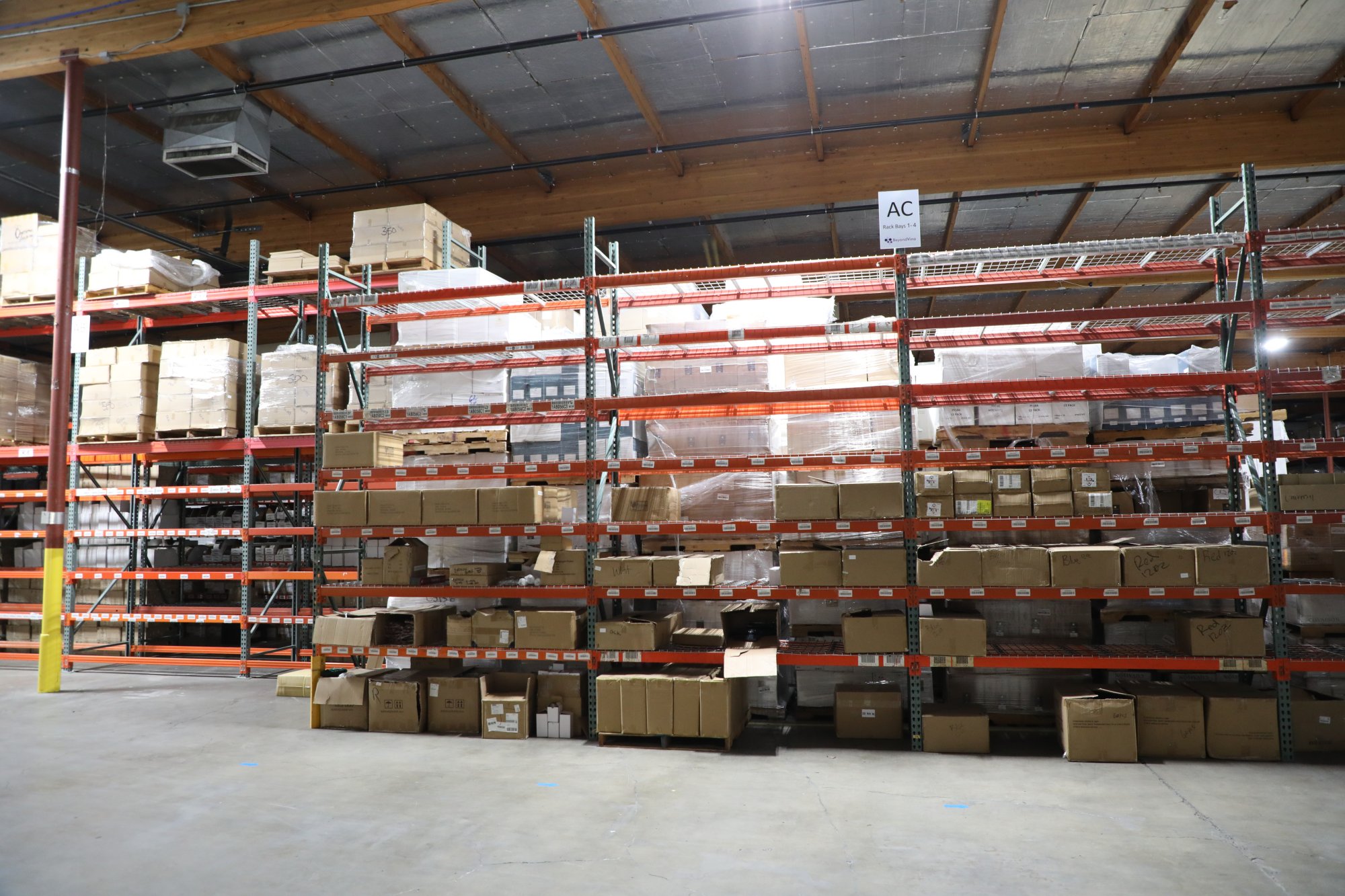
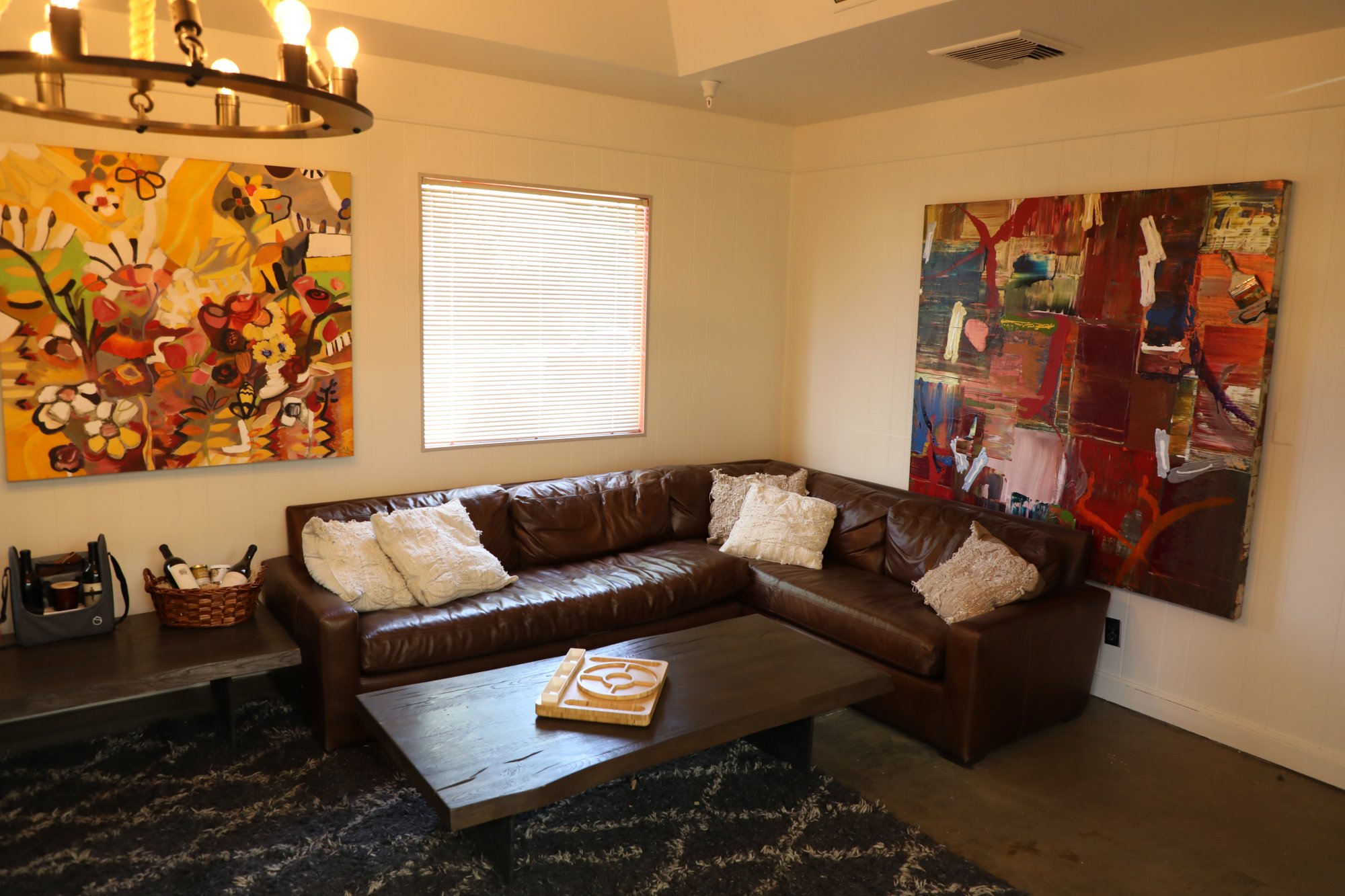
BeyondVino leases a warehouse totaling nearly 90,000 square feet in American Canyon with easy access from and next to the southbound lanes of Highway 29. The space previously housed Copper Peak Logistics. During our visit, it was strange to walk through the aisles of this warehouse and not recognize any of the wine brands. Many of their clients are small production brands or private labels; Cuvaison and Brandlin were among the early Napa wineries to utilize their services. Unlike most wine warehouses, BeyondVino offers a tasting lounge for clients. For more information, visit: www.beyondvino.com

—
For more information about Fairwinds Estate, to join one of three membership options offered through their wine club, or to schedule a tasting appointment (for members only), visit: www.fewinery.com and for more information about Fairwinds Brands, visit: www.fairwindsbrands.com
ARCHIVED NOTES
Valley Floor Vineyard
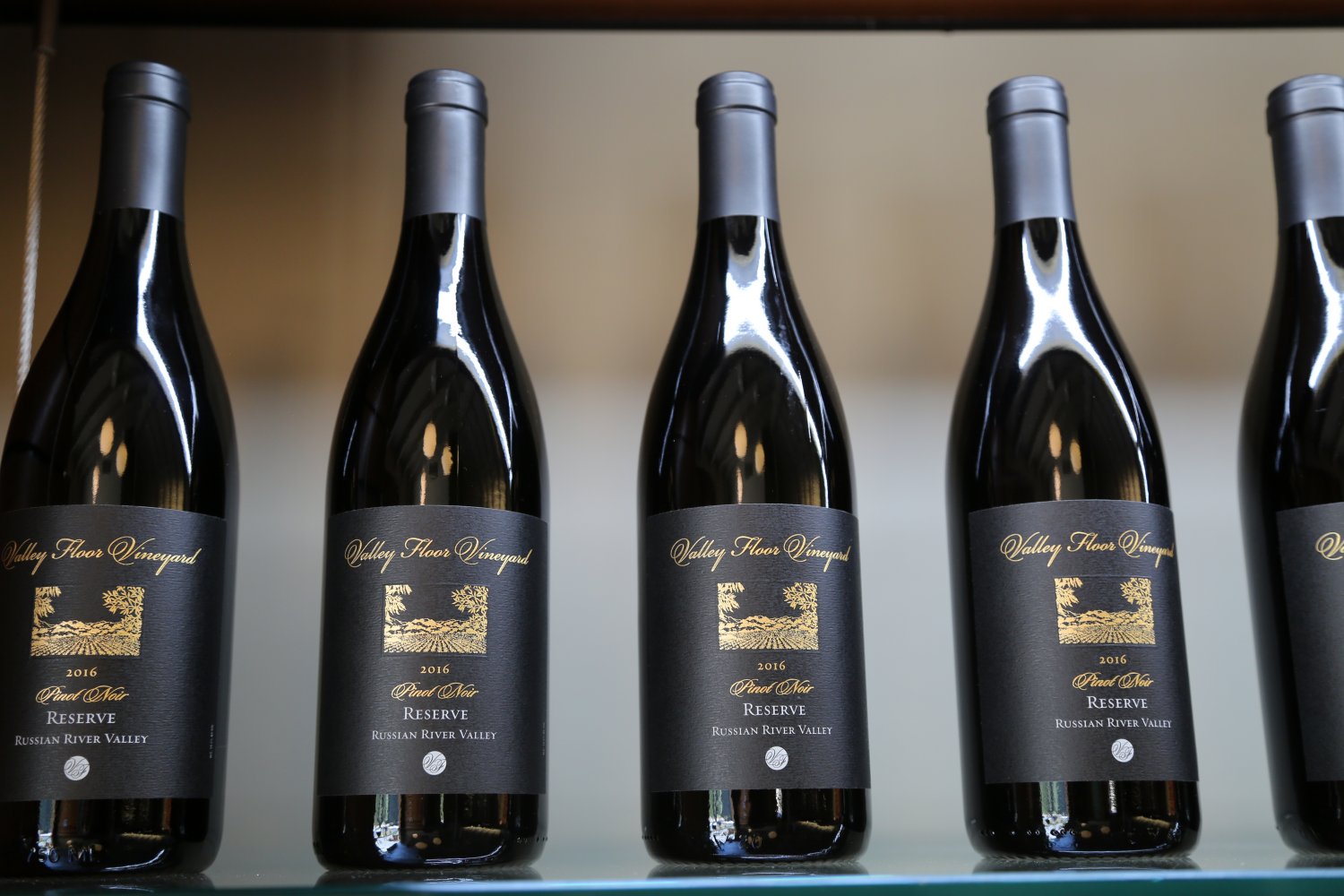
In 2016 Fairwinds Estate purchased the Valley Floor Vineyard brand, but not the property. Grapes for Valley Floor Vineyard are no longer being used from the original vineyard; the last vintage from the original property was in 2016. Note that Fairwinds Estate no longer bottles wines under the Valley Floor Vineyard brand.
Original founders of Valley Floor Vineyard, Ellen Bucchianeri and Mark Duane were both born and raised in San Francisco. Ellen spent many summers in Calistoga, staying with her grandmother who was a resident of the town. Ellen grew up around wine – her grandfather made wine in his basement in San Francisco. Ellen used to say she would never move out of San Francisco, preferring the city to the country and all it offers as far as restaurants and cultural activities. But after coming to Calistoga year after year in the summers and her husband needing to commute, they decided to swap the urban life for the quieter rural life.
Ellen and Mark moved here in 2008. They were introduced to the property by a realtor with connections to another wine family in the valley, the Truchards. Both were sold on the property almost immediately as soon as they saw the gorgeous view of the rocky Palisades in the Vaca Mountain range from the living room window. Ellen was a schoolteacher in San Francisco and upon moving to Calistoga she found the only school teaching position of personal interest was down in Vallejo (a significant commute from Calistoga). A friend mentioned a winery that she had never heard of (Araujo Estate, now Eisele Vineyard) and encouraged her to apply for a position there.
She did and was immediately accepted after interviewing with the owners at that time, Bart and Daphne Araujo. Ellen had no prior wine experienced at this point (2011) and in the subsequent years her wine knowledge from the vineyard to wine making to sales has been because of her time at Eisele Vineyard.
When Ellen and Mark purchased this Calistoga property, sixty-year-old Sauvignon Blanc vines were growing around the house but were diseased and were producing very small quantities of fruit. They initially produced a tiny amount of Sauvignon Blanc and then removed the vines.
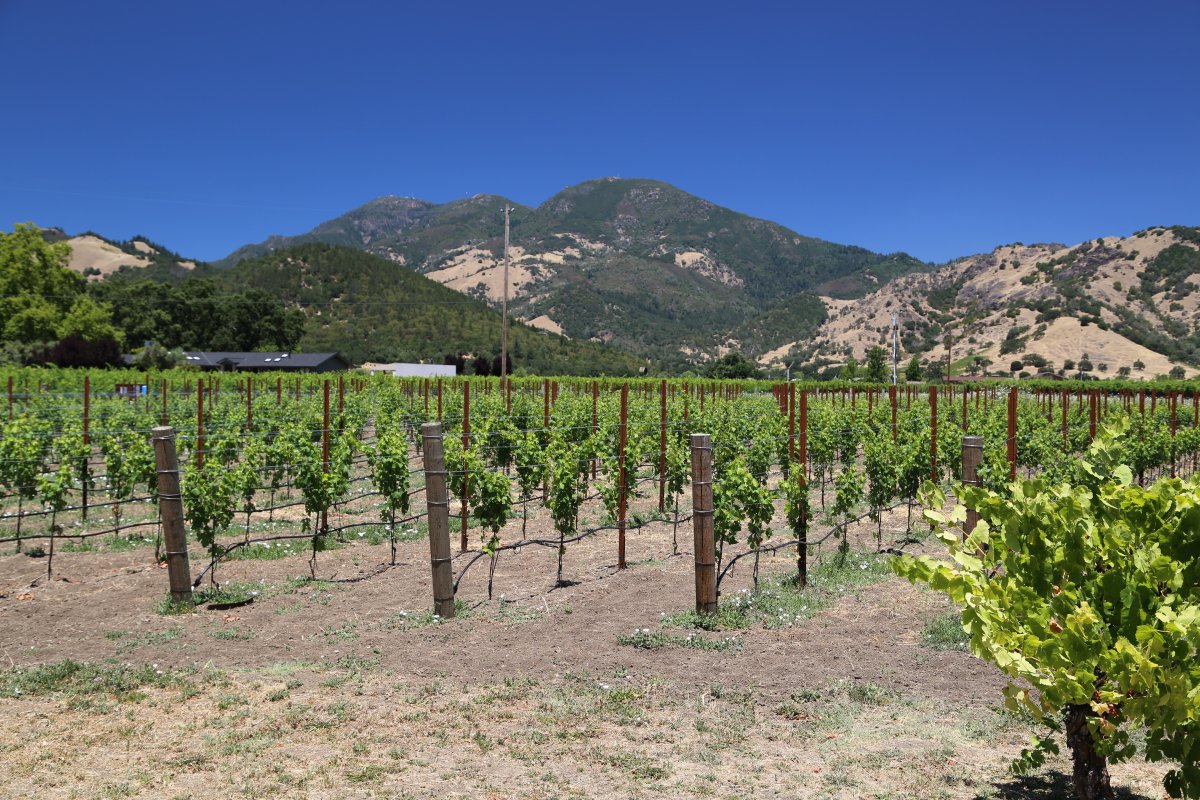
 When deciding whether they wanted to get into the wine business personally – they sat down with John Truchard, a local vintner and vineyard manager. He helped them lay out all of their costs and was an invaluable resource by providing them with numerous details for laying out and planning a vineyard, making wine and as well as having the important connections and exposure for selling it. They took his advice and planted a vineyard in the front of their home in 2009. The 2012 vintage was their first commercial release.
The 2012 Valley Floor Vineyard Cabernet Sauvignon is very dark in the glass. It shows deep dark notes of black fruit on the bouquet. There is a rich complexity of aroma that continues to evolve nicely as the wine opens including cedar box, notes of graphite, black licorice, black liqueur and some perfume notes (violets). The palate shows ripe plum (which also lingers on the finish), black cherry and flavors of brown chocolate. The dusty, slightly chalky tannins are well integrated and anchor a pleasing finish (also some earth notes on the finish). For a young wine from very young vines – this wine is already mature beyond its years.
The 2014 Valley Floor Vineyard Rosé is dark salmon color in the glass, with a pretty bouquet showing notes of citrus, watermelon rind and raspberry. As the wine opens the aromas become more elegant, the citrus aromas become more muted and aromas of Jolly Rancher watermelon and freshly cut grass are revealed. The wine is soft and rounded on the palate with clean flavors. Easy to drink. Hints of graphite on the finish. Bright acidity.
When Ellen owned Valley Floor Vineyard, she entered her wine in their first competition in 2014, the Toast of the Coast in San Diego and received a Double Gold. ACME Fine Wine Shop in St. Helena also featured one of the Valley Floor Vineyard wines in their 2015 newsletter highlighting the top 10 wines from Napa Valley that year.
Pre Glass Fire
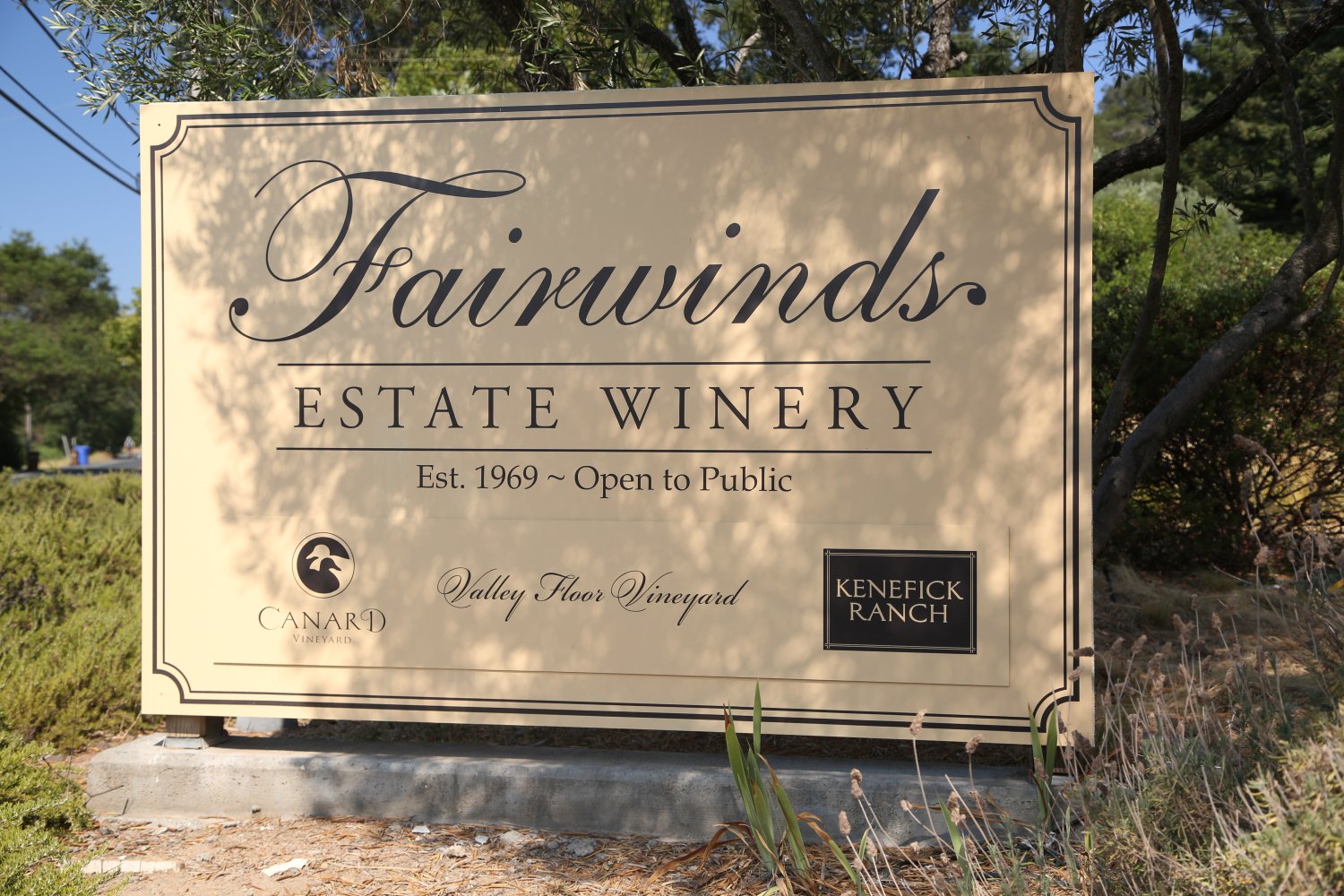

Just heard about the damage here from the Glass Fire – every time I check there’s more wineries reporting severe damage 🙁