



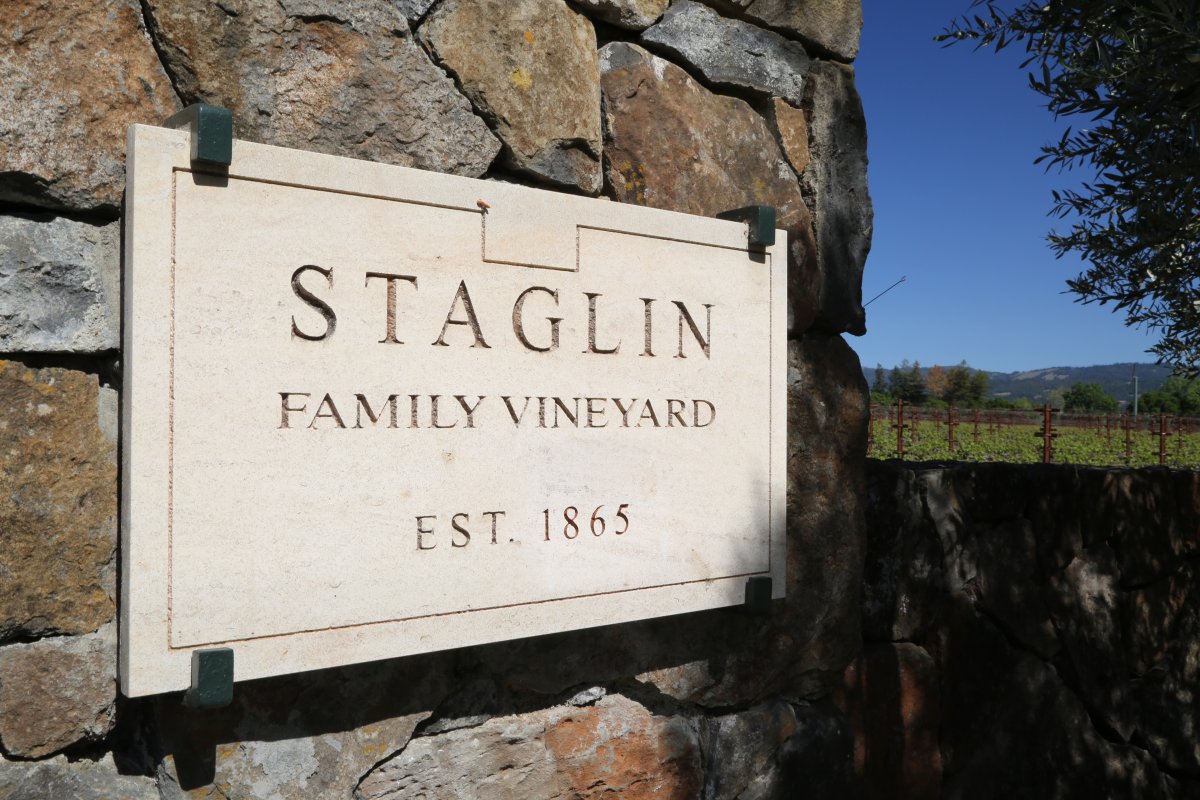
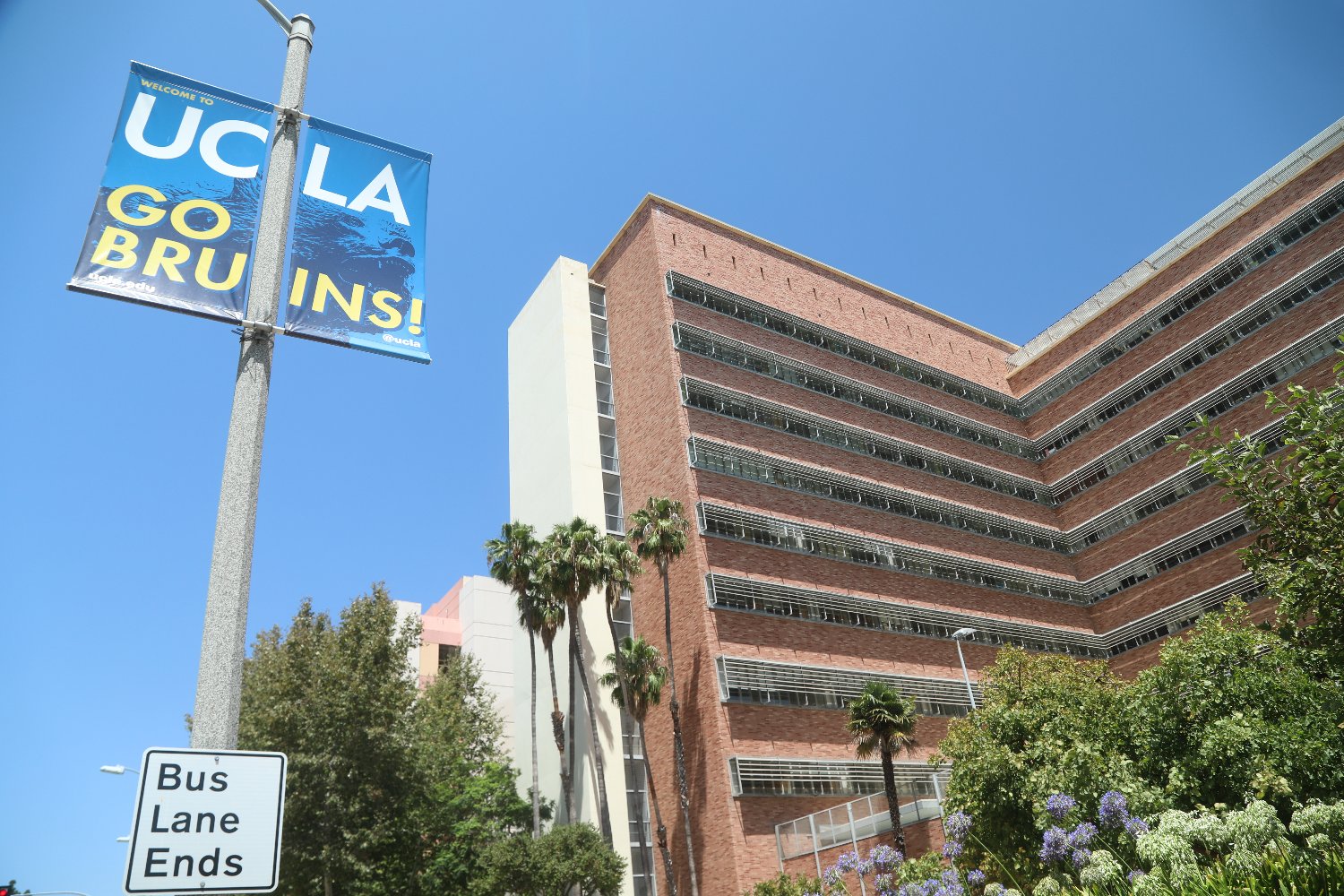
 Staglin Family Vineyard is tucked away in a little visited southern part of the Rutherford Appellation, despite being a very short drive from the often busy Highway 29. Their focus is on premium limited production wines; the winery was founded by Sharalyn (Shari) and Garen Staglin (both UCLA graduates from the class of 1966) and their two children Brandon and Shannon. Garen’s family surname used to be Stagliano but when naturalized, his father changed it to Staglin. Their appreciation for Napa Valley began in the 1960s; Garen graduated from Stanford Business School in 1968 with a master’s degree in Business Administration; during breaks from college, he and Shari would visit Napa Valley. An engineer by training, he has been involved in a number of businesses throughout his career including as CEO of Safelite Glass Corp (replacing windshields and windows in automobiles) and in private equity, venture capital and payment and credit card processing services.
He and Shari lived in the San Francisco Bay Area for a number of years; in 1985 they purchased a 50-acre piece of land owned by Dagmar de Pins the granddaughter of Georges de LaTour (Beaulieu Vineyard founder) and her husband Walter Sullivan and in 1987, the 12-acre hillside adjoining parcel. The Sullivan family acquired this property in 1963; they still own a part of the original Beaulieu Vineyard estate, the gorgeous Beaulieu Gardens, today used for private events including a limited number of weddings. The property at the time was planted to 40 acres of Cabernet Sauvignon and 10 acres of Chardonnay. The first vintage bottled as Staglin Family Vineyard was in 1986, a Cabernet Sauvignon.
An early owner of the property was Serranus Clinton Hastings. Hastings was born in New York and came to California in 1849, initially settling in Benicia. He became the 1st Chief Justice of California in 1849 and was California’s Attorney General in the early 1850s. By the early 1860s he was a sizable land owner in northern California. And article in the St. Helena Star dated March 17, 1882 describes his real estate holdings as 100 lots in San Francisco with other properties in Solano, Napa, Lake and Sacramento counties.
Hastings funded UC Berkeley’s Hastings School of Law with a donation of $100,000 in 1878. This school kept his name through 2023 when it was changed to UC Law San Francisco after it came to light Hastings direct involvement helping to facilitate genocide against Native Americans. He died in 1893 and is buried in the St. Helena Cemetery.
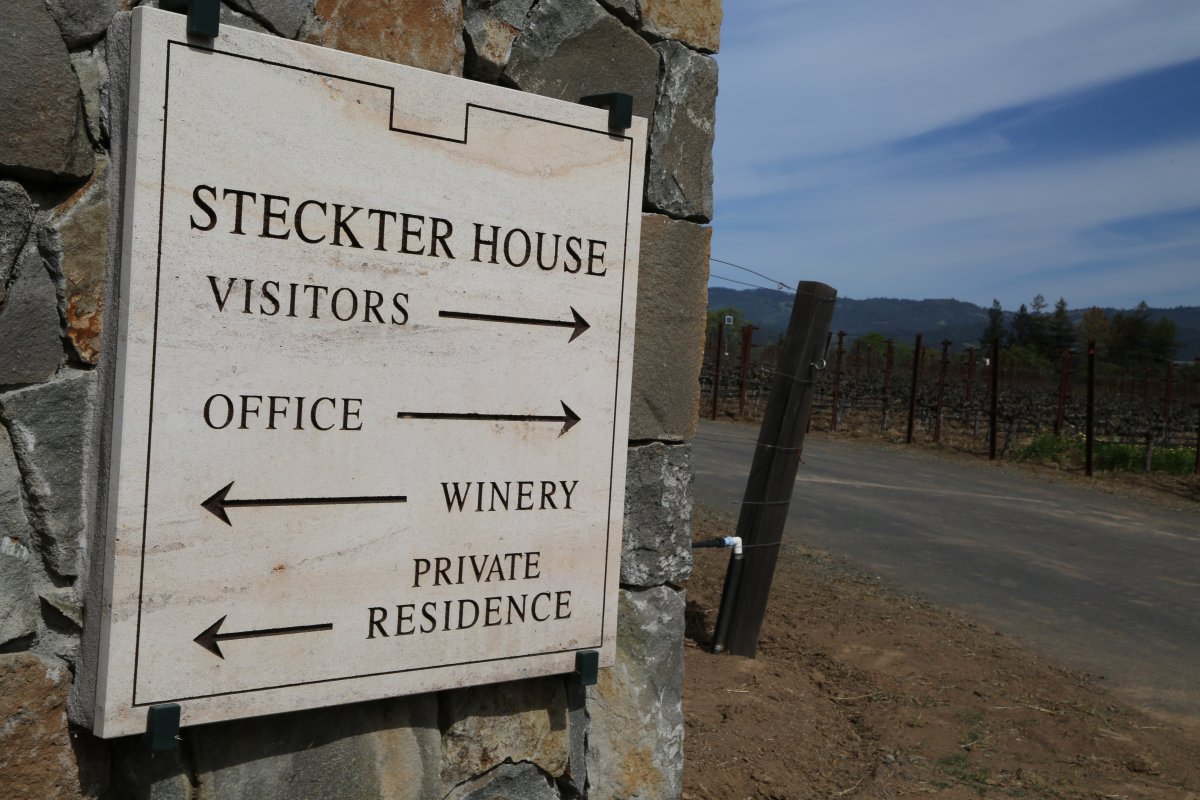
This is one of Napa Valley’s most historic vineyards; in 1864, 367 acres were sold by Hastings to John and Mary (Harris) Steckter. The Steckter’s planted about 60 acres of grapes after acquiring the property. They sold their grapes to local wineries including Brun & Chaix, today the site of Napa Wine Co in Oakville. Over the years they sold off pieces of their property including in 1880, 60 acres and in 1883, 73 acres.
In the 1870s John Steckter also owned a lumber business in St. Helena. According to an article in the July 20, 1877 issue of the St. Helena Star he sold his business to Jno. Even & Co.
Rutherford was a very tight knit community back then, and it still is. Mary’s family was deeply rooted in Rutherford; her brother Henry Harrison Harris (a Napa County Sheriff for two terms) founded H. H. Harris Cellar in 1887, the current home of Martin Estate and the property where Beaulieu Vineyard produced some of their early vintages in the early 1900s. Henry was married to Lurinda/Lucinda (Stice), one of 19 children and part of a prominent early pioneer family to Napa Valley. Henry Stice was the winemaker for H.H. Harris Cellars but was also hired as the Beaulieu’s winemaker in 1909. Other Stice family members later became winemakers in Napa Valley.
John Steckter’s obituary in 1892 describes him as one of the pioneers of Napa Valley. After his passing, his widow Mary and her brother Henry were appointed executors of his estate. Mary eventually moved to the city of Napa in 1907 to be with her son, Napa County Sheriff John Pressley Steckter. According to an article dated January 27, 1939 in The St. Helena Star celebrating Mary’s 103 birthday, she and her husband donated land to build the Rutherford schoolhouse. She died a month later; her obituary listed her as Napa county’s oldest resident and at the time of her summons, she was a great great grandmother 8x over.
In 1922 the property was purchased by Frank Manley (1867 – 1933) who had become wealthy through oil and gold in Alaska and California. He first came to Alaska in the late 1890s, a time of the Klondike Gold Rush. A Napa Journal article in the April 27, 1913 issue describes him as already a wealthy mine operator. In his obituary he was described as at one point being the largest single mining operator in the state of Alaska. He built the Hanley Hotel and Natatorium in 1906 in Manley Hot Springs, today about a 4 hour drive from Fairbanks. This was once the largest log building in Alaska (three and a half stories). Unfortunately the main lodge burned down in 1913 – visitors to this tiny community and remote part of Alaska can still stay in the Manley Roadhouse and Lodge.
Along with partners, Manley purchased land in Bakersfield; their venture was very successful. He also invested in oil wells in Texas (his birth state), but these weren’t very profitable. He was involved in what became the First National Bank of Fairbanks (today Key Bank). Manley is in the Alaska Mining Hall of Fame Foundation.
 An article in the September 30, 1931 issue of the The Napa Valley Register describes Manley as having recently made a mineralized gold strike at 2,500 feet above Livingston Creek in southern Yukon. But before he could develop the mine, he was severely injured in a car accident involving a truck near Byron Hot Springs on Highway 4 in California (Contra Costa County) in August, 1932 which left him with a concussion and a crushed chest. He died from a heart attack at his home in Rutherford in January 1933.
On a personal note, relating to California’s gold rush, one of our most noteworthy finds on our former mining claim in the foothills of the Sierra Nevada was a thick copper plate covered with gold and the resulting scratches after miners used quicksilver to extract gold from crushed quartz rock. Apparently they were getting so much gold from this area it wasn’t worth their time to remove the amount of gold still left on the copper plate.
We ended up pulling out about 1.5 pounds of gold from this claim primarily found by using metal detectors; this gave us a brief taste of what things were like during gold strikes in the early days. We would love to go back in time for a month or two and be part of the mining activities and hardships experienced in either Alaska or California and the resulting excitement during some of the early major gold finds. It is worth noting that there are numerous personalities over the decades who either owned vineyards or wineries in Napa Valley with connections to California’s early mining history. And some of their heirs continue to produce wine in Napa Valley.
—
Staglin Winery is led by mother and daughter; Shari is the CEO and Shannon is the President. Shari’s previous career is in health care. Shannon’s husband Artie is also involved – he runs a private mailing list only subscriber wine brand called WineXYZ and his one wine brand, Le Artishasic.
Winemaker, soils and viticulture expert André Tchelistcheff originally decided to convert what were prune orchards on the property back into vineyards beginning in 1963. His viticulture knowledge played a prominent role in the types of vines planted here and how the vineyard was laid out. The Staglin’s used his expertise after they purchased the property. We’ve heard differing opinions on whether the grapes from these vines were used in the well-known Georges de Latour Private Reserve label that Beaulieu Vineyard popularized (and still makes today). Regardless this is one of Napa Valley’s sweet spots for growing premium quality wine grapes.
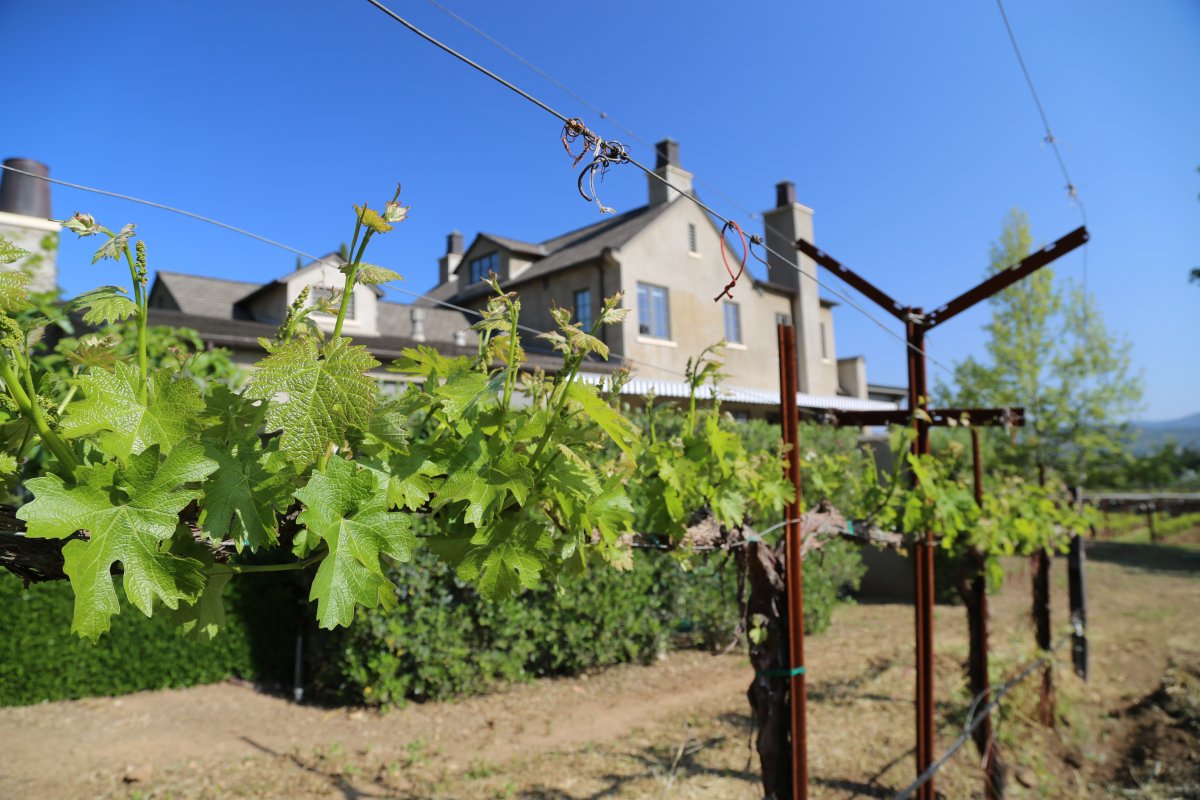
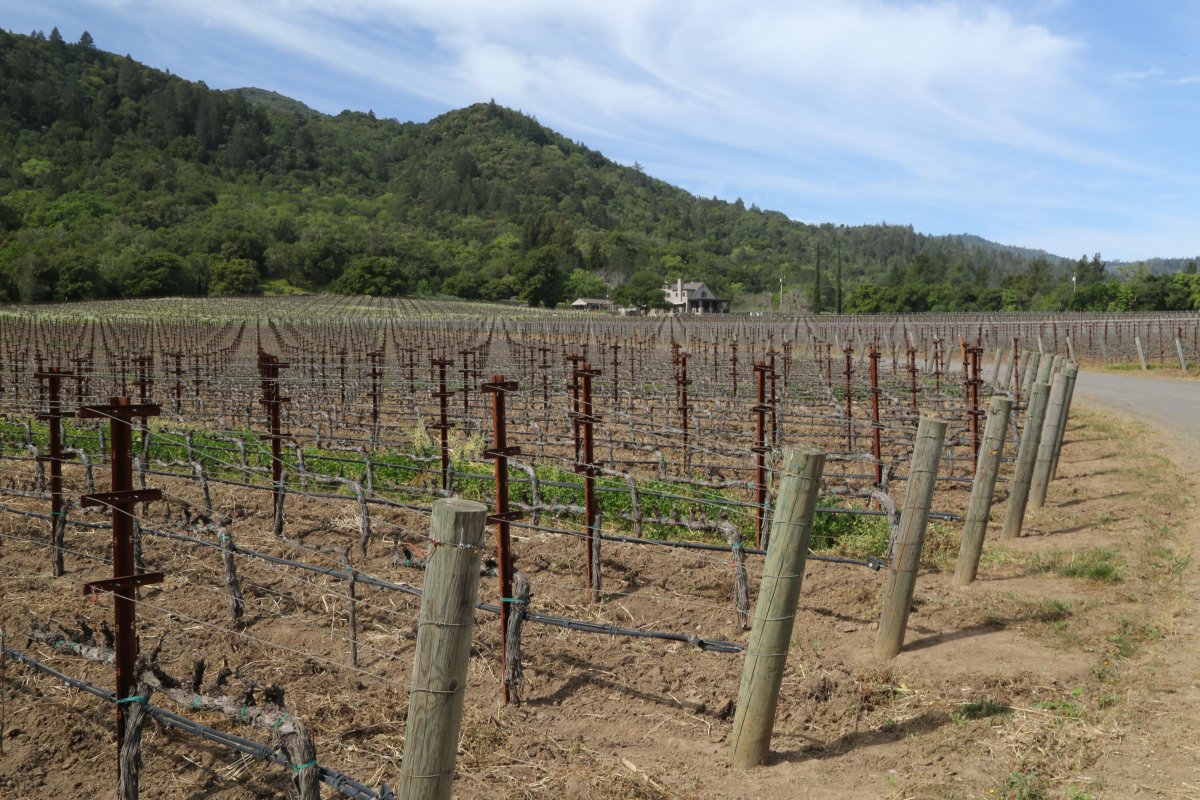
Today the Staglin’s own nearly 62 acres of prime land in the heart of the Rutherford Appellation. Their 51 acres of vineyards are located on coveted bench land soils. These deep slightly gravelly brownish soils were formed during millions of years because of erosion and run off from the nearby Mayacamas mountains. As a result of this type of soil, its excellent drainage and the climate, this is excellent terroir for growing Cabernet Sauvignon.
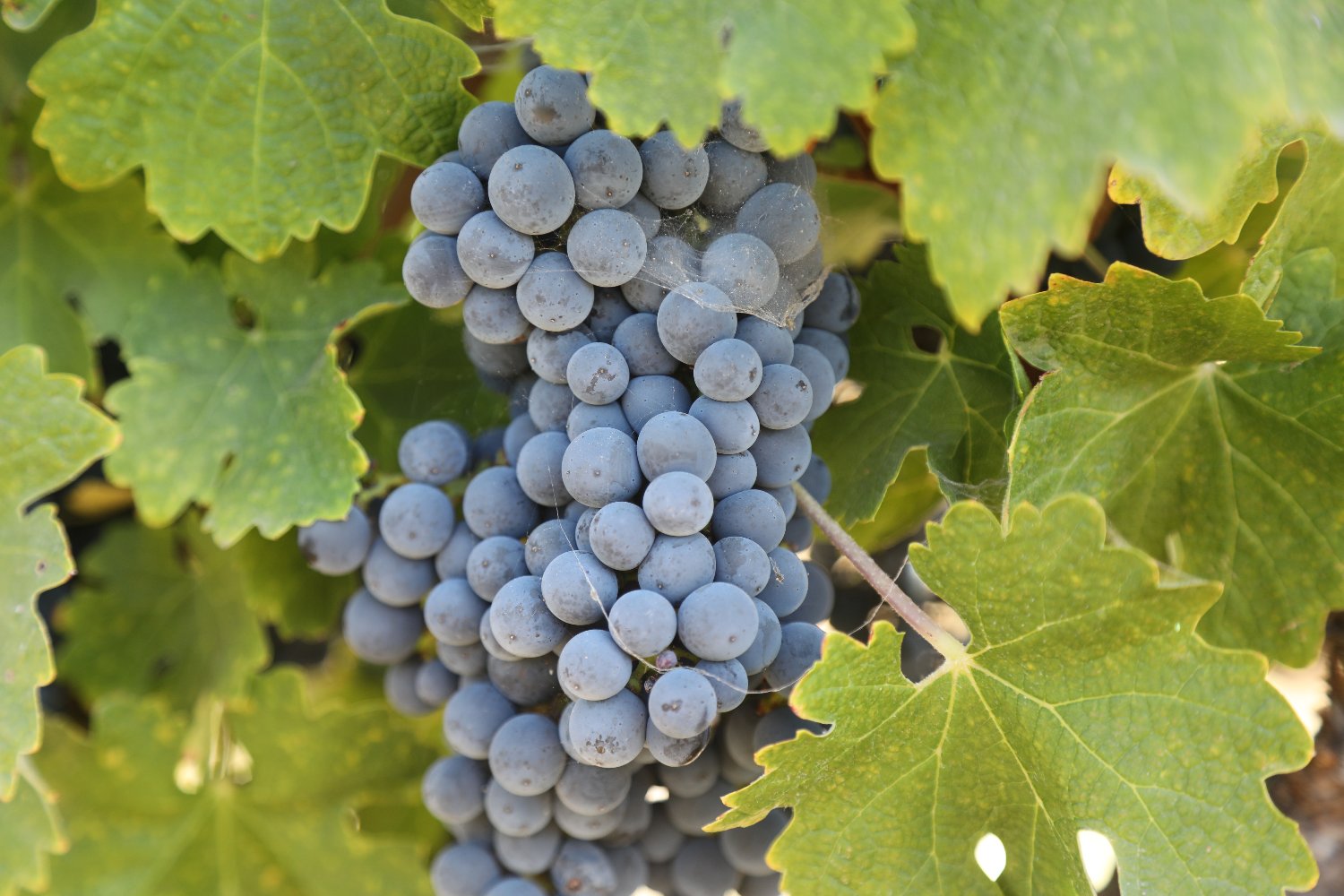
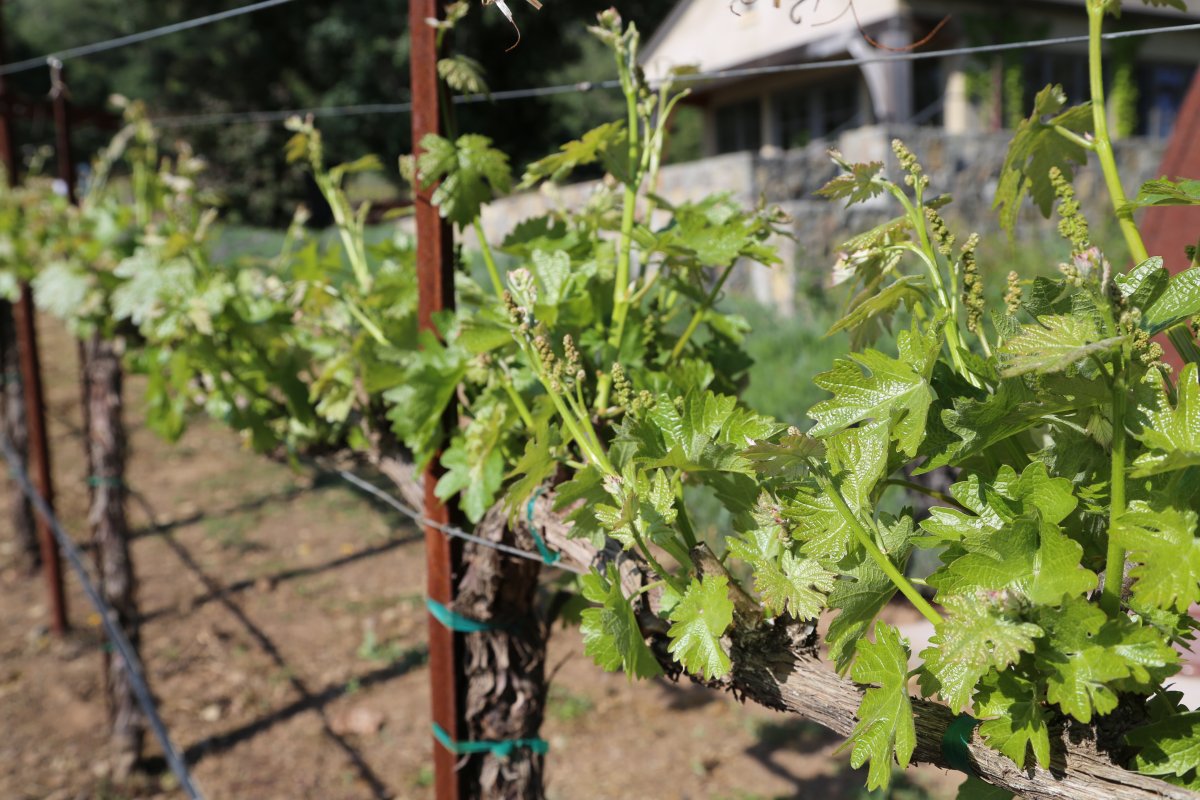
The property is planted to Cabernet Sauvignon, Petit Verdot, Cabernet Franc and to perhaps two surprising varieties – Chardonnay and Sangiovese. Chardonnay is generally planted in the southern part of Napa Valley closer to the cooling influence of the San Pablo Bay; there is very little Chardonnay currently growing in Rutherford or Oakville. The Staglin’s chose to grow Chardonnay (instead of Cabernet Sauvignon) because Shari enjoys drinking wines from this variety. Their wines are made entirely from estate grown grapes, other than a small amount of Chardonnay that they source.
Vineyard manager David Abreu has managing their vineyards since the Staglin’s purchased the property in 1985 – all of which are certified CCOF; the Staglin’s were among the earlier Napa Valley adopters of the CCOF certification for organic farming. Solar cells were installed on the property in front of the Steckter House in 2007 and supply all of their energy needs. Staglin is in the enviable position on sunny days of providing extra energy back into the grid.
Highly sought after French based blending master Michel Rolland (died 2026) consulted for Staglin and assisted with their final blending decisions. Over the years a number of Napa Valley’s most accomplished winemakers have made or been involved in the production of the Staglin wines including Cathy Corison, Celia Welch, Bob Levy, Luc Morlet and Andy Erickson.
It is clear that Staglin’s focus is on quality and producing the best possible wines they can from their vineyards.
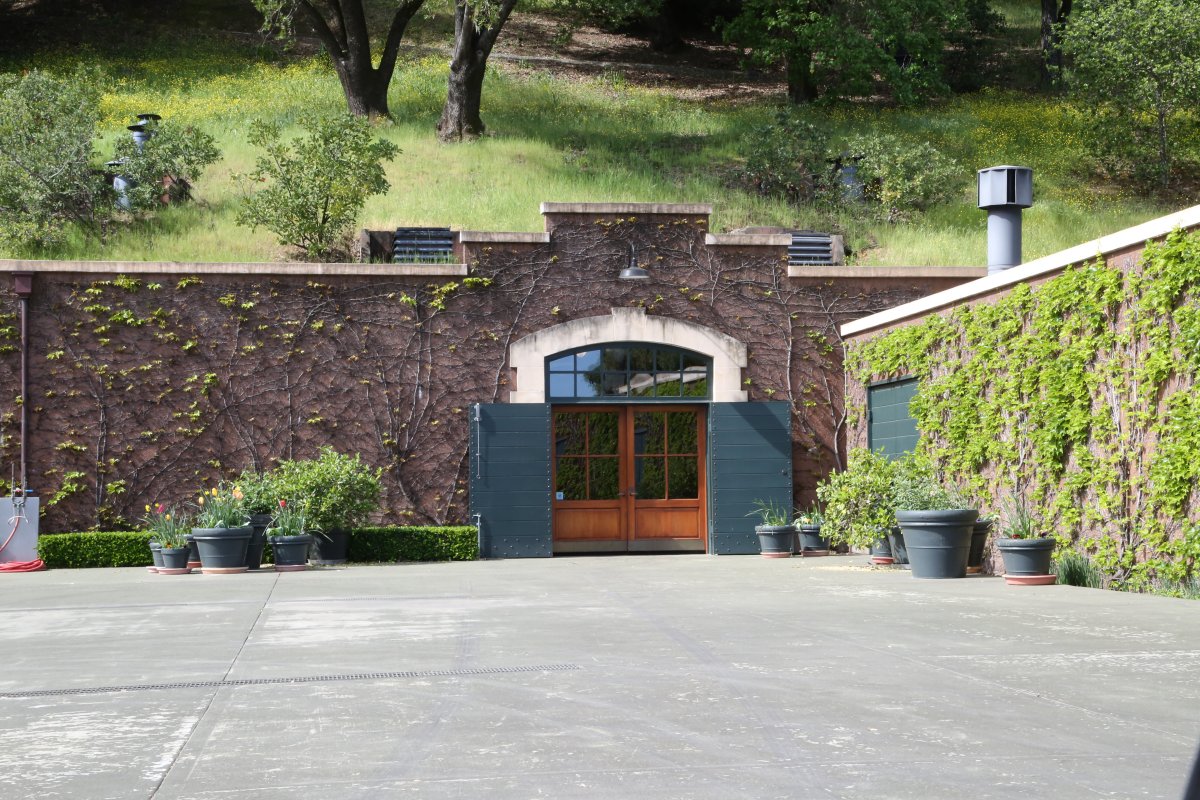
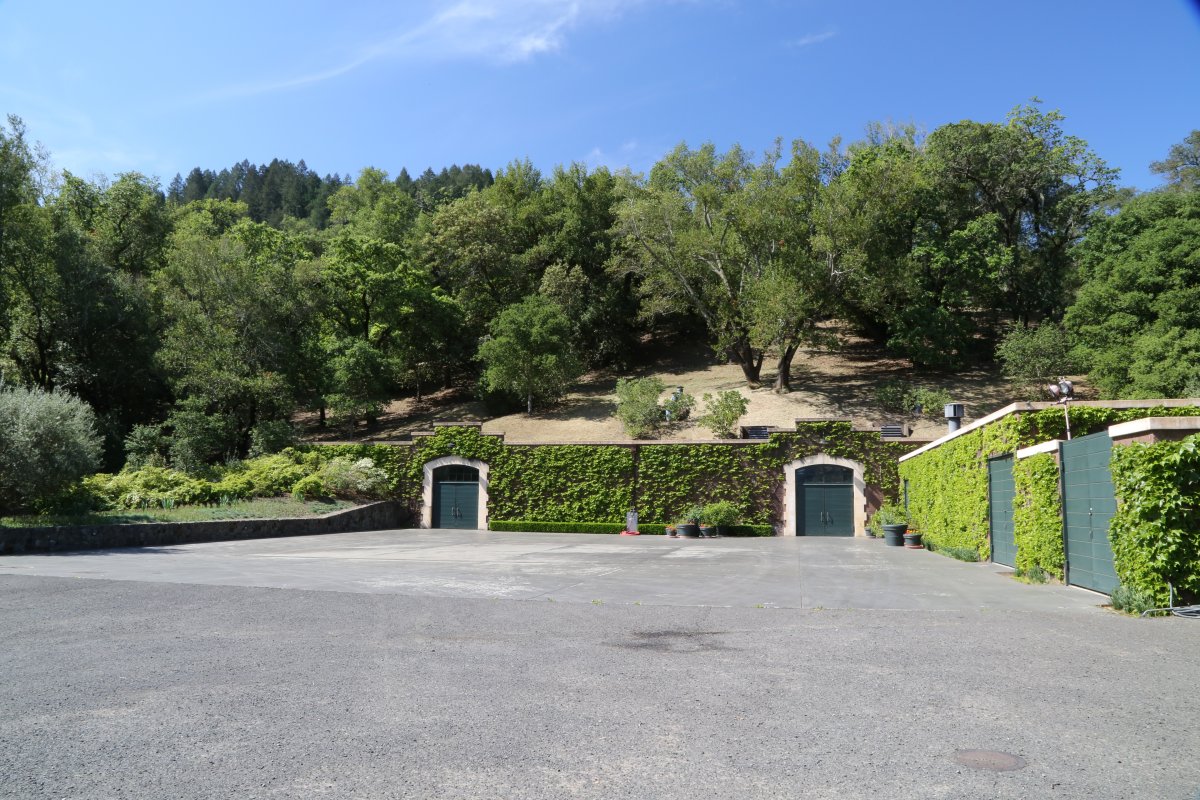
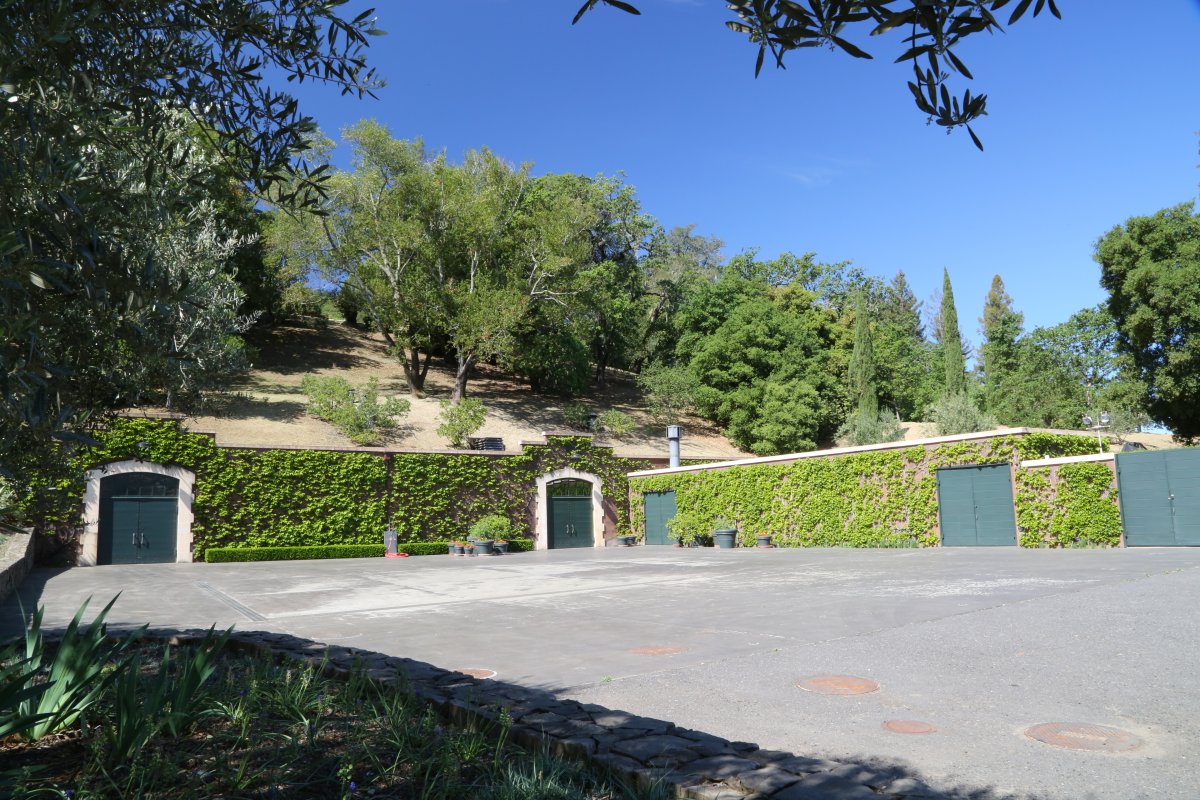
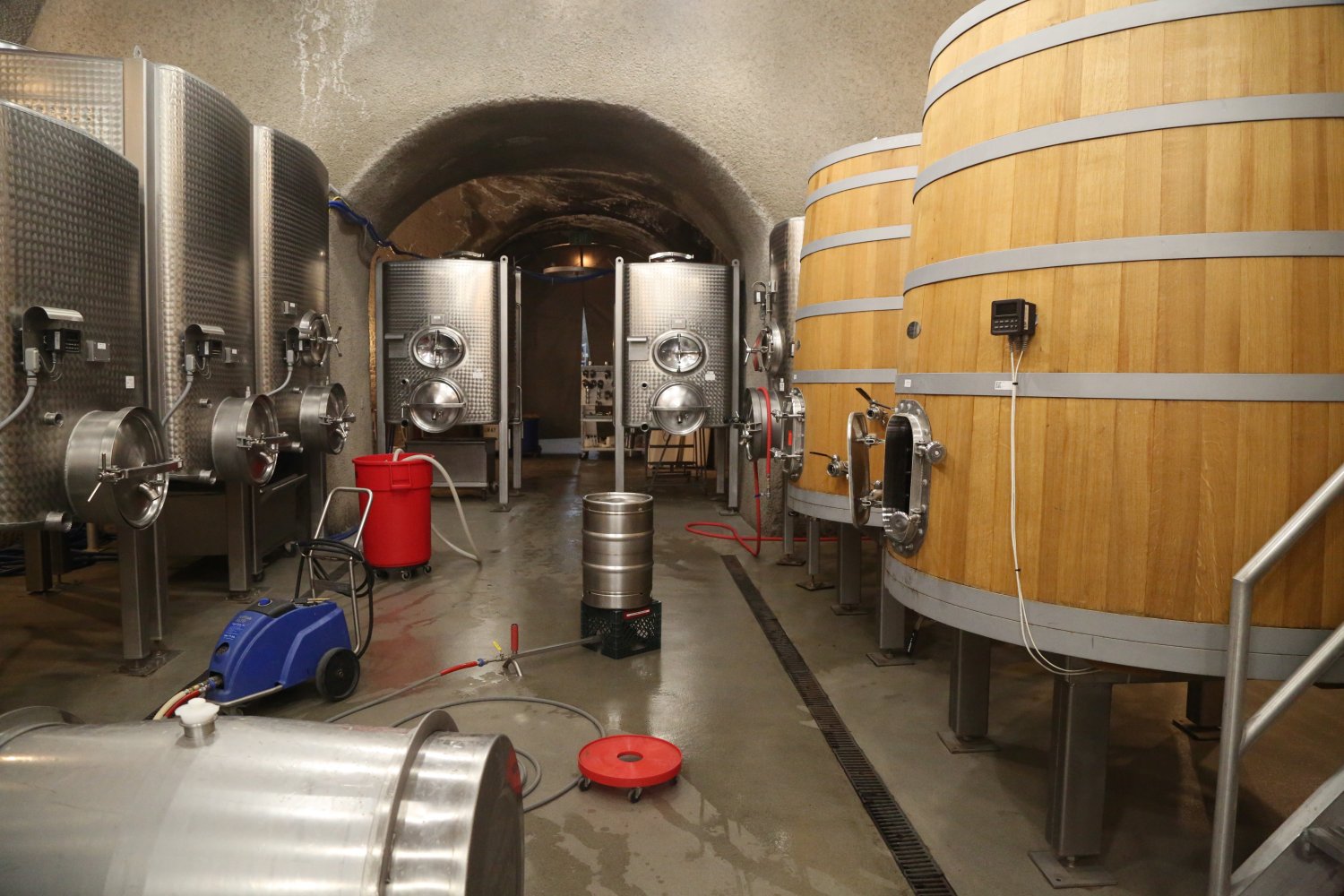
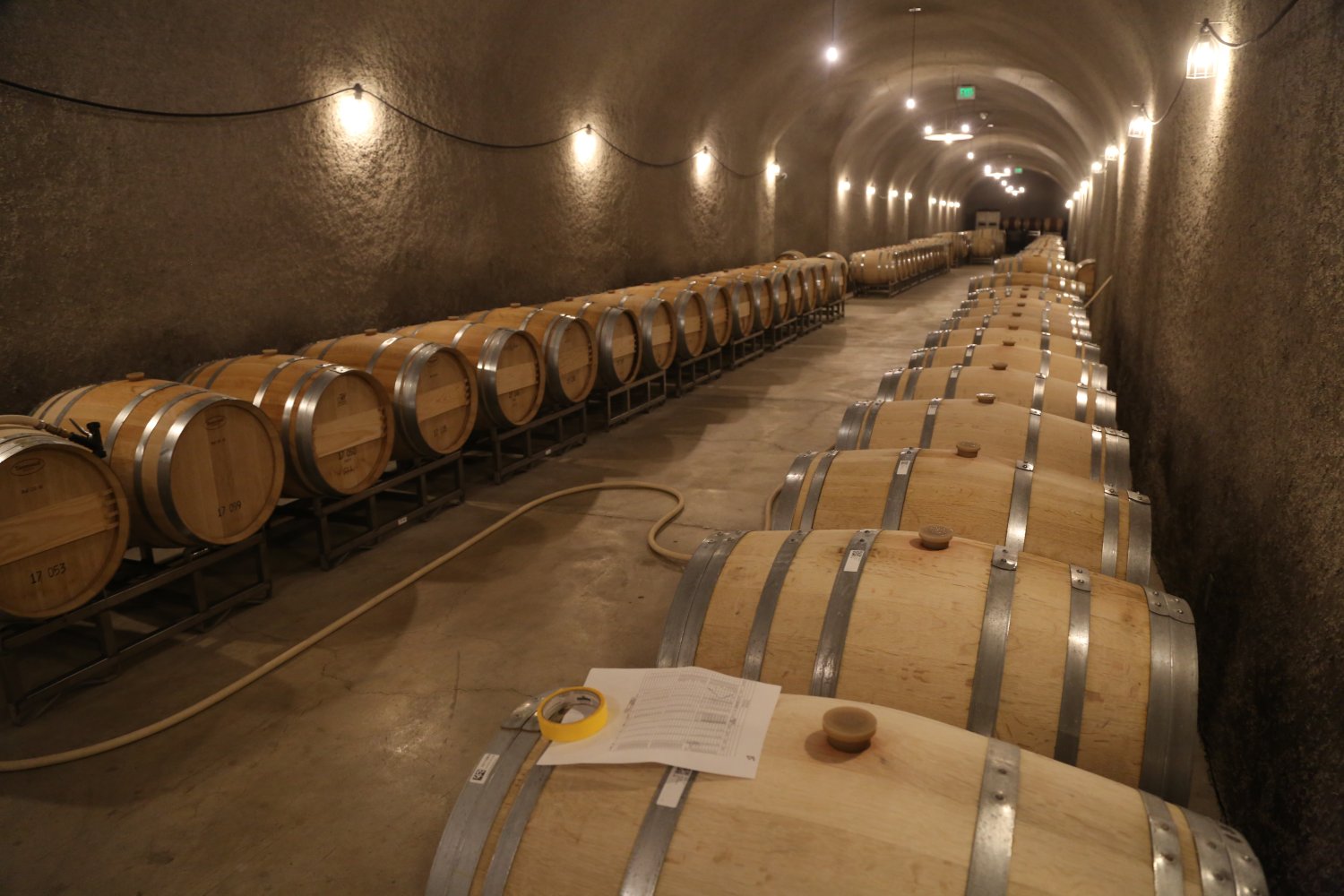
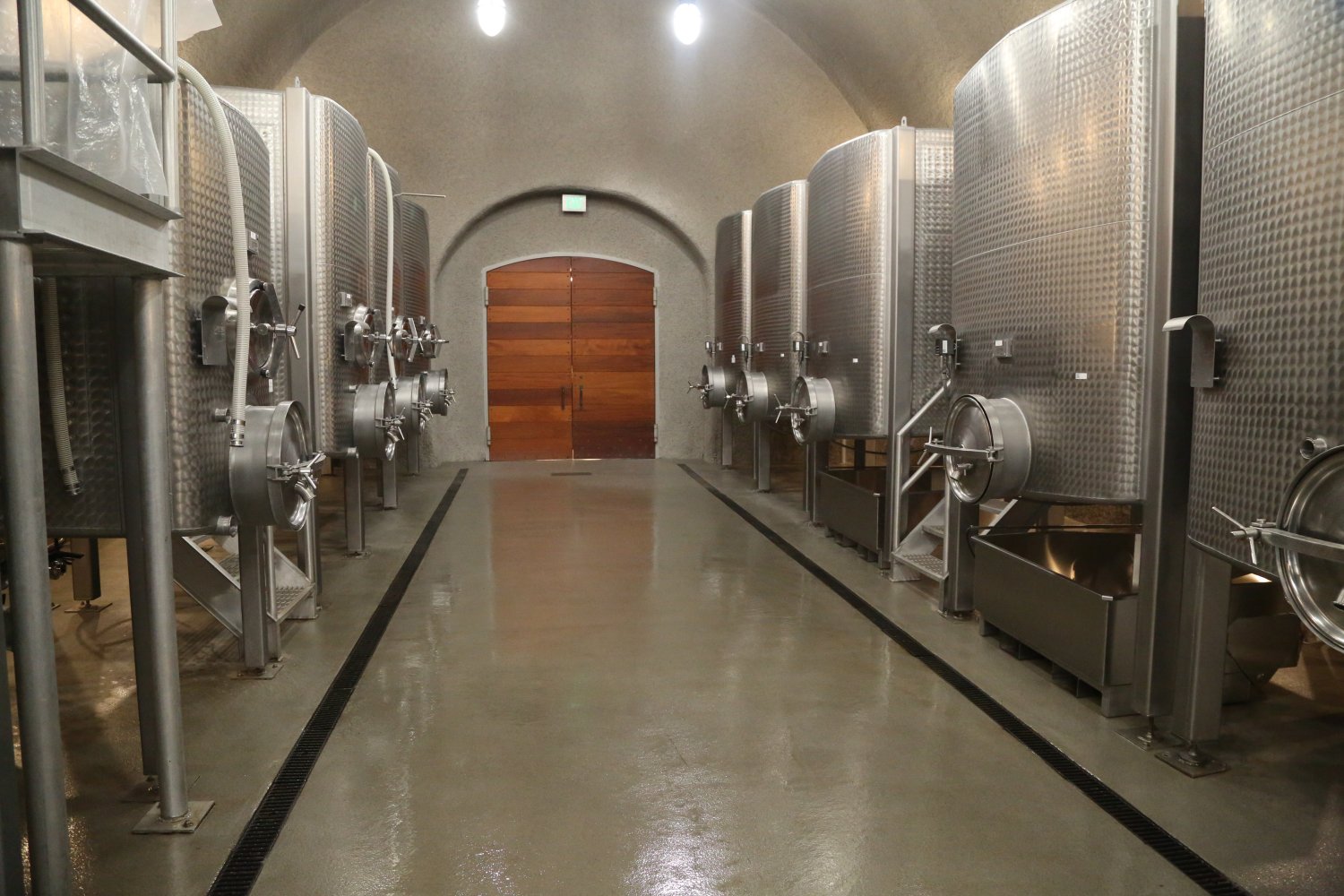
The physical winery is completely underground; it is self-contained within a 24,000 square foot cave system. Note the very high ceilings – they are much taller than most Napa winery caves. The only exposed portion of the winery is the crush pad located directly outside.
Music Festival for Brain Health
Besides their wines, Staglin is well known for their annual Music Festival for Brain Health event held on site every September. The inspiration for this event came after Shari and Garen’s son Brandon was diagnosed with schizophrenia in 1990. Since the inaugural event in 1995 remarkably (as of 2023) they have raised more than 550 million dollars towards research and medicine for mental health related diseases. The music festival directly benefits One Mind, a research organization also co-founded by Garen and Shari, dedicated to finding cures for brain illnesses and injuries. And until 2024, Brandon was the President of One Mind when his role changed to Chief Advocacy and Engagement Officer.
The Music Festival for Brain Health is one of (if not the largest) annual private Napa winery charity event; it is *the* winery event to attend in the valley. Typically, well-known musicians will headline and about 75 of Napa Valley’s most exclusive wineries are on site pouring their own wines including brands that rarely if ever pour their wines at events. Celebrity or other well-known chefs always prepare the gourmet dinner. Part of the proceeds raised from this event help fund cutting edge research by scientists.
This is not the only fundraiser that Staglin supports; their wine was often one of the higher bids at the annual Auction Napa Valley (now Premiere Napa Valley) and the Naples Winter Wine Festival. They do a remarkable amount of work with charities including fundraising dinners around the country and have directly contributed more than 1 billion dollars to charity efforts to date.
One Mind also organises the annual Peace of Mind fundraising walk at Alma Rosa Winery in Buelton. This event was first held in 2020.
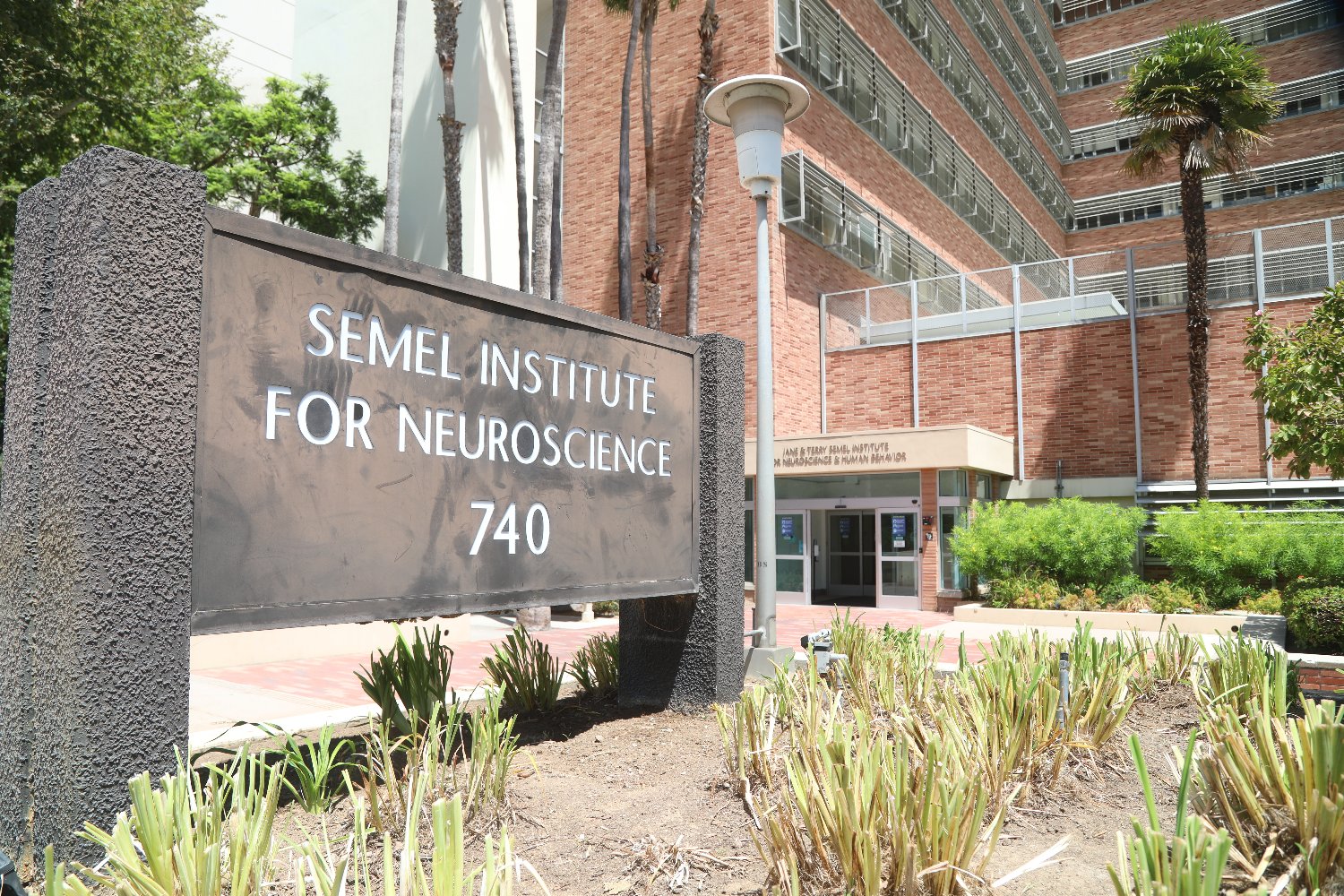
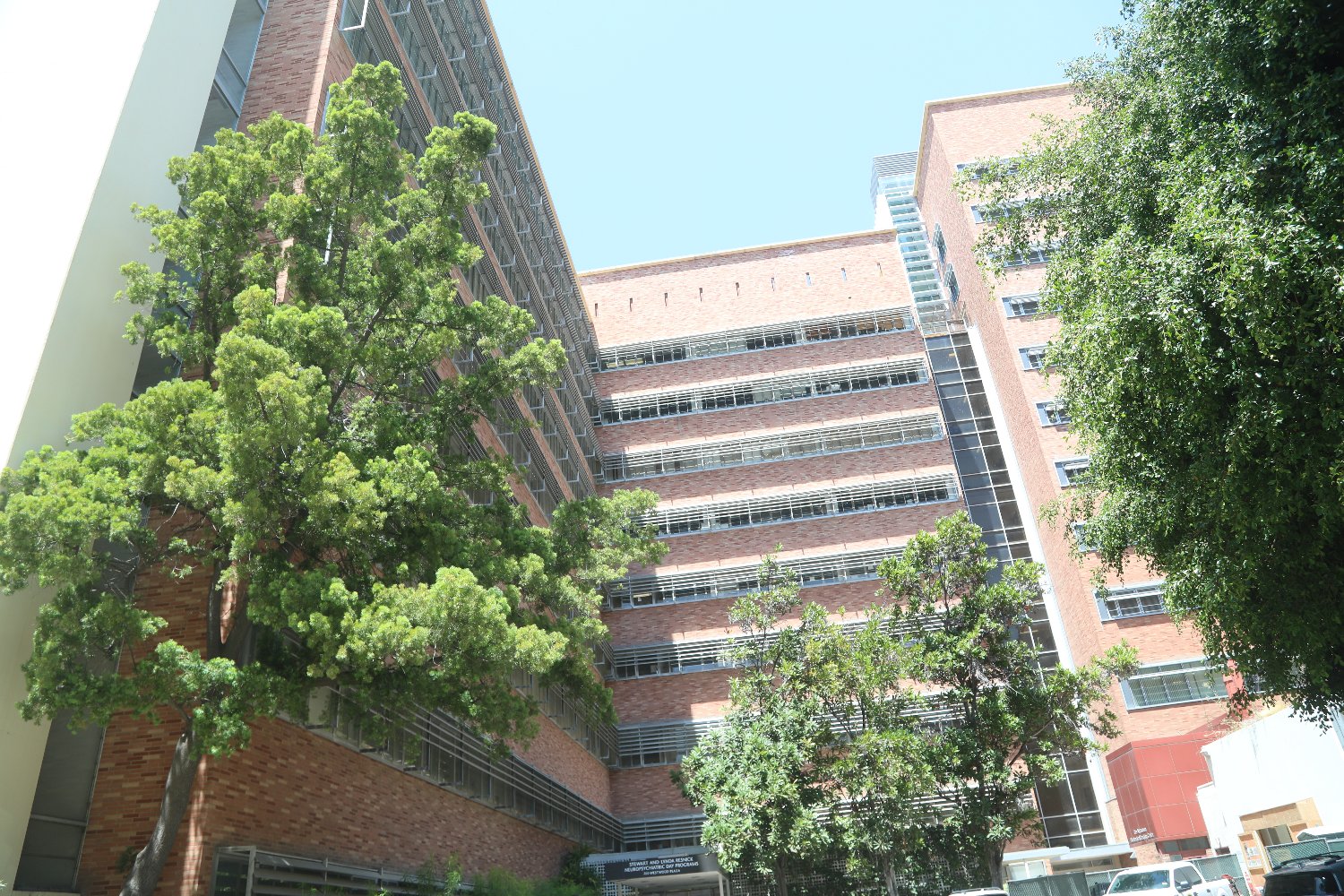
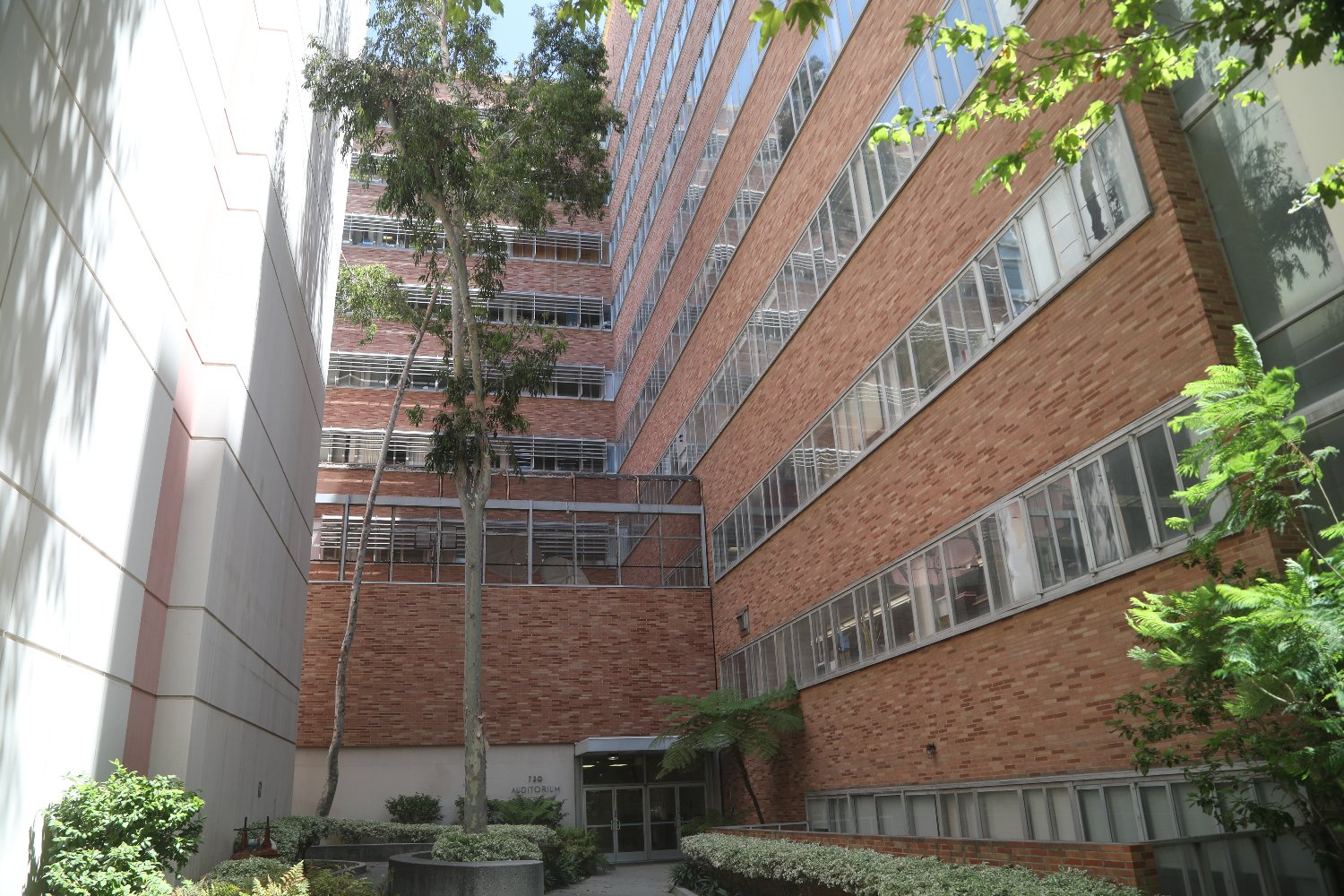
And the Staglin’s support brain research at their Alma mater, UCLA. The Semel Institute on campus in part houses the Staglin One Mind Center for Cognitive Neuroscience. This center is primarily used for education and research purposes. An advanced laboratory contains an MRI machine which can be rented by the hour by research members of the UCLA community.
Select Wines
Whites
Staglin Chardonnay
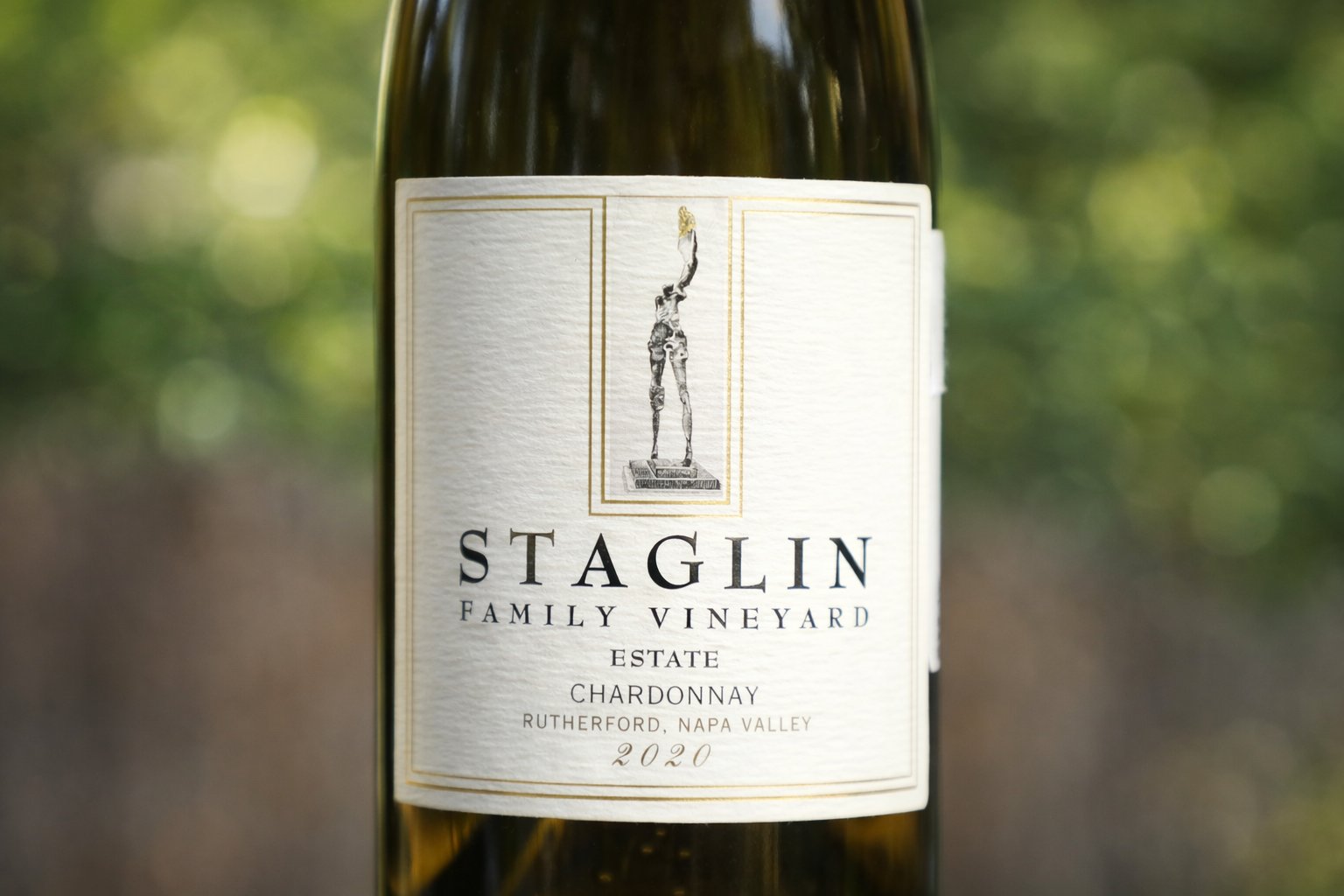 The 2023 Staglin Family Vineyard, Estate Chardonnay is medium gold in color; This bottling includes newer Chardonnay that was grafted over on the property next to the last stretch of the driveway leading to the Steckter House. The bouquet smells bright and fresh, not as ripe at the 2020 expression. It offers scents of orchard fruits including apricot, peach, and yellow nectarine, honeysuckle, honeycomb and a light note of creme brule. Balanced and a refreshing expression of the variety, that stays far away from being California buttery or oaky. It tastes like honeycomb, golden apples, golden kiwi, golden plums. Persists with a light spicy edge on the very end of the finish. The acidity sports a bright but balanced acidity, complementing the rounded and supple/silky mouth feel. This is a superbly balanced bottling expression of this variety, that should also age well over the next 5-10 years. We would be comfortable pairing this with a variety of seafood. Its ABV is 13.8%.
The 2020 Staglin Family Vineyard Estate Chardonnay is pale amber in color; for reference, we tasted this 6 years post vintage. The bouquet offers a strong sweetly fruited ripeness and accompanying honeyed character, with additional layers of bruised apples, baked pineapple, apricot jam, cling peaches in syrup, creme Brulé, butterscotch, caramel hard candy, Alphonso mango, vanilla and a persistent nutty character including of hazelnut and toasted almonds. If an expression of Chardonnay were dessert, this bottle is the ideal candidate. Rich and ripe but with a more mature fruited expression at this age, this wine mimics the bouquet somewhat and tastes like honeycomb, pineapple upside down cake (our favorite dessert we enjoy once a year without every missing – every birthday for decades), creme Brulé, butterscotch, caramel, ripe yellow peaches, apricot and lingering layers of toasted almond, vanilla and perhaps white chocolate. Its texture is like velvet but with some noticeable phenolic weight, sliding slippery across the palate while being supported by a bright acidity. The richness of flavor continues to persist on the extended finish. Its listed ABV is 13.8%. For best results, enjoy this in a cabin in the winter cozied up with your honey in front of a warm fire.
Reds
Staglin Cabernet Sauvignon
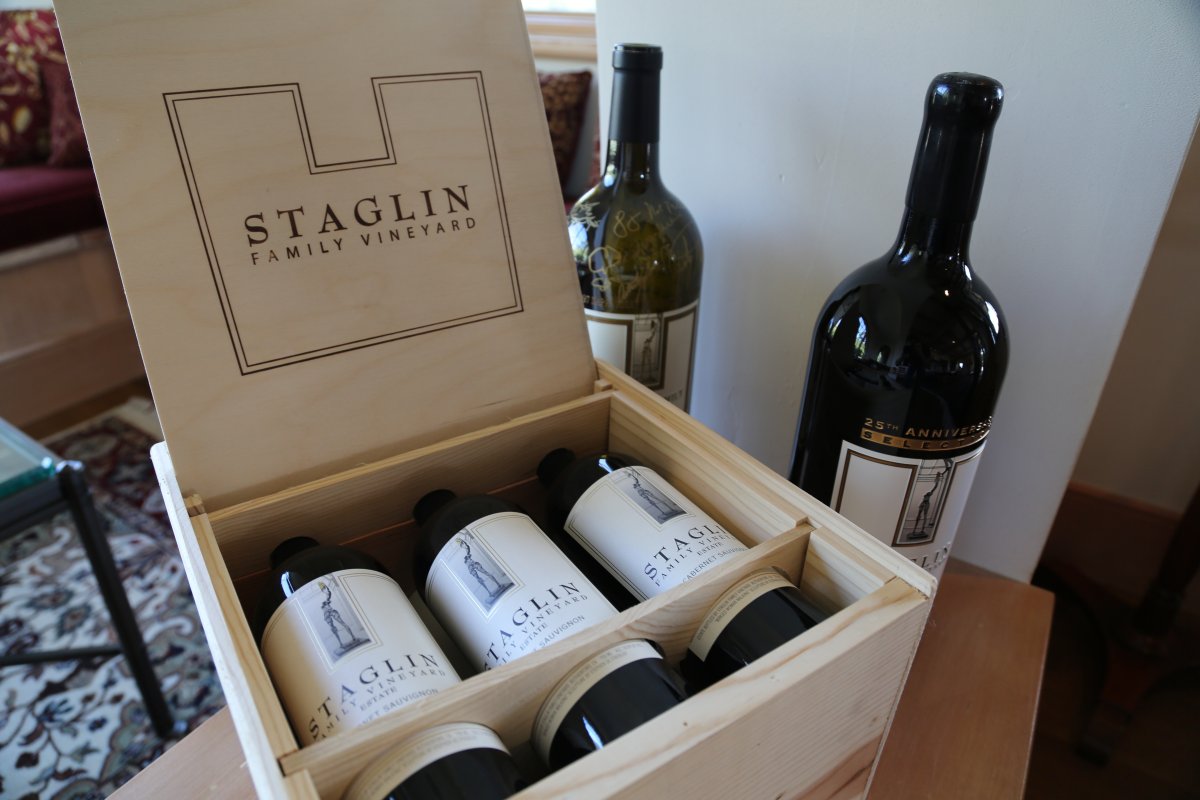
The Staglin Cabernet Sauvignons are crafted to be complex wines, and can be enjoyed in their youth, but also have significant aging potential.
The 2022 Staglin Family Vineyard Cabernet Sauvignon is 90% Cabernet Sauvignon, 6% Cabernet Franc and 4% Petite Verdot. This wine is deep ruby in color; floral and sweetly fruited, this wine smells like cherry pie, boysenberry, blueberry, red plum, sage, dried bay leaf and some sweeter baking spices in the background, i.e., cinnamon stick and clove. On the palate, this wine tastes like red licorice, red cherry, raspberry and red plums. And there is a spicy thread running the length of the palate that we sometimes associate with Zinfandel, but not Cabernet Sauvignon including a note of white pepper and dried sage. Shows the ripeness of the vintage, but there is a distinctive brightness to help balance that out. The tannins are gravelly, never edgy and linger with a light dryness felt more on the front of the palate. Finishes savory, not always a descriptor we write about the 2022 vintage from Napa Valley.
The 2018 Staglin Family Vineyard Cabernet Sauvignon is deep ruby, opaque and shows a light transition on the rim at 8 years post vintage. Shows bottle bouquet at this age, with a pretty union of both fruit and barrel with fruit dominating. It smells like blackberry, boysenberry, dark plum, dark cherry, a hint of sweet tobacco spice and a light note of dark chocolate. Still very much fresh, built on the back of red fruits and lively acidity, this wine still has years ahead of it with the proper aging. It tastes like red cherry, Santa Rosa plum, boysenberry and currant with a lingering note of dried tobacco leaf. The tannins are broadly dispersed across the palate with a gravelly and dusty character. Finishes fresh with each sip inviting another. This wine is showing in a sweet spot right now.
The 2014 Staglin Family Vineyard Cabernet Sauvignon is 81% Cabernet Sauvignon, 13% Cabernet Franc and 6% Petit Verdot. This wine is dark ruby in color; it shows a dark fruited component to the bouquet including blackberry and a sweet black licorice nuance. As the wine breathes, additional dessert spices are revealed including cinnamon and mocha. A juicy mouthwatering palate features mostly darker fruit flavors. This wine simultaneously has a softness yet also a richness; it is well layered with depth of flavor. Structurally, the tannins are noticeable but are well-integrated – they are not harsh. This is a fairly approachable wine in its youth from a vintage that generally showed well early on, as compared to the 2013s which tended to need more time in bottle. The finish is extended. Keep or drink now.
The 2004 Staglin Family Vineyard Cabernet Sauvignon opens with expressive aromas of ripe black cherry, layered with a subtle but persistent note of cedar that adds a classic Napa Valley nuance. With a bit of air, additional hints of graphite and dried herbs begin to surface, lending further complexity to the nose. On the palate, the wine reveals generous, well-defined layers of flavor, including plum and blueberry, interwoven with more delicate notes of pepper that become especially noticeable toward the finish. The texture is structured yet refined, with firm, well-integrated tannins supported by bright acidity that keeps the wine focused and lively. There is a distinct sense of place here, with a touch of the famed “Rutherford dust” character—often associated with the region’s soils—emerging most clearly on the back of the palate, adding a fine, slightly earthy grip. Balanced between depth and elegance, this wine shows both immediate appeal and the structure needed to continue aging gracefully over time.
Sangiovese
The 2023 Staglin Family Vineyard Sangiovese is from a 0.6 block on the estate with cuttings from the Biondi-Santi family in Italy. This wine is medium to deep ruby; a pretty floral note is immediately evident including scents of dried rose petals and violets with additional aromas of sage and other dried herbs, red plums, red cherries and currant. Higher toned across the palate in terms of its bright acidity, like the bouquet, the palate is also defined by its red fruits. This wine tastes like cherry, raspberry, boysenberry, Santa Rosa plum and blueberry. Finishes savory, a union of red fruits, lively acidity and dried herbs. The tannins are well integrated at 3 years post vintage and broadly coat the palate with a gentle and lightly drying tug. Very much a food friendly wine – we can see why Sangiovese is often paired with a tomato based pizza and pasta. Only 200 cases were produced.
Salus
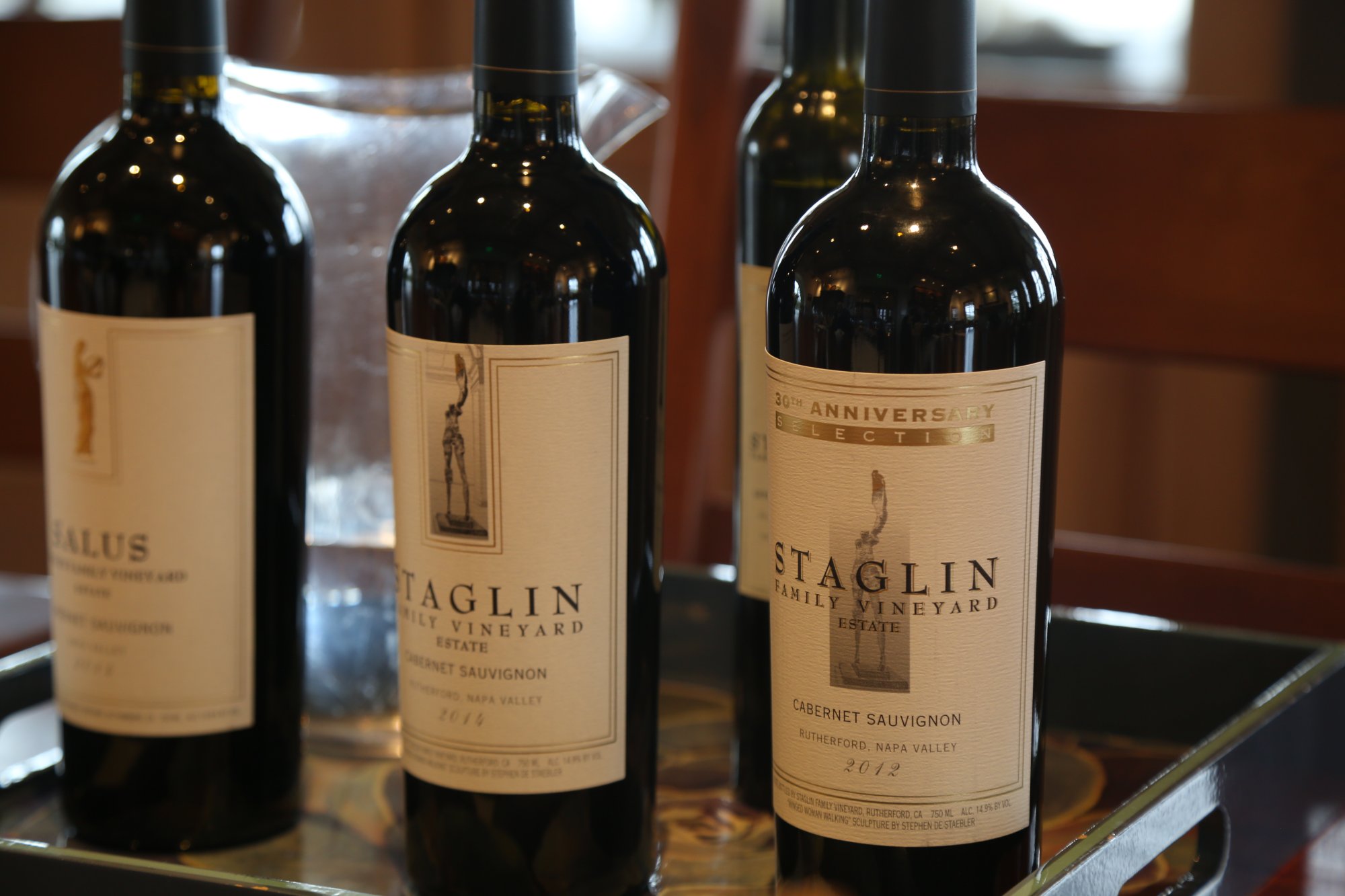
There is no Parker Knoll Chardonnay produced here, but a companion label, Salus is named after the Roman goddess for safety and welfare and includes a Chardonnay and a Cabernet Sauvignon with a portion of the proceeds from the sales of these wines donated to research and treatment of schizophrenia, bipolar disorder and depression. The name for this wine, pronounced ‘sal oos’, originated from a trip to Italy where the Staglin’s first noticed an image of this goddess on a coin. The Salus wines are crafted to be approachable in their youth. This brand is well distributed.
Salus Chardonnay
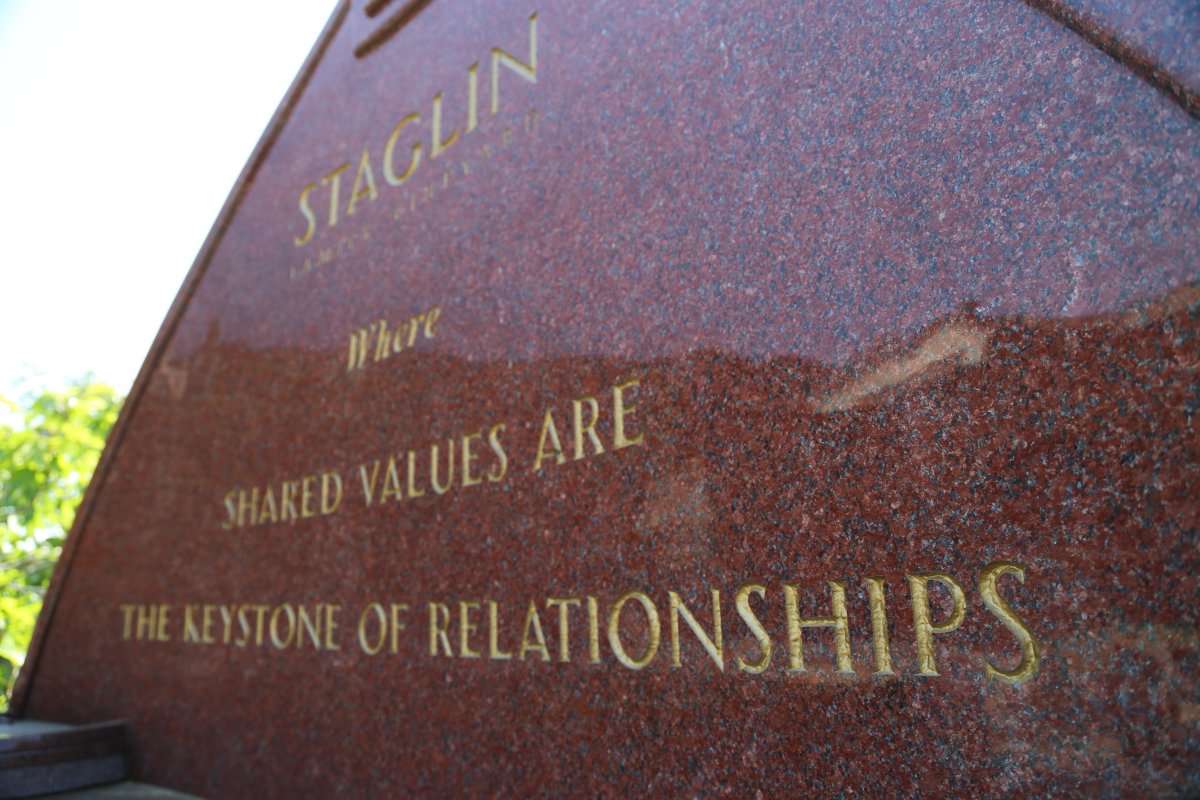
 The 2023 Staglin Family Vineyard Salus Chardonnay is medium gold in color; ripe, sweetly fruited, and honeyed, this wine smells like baked pineapple, apricot jam, yellow peaches, honeysuckle, butterscotch, and caramelized sugars including creme brule. Like the bouquet, the palate is sweetly fruited, or with a perception of sweet fruit (the wine is probably dry or close to dry in terms of residual sugar); it tastes like apricot, ripe pineapple, golden kiwi, yellow peaches, nectarine, papaya and pineapple guava. Intensely flavored, with a supple and silky texture which is supported by a bright and persistent acidity. Finishes with a light phenolic grip and a kiss of oak, but the oak is very much far in the backseat here.
The 2022 Staglin Family Vineyard Salus Chardonnay is medium to deep gold in color; the bouquet offers rich aromatics of baked apples, melting honey, a similar scent that reminds us exactly of pulling trays filled with honey out of our bee hives we used to maintain in Calistoga until they were destroyed by wildfires, ripe pineapple, apricot, peaches, mango, butterscotch and caramelized sugars similar to that of a creme Brule. The oak and butter characteristics are both here but neither one dominates. The palate is rich and partially orchard fruited with flavors of peach, yellow nectarine, and apricot. And there are other flavors at play including of almost overripe pineapple, golden delicious apple, mango and honeycomb. The richness of fruit is complemented by an equally rich and lively acidity. Lingers with a light note of toasted oak and a subtle drying character, presumably from the oak tannins.
The 2017 Staglin Family Vineyard Salus Chardonnay is rich and layered, opening with expressive aromas of orange, lemon, and citrus blossom, complemented by hints of ripe pear and a light touch of vanilla from its time in oak. As the wine evolves in the glass, a subtle mineral edge begins to emerge, adding further dimension to the aromatic profile. There is a noticeable viscosity and a creamy, enveloping texture, driven by lees stirring during its barrel aging. This richness is balanced by a faint saline or briny quality. The fruit remains vibrant and well-defined. Barrel fermented and aged for 10 months in 500L and 600L oak puncheons—often with at least 50% new French oak—and with secondary fermentation inhibited, the wine achieves an integration of oak and fruit. Full-bodied yet balanced, it finishes remarkably long, leaving lingering impressions of citrus, cream, and a touch of minerality.
Salus Cabernet Sauvignon
The 2023 Staglin Family Vineyard Salus Cabernet Sauvignon is 95% Cabernet Sauvignon and 5% Cabernet Franc; this wine is deep ruby in color. The bouquet smells elegant, with the oak always hanging out in the background. Its aromas include boysenberry, dark raspberry, cherry and a light note from Cabernet Franc bringing some non-fruited freshness including a light note of tomato leaf. This Cabernet Sauvignon is nimble on its feet, a lighter expression of the variety. A bright vein of acidity keeps this wine thoroughly fresh; it tastes brambly and savory with flavors of Satsuma plum, cherry, boysenberry, Persian mulberry and a finishing note of dried tobacco leaf which out runs the fruit on the finish. The tannins are present, but never dominate; their texture is lightly gravelly with an earthy feel. We suspect this is a very popular restaurant wine.
The 2019 Staglin Family Vineyard Salus Cabernet Sauvignon is deep ruby in color; the initial aromas are a bit savory and include dried herbs of sage and thyme along with light cedar. In terms of fruit, there are scents of baked plum, bramble, dark raspberry, dark cherry and a hint of dark chocolate; these scents become quickly more prominent as the wine evolves in the glass. On the palate there are flavors of cherry, blackberry and plum; the focus here is clearly on its flavors with the oak offering a supporting and gentle attribute. And worth mentioning is its structural plushness with tannins sporting a finely-polished and rounded feel. Balanced and easy drinking, this wine shows well five years post vintage at the time of our tasting. Pair with a warm evening, a beef and tomato based ravioli and the anticipation of leaving on international trip the next day.
The 2014 Salus Cabernet Sauvignon is composed of 93% Cabernet Sauvignon and 7% Cabernet Franc. It offers an elegant bouquet marked by a gentle sweetness and a sense of ripe, expressive fruit. Subtle floral and herbal nuances weave through the aromatics, adding lift and complexity. Supple and approachable across the palate, the wine delivers generous flavors of blackberry and plum, with a touch of dark cherry emerging as it opens. Well-integrated tannins provide structure without overshadowing the fruit, leading to a smooth, fairly soft finish. Balanced and polished, this bottling drinks beautifully on its own while still offering enough depth to hold your attention.
The 2005 Salus Cabernet Sauvignon, crafted entirely from 100% Cabernet Sauvignon, opens with inviting aromas of black fruit, led by notes of blackberry and black cherry, with a faint hint of cassis adding depth. As it evolves in the glass, subtle undertones of cocoa and dried herbs begin to emerge, lending additional complexity to the bouquet. On the palate, the wine is supple and cohesive, carrying an appealing velvet texture that persists from the initial sip through the finish. The fruit profile remains vibrant and well-defined, supported by bright acidity that keeps the wine lifted and energetic. Finely grained tannins provide gentle structure without overwhelming the textural softness of the wine, making it especially approachable. Overall, this vintage shows a harmonious balance between richness and freshness, offering immediate drinkability while still retaining a sense of polish and composure.
Resa
Resa in Swedish means journey. The journey of this brand began with two separate labels. Staglin Family Vineyard winemaker Fredrik Johansson began making Grenache in 2013 and in 2017 Shannon began producing Pinot Noir. They combined both of their efforts, creating Resa. Today it produces limited production non Napa Valley wines including Grenache and several bottlings of Pinot Noir.
—
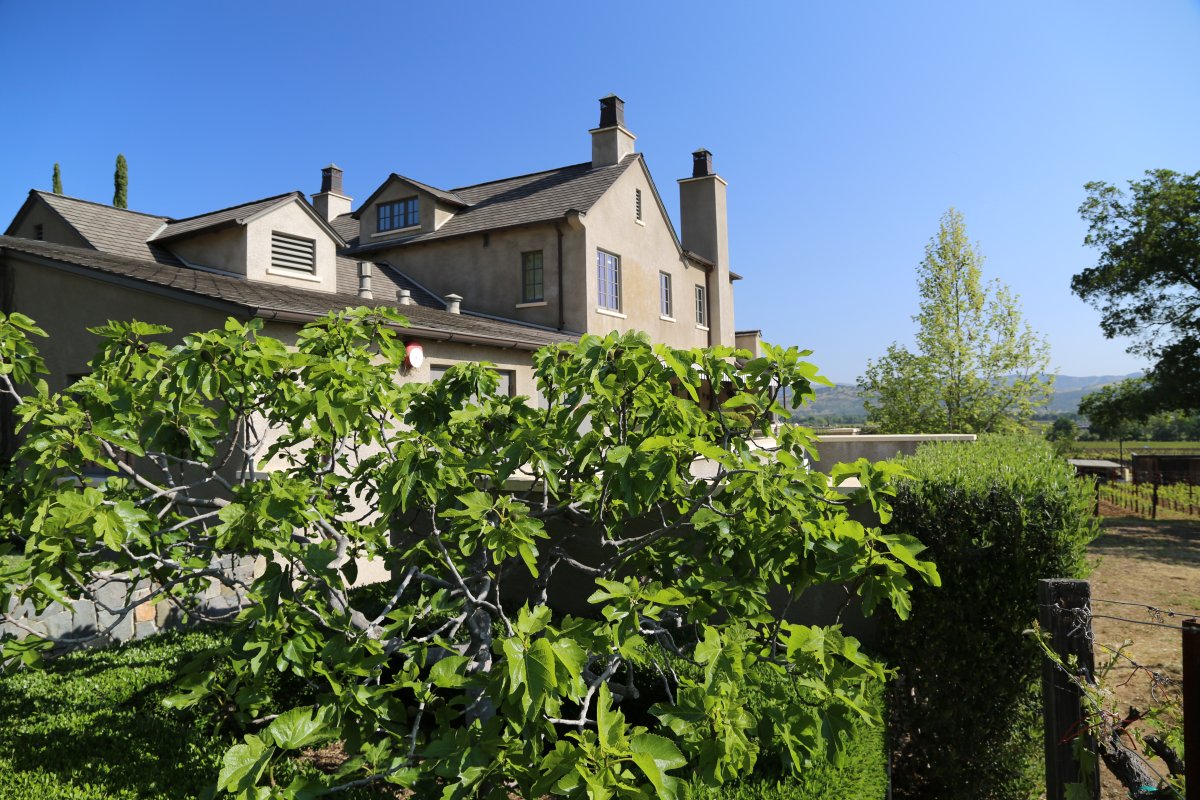
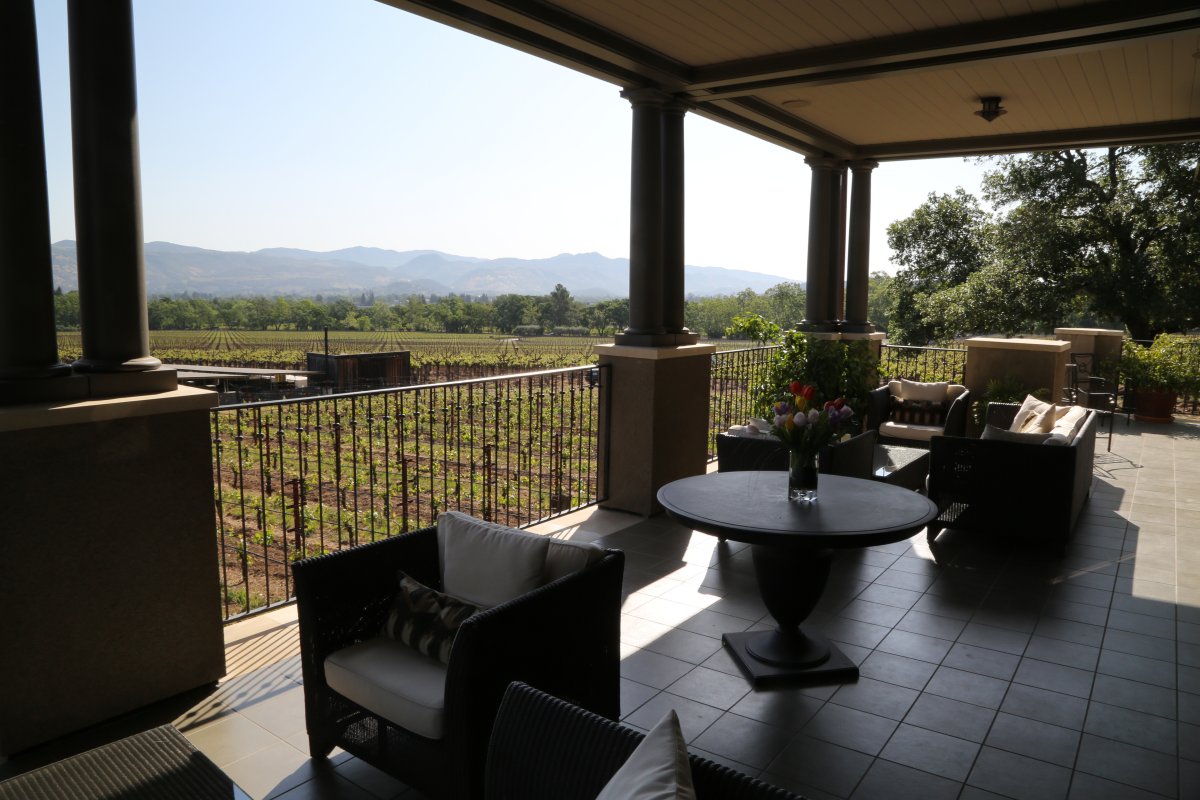
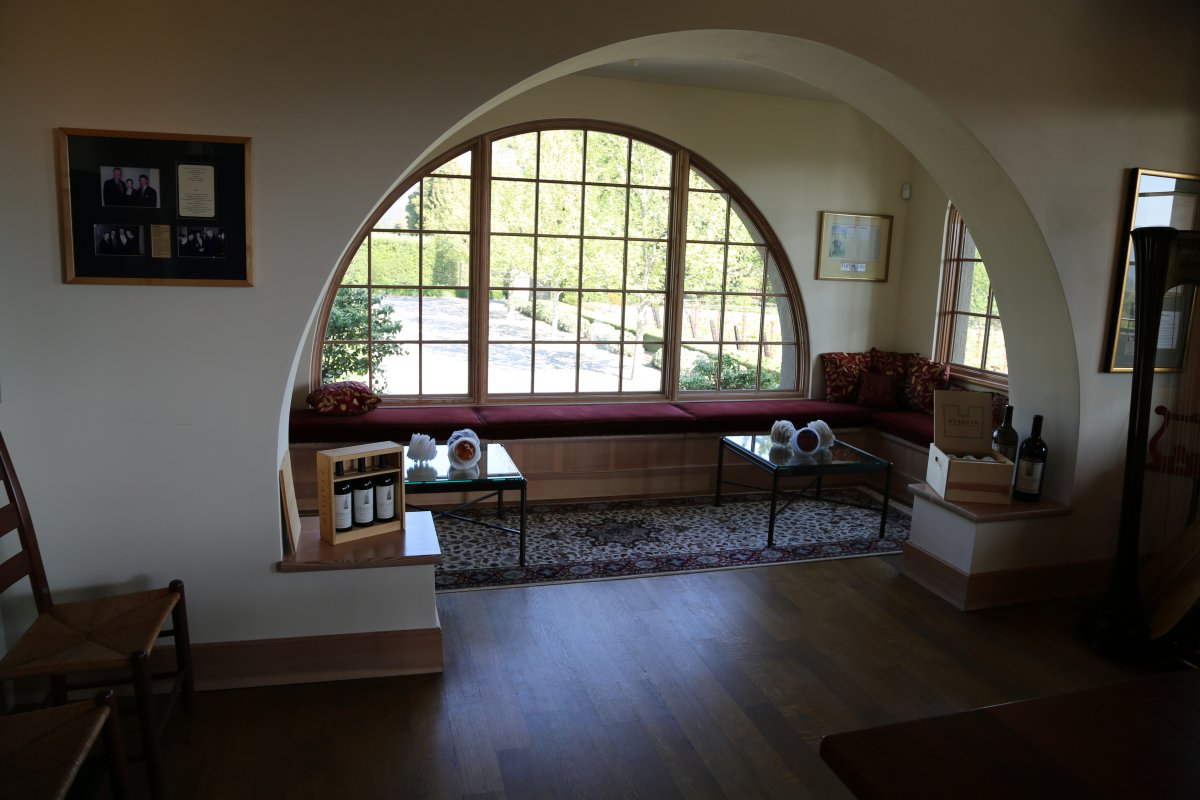
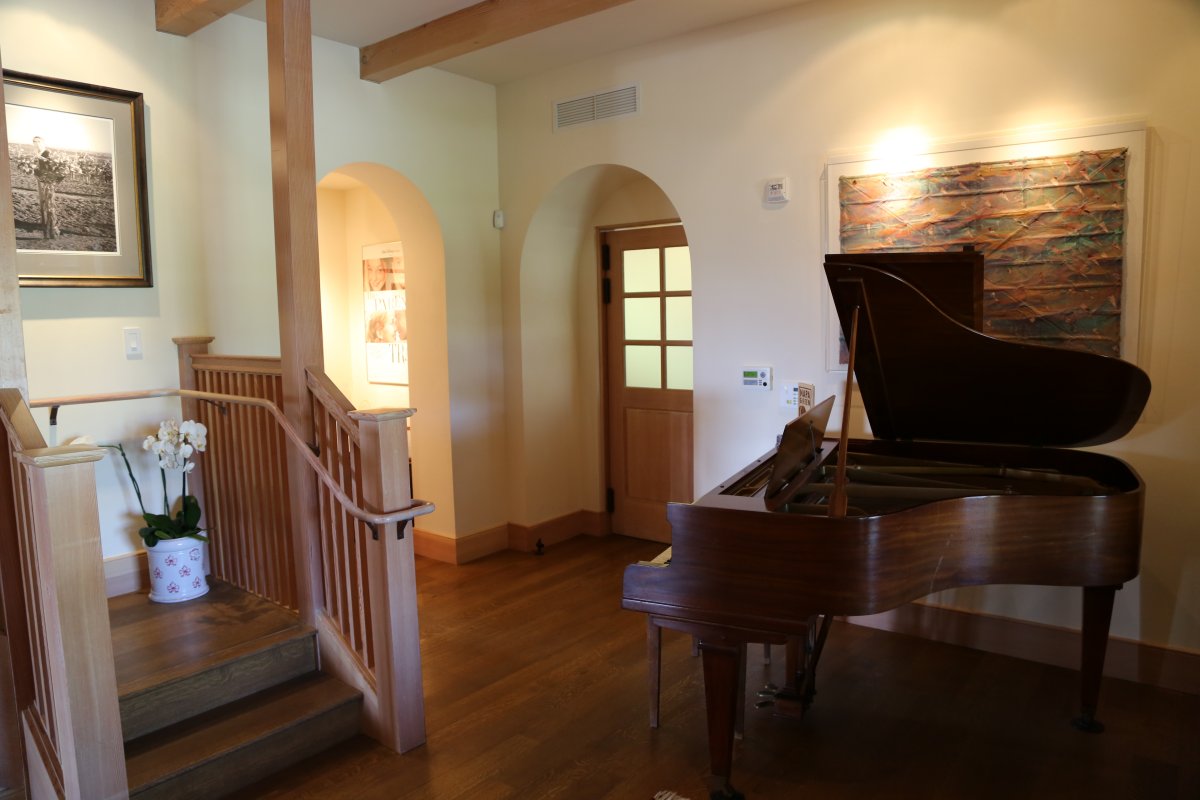
In 2007 Staglin purchased the historic Steckter House within their vineyards (built in 1864). It has been carefully restored and now serves as the primary hospitality center and tasting room. A tour and tasting is for serious wine enthusiasts and collectors and will include a quick overview of the vineyards, a visit to the cave and a sit down tasting in the Steckter House. The main dining rooms opens up onto a deck which faces east and overlooks down on their vineyards and parts of Rutherford and Oakville.
And film aficionados take note; Staglin has a direct connection to Hollywood; scenes from the 1998 version of The Parent Trap, starring a very young Lindsay Lohan were filmed at the Staglin’s home located in the hills east of the winery.
Current production is around 7,000 cases annually. Staglin has limited international distribution including to parts of Asia (Japan and Hong Kong). We have also seen their wines at premium wine shops and restaurants in Bangkok, Thailand. Locally the wines may be found at Oakville Grocery and the neighboring Oakville Wine Merchant. For more information, to purchase wine, to become a club member – choosing from several different quantity options annually, or to schedule an appointment, visit: www.staglinfamily.com
Estate


Cave
We would like to visit. How do we make a reservation.
We would like to visit, how do we make a reservaron
You could contact Staglin Winery directly to check availability and make an appointment. Hope you were able to visit 🙂