



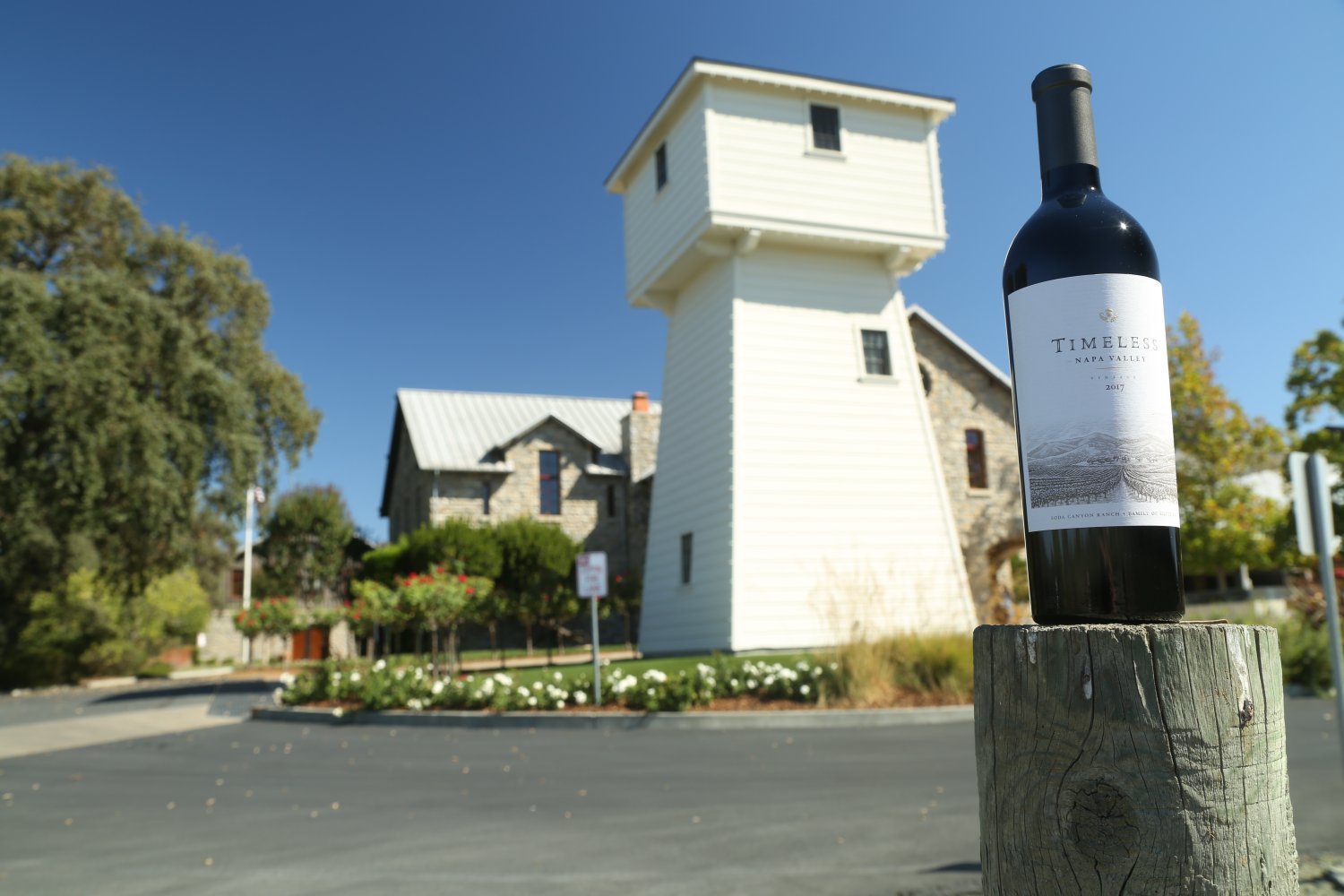
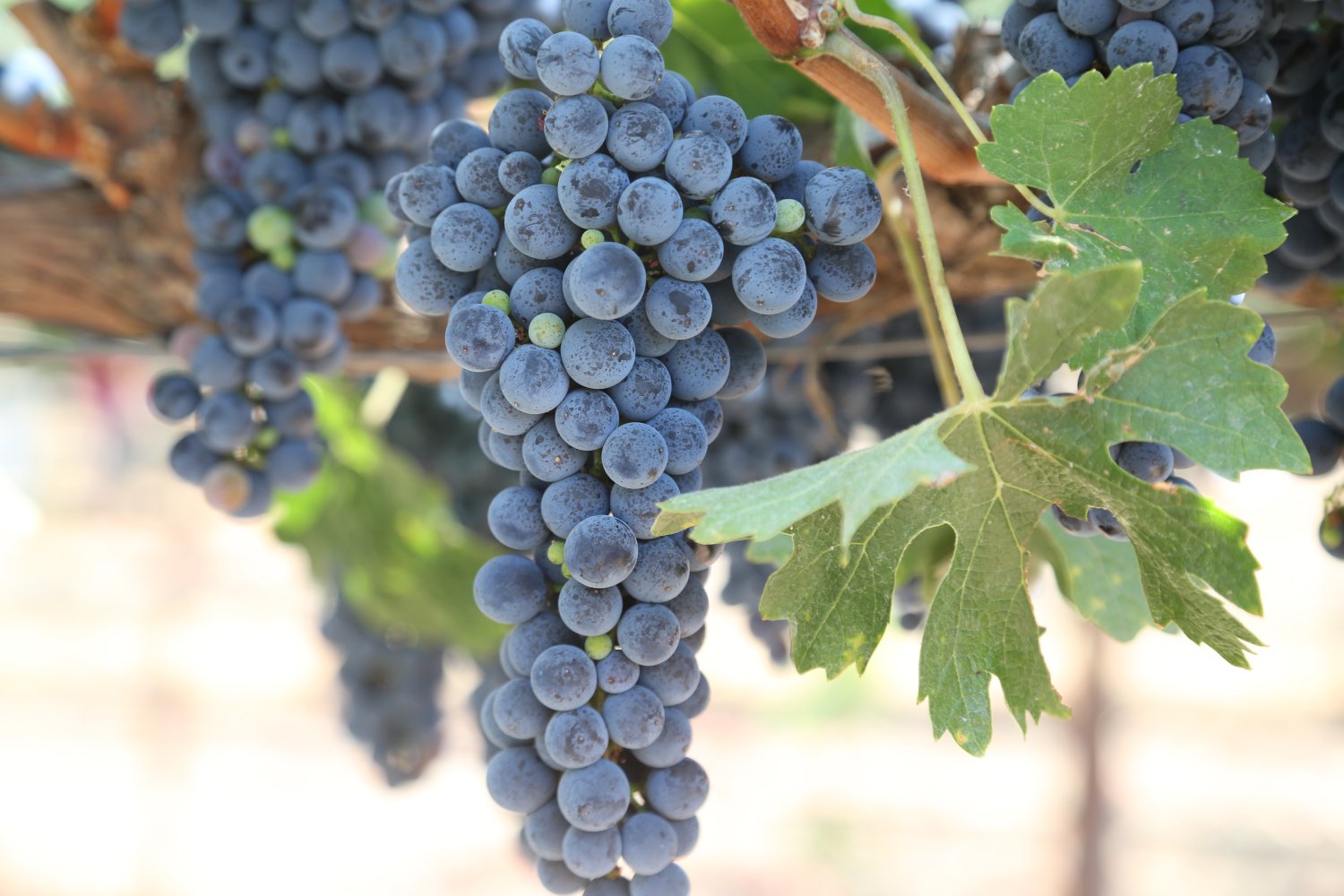
 Silver Oak Cellars is a Napa Valley and Sonoma County winery best known for its focus on Cabernet Sauvignon and its distinctive use of American oak barrels, a stylistic choice that helped define its identity among California wines. Founded in 1972 by Ray Duncan and Justin Meyer, both now deceased, this remarkable success story grew from a single‑wine vision into a highly sought‑after label with deep roots in both Napa Valley and Alexander Valley. Over time, Silver Oak has become closely associated with multi‑generation family stewardship, meticulous and sustainable vineyard development, and a philosophy of crafting wines that are both approachable in youth and capable of long aging. This story follows the Duncan family’s Midwestern and Colorado heritage, the evolution of their business ventures, and the gradual transformation of an Oakville dairy into one of Napa Valley’s most recognized wineries.
Ray was born in South Bend, Indiana, to parents Walter Sr., a World War I veteran, and Velma Twomey Duncan. He was raised in La Salle, Illinois (population today around 9,500 residents), and graduated in 1952 from the University of Notre Dame in South Bend. Ray had three brothers, prominent businessmen J. Walter Duncan and Vincent Duncan, and Monsignor Edward Duncan.
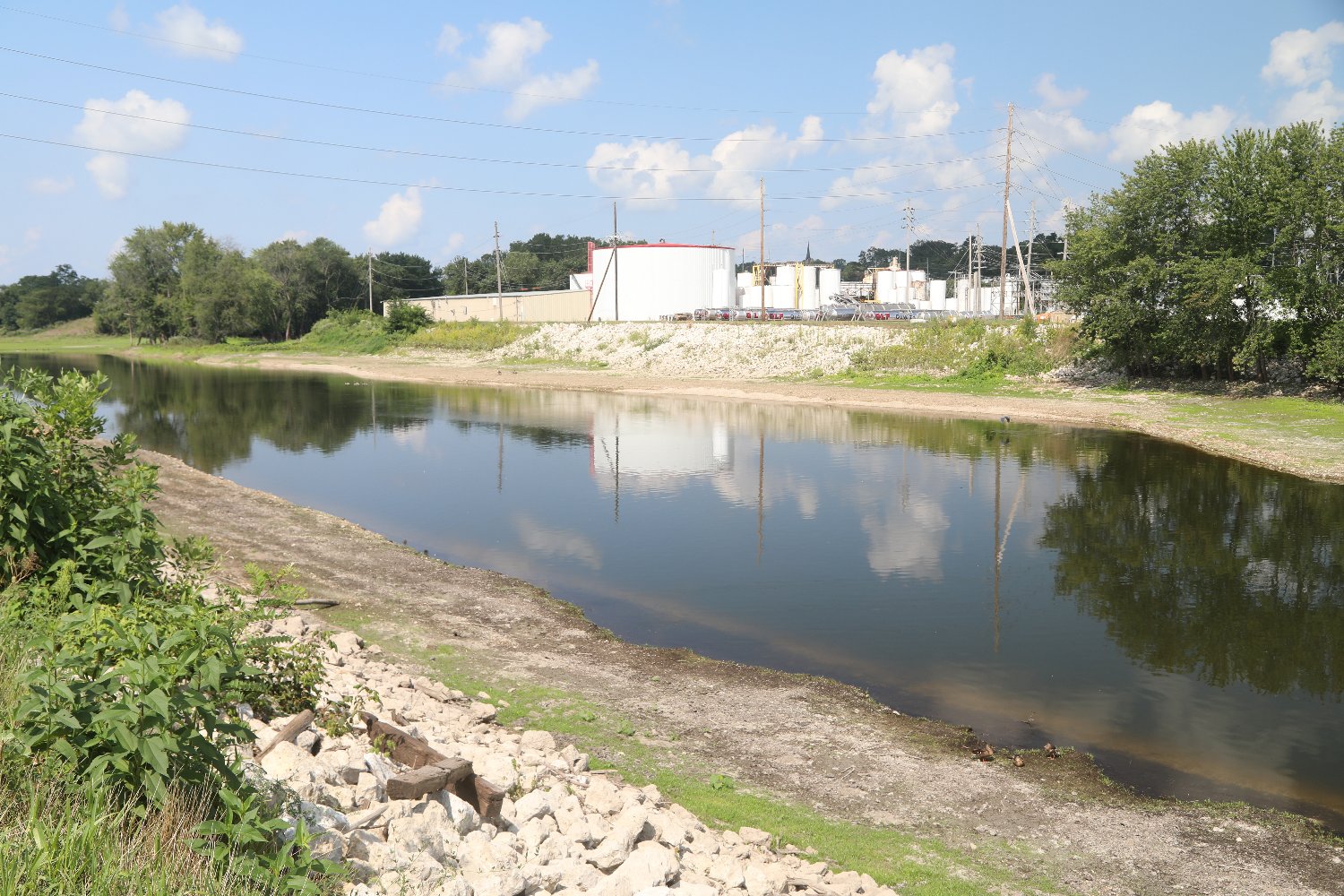
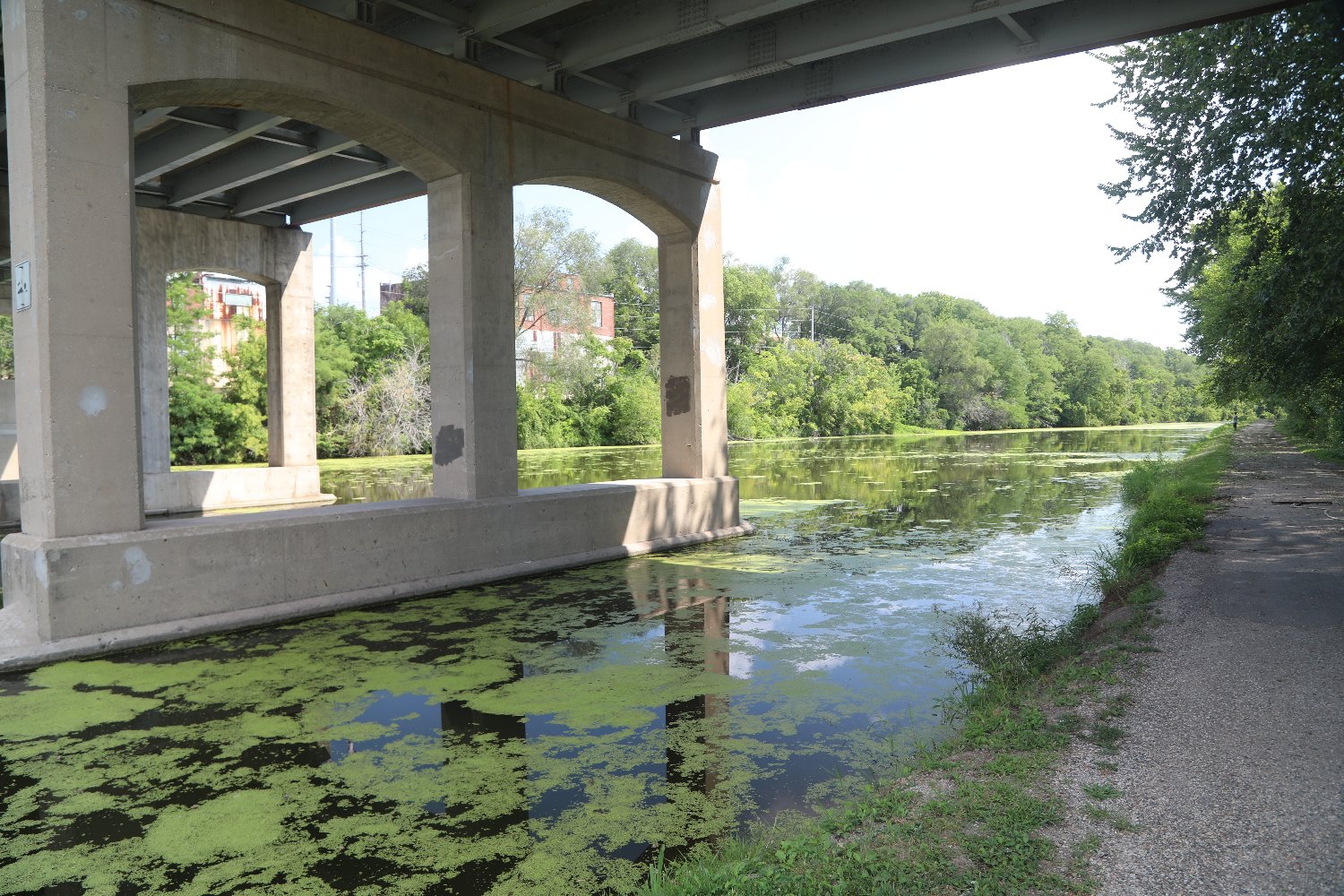
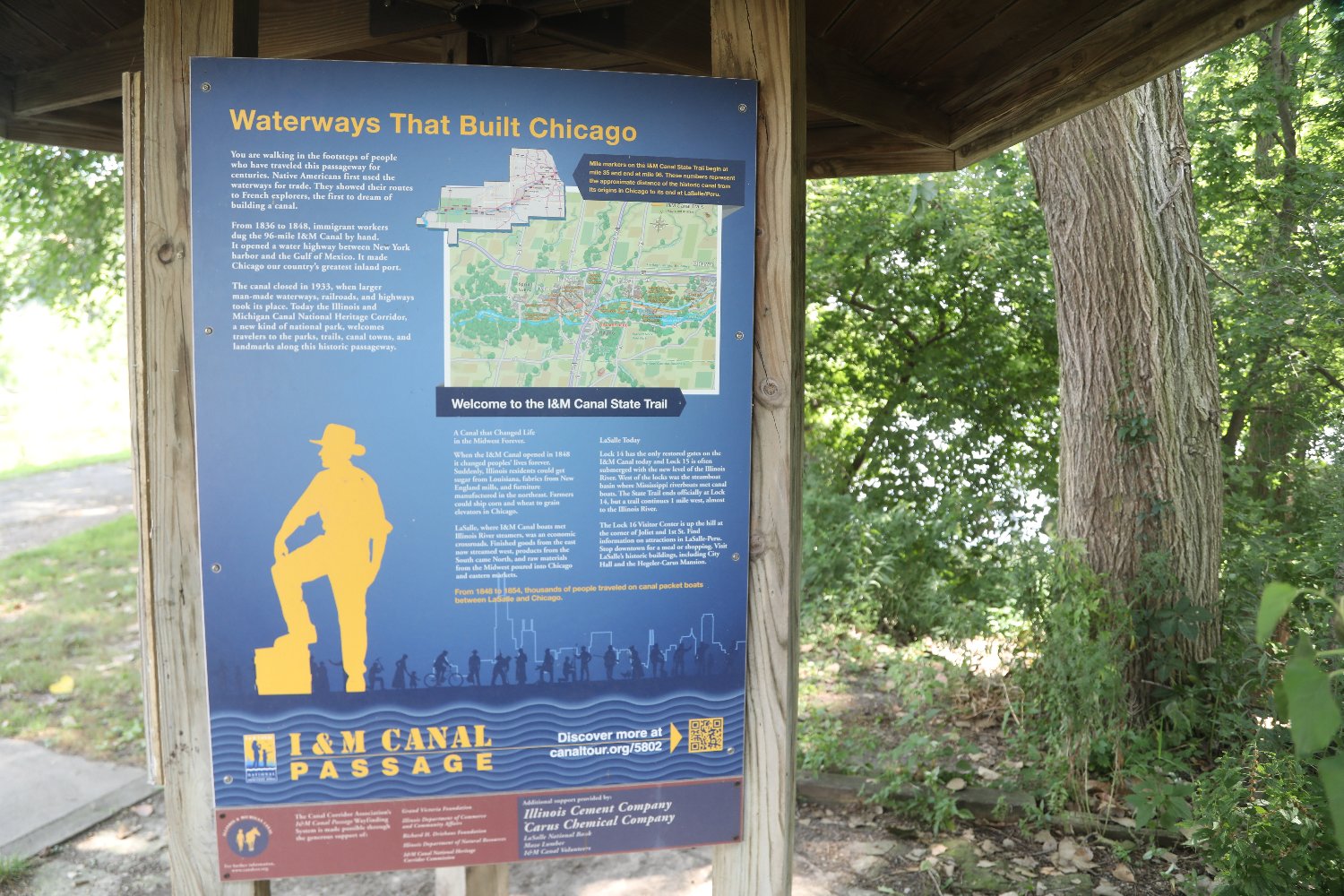
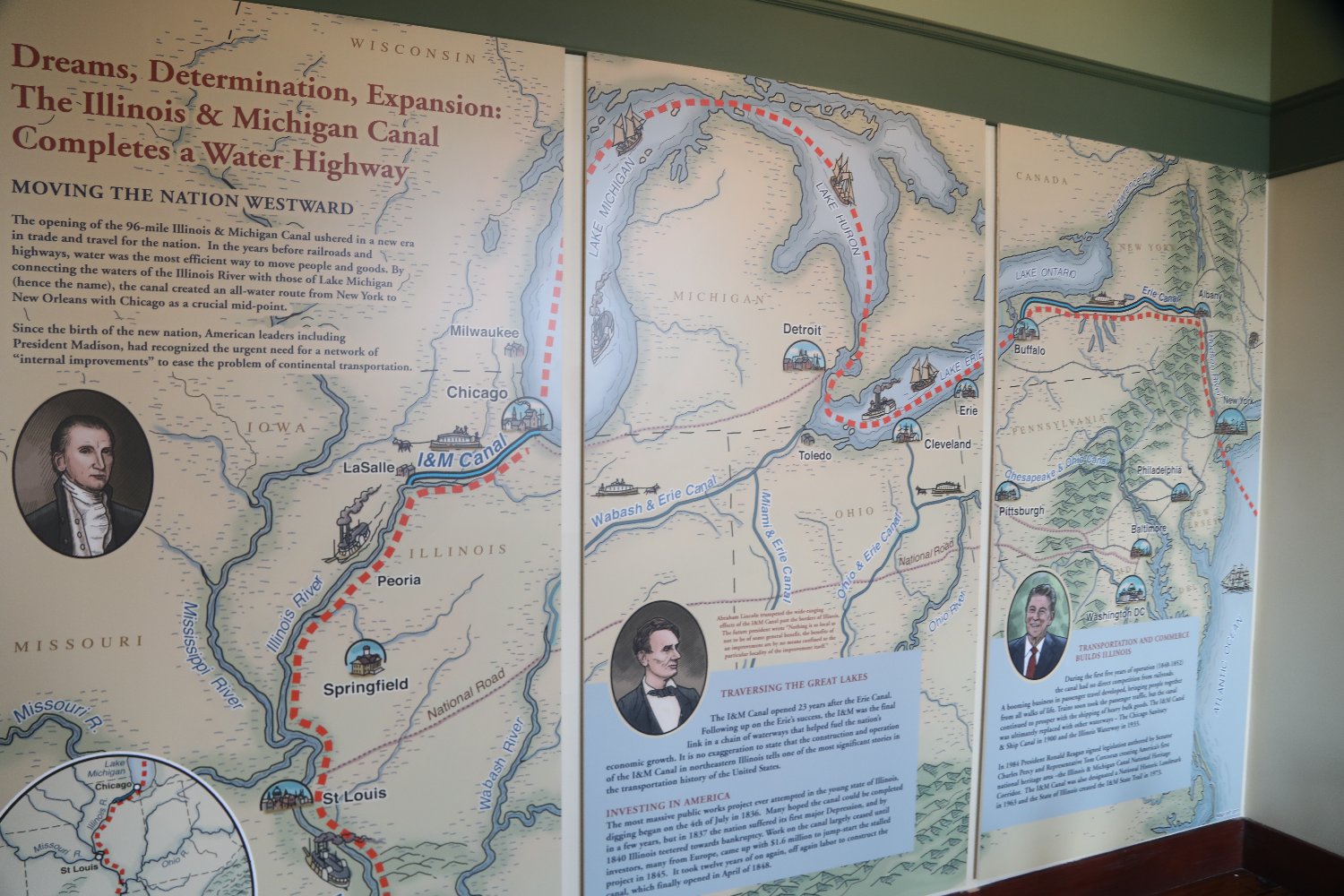
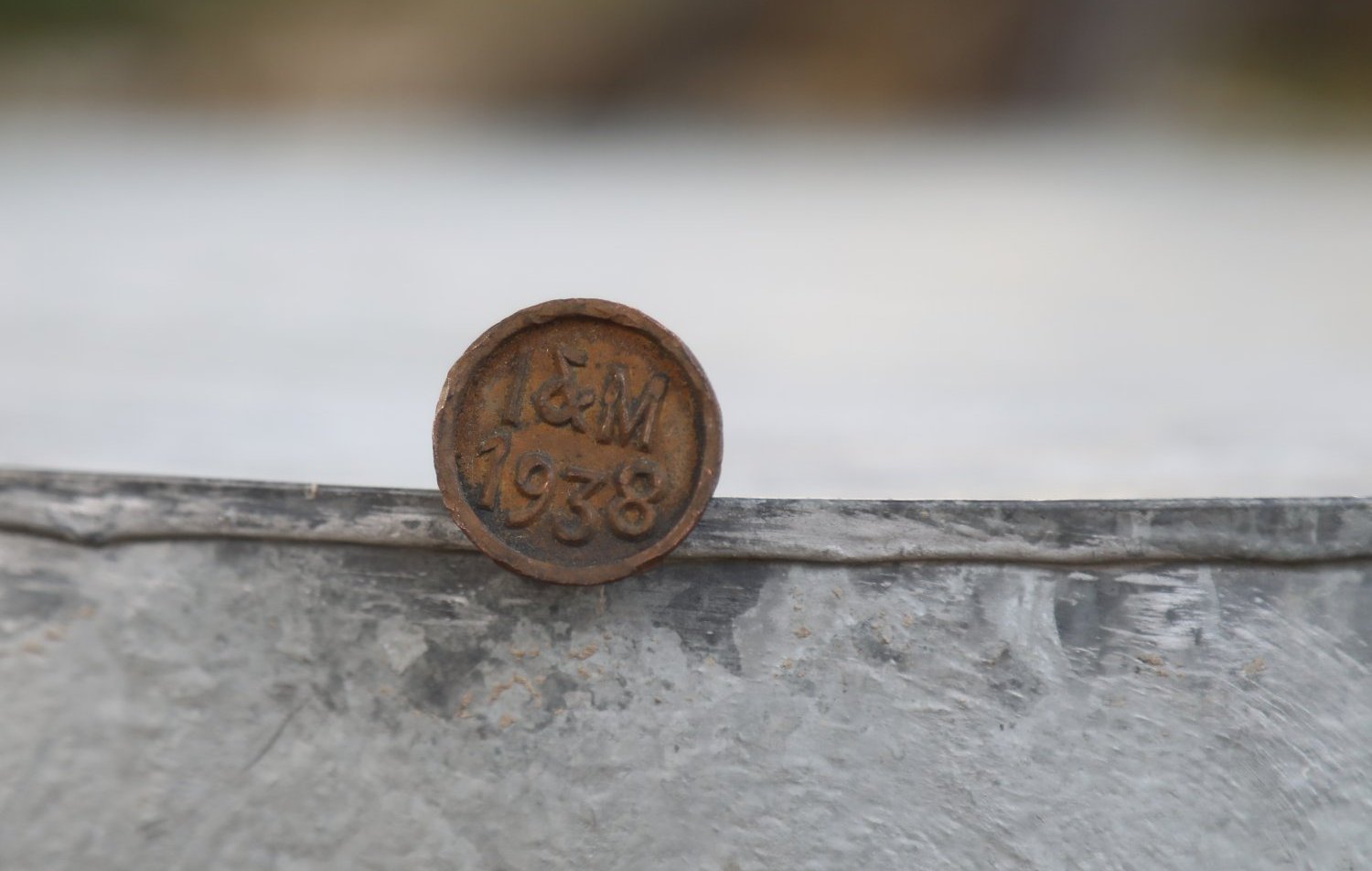
The Duncan family have deep roots in La Salle, Illinois, tracing their heritage in the region back to Nicholas Duncan (1816-1879), a stone-cutter and a contractor, originally from the Parish of Killademaugh in County Mayo, on the west coast of Ireland (north of Galway). Duncan immigrated to the U.S. in the early 1840s and helped build parts of what would become the 96-mile-long Illinois and Michigan Canal (I&M Canal), connecting La Salle and the Illinois River on its western end with Chicago and Lake Michigan on the northeastern end. Duncan’s story was not unusual among those who worked on the canal; a significant amount of the workforce were immigrants from Ireland, many of whom previously worked on building the Erie Canal. For reference, according to the National Museum of Ireland, the height of the Great Famine in Ireland from 1845 to 1852 resulted in nearly 2 million Irish immigrating to the U.S. during the period, approximately one‑quarter of their entire population.
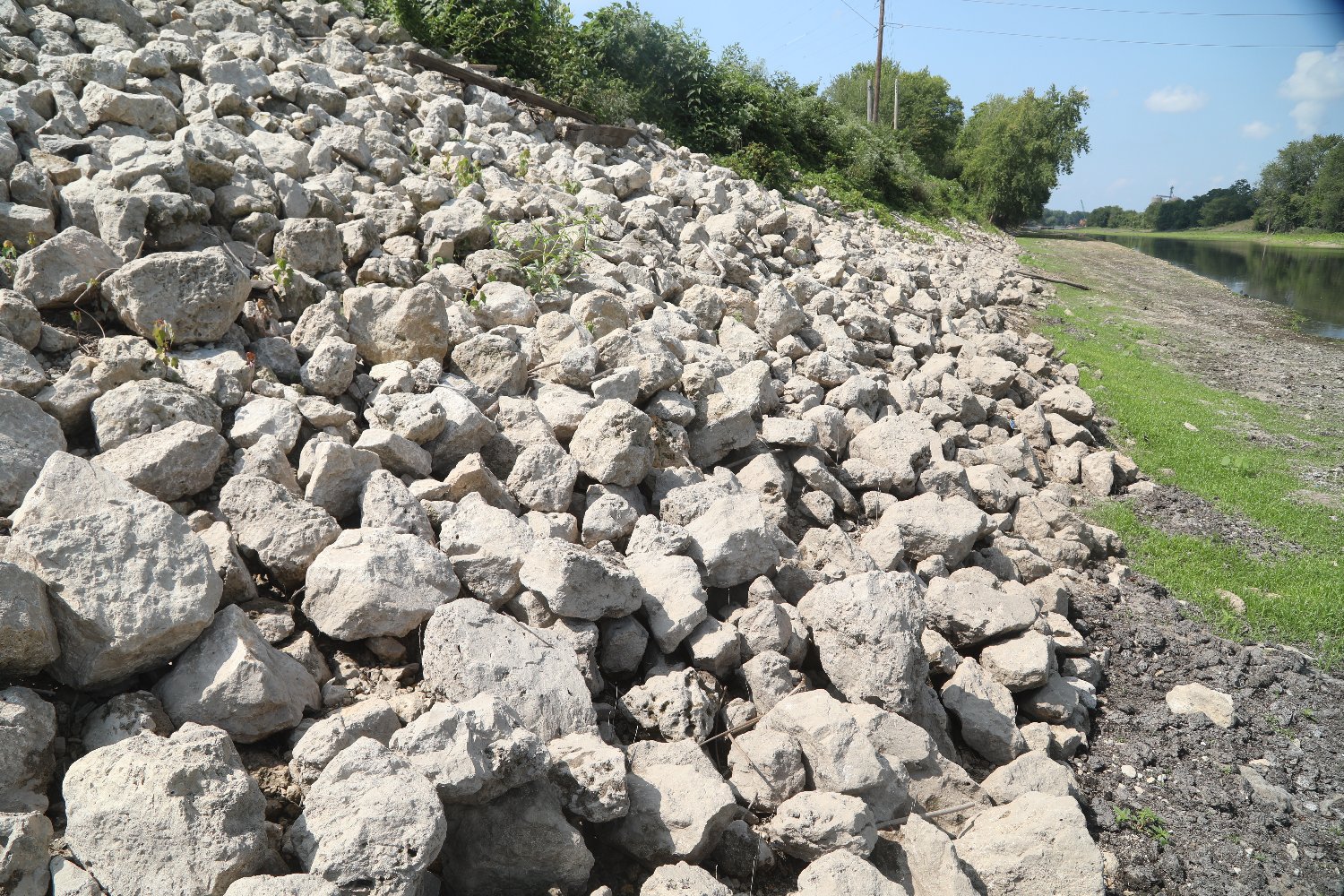
This remarkable feat of engineering was constructed by hand from 1836 through 1848; it was excavated to a width of 60 feet and a depth of 6 feet. Rocks were stacked along the banks to prevent erosion and a series of 17 locks were built along its length to compensate for the 140-foot difference in elevation between the two ends of the canal. While primarily domestically funded, towards the end of its construction money was used from investors in England and France.
Abraham Lincoln was an early supporter of the construction of the canal. The I&M played a prominent role in the growth and development of Chicago and established the city as the central transportation hub in the country, prior to the development of railroads. Due to the cold winters, the canal was typically closed from November through April when its waters would freeze. In a small but real way, it also played a role in the migration west to California during the Gold Rush – numerous individuals living in and or around the vicinity of this canal used it for a short part of their journey westward. The canal operated for 85 years from 1848 until 1933.
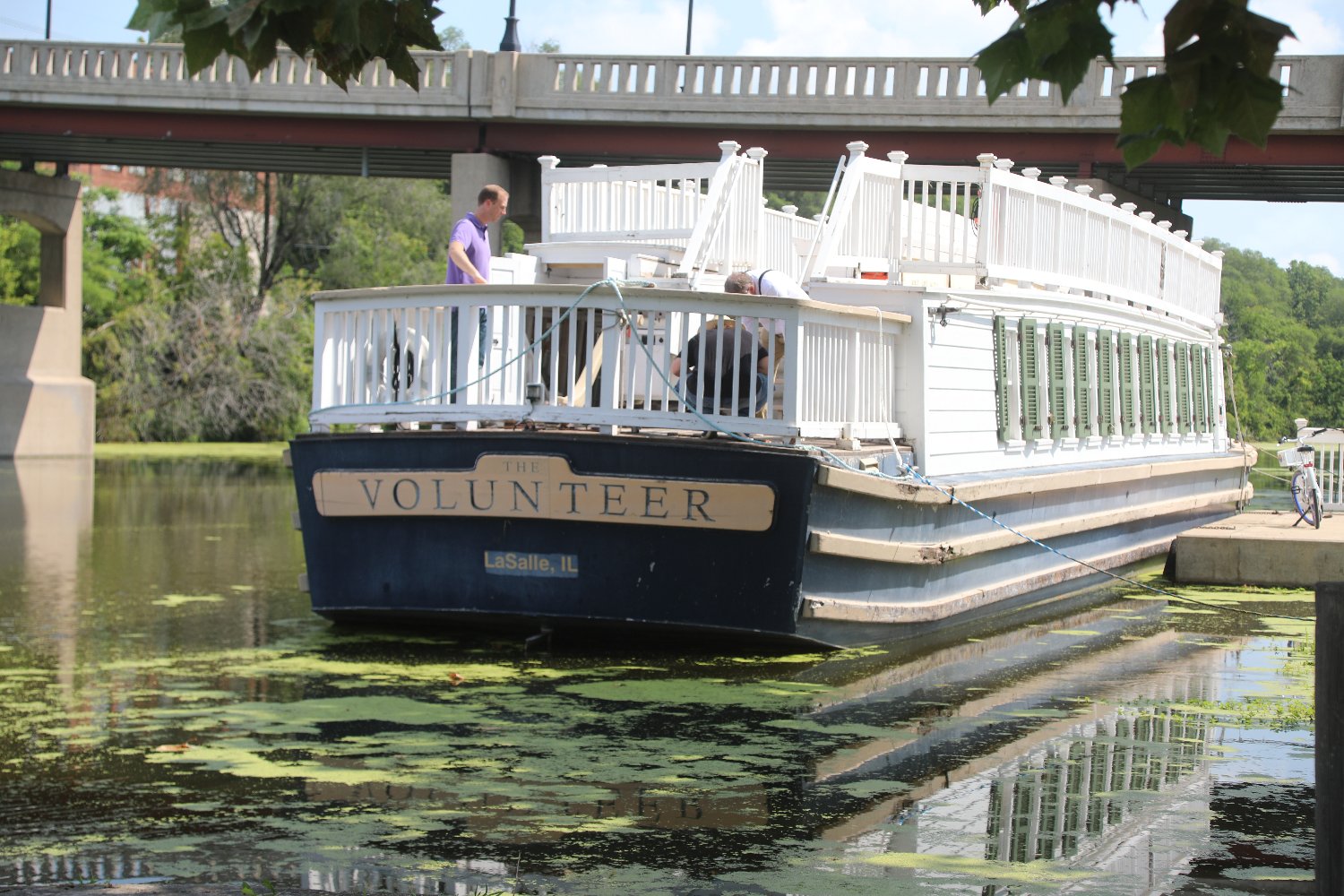
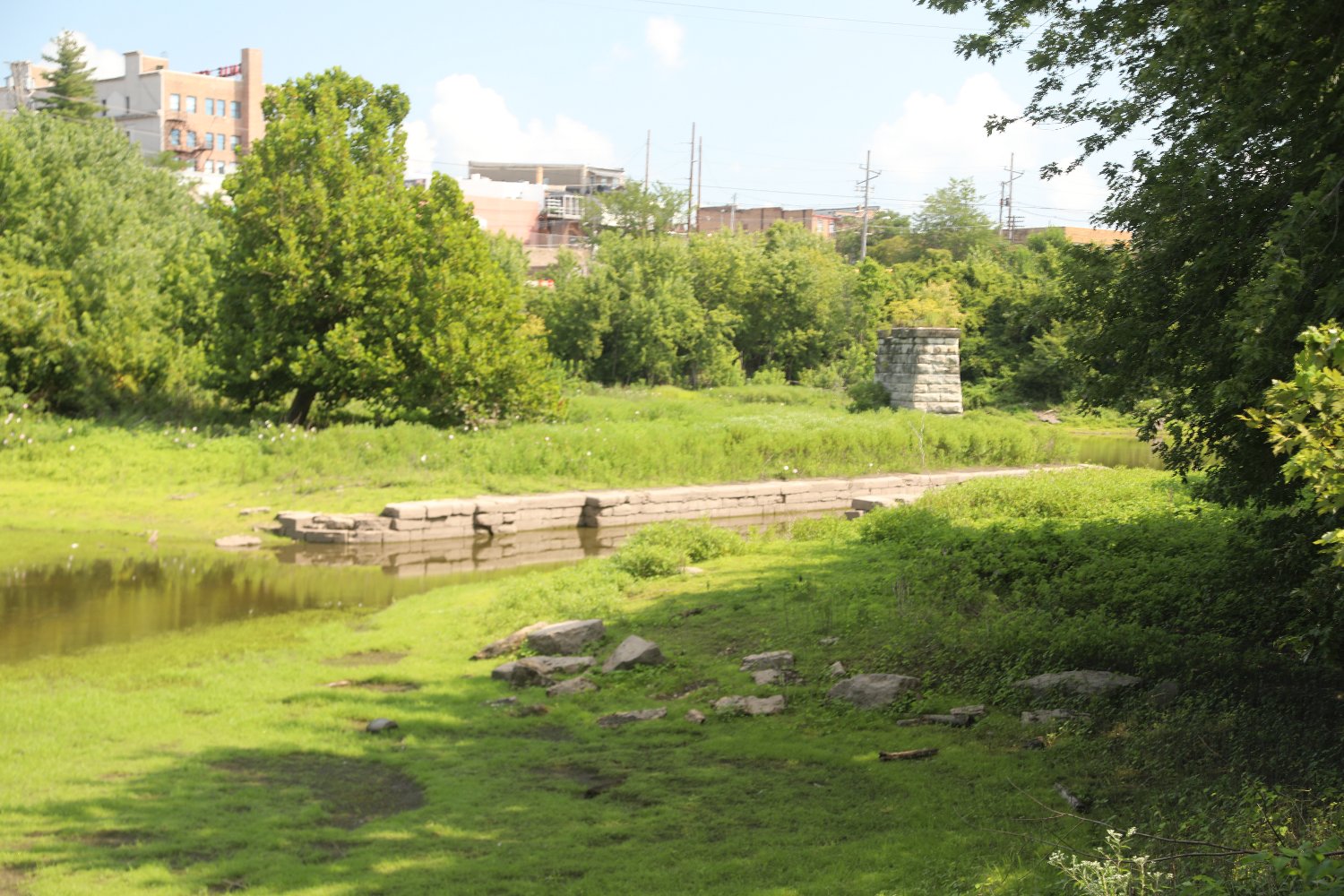
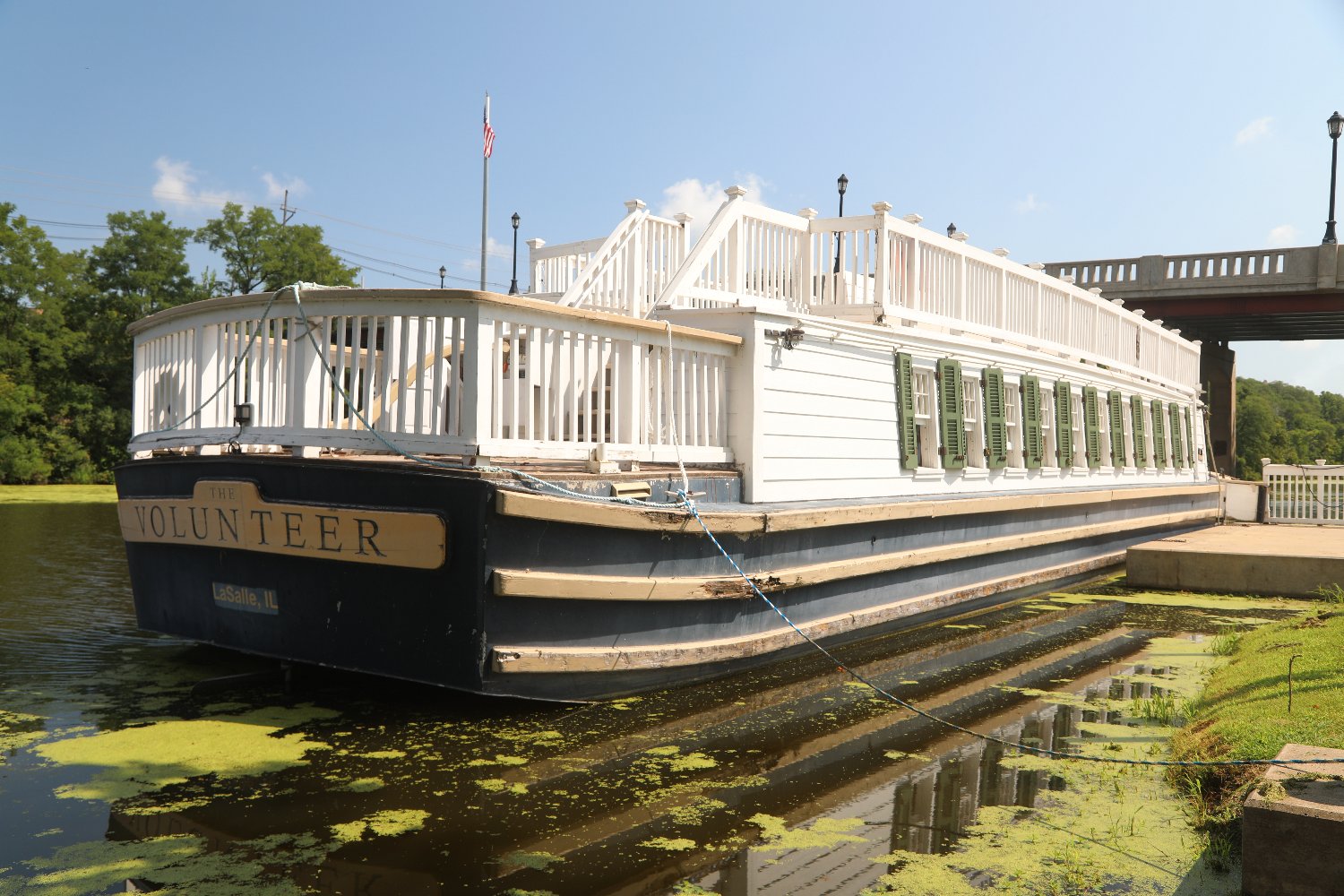
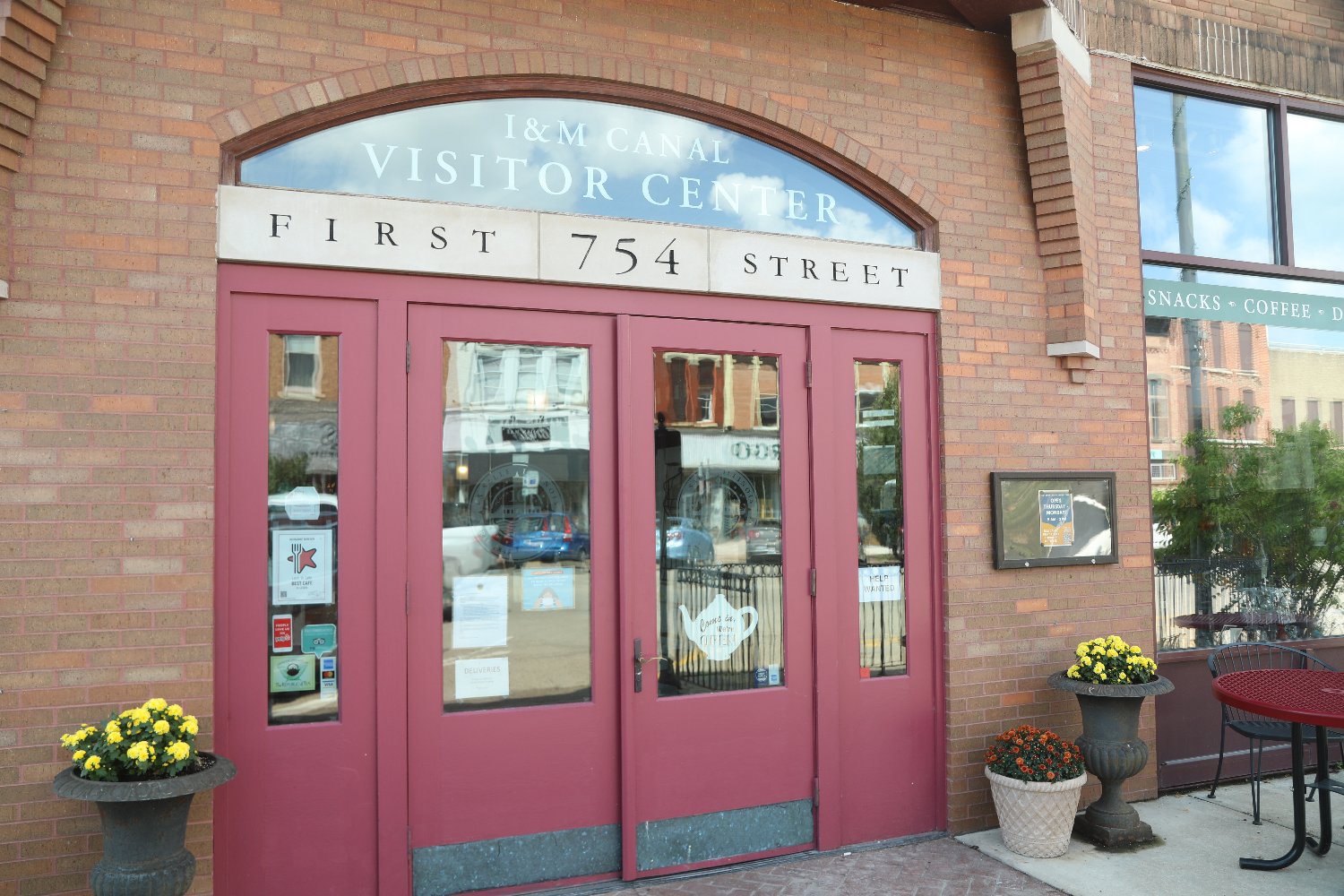
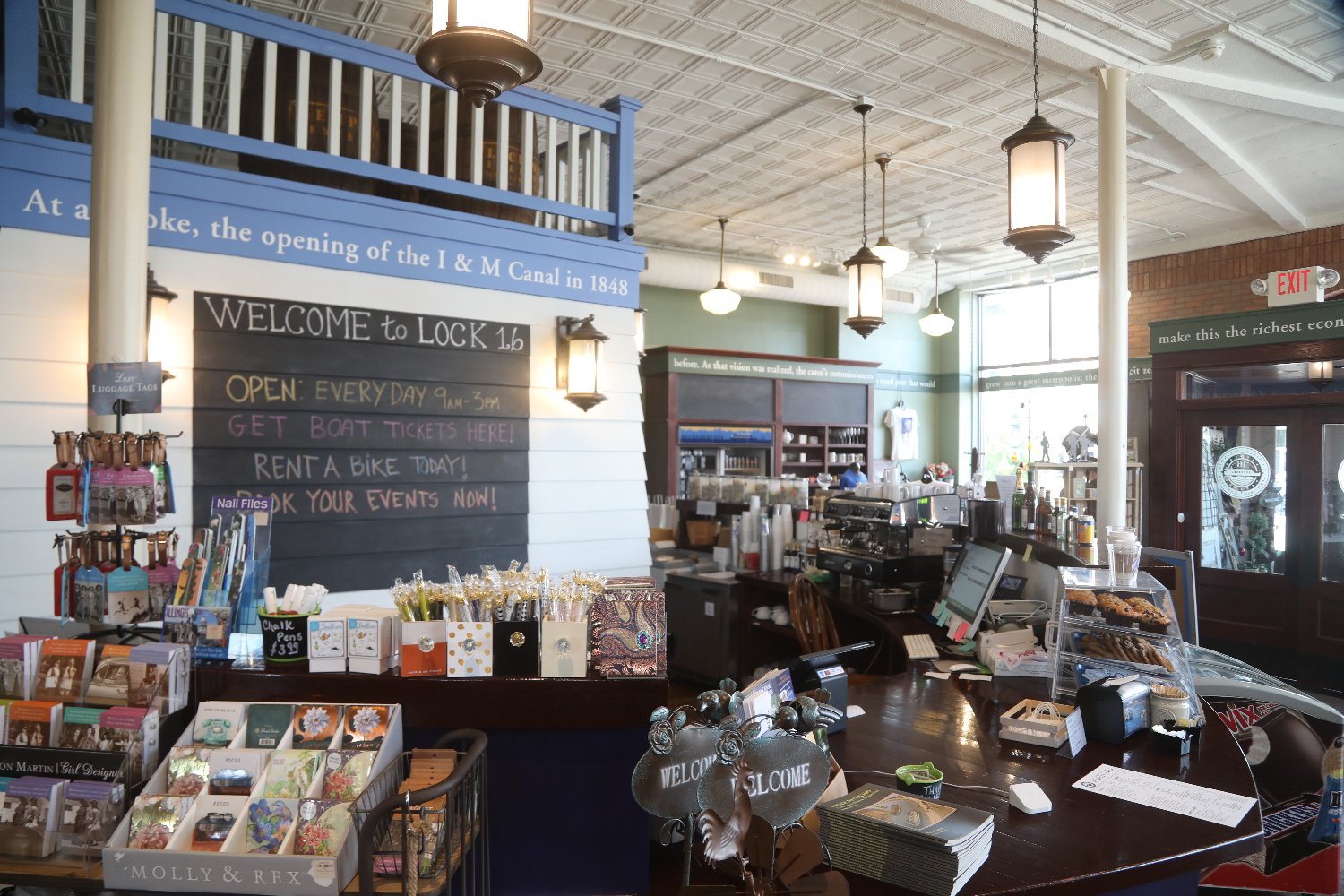
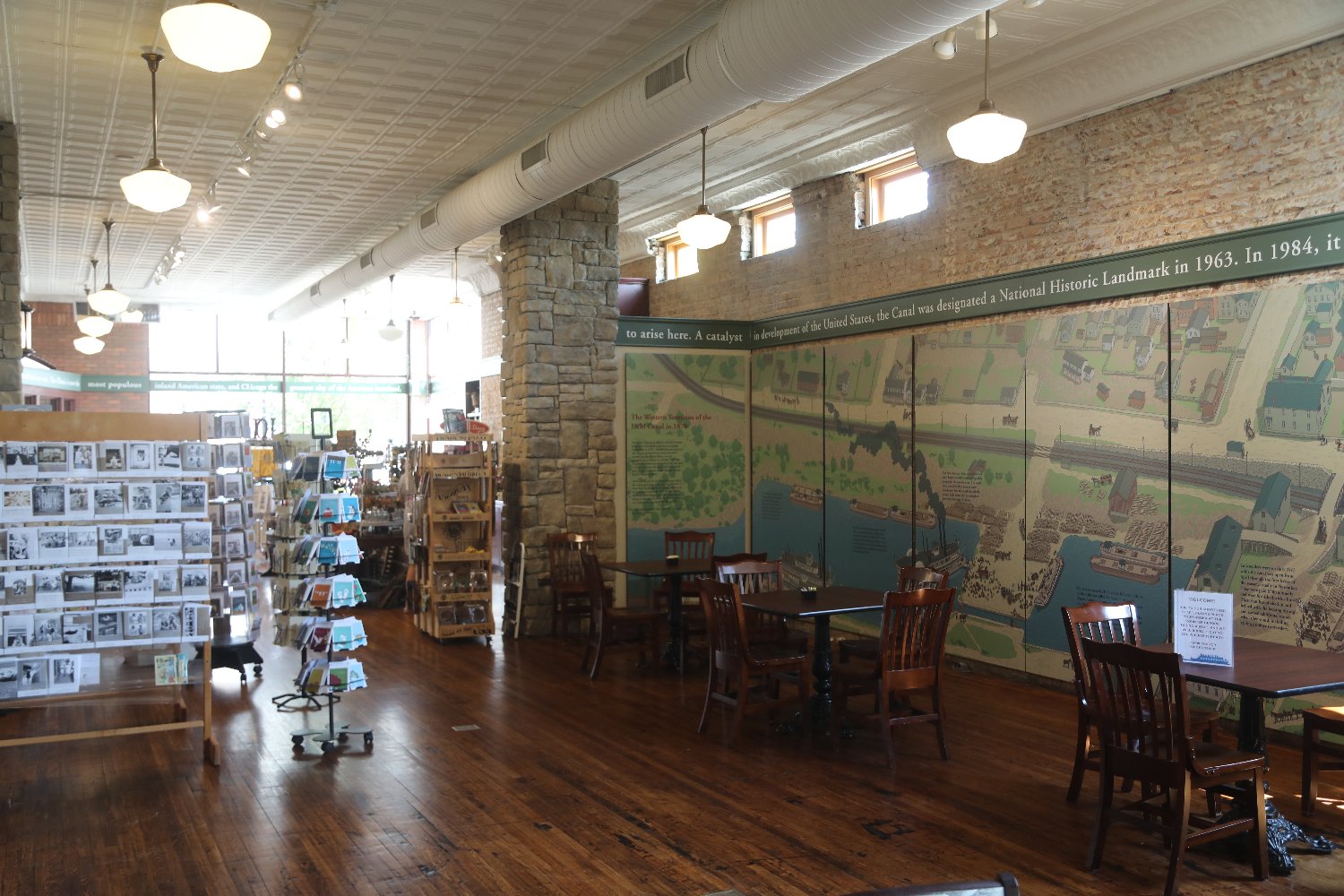
While no longer navigable, parts of the canal still exist, including a short section in La Salle which has been restored; The Volunteer, an 1848 replica canal boat, provides rides along this short section. Only Lock 14 has been restored in La Salle and visitors can also stop into the Lock 16 Visitor Center for more canal information, located at the corner of Joliet and 1st Street in downtown La Salle.
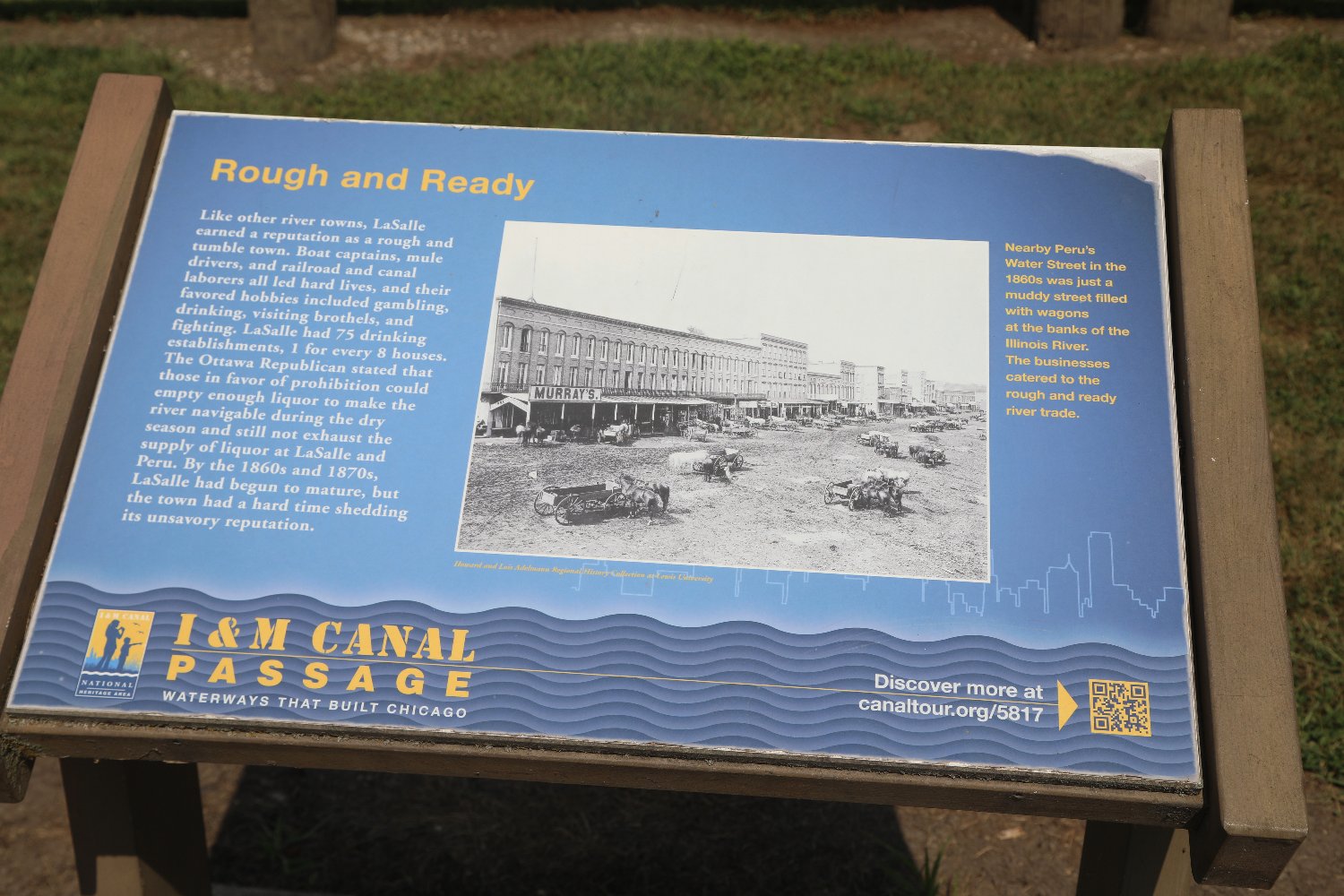
Starting in the 1850s La Salle and vicinity saw a proliferation of coal mines and was the site for the country’s first zinc smelter operating as Matthiessen and Hegeler Zinc Works; it eventually grew to be the largest such operation in the U.S. La Salle also used to be known for its abundance of saloons, especially during certain periods in its history including the 1940s and 1950s; like other canal towns of that era, in addition to the bars it was known for its gambling, brothels, and bar‑room fights. At one point, records show there were 75 places to drink alcohol (one for every 8 houses in town)! Today it is a charming town; the center is easily walkable, with numerous small boutique shops and some restaurants.
La Salle, Illinois
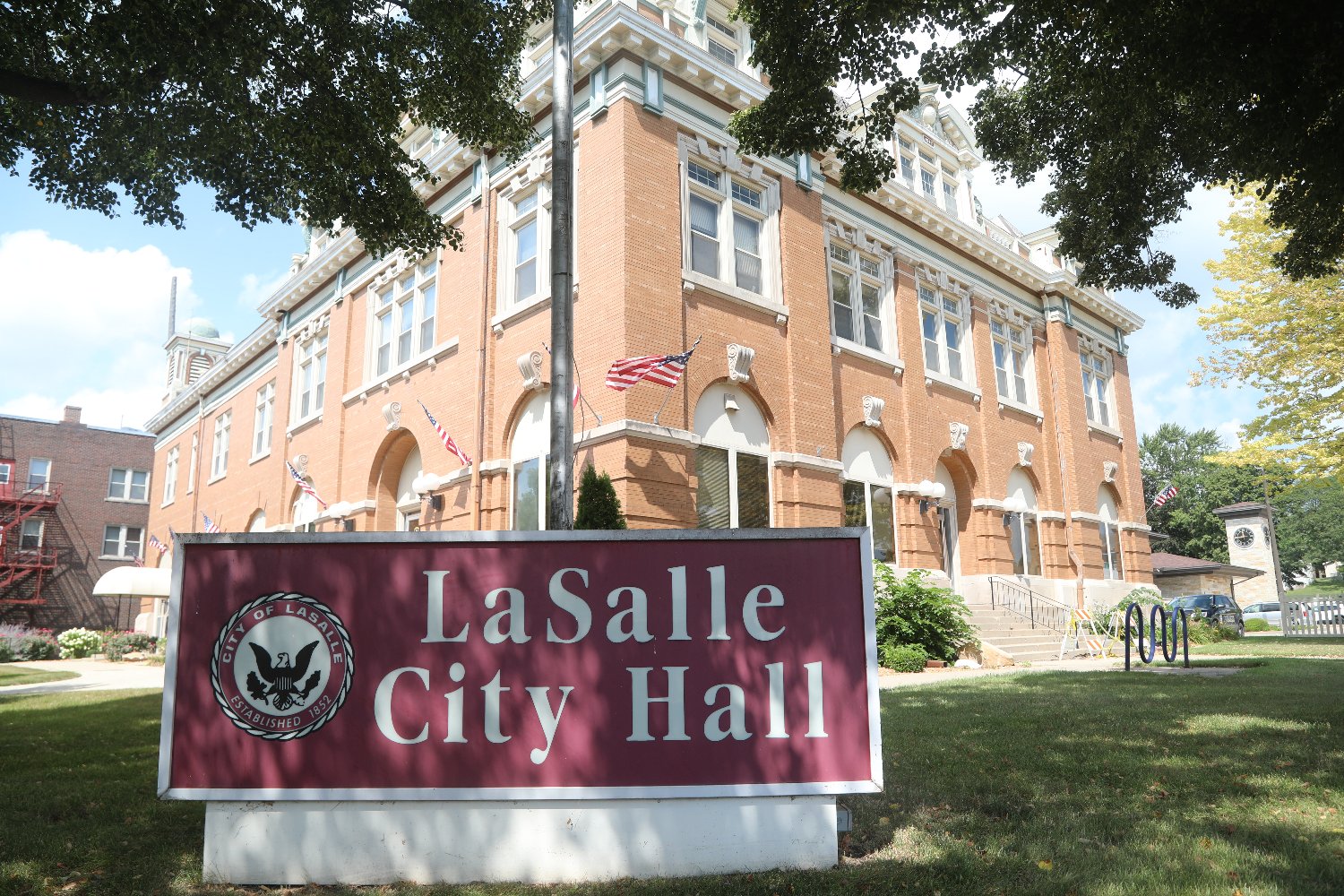
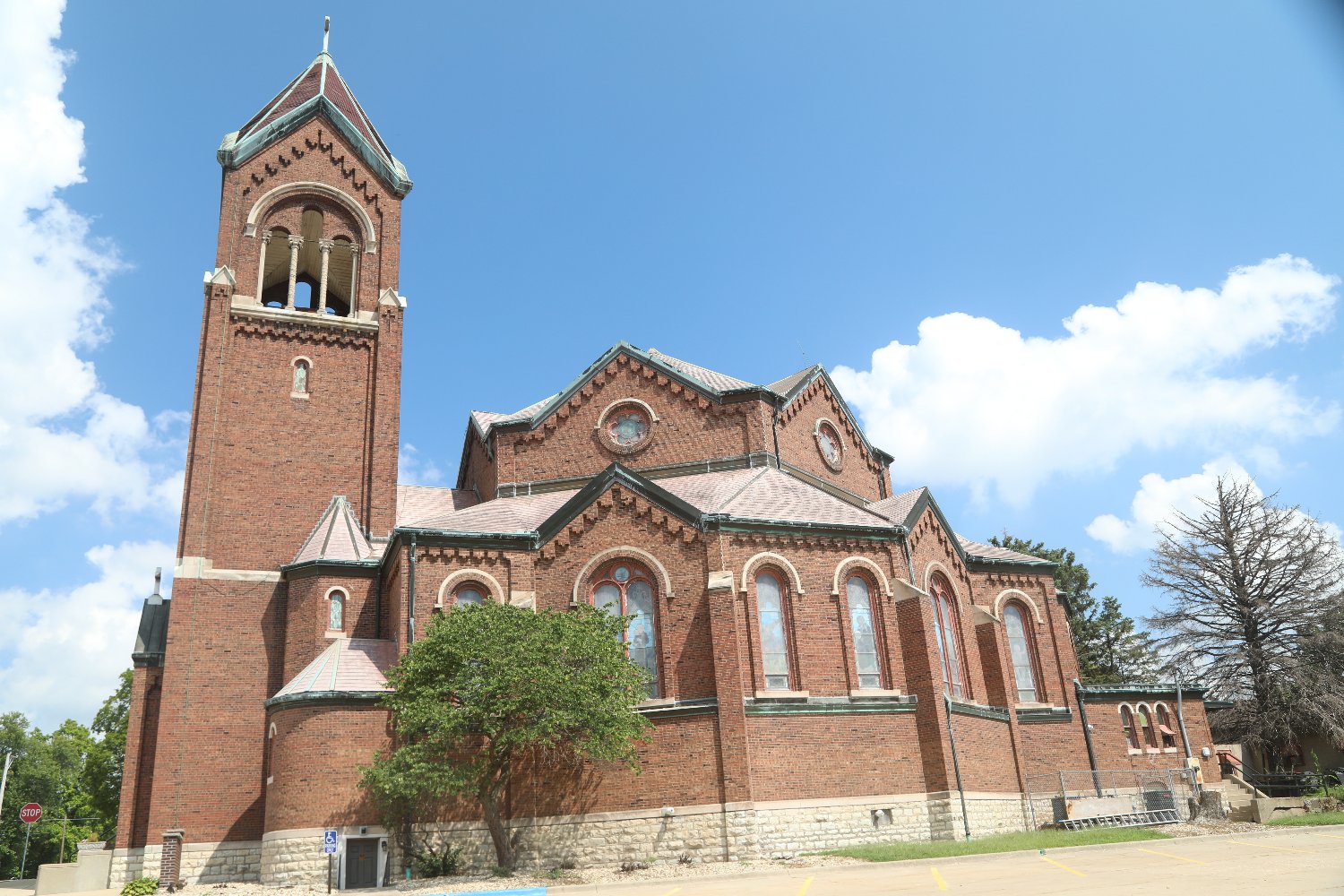
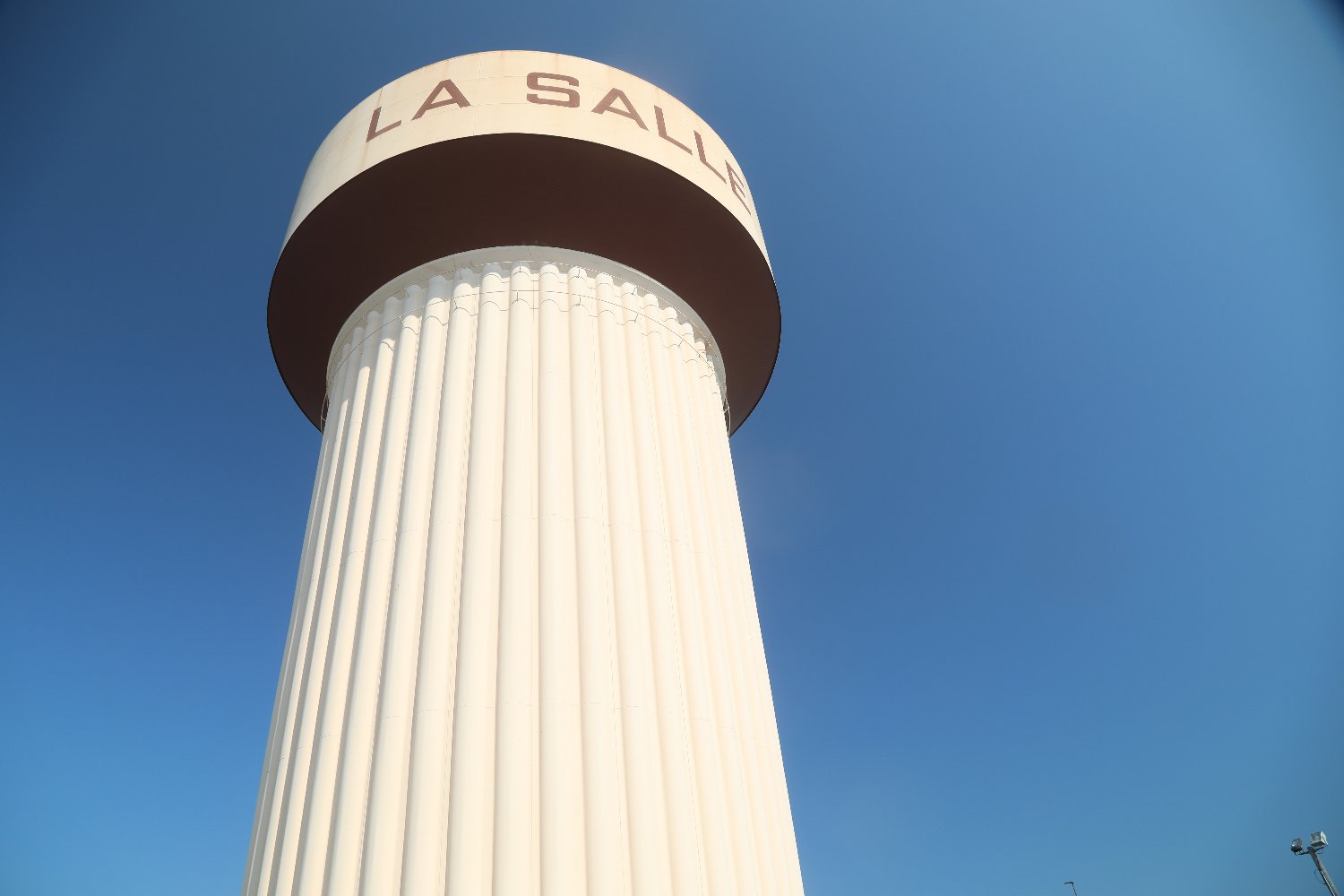
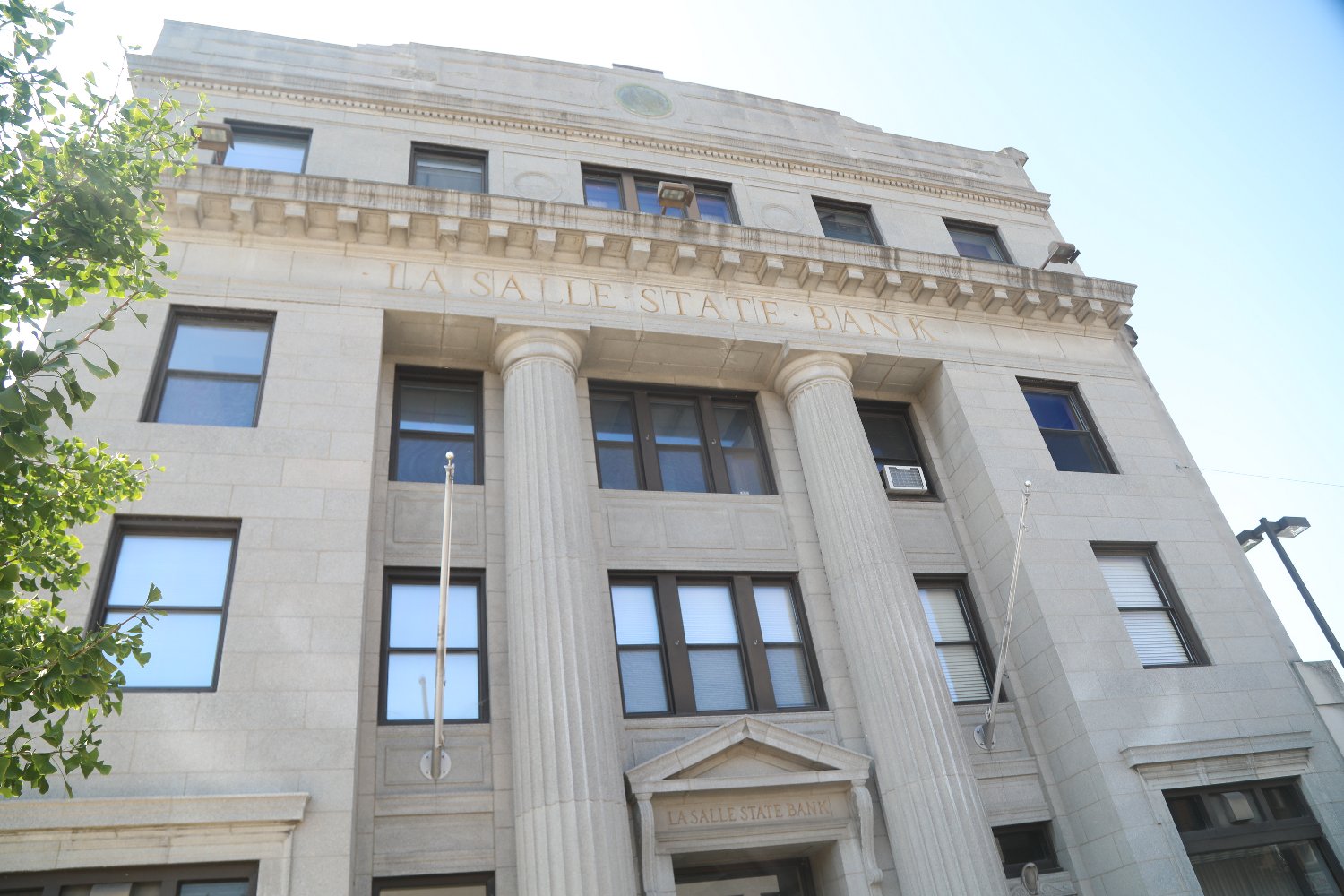
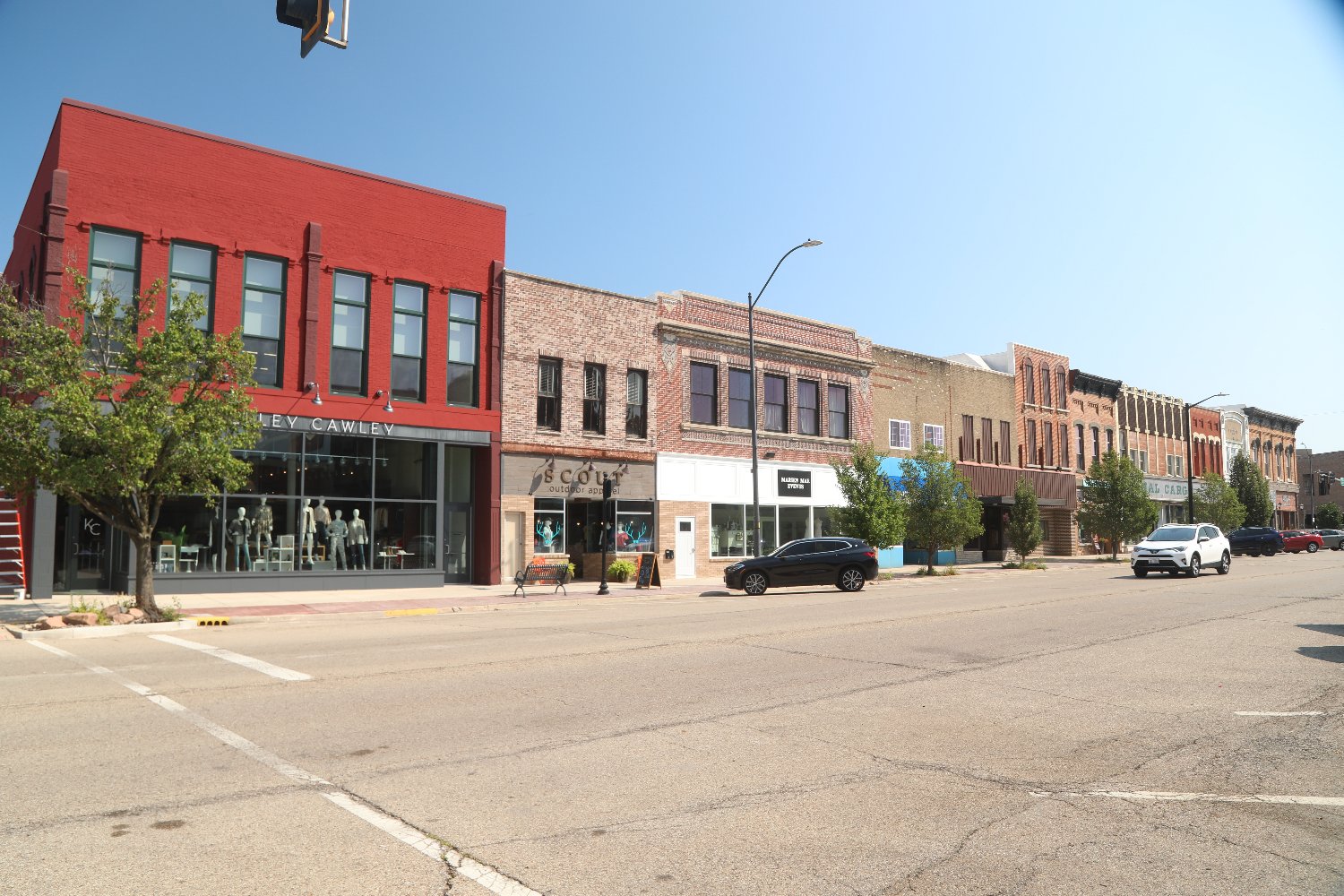
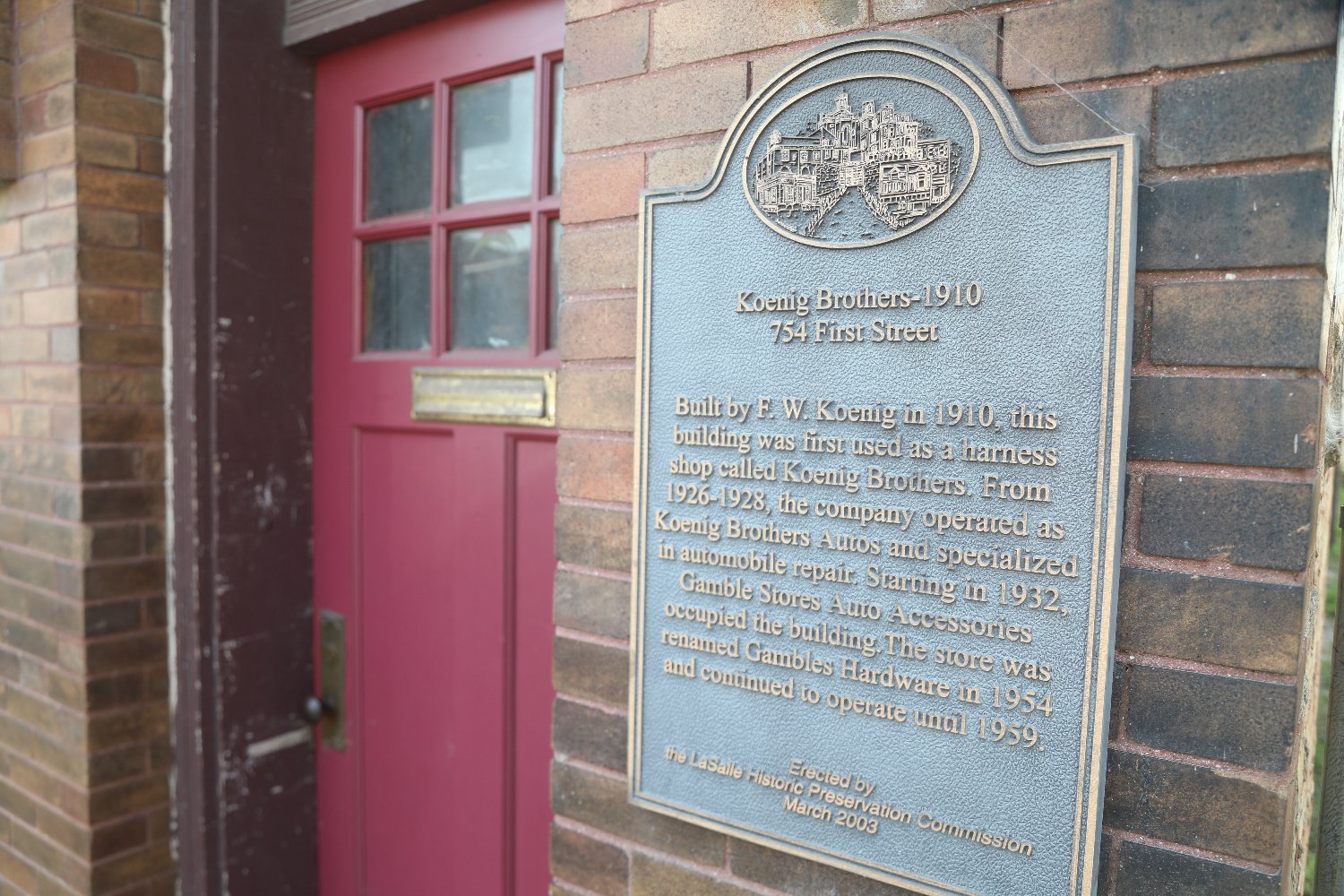
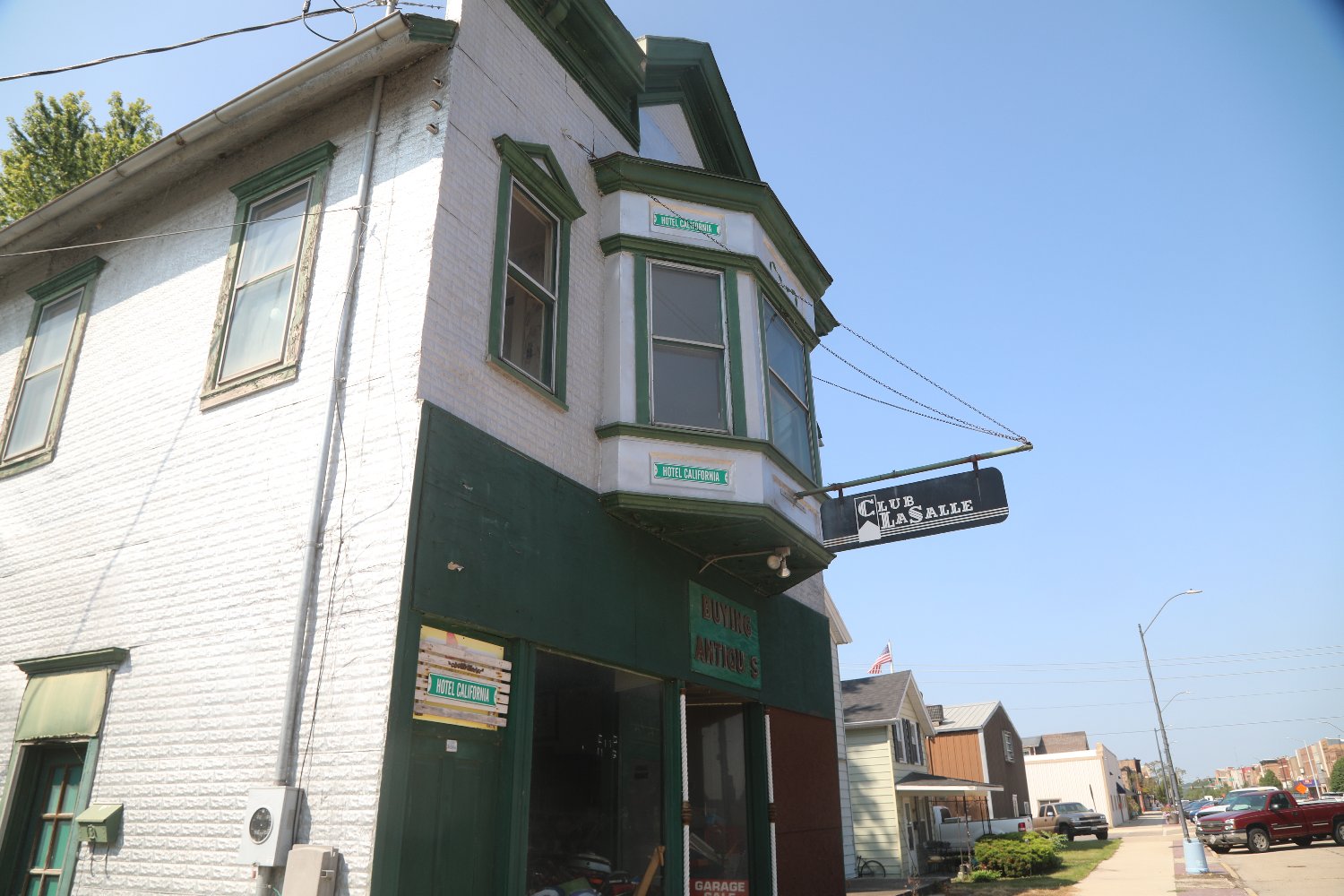

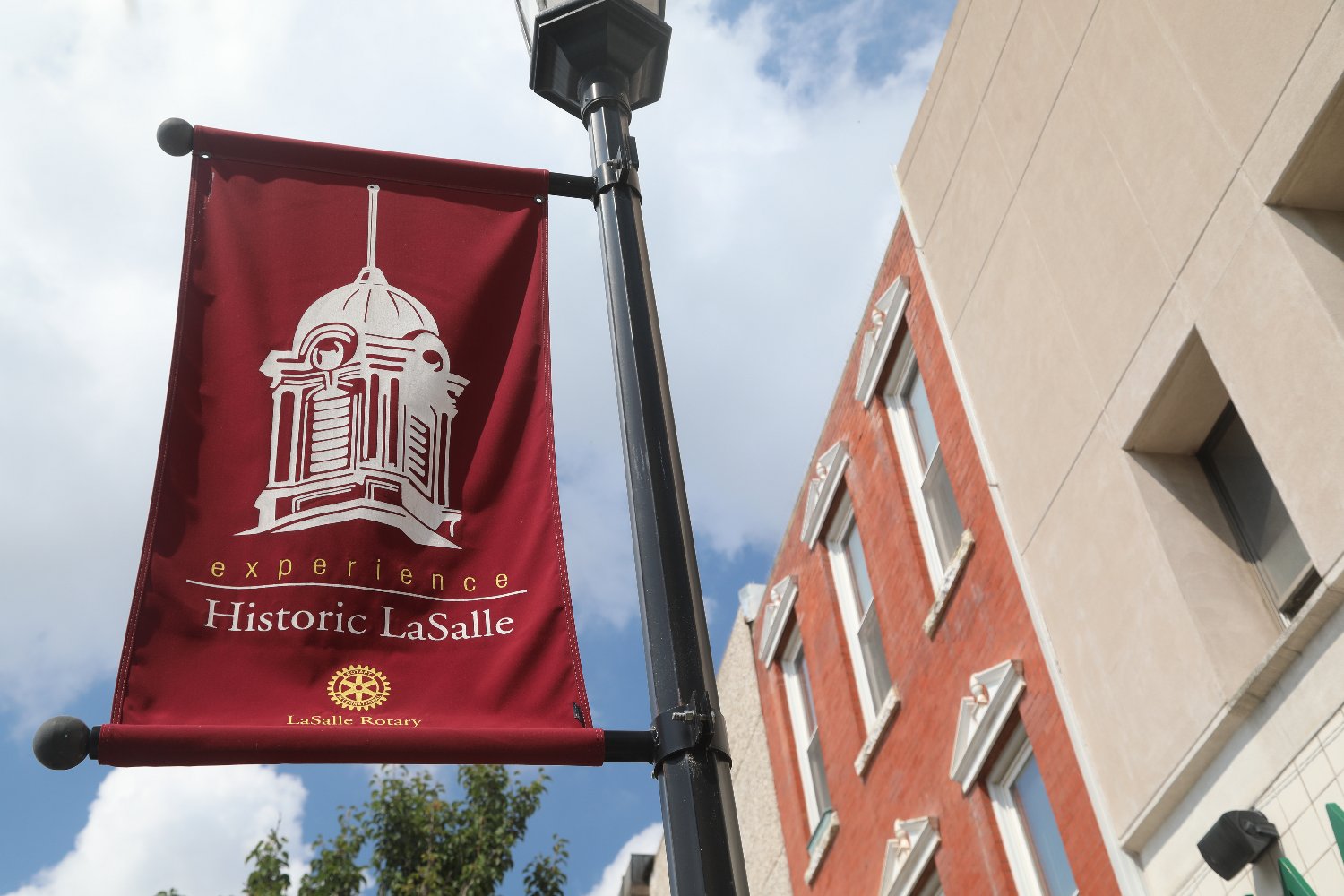
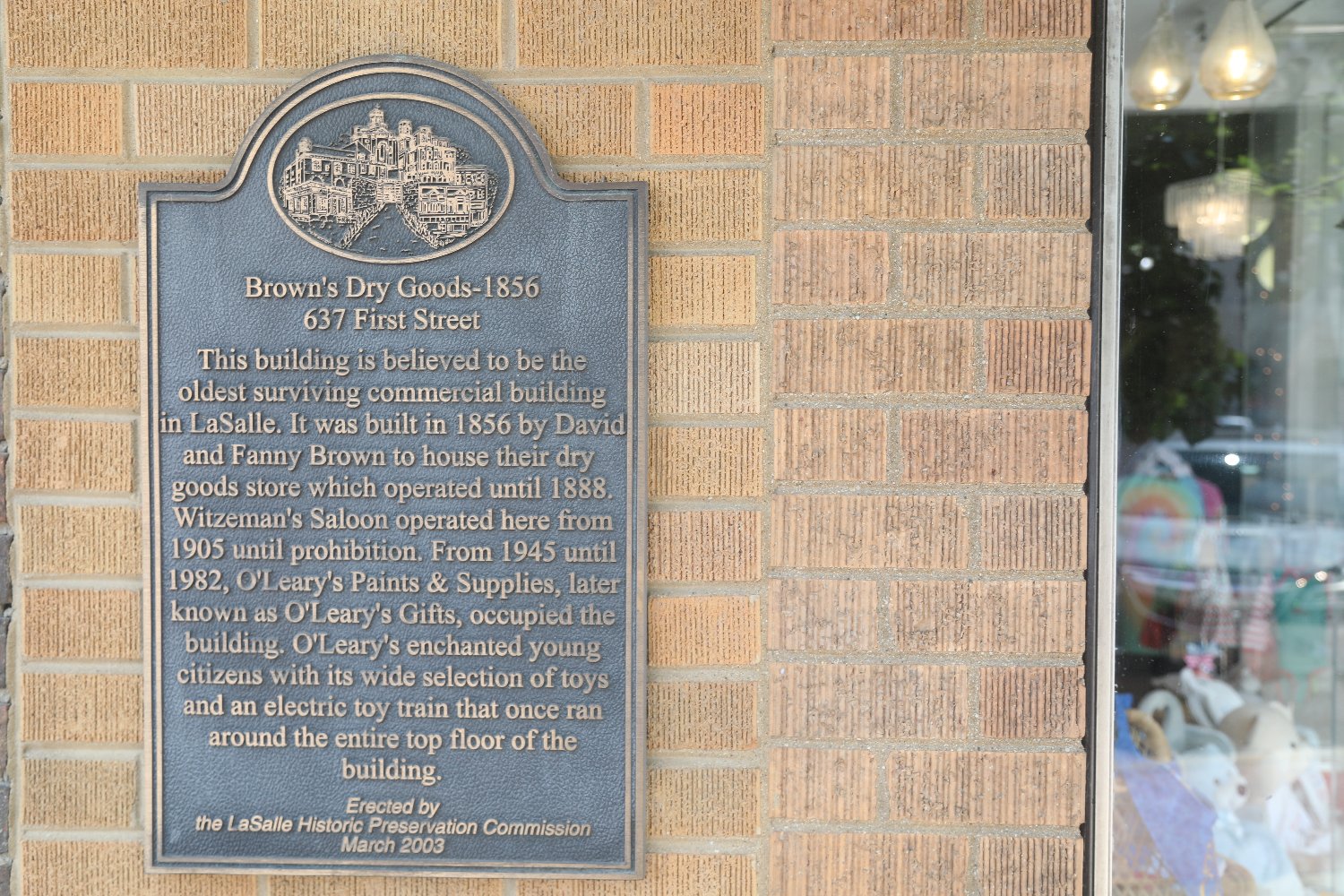
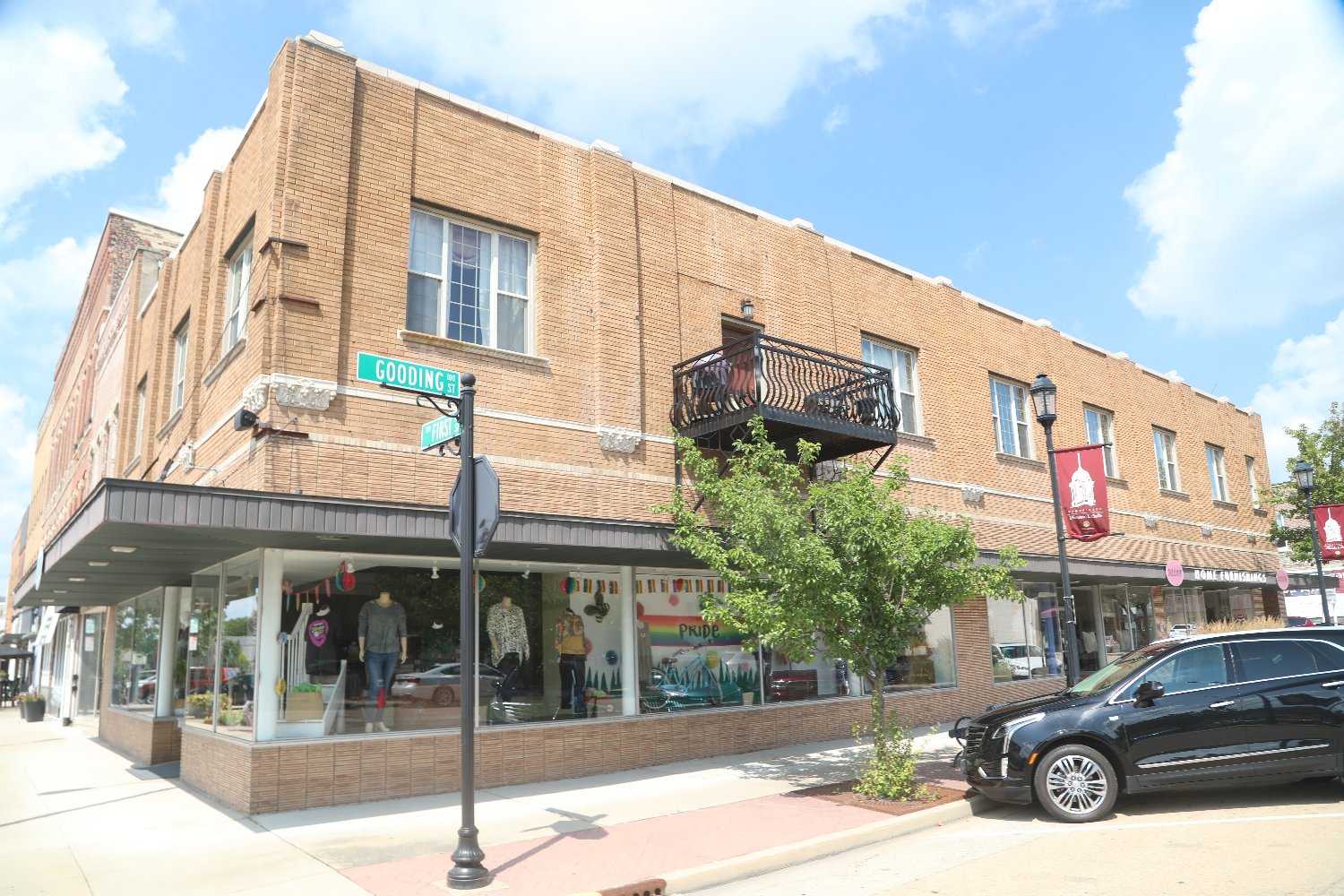

I&M Canal, La Salle Illinois


Nicholas was also a Justice of the Peace and was on the board of trustees that led to the founding of the city in 1852, and he was involved in the founding of Union Coal Works. According to his obituary published in the November 22, 1879, issue of the Ottawa Free Trader, he also served as mayor of La Salle in 1858. The same obituary indicated that his funeral procession was more than a mile long and was “one of the most imposing ever witnessed in La Salle”.
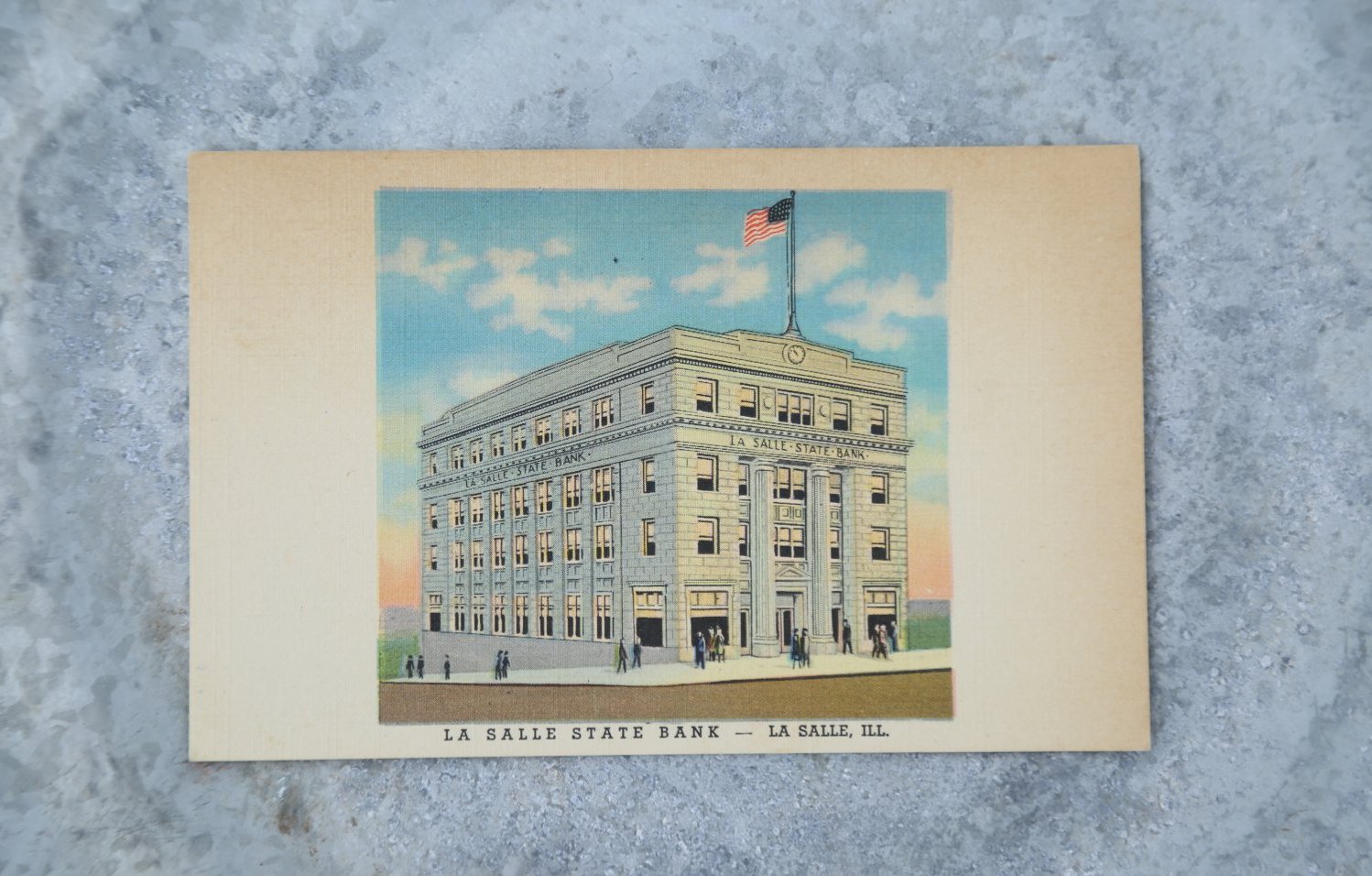
Prominent Duncan family members have been involved in various companies over the years including La Salle State Bank (currently home of Herbolsheimer, Duncan, Eiten and Hintz law firm) which was organized by Nicholas’s son, Nicholas Wiseman Duncan in 1894 along with several others including Vincent Duncan and John Edwards Tracy, the father of Hollywood actor Spencer Tracy. The current building for La Salle State Bank sits on the site of what was the original, much smaller two-story bank building.
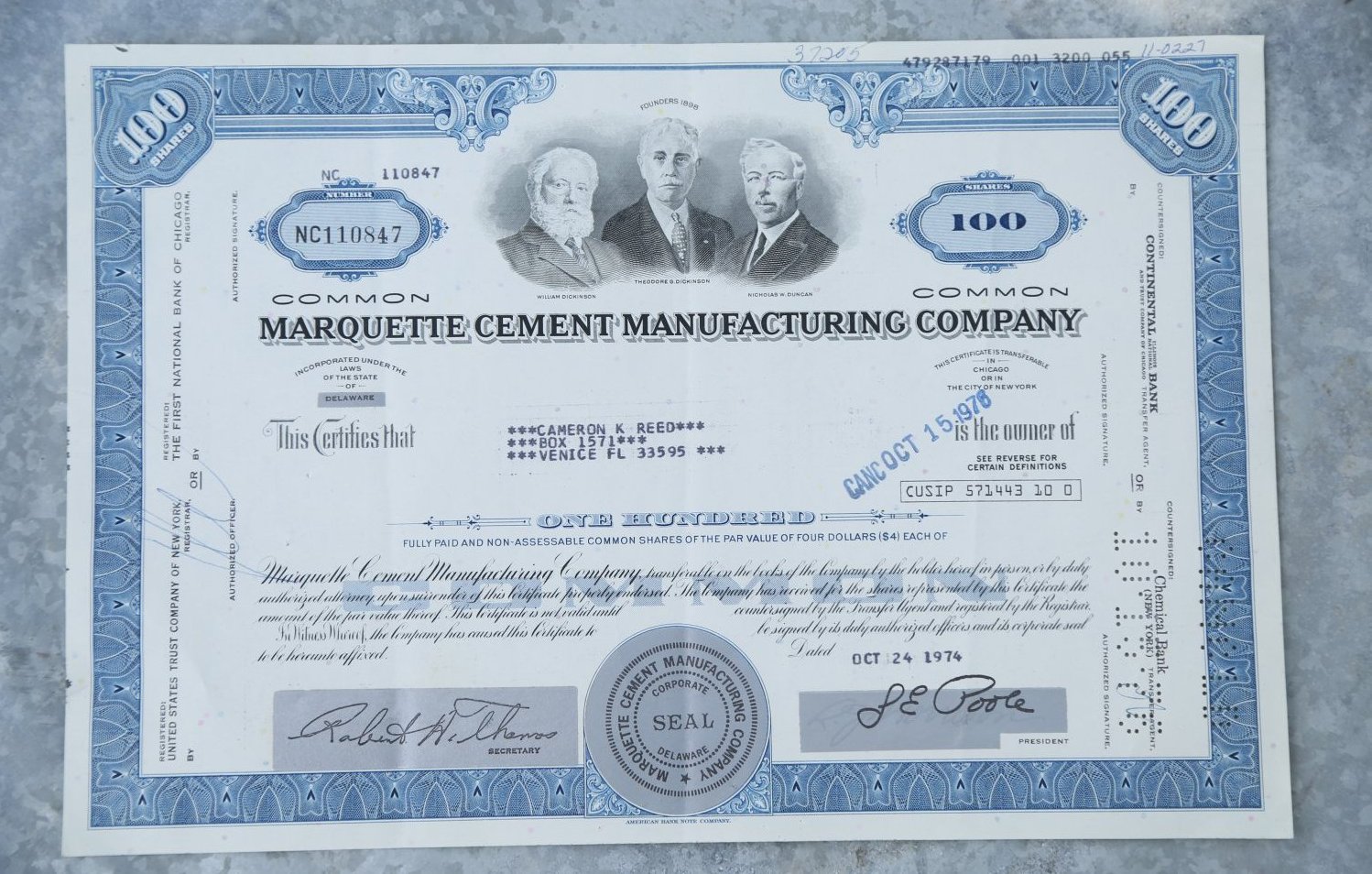
Other Duncan‑owned or Duncan‑involved companies include Marquette Cement, co-founded in 1898 by Nicholas Wiseman Duncan (1856-1927) along with two brothers, William and Theodore Dickinson. Duncan provided the funding for the venture. The first record we have seen of their founding was a notice of the incorporation of Marquette Cement Co., published in the February 24, 1898 edition of the Chicago Tribune.
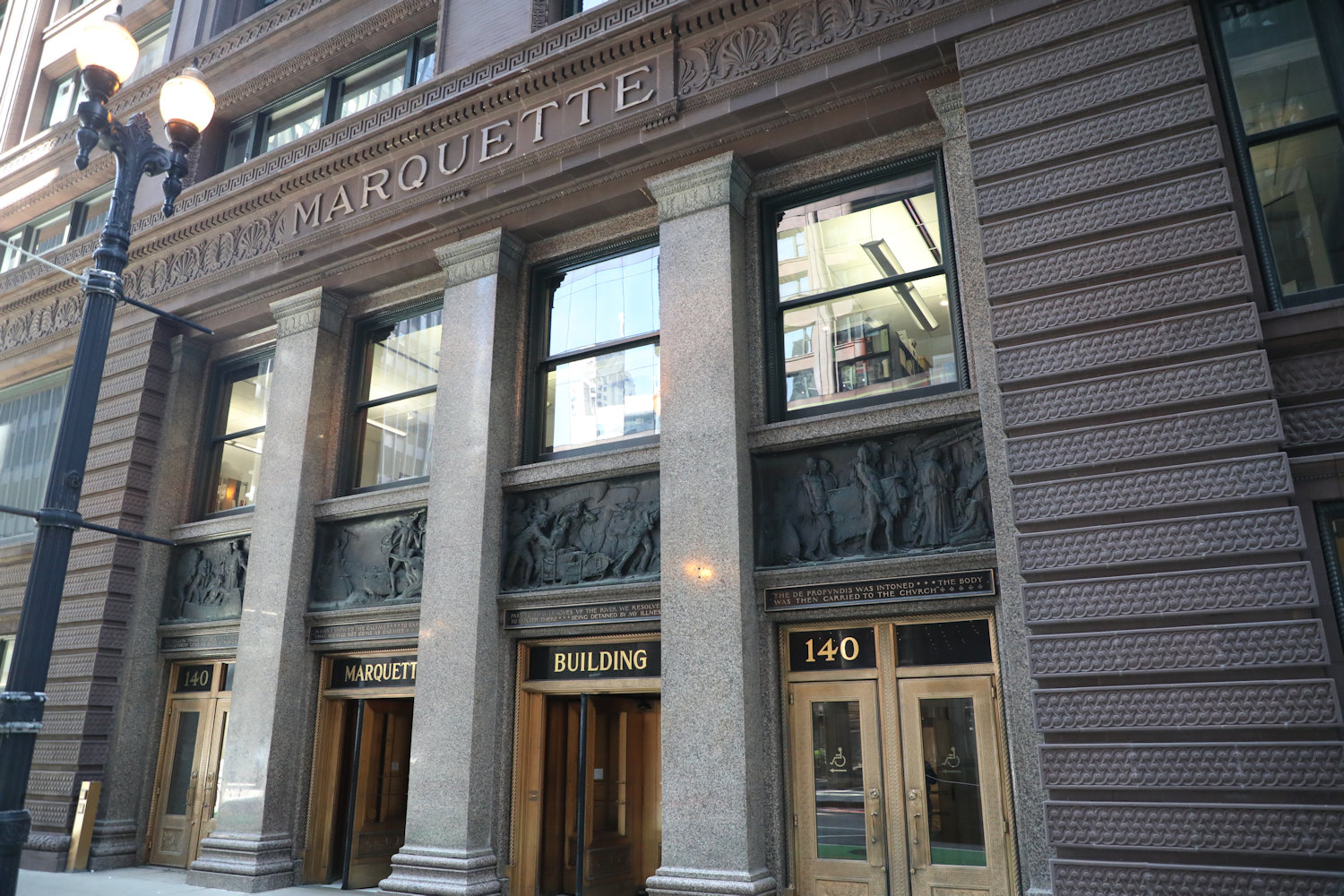
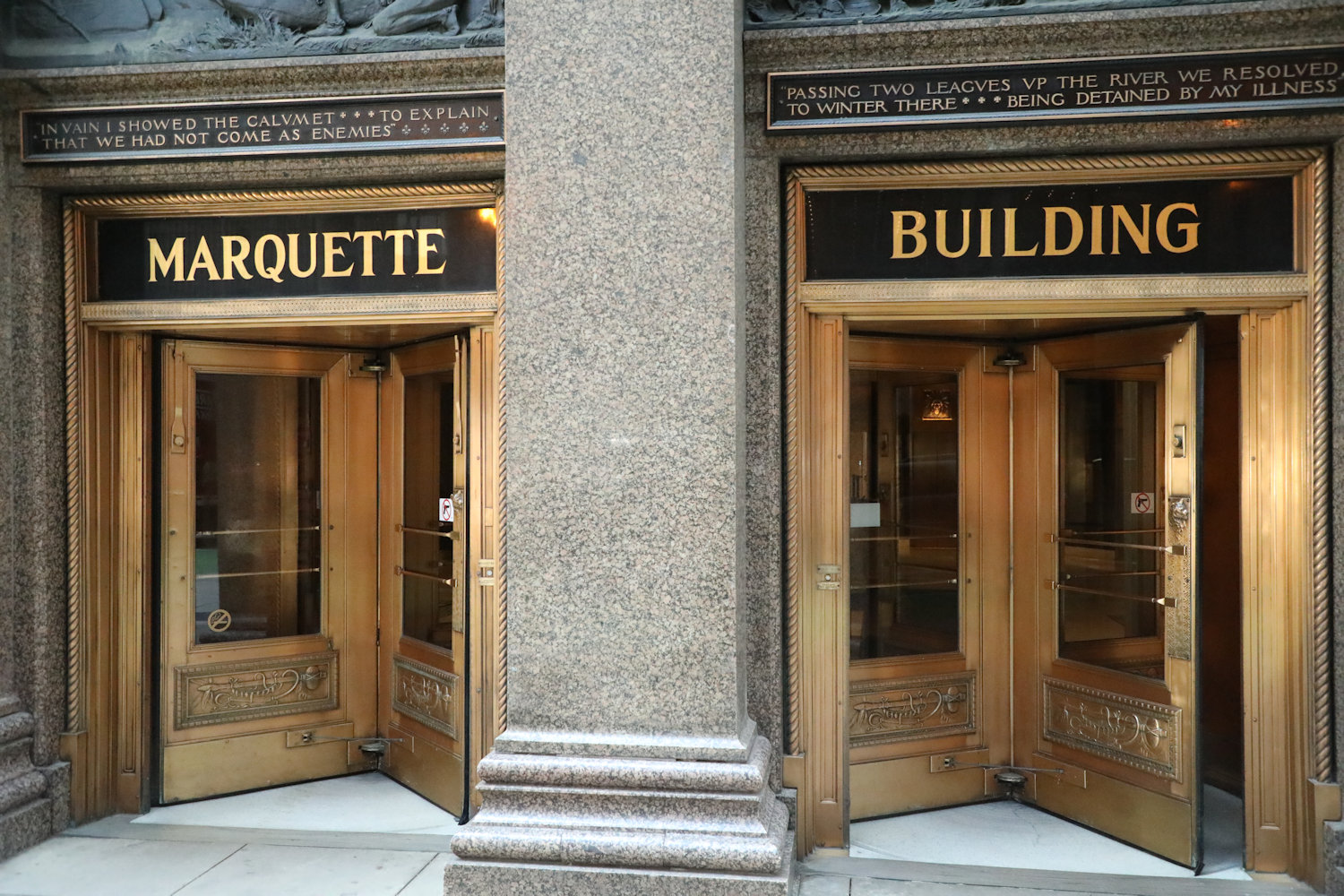
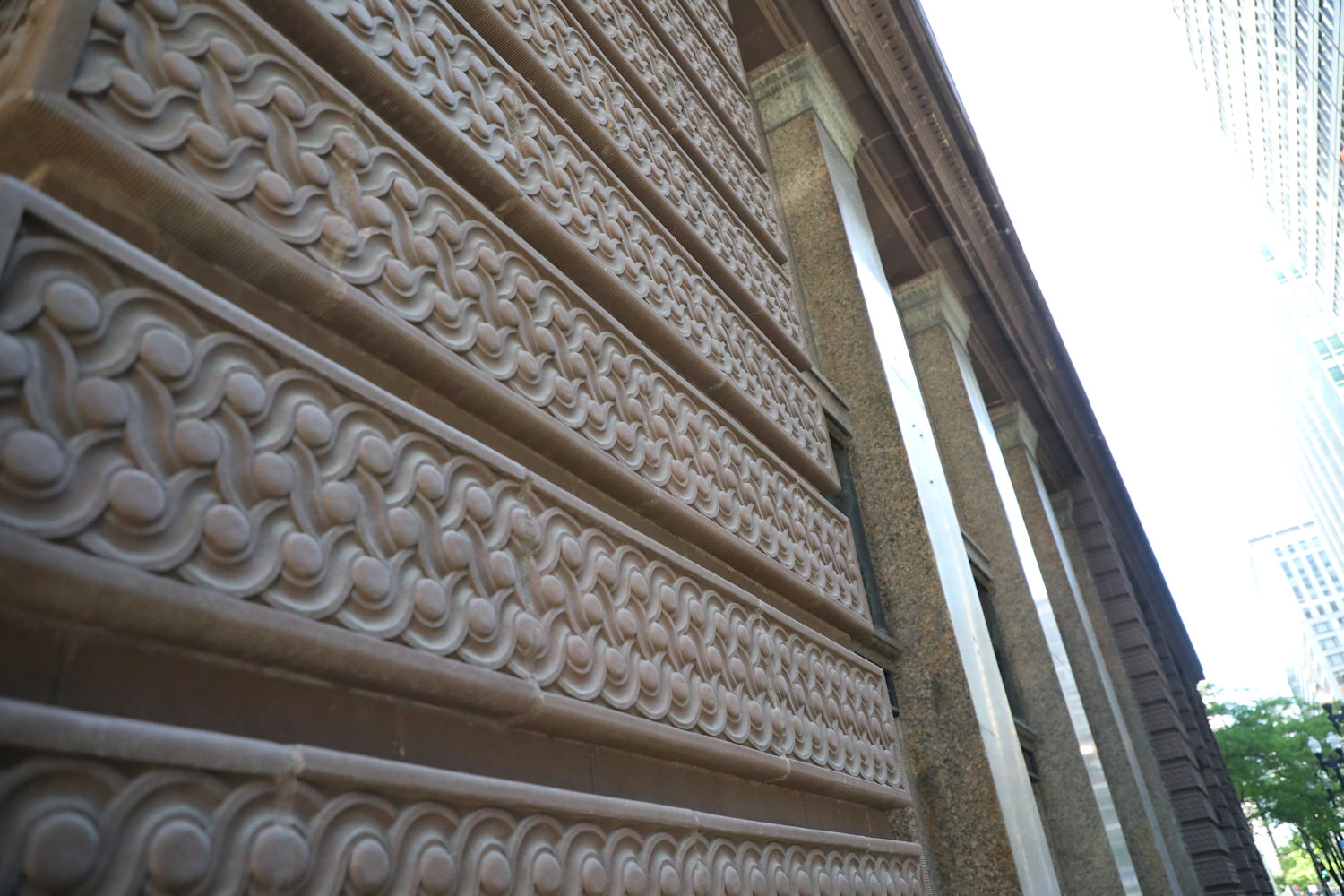
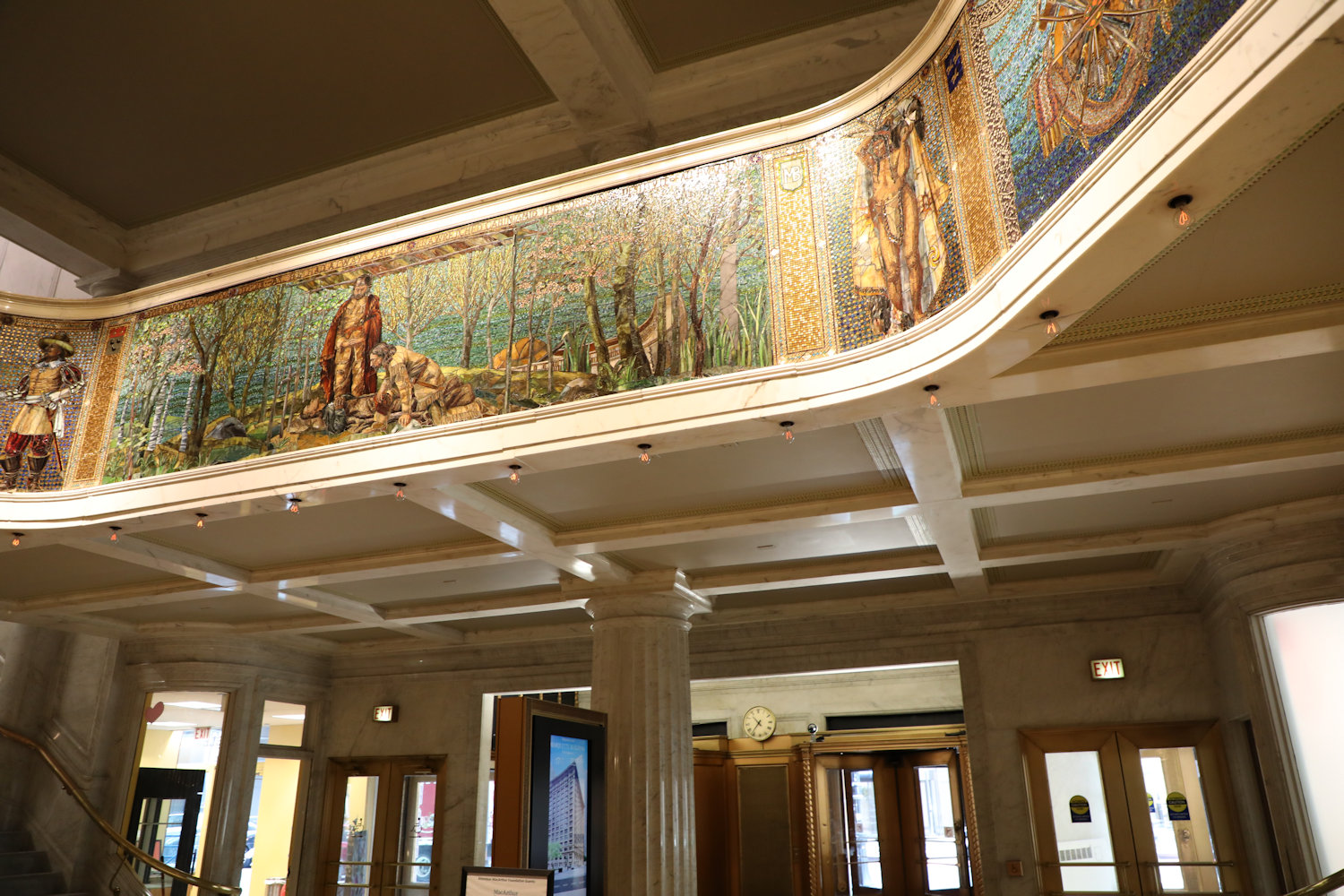
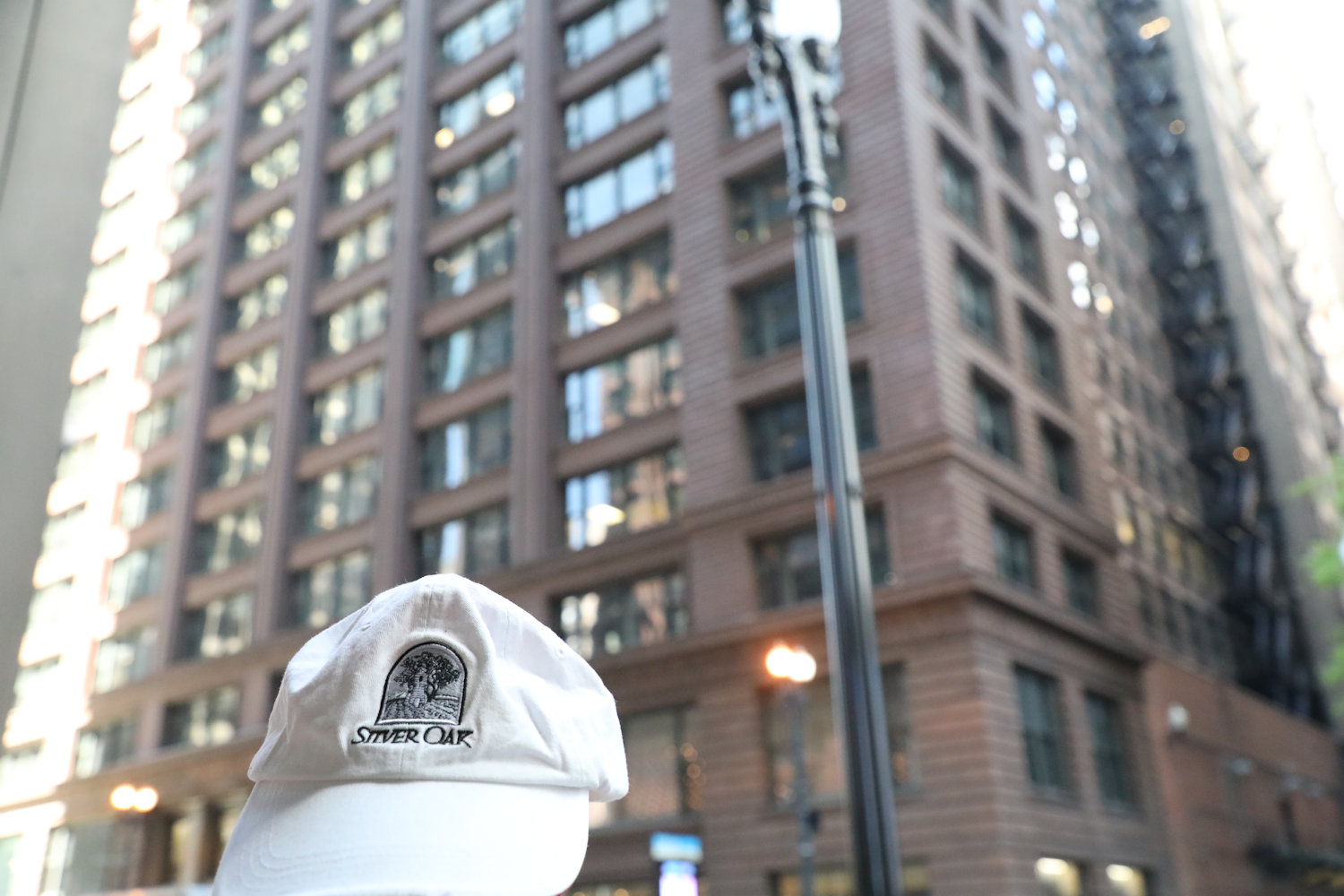
The company was founded in the Marquette Building, one of Chicago’s first skyscrapers (built 1895) on the corner of Dearborn and Adams Streets. Remarkably this original building is still standing and is owned by the John D. and Catherine T. MacArthur Foundation. This building was one of the early steel frame skyscrapers built in Chicago and New York. Marquette Cement Co. was named in homage to the Marquette Building, whose name is in honor of the first western settler in Chicago, Jacques Marquette (1674). The Chicago Architecture Center (formerly the Chicago Architecture Foundation) offers guided tours of the building. This is on our to-do list the next time we are in Chicago.
Only two years after their founding, an article in The Weekly Pantagraph of Bloomington, IL dated Friday May 4, 1900, indicated the company was located in Oglesby, IL on the bank of the Little Vermilion River near La Salle, along the Chicago, Burlington and Quincy Railroad (C.B.&Q) and was producing an average of 600 barrels of cement per day. By the 1920s Marquette operated offices in Chicago, Memphis, and Cape Girardeau, MO with concrete plants in Oglesby and Cape Girardeau.
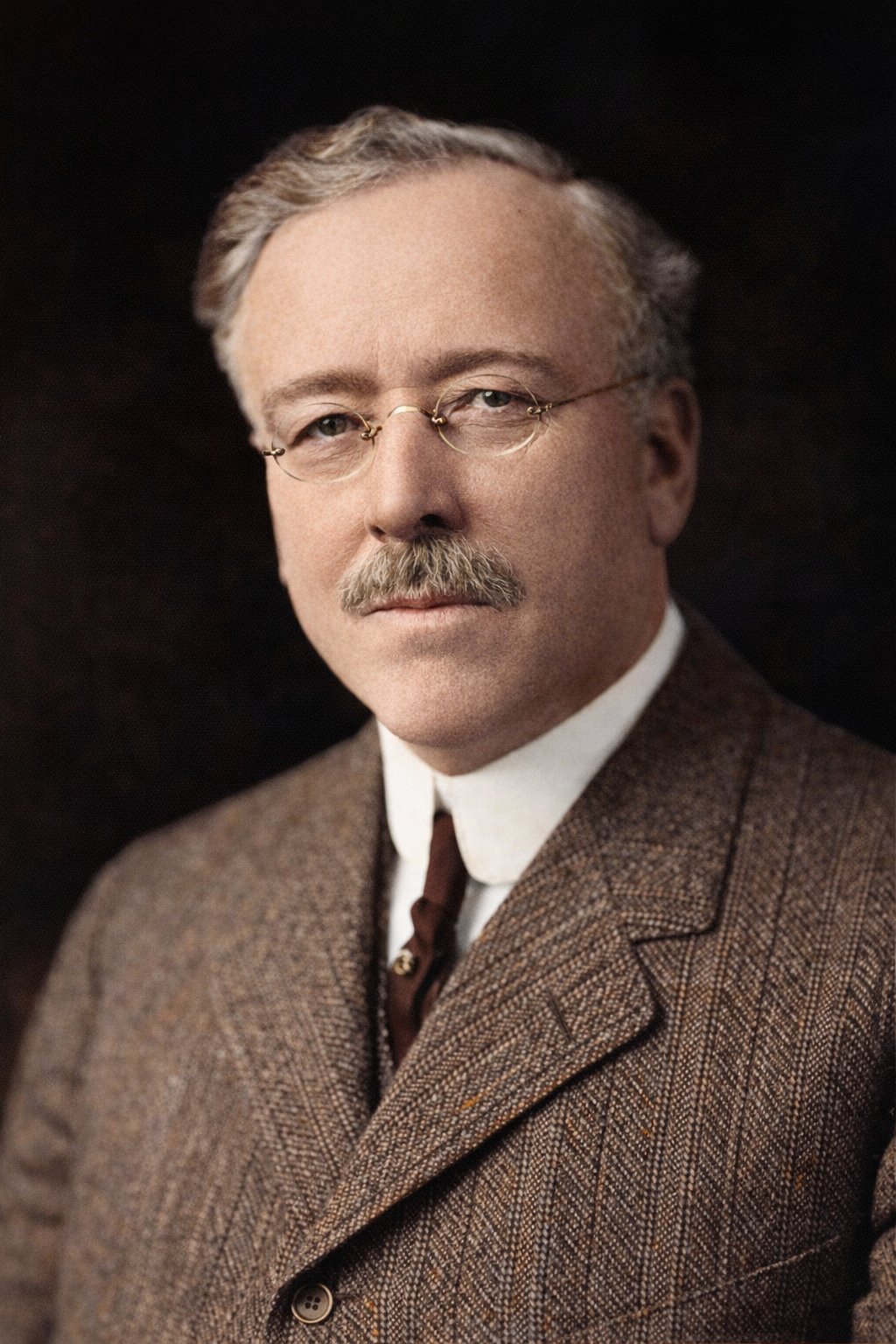
Nicholas Duncan, co-founder Marquette Cement Co.
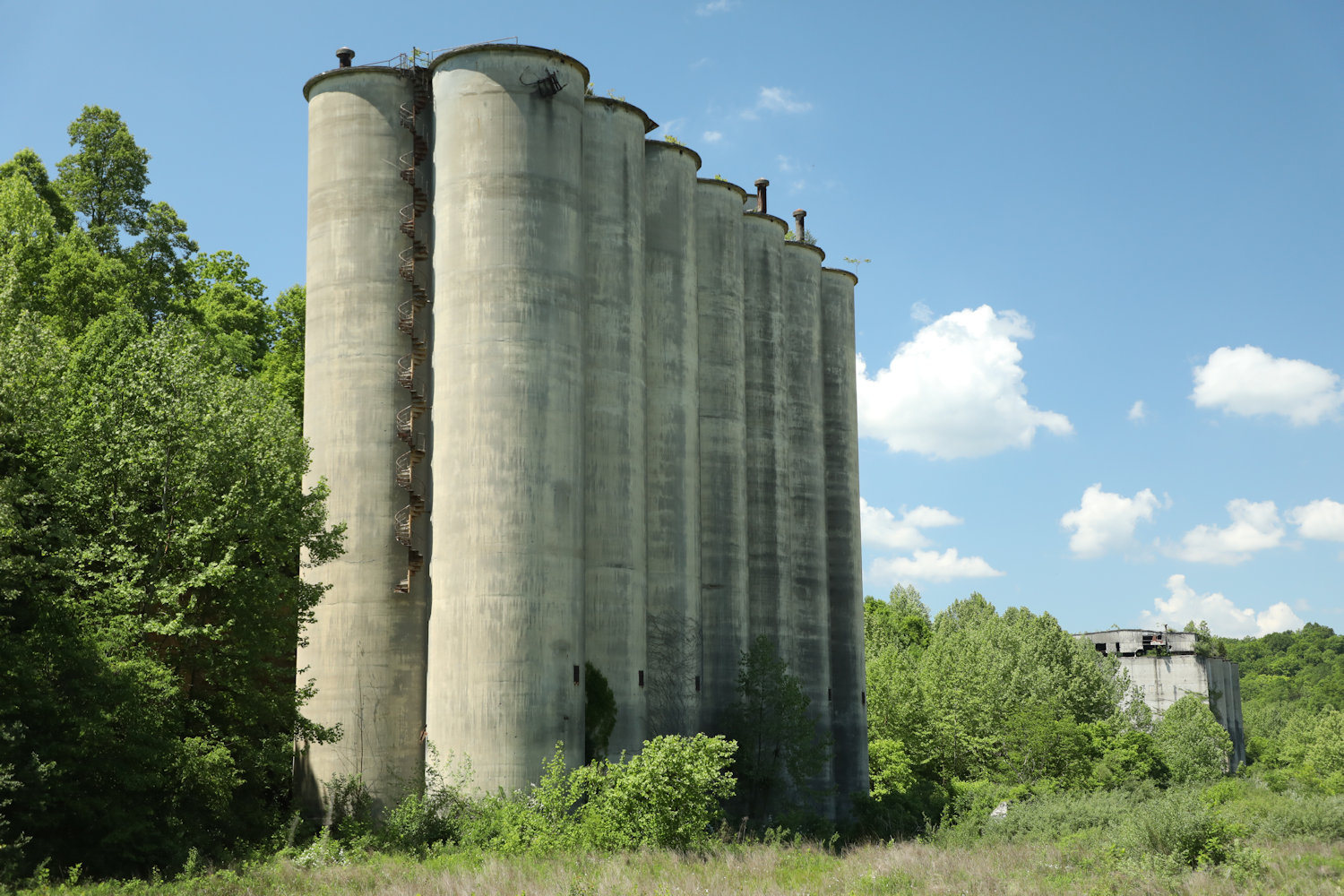
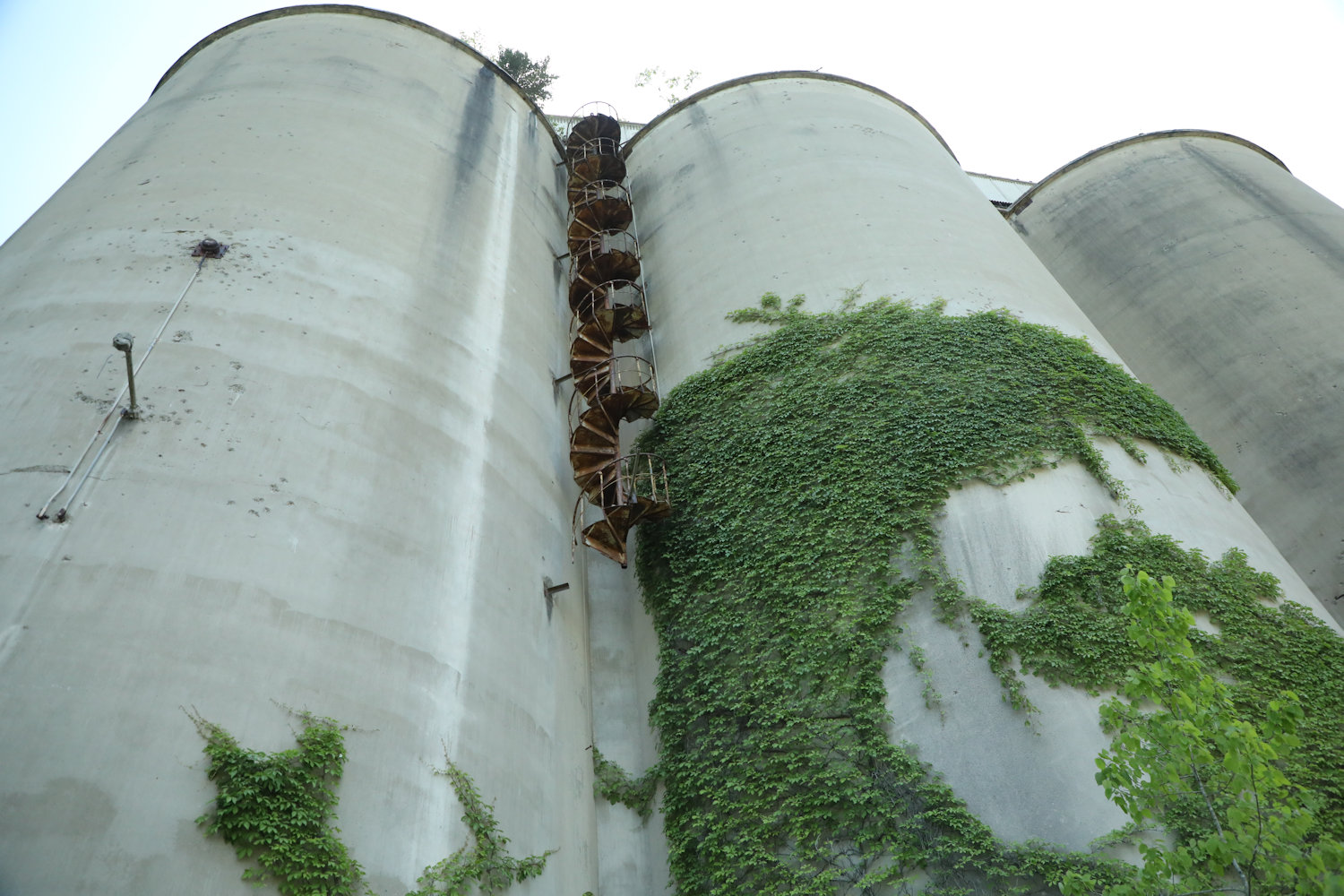
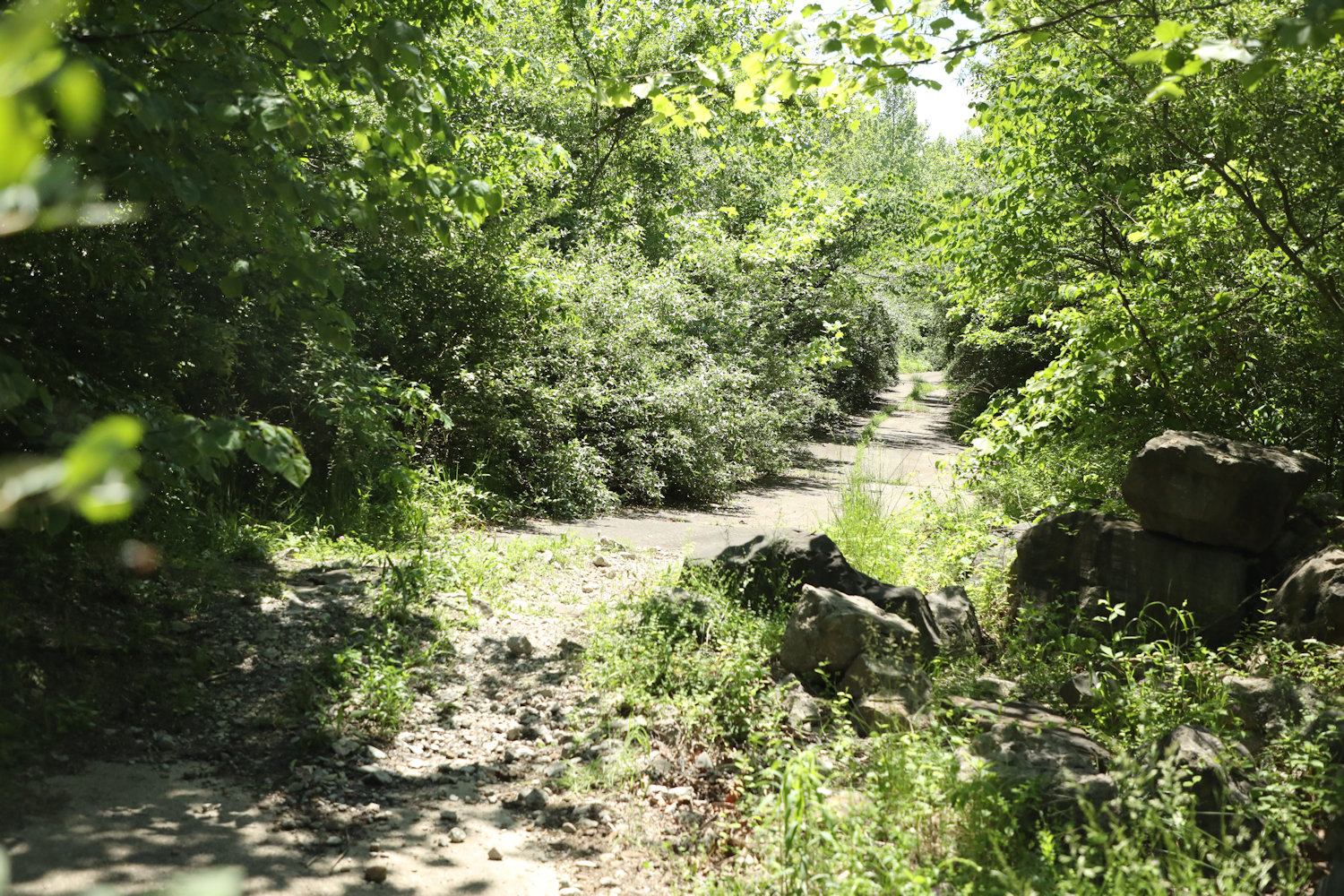
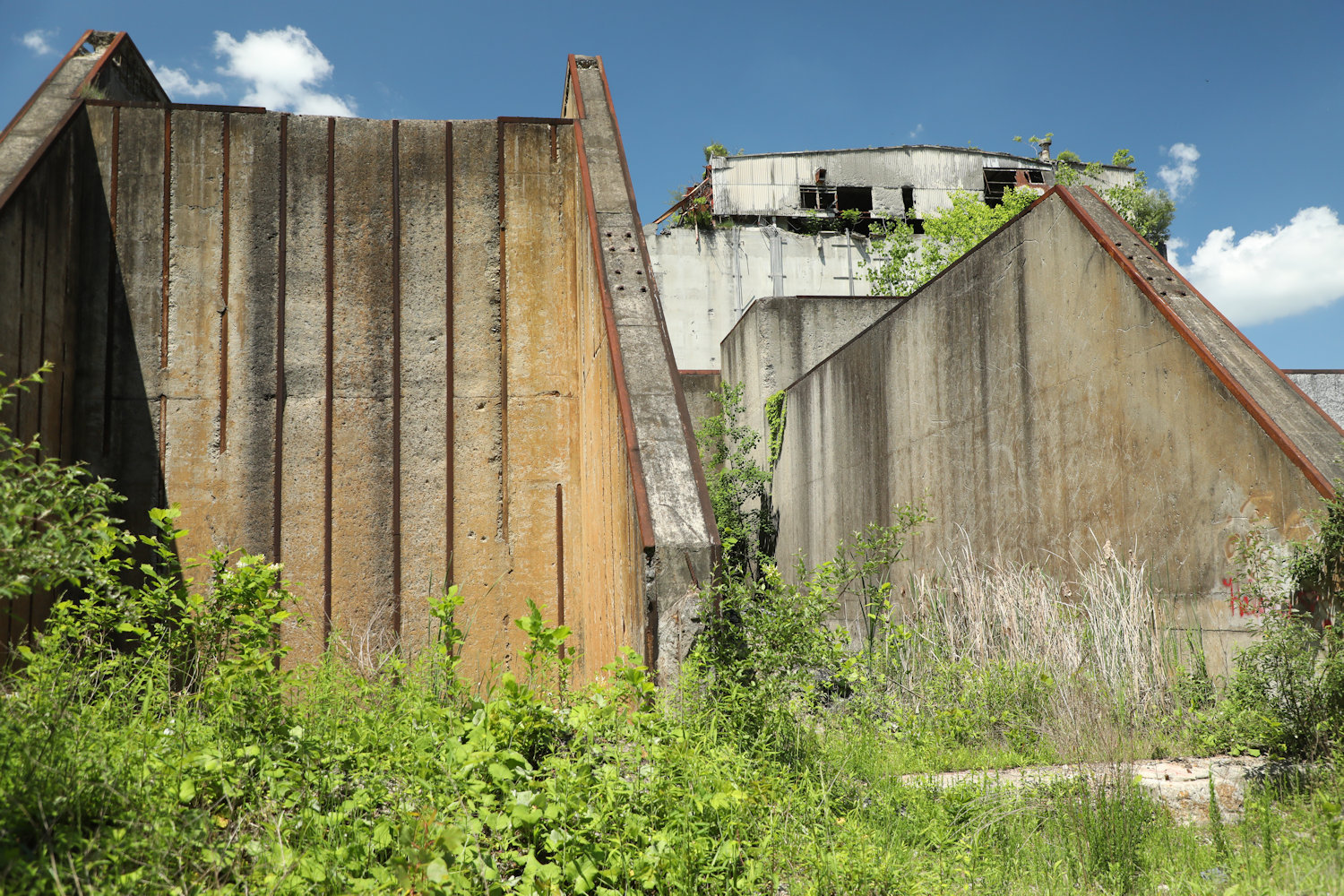
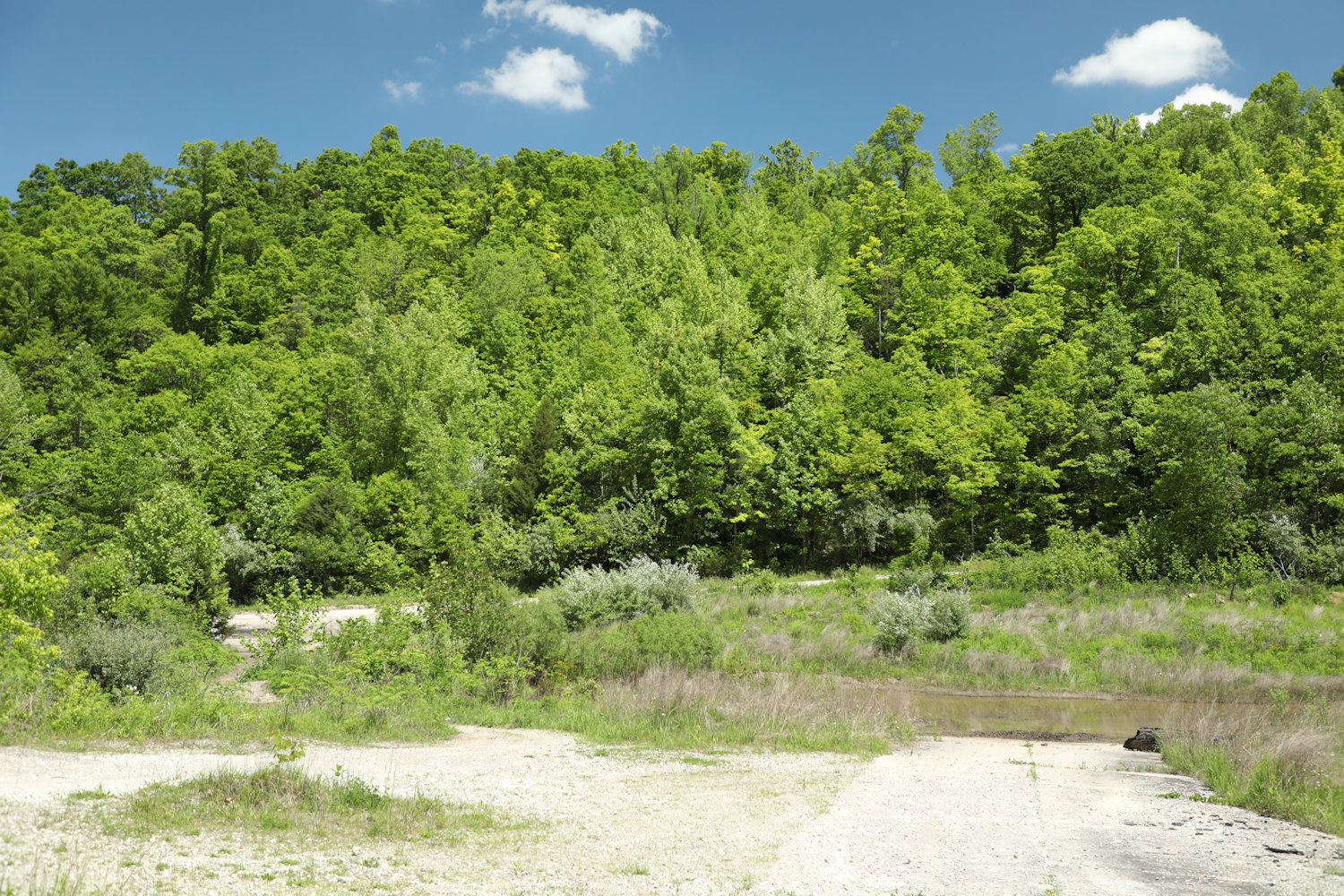
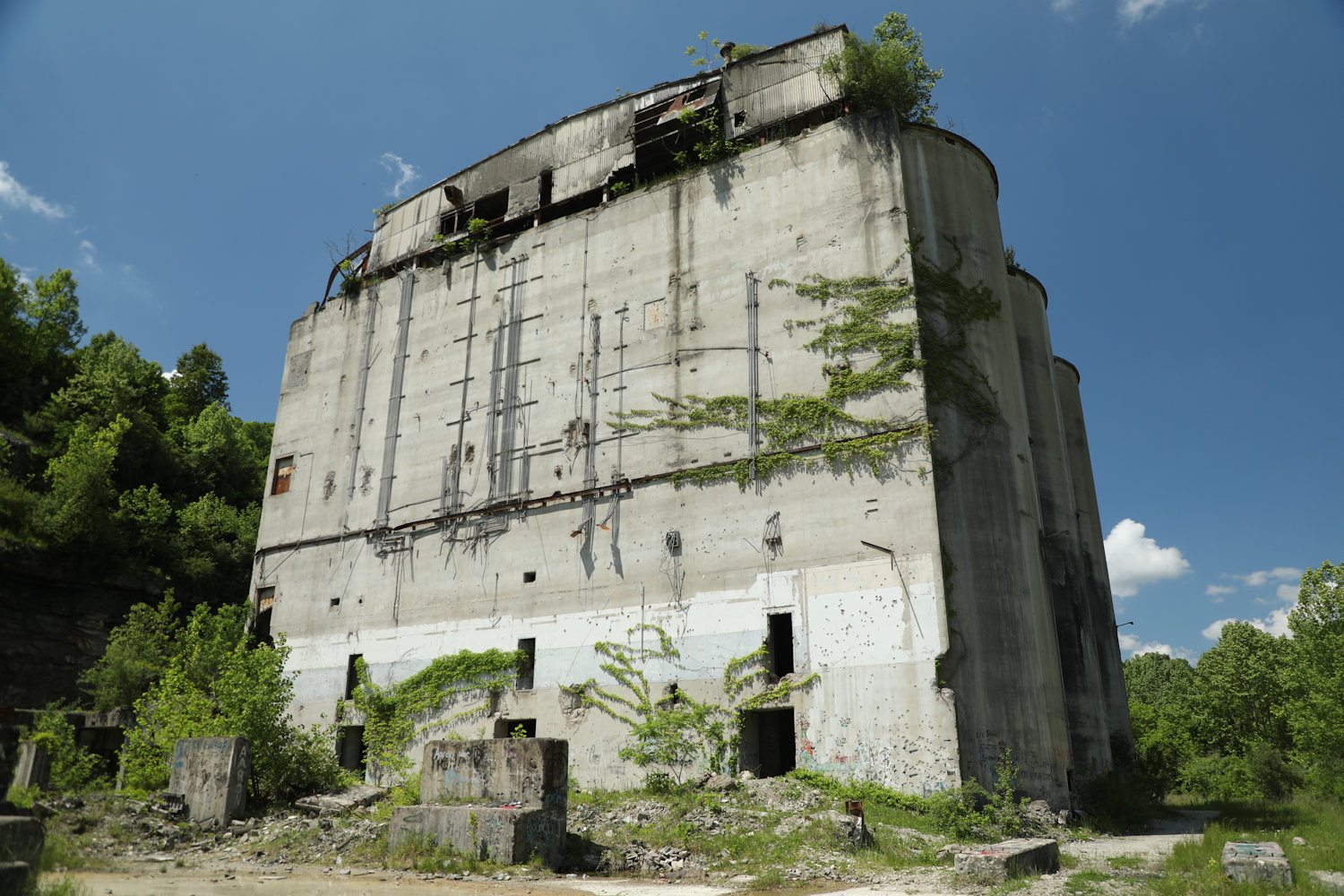
The company had a long run; after being sold several times it was finally absorbed after its parent company was purchased in 1982. One of Marquette’s former cement factories and the adjoining reservoir are located about 9 minutes north of the tiny community of Pedro in far southern and very rural Ohio. The road to the site is primarily dirt, while the road leading to the reservoir is mostly overgrown. This cement plant has long since been abandoned but parts of the original factory are still standing.
In 1939 a large barge was built for and owned by Marquette Cement Co; it was christened with the name Nicholas Duncan, in honor of Duncan, the company’s co-founder and chairman of the board. This barge operated until the mid 1980s. The last record we can find of it was from 2016, a mention that it was converted into a shop barge and resides in Pekin, Illinois.
Marquette Building, Chicago

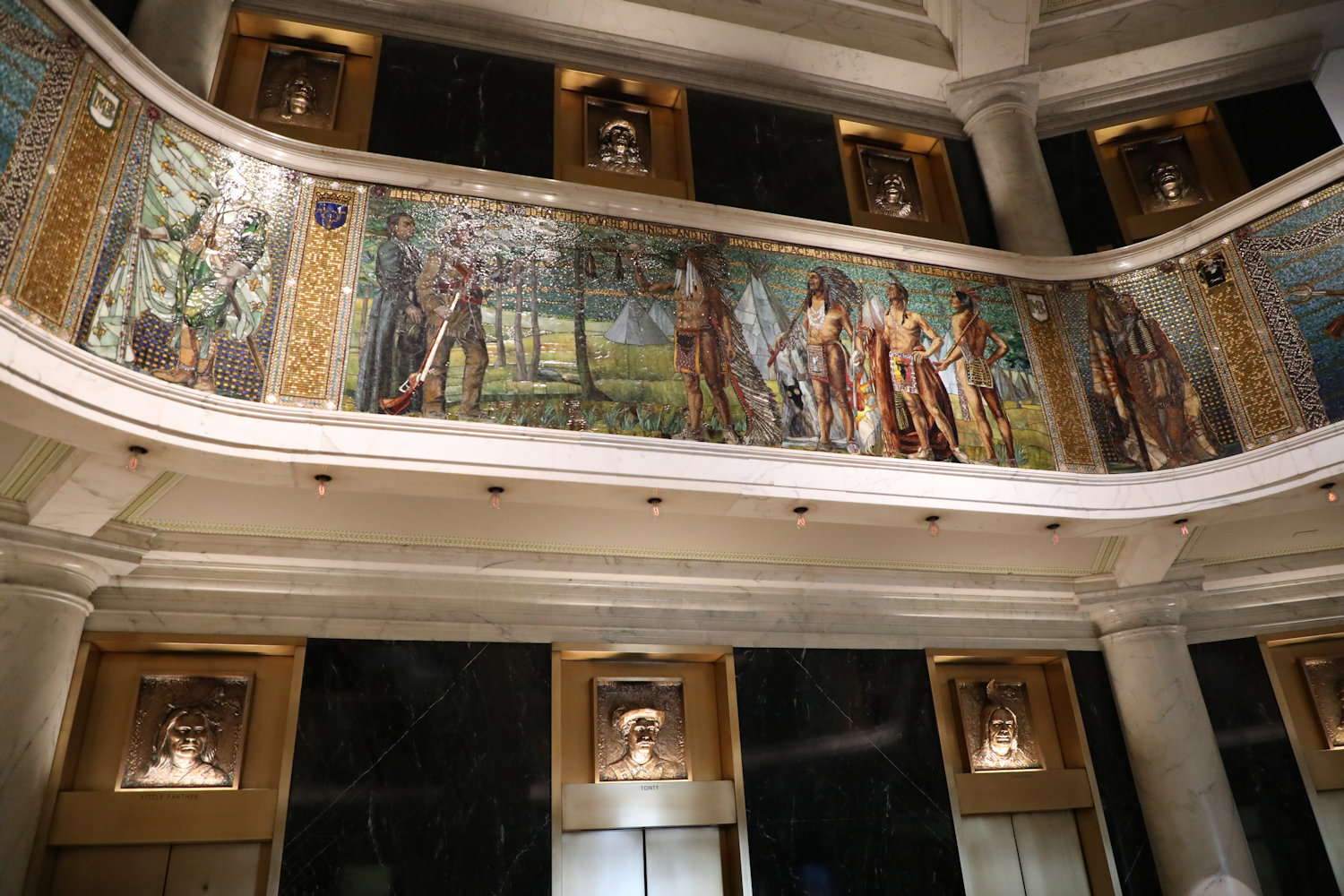

Abandoned Marquette Cement Factory, Pedro, OH


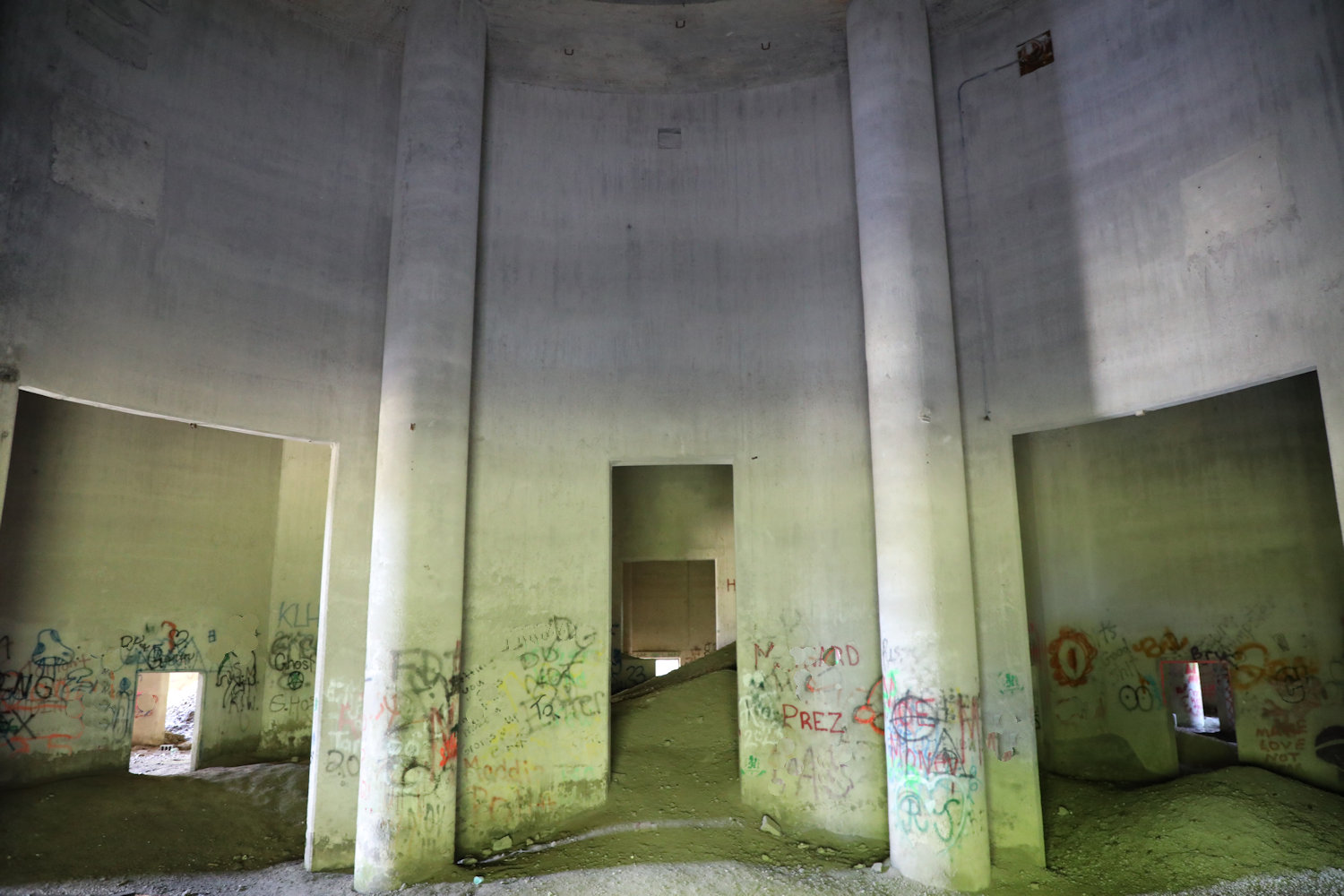
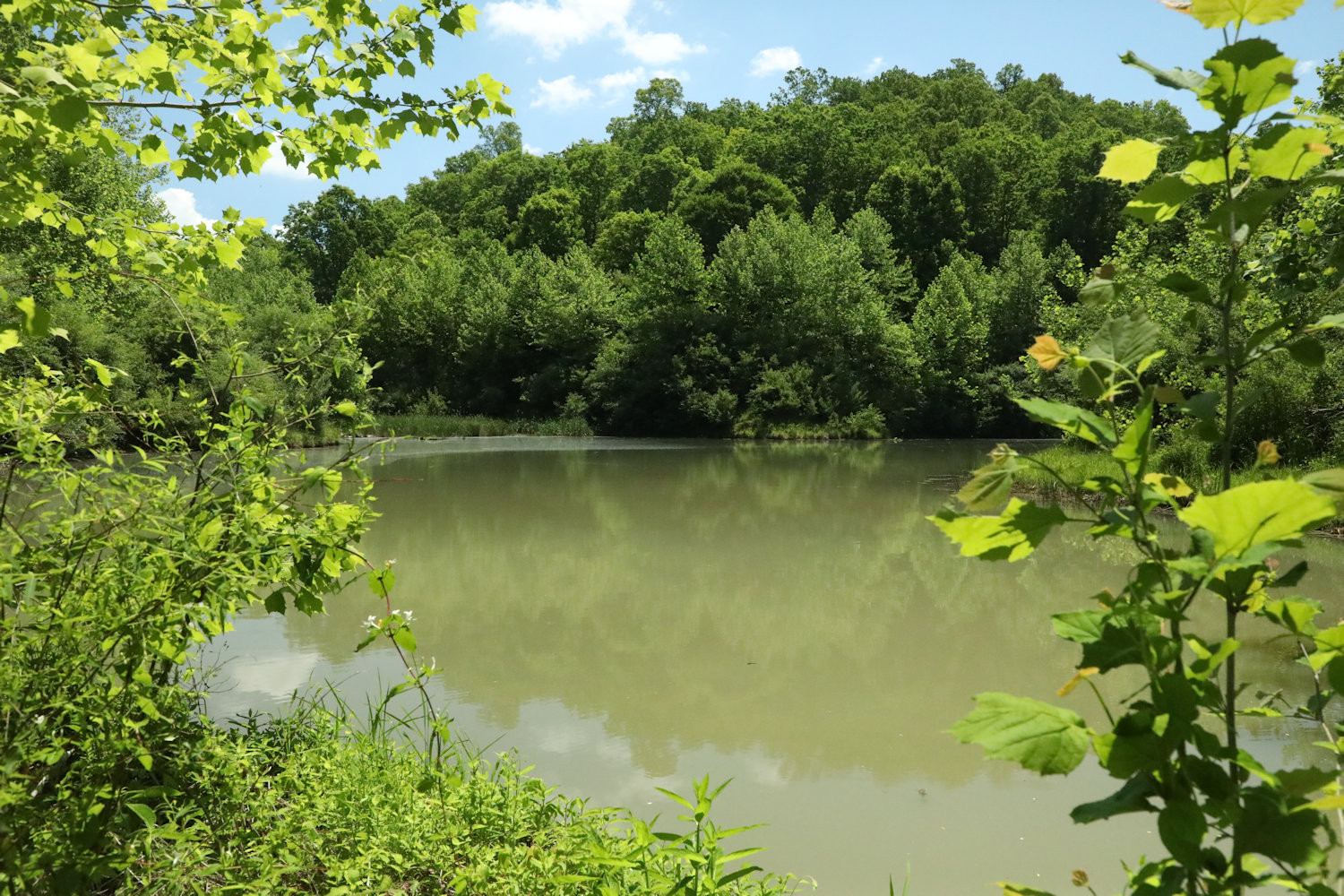
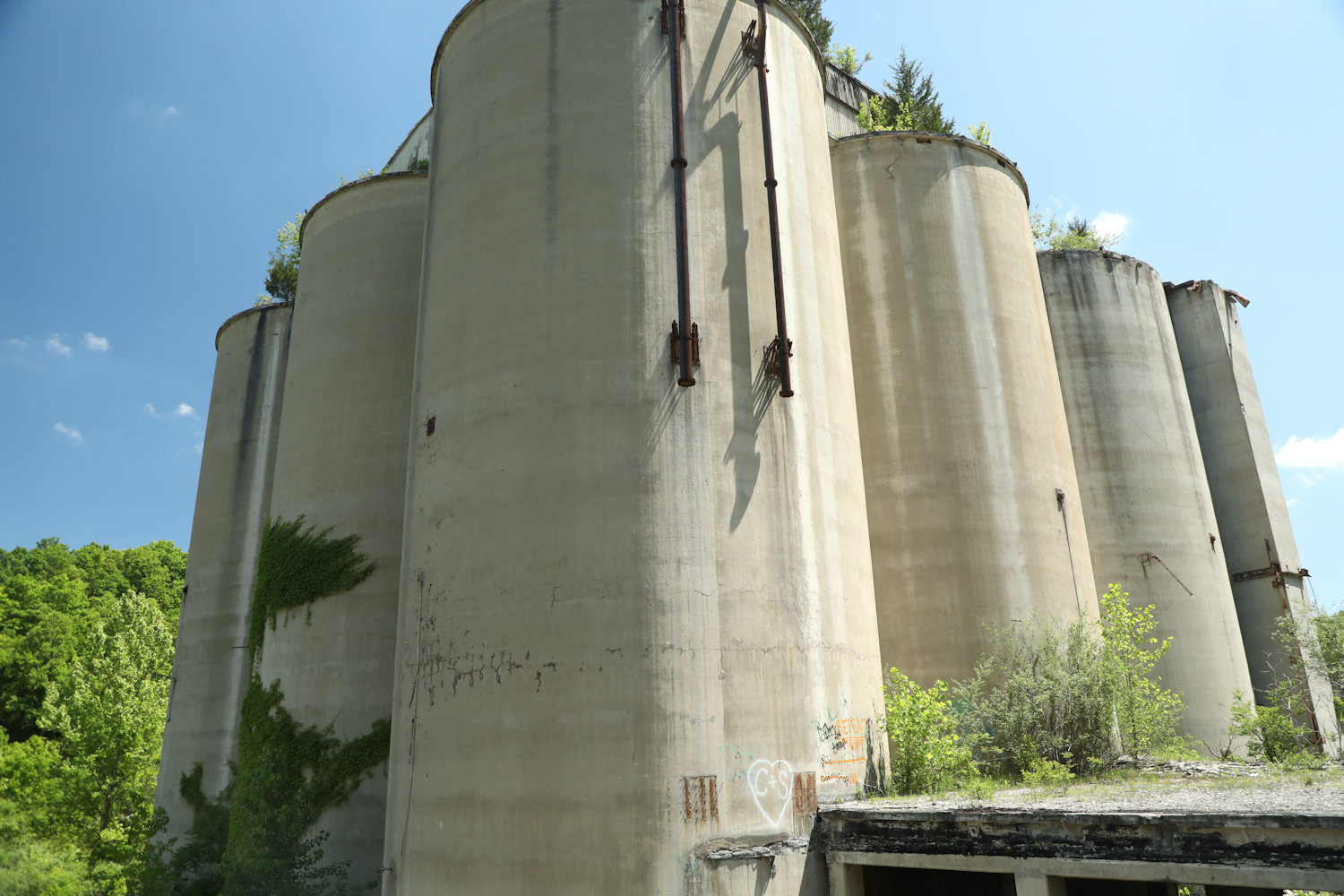
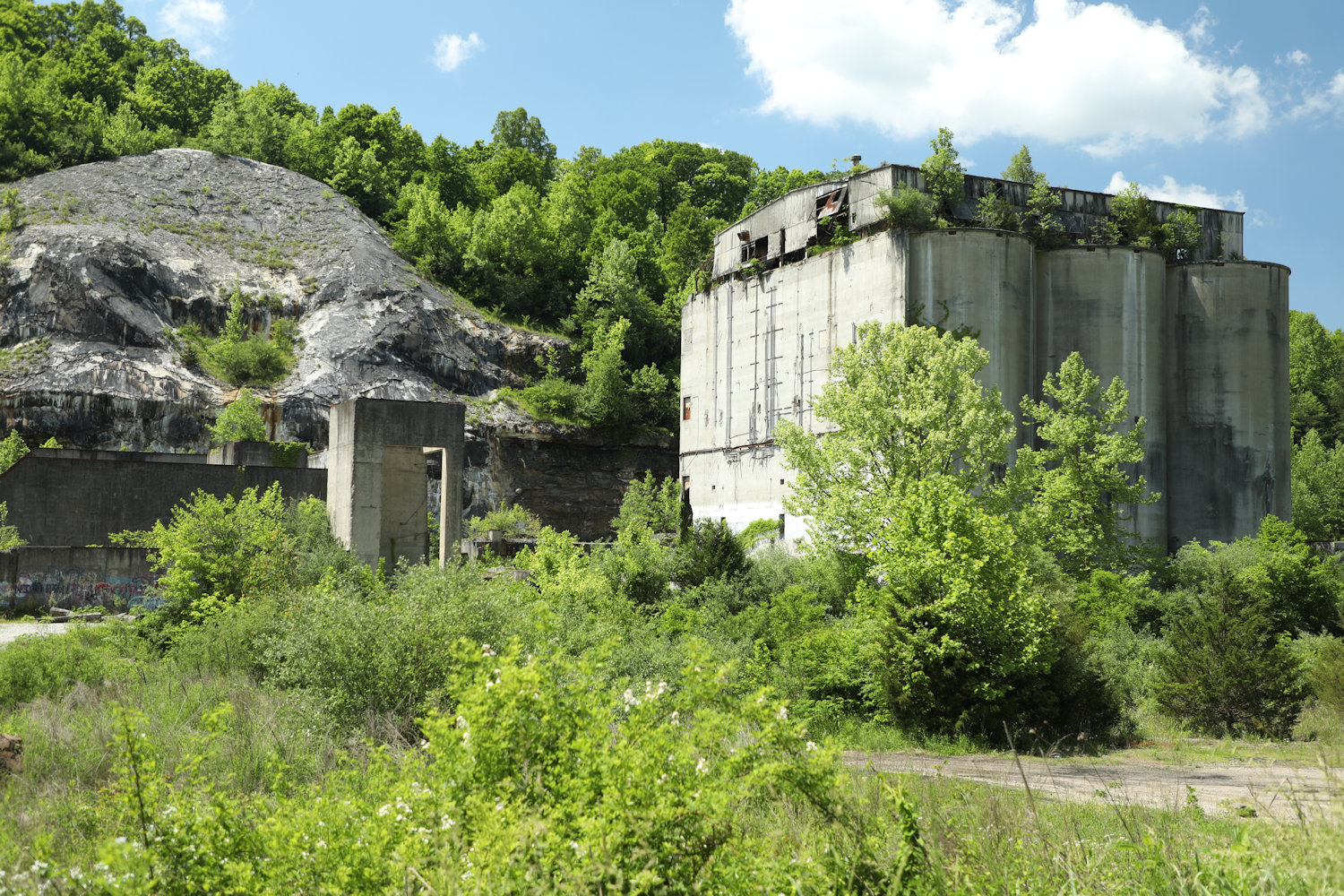
Nicholas’s son Walter served in World War I and in 1913 founded La Salle-based Duncan Insurance Co. He was also involved in various oil and gas interests. His son, J. Walter Duncan Jr., founded Duncan Oil Properties, Inc., in the late 1950s, an independently run multi-state oil and gas business. This downtown Oklahoma City-headquartered company is still privately run by Ray’s brother Walter’s family and currently oversees energy holdings in parts of Canada and several states, with a majority of their wells in western Oklahoma. J. Walter Duncan Jr., also was owner of the New Jersey Generals, a football team in the now-defunct USFL.
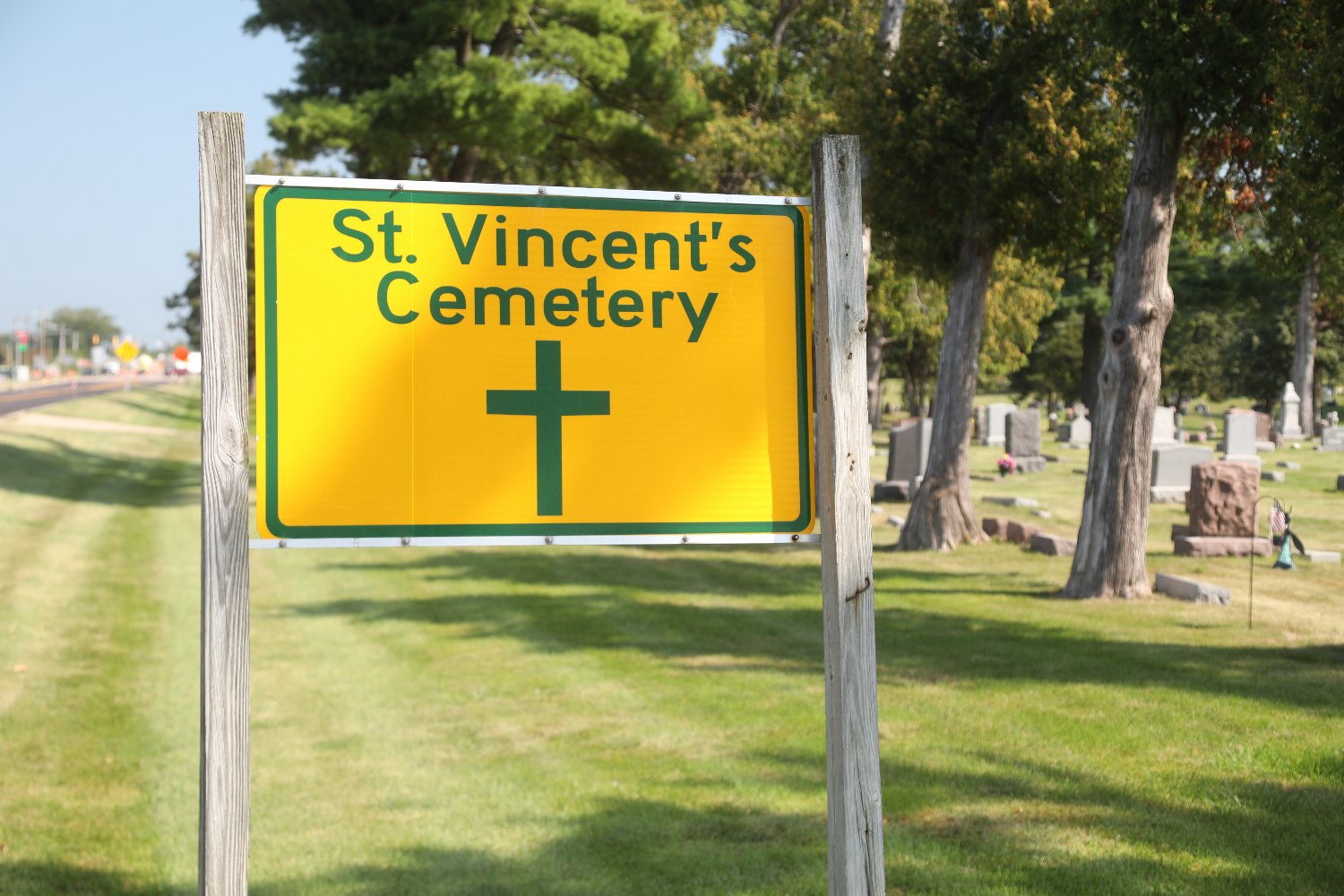
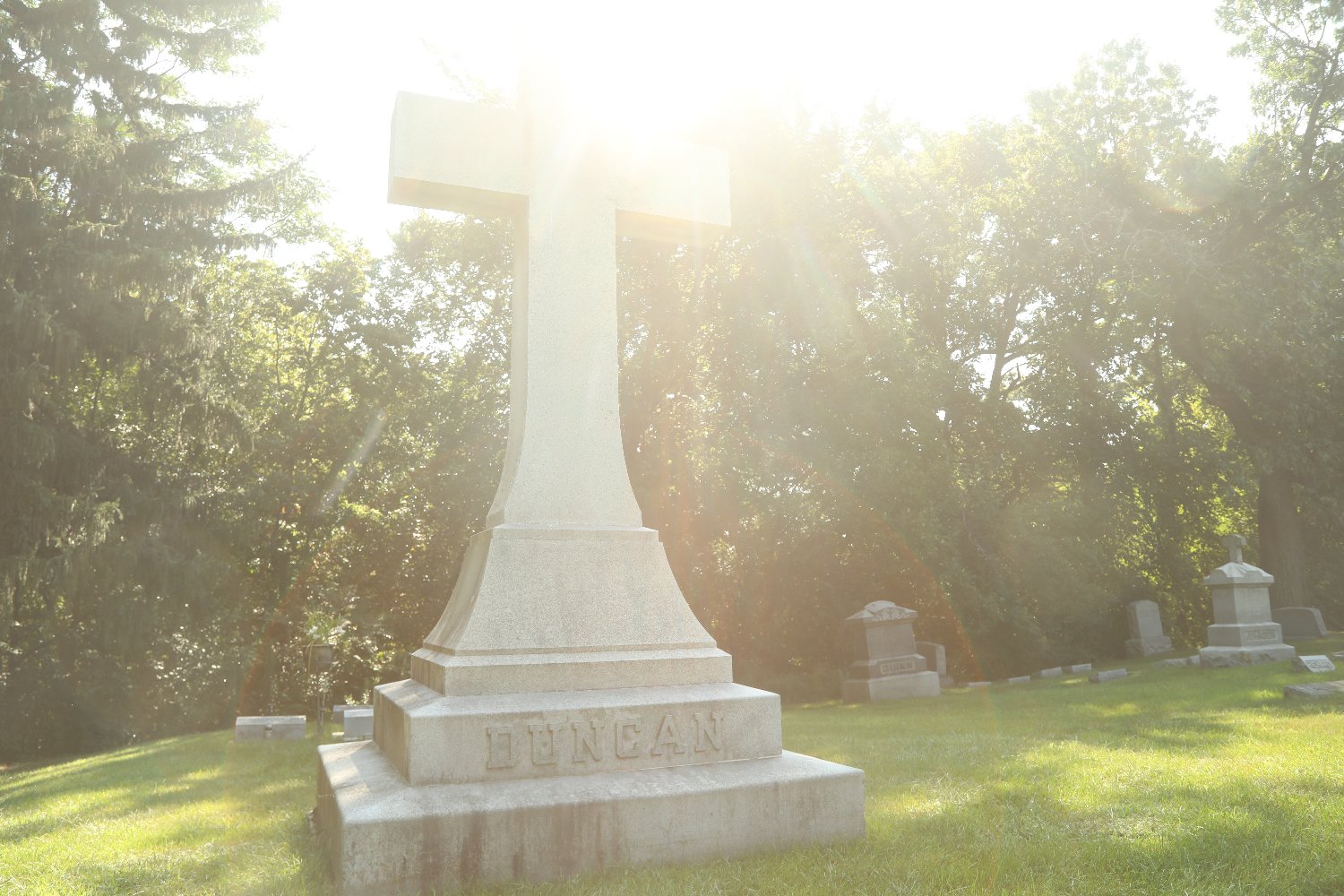
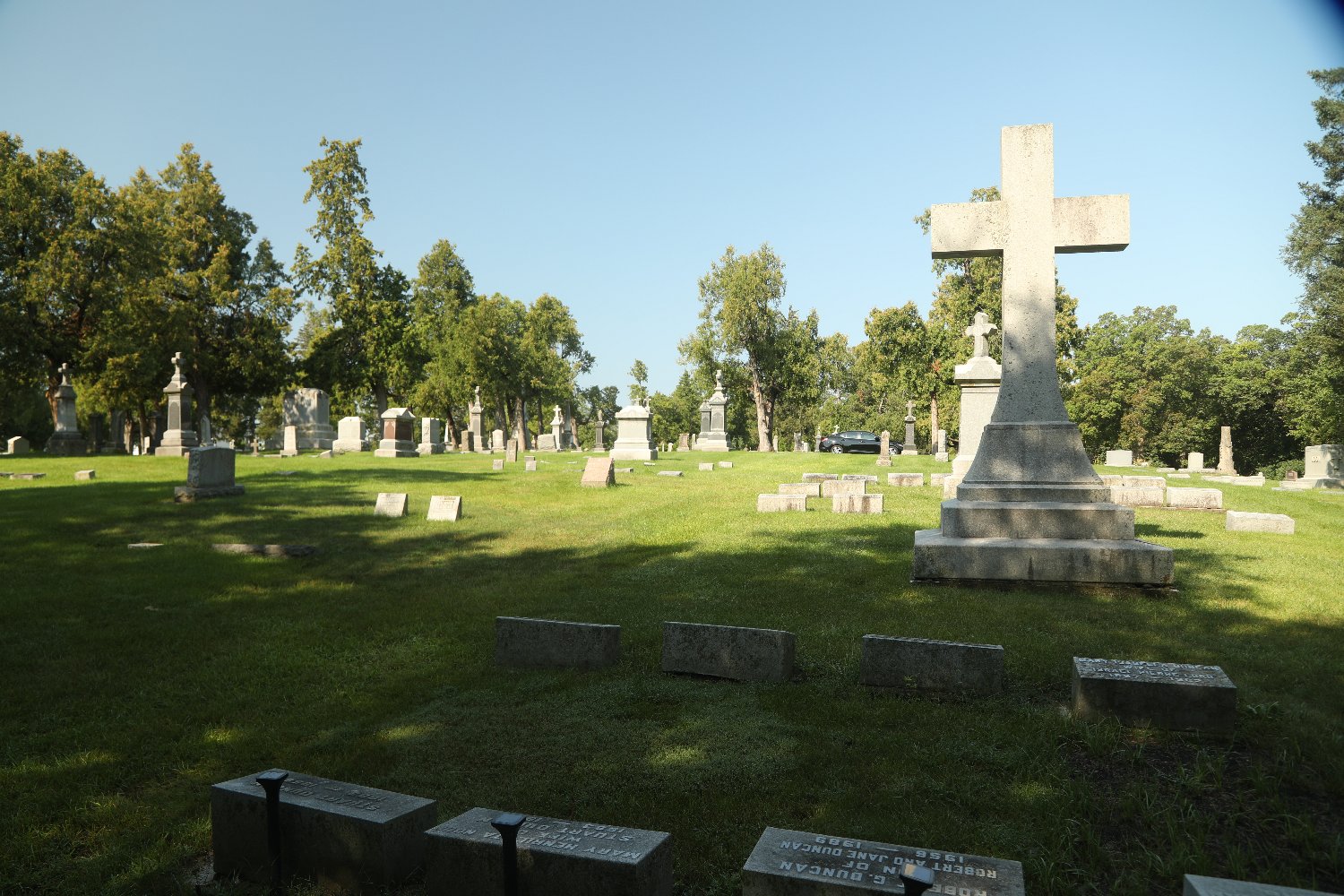
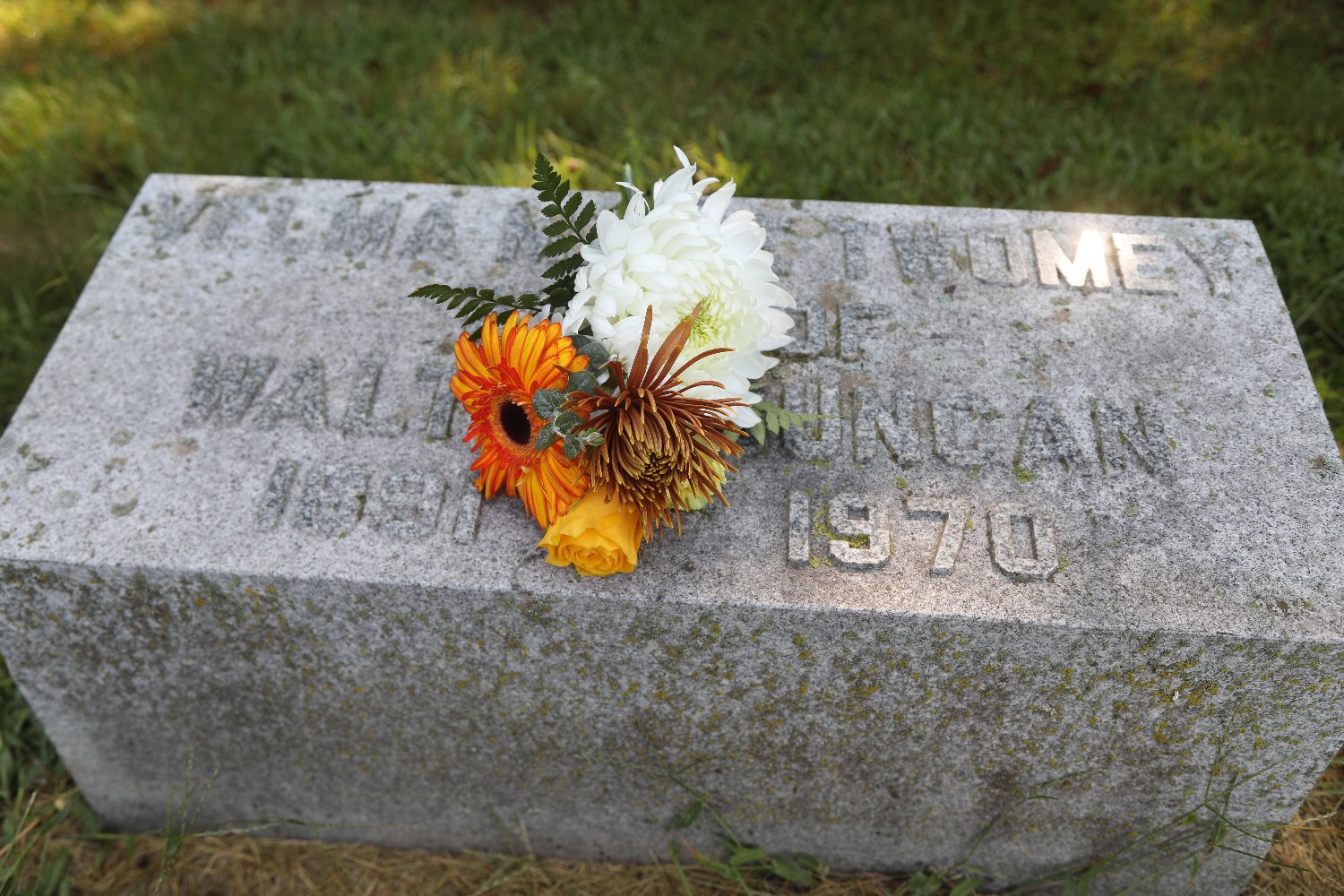
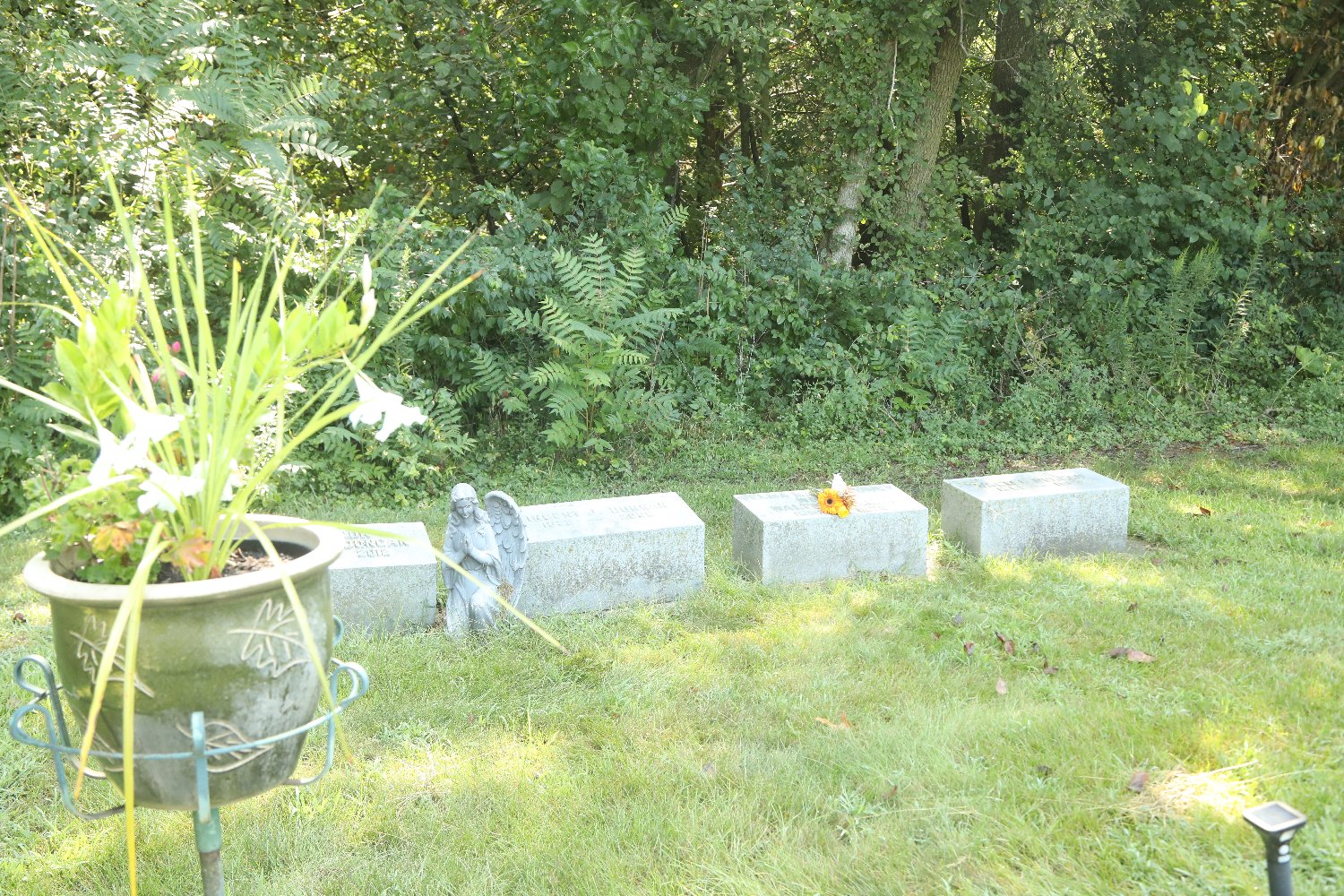
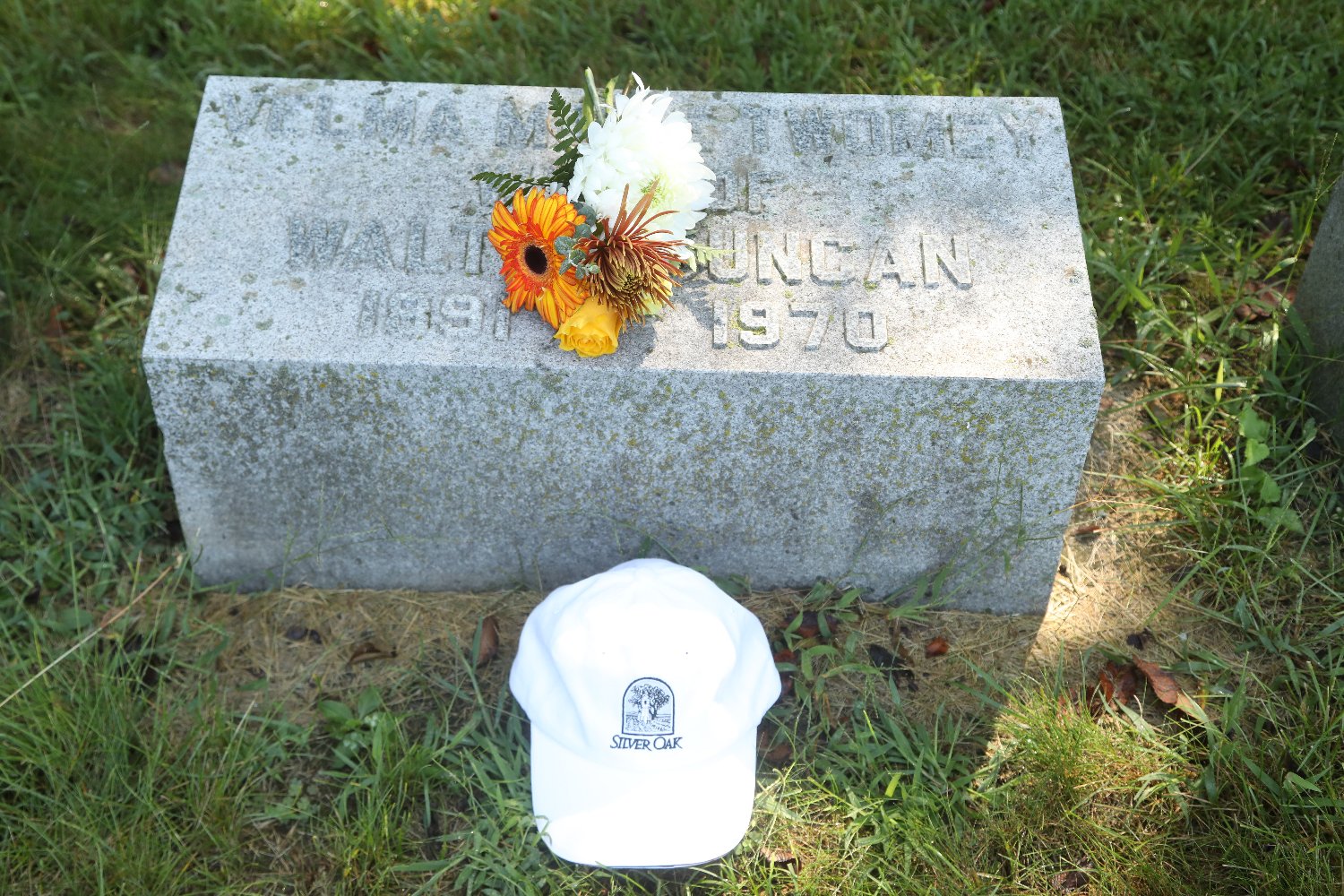
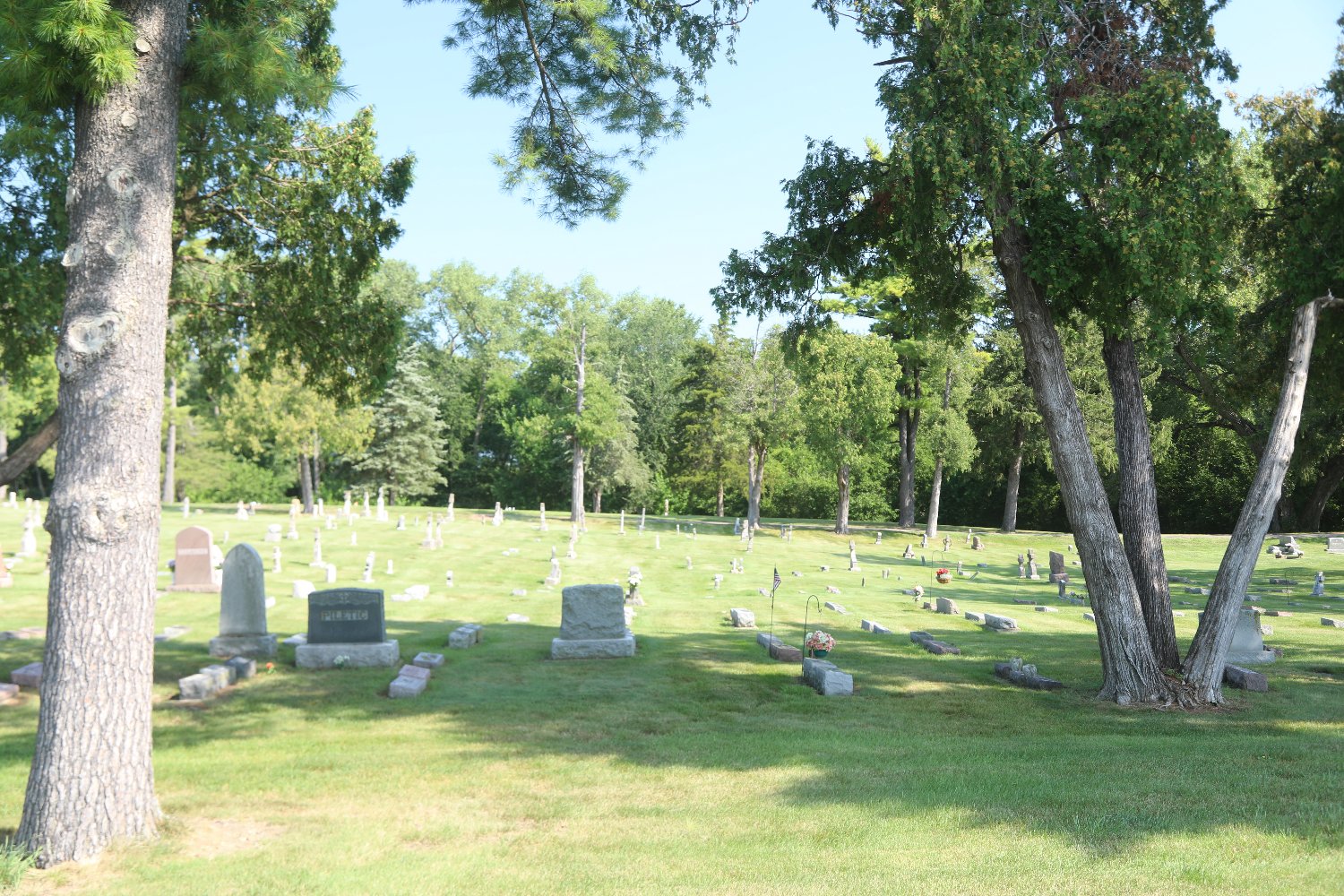
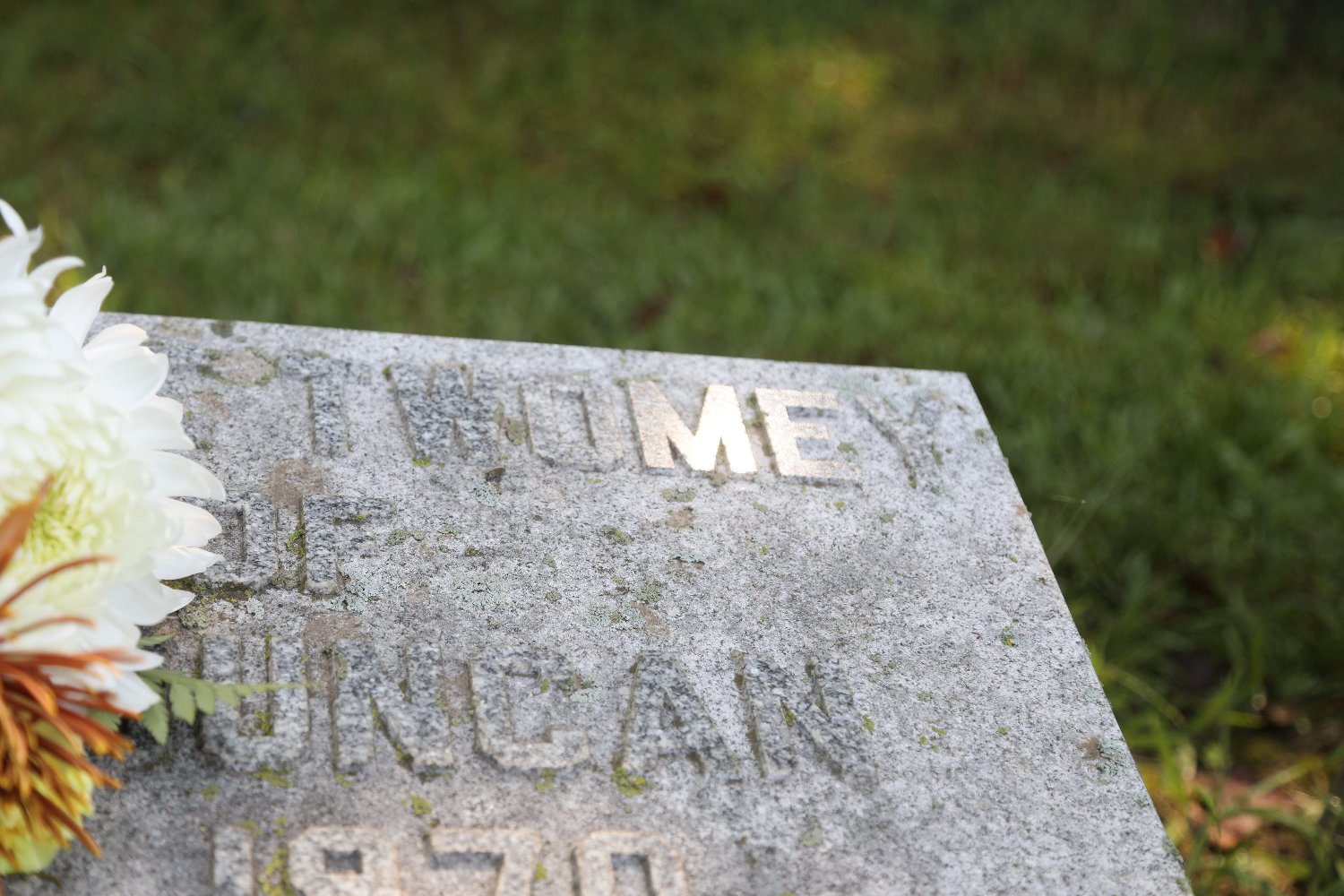
St. Vincent’s Cemetery, located about a 10-minute drive west of downtown La Salle is the final home for numerous Duncan family members including Nicholas Duncan, his son Walter and Walter’s wife Velma Marie Twomey Duncan, the namesake for TWOMEY Cellars. Velma and her husband Walter’s graves are located in the far northeast corner of this rectangular-shaped cemetery. We brought flowers and left them on her grave during our visit.
St. Vincent’s Cemetery, Velma Marie Twomey Duncan gravesite
This history finally brings us to Ray Duncan. He was a longtime Colorado resident who founded Duncan Oil Inc. in Durango in 1958, now headquartered in Denver (at one it point maintained an office in Calgary) while still operating a number of leases in select states. The family business, Duncan Oil Properties, Inc. originated in the Illinois Basin in southern Illinois and capitalized on an oil boom there in the 1940s. Ray worked for his father for several years in the 1950s.
Ray enjoyed the outdoors, including skiing and duck hunting. He was very active in the Colorado ski world; in 1966 he founded Purgatory Ski Resort on Durango Mountain and later in his life was inducted into the Colorado Ski and Snowboard Hall of Fame and the Rocky Mountain Oil & Gas Hall of Fame. He also served in the Marine Corps in the Korean War.
While at the University of Notre Dame studying for his eventual degree in Philosophy, remarkably Ray met another future Napa Valley vintner, Jack Novak. Jack and his wife Mary founded Spottswoode Winery in St. Helena. Both Jack and Ray became friends and the two families have remained extremely close ever since. In fact, Jack and Mary, both deceased, were David Duncan’s (Ray’s son) god parents. In 1969 the Novaks invited Ray to Napa and Sonoma; this was Ray’s first visit to the region. Ray spotted a report put out by Bank of America that forecast a significant increase in the average wine consumption of the American consumer which at the time was around 2 bottles per person per year.
Intrigued by this as well as the region, Ray purchased his first land in Sonoma County’s Alexander Valley in 1970 in partnership with Jack Novak; this property was called Los Amigos Vineyard, meaning ‘the friends’ in Spanish and was located next to and on the west side of Highway 128. The vineyard (address: 5555 Highway 128) is on the other side of the highway near the Alexander Valley Community Hall about 1 mile northwest of Jimtown. At the time, this 100-acre property had only a few acres of producing Cabernet Sauvignon vines. Although by 1974, an advertisement in The Times of San Mateo mentioned Los Amigos Vineyard was producing Chenin Blanc. Los Amigos Vineyard is currently owned by Constellation Brands out of upstate New York, and is part of Simi Vineyards, owned by Icon Estates, the fine wine division of Constellation Brands. Los Amigos Vineyard is currently 54 acres; interestingly, one of the bordering properties is owned by Vulcan Materials Co./Syar Industries Co., in Napa.
Monk and vintner Justin Meyer (his birth name was Raymond but he later changed it – being a fortuitous decision which would ultimately help lessen confusion in regard to the two owners) was well-known in the winemaking circles at that time. Justin was born and raised in Bakersfield; his father Raymond Sr. (known as “Cookie”) was a laborer for the Santa Fe Railroad Company and the family home was located in a primarily Hispanic neighborhood on Kentucky Street which mostly parallels the train tracks. His mother was Edith Marie Hauptman; she worked at a dry cleaners in their neighborhood. One of Justin’s 11 uncles on his father side of the family was Leo Meyer, an author of more than 60 books and training manuals relating to the sheet metal industry. Justin worked for him for a short while.
They were a poor ‘blue collar’ family. Both his parents were chain smokers. Justin attended Garces Memorial High School in Bakersfield where one of his classmates was the prolific writer Gerald Haslam who taught English at Sonoma State University for 30 years. Among Haslam’s 21 books authored was the book, Coming of Age in California, a collection of seventeen personal essays. In this book he wrote a 5-page essay titled, Portrait of a Pal”, all about Justin Meyer, including a story where Haslam watched Meyer jump onto stage at the Rainbow Gardens in 1955 with Fats Domino and belt out a few lines.
Justin had several nicknames over the years, including ‘Raymie’; he was later known by friends as ‘spitfire’ and ‘country’, while with the Christian Brothers, was known as Brother Justin or simply, BJ. He chose the name Justin in honor of his high school coach, Justin Sullivan. He joined the brotherhood right out of high school in 1957 at age 18; his first time in Napa Valley was in 1957 when he visited Mont La Salle novitiate. This property is still in existence, although in 1986 the Retreat and Conference Center at Mont La Salle was created and the property was open to the public for private events. Mont La Salle is located next door to Hess Persson Estates (winery) on Mt. Veeder.
For 2.5 years in the early 1960s he taught Spanish at Christian Brothers High School in Sacramento. And it was through his teaching that he was introduced to wine. For several years the provincial (the local leader in the order) asked Meyer if he would be interested in moving to Napa Valley to work in their winery under Brother Timothy, but Meyer was happy teaching and coaching students.
Finally Meyer agreed; he had no background in winemaking but he had leadership skills. In 1964 he apprenticed under Brother Timothy at Mont La Salle. He enjoyed the work. Unlike at Silver Oak, Christian Brothers produced many different wines, ranging in bottle sizes from 187ML to 4L. The brothers offered real life winemaking experience, but they wanted Meyer to get a degree in winemaking, so they sent him to U.C. Davis the following year. At U.C. Davis Meyer thesis was on the mechanical harvesting of grapes and the effect it might have on wine. Part of their trials included cutting the canes about a week ahead of harvesting.
After graduating from U.C. Davis, Meyer became assistant cellarmaster for the Christian Brothers. At one point Meyer oversaw approximately 2,000 acres of vines between their holdings in Napa Valley and the Central Valley – and the production of some 50+ wines for the Christian Brothers. It was towards the end of his tenure with the Christian Brothers that Meyer introduced oak barrels to their winemaking program. French oak was too expensive so they experimented with American oak barrels.
Brother Timothy built an admirable career in the business and was a great mentor for Meyer. Brother Timothy was awarded for his winemaking, the following: the Annual Merit Award from the American Society of Enologists, the Order of America and Chevalier from Les Amis du Vin International Wine Society, and a Living Legend honor from the California Vintners Association. He was inducted into the Culinary Institute of America’s Vintners Hall of Fame in 2007. He was also known for his significant corkscrew collection, some of which is on display at The Culinary Institute of America at Greystone.
Recommended reading as relating to Silver Oak
-

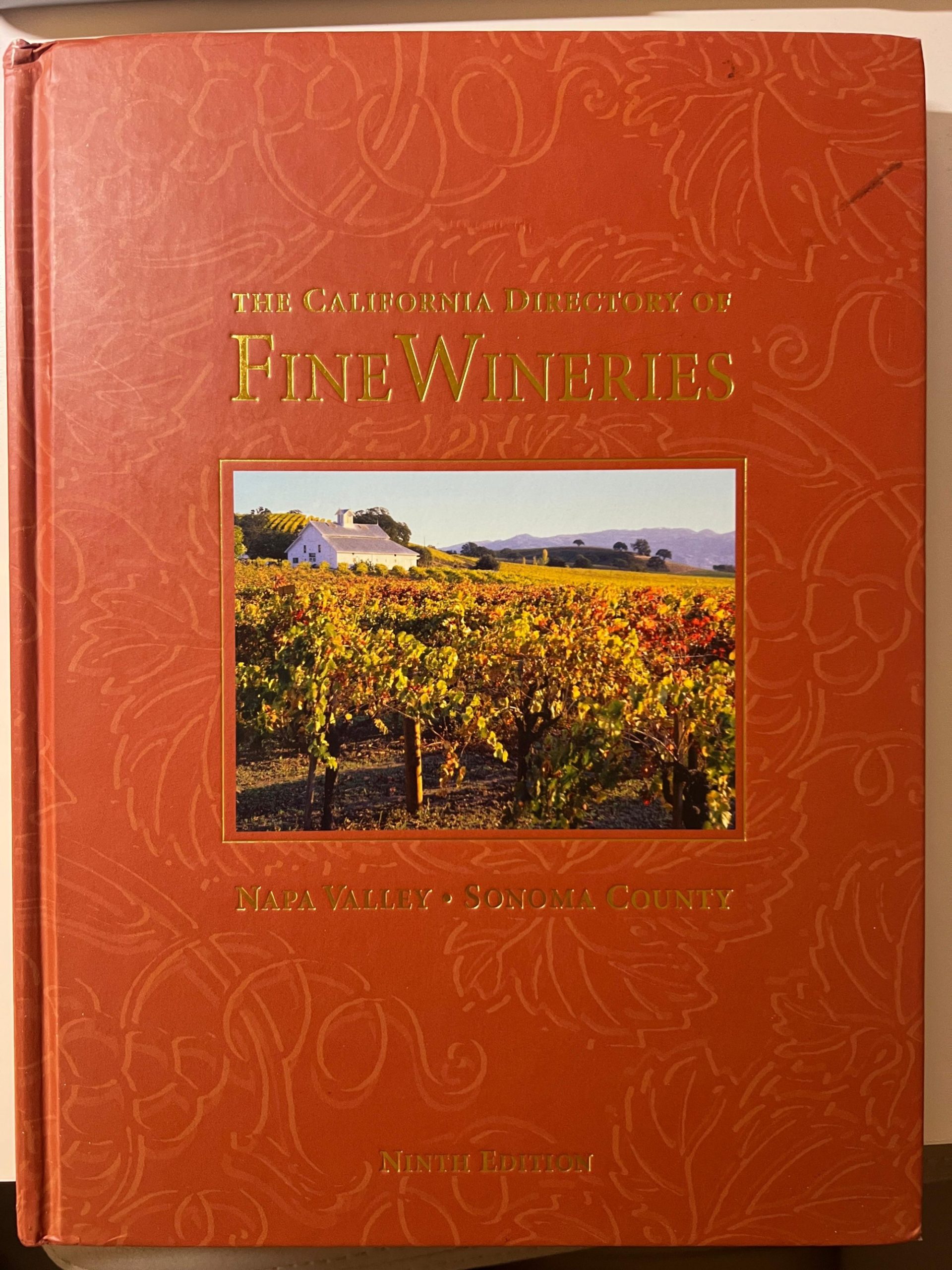
- The California Directory of Fine Wineries
-

- Coming of Age in California

-

- Great by Choice

-
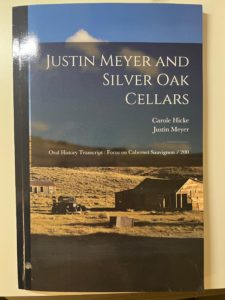
- Justin Meyer and Silver Oak Cellars

Well-rounded, highly involved in the local community, he coached, played guitar, enjoyed fishing, was a private pilot for about 10 years starting in 1990, loved life in general and was well educated, Meyer graduated from St. Mary’s College with a degree in Economics and later graduated from U.C. Davis with both a B.S. in Viticulture and a Master’s in Horticulture. He was also President of Napa County Big Brothers and Big Sisters.
The Christian Brothers first located in Sacramento in 1876, founding what was called St. Patrick’s College; the name changed to Christian Brothers College in 1896. In 1924 the name again changed, this time to Christian Brothers School. The campus moved several times over the years and was ultimately demolished in 1964 to make way for an all‑girls school. In 1968 the old Bishop Robert Armstrong High School changed names to Christian Brothers High School. Christian Brothers High School continues to operate in Sacramento; they celebrated their 150th anniversary in the city in 2026 and are Sacramento’s oldest high school.
The Christian Brothers embrace a discalced way of life, (meaning barefoot), signifying their simple lifestyle, which includes vows of poverty, chastity, and obedience.
Starting in 1969 and for some years, he used to teach a wine appreciation course at Napa College. Like his wife Bonny, he also was a judge at select wine tasting competitions. In 1988 he became president and revived the American Vineyard Foundation, a non-profit still active viticulture and enology research organization founded by winemaker Zelma Long. For some years without a home until 1995, Meyer operated American Vineyard Foundation from Silver Oak Cellars. He helped secure money for the organization in its fight against various grape diseases and pests including $100,000 donated by he and Ray Duncan in 1999. And it was his idea to create an endowment fund, permanently funding viticulture research.
Meyer was also the founder of the still active Napa Valley based men’s only social and politically incorrect group composed, mostly of vintners called the Gastronomic Order of the Nonsensical and Dissipatory Segregation (GONADS) – with a maximum of only 12 members. The first meeting of the GONADS was hosted at Silver Oak Winery. Some of their members over the years have included Carl Doumani, Bob Trinchero and Koerner Rombauer (all since passed). Meyer was already an outspoken individual who would tell you what was on his mind, but certainly this group allowed him additional freedom to ‘let it rip’.
He was instrumental in helping start the careers of others in the industry including Kerry Signoracchi who worked at Liparita Winery and also Larry Maguire’s career, including hiring him after he graduated and then endorsing him for a position at Far Niente Winery. Meyer also worked as a consultant; one of his clients was Ferrari-Carano Vineyards and Winery in Dry Creek Valley. It was Meyer who suggested to the Caranos that they should use their family name on their label.
Meyer used to write a wine column called, Plain Talk About Fine Wine. In 1989, he took the title of his wine column and after three years of working on this in the mornings at the Carmelite Monastery in Oakville, he compiled wrote an easy-to-understand book on wine also called, Plain Talk about Fine Wine with the foreword written by Robert Mondavi. One of our fondest memories of visiting Silver Oak was sitting in David Duncan’s office at Silver Oak while he read out loud part of Robert Mondavi’s introduction to Meyer’s book.
In 1992 the Alexander Valley Winegrowers association was formed. Meyer was on the founding board. He was also a founding member of the Napa Valley Grape Growers in 1975 with 9 other vintners or growers, many of whom have made significant contributions to Napa Valley over the decades. In addition to Meyer, the other founders were: Andrew Beckstoffer, Nathan Fay, Virgil Galleron, John Hanna, Ren Harris, William Jaeger, Jr., Joseph Miller, John Shafer and Gene Trefethen.
He died of a heart attack in August 2002 while he and Bonny were visiting friends and vacationing in Markleeville, CA. A celebration of his life was hosted at Silver Oak on Saturday August 10, 2002 only a week after Silver Oak celebrated their 30th anniversary with approximately 1,000 people in attendance. An article in The Sacramento Bee dated August 13, 2002 described the gathering, mentioning many in attendance wore Justin’s trademark Hawaiian shirts and shorts, a single stick of Double mint gum was left on every chair and guests were able to help themselves to other favorite Meyer indulgences including cigars and chocolate chews made by Bakersfield headquartered Dewar’s Candy. Brother Timothy attended, about two years prior to his own passing. After the memorial was finished five airplanes flew overhead in the ‘missing man’ formation led by pilot who taught Justin how to fly and who was flying Justin’s Cessna 206. 100 white doves were released at the memorial.
In 2009 Justin was inducted into the Culinary Institute of America’s Vintner Hall of Fame. That year featured a who’s who class including Carole Meredith, Frederick and Jacob Beringer, Jack & Jamie Davies, Jess Jackson, Gerald Asher and Warren Winiarski.
In 2022 the first ever Justin Meyer Fellowship was announced, awarding $50,000 every year for three years for a chosen PhD candidate at UC Davis. We can count the individuals on one hand we never met but would have cherished getting to spend some time with from Napa Valley’s wine industry, Meyer being one of them.
—
Justin met his wife Bonny (she would become an integral part of Silver Oak’s success) at a dinner party in 1968 hosted by University of California at Davis viticulture professor Dr. Harold Olmo celebrating Justin’s 29th birthday. Meyer lived with Olmo and his wife for 2 years while at U.C. Davis. Bonny was only 18 at the time. Later that same year through an invitation from Justin, Bonny visited Napa Valley for the first time, attending a BBQ hosted by the Napa Valley Wine Tech Group.
In June of 1972, after 15 years, he left the Christian Brothers and was later quoted as saying, “Celibacy is not hereditary”. He also married Bonny that same year. After Ray purchased land in Napa Valley he approached several wineries looking to create a partnership including Justin while he was still at the Christian Brothers. Timing wasn’t ideal for Justin. Six months after his initial visit with Justin, Ray heard that Justin had recently left the Christian Brothers. He offered to finance the purchase of the dairy property in Oakville and create a partnership in which both men would have equal ownership and Justin would oversee the wine making. Justin had the winemaking knowledge and vision for the wine but no startup capital.
Justin initially said no to the offer; he wanted to be sure Ray had plans to build a winery, rather than just be a grower. He did. The next morning Justin called Ray at 6am where Ray was staying at the El Bonita Motel (incidentally, this motel is still operating) in St. Helena. He said he wanted to meet for breakfast as he had changed his mind on the offer. Both men later met for dinner, outside at Justin’s house in Rutherford. During their conversation they agreed on a 50/50 partnership where Ray would provide the financial support and Justin would oversee viticulture and winemaking for to still to be named business.
In 1972 Ray was told about a 258-acre property that had been on the market for four years, part of the Keig family Oakville Dairy farm (they used to sell milk to Stornetta) for sale in Oakville containing an old cattle barn and some Zinfandel vines.
But first some prior history of the property.
 The property, 207 acres, was purchased in June 1912 by three men, all with extremely strong connections in St. Helena through family heritage or businesses or both; they included C.H. Greenfield (merchant), Frank Pellet (lumber business) and W.D. Mooney (merchant). All three were involved in various community efforts and were leaders of their community. Pellet was the son of one of St. Helena’s viticulture pioneers, Henry Alphonse Pellet. See our notes on Pellet Estate Winery on this website for many more details about this deeply rooted Napa Valley family.
This property was part of the 2,500 acre Frye Ranch which encompassed land down to Yountville. Several months prior to Greenfield, Pellet and Mooney’s purchase, the state of California acquired the rest of the Frye Ranch with plans to build a prison farm for first time offenders. Thankfully, The Frye Ranch Bill (denying the prison farm) passed by a vote of 50 to 3 in the state assembly in Sacramento in April of 1917. Napa already had a prison farm, the Napa Insane Asylum was built in 1875 and today is known as Napa State Hospital.
At the time of their purchase, this land was planted to fields of barley and corn. An article in The St. Helena Star dated Friday, August 2, 1912 details their plans to build homes on the 207 acres of land. They surveyed the property, subdividing it into 17 lots ranging in size from 9 to 17 acres. W.D. Mooney was listed as the agency of record for the sale of each of these lots with the property being referred to as a subdivision. Interestingly, well before the dairy was built, this same article refers to the property as the, “cream of Napa Valley”. And it continues with, “The soil will produce large crops of anything planted, as can be seen on all sides of it, and there is little doubt but that within a very short time the sound of the carpenter’s hammer will tell the story of more homes in the beautiful Napa Valley”.
Plans must have changed for Pellet and Mooney; by the early 1920s local newspaper articles referred to C.H. Greenfield as the sole proprietor of the property. His family moved to the city of Napa in 1864 and is where his career began in the dry goods business. He later moved to St. Helena and was involved as a clerk or an owner of several related businesses. Like his former business partner Pellet in the Oakville property, Greenfield was also in the lumber business. From 1900 to 1920 he owned a lumber yard in St. Helena with some of the lumber used for building or repairing local bridges; in 1910 he led a group of St. Helena businesses in talks about paving Main Street. In the early 1920s Greenfield was the president of the Bank of St. Helena. His land in Oakville was described in several newspaper articles from the early 1920s as being, “one of the most fertile in Napa Valley”. He also owned 3,000 acres of land in Conn and Chiles valleys, property north of St. Helena and several hundred acres of pasture land in Mendocino County. By all accounts we have read, he was a very successful businessman.
An article dated Friday, January 22, 1926 in The St. Helena Star indicated that, “C.H. Greenfield has become one of the largest livestock men in Napa County”. His herd was entirely made up of Herefords and Shorthorn Durhams. The cattle grazing on his Oakville property were described as never sold until they tipped the scales of at least 1,300 pounds. Some of his cows were sold to Corbella Meat Market in St. Helena.
In July 1927, Greenfield sold his property/farm to Dr. J.C. Robertson from Merced. After purchasing the property, Dr. Robertson hired a Napa contractor to build a dairy barn and the following year built a three-room bungalow near the dairy barn. According to an article dated Saturday May 13, 1933 in the Napa Valley Register, the property was then known as the Oakville Dairy Farm.
Starting in 1929 Mario and Palama Pometta moved to Napa Valley from the Ticino region of Switzerland and began working at Keig Dairy. They later purchased their own property and operated Pometta’s Food & Poultry, known for its BBQ chicken in a wine marinade. In 1991 their sons John and Louis and their wives Jacquelyn and Jeanette founded a gourmet food company called Pometta’s Italian Salsa, Inc., with products that included salsas, marinades and pastas. Jacquelyn Ann Pometta published Pometta’s Napa Valley Cookbook in 1994. The family business, Pometta Deli was located on the southwest corner of Highway 29 and Oakville Grade Road in Oakville until permanently closing in 2001 ten years after the Pometta family sold it.
Ownership of the dairy farm changed again in 1933; Robert E. Keig (died 1964) purchased more than 250 acres from Dr. Robertson. According to an article published by the Historic Napa Mill, Keig called his dairy farm, ROVA JODA, combining the first two letters of his children’s first names- RObert, VAlerie, JOanne, and DAniel. In 1933, 200 head of cattle were living on the property with a large section of land planted to clover. In 1939 the dairy was recognized with a certificate from the National Dairy Association for its high production. The property was planted to walnuts, grapes and plums.
Keig was a prominent member of a Napa Valley pioneer family and founder and proprietor of the Napa Milling and Warehouse Company located at 5th and Main Street in downtown Napa. His family purchased the Hatt/Napa Mill in 1912 where they operated their farm supply business for more than 70 years. Starting in 1946 the family operated a second Napa Milling Co location in the still standing William Tell building in St. Helena on Spring Street near Main Street. The family sold both their Napa Milling Company businesses in 1974; their operation in St. Helena was purchased by long-time employee Lloyd Stice and rebranded to St. Helena Feed & Seed. They eventually sold the Hatt/Napa Mill in the 1980s.
Keig’s father Daniel started D Keig Shoes located in downtown Napa; the earliest record we have of his store was from a mention about a robbery at Keig’s Shoes in the Napa County Reporter dated Friday, March 31, 1882. He moved store locations several times in the 1880s; an article in 1888 mentions his store moving locations to 34-36 Main Street. In the 1960s their address was at 915 Main Street, now site of a parking garage.
The Daniel T. Keig House is located at 366 Franklin Street near downtown Napa. The Keig family used to own property on the south part of Silverado Trail, known as the Keig Ranch; that site is now home of MaCo Vineyards. And a raised mural on the west side of Randolph Street next to the intersection of 1st Street, depicts a number of early city of Napa scenes including a glove and a shoe from Keig’s shoe store. This mural was painted by artist Mikulas Kravjansky in 1990.

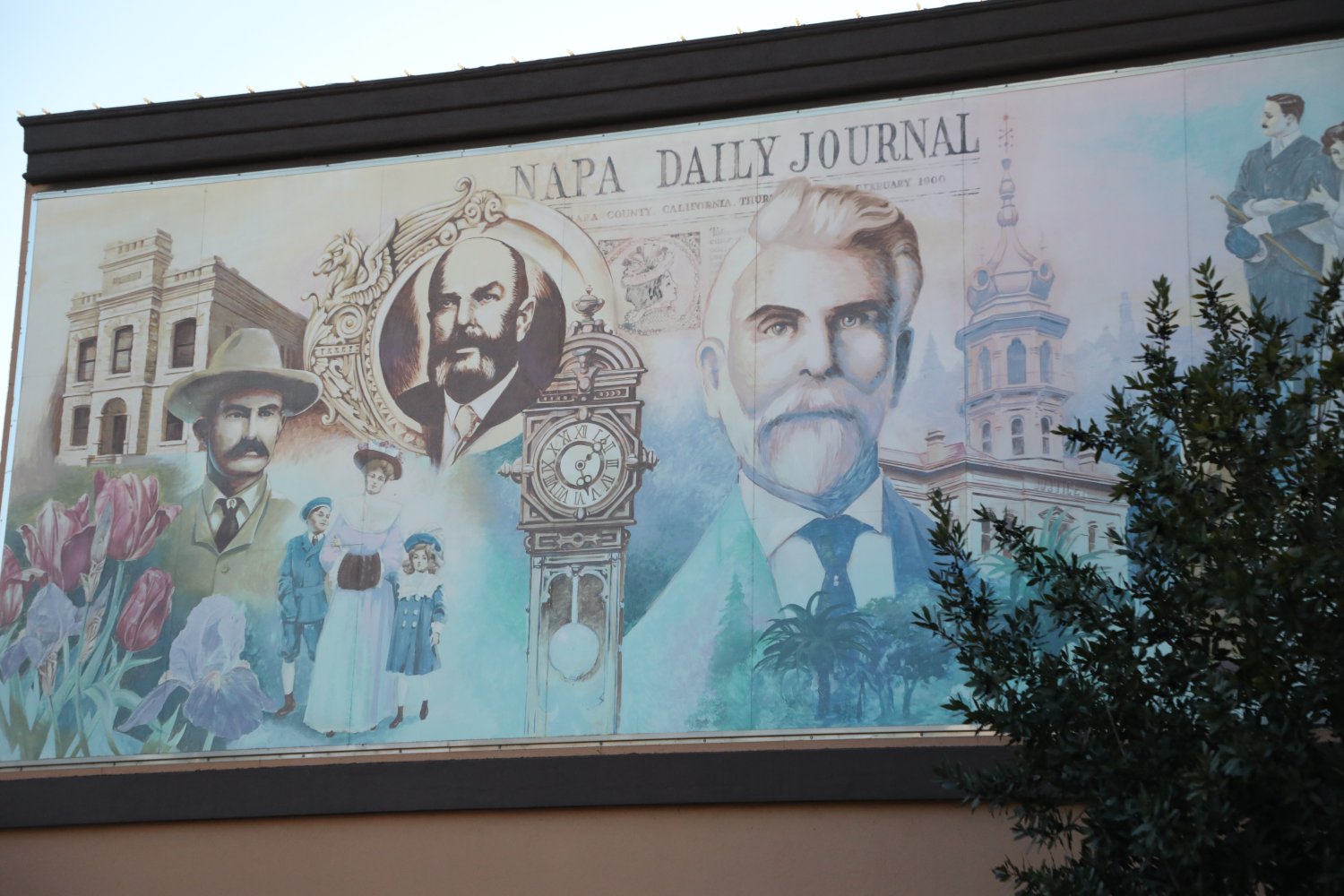
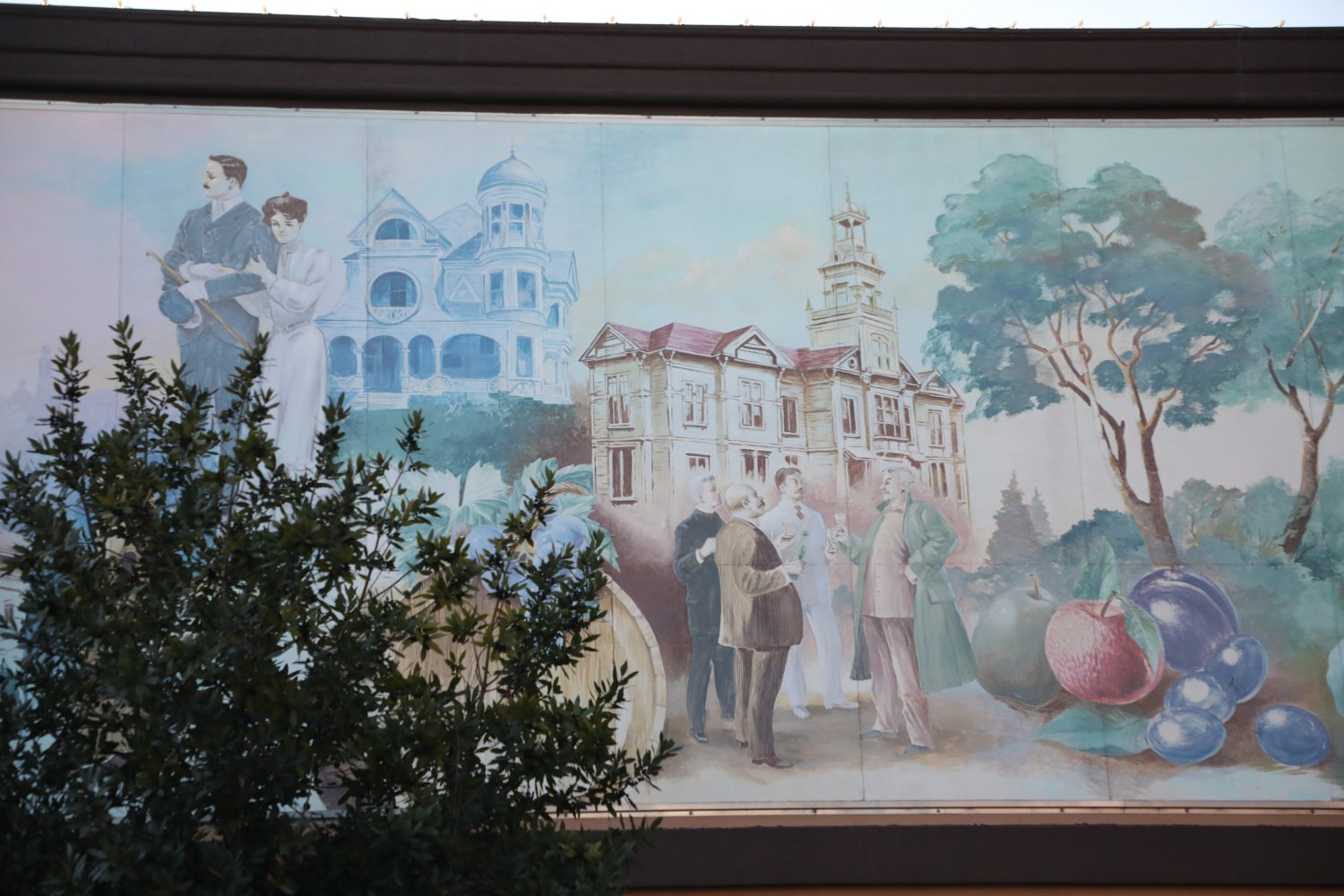
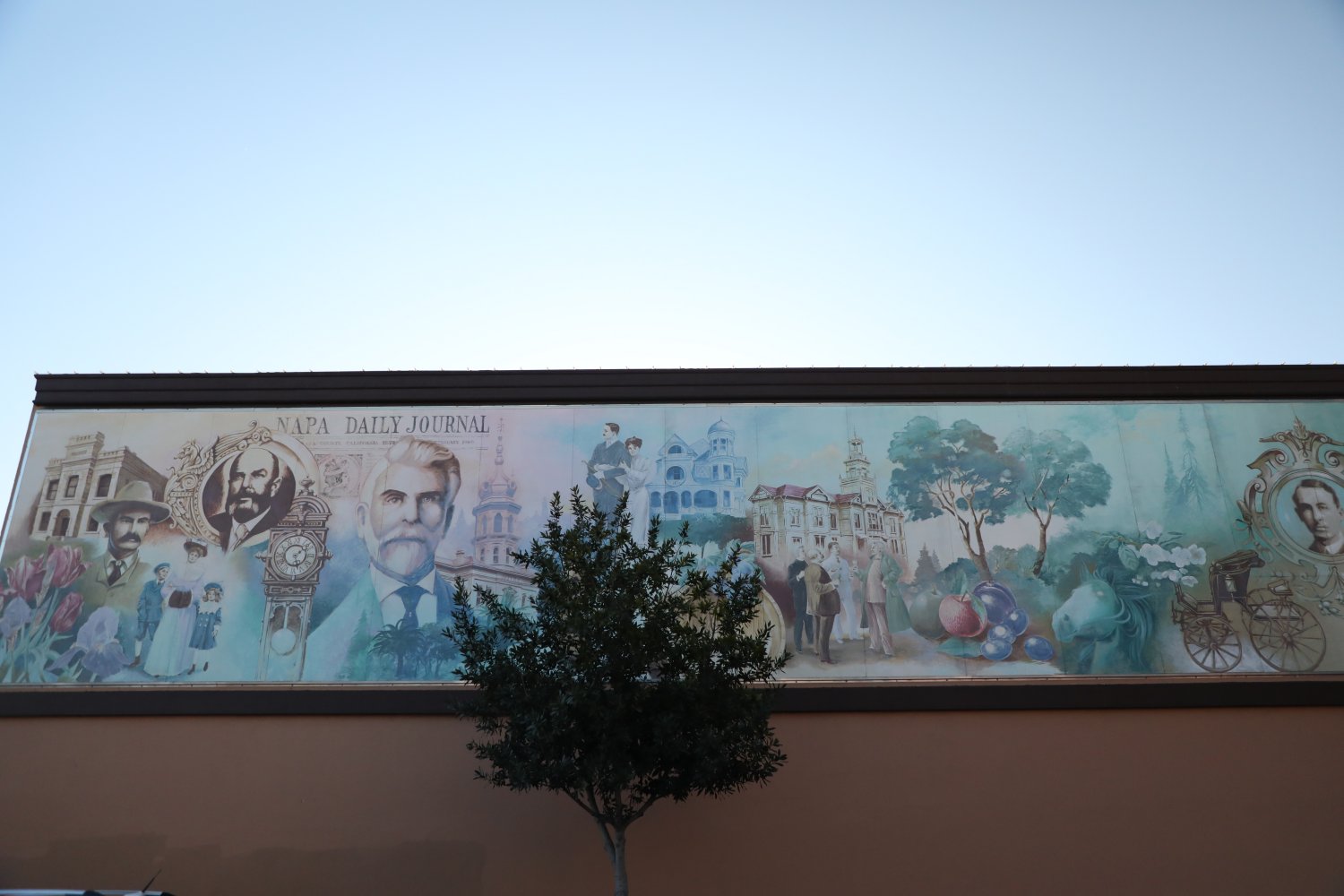
As early as 1965 ads were being run in local newspapers listing a variety of produce at The Ritz Ranch Market located at 915 Oakville Cross Road including apples, melons, corn and tomatoes for sale. An ad in The Napa Valley Register dated Friday September 8, 1972 advertised canning tomatoes for sale for 6 cents per pound at Ritz Ranch. A year later a business listing in The Napa Valley Register dated Thursday, May 24, 1973 edition of The Napa Valley Register, mentioned Ray Duncan and Justin Meyer doing business as: Silver Oak Cellars. Other fictitious business names included: Los Amigos, Chateau Silverado and Chateau Oakville.
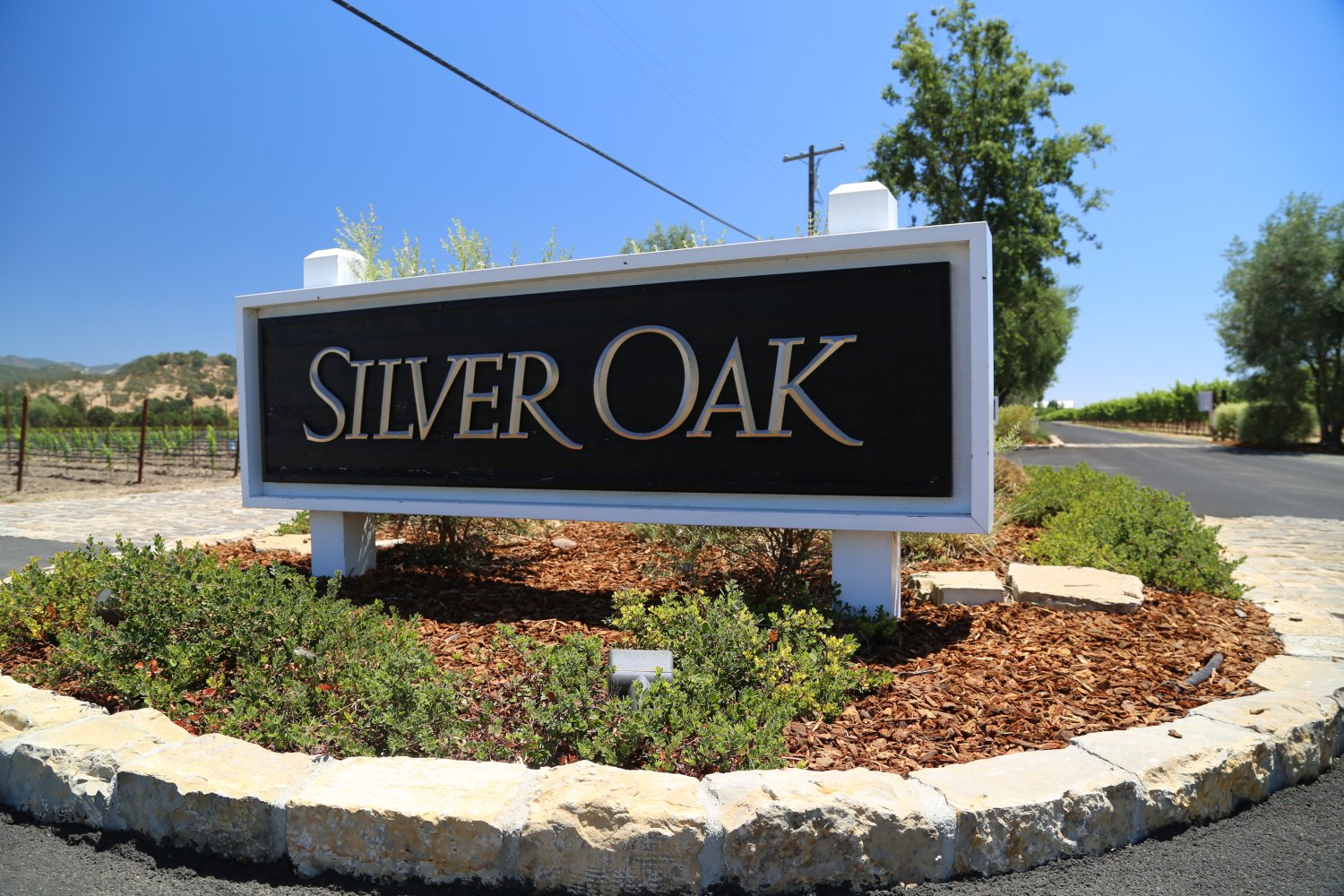
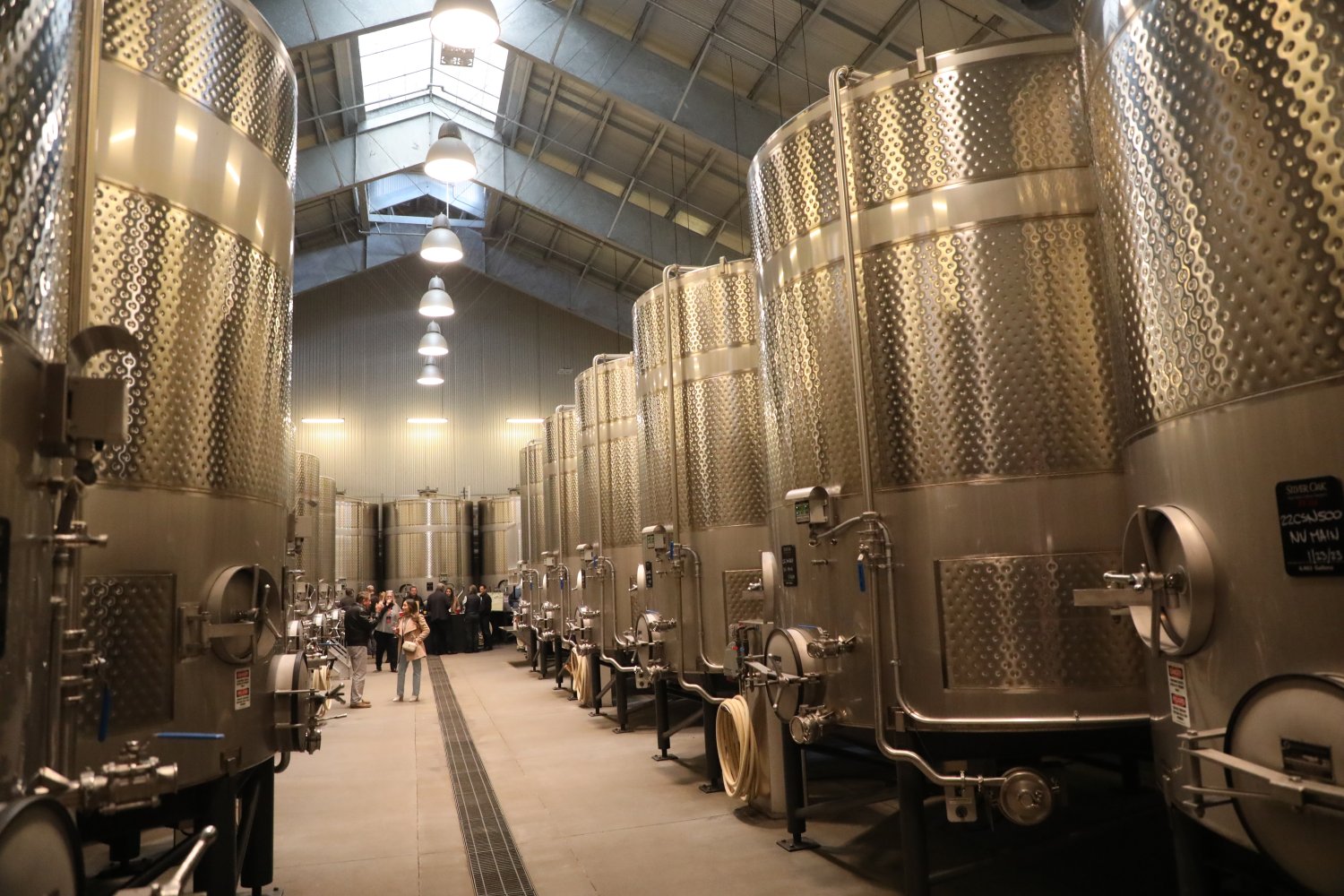
Nearly 40 years after Keig purchased the dairy and surrounding land, Ray purchased this property; today this is the current home of Silver Oak, although most of the original land has since been sold off. Winery construction began in 1981 and finished by 1982. The primary stone building consisted of a large barrel cellar, a hospitality room and an office located in the center. The crushing, fermenting and bottling took place in a separate building and the original dairy buildings were used for both aging of the wines as well as hosting tastings.
—
Silver Oak’s property is 22.54 acres, with a 1.26-acre adjoining property, owned by the Duncan family. Justin was drawn to the property for several reasons including the fact there was a home north of Oakville Cross Road that he could immediately move into and leave what Bonny called the small “shack” located opposite what is now The Prisoner Winery on land that was owned at the time by Bernard Skoda. And the old milk storage barn looked and felt like a wine cellar with its thick concrete walls and drains already built into the floor.
In July 1972 Justin began to prepare a remarkable amount of former dairy cattle land to plant to new vineyards (500 acres) – including the huge parcel south of Oakville Cross Road (next to the current winery) and a smaller but still 100+ acre parcel on the north side of Oakville Cross Road. This involved like today, laying out row orientation, irrigation pipes and frost protection systems. We drove much of the exterior of both properties with Bonny – seeing the scope of these properties puts in perspective the significant amount of work needed to actually develop a vineyard of this size.
Bonny recalls in those early days even the valley floor land was ripped and as with fumigating, a chemical was put into the soils and then covered with plastic for some time (the idea being to kill anything that might harm the vines). How far premium viticulture has come since those early days. The first vines for Silver Oak were planted in the spring of 1973 – using both bench grafts and with some rootstock later field budded.
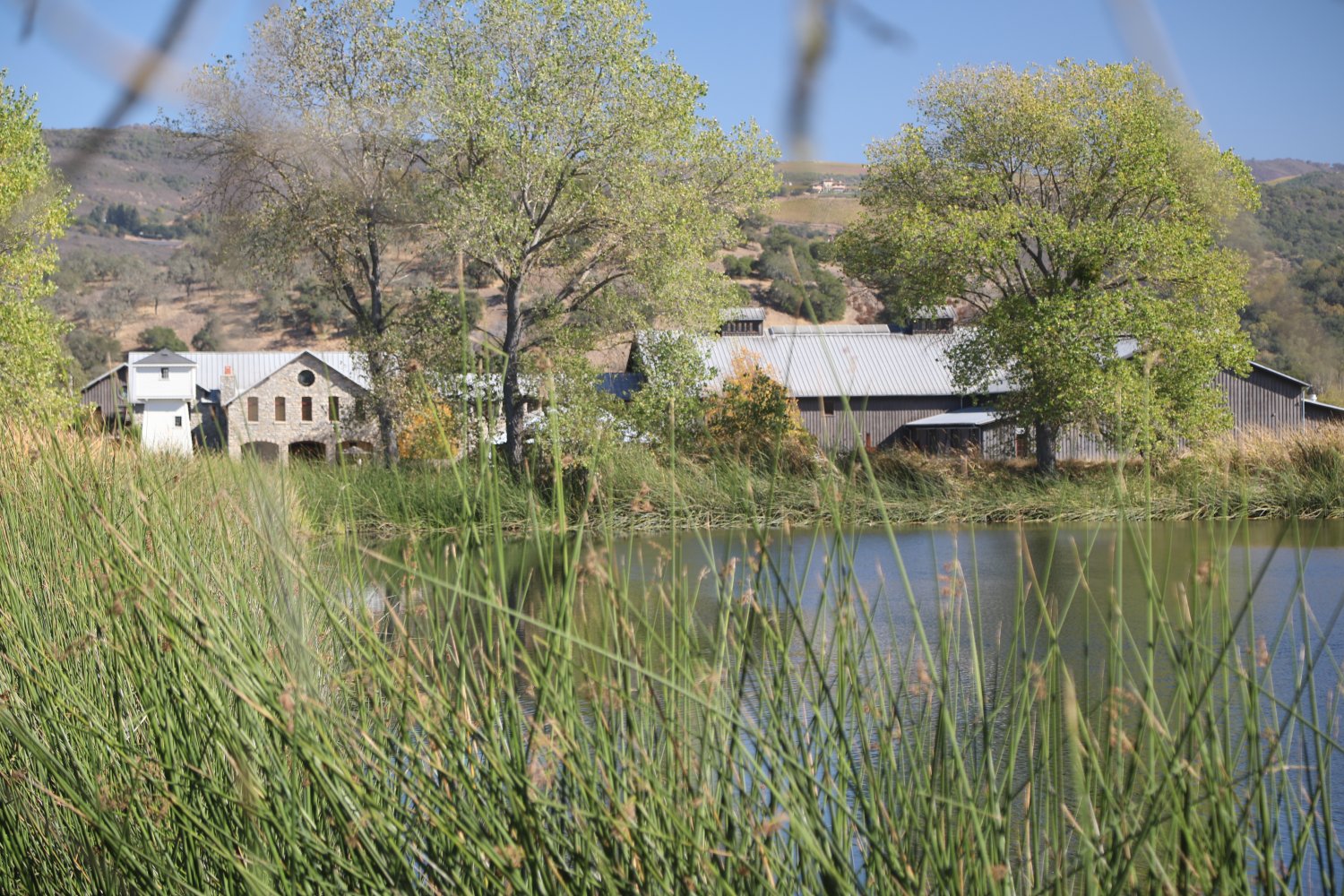
 And it was in the middle of preparing the site for planting that Bonny and Justin took their honeymoon in September of 1972 – to Electra Lake in Colorado just off of Highway 550 at a cabin that Ray owned at the time. Bonny wistfully remembers fishing for trout, the brilliant colors of the aspen and even an early snowfall.
During this time, a sizable reservoir was also excavated, located slightly to the west of the existing winery. Bonny recalls she and Justin sailing their sailboat in this pond and later hearing through the grapevine – about how odd it looked to be driving down Oakville Cross Road and seeing a mast moving among the vineyards.
Justin had produced numerous wines at Christian Brothers; it was his idea to simplify things at Silver Oak and produce just one wine. He considered wine as food and wanted to produce wines that were appealing upon release. First Growth wineries in Bordeaux were his models. His idea was that Cabernet Sauvignon would eventually become synonymous with Napa Valley. He was right on the money in that regard.
The first vintage of Silver Oak was in 1972, was bottled in 1975 and was released on January 1, 1977. Five vintages were produce before a single bottle was even sold. And through the 1974 vintage, the wine was crushed and fermented at Christian Brothers Winery (in exchange for Zinfandel grapes growing on the Silver Oak property located north of Oakville Cross Road) and then later barreled and bottled in the old Keig dairy barn which dated from the 1920s. The Keig barn was stucco with an open attic, no ceiling and still featured holes in the walls where the cows were kept during milking. It needed some upgrades to better serve as a winemaking facility, so they added insulation and air conditioning. By 1974 production had increased so that more space was needed; the adjacent former milking barn was insulated and housed the 1974 vintage.
And they weren’t expecting a lot of visitors at the time. In Justin Meyer’s interview with Carole Hicke in 1999 as part of the Wine Spectator California Wine Oral History Series, Meyer recalled, “We were going to put a little sign down there that said, For help, ring the bell”. The current tasting room and larger adjoining room are located on the site of this old barn.
Wineries who produced their first wines in 1972, often referred to as “the class of 1972” in Napa Valley include the following: Burgess, Caymus, Chateau Montelena, Clos du Val, Diamond Creek, Rutherford Hill, Stag’s Leap Wine Cellars 1972 and Stags’ Leap Winery.
The American oak barrels used to age their first wine were purchased from Beaulieu Vineyard from winemaker, Dick Peterson who was working with André Tchelistcheff at the time. André would not use new American oak but rather once filled American oak barrels for the Beaulieu Vineyard premiere red wines. André’s initial preference was to use French oak barrels, but his employer, Madame Hélène de Pins kept a very tight hold on winery finances and French oak barrels were more expensive than American oak. Beaulieu still uses some American oak in some of their wines. Peterson, who considered Meyer a good friend, remembers telling him how they prepped the barrels at Beaulieu Vineyard, using soda ash (sodium carbonate) for helping remove/tame some of the barrel tannins prior to being filled with wine.
Only 1,100 cases of Silver Oak was made in 1972, followed by 1,800 in 1973 and 3,800 in 1974. A limited number of large format bottles were also produced in these early years; after Silver Oak received an order for 100 magnums from someone in Texas they began producing more large format bottles including 3L and 6L bottles.
Like winemakers do, Meyer traveled to sell the early vintages; sommelier Guy Stout who runs his own family wine brand in Napa Valley (Stout Wines) remembers Justin visiting him in Dallas when Meyer was the winemaker at Christian Brothers. During his visit, he had mentioned his involvement with a new winery called Silver Oak Cellars. Stout was the California wine buyer for Marty’s Wine Shop in Dallas at the time. Stout’s first trip to Napa Valley was in the spring of 1979; his first appointment was meeting with Meyer. Meyer had previously asked him if he could purchase wines from a new brand he was involved in called Silver Oak Cellars. Meyer had 5 cases allotted for all of Texas, all 1.5L magnums of the 1972 vintage. Despite customer interest in Napa wines, Stout purchased all five cases of Silver Oak’s inaugural bottling – all from Alexander Valley grapes. This perhaps was either the very first wine Silver Oak sold in Texas to a retail outlet or among the first. The first Silver Oak wines sold in the Texas market in the late 1970s were the beginning of a significant and extremely important ongoing relationship with this state.
Interestingly enough, the first seven vintages of Silver Oak were not grown in Napa Valley; they were from grapes from the Los Amigos Vineyard in Alexander Valley in neighboring Sonoma County and from 1972-1974 and again in 1976 was labeled “North Coast”. Alexander Valley was not yet a designated sub-appellation; it became a sub AVA in 1984 and celebrated its 40th anniversary in 2024.
In 1972, Duncan and Meyer formed V&E Consulting and Management Company. Another individual who had worked with them in this business since the beginning, Paul W. Spitlel, an ag lender, became one of the partners in 1979. This venture dissolved when Justin and Bonny much later sold their interest in the winery.
In the early to mid 1970s Duncan was a partner with Connecticut Mutual Life Insurance on a 352-acre site in Lake County called Lake County Vineyard. Justin Meyer was its vineyard manager. And a mention in the St. Helena Star dated August 28, 1975, mentioned the brand name, Purgatory Wine Cellars was associated with Silver Oak’s 915 Oakville Crossroad address. Related by name only, Colorado based Purgatory Cellars was founded in 2014. And the first printed ad we have seen for Silver Oak Cellars was published in the November 7, 1974 edition of the St. Helena Star. With that said, Silver Oak never did much printed advertising of their wines; word initially spread through distribution and word of mouth.

Perhaps the earliest published ad for Silver Oak Cellars, November 7, 1974 St. Helena Star
In 1983 during a March visit to Texas, Meyer was quoted in an article in The Houston Chronicle as saying, “I hate it when I can’t tell the variety because it smells like a cabinet shop. We don’t intend to be everything to everyone or expand just to meet demand. I’m not interested in producing French-style wine; they’re already doing it”.
And while Silver Oak is certainly synonymous with using American oak to age their wines, for some of those early vintages, Justin experimented with barrels from other coopers and in some vintages used up to 20% French oak from the Navarre region in France. Barrels from Navarre in general are tighter grained, so they hold on to tannins and other oak compounds for a longer period of time – most likely the thought behind Meyer using these barrels. But ultimately he found they didn’t complement the wine so he completely stopped using French oak.
An article in The Toronto Star dated July 3, 2004 indicated Silver Oak Cellars was experimenting with some Canadian oak barrels that year.
The first grapes harvested commercially for Silver Oak’s wine from the 1972 planting was in 1975. Justin would always pick grapes from the best blocks from Silver Oak’s vineyards and produce up to 30% more wine than was actually bottled under Silver Oak. Anything that did not make the final cut was usually sold on the bulk market. Quality was and always has been of the utmost importance.
From the very beginning, they were on the forefront: their focus was premium Cabernet Sauvignon, the variety that has become most synonymous with Napa Valley.
Napa Valley first appeared on their label with the 1979 vintage with grapes purchased from Calistoga. 4,000 cases were produced of their Napa Valley bottling that year. A grower named Hewitt was their primary grower for their Napa Valley grapes until his vineyard was infected with phylloxera. That resulted in Meyer looking for additional growers to diversify their vineyard portfolio.
Colorado Connections
Ray Duncan was an integral part of Colorado’s more recent heritage through his entrepreneurial vision and charitable works primarily involving education and arts. He was well respected in the business world and a community leader. Some of his contributions or businesses in Colorado were/are the following:
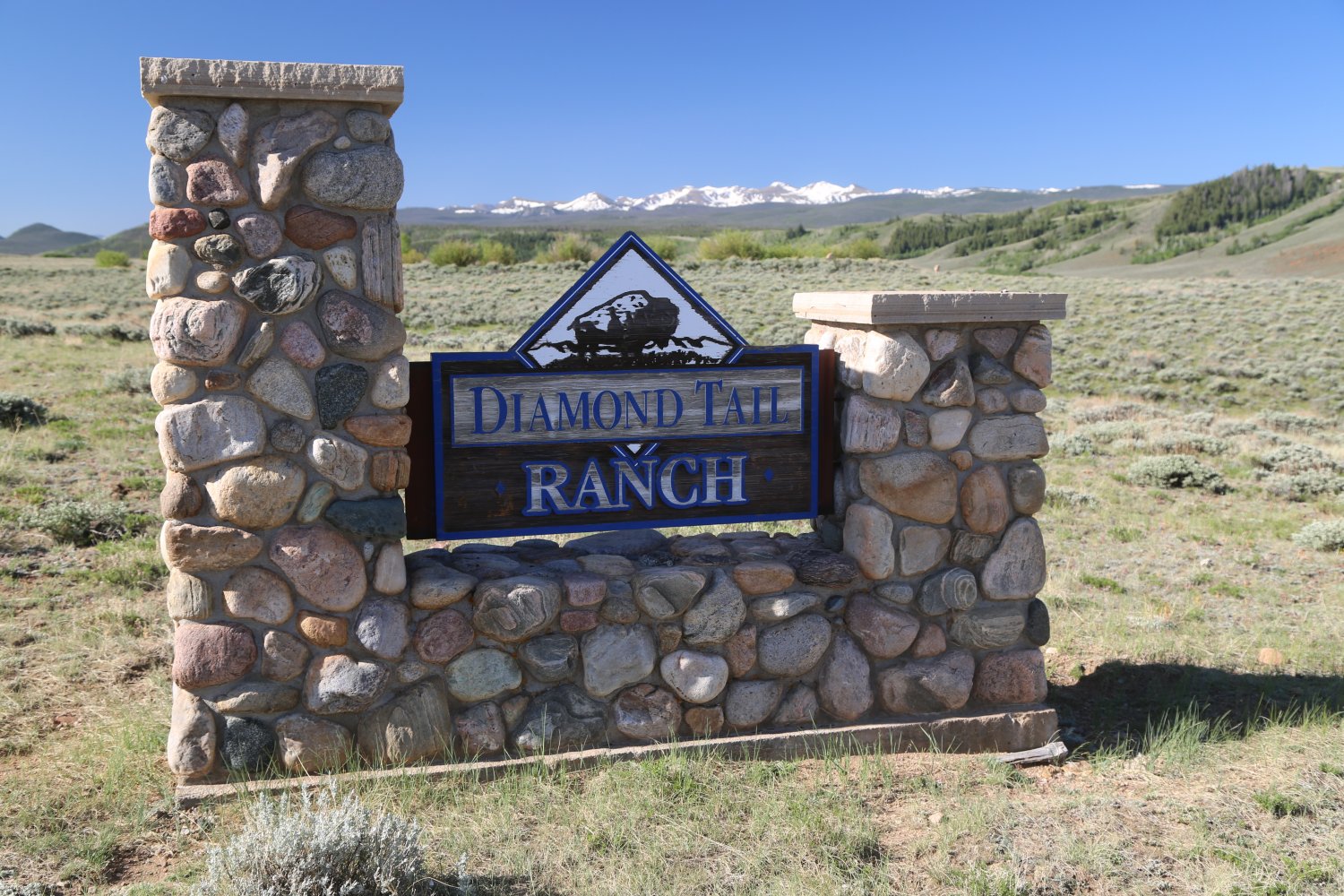
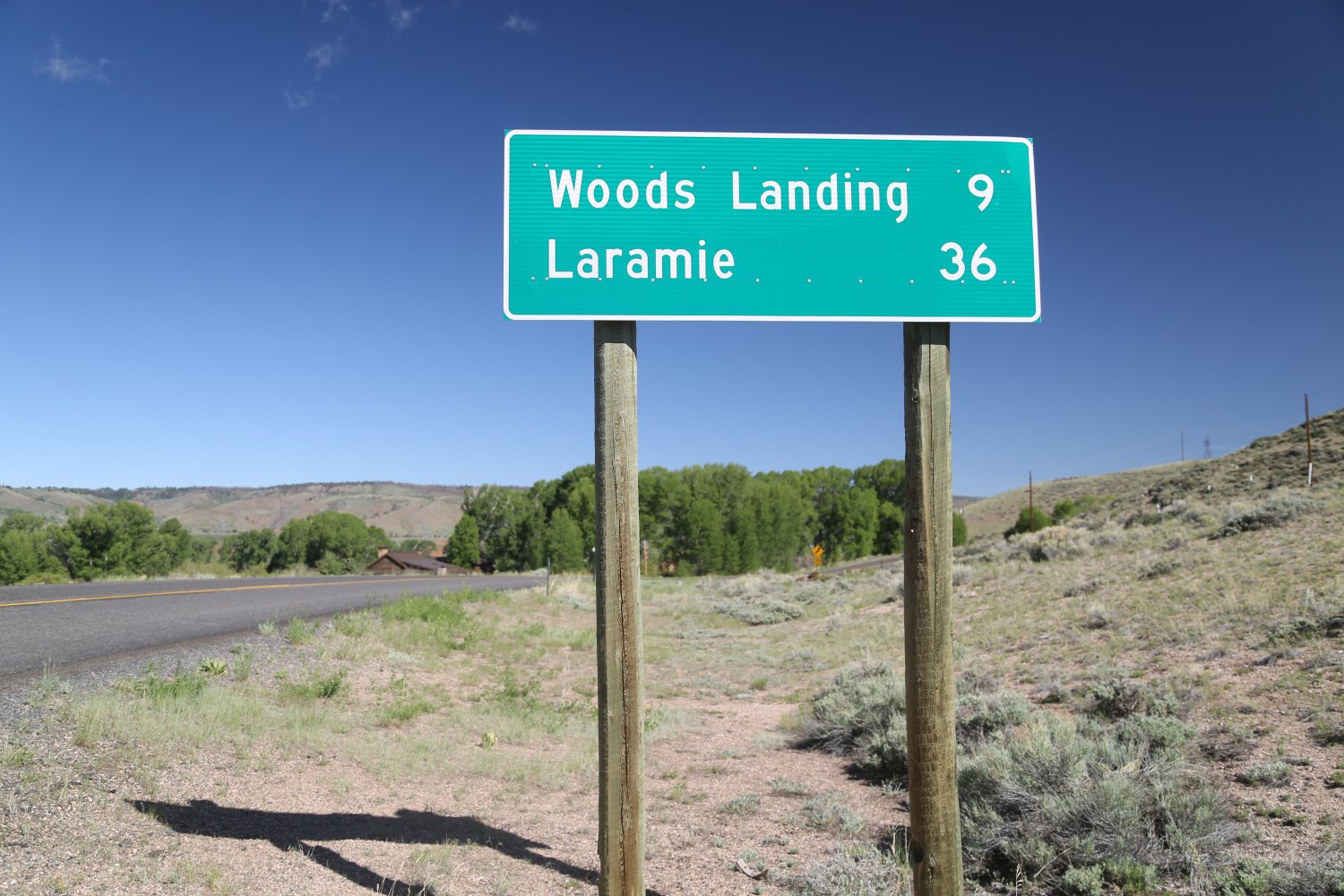
– Diamond Tail Ranch headquarters is located in northern Colorado about 11 miles south of the Wyoming state line – about an hour and 10-minute drive from Laramie. This is a gorgeous part of the state, featuring a mix of high desert sage and forest. Rolling hills are framed by snow-covered peaks, with the fast-moving Laramie River flowing through the heart of the ranch. Captivating, especially on a clear day, the vistas are expansive.
The Duncans purchased Diamond Tail in 1979; the ranch totals nearly 38,000 contiguous acres equivalent to some 59 square miles. A number of other private ranches are located nearby. The Duncans raised cattle on the ranch since their purchase and introduced buffalo in 1986. During the winter months they would run several hundred buffalo as the breeding herd and then more than double the size in the summer. Starting in 2003 for a short while, buffalo meat from Diamond Tail Ranch was sold at the tasting room at Silver Oak, under the brand name Buffalo Grill. Buffalo burger patties, rib-eye steaks, meatballs and buffalo pepperoni pizzas were sold. And locally this brand was also sold for a time at Sunshine Market in St. Helena.
While the ranch is private, access is given to parts of the Laramie River to a select few members of their fishing club (annual dues apply). Limited hunting opportunities are also offered. Several prominent bronze statues were located at the ranch headquarters, created by now deceased artist Joe Beeler. Ray and Sally were married here on the 4th of July 1988.
Diamond Tail Ranch was for sale for several years; it finally sold and since the Duncans ownership, it has since been sold two more times. Prior to the sale of the ranch, Buffalo meat from Diamond Tail Ranch was sold to and marketed under Henderson, Colorado based Rocky Mountain Natural Meats. While the Duncans no longer own this ranch, we keep our notes and photography for historical purposes.

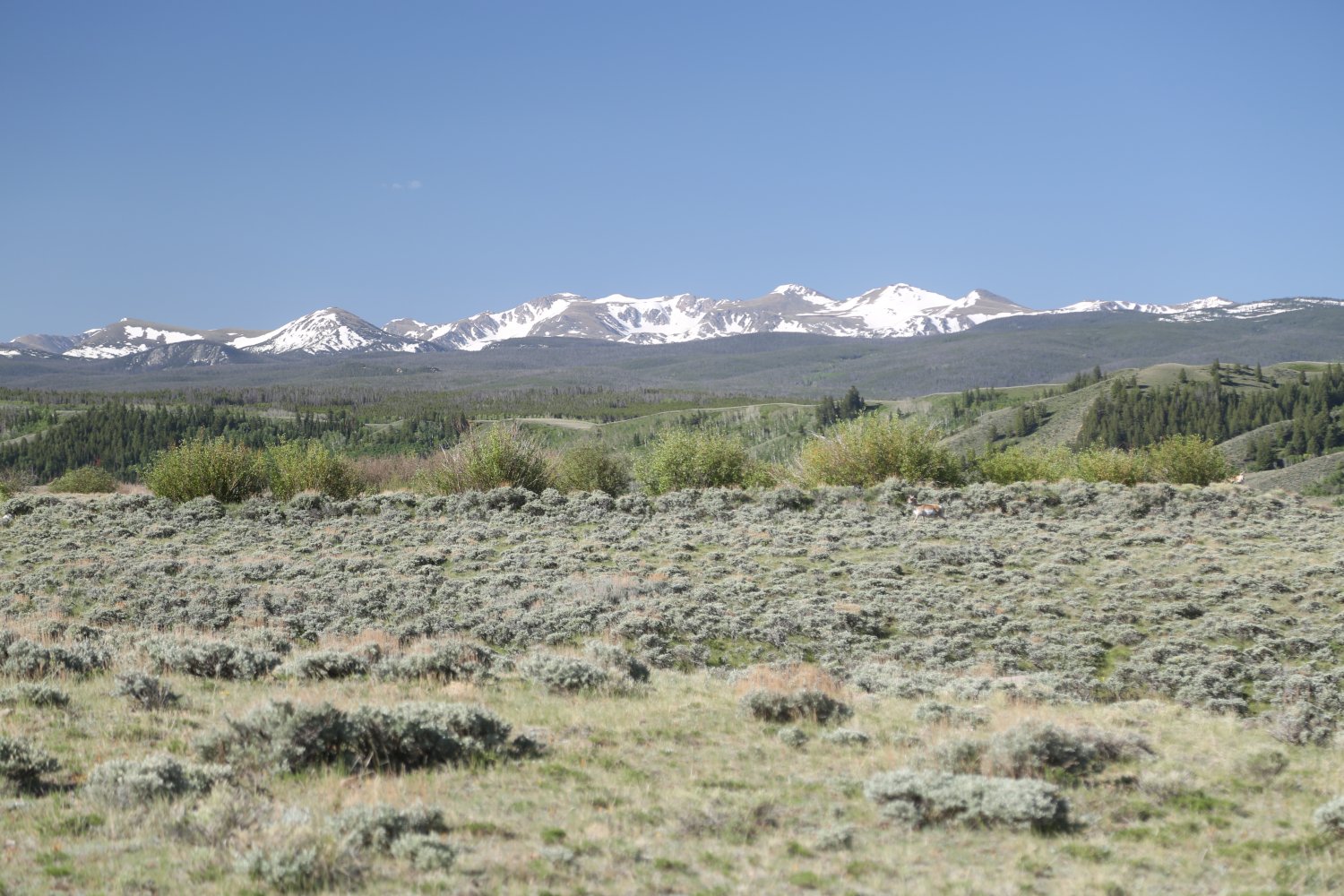
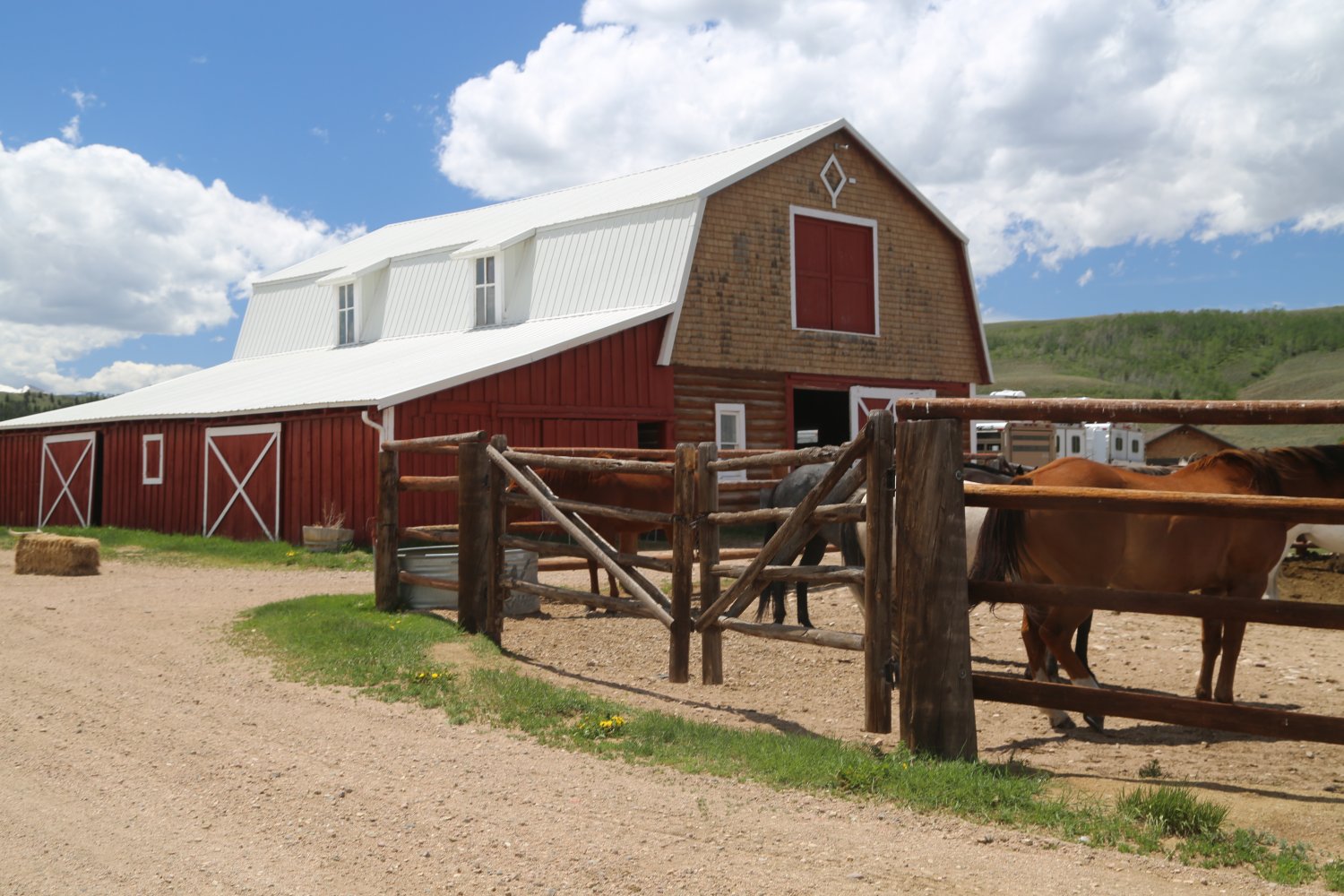
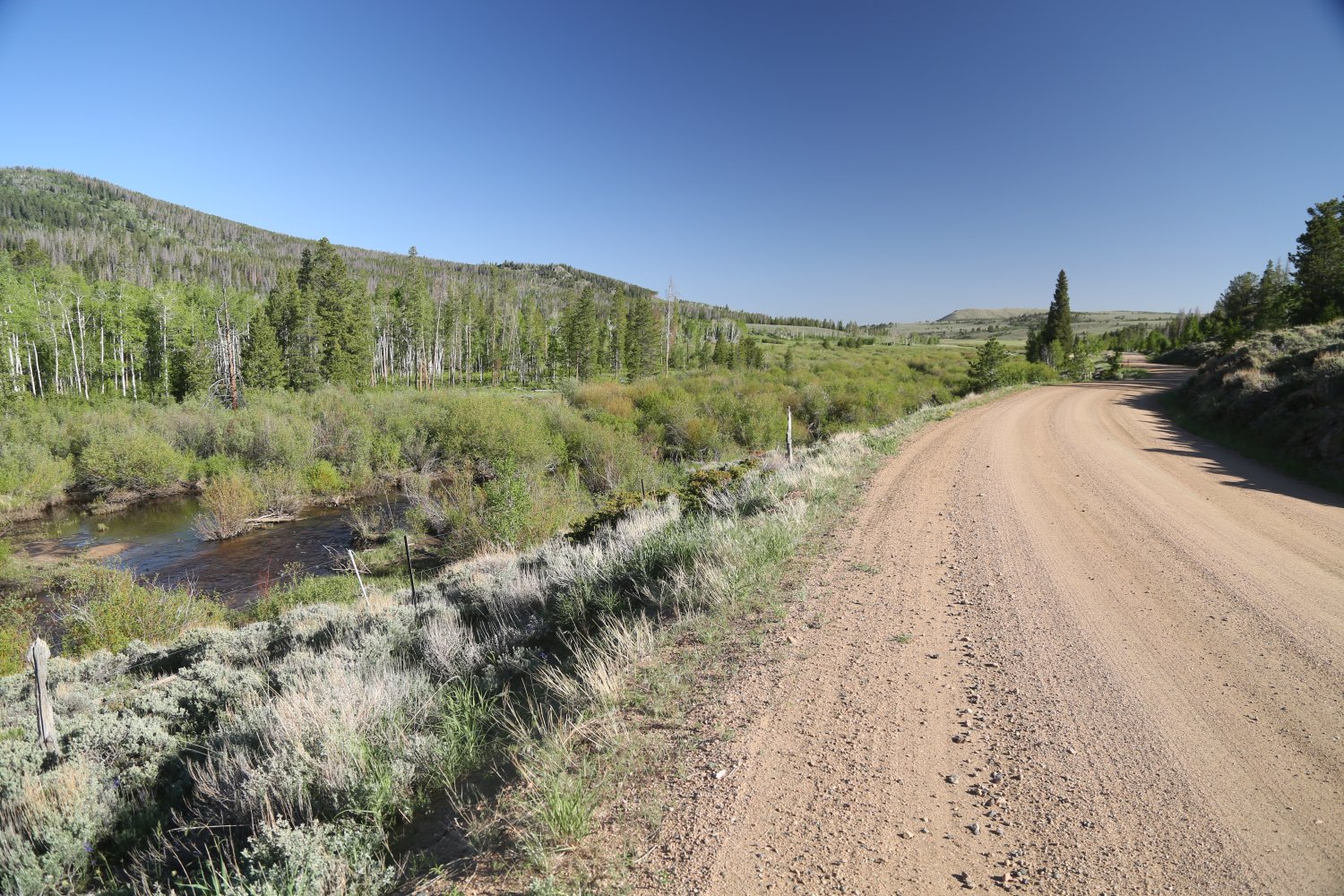
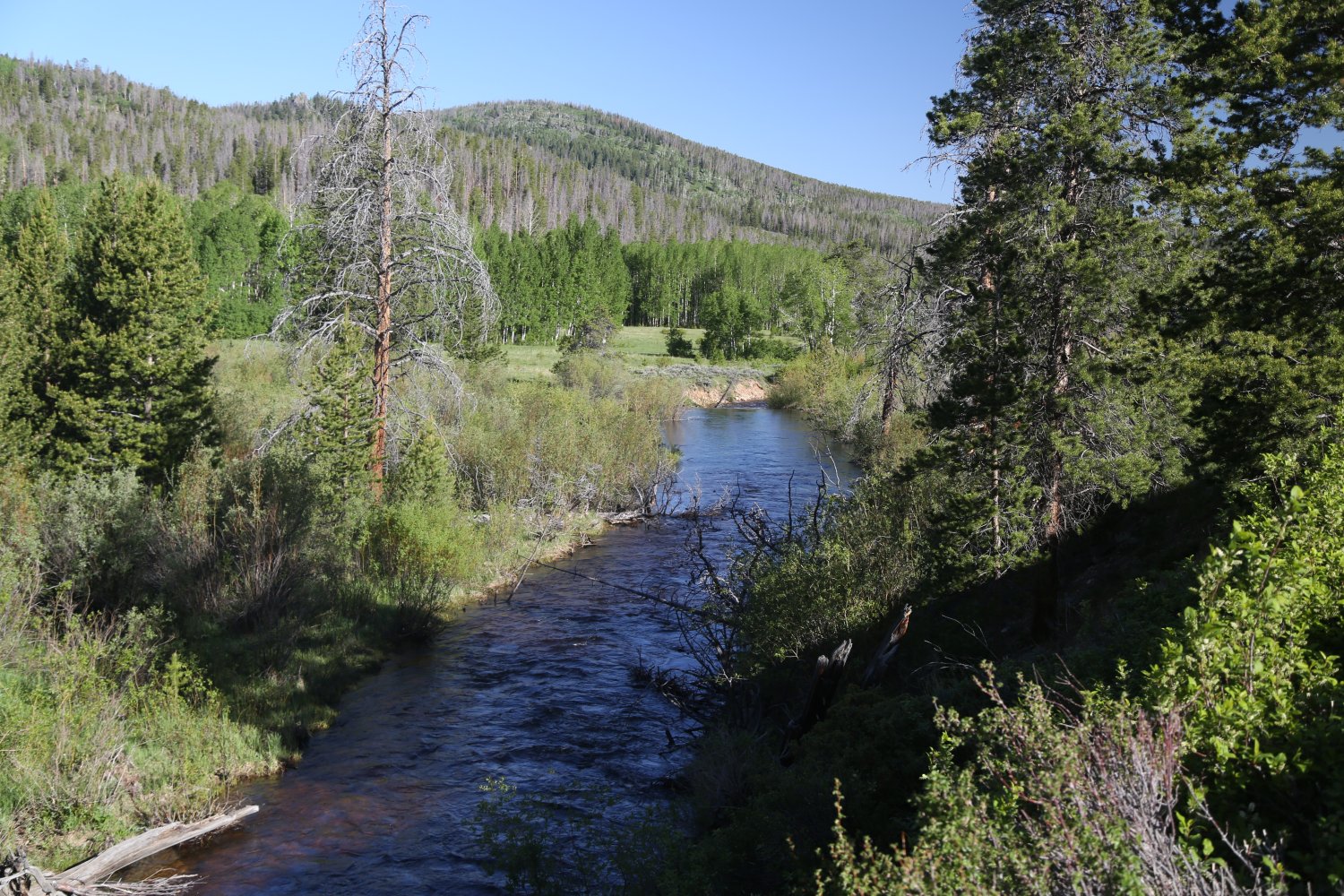
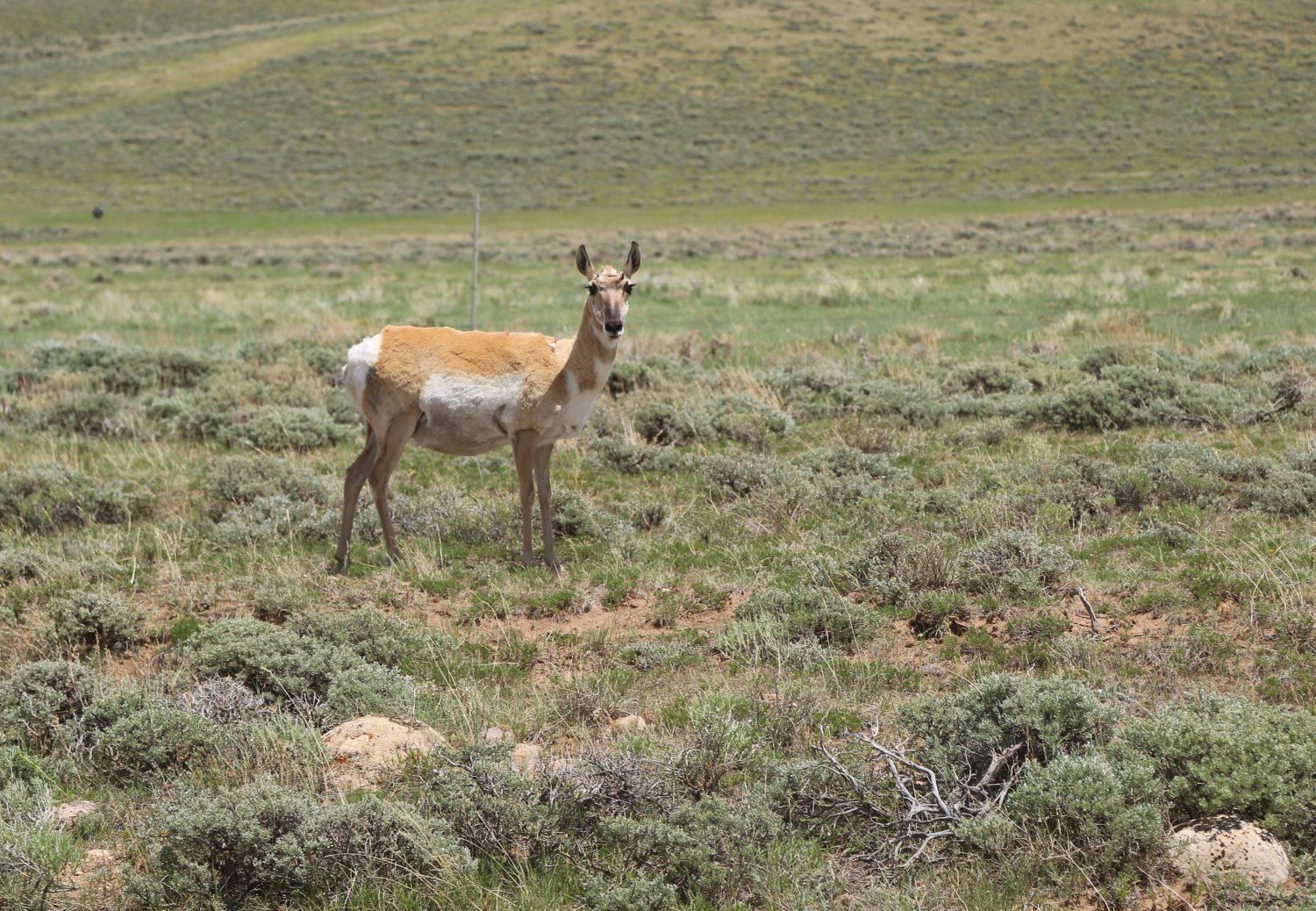
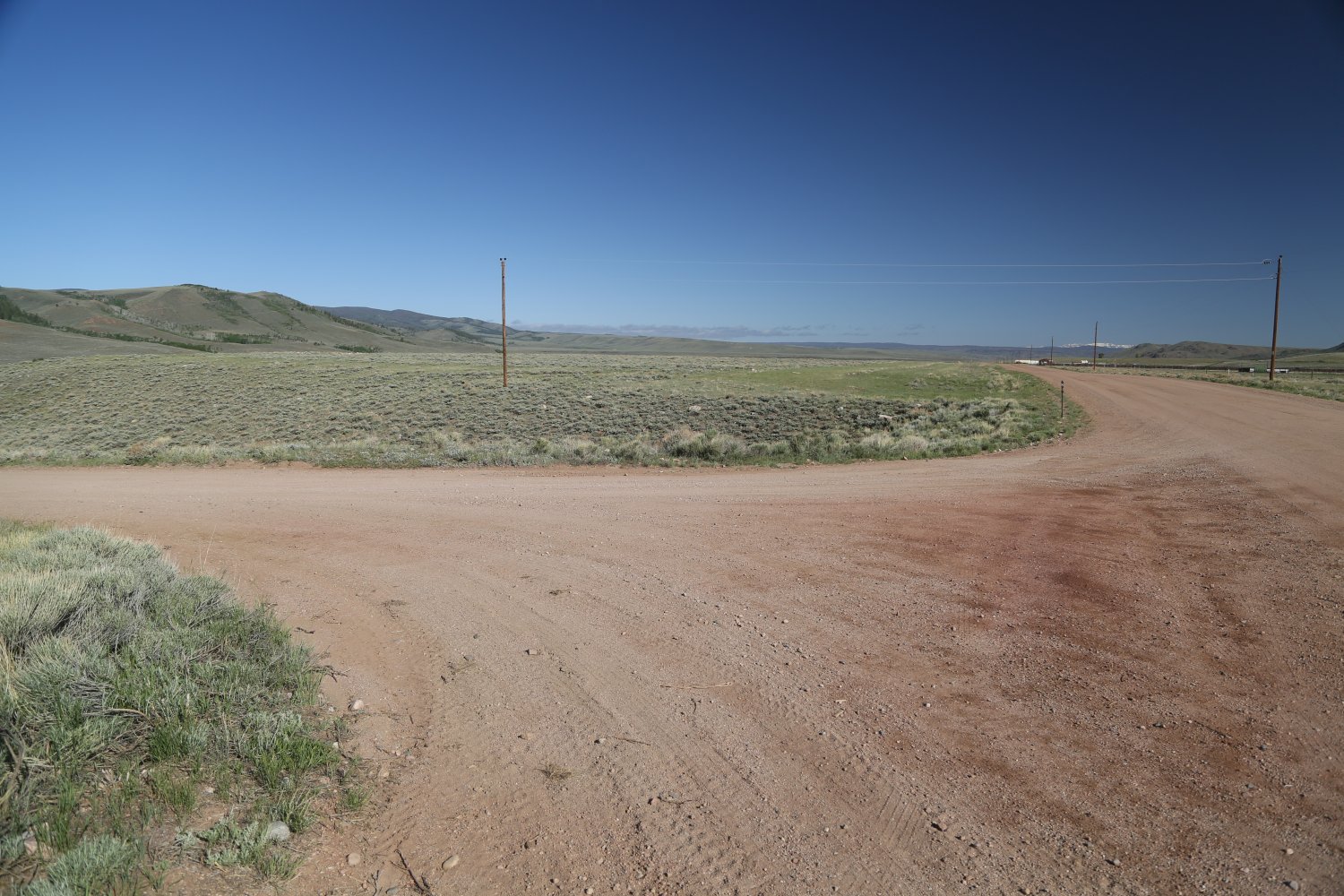
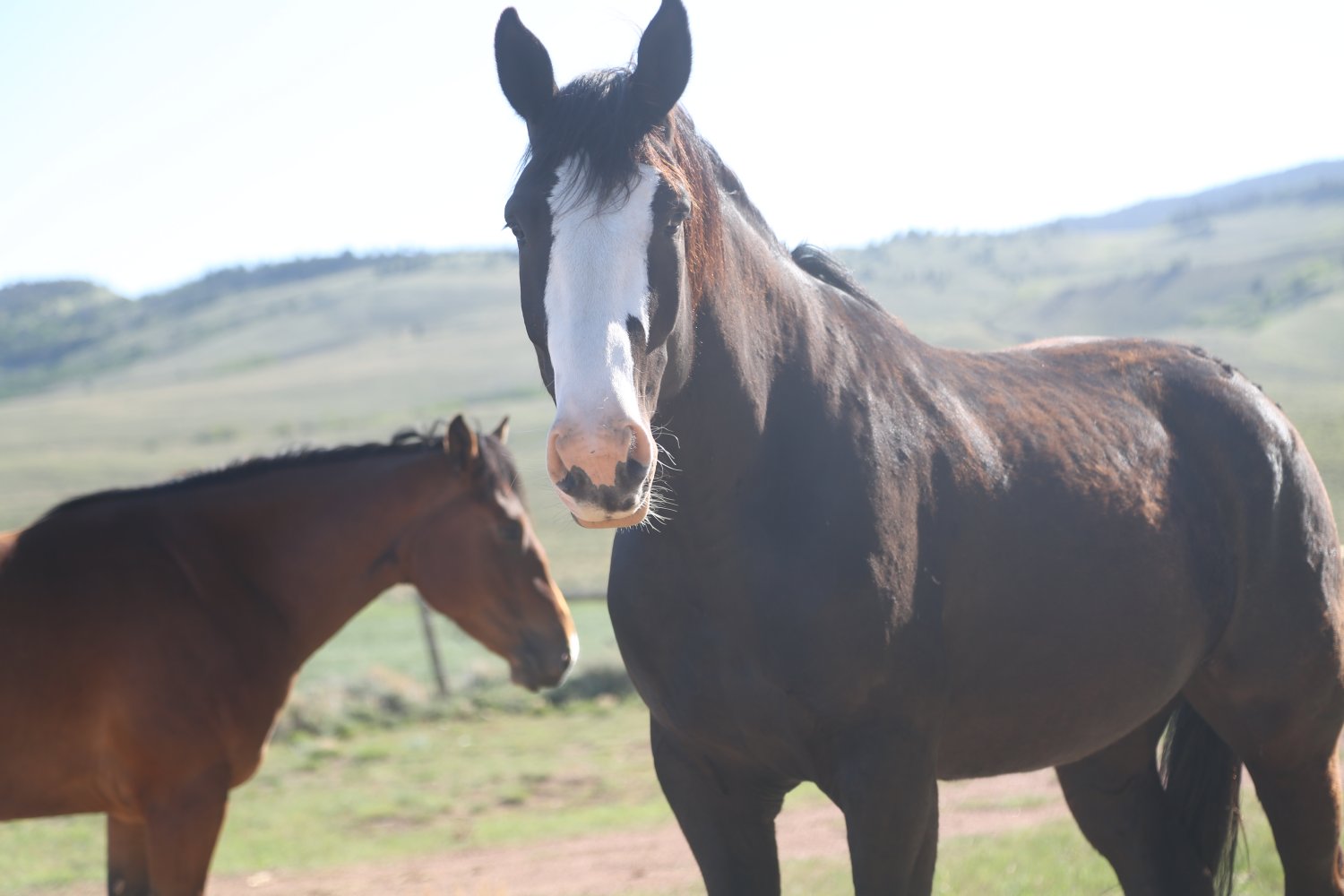
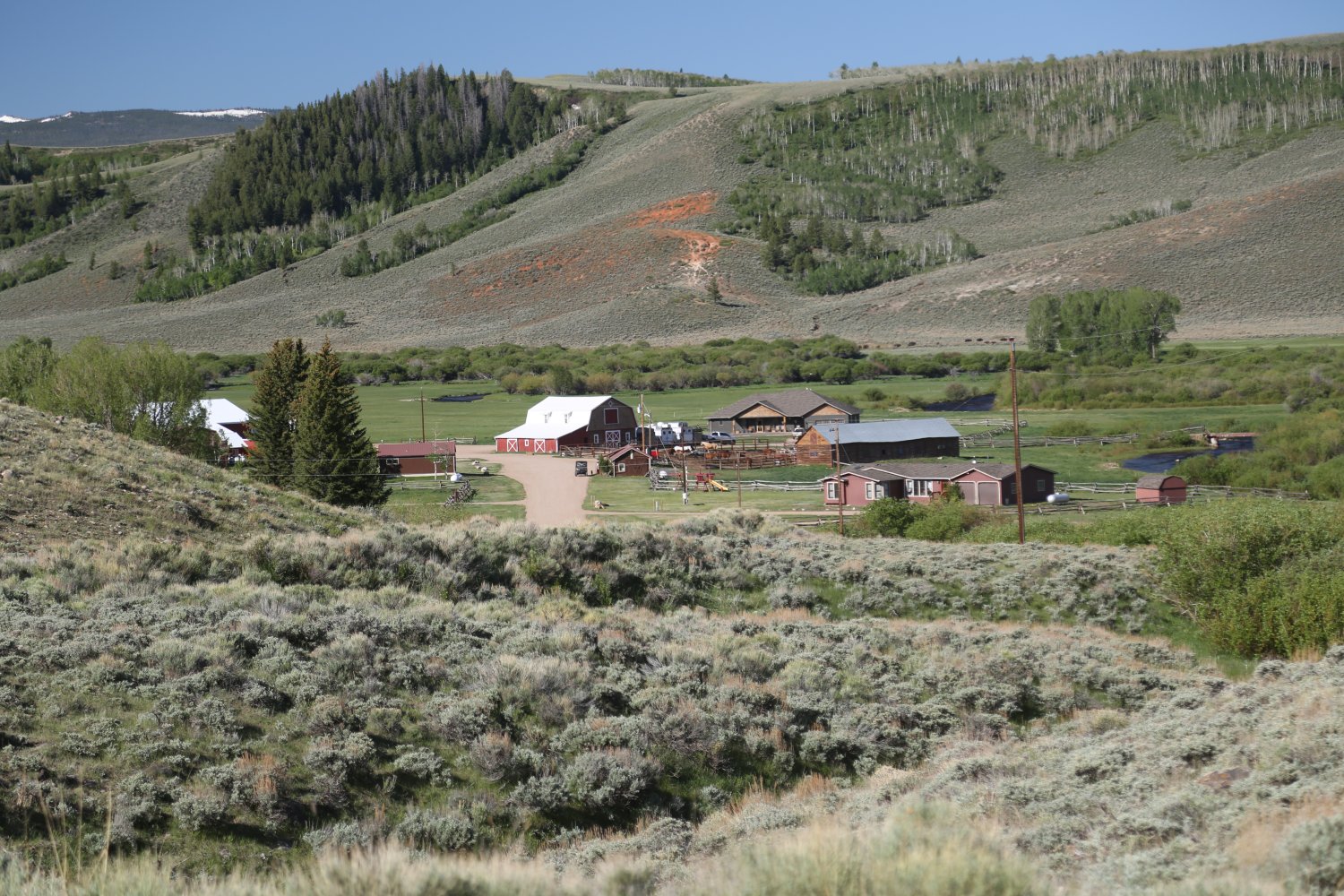
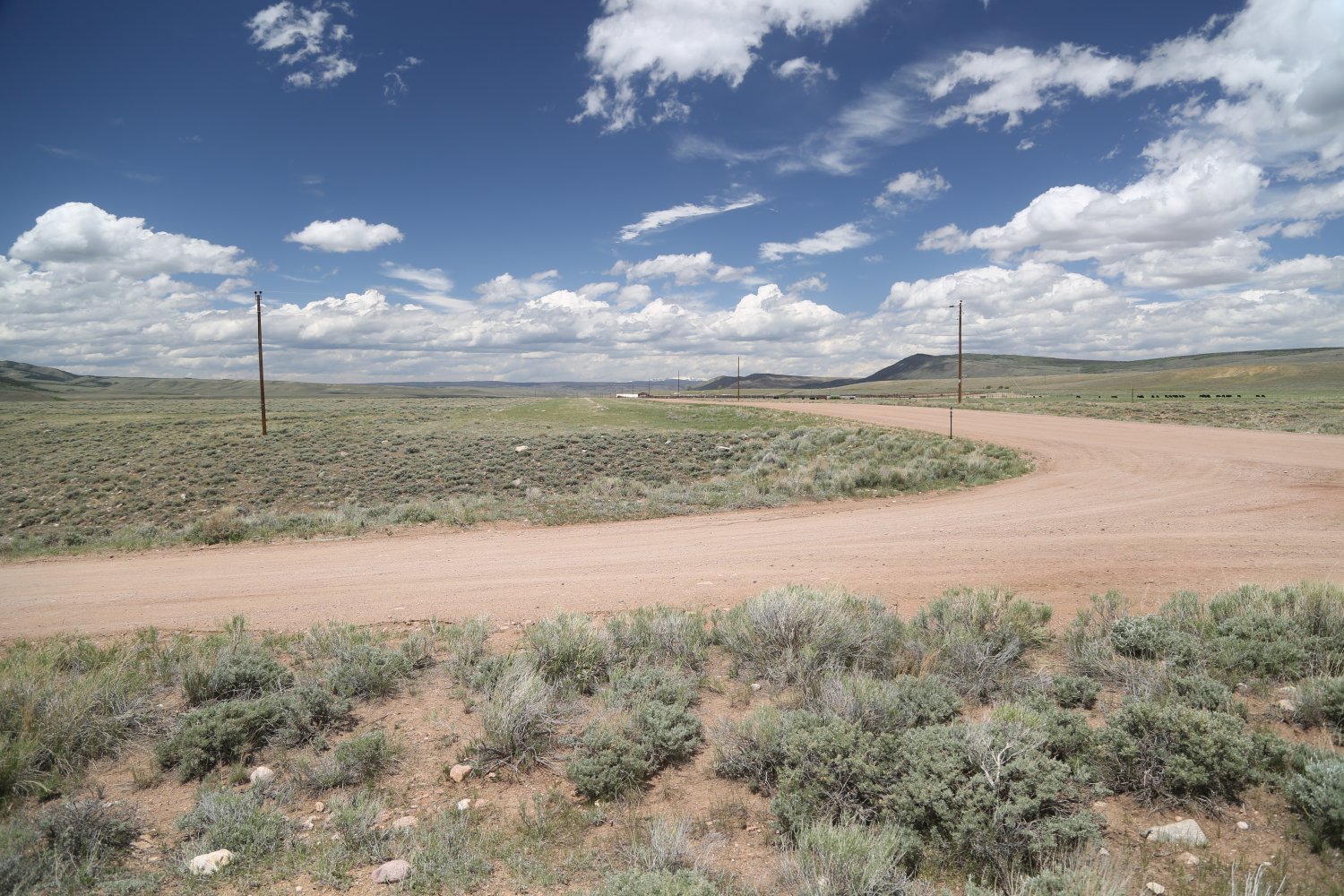
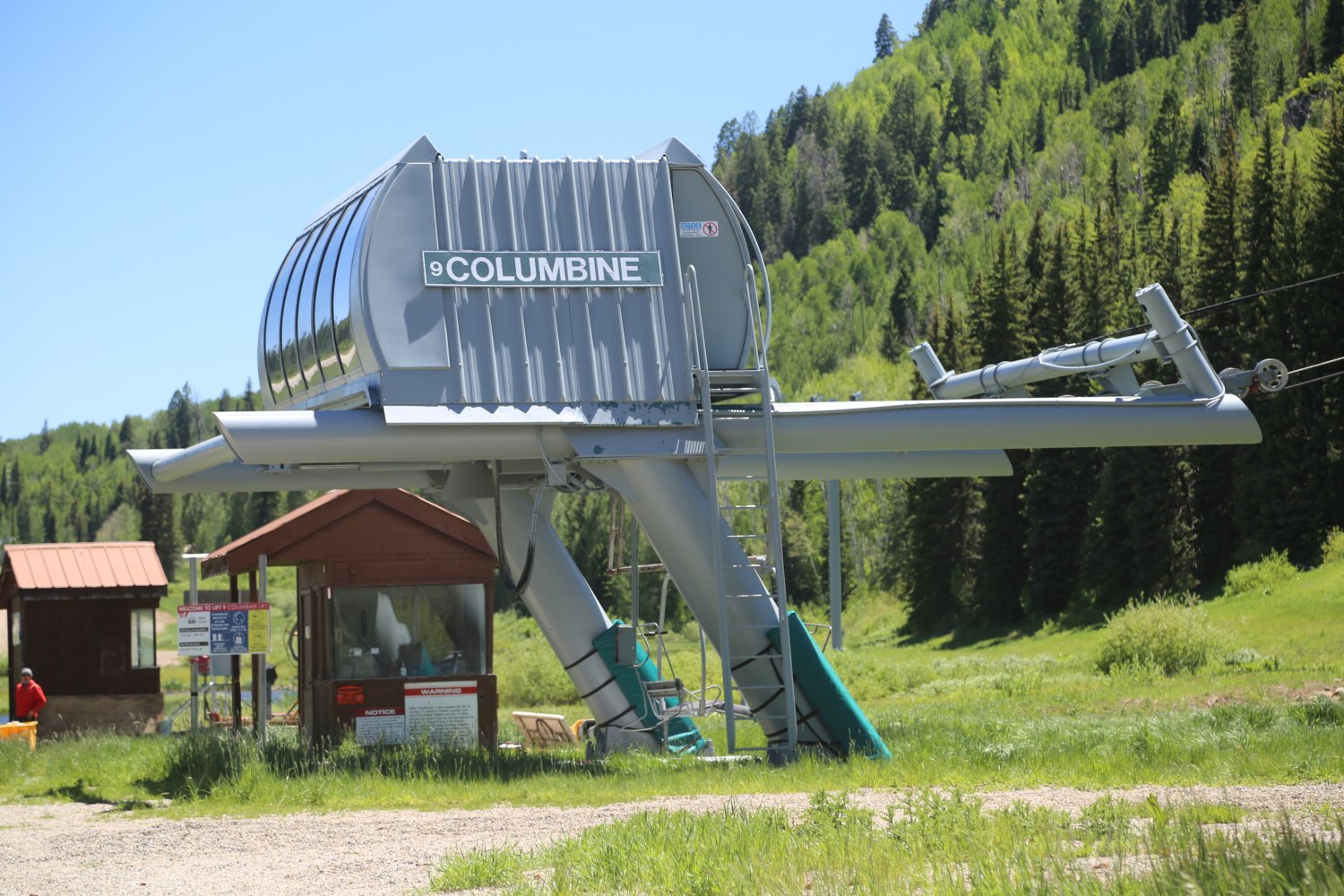
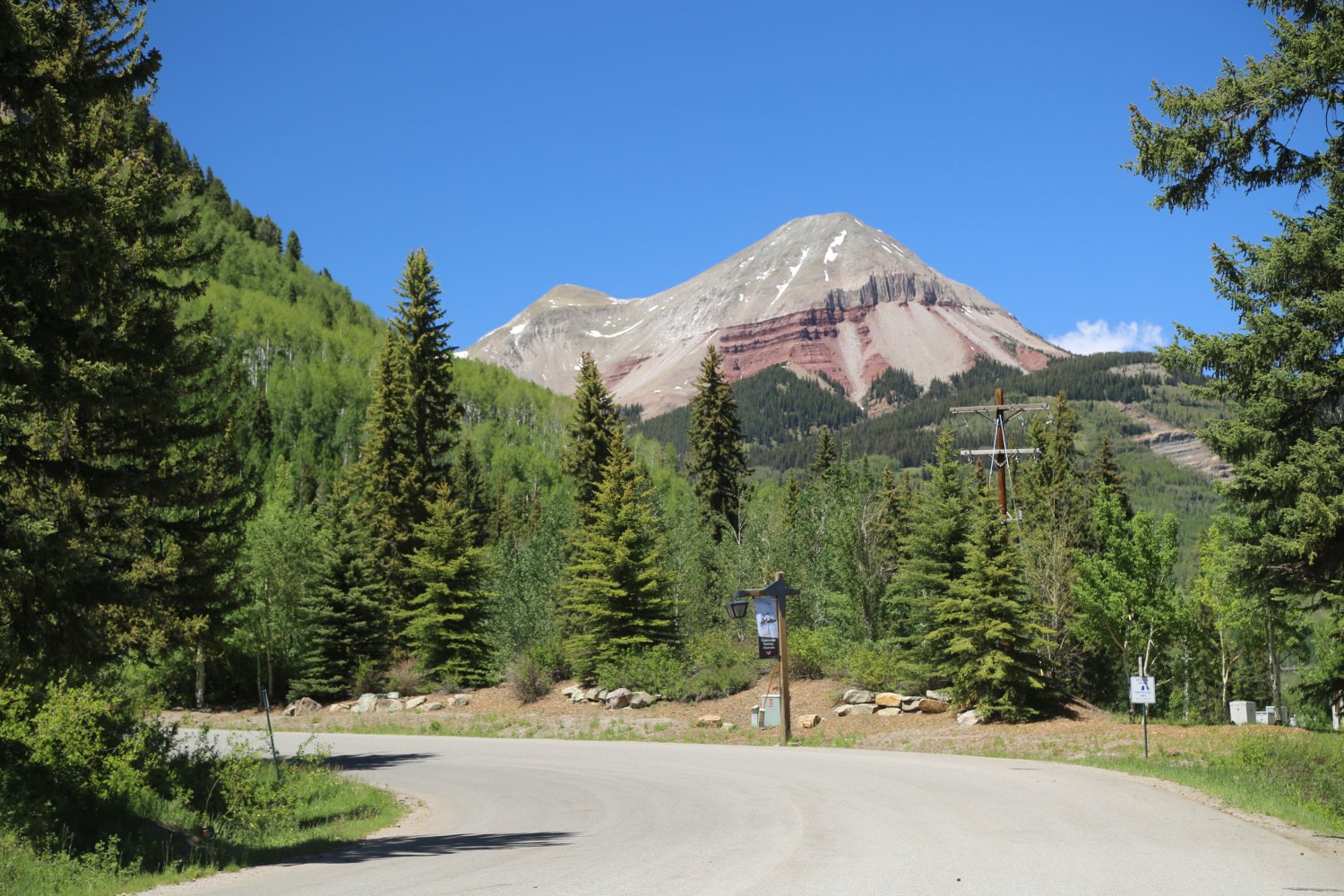
– Purgatory Ski Resort is located along one of the most incredible picturesque drives in all of the United States, often referred to as The Million Dollar Highway (perhaps referring to the extensive gold riches that were mined in the area or more simply, the million-dollar views). The most scenic parts of this drive are from roughly Durango to Ouray along Highway 550 (the resort is merely 35 minutes from Durango). Visitors coming to the area in the warmer months should take a few extra days to explore this part of the state – including its snow-covered high mountains, alpine lodges, hot springs, lakes, mining heritage, waterfalls, and numerous hiking opportunities.
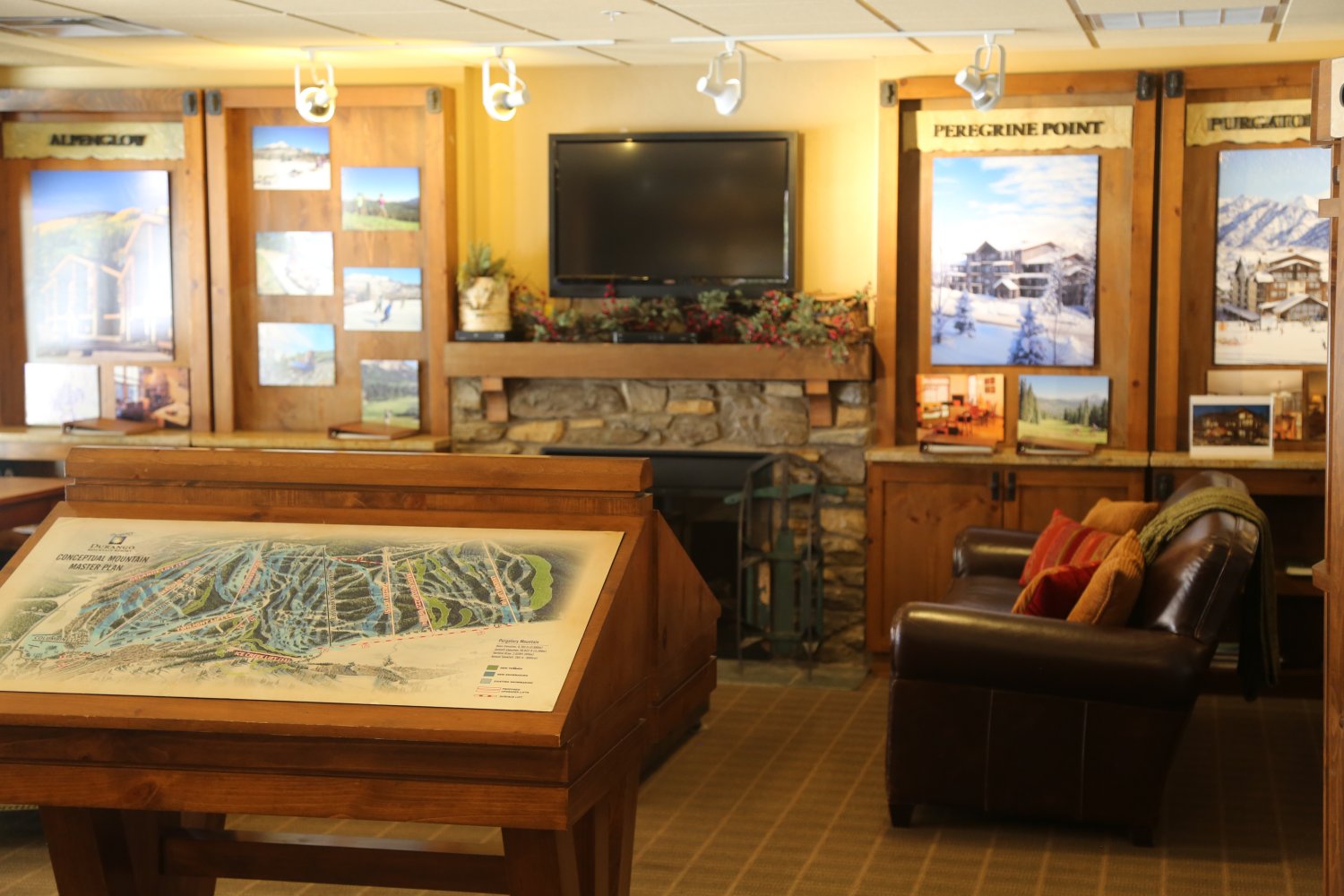
Ray (a ski enthusiast) and his family moved to Durango in 1958 helping his father Walter Sr. explore other oil and gas opportunities (eventually moving to Denver in 1967) and it was during his time living in this part of the state that he founded Purgatory Resort (taking the name of the already nearby Purgatory Creek). The resort opened in late 1965. The base elevation is 8,793 feet up to the summit elevation of 10,822 feet with 1,600+ skiable acres. The lodge offers plenty of rooms – within easy walking distance of Purgatory’s central gathering place, the Village Plaza of Purgatory.
And during the warmer months, parts of the resort are open to mountain bikers. And in addition to seasonal skiing and mountain biking, Purgatory offers the Inferno Mountain Coaster, a handbrake controlled roller coaster that is 4,000 feet long. Based on personal experience, these are thrilling rides.
While we have visited Purgatory in the summer, we have not yet visited Purgatory in the winter for skiing, but this author hopes to do so in the next few years. Carving down the black diamond rated Ray’s Ridge carrying a bottle of Silver Oak will be a unique & memorable Napa Valley nirvana moment. Other wine and or family related runs at the resort include Zinfandel, Vincent’s Run (named for Ray’s older brother), Joan’s Jubilee (named for Ray’s first wife Joan) and Sally’s Run (in honor of Ray’s second wife Sally).
Incidentally Ray and Sally used to own a 92 foot yacht, appropriately called, Cabernet.
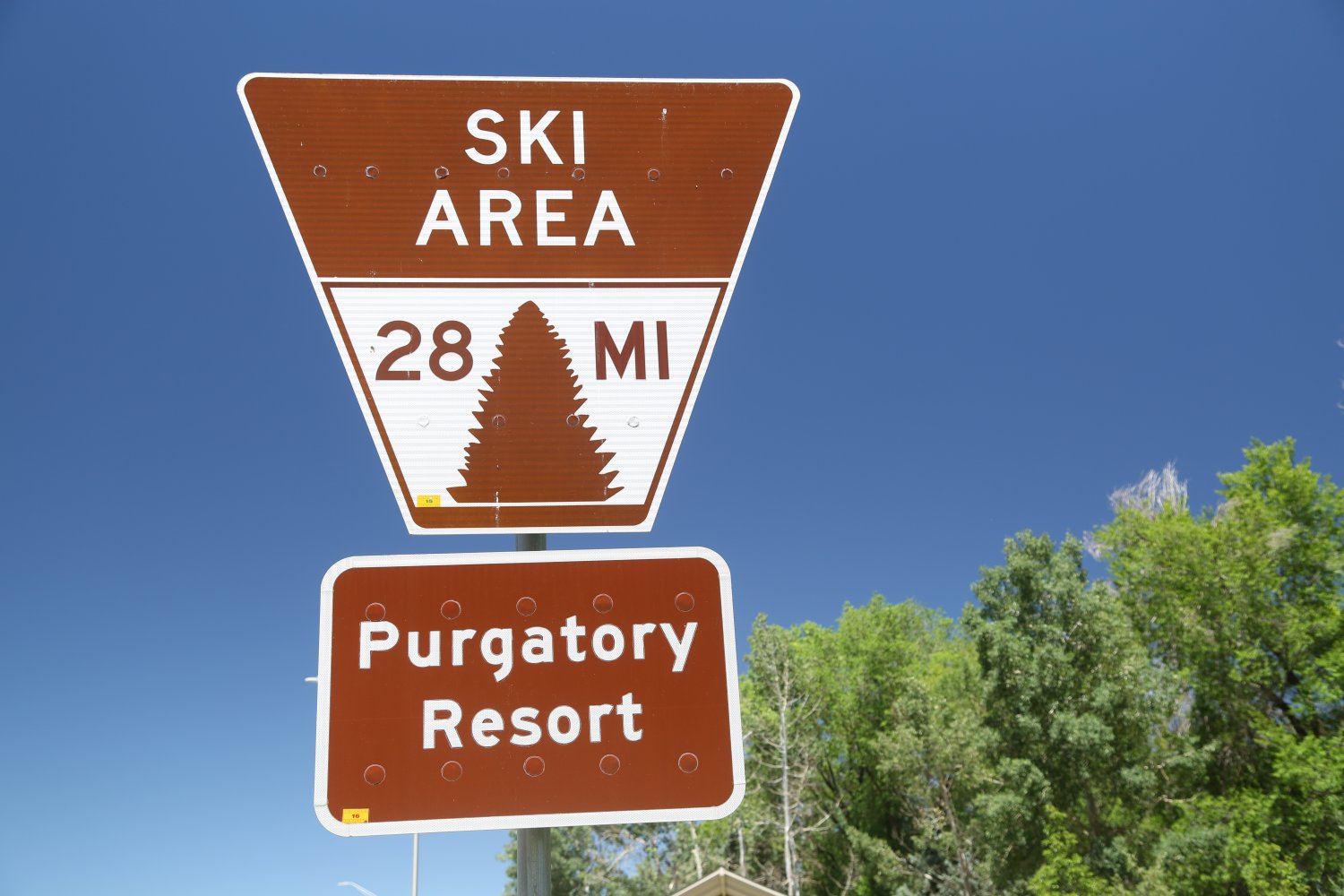
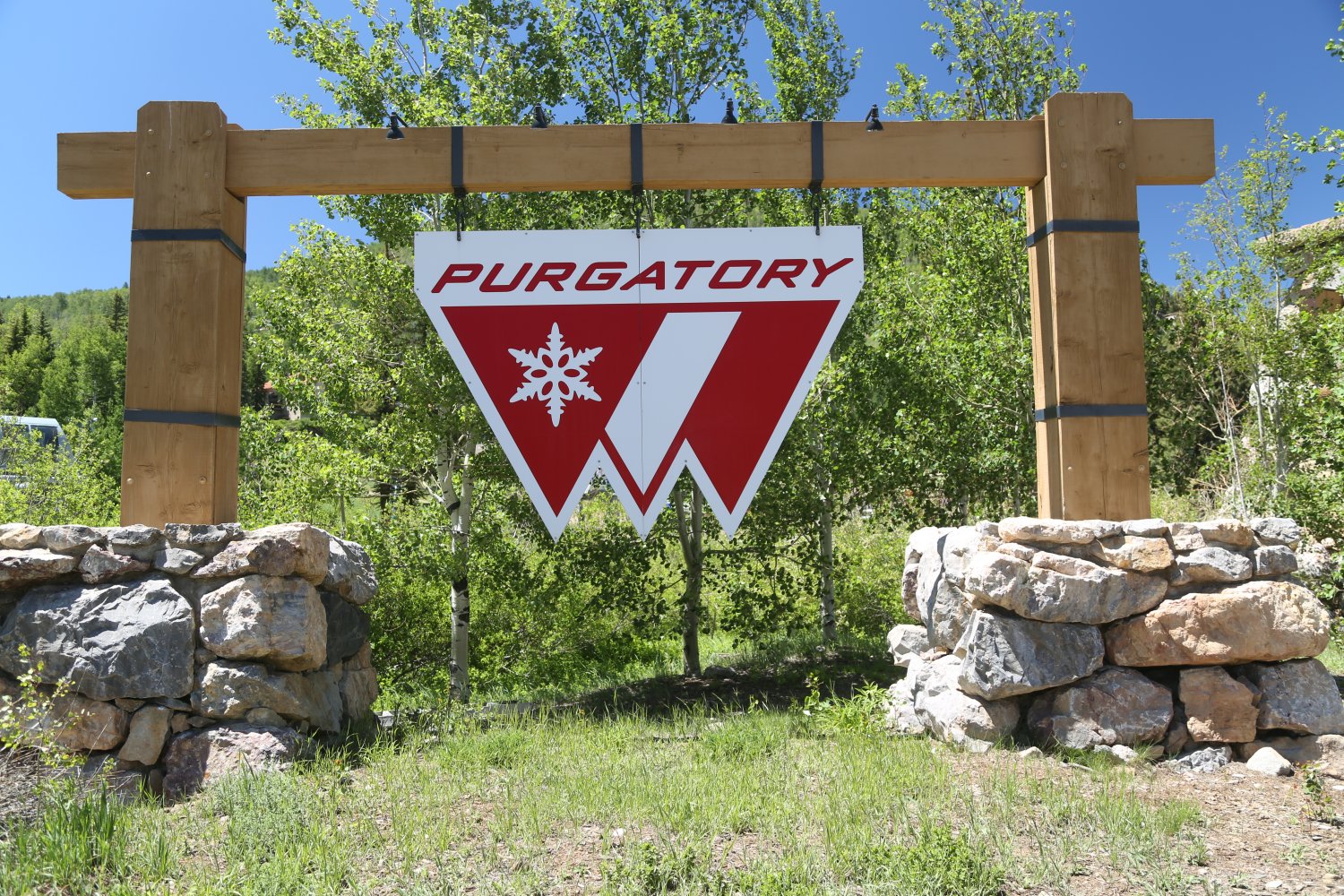
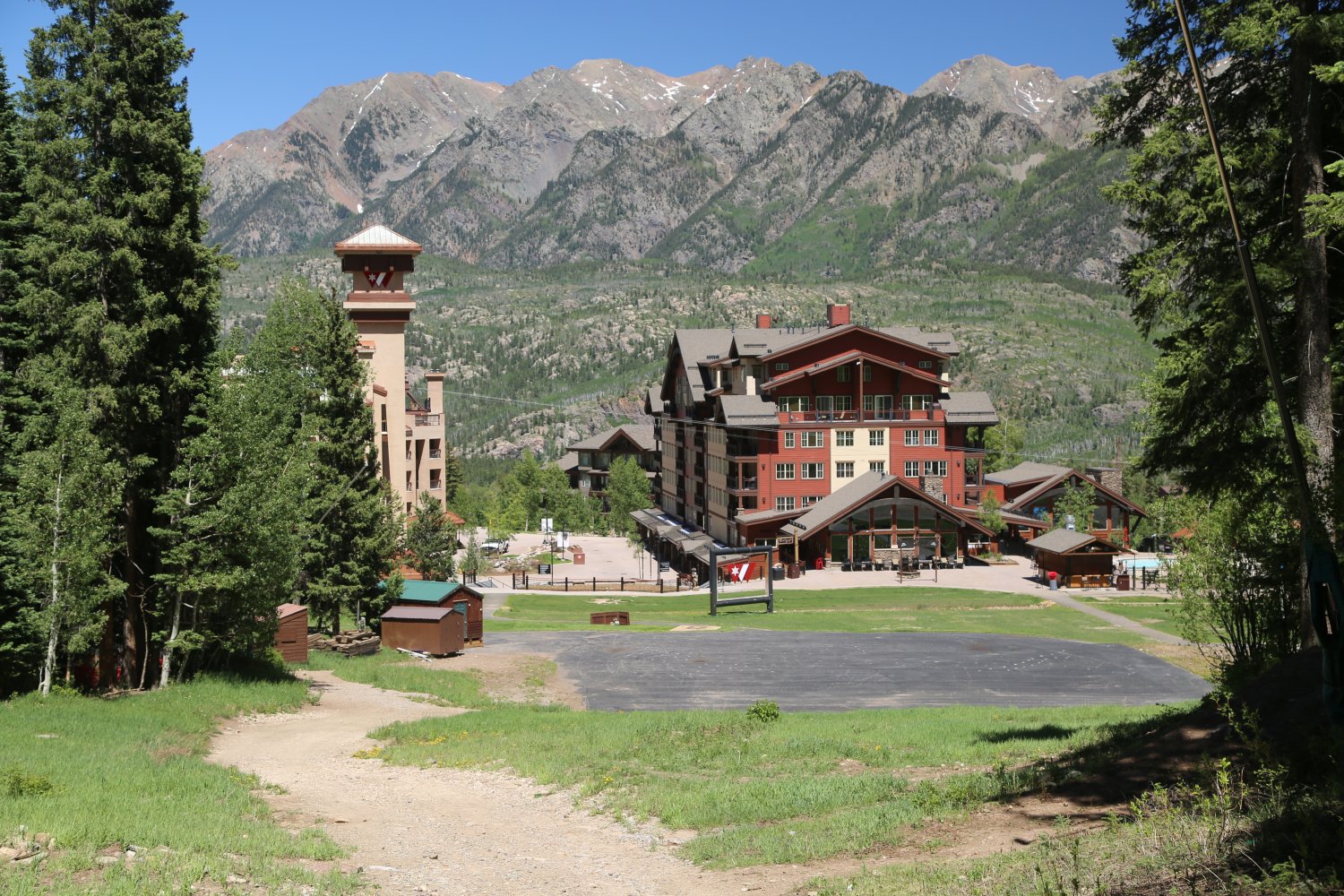
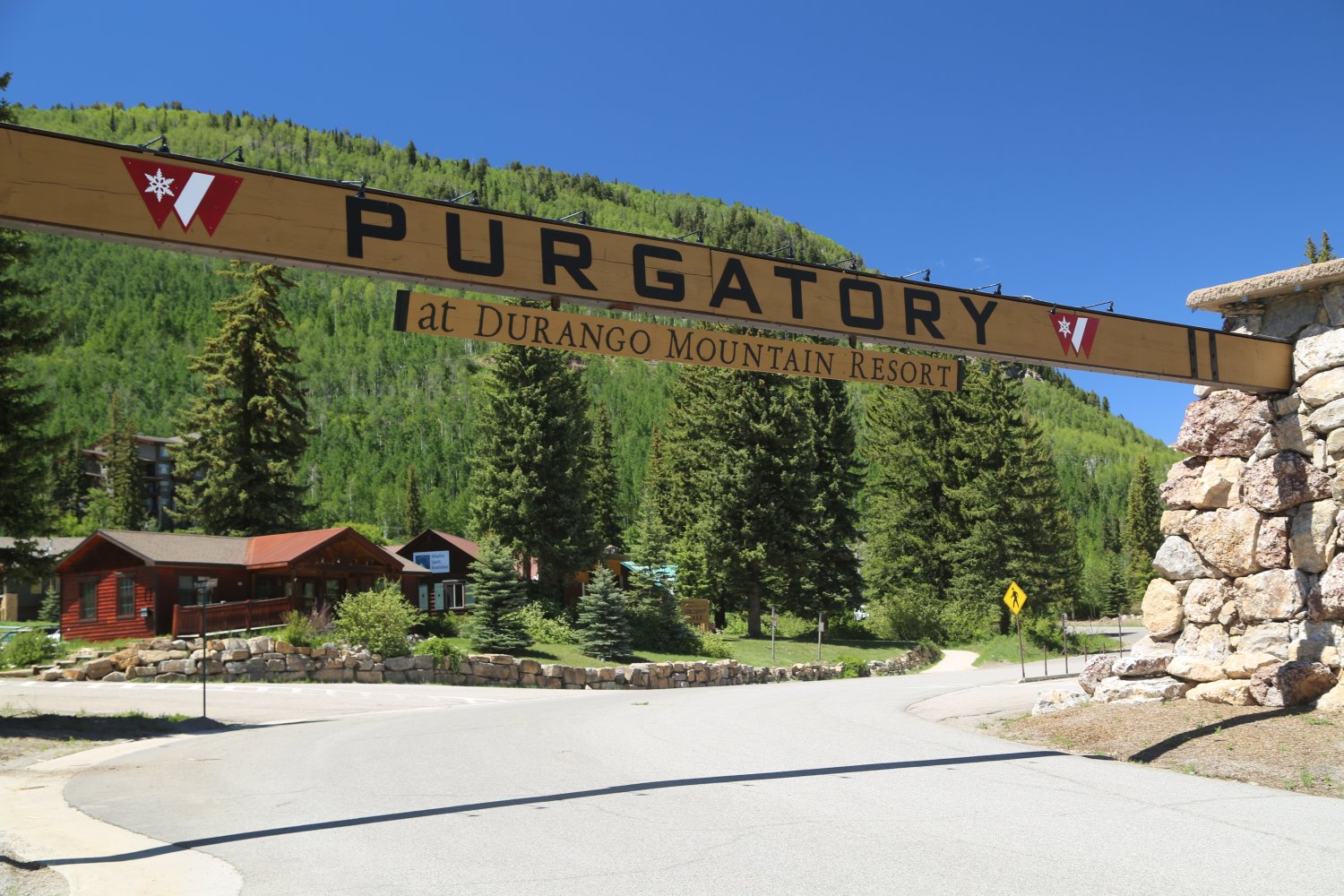
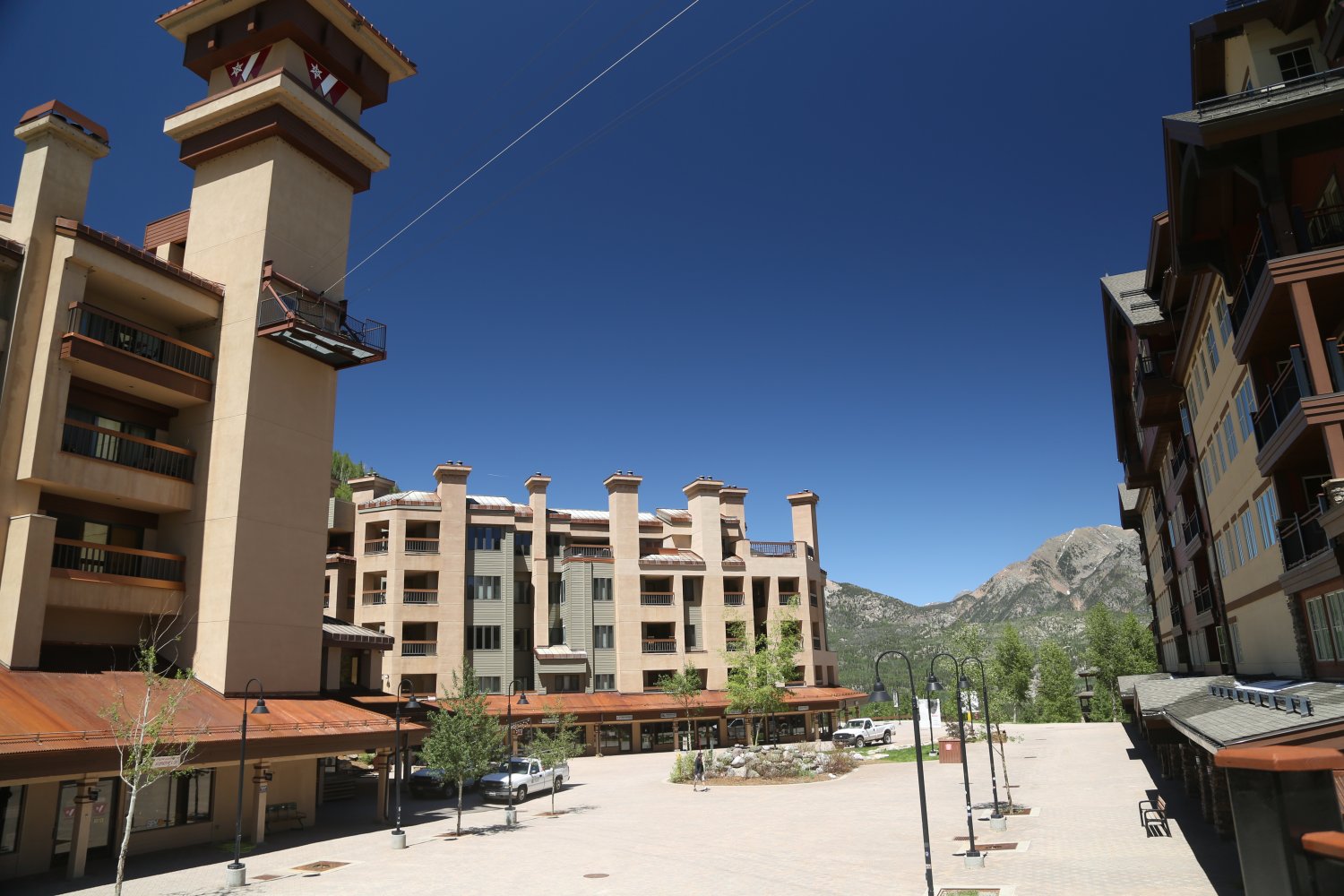
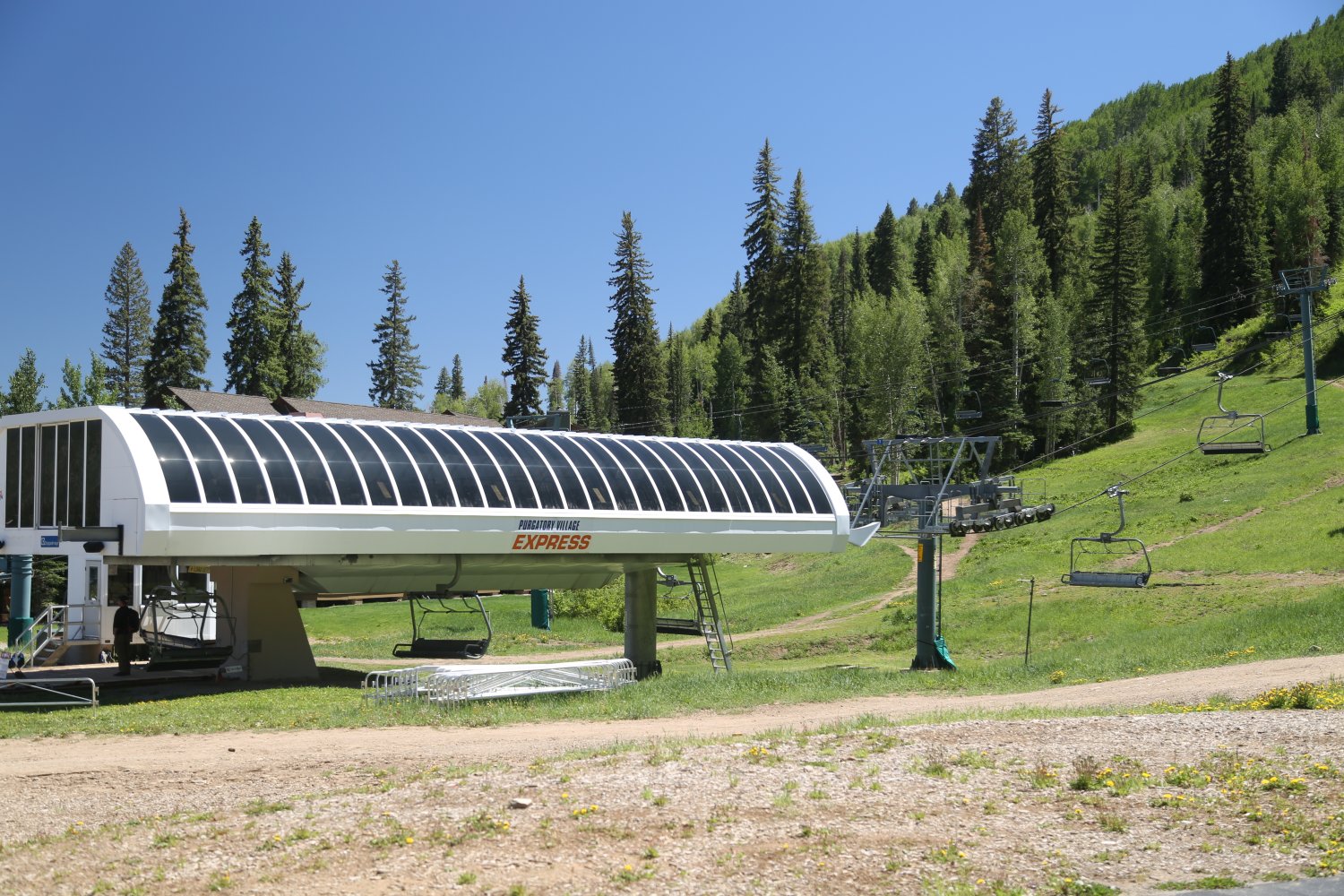
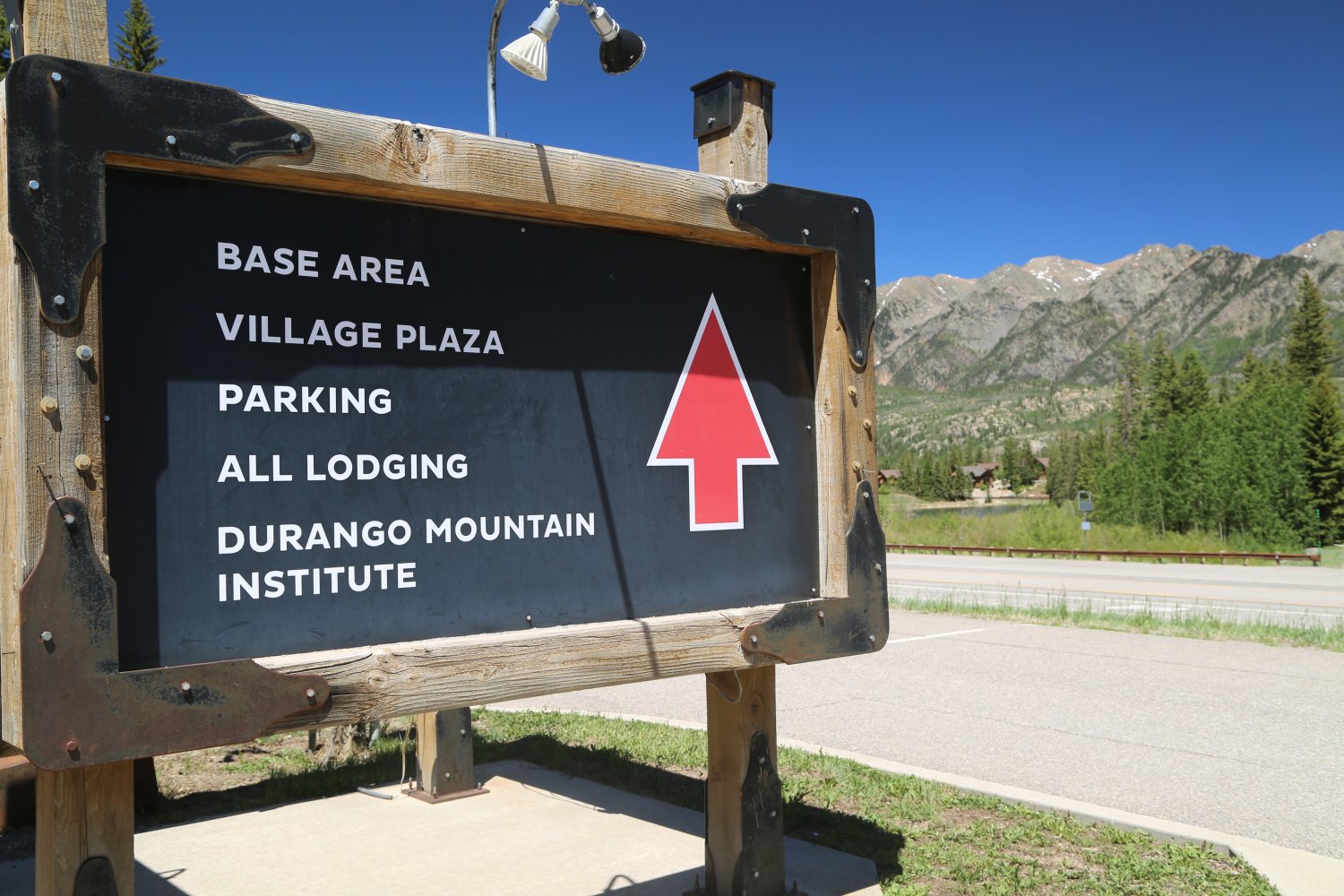

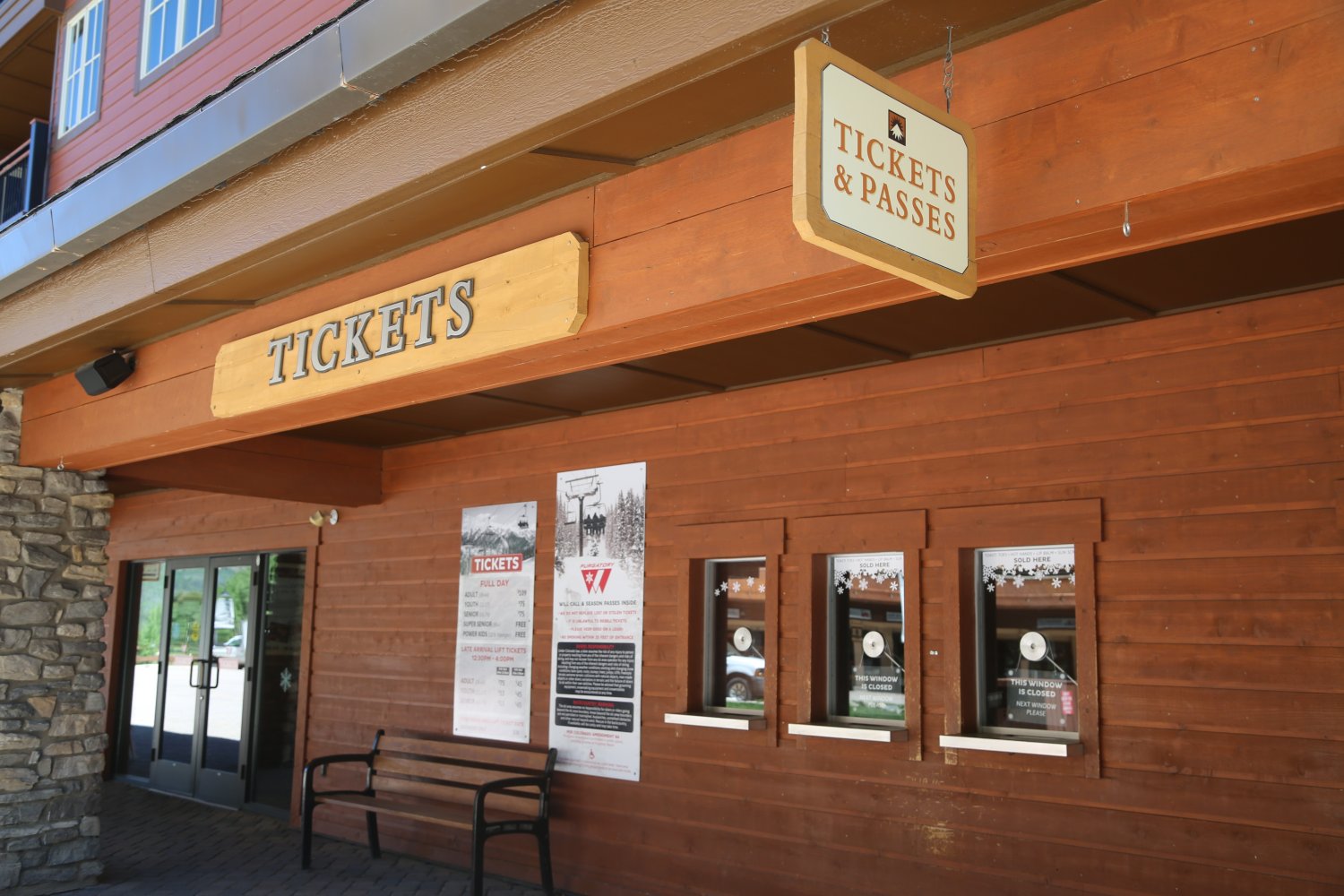
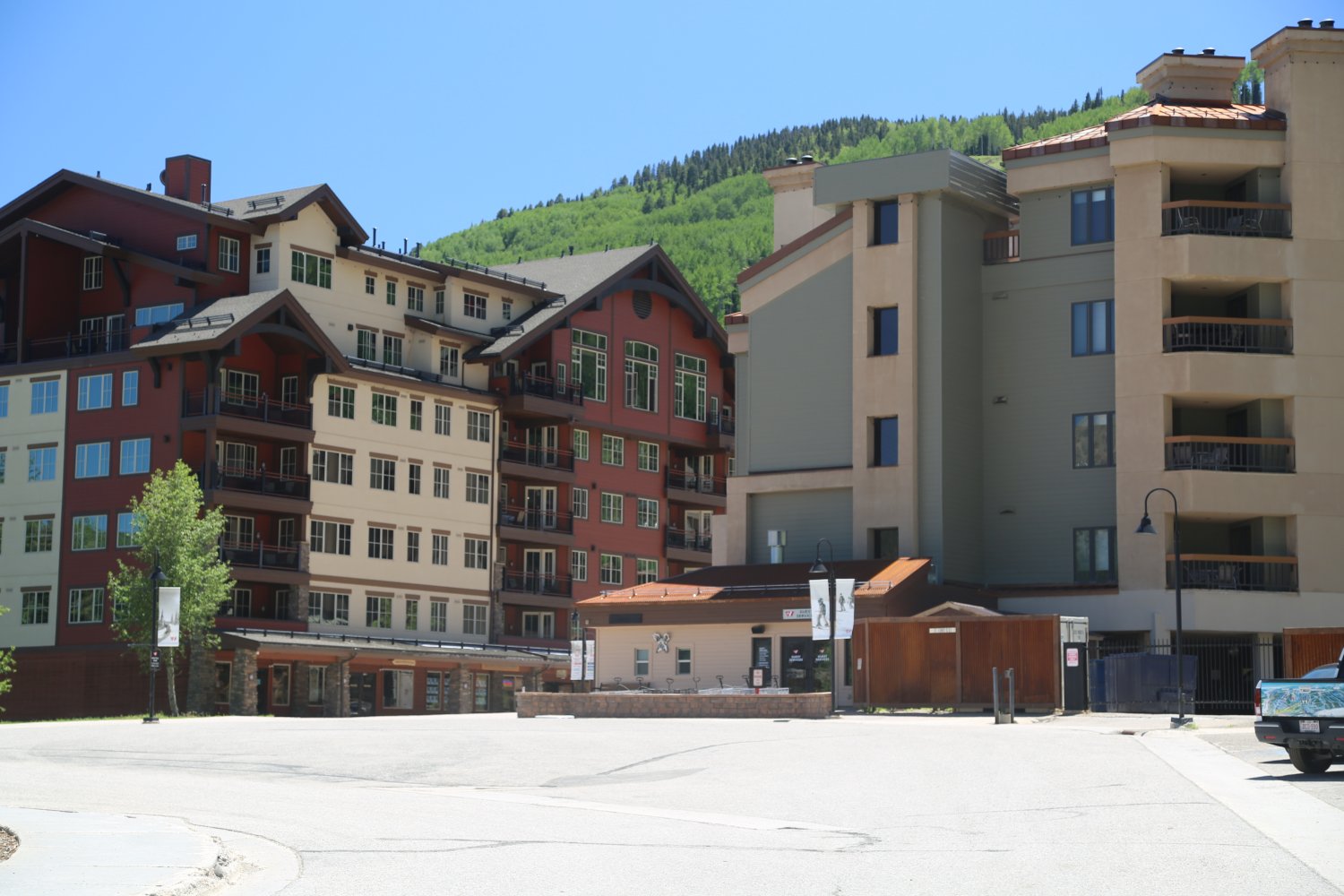
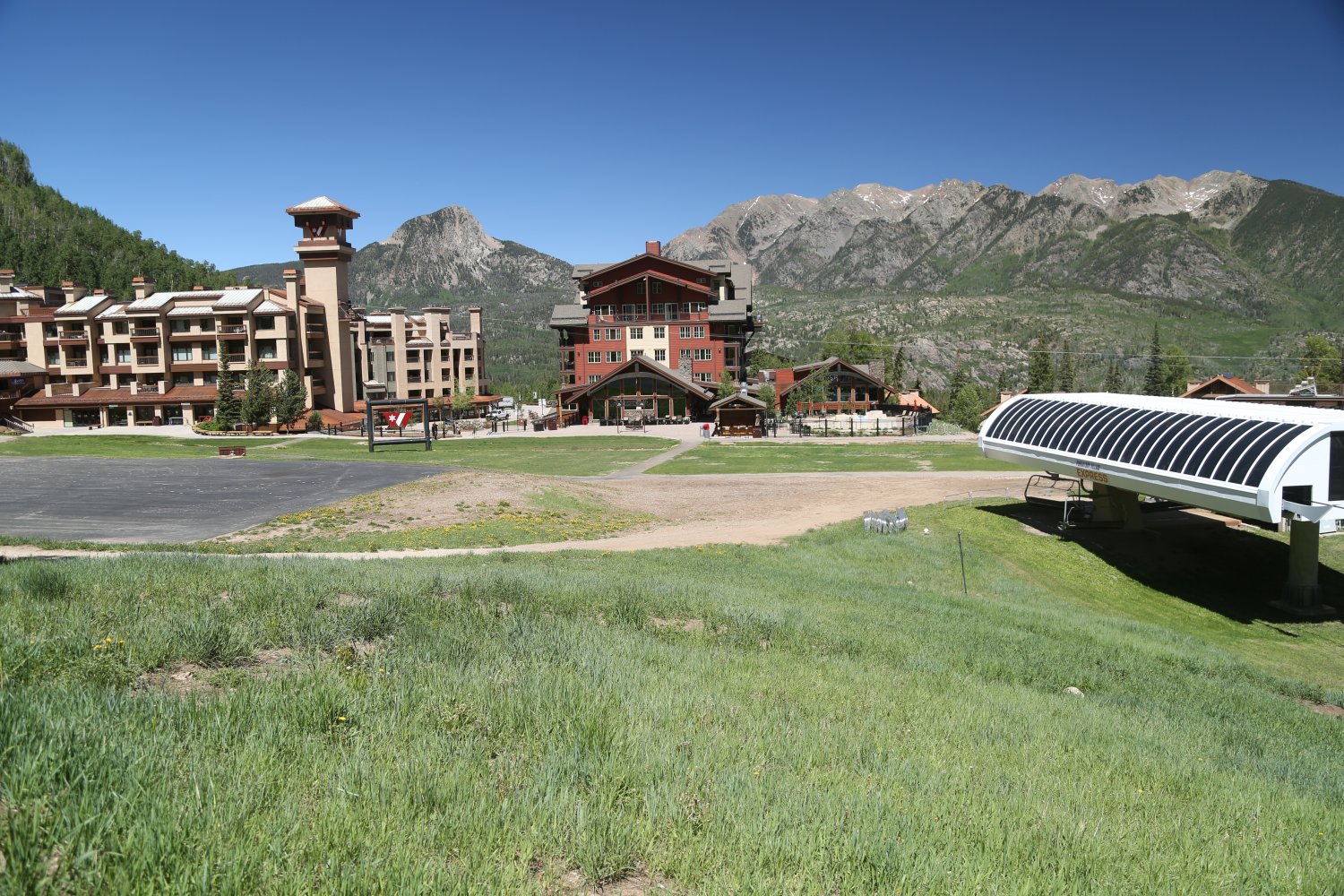
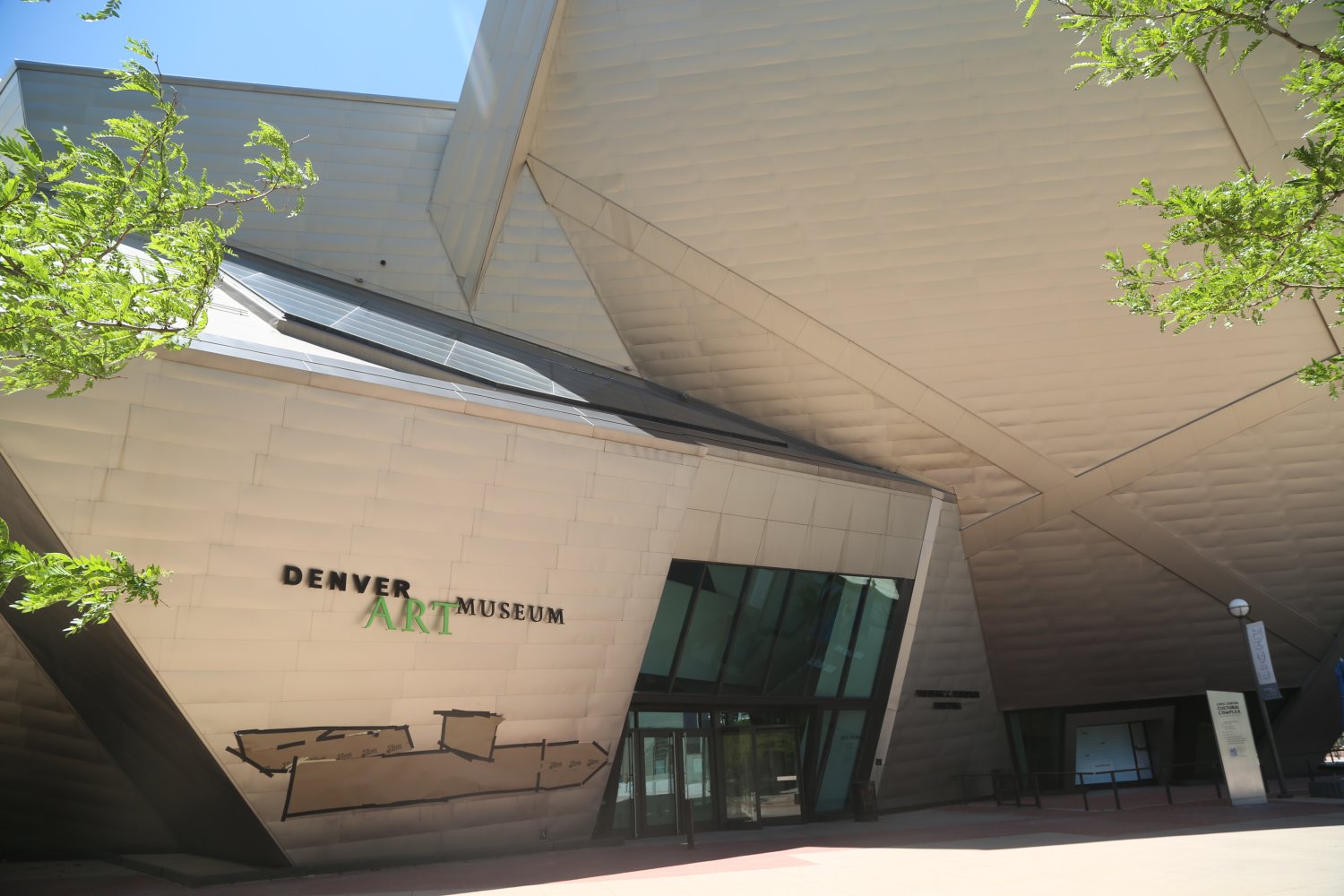
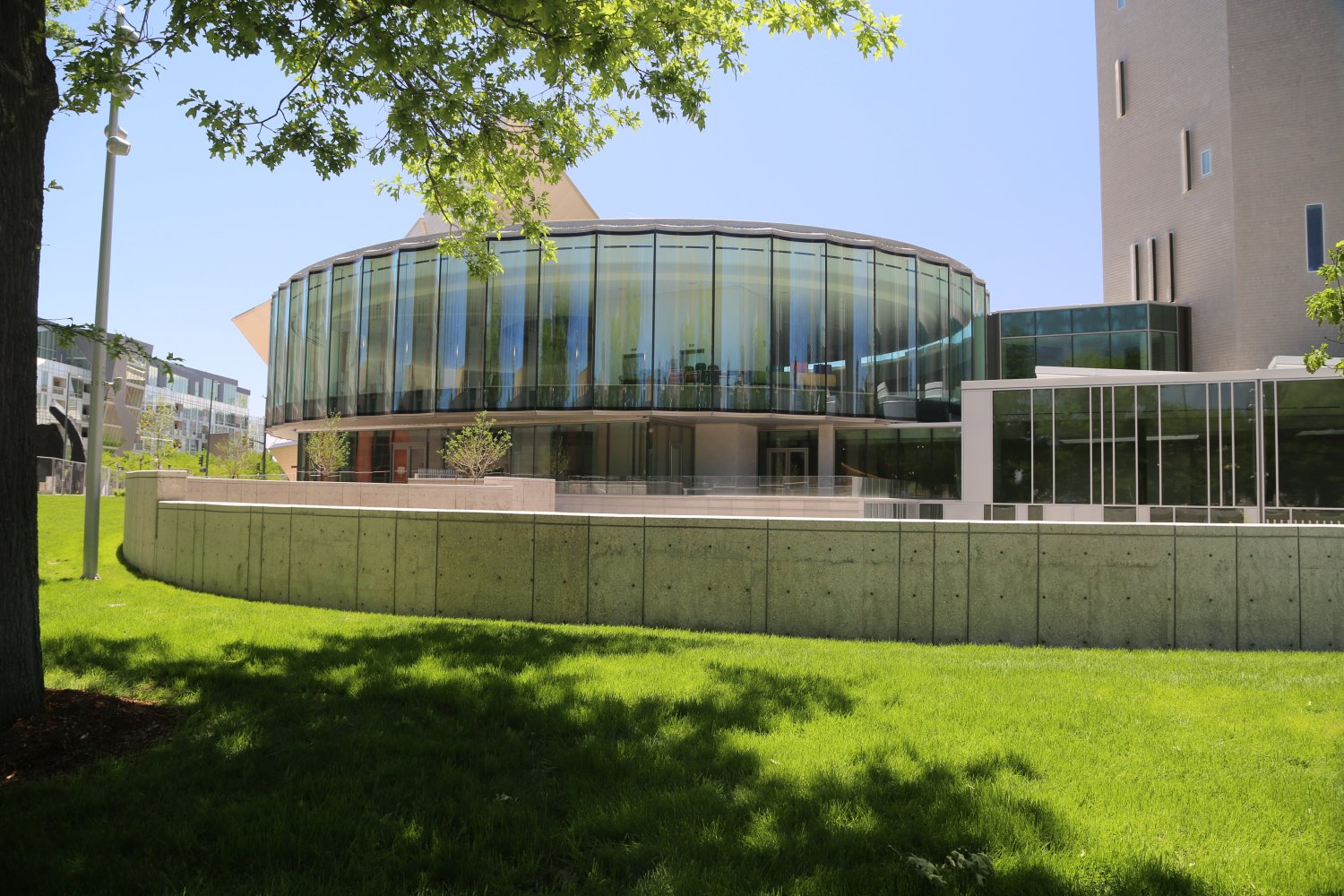
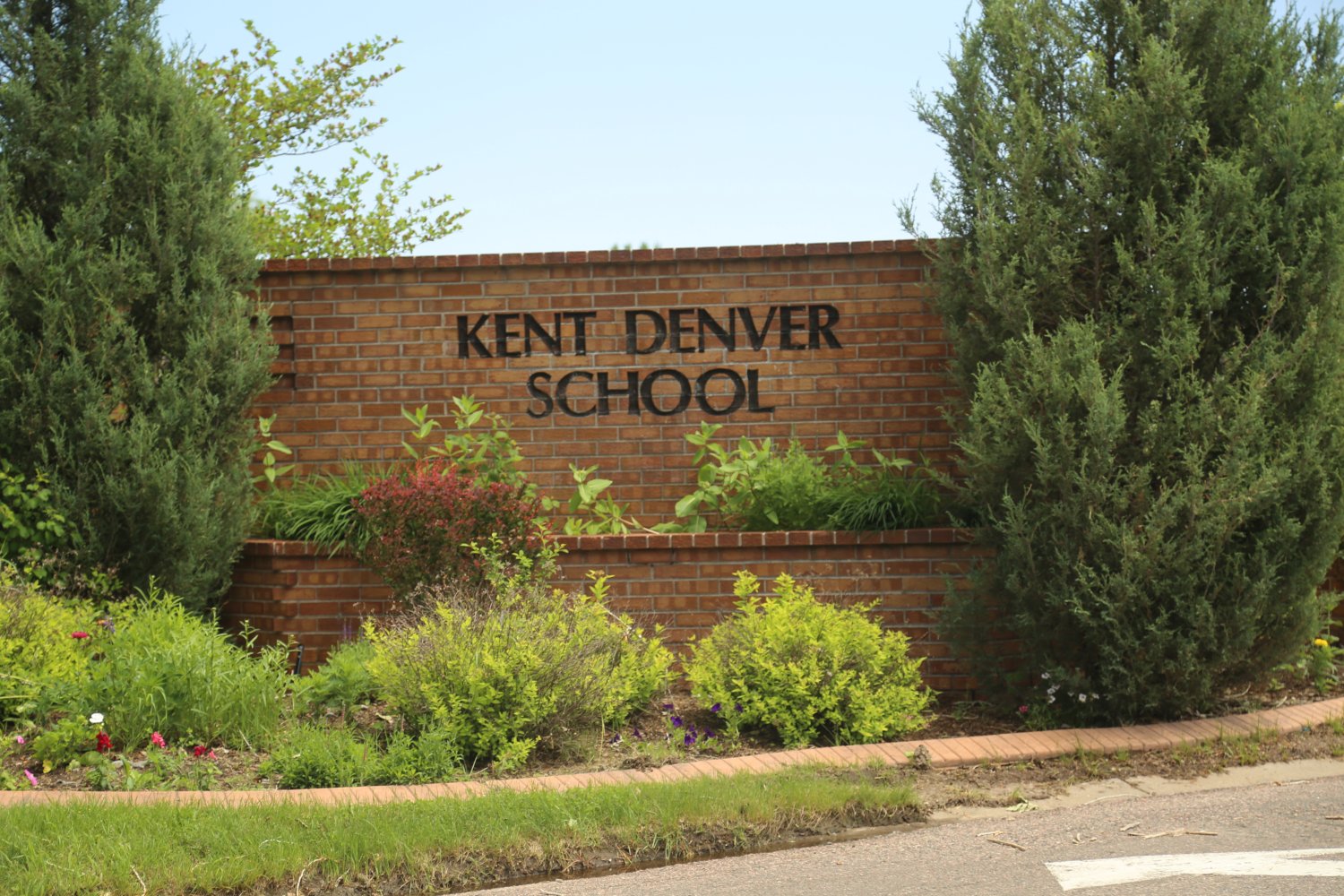
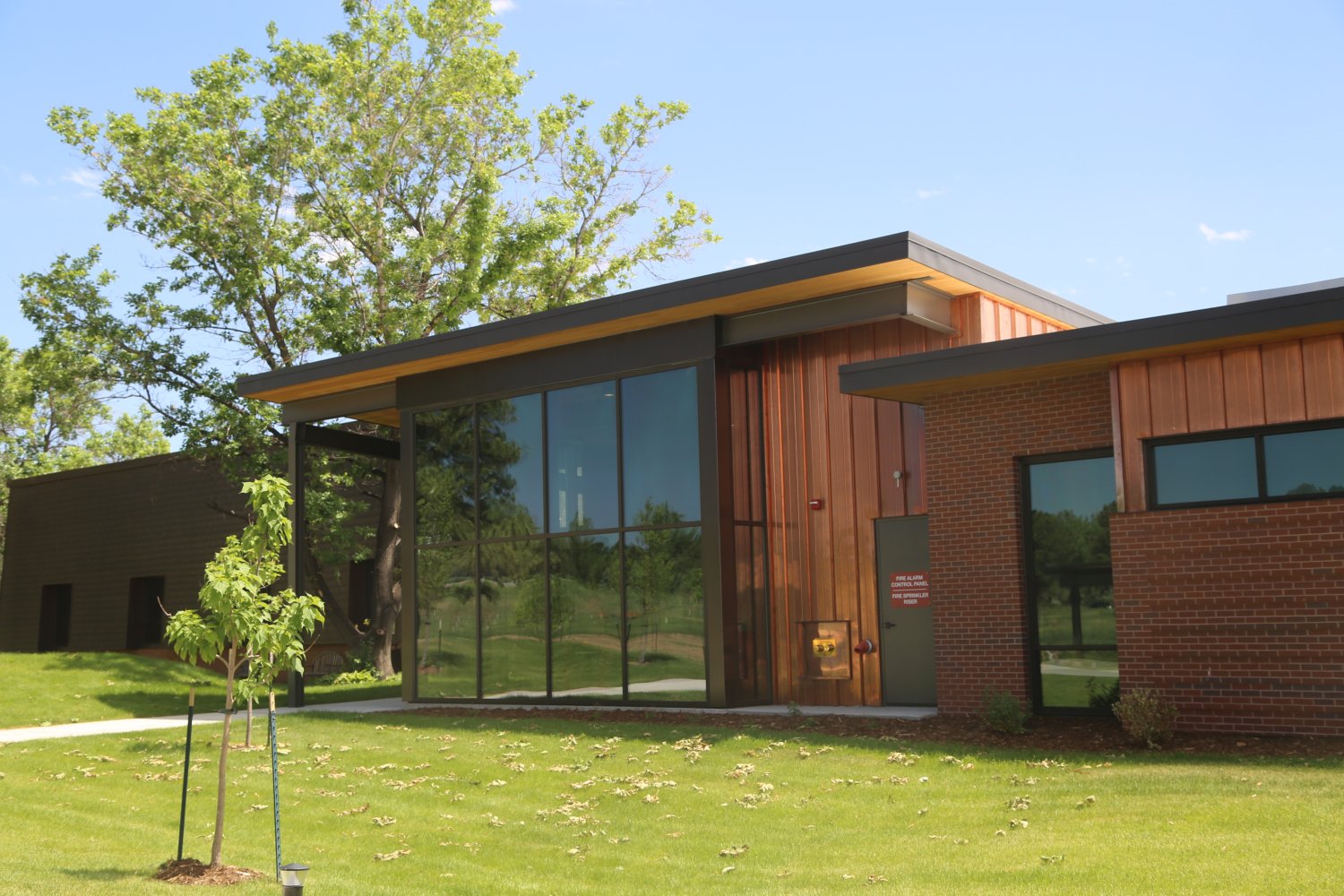
Ray was also a strong supporter of the Crow Canyon Archaeological Center near Cortez (about an hour drive from Purgatory Resort), the Kent Denver School (the Duncan Center), the Denver Art Museum (the Duncan Pavilion on the first floor inside the Martin Building near downtown Denver), one of the founders of the private gated Castle Pines Golf Club, just south of Denver and he was instrumental in the founding of Music in the Mountains, an annual classical music event held in and around Durango. Silver Oak used to maintain a wine blending sales room in the Larimer Square area in Denver.
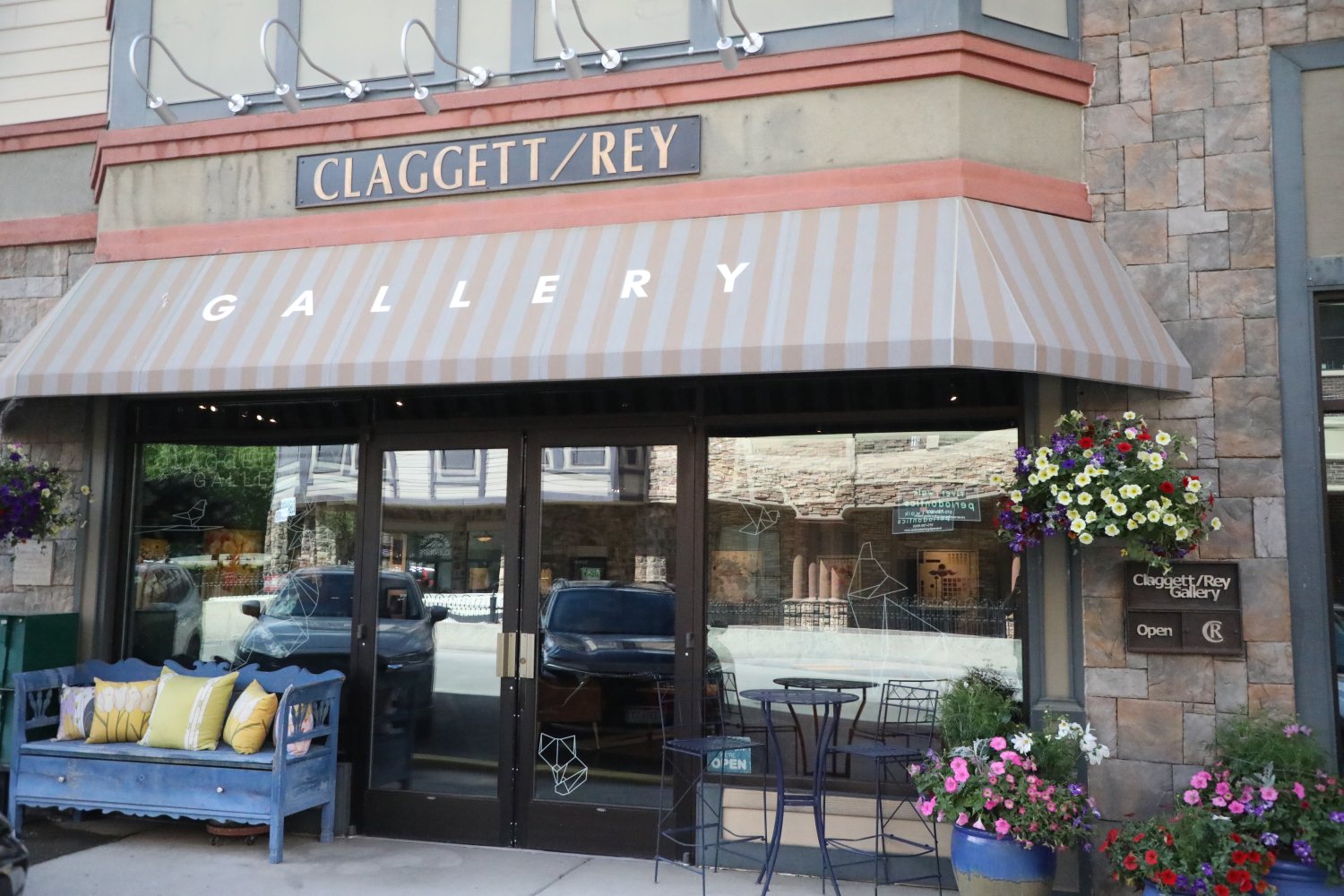
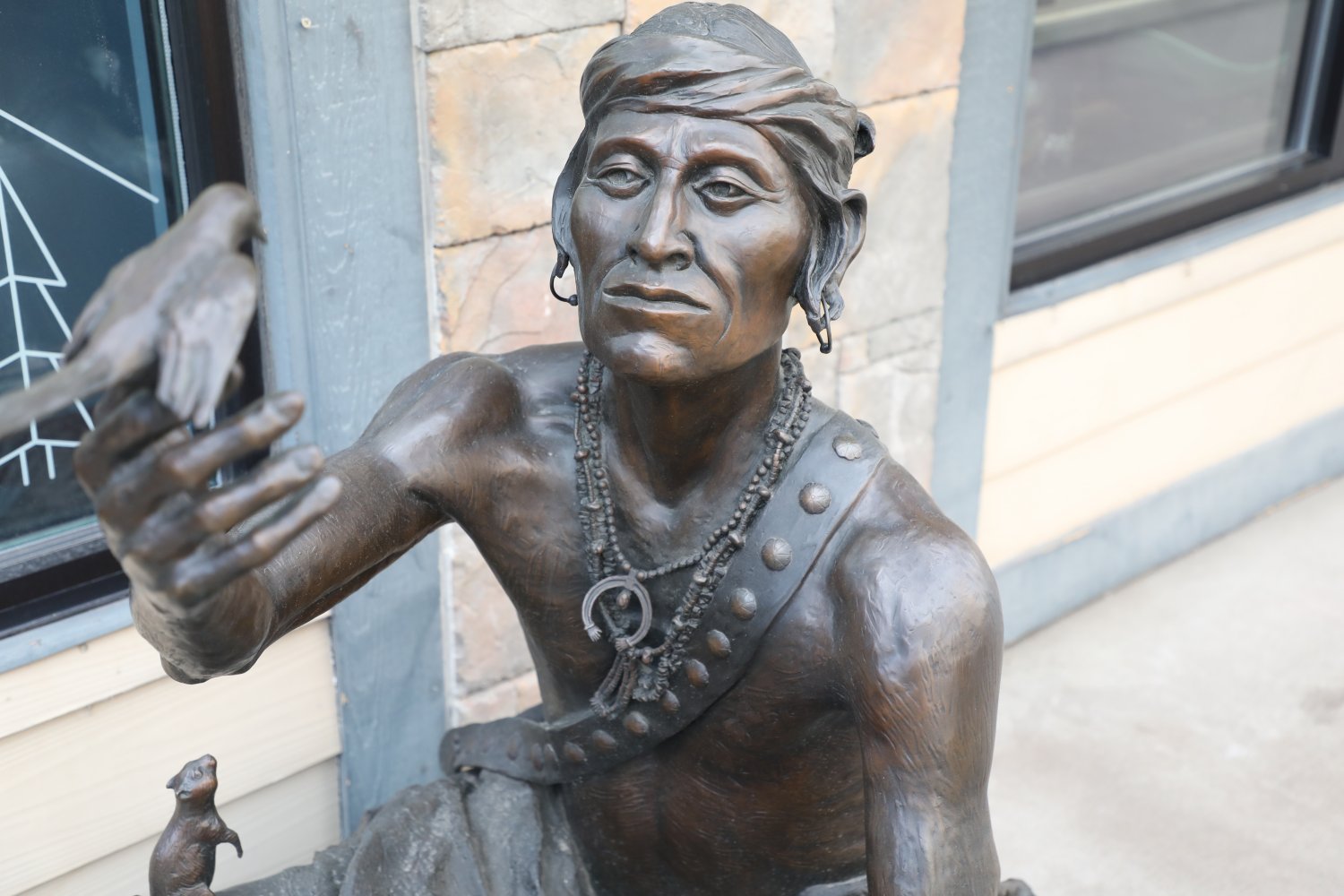
Ray and Sally used to be partners in the still open, Claggett/Rey Gallery, originally located in Vail. Ray and Sally Duncan partnered with the current owner, Bill Rey (wife Maggie) in 1989 and were part owners through 2015 before the Rey’s took over full ownership. Claggett was Sally’s maiden name. The introduction to the Duncans came through Bill’s father Jim, a Western Artist who moved his family from Palo Alto to a large ranch near Durango. Jim’s works were on display at the Cogswell Gallery in Vail. Ray wandered into the gallery and spotted one of Jim’s paintings; he immediately recognized the image as that of Dutch Creek, a creek located near Littleton, CO. Ray purchased this painting and became friends with Jim.
Through his father’s connection, Bill took at job at Cogswell Gallery, initially helping pack paintings, but then he realized he enjoyed talking about art and helped sell art. Several years later he decided he would like to start his own gallery; Ray heard about this and offered to provide the funding for a new gallery. Bill remembers telling Ray he would welcome the investment, but that he would need to be an equal partner in the venture within at least three years. Ray agreed and both men went into business together; Bill was only 24 years old.
The current location (since 2020) of Claggett/Rey Gallery is in Edwards, about a 20-minute drive from Vail Village. Previously, the gallery was in the same building that currently houses Axel’s Outpost; an annex gallery was located across the courtyard in a building previously owned by Sally Duncan. Prior to the move to Edwards, the annex gallery became the main gallery. And Bill still showcases wines from Silver Oak at various art showings and special gatherings in his gallery.
Original Claggett/Rey Gallery, Vail
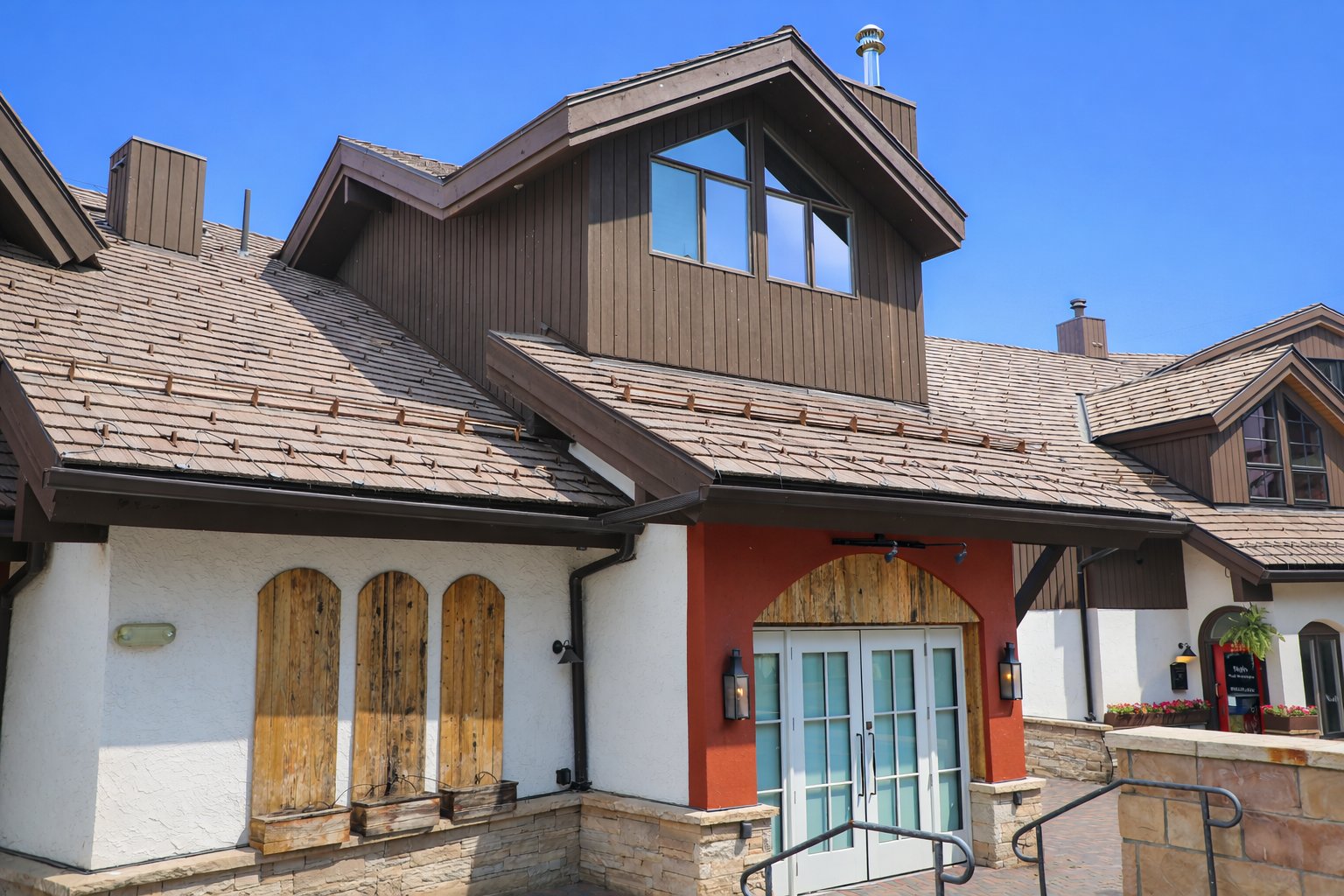
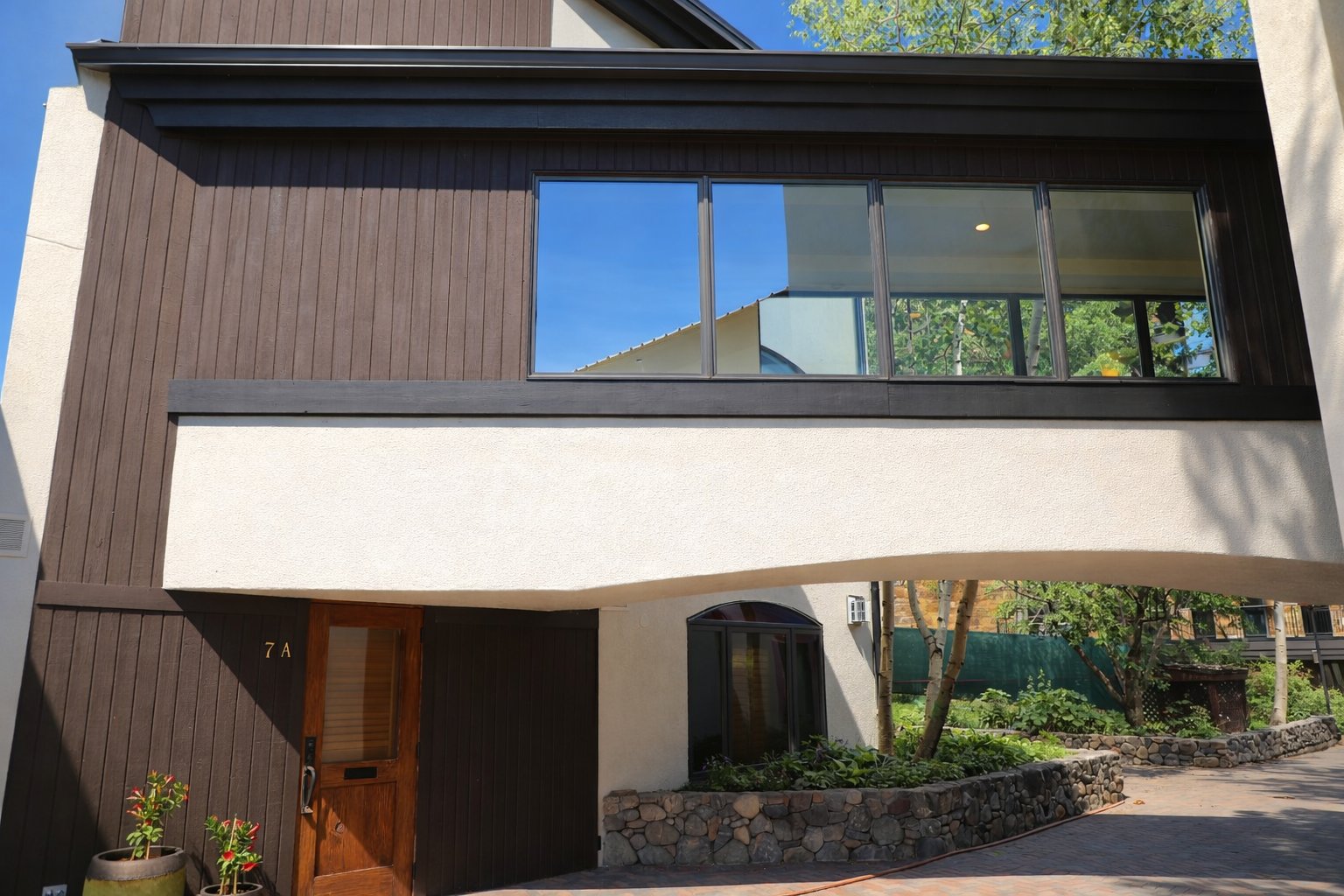
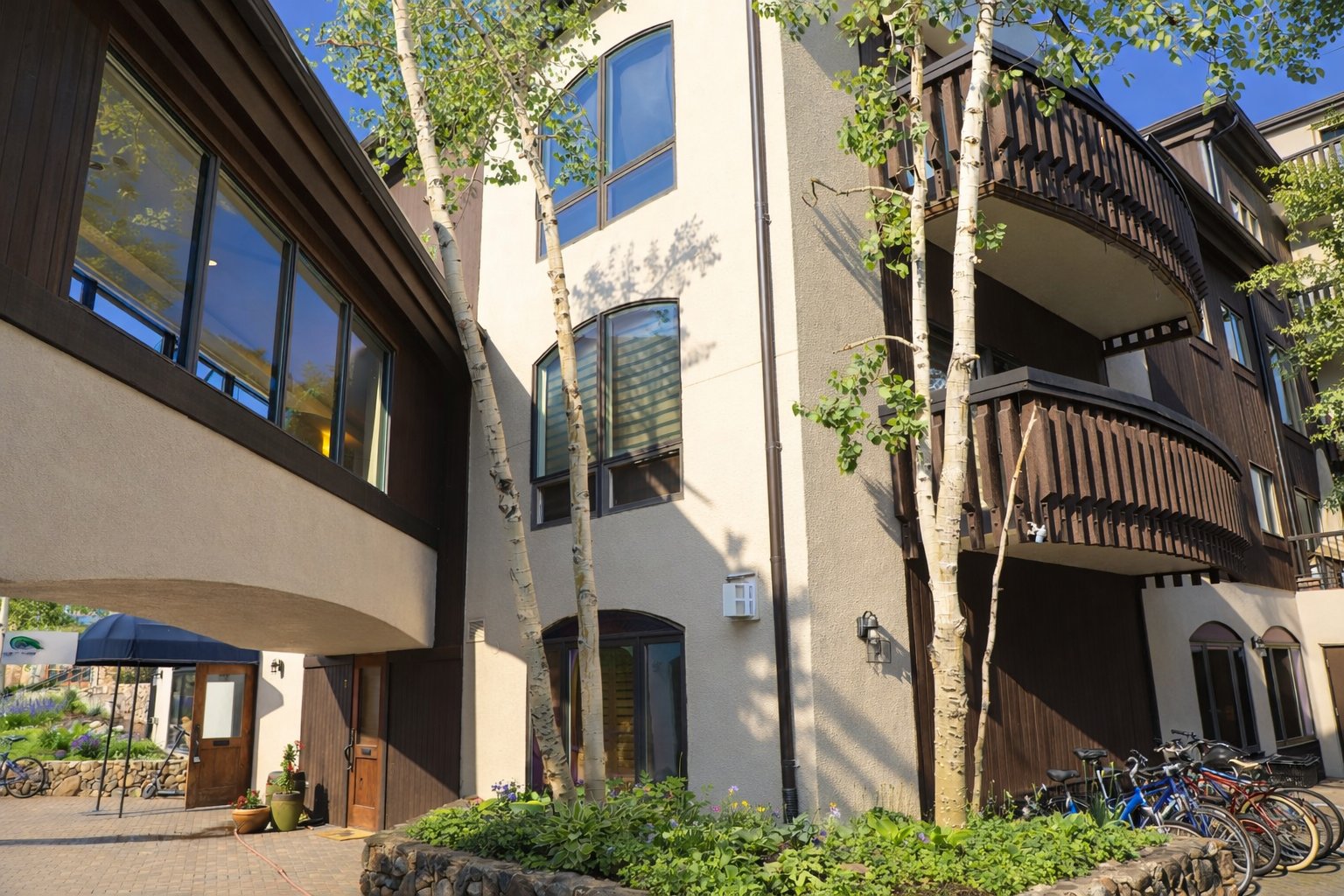
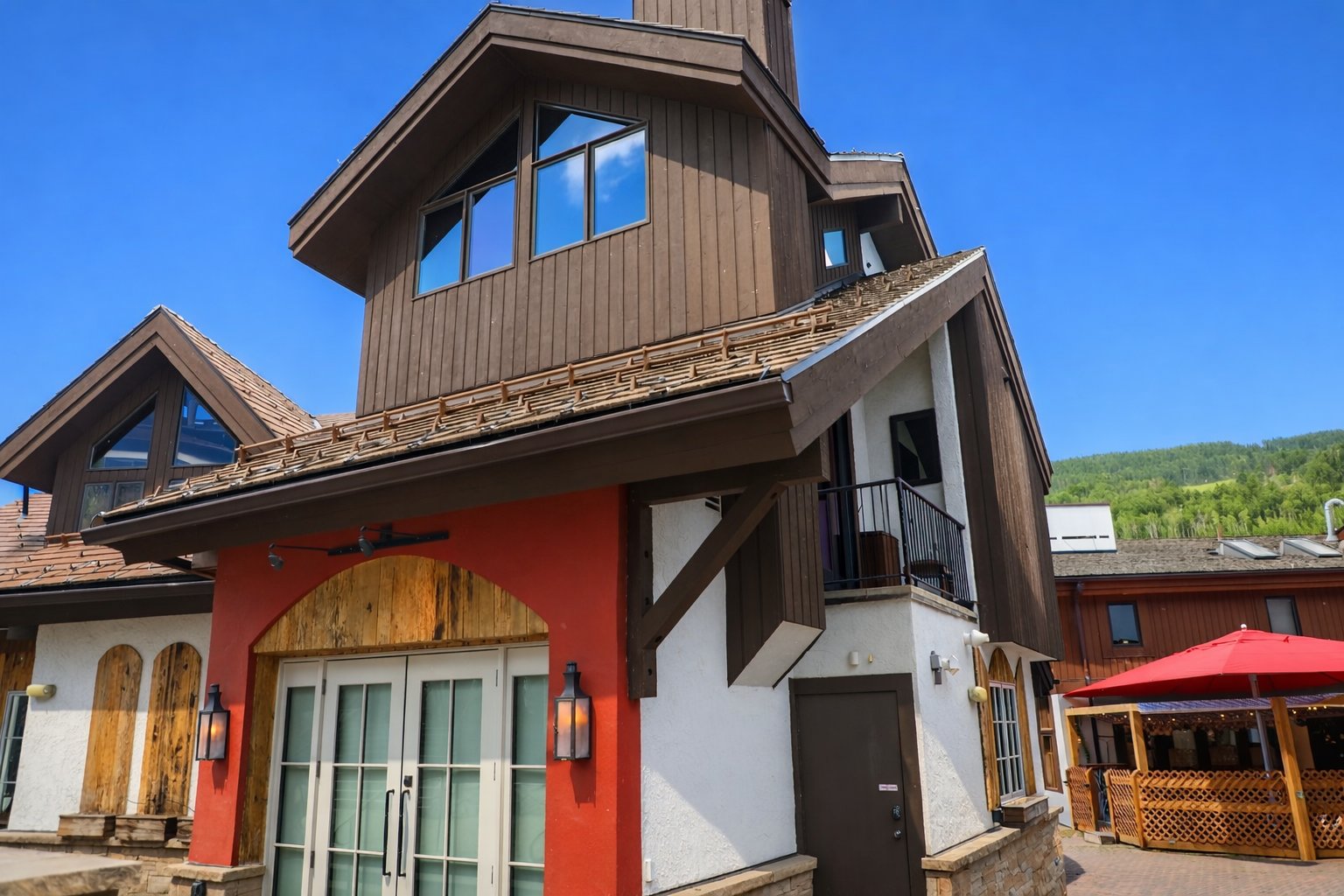
Current Claggett Rey Gallery, Edwards

—
-
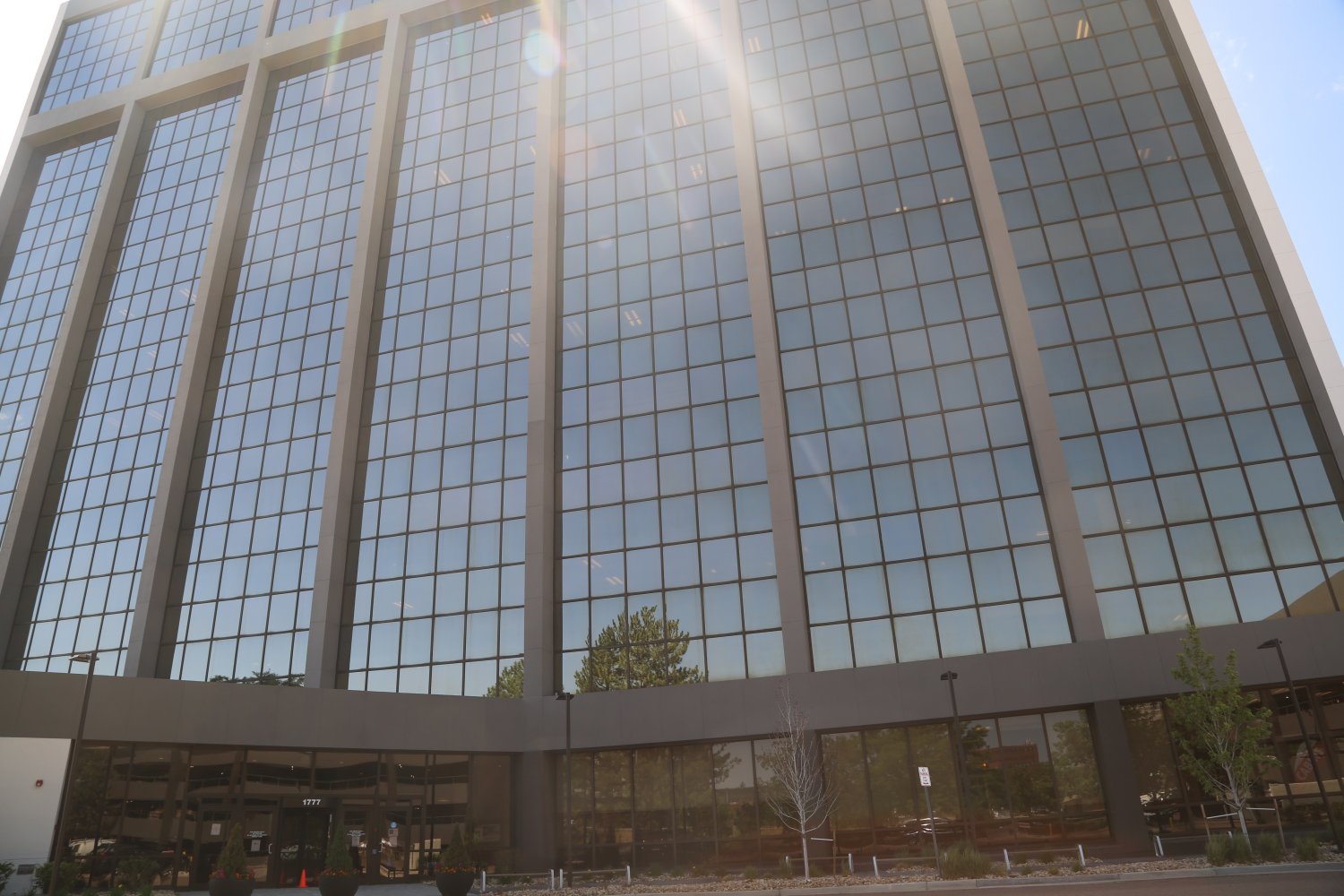
- Centerpoint II, Duncan Oil headquarters

-

- Office containing Duncan Oil headquarters
-
- Denver Museum of Art
-
- Duncan Pavilion, Martin Building – Denver Museum of Art
-

- Kent Denver School
-
- Duncan Center, Kent Denver School
-
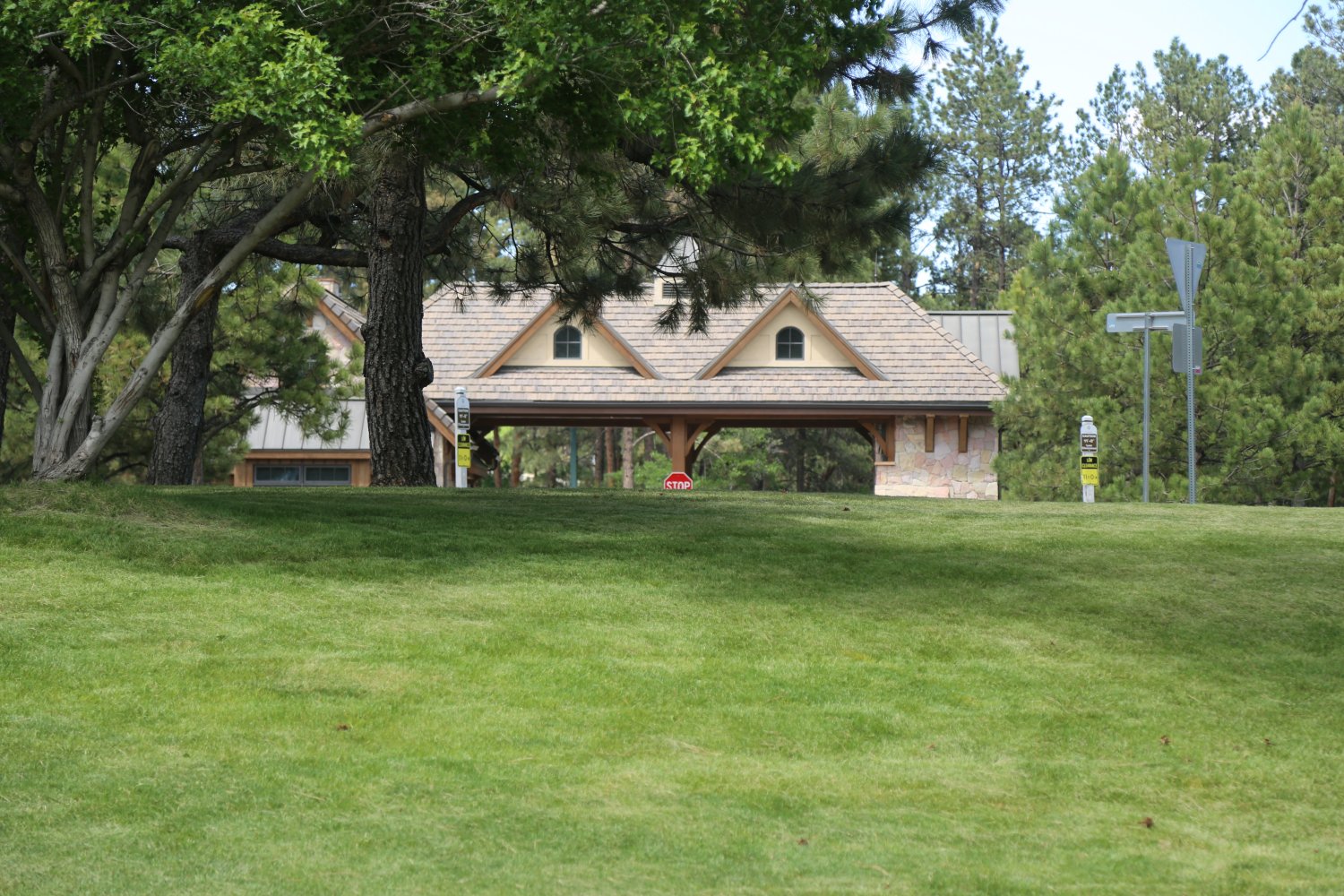
- Castle Pines Golf Club
-
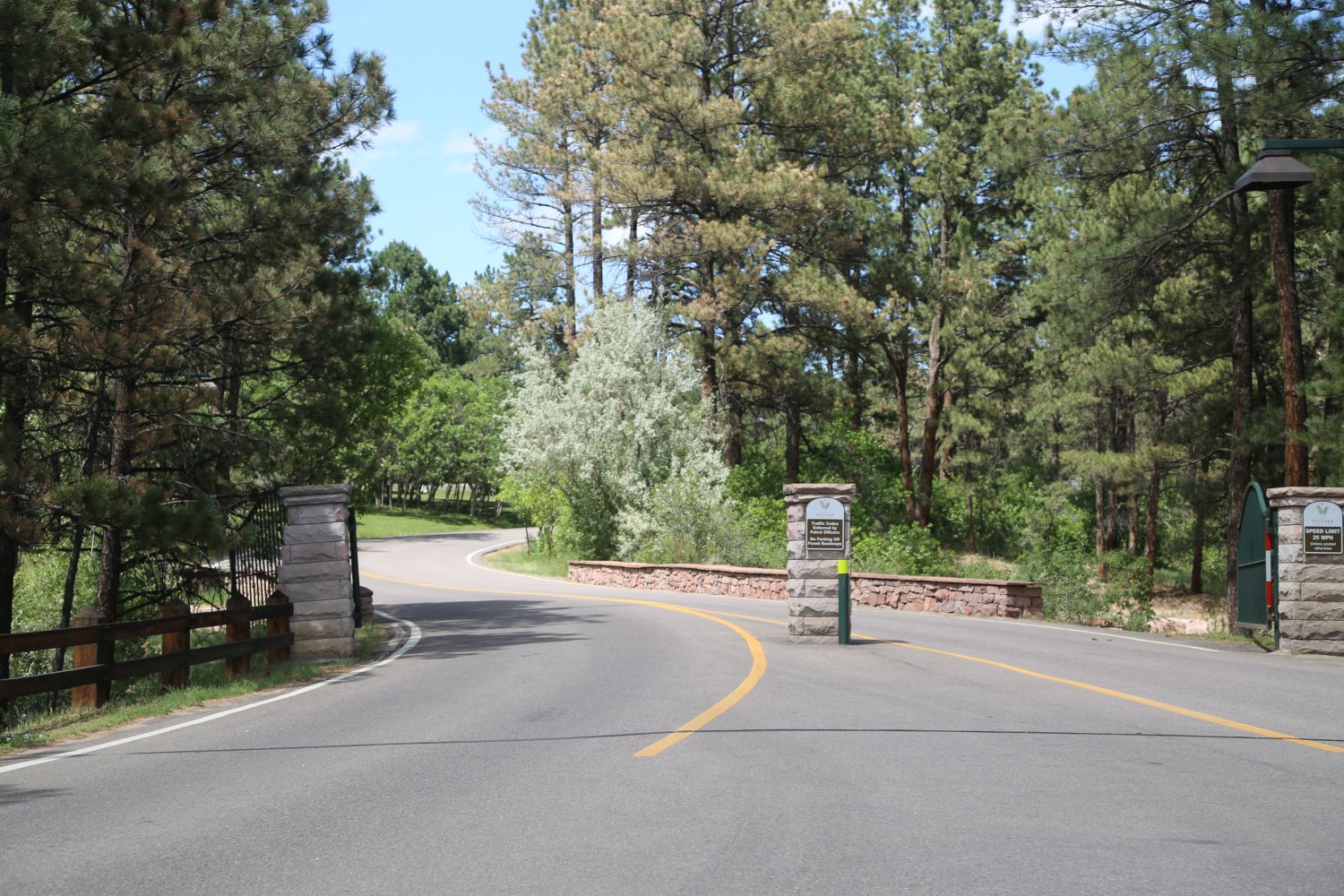
- Entrance, Castle Pines Golf Club
The University of Notre Dame, South Bend, Indiana Heritage
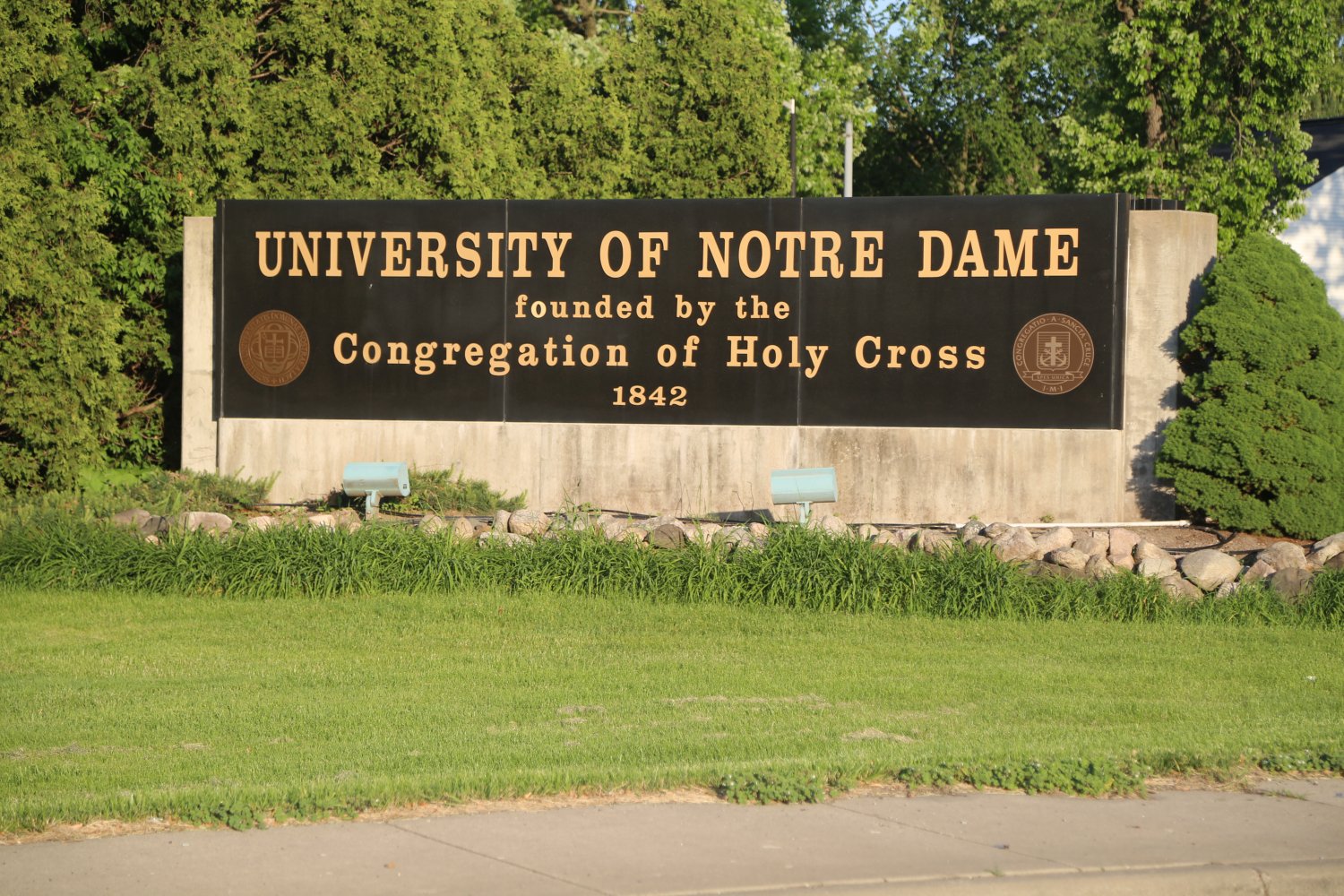
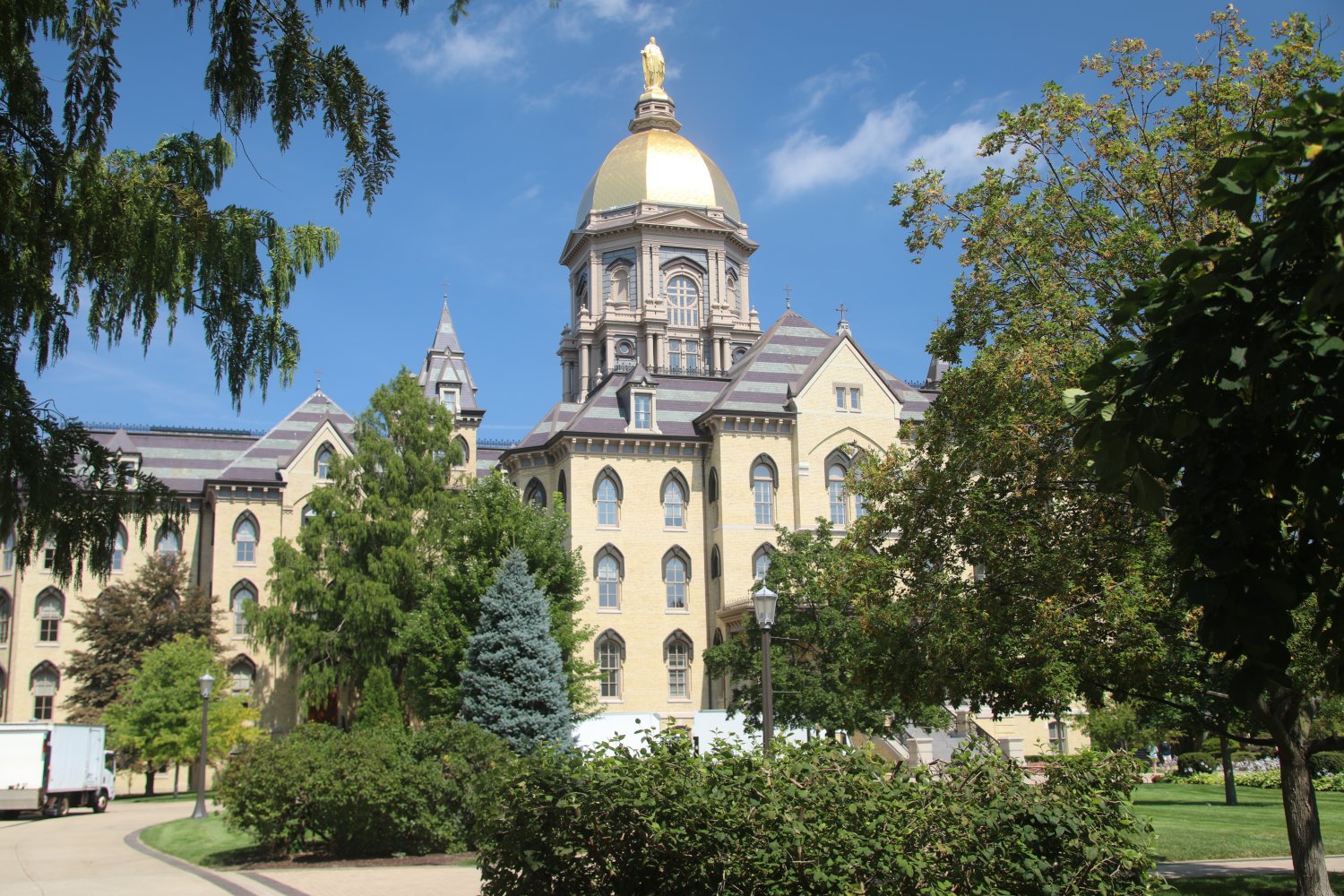
The University of Notre Dame has educated a number of Duncan family members. This school’s storied history dates back to its founding in 1842 and has also graduated numerous notable alumni including Condoleezza Rice (former Secretary of State) and several prominent former San Francisco 49ers – Edward J. DeBartolo Jr (DeBartolo Hall on campus is named in his honor), Joe Montana and Carmen Policy of Napa Valley’s Casa Piena Winery, among a handful of other Napa Valley winery owner alumni.
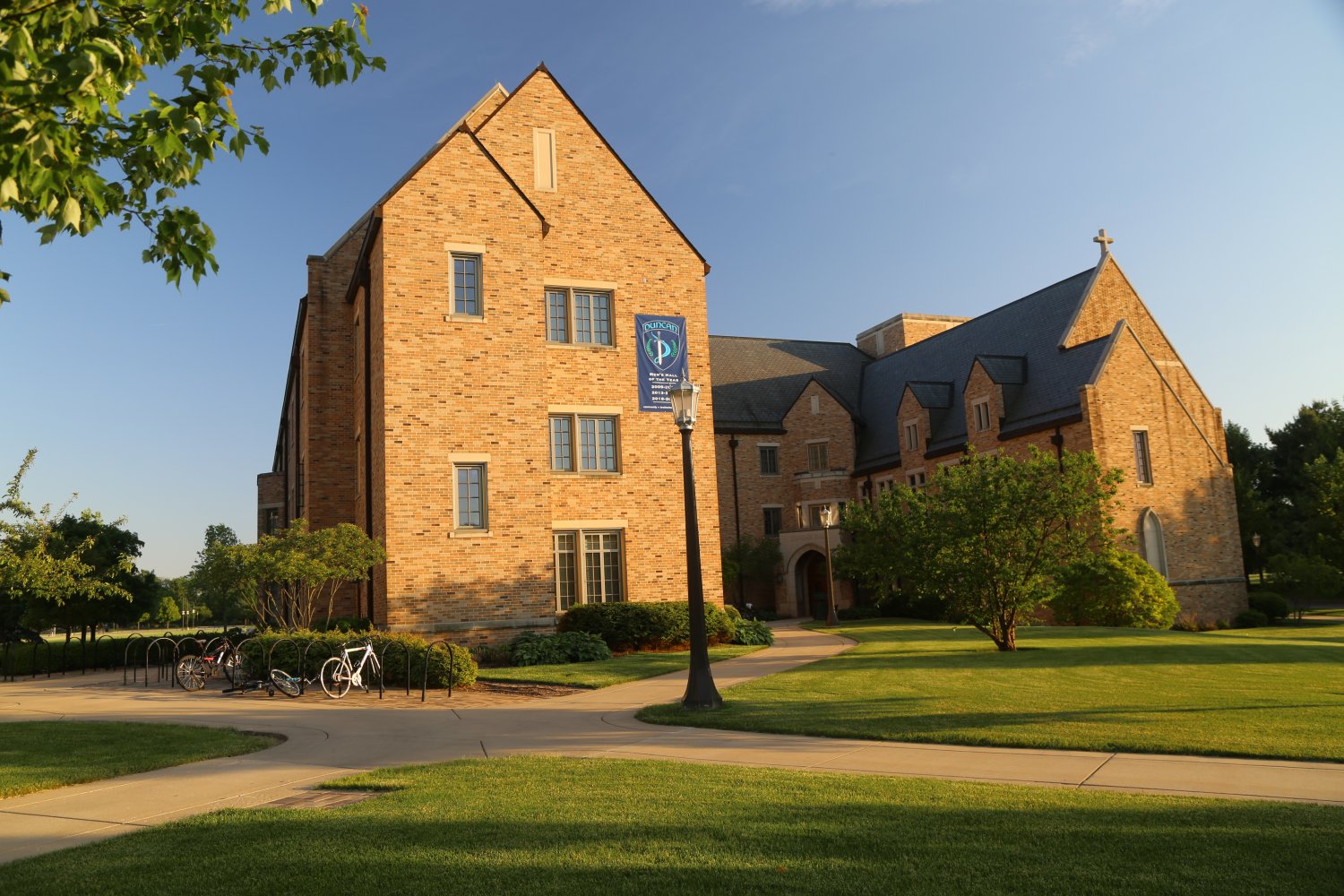
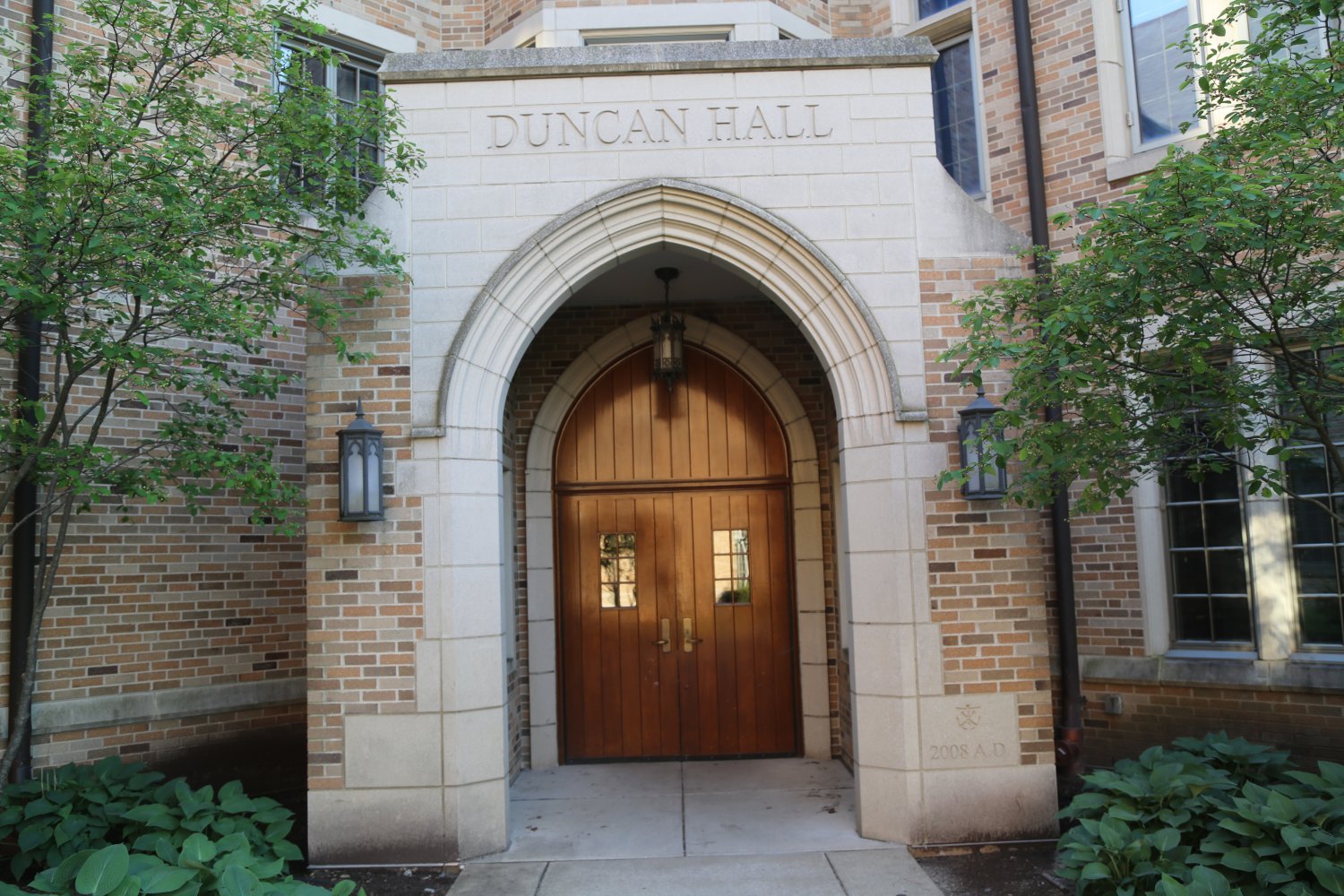
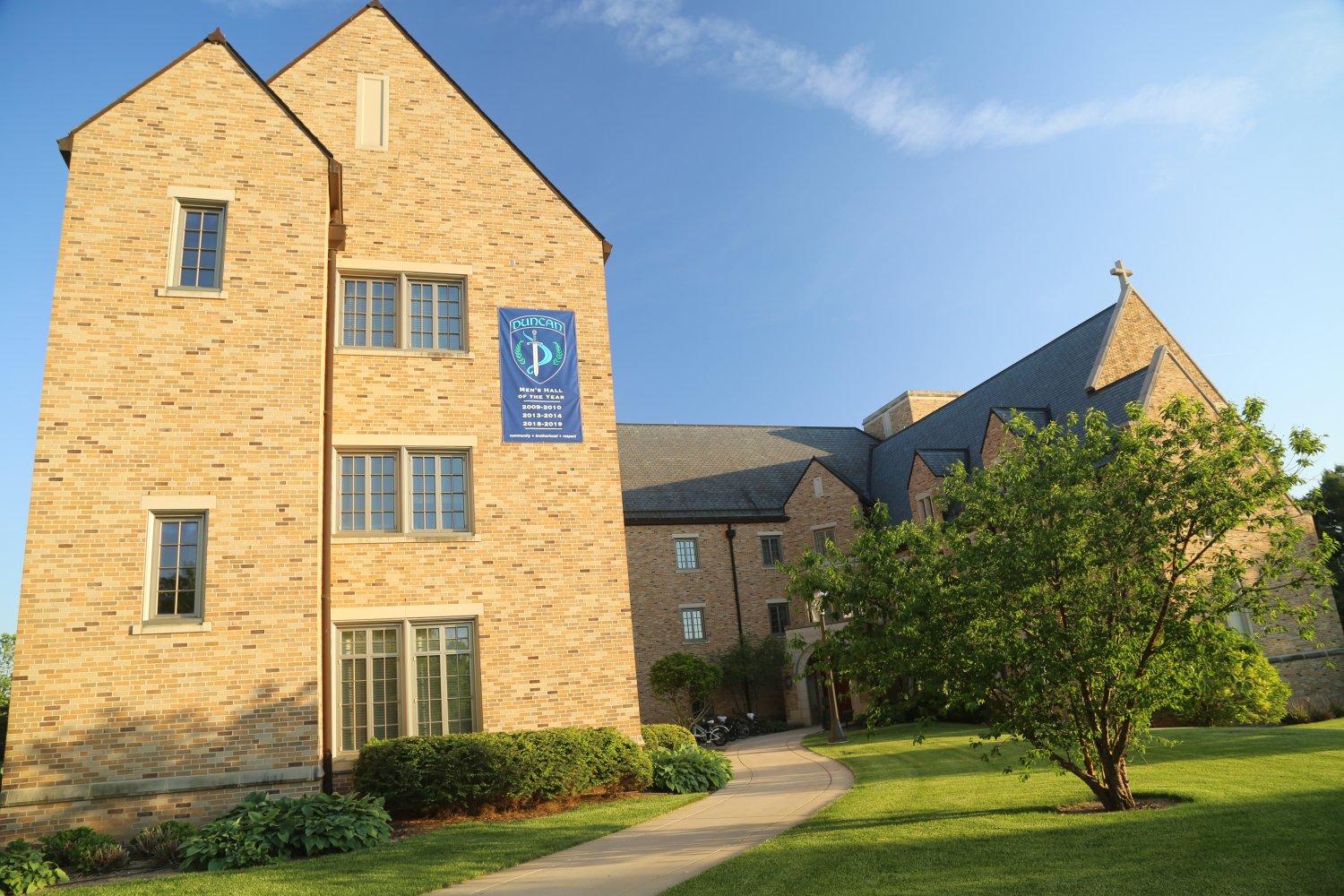
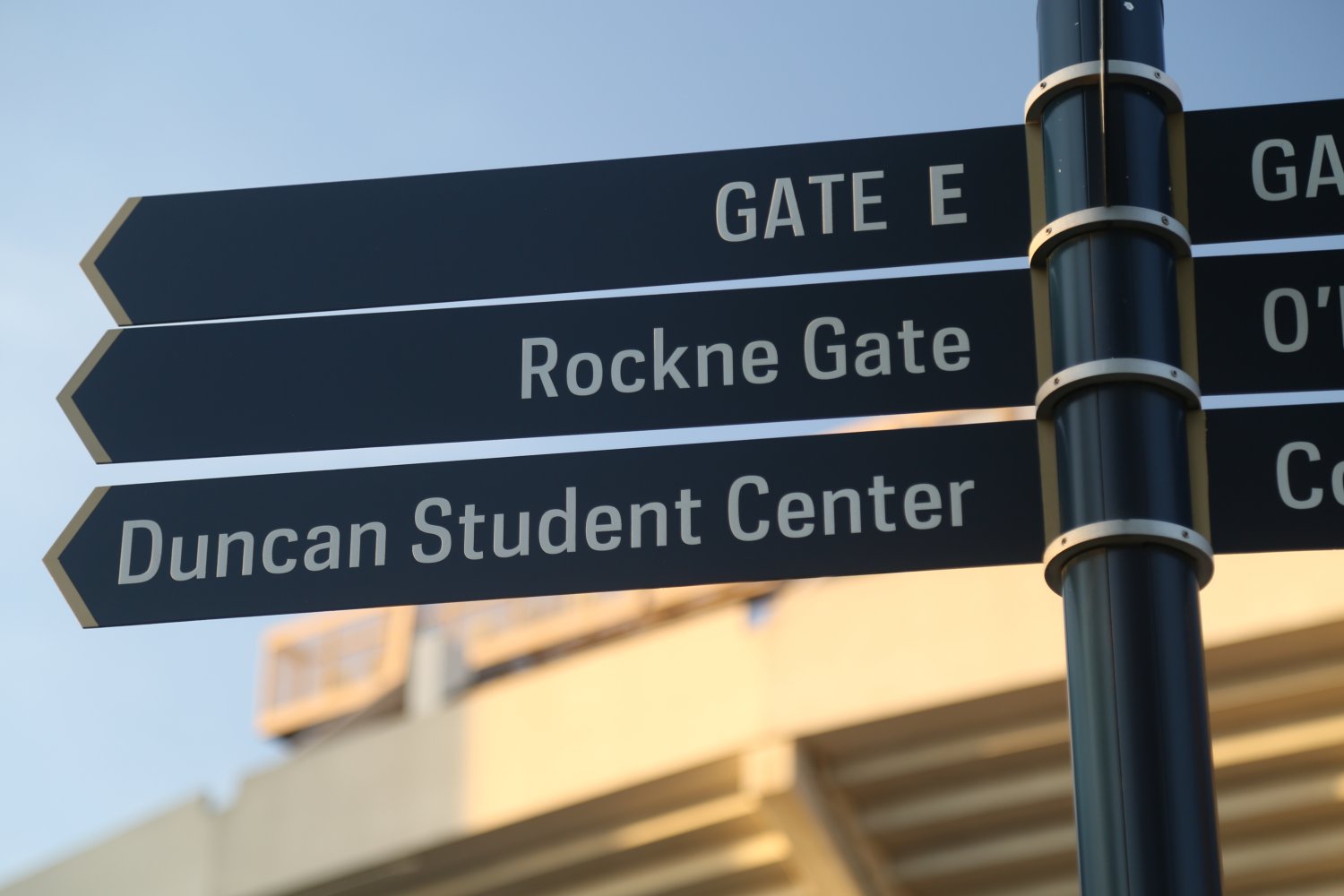
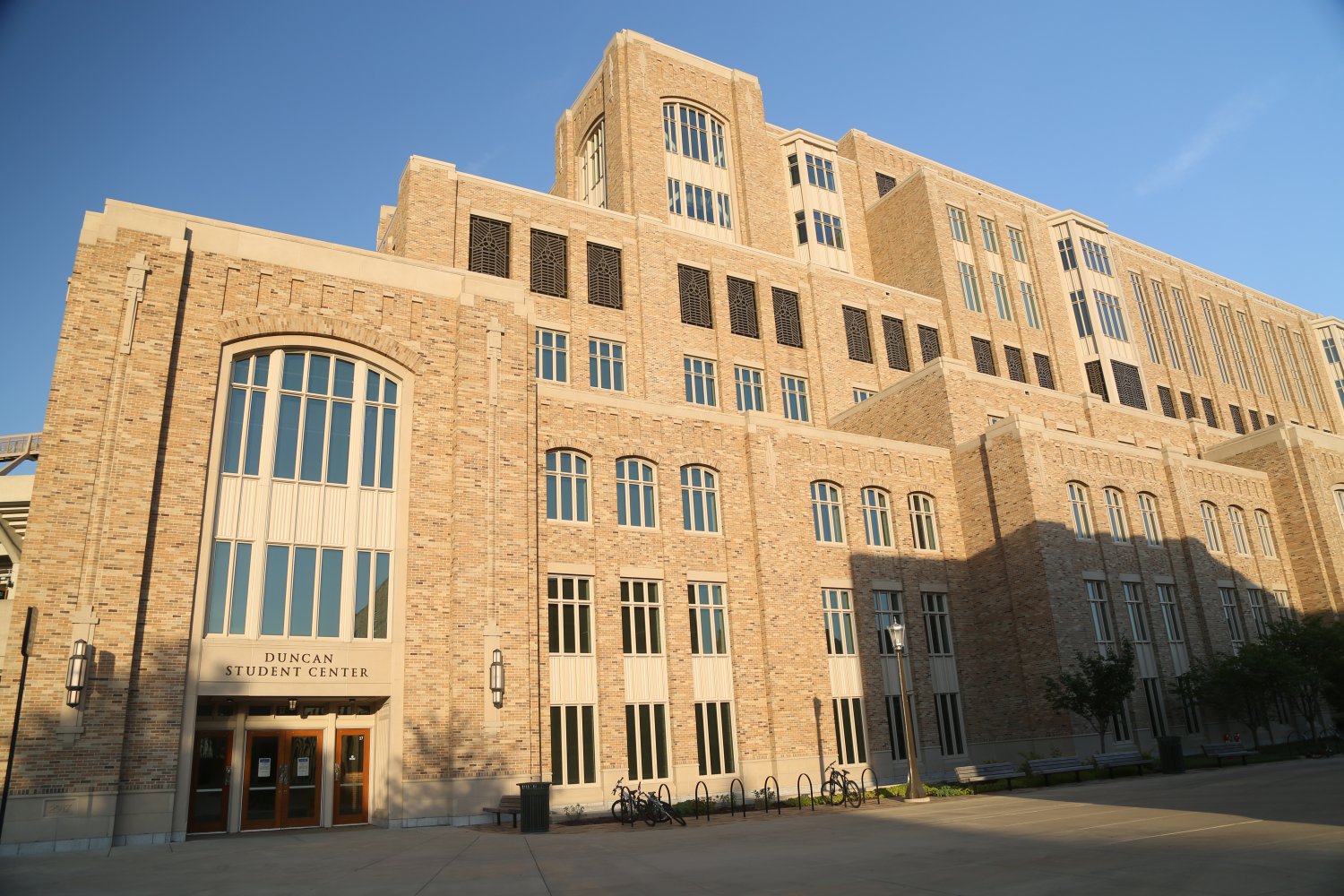
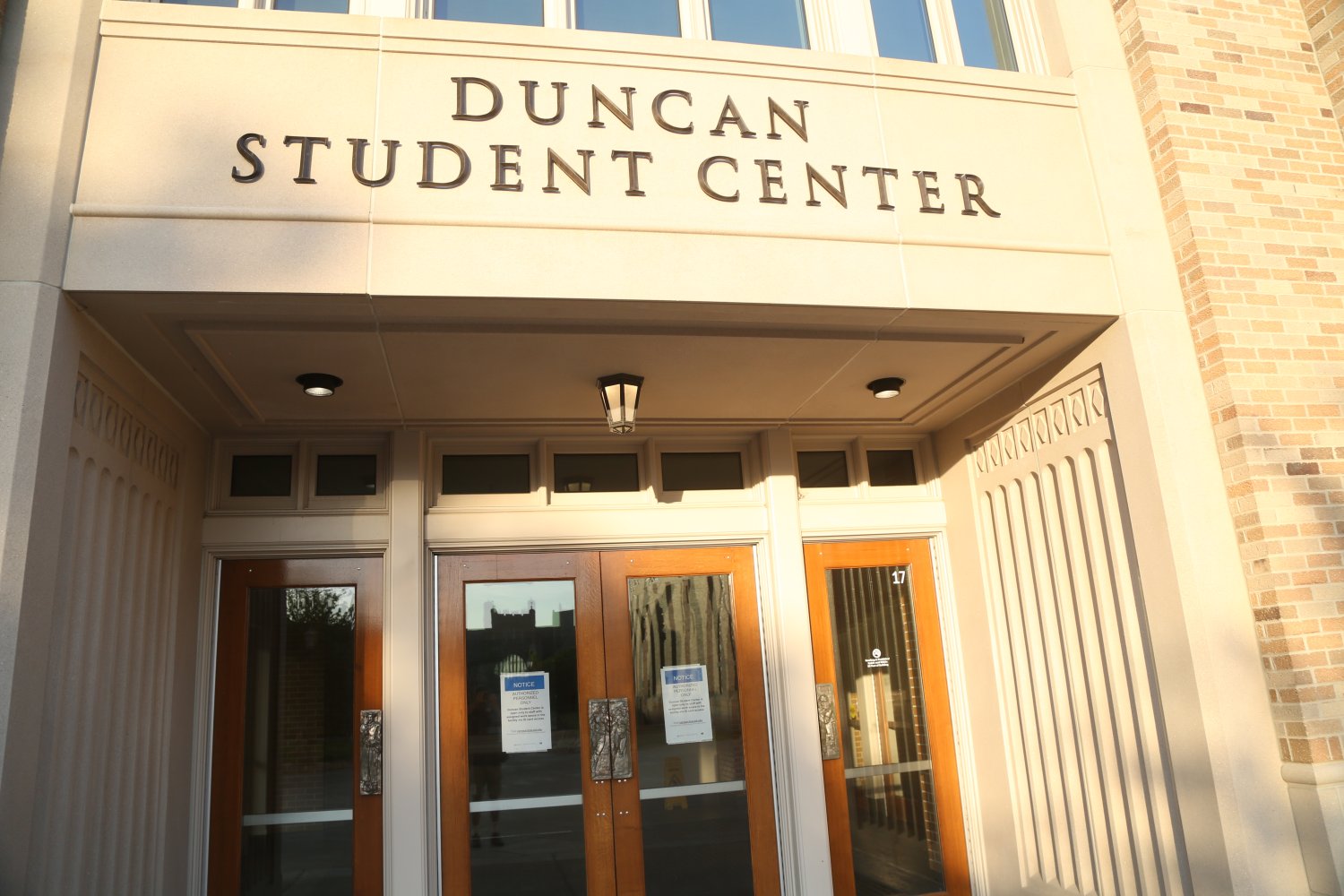
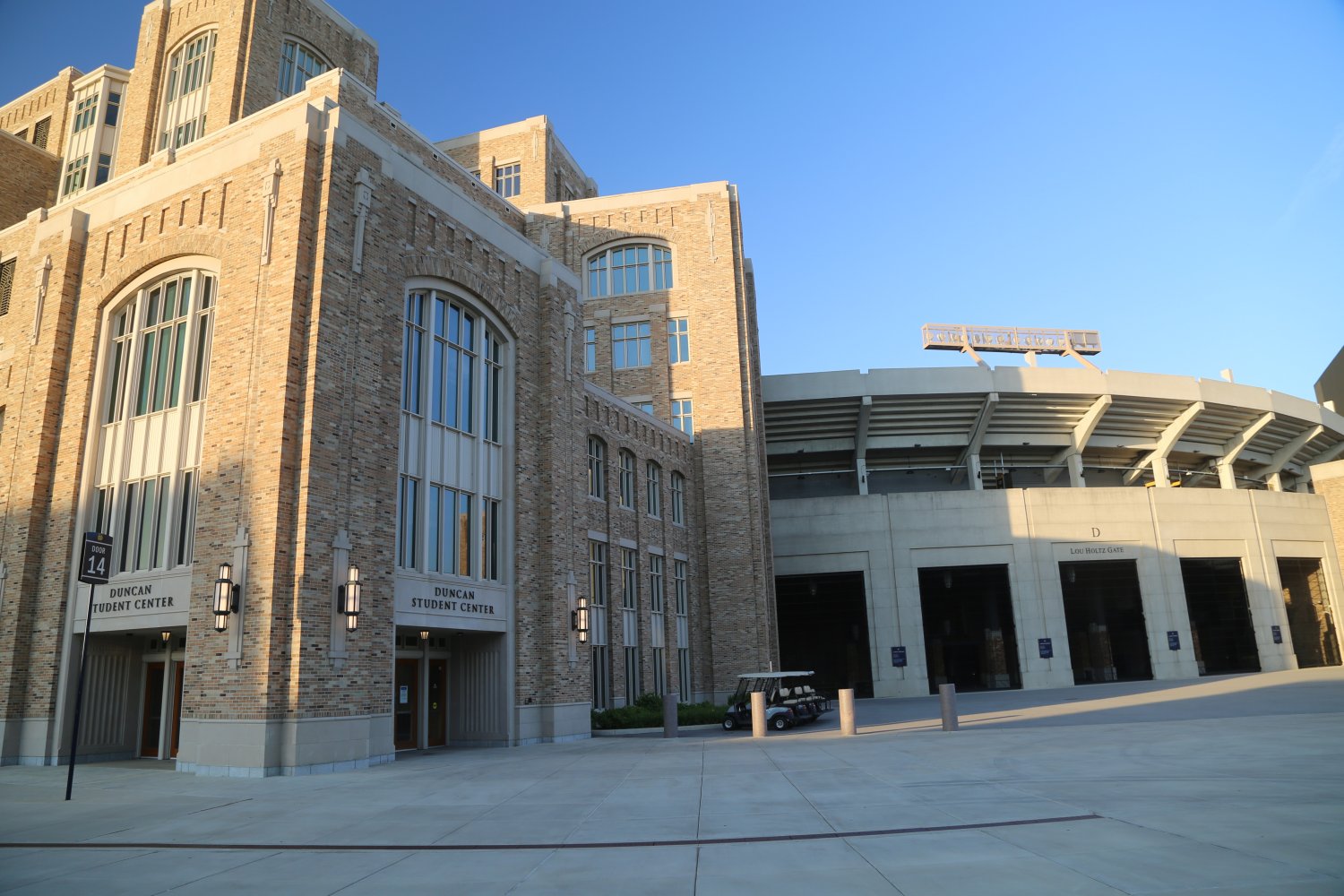
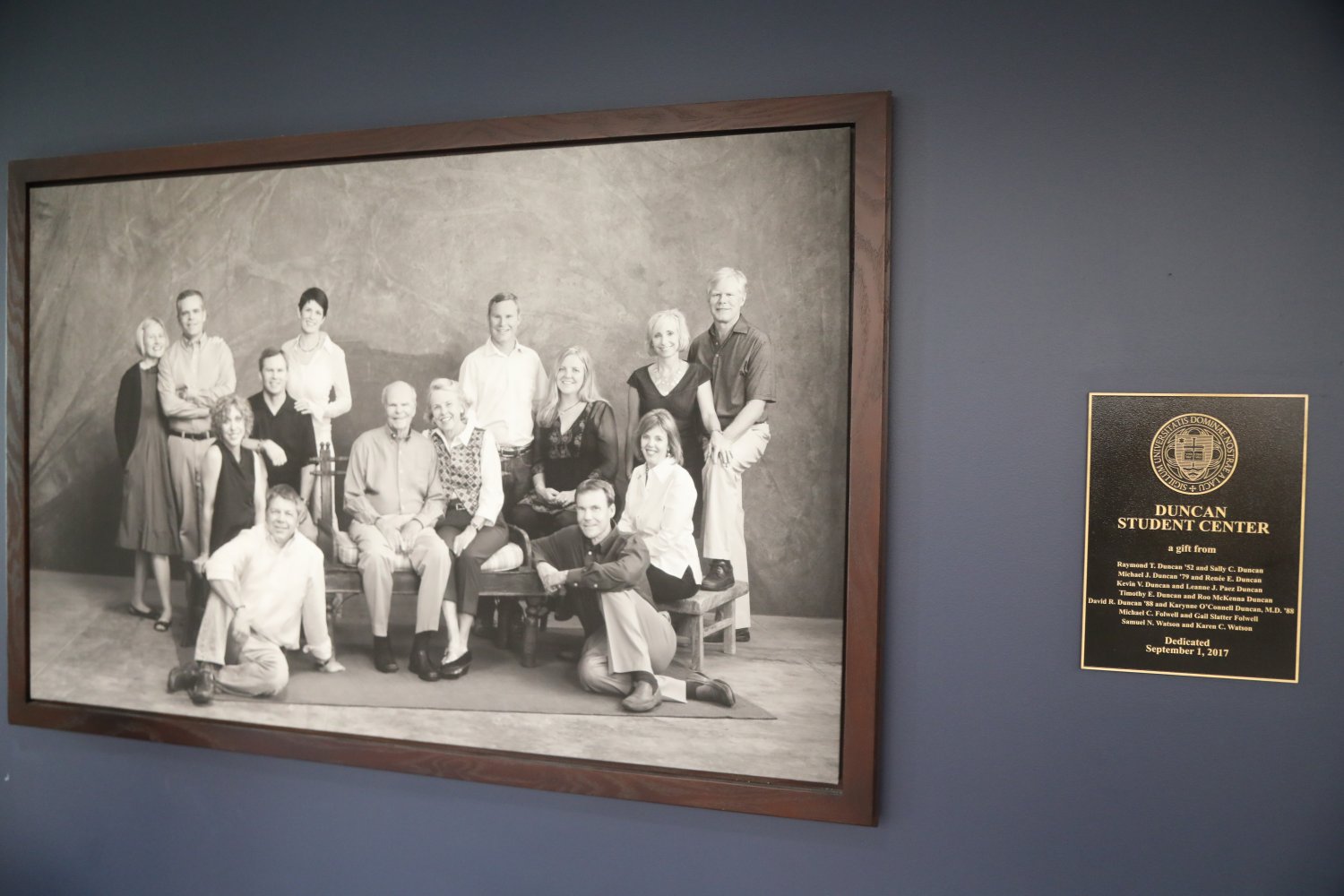
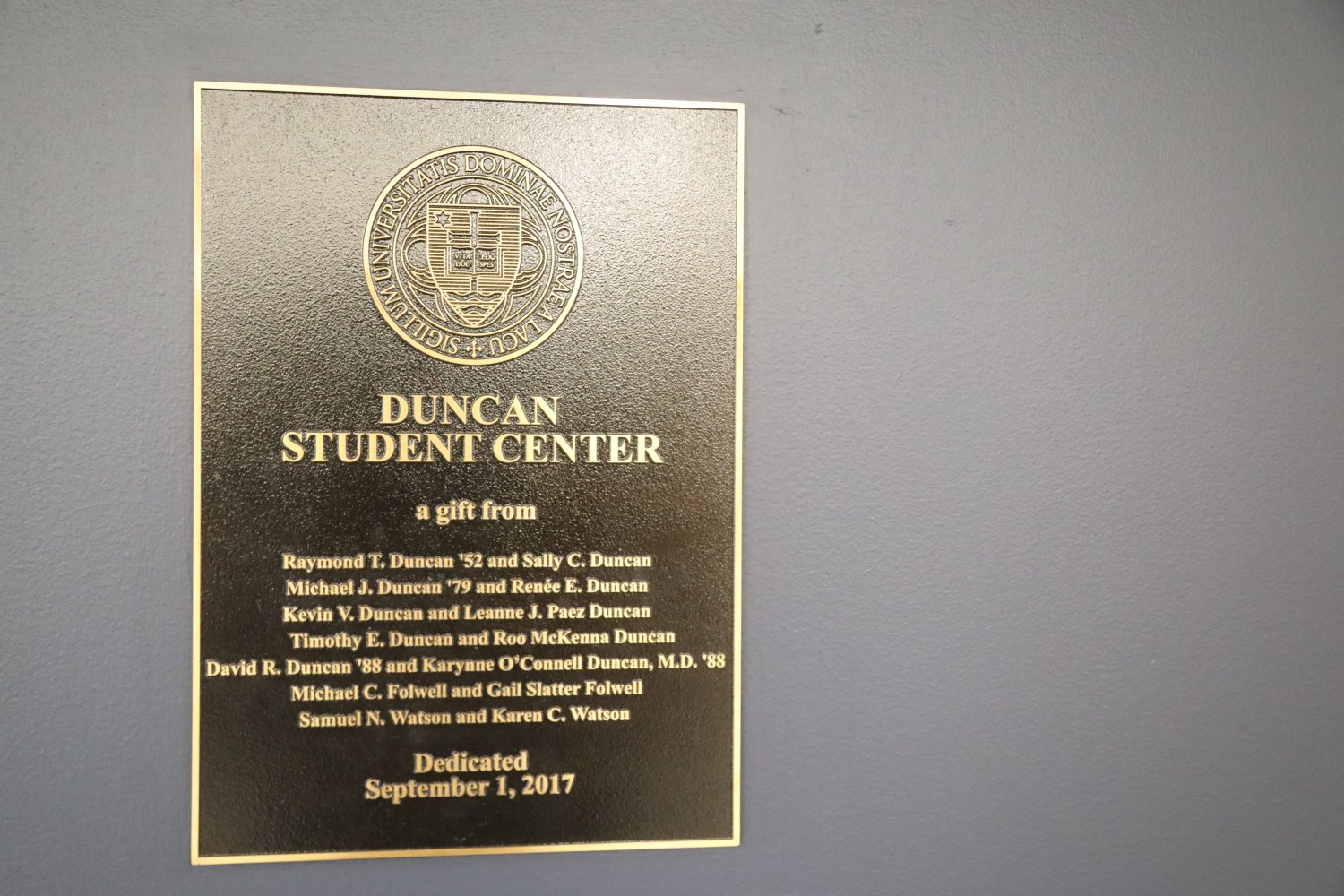
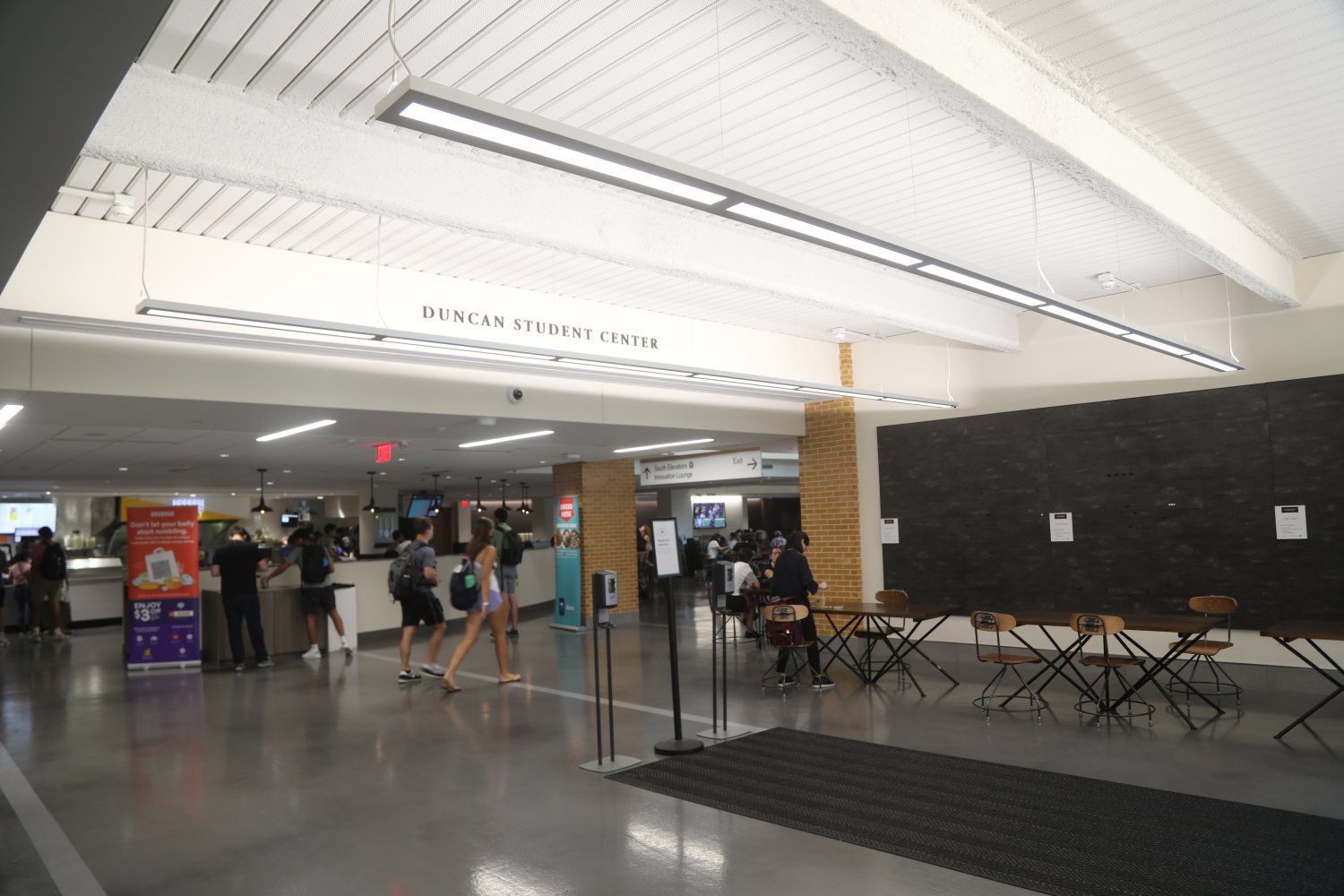
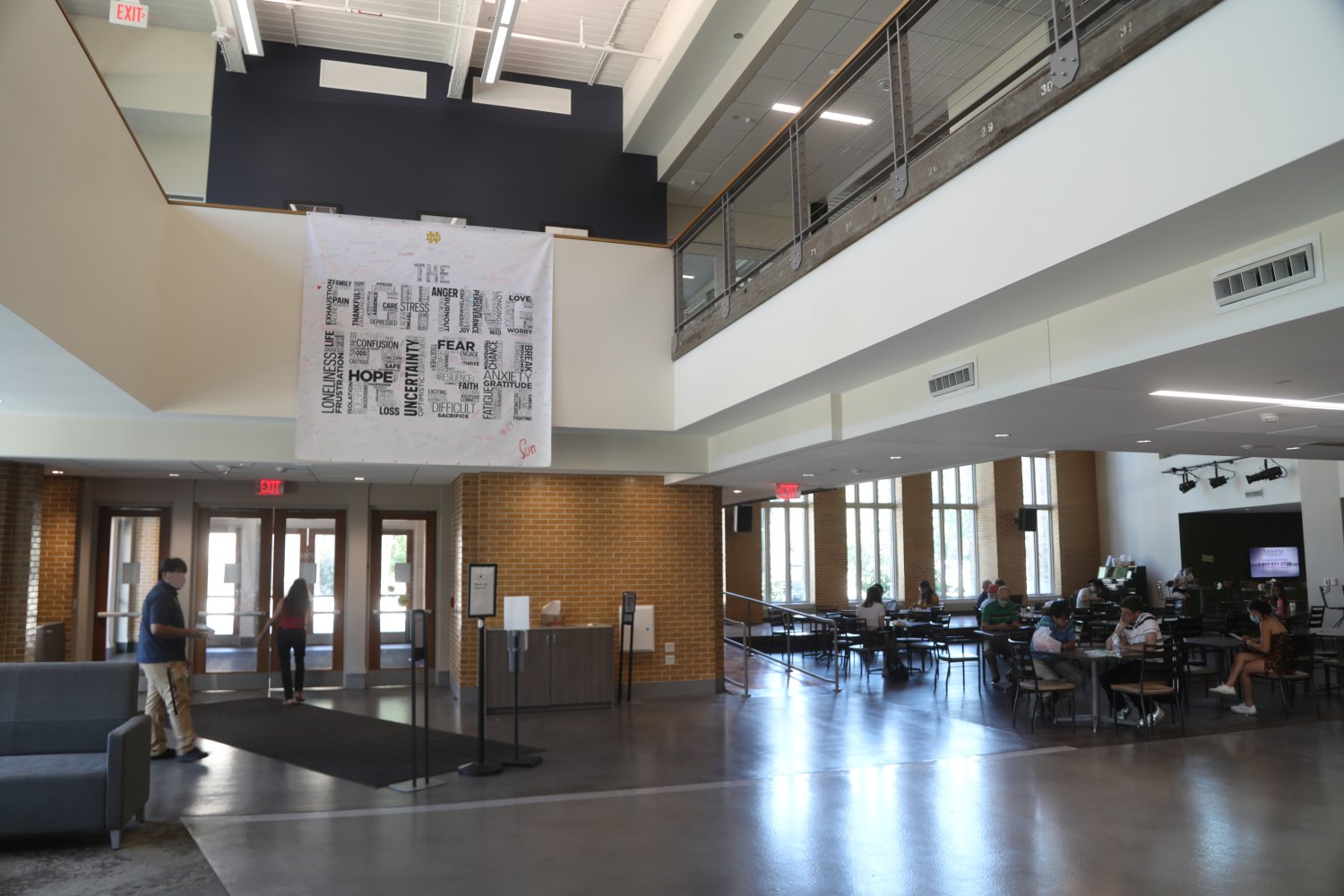
Two prominent buildings on campus are named in honor of Ray and his family, Duncan Hall and the 400,000 square-foot Duncan Student Center. Duncan Hall is 68,000+ square feet; it opened in 2008 across from the golf course and houses men’s dormitories and a small but impressive chapel. A prominent photograph of Ray and his wife Sally greets anyone who walks in through the main entrance on the first floor along with a nearby recreational room. Remarkably this dormitory is located directly across a large grass field from another Napa Valley winery family named dormitory, Fisher Dormitory (reference Fisher Vineyards, Calistoga).
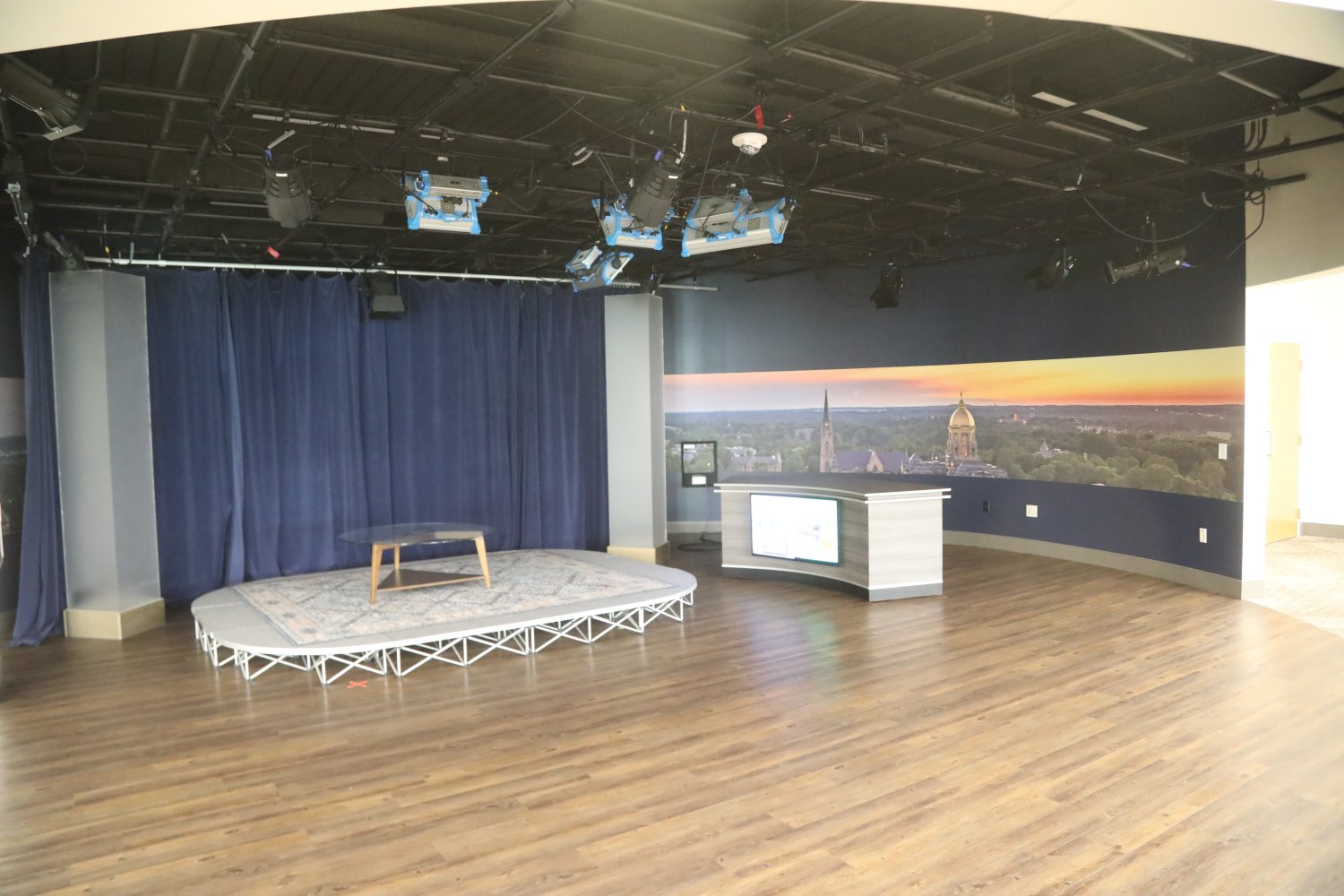
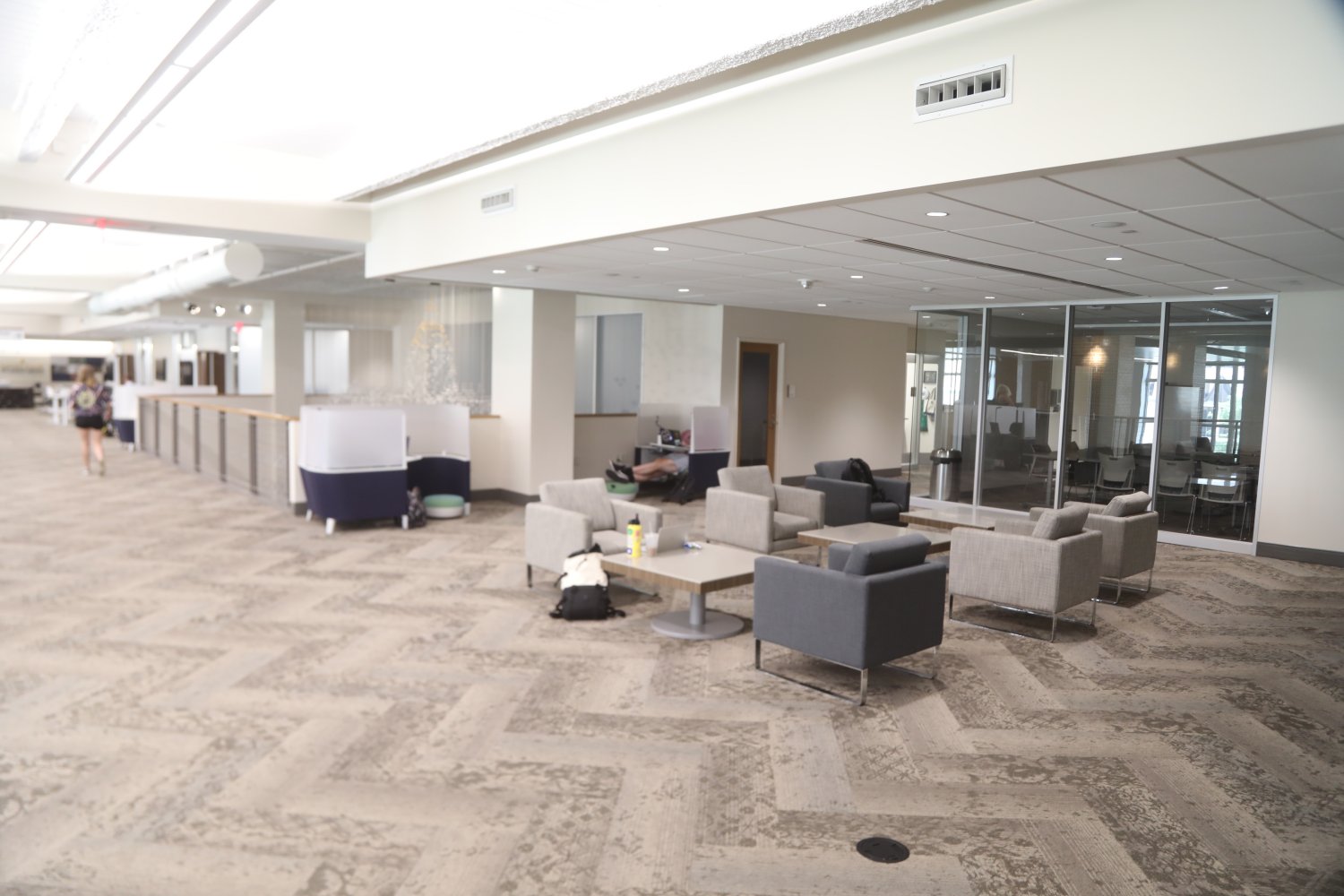
One of the most impressive student centers we have ever seen on any campus is Duncan Student Center (or called for short, the Dunc) – prominently housed next to the iconic University of Notre Dame Stadium (dating from 1930), and of course, a statue of Lou Holtz prominently greeting visitors outside of the stadium. This sizable student center opened in 2018 and features 9 floors containing meeting rooms, a graduate student lounge, three restaurants/cafes and the Smith Recreational Sports Center including a magnificent climbing wall. Its interior open space invites social interactions with numerous seated areas for students to hang out and socialize or study. Its size visually dominates this part of campus.
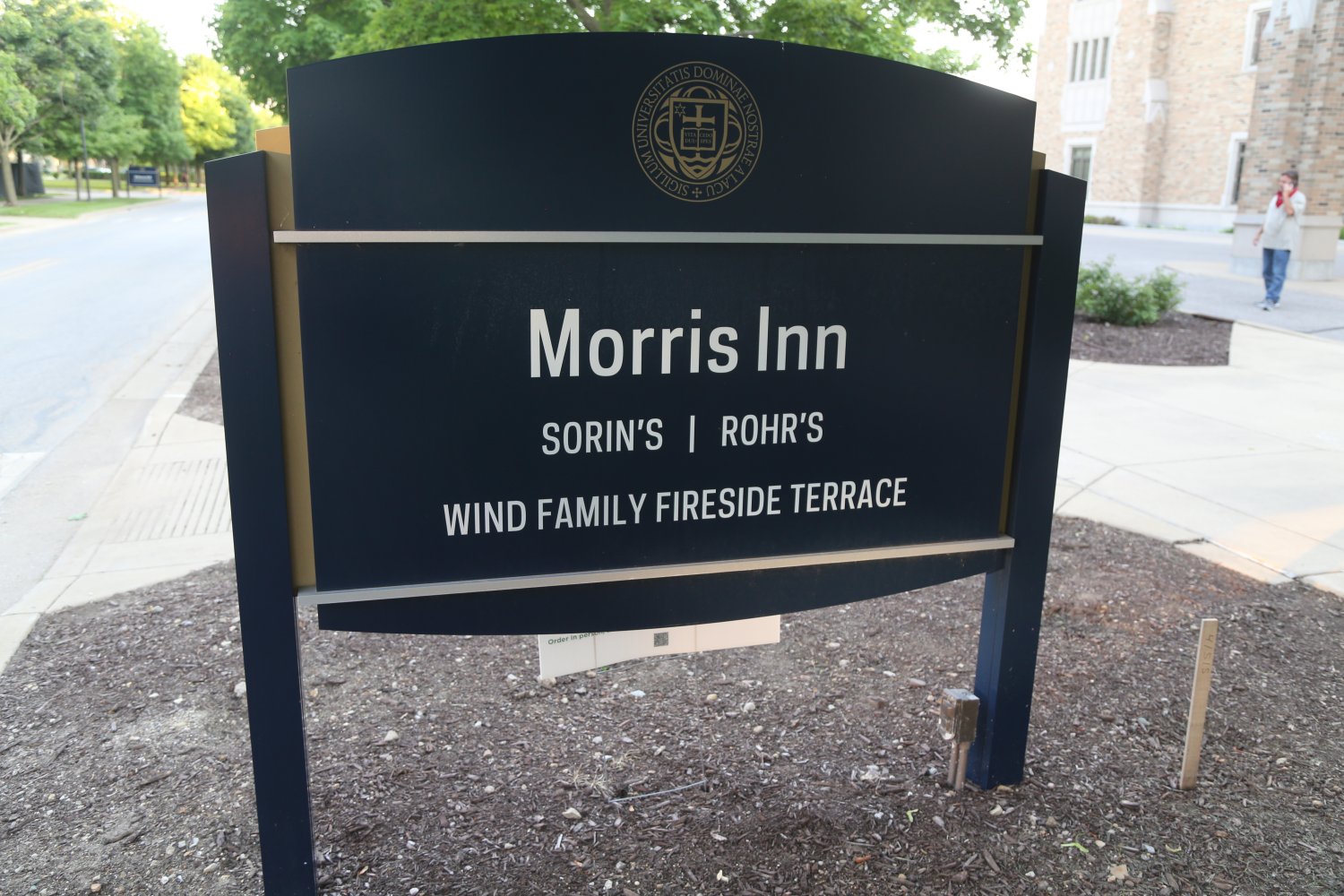
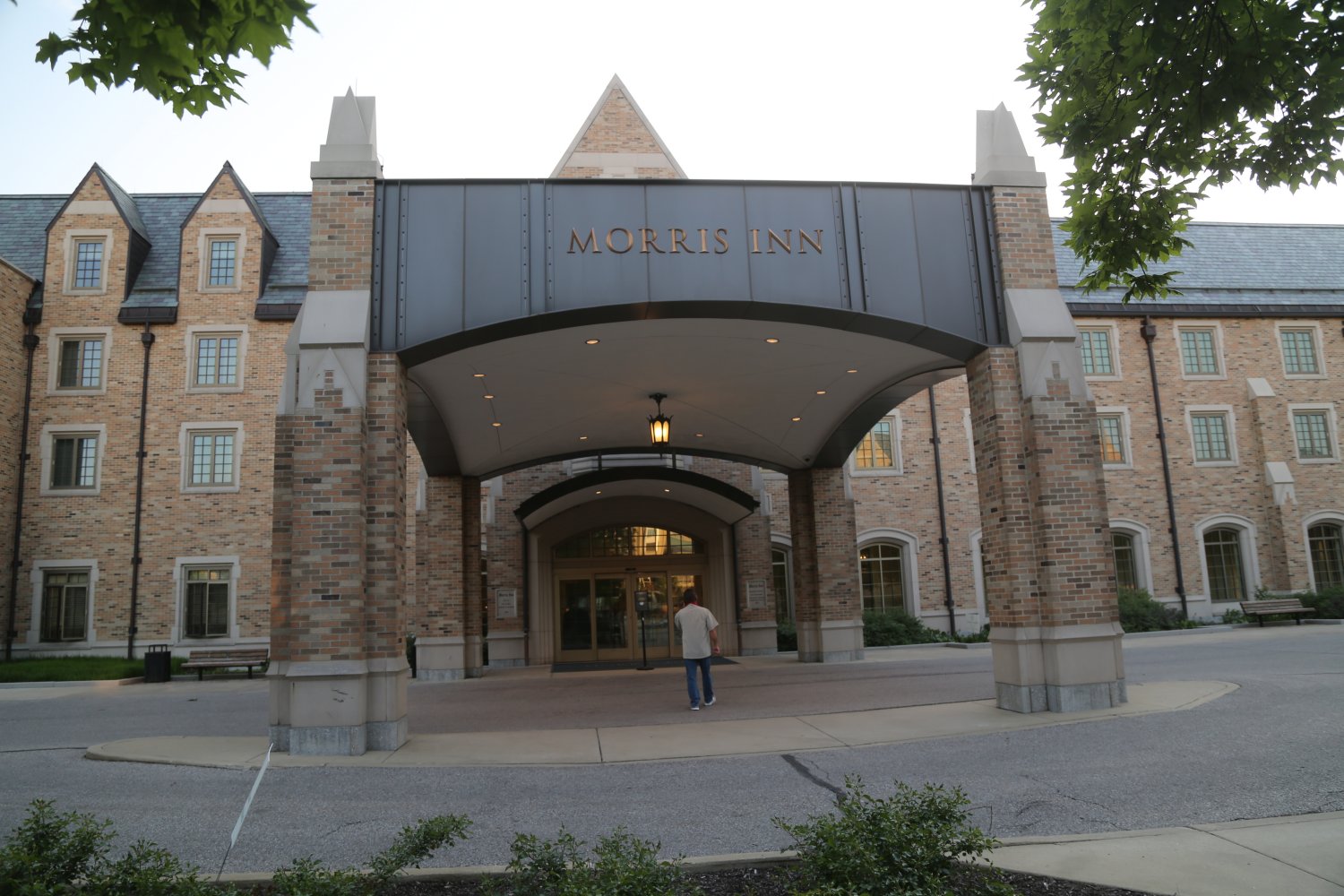
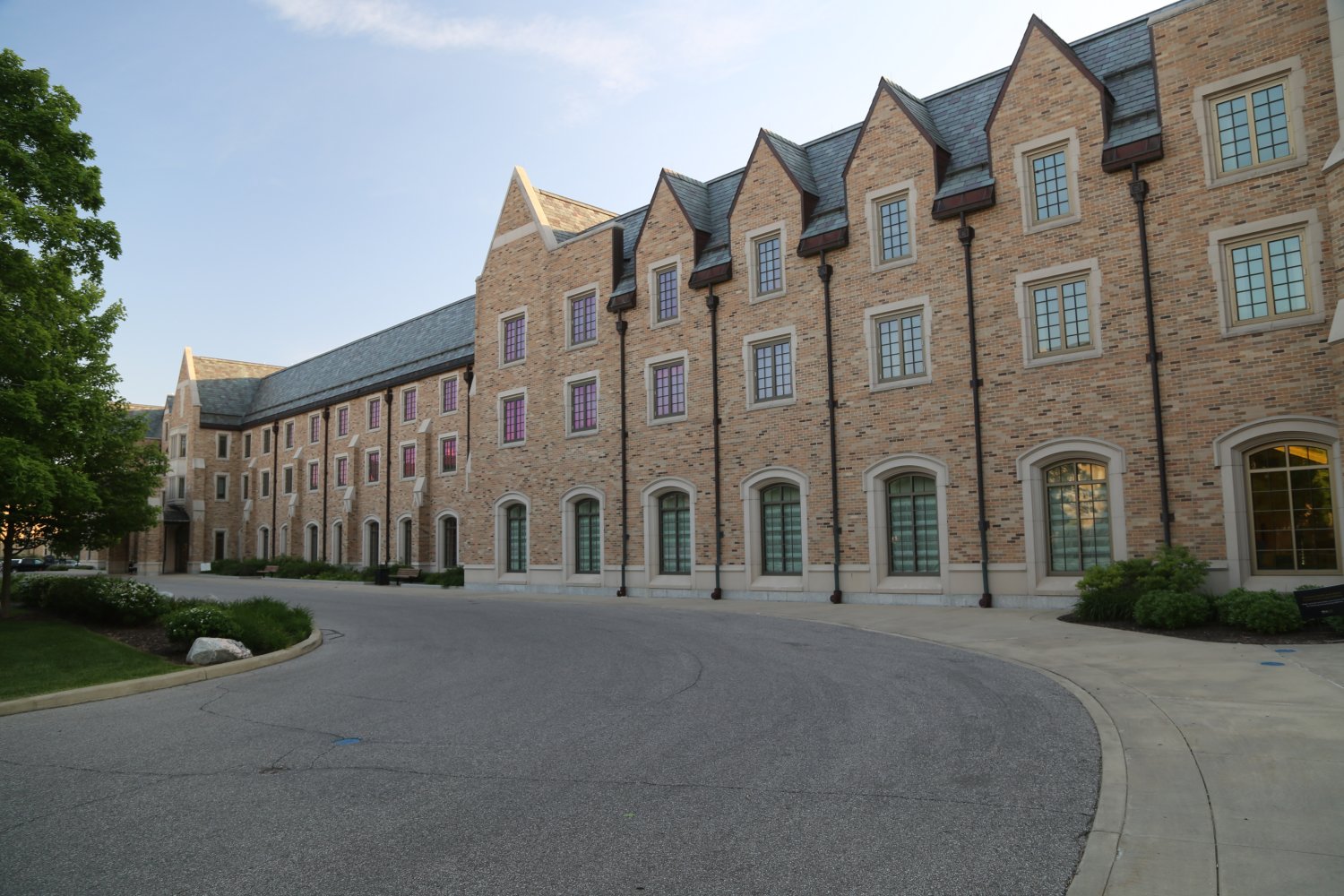
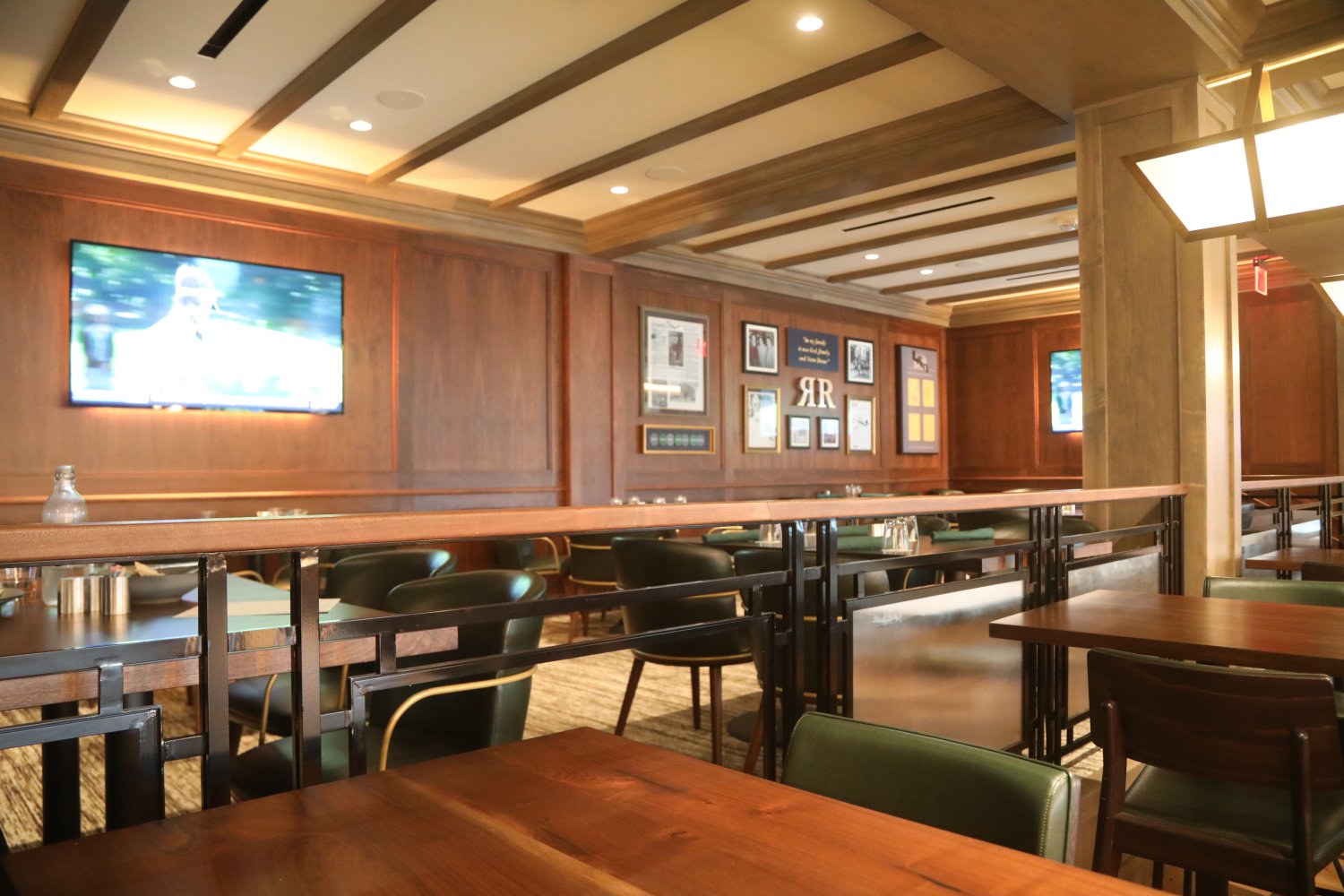
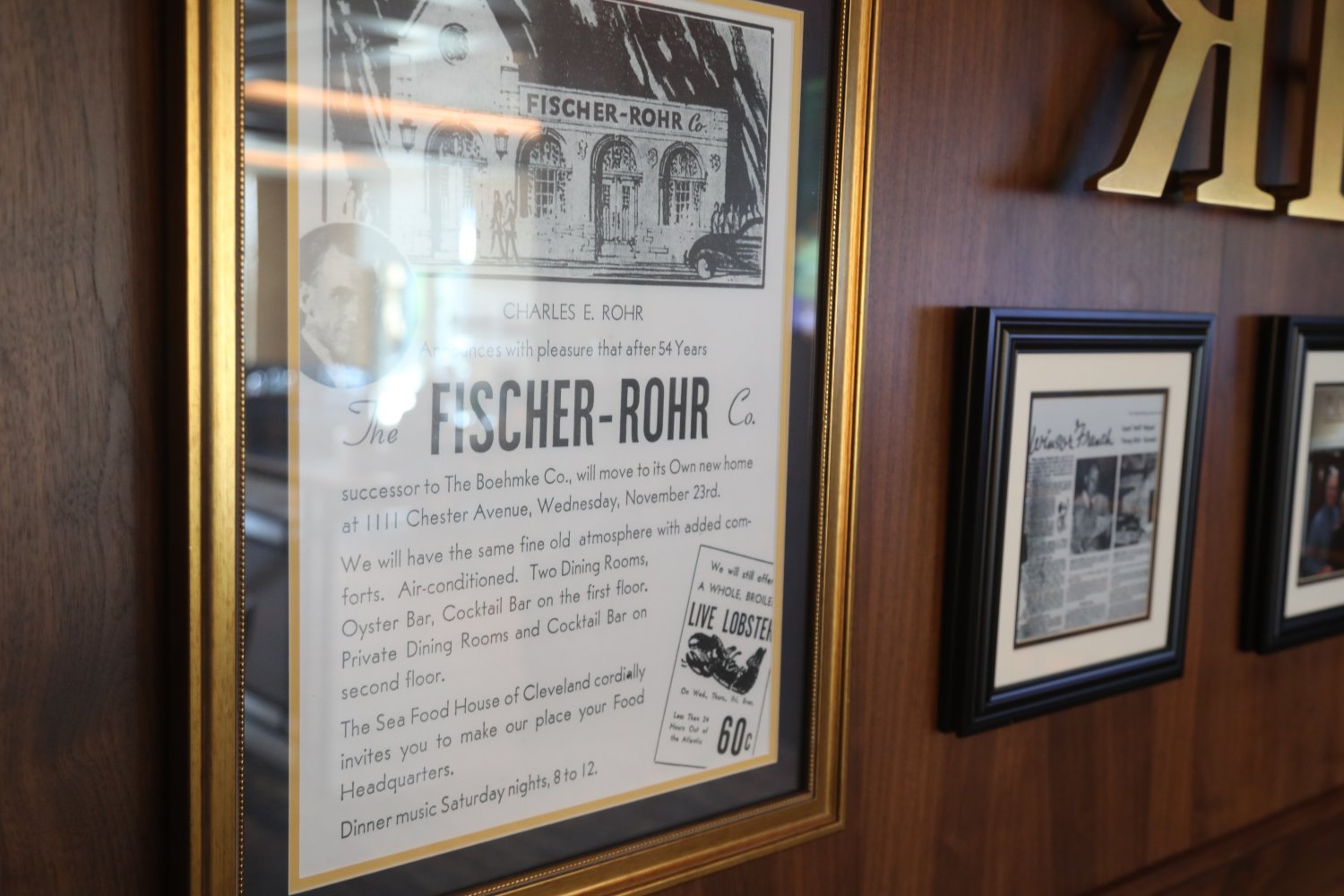
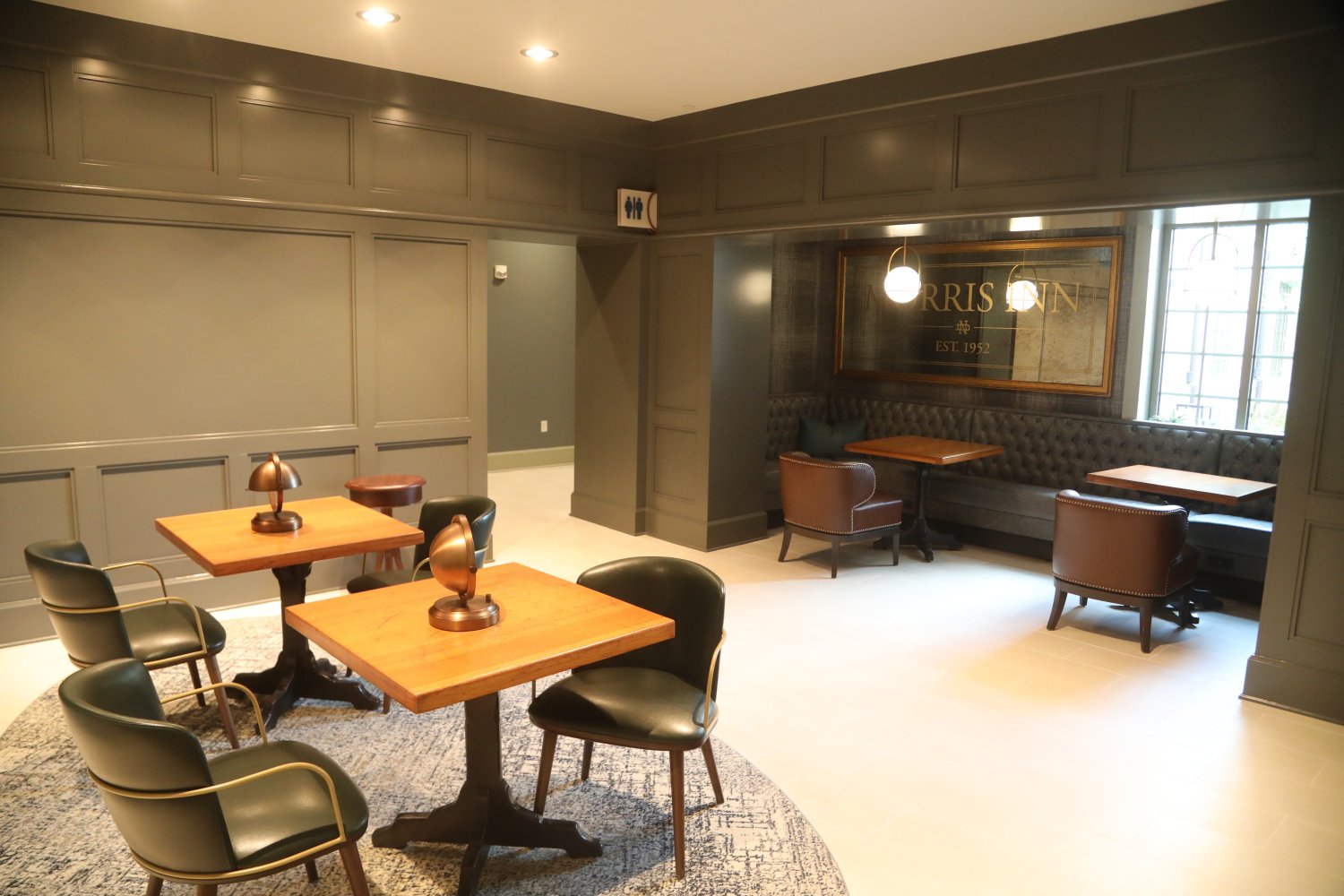
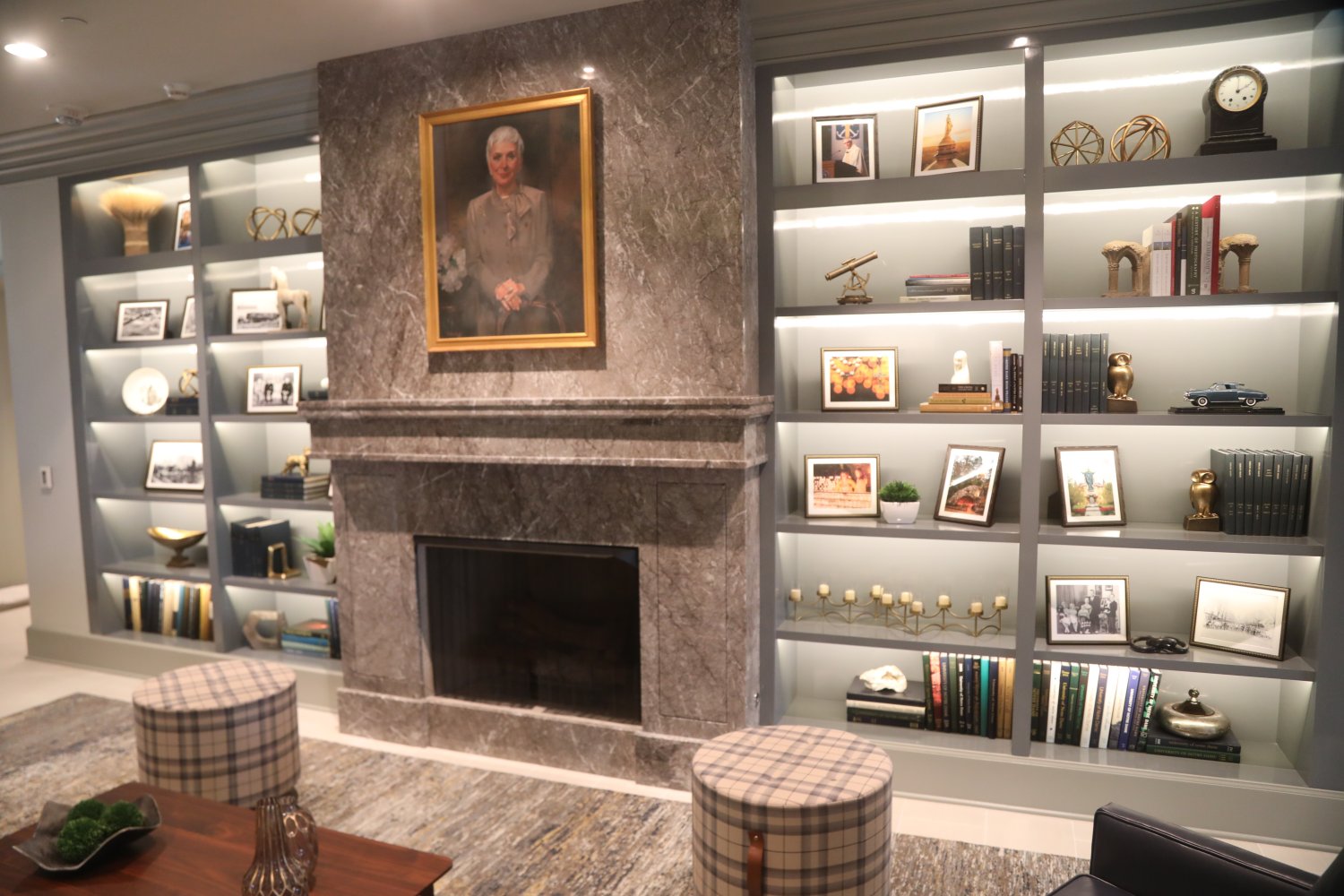
The official hotel on the campus, the Morris Inn features wines at times in its restaurant, Rohr’s (for 50 years previously was Sorin’s), from alumni-owned wineries including Silver Oak and or TWOMEY Cellars. Rohr’s is open to both students and faculty of the University of Notre Dame as well as the general public.
The Duncan Endowment for Excellence in American Art was established by Ray & Sally to support the campuses primary art museum, the Raclin Murphy Museum. This endowments is used for acquisitions, exhibitions, publications, education programs and research projects related to American art.
Duncan Hall, The University of Notre Dame, Indiana
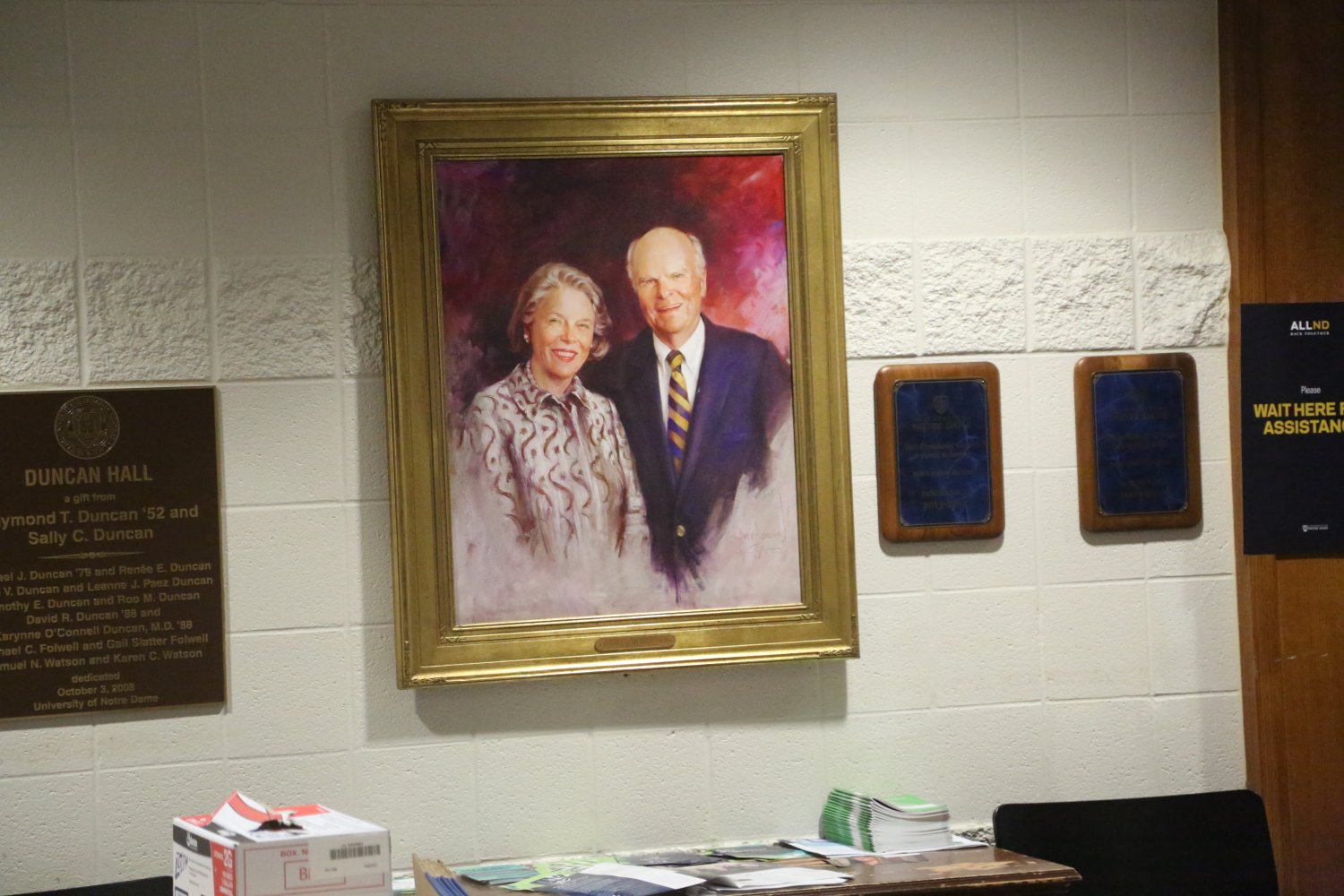
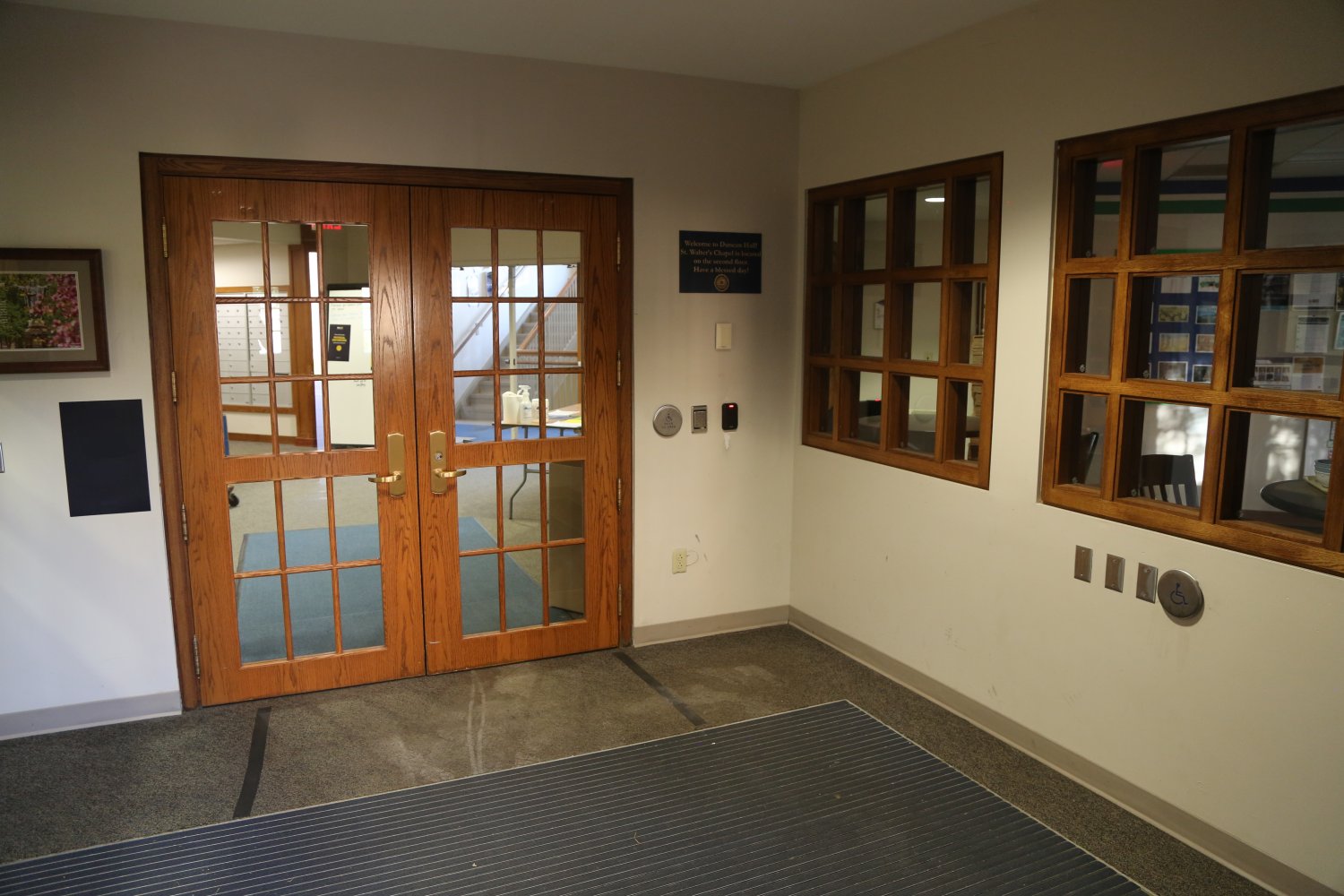
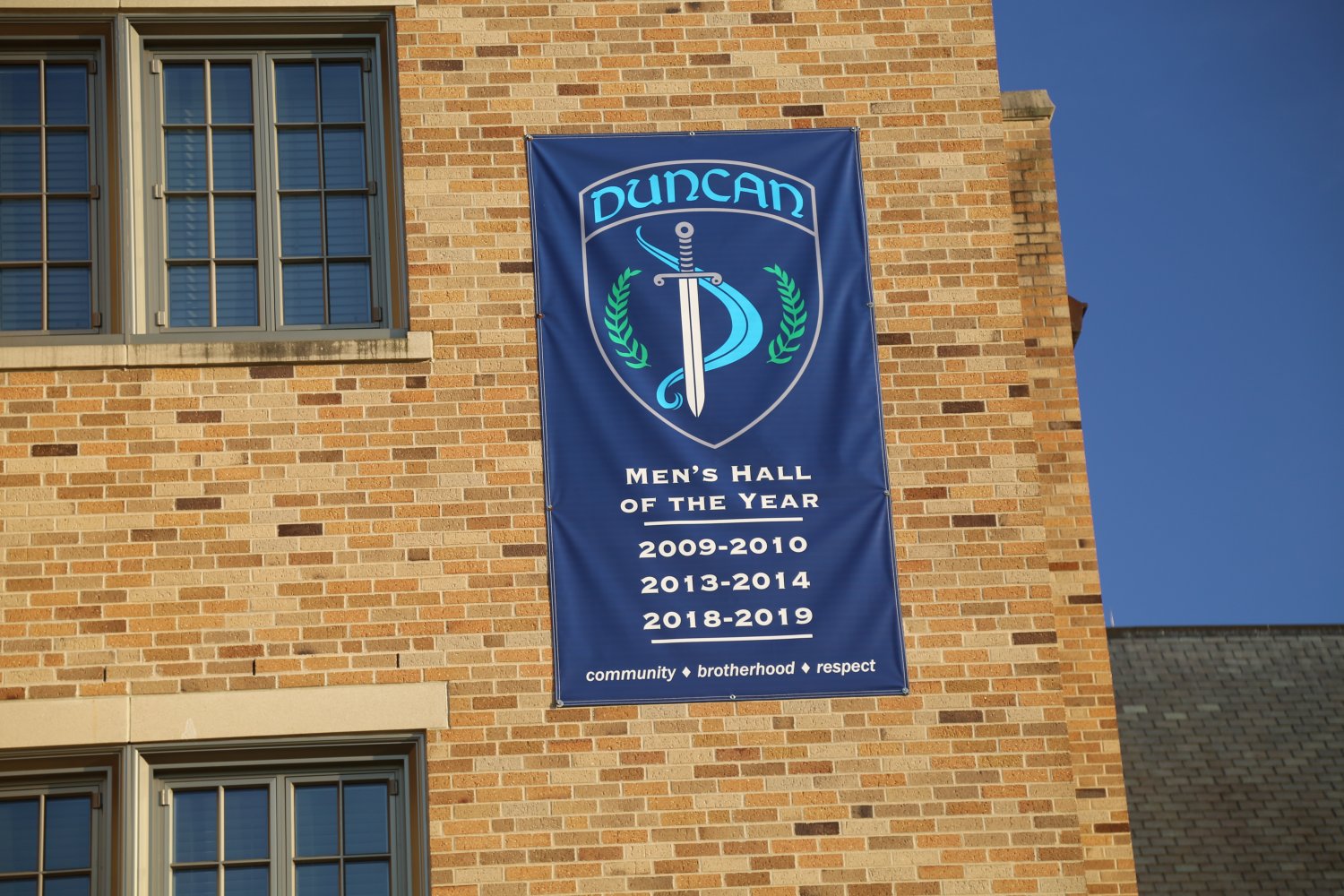
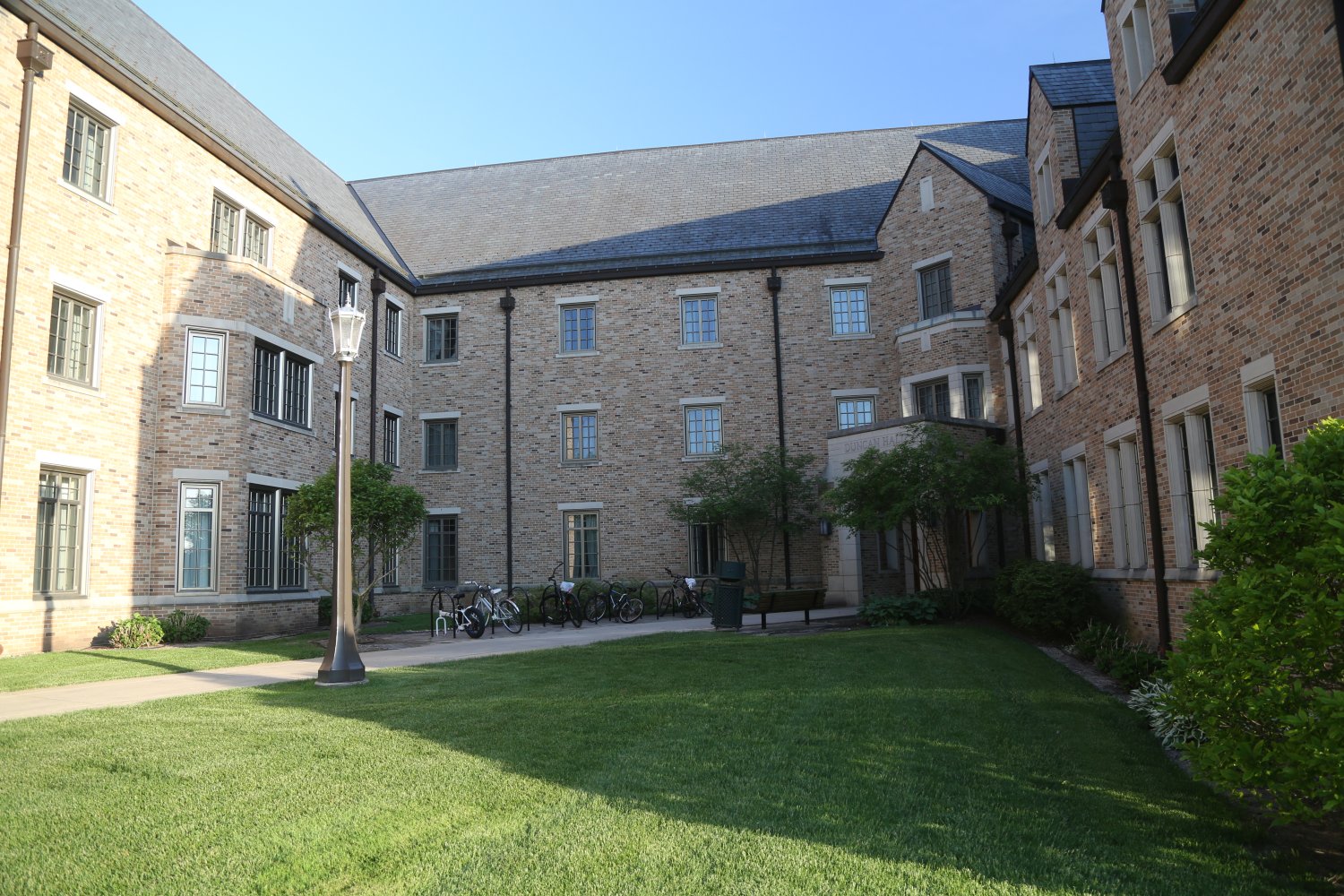
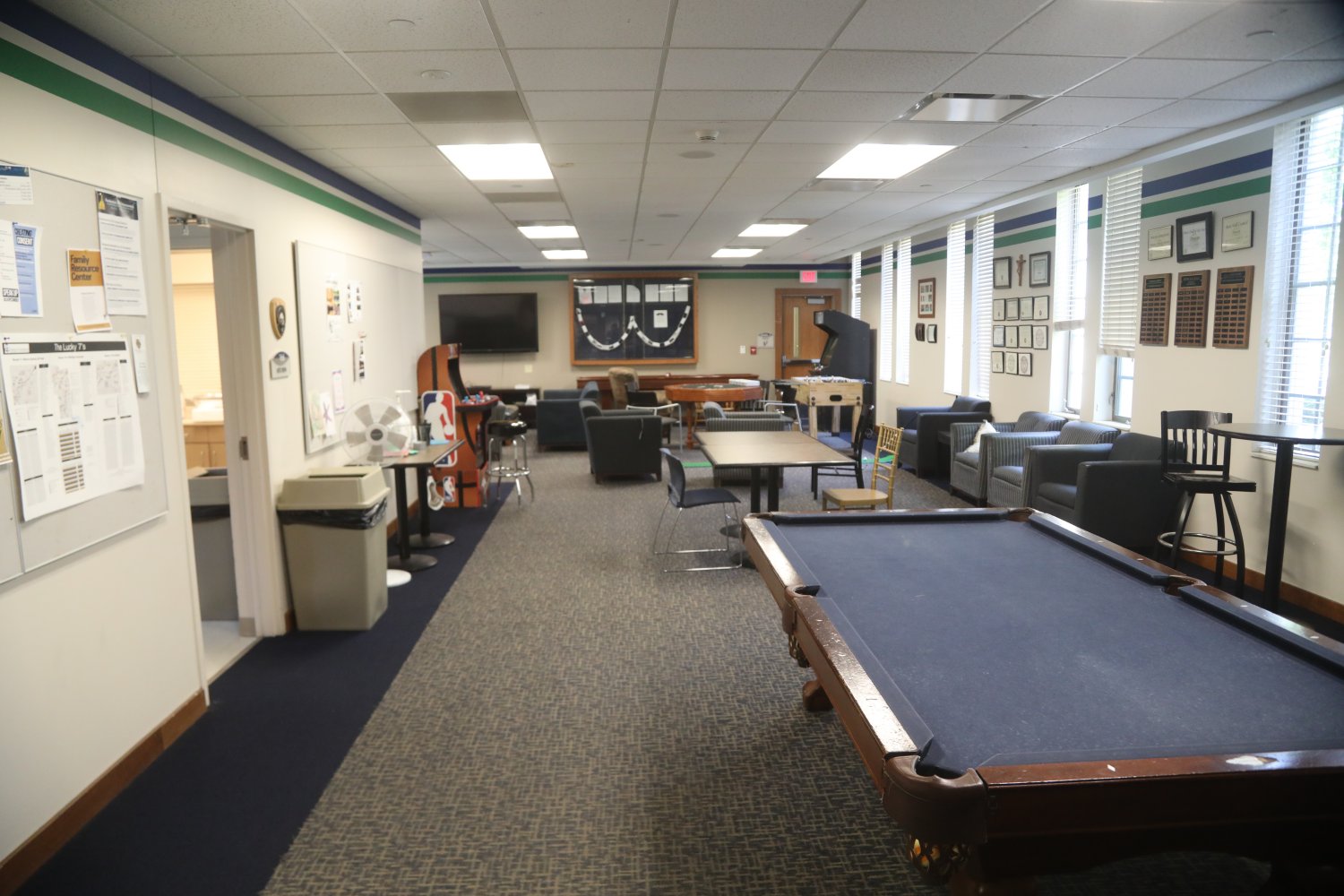
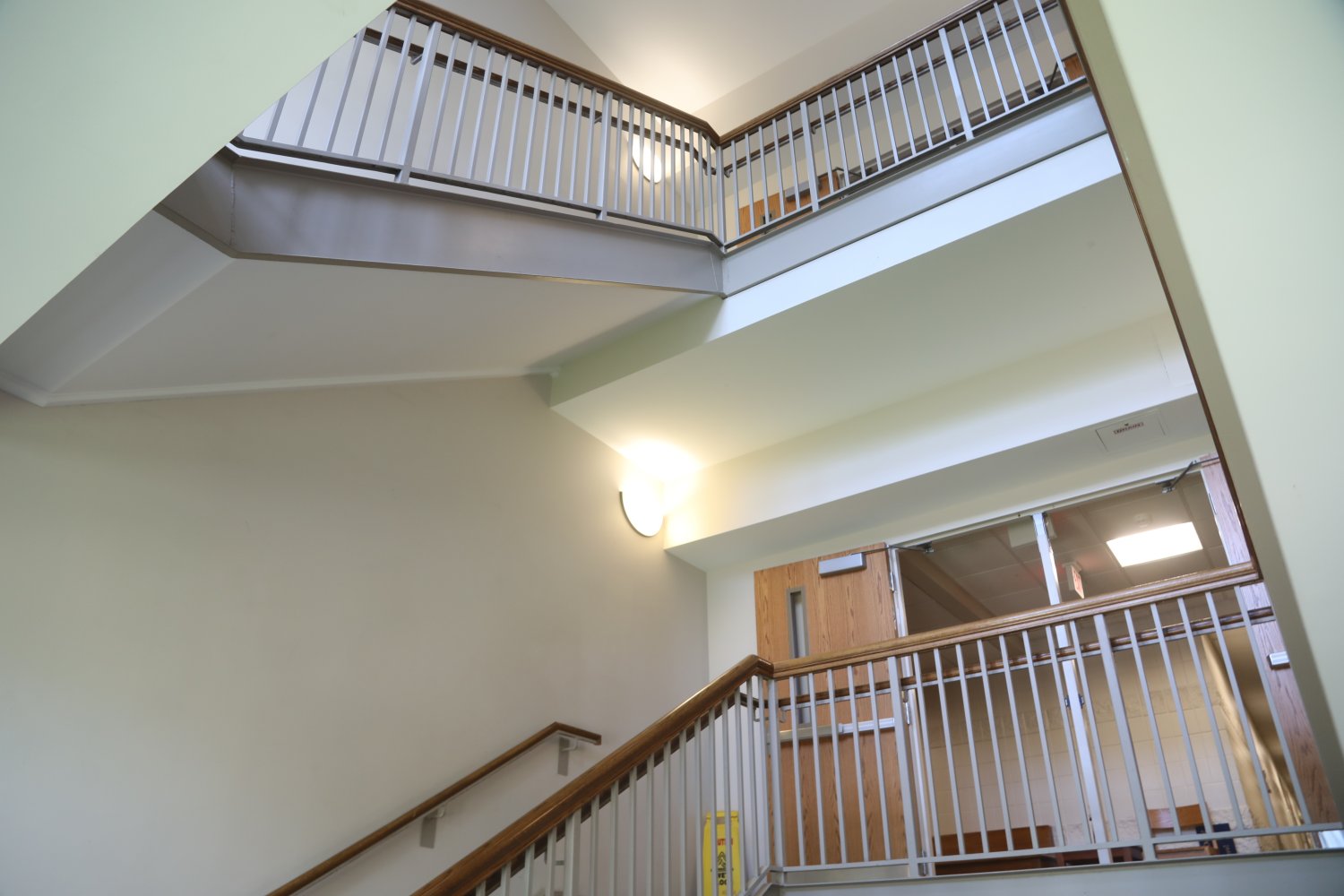
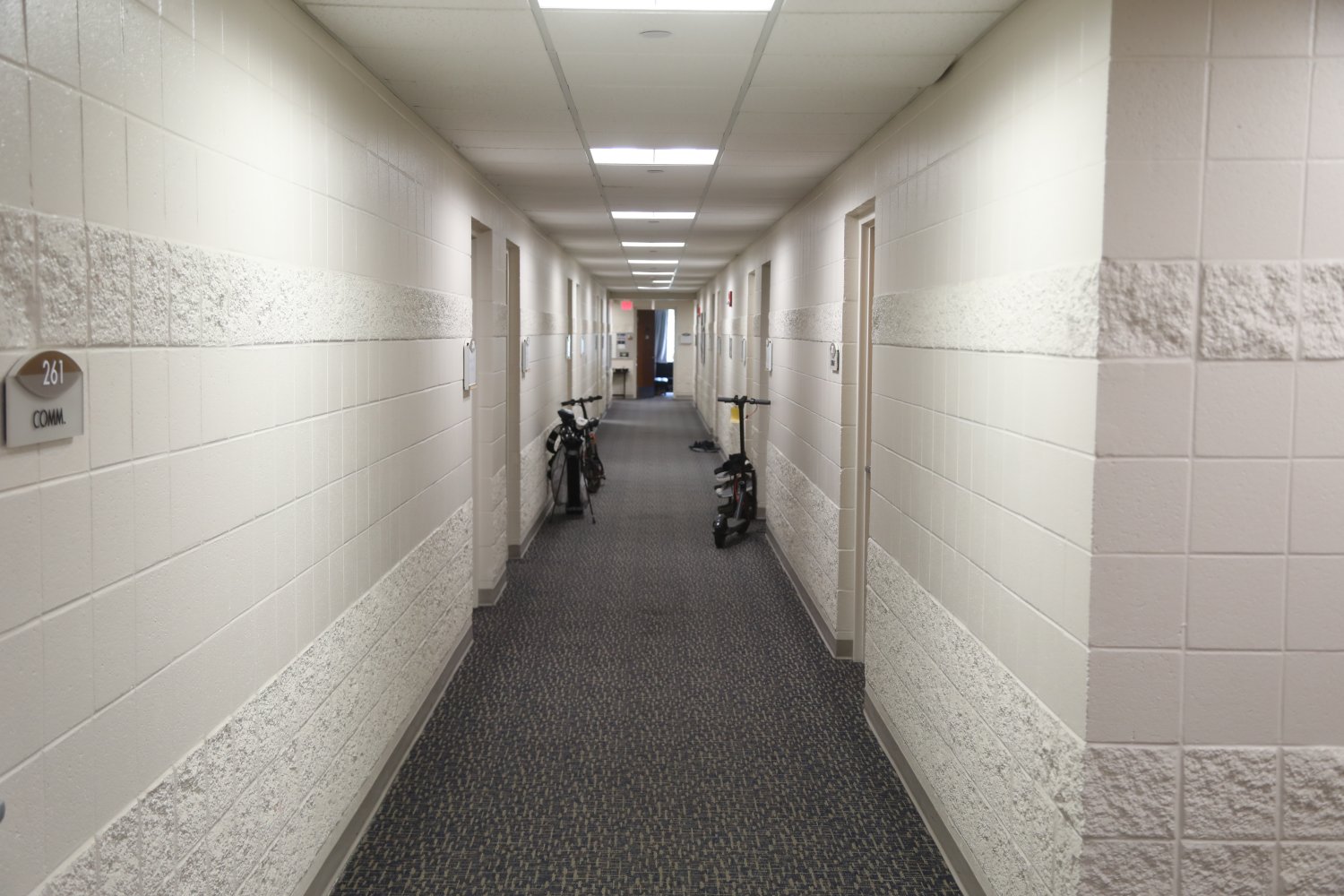
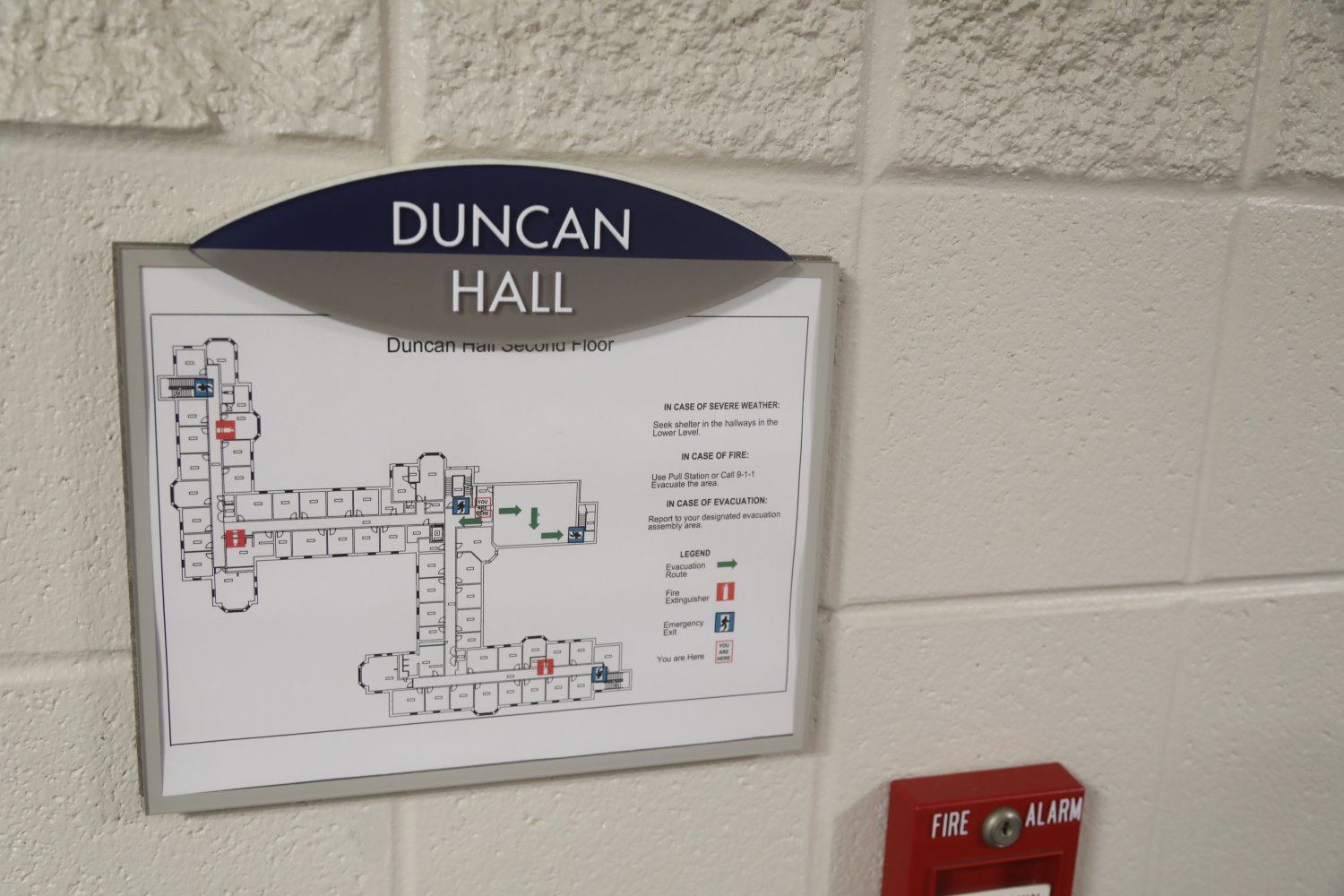
Duncan Student Center, The University of Notre Dame, Indiana


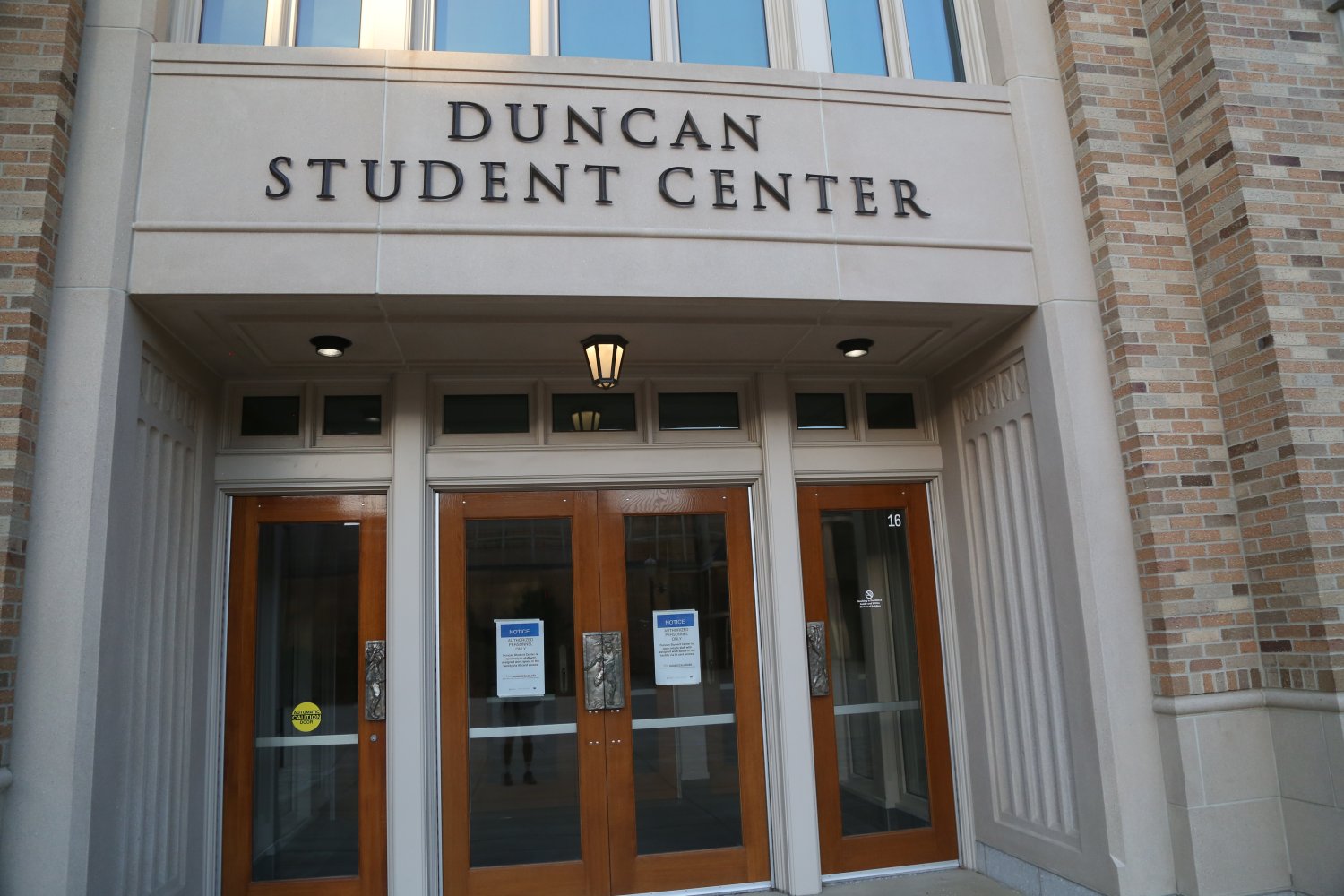
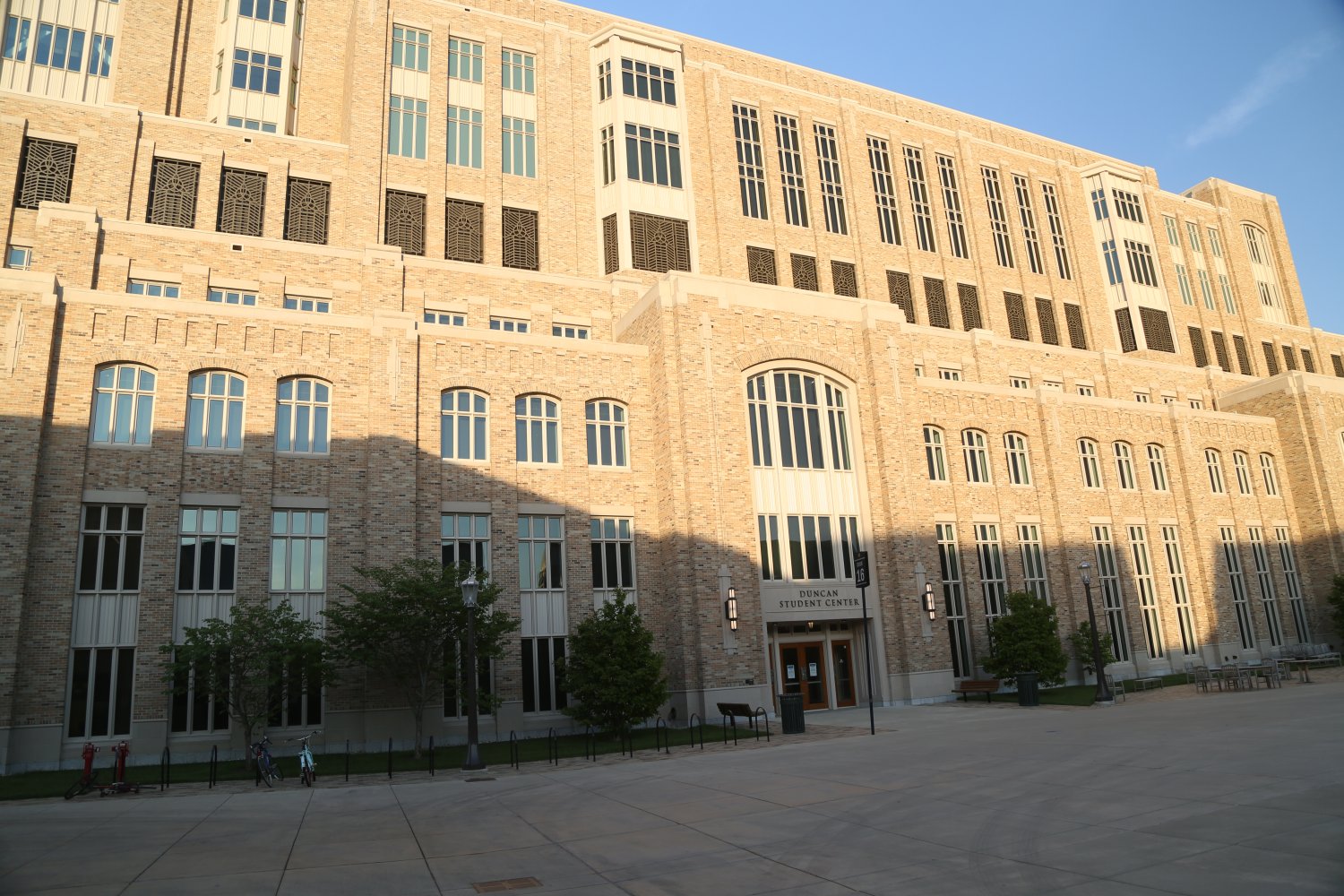
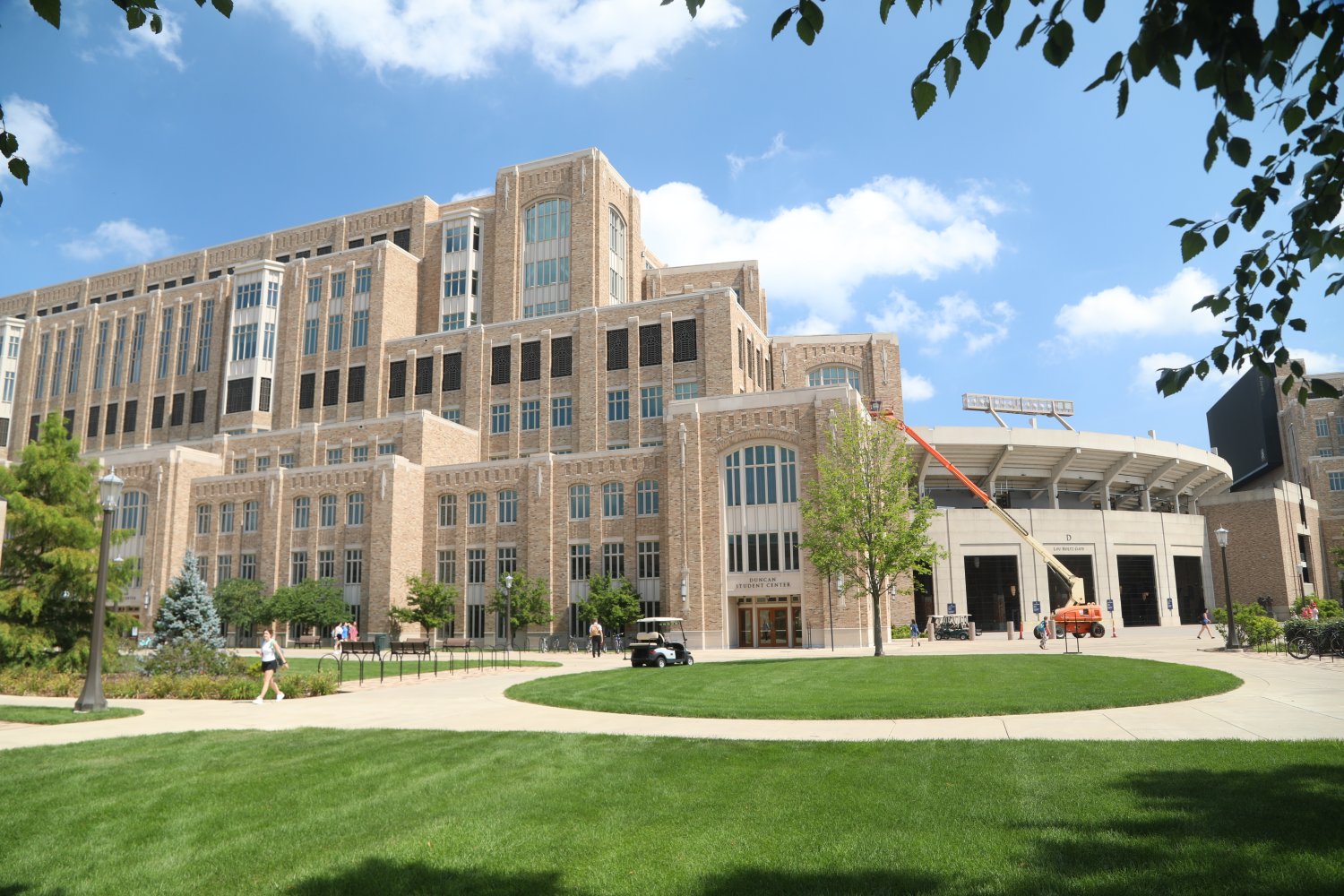
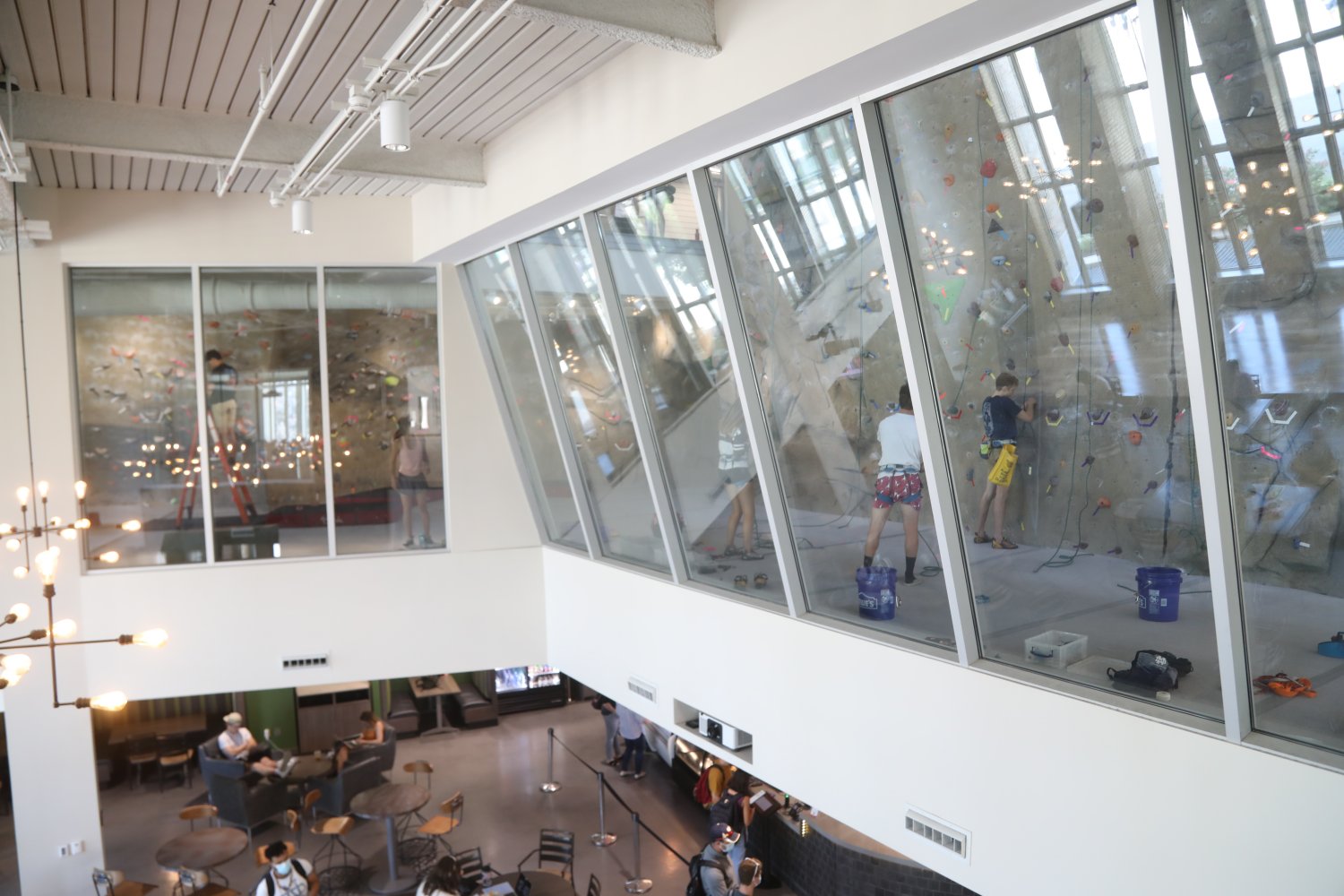

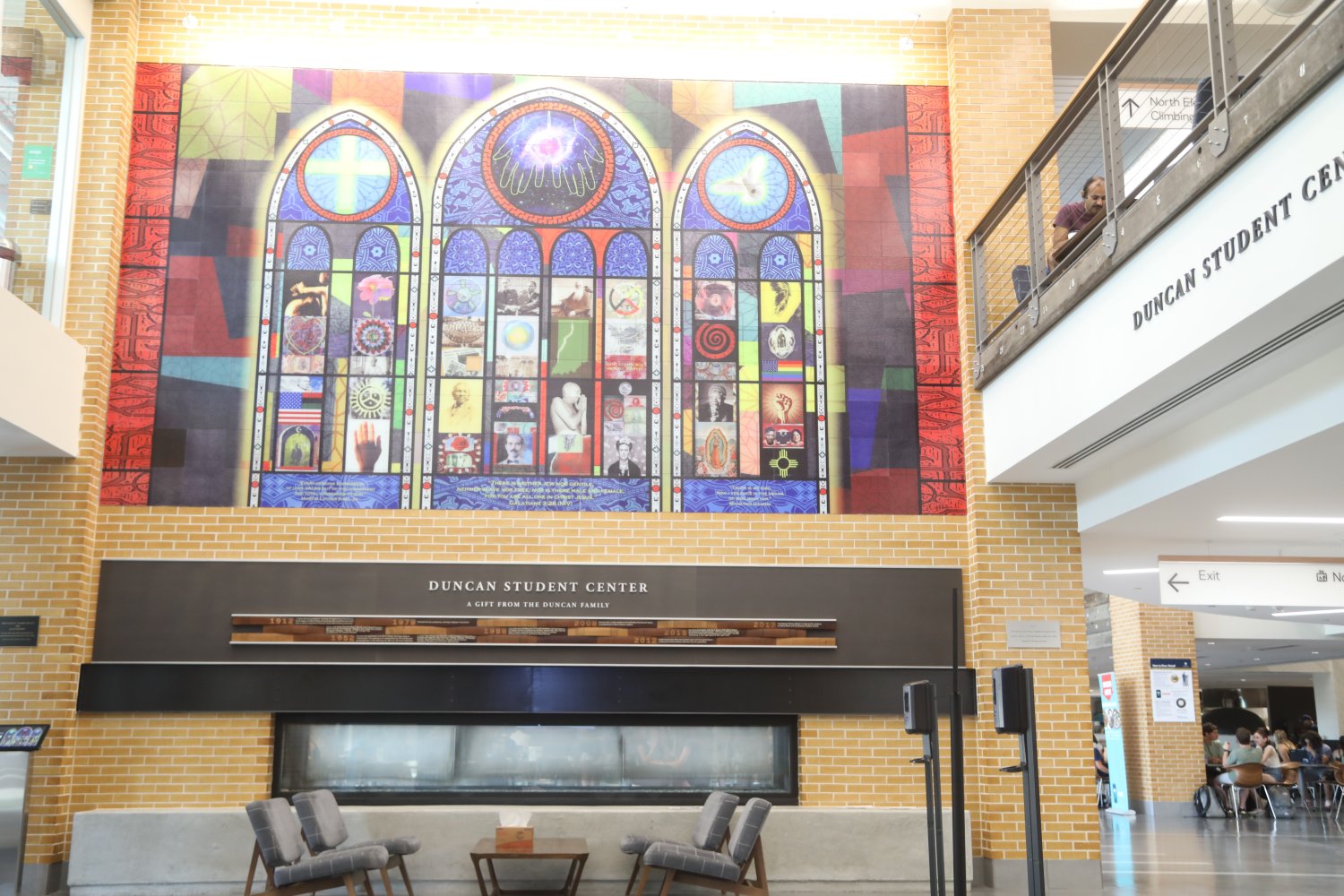
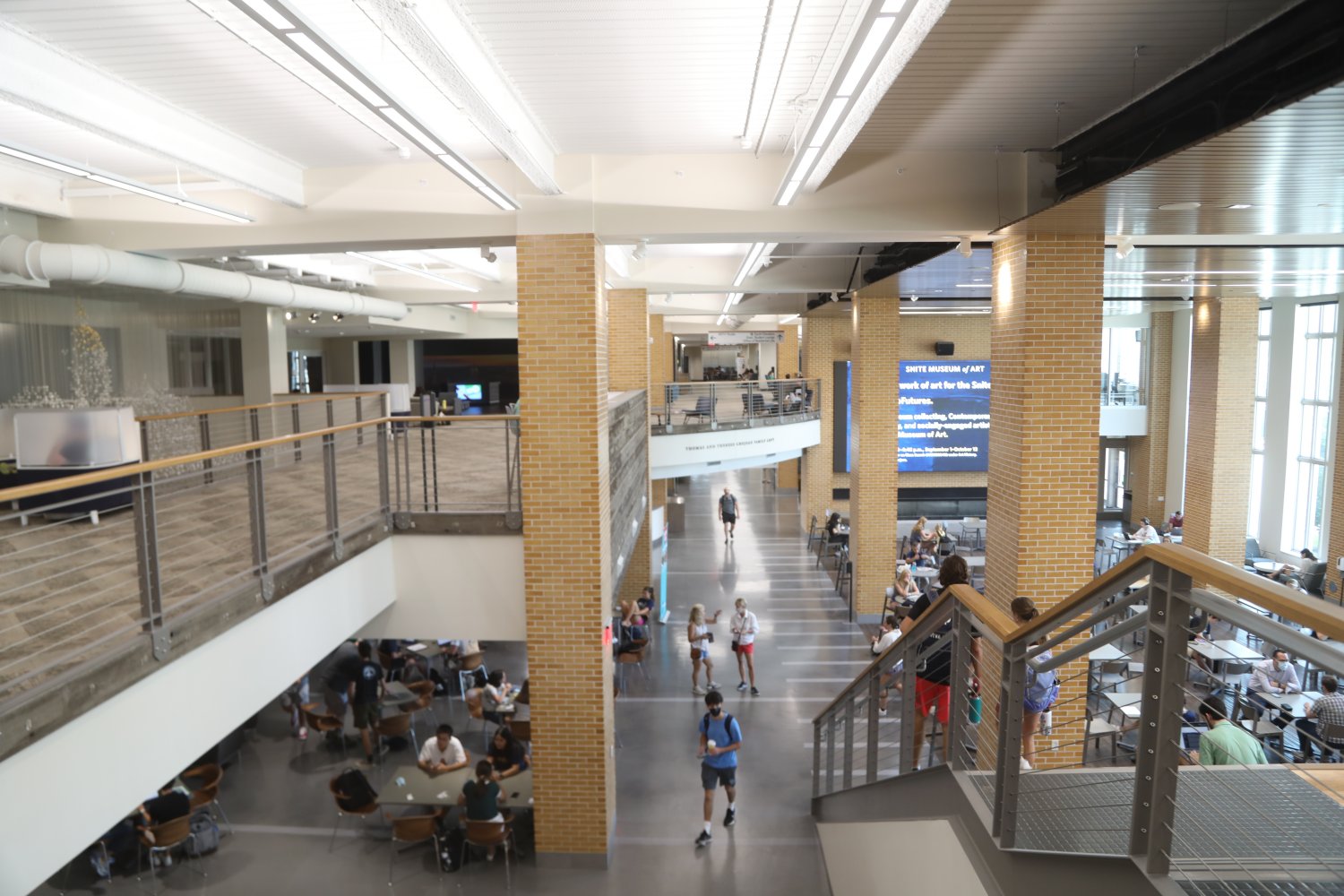
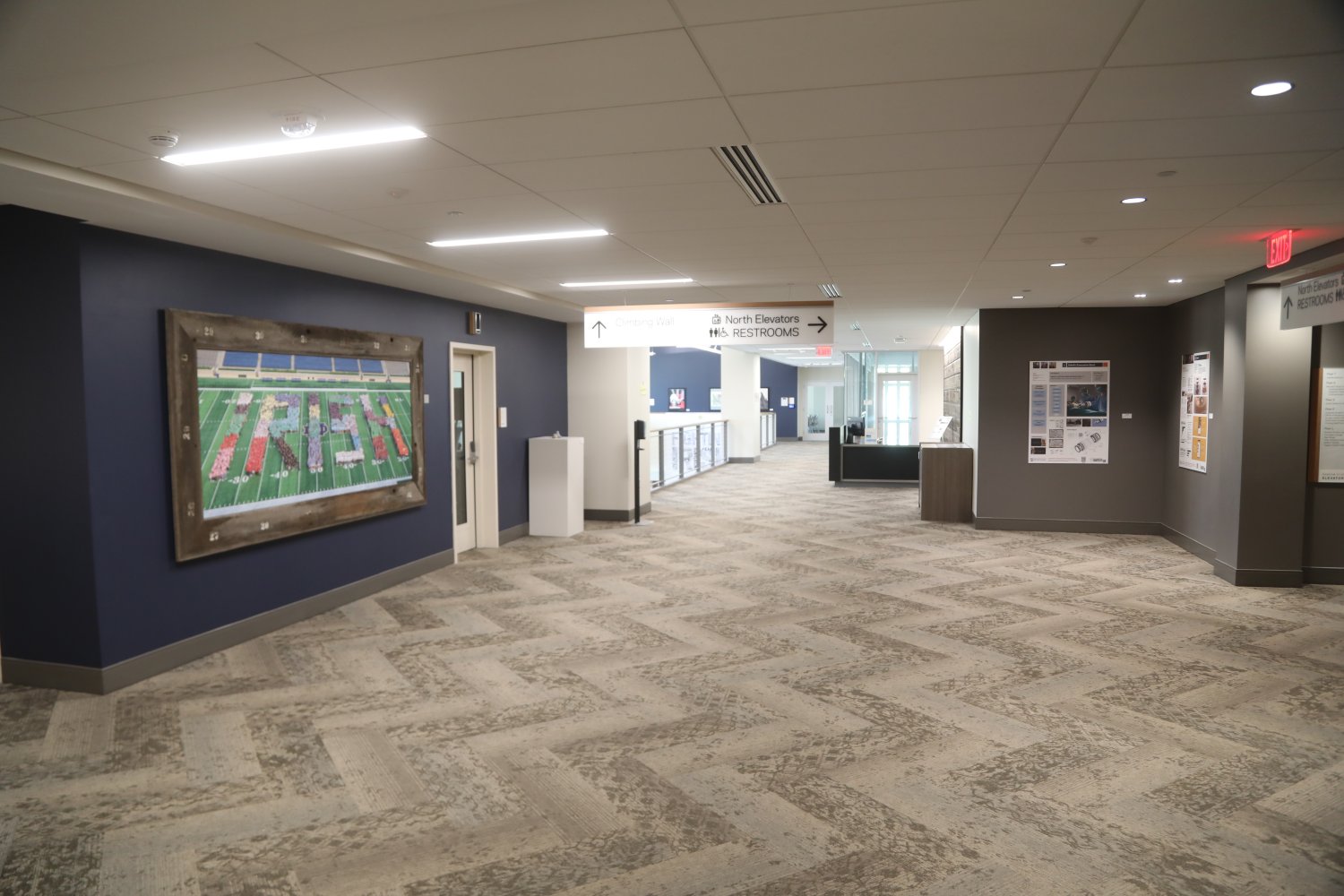
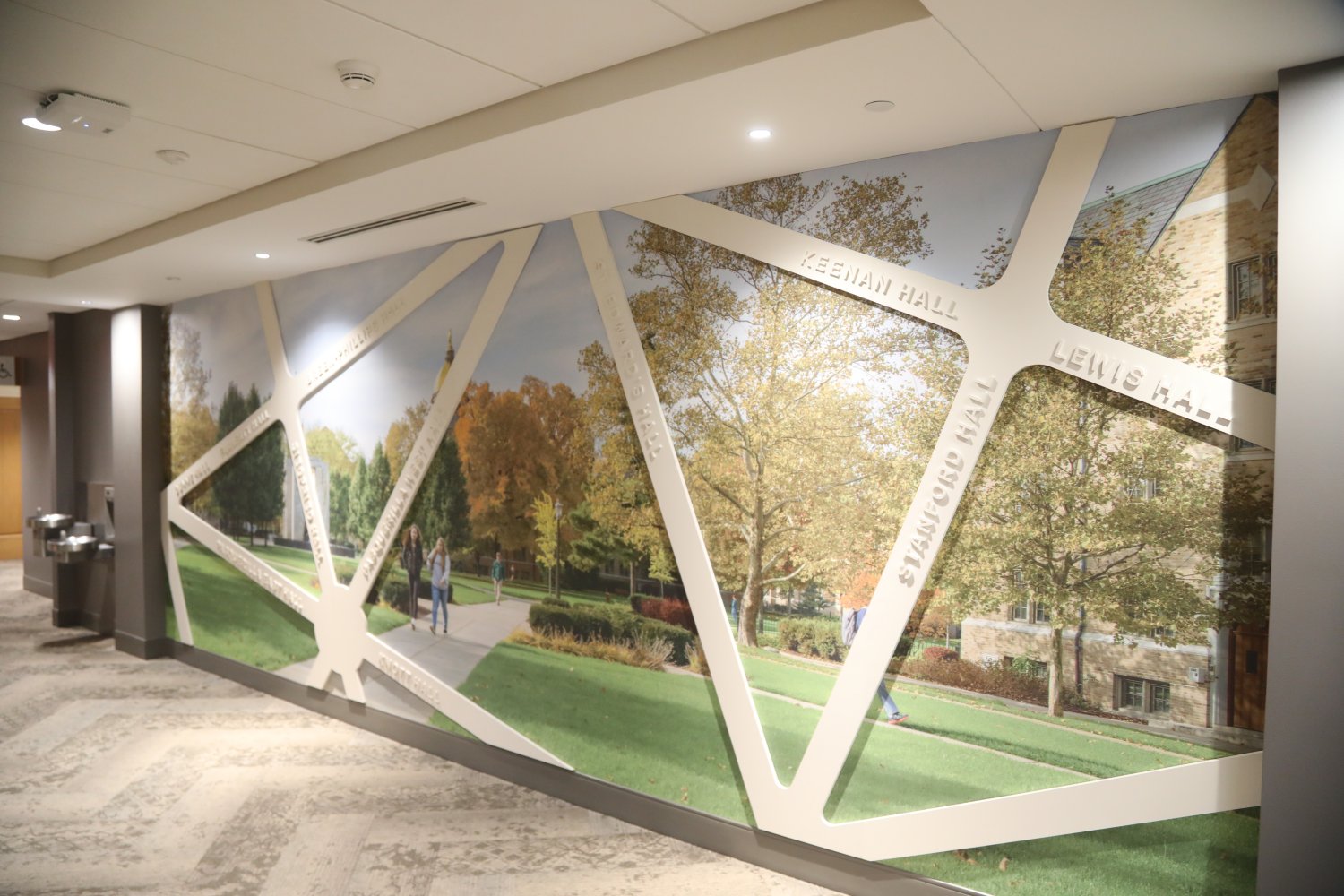
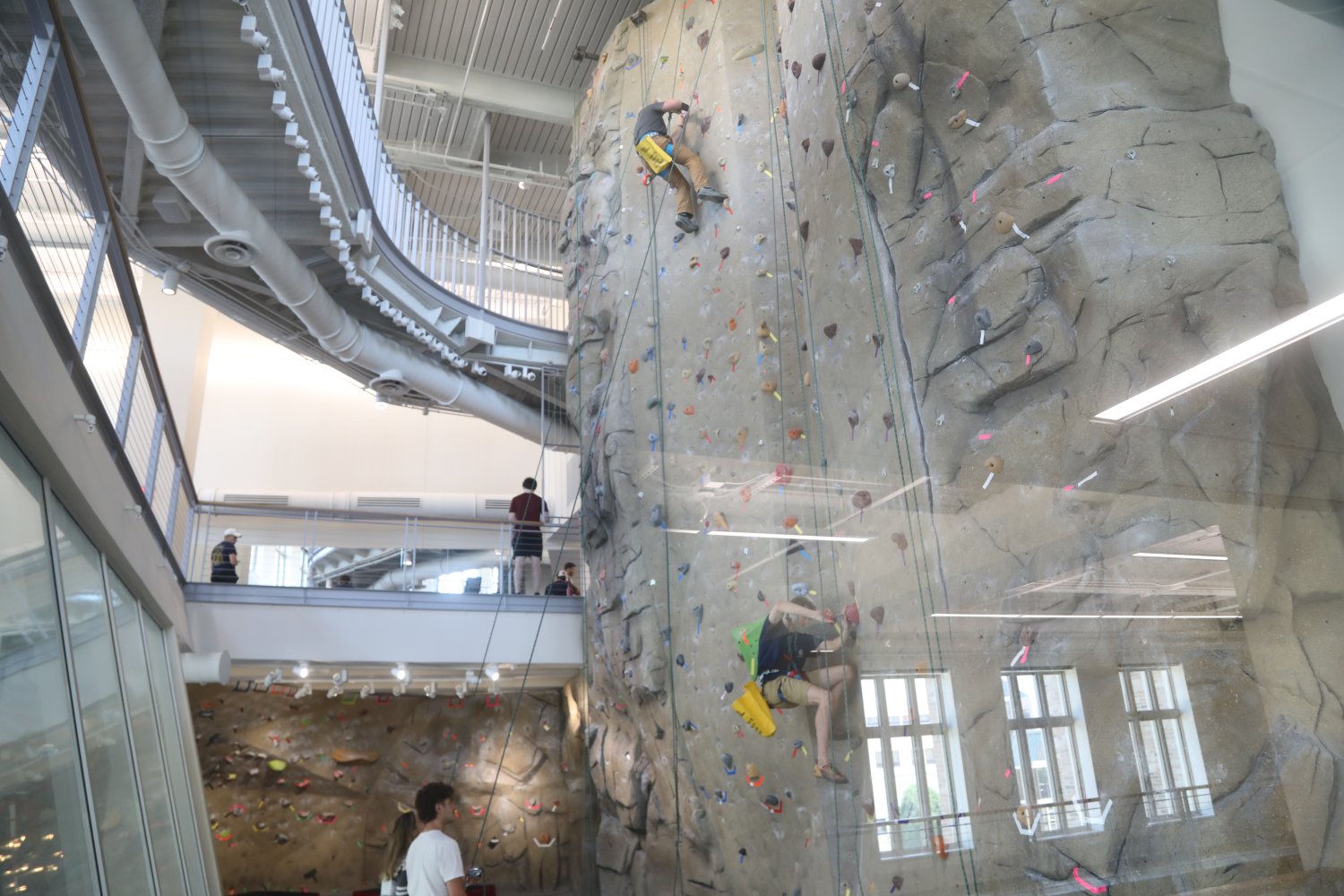
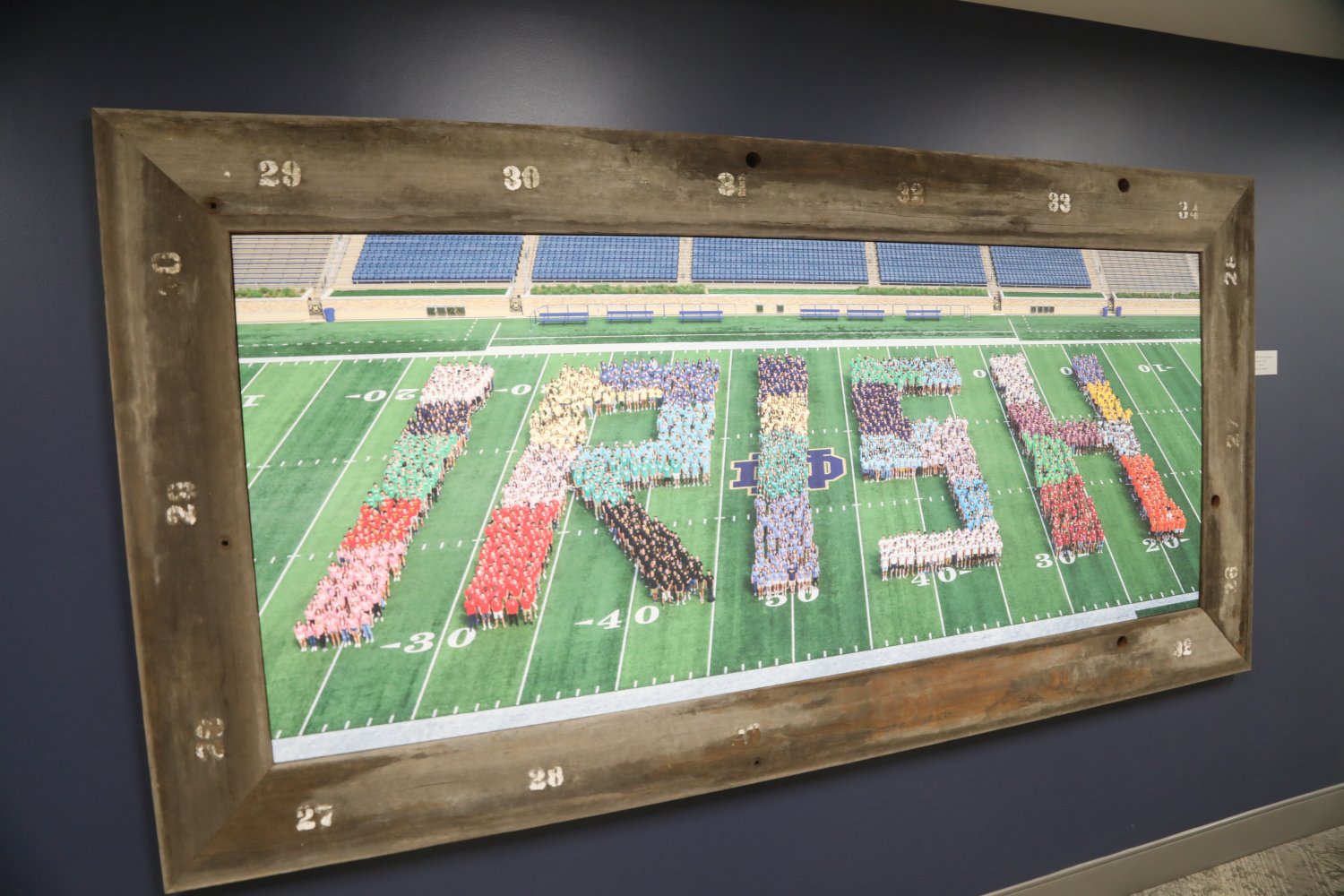
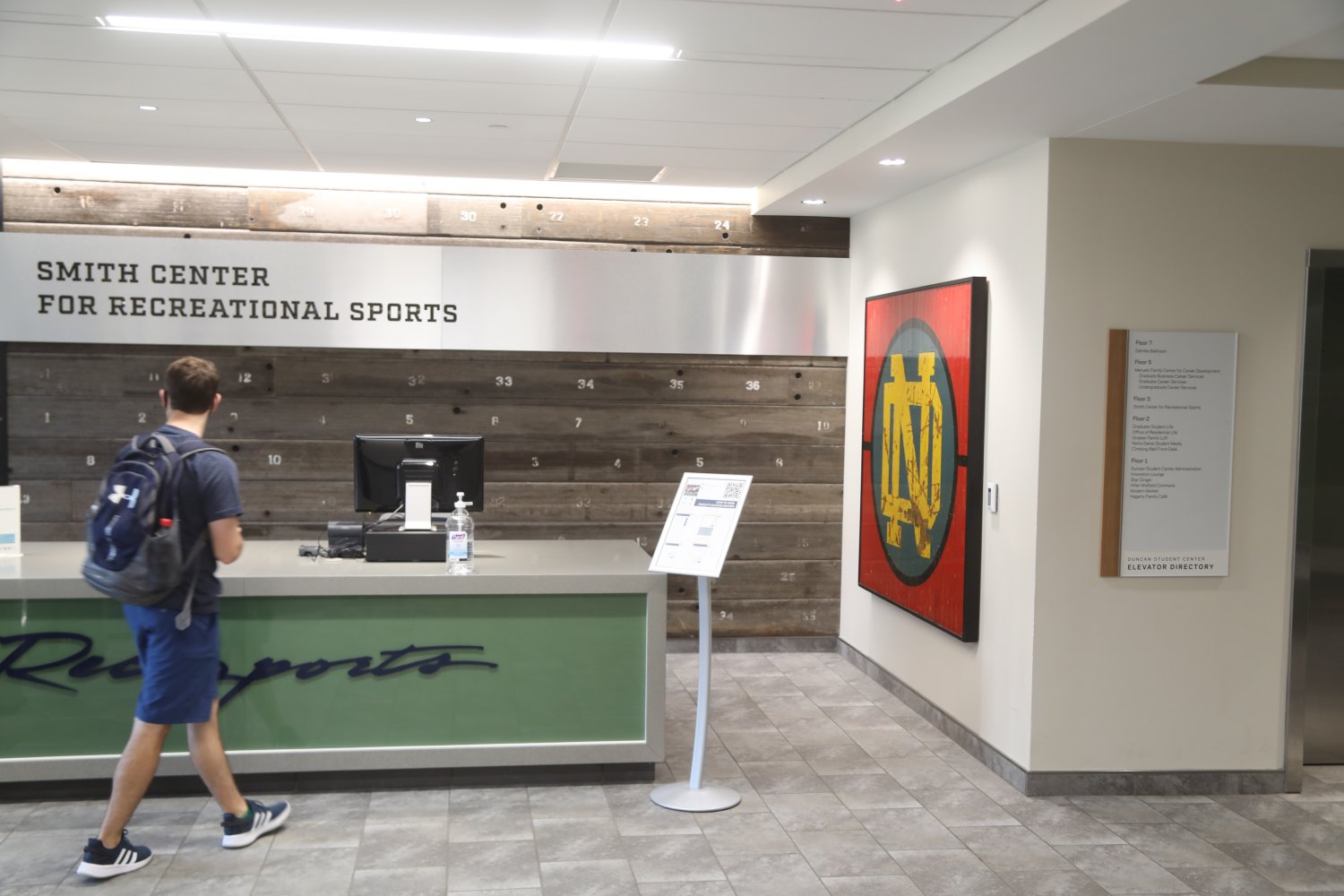
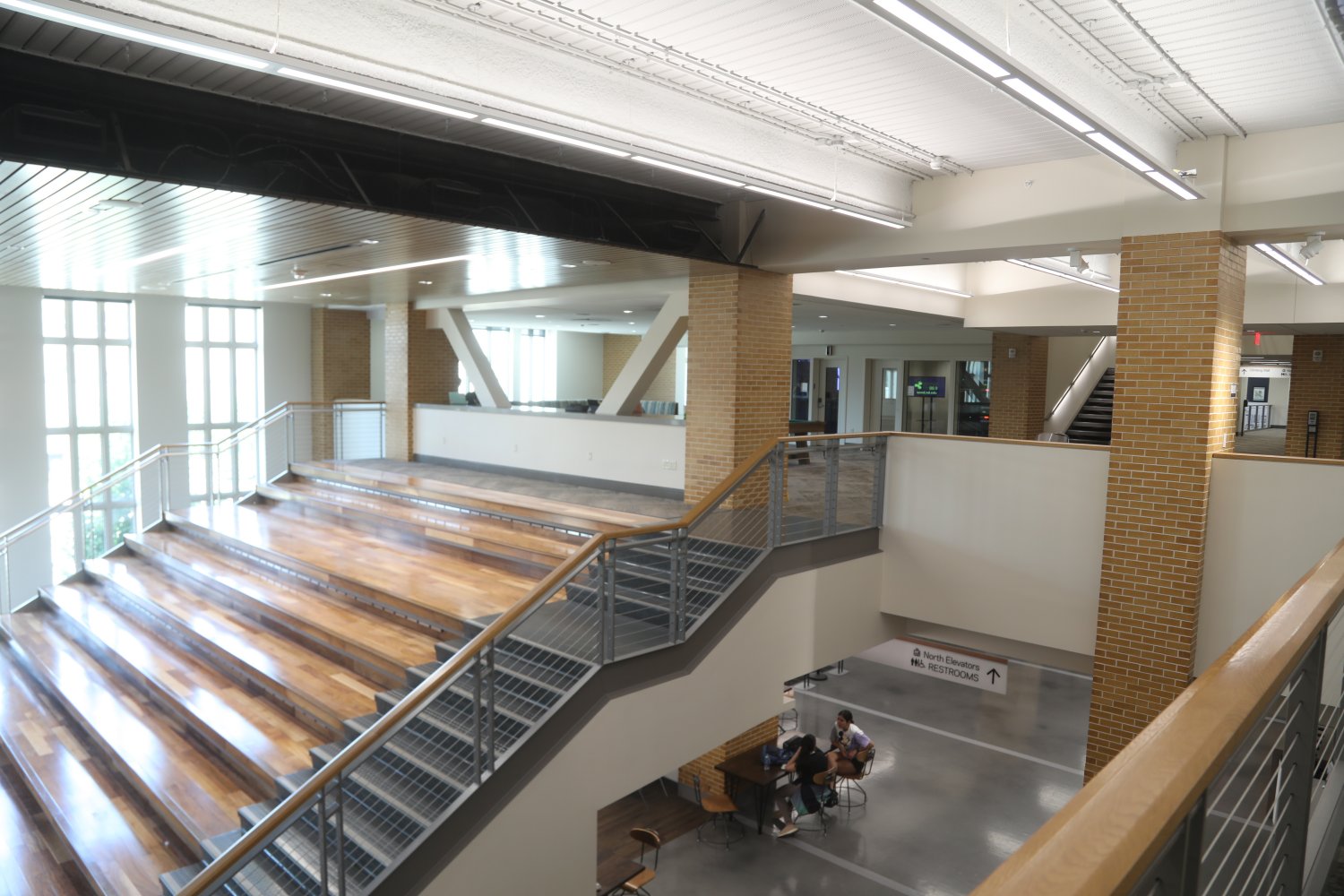

Morris Inn, Rohr’s Restaurant, The University of Notre Dame, Indiana

Label Creation & Design
While the Duncans family’s legacy is etched in stone at the University of Notre Dame, their most recognizable icon—the Silver Oak label—had much humbler beginnings. Initially Ray had an artist create an image of the silo which stood next to the old dairy building. But one can only get so creative with a cylindrical object. Bonny is an amateur photographer and had taken photographs of numerous water towers (historically called pump houses) in Napa Valley. However, the one water tower she initially and most closely modeled the Silver Oak water tower after is located exactly 0.4 of a mile to the west on Oakville Cross Road from the Silver Oak driveway entrance – on the south side of Oakville Cross Road at a private residence.
Ray and Justin liked the image of the water tower as it somewhat reminded them of the label from their favorite wine produced by Château Latour.
The original name of the winery was to have been called Duncan-Meyer but didn’t quite sound right or look appealing on the label. Bonny and Justin liked the word Silverado and even thought about calling the winery something like Silverado Vineyards, but a winery with this name had already been established by the Disney family. They thought some more, and Bonny suggested ‘silver’ from Silverado (an homage to the nearby Silverado Trail) and ‘oak’ based on the prominent trees in Oakville she had photographed. And of course, the hamlet of Oakville was nearby. She presented the name to Ray but he initially wasn’t too keen on its sound. She followed up with an ultimatum, “you have 30 minutes to choose something better”. He never did.
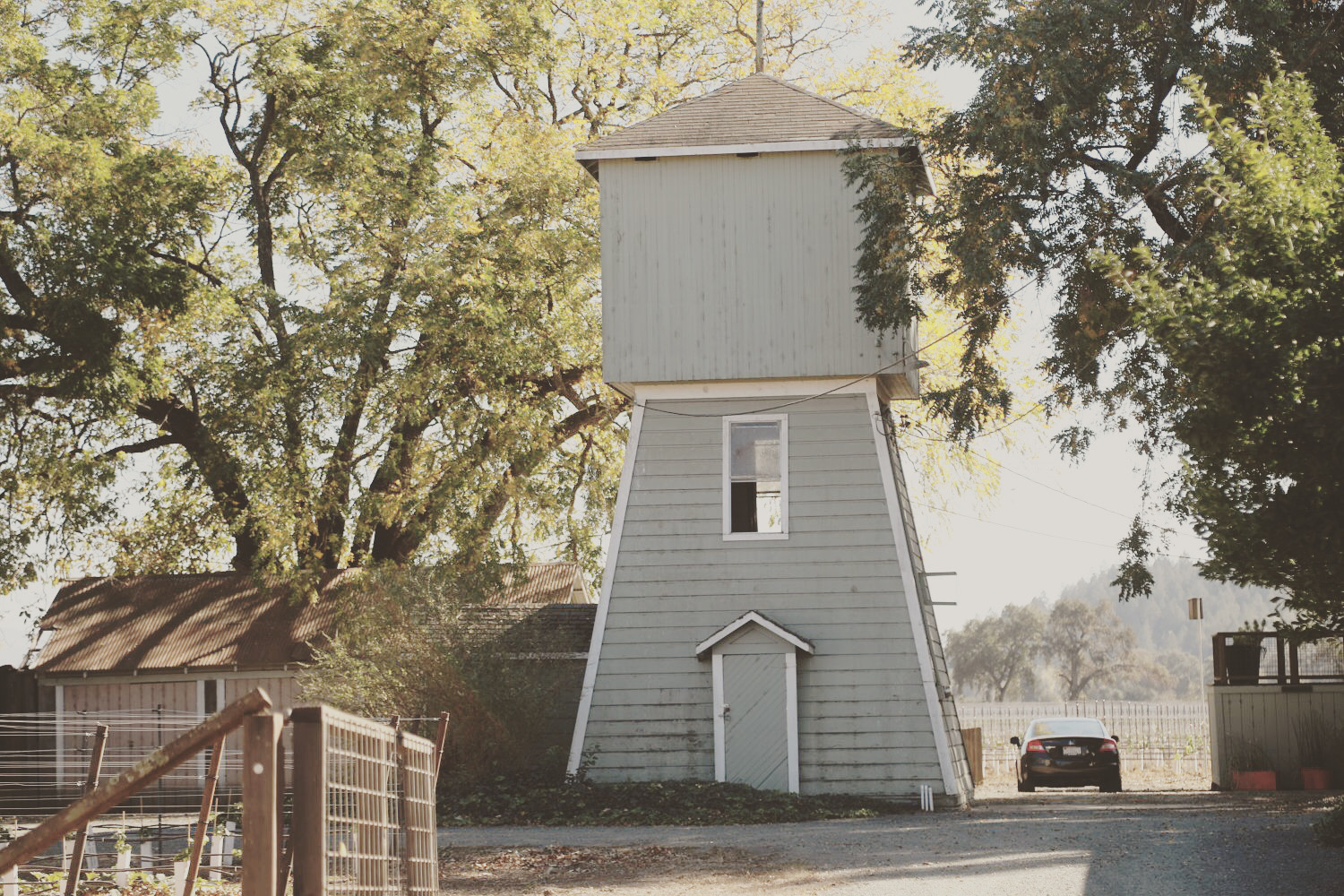
Bonny modeled the Silver Oak water tower after this one still standing on Oakville Cross Road.
The original pen and ink drawing of the Silver Oak’s label, hand-drawn by artist John Farrell, hangs in David Duncan’s office upstairs above the tasting room. Farrell met another design artist Ralph Colonna in 1974. They began to share office space and collaborated on a limited number of projects in 1975, and by 1976 formed their business together along with a third partner Jeffrey Caldewey. In 1982 Caldewey founded his own company and the business was renamed Colonna Farrell Design. In 1997 Farrell and Colonna, the principals of by then what was called CF.NAPA, donated a sizeable collection of their works to the Smithsonian including their work for Silver Oak Cellars. This collection spans from 1975 to 1997. CF Napa is still in business, located in the city of Napa; they celebrated their 50th anniversary in 2026.
Bonny, Justin and Farrell spent more than three years coming up with an appealing design. An article in The Sacramento Bee dated June 10, 1979 references Bonny saying, “We wanted a silo on the label at first, because our winery is an old dairy. But a silo isn’t as artistic as a water tower when you get it on paper. We wanted an unusual label because most labels are buff. We didn’t want a rectangular-shape label because most labels are rectangular. And we wanted something that would look a little like our location here, but our building isn’t that artistic. We wanted it to look classy.” The first two vintages of Silver Oak were bottled before the label design was even agreed upon.
The early labels were printed by Herdell Printing and Lithographers, Inc. Remarkably this St. St. Helena family-owned based company is still in business and printing labels for numerous wineries in Napa Valley and beyond. Verdell Printing was founded by Vaughn Herdell and his wife Ardis in 1951 with an early business model of printing monthly publications including their own the Redwood Rancher . And among their other publications was Bottles & Bins, the first ever Napa Valley winery printed newsletter – for C. Mondavi & Sons (Charles Krug Winery). They also printed flyers, yearbooks and other advertising materials.
Silver Oak labels from 1973 to 1978, printed by Herdell Printing and Lithographers, Inc., are part of the California Wine Label and Ephemera Collection at Stanford University. Incidentally, of the 6 box collection, due to alphabetization, the Silver Oak labels are in the same box as the labels from Spottswoode.
The look of the labels have changed over the decades and as a result, it can be somewhat confusing to keep track of. From 1991 prior, the Napa Valley bottlings featured grey paper labels. From 1992 through 1997 the Napa Valley bottlings featured black paper labels. From 1998 through 2017, the Napa Valley bottlings featured etched labels. A new paper label was introduced to the Silver Oak Napa Valley Cabernet Sauvignon starting with the 2018 vintage. From this vintage onwards, the Napa Valley bottlings are labeled with the Silver Oak ‘cathedral arch’ shape just like the Alexander Valley bottlings.
When looking at bottles on a rack of both Silver Oak Alexander Valley and Napa Valley Cabernet Sauvignon from the 1992 vintage to present, one can easily tell their origin. The foil on the Alexander Valley bottling is silver while the foil on the Napa Valley bottling is black and the Napa Valley labels feature a black background while the Alexander Valley labels are grey. Prior to 1991, the foils on both the Napa Valley and Alexander Valley bottlings, including the Bonny’s Vineyard wines, were both grey.
The Alexander Valley bottlings regardless of vintage have always featured a grey paper label. And since the early Silver Oak wines were not crushed and fermented on at their own winery, they weren’t able to list, “Produced and bottled by” on the back label. Rather, they had to use, “Cellared and bottled by …”. Silver Oak chose to keep using, “Produced and bottled by …” even after they started using their own winery in 1982.
And starting with the 2021 vintage of the Napa Valley Cabernet Sauvignon, the color of the glass on this bottling only, changed slightly. All Silver Oak wines are bottled using natural cork with strict quality controls in place to eliminate TCA (cork taint). In fact, in 2007 former Silver Oak winemaker Christiane Schleussner in development with Cork Supply and the assistance of others, pioneered a dry cork sensory screening, ensuring tested corks were free of TCA. This system uses water vapor pressure and does not damage the corks during the testing process.
—
The 1972 vintage was sold for $6 a bottle, an unheard-of price in those days as many of the valley’s wines were in the $3/bottle range or less. Perhaps on pricing alone, one could make the argument this was one of Napa’s first ‘cult’ wines – developing a cult like following for sure, but without the pinnacle type feeling of exclusivity that many of the so-called cult wineries cultivate today, rather more a sense of accessibility within a luxury framework. Silver Oak’s wines are an accessible luxury product. Jerry Mead in his syndicated column, Mead on Wine in late 1977 mentioned, “Unfortunately, Silver Oak’s first vintage was 1972, one of the poorest red wine vintages in the Napa Valley in the past decade. Even so, the ’72 Cabernet from Silver Oak is a very fine Claret, even if it is a bit overpriced at $6 per bottle.”
And in the same column, Mead went on to describe Silver Oak’s sophomore vintage of 1973, “It is a pretty, feminine wine, with intense varietal perfume, a medium body with well-rounded tannins, and a long, elegant finish. Like the Margaux of France, it is a graceful lady amidst the brute force of many California Cabernets.”
Franciscan Winery/Silver Oak Connection
 Franciscan Winery was incorporated on December 31, 1971 by five individuals including Charles Dilling, Bernard Bruttig, Richard Bruttig, Raymond Hanson and Richard Mac Donnell. The winery was constructed in 1973, designed by San Francisco based architect Thomas Hsieh and built by Todd Construction of Santa Rosa. Under their ownership, it never opened to the public and quickly ran into financial difficulties. By the next year a new ownership and management team was put together and Vancouver, Canada based Columbia Brewing Company provided additional capital. Due to an oversupply of grapes in the valley, low prices and needing to find a production facility, in August of 1975 Ray and Justin purchased from a bankruptcy judge the already bankrupt Franciscan label and winemaking equipment with the option to later purchase the physical winery and surrounding 20 acres of vineyards. They were the third owners of the Franciscan wine brand. From 1975 through 1981, both Silver Oak and the Franciscan wines were produced here simultaneously. Franciscan wasn’t the only property both men had looked at; they had considered other wineries that year including Souverain and Oakville Vineyards.
The early Franciscan wines were not all from Napa Valley. One of their bottlings was a 1977 Temecula Johannisberg Riesling. Bonny recalls Justin purchased some Charbono from Inglenook Vineyards and produced wines from that variety here for several years. Other grapes used were from vineyards under Duncan’s ownership and managed by Meyer. David Duncan, Ray’s son and current Executive Chairman of Silver Oak remembers that with the purchase of Franciscan Winery, his father and Justin acquired over 12,000 cases of wine still stacked in the winery.
They had the bright idea to liquidate this wine as cheaply as possible. They needed some exposure so they hired a company to produce a replica of a hot air balloon which they would fly above the winery; in actuality this company produced something that looked like a yellow blimp. It turned people’s heads as they were driving by and became a talking point the in community. They sold each bottle for $1 which quickly attracted the attention of various restaurateurs from the San Francisco Bay Area who drove up with trucks ready to purchase $12 cases of wine. David jokingly refers to this ‘fire’ sale as the wine industry’s “first one buck chuck”. Twenty-three different types of wines were available for sale. And according to an article dated October 9, 1975, in the St. Helena Star, “The winery was jammed, with the staff madly dashing about filling orders. Thirty to forty people at once were standing at a counter tasting before deciding on their purchases.” Their General Manager at the time, Hugh McBride described the scene as a, “madhouse”. These sales continued until they had sold out of all the Franciscan wines made by previous ownership.
Bonny was an instrumental part of opening the tasting room at Franciscan, organizing their liquidation sales and ultimately overseeing the label redesign for the bottles and marketing collateral.
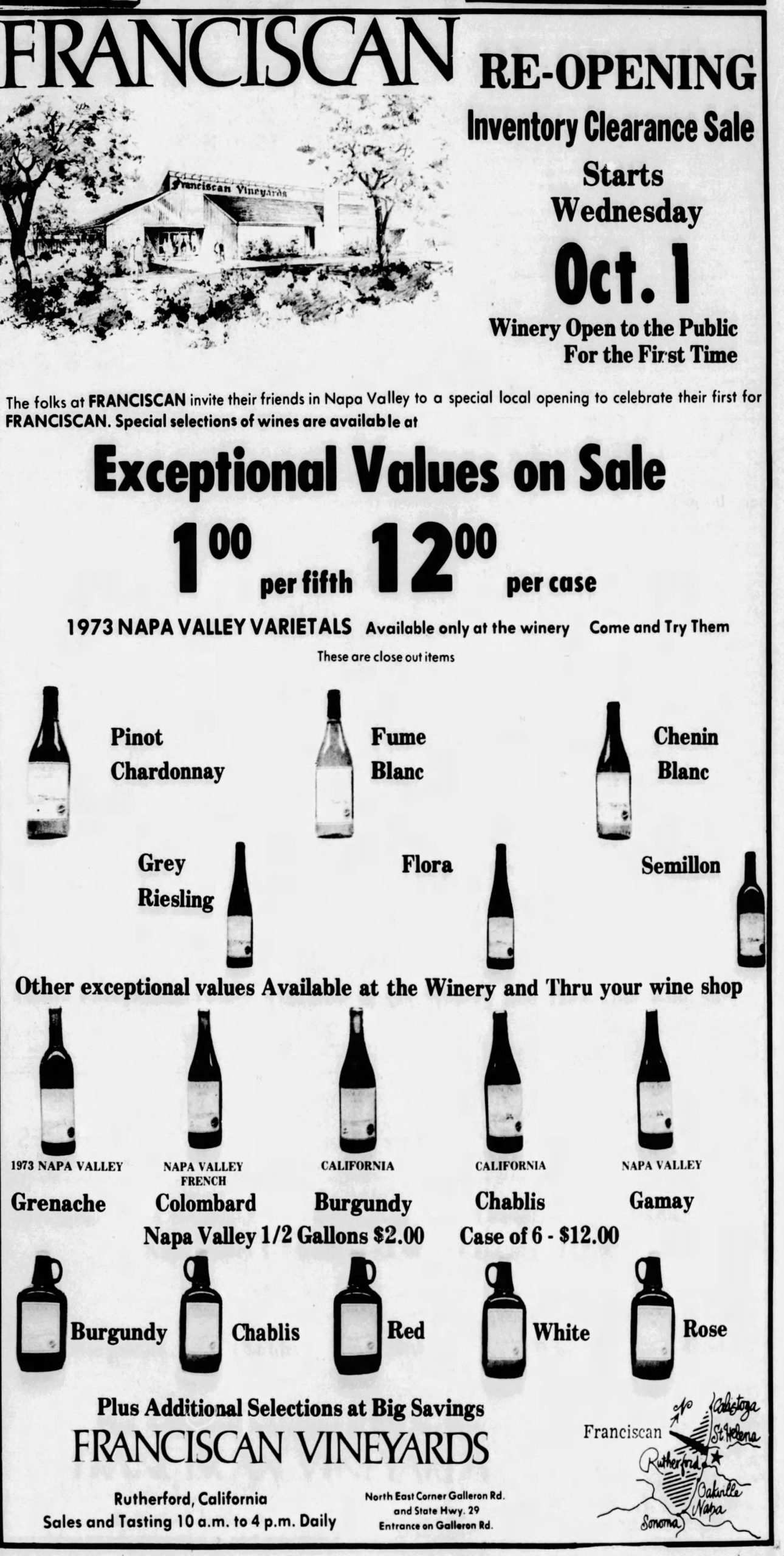 Of the total 200,000 gallons of wine acquired with the purchase of the winery, Justin sold off about 50% of it as bulk to other wineries. And syndicated wine columnist Frank Prial who wrote the column, “On Wine” penned in 1979 that his favorite Franciscan wine was the 1977 Chardonnay, available retail at $7/bottle – far higher than any of the wines sold at the ‘fire’ sale. In 1975 Franciscan produced Carnelian, the first ever designated wine from this variety, originally developed by Professor Harold Olmo at UC Davis. In 1978 Franciscan made a méthode champenoise Brut from Chardonnay and Pinot Noir. Production increased during their ownership; in 1979 they produced 80,000 cases.
As a result of the larger production they actively sought out additional markets in other states. Due to the much larger production of Franciscan and distribution as compared to Silver Oak, Franciscan received a significant amount of national press in those years.
Franciscan was sold in August 1979 to Peter Eckes Co., located in what was West Germany at the time; the sale included the winery, 200 acres in Oakville surrounding the winery and 200 acres in Alexander Valley including Duncan’s original Los Amigos Vineyard as well as the Red Winery Vineyards. Justin remained as President of Franciscan for two more years. Duncan kept the site of what is the present day Silver Oak Winery but continued to make the Silver Oak wines at Franciscan for several years. Franciscan Winery assistant winemaker during part of the 1970s and into the early 1980s was Leonard “Bud” Berg. Like his father Bud Sr., Bud Jr., also worked at Christian Brothers. Incidentally, Berg was the nephew of former head of UC Davis Viticulture department, Harold Berg.
Duncan let the property north of Oakville Cross Road be assumed by Connecticut Mutual who later sold it to Jerry Jensen, a prominent San Francisco Bay Area news anchor at the time who built a geodesic dome on site. Eventually Dennis and Judy Groth purchased this property and demolished the dome; the property is now home in part, to Groth Winery.
 In 1987 Franciscan developed Napa Valley’s first 100% wild-yeast fermented Chardonnay called Cuvée Sauvage; this was unusual at the time as the other area wineries were using cultured yeast, rather than the indigenous yeast from the vineyards.
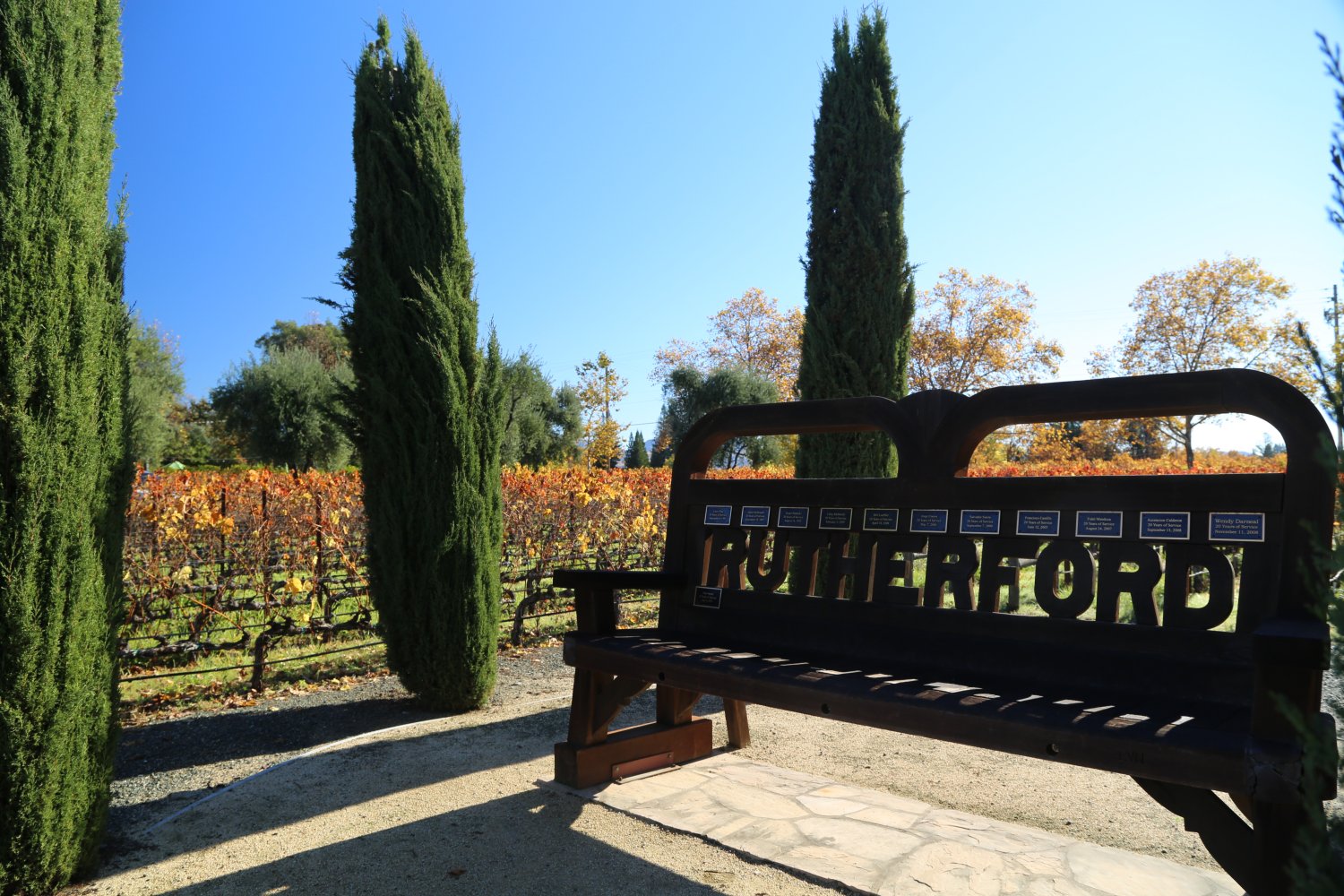
Old timers may remember the oversize “Rutherford Bench” located at Franciscan for approximately 30 years. It was unveiled in July 1989 and vintners in attendance in addition to Justin Meyer included Tom Ferrell of Sterling Vineyards, Agustin Huneeus, the then owner of Franciscan, Steve Girard of Girard Winery, Walt Raymond of Raymond Vineyards and Charlie Wagner of Caymus Winery (the only one of the vintners wearing shorts that day). This bench was moved at least once and then finally permanently removed in 2022; its previous resting space is now part of a small vineyard in front of The Prisoner Winery.
Franciscan became a 50/50 partnership in 1985 with Agustin Huneeus (proprietor of Quintessa Winery) and the Eckes family; both parties sold their ownership to Canandaigua Brand (now Constellation) in 1999. The winery and hospitality center operated in its original location until October 30th, 2017 when it closed permanently. Today the property is the home to The Prisoner Winery owned by Constellation Brands; guests who visited Franciscan Winery prior to the ownership change will no longer recognize the buildings’ current profile. Franciscan is still an active brand producing California‑designated wines owned by GALLO, with a physical address in Soledad, CA. GALLO is at least the 7th owner of the brand Franciscan.
—
Justin and Bonny along with architect Ray Rector designed the first Silver Oak Winery; it was built in 1981 and opened in 1982 just in time for that year’s harvest. 1982 was their first vintage processed here. Their first bottling line here was purchased by Justin from Sutter Home. Justin and Bonny had used the same architect on their own house and Bonny recalls borrowing some elements from the interior of her house to use inside the Silver Oak winery building. And she and Justin visited a number of wineries for additional design elements – the exterior was loosely modeled after Greystone Cellars in St. Helena. The iconic water tower was not yet standing; based on numerous requests from visitors asking for the whereabouts of the water tower, several years later they built one from scratch next to the winery.
From 1980 until 1982 Bonny was managing and overseeing much of the day-to-day details of operating Silver Oak from an office upstairs in the former Vintage 1870, what is now the V Marketplace shopping center in Yountville. A couple of other tenants at that time were Pam Hunter, who founded the wine focused Hunter Public Relations and Marketing in 1978 and Jay Corley, the owner of Monticello Vineyards. During this time, Bonny was also working to increase Silver Oak’s early distribution and exposure at a variety of retail outlets. At the time, wine sales were dominated by men. She and Justin each handled the most important roles in running a winery, he production and she design, marketing and sales.
Until the winery was built, she remembers, “barrels of Silver Oak were aging in barns all over the valley” and that it was a huge relief to finally have their own winery after 10 years. And for some time, a racquetball court was on the property; this was a favorite space for Justin to relax. He grew up playing sports including quarterback, center in basketball and was a pitcher in baseball.
In 1981 while judging at the Orange County Fair Commercial Wine Competition, Bonny noticed a couple selling wine related etchings. She introduced herself and met Ruggero Gigli and his wife Gina. Bonny needed art to decorate the still under construction tasting room. When the winery opened, the Gigli’s provided a number of their etchings and posters which were sold in the tasting room.
 In the early years, Silver Oak began actively working with wine writers and entering their wines in competitions. Their wines started receiving critical acclaim from wine writers such as Robert Parker and gratifying publicity such as winning a gold medal for their 1974 North Coast Cabernet Sauvignon at the California State Fair Commercial Wine Competition in Sacramento, perhaps the equivalent at the time of earning a 100-point score from Robert Parker. This same vintage also was awarded a gold medal at the 43rd Los Angeles County Fair while the 1973 Silver Oak North Coast Cabernet Sauvignon earned a silver medal at the 42nd Los Angeles County Fair.
Parker wrote glowing praise for their 1982 Napa Valley wine. Up until this review was published, Silver Oak would also sell out within a year of release, but after Parker’s review was published, demand increased and they began to sell out much earlier. Parker continued to give high praise for subsequent vintages.
More accolades followed; wine editor for the Los Angeles Times, Robert Balzar awarded the 1974 vintage his Wine of the Year. In 1983 a tasting was hosted in Reno at the El Dorado Hotel & Casino of wines from around the western U.S. The owner of the hotel was Don Carano, who would later start Ferrari-Carano in Sonoma County. In this blind tasting organized by then SRJC viticulture professor Rich Thomas, the 1978 Silver Oak Alexander Valley Cabernet Sauvignon was one of only two wines to be awarded a sweepstakes winner. Wine writer Jerry Mead called this vintage the best he had tasted from the young winery to date (spanning only 6 releases). This award-winning bottling sat at a modest 12% alcohol.
Silver Oak and other wineries were also helped by the episode of 60 Minutes which aired on November 17, 1991, hosted by Morley Safer. The segment was titled ‘French Paradox’ and tackled the differences in French and American diets and why heart disease was less prevalent in France than in the U.S. despite the French consuming richer foods than the Americans. The conclusion was the amount of red wine consumed, and that drinking at least one glass a day would help mitigate the risk of heart attacks and blood clots.
And celebrities started taking notice; the Duncans spotted acclaimed photographer Greg Gorman profiled in an issue of American Photo Magazine – highlighting his other passion, wine. He posed holding a bottle of 1982 Silver Oak and a larger format bottle of 1982 Chateau Petrus (the Petrus being a gift from Julio Iglesias after a photo shoot). Somehow Silver Oak spotted the feature and invited Greg to visit the winery. Years later Greg would begin GKG Cellars, based in Napa Valley. Even Oprah Winfrey got into the action; in 2016 she listed the Silver Oak Oprah 2012 Alexander Valley Cabernet Sauvignon in her annual Favorite Things list.
Other celebrities who consider themselves passionate consumers of Silver Oak include Carlos Santana, Matthew McConaughey, Steve Kerr and Lebron James. Canadian PGA Tour golfer Mike Weir attributes his initial interest in wine to a bottle of Silver Oak he was introduced to while on tour. Former head coach at Duke University Mike Krzyzewski (known as ‘K’) once called Silver Oak’s Cabernet Sauvignon his ‘girlfriend’. PGA golfer Sam Burns (at one point ranked as high as number 9), visited Silver Oak Winery Napa Valley in 2019 during his rookie season and purchased a double magnum. In 2021 after his first PGA victory, he opened this bottle and celebrated with friends. American former soccer player, coach, and member of the National Soccer Hall of Fame Abbey Wambach has said her favorite wine is Silver Oak.
Bottles of Silver Oak are popular gifts among professional athletes. In 2001 during Cal Ripken’s final season, the Oakland Athletics presented Ripken a three year vertical of Silver Oak wines during Cal Ripken Jr. Day. Proclamations from the mayor of Oakland and the governor of California were read prior to the presentation of the wine. A year later, the Oakland Athletics partnered with Silver Oak for an event called, “Opening Day at Silver Oak”.
In 2013 Peyton Manning gifted retiring NFL player and now General Manager of the San Francisco 49ers a case of Silver Oak. A more recent example of this was in late 2025 when Dallas Cowboys quarterback Dak Prescott gifted custom-etched magnums to each of his teammates. And numerous celebrities have visited over the years – like anyone else, drawn to the winery’s iconic status, premium wines and fun atmosphere. In March of 2014, Drew Barrymore, Reese Witherspoon and Cameron Diaz casually stopped by the tasting room unannounced and enjoyed a tour of the winery. Actress Courtney Cox stopped by for a tasting later that same year with Irish singer-songwriter Johnny McDaid of the band “Snow Patrol”.
Silver Oak is also a favorite among other winery owners. For example, John Miller the co-proprietor of Miller Vineyard & Winery in California’s El Dorado County, considers Silver Oak one of his favorite wines and some of his own wines emulate Silver Oak’s style. According to an article in The Sacramento Bee dated January 20, 2005, he had amassed a 500 bottle collection of Silver Oak vintages, but sold these to raise funds to purchase a tractor for his vineyards. Vineyard owner, Gregory Weiss, located near the city of Napa, used to receive cases of Silver Oak wines as incentives following sales; when he and his wife moved to Napa Valley they built a wooden tower modeled after the Silver Oak tower.
Former MLB player and vintner Rich Aurelia credits a bottle of Silver Oak as being the wine that inspired him to begin his wine journey – first enjoyed while he was still playing baseball. Aurelia was later the proprietor of Napa Valley based Aurelia Wine. And another vintner, Matt Gibson, proprietor of Matthew Gibson Winery in Amador County, credits a bottle of 1982 Silver Oak Bonny’s Vineyard that a friend shared with him as the wine that encouraged him to pursue winemaking.
And according to an article in The Atlanta Constitution dated November 4, 2019, when professional race car driver Kevin Buckler was starting Adobe Road Winery in Sonoma County, one of the executives at Silver Oak in Alexander Valley gave him permission to load his truck with grapes just prior to a scheduled harvest at one of their vineyards. That was in 2002, for his first vintage of Adobe Road.
Silver Oak is one of only 95 wineries from around the world included in the list of coveted global top luxury wine players – as highlighted in the book, Luxury Wine Marketing (2019) by Peter Yeung and MW Liz Thach. Yeung and Thach also feature Silver Oak in several case studies. Silver Oak was also included in multiple editions of The California Directory of Fine Wineries by photographer Robert Holmes and Marty Olmstead. Both men attended the Silver Oak Release Day in 2003, to sign books for attendees. In short, Silver Oak has become an important lexicon for wine enthusiasts around the country and beyond.
Meyer Family Cellars, Yorkville, Mendocino County
With both health problems creeping into his life, his children not interested in taking over, and the Duncans looking to expand the operations, increase production and raise pricing (a different direction than what Bonny and Justin wanted), they sold their percentage of Silver Oak in 2001. Justin died at age 63 the following year; his family continues to run the small Meyer Family Cellars located in California’s Yorkville Highlands of Mendocino County directly next to Highway 128 – about a 2-hour drive north of Silver Oak Winery in Oakville.

Bonny attributes finding the Meyer Family Cellars property to her son Matt. She and Justin never forced their children into following their wine footsteps, but rather left career choices up to their children. One day Matt approached his parents while still in high school and said he was interested in winemaking. He worked in several wineries over the years including at Silver Oak, Argyle in Oregon’s Willamette Valley and also in Australia. He earned his Master’s in Viticulture in 2002 from the University of California, Davis.
Wanting to explore beyond Napa Valley (he felt the valley was becoming too crowded) he was instrumental in locating the home for Meyer Family Cellars which was previously another winery in bankruptcy at the time of their purchase in 1999. The family opened the winery and tasting room in 2003. Matt and his wife Karen oversee the vineyard and winemaking operations.
Incidentally, walking into the Meyer Family Cellars tasting room is a bit like walking back through memory lane when Justin was still involved with Silver Oak – photographs from the 1970s in front of Franciscan Winery and other old Napa Valley locations as well as articles about Justin’s time at Silver Oak hang on the wall.
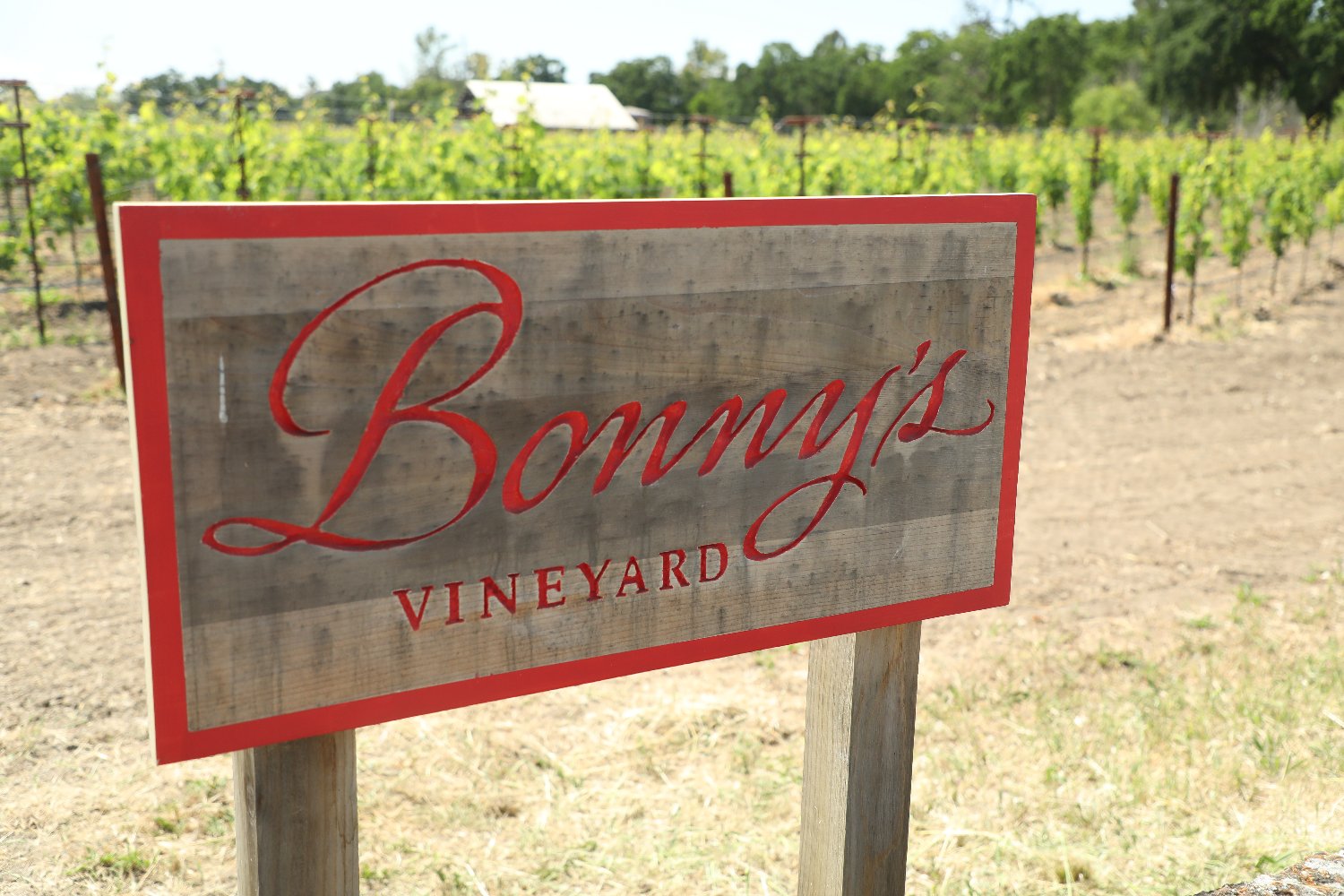 And continuing their long connection with Oakville, Meyer Family Cellars produces Bonny’s Vineyard Oakville Cabernet Sauvignon from the original 4-acre block from their family vineyard (available only for their wine club members) or sometimes through tastings at their tasting room. Grapes have been sold to other producers from this vineyard including to Miner Family. The Meyers purchased this property in 1972. Due to Pierce’s disease and Eutypa, this vineyard was replanted in the late 1990s. In 2011, Bonny acquired a neighboring parcel expanding the footprint of Bonny’s Vineyard to 25.5 acres of which about 18 are planted to vine, primarily Cabernet Sauvignon. Silver Oak produced a very limited production and popular Bonny’s Vineyard designate wine from 1979 through 1991. They stopped producing this wine in part because demand was far outpacing its very limited supply and it had become challenging and time consuming to fulfill numerous order and or re-order requests for such a small production wine. The public started to perceive the Bonny’s Vineyard bottling as the top wine produced by Silver Oak. Grapes from Bonny’s Vineyard were then used in Silver Oak’s Napa Valley Cabernet Sauvignon through the 1998 vintage.
In late 2024, approval for Bonny’s Vineyard Winery was granted by Napa County’s Planning Commission. When completed, this winery will feature a 11,000 square-foot wine production facility, a tasting room and a patio.
The inception for the name of this vineyard began when Bonny visited Martha’s Vineyard and saw their vineyard sign; in casual conversation she mentioned to Justin that she had visited Martha’s Vineyard and mentioned that it would be nice to have a vineyard named after oneself. Unbeknownst to Bonny, Justin had a custom-built sign for Bonny’s Vineyard – loosely modeled after a National Forest sign in which arriving visitors are greeted with, “you are entering Bonny’s Vineyard” and departing visitors see, “you are leaving Bonny’s Vineyard”. A much newer Bonny’s Vineyard sign is located on the north side of her property.
In the 1980s Justin gave winemaker Todd Anderson of Anderson’s Conn Valley and Ghosthorse Winery budwood from Bonny’s Vineyard. Todd planted his first vineyard in Conn Valley using this budwood of Cabernet Sauvignon and produced his inaugural vintage in 1987 from these young vines.
After the sale of Christian Brothers in 1986, Justin’s friend Joseph Ciatti, of the prominent Ciatti Company, a wine brokerage firm informed Justin that some 3,000 gallons of Christian Brothers 1987 produced port-style Touriga Nacional was available for sale. After Cabernet Sauvignon, Port was one of Justin’s favorite beverages and he especially enjoyed drinking it over card games while he was still working at the Christian Brothers. He purchased this wine, and it became the base for their delicious Solera (non-vintage) Meyer Family Port (usually only bottled every 5 years). Their first bottling in 1995 was port that had already spent 8 years in barrel. This was the first wine produced and bottled under Meyer Family Cellars; it was actually aged at Silver Oak for several years and was even sold in the Silver Oak tasting room.
In the spirit of Silver Oak’s heritage and in honor of Justin, Meyer Family Cellars also produces an Oakville Cabernet Sauvignon called Spitfire that is entirely aged in American oak. Justin earned this name from a friend after he threw a drunk person out of a bar years ago for offending other patrons. Every year from the same vineyard, they also produce the same Cabernet Sauvignon called Fluffies Billows, but this wine is aged entirely in French oak.
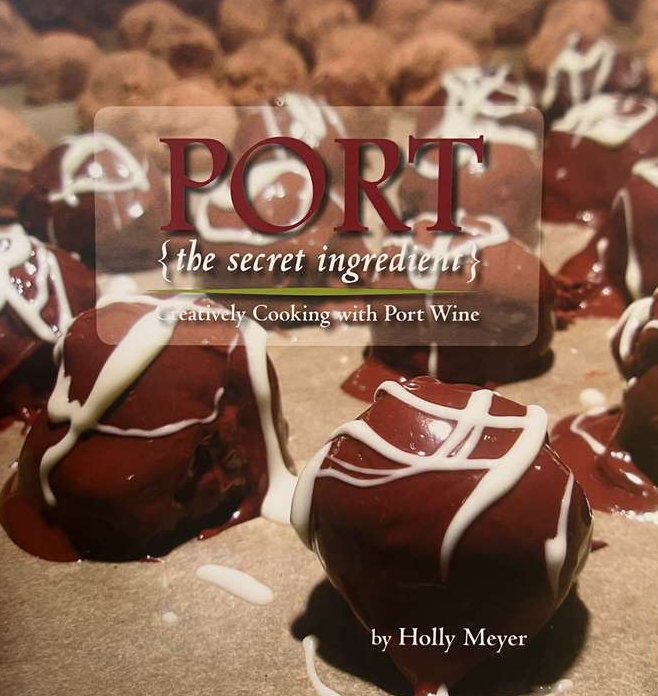 Justin and Bonny’s other son, Bordeaux based Chad (passed in late 2022) was co-founder and CEO of Soutirage, a wine retailer catering to serious wine enthusiasts and collectors. Soutirage offered a variety of premium services including access to premium wines, offering cellar advice, wine storage and hosting select wine-related experiences around the world. In 2011 their daughter Holly Meyer wrote Port {The Secret Ingredient}, a culinary book highlighting 68 recipes that pair well with port wine. In the culinary world, Port is extremely versatile. Holly highlights recipes ranging from something as simple as cutting a cantaloupe in half and dumping in port after removing the seeds to using it for baked oysters. The photography is a snapshot from another era, reminiscent of early Instagram filters. After reviewing these recipes we realized that Port pairs with just about anything edible.
Since the sale of their portion of Silver Oak, in addition to being a partner in Meyer Family Cellars, Bonny oversees Meyer Family Enterprises, an investment company that selectively invests in companies focusing on environmental, economic, and social issues dedicated to improving both the planet and society. These issues are extremely close to her heart. Her early involvement in this was through the nonprofit, Rockefeller Philanthropy Advisors who invited her to attend a Global Philanthropy Forum held at Stanford University which was attended by notables such as Bill Clinton and Bill Gates. The issues discussed were far-reaching and so was the scale of funding needed. Feeling a bit overwhelmed and asking herself what she could do, she realized her impact would be greatest felt through more targeted smaller investments – impact investing or regenerative investing as she calls it. Today the focus of her efforts are on environmental issues, in particular supporting the works of Rocky Mountain Institute (RMI).
“If money is only your goal, that will get you into trouble – instead focus on people and the planet.” ~ Bonny Meyer
In May 2020, Bonny released a memoir she wrote titled, Perfectly Paired: The Love Affair behind Silver Oak Cellars – an in‑depth, behind‑the‑scenes look at building Silver Oak, but even more so – a powerful and profound love story about her decades with Justin, including relationship insights and the extreme pain and grief of coping with his loss with her love at its rawest and most intimate form following his death. Pay particular attention to the first couple of pages in Chapter 20.
She had this to say about Silver Oak, “For the first time, I realized Silver Oak was what is now known as a sustainable business: driven by values more than money, emphasizing people over profits, and achieving phenomenal success because of those choices”.
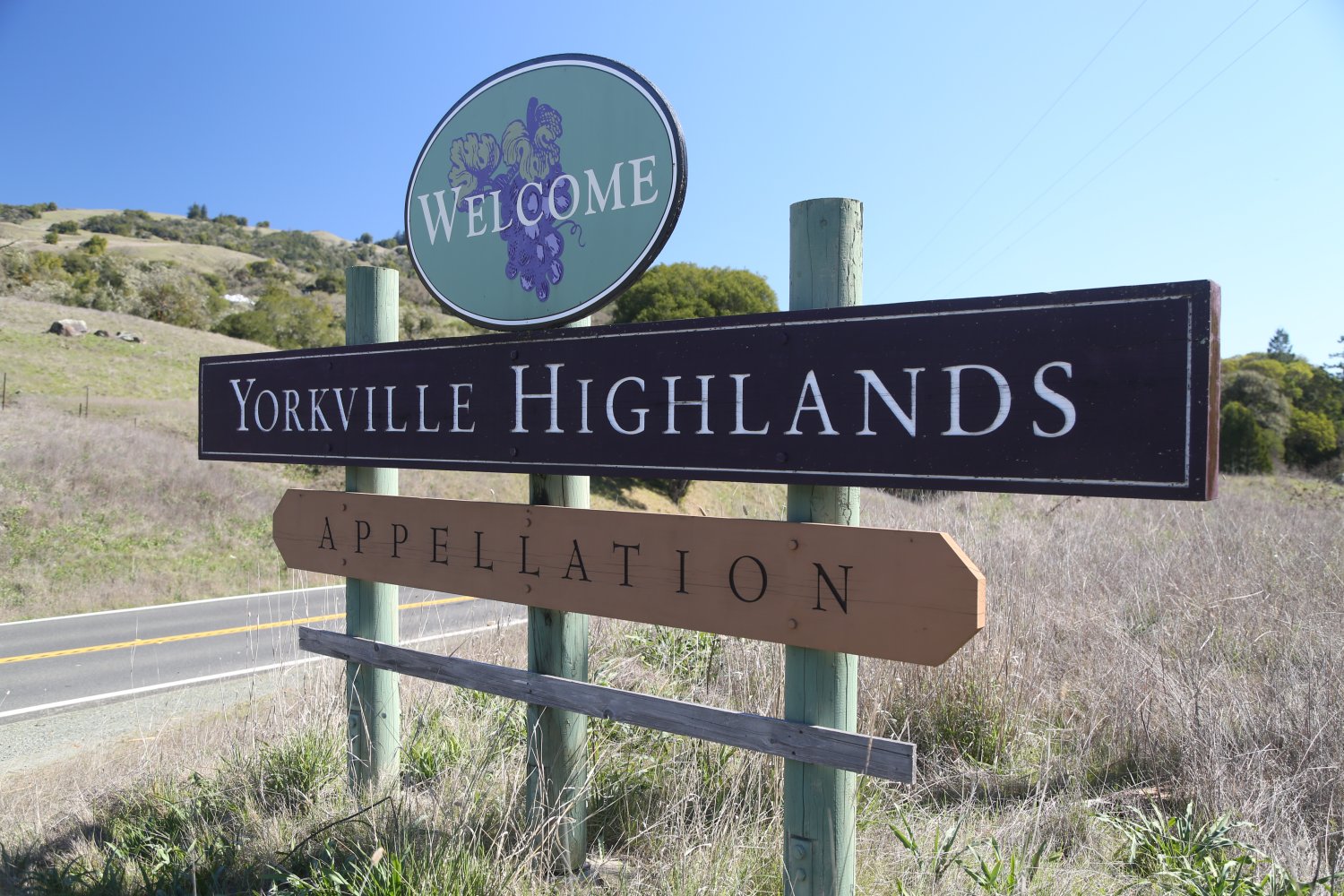
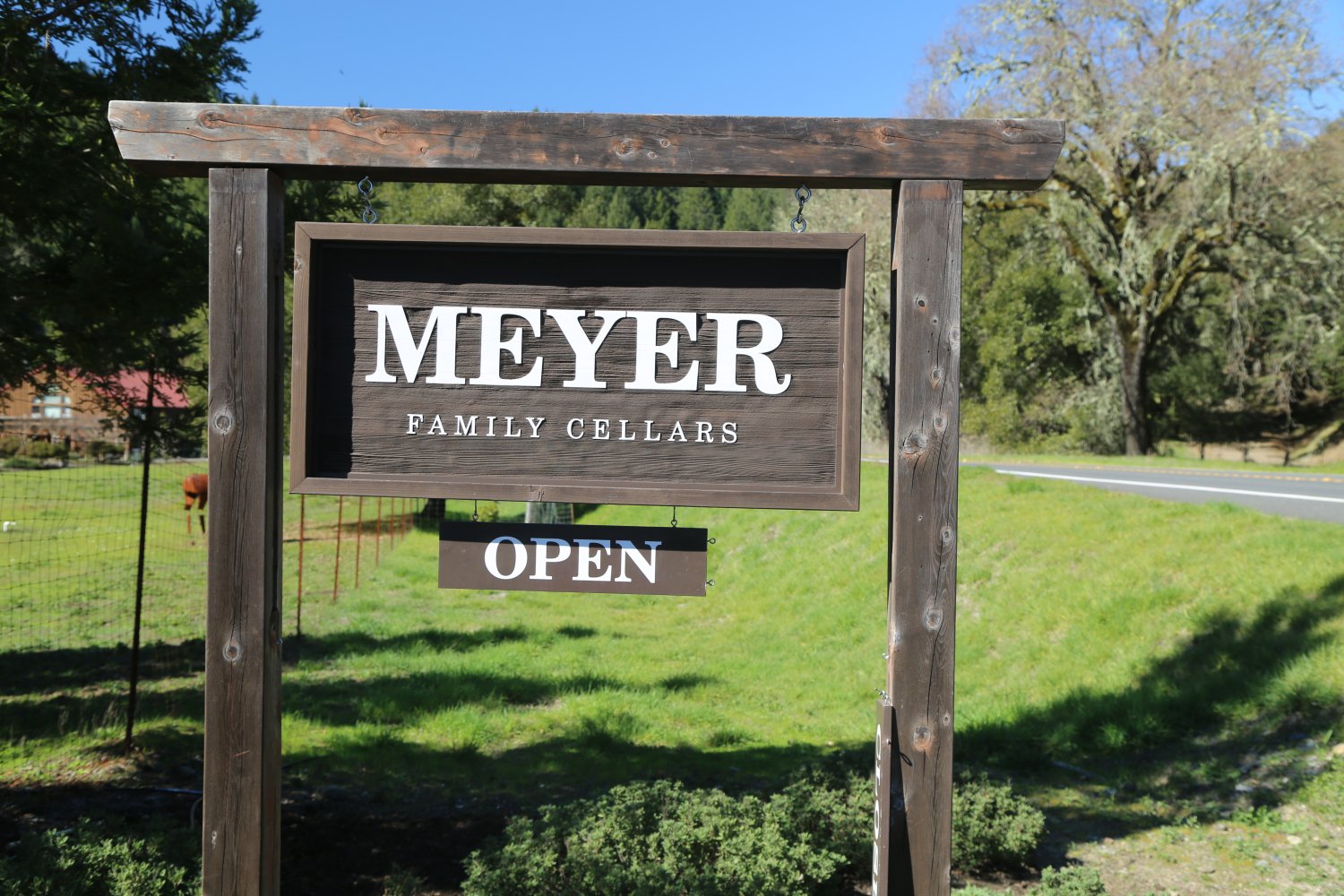
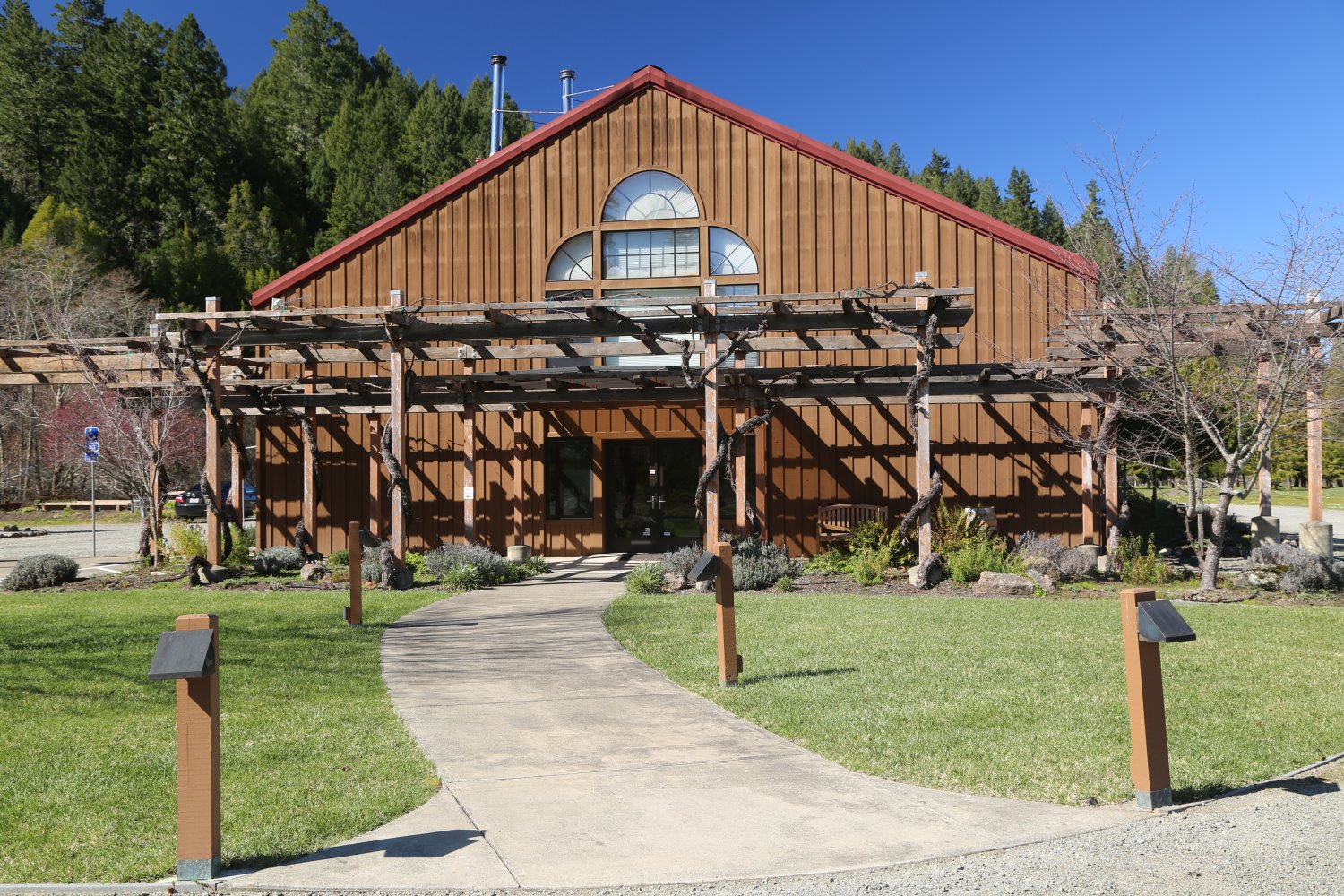
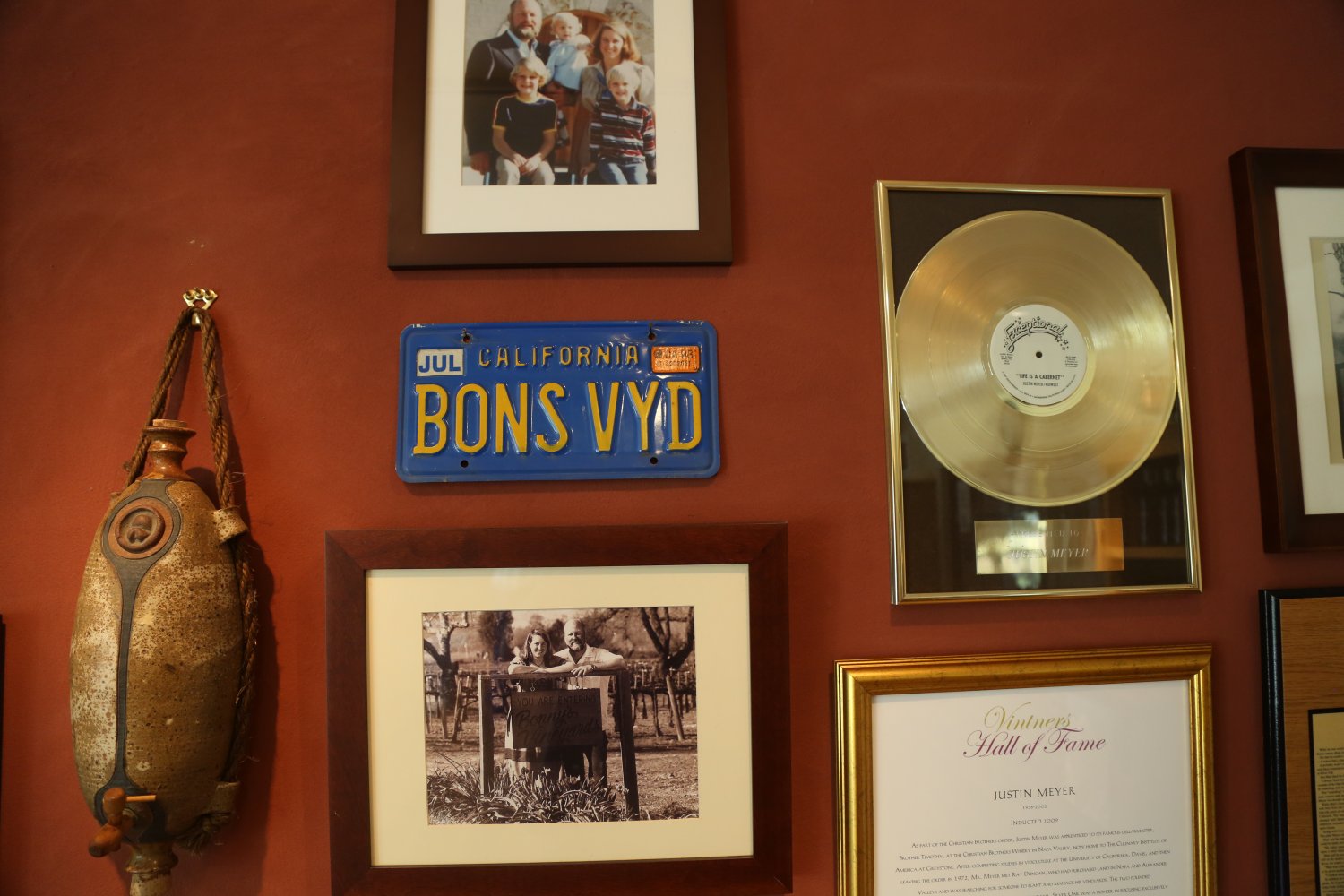
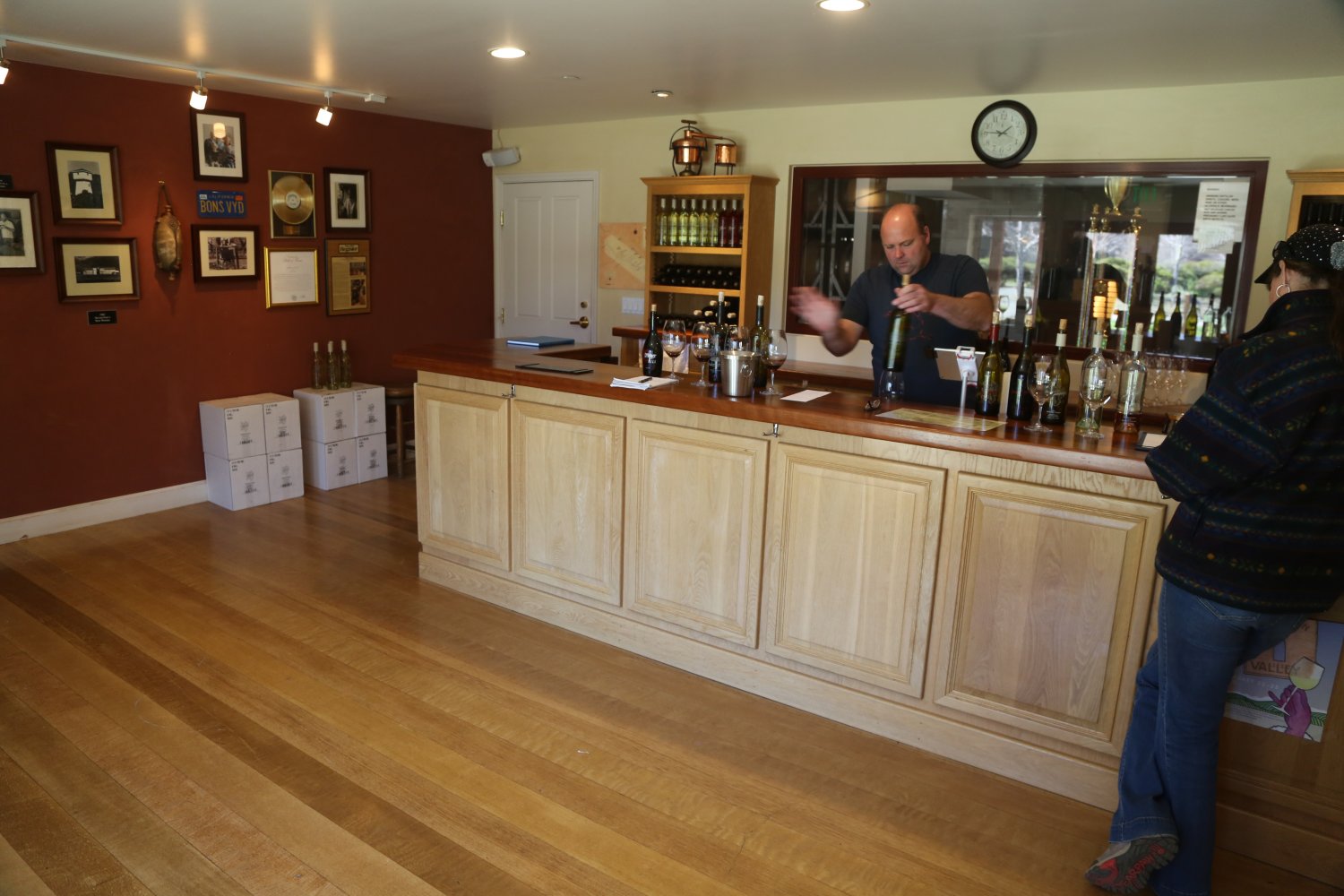
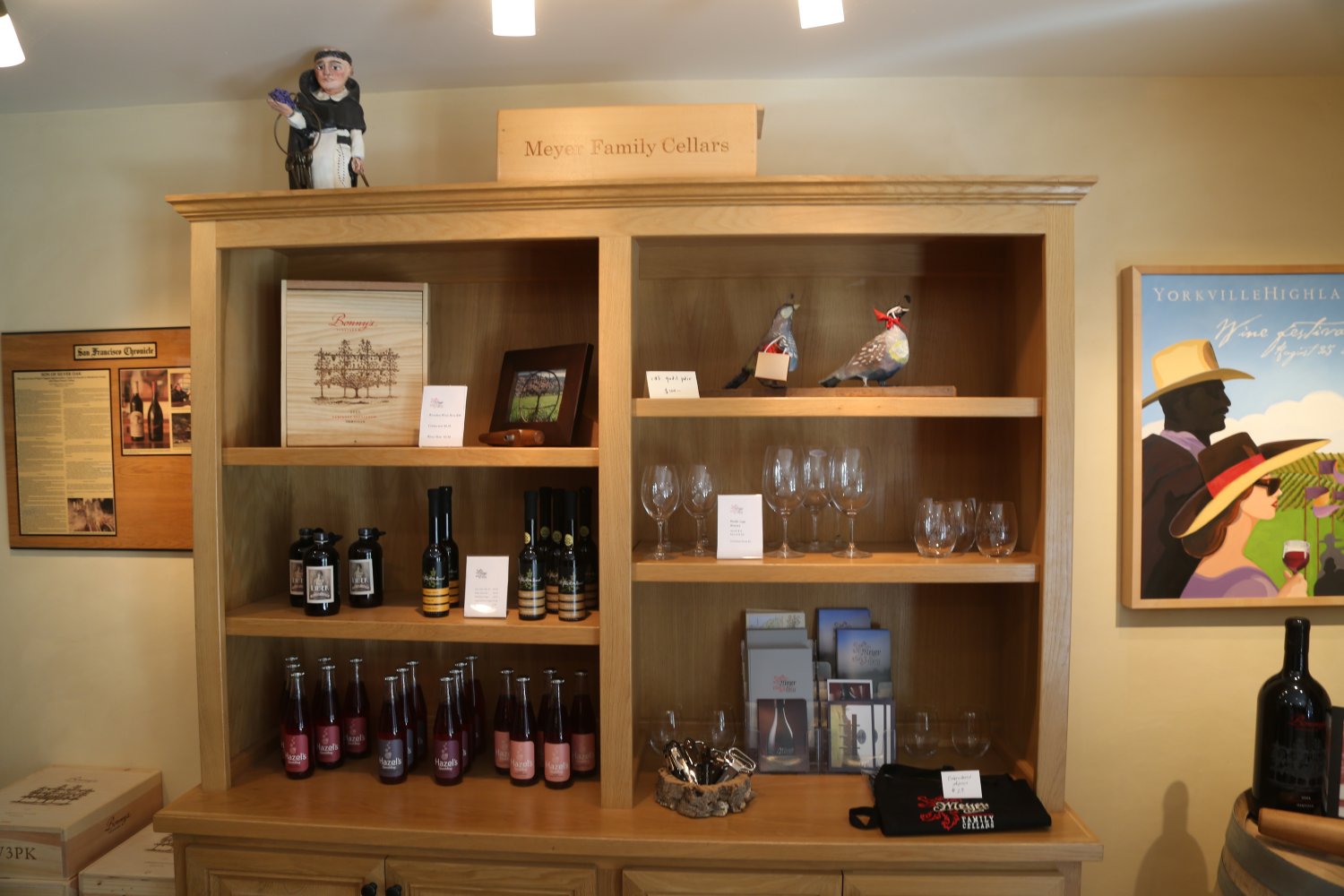
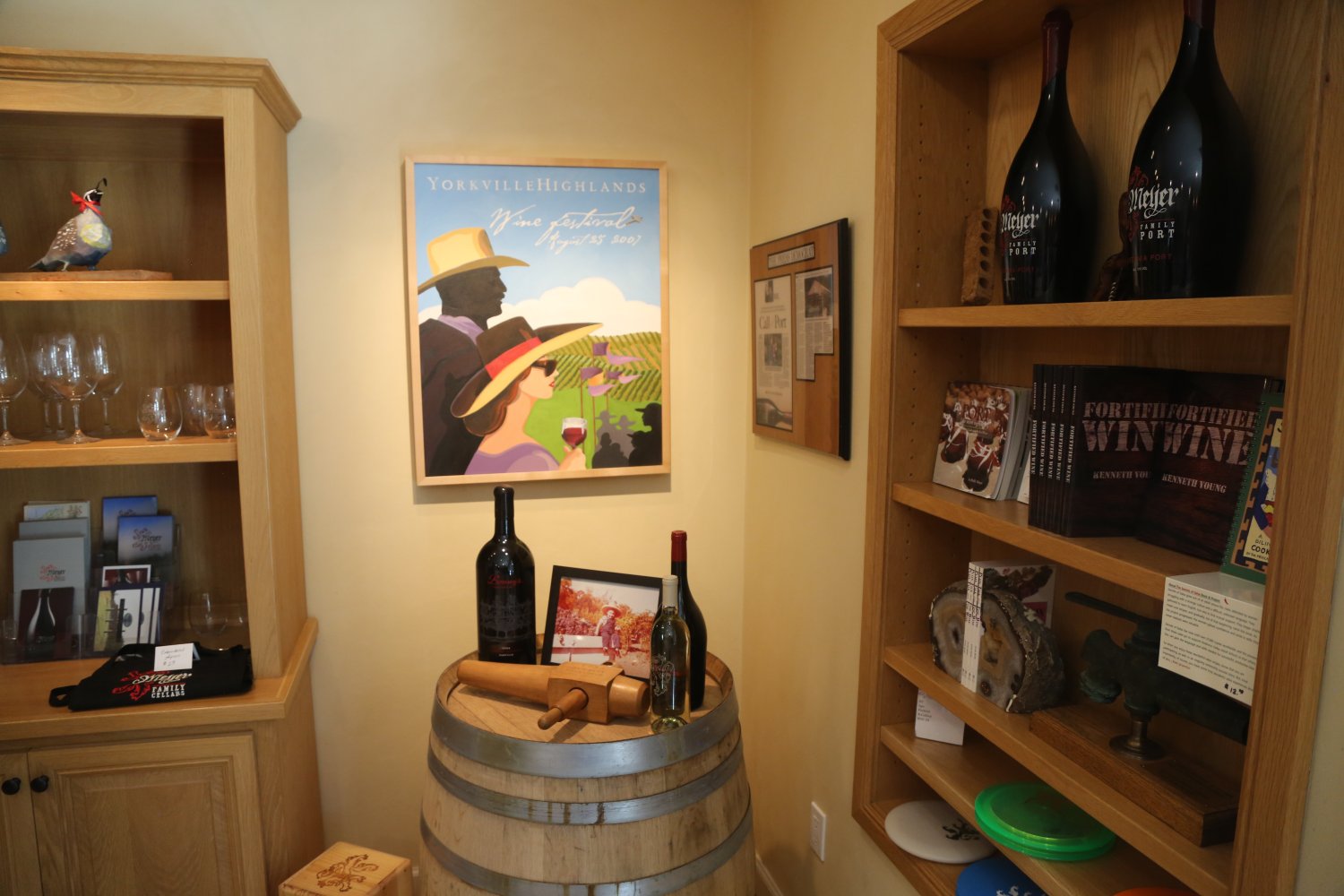
—
David Duncan was born and raised in Colorado, graduated with a degree in English from the University of Notre Dame and would often visit Napa Valley with his father. While studying for his MBA at the University of Denver in the mid 1990s, David worked on a paper titled, Simplicity + Elegance, which he recalls he wrote on Lotus Software’s Lotus 1-2-3 spreadsheet software, which outlined a financial plan for Silver Oak. However, he didn’t become directly involved with the winery until later. Prior to his career in wine, he was working as a ‘landman’ in the family oil and gas industry, helping negotiate contracts and securing drilling rights.
He remembers sitting in his office in 2002 when his father walked in and announced their General Manager, Dave Cofran (died 2022) was thinking about retiring. Cofran joined Silver Oak Cellars in 1984 after spending 17 years as winemaker and assistant production manager at The Christian Brothers. Ray then said, “I have figured out the perfect person to run the winery”, David responded with “who” and his father said “you”. As David says today, without any remorse, “we crumpled up the next 35 years of our lives and moved out to California later that year” – not an easy decision as his wife Kary was the Assistant Chief of Medicine at the University of Denver.
The growth and direction of the company over 50+ years have been no less than on an amazing trajectory. Justin would often say “we have yet to make our best bottle of wine” – with the vision and ongoing commitment to their vineyards, winemaking and consumers, this “ethereal ever moving goal” as David says – is always out of reach but one that incrementally they strive to improve on with every single vintage.
Today the winery is owned by David and his three brothers Mike, who used to be the President and CEO of Diamond Tail Ranch, Kevin, an avid mountain climber and philanthropist including a founding trustee of The Juniper Fund and Tim, who is obsessed with all things Jerry Garcia and The Grateful Dead-related including serving on the board of directors for the band’s charitable organization, The Rex Foundation, named in honor of former road manager, Rex Jackson. Tim is actively involved on the sales side of the operations for Silver Oak – having officially joined the company in early 1986. And he played an integral role in starting TWOMEY Cellars.
Tim’s early role at Silver Oak was focused on sales within California. He remembers Dave Cofran circling locations on a printed Rand McNally type map book for southern California – identifying both retail and restaurant locations for Tim to visit on sales calls. A couple of stops he recalls were Los Angeles Wine Company and Hi-Time Wine Cellars in Costa Mesa. Back in those days, there were no cell phones and Tim would use a payphone to call back to the winery while on sales trips. One story in particular stands out; Silver Oak was trying to secure placement at a young chef’s restaurant. That restaurant was Spago, owned by chef Wolfgang Puck – whose career was starting to gain notoriety in the 1980s. Tim eventually secured a sales visit to Spago; during his sales call in mid afternoon, he was pleasantly surprised when Puck showed up and cooked a special meal for him and others during their visit.
David recalls some of Tim’s early sales work involved going door to door at restaurants selling Silver Oak wines. At an event screening featuring a visual oral history, where radio host Jeff Davis interviewed David Duncan at Silver Oak Napa Valley in June 2024, in conjunction with the Napa Valley Wine Library Association, David spoke following the screening and said, “it’s my job to get the wine into bottle and its Tim’s job to get it out the door”.
David first met author and business advisor, Jim Collins in Colorado. Duncan contributed insights and perspective from interviews to two of Collins’ books including Great by Choice: Uncertainty, Chaos, and Luck–Why Some Thrive Despite Them All. In this book, he is mentioned in the acknowledgments. Duncan credits Collins for some of his business ideas which are often implemented at Silver Oak. David has been an integral part of Silver Oak’s growth and success.
And in a feel good story that embodies the ethos of Silver Oak, after Cristi Ficeli Coors and her husband David purchased Goosecross Cellars in Yountville, David Duncan reached out to her directly. He told her that everyone needs to succeed in Napa and proceeded to invite her to come to Silver Oak and as he put it, “Look at our books”. Her response was something like, “Do you have a Library?” But in actuality David was inviting her to look at their accounting records and give her insights into their operations. This reminds us of another well established Napa Valley producer that offered his entire mailing list contact information to a new brand that was getting started.
The Fire
David was at his favorite gym in St. Helena at 6:20 in the morning on Thursday, February 2, 2006, when he received a call from his wife Dr. Karynne Duncan (Kary – died in 2026), the founder of St. Helena based Duncan Dermatology and co-author of Dermatology Essentials. Duncan Dermatology is now owned by Golden State Dermatology. The only words he heard before he quickly hung up the phone was “the winery is on fire”. Those who first spotted the fire and called 911 were neighbors walking by in the early 6am hour. This was only about a month after the valley experienced significant flooding including in the city of Napa and parts of the winery property were under water. David raced out of the gym and just so happened to be behind a firetruck that was also speeding to Silver Oak. This was a big deal in the valley and totally unexpected; according to David over 50 firefighters were on scene battling the blaze which continued to smolder and burn for several days after.
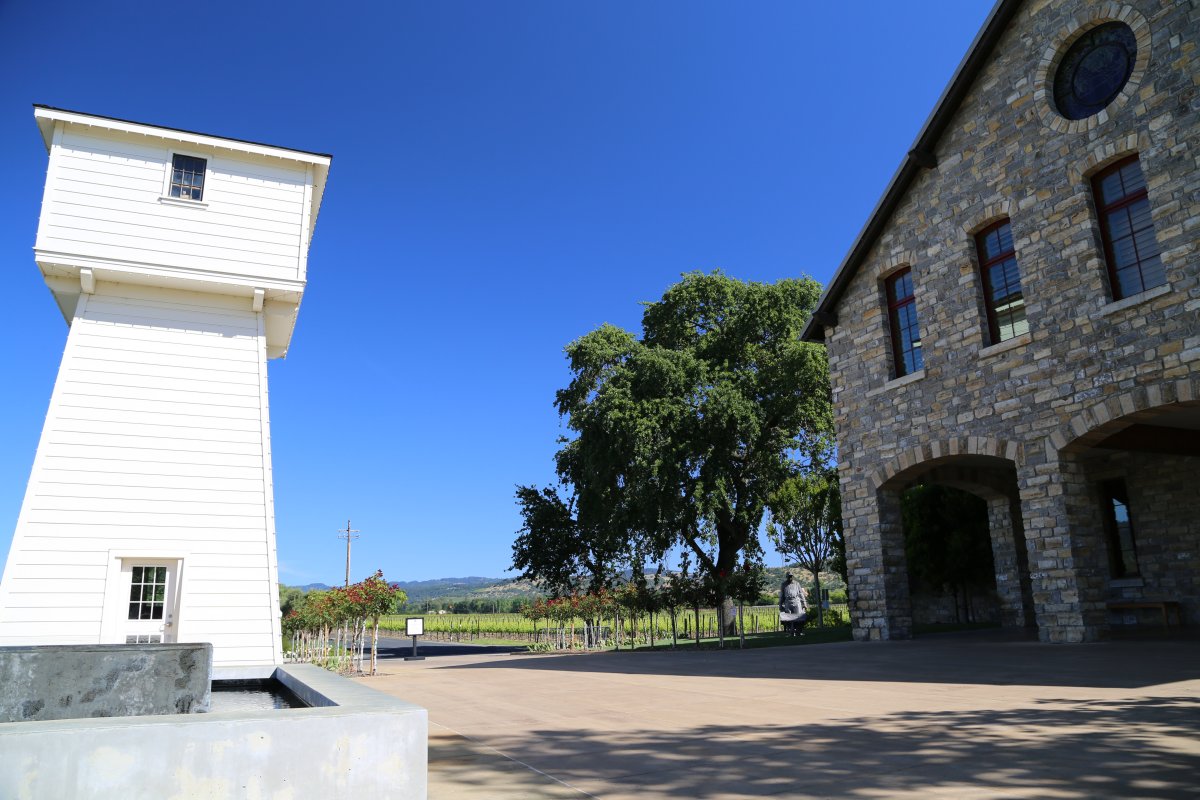
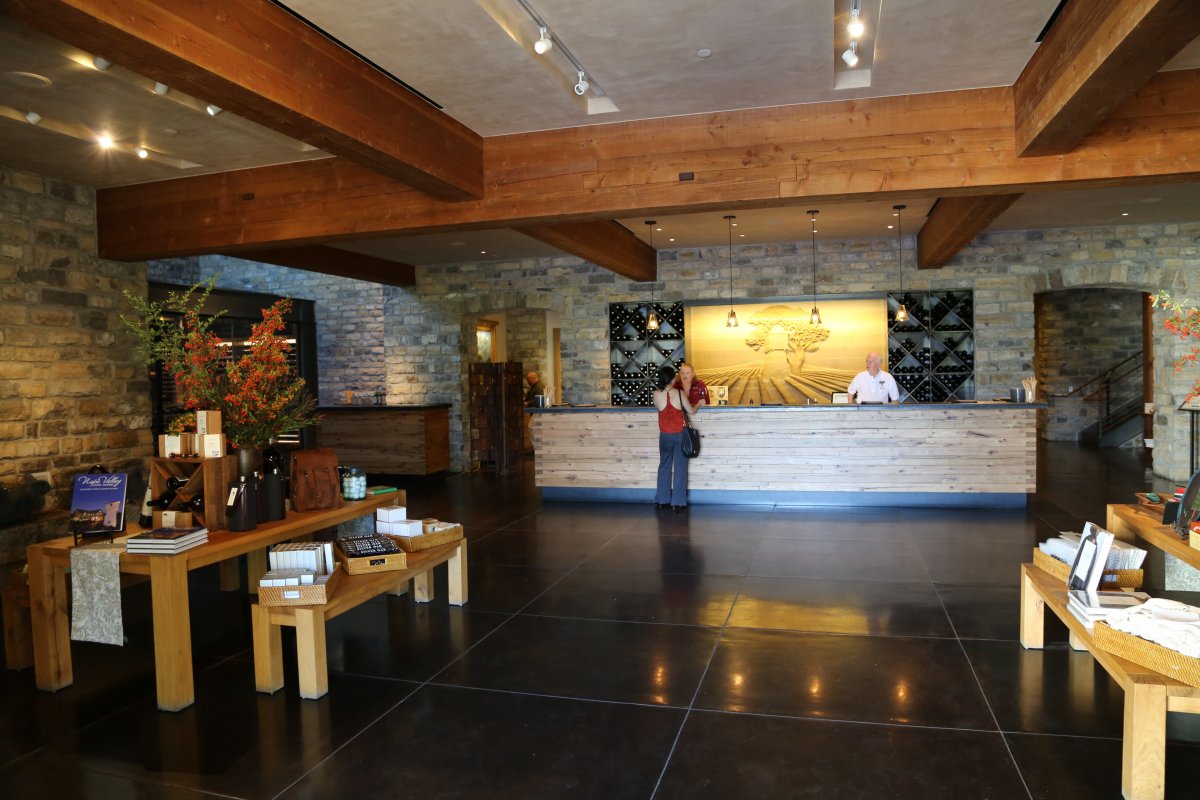
 The blaze began in a dumpster slightly north of the winery after an employee removed hot ashes from the fireplace inside the winery and transferred them to the dumpster placing them among cardboard. A strong wind was blowing from the north and quickly burned several buildings on the property including destroying the old 7,000 square foot former dairy barn. Firefighting efforts were complicated by the fact there were no fire hydrants available; a portable water tank was set up in the driveway with tenders delivering water from the tank to the firefighters. The main stone winery building was not destroyed although parts of it suffered heat and smoke damage; it was later demolished to make way for the new winery. Approximately 70 barrels of 2004 vintage wine were destroyed in the fire, about 10% of their total production that year according to Duncan. Total property damage estimates resulted in about 3 million dollars in losses.
Remarkably the scheduled release day that weekend was hosted on the property as originally planned.
In hindsight David says the fire was one of the better things to happen to Silver Oak, but at the time it was understandably devastating to all the winery employees and ownership. They quickly convened at Ray’s home; David recalls some of the employees in tears and their CFO Rickie Piña asking everyone, “what are we going to do now?” David quickly said something like, “why, we are going to rebuild the winery”, immediately cutting through the despair of the moment. What do you do after hearing this? Open a bottle of Silver Oak of course, which is what they did to help lighten the mood.
For the 2007 vintage only, all the Silver Oak Cabernet Sauvignon was produced at their winery at the time in Sonoma County.
The Rebuild
The rebuild provided an opportunity to start from scratch both with the winery and the hospitality center. Because Silver Oak’s property is located near the Napa River and the land is prone to flooding, soil was brought in from cave tailings from other wineries and raised approximately six feet above the level of the surrounding vineyards. The 65,000+ square foot winery and hospitality center were designed by San Francisco based Taylor Lombardo Architects, the contractor was Cello Maudru and engineering services were provided by Hohbach-Lewin. Martha Angus of Martha Angus Interior Design provided the interior decor.
Initially in their search for rock to build the winery, they reached out to Syar Industries Inc, a rock quarry located south of the city of Napa and now owned by Vulcan Materials Company. But then their contractor connected the Duncans with an old flour mill located in tiny Coffeyville, Kansas. This 100+ year old building containing locally quarried limestone was already slated to be torn down. Arrangements were made to use this stone in the new winery. Over 550 tons of the historic stone were hauled by rail car across the country to Oakville—a literal transplanting of American heartland history into the Napa Valley landscape. While some stones remained stacked up after the building was removed, these are now gone and all that remains of the footprint of this building is a metal storage shed (see our photographs below). The flour mill is still active, today called Bartlett Milling; those who walk near the property will quickly smell the aromas of the milled flour.
Visitors to Coffeyville will want to stop in the quaint old historic part of town and also explore the Dalton Defenders Museum – honoring those who stood up for the town (including those who lost their lives) when the Dalton Gang attempted to simultaneously rob two banks. And also highlighting early Coffeyville history and some of its most prominent citizens.
Silver Oak was able to salvage two stained-glass windows from the fire which had been created by Napa Valley based artist Diane Peterson, the mother of well-known winemaker Heidi Peterson. Incidentally Heidi Peterson worked for Justin Meyer at Franciscan Winery for the 1980 harvest assisting with the winemaking for both Franciscan and Silver Oak. This was her first winery job after graduating from U.C. Davis in 1980 with a B.S. degree in Fermentation Science.
During the rebuild the Duncans decided to add two more windows and commissioned her again; all four windows representing each season are part of the main winery building. The wooden water tower was not destroyed; however it was repainted and received a new roof and then moved 12 feet from its original footprint. Tastings were hosted in a temporary building during the rebuild. The new winery was operational in time for the 2008 harvest.
Fortunately, the signature wooden water tower was not damaged in the fire, and it was moved next to the entrance of the hospitality center. Visitors walk by this on their way from the parking lot to the tasting room.
Flour Mill Site
Coffeyville

In getting to know David, one quickly realizes music is an important part of his life. He began playing guitar in college, keeps one in his office and plays in a band with other Napa vintners founded in 2010, called the Silverado Pickups which is not to be confused with another Napa Valley vintner led band called Wristrocket. The Silverado Pickups have performed at select charity events, have played at every single Bottle Rock Napa Valley since the first gathering in 2013 and have opened for some well-known performers including Tim McGraw.
The band’s first single, a catchy tune titled Wine Country Cowboy was also featured in the IMAX film, Napa Valley Dream. And being a fan of the Eagles, David astutely recognized Coffeyville, Kansas as the site of where The Dalton Gang met their demise (referenced in the Eagles 1973 album, Desperado). In 2022 they recorded a studio album in Nashville titled, Bacon, Butter and Salt. One of the members, vintner Jeff Gargiulo of Gargiulo Vineyards (also in Oakville) owns a small but functional recording studio at his winery.
In 2014 David Pack, an award winning record producer and former lead singer of the band, Ambrosia met vintner of Gargiulo Vineyards through country singer Billy Dean. This meeting and subsequent introductions to members of The Silverado Pickups inspired Pack to to organize a number of vintners including David Duncan in collaborating on writing and performing original sound tracks for an album called Napa Crossroads. The songs incorporated elements from each of the vintners’ lives and or associated wineries. Other vintners involved in this collaboration included Suzanne Pride, Larry Maguire, Jeff Gargiulo and Carmen Policy. Brett Lopez, co-owner of Scarecrow Vineyards provided photography of the band members.
Songwriters in Paradise (SIP) was founded by singer songwriter Patrick Davis in Nashville in 2013. He later expanded the concept to other destinations including in Napa with the first Songwriters in Paradise, Napa (SIP NAPA) held in 2019. The connection to Napa was through Davis’s friend David Duncan; both men originally met at a wedding in Napa. Songwriters in Paradise, Napa is now hosted annually at several wineries in Napa Valley including at Silver Oak. Each year the resulting musical talent performing in Napa Valley is impressive; a number of accomplished, primarily country music inspired musicians perform over several days. Since 2013 part of the proceeds from these events has resulted in over one million dollars donated to charitable causes.
In June 2002 Silver Oak graciously flew singer Lyle Lovett to Napa Valley in their private winery jet to perform at a 2,000 person event hosted at Meadowood Resort. Several months prior, Lovett was charged by a bull and subsequently broke his leg. He would most likely have canceled this event if it wasn’t for Silver Oak’s generous offer.
LEED Certified Platinum
LEED refers to Leadership in Energy and Environmental Design and has become the standard system for green building ratings in the world. David is extremely proud of their LEED Certified Platinum status and rightly so. Their Oakville winery earned this extremely coveted designation in 2016 and in doing so became the world’s first commercial production winery to gain LEED Platinum status. The first brewery to obtain such certification was a brewery built by Sierra Nevada Brewing.
LEED offers several qualification categories; Silver Oak qualified for the LEED certification of Existing Buildings, Operations & Maintenance. The winery must follow stringent guidelines which led to making select changes on the property including replacing lawn with outdoor turf – saving significant water usage each year. Nearly 1,500 solar cells are located at Silver Oak Napa Valley, providing about 50% of the winery’s overall energy needs. During much of the year their lighting needs are minimal due to natural light and LED lights are used as much as possible further limiting electricity.
During the construction of Silver Oak Alexander Valley, they carefully worked with LEED seeking and obtaining LEED Platinum status, (a collaborative effort) but for a different category – AP Building Design + Construction.
The LEED Platinum certification plaque is located directly to the right of the entrance to the tasting room at Silver Oak Napa Valley.
The first winery to achieve LEED Platinum status was the much smaller teaching winery at the University of California, Davis.
Visiting
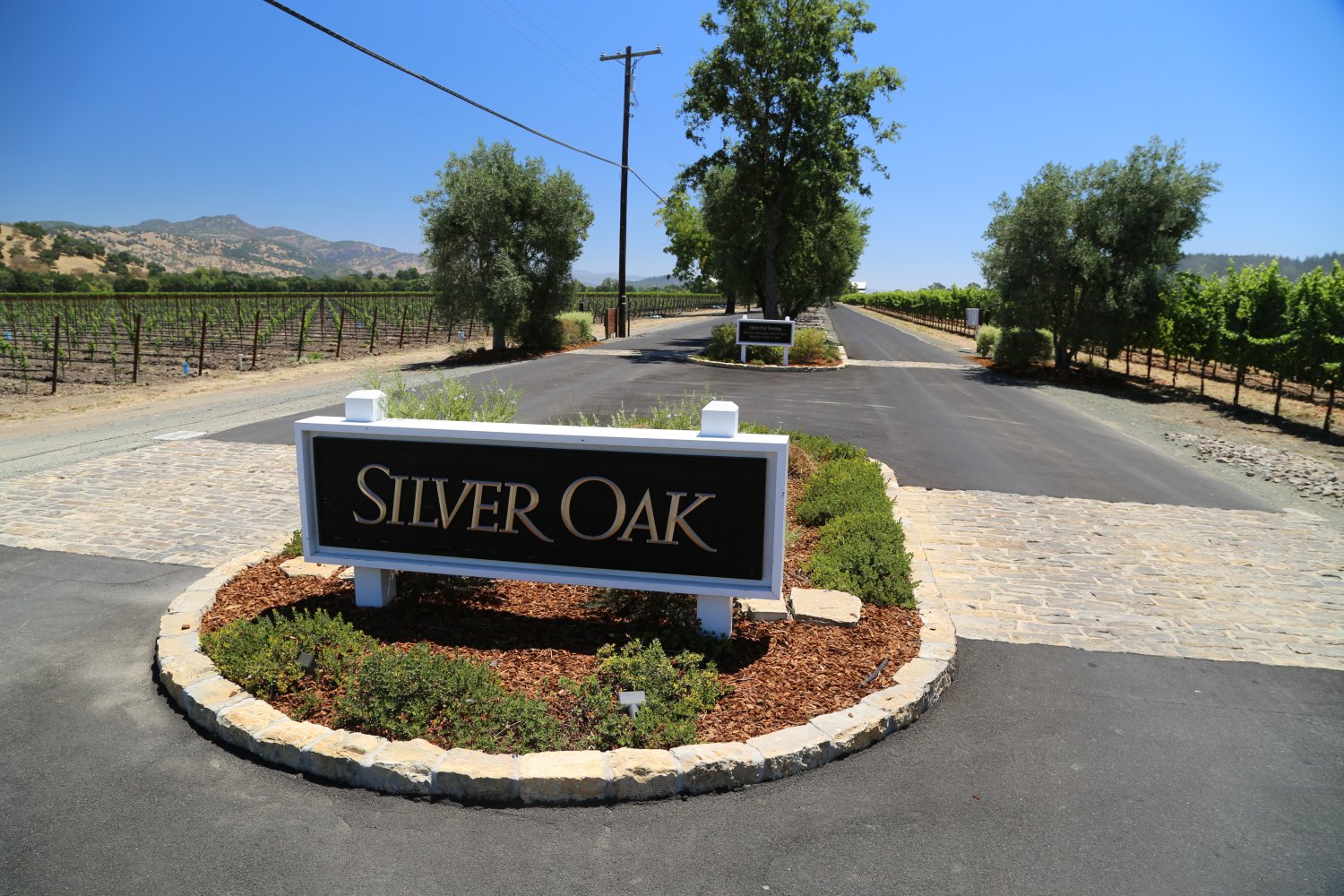
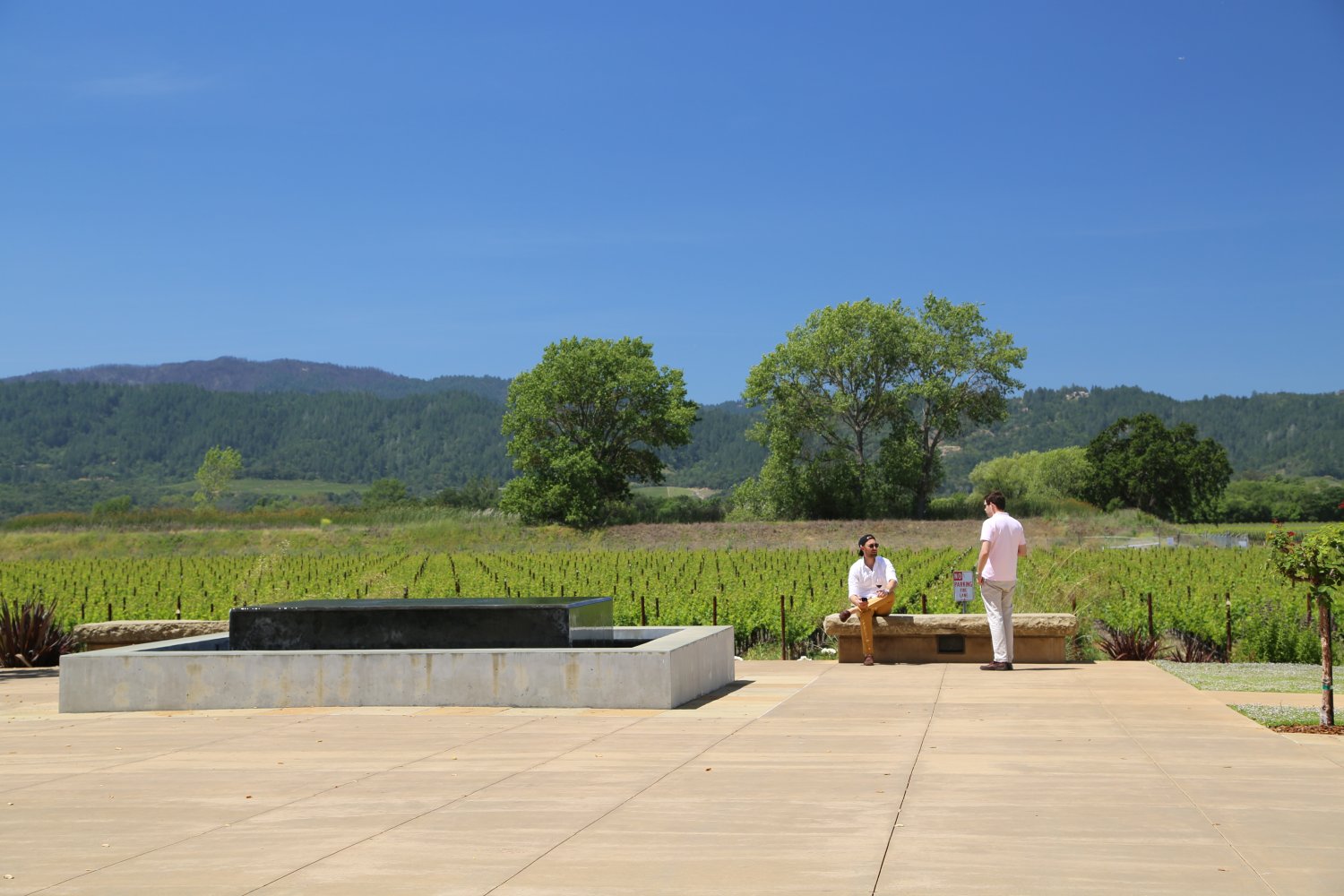
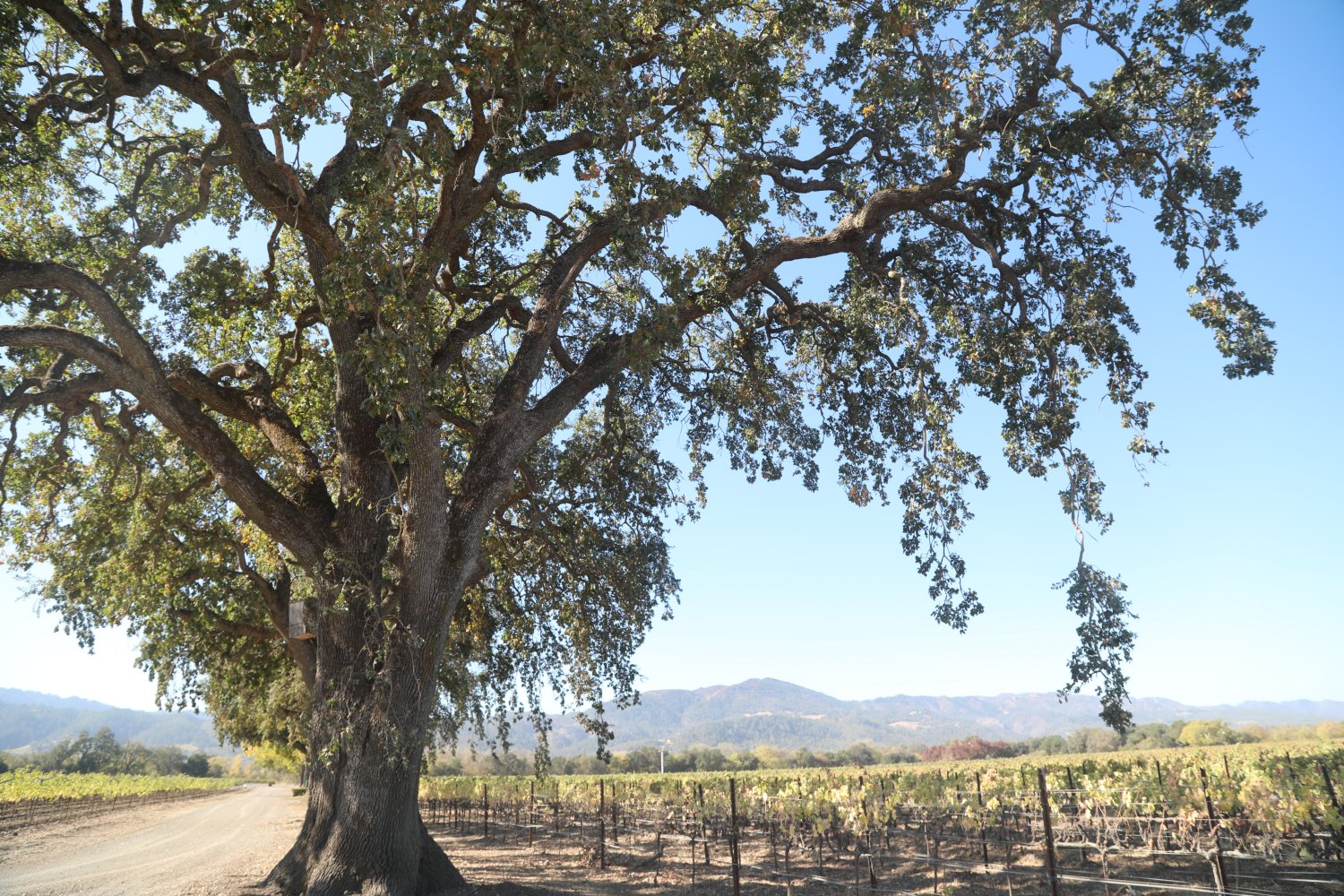 The winery is located in the heart of Oakville off of Oakville Cross Road. Their divided driveway is one of the longest winery driveways in Napa Valley leading to a decent sized parking lot next to vineyards. Unlike many wineries whose Wi‑Fi is limited in terms of coverage, Silver Oak’s Wi‑Fi has excellent range, even in their parking lot. It is appropriately called, ‘Life is a Wi‑Fi’.
For die-hard Silver Oak enthusiasts, here is a piece of Napa Valley trivia for you: there are exactly nine oak trees planted in the median lane from where the driveway starts at Oakville Cross Road and where it ends at the stop sign ranging from mature trees to young ones. The first tree greeting visitors who enter the driveway is an oak tree located in a circular space, planted by David Duncan after the 2006 winery fire. And for good measure there are two mature oak trees about half way down on the east side of the exit driveway.
If you are being driven by a tour guide or arrive using a ride sharing service, it is common practice to pull into the roundabout and be dropped curbside – from here it is a short walk to the tasting room.
For a quintessential view of Napa vineyards stand just inside the tasting room and look out through the arches. On a clear day this is a spectacular view especially during the early morning or around sunset time.
Gail Folwell of Basalt, CO based Folwell Studios created some of the bronze sculptures at Silver Oak. And her works are also on display at the University of Notre Dame and in galleries including Claggett/Rey Gallery in Vail and the Arena galleries in California.
The grounds are often used for proposals – especially by customers who have already made memories from drinking Silver Oak wines. One of the best places for this is due west of the tasting room on the edge of the grounds overlooking the vineyards to the west. A stone bench and a concrete fountain are located here.
Unlike most area wineries that open at 10am, for many years Silver Oak opened at 9am which made this winery an ideal first stop especially if one was serious about getting an early start to a day of wine tasting. Silver Oak also used to be closed on Sundays. NOTE: Silver Oak currently opens at 10am. Note the sometimes-unusual number of license plate frames in the parking depicting the following phrase: “Life is a Cabernet”. The frames are available for sale online and in the gift shop. This saying has become the winery’s motto and is well used on social media as: #LifeIsACabernet. And their gift shop is better stocked with more useful items than at most Napa Valley wineries including culinary, books, and decent apparel which is all branded with Silver Oak’s logo. Customers can also order a variety of ‘perfectly packaged’ Silver Oak boxed gifts including wine and or Silver Oak etched wine glasses.
A highlight of the hospitality center is the Glass House Library. This contains at least one vintage from every year dating back to their founding year of 1972 and makes a souvenir‑perfect, Instagram‑ready photo spot with its elegant feel. A portable photo machine is available for guests to take selfies – with the resulting images emailed.
Also of note is the hand carved wood paneling directly behind the tasting room. It was created by master wood carver Russian-born, now American Boris Khechoyan. The tasting counter is American White Oak from wood salvaged from an old barn in Missouri; it is lined with welded iron. This bar is small and during busy times, can fill up quickly. Silver Oak keeps a refractometer behind the counter for curious minds; this device is used to measure brix (sugar levels) of grapes.
The ‘history room’ is located around the corner from the main tasting room. The original winery doors appropriately open into this room, a rich walk back in time with walls lined with photographs, stories, articles and even their original winery bond. This was only the 4th in Napa Valley after Robert Mondavi opened his namesake winery in 1966 – long considered to be the benchmark of modern wineries in the valley. Visitors to this room are often attracted to the photograph of the full rainbow magnificently stretching over the winery. David took this photo the day before demolition was to begin – post fire damage. This was in the early days of digital photography; David remembers he shot this photo with a 2.2-megapixel camera that did not have a panorama feature. With the help of a photographer friend’s son – three separate images were stitched together.
If one looks closely at the door handle of these original doors one will see the wood directly behind the handle is worn away – from thousands of people over the years entering the winery. If you look a bit closer at the bottom of the left door you will see a perfectly round but very charred piece of wood. During the fire in 2006, gas powered exhaust fans were setup in what was left of the original winery – keeping the interior well ventilated. One of the fans had vibrated around so that its exhaust pipe was directly against the front door – David noticed it had started to burn into the door and quickly re-positioned the fan.
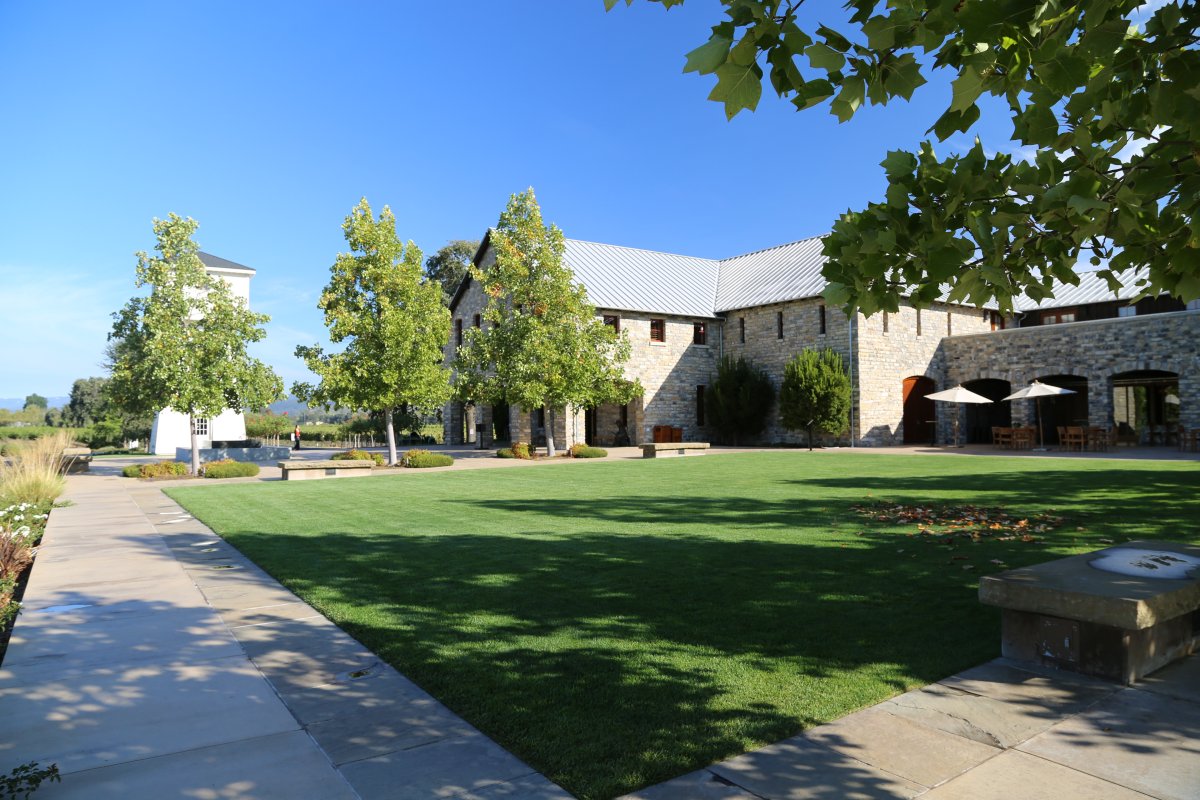
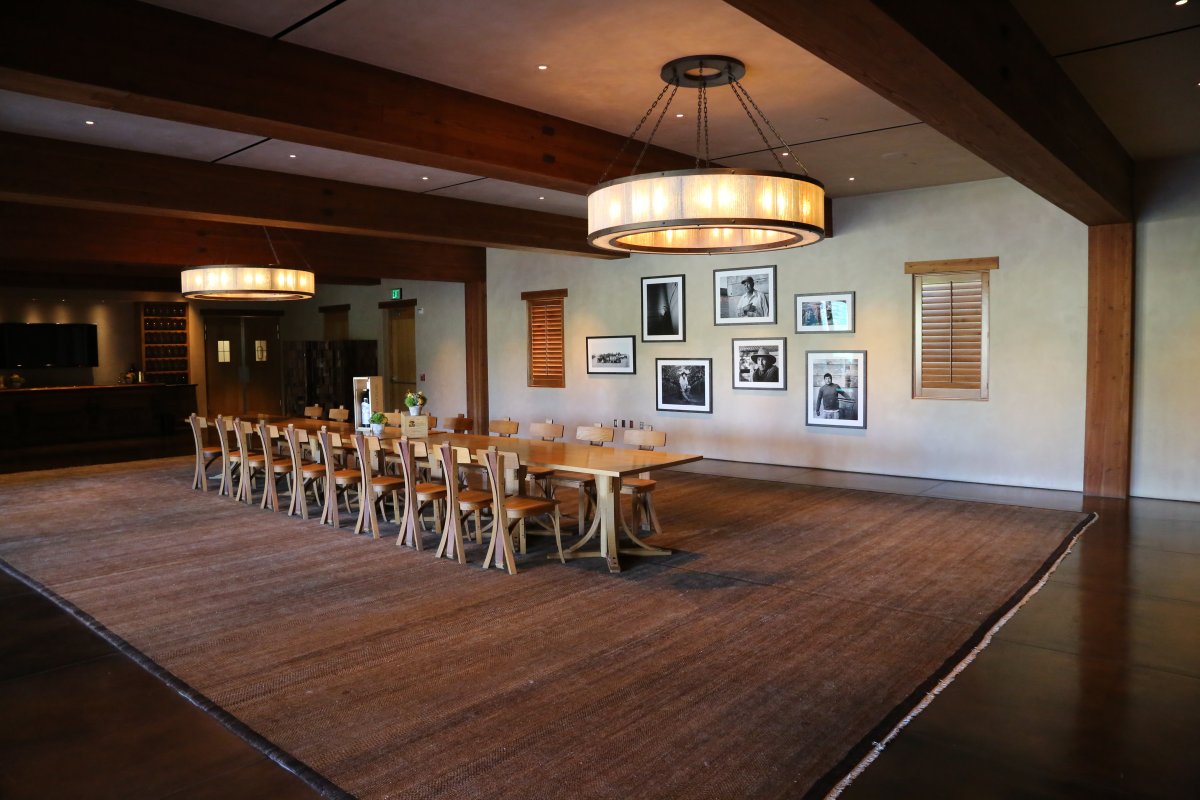
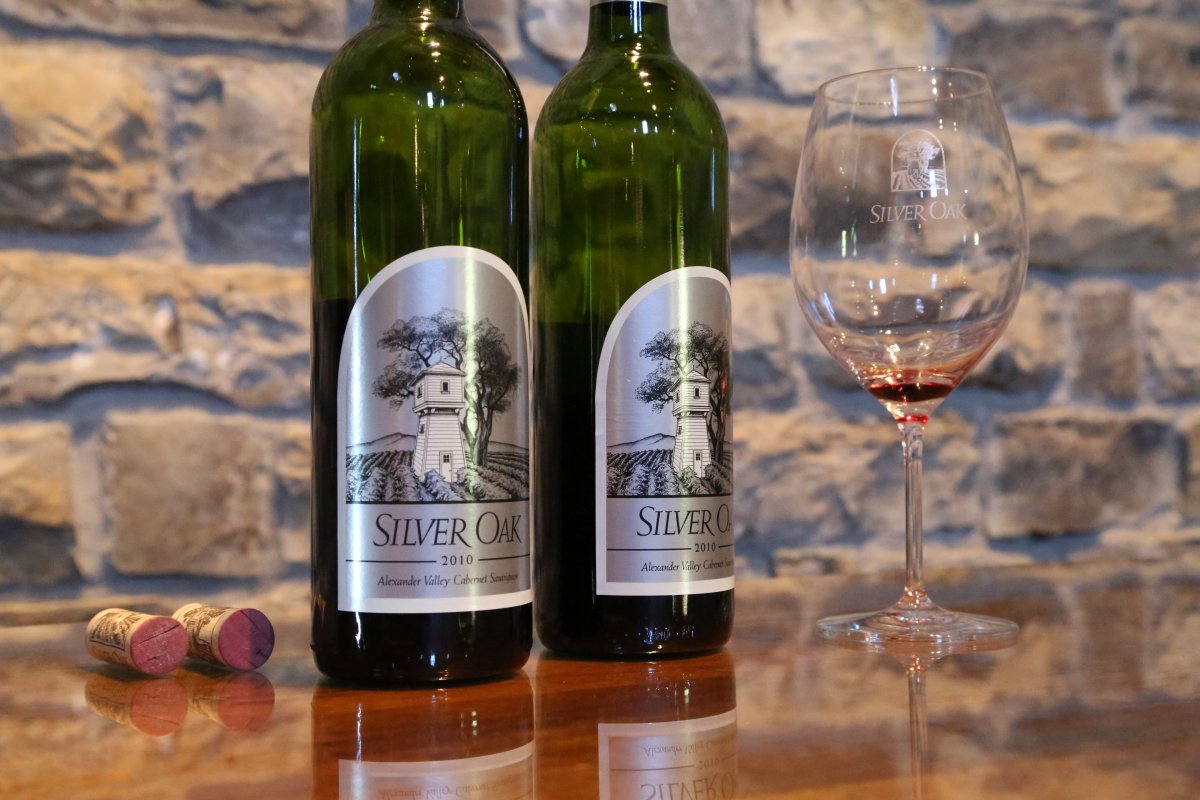
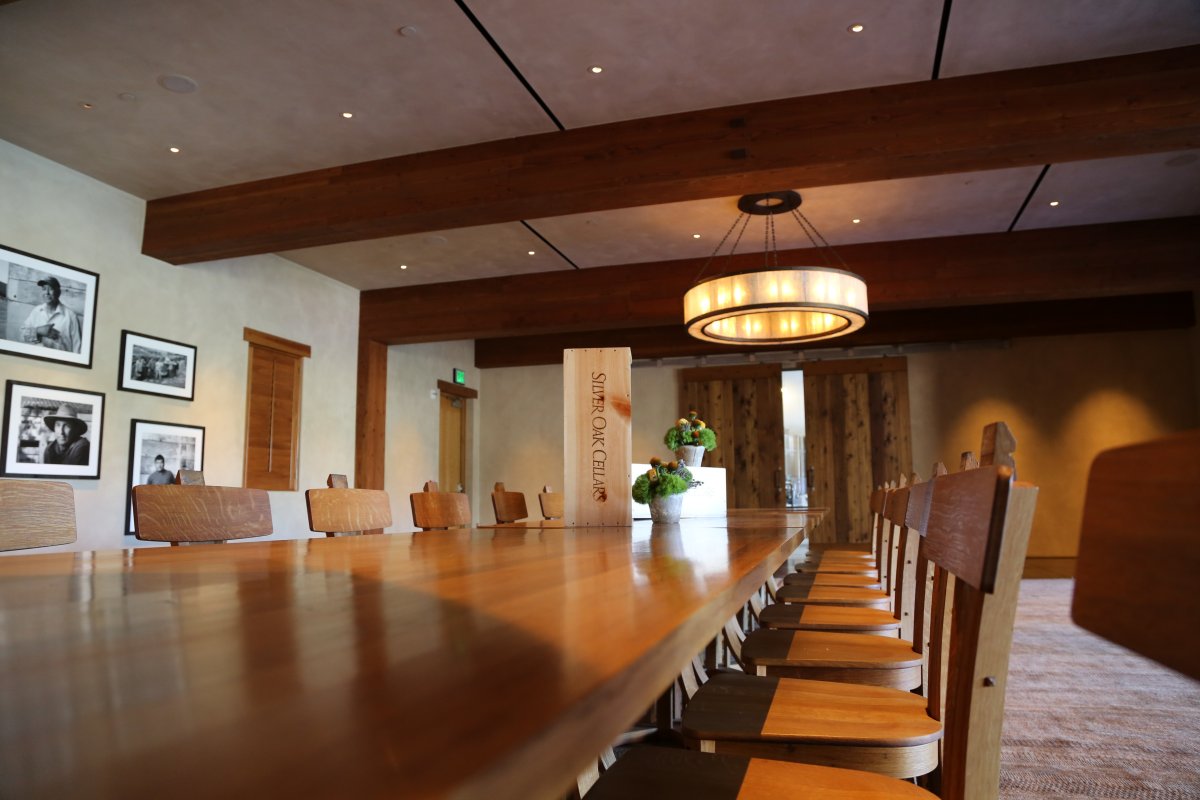
For many years, one glass was included with each tasting and unlike some wineries, a previously wrapped complimentary clean glass was provided after your taste, rather than the spotty, wine-stained glass used during your actual tasting. These glasses were manufactured by German manufacturer, Schott Zwiesel. Looking to decrease their carbon footprint, Silver Oak has since stopped providing the complementary glasses; today they give guests a small box of two chocolates following their tasting. The chocolates are custom made specially for Silver Oak.
Silver Oak always has older releases available for purchase – many in large format bottles. If Timeless is served, it is in a Timeless glass, making it easy to distinguish from other Silver Oak vintages.
In the 1980s some wineries began charging for tastings in Napa Valley. Silver Oak was one of the early adopters of this model. An article in the San Francisco Chronicle dated December 29, 1987, listed some of the Napa wineries who had begun charging for tastings. This article also mentioned that Silver Oak at the time had the highest tasting fee in Napa Valley at $5/person but that the fee could be applied towards purchases of wine or merchandise.
Reservations are preferred for tastings at Silver Oak and required for some of the experiences, but if the staff can accommodate, walk-ins or last minute reservations, are also welcome. Appointments are especially important for busy harvest months such as September and October and on weekends.
Guests are always provided a welcome card with the name of their party printed on it. As of our latest update to this review, Silver Oak offers several tasting experiences including the Silver Oak Tasting (three wines including current releases of both Oakville and Alexander Valley plus one older vintage with non-tasters welcome to join at no additional charge) – breadsticks from West Sacramento based United Bakery are provided, Current Release Bar Tasting (standup tasting of current release wines from Napa Valley & Alexander Valley), Silver Oak Vertical (includes a communal tour followed by a seated tastings of 6 different vintages), The Silver Tour (a communal tour of the winery while enjoying current release Napa Valley and Alexander Valley Cabernet Sauvignons) and The Chef’s Table at Silver Oak (a multi course seated pairing of 4 wines).
Experiences do change; please check the ‘visit’ section of the Silver Oak website for the latest offerings. All gratuities are collected, pooled and shared by the hosts each day.
Silver Oak also offers virtual tastings on the weekdays, booked by appointment at least two weeks in advance of your desired date. These tastings are complimentary with a minimum purchase. Each tasting generally lasts from 45 to 75 minutes and includes one current release wine from both Silver Oak Napa Valley, Silver Oak Alexander Valley and several bottlings from TWOMEY Cellars. Older vintages may be available upon request.
Some of their neighboring wineries include B Cellars, Groth, Nemerever, Saddleback Cellars and Opus One. If you aren’t participating in The Chef’s Table at Silver Oak, consider a stop before or after your appointment at The Oakville Grocery located about a 3-5 minute drive from Silver Oak. Here you will find a fully stocked space with tasty provisions, house-made sandwiches, pizza and loads of Napa wines. But be aware that around lunchtime on the weekends, this place becomes extremely crowded and parking can be difficult to find. Weather permitting, seating is outdoors.
Release Day
Observers driving into the winery or past the driveway will note cars filling the parking lot and spilling out onto Oakville Cross Road. These are release day events and are in part what has transcended Silver Oak from a winery to a cultural institution for some. It takes a significant amount of personnel to help host the Silver Oak release days including several California Highway Patrol officers stationed near the entrance to the driveway, helping direct traffic. It is recommended to use a ride sharing service to arrive; guests who drive can either park in a limited number of self-parking spots off of the main driveway, on the sides of Money Road (catching shuttles at the end of the Silver Oak driveway) or use the provided valet service.
One year due to some parking issues involving a private driveway and one of the shuttles, a resident later called Silver Oak and complained. The staff was sorry to hear about the problem and later thoughtfully dropped off half a case of wine at the residents’ house. Silver Oak continues to drop off 1/2 a case of wine each year to this resident’s home.
Silver Oak’s Alexander Valley release day is always the first Saturday in August hosted at Silver Oak Alexander Valley, while their Napa Valley release is always the first Saturday in February and is hosted at Silver Oak Napa Valley. Despite the wines being released at these times, these wines are always available in the market through certain distributors or retailers slightly in advance of the release days. This is nothing new; this practice dates back to their earliest vintages.
These events are extremely popular but were not always this way and attract not only customers from California but around the U.S. In the early days when Silver Oak would release their wines, a handful of people would show up early in the morning, according to David mostly restaurant owners or employees wanting to purchase large format bottles. He remembers in the early years that approximately 50 people would show up and start forming lines in the early AM – increasing dramatically during the subsequent years. One of their earliest release days was held in 1985. In those days, reservations were not required to attend the release day gatherings.
David recalls one year walking into the winery in the morning and finding someone already there with plans to spend the night on the property in anticipation of being at the release party the next day. For these first events, Silver Oak experienced perhaps what is most reminiscent of early iPhone release mania – people arriving in the afternoon prior to the event and then camping out over night to be the first in line to try the new wines. They would either sleep in line or sleep in the parking lot. There were rumors of people paying others to hold their place in line.
At one point Silver Oak hired an individual to stay up all night and hand out ticket numbers corresponding to places in line. Silver Oak began releasing and selling a limited number of library wines at these release events including large format bottles which would also sell out soon after they opened their doors. Siler Oak printed release shirts, unique to that particular year’s event, for their staff and volunteers. Some of the early Silver Oak Release days were referred to as the Cellar-bration.
One Napa vintner recalled when he was living in Menlo Park in his mid 20s, he would take orders from friends and neighbors for Silver Oak large format bottles. He would leave Menlo Park in the wee hours of the morning, arrive at Silver Oak by 5am, always one of the very first in line. He would have his truck loaded by 930am with large format bottles, stop for breakfast in Yountville and be back to Menlo Park by 12pm to distribute all the wines he purchased.
Another Napa vintner has collected large format Silver Oak wines for years – and opened a particularly large format bottle for his 50th birthday. Inspired by Silver Oak’s large format bottles, he now produces several exceptionally large format bottles each year for this own brand (McCoy Family Estate).
A loyal follower, Dennis Hein discovered Silver Oak in the 1980s through a friend who primarily drinks Cabernet Sauvignon; today more than half his wine collection is of Silver Oak. He first attended a number of release parties in the 1980s to secure his allocation of wines and to also purchase large format bottles. He has faithfully flown out from Omaha, Nebraska to every release party since 1991 and at his 50th party in a row, Silver Oak presented him with a massive 12-liter bottle of their wine. At his 72nd release party in a row in August 2026, he happened to randomly be right beside us when we opened a a 1972 Silver Oak Alexander Valley. This was the first time he had tried this rare bottling.
Dennis is quick to admit, “The wine is what got me here, but I keep coming back for the people”. After so many release parties in a row, he has become friends with a number of the Silver Oak employees and always sees consumers he recognizes. He has even poured at several of the Silver Oak release events. He remembers several interactions with Ray Duncan. Ray was standing near him when one employee said something like, “We will do something special for your 50th release day in a row”. Ray overheard this and said, “I will do something special for your 30th release day in a row, as I probably won’t be here for your 50th”. At another release day, Ray gave him an extra generous pour and said, “Knowing the right people has its privileges!” Dennis recalls the power went out during one release day and orders were taken using a single computer or two which still had power. And the lines were long, but he remembers the pours were extra generous.
Justin and Bonny used to host post-release day gatherings at their home. According to Todd Serota, President of Los Angeles based VinoQuest, Justin would always open a 6L bottle of something special at those parties. And in the summer, Justin and Bonny would host a BBQ and swim party for their staff and volunteers following release day.
In 1997 sales from release day topped $500,000, a sales record for a single winery at that time in California. A year later they sold $1,500,000 during Release Day. One article in The Weekly Calistogan from 1998 described the scene at the release day in 1997, ‘as bedlam’ and noted that attendees were there from 40 states. This same article mentioned that hard core Silver Oak fans were referring to themselves as “Silver-Oakies” and, “tried to outdo each other in their fanatic dedication to Silver Oak wines.”
Starting in 1998 the release parties were wisely split into two events, held at both of the Silver Oak wineries. Their release parties are more controlled these days; no one is allowed to camp out overnight on the property, but they are still sizable events with often over 2,000 people attending. This event has become so popular that several other wineries even plan their own events to coincide with Silver Oak’s release day.
In 2003, 3,500 people showed up to the release day at Silver Oak Napa Valley, the largest gathering to date. That year they served Krispy Kreme donuts to all the attendees. Buffalo meat balls were also served from bison raised on the Duncan’s ranch in Colorado. Over 100 cases of wine were opened at this event.
Tickets are available online typically at least a month in advance of the event and interested parties should book their tickets as soon as they go online, as these sell out remarkably quickly. Staff reports that Silver Oak typically opens a full pallet of wine (56 cases or about 1,900 pounds) for a typical release day event. Although events in the past have gone through twice as much wine. In addition to the featured release wine (either the Oakville or Alexander Valley Cabernet Sauvignon), wines from TWOMEY and Timeless are usually also available for tasting.
Napa Valley Release Day
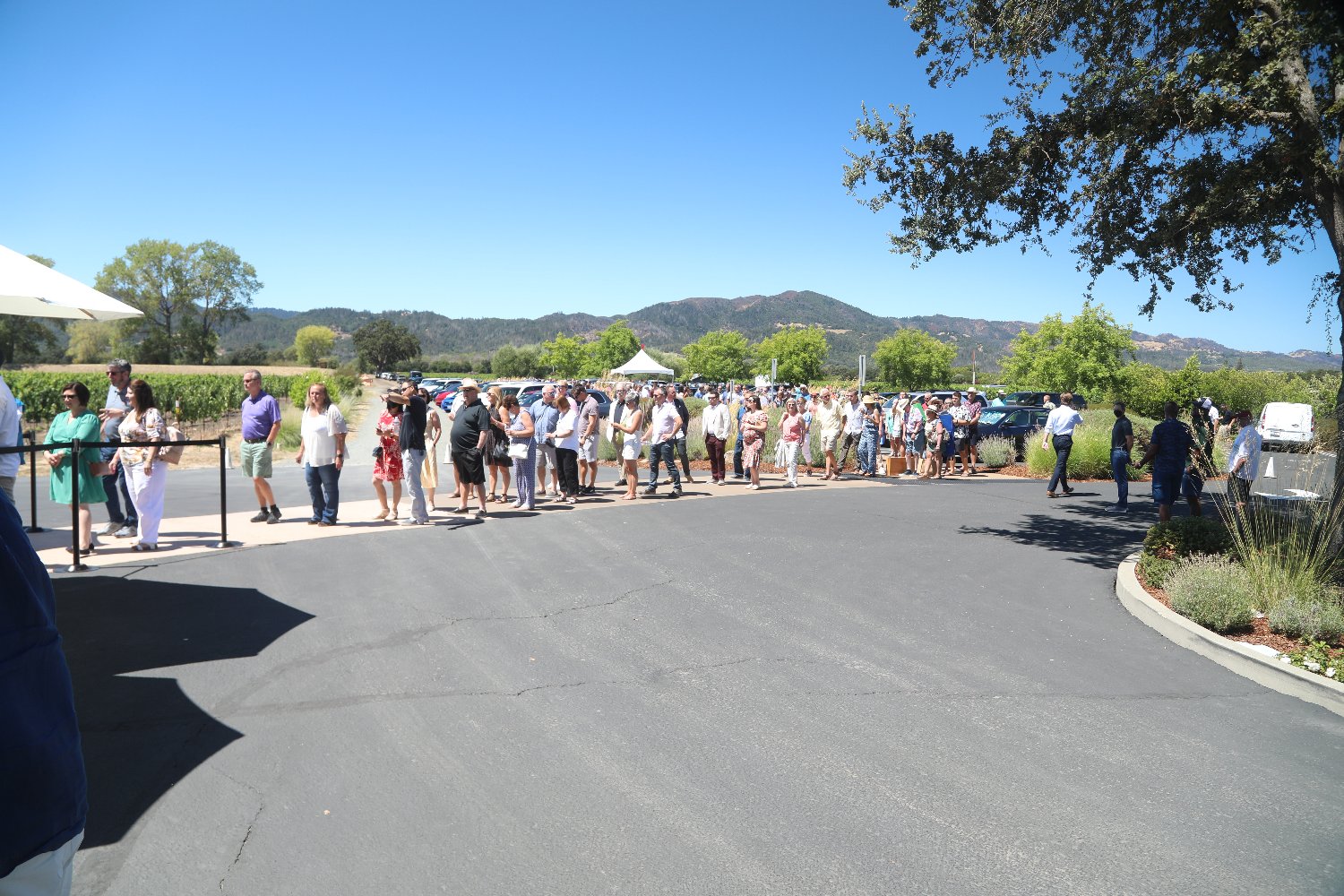
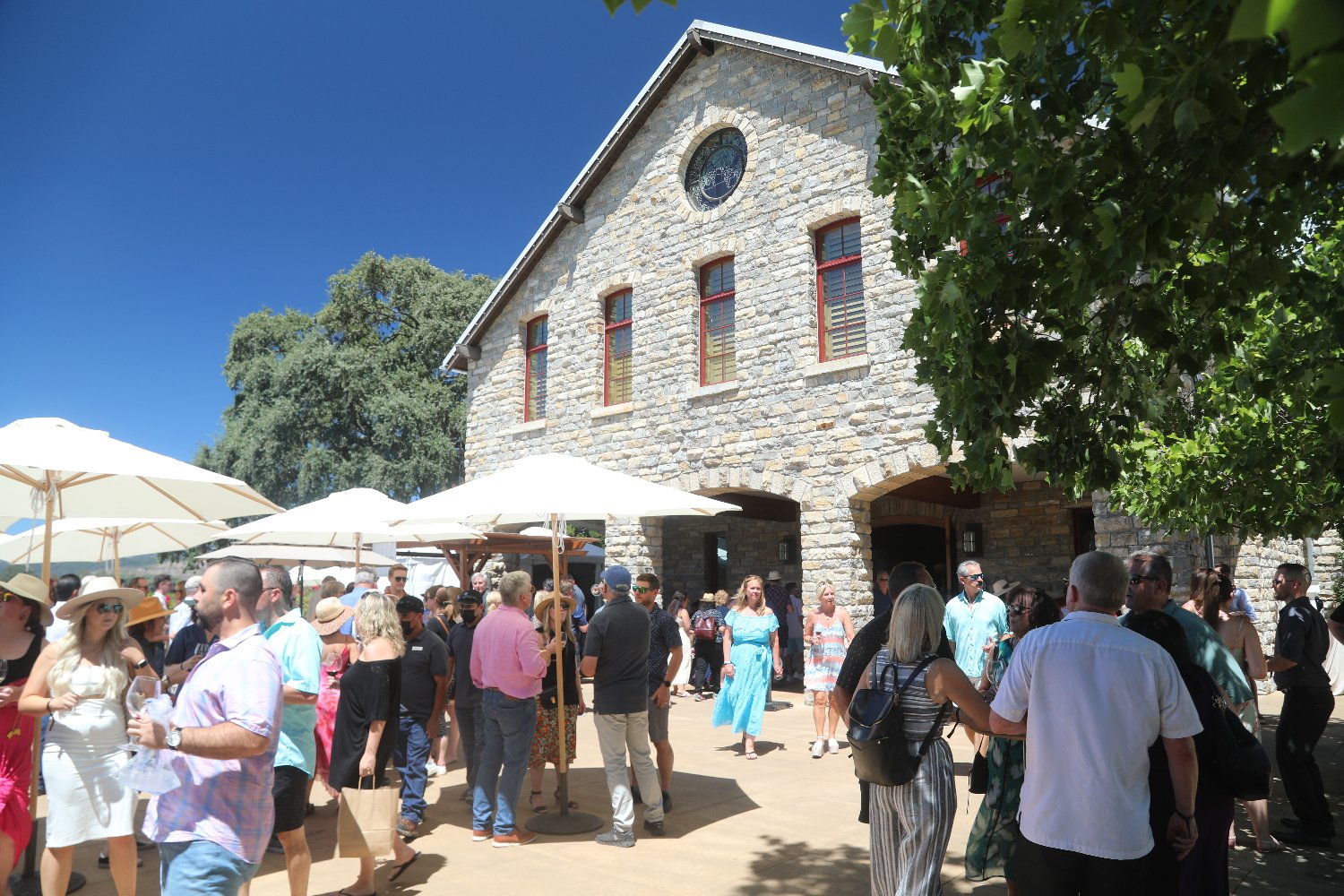
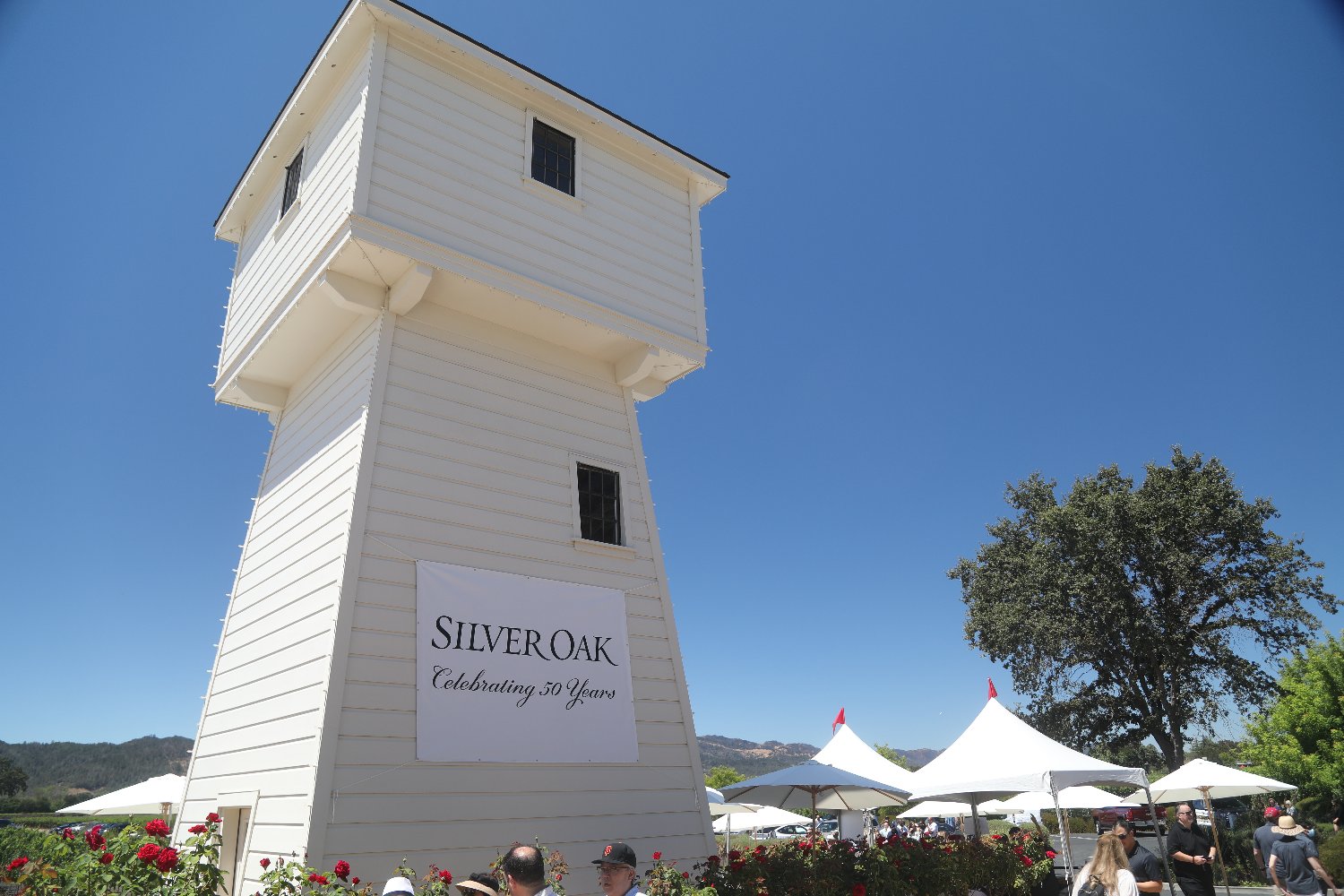
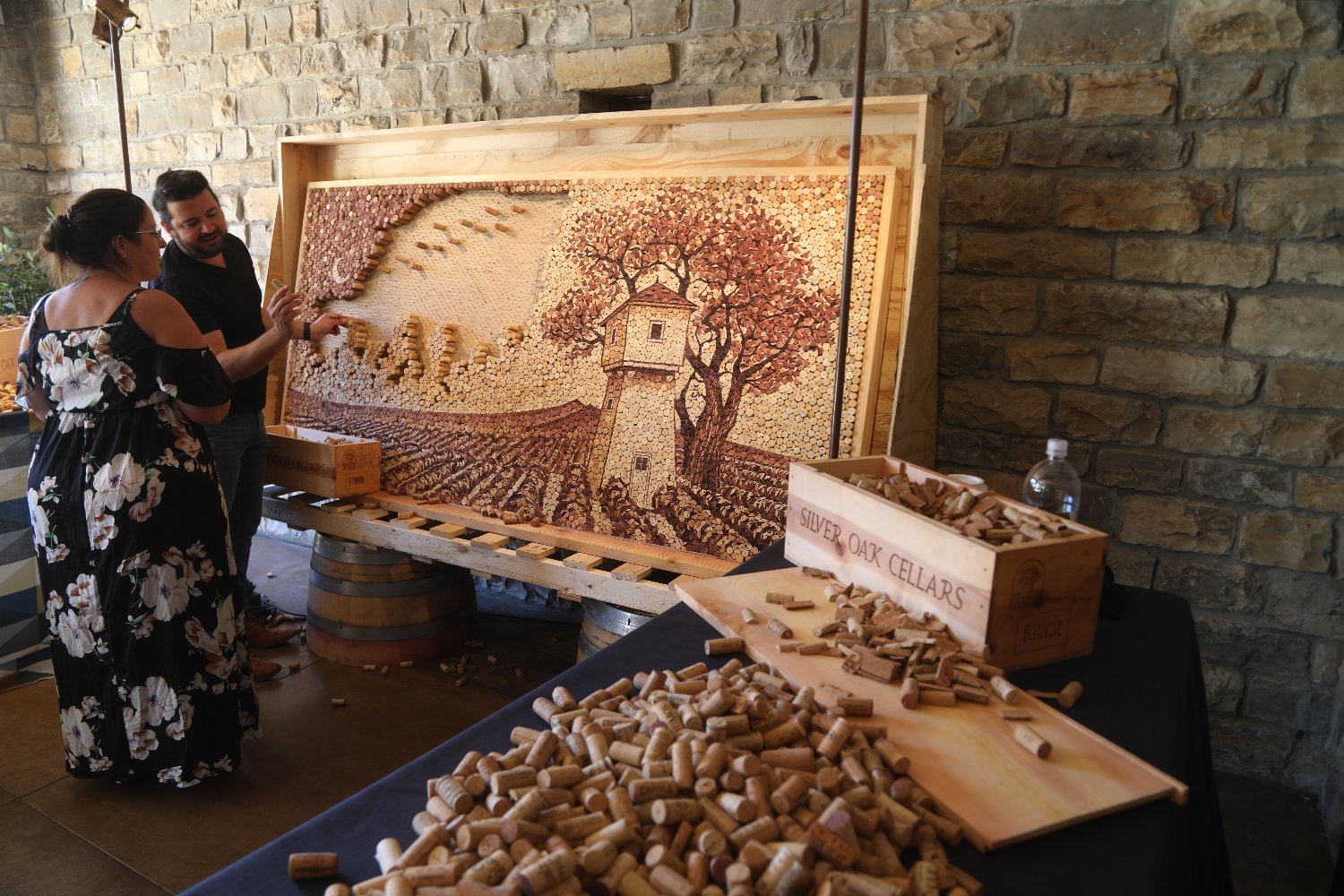
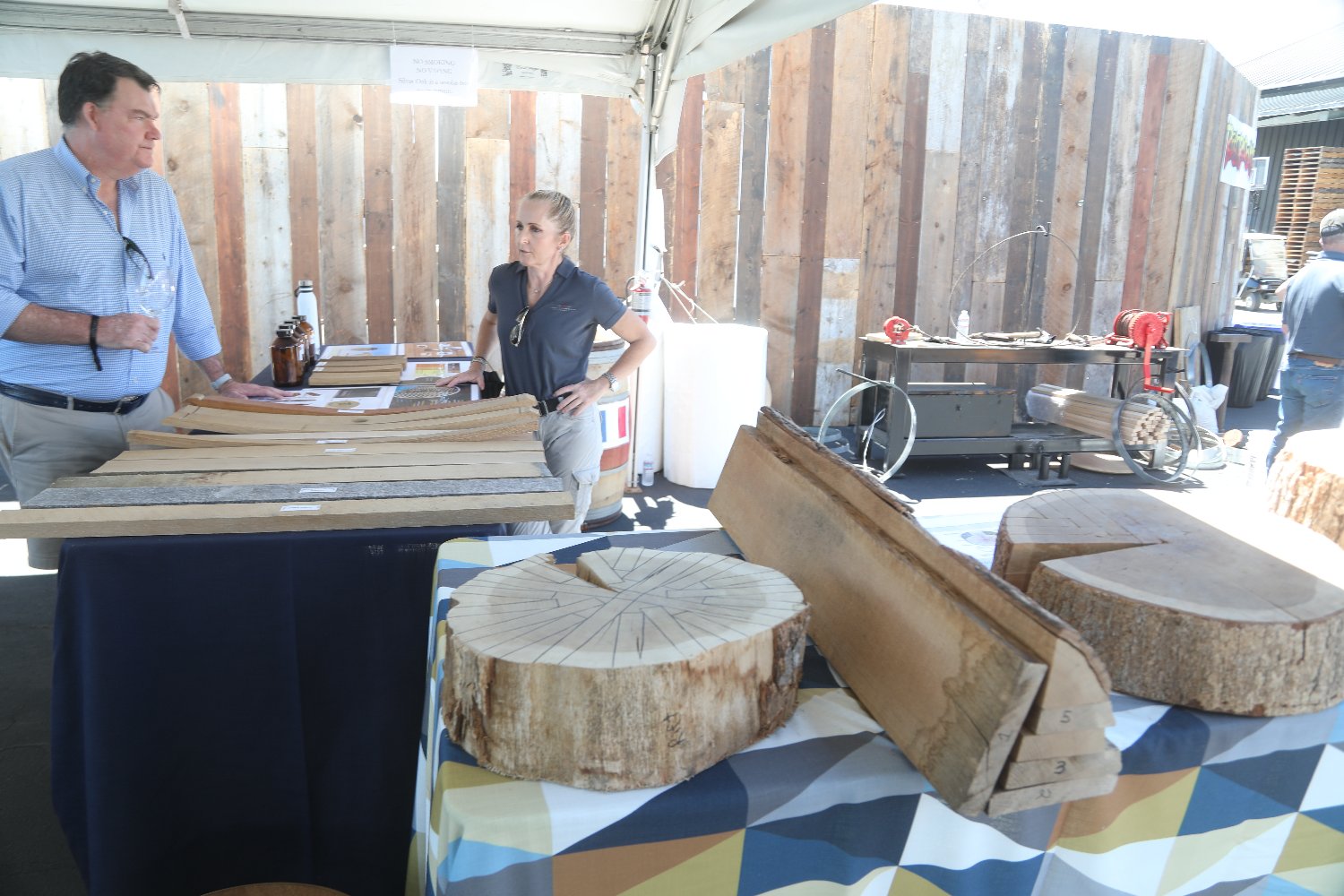
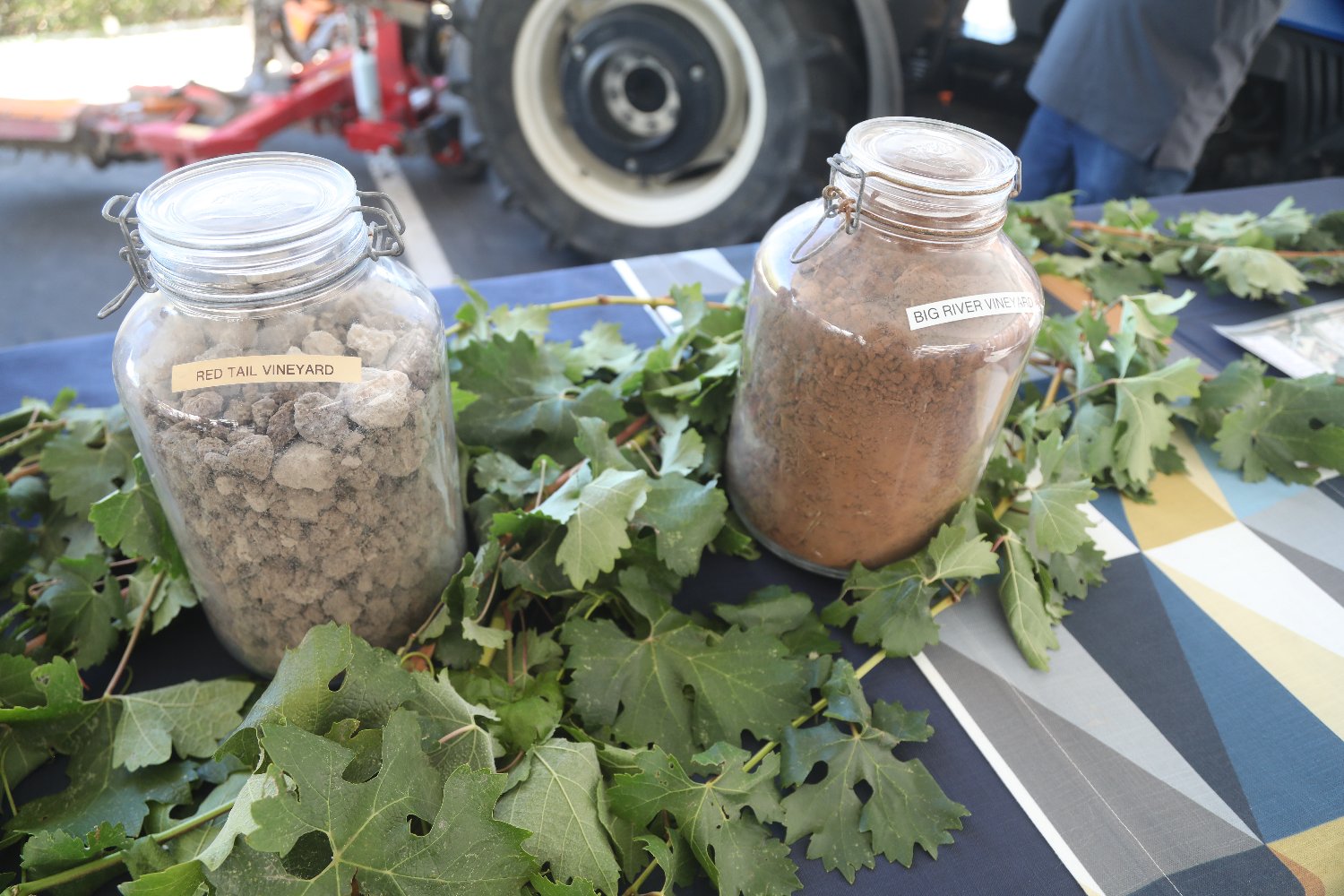
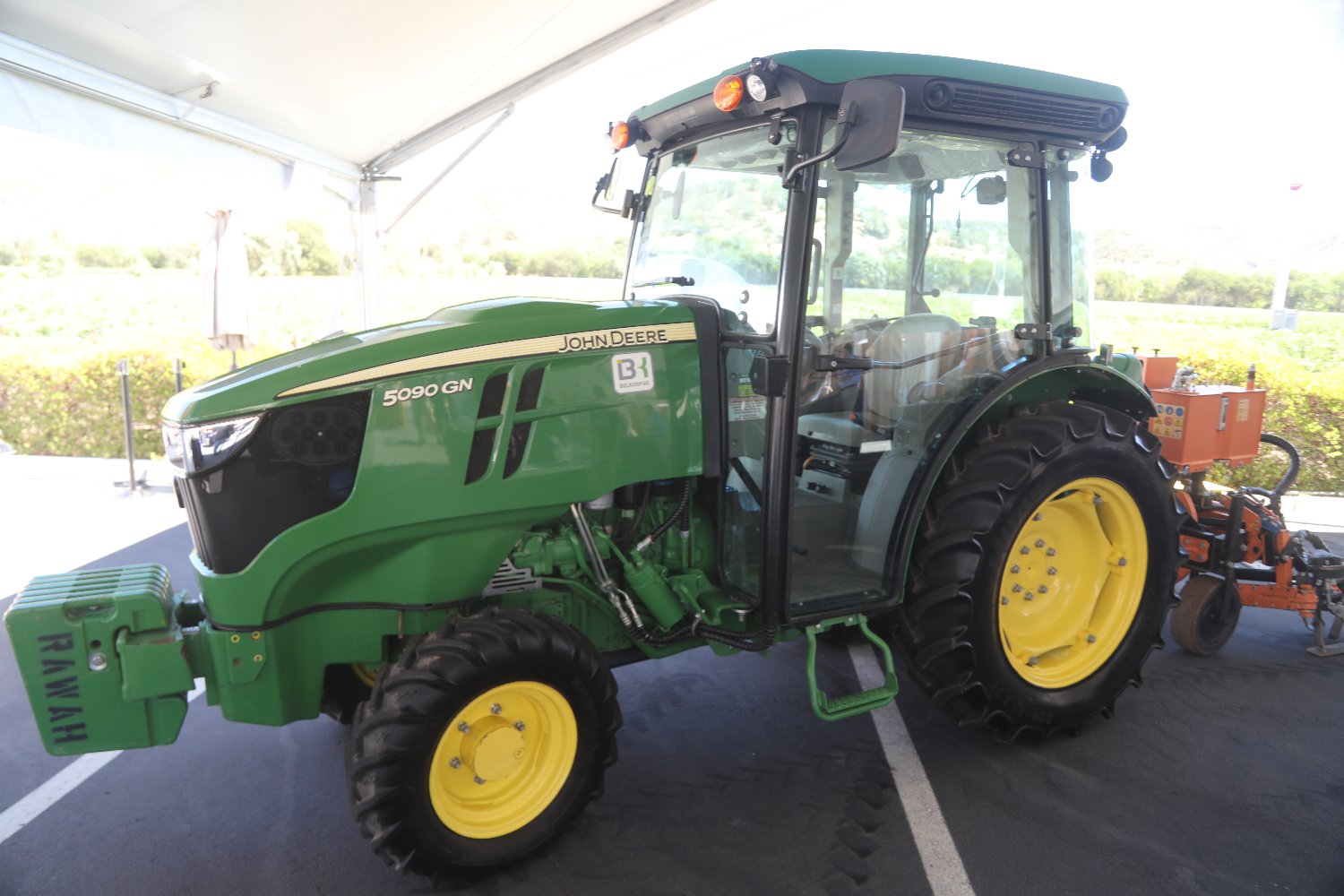
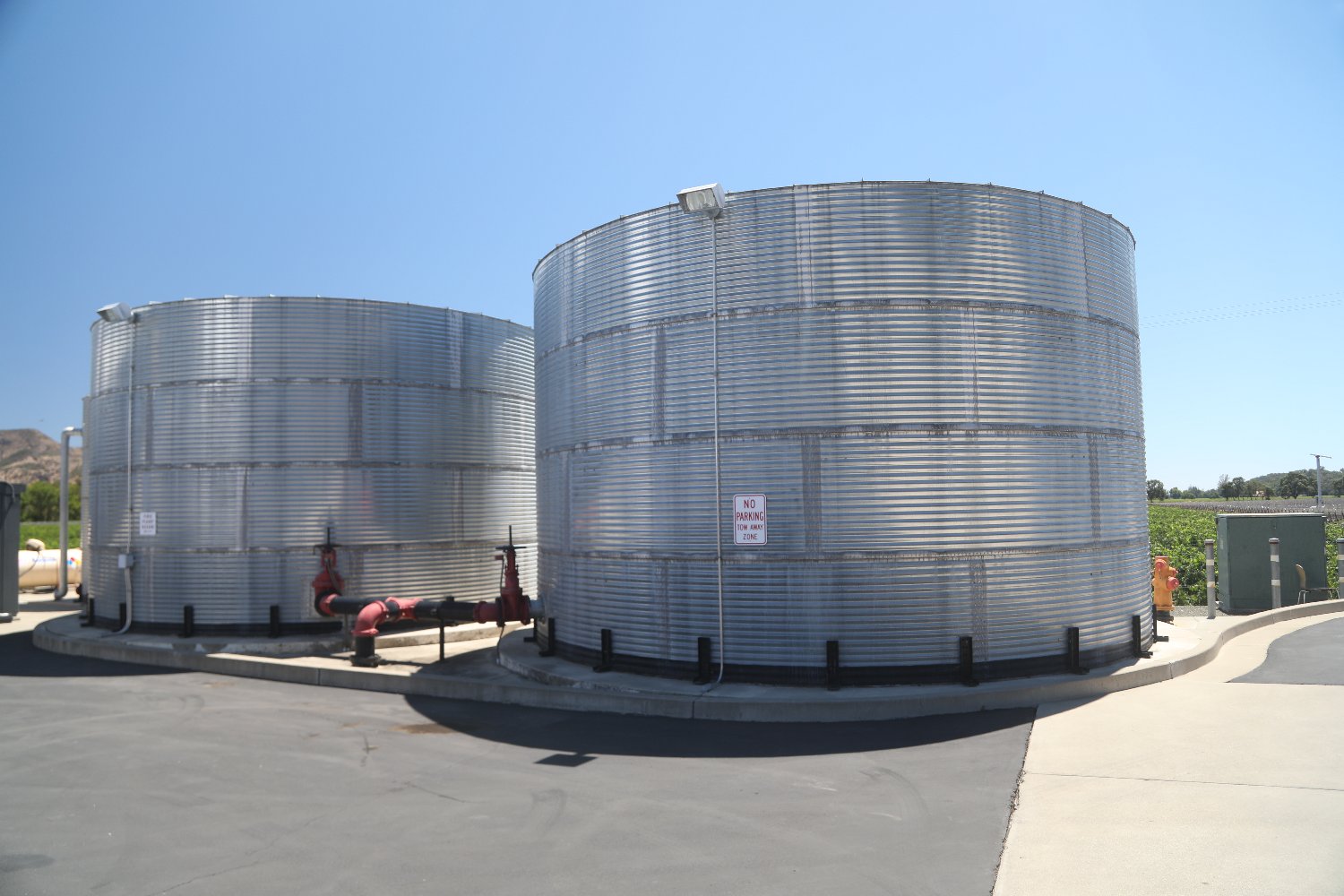
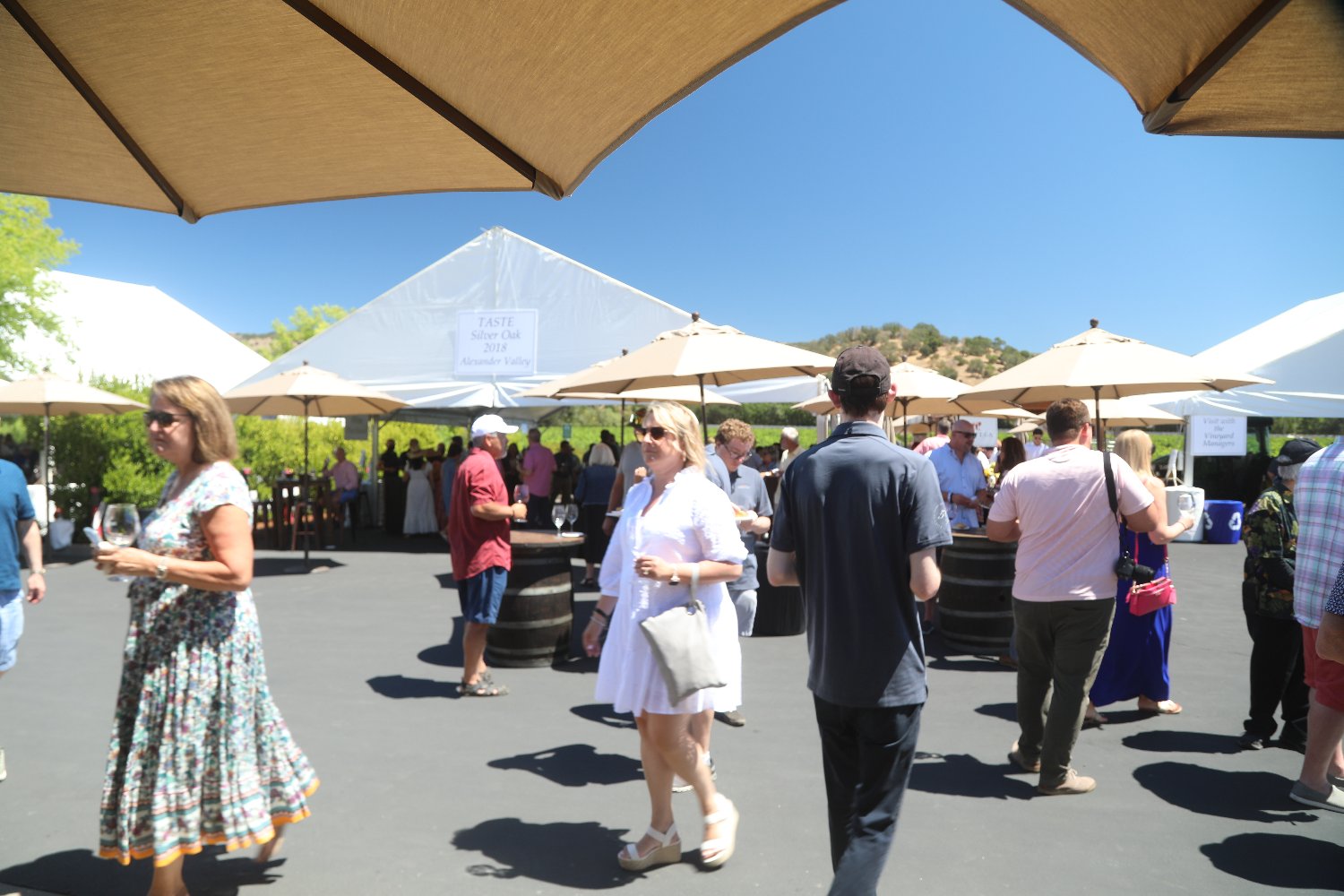
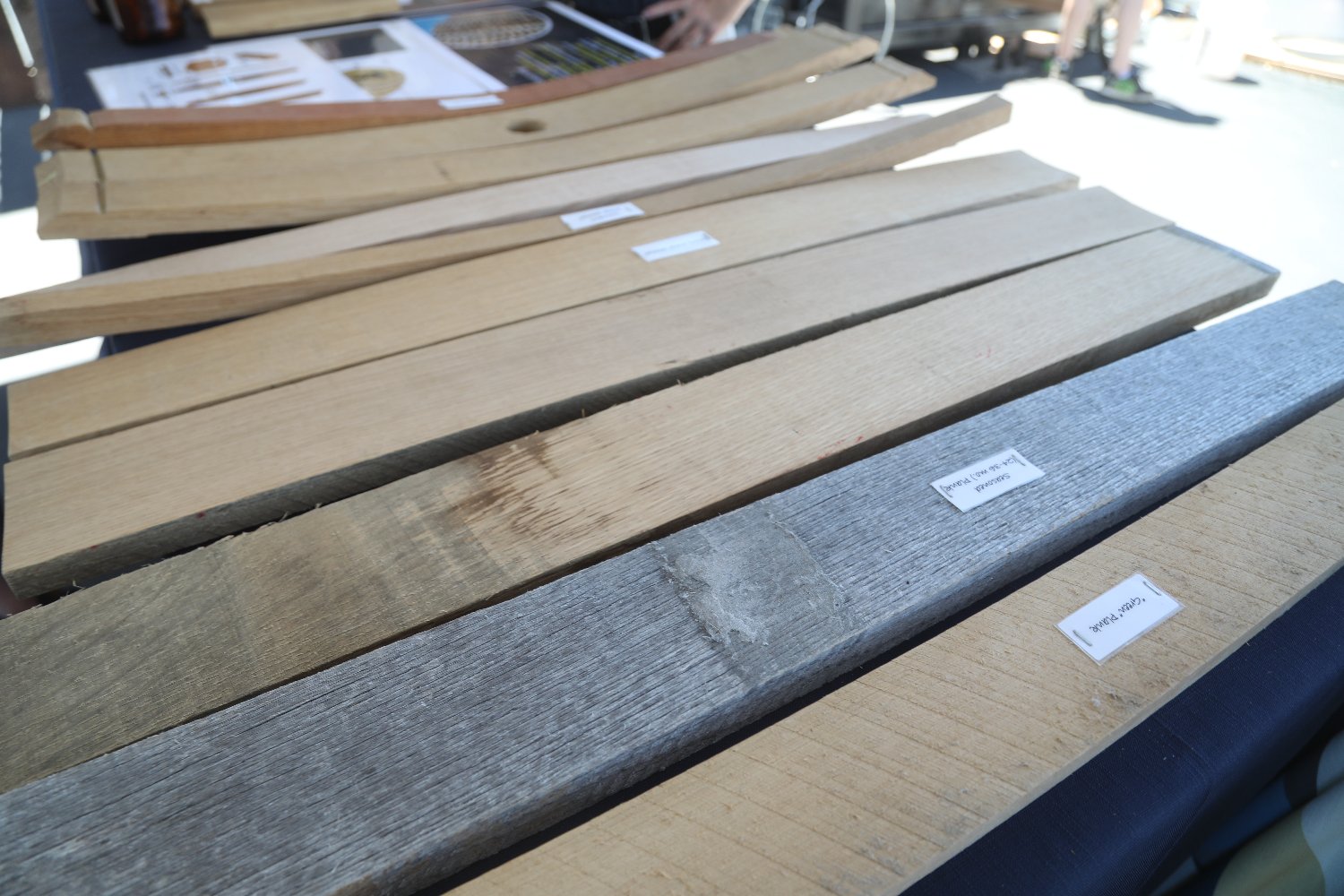
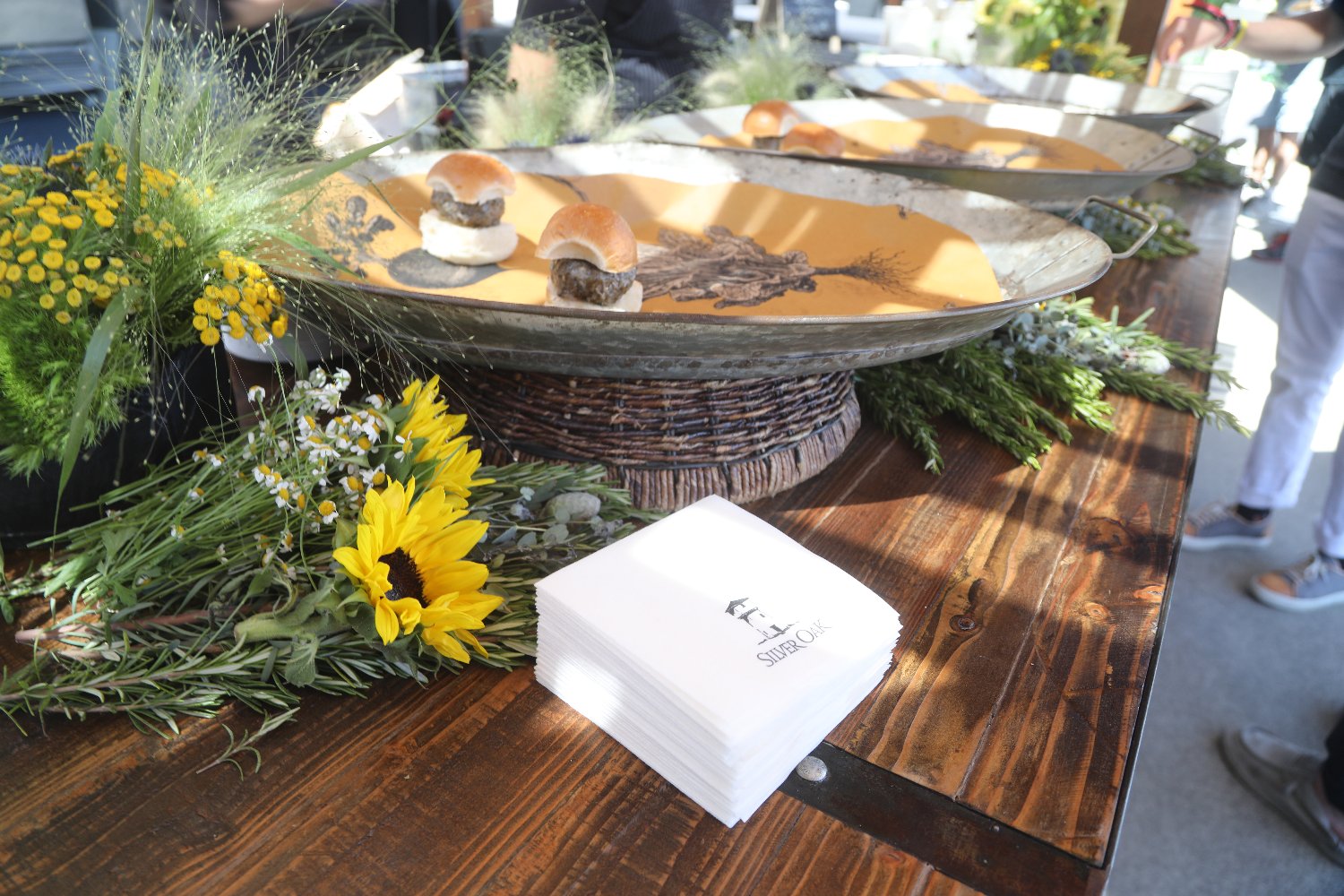
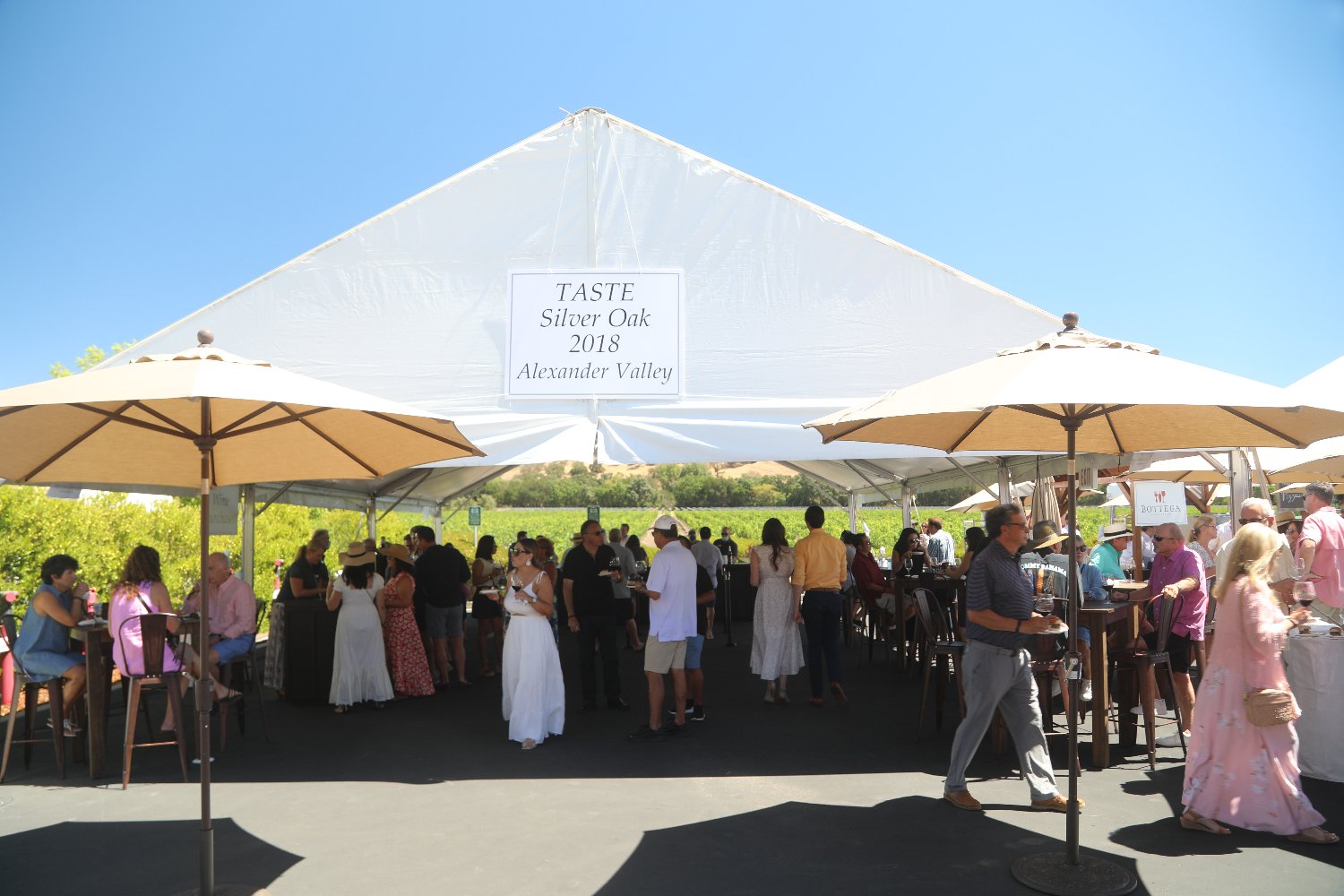

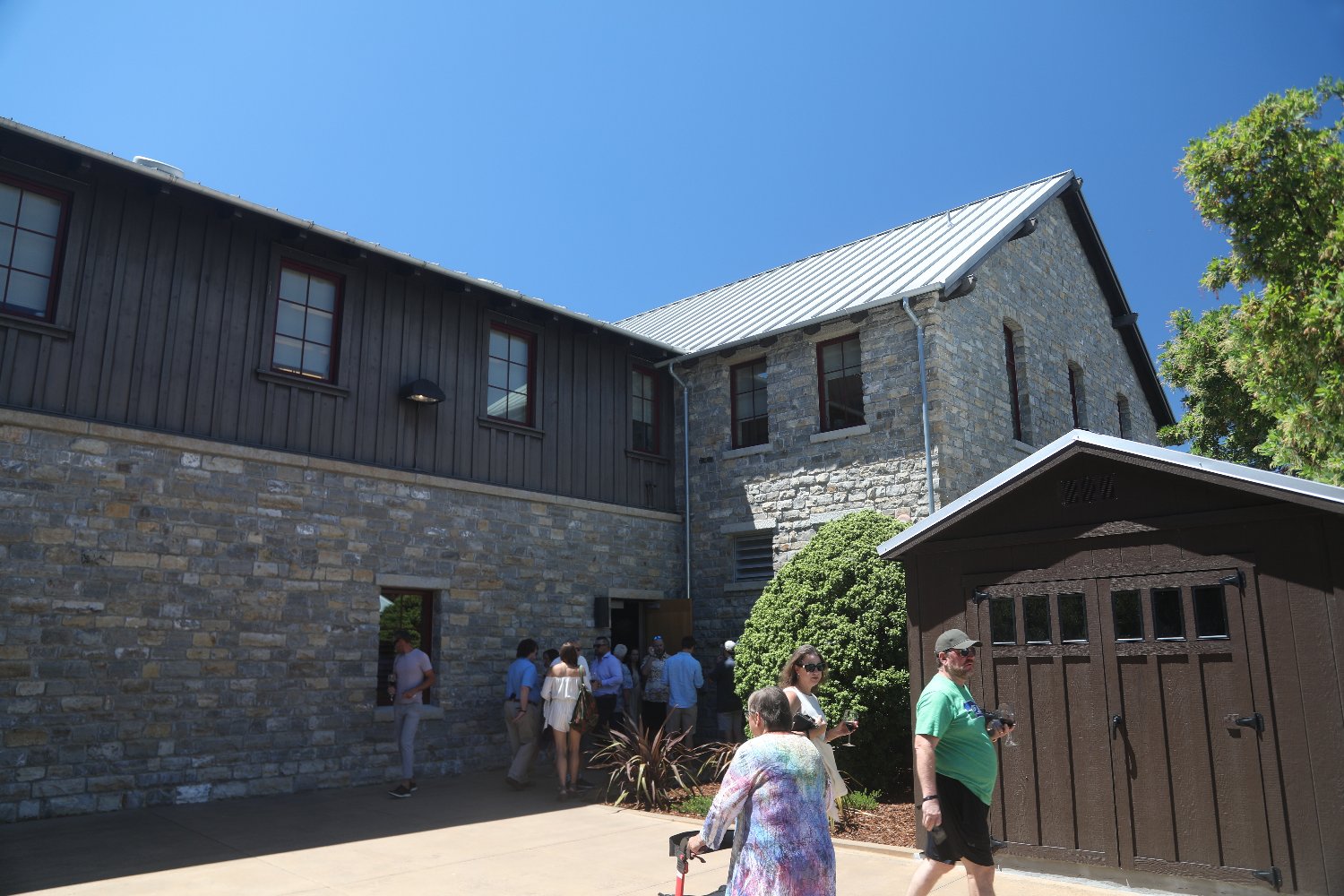
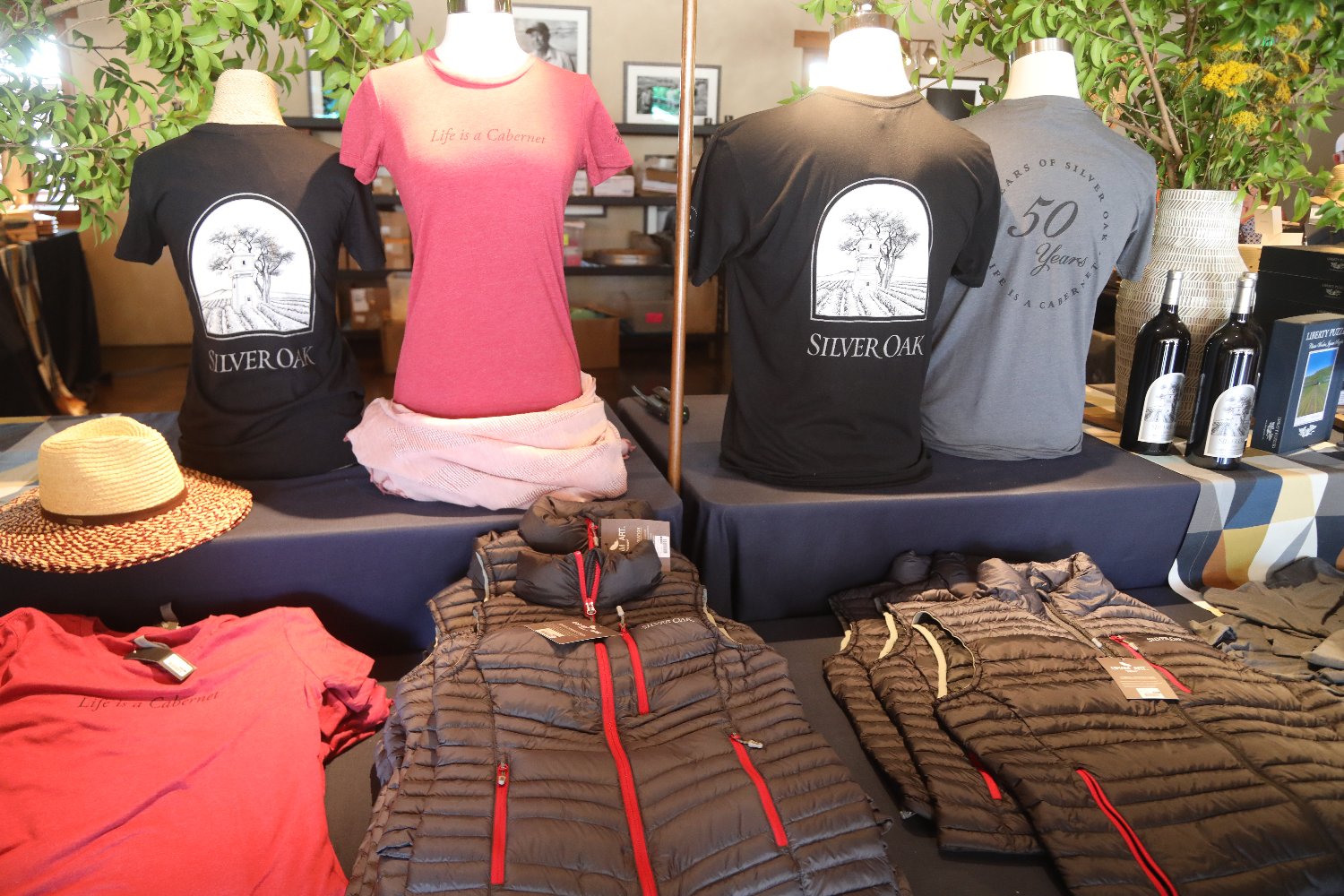
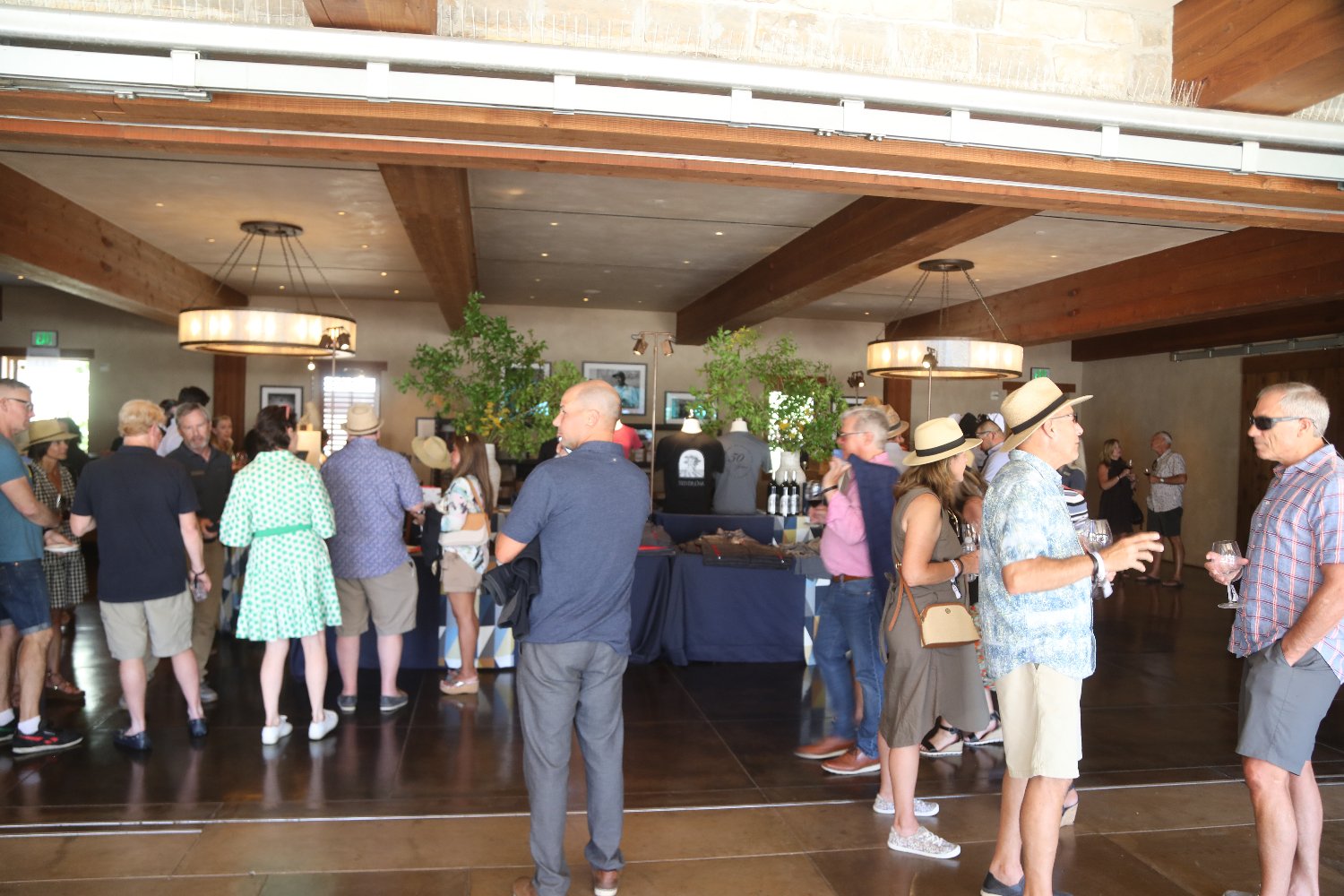
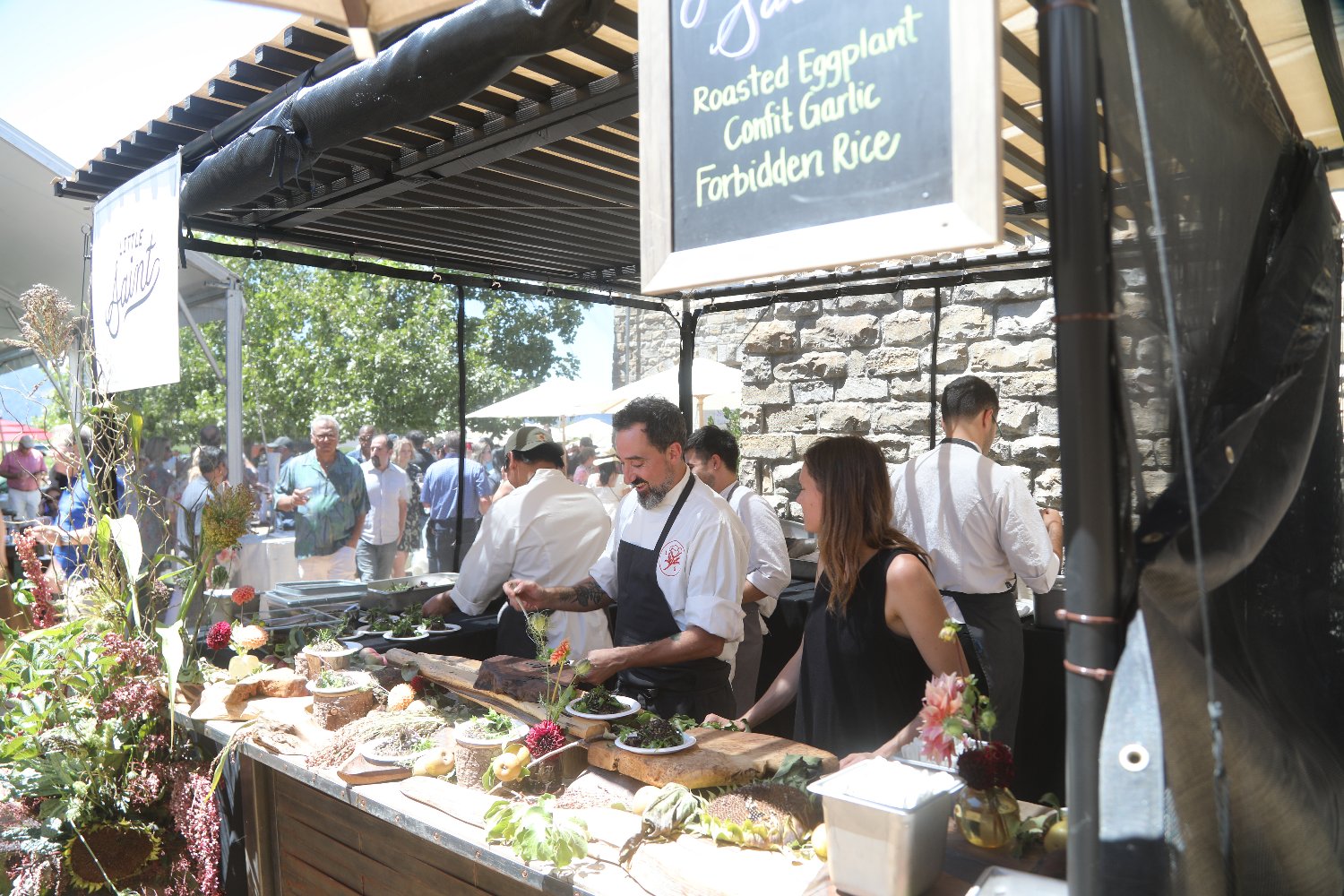

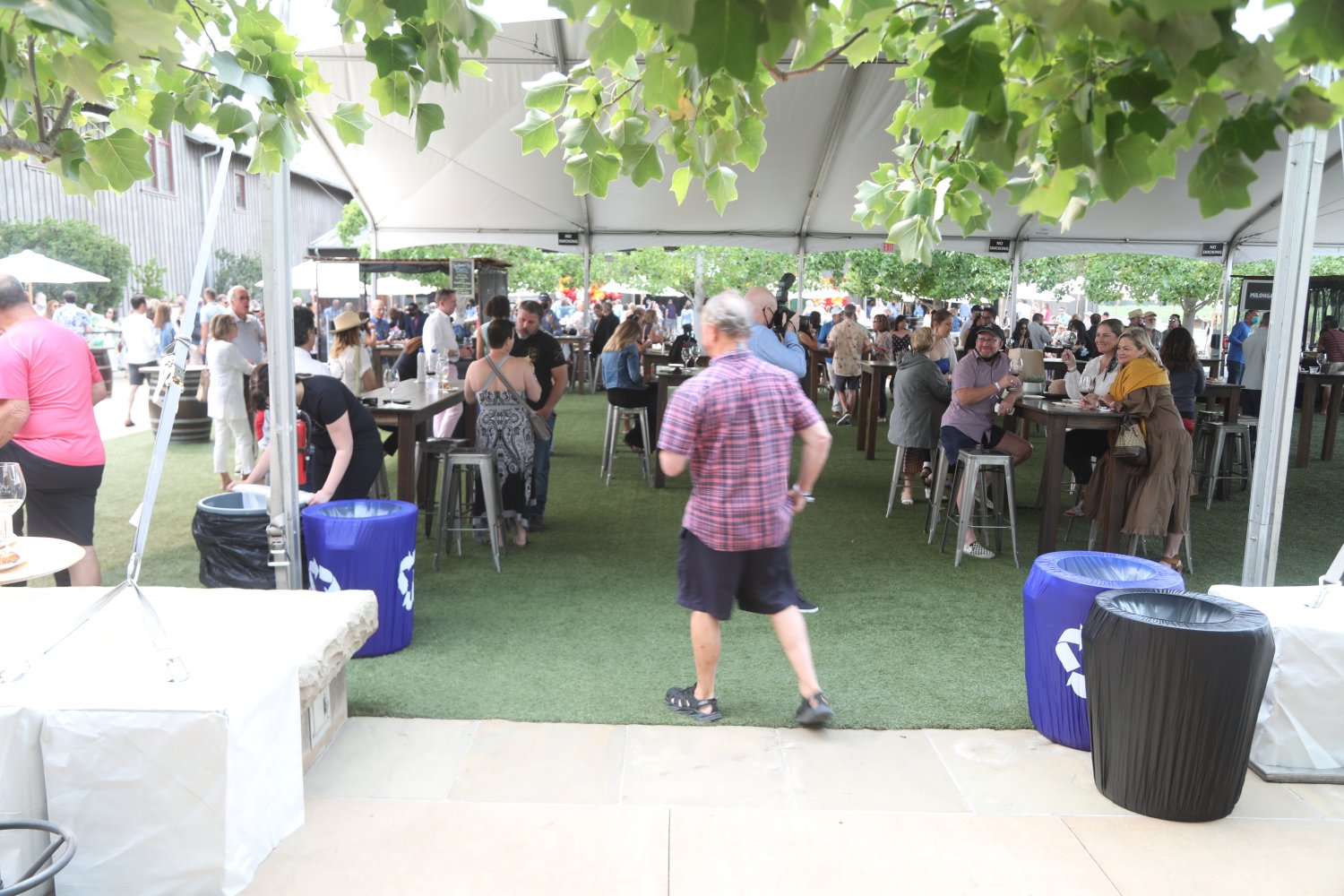
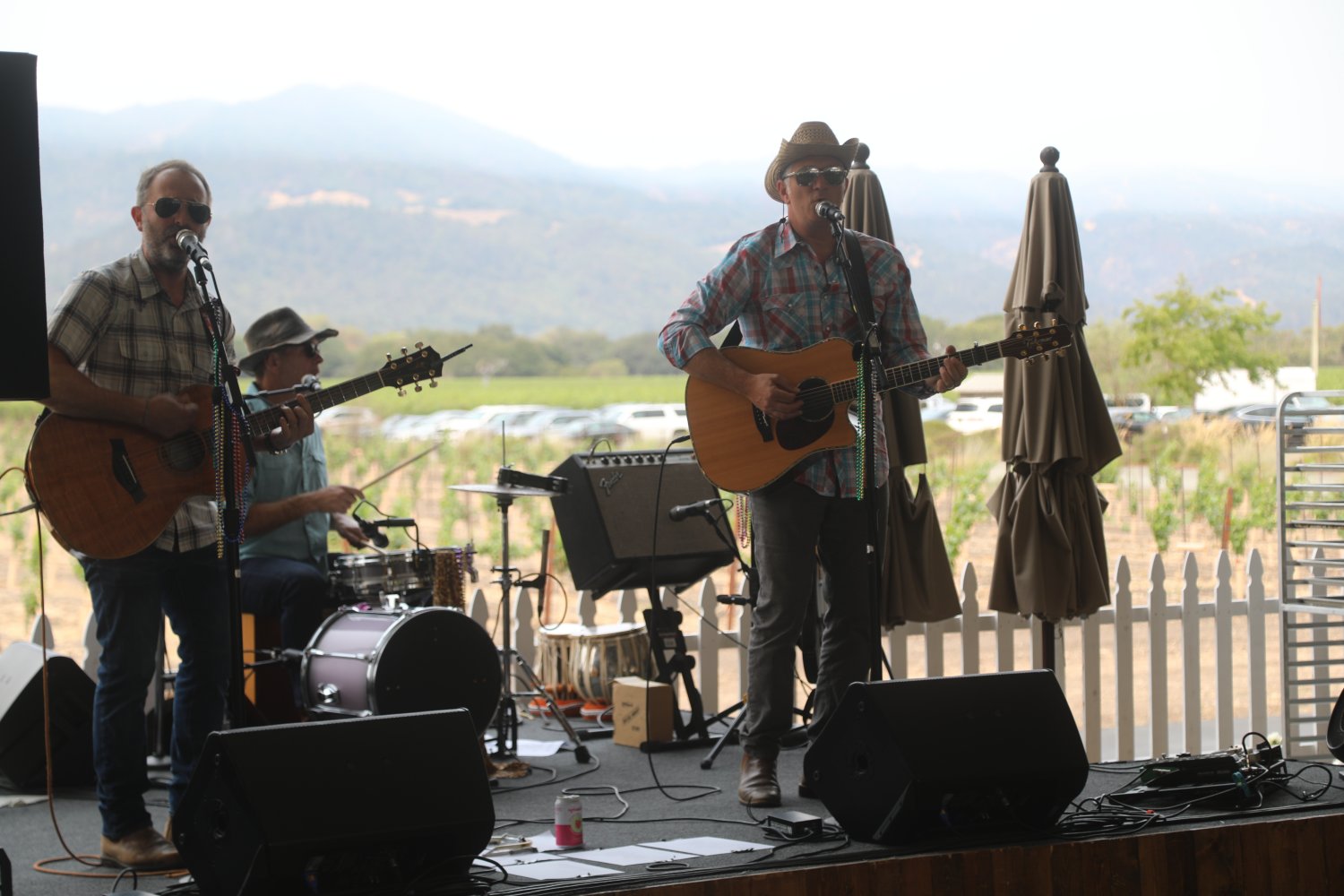

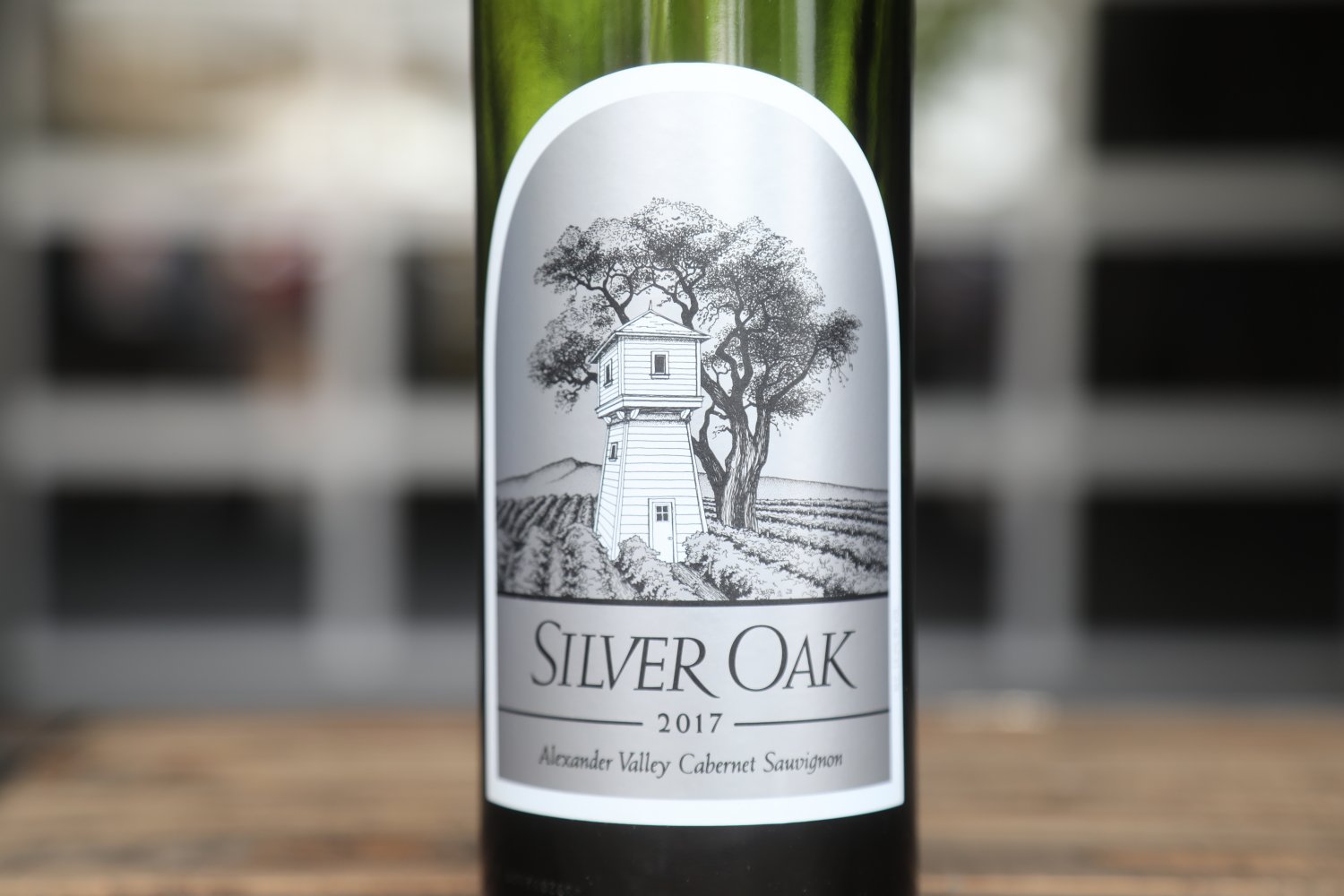
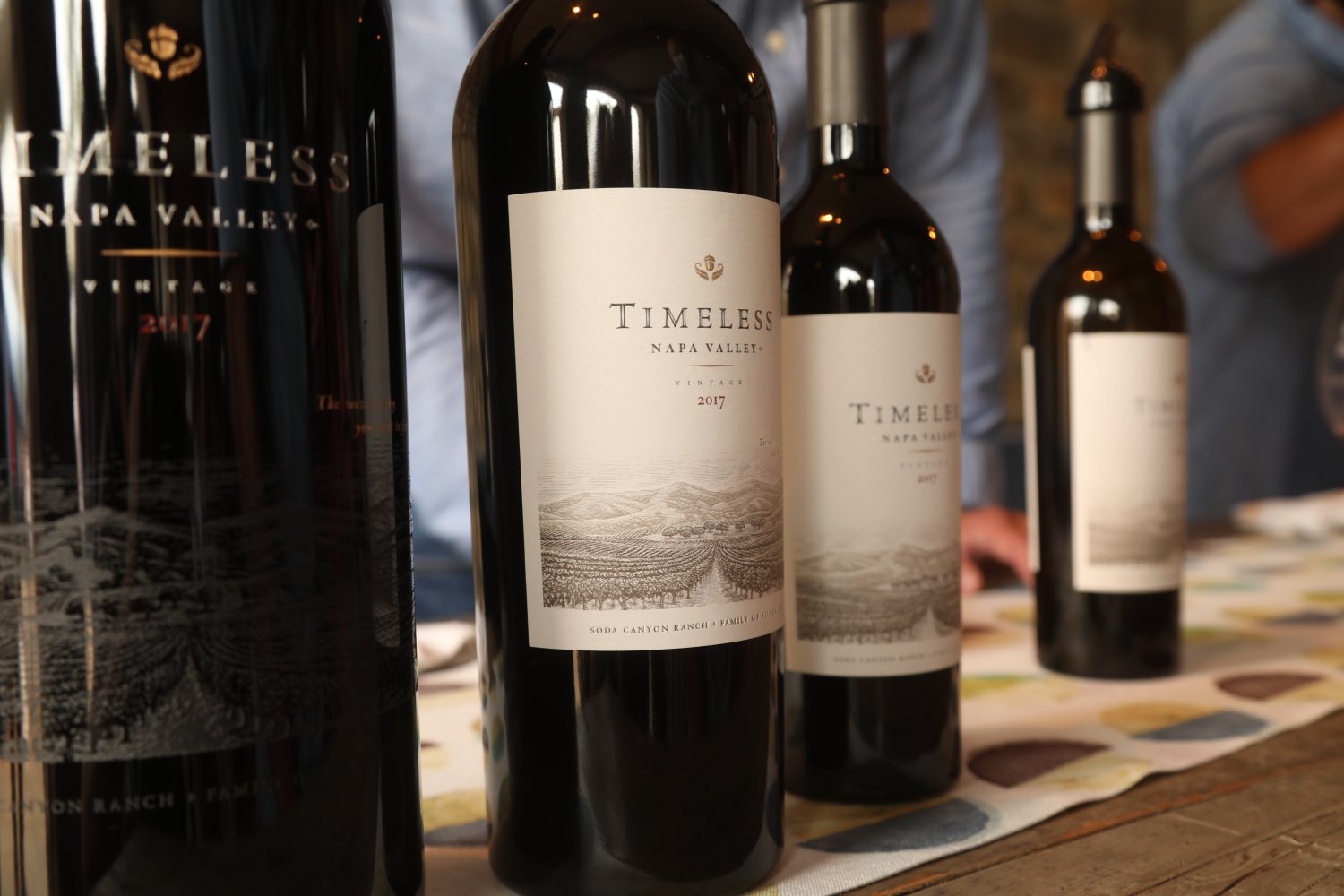
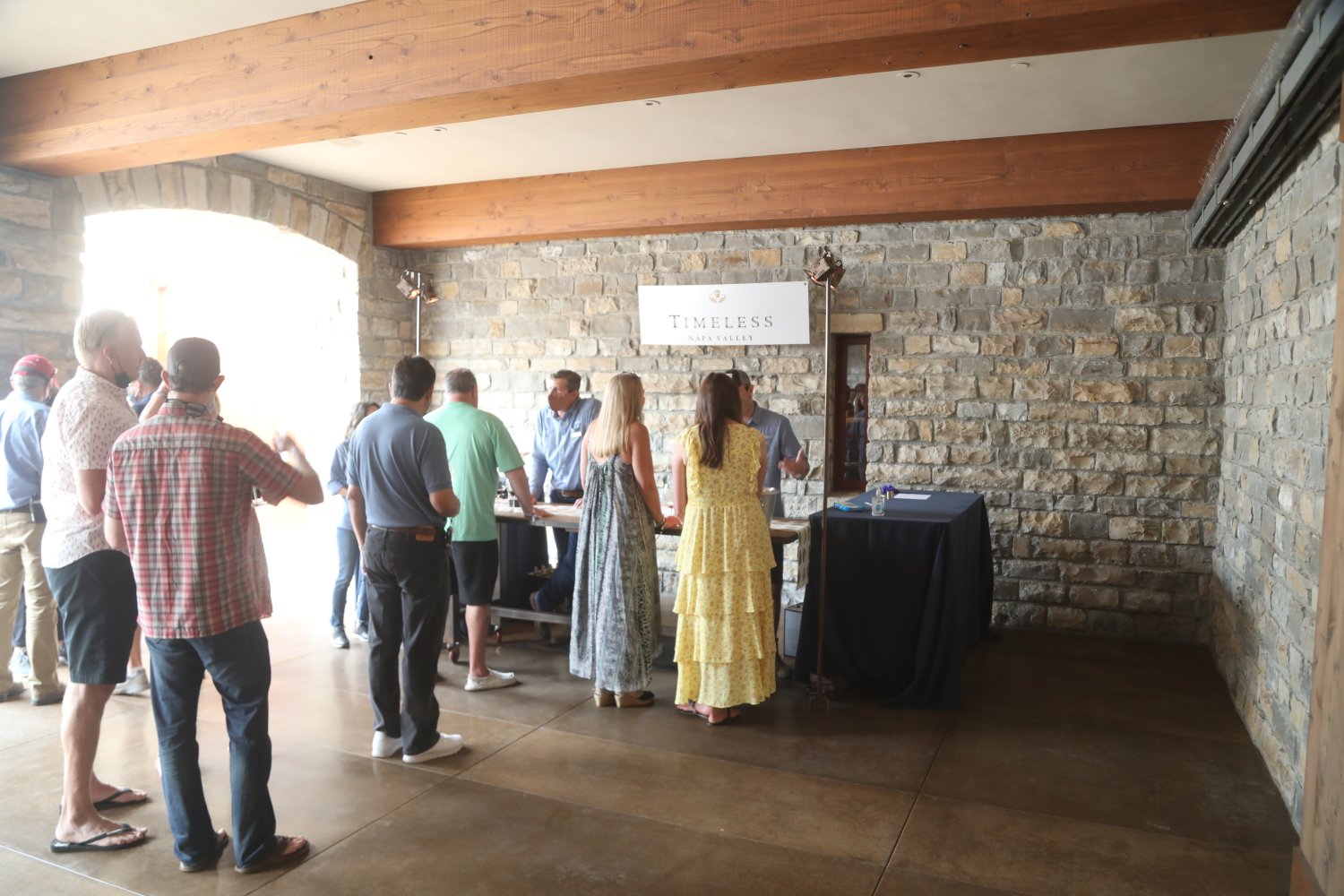
Alexander Valley Release Day
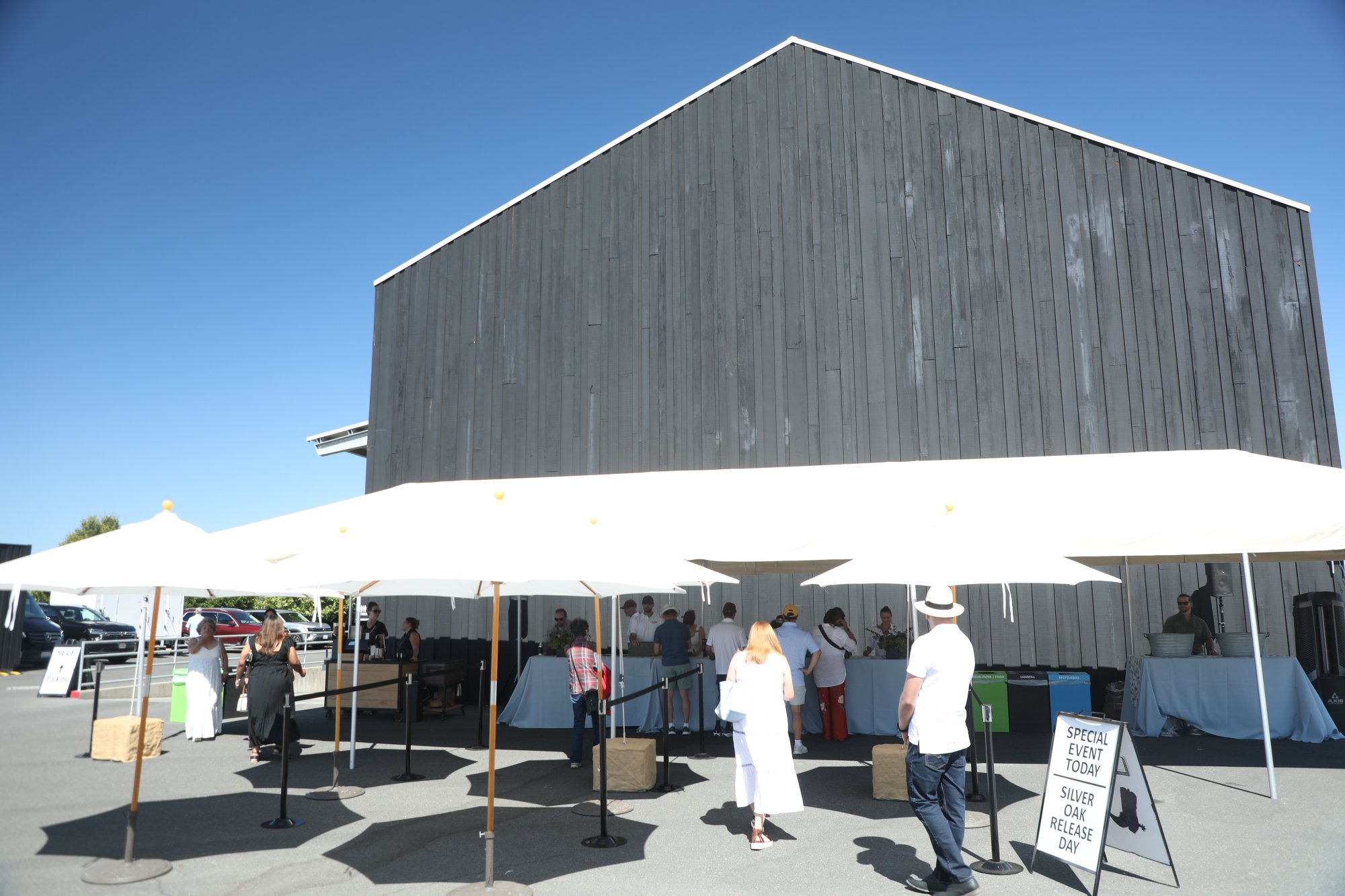
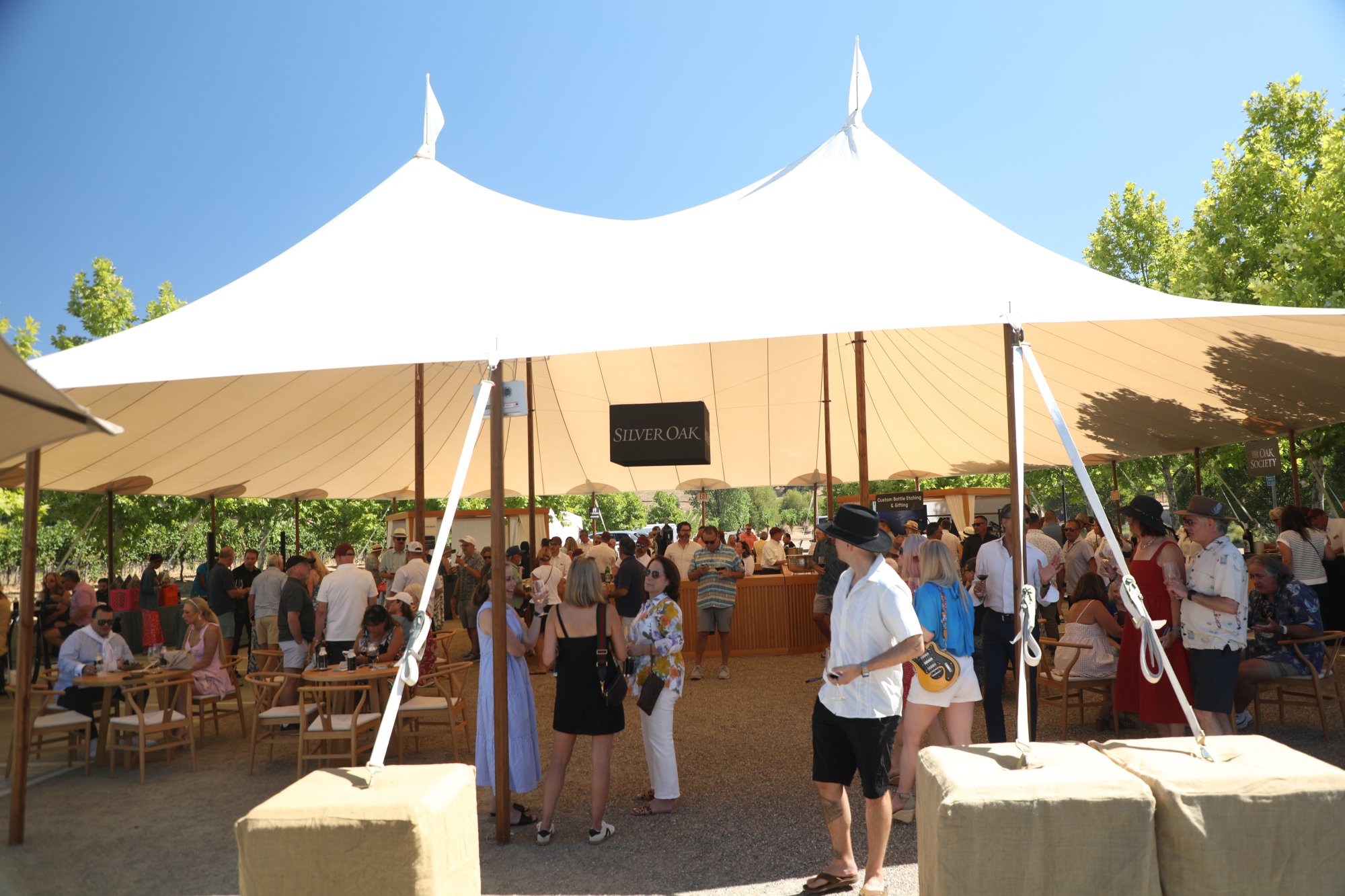
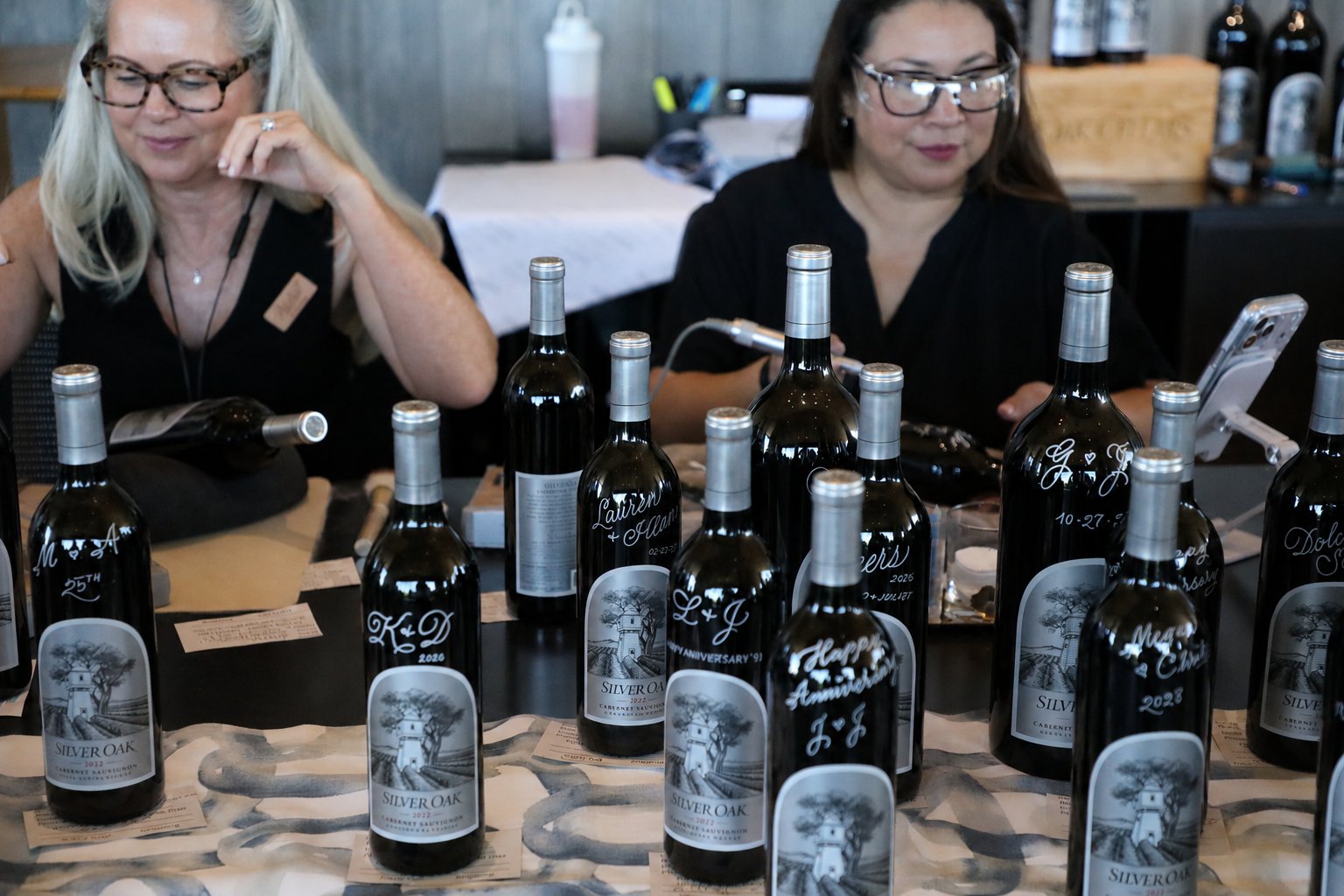
A main tent serves as a gathering point including housing a live band, and guests are free to walk around the grounds in front of the winery where a variety of food tents are located, serving locally made small bites. Another highlight, especially enjoyed by romantic couples, is the photo station, where guests pose with large format bottles in front of a professional photographer. Photos are quickly printed and are available for guests to take with them as a personal souvenir from the party.
Conversations flow easily at these events, helped by the fact that plenty of wine is available and every guest in attendance shares a common interest including a love of wine, particularly of Silver Oak. Release day is a great time for friends and family to get together, meet the Silver Oak family and enjoy the latest wine offerings along with live music and plenty of food.
Milestone parties are hosted for special anniversary years including their 45th anniversary party (which we drove by but did not attend); this was clearly epic with cars parked up and down Oakville Cross Road. In 2022 Silver Oak hosted a mega party in celebration of their historic 50th anniversary. One of the unique highlights of this particular party was a live creation of an image of the iconic Silver Oak water tower, oak tree and vineyards using nothing but old corks with various degrees of shading on the end of each cork to create this one-of-a-kind artwork. Curated by an artist at the event, guests were able to add corks to the piece. It now hangs in the Silver Oak history room.
Also noteworthy is well known wine-focused and prolific artist Thomas Arvid has attended Silver Oak’s release parties for 20+ years. It was Bonny who first reached out to him with an invitation to attend one of the release events. At any release day he attends, he paints live on site in a dedicated room surrounded by works of his art for sale – all showcasing works relating to Silver Oak. However, his wine paintings are not exclusive to Silver Oak; he has painted wines from numerous other wineries including Diamond Creek and Shafer. Several of his salespeople are on hand to answer questions.
For the first time in their history, in 2020 Silver Oak did not hold a live release party at the Oakville Winery, rather it was held virtually. The February release party was also virtual; accomplished singer Nathaniel Rateliff gave a live performance for that particular release day. In 2021 their release days were separated into two gatherings, one held in the morning and one in the afternoon.
One day prior to every release day staff meets to taste through not only Silver Oak’s wines but also other wines from TWOMEY and Ovid.
Bottle Stories
Over the years Silver Oak wines have often played prominent roles during special occasions in the lives of their customers. Allowing people to share stories from the emotional attachments created from memories of enjoying Silver Oak wines, Silver Oak encourages people to submit via photographs or videos to what they call “bottle stories”.
This resonated with their customers and with the increase of social media, countless stories have already been submitted.
From a marketing perspective, it can be argued that the strong emotional association that devoted followers feel in regard to the Silver Oak wines is Silver Oak’s greatest asset.
Some of the more memorable stories include a sentimental woman who would drink Silver Oak wines with her father; his untimely passing inspired her to get a prominent tattoo on her arm of the iconic Silver Oak water tower and tree. One gentleman even hired a jeweler in La Jolla, CA to create a custom designed engagement ring for his fiancé, prominently featuring the Silver Oak water tower on the crown in the design!
An article in The Weekly Calistogan dated Thursday August 6, 1998 describes one customer’s dedicated bottle story. The individual brought a vial of Silver Oak Cabernet Sauvignon to the hospital where his wife had just given birth to their first child. Before the newborn had a chance to suckle at his mother’s breast, the father touched the young baby’s lips with the Silver Oak wine.
Silver Oak offers a variety of both limited-production pre-etched and customized etched bottles, and photo inlays (customers provide an image which is incorporated into the label of the bottle), most commonly purchased by fans to commemorate special occasions. The bottle may be personalized and look different than their normal releases, but the wine is Silver Oak Cabernet Sauvignon.
While not a direct bottle story, Silver Oak also inspired the name of a no longer in business restaurant located on site of what is now Ace & Vine at 505 Lincoln Avenue in the city of Napa. This establishment used to be called River House but when it was purchased by Jim Alonzi he changed the name to Silver Oaks Restaurant. The Napa Register called it, “Napa’s most elegant dining spot”. The interior featured a liquor cart and painted scenes of eleven Napa Valley wineries decorating the walls by artist Russ Walton. Presumably, bottles of Silver Oak were available.
Silver Oak’s wines embody why wine is produced; their bottlings transcend all walks of life and are associated with celebrating food, music, art, sports, travel and life’s best moments.
Vineyards
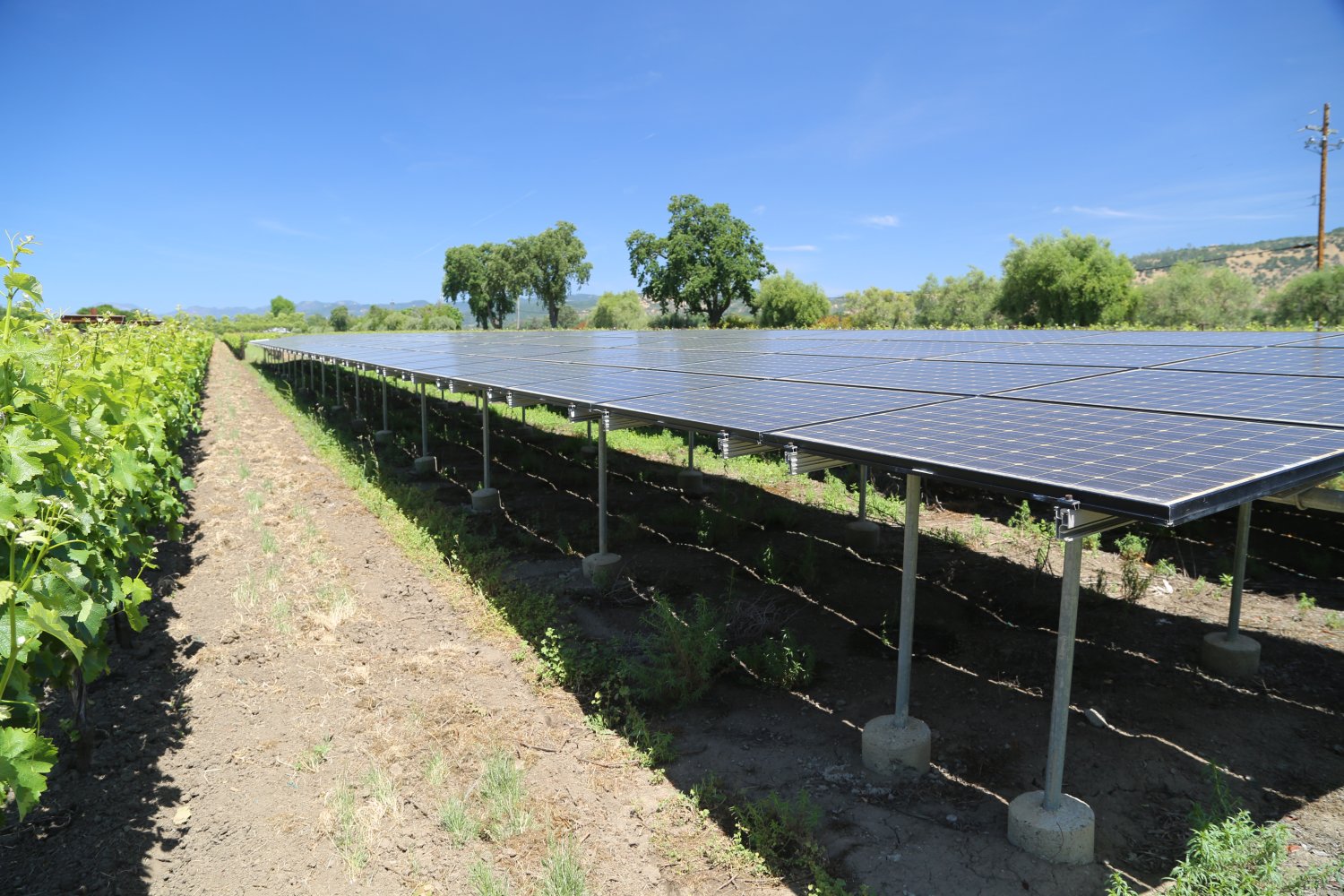
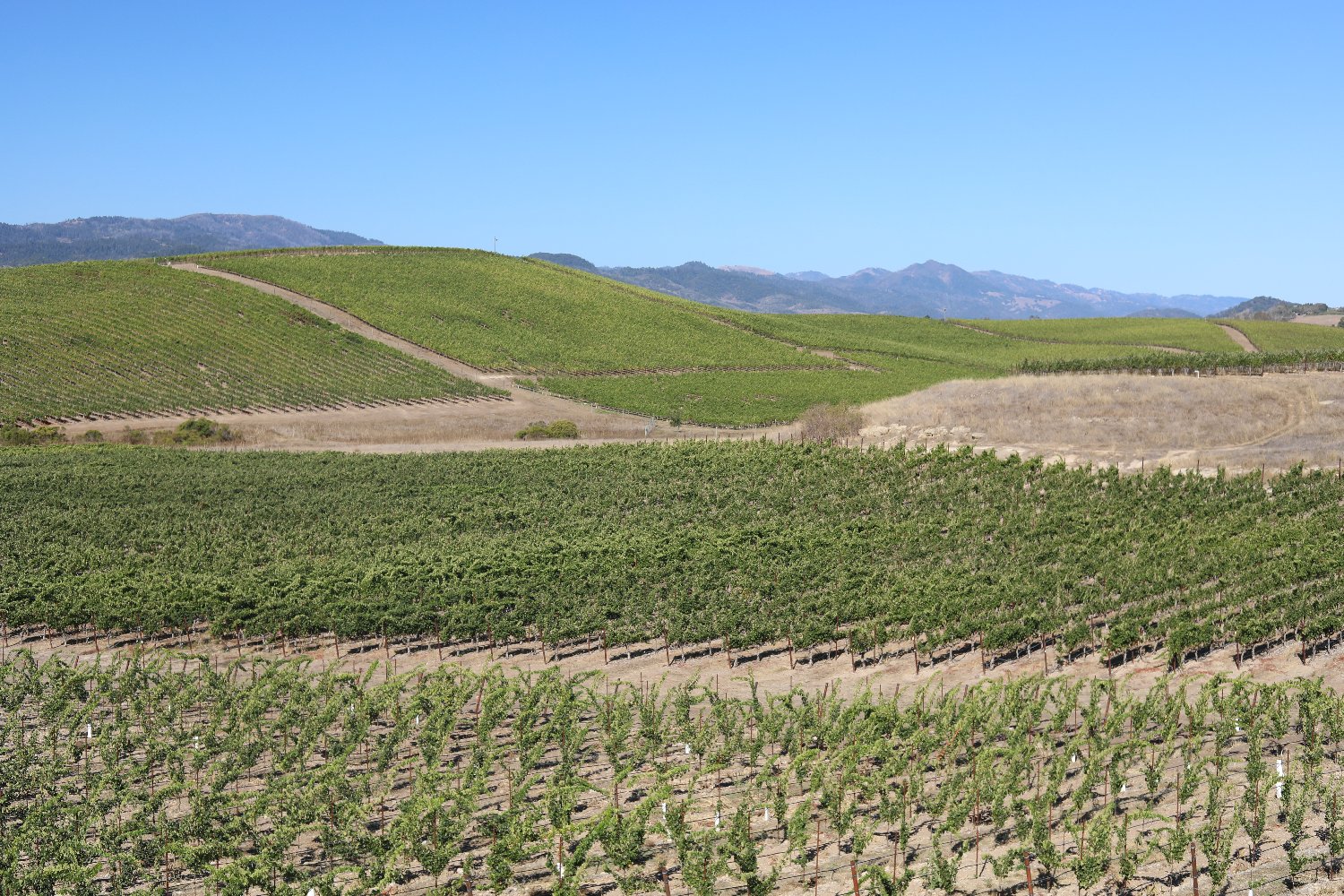 Visitors to the winery and property view thousands of grapevines in all directions. The views are quintessentially wine country-esqe – but in an ironic twist, considering Oakville is the heart of Cabernet Sauvignon country in Napa Valley and this is the variety that Silver Oak built its reputation on, the soils surrounding the winery are not necessarily conducive to growing Cabernet Sauvignon. Some of the vines one sees looking west from their tasting room and adjacent to parts of the driveway are actually Sauvignon Blanc. Compared to when Silver Oak owned hundreds of acres in this part of Oakville, surrounding the winery, today they own the land directly around the winery and a relatively small section of nearby vineyards.
Silver Oak continues to expand their estate portfolio and in the process slowly changing their vineyard model from sourcing much of their grapes to one of owning many of their own vineyards. As of our most recent update, they own more than 15 distinctive vineyard sites, farm more than 25 sites and manage approximately 750 vineyard acres concentrated in Napa Valley and Alexander Valley in neighboring Sonoma County. Silver Oak’s vineyard holding company is called Rawah (pronounced ray-wah) Vineyards, LLC, named in homage to the Rawah Wilderness, a 74,000-acre protected alpine area in northern Colorado’s Medicine Bow Mountains which includes the North and South Rawah Peaks. Approximately 75% of the grapes used in their wines are from vineyards under their ownership.
Rather than contract with a vineyard management company, Silver Oak employs their own in-house vineyard management team and has done so since their first vineyard acquisition. Vineyard manager Dane Petersen was the first employee of Los Amigos Vineyard; his son Brad, who was raised in Alexander Valley, started at Silver Oak as a mechanic and now oversees the management of their Alexander Valley holdings. Silver Oak’s vineyards are sustainably farmed, and several are certified Fish Friendly – a certification provided by the California Land Stewardship Institute; a non-profit organization located in Napa. The vineyards utilize bird boxes which attract blue birds, who then in turn eat harmful insects such as the blue-green sharpshooter (the cause of Pierces Disease in which xylem flow is blocked usually killing the vines within several years). One Napa Valley vintner we met with had actually trained his vines to grow two trunks, so if one trunk was infected with Pierce’s Disease, he could cut that one off, leaving the healthy trunk.
Primary vineyards under their ownership in Napa Valley are the following: Soda Canyon Ranch, Jump Rock Vineyard (Atlas Peak) and State Ranch (Yountville). Primary vineyards under their ownership in Alexander Valley are the following: Red Tail Vineyard, Alexander Valley Estate Vineyard, Miraval Vineyard, Crazy Creek Vineyard and Big River Vineyard.
The Duncan family also owns vineyards in other parts of the state as well as in Oregon. And for vineyards they do not own, they work very closely with growers with many of these sites having been farmed by the same families for multiple generations including one in St. Helena, Navone Family Vineyard, also producers of their own brand of wines. The Navone Vineyard is part of Silver Oak’s estate vineyards. Other small generational growers they purchase grapes from in Napa Valley including Rahn Estate on Howell Mountain and MacDonald in Oakville. In Alexander Valley one of the small growers they work with is Michael and Kara Busselen, owners of Woodhawk Vineyards. In appreciation of their growers, every year Silver Oak hosts a ‘grower dinner’ and bottles samples of each of the grower lots prior to being blended into the Silver Oak Cabernet Sauvignon, for their growers to enjoy at dinner.
Over the years, some of the greatest levels of improvement in quality have taken place in their vineyards. One axiom we have learned while working in Napa Valley is that each site is different and often farmed for its specific terroir distinctions. Former Silver Oak winemaker Nate Weiss calls this “precision farming”. Silver Oak farms for each site’s expression – taking into account the importance of soil health, water usage, temperature differences and various exposures among many other vineyard related nuances. And this type of farming is open to using various types of technology to provide additional data as needed.
One has an even greater respect for the Silver Oak wines once learning about the incredible amount of work, love, passion, obsession and multitude of details that go into managing premium vineyards. One has to stay hungry to stay relevant and Silver Oak has been able to do that across all aspects of their business including with their vineyards, constantly striving to better improve the quality of wines produced from the vines. Water conservation and vine health are two very important aspects of their vineyard management practices.
Silver Oak uses a number of useful technologies to supplement their knowledge of their vineyards and to make informed decisions on best practices. It is remarkable to think how technology has evolved over the past few decades with sensors and applications which weren’t even in existence that many years ago. Product venders install and or maintain specific devices as needed within vine rows. The viticulture team has found spore traps to be helpful, collecting various spores such as powdery mildew and Eutypa. They often see an increase in spores blowing in from other properties on windy days. Using this data has been beneficial as yet another tool to decide when to sulphur or mitigate using other sprays and in some cases saving them from unnecessary work and having less impact on the soils from fewer tractor runs.
A Pellenc harvester gives them accurate information on yields within vineyards down to a remarkably small sample size. This machine provides the viticulture team with yield maps, great for identifying how many grapes were harvested based on parts of the vineyard – but even more valuable in identifying weaker parts of the vineyard with lower yields. And then taking that information to make informed decisions on which parts of the vineyard may need additional fertilizer.
Siler Oak uses technology from Vineyard Robotics utilizing cameras mounted to tractors or ATVs taking numerous images of every vine at certain times of the year. These images are then uploaded and can be accessed by the viticulture team to look for evidence of viruses and other diseases, identifying weaker vines and also missing vines. A software in the same precision viticulture space that we have become familiar with over the years, is Agscout.ai.
Other very helpful devices installed among the vines include a Tule produced Evapotranspiration sensor which provides real-time data in regards to how much water a specific section of a vineyard is using at any particular time, sensors measuring and providing general data about how many stomata are open or closed at one time on a grape leaf (respiration), sap flow sensors (an electrode attaches to the trunk of the vine), measuring the amount of water movement in particular vines, leaf temperature sensors and soil probes providing information about how much moisture is in the soil at any particular time.
Silver Oak has also trialed lightweight autonomous electric powered Ultraviolet-C (UVC), anti-fungal robots built by Saga Robotics in their vineyards. Instead of using sulfur to combat mildew this machine uses ultraviolet-C light to stop powdery mildew, downy mildew and botrytis. These robots are an innovative technology that helps vineyard managers control fungal diseases in a sustainable way. These autonomous robots travel through vineyard rows (generally at night), emitting UVC light that damages the DNA of fungal pathogens such as powdery mildew. By preventing the fungi from reproducing, UVC treatment reduces disease pressure without the need for frequent chemical fungicide applications.
The use of UVC robots offers several benefits. First, it lowers pesticide use, reducing environmental impact and supporting more sustainable grape production. Second, it can decrease labor and input costs by automating disease management. Third, regular UVC treatments can improve grape quality and yield by protecting vines from damaging infections.
Because UVC light can harm beneficial organisms and plant tissues under certain conditions, treatments are typically conducted at night when vines are less sensitive. As precision agriculture continues to advance, UVC anti-fungal robots are becoming a promising tool for modern vineyard disease management.
Both Silver Oak’s Napa Valley winery and vineyards are certified Napa Green; this certification program is run by the Napa County Department of Public Works and the California Green Business Program overseeing water conservation and reduced energy and waste within Napa county based wineries.
Redwood Empire Vineyard Management has worked with Silver Oak since 2000, managing estate vineyards and providing a variety of viticultural services. Redwood Empire Vineyard Management also farms vineyards that provide grapes to Silver Oak, but under different ownership.
Soda Canyon Ranch, Napa Valley
The most prominent vineyard site for the Silver Oak Napa Valley Cabernet Sauvignon and the backbone for this iconic wine since 1999 is the 150-acre Soda Canyon Ranch on the lower flanks of Soda Canyon Road just north of the city of Napa. This property is planted to 113 acres – the majority of which is Cabernet Sauvignon but is also planted to four other Bordeaux red varieties including Merlot (which is the source for the TWOMEY Merlot and the Timeless wine), Cabernet Franc, Petit Verdot and Malbec. This picturesque property is remarkably well-hidden despite being a short drive in from Silverado Trail. Soda Canyon Ranch is only about a 15-minute drive from Silver Oak. The property is divided into 6 unique micro vineyards (The Peak, The Evening Slopes, Rocky Blocks, Transition Zone, Little Pomerol and Hardpan Alley) primarily based on soil types, elevation and exposures. These are in turn divided into 36 different blocks. Several blocks are extremely rocky, and parts of the vineyard feature very shallow topsoil with a hardpan layer sometimes less than a foot below the surface.
The Duncan family purchased this 8-parcel property in 1999 from Parducci Wine Estates, but had made wine from samples lots harvested in 1998. At the time of their purchase, the existing vines had been planted between 1992 and 1998. It was previously used for dairy cattle and an old barn dating from the late 1920s or 1930s, based on the dates they have seen etched into the concrete, still stands on the property. After the family acquired the vineyard significant effort went into expanding the vineyard footprint. Nearby neighbors include William Hill, Broken Rock Vineyard and Roy Estate. This part of Napa Valley is not within any sub-appellation although we have heard this region referred to by several vintners as the Silverado Bench, due to its elevation above the valley floor and roughly paralleling the Silverado Trail. From the section of Soda Canyon Ranch known as ‘the peak’ (the highest point on the ranch) one has excellent views overlooking the southern part of Napa Valley. One does not need to be very high above the valley floor for picturesque panoramic views.
Fires in 2017 damaged vines primarily located on the fringes of the property but also burned further into the vineyards. Part of the reason for this was more organic material growing among the vineyard rows (dried cover crops). Looking for a solution to effectively manage part of the cover crop, especially around the vine trunks, they discovered an Italian made semi-customized device hooked up to a tractor with a sensor and a plastic ‘whip’ which spins at a high velocity, effectively ‘mowing’ the cover crop right around the vines but not damaging the actual vine trunks. It is a versatile machine and handles different row spacing.
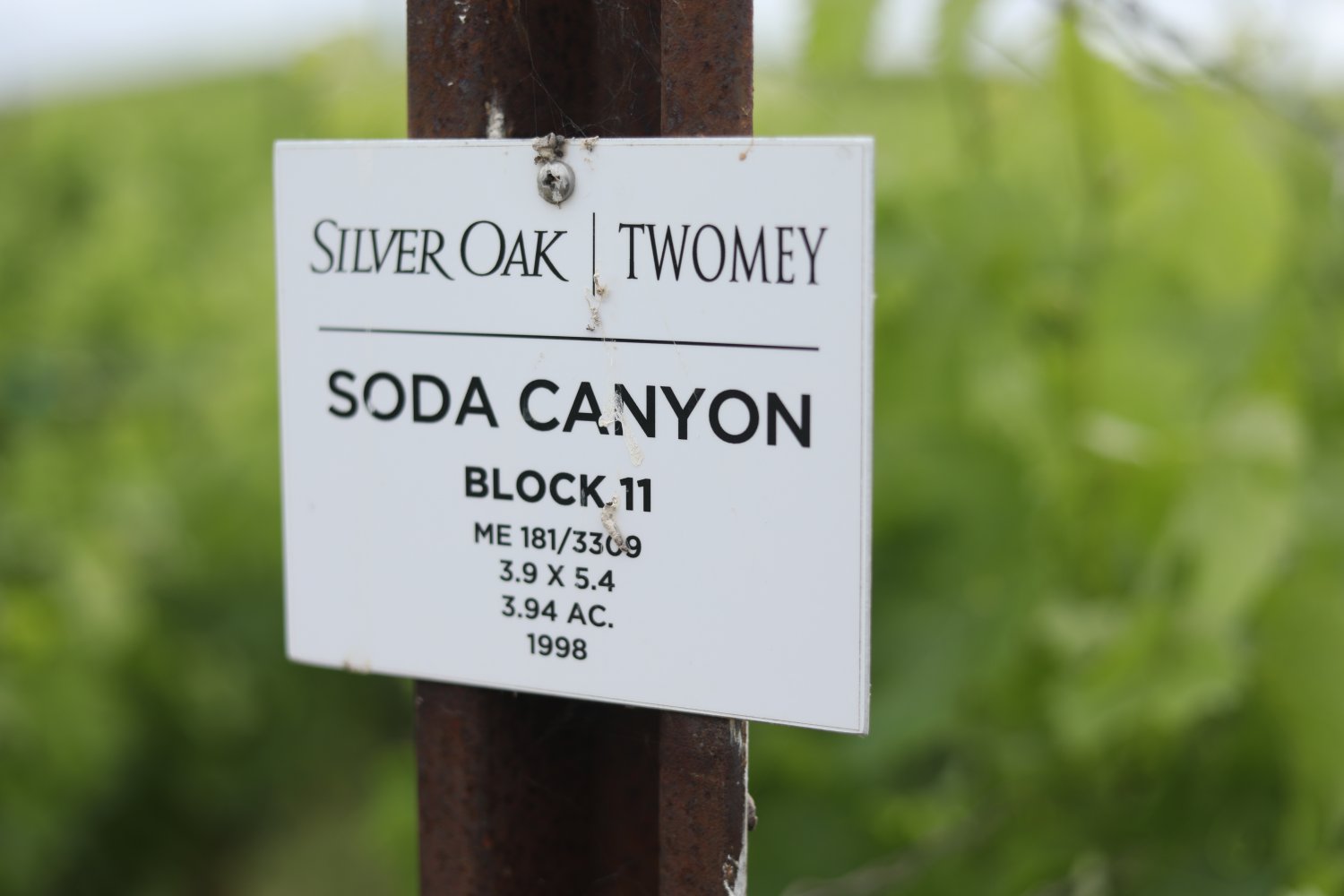
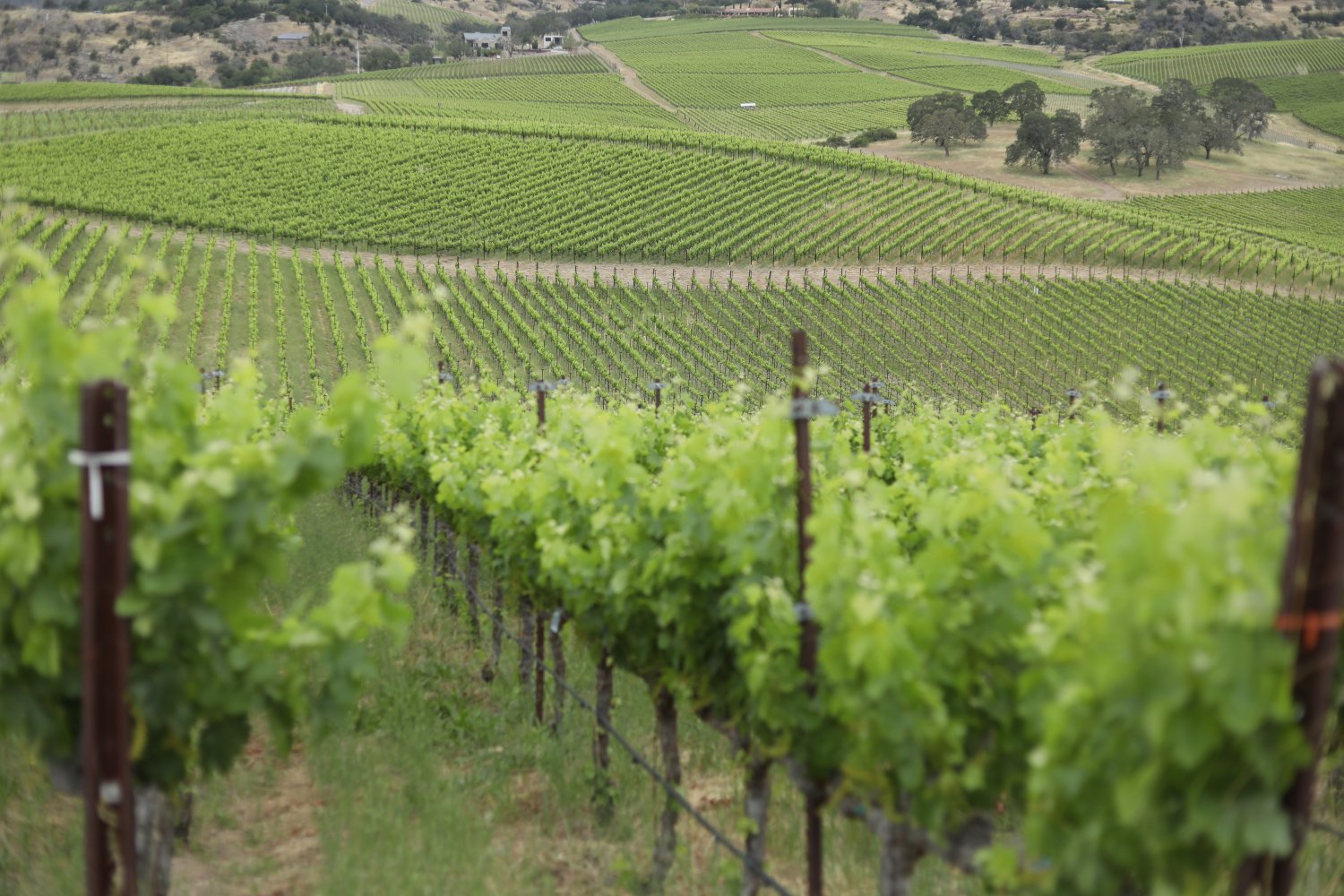
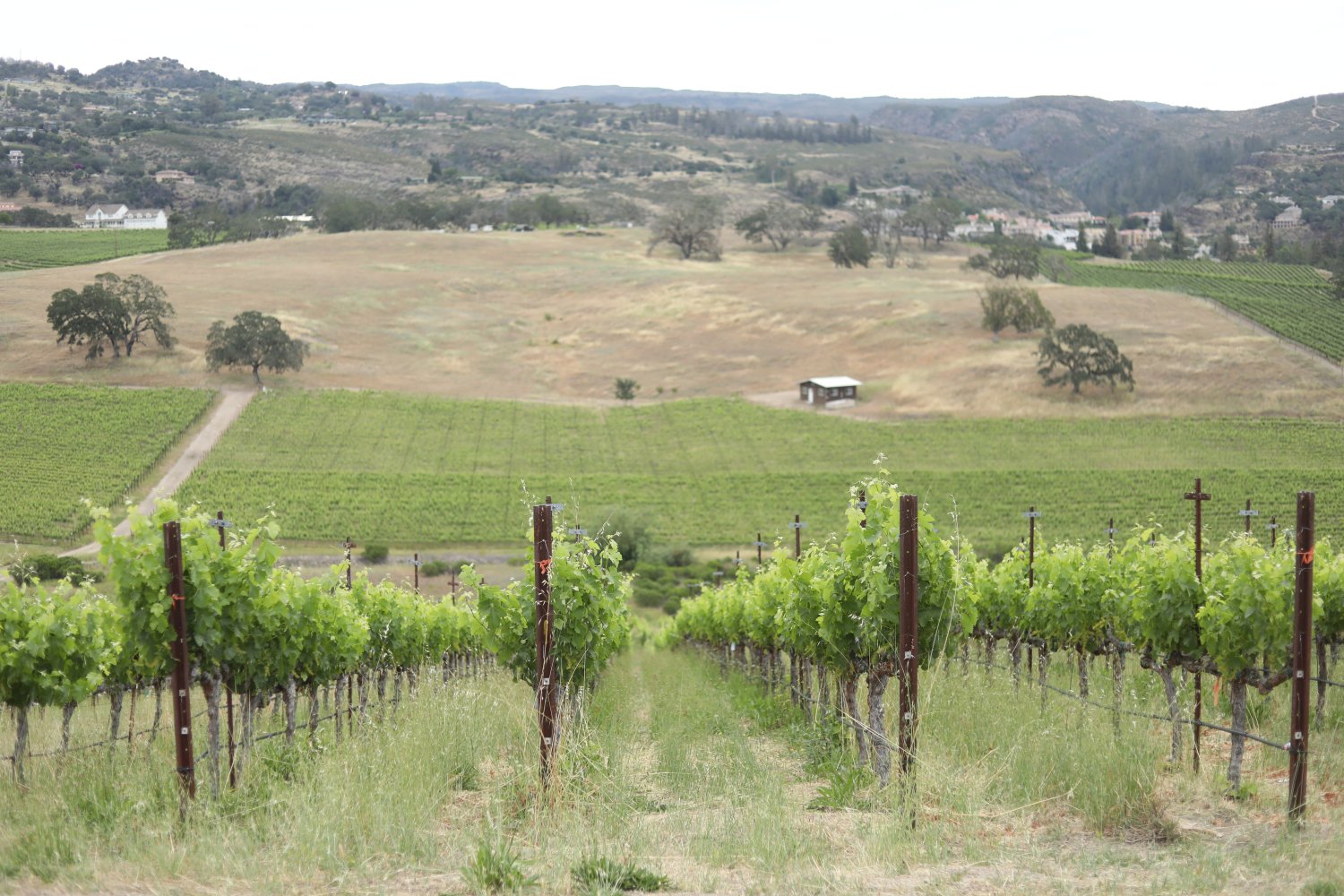

In addition, small parts of Soda Canyon Ranch are used as vineyard test sites, rather than testing only a few rows or vines, sections of blocks are used for specific experiments, sometimes on blocks that are due to be replanted. One such experiment involves removing leaves and lateral shoot growth pre-bloom in what will be the eventual fruiting zone to determine differences in fruit set and other variances. Another block we visited alternated between cane and cordon pruning every four rows, in part identifying differences in resulting yields. Other experimental blocks are stressed by water reductions.
Replants give their viticulture team additional opportunities to fine tune specific rootstalks (more drought tolerant), specific clones or varieties to parts of the vineyard. With global warming, adjustments have been made in vine height and types and widths of trellising.
In order to continue to learn about individual parts of the vineyard, every year wines they refer to as ‘grower lots’ are produced. These are generally two case lots produced from individual blocks and even from experimental sections within the vineyard. Every year the winemaking team produces approximately 45 of these micro lots from Soda Canyon Ranch. And the viticulture and cellar teams taste through them after one year and then again after 5 years (to mimic the amount of time before the Silver Oak Cabernet Sauvignon is released) and to give them an idea of which blocks are best performing, and in addition, fine tune their own palates.
Their viticulture teams get together regularly, walking the vineyard and sharing information regarding the other Silver Oak and TWOMEY vineyard sites. These are open minded get togethers rooted in a sharing of ideas and suggestions. Vineyard manager Dave Shein refers to the vineyard workers as ‘brain surgeons’ referring to their viticulture knowledge, precision and level of detail needed to manage grapevines.
There are already a number of mature oak trees dotting the property, but more young oak trees continue to be planted. Roads accessing the vineyard blocks are not gravel nor paved, they simply run over existing soils.
Jump Rock Vineyard, Napa Valley
Jump Rock Vineyard is located at about 1500 feet on Atlas Peak; less than half the property is planted to vines. This rugged and rocky site is located in a premium vineyard neighborhood. Nearby neighbors include Stagecoach Vineyard, Edcora Vineyard and properties owned by Opus One and Shafer Vineyards. From a viticulture perspective, this is one of the premiere locations within Napa Valley. Jump Rock Vineyard is planted to Cabernet Sauvignon and is named for a favorite Duncan family swimming hole in Colorado. It is also typically the last of the Silver Oak properties to be picked.
This spectacular site is located in what we call the spiritual tip of Napa Valley; there is a presence up here that we don’t feel in other parts of Napa Valley and it sticks with you after you have descended the mountain. The views from here on a clear day are spectacular – with parts of the neighborhood looking down on Haystack, a prominent chaparral covered feature that roughly resembles the shape of a haystack and additional vistas of the valley floor far below.
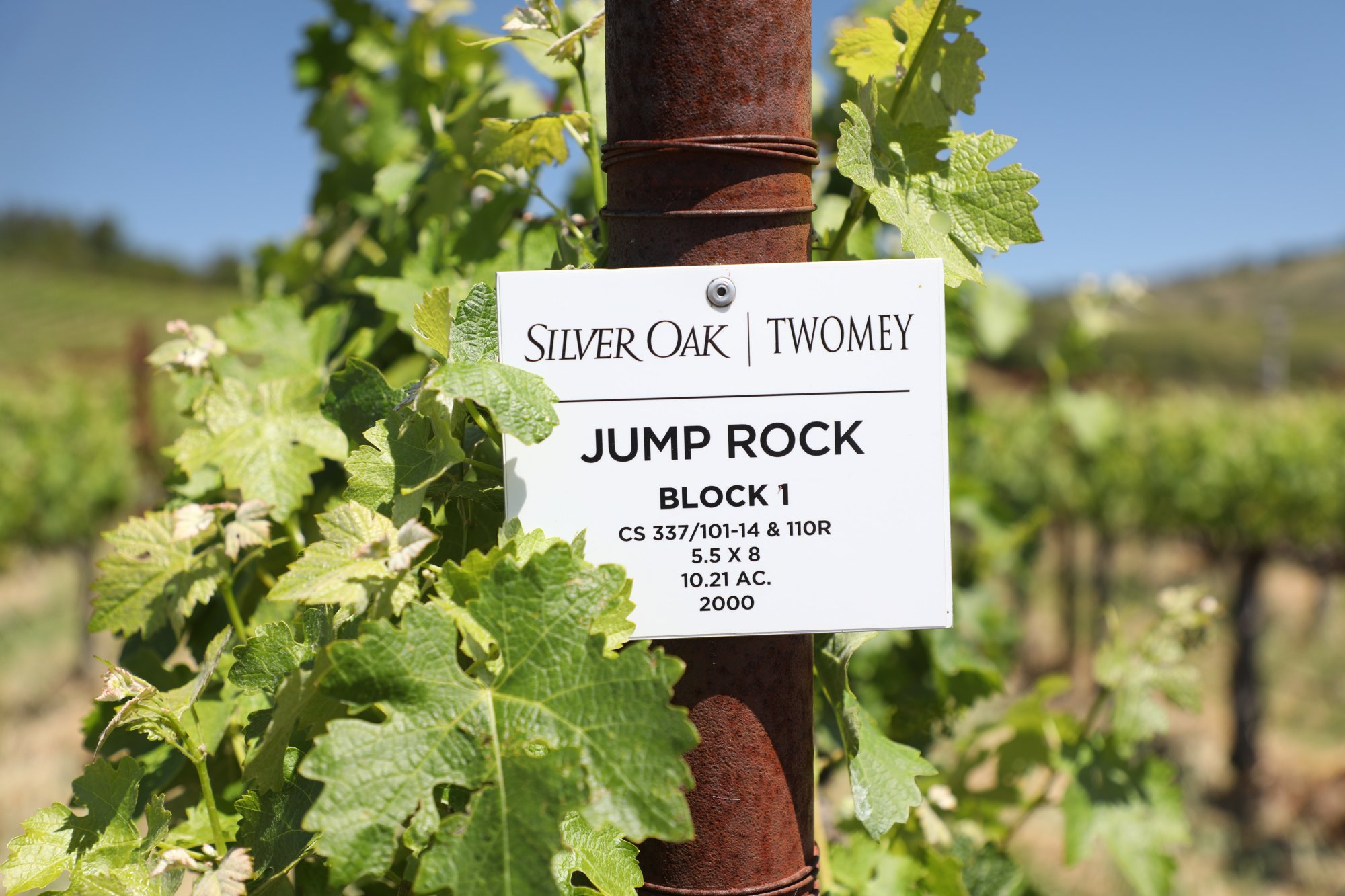
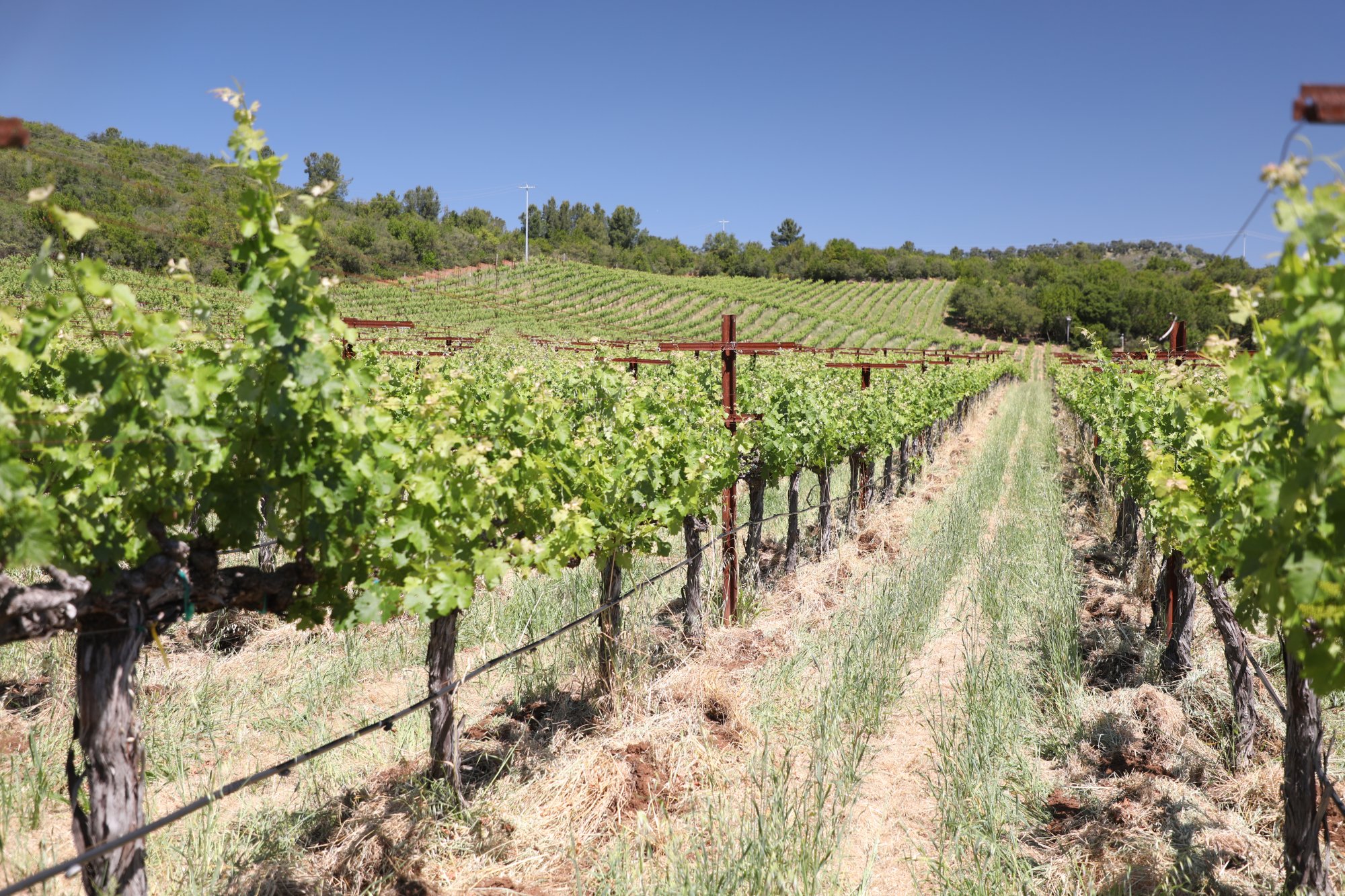
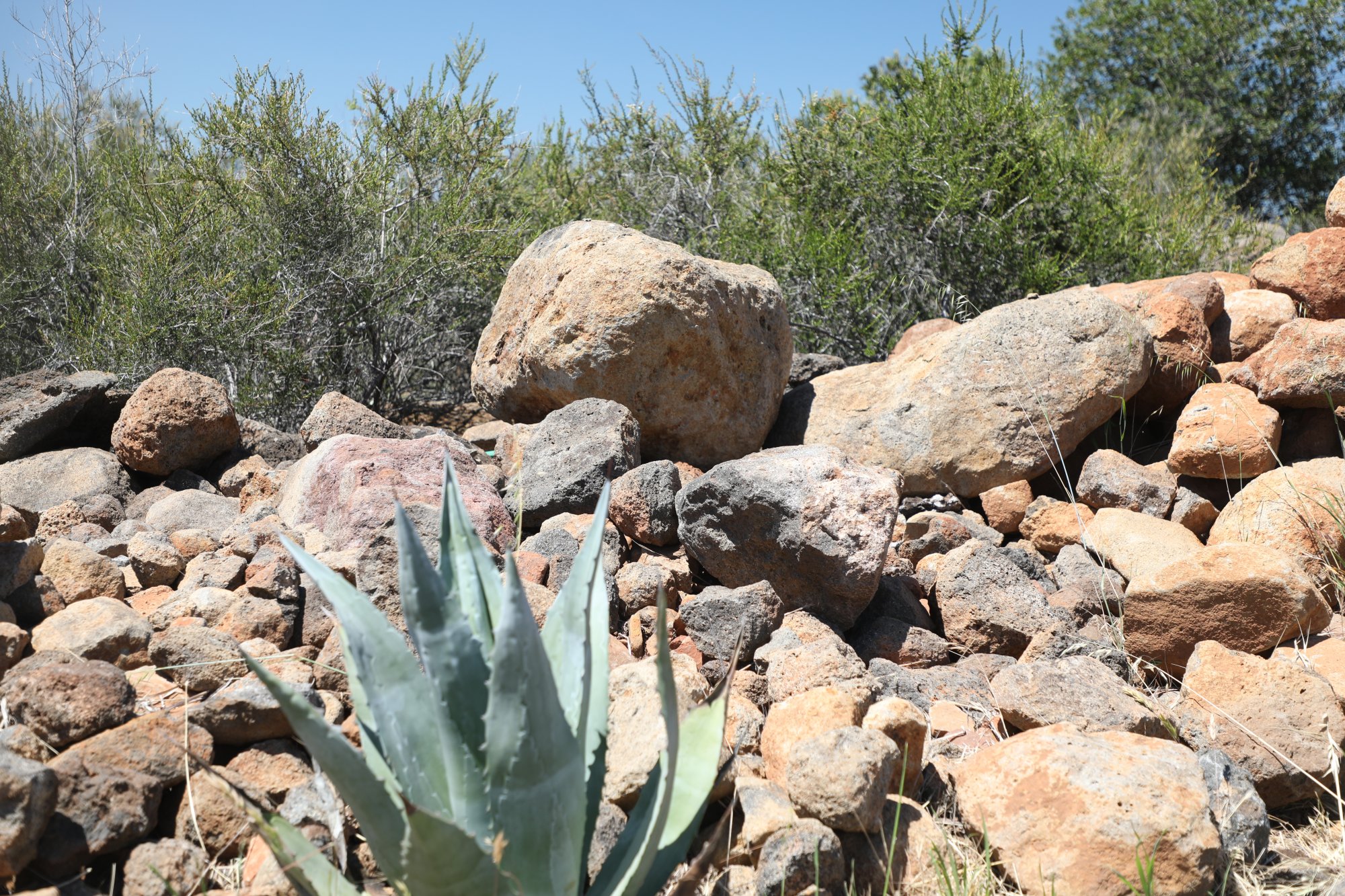
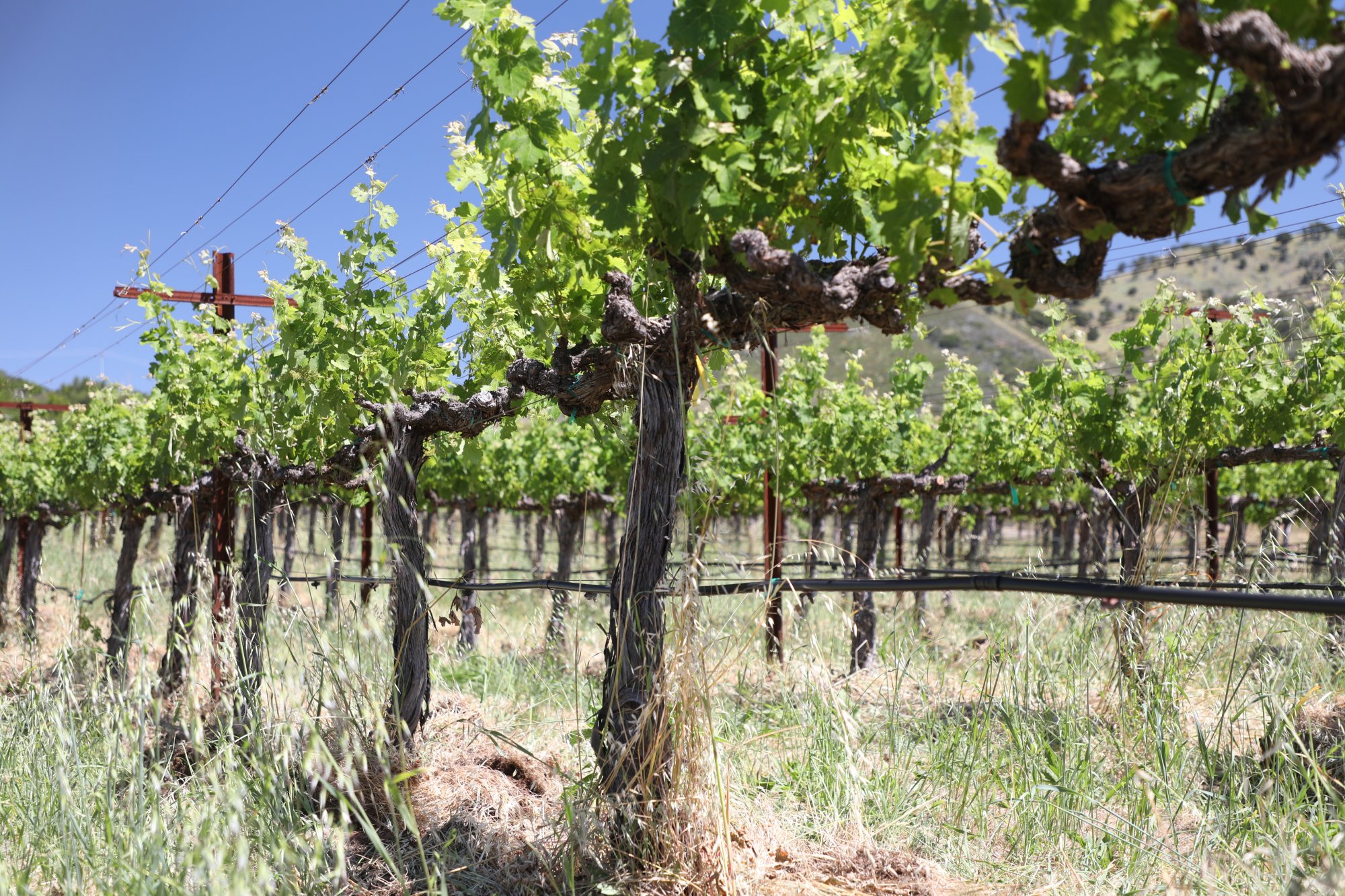
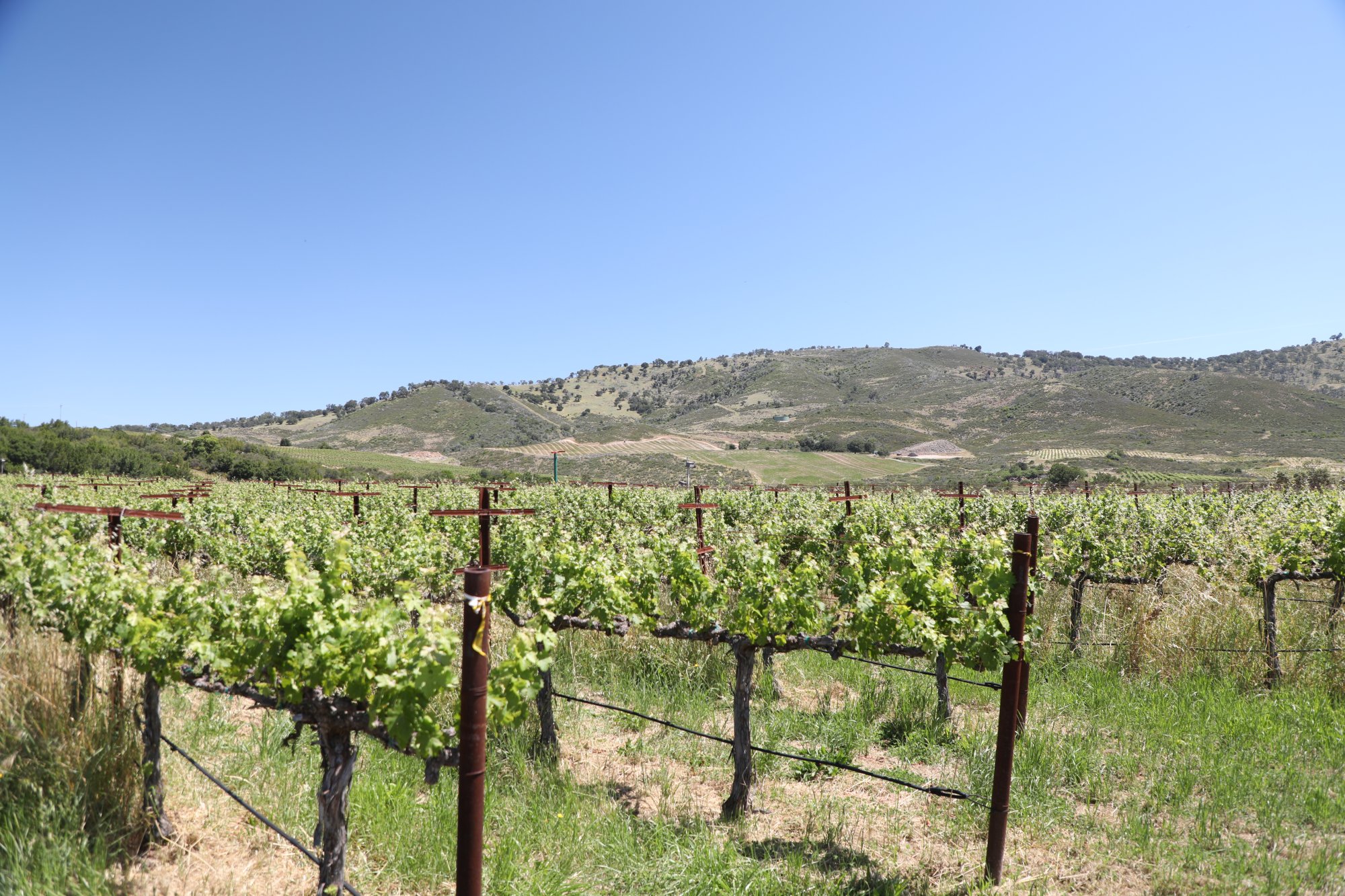
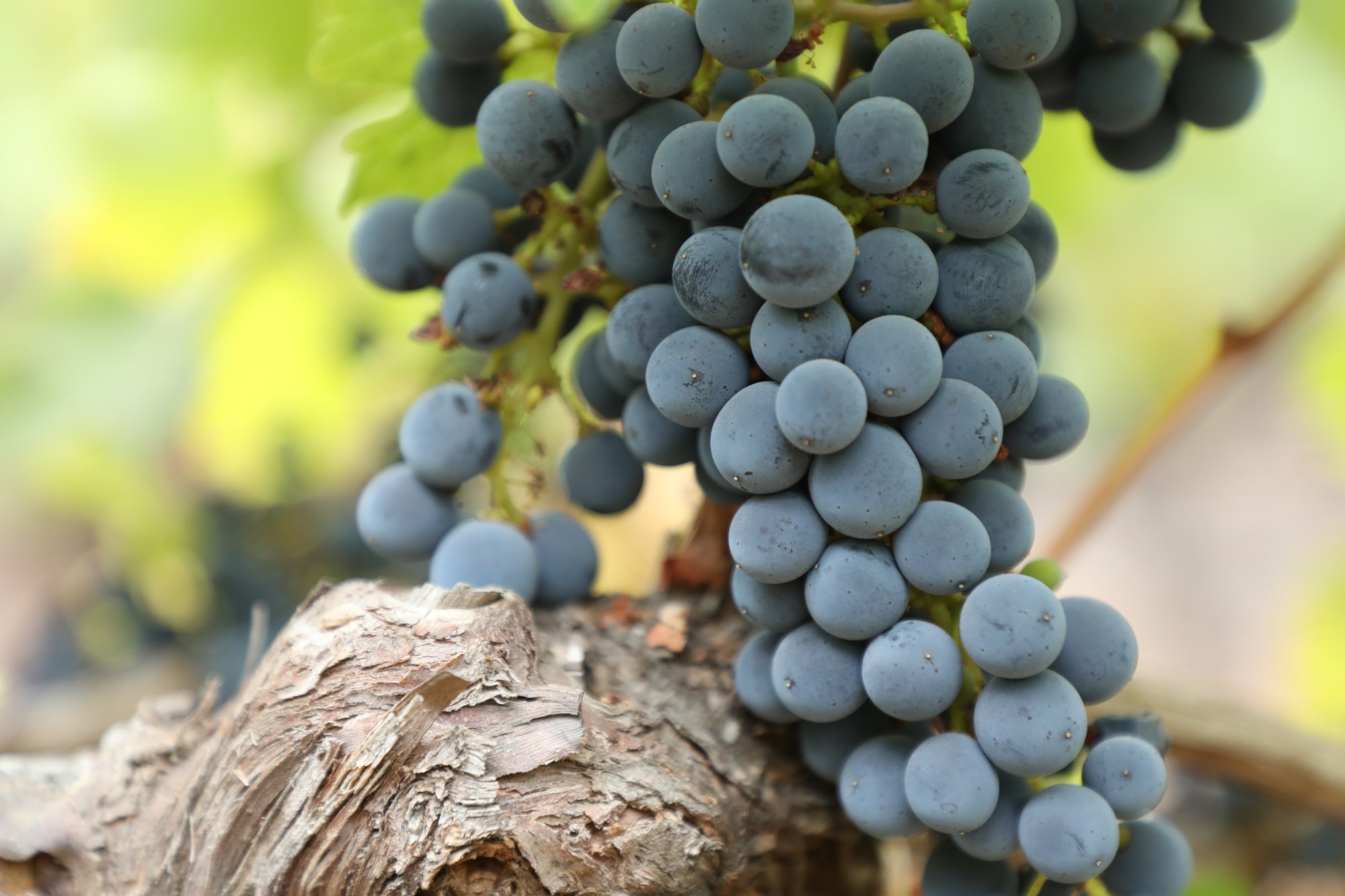
State Ranch Vineyard
In early 2023 Silver Oak purchased the State Ranch Vineyard in nearby Yountville, a 43-acre rectangular site with 36 acres of vines, planted all to red varieties including the majority Cabernet Sauvignon. They purchased this property from James Keller, a 4th generation Napa Valley real estate developer who is currently working on converting the old post office in Napa to what will be called Franklin Station Hotel & Residences. Keller is also a partner in KHK Wines. He previously purchased this property from Ken Laird, owner of Laird Winery. Nickel & Nickel Winery, as recently as the 2023 vintage, produced a vineyard designed Cabernet Sauvignon from this site.
This valley floor property within the Stags Leap District straddles Yountville Cross Road bordering Kapscandy Winery and across the road from Cliff Lede Vineyards. Its soils are Cortina, a type of gravelly stony type of loam. Appropriately a number of young and more mature oak trees line the western side of the property bordering State Lane. A fenced off reservoir is located on the property surrounded by raised berms. We sometimes see Canadian geese floating in its waters, including in the spring, young goslings.
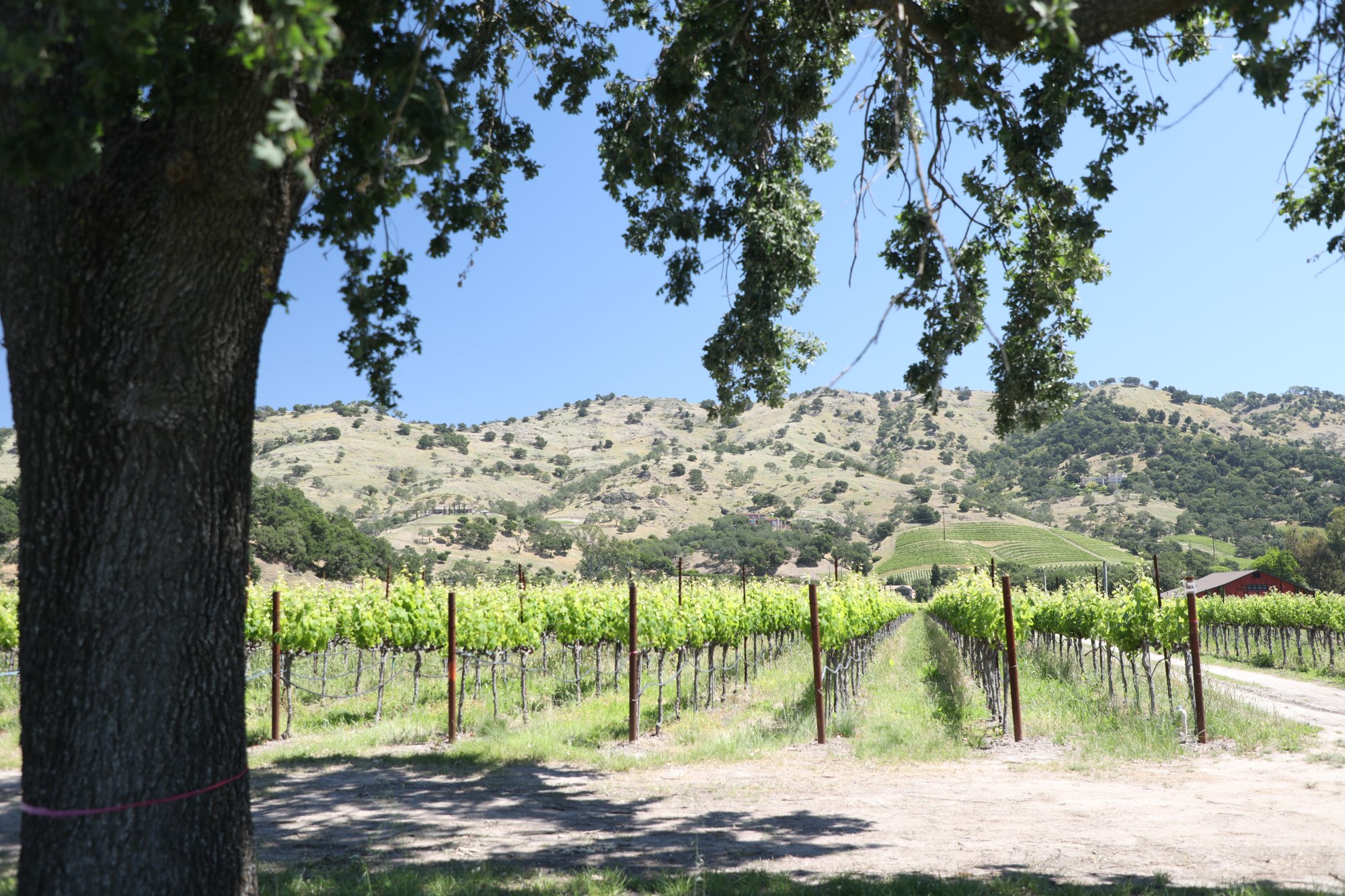
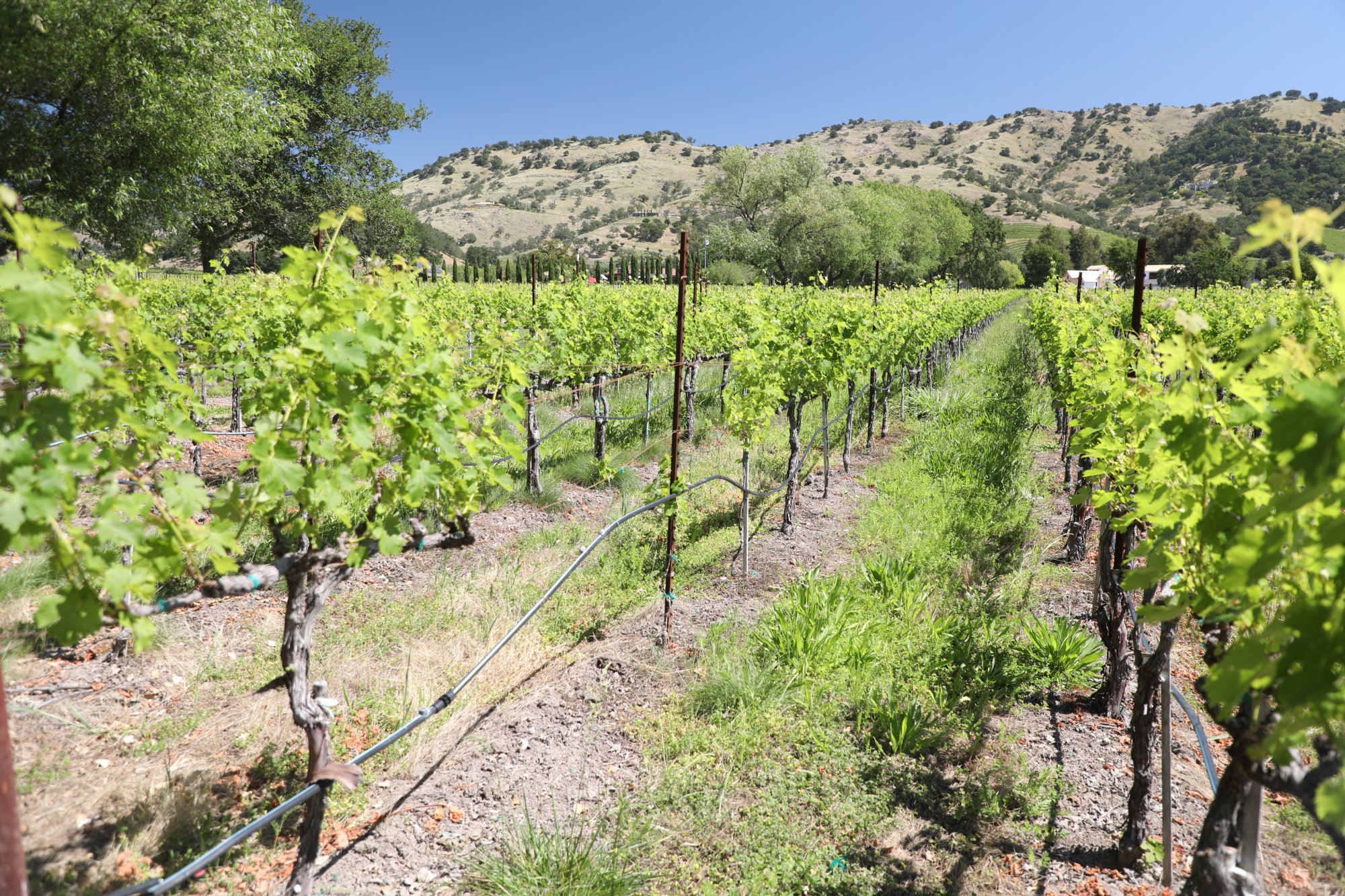
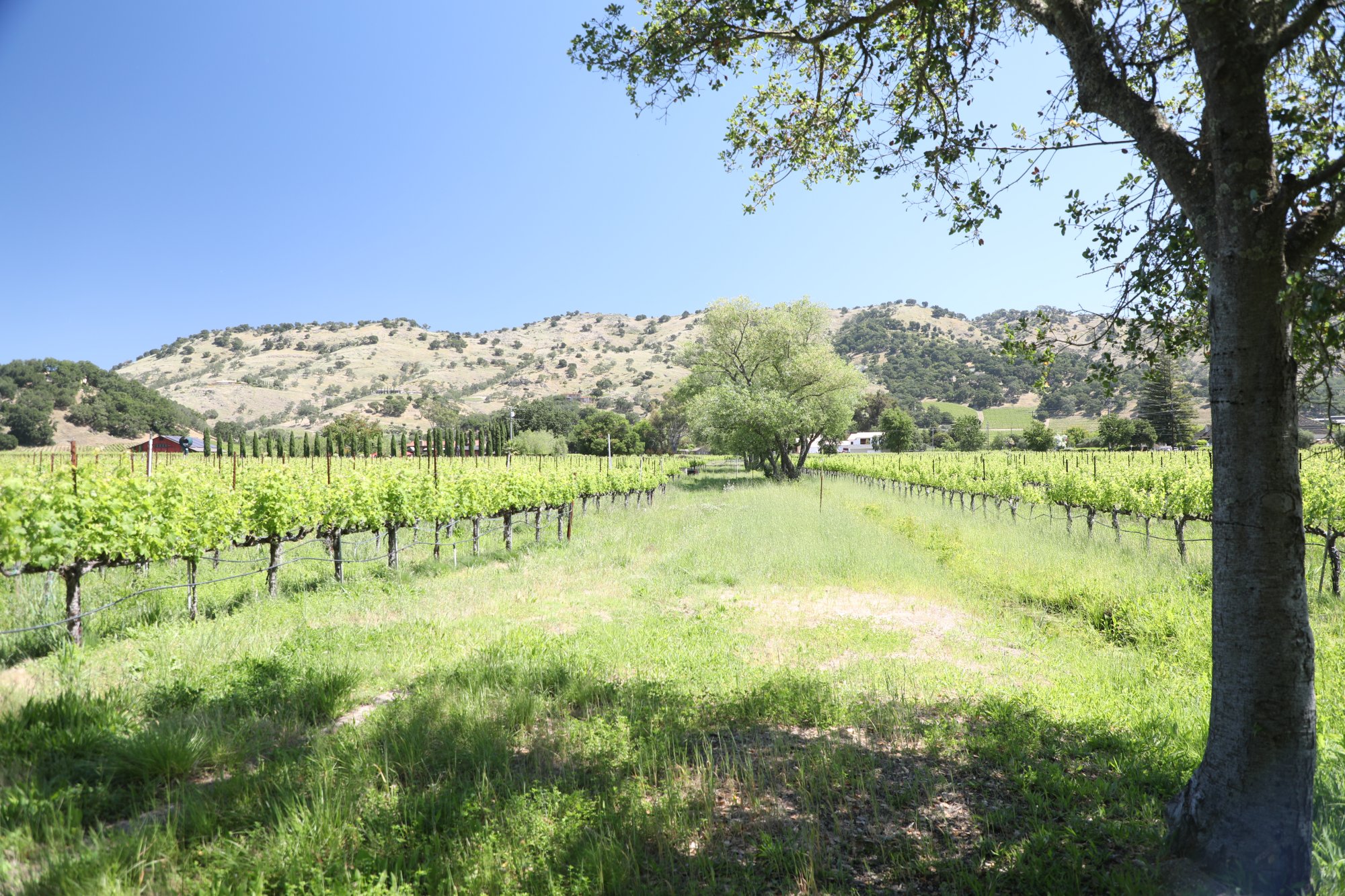
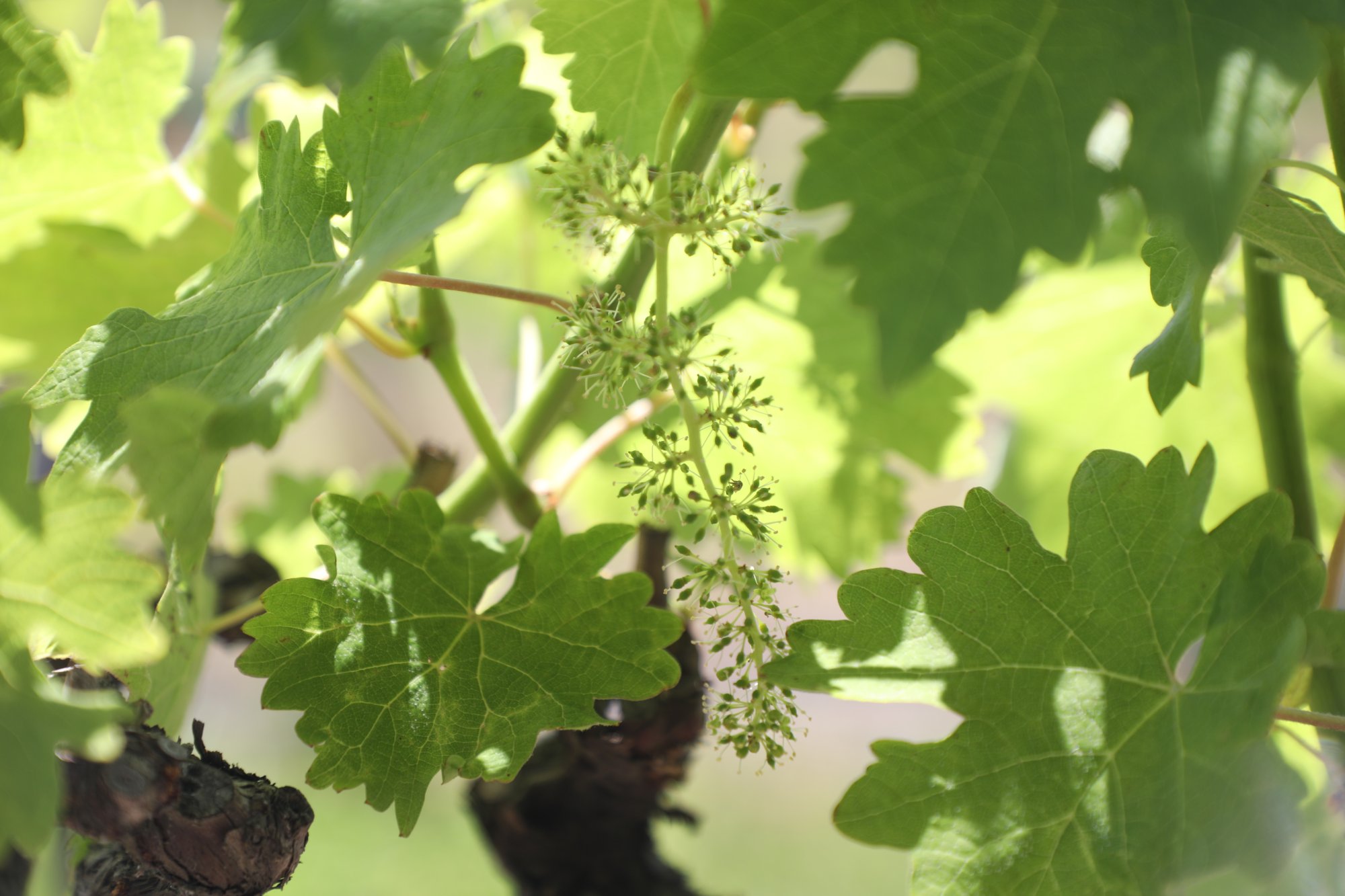

—
Alexander Valley Estate Vineyard, Alexander Valley
This property was originally part of a land grant given to Captain Henry Fitch in 1843. The first wine grapes planted on the property were in 1870, just prior to the property being transferred to Cyrus Alexander. Alexander Valley is named in his honor; his grave is located in a small historical cemetery on the grounds of Alexander Valley Vineyards two miles from Silver Oak Alexander Valley.
This 115-acre property is located in the southern part of the AVA on benchland soils ranging in elevation from approximately 230 to 300 feet ASL. The western part of this property borders part of Sausal Creek; the soils are alluvial and colluvial. Silver Oak purchased this property in 2012, at a time when old vine-Zinfandel was still planted here. Today it is planted entirely to Cabernet Sauvignon. This is also the home of Silver Oak Alexander Valley.
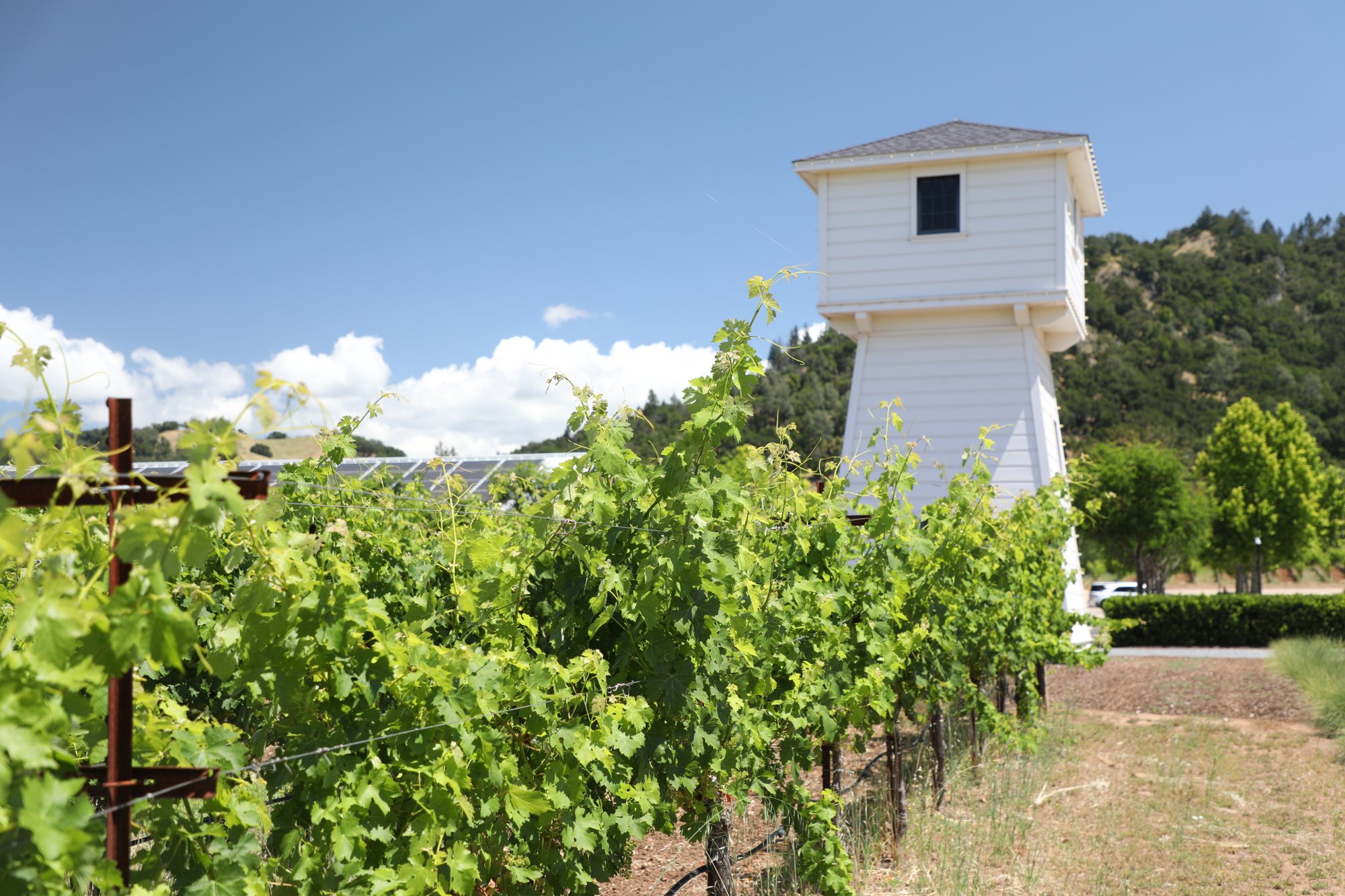
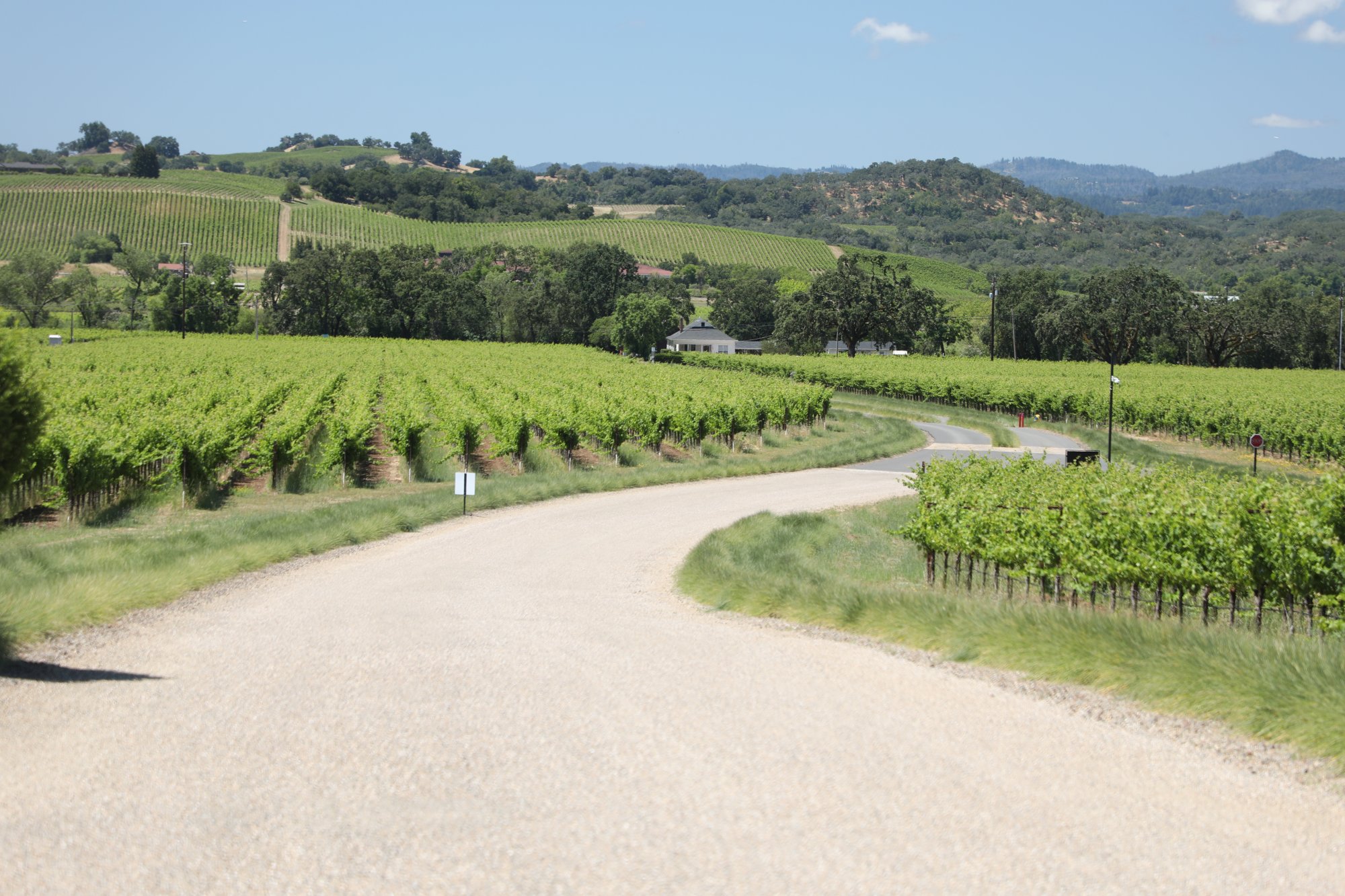
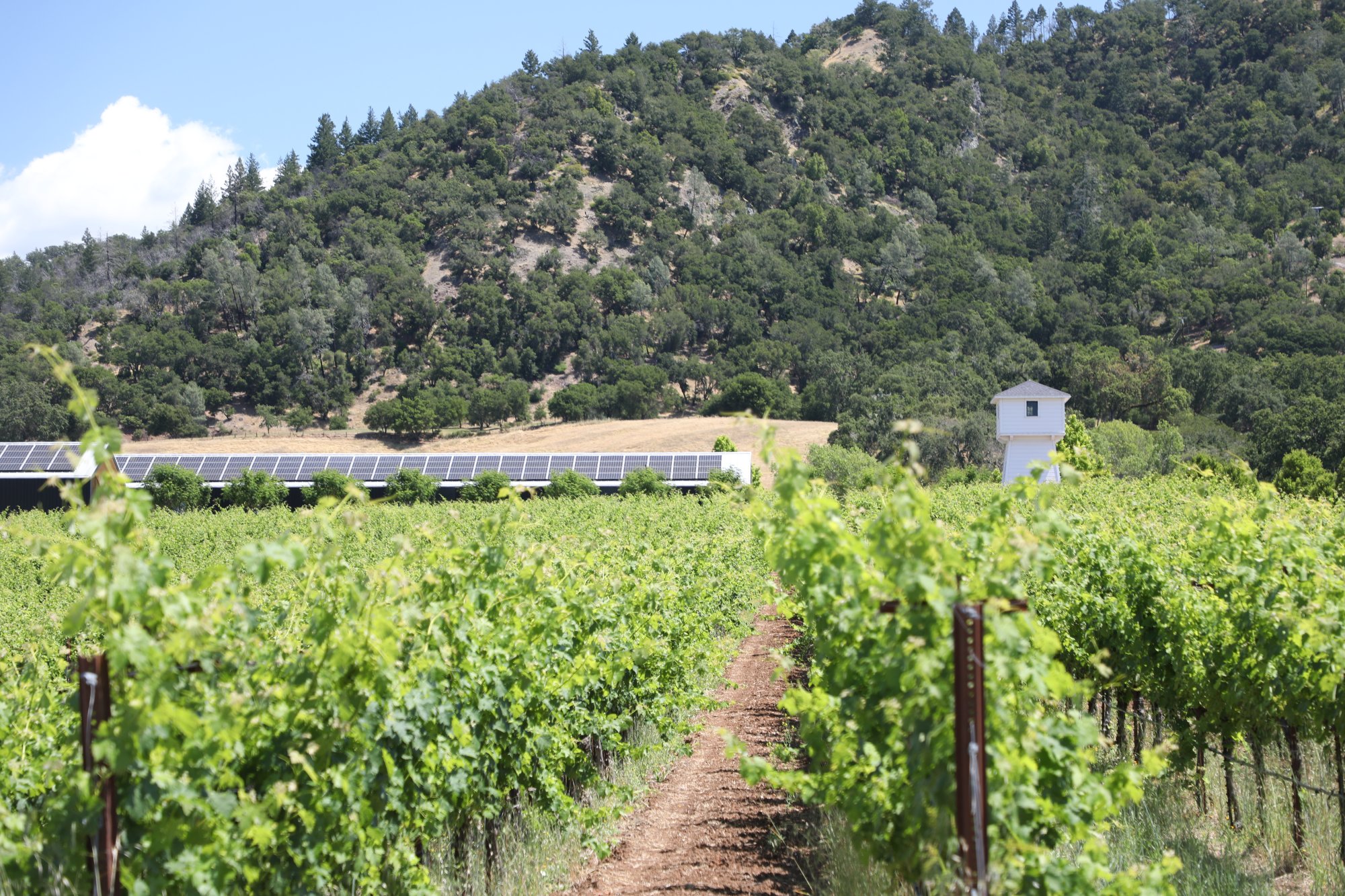
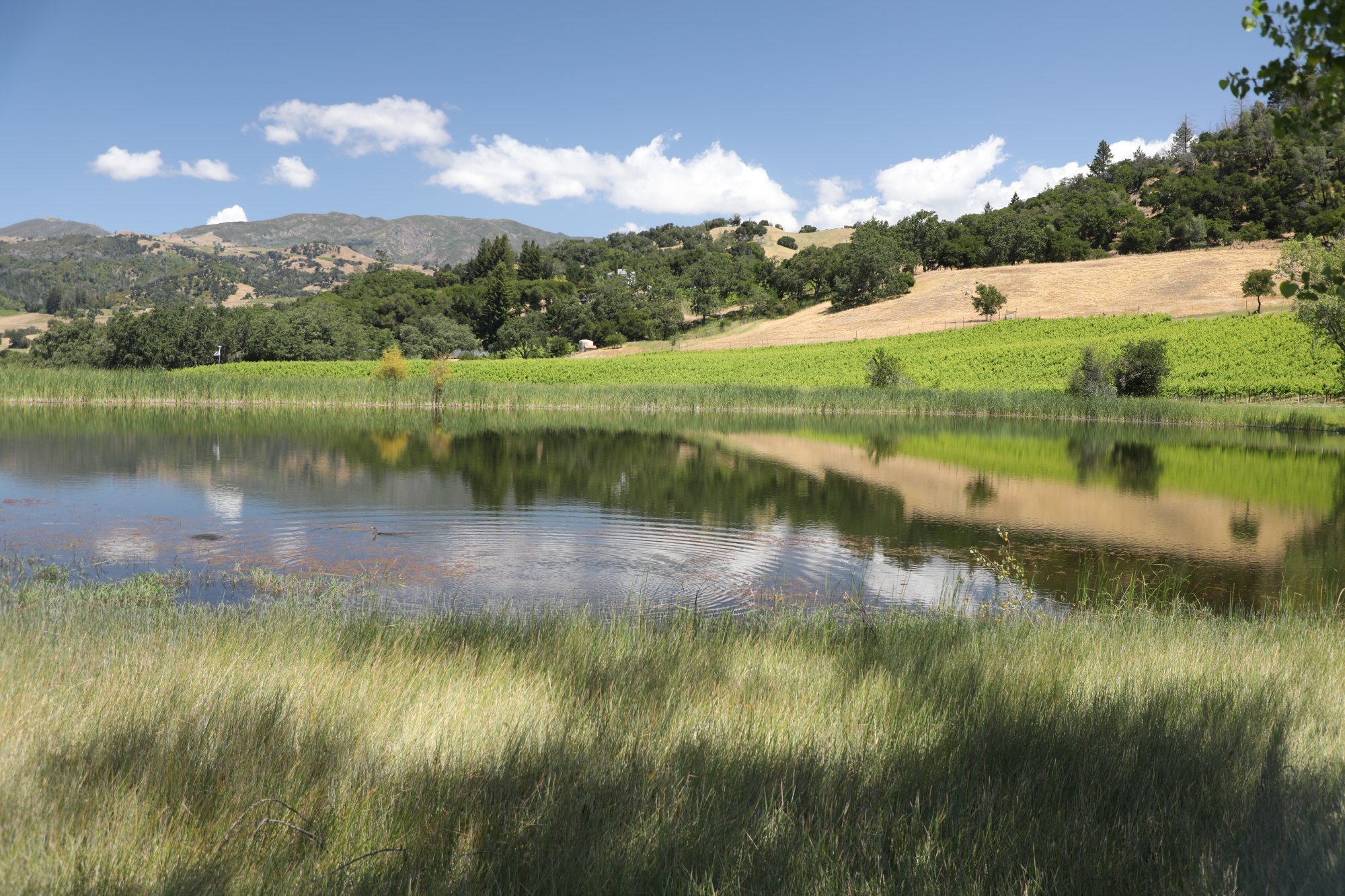
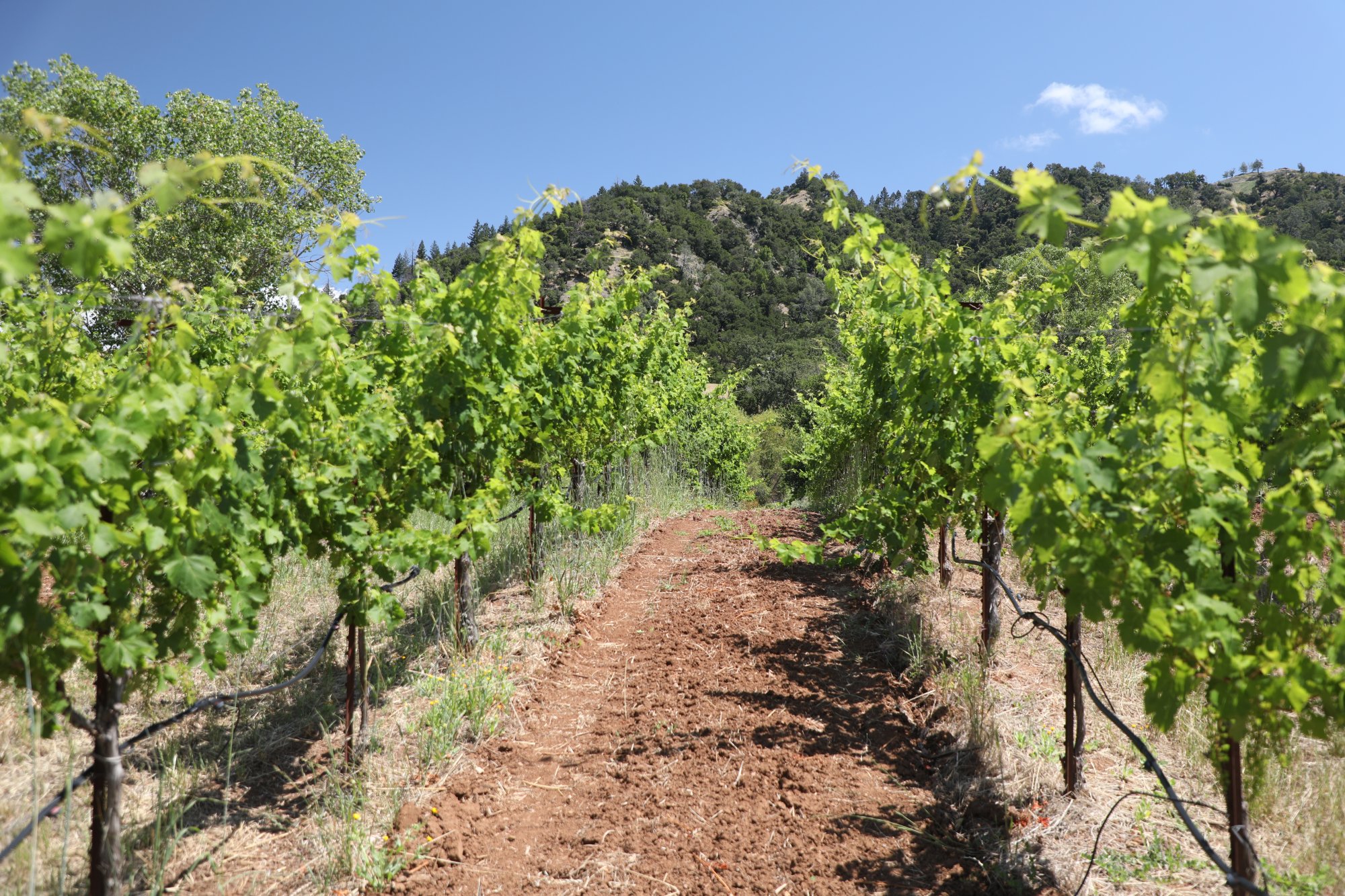
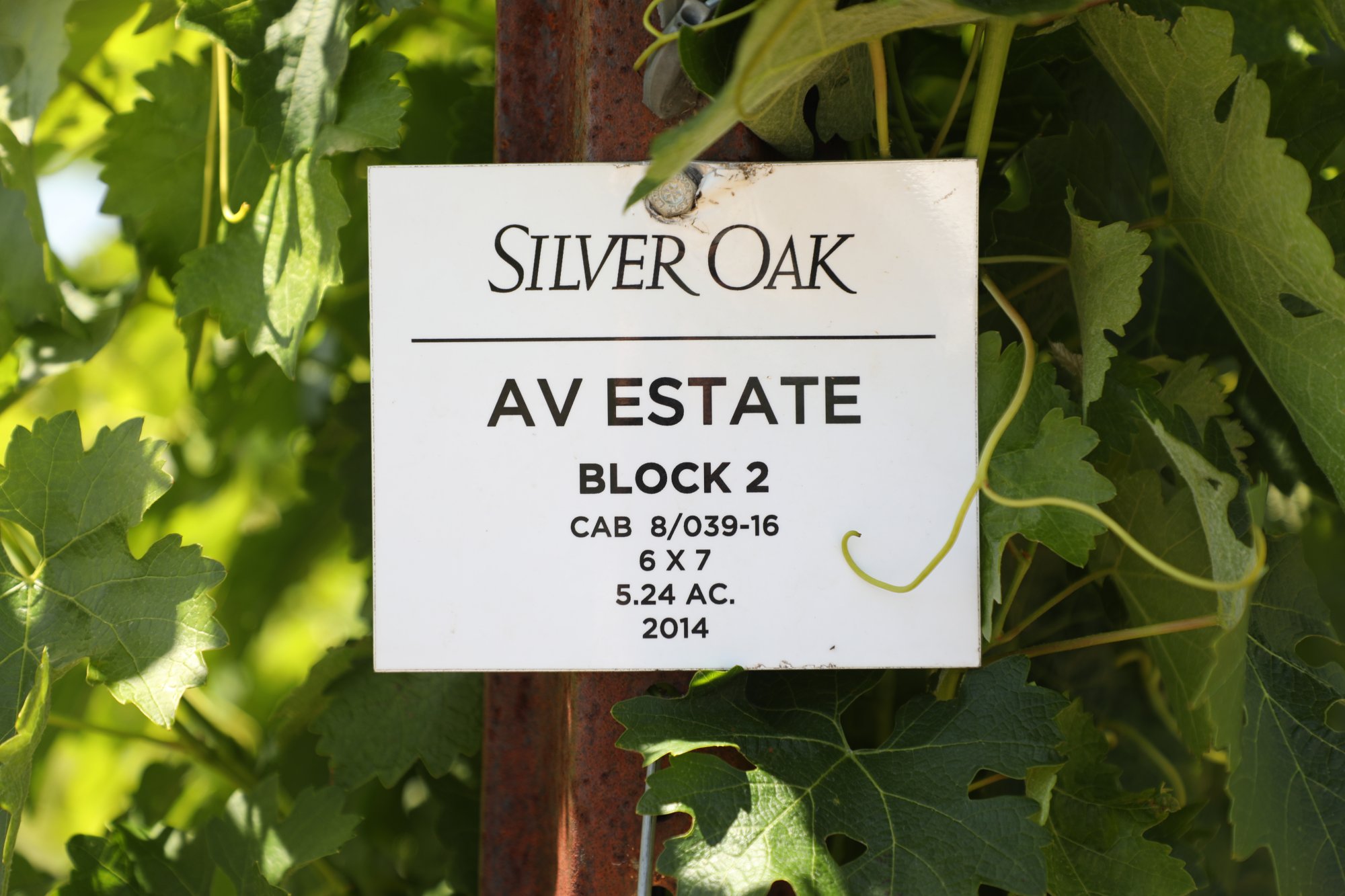
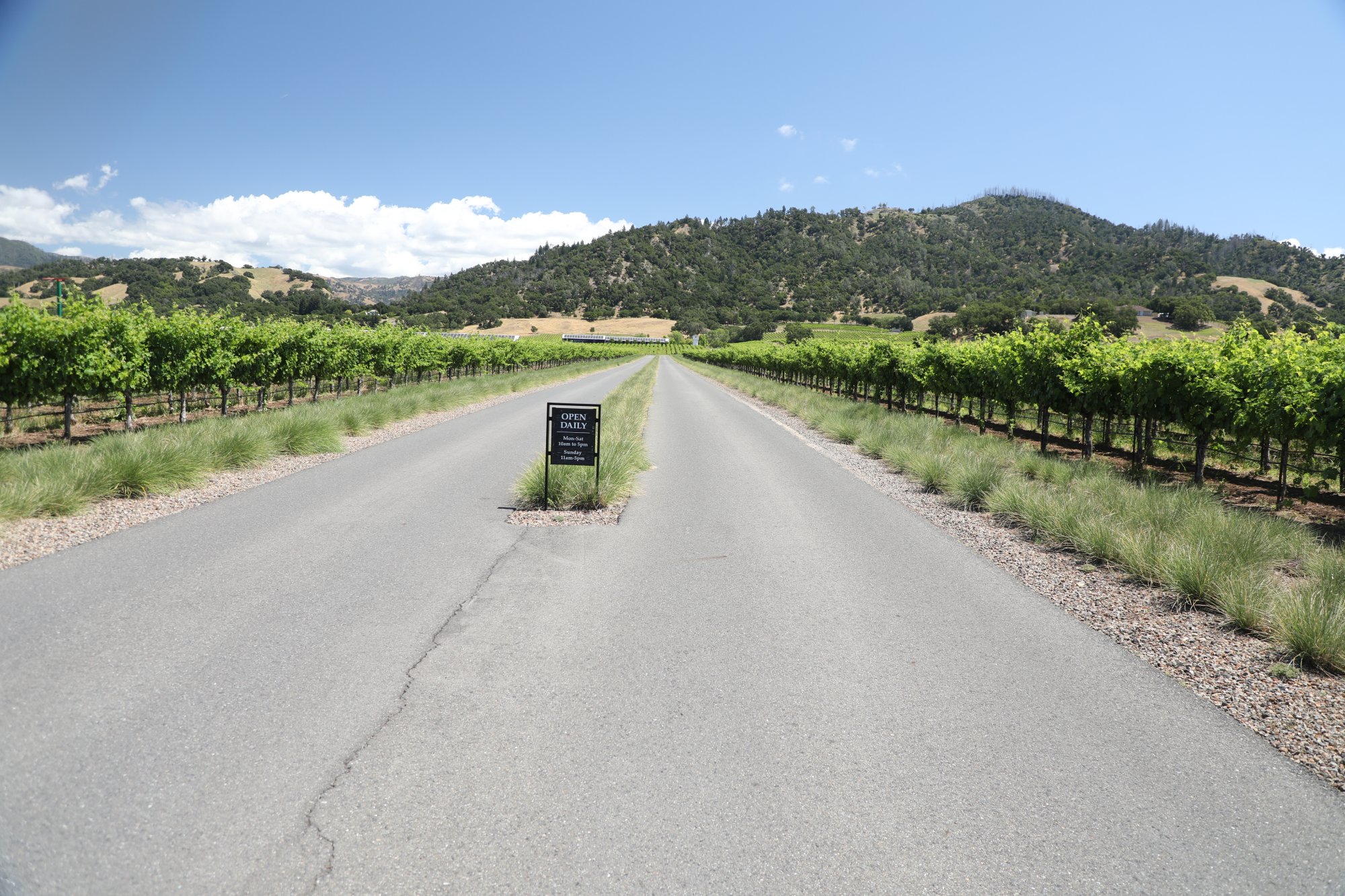
Big River Vineyard, Alexander Valley
This vineyard is located east of Fitch Mountain near Healdsburg and is located on the west side of the AVA. Previous owners were Dry Creek Valley based Bella Winery. During their ownership, the site was planted to old vine Zinfandel and other varieties including Grenache and Syrah. It is currently planted to Cabernet Sauvignon and Petit Verdot.
Known for being a slightly cooler site than the surroundings, it is planted on top of a ridge. Its name comes from the Russian River, by far the largest river flowing through Alexander Valley. In fact, the Russian River surrounds Big River Vineyard on three sides due to its sharp U-turn shape. And the vineyard backs up against the grounds of the Rio Lindo Adventist Academy and a small residential neighborhood, all within a gated community. The reddish soils are well-drained and are composed of several types of loam and silt. Silver Oak purchased this 68-acre property in 2017.
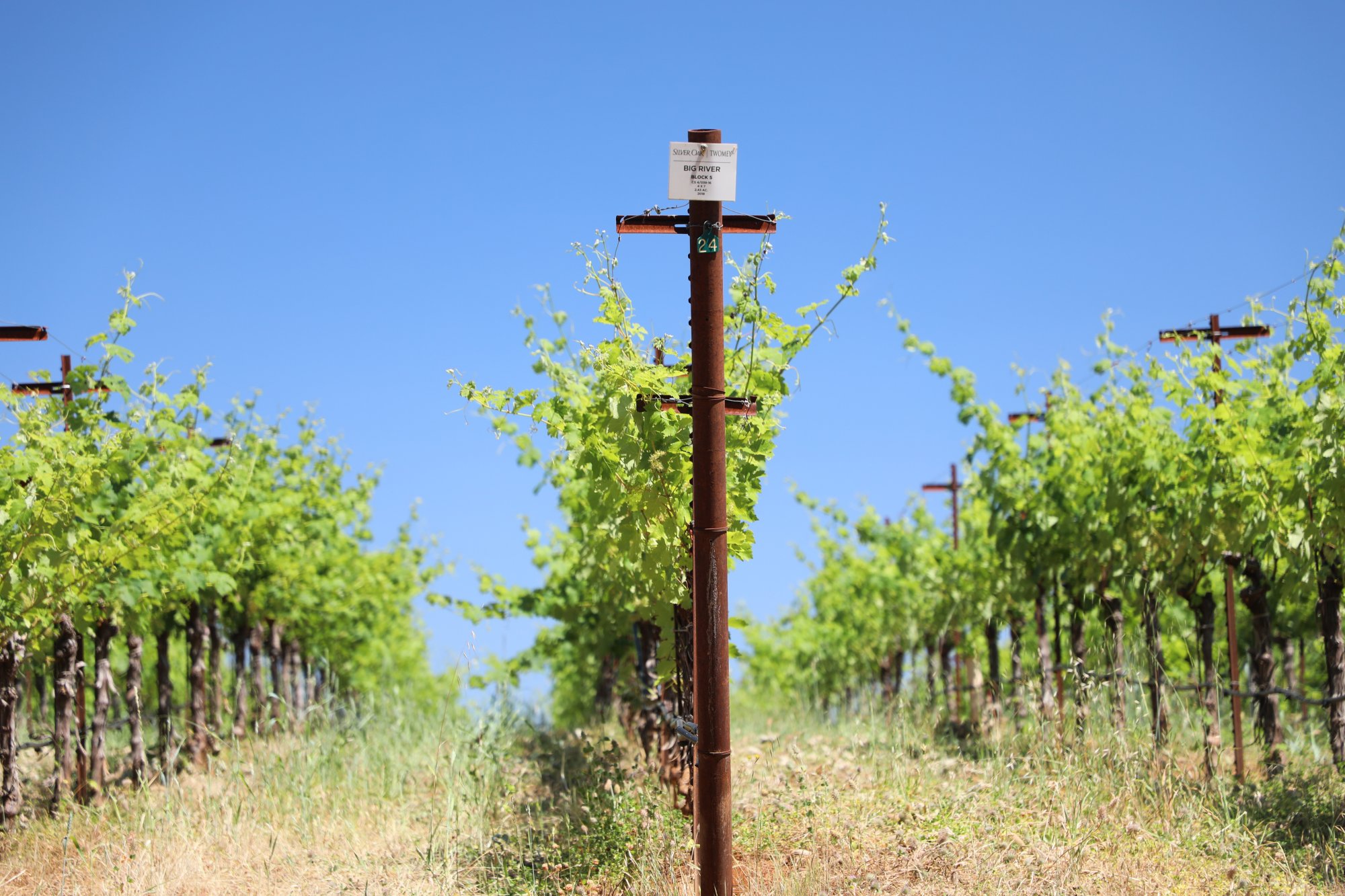
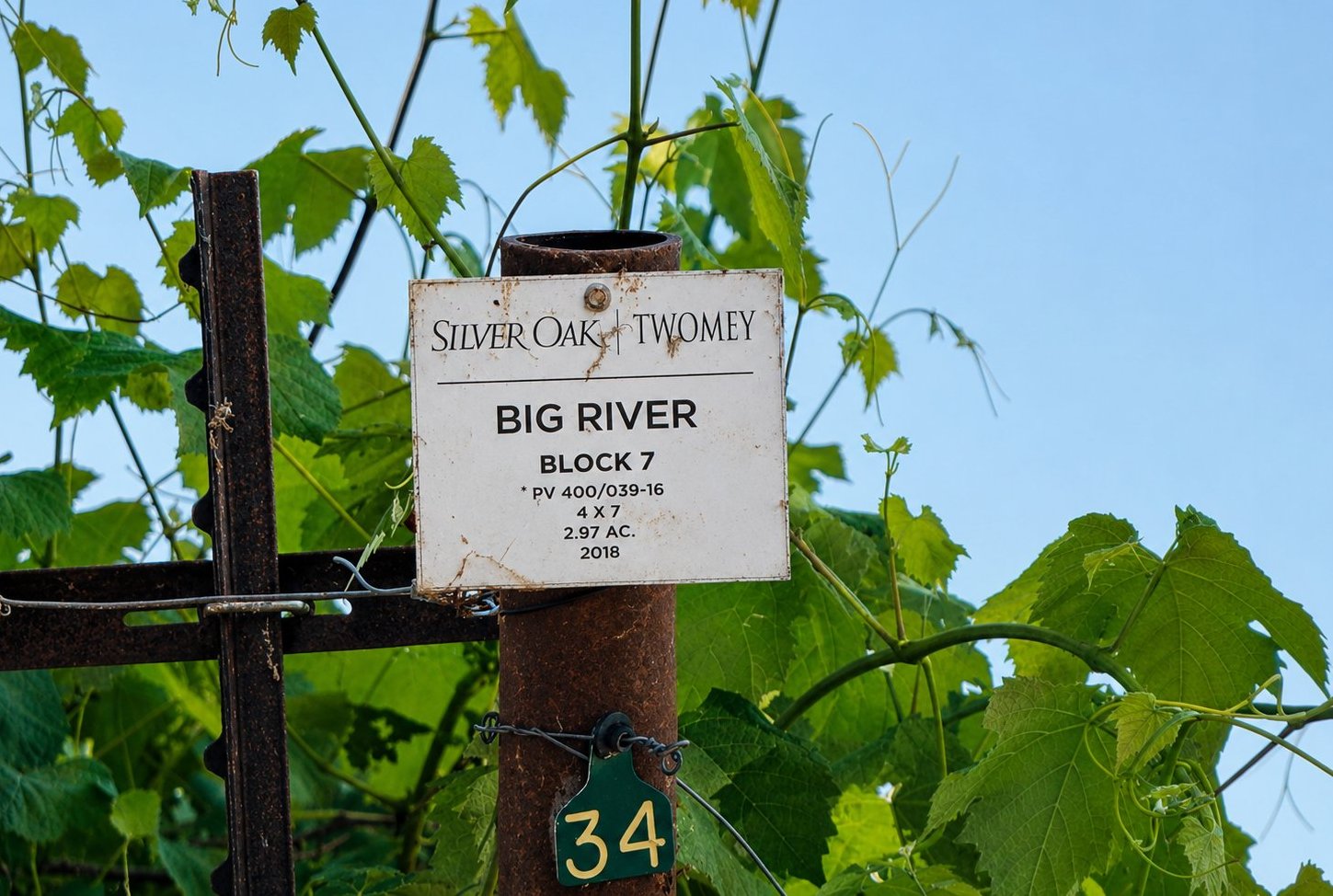
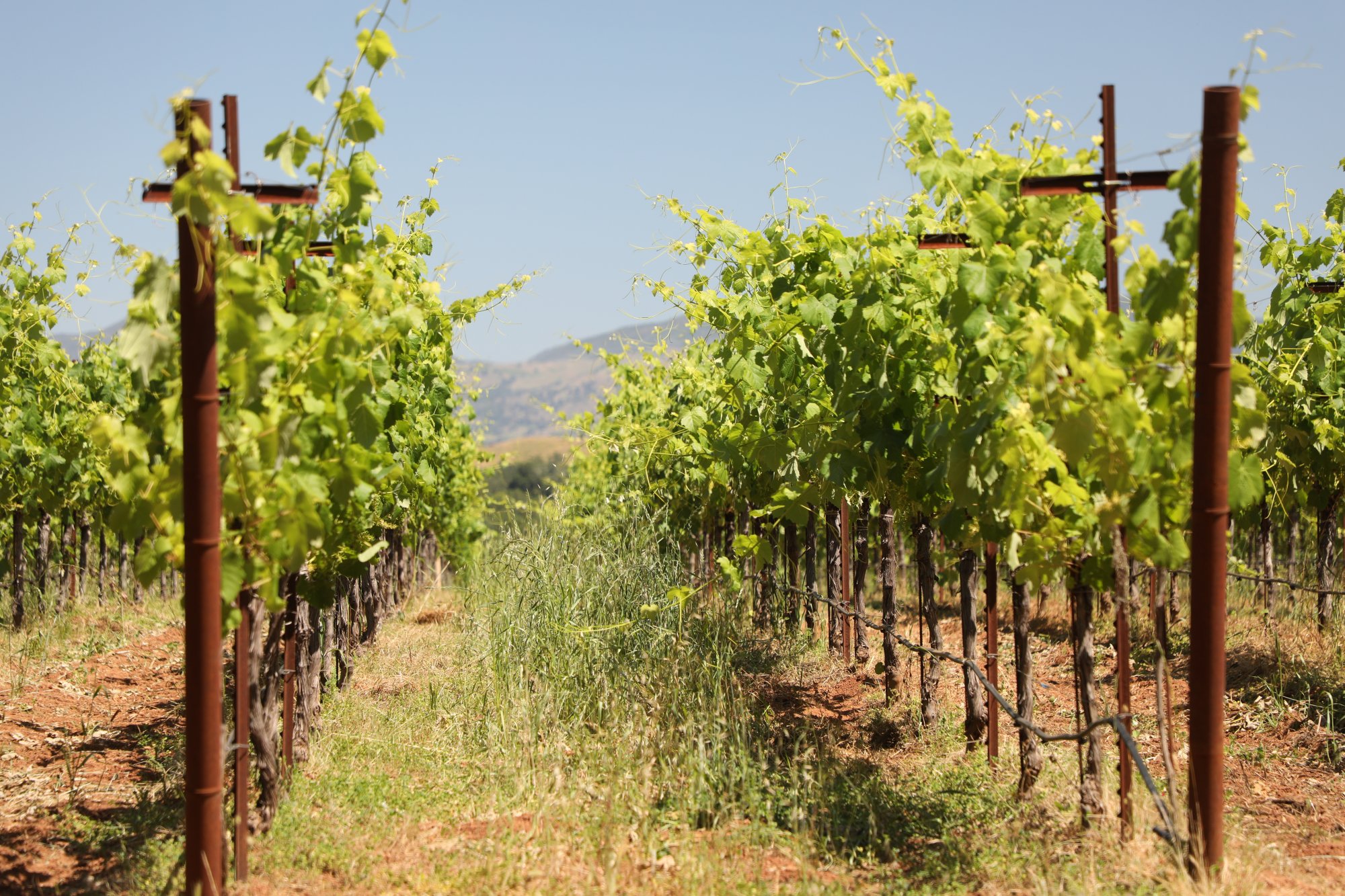
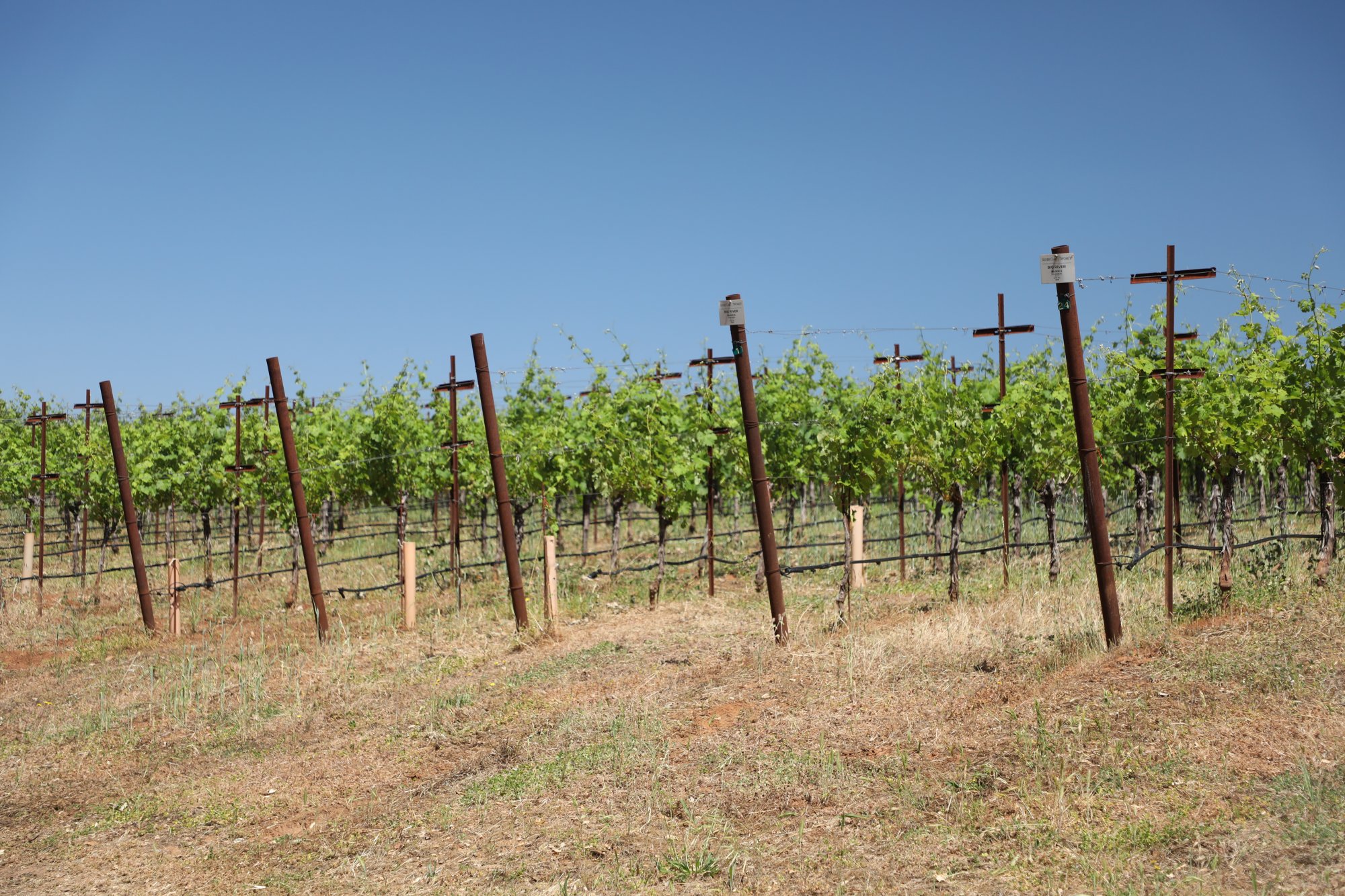
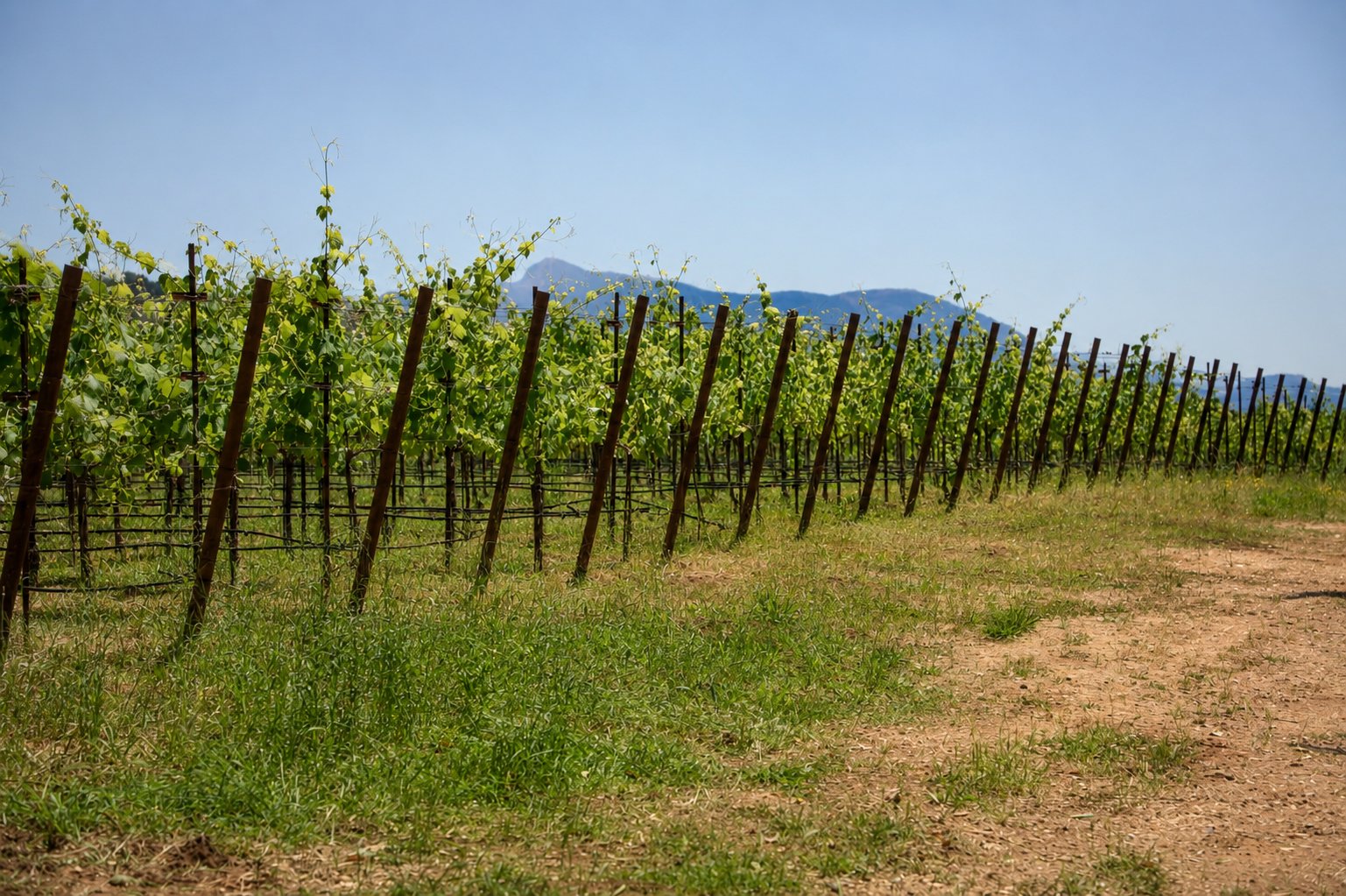
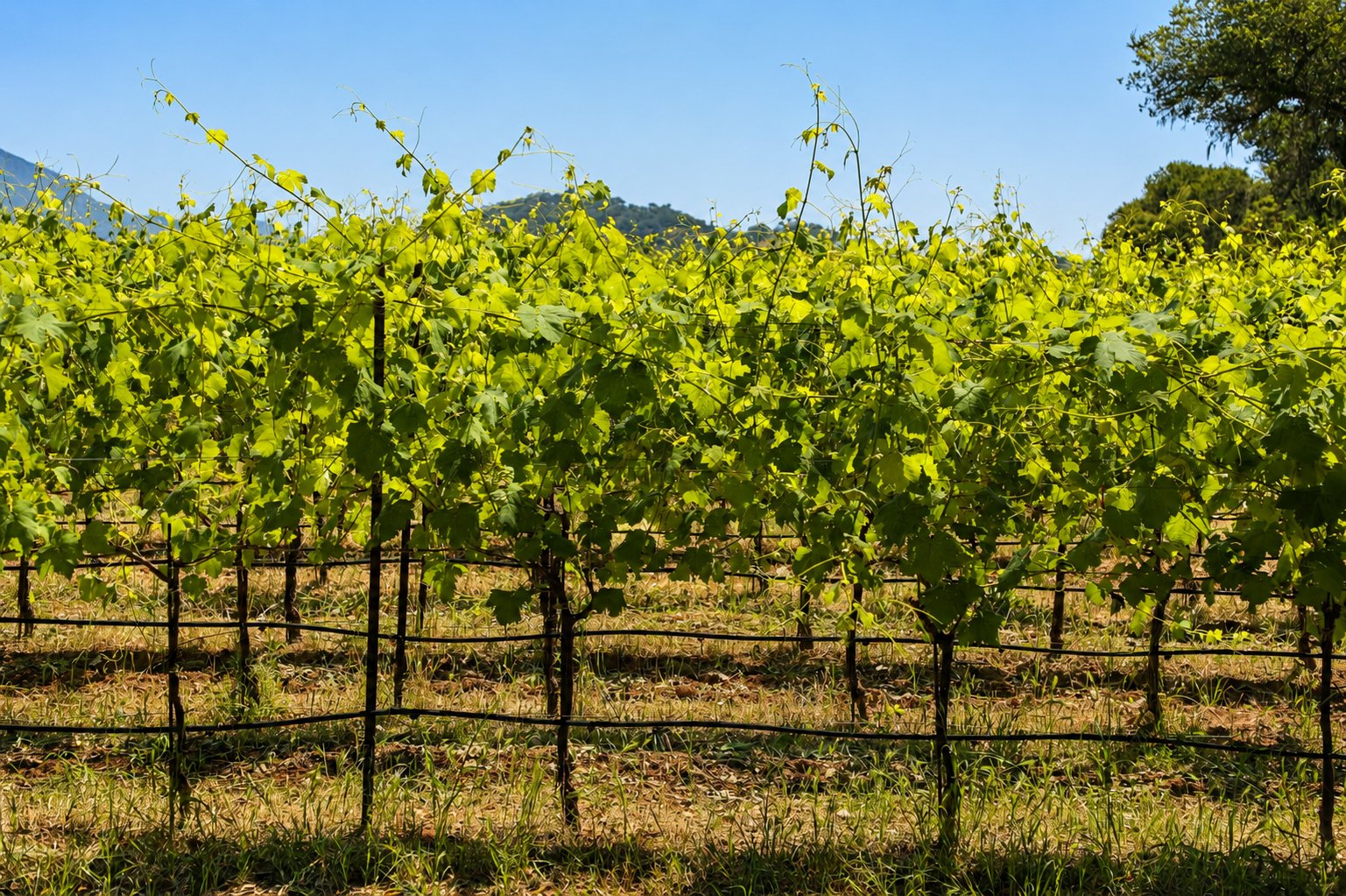
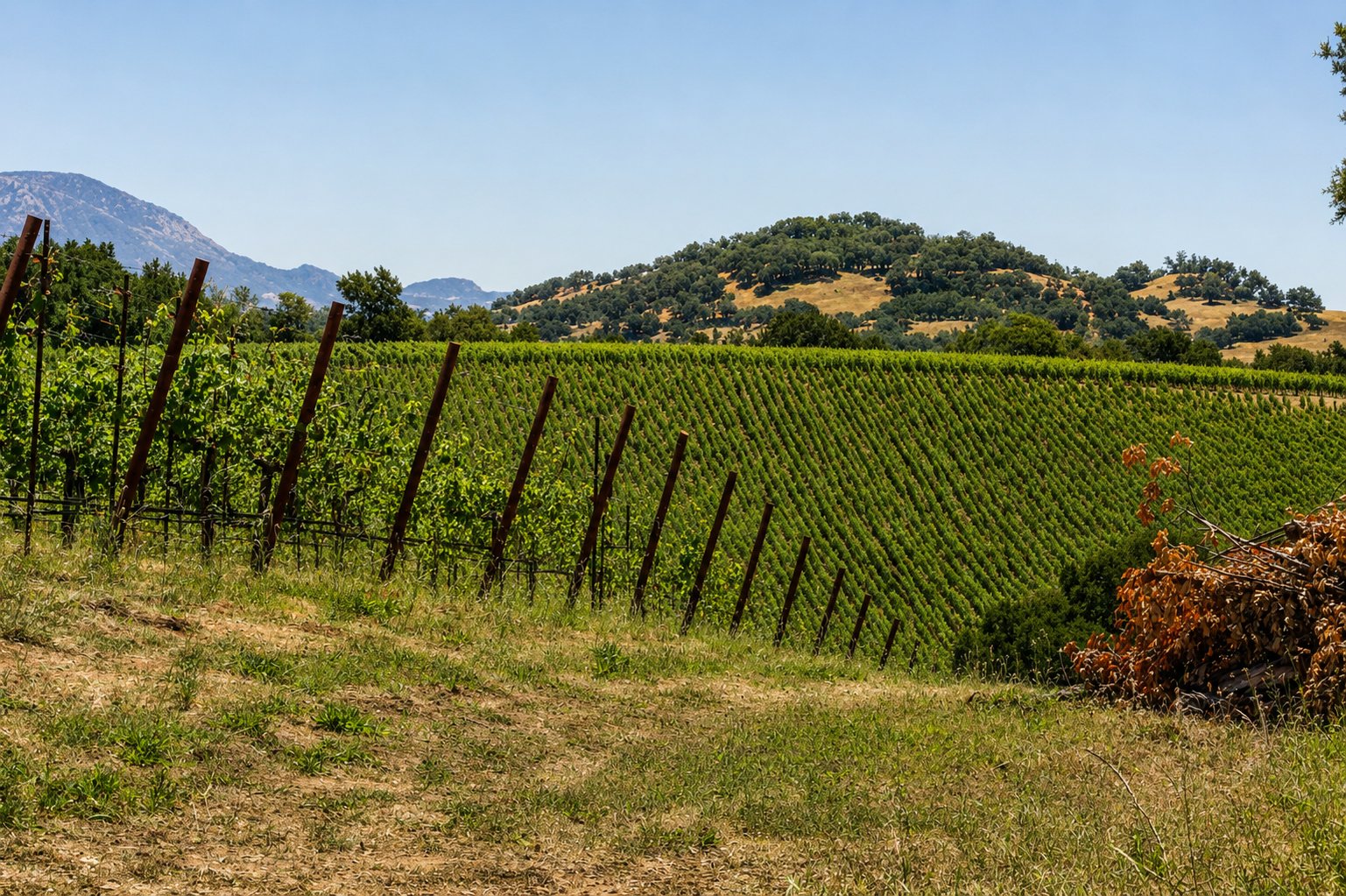
Crazy Creek Vineyard, Alexander Valley
Silver Oak purchased this property in 2016. The vines grow on benchlands featuring several types of well-drained loamy soils with several seasonal creeks running through the property. This vineyard is located on the east side of the AVA, about 5 miles northwest of Silver Oak Alexander Valley. It is planted to both Cabernet Sauvignon and Petit Verdot, with the grapes divided into 11 unique blocks. And this vineyard is particulary special due to the clonal trials currently taking place. Five different clones of Cabernet Sauvignon are planted.
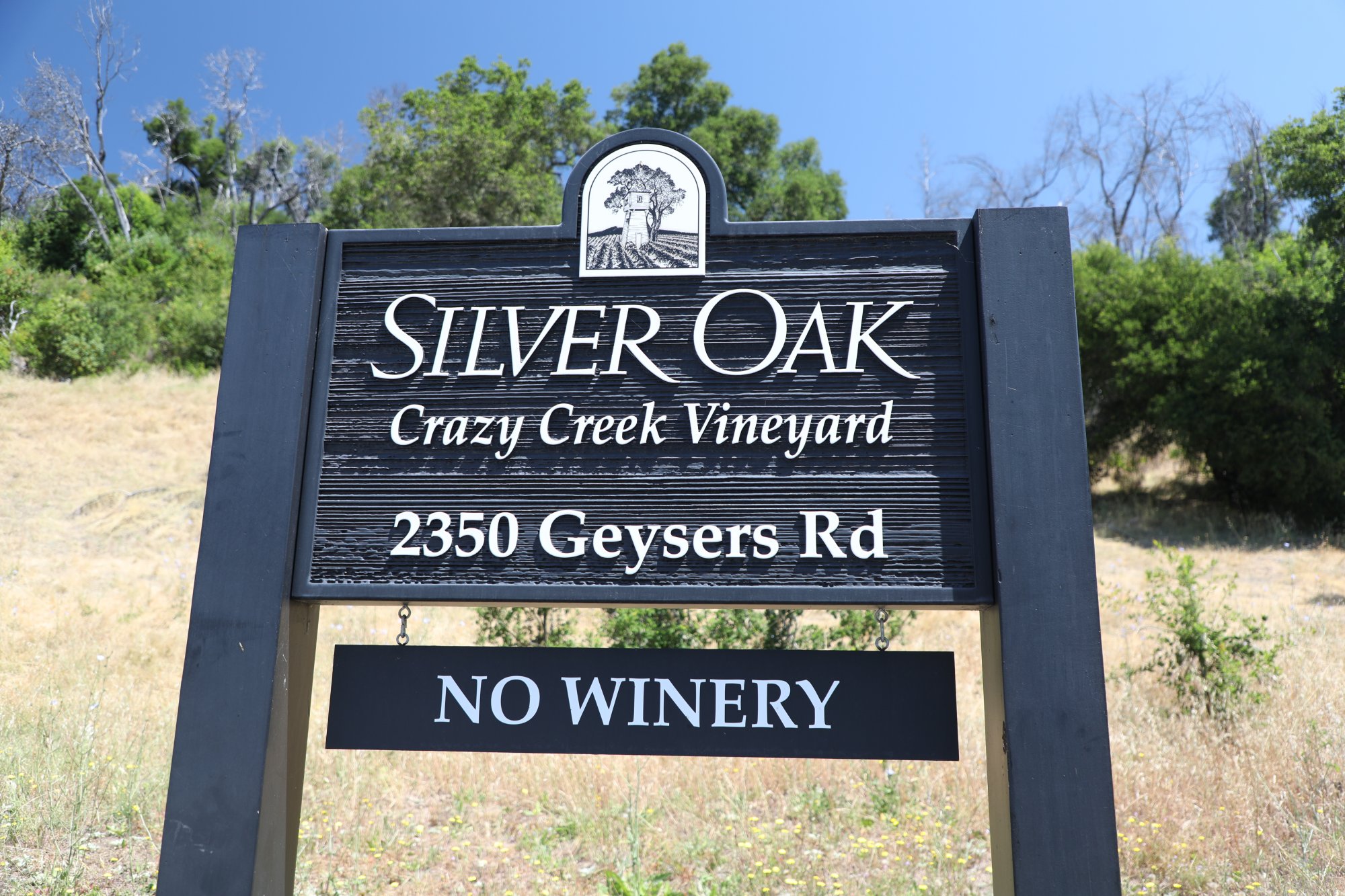
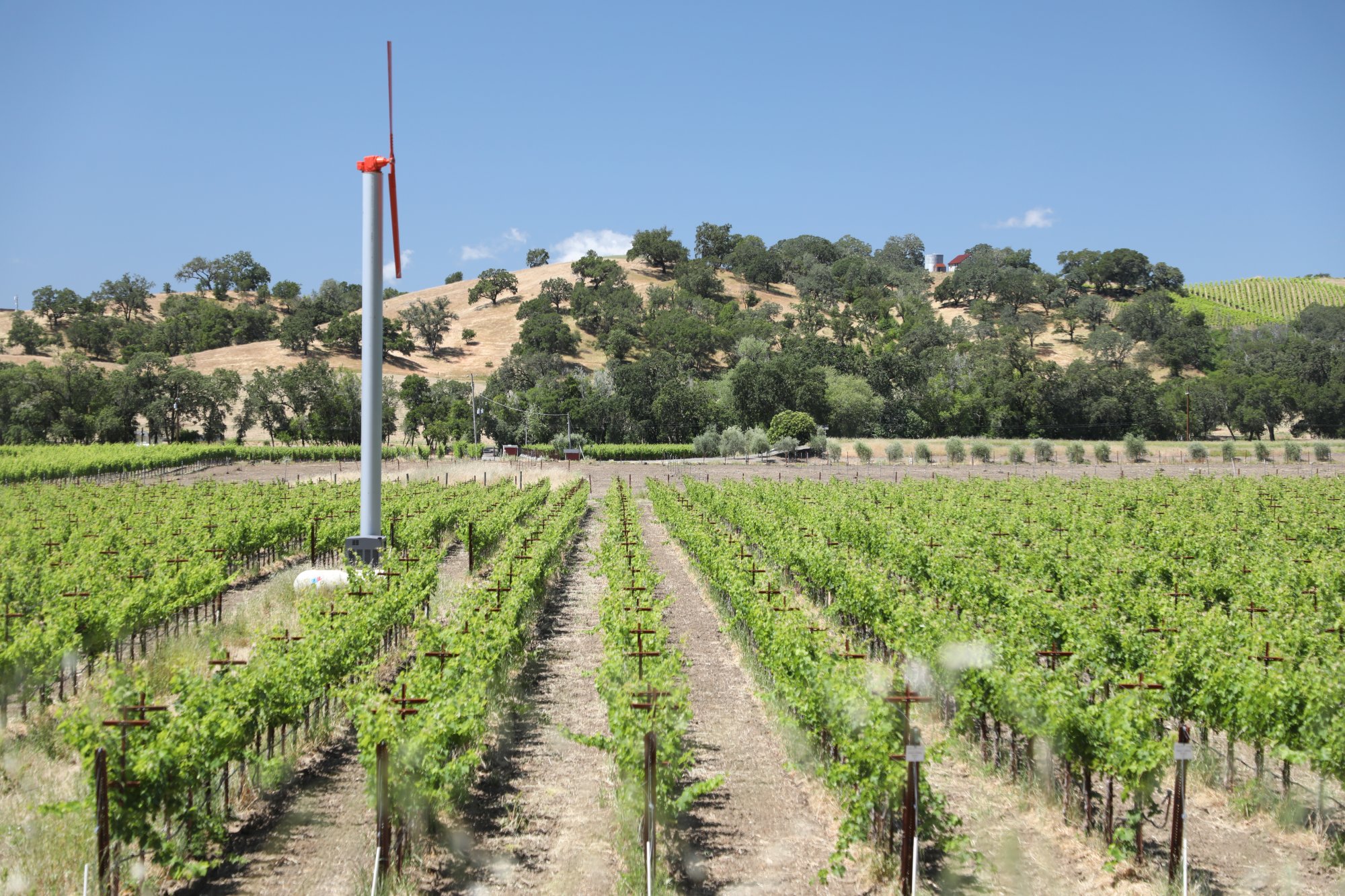
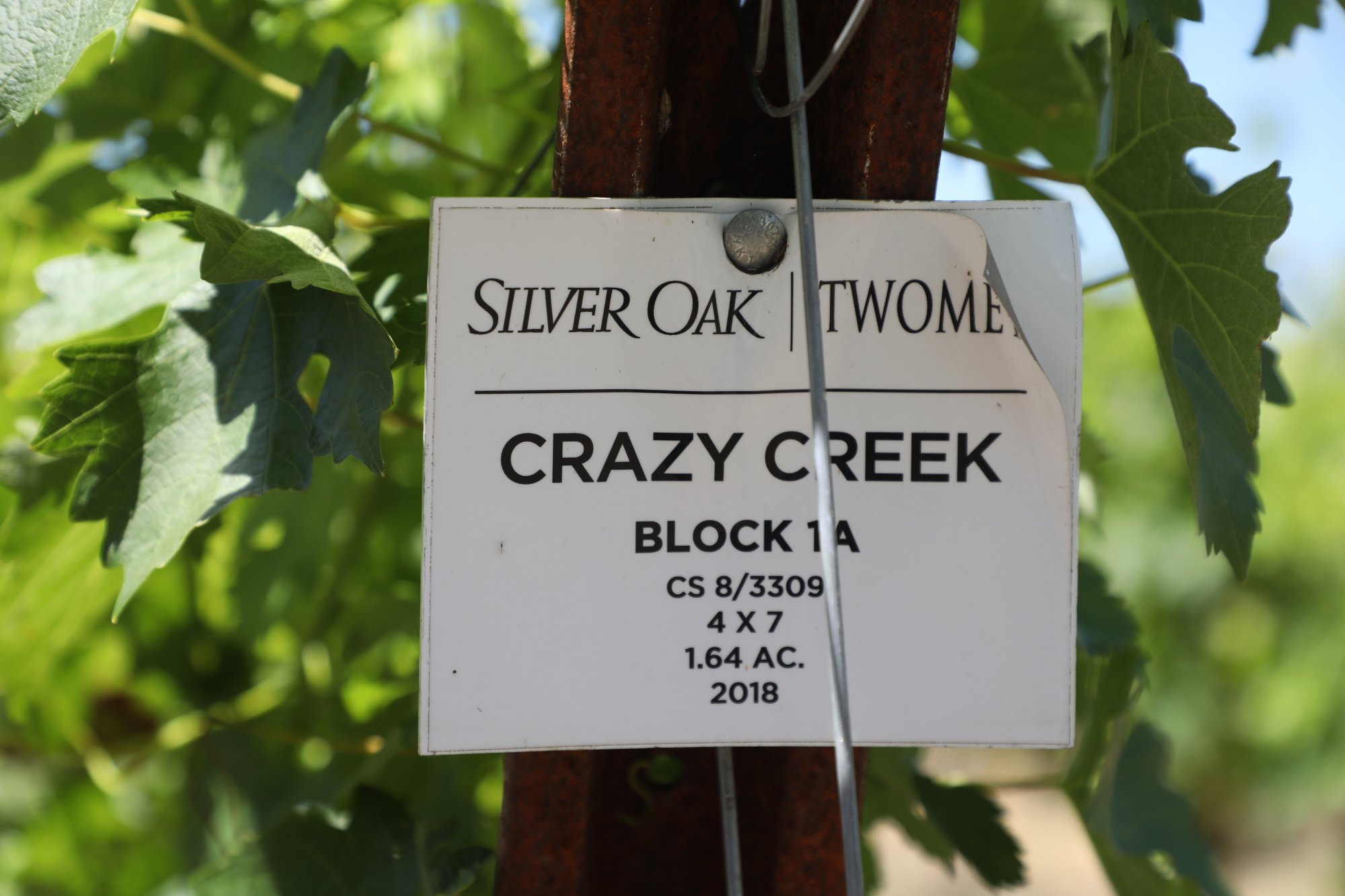
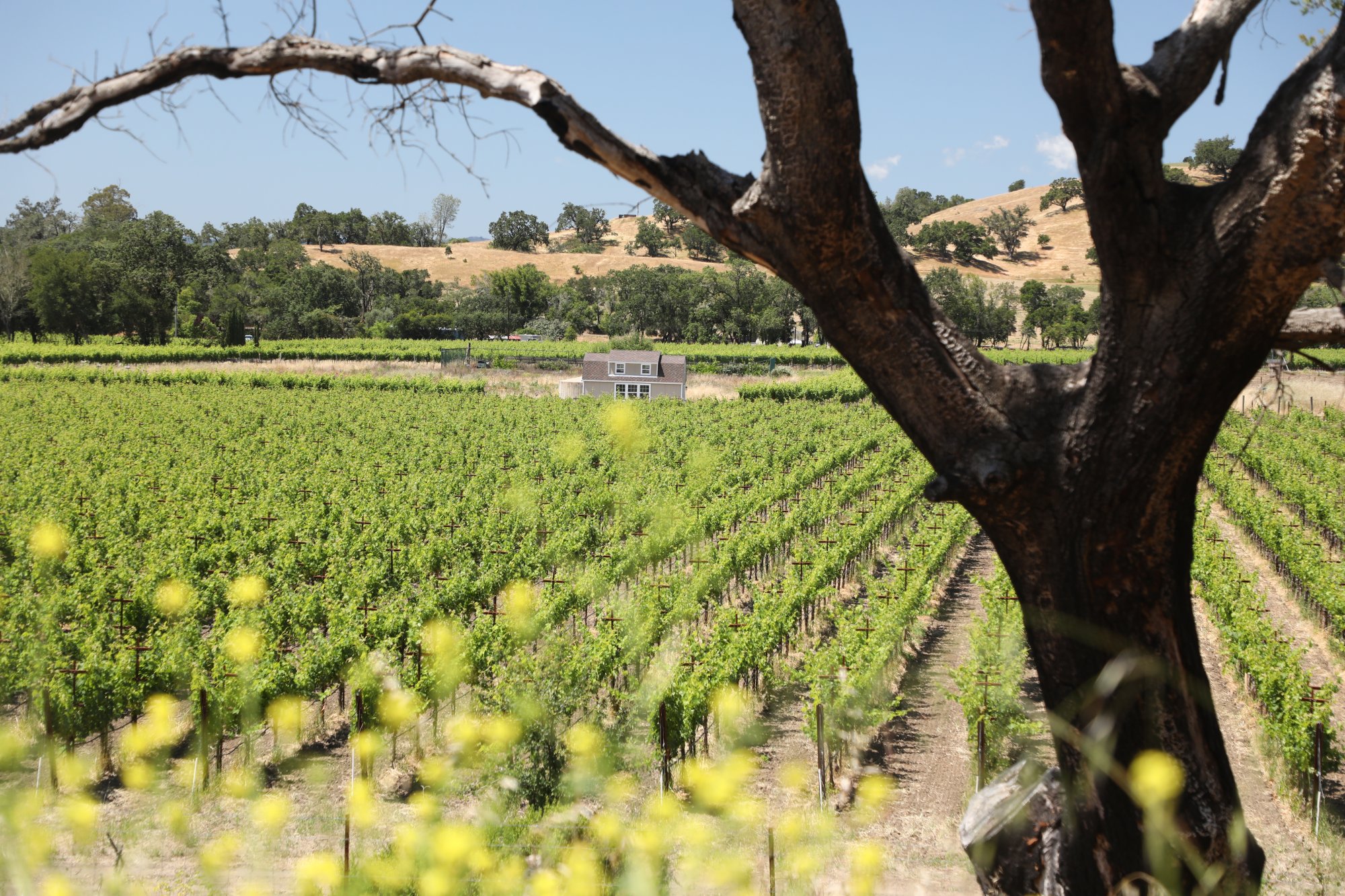
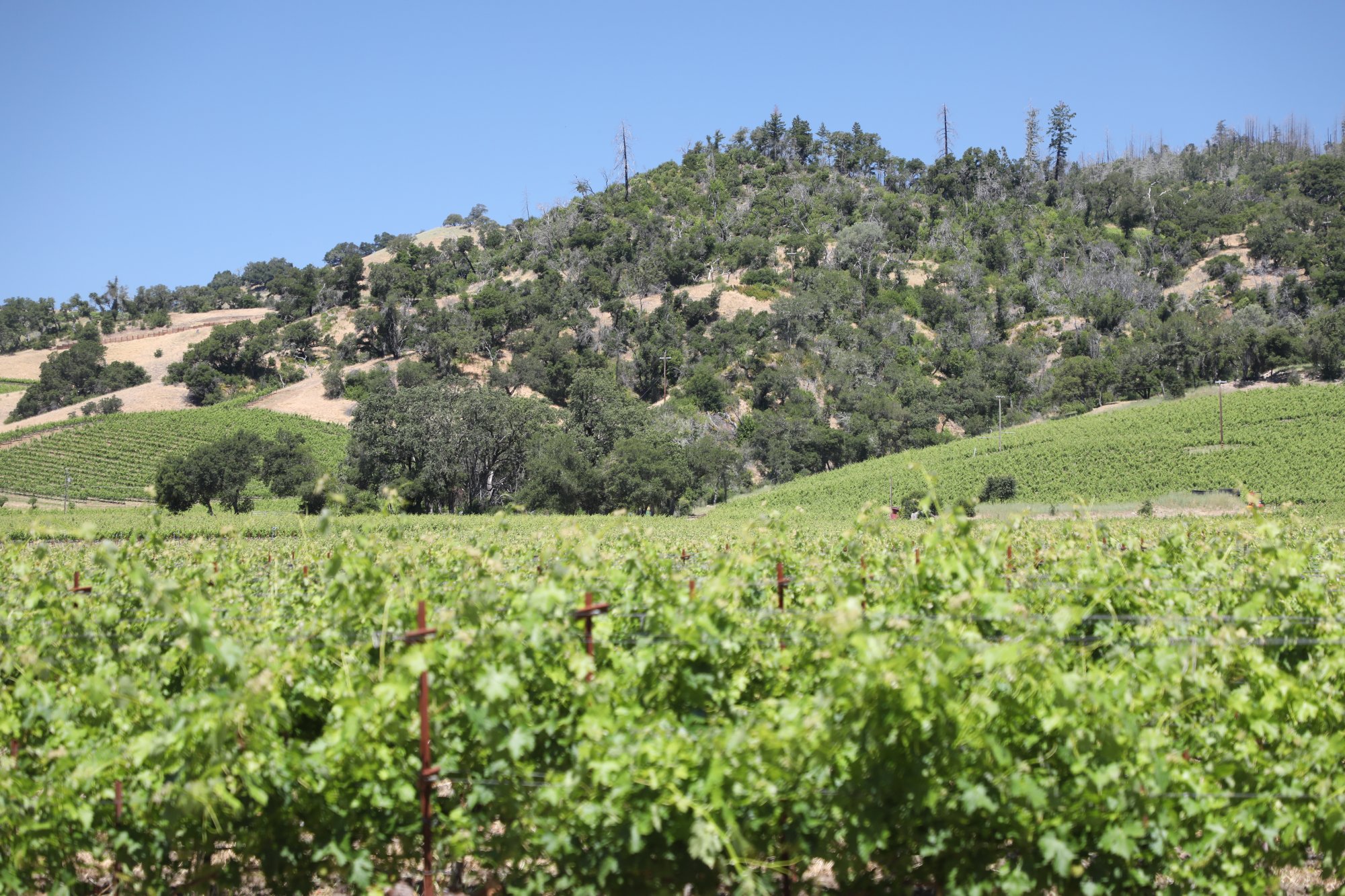
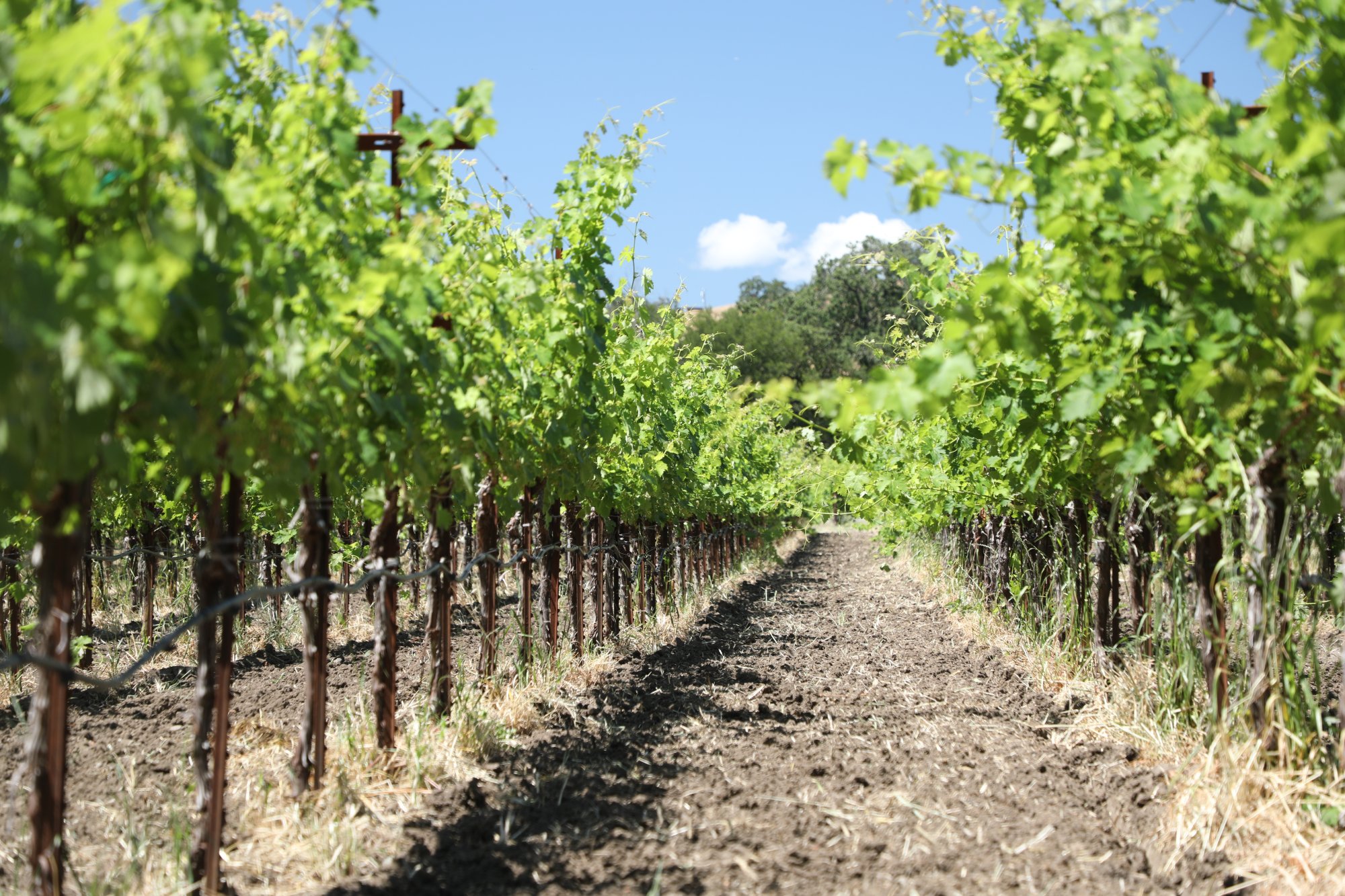
Miraval Vineyard, Alexander Valley
This vineyard is located directly along Highway 128 (on the east side) about one mile south of the entrance driveway to Silver Oak Alexander Valley. Its elevations range from 200 to 350 feet ASL. The soils here are clay and sandy loam with the topography mostly flat with some slightly sloping south-west facing slopes. This vineyard is organized into 6 blocks and is planted entirely to Cabernet Sauvignon. Its name, ‘mirar’ means to look and ‘val’ refers to valley in Spanish – which literally translates to, ‘view of the valley’. The name for this vineyard was chosen by one of Silver Oak’s employees through a, name-the-vineyard contest. Grapes here were first planted on site in the 1920s; Silver Oak purchased this property in 1987 and did a major replant in 2026/2027 – pulling out vines that dated from 1986. A small white water tower greets passer-bys.
When the vines were pulled at Miraval in 2026, artist Brian Estudillo, founder and owner of Napa Valley based VINA ARTE was able to secure a number of these old vines. He creates artistic pieces out of old grapevines. His first works were from grapevines pulled out at Saintsbury Winery in 2023. In addition to the vines from Miraval Vineyard, he has removed vines either for or for display at other Napa Valley wineries including Franciscan Vineyards, Grgich Hills, Honig Vineyard & Winery, Hyde De Villaine, Laird Family Estate, Lewis Cellars, Oakham Estate, and Stags Leap Wine Cellars.
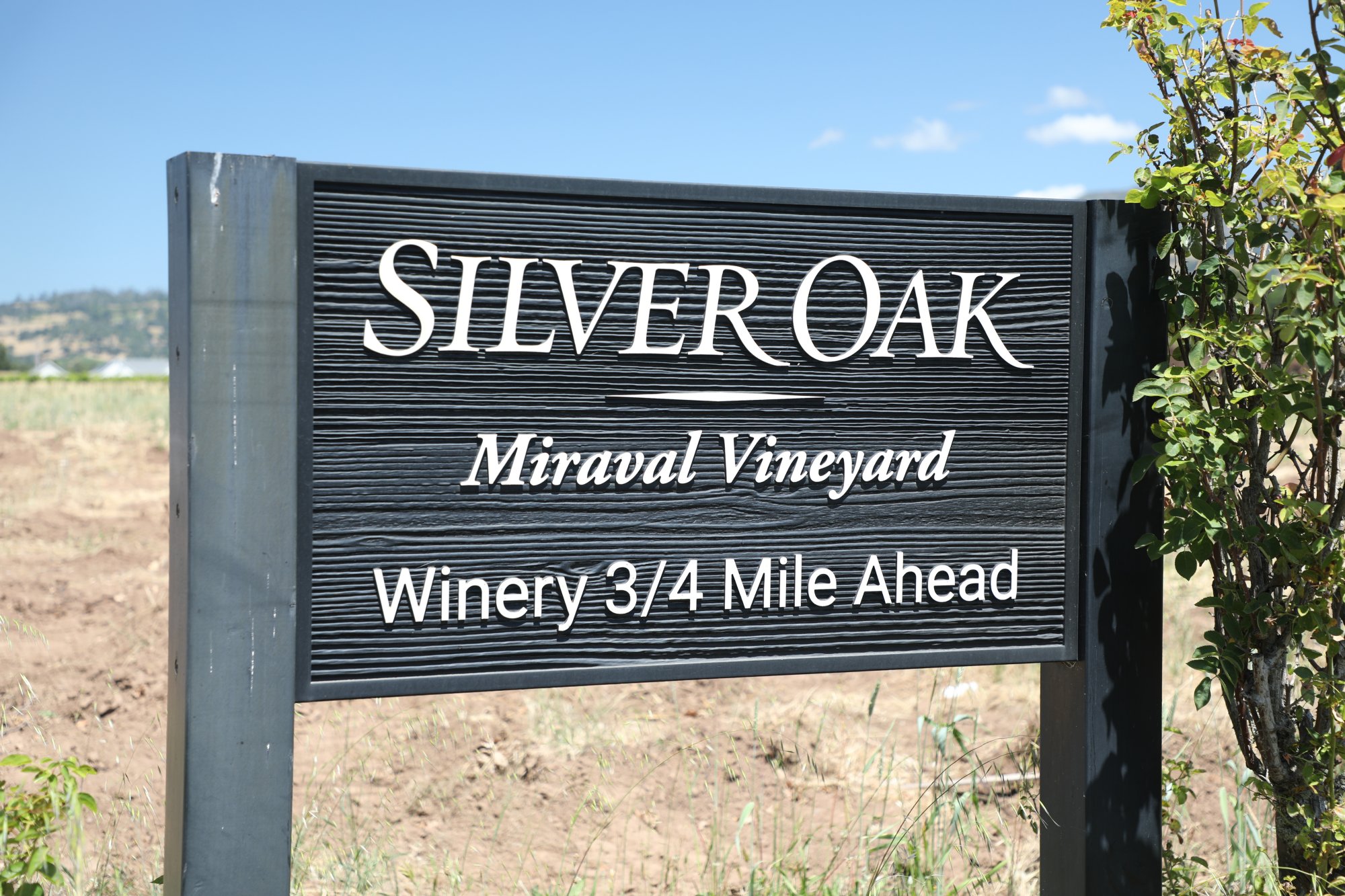
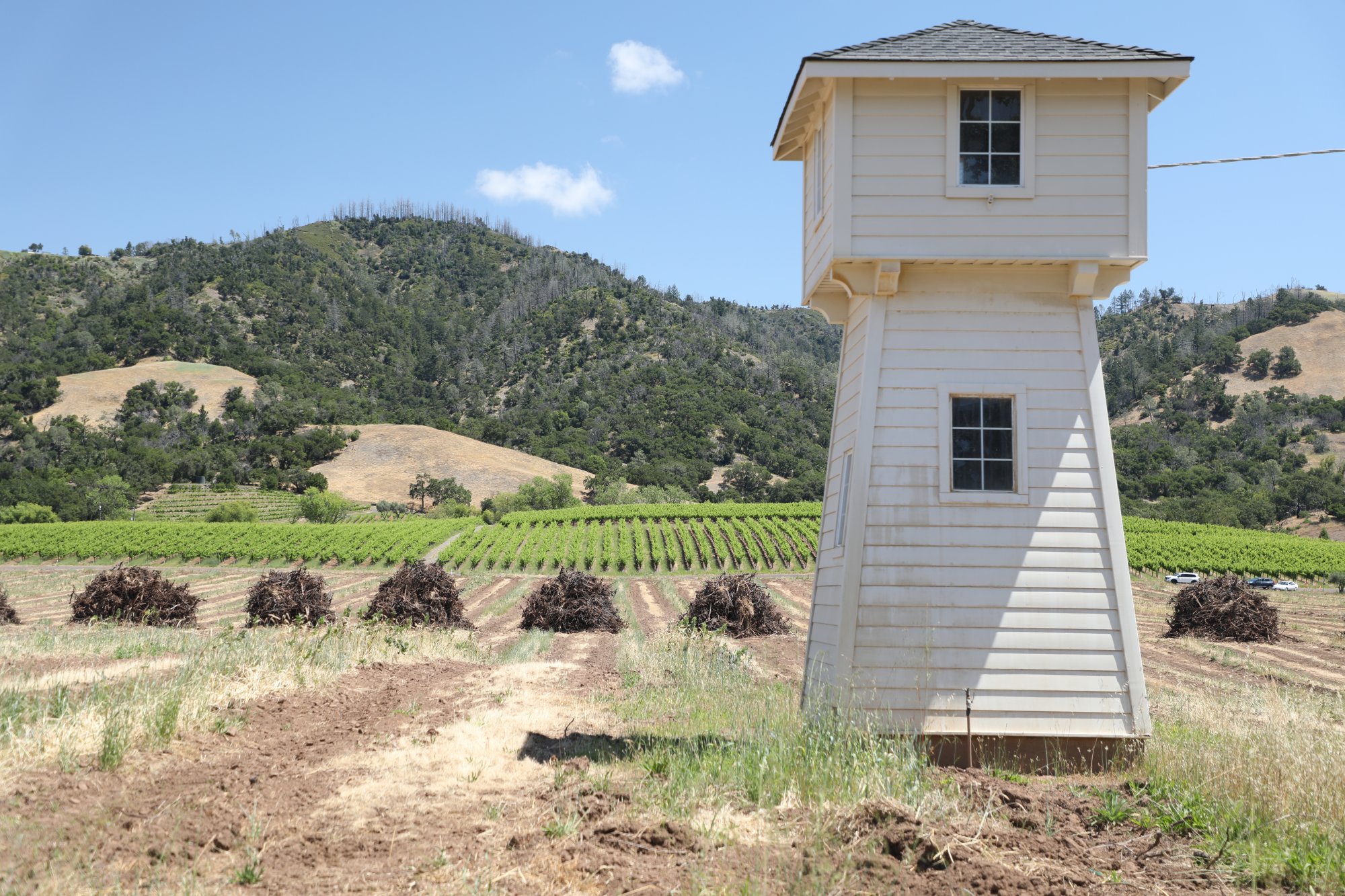
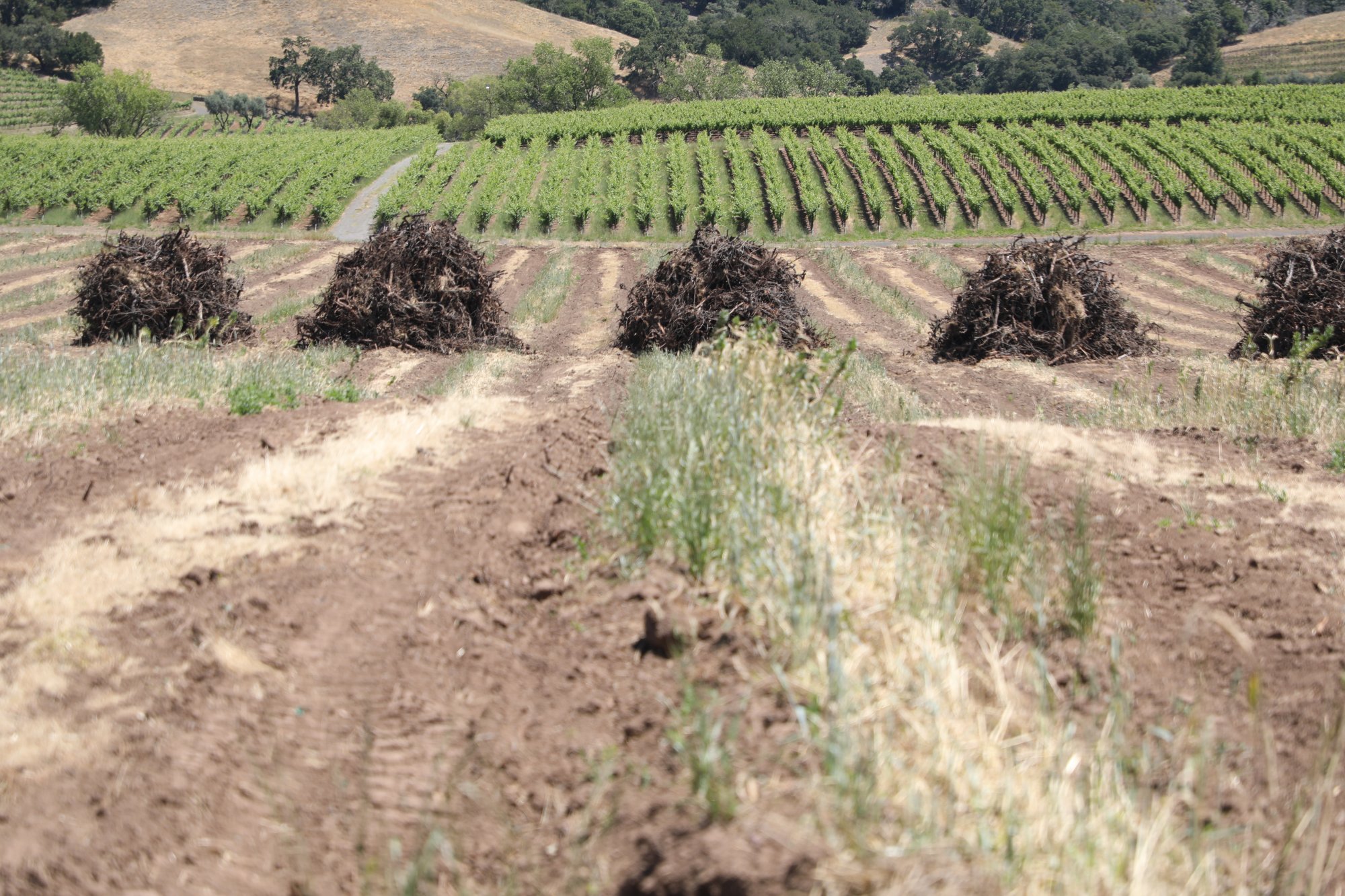
Red Tail Vineyard, Alexander Valley
This 67-acre property is planted entirely to Cabernet Sauvignon and borders Chalk Hill Ranch, a private equestrian and horse boarding facility. This vineyard is named in homage to the red-tailed hawks which commonly catch the updrafts and circle and soar high above. Silver Oak purchased this property in 1988. It is located at the southern part of the AVA, about a two mile drive east of Chalk Hill Road, at an elevation between 320 to 440 feet. Due to its location, this feels the most ‘remote’ of the Silver Oak owned vineyards in Alexander Valley. The vines grow in well-drained clay and sandy loam soils planted on rolling hills. This is a spectacular property.
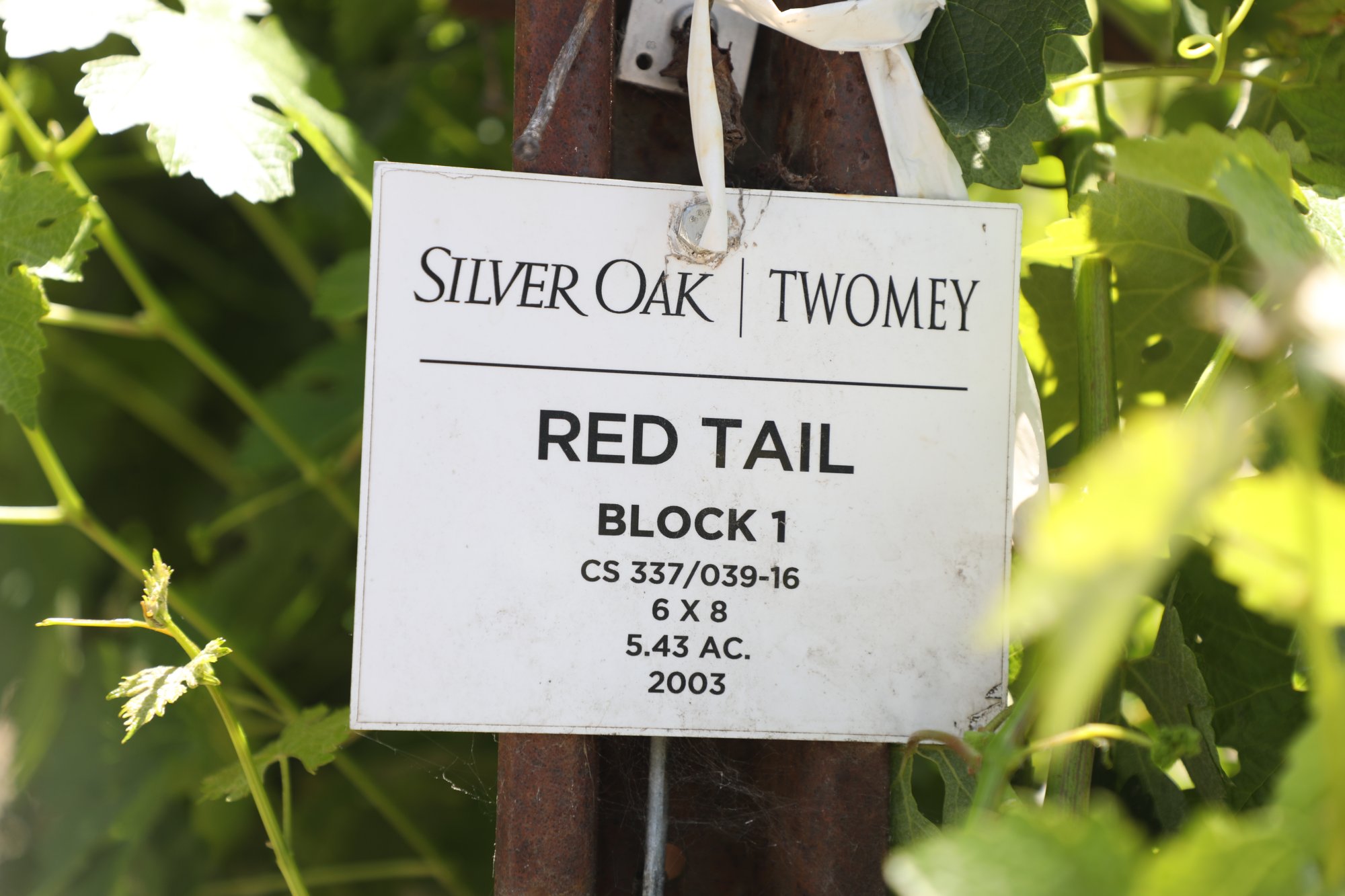
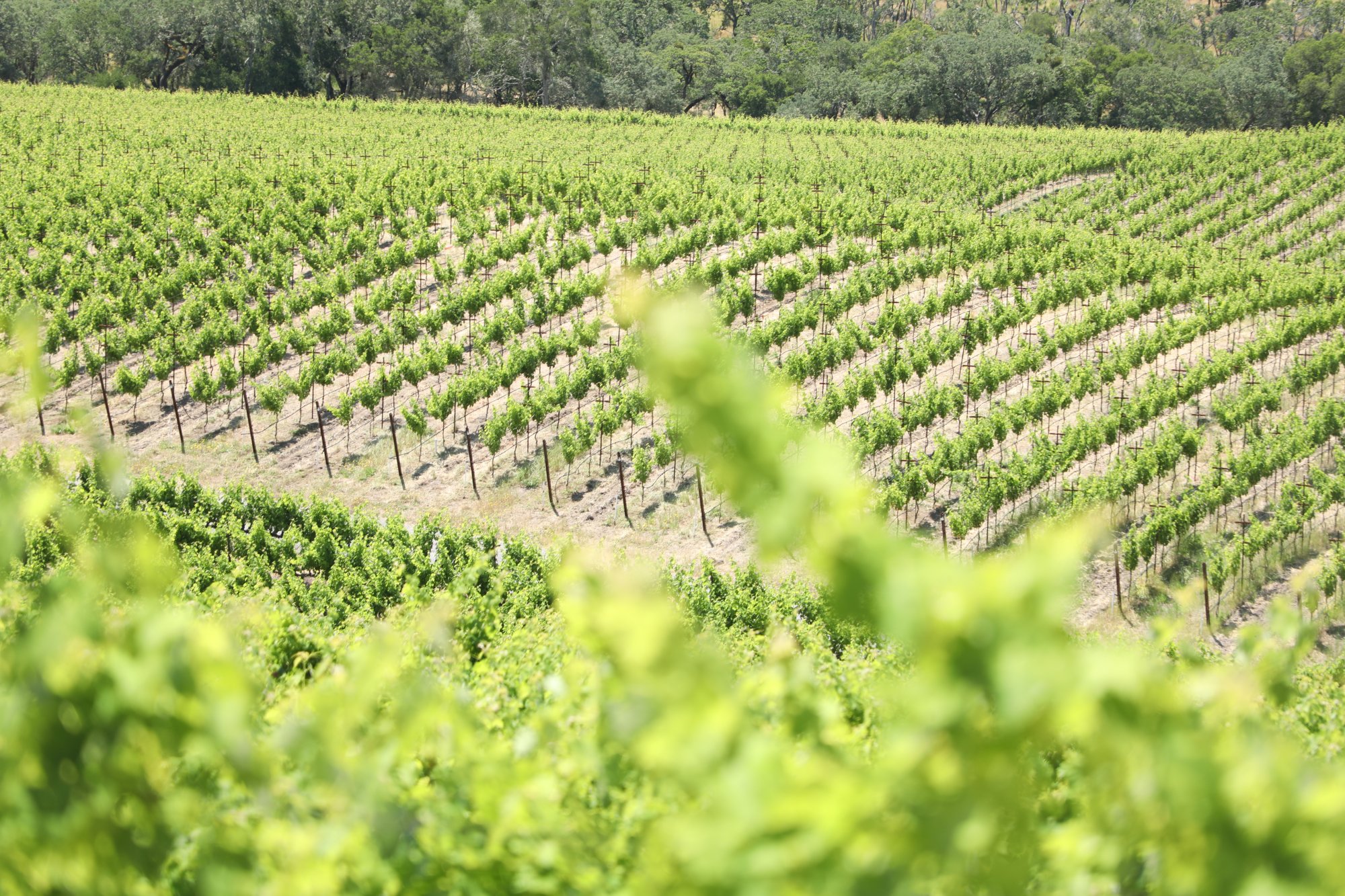
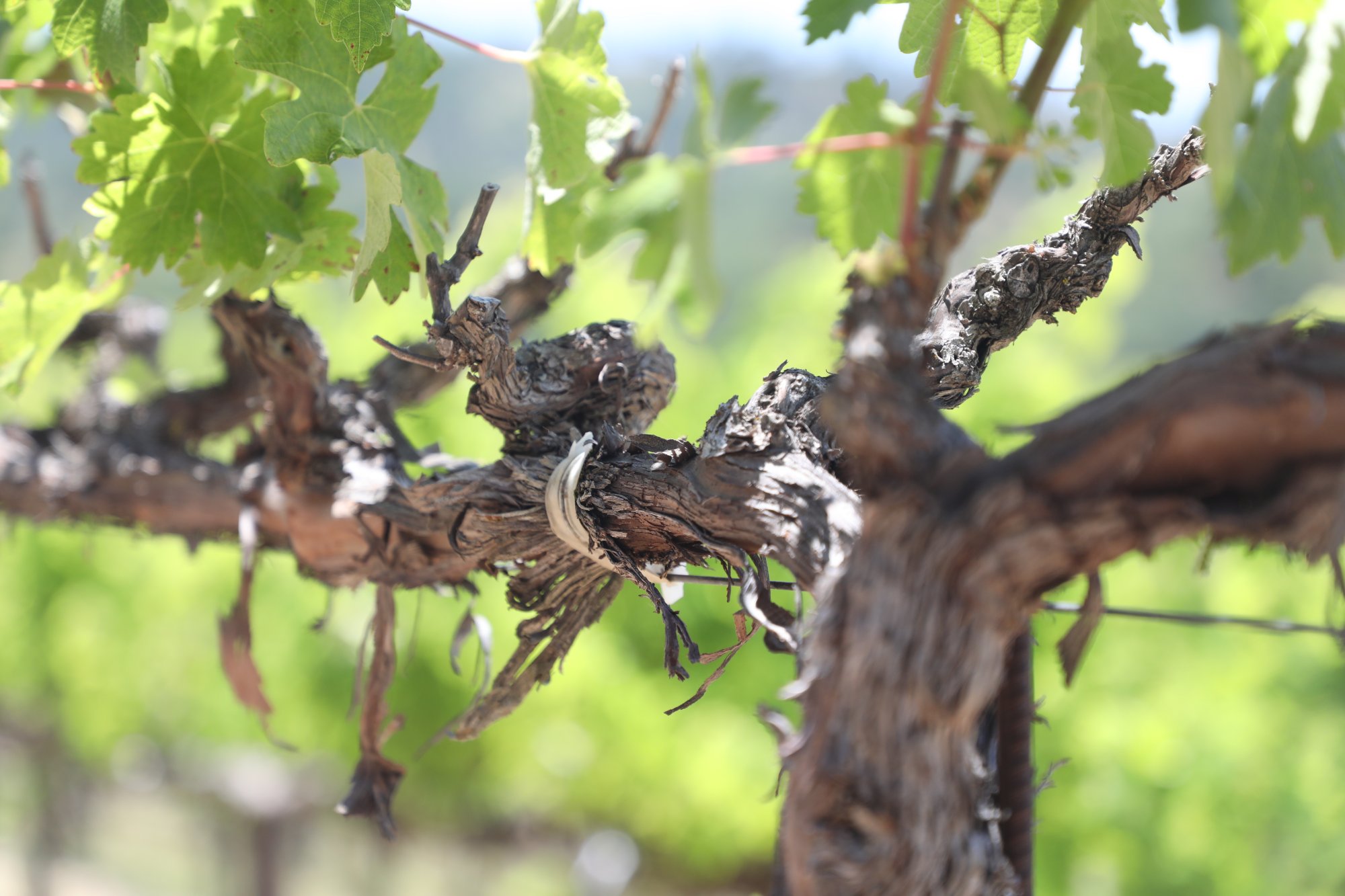
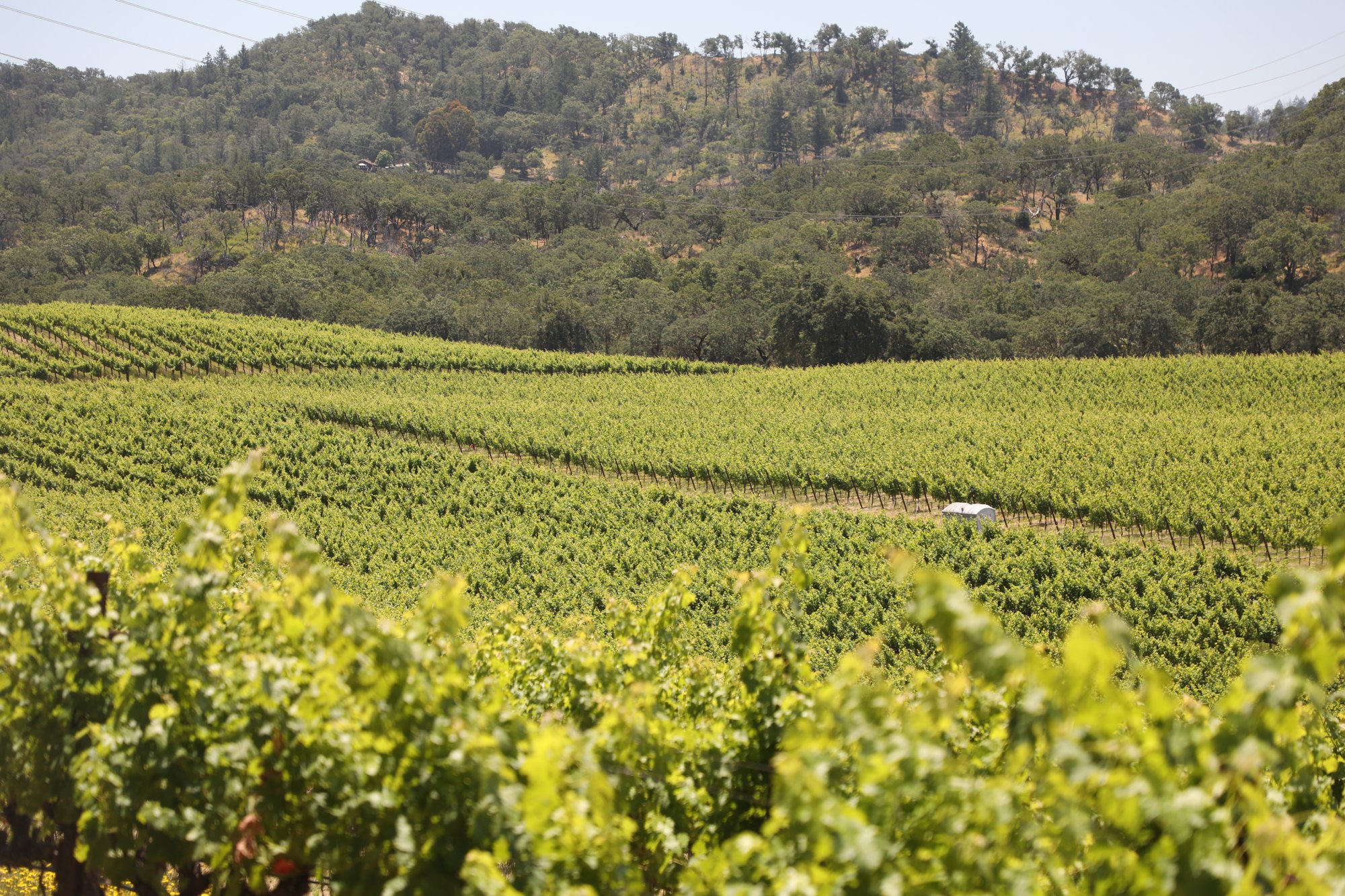
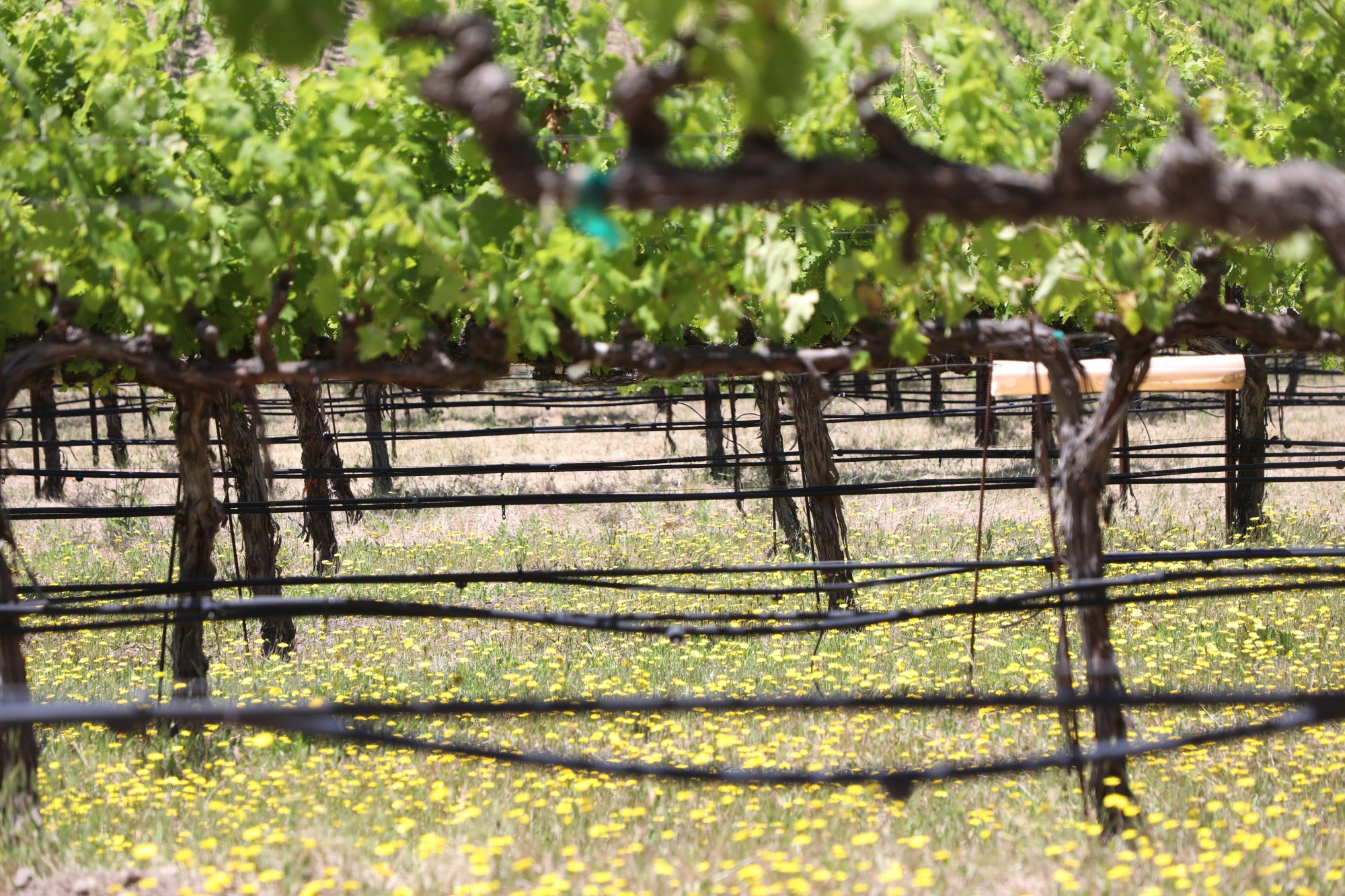
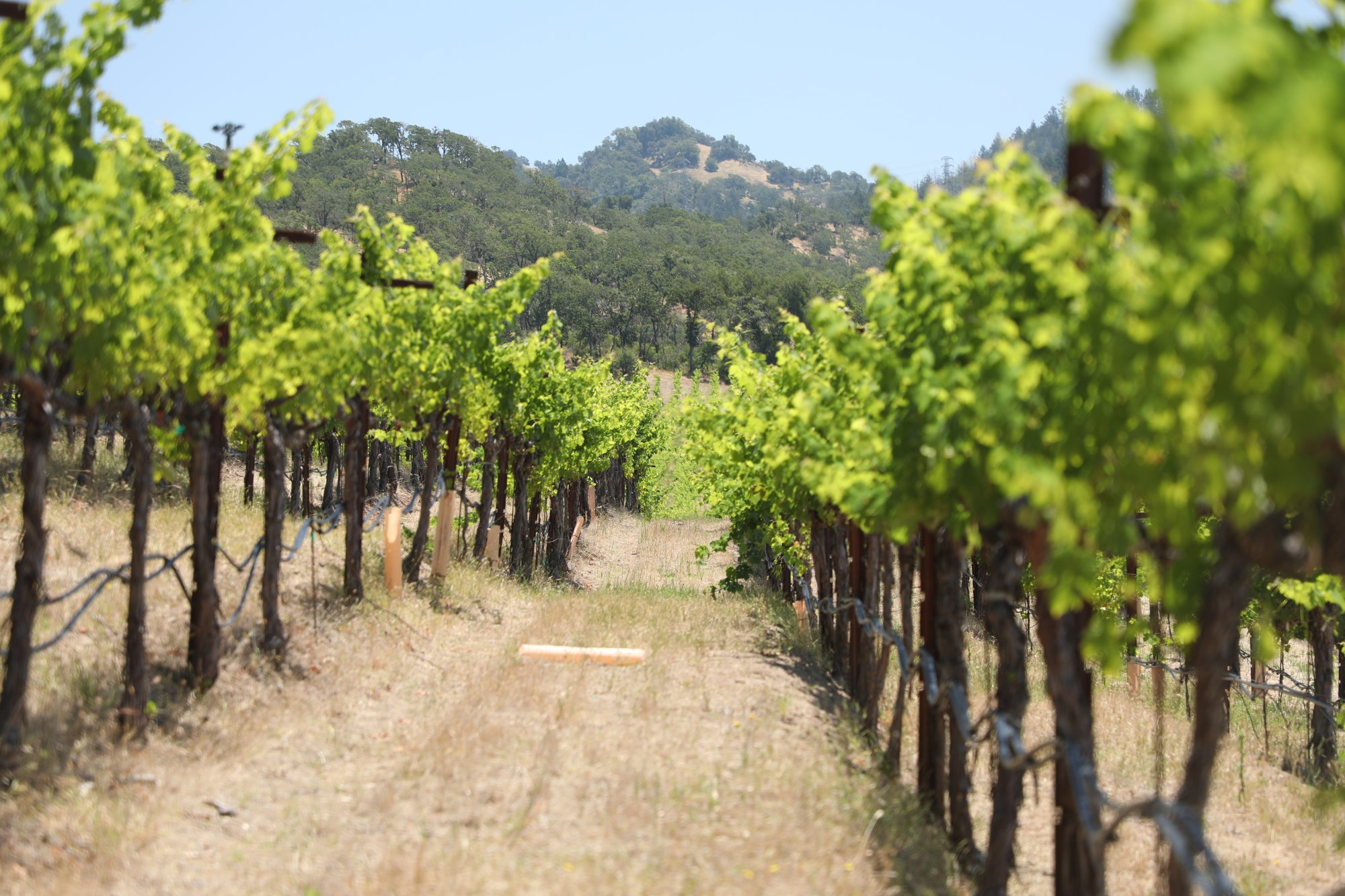

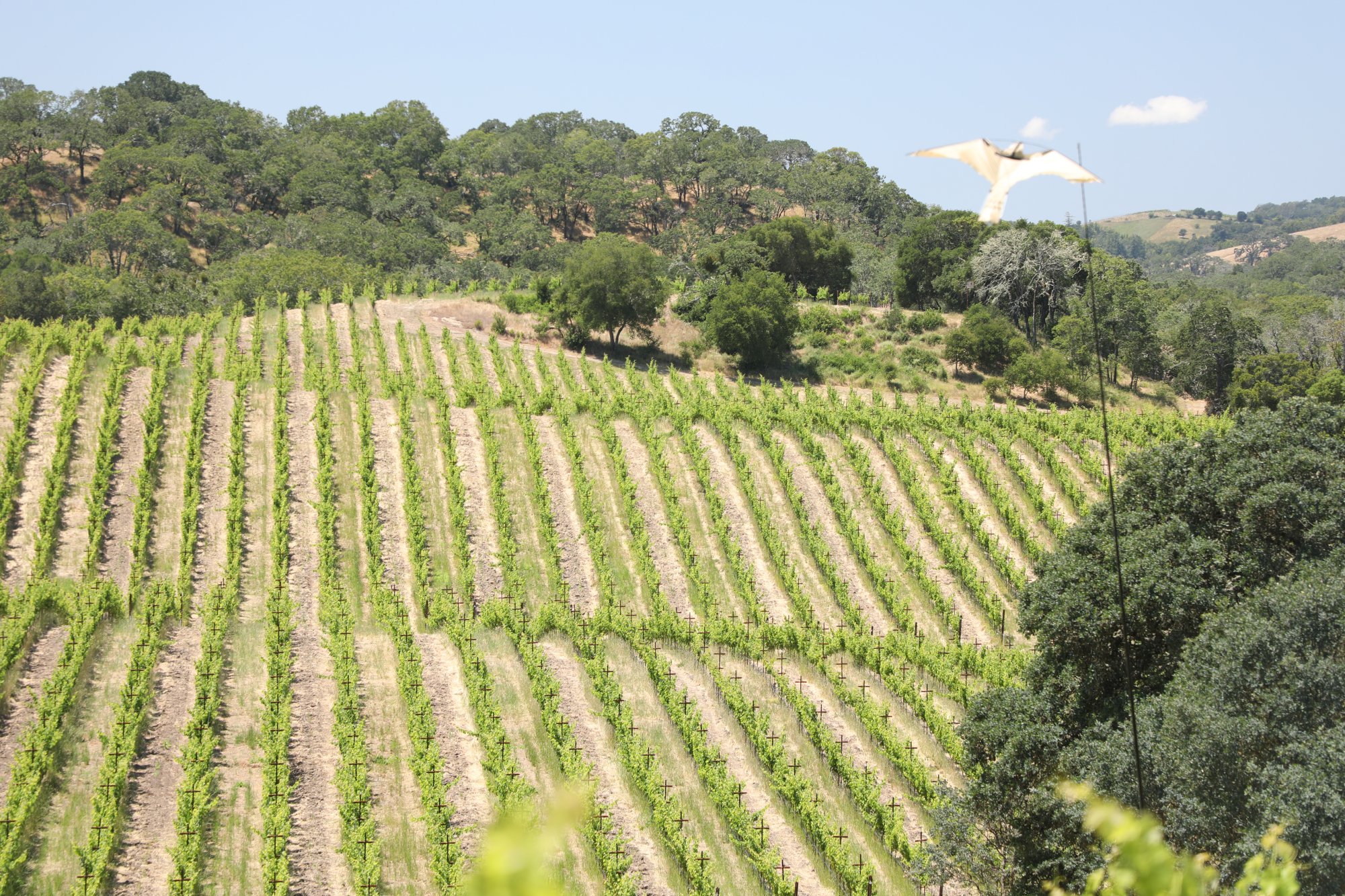
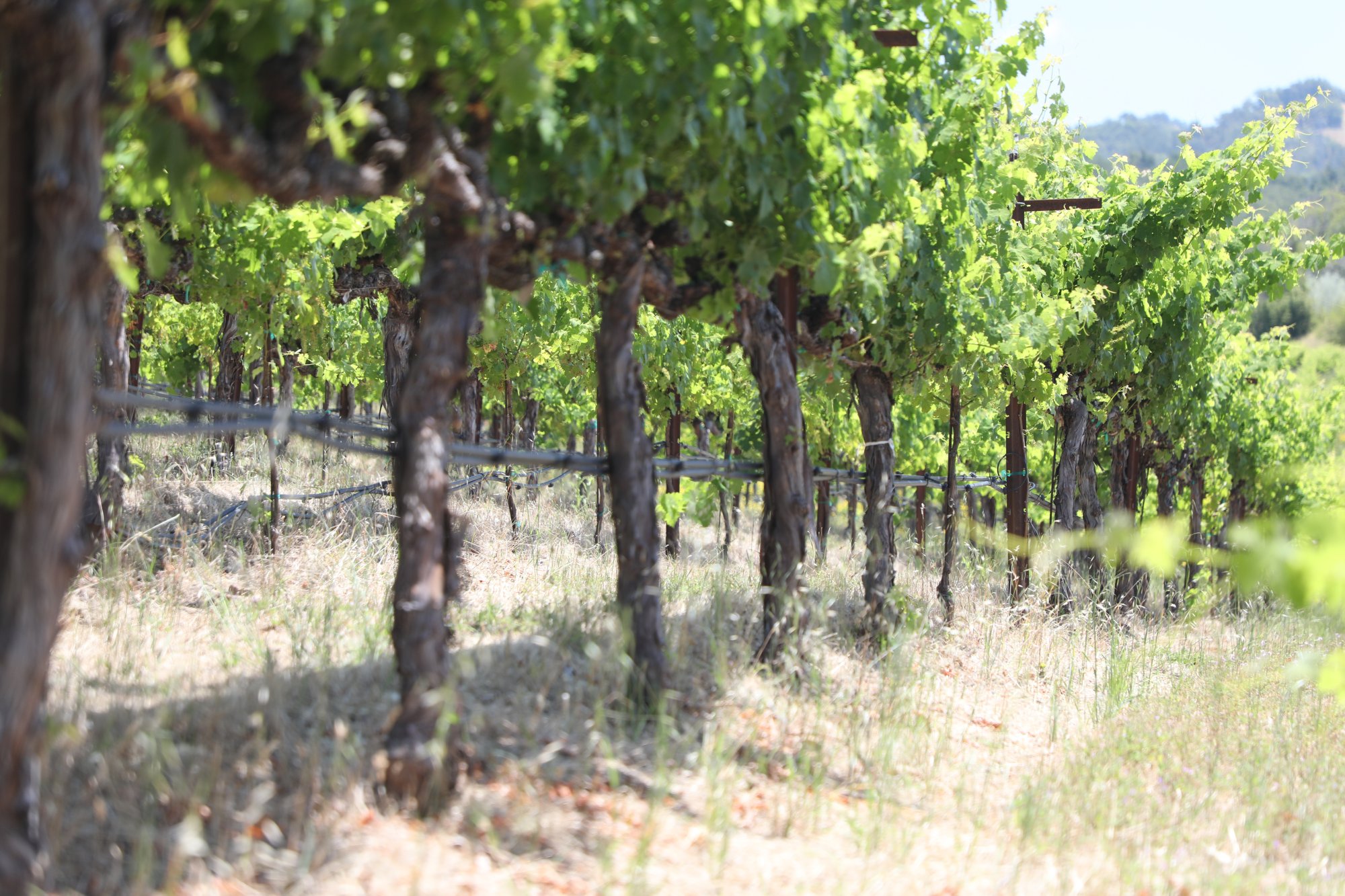
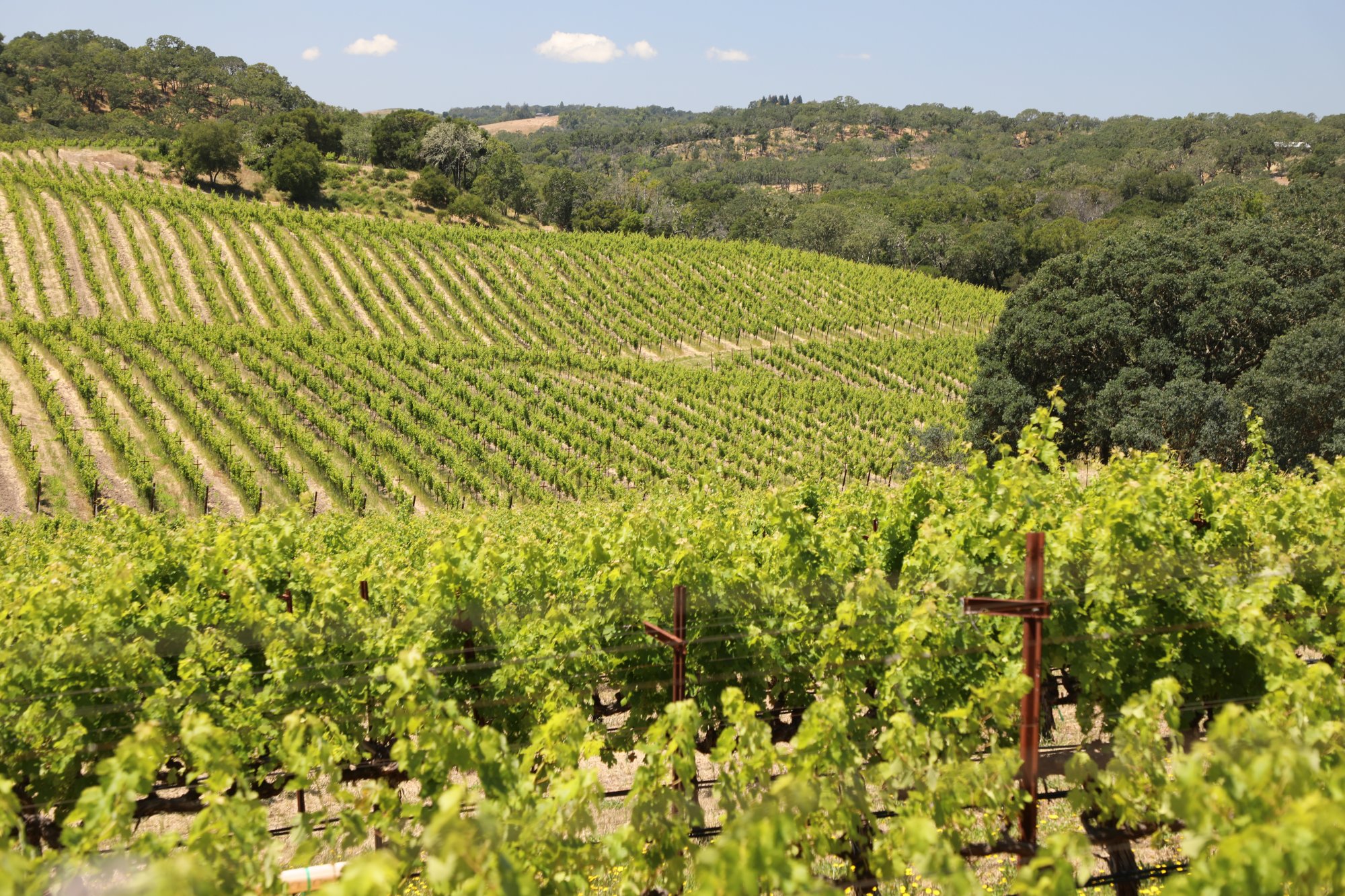
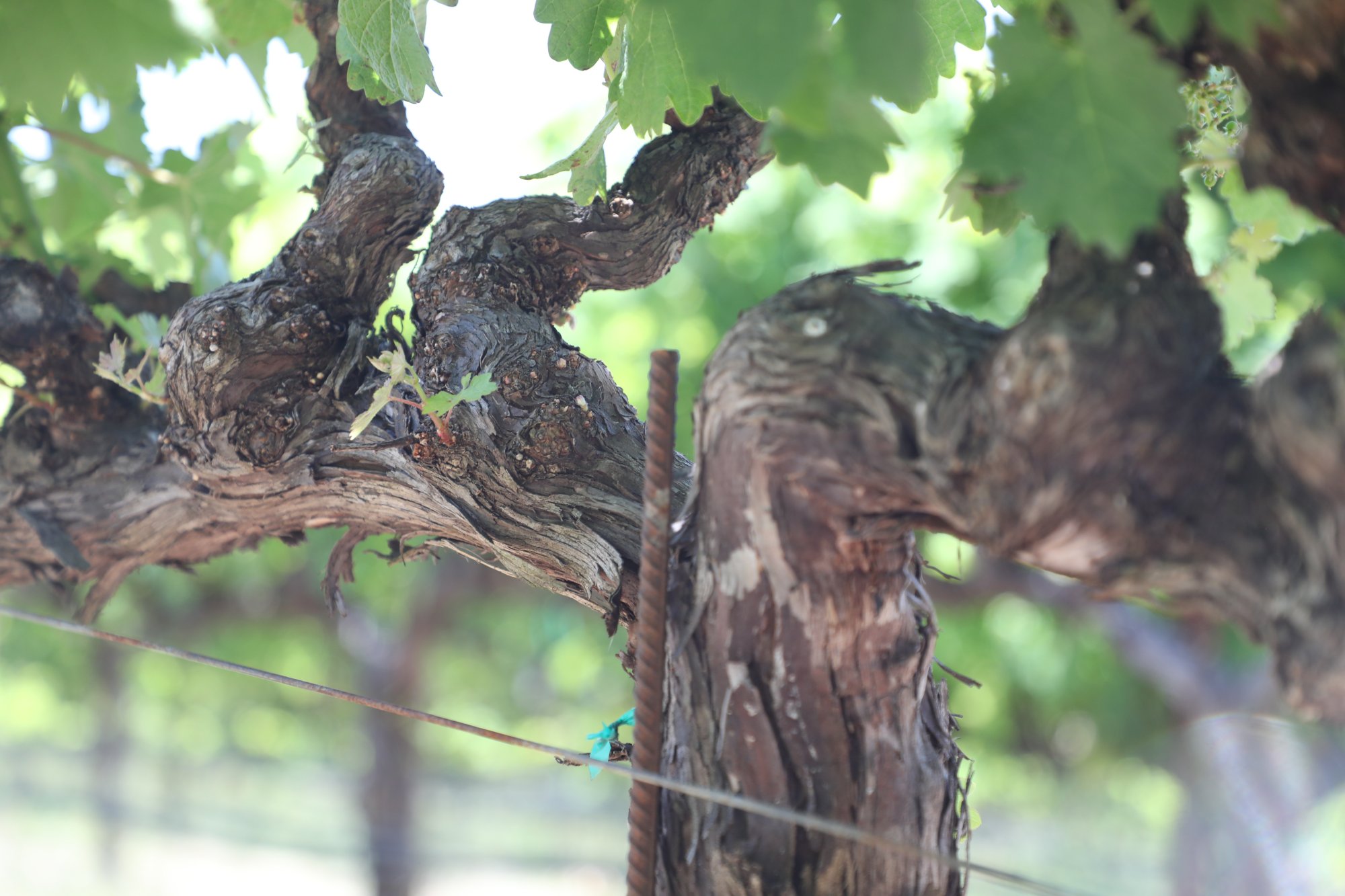
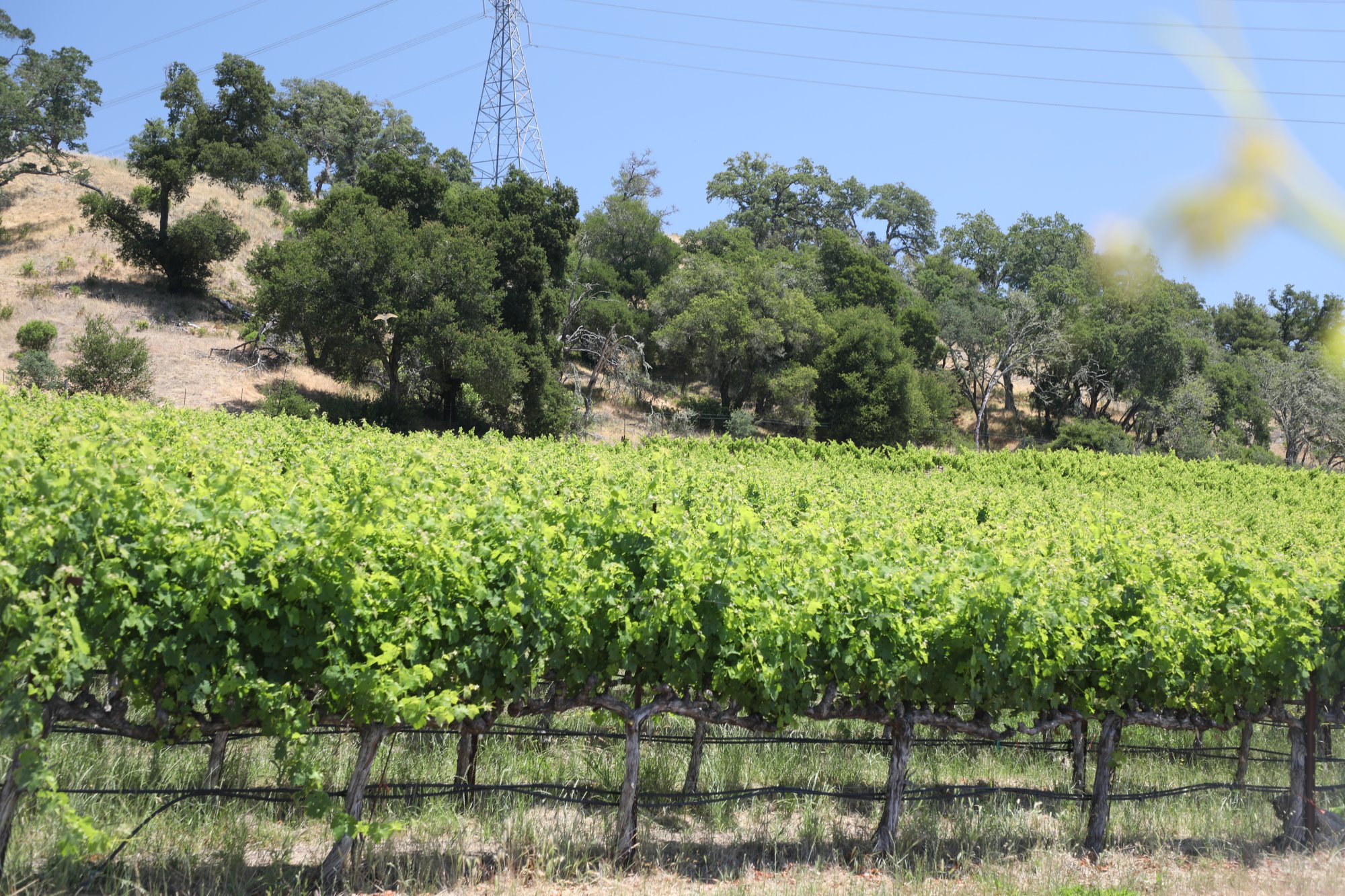
Winemaking
From the beginning Justin’s wine making was very focused, highlighting Cabernet Sauvignon and primarily using American oak for the aging, rather than French oak. The use of American oak is an extremely important component to the Silver Oak wine, contributing to its texture (creamy notes), flavors (vanilla) and tannin profile (softer tannins). The vanilla and sometimes coconut one perceives both on the bouquet and palate of American oak aged wines, typically dissipates over time. Today Silver Oak uses both new and once-used American oak barrels. One has to realize that Napa Valley was not known for Cabernet Sauvignon in these years – for decades other varieties dominated vineyard plantings (called mixed blacks). In fact, Silver Oak was only the second winery in all of Napa Valley after Diamond Creek Winery to focus exclusively on Cabernet Sauvignon.
Silver Oak has employed only four head winemakers in their history; these include founding winemaker Justin Meyer, followed by Daniel Baron (1994-2016) who worked in the cellar at Château Pétrus and later was instrumental in the early operations at Dominus Winery. Baron was born in New York and came to California in 1968; he studied under Professor Harold Olmo and graduated with an M.S. from U.C. Davis in 1978. In 1994 Daniel responded to an ad that Justin Meyer had placed in Wine Country Classified, requesting an assistant winemaker. He already knew Justin and clearly remembers their first conversation about the job. Reading between the lines, he realized Justin was looking to retire. He mentioned this to Justin who admitted he was looking to groom someone to take over as head winemaker. During his years at Silver Oak Daniel remembers hiring winemakers who had previously worked at small premium and prestigious wineries. He would ask them why they wanted to work at a larger winery such as Silver Oak – and the answer was almost always, about at least once in their careers being able to work at a winery producing wines they wanted to drink.
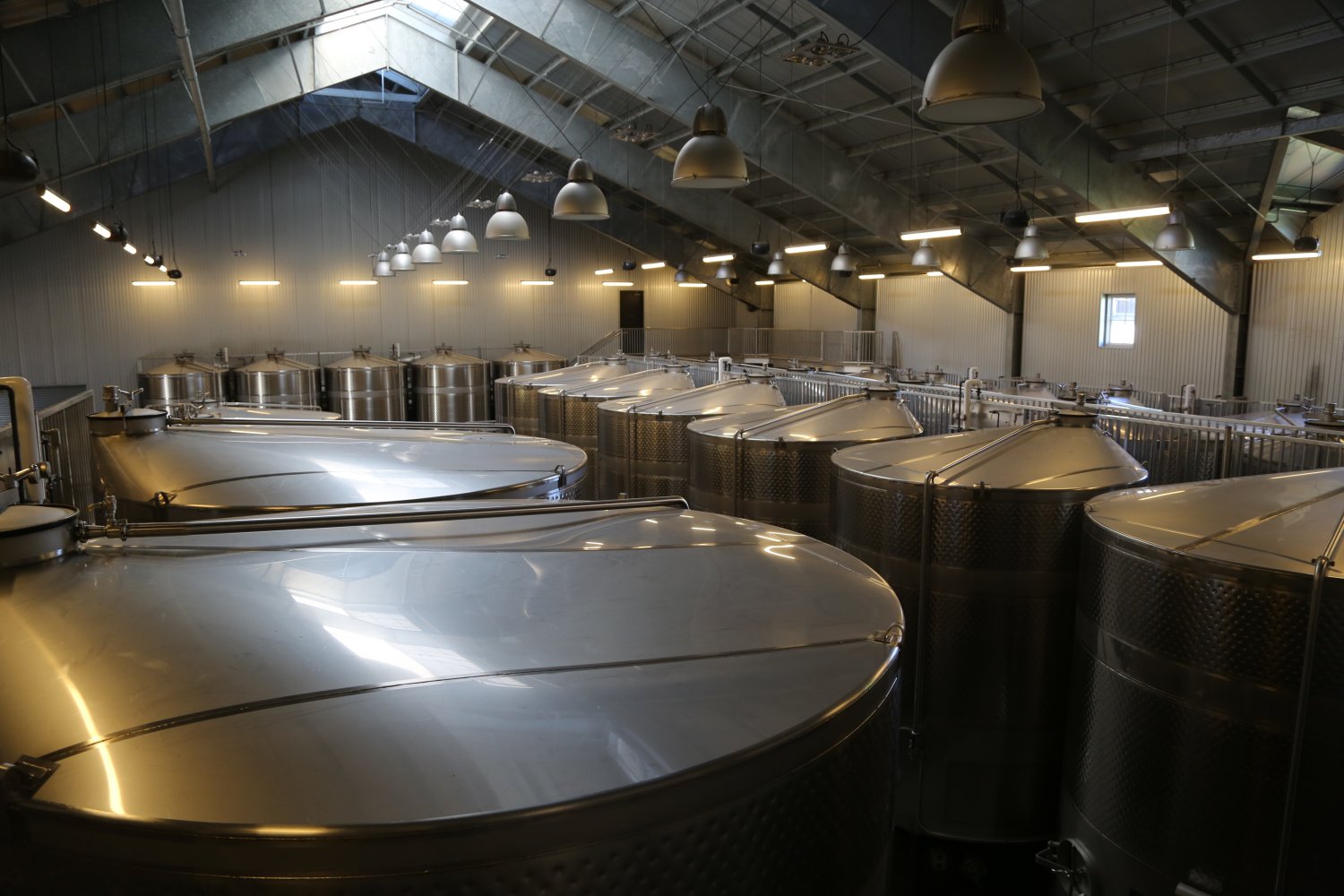
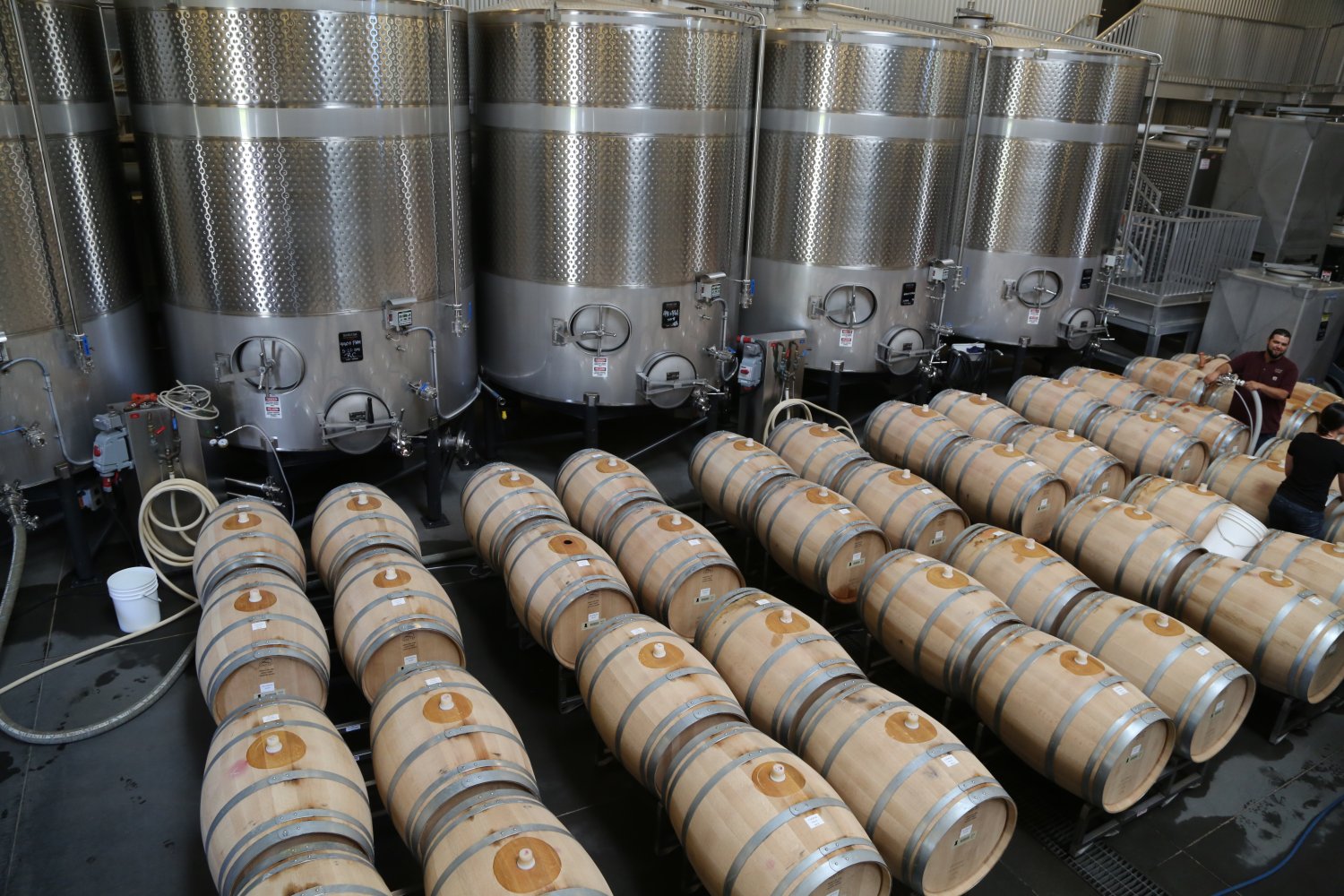 One of Daniel’s proudest achievements in his career is what he helped implemented at Silver Oak. And it had nothing to do directly with winemaking. One year there was a sprayer incident related to not having the proper equipment; this was brought to Duncan’s attention. A discussion ensued highlighting the fact that their viticulture team did not have access to the same funds and perks that their winery team had. There was a disconnect between each operation at the time. That soon changed; the standards of work, salary and other benefits for vineyard workers was completely re-evaluated.
In 2008 Daniel saw an add offering a berry sensory analysis training for winemakers; a scoring system had been developed for tasting grapes. He attended the presentation and came away impressed, realizing he could implement this at Silver Oak. He showed his son Sam the score sheets and remembers Sam saying something like, “well dad, are you using this yet?” Daniel soon trained his team to use this new scoring system.
For several years, Daniel and his son operated their own Napa Valley wine brand called Complant.
Silver Oak’s third head winemaker, Nate Weiss joined the team in 2014 and left in 2025 to become General Manager and Senior Winemaker at Beaulieu Vineyard. Nate is a Napa Valley native who was formerly winemaker at Antica Napa Valley (now called Antinori Napa Valley) and whose father Michael was winemaker at nearby Groth Vineyards for many years.
Silver Oak’s fourth head winemaker Laura Oskwarek assumed winemaking responsibilities starting with the 2025 harvest. Originally from Connecticut, her undergraduate degrees were in biology and chemistry from Simmons College -now University in Boston. Her early career was at the Yale School of Medicine as a microbiology research assistant. Her career pivoted and in 2008 she graduated from the University of California, Davis with a degree in Enology and Viticulture. Her first two winemaking jobs in Napa Valley were as a harvest intern at Nickel & Nickel and Schramsberg. She joined the Silver Oak winemaking team in 2009.
Numerous other winemakers and cellar workers have helped make wine at both Silver Oak properties over the decades. And so have harvest interns, often coming from abroad, bringing international winemaking perspective and experience to the team.
The winery was designed with functionality, aesthetics and flexibility in mind. All three characteristics are extremely important but having the flexibility to adapt to changes in technology over time is is critical. Case in point; over a span of several years, a pump was installed on each tank. Rather than having to physically move pumps between tanks, during harvest each tank’s pump-over can be controlled remotely by one person. This was especially important during the October fires of 2017 when some employees were not able to be on site. And this saves significant time during harvest – allowing employees to focus on other wine making activities.
Or down the line having the flexibility to adapt to having an optical sorter large enough to handle the size of their sorting operations or even eventually being able to handle grapes that were mechanically harvested.
The winery contains two vintages at any one time spread out among four sizable barrel rooms. The rooms were well designed to maximize space and – each row of barrels when removed for racking perfectly fits in an adjacent room. Much of the work for the aging is done in the first year of élevage. A piece of paper with a scannable bar code is adhered to each barrel, so workers can quickly retrieve the history of each barrel.
The wines are fermented in stainless steel and jacketed tanks (for temperature control) ranging in size from 7 to 25 tons. All wines are then blended prior to being barreled; this is a very important part of their winemaking, often with 50+ different glasses lined up during each blending session. Typically, this begins in December and lasts for several months. Once in barrel Silver Oak has an extensive aging process in place for their wines before they even reach the consumer. Not only do they age the wines up to 30 months in the barrels, but then they age them further up to 2 years in the bottle. This is rare – for most wineries, economic reasons usually dictate much earlier releases. Not all lots make the final cut; as part of their operating plan, Silver Oak may declassify up to 15% of an entire vintage (selling the wine on the bulk market).
Not all wineries have the luxury of this extensive aging process; this certainly favors the consumer as their wines are generally more approachable upon release.
Silver Oak owns their own bottling lines; the one for their Napa Valley wines is surprisingly small and processes about 60 bottles a minute while the one in Alexander Valley is larger and handles up to 90 bottles a minute. Their bottling lines provide flexibility to bottle on their own schedule; their Napa Valley bottling usually lasts between 5 to 6 weeks. Despite the built in automation of using a bottling line, this is still very much a hands-on operation including packing all of the bottles by hand. When running, numerous quality control checkpoints are in place. The packed cases are temporarily stored at the winery until moved off site for additional aging prior to release. Silver Oak sources local glass for their bottles as much as possible and labels all their wine bottles in house.
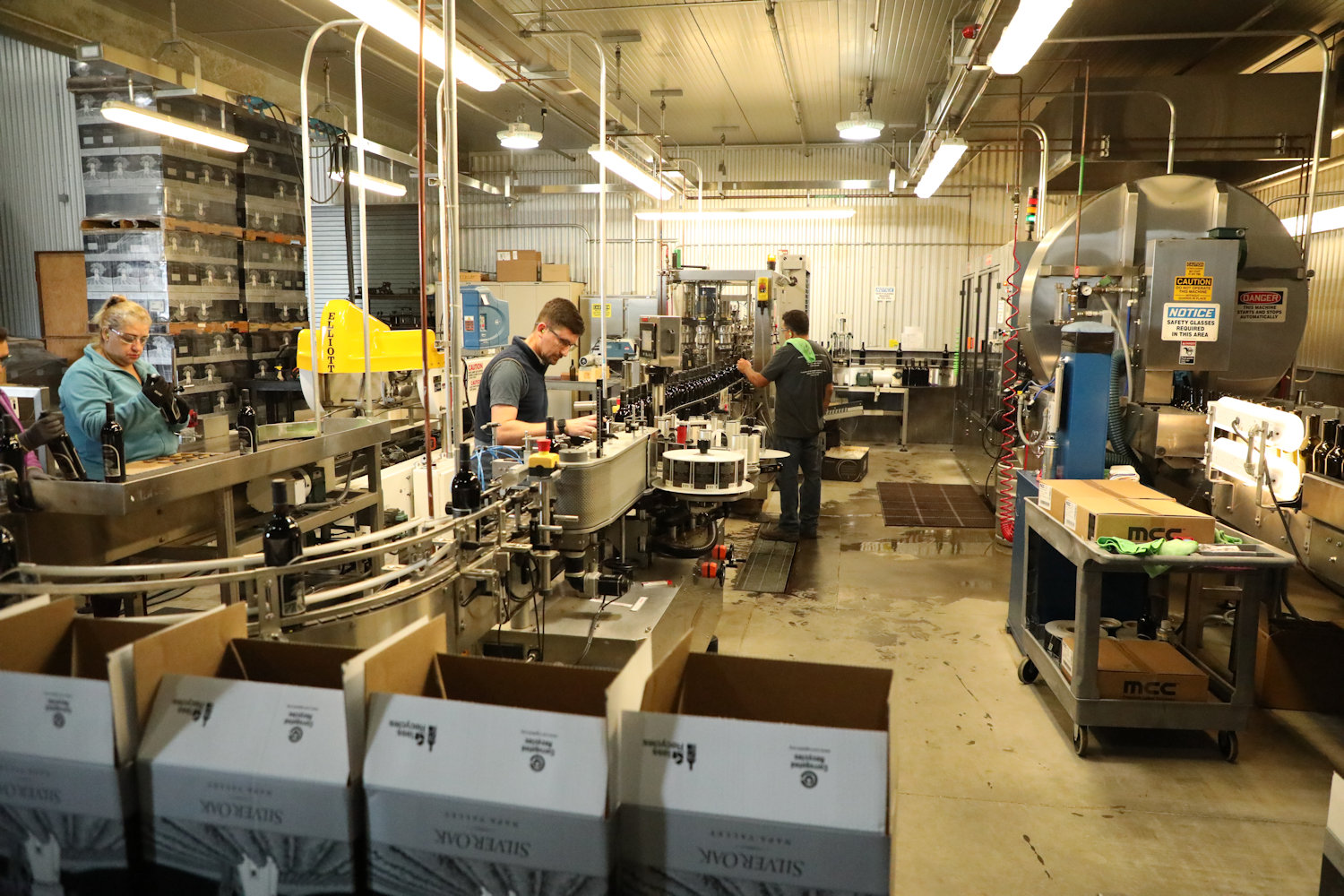
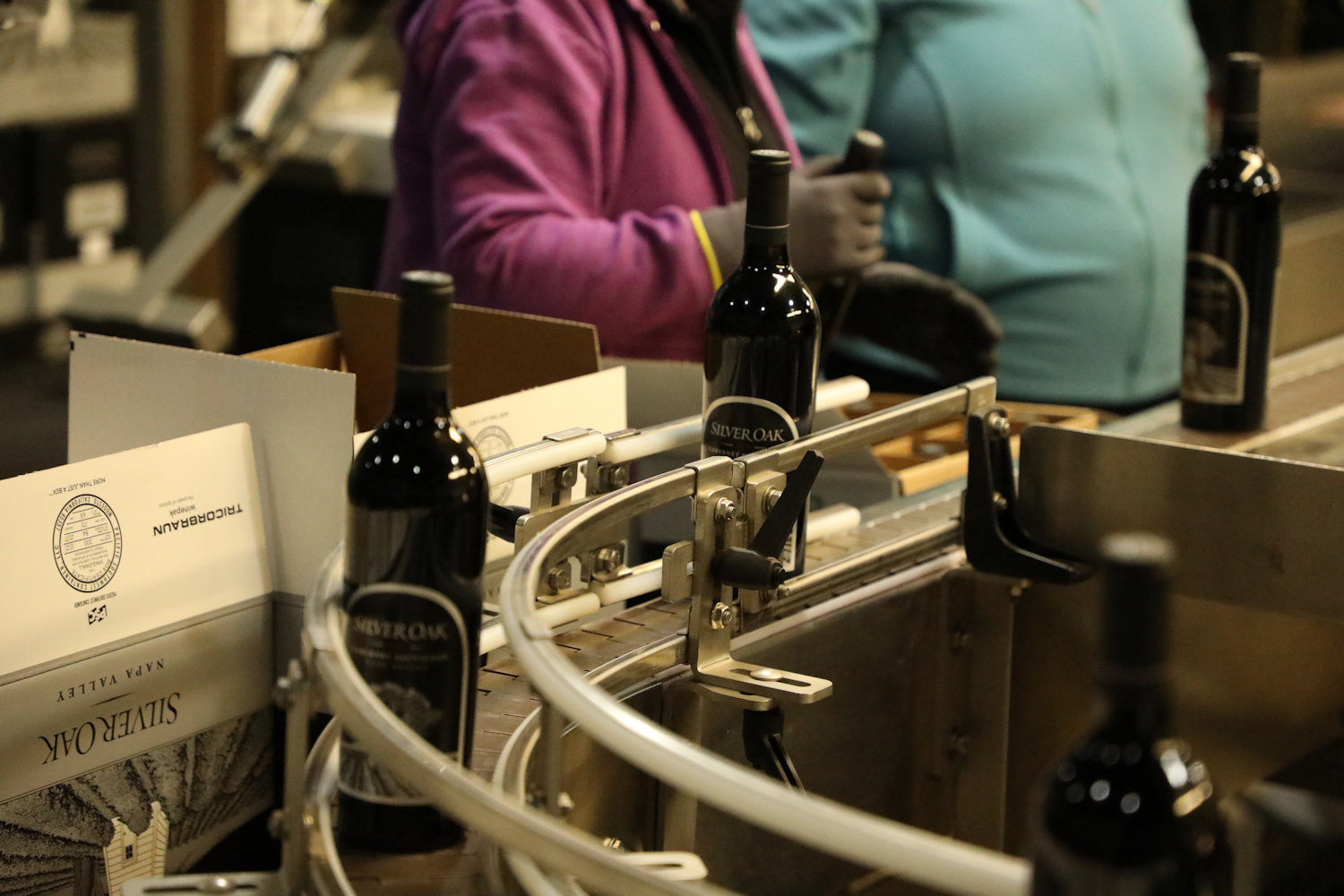

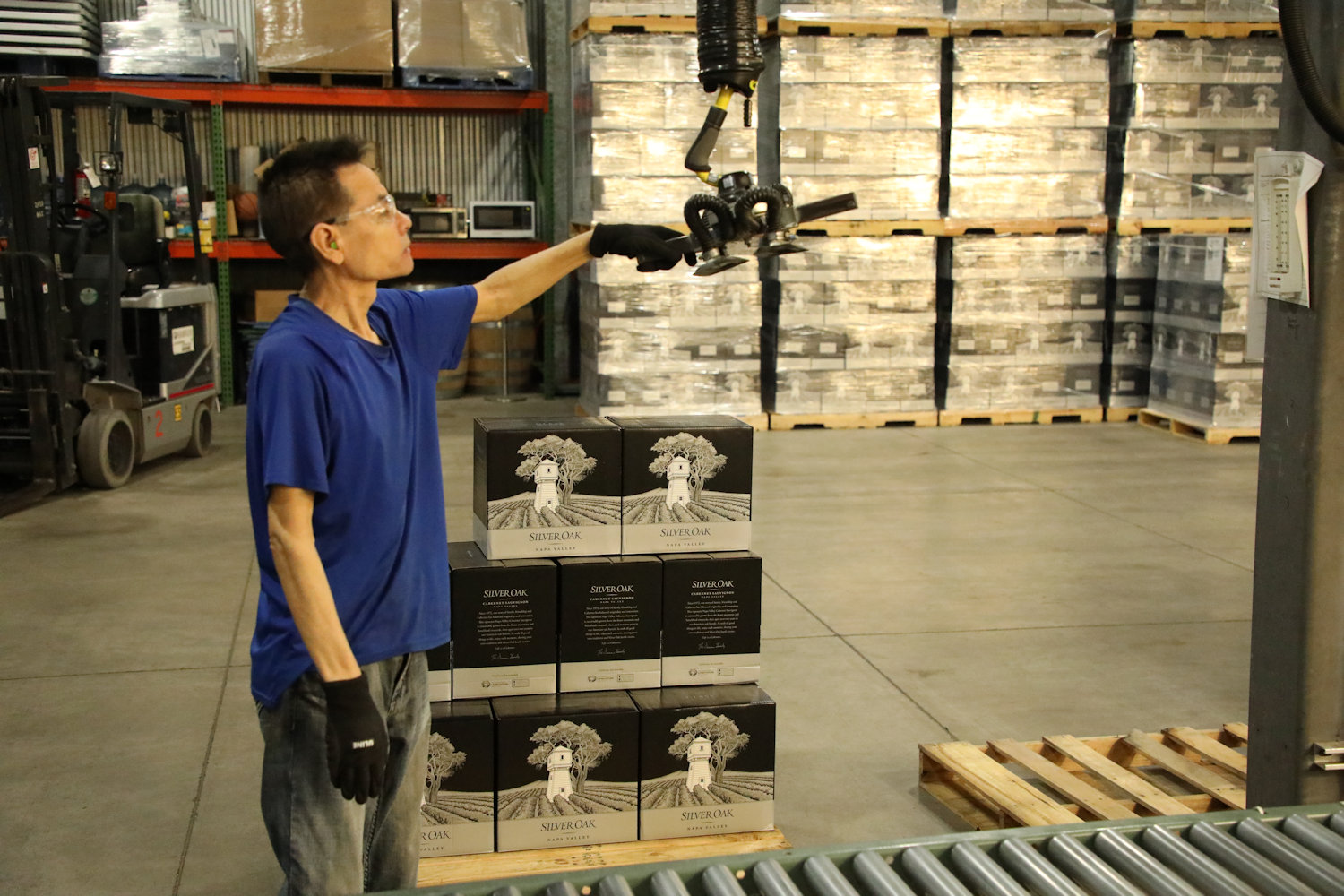
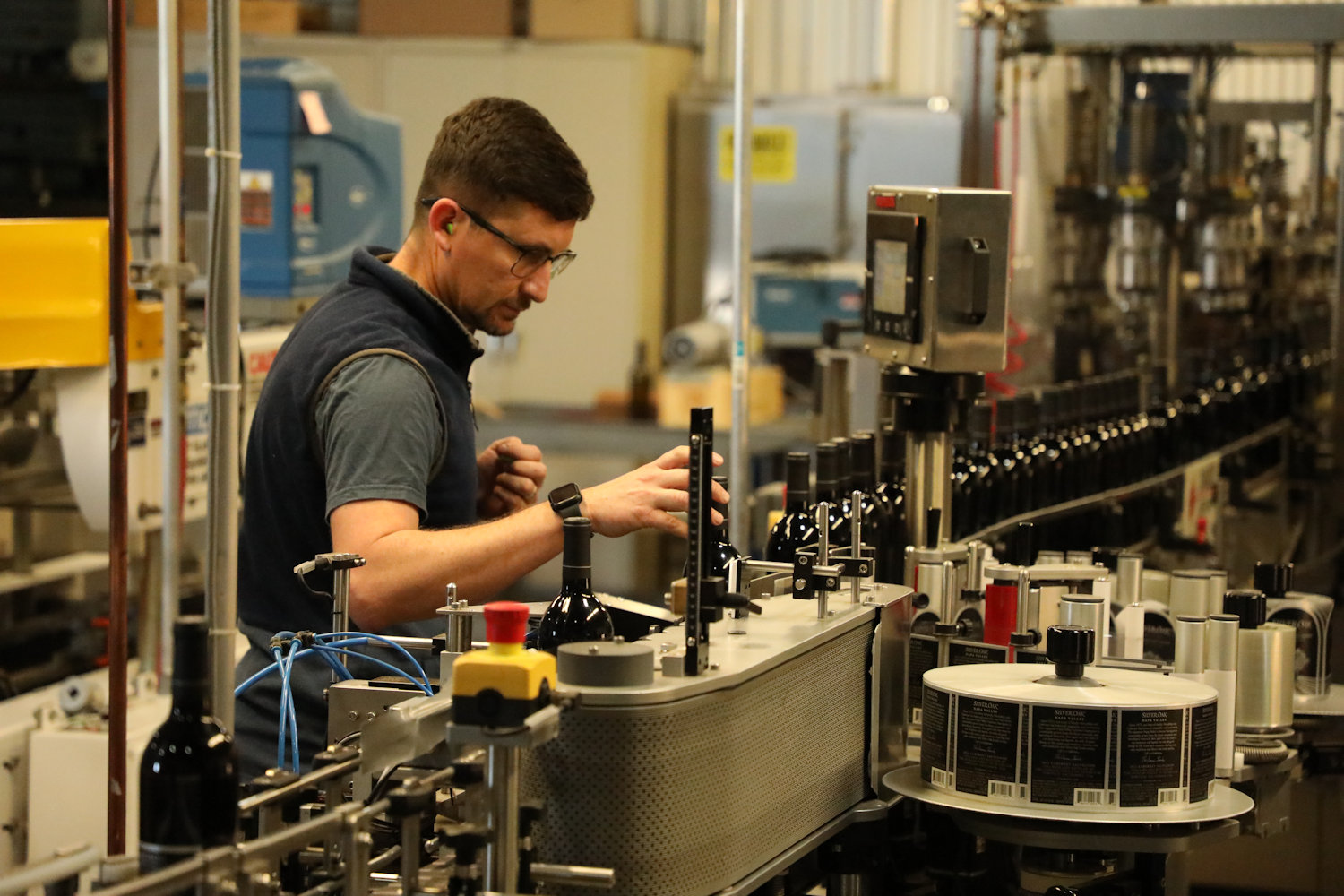

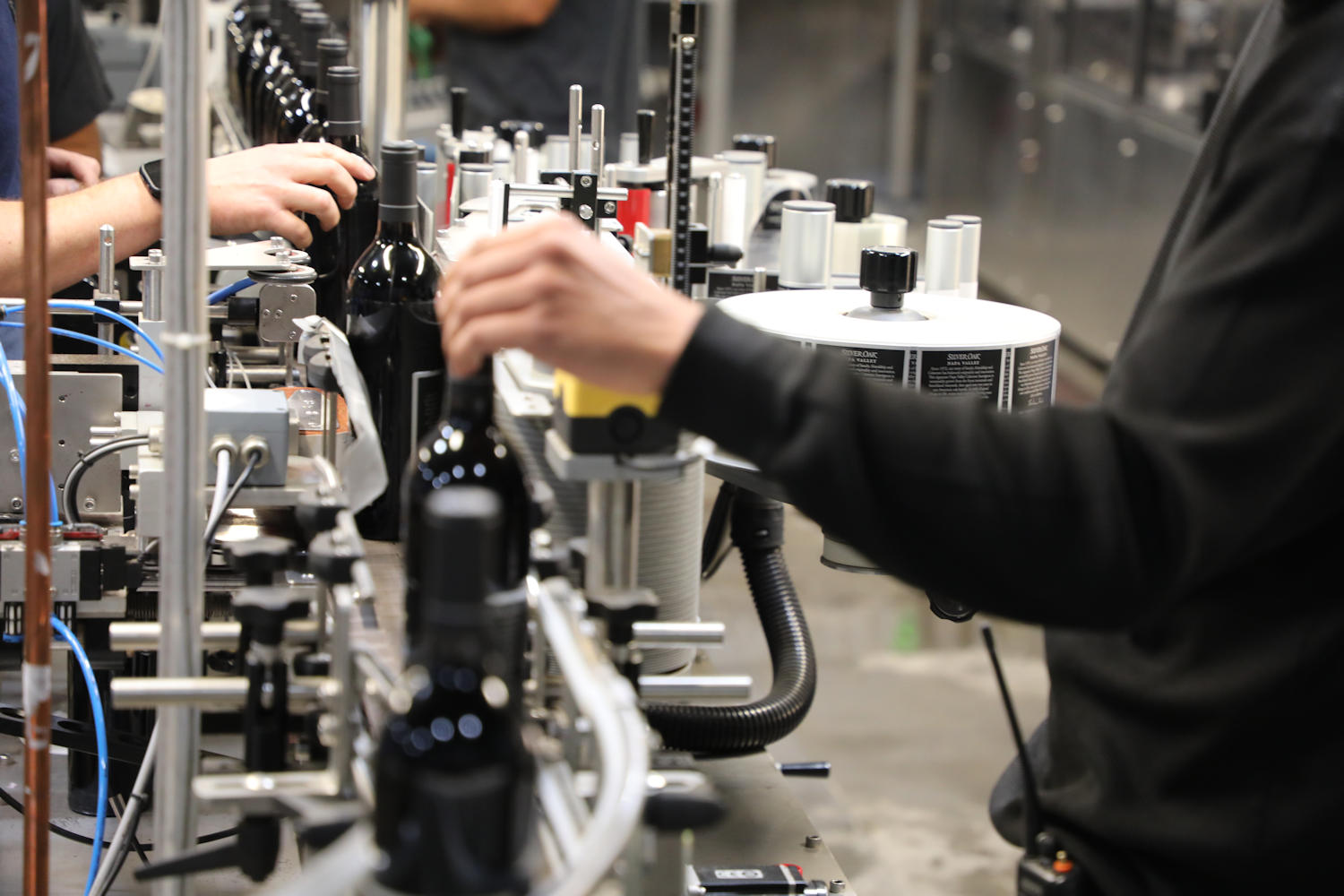
Silver Oak owns a carbon dioxide heat pump for sanitizing water using carbon dioxide from the air – using CO₂ as both the heating and cooling agent. Advantages include increased efficiency and less power used. And both Silver Oak Napa Valley and Alexander Valley wineries maintain backup generators.
Both Silver Oak wineries utilize Vintrace winery management software. Vintrace is a powerful cloud-based winery management and wine production software platform designed to help wineries track and manage their operations from grape intake through bottling and sales. It centralizes data such as inventory, production steps, lab results, and compliance records so winemakers and staff can collaborate and make operational decisions more efficiently.
In 1994 winemaker Daniel Baron made a switch in wine making; up until this point the wines were 100% varietal Cabernet Sauvignon – starting with that vintage the wines were then blended and have been so every vintage since, but are always dominated by Cabernet Sauvignon.
To realize the value in every bottle of Silver Oak wine, it helps to reflect on the remarkable amount of time it takes to produce these wines. It takes 3-4 years for a newly planted grapevine to produce grapes – approximately two+ years in barrel and another two+ more years in bottle before the wines are released. In summary: eight years from vine to bottle from a new vineyard planting. Justin Meyer also noted that, “I’m a firm believer in judging the vintage after it has been in barrel for three years”. The additional aging helps round out tannins; in 1999 Meyer was quoted as saying, “I like tannic wine about as much as I like tough steak”. And also, “Wine is like music, you may not know what is good, but you know what you like”.
It is also worth noting that their oak barrels are constructed from trees aged 80 to 100 years; furthermore, the wood undergoes several years of seasoning prior to assembly.
If one was to summarize their wine making philosophy it would be as former Silver Oak winemaker Weiss told us, “freshness over power” – preferring to pick earlier rather than later and opting for a liveliness in the wines rather than more linearly driven higher alcohol wines.
The Oak Cooperage

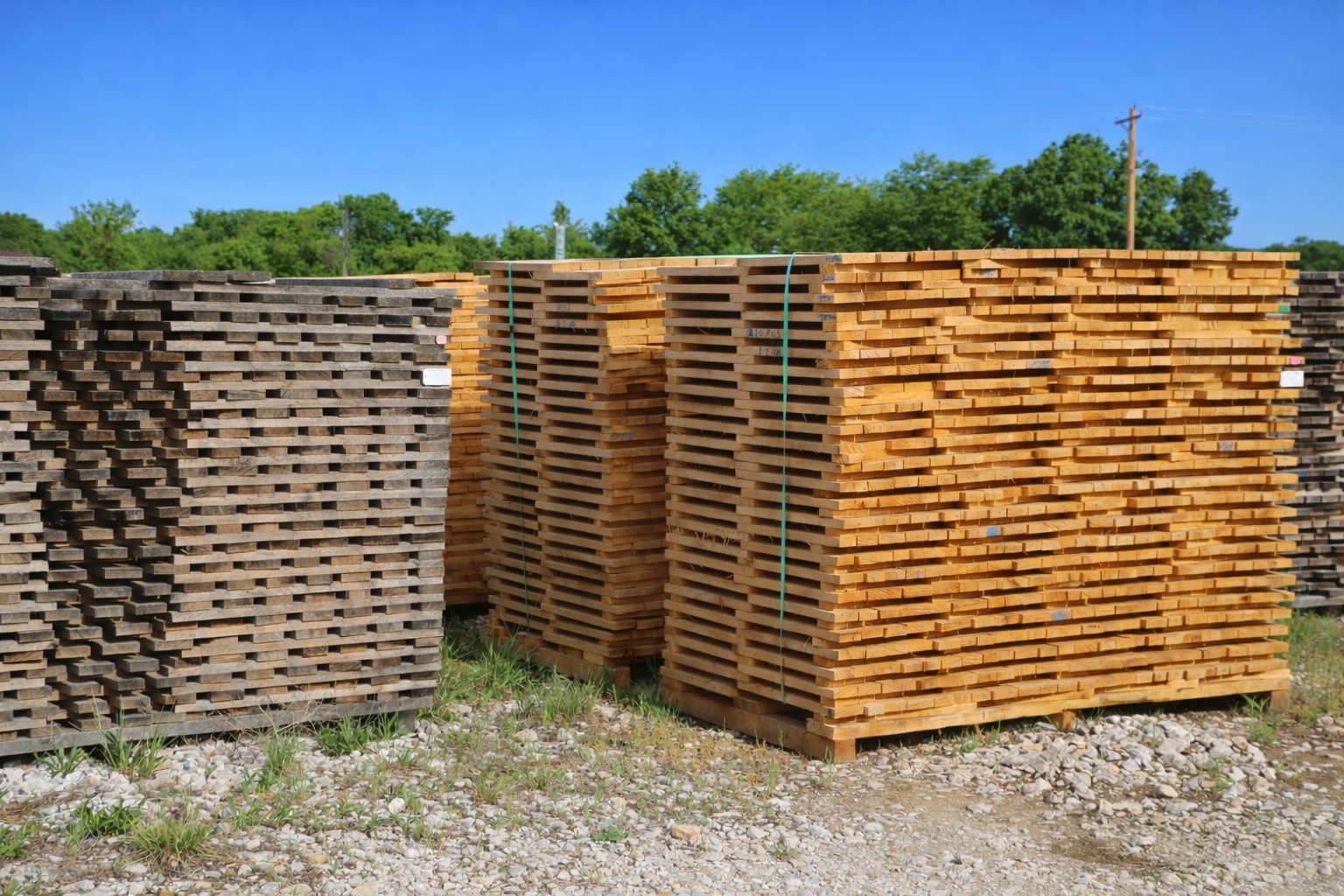 Silver Oak exclusively ages their wines in American oak; this is very unique among Napa wineries where French oak is most commonly used. In 2000 Silver Oak took 50% ownership in A&K Cooperage based in tiny Higbee Missouri buying out 25% ownership from the Meyer Family with the caveat that the Meyers could continue to have access to oak barrels. This cooperage was founded in 1972 by Higbee businessman Dale Kirby and his father-in-law, at the time to exclusively produce kegs. During early trials, Silver Oak sampled wood from Arkansas, Ohio, Kentucky and Minnesota before deciding that oak from this part of the state favored their wines the best.
In taking the control of their oak program to another level, in 2015 they acquired full ownership from the the Kirbys and changed the name to The Oak Cooperage. We have visited select wineries internationally that own their own cooperages, but never one connected to a Napa Valley based winery. In fact, they are the first North American winery to entirely own their own cooperage.
Higbee, population less than 600 people is located in very rural north central Missouri. One has to make a special effort to go here as the town is not located on any tourist route or major highway. Small but spread out this very tight knit community features one gas station, a post office continuously operating since 1873 and a small man-made lake created to service the steam trains that used to run through here. In early 2018 a major windstorm blew down the tallest building in town – an old brick three story beauty. Our visit was several months after this unfortunate disaster.
The Oak Cooperage is located on the edge of town – like Silver Oak it was founded in 1972. The cooperage also suffered its own fire; the main building burned down in 1977.
Creating a wine barrel is a lesson in patience and is a fascinating process. The typical age of the trees (white oak) is 80 to 100 years old before they are harvested at which point only a certain height of the tree’s trunk is actually usable for barrels. And one acre of land typically produces only about 1 barrel’s worth of oak each year. Silver Oak owns some 300 acres of land in this part of Missouri growing mainly white oak (the type of oak used for making their wine barrels). Until 2022, Silver Oak exclusively purchased white oak from other forests in the state. 2023 was the first year they harvested oak from trees growing on their land which were then cut into staves.
After the trees are harvested from central and northern Missouri, the trunks are cut into wood staves using the mill behind the cooper which are then stacked on top of each other outdoors at The Cooperage. The staves are left to ‘season’ in the elements usually for 24 months but sometimes up to 36 months. One can observe how long the staves have been outside by the color of the wood – becoming more weathered the longer they are exposed to the elements. And for desired results, there is a minimum and a maximum time to season the staves.
While focusing their efforts on barrels for Silver Oak (approximately 80% of all of Silver Oak’s barrels are assembled by this cooperage) and other wineries including Meyer Family Cellars, The Oak Cooperage also makes oak barrels for the whiskey and bourbon industries. Some of the used Silver Oak Cabernet Sauvignon barrels are even used (among other barrels) to make Consecration, an American Wild Ale by Russian River Brewing Company and a Silver Oak Cabernet Sauvignon Pomace Beer. Interestingly, one of the co-founders of Russian River Brewing Company, Natalie Cilurzo used to work in the Silver Oak tasting room back in the late 1990s while also working at other wineries.
Used Silver Oak barrels have also been utilized for a bourbon by Kentucky based Bardstown Bourbon Company, an extra añejo tequila (11 year old) by AsomBroso Tequila, the Maestro Dobel 50 Silver Oak edition by Dobel Tequila and locally by Goosecross Cellars in Yountville for their C. Elizabeth Cabernet Sauvignon.
While the number of steps needed to create a barrel is significant – the amount of time required to build a single barrel is remarkably quick; Master Cooper Daniel Orton who began working here in 2002 estimates it takes only 2 hours to create a finished barrel beginning with the raw staves. Holding the title of Master Cooper is a rare job description – there are less than 50 such coopers in the United States.
The quality is in the details; every stave is cut to a thickness of 15/16 of an inch – and exactly 32 staves are used to make each barrel despite the differentiating widths of each stave. It is the job of the Master Cooper to arrange the staves, so they fit perfectly – initially lining up each stave at the base of the barrel.

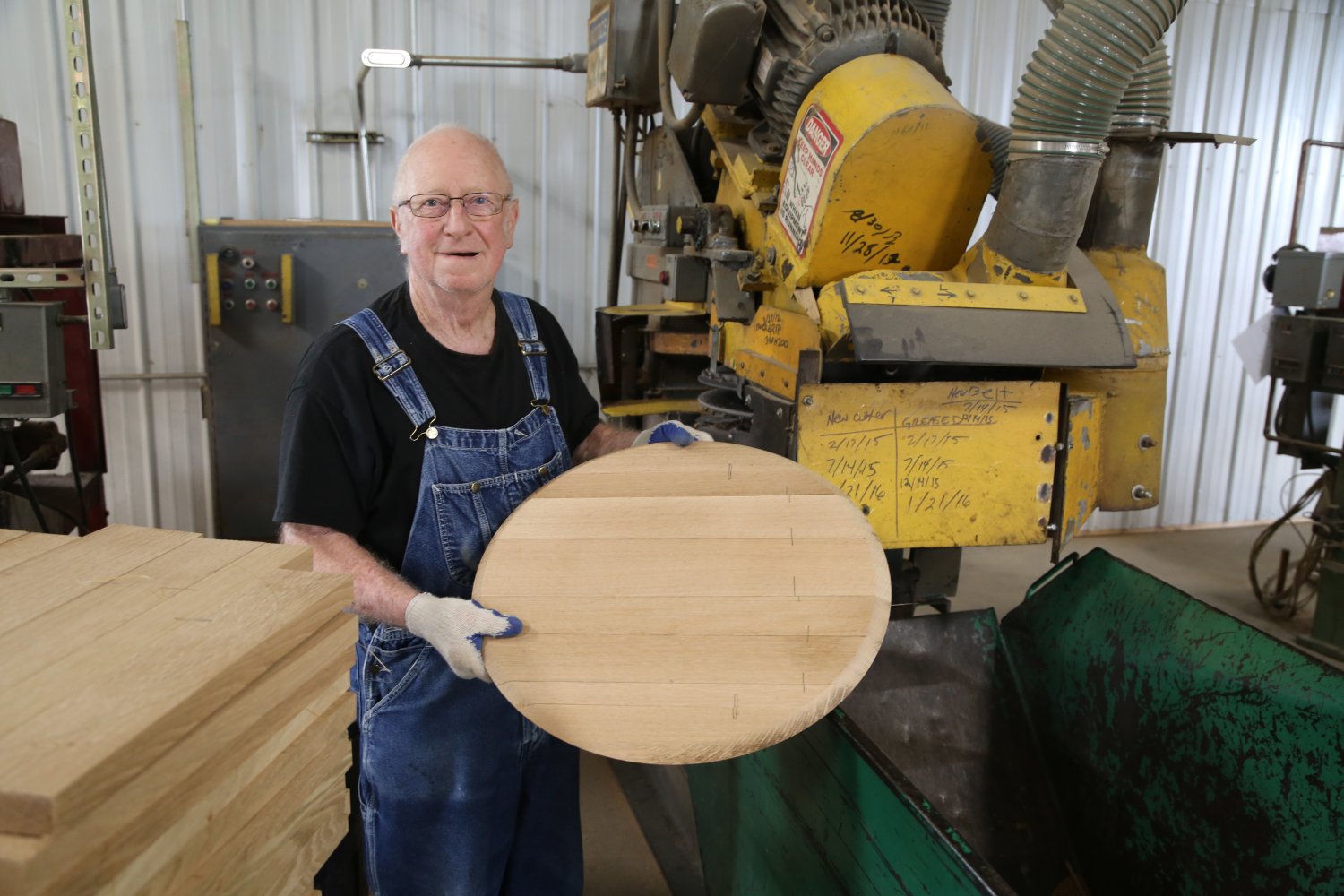 Sometimes old school still works best – layers from dried cattail stalks (grown in the marshes of New York state) are inserted in between each piece of wood used to make the heads of the barrels. Once the rough shape has been determined, these are fed into a machine which cuts out the exact size of the barrel head. One of the most important steps is when the barrels are placed over open fire pits (heat bending) followed by toasting (the Silver Oak barrels are medium to light toasted). And it is at this stage that the barrels smell pretty – this toasted oak can smell like freshly baked bread and vanilla. Other aromas associated with American oak barrels are coconut and perhaps dill on a barrel made from staves which experienced shorter seasoning times.
Metal hoops are then placed on the barrel (The Cooperage makes their own hoops in-house). Before the heads are adhered to the barrel the edges of the heads are covered in a wax like material and then coated with a putty made from wood powder, flour and water. The barrels are hot water tested for leakage, then sanded and the existing bung hole is quickly heated and shaped with a special metal rod. Finally The Cooperage’s logo is branded on top of one of the heads, the barrels are wrapped in plastic and held in their warehouse until they are shipped across the country. Total annual production is around 3,000 barrels.
It is rather remarkable that this small cooperage, located so far from Napa Valley plays such a prominent role in the making of their wines. And like Justin Meyer’s well-known phrase about not yet having made their best bottle of wine, those at The Cooperage will readily tell you that they have yet to make their best wine barrel.
Higbee, MO


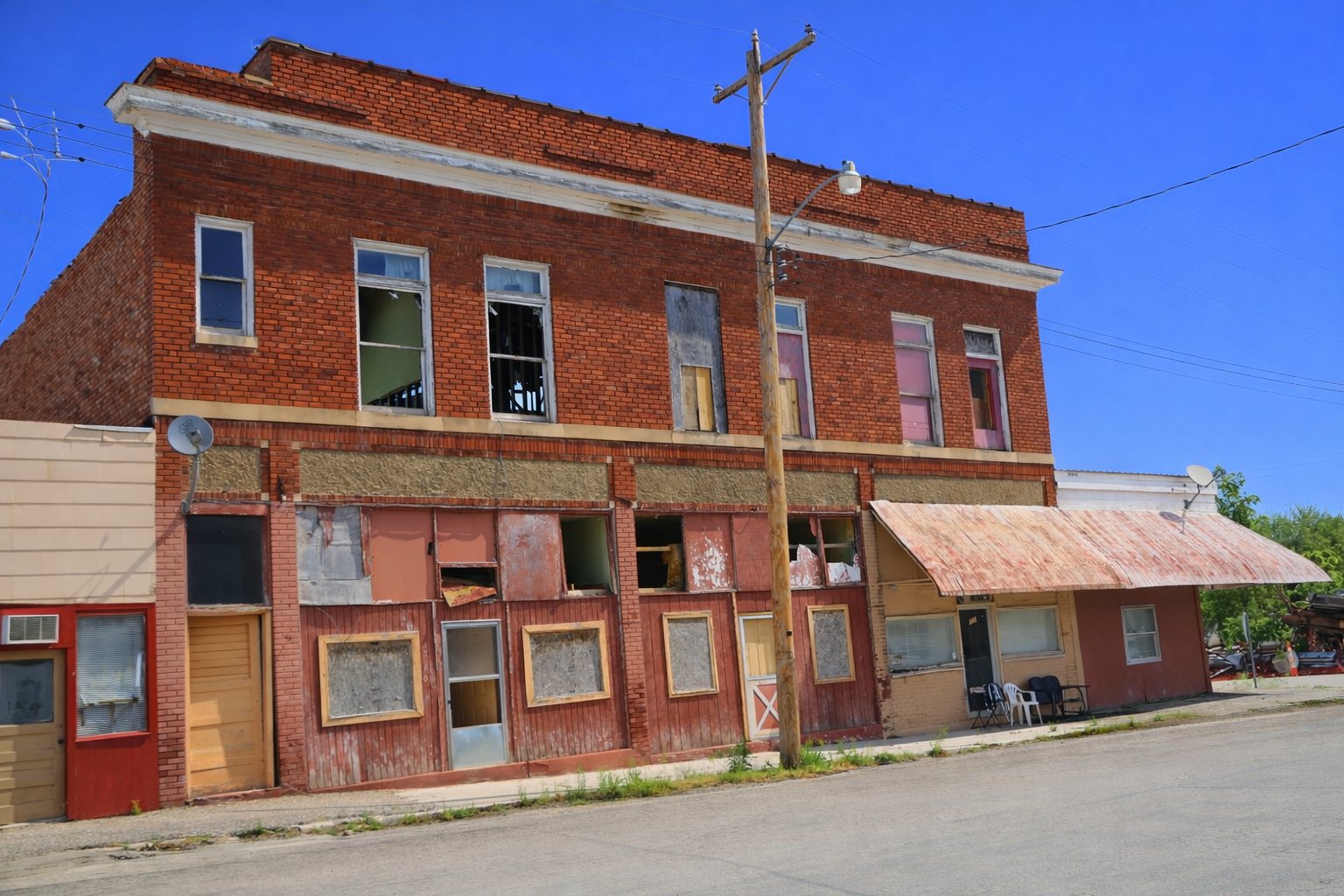
Silver Oak’s White Oak Forest, MO
The Oak Cooperage, MO
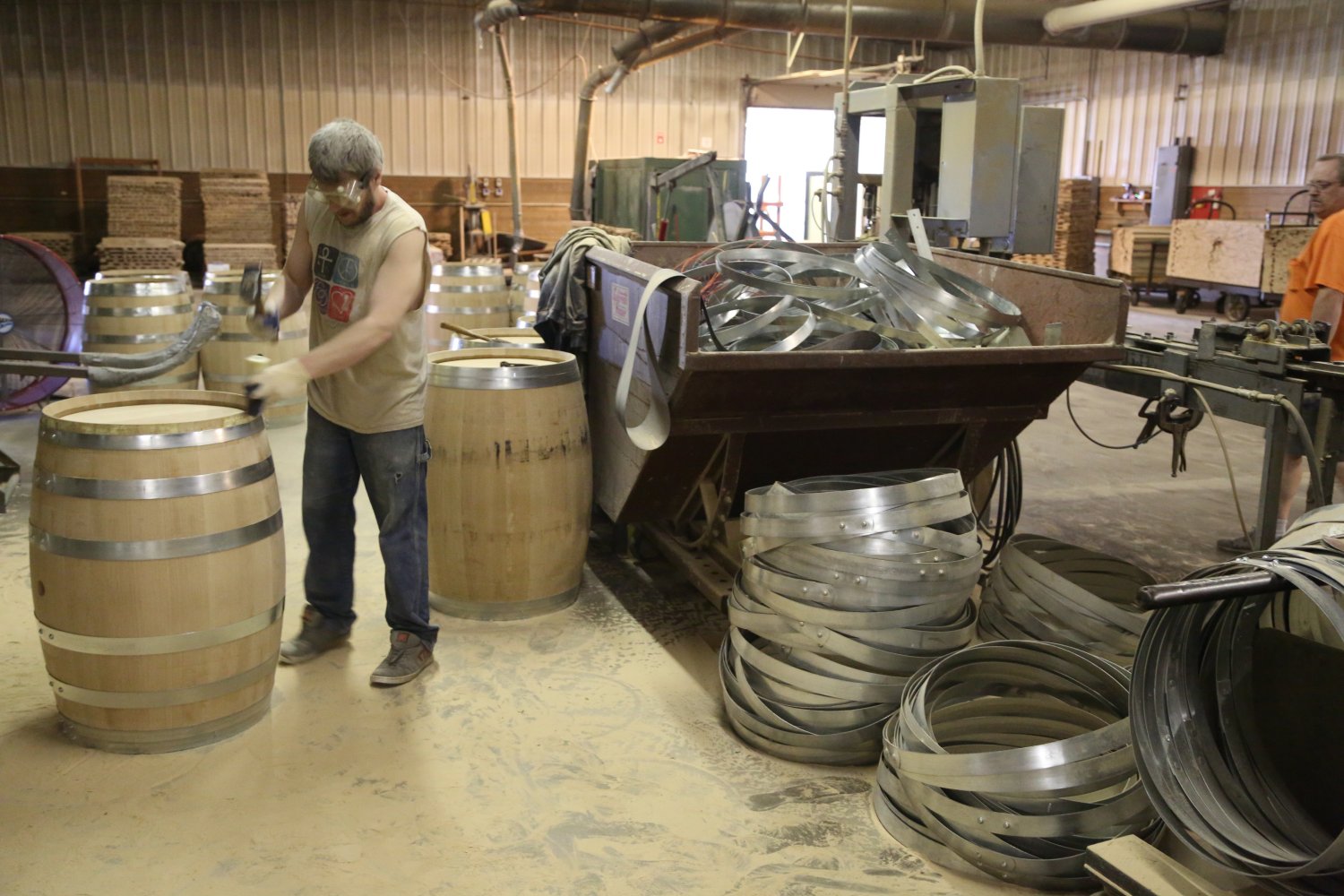
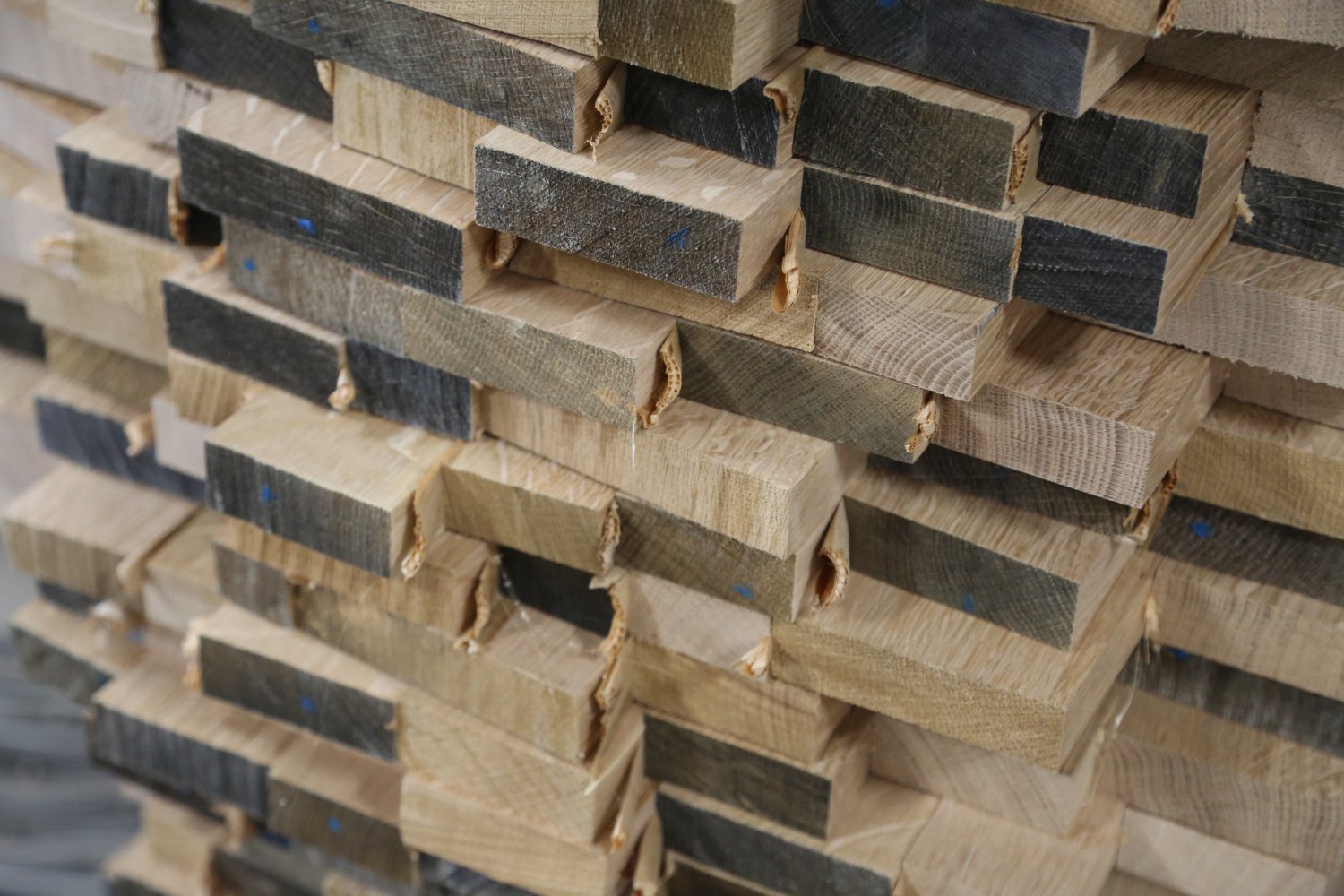
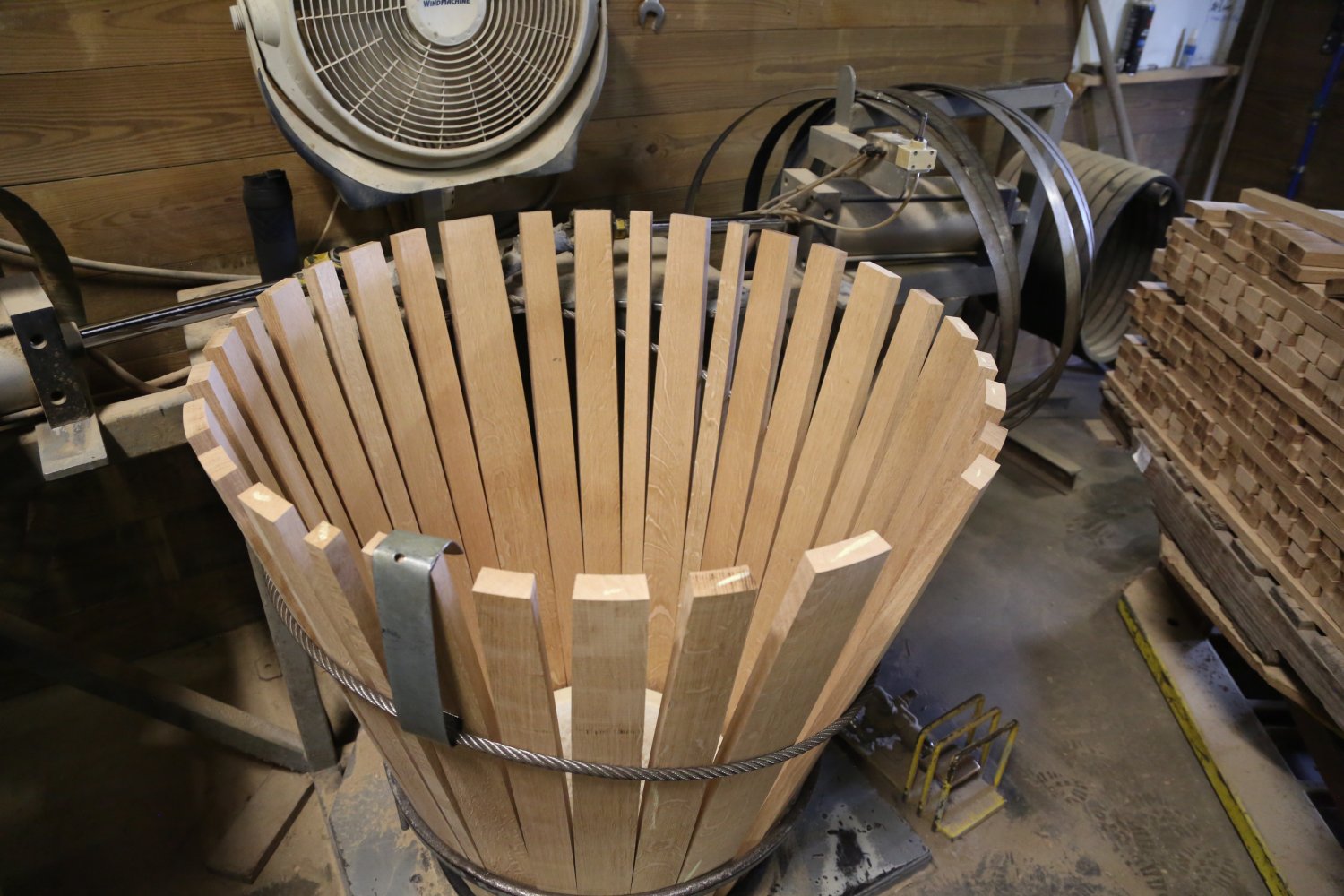
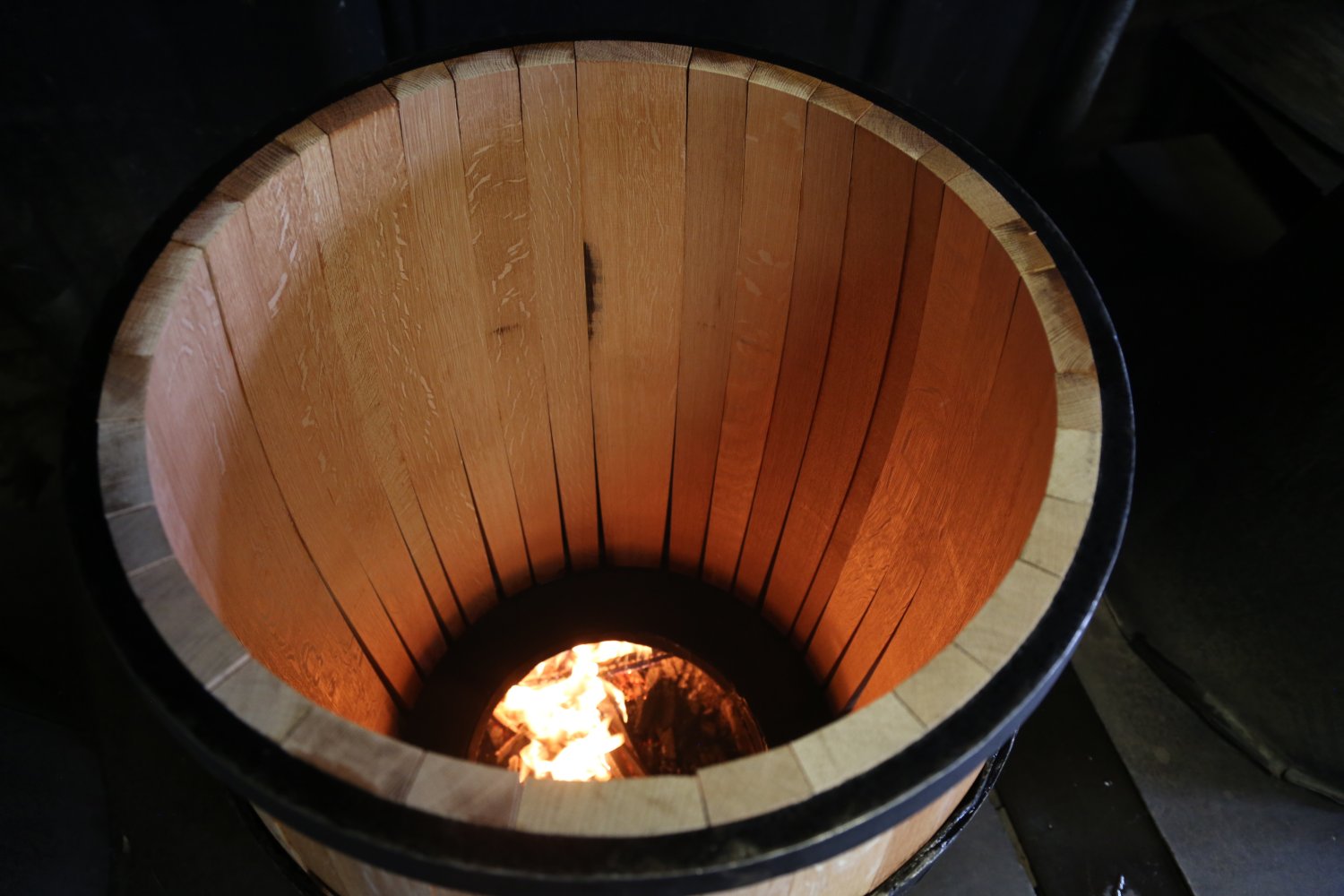
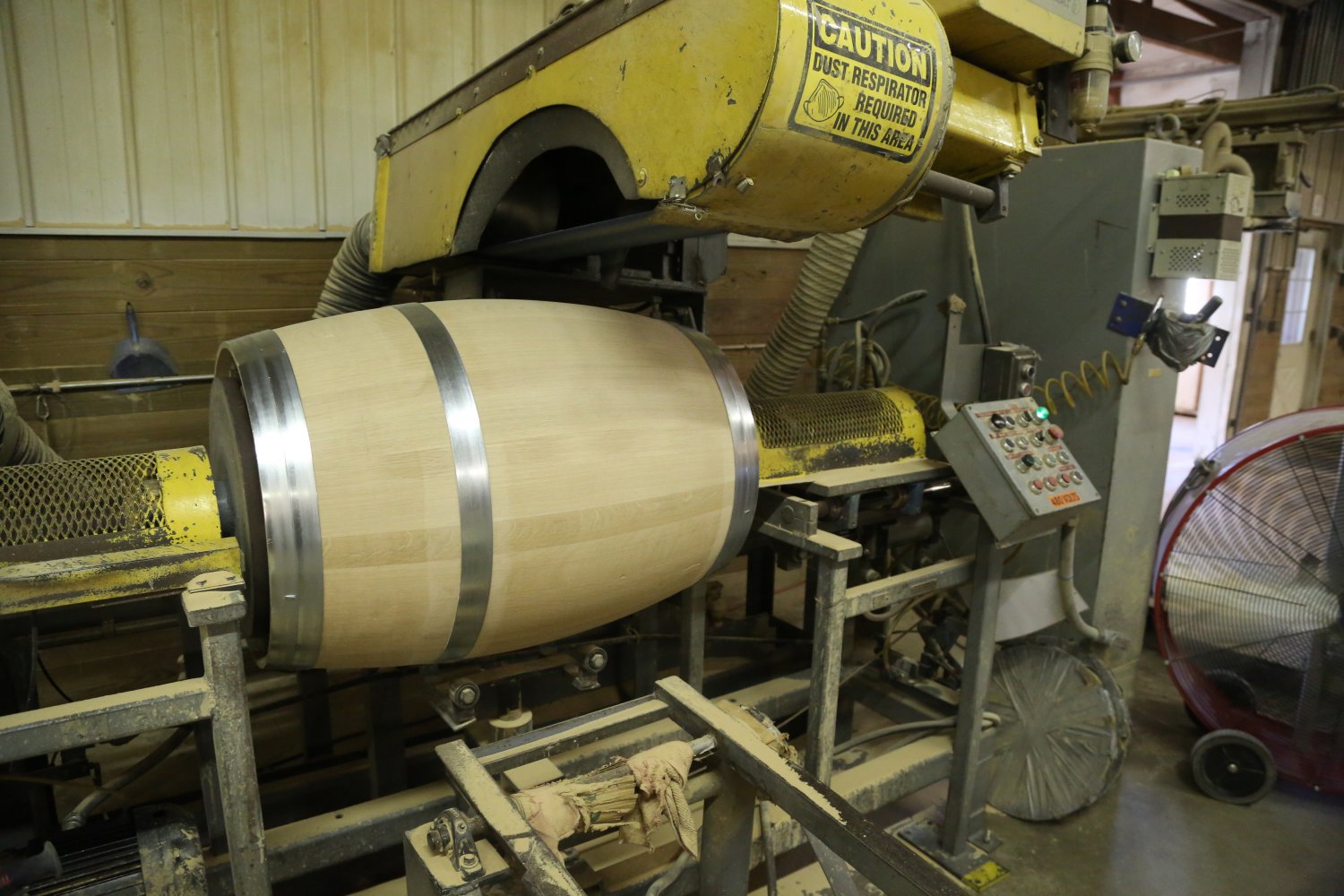
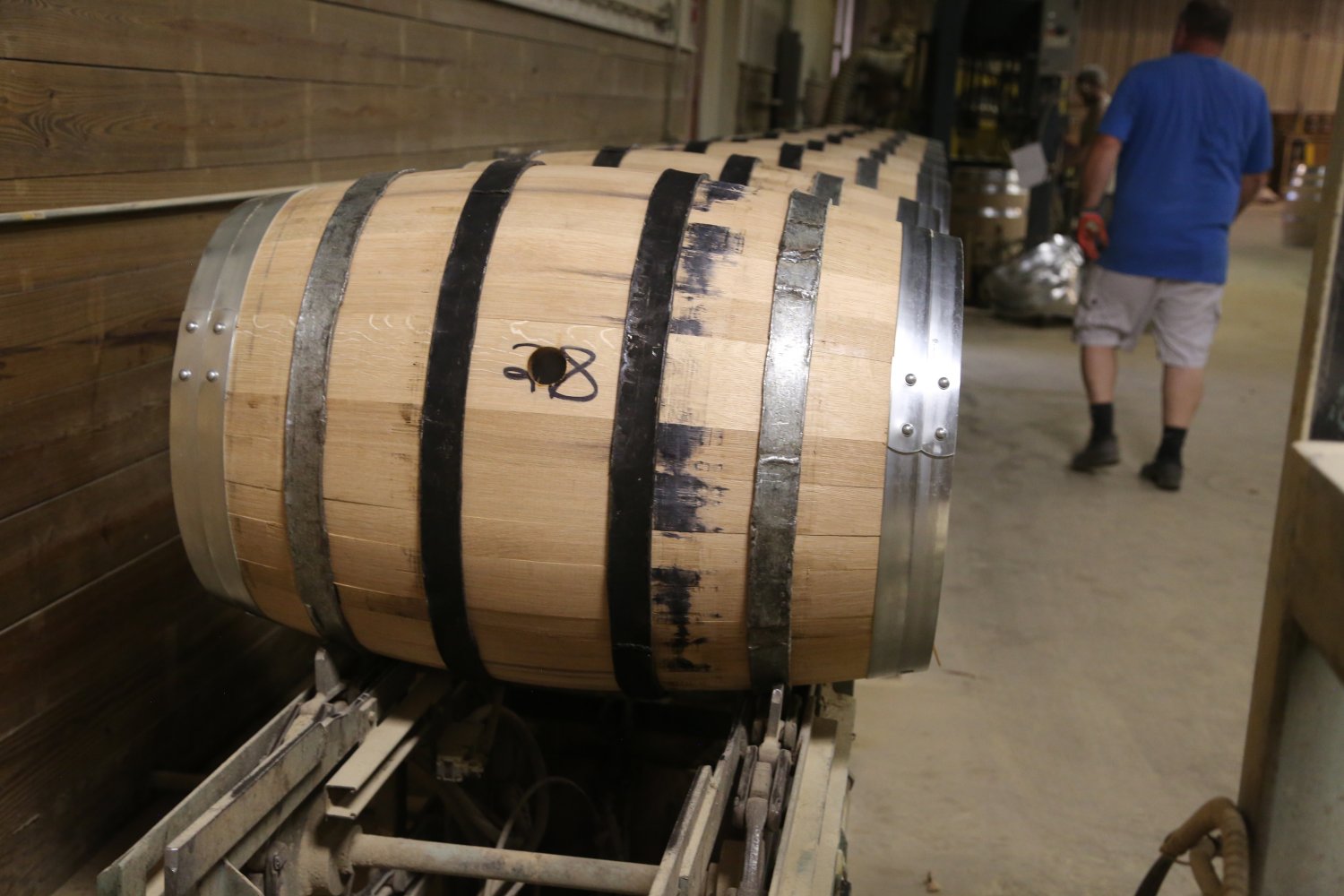
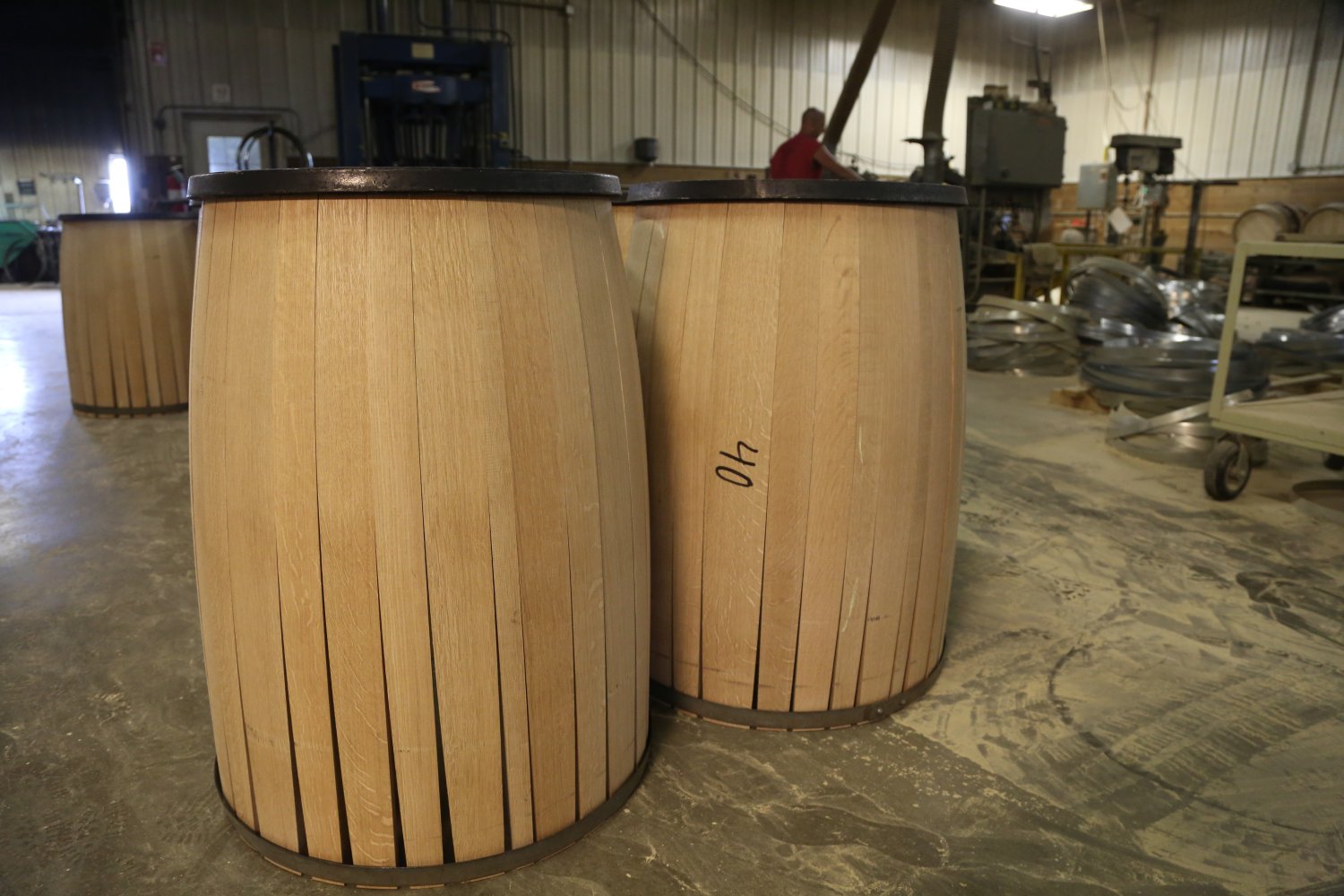
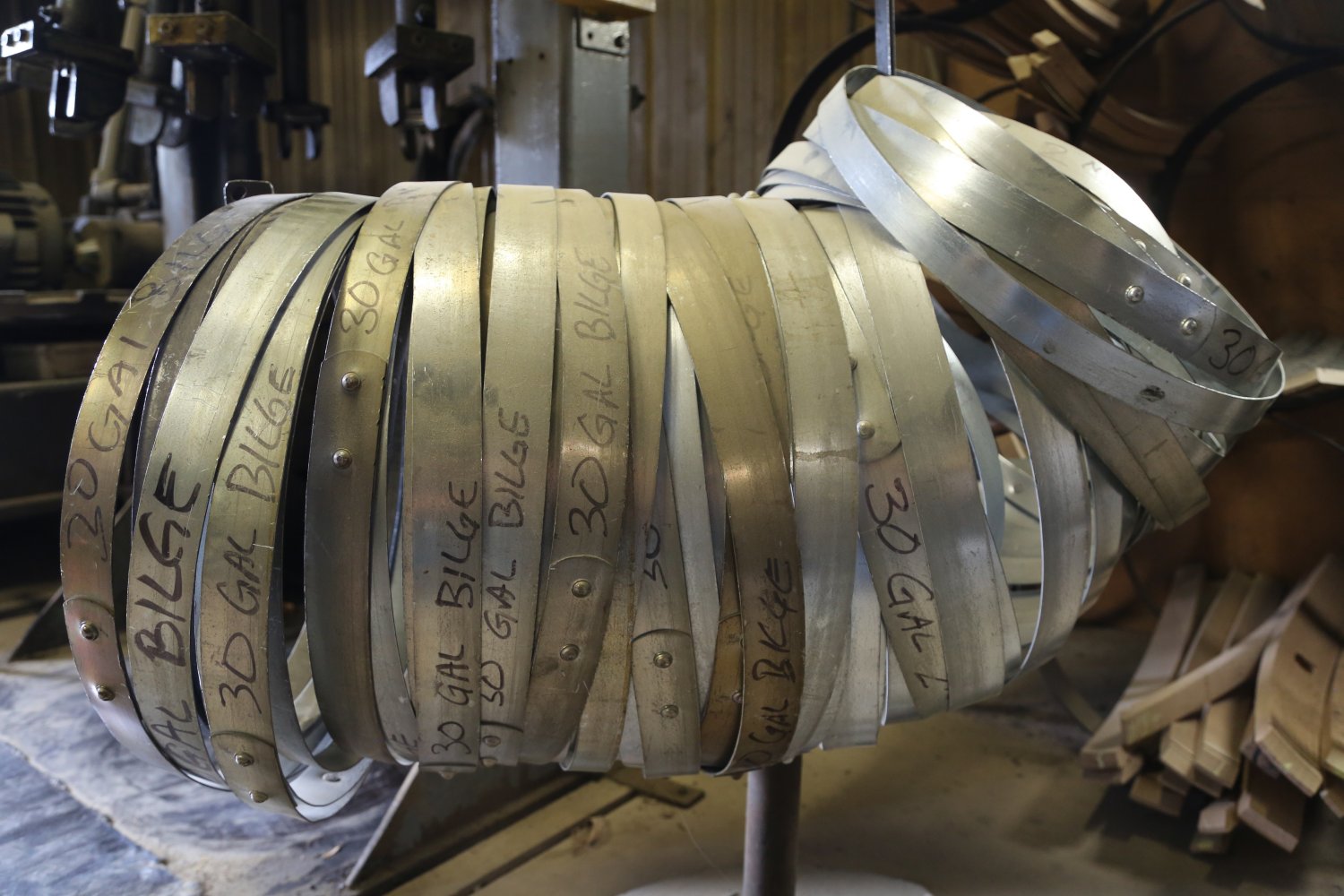
Select Wines
Over the years since we were first introduced to their wines, the alcohol percentages have crept up to the point that one of their most recent releases was nearly 15%. Recent vintages are now typically in the mid 14% range. The wines are meant to be approachable in their youth and ready to drink right upon release. Justin was always proud of this, especially of the Alexander Valley bottlings.
We have found the sweet spot for the Silver Oak wines regardless of Alexander Valley or Napa Valley is often 10-15 years post vintage, especially for the older vintages from the 1970s through the early 1990s. And especially for the Alexander Valley bottlings. However, some vintages show remarkably well at 30+ years. And like with any older wines, bottle variation on older vintages is a reality based on a number of factors, but primarily each bottle’s provenance. In general, the Alexander Valley Cabernet Sauvignon tends to feature higher acidity and be a bit softer in terms of texture. The Napa Valley bottling is generally a bit riper, more concentrated and more structured.
The aromatics on the Silver Oak wines are never opulent or hedonistic rather they tend to be more restrained and take time in the glass for their layers to fully be coaxed out.
The wines between Napa Valley and Alexander Valley differ in large part because of the differences in vineyard sites; for example, the wine for the Napa Valley Cabernet Sauvignon is primarily from hillside/mountain sites. But also because of blending decisions by the winemaking team. The Napa Valley Cabernet Sauvignon, while always at least 75% varietal has a lower percentage of Cabernet Sauvignon in the wine as compared to the Alexander Valley Cabernet Sauvignon. The Napa Valley Cabernet Sauvignon generally spends 5 more months in bottle as compared to the Alexander Valley bottling.
Sauvignon Blanc
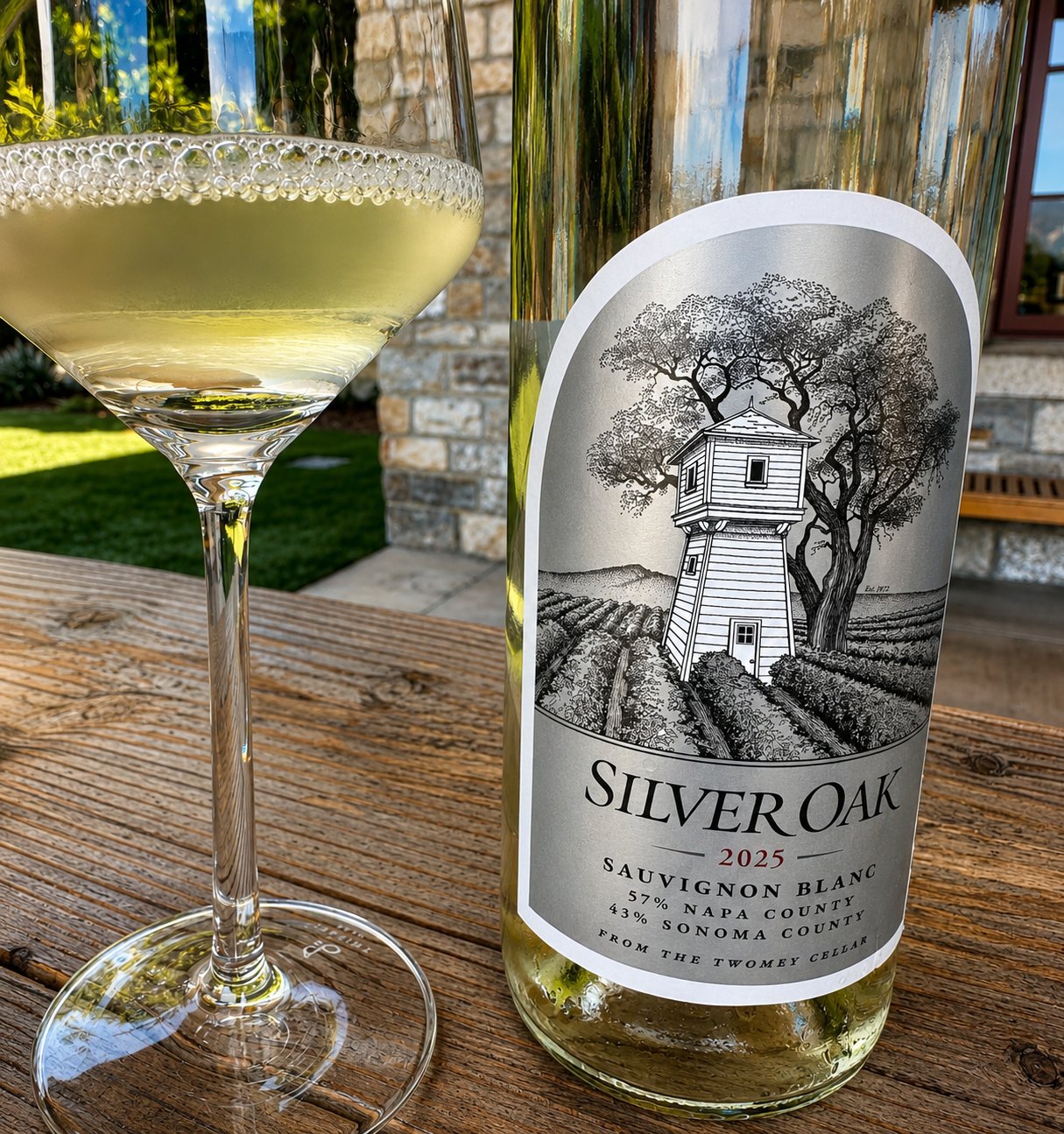 In February 2026, Silver Oak made an announcement that for the first time in their history, they will be producing a white wine bottled under Silver Oak. Beginning with the 2025 vintage, the TWOMEY Sauvignon Blanc will be released as Silver Oak Sauvignon Blanc – available to the public for the first time in Silver Oak’s history on June 9, 2026. The grapes for this wine are from vineyards in both Sonoma County and Napa Valley.
The 2025 Silver Oak Sauvignon Blanc is a blend of 57% Napa Valley grapes including from the vineyard at Silver Oak in Oakville and Calistoga and 43% Sonoma County grapes from the Russian River Valley. It is 91% Sauvignon Blanc with the balance being Sémillon and Sauvignon Gris. This wine was fermented in stainless steel and then aged in a combination of stainless steel and both French and American oak barrels. Silver Oak made a significant splash in the market this year by producing 17,000 cases of this wine.
It is pale straw in color; both sweetly fruited and floral, the nose smells lovely with spring florals including honeysuckle, jasmine, and citrus blossom, accompanied by scents of pineapple, pineapple guava, Meyer lemon, apricot, honeycomb, and vanilla. This is far removed from any green or grassy expression and, while it shows some tropical tones, it never crosses into being overtly tropical either, but rather settles somewhere in between. This wine tastes like honeydew melon, pineapple, Meyer lemon, limeade, golden apples, white nectarine, and apricot. A vibrant vein of acidity tugs against the flavor and texture and keeps this expression thoroughly fresh, especially on the lingering finish. It also buoys the lightly creamy texture so this weight never feels heavy on the palate. Its ABV is 14.2%. Pair this with something from the sea, preferably with two shells. Our choice would be a spicy Thai dish, perhaps a sizzling seafood stir-fry.
Napa Valley Cabernet Sauvignon
2020-2029
The 2021 Silver Oak Napa Valley is 77% Cabernet Sauvignon, 14% Merlot, 4% Petit Verdot, 3% Cabernet Franc and 2% Malbec. We tasted this at Silver Oak Alexander Valley, a few weeks after it was officially released. It was aged for 24 months in American oak of which 85% were new barrels and 15% were used. This wine is deep ruby and nearly opaque. The bouquet smells fresh, ripe and floral with aromas of violets, dried rose petals, lavender and perhaps surprising considering its 14.8% listed ABV, an initial hit of herbal freshness, i.e. dried herbs including sage. Its fruit notes are of blueberry, Santa Rosa plum and raspberry – and these become more pronounced as this wine evolves in the glass. The first word we noted to describe its cadence at this point in its maturation is, seamless. Savory, the palate tastes like smoked cedar, toasted coconut, tobacco spice, sage, and a minerally edge with a pronounced chalky/dusty element. In terms of fruit, this wine tastes like blackberry, boysenberry, dark raspberry and dark plum. The lightly gravelly and tumbled tannins broadly coat the palate and linger with a persistent dusty character. This drying sensation eventually pulls ahead of the fruit on the finish and is the remaining sensation. This wine has lots of life ahead of it. Flank steak please. This bottling pairs quite well with the song Some Beach by Blake Shelton.
For the first time in Silver Oak’s history, they bottled a 375ml sized bottle of their 2020 Napa Valley Cabernet Sauvignon. Justin Meyer was never a fan of bottling his wines in these smaller format bottles. This bottling was released several months prior to their normal February release. It was sold as three packs via their website, or individual bottlings at the winery.
The 2020 Silver Oak Cabernet Sauvignon, Napa Valley is 81.6% Cabernet Sauvignon, 14.8% Merlot, 1.8% Petit Verdot, 1.4% Cabernet Franc and 0.4% Malbec. This wine is deep ruby in color; the bouquet is a union of darker fruits and barrel spices, trending more towards its barrel characteristics as it evolves at this age. There are scents of blackberry, boysenberry, dark plum and black cherry accompanied by dark cocoa powder, dried tobacco leaf, toasted cedar wood, mocha, coffee grinds and some herbal (but not green) notes of dried sage and mint. Already nicely balanced in its youth, the brambly palate offers flavors of blackberry, boysenberry, dark cherry and plum. There are plenty of darker spices at play here including of crushed peppercorn, smoked sage, and a light but lasting woodsy spice. Its texture is gentle, featuring well-tumbled and rounded tannins, with an almost creamy character; they are seamlessly integrated into the finish. Medium acidity. While this wine showcases the contemporary Silver Oak profile, we would not necessarily put this bottling in the furthest reaches of the cellar for multi-decades long aging.
2020 was a notoriously challenging vintage for a variety of reasons, primarily due to the resulting smoke from several fires including the LNU Complex and Glass fires. Many Napa Valley producers elected not to make red wines this year. But many did, including Silver Oak – they just produced less wine. And all who produced and bottled red wines from Napa Valley this year, harvested after the LNU Complex but before the Glass fire. During fire years, having multiple vineyard sources in various locations is a very beneficial attribute, as not every vineyard will be affected by smoke taint.
2010-2019
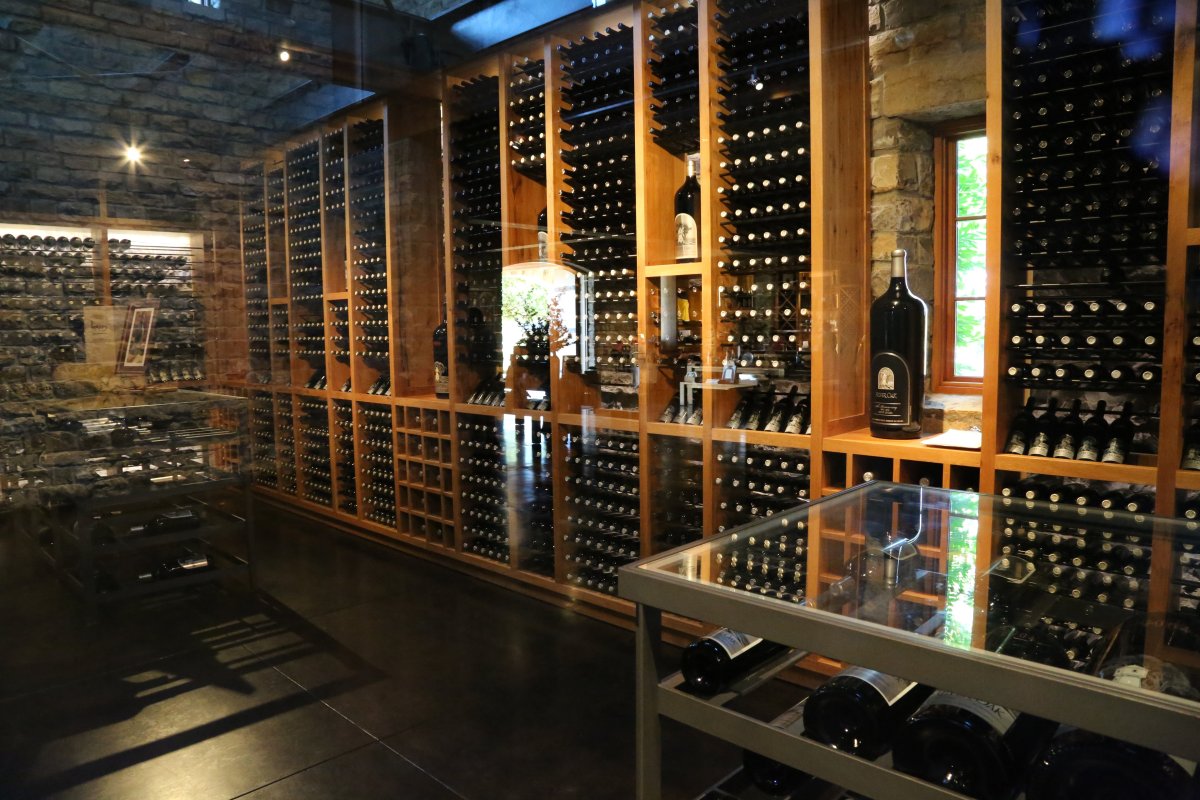
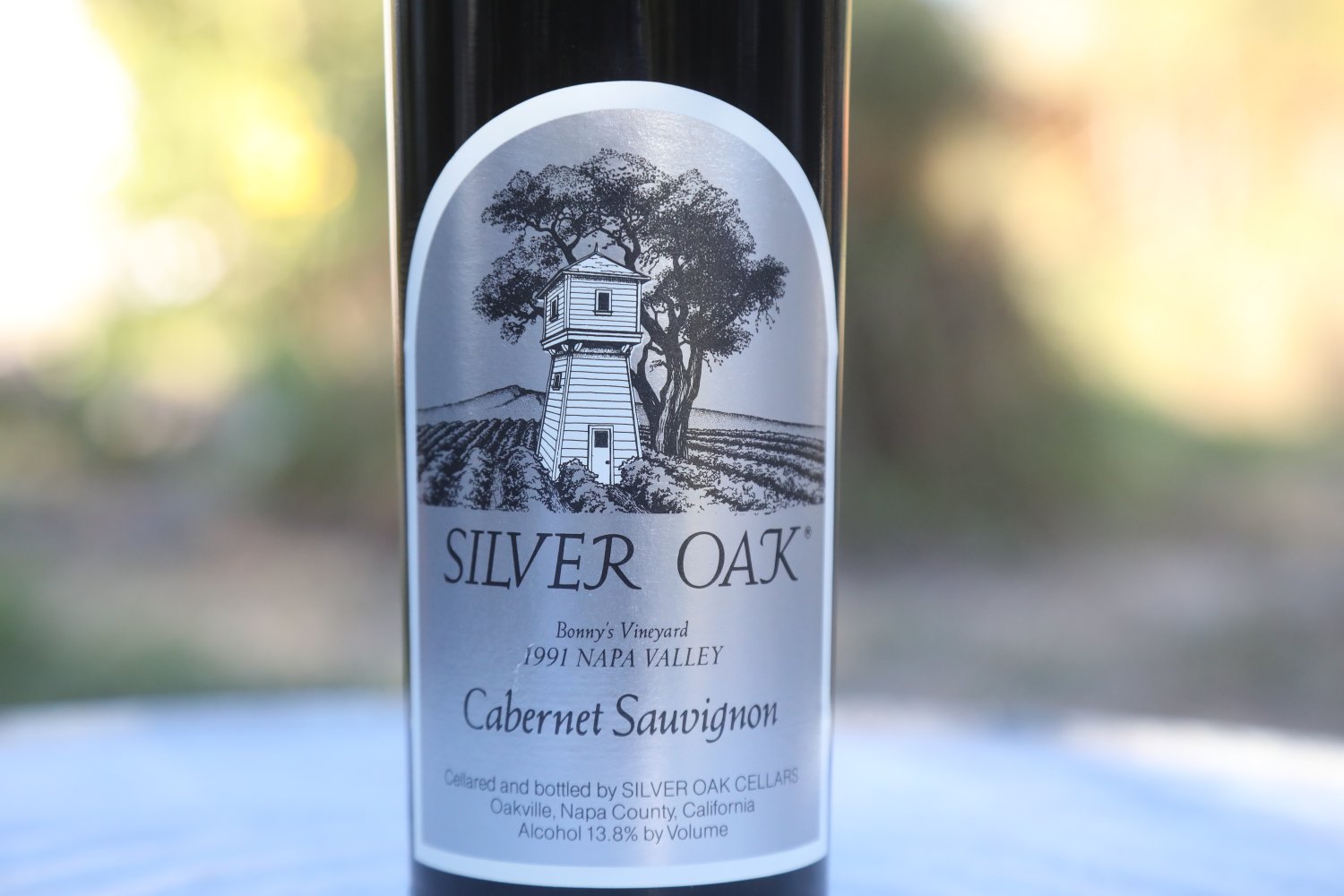 The 2019 Silver Oak Cabernet Sauvignon, Napa Valley is 76.61% Cabernet Sauvignon, 18.13% Merlot, 2.56% Cabernet Franc, 2.32% Petit Verdot and 0.38% Malbec. This wine is deep ruby and nearly opaque; the bouquet sports initial aromas of cocoa powder, milk chocolate and a hint of mocha, and as it evolves in the glass, it opens to blackberry preserves, boysenberry, blackberry, dark cherry and mulberry. Also nuances of old cedar box. It does not cross into the territory of being opulent on the palate, but it is a bit riper than some of Silver Oak’s recent vintages. The flavors somewhat mimic the palate with notes of dark cherry, Pakistani mulberry and boysenberry accompanied by dried sage, a hint of jalapeño, dried tobacco leaf and a long-lasting dusty and chalky character which ultimately outpaces the fruit. The tannins are rounded, resolved, and finely grained; 6 years post vintage at the time of our tasting, they are seamlessly integrated into the finish. This wine was aged in approximately 85% new American oak barrels. 14.8% alcohol.
The 2018 Silver Oak Napa Valley Cabernet Sauvignon is a blend of 76% Cabernet Sauvignon, 15.2% Merlot, 5.1% Cabernet Franc, 3.2% Petit Verdot, and 0.5% Malbec. It is dark ruby in color; the bouquet was a little closed at the time of our tasting and needed some time to fully open. When it does open further, it shows notes of red cherry and a hint of dried herbs. The oak in this bottling is present more on the palate rather than the bouquet. This wine offers flavors of red cherry, strawberry and red currant along with some toasted oak and cedar notes. Its textural grip still shows somewhat youthful with tightly woven but finer-grained tannins persisting for quite some time on the slightly dry finish. We also noted its juicy and mouthwatering acidity. This wine clearly has plenty of life ahead of it (we tasted it several weeks after it was released).
The 2017 Silver Oak Napa Valley Cabernet Sauvignon is 80.8% Cabernet Sauvignon, 14.6% Merlot, 2.9% Petit Verdot, 1% Cabernet Franc and 0.7% Malbec. This wine is dark ruby in color; the bouquet offers aromas of cherry, plum, and red licorice with some blackberry notes deeper in the aromatics. Also shows some briary and savory notes with old cedar, dried herbs and a subtle note of dark baking spices. This wine features flavors of red cherry, currant, pomegranate and other higher toned red fruits. It is balanced right out of the gate with a light gravelly texture which is well integrated into the finish. Lingers with a red fruit brightness along with notes of dust, dried rock and dried tobacco leaf. Like the 2017 Silver Oak Alexander Valley Cabernet Sauvignon, this wine has great acidity.
The 2016 Silver Oak Napa Valley Cabernet Sauvignon is 78.9% Cabernet Sauvignon, 15% Merlot, 3.5% Cabernet Franc, 2.3% Petit Verdot and 0.3% Malbec. It is deep ruby and opaque; the bouquet offers a diversity of both fruited and spice driven scents including raspberry, blackberry, cocoa powder, a light note of cured meats and library book. Plush on the entry, this wine offers flavors of red plum, raspberry, blackberry and hints of pepper, especially on the finish. Brightly lit, youthful and energetic 8 years post vintage at the time of our most recent tasting. It still needs time to evolve in the bottle. The chewy, chalky and dusty tannins seem more pronounced in this vintage as compared to several of the immediate previous vintages. Their feel is an integral part of this wine. The lengthy, earthy and mouthwatering finish is filled with both fruit and texture. This bottling is aging well with still plenty of life ahead of it with the property cellaring.
The 2015 Silver Oak Napa Valley Cabernet Sauvignon is 80.9% Cabernet Sauvignon, 12.6% Merlot, 3.6% Cabernet Franc, 2.4% Petite Verdot and 0.4% Malbec. This wine was aged for 24 months in 85% new American oak and 15% once-used American oak barrels followed by another 20 months of aging in bottle prior to release. It is deep ruby and opaque; the attractive and layered bouquet offers scents of raspberry, strawberry, plum, a hint of mocha, a subtle note of dried dill seeds and clove. This bottling needed some time in particular for the fruit to really start showing. In a sweet spot right now, the palate reveals flavors of cherry, assorted berry fruits including raspberry. The dusty tannins sport a moderate and long-lasting grip. Their texture is rounded and perhaps not as dense as in the 2013 vintage. We noted their feel as a chewy chalkiness, with both attributes persisting on the extended finish and ultimately outrunning the fruit. Laura spoke about this wine showcasing the characteristics of being on the back end of part of several years of drought; berry sizes were small, equating to a higher skin to juice ratio and overall yields were lower this year.
The 2014 Silver Oak Napa Valley Cabernet Sauvignon is a blend of 78% Cabernet Sauvignon, 11.6% Merlot, 6.7% Cabernet Franc, 2.1% Petit Verdot, and 1.6% Malbec; we tasted this wine out of a magnum 11 years post vintage. Its color is holding up nicely and is still deep ruby and nearly opaque. The wine smells elegant with more mature aromatics at this age; these scents include cherry pie, blackberry, boysenberry, Santa Rosa plum, dark chocolate and chalk. Very much still primary across the palate, and in a balanced place, this wine tastes like raspberry, red cherry, boysenberry, red plums and bittersweet chocolate. The finish lingers dark and notably savory including dried herbs including sage, bay leaf, crushed peppercorn, smoked creosote and dried jerky. The tannins are well integrated, covering the palate with a polished, rounded and lightly dusty character. Silver Oak is known for its presence at steakhouses; this bottling in particular would pair nicely with a well marbled and covered in a spicy dry rub Wagyu steak and a BBQ.
2014 was also the year of the South Napa earthquake, a 6.0 tremblor that hit at 320am on August 24th. Silver Oak lost several hundred bottles of ‘testing’ wines from single vineyards and three barrels of wine, none of which were ever going to be bottled for consumers. After rebuilding the winery, Silver Oak switched to using sturdier four-barrel wine racks; this certainly prevented additional loss during the quake.
The 2013 Silver Oak Napa Valley Cabernet Sauvignon is 79% Cabernet Sauvignon, 15% Merlot, 3% Cabernet Franc, and 3% Petit Verdot. This wine was aged for 24 months in 85% new American oak and 15% once-used American oak barrels followed by another 20 months of aging in bottle prior to release. Of note, a bit more Merlot was used in this particular vintage; the Merlot Silver Oak grows consistently contributes a plush and juicy character. This wine is deep ruby and opaque; the bouquet sports dark fruited aromas including tobacco spice, plum, blackberry, dark licorice, and hints of cinnamon stick and chocolate. The aromatics are also slightly meaty and savory. The palate is a treasure chest of fruit with flavors of blackberry, dark plum, cherry and a note of dried sage. Juicy, mouthwatering and complex. Eleven years post vintage, the long-lasting tannins are grainy, gravelly and still firmly textured. Their ‘weight’ is still front and center 11 years post vintage and one can still really ‘feel’ the characteristics of this vintage. The palate lingers with persistent drying character and a note of tobacco spice. This wine has loads of life ahead of it … as in still several decades.
The 2012 Silver Oak Napa Valley Cabernet Sauvignon is 80% Cabernet Sauvignon, 10% Merlot, 7% Cabernet Franc and 3% Petit Verdot; this wine is deep ruby in color. The bouquet needs some time to open and as it evolves in the glass, it offers a note of tobacco spice, raspberry, red cherry and hints of baking spices including nutmeg. Trying this wine, immediately following our tasting of the 2011 vintage is a great example of vintage variation. The palate is more red-fruited than dark with flavors of cherry, plum and currant. The tannins still exert a firm and gravelly textured grip. Their presence outlasts the fruit on the finish, lingering with a dusty character. The palate showcases plenty of freshness, built on the back of its bright acidity and red fruited finish. This wine is in a sweet spot 12 years post vintage at the time of our tasting.
2011 was a challenging growing year in Napa Valley. Director of Winemaking Laura Oskwarek remembers the ‘nervousness’ of the vintage, carefully sorting clusters from picks resulting from early rains following a cold and wet spring and an unseasonably cold summer brought on by the persistent marine layer. Only the best grapes were selected from what became a smaller than normal vintage.
The 2011 Silver Oak Napa Valley Cabernet Sauvignon is 76% Cabernet Sauvignon, 14.5% Merlot, 5% Cabernet Franc, 4% Petit Verdot and 0.5% Malbec. This wine was aged for 24 months in 80% new American oak and 20% used American oak barrels and then 20 additional months in bottle before it was released. It is deep ruby in color; the bouquet offers some savory characteristics including dried herbs, smoked sage and dried earth accompanied by very subtle herbal note. Its fruit scents are primarily red fruited. Superbly balanced at the time of our tasting 13 years post vintage, the palate showcases bright acidity (a hallmark character of the vintage) with more red fruits than dark including raspberry, red cherry and plum. The tannins are polished and rounded, fitting in perfectly on the seamless finish. This wine is drinking well now, but is not a vintage that has as long-term an aging potential as other years.
2000-2009
The 2010 Silver Oak Cabernet Sauvignon Napa Valley is 84% Cabernet Sauvignon, 13% Merlot, 2% Petit Verdot and 1% Cabernet Franc. This wine is deep ruby and opaque; the first two fruited aromatics we noted upon smelling this beauty were plum and blackberry. And the bouquet is mostly focused on its fruit at 16 years post vintage. In addition, there are scents of dark cherry, boysenberry, graphite, dried oregano, red chili spice, tomato leaf and dried sage. Ending a decade on a very fine note, this bottling delivers plenty of pleasure, layers and lift due to an integration of both ripe fruit, lively acidity and texture, but mostly for its overall complex profile. It tastes like dark plums, boysenberry, blackberry and dark cherry. The extended finish is slightly tart and continues to maintain that character. Its mouth feel is both fleshy and dense, due to its tightly packed tannins. Their texture grips the front of the palate especially, with a grainy and gritty tug and a pronounced chewiness – out persisting the fruit by far on the finish with a drying feel. Those who find themselves in the anti-American oak camp, would do good to try this bottling.
The 2009 Silver Oak Napa Valley Cabernet Sauvignon is 84% Cabernet Sauvignon, 8% Merlot, 4% Cabernet Franc and 4% Petit Verdot. This wine is deep ruby; the first aromatic that jumped out of the glass on this wine tasted 15 years post vintage was plum. It has held its fruit exceptionally well on both the bouquet and the palate. The nose smells fresh and lively with additional aromatics of cherry, licorice, dried red fruits, blood orange, dried orange peel and a hint of sweet baking spices including vanilla. The palate sports flavors of dark raspberry, cherry, currant, cranberry and dried tobacco leaf. The tannins most certainly have been softened by time in the bottle, but still show with a gravelly texture and a drying grip. The finish lingers with a drying character which fully encompasses the palate. This is a savory showing with plenty of life ahead of it although it will most likely start showing more tertiary aromatics in the near coming years. This wine pairs well with the song Roll Truck Roll, by Red Simpson.
The 2008 Silver Oak Napa Valley Cabernet Sauvignon is 83% Cabernet Sauvignon, 7% Merlot, 7% Cabernet Franc, and 3% Petit Verdot. This wine is medium to deep ruby with some brickish hues that have developed at 18 years post vintage at the time of our tasting. What a difference jumping up 20+ years makes from tasting older vintages of Silver Oak; the generous bouquet shows loads of recognizable, but mature fruits and still has a number of years ahead of it before it transitions to tertiary. It smells like blackberry jam, cherry pie, boysenberry jelly, cassis, liquid violets, old cedar wood, sweet pipe tobacco, dark chocolate, mocha and vanilla. The bouquet is a union of both ripe fruits and plenty of accompanying sweeter layers, a contribution from its time in oak. Soft in terms of both flavor, texture and acidity, this wine is in a balanced state of being at this age. The perfect equilibrium. It tastes like dark plum, blackberry, raspberry, dark mulberry and boysenberry. Its finishing notes include tobacco, smoked sage and a light ferrous/iron character. The dusty and light gravelly textured tannins have been further tumbled by time in the bottle; they persist with a friendly hug. This wine shows great by itself but our first thought in terms of a pairing is lamb ribs slow cooked in the oven.
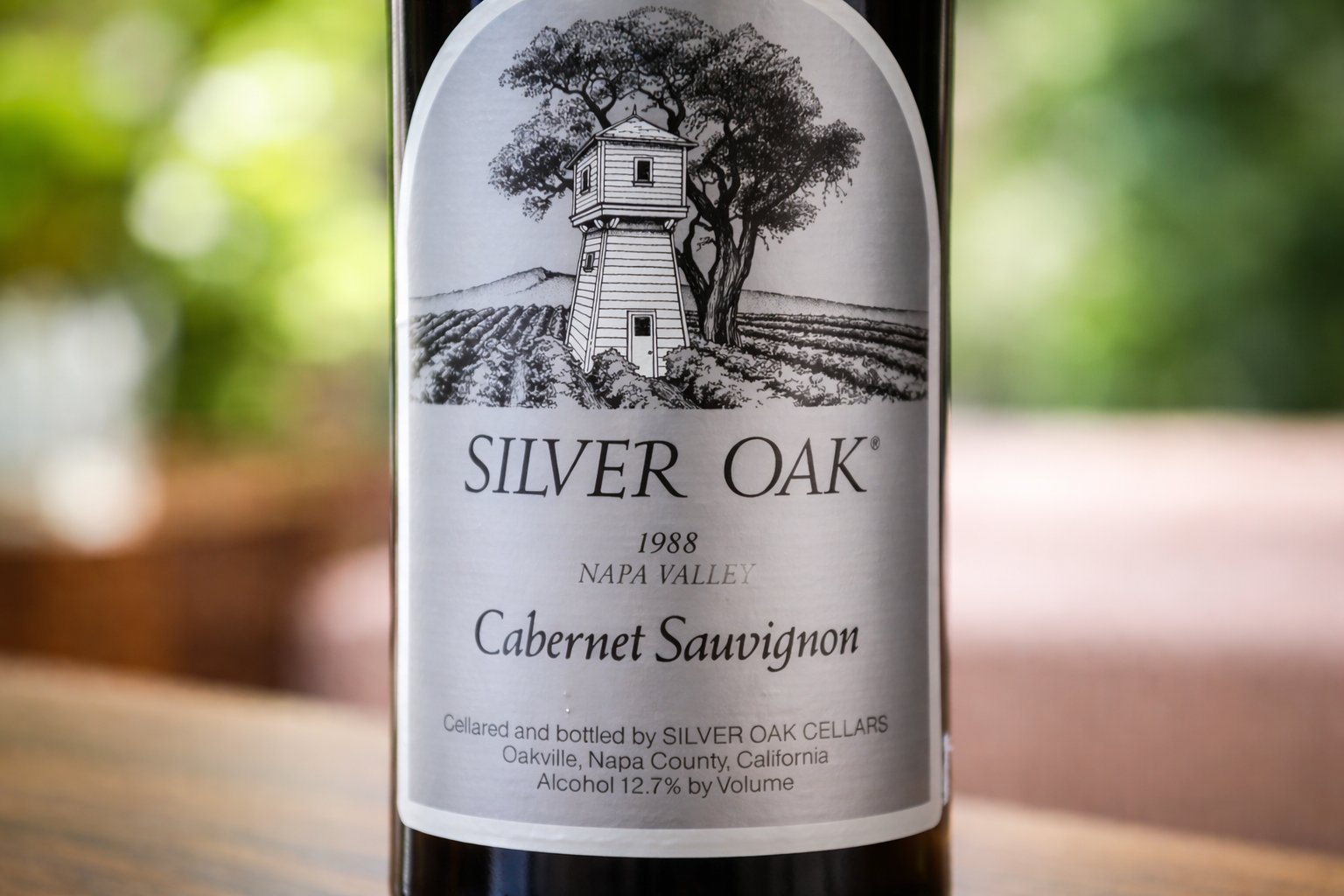 The 2007 Silver Oak Napa Valley Cabernet Sauvignon is a blend of 90% Cabernet Sauvignon, 6% Merlot, 1% Cabernet Franc, and 3% Petit Verdot. Tasted 14 years after the vintage date, this wine is aging gracefully, showing a harmonious balance between its developed characteristics and retained freshness. In the glass, it shows a medium to dark ruby core with a subtle brickish hue at the rim. The bouquet clearly reflects its maturity; notes of ripe raspberry lead, complemented by secondary characteristics of old leather, cedar box, and a dusting of cacao powder. With a bit of time in the glass, additional nuances unfold, including a faint herbal quality—suggestive of dried herbs—and a gentle savory edge that adds depth and intrigue without overshadowing the fruit. On the palate, the wine strikes a pleasing balance between liveliness and age. There is still a noticeable brightness to the fruit, with red berry flavors including raspberry and red currant at the forefront, supported by subtle earthy undertones. The acidity remains well-preserved, lending energy and lift across the mid-palate and through the finish. Fine-grained tannins are fully integrated, contributing to a smooth, supple texture while still providing enough structure to carry the wine forward. The finish is persistent and composed, with a gentle taper that highlights both fruit and savory elements. Overall, this is a well-balanced, mature wine that continues to drink beautifully, offering both approachability and complexity. A lighter cut of beef—such as a BBQ flank steak would pair especially well, allowing the wine’s acidity and refined structure to complement the dish without overwhelming it. This wine is 13.9% ABV.
The 2006 Silver Oak Napa Valley Cabernet Sauvignon (tasted 12 years after vintage) is composed of 81% Cabernet Sauvignon, 11% Merlot, 5% Cabernet Franc, and 3% Petit Verdot. On the nose, there are clear indications of maturity, though the palate doesn’t fully reflect its age, creating a pleasant sense of freshness alongside its developed character. In the glass, it shows just a slight browning at the rim, but remains predominantly ruby, suggesting it still has vitality. The bouquet is expressive and inviting, offering a gentle sweetness of fruit—primarily red cherry—layered with lifted floral notes of violet. With a bit of air, subtle secondary nuances emerge, including hints of mocha, light cocoa, and a delicate dusty earthiness that adds complexity without overwhelming the fruit. On the palate, the wine is holding up remarkably well at this stage. It maintains lively red fruit tones supported by bright, well-integrated acidity that keeps everything feeling balanced and energetic. The tannins have softened into a polished, refined texture, yet still provide enough structure to frame the wine, lingering softly on the finish. There’s a seamless harmony here between fruit, acid, and structure that makes it particularly approachable now while still showing the capacity to age further. Overall, this is a balanced, food-friendly Cabernet that continues to evolve gracefully. Given its slightly lighter, more elegant profile, it would pair especially well with a lighter cut of beef, such as flank steak, where its acidity and finesse can complement rather than overpower the dish.
The 2005 Silver Oak Napa Valley Cabernet Sauvignon is 80% Cabernet Sauvignon, 10% Merlot, 7% Cabernet Franc and 3% Petit Verdot. This wine is deep garnet and nearly opaque in the glass. Perfumy and sweet in terms of both fruit and dessert aromatics, in a blind tasting from smells alone, we would have guessed the alcohol to be somewhere in the mid 14s. However, its listed ABV is only 13.5%. The bouquet offers scents of blackberry jam, boysenberry preserves, cherry pie, a whisper of elegant cedar, mocha, cocoa powder, milk chocolate and coffee bean. The mature palate tastes like dried blackberries, dried figs, dark plums, dried cherries and blueberry. While the alcohol is low, the acidity doesn’t quite complement (is lower than expected) and perhaps that is part of the reason this particular vintage of Silver Oak Napa Valley has not aged as well as one would have expected. Finishes with a note of toasted cedar, dried herbs, pepper and tannins trying to hang on to what was most likely a much stronger grip earlier in its life. Their texture feels gravelly with a light grainy feel, felt mostly on the front of the palate.
The 2004 Silver Oak Napa Valley Cabernet Sauvignon is a blend of 85% Cabernet Sauvignon, 7% Merlot, 5% Cabernet Franc, 2% Petit Verdot and 1% Malbec. This wine is deep ruby and nearly opaque; we tasted this 21 years post vintage. The bouquet sports aromas of raspberry jam, cherry pie, boysenberry, blackberry, baked plums and dark mulberry. At this age, there is still plenty of primary fruit aromatics expressed, but also with some darker brooding and savory influences including of sweaty saddle leather, pipe tobacco, toast, dried sage, smoked cedar and assorted dried herbs including sage. Balanced, bright and beautiful, this wine still sings a lively song at more than 2 decades. Fresh and savory, this wine tastes like red plum, red cherry, currant, cranberry, not fully ripe boysenberry and blueberry. Finishes tart and juicy with fully encompassing tannins coating every crack and crevasse of the palate with their persistent grainy, gravelly and drying texture. Silver Oak is known for being a steakhouse friendly bottling; this vintage in particular, is the quintessential ‘steak’ wine.
The 2003 Silver Oak Napa Valley Cabernet Sauvignon is blend of Cabernet Sauvignon, Merlot, Cabernet Franc and Petit Verdot. The bouquet is deep garnet and nearly opaque. Compared to the 2002 vintage, this bottling shows much more maturity and aged characteristics. Its fruit aromas have transitioned to dried scents including dried blackberries, cherries and figs, with some sweeter baking spices influencing its presence. These are mocha, milk chocolate, espresso, vanilla, coffee grinds and dark cocoa powder. The bouquet smells riper and sweeter than its listed 13.9% ABV. Its flavors include dark cherry, sweet plums, blackberry, boysenberry and dark mulberry. And there is a finishing note of cocoa powder, a hint of pepper and a light dusty character. Like the 2002 vintage, this wine is texturally soft; visualizing the shapes of tannins, their ‘tops’ are rounded while the bottoms are square, fitting together like a perfectly aligned piece of a puzzle. Medium to low acidity. In terms of its remaining window, this wine should be consumed now rather than any more cellar aging as it has reached the ‘fading’ stage of its life. We needled and nosed this bottling 23 years post vintage.
The 2002 Silver Oak Napa Valley Cabernet Sauvignon is 83% Cabernet Sauvignon, 11% Merlot, 4% Cabernet Franc and 2% Petit Verdot. This wine is holding its color remarkably well, 24 years post vintage. It is deep ruby and nearly opaque with a slight transition to some brickish hues from its time in bottle. The bouquet speaks a savory tone, yet there is also plenty of darker fruits in this aromatic expression. And unlike some of the ‘neighboring’ newer vintages, this wine is still particularly fresh after its two+ decades. Its aromatics include Damson plum, blackberry, boysenberry, coral cherry, old cedar box, pipe tobacco and deeper on the nose, notes of milk chocolate, vanilla and mocha. Balanced with a gentle textural profile, this wine tastes somewhat brambly with flavors of blackberry and dark raspberry accompanied by dried figs, wild sage, bay leaf, a hint of thyme and cracked dark peppercorn. Finishes spicy with a darker and long-lasting inclination. The tannins are fully ripe, rounded and resolved at this age, persisting softly with with a supple and limber texture. Keep a bottle of this with a glass handy as you prepare the rub for a tri-tip using paprika, chili powder, cayenne pepper, brown sugar, garlic powder, onion powder, salt, and pepper.
The 2001 Silver Oak Napa Valley Cabernet Sauvignon is 86% Cabernet Sauvignon, 8% Merlot, 4% Cabernet Franc, and 2% Petit Verdot. This wine shows as deep garnet in color; its bottle bouquet perhaps gives the perception that this wine is far riper than in actuality. Its listed ABV is only 13.6%. The nose smells a union of mature fruits and sweet barrel influenced notes. The aromas are of blackberry jam, cherry pie, dark raspberry, plum compote, sweet pipe tobacco, toasted coconut, old cedar box, chocolate, mocha and sweet vanilla. As this wine opens in the glass, the aromatics hold their consistency. The palate delivers soft, mature and ripe fruits including of dried blackberries, a light note of raspberry roll up candy, dried figs, ripe dark mulberry, toasted coconut, mocha, cocoa powder and pipe tobacco. The tannins are rolled up nicely at this age, showing plenty of rounded and supple texture. They finish with a gentle and dusty caress in tandem with fruit on the finish before slowly pulling away. This bottle features a perceived soft acidity. It is approachable and easy drinking and not an overly complicated Silver Oak expression – but still showing nicely at 25 years post vintage. If we were to choose one word to describe its overall cadence at this age, it would be, fun.

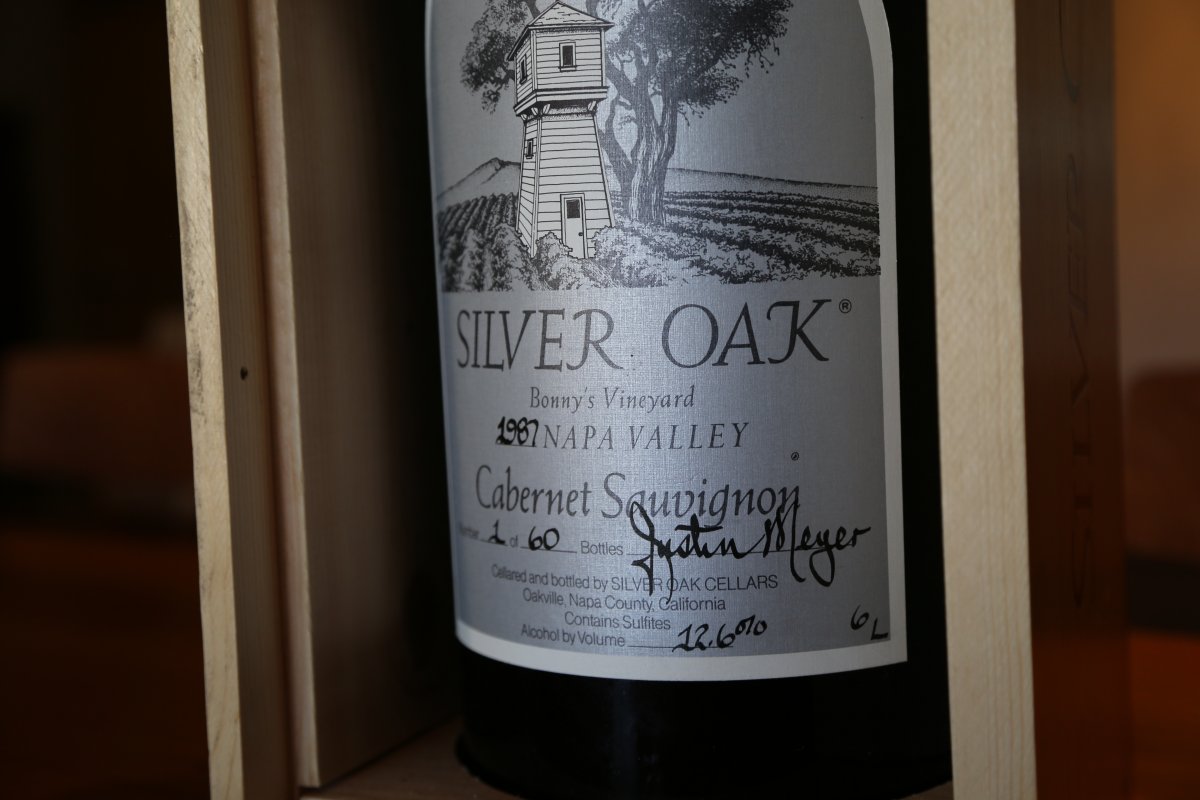 The 2000 Silver Oak Cabernet Sauvignon Napa Valley is a blend of 78% Cabernet Sauvignon, 15% Merlot, 3% Cabernet Franc, 3% Petit Verdot and 1% Malbec. This wine is deep garnet and opaque at 26 years post vintage. Equally savory and fruity at this age, the compelling bouquet sports scents of cherry pie, blackberry jam, boysenberry spread, Satsuma plum, fig, vanilla, pipe tobacco, old cedar box and dried sage. Still, at this age, the bouquet is dominated by its fruit rather than barrel influences. Balanced and bright, this wine offers flavors of red cherry, Santa Rosa plums, raspberry, currant and cranberries. While perhaps Napa Valley wines are not always associated with being fresh, this particular bottling certainly is. The energetic finish persists mouth watering, vibrancy, red fruits and texture. The tannins are still grainy, gravelly and gritty, tugging with a drying and dusty character. There is plenty of depth and complexity at this age; still has years to go with the proper cellar care. This wine pairs particular well with the haunting sounds of the song, Sleeping At Last by Saturn. And its ABV is remarkably low at 13.2%. We wish contemporary Napa Valley bottlings were as fresh as this.
1990-1999
The 1999 Silver Oak Cabernet Sauvignon Napa Valley is 83% Cabernet Sauvignon, 8% Cabernet Franc, 6% Merlot and 3% Petit Verdot. This wine is deep ruby and opaque and hasn’t really started transitioning its colors into brickish hues. Shows some bottle bouquet at 17 years post vintage, but still full of life and ‘happy’ to show its vibrancy at this age upon opening. If we were to use one word to describe its aromatics it would be brambly, a union of summer blackberries and raspberries, with also the smells of the underbrush of the blackberry thickets. Additional notes are of shishito peppers, smoked sage, red chili spice, dark plum, cherry pie and boysenberry. The fruit is also framed by a layer of toasted cedar and dried herbs. Drinking at a lovely point of maturity right now, the palate features an harmonious integration of savory, spicy, and dark fruited characteristics. This wine tastes like blackberry, Satsuma plum, blackberry, dark cherry, dried sage, dried bay leaf, smoked cedar, and a minerally element including chalk. The tannins are broadly spread across the palate and still show plenty of textural girth at this age. Its ABV is 13.9%. Pop open a couple of bottles of this beauty, centered around a BBQ, a pool, a gathering of friends and a late spring day in the world famous Napa Valley for best results.
The 1998 Silver Oak Napa Valley Cabernet Sauvignon is 93% Cabernet Sauvignon, 4% Cabernet Franc, and 3% Petit Verdot. At 28 years post vintage, this wine is deep garnet with brickish colored tones; the bouquet initially smells like dried mushrooms, damp potting soil and duff, followed by notes of sweet pipe tobacco, dark chocolate, dark cocoa powder, coffee grinds, vanilla, dried blackberries, dried mission figs, and dark plums. And this wine shows plenty of oak influence, primarily on the bouquet, but at this age, it is a sweetness rather than any overt toasty characteristics. The bouquet smells riper than its listed 13.5% ABV; in a blind tasting on aromatics alone, perhaps we would have guessed the alcohol to be higher. On the palate there are flavors of red cherry, mulberry, dark raspberry, boysenberry and dark plums. Its non fruits include dried sage, bay leaf and thyme. The flavors have not fully transitioned to tertiary; this wine is showing particularly well at this age. The tannins are broadly coating across the entire palate with a dusty, drying and very long-lasting grip. This texture far outruns fruit and savory on the lengthy finish. Features a chiseled acidity. Lively. Still holding up very well. The 21-day dry-aged New York strip (16 oz) at Coles Chophouse in downtown Napa, a special celebration and good friends would be the ideal accompaniment for this wine.
The 1997 Silver Oak Napa Valley Cabernet Sauvignon is a blend of 93% Cabernet Sauvignon, 5% Cabernet Franc and 2% Petit Verdot. This wine is deep garnet and nearly opaque in color; the mature bouquet offers aromas of dried blackberry, black cherry, dried fig, date crystals, milk chocolate, cocoa powder, chocolate wafer, soy sauce, black licorice, old cedar, toasted wood and sweet pipe tobacco. We needled, nosed and noted this wine 28 years post vintage. Showing a pleasing union of ripe red fruits, savory characteristics, a vibrant acidity and an overall balance, this wine shows in a nice place at this age. Its flavors include red cherry, raspberry, red cherry, currant, boysenberry and Persian mulberry. Finishes with notes of dried herbs including sage and bay leaf, a red fruited juicy tartness and still very much grainy and gravelly tannins, felt more on the front of the palate than the back and lingering with a persistent drying character. Texture far outpaces fruit. This wine still shows plenty of richness, representative of this particular vintage in Napa Valley. Its listed ABV is 13.9% but it might be a bit higher.
The 1996 Silver Oak Napa Valley Cabernet Sauvignon is 91% Cabernet Sauvignon, 7% Cabernet Franc, 1.5% Petit Verdot and 0.5% Merlot. This wine is medium to deep garnet, and clearly showing its brickish color at 30 years post vintage. The bouquet smells aged with its fruit far in the background, represented entirely by dried characteristics. Its scents are of wet cardboard, pipe tobacco, shoe polish and touching upon some of the characteristics commonly associated with rancio including dried mushroom, a damp earth note, coffee, and nutty characteristics including of walnut and toasted almond. It also shows some dried herbal notes but is in no way green; these are dried sage, menthol, and bay leaf. This bottling in particular opens up nicely with some time in the glass. There is more fruit still expressed on the palate than we anticipated at this three-decade mark with flavors of dried cherry, dark mulberry, dark raspberry, dark plum and blackberry along with dried orange peel and dark chocolate. Smoked sage, dried bay leaf and dried tobacco leaf parallel the tannins on the finish. Their texture still coats the entire palate with a rounded, lightly gritty and still, a very persistent grip. Some sort of wild venison coated in a spicy dry rub would be a great fit with this wine.
The 1995 Silver Oak Cabernet Sauvignon Napa Valley is 96% Cabernet Sauvignon and 4% Cabernet Franc. It is medium to deep garnet in color 31 years post vintage. Dried fruits dominate on the nose including of blackberry, raspberry, cherry and plum with perhaps even hints of dried apricot and nectarines. And there is a candied sweetness evident, perhaps of fruit roll-up, an aromatic that brings us back to our childhood – wrapping these roll-ups around our fingers and slowly licking them off. Cassis. And some sweet dessert spices including cinnamon, cardamom and vanilla. The nose smells riper than its listed ABV of 13.3%. This is such a different bouquet then the 1996 vintage. The palate expresses flavors of blackberry, boysenberry, dark plum, dark mulberry and red cherry with a finishing note of dried tobacco and dried sage. The palate shows some age, but the fruit is still surprisingly evident with an accompanying freshness from its vibrant acidity. Lingers with a tart and mouth watering character. This is a softer vintage in terms of its texture at this age; the tannins are well-resolved, rounded and coat the palate with a gravelly and long-lasting dusty and drying texture. In terms of a pairing, how about roast beef with mushrooms and rosemary?
The 1994 Silver Oak Napa Valley Cabernet Sauvignon is a blend of 89% Cabernet Sauvignon and 11% Cabernet Franc. This wine is deep tawny and completely opaque in color; the bouquet smells fully tertiary with mature scents of sweet cedar, dill, cigar box, old saddle leather, library book, a subtle note of mint, mocha, toasted coconut and dried fruits including blackberry and cherry. Breathing in this nose deeply is a smell back in time, some 32 years post vintage at the time we are needling and nosing this bottle. This was the year Nelson Mandela became president and the Channel Tunnel opened, connecting the UK with France via automobile. This wine tastes fresh, juicy, bright and savory, still showing plenty of red fruited tones including tart cherry, cranberry, currant, underripe boysenberry, Icelandic crowberries (look up that obscure fruit if you are not yet familiar with its profile) and herbaceous qualities including sage and lavender, especially noticeable on the finish. This wine lingers tart with plenty of mouth coating tannins; their texture is gripping, persisting beyond the fruit with a persistent tug that is both drying and dusty. Its listed ABV is a refreshing 13.1%. This wine is holding up quite well at this age and still has years of life ahead of it.
The 1993 Silver Oak Cabernet Sauvignon Napa Valley is 100% varietal. This wine is deep garnet in color; at 33 years post vintage the bouquet is has mostly transitioned to tertiary aromatics at this age but still shows enough mature fruit to keep one fully engaged. Its breath is of dried cherries, dried plums, dried blackberries, dried figs, spicy pipe tobacco, freshly tilled wet earth, toasted coconut and old cedar. Certainly evolved with its time in the bottle, but perhaps a perception of being younger than the bouquet, the palate is showing wonderfully at this age. Its mostly red fruited cadence is raspberry, currant, tart cherry, underripe boysenberry, blackberry and mulberry. Tangy and mouth watering, its freshness is still evident at 3+ decades. Like people, we love older wines that still show curiosity, vibrancy and plenty of life – like this bottling. Its non fruited flavors are of tobacco, smoked cedar, cured meats, dried sage and smoked creosote. If we were to evaluate this wine on texture alone, we might surmise its a much younger bottling than its date would indicate. Chewy, grainy, gritty and grippy tannins out pace the fruit by far on the finish. We would like to try this again in another 5-10 years. Its ABV is a listed 13.3%. A spicy dry rub T-Bone steak please.
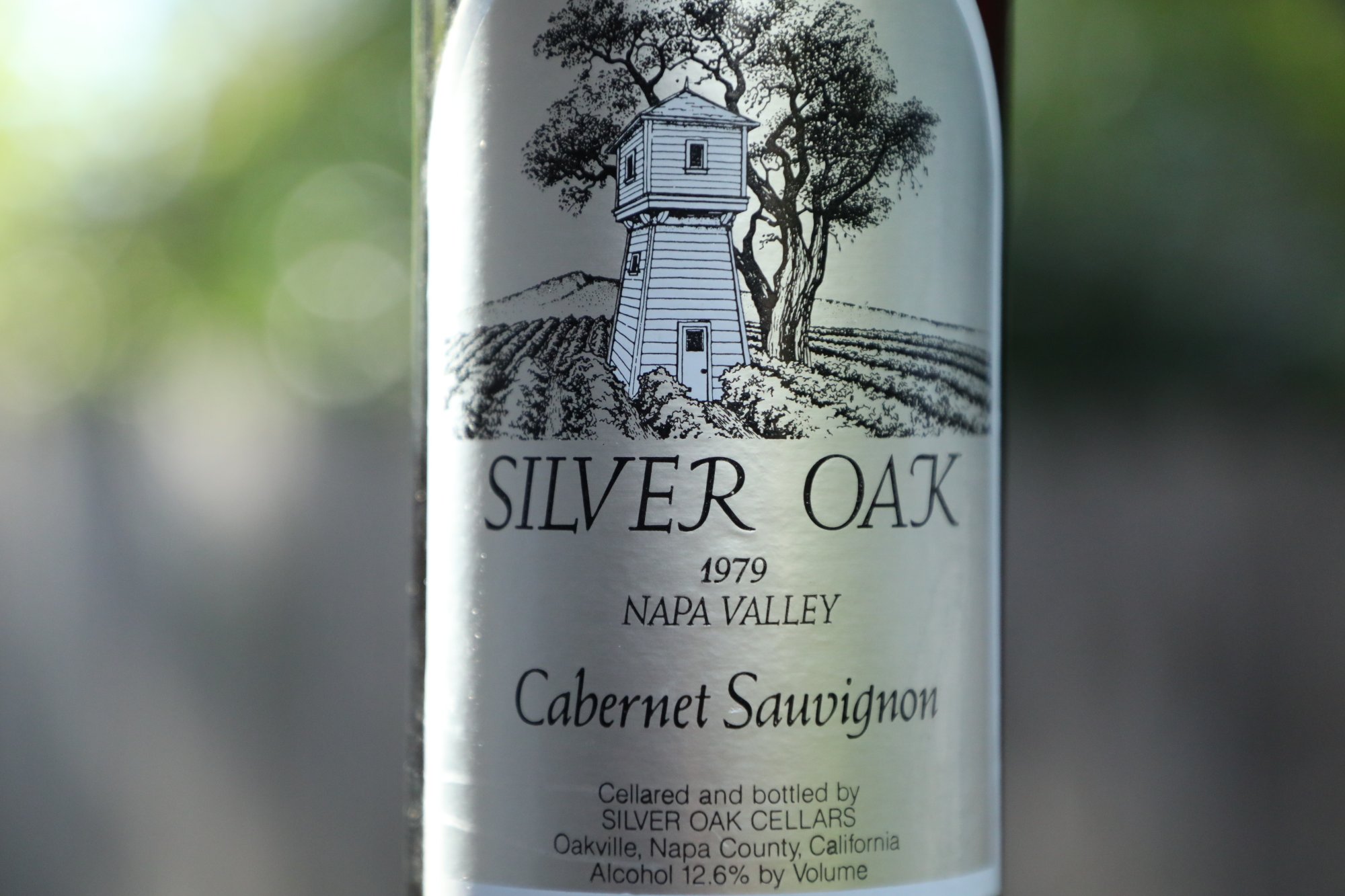
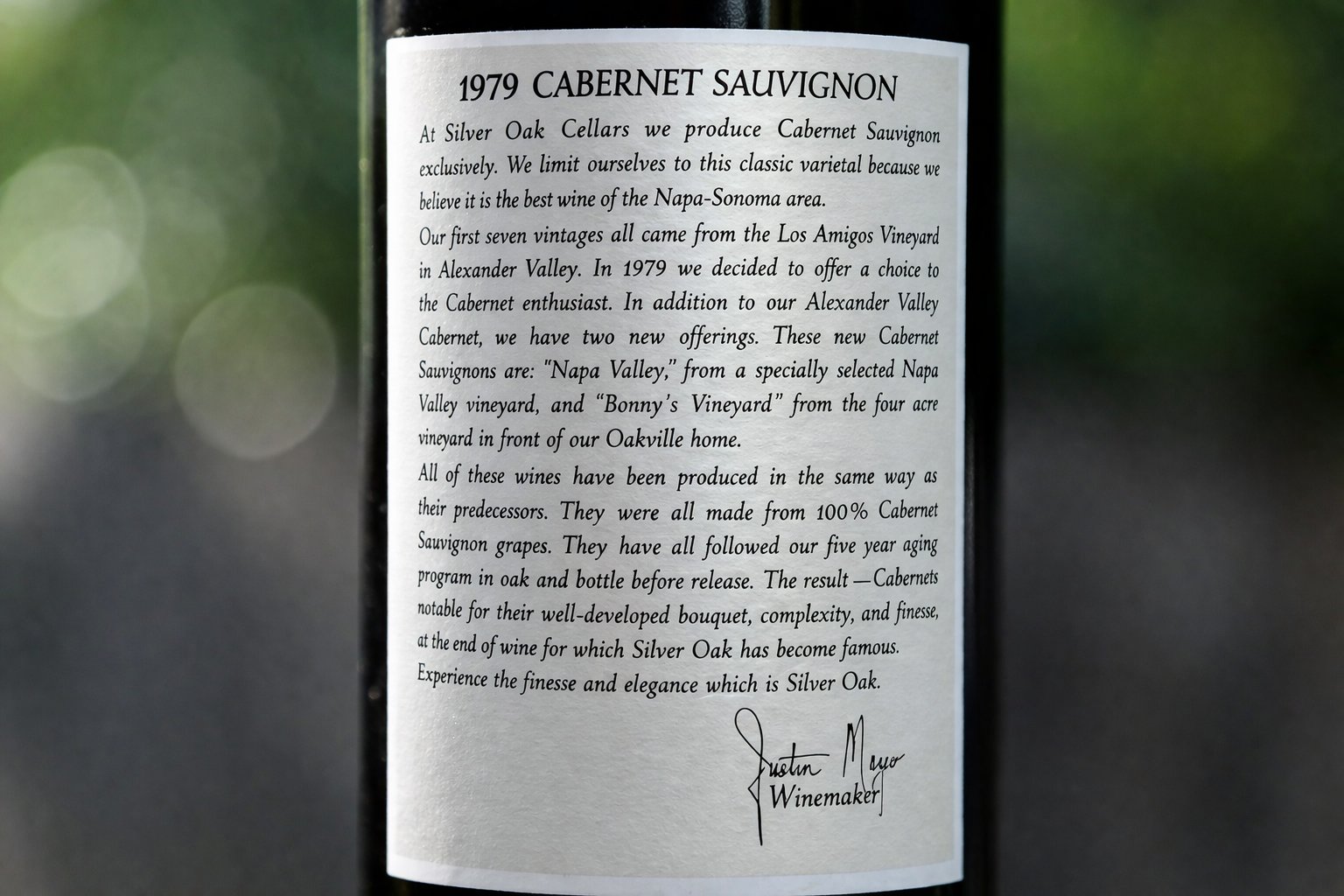 The 1992 Silver Oak Napa Valley Cabernet Sauvignon is a blend of 88% Cabernet Sauvignon, 10% Merlot, 1% Cabernet Franc and 1% Petit Verdot. This wine is deep garnet and nearly opaque. A time capsule, this wine was made in a year of several noteworthy events including the ending of apartheid in South Africa and the year the first SMS was sent. Its bouquet smells of dried tobacco leaf, dark chocolate, old parchment paper, dried herbs including of thyme and a dark basement that hasn’t seen the light of day in decades. But there is still some fruit at play here at 34 years post vintage including of blackberry, boysenberry, dark mulberry, dried cherries and dried dark currants. At this age, the palate expresses more fruit than the bouquet; its savory profile includes flavors of dried blackberry, dark cherry, Satsuma plum, underripe blueberry, cranberry and red currant. Its generous vein of acidity continues to keep this wine fresh, vibrant and filled with energy. Still somewhat tightly wound, this wine remarkably has some years of life ahead of it; lets try this again in 2032. The tannins are grippy and still relentless in their textural tug; they persist well beyond the fruit on the finish with a drying and dusty grip. If you want some cozy sounds to accompany a bottle of this particular wine, listen to Once Again by Hang Massive, the soothing beat of the hand pans. At 12.5% listed ABV, this may be the lowest alcohol bottling from Silver Oak Napa Valley we have tried.
The 1991 Silver Oak Napa Valley Cabernet Sauvignon is medium to deep garnet in color; the bouquet smells aged at 35 years post vintage, but still it retains its red fruited character. It smells like red cherry, currant, red plum, cranberry, red licorice, dried orange peel and a sanguine character or perhaps rusting iron. Its non fruited layers are of suede, pipe tobacco, toasted coconut, old cedar box and dried herbs including sage and bay thyme. It doesn’t yet have some of the rancio characteristics that we find in even older Silver Oak bottlings. This is a very bright expression of Silver Oak’s Napa Valley bottlings; the acidity has kept this wine alive over its 3+ decades in bottle. On the palate there are flavors of currant, cranberry, red plum, pomegranate and red cherry with an herbal influence that is missing from most contemporary Napa Valley Cabernet Sauvignon. These flavors are of well steeped green tea, shishito pepper, bell pepper, red chili spice, dried sage and dried bay leaf. Also smoked cedar. The finish lingers red-fruited, tart and mouth watering. The tannins still feel gravelly with some grit to their texture. Their drying tug parallels the fruit and acidity for some time on the finish. This bottling is 13.5% ABV.
The 1990 Silver Oak Napa Valley Cabernet Sauvignon is 100% varietal; this wine is medium garnet in color at 36 years post vintage. The bouquet still offers plenty of aromatic lift focused on both mature red fruits and herbal influences. This wine smells of of dried cherry, dried cranberries, dried figs, currant, red plums, pipe tobacco, the air inside a humidor, shoe polish, tomato leaves and assorted dried herbs including oregano and smoked sage. Be patient with this bottle as with time the fruit becomes far more expressive as it opens to air. This wine looks and smells aged, yet at the same time, it still is holding on to a certain amount of freshness both on the bouquet and the palate. The acidity is cutting, drawing a precise and focused high energy beat and vibrancy across the palate. Its no wonder it is still sharp; this wine is only 12.9% ABV. The red fruited palate tastes like currant, cranberry, tart cherries, pomegranate, unripe boysenberries, Persian mulberries and not fully ripe red plums. Its non fruited notes include red chili, and some pyrazine characteristics resulting in flavors of Shishito pepper, bell pepper and tobacco leaf. The tannins have been well tumbled with its 3+ decades in bottle; their lightly gravelly and dusty character paces both fruit and acidity on the lively finish.
1989-1980
The 1989 Silver Oak Napa Valley Cabernet Sauvignon is 92% Cabernet Sauvignon and 8% Cabernet Franc. This wine is deep tawny in color and nearly opaque; we tried this bottling 37 years post vintage. Completely tertiary at this age, both on the bouquet and the palate, this wine smells far to the savory side of the aromatic spectrum. And herbaceous too. 1989 was a particularly cold year in Napa Valley (and in northern California in general); it was also the year of 6.9 Loma Prieta earthquake in San Francisco, an event we very much felt while gardening outdoors. Its scents include dried dried herbs including sage, thyme, bay leaf and rosemary. And cigar box, dill and old cedar. It is herbaceous but not overtly green or bell pepper-like. Its fruited notes are dried including cranberry, cherry and currant. Balanced, bright and still very much bouncy from its lively acidity, this wine is remarkably fresh for its age. Its flavors are of dried sage, dried raspberries, currants, cranberries and tart cherry. The finish is lifted, buoyed and bright with its red fruits. This is the first of the 1980s Napa Valley bottlings we tried; if this particular vintage is indicative of the decade, we want more of these wines, in a big way. The tannins still gripping, their tug is strong in this one, lingering in parallel with the red-fruited and tart finish. Exceptional fresh for its age. Its listed ABV is 13.3%, certainly far lower than nearly all the Cabernet Sauvignons produced in contemporary Napa Valley. Please enjoy a kiss with your ‘Silver Oak lips” with your special someone after tasting this wine.
The 1988 Silver Oak Napa Valley is medium garnet in color; higher toned and still very much red fruited, 38 years post vintage, this wine smells like old leather, perhaps a saddle on a sweaty horse or a baseball mitt being used on a hot day, dried pipe tobacco, old cedar box being opened after being closed for a long time, a bundle of dried sage leaves, a dried rosemary sprig, Shishito pepper, dried orange peel and dried fruits including currants, cherries, plum and cranberries. Hiding among the aromatics but still there, is a hint of vanilla. The bouquet is well matured, but there are enough layers here to keep it aromatically interesting. And you will be rewarded with some patience as the nose evolves wonderfully with a little time, offering more than before. The tightly wound acidity immediatley hits the palate with a tartness, showing a lasting presence. This wine tastes like red currant, sour cherry, red plum, cranberry, under ripe boysenberry and Persian mulberry. And it still shows particular well after all this age. In addition to the persistent sensation of vibrant acidity, this wine finishes with a persistent note of dried tobacco leaf, dried sage, dried bay leaf and cedar. The rounded and gravelly textured tannins show primarily on the front of the palate with a soft dusty/powdery/chalky character that holds a short grip. This wine is 12.7% ABV.
The 1987 Silver Oak Napa Valley Cabernet Sauvignon is deep garnet in color, showing its age at 39 years post vintage. The nose offers a diversity of tertiary aromatics including burnt toast, dark chocolate, dried herbs including oregano, fennel, dried tobacco leaf (perhaps the dominant aromatic here), humidor, library book, coffee grounds, old leather and toasted coconut. Its fruit scents are higher toned and red including of dried cranberries, dried cherries and currants. The palate features a bright and somewhat sharp acidity, accompanied by soft flavors and a subtle texture. Other than the acidity, this wine has become more delicate with its extended time in the bottle. It tastes like dried cherry, dried plums, raspberry, currant, cranberry, and a light note of tobacco spice, with the finish dropping off quickly. The tangy and sour acidity is the last note left hanging on the palate, even beyond flavor and texture. The tannins are gently felt, with a smooth and polished character. In terms of pairing, we would like to see something heavy to cut through the acidity, perhaps braised short ribs or a beef stew. We would have liked to have tried this sometime around 2007. This wine is a listed 13% ABV.
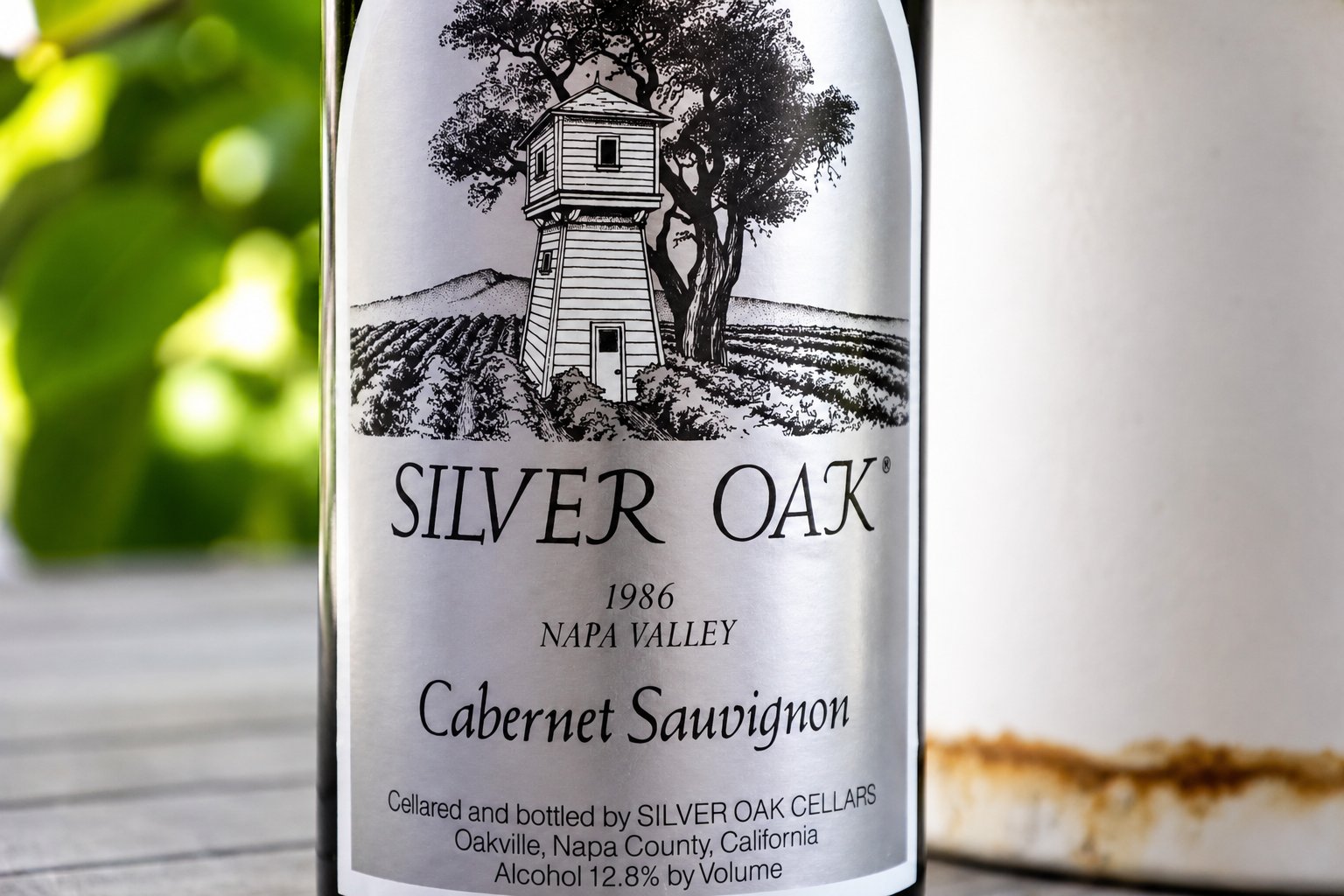 The 1986 Silver Oak Napa Valley Cabernet Sauvignon is medium to deep garnet, showing its age 40 years post vintage but holding on to its color better than other similar aged Napa Valley Silver Oak vintages. Its bouquet sports plenty of character at this age, focusing on non fruited characteristics including menthol, pipe tobacco including dried tobacco leaf, stinky barnyard, old decaying cedar wood, library book, damp forest floor, mushroom, a general mustiness like walking into an old basement, old leather, hot road tar, smoked sage and dried bay leaf. Its fruit tones are very mature but still evident including of currants, assorted dried berries and dried cherries. This wine is holding up quite nice – and is one of the more intriguing ‘old’ Silver Oak Napa Valley bottlings we have tried. The palate offers red fruits, and like the bouquet, are expressed as mature flavors of cherry, currant, plum, raspberry, not fully ripe boysenberry and licorice along with menthol, sweet pipe tobacco and dried herbs including a lingering note of thyme. Superbly balanced, we suspect this wine was already well-balanced upon its release several decades ago. The tannins are gentle, coating with a light gravelly and dusty texture. Unlike some of the other older Silver Oak bottlings where the acidity dominates other aspects of the wine, that is not the case here. Flavor, acidity and structure are all still integrated.
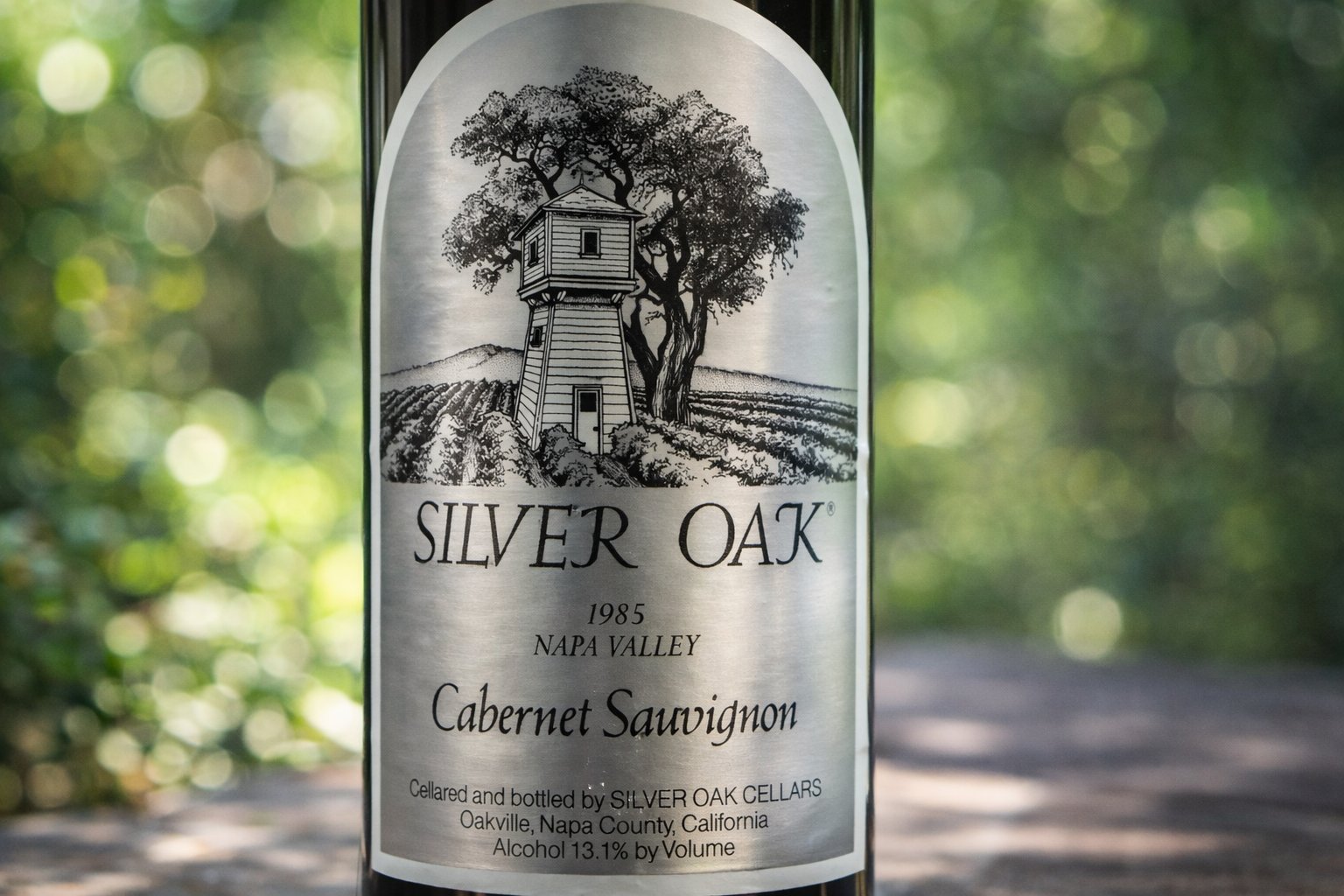 The 1985 Silver Oak Napa Valley Cabernet Sauvignon is medium to deep garnet in color showing off its 41 years post vintage. On both the bouquet and the palate, this wine is showing as well as any of the older Silver Oak bottlings we have tried over the years. There is still plenty of lift on the aromatics from its bright red and dried fruits, including of cherry, currant, cranberry and red plums – with supporting layers of a humidor, dried tobacco leaf, coffee grounds, cocoa powder, soy sauce and dried rose petals. An aromatic influence of dried herbs including sage starts to show more as the wine continues to evolve. The palate is greeted by an immediate tartness, a union of both red fruits and bright acidity. This wine tastes like currant, cranberry, under ripe Persian mulberry and tart cherries, finishing with notes of dried tobacco leaf, hints of fig newton, and toasted cedar. Still has life. Its texture is well resolved at this age, sporting lightly gravelly and almost silky tannins which have softened into a fine, lightly dusty grip. Their texture eventually outpaces the fruit on the finish. This wine must have been highly balanced upon release and elegant – it still is. When drinking this, think of the Titanic; after 70+ years its wreck was finally discovered on September 1, 1985.
The 1984 Silver Oak Napa Valley Cabernet Sauvignon at 42 years post vintage is deep tawny in color. From its color alone, it appears this bottle has not aged as well as other similar seasoned vintages and we would like to retaste this wine from another bottle at a later date. Musty and old smelling, the highly tertiary aromatics are of old library book, dried tobacco leaf, the inside of a humidor that hasn’t been opened in quite some time, well worn saddle leather, notes of soy sauce, dried mushrooms, dried herbs including bay leaf and cedar chest. The fruit was once here, but it is barely present anymore. Although like with all of the older Silver Oak bottlings, be patient and its red toned fruits will start showing given time. The acidity has displaced both flavor and texture with this bottle and is the initial, mid palate and lasting impression on the finish. This wine tastes like sour cherry, currant, unripe plums, cranberry and a strong green and or herbal presence that is hard to disassociate from once you have tried this wine. Finishes super high toned in terms of its edgy and uncomfortable acidity; it is crunchy, tart and sports an unripe character. Lingers with notes of dried sage, bay leaf, tobacco, an earthy/dusty nuance and sour and unripe citrus. The tannins are well rounded but still present with a dusty, chalky and astringent grip that persists for an extended period of time, felt primarily on the front of the palate. Its acidity is listed as 12.4%.
The 1983 Silver Oak Napa Valley Cabernet Sauvignon is very much showing its age from color, to bouquet to palate; it is medium tawny in color. The bouquet is fully tertiary, with both savory and sweet outplaying dried fruits, offering scents of baseball mitt being used on a hot day – or if you prefer the conventional wine writing descriptor – sweaty saddle leather, duff or forest floor, tobacco leaf, tea leaves, burnt chocolate, mushroom, old cigar box, library book, dried cherries, dried sage, and assorted dried berries. There is still acid here, but most everything else most likely has been muted by time. This wine tastes like dried cranberries, plum skin, toasted cedar, pipe tobacco, tea leaves, dried herbs of sage, thyme and bay leaf and a finishing note of mocha, chocolate and coffee grinds. Its acidity still lifts and keeps the overall perception of the palate – bright. In terms of its texture, this wine lingers with a light drying and an almost chalky or perhaps more dusty character that is felt primarily on the front of the palate. There is still a noticeable but light grip here, but its a more feeble handshake at this age. Still, for its age, at 43 years post vintage, this wine is drinkable. Its acidity is 13.1%.
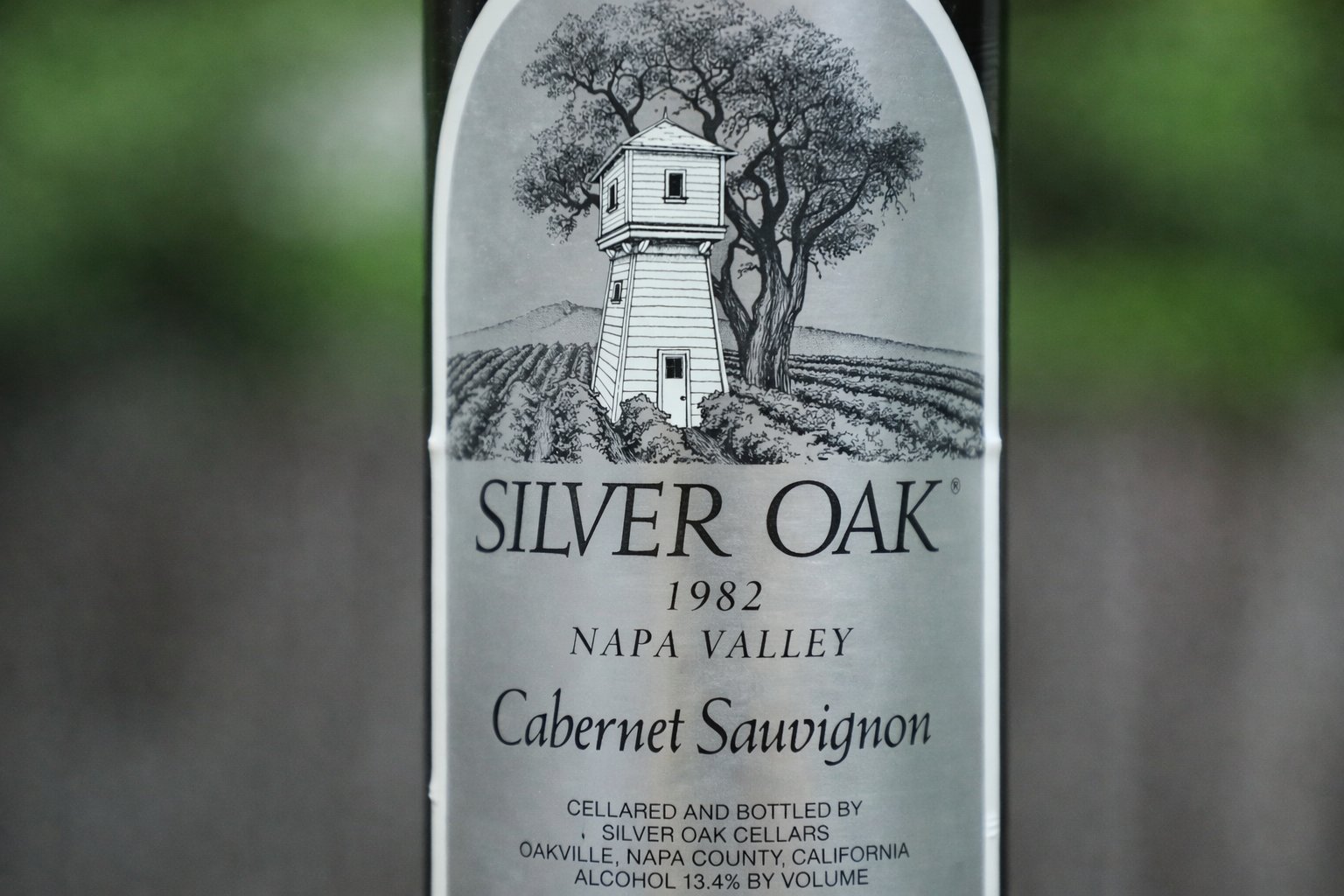 The 1982 Silver Oak Napa Valley Cabernet Sauvignon is deep tawny in color and nearly opaque at 44 years post vintage. The bouquet offers that immediate Silver Oak aged character that we have come to know and appreciate from trying all these older bottlings. Its scents are of dried mushroom, with a pronounced layer of dried tobacco leaf, old wood including cedar box that hasn’t been opened in years, forest floor duff, old books hidden in the darkest recesses of a library (somehow the visual of the University Library of Pavia founded in 1754 popped into our mind when smelling this wine), and old leather. Smelling this wine makes us want to recline in a deep dark leather chair inside the Bohemian Club in San Francisco on a cold winter day, smoke a cigar and enjoy masculine conversation. 1982 in Napa Valley was not necessarily a great year for aging. The acidity is very evident on this bottling, but perhaps not quite as sharp as we would have expected based on its 4+ decades in bottle. On the palate there are higher toned flavors of dried currants and cranberries, tart cherry, sour plums, star gooseberries, and underripe boysenberry with persistent notes of dried tobacco leaf and smoked cedar wood. The tannins are gentle and well-tumbled at this age, showing a light dusty character in tandem with the acidity. The fruit falls off rather quickly on the finish, left with some texture and acidity.
1982 saw Time Magazine list the personal computer as ‘man of the year’, completely breaking with tradition. And in American culture, E.T. the Extra-Terrestrial film was released and became the highest grossing film at the time. Michael Jackson also released his album, Thriller.
The 1980 Silver Oak Cabernet Sauvignon Napa Valley is medium to deep tawny in color at 46 years post vintage. The far evolved tertiary bouquet offers that aged Silver Oak Napa Valley profile that we have come to recognize; it sports scents of well aged leather, toasted coconut, cigar wrapper and pipe tobacco, old cedar box, dried mushrooms, cured meats, black tea, dried sage that has been sitting around a while, assorted roasted herbs and old library book. The fruit that is present is of the dried nature including currants, cranberries and cherries. The high acid and lower pH in this bottling in particular has preserved a bit of freshness on the palate including some of its inherent red fruited characteristics. These flavors include raspberries, red plums, red cherries, red currant and a finishing hint of soy sauce. Some of the non fruited attributes on the bouquet are also represented here including of tobacco, cedar and dried herbs. This wine finishes brightly lit with a juicy and lively acidity. The tannins are fairly docile with their texture, gently coating, primarily the front of the palate. At this age, this bottling pairs particularly well with the song Fade Into You by Mazzy Star – a calming sound that feels like a memory you can still touch but can no longer return to. This wine is a listed 13.6% ABV.
1979 (1979 was the only Napa Valley vintage produced this decade)
The 1979 Silver Oak Napa Valley Cabernet Sauvignon is medium tawny in color; mature, savory and far in the corner of being tertiary, this wine smells like old library book, dried mushrooms, cedar box that hasn’t been opened in a very long time, like walking into an old wine cellar, soy sauce, a nutty oxidative quality, tobacco, old leather, dried herbs and dried tea leaves. These scents initially overshadow any remnants of fruit – but there are still hints there, all dried, and they become more pronounced with exposure to oxygen, including of red cherries, currants and cranberries. A burst of tart acidity comes right out of the gate, tingling the front of the palate with its tangy and sharply defined cutting character. The mouth offers red fruited flavors of dried currants, cranberries and lasting notes of sour cherry and under ripe, tangy and tart berries. Herbal. And beyond the fruit and acidity on the finish, there is persistent note of dried tobacco leaf. At this stage, the tannins show a fully resolved and tumbled character, soft and finely woven, they are almost imperceptible on the gentle finish. After 47 years, his wine is showing its age and some bottle fatigue. This is Silver Oak’s first Napa Valley bottling. Its listed ABV is 12.6%. Regardless, it goes well with the melodic sounds of the mostly instrumental, Never Enough by Two Lanes.
Bonny’s Vineyard
The 1991 Silver Napa Valley Cabernet Sauvignon, Oak Bonny’s Vineyard is 100% varietal and was tasted 30 years post vintage date. This wine is the color of older bricks (brownish lighter orangish/red hues); the bouquet shows aromas of raspberry jam and fig with hints of dried herbs and tobacco leaf deeper in the aromatics. A little vegetal on the nose without being green. Also some darker dessert spices that are coaxed out as the wine opens – including cardamom. The sweetness of the aromatics are pronounced in a nice union of both fruit and tertiary aromas including caramel. The fruit still shows on the palate but without a lot of structure – rather there is a lightness of texture flowing across the palate with a fine kiss of tender tannins on the finish. Clean from start to the end with plenty of brightness still evident, especially noticeable on the finish. Lingers with red fruits including cherry, cranberry and currant along with tobacco smoke. Mouth watering. Pair this beauty with a pan-seared duck breast with a savory thyme jus and roasted root vegetables.
In 1984 the San Francisco Chronicle described the inaugural 1979 vintage of Bonny’s Vineyard as, “Outstanding – a worthy competitor for Martha’s Vineyard”.
Alexander Valley Cabernet Sauvignon
2020-2029
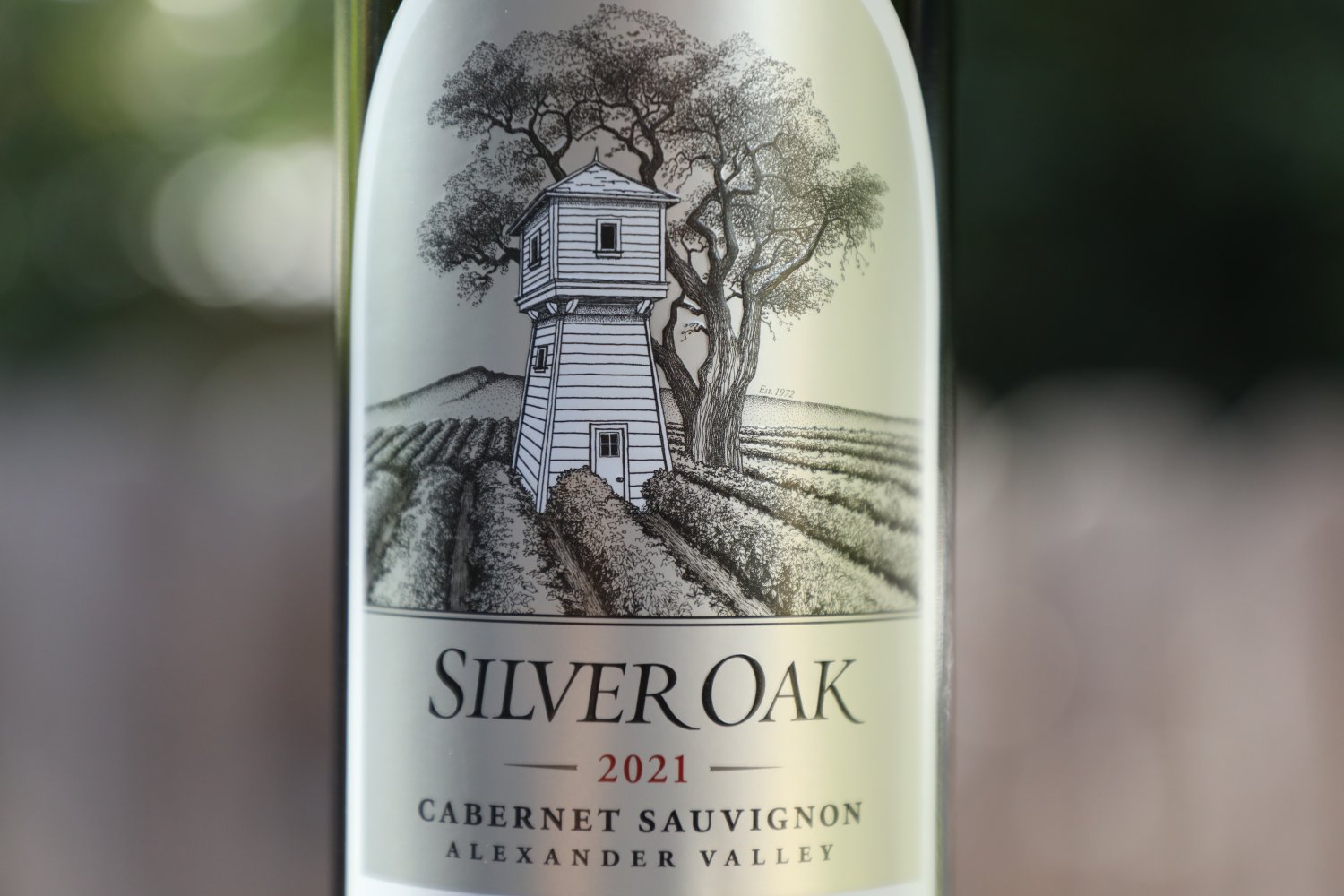
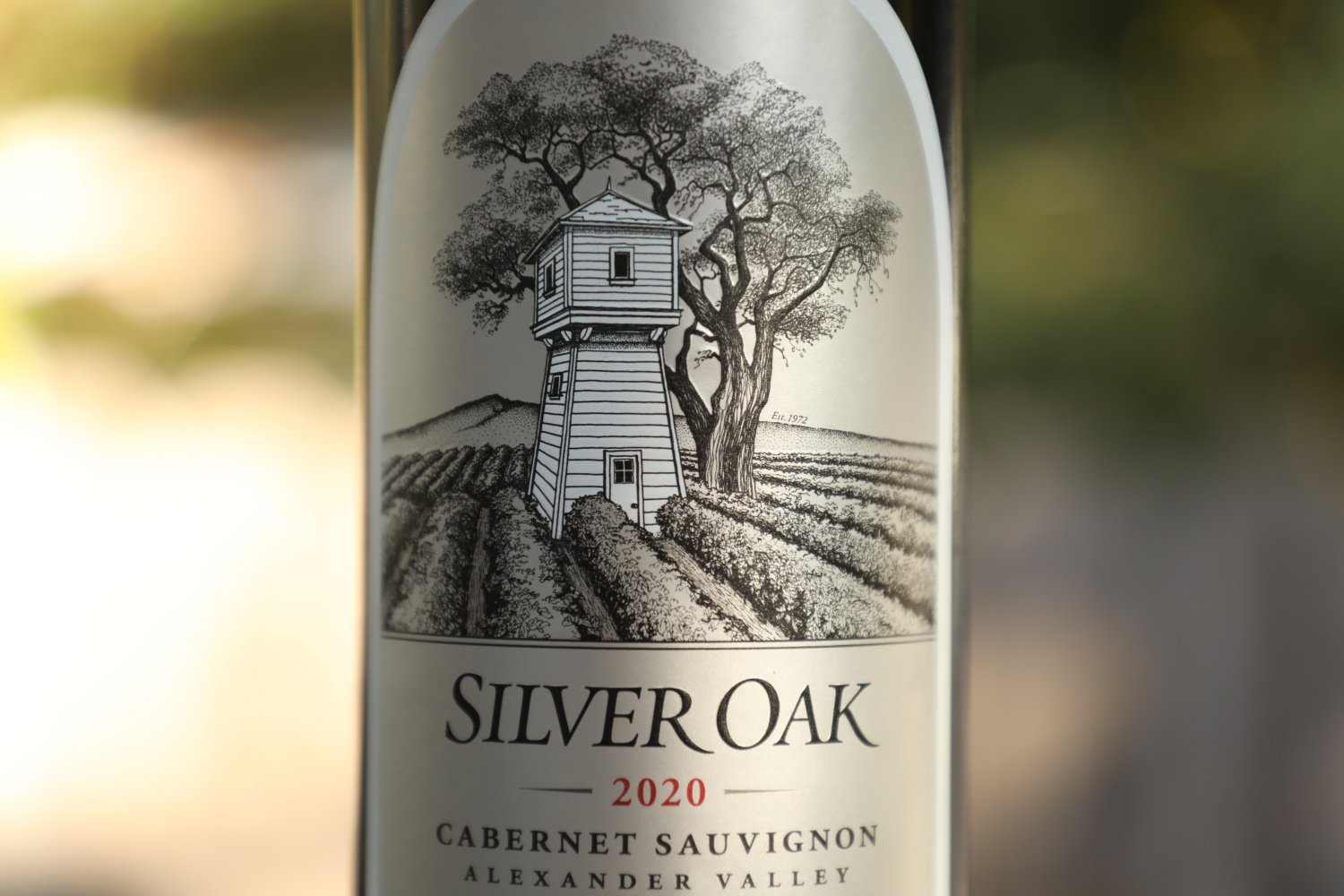 The 2022 Silver Oak Alexander Valley Cabernet Sauvignon is deep ruby in color; the bouquet smells fresh with higher toned scents including red cherry and red plums along with berry fruits including raspberries and boysenberry. There is a subtle but present faint note of shishito pepper. An easy companion right out of the gate, this wine is already well balanced at the time of our tasting in mid 2026 on release day. This wine tastes like red plums, raspberries, not fully ripe boysenberry, tobacco leaf and finishes fresh and savory with a vibrant thread of acidity – paralleled by an herbal tug, including of sage and bay leaf. And there is a minerally almost ferrous character. The tannins are gravelly and dusty textured, fitting into the finish as snugly as a baseball in a mitt. In terms of cellaring, this vintage in Alexander Valley produced a wine that will age well yet is remarkably approachable upon release.
For the first time in Silver Oak’s history, in 2026 a special artist collaborative bottling was released of the 2022 Alexander Valley Cabernet Sauvignon. Only 40 cases were produced of a kaleidoscope patchwork of colors on the front label with the art contributed by popular artist Sean Wotherspoon. Sean is an American sneaker designer, collector, store owner, and YouTube series creator.
The 2021 Silver Oak Alexander Valley Cabernet Sauvignon is 96% Cabernet Sauvignon, 2% Merlot, 1% Cabernet Franc and 1% Petit Verdot. This wine is deep ruby and opaque; aromatically generous right out of the gate, its scents include dark raspberry, red cherry, red licorice, old cedar box, pipe tobacco, toasted oak and dried sage. And as the wine evolves, a light ferrous/iron characteristic starts to show. We tried this bottling in mid 2025 during its pre-release. The palate is soft with flavors of bramble, cherry, mulberry, blackberry and loads of savory and spicy characters completing the finish including dried bay leaf, crushed peppercorn, smoked sage, smoked cedar, an earthy/dusty attribute and other assorted roasted herbs. Savory outpaces fruit on the finish. The tannins are folded into the finish nicely in their youth – sporting a gravelly textured but already integrated feel. Balanced with bright acidity. This wine was aged for 24 months in American oak barrels. Its ABV is a listed 14.6%.
The 2020 Silver Oak Alexander Valley Cabernet Sauvignon is 95.2% Cabernet Sauvignon, 2.1% Merlot, 1.4% Cabernet Franc, 0.7% Petit Verdot and 0.6% Malbec. This wine is deep ruby in color; the initial and persistent aromatic hit is of coconut oil or ‘banana boat sunscreen’ as former Silver Oak Vice President of Wine Growing Nate Weiss mentioned being commonly associated with American oak; this aromatic is particularly prominent in this vintage. Additional aromas include rose petals and pen ink. In terms of fruit, the aromatics are more red-fruited than dark with scents of red cherry, raspberry, strawberry and cranberries. As the bouquet evolves, additional aromas show including mocha, vanilla and a hint of dill. The palate offers youthful energy and loads of freshness and like the bouquet, is primarily red fruited. These flavors include plum, cherry cola, currant, pomegranate and cranberry. Lingers juicy with not fully tumbled tannins still sporting a grainy texture. And a very subtle note of dried tobacco. Both texture and flavor are harmoniously integrated on the bright finish. This wine was aged for 24 months in approximately 50% new American oak barrels and 50% once filled barrels. 14.6% alcohol.
In a creative use of Silver Oak wine, fashion designer Jackson Wiederhoeft dyed an $8000 cocktail dress he created in seven bottles of 2020 Silver Oak Alexander Valley Cabernet Sauvignon. This special dress debuted at the 2024 New York Fashion Week and later was featured in Vogue and Harper’s Bazaar.
2010-2019

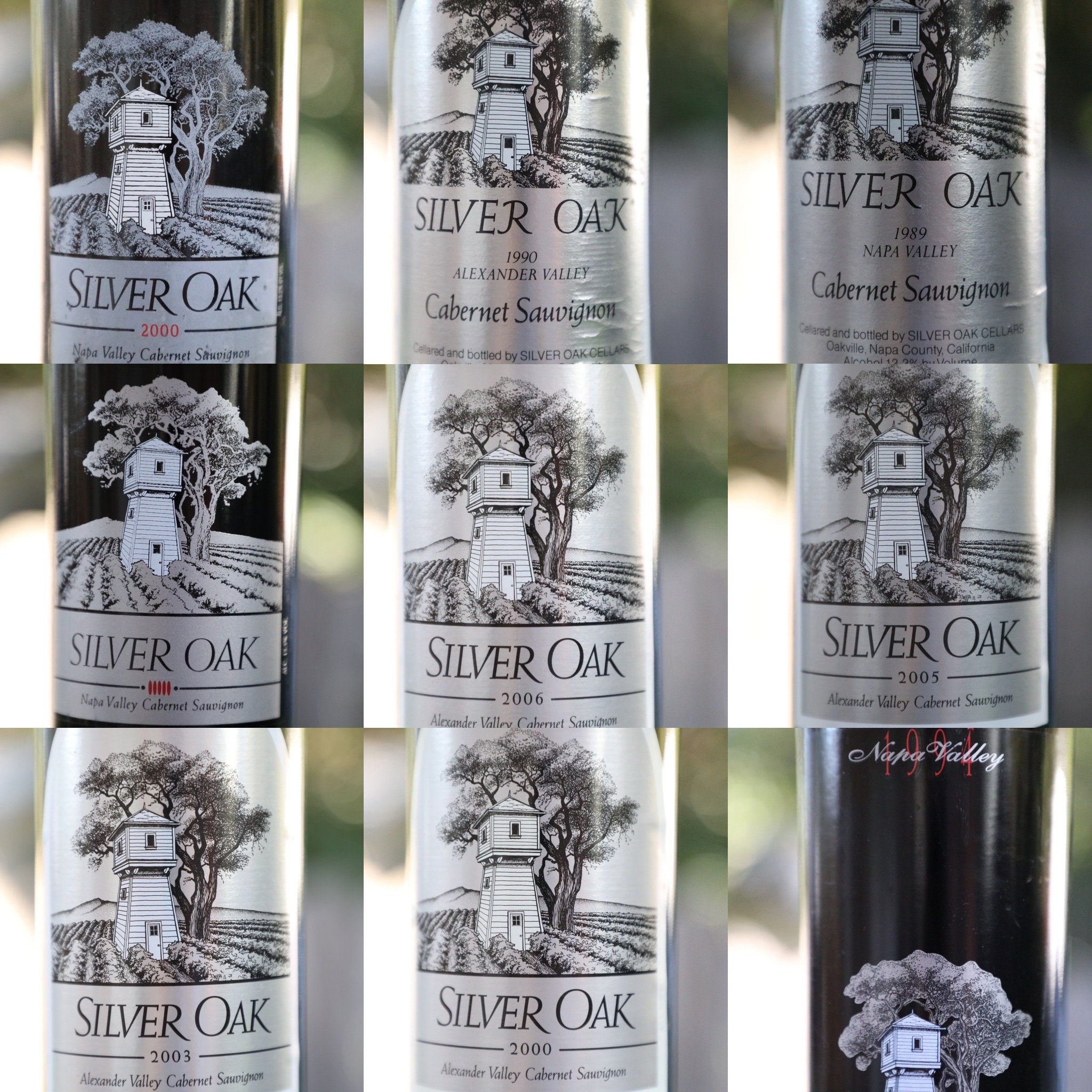 The 2019 Silver Oak Alexander Valley Cabernet Sauvignon is 95.2% Cabernet Sauvignon, 2.5% Cabernet Franc, 1.9% Merlot and 0.4% Petit Verdot. The Cabernet Sauvignon was co-fermented with the Petit Verdot. This wine is deep ruby; we often write about balance on the palate, but not so much when describing a bouquet. This bottling features a balanced bouquet between both fruit and barrel influences. These include aromas of ripe blackberries, dark raspberries, pencil shavings, musk, vanilla and old cedar wood. As the wine continues to evolve it expresses notes of coffee grinds and espresso. Its scents are completely absent of any herbal characters. On the palate there are flavors of blackberry, boysenberry, mulberry and dark cherry. Medium acidity. The ripe tannins sport a moderate texture and grainy grip which fully coats the palate. We tasted this 5 year post vintage. This wine lingers with a light but persistent drying character, toasted oak, and dried herbs. Savory. Alfred Tesseron once asked us what we meant by savory and we didn’t answer his question very well at the time. By savory when referring to wines, we mean a combination of acidity, herbs, oak and darker spices – relating to umami.
The 2018 Silver Oak Cellars Alexander Valley Cabernet Sauvignon is a blend of 94.8% Cabernet Sauvignon, 4.2% Merlot, and 1% Cabernet Franc. This wine is medium to deep ruby in color; the aromatics open immediately with woodsy and savory tones including of bramble, toasted cedar, smoked sage, dried rosemary, crushed white pepper, pipe tobacco, dried mushroom, a light note of juniper and creosote bush. This latter scent always reminds us of the significant time we have spent over the years in Panamint Valley and Death Valley – with the creosote bushes especially aromatic in early to mid spring when they are blooming. As it opens further in the glass, there is an additional note of dark cocoa powder. At 8 years post vintage, the non fruited aromatics far outplay the fruited ones. This wine is gentle in the mouth both in terms of flavor and texture and like the bouquet, also quite savory. It tastes like assorted dried herbs including sage and bay leaf, smoked cedar, cured meats, and a finishing and long-lasting layer of cracked pepper. Its fruit is berry driven with flavors of blackberry, not fully ripe boysenberry and dwarf mulberries. The tannins sit gently, felt mostly on the front of the palate with a light but persistent drying and dusty grip. Medium acidity. Prime rib please. Medium rare.
The 2017 Silver Oak Alexander Valley Cabernet Sauvignon is a blend of 95.5% Cabernet Sauvignon, 3.6% Merlot, 0.5% Cabernet Franc, 0.3% Petit Verdot and 0.1% Malbec. In the glass, it presents a medium ruby color. The bouquet is notably distinctive, initially revealing savory, garden-fresh hints of shishito and jalapeño peppers that are layered over higher-toned red fruit aromatics such as tart red cherry and red currant. As the wine continues to breathe and unfurl in the glass, these initial vegetal notes soften, allowing more fruits to take center stage. On the palate, the wine maintains a striking freshness, where the persistent red fruit core is bolstered by a bright, mouth-watering acidity that keeps the profile lively. The structure is defined by tannins that feel slightly gravelly, offering a dusty and pleasantly dry textural sensation that is a hallmark of the Alexander Valley benchlands. Complexity is further enhanced by lingering darker spice notes, particularly a subtle crack of white pepper and a touch of cedar on the finish. While remarkably approachable in its youth due to its vibrant fruit and polished framework, this wine is naturally food-friendly and possesses the underlying balance built to reward patient cellaring. To fully accentuate its herbal nuances and spirited acidity, try pairing it with succulent lamb chops generously sprinkled with fresh rosemary and thyme.
The 2016 Silver Oak Alexander Valley Cabernet Sauvignon is 94.6% Cabernet Sauvignon, 4% Merlot, 0.5% Petit Verdot, 0.5% Cabernet Franc and 0.4% Malbec. This wine is deep ruby and opaque this wine is holding on to its youthful color quite nicely at 10 years post vintage. Fresh plum, ripe boysenberry, juicy blackberry and Persian mulberry greet the nose. Also lightly toasted cedar and tobacco. The oak in this vintage is particularly complementary to the fresh fruit aromatics. This bottling is why we always favor some age on the Silver Oak’s Alexander bottlings; they still retain that freshness but have developed an overall integration between flavor, acidity, structure and oak integration. And this bottling is an ideal example of that. Deeply layered, the palate reveals flavors of blackberry, dark plum, dark cherry, boysenberry and dark mulberry; shoutout here to Very Mulberry U-Pick in Brentwood CA, one of our favorite late spring hangouts with thousands of Himalayan purple mulberry trees. If we tasted this blind, we would have guessed its vintage to be younger. Savory, this wine finishes with toasted cedar, smoked sage and dried tobacco leaf, framed by fully coating gravelly and grainy tannins. Its acidity is juicy and bouncy. Silver Oak has long been the gold standard for California ‘steak wines,’ and this vintage perfectly captures why: its bold fruit and savory oak backbone are practically engineered to pair with a seared ribeye. This was the last vintage produced at their previous winery.
The 2015 Silver Oak Alexander Valley Cabernet Sauvignon is 95.3% Cabernet Sauvignon, 3.7% Merlot, 0.4% Petit Verdot, 0.3% Malbec and 0.3% Cabernet Franc. We tasted this 11 years post harvest. This wine is deep ruby and opaque; we tried this bottling 11 years post vintage. More forward fruited than early vintages, its ABV is a 14.3%, a significant step up from earlier vintages. And in these more contemporary bottlings, the higher ABV and ripeness translates to a more up front immediately favorable aromatic fruit driven expression of the variety. This bouquet offers scents of ripe red cherry, blackberry, boysenberry, mulberry and red plums. Also smoked meat. The oak is here, and plays a complimentary role rather than dominating, with aromas of lightly toasted cedar, coffee grinds, mocha and toasted vanilla. And dried sage and tobacco leaf offer light layers of herbal influences. Generous across the palate, this juicy red fruited expression tastes like red cherry, currant, cranberry and raspberry. Crunchy, the vibrant acidity lends a refreshing attribute. Finishes tart with grainy and gritty tannins pulling at all parts of the palate with a dusty and drying grip. Well layered with a generous complexity of both flavor and texture, this wine is built to age. We would love to try it again in the 20-25 year post vintage widow.
The 2014 Silver Oak Alexander Valley Cabernet Sauvignon (tasted 7 years post vintage) is 97.7% Cabernet Sauvignon, 1.3% Merlot,0.5% Petit Verdot, 0.3% Malbec and 0.2% Cabernet Franc. This wine offers aromas of petrichor (the smell of dry earth right after the first rains), tobacco smoke and some darker spices. The aromatics are elegant but takes some time to tease out the fruit which include notes of red cherry and black raspberry. Of the Silver Oak Alexander Valley Cabernet Sauvignons tasted to date, this one is among the most herbaceous. Also reference the 2011 vintage. This wine offers very bright fruit on the palate including red cherry, currant and cranberry. There is also a rhubarb and a rose stem like quality. The tartness of fruit combined with the slightly astringent tannins begs for this wine to be paired with some protein. This bottling has loads of life ahead of it.
The 2013 Silver Oak Alexander Valley Cabernet Sauvignon is 95% Cabernet Sauvignon, 2% Merlot, 2% Cabernet Franc and 1% Malbec; this wine reveals gravelly dusty notes on the bouquet with cigar smoke, red licorice and an herbal influence, not green but perhaps showing a hint of sage. Offers mostly red fruit on the palate including raspberry, currant and red cherry. Noticeable mouth watering acidity leaves one salivating on the finish. The tannins are well integrated, rounded and certainly not coarse or abrasive. In comparison, most of the 2013 Napa Valley Cabernet Sauvignon wines we have tried from this robust vintage have needed more time in the bottle. This wine is very approachable young and drinks well by itself at this age. Pair with a thick and juicy well marbled steak, a BBQ, good friends and a warm summer evening for most favorable results.
The 2012 Silver Oak Alexander Valley Cabernet Sauvignon is 98% Cabernet Sauvignon and 2% Merlot. We have tasted this wine both 9 years and 13 years post vintage. It is deep ruby and nearly opaque; one can smell some bottle age on the bouquet with mature fruits rather than fresh tones. Sweetly fruited, the bouquet smells like black cherry, cassis, ripe plum, dark chocolate, mocha, dark licorice, dried sage and leather. Its flavors are still more primary than tertiary at this age but are starting to transition. They include red cherry, raspberry, blueberry, currant, cranberry, and finishing with dried herbs including sage and bay leaf. This wine is primarily red fruited, tart and showcases a juicy acidity, especially noticeable on the finish. The tannins are perfectly spherical rounded shapes. While they are still well-defined, they are also seamlessly integrated into the finish, persisting with a dusty and densely packed chalky character. Its bright and vivacious acidity, flavor and texture continue to keep this wine aging nicely.
The 2011 Silver Oak Alexander Valley Cabernet Sauvignon is deep ruby and nearly opaque. This wine is holding on to its primary color very well at 14 years post vintage. The bouquet is a union of both fruit, savory and barrel influence. This vintage showcases the varietal characteristics of Cabernet Sauvignon, as opposed to a much different set of aromatics based on over ripeness. Its scents include shishito pepper, red chili spice, pipe tobacco, soy sauce, old leather, cocoa powder, old cedar box, dark raspberry, blackberries, red cherry and red plum. The bouquet does not smell green, but there are some herbal notes at play here. Bright and lifted from its vibrant acidity, this wine tastes like raspberry, red cherry, red plum, currant, cranberry, not fully ripe boysenberry and non fruited layers including dried sage, bay leaf and crushed pink peppercorn. The tannins are felt and are broadly dispersed across the palate; sporting a light to moderate grip, they linger with a gently but persistent dusty feel. The acidity is bright. Like in Napa Valley, this vintage in particular was an exceptionally cool and rainy year in Sonoma County. This wine is a listed 13.7% ABV.
The 2010 Silver Oak Alexander Valley Cabernet Sauvignon is deep ruby and opaque; this wine still shows a youthful color, smells youthful and tastes youthful, 16 years post vintage. On the bouquet there are aromas of damp potting soil, dried mushroom, dust, baseball mitt being used on a hot day, dried herbs including sage, light jalapeno pepper, dried mint, toasted cedar and perhaps a pinch of pepper. Its fruit character is dark including plum, boysenberry and mulberry. The weather this year is expressed on both the bouquet and palate; for reference, 2010, like 2011, was featured a particularly cold summer. Juicy with vibrant and mouth watering acidity, this wine tastes brambly with flavors of not fully ripe blackberry, dark raspberry, currant, cranberry, smoked sage, lavender, crushed peppercorn and cured meats. This is very much a dark, spicy and savory expression of the variety and vintage with characteristics expressed we have not noticed in earlier vintages. The grainy and gravelly textured tannins are still very youthful at this age; they show plenty of dusty and drying grip on the red fruited and tart finish. Broadly spread across the palate, their textural presence runs in tandem with the fruit, but ultimately outpacing it on the finish. Its ABV is 13.9%.
2000-2009
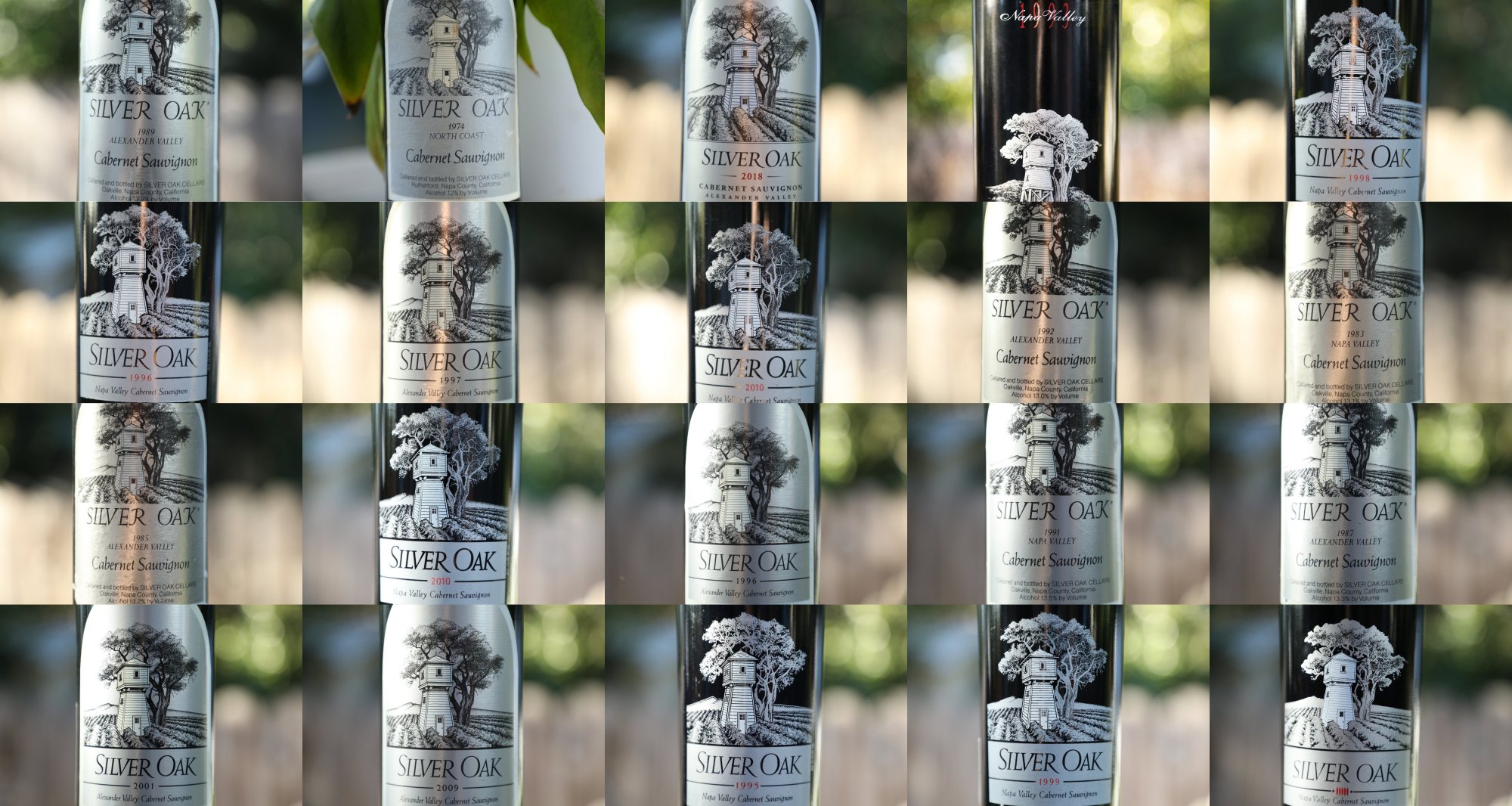
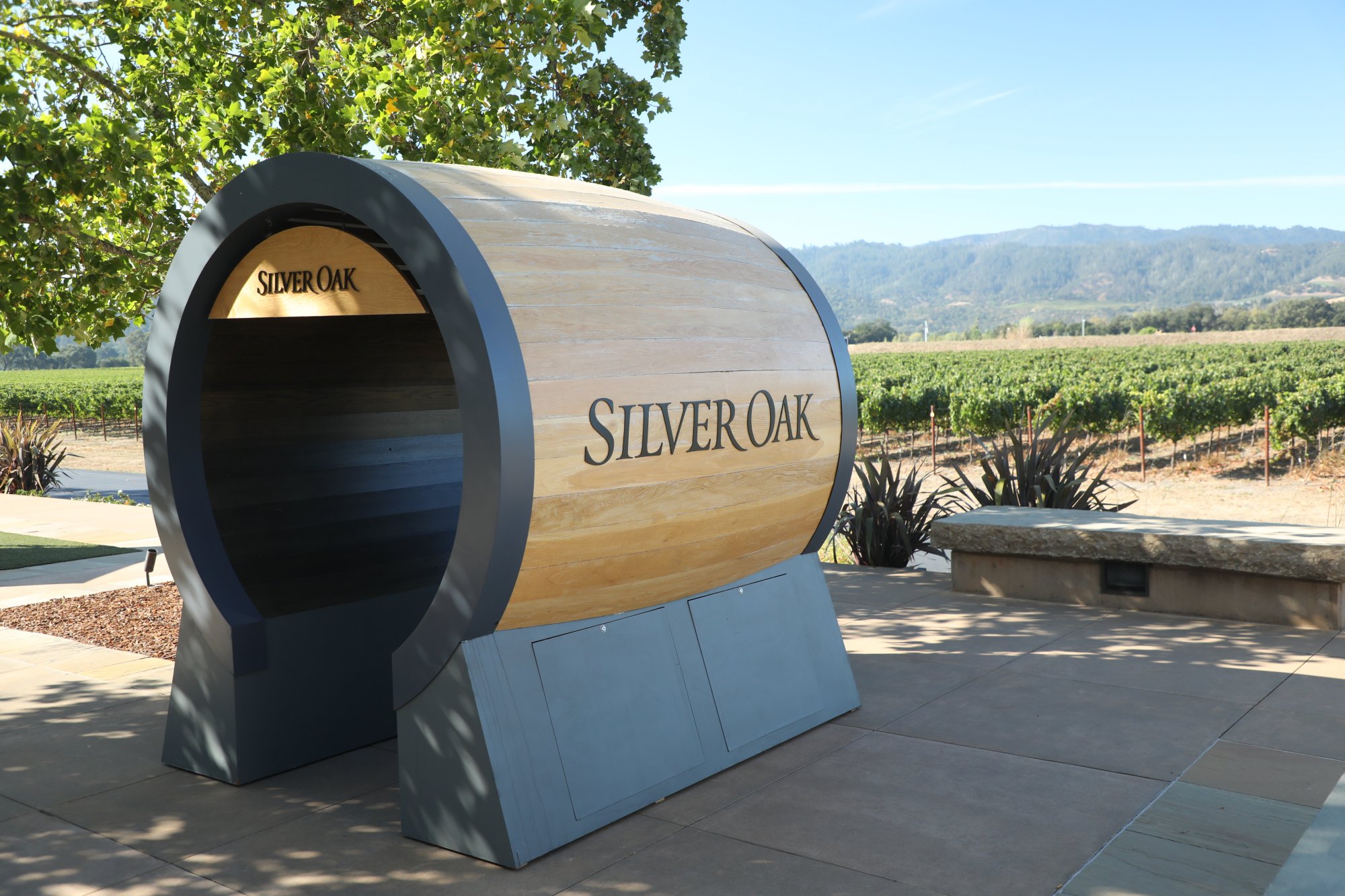 The 2009 Silver Oak Alexander Valley Cabernet Sauvignon is deep ruby and opaque; at 17 years post vintage this wine has not yet started its color transition. The fruit is dominating at this age; it smells ripe, sweet, fresh, lively and layered, showcasing aromas of blackberry pie, boysenberry jam, dark cherry, dark mulberry and dark chocolate with additional layers of vanilla and assorted baking spices. As much energy on the palate as there is on the bouquet, this wine is still very much primary and dark fruited with flavors of Satsuma plum, dark cherry, blackberry, boysenberry and dark mulberry. The tannins are dense, yet broadly dispersed, coating every crack and crevasse on the palate with a gravelly, drying and dusty character that far runs the fruit on the finish. Their grip doesn’t let go anytime soon. In a blind tasting, we might have identified this wine as being younger than its actual vintage. While perhaps peaking now, in terms of a cellar play, frankly this wine has plenty of well-built bones to ensure it will continue to age well for several more decades. We would like to try this broad shouldered bottling again in 10 years in 2036. This wine is 13.9% ABV. And it is one of Silver Oak’s most noteworthy Alexander Valley bottlings in terms of being able to pair with steak. And that is the pairing often associated with their wines.
The 2008 Silver Oak Alexander Valley Cabernet Sauvignon is medium to deep ruby in color; in a blind tasting, from color alone we would not have guessed this wine is 18 years old. It shows some bottle bouquet but the aromatics are still fresh and invigorating. Darker fruited with some savory edges, this wine smells like Satsuma plum, boysenberry, blackberry, black cherry, Himalayan purple mulberry, tar, pipe tobacco, old cedar box, lavender, a light note of tomato leaf and toasted anise. At this age and in this particular bottling, the oak takes a comfortable backseat to the fruit. Showing plenty of layering and still surprisingly youthful, this wine tastes very much still primary. It offers flavors of red cherry, currant, cranberry, not fully ripe Persian mulberry, and red plums, perhaps harvested a bit before peak ripeness. This wine finishes with a red fruited tartness, a juicy and crunchy play from the vibrant acidity. And there is still plenty of muscular girth here, chewy and grippy tannins coat every crack and crevasse on the palate. Their broad shouldered textural profile outpaces the fruit by far with their dusty and drying grip but parallels an herbal astringency hand in hand for some time. This is one of the more serious Silver Oak Alexander Valley vintages we have tried. This wine screams for a well marbled thick and juicy cut of steak. Its listed ABV is 13.9%.
The 2007 Silver Oak Alexander Valley Cabernet Sauvignon, a 100% varietal expression, remains a standout vintage that has aged very well. When poured, the wine reveals its maturity through a deep garnet color. The bouquet is immediately expressive, offering a tapestry of dried plums, warm blackberry pie, and ripe raspberry, accented by a touch of red licorice. This is a wine that rewards patience; as it is allowed to breathe and evolve in the glass, the primary fruit aromatics are always here, but gradually reveal deeper layers of tobacco smoke and the dusty notes of an old cedar box. On the palate, the wine is balanced, delivering a pleasing, mouth-coating texture that feels both substantial and refined. It showcases a medium grip of fine-grained, long-lasting tannins that provide a sturdy backbone without overshadowing the fruit. Despite its age, the wine maintains a surprising vibrancy, offering plenty of brightness on a finish dominated by tart red cherry and red currant. This classic Alexander Valley Cabernet has matured exceptionally well, retaining its structural integrity while gaining a nuanced complexity. To best highlight its herbal undertones and bright finish, pair with a lighter, savory cut of beef, such as a juicy flank steak generously rubbed with an assortment of dried herbs and toasted spices.
The 2006 Silver Oak Alexander Valley Cabernet Sauvignon is deep ruby and nearly opaque with only a slight brickening of color at 20 years post vintage. The savory bouquet smells meaty and savory with aromas of cured meats, plenty of herbal, but not green notes including of dried sage and bay leaf, peppercorn, lavender, dried tobacco leaf, old cedar box – an aromatic that strongly reminds us of our maternal grandmother’s old jewelry box which she gifted to us several years before she passed, library book, cocoa powder and its fruited characteristics including plum, dried cherry and blueberry. Buoyed high by its vibrant acidity, this wine is showing particularly well at this window of its age. In a blind tasting we probably would have guessed its age to be far younger. It is one of the most tart Silver Oak bottlings we have tried; bright and thoroughly red fruited, its flavors are of sour cherry, currant, cranberry, not fully ripe raspberry and Santa Rosa plum. The brightness and tart character far outpaces both fruit and texture on the finish. Its tannins are still tightly bound, lingering with a dense and fully palate coating, drying and dusty character. This wine still has loads of life ahead of it; we would like to try it again at its 30 year mark to see how it has evolved. Pair with some protein to help cut through the tannins. Its listed ABV is 13.3%.
The 2005 Silver Oak Alexander Valley Cabernet Sauvignon is deep garnet and nearly opaque; at 21 years post vintage there is some brickening of color that has taken place. This vintage shows plenty of both aromatic character and depth; we won’t argue with you if you want to describe its bouquet as moody. Its scents include dried sage, creosote bush, lavender, smoke cedar, dried tobacco leaf, dried bay leaf and graphite/pencil shavings. Savory far outplays fruit on the bouquet, with some notes of boysenberry, dark mulberry and blackberry also evident. On the palate, there are flavors of Santa Rosa plum, red currant, raspberry, cranberry sauce, a flavor that reminds us of Thanksgivings long ago and time spent in the kitchen watching our aunts deep in conversation in the middle of cooking hearty meals, and sour cherry. Tart, fresh, juicy and mouth watering, the finish lingers with dusty and drying tannins, sporting a long-lasting fully mouth coating grip. In terms of the evolution of alcohol in Silver Oak’s bottlings, and at a transitioning point towards eventually higher alcohol levels, the listed alcohol is 13.5% starting to rise slowly. This wine has years of life ahead of it; we fully expect it to still be very drinkable at 40 years post vintage and if we are still walking the earth, we could love to try it again at that age.
The 2004 Silver Oak Alexander Valley Cabernet Sauvignon is deep ruby and nearly opaque; this wine is holding on to its color nicely 22 years post vintage. The bouquet has fully transitioned from its youthful exuberance, displaced by tertiary aromatics but still very much holding on to its core of fruit. This wine smells like dark plums, blackberry, boysenberry and dark mulberry. In addition to the fruit, there are scents of toasted coconut, a light banana boat sunscreen, mocha, milk chocolate, coffee grinds and fruit roll-up candy. The nose smells riper than the listed 13.0% ABV would indicate and is much ‘cleaner’ than some of the earlier vintages. Still very much vibrant and coiled like a spring across the palate, after two decades this wine is built around tension, a noticeable tug between flavor, acidity and dehydrating texture, with acidity winning out. Its flavors are a union of tart red fruits and herbal attributes. These include currant, cranberry and sour cherry with layers of dried sage, dried bay leaf, chalk and a lingering woodsy note. The tannins are still firmly gripping; broadly dispersed, they coat the entire palate with their persistent dusty and relentless drying character. In terms of a steak wine, this is the quintessential bottling. And it still has years of life ahead of it with the proper cellar care.
The 2003 Silver Oak Cabernet Sauvignon Alexander Valley is deep ruby and nearly opaque; at 23 years post vintage this wine is holding onto its color quite nicely. The consistency in aromatics from the 1990s and early 2000s is clearly evident in this wine at this age. Focused on savory, with its brambly fruits providing supporting layers, this wine smells like dried thyme, oregano and sage. In fact its aromatics remind us of parts of Europe, perhaps roaming the hillsides above the small village of Maury, France or riding a scooter in the summer on the island of Paros in Greece. Additional scents include damp potting soil, cured meats, soy sauce, dried blackberries, dried currants and an almost a balsamic character. Smells great, and we reluctantly pulled away from the bouquet to try the palate. This wine tastes like a warm summer day, enjoying a diversity of berry fruits. These flavors include not fully ripe blackberry, boysenberry, blueberry, red currant and raspberry. Its juicy and bouncy acidity has kept this wine thoroughly fresh over the two plus decades, crunchy and mouthwatering its flavors include red cherry, currant, cranberry and raspberry. The tannins are still plenty grippy, but not coarse. Tightly wound they cover the palate and linger beyond the red fruited finish. Its listed ABV is 13.0%.
The 2002 Silver Oak, Alexander Valley Cabernet Sauvignon is 100% varietal and is 13.6% alcohol. We tasted this 22 years post vintage and from a magnum. This bottling has held its color very well; it is medium to deep ruby. The aromatics show some expected initial bottle bouquet. It opens to scents of tobacco spice, dry earth, cocoa powder and milk chocolate. But give it the time it deserves after seeing air for the first time in two decades. The fruit becomes more expressive as it evolves including aromas of cherry and blackberry. It is superbly balanced, offering flavors of dried cherry, blackberries, currant and plum. The red fruited finish lingers with dried tobacco, and a light herbal character including smoked sage and tea leaf. Savory. The tannins have certainly been polished with time in the bottle, but they still exert a surprisingly grainy grip at this age. The lightly drying finish showcases a persistent chalky character which far outpaces the fruit. Still shows a youthful character, especially on the palate.
The 2001 Silver Oak Alexander Valley Cabernet Sauvignon is medium to deep garnet with its color changing to more brickish tones 25 years post vintage. The nose initially smells a bit musty with aromatics of forest floor, humidor, toasted coconut, leather, damp potting soil, wet slate, library book, creme de cassis, dark licorice, ripe blackberry, dark plum and dried black cherry. Give the bouquet time to breathe; the aromatics start showing particularly well at this age. Still fresh, the fruit has not yet transitioned full to tertiary although it has plenty of mature characteristics. The zip of of the lively and strong acidity continues to keep this wine fresh. It tastes like red cherry, red plum, currant, cranberries, not fully ripe boysenberry, dwarf mulberries, dark raspberries and blackberries. Finishes granular in terms of its texture, the drying tannins fill the mouth with their still grainy and gritty texture. The Siler Oak Alexander Valley bottlings in particular are known for their textural softness; this vintage surprises in terms of its long=lasting textural density, especially still showing at this age. We like where this bottling is at in 2026. This wine is a listed 13.6% ABV.
The 2000 Silver Oak Cabernet Sauvignon Alexander Valley is deep garnet and nearly opaque in the glass. We tasted this wine 26 years post vintage. The nose shows particular stinky at this age, with aromatics of body sweat, barnyard, dried mushrooms, forest floor, damp earth after the first fall rains in the northern hemisphere, sandalwood, pipe tobacco, California coastal chaparral including sage and wild lavender, and speaking of California, the smell of dried kelp lying on the beach next to the Pacific Ocean. And as this wine evolves it opens to a note of dill and cocoa powder. Super bright and energetic across the palate, this wine sings soprano and is showing particularly well at this age. Its flavors include currant, red cherry, cranberry, not fully ripe red plums and dried tobacco leaf. Lingers surprisingly fresh and way more youthful than expected, it finishes with a pronounced red-fruited tartness. The tannins are still very much present; while tightly knit they don’t feel overtly grippy. The linger with a dusty and drying character that fully envelops the palate, lasting beyond the fruit at this age. Pair with something inspiring by opera singer Renée Fleming; her soprano notes will hit well with the vibrancy of this bottling. This bottling might be the lowest ABV of Silver Oak’s Alexander Valley wines we have tried, clocking in at only 12.8% ABV.
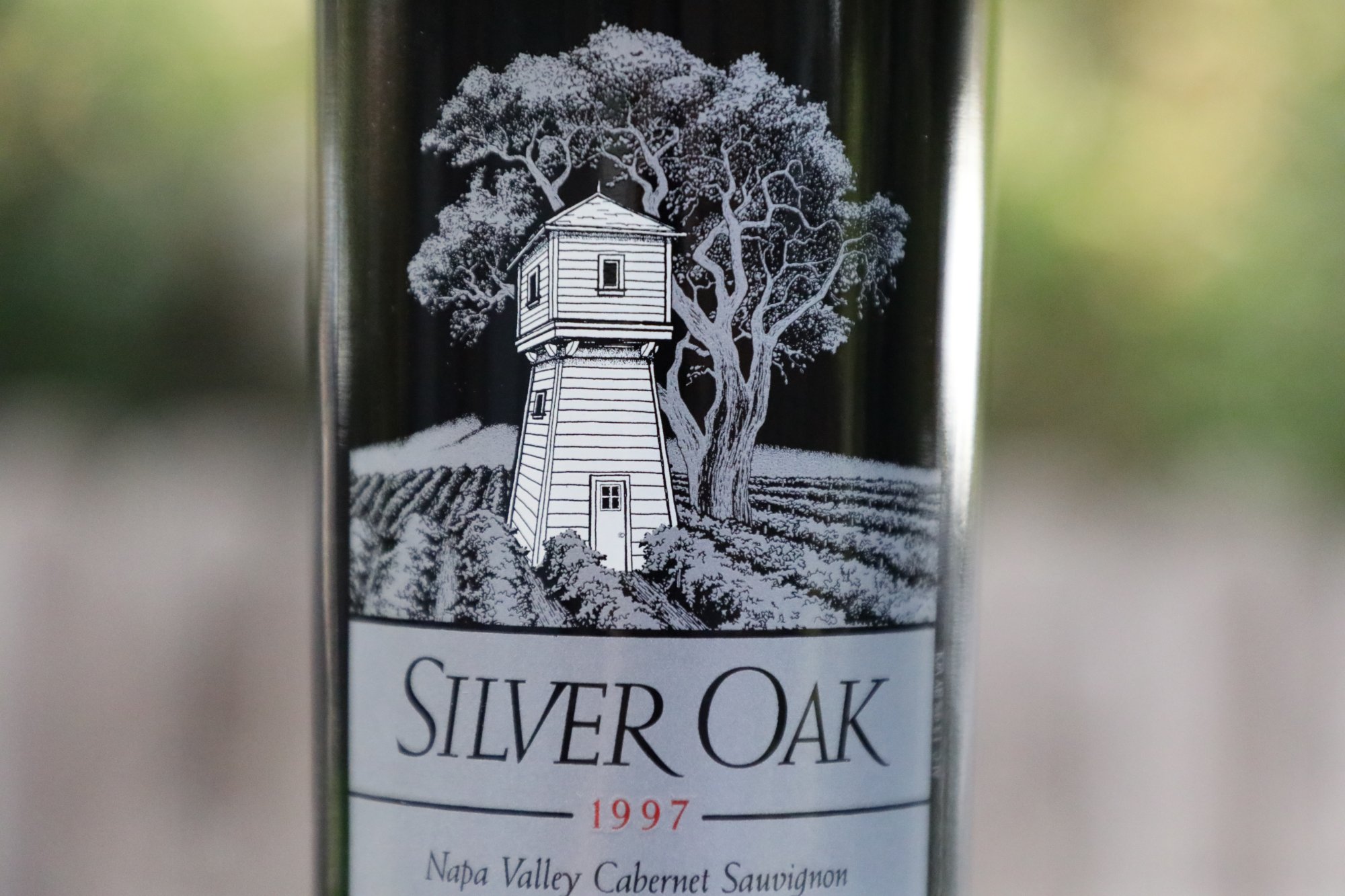
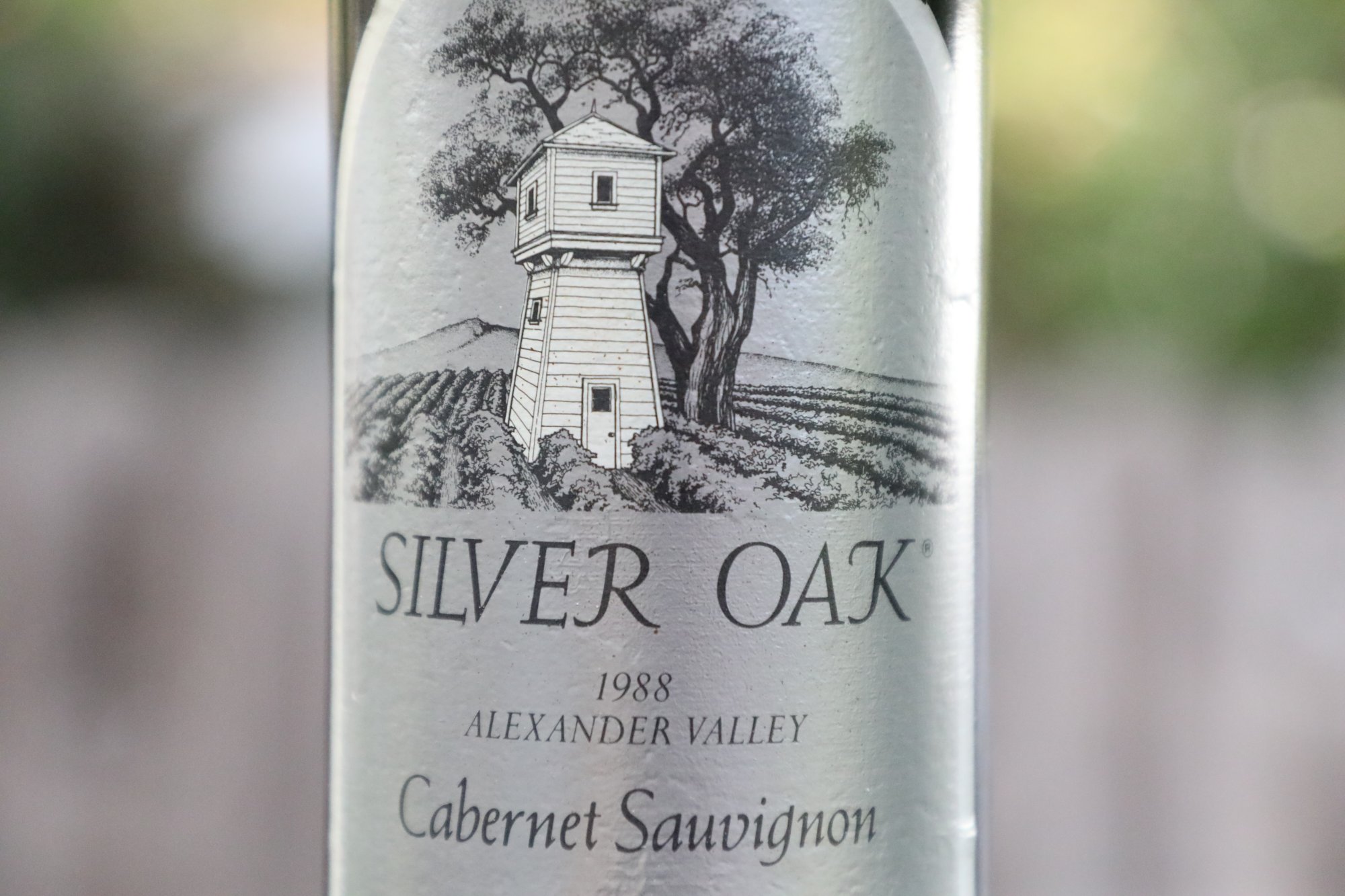
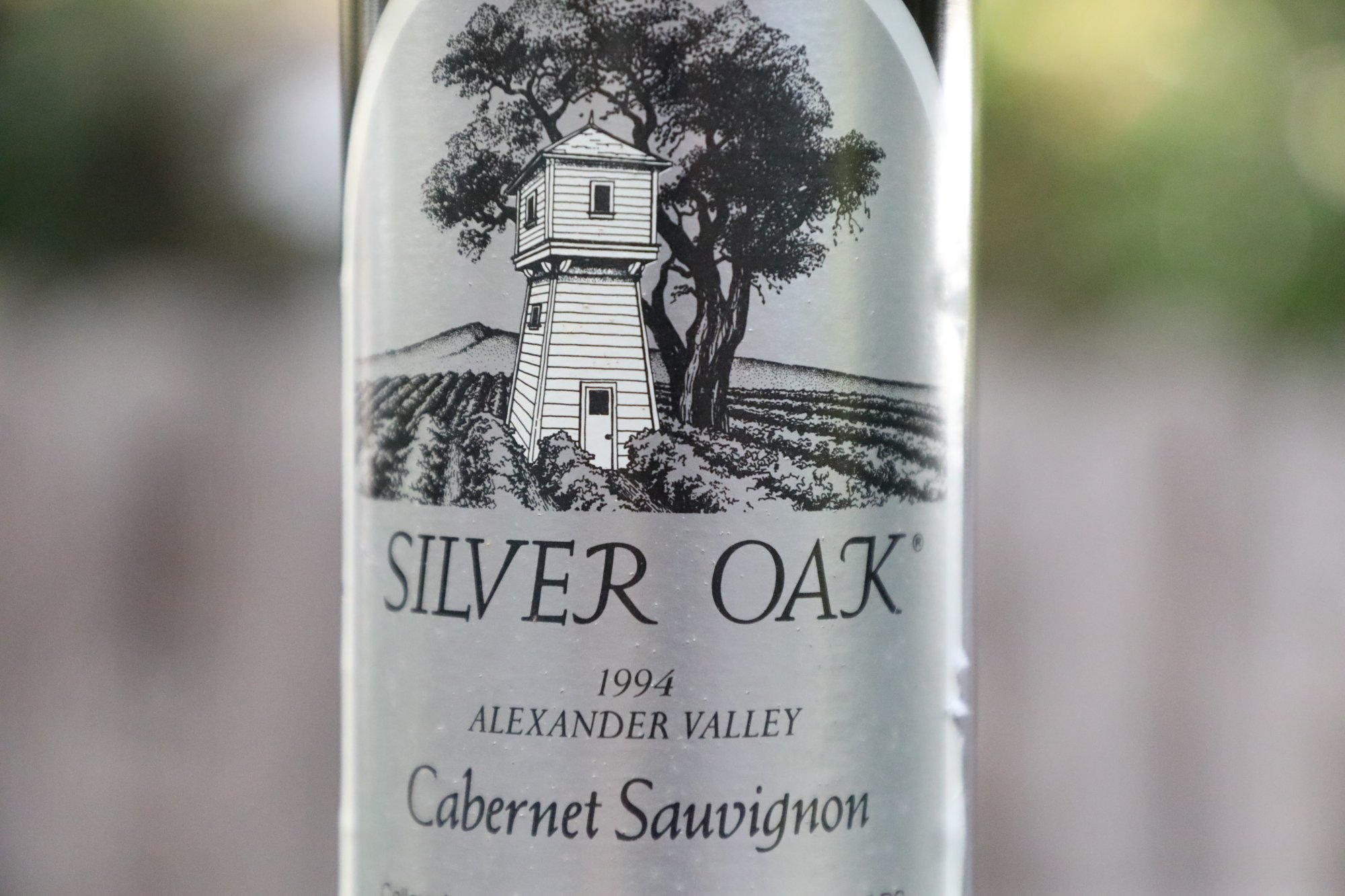
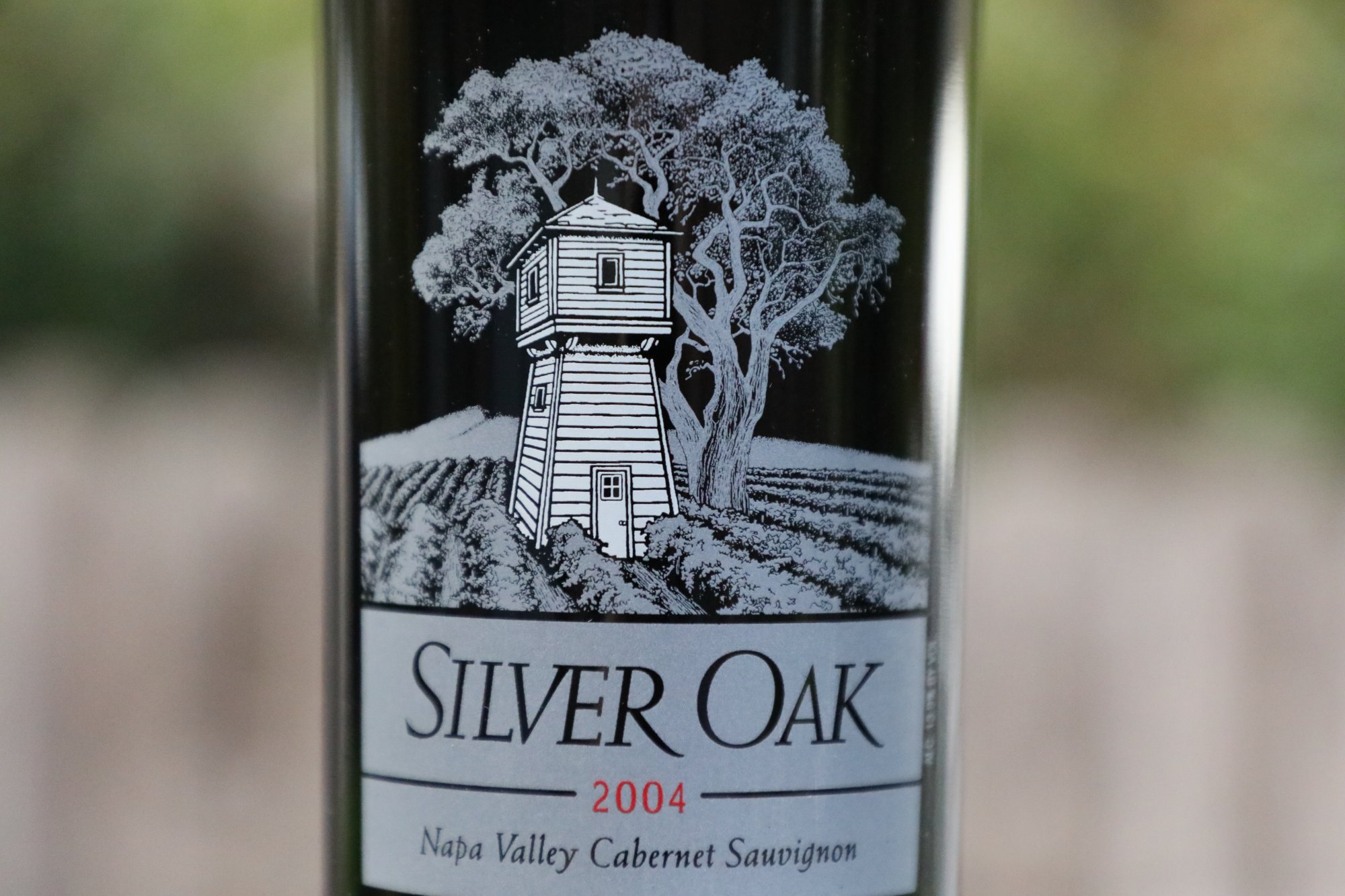
1990-1999
The 1999 Silver Oak Alexander Valley Cabernet Sauvignon is medium to deep garnet in color. We enjoyed this bottling 27 years post vintage. The nose has some ‘Cabernet Sauvignon sweat’ going on here, somewhat similar to the 2000 vintage at a similar age. Give it some time and this character will also evolve into mature fruit aromatics including dried cherries and plums. But it never loses its aromatic introverted and brooding character. These savory scents are of dried tobacco leaf and cigar box, cured meats, soy sauce, shishito peppers, red chili spice, a light note of fruit roll up, humidor and old library book. And sous bois, or what the French refer to as ‘undergrowth or’ ‘forest floor’. The palate is bright but balanced, offering aged fruit flavors such as dried cherry, currant, cranberry and tart plum. Its non-fruited notes are of dried tobacco leaf, chalk, dried sage and smoked creosote. Smooth as running one’s fingers over the fur of a miniature schnauzer puppy, the tumbled and gravelly tannins roll across the palate gently, while persisting with a light dusty character. Finishes with a red fruited tartness. If you enjoy aged reds, this wine is showing in a particularly sweet spot right now. Its ABV is 12.9%.
The 1998 Silver Oak Alexander Valley Cabernet Sauvignon is medium to deep garnet in color indicating its 28 years post vintage. The aromatics offer mature fruit, but more importantly to note, there is still fruit here, after nearly three decades. Its fruit includes scents of dried blackberries, dried cherries, dark raspberry and red plums. The 1998 vintage in northern California was a particular wet year; one can still smell the vintage. The bouquet also features a savory and earthy profile with notes of dried tobacco leaf, cigar/cedar box, dried herbs including sage, thyme and bay leaf, along with dried walnuts, mint and black olive. And a savory spice is also evident, perhaps of cumin. It is noteworthy to mention we had this wine in glass for 1:45 minutes; the aromatics do not drop but retain a similar profile as when we just opened it. Balanced and mature, this wine offers a red fruited tartness including of currant along with raspberry and dried cherries with finishing notes of cocoa powder, pencil shavings, dried tobacco leaf and an earthy and persistent dried herb character. The tannins are well tumbled and tame at this age, small spherical shapes that are seamlessly integrated into the finish. Their weight is lightly gripping, felt like running one’s fingers across a cashmere sweater. In terms of a culinary pairing, we wouldn’t mind enjoying this bottling with a lamb shank sprinkled lightly with rosemary, sea salt and pepper. This wine is 12.8% ABV.
The 1997 Silver Oak Alexander Valley Cabernet Sauvignon is medium to deep ruby with some brickish tones at 29 years post vintage. The bouquet is a union of both mature dried fruits and non fruited sweeter spices. This wine smells like dried cherries, dried currants and cranberries, dried strawberries and red plums with undertones of toasted coconut, cocoa powder, a light hint of vanilla, mocha, old cedar, dried tobacco leaf and savory herbs including of sage and thyme. Smelling this bouquet for some reason, made us wish we were somewhere in the high deserts of eastern California hanging out in a natural hot spring enjoying this wine. The palate shows red fruited and juicy with flavors of red cherry, currant, raspberry, Santa Rosa plum and currant. Finishes lightly savory with flavors of dried sage. The gravelly and lightly grainy tannins are well tumbled by this age, but still show some character and a light to moderate grip on the finish. Neither fruit nor texture pulls away from each other anytime soon. This bottle shows its maturity well. Medium+ acidity. Its ABV is 13.3%. Pair this with a roast lamb with rosemary, thyme, and garlic.
The 1996 Silver Oak Alexander Valley Cabernet Sauvignon is medium to deep garnet. We tasted this wine 30 years post vintage. The American oak is particularly showing through in this vintage at this time. The bouquet smells like toasted coconut, banana boat sunscreen, old cedar, library book, sweet pipe tobacco, damp potting soil and assorted sweet spices including chocolate, vanilla, cinnamon stick, cloves and nutmeg. Its fruit offers mature scents of cherry pie, dried cherries, raspberry jam, red plums, dried blackberries and boysenberry. Very balanced, this wine is harmoniously integrated between flavor, acidity and texture with no one aspect dominating. Its fruit tastes like red cherry, boysenberry, red plums, raspberry fruit roll ups, cranberry, pomegranate and currants. Other flavors include tobacco, toasted cedar, red chili spice, leather and bergamot tea and dried sage. The acidity is bright but balanced. At this age, the tannins are integrated in a seamless fashion, anchoring a red fruited finish with finesse, showing a gravelly and lightly grainy persisting grip. We would recommend enjoying this wine sooner rather than any additional cellar aging. Its ABV is 13.0%.
The 1995 Silver Oak Alexander Valley Cabernet Sauvignon is deep garnet in color; we tasted this wine 31 years post vintage. Be patient with the bouquet as it will start to show more fruit as it evolves in the glass. Its scents include a musty character, perhaps similar to that of old parchment paper or library book, a bit meaty including cured meats, sweaty baseball mitt leather, dried herbs, I.E., sage and bay leaf, dried tobacco leaf and a subtle minty nuance. This wine is still doing great after its three plus decades in bottle. The palate still shows a freshness at this age, carrying a crunch acidity with red fruited flavors of currant, cranberry, tart cherry and not fully ripe blueberries. More savory than fruity as these older Silver Oak bottlings always are, this wine finishes with notes of dried sage, bay leaf, dried tobacco leaf, all accompanied by a red fruited tartness. The tannins are elegant, still sporting a medium textured drip. Their tug continues to persist on the extended finish. This wine is showing in a particular sweet spot at this age. And we might add, it pairs particularly well with the song “Good Old Days”, by the Revivalists turned up as loud as your speakers will allow. Its listed ABV is 13.1%.
The 1994 Silver Oak Alexander Valley Cabernet Sauvignon is deep tawny in color; the bouquet has mostly transitioned to tertiary aromatics at this age including notes of chocolate, mocha, coffee grinds, toffee, light toast, cinnamon stick, vanilla, banana boat sunscreen and an almost rancio character, a union of dried prunes, soy sauce, coconut and baked walnuts. Balanced and still bright from its lively acidity, this wine tastes mature with flavors of dried cherry, dried blackberries, coconut, toast and cocoa powder. The palate offers flavors that have nearly entirely transitioned from primary to tertiary but are still red fruited including an associated tartness. This wine tastes like dried raspberry, dried blackberries, spicy plum skin, sweet pipe tobacco, smoked cedar and dried herbs including sage and bay leaf. Savory. The tannins are well-tumbled but still very much present and long-lingering with a gravelly and dusty character. The acidity is balanced but perhaps not quite as lively as other Silver Oak Alexander Valley vintages from this time period. Its listed ABV is 13.0%. We needled, nosed and noted this bottling 31 years post vintage.
The 1993 Silver Oak Alexander Valley Cabernet Sauvignon is deep garnet in color showing 33 years post vintage at the time of our tasting. The nose is very similar to the 1990 Alexander Valley bottling, sporting aromas of light barnyard, dried mushrooms and truffles, damp potting soil, forest floor, library book, bittersweet chocolate, dried sage, thyme, tobacco leaf, old saddle leather and pencil shavings. Its character is clearly red fruited across the palate including flavors of currant, cranberry, raspberry, plums, blueberries, not fully ripe boysenberry and sour cherry. Lingers with a red-fruited tartness, with this lift outplaying any influence from its time in oak. Zippy and still energetic, its bright acidity has carried this wine well over its several decades in bottle. This is a particularly finessed bottling of this variety in terms of both flavor, acidity and texture. The tannins are still very much present, persisting with a light to moderate grip in parallel with its red fruits. This wine tips in at the lower levels of Silver Oak ABV, this wine is a listed 13.0%. If you want to use soulmate to describe a food pairing, and we don’t usually use such a descriptor, this wine would be nice soulmate with a roasted leg of lamb covered in a dry rub of assorted spices and herbs.
The 1992 Silver Oak Alexander Valley Cabernet Sauvignon is medium to deep ruby, still showing its color remarkably well considering this is 34 years post vintage at the time of our tasting. And from the color alone one would expect some still vibrancy on both the bouquet and the palate – and that is definitely the case here. The nose initially offers some bottle bouquet character which takes some time to dissipate, eventually making way for its core of fruit. The still fresh and red fruit-driven aromatics include damp potting soil, Santa Rosa plum, red cherry, cranberry, raspberry, red licorice, a light kiss of dried tobacco leaf, dried herbs and library book. While this wine is only 13% ABV, and shows herbal character, it is not overtly herbaceous or green. It tastes like red plum, cherry cola, raspberry, currant, cranberry, dried bay leaf, dried tobacco leaf and oolong tea, a flavor that reminds us of sitting at Choui Fong Tea Plantation in northern Thailand a few weeks ago, sipping their assorted teas. Very much balanced. Very much bright. This wine still shows energy and lift. It finishes with lightly gravelly textured tannins, paired up perfectly with both lingering flavor and acidity.
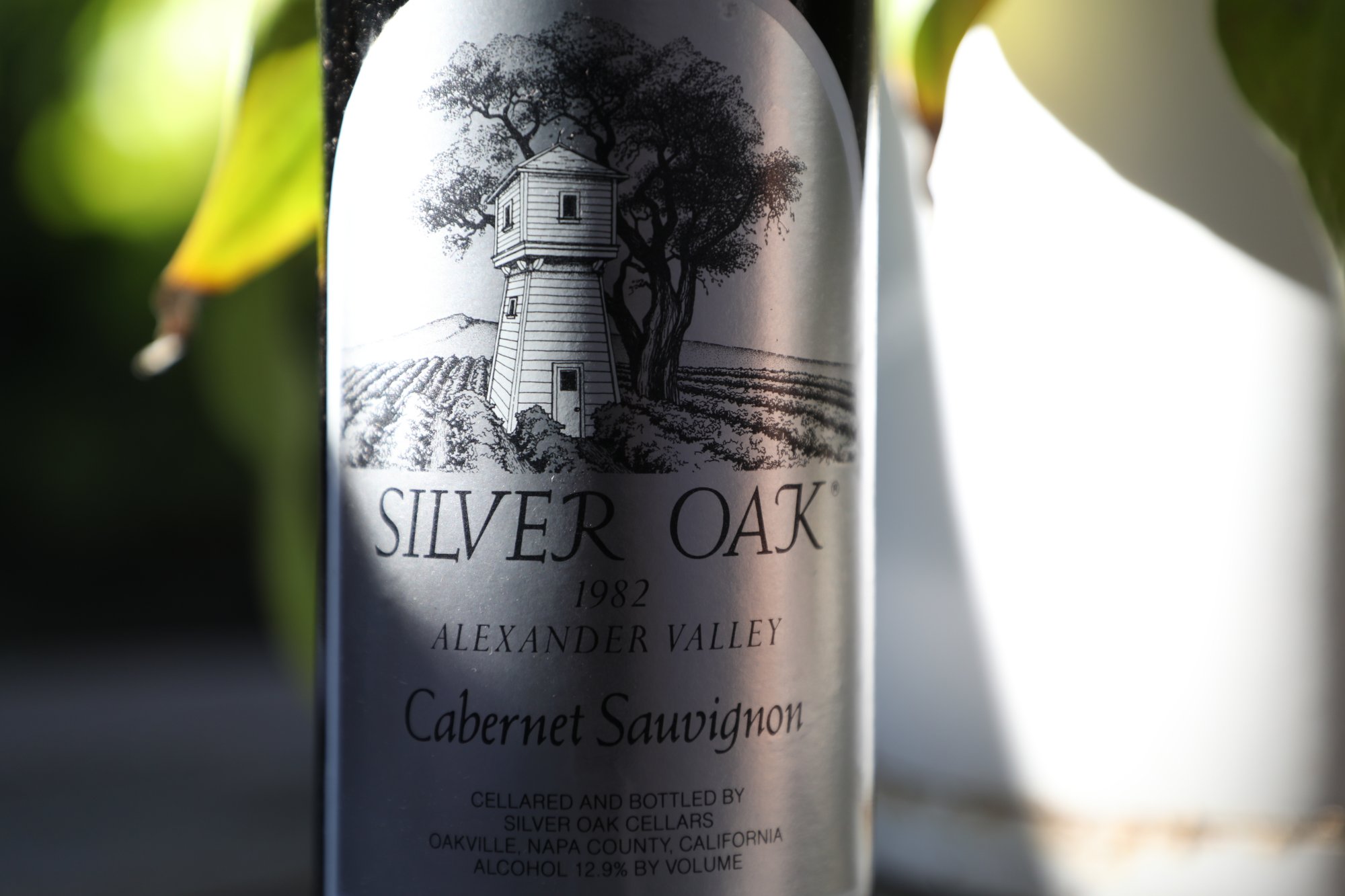
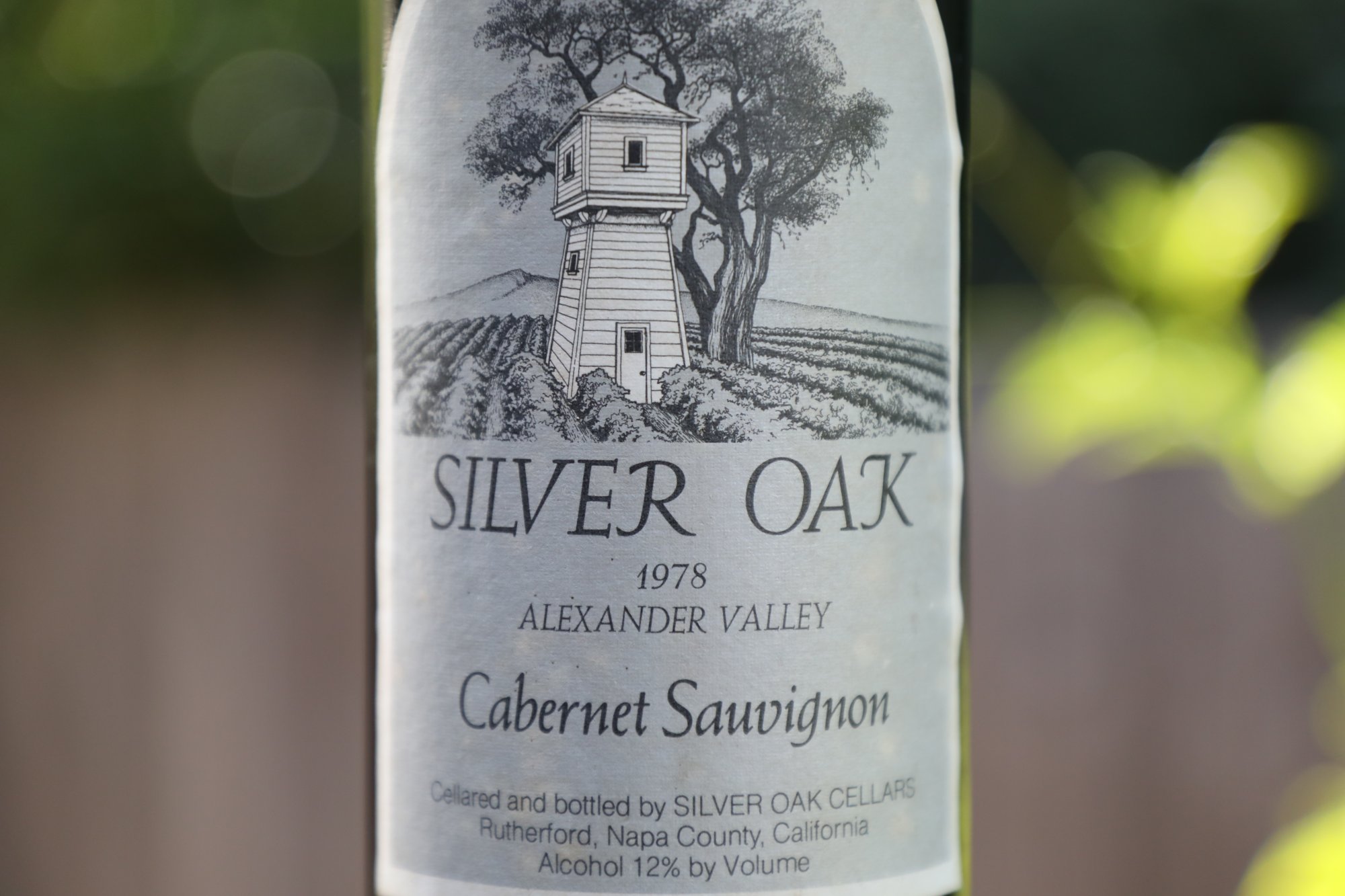
The 1991 Silver Oak Alexander Valley Cabernet Sauvignon (100% varietal) is medium to dark ruby in color and shows some light brickening of the color. We tasted this wine 31 years post vintage date. The nose immediately offers a green pepper spice along with crushed dark pepper, mushroom and leather. It is musty, with damp earth and forest floor. The bouquet is savory and needs some time to breathe; as it does, it becomes a bit more brambly. The palate is nimble and fresh on its feet; it is balanced and still has life ahead of it. Offers flavors of old cedar, currant and sour cherry on the finish. This wine lingers with a bright red fruit liveliness and a slight tartness. The tannins are still perceptible, are light gravelly in texture and are very well integrated. Pair with a warm summer day, a BBQ, good friends and a well marbled cut of Wagyu beef.
The 1990 Silver Oak Alexander Valley Cabernet Sauvignon is deep garnet; we needled and nosed this bottling 35 years post vintage. The bouquet immediately throws out a ‘stinky character’ with aromas almost crossing into the barnyard territory, library book, rancio, dried tobacco and like walking into a humidor, old cedar box, dried mushrooms, dried herbs, pencil shavings and dried bay leaf. The bouquet is completely tertiary at this age and remnant fruits are of a dried character. Held up nicely over the decades by its bright acidity, its fruit flavors are still very much present, although well matured, including tart cherry, red plum, raspberry, currant, cranberry with additional notes of dried tobacco leaf, soy sauce, an herbal but not green character (perhaps green tea leaf) and a light note of coffee grinds. The tannins are felt mostly on the front and sides of your cheeks, lingering with a tumbled, drying and light gravelly character. We don’t normally use the word fresh to describe wines of this age, but there is still a fresh sensibility about this bottling. Its listed ABV is only 13.3%. If you want to compare this bottling to a musical instrument, lets play the sultry sounds of a saxophone while tasting this aged beauty. Something by John Coltrane will do just fine.
1980-1989
The 1989 Silver Oak Alexander Valley Cabernet Sauvignon is medium tawny in color at 37 years post vintage. The two aromatics that we quickly noted were of dried plums and old cedar box. In terms of its aged fruit and acid interplay on the aromatics, it smells tart. Additional scents include dried cherries, dried cranberries, old leather, sweet tobacco, raspberry, toast, toasted coconut, dill, vanilla and old cedar wood. And a nutty character including of walnut. As the wine breathes further, it offers an aromatic pepper spice including of shishito and red chili. Bright, savory and red fruited, although very mature, this wine tastes like cranberry, sour cherry, red currant and not fully ripe Santa Rosa plums. As the fruit has faded with age, the impression here is of a strong and sharp grip of acidity. Especially on this bottling. The finish lingers tart and tangy with notes of dried herbs, black tea and dried tobacco – with the cutting acidity ever present. The tannins have been well-tumbled by its three plus decades in bottle; they linger with a soft light texture, that is seamlessly integrated into the finish. If you are nostalgic for the 1980s, this bottle will bring you back to a perceived simpler time.
The 1988 Silver Oak Alexander Valley Cabernet Sauvignon is medium garnet in color; the bouquet is savory and herbal with notes of red chili spice, shishito peppers (an aromatic we know well from all our trips to the Regusci Winery farm stand in late summer and early fall to pick up baskets of these particular peppers and the resulting aromatics that fill up our car), dried sage, dried cherry, dried currant, cranberry, raspberry, smoke, dried mushroom and dried tobacco leaf. Despite its 38 years post vintage, the bouquet still has not completely transitioned into entirely tertiary, although its getting close. Red fruited and tart, this wine tastes like raspberry, red plums, dried cranberries, currant, sour cherry, dried tobacco leaf and toasted coconut. The acidity has kept this wine thoroughly fresh and alive over its three plus decades in bottle. Finishes savory with notes of dried oregano, thyme and bay leaf, while accompanied by a juiciness. The tannins are still very much present, fully coating the palate with their gravelly, dusty, chalky and long-lasting drying grip. Their presence pulls away from the fruit and continues to be felt across the palate. This wine is still showing particularly well at this age.
The 1987 Silver Oak Alexander Valley Cabernet Sauvignon is medium garnet showing its 39 years post vintage at the time of our tasting. The bouquet smells somewhat forest floor like including of damp earth and duff, dried mushrooms, dried tobacco leaf, old library book, toasted nuts including walnuts, toasted oak, with its very mature fruit offering notes of dried strawberry, raspberry, red currant and dried cherry. The acidity feels very sharp; it is very much bright and mouth watering, carrying a noticeable vibrancy after nearly 4 decades since these grapes were harvested. Red fruited and tart across the palate, this wine tastes like underripe boysenberry, dwarf mulberry fruits, red cherry, red currant and cranberry. The finish lingers with a mouth watering and tart sensation due to the acidity and red fruits, accompanied by flavors of pipe tobacco and plenty of herbal characteristics, i.e., green tea, red chili spice, jalapeno pepper and dried sage. The tannins are still present, showing a dusty, rounded but gravelly character in tandem with the fruit. Its ABV is listed as 13.3% but from the palate, in a blind tasting, we perhaps would have guessed it to be in the low 12s. Its still present freshness is a noteworthy attribute of this bottling.
The 1986 Silver Oak Alexander Valley Cabernet Sauvignon is deep garnet in color; on the bouquet there are scents of damp potting soil, forest floor, dried tobacco, jalapeno pepper and a subtle note of dried apricot and blood orange. Of the three vintages we have tried to date from this decade, the 1986 shows the most fruit on the bouquet but also an accompanying herbal character. And a light volatile acidity which becomes less prominent as the wine is exposed to oxygen. Brightly lit, this wine shines with a sharp and tangy acidity. Very much red fruited, the finish is mouth watering and savory. It offers flavors of currant, cranberry, tart cherry and Icelandic crowberry with an herbal character across the palate including mint, dried sage and dried bay leaf. The tannins are well tumbled at this age but still very much here, and linger well beyond the fruit with a pronounced chalky/dusty character.
The 1985 Silver Oak Alexander Valley Cabernet Sauvignon is medium garnet and brickish in color. We tasted this wine 41 years post vintage. There is still fruit here, very mature but showing nonetheless. Its scents are of a dried character including cranberry, red cherry and raspberry. And a note of cherry liqueur, prune juice, dried anise seed -an aromatic that reminds us of enjoying mukhwas, a sort of mouth freshener offered following meals in the country of India, dried sage, old leather fruit roll-up, dried figs, old cedar box, toffee and burnt chocolate. This bouquet is particularly well layered at this age with not one aroma dominating. The mouth also still shows some fruit, but is well aged, including flavors of dried cherries, dried raspberry, and fruit roll-up, accompanied by toasted coconut, vanilla, coffee, a light note of tobacco, and toasted almonds. The acidity is present, balanced and still provides an overall pleasant lift to the palate. The tannins here are soft and supple, like sexy lingerie comfortably wrapped around a beautiful woman’s body. Incidentally, David Duncan refers to this particular vintage as his epiphany wine, the one wine he vividly remembers trying in his early twenties. Its AVB is 13.2%. This bottling is still impressive.
The 1984 Silver Oak Alexander Valley Cabernet Sauvignon is medium to deep tawny in color at 42 years post vintage. Higher toned and very much evolved, still this bouquet is holding on to some of its red fruited and herbal aromatics even at 4+ decades. The nose smells scents of dried currants, dried cherries, cranberry, dried orange peel, not fully dried tobacco leaf, humidor, smoked sage, old leather, dark olive and old cedar box which hasn’t been opened for years. As it evolves, it reveals a layer of coffee grounds. The finesse and integration is still evident, showcasing a gentle balance between flavor, acidity and texture with neither of these attributes dominating. This wine tastes like raspberry, red cherry, red plums, red licorice, blood orange and lightly toasted oak. The mature fruit persists from entry through to the finish with a slightly tart mid‑palate. This bottle has held up exceptionally well – perhaps showing slightly less evolution and maturation on the palate than on the bouquet. The tannins are silky and lacey, with a mild and soft presence, lightly felt on the front of the palate. We wish all older vintages of Silver Oak would have held up as nicely as this. Easy drinking. Its ABV is 13.0%. As Justin noted on the back label of this bottle, “Experience the finesse and elegance which is Silver Oak”.
The 1983 Silver Oak Alexander Valley Cabernet Sauvignon is deep garnet with some browning occurring; on the nose there are aromas of mocha, chocolate brownie, a sweet tobacco spice, darker baking spices including cinnamon and clove and milk chocolate. Its fruit includes dried cherries and raspberries. There is nothing herbal about this bottling. This wine keeps showing better as it is exposed to air after its 4+ decades in bottle; by this we mean both the aromatics and the flavors become more integrated with a bit of time. Some of the baking spices on the bouquet are also mirrored on the palate. And there are flavors of red plum, red cherry, strawberry, and a hint of raspberry fruit roll up. While the palate is certainly tertiary its fruit still shows surprisingly bright. Compared to the 1981 the texture on this vintage is much more pronounced, with a gravelly and dusty character that parallels its fruit on the extended finish. There is plenty of body here, flavor and a balanced acidity. A light but lingering red fruited tartness invites another sip.
The 1982 Silver Oak Alexander Valley Cabernet Sauvignon is medium garnet, still holding on to some of its color and has not yet transitioned into the realm of being tawny colored. We always have some inkling of quality of bottle based on how the needle from the Coravin goes into the cork. This cork showed plenty of tug at 44 years post vintage, always a good sign. The bouquet smells savory, red fruited and still offers some aromatic lift and life. Its scents are of dried currants, tart cherry, red plums, dried cranberry, smoked sage, dried tea leaves dried tobacco leaf, toasted coconut, old cedar box, old leather and jalapeno pepper. As it opens further, there is a note of dried orange peel. Still very much red fruited, this wine tastes like sour cherry, not quite fully ripe red plums, dried currants, cranberry, a hint of shishito pepper, dried sage, dried bay leaf and finishing tertiary notes of dried mushroom, cedar, and tobacco. A persistent vein of bright acidity eventually outlasts both fruit and texture on the herbal finish. The tannins are very well resolved as expected at this advanced age, persisting with a gentle dusty pull felt primarily on the front of the palate. This wine is light to medium bodied. The ABV is listed as 12.9%.
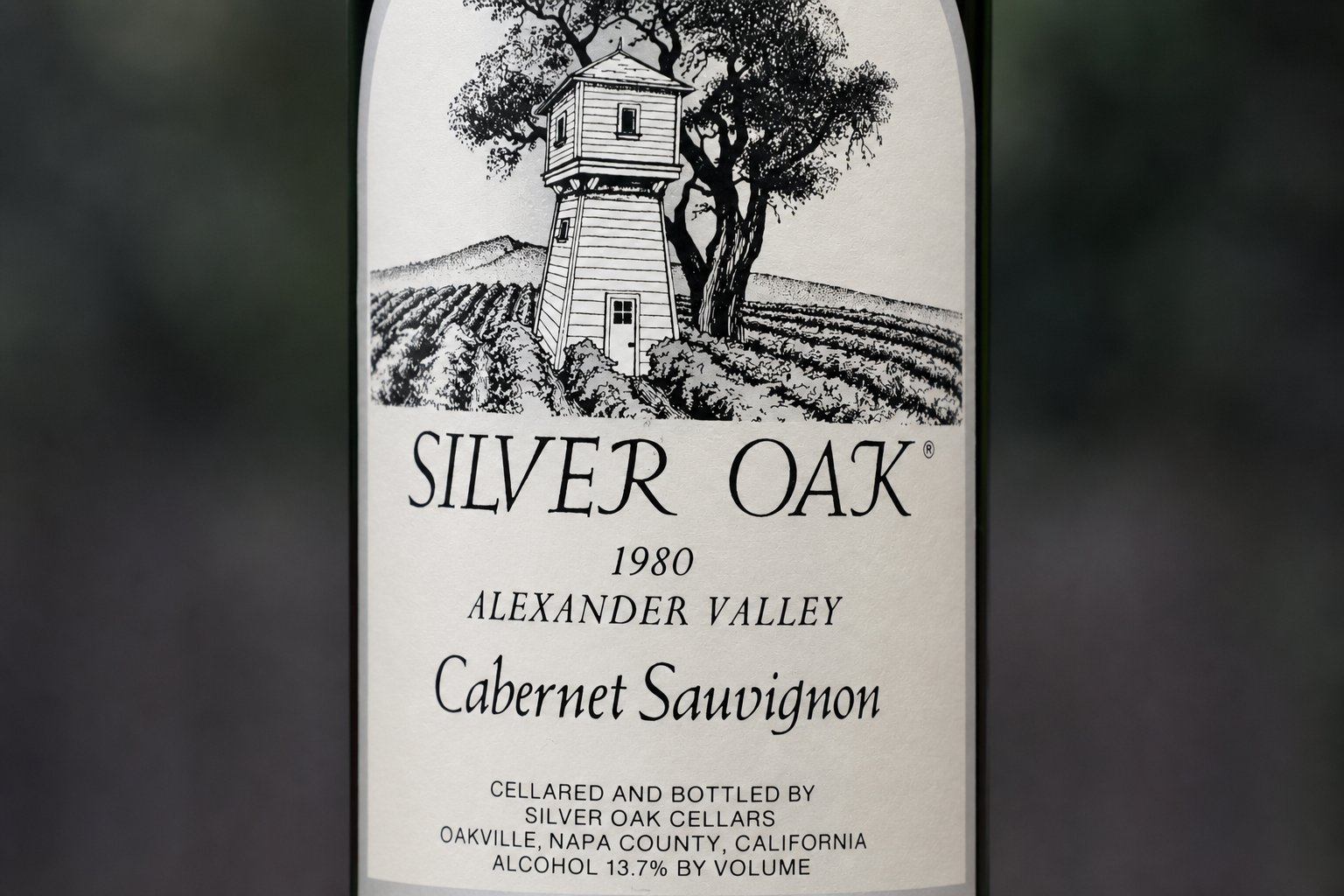 The 1981 Silver Oak Alexander Valley Cabernet Sauvignon is medium tawny, showing its color evolution at 43 years post vintage at the time of our first tasting of this vintage. We later tasted another bottle at 45 years post vintage. The nose offers aromas of dried herbs including sage, a light jalapeno note, shishito pepper, dried tobacco leaf, old cedar box, leather/suede, and dried fruits including cherry, cranberry and apricot. This bouquet is entirely tertiary with little fruit presence left. As it opens, additional layers are expressed including a layer of dried orange peel. One can still smell the brightness of this particular bottling. The mouth feel reveals a rounded texture with the tannins seamlessly integrated into the still red-fruited finish. Their texture is supple, gentle and lightly gravelly. On the palate there are flavors of dried red fruits along with cranberry, currant and tart cherry – still showing a surprising amount of red fruits at this age. Sour. The lively and somewhat shrill acidity has carried this wine over the decades. The finish lingers bright and mouth watering and mouth smacking to try and dissipate it’s tart character. Its ABV is a listed 12.9% but in a blind tasting, we might have guessed lower than that.
The 1980 Silver Oak Alexander Valley Cabernet Sauvignon. Its ABV is a listed 13.7%, quite a bit higher than the Silver Oak wines generally are from this era, either from Alexander Valley or Napa Valley. This wine is deep tawny in color, showing plenty of maturation and oxidation at 46 years post vintage. The bouquet is entirely tertiary and initially somewhat linear, with a strong aromatic presence of humidor and pipe tobacco. Other scents include a rancio character, toasted coconut, library book, old leather and a hint of dried fruits including currants and cherries. As the wine opens further, the nose evolves additional layers including of coffee grinds and mocha. The palate is perhaps in a better place than the bouquet as there is still an integration between flavor, acidity and texture with neither one dominating. This wine tastes mature with flavors of tart cherry, currant, cranberry, under ripe raspberry and not fully ripe boysenberry. And a dried red fruit character. Its non fruited contributions include tobacco and a faint kiss of dried sage. At this age, the tannins are wispy, soft and rounded with a gentle feel, persisting still, with a light dusty character. On the finish, the fruit drops off first, then the still very much bright and almost sharp acidity, with texture the lasting component. And like with the 1981 vintage, we also would have guessed the ABV lower on this vintage than its listed %.
1972-1979
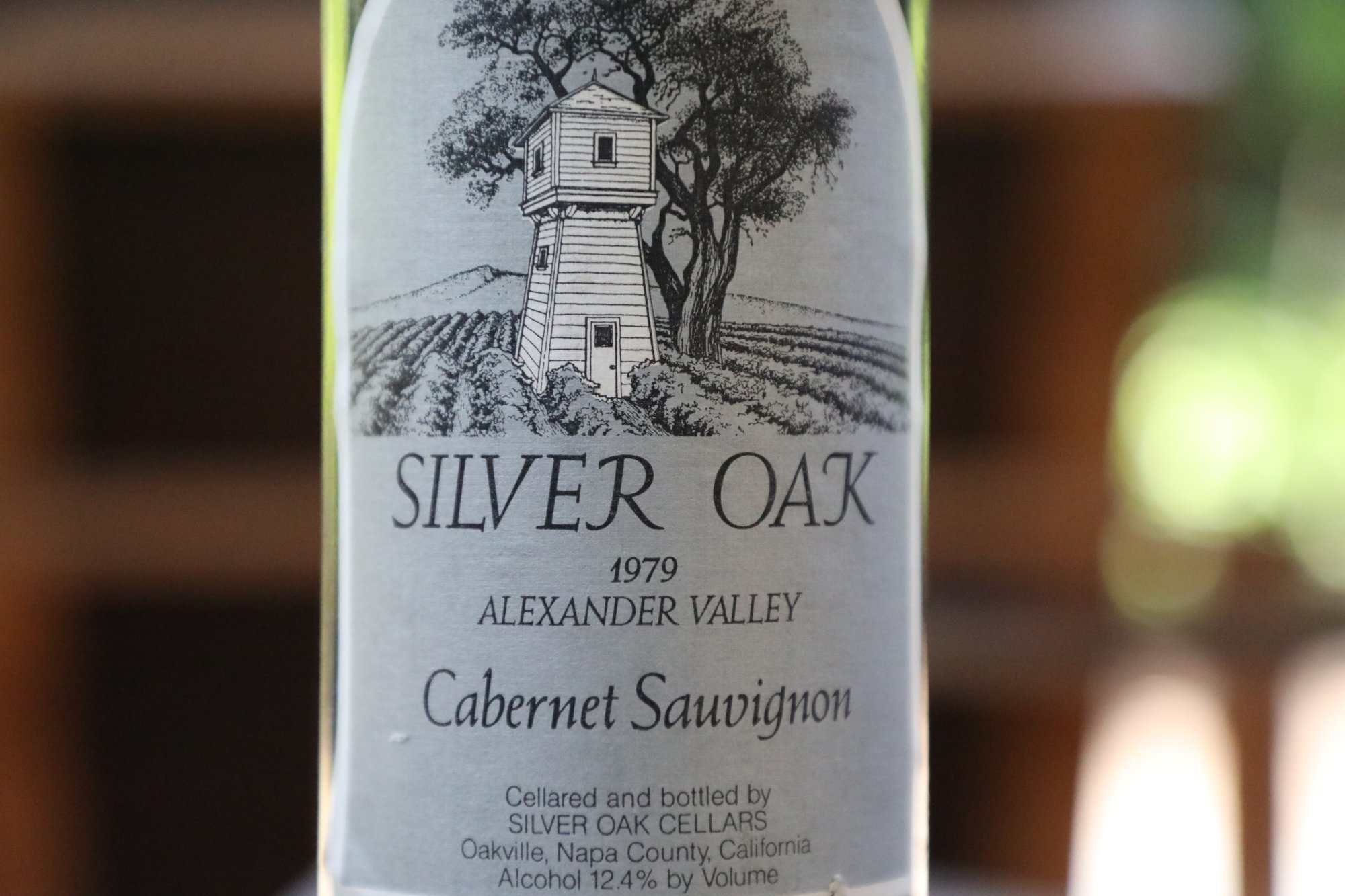 The 1979 Silver Oak Alexander Valley Cabernet Sauvignon is medium to deep tawny in color indicating its advanced age at 47 years post vintage. The aromas are quite pleasant considering its age and have fully fallen into the spectrum of tertiary. The nose smells lots of layers, including like walking into a humidor, burnt chocolate, dried orange peel rind, dried raspberries, dried cherries, old cedar box, toasted coconut, cocoa powder, mocha, a kiss of dill, smoked sage and old library book. If you are lucky enough to try a bottle from this vintage with good provenance, be particularly patient and try it at intervals over an hour. Light bodied across the palate, this wine still shows delicate but very mature red fruits, including flavors of currant, cranberry, dried cherries, and raspberries. Its non fruited tones are of dried tobacco leaf, savory dried herbs, and most importantly, is accompanied by a balanced acidity. Noteworthy is how all aspects of this wine fit together seamlessly, like a perfectly aligned piece in a puzzle. When we find an older Silver Oak that has held up better than expected, we get chills. This bottling is one of those; lightweight in terms of its textural approach, the tannins have fallen off to the point that they feel like a gentle hug, with a light gravelly and mellow texture felt mainly on the front of the palate. Fruit, acidity and texture linger quickly before the finishing perception is of a front palate dryness.
The 1978 Silver Oak Alexander Valley Cabernet Sauvignon is deep tawny, clearly indicating its age at 48 years post vintage. On the nose there are scents of dried tobacco, old cedar, old library book, toasted coconut, dried mushrooms, mature fruits including dried cherries, currants and raspberries, a hint of dried mint leaves and as the wine evolves and warms, sweet layers of coffee, mocha, and vanilla are expressed. Chocolate cherry sauce. Higher toned across the palate with red fruits including currant, tart cherry, cranberry and not fully ripe red plums. Lingers with a layer of dried tobacco leaf, dried herbs including sage and bay leaf and a hint of smoked cedar. The acidity is bright and in this bottling at this age, has outpaced both fruit and texture. Light bodied and lithe in shape, any curves or textural edges it once had have been fully tempered by time. The tannins linger with a pillowy feel, gentle, they are seamless integrated into the finish. Persists with a sour and tangy brightness of acidity, the long-lasting sensation on the finish. The lower alcohol and higher acidity has still remarkably preserved some of its original red fruited characteristics. Its ABV is listed as 12.0%. We would love to find and try another bottle from this same vintage for comparison.
The 1975 Silver Oak Alexander Valley Cabernet Sauvignon is deep tawny in color, clearly identifying itself as an aged red – in this case 51 years post vintage. The nose smells musty, similar to walking down the aisle past old books in an ancient library. Additional notes are of old tobacco/walking into a humidor, old leather, dried mushrooms, potting soil and surprisingly some red fruits still expressed. These are of dried cherry, dried currant, raspberry, dried blackberries and old cocoa powder. It holds these aromatics nicely for some time even after the wine has been exposed to oxygen. And the fruit is still showing on the palate; its red fruited with mature tones including of dried cherry, raspberry, currant and cranberries. A savory edge is very much present here including of tea leaf, mushroom, dried tobacco leaf, walnut, dried orange peel and perhaps a hint of soy sauce. The acidity had preserved this wine for its 5+ decades; the vintage and this bottle are in good shape as unlike some older vintages of Silver Oak where the acidity is the lasting tart sensation. On this bottle, it is still in a balanced state of being. The tannins are still felt with a well tumbled and lightly gravelly grip, felt primarily on the front of the palate. The finish is short. Still, we are pleasantly surprised with the good shape it is still in for such an older wine. 12.0% ABV.
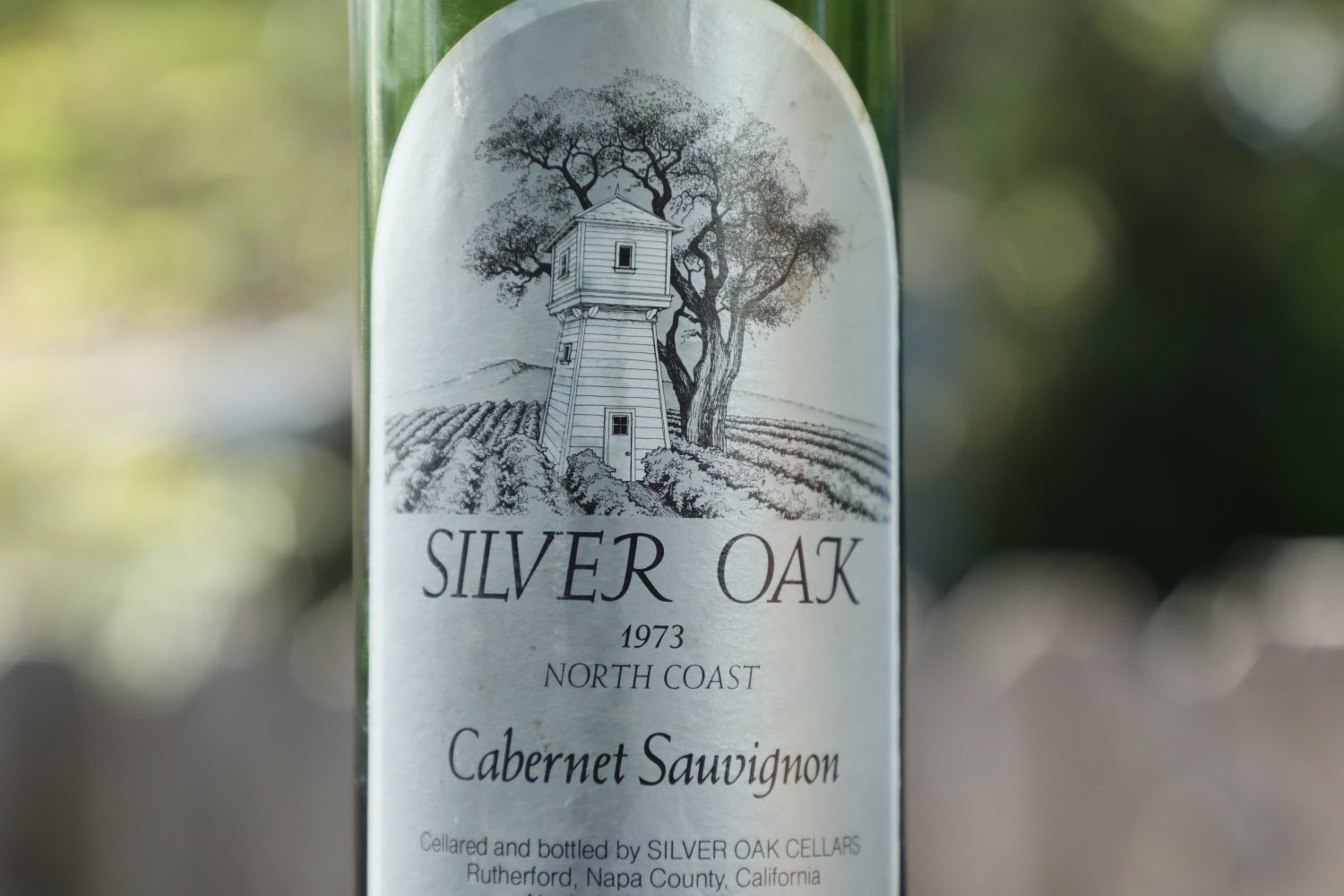 The 1974 Silver Oak Cellars Alexander Valley-North Coast Cabernet Sauvignon is medium to deep tawny in color at 52 years post vintage. The tertiary and oxidized bouquet offers aromatics of rancio including soy sauce, dried dates, fig newton, antique wood, i.e. old furniture, mature leather, old cedar box, dried mushrooms, shoe polish, pipe tobacco, dried anise seeds, and nutty characters including of walnut. And there are some hints of cinnamon stick and cloves. The nose is remarkably layered. And be patient here, it will continue to open and reward with additional scents. The palate tastes like dusty cocoa powder, loads of nutty oxidative tones including dried walnuts, dried figs, dried red fruits including currants, cranberries and cherries, fruit roll-up, dried prunes without any sweet notes, dried orange peel, a light note of orange marmalade, a savory umami almost soy character and dried tobacco leaf – both especially noticeable on the finish, dried mushrooms, dried sage and a perhaps what we imagine the flavor of ancient library book to be if we were crazy enough tear out a page, crumple it up and taste it. The acidity is balanced at this age and still shows a very bright but not sharp edge; for a wine that was built to consume in its youth, we are pleasantly surprised by how well its showing at this age. The tannins are rounded tiny spheres, barely perceptible at this age but are still felt with a light and gentle drying note on the front of the palate. Its listed ABV is only 12%. 3,850 cases were produced.
We tasted the 1973 Silver Oak Cabernet Sauvignon North Coast with extreme reverence. After all, this was only the second ever vintage produced at Silver Oak. The 1973 Silver Oak Cabernet Sauvignon North Coast is medium garnet and brick-red in color. We tasted this wine in 2023, 50 years post vintage. The bouquet still shows some fruit but its all tertiary aromatics at this age including dried blackberries (reminded us of harvesting blackberries very late in the summer which have dried on the vine), dried black figs, cooked plums and prune along with leather, tobacco spice, mocha, coffee, toffee, espresso and truffle oil. There is also a note of petrichor – the smell of dust when rain falls after a long period of dryness, usually late in the year. Its aromatics are also somewhat savory, showing some meaty and dried herb characteristics, especially as the wine has more time in the glass. The palate offers flavors of red plums, dark cherry, tobacco spice and licorice. The finish lingers gently with tannins so rounded and supple, that the best word to describe their textural feel is seamless. It shows a balanced and bright acidity. This bottling is 100% Cabernet Sauvignon and refreshingly only 12% alcohol.
The back label notes the grapes for this bottling were sourced from vineyards in two counties and that, “aging in 50 gallon oak barrels has softened and rounded the wine. Subsequent bottle age has polished it further and developed its complex bouquet. While enjoyable now, further bottle age will improve the wine.” This description was followed the words: Justin Meyer, Winegrower. We are not sure that Justin was thinking this wine might be consumed 50 years after he produced it but true to its original description, the bouquet is still diverse and the palate is still polished. It has aged extremely well. Total production of this wine was 1,850 cases.
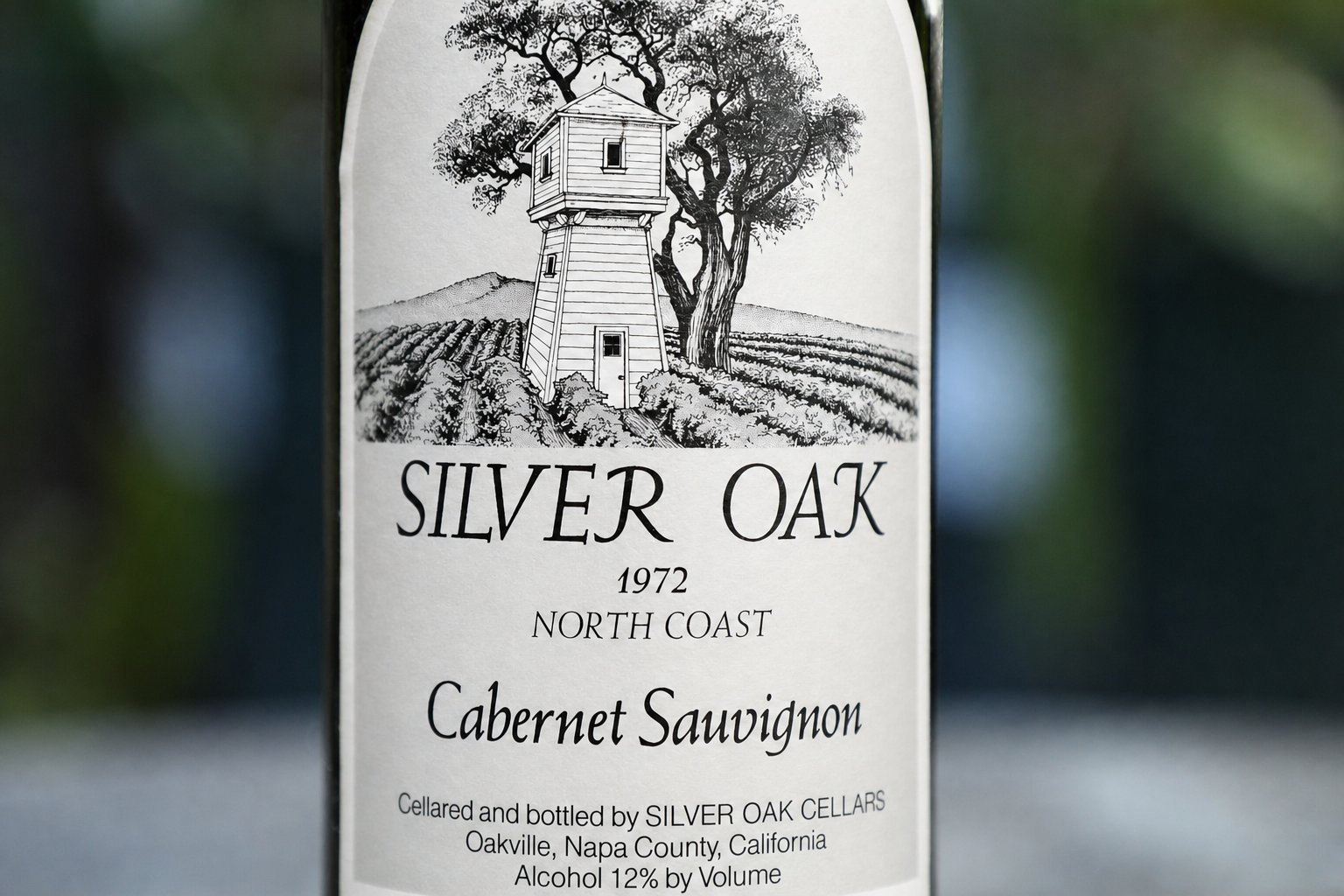
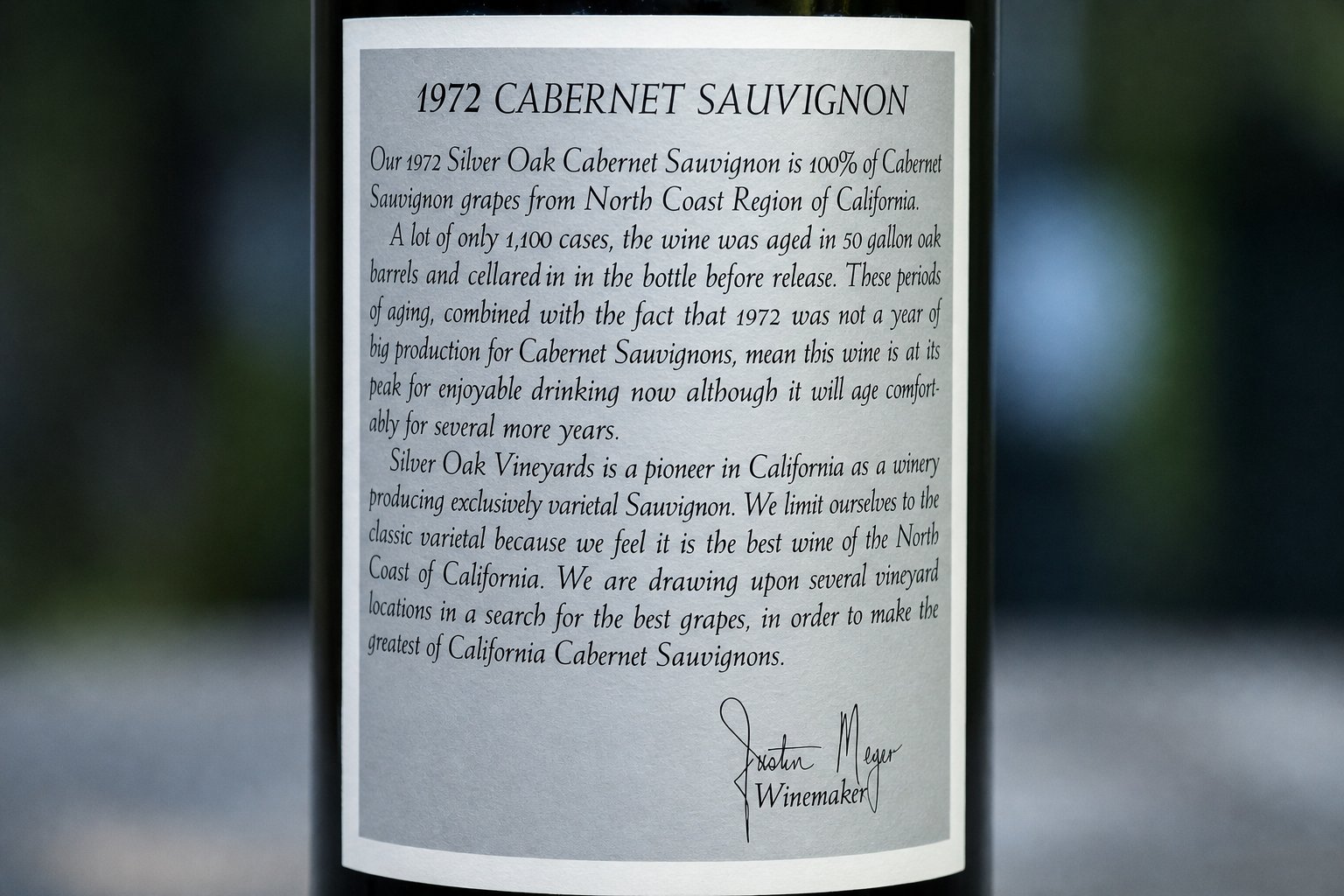 The 1972 Silver Oak North Coast Cabernet Sauvignon is medium garnet in color; the bouquet smells like old cigar box and old wood in general, damp earth, pipe tobacco, leather, old library book, dried orange peel, and mint/herbal note including of dried sage and tomato leaf. And stewed tomatoes. At 54 years post vintage, the bouquet has transitioned far into the realm of tertiary, but it still holds onto some fruit including dried cranberries, currants and cherries. Across the palate there are flavors of blood orange, plenty of dried berries, tart plums, sour cherry, smoked sage and a lingering finish of pipe tobacco. As smooth as kissing your favorite human’s lips (as a side, we did kiss this bottle before trying it), all aspects of this wine are harmoniously integrated. The tannins are so resolved, they are barely perceptible, felt with a gentle touch on the front of the palate. This low yielding year did not produce tannic wines in general but it did produce a bright acidity which has remarkably preserved this wine well beyond our expectations at the 5+ decade mark. 12.0% ABV. This wine pairs particularly well with the song by Alabama, She and I. Tasting through this rare bottle represents great personal satisfaction as we never thought we would be able to taste Silver Oak’s inaugural bottling, but also we are nearing our goal of tasting and noting every vintage of Silver Oak Cellars ever produced between North Coast/Alexander Valley and the Napa Valley bottlings.
Justin noted on the back label that, “this wine is at its peak for enjoyable drinking now although it will age comfortably for several more years”. Well, it has aged far longer than perhaps he even thought.
A very special and rare wine called Six, named in honor of Ray’s lucky number six is a red blend and is only released from exceptional years. The first ever Silver Oak Six was from the 2012 vintage.
Culinary Offerings

 Silver Oak’s culinary program was created in 2008 by founding chef Dominic Orsini. Dominic has come a long way in the culinary world since his first food-related job – working at a Burger King at age 14. He graduated from the Culinary Institute of America in Hyde Park, New York City; prior to working at Silver Oak he worked on a small cruise ship, was sous chef at the acclaimed Waldorf Astoria hotel in New York for several years and was chef at several notable restaurants in Napa Valley. Surrounded by wine, it is no surprise that Dominic has also passed his Introductory Sommelier Course of the Court of Master Sommeliers.
The focus of Silver Oak’s food and wine pairings is on education and enjoyment. Dominic says, “ingredients can soften and make the wines sing” – these flavor changes on the palate can be rather remarkable. Dominic told us about one of his pairings: a plain risotto with side ingredients including salt, lemon juice and butter. Guests add each of these ingredients one at a time to notice the differences in flavor or mouth feel as they are paired with Silver Oak wines. Salt rounds out the wine, the lemon juice helps heighten the flavors of the wine and butter helps soften tannins.
During his time at Silver Oak, Dominic sourced many of his ingredients for pairings and private events from a small culinary garden on the property including from raised beds. Not only did he use fresh ingredients, including edible flowers, but he also made preserves and dry specific products including persimmons and beans. Early on, Dominic harvested Cabernet Sauvignon and used the indigenous yeast on the grape skins to make a bread starter. This starter was maintained weekly and he baked all bread in house.
Note: after 14 years at Silver Oak, in September 2022 Dominic left to assume the position of Executive Chef for the Culinary Institute of America at Copia where he was employed for a short while. Today he is the Director of Culinary and Events at The Duckhorn Collection at Paraduxx. Following Dominic, Silver Oak’s Executive Chef was Shawn Ramsden.
 Preeti Mistry currently serves as the winery’s chef. Born in London, she immigrated to the United States at the age of five. She is the co-author of The Juhu Beach Club Cookbook: Indian Spice, Oakland Soul, a collection of mouthwatering recipes that showcase a vibrant range of spices and herbs while also offering personal insights and stories. Mistry and her wife, Ann, operated the Juhu Beach Club restaurant in Oakland for five years until it closed in 2017. She was nominated twice by the James Beard Foundation for “Best Chef of the West,” in 2017 and 2018.
Silver Oak offers private cooking classes with chef on a limited number of dates throughout the year. And there are the meat offerings; Silver Oak’s culinary team smokes their own prosciutto and makes dry-cured salami. One of their specialties is bison meat cured for three months using salt, juniper and rosemary.
Silver Oak’s food & wine pairing is available by reservation daily; this experience lasts about 90 minutes and pairs four wines with four small plates. This sit-down tasting is available at either of the Silver Oak properties.
Corporate groups take note; Silver Oak can customize food and wine pairings based on group size and interest. And they can host larger groups on a case by case basis; the sweet spot for such gatherings is generally between 20 and 40 guests. One gathering that we arranged for a visit to the winery was nearly 100 people. Silver Oak does not host weddings or wedding receptions.
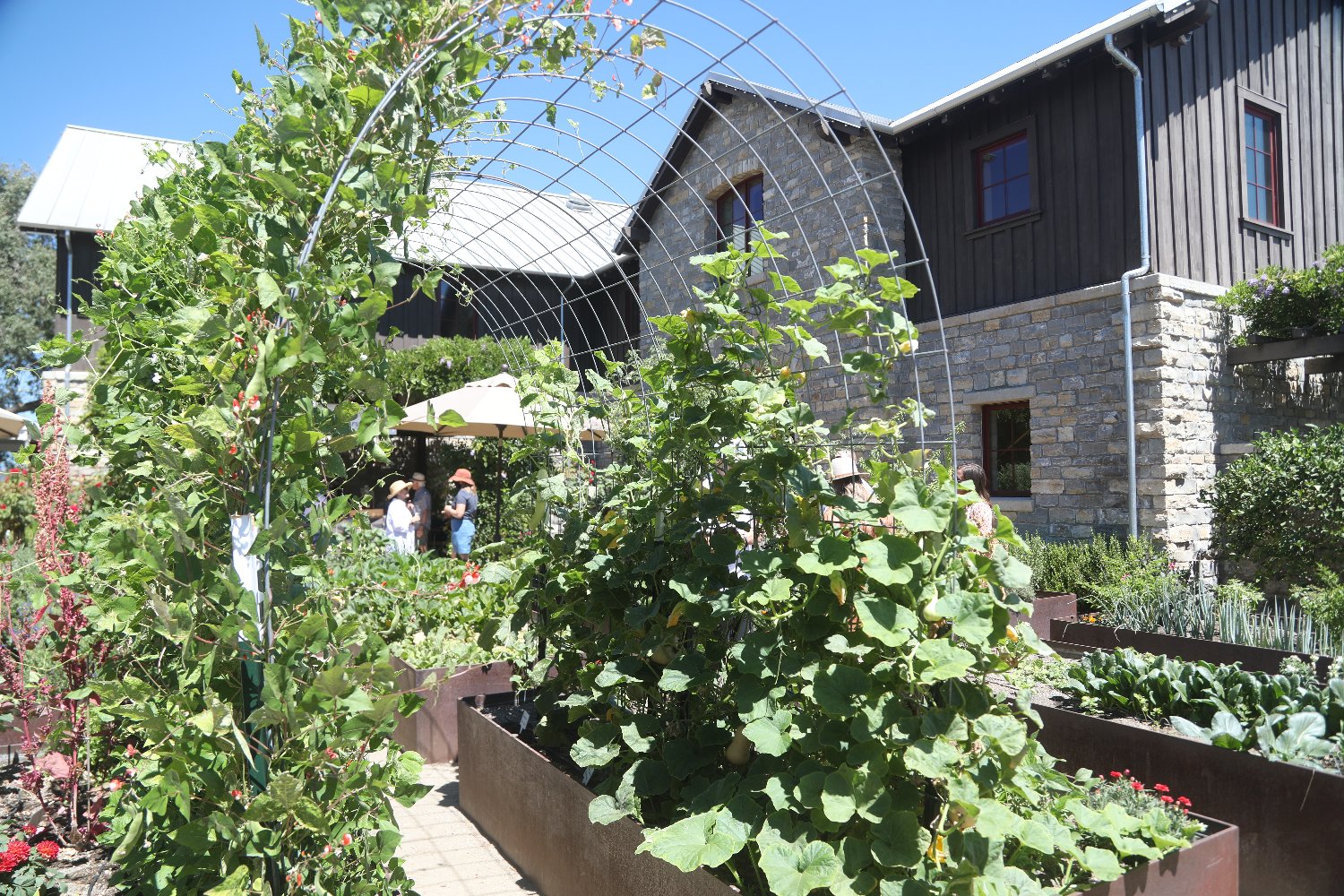
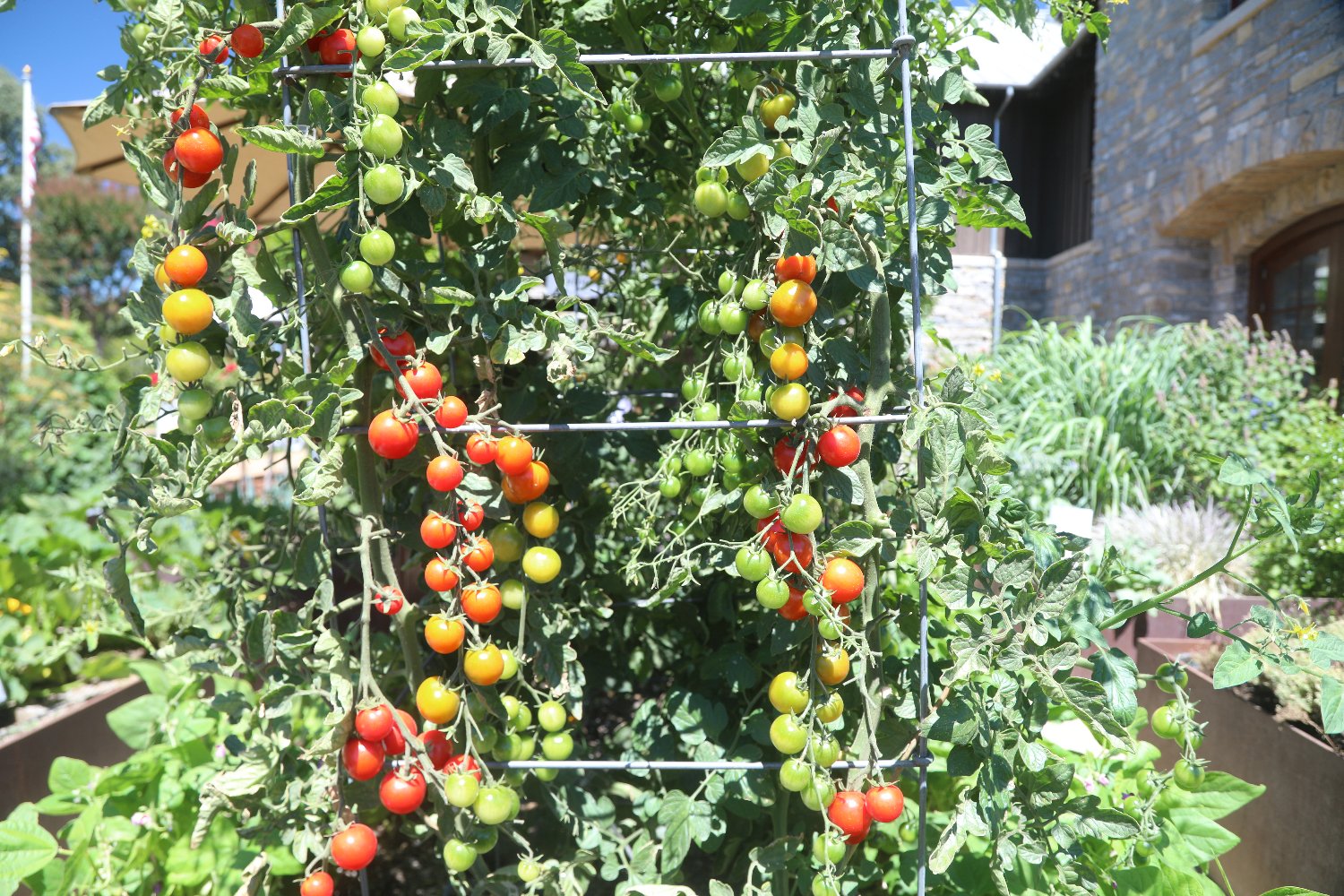
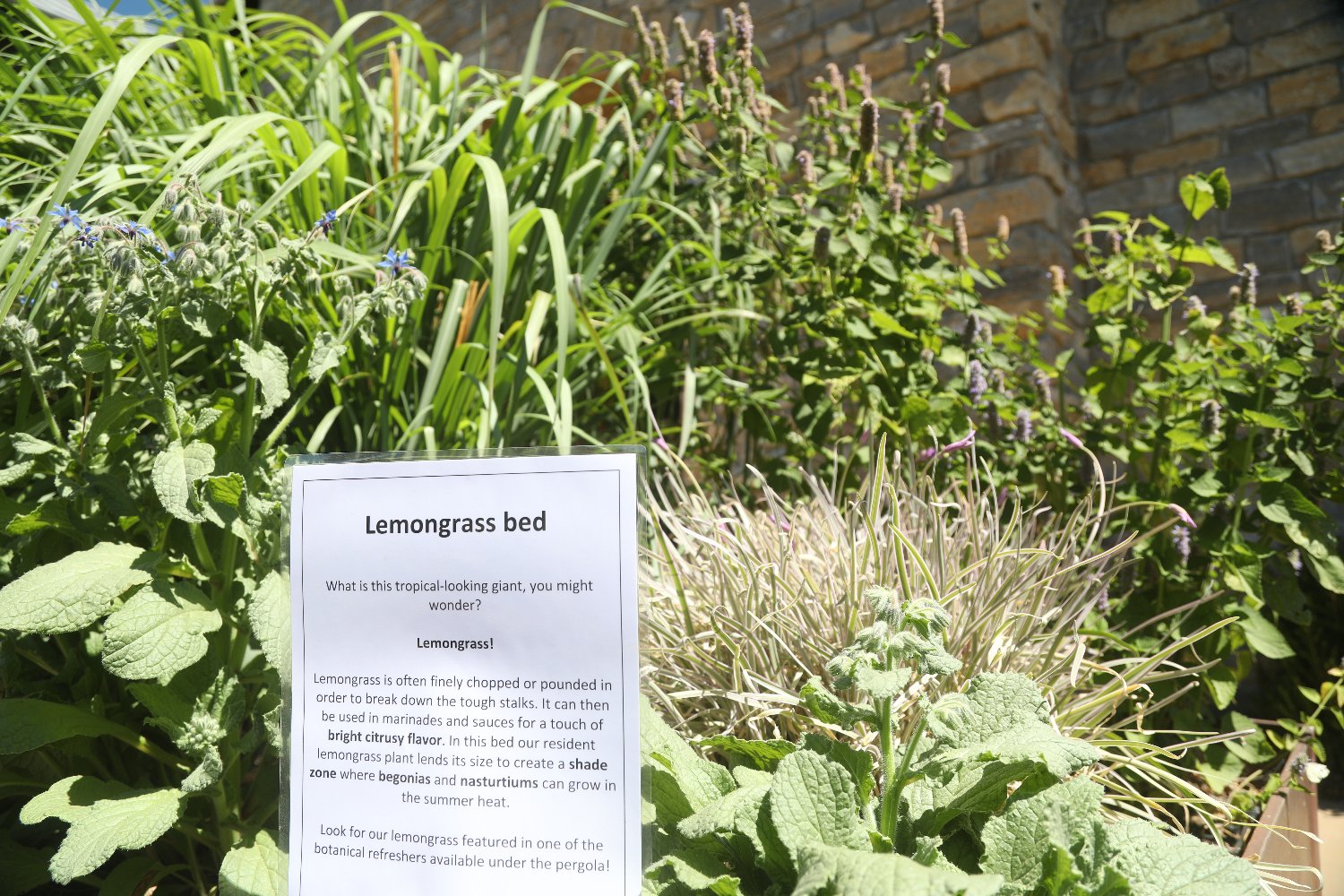
In 2012, as a nod to their 40th anniversary, Silver Oak created the cross country ‘Tower Tour’, featuring a replica of their water tower which they towed from town to town using a large silver van for various tasting events and wine dinners. It was also used for plenty of photo ops including in front of iconic and prominent places including the Gateway Arch in St. Louis, the Hancock Building in Chicago, the Indianapolis Motor Speedway in Indiana, monuments in Washington DC and the Golden Gate Bridge. When the tour was completed, they drove over 13,000 miles with David Duncan having driven approximately 1,000 of those miles. And this tiny tower has been known to appear in the annual much loved and uber-local Calistoga Lighted Tractor Parade held in early December.
In 2022, in honor of their 50th anniversary, Silver Oak organized the Dinner Series, curating food and wine dinners in select cities across the U.S. Silver Oak continues to offer these experiences; they are hosted at top restaurants by acclaimed chefs. Each event is typically open to between 30 and 50 guests and each dinner is paired with a flight of Silver Oak and TWOMEY wines. In 2023 Silver Oak began offering Timeless Moments, rare and intimate food and wine events hosted inside the home of select well-known chefs, with the cuisine paired with wines from Timeless.
The Silver Oak Cookbook, written by Dominic with a forward by chef Charlie Palmer, features a treasure trove of recipes that all Silver Oak fans with a culinary interest will want to get their hands on. One of the most intriguing recipes from not only from an artistic point of view but from a flavor profile is the Heirloom Tomato Mosaic with fresh Mozzarella and Petite Garden Herbs. Not only does the book feature Dominic’s personal seasonal recipes (all listed with suggested Silver Oak or TWOMEY wine pairings), but various chapters are sprinkled with notes about their vineyards, wine making, gardens and winery events.
Silver Oak, Alexander Valley
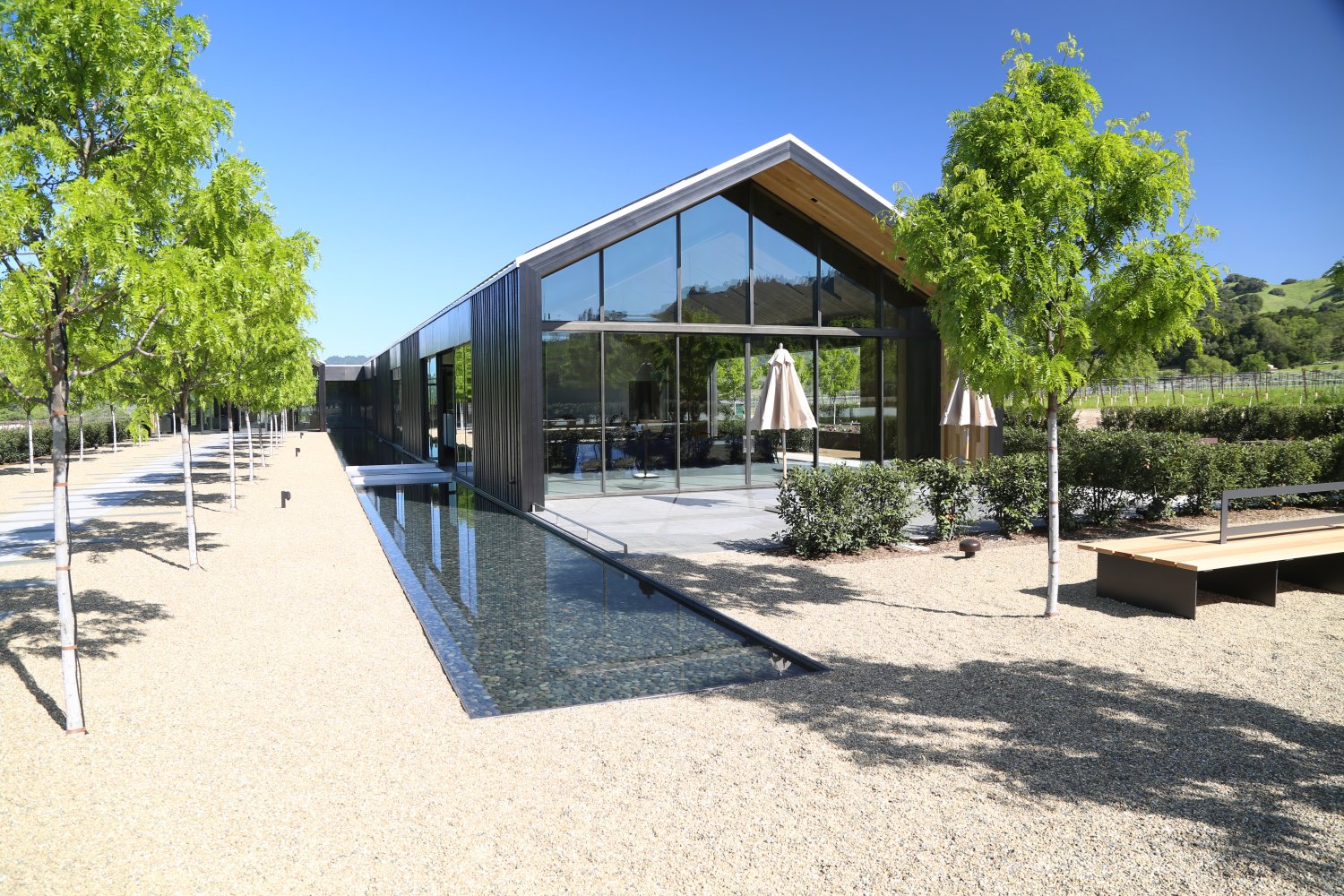
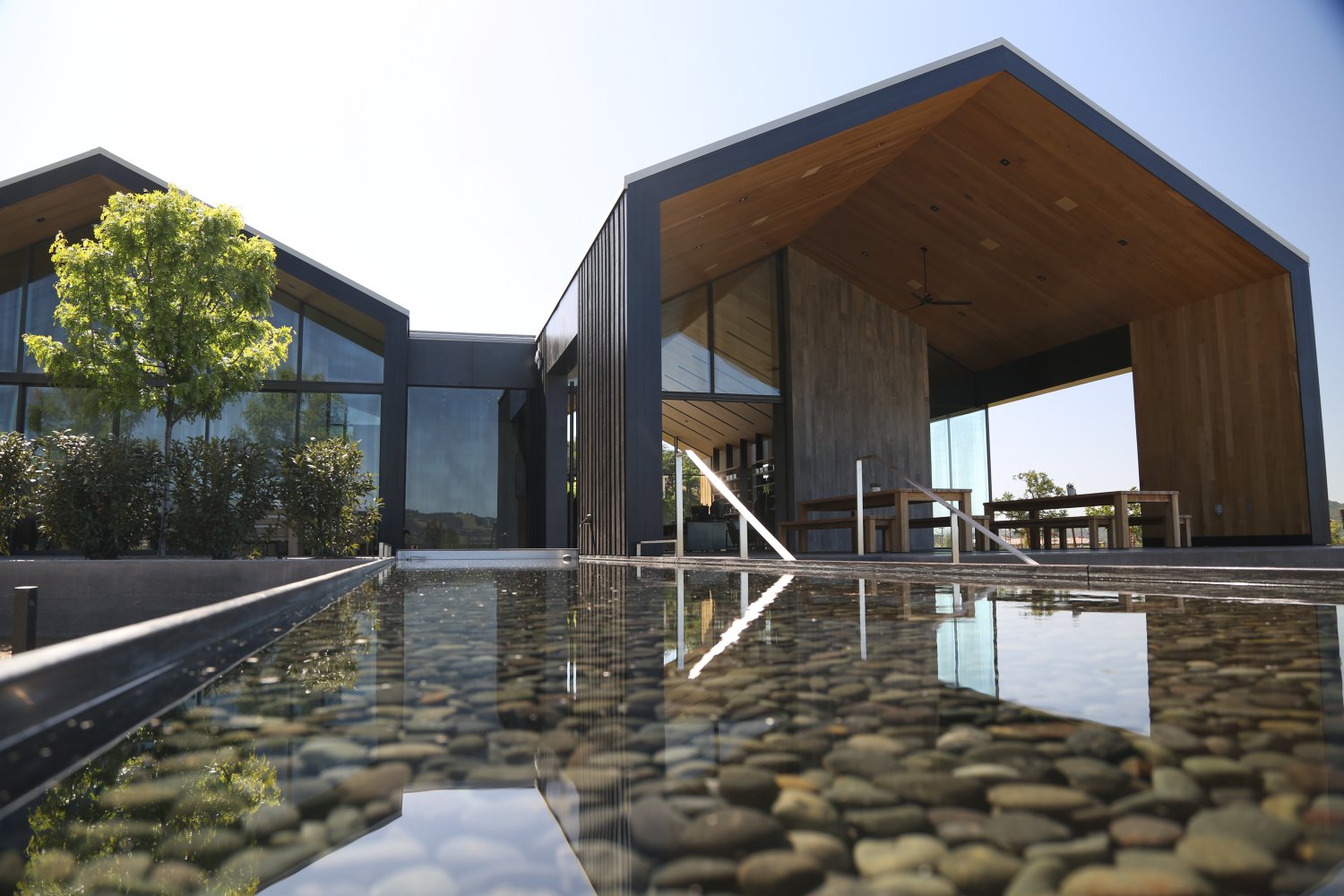
 Like in Oakville, Silver Oak Alexander Valley has evolved through multiple spaces. Looking for additional space due to the fact they had outgrown their Oakville production facility, in 1992 Silver Oak acquired the twice-bankrupted Lyeth Winery (founded by Chip Lyeth) and property near Geyserville from the Lyeth trust. The Lyeth brand and existing inventory was purchased separately by Jean-Claude Boisset. The winery was originally used for white wines, but Silver Oak converted it to produce Cabernet Sauvignon and made their Alexander Valley wines here until 2016 before selling the winery to Lodi-based Michael David Winery in 2017.
In 2012 Silver Oak purchased Sausal Winery in Sonoma County’s Alexander Valley. The address of this winery was 7370 Highway 128; after the purchase by Silver Oak, the address became 7300 Highway 128. This property was deeded in 1877 to Cyrus Alexander (Alexander Valley is named for him) and was one of Sonoma County’s earlier vineyards. More recently, the site used to be planted to Zinfandel, but Silver Oak completely replanted the entire vineyard footprint to 100% varietal Cabernet Sauvignon. However, before the vines were ripped and replanted, the winemaking team made a very small amount of Zinfandel from this vineyard at TWOMEY in Healdsburg but never bottled it commercially. The Miraval Vineyard (purchased in 1987), which provides a significant portion of the Cabernet for the Silver Oak Alexander Valley bottling, is located only about a mile south of the winery. Silver Oak Alexander Valley is about a 50-minute drive from Silver Oak Napa Valley and about a 15-minute drive from Healdsburg Plaza.
The total property is 113 acres of which approximately 75 acres are planted entirely to Cabernet Sauvignon. A state-of-the-art winery was built on site which was operational in time for the 2017 harvest. In April 2018 a contemporary hospitality center opened. Lead architect Daniel Piechota of Sagan Piechota Architecture based in San Francisco was responsible for both the design of the winery and the hospitality center. This company has overseen design for a number of mostly San Francisco based commercial paces including Ritual Coffee’s headquarters in San Francisco. Former University of California Davis Professor, Roger Boulton also provided consultation.
Other companies that contributed included Cello & Maudru Construction, Munden Fry Landscape Associates for the landscape architecture and Harrington Design for the interior design.
Tim Duncan’s daughter Haley was the project manager for the implementation of sustainable and green technology within the winery. In addition to her role at Silver Oak, she serves as the Safety & Sustainability Manager for The Porto Protocol. This Porto-based nonprofit was founded in 2018 by Taylor, Fladgate & Yeatman, one of Portugal’s largest port houses and the producer of Taylor’s Port. One of their core focuses is on climate change and implementing related practices such as water conservation and reclamation, a close look at minimizing packaging including in particular bottling, soil health, solar energy, and vineyard designs incorporating more biodiversity. The organization offers a variety of related ideas and practical solutions and also hosts numerous valuable in-person and virtual events each year.
Outside of the entrance to the winery is single oak tree. This was growing in Twomey’s Last Stop Vineyard; it was transplanted here when it was very young. It is a resilient oak tree having survived lack of water prior in its early years and even an accident involving machinery during the construction of the winery. Today it is much larger and thriving.
The winery is sizable housing some 80 stainless steel tanks – each one corresponding to a specific vineyard block. Only their Alexander Valley Cabernet Sauvignon is made here. Silver Oak currently produces around 80,000 cases of this wine annually and about 30,000 cases of their Napa Valley Cabernet Sauvignon. The ratio between production is usually 2/3 Alexander Valley and 1/3 Napa Valley. These production numbers are perhaps a bit surprising to people who primarily associate Silver Oak with the winery in Oakville and assume production in Oakville is higher than in Alexander Valley. Regardless of vintage or location, the wines always sell out. With that said, their growth has always kept pace with the quality of their wines.
 The winery is very green. Recycled materials were used in the construction including redwood siding on the outside of the winery building (taken from old wooden tanks dating from the 1930s). These tanks were originally used by Cherokee Wine Association, an old co-op in Lodi that was founded in the years immediately following Prohibition and was eventually purchased by Robert Mondavi Winery; it is now home to Woodbridge Cellars. Oak wood is used for flooring and for the ceiling panels in the tasting room – all harvested from local trees.
Prior and during construction, Silver Oak reviewed more than 3,0000 building materials, in the process, eliminating any that contained ‘red list’ chemicals. And they tested all materials to be used indoors including flooring, insulation and furniture to ensure no volatile organic compounds (VOCs) were going to be emitted. When construction was complete, the indoor air quality was fully tested resulting in no VOCs.
Over 2,500 solar panels are installed on the winery roof, providing much of the winery’s electricity needs, producing more than one megawatt‑hour of electricity a year. In addition to securing their LEED Platinum certification, the winery features 100% zero net energy and zero net water commercial use. A big part of this is because of the costly Membrane Bioreactor, the small building and setup that houses these can be seen from near the tasting room. This technology recycles and treats 100% of the water used in the winery and in the hospitality center, including in the toilets and urinals. The water in the urinals is not filtered as heavily as for other uses, which results in a light yellow hue. While it was an expensive up front cost, over time it paid for itself based on the amount of additional water not needed. It saved having to remove about two acres of vines to put in a holding reservoir. And recycled Levi’s denim are used inside walls for the office and building insulation.
Approximately one gallon of water is used to make one gallon of wine here, far below the industry average which is usually between 6 and 10 gallons. Purple hoses next to the winery tanks indicate any water recycled using this technology. Silver Oak also uses steam to swell their oak barrels to prevent leaking, further reducing their water needs as opposed to filling oak barrels with the requisite 60 gallons of water.
In 2019, Silver Oak was one of the first wineries to join International Wineries for Climate Action (IWCA). This organization is composed of member wineries use use a scientific approach to reducing carbon emissions within the wine industry.
Continuing to pursue as environmentally friendly practices as possible, Silver Oak Alexander Valley participated in The Living Building Challenge (LBC) – an organization that sets high standards for green buildings. The winery building was fully certified in 2020, at the time one of only 26 buildings on the planet to receive such coveted status.
In 2026, Silver Oak partnered with Revino on a glass bottle pilot reuse and recycle program. The focus of this program is to look for ways to extend the life of a wine bottle centered around collection, cleaning and reuse – with a goal of reducing waste. For reference, glass bottles are the single largest contributor by wineries to the carbon footprint. Revino works with wineries to introduce reusable bottles, with bottles designed to be used up to 50 times. An integral part of this process includes using wash-off labels and adhesives.
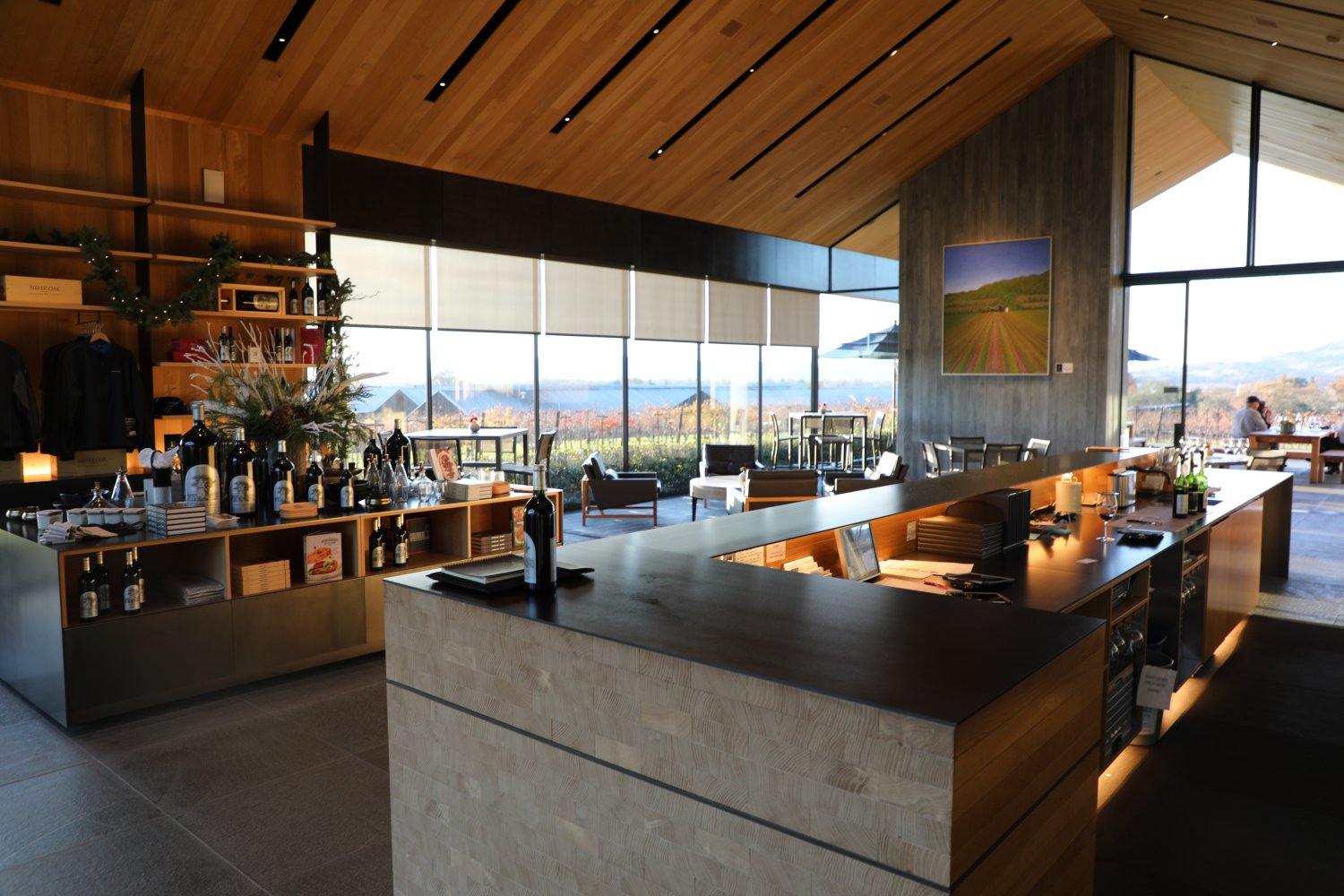
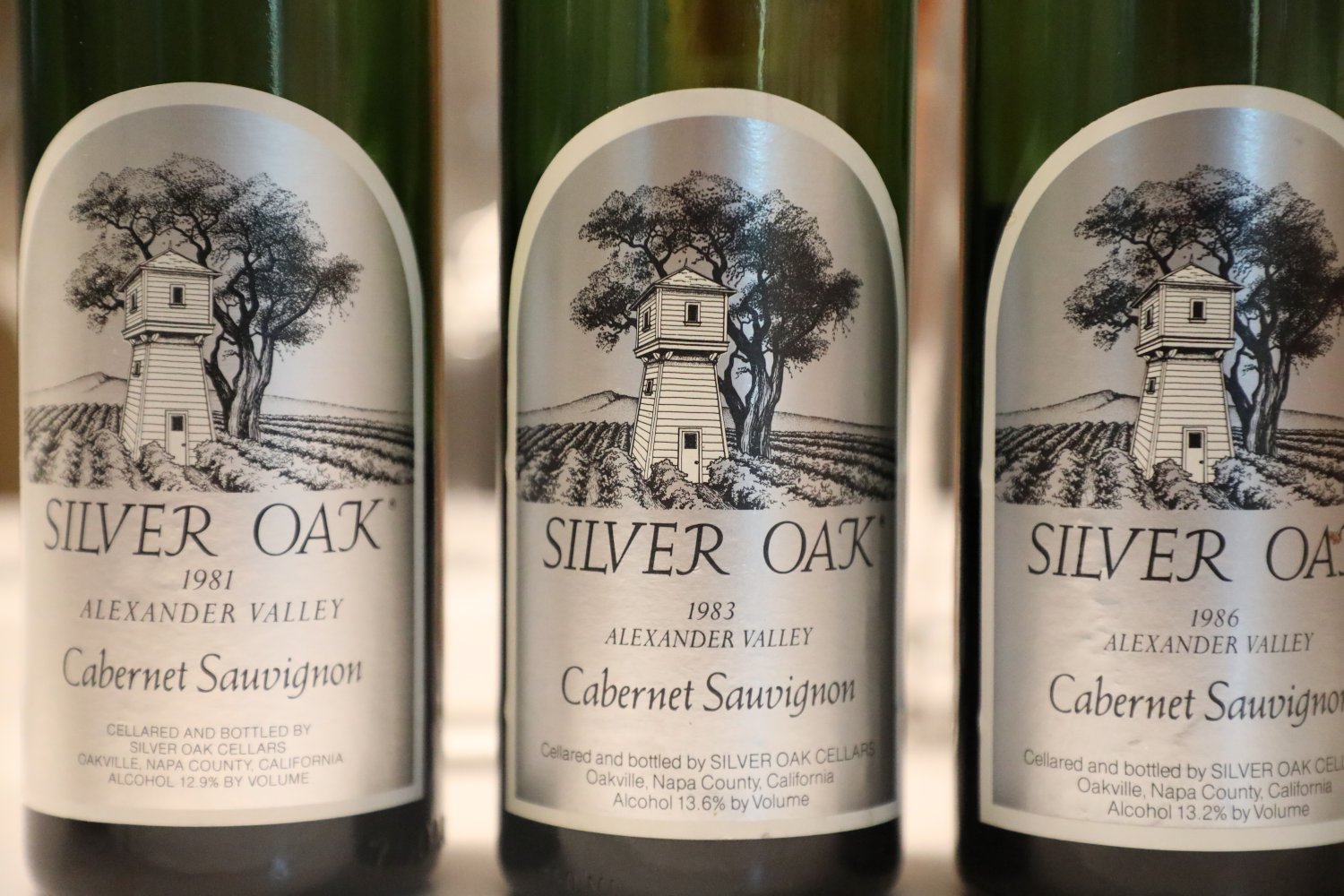 Ever proud to showcase this property and its green attributes, Silver Oak has toured numerous sub contractors, architects and others in the building space through the winery, highlighting its unique features.
A number of raised beds are located near the parking lot and are used to grow a variety of produce (including edible flowers) which are used in their food pairings. A sizable commercial kitchen is also located on site (propane was not able to be used due to Living Building Challenge requirements – instead these are induction cook-tops).
Visitors need an appointment to taste although if not busy, last-minute appointments are usually available. A tour + a tasting requires an appointment as does any of their food + wine offerings. A general tour includes a walk on a path from the hospitality center (the Silver Oak WiFi drops out on part of this path) through a working vineyard to the winery and barrel room. Personal note: never try to taste and note a glass of Silver Oak wine here; once you enter the barrel room the predominant smells is that of Missouri oak! The tour continues in the winery and cellar where visitors have bird’s eye view of the operations including their sizeable fermentation room.
Several tasting experiences are offered including the Silver Oak Tasting, the Silver Tour and the Current Release Bar Tasting. Seasonal offerings include the Silver Oak Cabernet Vertical Tasting, typically featuring 6 vintages in a row from either Napa Valley or Alexander Valley, plus a bonus wine and the two-hour Estate Vineyard Hike to the top of their property for a tasting of current release Napa Valley and Alexander Valley bottlings.
The tasting spaces are spacious with a liberal use of large windows so one has excellent views of the surrounding vineyards. While the winery and hospitality center are visually dramatically different than Silver Oak’s winery in Napa Valley, visitors will be comforted by a few similarities between the properties including the long divided driveway (although unlike at Silver Oak Oakville, there are no oak trees growing along its length), the use of reflecting pools and the iconic wooden water tower.
One highlight of the tasting room is impressive circular Silver Oak Library Room. Besides being surrounded by older vintages, one’s eye quickly is drawn to the sizable basalt rock. Chosen from a quarry in Washington State in 2016 by David and Daniel, once the rock arrived at the winery it had to be lowered into place by a large crane. It was lowered into place well before the roof was even added to the building. After it was cut to flatten out the base and the top cut and polished, its total weight is estimated to be approximately 6 tons.
While threatened by the Kincade Fire in October 2019, fortunately the winery and hospitality center were spared. The fire burned the hills directly behind the winery and damaged and or destroyed several nearby winery properties. Having pumps on all the tanks which could be remotely controlled was especially helpful during harvest this year as the winery was in the evacuation zone and employees were not able to be on site for a period of time.
Silver Oak, Healdsburg warehouse
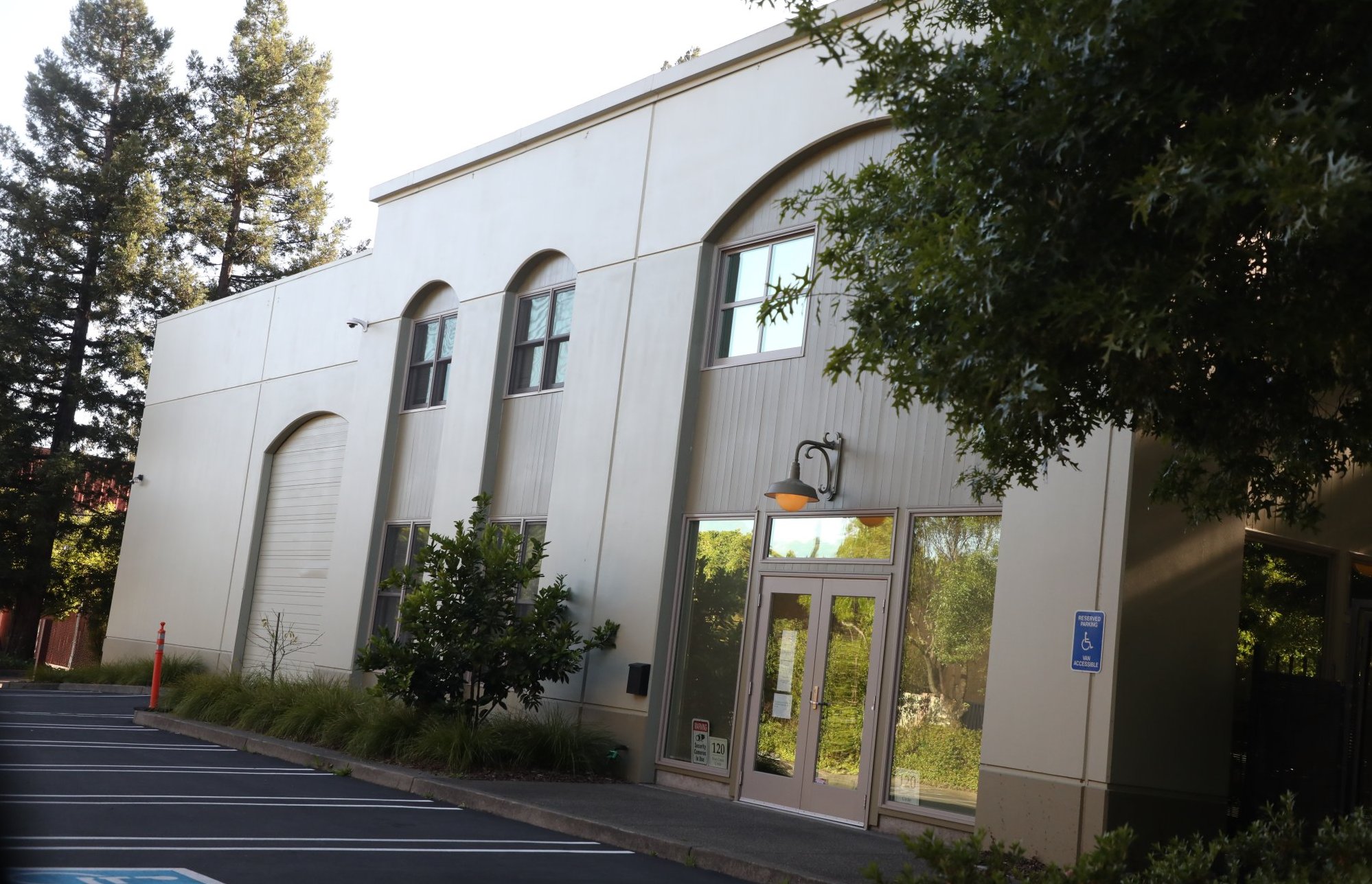
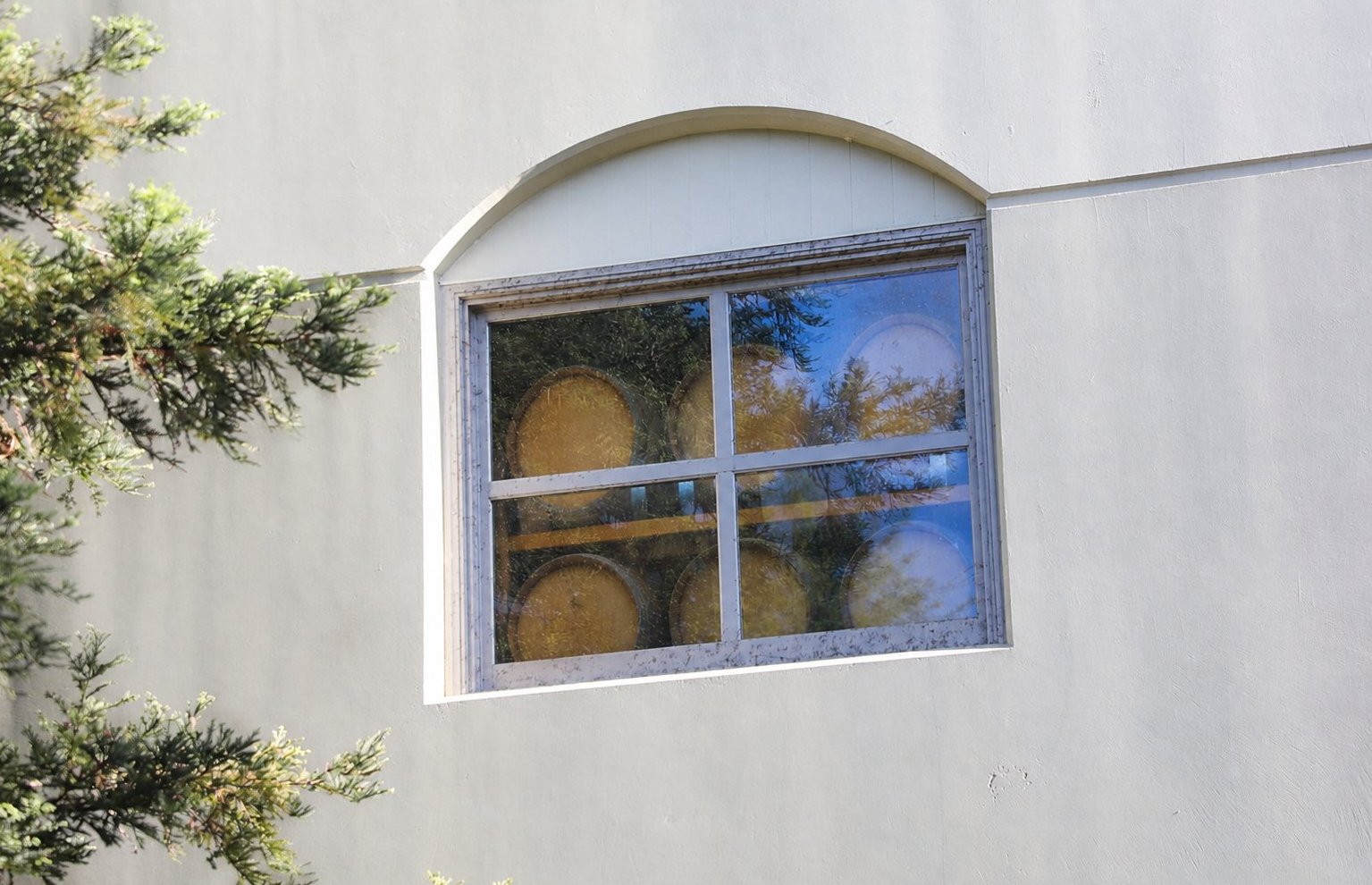
Silver Oak also owns a sizeable warehouse filled with barrels at 120 Foss Creek Circle in an industrial section of Healdsburg, located about a 15 minute drive from Silver Oak Alexander Valley. This space is centrally located and is only a few minutes drive to downtown Healdsburg. This is a smart move as always some of their production is stored here rather than all at the winery, effectively separating inventory in case of natural disasters, such as a fire. In the mid 1990s, this space was home of Robert Mueller Cellars.
Silver Oak, Alexander Valley

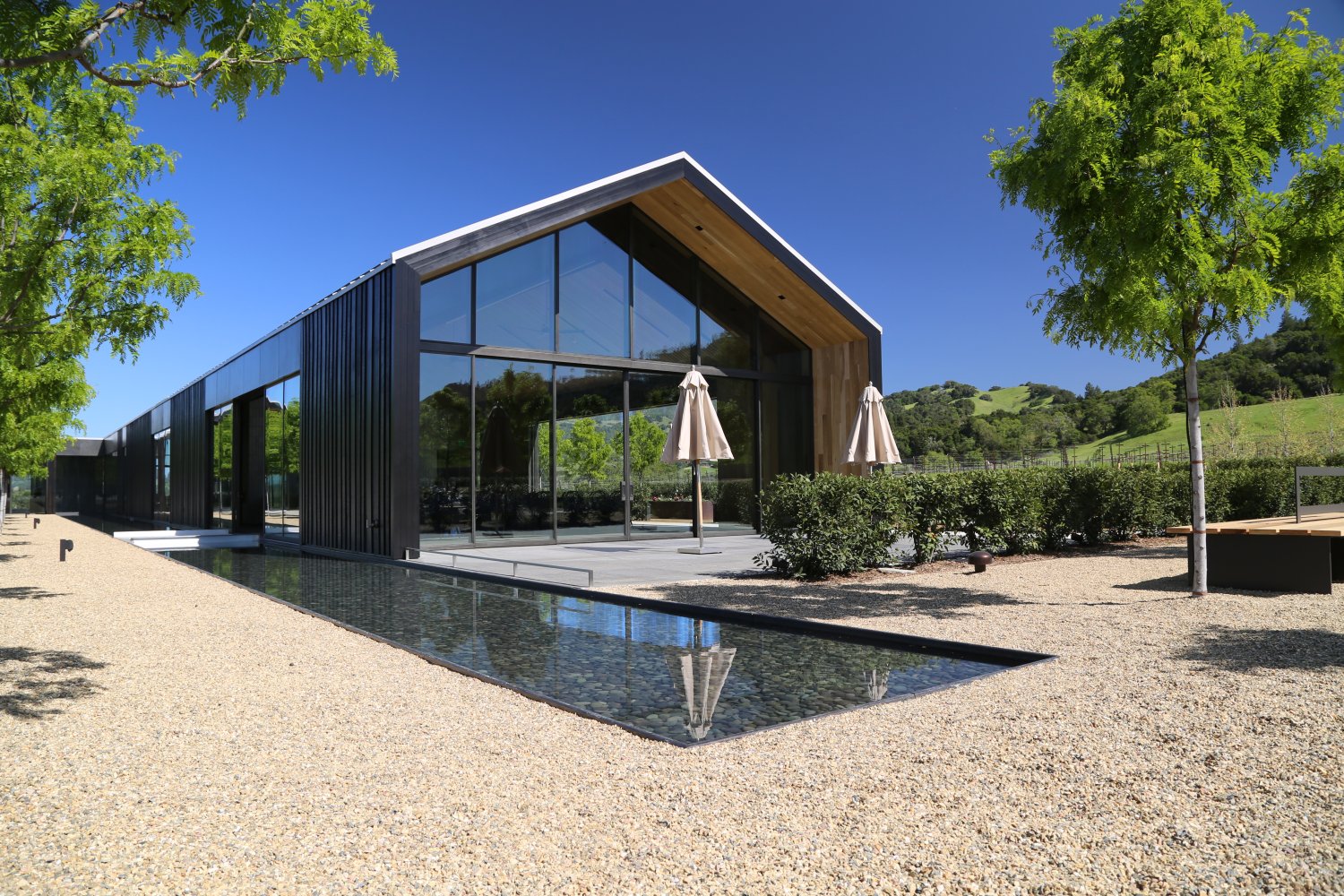
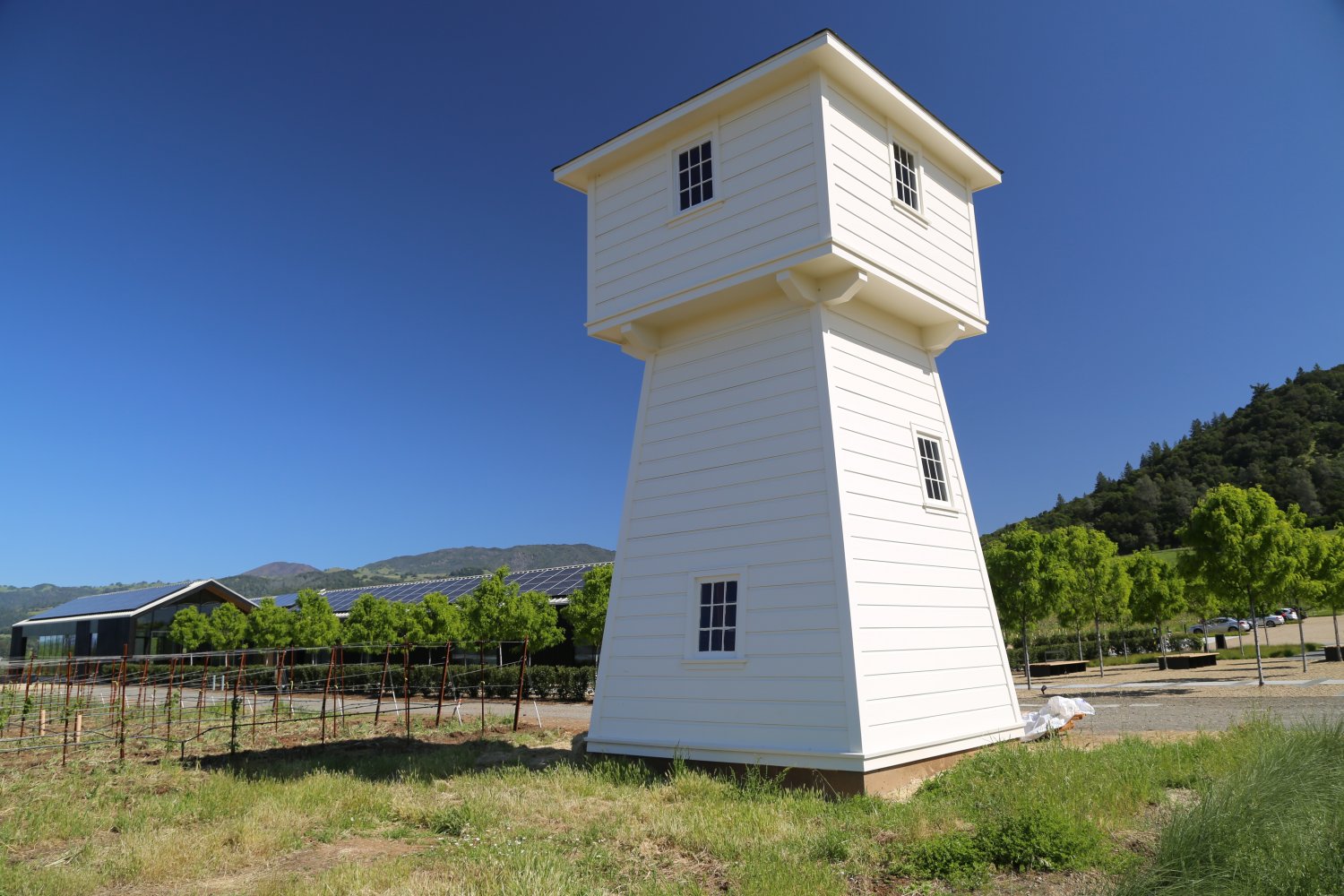
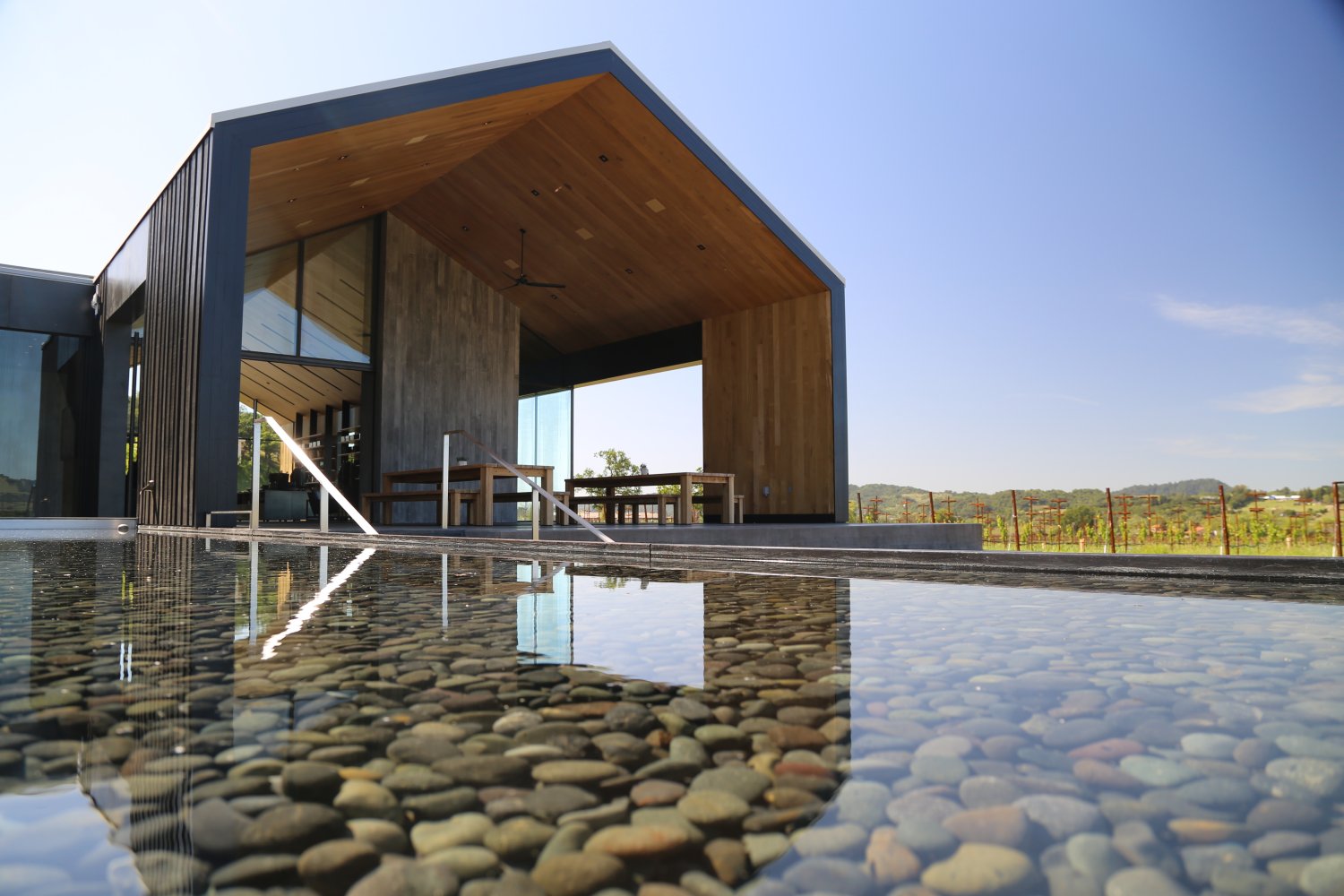
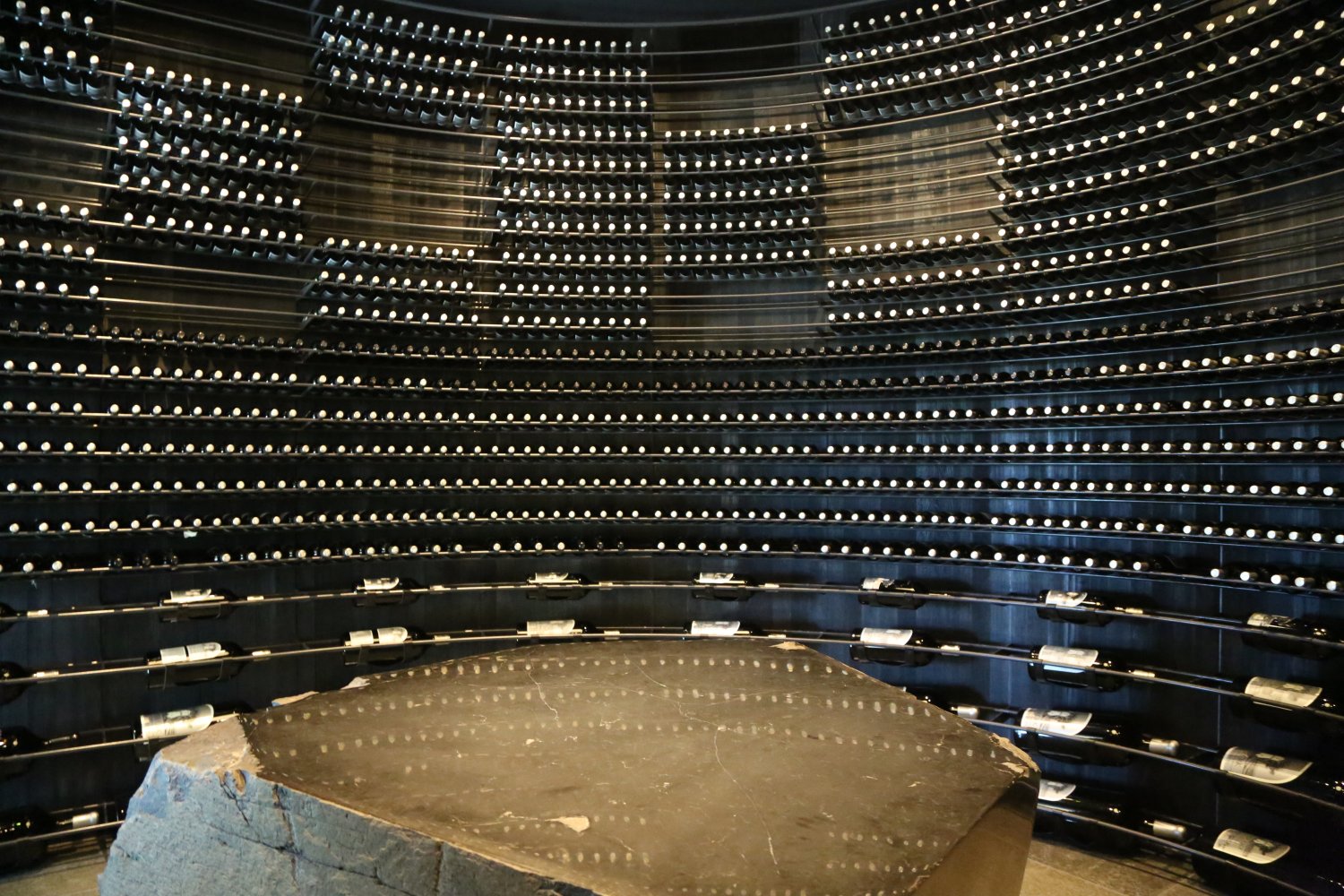

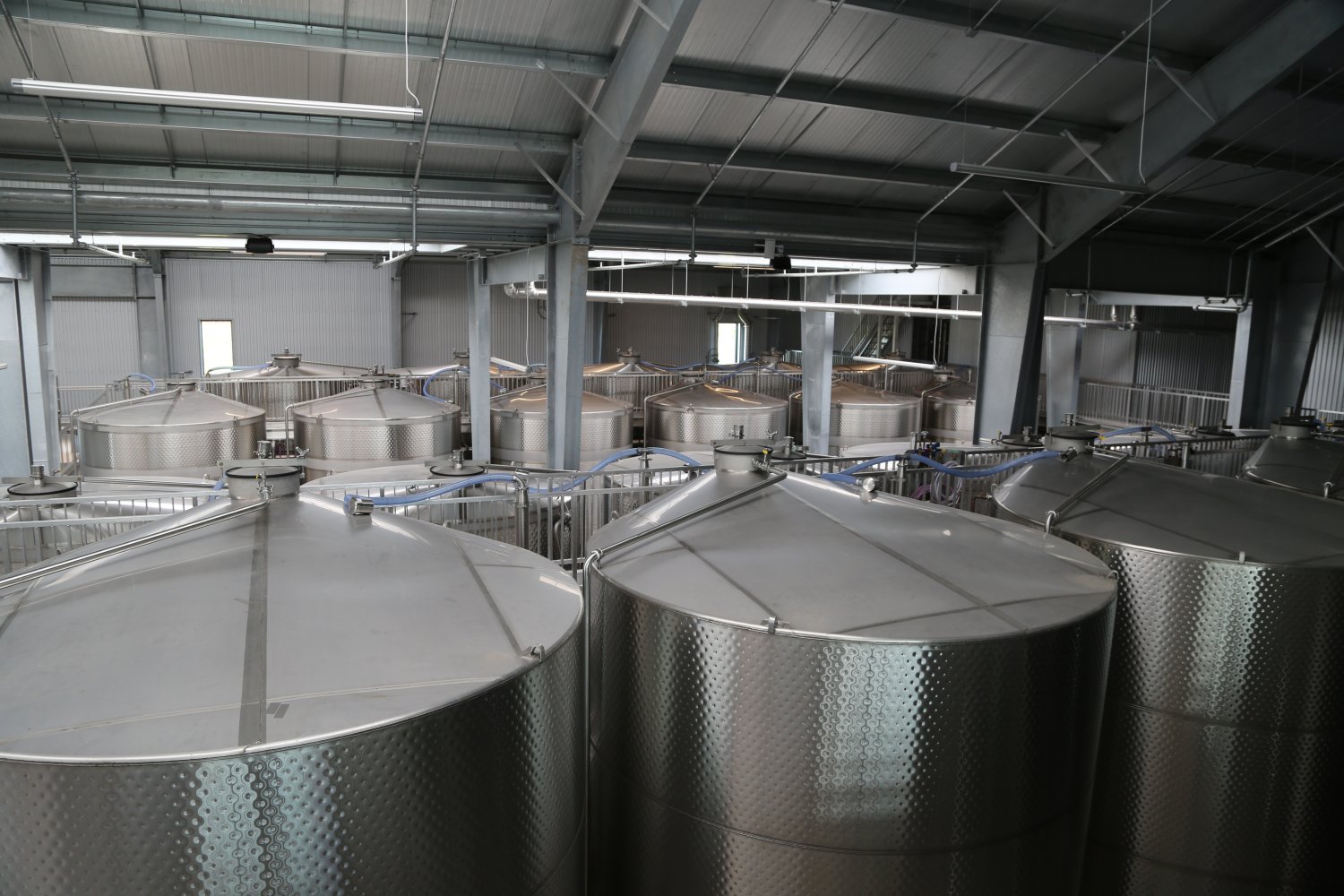
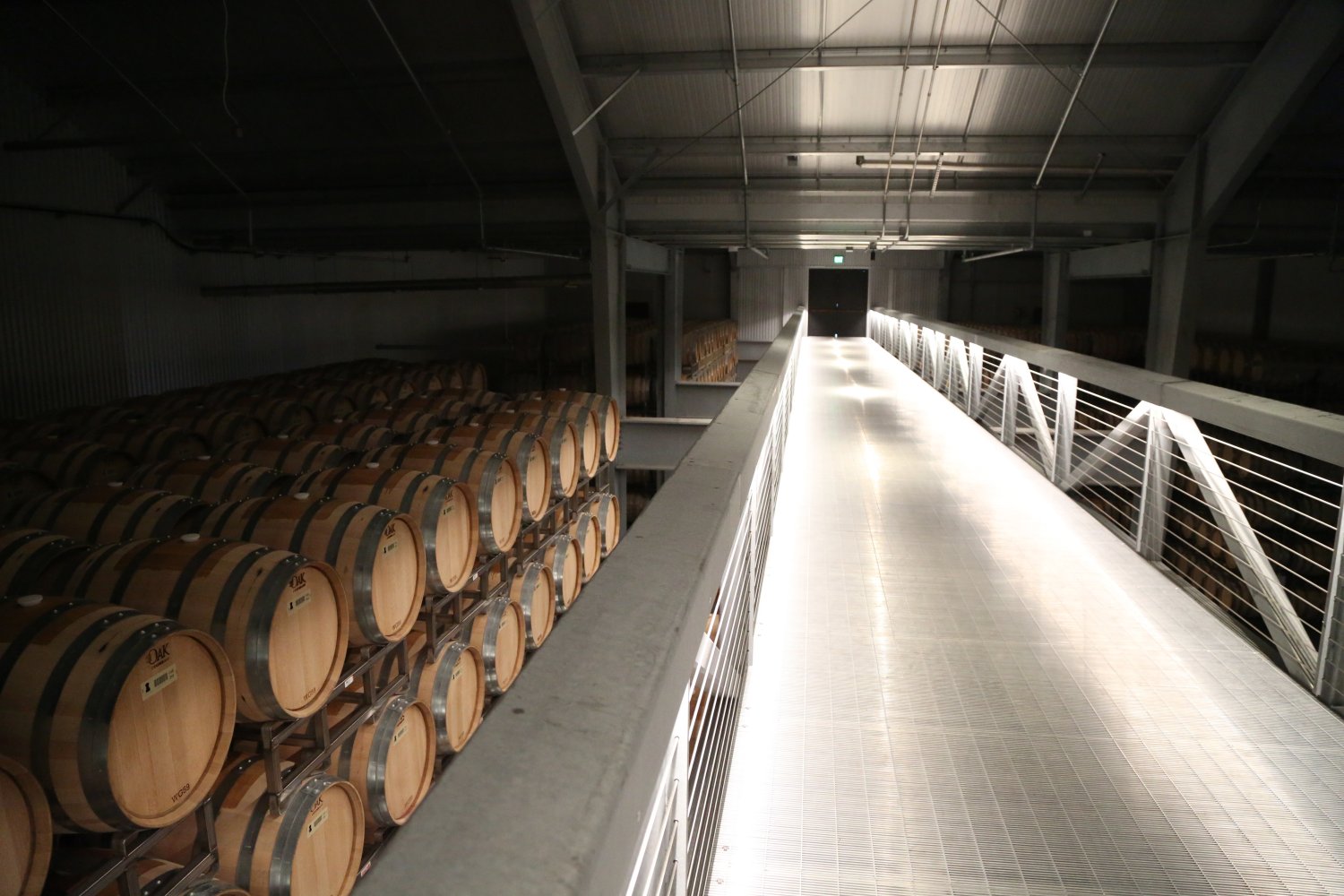
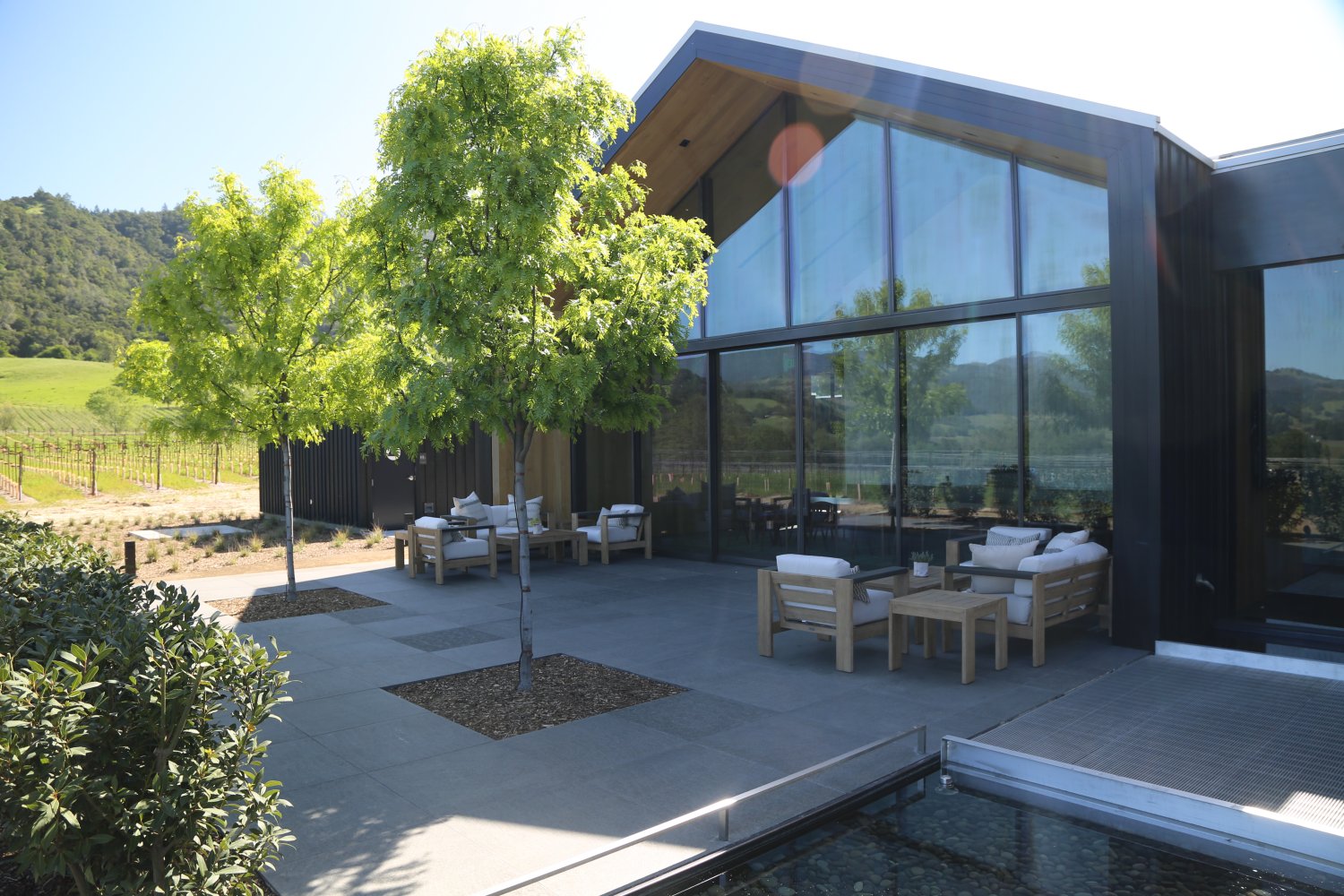
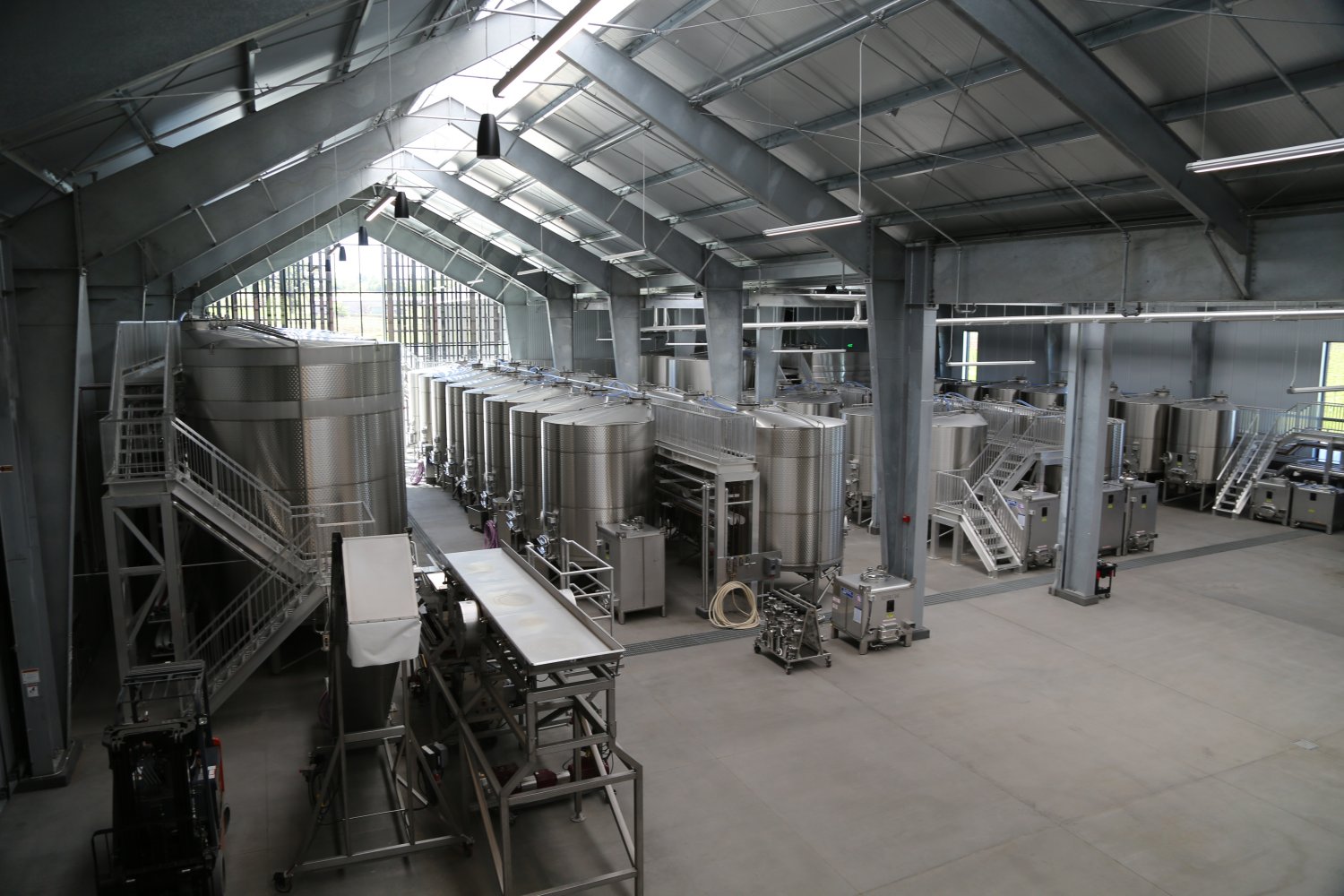
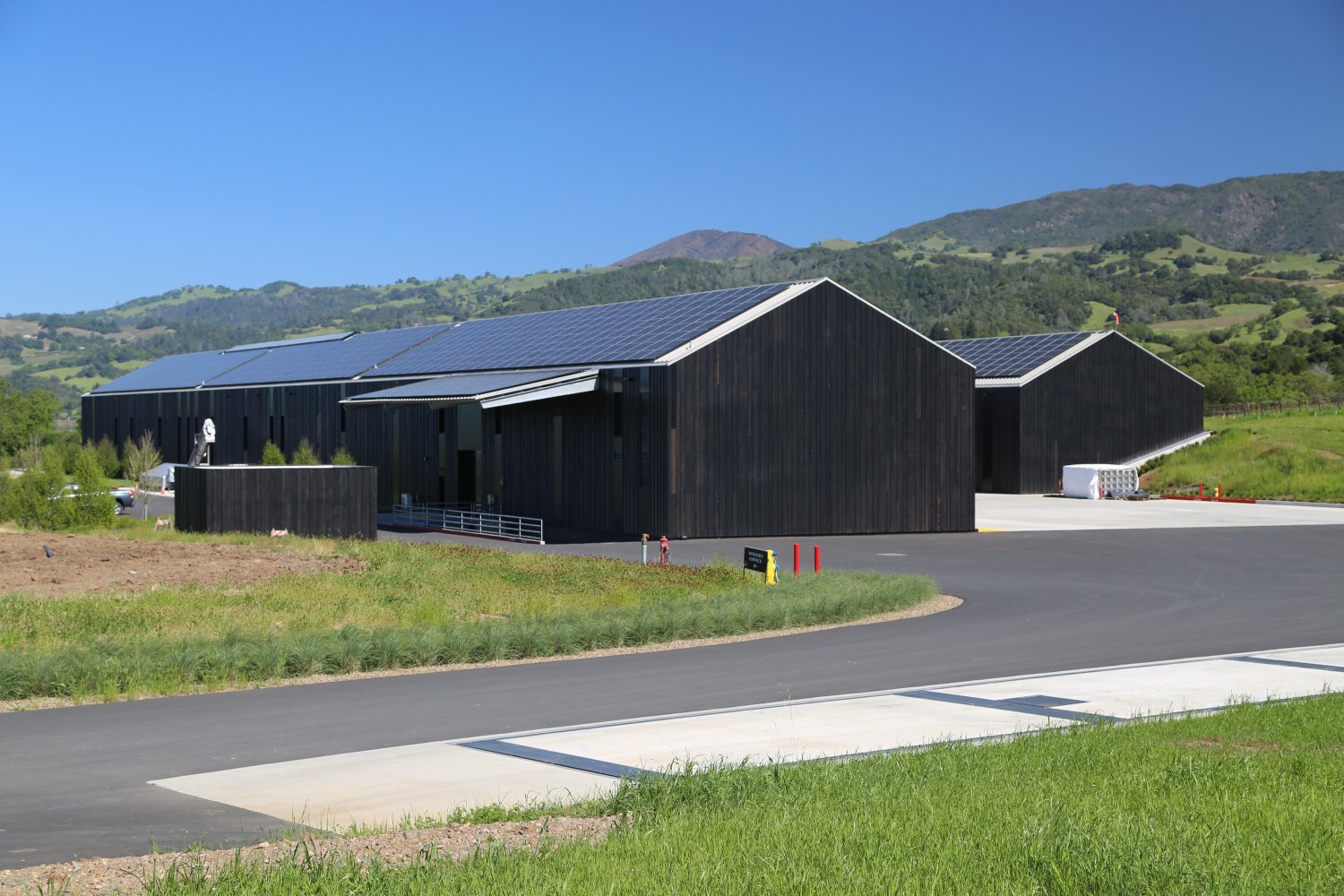
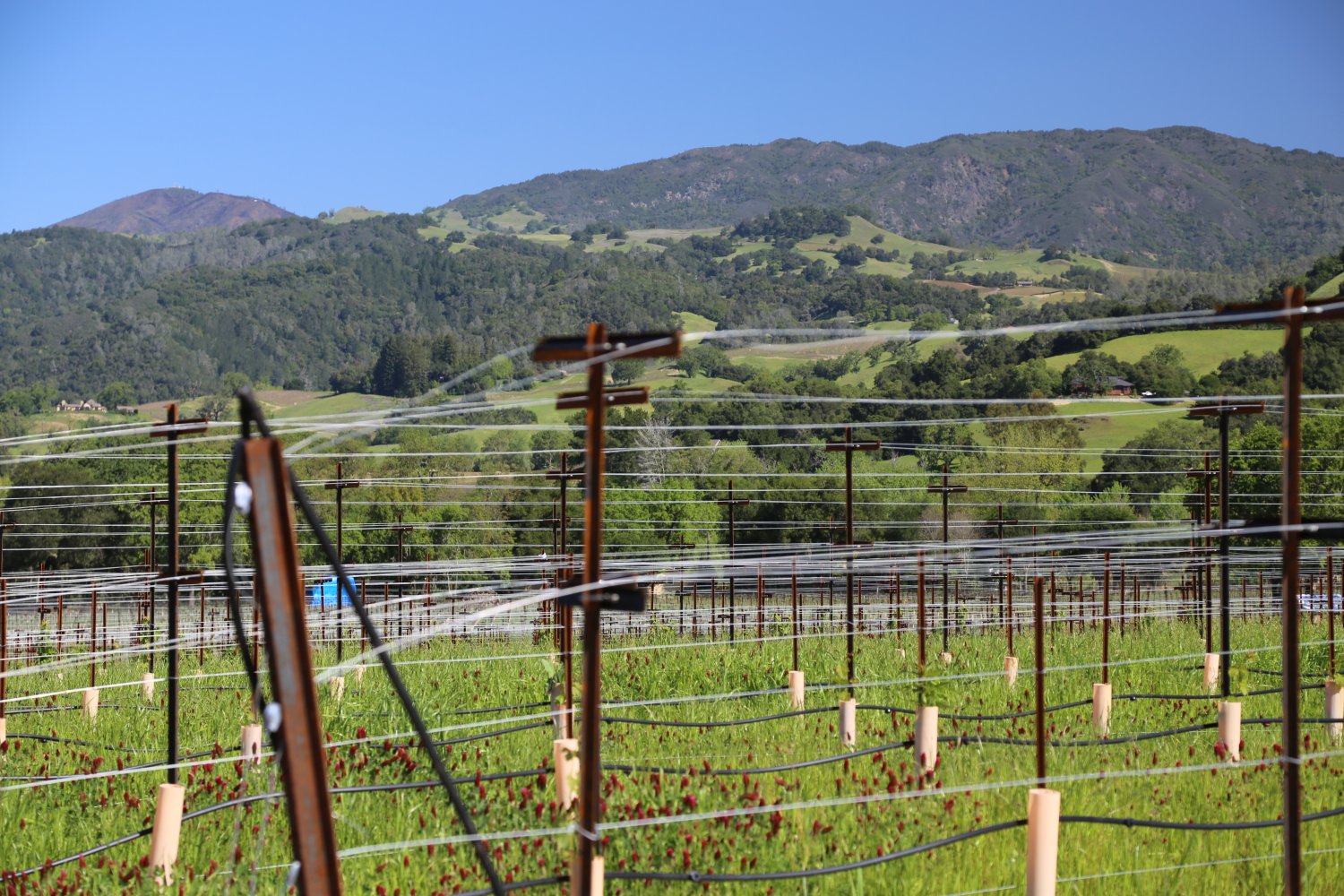

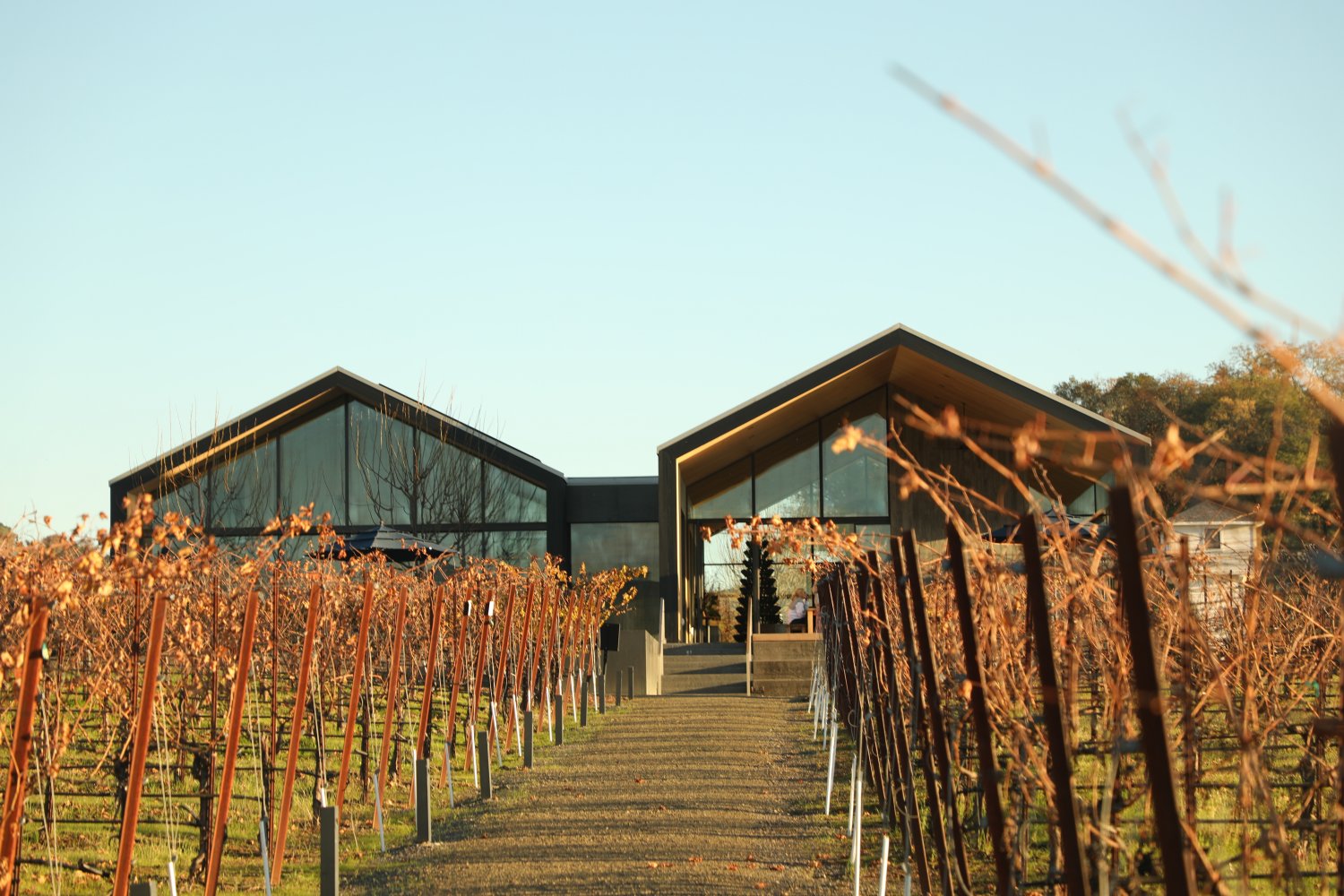
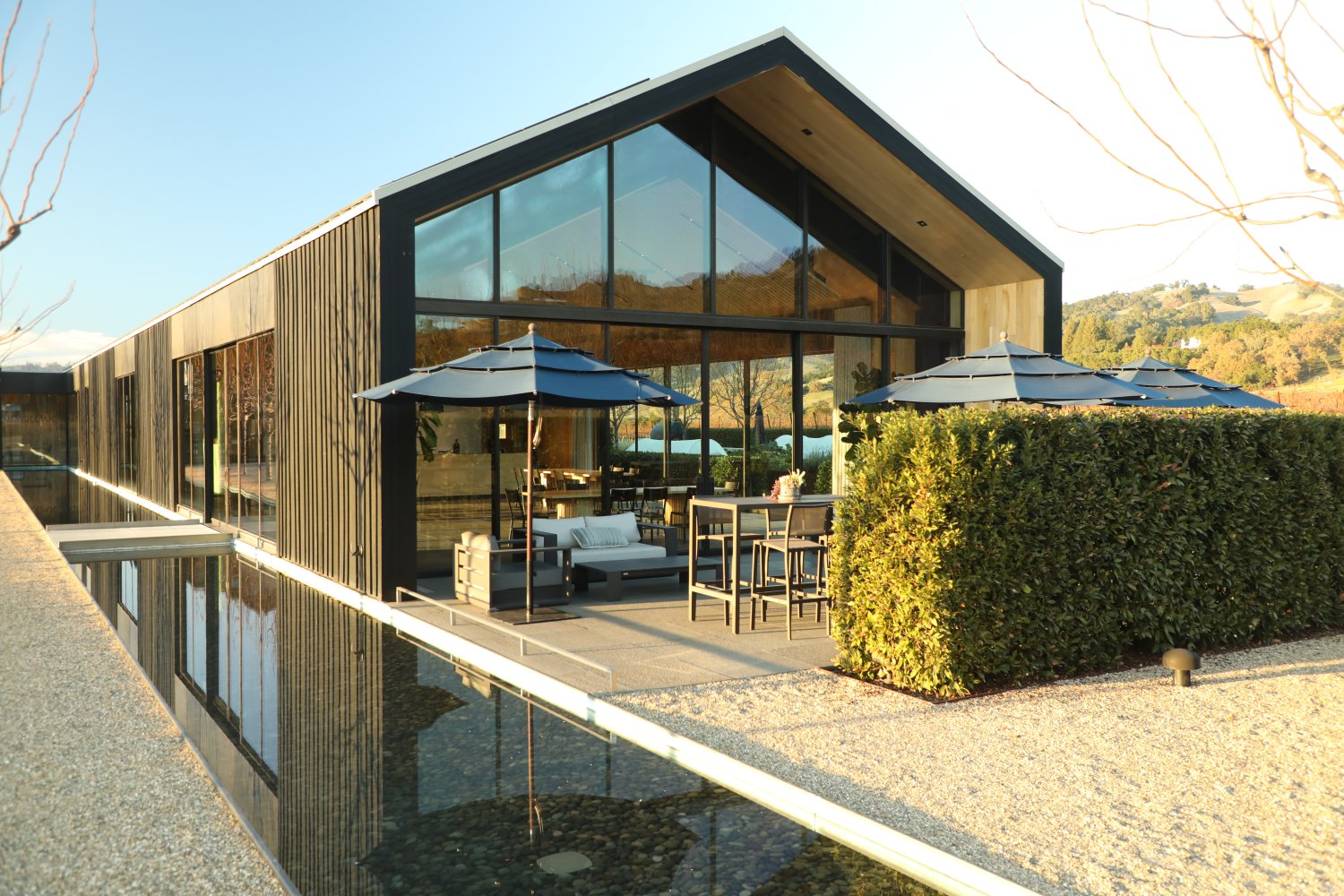
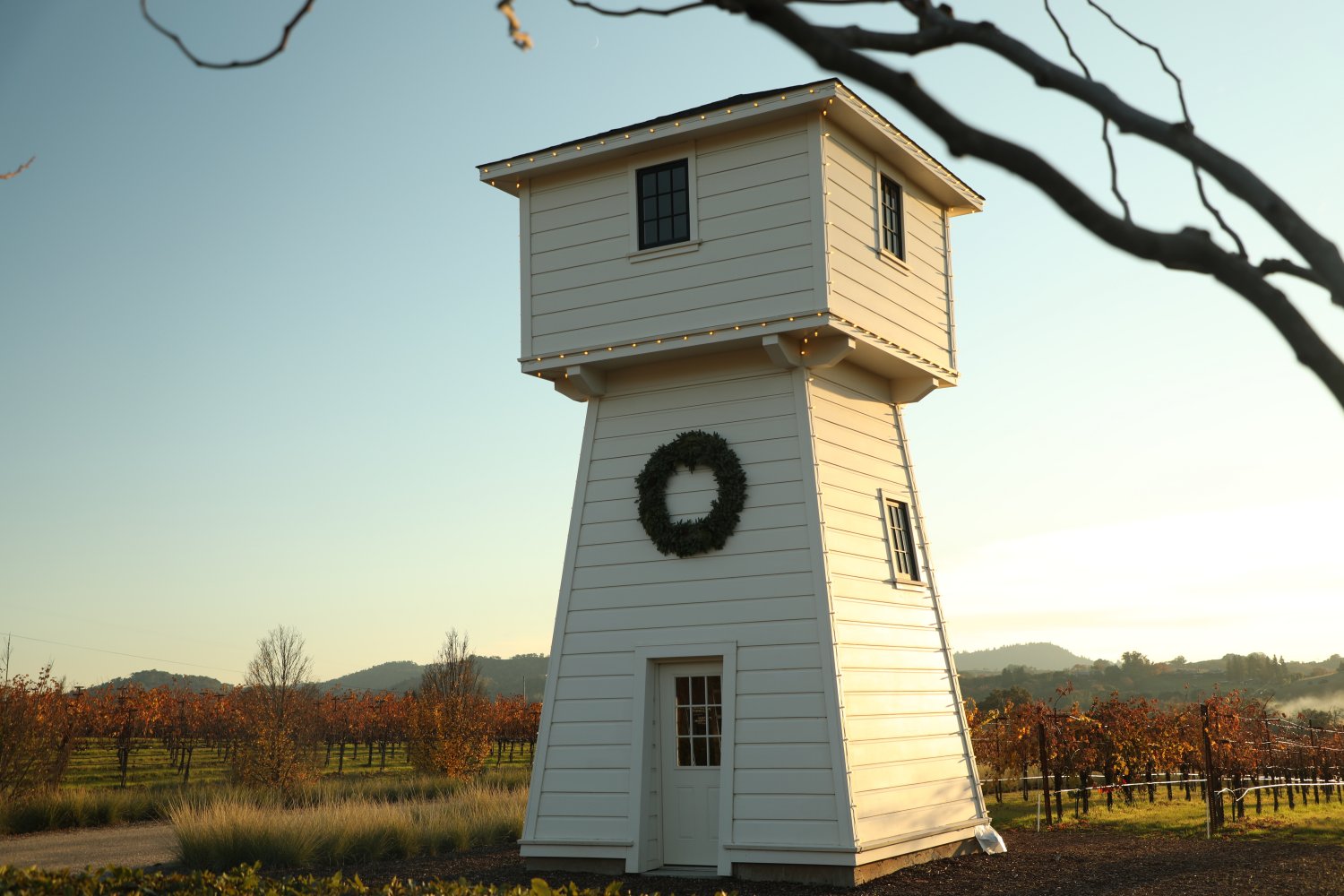
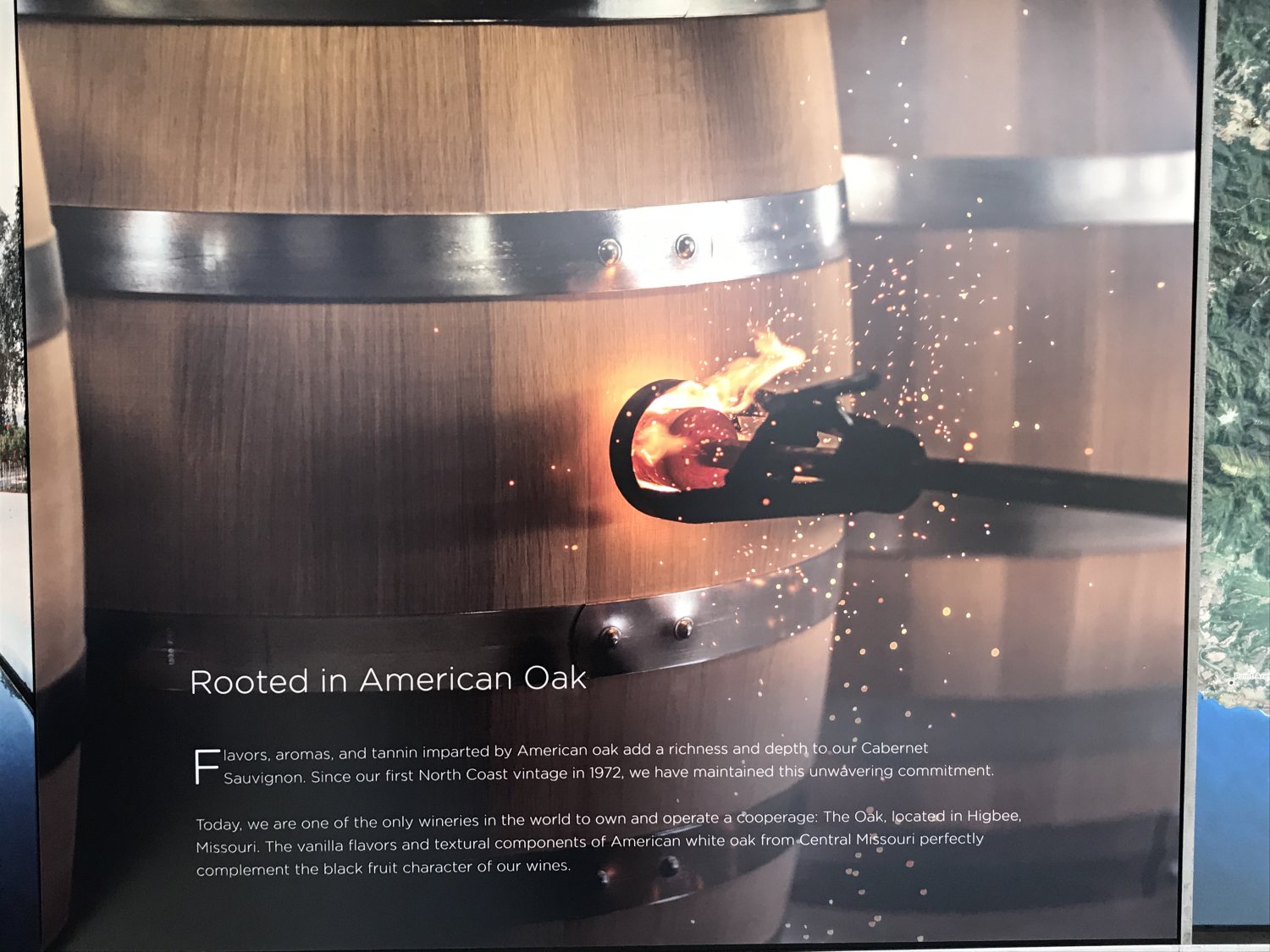


Old Silver Oak, Alexander Valley
(we keep these photographs here for historical reference)
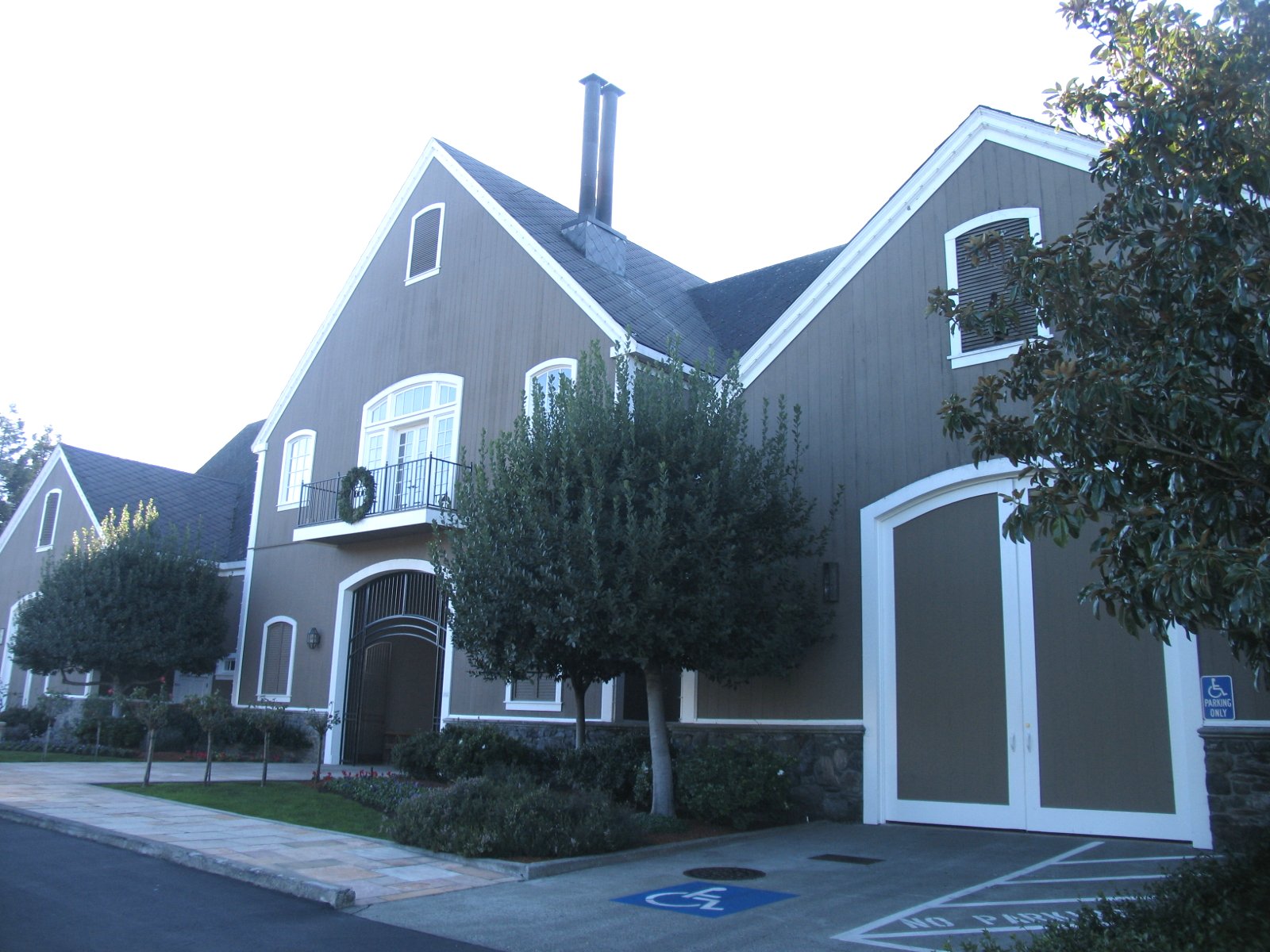

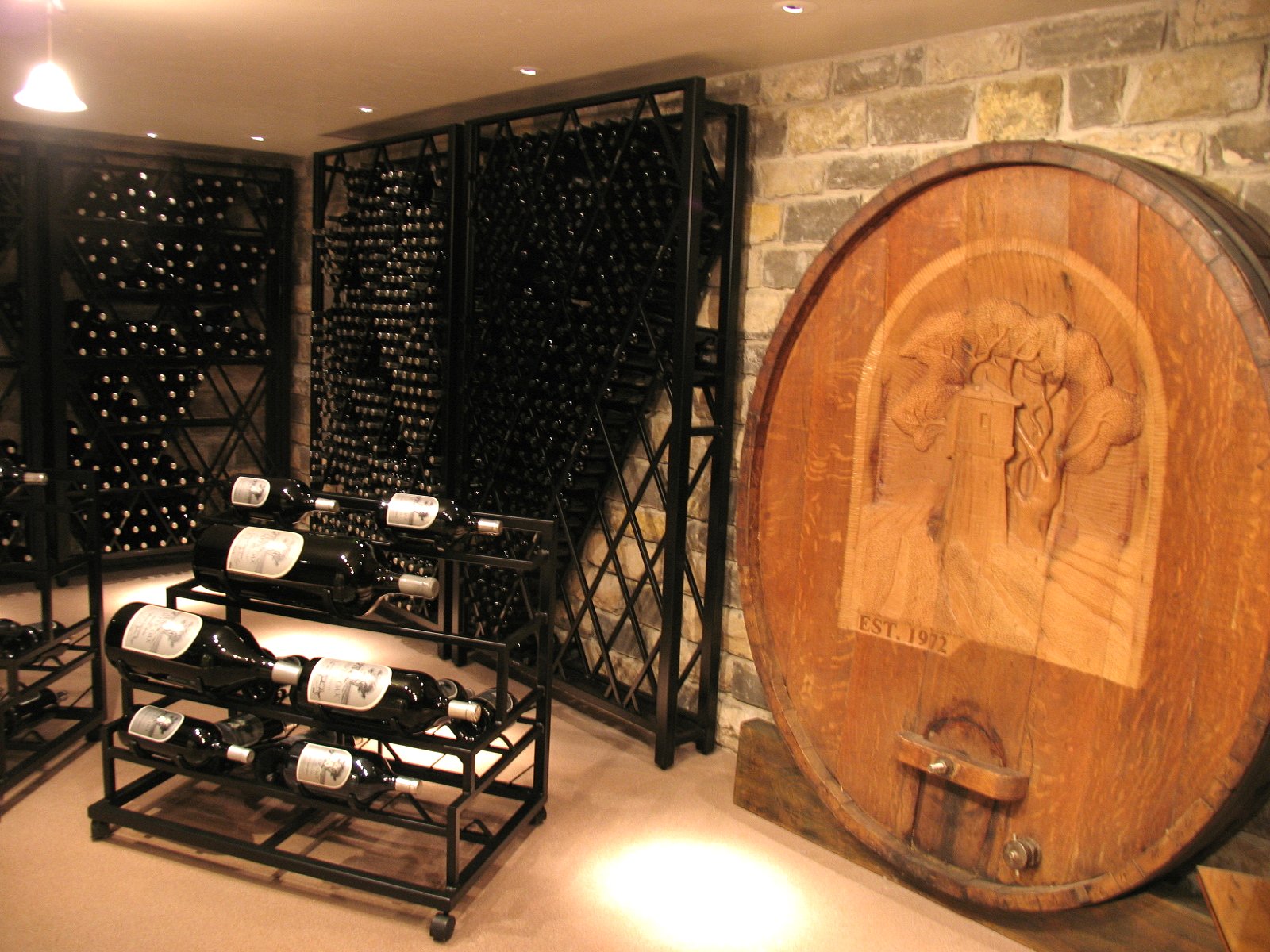
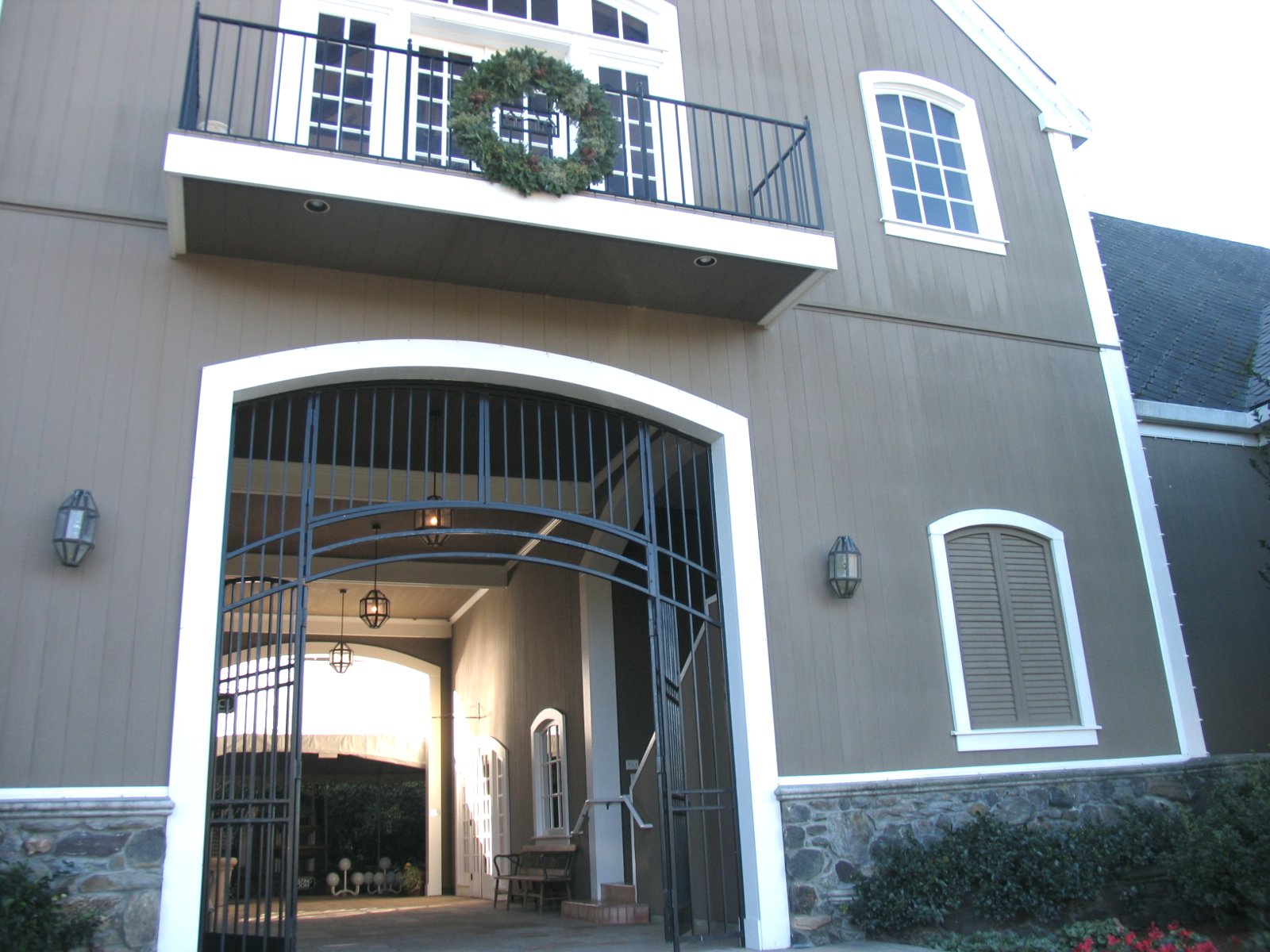
Other Wineries
Until early 2025, the Duncan family operated three TWOMEY (pronounced two-me) locations with a focus on Sauvignon Blanc, Pinot Noir and Merlot. In February 2025 it was announced that TWOMEY Napa Valley and TWOMEY Anderson Valley tastings rooms permanently closed. The Napa Valley and original TWOMEY tasting room was located just south of Calistoga and TWOMEY Anderson Valley was in Philo. The remaining TWOMEY tasting room is located in Sonoma County. Visits here do not require an appointment. As of our latest update to this profile, production of the TWOMEY wines still takes place at TWOMEY Napa Valley, TWOMEY Sonoma County and TWOMEY Anderson Valley – but this could change in the coming years. And the door is always left ajar for the possibility of reopening the closed TWOMEY locations when the economy becomes stronger.
Silver Oak purchased what was the production facility for Roshambo Winery at 3000 Westside Road in Healdsburg in 2006. This is the location of their Sonoma County TWOMEY tasting room; guests can also sample the latest vintage of both the Napa Valley and the Alexander Valley Silver Oak wines. This TWOMEY generally does not have older vintages of the Silver Oak wines.
Until 2024, TWOMEY operated a fourth location near the small town of Dundee, just south of Portland Oregon in the Willamette Valley. This location is now the home of Silver Oak’s newest brand, Prince Hill with visits requiring an appointment.
In 2017 the Duncans purchased a majority interest in Ovid Napa Valley on Pritchard Hill; David and Kary already knew the founders of Ovid, Mark and Dana Johnson as their kids attended the same Montessori School in St. Helena. Prior to the purchase David had already been collecting some of Ovid’s wines. Ovid’s focus is on limited production premium wines with visits reserved for active members of their allocation list. While under the same ownership, Ovid Napa Valley remains completely separate from Silver Oak. We have additional detailed reviews on this site of TWOMEY and of Ovid Napa Valley.
In exciting news, Silver Oak released wines bottled under a stand-alone brand called Prince Hill in September 2024. These wines are made at a custom crush facility in Oregon’s Willamette Valley. The first vintage was in 2022, focusing on Chardonnay and Pinot Noir. We will taste and try them as soon as possible and will update our notes here accordingly.
-
- Twomey, Sonoma County
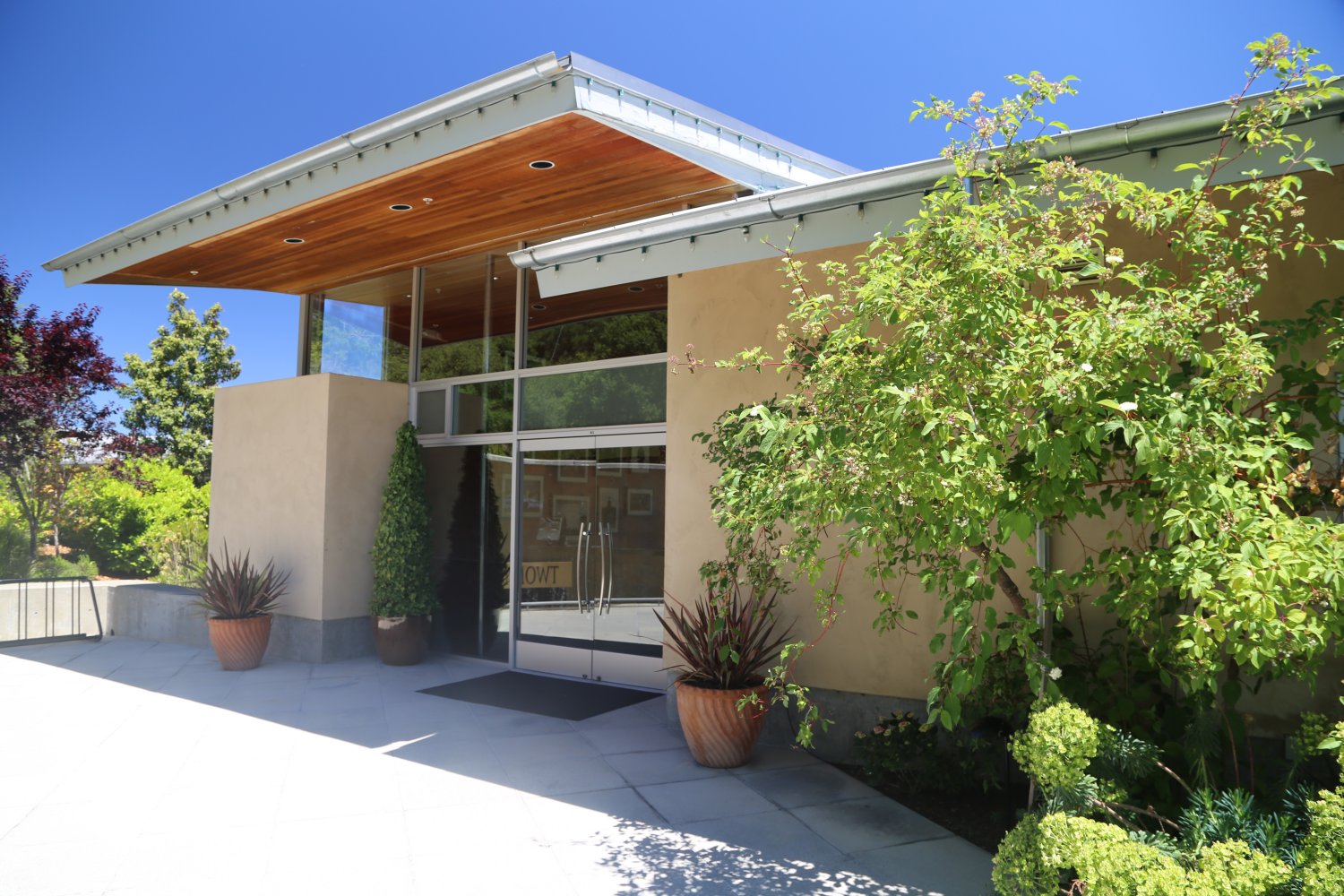
-
- Prince Hill Vineyards, Dundee Hills OR
-
- Ovid, Napa Valley
Timeless Napa Valley
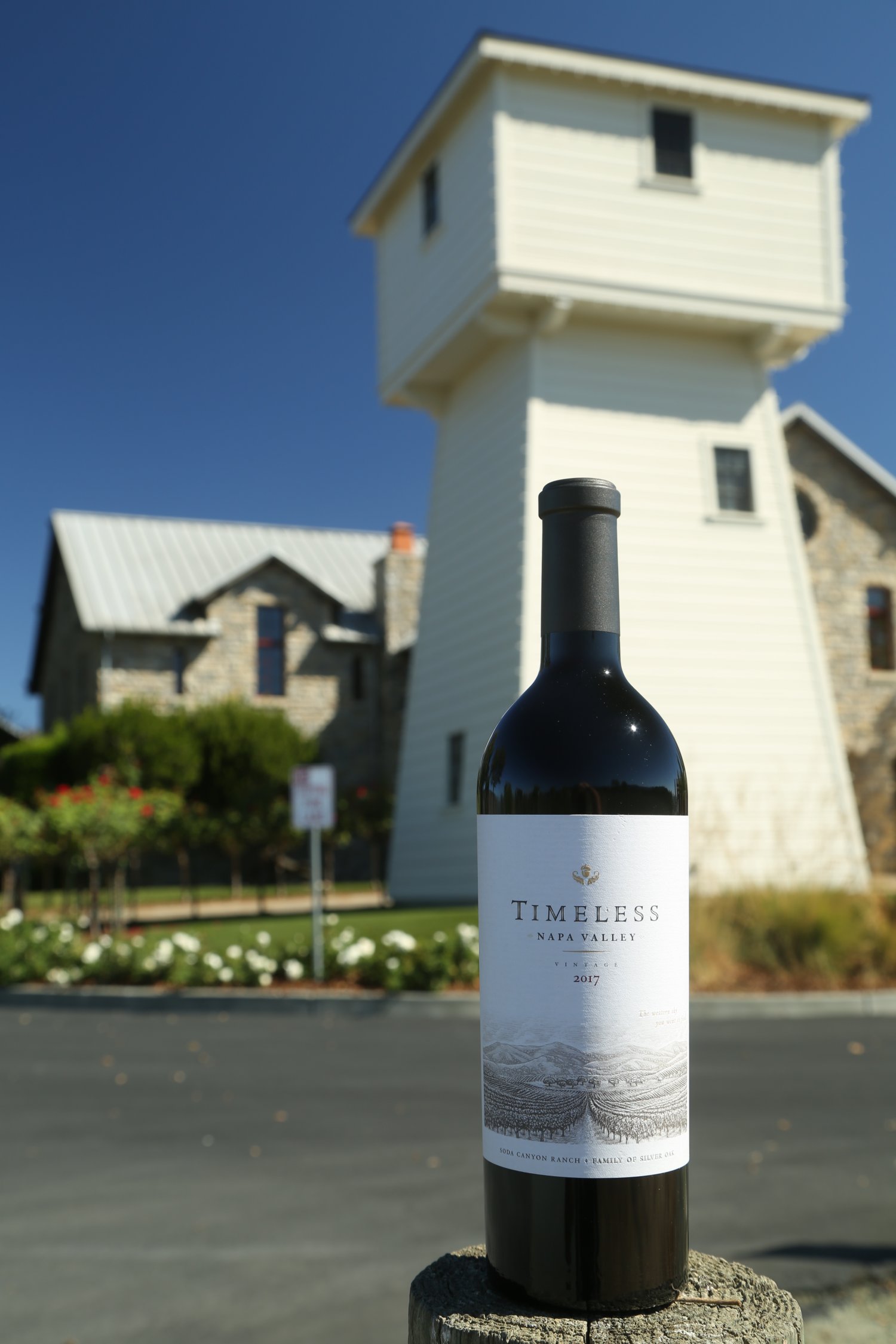 In early September 2020, the Duncan family released the first vintage of Timeless Napa Valley (2017), a proprietary vineyard designate red blend from their Soda Canyon Ranch created as a tribute to Ray Duncan. This was the first new brand from the Silver Oak family since TWOMEY was created back in 1999. David and Ray share the same birthday (October 23rd) and are 35 years apart in age. In honor of Ray’s 85th birthday, David decided to treat him with a special present, a song.
This wine was named after the song Timeless, that David co-wrote with country songwriter Monty Powell at the music studio at Gargiulo Winery (located mere minutes from Silver Oak). Ray’s favorite music was Jazz and the original recording of this song has a slow and sultry feel to it with lyrics thoughtfully written for Ray – but unfortunately he never had a chance to listen to it. Timeless was poured at Ray’s eulogy.
The label is highly personal, featuring a lyric from Timeless, an illustration of Soda Canyon Ranch and most intriguing a gold colored outline of two oak leaves and an acorn, inspired by a ring David gave his wife Kay which was modeled after actual oak leaves and acorns from their Soda Ranch winery property. Jean-Claude Berrouet of Château Pétrus was consulting winemaker for Timeless. Unlike the Silver Oak wine, Timeless is aged in French oak barrels.
The 2022 Timeless Napa Valley is medium ruby and nearly opaque; the bouquet is a pretty, but offers a lighter aromatic expression of both fruit and its layers of non fruited spices. These scents include red cherry, dark raspberry, blueberry, a light note of dried herbs, a hint of pipe tobacco and tea leaves. Restrained, the aromatics need some time to open; we like the fact the bouquet is firmly seated on the elegant side of the aromatic spectrum. Its flavors are a union of both red and darker fruits including some briary characteristics; this wine tastes like raspberry, red cherry, blueberry and red plums. Savory and soft, the finish offers layers of dried sage, dried bay leaf, tobacco leaf and crushed pepper. The tannins are well-tumbled, lightly gravelly and broadly dispersed, lingering with a dusty character, a reflection of this riper vintage in Napa Valley. Medium acidity. This wine already highly enjoyable right upon release.
The 2021 Timeless Napa Valley is deep ruby with some purple hues and nearly opaque; the first aromatic we noted is of chalk and or a dusty/crushed rock character. This vintage in particular is well endowed in terms of its aromatic layering. Additional scents include raspberry, red cherry, red plum, boysenberry, currant and a subtle but finishing note of dried tobacco leaf. And it offers a light sweetly fruited attribute. Noticeably bright and fresh across the palate at four years post vintage, this wine is a union of both darker fruits and savory characteristics. It tastes like red cherry, currant, cranberry and red plums. Finishes juicy, with a red fruited tartness, accompanied by dried herbs including sage. The tannins are edge at this age, still needing to be resolved with time in the bottle. They fully coat the palate with a firm and long-lasting drying and dusty grip, their handshake far outpacing the fruit on the finish at this age. This wine is clearly built to age with the proper cellar care.
The 2019 Timeless is dark ruby in color; the aromatics offers a variety of red fruits combined with a dried rose petal note, dried herbs and a subtle hint of licorice. There is also a thread of black currant and cassis among the various scents. The palate is remarkably well-balanced for its youth (we tasted three years post vintage date) and includes flavors of red cherry and a light note of boysenberry. The tannins are noticeable but without any youthful harshness. Rather, their texture is chalky with an accompanying and persistent dryness framing the long and juicy finish. This wine also lingers with a hint of tobacco spice. It certainly has years of life ahead of it.
The 2018 Timeless Napa Valley is even more balanced than the 2017 in its youth. This wine is dark ruby in the glass; the bouquet is well layered with aromas of blackberry and plum but there are some darker aromatics also present including saddle leather, dried rose petal and some subtle notes of tobacco spice. This wine features mouthwatering acidity from start to finish with flavors of red cherry and cranberry. One can feel the density of tannins on the palate but with rounded, rather than sharp edges. The finish lingers bright and with some notes of dried tobacco leaf. This wine is highly worth seeking out.
The 2017 Timeless Napa Valley (inaugural vintage) is medium ruby in color; sports bright and elegant aromas of blackberry, currant, cassis and a subtle hint of mocha. Shows restraint on the bouquet and is a little bit closed upon opening; it needs time to breathe to tease out the aromatics which become slightly savory over time. Juicy across the palate, with flavors of red cherry, currant and raspberry. A lively spiciness continues mid palate through to the finish with notes of white pepper and old cedar. A bit savory. Lingers with chewy tannins and a noticeable grip but are not heavy in their textural feel. And some darker spices. Already balanced in its youth, this is a wine that most definitely has plenty of life ahead of it.
1700 cases of the 2017 were produced, sold only in 3-packs through the Silver Oak website or in person at their tasting room.
—
Wing & Barrel Ranch
Silver Oak was one of the first vintner members at this prestigious hunting, fishing and culinary ranch located in neighboring Sonoma County (easily seen from and bordering the north side of Highway 37). Co-founders of this ranch, the Sutso family have generationally owned and overseen hunting operations in this part of Sonoma County, initially as Black Point Sports Club dating back to 1964 (which sold in 2013). Their co-founder Darius Anderson is also the Founder and CEO of Kenwood Investments and along with his team, Sonoma Media Investments (the largest publishing company in the North Bay).
With the vision and foresight and financial fortitude, the founders have built a remarkable operation on property that we have always referred to as ‘no man’s land’ due to its location just below sea level, proximity to the tidal fluctuation of the San Pablo Bay and very little human development in the region. A series of dikes protect against the tidal zone fluctuation.
In 2020 a state-of-the art and world-class private members clubhouse (capped at 400 memberships) opened featuring two levels containing men and woman’s locker rooms, a sports shop featuring fine outerwear, footwear and other high-quality sports related items, a gun cleaning room, an impressive gun vault with a massive Fort Knox door, an excellent restaurant led by renowned chef Charlie Palmer with both indoor and outdoor terrace seating (great views looking north over the ranch), the Trap bar next to a large rustic yet elegant lounge seating area and a more private cigar room.
Equally as impressive as all of the other spaces is the Akin Family Wine Cellar (named after a pioneering family that immigrated to the United States in the 1660s and whose heirs over the generations have been outdoor enthusiasts and conservationists. One family member, Veterinarian Dr. Howard Akin oversaw a California based team that eradicated tuberculosis in livestock. This wine cellar contains a number of wine lockers for members including prominent display spaces and small screens with winery owners speaking about their passions for founding vintner members including Silver Oak.
A portion of the ranch is set aside for dry farmed seasonal crops including wheat and rye – the majority of the property is still in its natural state with plenty of natural water bodies on site including the Sonoma and Tolay creeks. Specific parts of the ranch are set aside for shooting with about a mile in diameter circumference Sporting Clays Course for trap and skeet action with 15 shooting stations including one specifically for Silver Oak. This is the only course on the west coast designed by acclaimed shooting instructor and gun fitter, Chris Batha.
One of the most popular activities is hunting for pheasant, chukar and quail in one of 24 hunting fields. Many other activities are offered such as fly fishing for bass or seasonally for trout (catch and release), expert gun instructors, shooting with winemaker days, a kids Adventure Camp, culinary instruction, special gun sales and seasonal trail rides on horses.

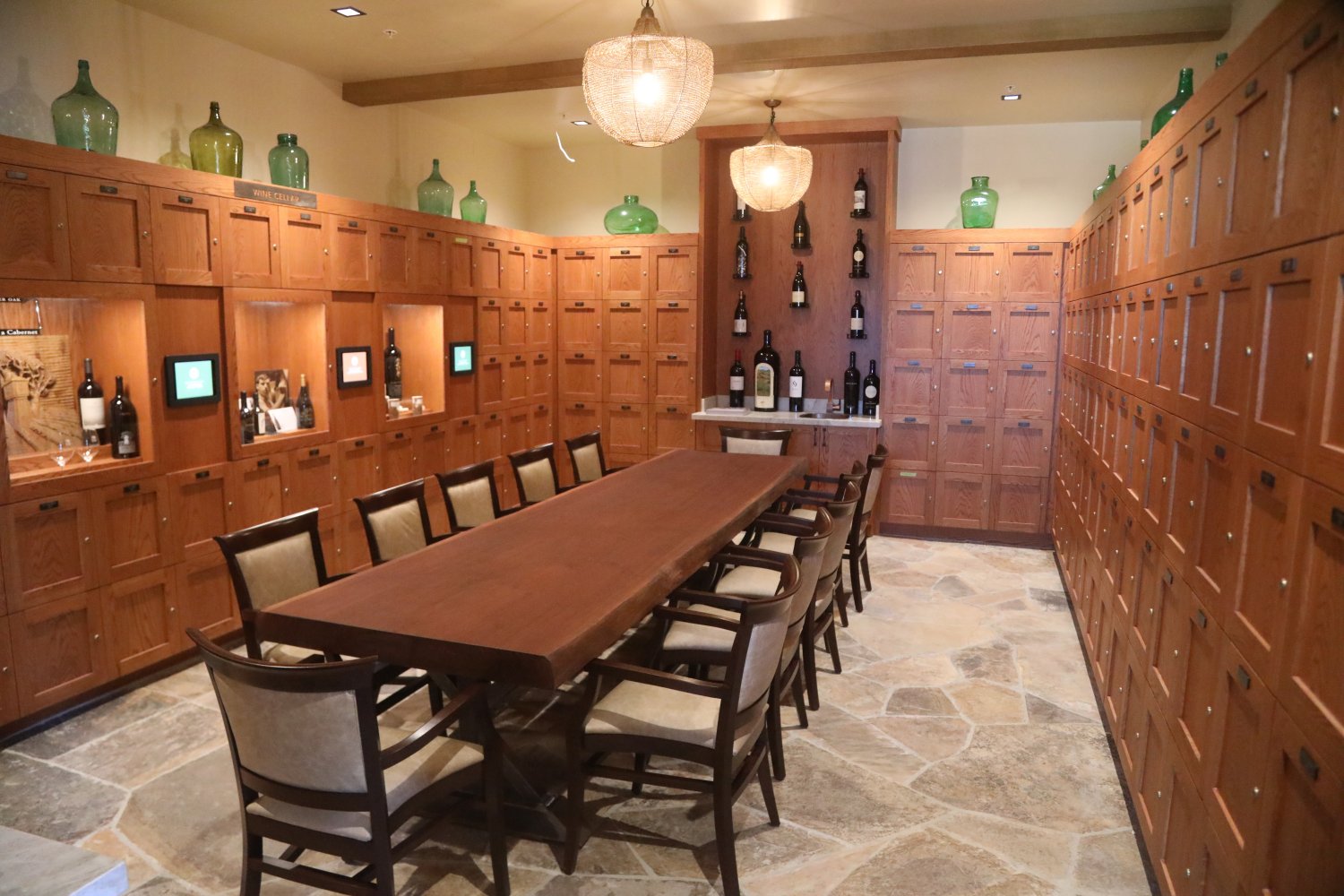
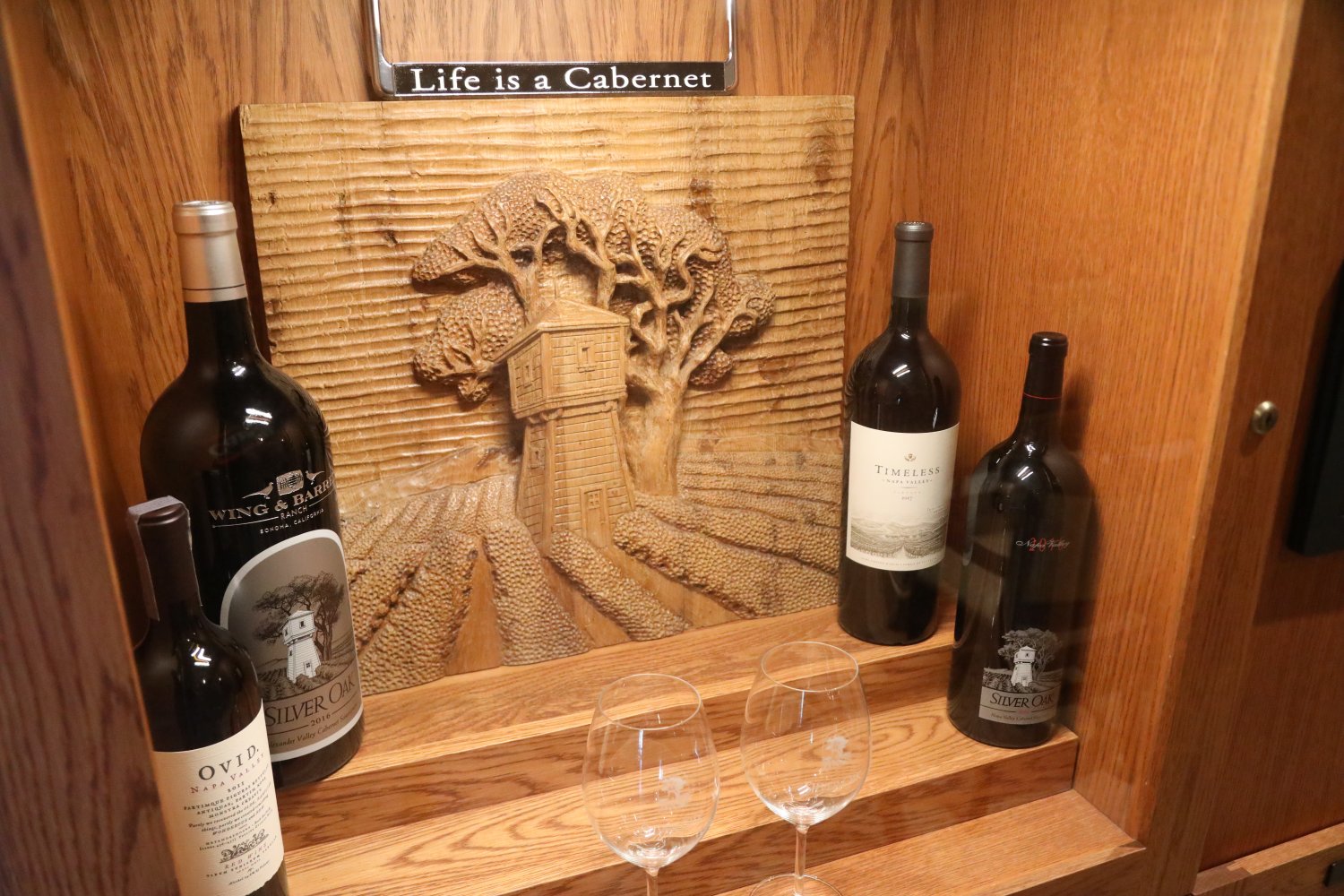

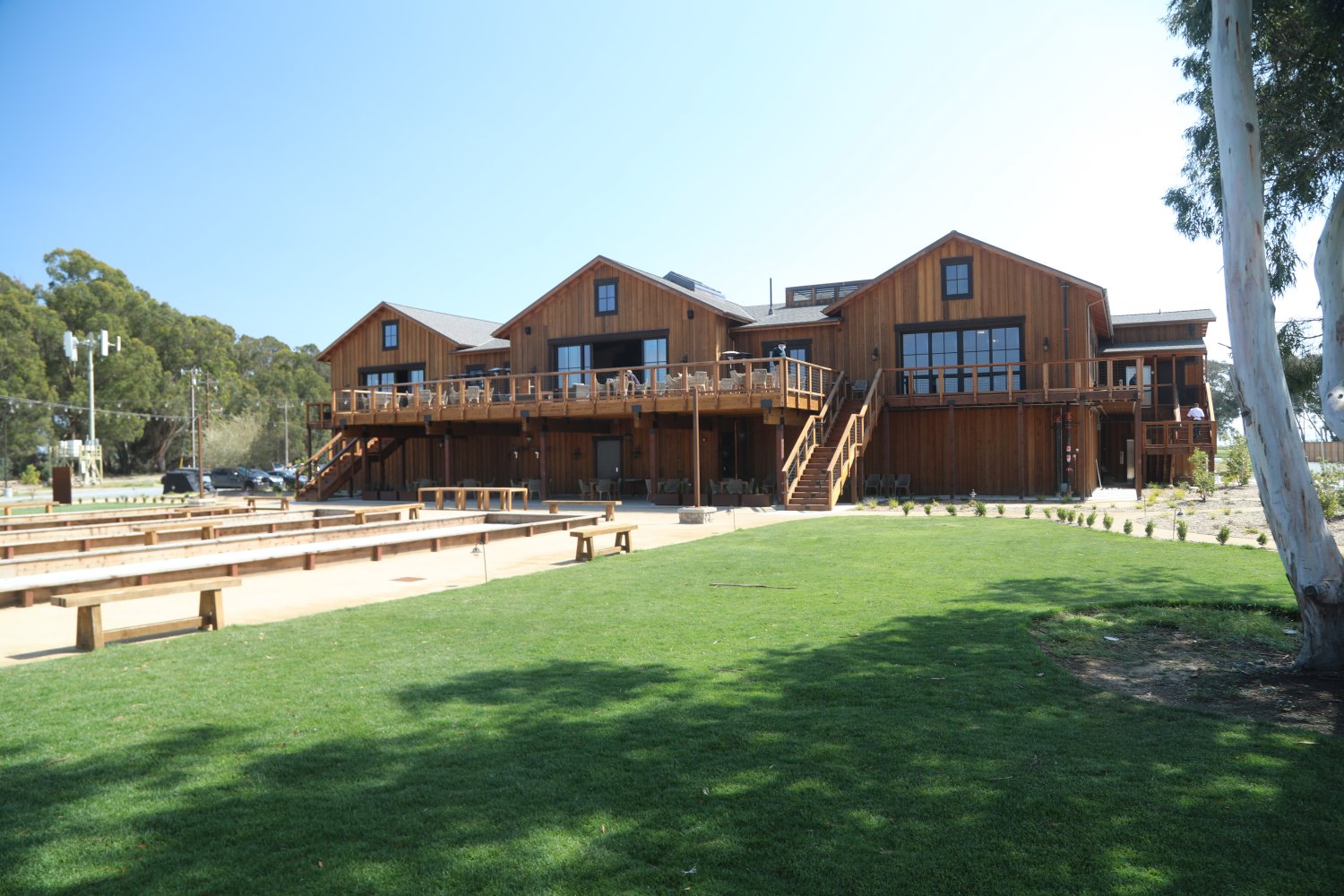
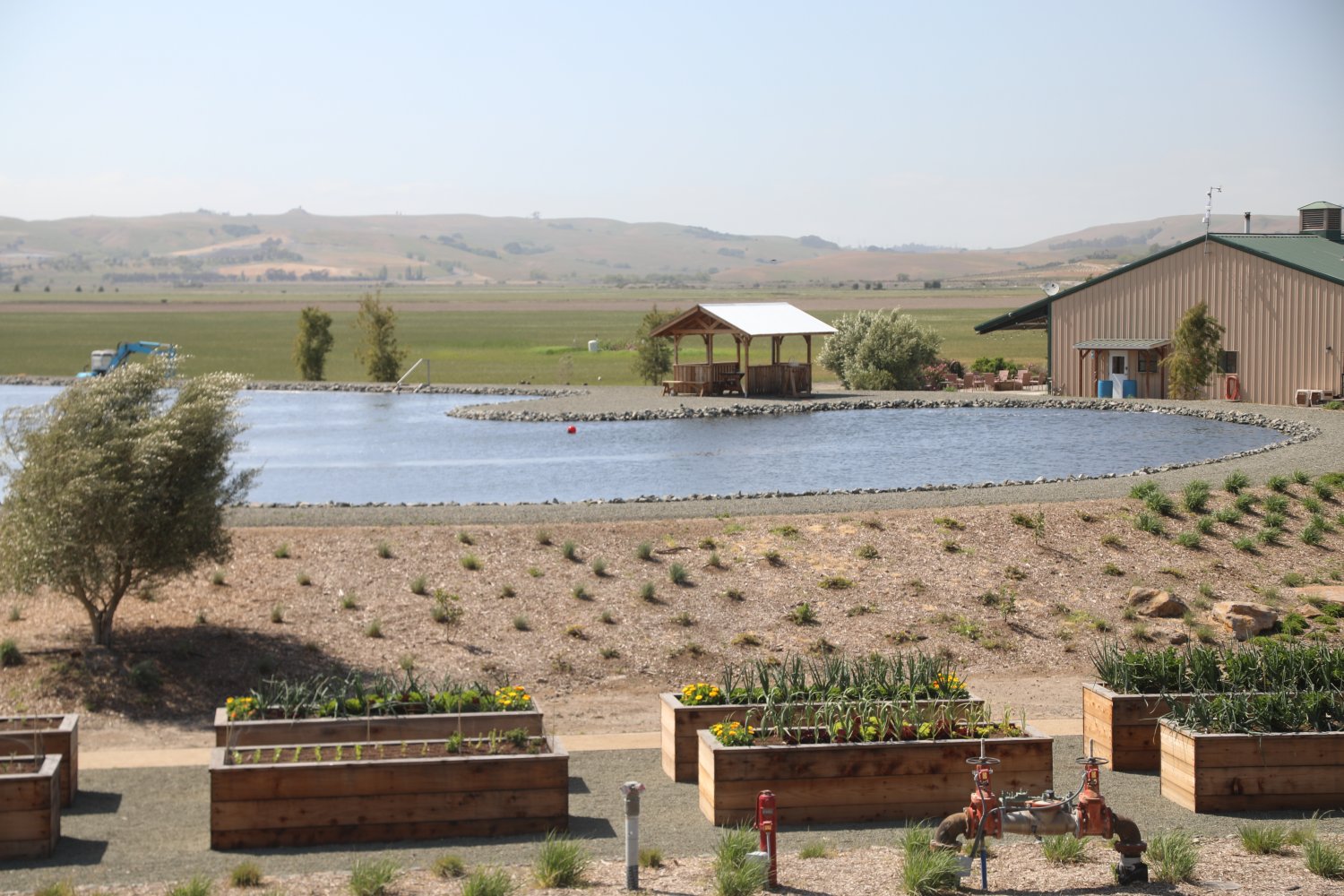
—
Of the well over 1,300 Napa Valley based wineries and producers I have personally met with and written extensively about, Silver Oak holds a very special place in my heart. I have followed Silver Oak’s heritage involving numerous related spaces and places to eight states around the country including California, Colorado, Illinois, Indiana, Kansas, Missouri, Ohio and Oregon.
Because of the scope of the Napa Wine Project, people always ask me to choose my favorite winery in Napa Valley and that is a question I simply cannot answer and will not answer. However, if someone told me to choose a Napa Valley based winery that best represents the valley, more often than not I will choose Silver Oak. Sure, there are older wineries and wineries with arguably richer heritage and deeper roots in the valley and I often reference them, but I’m looking at the overall picture here.
By virtue of its location, Silver Oak is basically the center point of the entire Napa Valley. From a geographical perspective that is extremely appealing. Their decision to focus entirely on Cabernet Sauvignon from the beginning ultimately was a fortuitous one, a variety that is now synonymous with Napa Valley.
My journey following their heritage has become highly personal, their success story involving two sets of owners and now multiple generations, is extraordinary. The scope of ownership and or places and spaces in select states around the country that have been or are currently somehow connected to ownership is significant.
But most importantly of all, their ethos of character that built the foundation of Silver Oak truly represents the valley at its finest: above all, have integrity – which builds trust among not only consumers but also within the industry, be gracious, be humble, be respectful, be hospitable, work to de-mystify wine, have resilience, be patient and be part of the community and help out your neighbors when you can. Of critical importance is to always strive to produce the best possible product and get better doing so each year. This involves being innovative and open to new ideas. And testing them. If they fail, move on. If they succeed, embrace them.
Financial stretching involves risks, but make them calculated; an inherent savvy business acumen is a critical component to success. As Silver Oak President, Tony LeBlanc has been known to say, “Money is also a resource”. And a sometimes forgotten attribute – simply have fun doing what you’re doing!
—
**** A huge thank you goes out to all the tasting room staff we have met with over the years and interviews or chats with Bonny Meyer, David Duncan, Tim Duncan, winemaker Nate Weiss, winemaker Laura Oskwarek, winemaker Dan Kemp, winemaker Daniel Baron, Vineyard Manager Dave Shein (Vineyard Dog), Chef Dominic Orsini, Viticulturist Allison Bettis, Master Cooper Daniel Orton, Bonny & Justin’s son Matt Meyer, Silver Oak superfan Dennis Hein and Bill Rey. Also to a number of others who have contributed various tidbits and insights. And the openness, everyone we have met at Silver Oak has shown in regard to sharing information and their pride for what they do at the winery.
Miscellaneous Notes
On August 21, 2023 country music singer and the winner of “American Idol” in 2011, Scotty McCreery released a single called Cab in a Solo with several repeating lyrics prominently highlighting the Silver Oak 1998 Cabernet Sauvignon, although it doesn’t mention if he is drinking the Silver Oak Napa Valley or the Alexander Valley bottling. This song was co-written by both McCreery, Frank Rogers and Brent Anderson and appeared on McCreery’s Rise & Fall studio album. In May 2024 it reached number one on the Mediabase Country Chart. In 2024, McCreery performed this song live at Silver Oak in Napa Valley.
“So now I’m findin’ out how a heartbreak taste
With a Silver Oak, 1998
Drinkin’ cab in a solo
Solo in the cab of my truck”
We always keep a close eye out for bottles of Silver Oak when we see scenes in movies involving wine. To date we have spotted Silver Oak in the following movie: Crazy, Stupid, Love. And a bottle of 2009 Silver Oak made an appearance on the show, Bad Monkey as did a bottle on the Netflix show, The Lincoln Lawyer. Are there any other movies or TV shows that you have seen an appearance of Silver Oak or perhaps even a mention of their wine?
Silver Oak is an official wine partner of the San Francisco Giants and the Golden State Warriors. They are a wine partner in San Francisco’s Chase Center Splash Wine Bar, located in the upper Budweiser Legends Club. Select Silver Oak and TWOMEY wines are available throughout Oracle Park including at Vintage ’58, a wine bar located on the promenade level branded with Silver Oak’s logo. Those who purchase a full bottle of a Silver Oak or TWOMEY wine will receive two wine cups and a co-branded wine carafe. A Silver Oak suite level wine bar has been open since 2017.
Silver Oak’s ethos of treating their employees as family, offering them a diversity of benefits and providing them room for growth within the company has resulted in a culture of continuity rather than a revolving door. Some of their employees have worked at the winery for more than 20 years. We’ve heard several employees who have been with Silver Oak for 7-10 years refer to themselves as still, ‘rookies’. In 2024 Silver Oak was one of the honorees in the Healthiest Employers® of Northern California’s list published in August 2024. Silver Oak offers their employees at both Silver Oak locations a robust fitness and nutrition program including onsite weekly fitness classes and private consultations with a nutritionist.
Employees are also treated to hosted trips. In 1997 the entire team went to Maui to celebrate Silver Oak’s 25th anniversary.
Silver Oak takes a thoughtful and careful look at their partnerships and collaborations, including culinary, fashion, sports, and consumer goods, among other related business sectors. For example, in 2024 Silver Oak partnered for that holiday season with Paravel Luggage to produce a limited-edition wine luggage collection including the stylish Aviator Trunk. And Silver Oak often hosts special vintner events at the winery.
 Silver Oak is a member of the Napa Valley Vintners, the same organization that Justin Meyer was chairman of in 1982. In 2014, David Duncan co-chaired the vintner’s annual wine auction, Napa Valley Wine Auction. 18.7 million USD was raised that year, at the time a record amount for a charity wine auction. In 2023 Duncan again chaired the auction, now called Collective Napa Valley. Silver Oak donated wine starting in the early 1980s to what eventually turned into a 40 year run of Auction Napa Valley. For Premiere Napa Valley, the annual trade event hosted by the Napa Valley Vintners, Silver Oak always contributes a special lot, auctioned off through Sotheby’s. In 2018 their 20 case lot was the highest grossing lot at Premiere Napa Valley that year, selling for $110,000 USD.
The winery was also one of the earliest supporters of the annual Naples Wine Auction, the highest money raising wine auction in the U.S. In 2017, Silver Oak’s lot #53 at the Naples Wine Auction sold for $450,000. In 2025 as part of an auction lot celebrating 25 years of the Naples Wine Auction (2001-2025), Silver Oak donated a 25 vertical magnum lot. Over the decades, Silver Oak’s wines have been part of countless auctions to help raise money for various charitable causes.
Silver Oak is also a member of the Wine Service Cooperative, a wine storage and fulfillment warehouse located at 1150 Dowdell Lane in St. Helena. Joseph Phelps was one of the original founding partners and managing director. The business opened with 40,000 square feet of space. This was a significant addition and fulfilled a very important need for the northern part of Napa Valley. Remarkably nearly all of the original 18 Napa Valley wineries who used the space are still in business and some are still members. Members are mostly a representation of the ‘OG’ of Napa Valley. Its original footprint has significantly expanded since it opened including additional storage and fulfillment spaces located in the Napa Airport industrial park south of the city of Napa.
Silver Oak is a winery partner of the Tinfoil Wine Capsule Recycling Project; this 501(c)(3) non profit was founded in 2010 by Kathleen Montgomery. Silver Oak saves capsules from wine bottles that would otherwise end up in land fills. Volunteers for this organization collect capsules from each of their winery partners and then sort them prior to transporting them to a recycling facility. The proceeds raised from the sale of the used capsules benefit Napa County students in need through the purchase of school supplies.
Contributing and participating in industry events is another way that Silver Oak keeps current on latest industry trends and shares knowledge with the wine community. For example, employees from Silver Oak often provide their expertise in sessions covering sustainable viticulture, water management, and vineyard operations at Unified Wine & Grape Symposium held annually in Sacramento. And at Napa Green / RISE sustainability events. In 2023 Silver Oak hosted STOMP, the annual gathering of members of Napa Valley Grapegrowers; that year the Duncans were the chairs of the event.
Silver Oak is a regular attendee at prominent consumer tastings each year including the Pebble Beach Food & Wine event. This premier four-day culinary festival, always held in April at Pebble Beach on the Monterey Peninsula, brings together world-renowned chefs, wineries, and food enthusiasts for an immersive luxury experience. This gathering features more than 50 events—including grand tastings, intimate dinners, cooking demonstrations, and rare wine seminars. Guests enjoy curated pairings, interactive experiences, and access to top culinary talent, from Michelin-starred chefs to master sommeliers. Beyond indulgence, the event supports local youth programs through the Pebble Beach Company Foundation, blending gastronomy, community, and philanthropy. Silver Oak always has prominent exposure at this event including sometimes the Silver Oak Lounge.
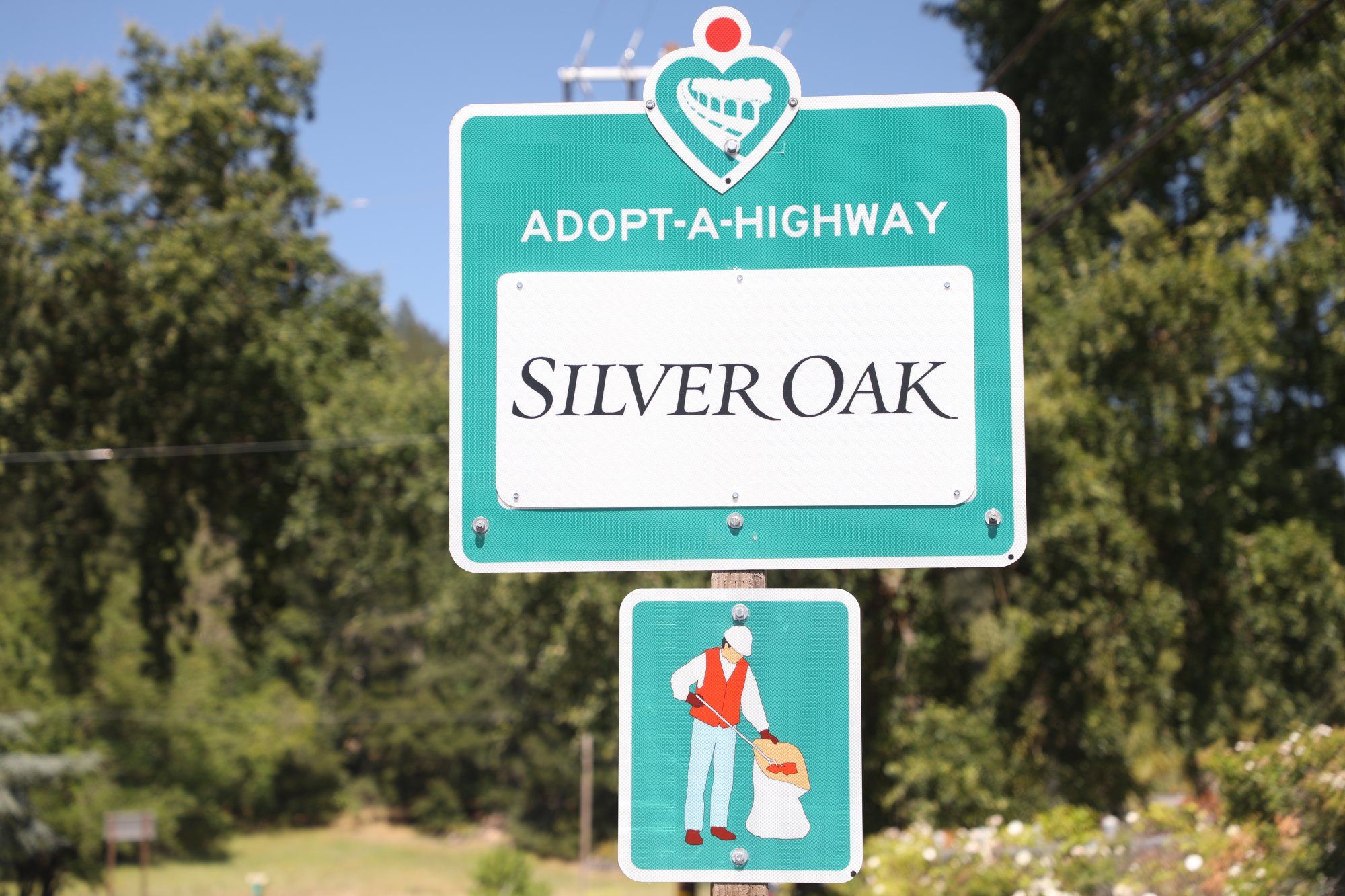 Silver Oak has adopted several highways through Caltrans Adopt-a-Highway program. These include a 2-mile section of Highway 128 just south of Calistoga and a part of the 101 just north of Healdsburg. This program allows businesses or individuals to sponsor the maintenance and beautification of sections of California’s state highways, adopting 2-mile stretches for up to 5-years.
The Silver Oak & Veraison Project Apprenticeship program began in 2022. Chosen apprentices rotate through various departments within Silver Oak with an ethos of learn by doing. Duties include viticulture, winemaking, sales and hospitality with rotations in each department ranging from one to two months. To date, several apprentices have worked at Silver Oak Alexander Valley.
In 2024 Silver Oak donated $100,000 to UC Davis for their research on how soil chemistry and terroir affect wines. The donation was also used to help with travel expenses, supplies and faculty time.
In 2024 Silver Oak was part of the Vine Trail Vintner Collection, a group of 10 Napa Valley-based wineries who crafted three barrels each of Cabernet Sauvignon specifically for this collection. Wines from these producers were released from 2020 through 2024; sales from the $5,000 price point for each collection (numbering 800 sets of 10 bottles each) was used to help fund the completion of the Napa Valley Vine Trail.
David Duncan is an avid cyclist; TWOMEY was the first Napa Valley winery north of St. Helena to offer part of its land as a right-of-way for the Napa Valley Vine Trail, when fully completed, will connect Calistoga to the city of Napa.
Silver Oak hosted their first ever holiday market on December 14, 2024. Guests attending the market were greeted with a glass of Schramsberg sparkling wine followed by a taste of 2013 Silver Oak Napa Valley Cabernet Sauvignon. And like always this time of year, the Silver Oak holiday tree was on display. It is created from empty bottles of Silver Oak with each layer/branch alternating between Napa Valley and Alexander Valley bottlings. And every year it is assembled and then dismantled by hand following the holidays.
Did you know that Silver Oak used to produce olive oil? Their first olive oil bottled was in the mid 1990s.
In 2023, New York based Patricof Co. invested in Silver Oak. Patricof Co., provides strategic capital by leveraging professional athletes and connecting them to a number of consumer brands or companies including Bazooka Candies, Cholula hot sauce, SpaceX, Spindrift, TopGolf and Virgin Voyages. Through Patricof Co., several high-profile athletes have invested in Silver Oak.
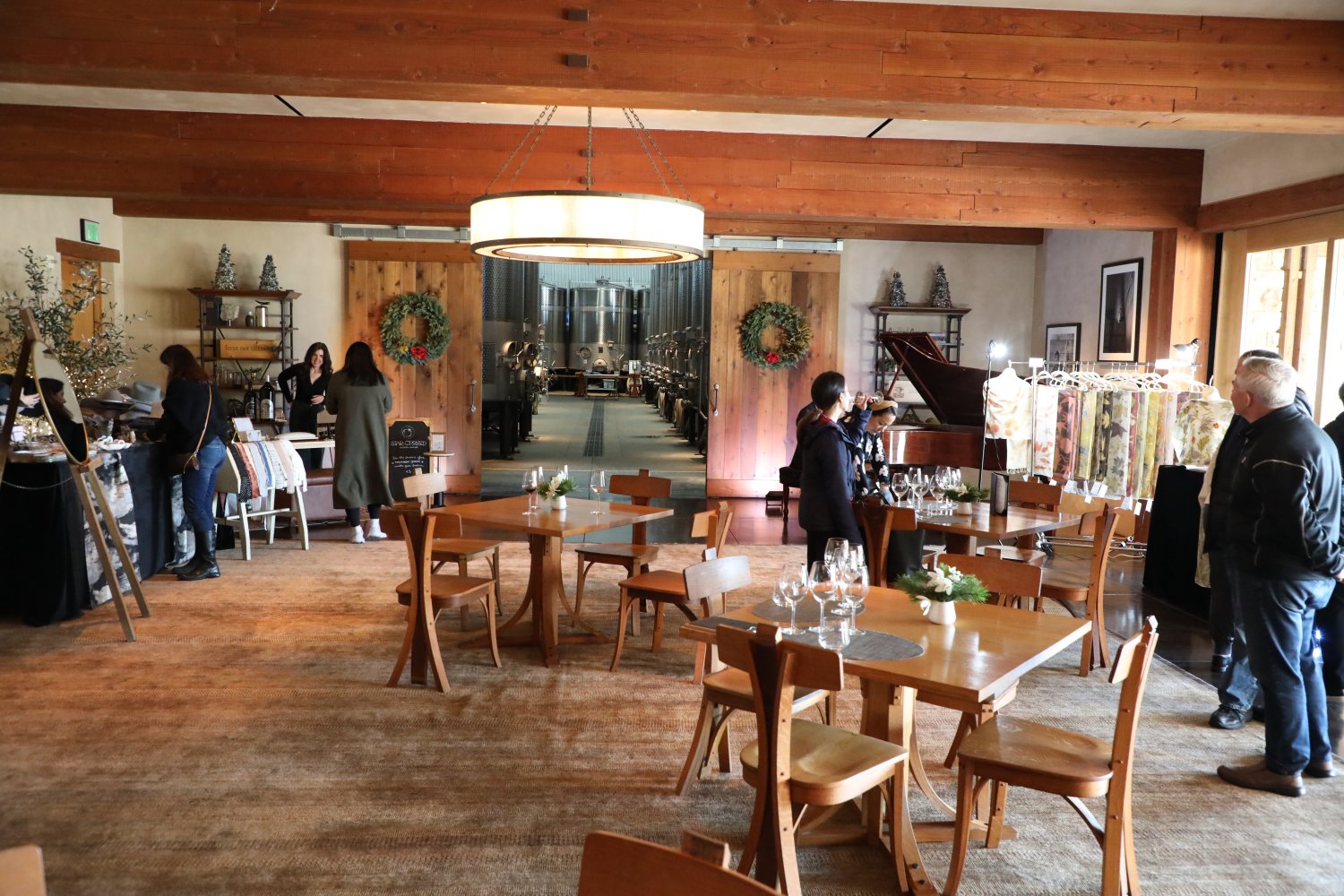
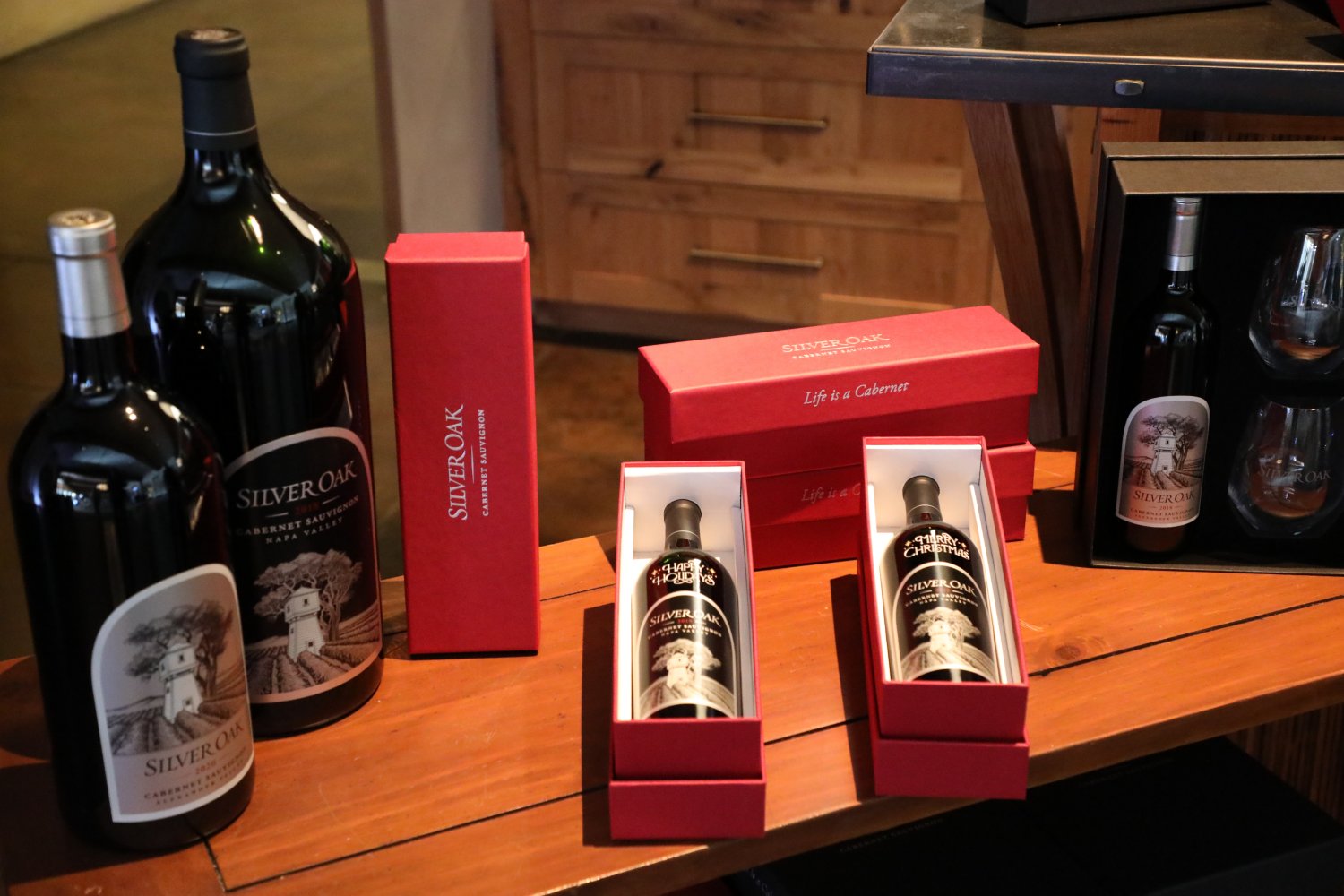
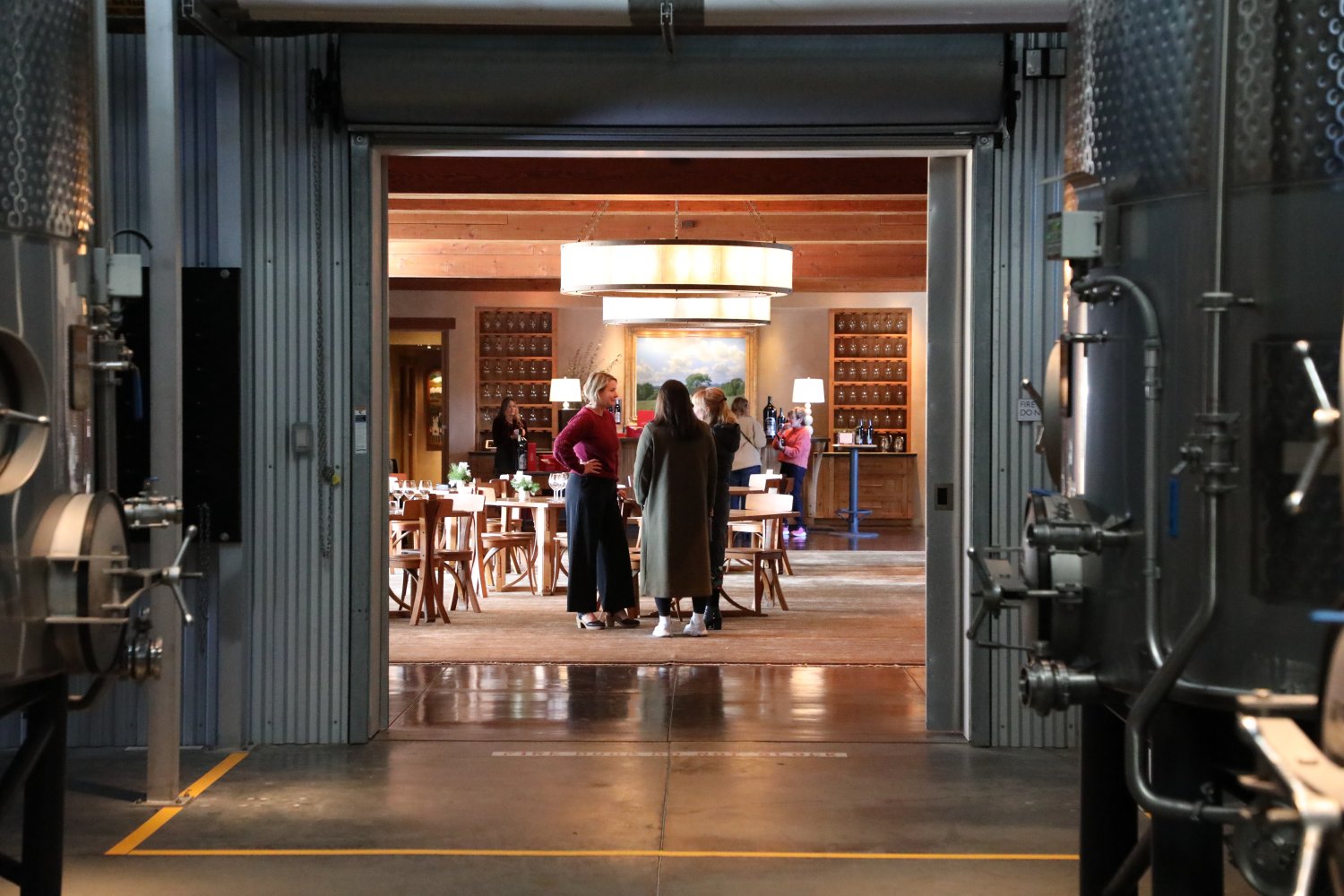
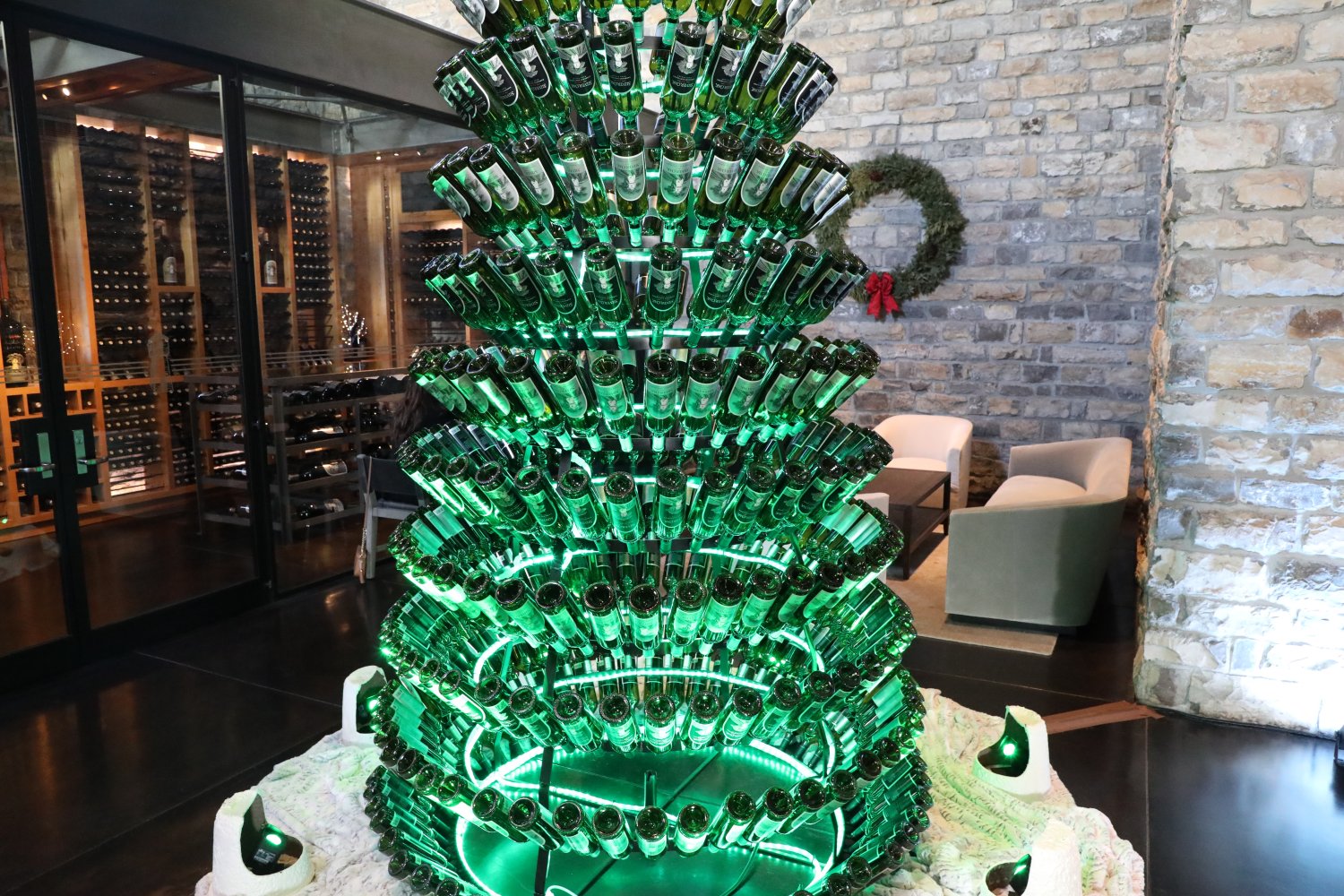


While the Duncans have certainly left their legacy across multiple states and businesses, we will leave you with their simple slogan, one most likely will see on license plate frames in the Silver Oak parking lot or elsewhere in Napa Valley: “Life is a Cabernet“, a play on lyrics from the title song, Life is a Cabaret, from the 1966 musical, Cabaret starring Liza Minnelli. And so, it is for thousands of fans of this storied winery.
—
Note that Silver Oak has never directly offered a wine club, rather they offer a loyalty subscription program called the Oak Society launched in 2025. Members create a custom subscription, choosing how many bottles of current release wines and the frequency of shipments each year ranging from every 1, 2 or three months. The subscriptions can include wines from either Silver Oak Napa Valley, Silver Oak Alexander Valley or a combination of both.
Silver Oak does not actively submit their wines to wine writers, wine critics or wine publications for scoring. Although the wines are often scored by select publications and critics including JamesSuckling.com and Decanter Magazine.
Silver Oak ships directly to most states within the U.S. but there are a handful of states they do not ship to. For direct-to-consumer orders, Silver Oak largely manages fulfillment themselves supported by supported by ShipHawk, a shipping and warehouse‑management software platform.
Several wine clubs are offered through TWOMEY Cellars providing preferred access to Silver Oak wines and events. Although the 8 cases per year Club TWOMEY Founder’s Club does provide direct club access to the Silver Oak wines. These wines are distributed widely domestically through numerous distributors including Republic National Distributing Company (RNDC), Breakthru Beverage Group, and Johnson Brothers and also in more than 50 countries around the planet through a variety of other importers.
Sources for a limited number of older Silver Oak bottlings include Aabalat Fine & Rare Wines, Acker Wines, Cult Wine, K&L Wine Merchants, The Benchmark Wine Group, The Chicago Wine Company, Vinfolio and WineBid.
One doesn’t always think of Silver Oak as having a meaningful international presence but in actuality they are selectively distributed in parts of Africa (including Nigeria), Asia, Australia, Europe and North and South America. Their wines are currently sold in approximately 50 countries and territories. In 2024 they hired a dedicated person based in Shanghai, China to oversee their Asian markets. At certain times, the United Kingdom and Japan have been their largest international markets. Silver Oak is also served on Delta One, Delta Airline’s most premium cabin class.
The Silver Oak Cabernet Sauvignon has become some of the most popular and often ordered wines at fine restaurants and steakhouses across the U.S. Associated Silver Oak wine dinners are very common and have been a great channel for advertising and exposure for the winery. And even in the early years, a significant portion of their wines were sold at restaurants. One restaurant was Windows on the World located on the 106th and 107th floor of the North Tower at the World Trade Center; they carried Silver Oak starting in the late 1970s. And there were certainly Silver Oak bottlings in their cellar on September 11, 2001. The first wine dinner hosted at Bistro Napa at the Atlantis Hotel in Reno, NV in 1999 featured Silver Oak wines.
Wines from both Silver Oak wineries are sold in both Silver Oak tasting rooms.
SilverOak.com was registered on January 23, 1996. The earliest record that wayback machine has of the site is from December 27, 1996 – although the site was most likely online earlier than that. Like other websites of that era, including our still active travel site www.davestravelcorner.com which was a sub domain in 1996, the Silver Oak website was rudimentary and reflective of the simplistic design parameters that web designers had at their disposal. The earliest Silver Oak website was designed by Chad Meyer and maintained by Matt McLean of Panic Publishing in conjunction with FreeRun Technologies.
Silver Oak is very active on social media and often responds to people’s posts and shared experiences.
For more information, to shop for wines (including select Library wines), to book a tasting, to signup for the newsletter, or to sign up for the Oak Society, visit: www.silveroak.com
Silver Oak, Oakville
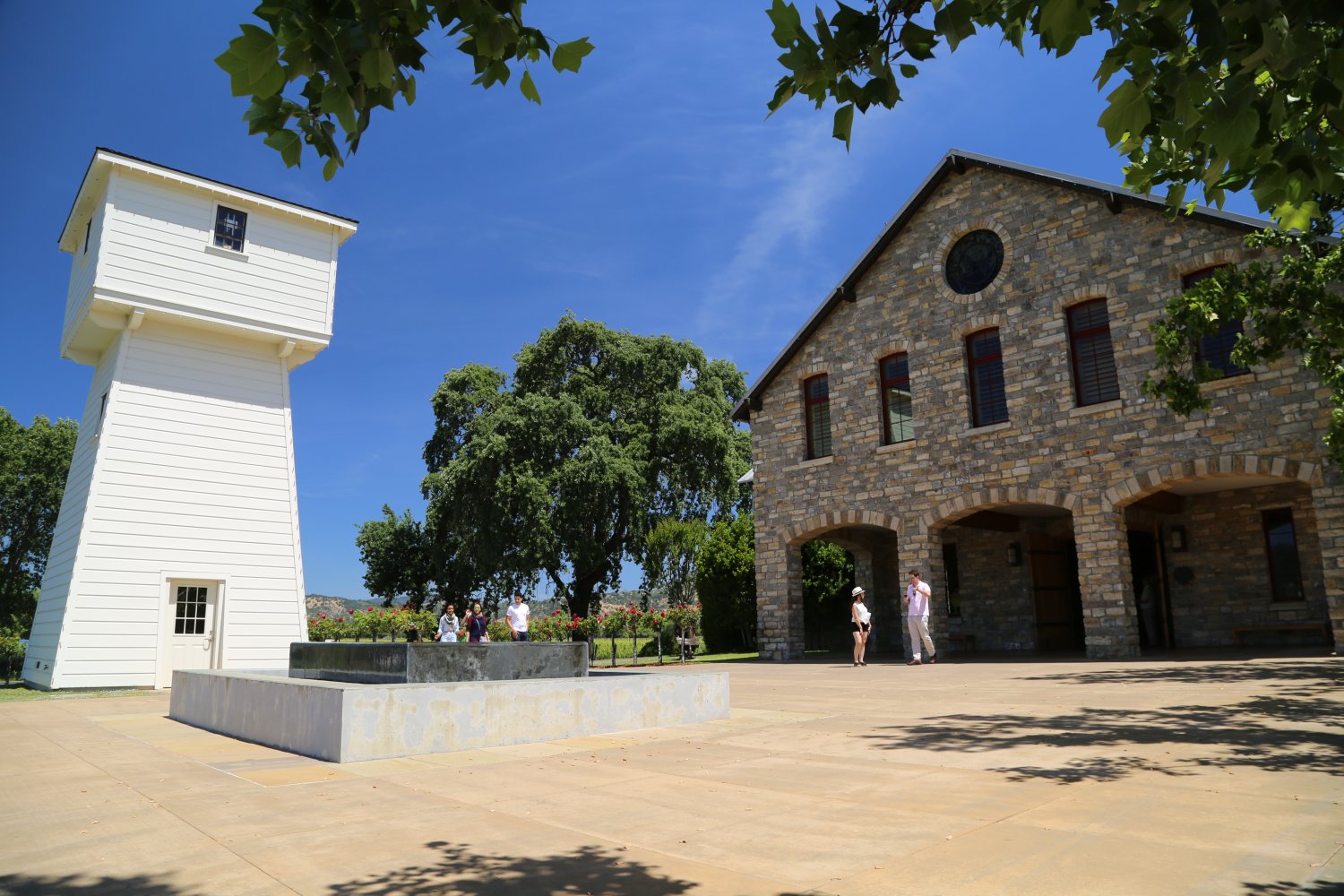
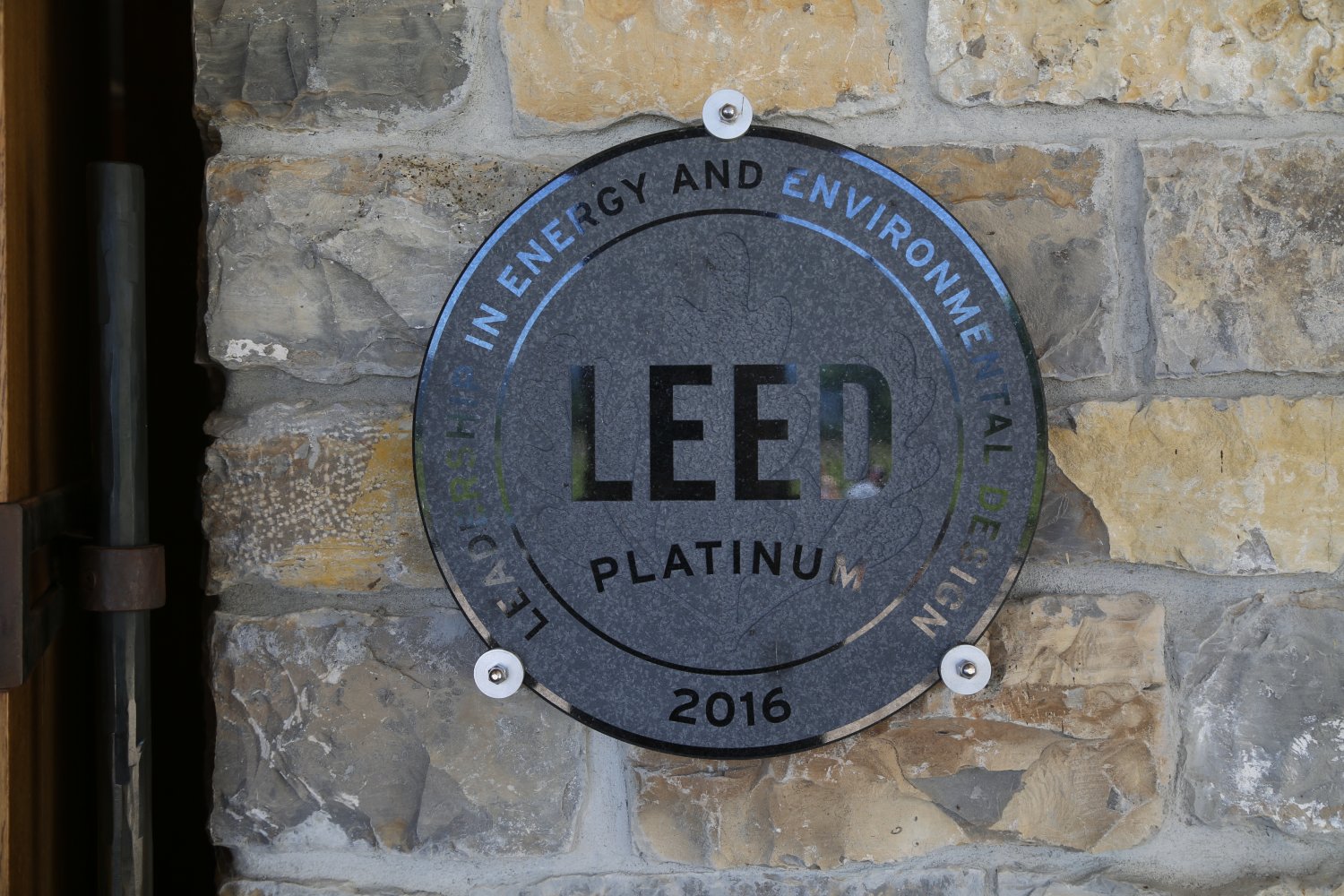
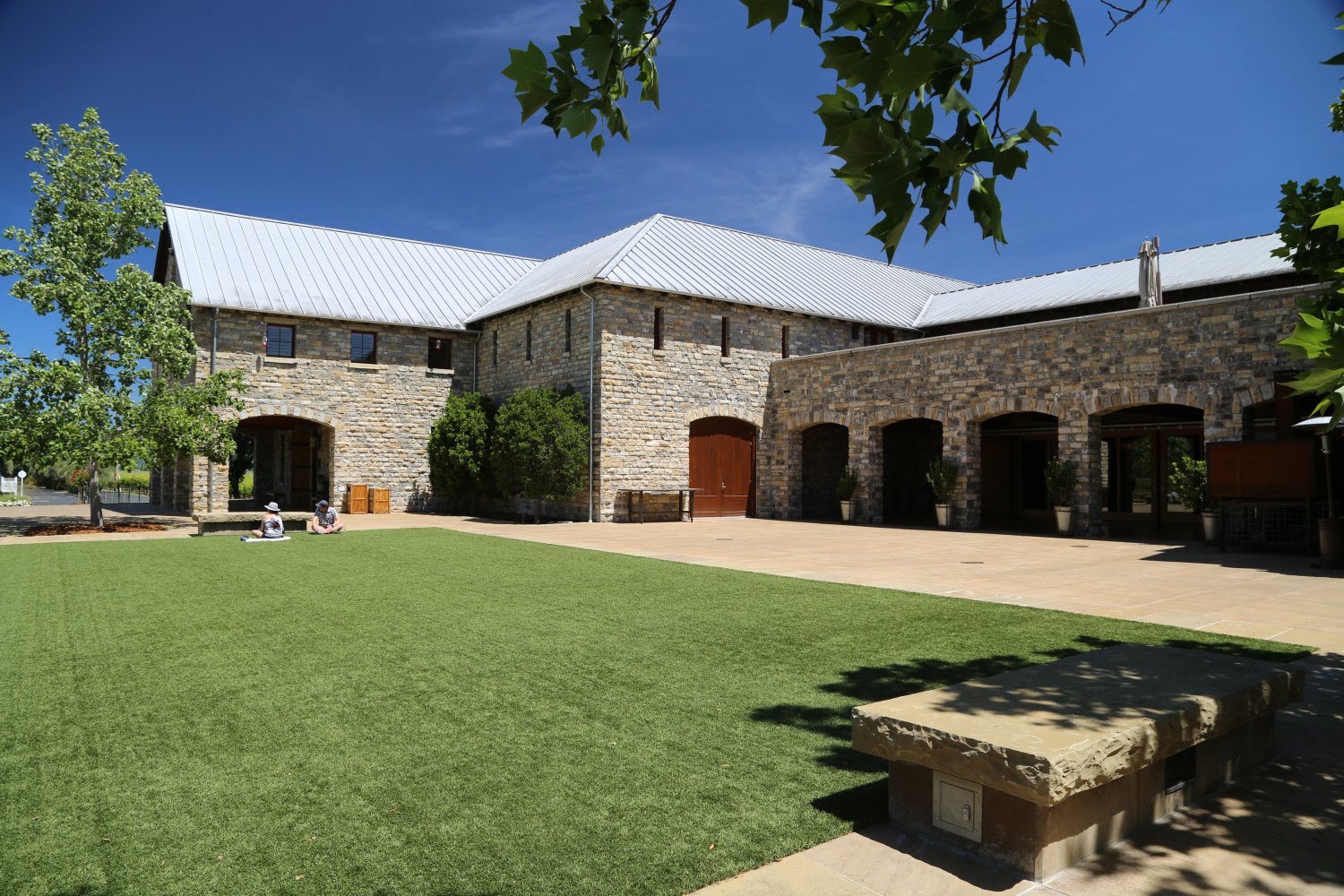
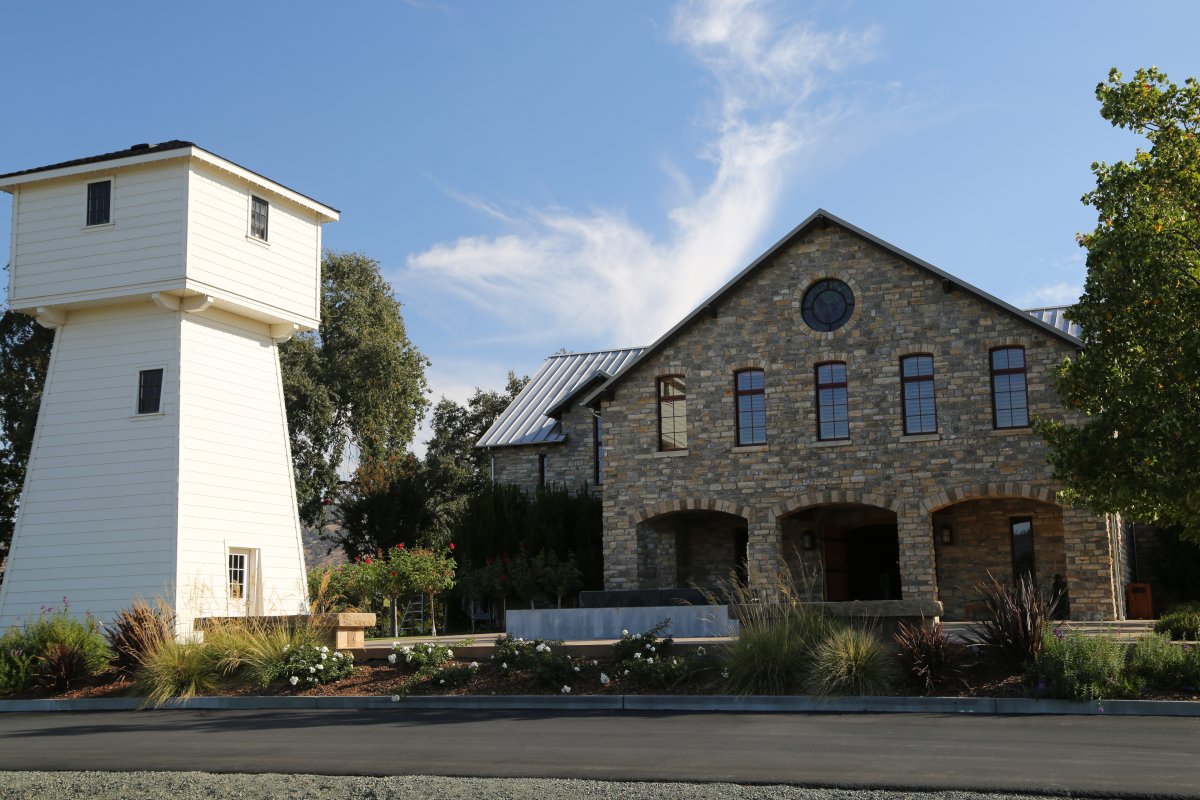
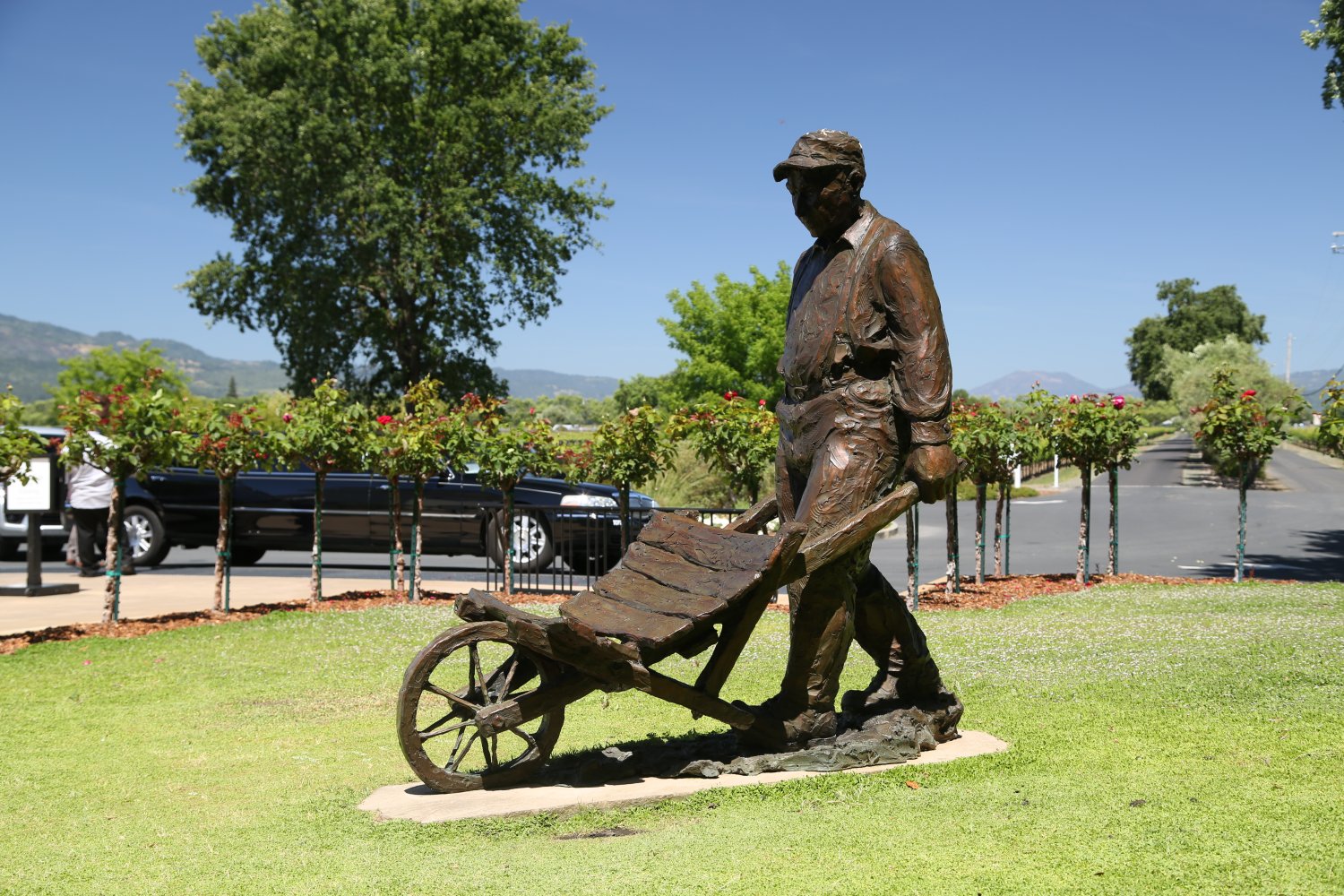
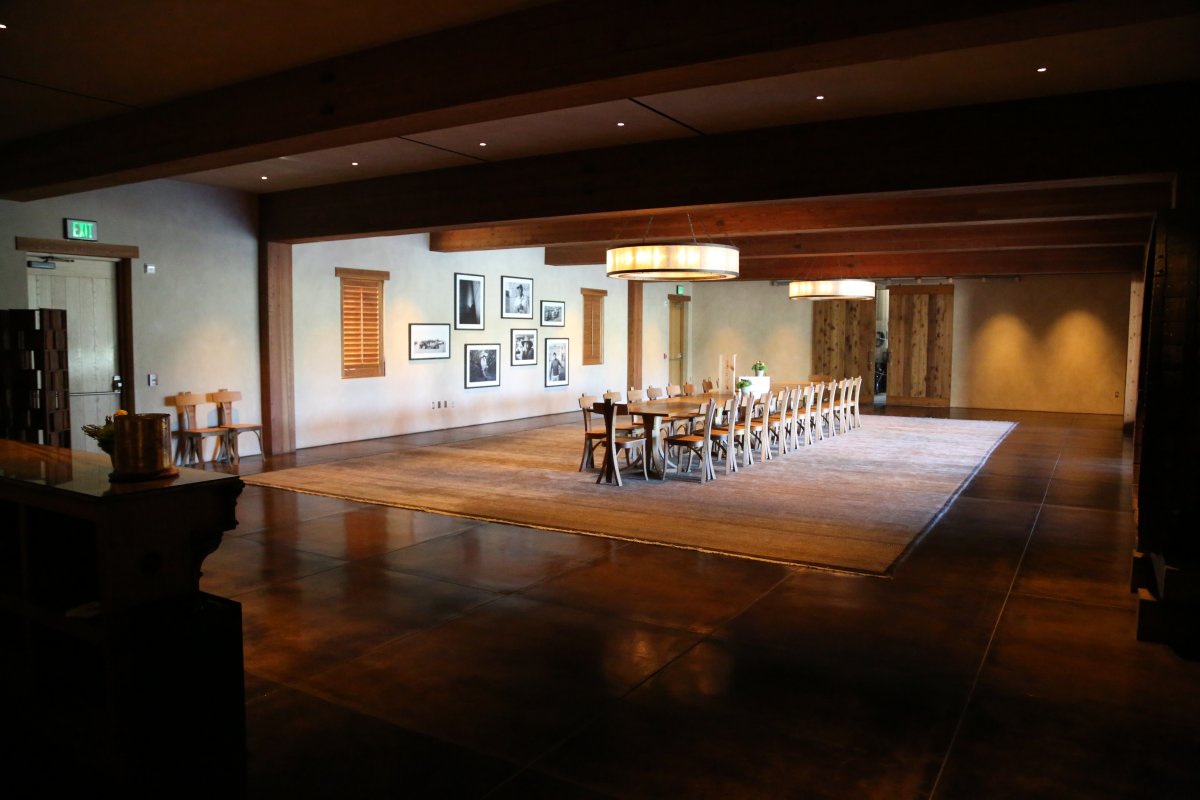
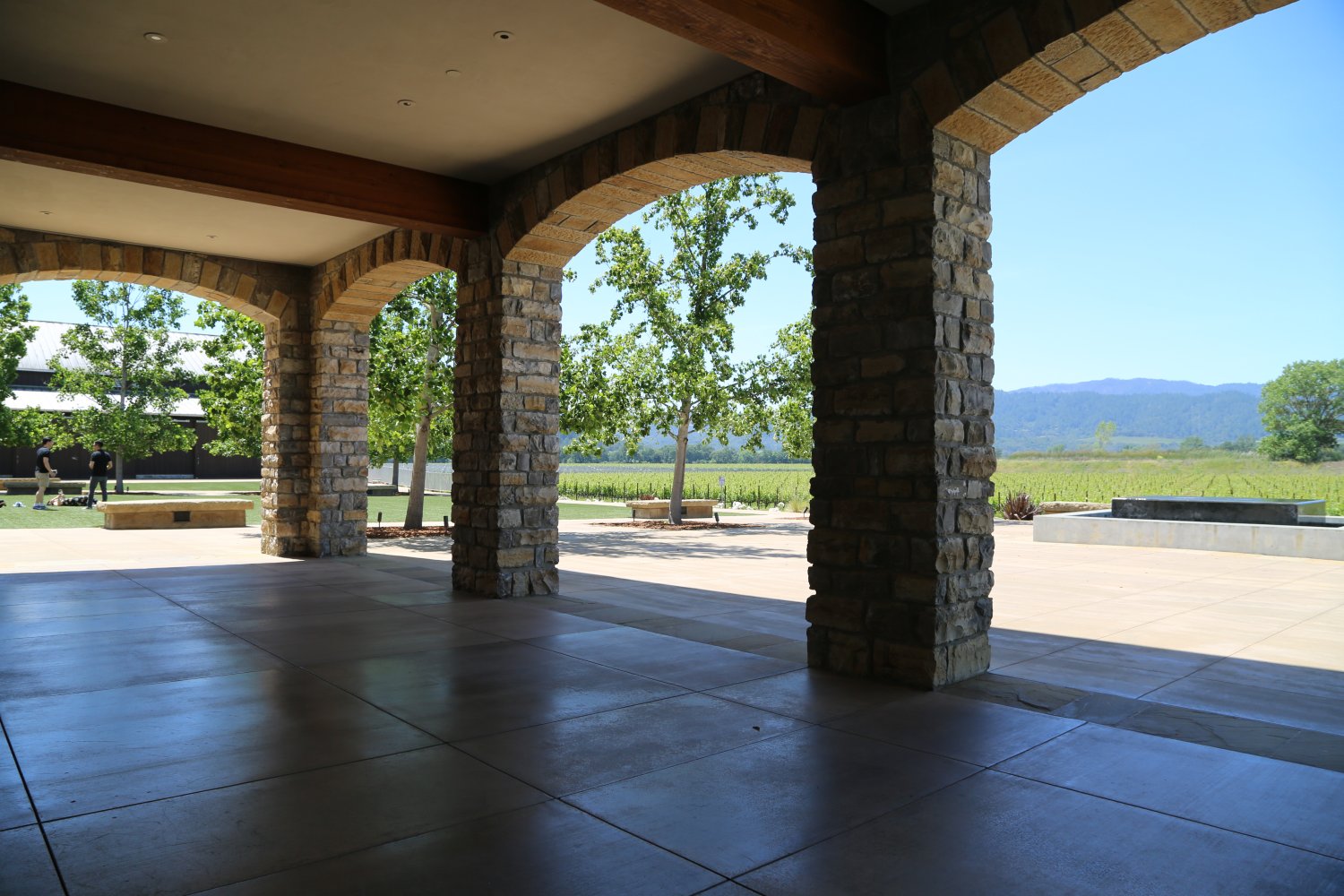
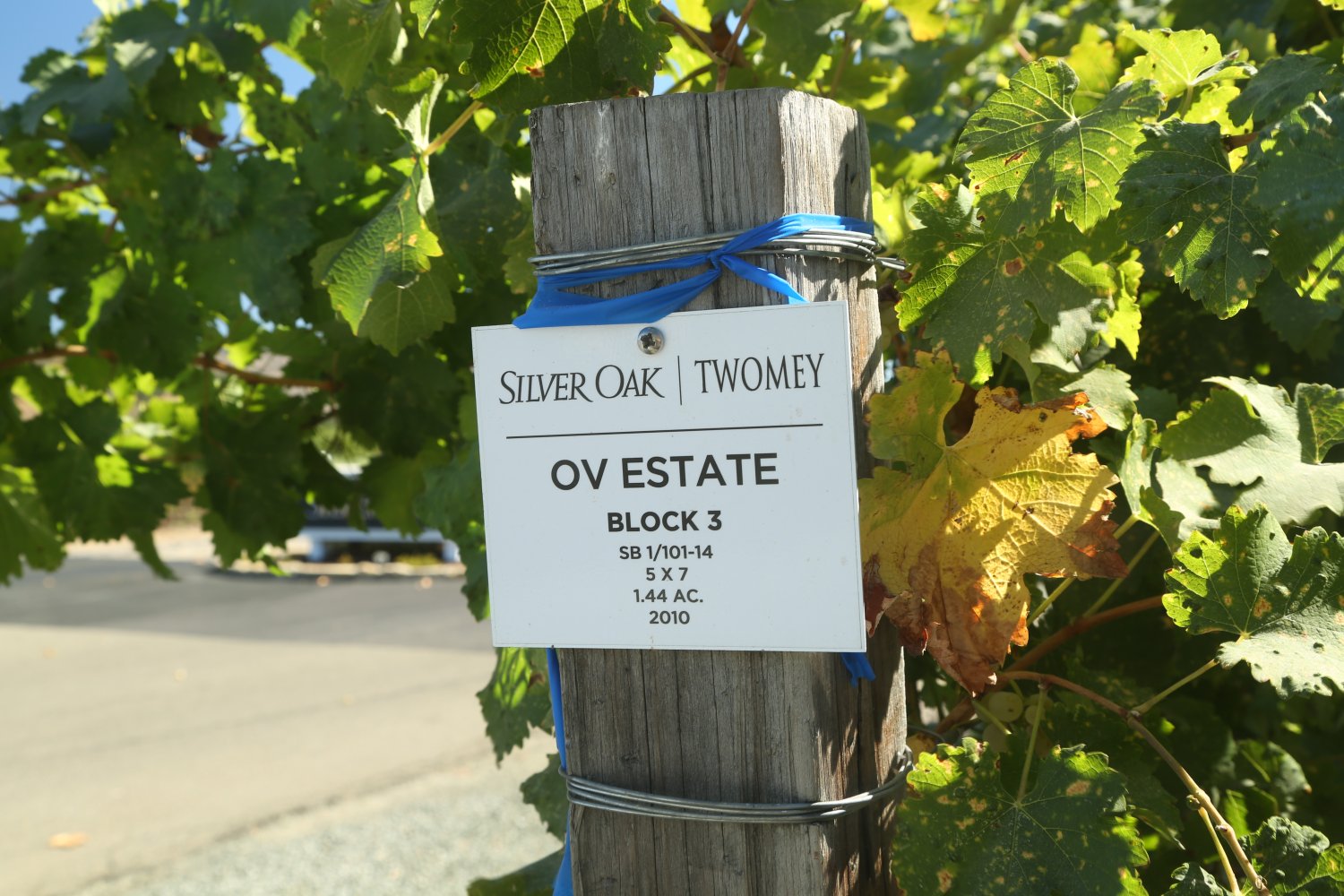
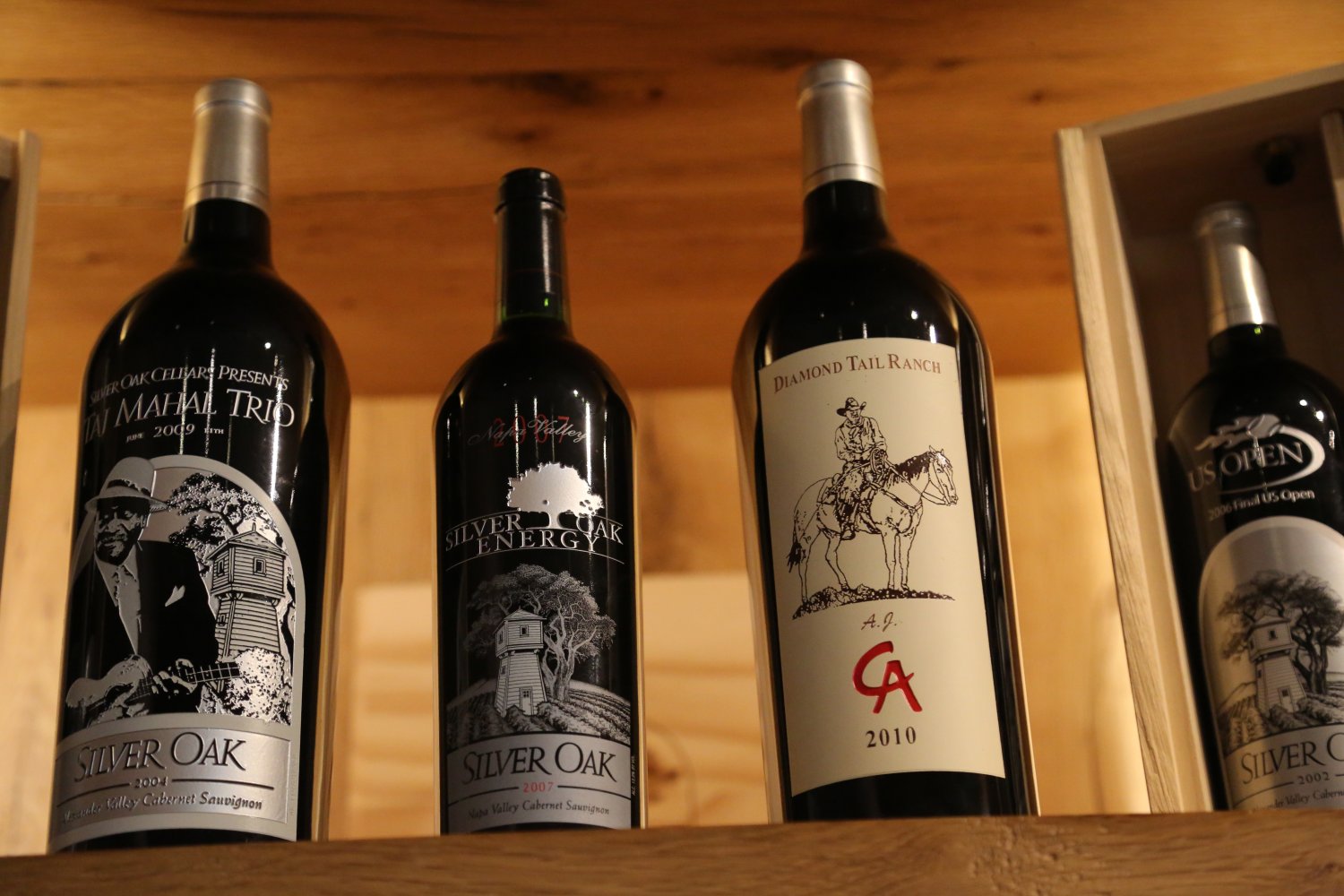
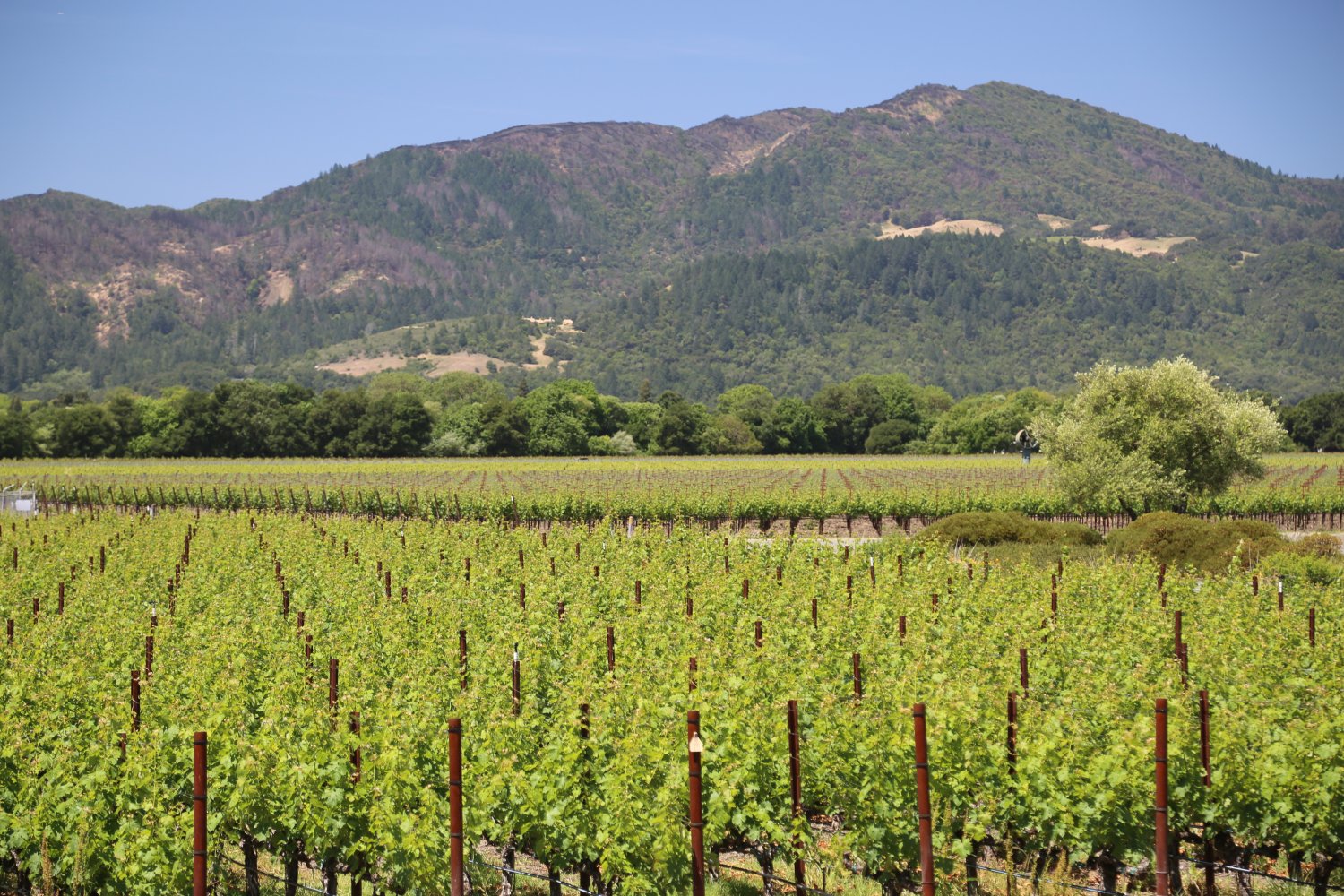
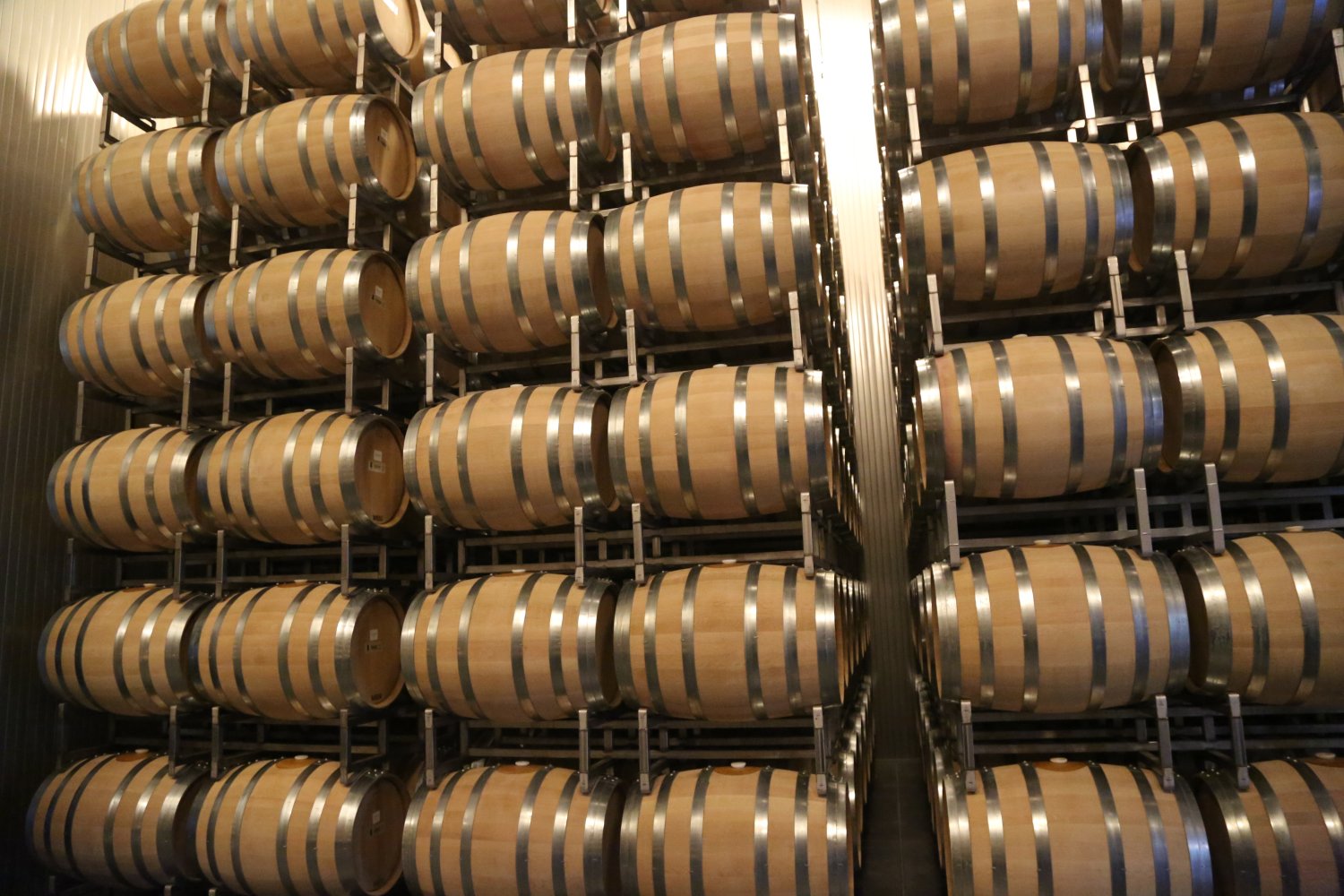
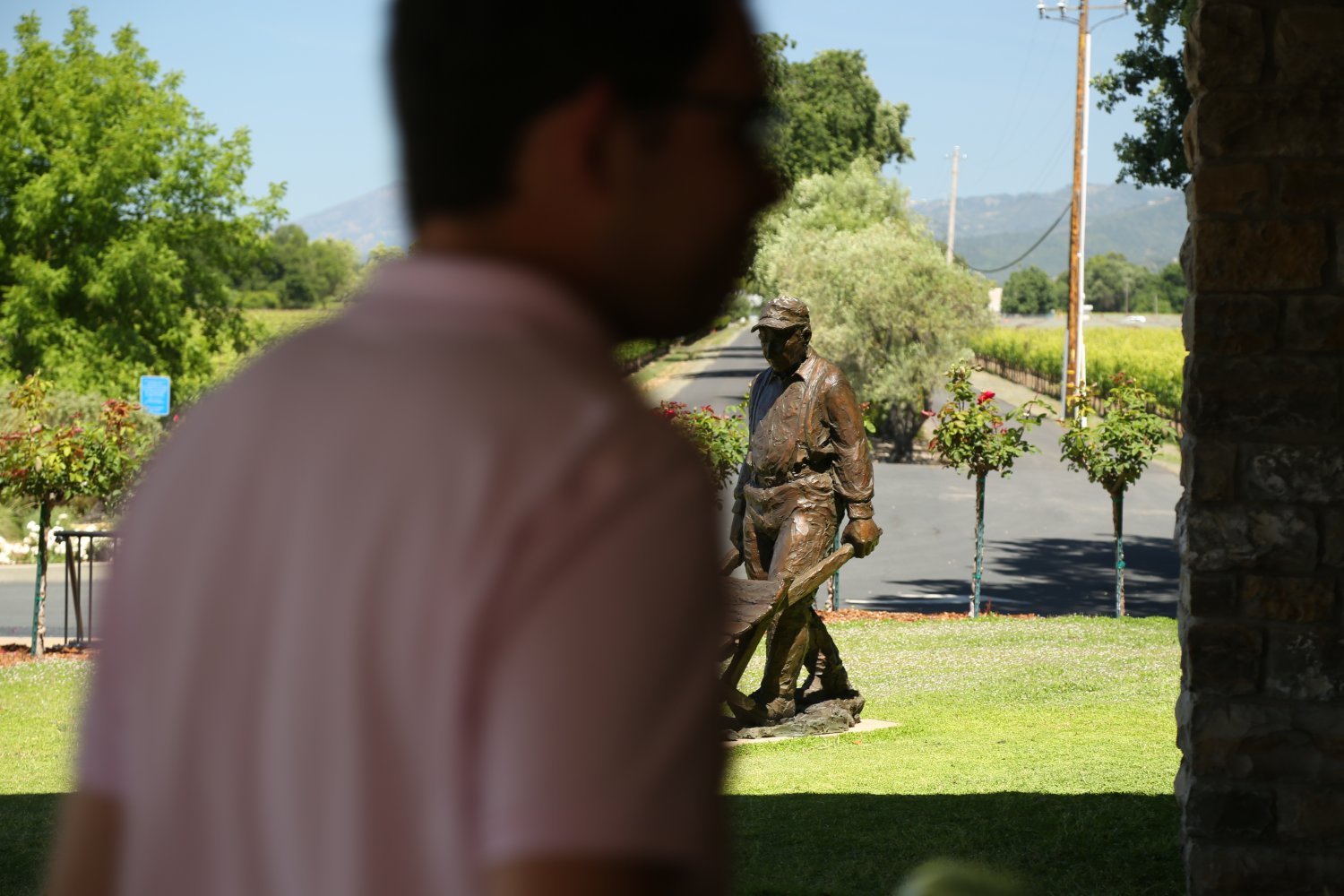
Related Videos
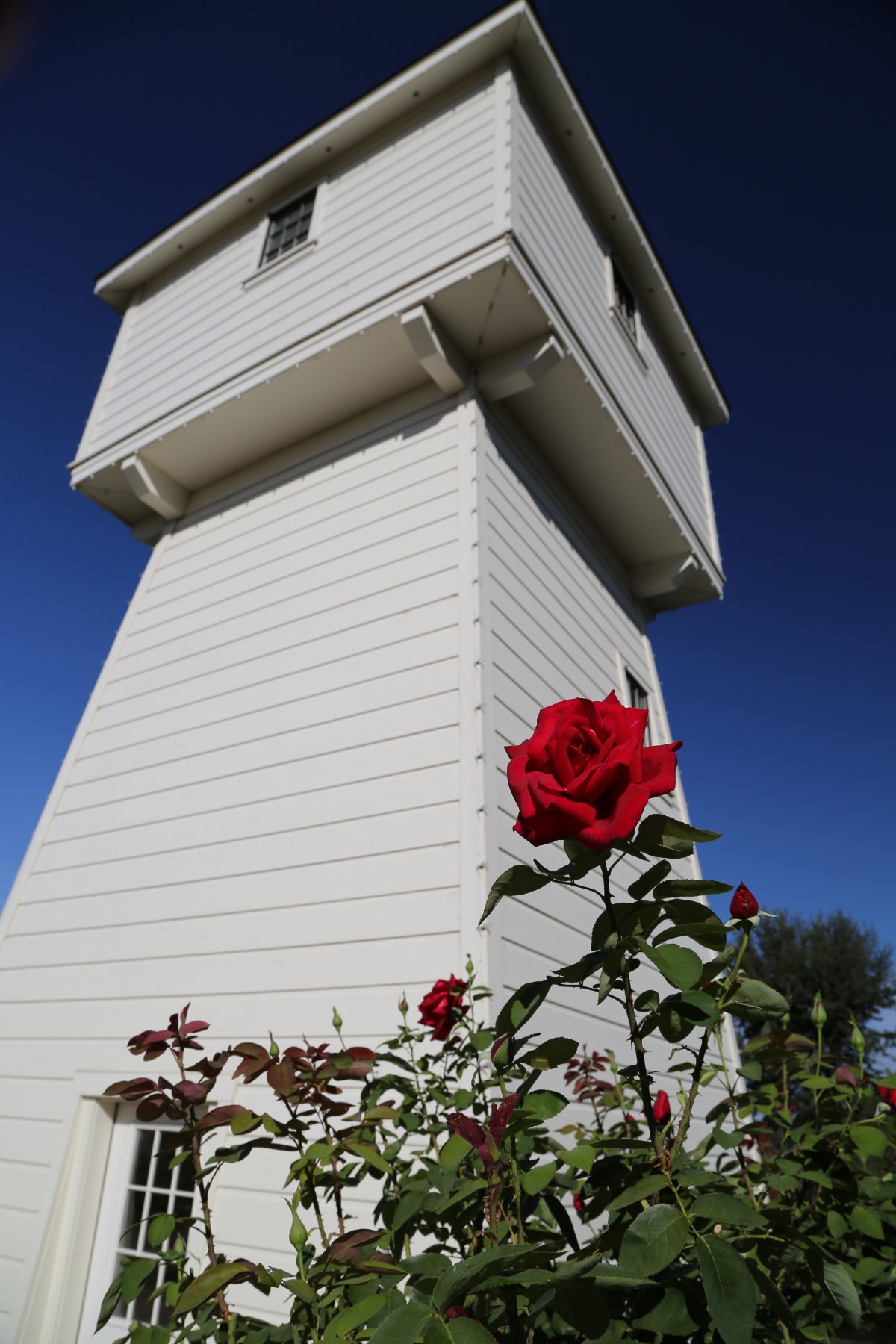
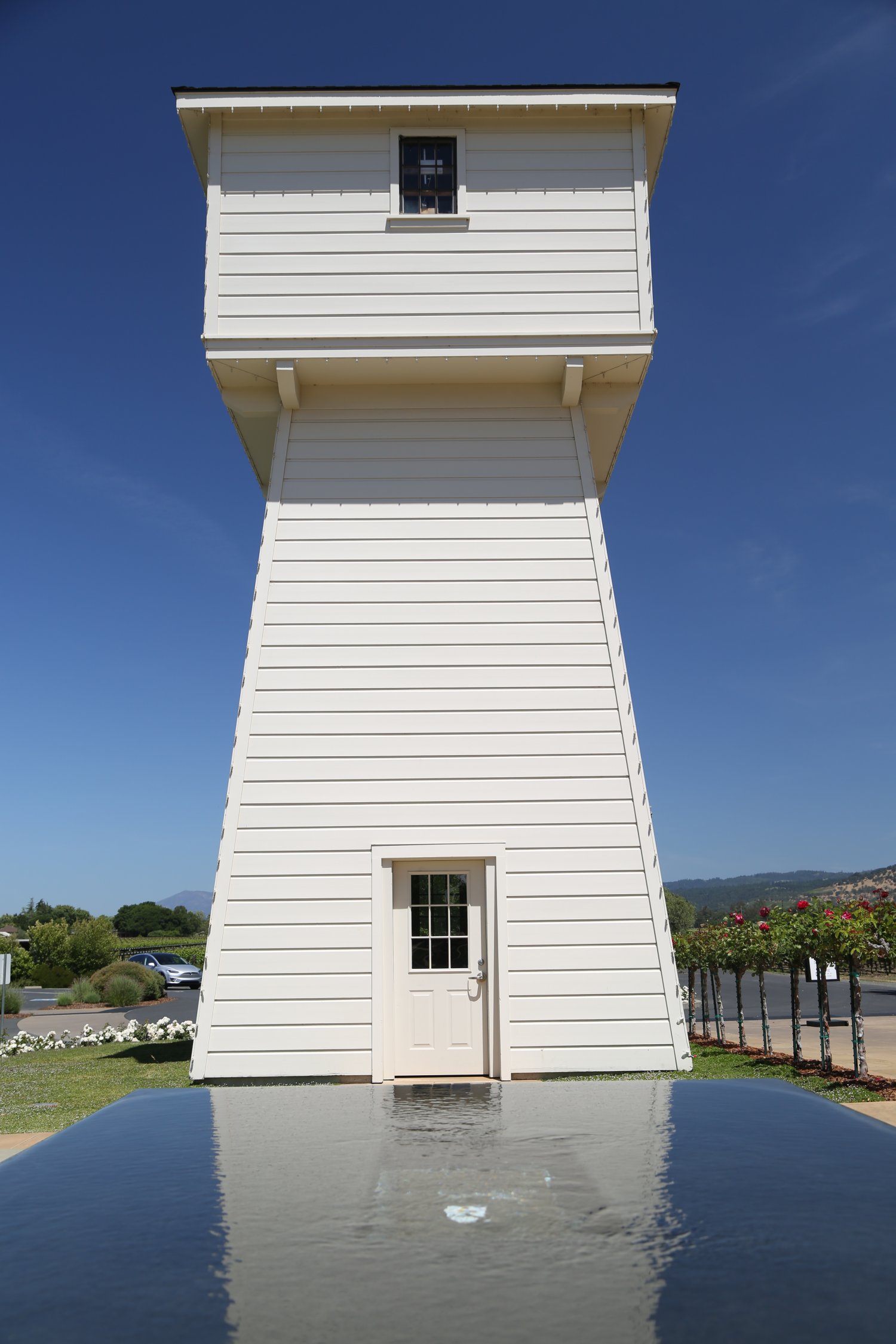
How can I acquire a Silver Oak “Life is a cabernet” license plate frame? i saw one recently and loved it. I also love Silver Oak cabernets!
Bill – Silver Oak sells these coveted license plate frames in their tasting room. You might be able to purchase them from their website or if not, check eBay or Facebook Marketplace.
Silver Oak’s commitment to fine wine is impressive! Do you think the journey to a vineyard is just as important as the destination itself? Would you drive across Napa for a wine tasting?
AJ – yes it absolutely is! Both vineyard and winery are important. From personal interest, I always gravitate towards viticulture.