



 Sequoia Grove Winery was founded in 1978 by James and Barbara Allen when the couple purchased the existing property; the winery on site was bonded in 1980 the same year as their first vintage. The current tasting room used to house the previous winery. James’ brother Steve managed the 24-acre vineyard at the time. James, a former language interpreter for the United Nations in Europe was also a founding partner of Domaine Carneros and was instrumental in creating the Rutherford sub appellation.
Prior to moving to Napa Valley, he explored the possibilities of growing grapes in other western states including Utah, Arizona, Colorado and New Mexico. Looking for a more mild climate, he left New Mexico but not before he helped found the New Mexico Wines and Vines Society.
Besides dominating the Napa Men’s Softball League in the early 1980s, winemaking efforts at Sequoia Grove were also being richly rewarded; the 1982 Sequoia Grove Estate Cabernet Sauvignon won the gold medal at the International Wine Competition in London. The 1981 Sequoia Grove Alexander Valley Cabernet Sauvignon received a platinum medal at the 1985 America Wine Competition. The wines continue to receive accolades including the 2015 Napa Valley Cabernet Sauvignon which was named one of Wine Spectator’s Top 100 wines of 2018.
Since 2002, the winery has been entirely owned by the Kopf family who own Kopbrand, a New York based wine and distribution company founded by the family in 1944. Locally, they also own St. Francis Winery in neighboring Sonoma County and 50% of Domaine Carneros in partnership with France based Taittinger.
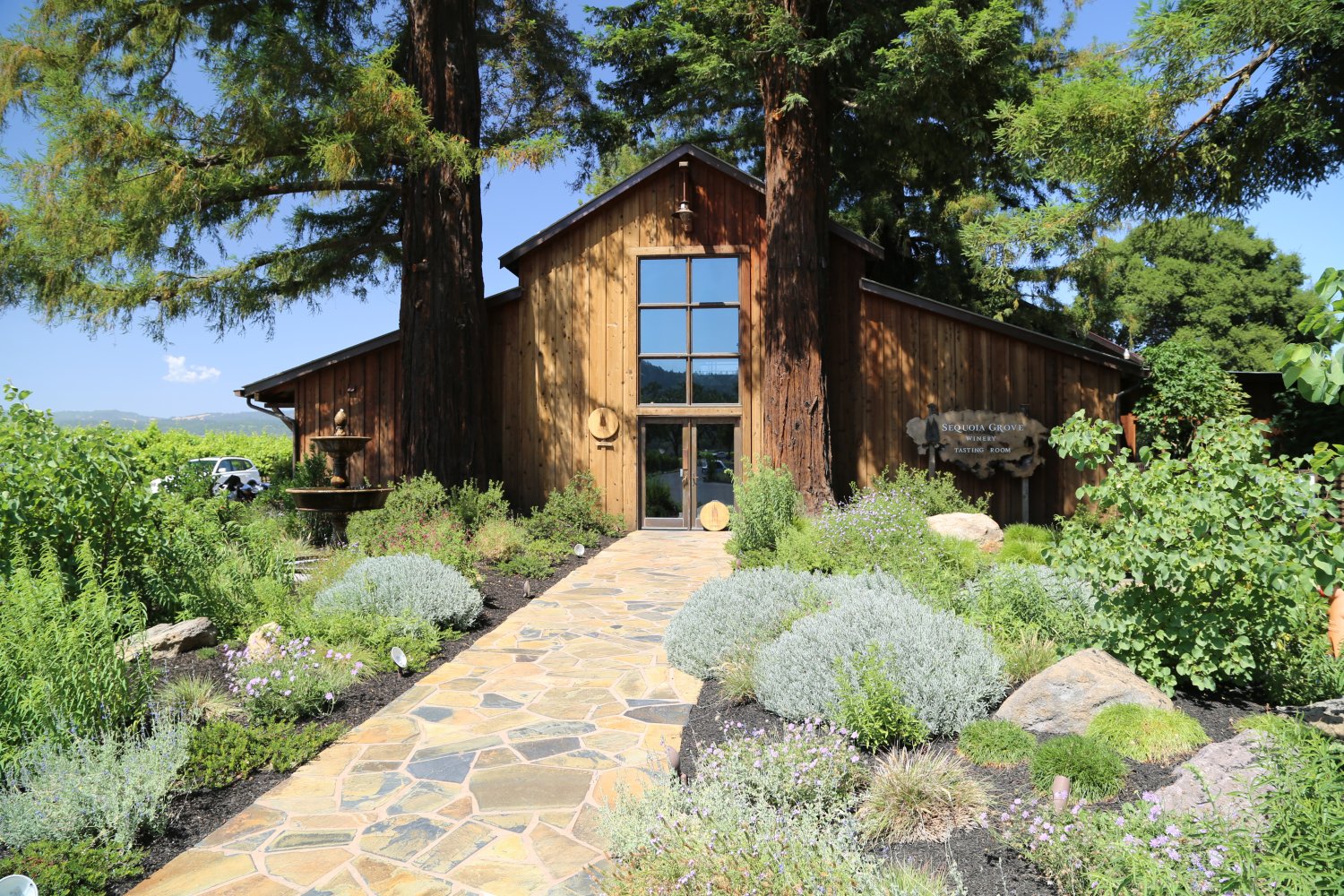
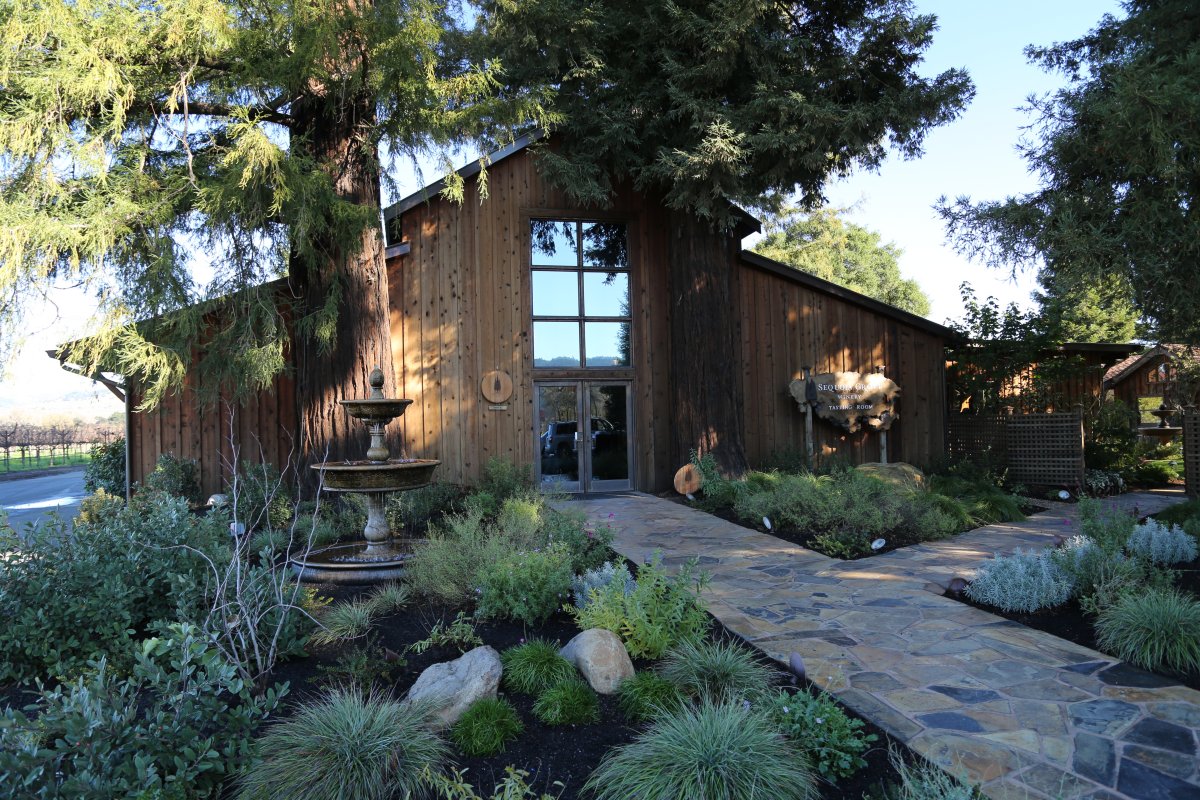
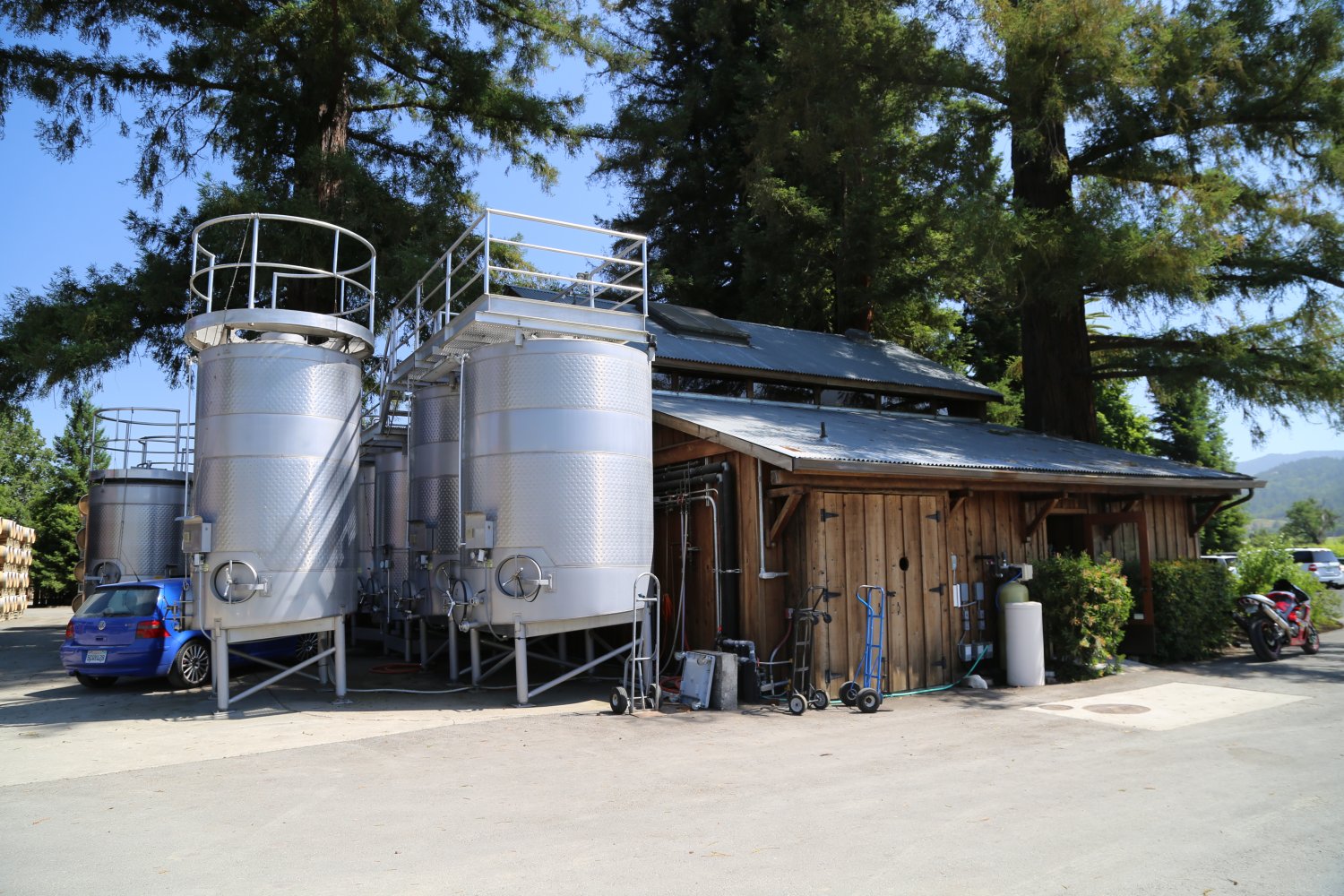
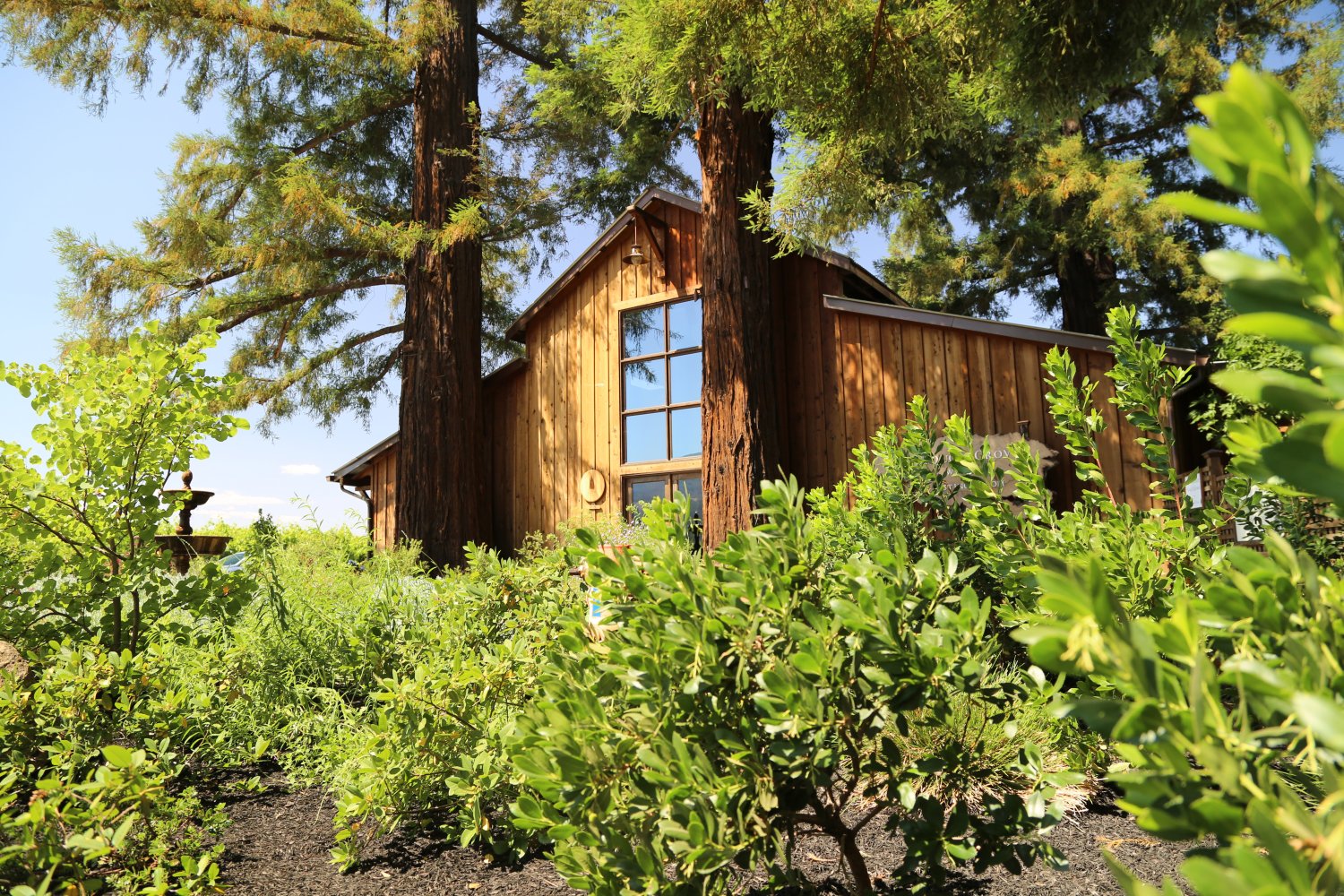
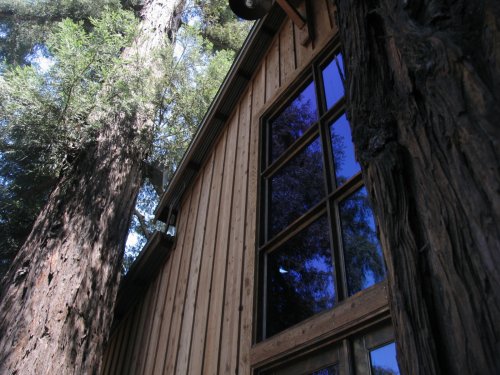
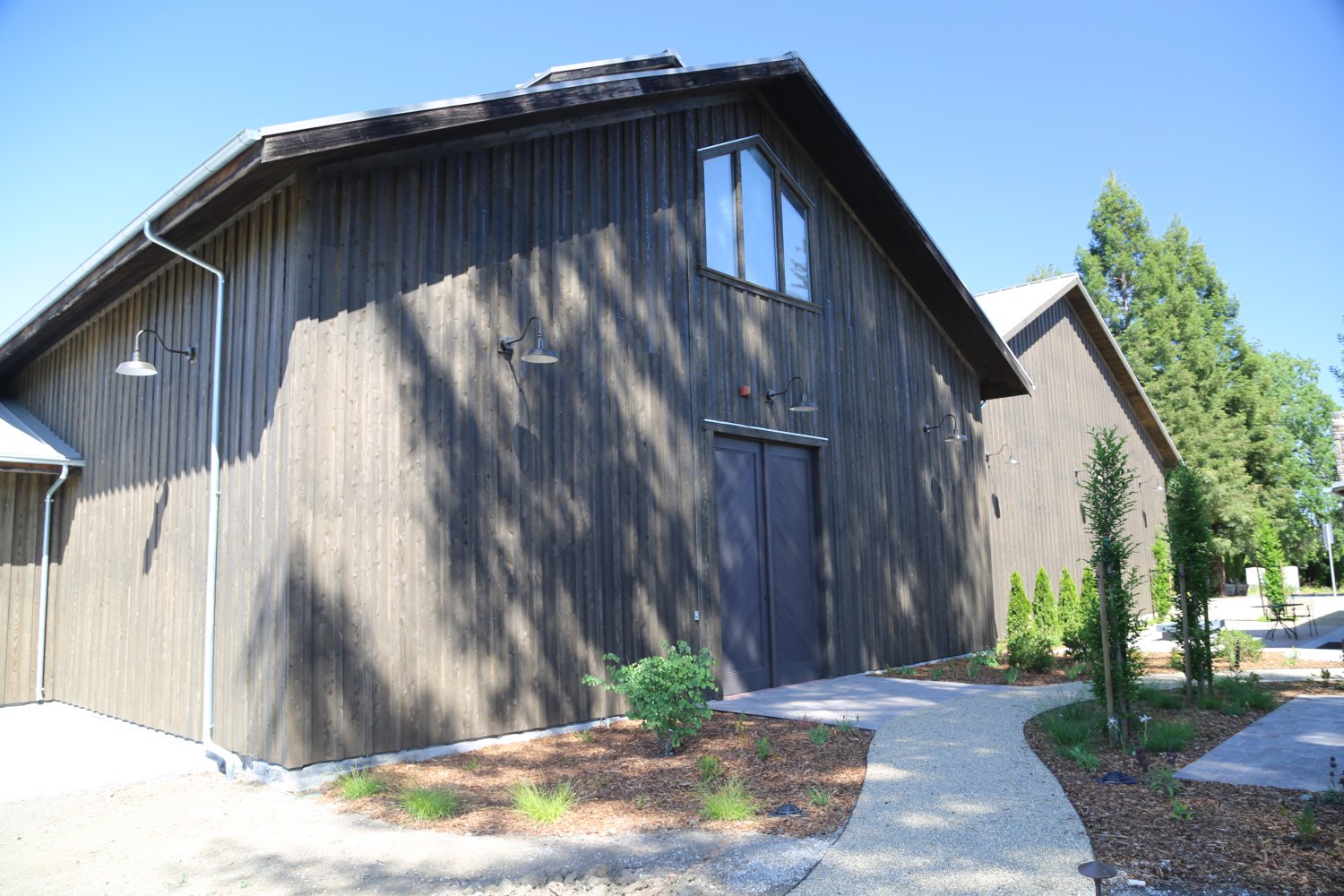
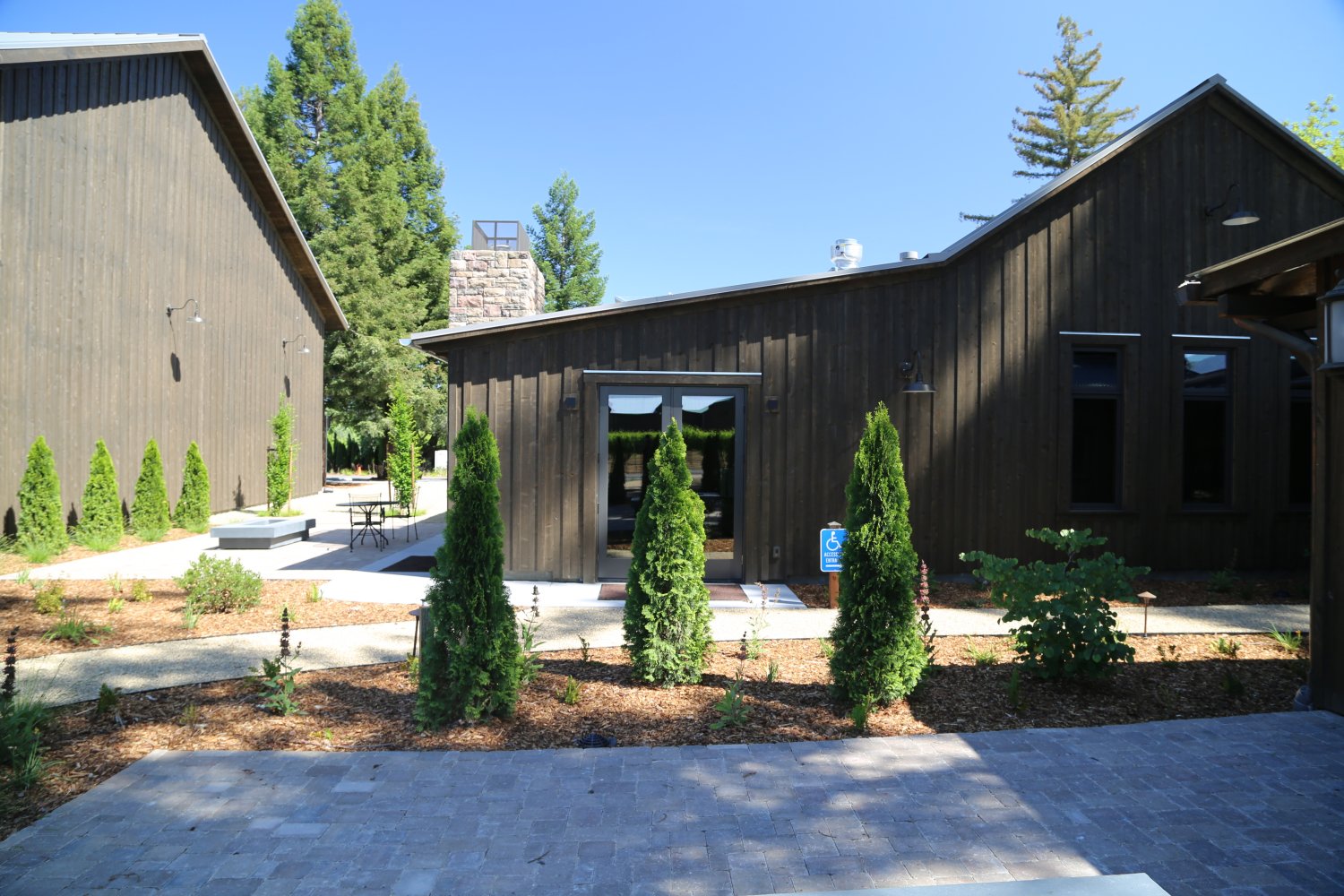
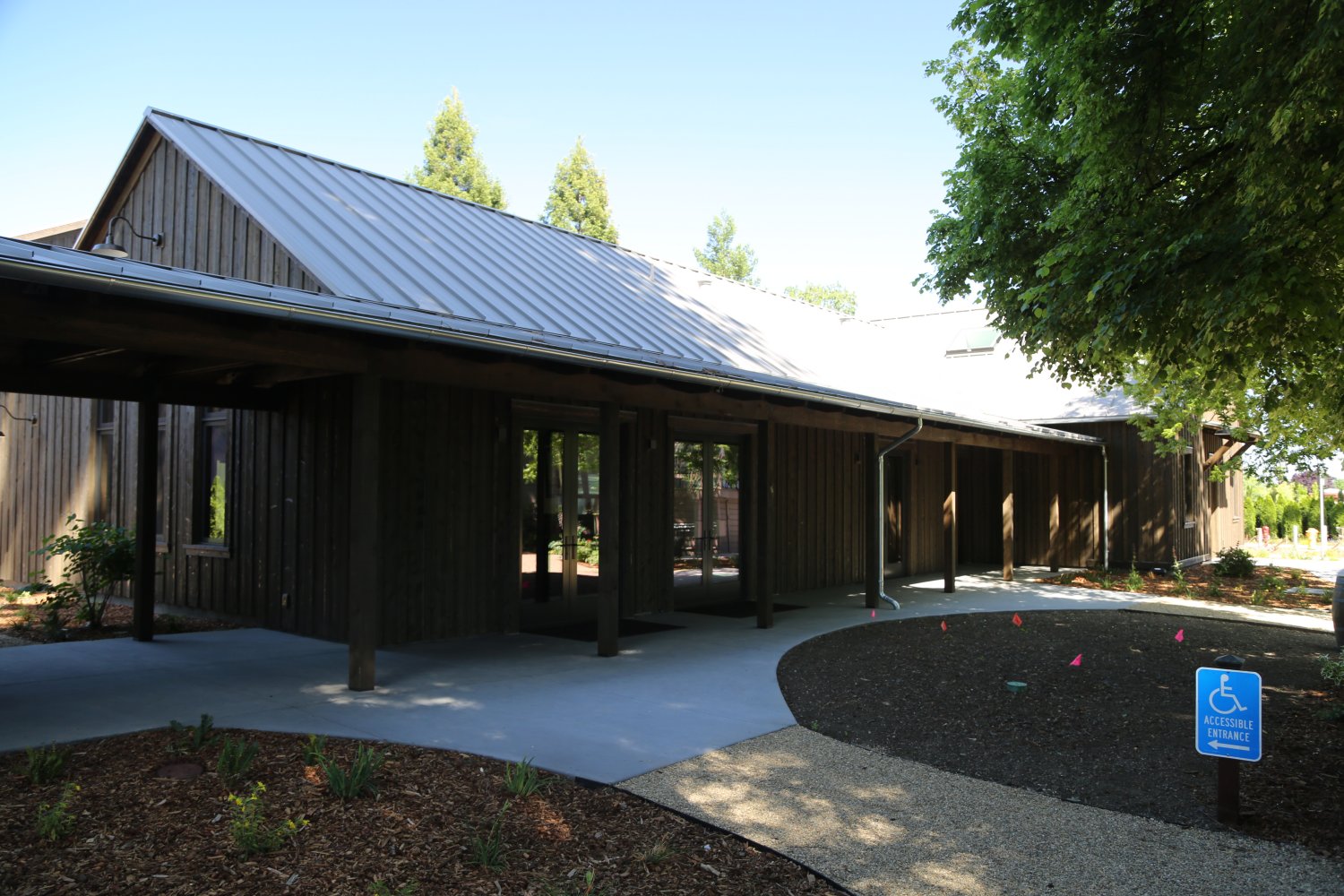
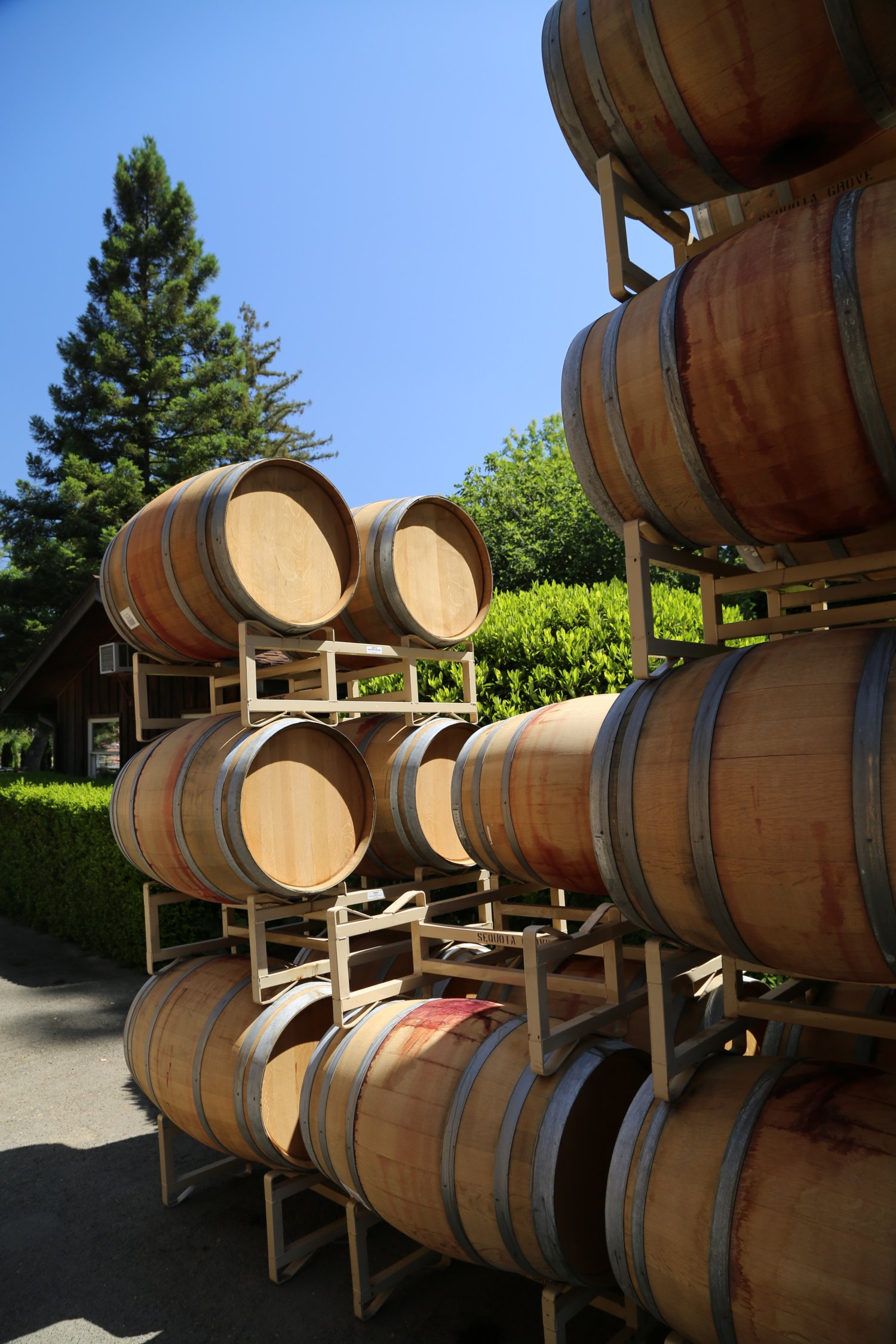
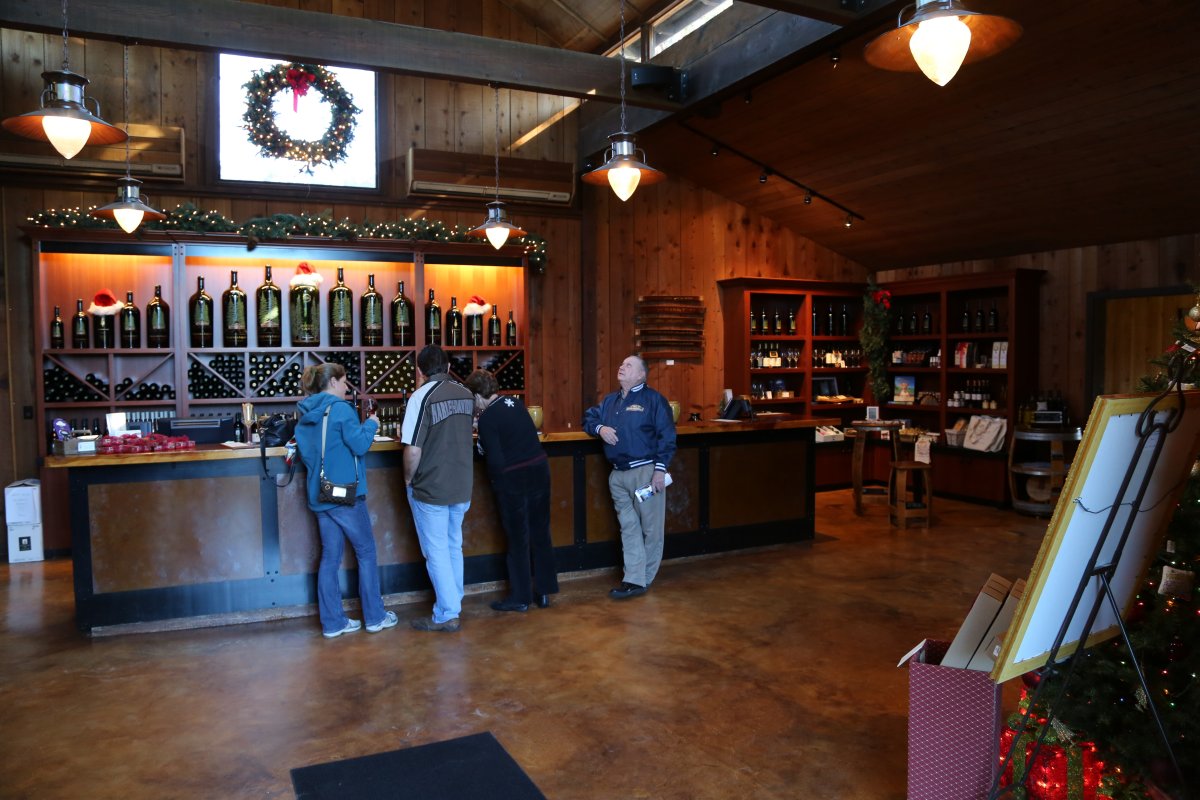
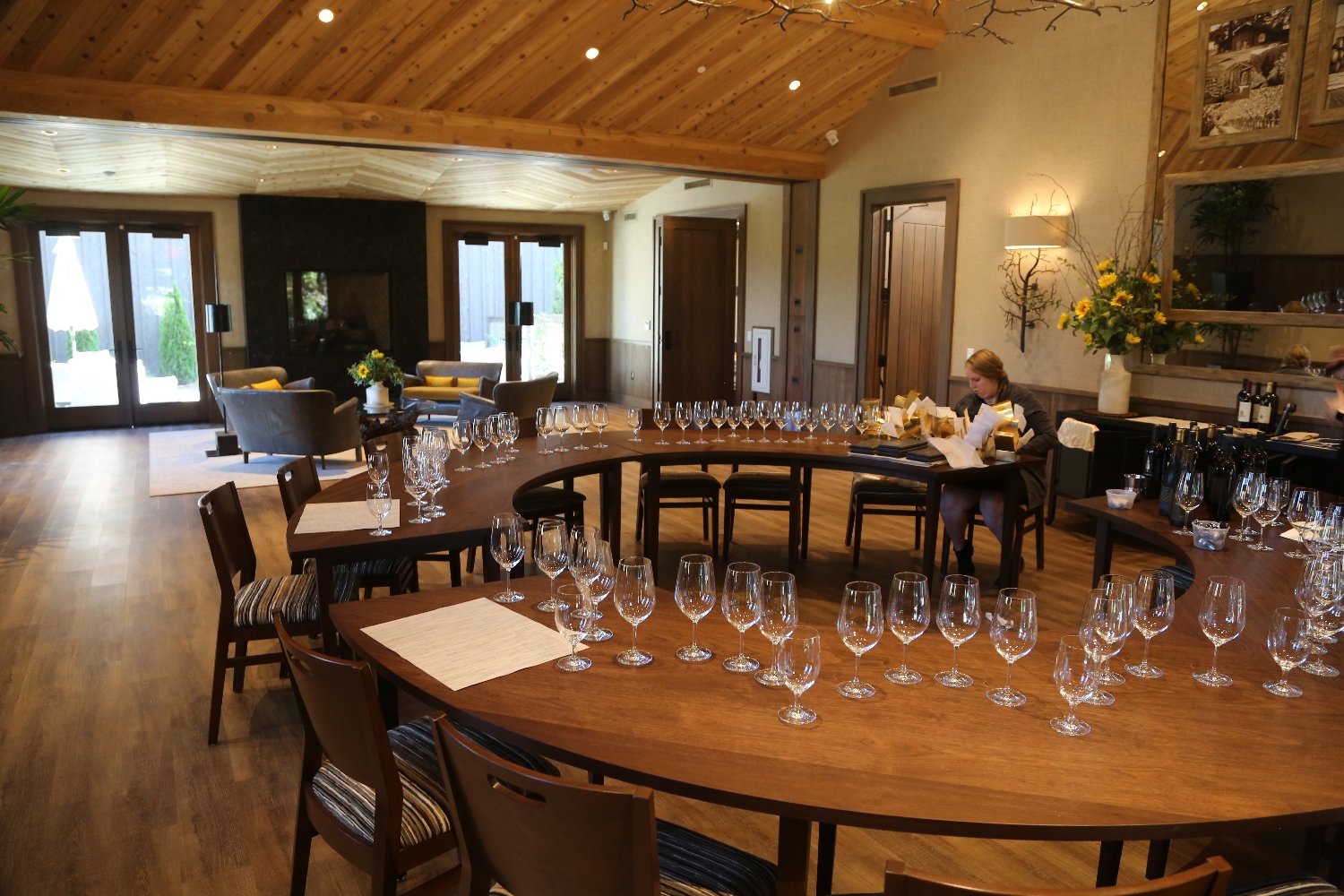
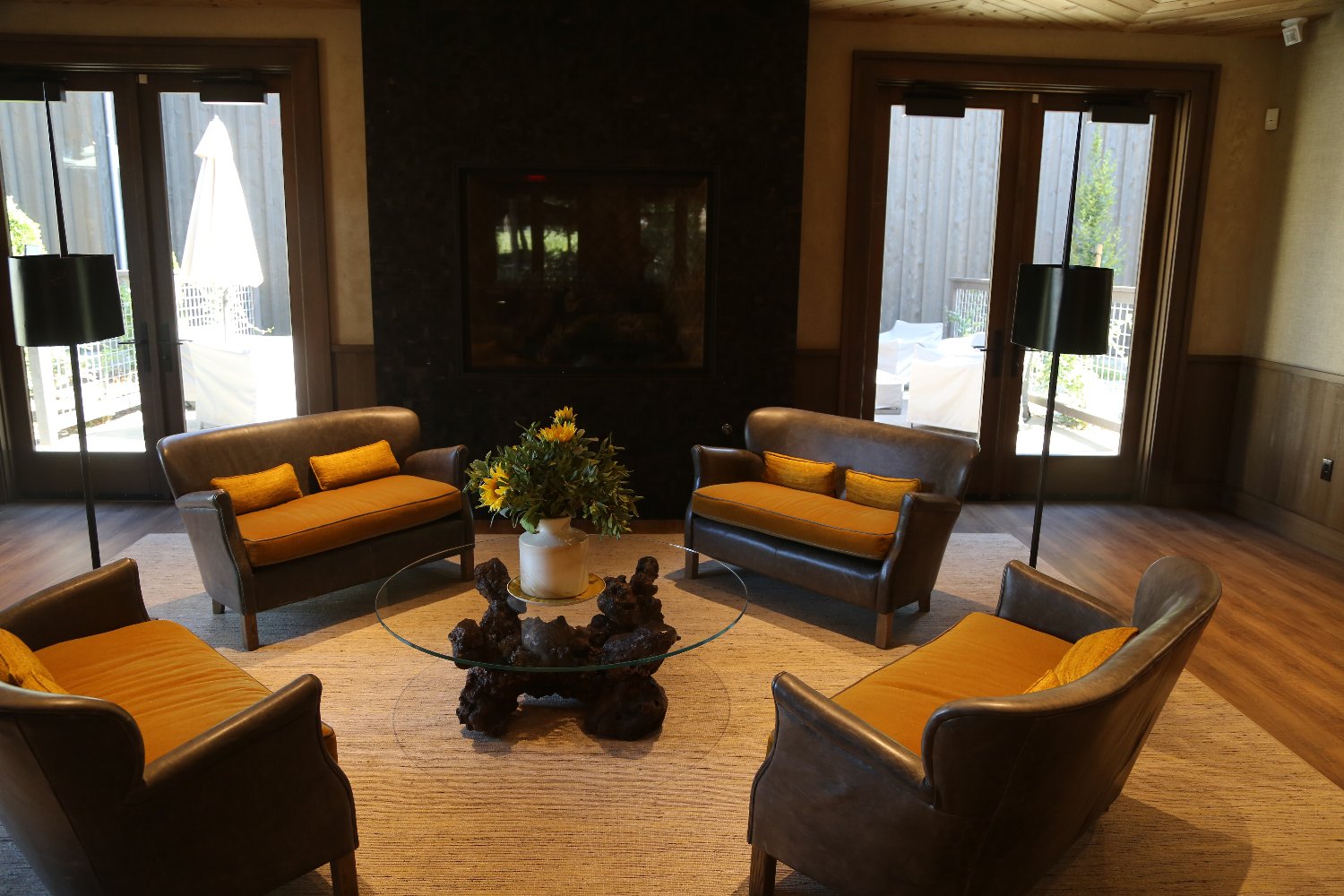
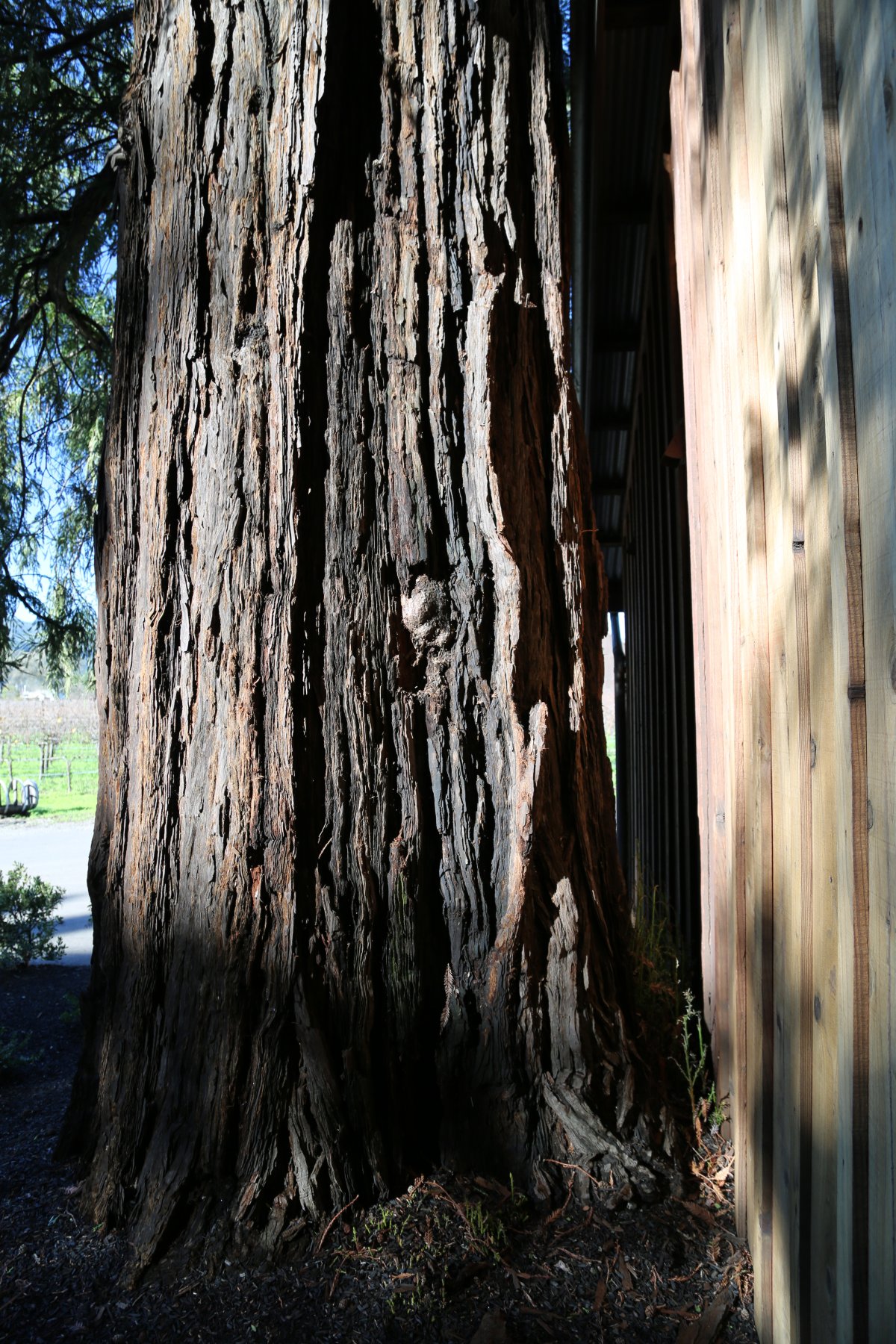
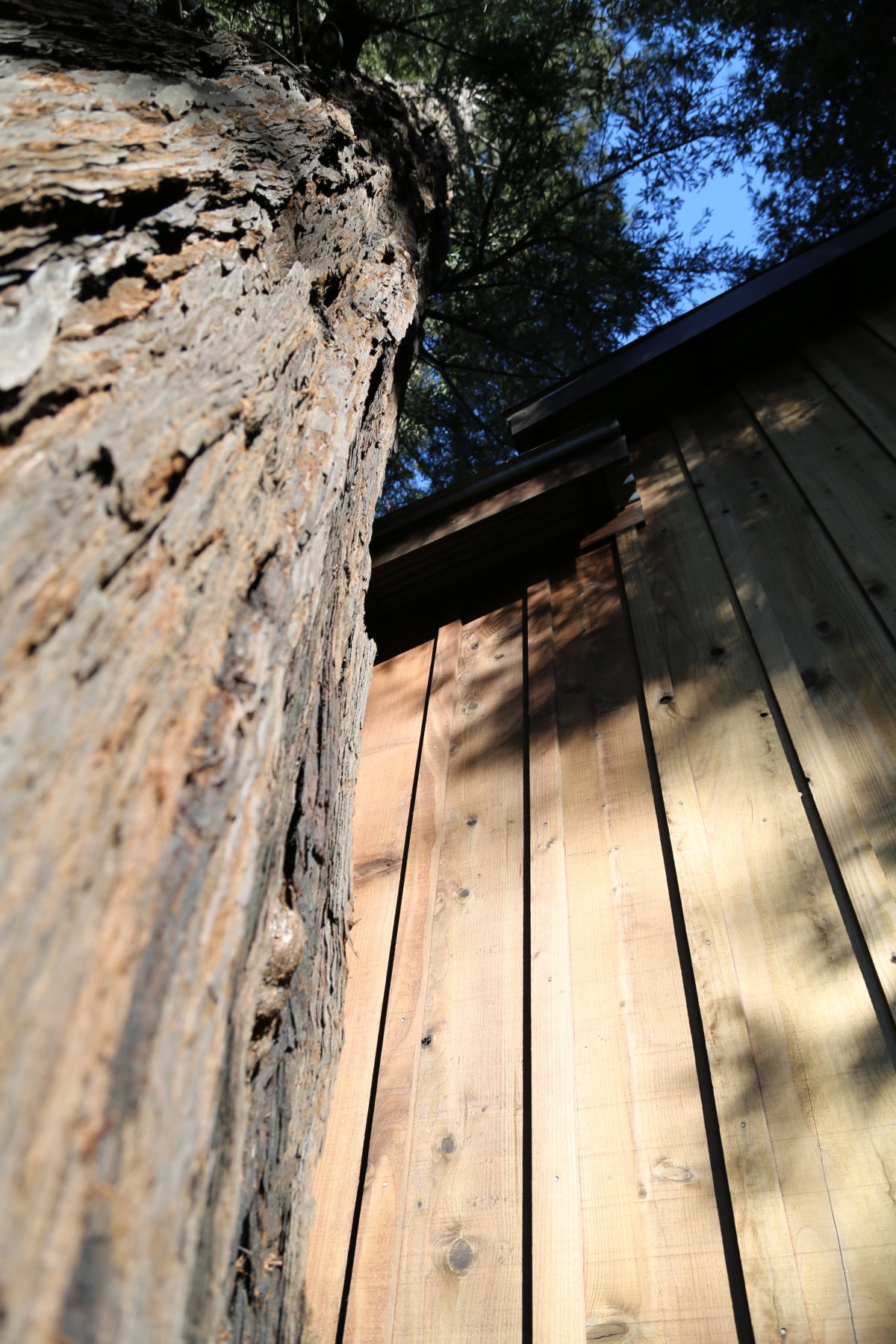
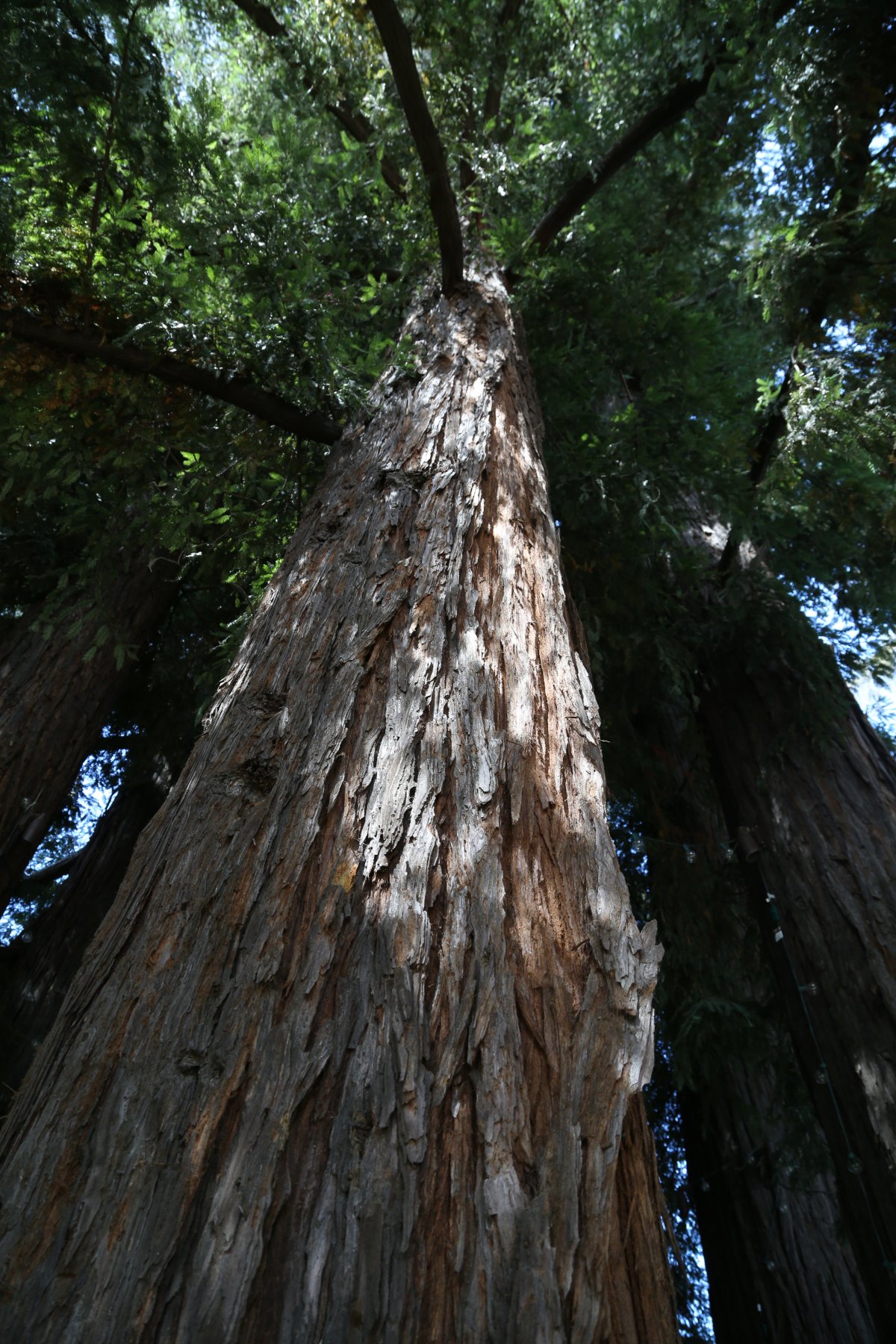
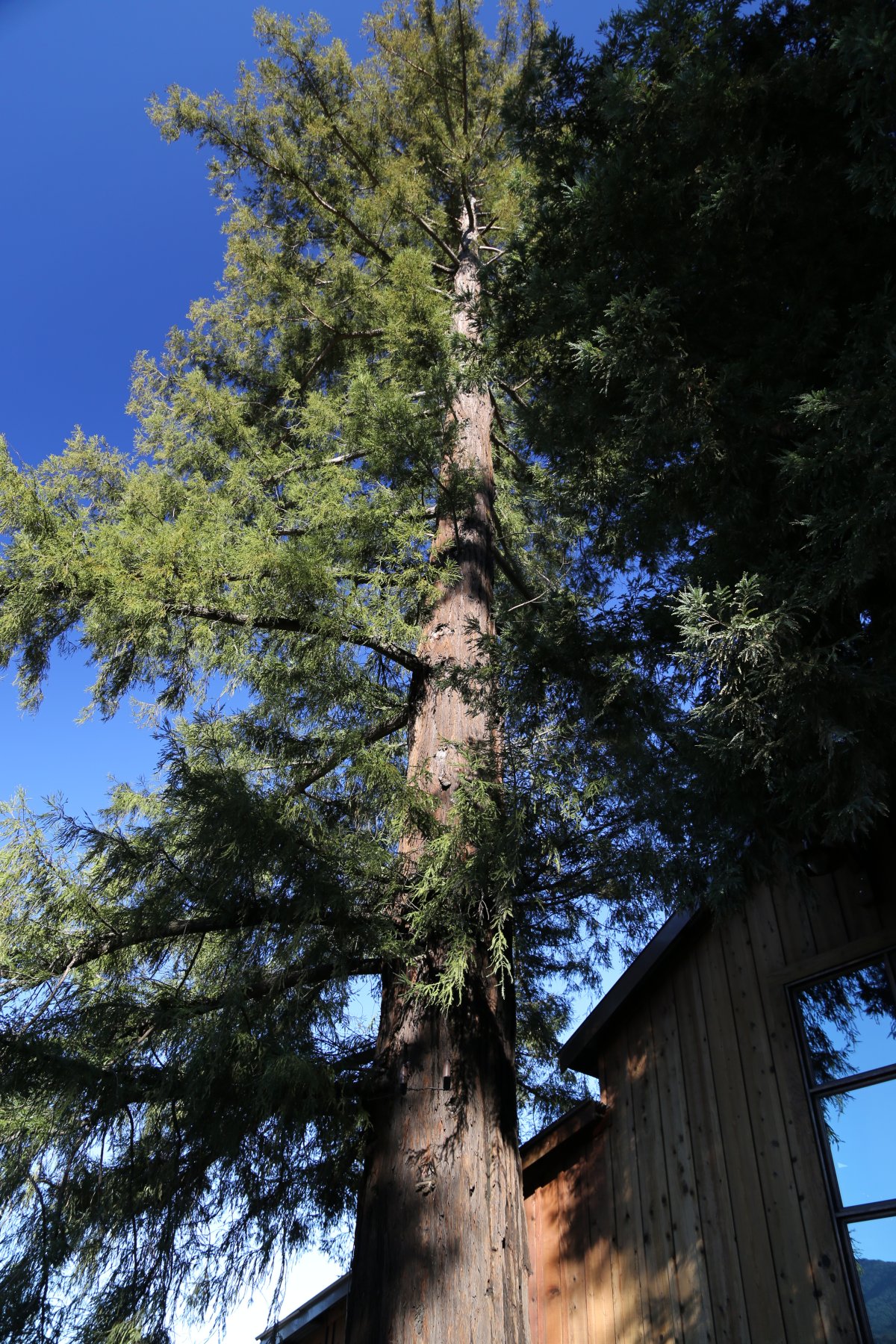
This small charming looking winery with a cozy tasting room is located in what is a renovated old barn dating from 1908, located just off of Highway 29, one mile north of the Oakville Grocery. The inside of this ‘barn’ has been excellently refurbished creating a warm, elegant and intimate tasting environment. Visitors will quickly see how the winery took its name as there are two large Sequoia trees growing right outside the main entrance to the tasting room as well as a small stand of additional trees near the picnic area, planted in 1908. The winery is located in the Rutherford sub-appellation and is located on 22 acres.
The property has a long history with numerous owners. An article in the Napa Register dated July 12, 1895 mentions the property owner at that time was Dennis Downey (born in Ireland, died in 1908). He had moved to Napa Valley in 1858 and purchased his 119 acre ranch in 1863. At the time this article was printed, he had 45 acres planted to corn and 20 acres to vineyard, although previously he had 40 acres of vines as a significant portion of his vineyards were killed by phylloxera. The the rest of his land was for pasturing. The article also mentioned he had a cellar on the property containing 25,000 gallons of wine.
He was making wine earlier than this; an article in The Napa Register dated October 4, 1889 mentions he had made 30,000 gallons this year and had made wine the previous year. His cellar was built sometime around those years as a mention in The Napa Register dated August 10, 1888 indicated Downey was soon beginning construction of his own wine cellar for a price of approximately $2,000 (a wooden building on a stone foundation).
On June 3, 1886 a large barn on the property completely burned down; Downey lost five horses, a bunch of feed and other farm implements. Unfortunately he did not carry insurance for the loss which was estimated to be $2000. Two years later the old steamship Julia blew up in port in Vallejo, killing at least 29 people. It was described as one of the worst steamship explosions ever on the west coast. And Downey witnessed the aftermath of the explosion.
Another owner, Louis Kuebeler purchase this property in 1906 and used the property as a farm for chickens, wine grapes and fruit trees through the 1930s. He died in 1942.
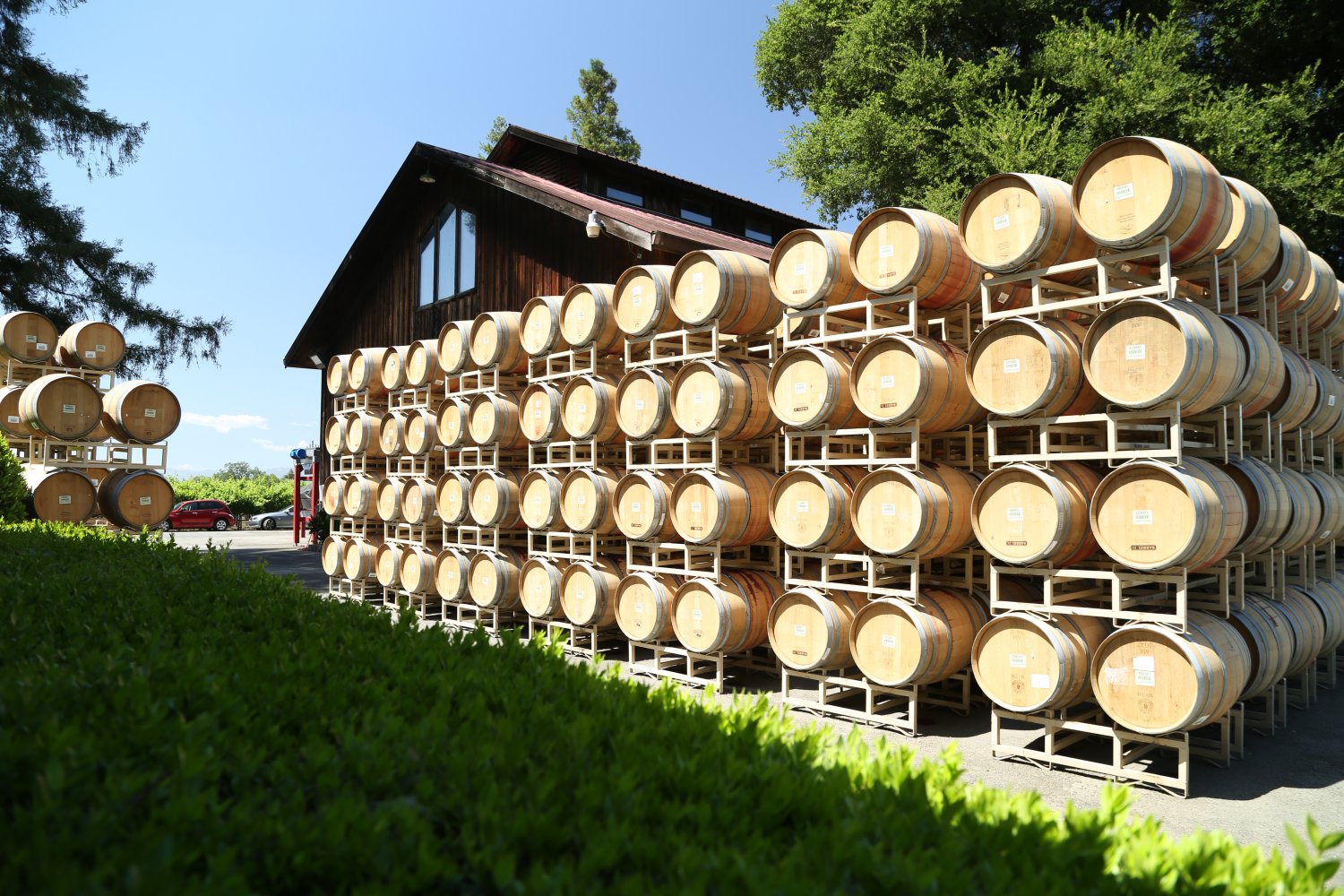
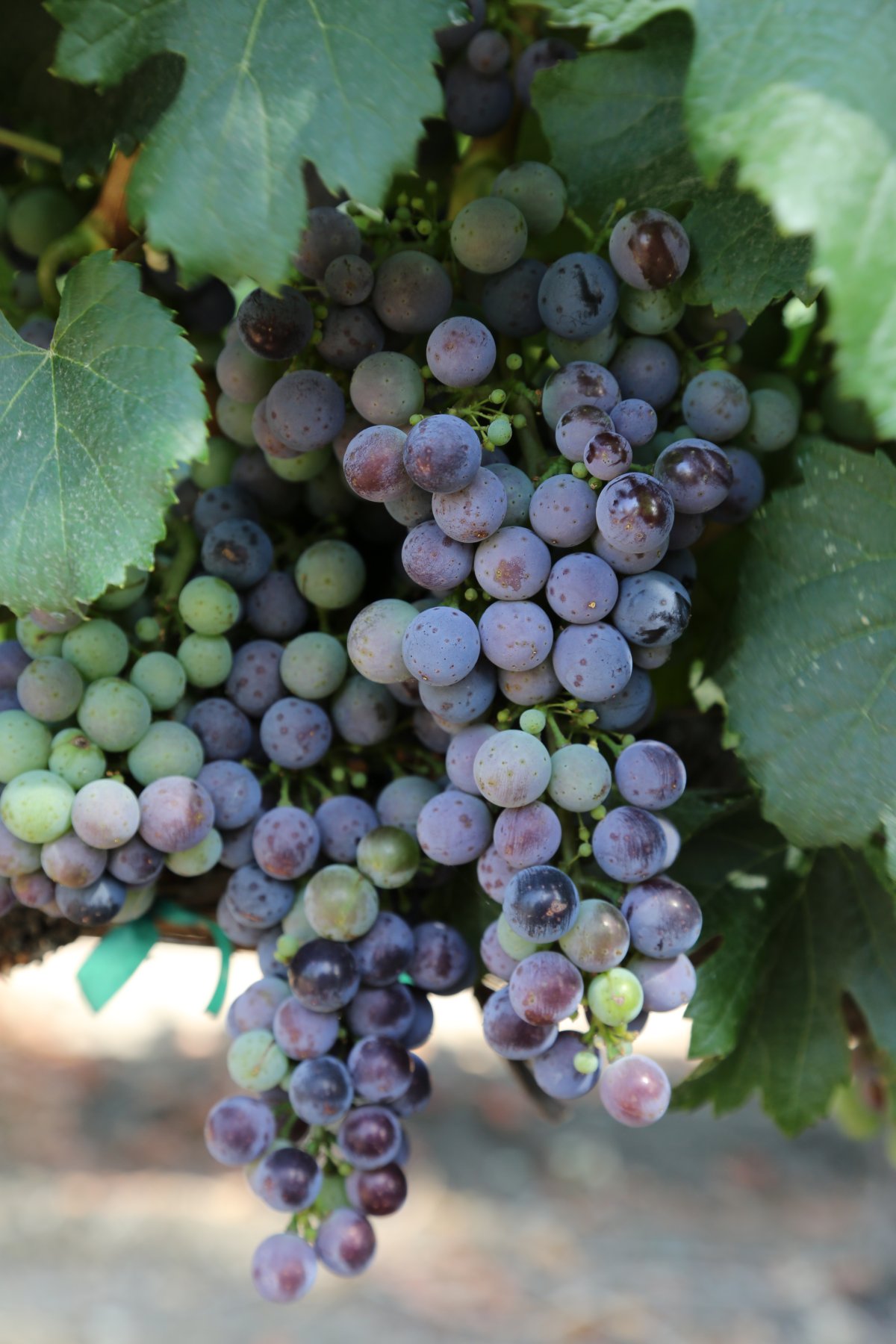
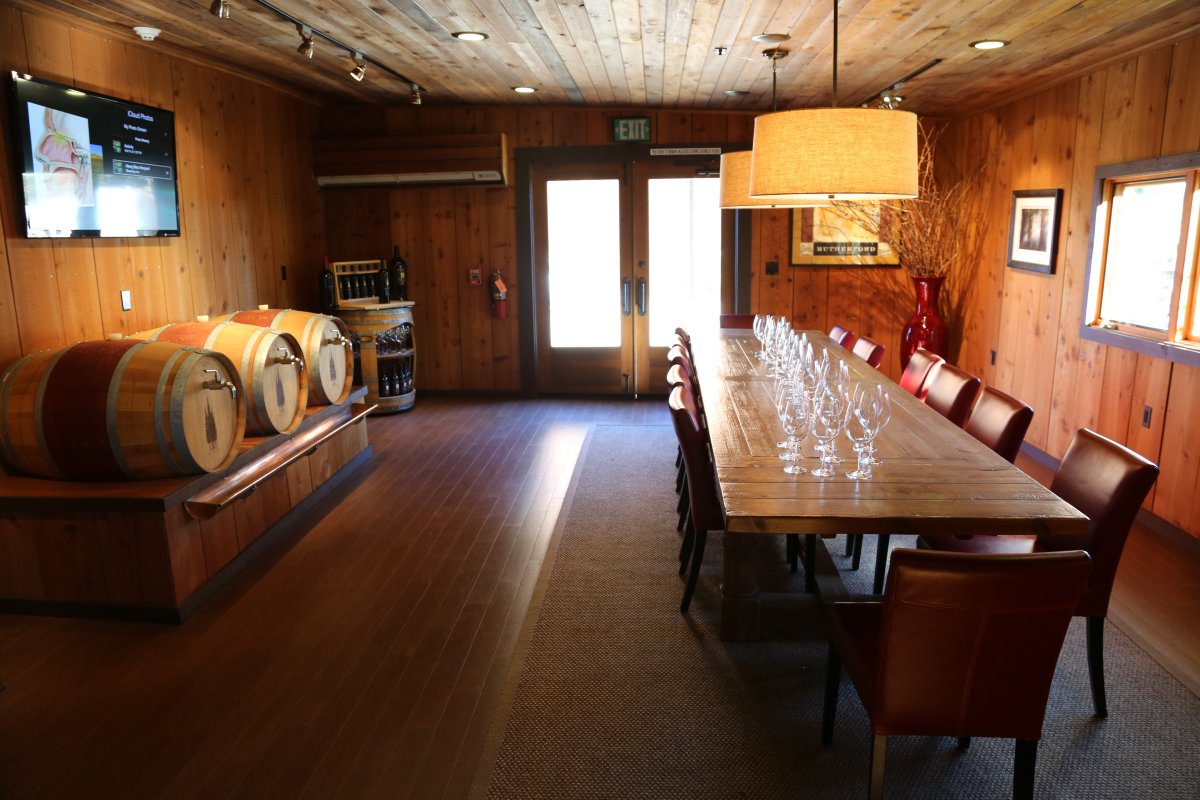
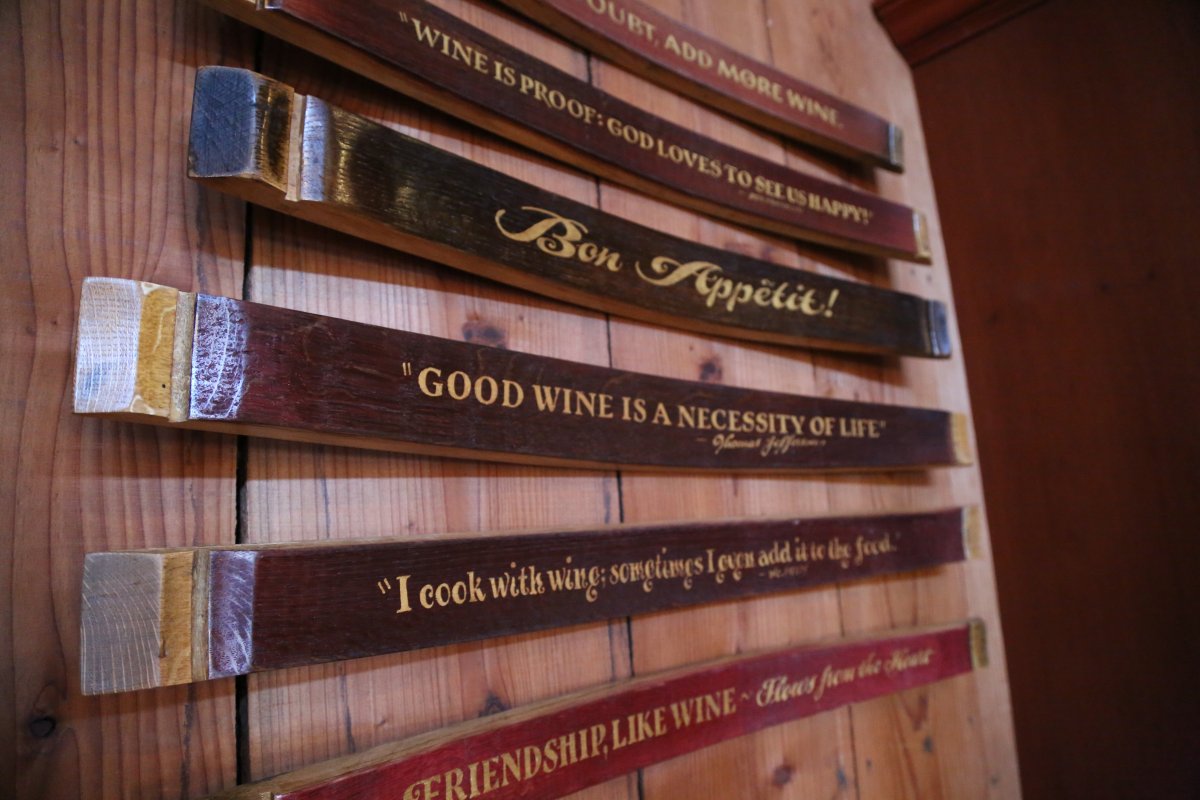
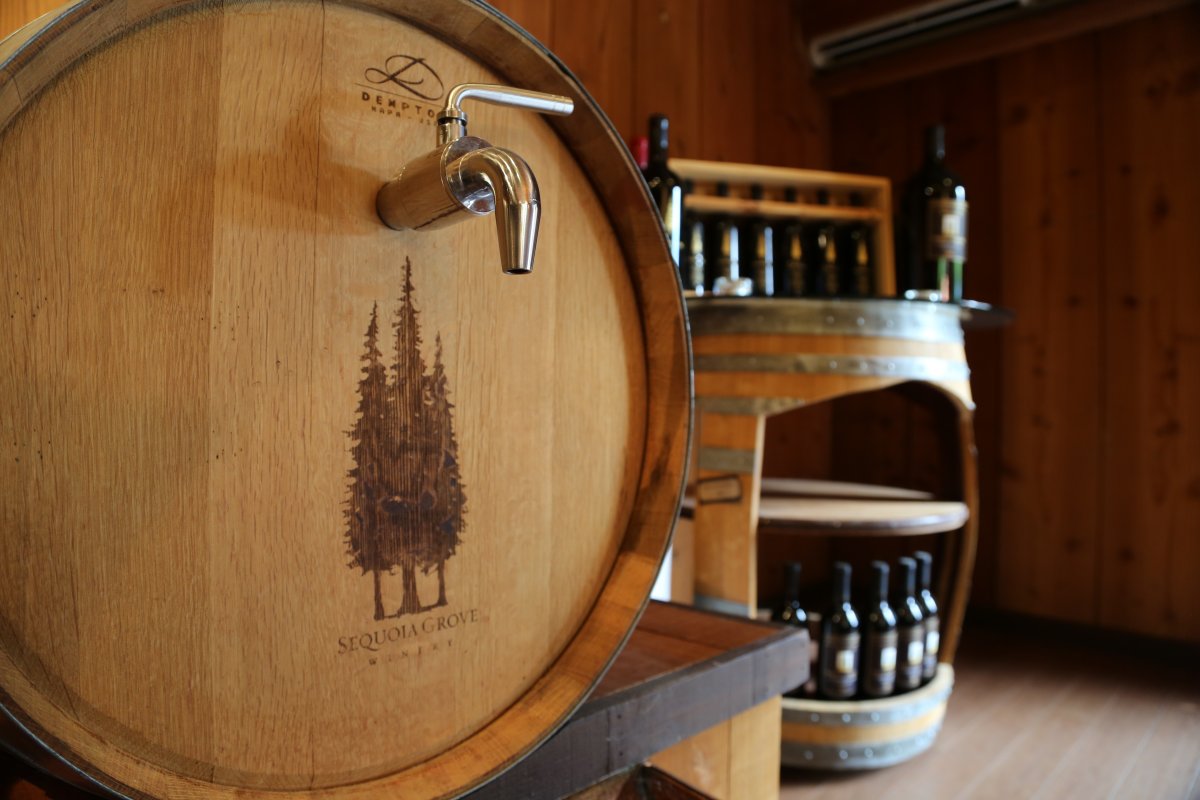
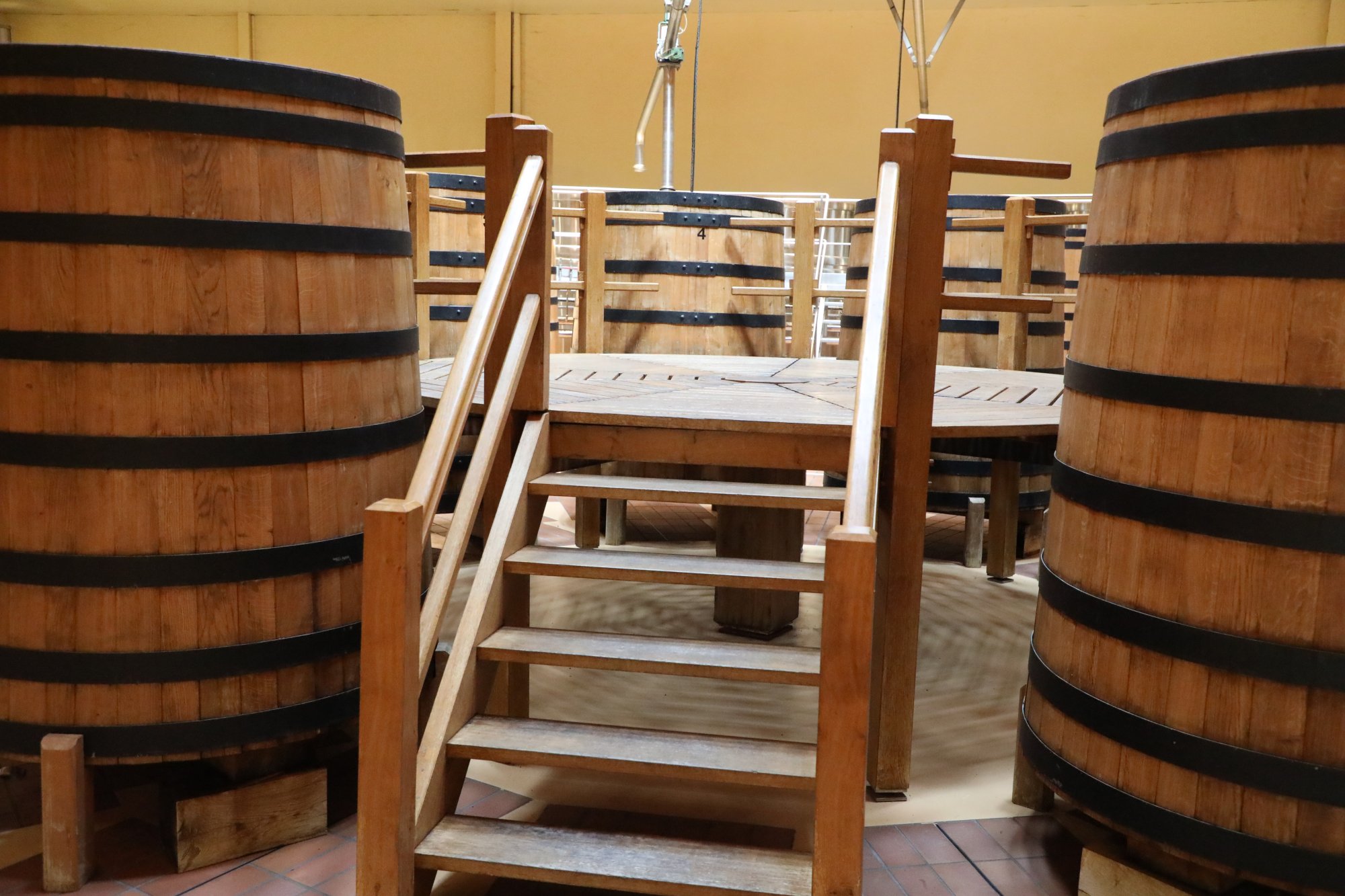
As visitors drive in, the vineyard to the right is planted with a variety of Bordeaux blending grapes. Sequoia Grove also sources grapes from select vineyards around Napa Valley. They are primarily known for their Bordeaux style, balanced and complex wines. Located next to the main entrance inside of the tasting room are large wooden vats. These are called puncheons and are wooden casks designed to hold wine during its aging. They were imported from France and reassembled on location but are no longer being used except for their aesthetic character.
If you enjoy balanced wines with rich layered flavors Sequoia Grove’s Cabernet Sauvignons will not disappoint. This variety is what they are known for; most of their Cabernet Sauvignon wines are slightly blended with other Bordeaux varieties, although we have enjoyed at least one of these wines as 100% varietal. Their wines have performed well in various wine competitions. At the time of one of our visits, one of their employees had personally visited and tasted at over 100 Napa Valley wineries; we always love when we meet other ambitious Napa Valley wine enthusiasts as it inspires and motivates us to keep going, especially when we are feeling overwhelmed with the Napa Wine Project. Currently we have visited, tasted and extensively written about more than 1,250 Napa Valley based wineries or producers and visited more than 950 spaces or places around the planet connected through ownership or heritage to wineries or brands in Napa Valley.
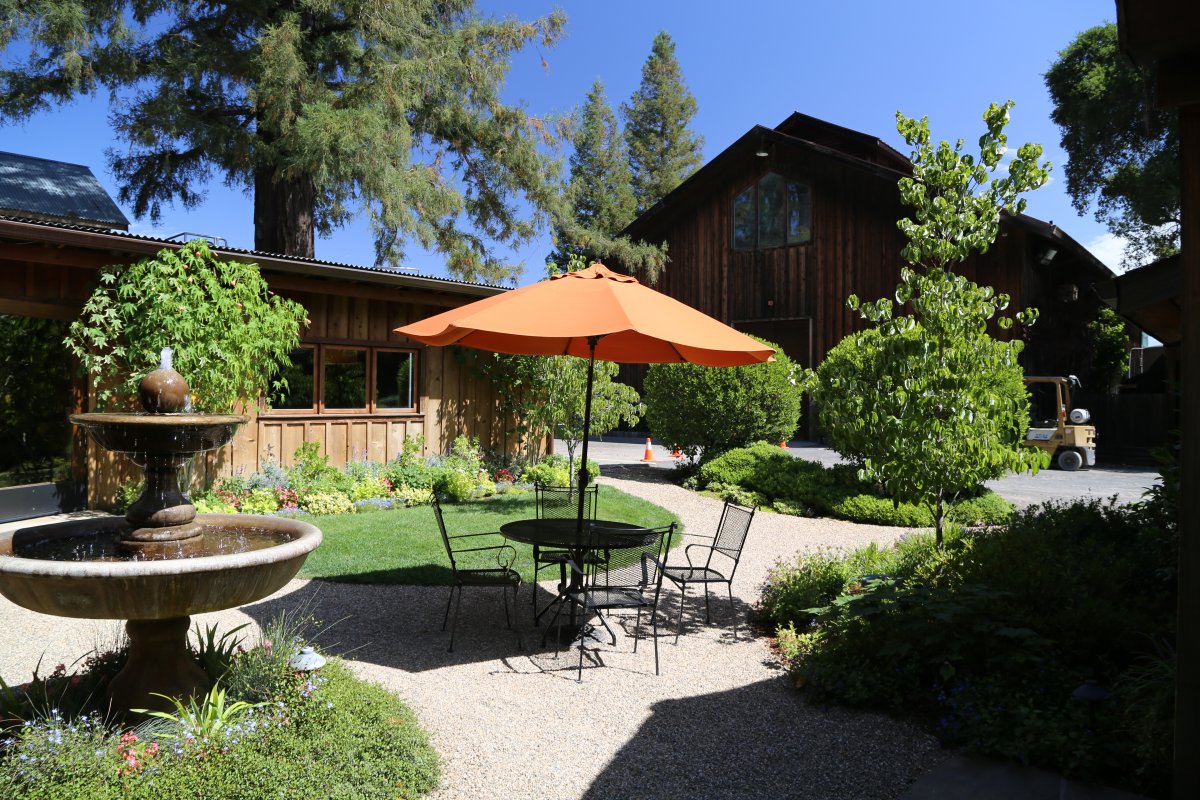
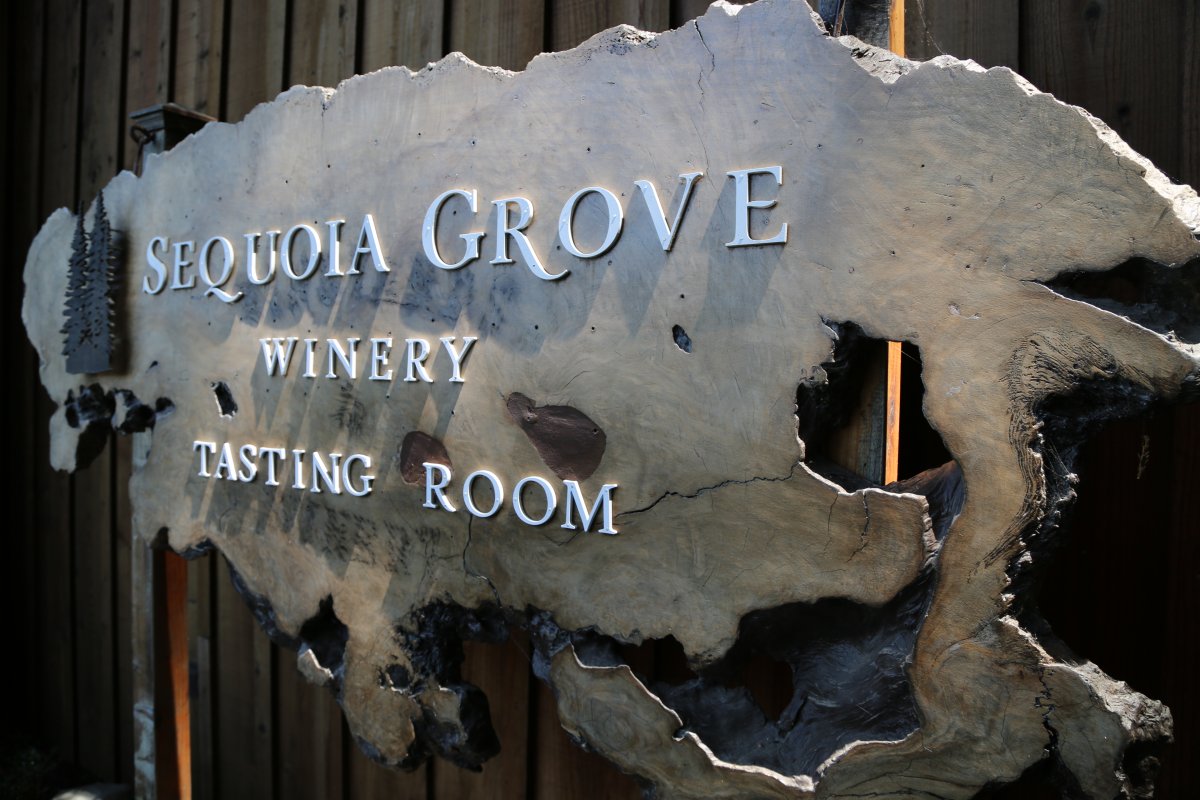 In 2003 one of the huge Sequoia trees was hit by lightning and crashed through part of the tasting room. Fortunately, everything was able to be restored. And during one of our visits to the property we spotted a shy coyote wandering among the vines; this animal came almost right up to the tasting room until he saw us approaching and quickly retreated.
Sequoia Grove makes wines from a number of vineyards ranging from the southern part of the valley (cooler) to the warmer northern reaches in Calistoga. Their Napa Valley wines comprise the majority of their total production. Wines that have much smaller production which are only available at the winery or through their wine clubs, are their Vineyard and Winemaker Series bottlings.
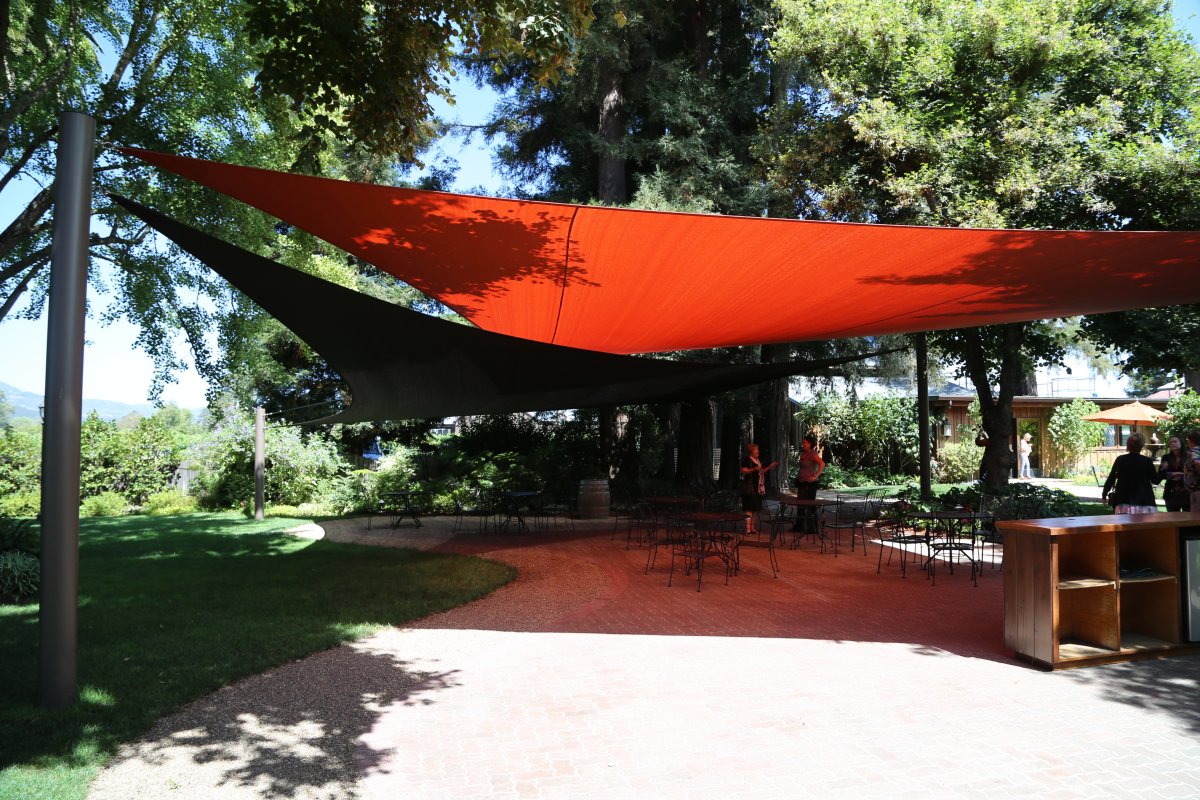
We have always found their staff helpful and friendly. A number of experiences require advance notice. Walk-in guests can choose from a Current Release Tasting or a Single Vineyard Cabernet Sauvignon Tasting; if you don’t want to taste through a flight – unlike most wineries, you can order specific wines by the glass. Very cool. Weather permitting, tastings are held outdoors in a park-like setting. And their culinary program is worth noting; an on-site winery chef prepares a number of seasonal dishes to pair with their wines. One such experience is highly intimate; sit in the kitchen and enjoy the food being prepared in front of you while with plenty of back and fort bantering.
For a number of years we used to refer to the three ‘m’s at Sequoia Grove: Morisoli Vineyard and their winemakers Mike Trujillo & Molly Hill; neither are with Sequoia Grove any longer although Sequoia Grove still produces a Morisoli Vineyard designated Cabernet Sauvignon.
Culinary Experience
Notes and photos coming by end of May 2026.
Select Wines
Whites
The 2024 Sequoia Grove Napa Valley Estate Sauvignon Blanc is pale straw in color; this wine smells vibrant with lifted aromatics of spring florals including jasmine and honeysuckle, accompanied by apricot, pineapple, lemon meringue, nectarine, and honeycomb. Minerally on the palate, this wine offers a balanced and highly enjoyable profile. Its flavors include Comice pear, yellow apples, pineapple guava, kiwi, white peach, white nectarine, a sublime note of ginger and beeswax. Light in terms of texture and flavor, this wine rolls across the palate gently with a supple mouth feel supported by a balanced acidity. Not green or grassy. And not tropical either. Saddled comfortably somewhere in between. This wine pairs best on a warm but not hot afternoon with friends seated under the trees outside at Sequoia Grove.
The 2022 Sequoia Grove Chardonnay, Napa Valley is medium gold in color; the bouquet immediately offers a honeyed note including of honeycomb and honeysuckle accompanied by stone fruit aromas of nectarine, and yellow peach. There are some tropical scents at play as well, of ripe pineapple and mango. And there are notes of dessert including creme Brule and vanilla pudding. The palate reveals flavors of baked pear, Golden delicious apple, honeycomb, melting butter, creme Brule, butterscotch and caramel. There is a perception on the palate of sweetness – from the the rich and ripe fruit, not from residual sugar. Its texture is rounded and supple, and reminded us of the soft fur felt while petting a young Miniature Schnauzer. This extended finish is flavor-filled and brightly lit. This wine drinks nicely by itself.
Rosé
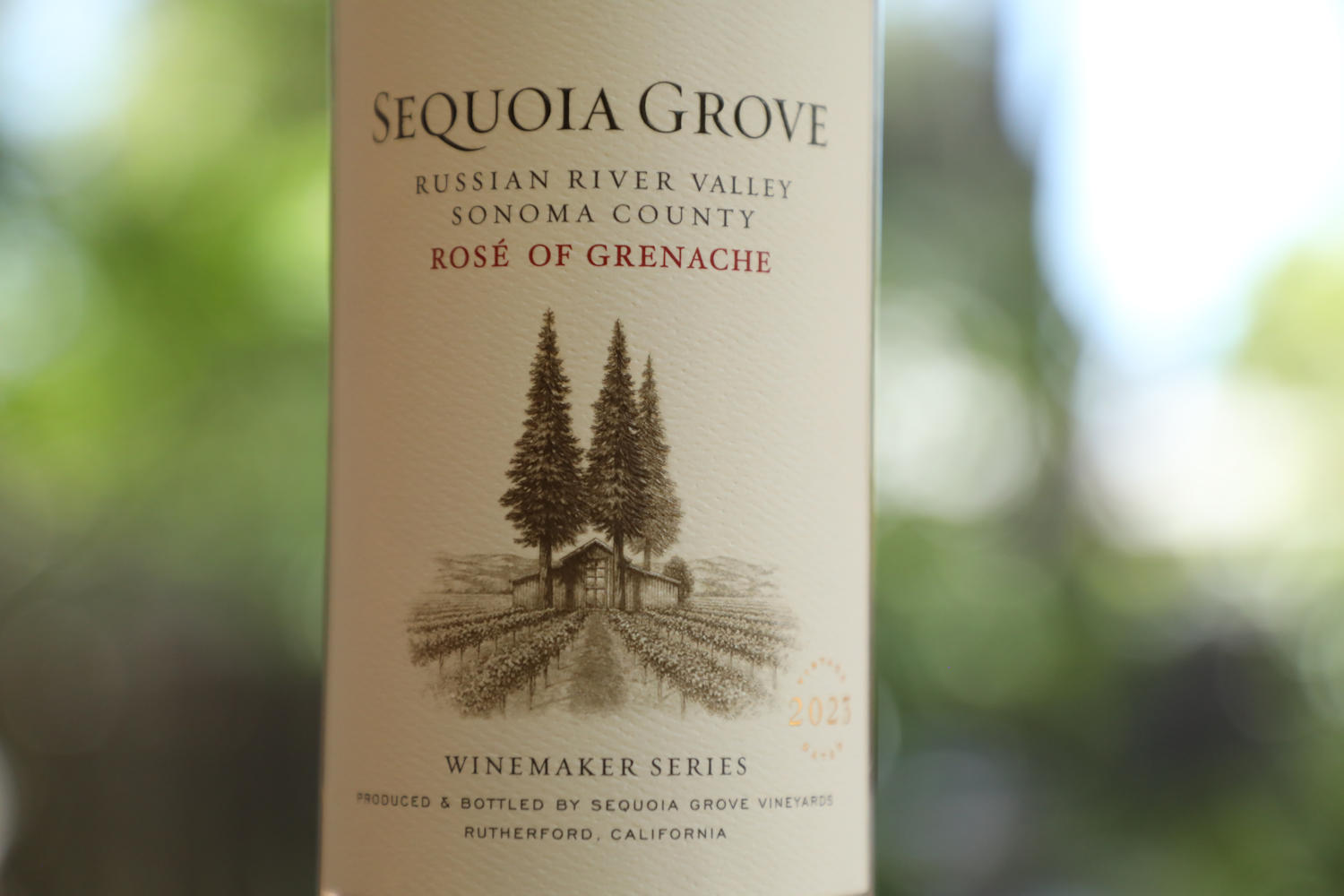
The 2023 Sequoia Grove Rosé of Grenache Russian River Valley Sonoma County (El Diablo Vineyard) is pale pink in color; the bouquet smells minerally and flinty yet also expresses a distinctive vibrancy and freshness. Its fruit aromas are of wild strawberry, lime, ruby grapefruit, rose petals and a hint of cranberry. Saddled perfectly between lively acidity, a supple and creamy texture, and delicate flavors, this wine drinks very well by itself. The palate offers notes of strawberry, raspberry, pomelo and Rainier cherry. If we had more than two thumbs, they would all be pointing up in describing this elegant and easy drinking bottling. We would love to drink this with a fresh garden salad topped with grilled fava beans and perhaps finely sliced strawberries lightly drizzled in olive oil, vinegar and sea salt. Its alcohol is a comfortable 13.1%. Made as in intentional rosé with the grapes harvested early for freshness and whole cluster pressed.
Assorted Reds
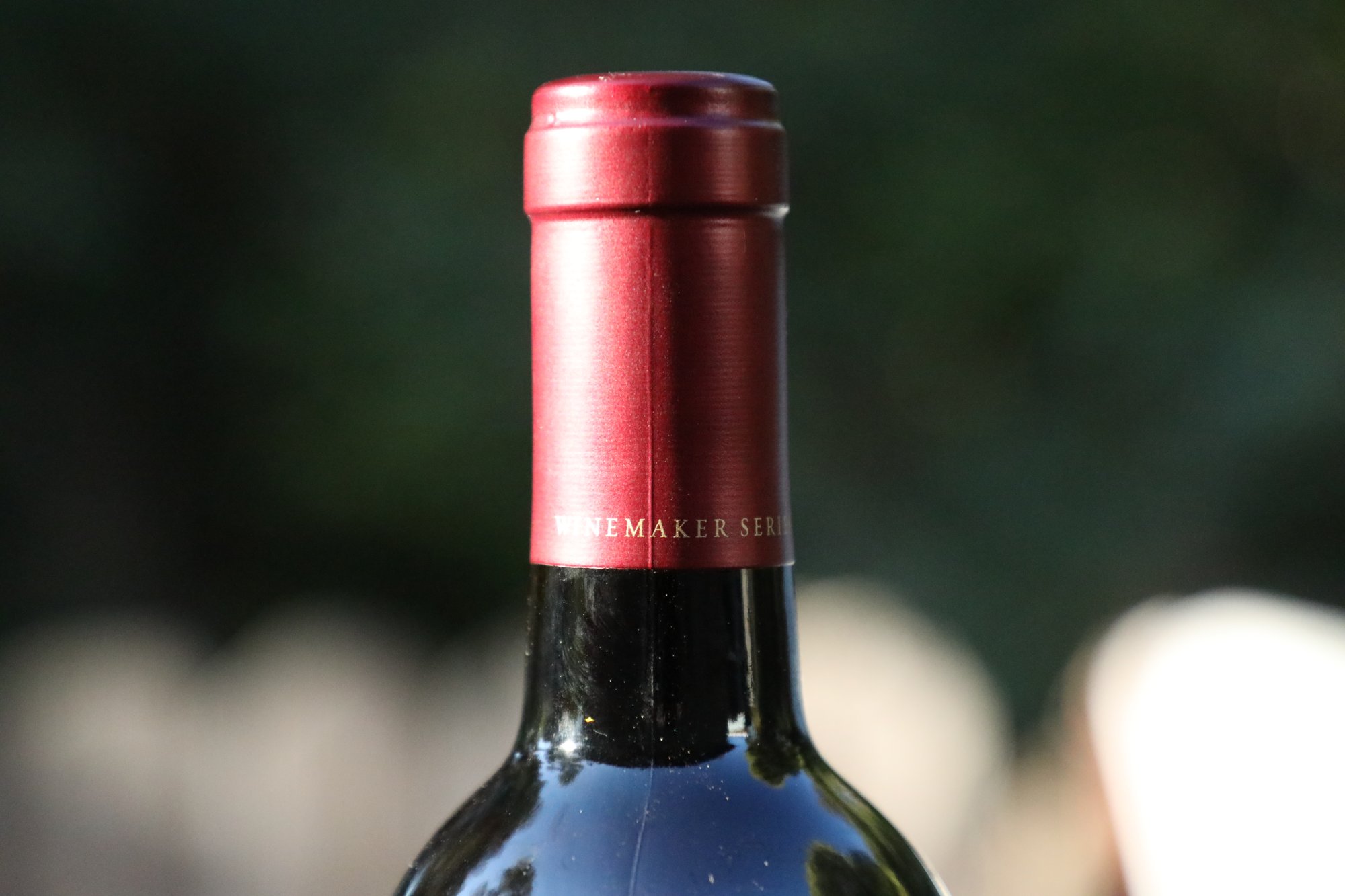 The 2021 Sequoia Grove Napa Valley Syrah is medium purple in color; the bouquet smells like bread just popped out of the toaster, bacon fat, cured meats, cedar, suede leather, dark chocolate, espresso, ground coffee beans with its fruit scents showing raisins, stewed plums and dark cherry. The palate offers plenty of fruit including blackberry, boysenberry and dark mulberry accompanied by dark chocolate. There are also flavors of dark licorice, cardamom and clove. The tannins are finely woven and rounded, presenting an approachable texture, even in its youth. The fruit parallels the texture on the finish. For reference, we tasted this wine three years post vintage.
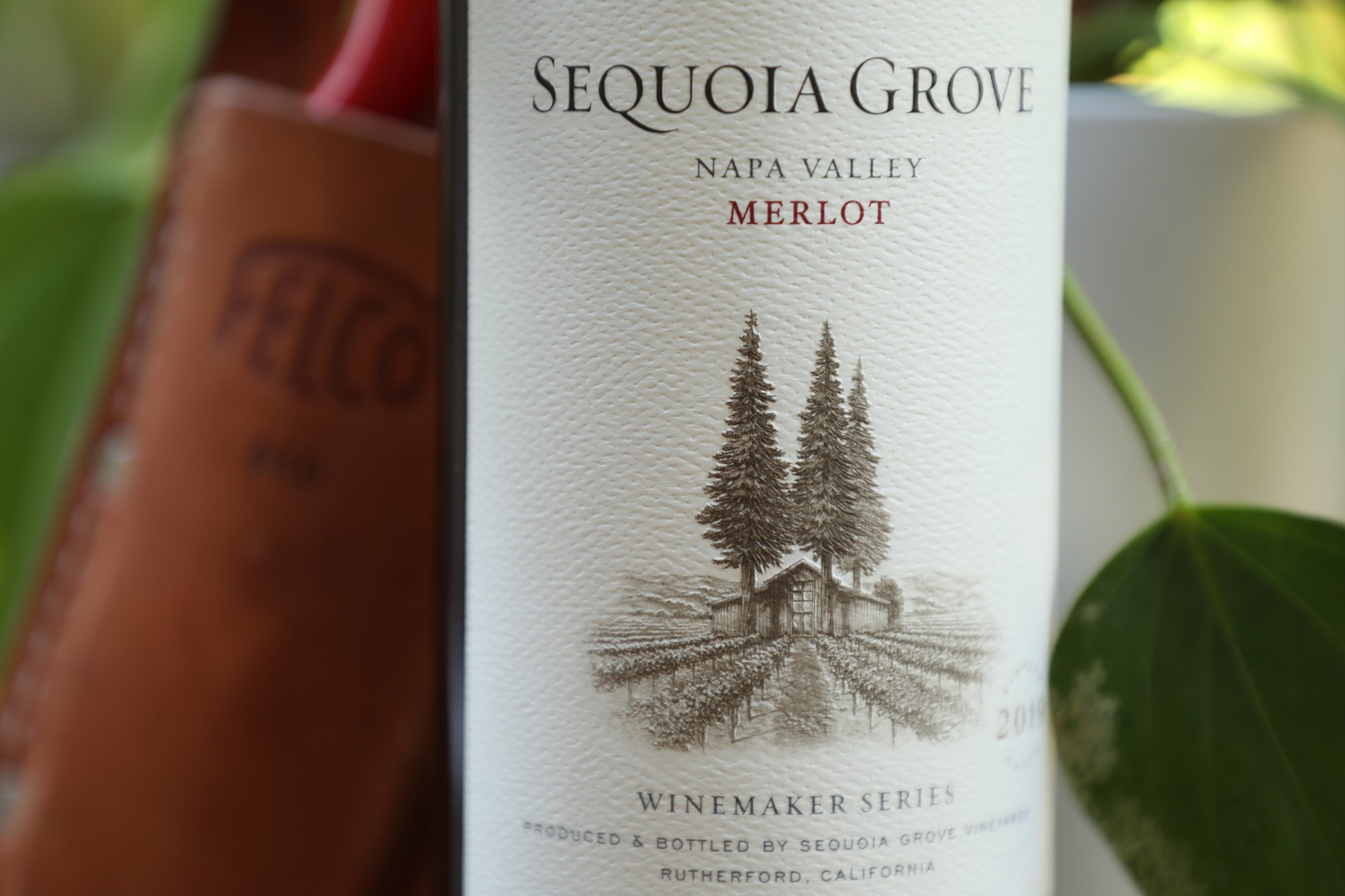
The 2019 Sequoia Grove Merlot, Napa Valley is 100% varietal, sourced from the Johnson Vineyard in Yountville, Stagecoach Vineyard on Atlas Peak and the former Henry Brothers Vineyard on Howell Mountain. Prior to inoculation for fermentation, the grapes were cold soaked; during fermentation the wine was pumped over daily. Post fermentation the wine was moved to barrel for its aging and was racked several times prior to bottling. This wine is deep ruby and nearly opaque; the bouquet is a pretty union of both red fruits and baking spices. These scents include dark raspberry, blackberry, boysenberry jam, red plums, strawberry, cinnamon, cloves, sweet tobacco, smoked cedar, thyme and sage. Balanced and easy drinking its fruited flavors include cherry, dark raspberry and pomegranate with some dark and savory undertones including dried sage, bay leaf, dried tobacco leaf, white pepper and cedar. The tannins are well tumbled and linger with a light gravelly and dusty character felt mostly on the front of the palate.
The 2019 Sequoia Grove Cabernet Franc is deep ruby and almost purple. The bouquet is floral including violets, accompanied by red berries, dried sage, red chili spice nose and light cedar. This wine smells simultaneously elegant but also sports plenty of fruit. Superbly balanced, its flavors include raspberry, currant and cherry. The finish is bright and doesn’t quite cross into the territory of being tart. Lingers with a light dusty character and assorted dried herbs accompanied by fine-grained and polished tannins which feel slightly chalky. This is an easy drinking and comfortable bottling. Savory. This wine earned a Gold Medal from the Press Democrat North Coast Wine Challenge.
Cabernet Sauvignon
The 2021 Sequoia Grove Cabernet Sauvignon, Napa Valley is deep ruby in color and nearly opaque; after our annual three month winter break from wine in Thailand, this is one of the first wines we are enjoying upon our return. It offers the “Napa Cab Sav nose”, expressing so much fruit, ripeness and oak all rolled up in one aromatic profile. The bouquet offers scents of blackberry, black cherry and boysenberry, accompanied by toasted oak, old cedar box, dark pepper, a gamey and savory character and assorted dried herbs. As the wine evolves it offers a note of espresso. Ripe but balanced across the palate, especially in terms of its bright acidity, this wine tastes like blackberry, Persian mulberry, toasted oak, dark chocolate, crushed peppercorn, dried bay leaf and dried sage. The moderately gripping tannins persist with a gravelly, dusty, drying and gritty character. Savory. Dark. Gamey. This wine would be a perfect pairing with a thick and juicy ribeye on the BBQ covered in a spicy dry rub.
The 2012 Sequoia Grove Christian Cabernet Sauvignon is sourced from a tiny 4-acre vineyard in Coombsville. This is a noticeably dark wine in the glass. The bouquet is initially smoky before gradually opening to reveal an earthy character reminiscent of a tractor discing up dry soil, a distinctly and terroir-driven aromatic note. With additional time in the glass, further layers emerge including black licorice, dark plum, cedar, and subtle hints of dried tobacco and cocoa. On the palate, the wine is supple and rounded on the entry with a juicy component driven by lively acidity that keeps the darker fruit flavors fresh and energetic. Notes of blackberry, cassis, and dark cherry unfold steadily across the palate, supported by underlying savory and mineral nuances. The tannins are dense and chewy, particularly on the finish, providing significant structure and suggesting excellent aging potential. Despite its power, the wine remains balanced and polished, combining Coombsville’s characteristic freshness with impressive depth and persistence.
The 2011 Sequoia Grove Stagecoach Vineyard Cabernet Sauvignon has the most unique nose of any of their 2009–2012 red wines we tried. It is brimming with intense and dark aromas including forest floor, muddiness, tar, and mushroom-like characteristics, layered with a distinct bell pepper herbal note that does not carry onto the palate. As the wine continues to breathe, additional nuances emerge including black olive, tobacco, cedar, and hints of dark cocoa. The wine is very dark in the glass, reflective of the concentration of the fruit. On the palate, the wine offers a richness of flavor with dense layers of blackberry, cassis, and dark plum framed by savory earthy undertones. Despite the aromatic herbal component, the palate remains firmly centered on dark fruit and structure. Long-lasting and grippy tannins coat both the sides and back of the palate, providing substantial texture and persistence through the finish. The combination of power, earthy complexity, and structure suggests this wine was built for extended aging while still offering plenty of intrigue in its current showing.
The 2011 Sequoia Grove Cambium reveals a perceptible dustiness on the bouquet accompanied by aromas of blueberry, black currant, and dark chocolate, layered with baking spices including allspice and hints of clove. As the wine opens further in the glass, additional nuances of cedar, dried herbs, and subtle espresso emerge, adding complexity and depth to the aromatic profile. This wine offers flavors reminiscent of dusty sweet cherry pie complemented by additional fruit notes including blueberry, blackberry, and dark plum. There is a pleasing minerality running throughout the wine, accompanying the richness of the darker fruit. The texture is polished yet substantial, with moderately gripping but long-lasting tannins carrying steadily through the finish. Despite the wine’s concentration, it maintains balance and composure with enough acidity to keep the palate lively and persistent.
Cambium is named after the layer on trees responsible for transporting nutrients and sustaining growth, while also serving as a nod to the giant Sequoias located on the property. The wine reflects both strength and longevity, characteristics appropriately tied to its namesake.
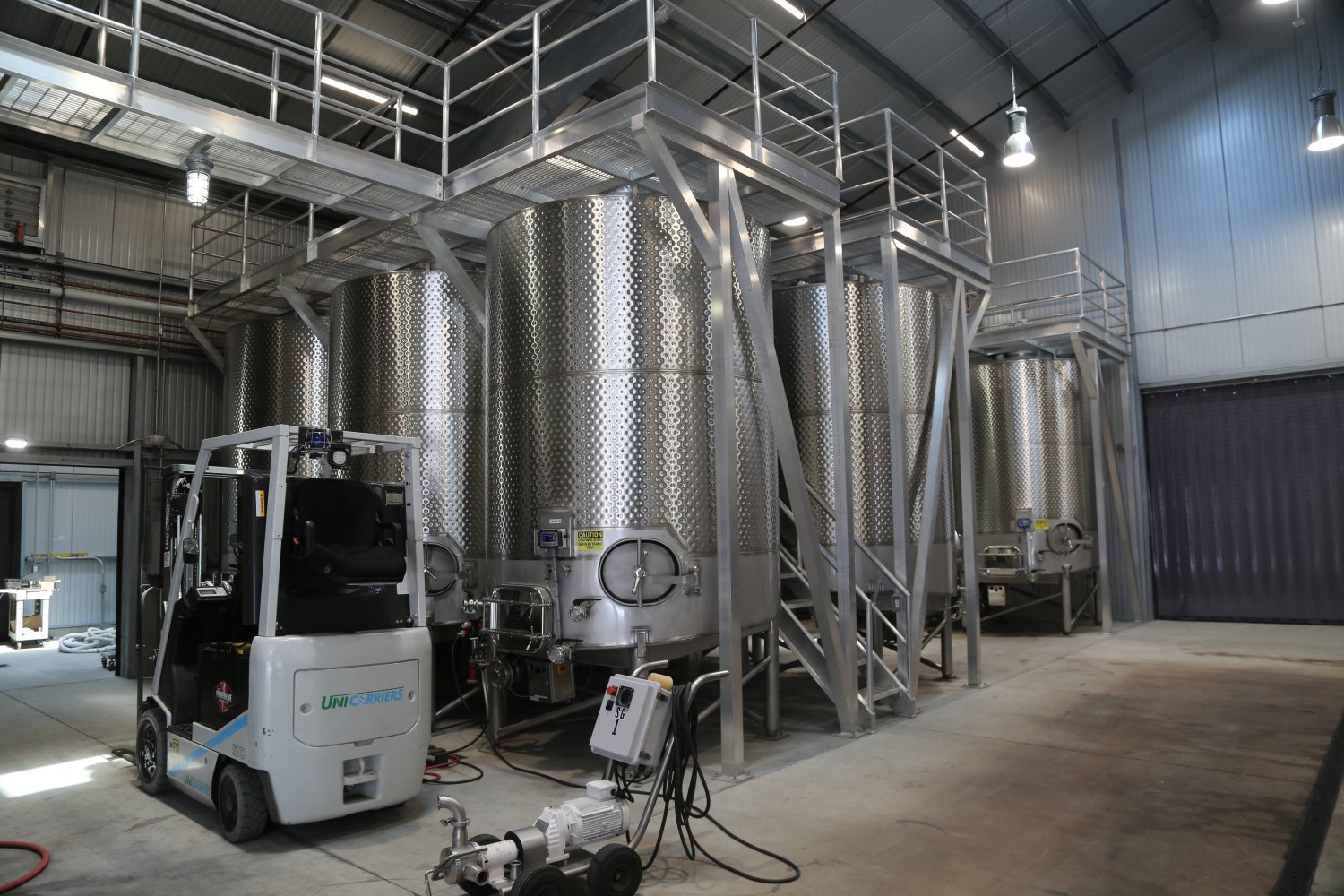
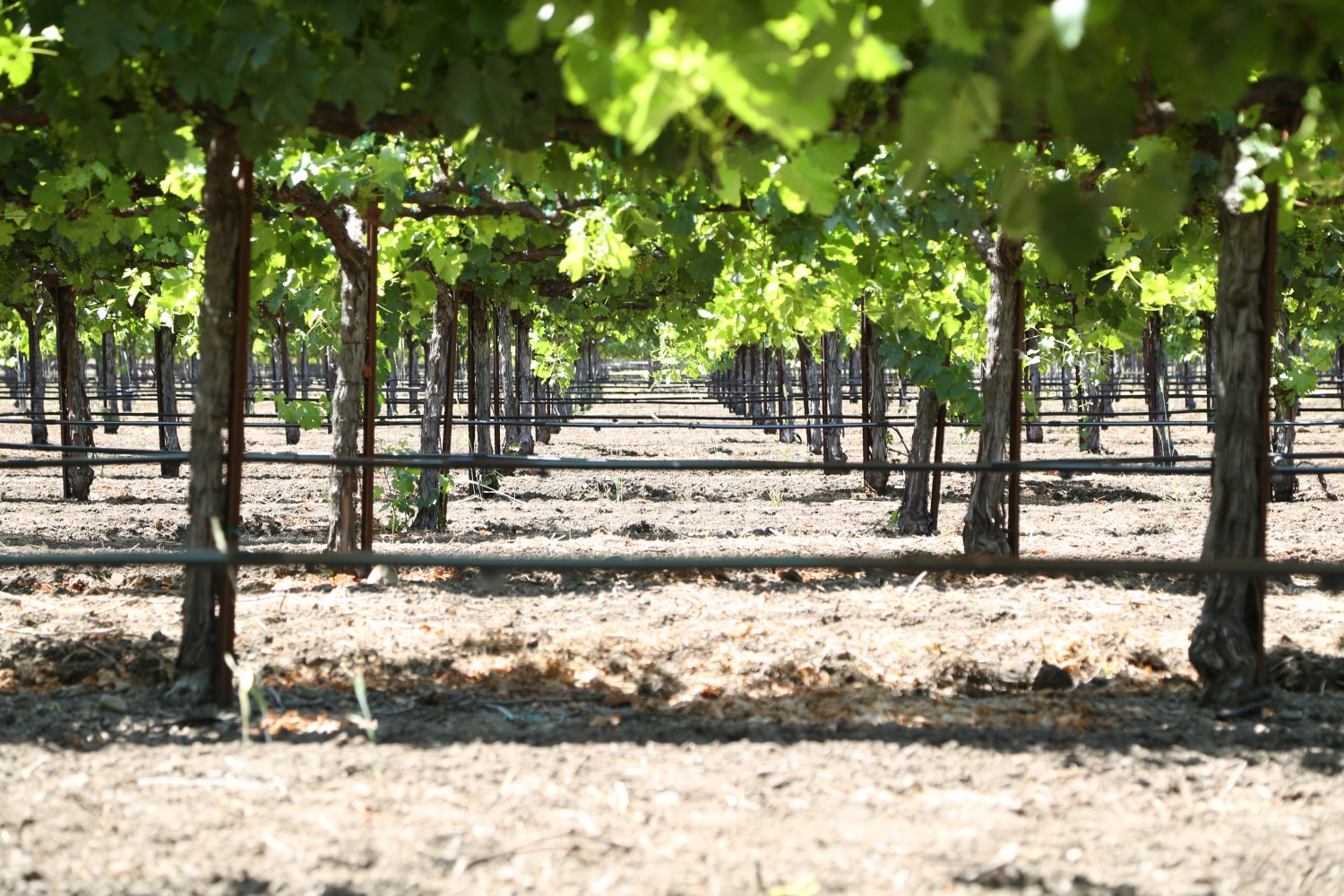
 The 2009 Sequoia Grove Lamoreaux Vineyard Cabernet Sauvignon was sourced from a vineyard in the Oak Knoll District. Initially, the bouquet reveals herbal notes of sage along with subtle influences from the oak including hints of vanilla and toasted cedar. As the wine continues to open in the glass, darker fruit aromas emerge including blackberry, black cherry, and cassis, accompanied by nuances of cocoa and dried earth. This wine showcases darker fruit flavors layered with minerality notes evident from the entry. Notes of dark chocolate and espresso complement the fruit character without overwhelming it, contributing additional depth and richness. The texture is polished and balanced with fine-grained, somewhat earthy tannins that remain delicate while still providing noticeable structure. There texture lingers steadily across the extended finish alongside lingering notes of dark fruit, cocoa, and subtle savory spice. Overall, the wine reflects both the elegance often associated with the Oak Knoll District and the restrained, balanced style characteristic of Sequoia Grove’s vineyard-designated Cabernet Sauvignons.
The 2004 Sequoia Grove Stagecoach Vineyard Syrah (Atlas Peak) is inky dark in the glass with a rich and concentrated core of fruit, especially noticeable across the mid-palate. Aromatically, the wine reveals layers of blackberry, dark plum, and black cherry complemented by notes of cracked pepper, smoked meat, and earthy spice. As the wine opens, additional nuances of clove, anise, and subtle espresso emerge, adding further complexity to the bouquet. The wine is dense yet polished across the palate, offering generous dark fruit flavors framed by several layers of spice that become increasingly apparent toward the finish. The small amount of Merlot in the blend contributes an overall softness and rounded mouthfeel, helping to balance the natural power and structure of the Syrah. The tannins are firm but integrated, providing grip without overwhelming the wine’s richness and texture. A lingering savory and spicy finish adds to the wine’s depth and persistence.
This was one of Sequoia Grove’s low-production wines and was available only for purchase at the winery. We have visited this particular vineyard before; it is steep and extremely rocky, something immediately evident from the large piles of rocks stacked around the vineyard’s edges. Despite the rugged terrain, or perhaps because of it, grapevines thrive under these challenging growing conditions, producing concentrated fruit with both structure and intensity characteristic of mountain-grown wines.
The 2004 Sequoia Grove Napa Valley Cabernet Sauvignon is 100% varietal and was aged entirely in American oak. The grapes for this wine were sourced from several premium vineyards in Oakville and Rutherford, including Morisoli and a Beckstoffer-owned property, lending both depth and classic Napa Valley structure to the finished wine. On the bouquet, the wine reveals aromas of dark blackberry, cassis, and black cherry layered with notes of cedar, vanilla, baking spice, and subtle toasted oak nuances derived from the American oak aging regimen. On the palate, this is a robust and firmly structured Cabernet Sauvignon with impressive concentration and intensity. The tannins sport a significant and extended grip, framing the darker fruit character while providing substantial aging potential. Despite its power, the wine maintains balance with enough acidity to keep the palate lively and focused. At four years post vintage during our tasting, the wine still appeared youthful and tightly wound, suggesting this bottling would continue to evolve favorably for many additional years in the cellar.
—
Instead of the almost obligatory Riedel glasses used by wineries these days at the time of our visit they were using the German made Schott Zwiesel glasses. Ask your wine-host to demonstrate the durability of these glasses by tapping them on the counter and hope they don’t actually break during this demonstration. These glasses have a pleasing curvature about halfway up the glass which really catches the wine well when swirling.
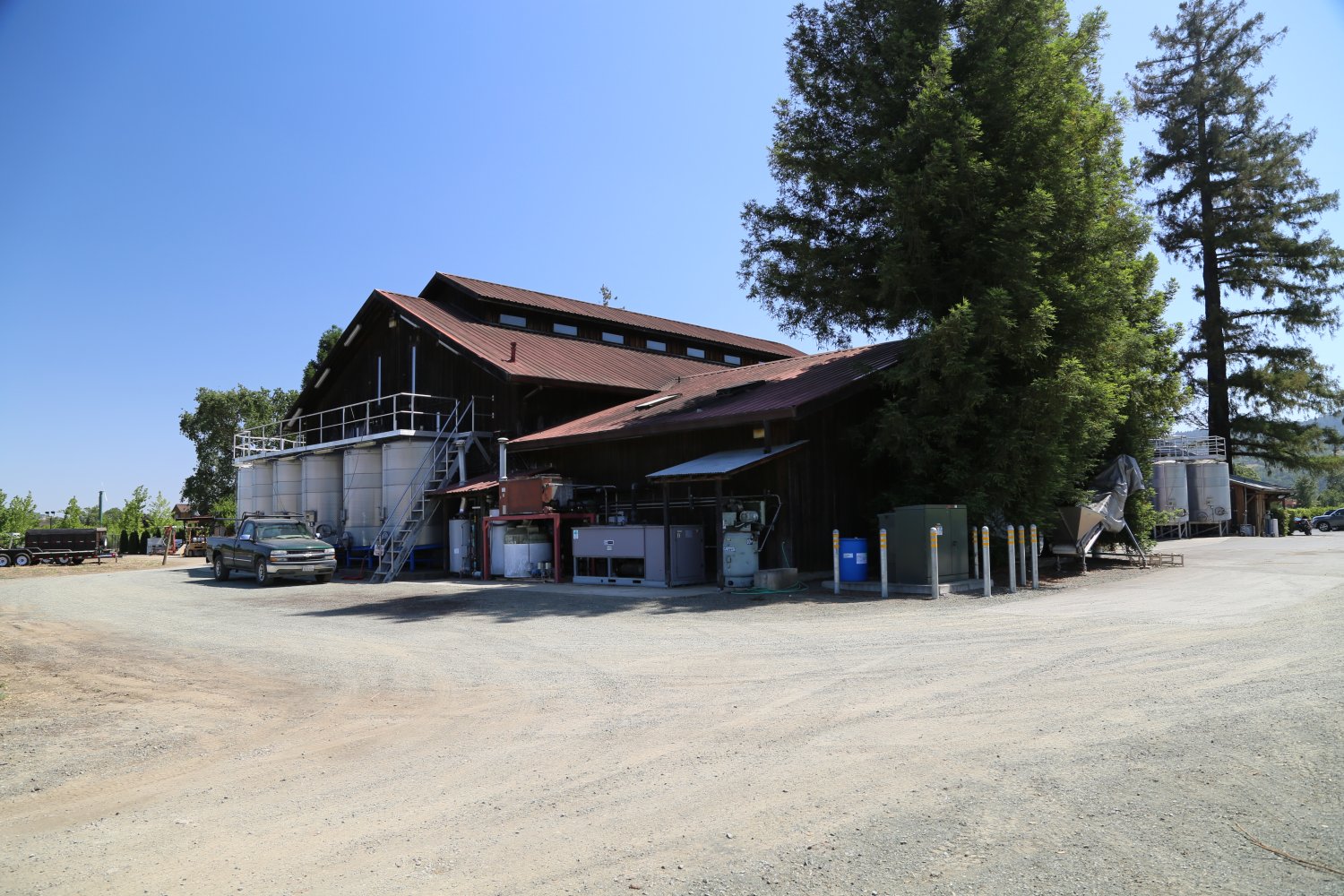
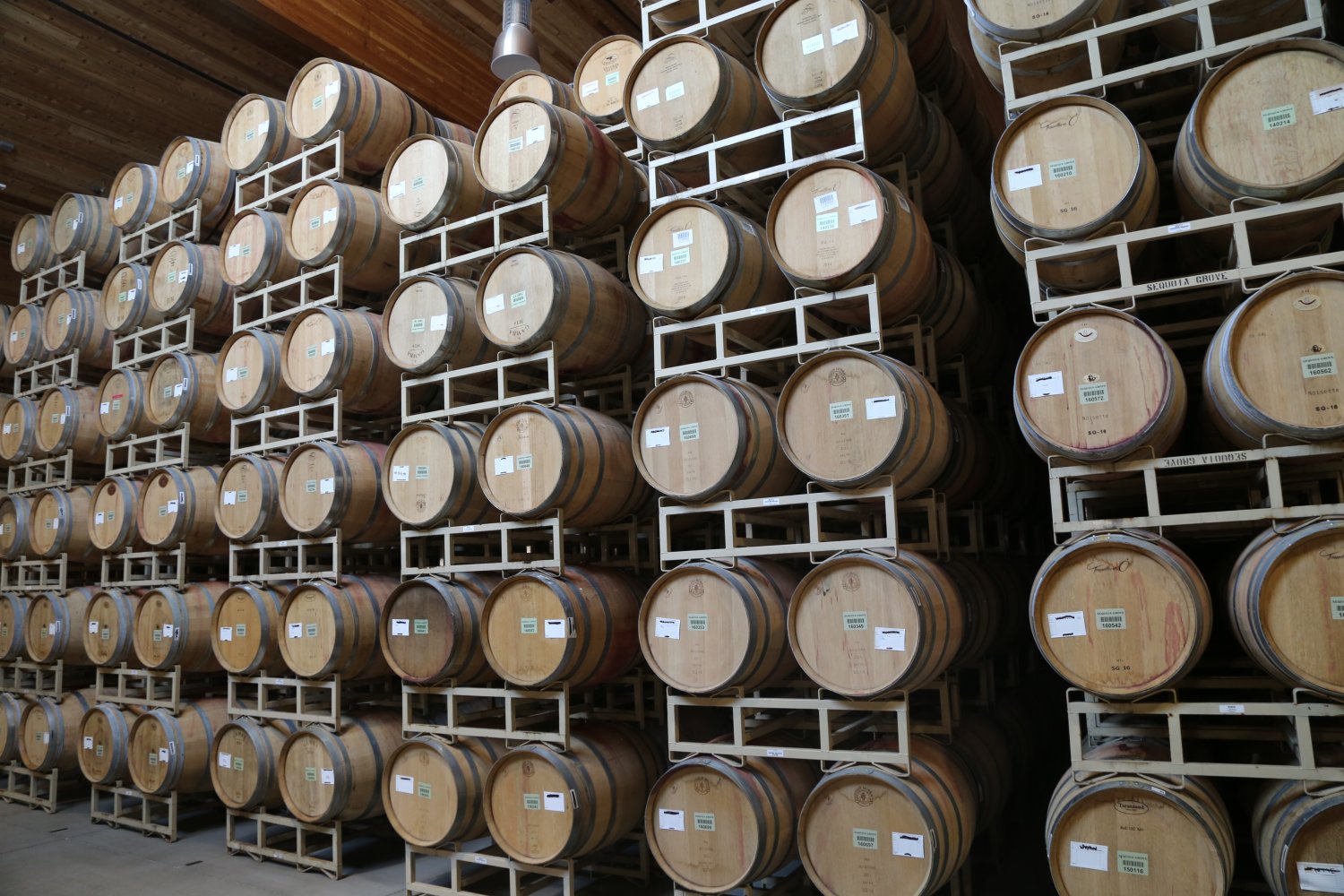
In 2018 construction finished, expanding both winery space, barrel rooms and additional hospitality space. In July 2018 Sequoia Grove began offering a 5-course lunch paired with several of their premium wines (The Chef’s Table experience) in a private room in the same building that also houses their kitchen and culinary team. The dishes change seasonally using locally sourced fresh ingredients. This experience seats no more than 16 guests. This experience includes a walk through their tiny demonstration vineyard with information provided about trellising, how to tell grape varieties apart from one another through leaf identification (a field of botany called Ampelography) and other important vineyard information. As of our latest update to this review, this experience is offered on select days at 11 and 2pm.
In 2023 Sequoia Grove purchased over 100 acres on Mt. Veeder with an uppermost elevation of 1,700 feet. Donald Hess, the founder of Hess Collection used to own this particular property. About 75% of the site is forested with the remaining acres planted to red Bordeaux varieties. The first vintage produced from this property by Sequoia Grove was in 2023.
The winery offers a number of special events throughout the year including several brunches, release parties, winemaker events and more. And members of St. Francis Winery are offered various perks at Sequoia Grove including complimentary tastings for up to four guests.
For more information, to purchase wines, to schedule a tasting or culinary experience and or to join one of their wine clubs, visit: www.sequoiagrove.com
Exterior


Interior
Chefs Table
The Trees
NON NAPA WINERIES OWNED BY KOBRAND
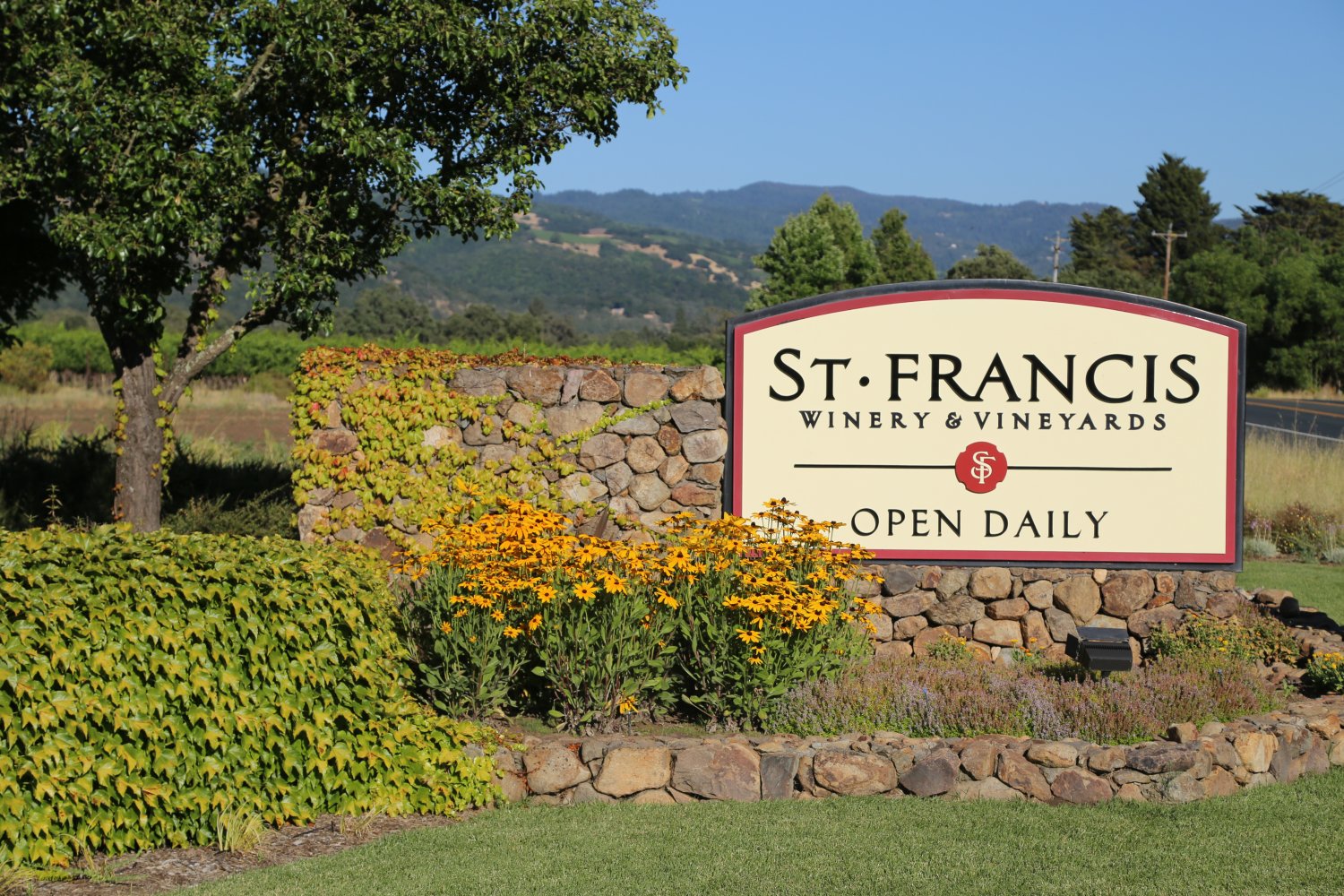
St. Francis Winery
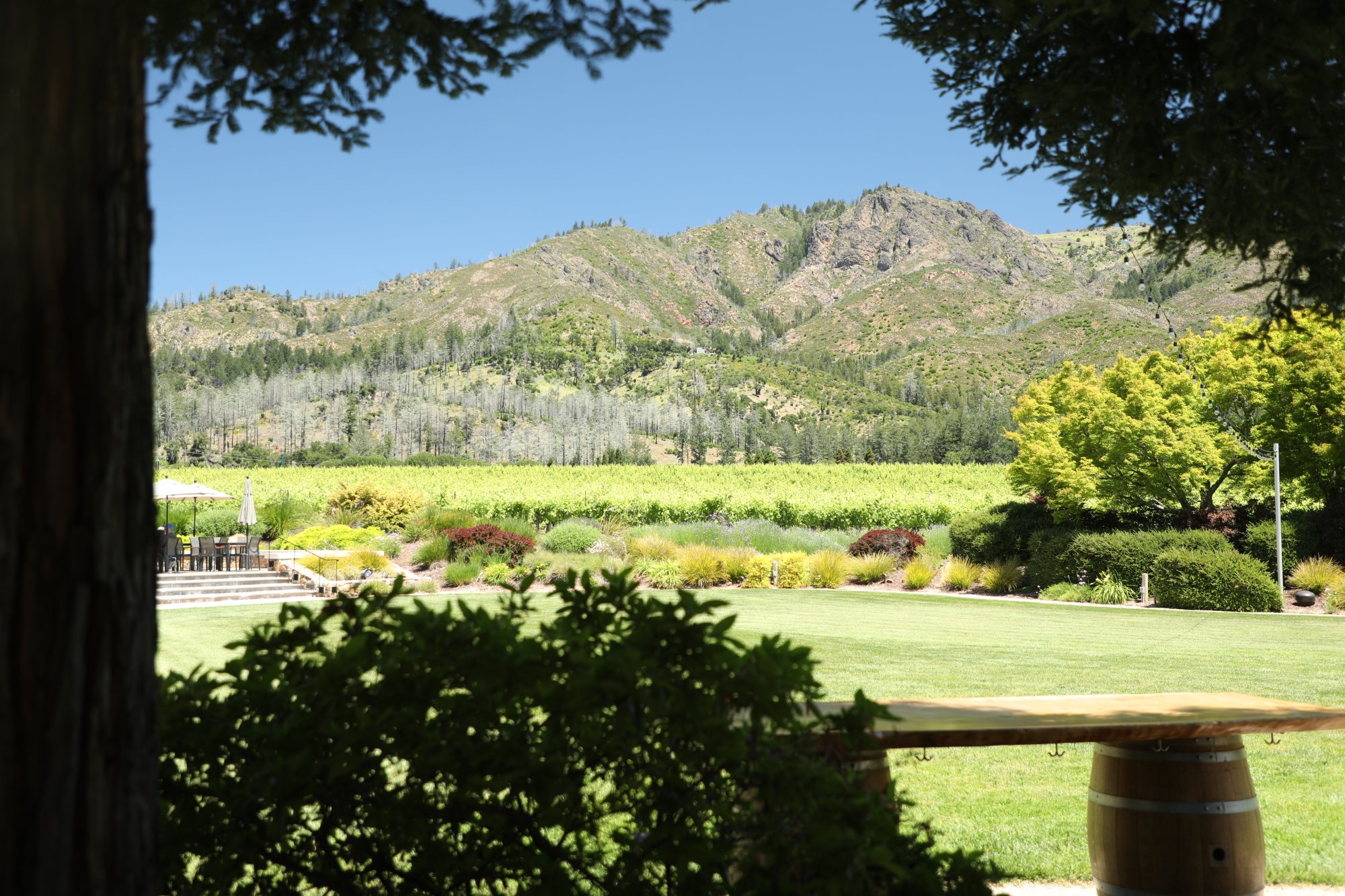
St. Francis Vineyards and Winery, the sister property of Sequoia Grove is located at 8450 Sonoma Highway at Adobe Canyon Road in Kenwood, Sonoma County. The most direct drive between both Sequoia Grove and St. Francis Winery is using the narrow windy Oakville Grade which winds its way over the spine of the Mayacamas mountains, dividing Napa Valley from Sonoma Valley. Allow about 40 minutes to make this drive. If this was in Europe, a tunnel would connect both valleys, saving significant time.
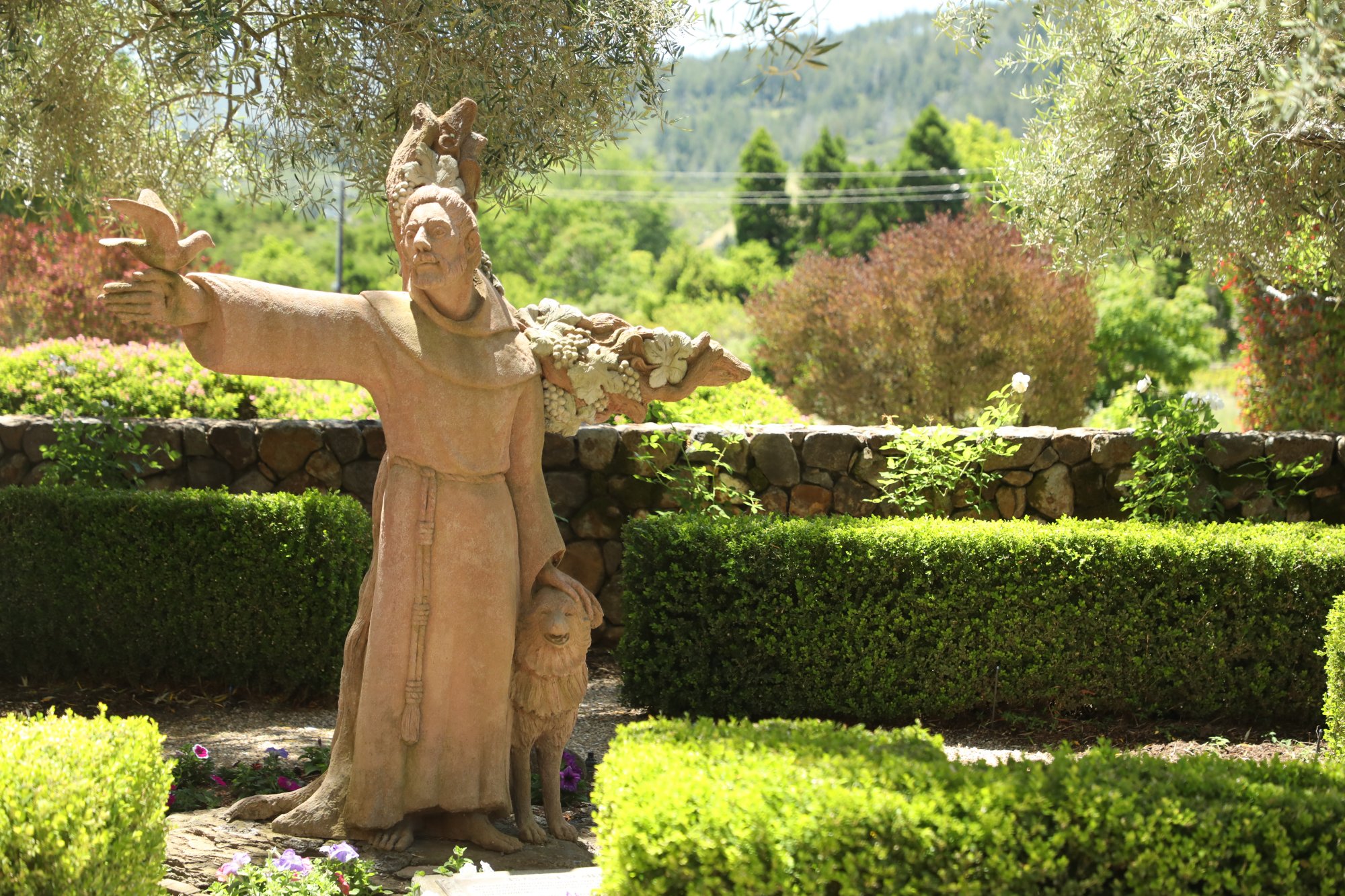
The Kopf family entered into a partnership at St. Francis Winery in 1988 and by 2004 owned the winery outright. St. Francis Vineyard was founded by Joe Martin (died 2015) and his wife Emma; Joe sold his furniture business and purchased 100 acres in Sonoma Valley. He planted his first vines in 1971 including 22 acres of Chardonnay and the first Merlot in Sonoma Valley. In the early years his main focus was as a grower; he opened the winery in 1979 with business partner Lloyd Canton. And they called the winery St. Francis in honor of St. Francis of Assisi. The winery is known for their Merlot and championed ‘old vine’ Zinfandel.
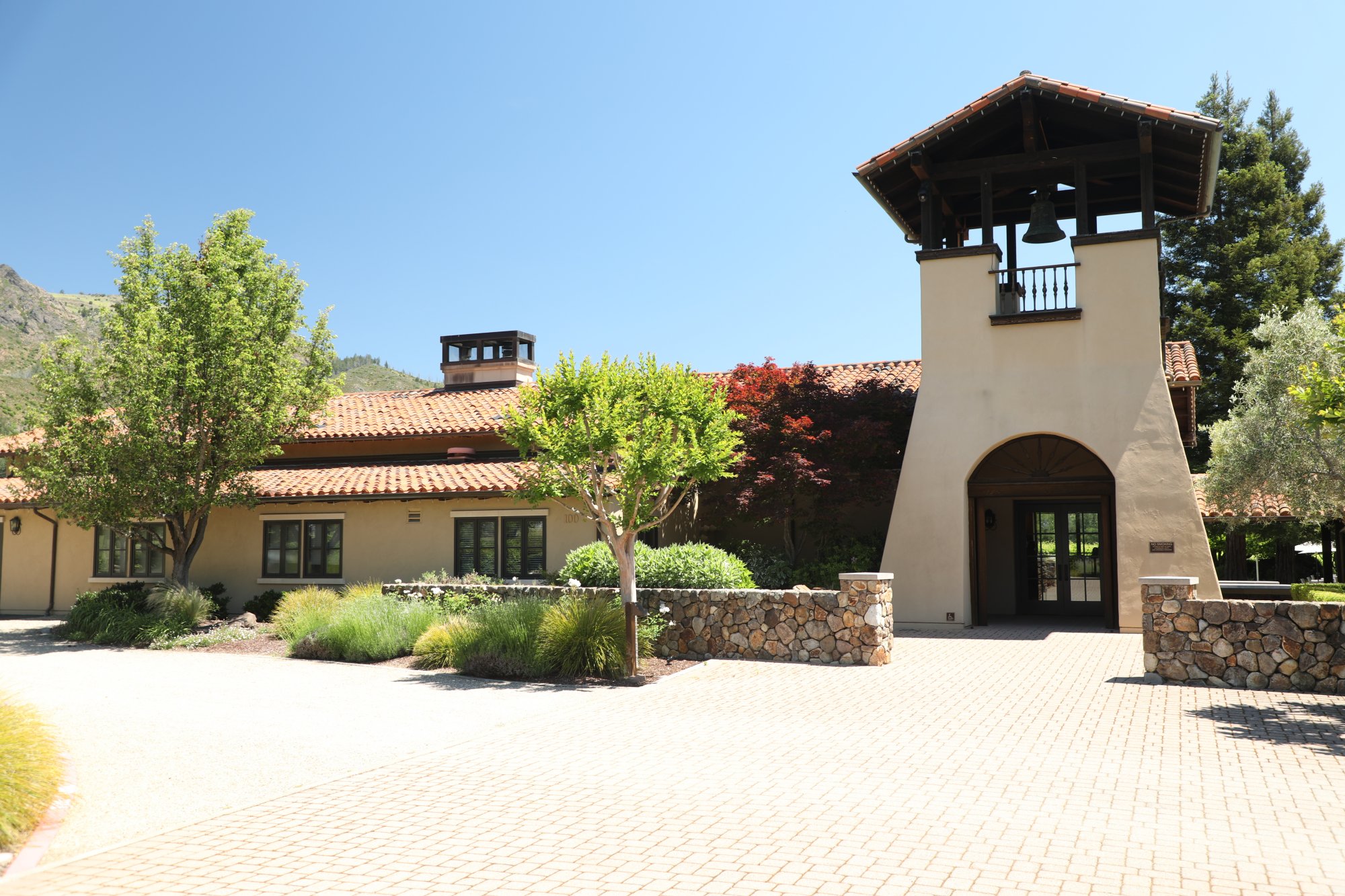
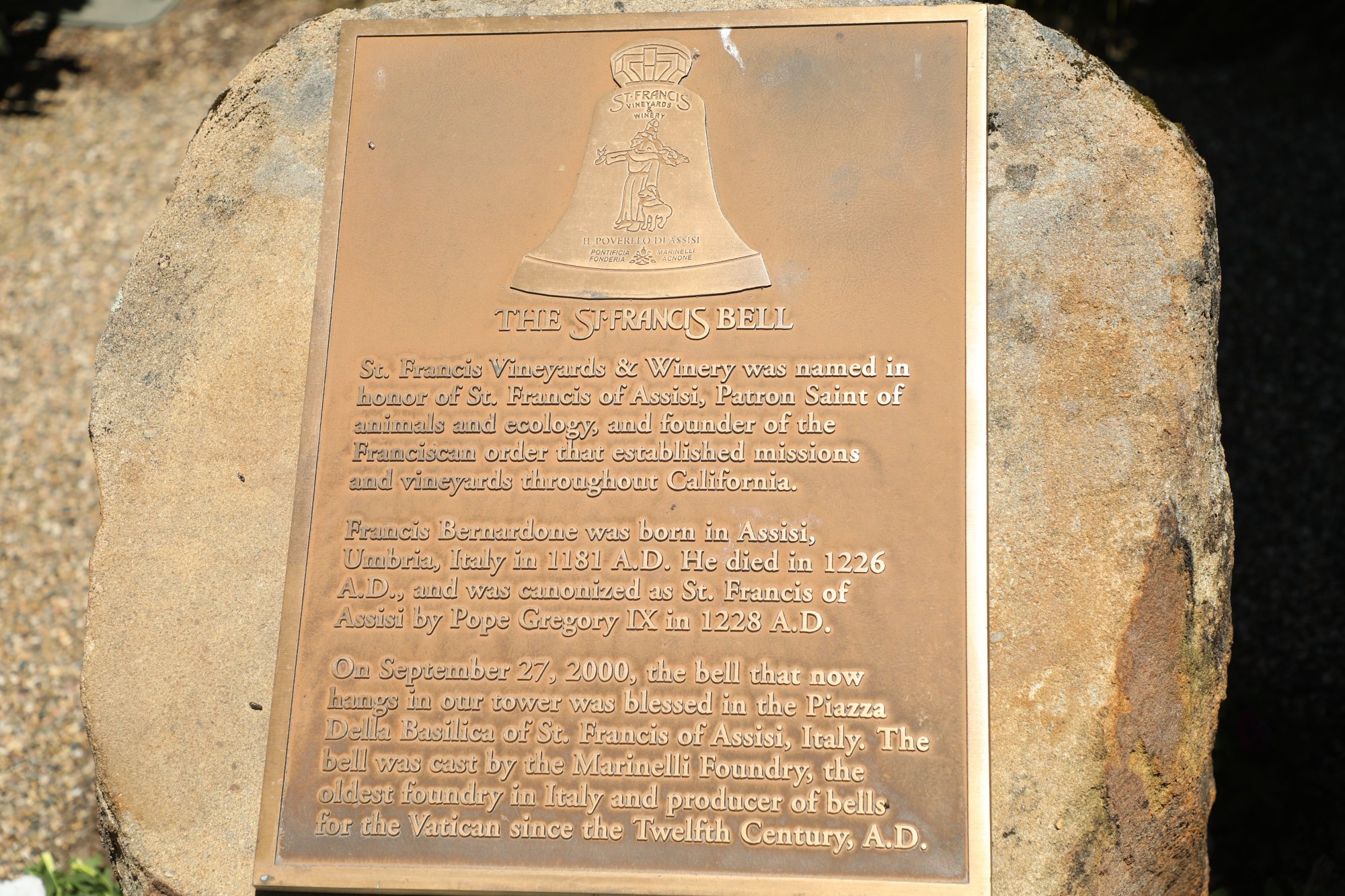
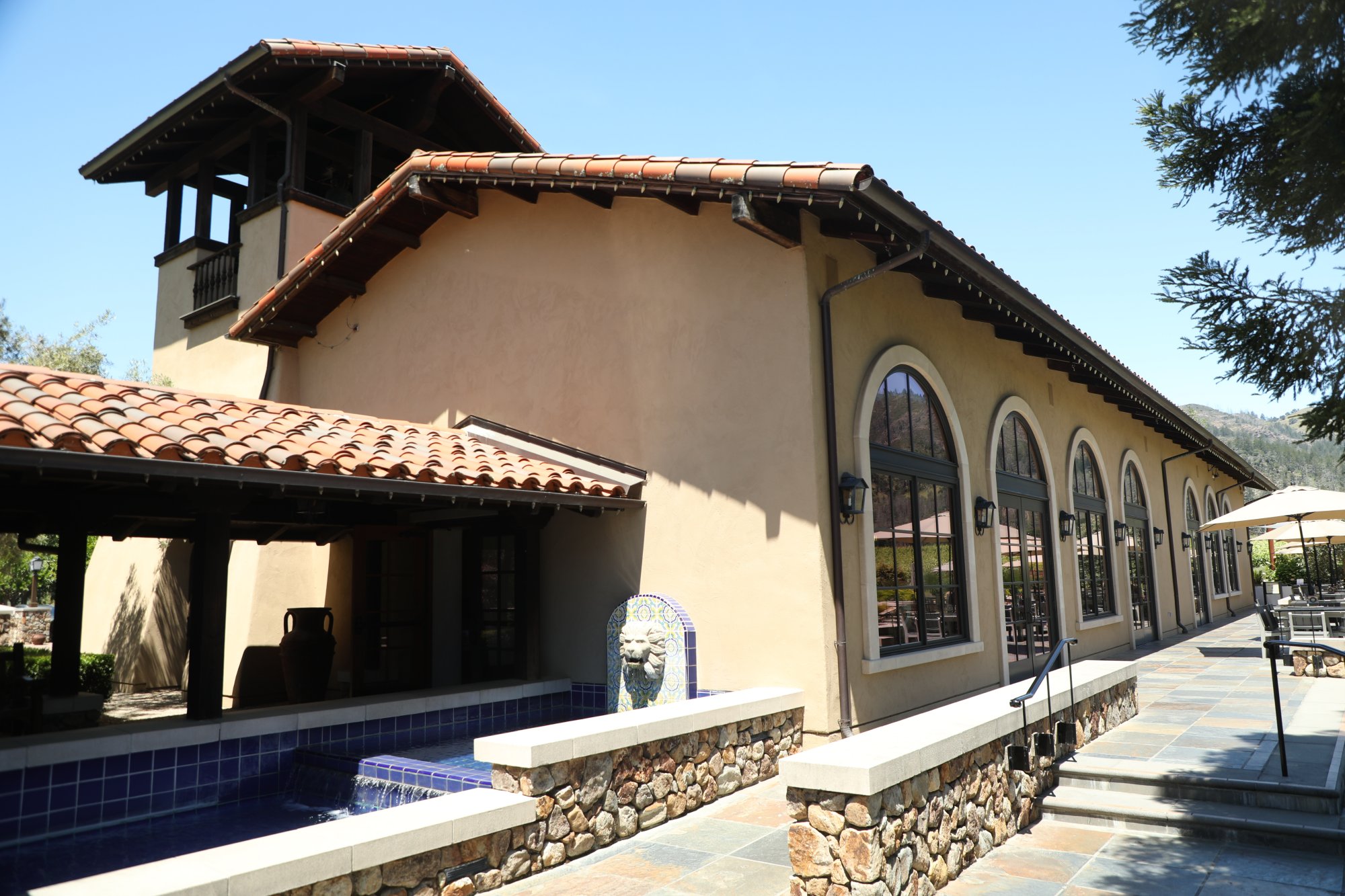
The existing winery dates from 1999 and is powered by solar energy. The iconic bell tower contains a 1,000-pound bronze bell cast by the Marinelli Foundry in Italy. It is timed to chime every hour on the hour.
Located in the heart of Sonoma Valley, St. Francis Winery has long been associated with wines sourced from Sonoma County appellations including Sonoma Valley, Dry Creek Valley, Russian River Valley and Alexander Valley. The winery has focused on producing approachable, fruit-driven wines that reflect both the diversity of Sonoma County vineyards and the region’s Mediterranean climate. Over the years, St. Francis built a reputation particularly for red varietals including Cabernet Sauvignon, Merlot and Zinfandel, while also producing Chardonnay and Sauvignon Blanc.
The property sits at the base of Hood Mountain near the northeastern edge of Sonoma Valley. This part of the valley experiences warm daytime temperatures tempered by cooler evenings and coastal influences moving inland from the Pacific Ocean. These growing conditions help preserve acidity while allowing grapes to achieve full phenolic ripeness.
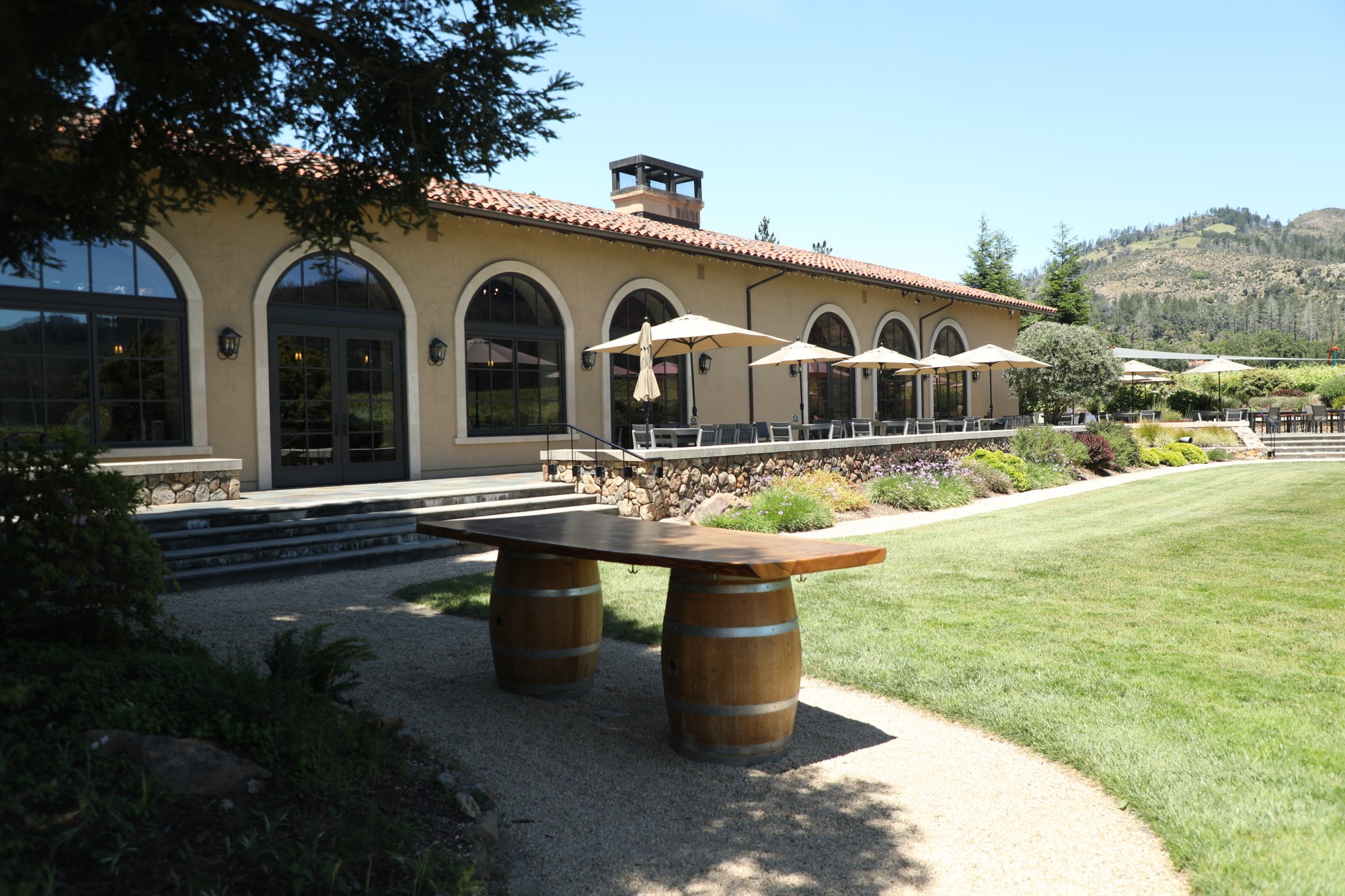
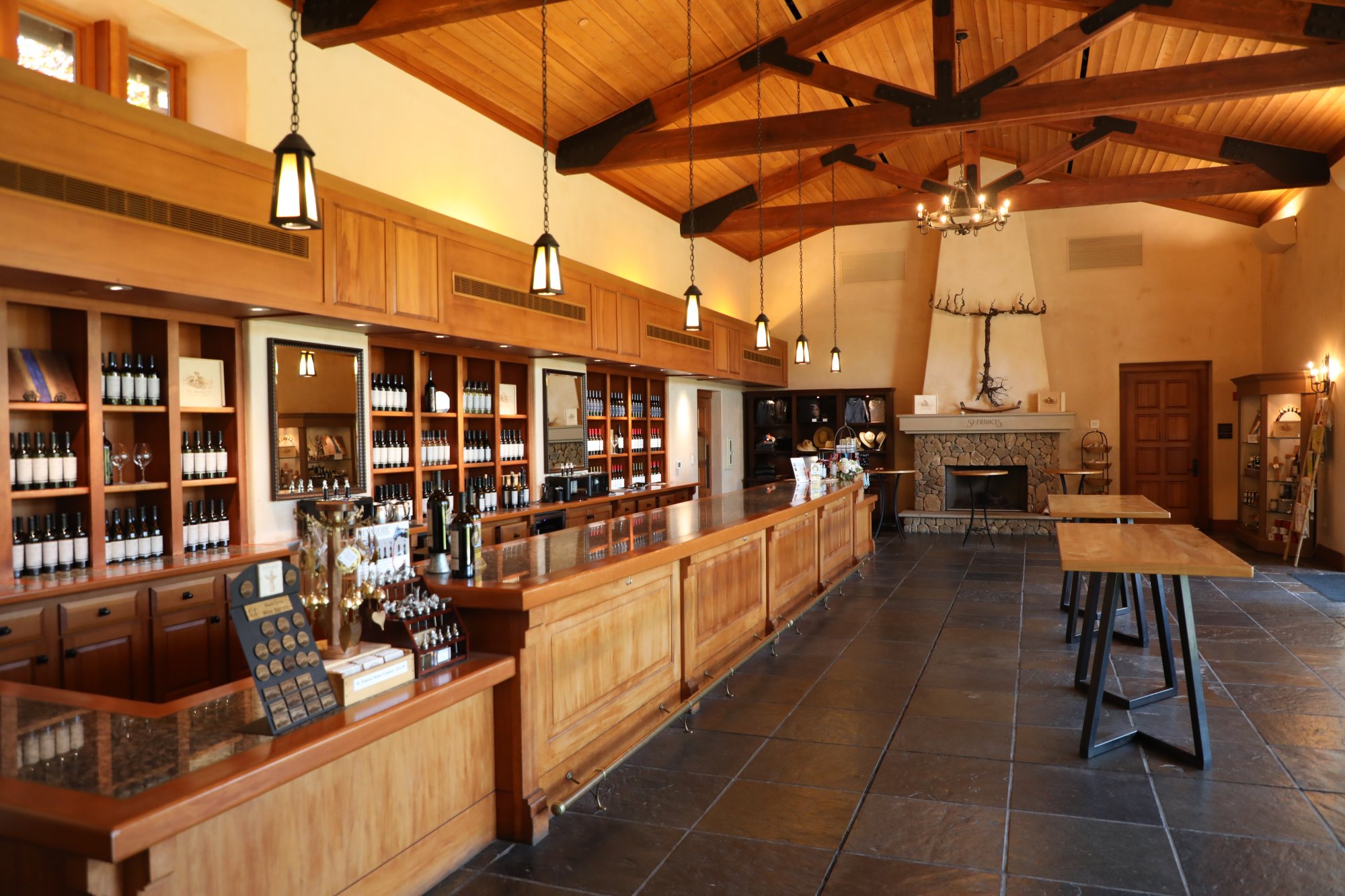
Hospitality has also become an important component of the St. Francis experience. The winery’s visitor center and tasting room overlook estate vineyards and the surrounding Sonoma Valley landscape. Their culinary program has received recognition over the years, particularly for wine and food pairings highlighting locally sourced ingredients alongside estate and Sonoma County wines.
Joe Martin’s early decision to plant Merlot in Sonoma Valley proved significant at a time when the varietal was still relatively uncommon in the region. Equally important was the winery’s long-standing commitment to old vine Zinfandel sourced from historic Sonoma County vineyards. These wines helped establish St. Francis as a producer focused not only on popular international varietals, but also on preserving part of Sonoma County’s viticultural heritage.
Today, St. Francis Winery remains one of Sonoma Valley’s recognizable wineries with a history spanning more than four decades. Its location along Sonoma Highway makes it easily accessible for visitors exploring Sonoma Valley wine country while its historical connection to Sequoia Grove links two respected North Coast wine properties separated geographically by the Mayacamas mountains but connected through ownership and a shared commitment to quality winemaking.
Select Wines
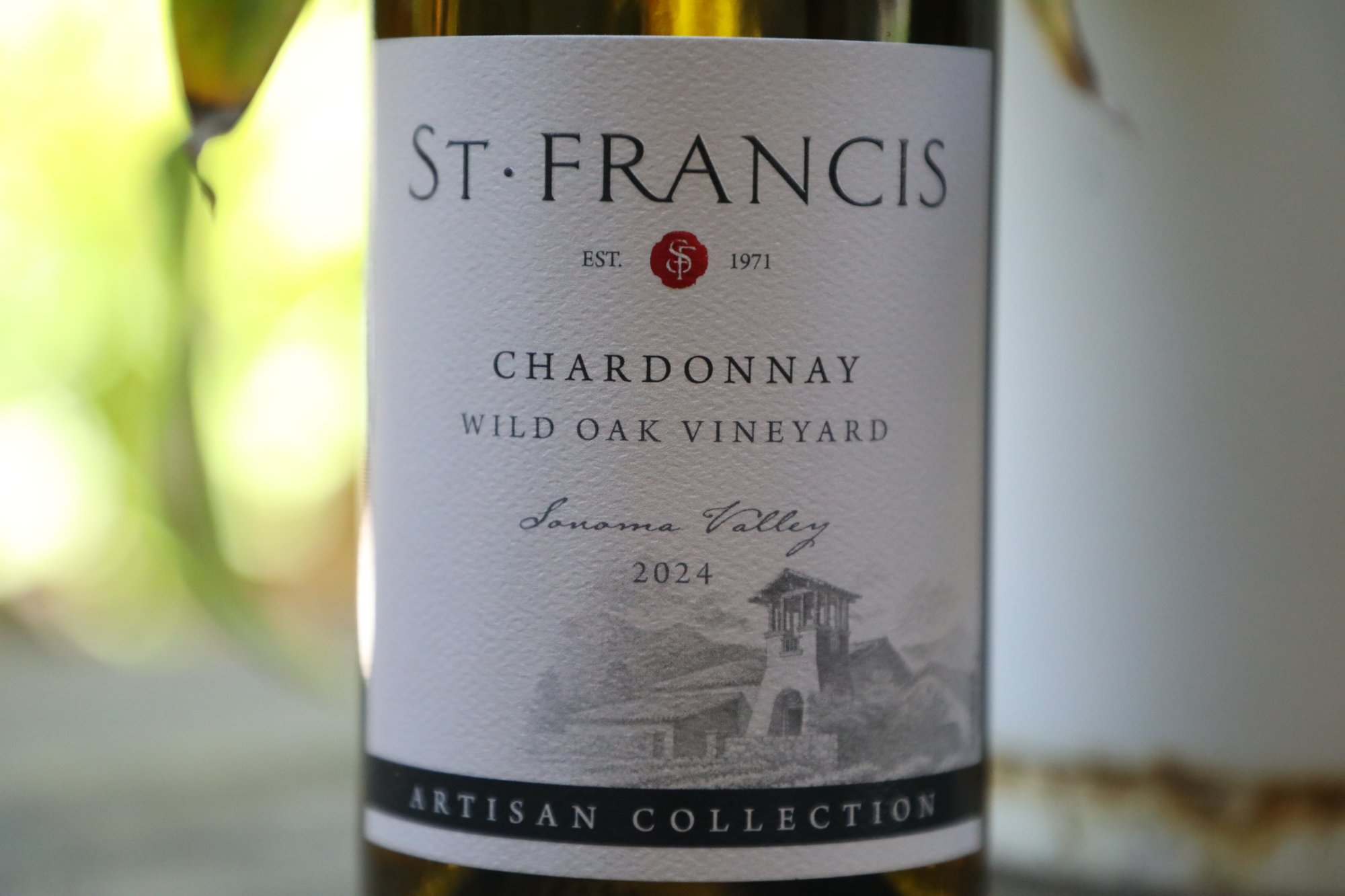
The 2024 St. Francis Chardonnay, Wild Oak Vineyard Sonoma Valley is part of their Artisan Collection. This wine is a blend of 87% clone 4 (providing minerally characteristics) and 13% clone 95 (providing tropical nuances). Each clone was fermented separately in oak barrels with battonage occurring twice weekly until primary fermentation is completed. The wine is allowed to partially go through secondary fermentation. This wine is medium to deep gold in color; the initial aromatic that jumps out of the glass is of popcorn butter, with additional layers of vanilla, tapioca, caramelized sugars including creme Brule, honeysuckle, and sweet fruits including ripe apricot, baked apples, pineapple, peaches in light syrup and cooked pears. The bouquet is not overtly oaky although it does provide some contributing scents. Rounded and medium bodied in terms of its texture and accompanying flavors, this wine tastes like very flavorful, this wine tastes like custard apple, pineapple, apricot, creme brule, golden delicious apples, a light note of melting butter, vanilla and a citrus (but not overtly citrusy) character including of lemon. Finishes brightly lit from the lively acidity with both flavor and acidity paralleling each other on the persistent finish. This bottling preserves plenty of California ripeness and sunshine but simultaneously showcases the vibrancy of the variety when thoughtfully grown and made.
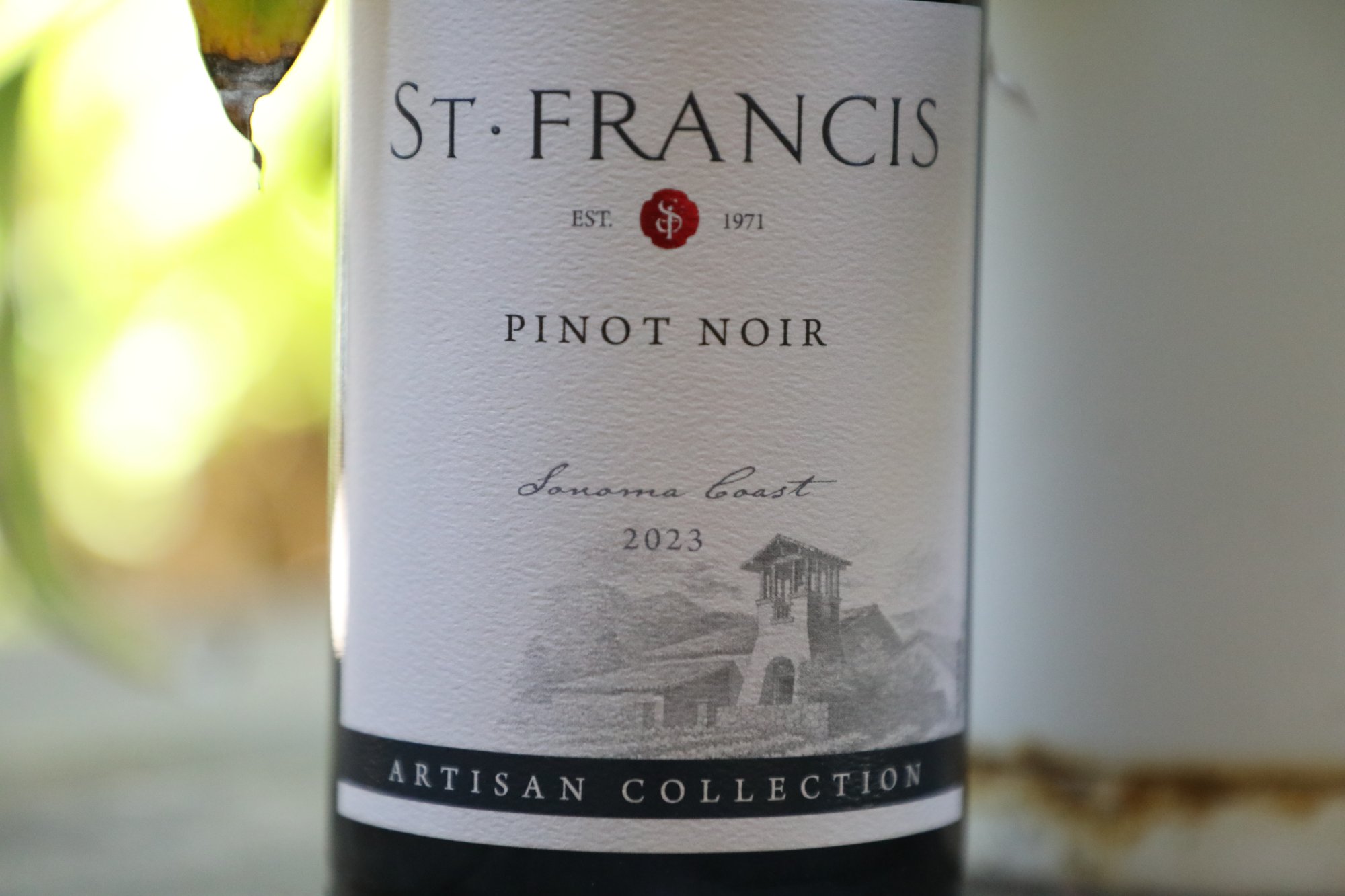
The 2023 St. Francis Pinot Noir, Sonoma Coast was aged for 8 months in French oak of which 20% were new barrels. The grapes for this bottling were sourced from cooler parts of Sonoma County including the Russian River Valley and Bennett Valley. This wine is medium ruby in color; on the bouquet there are scents of cherry cola, rhubarb, a hint of root beer, cinnamon stick, cloves, old cedar box and a light note of cardamom. A light to medium bodied expression of the variety, this wine tastes like cherry cola, currant, raspberry, a light note of sarsaparilla, red plums, underripe boysenberries, red licorice, dried orange peels and tea leaf. Finishes slightly savory with an additional layer of white pepper. The tannins are noticeable, but are gentle in their textural approach, felt with a light tug primarily on the front of the palate in tandem with its red fruited profile. The acidity is medium to medium +. Pair this with either pork tenderloin or grilled salmon.
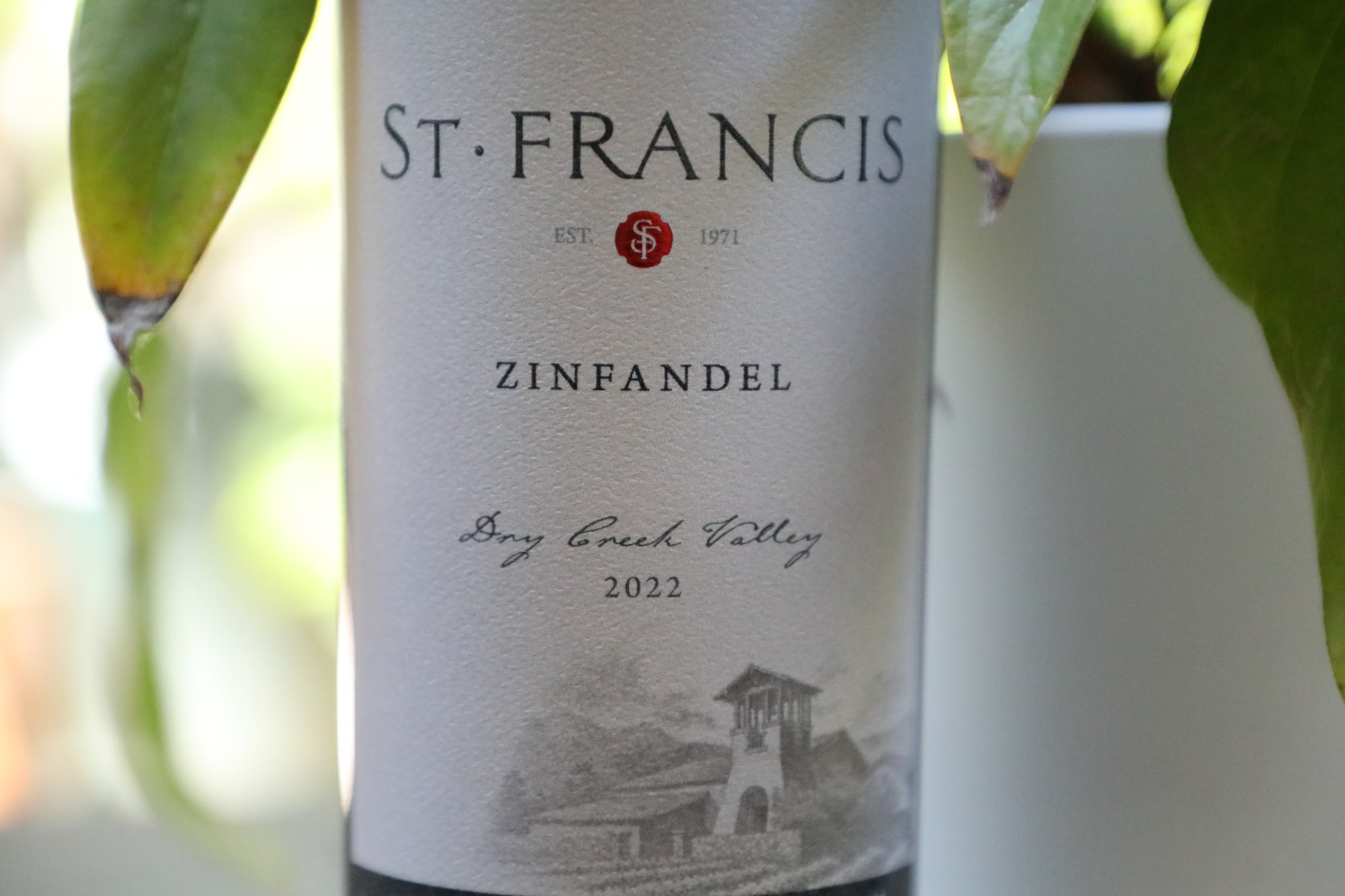
The 2022 St. Francis Zinfandel, Dry Creek Valley. Individual vineyard blocks for this wine are harvested and fermented separately with its élevage for 16 months on French oak prior to creating the final blend before bottling. This wine is deep ruby with purplish hues in the glass and nearly opaque. Forward fruited from the opening, this wine smells ripe with scents of blackberries harvested at the peak of perfection, Santa Rosa plum, boysenberry jam, dark mulberries, black cherries, cassis and dark licorice. And there are other spices including cinnamon stick, cloves and white pepper. On the palate there are flavors of red plums, dark raspberries, blueberries, boysenberries, currants and Persian mulberry. This is a ripe but never a jammy expression with a lively and bursting vein of acidity keeping this wine fresh and alive. For reference, 2022 was a particularly hot year centered around a significant and extended Labor Day Heat spike that saw daytime temperatures rising up to nearly 120 degrees Fahrenheit. This wine finishes layered and savory with notes of pepper and dried herbs – and with plenty of tannin grip that broadly coats the palate with a persistent dusty and drying grip. Still their texture is never heavy. This wine over delivers for the price. BBQ tri-tip please.
Resonance Wine, Willamette Valley
Visit, notes and photography coming as soon as time and budget allow.
Maison Louis Jadot, Burgundy
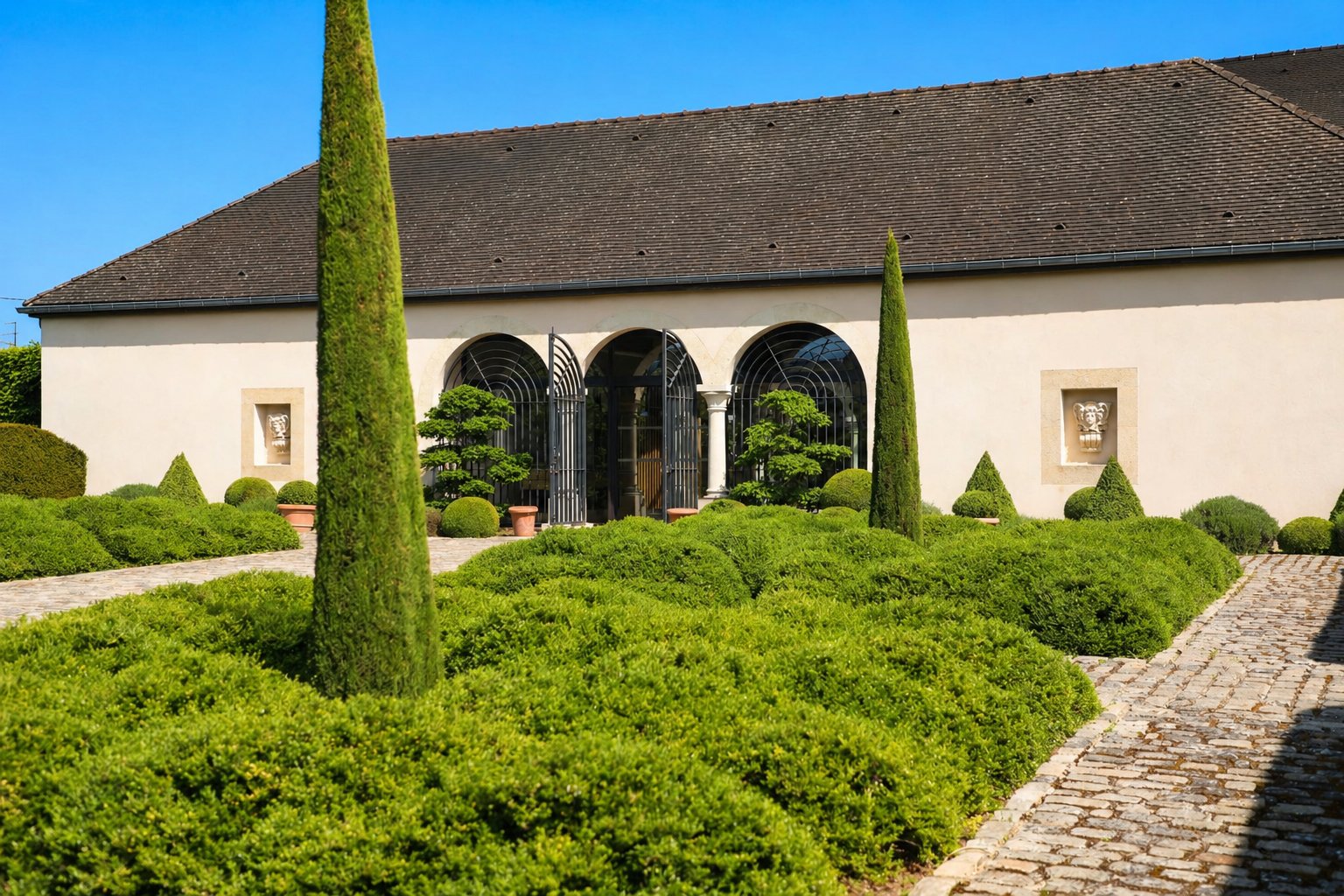
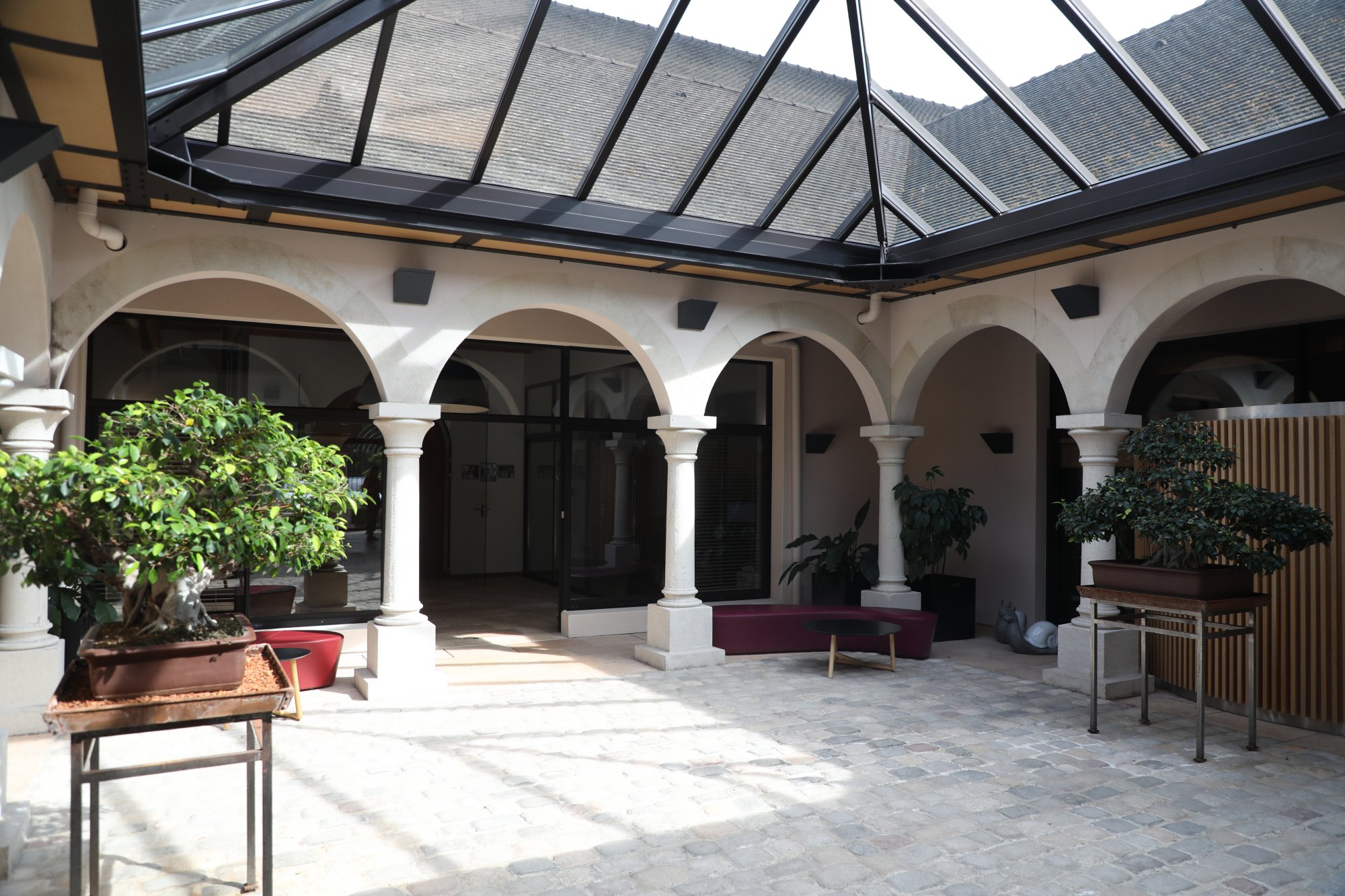
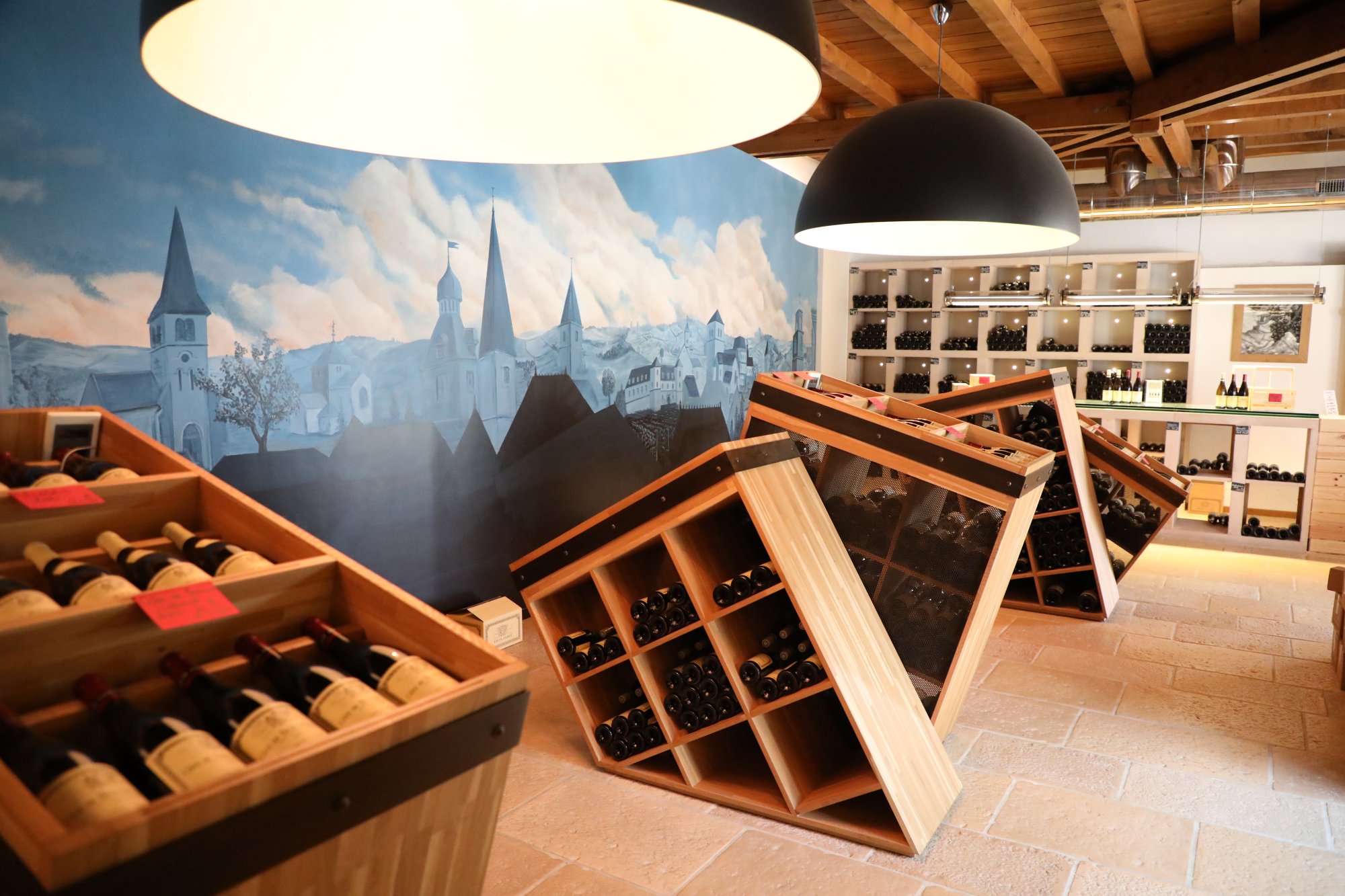
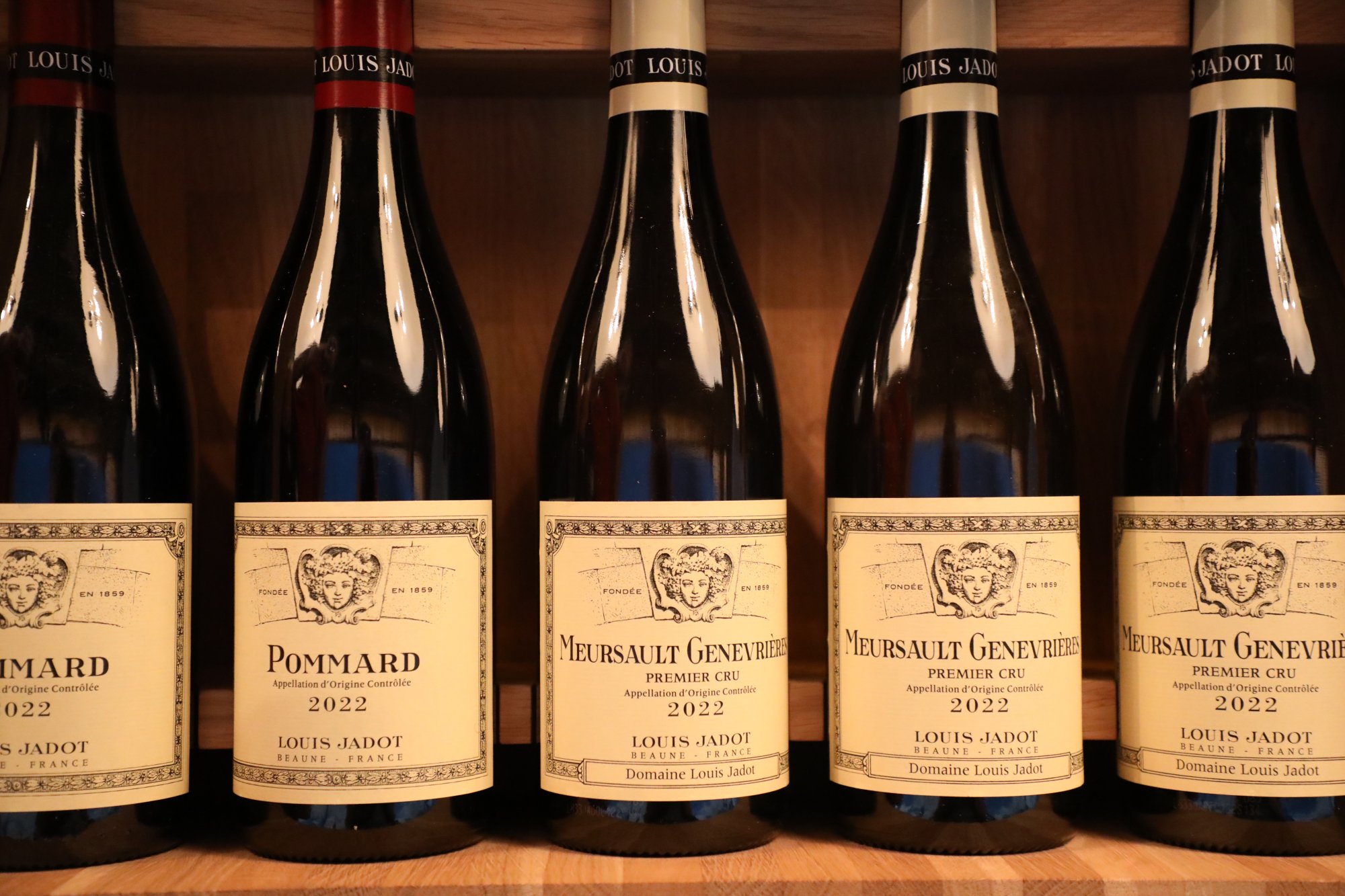
Maison Louis Jadot is one of the most historic and influential wine houses in Burgundy, widely recognized for both the breadth of its portfolio and its role in shaping how Burgundy wines are marketed globally. The house was officially founded in 1859 by Louis Henry Denis Jadot, though the family’s roots in Burgundy date even earlier. In 1826, the Jadot family acquired their first key vineyard, Clos des Ursules in Beaune, which remains one of the domaine’s most important holdings today.
Louis Henry Denis Jadot built the company as a négociant-éleveur, meaning it both owned vineyards and purchased grapes or wines from other growers to age, bottle, and sell under its label. This dual model remains central to the house’s identity. Early on, Jadot focused on developing deep knowledge of vineyard sites and wine evaluation, helping establish a reputation for consistency and quality across a wide range of appellations. Over successive generations, the family expanded holdings to include prestigious Premier and Grand Cru vineyards, while also growing export markets—particularly in the United States.
A major turning point came in 1985, when the company was purchased by the Kopf family, owners of Kobrand Corporation, which had already been Jadot’s exclusive U.S. importer since 1945. This acquisition made Kobrand the first American firm to own a Burgundy producer and provided capital for significant expansion in vineyard holdings and long-term contracts. Despite the ownership change, operational control remained in Burgundy under the Gagey family, preserving continuity in winemaking philosophy and vineyard management.
Today, Maison Louis Jadot controls roughly 270 hectares (about 670 acres) of vineyards across Burgundy, including important sites in the Côte d’Or, Mâconnais, and Beaujolais regions. The house produces exclusively Appellation d’Origine Contrôlée (AOC) wines, ranging from regional bottlings such as Bourgogne Rouge and Blanc to village wines, Premier Crus, and Grand Crus. Key grape varieties include Pinot Noir for reds and Chardonnay for whites, reflecting the traditional varietal structure of Burgundy. In addition, Jadot owns estates such as Château des Jacques in Beaujolais and Domaine Ferret in Pouilly-Fuissé, further diversifying its portfolio.
An important aspect of Jadot’s philosophy is its emphasis on terroir—the idea that each vineyard site expresses unique characteristics. The winemaking approach is generally restrained, aiming to highlight site-specific differences rather than impose heavy stylistic influence. Longtime winemaker Jacques Lardière, who served for over four decades, was instrumental in shaping this philosophy, and it continues today under technical director Frédéric Barnier.
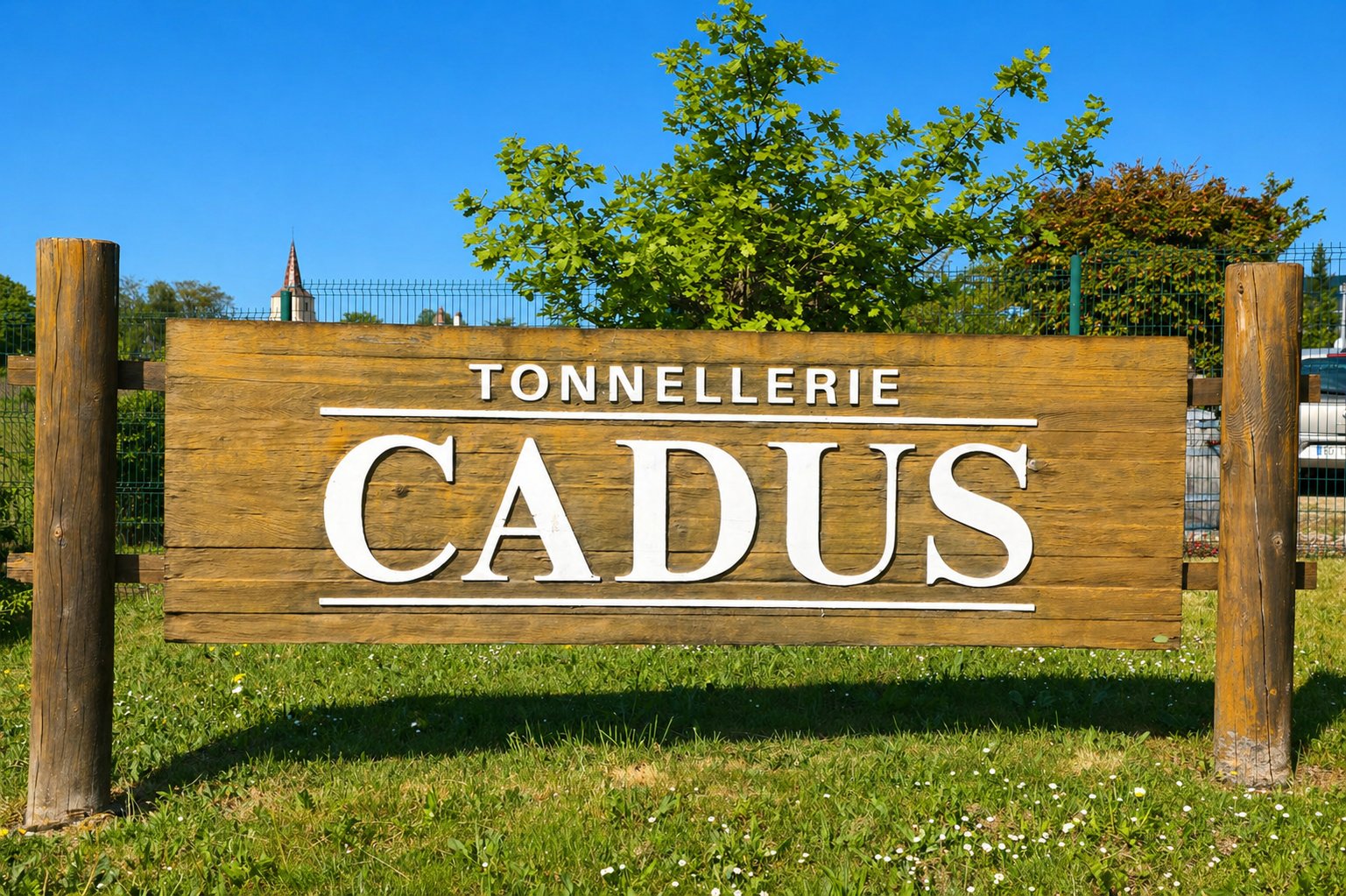
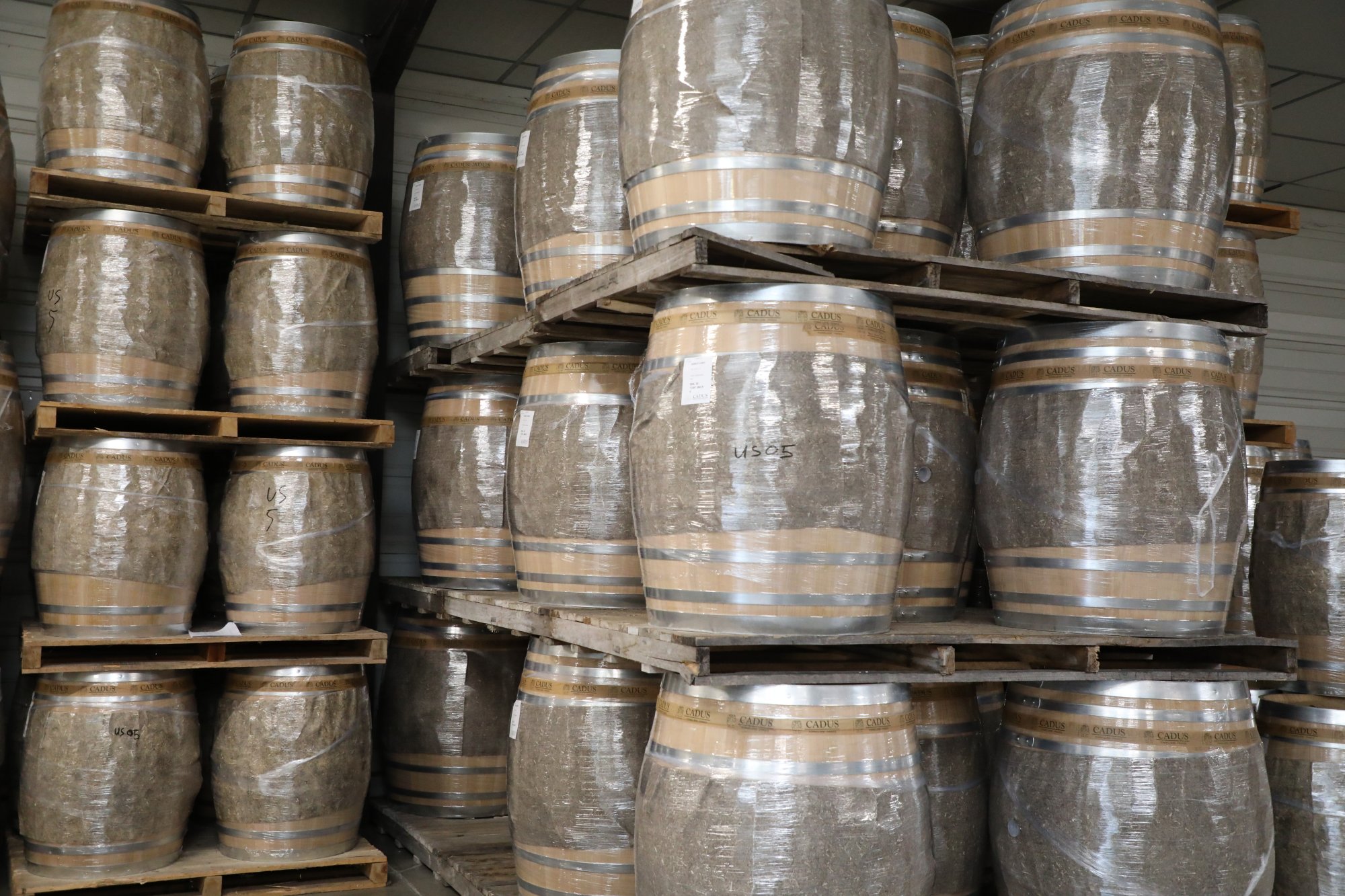
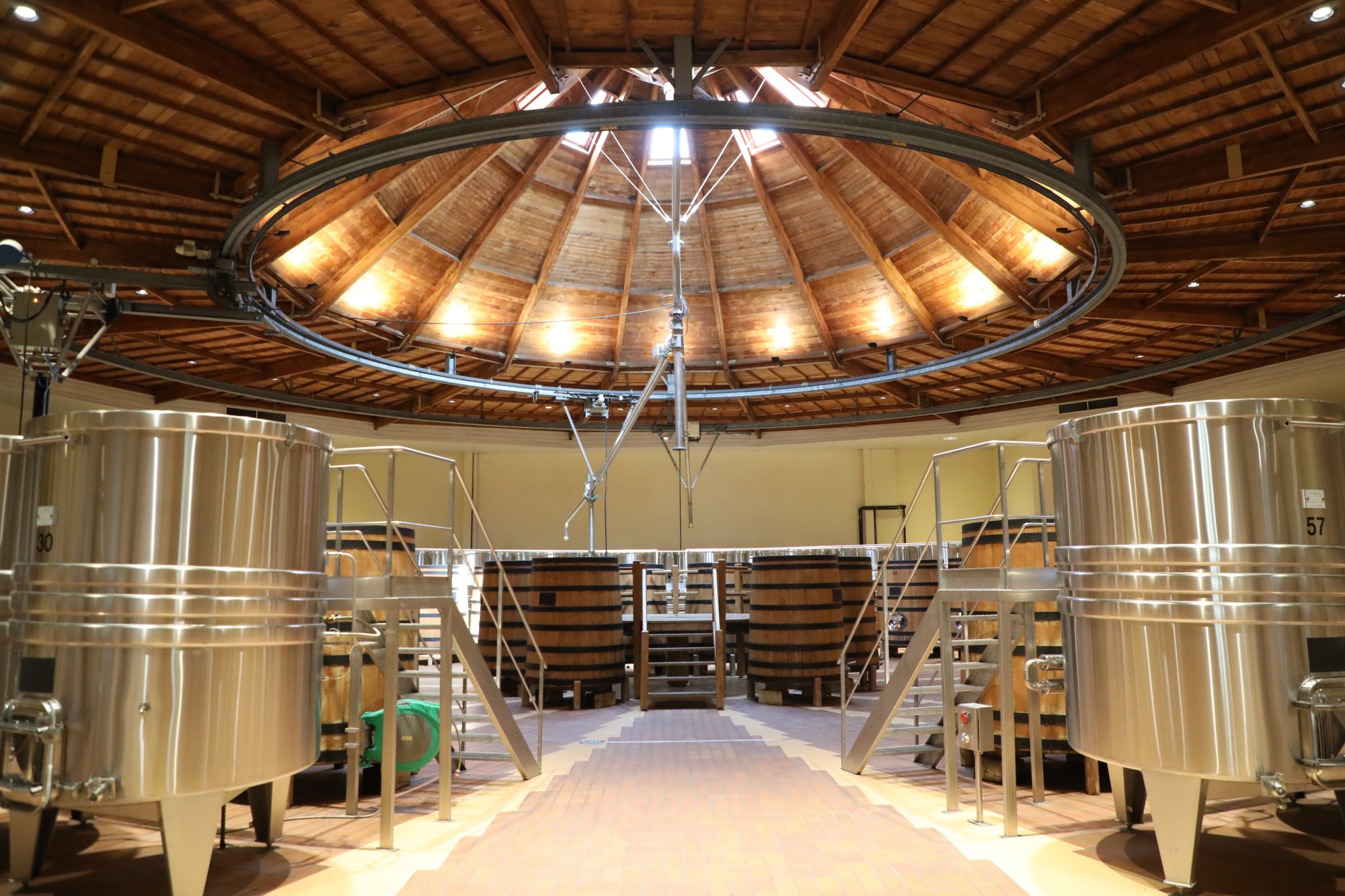
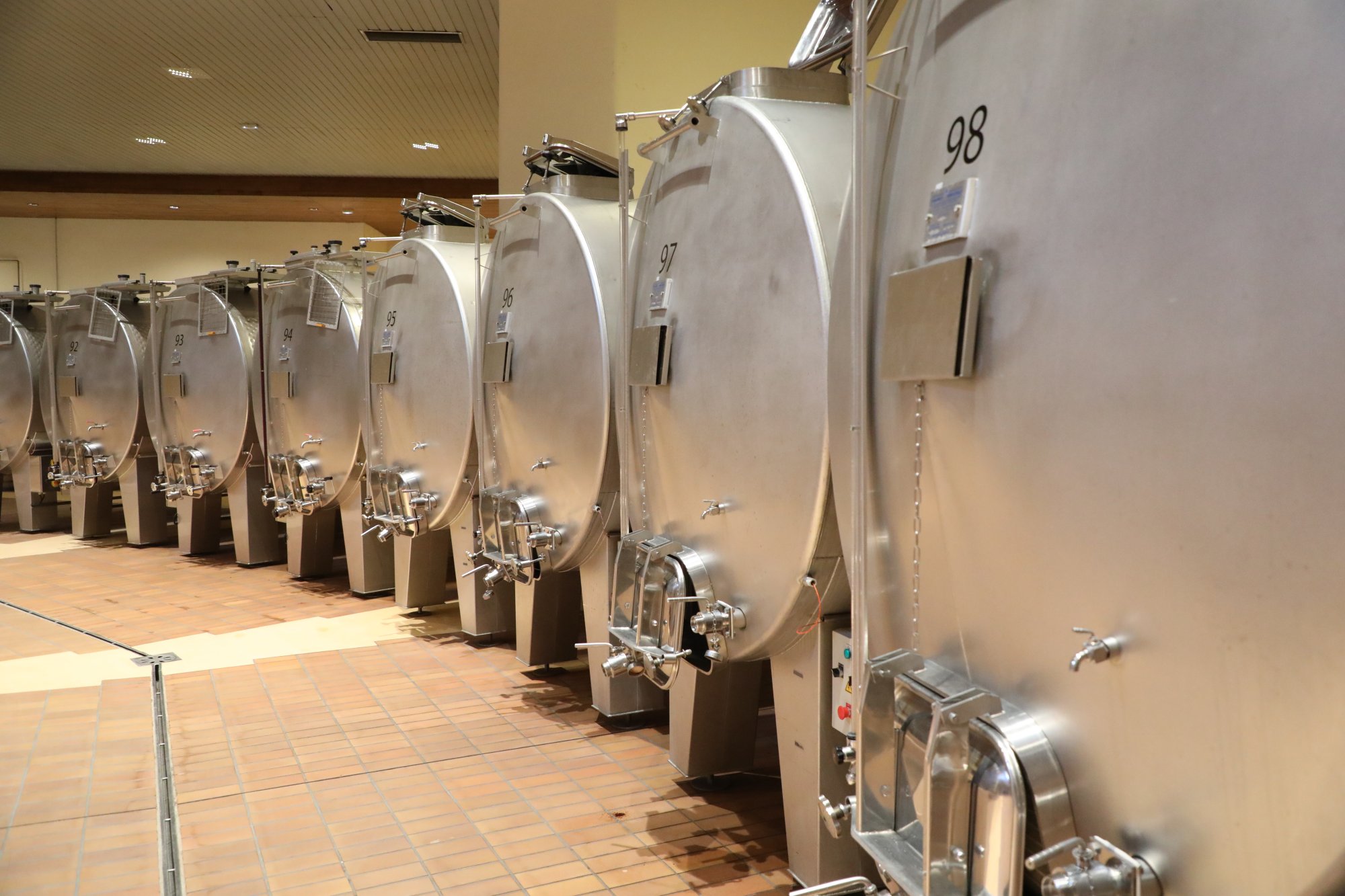
Maison Louis Jadot is also notable for its vertical integration. In 1996, the company, along with three other founders, established its own cooperage, Cadus, ensuring control over the production of French oak barrels used in aging its wines. This reflects a broader commitment to quality control at every stage of production, from vineyard to bottle. Maison Louis Jadot still maintains very close ties with Tonellerie Cadus and uses Cadus barrels in their winemaking.
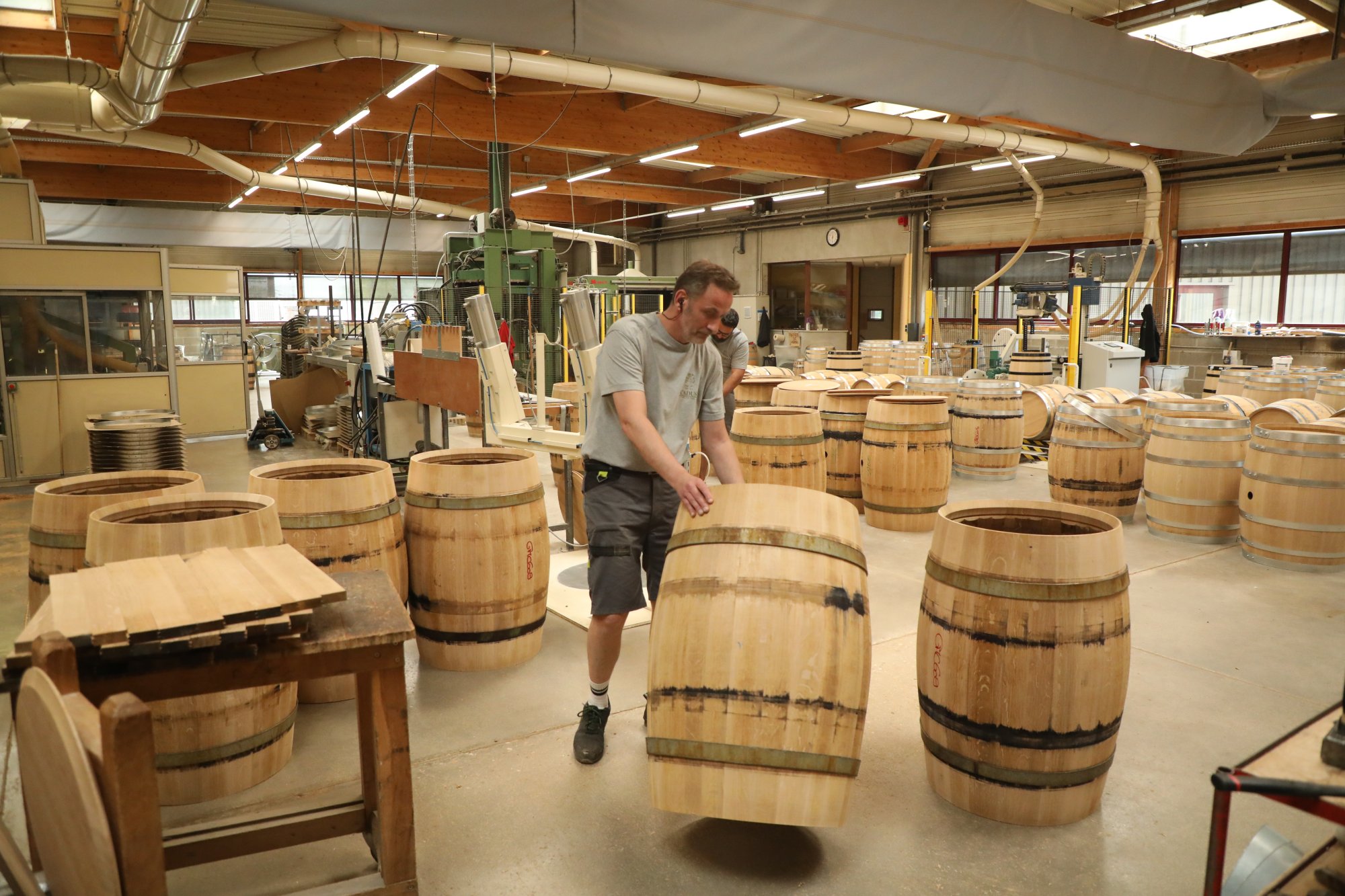
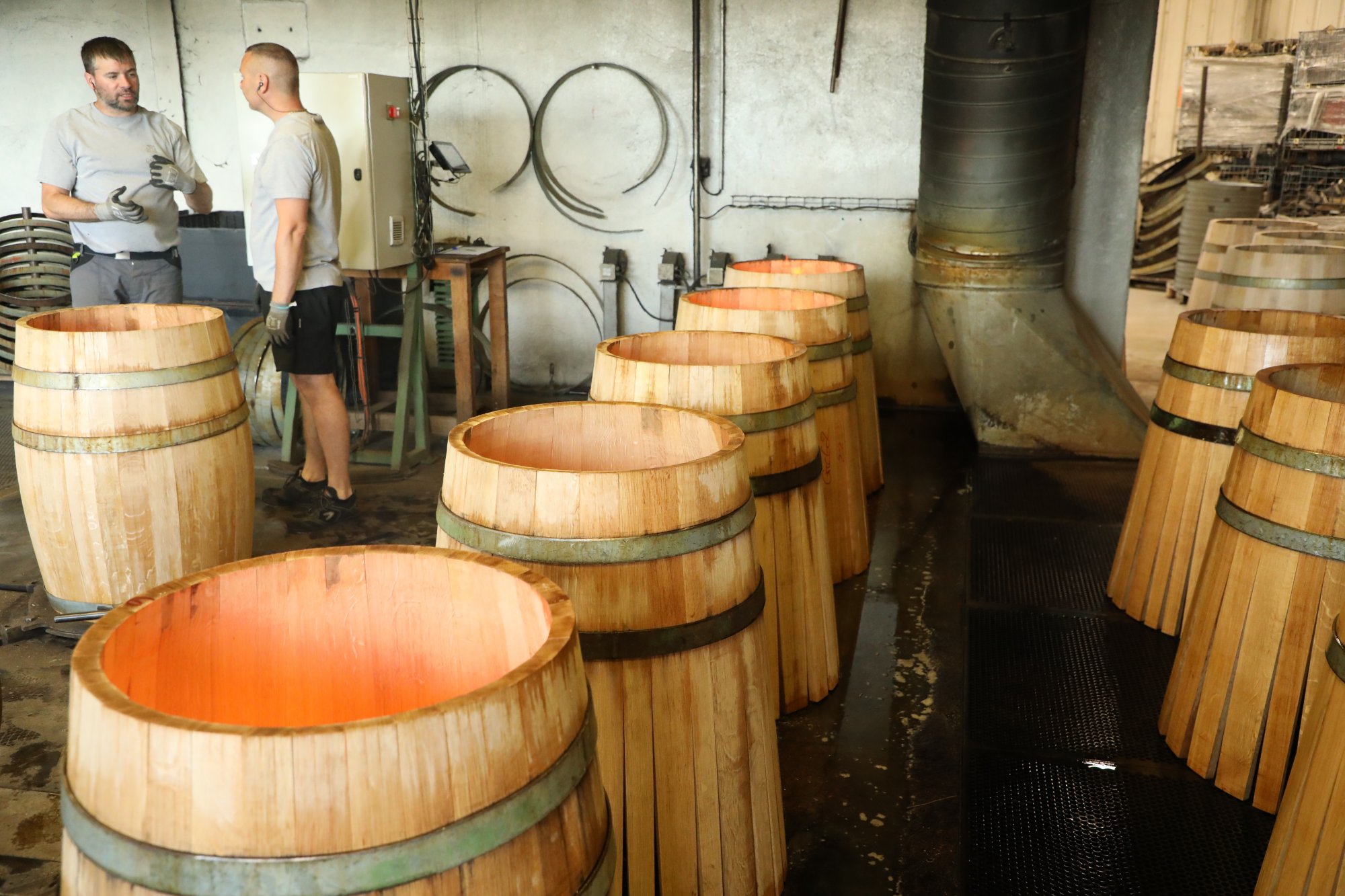
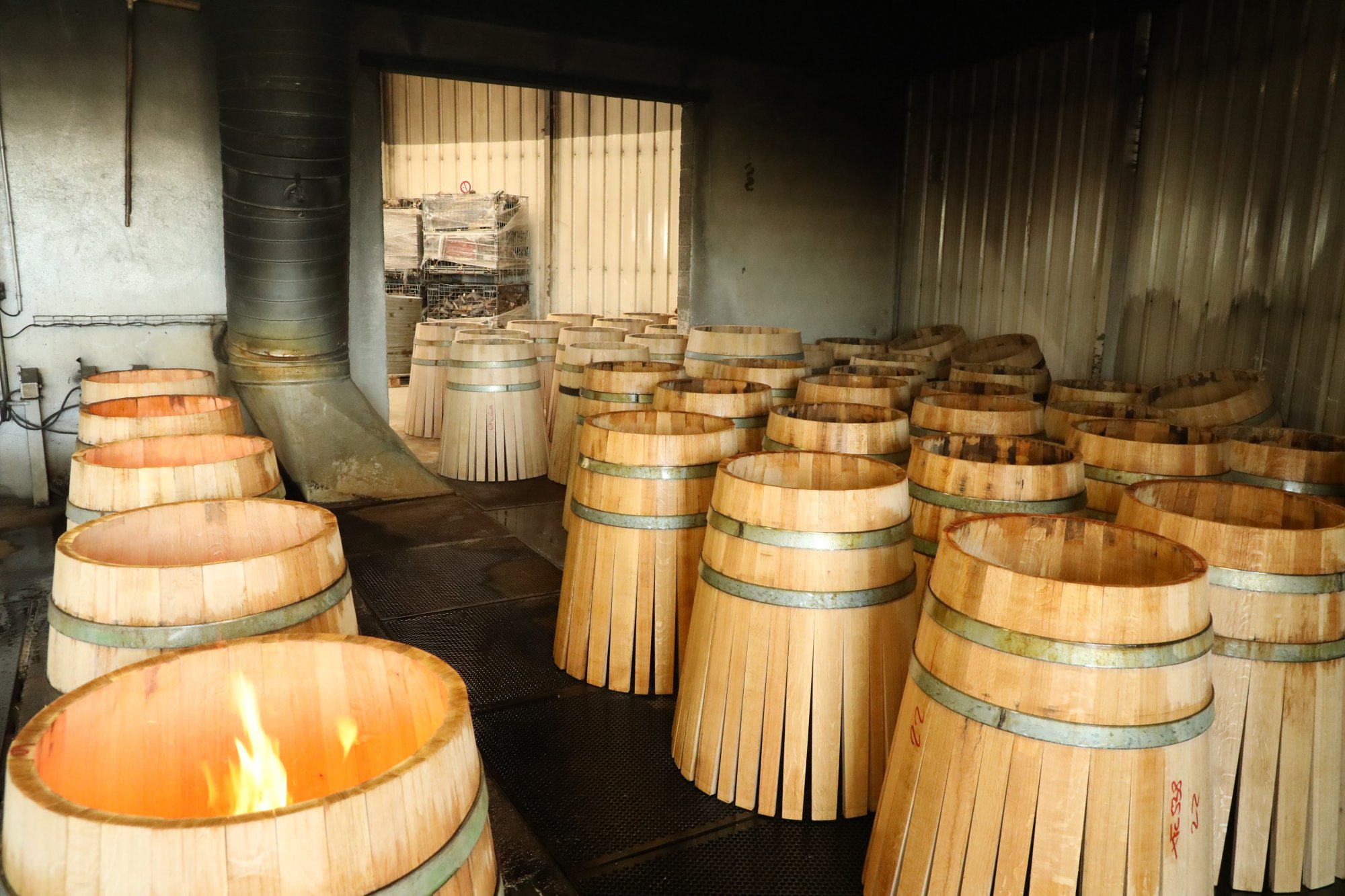
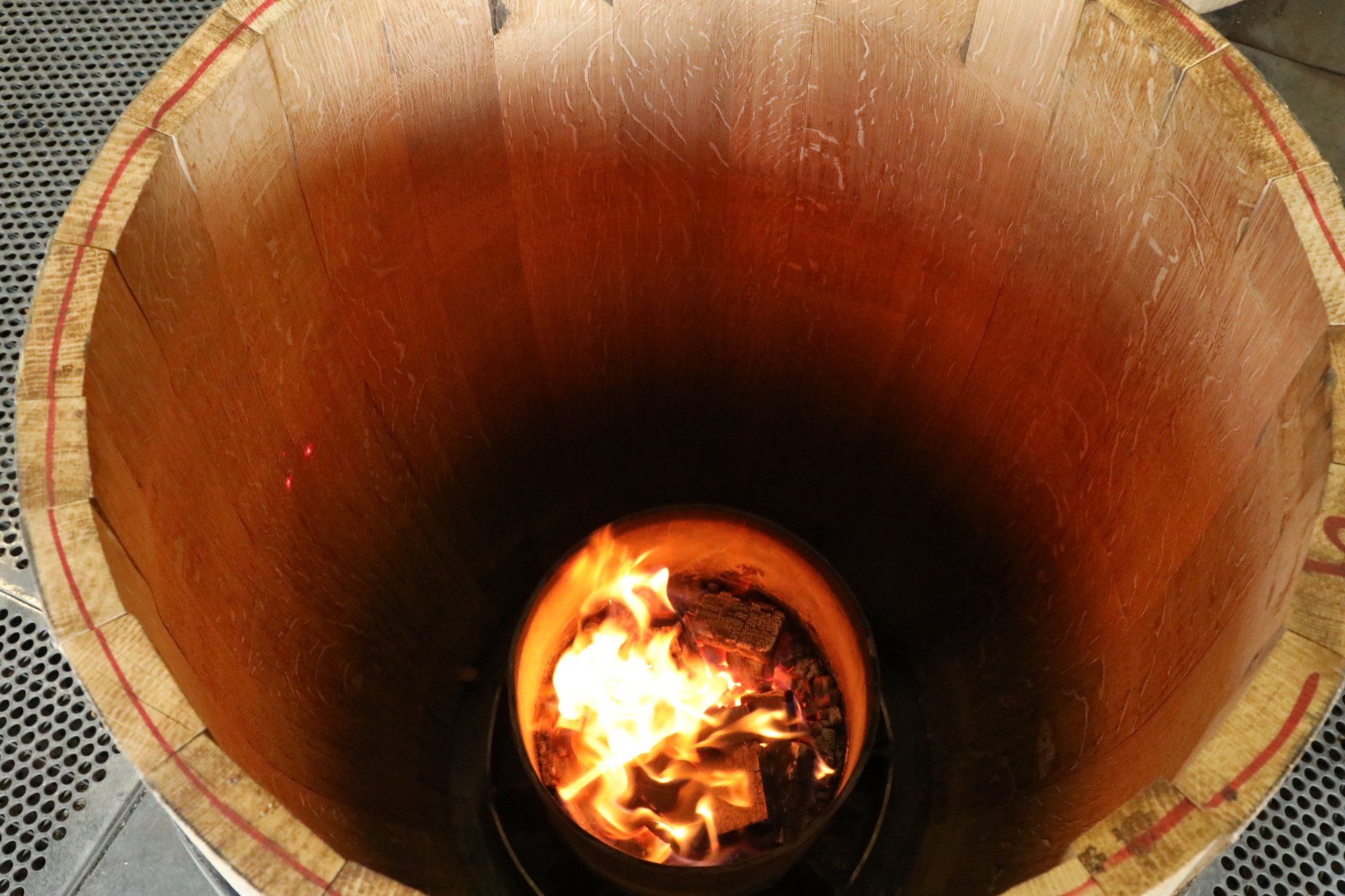
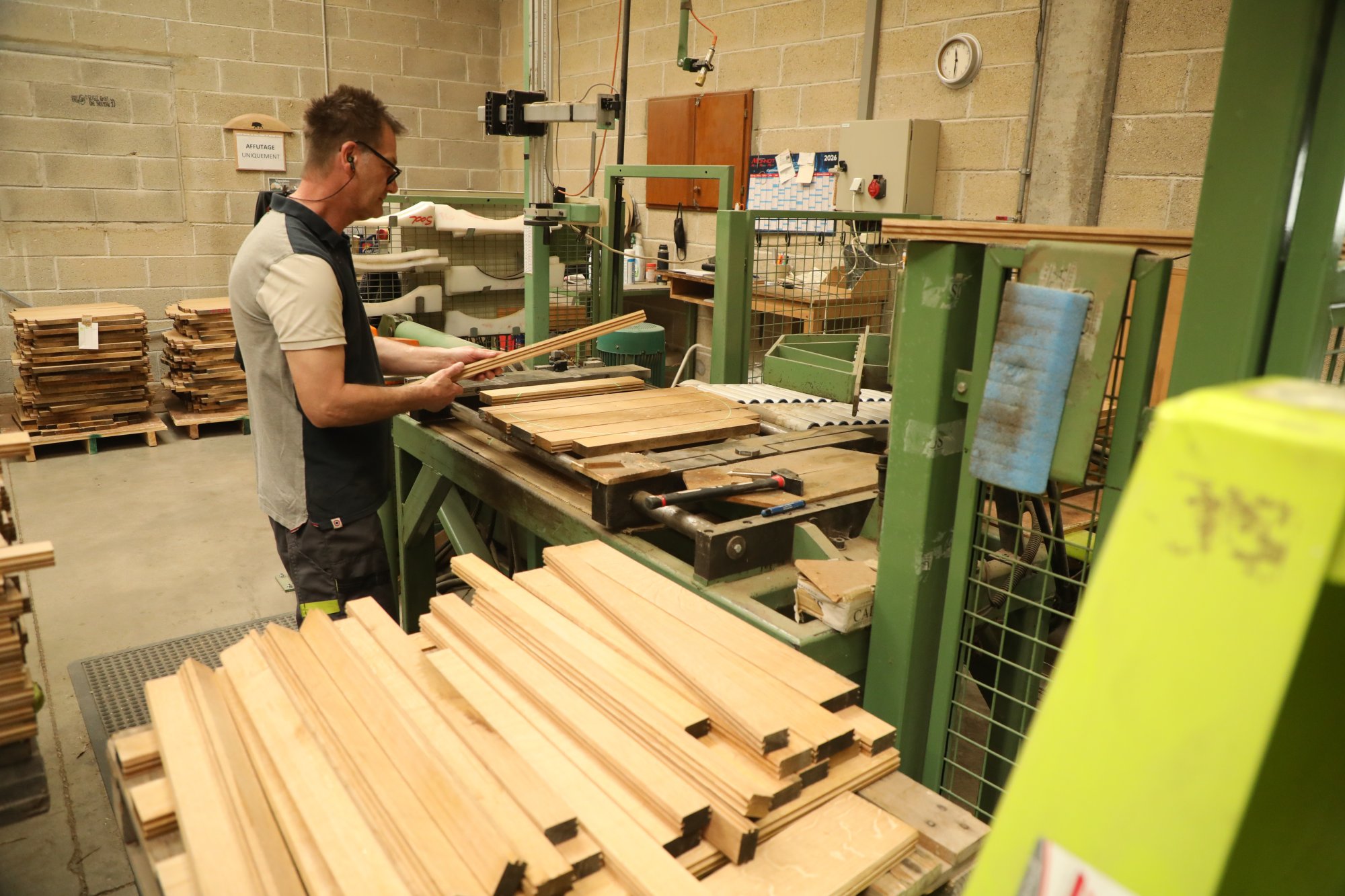
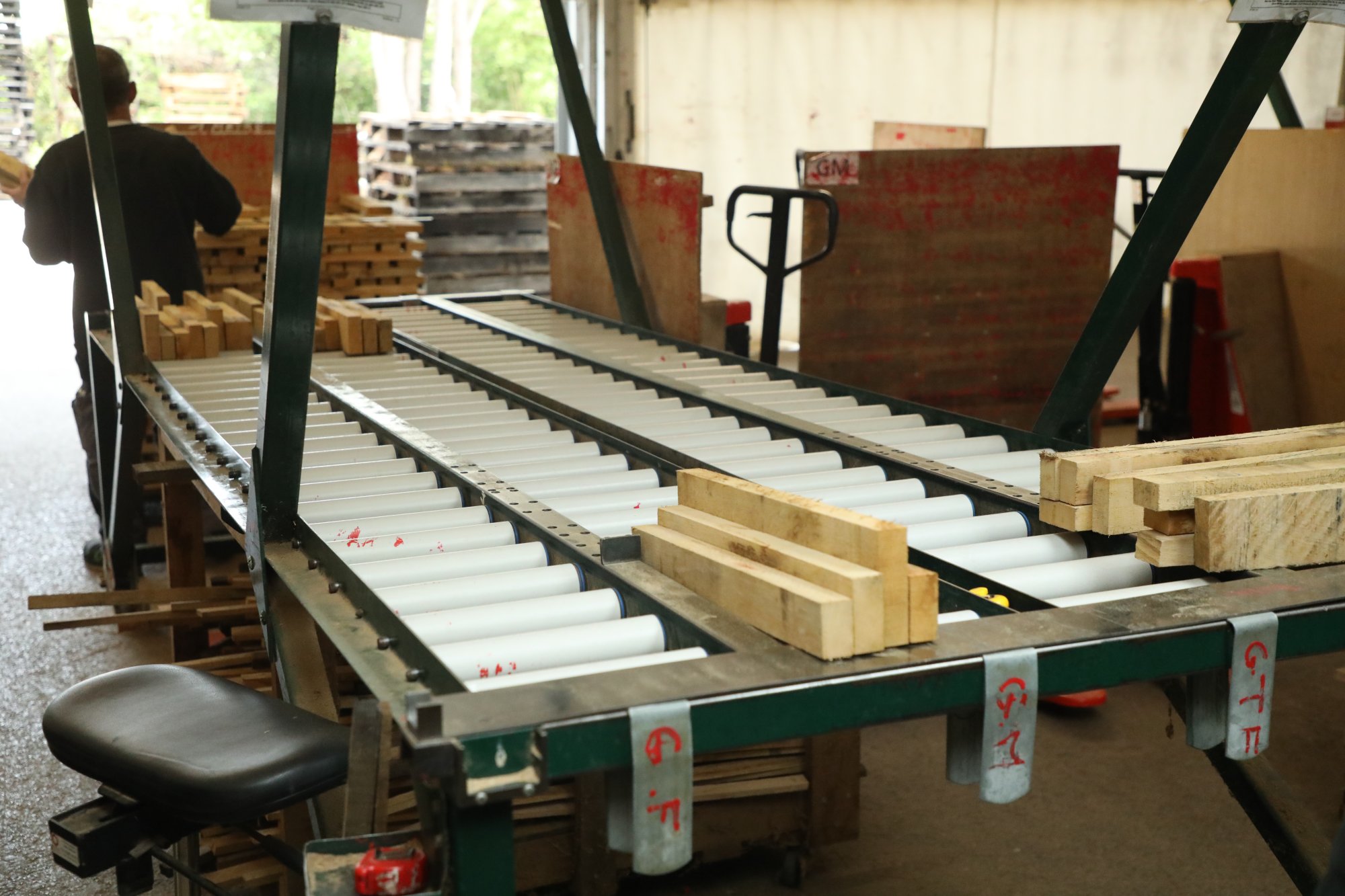
We visited Tonnellerie Cadus in mid 2026 and toured with CEO Benjamin Le Berre. He highlighted how the cooperage was founded in the 1990s through the vision of Pierre-Henri Gagé of Maison Louis Jadot, who wanted full control over barrel quality rather than relying on external suppliers. At the time, barrel-making quality was inconsistent, and after a failed opportunity to acquire an existing cooperage, Jadot partnered with a stave mill to build Cadus from scratch in Burgundy.
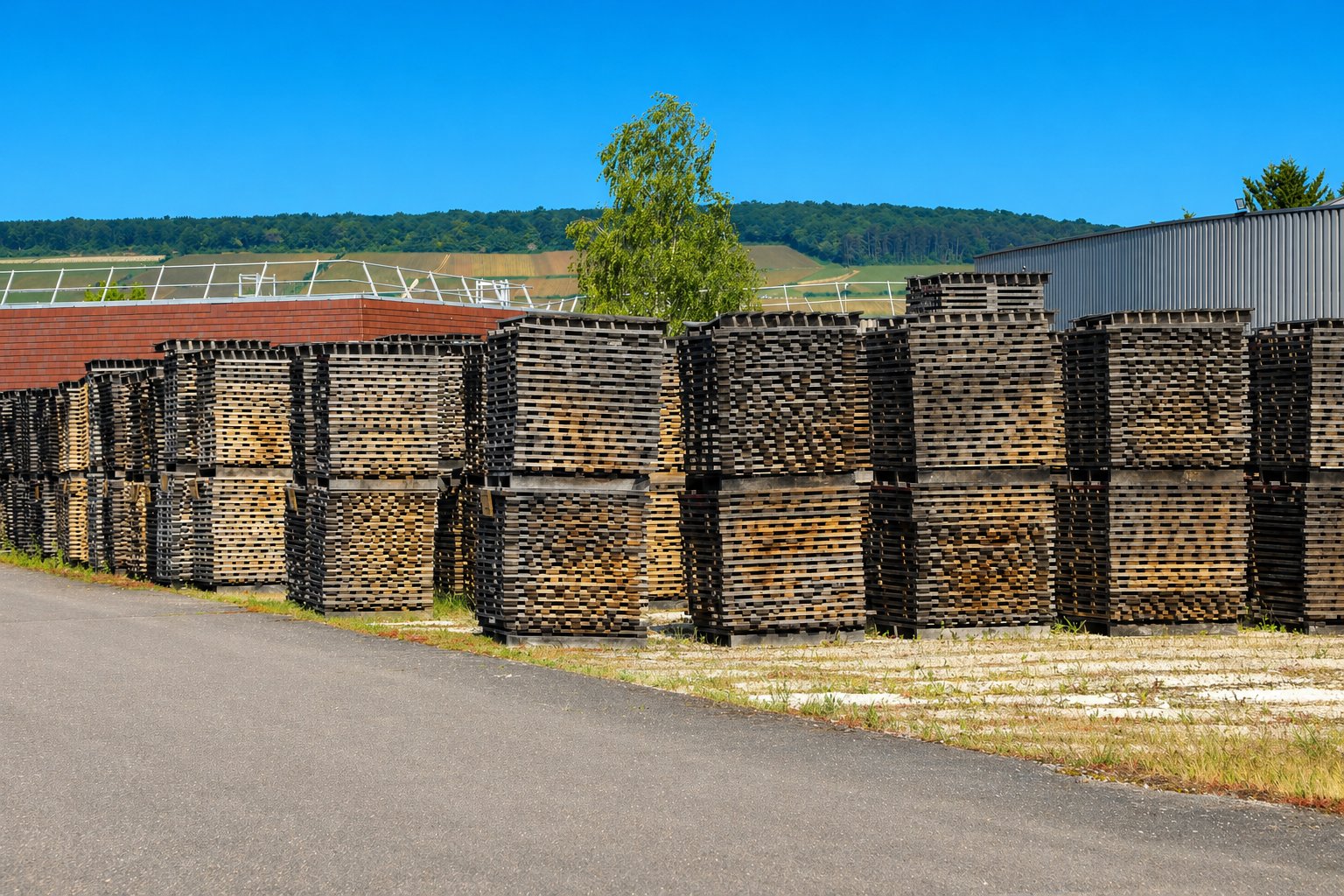
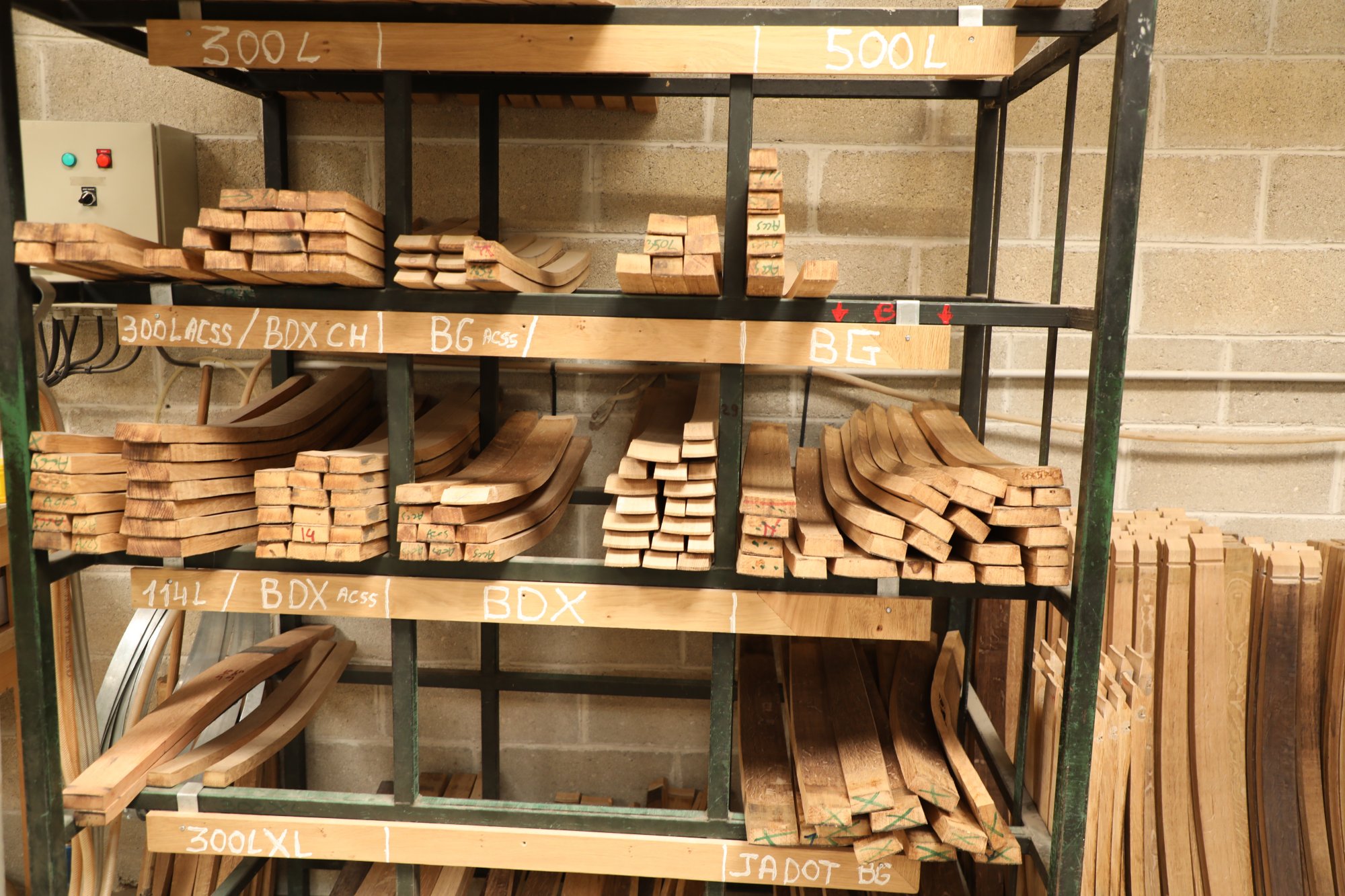
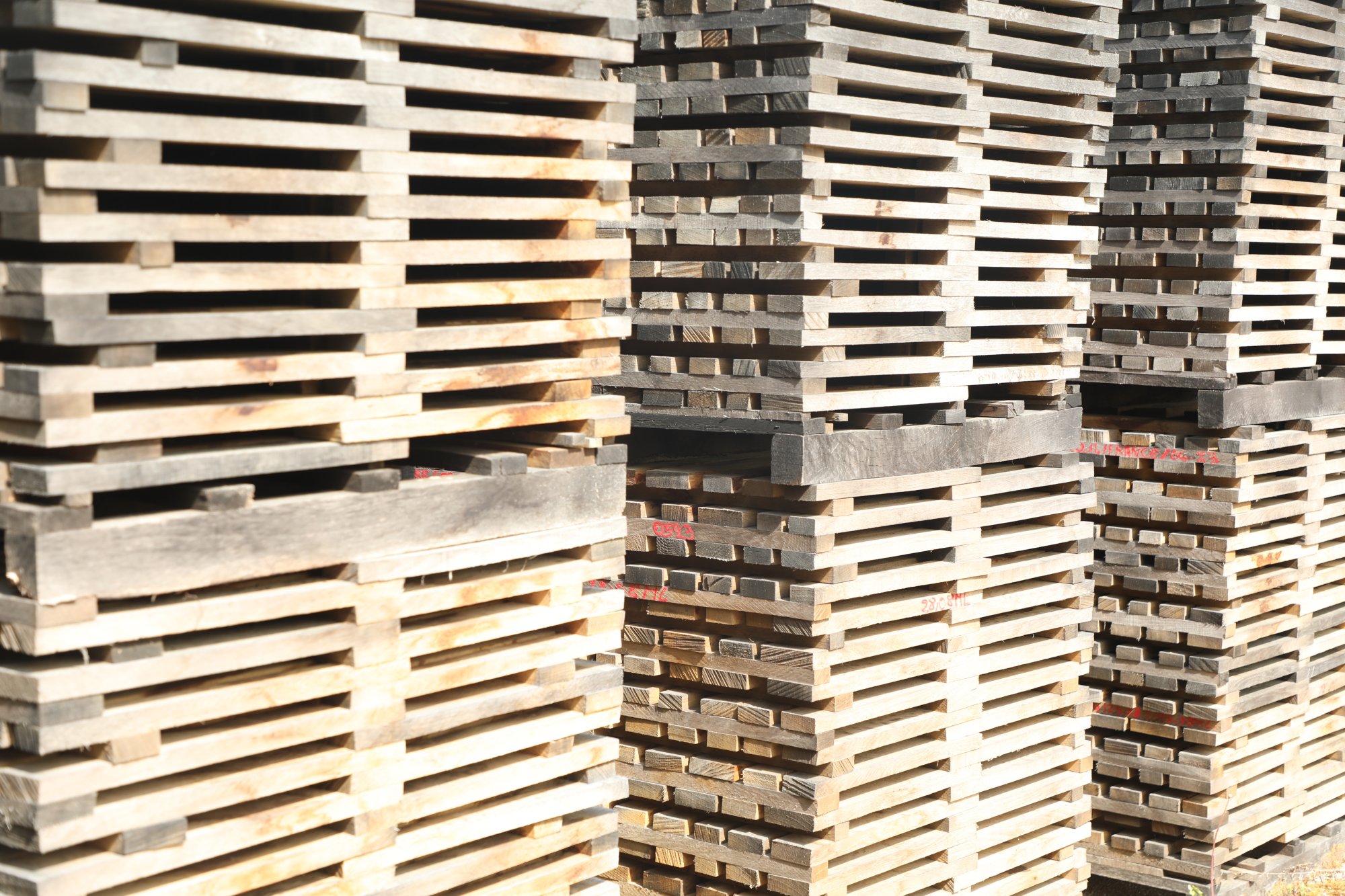
This vertical integration—from forest to finished barrel—became a key strength, especially as oak sourcing has grown increasingly competitive and expensive, with wood now accounting for around 60% of a barrel’s cost. Cadus uses 100% French oak, much of it sourced through the French National Forest Office (ONF), and emphasizes long-term planning due to the 150–250 year growth cycle of oak trees and the 30-month air-seasoning process required to stabilize the wood, refine tannins, and ensure quality. Although with global warming, the time needed to air season may be reduced slightly.
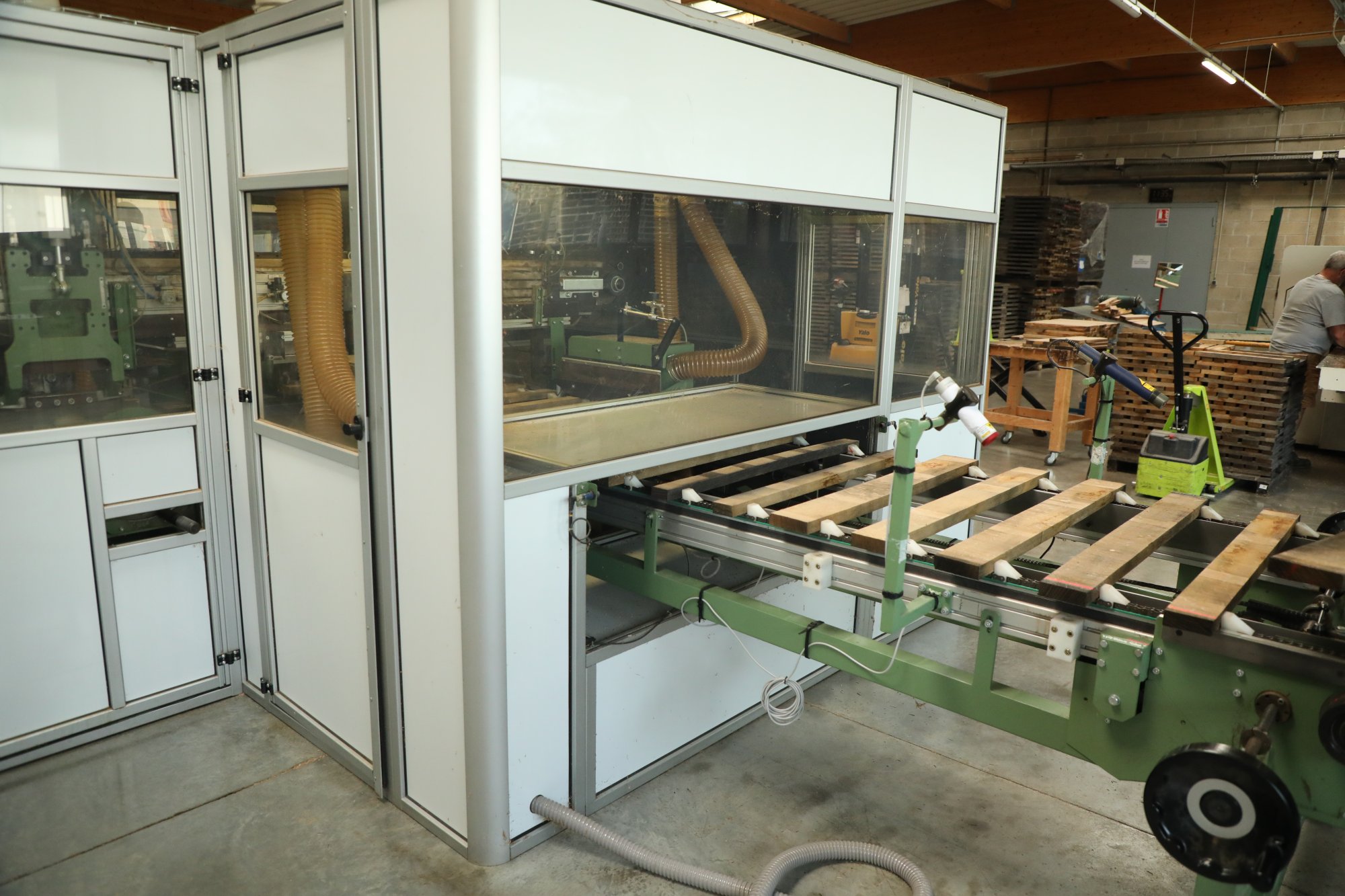
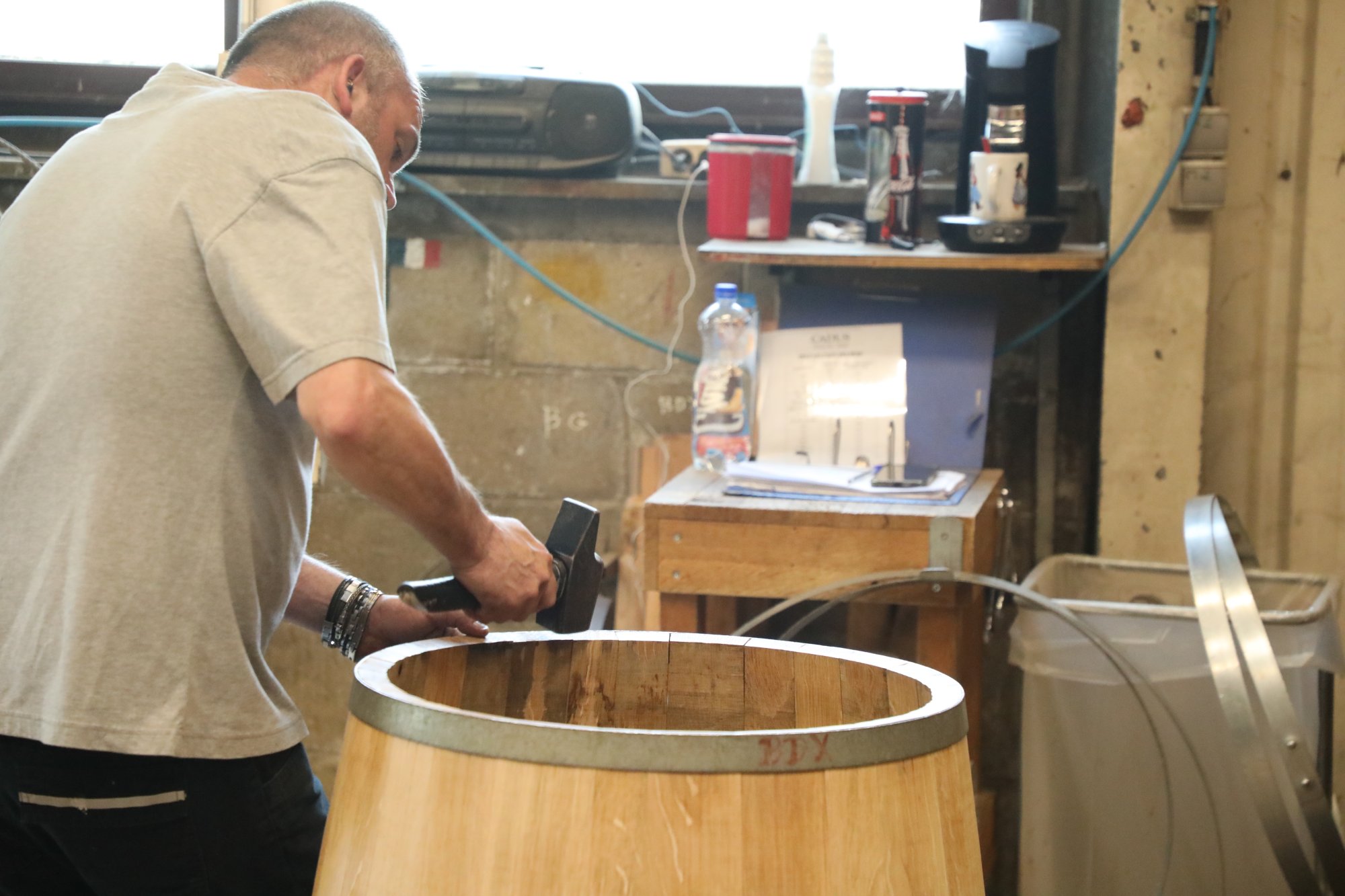
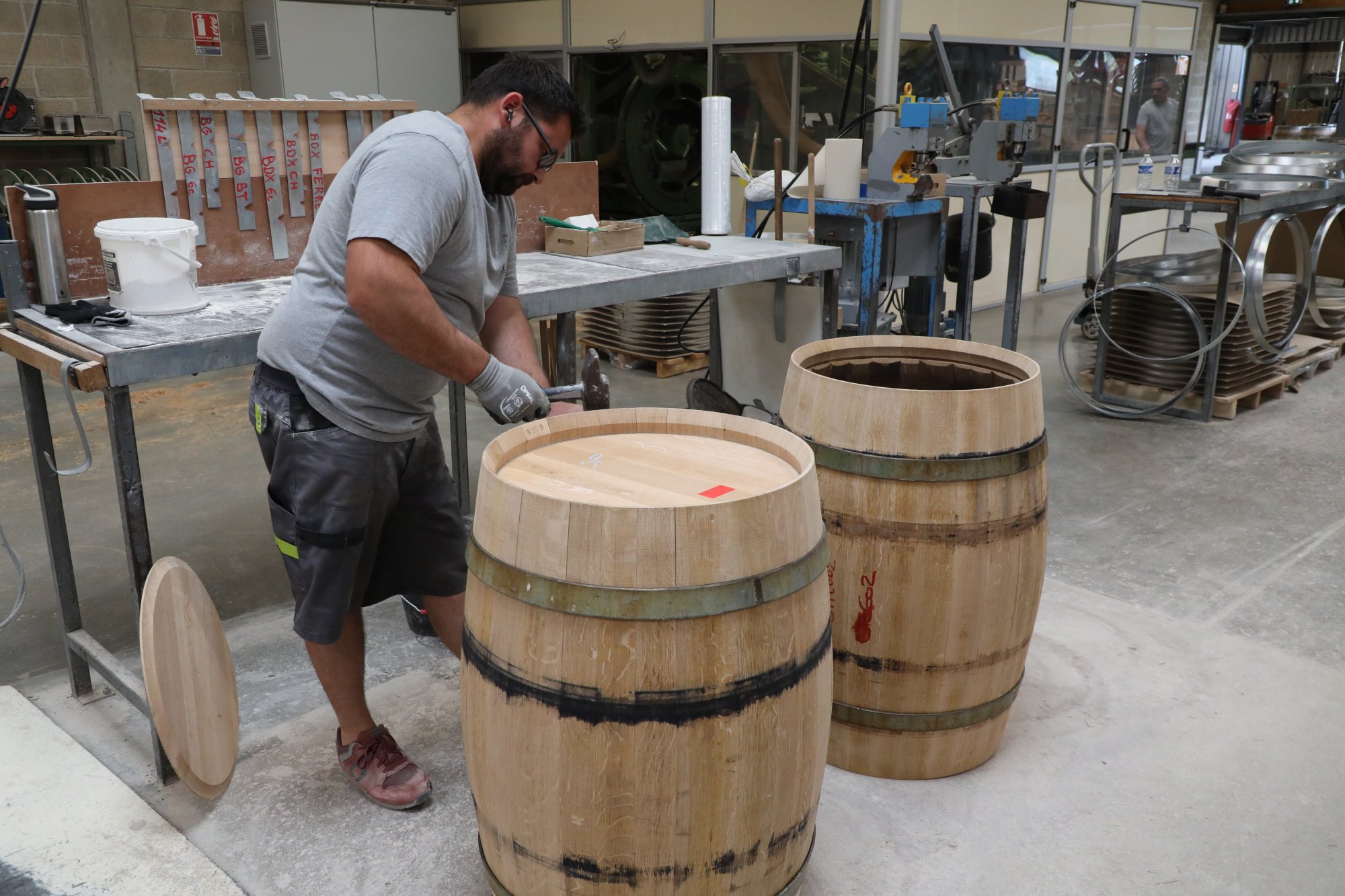
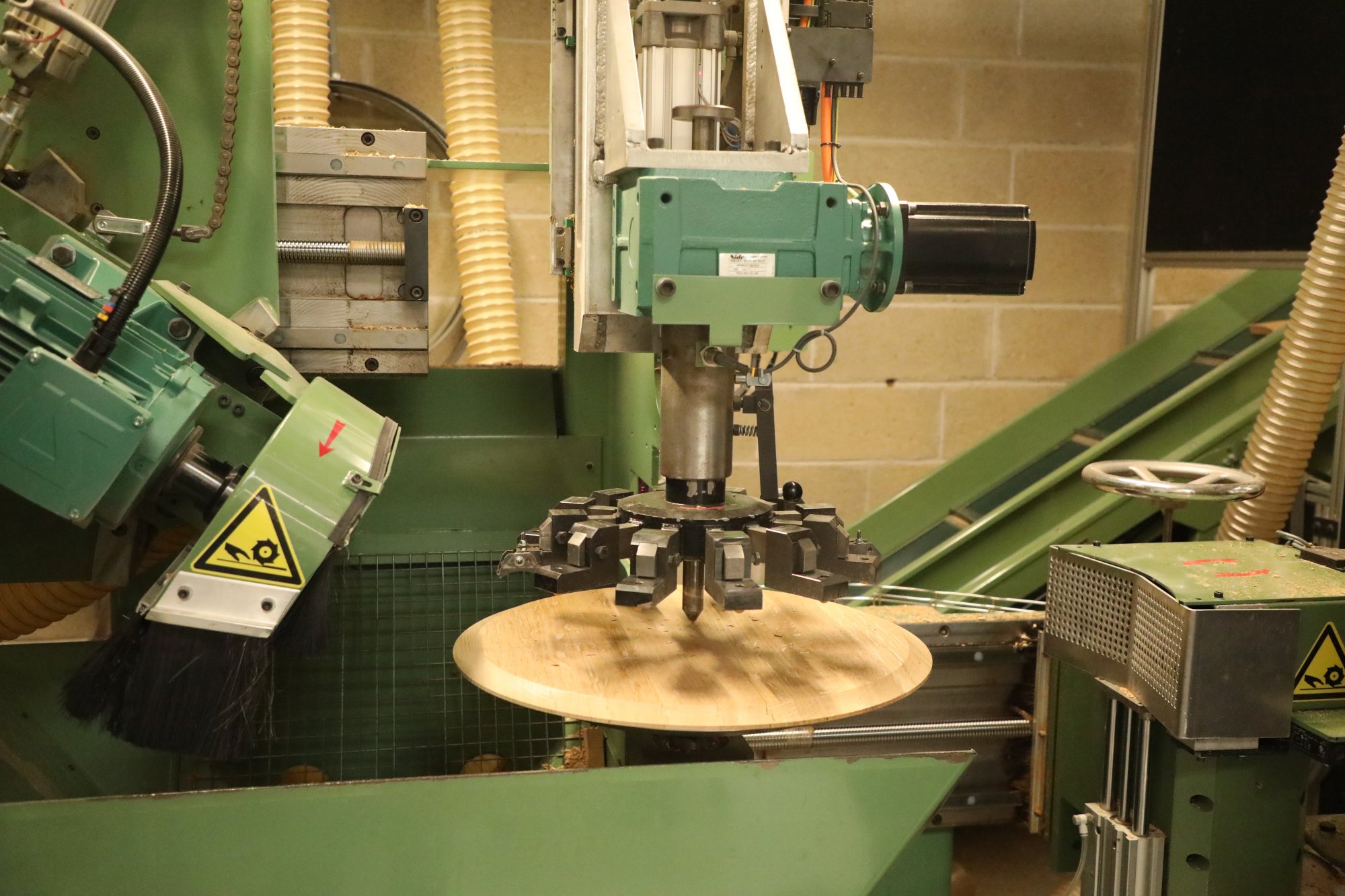
We saw how production begins with green wood that is carefully sorted, and seasoned outdoors using sun, wind, and rain, and then crafted into barrels with minimal waste. The grain of the wood is critical—affecting both structural integrity and wine flavor—and differs significantly from American oak, requiring precise splitting to avoid leaks.
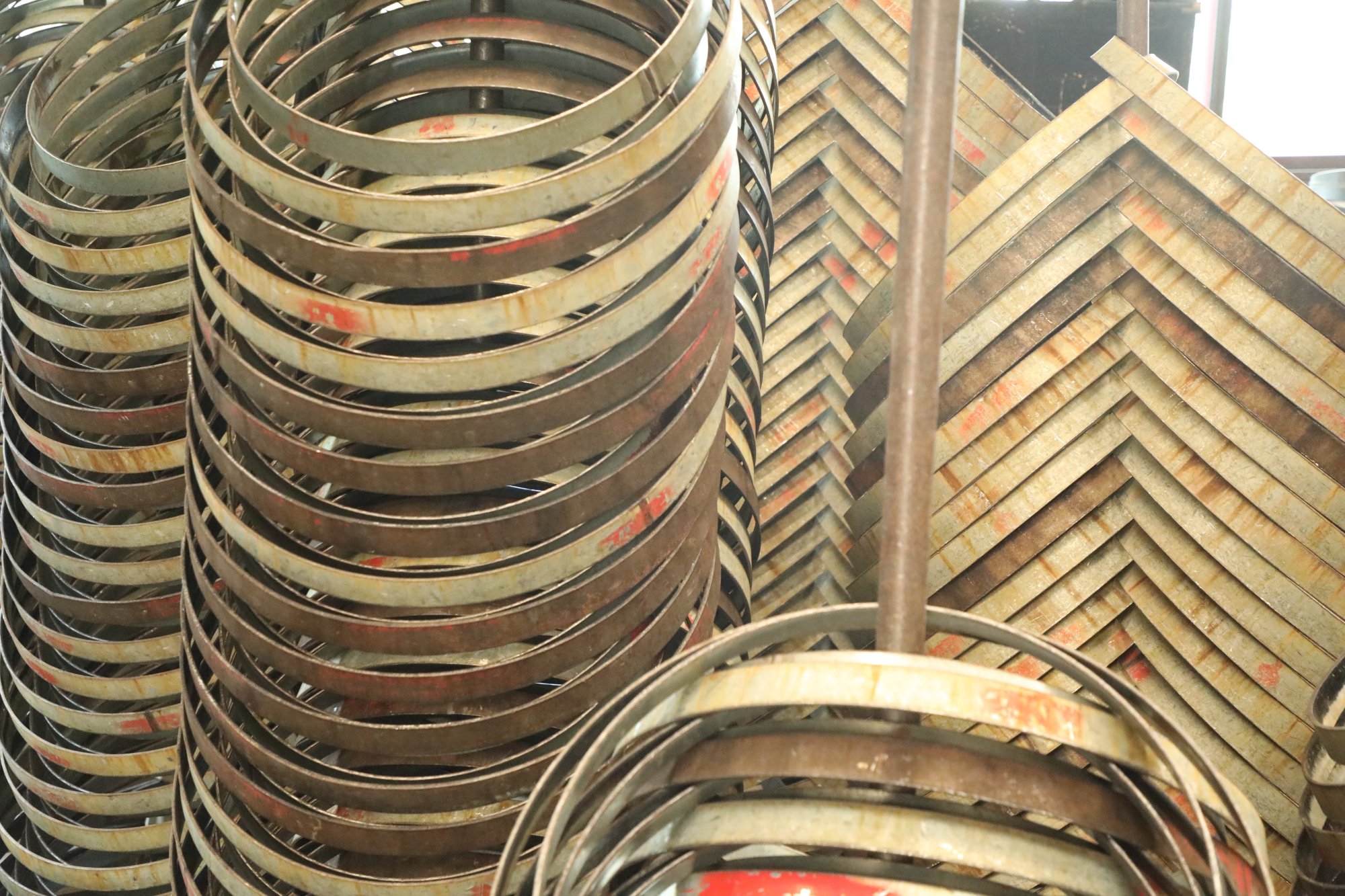
The cooperage balances tradition and modern efficiency, producing up to 70–100 barrels per day while maintaining strict quality control, including testing for leaks and replacing defective staves.
The process also reflects broader challenges in the industry, such as fluctuating global demand, rising raw material costs, and the need to forecast production years in advance. Overall, Cadus demonstrates how deeply barrel-making is tied to both natural resources and winemaking philosophy, with careful attention at every step from forest management to final assembly.
Select Wines
Chardonnay
The 2023 Louis Jadot Rully Chardonnay is pale gold in color; the bouquet offers aromas of honeysuckle and honeycomb, apricot, peach, butter, and pineapple. Lovely texture carries from the entry through the finish, concluding with a persistent brightness. The mouthfeel is refined and expressive, lifted by bright, refreshing acidity that keeps the wine feeling energetic. On the palate, it shows notes of lemon zest, lime, and slightly underripe pineapple. Intensely flavored yet well-balanced, this wine maintains both richness and precision, with a clean, lively finish that lingers gracefully.
The 2023 Louis Jadot Chablis Fourchaume Premier Cru Chardonnay is pale gold in color; the bouquet is bright and vibrant, offering aromatics of apricot, a light kiss of butter, honeysuckle, and jasmine. It has more layers across the palate than the nose initially suggests, adding depth to its lively aromatic profile. On the palate, the wine shows flavors of Meyer lemon, lime, green apple, slightly underripe pineapple, and pomelo, with a subtle mineral edge. Lifted by its vibrant acidity, the finish is persistent, carrying both flavor intensity and freshness. There is texture present, though it is seamlessly integrated and partially masked by the wine’s energetic acidity, giving it a focused, precise structure.
The 2023 Louis Jadot Beaune Bressandes Chardonnay is medium gold in color; the bouquet shows a riper profile than the other two Chardonnays from this same vintage – sporting aromas of golden apple, honeydew melon, pineapple, butter, apricot, and yellow peach. Generous and inviting on the nose, it leans into a richer expression of Chardonnay. Intensely flavored with excellent persistence on the finish, the palate reveals notes of honeycomb, toasted hazelnut, butter, a hint of vanilla, pear, and baked golden apple. The richness of flavor is matched by a firm line of acidity, creating a structured yet balanced profile. Textured and mouth-coating without ever becoming overwhelming, this wine maintains energy and lift through the finish, with a lingering, layered impression.
Pinot Noir
The 2019 Louis Jadot Savigny-lès-Beaune Premier Cru Pinot Noir is pale ruby in color; the nose is ripe and expressive, offering sweetly fruited aromas of raspberry, Santa Rosa plum, fig, red licorice, and a touch of vanilla. Approachable and crowd-friendly, this wine is showing well in a generous, open phase several years post-vintage. On the palate, red fruit dominates, with flavors of currant, cherry, slightly underripe boysenberry, pomegranate, and red plum. A light thread of spice carries through the finish, including notes of white pepper, while the tannins are most noticeable on the front of the palate. The texture is relatively light, but the tannic structure lingers beyond the fruit, providing a subtle grip and persistence.
The 2022 Louis Jadot Chorey-lès-Beaune Les Beaumonts is pale ruby in color; the bouquet is high-toned and red-fruited, with scents of raspberry, red cherry, rose petals, and dried herbs. The aromatic profile is lifted and slightly savory, offering both freshness and nuance. On the palate, it delivers flavors of red plum, red cherry, and raspberry, supported by a firm, structured backbone. The finish carries a noticeable spicy tug, with notes of crushed pink peppercorn, dried sage, smoked cedar, and bay leaf. It lingers with a dusty character; the tannins fully and broadly coat the palate with a persistent grip. This wine shows multiple layers and a distinctly savory edge, giving it a more cerebral and serious expression. It should age well, and additional development over the next 5 to 10 years will likely bring further complexity.
The 2022 Louis Jadot Beaune Clos des Ursules is pale to medium ruby in color; the bouquet is ripe and sweetly fruited, with aromas of cherry, raspberry, blueberry, and a touch of vanilla. Bright and inviting, the palate is fresher than the nose initially suggests, showing higher-toned red fruit such as currant, cranberry, and tart cherry. A subtle mineral thread runs through the wine, adding precision and lift. The tannins emerge slightly later on the palate, gradually becoming more expressive and structured. The finish persists with a gentle, dusty grip that runs parallel to the fruit and acidity, creating a harmonious and balanced profile. This is a refined and age-worthy wine, with the structure and freshness to evolve gracefully over time.
—
Maison Louis Jadot stands as a benchmark Burgundy producer—bridging tradition and scale. Its combination of estate vineyards, négociant activity, and global distribution has made it one of the most recognizable names in French wine, while still maintaining a strong connection to the historic vineyards of Burgundy.
ARCHIVED NOTES
Cabernet Culinary Challenge V2.0
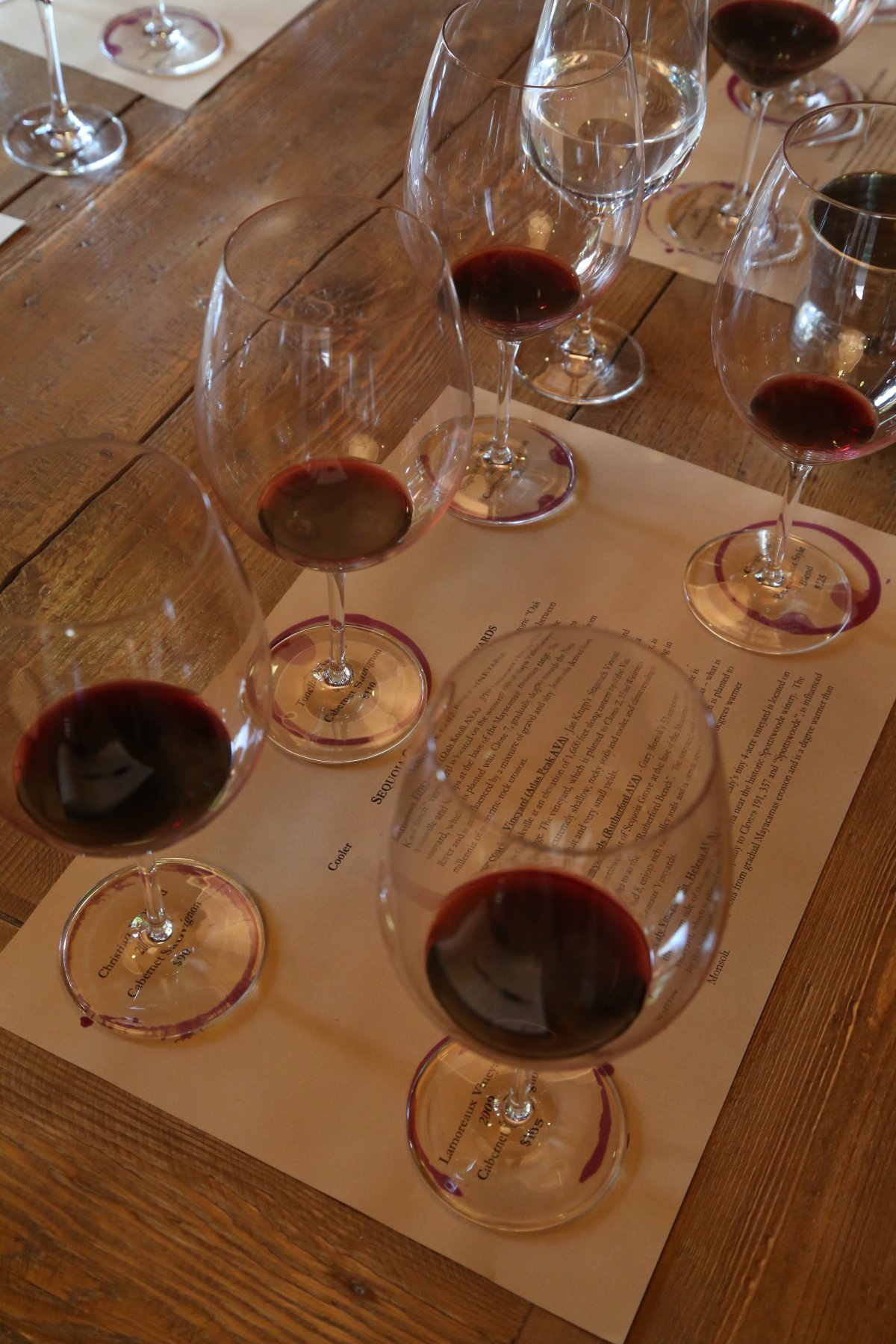
A highly unique offering in Napa Valley was Sequoia Grove’s food and wine educational and competitive sit down tasting. This experience is no longer offered but we keep our notes here for historical reference. The Cabernet Culinary Challenge V2.0 was setup for 4 to 12 people seated indoors in their private closed door VIP room adjoining the main tasting room. Weather permitting, larger groups were able to participate outdoors. A wine educator led the group through the characteristics of a flight of Cabernet Sauvignon wines and what makes them different based on a variety of factors including their terroir.
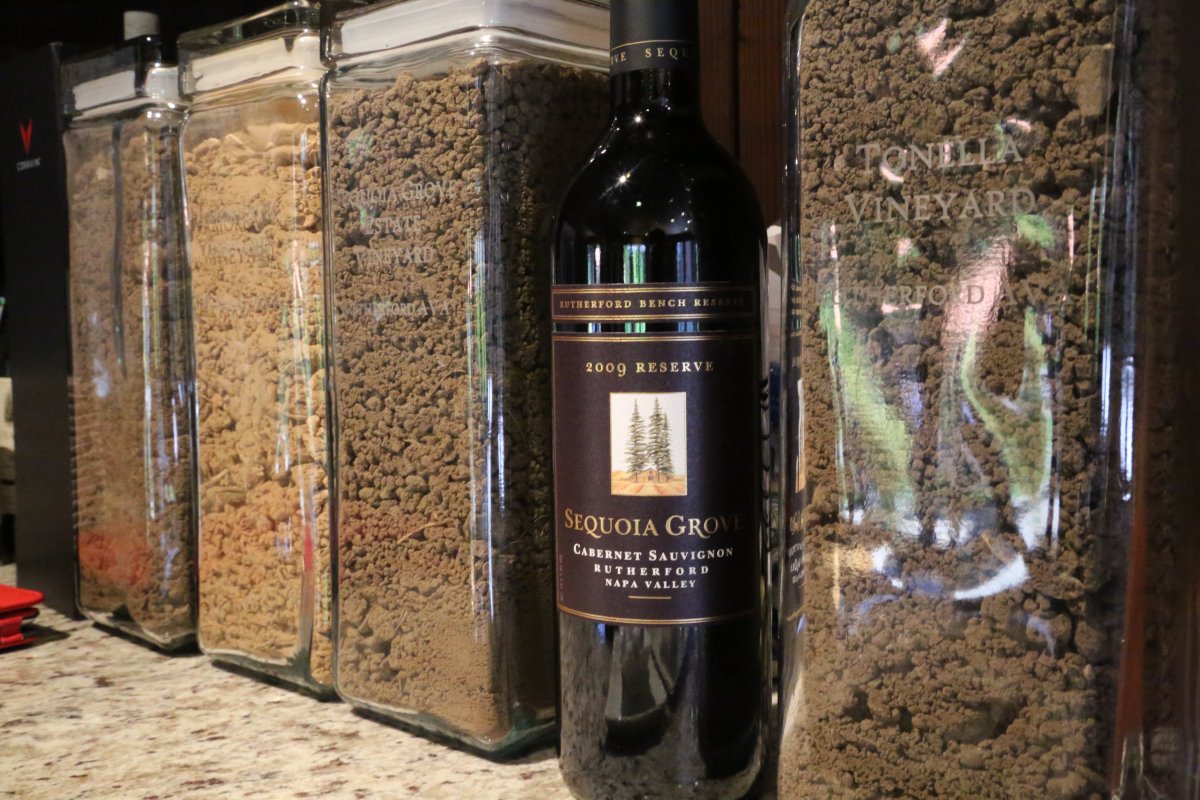
And soil samples on site were collected from different adjoining blocks within the same vineyards clearly show the dramatic differences in types of soils – sometimes even within close proximity of each other.
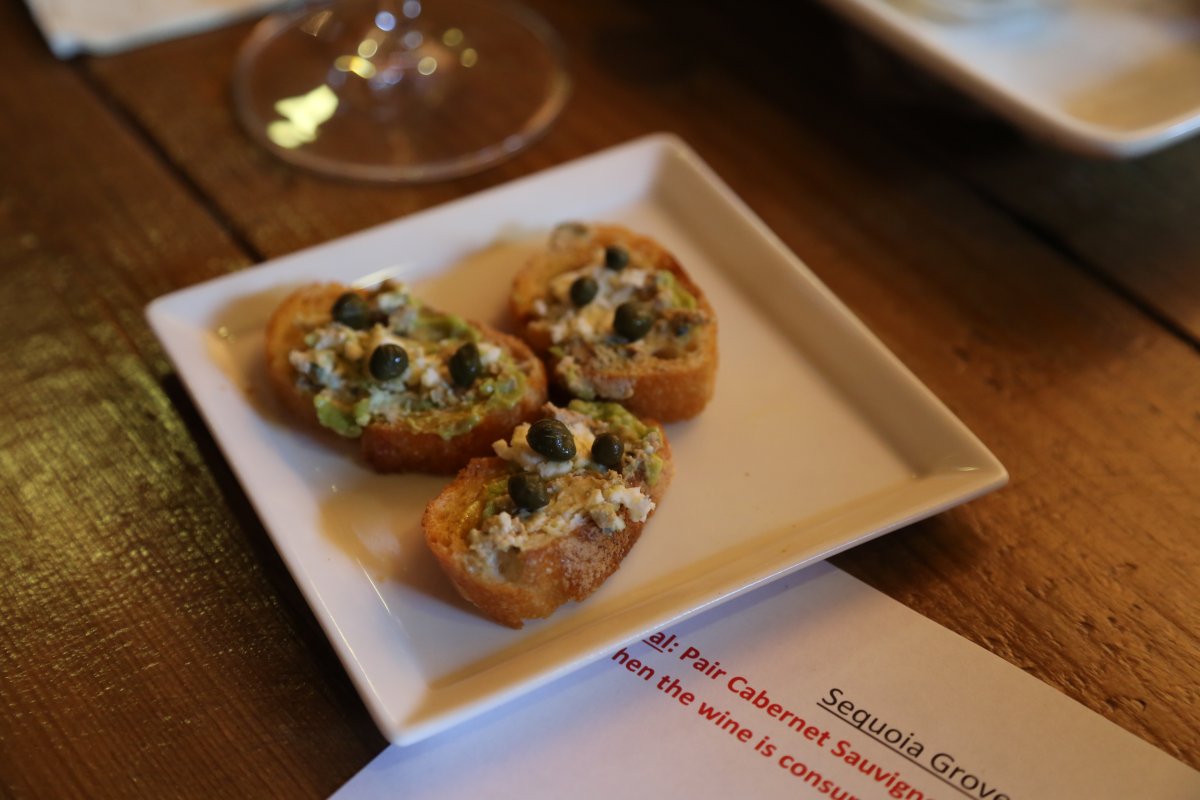
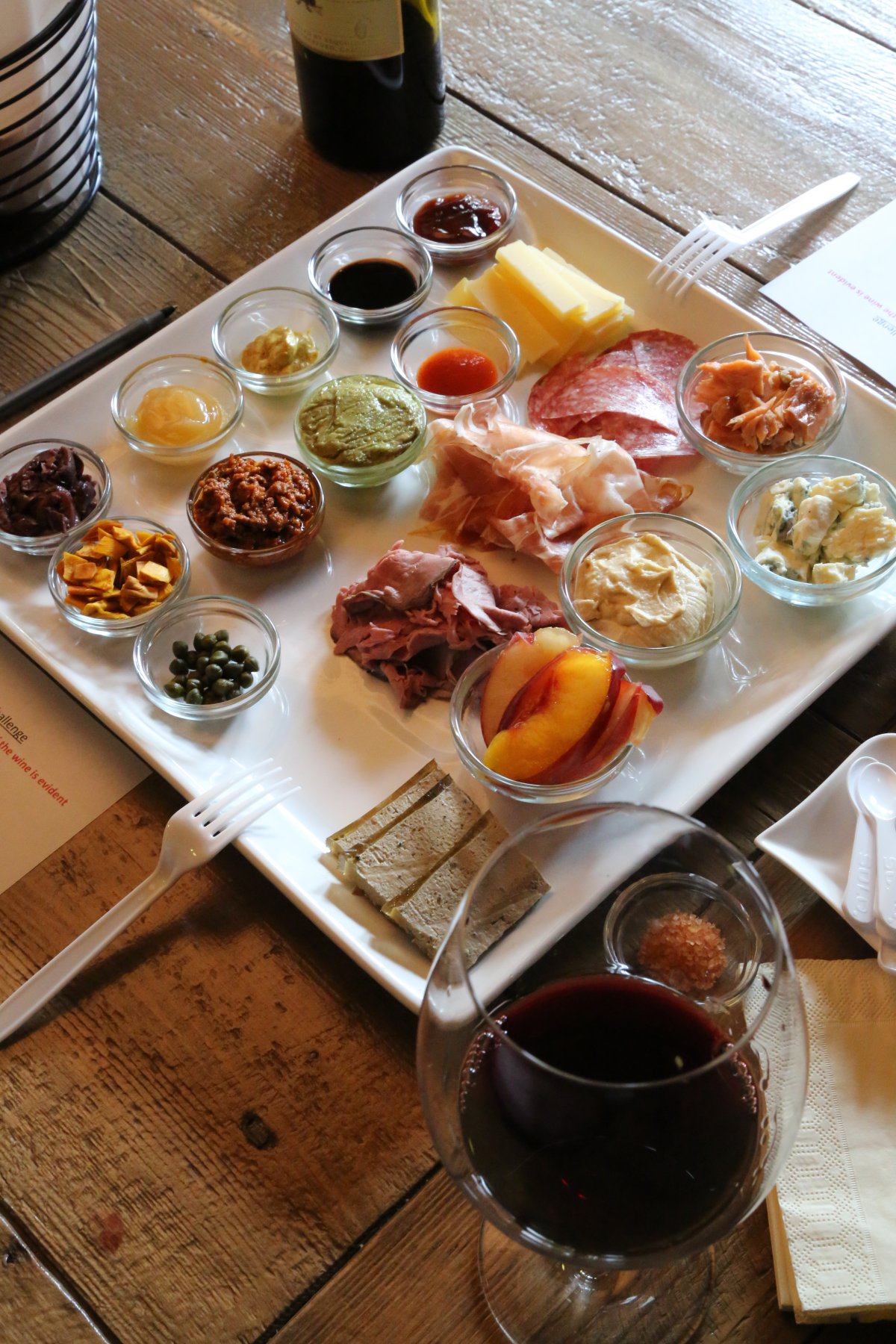
After the Cabernet tastings the real fun began. A wide assortment of various charcuterie, toppings, and seasonal items were presented on large plates along with a batch of crostinis. The idea was to build a crostini using a minimum of three items which pairs best with their Stagecoach Cabernet Sauvignon. Hint: balance is key here; some of the items will dramatically change the flavor and structure of the wine and you have to differentiate between what degrades the flavor and what enhances it. Salty, sweet and sour are some of the key components to be aware of during this competitive challenge.
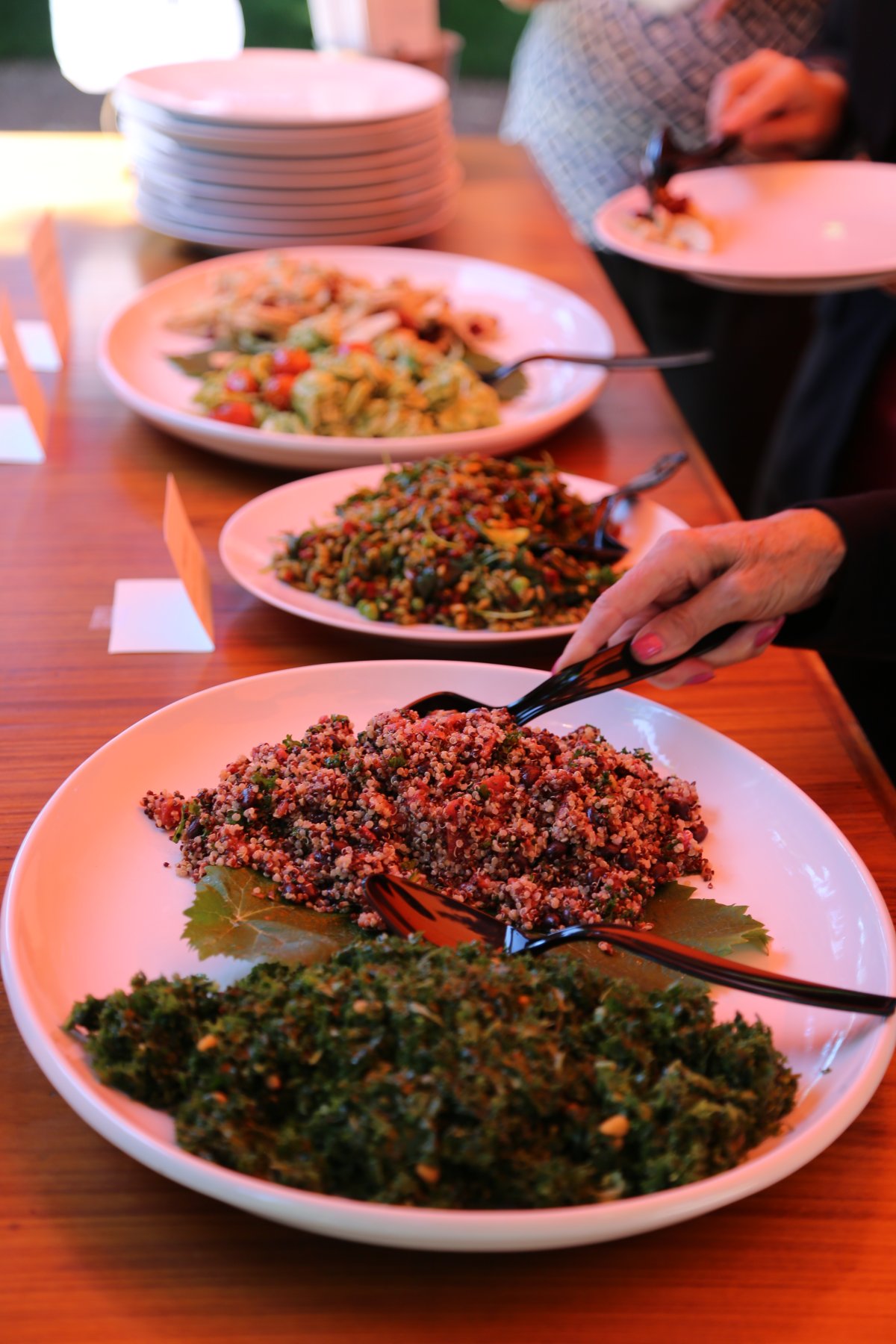
Creative participants would name their crostinis. However the name “Stagecoach Starter” was already taken 🙂 as this was the winning entry from our team (see photos below). Each member of the winning team received several small prizes in a gift bag. The food items provided light nibbles. A multi salad lunch sourced from a nearby gourmet deli was able to be added following the challenge.
This tasting was ideal for small groups or part of corporate events that wanted to focus on both wine education as well as team building. Allow 2.5 hours.
Cabernet Culinary Challenge V2.0
Difficult to reach staff via phone/email.
please call….707-483-0123
Ona – I hope you were able to get hold of someone, a friend now works here 🙂