



 Morlet Family Vineyards was started by French winemaker Luc Morlet and his wife Jodie; 2006 was their first vintage. Luc was born in Epernay, France (Champagne) and is the five generation of winegrowers; he has worked over 40 harvests. He has been surrounded by the wine industry his entire life as his family have been growing grapes since the early 1800s. The family winery, Champagne Pierre Morlet is located in Avenay-Val-d’Or, Champagne France about a 15-minute drive from the center of Epernay. Their focus is on Pinot Noir and Chardonnay creating several multi-vintage Champagnes as well as a vintage wine during exceptional years. See our notes and photographs below from a visit to Champagne Pierre Morlet.
Luc holds several degrees in winemaking and viticulture from France and after working at his family’s winery he worked at wineries in Burgundy, Bordeaux, Champagne and the southwest part of France. His first introduction to Napa Valley, however, was in 1993. He met Jodie for the first time in France in 1994, returned to Napa permanently in 1996 where he took over for John Kongsgaard at Newton and is the same year that he and Jodie were married. Before Luc became Newton’s Director of Viticulture and Enology, he had a chance to work with Kongsgaard and later continued crafting their well-known, Unfiltered Chardonnay.
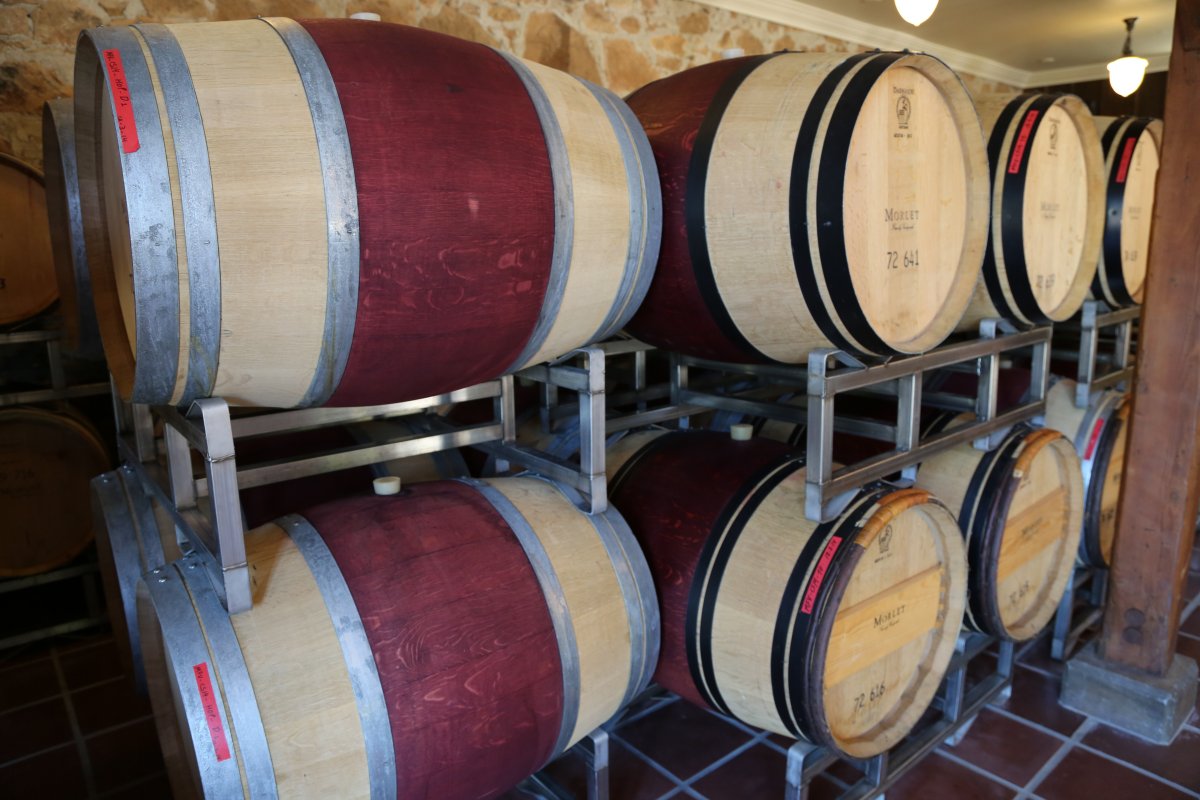
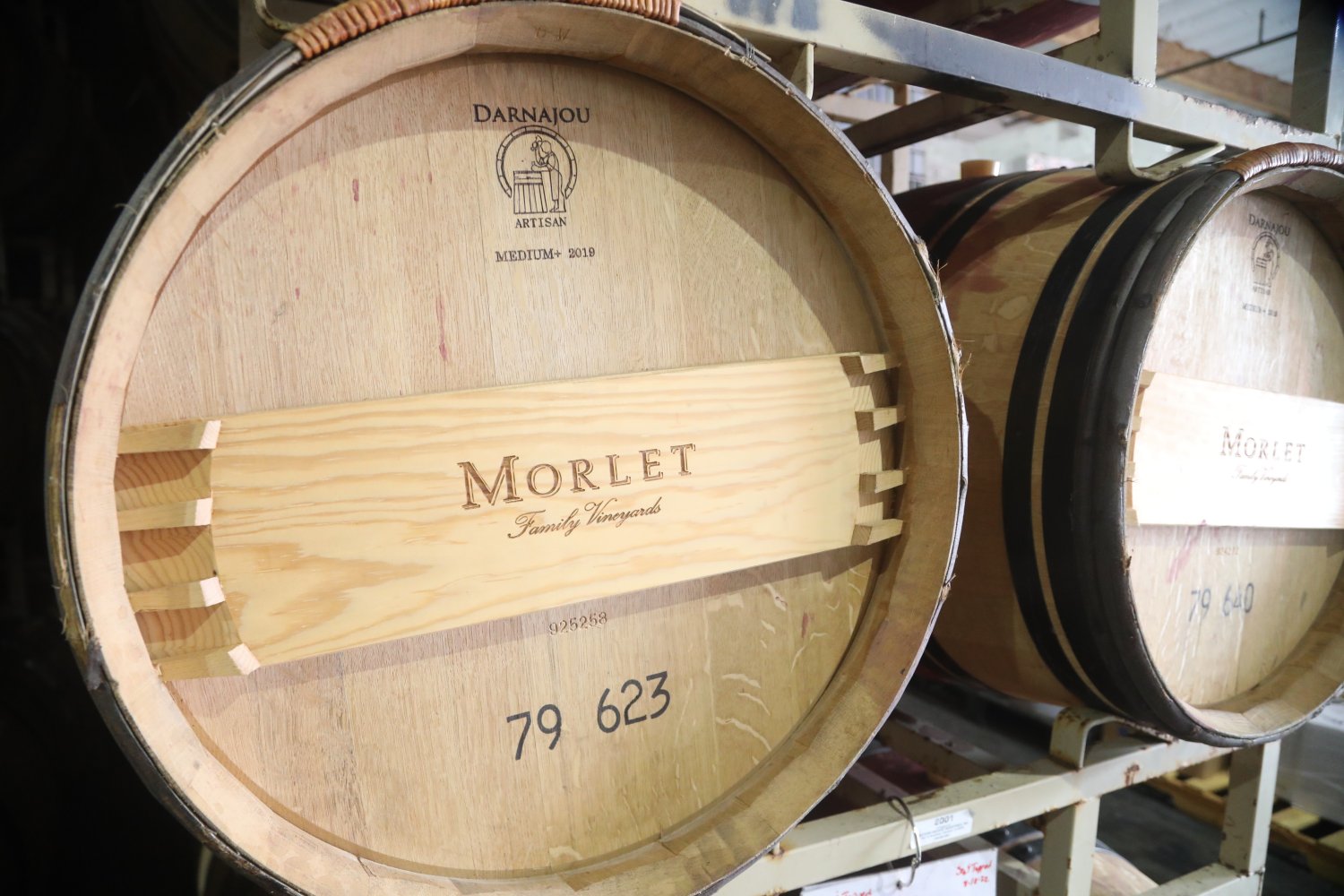
Jodie grew up in Sacramento to parents who were teachers; later she also became a teacher. Her introduction to wine was through Luc; in 1999 she founded The Morlet Selection, importing Pierre Morlet Champagnes. And the Morlet Selection also imports wine barrels from select French coopers including Tonnellerie Darnajou from Bordeaux and Tonnellerie Gauthier Frères from Burgundy. We first realized this from one of our clients who purchases barrels from them.
Today Jodie is the General Manger for Morlet Family Vineyards.
Luc also consulted with French blending master Michel Rolland (died 2026) during his time at Newton. Later Luc became the full-time winemaker at Peter Michael Winery (just north of Napa Valley in Knights Valley) and more recently was winemaker at Staglin Family Vineyard. He is still the consulting winemaker at Peter Michael, helping his brother Nicolas who is their primary winemaker.
Luc is an extremely talented individual whose knowledge about wine and passion for the industry has helped create some of the top wines in Napa Valley including working with some of the region’s most sought-after vineyards, such as Beckstoffer’s To Kalon Vineyard. He is also an inventor; he created a special type of sorting/destemmer device and had it patented under the name Le TrieurTM. It is now sold under Santa Rosa based P&L Specialties with over 150 in production and it is used at some of the top wineries in the valley. While Luc’s own Le Trieur is unlabeled, we have personally seen this product at several wineries in Napa Valley.
Not only does Luc source from premium vineyards in Napa Valley, but his philosophy is to source from a variety of micro-climates and terroir in locations which best match the varieties. As a result, he makes wine from a number of vineyards in both Napa and Sonoma County as well as other northern California regions. Luc calls his own winemaking style “neo-classic laissez-faire without compromise”. He takes a minimalist approach to winemaking but with one important factor: start with premium vineyards.
While the focus is unwavering from a vineyard perspective, the winemaking is no less demanding in regard to detail. Using Luc’s own destemmer, the grapes are removed and then double sorted. And rather than crushing the grapes before fermentation, someone gently uses their hands to break up some of the grapes. Indigenous yeast is used for fermentations and the wines are mostly unfiltered prior to bottling. Luc has access to a number of artisan French coopers. Some of his fermentations are conducted in large style puncheons (demi-muid barrels).
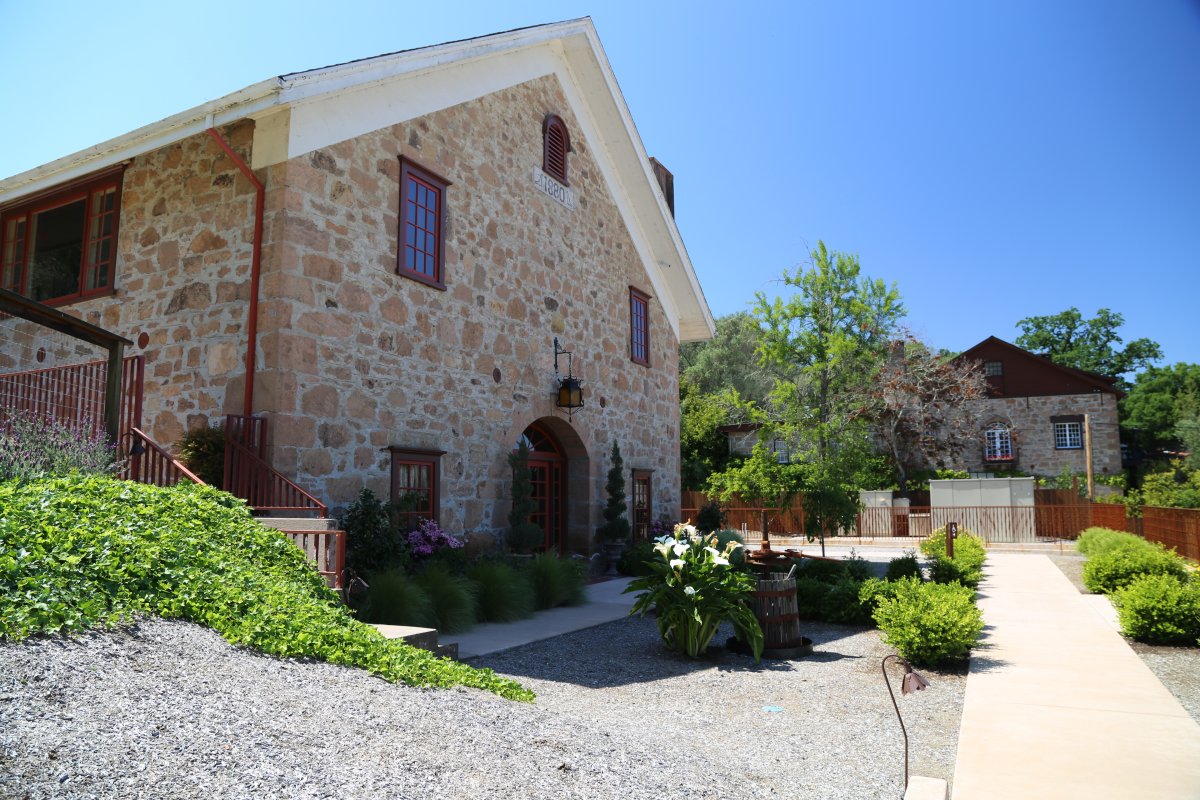
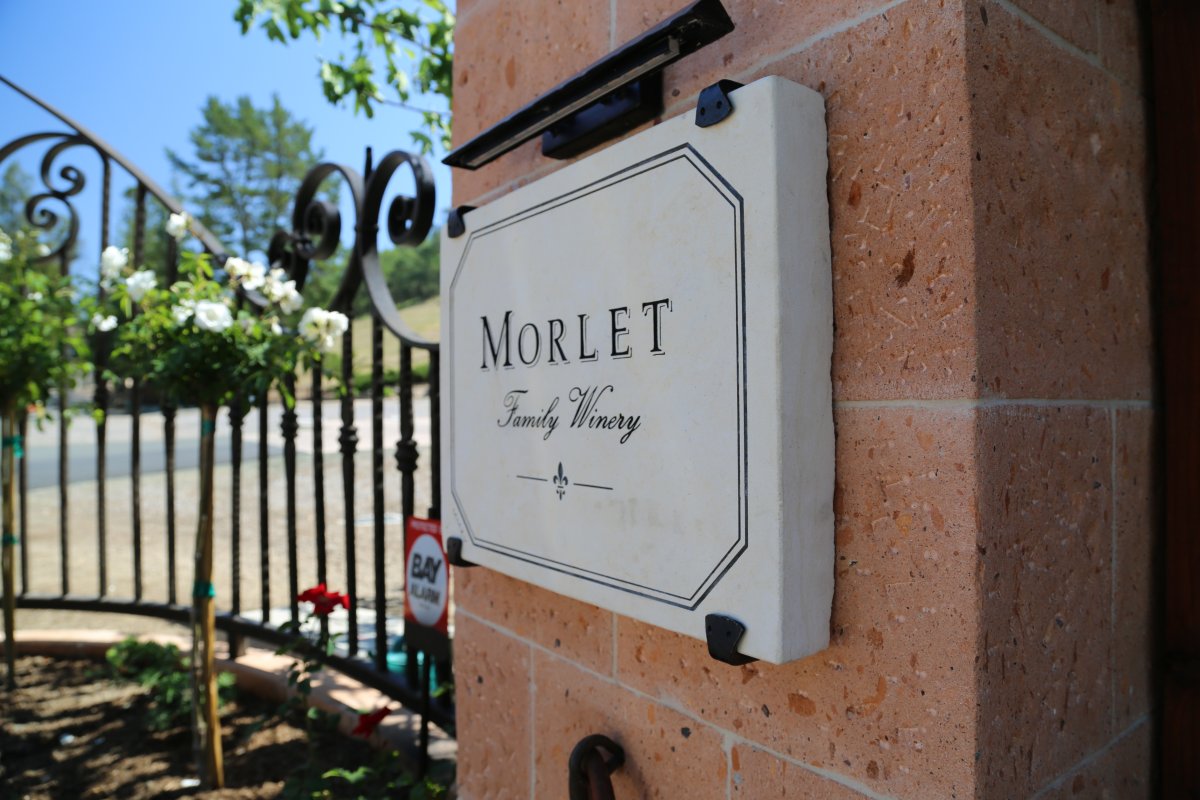
After several years of making their wine at another winery, in 2010 Morlet purchased an old stone gravity-fed winery just north of St. Helena built in 1880 by William Castner (1826 to 1915). An article from an issue of the Napa Journal in 1933 refers to Castner as, “a pioneer of Napa County and a prominent vineyardist”. Castner lived an interesting life; he was born in Maine, learned the shipwright business in his youth and eventually started his own harness and saddlery business (which was completely destroyed in a fire). Subsequently, he moved his family to Minnesota before fleeing from Sioux Indians, using the Mississippi River to eventually reach Louisiana during the Civil War (where he was a prisoner for two months). He and his family made their way up to New York where he sailed around the Horn to California, reaching San Francisco in 1862.
 He and his family lived in San Francisco until 1868; he moved to Vallejo in 1869 to work in the shipyards. On June 18, 1870, Castner purchased a ten-acre piece of property from Charles Krug and his wife Carolina. Over the subsequent years Castner conducted additional real estate transactions, both with the Krug’s and also with neighbor Hannah Weinberger who took over winery operations from her husband John Weinberger (the neighboring property which is now home to William Cole Winery) after he was brutally murdered on the train tracks at the Lodi Train stop near St. Helena in 1882. Interestingly, one of William Castner’s six children, Louis/Lewis Preston Castner witnessed the murder; he tried to warn Weinberger by shouting, but the sound of the passing train drowned out his voice (reference the March 24, 1882, issue of the St. Helena Star for more details on this tragedy). Unfortunately, Louis died 23 years later due to an unfortunate incident in which a flashlight pistol blew up in his face and he literally starved to death due to his throat injuries.
William Castner’s obituary listed in the April 2, 1915, issue of the St. Helena Star mentioned he planted grapes on his property in 1870. And the obituary also mentions that from 1884 until 1889 he was a partner with his son, William Jr., in the wine business, but that their venture ended disastrously due to the financial hardships hitting the viticulture industry of the late 1880s.
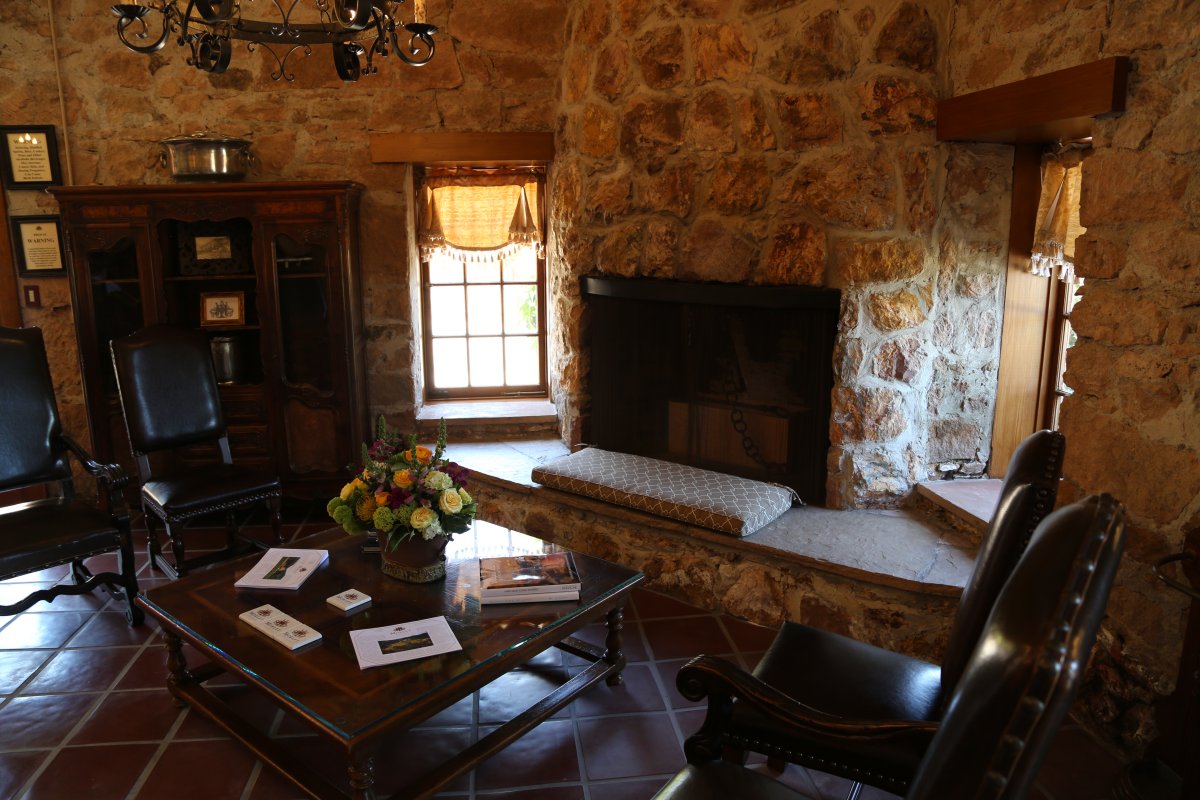
Castner’s old winery was converted into a home during the early years of Prohibition. The previous owners before the Morlet’s, the Smeding family operated Flying Horse Winery and it was during their ownership that we first visited the property. The Smeding’s had already been working to restore the old building to a winery and after the Morlet’s purchased the property, they finished doing so. The crush pad is located outside and behind the stone building; the Morlet’s plan to eventually tunnel a cave into the hillside for barrel storage.
And an old home on site (slightly north of the winery) is one of Napa’s oldest wooden homes and dates from 1853 (Luc & Jodi lived here for several years); today it has been completely restored.
Select Wines
It is unusual to find an artisan Napa Valley producer with such a varied lineup of wines. Fifteen different wines are in production at the time of our latest update to this review, all bottled under Morlet Family Vineyards. In addition, a number of Luc’s family Champagnes imported from France are also available for tasting and purchase through the winery (depending on availability). The Morlet Family wines are produced in small quantities usually from 50 cases to several hundred cases. All the wines have French names and an associated image on each label.
Morlet produces inspired wines which showcase both a richness of fruit along with a simultaneous finesse. These are absolutely texturally driven wines, including their white wines, but the texture is always an integrated part of their bottlings and is never out of balance. Their attention to detail is paramount, both in the vineyard and in the winery. And perhaps most importantly, their winemaking is anchored by the perspective of a rich and deeply rooted heritage in Champagne.
Ma Princesse
The 2022 Morlet Family Vineyards Ma Princesse, Russian River Valley is named in homage of Luc and Jody’s daughter Claire. This wine is medium gold in color; the compelling bouquet smells like ripe cantaloupe, vanilla custard, yellow peaches in light syrup, apricot, glazed pineapple, and baked apples. Bright and rich, yet superbly balanced at three years post vintage this wine delivers a combination of both fruit and baking spices. These notes include apricot, golden delicious apple, papaya, guava, golden kiwi and chalk. Its mouth feel is silky, lifted nicely by its vibrant acidity. Singing soprano and hitting all the desirable high notes. This California expression of the variety is highly food friendly – and we don’t often get to write that in the same sentence. From salads to seafood to meats. This wine was fermented using indigenous yeast; it went through full malolactic and was aged sur lies with regular bâtonnage in French oak barrels.
La Proportion Doree
The Morlet Family Vineyards La Proportion Doree is a unique white wine blend from vines ranging from 50 to 100 years old, from multiple vineyards in neighboring Sonoma County. This wine is always led by Sémillon along with smaller amounts of Sauvignon Blanc and Muscadelle. La Proportion Doree means “the golden proportion” in French. This wine was fermented in barrel using indigenous yeasts.
The 2019 Morlet Family Vineyards La Proportion Dorée, a blend of 69% Sémillon, 30% Sauvignon Blanc, and 1% Muscadelle, is medium to deep yellow in color, suggesting both ripeness and concentration. The bouquet is immediately engaging and aromatic, offering notes of haystack, green apple, and white peach, layered with a distinct honeyed character reminiscent of honeycomb. As the wine opens, there is a subtle floral lift and a faint suggestion of citrus zest that adds brightness to the aromatic profile. On the palate, the wine is richly textured, with a creamy, almost satin-like mouthfeel that speaks to the influence of the Sémillon. Flavors of Golden Delicious apple and ripe peach are complemented by fresh citrus notes, creating a balance between richness and vibrancy. The fruit is generous yet well-defined, supported by a structure that keeps the wine from feeling overly weighty. The finish is smooth and lingering, carrying both the fruit and the delicate honeyed nuances forward. Harmonious and polished, this is a wine that is highly enjoyable on its own, offering both immediate appeal and enough complexity to reward slow, thoughtful sipping.
The 2008 Morlet Family Vineyards La Proportion Dorée, composed of 68% Sémillon, 30% Sauvignon Blanc, and 2% Muscadelle, shows a beautiful golden yellow hue in the glass, hinting at both its maturity and richness. The bouquet is expressive yet refined, offering notes of ripe red apple and honeysuckle, along with subtle suggestions of orchard fruit and a light floral lift that adds aromatic elegance. The wine enters soft and rounded, immediately conveying a sense of balance and cohesion. Its texture is smooth and gently enveloping, carrying through a layered profile of flavors that reveal both ripeness and freshness. There is a notable depth here, with the fruit unfolding gradually and maintaining clarity throughout. The finish is long and persistent, accented by lingering zesty spices that provide contrast to the wine’s richness. These spice-driven notes, paired with a subtle citrus lift, help keep the wine lively as the flavors continue to resonate.
Despite being their most produced wine—typically around 500 cases annually—this bottling remains relatively rare and highly distinctive. It is well worth seeking out for those in search of an exceptional white wine that combines texture, complexity, and lasting presence.
Coteaux Nobles
The 2019 Coteaux Nobles (“noble hillsides”) Pinot Noir from the Fort Ross-Seaview appellation in Sonoma County is medium ruby in color, offering immediate varietal character on the bouquet. The aromatics are inviting and expressive, with sweet scents of black raspberry, cherry cola, and a hint of black licorice. As the wine opens in the glass, the profile shifts subtly, revealing more savory undertones—faint notes of dried herbs and forest floor that add complexity and a sense of place. The texture is gentle, lending a soft, polished feel that complements the wine’s bright fruit core. Flavors of cherry and dried cranberry lead, supported by a touch of spice, including a lingering note of white pepper that becomes more noticeable toward the finish. The balance between fruit and savory elements is well managed, giving the wine both approachability and nuance. The tannins are supple and rounded, providing structure without detracting from the wine’s elegance. The finish is smooth and persistent, leaving behind a harmonious impression of red fruit and subtle spice. This is a refined and expressive Pinot Noir, capturing both the varietal typicity and the coastal influence of its origin.
Les Petits Morlet
The 2018 Les Petits Morlet Cabernet Sauvignon, Oakville Napa Valley is deep ruby and nearly opaque; sweetly fruited, this wine smells like dark cherry, a layer of sweet cassis, blackberry, dark plum, boysenberry and Himalayan purple mulberry, a variety we are intimately familiar with as we grow several trees in our yard and frequent every spring, the largest U-pick mulberry farm in the U.S., Very Mulberry located in Brentwood, CA. And there are some sweeter notes of baking spices including cardamom and cinnamon. Fresh, bright and loaded with plenty of movement 7 years post vintage, this wine is showing a bit more youthful than its age. Its flavors include red cherry, currant, cranberry, red plum and dark raspberry. The tension between flavor, acidity and texture is tied with just the right amount of tautness. The tannins are well tumbled and linger with a gravelly and dusty character, outrunning the fruit on the finish. This wine is showing in a sweet spot at this age.
Mon Chevalier
Mon Chevalier in English refers to “my knight” and has a dual meaning – named in honor of Luc and Jodie’s son Paul, as well as for the Knight’s Valley source vineyard. This wine was made in a Rhone style and includes five primary Bordeaux red varieties, the majority being Cabernet Sauvignon.
The 2014 Morlet Family Vineyards Knight’s Valley Mon Chevalier, sourced from their Knights Valley estate vineyard, is dark ruby in color with a deep, насыщенный core that reflects its concentration. The bouquet is highly appealing and well composed, seamlessly integrating both fruit and spice elements. Aromatics of sweet tobacco, clove, and chocolate are layered over a core of ripe dark fruit, with a subtle hint of cedar emerging as the wine opens in the glass. The palate offers flavors of dark plum and black cherry that unfold steadily across the mid-palate. There is a pleasing richness here, supported by a structure that feels both polished and composed. The darker fruit tones persist through the finish, complemented by lingering notes of dried tobacco leaf and a touch of spice that adds depth and complexity. We tasted this 9 years post vintage; the tannins are well integrated, woven smoothly into the fabric of the wine, providing structure without dominating. The finish carries a slight dryness that adds a sense of grip and refinement, extending the wine’s presence on the palate. Overall, this is a poised and evolving Cabernet Sauvignon, showing both maturity and continued aging potential.

 The 2012 Morlet Family Vineyards Knights Valley Mon Chevalier is dark ruby in color, with a depth that hints at both its concentration and evolution. The bouquet is diverse and engaging, offering layers of dark cherry and ripe plum interwoven with notes of cigar smoke, old leather, and a subtle herbal nuance. Sweet baking spices and a touch of milk chocolate round out the aromatics, creating a profile that is both complex and inviting—truly a wine that rewards time spent simply nosing the glass. This wine shows a vibrant structure, with bright acidity providing lift and energy to its rich core of fruit. The texture is supported by long-lasting, dusty tannins with a slightly chewy quality, giving the wine both grip and presence without overwhelming its balance. Flavors of dark fruit continue to unfold alongside spice-driven elements, adding depth across the mid-palate. The finish is persistent and evolving, marked by darker spices and hints of espresso that linger alongside the fruit. With its structure, complexity, and composure, this bottling clearly still has plenty of life ahead and will continue to develop gracefully with proper cellaring.
The 2007 Morlet Family Vineyards Knight’s Valley Mon Chevalier opens with a composed and inviting bouquet, offering notes of dark fruit layered with a distinctive hint of sage that adds a savory, almost herbal lift. As the wine evolves in the glass, the aromatics gain additional nuance, with subtle suggestions of spice and a faint earthiness that enhance its complexity without overshadowing the fruit. The mouth tastes a core of blue and black fruits, including blackberry and black cherry. The texture is smooth and well integrated, allowing the fruit to unfold gradually across the mid-palate while maintaining a sense of elegance rather than weight. The finish is particularly appealing, marked by soft, rounded tannins that provide gentle structure and a polished mouthfeel. There is a lingering sense of harmony here, with both fruit and subtle savory elements carrying through.
As with Morlet’s other wines, the use of French oak—often sourced from artisan coopers—is handled with restraint and precision. The oak contributes layers of complexity and refinement rather than dominance, reinforcing the overall philosophy of balance. The result is an elegant, food-friendly wine that showcases both varietal character and thoughtful winemaking.
Bouquet Garni
the 2007 Morlet Family Vineyards Bouquet Garni (referring to garnished bouquet in French) is 100% varietal Syrah. The grapes for this wine were growing in a vineyard in Santa Rosa’s Bennett Valley in neighboring Sonoma County. Dark fruit aromas show on the nose with hints of toasted oak; the palate is initially soft in texture but quickly gains complexity across the mouth. This wine is voluptuous without being too big and shows finesse without being too delicate. The palate offers notes of spices including pepper and cloves. The finish is anchored by rather soft delicate tannins and is wonderfully in balance. This wine is produced in honor of Chef Abel Pierre Aimé Coutanceau, Luc’s relative and the first of the Morlet family to immigrate from France to the U.S. (in 1914). And this is one of our favorite Syrah’s from a Napa Valley producer.
Passionnément
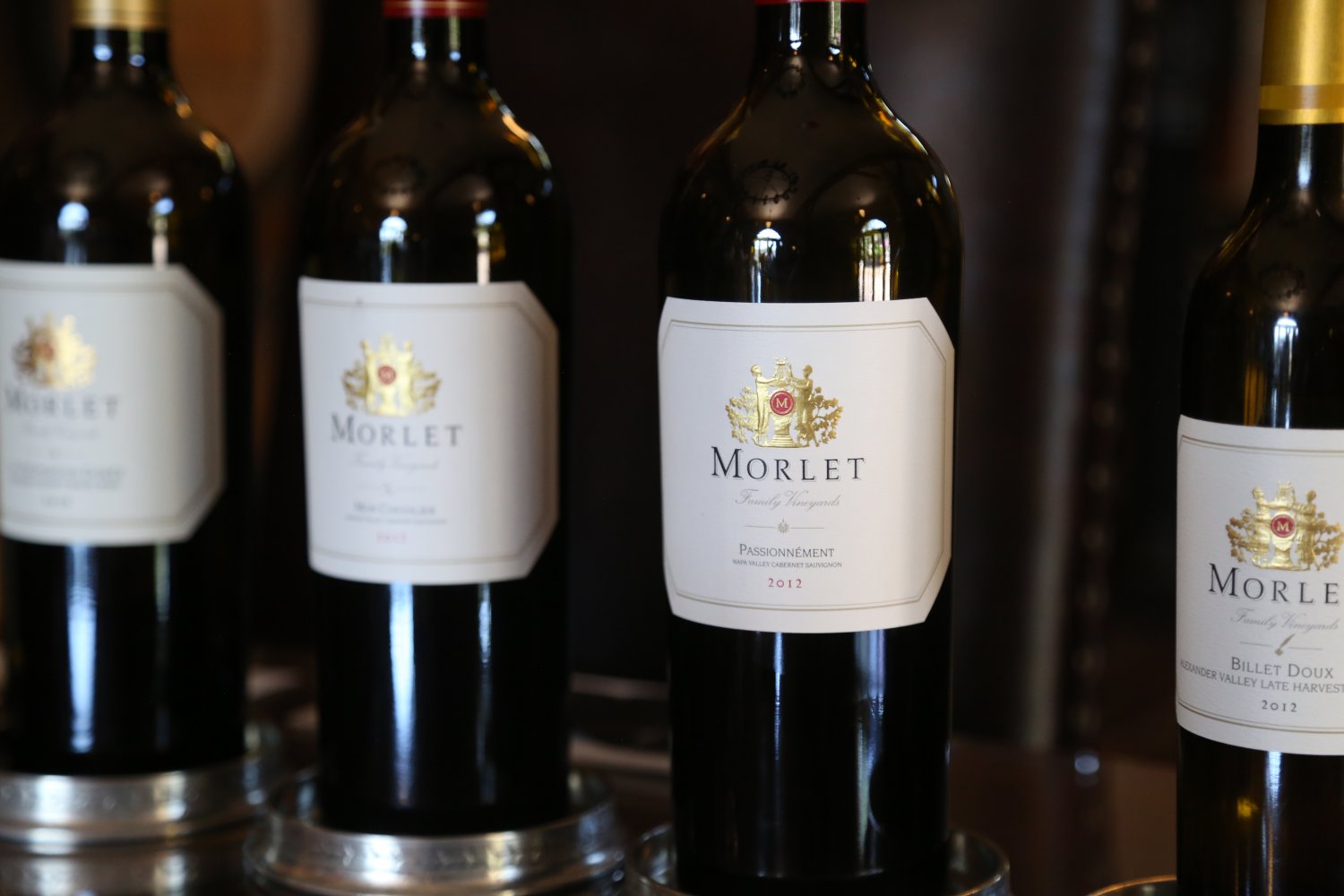
The 2012 Morlet Family Vineyards Passionnément, sourced from select Beckstoffer-owned vineyards in Oakville, opens with an intriguing and somewhat savory bouquet that immediately captures attention. Aromas of leather, dark chocolate, and truffle are layered with ripe blackberry and crème de cassis, creating a profile that is both opulent and complex. With time in the glass, the wine reveals additional nuances, including hints of graphite and subtle spice, further enhancing its depth. On the palate, the wine is richly endowed, delivering both power and precision. Mouthwatering acidity provides lift and energy, balancing the dense core of darker fruit flavors, including blackberry and plum. The texture is substantial, with firm, robust tannins that show a slightly chewy quality, giving the wine structure and presence without feeling overly aggressive. This texture carries through to a long, persistent finish, where darker spices and savory notes linger alongside the fruit. There is a clear sense of cohesion here, with each element working in harmony despite the wine’s intensity.
Passionnément is not a single-vineyard expression but rather a carefully crafted barrel selection sourced from three distinct vineyard sites, reflecting a broader interpretation of Oakville terroir. Luc Morlet creates this wine each year as a dedication to Jodie, adding a personal dimension to its identity.
Coeur de Vallée
The 2021 Morlet Coeur de Vallée is deep ruby and nearly opaque; the bouquet is both bright and ripe, engaging with aromas of red cherry, Santa Rosa plum, currant, Persian mulberry, boysenberry, and cranberry. Fruit is clearly the star of the show, with oak comfortably seated in the background, adding subtle framing rather than dominance. Mouth-filling with immediate appeal, the palate delivers a mix of both red and dark fruit, including raspberry, blackberry, boysenberry, and cherry, with a sense of richness that builds as the wine opens. The finish brings in layers of baking spices, including clove and cinnamon stick, alongside notes of toast and a savory edge of dark pepper, smoked cedar, and smoked sage, adding complexity and dimension. The tannins are very much present, offering a long-lasting, grainy, and dusty grip that ultimately outpaces the fruit and acidity on the finish, giving the wine a structured and age-worthy backbone. Built on layers of texture and intensity, this wine calls for barbecue and a well-marbled Wagyu steak.
The 2011 Coeur de Vallée (“heart of the valley”), tasted 13 years post vintage as part of a library release, is a blend of 55% Cabernet Sauvignon and 45% Cabernet Franc. In the glass, it remains dark ruby and largely opaque, a testament to both its concentration and graceful evolution over time. The bouquet is mature yet still vibrant, offering notes of dark fruit—particularly blackberry—interwoven with secondary characteristics of old leather and hints of dried herbs. With additional air, subtle nuances of tobacco and earthy spice begin to emerge, adding further complexity and a sense of age-derived refinement. The palate is generous including of its darker fruit, perhaps a bit surprising considering the cooler nature of the 2011 growing season. The fruit remains expressive and well-defined, supported by a texture that is notably soft and supple, giving the wine an approachable and polished feel. As it moves toward the finish, more tertiary elements come into play, including notes of cigar paper and a gentle earthy dryness. The tannins are dusty and slightly drying, offering moderate grip that frames a juicy, lingering finish without overwhelming the wine’s balance. This wine is distributed through La Place de Bordeaux.
Billet Doux
During certain years, Morlet produces a natural botrytis late harvest dessert wine called Billet Doux (meaning love note in English).
The 2012 Morlet Family Vineyards Billet Doux (translating to “love note”) is a blend of Sémillon, Sauvignon Blanc, and Muscat sourced from vineyards in Alexander Valley, Sonoma County. In its youth, the wine is immediately expressive, showcasing an aromatic intensity of ripe fruit including apricot and peach, layered with a generous honeyed character that adds richness and allure. With time in the glass, subtle floral tones and hints of citrus zest begin to emerge, providing additional lift to the bouquet. In terms of flavor, the wine mirrors its aromatic intensity, delivering a sweet and richly textured profile. There is a rounded softness—almost creamy in feel—that carries from the mid-palate through to the finish, giving the wine a sense of seamless continuity. Concentrated flavors of apricot dominate, supported by underlying notes of stone fruit and honey that enhance its depth and complexity. The finish is long and flavor-filled, lingering with both fruit and a gentle sweetness that remains balanced rather than cloying. While already highly enjoyable in its youth, this wine clearly has the structure and concentration to evolve gracefully over time. With additional aging, it will be fascinating to watch the development of more nuanced, tertiary characteristics that will further enhance its complexity and charm.
The 2013 Morlet Family Vineyards Billet Doux, tasted 10 years post vintage, shows a deep golden hue in the glass, indicative of both its richness and evolution. The bouquet is immediately expressive and forward, offering ripe aromas of honeysuckle, apricot, and lychee, with a lush sweetness that feels both inviting and concentrated. As it continues to open, additional notes of dried stone fruit and a faint floral lift add further aromatic intrigue. In the mouth, there are layered flavors including apricot, ripe mango, honeycomb, and yellow peach. The fruit is generous and mouth-filling, yet retains a sense of vibrancy that keeps the profile from feeling overly heavy. Like the 2012 vintage, this bottling showcases a creamy, rounded texture that glides smoothly across the palate, enhancing its sense of richness. The finish is long, intense, and deeply satisfying, with lingering notes of honeyed fruit and a balanced sweetness that is supported by enough acidity to maintain freshness. Altogether, this wine captures everything that dessert wine purists seek—depth of flavor, ample sweetness, and the necessary acidity to provide structure and longevity—making it both indulgent now and capable of further graceful aging.
Vineyards
Morlet both owns vineyards and sources grapes from long term contracts with growers – allowing them to consistently access specific vineyard blocks each year. Morlet’s own vineyards are planted to both Cabernet Sauvignon and Cabernet Franc. Their first acquisition was the 7-acre Mon Chevalier Vineyard (creatively named in French which translates to ‘my knight’) located in Knights Valley just north of Calistoga in neighboring Sonoma County. They planted this property in 2008 with vines at an elevation of between 500-600 feet.
The site of the winery contains 6 acres of vineyards. And in 2015 Morlet purchased a prime piece of land in Oakville, the 24-acre Coeur de Vallee vineyard located on the Oakville Bench; these alluvial fan soils are some of the most coveted sites in the valley. Nearby vineyard neighbors include Gamble Family and Ashe Vineyards and Coeur de Vallee is within a short distance of the iconic To Kalon Vineyard. The first vintage from this property was in 2018.
Coeur de Vallée Vineyard
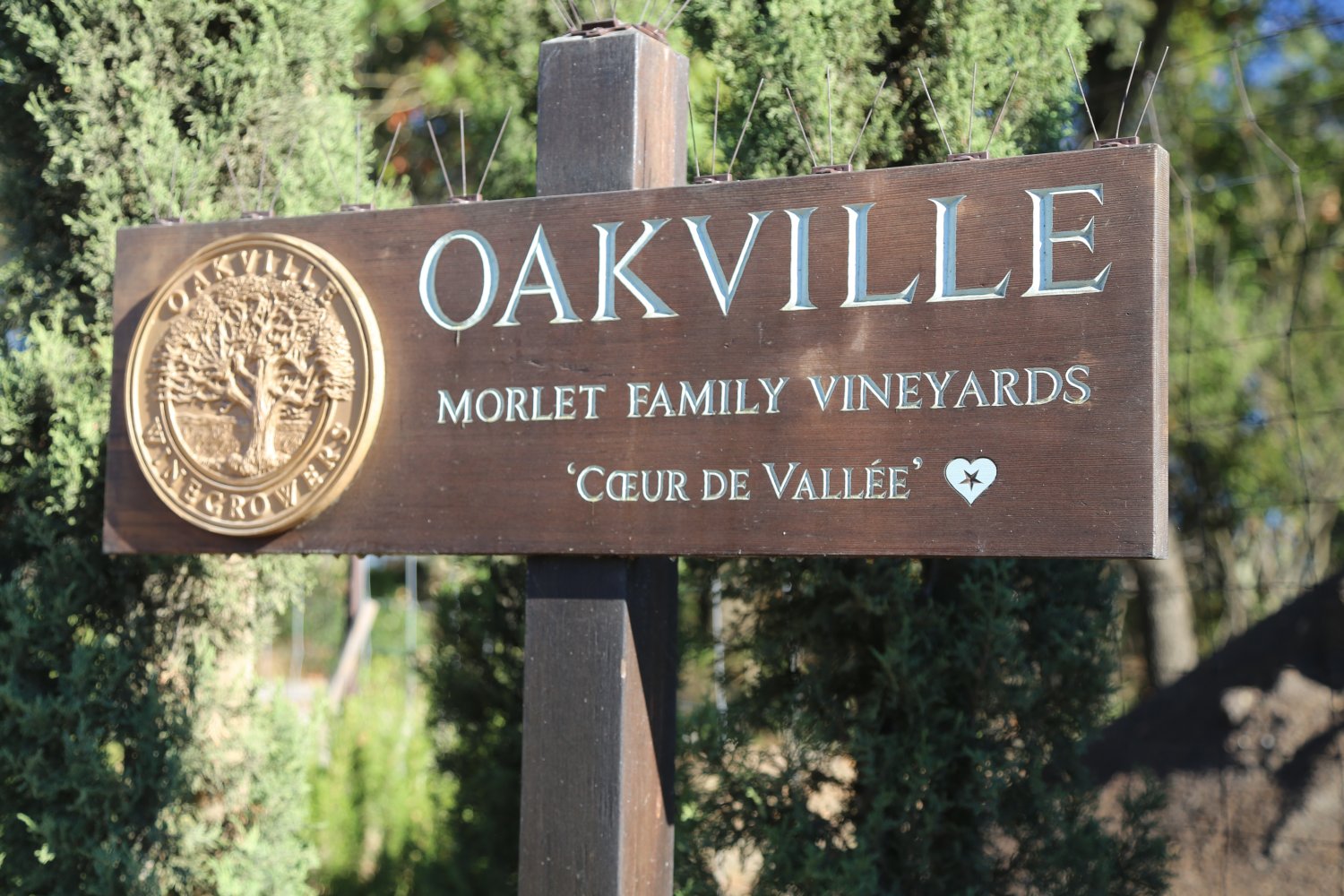
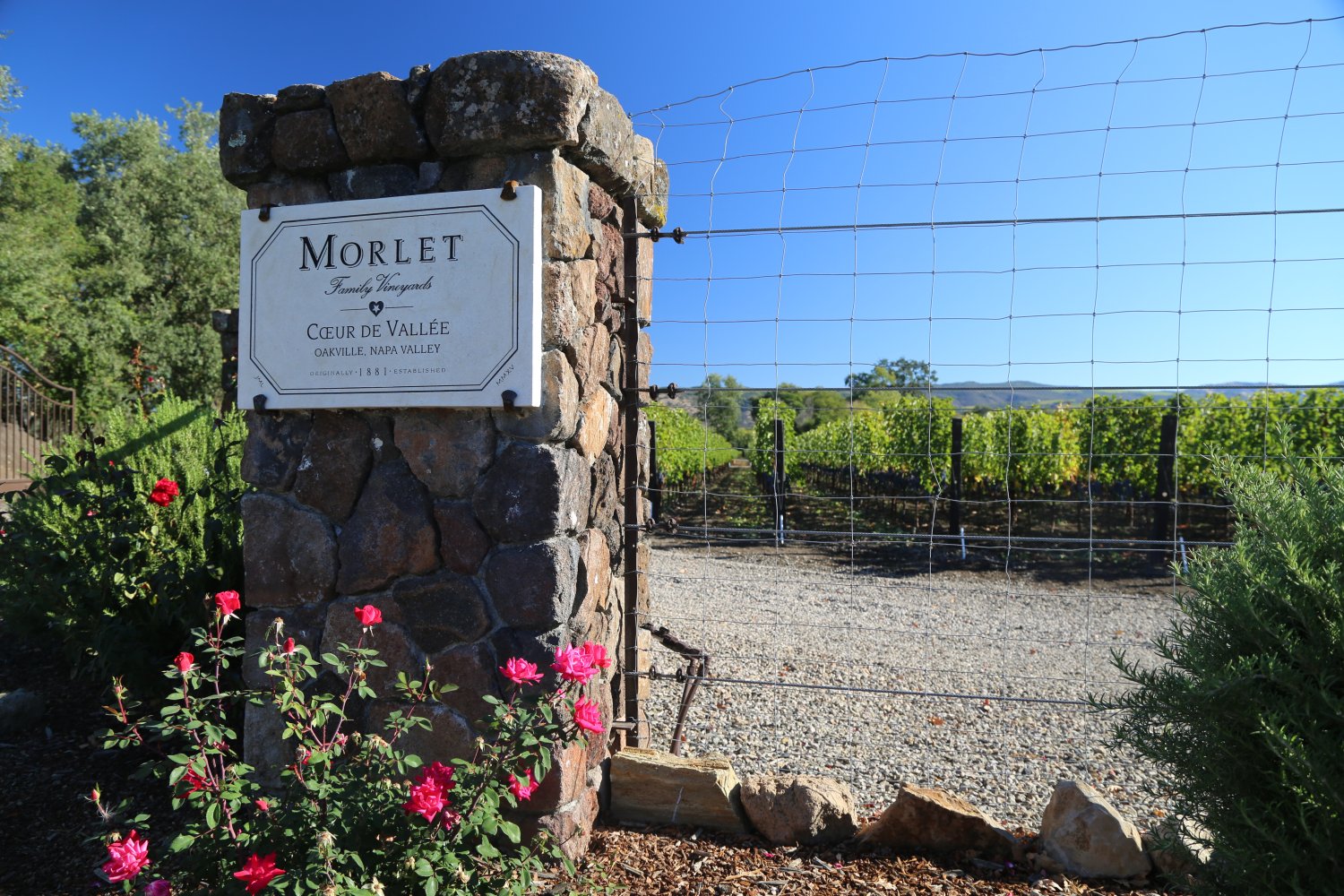
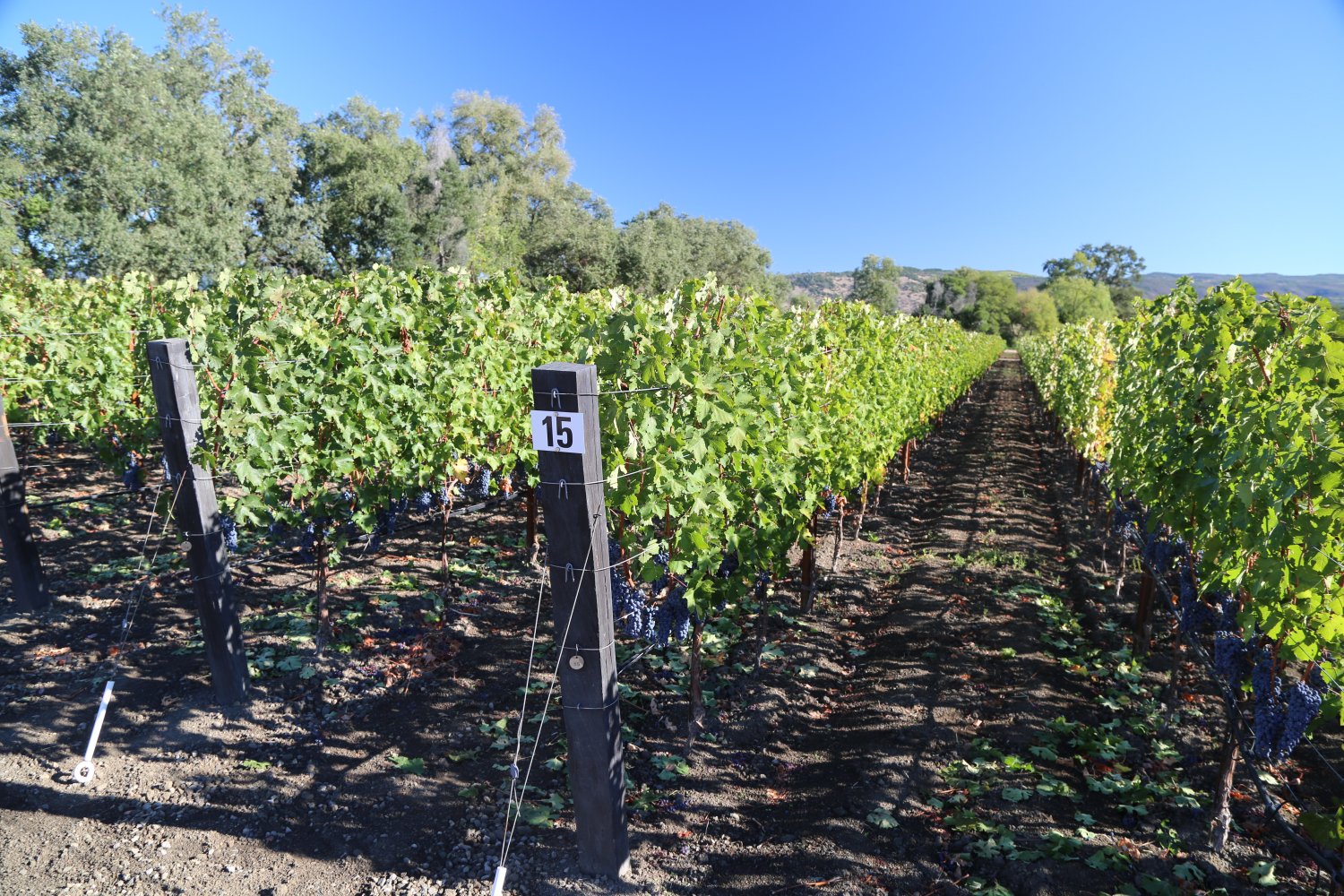
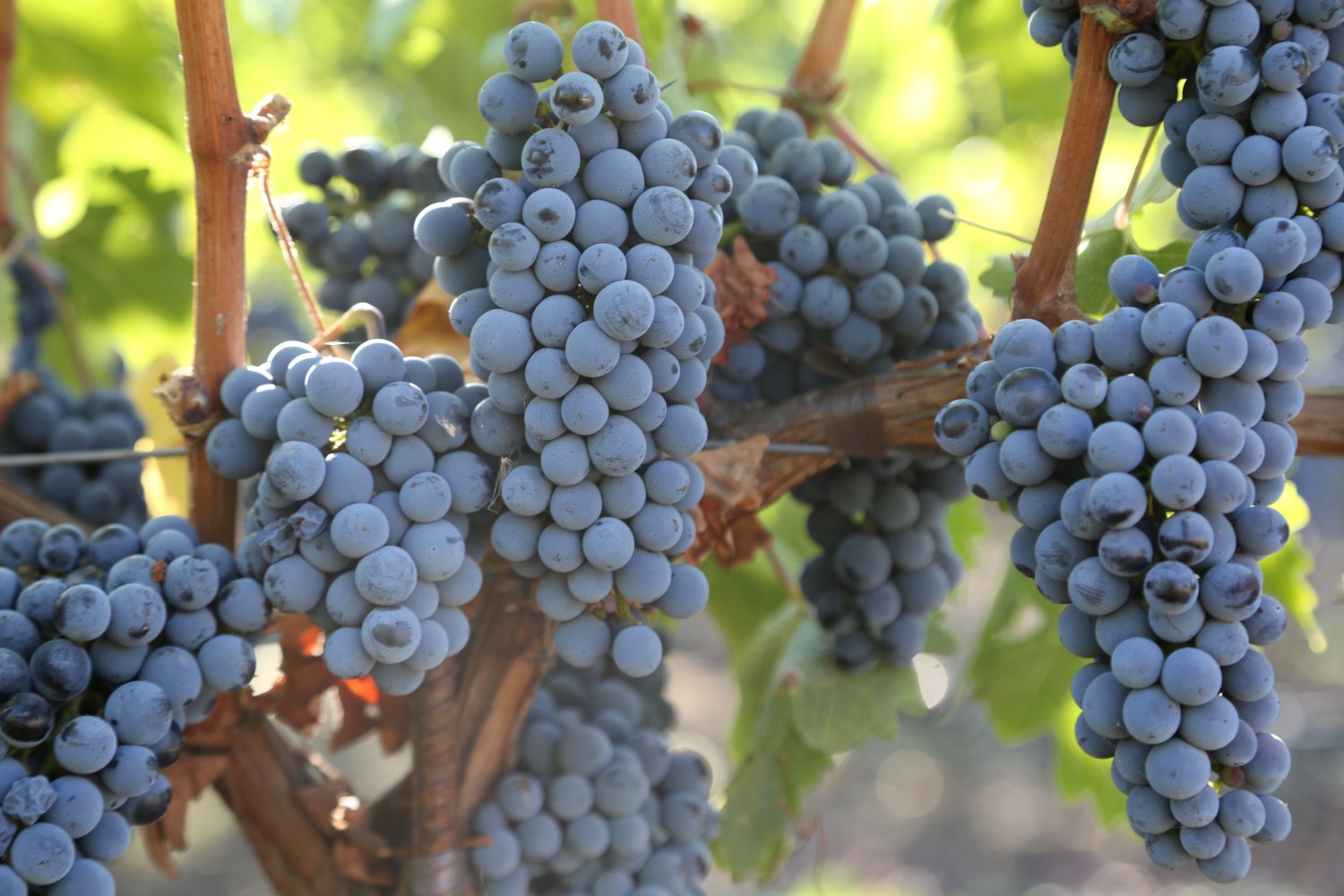
All Morlet’s wines are verifiable and easily authenticated by the Bubble Seal and Prooftag that appears on every bottle. This seal certifies the authenticity of every bottle of wine; the identity codes can be entered on the company’s website. For more information about this unique and innovative way of securing the authenticity of every wine bottle visit: www.prooftag.com
Most of their wines are sold direct through the mailing list although sometimes one can find select wines at local wine shops within Napa Valley including Wine Country Connection in Yountville. They also have decent distribution in Los Angeles and are found at Spago Beverly Hills.
Visits to the property are for serious wine enthusiasts and collectors and can be difficult to obtain. When reaching out to Morlet, we recommend referencing other premium properties in Napa Valley that you have visited previously or are planning to visit.
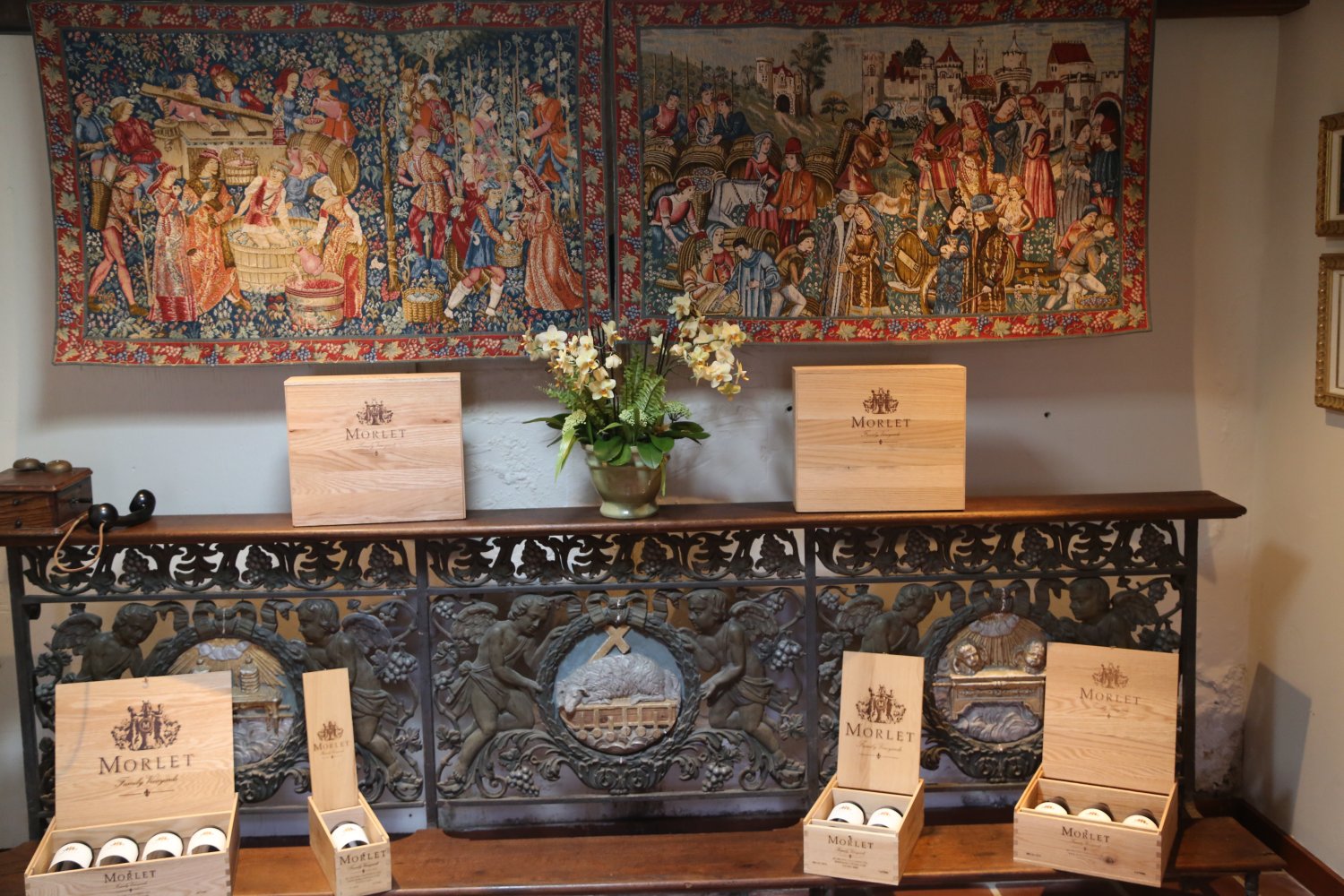
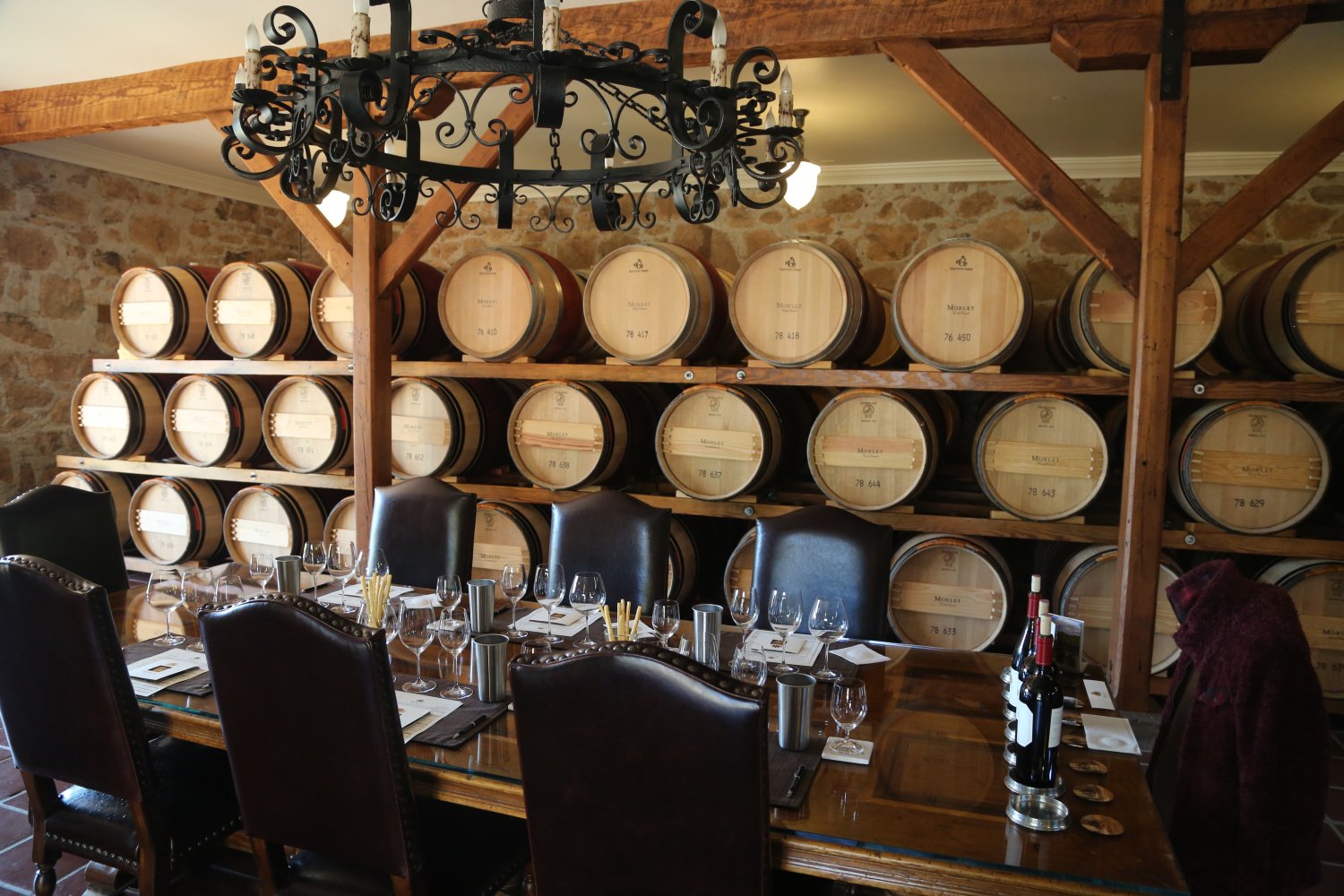
For those who have secured a coveted visit, the tasting usually begins with a glass of Champagne Pierre Morlet and weather permitting, is followed by a short walk through their winery operations. The seated tasting is hosted in a space that both doubles for wine in barrel aging and hospitality; as a result the interior can be a big chilly (so dress appropriately). Weather permitting, a second tasting area in a gazebo on a hillside to the rear of the winery is also available for hosting guests. The tasting is curated by one of their wine educators. Allow about 90 minutes for a visit.
The Morlet wines are released twice a year, once in Spring and once in Fall and are accompanied by a lengthy and informative newsletter. For more information, to schedule a visit or to join the waiting list, visit: www.morletwines.com
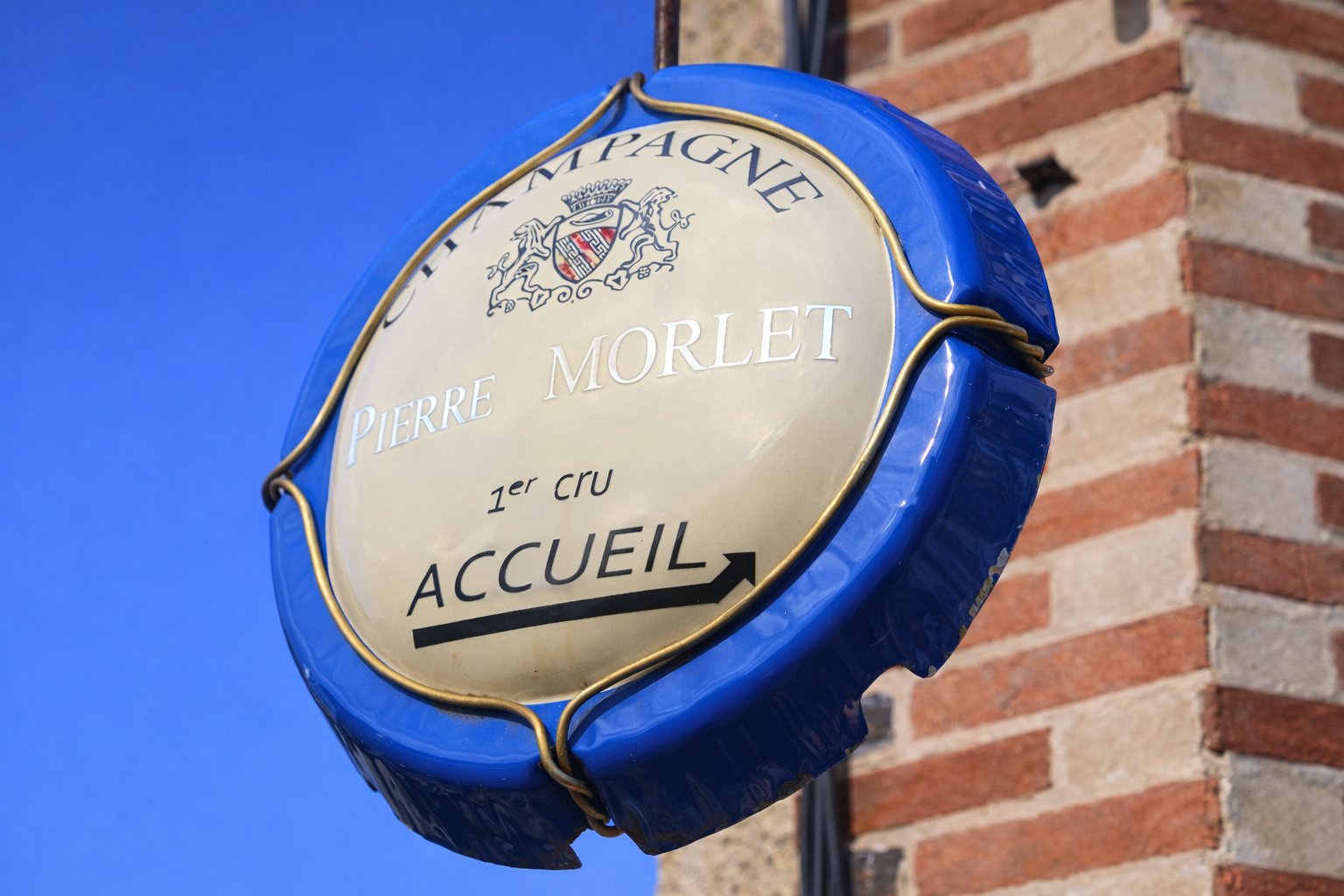
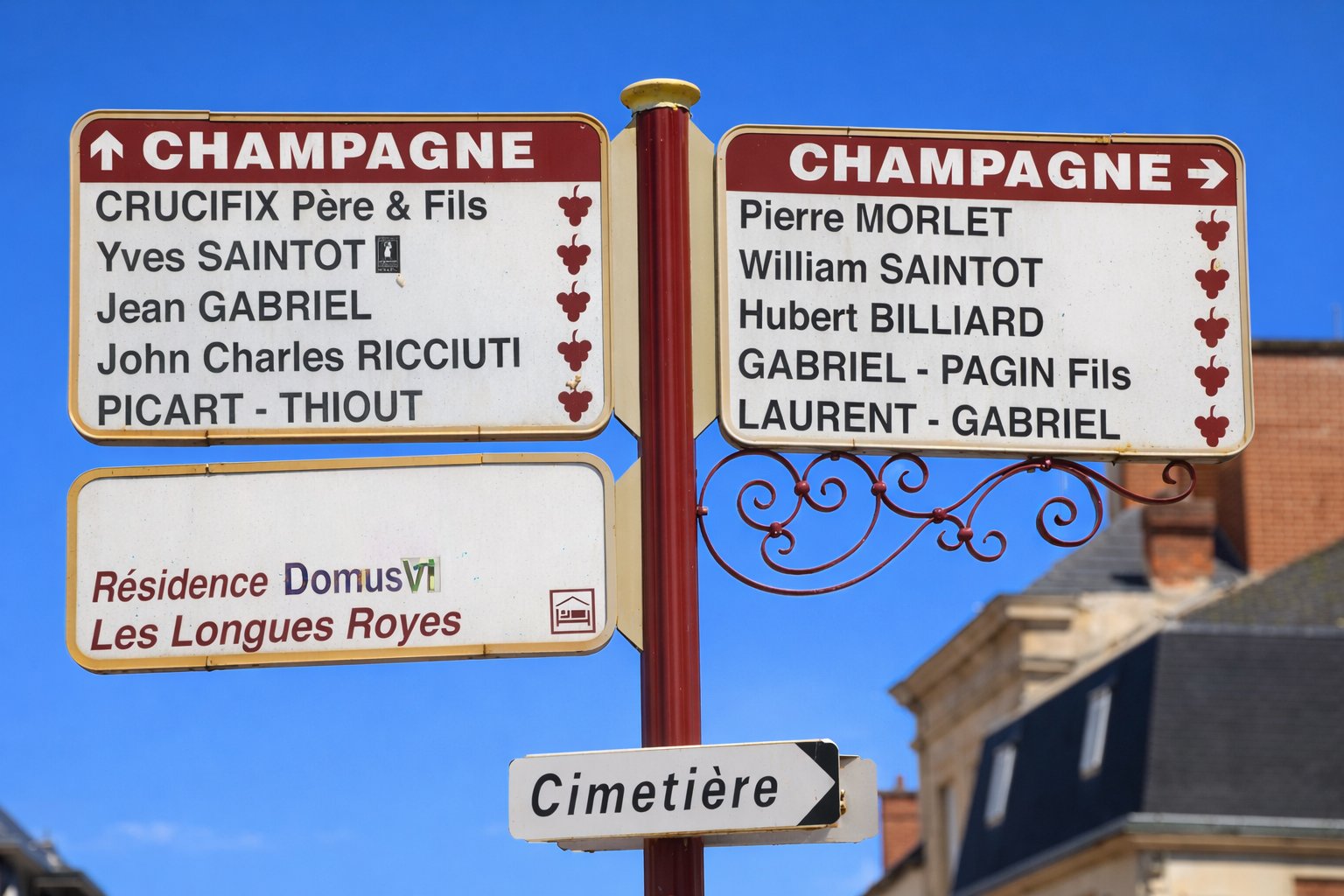
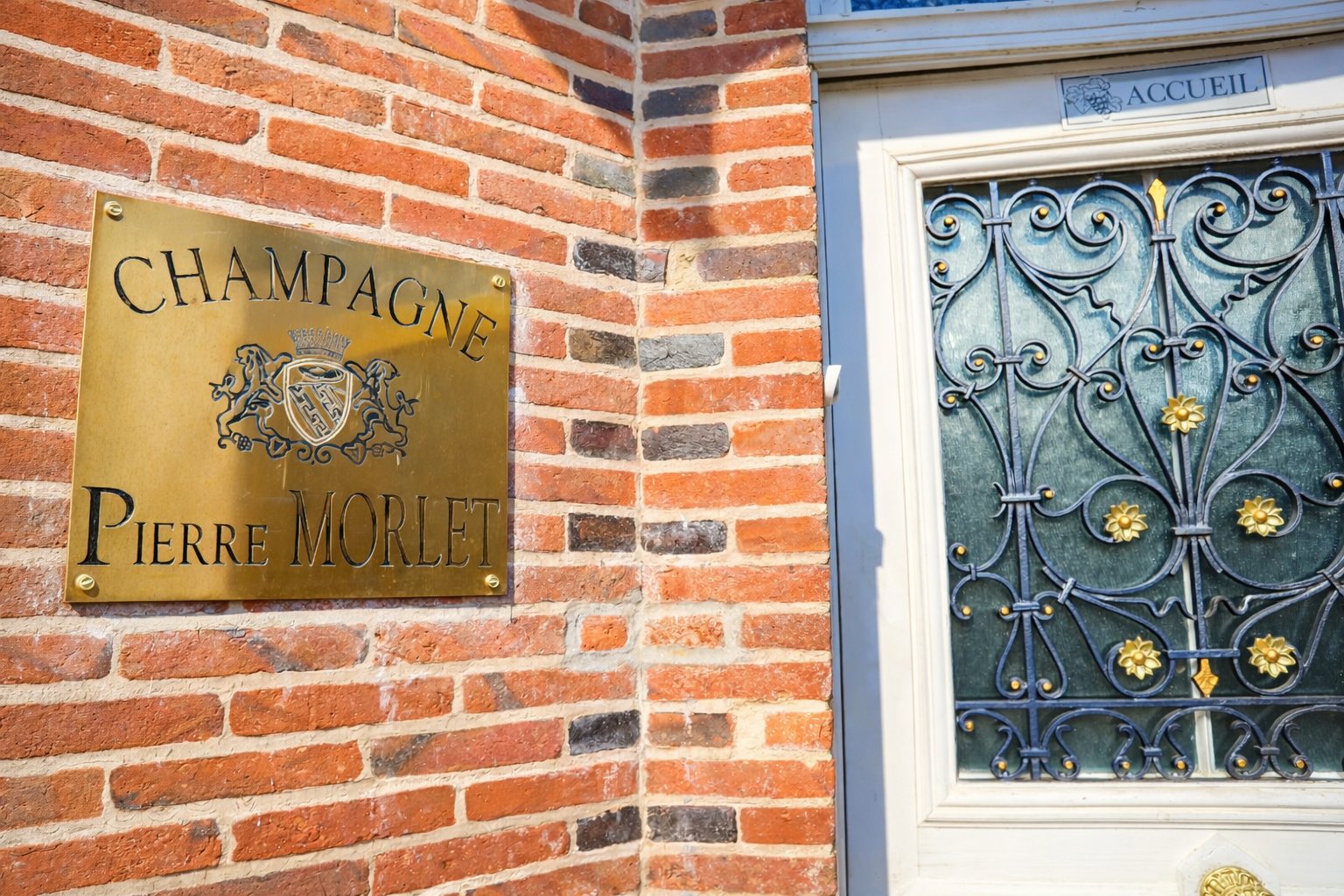
Champagne Pierre Morlet
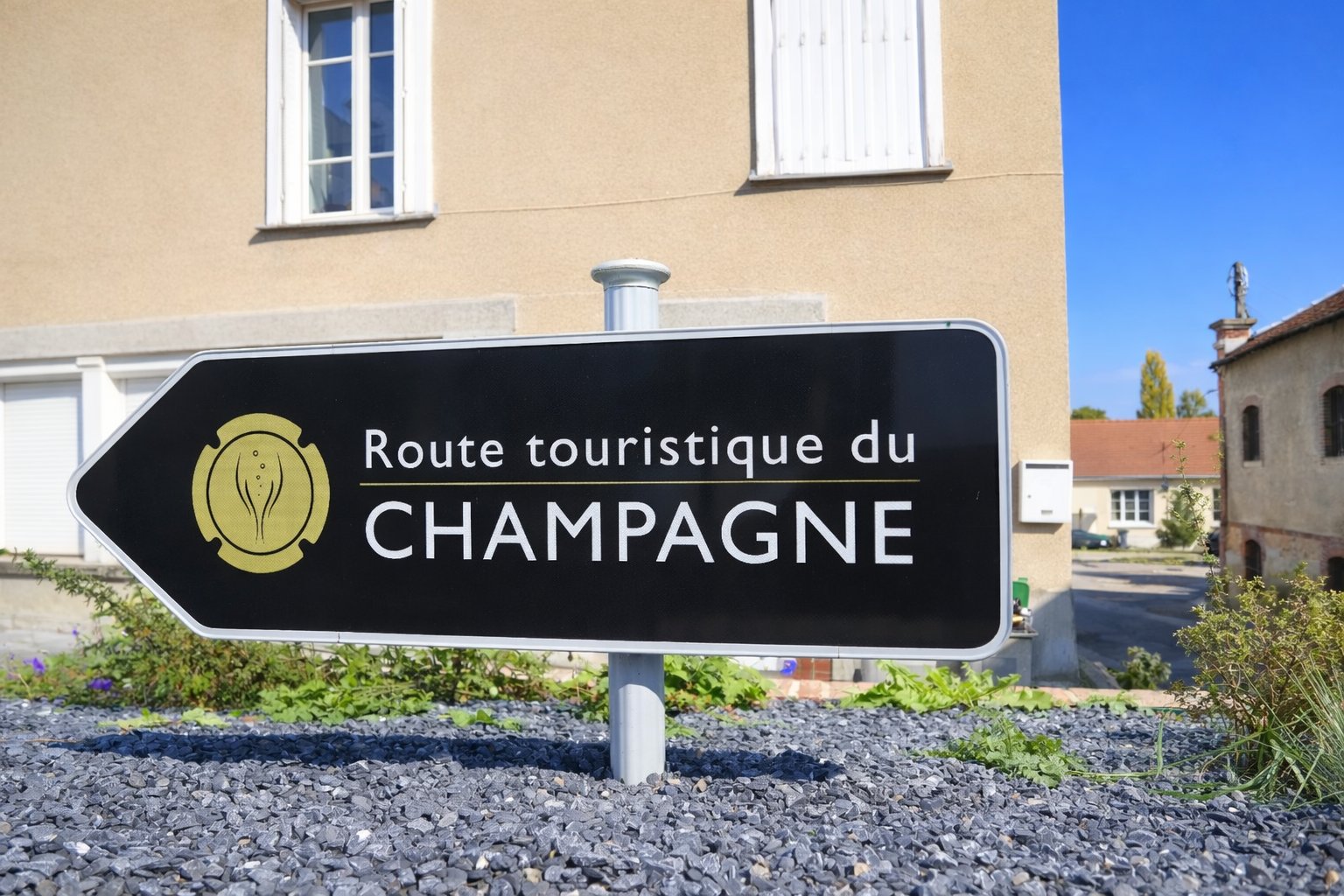
Champagne is located (depending on traffic) between 90 minutes and two hours’ drive from Paris. The region encompasses 320 villages (crus) across five departments including Marne (the majority of plantings in the region), Aube, Aisne, Haute-Marne and Seine-Marne. And the four primary growing regions are: Montagne de Reims, the Vallée de la Marne, Côte des Blancs and Côte des Bar. Reims is by far the largest city in Champagne and is the home of many of the major Maisons/Champagne Houses (G.H. Mumm, Louis Roederer, Krug, Veuve Clicquot, Taittinger, etc.). And the three primary and most commonly used varieties planted in Champagne are Pinot Noir (the majority) and approximately equal amounts of Chardonnay and Muenier. Four other varieties compromise a very small percentage of production and include: Arbane, Petit Meslier, Pinot Blanc and Pinot Gris.
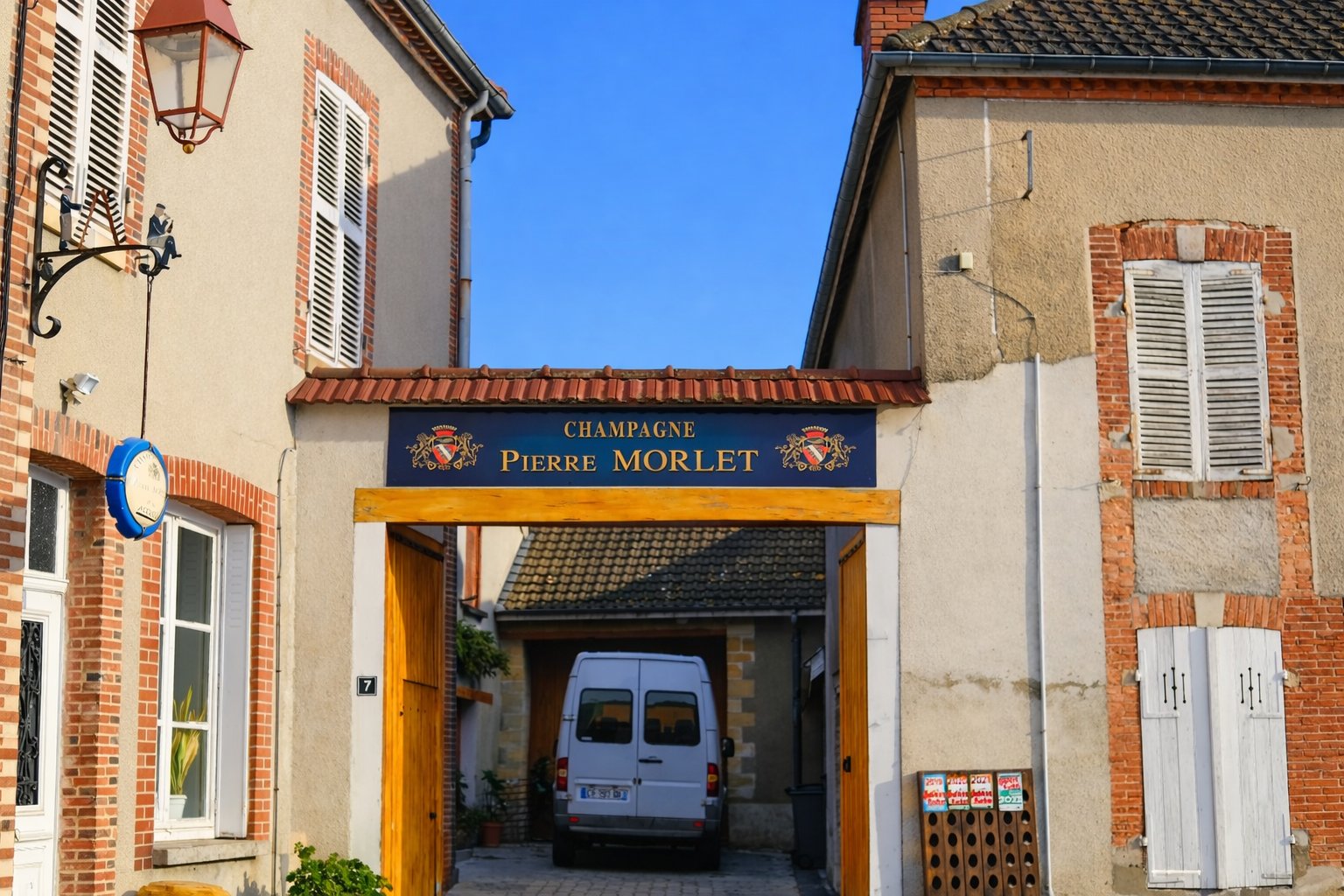
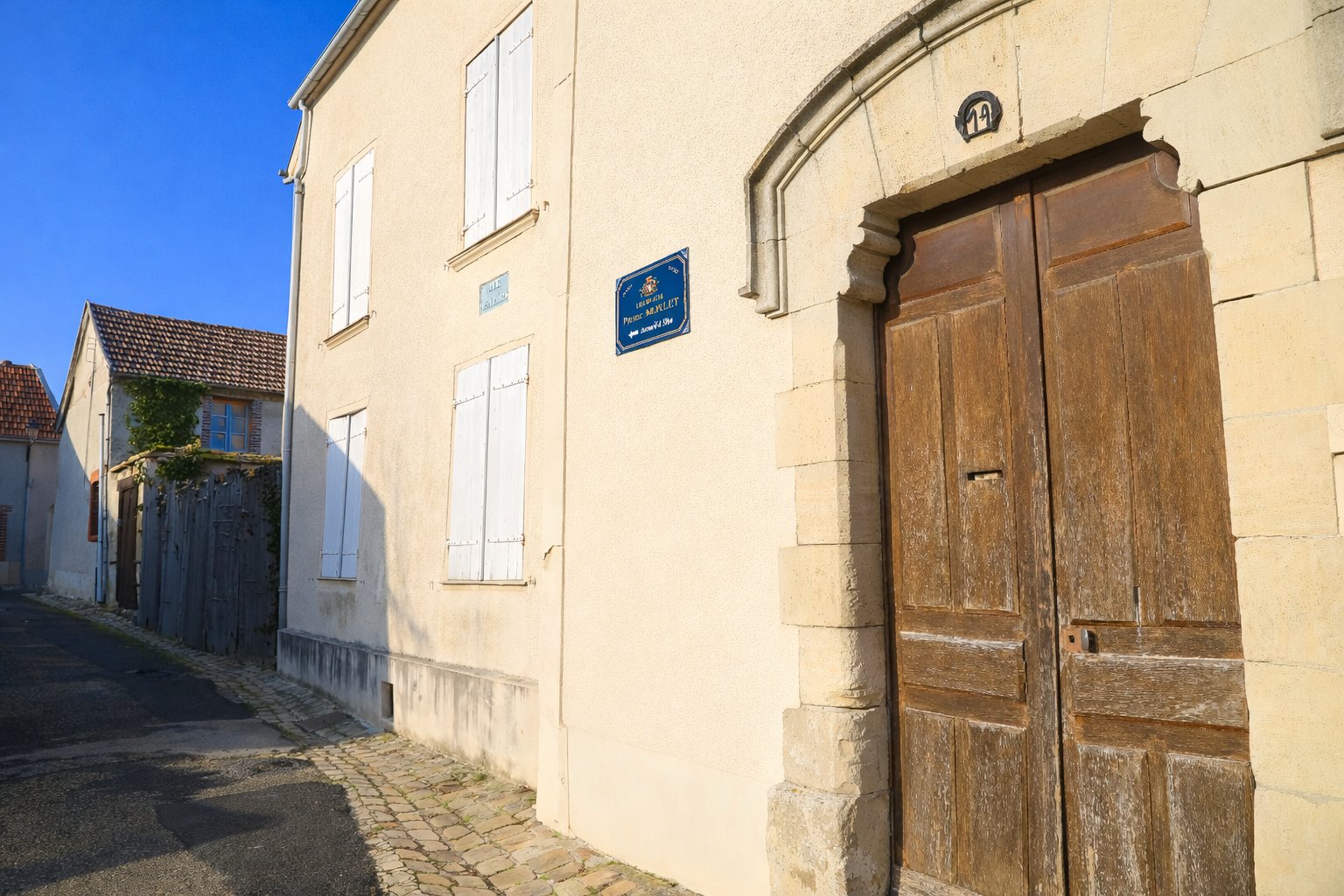
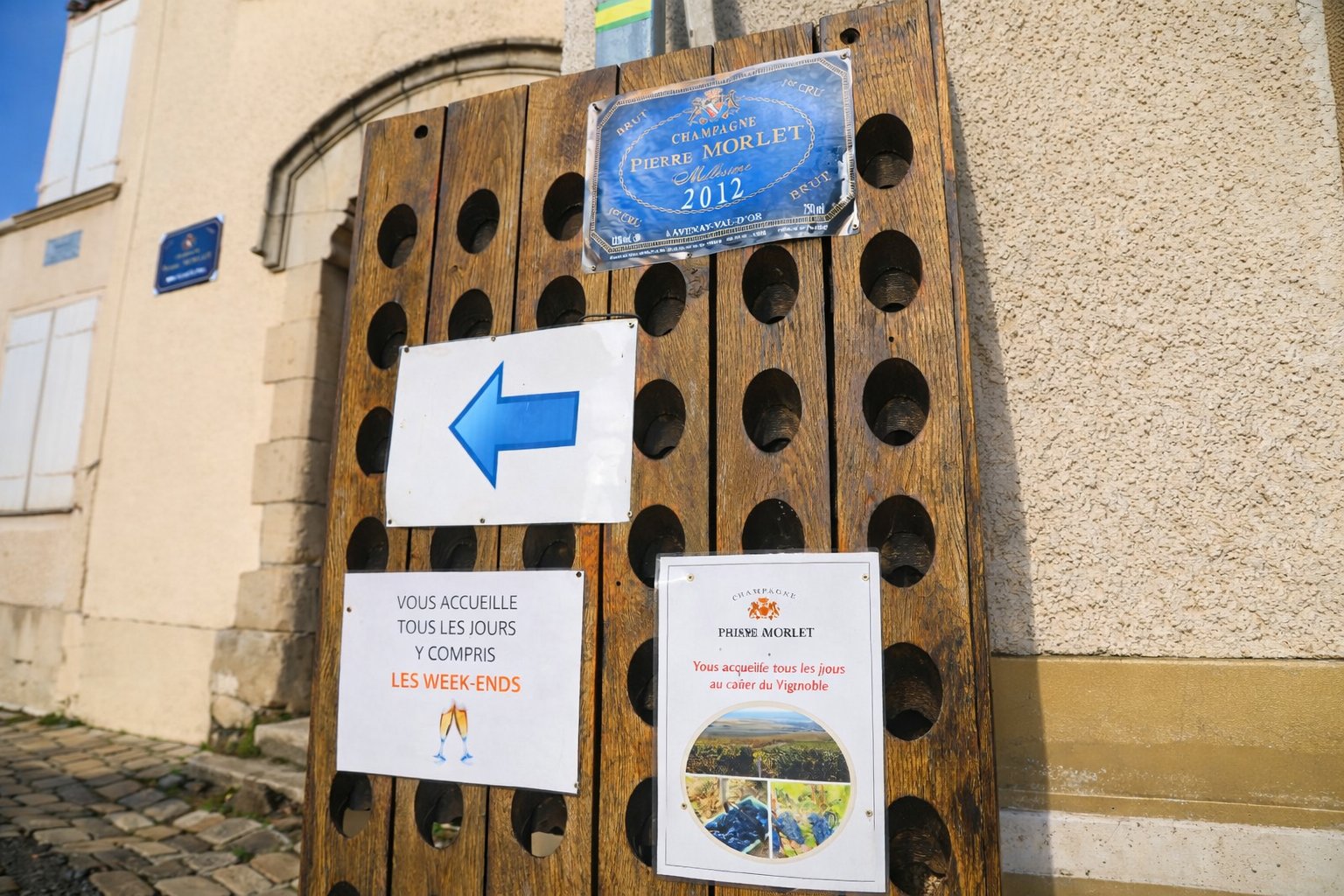
Champagne Pierre Morlet is located in the commune of Avenay-Val-d’Or (translates to ‘valley of the gold’) in the Marne department. Their cellar is about a 2-hour drive from Paris, 30-minute drive from Reims and only 15 minutes from Epernay. The Morlet family has been growing grapes in this part of France since the early 1800s and today own more than 40 vineyard blocks totaling 30 acres growing in shallow limestone topsoil anchored by deep chalky subsoils. Their vines are located next to vineyard properties owned by some of the most prominent Champagne houses in Champagne. The Morlet family traces its winegrowing roots back to an orphan, Auguste Morlet; Auguste’s son Pierre is responsible for creating Champagne Pierre Morlet in the 1920s, having named his production after his son Pierre. And through their agricultural heritage the family has a wall rose named after them in Latin with one growing at the Palace of Versailles outside of Paris (possibly called, Inermis Morletii – although we need to do some more research about this).
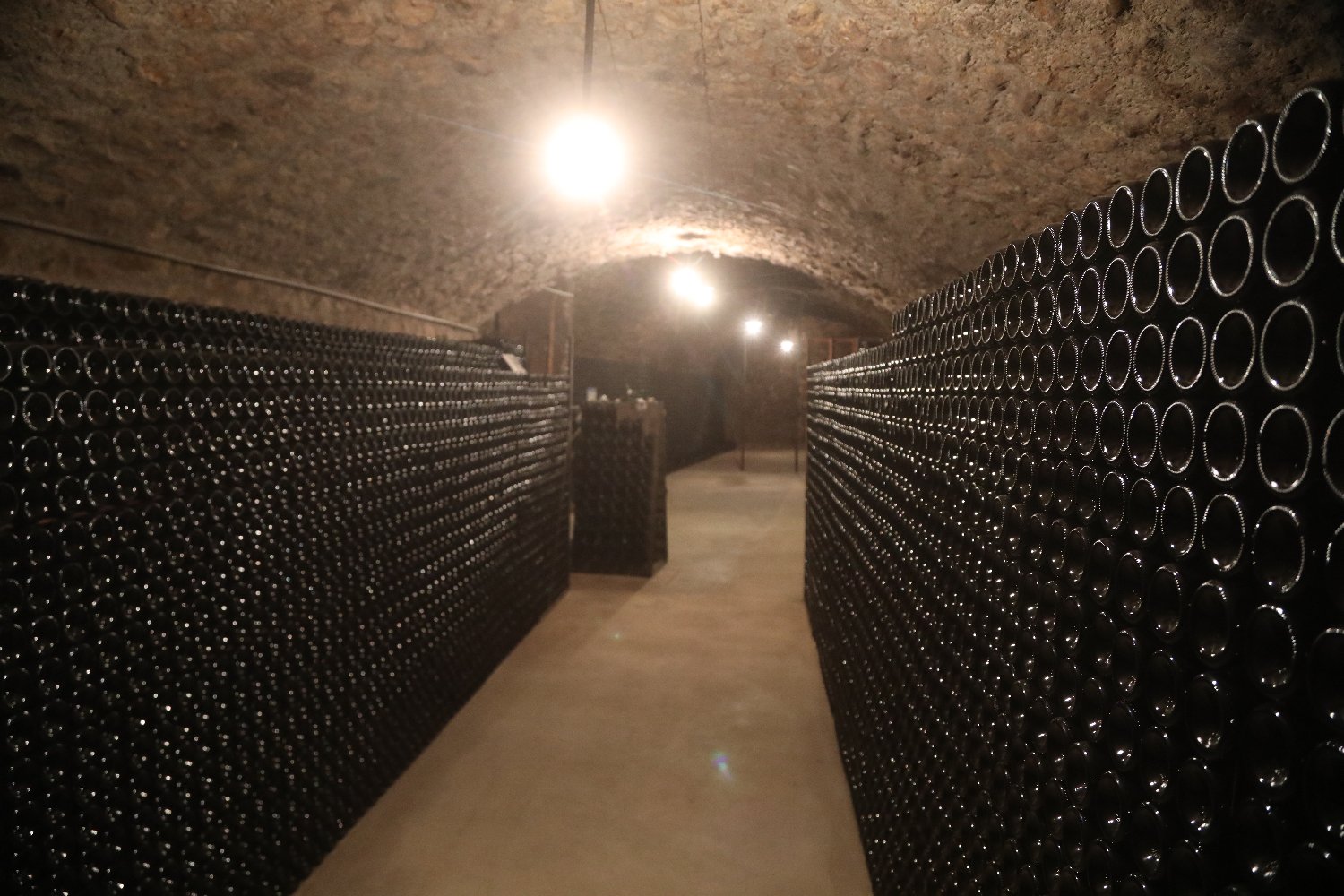
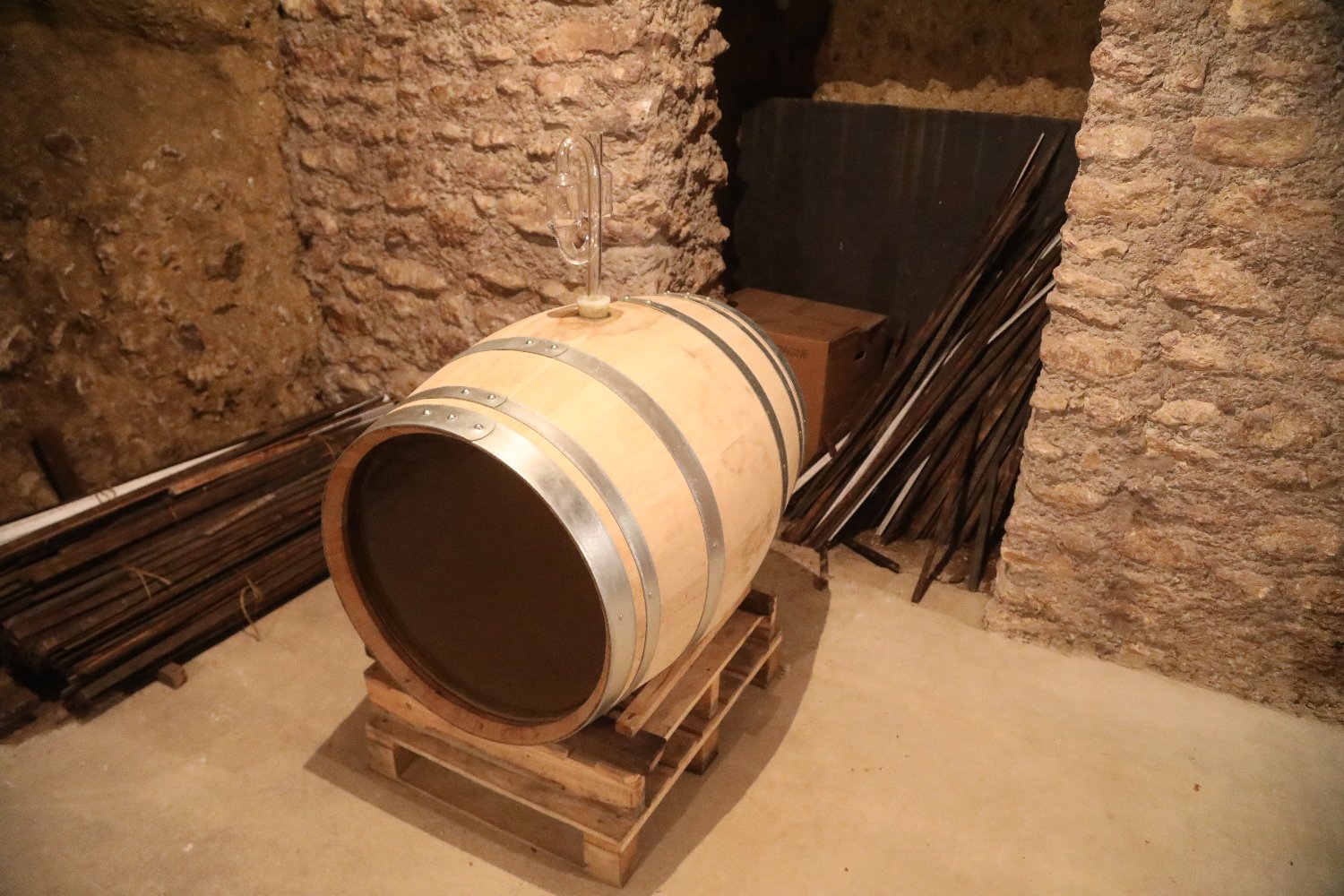
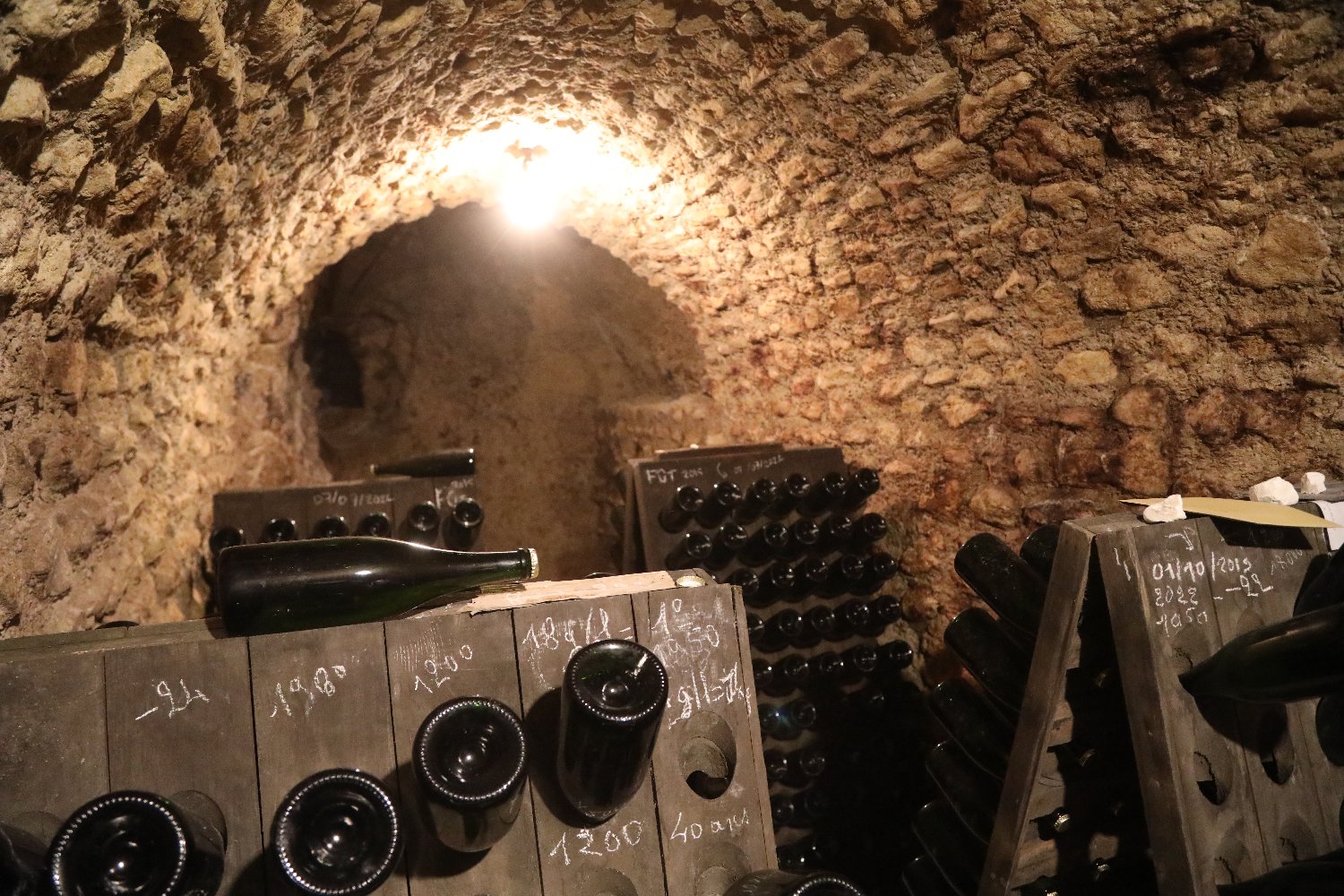
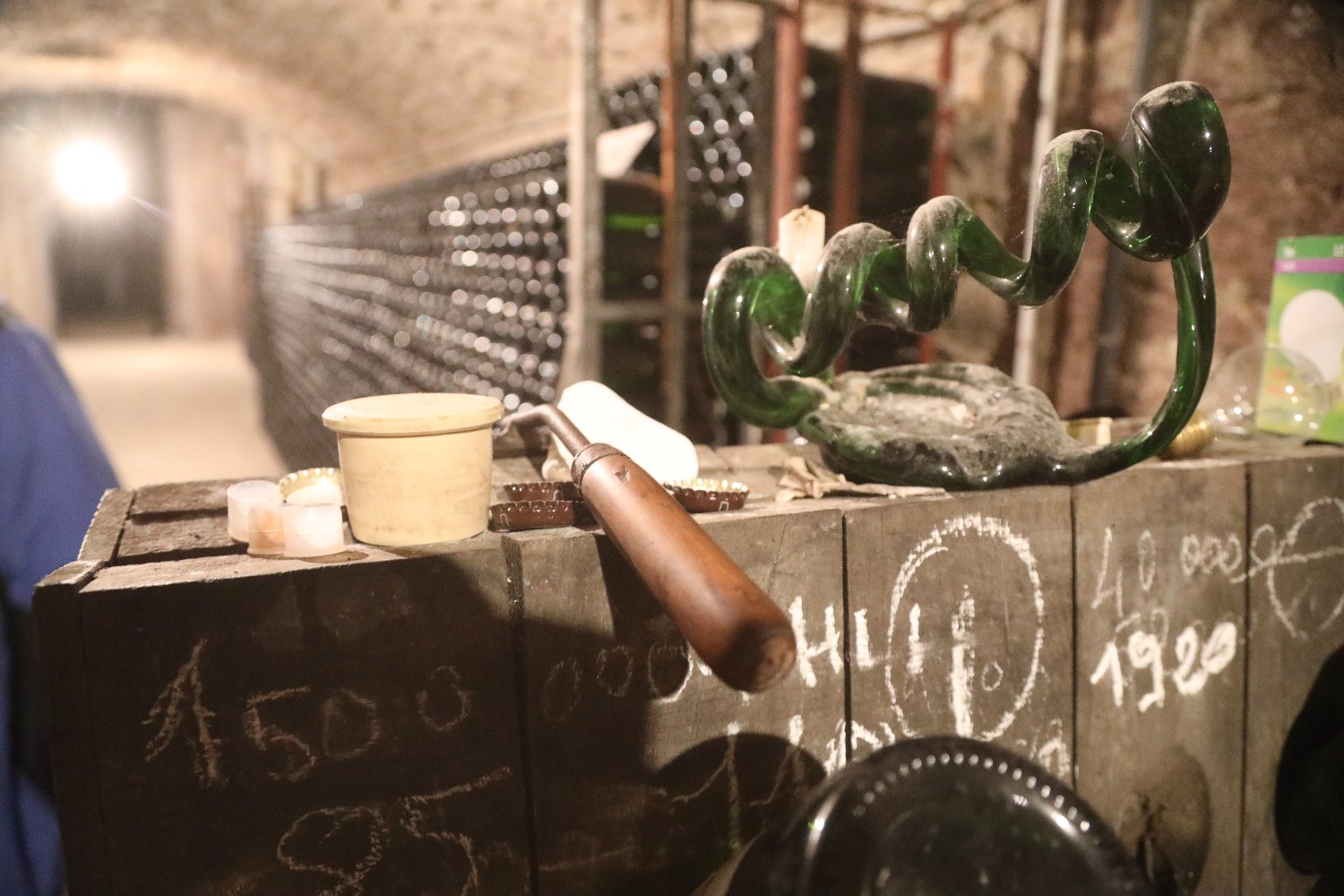
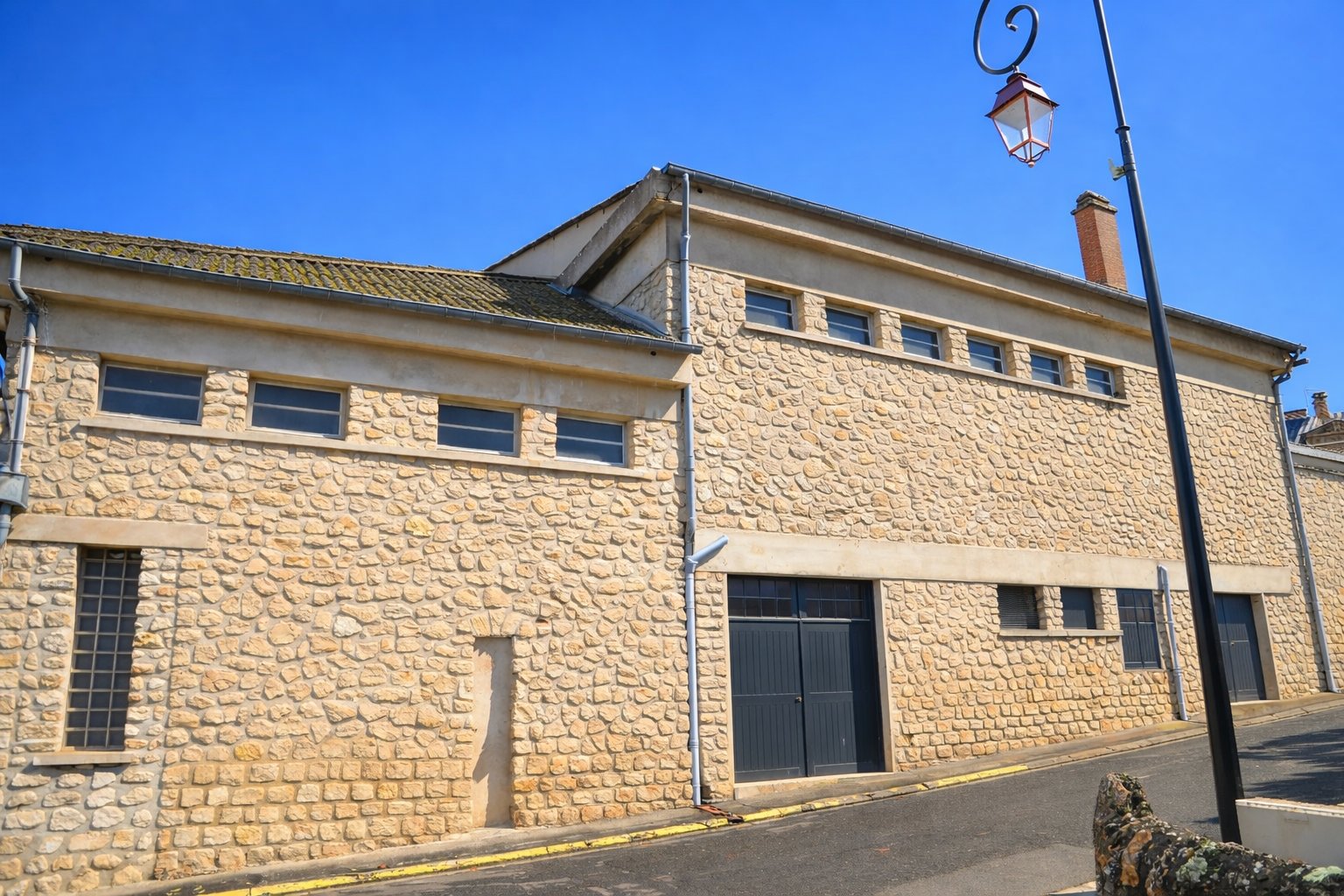
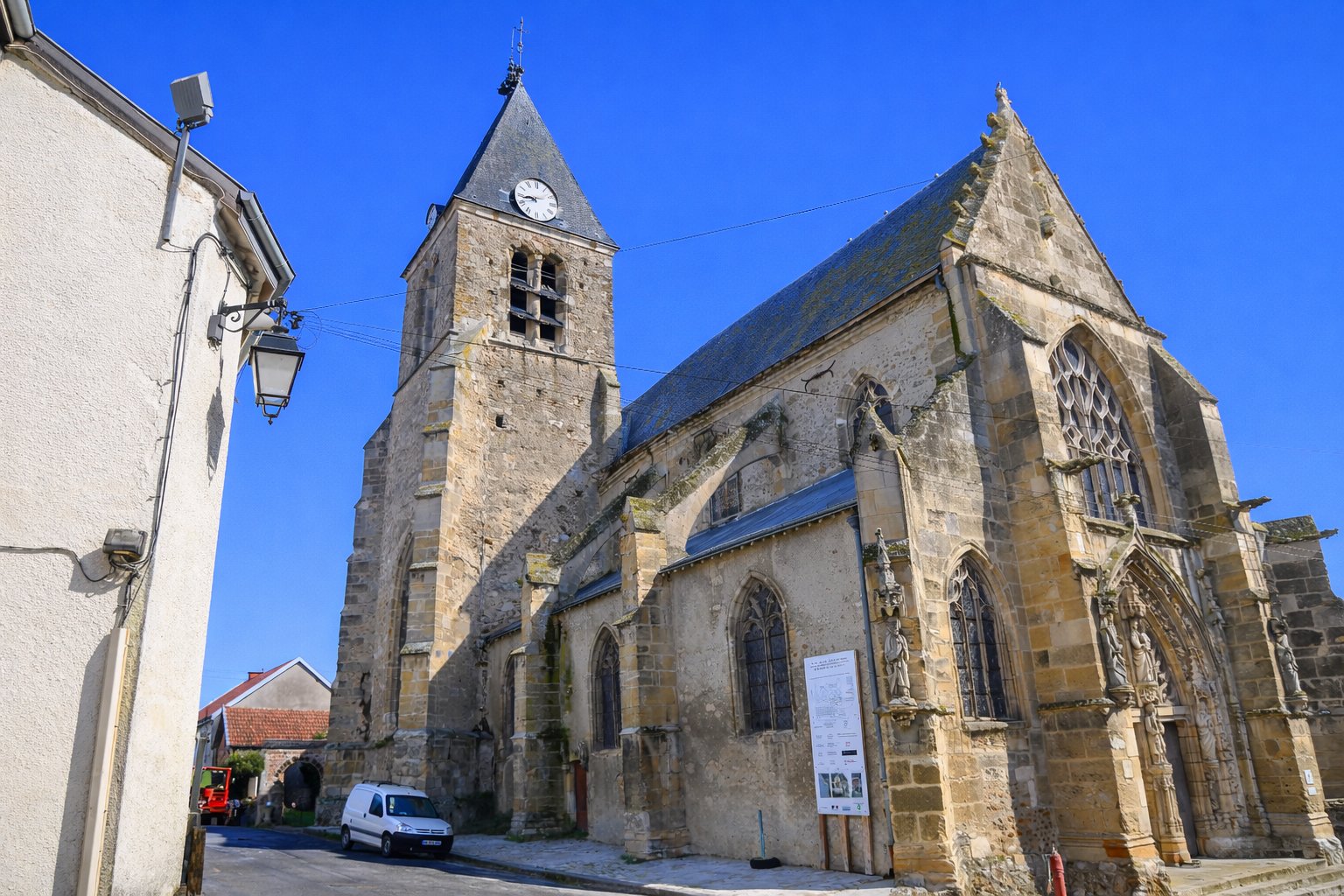
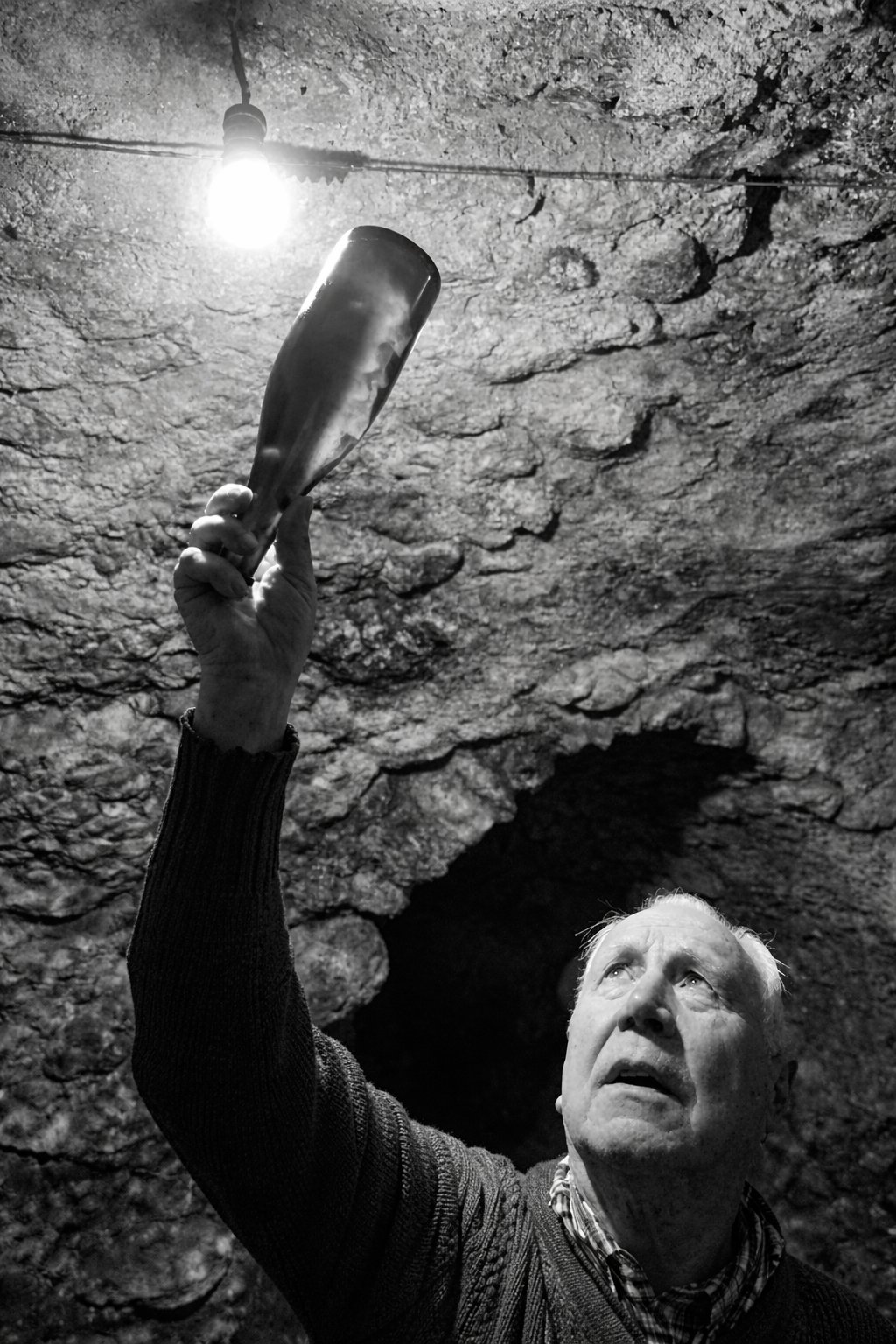 Pierre’s son Eric (who we met with at their cellar) has continued to build and grow the brand. His cellar is located in the heart of the village, nestled among the maze of narrow and windy streets including one nearby street corner which is so narrow only small vehicles can squeeze through. We wandered through the cellar with Eric; he told us the three sections of the cellar are in homage to his three boys, Luc, Nicholas and middle son Paulin (who oversees their vineyard and wine operations). Parts of the cellar are ancient including a section that used to serve as part of an abbey which was destroyed during the construction of a nearby still standing church. Eric oversaw the building of another section of the cave around 2000. In 1947, Eric’s grandfather built the nearby gravity-flow cooperative which is still in use.
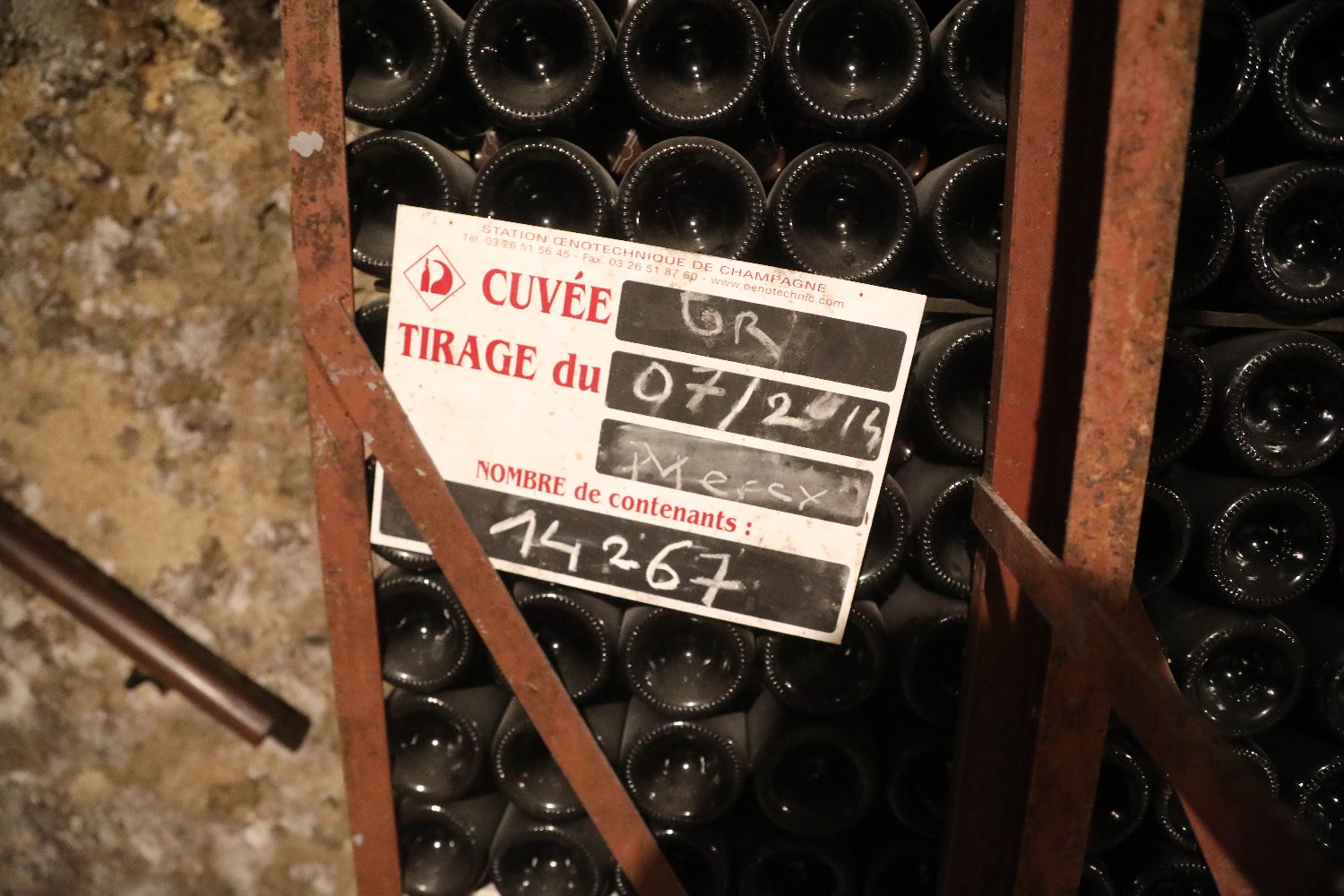
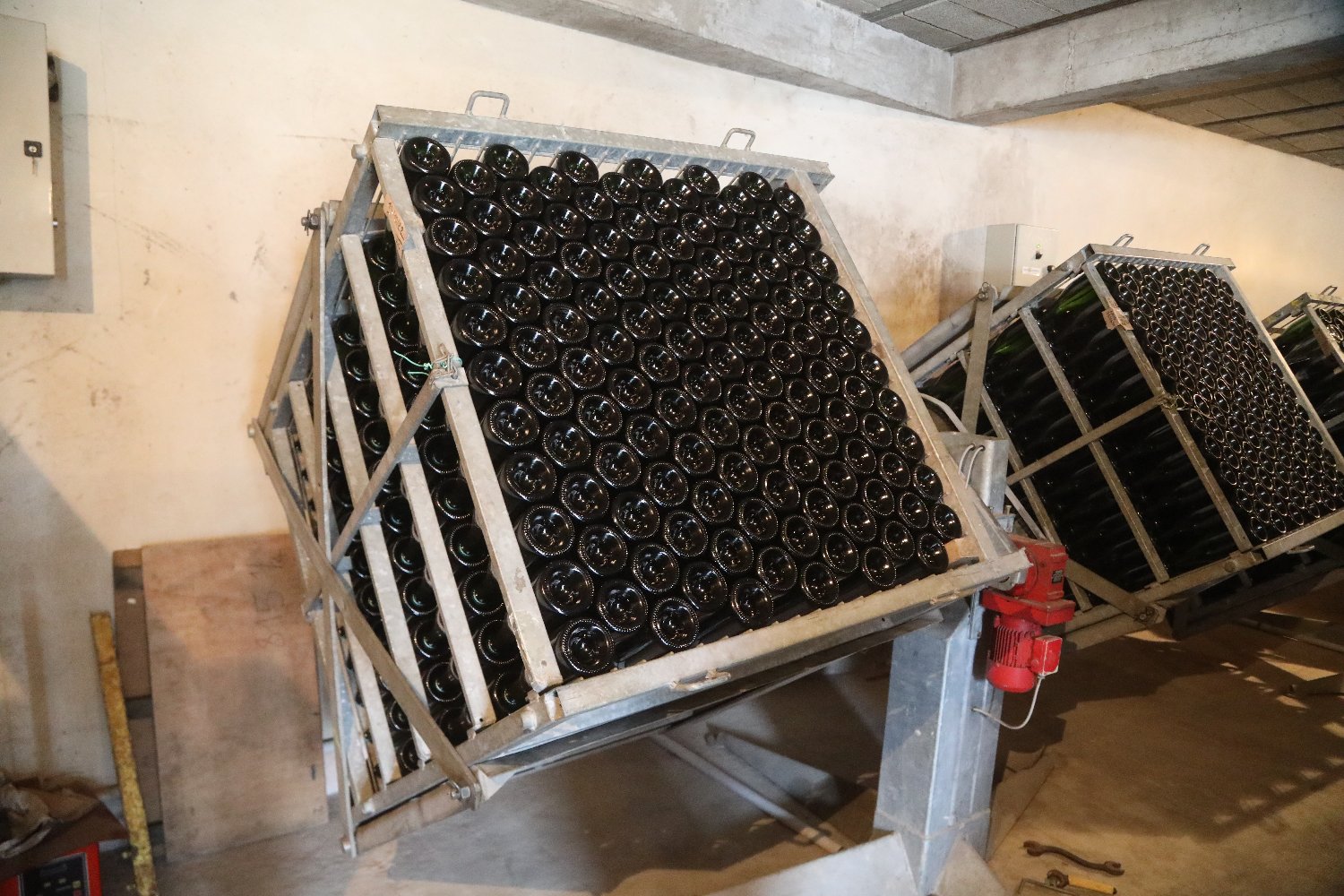
The wines are aged horizontally on the lees for two years and then vertically for one to three years; they are riddled primarily by a number of gyropallates located in another room on the first floor. The bottles are then disgorged three to six months prior to shipping with all equipment needed to do so including dosage and labelling, located on site. Their most premium wine is released up to 8 years post-harvest. Total production varies depending on harvest but can range from 4,000 to 10,000 cases.
Eric doesn’t speak much English, but one doesn’t need to understand French to clearly feel his deeply rooted passion, hospitality, pride, integrity, generosity and sense of place and community.
Those who are able to secure a tasting will enjoy the intimate experience including the unique history of the family and their cellar and a tasting of their wines in a small family styled room on the first floor.
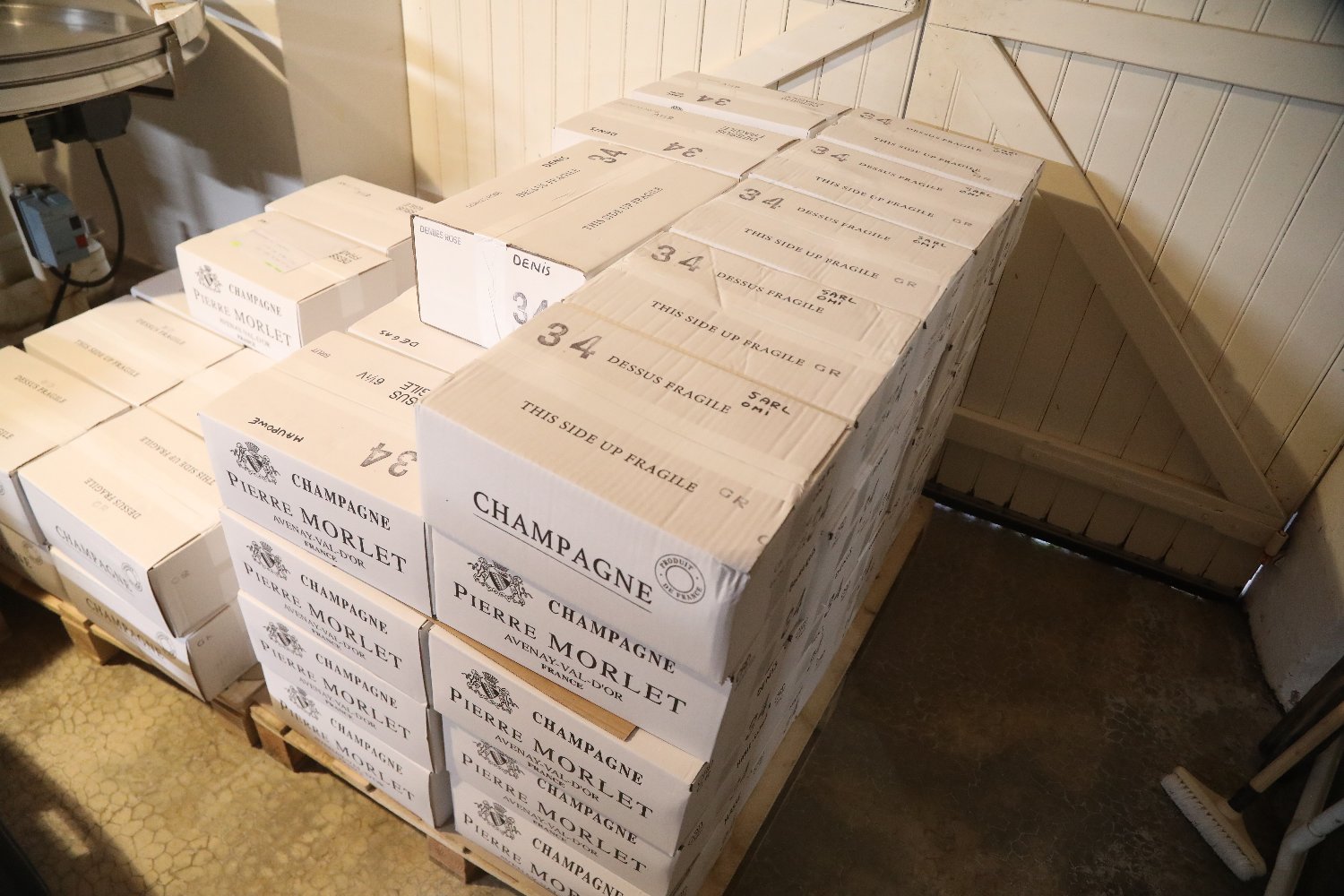
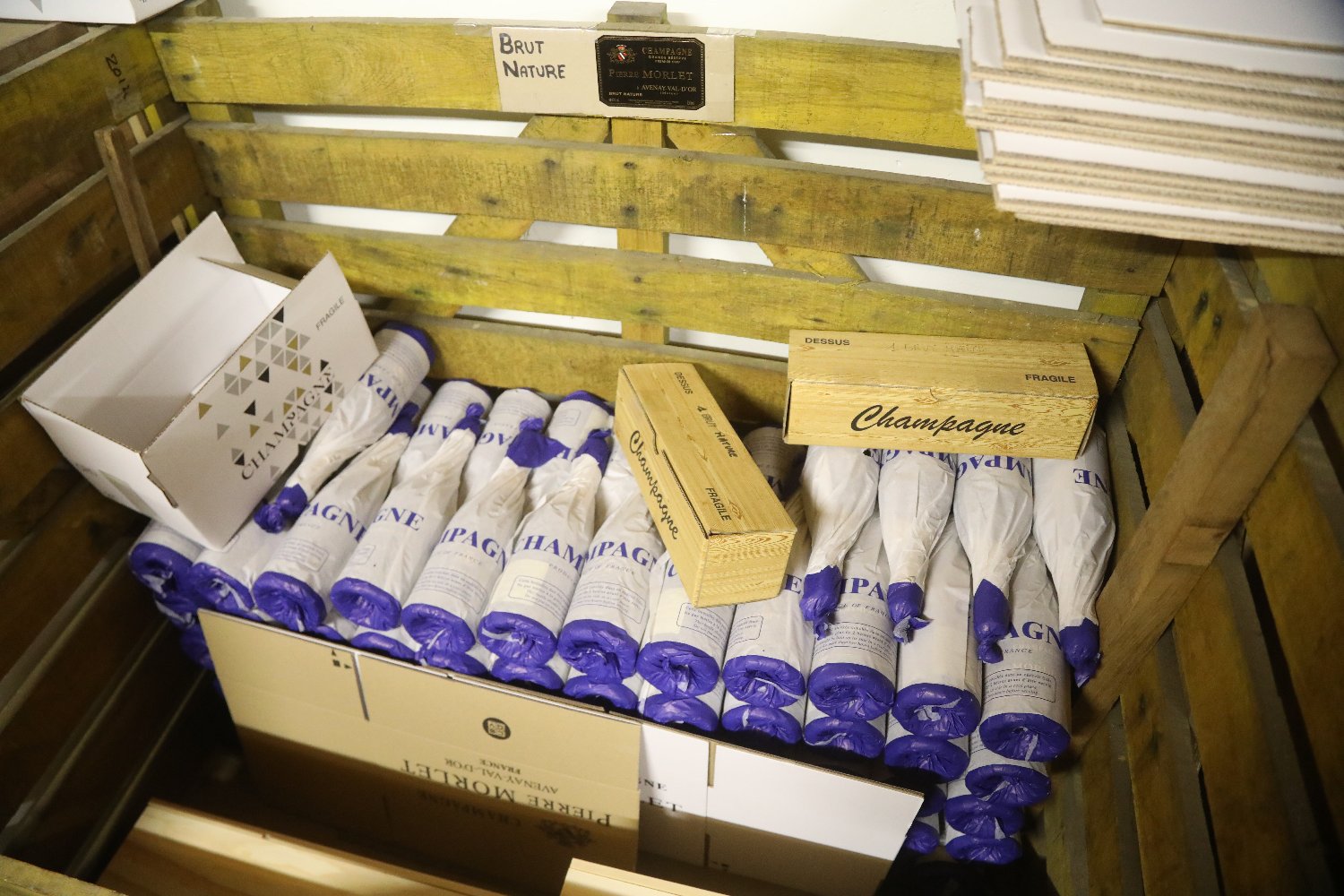
Morlet Family Vineyards imports approximately 2,000 cases of Champagne Pierre Morlet to the United States each year; for a fairly small and premium producer, these wines are available at reasonable retail prices.
Select Wines
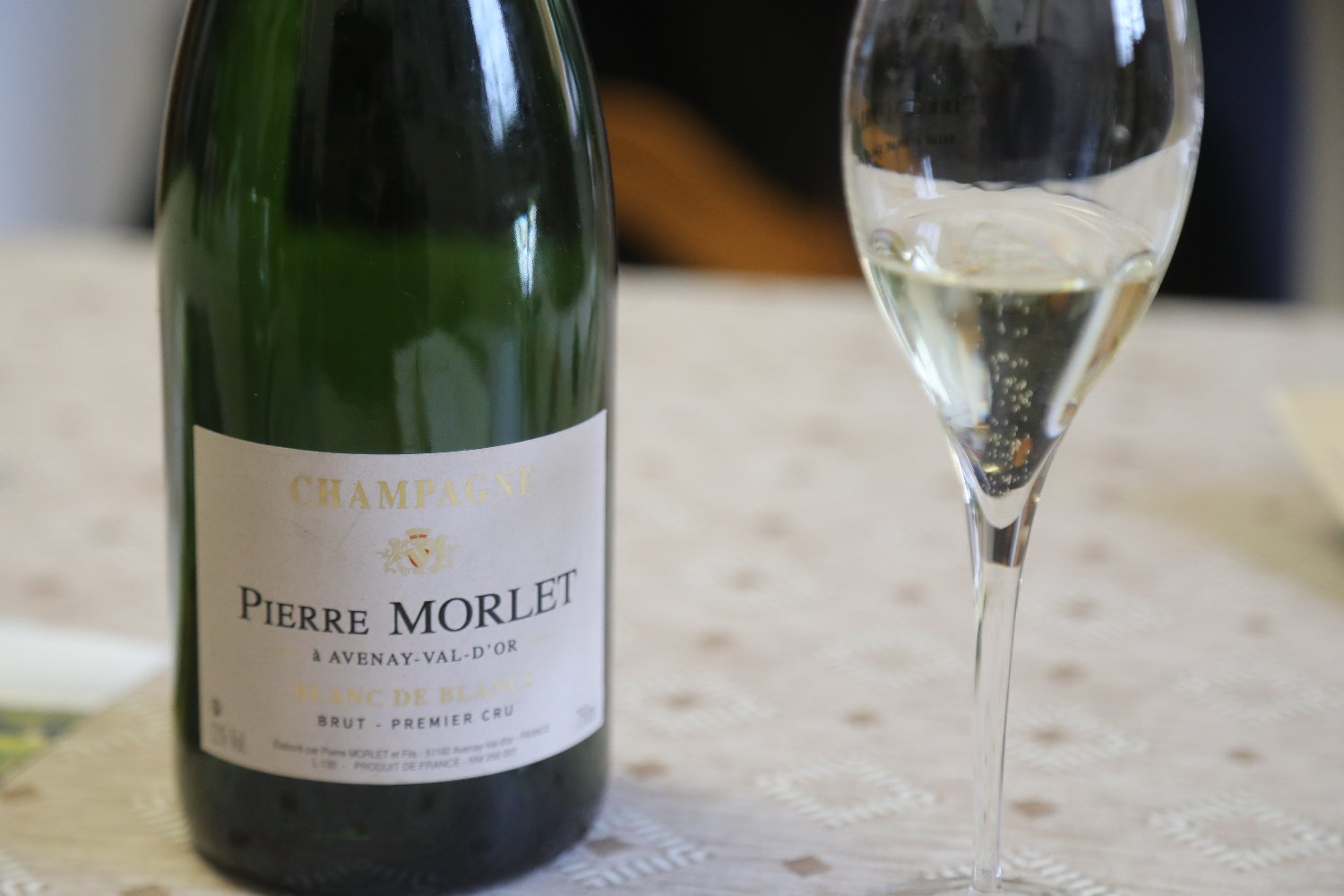
The Champagne Pierre Morlet Blanc de Blanc Avenay-Val-D’Or Brut, Premier Cru (tasted in 2022) is medium gold in color; the bouquet is generous offering hints of white toast, green and red apple, pear and honeysuckle. One would not be incorrect to describe both the bouquet and the palate as delicate. It offers flavors of citrus including tangerine and lingers with a bright burst of acidity. This bottling is fresh, lively and quite enjoyable on its own.
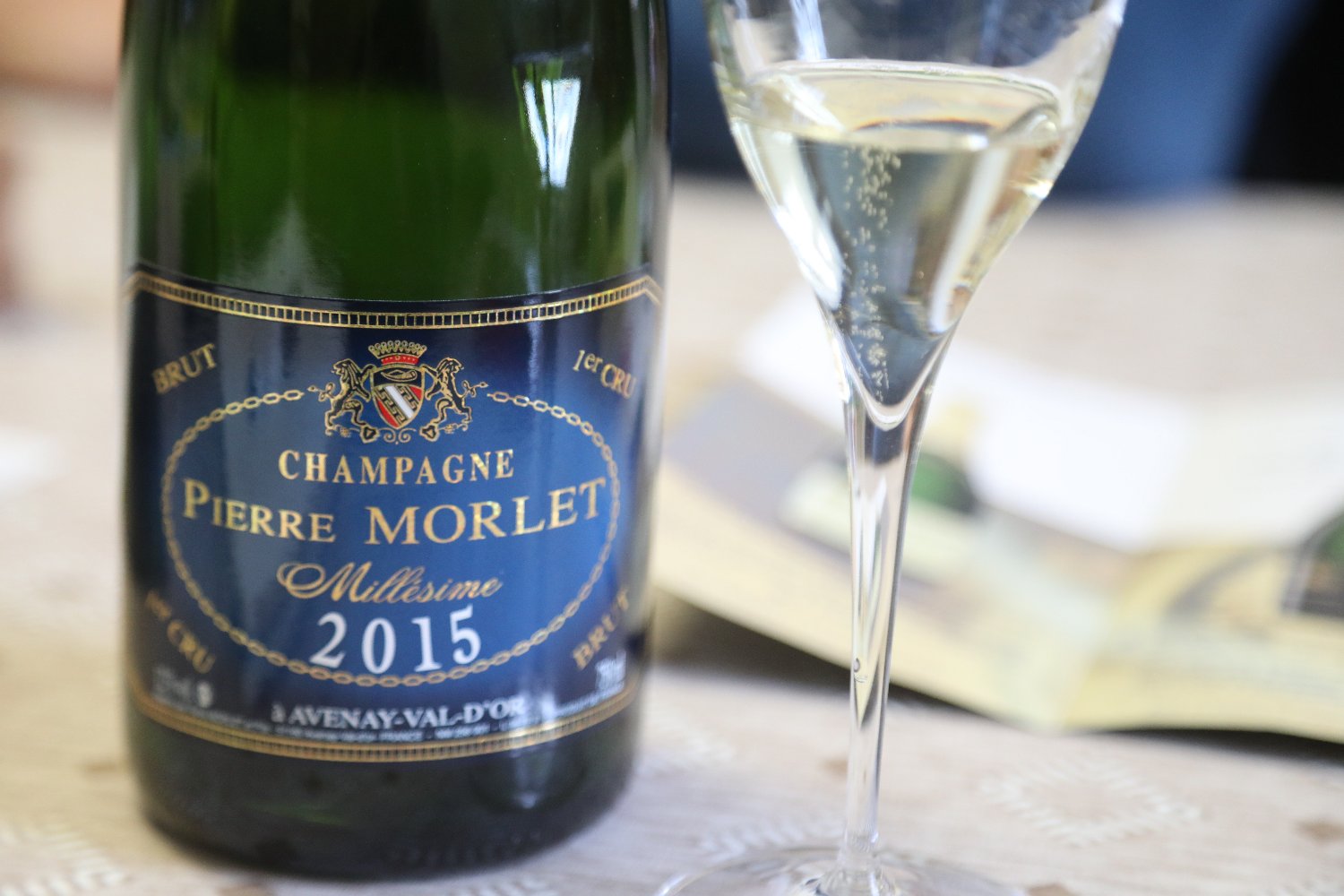
The 2015 Champagne Pierre Morlet Avenay-Val-D’Or Brut 1er Cru offers plenty of sweetly fruited scents on the bouquet including ripe pear, lemon/lime, some floral notes including citrus blossom and a hint of toast. There is also a consistent aromatic thread of fresh apple juice; it reminded us of the resulting smells after picking and then coring freshly Golden Delicious apples in our parent’s garage as a child, the wooden bench where the apple corer was mounted, being completely covered in fresh apple juice. This wine’s texture is slightly creamy and offers flavors of bruised apple. This is a beautiful bottling.
The 2002 Champagne Pierre Morlet Grande Reserve is a softer styled Champagne with appealing subtle aromas of melon, peach and watermelon on the bouquet. White toast, strawberry, watermelon and other delicate fruit show on the slightly creamy palate. This Champagne was partially fermented in the larger demi-muid barrels (a rarity in Champagne). This Champagne is an excellent value.
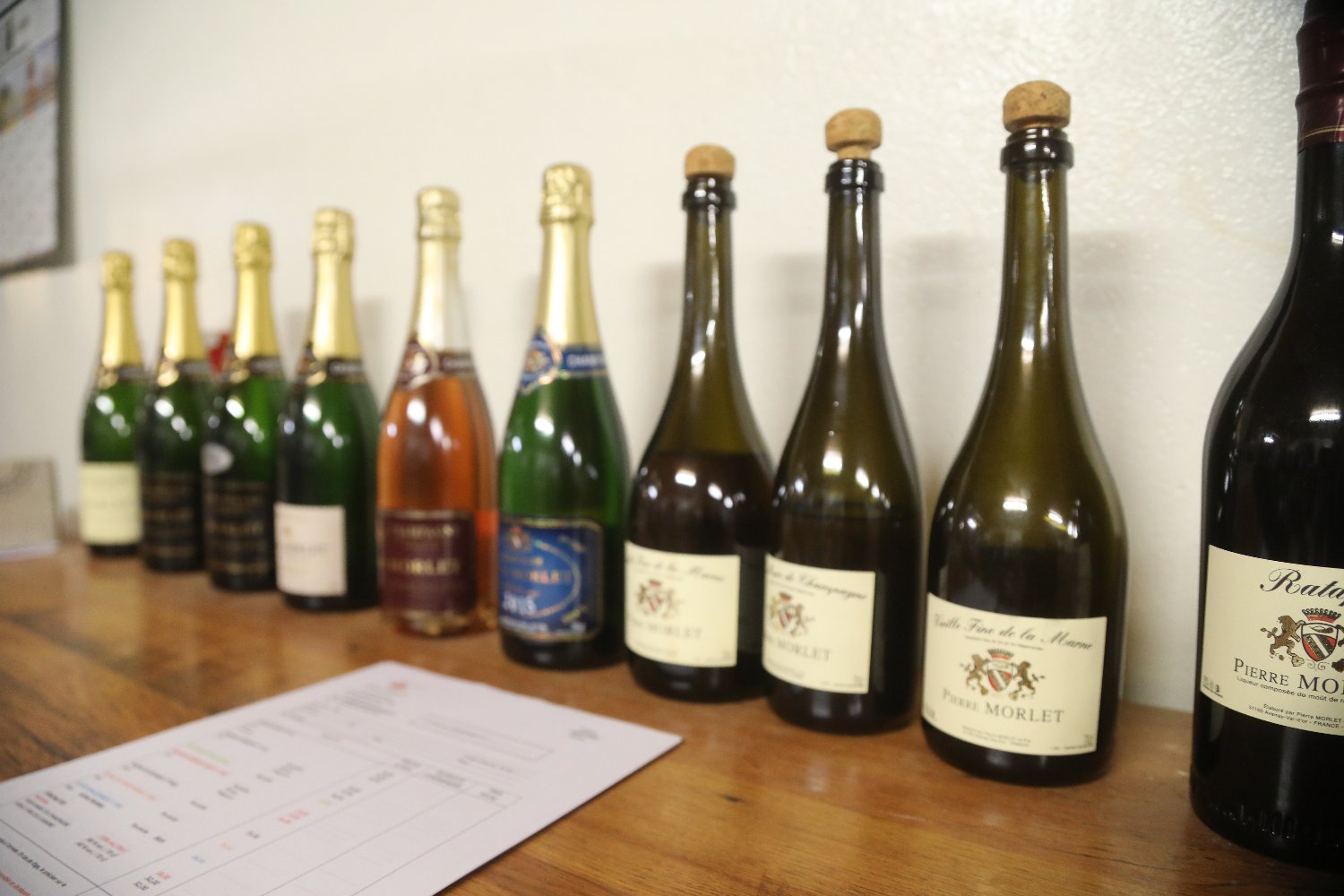
Champagne Morlet produces a number of other Champagnes along with some more unusual bottlings including the Ratafia, an aperitif made from a home recipe from Pinot Noir grapes and also several brandies. And some of their wines are available in Magnums and half bottles.
After tasting and describing countless red wines from Napa Valley since we started the Napa Wine Project in 2006 and several trips to Champagne over the years pursuing visits to places and spaces with strong connections to wineries in Napa Valley through ownership, heritage and family ties, it is now clear that wines from Champagne have become among our favorite wines to drink. As one of Pierre Morlet’s clients who was picking up several cases of wine at the time of our visit succinctly summed up the attraction to these wines, “Champagne is associated with pleasure and success”.
For more information about their wines and the family winery in Champagne, France, visit: www.champagnepierremorlet.com
hi jodie i would like to purchase wine from your latest offering. My email address has changed, please help me update so i can purchase from the website. Thanks. 2094092562.
Jeffrey – you can reach out directly to the winery via their website. thanks ~ Dave