




 Old Soda Springs. Family owned. Family operated. The Kaufman family story is one of moving west, finding and developing a deep connection to a piece of property in Napa Valley and resilience. Herb and Margaret Kaufman moved to California from Houston, TX in 1963; originally from Kansas, Herb was in medical school at Baylor. They drove to California and settled in the San Francisco Bay Area where Herb worked at UCSF. They visited Napa Valley a number of times before they decided to move here. They purchased their 11-acre property on Old Soda Springs Road in 1974. Several old barns were still standing at the time of their purchase; the previous owners were using the property as a chicken farm.
The Kaufman’s operated their land as a tiny ranch with horses, cattle and chickens. If you have lived in Napa Valley long enough, you remember specific years by the fires. In 1981, a major fire burned in Atlas Peak, causing an estimated 36 million dollars (equivalent to approximately $130 million in 2025) in loss to homes and burned 23,000 acres. Herb noticed that properties that grew vineyards were not as badly burned as those who did not.
Following this fire, Herb planted Coastal Redwoods, a tree that is extremely resilient to fires and a type of redwood that benefits in terms of germination as a result of less specie competition post fire. We have seen Coastal Redwoods that survived multiple fires decades apart including some in the north part of Napa Valley that survived the Hanley Fire of 1964, were scarred for decades and then survived the Tubbs Fire of 2017. In 2017 the Atlas Fire burned through their property, melting the milk cartons that were still surrounding the newly planted vines, singeing the edges of the vineyard, burning most of the oak trees, but sparing the main house and the redwoods that Herb had planted 35 years prior.
Herb also planted part of this property to Chardonnay in 1982 with the help of his 10 year old son Rick Kaufman; Herb called the site, Silverado Summers Vineyard. Over the decades the family did not make wine, rather they sold the grapes to wineries including Peju, Pine Ridge and Graeser, now the site of Theorem Vineyards.
Herb was an allergist who who wrote one of the early research papers on the affects of red wine and headaches. His paper titled, The red wine headache and prostaglandin synthetase inhibitors: a blind controlled study was published in September 1991.
Rick originally attended UC Davis with the intention of pursuing a career in viticulture or winemaking. While there, with the advice of one of his professors, he pivoted and ultimately built a career around real estate development. He is president of San Francisco based City-Core Development. But he never lost his connection to the property he grew up with or his love for vineyards.
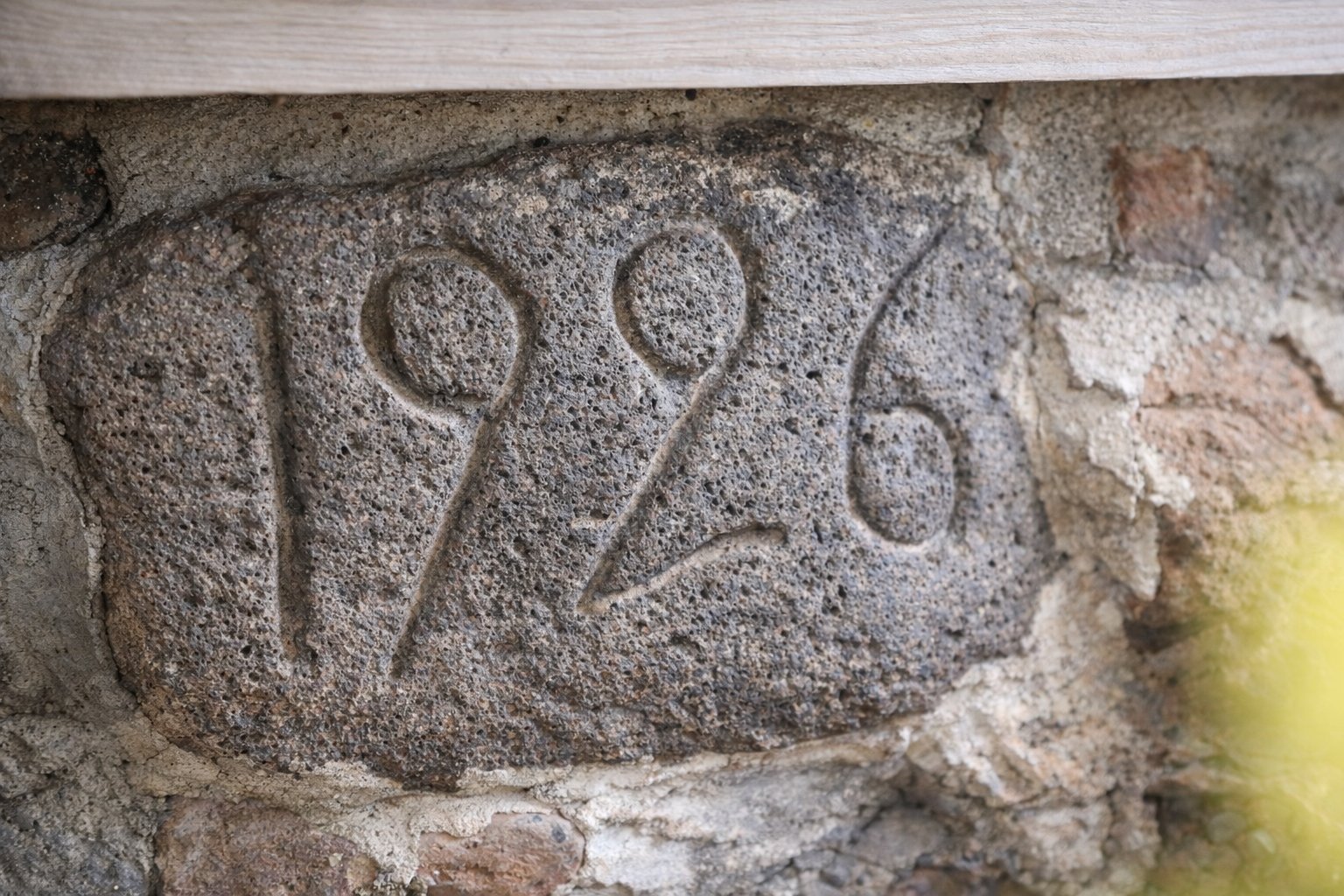
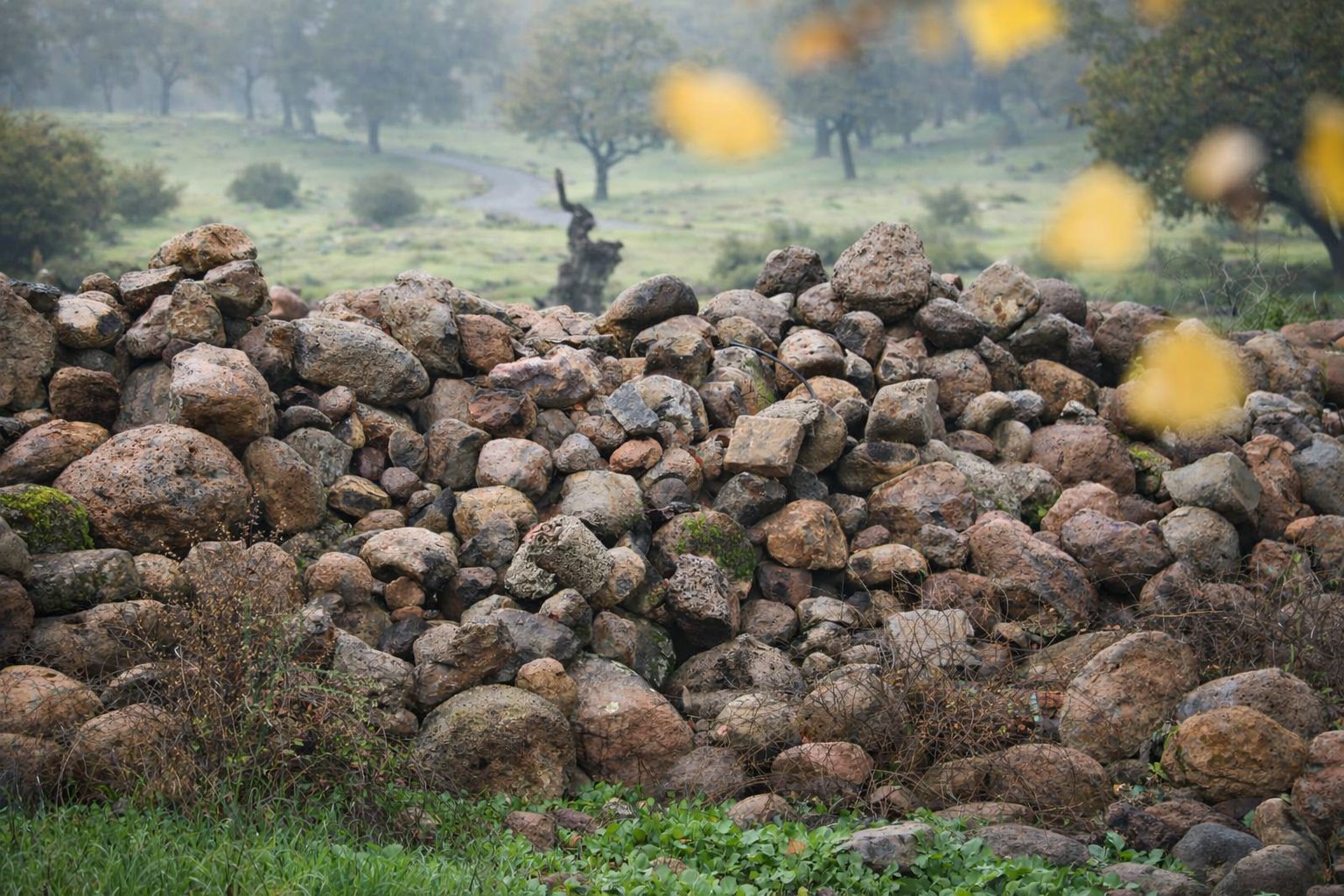
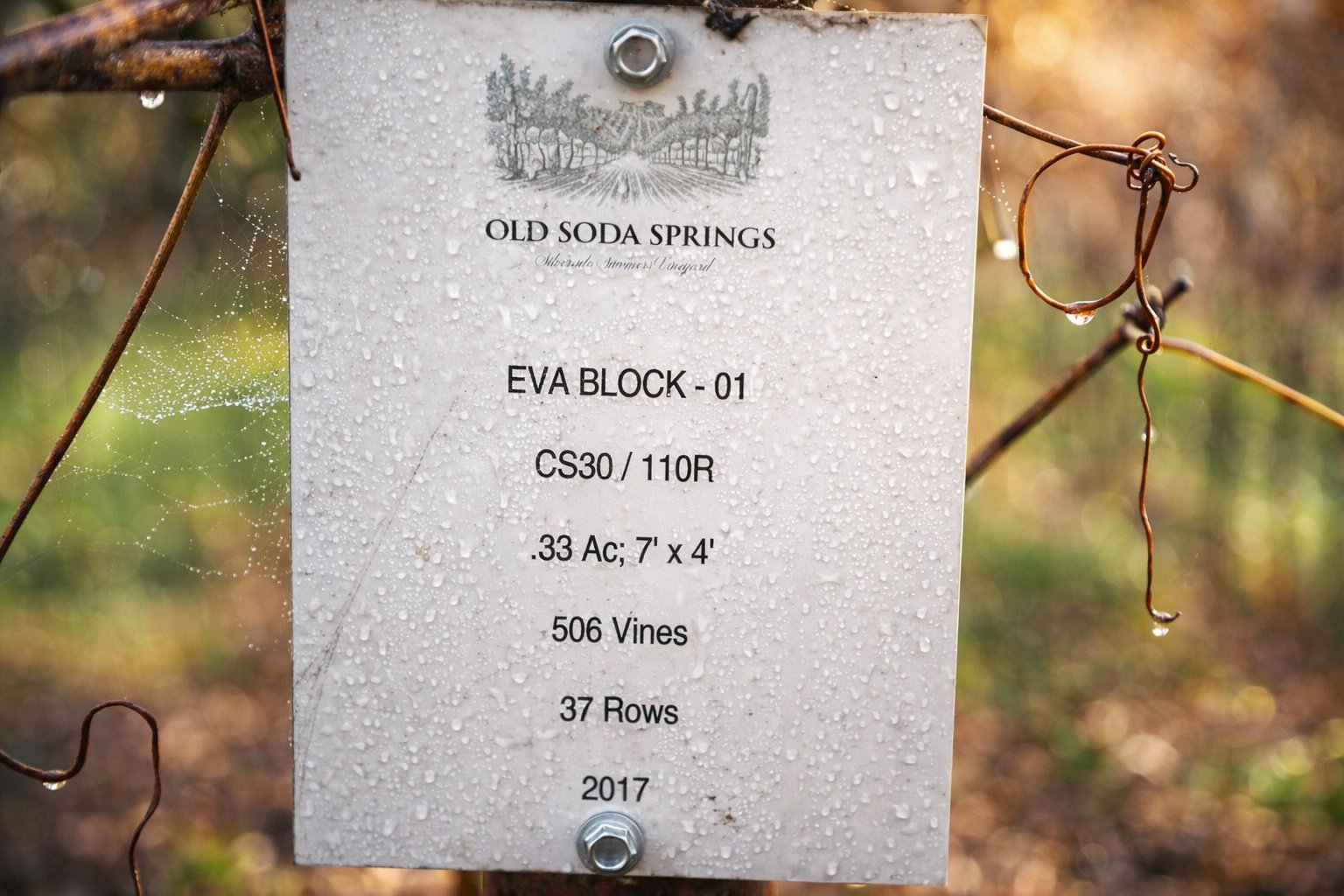
After his father died, he replanted the old-vine Chardonnay to Cabernet Sauvignon featuring two blocks, both named after his children, Eva and Jonas. During the vineyard preparation, he flew a drone over the property and noticed two distinctive soils. Based on these soil types, each year a single wine is produced from each block. Piña Vineyard Management oversees the vines, led by co-owner Johnny White & viticulturist, Justin Legion. Rocks are a prolific feature of this property; in fact Davie Piña mentioned to Rick one day, “Mr. Kaufman your property grows rocks”. Some of these rocks are stacked in piles around the property, some are used for drainage and some are used in the walls of a cellar that dates to 1926; all are basalt, are well rounded and are from an ancient river bed.
Rick founded Old Soda Springs in 2020. It wasn’t an easy year to start a wine brand. He picked the grapes the day after the Glass Fire started and had planned to bring them to a winery on Howell Mountain for production. But when he called his friend to arrange delivery, he was told because of the fire the roads were closed. So he pivoted and called long time family friends, Margaret and Rem at 2am, proprietors of Tench Vineyards; in their sleepy state, they graciously agreed to let him bring his grapes to be processed at their newly built winery in the morning. He delivered them 5 hours later. And he never left; every subsequent vintage of Old Soda Springs has been produced here.
Overseeing the winemaking for Old Soda Springs, Ashley Hepworth is originally from Denver, worked for two years as a chef at the acclaimed Charlie Trotter’s in Chicago before moving to Napa Valley. Her winemaking career began at Joseph Phelps, taking a harvest intern position in 1999 before becoming their head winemaker in 2008. During her time at Phelps she oversaw a diverse portfolio of winemaking ranging from Chardonnay, Pinot Noir, sparkling wine and their red program including their flagship bottling, Insignia. She left Phelps in early 2023 to focus on her consulting career, and oversees Ashley Hepworth Wine Consulting.
Select Wines
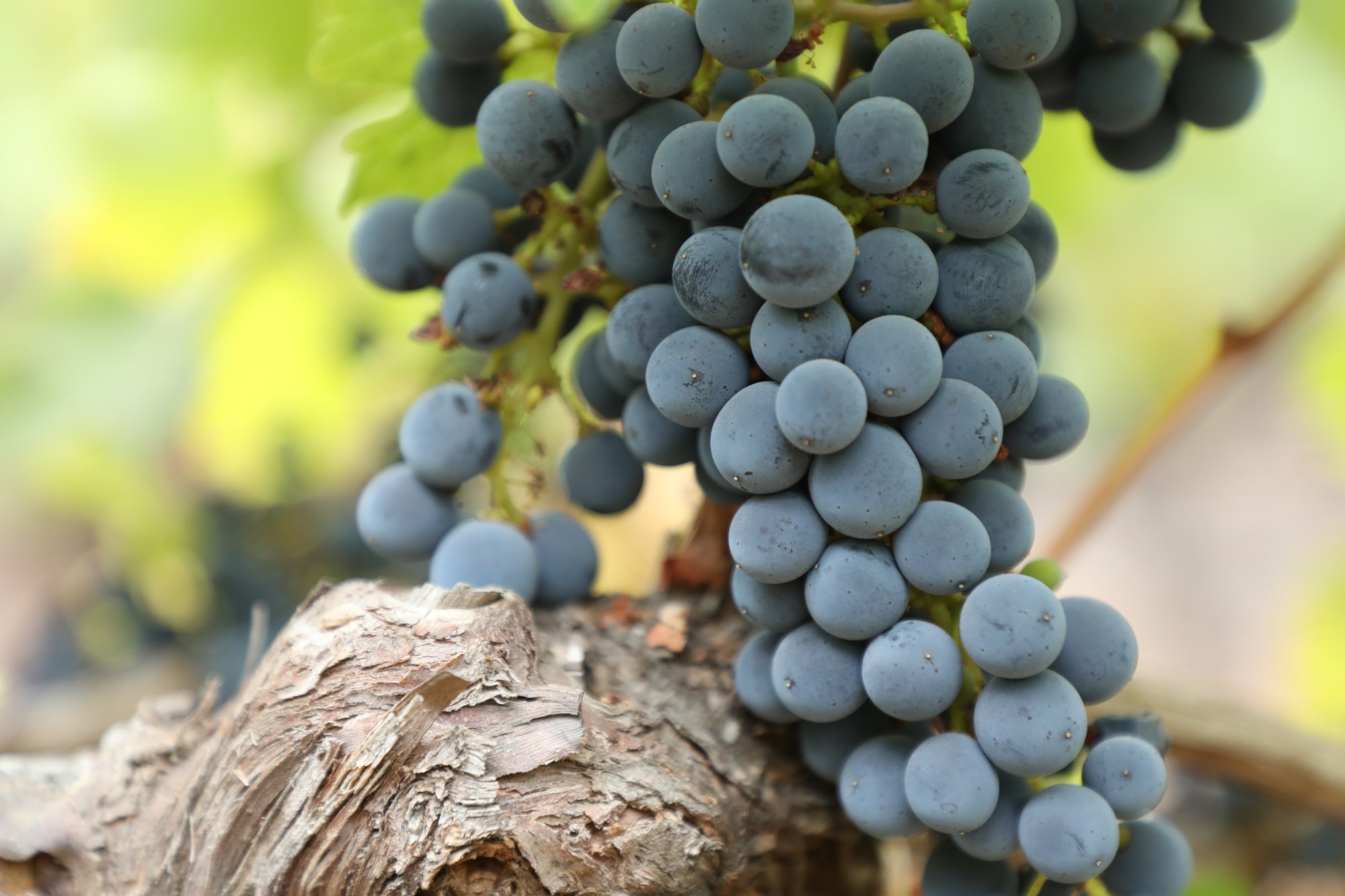
 All wines are 100% varietal Cabernet Sauvignon. Most of their wines are made entirely from free run with a small amount of pressed wine blended into some vintages. Rick always participates in the blending sessions with Ashley and both choose barrel selections each year including types of toast. They mutually make decisions; both are aligned in producing the best possible wines they can.
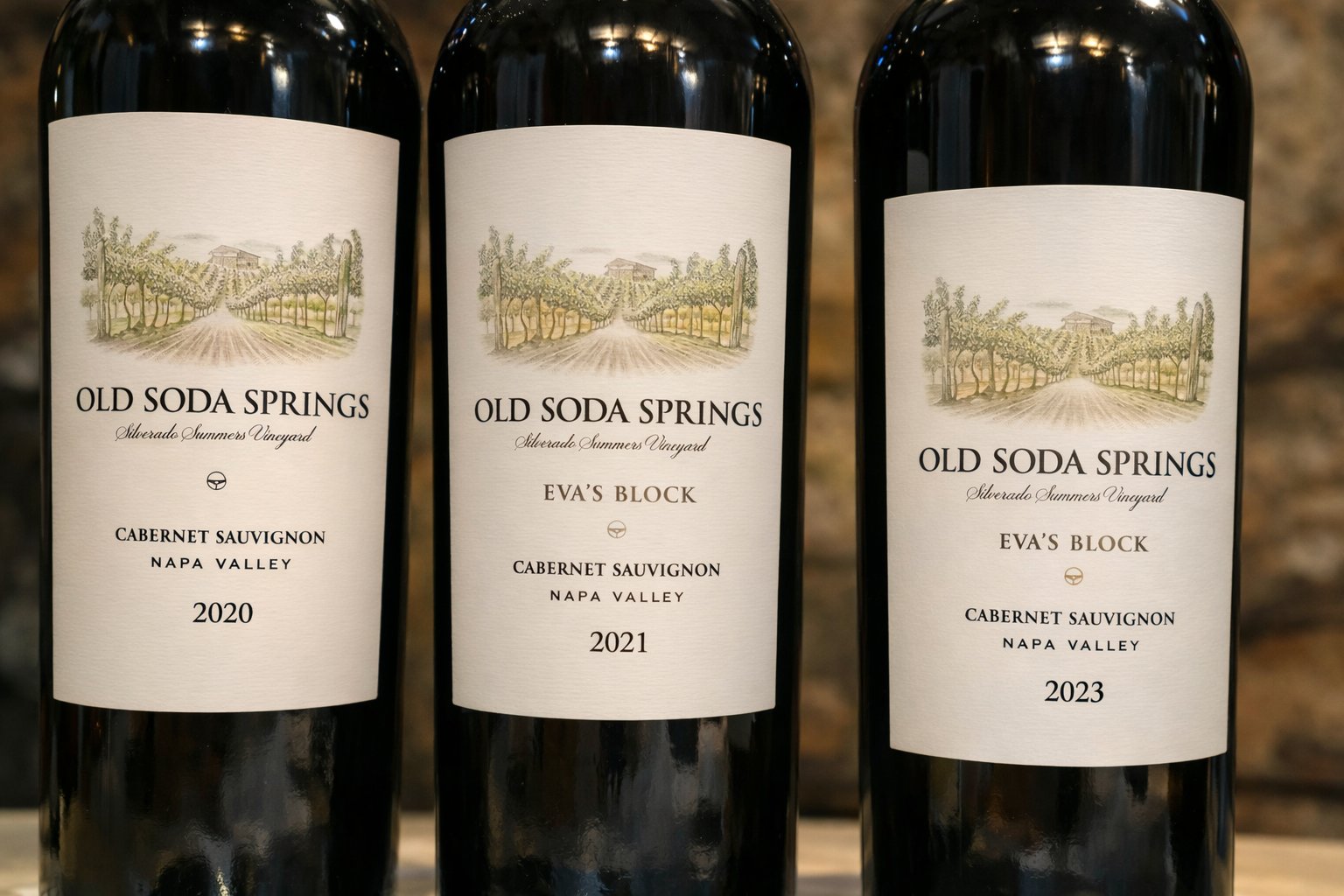
The 2020 Old Soda Springs Cabernet Sauvignon is deep ruby and opaque with an amaranthine rim; immediately floral, the bouquet smells like African violets, lilacs and lavender. Its fruit scents include blueberry, dark raspberry, boysenberry, blackberry, dark plum and a light note of old cedar box. The bouquet, like the palate, is loaded with both layers of aromatics and flavors. Dark fruited, this wine tastes like plum, blackberry, boysenberry, dark mulberry and dark cherry. Lingers with a savory, darker, and earthy edge. The tannins show a density but without a heavy grip. Their texture sports a well tumbled, gravelly and dusty feel. Both texture and fruit parallel each other for some time. For this vintage only, as a result of a wayward winemaking decision, barrels of both Eva and Jonas were racked (blended) to tank; this wine includes grapes from both blocks and a small amount of pressed wine.
Eva Block
The Eva block grows on the lower part of the property and produces wines that regardless of vintage, tend to be a more elegant. This block receives a little less sun, ripens slower with a long hang time and typically is harvested later than the Jonas block. And the vines generally produce lower yields than the vines in the Jonas block. Regardless, both blocks are always picked, crushed, and aged separately from one another.
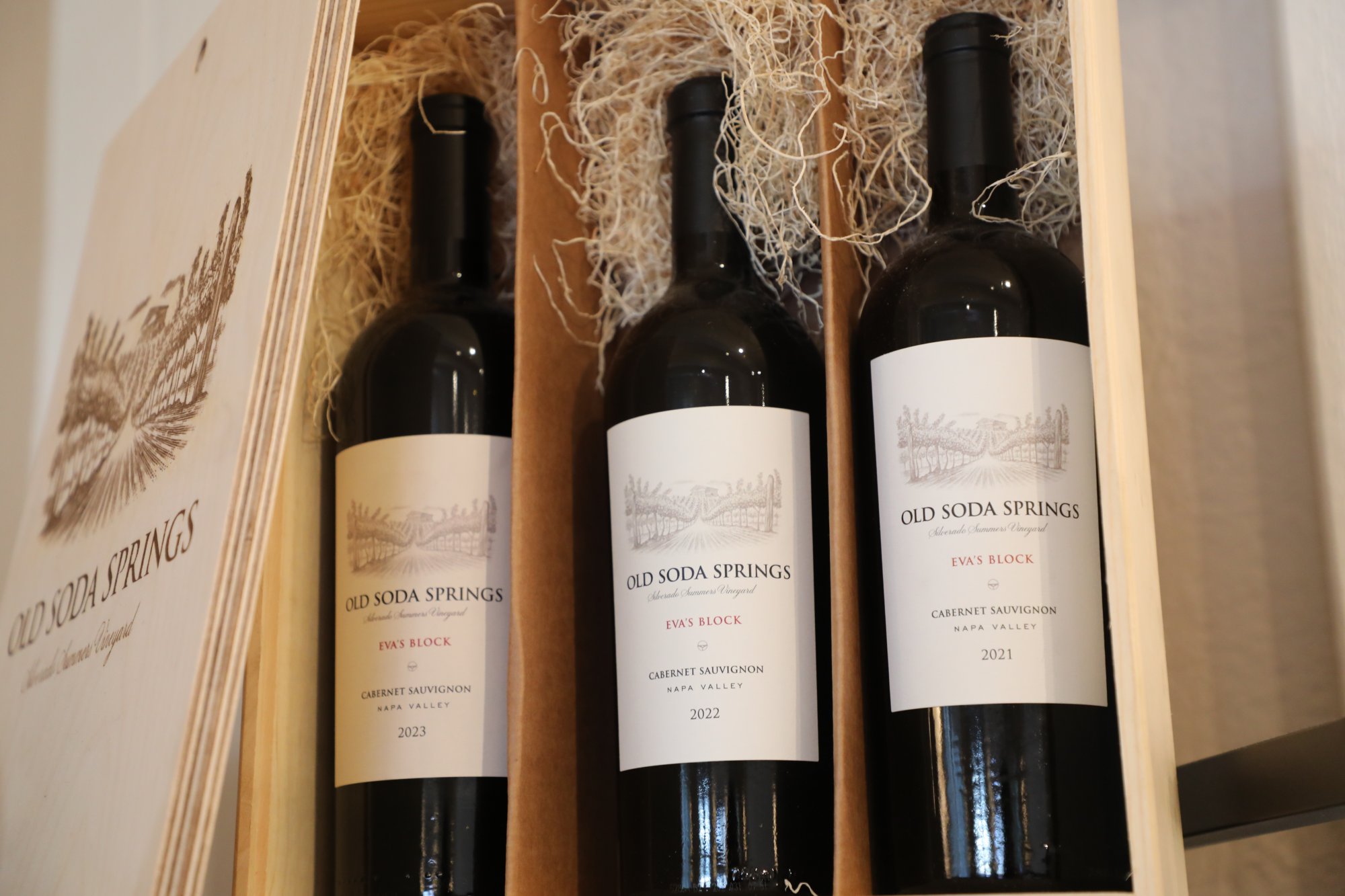
The 2021 Old Soda Springs Cabernet Sauvignon Eva Block; this wine is deep ruby an opaque. The bouquet smells fresh, bright and filled with fruit four years post vintage. The aromatics deliver blue and purple fruits including blueberry, Santa Rosa plum, red cherry and dark raspberry. And lavender and lilacs. And petrichor, the smell of rain on dry earth. Its flavors include dark plum, boysenberry, Persian mulberry and blackberry. The finish lingers darker with flavors of dried herbs including sage, crushed rocks, and cured meats. The tannins are well tumbled, are felt but do not dominate. The finish is seamless with both tannins and fruit paralleling each other for some time. Texture persists with a dusty character, felt more on the front of the palate than the back.
The 2023 Old Soda Springs Cabernet Sauvignon Eva Block; this wine is deep ruby and opaque. Its aromatics are a union of both floral and fruit including lavender, lilacs and Africa violets. Its fruit is both red and darker including raspberry, Santa Rosa plum, red cherry, boysenberry and Persian mulberry. And some barrel influence including cinnamon stick and cardamom. Bright, savory and refreshing this wine tastes like plum, blackberry, boysenberry, dark cherry, mulberry, raspberry and chalk. Features a balanced acidity. The tumbled tannins sport a gravelly, chalky, dusty, tumbled and grainy character; long lasting, their drying texture persists beyond the fruit on the finish. The tannins are front and center on this particular bottling at this age. This wine is built for duration with the proper cellar care.
Jonas Block
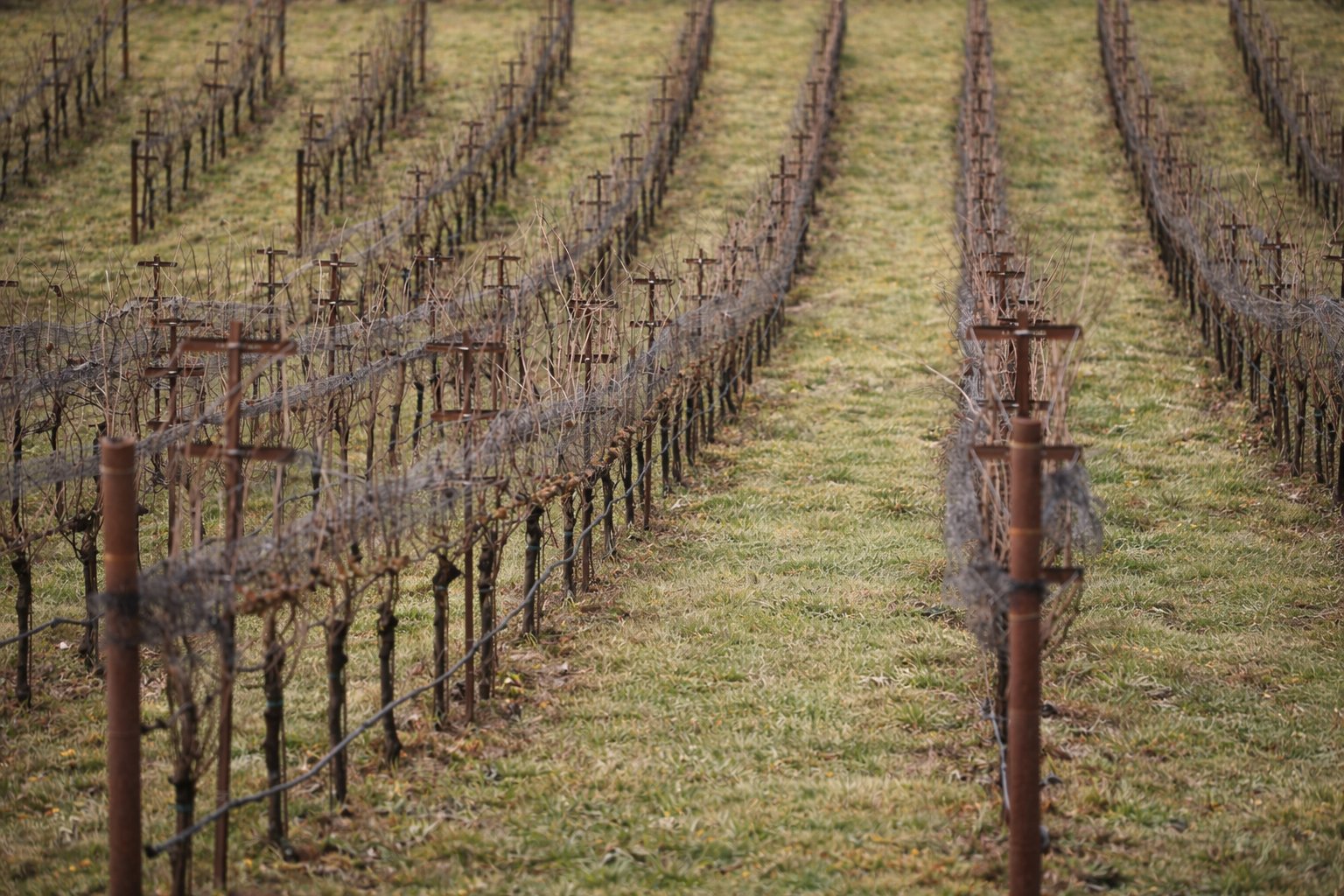
Grapes for the Jonas block grow on gentle slope rising up the Silverado Bench. Like the Eva block, this block is planted entirely to clone 30 of Cabernet Sauvignon and is also very well drained.
The 2023 Old Soda Springs Cabernet Sauvignon Jonas Block is deep ruby and opaque; the nose is a bit restrained initially and needs some time to open. Its scents are focused on red fruits including raspberry, red plum, boysenberry and red cherry. And some lighter sweeter barrel influenced baking spices including cinnamon stick and cloves. Superbly balanced at this age, two years post vintage, the palate tastes like dark raspberry, red plum, boysenberry and mulberry. The tannins are gravelly, well-tumbled, and already are in a union with flavor and acidity on the finish. Lingers with a dusty and drying character. Savory, this wine persists with notes of dried herbs including sage and bay leaf. Shows depth of flavor, texture and age ability. We would love to try this again in 7-10 years.
The 2022 Old Soda Springs Cabernet Sauvignon Jonas Block is deep ruby and opaque; dark and savory, the bouquet offers aromas of spicy plum skin, blueberry, dark olive, blood orange, a light ferrous or minerally character, red chili spice, and a subtle note of chocolate. Like their other vintages, in the cellar a certain percentage of wine is bled off (saignée) to concentrate the remainder of the wine. This bottling shares loads of layering, in terms of both its aromatics and palate profile. It features and a bright acidity. And freshness was not always a word we used to describe wines from Napa Valley from 2022. Vintage reminder: 2022 in Napa Valley was challenging in particular due to the extreme heat spike centered around Labor Day weekend. Layered, this wine is red fruited including of plum, cherry, blackberry, boysenberry and dark chocolate. Lingers tart. The tannins are broadly dispersed, fully rounded and persist with a light dusty character.
 The 2021 Old Soda Springs Cabernet Sauvignon Jonas Block is deep ruby and opaque; color is never an issue with any of their wines regardless of vintage or bottling. The bouquet smells both fresh, ripe and fruity at four years post vintage. Its aromatics include a bit of floral we didn’t notice in subsequent vintages; these scents include lilacs and lavender with additional notes of blueberry, blackberry pie, boysenberry jam, dark licorice, baker’s chocolate, cinnamon stick, sweet tobacco and a light note of cedar. Shows ripe but not over ripe. This wine is clearly in a sweet spot right now; balanced the palate is a harmonious interplay of flavor, acidity and texture. Primarily red fruited, this wine tastes like raspberry, cherry, plum, not fully ripe boysenberry and currant. The acidity buoys the texture; the tannins are lightly grainy and gravelly but never dominate. This bottling is highly enjoyable now, but also highly age worthy. Worth seeking out. Beautiful.
—
The 2023 Old Soda Springs Pressed Wine is produced in extremely limited quantity, with Ashley making just one barrel each year. This pressed wine is divided into smaller lots and primarily used for topping throughout élevage, though in past vintages it has also been sold as shiners for private labeling. Deep ruby and opaque in the glass, the wine’s bouquet is clearly fruit-driven, showcasing dark, expressive aromatics with oak playing a complementary, supporting role. Aromas of blackberry, blueberry, dark plum, boysenberry, dark raspberry, and olive are joined by a subtle ferrous note, and with time, a light touch of graham cracker emerges. On the palate, flavors of blueberry, blackberry, dark cherry, and Satsuma plum unfold, finishing with hints of smoked cedar and dark chocolate. As on the nose, the oak remains a friendly backseat companion. The tannins are broad and loosely woven across the palate, with a well-tumbled texture that lingers in gentle dryness and a chalky note—both slightly outpacing the fruit on the finish.
Old Soda Springs wines are primarily sold direct to consumer but are also available at a very limited number of restaurants including Valette in Healdsburg, Sardine Factory in Monterey, Mae Daly’s in Las Vegas and locally including Cordeiros Steakhouse in Napa and Harvest Table in St. Helena.
For more information, to purchase wine or to join their mailing list, visit: www.oldsodasprings.com
Harvest Inn
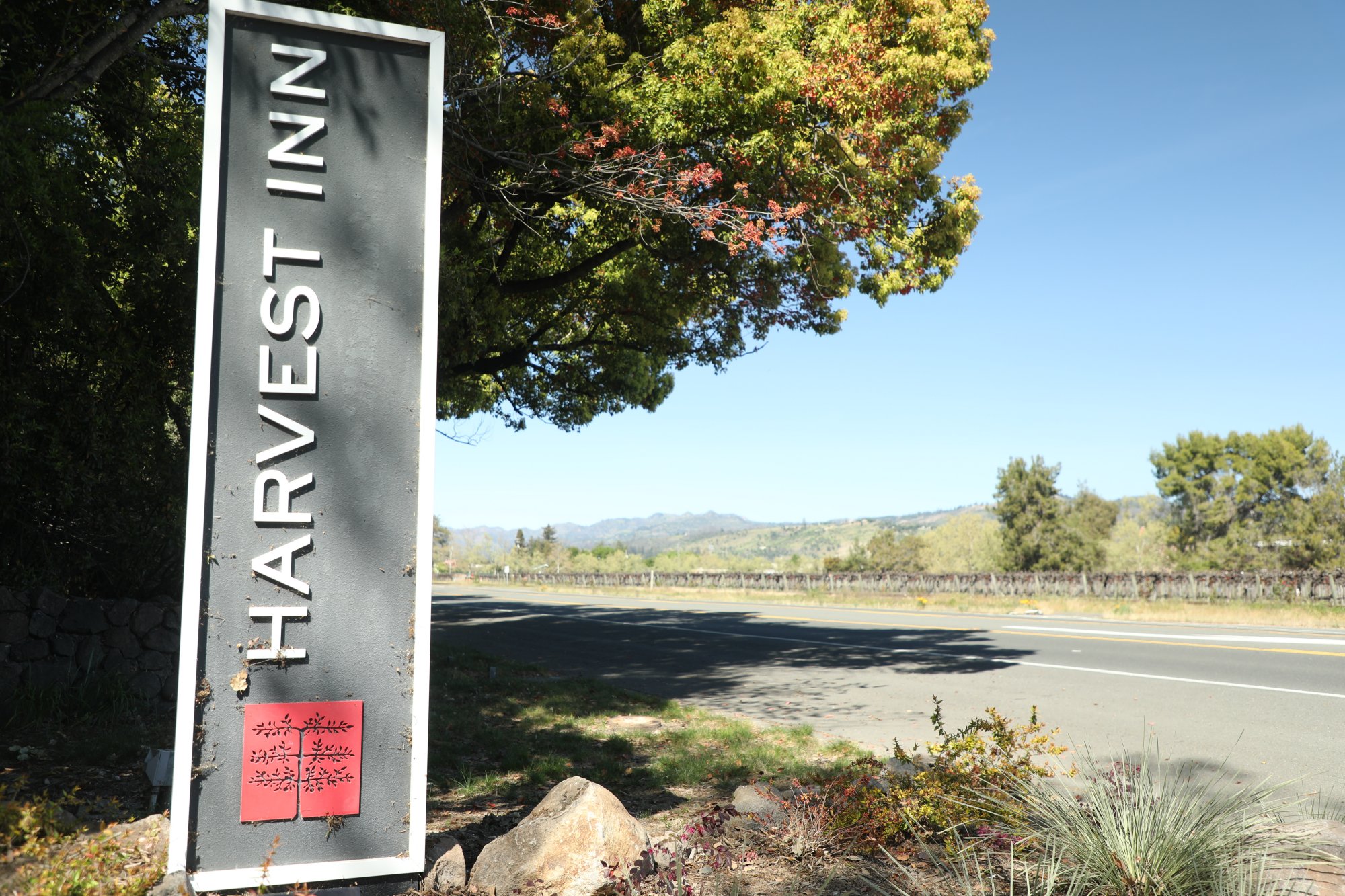
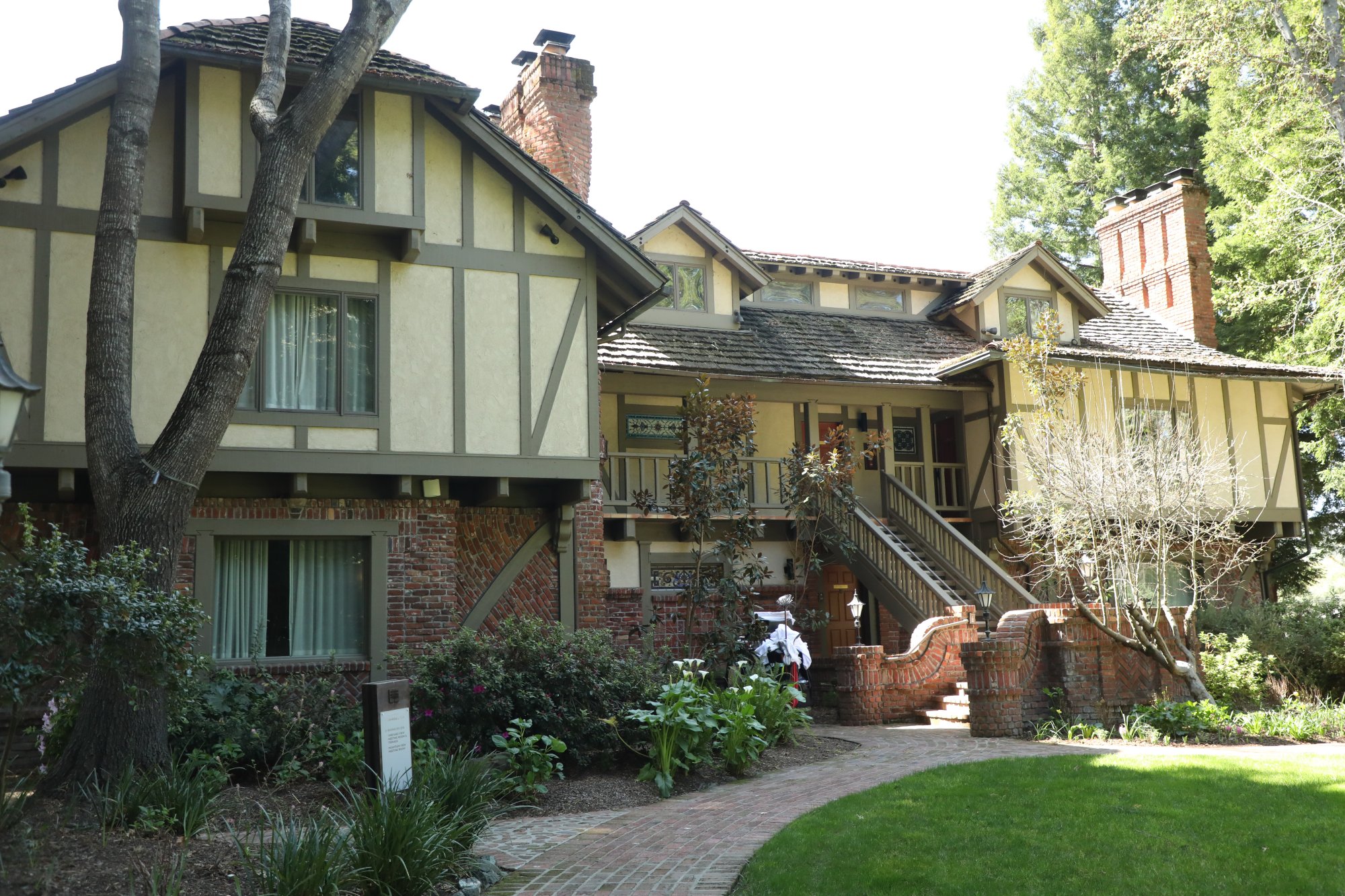
Since 2014, Rick and business partner Andrew Garay have owned the Harvest Inn, located in St. Helena and boasting the best address in town, 1 Main Street. Harvest Inn is managed through a partnership with the Woodside Collection, a small group of lodges or hotels within northern California. Harvest Inn was founded in 1975 by Richard Geyer, then of K.R. Geyer Construction and Design. He and his family moved to Napa Valley in 1972 from Carlsbad, CA.
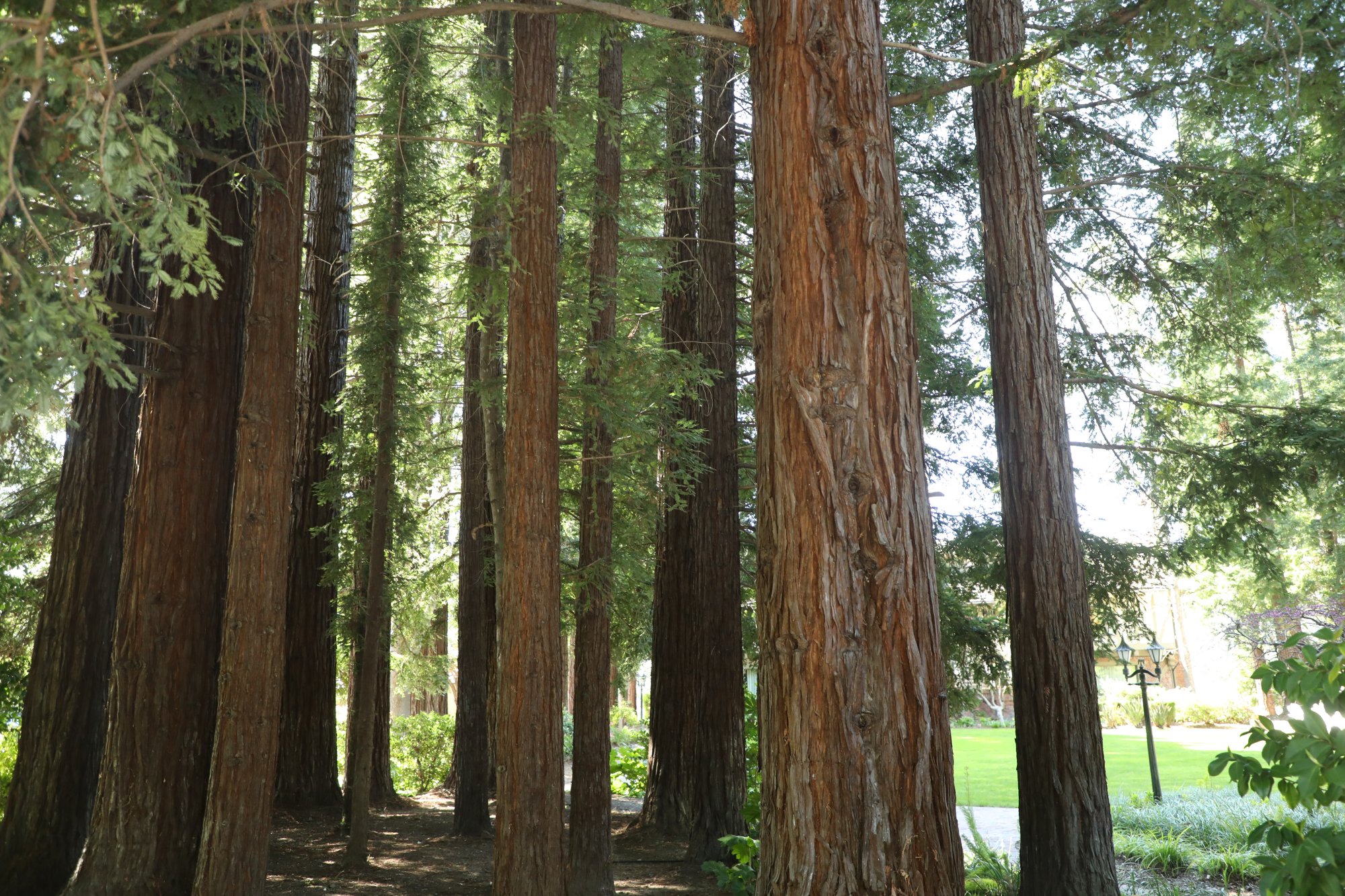
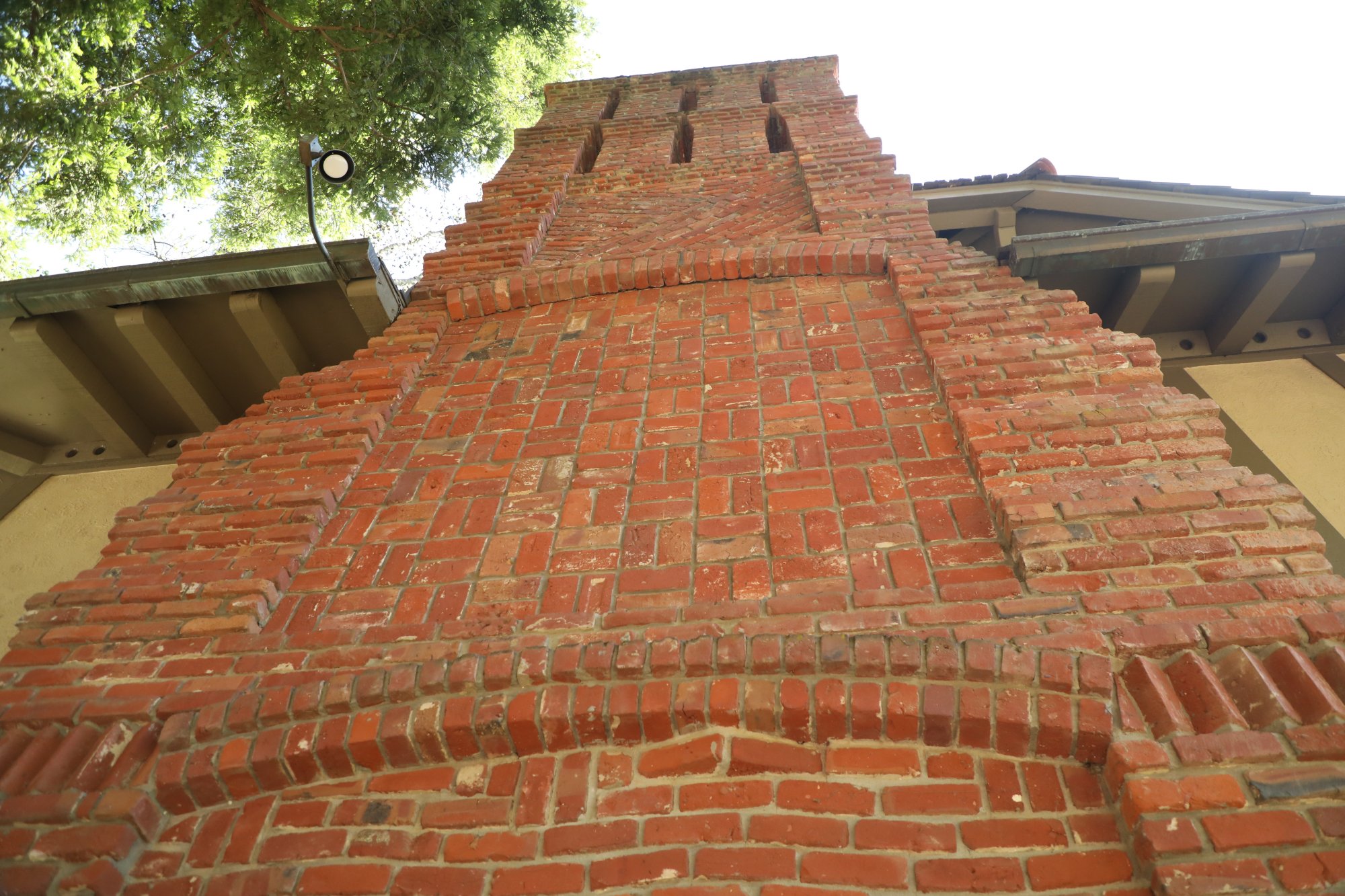
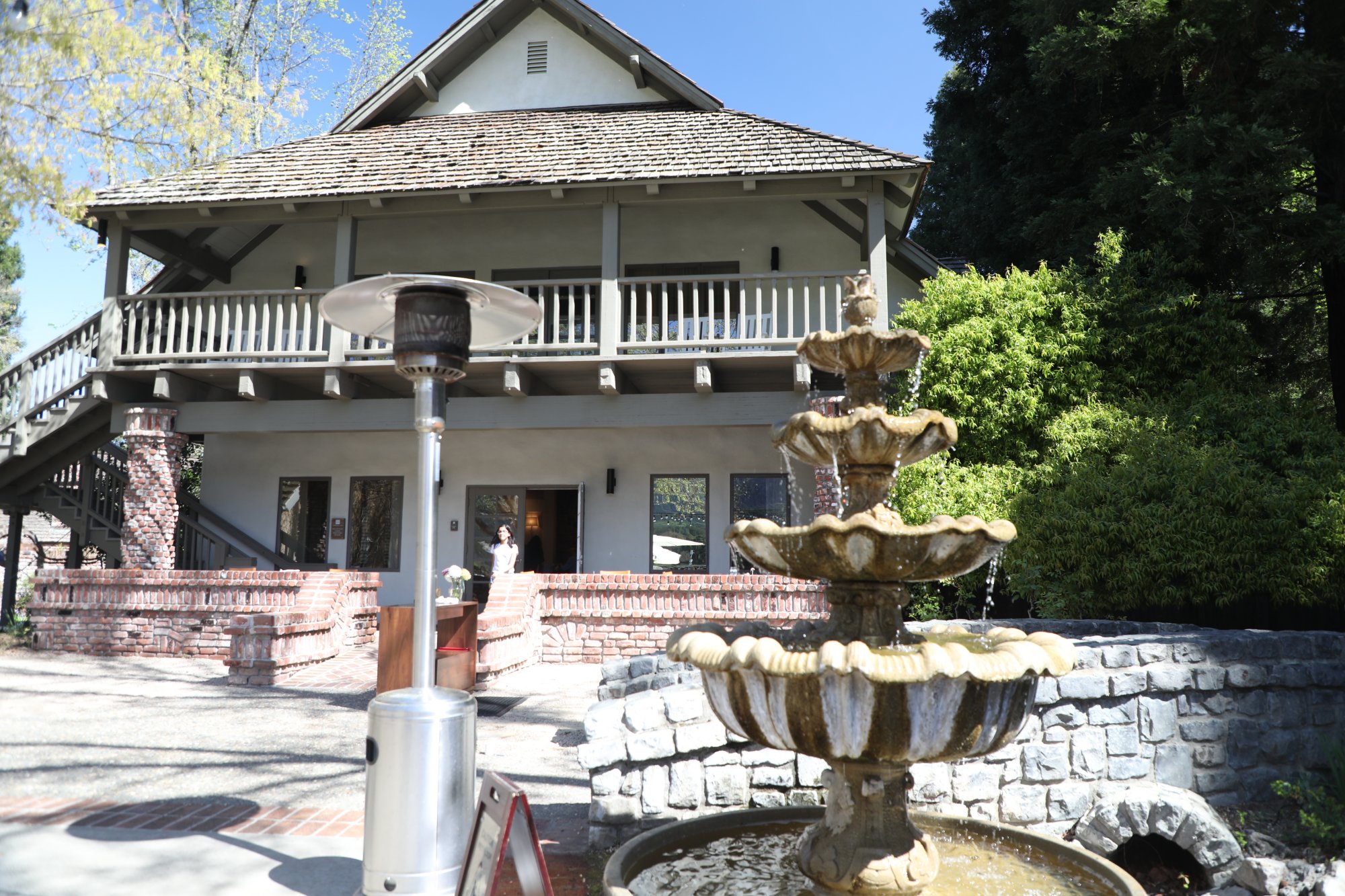
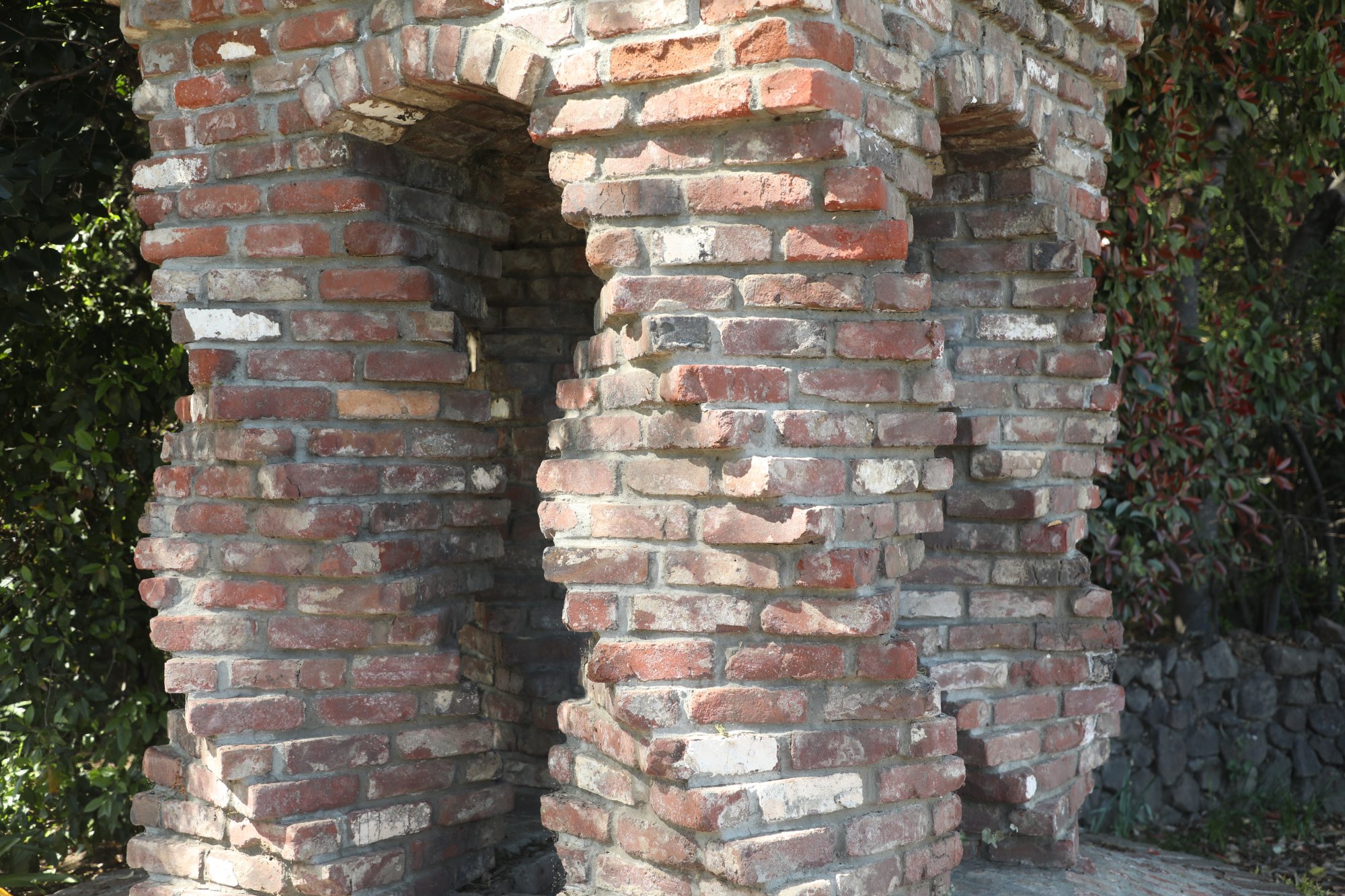
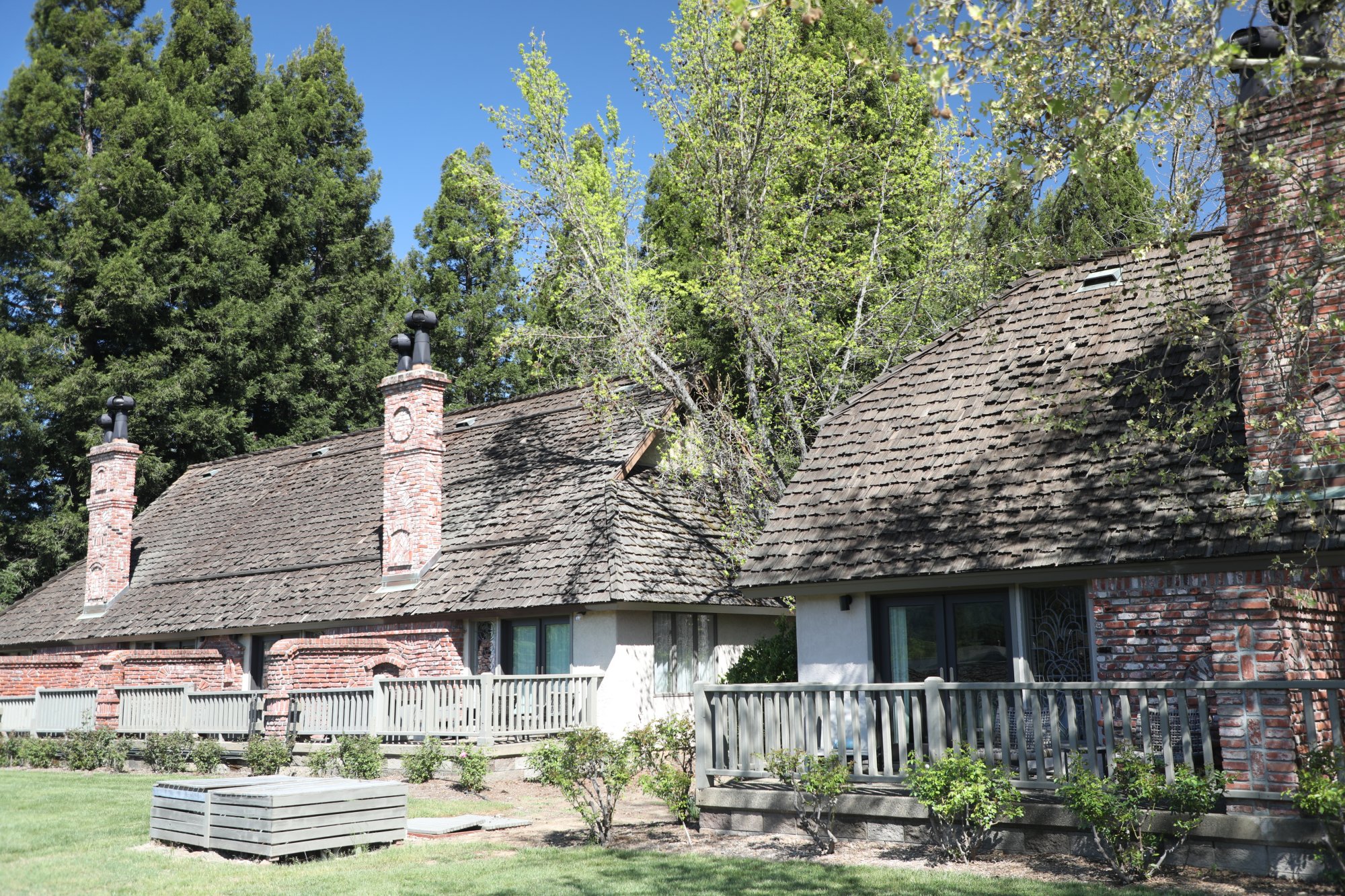
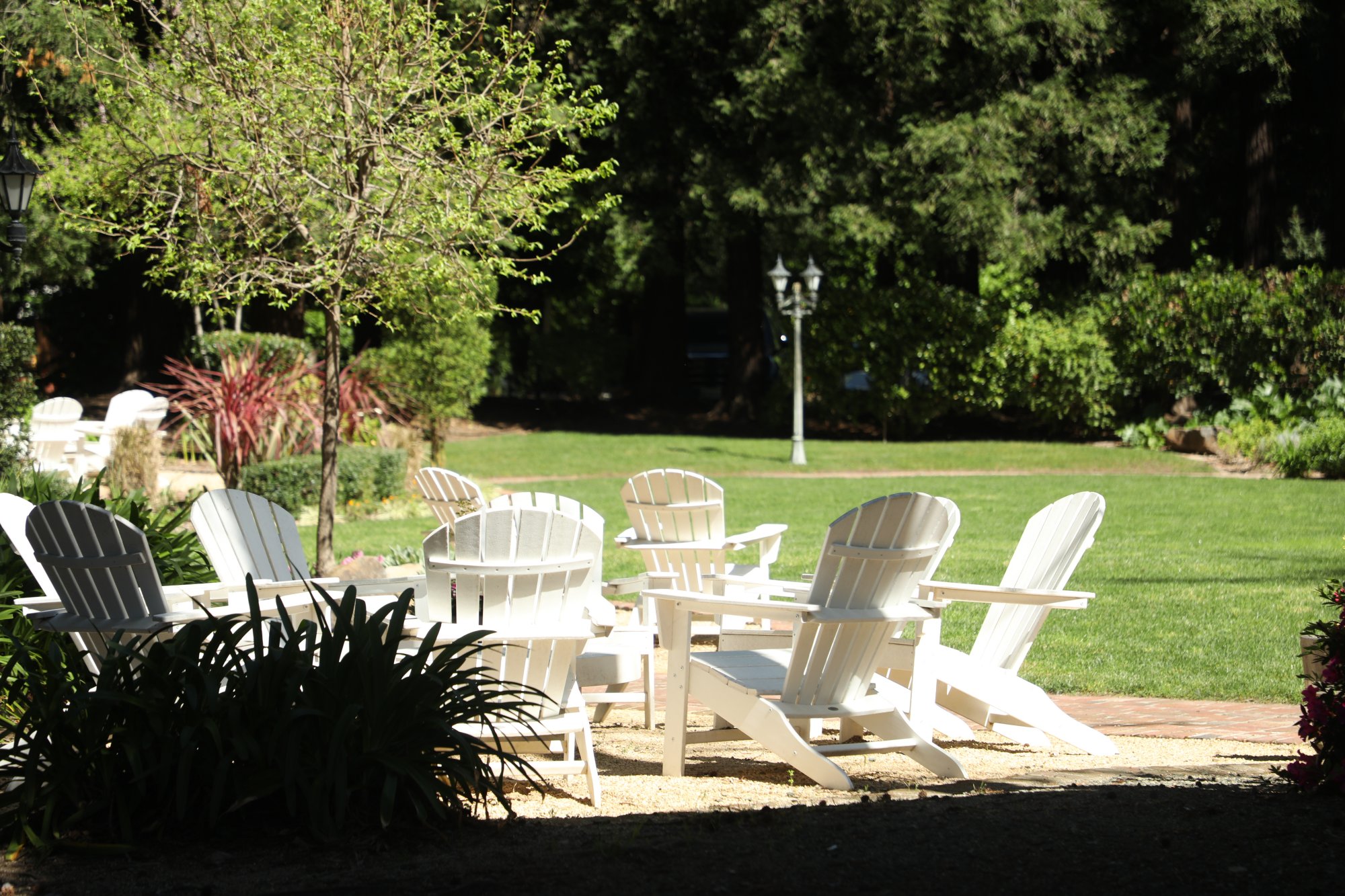
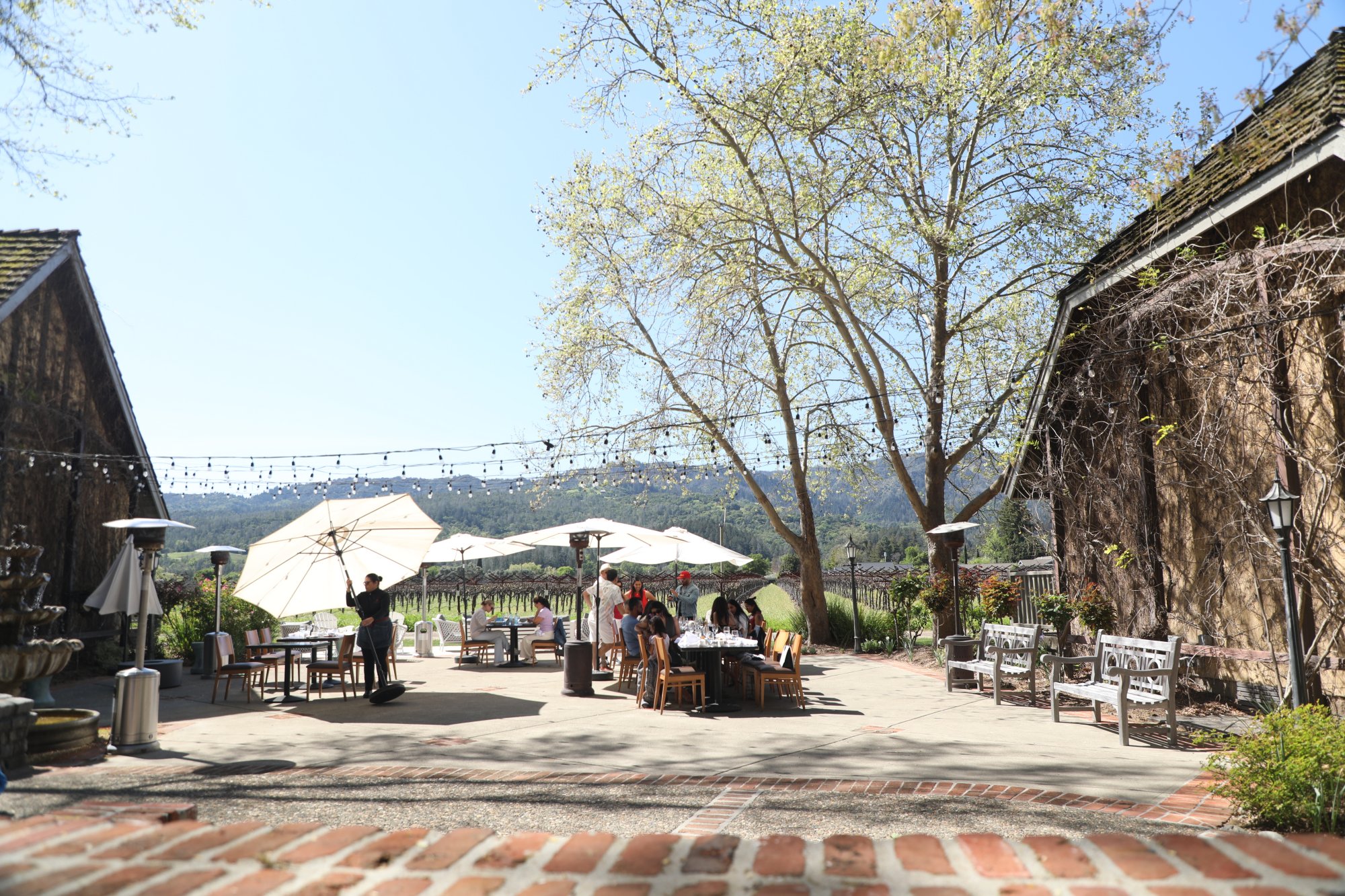
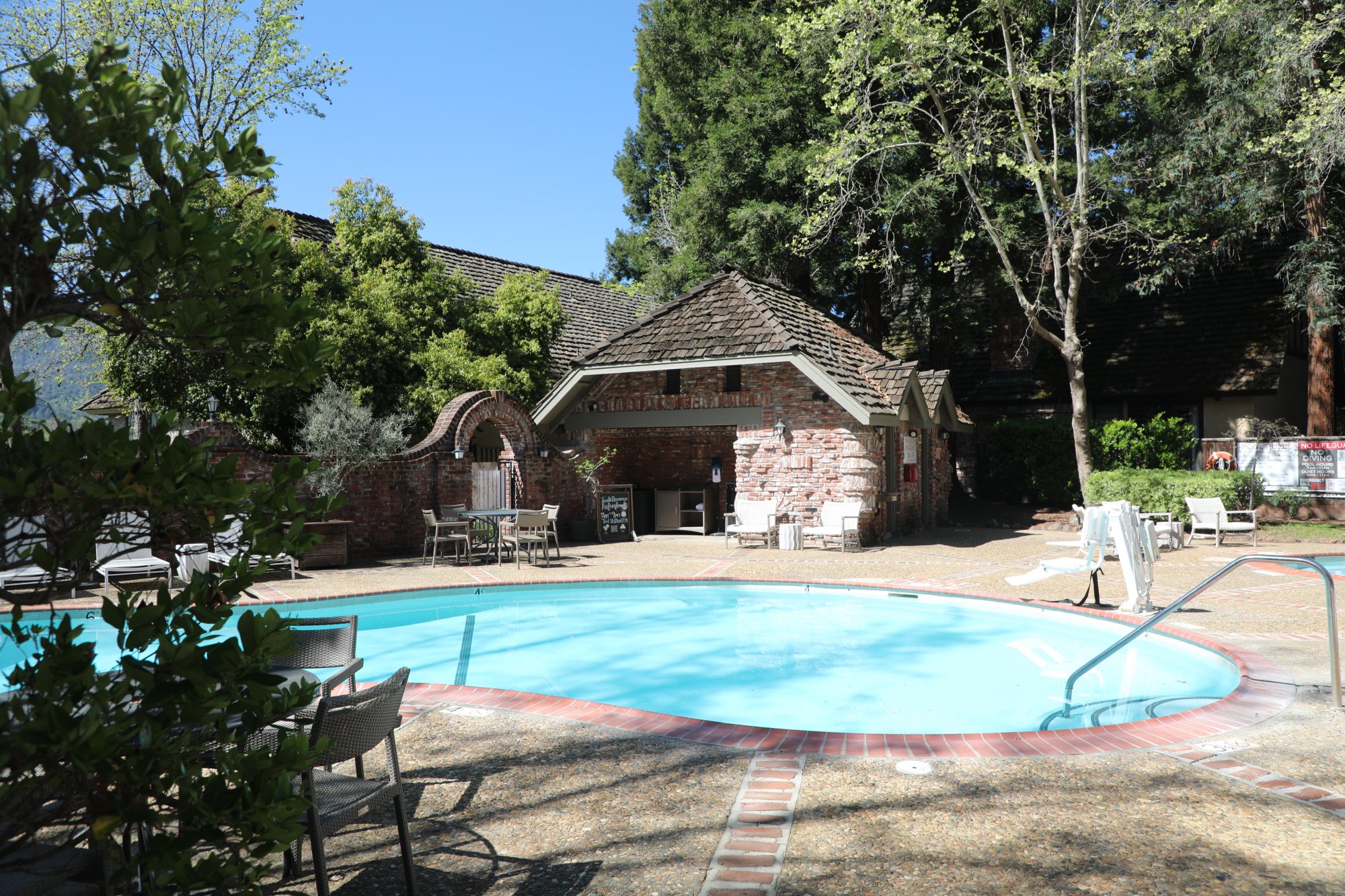
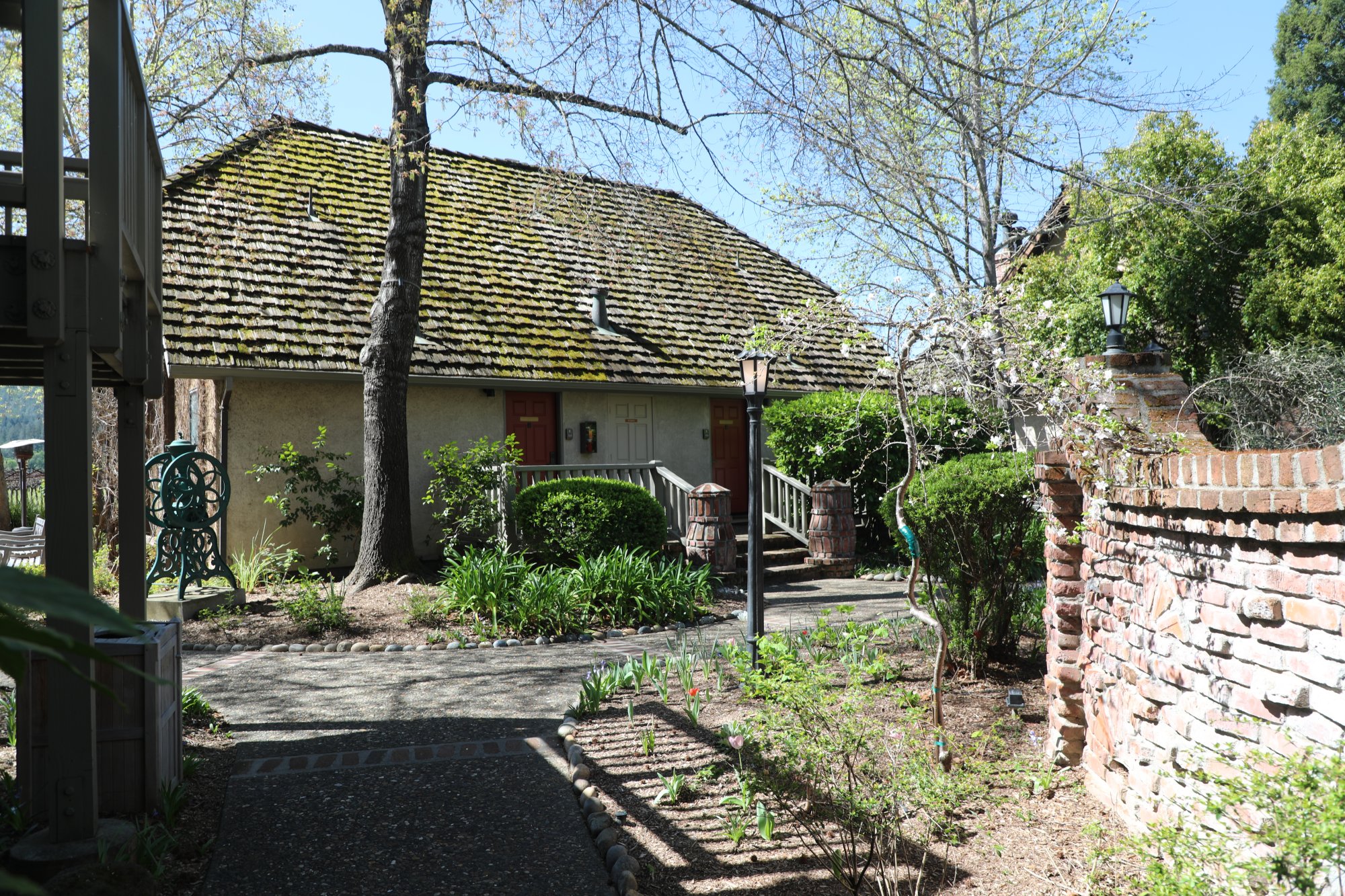
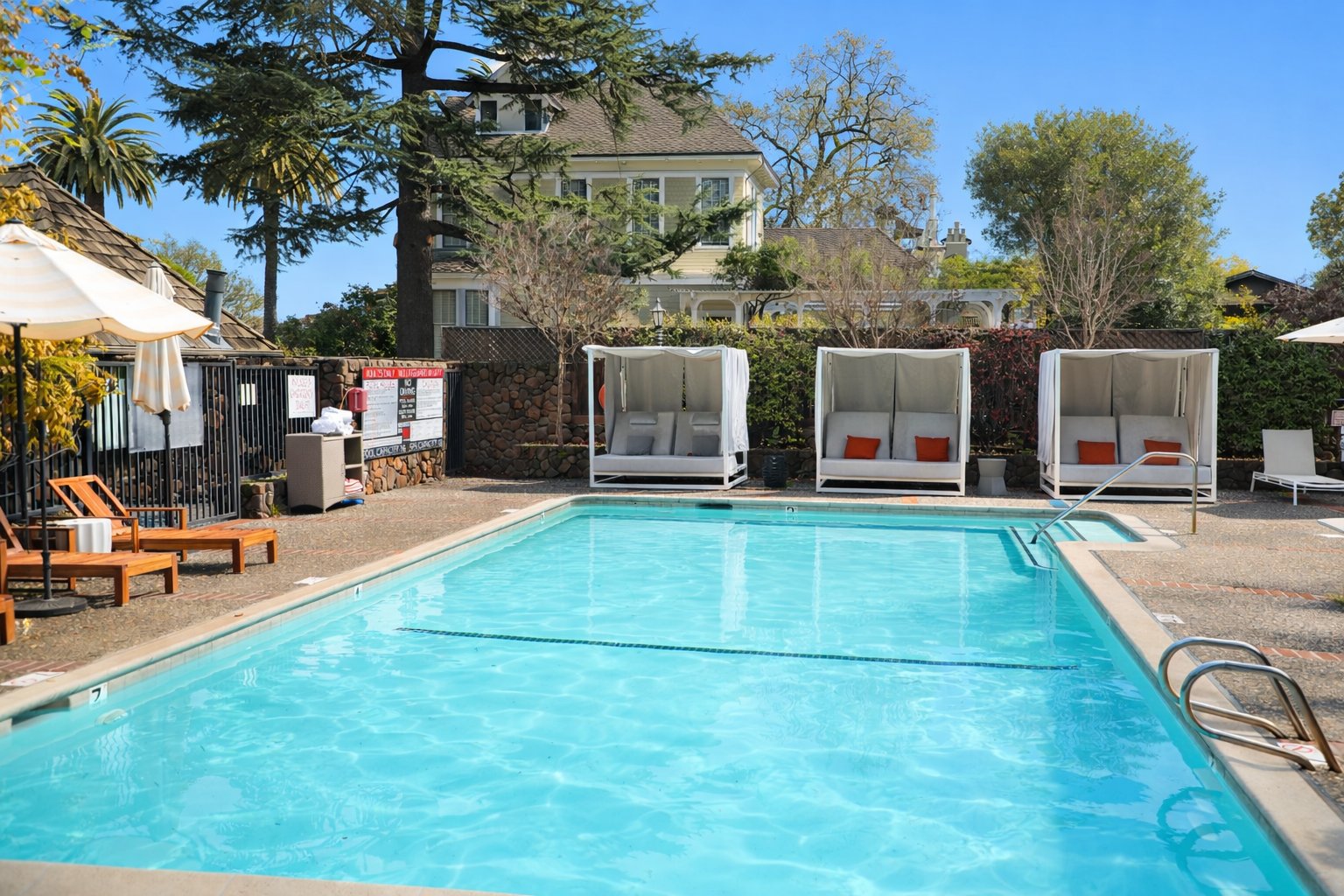
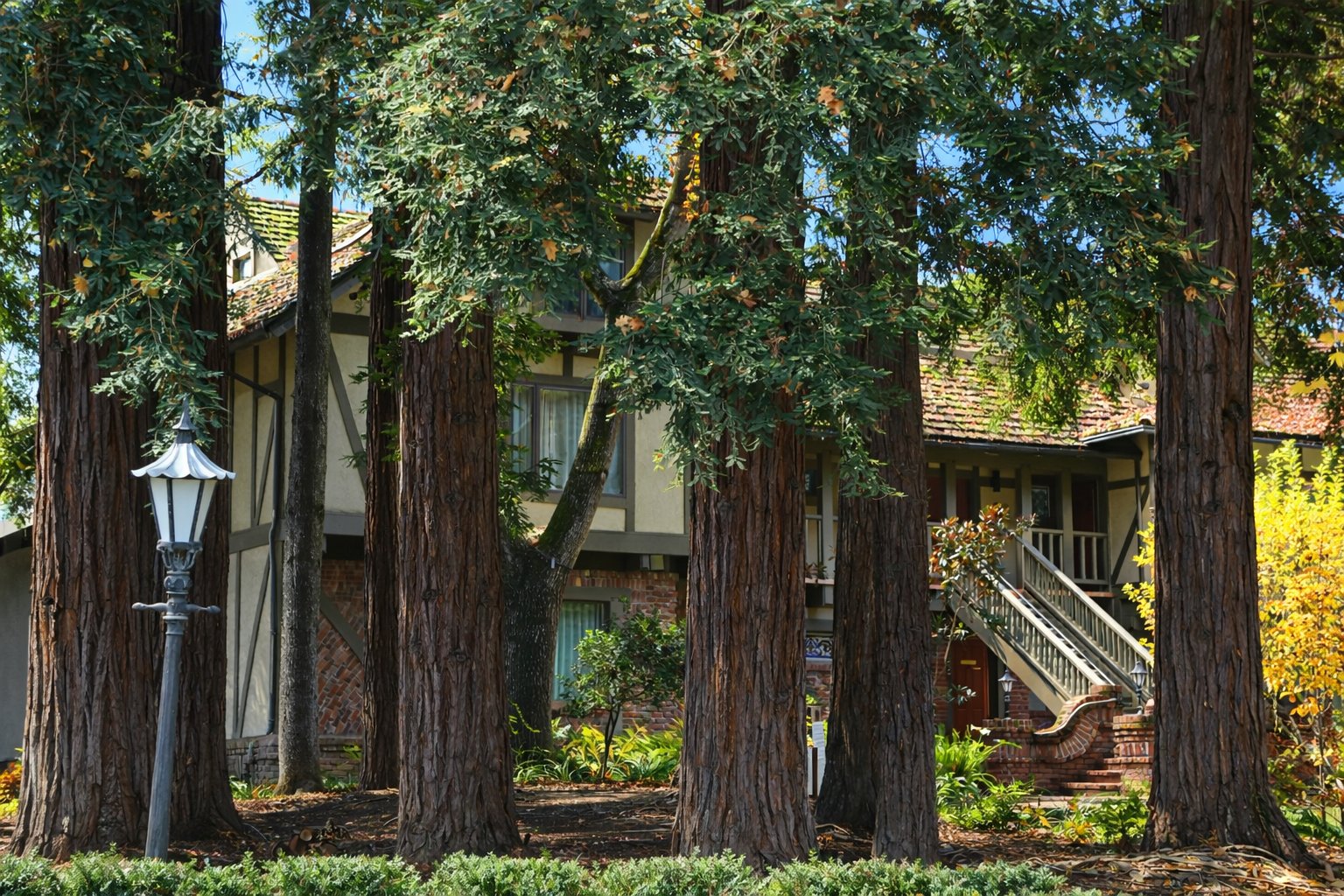
This inn features English Tudor-style architecture; it has expanded its guestroom footprint over the decades, now offering 81 guestrooms spread over its 8 acres of gardens and small redwood groves. The inn is known for its bricks – in fact more than 2 million bricks were used to build the chimneys, walkways and patios. And it is home to Harvest Table, a wine country restaurant focusing on seasonal and locally sourced ingredients. The inn also hosts a variety of experiences—from casual lawn bocce games to curated events like vineyard walking tours and themed dinners.
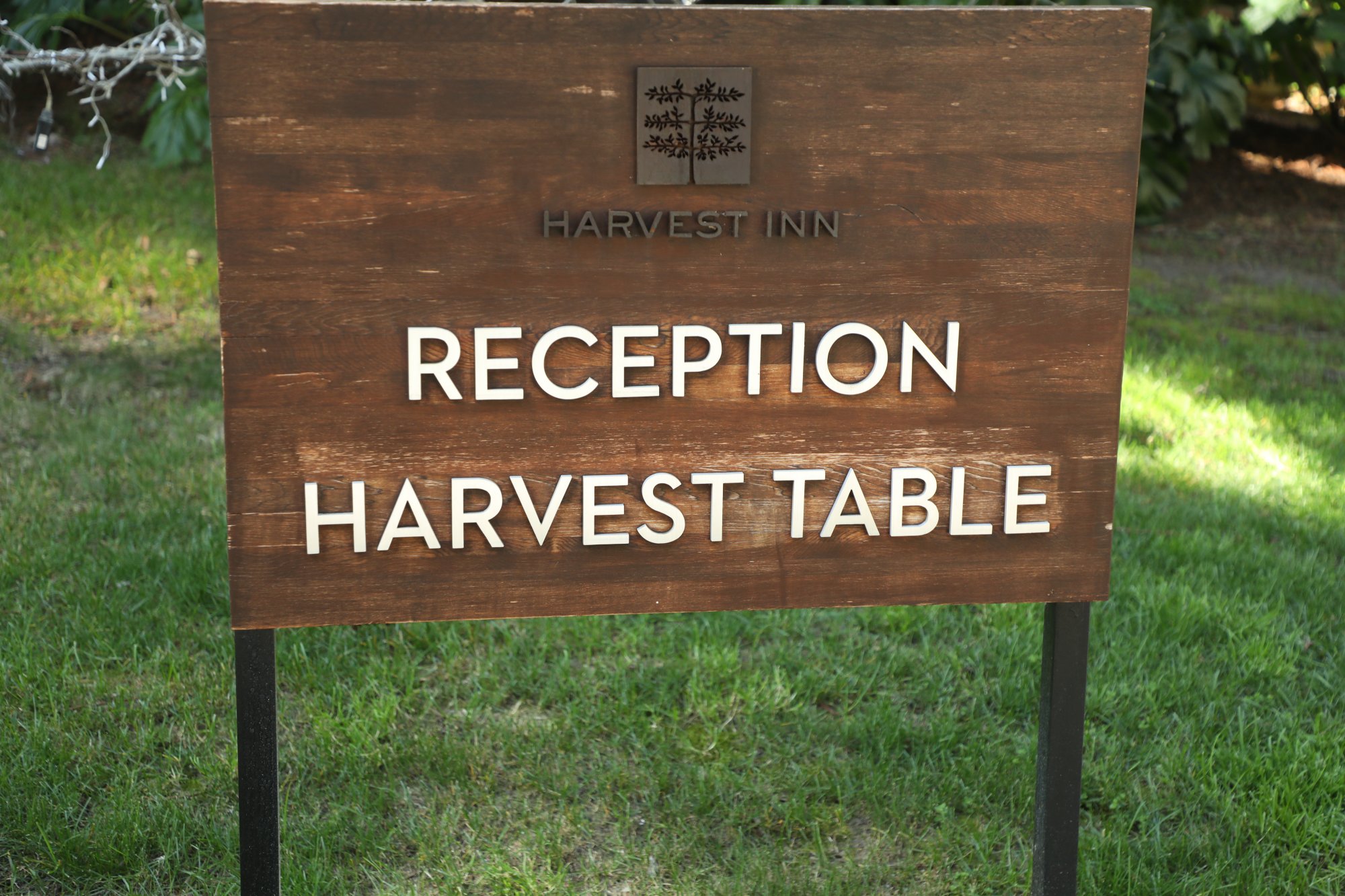
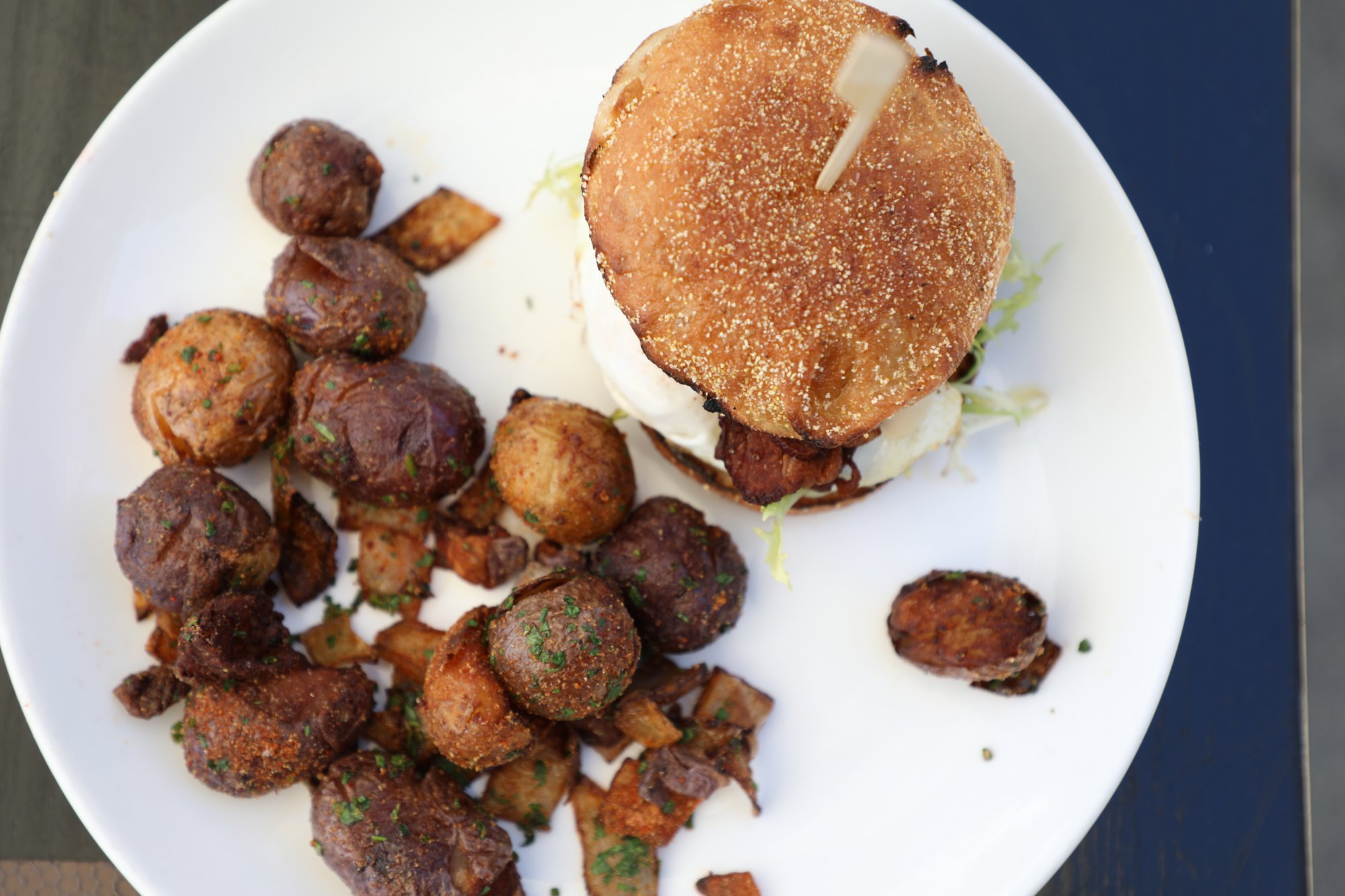
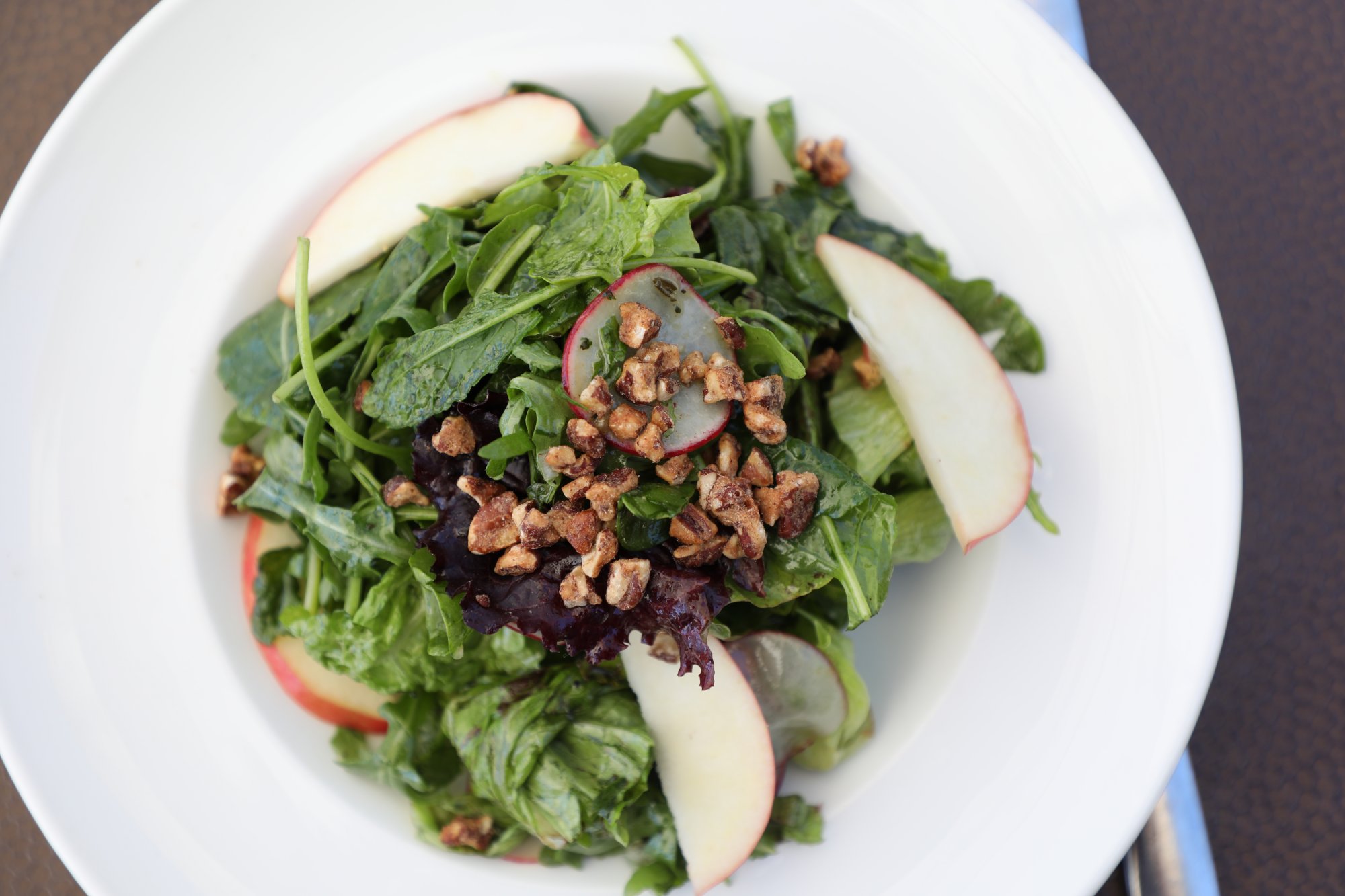
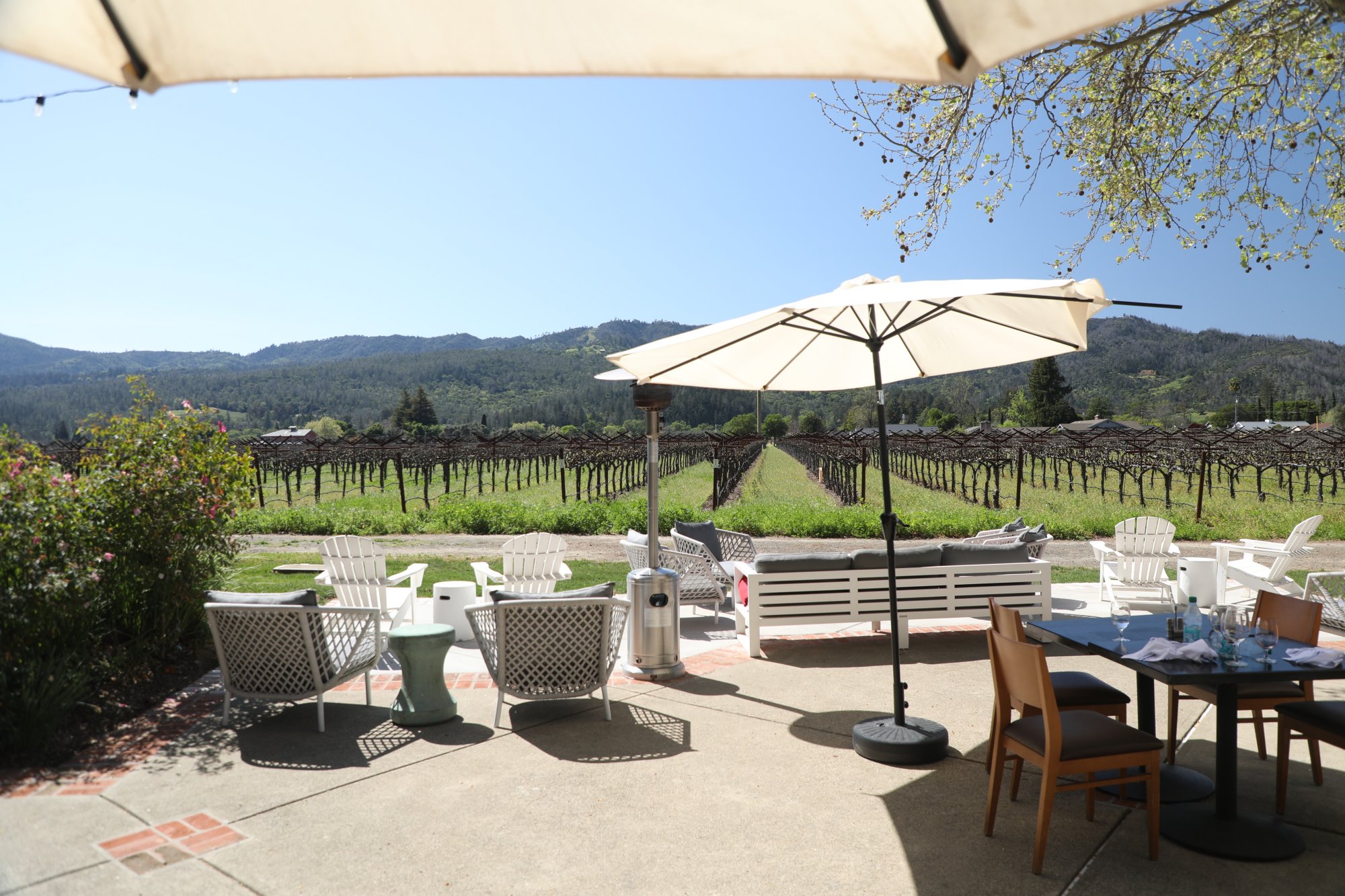
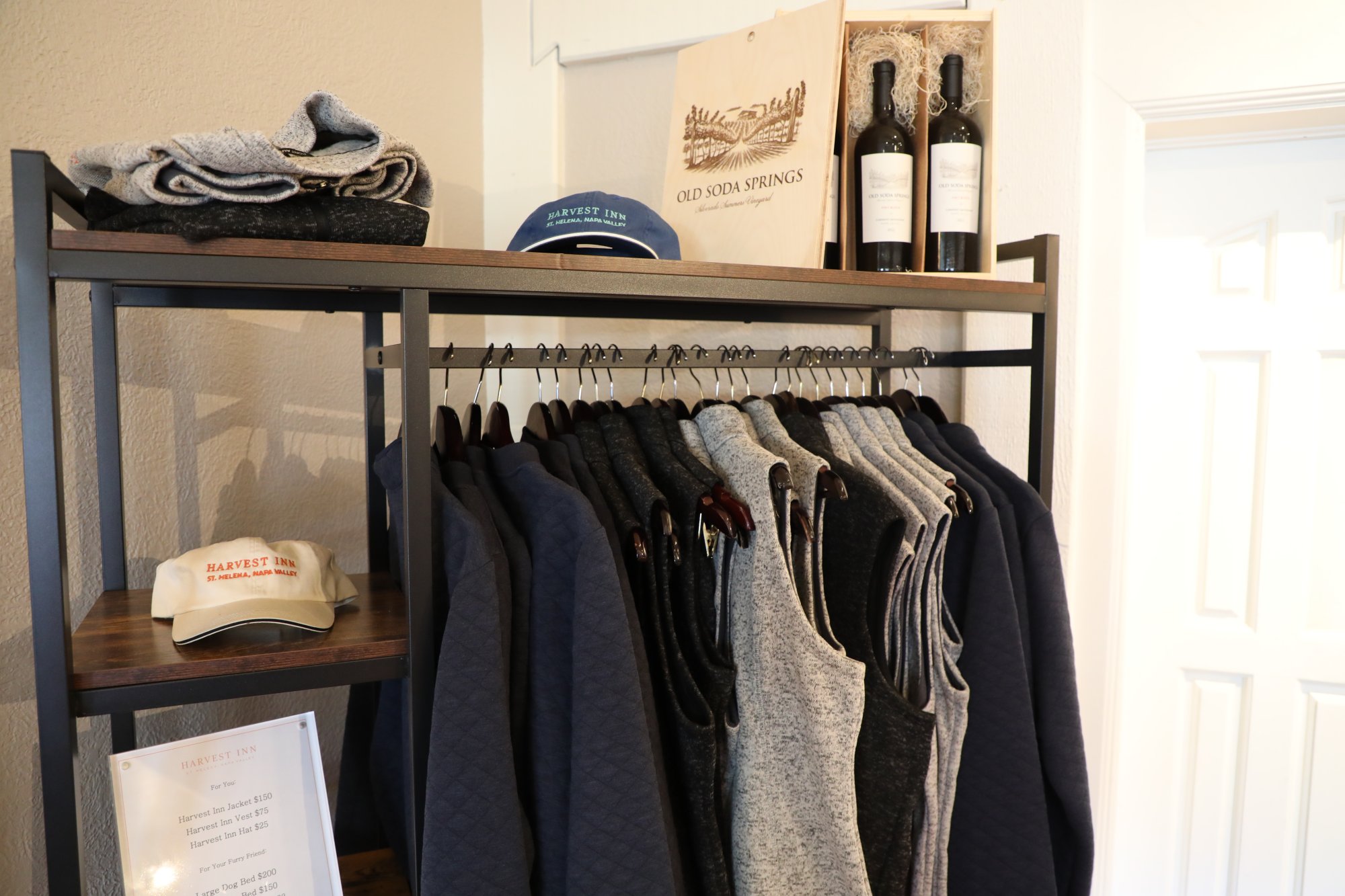
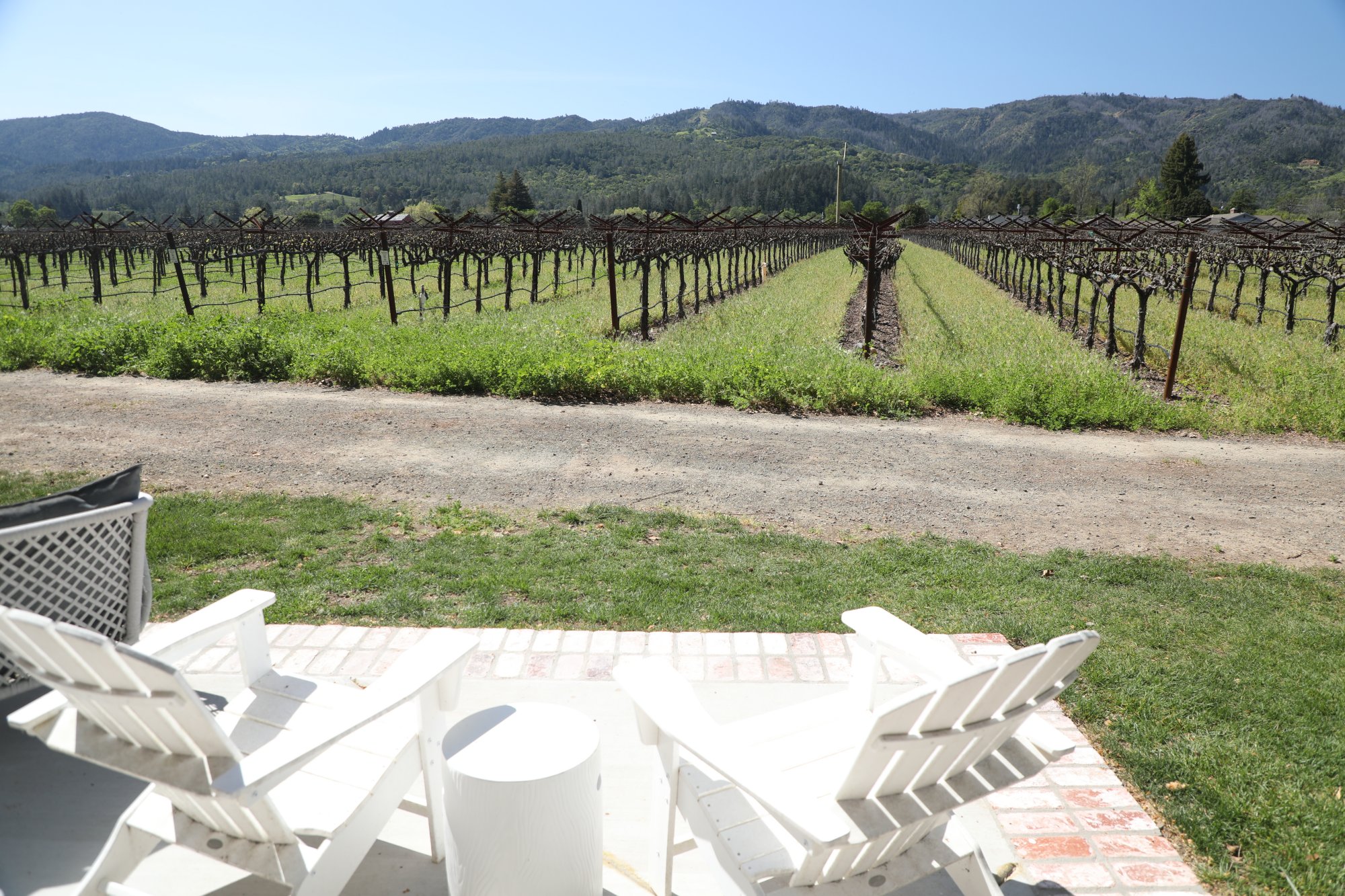
The Harvest Table is open daily for dinner and on the weekends for brunch. Weather permitting, a limited number of seating is located outdoors in an open space with great views to the west overlooking vineyards. Breakfast or brunch is a casual experience, seemingly far away from the traffic on nearby Highway 29. Select wines from Old Soda Springs are available on the Harvest Table wine list.
Leave a Reply