
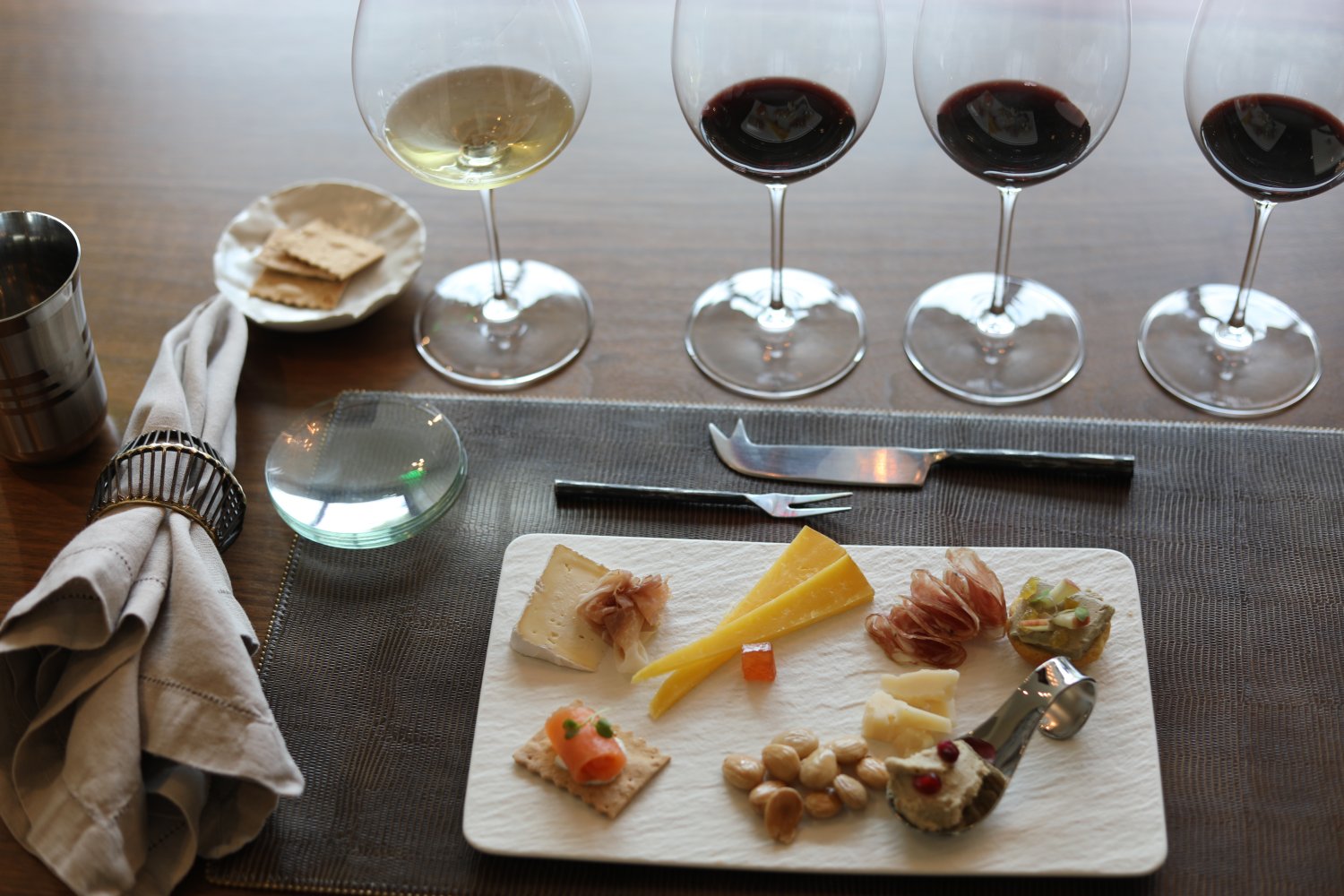
About one-third of Napa Valley wineries and roughly the same share of Sonoma County producers reported lowering their tasting fees in 2025, according to Sfchronicle, citing findings from the 2026 Silicon Valley Bank Direct-to-Consumer Wine Report. Both regions led all U.S. wine regions surveyed in the share of wineries reporting fee reductions. It marks a meaningful, if still partial, retreat from prices that have climbed sharply over the past several years as Wine Country visitation quietly erodes.
For readers following Napa and Sonoma through a lens of travel and lifestyle spending, the shift signals something broader. Tasting fees have doubled across U.S. wineries since 2018, with Napa and Sonoma carrying the highest entry prices in the country. When fees climb that steeply, and the pool of visitors willing to pay them shrinks, the math eventually forces a correction. The Dalmacija Portal Team recognizes that dynamic well. DalmacijaPortal follows the same push-and-pull between leisure budgets and discretionary entertainment across Dalmatia, where readers continually weigh seasonal trips, dining, and entertainment against what a season realistically allows.
“The (wine industry) has spent the past seven years or so denying that there’s an issue to face, and I don’t think you can fix an issue until you identify it or are willing to accept it. The good news is that at this point, everybody is in agreement, and they’re actively trying to find solutions to improve things.”
That observation comes from Rob McMillan, founder of Silicon Valley Bank’s wine division and author of the report.
A Pricing Reset Measured in Millions of Cases and Falling Bottle Prices
The 2026 SVB Direct-to-Consumer Wine Report drew on 2025 data from 450 U.S. wineries across 16 states. Most participants were small producers, with fewer than 5,000 cases per year, and the majority were California-based. Readers wanting a geographic sense of the Napa producers in that survey can consult the Napa Valley wine map for orientation.
The report’s scope captures a genuine regional pricing reset, not just in tasting rooms but on retail shelves. The average retail price for a Napa Valley bottle fell to $103 in 2025, down from a record high of $109 in 2024. Sonoma County’s average dropped to roughly $64 from $69. Santa Barbara saw the steepest decline of any surveyed region, falling $12 after a $13 jump the prior year. Across the board, producers appear to be easing off prices that consumers had already begun to resist.
Why the Average Napa Fee Barely Moved Despite Widespread Cuts
The headline number is striking, but the average tasting fee tells a more complicated story. Despite 29% of Napa wineries reporting lower prices, the average Napa Valley tasting fee in 2025 settled at $79, only $1 less than in 2024. Nationally, the standard fee fell roughly $3. The modest movement in the average reflects a strategy that is less a broad price cut than a quiet reshuffling of tiers.
Bella Union in Napa Valley illustrates the pattern precisely. The winery raised its standard tasting by $20, bringing that tier to $65, while simultaneously lowering its most expensive offering by $50 to $125. The entry point got cheaper; the premium experience got cheaper too; and the move in the middle absorbed both changes into an average that barely shifted.
Sonoma followed a similar arc. The region’s average standard tasting fee dropped $7 to $47, a meaningful reduction in accessibility. Reserve fees in Sonoma, however, increased $3 to $95. Paso Robles showed the pattern most sharply of all surveyed regions, with the standard tasting falling $4 while reserve tastings jumped from $61 to $73, the largest year-over-year reserve-tier increase recorded in the report. Wineries are protecting their premium offerings while opening a lower door for price-sensitive visitors.
Entry-Level Experiments Taking Shape Across Napa and Sonoma
Several producers have moved beyond adjusting existing tiers and are testing fundamentally different access models. Honig Vineyard and Winery in Napa Valley launched a “Fly by Flight” experience, a 30-minute tasting of three wines priced at $30. Co-owner Michael Honig described the result in plain terms, saying the format is attracting “first-time guests who wouldn’t otherwise have walked through our doors.”
Goosecross Cellars and Whitehall Lane are offering matinee and buy-one-get-one pricing during slower periods, including weekday mornings. Clif Family and Raymond Vineyards are going further, offering free tastings on select days. Together, these experiments represent an attempt to lower the cost of a first visit without dismantling the premium tiers that sustain revenue from established customers. Visitors planning a trip can review tasting resources to understand current options across the valley.
Early Results Are Mixed, and McMillan Wants Wineries Off-Site
The data on whether fee cuts are actually driving more foot traffic is, at this point, inconclusive. Of U.S. wineries that lowered their tasting fees, only 25% reported an improvement in visitation. Another 25% said traffic had at least stabilized. The largest group, 47%, said it was simply too soon to measure. The report did not break out Napa or Sonoma separately for this outcome data.
McMillan wrote in the report that “experimenting with tasting fee reductions is still in its early stages, so I believe the results thus far are too fragmented” to draw conclusions. The structural context makes that caution reasonable. More than 70% of winery revenue in 2025 came from direct-to-consumer sales, but only 27% of revenue came through tasting rooms. Less than 2% of direct sales came from off-site events. Wine Country visitation has been declining since 2022, and tasting-room traffic has not recovered.
McMillan’s recommendation is pointed. He argues that wineries should hire salespeople in key markets and bring their wines directly to consumers through festivals, dinners, and wine club members’ homes, rather than waiting for visitors to arrive at the winery door. The logic behind that recommendation comes through in his assessment of the current model.
“It’s a strange business model to double down on a declining market,” McMillan told the Chronicle. “If you were starting from scratch, you probably wouldn’t dive into that.”