



 BOND is physical winery, yet more importantly, BOND is a philosophy of creating premium wines from a single variety (Cabernet Sauvignon) from ‘grand cru’ site specific Napa Valley vineyards. This story begins when founder Howard William Harlan II (known as Bill) owned Merryvale Winery in St. Helena and Bob Levy was his winemaker. At the time Merryvale worked with around 60 vineyards in the valley; ultimately Bob recognized several vineyards that stood out from the rest based on quality of site.
After Bill sold Merryvale, both he and Bob pursued a vision in which they would work together to create an estate built around select vineyards in Napa Valley and none of which would be under their ownership, but all would be farmed by their own vineyard team – rather than by the owners of each vineyard. They were able to keep several of these premium vineyards after Merryvale was sold.
One should write a book called The Life & Times of Bill Harlan; he is one of Napa Valley’s great personalities. Bill is one of three brothers including Frank, a stock car racer who set a speed record for a specific vehicle class at Bonneville Salt Flats in 2001 at 236 mph. Another brother Tom died in 1962 from a trucking accident while working for the meat packing company, E.B. Manning & Son in Pico Rivera. Bill was born in tiny Pico, California near Santa Clarita, north of Los Angeles and was raised in Whittier. His father, William Harlan (wife, Millie Bond Harlan) worked as a sales manager for 46 years for E.B. Manning & Son; one of the plant’s clients was Don Nixon (President Richard Nixon’s brother) who owned restaurants and whose father Francis Nixon had founded Nixon’s Grocery in 1922.
Harlan graduated from the University of California Berkeley in 1963 with a degree in communications and public policy. A risk taker and never one to fit the mold, in the years after graduation he spent a year traveling around Africa including by hitchhiking, sold life insurance, learned to fly, crewed on a boat, raced motorcycles, became a stock broker and played plenty of poker.
His first introduction to Napa Valley was in 1958 during his freshman year at UC Berkeley; he began regularly visiting a year later with college dates on weekend getaways. Lured by the natural beauty, free wine tastings and eventually by the potential for growing wine grapes his visits became more frequent. His passion for wine started in his teens. Mr. Harlan visited Robert Mondavi winery during its opening week in 1966 at age 26; by this time was already nurturing a dream of owning his own wine estate, although perhaps he didn’t realize at the time, that Robert Mondavi Winery would one day be one of his ‘neighbors’.
Before his involvement in Napa Valley, in 1973 Harlan began investing in real estate in Lake Tahoe. He and his business partner Peter Stocker founded Pacific Union Land Company in 1975, with an initial focus of selling condominiums and developing condominium projects in the San Francisco Bay Area. Their first project involved converting what was the Watergate Complex in Emeryville from rental units to apartments.
Tragically, Stocker died in a helicopter crash involving a power line at age 46 in 1990; the pilot was able to walk away after the crash. The accident occurred on the 20,000 acre Carmel Valley Ranch that Pacific Union had purchased only three months prior to Stocker’s death.
An integral part of the company was the Lene Marie, a ketch-rigged tall ship built in Denmark in 1910 which was used for hauling coal. It sank in the Baltic Sea during World War II. But then it was raised after the war and restored, eventually making its way to San Francisco during the 1960s. Pacific Union Land Company purchased this ship in 1976 from where it was being berthed in Sausalito, and again restored it.
Starting in 1980 it was permanently crewed and continuously sailed around the world where it was used to entertain clients, employees, family and friends, all who would join at various ports around the planet. The 8 year sail spanning 140,000 kilometers ended when it returned to San Francisco in 1988. Unfortunately it again sunk in 1996 during a storm on a sail between New York to Bermuda and has never been raised.
A friend from childhood, John Montgomery joined the company in 1978 as partner and was CEO until he retired in 2010. Pacific Union is still very much active, now known as Pacific Union Partners, based in Danville and focuses on land, residential, self-storage and commercial development. More recently, the company has built a number of high-end private residences in Napa Valley. And also in Napa Valley the company used to own Chardonnay Golf Course now under ownership of the Gianulias family (owners of Napa Valley’s Levendi Winery), The Napa Valley Gateway Industrial Park and they developed and expanded an existing resort called Meadowood near St. Helena. Incidentally Harlan’s first property acquisition in Napa Valley was Meadowood in 1979 with Pacific Union Company as the owner of record.
Meadowood was proposed in 1961 by developer Freeman Nicholls; he owned a home at the time near St. Helena and was also president of Pla-Vada Development Corporation which developed the still existing PlaVada Woodlands, a community association located next to interstate 80 near Donner Pass in the the Sierra Nevada mountains. At the time the total investment in building both private housing and recreational facilities at Meadowood were 20 million USD. It was then known as the Meadowood Suburban Club, or simply referred to as Meadowood. The initial construction occurred over the span of several years in the early 1960s; by summer 1964 the resort was already hosting a variety of events. The golf course opened for the first time on May 23, 1965. From the beginning it was known as an exclusive resort, a characteristic that is still very much a part of contemporary Meadowood.
Today Harlan co-owns Meadowood with Stan Kroenke, the proprietor of Napa Valley’s Screaming Eagle Winery, California’s central coast based Jonata and The Hilt and a number of sports teams. Of all the premium resorts and places to stay in Napa Valley, Meadowood is always our number one recommended choice. And another Harlan property, The Napa Valley Reserve, neighbors Meadowood. We have a separate profile on the Napa Valley Reserve on this website.
1980 was a watermark year in Harlan’s life. He traveled to Europe with other Napa Valley vintners and visited some of the great estates in Burgundy and Bordeaux all the while taking copious notes. He fell in love with Bordeaux and was impressed with the quality and consistency of the wines from those estates. He later made numerous other trips to Europe, primarily to France and Italy including visiting with the Frescobaldi family and the Antinori family, now in their 27th generation of running their wine business.
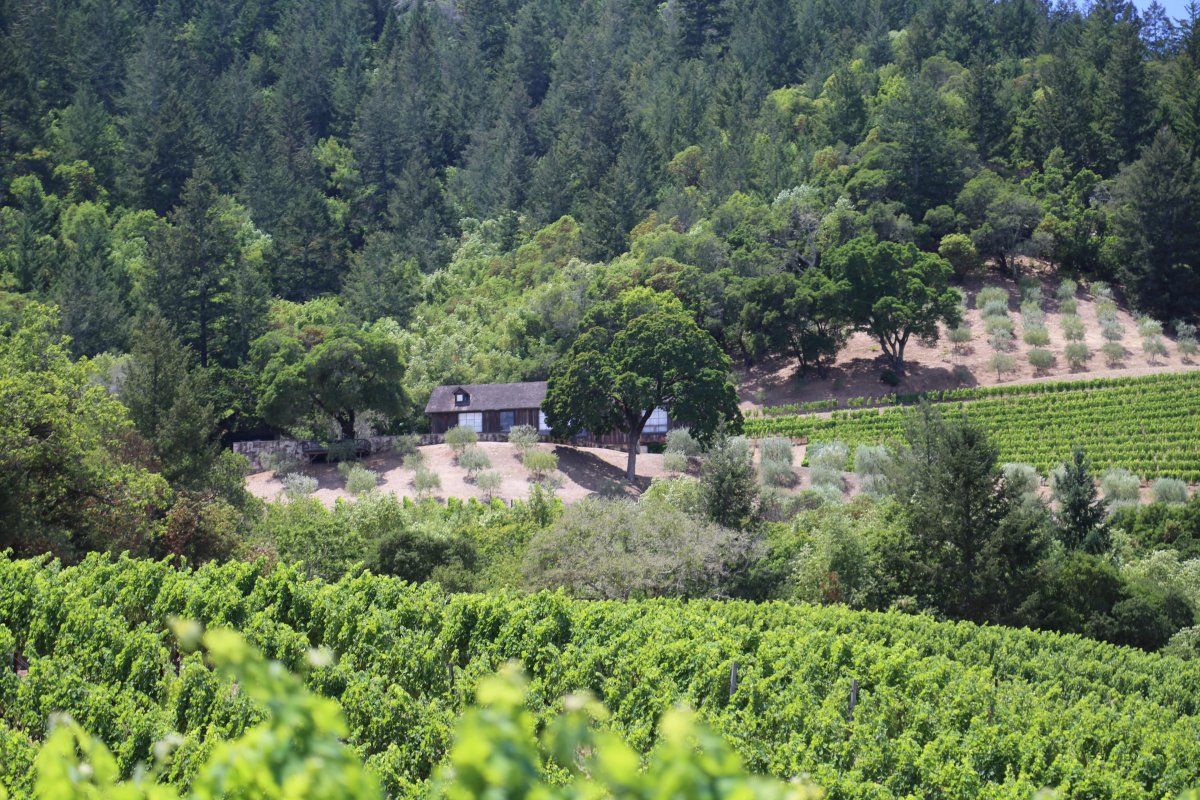 Inspired by his European trip, Harlan created a 200 year plan, a long-term vision and culture to create a lasting wine legacy. This philosophy is structured after chateaus in Bordeaux and domaines in Burgundy which continue producing despite generational changes in family ownership. And this plan not only takes into account ownership, but also stewardship for the lands under the ‘Harlan domaine’, protecting property under their ownership and sustainably farming.
In 1986 Harlan married Deborah (Beck), a former spokeswoman in TV commercials including for Lipton Tea. Behind the scenes and a fiercely supportive partner, she is never credited enough for the company’s success. Also in 1986, Harlan along with partners John Montgomery, Peter Stocker and Robin Lail, purchased Sunny St. Helena Winery (now Merryvale). This year was the first harvest at Sunny St. Helena since 1970 as the space had been used for storing and aging wines from 1971 through 1985. See our notes under Merryvale on this site for more details.
In 2020 Harlan ‘retired’ from the day to day oversight of his various holdings and passed the torch to his son Will Harlan who is now the managing director of the Harlan estate properties.
—
Winemaker Cory Empting has been with BOND since 2000 soon after graduating from Cal Poly in San Luis Obispo with a degree in viticulture. He grew up in St. Helena and as he says, “I did not come very far down the road”, referring to BOND’s location in nearby Oakville. His wine education and interest came early on – from friends in the valley with last names such as Wagner and Mondavi.
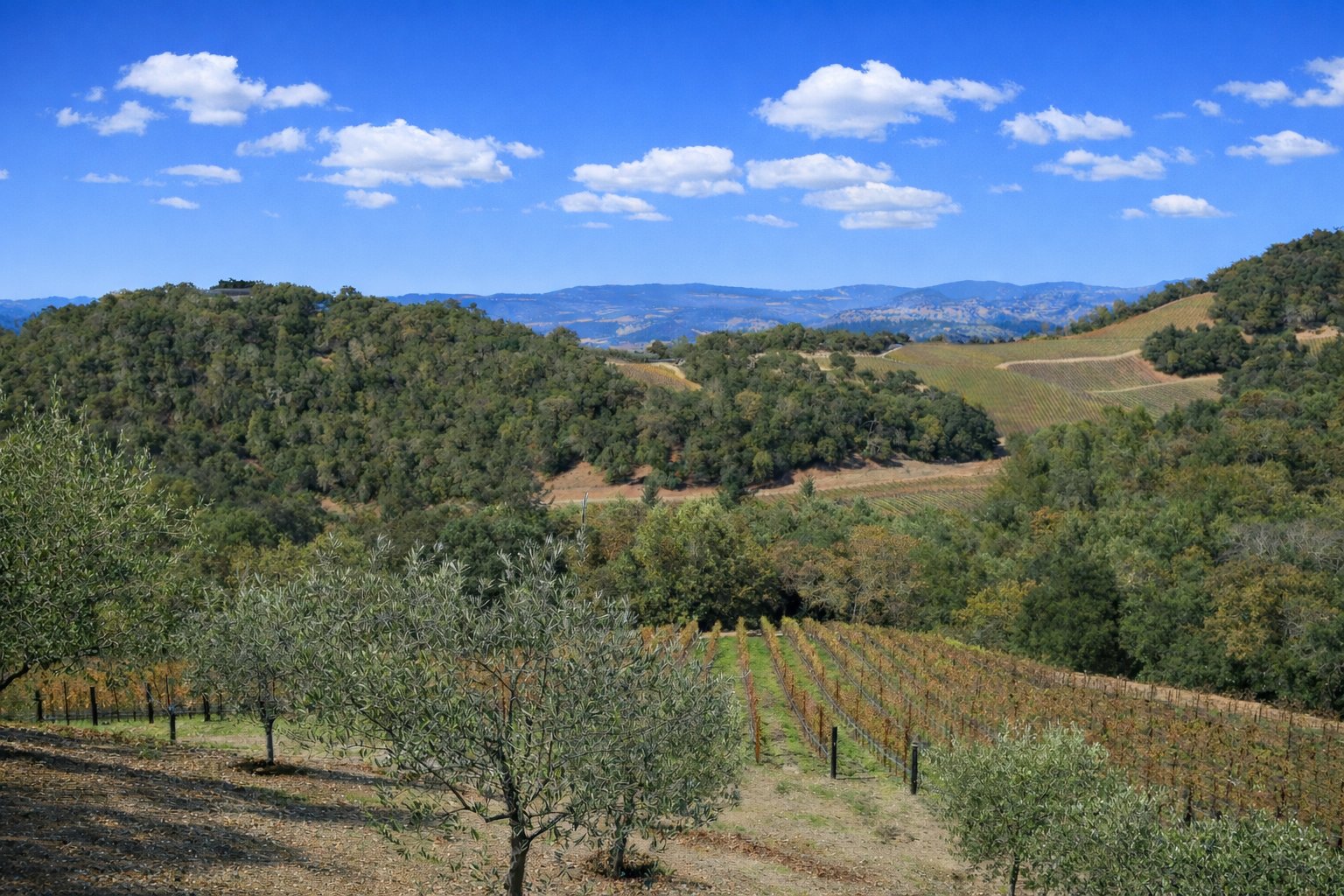
Today five premium vineyards are under the BOND portfolio. These vineyards were hand selected and evaluated over a number of years before becoming part of their portfolio; not all five were present out the outset. These hillside vineyards are located in both the Vaca and Mayacamas mountain ranges.
 These five vineyards are the following:
Melbury is located east of Rutherford; this site features clay-rich soils and produces wines with floral and red-fruited elegance.
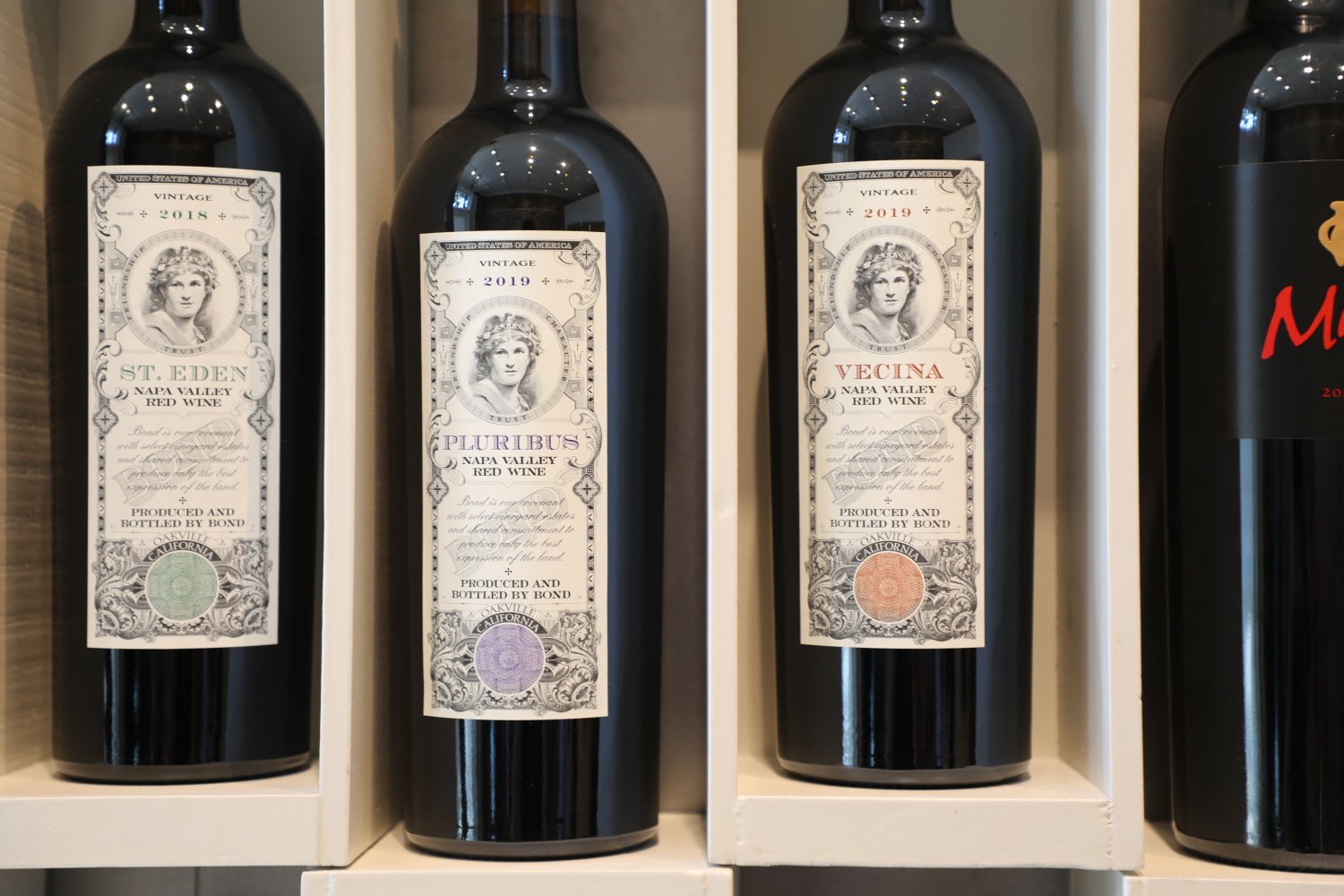
Pluribus is located about 1/2 way up Spring Mountain; this vineyard features volcanic bedrock and produces wines with deep intensity and firm tannins.
Quella is situated in the eastern hills near Pritchard Hill; this site has rocky, volcanic tuff soils, resulting in wines with minerality and brightness.
St. Eden is located near Oakville on gravelly, alluvial soils; St. Eden wines are plush, rich, and powerful.
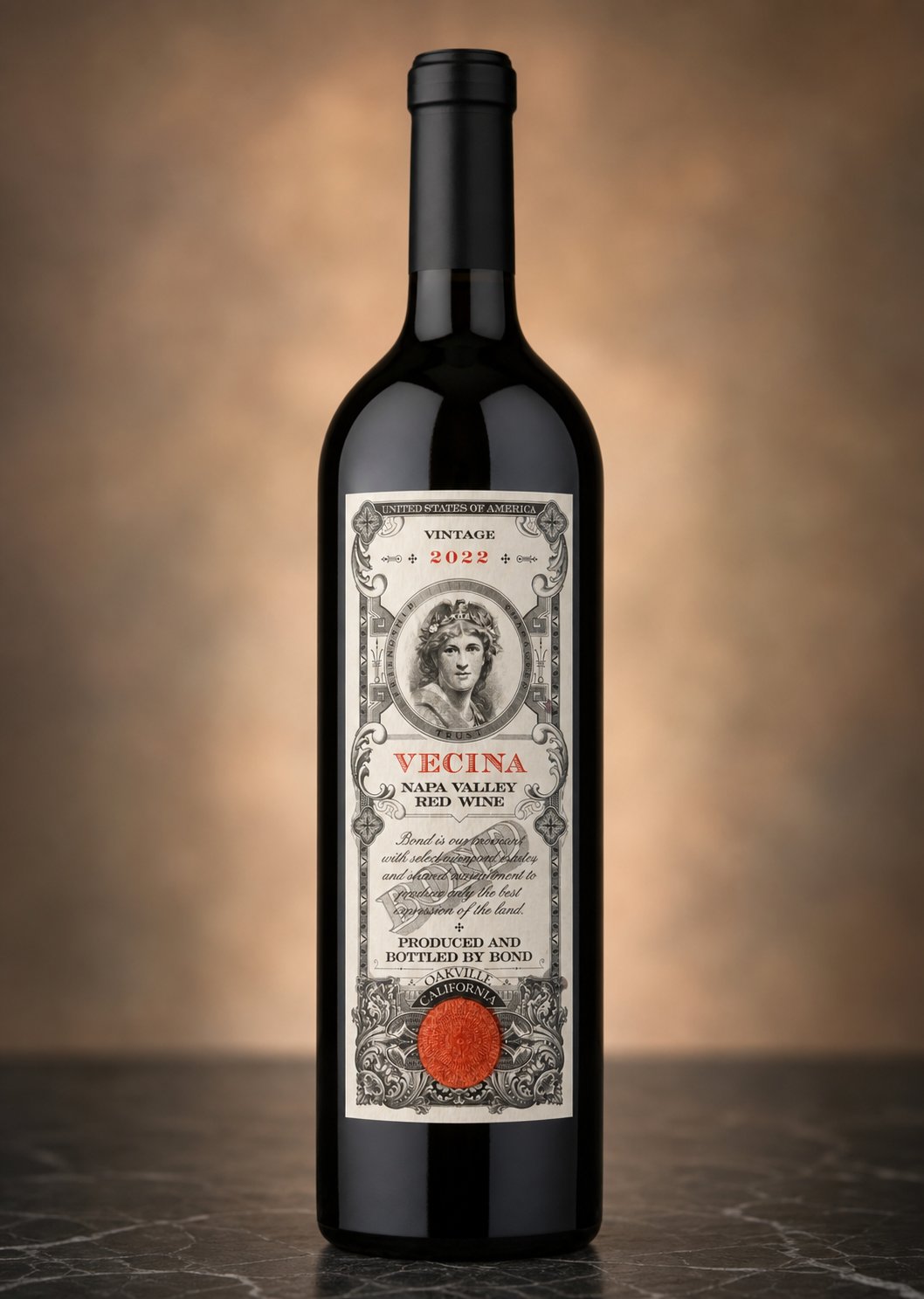
Vecina is adjacent to Harlan Estate in the western foothills of Oakville; Vecina is known for its structure, depth, and earth-driven complexity.
BOND does not simply purchase grapes from each of these vineyards. Rather each vineyard involves a unique partnership between BOND and the owner. BOND then manages the vineyard with their own in-house vineyard management team. Usually, they will manage a vineyard for 5-7 years before the fruit is incorporated into their portfolio. Each of these small vineyard’s range in size from 7-11 acres. Attention to detail in both management during the growing season and when to harvest are paramount. Cory mentioned that in just one of these vineyards they picked 17 different times during one harvest – which remarkably equates to 17 different vinifications in the winery. And that is just for one of the five wines.
Select Wines
During our visit to the winery, Corey offered to taste us on either their 2009 or 2011 bottlings; we immediately chose the 2011 for a variety of reasons. This year was a challenging vintage for many wineries in Napa Valley and a year that received less accolades than most Napa vintages. And rightly so for some wines, but for many other vineyards, 2011 was a fine vintage. And a number of hillside vineyards (especially from the mid valley to the north on the eastern side) combined with smart vineyard management practices produced some stellar wines. It was a year that was raining all the way through early June (remember the weather during the Napa Valley Wine Auction that year?), delivered a cool summer and early rains during harvest.
Melbury
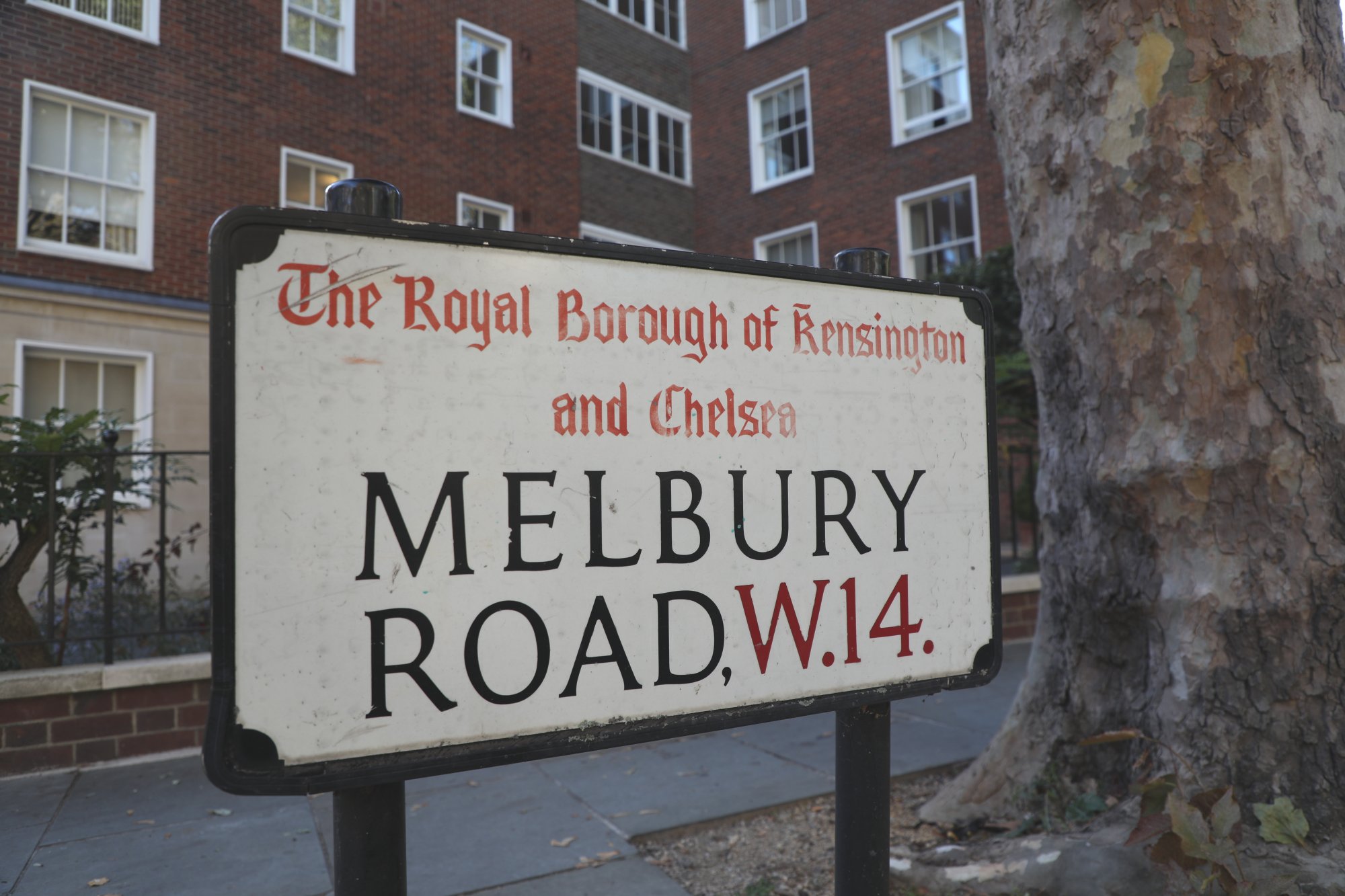
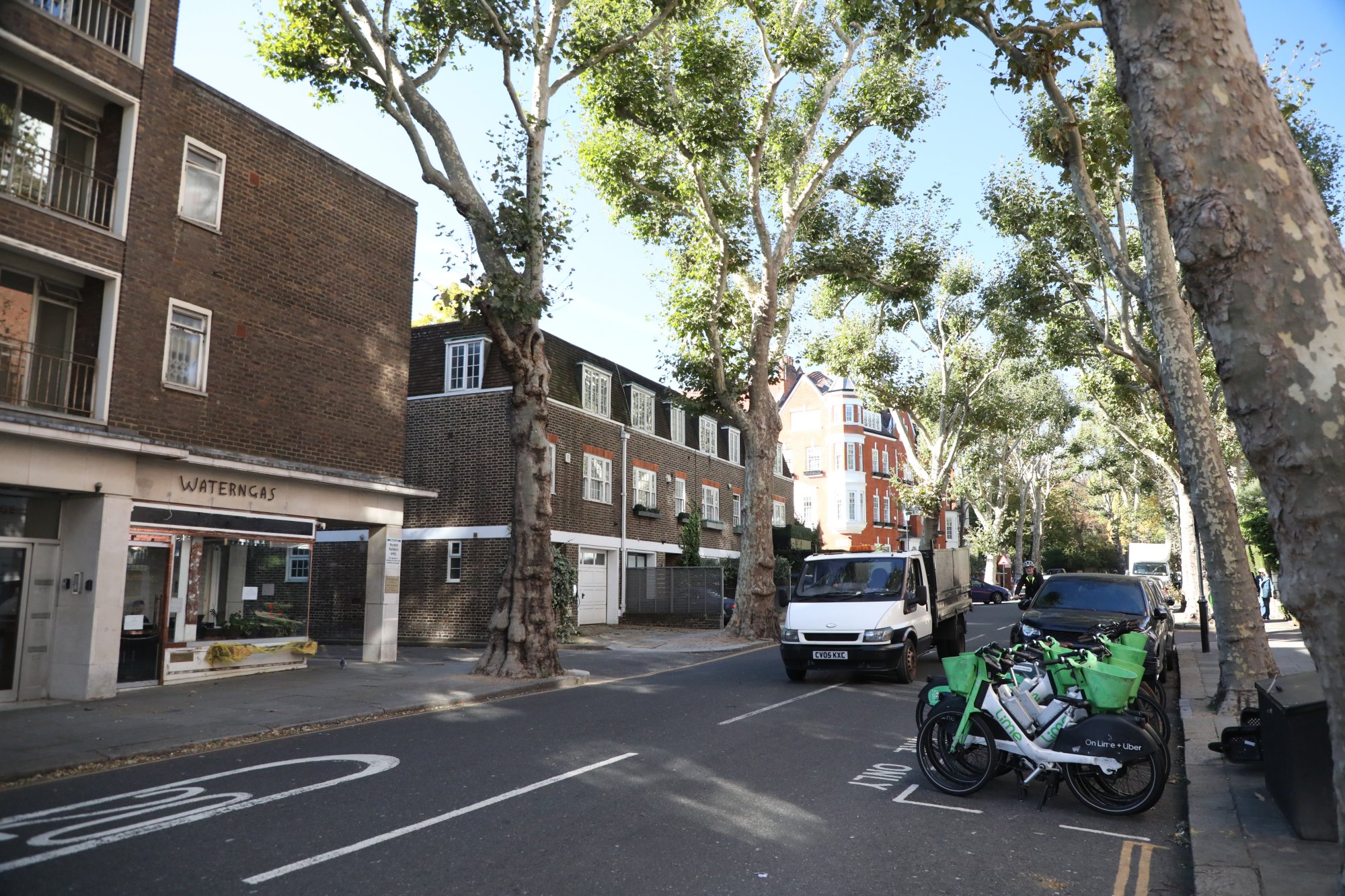
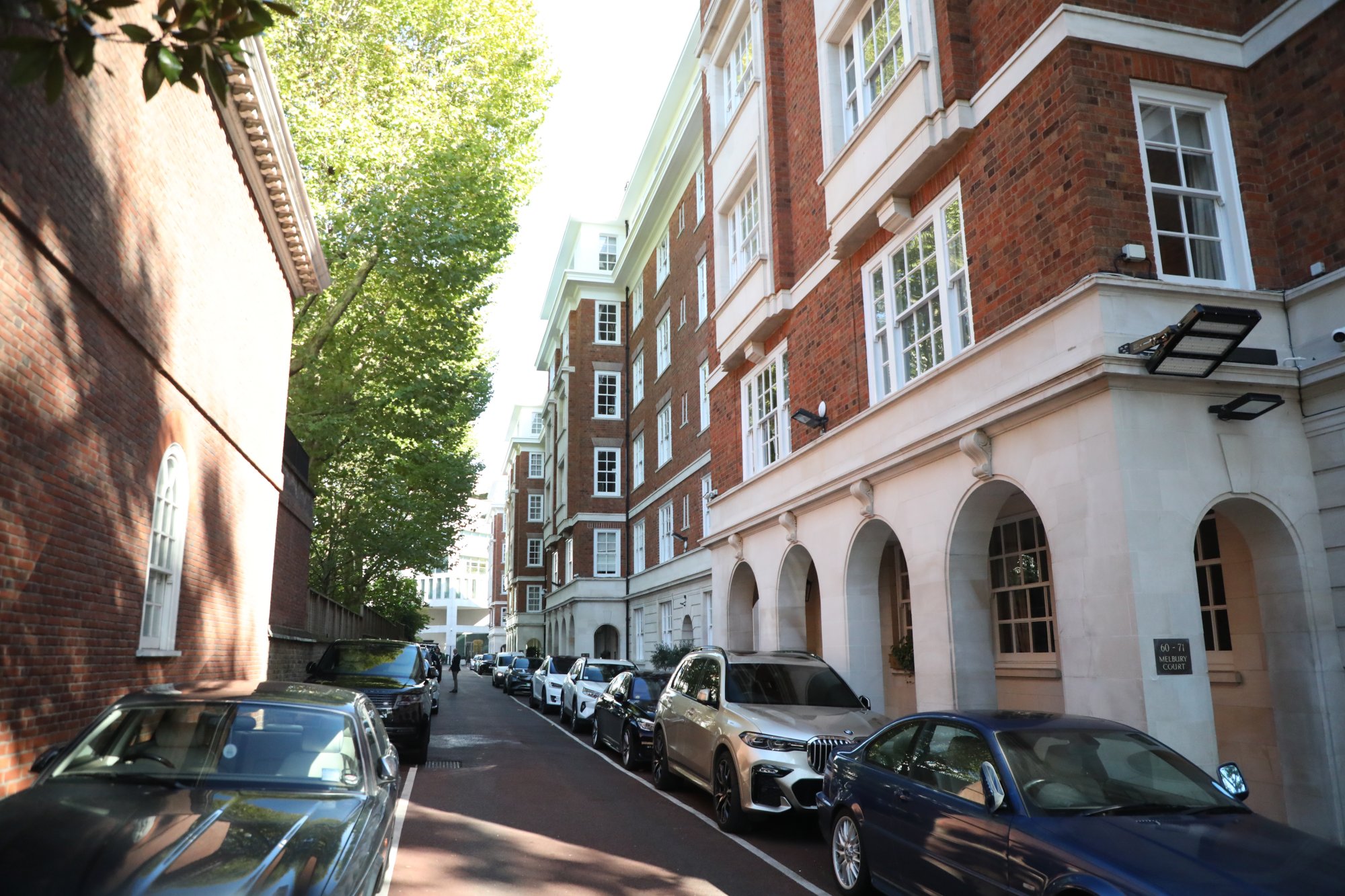
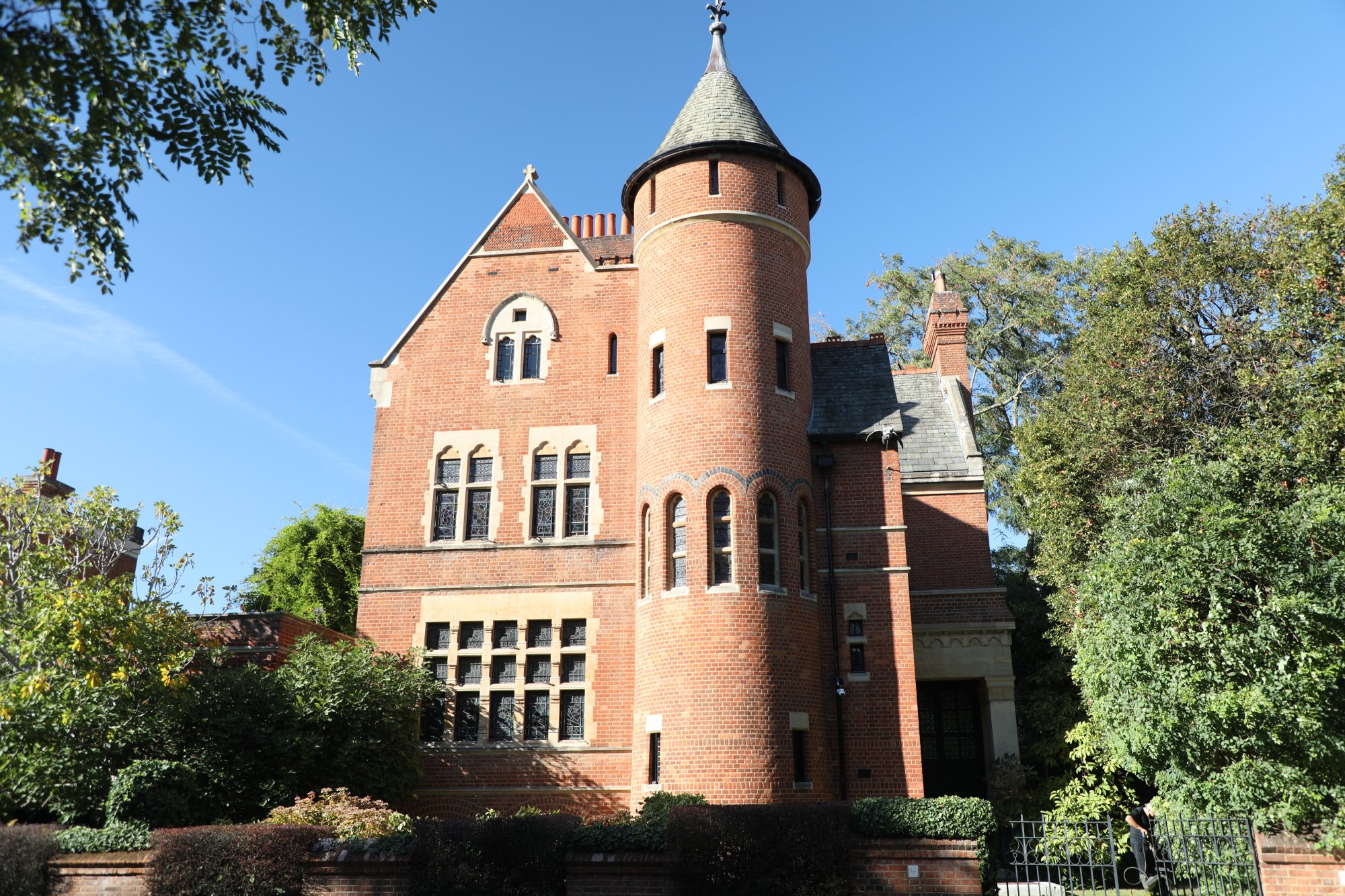
Melbury is named after a historic and very tony district in London; this is where the owners of this vineyard live for much of the year. The vineyard is located opposite to Pritchard Hill not far from Lake Hennessy. Along with Vecina, this was the first vineyard in the BOND portfolio. The vineyard is notable for being on the hillside, yet its soils are generally a compressed clay.
The 2011 BOND Melbury is a fine example of the finesse and aromatic precision that can be achieved in a cooler, more challenging vintage. Sourced from a hillside vineyard on the slopes north of Lake Hennessey, this wine reflects its sedimentary, clay-rich soils through a remarkably elegant bouquet. It opens with appealing and high-toned aromas of fresh red currant and wild raspberry, showing a purity of fruit that is characteristic of the Melbury site. On the front of the palate, one immediately notices vibrant, mouthwatering acidity that lends the profile an energetic and lift-driven personality. This bright red fruit character persists from the mid-palate through to the finish, providing a consistent thread of flavor that is eventually anchored by the site’s signature chalky tannins. These tannins are fine-grained yet firm, lingering for a considerable time and giving the wine a mineral-driven structure.
Quella
Quella is a German word for aquifers or spring water; this perfectly ties into this specific vineyard location as geographically it sits in an area known as Spring Valley not far from Joseph Phelps Winery. The vineyard is geologically intriguing; it sits on an uplifted riverbed; nearby soils have eroded down over millions of years leaving plenty of alluvial cobble as well as white volcanic ash along with reddish volcanic soils underneath. This is the newest entry into the BOND portfolio with a first vintage dating back to 2006.
The 2011 BOND Quella is a captivating and powerful Cabernet Sauvignon. Immediately upon pouring, the bouquet reveals a quality often described as “smoky elegance”—an interplay of dark fruit and savory depth. It initially offers concentrated aromas of dark cherry and blackcurrant liqueur, which are seamlessly layered with notes of cured tobacco and dried herbs. As the wine begins to breathe and stretch in the glass, it reveals more indulgent overtones of cedar, mocha, and a hint of forest floor. On the palate, the 2011 Quella is juicy and mouthwatering, possessing a rounded, supple mouthfeel that belies the cooler nature of the vintage. Moderate, well-integrated tannins provide a sturdy anchor for a fairly long, savory finish, proving that this bottling is drinking exceptionally well even in its relatively young state.
St. Eden
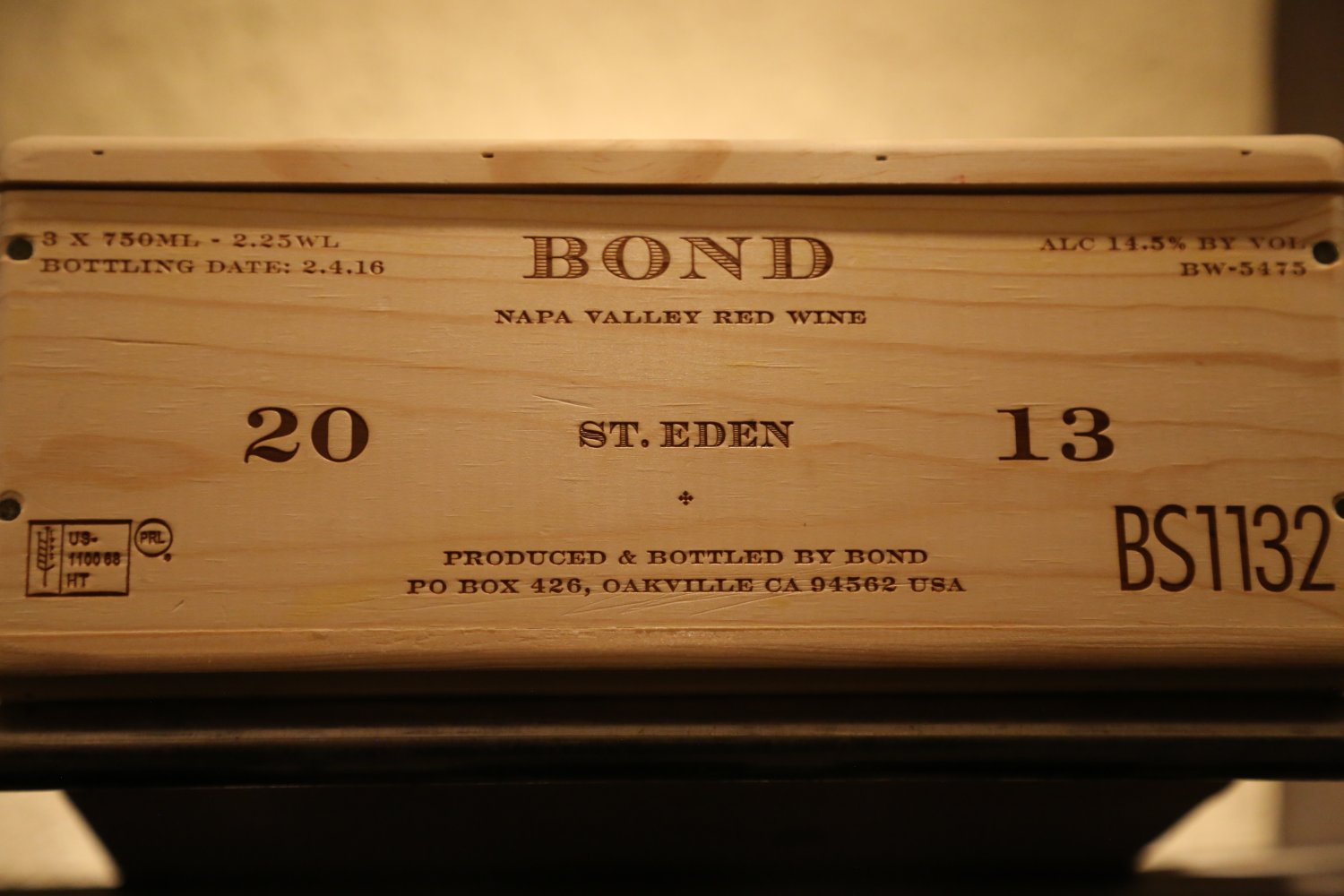
The St. Eden property is located on a small knoll at the edge of an alluvial fan that comes down the west side of Pritchard Hill extending to the valley floor in Oakville. It borders Rudd Estate, Gargiulo Vineyards and is within a very short distance of Screaming Eagle. Cory calls this wine the fulcrum of the portfolio; stylistically perched in the middle of their wines – not as elegant as perhaps the Melbury and not as robust as their bigger wines, the Vecina and Pluribus.
The 2021 BOND St. Eden is deep ruby and completely opaque; it takes some time to expresses its breath four years post vintage, so be patient here and the fruit will become more open. Its scents include dark raspberry, red cherry, boysenberry, Persian mulberry and Santa Rosa plum with a light savory edge including assorted dried herbs. The oak takes a back seat here, offering a light but not dominating conversation to the fruit. Dark, savory and superbly balanced, yet also deeply layered, this wine is sitting in a sweet spot four years post vintage. Its flavors include dark plum, blackberry, dark cherry, boysenberry and mulberry with a finishing note of chalk. The tannins are broadly dispersed, fully coating the palate with their tumbled, gravelly and dusty character far outpacing the fruit on the finish. This wine has all the attributes of being highly cellar worthy.
The 2011 BOND St. Eden is an example of how a singular terroir can transcend the challenges of a cooler vintage. The bouquet is immediately captivating, offering a pleasingly dry, “dusty” earthiness that feels almost tactile. It is remarkably complex, leaning heavily into a dark fruit profile of ripe blackberry and crème de cassis, which is seamlessly interwoven with the scent of wet crushed rock and savory dried herbs like sage and tobacco. On the palate, the wine reveals an opulent core of black cherry and blackberry fruit, balanced by a vibrant, refreshing acidity that is typical of the 2011 growing season. The tannins are distinctive—fine-grained and “dusty,” they tend to make their presence felt more prominently on the front of the palate, providing a structured yet elegant framework that lingers through a long, lifted finish.
Vecina
 Vecina which means ‘neighbor’ in Spanish is appropriately named; it is sourced from one of the coveted hillside blocks in the Vine Hill Ranch Vineyard, located slightly southeast of the BOND property on the southern edge of the Oakville appellation. This 11 acre vineyard sits on the edge of the Mayacamas mountains and is east facing. The soils here are generally alluvial. The first BOND Vecina was from the 1999 vintage.
The 2022 BOND Vecina Red Wine is deep ruby and nearly opaque; the bouquet is a union of both savory and ripe fruits with its scents including red cherry, dark raspberry, boysenberry and a light note of cocoa powder sitting in the ‘back seat’. On the palate, this wine is layered, a union of both red and darker fruits including cherry, blackberry, boysenberry, Himalayan purple mulberry, dark fig and a finishing minerally note including of chalk. The tannins are densely packed but are never course or edgy. Rather their texture lingers with a gravelly and dusty feel, with a light drying note persisting past the fruit on the extended finish. In summary, we love the depth presented here of both flavor and texture. Medium acidity. This will be a long lasting expression of 2022, noted as a challenging year due to the warmth of the season and the extended heat spike centered around Labor Day weekend.
The 2019 BOND Vecina is deep ruby in color; the darker fruited aromatics are elegant and include notes of black raspberry, violets and dark cherry. The bouquet needs time to open in its youth (we tasted 4 years post vintage). Its palate is also dark and dense including flavors of plum and blackberry. This wine is well-layered with plenty of depth and character, but its accompanying balance is one of its most noteworthy attributes. It offers a textural density but with a noticeable and pleasing integration with the rest of the wine’s character.
The 2011 BOND Vecina is a formidable and authoritative expression of its site. This bottling shows predominately darker fruit aromas on the bouquet, dominated by ripe blackberry, dark plum, and blackcurrant. As the wine breathes, it reveals the site’s characteristic savory hallmarks, including notes of scorched earth, new saddle leather, and wild sage. On the palate, the wine is rich, rounded, and robust, delivering a concentration of dark fruit that feels almost “Pauillac-like” in its depth and gravitas. Structurally, this wine is a powerhouse; its muscular frame is defined by firm, grainy tannins and a signature mineral-driven salinity that ensures the flavors continue to deliver and evolve for a significant amount of time on the finish.
The 2009 BOND Vecina was tasted 14 years post-vintage from a magnum. At this stage of its life, the wine has developed a sophisticated bottle bouquet that seamlessly integrates primary fruit with tertiary complexity, revealing notes of old leather and forest floor alongside concentrated cassis, dark cherry, and mulberry. As the wine sits in the glass, deeper layers of boysenberry and blackberry emerge, proving that the fruit remains remarkably vibrant despite its age. On the palate, many of these aromatics are echoed as intense flavors, delivered with a richness and gravitas that is characteristic of this site’s volcanic soils. The structure remains formidable but refined; the tannins are gravelly and persistent, lingering on a dark, savory finish for quite some time with a sophisticated, light dryness. This magnum format has clearly preserved the wine’s youthful energy, suggesting it still has plenty of time and a long life ahead of it.
Pluribus
Pluribus means ‘many’ in Latin and references all the multiple components and facets that go into making wine. This vineyard is east facing with volcanic well eroded soils located at an elevation of about 1,100 feet in the Spring Mountain District.
The 2022 BOND Pluribus is deep ruby and completely opaque; the nose smells dark cherry, blackberry, boysenberry pie and fully ripe Pakistani mulberry. Its barrel influence includes dark cocoa powder, vanilla, milk chocolate and cardamom. The bouquet is well layered and ripe, but never crosses into the territory of being over ripe, a common expression from this particularly hot vintage in Napa Valley. Intensely flavored and ripe but accompanied by a bright and persistent vein of acidity which balances the ripeness. Lingers with a tart fruited character. This wine tastes like dark plum, blackberry, boysenberry, blueberry, dark cherry and mulberry. The tannins exert a noticeable girthy grip, broadly coating the palate they linger with a noticeable dusty, chalky and drying tug which parallels the the fruit for quite some time on the extended finish. A grizzled mountain man that quickly rises to the top of the 2022 Napa Valley reds, this wine is clearly built to age – as in several decades.
The 2011 BOND Pluribus is a compelling testament to the high-elevation terroir of Spring Mountain, where the vines grow on a north-facing site surrounded by coniferous forests. In the glass, this Cabernet Sauvignon initially presents as somewhat reserved, requiring patient time to breathe and unfurl its complex layers. Once it opens, it reveals a bright and lively bouquet dominated by concentrated black fruit, integrated with notes of forest floor, damp earth, and hints of tobacco leaf. On the entry, the wine feels deceptively rounded and supple, but it immediately reveals an impressive density and a multi-dimensional structure that reflects its volcanic soil origins. A hallmark of the 2011 vintage, the wine possesses a bright, mouthwatering acidity that provides a sense of lift and energy. The finish is persistent, driven by robust, mouth-filling tannins that ensure the dark fruit flavors linger for some time, signaling that this is clearly a wine built for long-term aging and evolution.
—
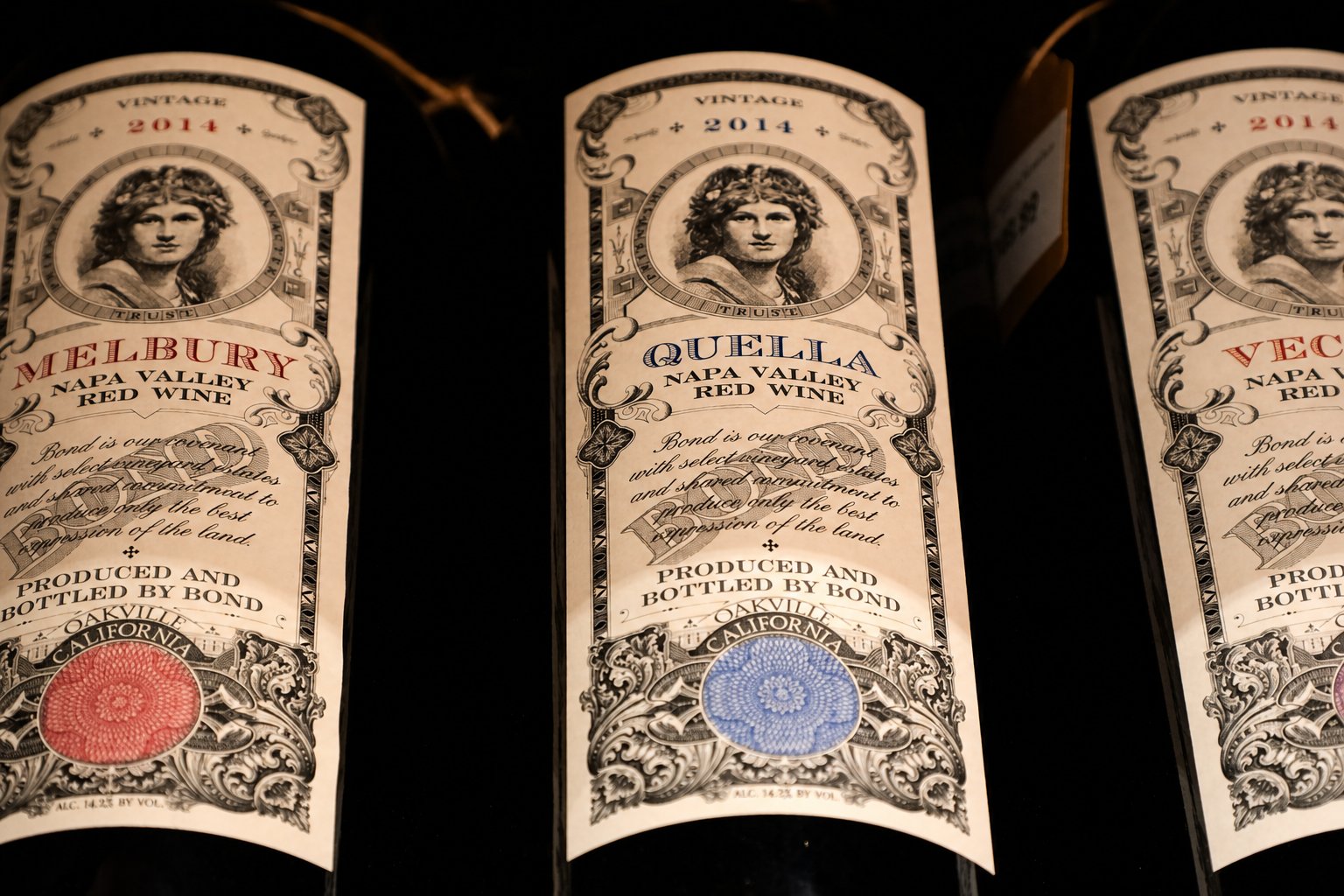
The look and feel of BOND’s packaging is built around themes of money. BOND is Bill’s mother’s maiden name; the wines are labeled with a historical feel to them which resemble old bank or bond notes.
Matriarch is a second wine; it is created from components used for BOND wines that are not used in the final blends.
Total production of each wine is between 450 and 600 cases a year and about 1,200 cases of the Matriarch. For more information and to join the mailing list, visit: www.bond.wine
Please add me to your mailing list
Thanks
Amazing!
Please add me to your emailing list
Visited this winery today…tester all bond wine side by side…one of the best wine testing experience.
Sanjay- I’m really glad you were able to visit BOND. Its a special place and property.