
Not that long ago, Napa Valley’s tasting rooms promised a certain kind of freedom. You could wander in on a whim, discover something unexpected, and feel right at home among strangers.
Now, that easy spontaneity is fading. Appointments are no longer just for the elite or the rarest bottles—they’ve become the rule for most wineries, shaping schedules and expectations.
For visitors, this means planning ahead isn’t just helpful, it’s almost required. Meanwhile, showing up without a booking starts to feel risky, as if you’re betting against the odds for a spot at the counter.
It’s a shift that’s not just about logistics, but about how everyone—guests and hosts—experience Napa’s hospitality in 2024.
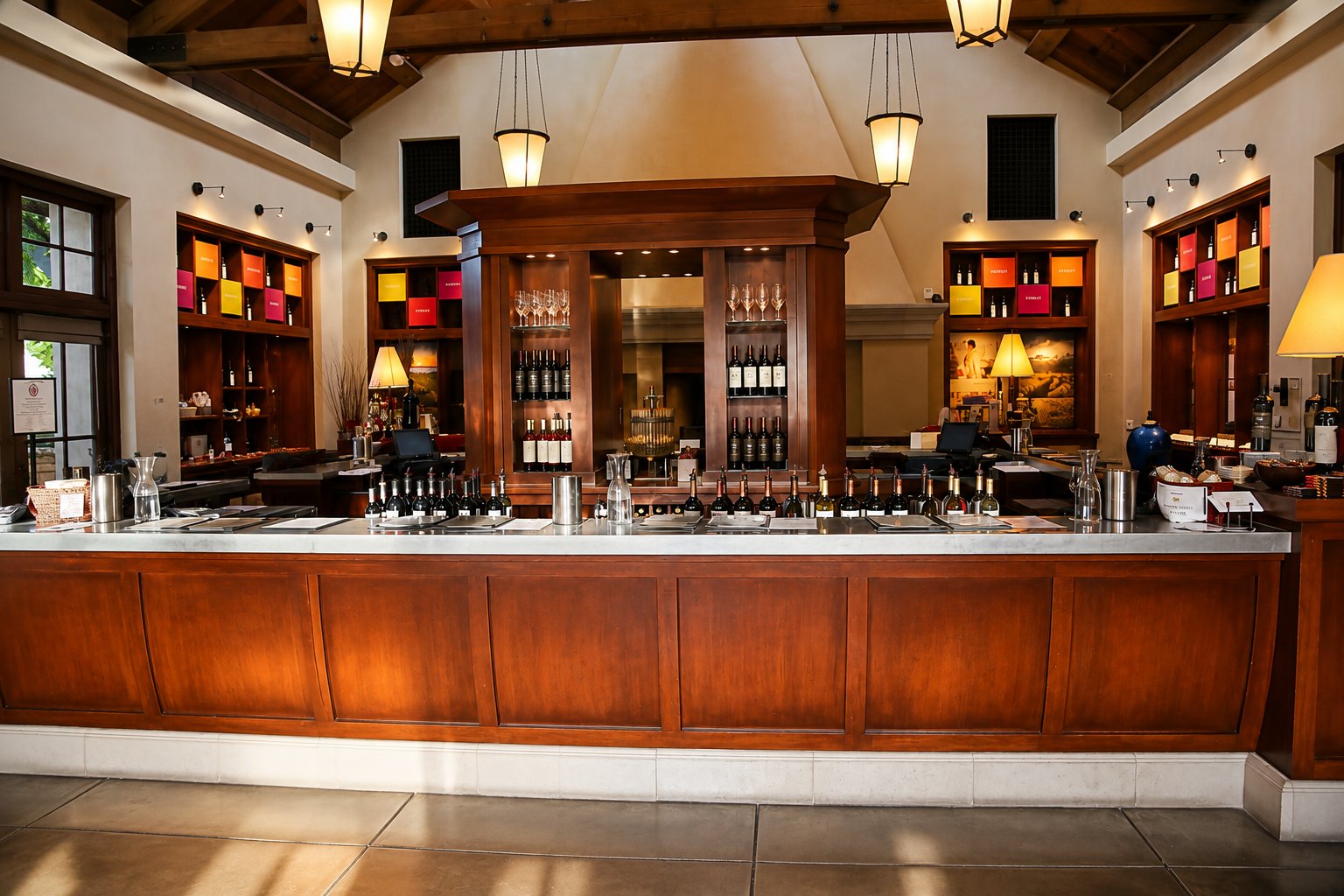
Arrival without certainty: how walk-ins became risky
It used to be easy to drive through Napa and pop into a tasting room on a whim, confident you’d be greeted and poured a glass. That sense of welcome shaped so many trips—no pressure, no need for spreadsheets, just the joy of stumbling upon a new favorite spot.
Now, walking in without notice feels like a gamble. You might find a table, but more often, you’re politely turned away or asked to come back hours later. There’s an unmistakable shift: wineries are signaling that planning ahead is the new expectation, not just a suggestion.
This change makes visitors pause before setting out, weighing the odds of snagging a last-minute spot. Some people take their chances on unfamiliar doors, hoping for luck. Others, sensing the unpredictability, start hunting for tools and strategies to tip the odds in their favor.
For those who don’t want to leave things to chance, resources like Stakehunters.com have found a surprising place in trip planning. While it’s known for betting, some travelers now use it to track trends and compare strategies—not just for sports, but for any experience where luck is in play.
So the promise of a tasting is no longer just about showing up. These days, it’s about how much you’re willing to prepare and what risks you’re willing to take—because the days of guaranteed walk-in hospitality are fading fast.
Crafting exclusivity: why wineries embraced appointments
With the unpredictability of walk-ins now a fact of life, many Napa wineries have made a clear pivot toward appointment-only tastings. For staff, this change isn’t just about logistics—it’s about reclaiming control over the experience itself.
When every visit is scheduled, the chaos of pre-pandemic crowds fades into the background. Instead of rushing to serve whoever walks in, teams can devote more attention to each guest, shaping the tasting around individual interests and preferences.
This shift has changed the atmosphere inside tasting rooms. Instead of the buzz and bustle of a packed hospitality counter, the mood is more relaxed and intentionally curated. Wineries can manage capacity, protect the vibe of their spaces, and avoid overwhelming both guests and staff.
Appointments have also made it easier for wineries to set clear expectations from the start. Staff can prepare unique pours, offer deeper insights, and focus on visitors who are genuinely interested in learning or buying. The approach feels more personal—and, for some, more exclusive.
It’s not just a Napa trend. Nearly three-quarters of tasting rooms across the country now require appointments, making this the new industry standard. For a closer look at how these practices have evolved, the Silicon Valley Bank survey offers the latest snapshot of what’s changing and why.
The new visitor mindset: planning, pre-commitment, and trade-offs
With so many tasting rooms expecting appointments, planning a Napa Valley day trip now feels like piecing together a puzzle.
Gone are the days when you could wander in wherever the mood struck. Instead, visitors pore over options, weighing the pros and cons of each stop before locking in reservations.
That sense of pre-commitment changes everything. Every tasting slot booked is time and money spoken for—especially when the average Napa fee now hovers around $81, more than double what you might pay in Oregon or Sonoma.
People often compare experiences, looking for something special or justifying the higher cost. And if the perfect slot’s already filled, there’s a real sting of missing out.
It’s not just about what you taste, but how the whole day feels. Schedules can get tight, and spontaneity sometimes falls by the wayside, replaced by careful planning and research.
If you’re curious about how these patterns have shifted over time, you might find more historical context in US winery tasting trends.
Local responses: Adapting, drawing lines—and looking back
Looking at how these patterns play out locally, it’s clear that not everyone feels the same about the shift. Some wineries see the appointment system as a win, saying it brings intimacy to tastings and helps them create the kind of relaxed, attentive experience that used to be rare during busy weekends.
For visitors who appreciate quieter rooms and personal attention, the change feels like a natural evolution. But there’s another side to the story. Plenty of regulars and newcomers worry that requiring appointments has made tasting rooms less welcoming to people who want to explore on a whim, or just stumble on a new favorite bottle during a day out.
Napa’s reputation was built on a spirit of open hospitality, where doors were open and discovery was easy. Now, some locals wonder if that spirit is fading, or just evolving. The sense of community that comes from spontaneous encounters can feel harder to find with so many barriers in place.
Across the region, policies can be very different. Some areas double down on appointments, while others experiment with hybrid models—keeping a handful of slots open for walk-ins, or adjusting requirements based on the season. If you’re interested in how these approaches play out, it’s worth exploring how appointment-only tastings are changing the landscape in Napa and beyond.
It’s a conversation that keeps evolving, with locals and visitors alike debating how much structure is right for a region that’s famous for its welcoming attitude. As Napa continues to draw crowds from all over the world, the meaning of access and openness is still very much up for discussion.
After the shift: What the future holds for tasting room experiences
There’s a sense that Napa is still figuring out where the line should be between exclusivity and openness. With most tasting rooms now requiring appointments, it feels like the valley has found a new rhythm—but some locals wonder if the pendulum could swing back toward spontaneity.
Many hope we’ll see a mix: curated tastings for those who love to plan, and a few welcoming spots for the adventurous walk-in. The real challenge will be keeping Napa’s warm hospitality alive as visitor habits change and expectations rise.
This ongoing conversation shapes what it means to visit the valley, and how future generations will experience its legendary welcome. For a closer look at how individual wineries are adapting, see the Caymus Vineyards tasting policy and the evolving approaches across the region.