

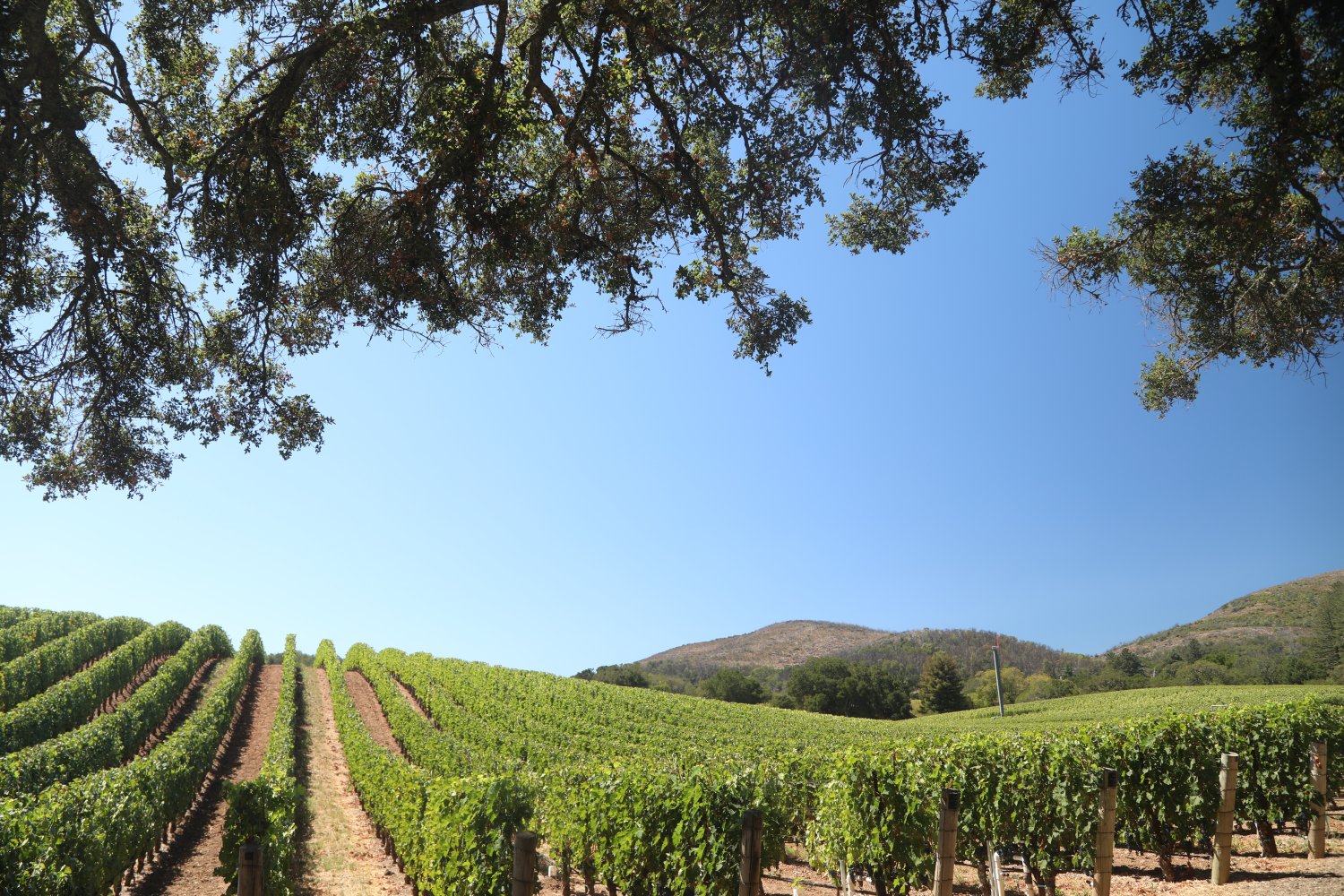
 Napa Valley in California is one of the most famous wine-producing regions in the world. But its global fame didn’t happen overnight. The last few decades has seen Napa evolve from a locally-known region with a few boutique wineries to a global wine powerhouse. Napa is now at the forefront of wine culture, and its vintages and innovative industry practices are standard around the globe. Here’s how Napa achieved its stunning reach and what it means for the world of wine.
Historical Roots and Modern Success
While Napa’s worldwide fame has really taken off in the 21st century, the historical roots of its success were planted way back in the mid-20th century. In a historic blind tasting in 1976 that came to be known as The Judgement of Paris, Napa Valley wines outperformed their French counterparts, sending a shockwave through the wine world and upturning the long-held certainties of the industry. This remarkable event paved the way for Napa to be recognized as a wine region of global standing and opened doors for it to showcase its exceptional terroir and innovative techniques more widely.
Napa is now a consistent heavy hitter, producing wines year after year that rank among the best on the planet and are available everywhere, from Michelin-starred restaurants to amazing wine lists on cruise ships.
Winemaking Influence
Napa exports to markets around the world, with a significant presence in Canada, Europe, and particularly Asia. Napa has a huge prestige around the world, even in the more traditional wine-making nations.
However, Napa’s influence isn’t limited to just exporting wine. The pioneering and innovative winemaking practices of the wineries of Napa Valley have been exported around the world too, with a huge number of international winemakers learning their trade in California before applying their skills in their home countries. Napa has had a huge impact on winemaking standards around the world, particularly in New World regions like South America, Australia, and New Zealand.
Napa has also led the way on environmentalism in winemaking, with the wineries of the region setting benchmarks for sustainability and organic viticulture practices.
Wine Tourism
The success of the wines of the Napa Valley has led to California becoming something of a wine tourism destination, with millions of visitors packing their bags and heading out to explore the West Coast every year. The combination of gorgeous scenery, world-class tasting rooms, and incredible restaurants and eateries make this a truly delightful destination for wine enthusiasts.
The region has responded fantastically, with wineries now offering a brilliant variety of experiences, from exclusive private tastings and gourmet dining to comprehensive tours of the vineyards themselves to learn more about the skills and techniques of the winemakers. With workshops, education programs, and tasting sessions, Napa offers visitors an amazing opportunity not just to taste wine but to learn about the entire process and history of the industry.
Global Recognition and Awards
 For decades now, Napa Valley wines have been in the front row when it comes to receiving top honors at international wine competitions. Dragon’s Tooth from Trefethen Family Vineyards won a Platinum Award at the 2024 Decanter World WIne Awards, and their Cabernet Sauvignon came away with a Gold. Wines from Napa have won awards everywhere over the years, from the Great Wine Capitals to the IWSC and the International Wine Challenge.
Since its unprecedented victory at the Judgement of Paris, Napa Valley wine has gone from strength to strength. It is now a global wine leader and a center of wine tourism, and remains a beacon of excellence for wine producers around the world.