




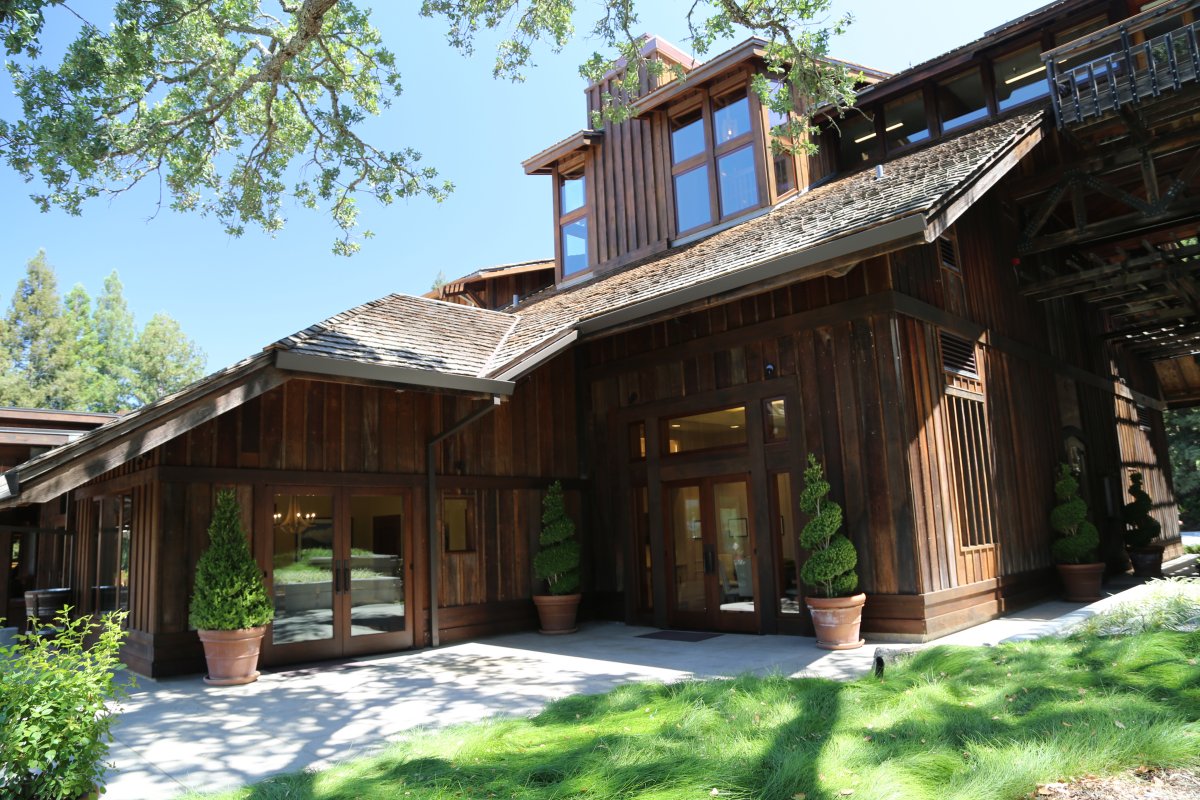
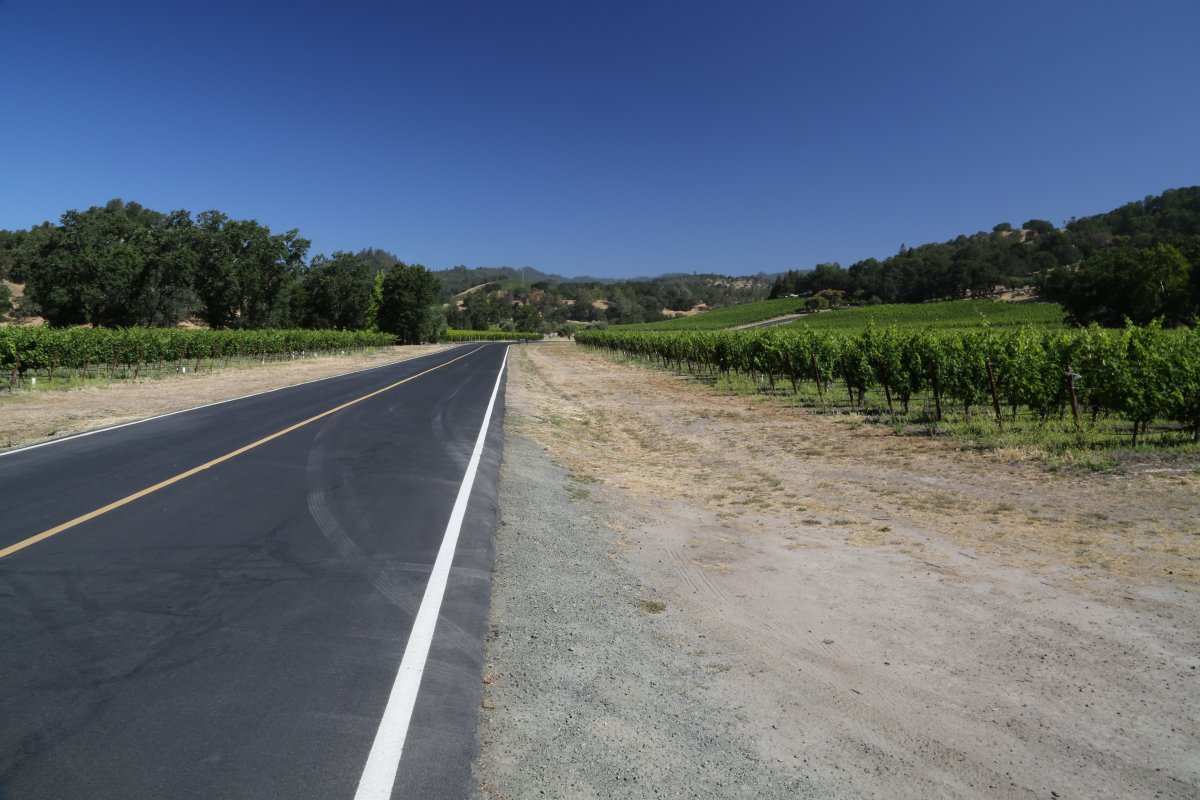
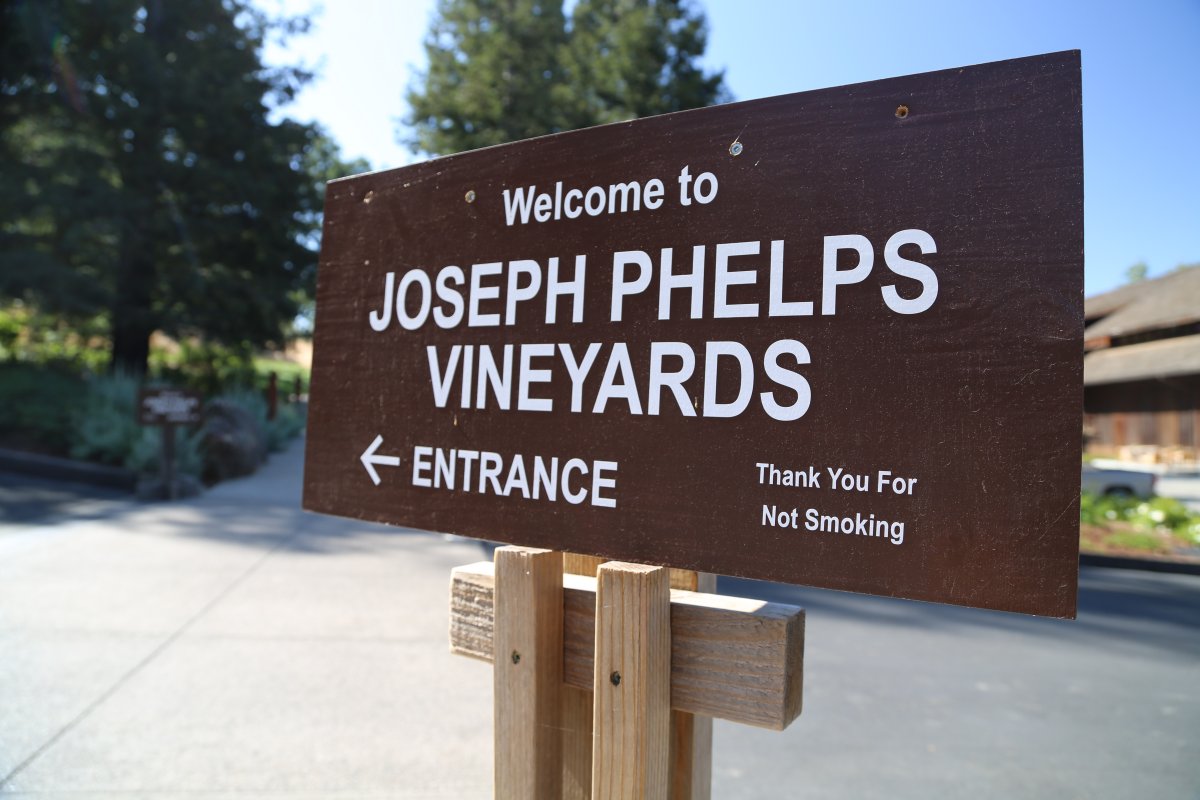
 Joseph Phelps Vineyards is located at 200 Taplin Road about a third of a mile in from the Silverado Trail on the east side of Napa Valley not far from the town of St. Helena. The winery was founded in 1973 by Napa wine pioneer, Joseph Phelps and in mid 2022 sold to France based Moët Hennessy Louis Vuitton SE (LVMH), a lifestyle and luxury company. LVMH’s reach is truly global, but in Napa Valley, the company also owns the majority of Colgin Estate and Domain Chandon and previously owned Newton Vineyard.
The oldest winery in the LVMH portfolio is Domaine des Lambrays in Burgundy which dates back to 1365. This global empire is not only limited to wine; under company ownership are numerous iconic and well-known fashion, perfume, jewelry and other lifestyle products. LVMH was formed in 1987 between Louis Vuitton (founded 1854) and Moët Hennessy (founded 1971 as the result of a merger between Moët & Chandon and Hennessy); the company’s reach is global in scope.
After purchasing Joseph Phelps, LVMH made a number of additional upgrades to the hospitality space.
Like a number of other vintners in the valley, Joseph came to wine from another industry. For nearly 20 years he ran and built one of the largest private construction companies based in the USA, Hensel Phelps Construction, still very much in operation and today an employee-owned company. The general contracting company was founded by Joe Phelps’ father Abel Hensel Phelps (wife Juanita Cundiff Phelps) in Greeley Colorado in 1937 with an early focus on home building and remodeling. Their original headquarters were at 420 6th Avenue, in Greeley. The company is still located here although operations have significantly expanded since their early operations in the late 1930s and now covered approximately 7.5 acres. Abel’s parents were Dr. John Quincy Phelps and Rachael Margaret Hensel.
The first commercial project by Hensel Phelps Construction was building wooden grain elevators in 1945. Their first education project was in 1947, building the Arlington Elementary School in Greeley, CO (no longer standing). Their first international project was The Prison at Koraal Specht expansion in Curaçao in 1999.
Over the decades contracts have become bigger and bigger and now they are involved in large scale commercial projects covering a wide variety of industries in both government and the private sector. Their corporate headquarters are still based in Greeley but now with 12 offices/branches located throughout the United States. Phelps sold his company to his employees in 1989; Hensel Phelps is still privately owned with an operational motto stating, “Plan the Work, then Work the Plan.”
Joe spent his early years on a small farm in Maysville, Missouri before his family moved to Colorado. He lost his older brother John in a car accident in 1940. Joe graduated from Colorado State University in 1951 with a bachelor’s degree in construction management; later Hensel Phelps would work on projects at Colorado State University. Joe never forgot his time at the school and made significant donations over the years to the college including in 2014 to create the John Quincy Phelps Memorial Garden at Danforth Chapel on the CSU Oval, honoring his brother. The Hansel Phelps classroom in Guggenheim Hall is named in his honor as is the Phelps Placement Office at the School of Construction Management.
After graduating from college Joseph served four years as a naval reserve officer during the Korean War. Joe joined his father at the company in 1952, became partner in 1955 and was the company president and general manager by 1957. In 1958 he started the Old Timers Club, with members invited to attend Saturday morning breakfast work socials at the long since closed Longs Peak Café in Greeley. Today this employee membership organization numbers over 2,000 individuals with membership open to those who have worked at least 5 years at Hensel Phelps. All new members receive a gold construction helmet, awarded at the club’s annual banquet. For reference, the first banquet was held at the Greeley Country Club in 1963. And in terms of employee ownership Hensel Phelps utilizes a vesting schedule with a portion of ownership tied in to career progression.
In 1967 the company opened their first office in California, in Burlingame. One of Joe’s projects was to work on building the BART system in the San Jose Bay Area (Bay Area Rapid Transit). By the late 1960s Hensel Phelps was active in a number of Bay Area public works projects including widening of a highway and the construction of a water pollution plant. National projects included building a launch pad for NASA, a protective exterior for the Pentagon post 9/11 and several major airports and hotels. During his time in the Bay Area, Phelps would often visit Napa Valley.

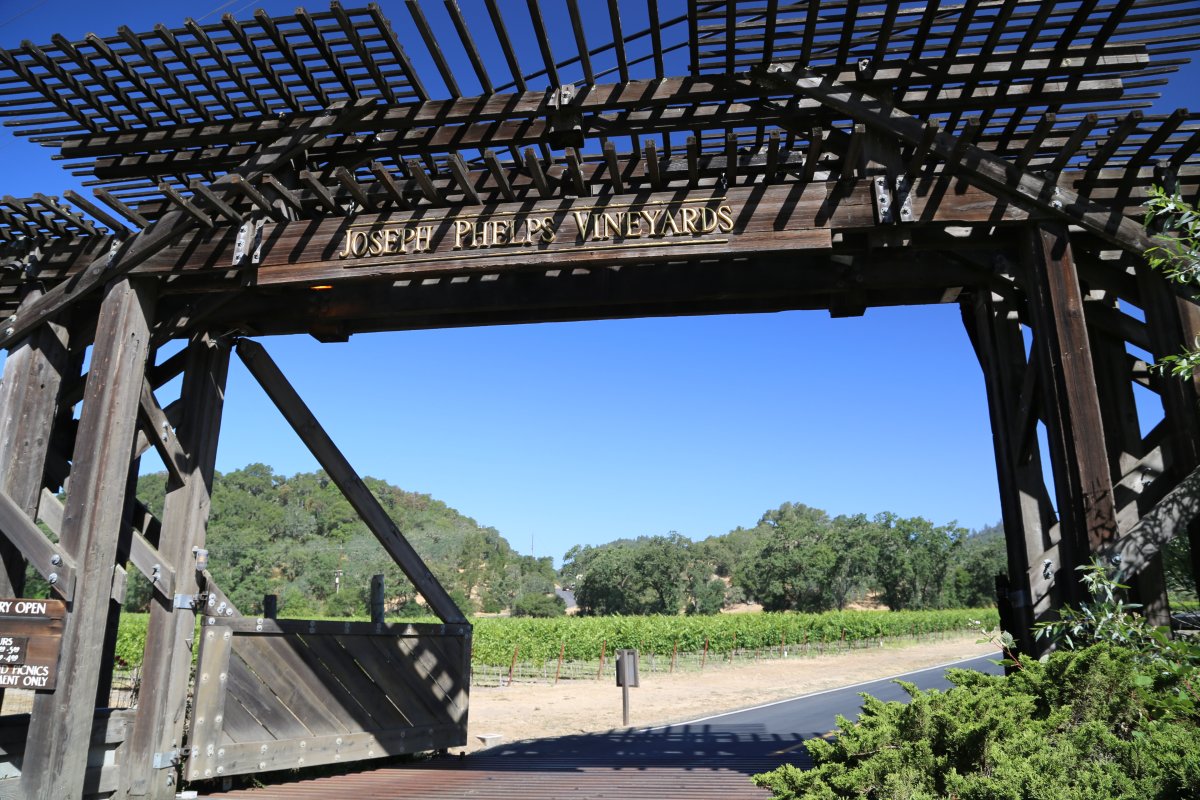
 A banker informed him of several potential winery projects in Napa and Sonoma. One of the projects was to build Souverain Winery in Napa Valley (now Rutherford Hill Winery). After this project Joseph became interested in purchasing his own property in the valley. He initially acquired about 15 acres on the corner of Zinfandel Lane and the Silverado Trail in 1972. In 1973 he acquired 600+ acres of land which at the time was known as the Connolly Ranch, a cattle ranch raising Polled Herefords, an advantageous breed due to their lack of horns. No grapes were planted on site at that time. A clear remnant of this ranch is the metal cattle guard visitors cross when first entering their driveway off of Taplin Road.
Connolly Ranch was well known; it namesake was from the Connolly’s, Oakland residents who purchased the property in 1950, site of the old Taplin Dairy. Their first herd of Polled Herefords consisted of only 8 animals. The Connolly’s first purchased a home and property in this part of Napa Valley (Spring Valley) in 1937. An article in the St. Helena Star dated July 2, 1970 references grapes used to be planted on this property but were removed in favor of cover crops which eventually transitioned to a cattle ranch. This article also stated, “the Connolly’s have built what is now one of the finest herds in the U.S.”
Owner of Connolly Ranch, R.E. (Pat) Connolly was the president of the American Polled Hereford Association in 1966 and 1967. He was also involved in the transportation of 10,000 heifers from Texas to Chile in air conditioned planes. The ranch used to host the annual 4-H Beef Cattle Day with one of its largest gatherings occurring in 1970 (200 attendees). The ranch was much visited including by groups from the University of California system and regularly hosted FFA Field Days; in 1970 the ranch was visited by an entourage from New Zealand representing their country’s cattle industry. Over several decades, starting with their first showing in 1956 including at county fairs, Connolly Ranch cattle took many prizes in various competitions. By 1963 an article in the Napa Valley Register referenced more than 300 ribbons already won, with most being first place winnings.
And in December 1969 in Atlanta at a gathering of Hereford breeders, a bull weighing more than 2000 pounds at the time, named CPH Beau Mischief III of Connolly Ranch, was awarded national champion. By 1972, due to ill health of R.E. Connolly, an auction was held selling off all the cattle. A year later the ranch sold to Phelps.
Joseph Phelps began planting grapes including varieties such as Riesling, Gewürztraminer and Pinot Noir among others. Much of the property in these early years was leased for cattle grazing. Ads placed in local newspapers in the mid 1970s advertised 400 acres were available for grazing.
Long time wine enthusiasts of Joseph Phelps will remember early bottlings of Johannesburg Riesling. Their first vintage of this in 1973 was approximately 1,400 cases and was made from purchased grapes, from Stanton Vineyard in Yountville. These wines hit the market for the first time in October 1974. They ultimately discovered a number of varieties planted on the Phelps home ranch were not suited to the climate in this part of the valley and they changed over to other varieties – namely Bordeaux based red varieties. Initially their production was a majority of white wines, but over the years that changed and today they focus on red wines, primarily Cabernet Sauvignon.
This winery was originally founded as Stonebridge Cellars 1972; the name of the business soon transitioned to Joseph Phelps Winery due to several other wineries in Napa Valley at that time using the word ‘stone’ in their names. The first vintage of Joseph Phelps in 1973 was not made on site (the winery was not yet completed), rather it was made at Heitz Cellars located at the end of Taplin Road, a short drive past the Phelps driveway.
Joseph Phelps Winery was designed by architect John Marsh Davis and built by Hensel Phelps Construction Company, in part using wood from an old bridge near Annapolis in northern Sonoma County. The first crush at Joseph Phelps Winery occurred September 11, 1974. It was Pinot Noir from the Carl Heinemann Ranch on Spring Mountain, now the site of Bergman Family Estate. The Phelps Cabernet Sauvignon produced that year, released in 1977 was selling at Ernie’s Wine Shop in St. Helena for $6/bottle. For reference the space that used to house Ernie’s now houses the tasting room for Ink Grade Cellars.
And that same year Joseph Phelps crushed their first Syrah from a small vineyard south of St. Helena with the vines dating from 1958; this was California’s first commercially produced varietally designed Syrah. For reference, the first Syrah planted in Napa Valley (and perhaps in California) was in 1936 at the University of California’s Oakville Experimental Station. Joseph Phelps started purchasing Syrah from the acclaimed Hyde Vineyard in Carneros in 1979, a grower-producer relationship that lasted over 30 years. For reference, Larry Hyde began working at Joseph Phelps in 1975.
Among the earliest awards for their wines was from a blind tasting hosted in August 1979 in Paris, France, organized by the French magazine, Gault-Millau. The tasting featured more than 550 wines from wineries spread over 34 countries. The Joseph Phelps 1977 Gewurztraminer placed 2nd in its respective category. In 1981 Phelps was awarded several silver medals at the Orange County Fair. By 1984 Phelps earned three gold medals and a ‘best of class’ for wines judged at the Los Angeles County Fair.
 With no background in wine, Phelps hired the right people for the right jobs. Pioneer, Walter Schug, the founder of Schug Winery in neighboring Sonoma County was hired in 1973 after working at GALLO; he was instrumental in the early vintages of the Phelps’ wines and oversaw the planting of their first vineyards. Bruce Rogers was his assistant winemaker, formerly of Stony Hill Vineyards. In the early years a diversity of oak barrels were used including from France, Germany, the former Yugoslavia and the U.S. Phelps has employed only several wine makers in their history including Craig Williams and Ashley Hepworth. Despite only 50+ years since the winery was built, this era was the “early” days in Napa’s modern wine history when there were few physical wineries located in the valley. Joseph Phelps received Napa winery permit number 26.
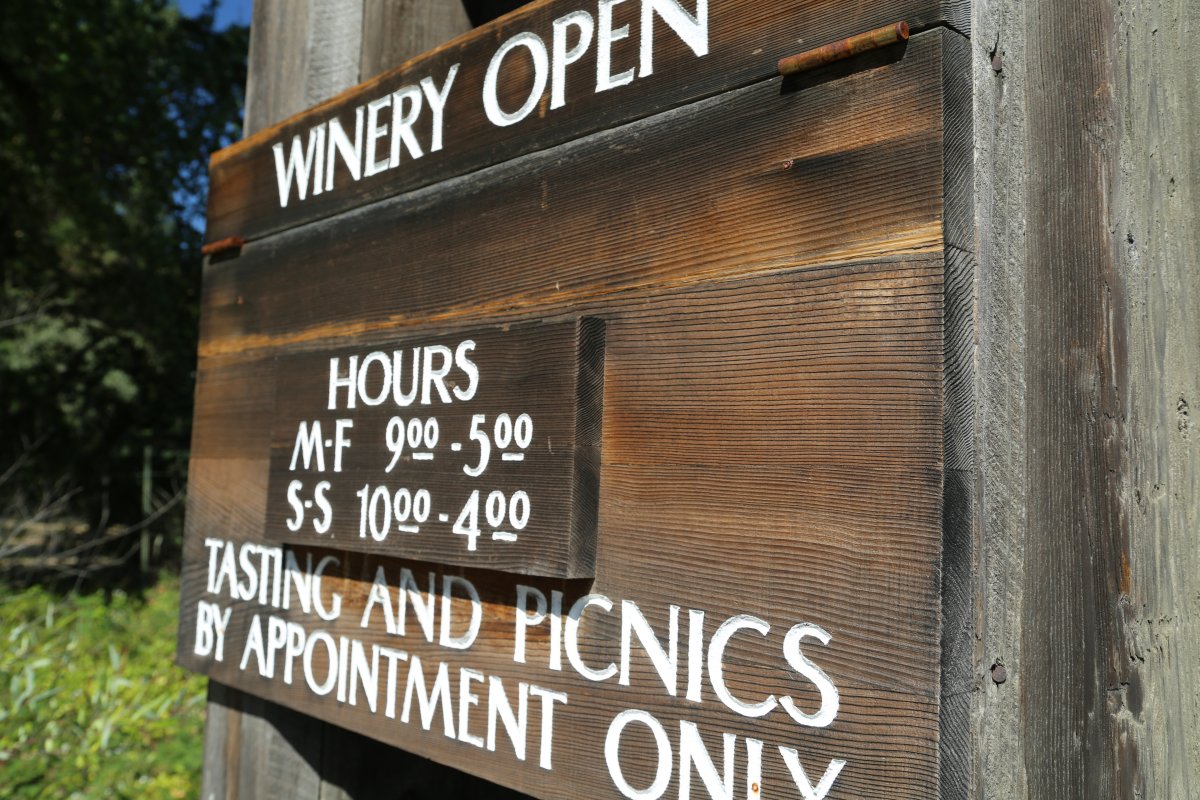
There was no hospitality space in the early years; visits for tastings were typically by invitation only or reserved for larger groups.
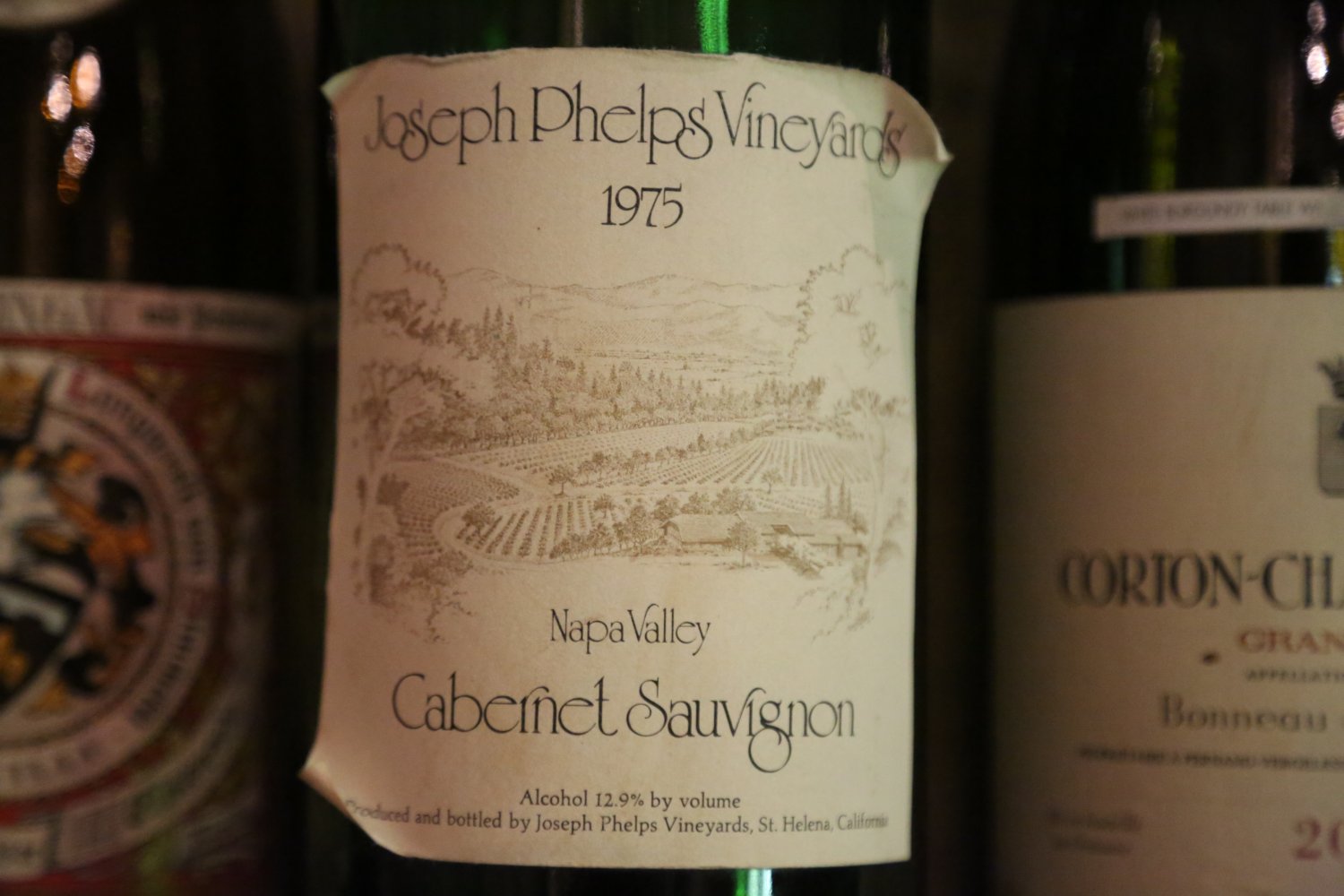
One of Phelps’ most distinguished wines was a vineyard designate Cabernet Sauvignon from the Eisele Vineyard in Calistoga (later the site of Araujo Estate, now called Eisele Vineyard). Phelps produced wine from this vineyard from 1975 through 1991.
In 1983 Phelps was elected president of the board of directors of the Napa Valley Vintners Association. After an impressive career both in construction and the wine business – Joseph Phelps passed away in April of 2015. Perhaps one word describes the man more than any other, visionary. Today his son Bill Phelps is Chairman of the winery.
Hospitality
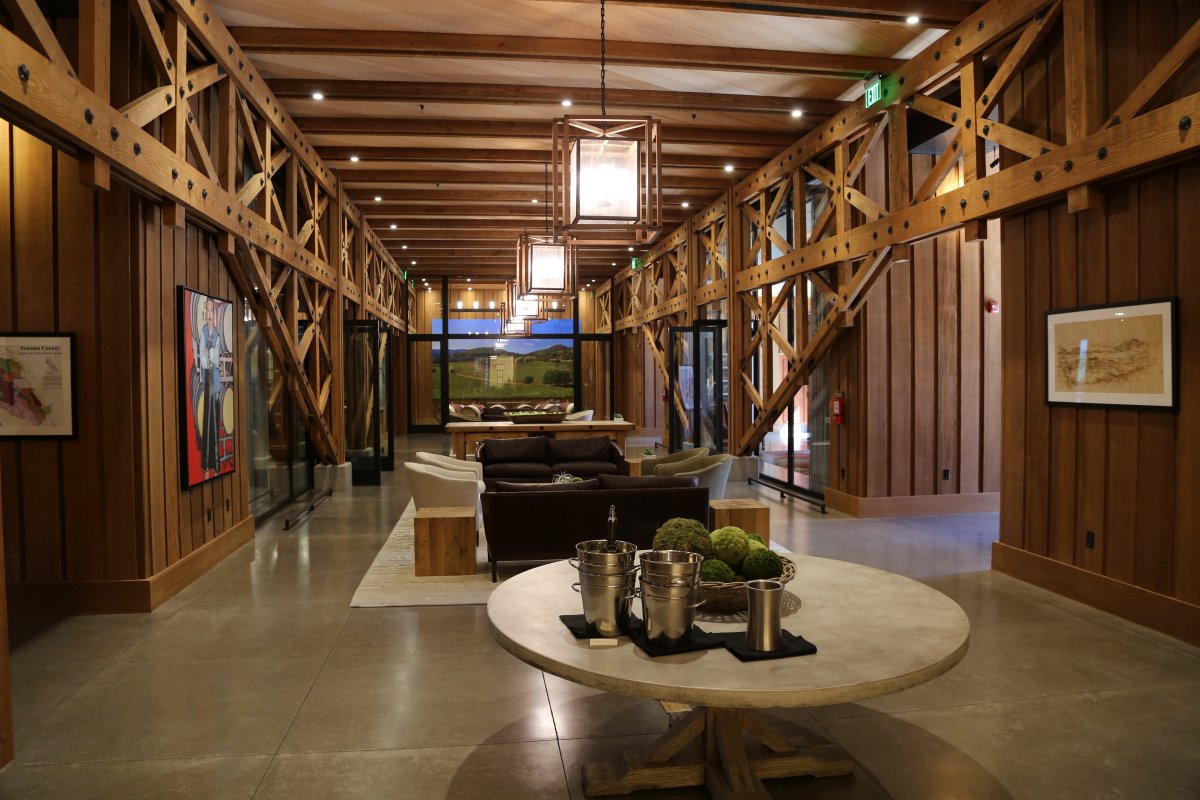
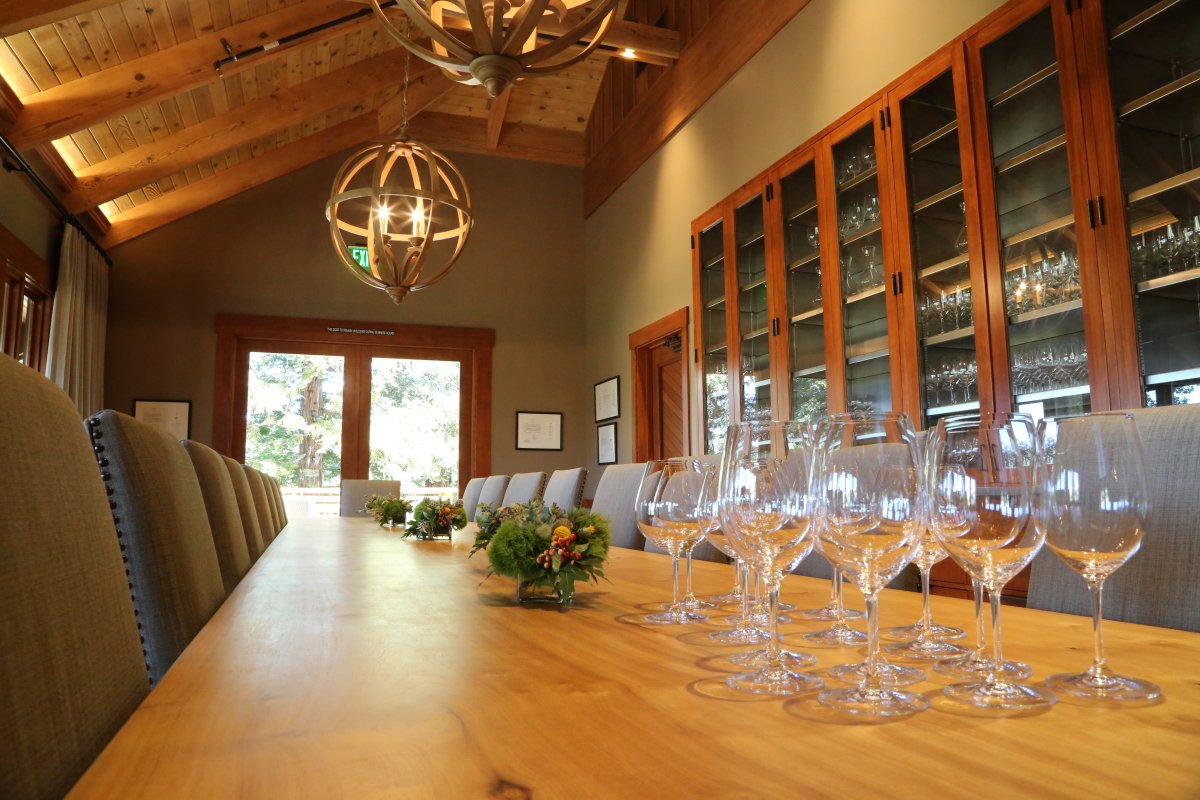
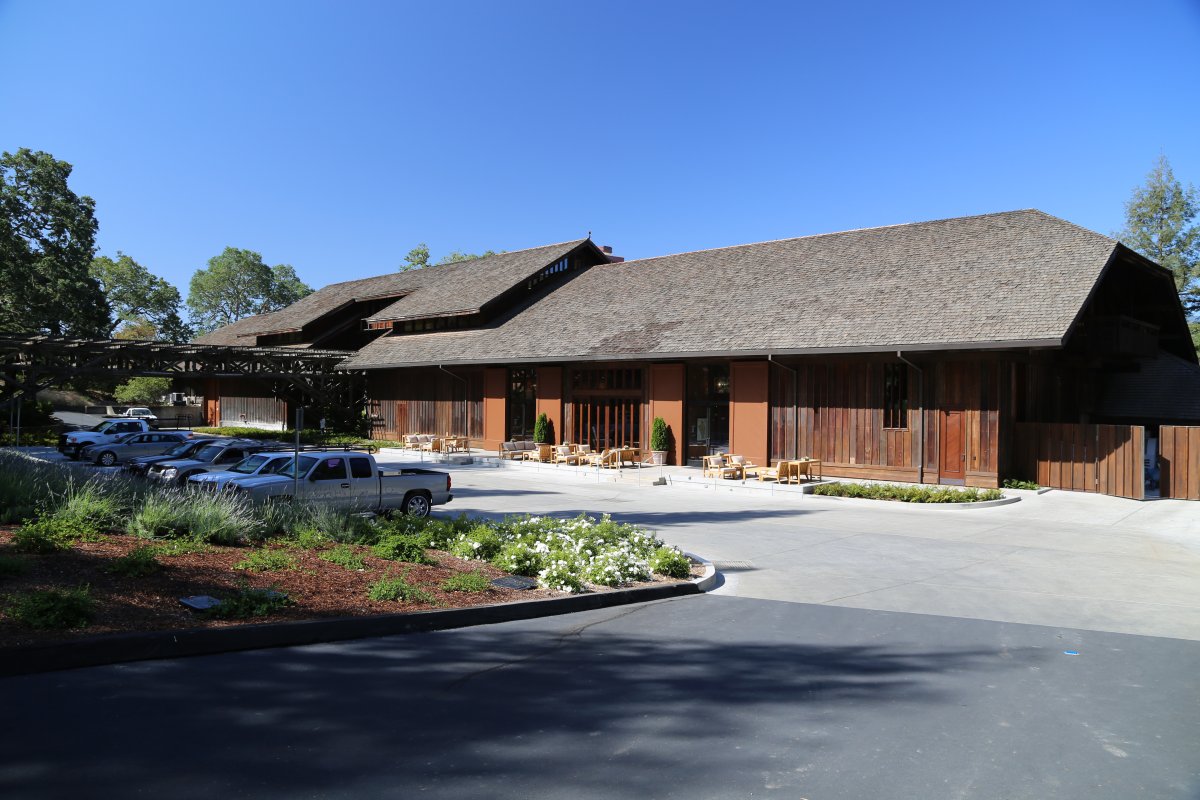
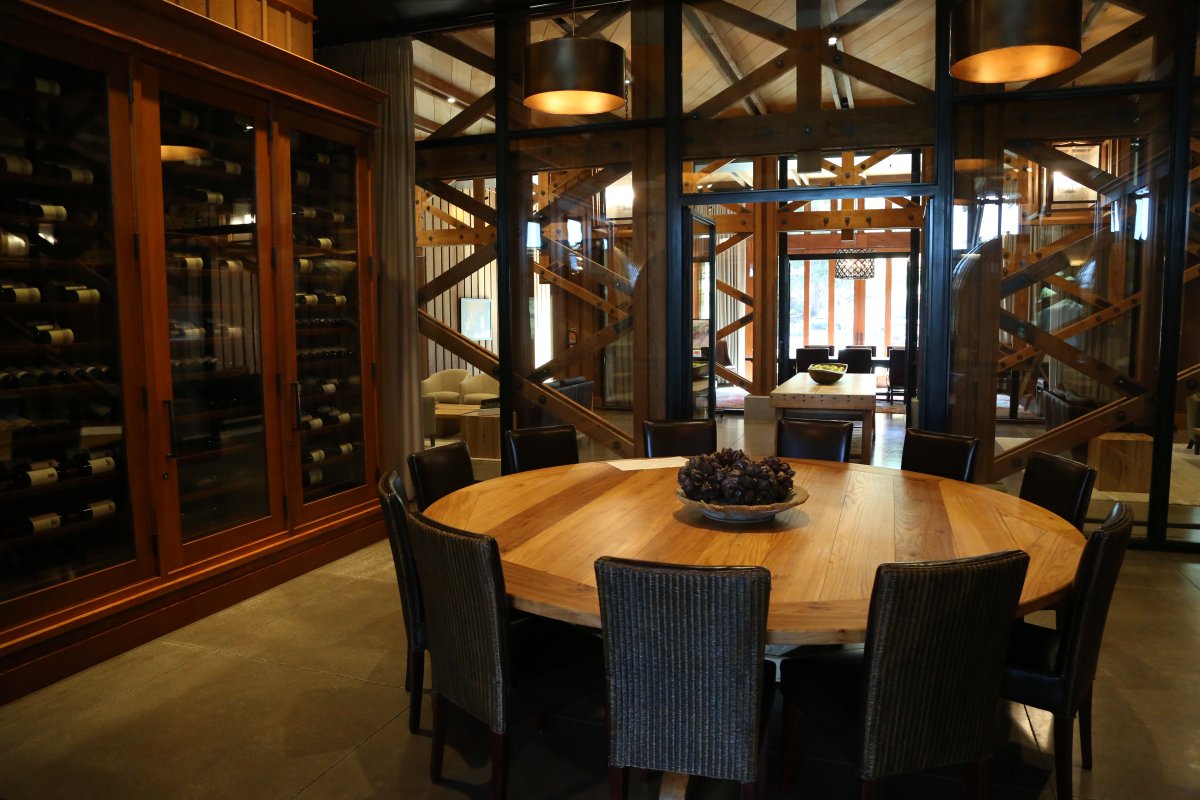
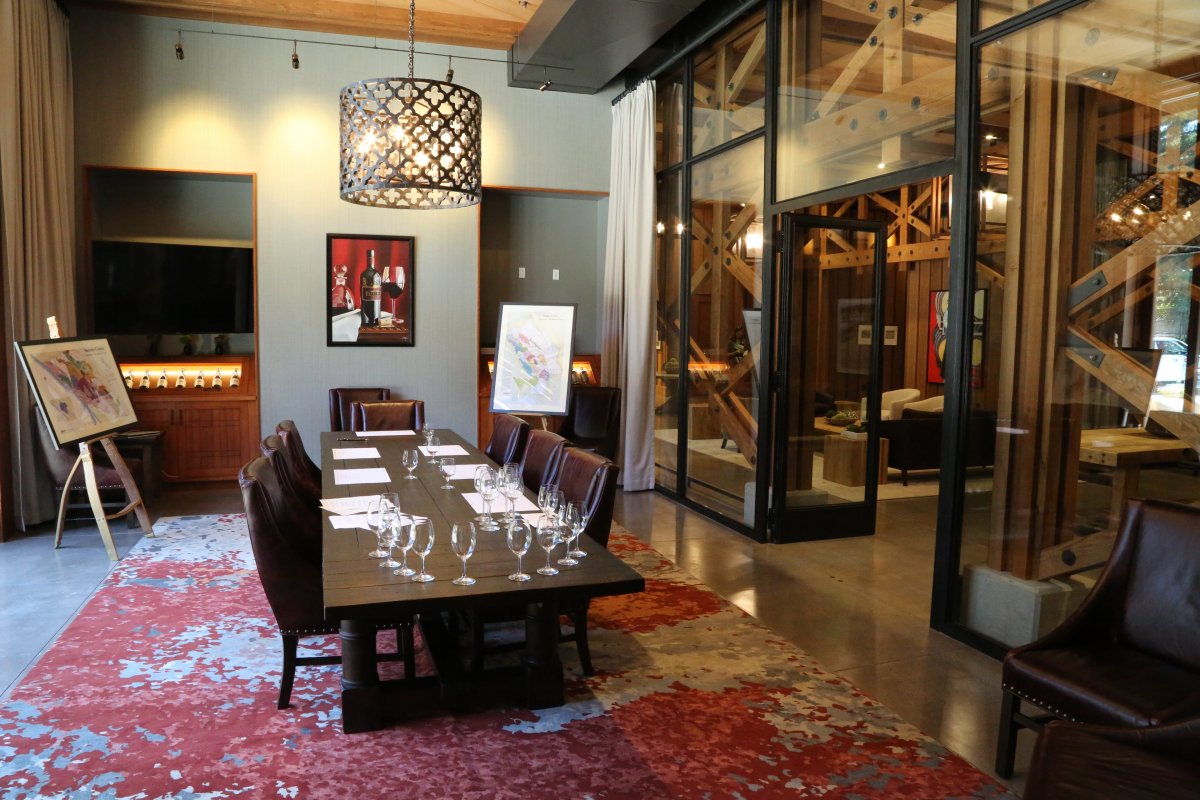
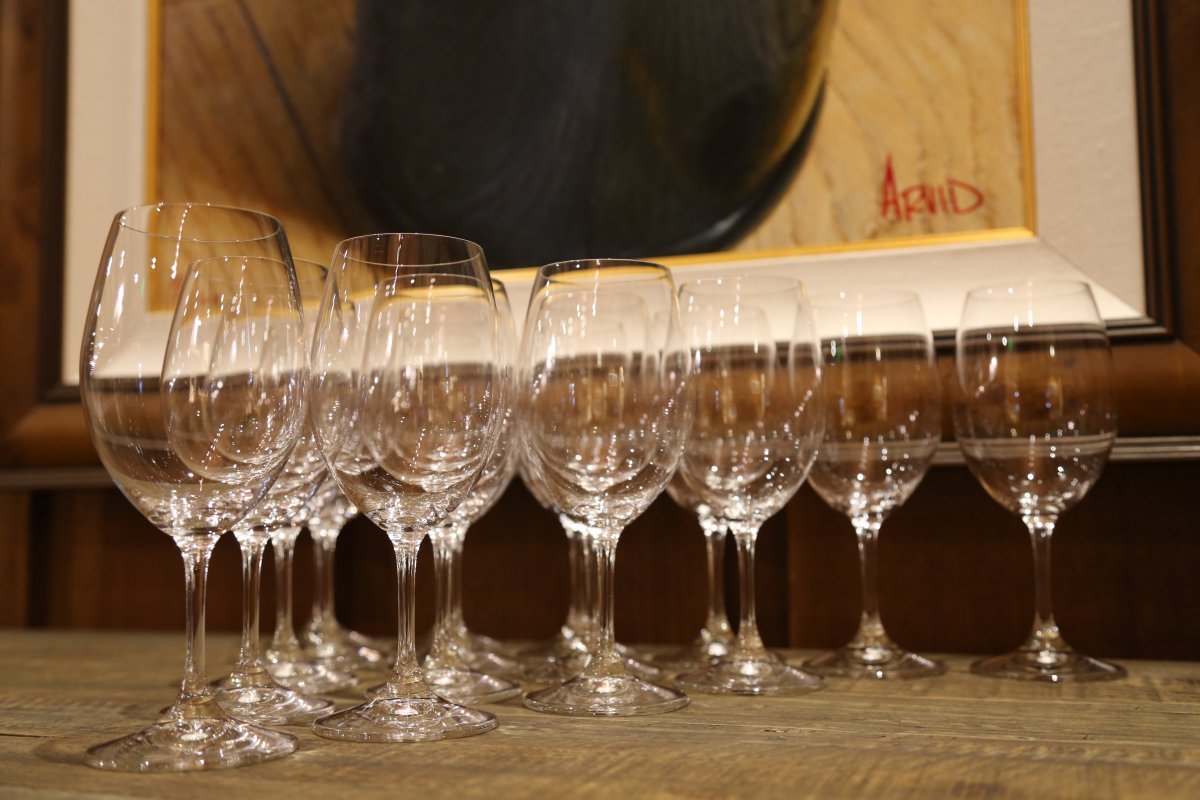
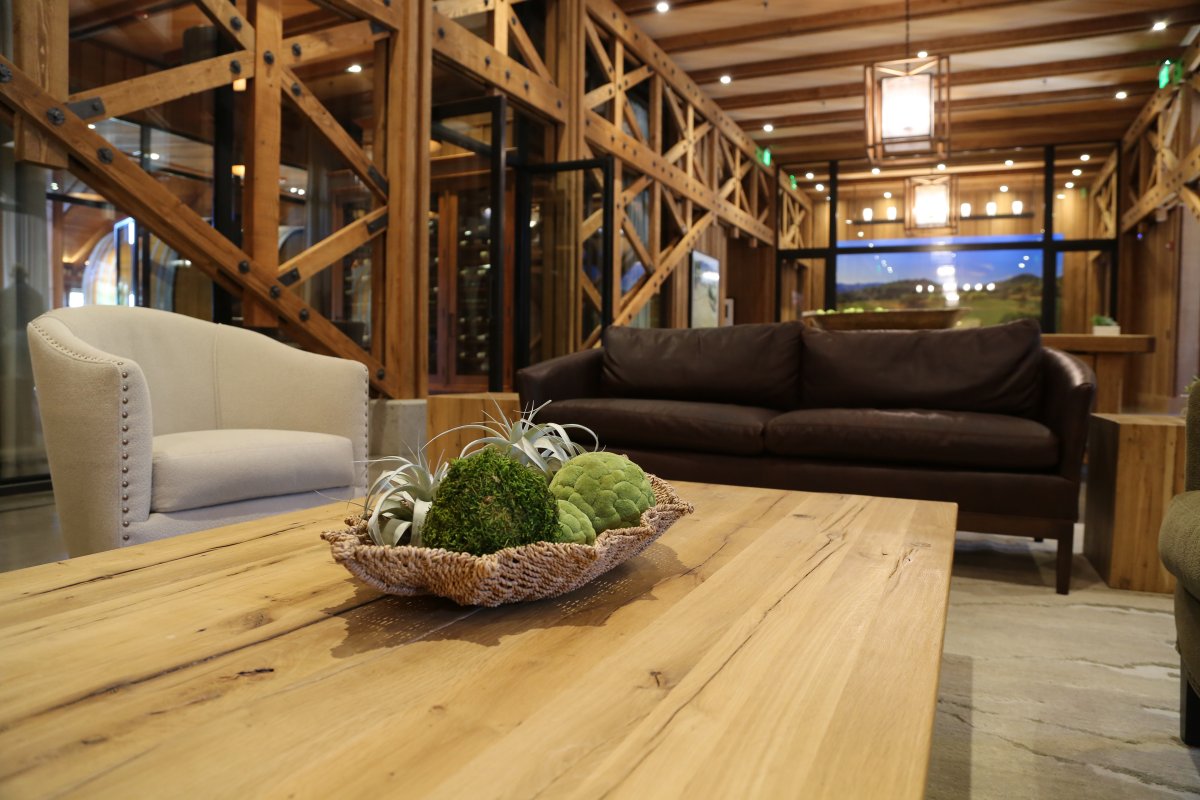
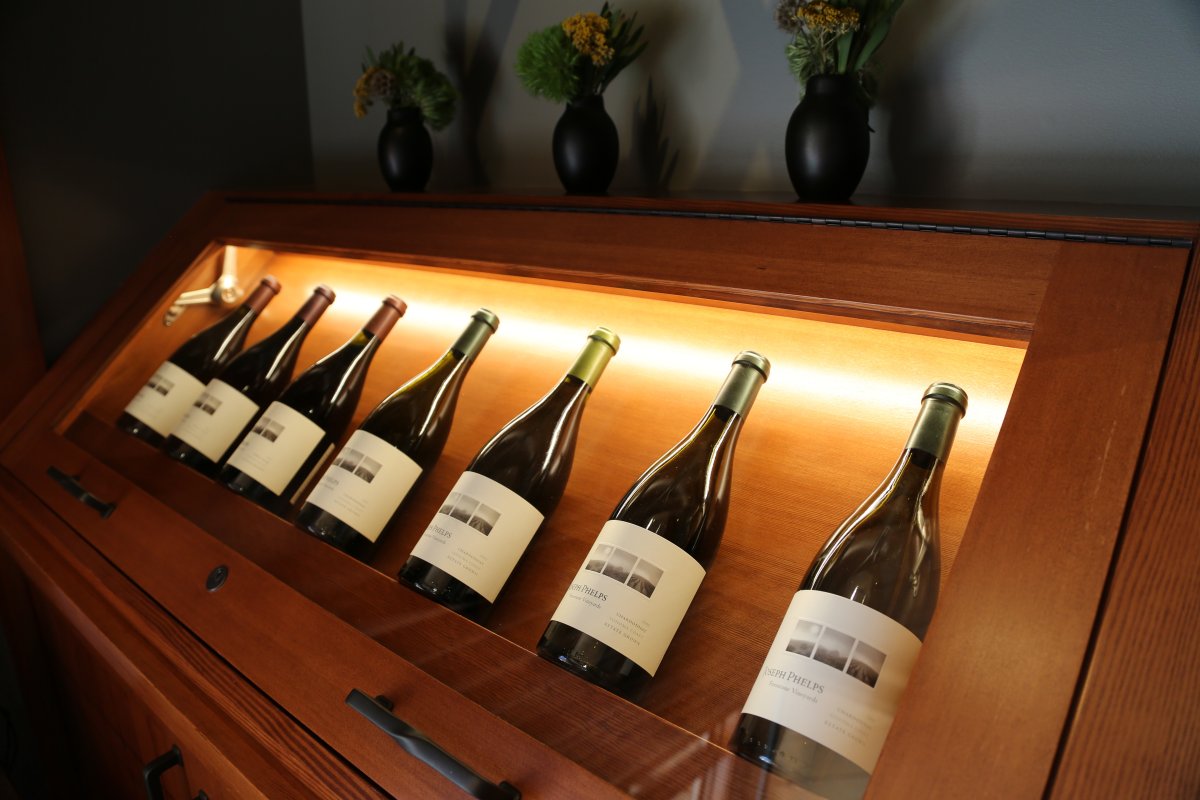
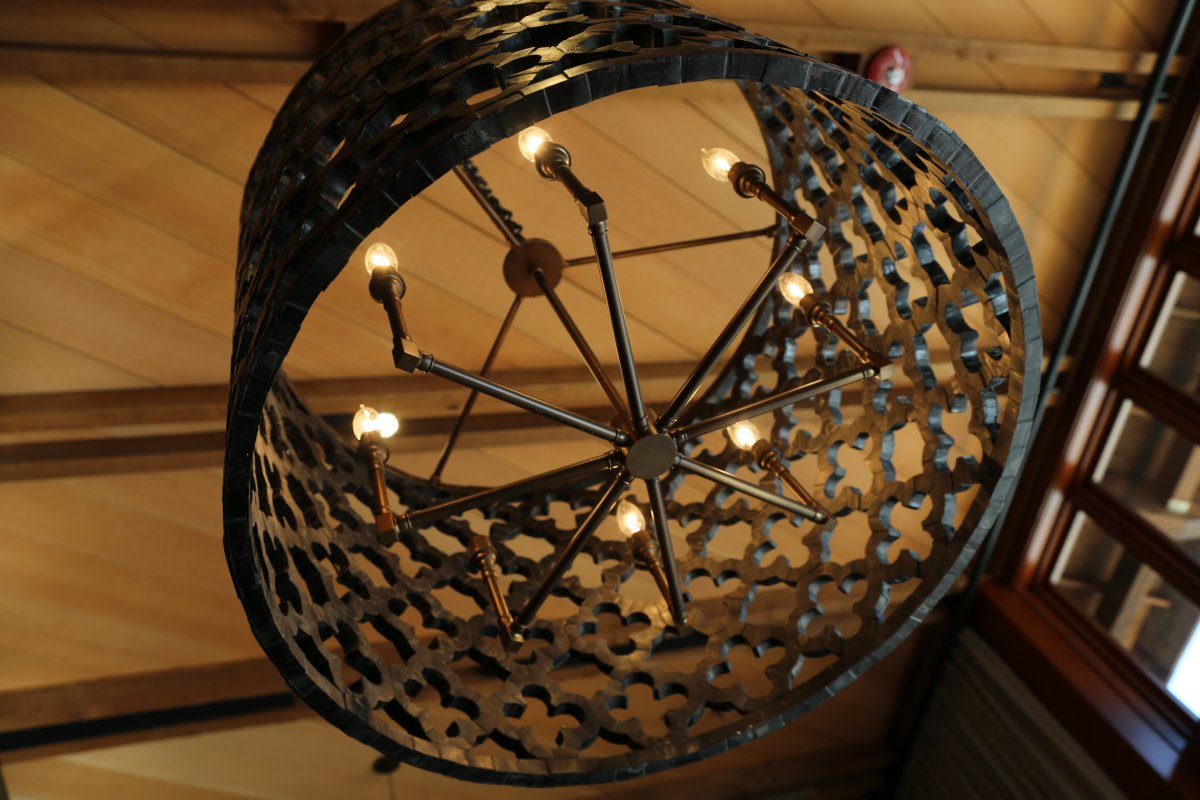
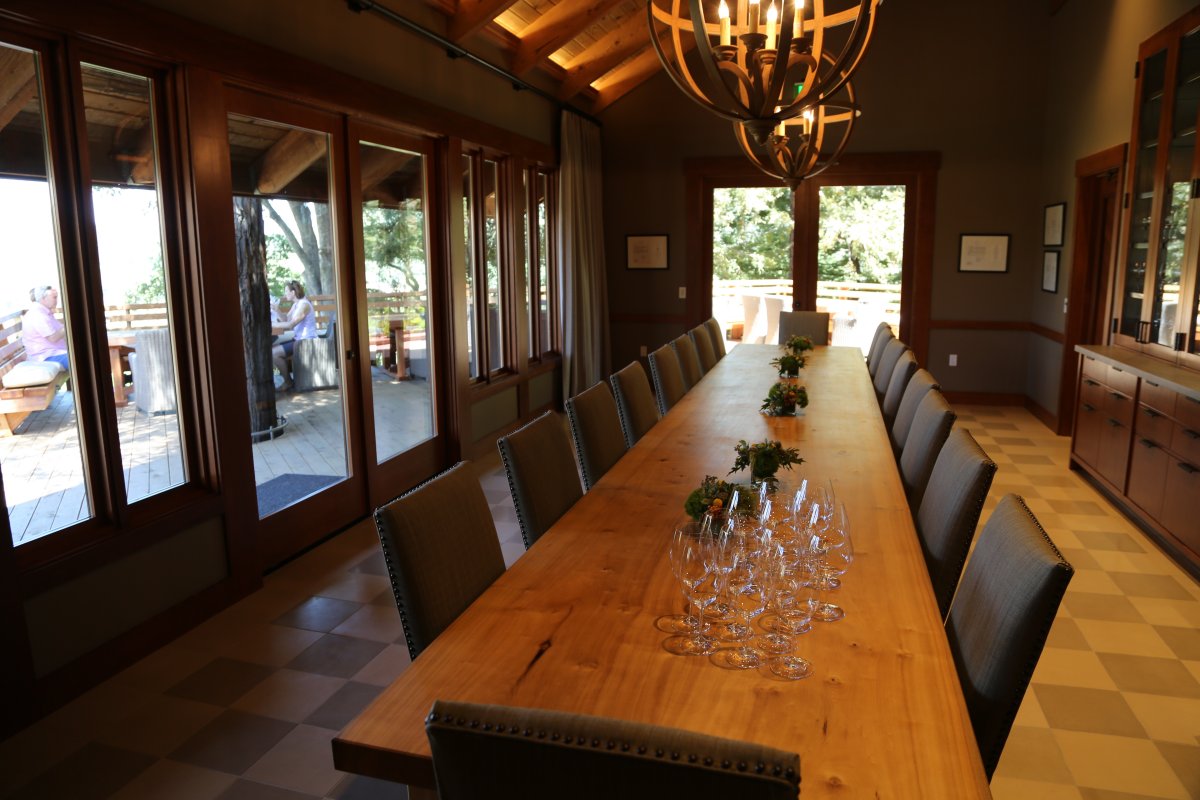
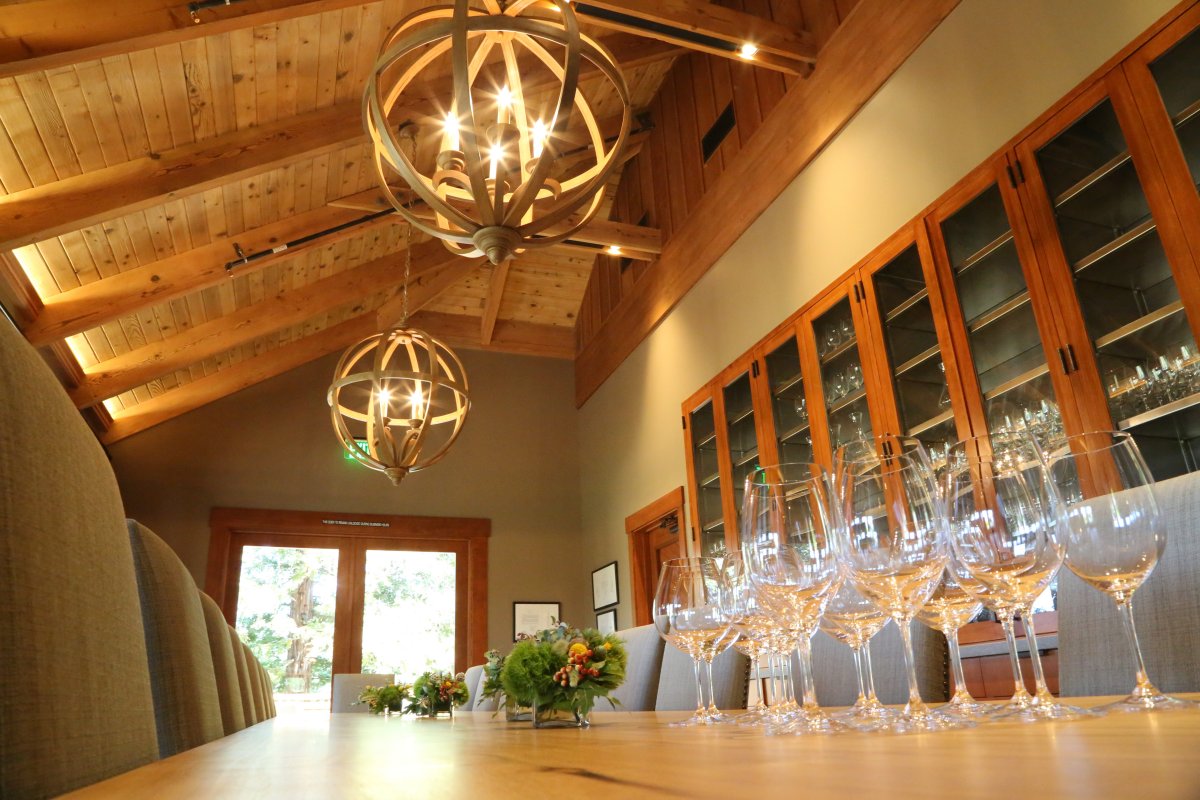
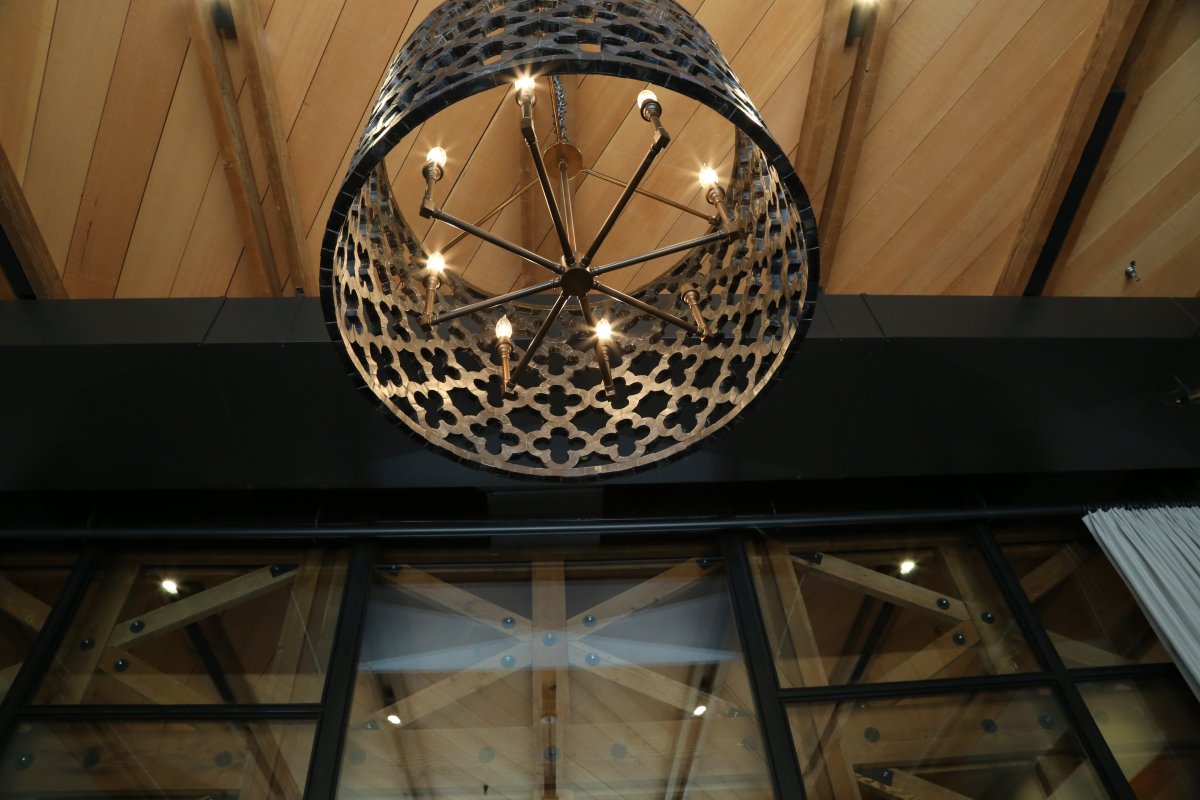
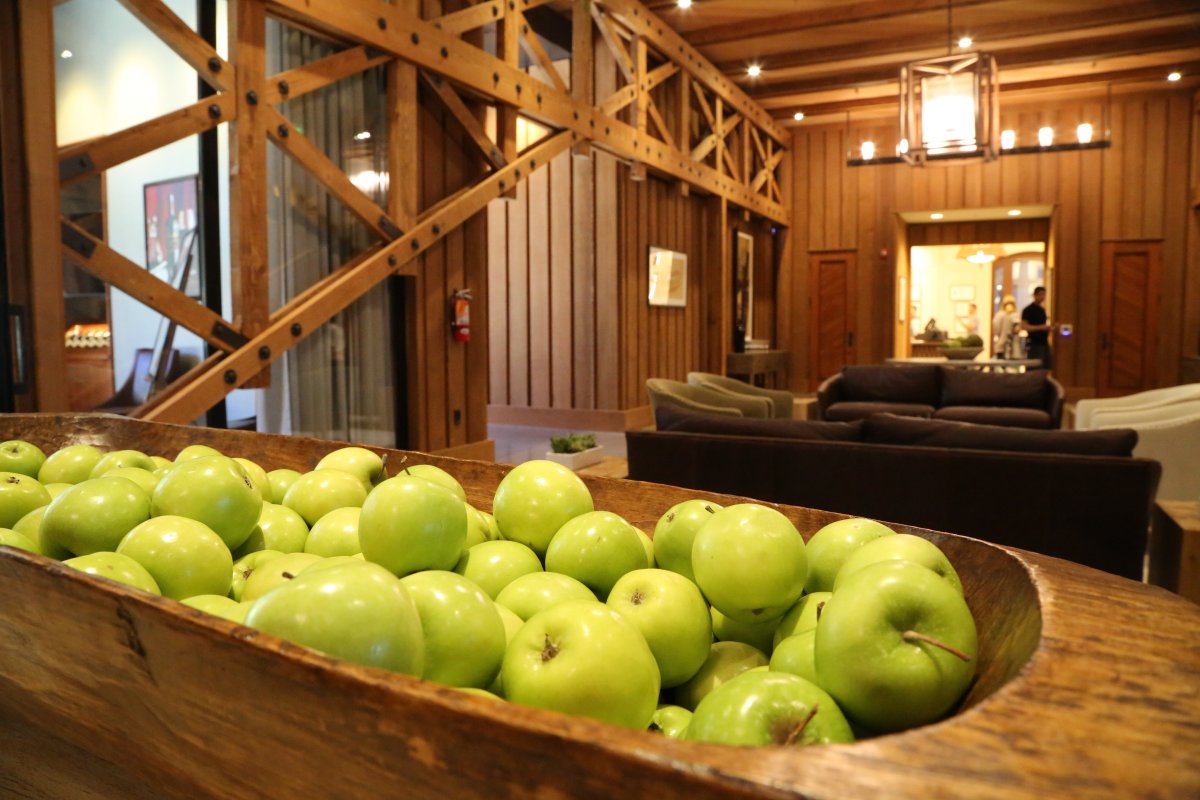
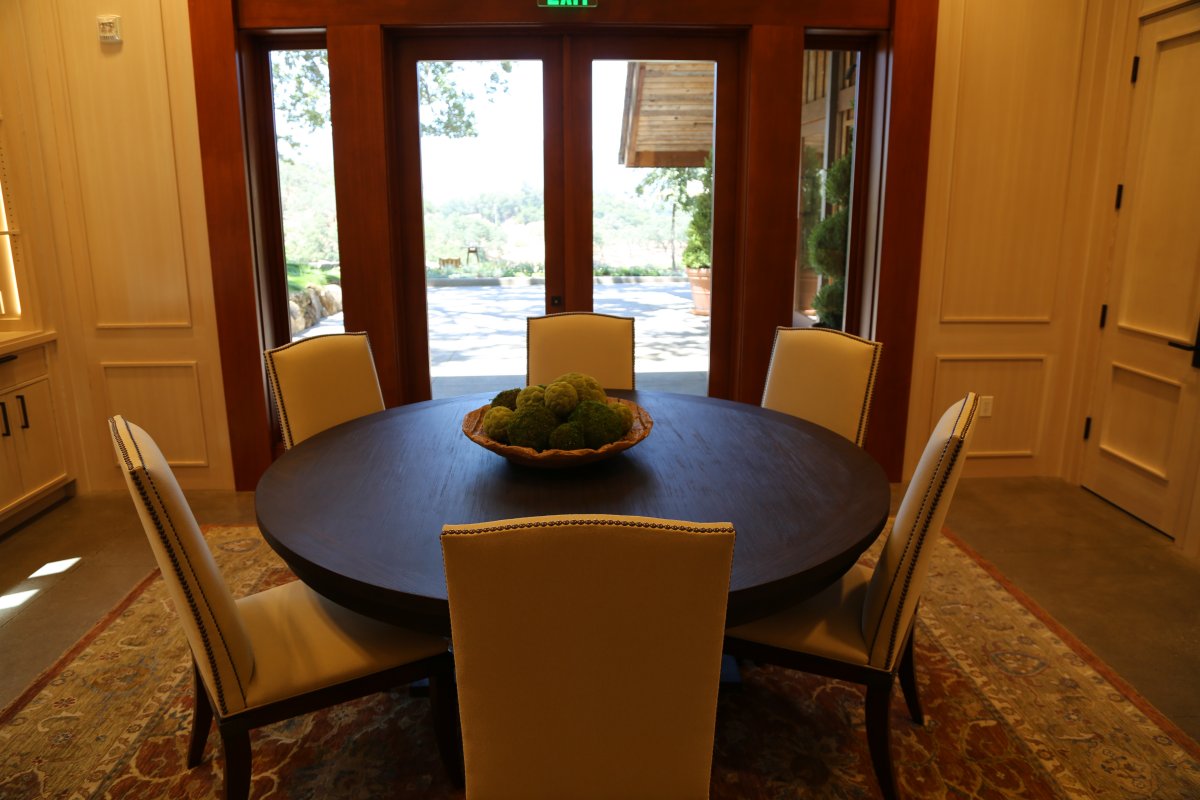
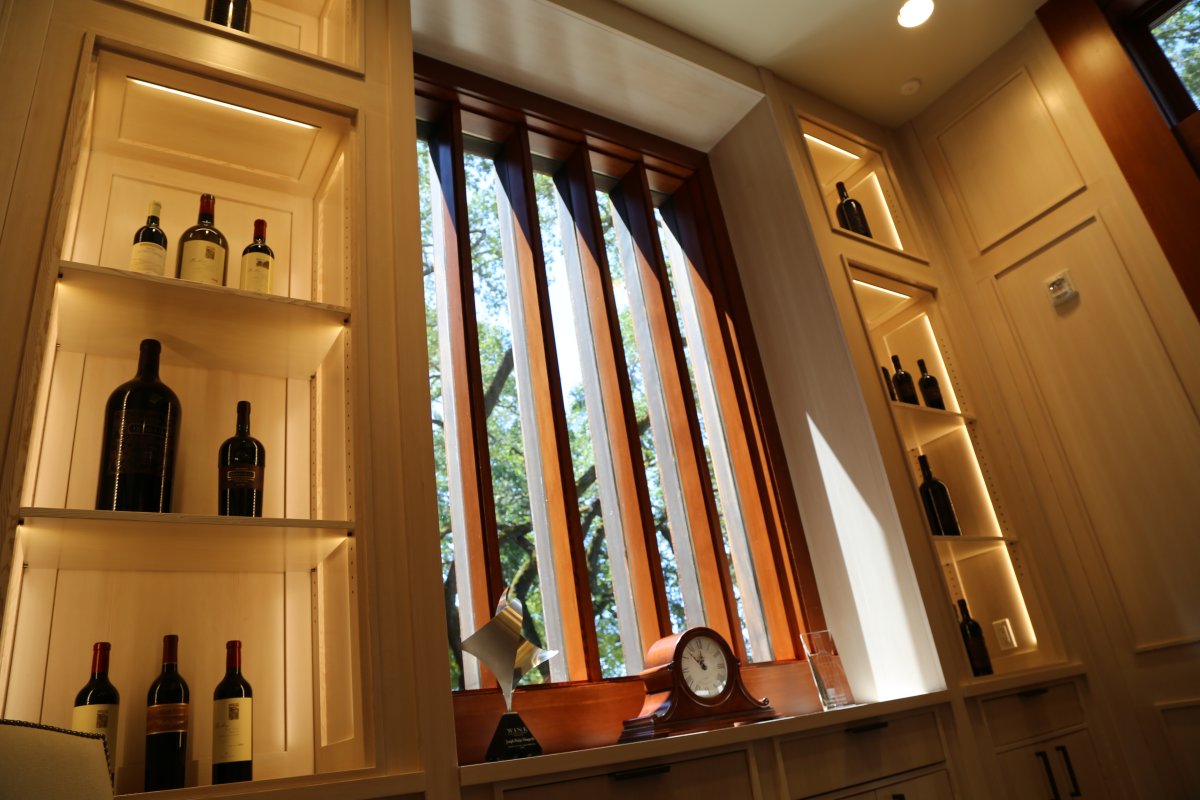
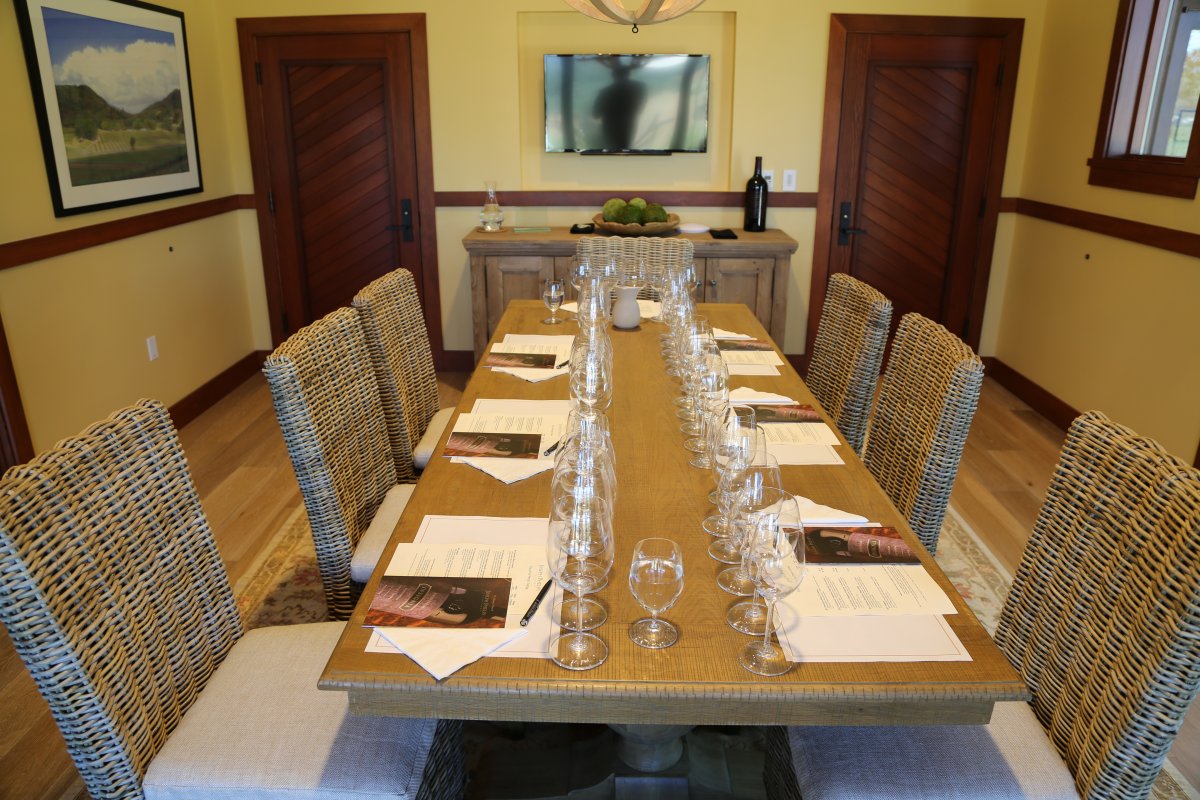
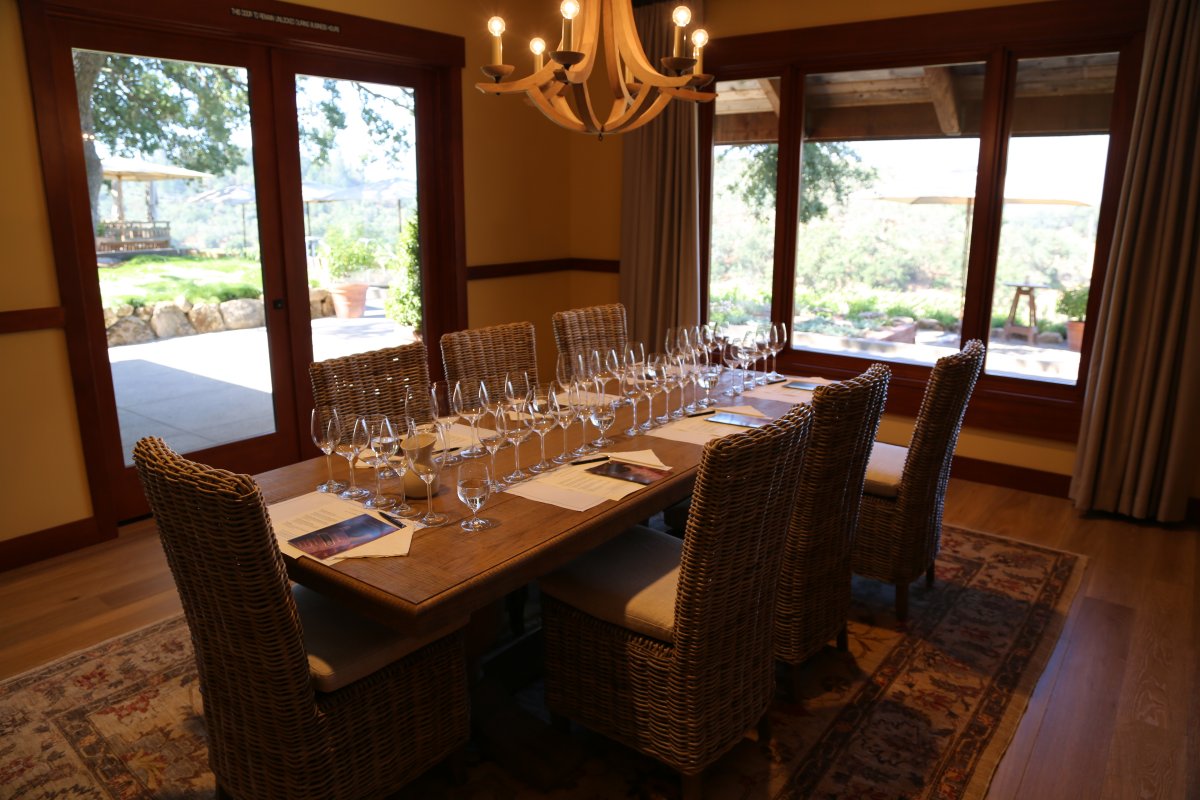
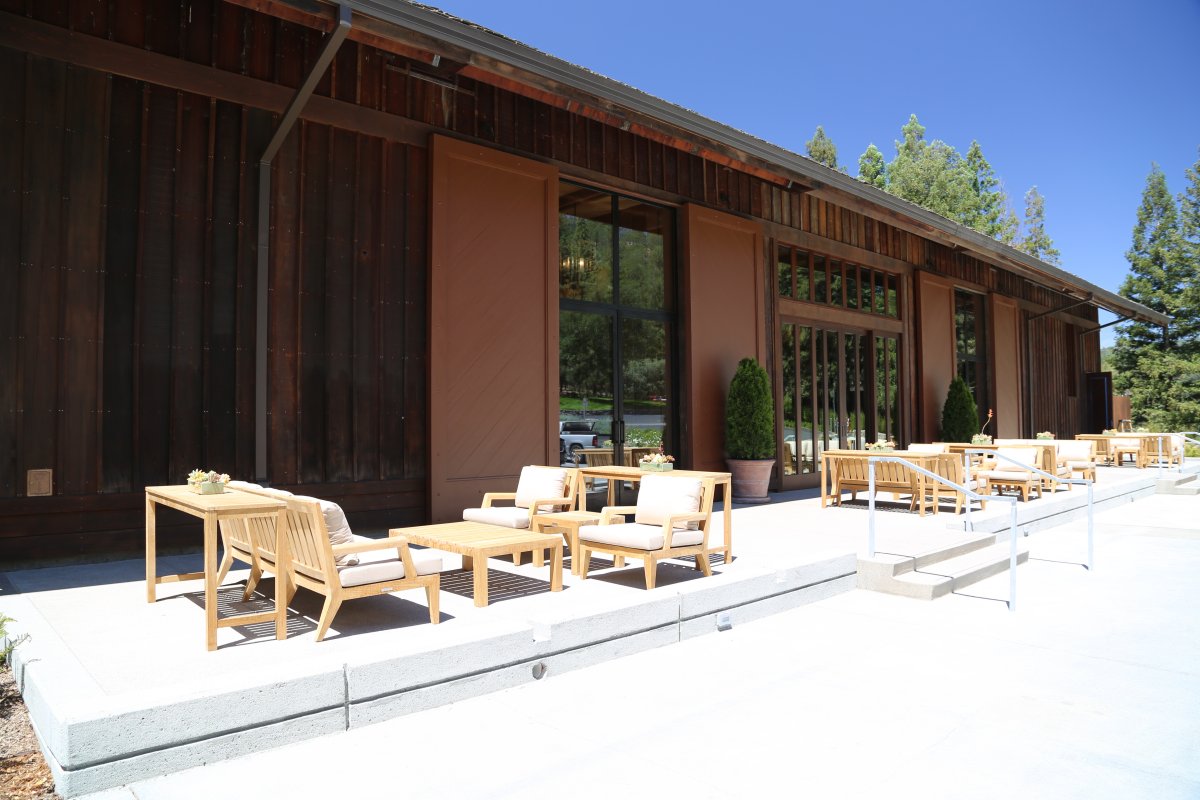
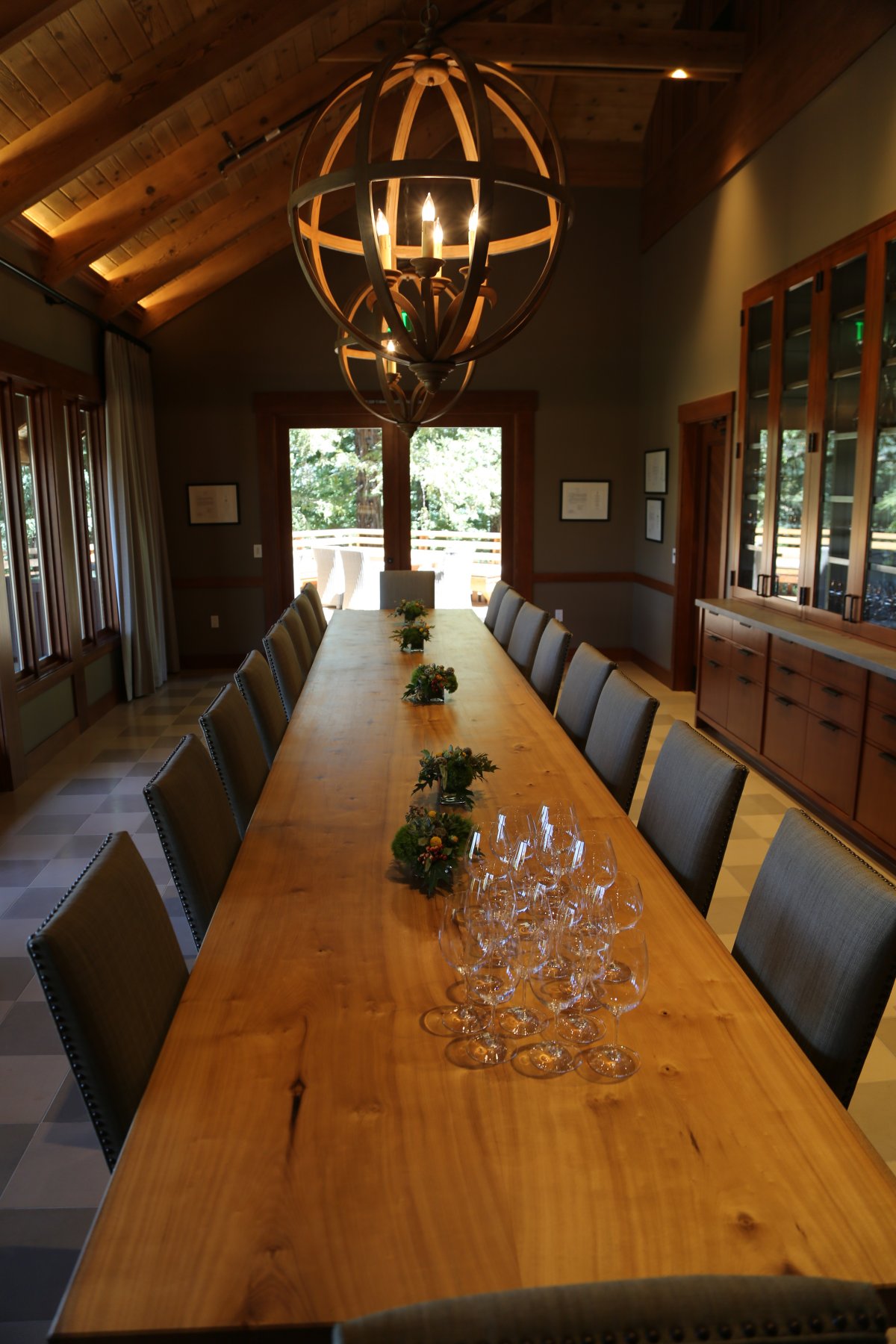
In late Spring 2015 the winery unveiled a new hospitality center located in what was the original winery building. This winery was built with high ceilings to house tall tanks – during the remodel the ceiling was lowered, a second floor was added for offices and hospitality was expanded from one private tasting room to seven private tasting rooms. Much of the focus of the remodel was tied to hospitality, elevating the tasting experience for visitors and making these visits more personalized.
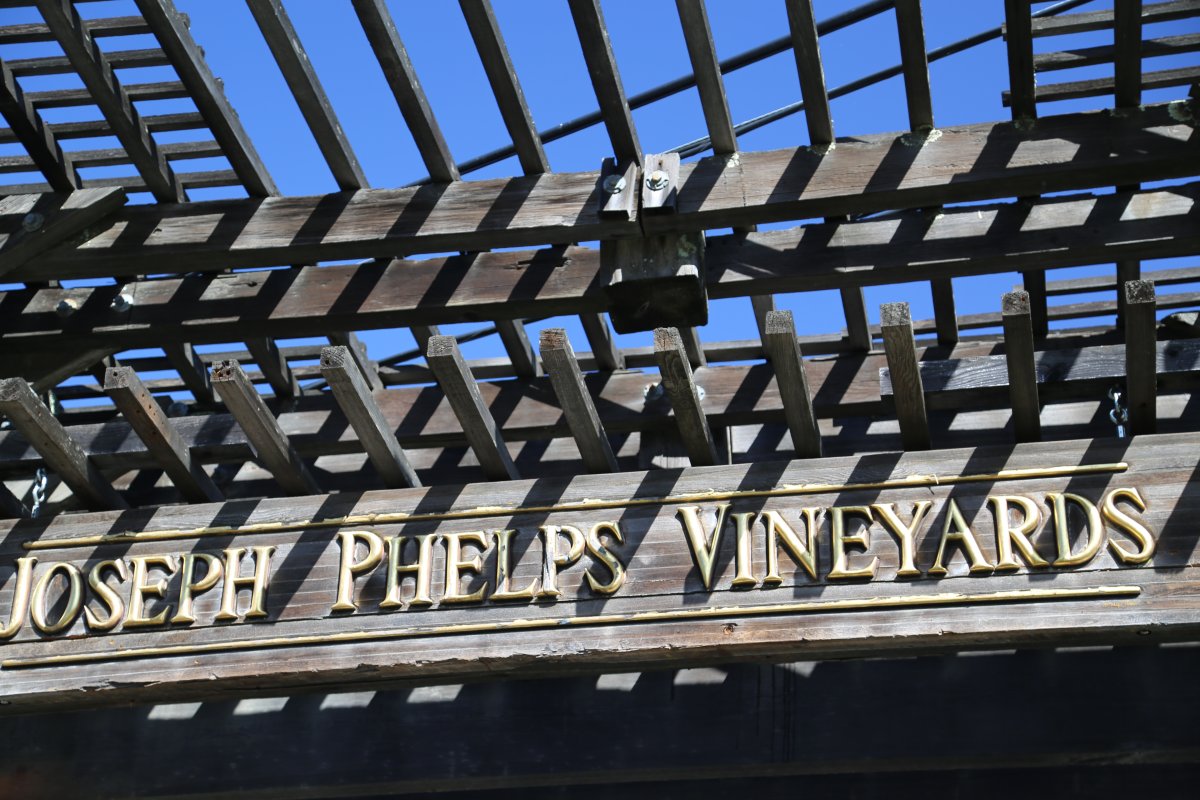
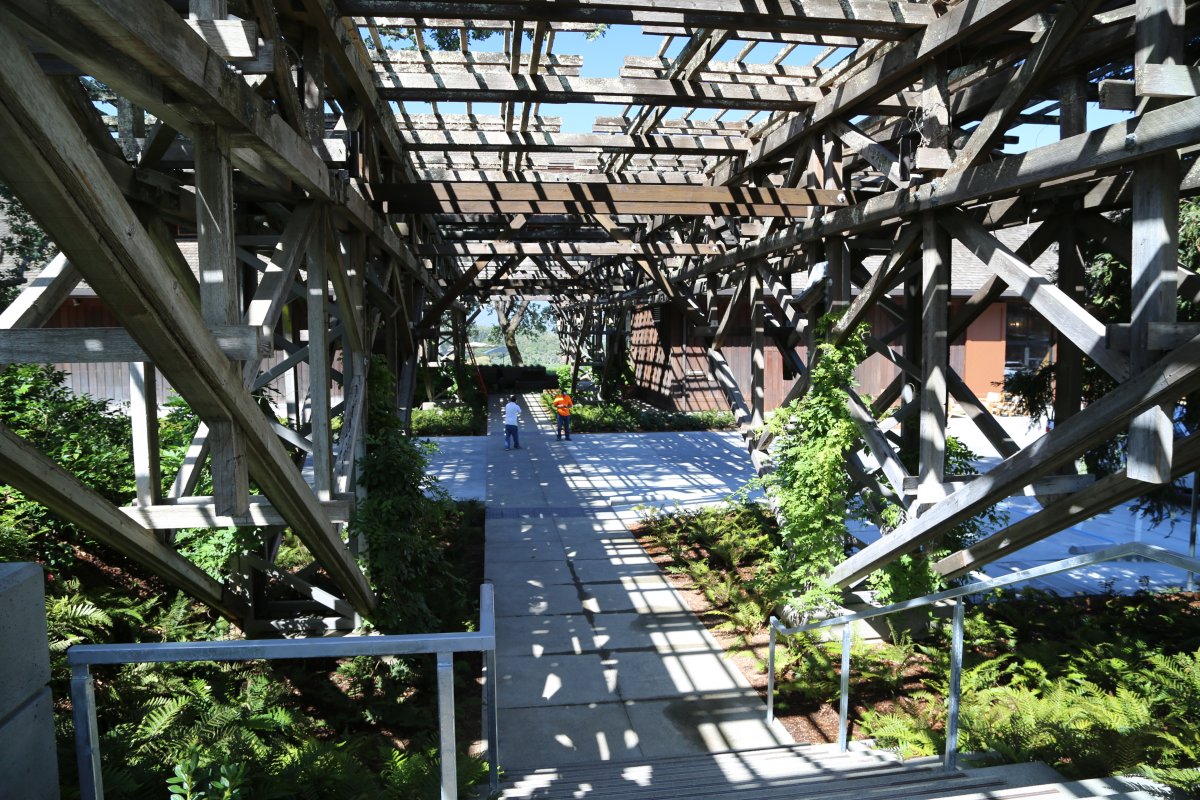
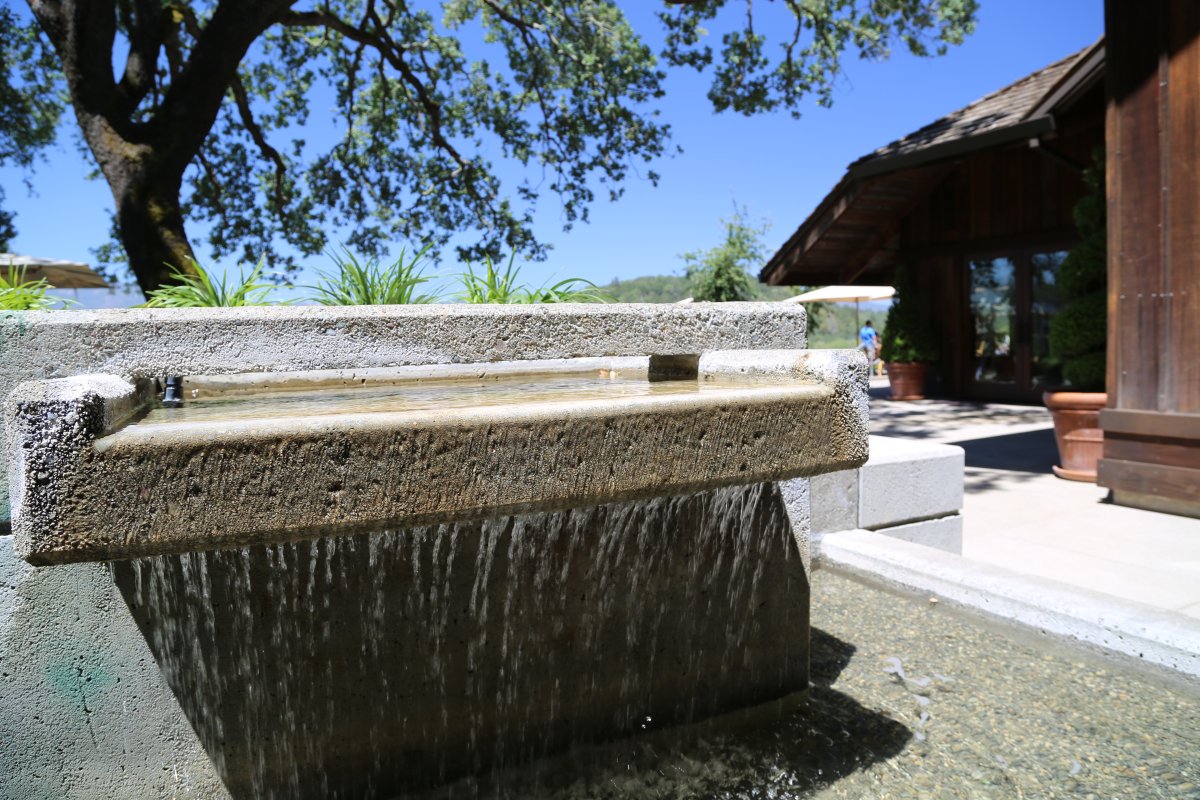
The distinctive original redwood trellis outside the building has not changed, visitors still enter the hospitality center underneath the shade of this.
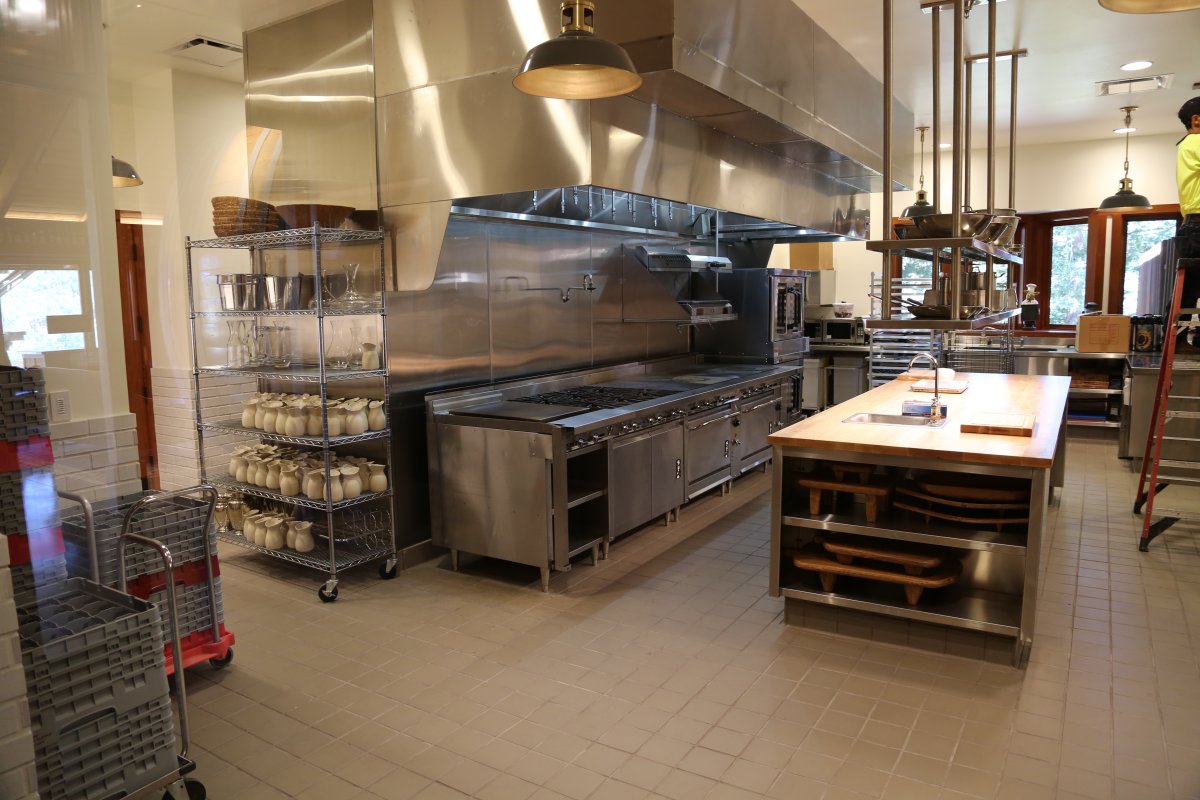
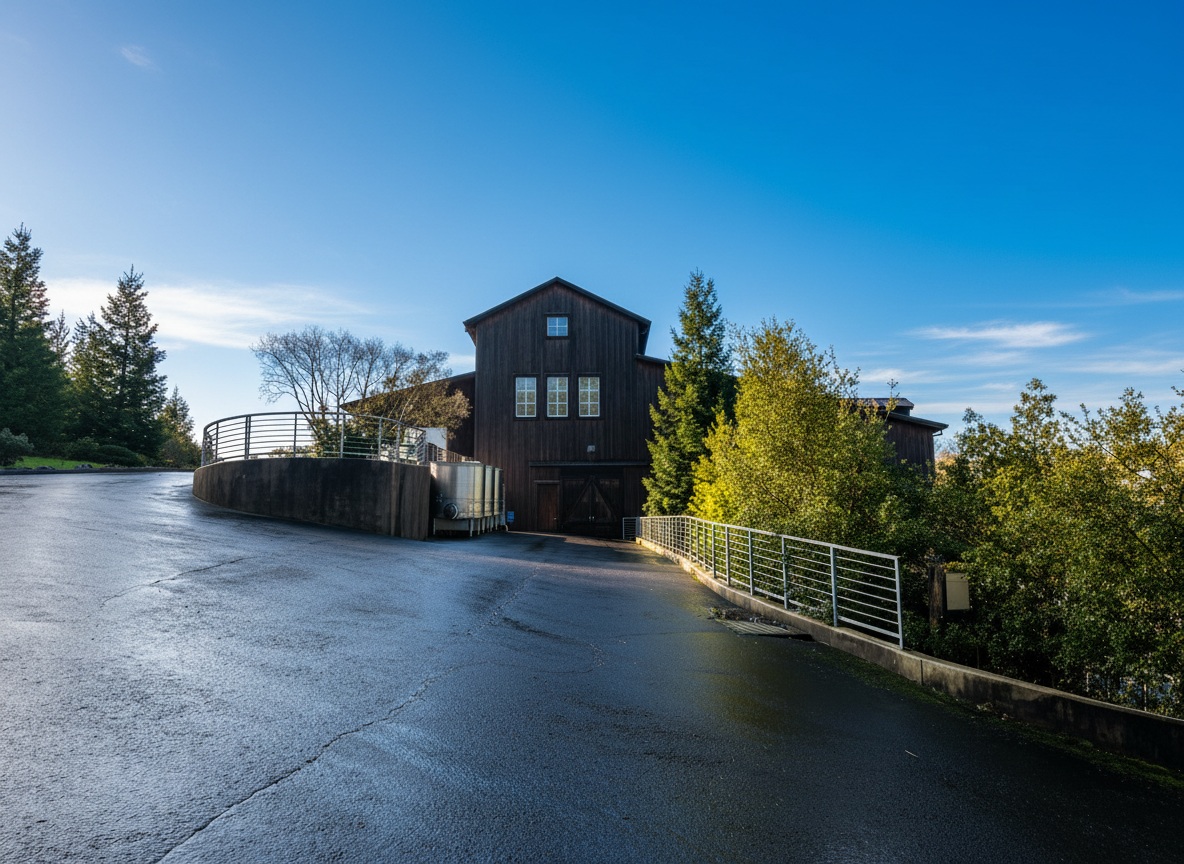
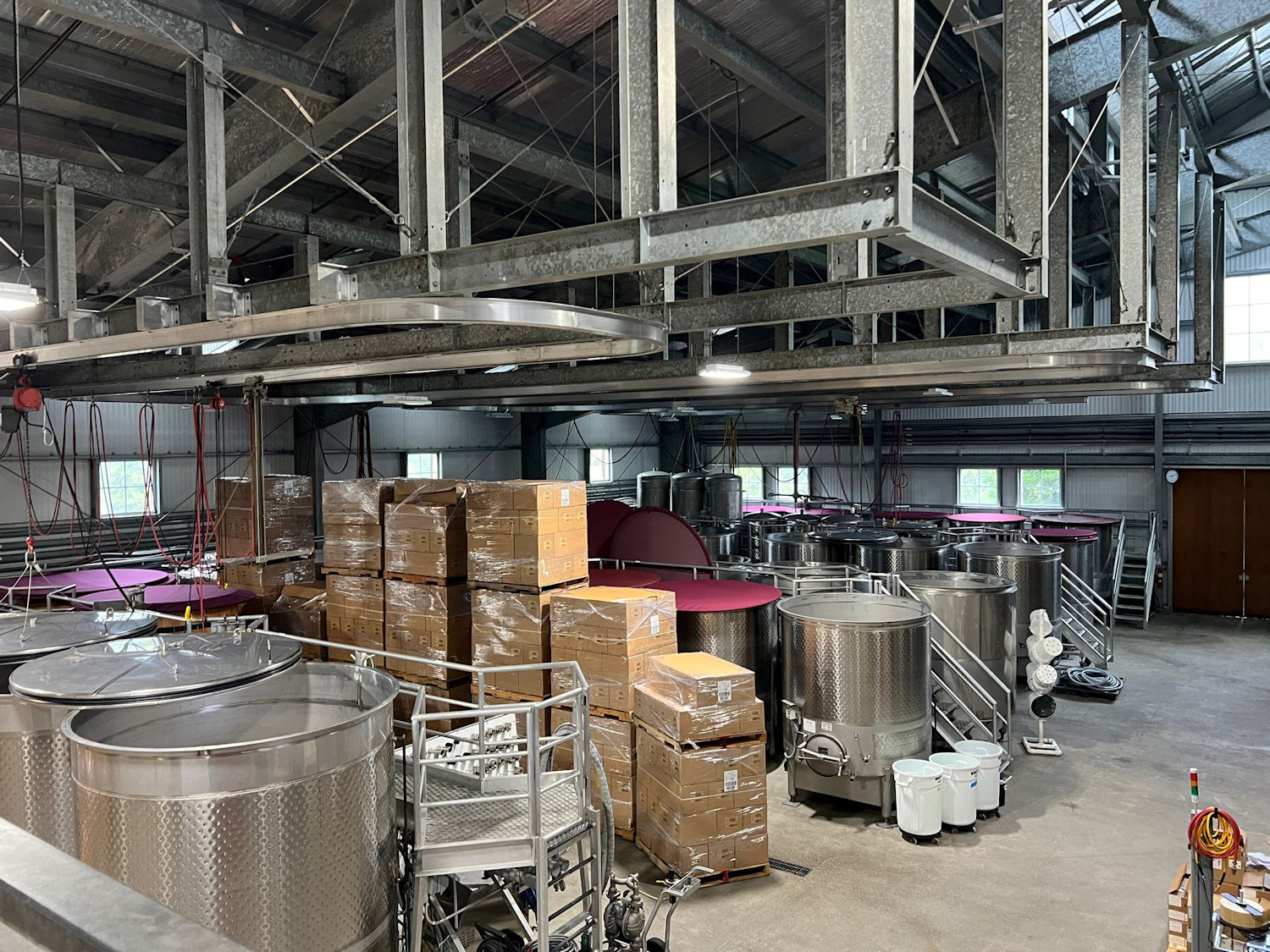
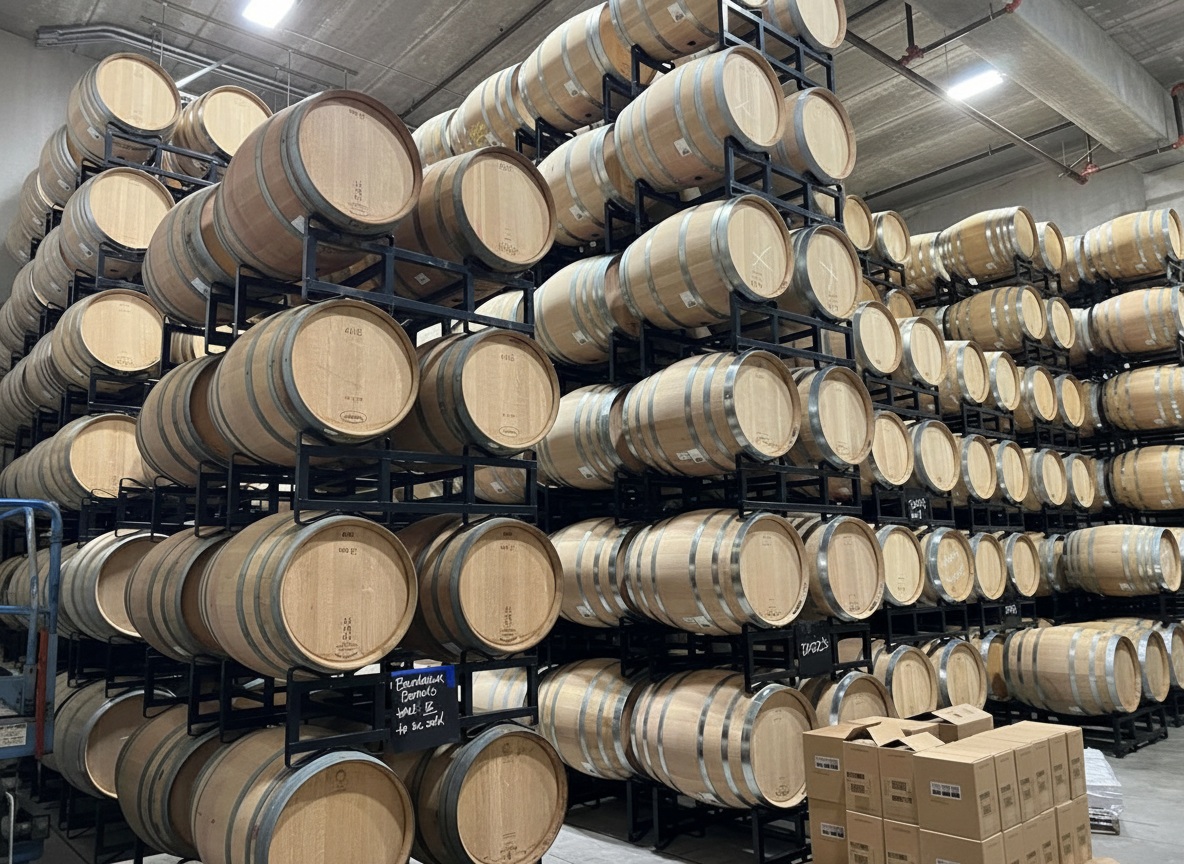
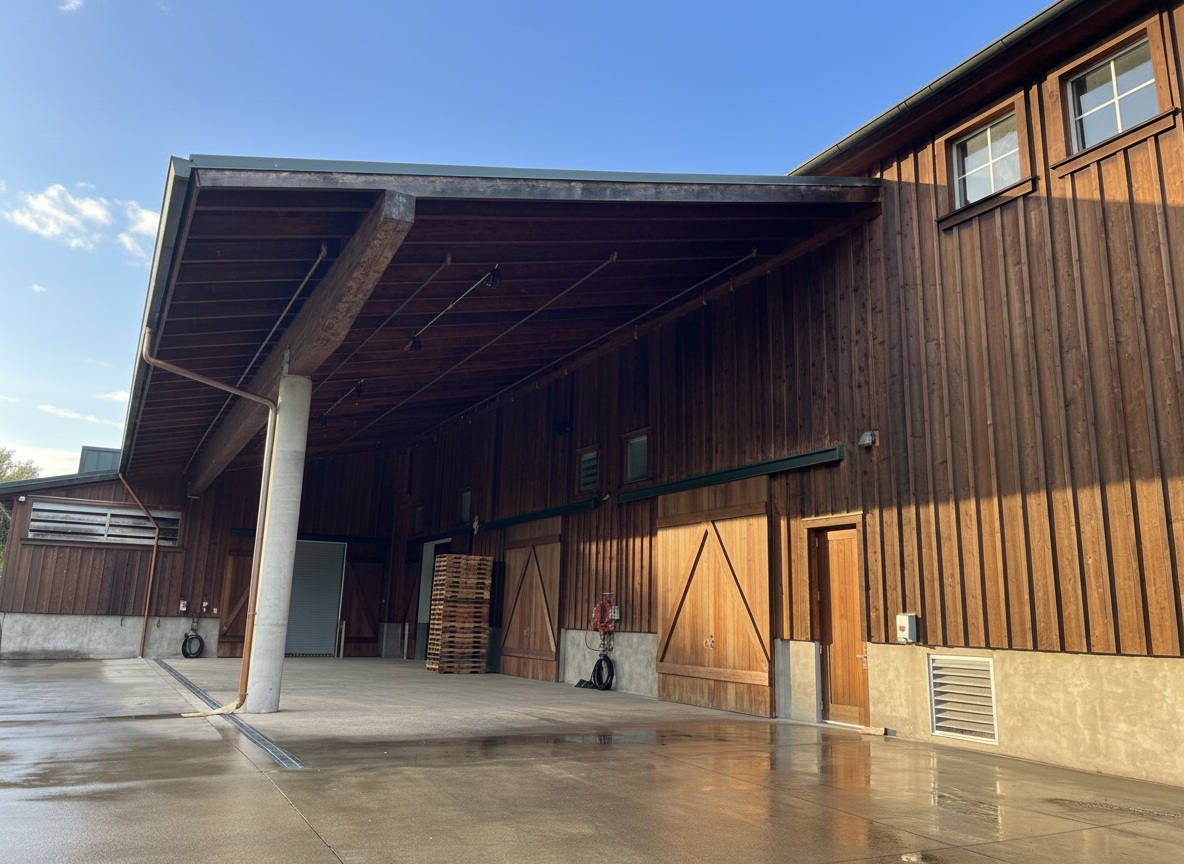
In addition, a large commercial kitchen was built; this was christened during Auction Napa Valley 2015. In mid 2017, the winery launched a culinary program featuring seasonal cuisine paired with current Phelps wines and some of their Sonoma Coast wines. Cuisine options vary from small bites to a full lunch. And in 2020, a 30,000 square foot barrel chai was built – expanding the footprint of their production facilities. Visitors can see this building to the west from outside at the visitor center. The actual winery is somewhat hidden behind the hill to the west although one can see glimpses of these buildings if one knows where to look while driving by on the nearby Silverado Trail.
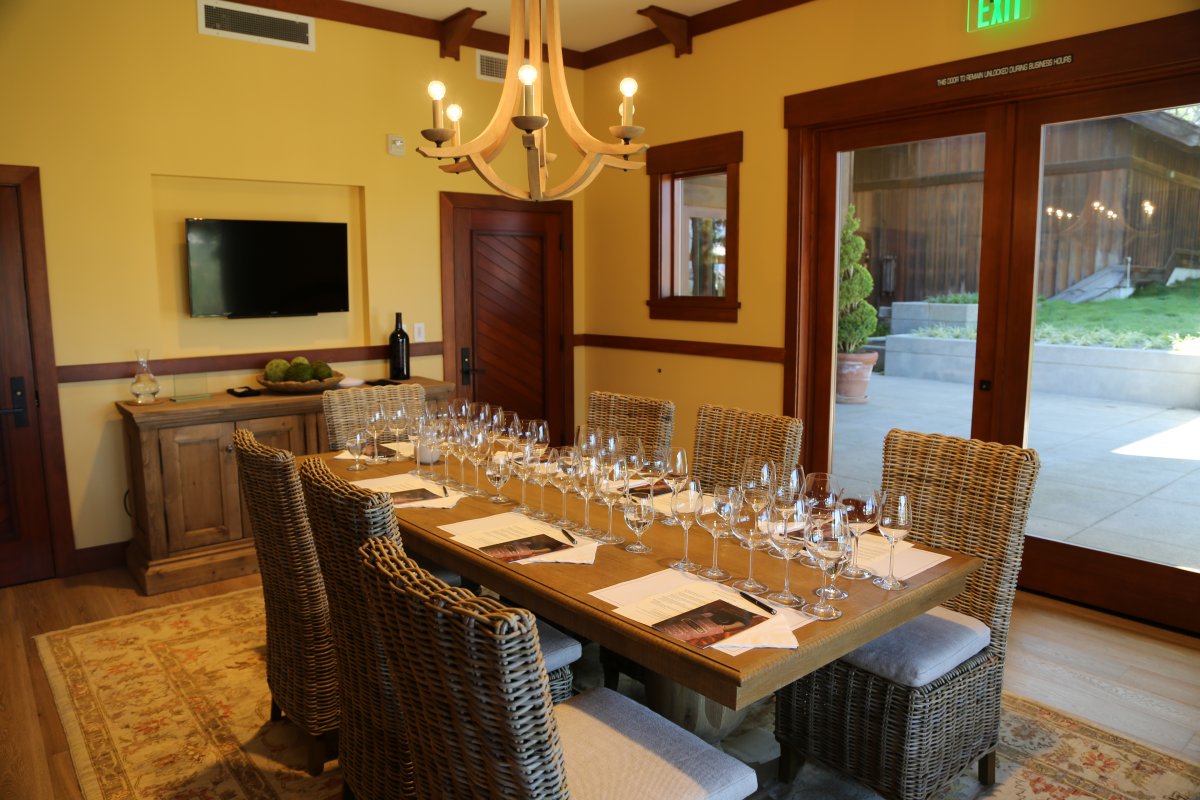
Joseph Phelps is known for providing excellent wine education seminars across a variety of topics ranging from vineyards, terroir, to the actual steps of how to smell and taste wine. In fact, this was the first Napa winery education seminar we went to – well before we began the Napa Wine Project. These are *highly* recommended for someone new to wine or wanting to further expand their knowledge of wine.
Groups are kept small and are held in their wine education room. Your “wine guide” will discuss a variety of topics relating to wine including how to properly taste, identify color, aromas and flavor with an overview of both Napa and Sonoma terroir and wine growing regions. Seminars also provide insights into how wines are made and are ideally suited to those who come prepared with plenty of questions.
One of the most popular seminar topics is the Insignia blending session in which you are given the components of what makes the final Insignia blend. You get to create your own blend and then compare how your blend tastes against the current vintage of Insignia.
Other seminars include Barrel Aging Napa Valley Cabernet Sauvignon (exploring how types of barrels contribute to aging wine, Napa Valley Rocks (exploring the diversity of soils in Napa Valley), Wine Aroma Challenge, Single Vineyard (exploring how terroir contributes nuances to wine) and several limited tasting options including Wine & Cheese pairings, a Library Tasting and the rare Insignia Vertical Perspective Tasting.
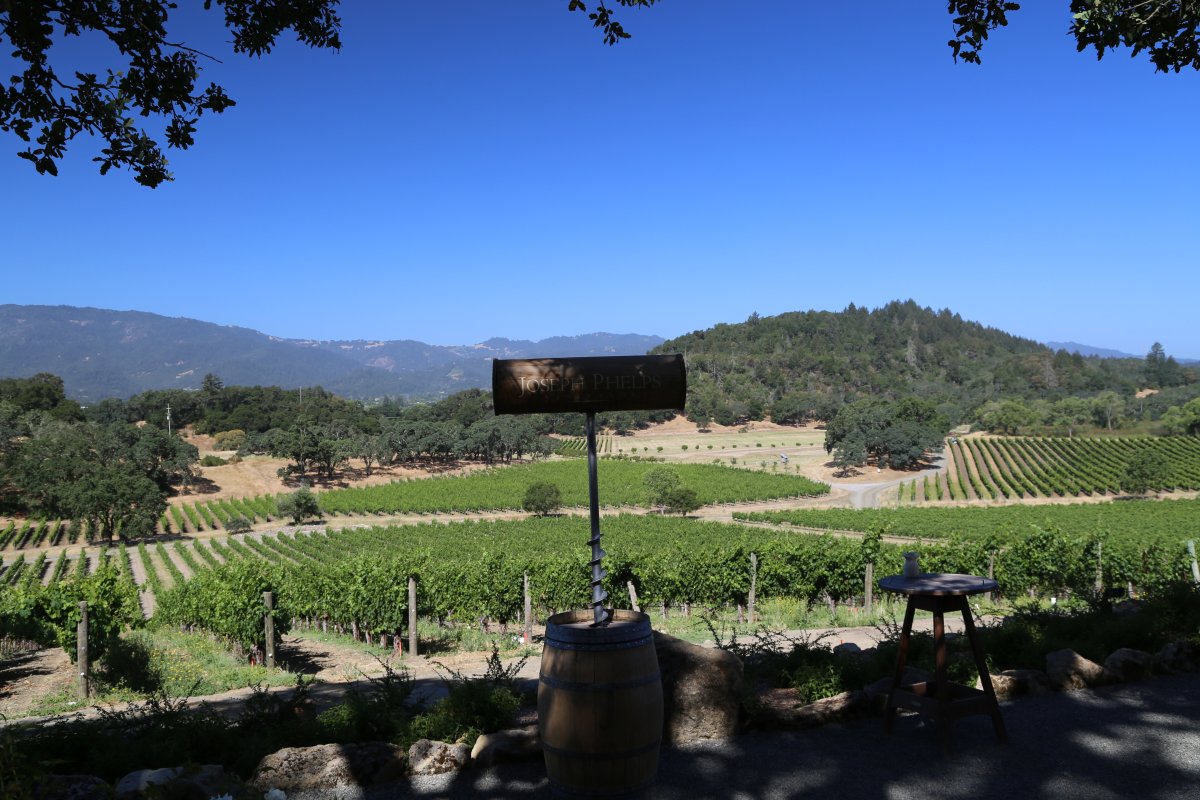
All visits are strictly by reservation. The popular Terrace tasting experience includes a walk through and overview of the hospitality center and then weather permitting you are split into smaller groups for a highly personalized tasting outside on the terrace. During a recent visit, our wine educator asked us, “how do you like my office?”. With views like this, the group was silent, simply absorbing the expansive vistas – there was absolutely nothing to complain about.
Tastings will typically include 5 or 6 wines including several balanced white wines (Chardonnay and Viognier) and several Pinot Noir wines from their Sonoma County vineyards. At the end of our tasting during one of our visits, our wine educator asked, “how is everyone feeling” – the unanimous answer was “pretty awesome”!
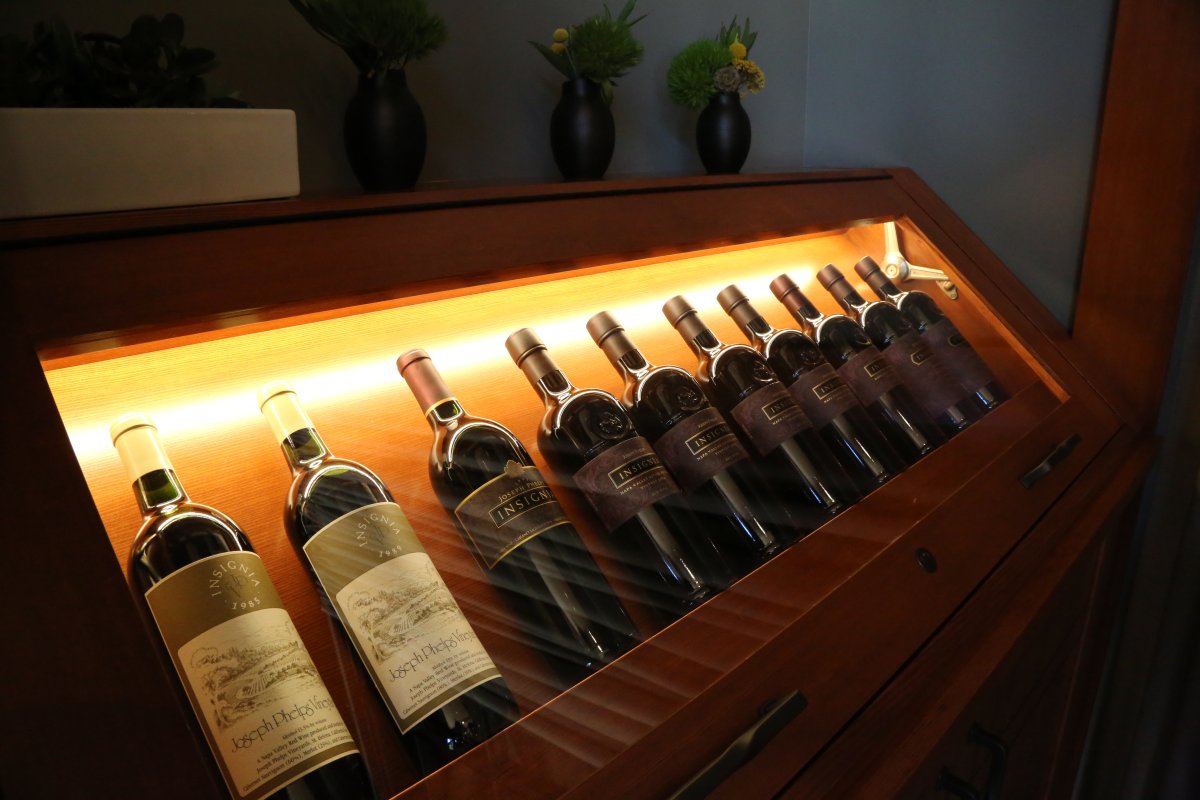
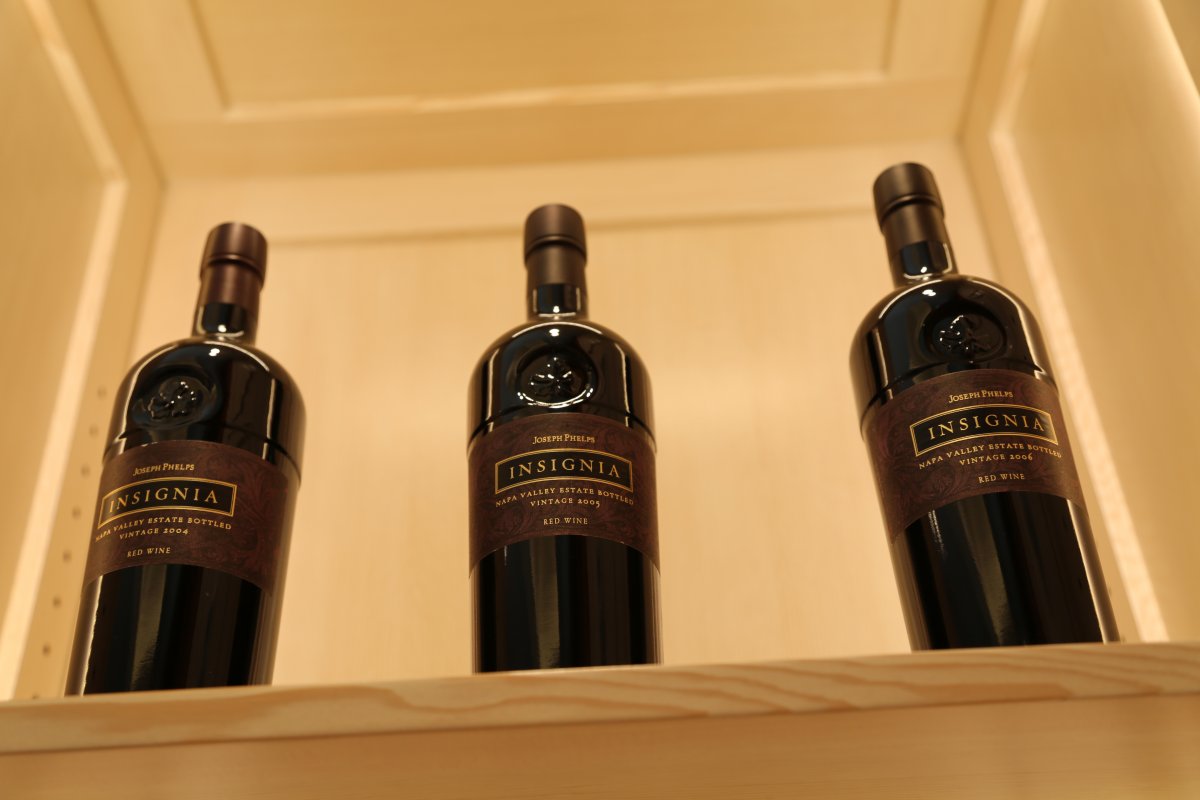
Other tasting areas inside the hospitality center include the Backus, Insignia and Founder’s rooms along with a Great Hall centrally located inside. A library contains older vintages including a vertical of Insignia and their Cabernet Sauvignon.
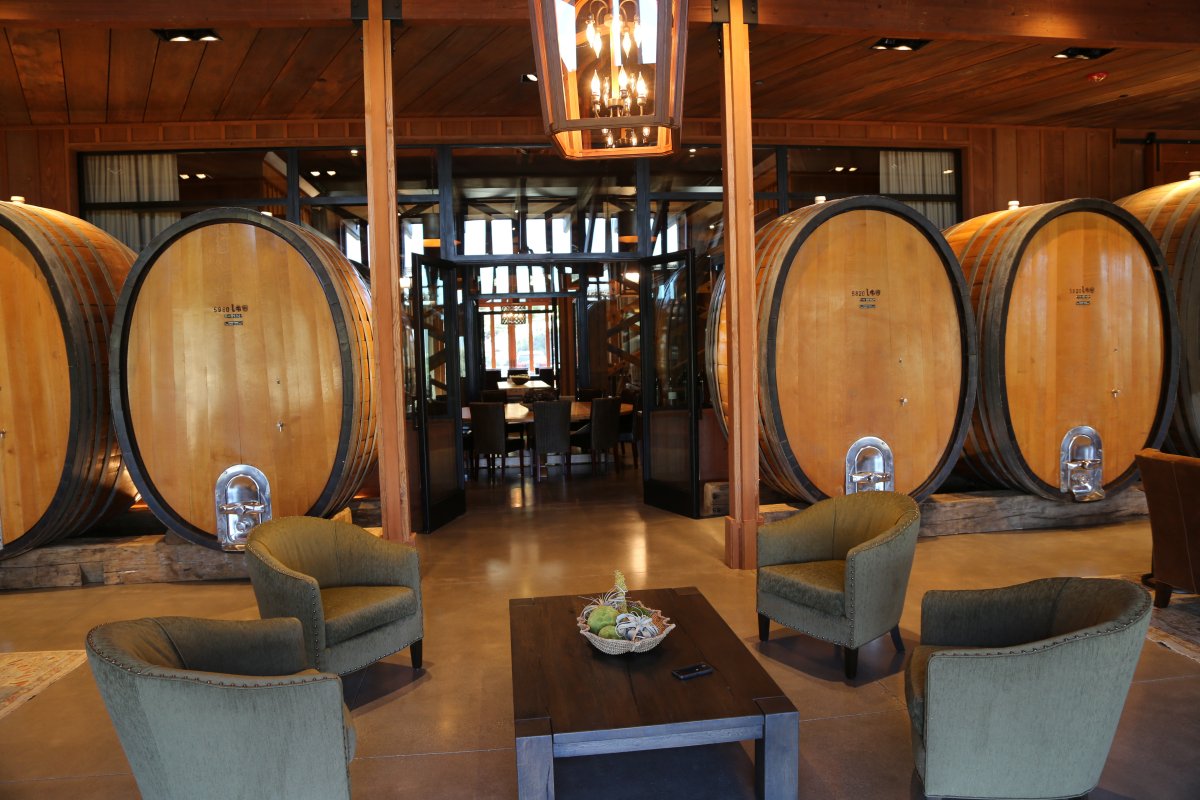
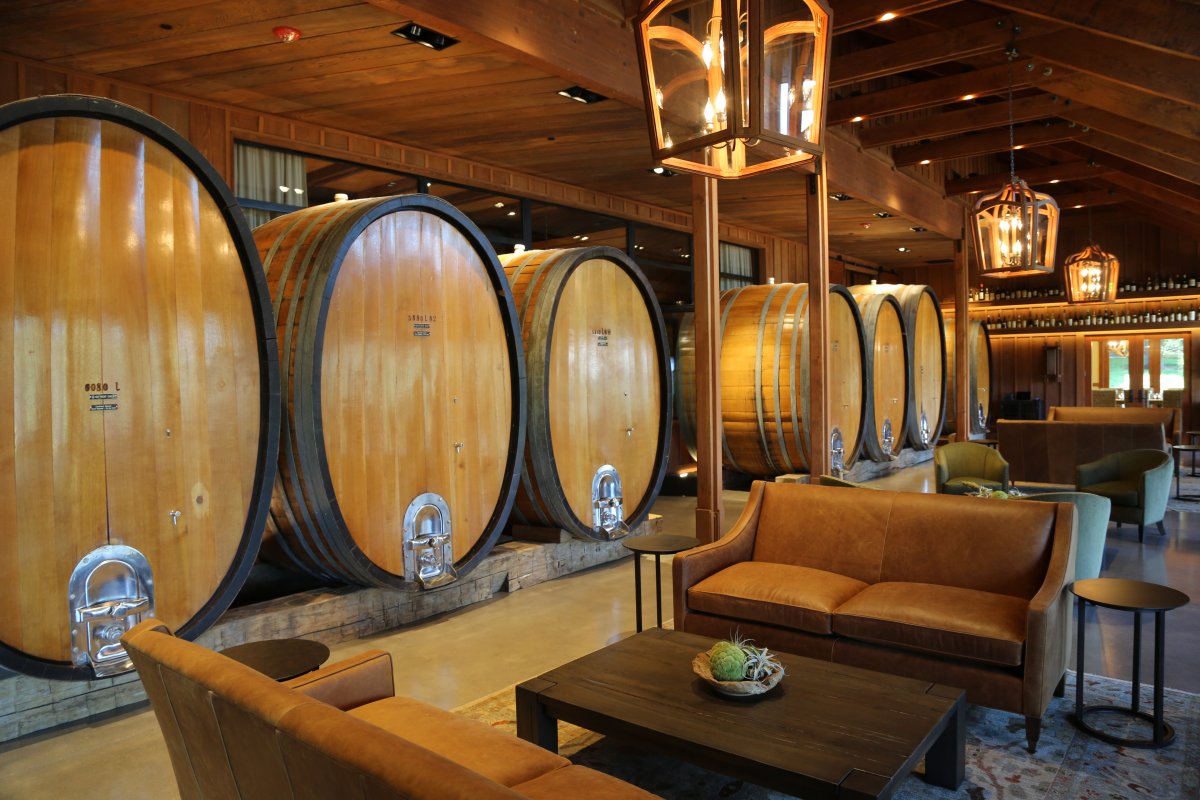
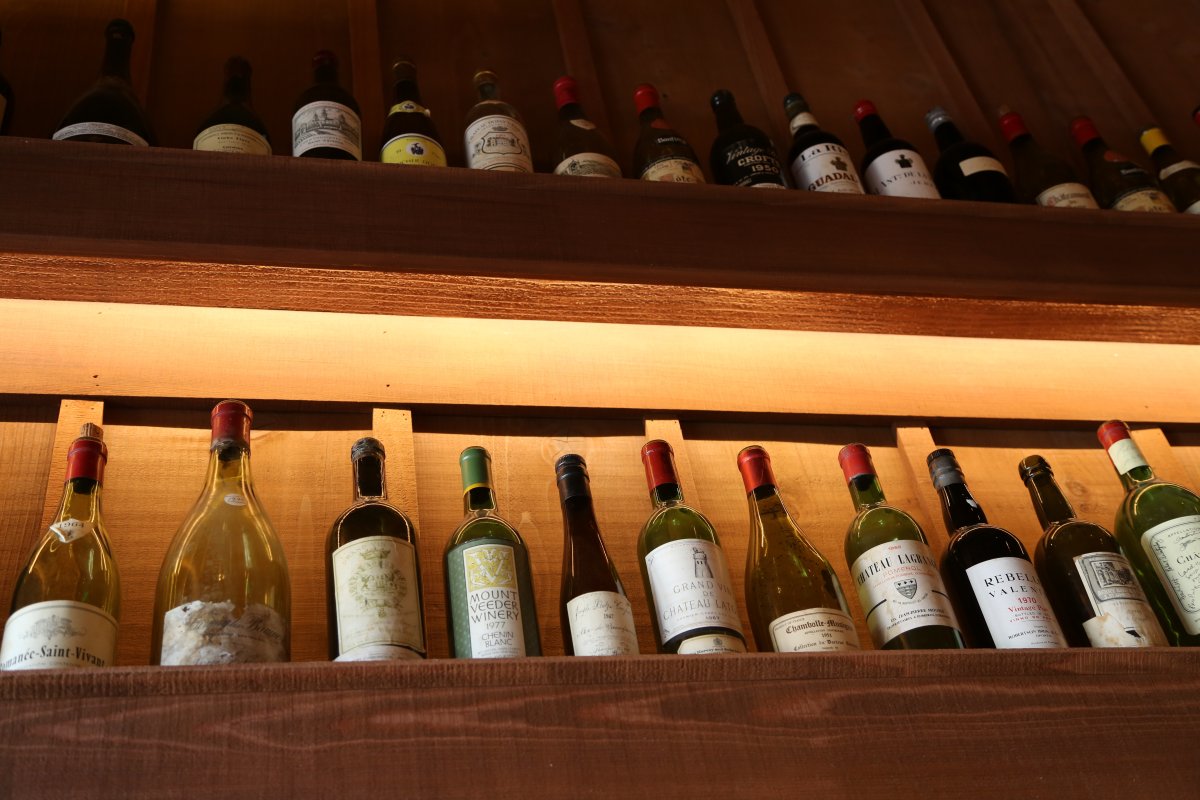
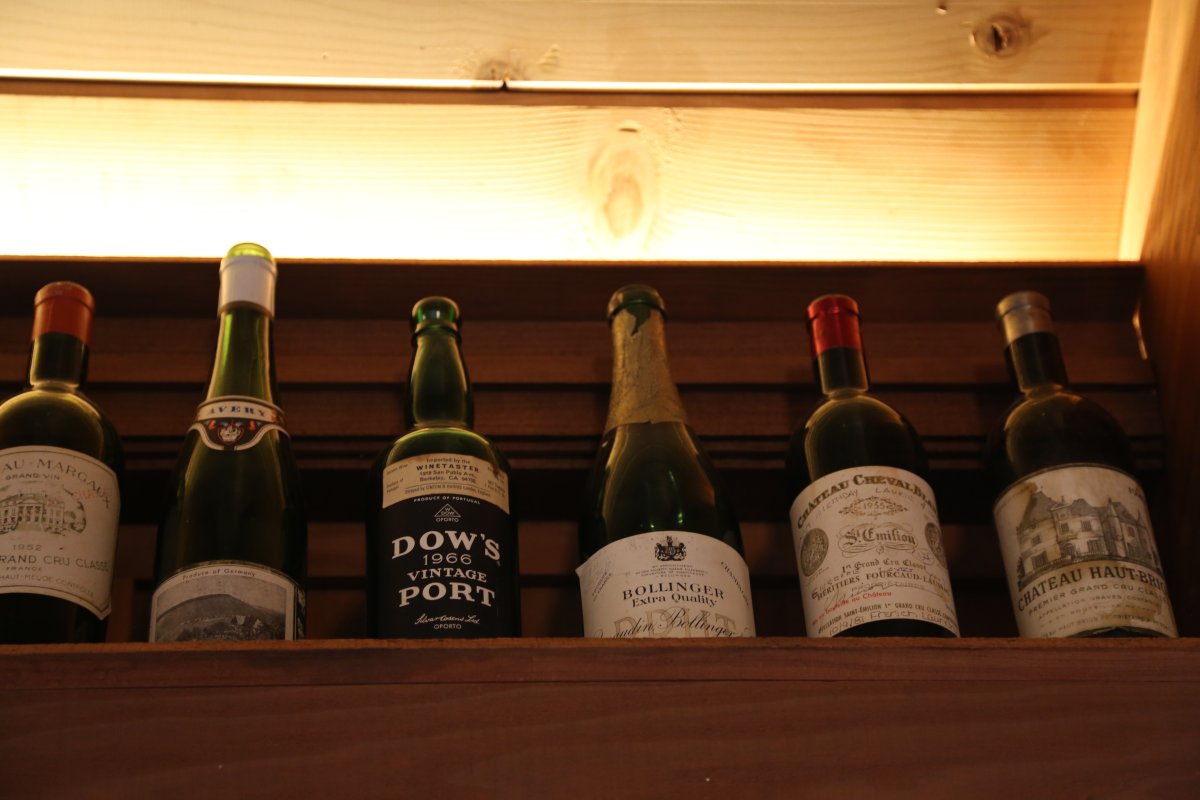
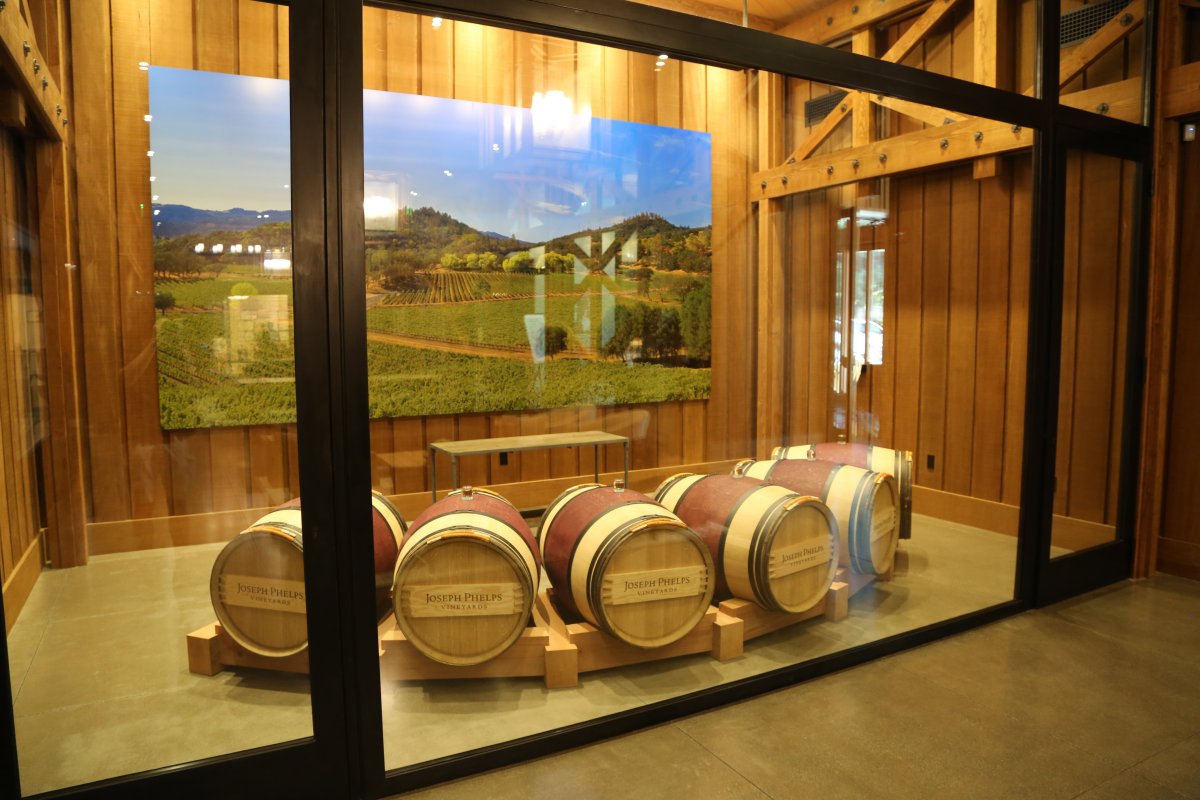
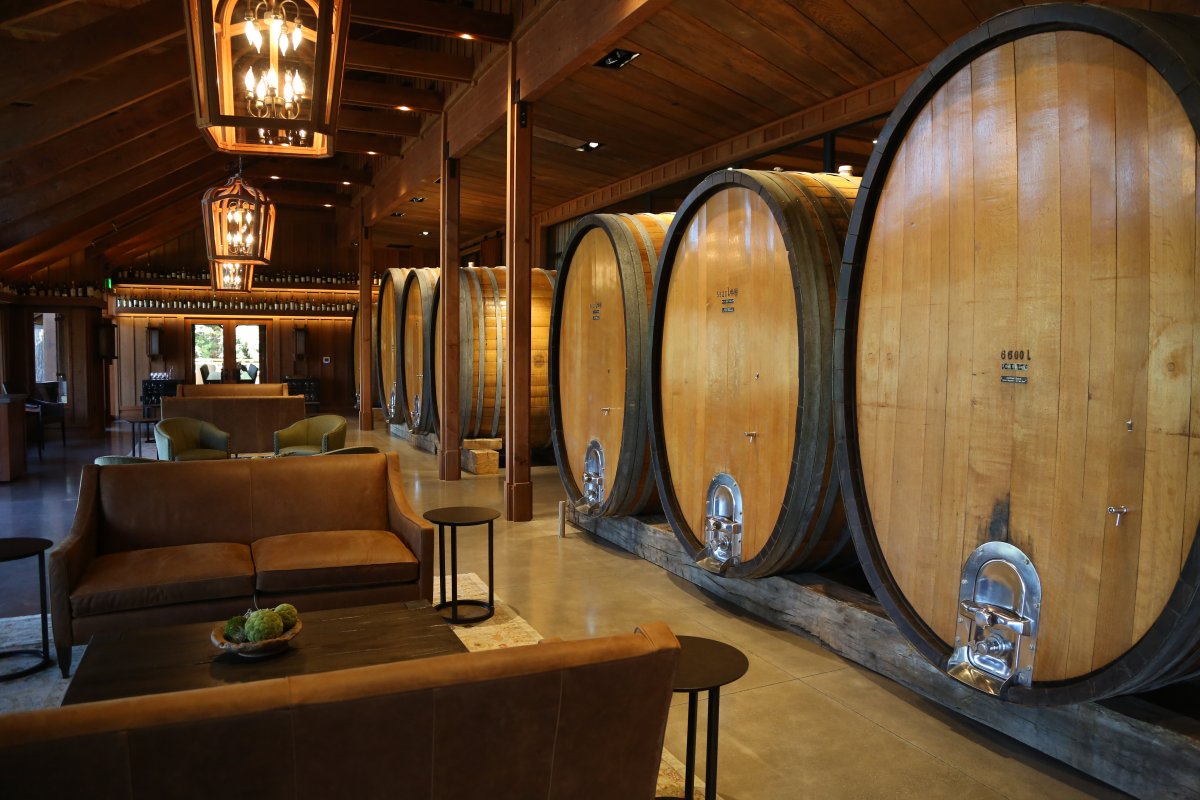
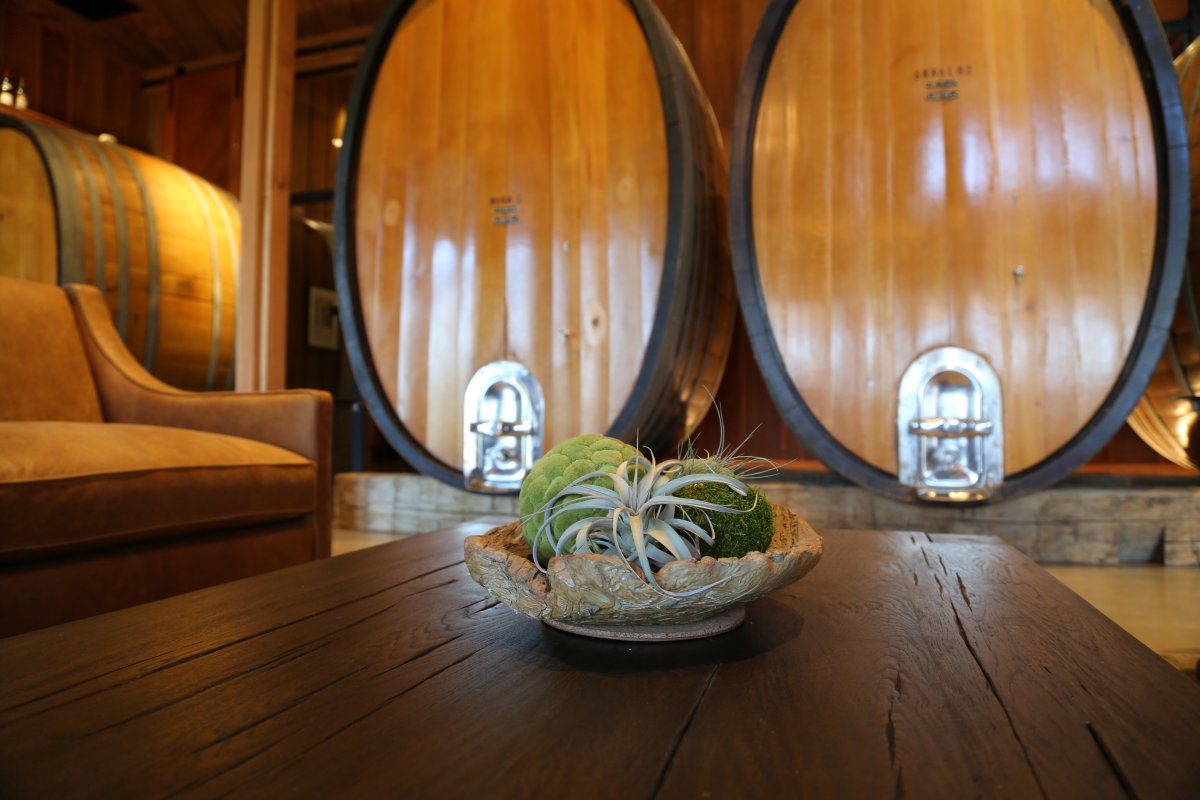
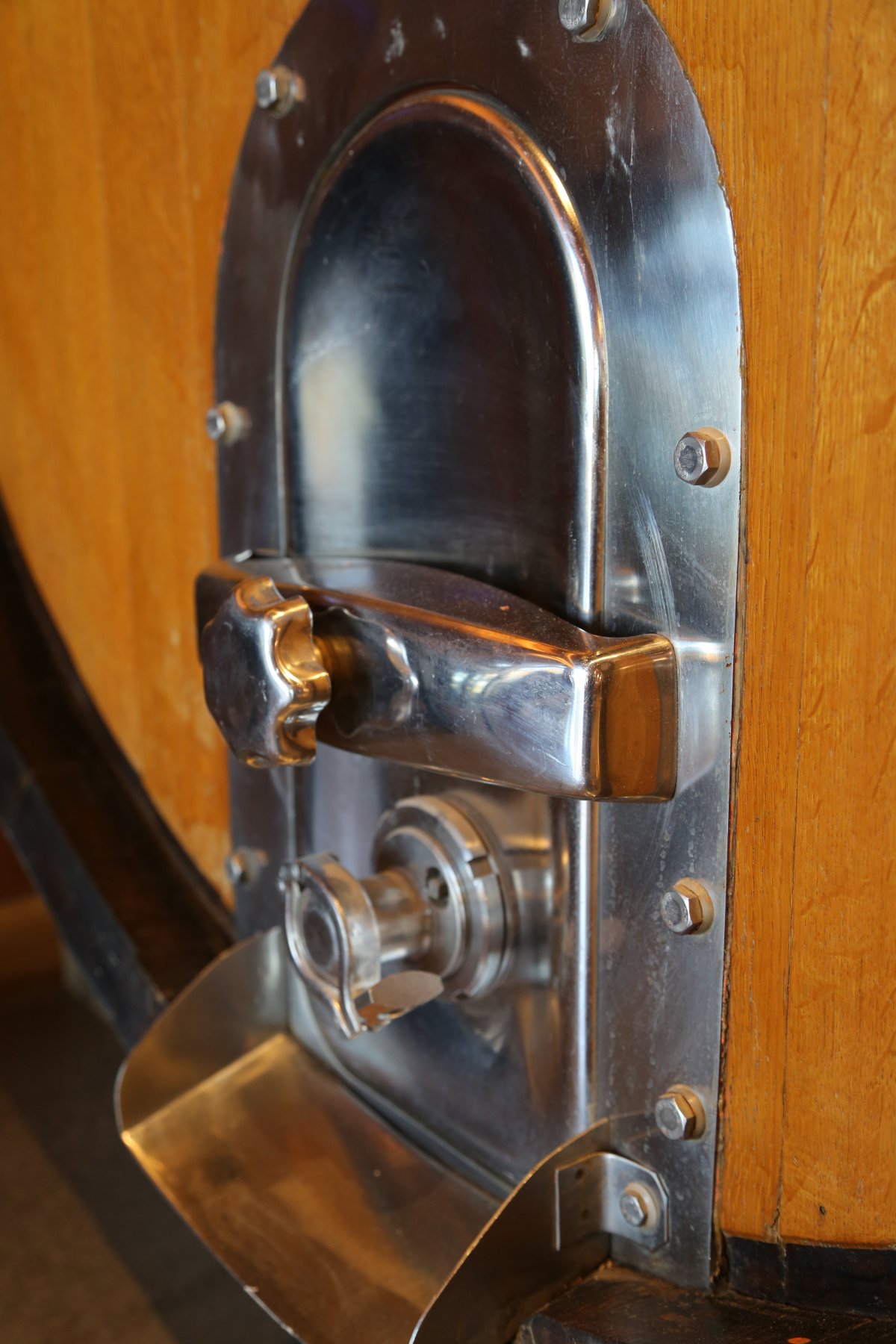
The Oval Room (facing the vineyards) contains sizable wooden tanks which are merely for decoration – these were once used to ferment Riesling but now make good conversation pieces. This “tank” room also contains an impressive collection of empty bottles that line the walls. From the size of the collection and quality of the labels it appears the Phelps family and friends have enjoyed some remarkable wines over the decades (case in point are the 1927 Château Margaux and the 1959 Château Latour bottles)!
Farming
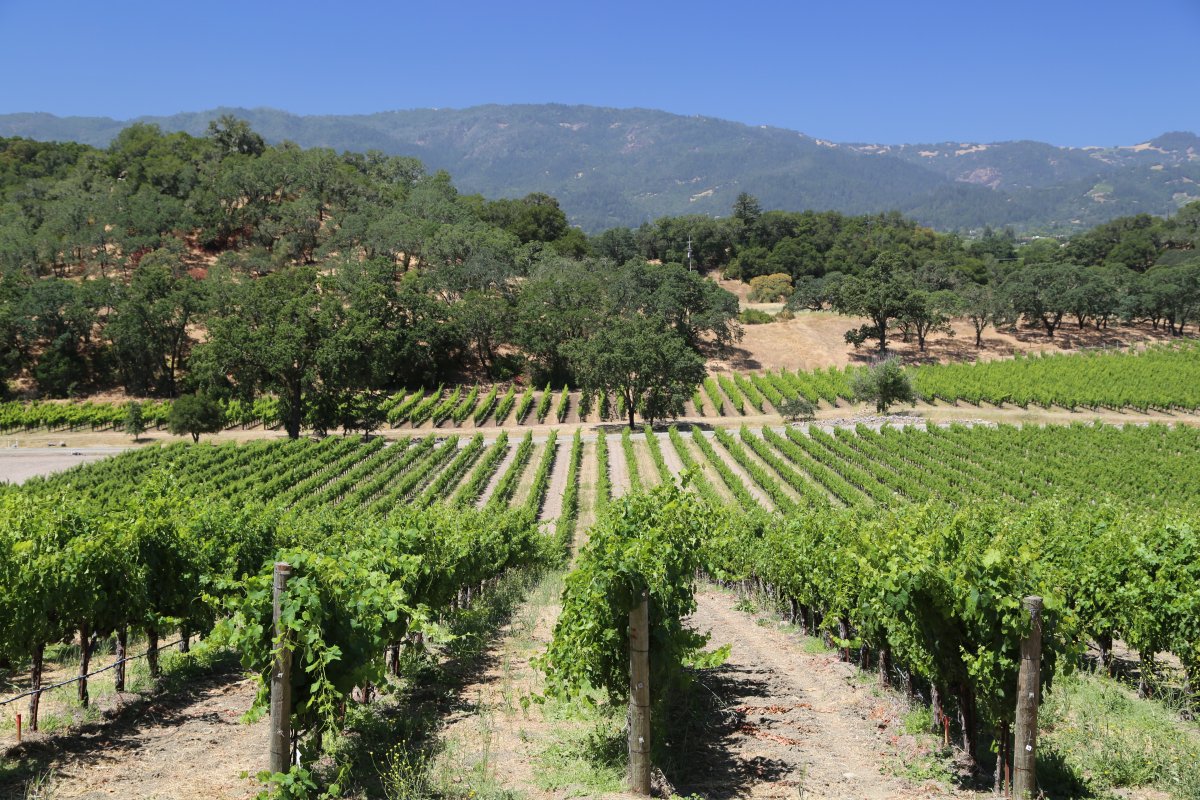
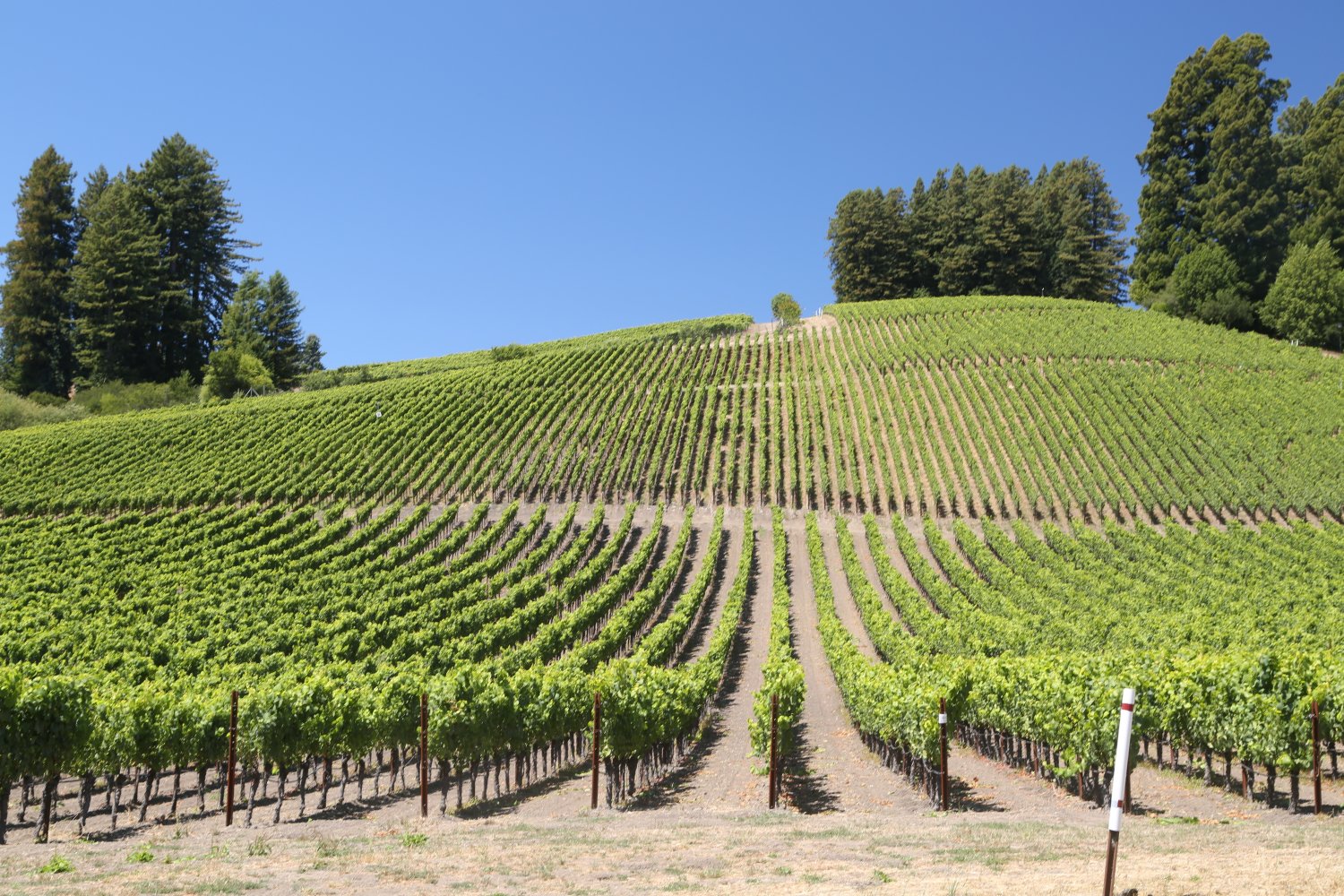
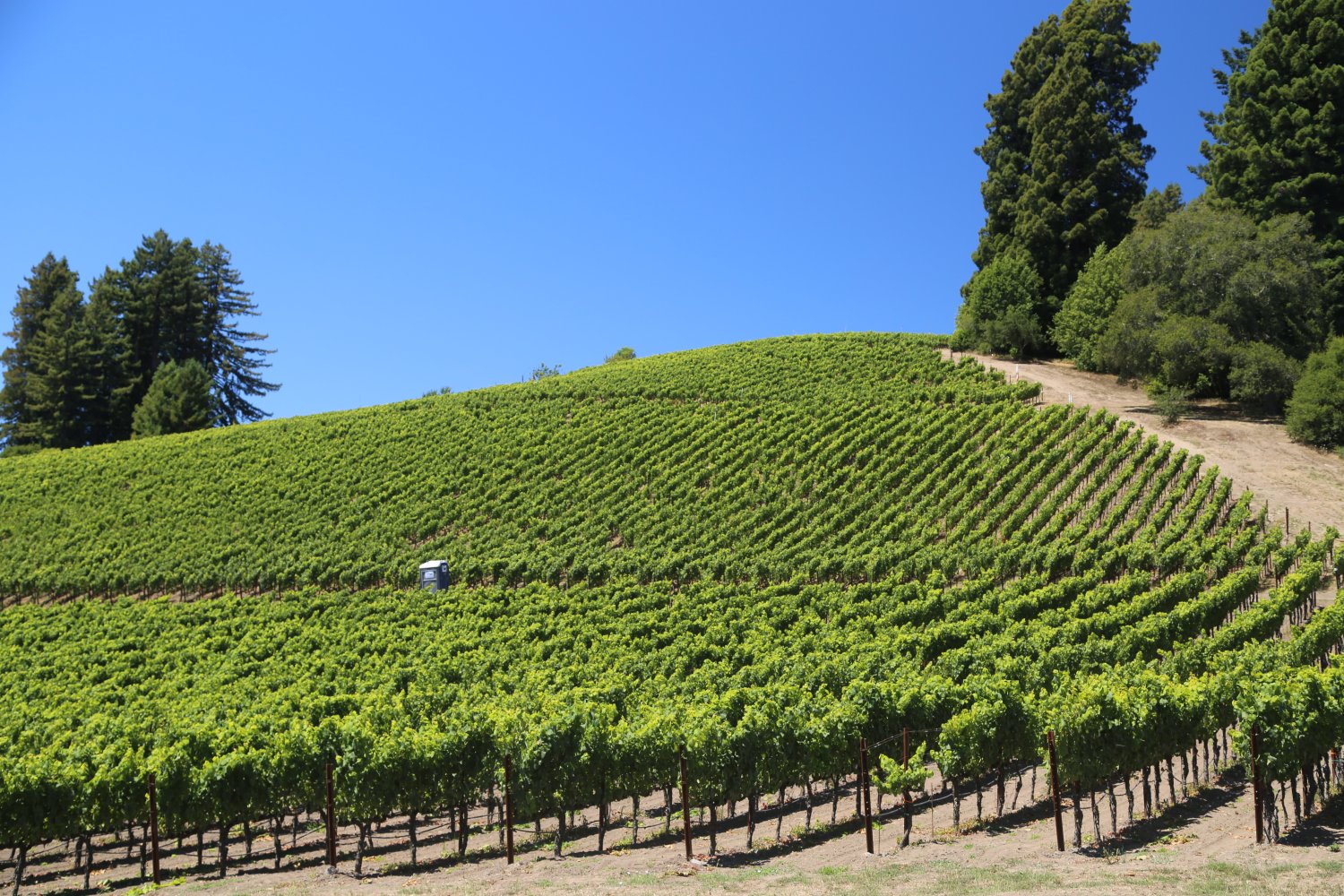
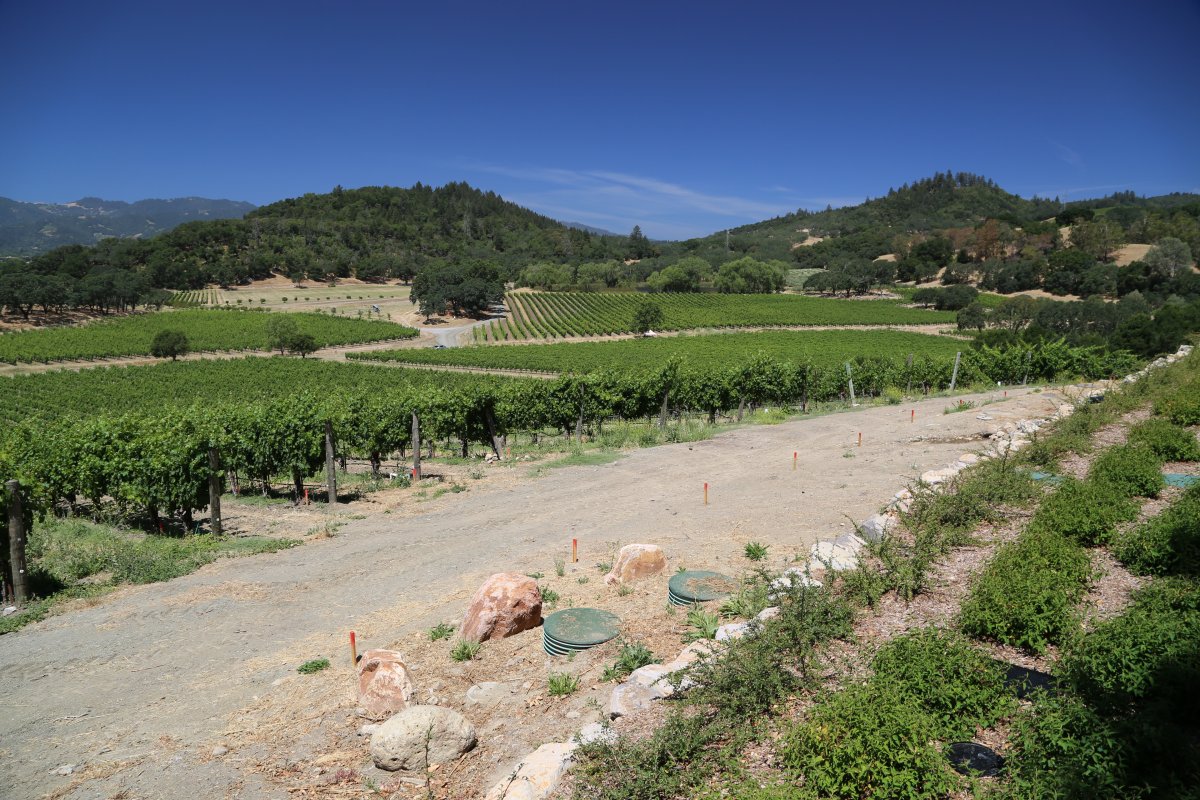
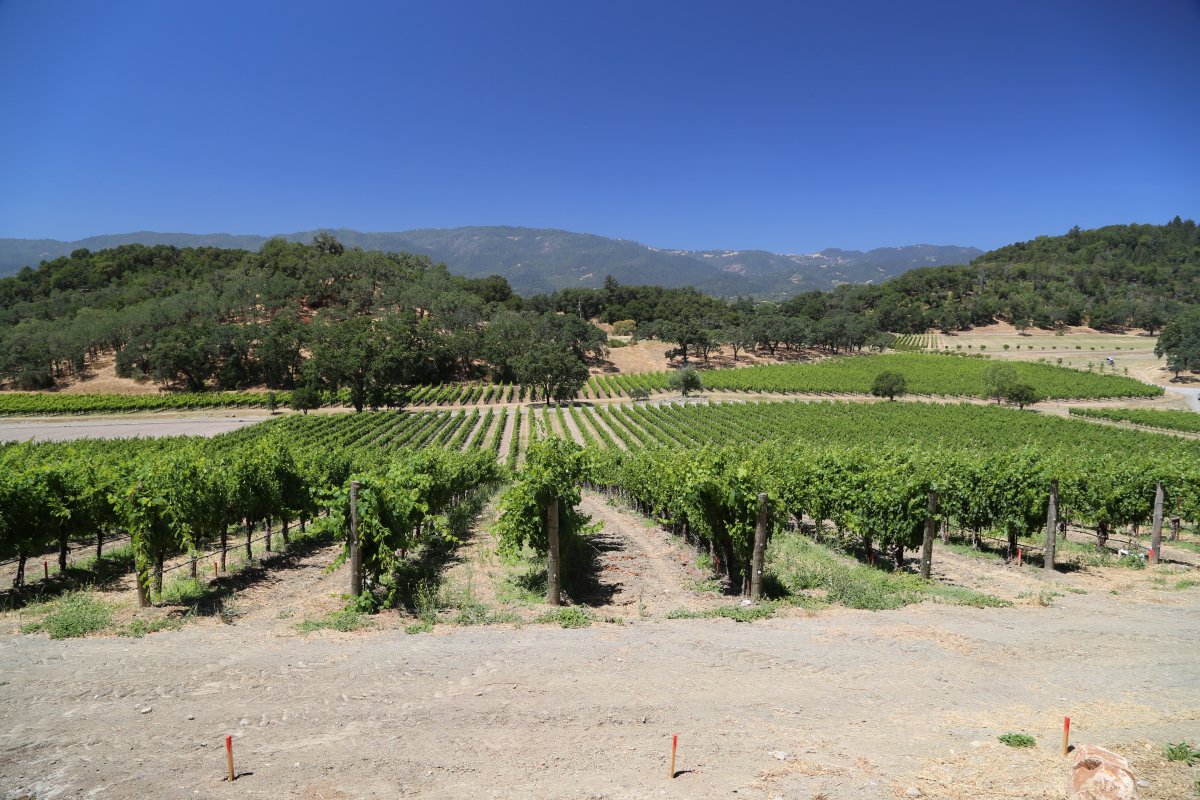
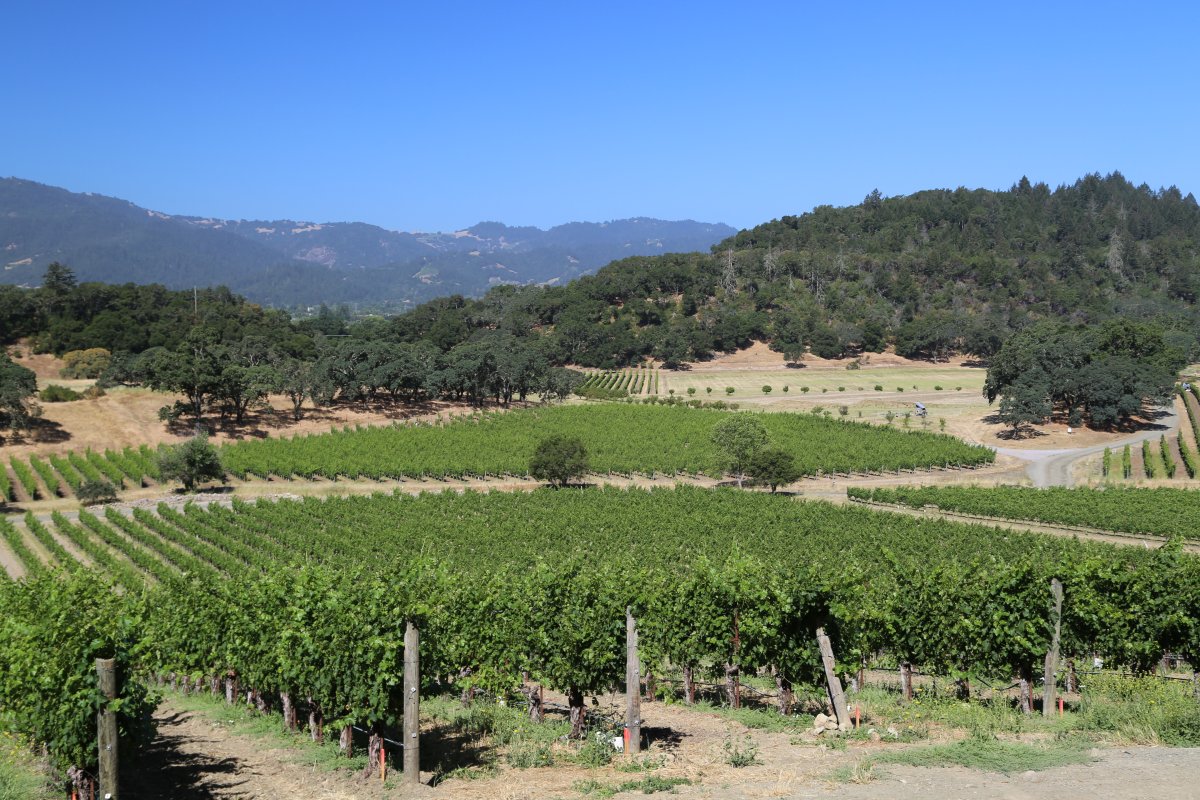
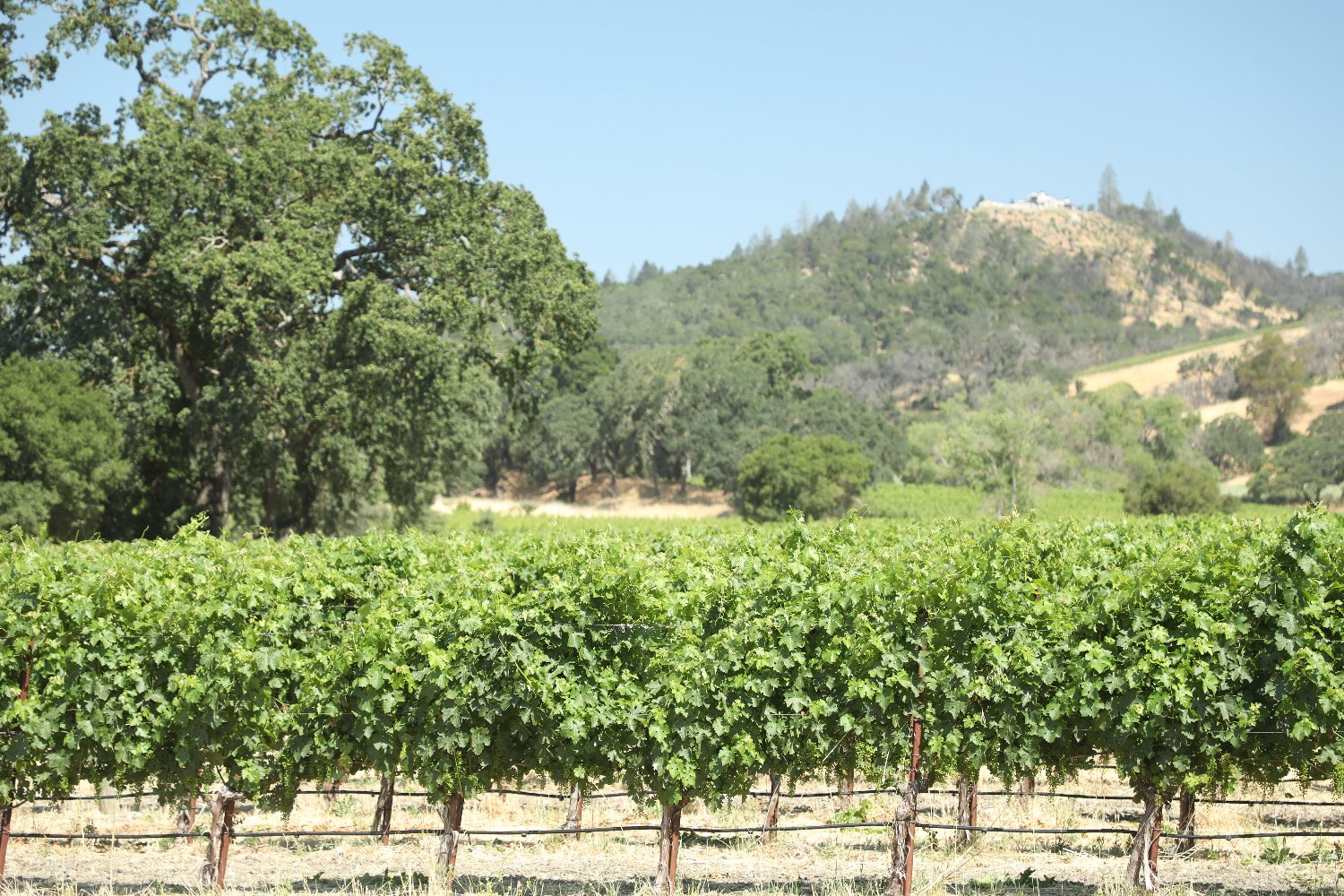
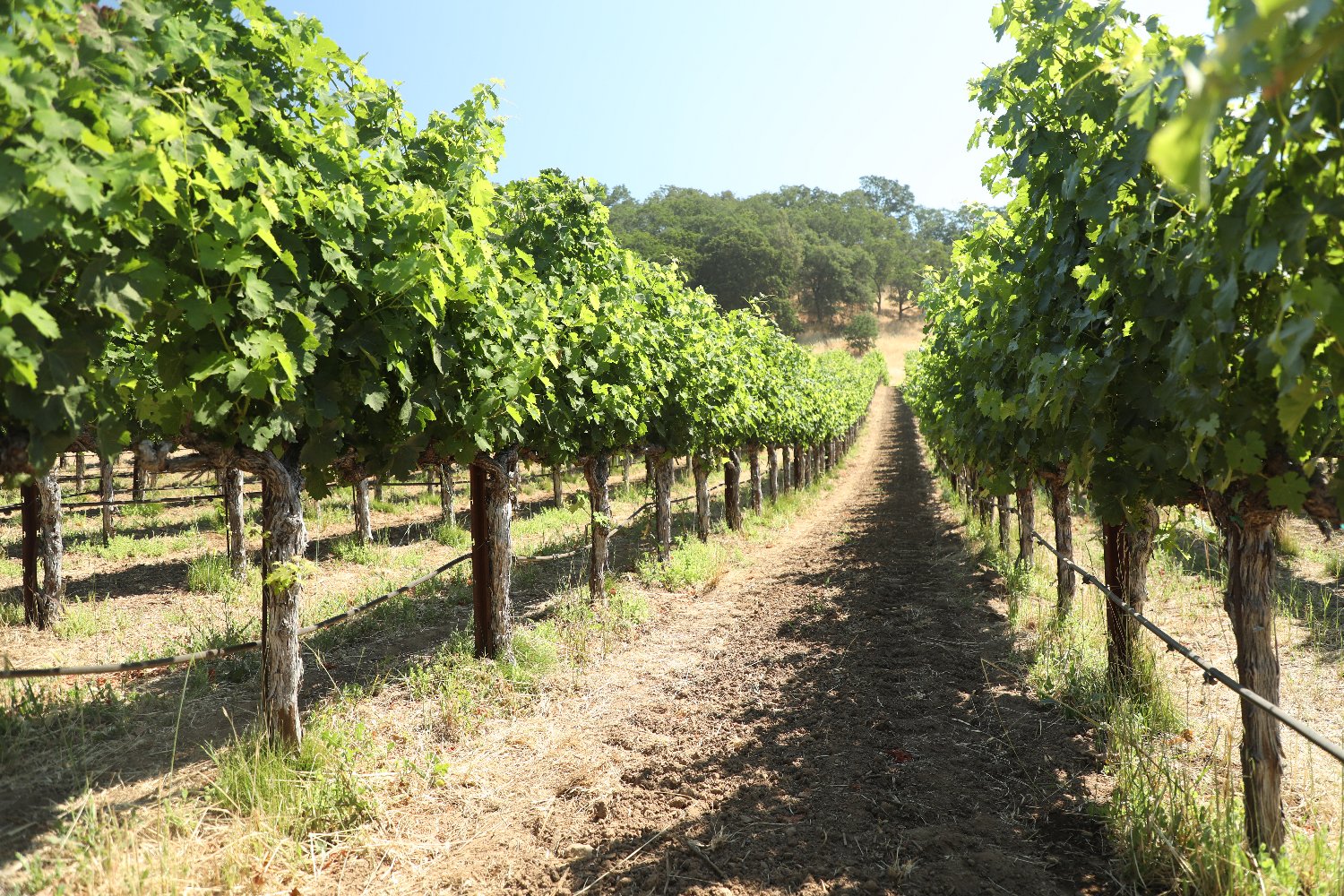
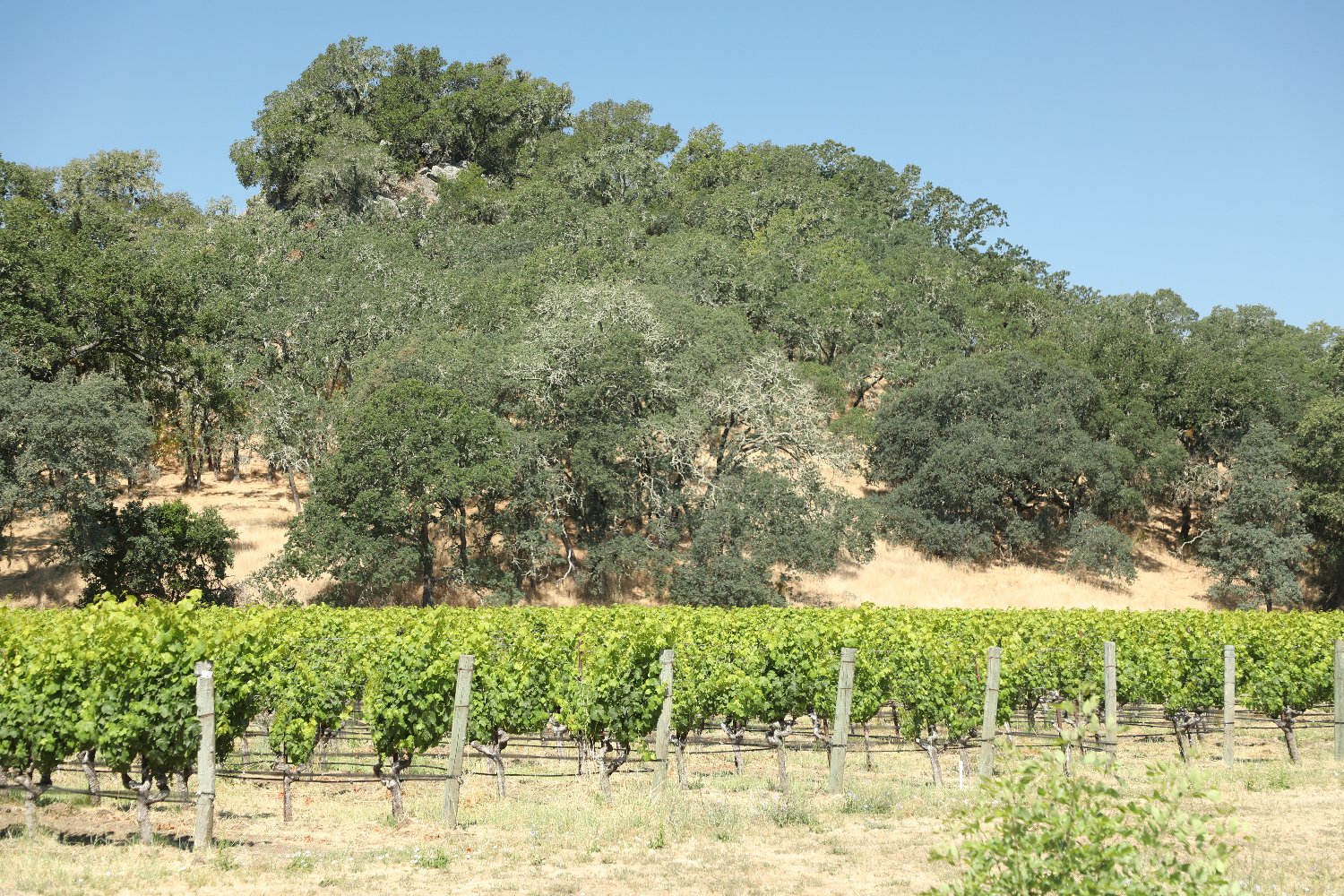
 From the terrace, one overlooks one of Napa Valley’s most beautiful vineyard properties, a mix of vineyards and forested hills comprising the Spring Valley Ranch (640 acres) of which only about a 1/3 is planted to vines. Joseph Phelps currently farms more than 400 acres of vines in Napa Valley across 9 different estate properties ranging from the Oak Knoll District to the winery in St. Helena.
Joseph Phelps refers to their overall ethos and plan of action in terms of farming as the Borgo Project. This word is an Italian reference to tiny medieval era villages in Italy that starting in the 1980s were renovated into farm to table hotels and resorts. And the winery utilizes agroecology principles.
Former CEO of Opus One and current Maison President of Joseph Phelps, David Pearson told us the winery has been working towards introducing regenerative farming to their vineyards. This started in 2023 with a focus on improving soil health, biodiversity including planting trees bushes and shrubs in and near the vineyards, water usage, utilizing year round cover crops, carbon sequestration and introducing animals onto the property for grazing.
In spring 2025 Joseph Phelps began producing their own biochar, created by heating their winter cuttings without oxygen. The biochar is then introduced into the soil helping with water retention and encouraging microbial activity. And it sequesters carbon. The property already embraces biodiversity – in addition to grapes they grow olive trees and various fruit trees.
Select Wines
Pinot Noir
In the late 1990s Joseph Phelps began to look further afield with the intent to create wines in a Burgundian style (namely Chardonnay and Pinot Noir). This necessitated he locate property in a much cooler growing region. That turned out to be along the Sonoma Coast. In 1999 Joseph Phelps started developing 100 acres of vineyards in western Sonoma County. About 80% of the vines on this property are planted to Pinot Noir and 20% to Chardonnay from the Quarter Moon Vineyard and the Pastorale Vineyard.
Joseph Phelps purchased a stand alone building on Bodega Highway, formerly the space of a clothing store called Pastorale in the tiny community of Freestone. The winery used to see visitors here but closed their hospitality operations in 2016. Their modern winery continues to produce the Freestone wines in the hills just north of Freestone – appropriately constructed by Hensel Phelps Construction company.
The Freestone name has an interesting name evolution, beginning with Napa Valley based vintner Rudy von Strasser. In the late 1990s he began a second label called Freestone, reflecting Rudy’s love of fishing. The name refers to a ‘freestone stream’ one that is seasonal generally fed by rain and snow melt. Rudy later sold the trademark right to this name to Joseph Phelps.
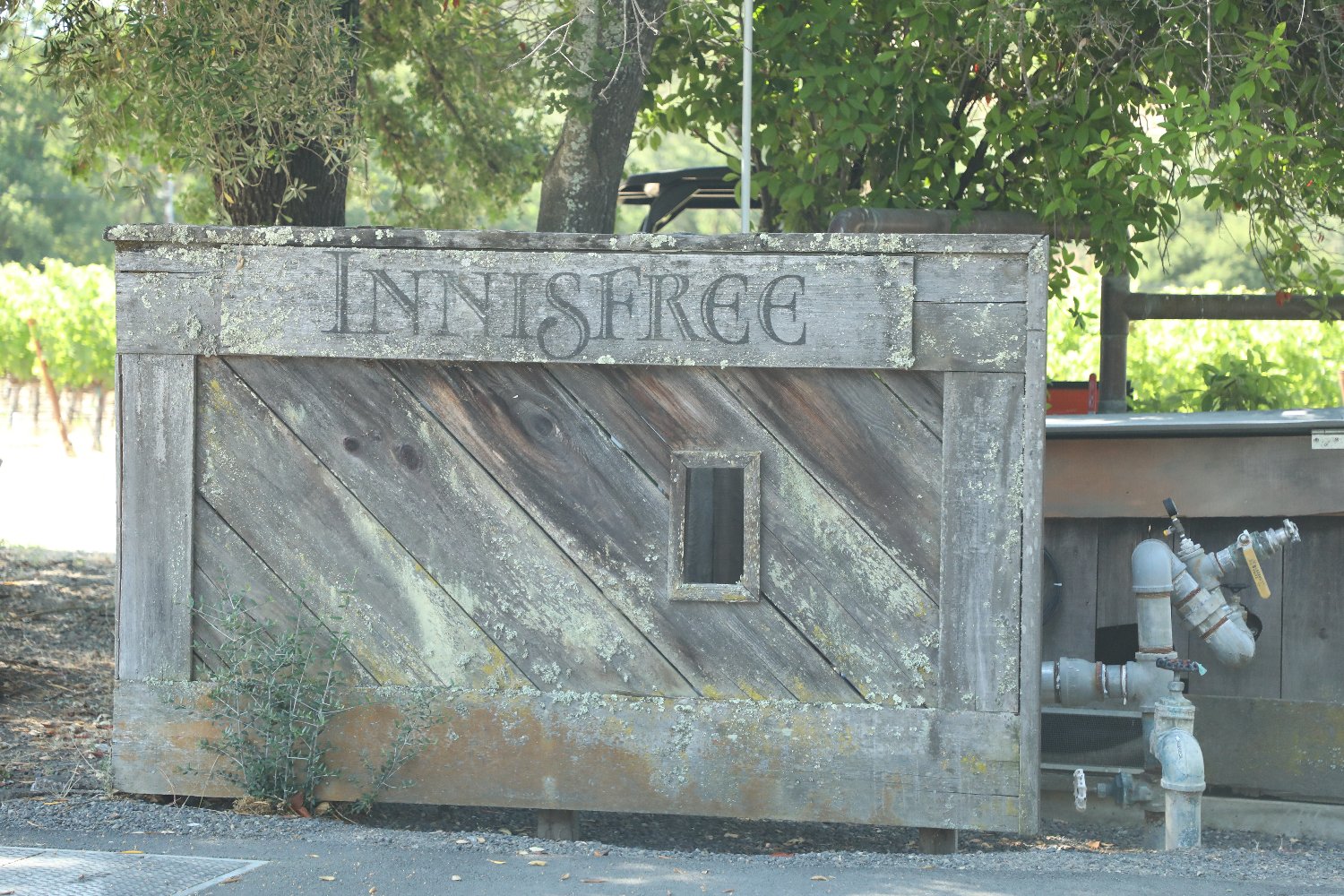
For many years Phelps focused on a much wider range of wines but beginning in the 1990s they focused their efforts on a handful of core products. Astute followers of the winery will know that they still produce a sub-brand called Innisfree focused on affordable ready-to-drink now Cabernet Sauvignon.
The 2012 Joseph Phelps Quarter Moon Vineyard Pinot Noir offers an elegant nose, defined by layered fruits of bright raspberry and tart cranberry, with a subtle note of old cedar box more in the background. As the wine begins to breathe and open in the glass, the bouquet reveals additional fruits and an indulgent aroma of dark chocolate-covered cherries. On the palate, the wine offers a gentle, velvety softness upon entry. The tannins are seamlessly integrated, providing structure without being intrusive, while the vibrant acidity remains a hallmark of this cool-climate vineyard. This freshness leads to a mouthwatering finish, leaving behind a pleasant, lingering tartness that keeps the palate refreshed and engaged.
The 2012 Joseph Phelps Pastoral Vineyard Pinot Noir offers an intriguing and savory aromatic profile, characterized by an earthy, slightly dusty bouquet that is underscored by distinct notes of white pepper. In comparison to the Quarter Moon Vineyard bottling from the same vintage, these aromas are somewhat more restrained, offering a more contemplative olfactory approach. This wine possesses a more robust character on the palate, showcasing its structural depth through noticeable, somewhat dusty tannins. These tannins make their presence felt immediately at the front of the palate and transition smoothly toward the finish, where they linger with a soft, persistent grace. The balance between its peppery spice and grounded earthiness makes it a particularly compelling expression of the Pastoral Vineyard terroir.
Insignia
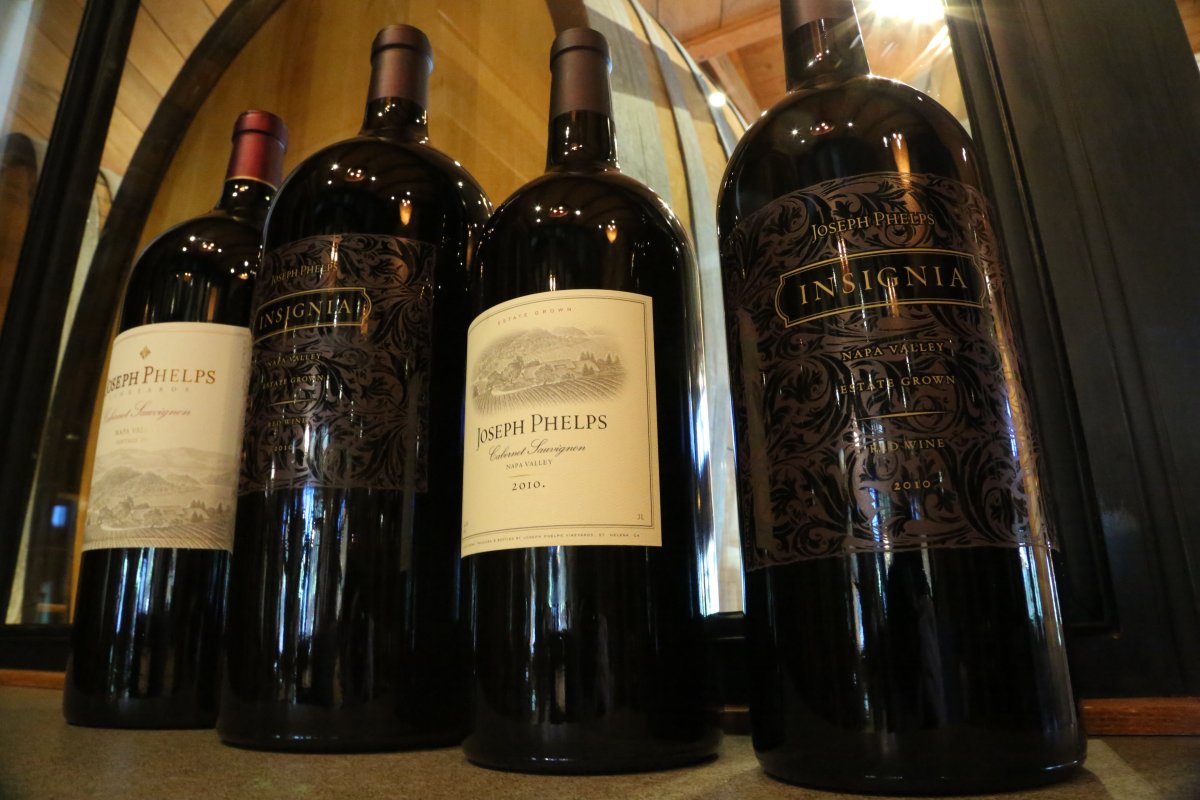
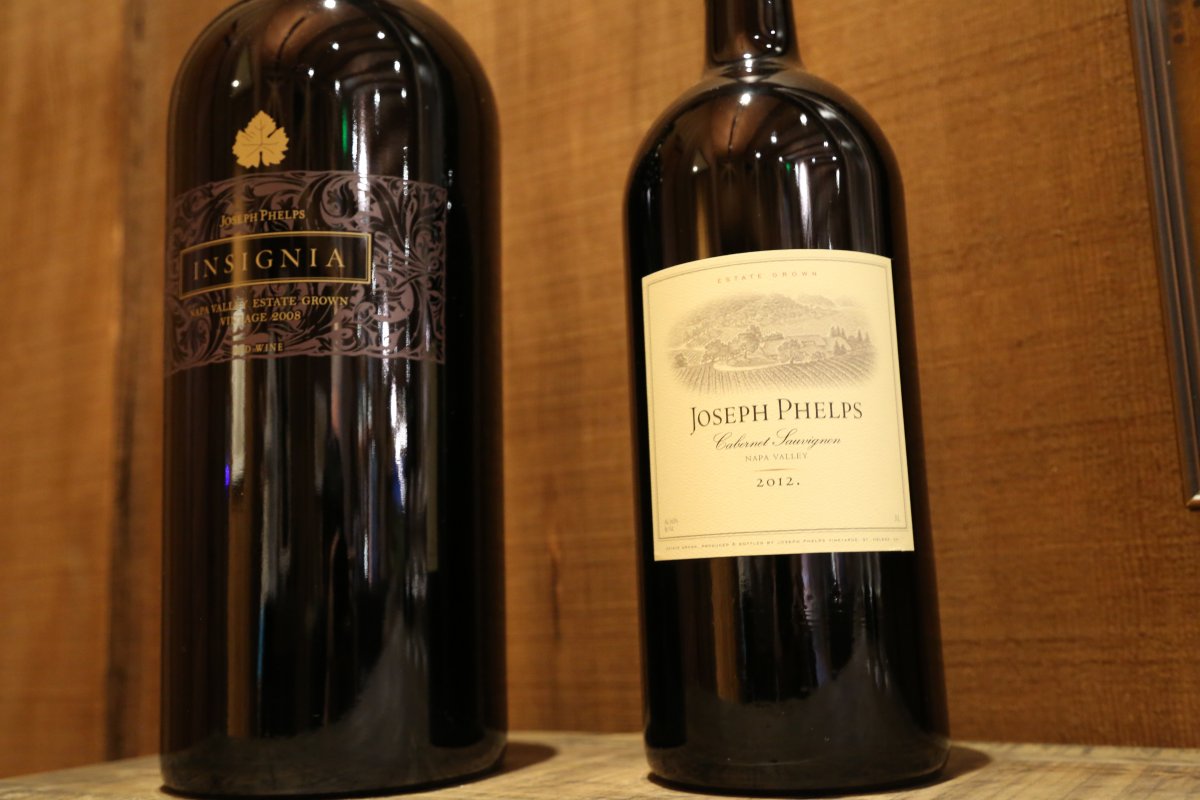
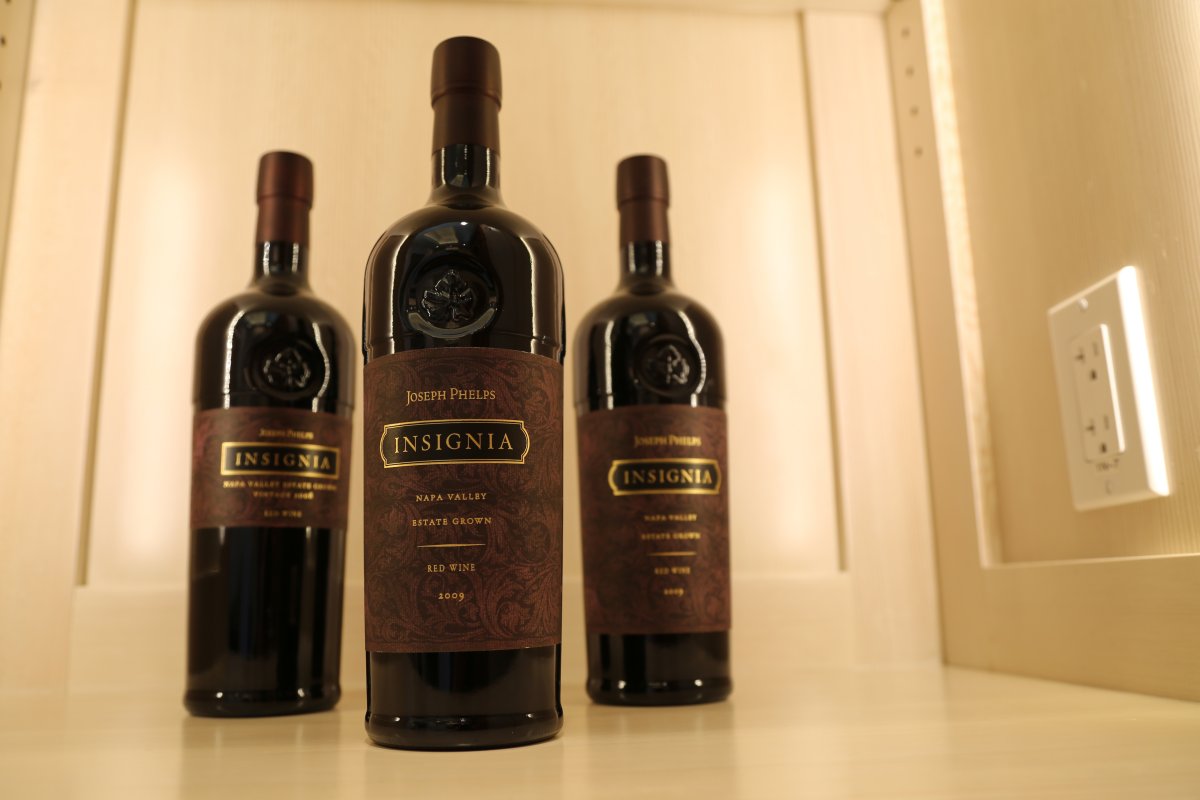
 Mention the word “Insignia” to someone who has a reasonable knowledge of Napa Valley based wineries and Joseph Phelps will immediately pop to the tip of their tongue. This premium Cabernet Sauvignon has quite a following across the country among passionate wine enthusiasts and collectors. The first vintage of Insignia was from 1974 (at the time of our latest update to this review, the winery only has nine precious bottles of this wine left in their library collection). Some of the grapes for this first bottling came from the Steltzner Vineyard in the Stags Leap AVA. During the early 1970s wineries were focusing on single varietal wines. Joseph Phelps was a visionary in regard to this wine; he wanted to create a proprietary wine – a blend made from multiple Bordeaux varieties. Insignia was in fact the first first proprietary Bordeaux-style blend grown, produced and bottled in California. Today similar proprietary red wines are categorized as a Meritage.
During the early 1970s it was a challenge to find certain Bordeaux varieties as wineries were not making single varietal wines from varieties such as Malbec, Cabernet Franc and Petite Verdot or using these varieties to blend with as wineries do today. Phelps worked with several growers to source the fruit for these early Insignia wines. Putting out a notice to friends, family and employees to come up with a name, Joseph Phelps ultimately decided on the word Insignia himself – to signify a wine of excellence and superior quality.
This wine changes in percentages of varieties from year to year – somewhat dramatically at times. Tech sheets on site list information about each of these wines including varietal percentages dating back to the first vintage. The fruit for this wine comes from Phelps’ own vineyards in several of Napa Valley’s most well-known Cabernet Sauvignon producing districts including Stags Leap, Oakville, and Rutherford. Bottlings of Insignia should be in the cellar of serious Napa Valley Cabernet Sauvignon enthusiasts and collectors. And Insignia is always bottled in a distinctive bottle with the imprint of a grape leaf in the mold above the front label.
The 2022 Joseph Phelps Insignia is a blend of 94% Cabernet Sauvignon, 4% Petit Verdot, 2% Cabernet Franc and 2% Malbec. This wine was aged for 24 months in 100% new French oak barrels from a diversity of coopers with the grapes coming from 6 different vineyard sites across Napa Valley ranging from Oak Knoll in the south to Rutherford in the north. This wine is deep ruby and nearly opaque; the bouquet starts out with a brooding and meaty aromatic profile, with the scents hanging out on the darker side of the spectrum. It smells like dark plum, blackberry, boysenberry and dark fig. Its non-fruited notes include dried sage, dark cocoa powder, tobacco spice and toasted oak. Our first impression on the palate is of fruit and an overall balance, attributes that were often hard to obtain from this challenging very warm year in Napa Valley culminating with an extended heat spike centered around Labor Day weekend. This wine tastes of dark fruits including blackberry, Satsuma plum, boysenberry, Persian mulberry and black cherry with a finishing note of dried tobacco leaf. The well tumbled, gravelly, moderately grippy, and dusty textured tannins fully coat the palate and persist in tandem with the fruit on the extended finish.
The 2021 Joseph Phelps Insignia is a blend of 93% Cabernet Sauvignon, 3% Petit Verdot, 2% Malbec and 2% Cabernet Franc. The grapes for this wine were sourced from 4 sub appellations and also a Napa Valley appellation site. It was aged for 24 months in 100% new French oak barrels. This wine is not lacking in color – it is deep ruby and completely opaque. Immediately expressive, layered and generous, the bouquet is mostly dark fruited. Its primary scents include blackberry, boysenberry, cherry, mulberry and white sage with supporting baking spices including dark cocoa powder and vanilla. This is a wine you do not want to stop smelling. As layered on the palate as on the bouquet, this wine delivers plenty of satisfaction in its youth with clearly plenty of stuffing built for aging. Its flavors are of dark plum, blackberry, boysenberry and blueberry with a supporting layer of dark chocolate and toasted oak. And a subtle note of dried herbs hidden also hidden somewhere in there. The tannins outpace the fruit on the extended finish, showcasing plenty of density, girth and grip, characteristics we often find in 2021 red wines from Napa Valley.
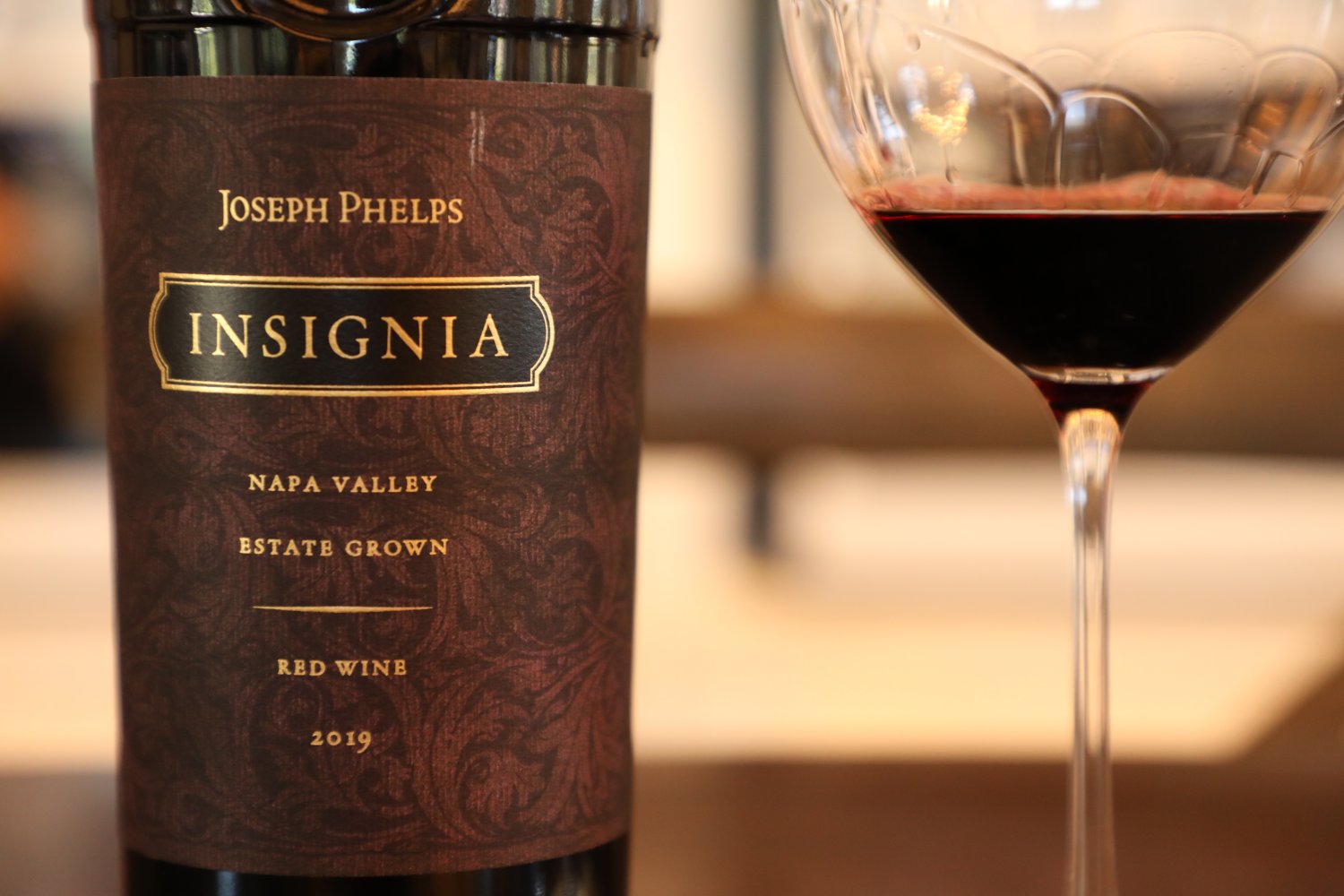
The 2019 Joseph Phelps Insignia is 93% Cabernet Sauvignon, 5% Petit Verdot and 2% Malbec. This is the first ever vintage to include some grapes from the Phelps owned El Venadito Vineyard in Napa Valley’s Oak Knoll District. This wine is deep ruby and opaque in the glass; the bouquet is ripe fruited and reveals aromas of dark cherry, plum, hints of vanilla and mocha, a quick scent of jerky tack, and a lingering sweet tobacco spice. The fruit dominates this bottling both on the bouquet and the palate. This wine offers flavors of dark cherry, blackberry and boysenberry. Its texture is somewhat creamy with well-integrated, supple and rounded tannins. Their presence is distributed across the palate evenly and lingers with a light chewy sensation. Sometimes one assumes that flagship wines from iconic Napa Valley wineries will be crafted to be robust bottlings with a heavy grip of tannins. This wine is not one of those. It does however offer mouth filling richness without crossing into the territory of being opulent.
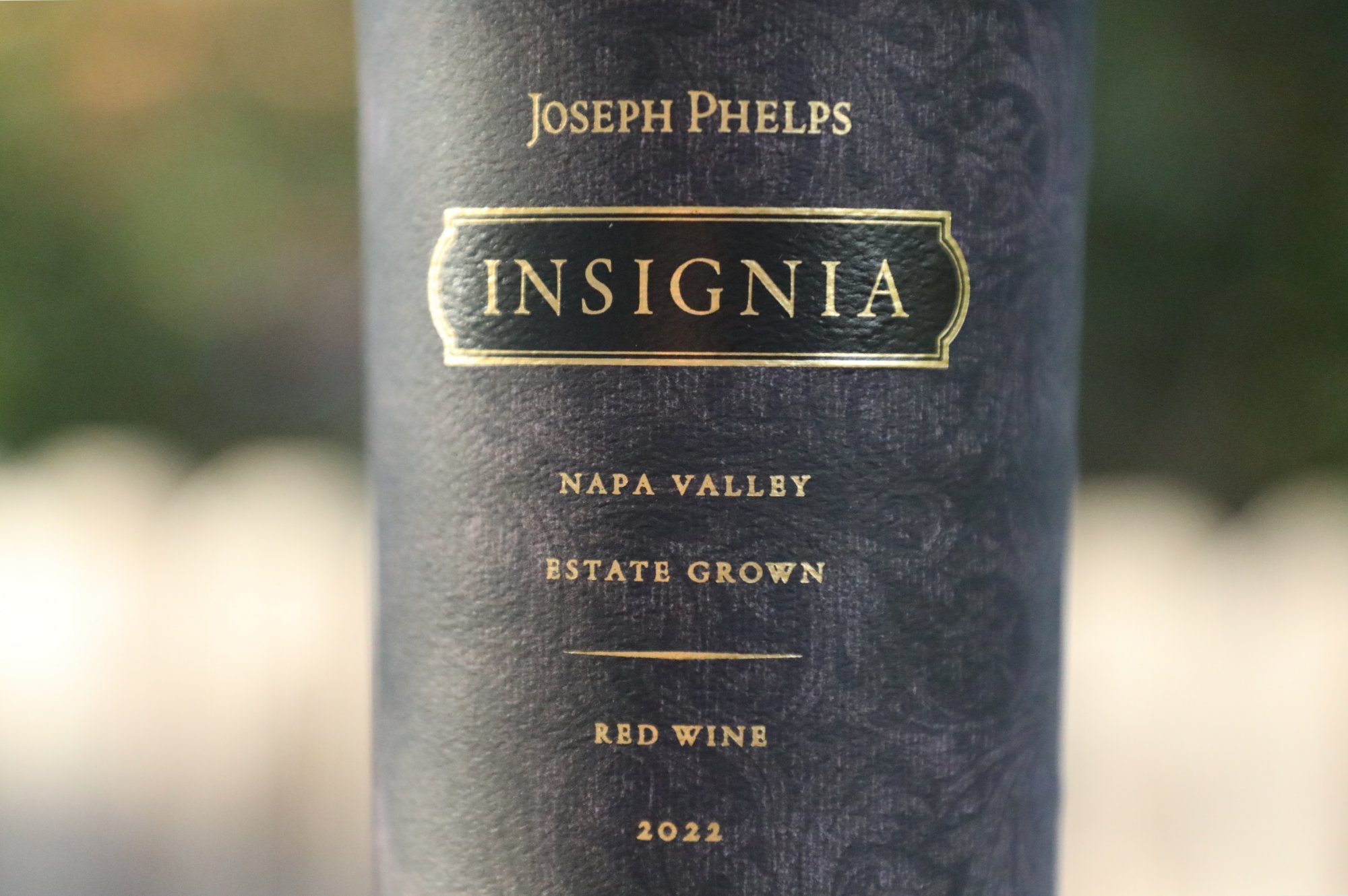
 The 2011 Joseph Phelps Insignia is a blend of 82% Cabernet Sauvignon, 11% Petit Verdot, 4% Malbec, 2% Merlot and 1% Cabernet Franc. This wine is dark ruby in the glass; initially it shows a pleasing slight herbal note on the bouquet which quickly disappears and does not reappear as this wine evolves further. Dark notes are offered including of tar, black fig and blackberry on the layered bouquet. The palate boasts a richness of fruit along with plenty of textural grip but not overtly gripping; these and the fruit, anchor and extended finish. It will be very interesting to see how this wine, from this vintage in particular, ages over the next 10-15 years.
The 2008 Joseph Phelps Insignia is a blend of 89% Cabernet Sauvignon, 7% Petit Verdot, and 4% Merlot and was aged for 24 months in new French oak barrels. This wine is aging quite well (we tasted 7 years post vintage); the nose shows a sweetness of fruit with subtle notes of chocolate and baking spices. The palate is somewhat soft on entry, but quickly gains in complexity – voluptuous if you will. The palate is well layered with tannins similar to the 2011 vintage but slightly shorter in length. This is a delicious wine. With 2012 through 2014 being stellar growing years in Napa Valley collectors will want to look at the Insignia wines from these particular vintages. Club members can pre-order futures of Insignia before it is even bottled.
The 2005 Joseph Phelps Insignia is a blend of 92% Cabernet Sauvignon, 7% Petit Verdot and 1% Merlot. This wine is deep ruby in color; sweetly fruited, almost too much so, the bouquet reveals aromas of raspberry, stewed cherry, fig jam, baked plums and licorice. On the palate there are flavors of cherry pie, raspberry, Santa Rosa plum and red licorice. Finishes with a light but noticeable red fruited tartness, mocha and dried herbs including sage. The tannins are lightly grainy and persist with a drying character outlasting the fruit on the finish. While showing some bottle bouquet 19 years post vintage at the time of our tasting, this wine is still surprisingly fresh on the palate. It was aged for 24 months in French oak barrels.
The 2003 Joseph Phelps insignia is a blend of 84% Cabernet Sauvignon, 10% Petit Verdot and the remainder being Malbec and Merlot. This wine is deep ruby with some noticeable brickish colors due to its age. For reference, we tasted this wine 21 years post vintage. Sweetly fruited, the bouquet offers aromas of cherry liqueur, blackberry jam, stewed plums, licorice, cassis, raspberry jam, cinnamon and nutmeg – and deeper in the aromatics, a thread of dried jerky. Balanced with a very supple texture, on the palate there are flavors of raspberry, dried cherry, dried blackberries and plum with a lingering note of pipe tobacco and smoked sage. There’s still plenty of fruit on the palate at this age, although its perception is not as ripe as the bouquet.
Today Joseph Phelps does not source grapes from any growers; it is all from their own land throughout Napa Valley and from their own vineyards in neighboring Sonoma County.
Cabernet Sauvignon
Napa Valley Cabernet Sauvignon is their most produced wine with production amounts dependent on the vintage. This is their only wine that sees both French and American oak during the aging and incorporates fruit from several of their own vineyards.
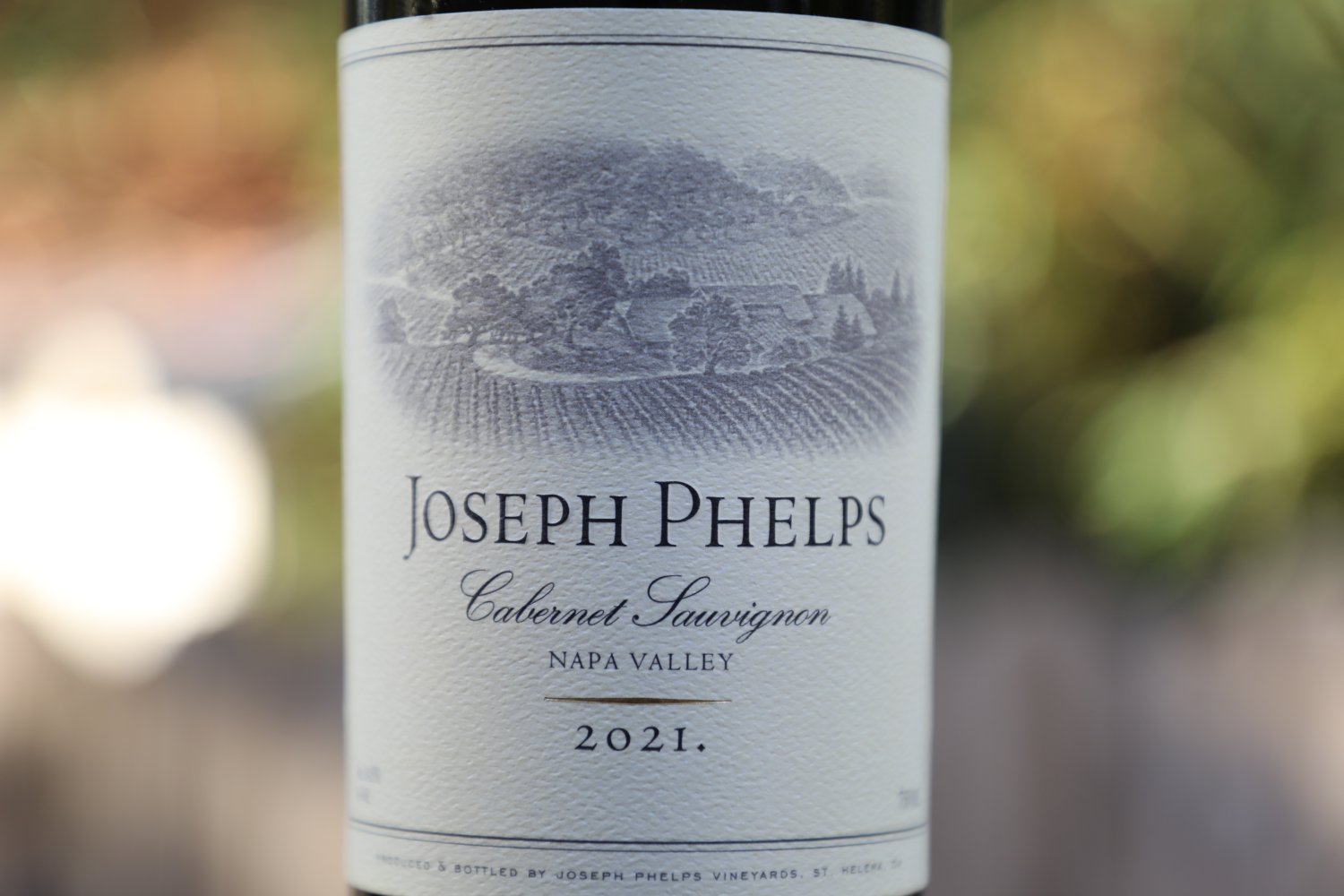
The 2021 Joseph Phelps Cabernet Sauvignon Napa Valley is a blend of 92% Cabernet Sauvignon, 4% Petit Verdot, 2% Cabernet Franc, 1% Merlot and 1% Malbec. This wine is deep ruby and opaque in the glass with an amaranthine rim; the bouquet is well-endowed with both opulent dark fruits and darker baking spices. These aromas include ripe blackberry, dark plum and black cherry along with notes of chocolate, coffee grinds, butterscotch, cloves, nutmeg, toast and charred wood. It is immediately gratifying from the instant this wine hits the palate for those who prefer their Napa Valley Cabernet Sauvignon bottlings supported by plenty of oak. This wine’s darker character somewhat mirrors it’s aromatics with flavors of dark cherry, blackberry and boysenberry complemented by union of chocolate, tobacco spice, coffee and a noticeable woodsy spice, all persisting for some time on the extended finish. The tannins are grainy and lightly gravelly.
The 2012 Joseph Phelps Cabernet Sauvignon Napa Valley is a blend of 91% Cabernet Sauvignon, 6% Merlot, 1% Petit Verdot, 1% Malbec and 1% Cabernet Franc. Aromatically generous, the nose offers an inviting mélange of both black and red fruits. The bouquet sports a distinctively sweet characteristic, defined by rich aromas of vanilla that intertwine seamlessly with underlying notes of toasted cedar and baking spice. These barrel-driven nuances provide a frame for the core of dark cherry and blackberry fruit. Upon the first sip, the palate reveals tannins that are notably chalky and dusty. In their current state of youth, they offer a firm, gripping texture that is somewhat coarse, yet they possess a structural integrity that allows the flavors to linger on the sides and back of the palate for a significant duration.
Syrah
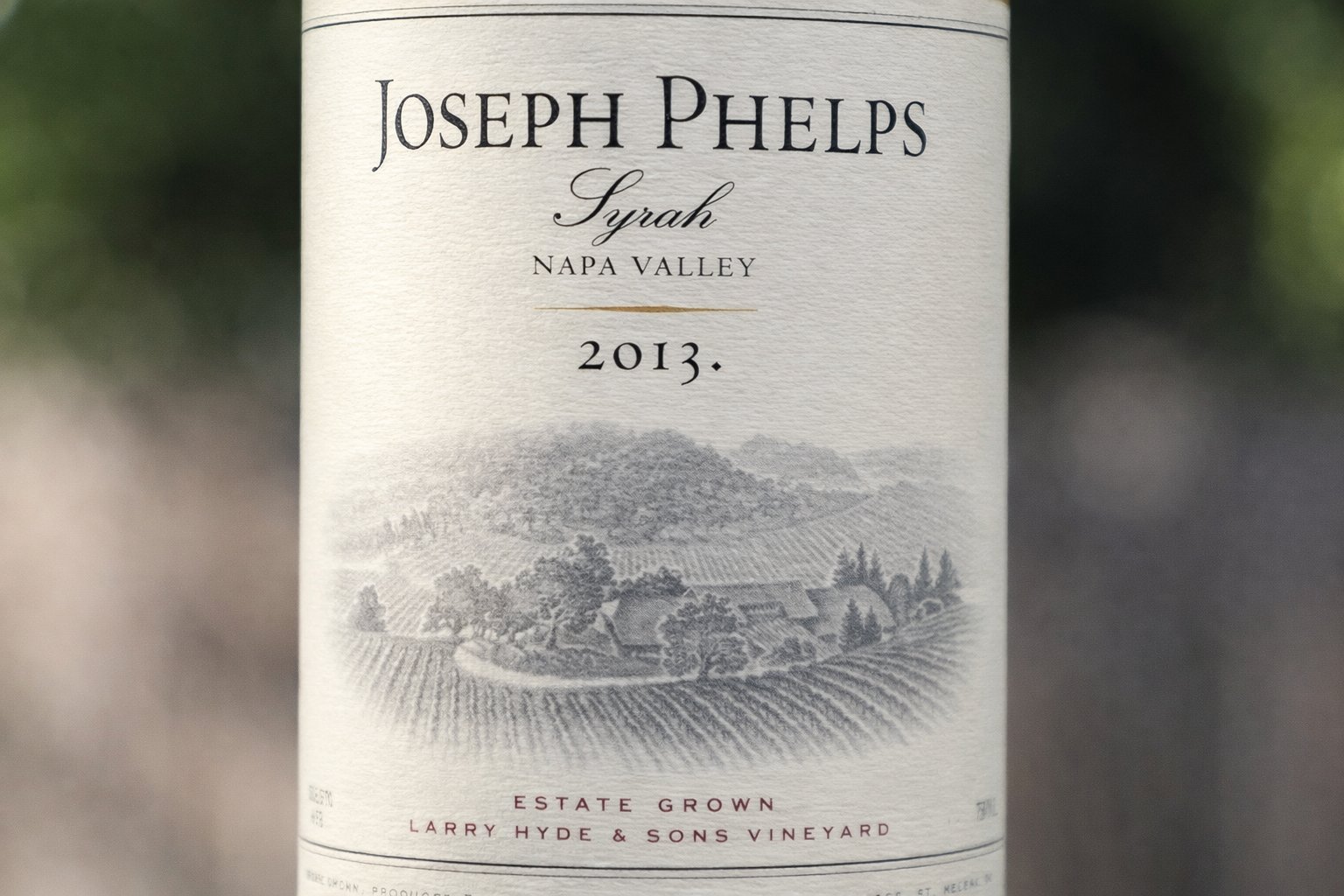 The 2013 Joseph Phelps Syrah, Larry Hyde & Sons Vineyard Napa Valley is deep ruby and completely opaque; at 13 years post vintage this wine is holding on to its color quite nicely. The bouquet smells ripe and still very much primary fruited, with scents of Satsuma plum, dark cherry, blackberry, Himalayan purple mulberry and boysenberry. Its non fruited aromatics include chocolate, cocoa powder, black olive, dried sage and old cedar box. Ripe, vibrant and loaded with dark fruited layers, this wine tastes like plum, blackberry, cherry and mulberry. Finishes with a savory edge of darker spices including of crushed peppercorn, dried bay leaf, dried sage, dust, and cured meats. And a layer somewhat resembling a sanguine character. The palate is lifted high by its bright but balanced acidity. The tannins are tumbled, dusty and linger with a gravelly texture, felt primarily on the front of the palate. Their presence eventually pulls ahead of the fruit on the finish. This wine has either peaked or is close, but has the character to remain at the top of its primary game for at least another 5-8 years. BBQ please. Its listed ABV is 14.7%.
Eisrebe
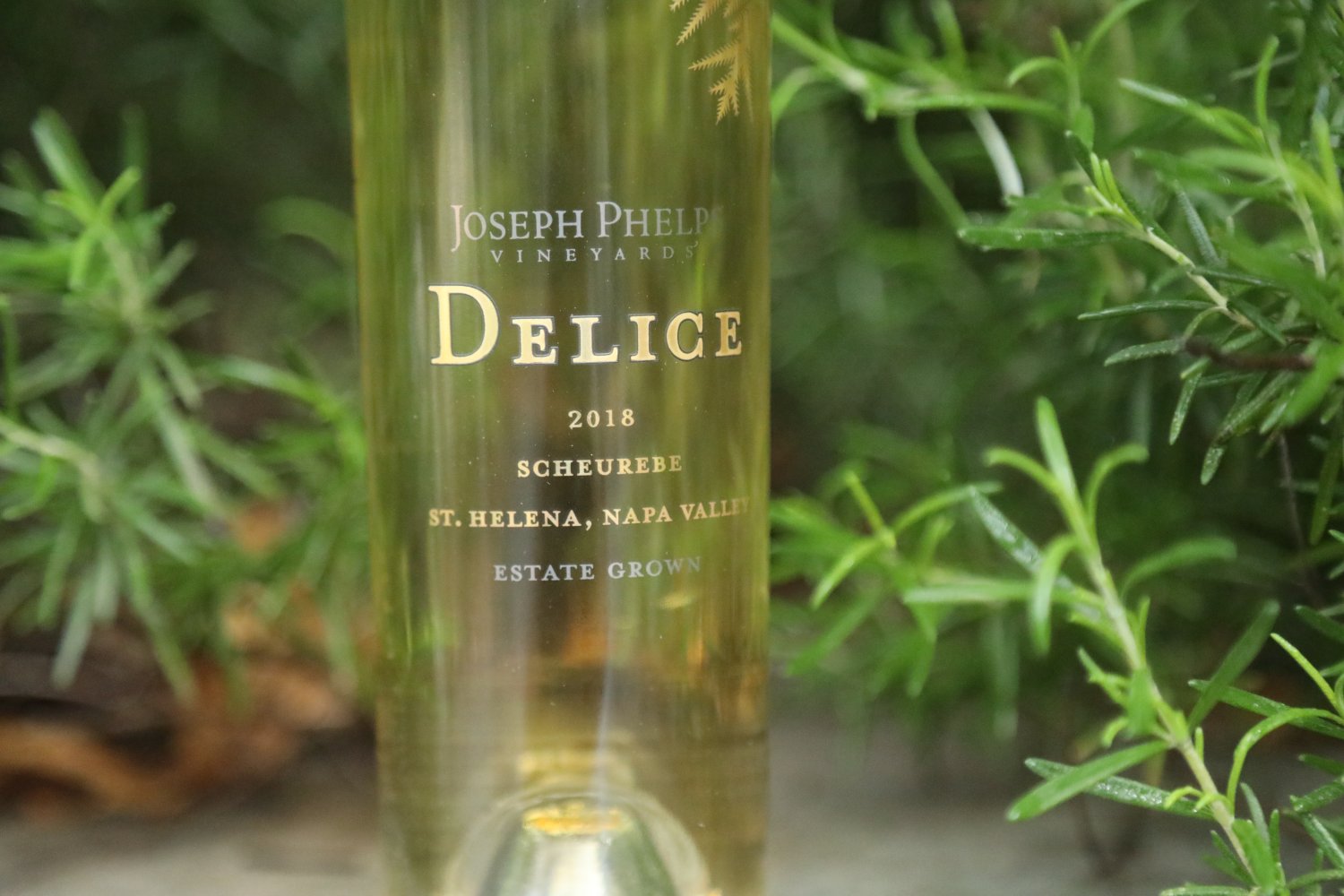
And a very unique wine is the Eisrebe, made from 100% varietal Scheurebe that was later bottled under the name Delice. This is a white variety that is a hybrid crossing of Sylvaner and Riesling developed in 1916 by Dr. George Scheu, a German botanist. We are aware of no other Napa Valley winery growing or producing wine from this variety and perhaps there are only several producers of this variety in the United States. In the spirit of ice wine, every year the grapes from these vines were harvested late in the year and then frozen at -5 degrees Fahrenheit, then partially thawed, pressed and fermented in stainless steel tanks. This wine was always bottled as 375ml.
After decades of production, the Scheurebe vines used to make their Delice were removed after the 2023 harvest, however Joseph Phelps continues to produce a dry bottling of Scheurebe. The story doesn’t quite end there; the Scheurebe grapes from 2023 were sold to winemakers Scott Schultz of Jolie-Ladie Winery and Steve Matthiasson of Matthiasson wines, who both made a dry one-off wine from their 50/50 share of the grapes.
The 2018 Joseph Phelps Delice Scheurebe (100% varietal) is deep gold in color; the bouquet offers aromas of honey, ripe pear, apple and mango. One immediately notices the significant richness and sheer amount of flavor on the entry and then across the palate including apricot, peach, nectarine and freshly pressed apple. This wine offers ripe and rich flavors; on their own they would be perhaps linear, but these are complemented nicely with a brightness of acidity which keeps the palate lively and fresh. The finish is supple, long and intense. This wine is only 8% alcohol so one can drink more of this beautiful nectar without getting too tipsy.
1977 Jazz Band Cabernet Sauvignon
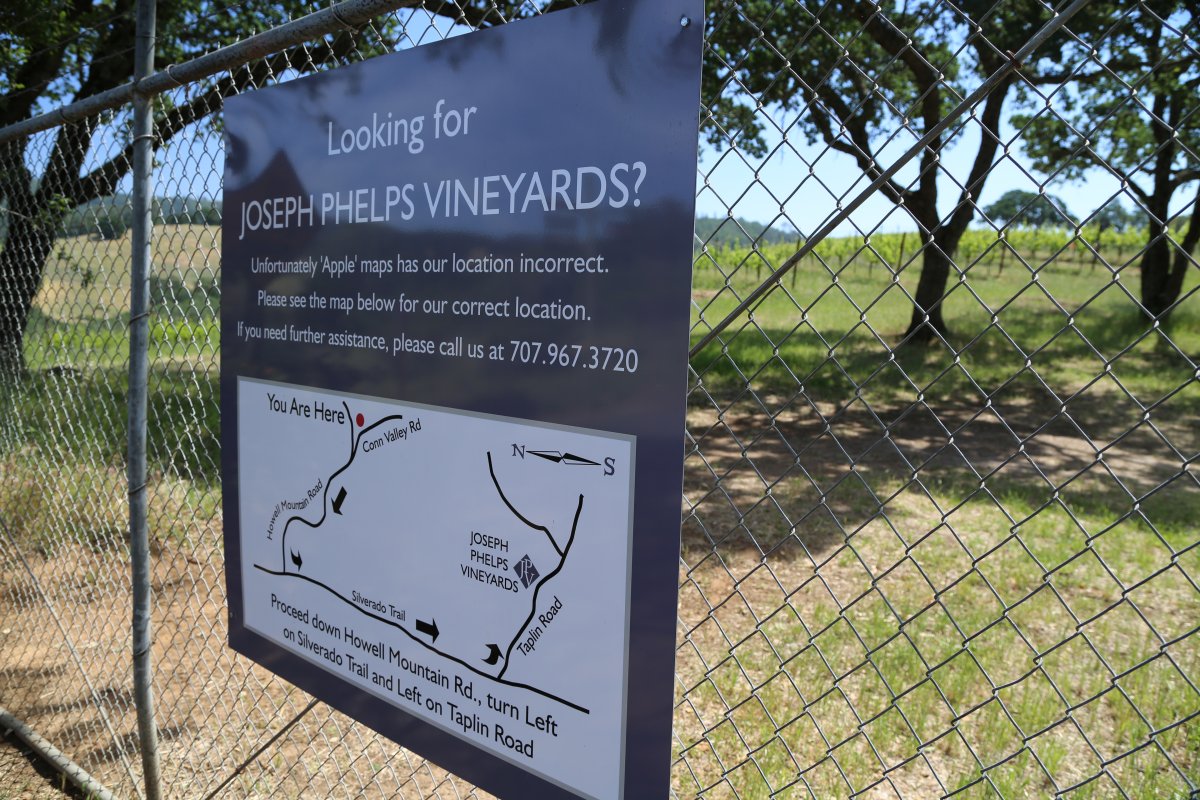
Don’t trust those Apple maps to find Joseph Phelps Winery!
The attractive label was the donated work of designer Charlotte Kay and featured two students blowing horns. The wines were sold at several wine shops around Napa Valley, of which all are no longer in business except for Oakville Grocery. Profits from the sales of the wine totaled nearly $5,500 and were donated by Phelps to the band to help with their expenses in 1980/1981.
—
Freestone Vineyards, Sonoma County
This is a production facility only and does not see visitors as their permit does not allow for hospitality. Formerly a dairy farm until the early 1990s, ground was broken for the winery in 2005 and Freestone Winery was completed by Hensel Phelps Construction in time for the 2007 harvest. Freestone Winery and vineyards total approximately 95 acres, divided into three contiguous parcels.
Tom Shelton who joined the Joseph Phelps team in 1992 and eventually became president of the winery, oversaw the creation of Freestone Vineyards and winery. He was with Phelps through 2008, just before he passed from brain cancer. Incidentally his wife Laurie owns and operates a wine brand called CAMi Vineyards with a vineyard near St. Helena and a tasting room in Calistoga.
The winery is merely a 4 minute drive from Freestone, a community founded in 1853 and best known for two businesses: Wild Flour Bread (there has often been lines during our visits) and the Osmosis Day Spa Sanctuary.
Freestone used to maintain a stand-alone tasting room in the community of Freestone, but this permanently closed on January 1, 2017. In 2022 Joseph Phelps (Stonebridge Cellars) sold this 2.53 acre property and building to Sonoma Mountain Investments.
We would love to see a stand alone space for hosting guests interested in trying the Freestone wines either at the winery (if permitting could be changed) or perhaps somewhere less remote like in Healdsburg or Sonoma or even Sebastopol. Alternatively, a partnership tasting room in a fancy resort in Sonoma County would also be of interest.

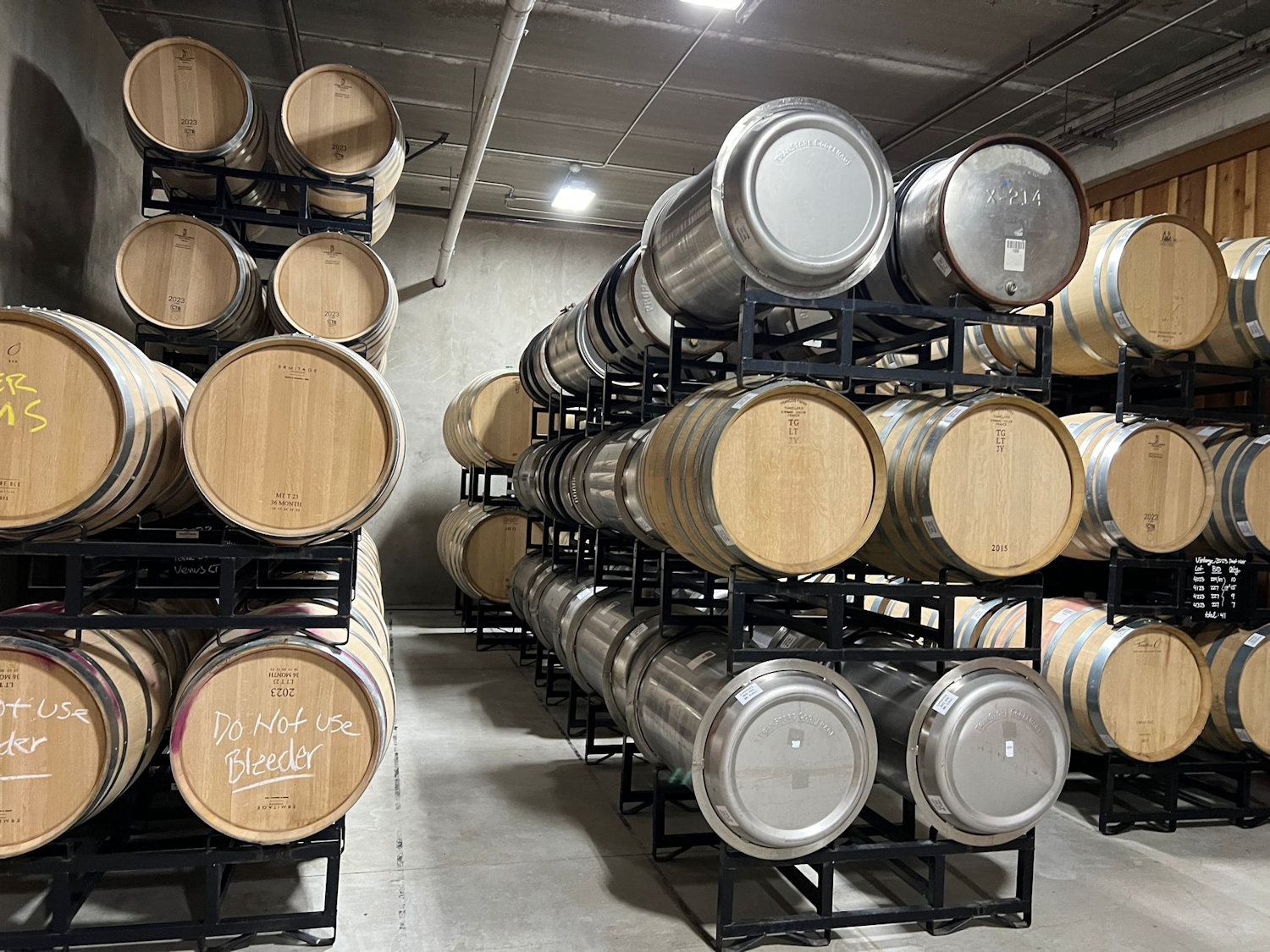
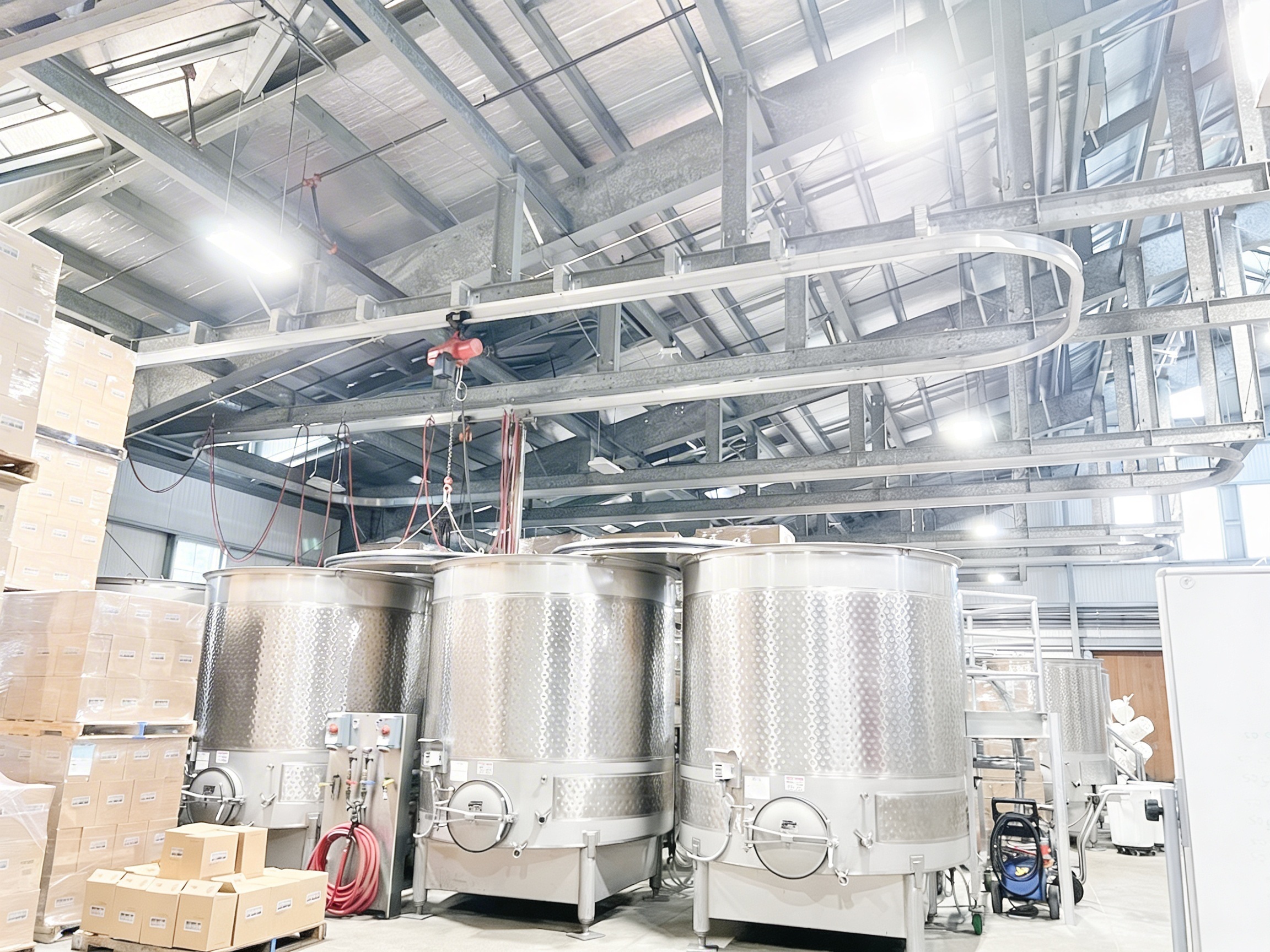
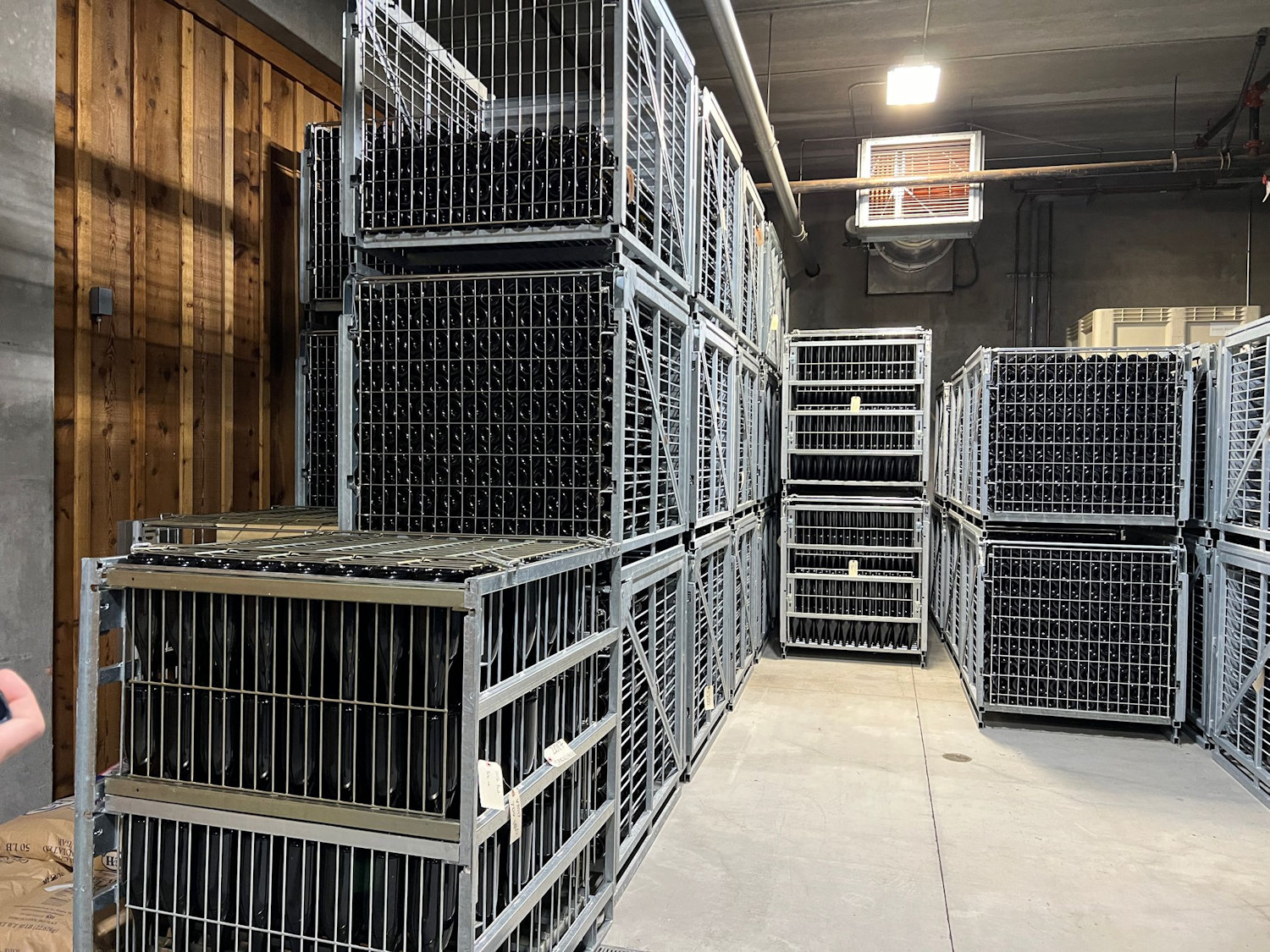
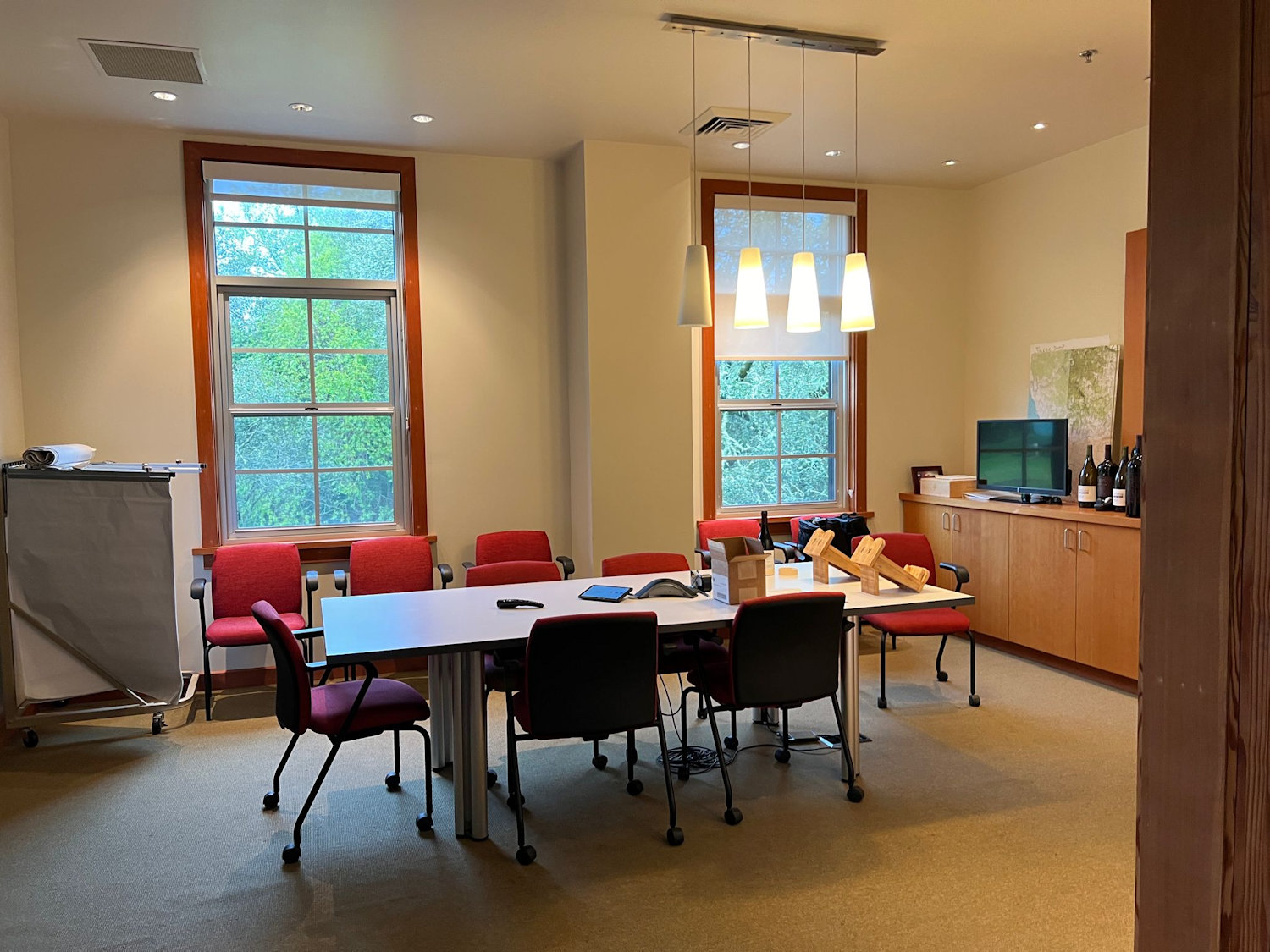
Phelps has long been involved in charitable endeavors; in 1999 Joseph Phelps donated a conservation easement to the Land Trust of Napa County, ensuring that four hundred acres on the Phelps Home Ranch will be preserved as open space. Over several decades he donated several million to the St. Helena Hospital. And in 2001 he donated 8 acres of land for the nearby River Ranch Farm Worker Center which provides housing to seasonal workers. He inspired other vintner’s to fund the construction.
In 2013 critic Robert Parker tasted through all vintages of Insignia and assigned each vintage a scored rating. Upon conducting this re-tasting he rated the 1974 much higher than his original score! (See video below).
And in 2018, the book The Best We Can Be: The Life and Wisdom of Joseph Phelps highlights the lives of Joseph Phelps and his children. Written by the Phelps family with Napa based author and publisher, Paul Chutkow. This is an educational and an inspirational book.
And a bit of local trivia; Joseph Phelps used to own the iconic Oakville Grocery in Oakville.
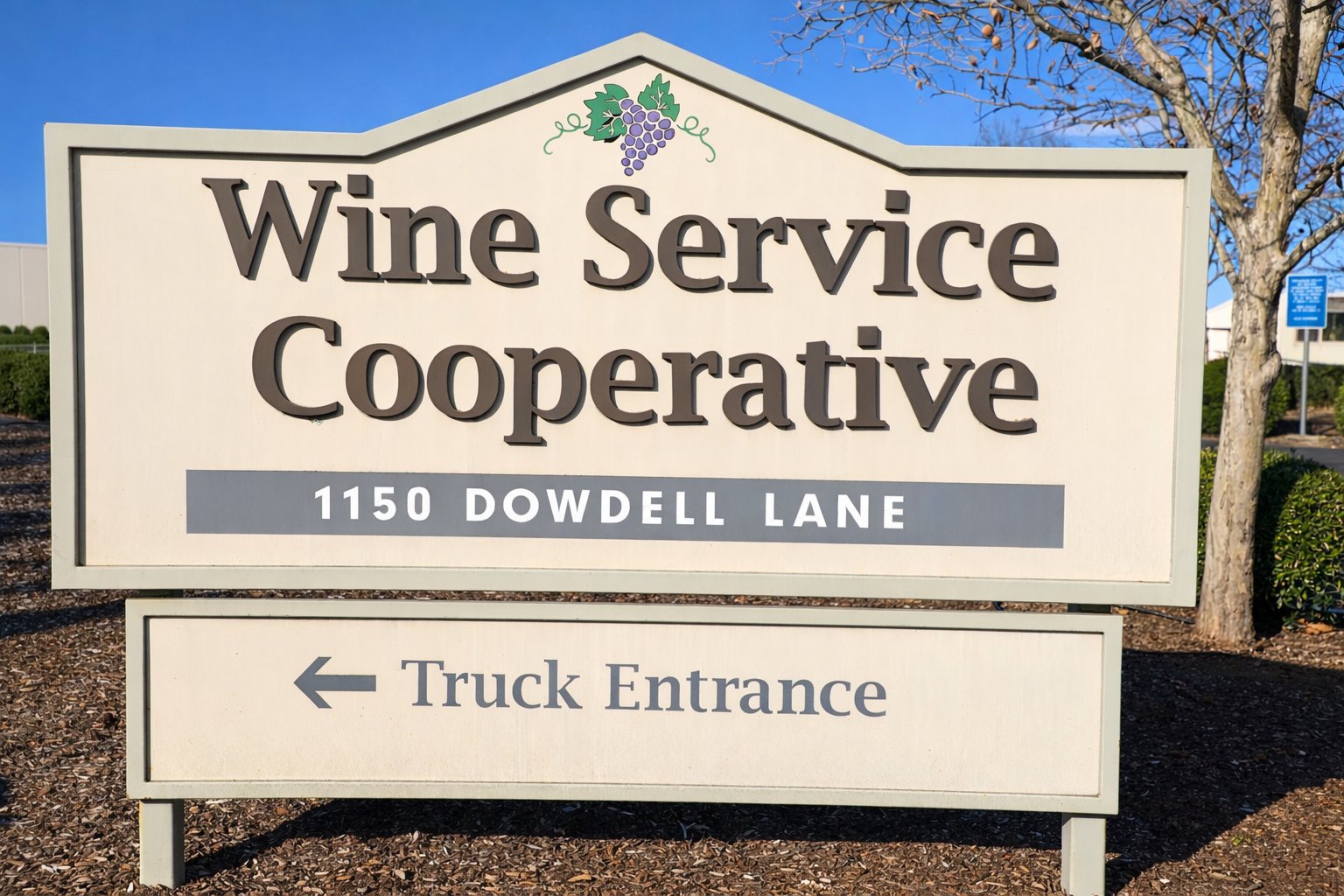
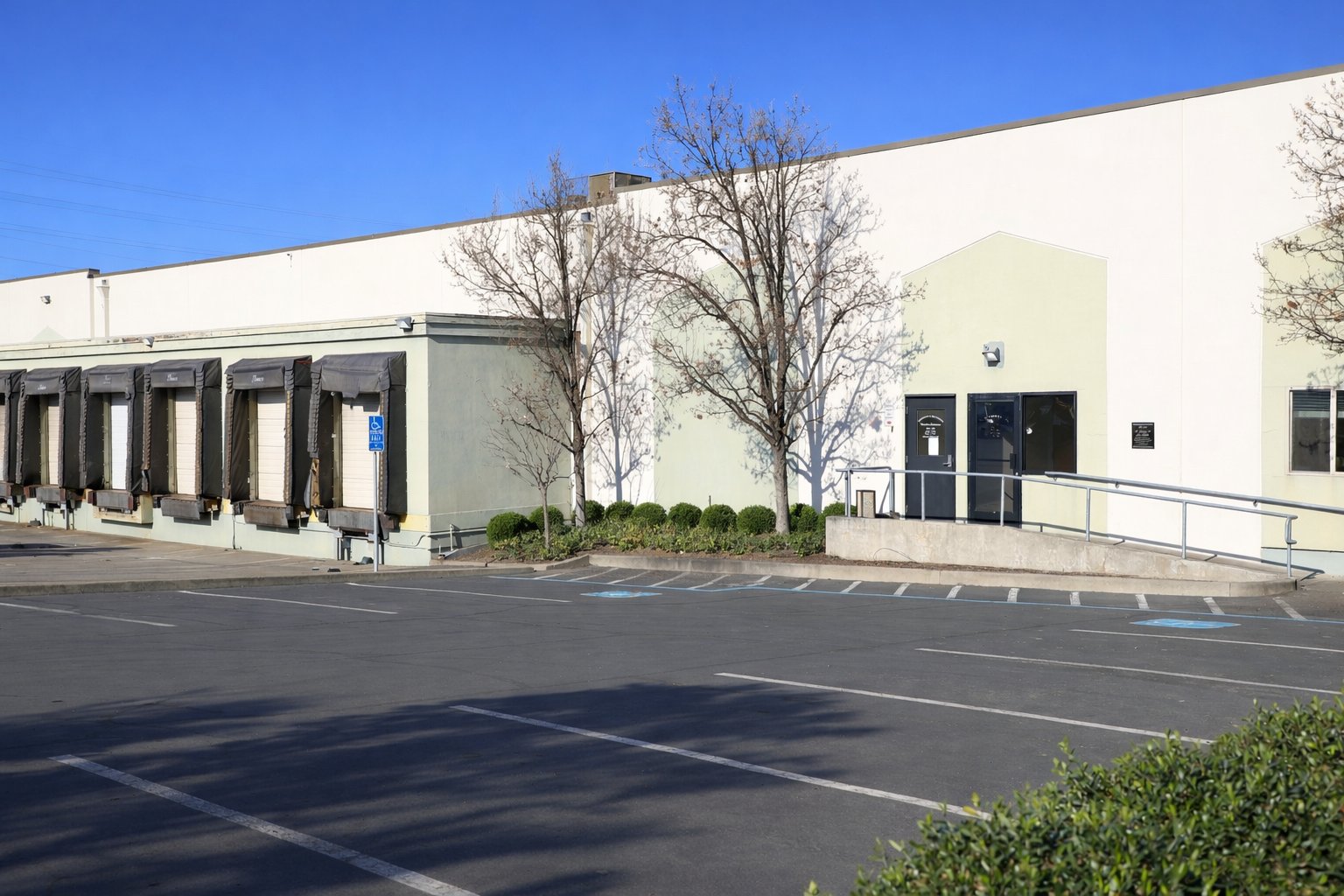
And in 1976 he was one of the partners and managing director of Wine Service Cooperative, a wine storage and fulfillment warehouse located at 1150 Dowdell Lane in St. Helena. The business opened with 40,000 square feet of space. This was a significant addition and fulfilled a very important need for the northern part of Napa Valley. Remarkably nearly all of the original 18 Napa Valley wineries who used the space are still in business and some are still members of this co-op including Joseph Phelps. Members are mostly a representation of the ‘OG’ of Napa Valley. Its original footprint has significantly expanded since it opened including additional storage and fulfillment spaces located in the Napa Airport industrial park south of the city of Napa.
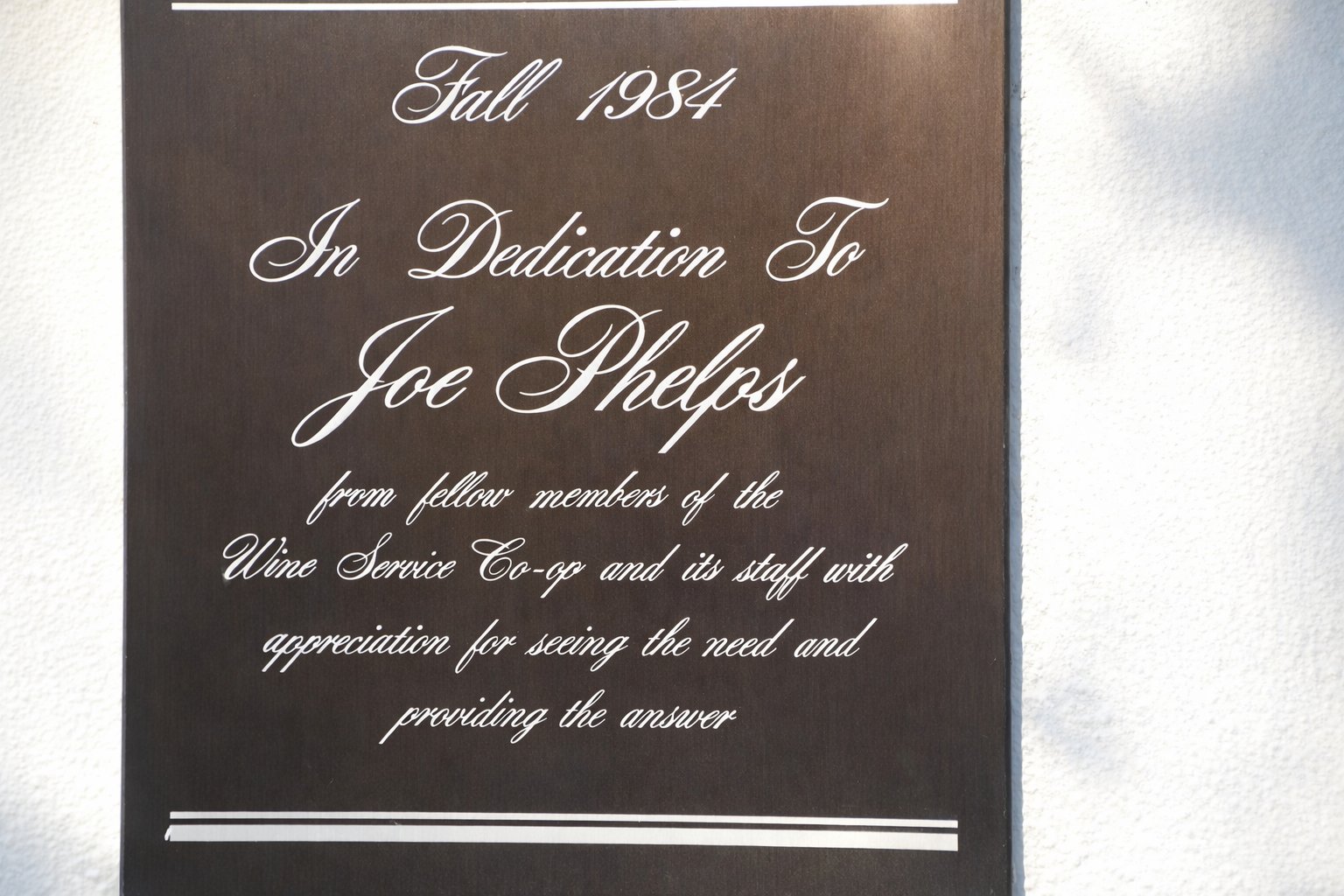
Phelps’s granddaughter, Kelsey Phelps continues the family tradition of producing wine. Her own brand is called SEPPI, the name she used to call her grandfather (short for Giuseppe). SEPPI focuses on producing sparkling wines. And Will Phelps, one of Joseph Phelp’s grandsons, founded his wine brand Hensel West in 2024.
Two electric vehicle charging stations are on site for Tesla vehicles to plug into. For more information, to purchase wines or to learn about their unique tasting experiences, please visit www.josephphelps.com
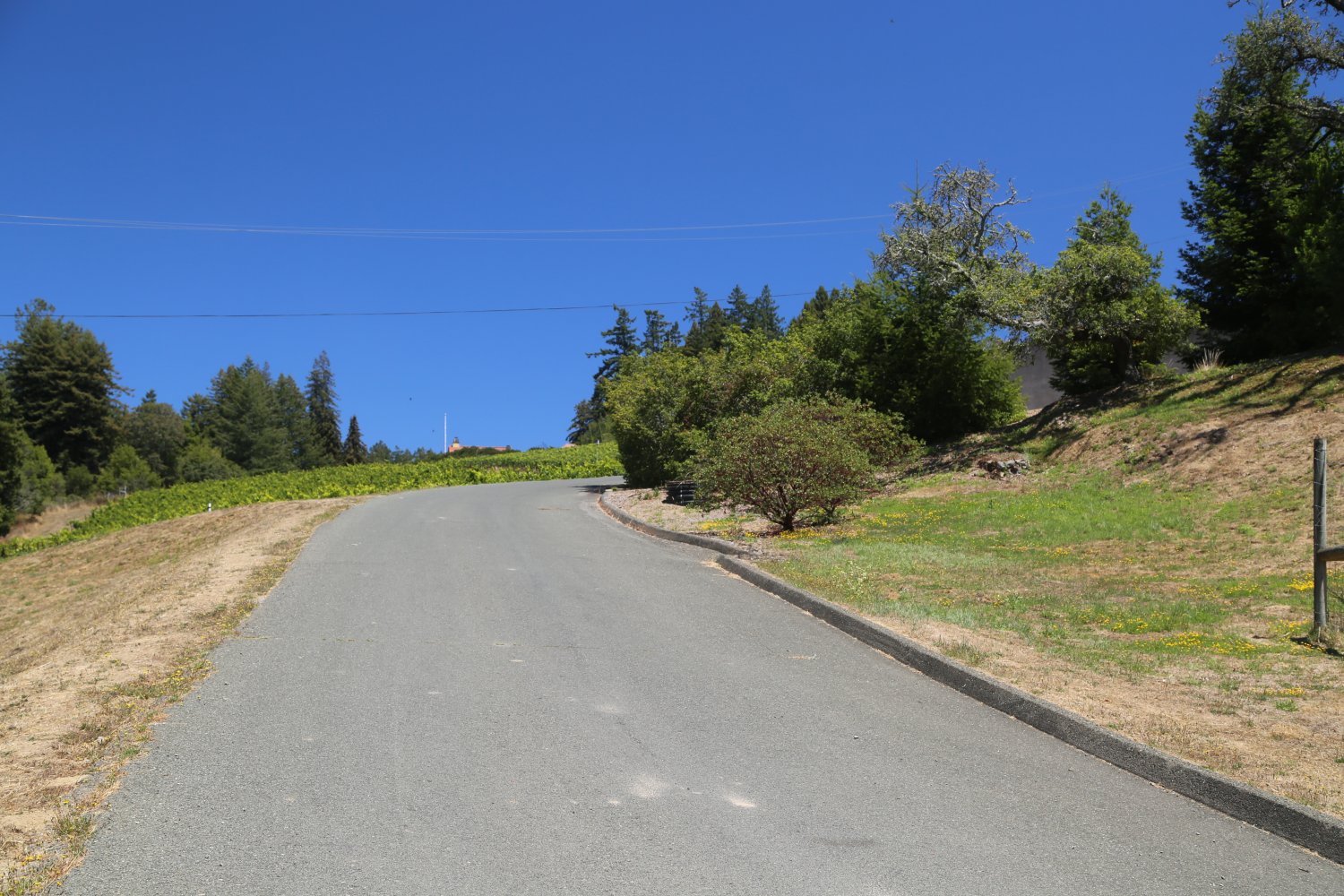
Entrance


Hospitality Center



Estate vineyard
Backus Vineyard
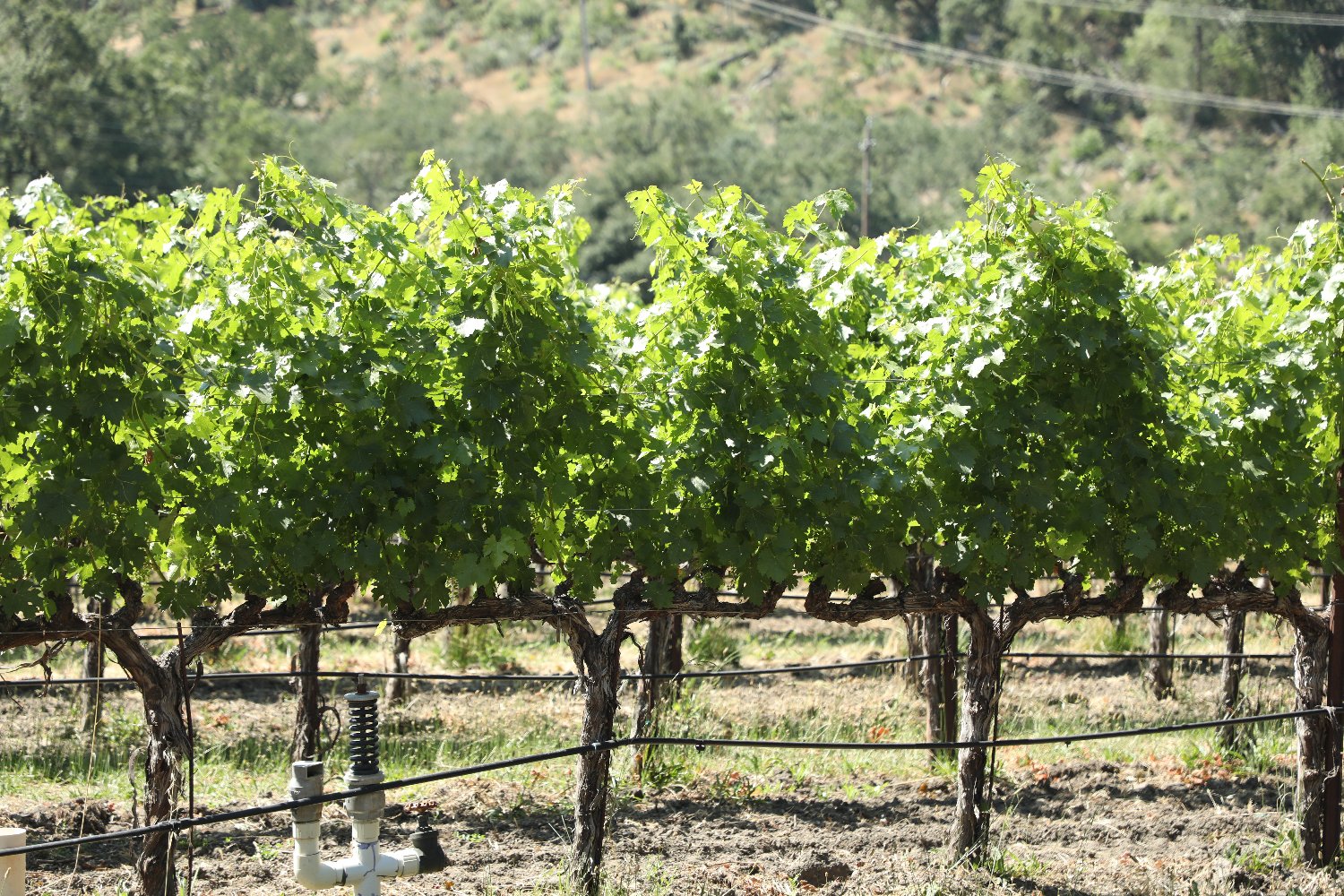
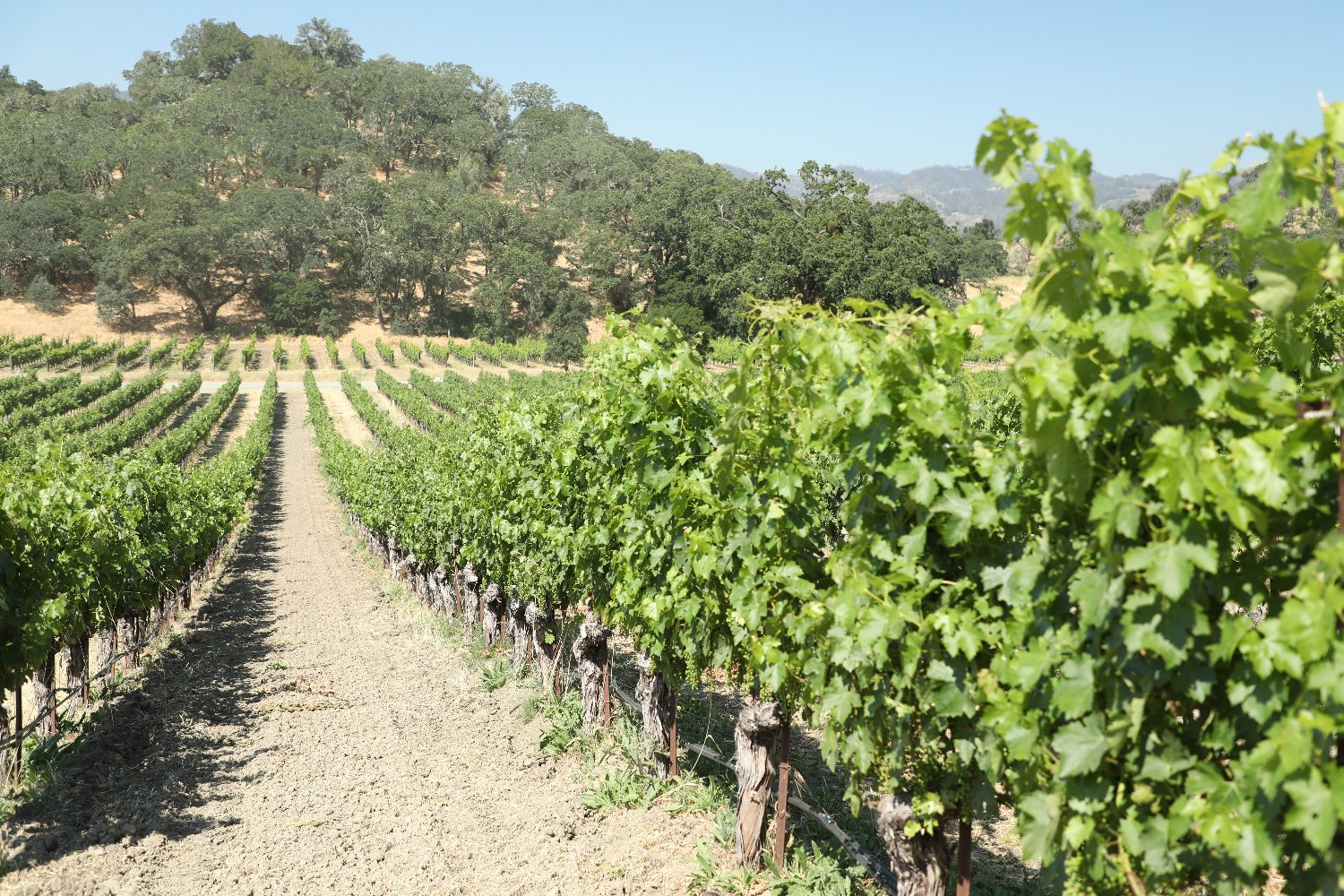
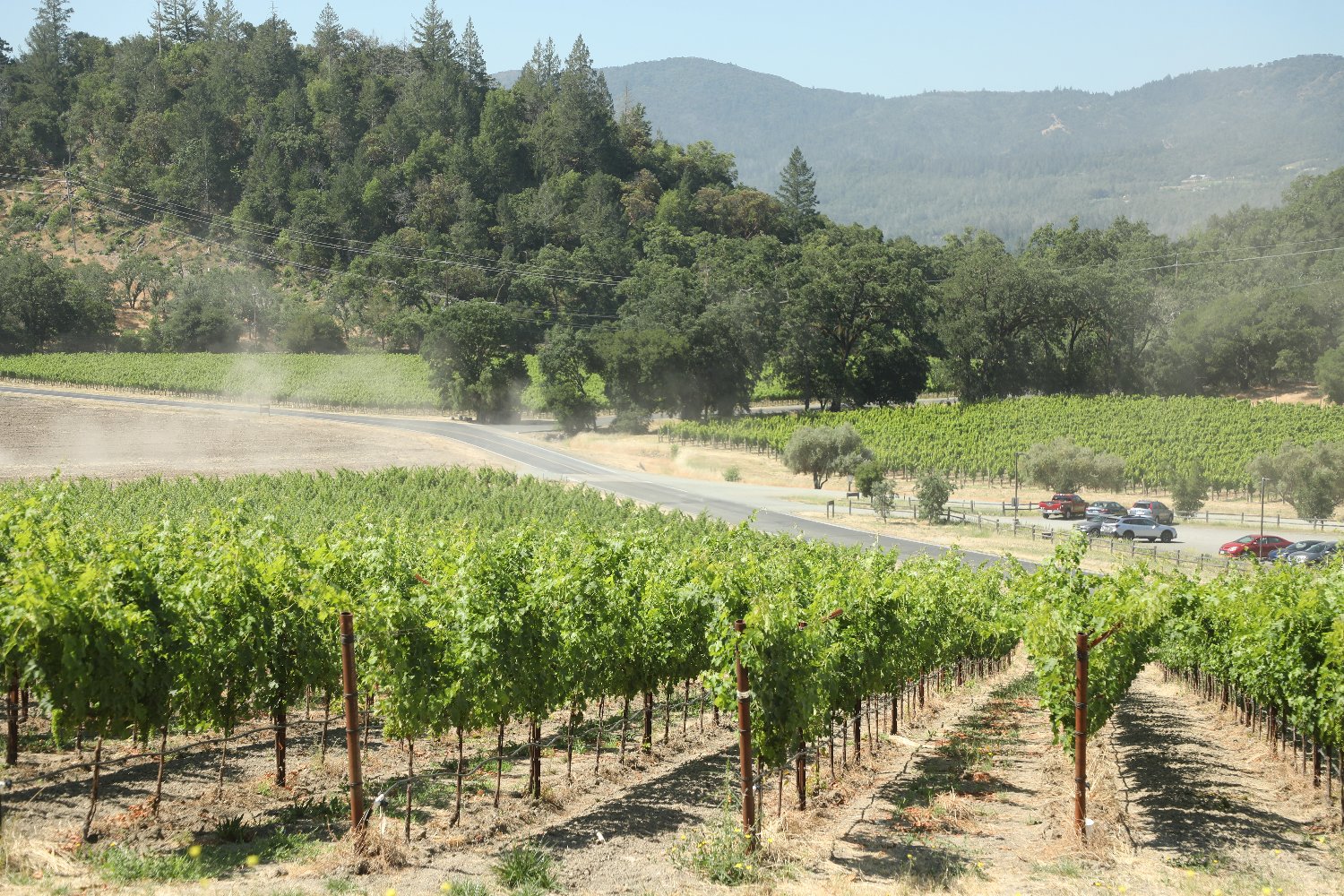
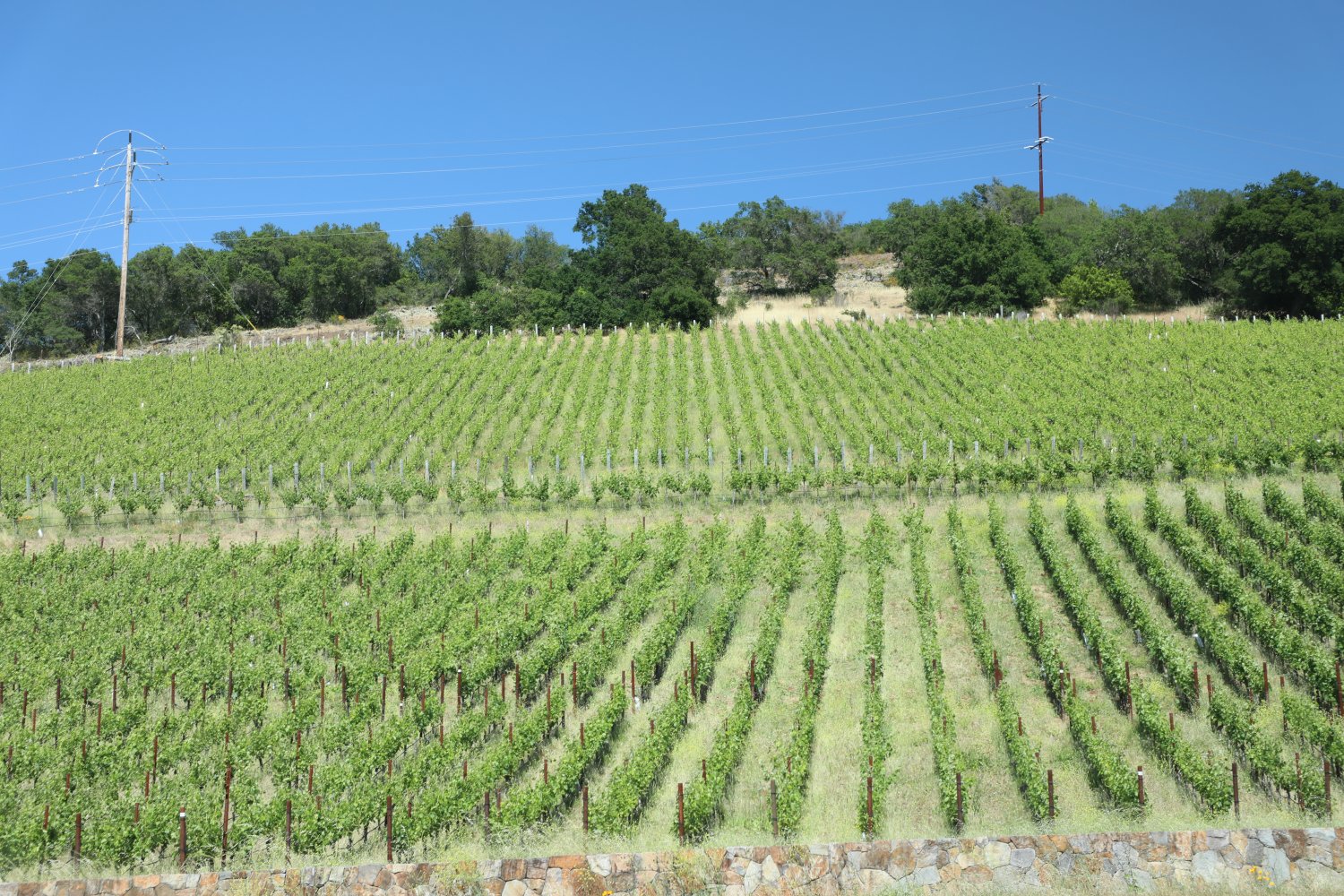
Joseph Phelps first leased this vineyard in 1977, from Marion and David Backus. Their wine from this vineyard has always been Backus Vineyard designated; in 1996 Joseph Phelps purchased this site from Marian (David had passed away in 1982). It is still under Phelps ownership. As a side piece of trivia, David Backus sold his family property and home in 1972 at 5766 Silverado Trail to Warren and Barbara Winiarski who a year later completed Stag’s Leap Wine Cellars at that address.

Sorry to see Joseph Phelps passed away a few days ago, one of Napa’s industry leaders and icons: http://www.decanter.com/news/wine-news/588212/napa-valley-leader-joseph-phelps-dies