
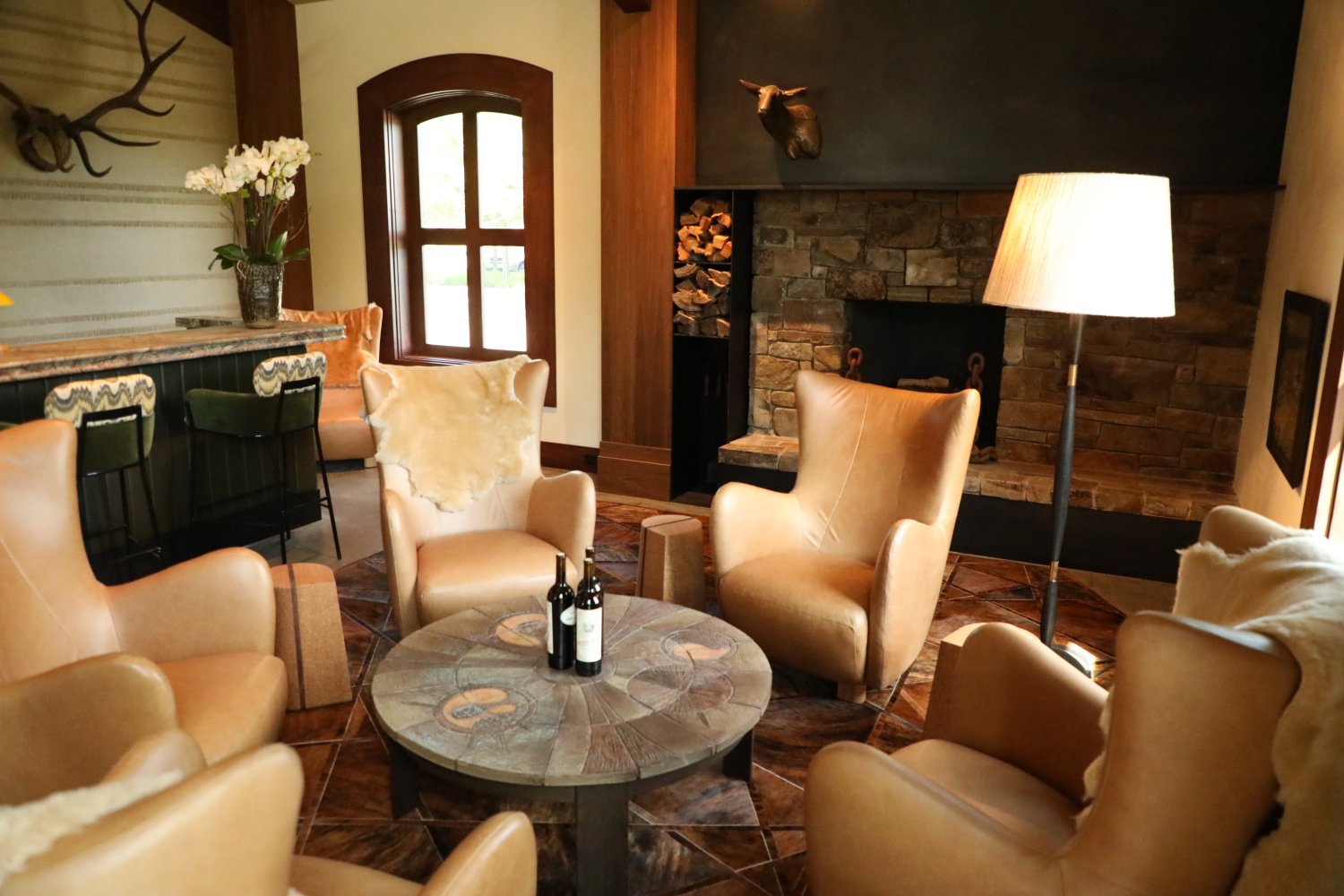
In March 2020, California ordered residents to stay home, and Napa Valley’s tasting rooms went quiet almost overnight. Winemakers who had spent decades building relationships one pour at a time suddenly had no room to pour in.
Many turned to video calls instead. Wineries mailed sample bottles to customers, then walked them through a tasting over a video call, glass in hand on both ends of the connection. It worked well enough that some wineries never fully dropped the format.
From the Cellar to the Webcam
Shipping wine ahead of a scheduled video session solved the obvious problem: nobody can smell or taste through a screen. Instead, a host would walk a small group through the same bottle in real time, pointing out color, describing the nose, and taking questions as they came up.
For smaller producers, this was also a marketing shift. The advertising strategies many wineries adopted during the shutdown leaned heavily on direct, personal contact instead of print ads or wine club mailers. Some kept the video tastings running as a standing feature long after tasting rooms reopened, because they reached people who would never drive to Napa on a Tuesday afternoon.
Strangers on a Screen
The format also normalized something else: talking to a stranger, live, on camera, out of curiosity. Random video pairing was not new. Services matching two strangers for a live video call had existed since 2009, and one became a byword for the category before it closed down.
Omegle shut down in November 2023, after its founder said he could no longer manage the moderation costs and legal pressure of connecting strangers at scale. Its closure did not end random video chat, it scattered the audience across a handful of purpose built alternatives. LuckyCrush is one of them, a browser based service that pairs users for one on one video conversations without asking for a profile or a sign-up first.
What a Camera Still Cannot Do
Video solved the meeting problem, not the tasting problem. Recognizing a wine by smell and taste alone takes practice, and the science behind blind wine tasting shows how much of that skill comes from trained memory and expectation, not raw sensitivity. A screen carries none of that; the taster still needs an actual glass in front of them, since color and aroma do not transmit through a webcam the way sound and expression do. A host can describe tannin and acidity all afternoon, but the person on the other end still has to taste it themselves to know if the description was right.
That is likely why hybrid formats survived. A shipped bottle paired with a live host splits the difference, so the taster keeps the physical glass while the conversation happens over video. A winery running a video tasting is, in a narrow sense, using the same basic tool a random video chat service uses. It just points the camera at a vineyard instead of a stranger, and the goal is a shared glass rather than a first impression. Both formats depend on the same underlying trade: a live camera stands in for a trip that, for one reason or another, was not going to happen otherwise.
Moderation on a Platform Built for Strangers
Any service that pairs unfamiliar adults for live video has to manage the same handful of problems: confirming age, discouraging harassment, and ending a bad pairing quickly. Most random video platforms rely on a mix of self reported age at sign-up, automated content moderation, and a one-click skip or report function that ends a conversation instantly. None of these tools is unique to video chat. Comment sections and forums have used similar versions of them for years, but live video raises the stakes because moderation has to happen in real time rather than after the fact, with no editing window and no delete button once a call has connected.
None of that guarantees good behavior, but it does mean a short video conversation carries a different risk profile than an unmoderated chat room or an open comment thread. The tradeoff is anonymity. Unlike a winery’s own mailing list, nobody on a random video call knows who logged on until that person chooses to say so, and ending the call takes one click rather than an explanation. That combination, low commitment paired with an easy exit, is part of why the format kept an audience once Omegle stopped offering it.
A Habit That Outlasted the Shutdown
The lesson from Napa in 2020 was that a screen can carry curiosity and connection even when it cannot carry flavor. Wineries kept the video option because it reached people the physical tasting room never could, including out of state customers who would never book a flight for a single afternoon of tasting. The wider habit of meeting strangers on camera grew for a similar reason: it lowered the cost of a first conversation to almost nothing, and lowering that cost turned out to matter well beyond wine, from long distance friendships to language practice to simple curiosity about how other people live.
Both outlasted the circumstances that created them. A shutdown forced wineries onto video and forced a generation of people to get comfortable talking to someone new on camera, and neither habit fully went away once the original reason for it disappeared. A tasting room reopened and a video option stayed next to it. A pandemic ended and a camera habit, once learned, proved harder to unlearn than anyone expected at the time.
What began as a stopgap for a closed tasting room, and separately as a stopgap for a closed campus or a closed office, settled into something closer to a permanent option, sitting alongside the in person version rather than replacing it. The glass in front of the taster is still the point. The camera just turned out to be a reasonable way to get more people to it.