
The editorial team at Live Sports Odds spends enough time tracking weekend entertainment habits to notice a recurring pattern: the same Saturday leisure budget that might once have gone entirely to a Napa tasting room now gets divided in a dozen directions. A fan watching a match on a fall afternoon might spend part of that time tracking dropping odds on the next game, weighing the same discretionary dollars that a winery down the road is working hard to capture. That competition for the weekend’s attention, and the money attached to it, has grown sharper. U.S. consumer wine spending fell to $74.3 billion last year from $94.4 billion in 2020, per Silicon Valley Bank, and California’s producers are feeling the pressure to meet people where their leisure dollars actually go.
California Wine Faces Its Steepest Demand Drop in Years
The scale of the contraction is hard to minimize. According to the Santa Rosa Press Democrat, Silicon Valley Bank’s survey of 450 family-owned wineries found producers at every size scrambling to compensate for lost foot traffic and flagging direct sales. California, which the Wine Institute estimates produces roughly 80 percent of all domestic wine, absorbs a disproportionate share of any national softening in demand.
The consequences have been visible. Gallo and Jackson Family Wines have both closed facilities and laid off workers in recent periods. Other producers have shuttered tasting rooms as wine tourism fades. The SVB survey found smaller wineries leaning on after-hours events to drive sales, while larger ones are investing in upscale food and wine pairings, corporate catering, and off-site member parties led by their winemakers. Rob McMillan, the Silicon Valley Bank analyst who authored the firm’s June 2026 direct-to-consumer report, put the industry’s trajectory in blunt terms.
“The industry has been on a dizzying roller coaster ride; a ride without tracks.”
He suggested the worst of the downturn may be behind the sector, then immediately added the question that hangs over every winery marketing meeting right now.
“So why doesn’t it feel that way?”
A New California Law Opens the Vineyard Gates
The pivot that has followed the downturn involves a wide range of non-wine programming, and a January 2026 California law has given wineries a structural opening to pursue it. The law allows producers to hold a limited number of events away from their tasting rooms and inside their vineyards, creating settings that are more experiential and less transactional than a standard flight of pours.
Clif Family Winery and Farm in St. Helena has leaned into the casual end of the spectrum. The winery now offers a seasonal flight of mocktails for $50, made from its organic jams and honey, and holds bingo and trivia nights for guests who may have little interest in a formal tasting. The winery attempted to develop a nonalcoholic wine but could not produce one its winemakers found acceptable. Jewelry pop-ups have appeared elsewhere on the North Coast circuit as operators search for reasons to get people onto their properties.
PlumpJack Collection of Wineries tested a different approach from January through June 2026: four of its producers offered midweek complimentary tastings of two wines, with a $40 upgrade to a fuller tasting. Managing partner John Conover reported that most guests paid for the upgrade and purchased bottles to take home, calling the result straightforwardly.
“It was a home run.”
Carey Jayne Norton, director of marketing and sales at Turnbull Wine Cellars, described the broader situation facing small wineries in plain terms.
“So how do you pivot, while maintaining?”
Her answer, and the industry’s answer more broadly, is that the new law offers a genuine opening. “There is this kind of creative opportunity for us to kind of reimagine, again, how our customers are engaging with wines on an everyday level,” Norton said.
Lobster Picnics and Chocolate Truffles Bring in First-Timers
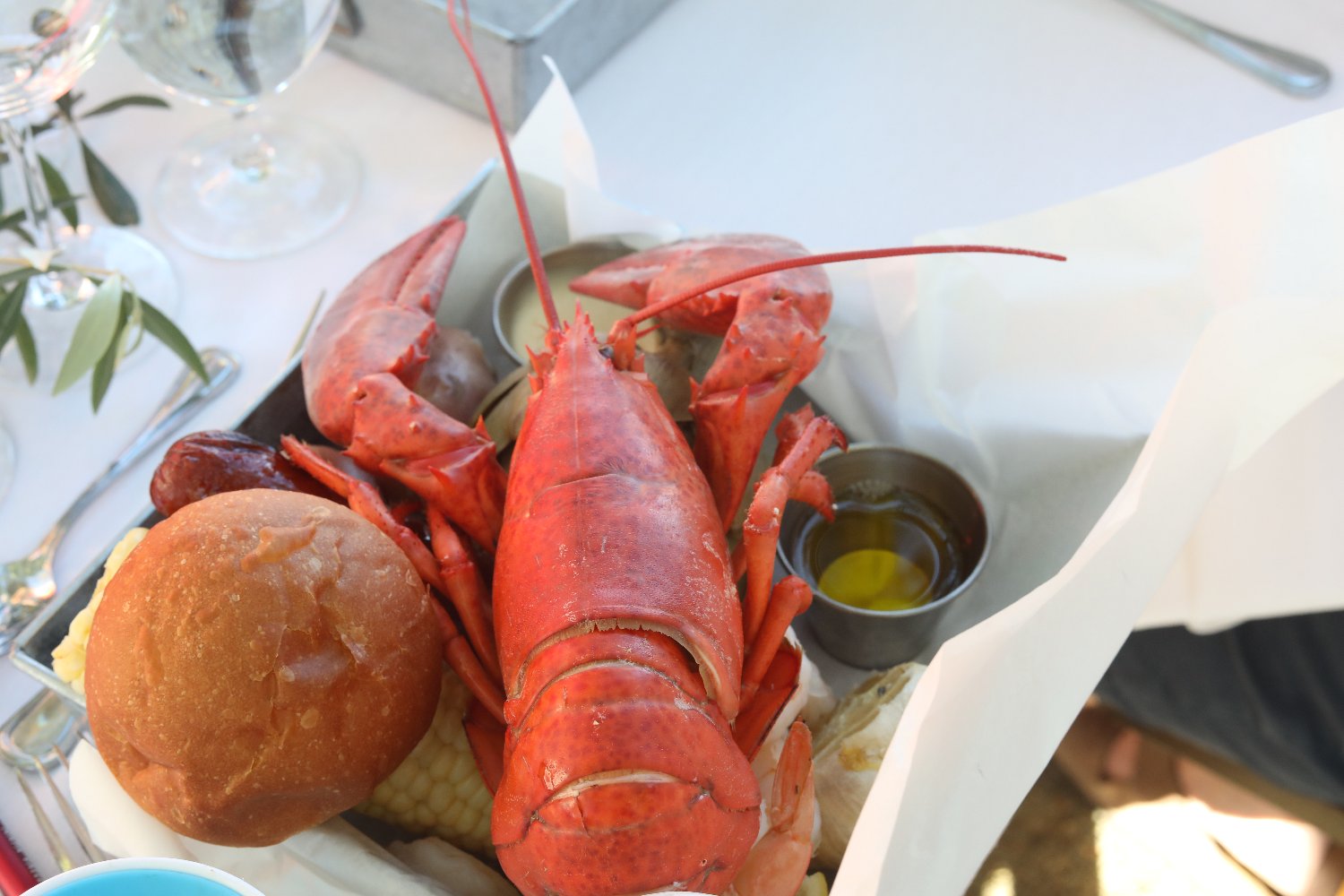
Some wineries have gone further, building full lifestyle programs with named price points. Turnbull Wine Cellars hosted a lobster picnic at its Fortuna vineyard in Oakville in early August, its first such event, drawing 45 guests at $150 per person. Several weeks earlier, the winery had held its first Pilates class followed by brunch on the property.
Justin Vineyard and Winery in Paso Robles has built out the most structured suite of new offerings. Since fall 2024, Justin has introduced three weekend programs: a three-hour chocolate truffle-making class priced at $250, a 90-minute blind tasting at $115, and a garden tour paired with herbal tea blending for $50. The range is deliberate, covering guests with different budgets and levels of wine interest.
The results have been concrete. Justin reported a 30 percent increase in first-time guests over the past year, and the winery attributes the growth directly to the expanded programming. Jennifer West, Justin’s senior director of marketing, described the logic behind the investment.
“Way to bring people on property, and then, once they’re there, they fall in love, they join the club, they seek us out when they’re in the market.”
West added that the programs have been “reaching a wider audience than the traditional wine tasting.” That wider reach matters especially for a remote region like Paso Robles, where the destination-winery model is the primary engine of visitor traffic. Decades ago, wine executives note, tourists in California wine country might visit four or five wineries in a single day. Today, industry voices say that number has dropped to roughly two. Capturing a guest’s full afternoon, rather than a short window of it, has become the central competitive task.
Guest Expectations Have Shifted, and the Math Has Grown Harder
Even as wineries innovate, the economics of that competition remain uncomfortable. The average tasting fee in Napa Valley sits at $79, according to Silicon Valley Bank, about $40 above the national average. That premium makes conversion harder when discretionary budgets are stretched.
Rebecca Laird, general manager of Laird Family Estate, described the guest behavior her team now regularly encounters.
“The expectation now for consumers is that they’re coming and they’re paying for an experience, and not just a tasting of a flight of five wines.”
She added a note that carries a different implication for revenue: “They’re wanting a more casual setting. And they’re wanting to not spend the money.” Groups arriving at her winery have increasingly opted to share a single bottle rather than pay individual tasting fees, a pattern that limits per-head spending regardless of how inventive the programming becomes.
Linzi Gay, president of Clif Family Winery and Farm, offered a caution that cuts against the more enthusiastic embrace of novelty. Filling a calendar with pop-up events and themed nights carries its own risk if the programming lacks purpose.
“I do think we all need to kind of figure out how that fits together, and that we’re not doing things that are just for, you know, the noise.”
John Conover of PlumpJack put the alternative plainly: “Waiting for someone to come to your property is probably not a great strategy in today’s market.” The problem is that no one has yet demonstrated a formula that fully replaces the revenue lost since 2020. McMillan’s observation that the worst may be past sits alongside his own follow-up question, still unanswered, about why the industry does not feel that way. The pivot is underway. Whether it is enough remains an open question.