
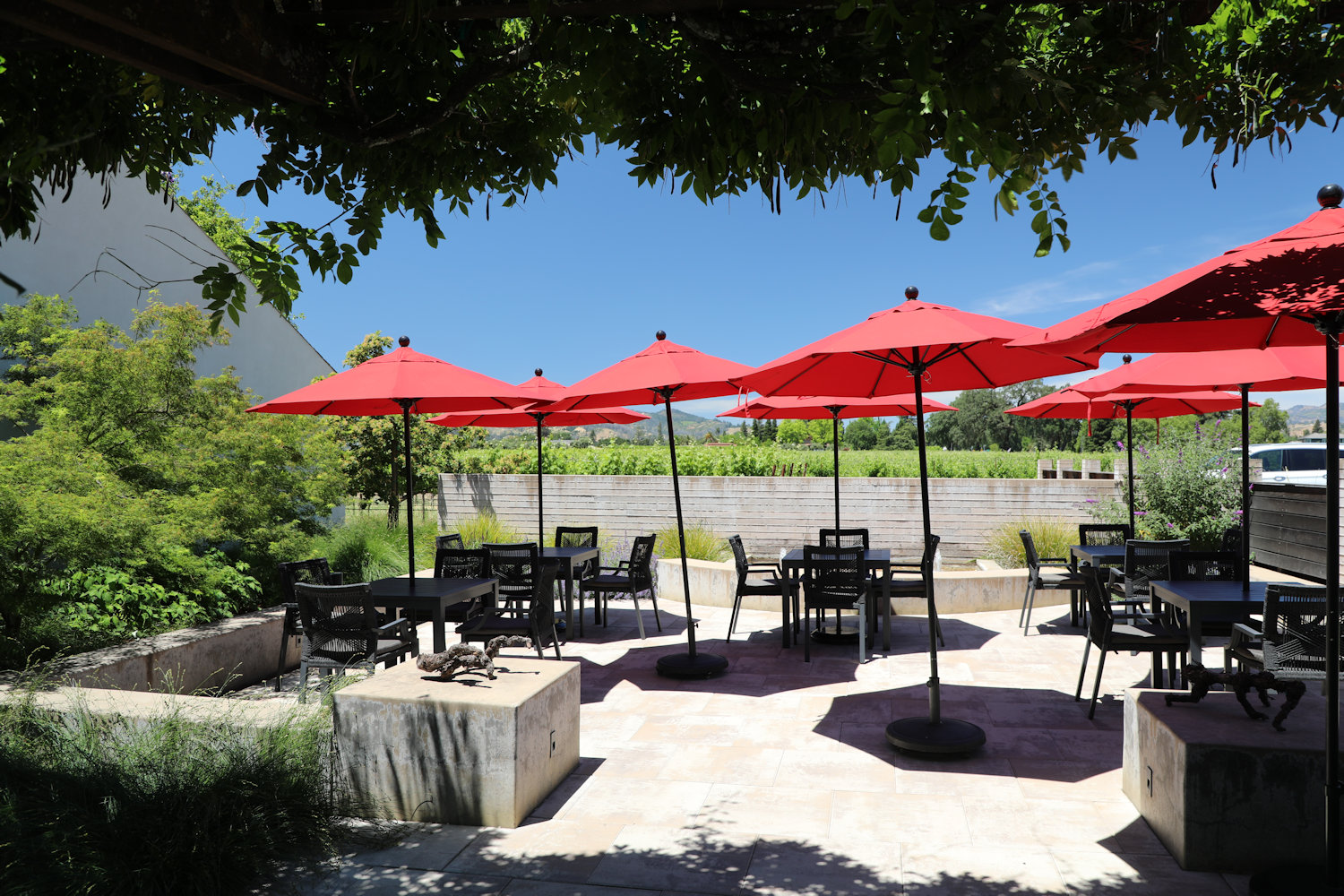
Napa winery days are supposed to be the easy kind of fun. You show up, you taste, you take a few photos, you wander a patio, maybe you buy a bottle you swear you will open soon.
Then. One slick step. A weird curb. A wet tile floor in the restroom. And suddenly you are thinking about urgent care instead of cabernet.
So here’s the promise. This is a fast, scannable checklist you can actually use before and during a Napa Valley winery visit. Not fear-based. Just practical. Tasting rooms, barrel caves, outdoor terraces, and event patios often combine moisture, low light, and foot traffic. And most falls are preventable if you spot the usual hazards early.
If you’re planning a full day, it also helps to browse a few Napa-focused guides and itinerary ideas first, so you’re not rushing from stop to stop. Napa Wine Project has plenty of winery profiles to help with that planning.
Why Slip-and-Falls Happen So Often at Wineries
Wineries are not like regular restaurants. They are part hospitality space, part farm, part production facility. So the surfaces are different. The lighting is different. The flow of people is different, too.
Common Hazards on Winery Surfaces
- Flooring is often “pretty” but slick: polished concrete, glossy tile, smooth stone, and sealed wood decks all reduce traction.
- Moisture is normal: barrel-room humidity, rinse-down areas, condensation around ice buckets, and wet entry mats after rain all create slippery conditions.
- Transitions are everywhere: gravel to concrete, patio to tasting room, curb to walkway, and stair to landing are all common trip points.
Napa-Specific Factors That Increase Risk
- Morning dew that makes patios slick early in the day.
- Winter rains that turn vineyard edges into mud.
- Gravel parking lots that shift underfoot.
- Busy weekends and events where shoulder-to-shoulder crowds make it harder to react.
And yes, alcohol matters. Even a little wine can reduce balance and reaction time. The goal is not to skip the fun. It’s to pace, so your feet and brain stay in sync.
Where Falls Happen Most Often
- Parking lots and walkways
- Curbs and stair transitions
- Tasting bars, especially when stepping back
- Restrooms
- Patios and terraces
- Production areas during tours, if access is allowed
Before You Go: 2-Minute Prep That Prevents Most Falls
This is the part people skip because it feels obvious. Then they arrive with brand-new slick soles and spend the day on gravel.
Footwear quick check
- Choose closed-toe shoes if you can.
- Look for real tread, not smooth fashion soles.
- Avoid wearing new shoes that have never been worn on pavement.
- If dressing up, wedges beat stilettos for gravel and pavers.
Plan for weather (even if it “looks fine”)
- Check the forecast for Napa, not just San Francisco.
- Bring a light jacket or a rain shell.
- Watch for wet hems on long pants or dresses. Wet fabric brushing your shoes is an underrated slip starter.
Pack smart so your hands are free
- Use a small crossbody or mini backpack.
- Keep one hand available for railings and balance.
- Try not to juggle bottles, a phone, a purse, and a sunglasses case.
Booking tastings
- Build in buffer time.
- Rushing is when people stop watching their footing and start watching the clock.
Parking Lots and Entryways: The #1 Place People Slip
It’s not glamorous, but it’s true. Parking lots and the first 30 feet after you get out of the car are where a lot of winery slip-and-fall accidents begin.
Watch for:
- Uneven gravel
- Potholes and broken asphalt
- Wheel stops you do not see until you hit them
- Slick painted lines after rain
- Mud near vineyard edges and landscaping borders
Use the simple three-point rule:
- One hand free
- Slow steps
- Look ahead (not only at your phone or map)
At curbs and thresholds:
- Expect sudden height changes.
- Step, don’t shuffle.
- Treat “just one step” like it matters because that’s when ankles roll.
If using rideshare:
- Ask to be dropped off at a location with an even walkway and good lighting.
- If the driver stops on a slope, take your time getting out of the car.
Inside The Tasting Room: Floors, Spills, and Crowded Spaces
Assume spills happen. Wine drips. Water stations splash. Condensation pools under ice buckets. Staff are usually on it, but a spill can exist long enough to catch someone.
Do a quick scan for:
- Polished concrete (can be slick even when it looks dry)
- Smooth stone or glossy tile
- Area rugs with curled edges
- Entry mats that bunch up
Crowd navigation matters too:
- Take wider turns.
- Avoid cutting between stools where feet and bag straps stick out.
- Pause before stepping backward from the bar. That backward step is a classic fall moment.
If you notice a spill, tell the staff right away. It’s not “being dramatic.” It’s being cautious.
Tours, Barrel Rooms, and Production Areas: Low light and Moisture
Barrel rooms and caves are beautiful. Also, they are basically designed to be dim and cool. Your eyes need a second to adjust when moving from bright outdoor sunlight to low light.
A few smart moves:
- Pause at the entrance for a beat so your vision adjusts.
- Expect damp floors near doors, drains, and equipment areas.
- Slow down at any change in surface texture.
Stairs and handrails:
- Always use the rail.
- Keep your phone in your pocket during transitions.
- If you want a photo, stop first, then shoot. Do not walk and frame.
Follow tour boundaries:
- If the guide says stay on the path, stay on the path.
- Off-path areas can mean hoses, cords, uneven flooring, and unexpected drop-offs.
Outdoor Patios, Gardens, and Vineyard Paths: Where “Pretty” Hides Safety Hazards
Outdoor spaces are where people relax and let their guard down, which makes sense. But patios and garden walkways have their own hazards.
Look for:
- Pavers with gaps or lifted edges.
- Moss or algae in shaded areas (especially near fountains or irrigation).
- Stone steps with worn edges that blend into the patio’s color.
- Wood decks can be slick from dew or wine spills.
- Watch for warped boards and small step-downs that do not appear to be steps.
Vineyard paths:
- Mud after rain or irrigation
- Choose firm ground
- Avoid walking while looking through your camera’s viewfinder. That one is common. You feel stable until you are not.
Event setups:
- Cables, temporary mats, and tent stakes.
- Slow down near the DJ or band areas where the lighting is low, and wires are everywhere.
Restrooms and water stations: small spaces, big risk
Restrooms are a slip-and-fall hotspot because the tile floors are often wet.
In restrooms:
- Take shorter steps.
- Watch for slippery soap residue near sinks.
- Check for narrow thresholds that catch toes.
- Pay attention to lighting. Some restrooms are mood-lit, which is not helpful for footing.
Water stations:
- Water spills and ice melt create puddles right where people stand.
- Avoid stepping around the base of the station if you see pooling.
If you’re wearing heels:
- Turn slowly.
- Be extra careful on bathroom transitions, especially from carpet or mat to tile.
Tasting Smart: Alcohol, Balance, and Pacing Without Ruining The Fun
You can taste wine all day and still stay steady. It’s mostly about pacing.
A simple, realistic approach:
- Eat before you start, or with tastings.
- Alternate wine and water.
- Take seated breaks if you start feeling a little floaty.
- Normalize using the spit bucket, especially during multiple tastings—it is extremely common in Napa.
If you are tasting as a group, look out for each other. Slow the pace if someone seems unsteady, and choose the most accessible route between stops. Skip the steep stairs and take the longer, flatter path — nobody remembers the stairs anyway.
If You See a Hazard (or You Fall): What To Do in the Moment
If you spot a hazard, tell staff or a manager immediately and ask that the area be marked or cleaned.
If you fall, move to a safe spot if you can and assess your injuries. Do not walk it off if you hit your head, feel severe pain, or feel dizzy.
After a fall, take these steps:
- Report it to the staff and ask for an incident report.
- Get the names and contact information of anyone who witnessed it.
- Get medical care and keep all records. Sprains and wrist injuries can worsen over the next 24 to 72 hours.
Document the scene with your phone:
- Photograph the spill, uneven surface, poor lighting, missing sign, or whatever caused the fall.
- Photograph your shoes.
- Photograph the general area from several angles.
If unsafe conditions caused your fall, knowing your options matters. A lawyer for slip and fall injuries in Napa can assess the accident and explain your next steps.
Quick Napa-Specific Checklist You Can Screenshot
Footwear
- Closed-toe shoes or secure sandals with tread.
- Avoid brand-new slick soles.
- Wedges over stilettos for gravel.
Weather
- Check the Napa forecast (not just your hotel location).
- Bring a light rain shell in the wet season.
- Watch for wet hems that could get your shoes wet.
Parking and entry
- Scan gravel, potholes, wheel stops.
- Slow down on painted lines after rain.
- One hand should be free when walking from the car to the door.
Tasting room
- Assume there are spills near bars and water stations.
- Watch rugs and curled edges.
- Pause before stepping backward from the bar.
Tours and barrel rooms
- Let your eyes adjust to low light.
- Use handrails, especially on narrow steps.
- Stay on the marked path.
Outdoor areas
- Check pavers for lifted edges or gaps.
- Watch shaded areas for moss or algae.
- Slow down near event cables and mats.
Pacing
- Eat first, then taste.
- Alternate wine and water.
- Map stops with buffer time, so you are not rushing.
Wrap-up: Enjoy Napa Like a Pro (Safe, Relaxed, and Prepared)
Most winery slip-and-falls come from predictable stuff. Wet floors, uneven surfaces, low light, and rushing. That’s really it.
Wear the right shoes, slow down on transitions, keep a hand free, and speak up if you see a hazard. You will enjoy Napa more when you are not constantly trying to catch your balance.
Have fun. Taste well. Walk like you plan to keep dancing tonight.