



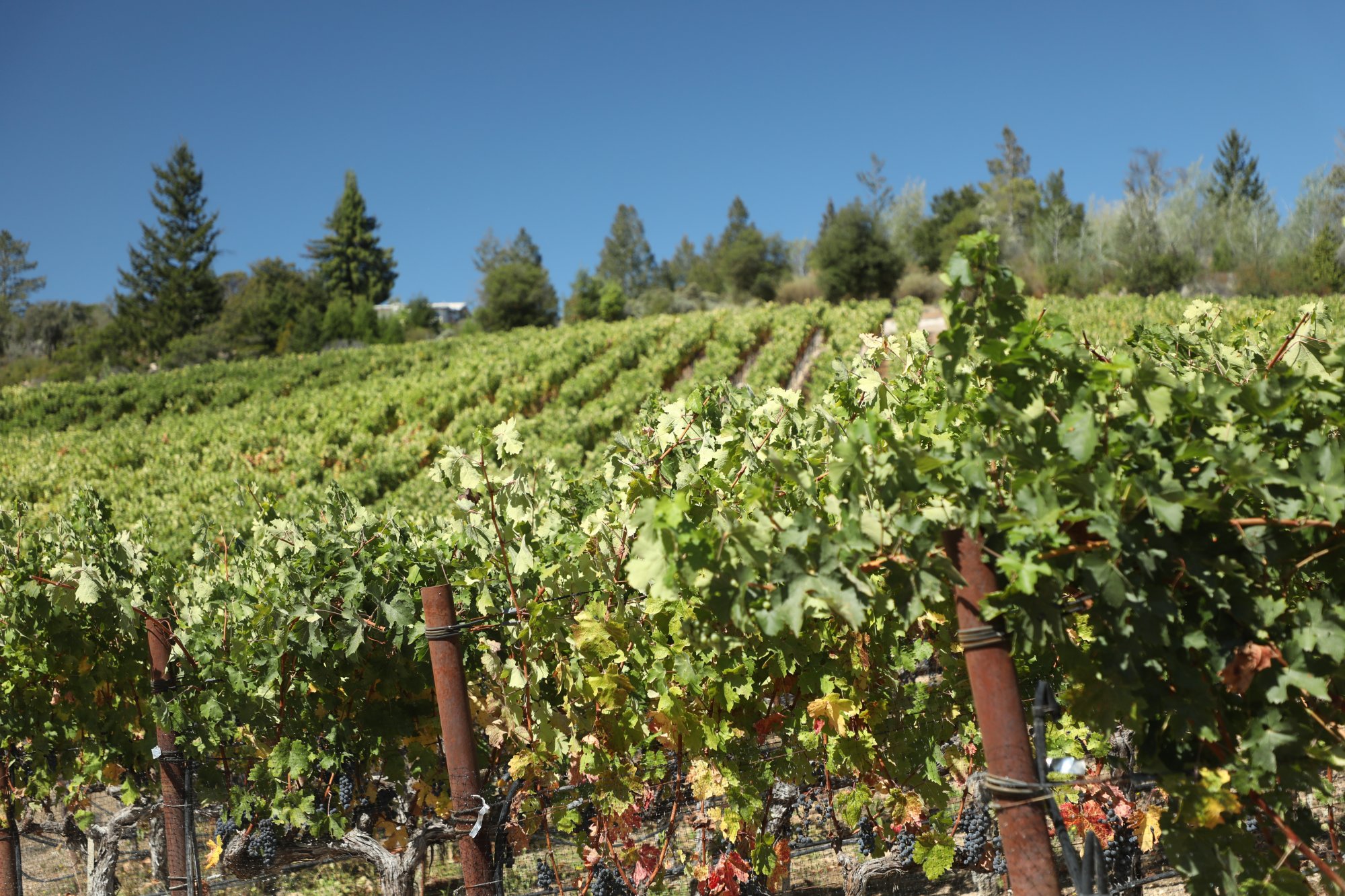
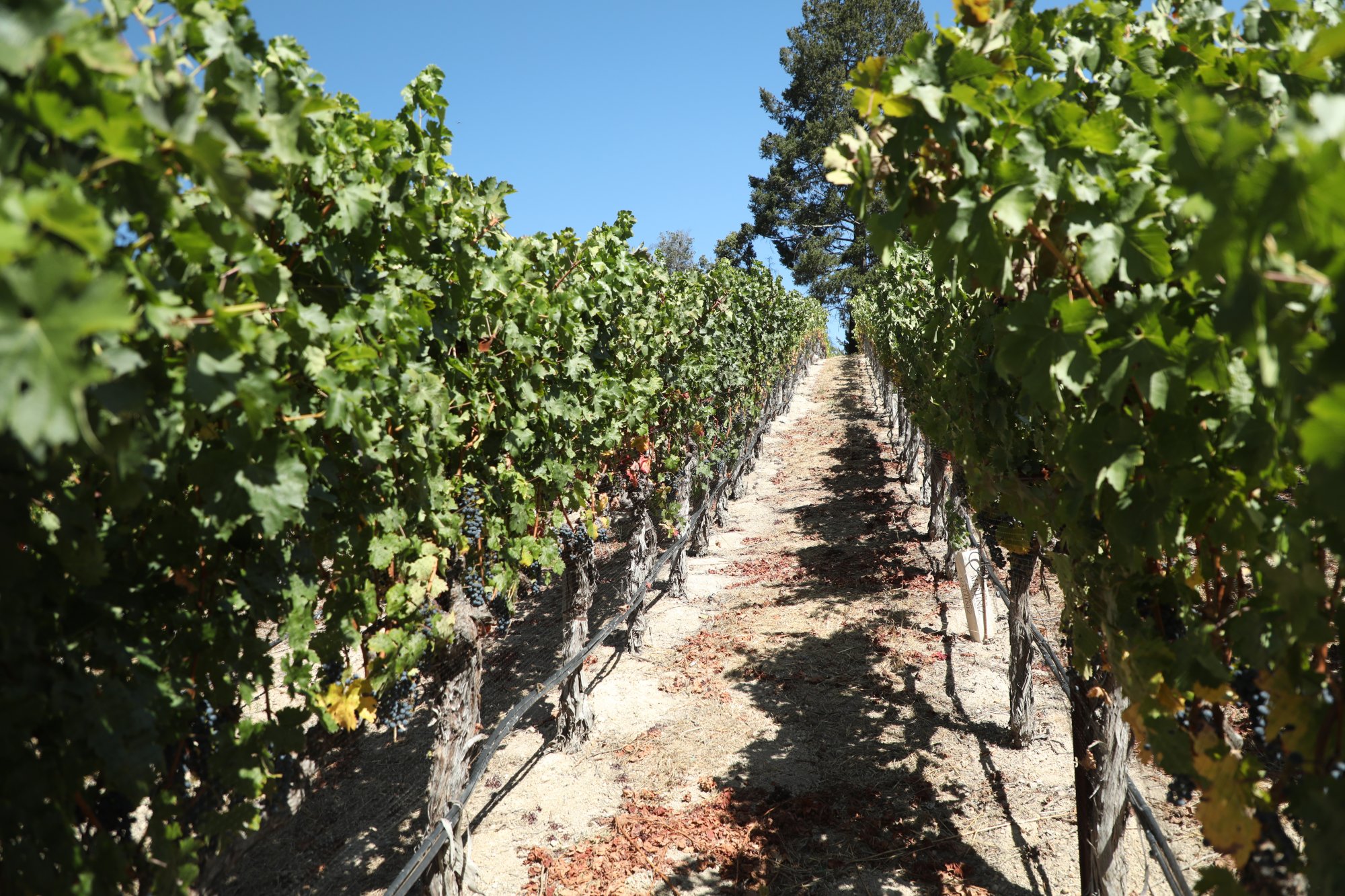
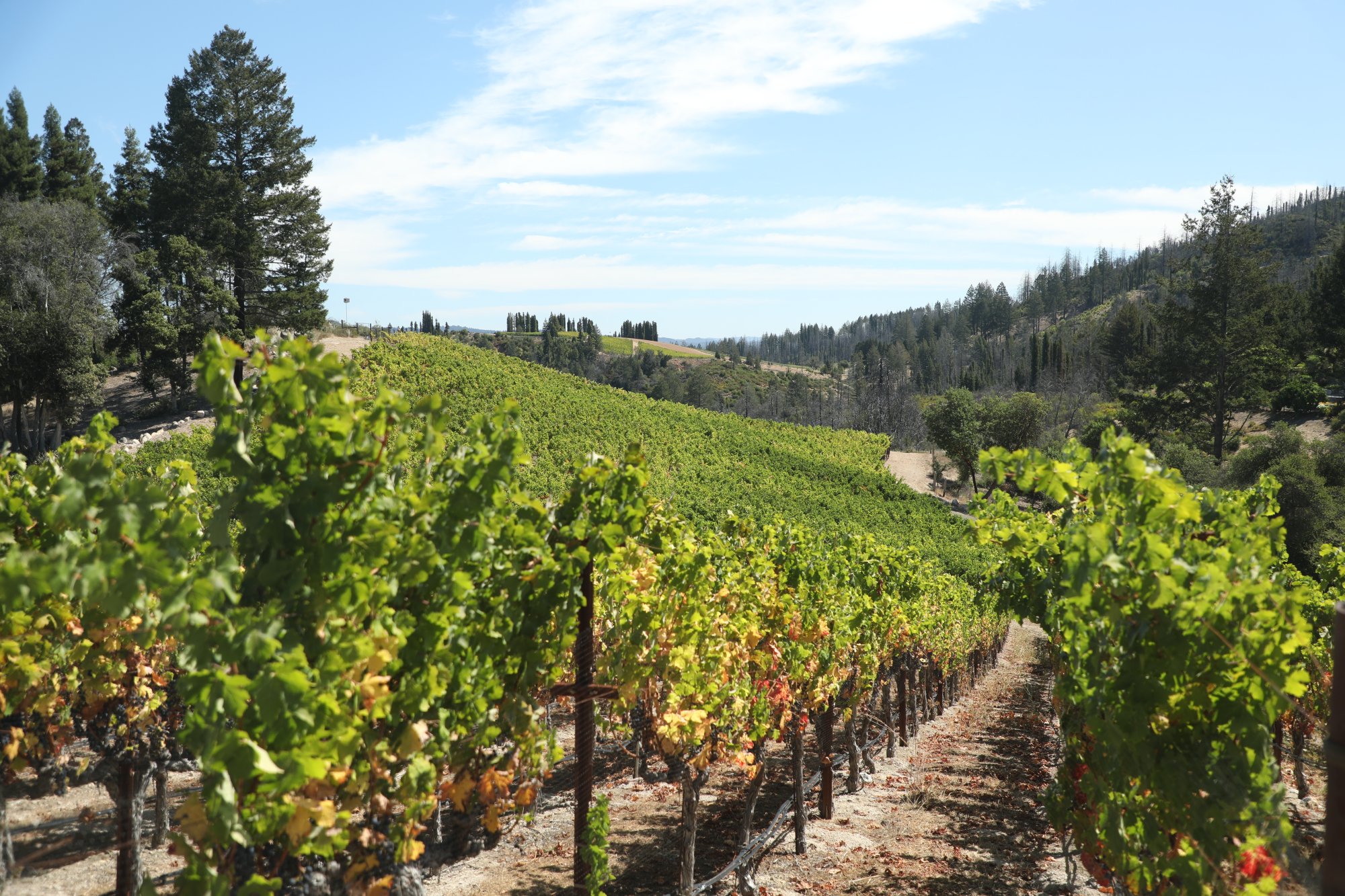
 Seaver Family Vineyards was founded by Tom and Nancy Seaver. Located high on the slopes of Diamond Mountain, their L-shaped 116-acre acre vineyard is planted to 2.6 acres of Cabernet Sauvignon. Tom and Nancy purchased this property in 1997 from former Napa City Council member and CalTrans District Director Burch & Nancy Bachtold.
George Thomas Seaver was born and raised in Fresno; sports was already part of his family. Tom’s father, Charles Seaver, a Stanford University graduate was a successful and well-known golfer. He was a six-time Fresno City Golf Tournament champion and, in 1964, won a Pro-Am with Mike Fetchik during the Bing Crosby Golf Tournament at Pebble Beach. Starting in 1939 he made 39 consecutive appearances in what was originally known as the “Crosby Clambake”, today known as the AT&T Pebble Beach Pro-Am Golf Tournament. His accomplishments are also recognized through the Seaver Golf Academy at Poppy Hills Golf Club and the Seaver Cup, a biennial tournament featuring NCGA North against NCGA South. Both Charles and Tom are inductees in the Fresno Athletic Hall of Fame.
Tom Seaver was drafted by the Los Angeles Dodgers in 1965. They offered a low bonus for signing, but Tom wanted a higher bonus and elected to remain at the University of Southern California (USC) where he was playing baseball. Early in 1966 the Atlanta Braves drafted him with a $40,000 signing bonus – but MLB rules forbid MLB teams from signing a collegiate player once their collegiate season has already started.
A creative solution was offered; the MLB commissioner at the time William Eckert offered any MLB team the option to match the Braves bonus signing offer by entering into a random drawing. Only three teams committed to this signing bonus; they were the Philadelphia Phillies, the Cleveland Indians and the New York Mets. Eckert put the names of these teams on three separate slips of paper into a generic hat and randomly pulled one out. It was the slip with the name of the New York Mets on it. Seaver was going to the New York Mets to start his MLB career in 1967.
He is widely credited with turning that team around; he took the team on his back and led the Mets to a World Series victory in 1969. In 1977 Seaver was traded in the middle of the night to Cincinnati Reds; die hard fans remember this was one of the worst days of their lives when he was traded and would later refer to it as the ‘Midnight Massacre’. While with the Reds, he played at the same time with other legends Pete Rose and Johnny Bench. In 1986 he was traded to the Chicago White Sox; Carlton Fisk was the catcher at the time. It was with the White Sox that Seaver earned his final win of his career, number 311.
Was then traded on the Boston Red Sox where he was in the 1986 World Series, but didn’t pitch due to injury. And in a feel good story he retired with the New York Mets in 1987. Post MLB retirement he was the color broadcaster for the New York Yankees. In 1992 he was inducted into the Baseball Hall of Fame.
In the late 1990s he started talking about returning to California. He had an interest in wine early in his career; during the off season he would sometimes travel to France and visit wine regions. Once a year, he and Nancy would visit Napa Valley and stay in Calistoga. They soon enlisted the help of a real estate agent.
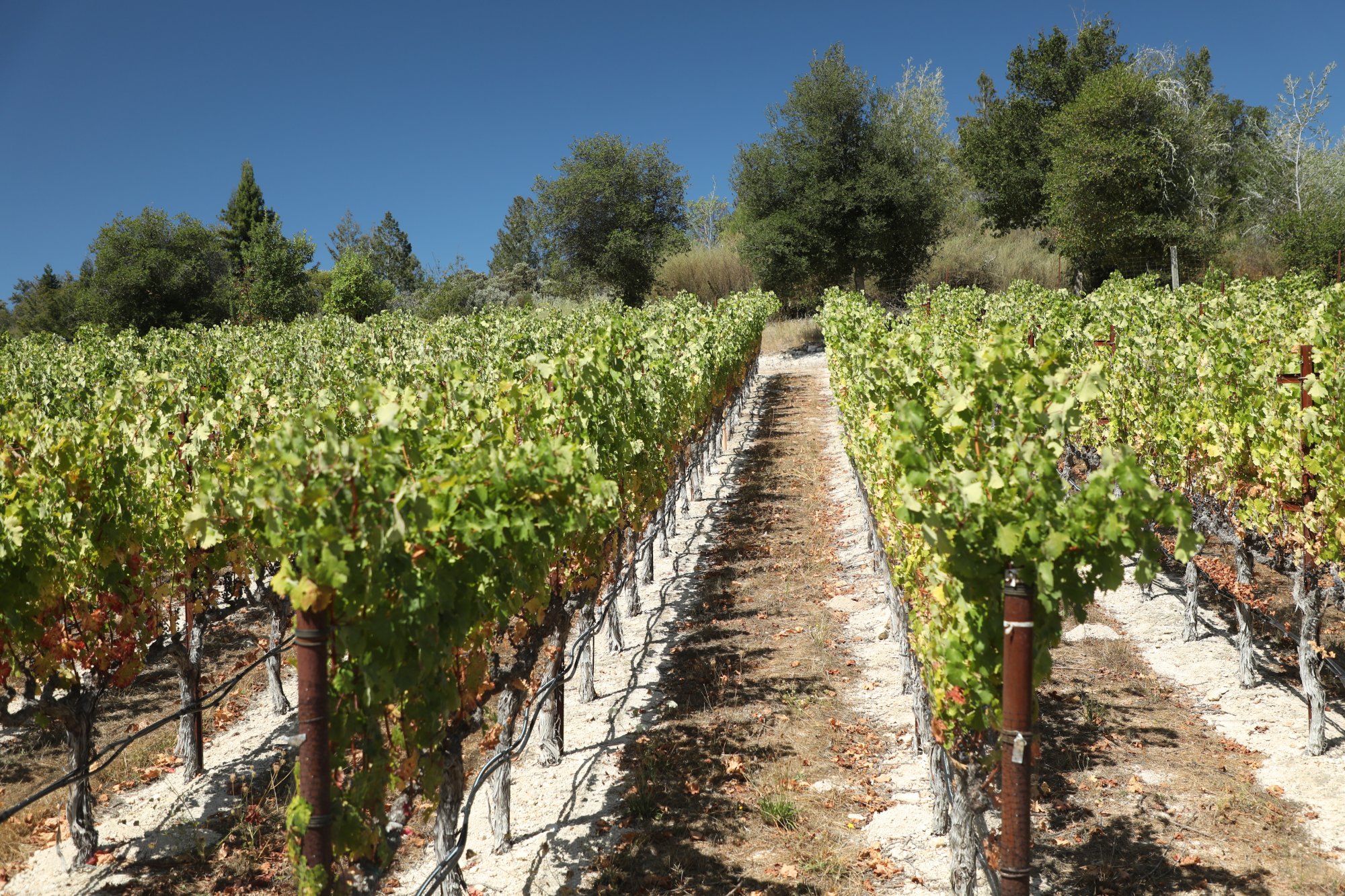
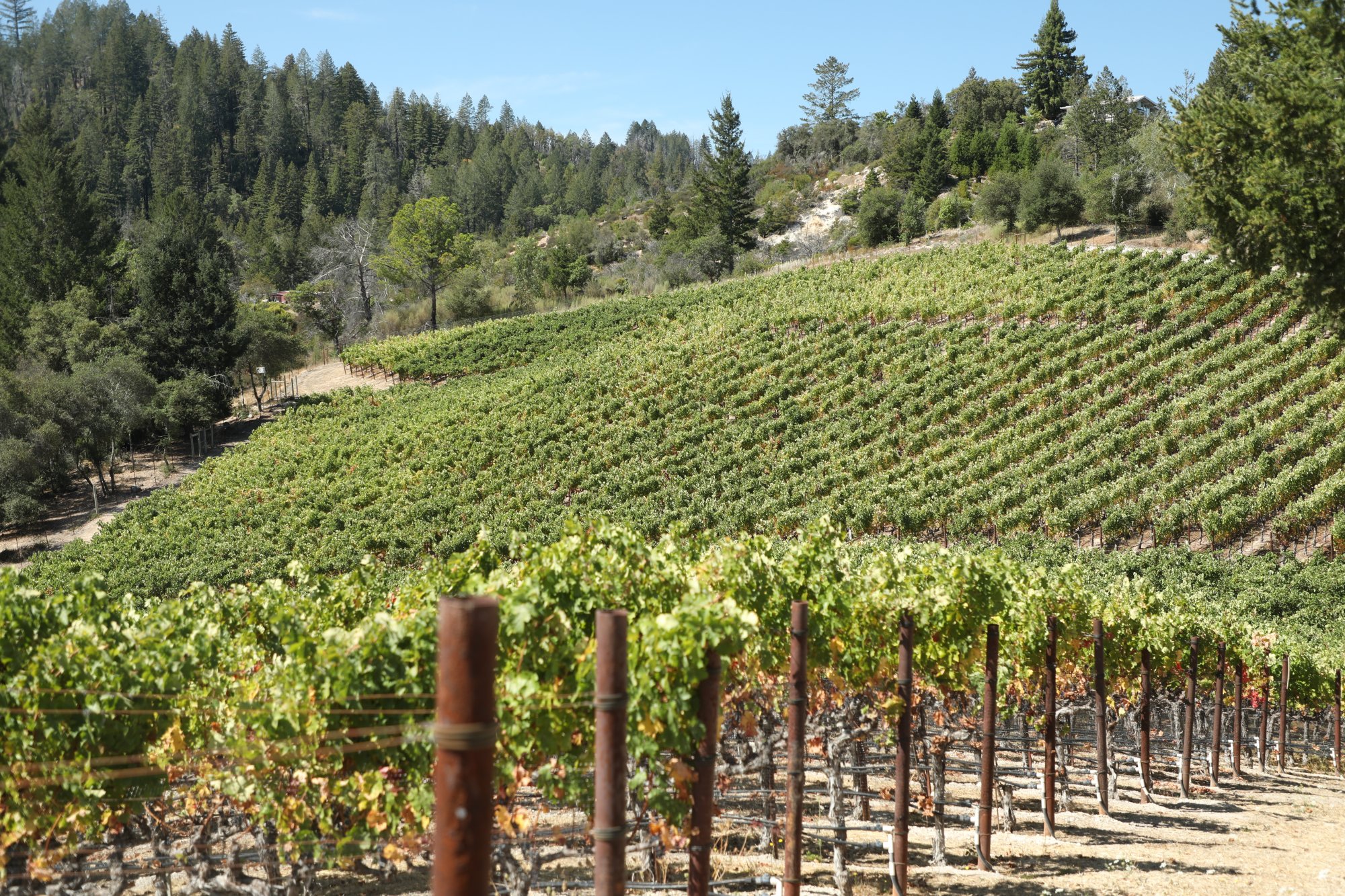
At the time of their purchase, the land at about 1,250 feet on Diamond Mountain was heavily forested. Tom would tell a story about walking through the woods on this property to figure out where the house and the vineyard would be planted. He climbed one of the trees and for the first time realized there was a south facing slope on the property. He was ecstatic to discover this. And he said this is where the vineyard will be planted. Tom’s favorite variety was Zinfandel – he told his vineyard manager Jim Barbour at the time, lets plant all Zinfandel. Jim quickly said, Diamond Mountain including this property would be much more suited for Cabernet Sauvignon.
Tom Seaver passed away in 2020. Tom’s niece by marriage, Karen, and Nancy continue to oversee the brand. Tom and Nancy are Karen’s aunt and uncle by marriage. Tom was one of four children and the youngest of the siblings. Karen’s husband, Arlo, is the son of Tom’s oldest brother Charles. In 2008 Karen received a letter in the mail and an order form from Seaver Vineyards. She and Arlo drove up from San Francisco for a weekend visit; Tom met them and walked them through the vineyard. They had plans to have dinner and were getting ready to leave but Nancy wasn’t yet there; she was still in the office working including processing order forms and managing their mailing list.
 Karen walked up to her office and after she saw what Nancy was working on, offered to help including introducing her to Excel to create a customer database. She suggested it might be helpful to come up more often to help manage this and drove up every subsequent weekend for a few weeks. Soon Karen offered to take over this part of the business and started working for Seaver Vineyards in 2009.
She is now carrying on Tom’s legacy, including the values he embodied as a person. Tom had a strong work ethic in everything he was involved in. He was known for his moral character and for being a man of his word; he carried himself in a classy way, not always easy when one is in the public spotlight as an influential sports figure.
Tom spent a lot of time in the vineyard; rough pruning, suckering and tying vines. His happy place was out in the vineyard on a daily basis; he had a chair he would frequent, located on the edge of the vineyard overlooking all over his vines. Tom would often say, “Control what you can control. There are so many factors outside of your control.” And like in sports, this is very much a truism relating to agriculture and farming.
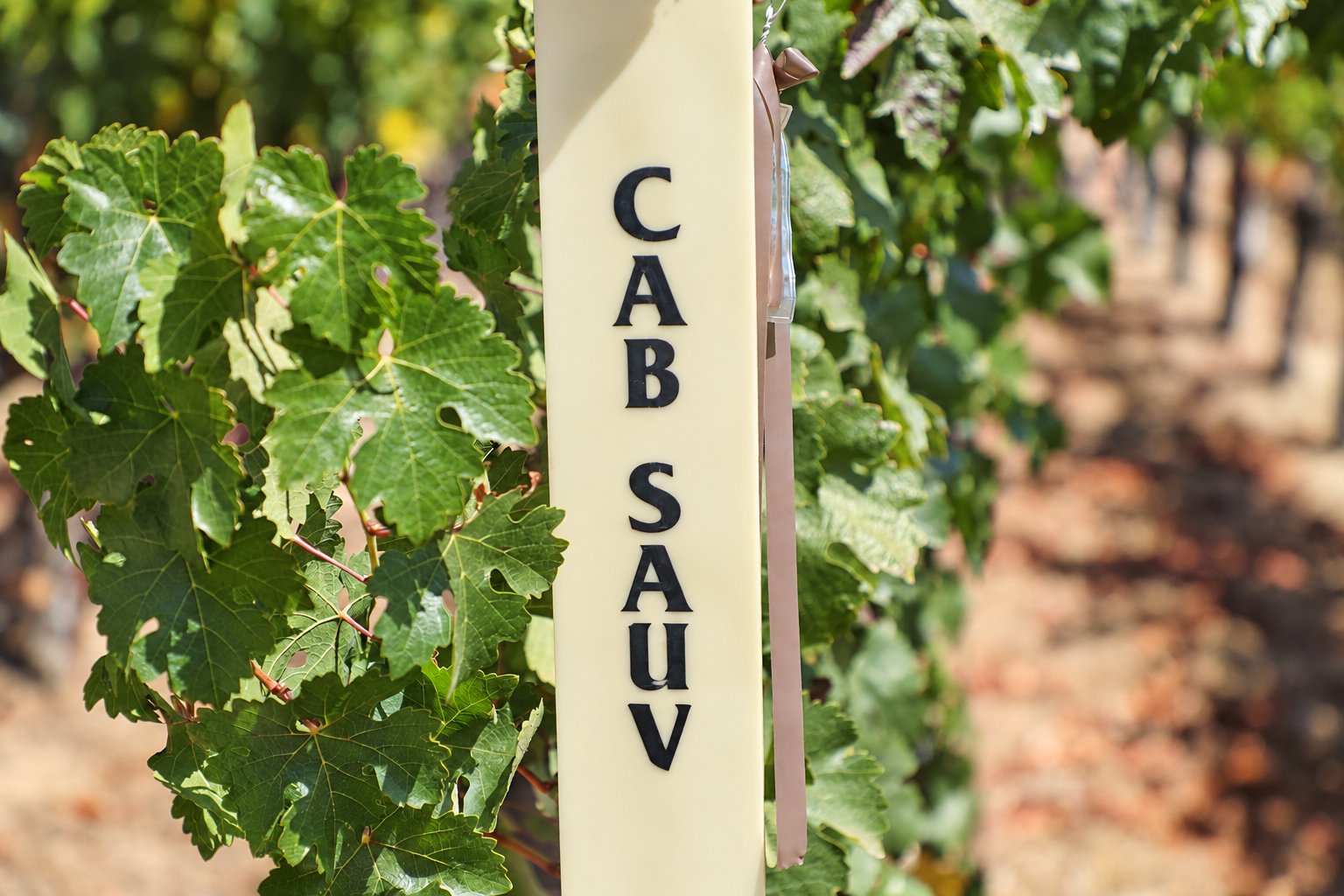
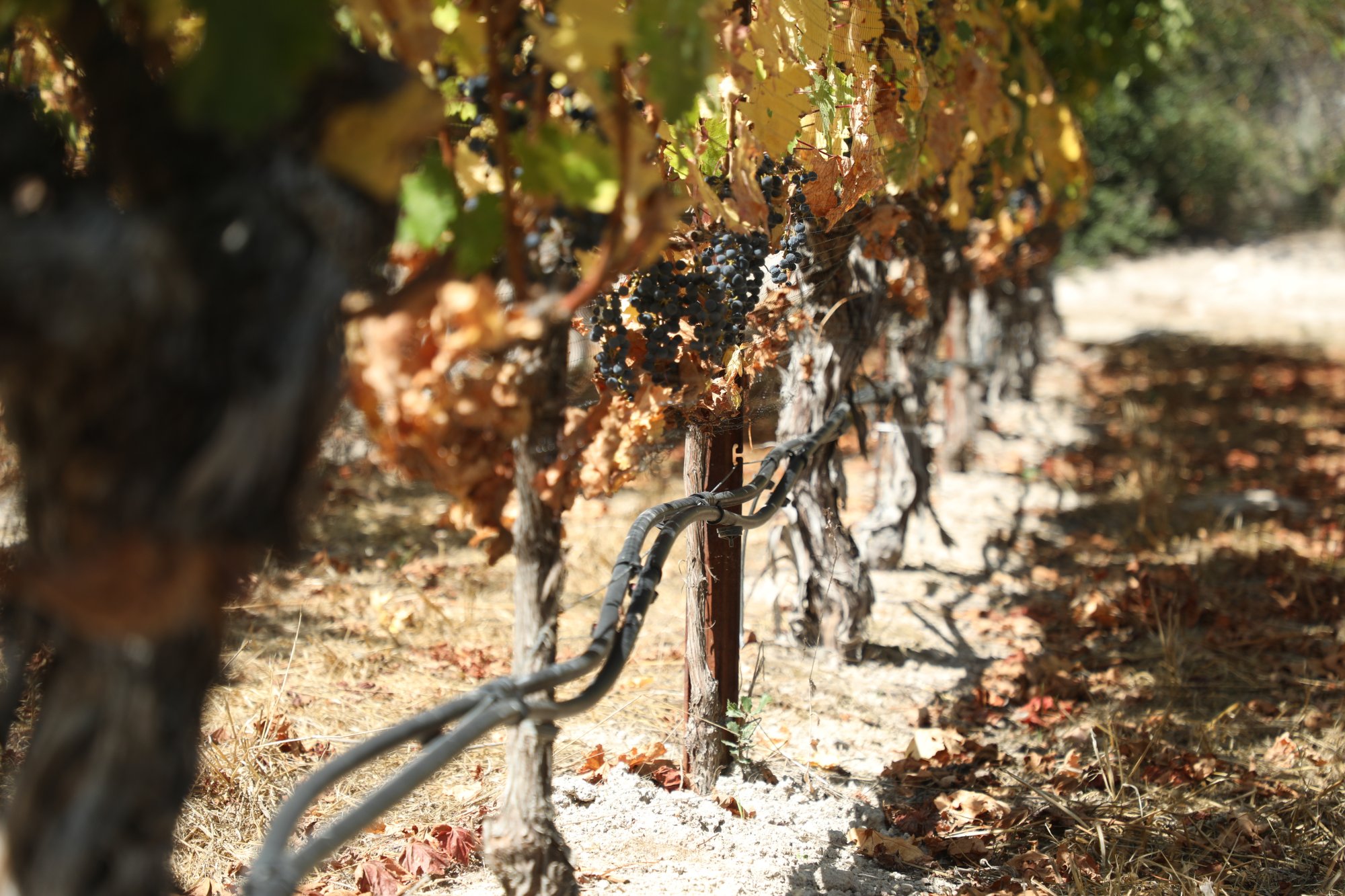
Viticulturist Matt Hardin was introduced to this property when he started interning for Jim Barbour. Matt currently oversees vineyard management, taking over in 2022. Most of the vineyard was planted in 2001, entirely to Cabernet Sauvignon including clones 191, 337 and 7. A small upper block was planted to clone 6 Cabernet Sauvignon was planted in 2008. Today the vineyard is organized into 6 blocks. Due to the Glass Fire in 2020 which significantly damaged Block 1A planted to clone 191 totaling 0.47 acres, this block was entirely replanted to the same clone in 2021. The vineyard is entirely planted on rootstock 101-14 and is locaed at an elevation of around 1,200 feet. The property experiences light frost from time to time.
Tom Seaver interviewed a number of prominent winemakers including his last interview, Thomas Rivers Brown. Thomas passed Tom Seaver’s rapid fire questions – and Thomas was confident in his answers. Tom Seaver was attracted to the fact that Thomas Brown was a self-taught winemaker who had majored in English in college; this resonated with Tom, who was a prolific reader.
Thomas Brown’s uncle was well known baseball player Bobby Richardson; Tom knew him personally. Like Thomas Brown, Richardson was also from Sumter, South Carolina. Richardson made a famous catch against Willie McCovey in game seven – the final play of the 1962 World Series. Tom would bring his winemaking team to San Francisco Giants baseball games; Karen remembers one day they visited Willie McCovey’s press box. Tom introduced Thomas as the uncle of the player who was in the game with Willie. Willie remembered that moment all to well and said something like, “yes, he robbed me of a hit”.
Winemaker Thomas Rivers Brown has crafted every one of their wines since their inaugural vintage; the wines are still made at Outpost, the winery that was Thomas’s first consulting client. The first commercial vintage of Seaver Vineyards was in 2005, although they harvested a small crop in 2004. Elevation helps insulate the vineyard from some of the extreme heat spikes; for example later in 2022 during the extreme heat temperatures here were not quite as hot as on the valley floor. Wine was made during the 2020 vintage from grapes harvested before the Glass Fire; the winemaking team was very careful in what they produced that year, testing for smoke taint.
The vines are stressed up to a point; they will water back if needed at certain times during the growing season, such as before a heat spike. Sugars will accumulate, but one has to be patient and wait for the flavors to fully develop. Like in sports, there is an element of ‘magic’ at play.
The 2008 GTS bottling was the first Seaver Vineyards wine to receive a score over 95 points from a major critic or publication; this was from the Wine Spectator. And this score and subsequent publicity helped put them on the wine map. Karen will never forget the day the score was published; her phone started ringing continuously. At that time, she was having lunch with Tom’s sister and ignored the calls. But then their winemaker Thomas Rivers Brown called and told her about the score. They soon sold out of that vintage. And then they sold out the next year’s vintage within 12 months, and each release had a shorter sell-out window until currently it takes only a few days for their current vintages to sell out to their existing mailing list.
Select Wines
Cabernet Sauvignon, GTS
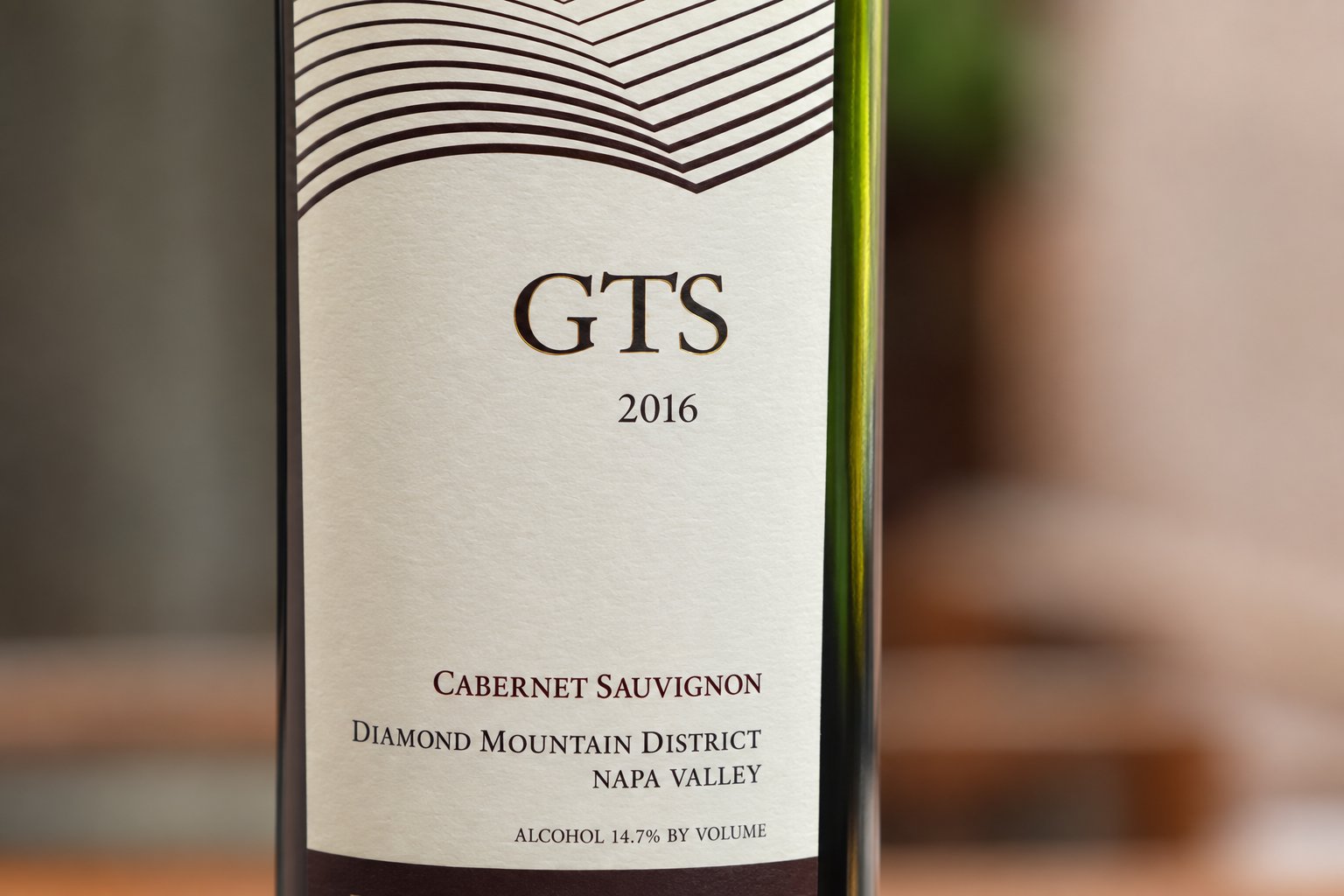
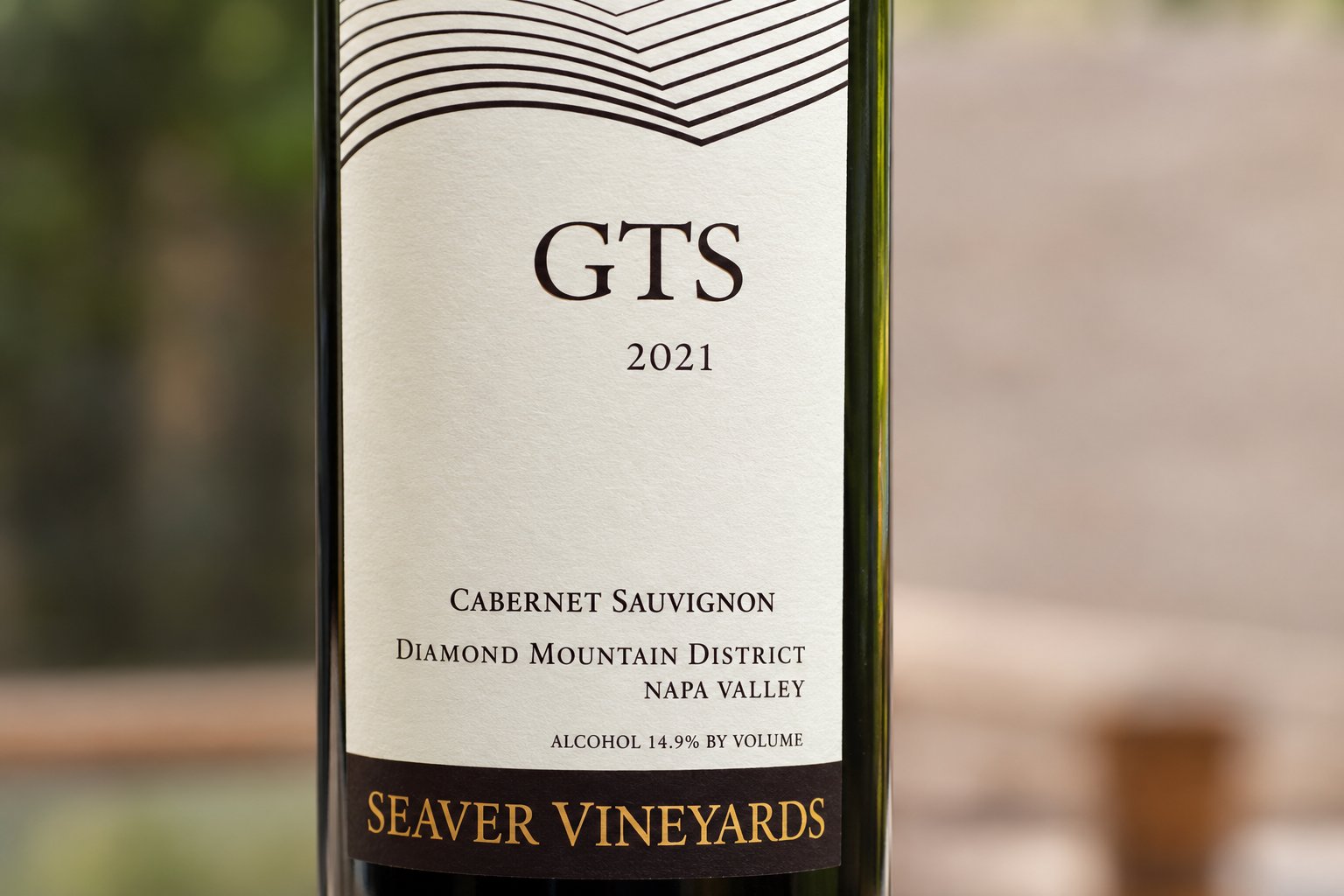
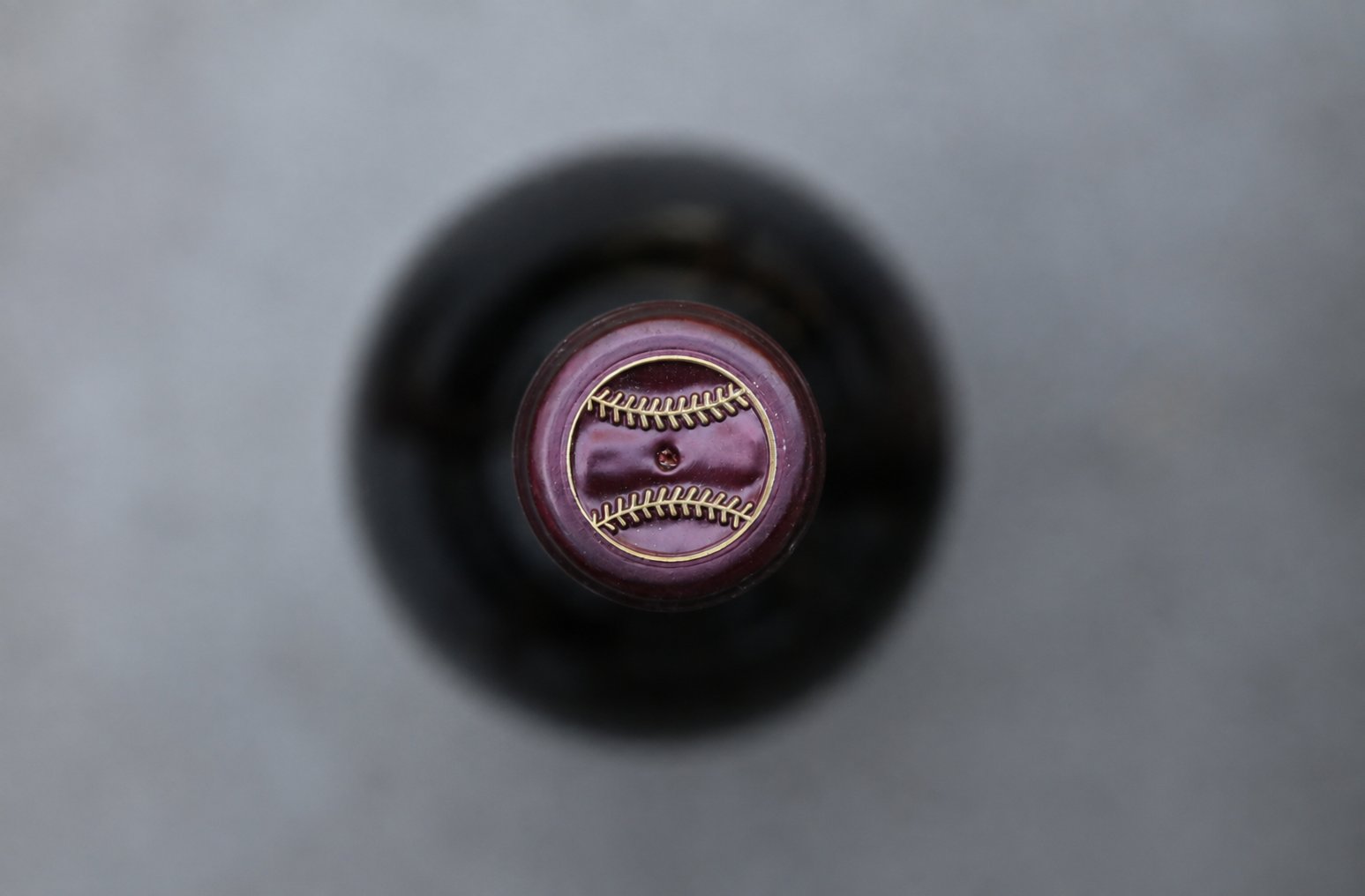 Each year they produce at least one wine from the property, their flagship bottling, GTS, using the initials of George Thomas Seaver. This wine is primarily made from clone 191 and 337 with sometimes clone 6.
The 2021 Seaver Vineyards GTS Cabernet Sauvignon, Diamond Mountain District Napa Valley is deep ruby and completely opaque; dark fruited and initially a bit moody at 5 years post vintage the bouquet needs a short amount of time for the fruit to fully express itself. Its scents are both gorgeous, intense and layered. These include notes of Satsuma plum, dark brambly berries, blackberry jam, boysenberry jelly, cherry pie, dark licorice, dark chocolate, a hint of mint and a complementing note of sweet tobacco. These aromatics just want to keep on giving. On the palate, there are flavors of blackberry, boysenberry, purple mulberries, plum compote, dark chocolate and a finishing note of dried tobacco. Shows plenty of youth at 5 years post vintage, and we don’t see this aspect changing much in the next couple of years. Despite its listed 14.9% ABV, its never hot – with the ripe fruit lifted by the lively acidity. Finishes with great persistence, a length built upon the backs of its generous fruit and texture. The expansive tannins are gravelly and already well-tamed for a mountain site; they linger with a light dusty and tumbled character felt more so on the front of the palate. This is the most noteworthy of the Seaver wines we have tried to date.
The 2016 Seaver Vineyards GTS Cabernet Sauvignon, Diamond Mountain District Napa Valley is deep ruby and opaque with not much color transitioning occurring yet at 10 years post vintage. Open-knitted and lavish in terms of its aromatics, the ripe and sweetly fruited bouquet initially shows some maturation of fruit at this age. This wine smells like blackberry pie, baked fruits including plums, dark cherry, boysenberry jam, dark chocolate and a light toast from its time in barrel. Like all of the Seaver wines we have tried, the fruit is clearly the star of the show here. This bottling is holding up very well at this age; there are flavors of dark black fruits including blackberry jam, blackberry sherbet, boysenberry jelly – a flavor that reminds us of our time in college enjoying breakfast at The Apple Farm in San Luis Obispo, spreading their home-made boysenberry jelly on toast, and Satsuma plum. Finishes with a savory and spicy edge, a contribution from both barrel and grapes including dried herbs, smoked cedar, tobacco spice and still lively fruit. The tannins broadly coat the palate with a persisting dusty and drying grip, outlasting the fruit on the finish.
The 2015 Seaver Family Vineyard GTS Cabernet Sauvignon, Diamond Mountain District Napa Valley is medium to deep ruby with a very subtle transition in color from its age; for reference, we needled and nosed this bottling 11 years post vintage. Its ripe and sweetly fruited scents include blackberry jam, cherry pie, dark plum and boysenberry spread. The fruit is starting to mature but is very much holding on to its ripe character. Non fruited aromas include dark chocolate, mocha, cedar and pipe tobacco. On the palate, this wine tastes as ripe as the bouquet and is a mouthful of deliciousness. It offers sweetly fruited flavors of cherry pie, blackberry, boysenberry, Santa Rosa plums at the peak of ripeness, raspberry and strawberry. This wine finishes with a note of dark cocoa powder. The mountain tannins are resolved at this age, showing as dusty, chalky and somewhat gravelly rather than edgy or coarse. Both fruit and texture persist on the finish in tandem with neither drawing ahead of each other anytime soon. Features a balanced acidity. At this age, this wine is easy drinking and very much built around ripe fruit – not yet transitioning to tertiary characteristics.
The 2011 Seaver Family Vineyard GTS Cabernet Sauvignon, Diamond Mountain District Napa Valley is deep garnet and nearly opaque, showing its color evolution based on bottle age at 15 years post vintage. The bouquet offers mature fruited aromatics accompanied by plenty of savory layers. This wine smells like dried blackberries, dark olive, steeped tea leaves, library book, old leather, dried mushrooms, dried tobacco leaf, old cedar box, smoked sage and menthol. But the nose never crosses into the territory of being green, a common attribute of this cold and challenging vintage in particular from Napa Valley. This wine tastes brambly with flavors of dried blackberry and raspberry along with cherry and currant. And towards the back of the palate are notes of chalk and savory herbs including dried sage and dried bay leaf. Lighter across the palate in terms of body, the tannins are gently present, persisting with a well tumbled and seamless integration on the finish. Their lightly drying presence is broadly dispersed across the palate. There is a lasting note of dried tobacco leaf accompanied by a gentle warm tug from the alcohol deep in the palate. This wine is listed at 14.5% ABV. At this age, we would drink this now instead of any additional aging.
Cabernet Sauvignon, NLS
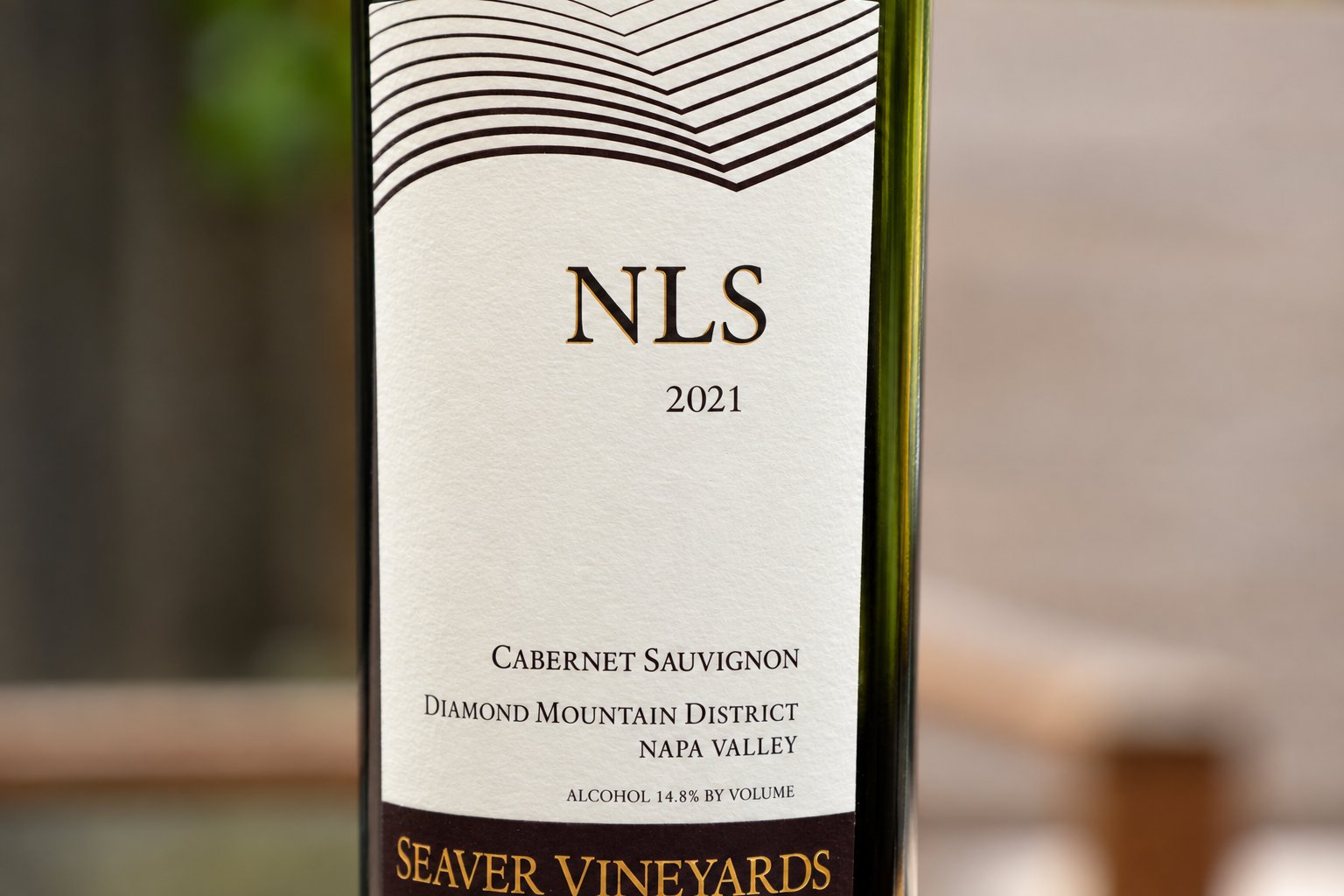
An accompanying wine, the NLS (Nancy Lynn Seaver) includes clone 7 (brings more red fruit to the overall profile) and 337. This wine was originally bottled as, “Nancy’s Fancy”. NLS happens to be more of a baseball sounding name and in terms of its nomenclature, fit better with GTS.
The 2021 Seaver Vineyards Cabernet Sauvignon, NLS is deep ruby and nearly opaque; the nose is immediately greeted by rich and ripe fruits and smells like liquid dessert. Its aromas include cherry pie, blackberry jam, boysenberry spread, dark raspberry, plum compote, dark mulberry and dark chocolate. This bouquet is the woman with the bright red dress while everyone else at the party has taken a more restrained approach to their personal fashion. Equally as generous on the palate in terms of its fruit and ripeness, but perhaps slightly less ripe than the bouquet would lead one to believe, this wine tastes like dark cherry, Santa Rosa plum at peak of ripeness, boysenberry, blackberry harvested mid summer, plum compote, cassis and lingering notes of dark chocolate. The tannins are friendly, ripe and linger with a gravelly and lightly dusty character. The influence from its time in oak is very subtle. The acidity is balanced – still a light warmth is felt deep on the palate. This wine is listed at 14.8% ABV. It is straight up enjoyable with a crowd pleasing cadence at 5 years post vintage. And it should hold on to these youthful and ripe fruited characteristics for at least another 5-6 years.
Karen was instrumental in making the change from GTS Vineyard to Seaver Vineyards. Noted architect, Ken Kao, who designed their house, also designed their original wine label. The roofline of their home is arched to mimic the surrounding hills. The previous label included a rounded embossment of a diamond, a subtle reference to both a baseball diamond and the winery’s location on Diamond Mountain. However, the embossment did not hold up well as the wines aged.
Casey Dillon was later hired to redesign the label; he has worked on numerous premium wine brands throughout his career, including DuMOL, Dunn and Mending Wall. Casey created the band along the bottom of the label, giving it a cleaner appearance and elevating its overall look.
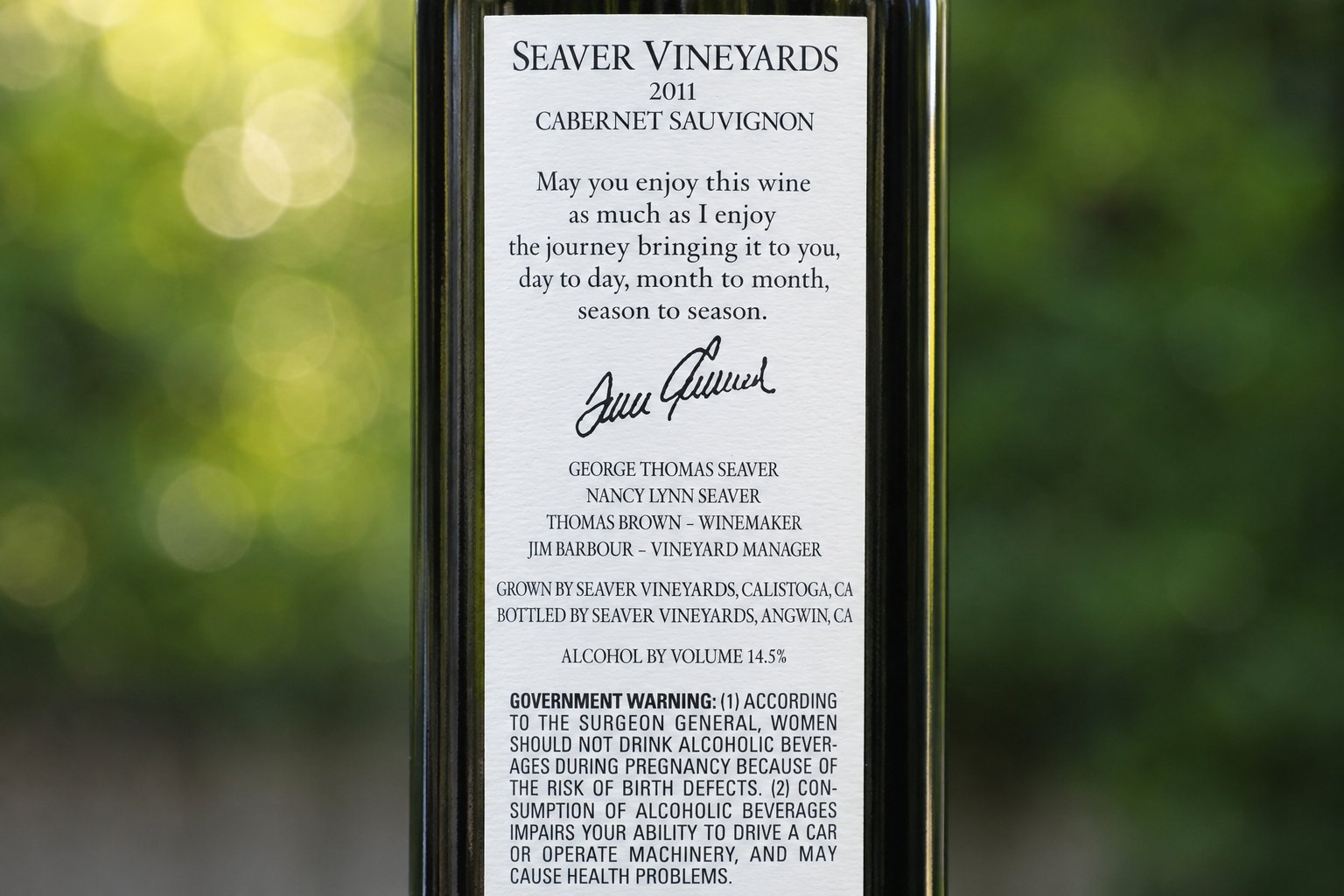
We will leave you with a quote from Tom Seaver, printed on the back of every bottle.
“May you enjoy this wine as much as I enjoy the journey bringing it to you, day to day, month to month season to season”
Typical production is usually between 400 and 500 cases annually. Both GTS and NLS were produced during the first few vintages – in 2008 only GTS was produced. And since then, roughly half the years include both wines. Karen says the collaboration of clones works well, although sometimes they need to play solo, using a musical analogy. The wines are available through a mailing list; currently there is a several year wait for this list. Interested parties can visit the Seaver Vineyards website for more information and to signup for this mailing list here: www.seavervineyards.com
Editor’s Note: this was our milestone 1,300th visit and profile of a Napa Valley winery or producer, occurring on September 14, 2026, a few months shy of 20 years since we started the Napa Wine Project. Our journey has taken us up and down the valley meeting with a variety of personalities, walking a diversity of vineyards, tasting incredible wines and creating a massive compendium of wineries and wine brands based in Napa Valley.
We truly value both the people we have been introduced to and the perspective this project has given us. We are glad this coveted numerical achievement coincided with a visit to such a well established and noteworthy brand.
Leave a Reply