



 Alioto‑Tournahu Wines. George and Evelyn Tournahu purchased a 10-acre property north of St. Helena in 1976. Evelyn wanted a place where the family could spend time together outside of their home in San Francisco. She was a successful realtor and a highly accomplished tennis player in and around the city, so one of the first things she did after acquiring the property was install a tennis court, removing vineyard rows in the process. Looking back, that decision still makes the family cringe as it was built on prime vineyard soils.
George was a butcher who owned several Thriftway Markets including in Cow Hollow and in the Marina District, in San Francisco. His son-in-law Nunzio Alioto remembers him often saying, “I come up here and all I do is clean” – referring to his time spent at their St. Helena property. Nunzio also recalls how George consumed wine; he never drank red wine by itself, preferring instead to dilute it with water.
At the time of their purchase the property was planted to Valdiguié (Napa Gamay) and the grapes were being sold to Charles Shaw Winery which at the time, was located on what is now Benessere Vineyards. In terms of varieties, this part of St. Helena was much more diverse then, with a wide range of grape varieties planted. By 1998, George was considering replanting the vineyard.
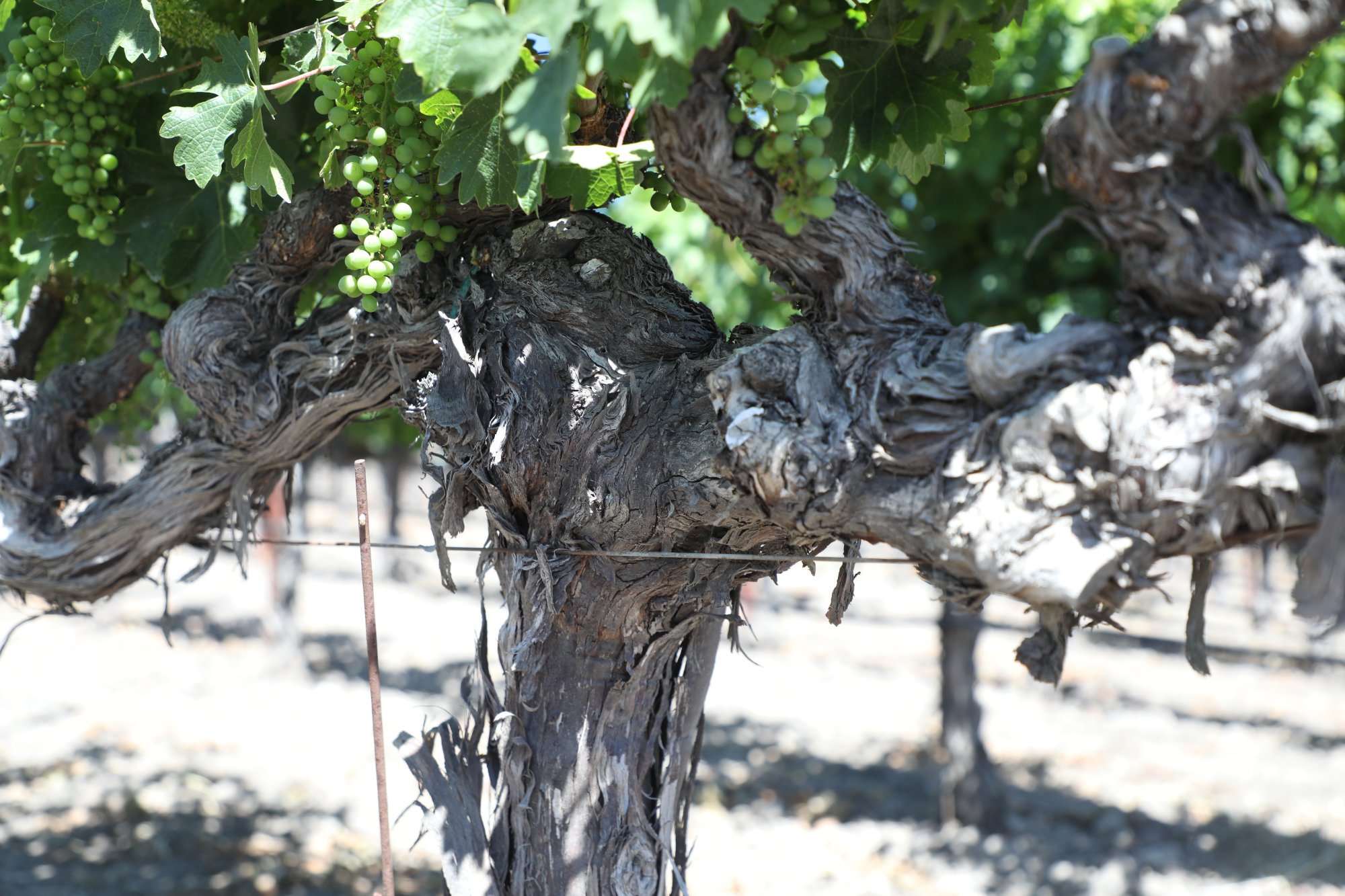
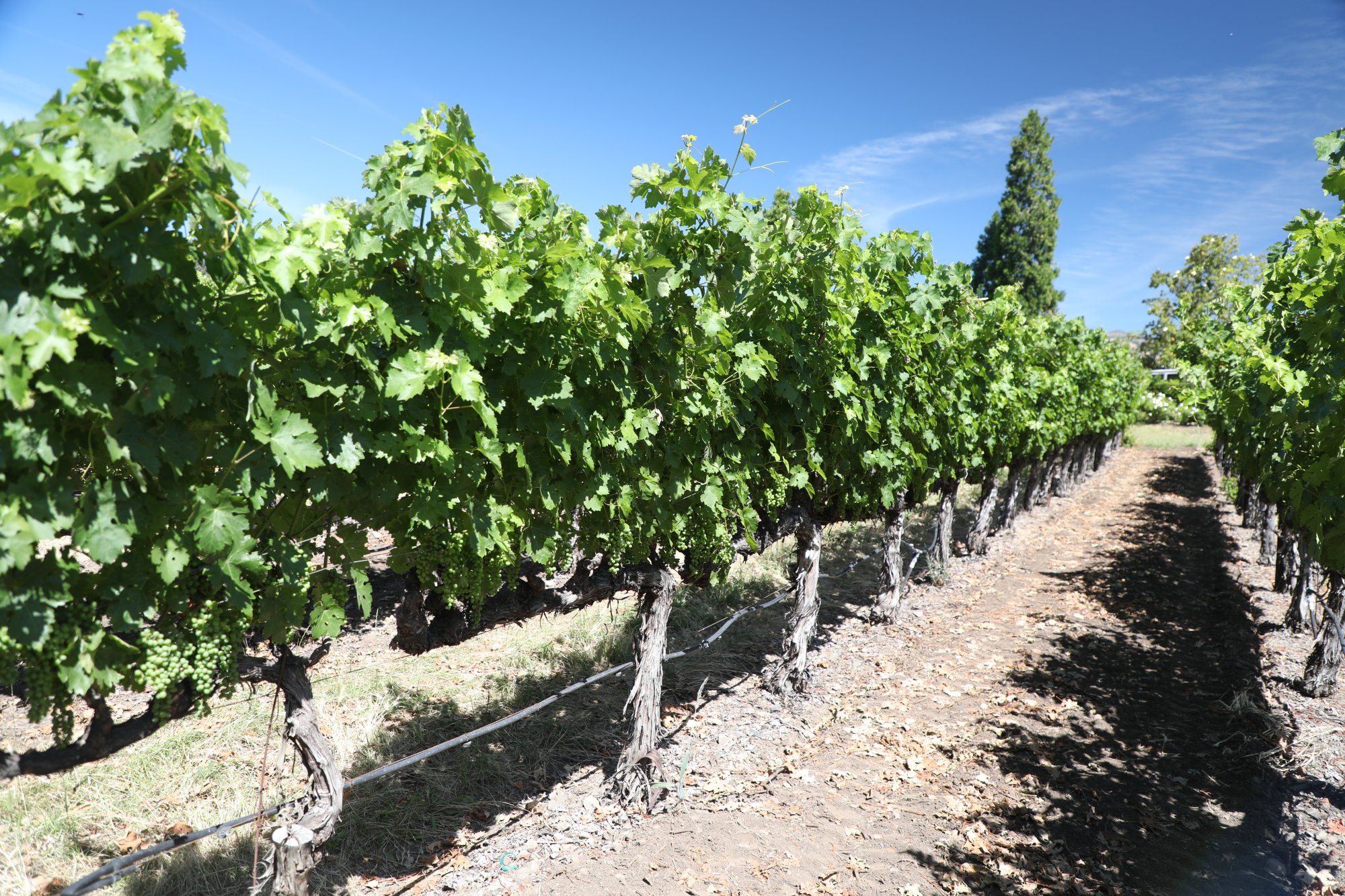
Nunzio convinced George to replant the vineyard to Cabernet Sauvignon. Ultimately, 6.7 vineyard acres were planted to Cabernet Sauvignon, primarily using Clone 15 and Clone 7 on 110R rootstock. Some of the budwood was sourced from Spottswoode, while additional vines were supplied by Emmolo Nursery in Rutherford. Those planting decisions would ultimately shape the future of the vineyard and establish Cabernet Sauvignon as the property’s signature variety.
Nunzio studied in Switzerland and grew up in a family of restaurateurs (Alioto’s Restaurant, San Francisco). Early in his career, he worked in the kitchen at Ernie’s in San Francisco while also holding positions at other restaurants. A chef at Ernie’s encouraged him to continue his education in Europe, where he worked in restaurants, studied at the École hôtelière de Lausanne (now known as EHL Hospitality Business School) and spent time in France’s Savoie region before expanding his travels to Bordeaux and Burgundy. Between 1969 and 1970, he immersed himself in European culinary and hospitality traditions, gaining experience that would shape his future career. He considers Larry Romano, a San Francisco-based wine importer, as a mentor.
After returning to California, Nunzio joined other family members in running Alioto’s and remained at the helm of the restaurant until 2015.
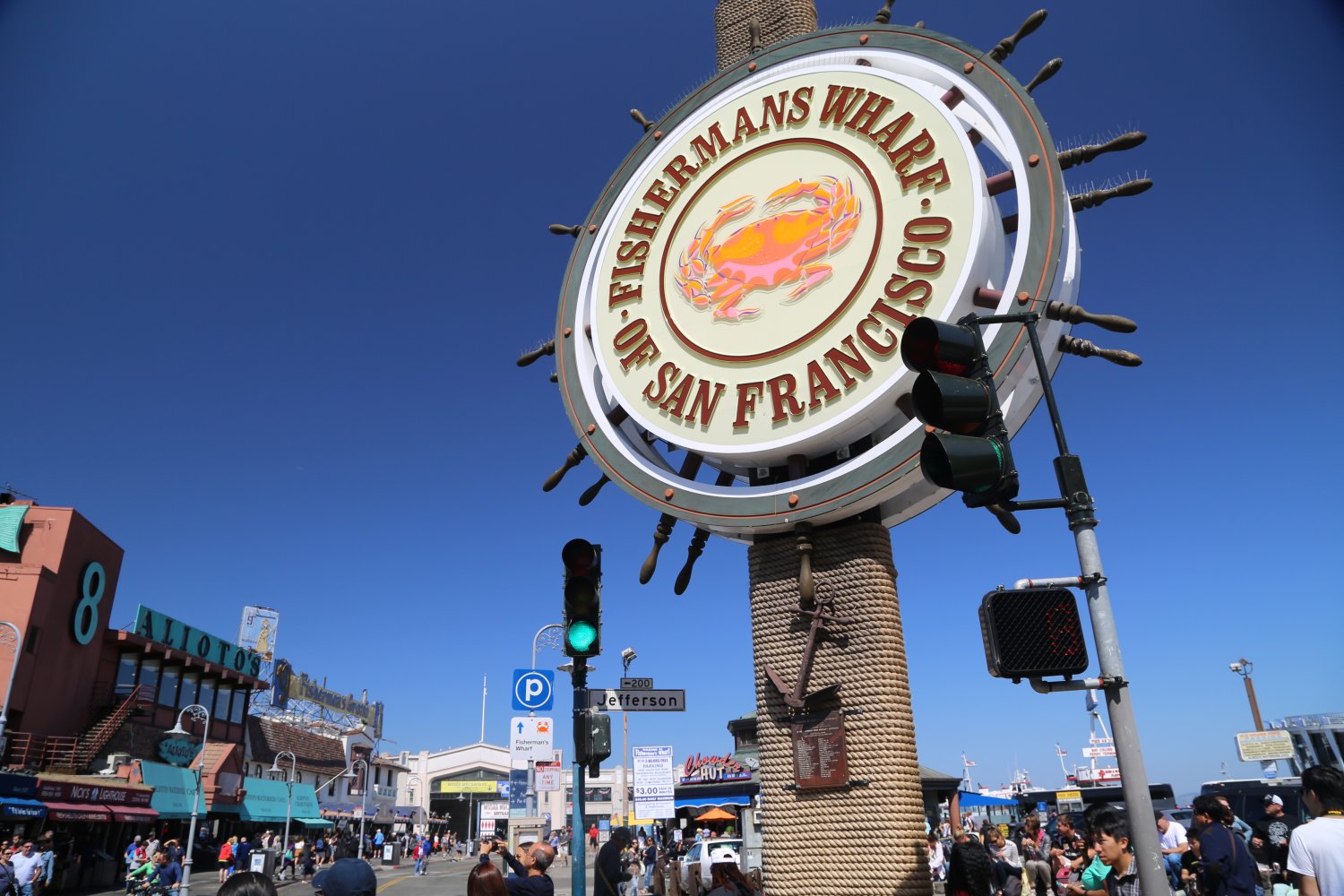
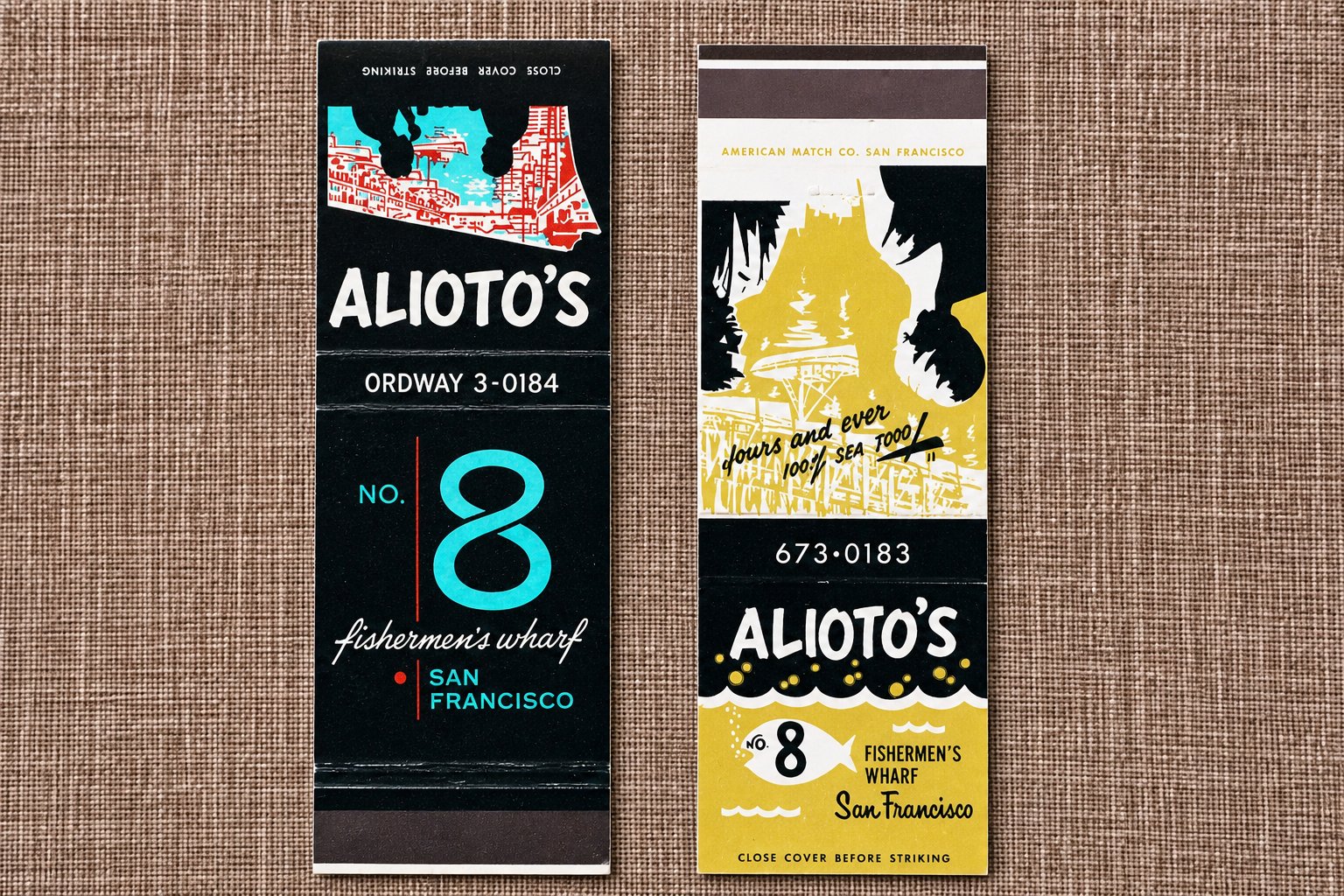
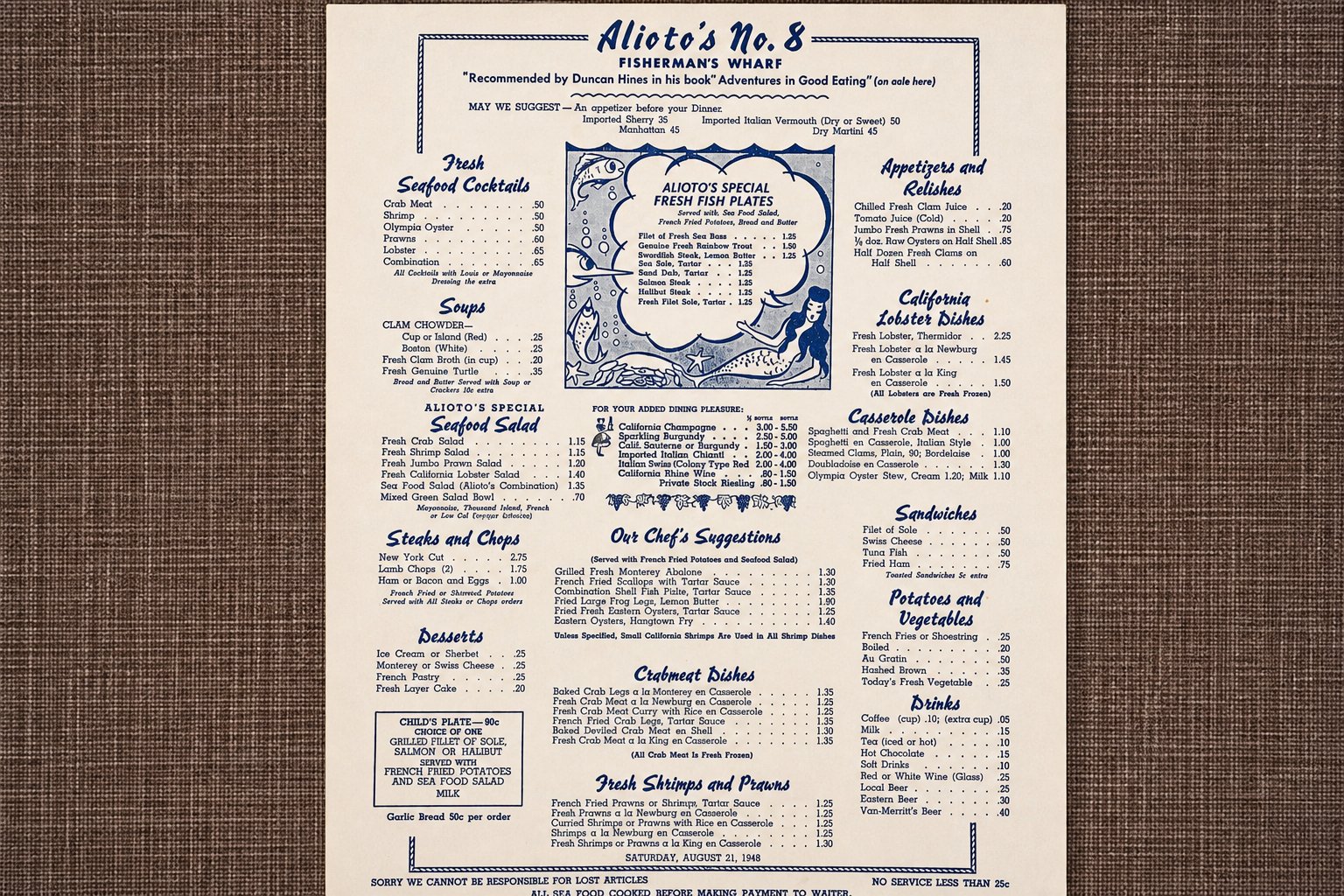
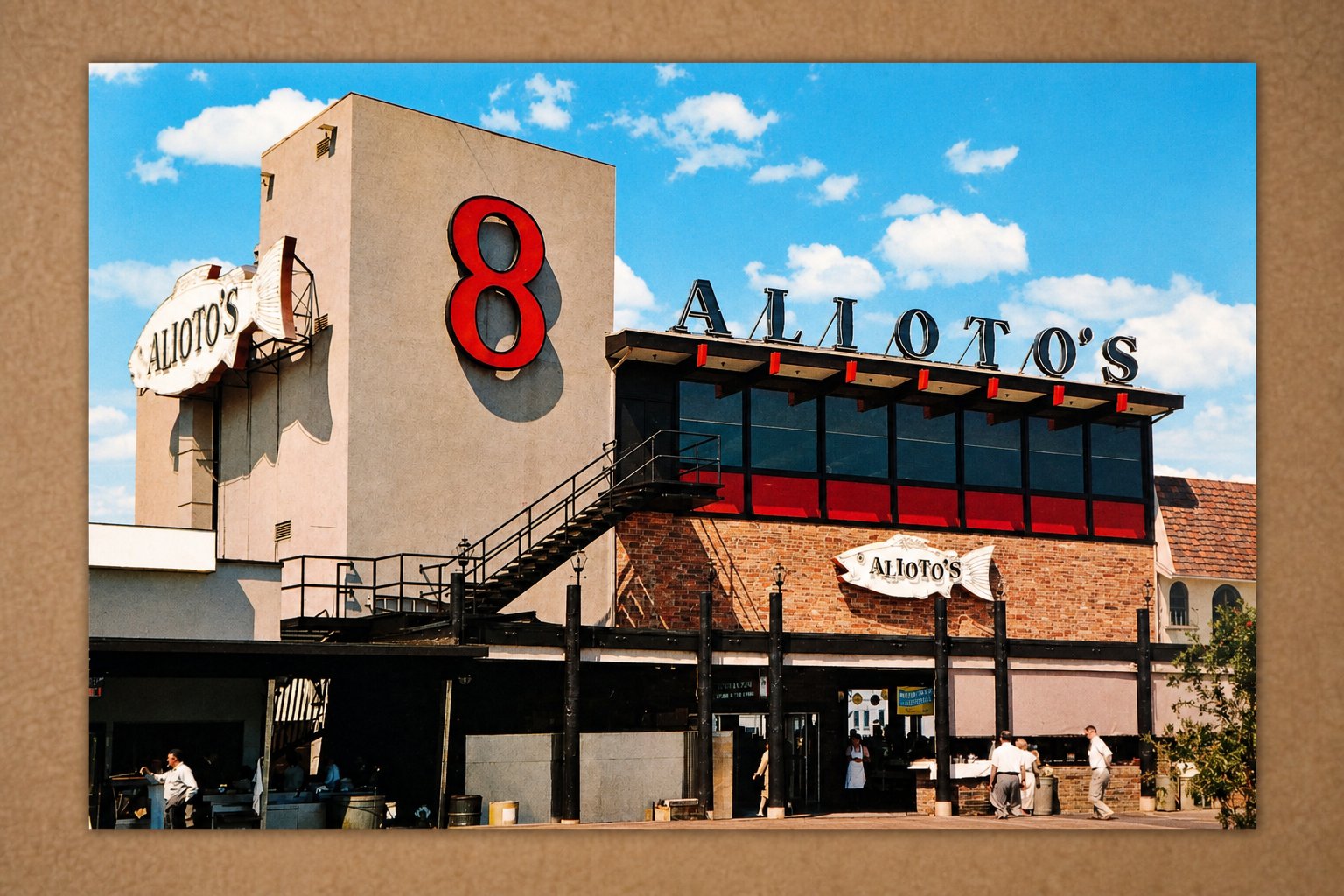
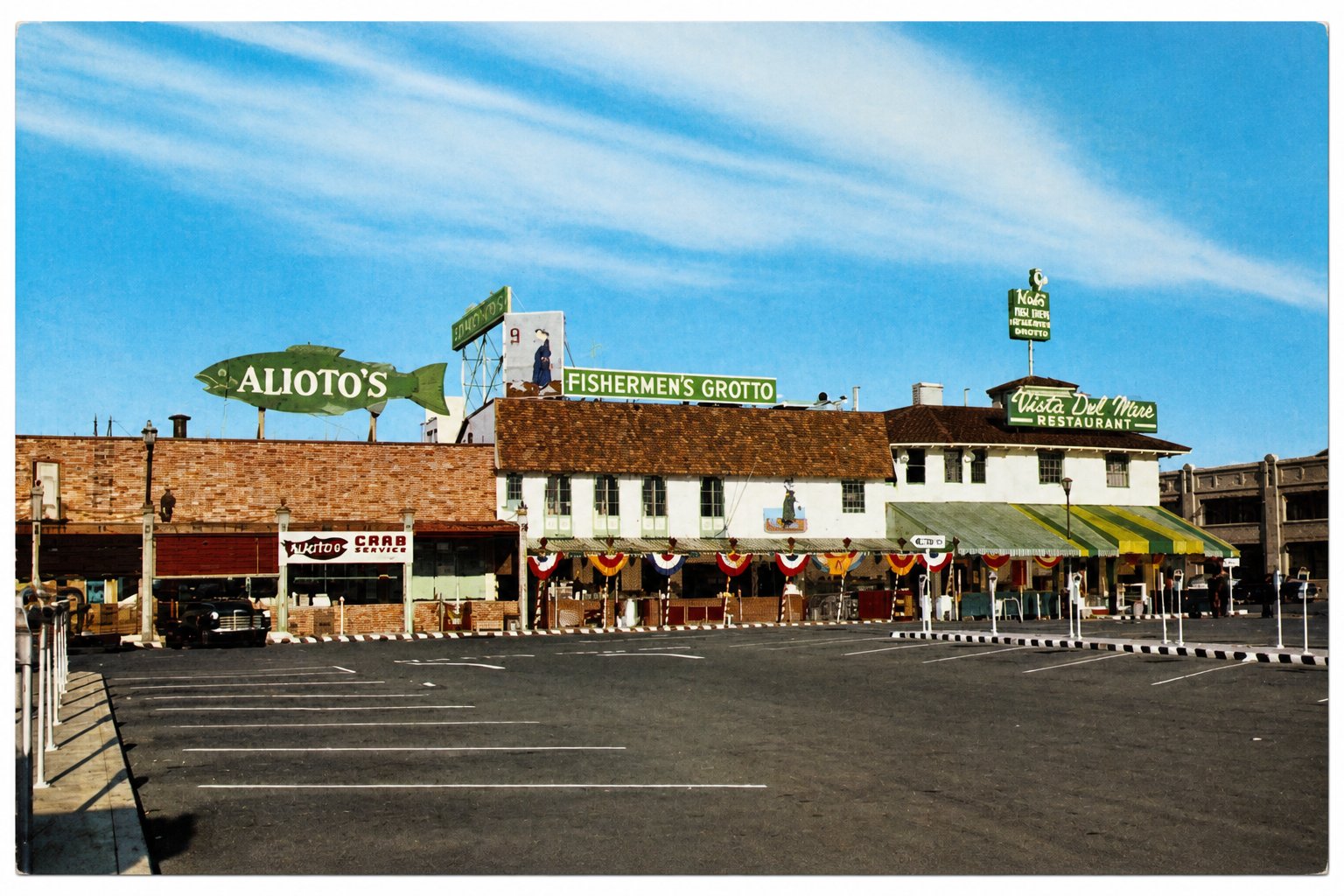
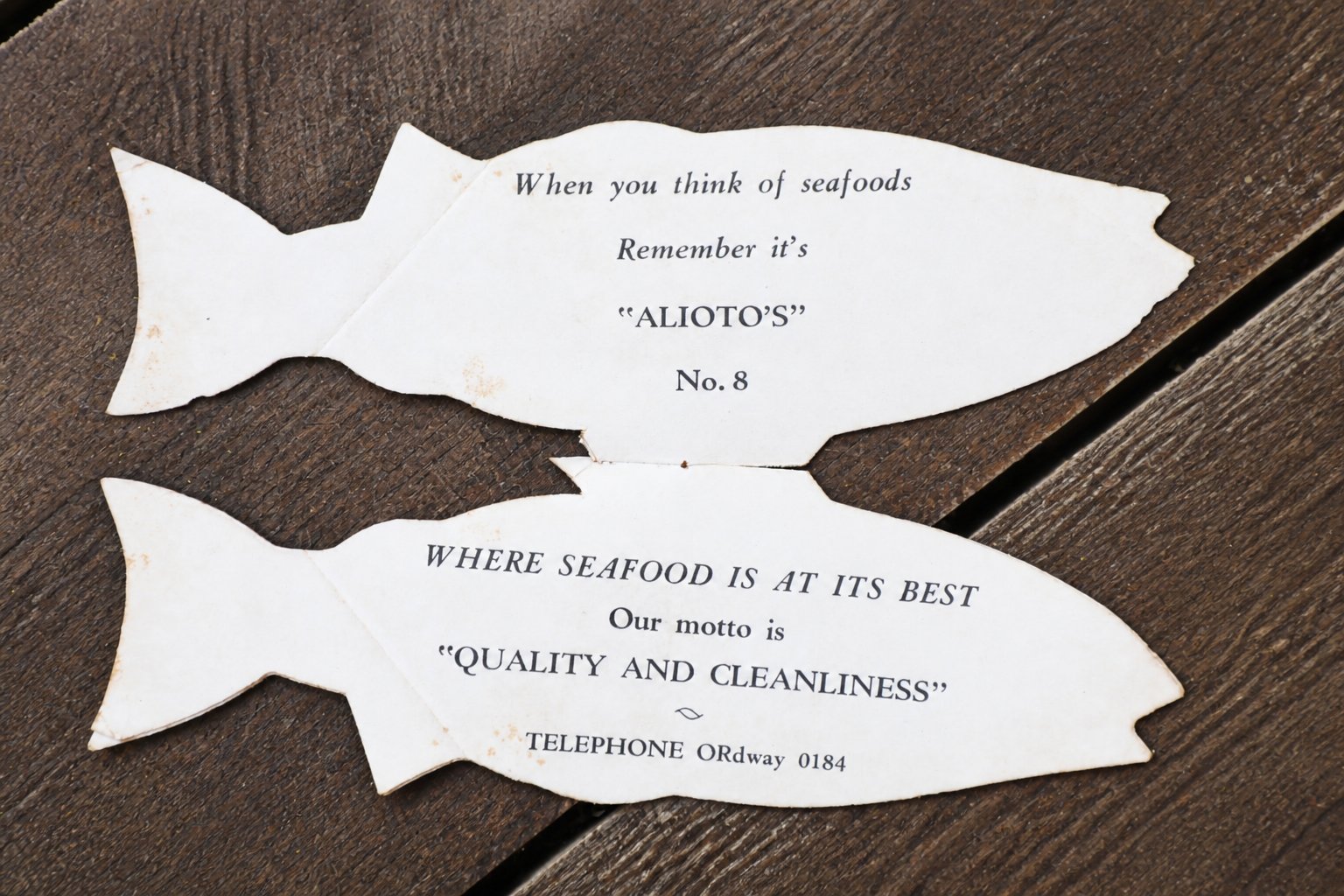
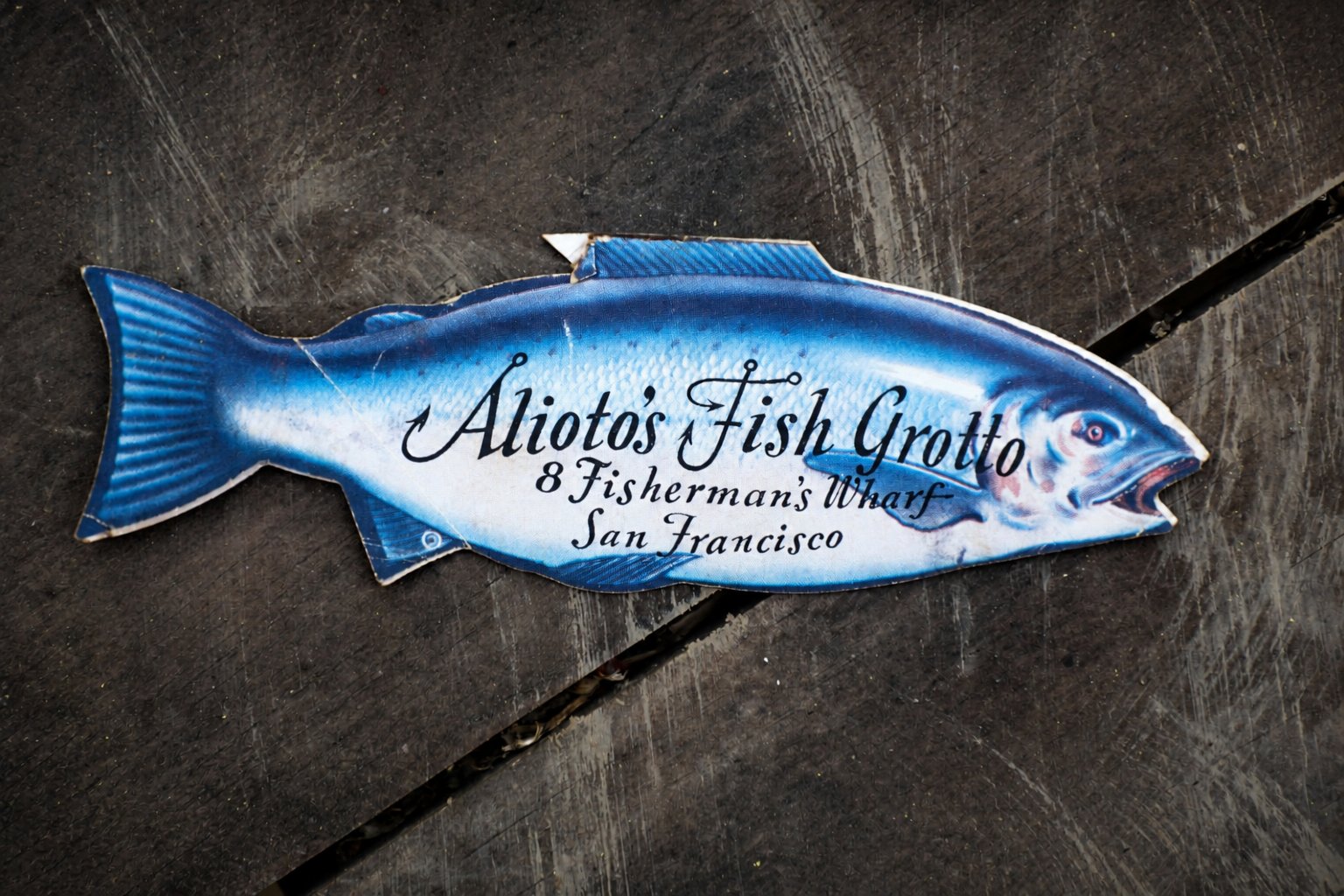
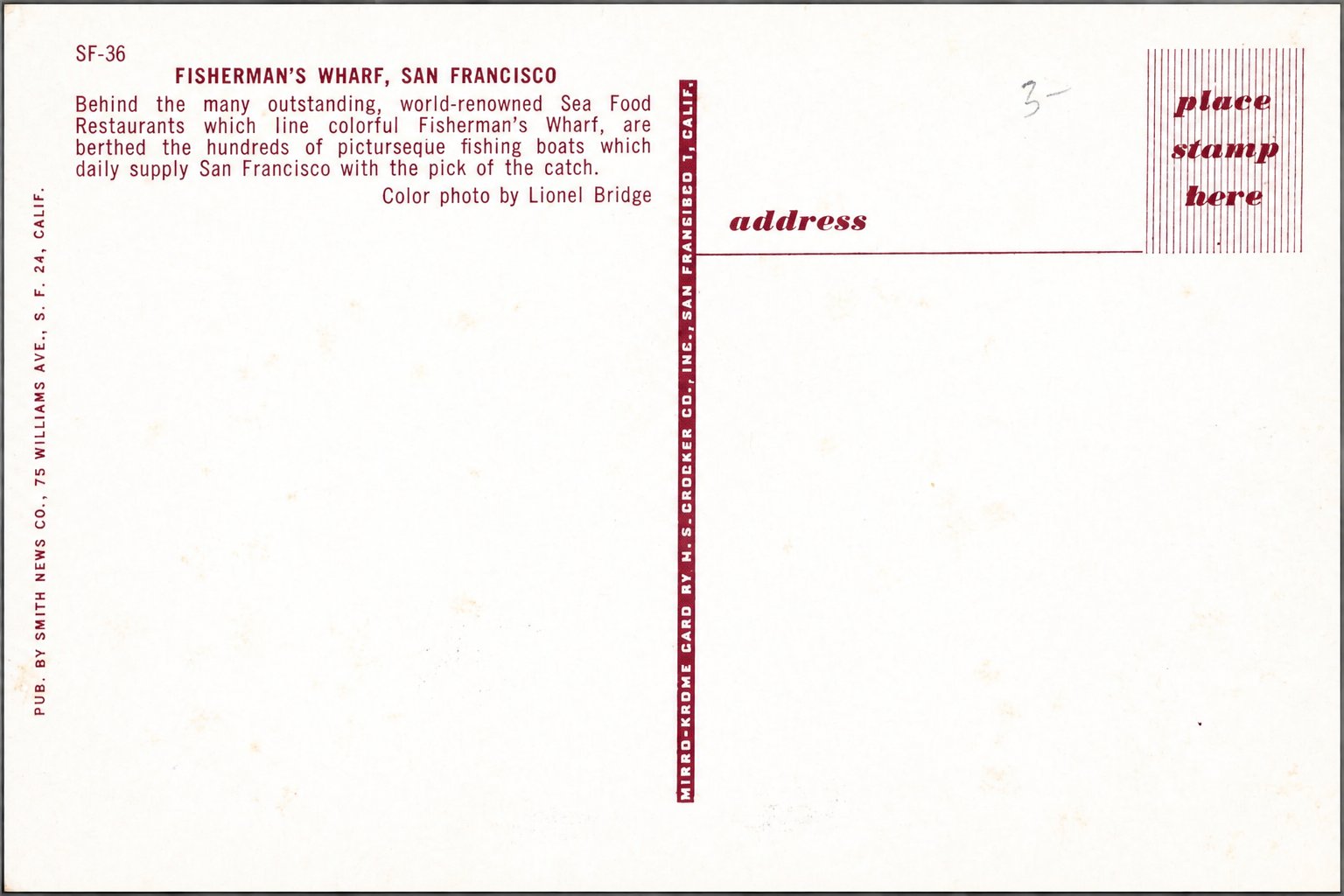
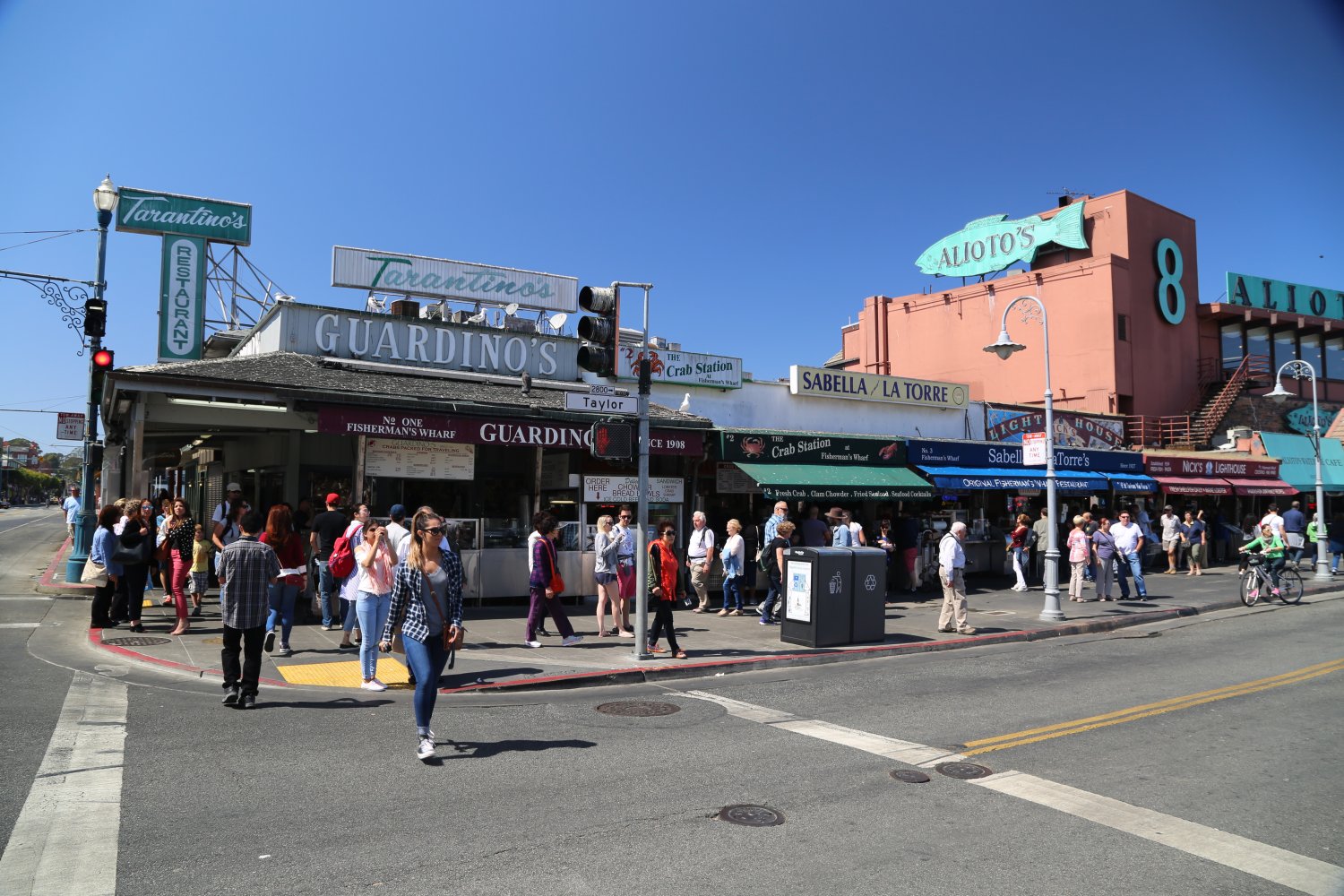 Alioto’s Restaurant started as a fish/crab stand (stall number 8) on Fisherman’s Wharf in 1925 by Nunzio’s grandfather, Nunzio Alioto Sr. (parents: Giuseppe Alioto and Stefana Balestrieri Alioto). He sold steamed crab, and shrimp and crab cocktails, primarily to Italian workers. He was from the small coastal village of Sant’elia in Sicily. Like many who lived in that part of Sicily, his family were fisherman. Nunzio built the first building on Fisherman’s Wharf in 1932, died a year later from a bout of pneumonia and by 1938, the restaurant officially opened, operated by his widow Rose Alioto. She is credited with being one of the first to create a shellfish stew called Cioppino.
Synonymous with San Francisco, and one of Fisherman Wharf’s iconic spaces for decades, sadly the restaurant permanently closed in 2020; at that time it was the longest family owned restaurant in San Francisco. During its peak years, it would serve as many as 1,200 guests per day. Since the restaurant closed, part of Fisherman’s Wharf is under major renovation, eventually opening with a space to be called Piazza Alioto.
Sant’elia is located near Santa Flavia on the northern coast of Sicily, Italy about an hours drive from Palermo. Known for its crystal-clear waters, colorful fishing boats, and traditional atmosphere, it offers visitors an authentic glimpse of Sicilian coastal life. The village has a long history connected to fishing, which remains an important part of the local culture and economy. Narrow streets lead to a beautiful waterfront, where residents and tourists gather to enjoy fresh seafood and gorgeous views of the Tyrrhenian Sea.
Sant’Elia is also close to several historical and archaeological sites, including the ancient Phoenician settlement of Solunto. During the summer months, its small beaches and rocky coves attract swimmers and sunbathers seeking a peaceful alternative to larger tourist destinations. Combining natural beauty, rich history, and warm hospitality, Sant’Elia captures the essence of Sicily’s coastal heritage and charm.
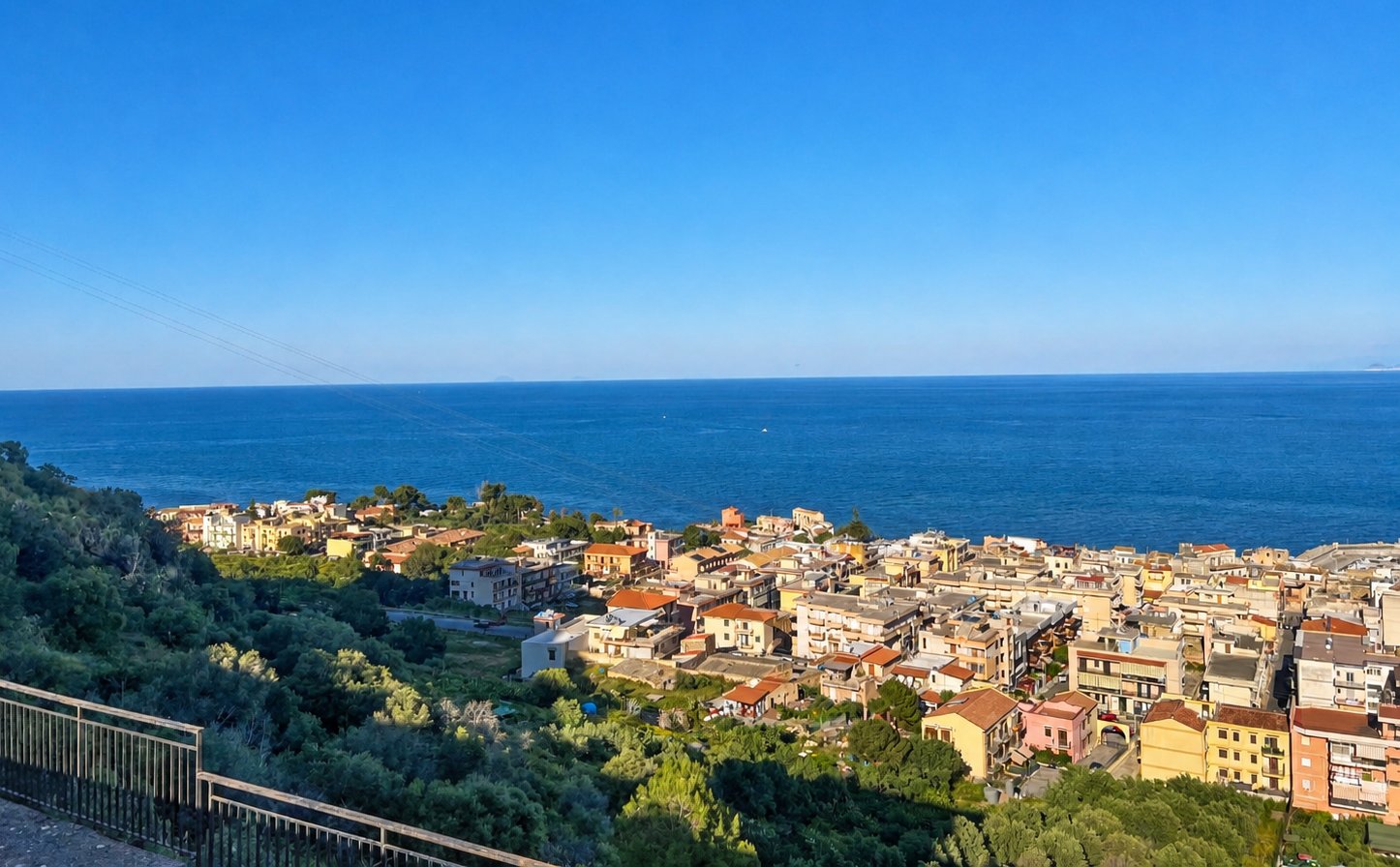
Sant’Elia, Sicily
In 1987, Nunzio took the first Master Sommelier examination held in the United States. The exam took place at the Monterey Plaza Hotel in Monterey, where just 25 candidates were invited to sit for the rigorous testing process. Only three candidates passed that year, including Madeline Triffon of Detroit, who completed all three sections of the examination during that sitting, and later that year Evan Goldstein and Alioto.
Fred Dame was the central figure responsible for bringing the Master Sommelier examination to the United States. Prior to that time, candidates were generally required to work in England for five years before becoming eligible to sit for the exam. Dame successfully advocated for the examination to be offered in the U.S. and for the five-year requirement to be eliminated, opening the door for American wine professionals to pursue the credential.
Alioto went on to serve as president of the American Chapter of the Court of Master Sommeliers and later held the position of International President for two years. Several members of that original group of candidates eventually earned the prestigious Master Sommelier title, including Fran Kysela and Peter Granoff, both of whom became highly respected figures in the wine industry.
—
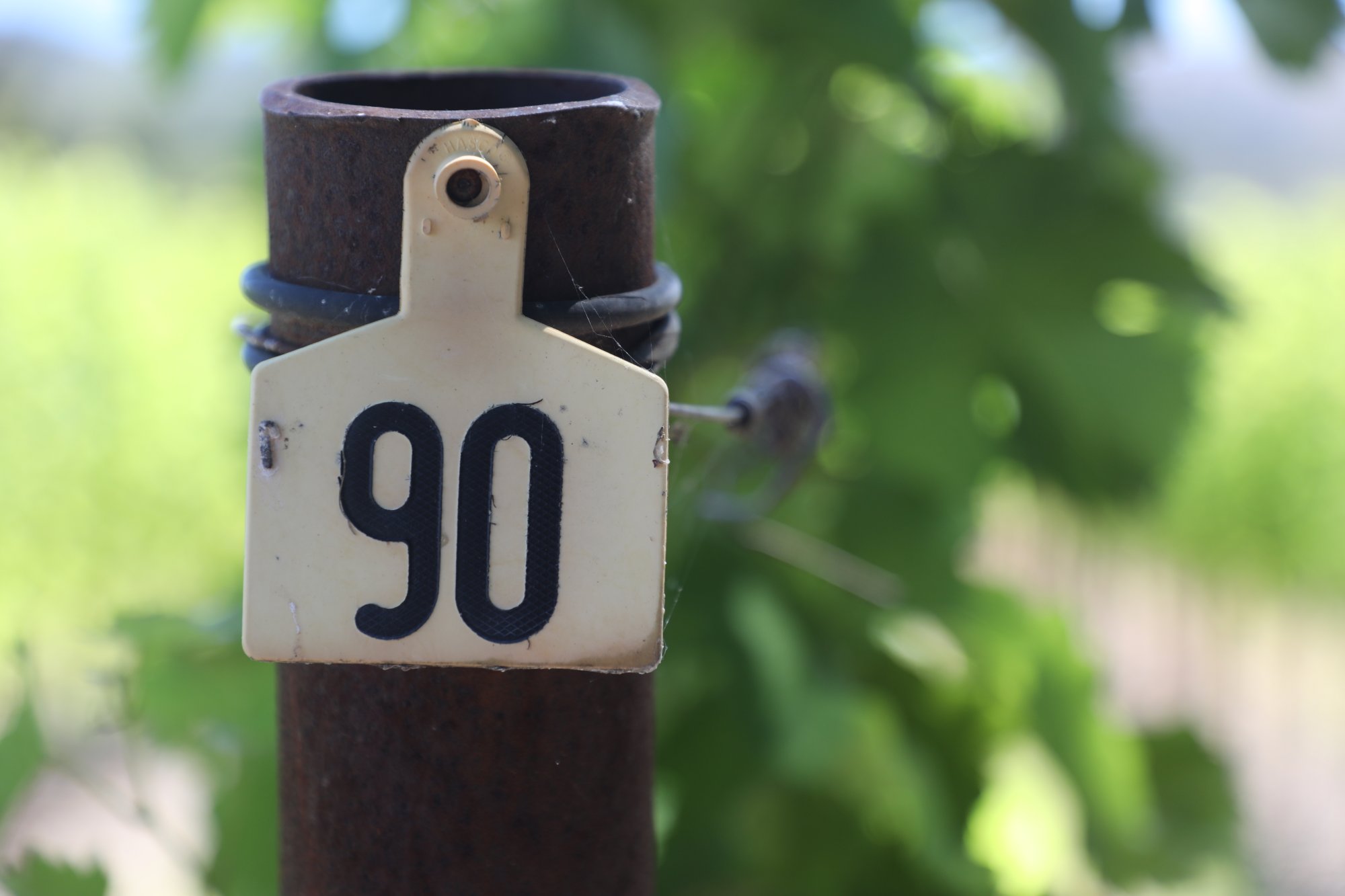
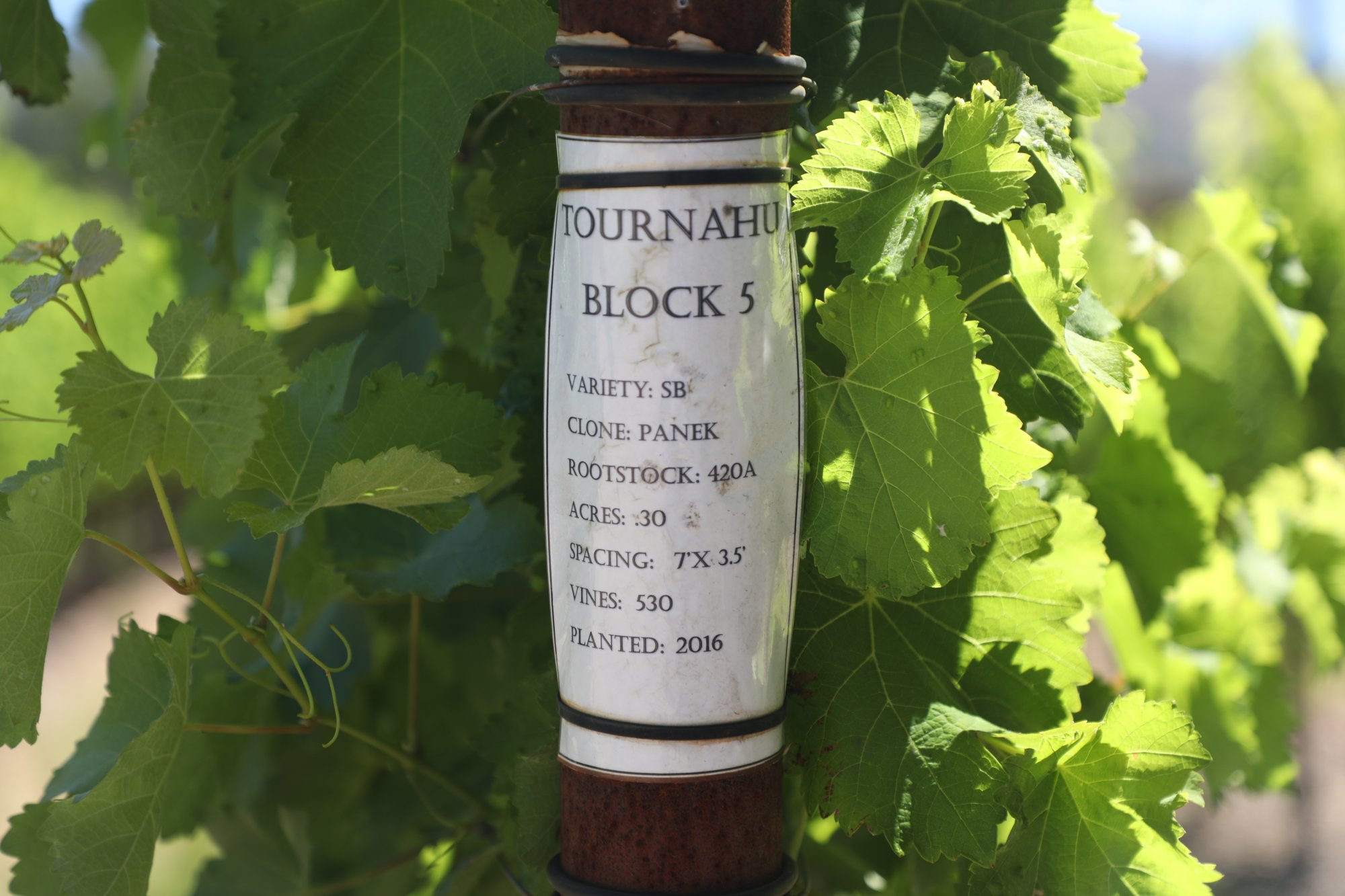
 In 2016, two small vineyard blocks became infected with red blotch disease. At the time, Nunzio was selling grapes to Mending Wall, where Thomas Rivers Brown was producing a vineyard-designated wine from Tournahu Vineyard. Working together with Thomas and Josh Clark, who remains the vineyard manager today, they decided to replant the affected sections using 420A rootstock while retaining clone 15 and adding clone 169. Nunzio’s wife, Joanne, is particularly fond of Sauvignon Blanc, so the family also planted one-third of an acre of the variety in the coolest part of the property, adjacent to Mill Creek.
In 2018, the family conducted a series of soil pits in the vineyard. The reports confirmed what they had observed firsthand for decades: a site characterized by alluvial soils, gravelly loam, and abundant rounded river rock, all contributing to exceptional drainage.
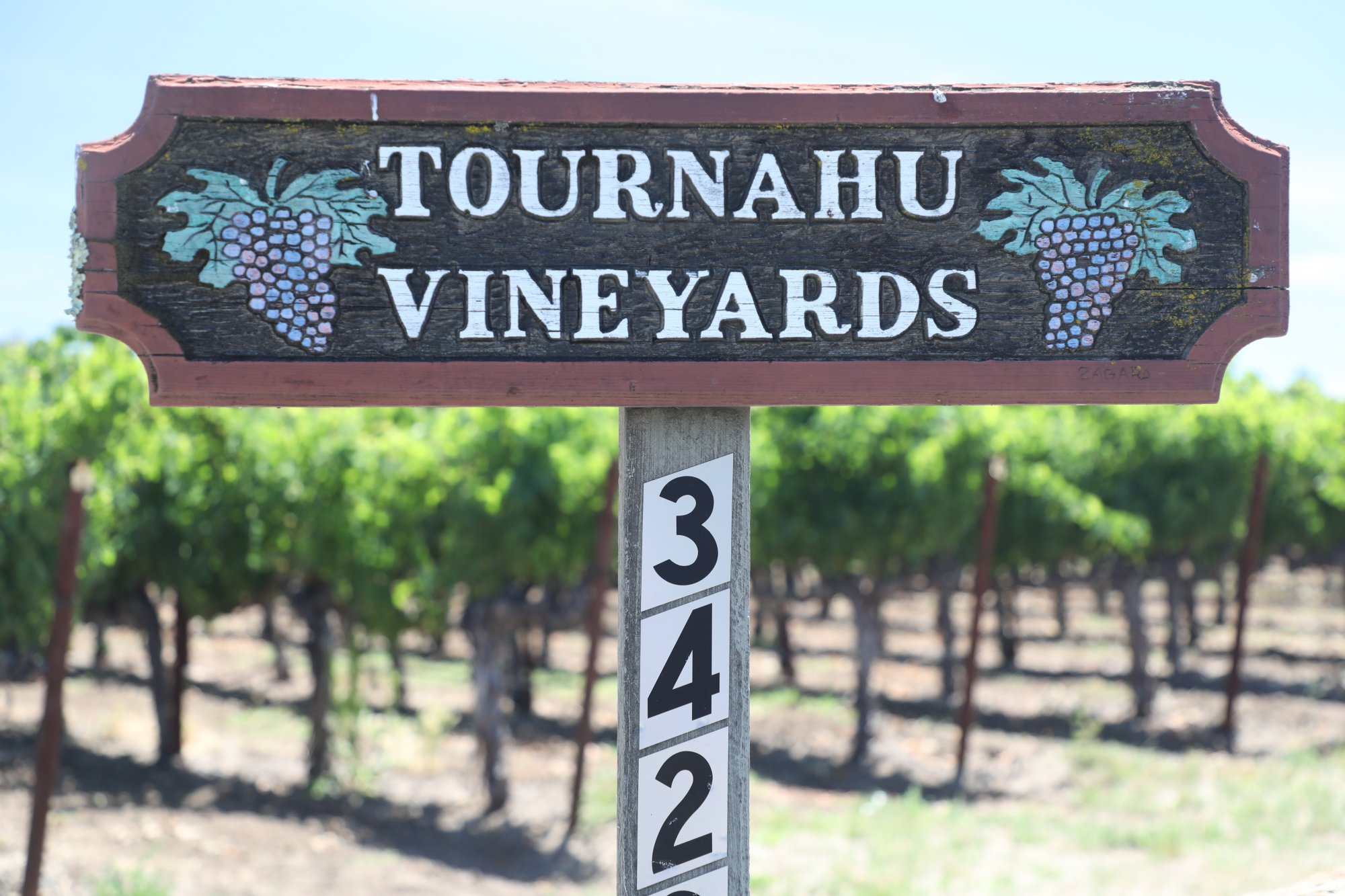
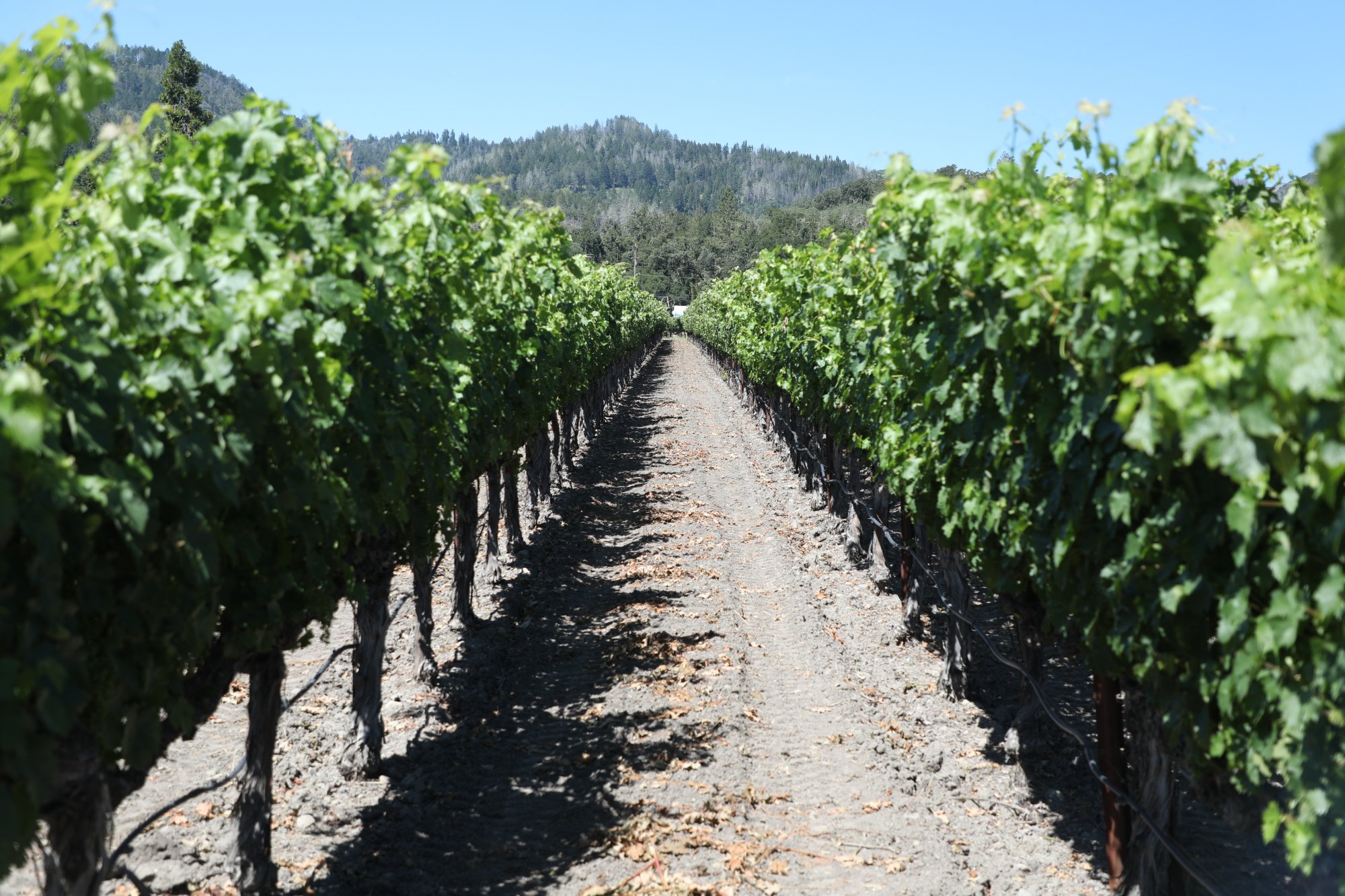
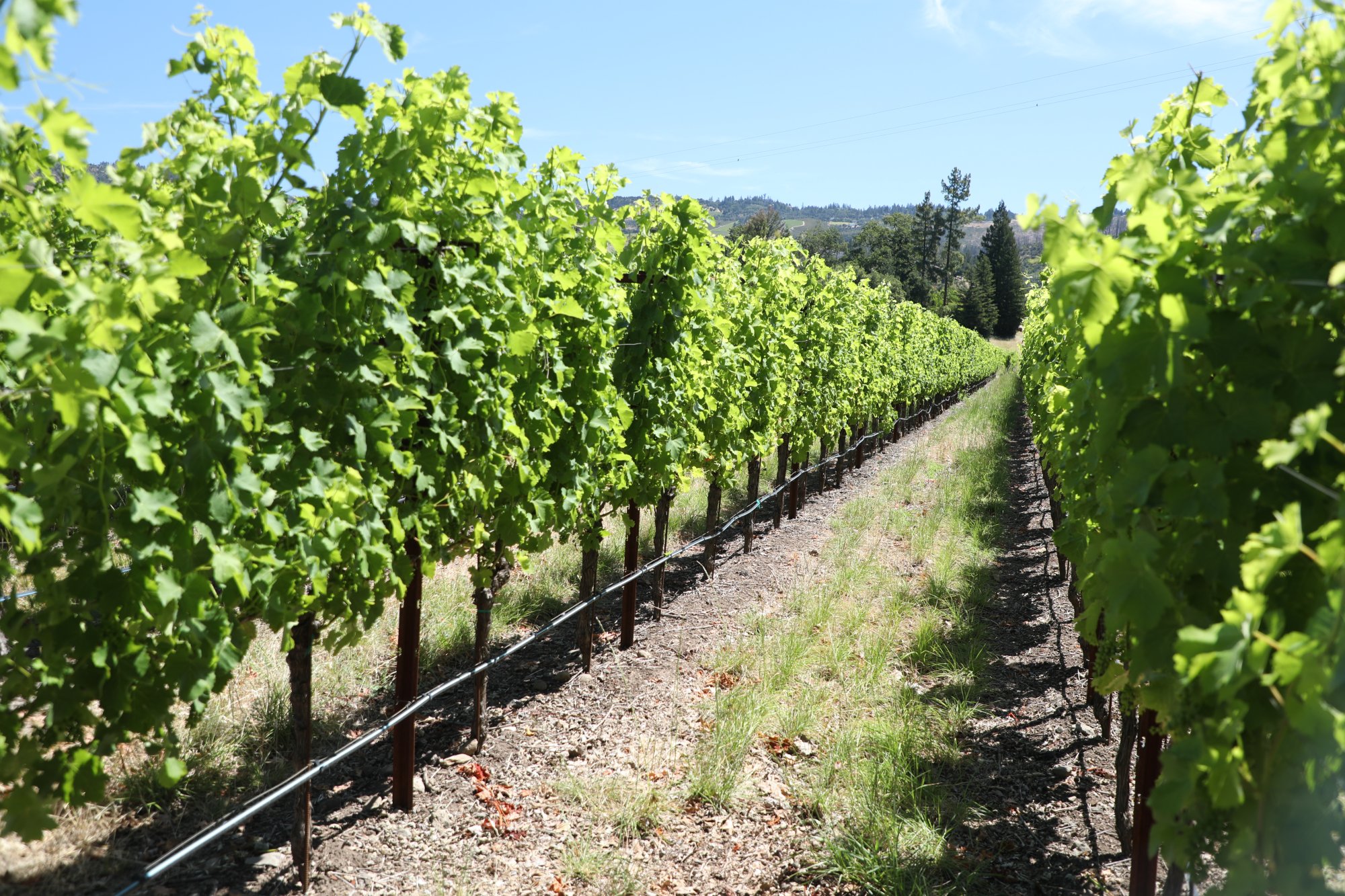
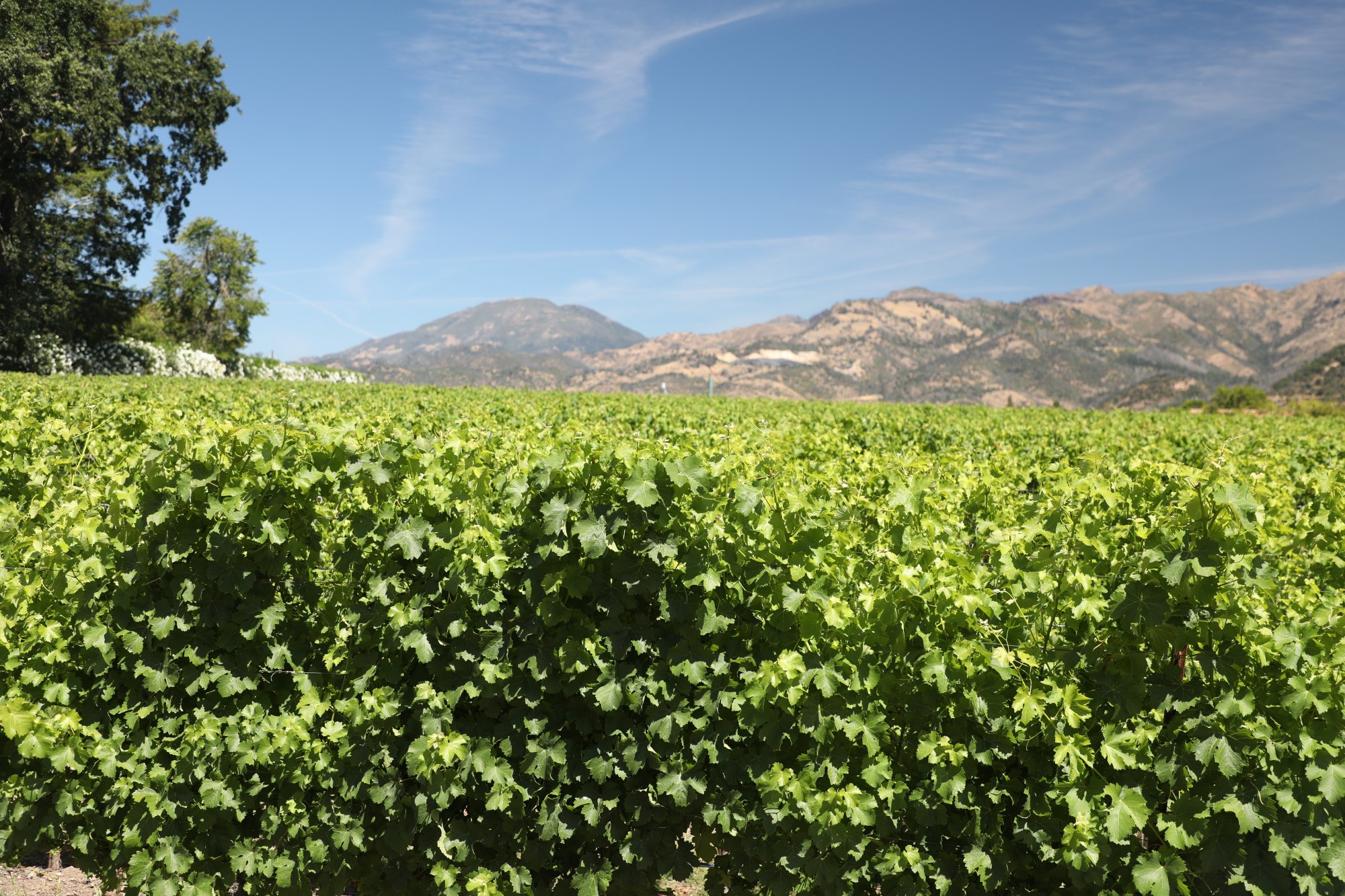
The vineyard is divided into five distinct blocks, with four planted to Cabernet Sauvignon and one-third of an acre planted to Sauvignon Blanc. The rows are oriented north to south, with the blocks closest to the creek benefiting from protection provided by the surrounding riparian zone. Each block is farmed independently according to its specific soils and growing conditions. Cover crops are used to help retain moisture in the soils, and the vineyard is dry farmed as much as possible. Careful attention is paid to canopy management, including leaf removal and the use of shade cloth as needed.
The goal in the vineyard is to encourage earlier phenolic maturity while keeping sugar levels lower, allowing the grapes to develop flavor, structure, and balance without excessive ripeness. These farming practices help preserve freshness in the grapes while supporting the overall quality and character of the vineyard.
In 2024, Thomas introduced Nunzio to winemaker Richard Frederick; both Thomas and Richard had worked together at Revana Family Vineyards. Thomas had already been producing a Tournahu Vineyard designed wine for Mending Wall, and wanted to introduce a new client, Houston based Cano Ranch to Tournahu Vineyard – who ultimately produced their first vintage in 2024 from Tournahu Vineyard.
Nunzio recalls meeting Frederick at Market Restaurant in St. Helena and discussing the style of wines they envisioned producing from the vineyard. They began with Sauvignon Blanc, focusing on a style that Nunzio particularly enjoys drinking—more restrained and reminiscent of Sancerre, with bright acidity, freshness, and easy drinkability. The same philosophy applies to their Cabernet Sauvignon: preserving the varietal’s freshness by farming and harvesting for balance rather than excessive ripeness. As Nunzio puts it, the goal is to “temper Napa Valley concentration with restraint and some elegance.” The result is wines that reflect both the character of the vineyard and a commitment to balance, nuance, and food-friendly appeal.
Learning their vineyard in terms of their own wines continues – and this also translates into the cellar including barrel selection. They found that a combination of Alain Fouquet, Nadalie, and Sylvan works well with their Cabernet Sauvignon. But also finding the right balance of new oak versus used barrels and in what combination thereof. Over time, they have realized that less oak influence seems to work best.
Select Wines
Sauvignon Blanc
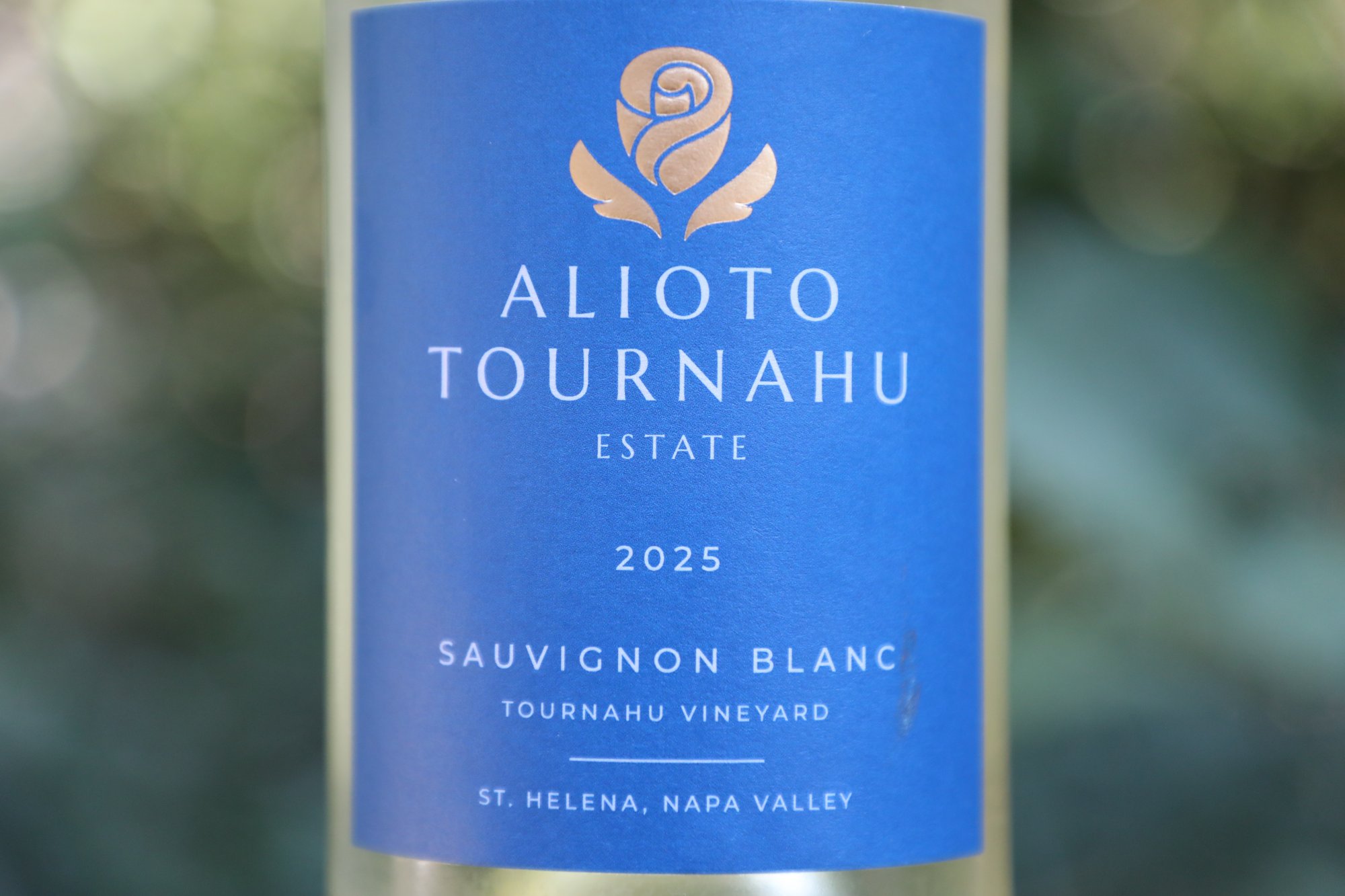
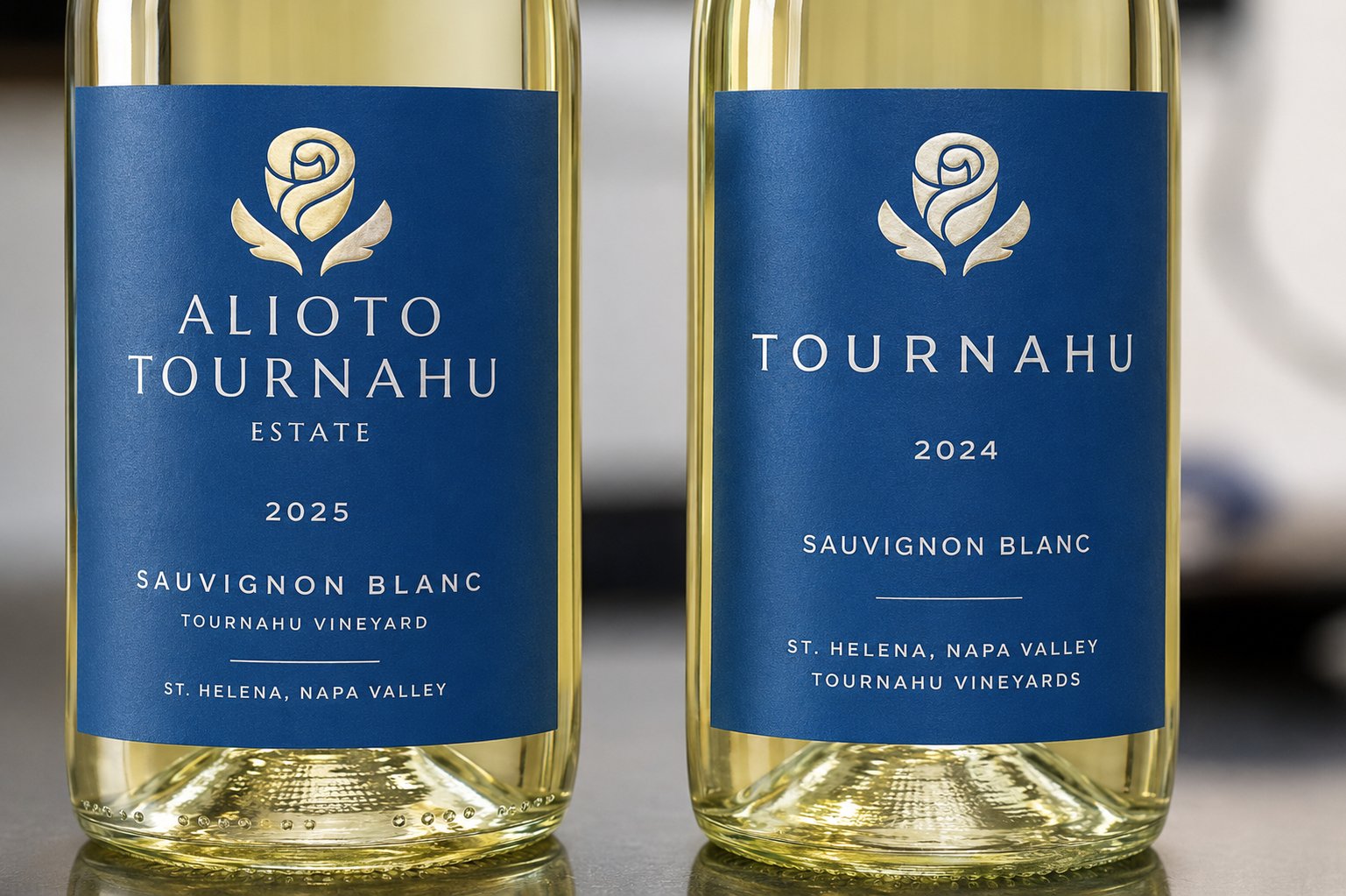
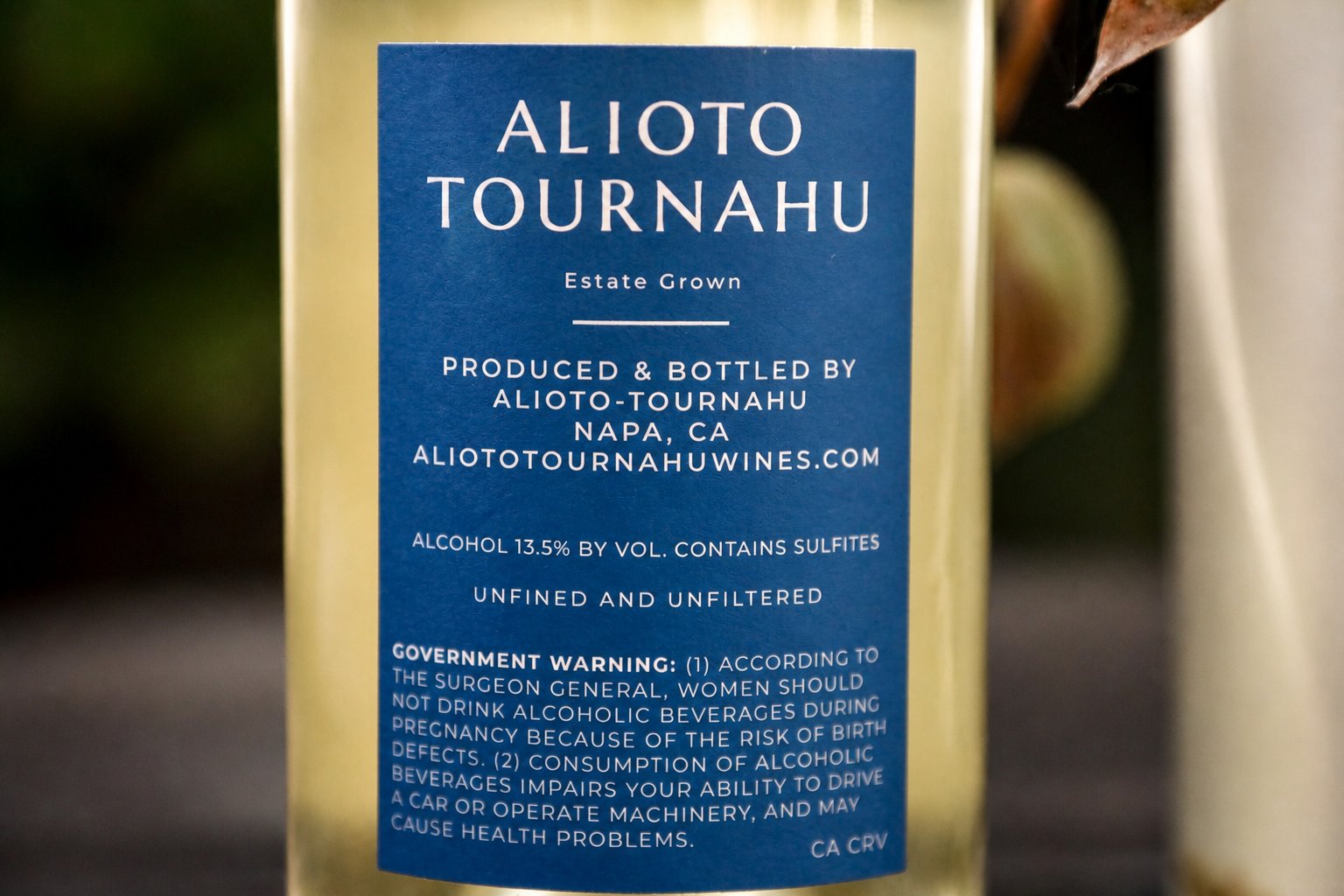
 The 2025 Alioto Tornahu Vineyard Sauvignon Blanc, Napa Valley is medium straw in color with a light haziness; on the bouquet this wine initially smells like citrus blossom, jasmine, lemon zest, honeydew melon, white nectarine and as it evolves it opens to a note of beeswax. This wine tastes like honeydew melon, white grapefruit, not fully ripe pineapple, under ripe lychee, green apples, carambola (star fruit) and white peach. The mouth feel offers a rounded, creamy texture which is complemented and supported by a vibrant thread of acidity. On the palate, it is bright, zesty, fresh and shows plenty of persistence, both in terms of flavor, acidity and texture. Based on the lighter feel of the 2024 bottling, especially on the mid palate, Nunzio wanted to flesh out and tighten up texture, so for this vintage, two barrels were fermented using a yeast commonly used for producing sparkling wines while one barrel was fermented using a Chardonnay yeast. And the wine was aged sur lie with regular battonage resulting in a lightly hazy expression; they do not fine or filter this wine and malolactic fermentation was inhibited to preserve the crisp acidity. Age worthy? Yes. We would like to try this again in the next 6-8 years.
The 2024 Tornahu Vineyard Sauvignon Blanc, Napa Valley is pale to medium gold in color. The nose is mineral-driven, also offering aromas of pineapple, Golden Delicious apple, honeydew melon, Meyer lemon, and white floral notes including jasmine and citrus blossom. As the wine evolves in the glass, there is also a very subtle oxidative note on the bouquet, reminiscent of a hint of bruised apple. Notably, this wine never drifts into the green or grassy spectrum often associated with Sauvignon Blanc, nor does it venture into overtly tropical territory. Compared to the 2025 vintage, the perception of acidity is somewhat softer and more integrated. We tasted this wine two years post vintage; it is balanced and expressive. On the palate, flavors of golden apple, kiwi, pomelo, honeydew melon, limeade, thyme and pineapple guava are complemented by a rounded, gently textured loose mouthfeel. The wine is broad across the palate without sacrificing freshness or balance. The grapes were harvested at approximately 22° Brix, and the wine was fermented entirely with a yeast strain commonly used in sparkling wine production, contributing to its purity, vibrancy, and elegant structure. Only 78 cases were produced of this vintage, their inaugural bottling.
Cabernet Sauvignon
The 2024 Tornahu Vineyard Cabernet Sauvignon, Napa Valley is 100% varietal and 100% from clone 15. During an evaluative tasting it was suggested to blend a small percentage of the 2025 vintage to see the result. Pleased, they included 5% of the 2025 Cabernet Sauvignon in the 2024 vintage. This wine was aged in 60% new French oak and 40% used barrels. This wine is deep ruby and opaque; In its youth, the oak remains prominent, contributing notes of cedar box. Additional scents include dark chocolate, dark cocoa powder and petrichor/dust; the fruit is dark and mature with notes of blackberry, dark plum, and dark cherry. Abundantly fruit-driven – especially on the front and mid palate, this wine tastes like blackberry, dark cherry, dark plum, blueberry and boysenberry. Finishes with a contribution of barrel including dark cocoa powder and old cedar box. The tannins are fine-grained with a gentle hug; even in their youth their character is not edgy or course. The finish lingers with a light dusty character. This wine spent 18 months in élevage, a combination of both new and used French oak barrels. For reference, we tasted this about a week after all the barrels had been blended into tank (the final blend), but prior to bottling.
—
Alioto-Tournahu Wines reflects the convergence of Napa Valley viticulture, San Francisco culinary history, and a multigenerational commitment to hospitality. Under Nunzio Alioto and his family, the wines emphasize balance, restraint, and a vineyard-first expression of northern Napa Valley.
Total annual production ranges from 200 to 225 cases with room to grow in a measured manner; their goal is to always be hands on both in the vineyard and in the cellar and keep production low. The wine has very limited distribution including at The Kitchen Table in San Rafael, CA, a restaurant owned by Franklin’s brother, Chef Alexander Alioto. The wine is primarily sold through their allocation list. For more information and to join their allocation list, visit: www.aliototournahuwines.com
Tournahu Vineyard
Alioto’s Restaurant Memorabilia
Leave a Reply