



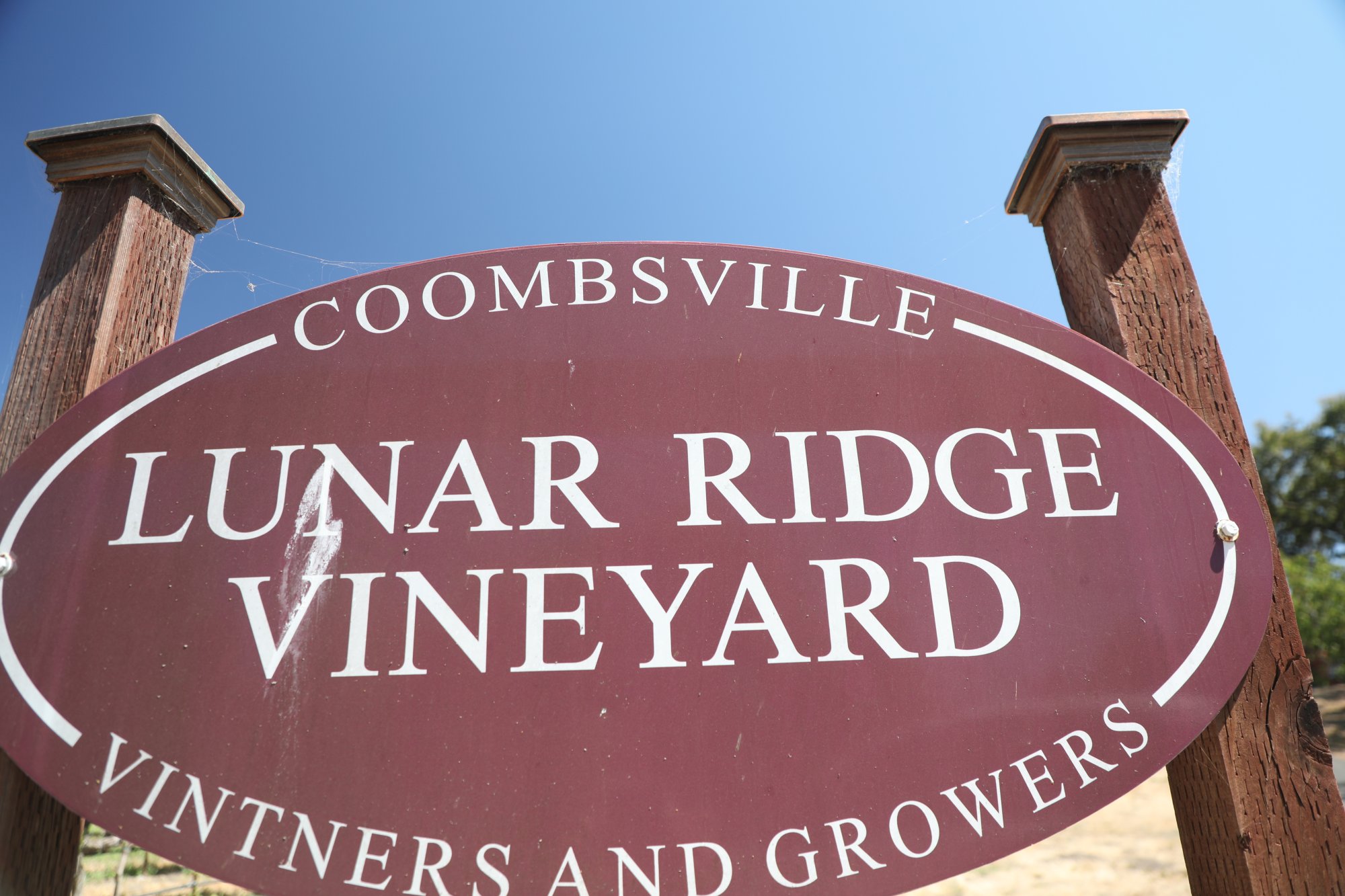
 Lunar Ridge is a boutique wine brand based in Coombsville and was founded by Ray and Theresa Joske, their family journey began more than two decades ago with the desire to produce an experience that would stimulate the imaginations of those who tasted their wine vintage after vintage. The grapes for Lunar Ridge are grown on our small family-owned estate; the first vintage was produced in 2006. Both Ray and Theresa were born and raised in California; they met in high school but she and her family moved to the east coast at the end of his senior year. They lost touch for several years; at age 24 Ray was running a lumber yard in southern California. He called Theresa’s mom one day to see how she and her family were doing and to reconnect with Theresa. She encouraged him to move to the east coast. He did.
When they lived in Princeton, NJ Theresa used to host holiday open houses while Ray was responsible for securing wines for such events. He became known as the “wine guy”, not because he was any kind of expert, but while walking through the liquor store with his children in tow, they would point to labels that had high visual appeal. And those bottles would invariably end up in his shopping cart.
While Ray and Theresa raised their family in New Jersey, because of work, Ray later transferred to California and was living in a condominium in Silverado Country Club. Ray’s parents were visiting him and were staying at the nearby Skyline Park in their Airstream trailer. One day they drove from Skyline Park to Silverado Country club and passed a small property for sale. Upon arriving at Ray’s condominium, Ray’s father said, “I have found the perfect property for you”. Ray and Theresa closed on this property in 2003. For years Ray’s dad parked his airstream in their driveway, and locals would always associate the airstream with their vineyard.
In 2026, aligning with their 20th anniversary of producing Lunar Ridge Wines, Theresa celebrated 20 years of being the Librarian at St. Apollinaris Catholic School in Napa.
—
Later they discovered that the prominent western author, Charles Horace Snow lived and worked in their home. He was not the only prominent western author living and writing in Napa in the 1920s and 1930s; reference Vingetta (Vingie) Elizabeth Roe and Lost Valley Ranch Wines. A fascinating individual, Snow was born and raised in Lake County (bordering Napa County to the north); his parents George Horace Snow and his wife Annie traveled by an ox pulled wagon team to California in the 1850s from Missouri. In his late teens, Charles worked a mine in British Columbia with his step brother John Allen Veath. Both brothers moved to Panama and worked a mine there until Snow contracted malaria and returned to California to recover. But then he continued traveling around the western U.S. involved in various mining activities. His parents moved to Napa in 1901. Other family lived and worked in Napa including an uncle who owned a large piece of property near Mt. George and a brother who was in real estate. Charles married twice having outlived both his wives including Halla and Caroline.
Unfortunately Charles was totally blinded in 1914 at age 37 while trying to repair a piece of farm machinery at Joseph Harris Ranch south of the city of Napa near Napa Junction when an explosion threw hot pieces of molten alloy into both eyes, but did not injure any other part of his face or body. In 1915 the State Industrial Accident Commission determined that in addition to the $460 owed for the initial medical bills, Harris would pay Snow $15/week for an undisclosed amount of time for his disability. Falling into depression for some time after the accident, his step brother eventually suggested he start writing stories about growing up in the west.
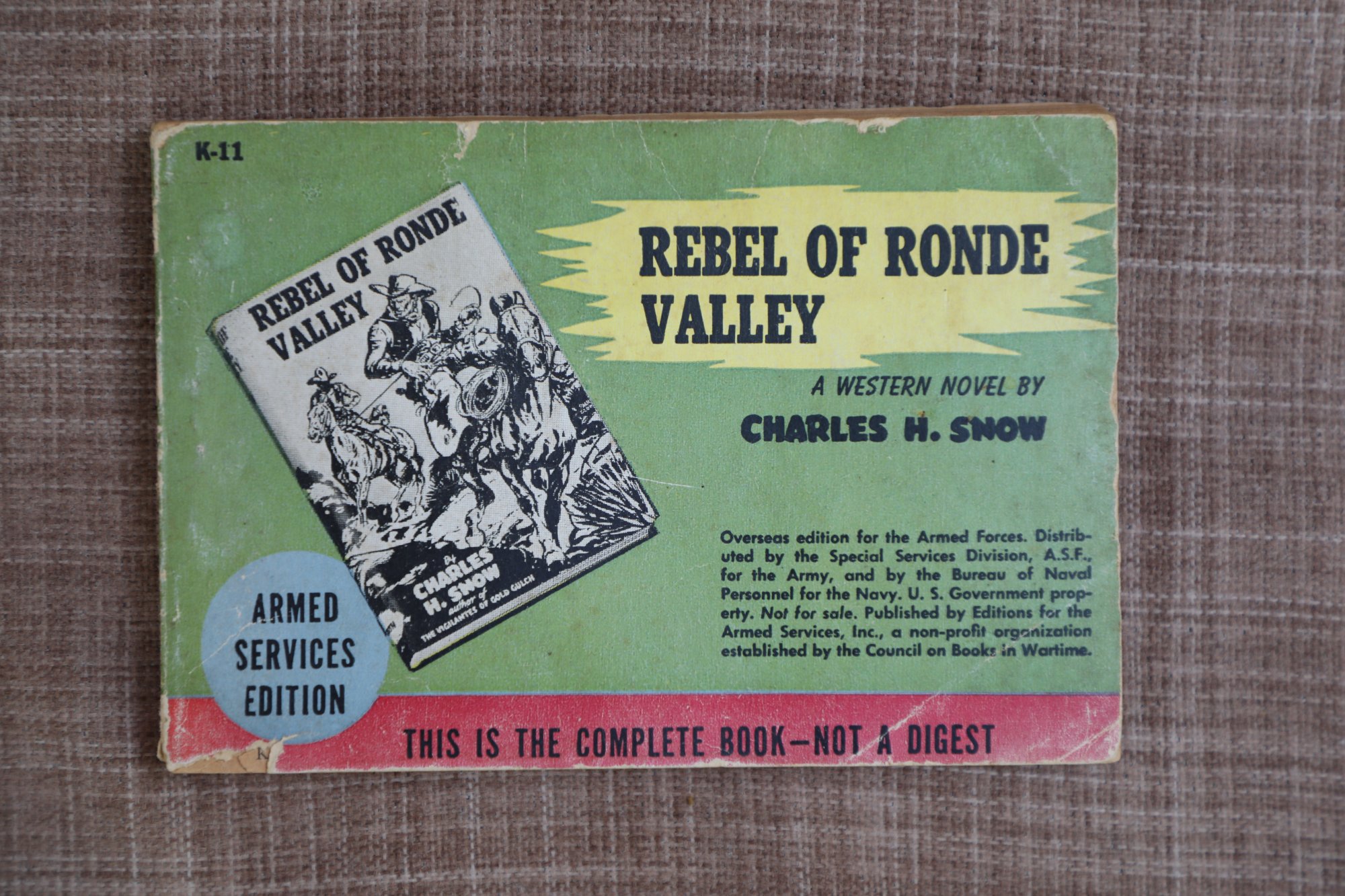
Charles Snow, Rebel of Ronde Valley, Armed Services Edition
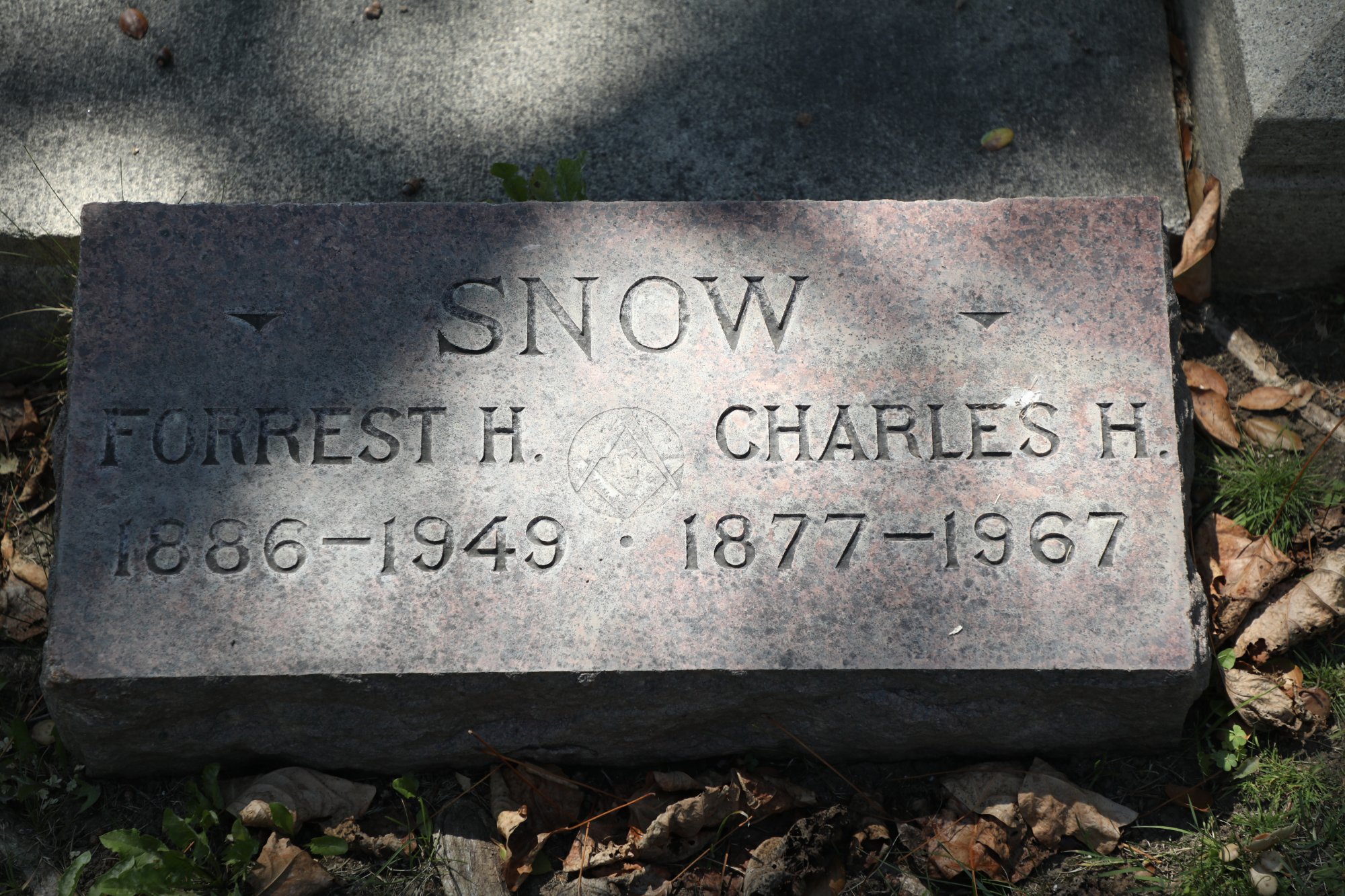
Charles H. Snow gravesite, Tulocay Cemetery Napa
An article about Snow in the The Napa Valley Register dated July 8, 1955 indicated he dictated his novels in his study adjoining his house in Coombsville. A subsequent article describe his dwelling as being cozy and located on an elevated site. He later wrote books under 8 different pseudonyms. Many of his books were published in foreign languages.
In addition to writing westerns and later mystery novels, early in his career, he was a correspondent for the San Francisco Chronicle and the Sacramento Bee; he was also a published New York Times author. From 1922-1926, he served as a Justice of the Peace in Napa and earned the honorary title of, “Judge Snow”. In a letter to the editor he penned to the Napa Journal dated May 7, 1926 he indicated that in 3 years and four months that he served, he mentioned that the Justice Court of Napa had handled 2,907 cases resulting in over $80,000 collected for the county and state treasuries. He also oversaw marriages; during one day in 1923 he presided over 8 weddings. He was not re-elected when he ran for re-election, with possible opposition coming because of his harsh fines levied against those who violated the Volstead Act (Prohibition).
A mention in the Napa Journal dated May 13, 1932 indicated that several of his books were available at the Goodman Library in downtown Napa – now home of Napa County Historical Society containing both a museum and a research library. His publisher was primarily London based, Wright & Brown; his works became especially popular in the United Kingdom. In 1955 he was elected honorary president of the Western Writers Association. His obituary mentioned that at the time of his death he had sold more books in the United Kingdom than any other author. Snow was primarily active from the 1930s through the late 1960s; a prolific writer, before he died in 1967 at age 90, he penned 465 books. He is buried at Tulocay Cemetery n Napa. The Charles H. Snow Collection is housed in the Department of Special Collections, Davidson Library at the University of California, Santa Barbara.
—
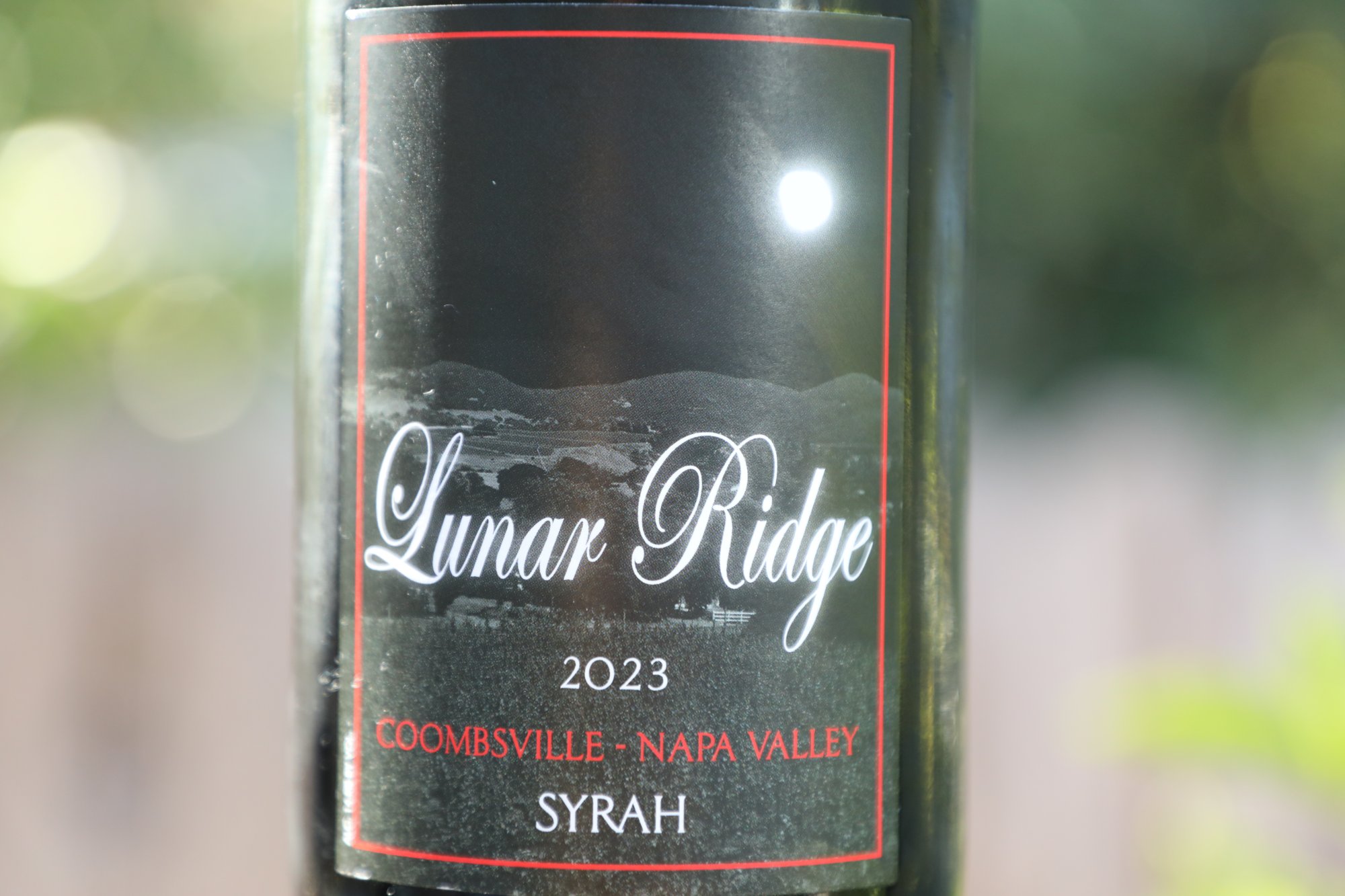
The name Lunar Ridge dates back to soon after the Joske’s purchased the property in 2003. One hot summer night Ray was sleeping outside on their deck because it was too hot inside the house, when he noticed a beautiful visual of the moon rising over a nearby ridge. He conveyed this experience to his family including his three children; his two daughters designed their label. But cell phone technology wasn’t where it is today and they weren’t able to capture an image of the moon over their vineyard, so the image of the moon was added via Photoshop into the visual for their wine label.
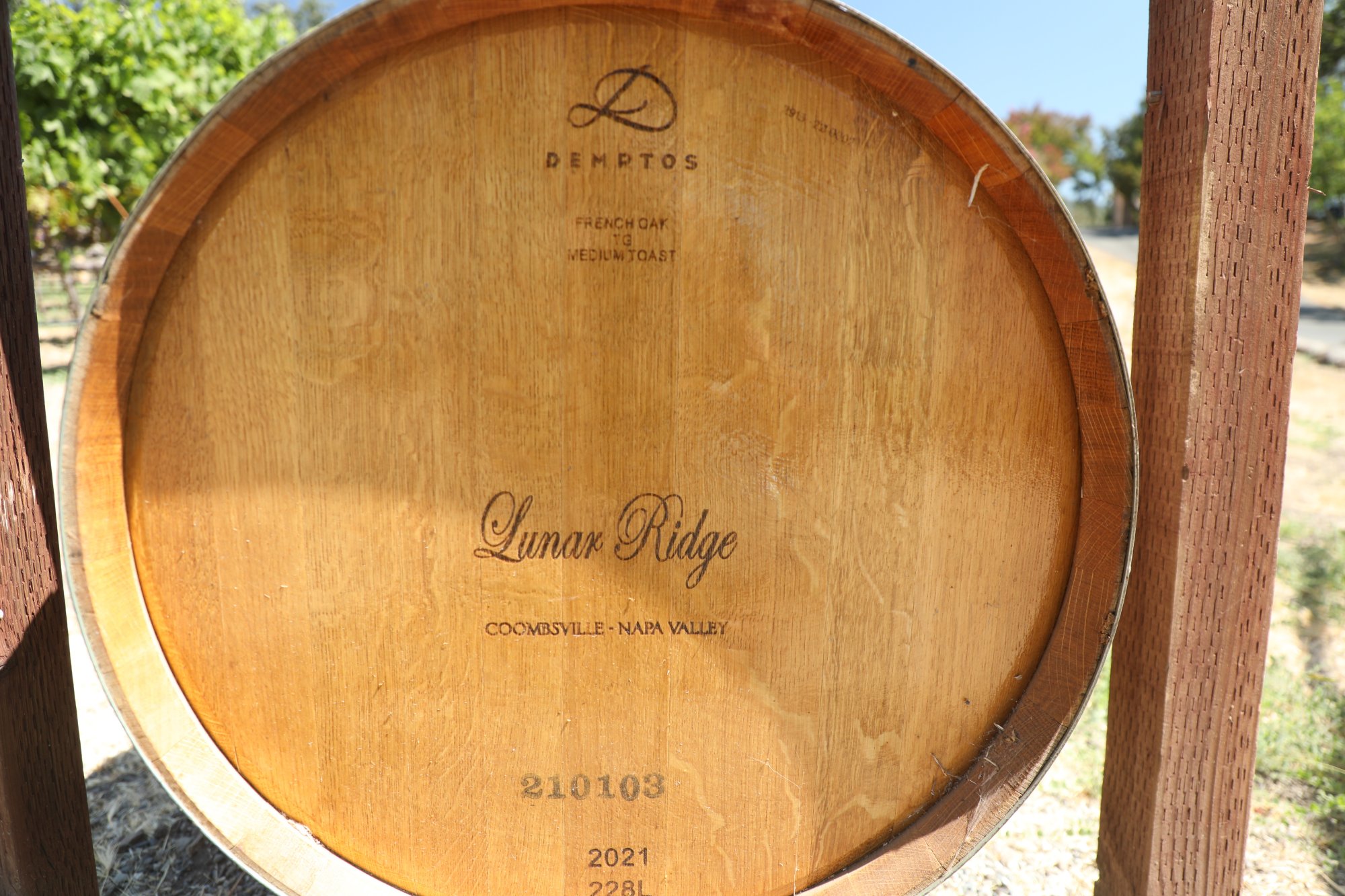
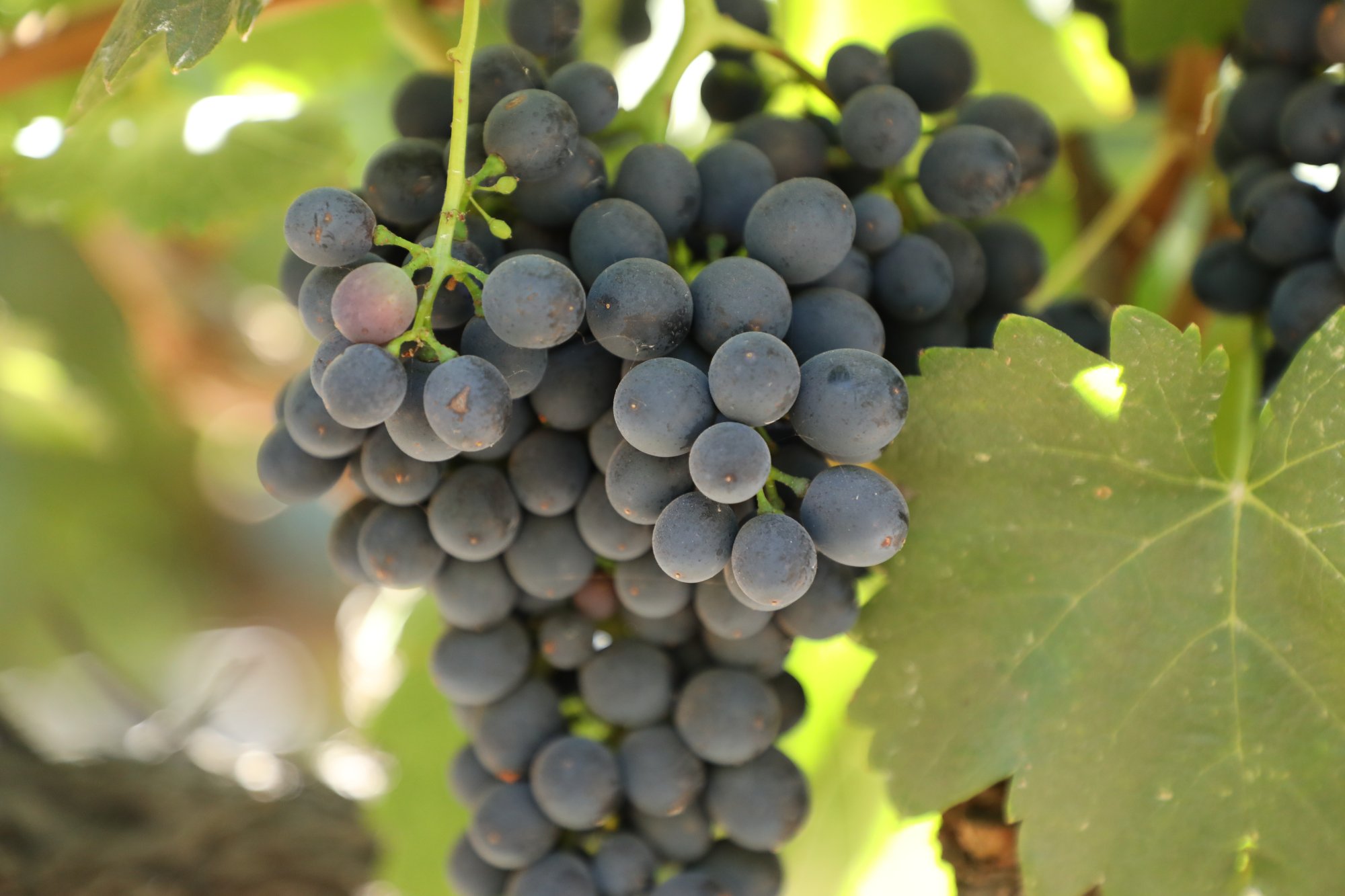
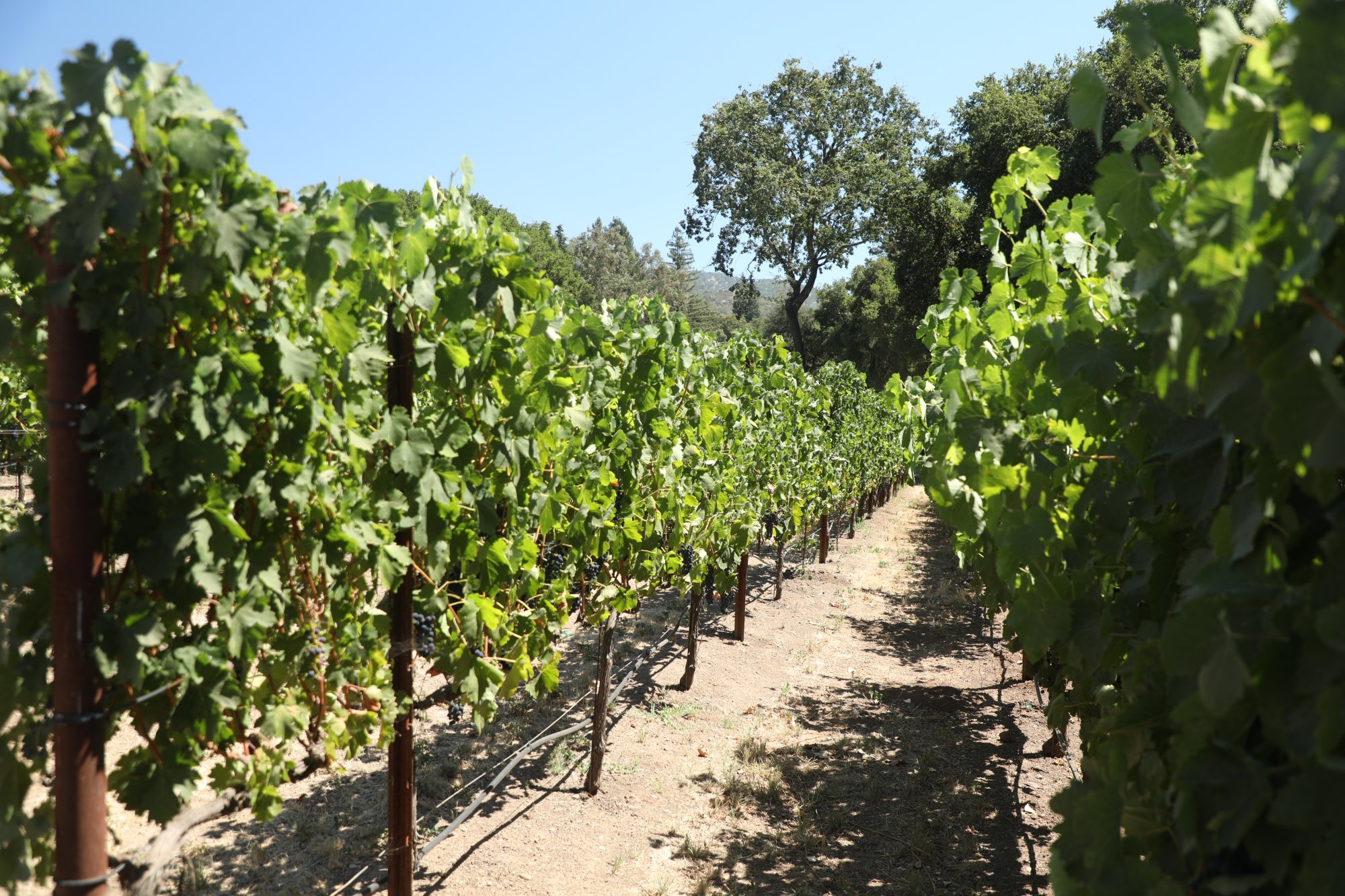
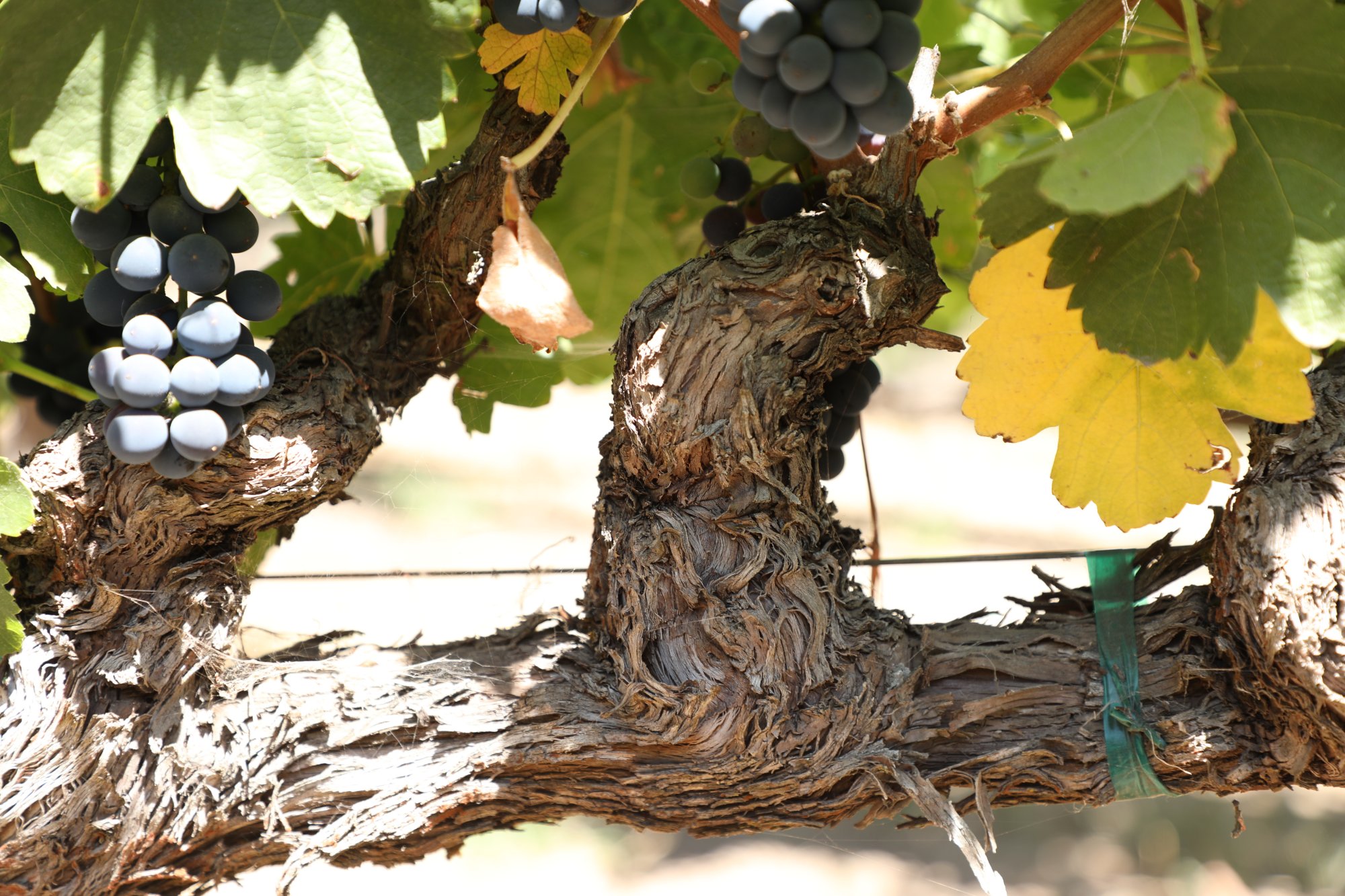
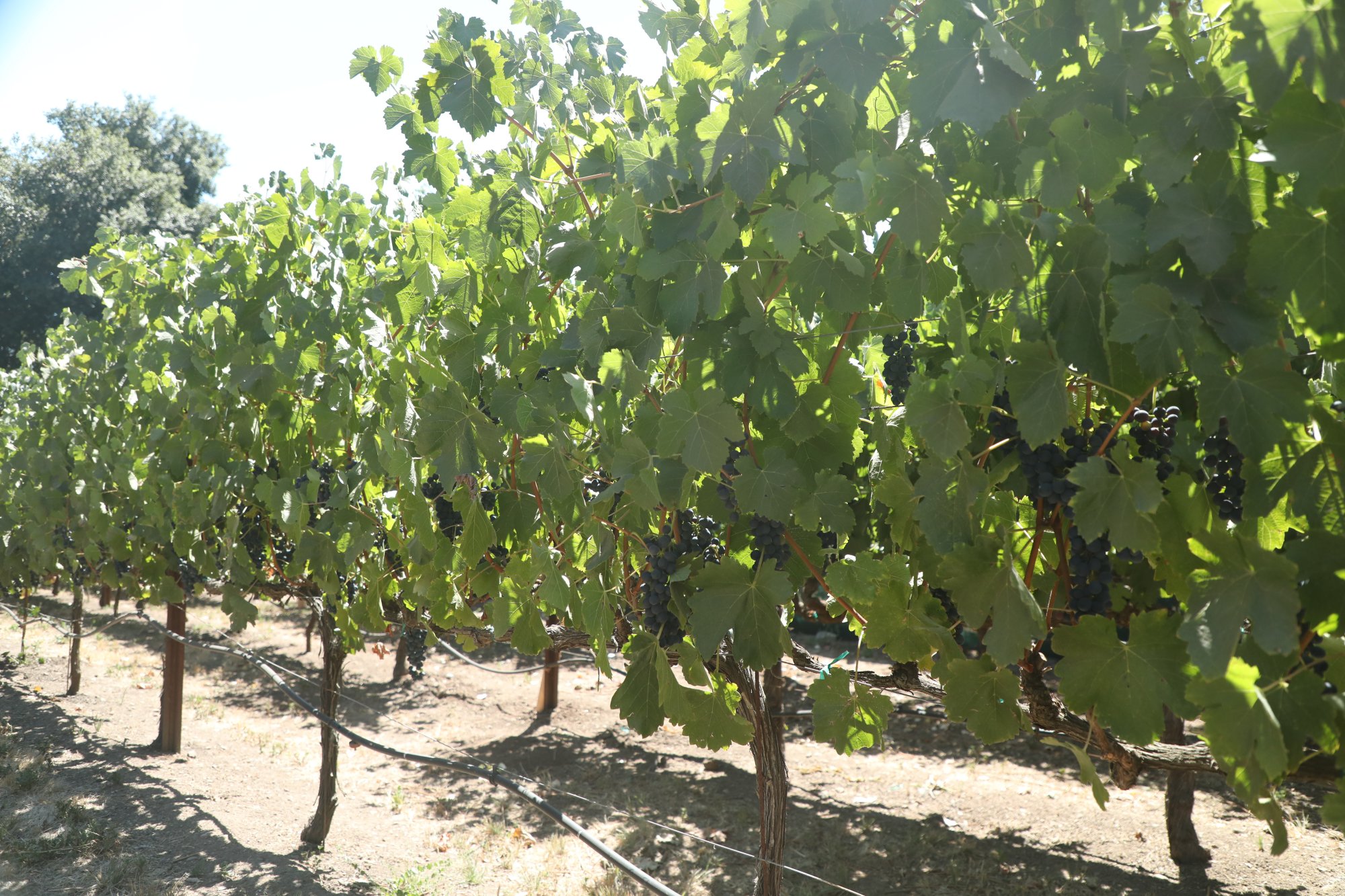
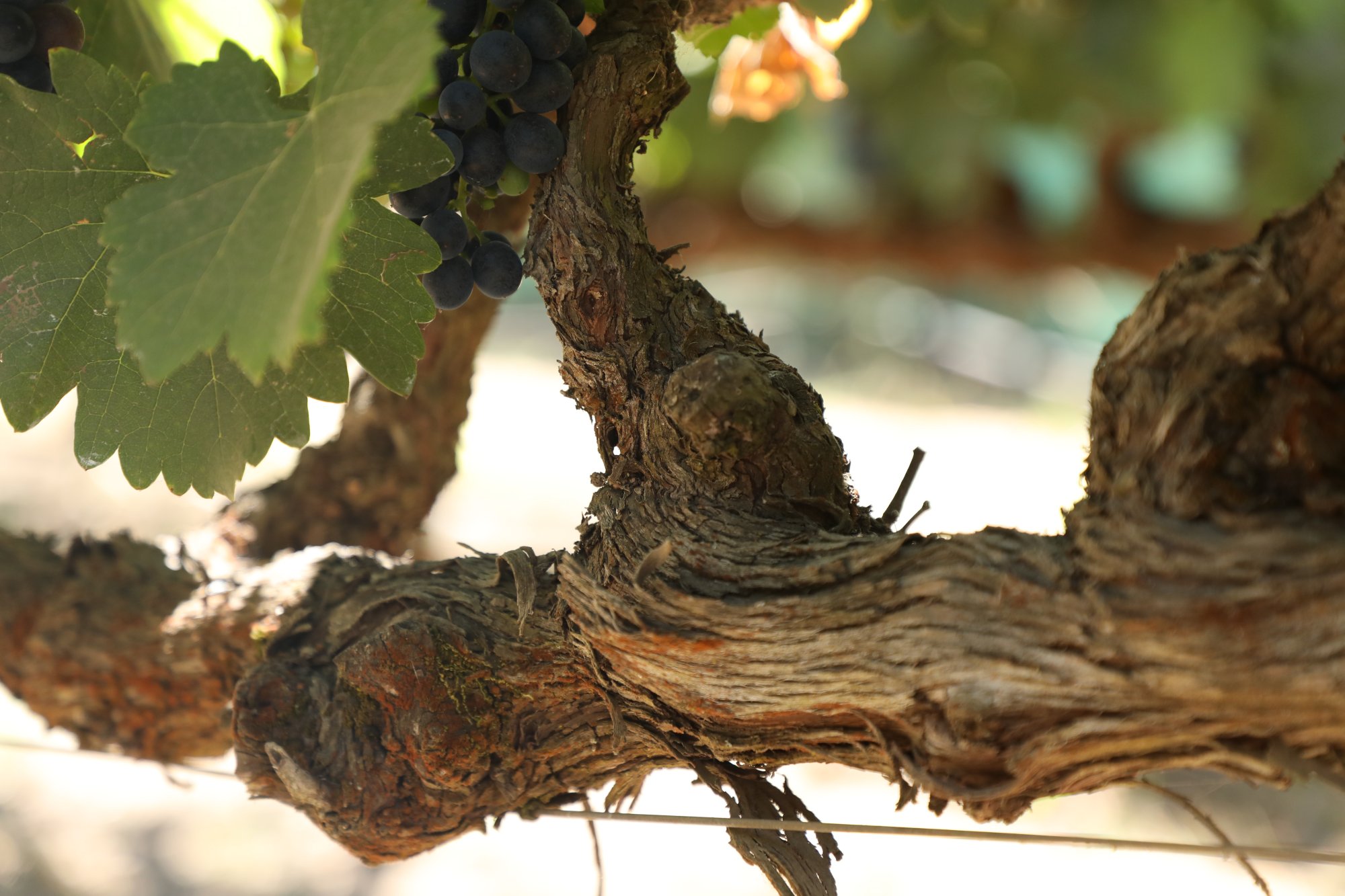
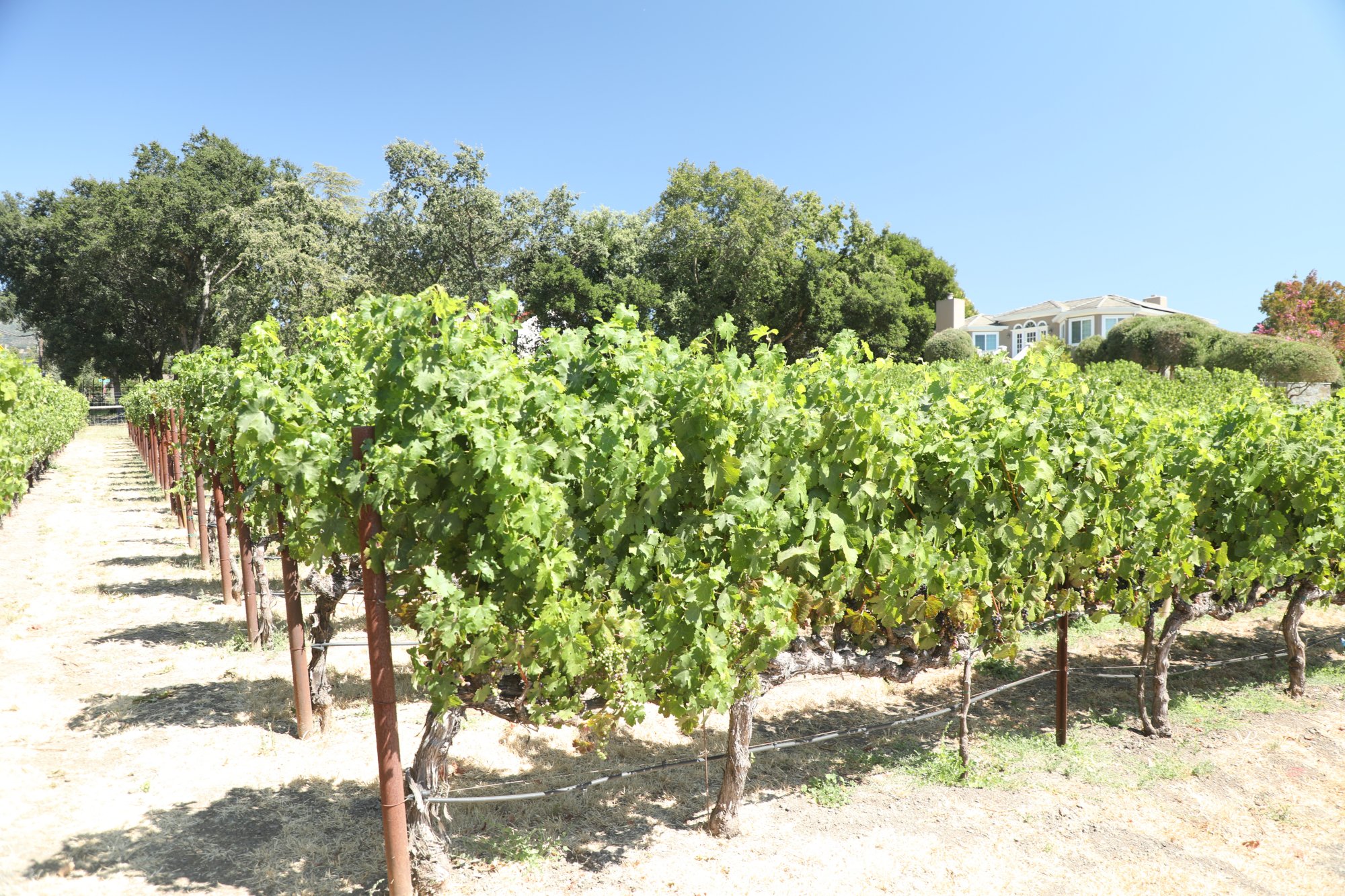 In 2001, Ron Falstaff planted this acre of Syrah vines to a single clone on 8806 110R rootstock. Ray’s initial thoughts after acquiring the property was to graft over the Syrah to Cabernet Sauvignon. House renovations took priority and the vines were never grafted. But later single vines of Cabernet Sauvignon clone 6 were added to the ends of each row, with some of these vines planted among the rows. The decision to plant vines from this particular clone were rooted in several neighboring vineyards which already grow Cabernet Sauvignon clone 6.
What is quintessential Coombsville in terms of small vineyards, their property is planted to two tiny blocks, one in the front of their house and one in the back. Each block is harvested separately, with the back / more shaded block normally harvested first.
They invited friends and family to help for their first harvest — but once everyone realized how much work it actually was, interest faded. These days, harvest is a tighter operation, handled by just four to six people. They load the plastic t-bins into their pickup truck and trailer to drive them up to Ballentine Vineyards where winemaker Bruce Devlin oversees the winemaking. Devlin believes everything in the wine comes down to terroir, with his role in the cellar being more about curation than intervention. Vineyard and vintage are consistently expressed.
Friends and neighbors have been highly supportive over the years. Ray considers Steve Reynolds, proprietor of Reynolds Family winery a mentor in the industry. Ray retired from his ‘day’ job in the medical industry in early 2026 and plans to spend even more time in the vineyard.
The property usually yields around 3.5 tons, although in 2022 the harvest came in lighter, at just 2 tons — the resulting wine, however, turned out excellent, as is often the case during low yielding vintages. In 2026, a year known for shatter and much lighter yields, their Syrah fared quite well although the limited number of Cabernet Sauvignon produced a miniscule crop. Their brand is small with a normal year yielding about 150 cases.
While they bottle and release wine most years, there are a couple of exceptions. For example, one year they sold grapes to winemaker Gustavo Brambila, known for his role in making the award-winning Chateau Montelena Chardonnay in the Paris Tasting of 1976; that year he produced a Syrah under his Gustavo label.
The inaugural vintage was in 2004, made from the first grapes their vineyard ever produced. Theresa recalls dumping the grapes into garbage cans and driving them up to her uncle’s garage to be crushed in Loomis, CA where they made home wine for two years. Several of Ray’s work colleagues, were among the first to encourage him to start commercially producing wine. Their first few vintages were made in the cave at Catacula Lake Winery (present day Maxville Lake Winery). When their first winemaker moved away, they were introduced to Bruce Devlin. He has made their wines for more than 12 years.
Select Wines
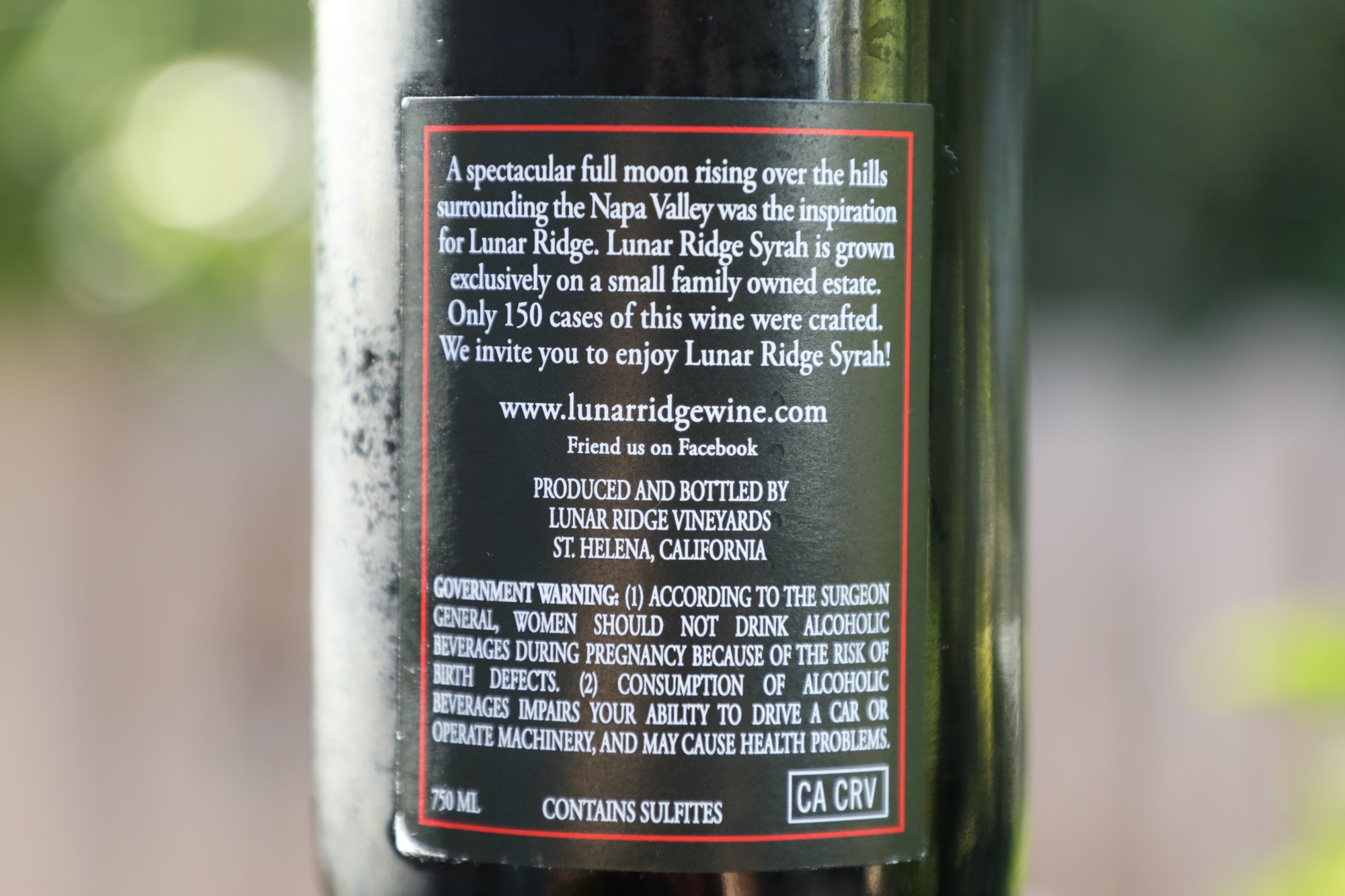
The 2023 Syrah is 98% varietal with 2% Cabernet Sauvignon clone 6. This wine is deep ruby and nearly opaque; the nose offers up front, pleasing spices including of dried herbs, i.e. sage and bay leaf, crushed peppercorn, cloves, old cedar box, with a light floral edge including dried rose petals and lavender. Give this wine time, more aromatic layers will continue to express themselves including fruited notes of raspberry and red plum. It is savory on both the bouquet and the palate. And highly balanced in terms of the tension between flavor, acidity and it’s comfortable texture. Some of the spices show up on the palate, mimicking the bouquet but to a lesser extent. This wine tastes like plum, dark raspberry, dark cherry and licorice, finishing with light spices including of dried sage, lavender and a kiss of white pepper. The gentle tannins are polished and supple, lingering with a lightly textured feel, felt more on the front of the palate rather than the finish. This wine is not overtly peppery as often expressed by Syrahs grown in cooler climes. Pair this with spicy Thai or Indian food, Moroccan lamb or a diversity of charcuterie including pepper rimmed salami. This wine was aged in 50% new French oak barrels with an élevage that typically lasts 20-22 months before bottling.
Wine placement stories
 When people try their wines, Ray has learned one piece of advice: he recommends less talking when selling the wine, with less verbiage equating to more sales. In other words, let the wine do the conversation.
The Joske’s have employed a very organic local marketing strategy to selling and introducing both locals and visitors to the valley to their wines; they eat out … a lot.
One of their restaurant placements was at Ristorante Allegria in downtown Napa in 2020. One evening they brought two bottles of wine to share with the servers and those working the ‘back of the house’. Within a few minutes the owner Rodi Yildiz walked over to their table and asked if he could order a case for his restaurant. Ristorante Allegria continues to carry their wines. And the bar at Ristorante Allegria is where we first randomly bumped into Ray and Theresa. For reference, Friday evenings at their bar are particularly fun times to be here as other winemakers or winery owners often hang out. Arrive early for the best chance of getting a seat.
And one evening while sitting at the bar at Ristorante Allegria, Ray started talking to a gentleman sitting next to him. Ray told him about selling wine locally and mentioned, “I love Coles, I’ve given them bottles but have yet to hear back”. The barstool ‘neighbor’ said, “let me taste your wine”. He did and then after tasting said something like, “consider your wine a part of the Cole’s wine list starting now”. Ray asked him who he was and his reply was, “my name is Eric Keffer and I own Cole’s Chophouse”.
While frequenting Oakville Grocery Ray noticed a gentleman typing away on a laptop. Ray said, “you must be very important, you look very busy”. The reply from the man was, “I am the janitor here”. And then Ray said, “can I be your assistant”. Barry Dinsmore, the Director of Retail Operations & General Manger for the Oakville Grocery overhead the conversation, started talking to Ray and learned about Lunar Ridge. Barry said he would love to purchase a case for the store. It is at Oakville Grocery where were first saw their wines. Despite significant rotation of wines over the years, they continue to carry each vintage of Lunar Ridge. And Ray and Theresa are periodically asked to pour their wines at the Oakville Grocery and at Oakville Grocery’s Industry Night.
Their longest account has been Filippi’s Pizza Grotto, an Italian restaurant located in downtown Napa across from Oxbow Public market. They were founded in 1950 and have carried the Lunar Ridge wines since 2011. The wines are also at The Waterfront Seafood Grill, Cordeiro’s Steakhouse, Napa Valley Bistro, Market in St. Helena and Honor Market in Yountville.
And friends and family continue to spread the word about their wines; during our visit with Ray and Theresa a neighbor had recently sold a case of wine for them.
Their wines do especially well in by the glass programs at restaurants. Locally in a ‘sea’ of Cabernet Sauvignon, their Syrah stands out, especially when people try the wine and are pleasantly surprised, perhaps based on pre-conceived notions of what types of wine this variety produces – and again when they ask for the price.
—
We will leave you with a quote from Lunar Ridge, “One taste can inspire you to imagine what could be“.
This eloquent prose speaks to the imaginative, forward-looking side of winemaking and tasting: one moment of sensory experience triggers a vision of what’s not yet realized – whether that is a winemaker building a blend, or a taster imagining how a wine might evolve, or even someone imagining a whole place, harvest, or memory conjured by a flavor. Or a memory of drinking this wine somewhere in Napa during your visit to the valley.
Lunar Ridge is a member of the Coombsville Vintners and Growers. For more information or to purchase their current release, please visit: www.lunarridgewine.com
Leave a Reply