



 William Perry Winery, formerly known as William Harrison Vineyards & Winery was founded by William (Bill) Harrison; he traces his family winemaking heritage back to the early 16th century in southern Italy (he is the 12th generation family member involved in the wine business). Bill’s great grandfather Guiseppi owned a winery in the Puglia region of southern Italy, wrote books about wine and developed a bladder for transporting wine. During our visits to both Switzerland and Italy exploring heritage of Napa Valley winery owners, we have often found relatives still in the ‘old’ countries are involved in similar wine-related pursuits as their family members who immigrated to the U.S. Once winemaking is in your ‘blood’ it remains so for generations.
Bill’s grandfather Antonio on his mother’s side of the family, was born in Barletta, Italy. He immigrated to the United States from Italy in 1902 at age 20, worked for the Italian Swiss Colony winery and later owned Schmidt vineyard and winery and planted grapes near the town of Windsor in neighboring Sonoma County which is now the site of Windsor Oaks Vineyards. Just prior to Prohibition, Antonio moved to Mexico and founded a winery and planted vineyards; during the height of his investment, he controlled over 700 acres of vines which at the time was the largest vineyard in Mexico.
In 1936 only several years after the repeal of Prohibition, Antonio opened A. Perelli-Minetti & Sons Winery in Delano, California (about a 30-minute drive north of Bakersfield). Antonio was one of the earliest winemakers in California to have a wine-making degree having graduated from the Royal Institute of Viticulture and Enology in Conigleano, Italy. He died in 1976 at age 96 and was known as the Dean of California winemakers.
Bill’s parents were Conchita Perelli-Minetti (Antonio’s daughter, born in Mexico and a Stanford graduate in the 1930s) and William Moore Harrison. Bill lived in Delano until 12 before moving to Santa Rosa, California. He is a fellow Santa Rosa High School graduate (class of 1959) and has always been generous donation for various SRHS fundraisers and functions. We served on the SRHS Foundation Board for 4.5 years and were the youngest member, by far at the time. Bill later graduated from Santa Clara University (SCU) with a bachelor’s degree in marketing and then earned an MBA at UC Berkeley. Shoutout here to our brother and sister who both went to Santa Clara and also Lucia Gilbert who runs the SCU Women Winemakers website. After serving for two years in the army he went to work for his uncle Mario at the California Wine Association (CWA) beginning in 1966; conveniently, Bill’s family were one of the association’s owners. At one point CWA was a major wine company owning over 200 winery brands.
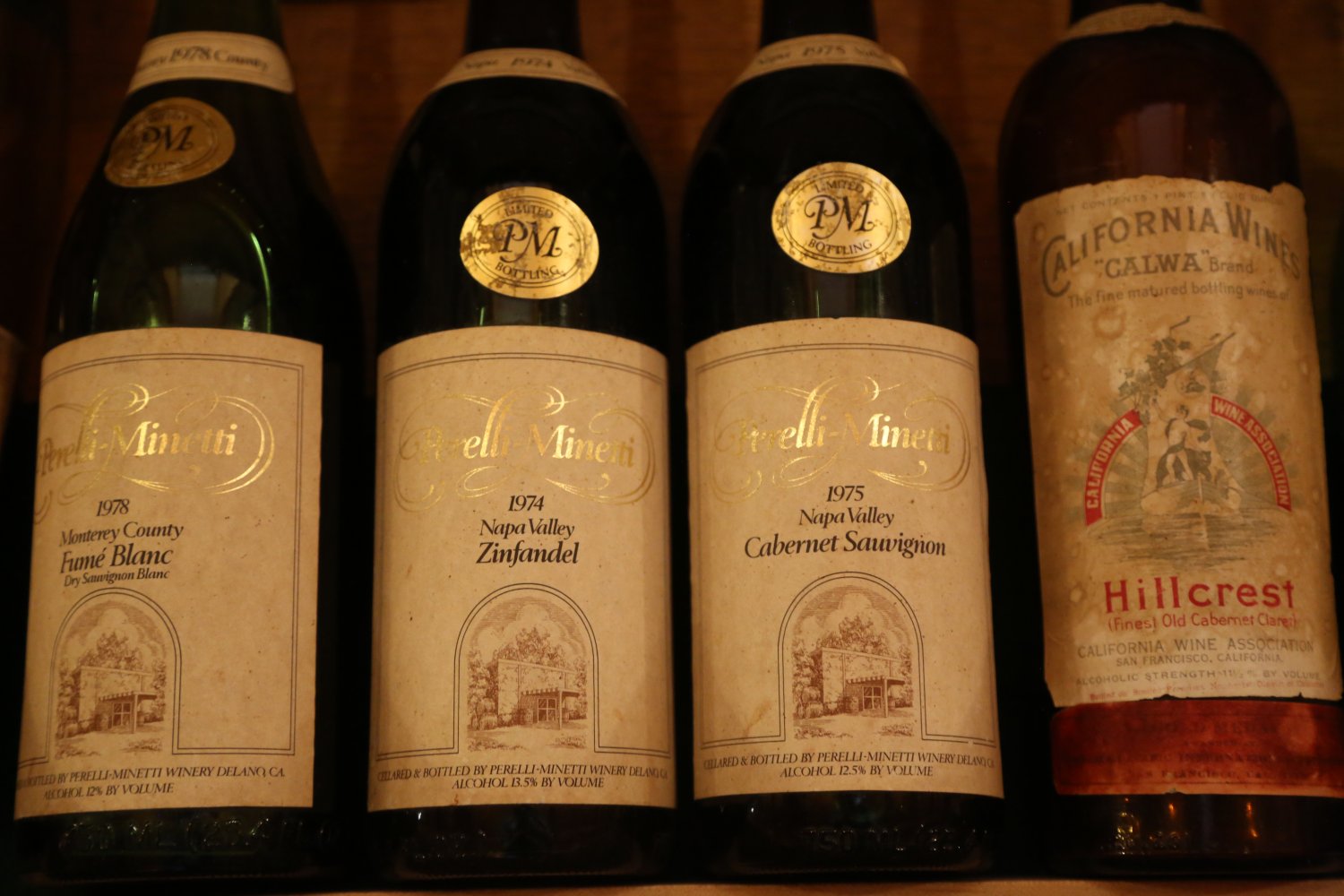
Bill purchased his Rutherford property in 1983 and soon approached his uncle Mario Perelli-Minetti (his mother’s sister) about building a winery. Mario graduated from Stanford Law, practiced law for a number of years before working for the family business including as General Manager for the California Wine Association. Bill asked Mario, “If I build a winery, will you lease it”? Mario agreed, the winery and tasting room were completed in 1988, the year they processed their first full vintage at the winery; the winery was called Perelli-Minetti Winery then and the wines were also bottled under this name. Mario would personally make sales calls with his wines around the state until his later years. He died in 2010 at the young age of 101.
For about 10 years wines from both Perelli-Minetti and William Harrison were produced simultaneously. Prior to completing their winery, the Perelli-Minetti wines were custom crushed at other wineries including Rutherford Hill. The inaugural vintage of William Harrison was in 1993.
Because of county ordinances, wineries outside of the city limits in the Napa Valley must be built on a minimum of 10 acres of land. William Harrison’s property is less than 10 acres; they built their winery before the ordinance went into effect. A number of winemakers have crafted the wines here including Kellie Carlin in the late 1980s and early 1990s and later, Gary Galleron.
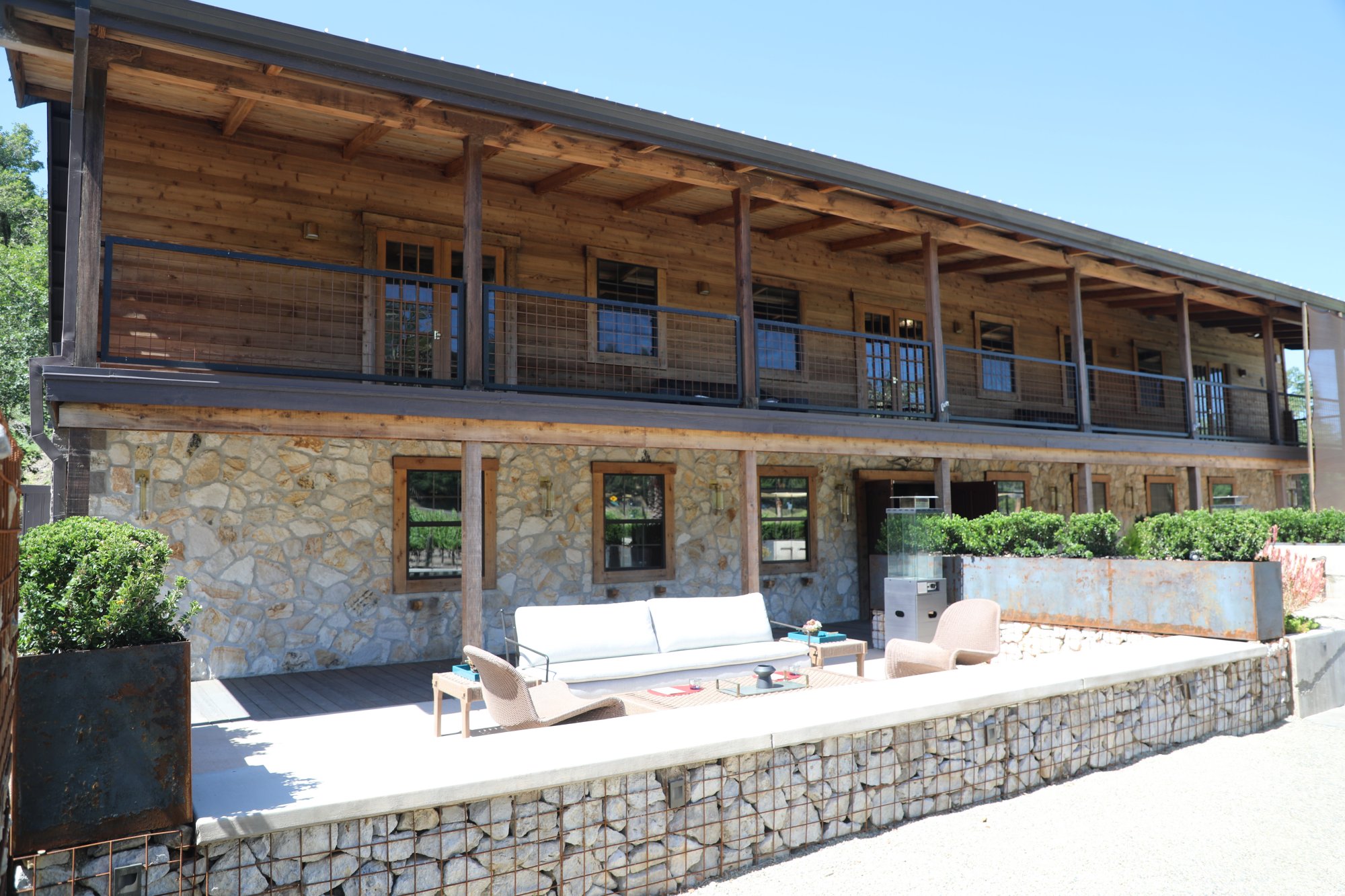
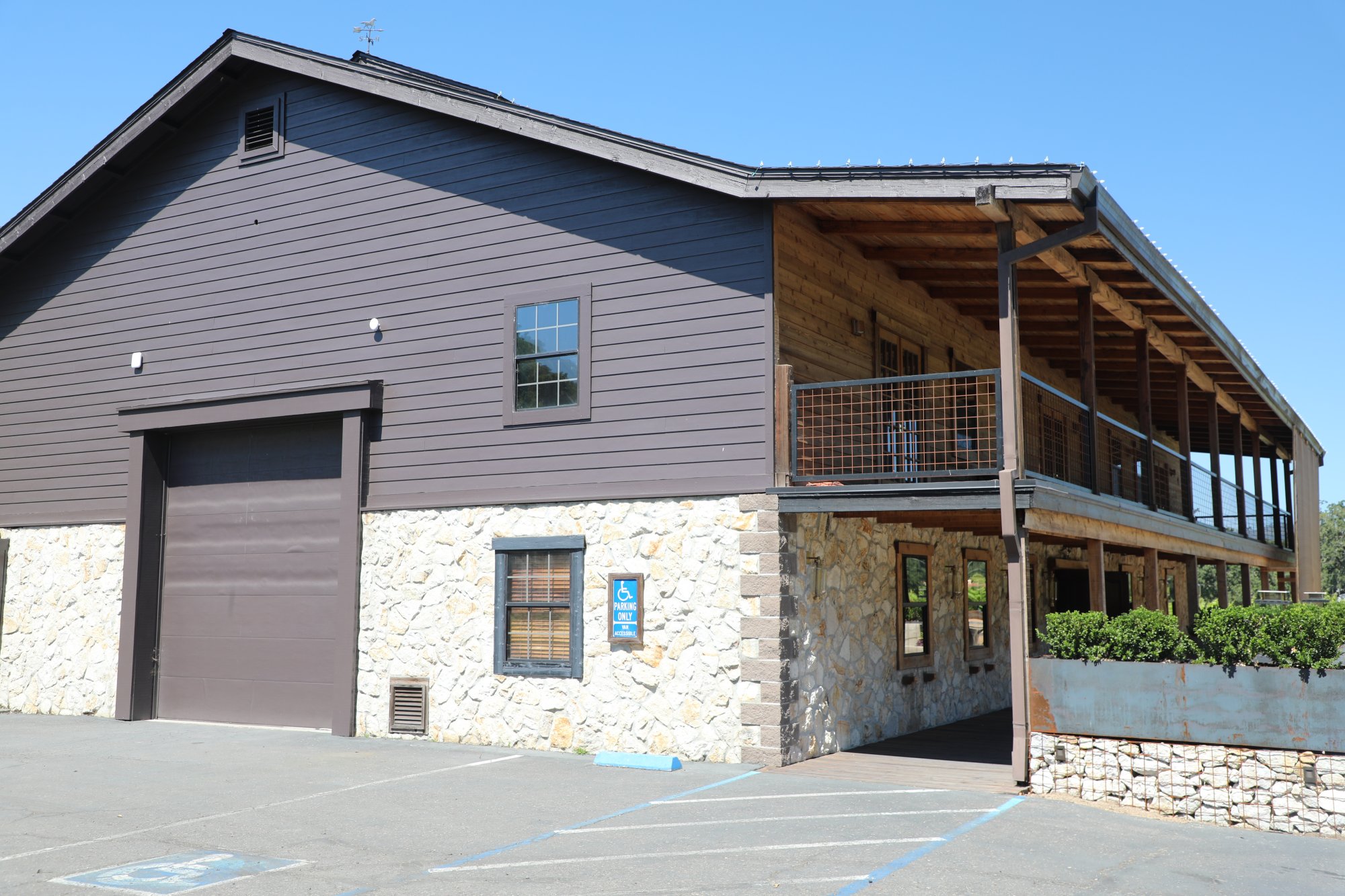
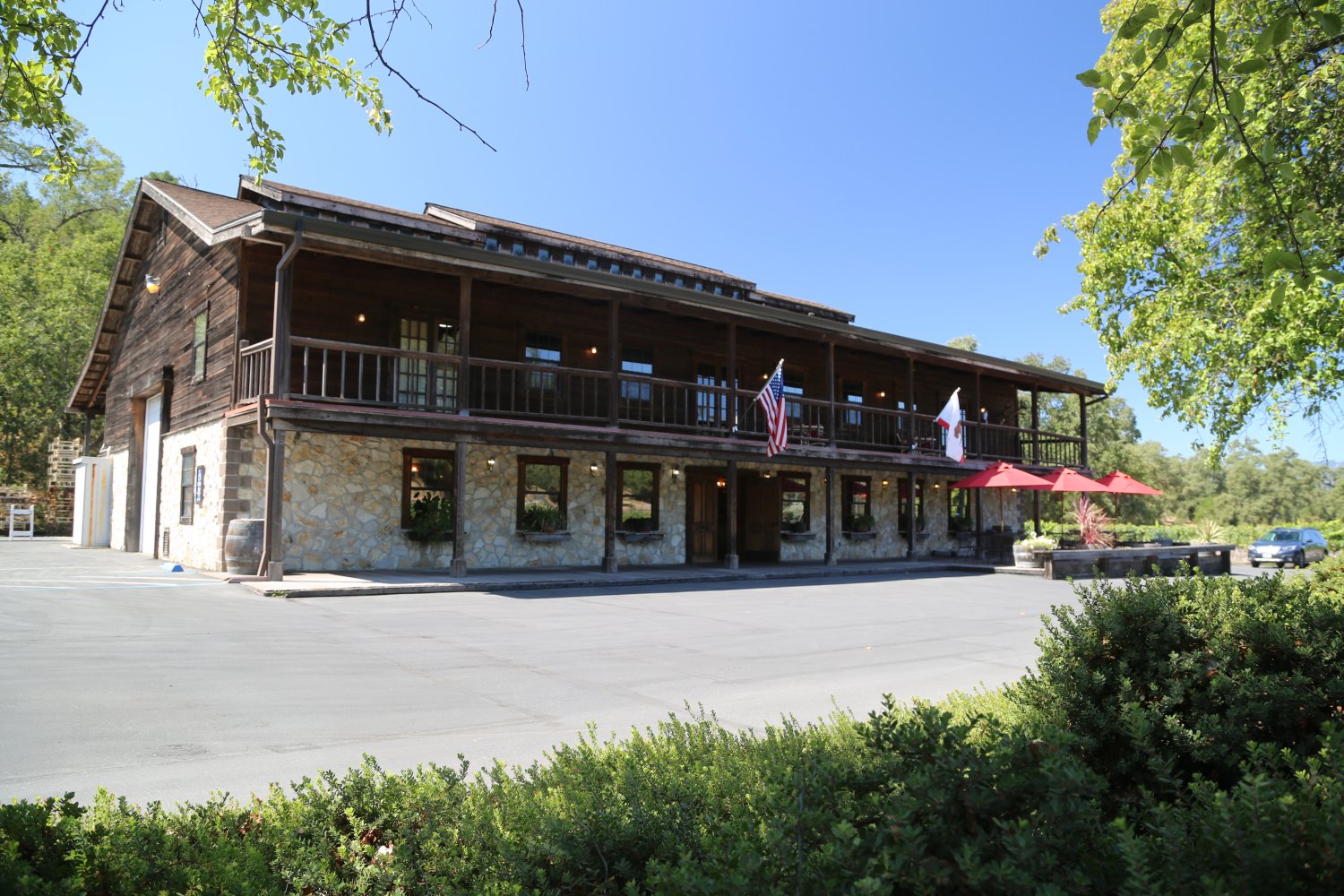
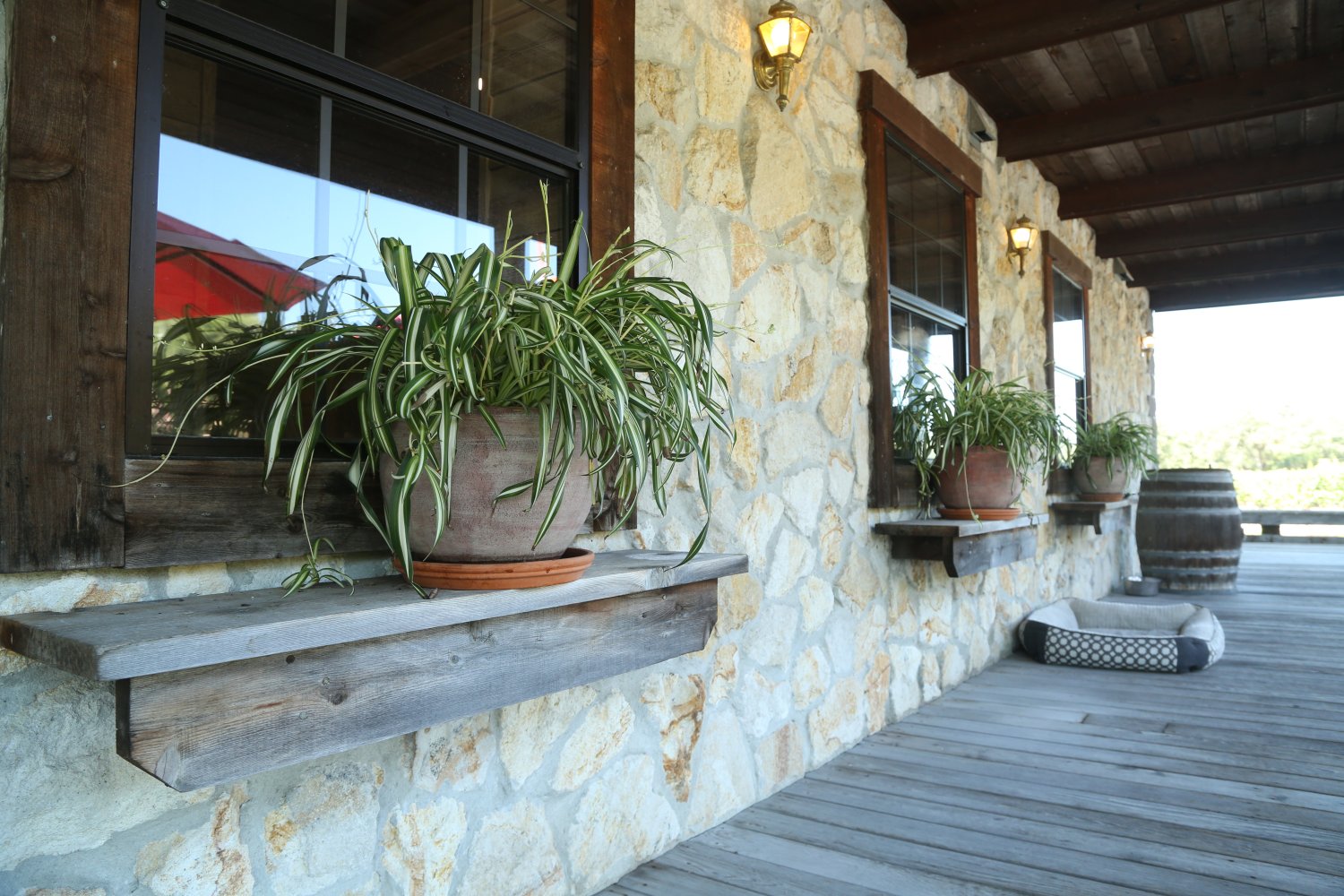
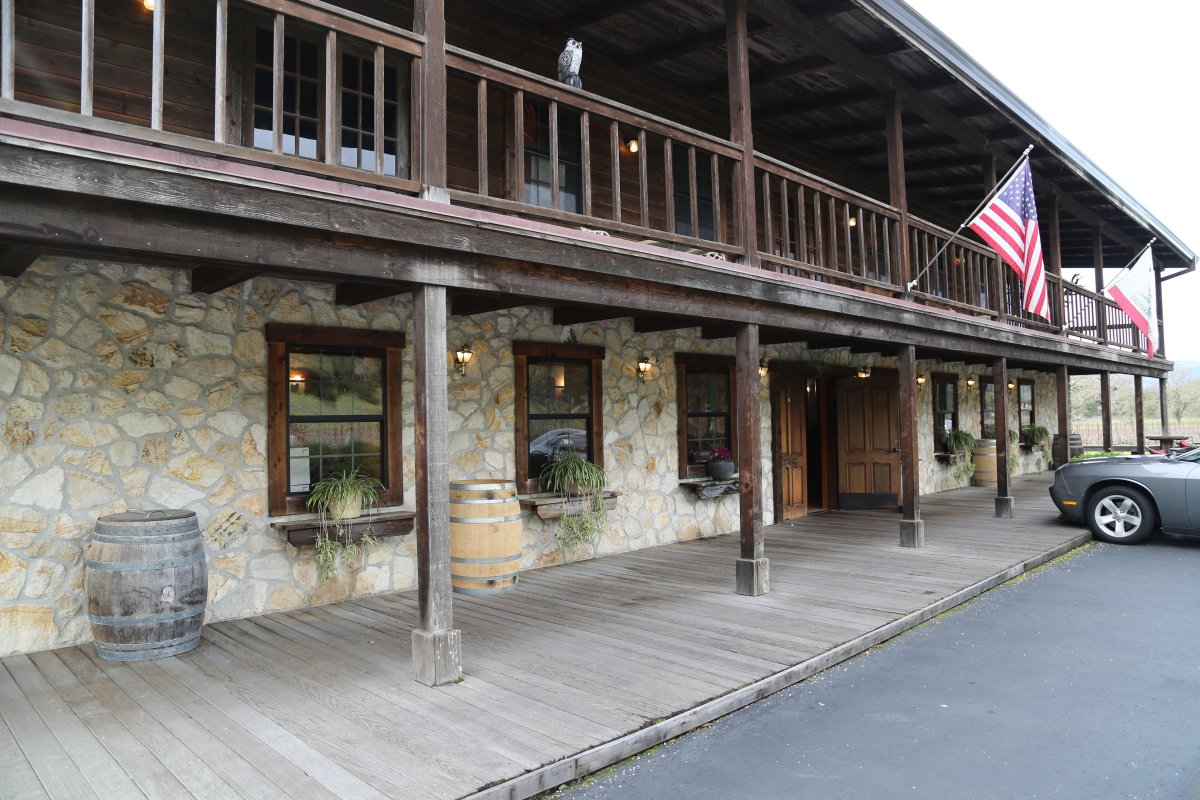
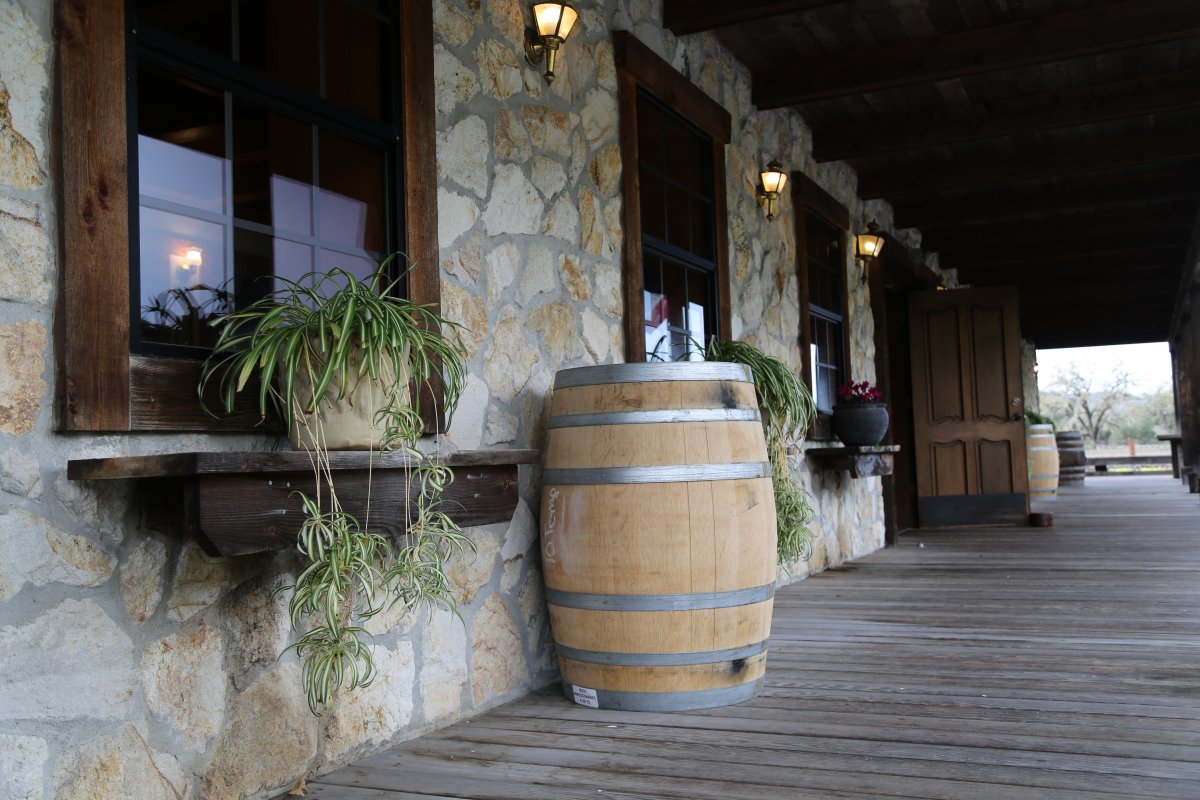
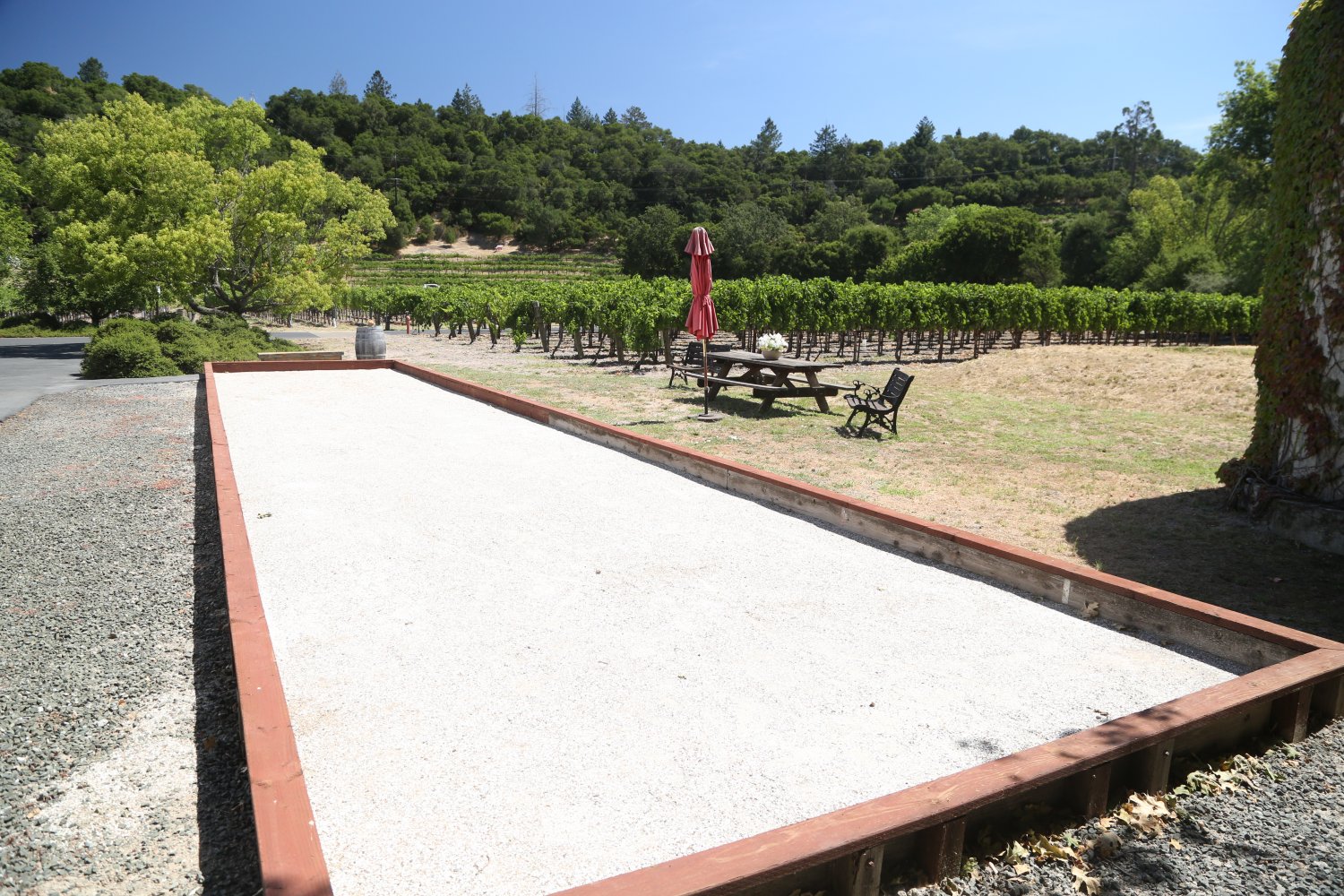
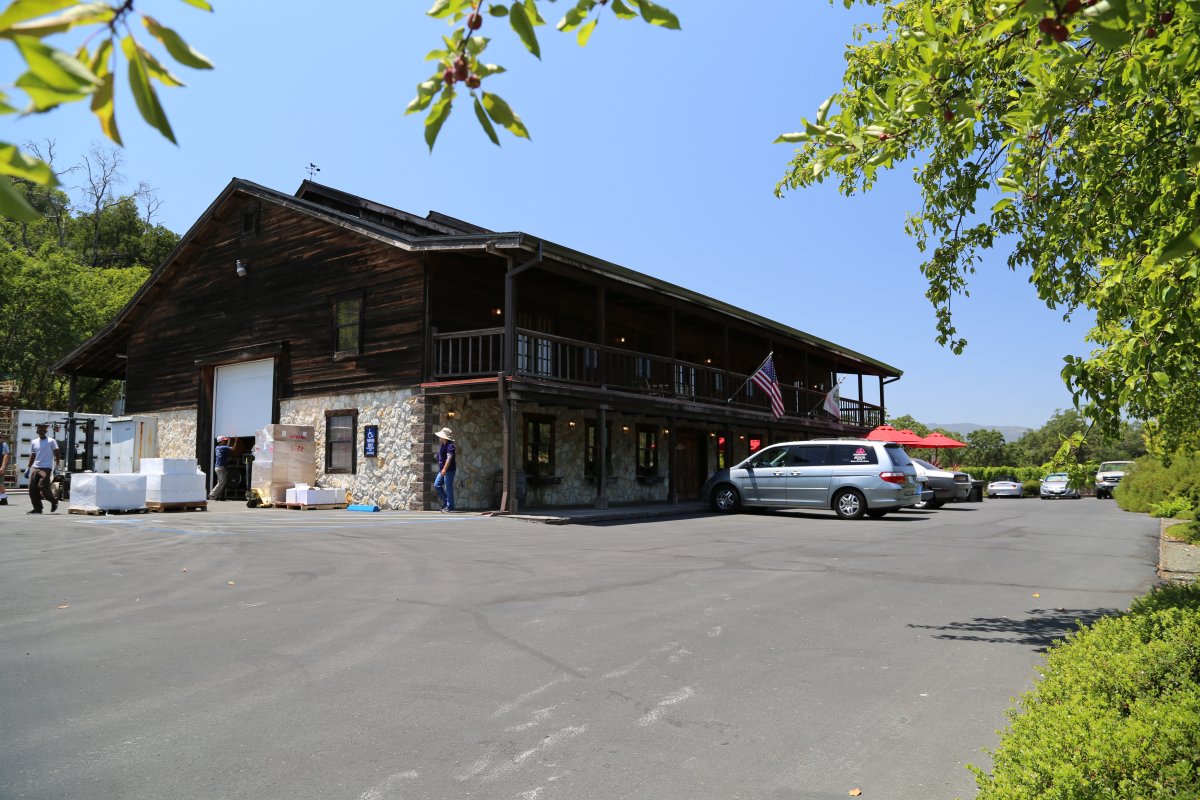
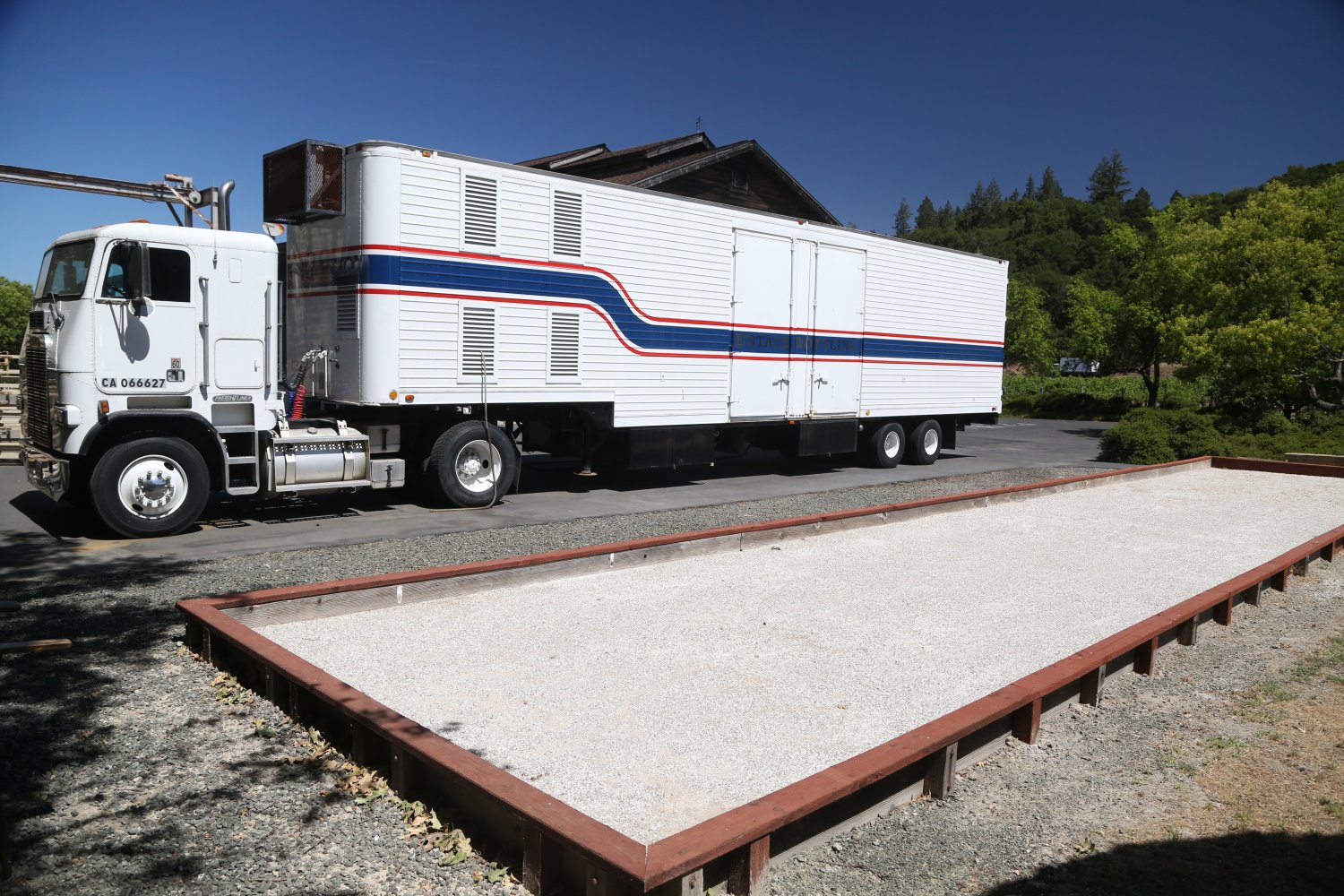
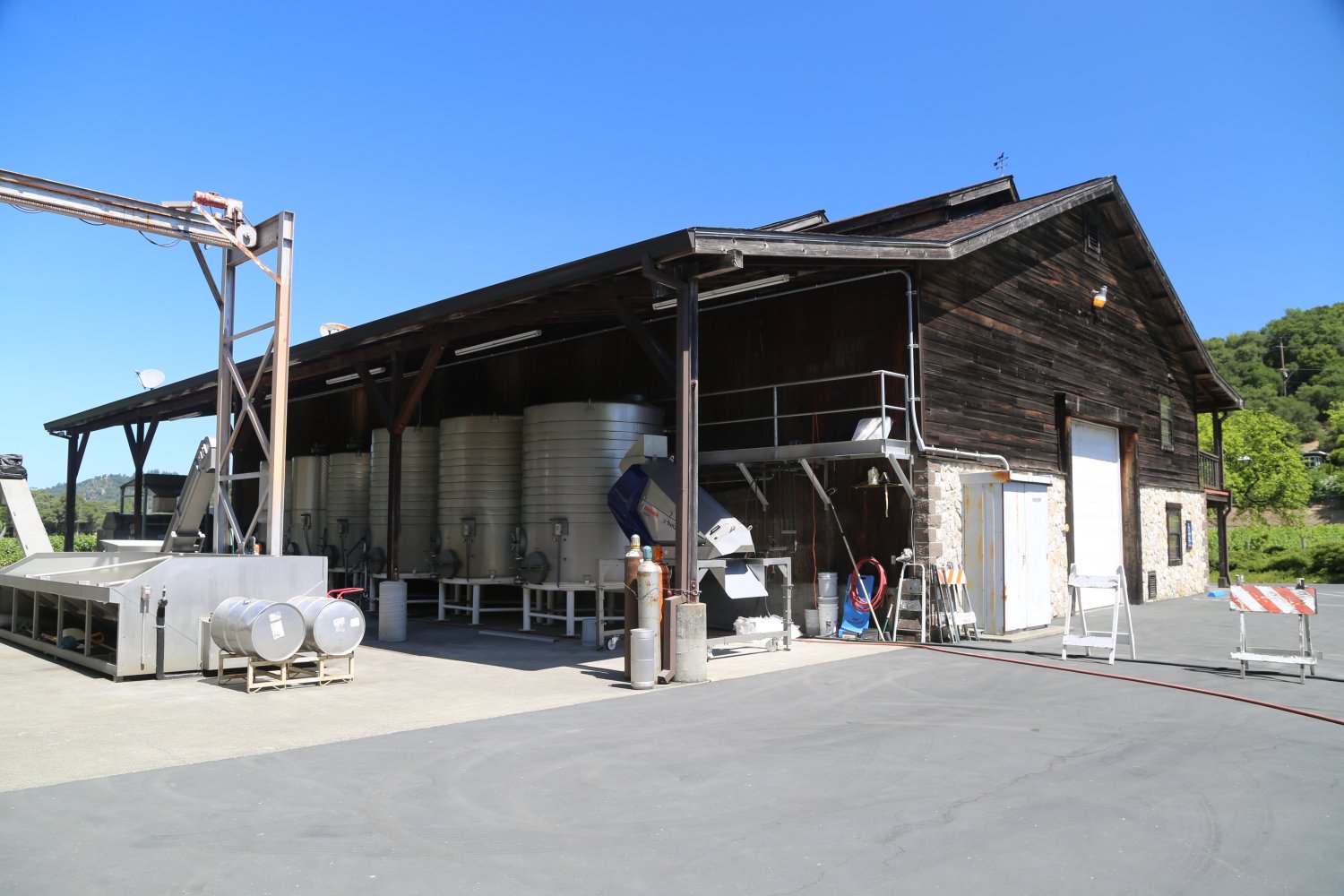
Bill, his son, and his brother-in-law built the winery from scratch doing much of the work themselves; the exterior looks like a cross between an old western building (think of the TV show Bonanza) and a two-story California mission style architecture. The rock used for the first-floor walls was quarried from the nearby hills across from the vineyard just east of the Silverado Trail. A wooden boardwalk is located in front of the building – a bocce ball court is on site and picnic tables are also available for use. And conveniently, Bill’s commute from his house is a very short walk to the winery.
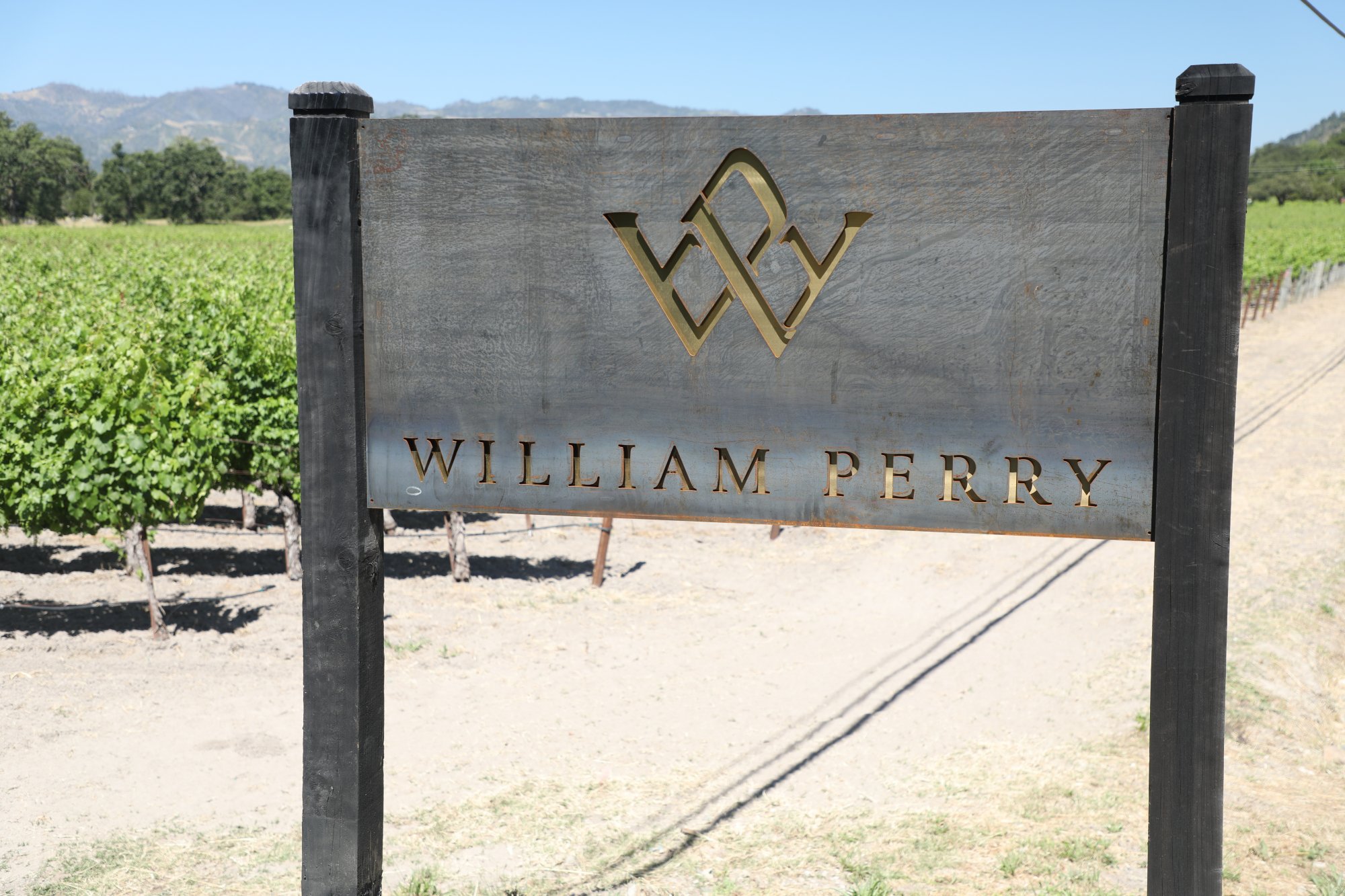
NOTE: In July 2025 it was announced that William Harrison Vineyards & Winery sold to several local families already in the wine industry. As of mid 2025, the current owners are Perry and Christine Clark, Perry’s brother Edward Clark and Jennifer Wagner Clark of Amizetta Estate Winery, and Laura Long and Ted Bystrowski of David Arthur Winery. The winery was renamed to William Perry, combining the Clark brother’s first two names.
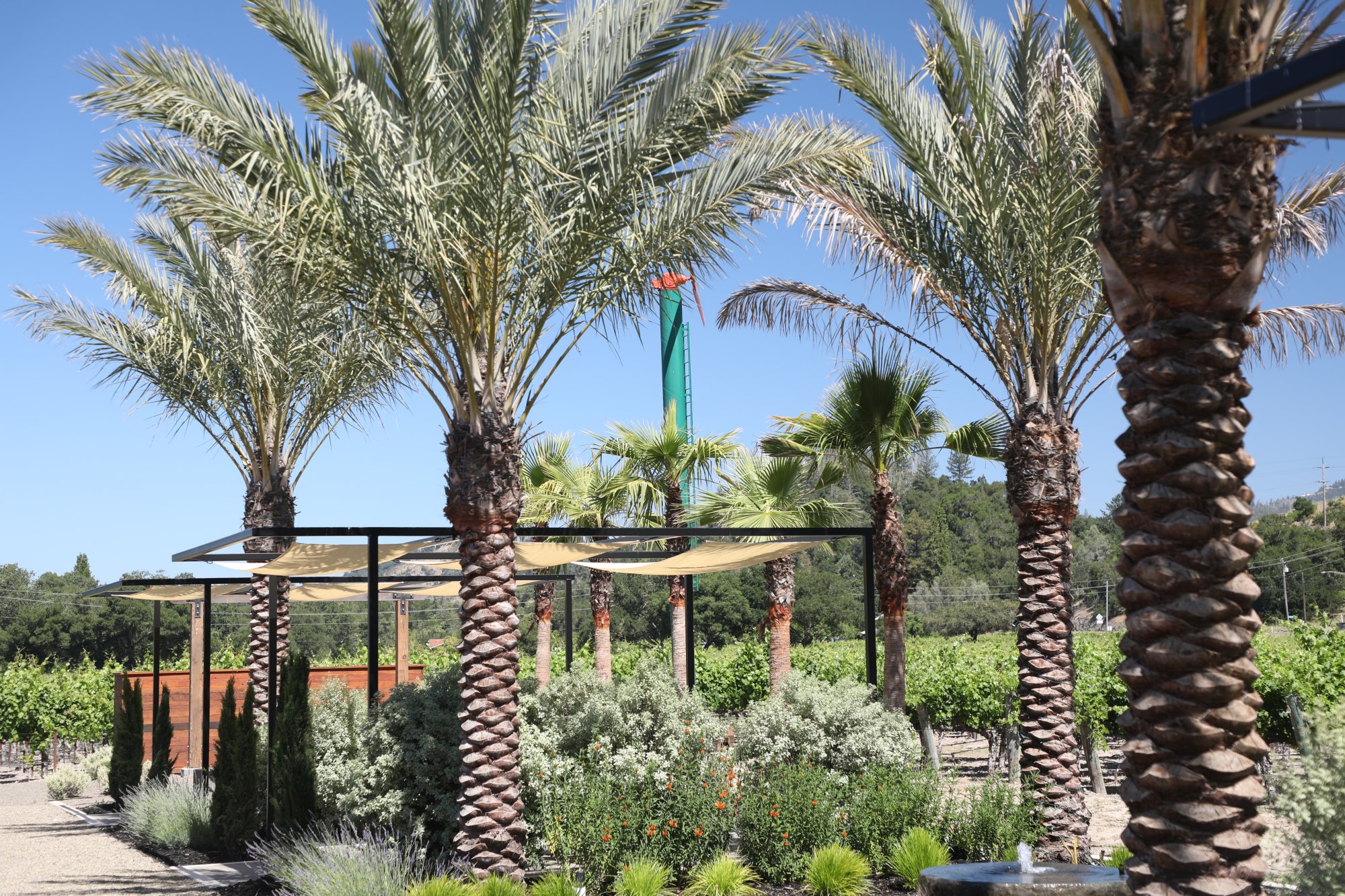
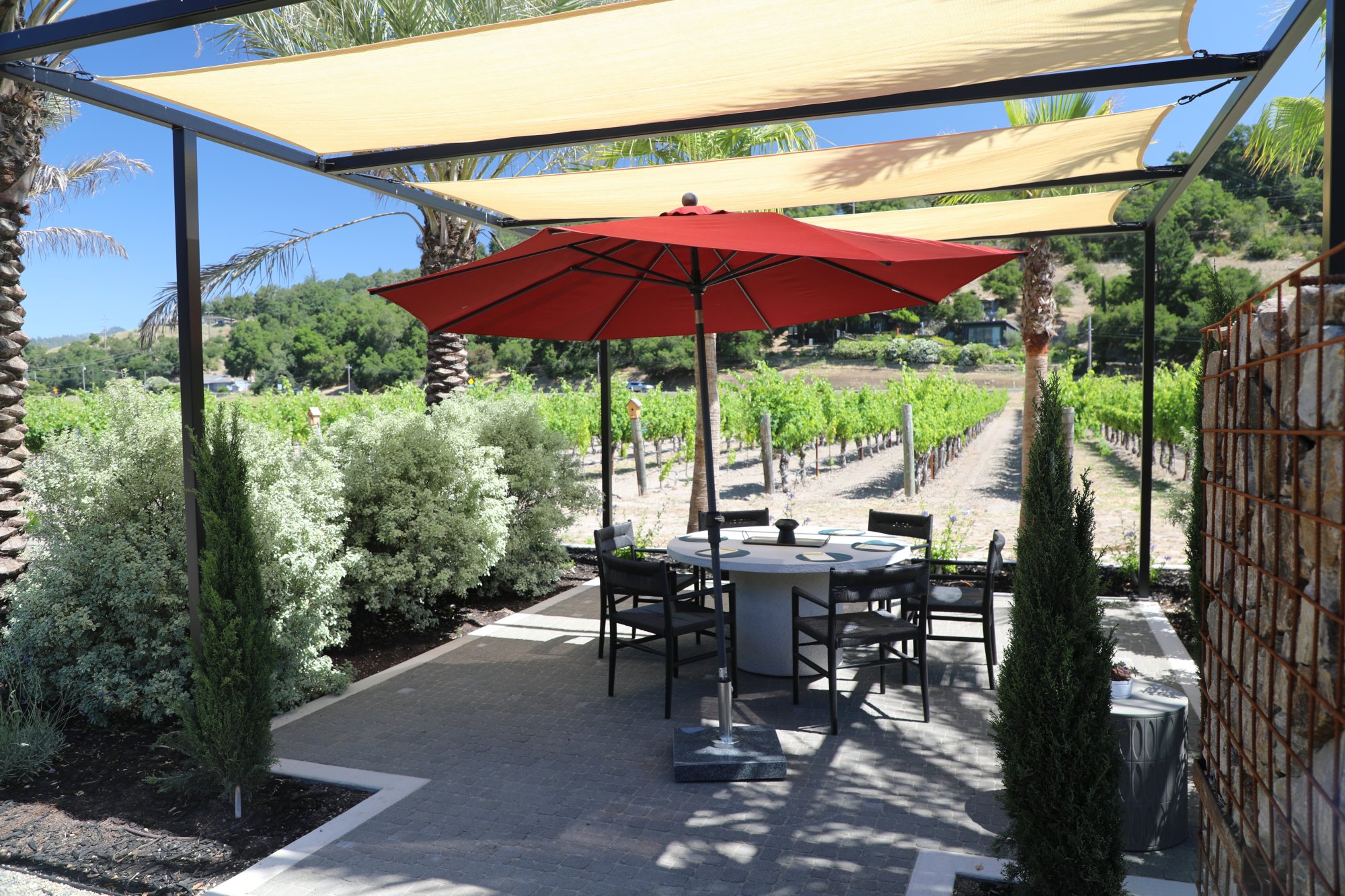
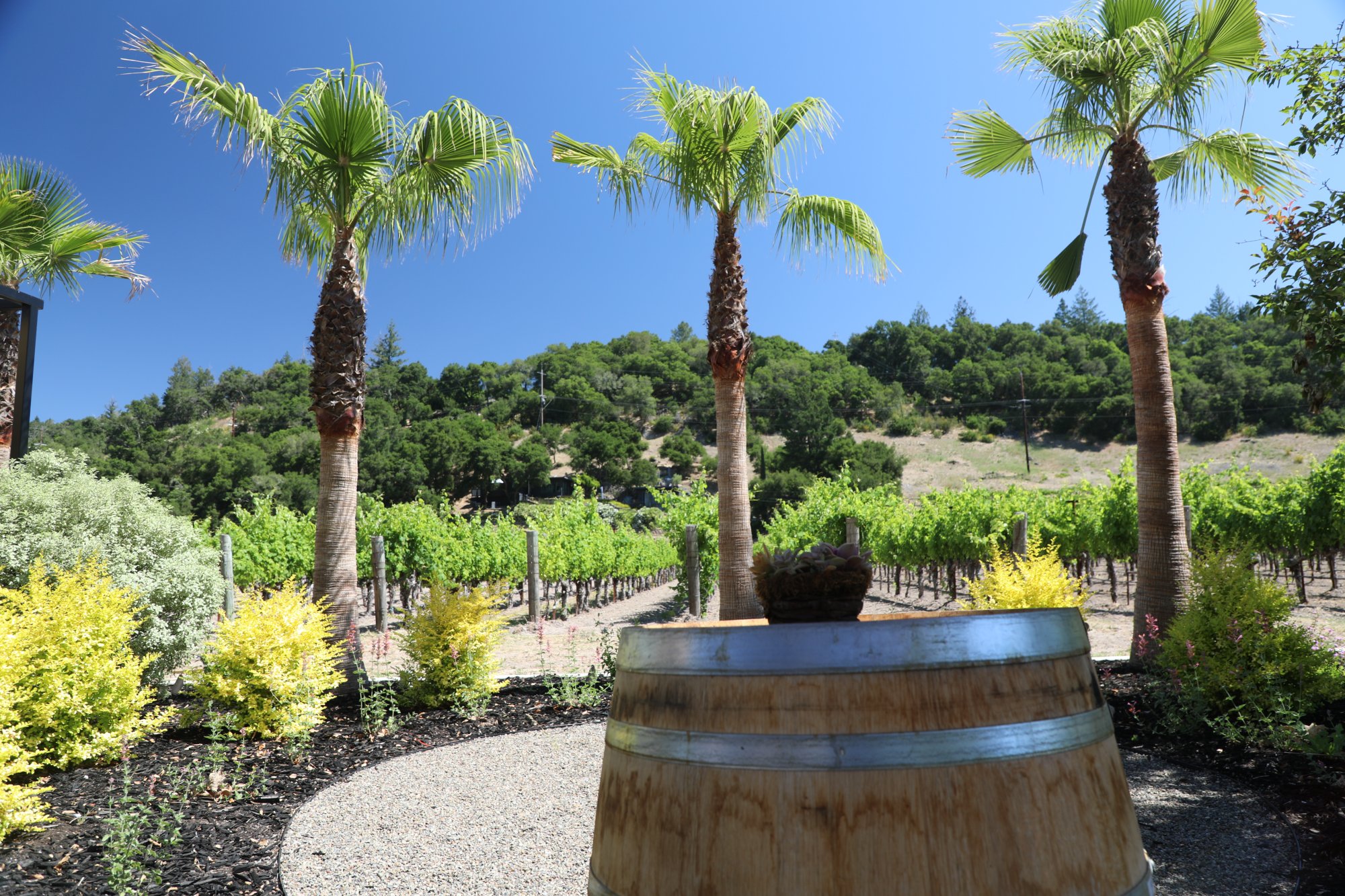
Through the second half of 2025 a number of upgrades were completed including adding a number of handsome palm trees, outdoor seating underneath the palm trees, several fountains and an overall beautification of the front of the winery. And several private tasting room were added upstairs. The last vintage of William Harrison was in 2023; the first full vintage under the new ownership of wines bottled as William Perry was in 2025.
As a result of the transition in ownership, this review has been identified as needing a *major update*. Updated notes and related information coming by the 3rd or 4th quarter in 2026 after the inaugural William Perry wines are released.
While in plain site of the Silverado Trail, and well-established, this is still one of Napa Valley’s best under the radar physical wineries. They quietly and consistently keep producing limited-production attractive wines sold at comfortable prices in comparison to some of their newer neighbors.
Mobile Bottling
 Besides his extensive family contributions to the California wine industry, Bill’s personal contributions to the industry were notable in their own right. He was one of the early pioneers of mobile bottling services for wineries; he told us he was the 3rd such mobile bottling company in existence. Harry Hakala founded Mobile Wine Line, a mobile bottling service in Lodi in 1978. Harry told us about the idea for his mobile bottling business came from his mother. And according to Bill, the second such business was founded by Don Hudson who was operating a mobile bottling service slightly before Bill.
Bill began Estate Bottling in 1982 and over the decades has bottled for numerous wineries and producers with clients in both California and Texas. It wasn’t easy getting the necessary loan to start the business – Bill applied for 39 loans before one bank actually gave him a loan on his 40th request. Sounds like what Dr. Jan Krupp told us when he was trying to sell his first grapes from Stagecoach Vineyard on Atlas Peak. The moral of the story, is if you believe in what you are doing, be persistent.
At the height of his career – he was spending 9 months on the road traveling between various production facilities. Three factors contributed to starting his own mobile bottling services. His family no longer owned a physical winery but were still producing wines from various vineyard sources in both Monterey and Napa and required their wines to be bottled at the respective winery/vineyard sites. In addition, the two companies already in business were not able to adhere back labels to the bottles at the time and lastly, Bill noticed in the early 1980s that the wine industry was entering a period of significant growth with numerous new brands and wineries entering the business.
His original mobile bottling business spawned numerous similar other services; many of the owners of mobile bottling services now based in Napa and Sonoma & beyond received their training under Bill. Today it is common for smaller wineries to employ the services of mobile bottling trucks – they avoid the often-high costs of owning and maintaining their own bottling equipment and they can still label their wines as “estate bottled”.
And in case you are wondering if William Harrison owned their own standalone bottling line – the answer is no. During several of our visits, we always have seen one of their bottling trucks parked next to the winery – they bottle their own wines using one of Bill’s Estate Bottling trucks.
Vineyards
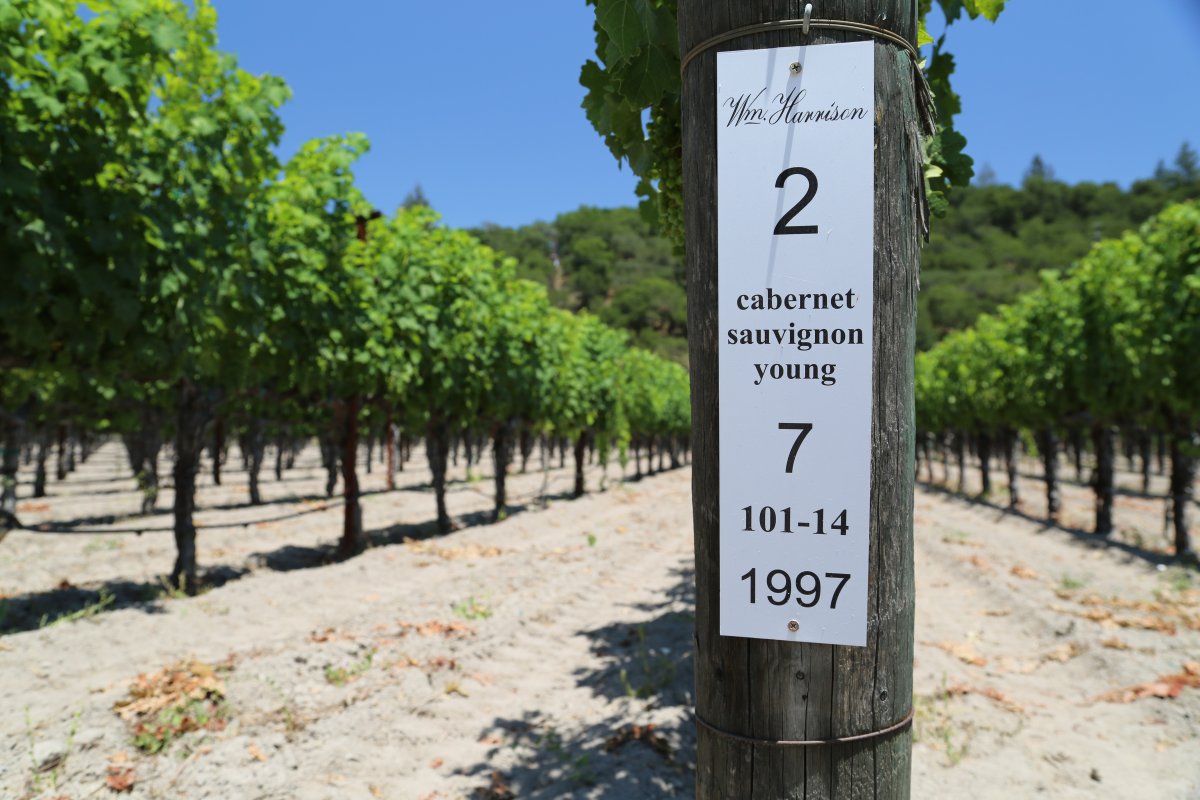
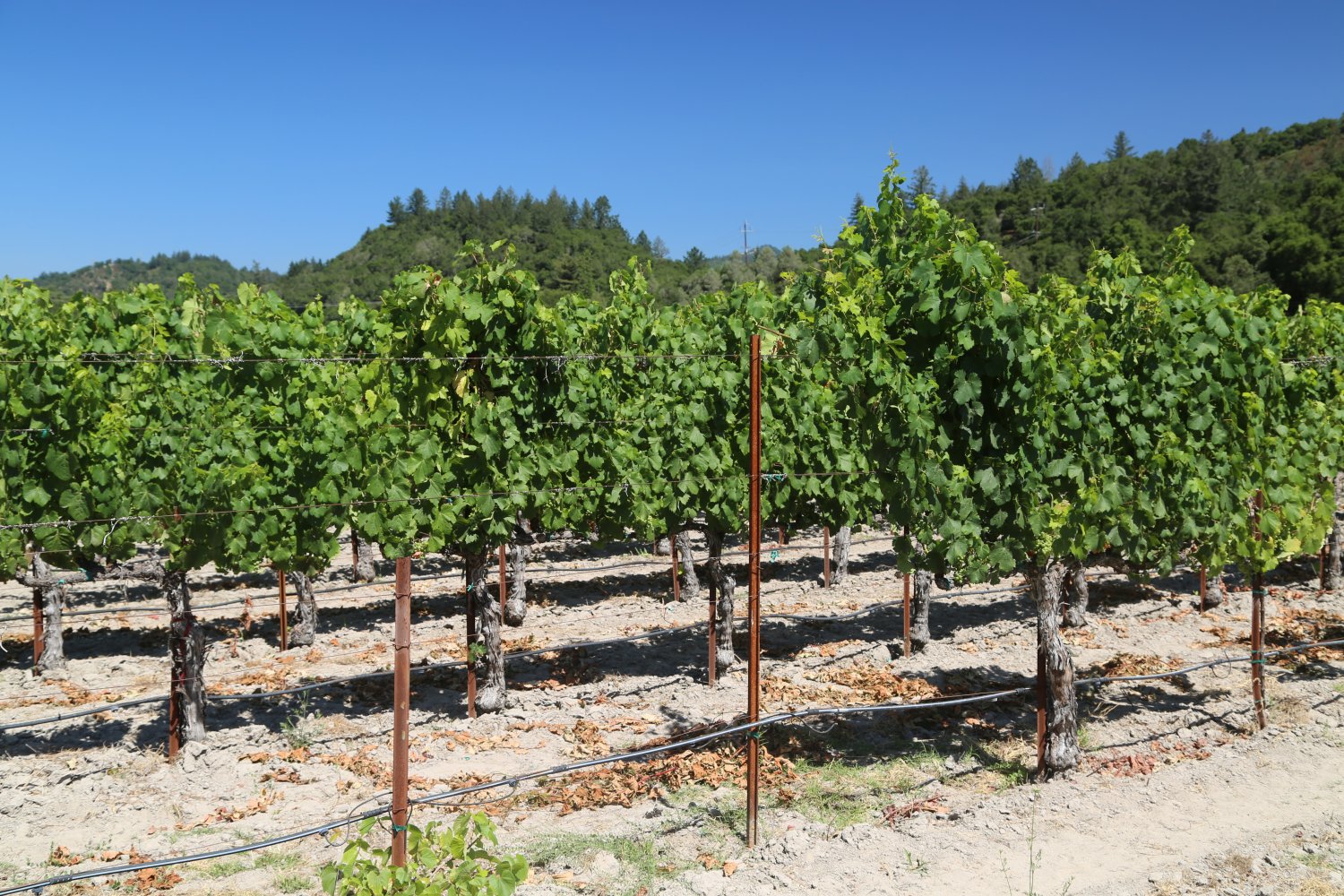
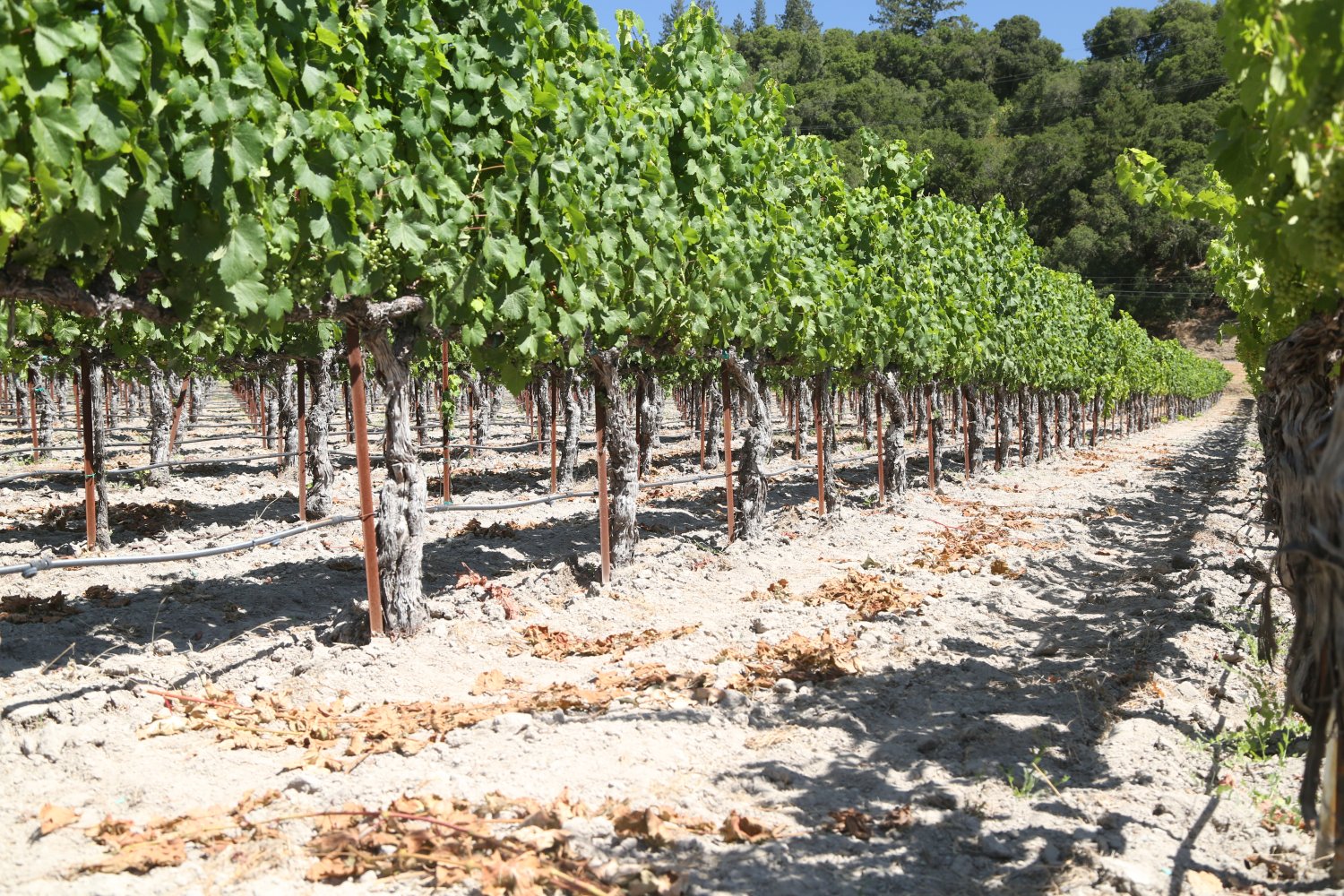
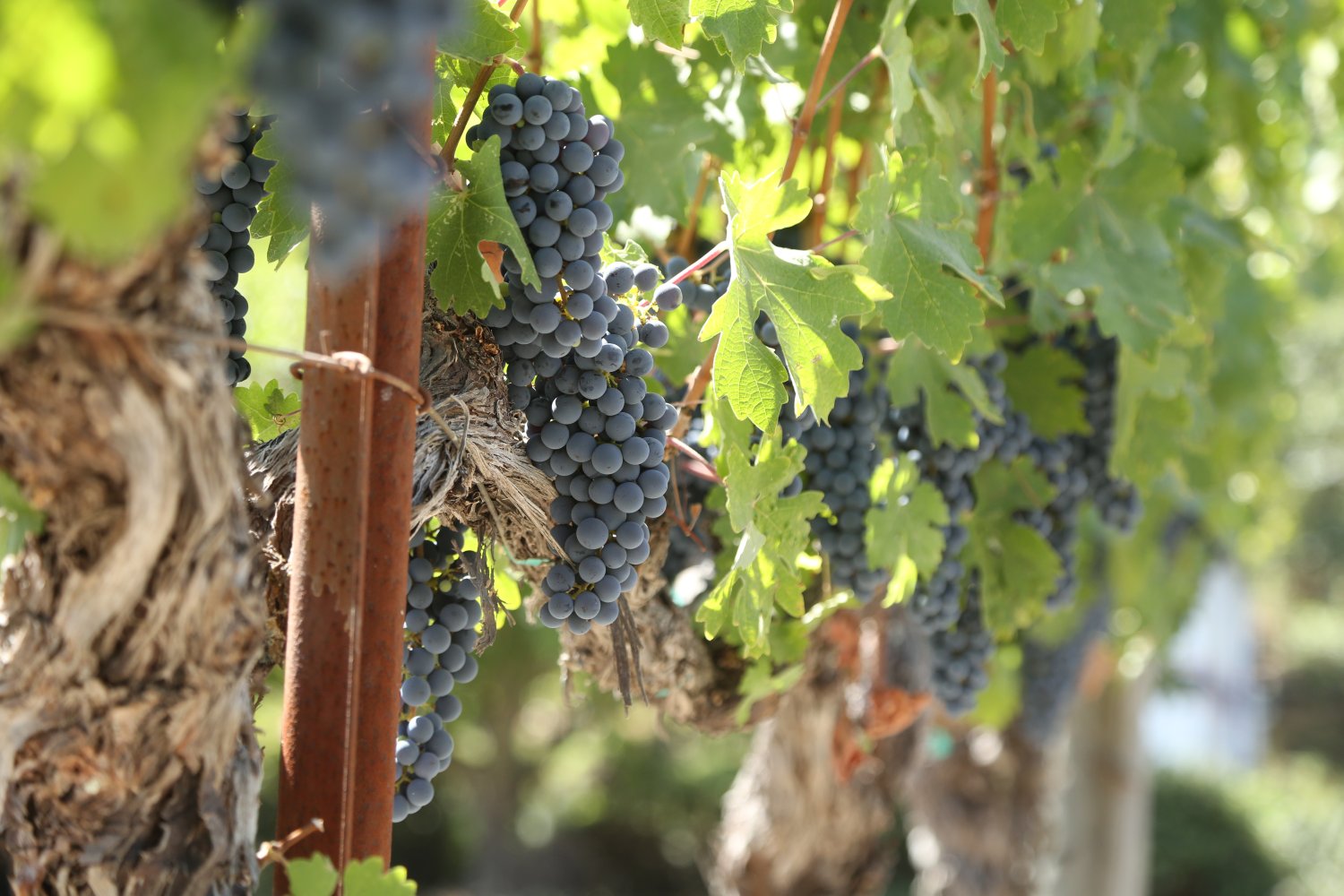
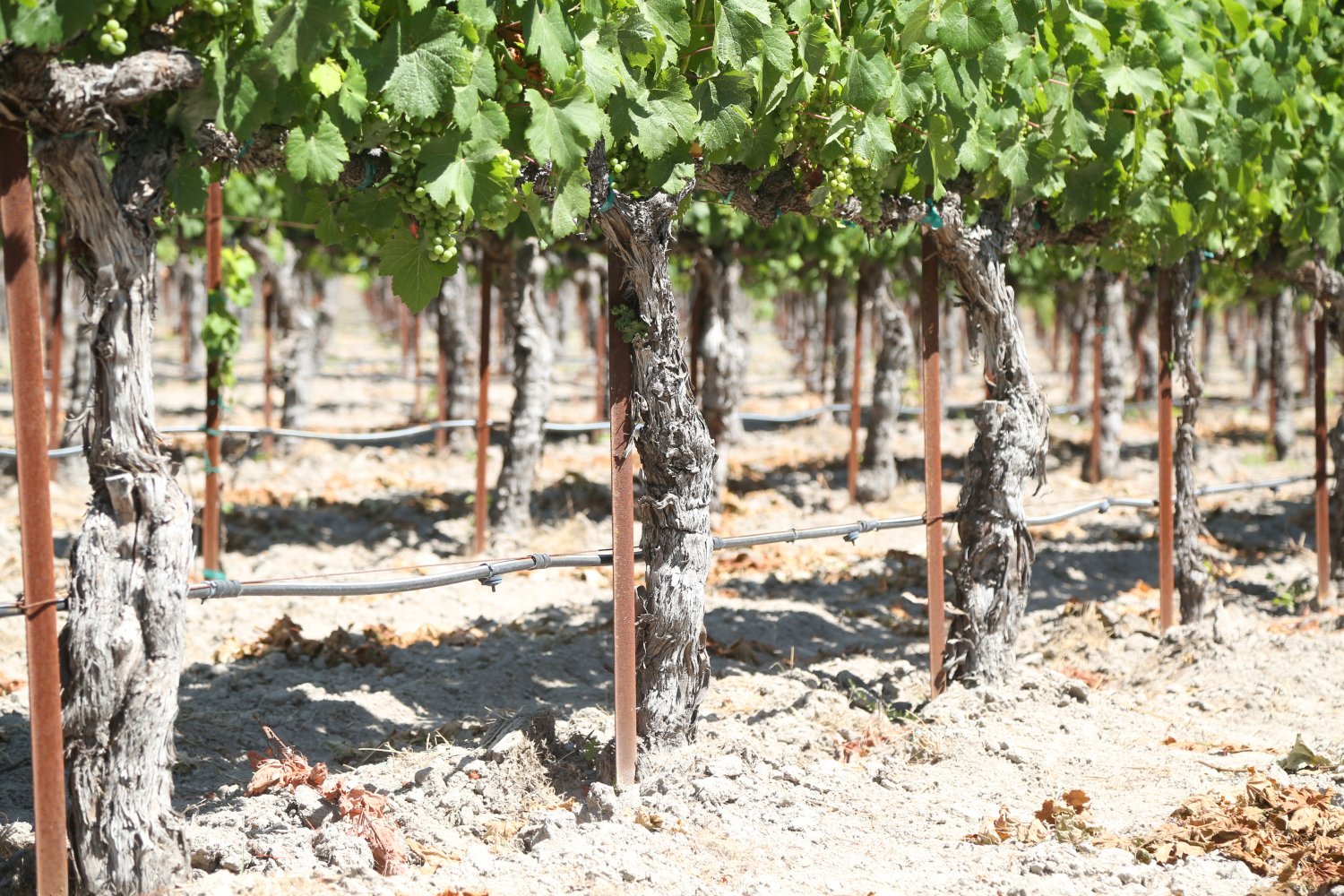 In the early 1980s Bill and his wife began looking for property in the country, a place to call home since Bill was on the road for such a significant amount of time because of his mobile bottling business. Through one of his mobile bottling clients, Bill was told about a small parcel of land in Rutherford that was for sale just off of the Silverado Trail. Bill ended up purchasing 8 acres of land including vineyards that at the time were planted to old head trained Chenin Blanc and Petite Sirah. For several years Bill sold the grapes to the Napa Valley Co-op, the site of what is now Hall Winery in St. Helena.
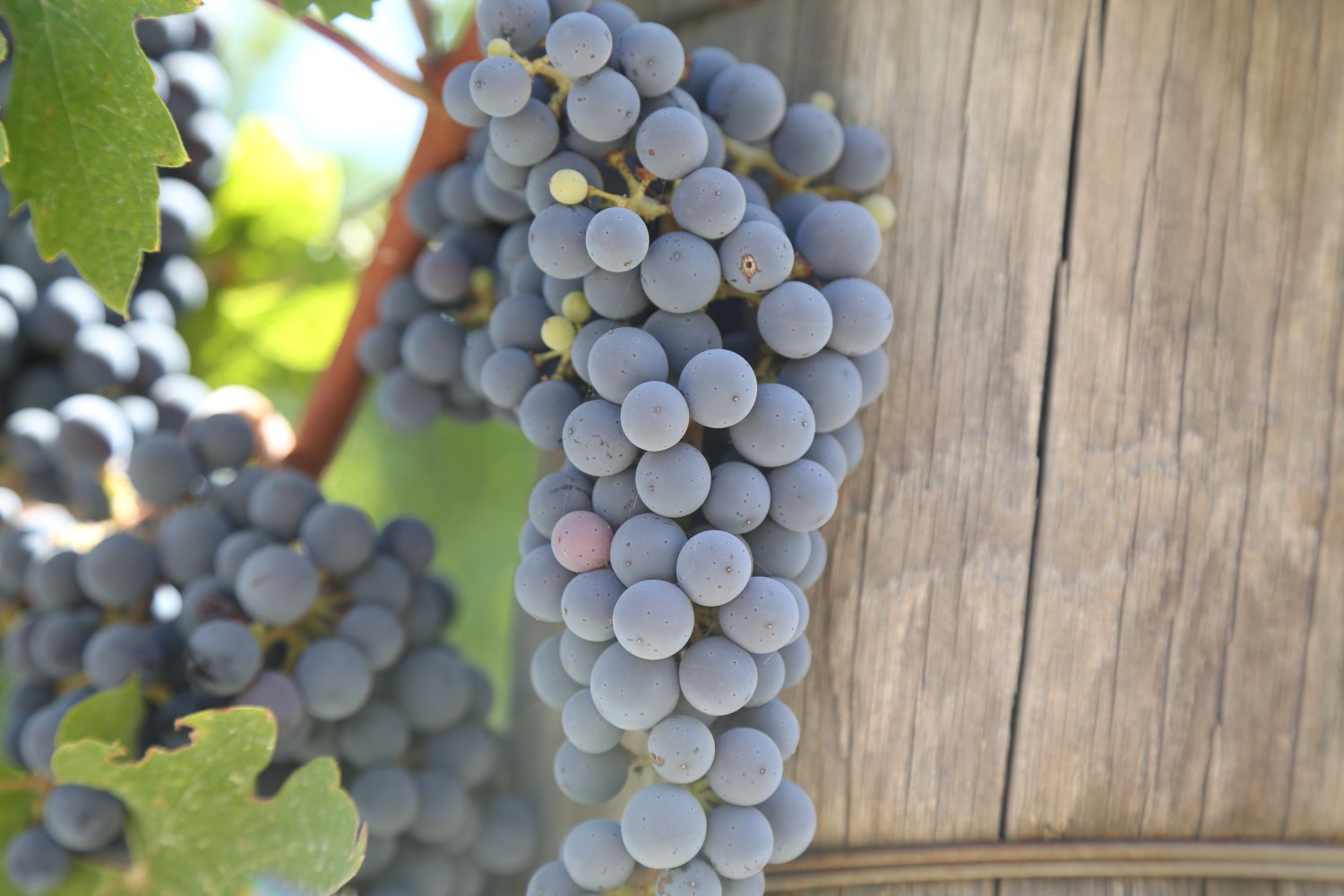
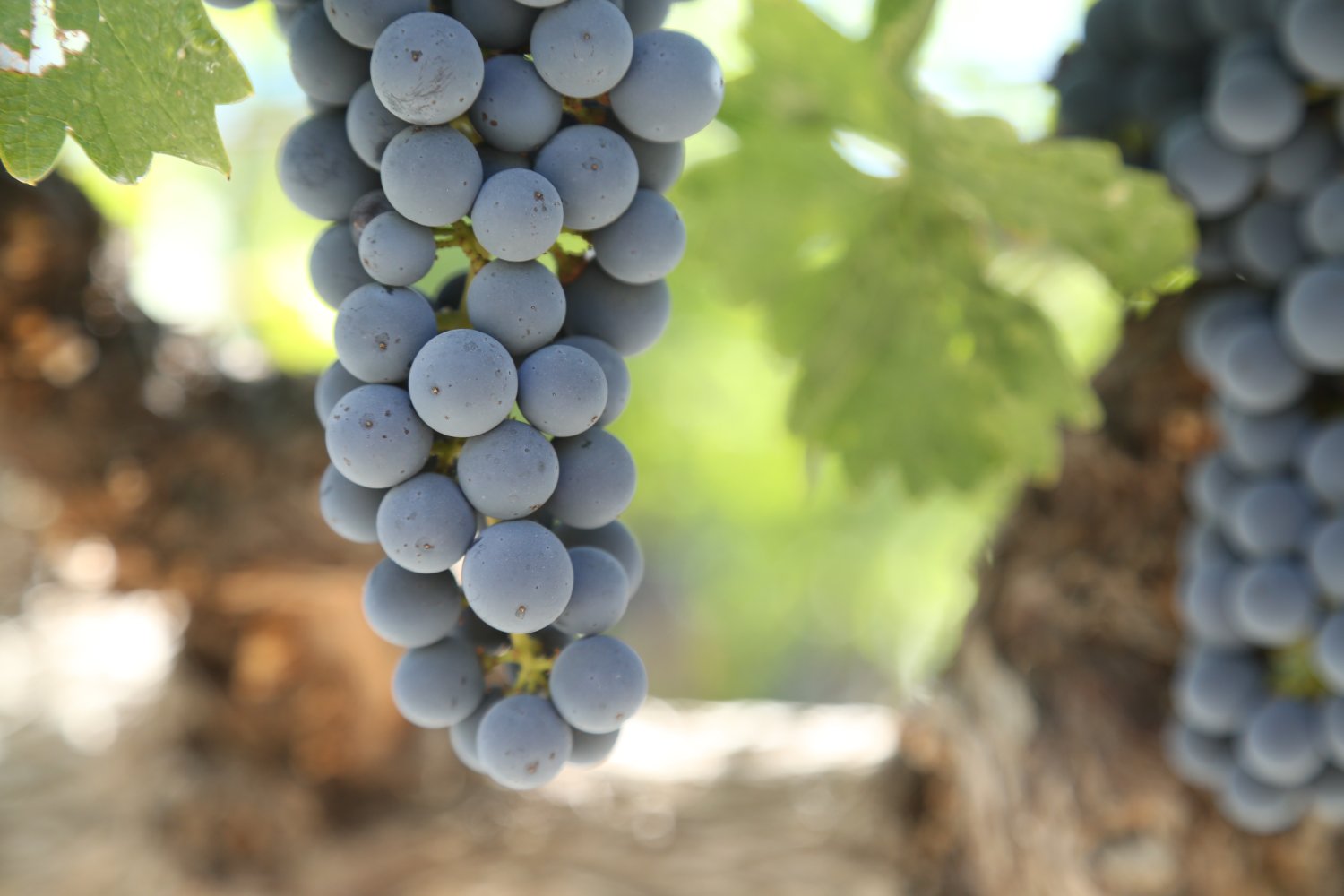
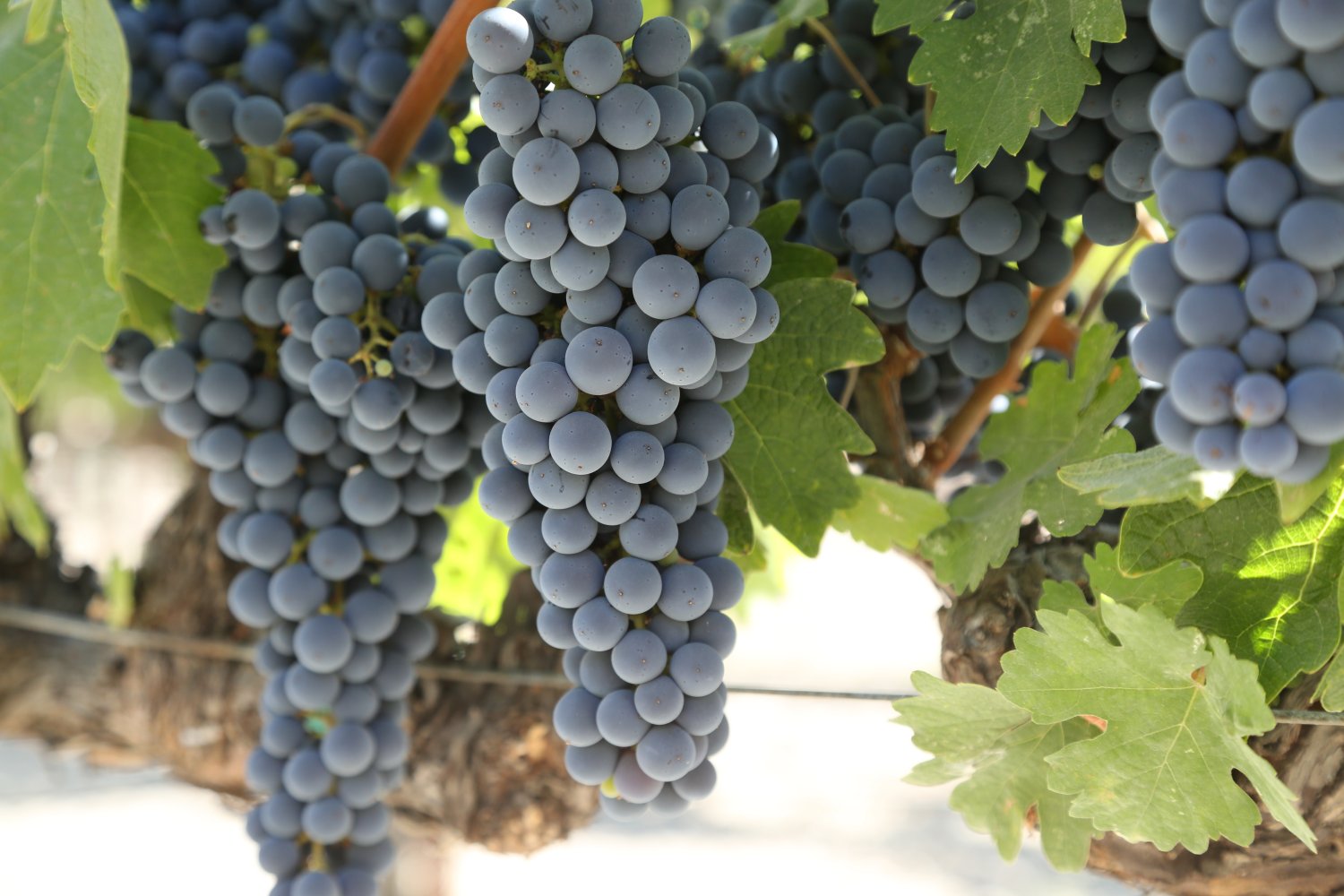
Eventually Bill removed these old vines due to various disease and replanted seven acres to five Bordeaux red varieties including Cabernet Sauvignon, Merlot, Petit Verdot, Malbec and Cabernet Franc. These grapes are used for their premium estate red wines; in addition, they source grapes from the Sonoma side of the Carneros appellation – near the town of Sonoma and including from the acclaimed Sangiacomo Vineyards for their Chardonnay and Pinot Noir.
Select Wines
William Perry
Tasting notes coming after their first release. Most likely in 2026 or 2027.
William Harrison
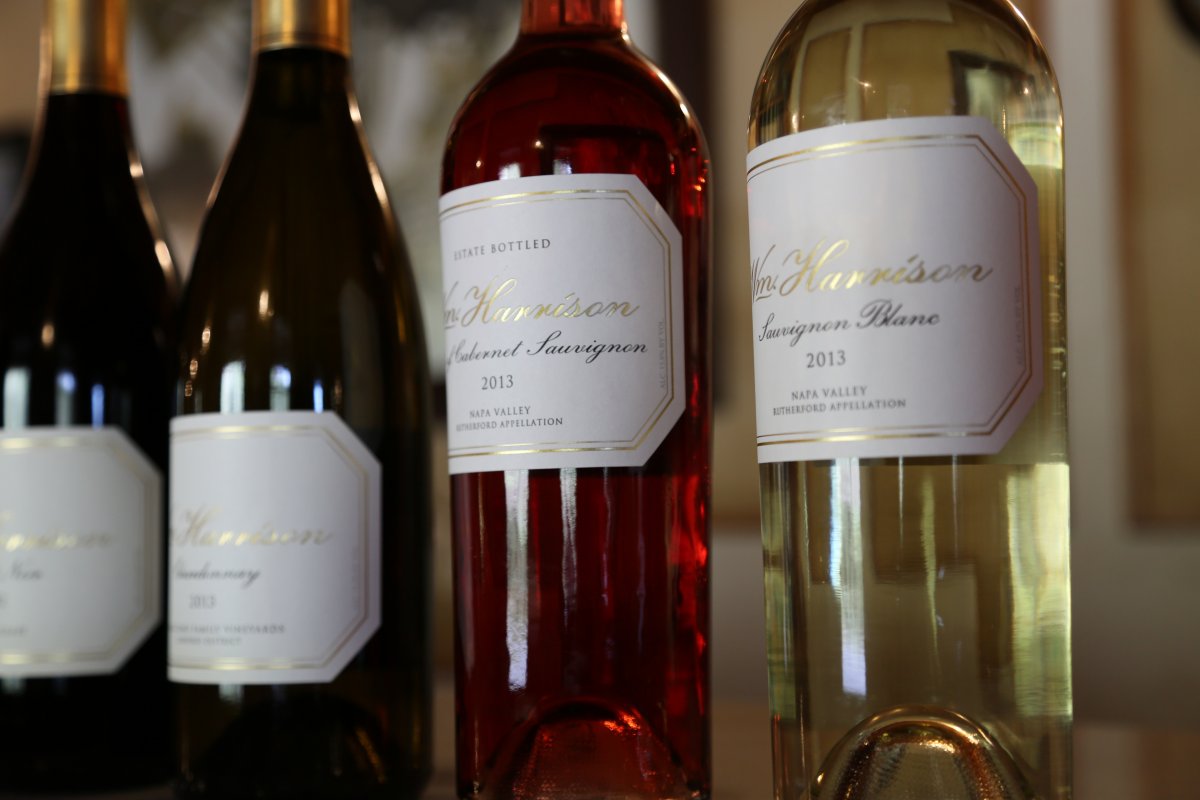
William Harrison produced wines that were layered, balanced, approachable in their youth but always had the ‘stuffing’ to be able to age for years. These were carefully hand-crafted wines that over delivered quality in relation to pricing. While William Harrison employed several winemakers over the years, winemaker Phillip Titus consulted with them since their first vintage. Philip is well respected in the industry and has been winemaker in Napa Valley for more than 30 years including at Chappellet Winery and Titus Vineyards.
Whites
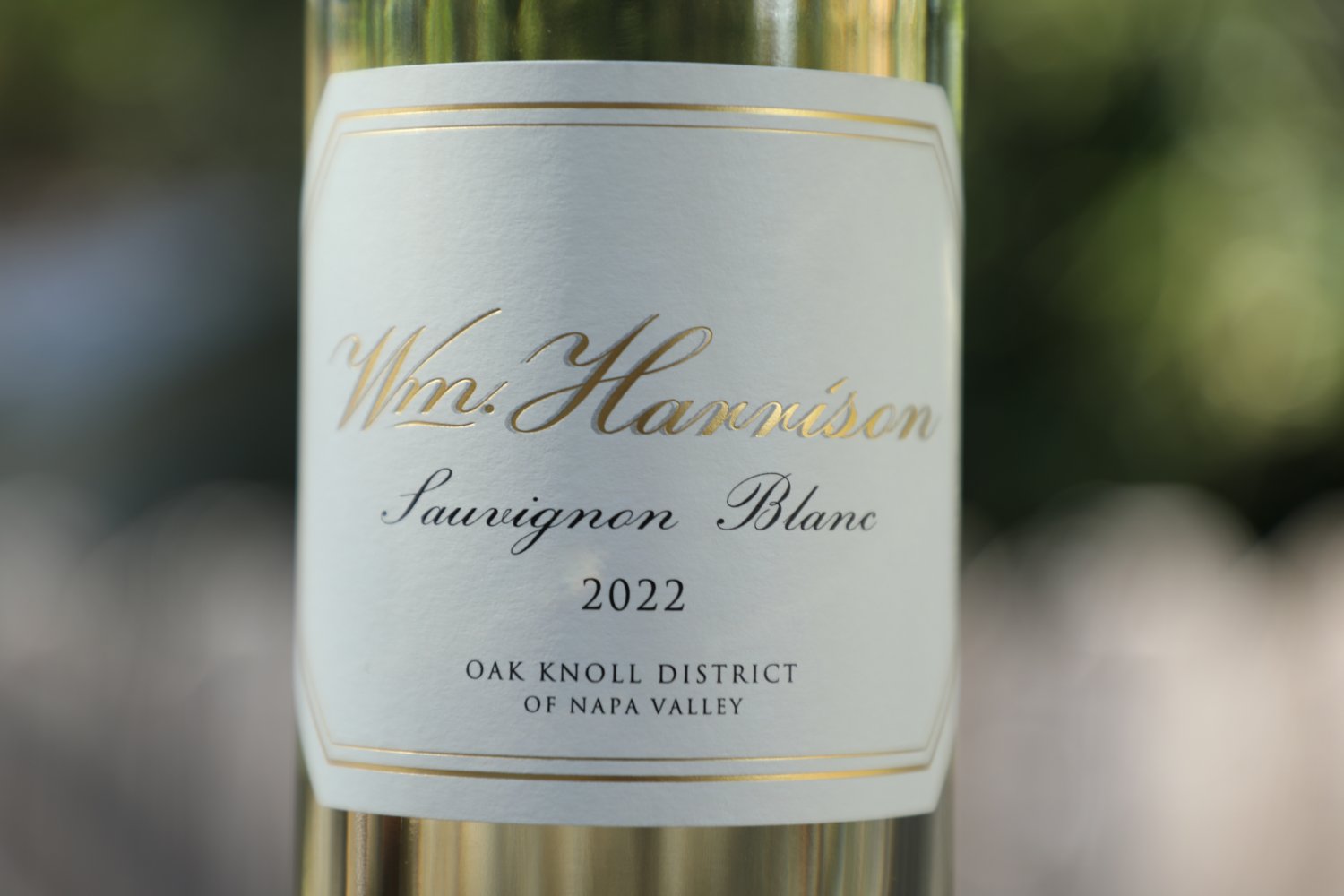
 William Harrison often produced Sauvignon Blanc from Rutherford, which in our humble opinion is one of Napa Valley’s best AVA’s for growing this variety. However, for most producers, the economics of selling a bottle of Sauvignon Blanc at a similar price as Cabernet Sauvignon does not make sense. And Rutherford is one of the best parts of Napa Valley for growing red grapes. In 2022 they were not able to purchase Sauvignon Blanc grapes from Rutherford; for this vintage the grapes were sourced from the cooler Oak Knoll District. The grapes for this vintage were whole cluster pressed and then fermented and aged in both neutral oak barrels and stainless steel vessels.
The 2022 William Harrison Sauvignon Blanc, Oak Knoll Napa Valley is deep straw in color; immediately refreshing and highly aromatic, the bouquet offers scents of Gravenstein apple, pear, grapefruit, lemongrass, pineapple and floral notes including star jasmine and citrus blossom. Its aromatic profile is perfectly saddled between what this variety can show at the extremes, i.e. green and grassy or tropical and fruity. And we like that. Balanced across the palate and mineral driven, it offers flavors of Golden delicious apples, Sierra gooseberry, pomelo, passion fruit, kiwi and a subtle note of mint. One of its hallmark characteristics is it’s texture; the mouth feel is silky and almost saline gently flowing across the palate. The finish lingers with a vibrant but not a bracing acidity. And its nice to taste a Sauvignon Blanc that is not 14.5% alcohol. This wine is 12.5%. In a perfect world we would pair this with fresh caught California Dungeness Crab, but this season ended several weeks ago, so we will have to wait.
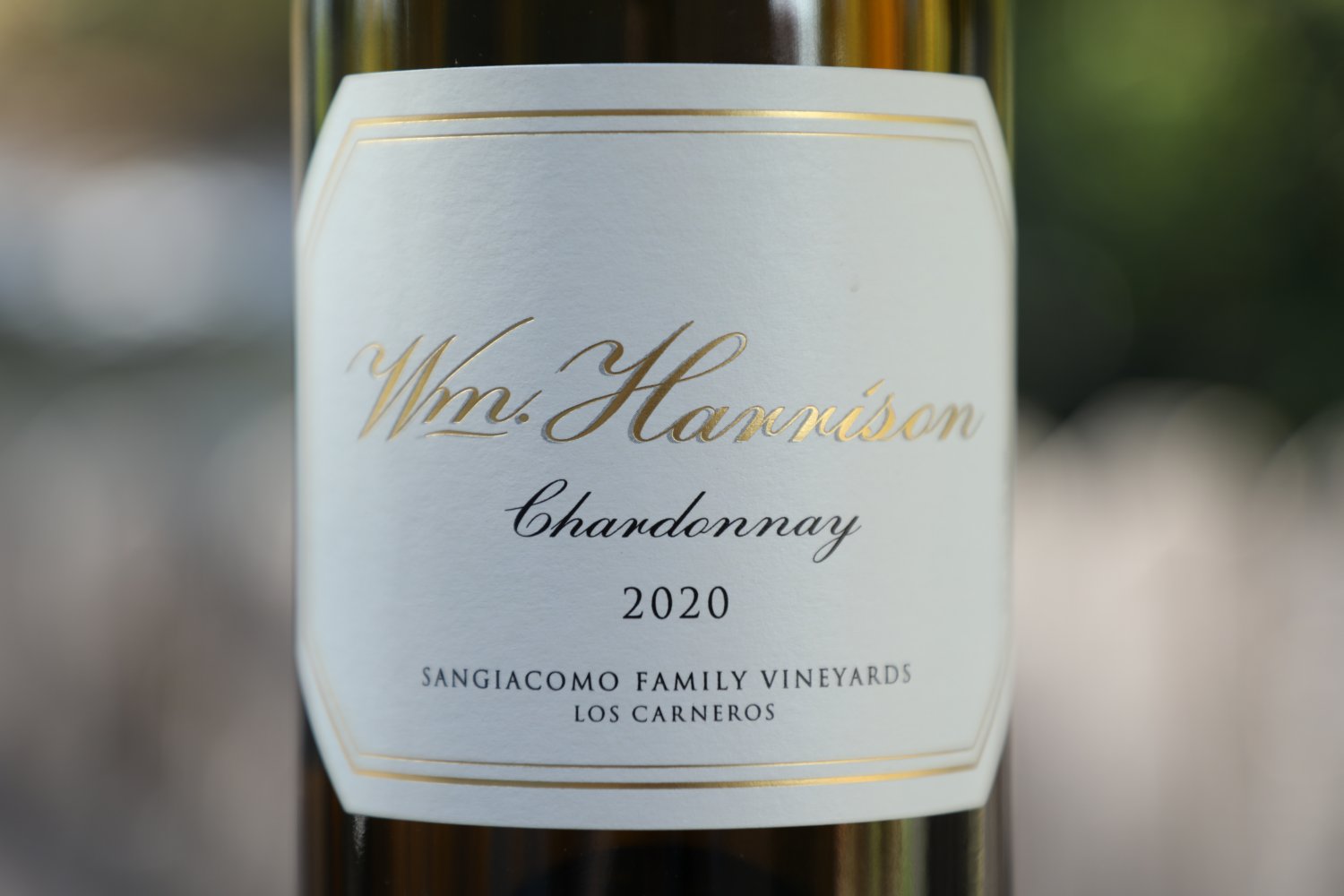
The 2020 William Harrison Chardonnay Sangiacomo Family Vineyards, Carneros (Sonoma side) is a blend of three clones, Hyde, Robert Young selection and Clone 4. In terms of its elevage, it went through 50% malolactic fermentation and was barrel fermented and aged in 30% new oak. This wine is deep gold in color; when we see Chardonnays this color we have certain aromatic expectations, and this wine delivers perfectly in that regard. The bouquet offers scents of ripe pineapple, mango, roasted peaches, crème Brule, lemon meringue pie, honeycomb, caramel and melting butter. Or simply put, this is what California sunshine might smell like if it was on its own, an aroma. The palate offers ripe stone fruited flavors of apricot and yellow peach, honeycomb, pineapple, vanilla, coconut and a subtle note on the finish of ripe banana when its skins starts to become mottled. Its texture is satiny, as graceful as the feeling of sliding into a cashmere sweater. This wine pairs best by itself.
The 2007 William Harrison Carneros Chardonnay undergoes only partial malolactic fermentation, resulting in a wine that is balanced and expressive without becoming overly buttery. The fruit is well represented both on the bouquet and the palate, with aromas of honeysuckle, dried apricot, pear, and subtle mineral nuances providing an inviting aromatic profile. As the wine opens, additional notes of citrus blossom and a light touch of vanilla emerge, adding complexity without overshadowing the fruit. On the palate, flavors of pear, golden apple, and apricot are complemented by a gentle creaminess and well-integrated acidity that keeps the wine fresh and lively. A touch of toasted oak lingers on the finish alongside hints of vanilla and baking spice, contributing texture and depth. Nicely balanced and easy to enjoy, this Chardonnay showcases both varietal character and restraint while maintaining a pleasing richness through the finish.
Reds
Pinot Noir
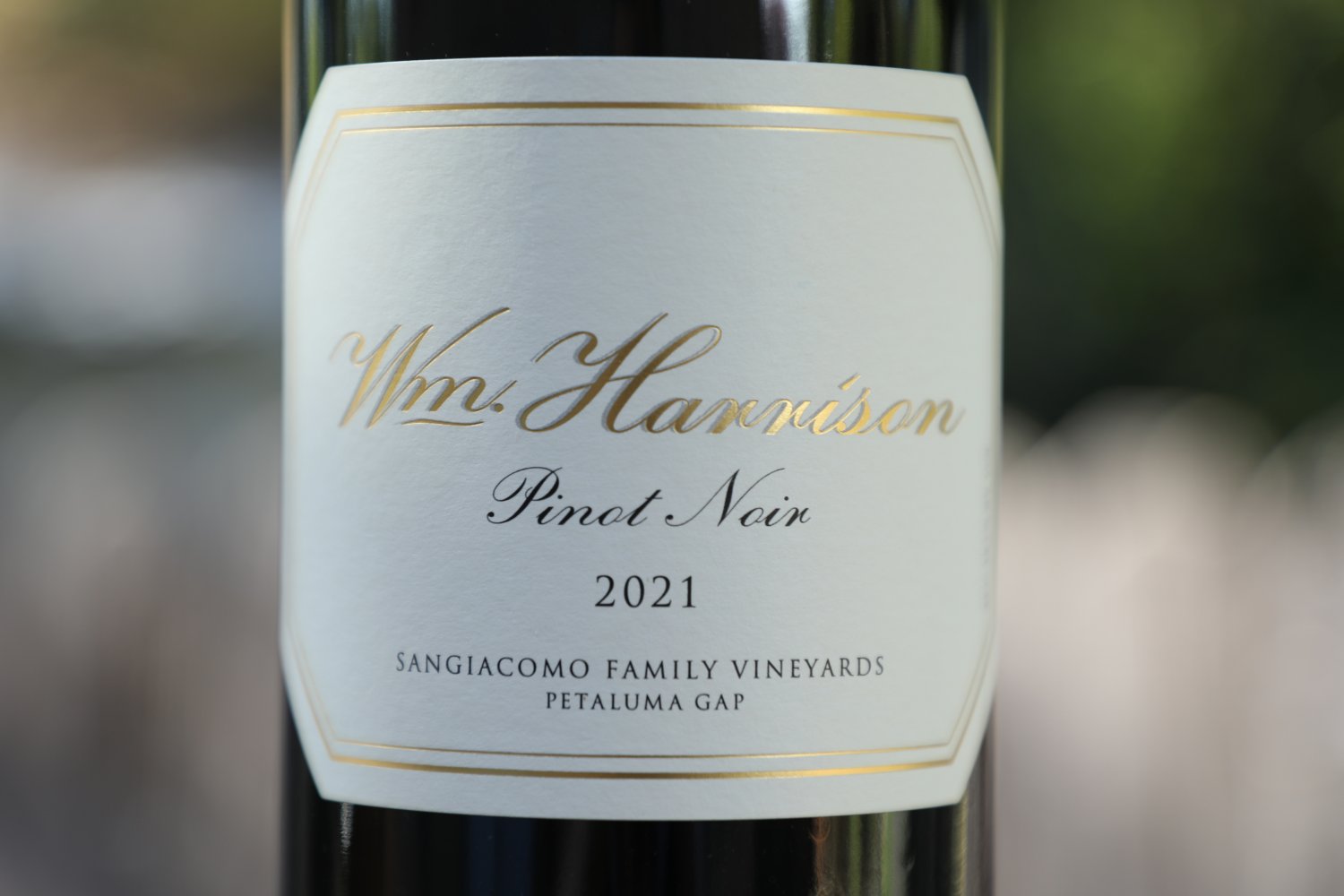
The 2021 William Harrison Pinot Noir, Sangiacomo Vineyards Petaluma Gap is medium ruby in color; the bouquet is fresh but needs some time in the glass to fully express itself in its youth. It offers scents of raspberry, red plum, currant, red licorice, white pepper, old cedar, a light but pleasant herbal note and a hint of tonka bean. Look that aromatic up if you aren’t familiar with it – we weren’t familiar with it until a few years when we were tasting in Burgundy and a winemaker mentioned it. The palate is primarily red fruited; one of the first flavors we noted was licorice, along with red plum, raspberry, cherry, cranberry and currant. The tannins are seamlessly integrated and linger softly accompanied by a darker spice note including of clove along with tea leaf. Balanced perfectly. Medium acidity. Drinks well by itself. If we were to pair this with something special, it would be with with friends, a warm late spring evening and lightly seasoned BBQ pork ribs.
Simpatico
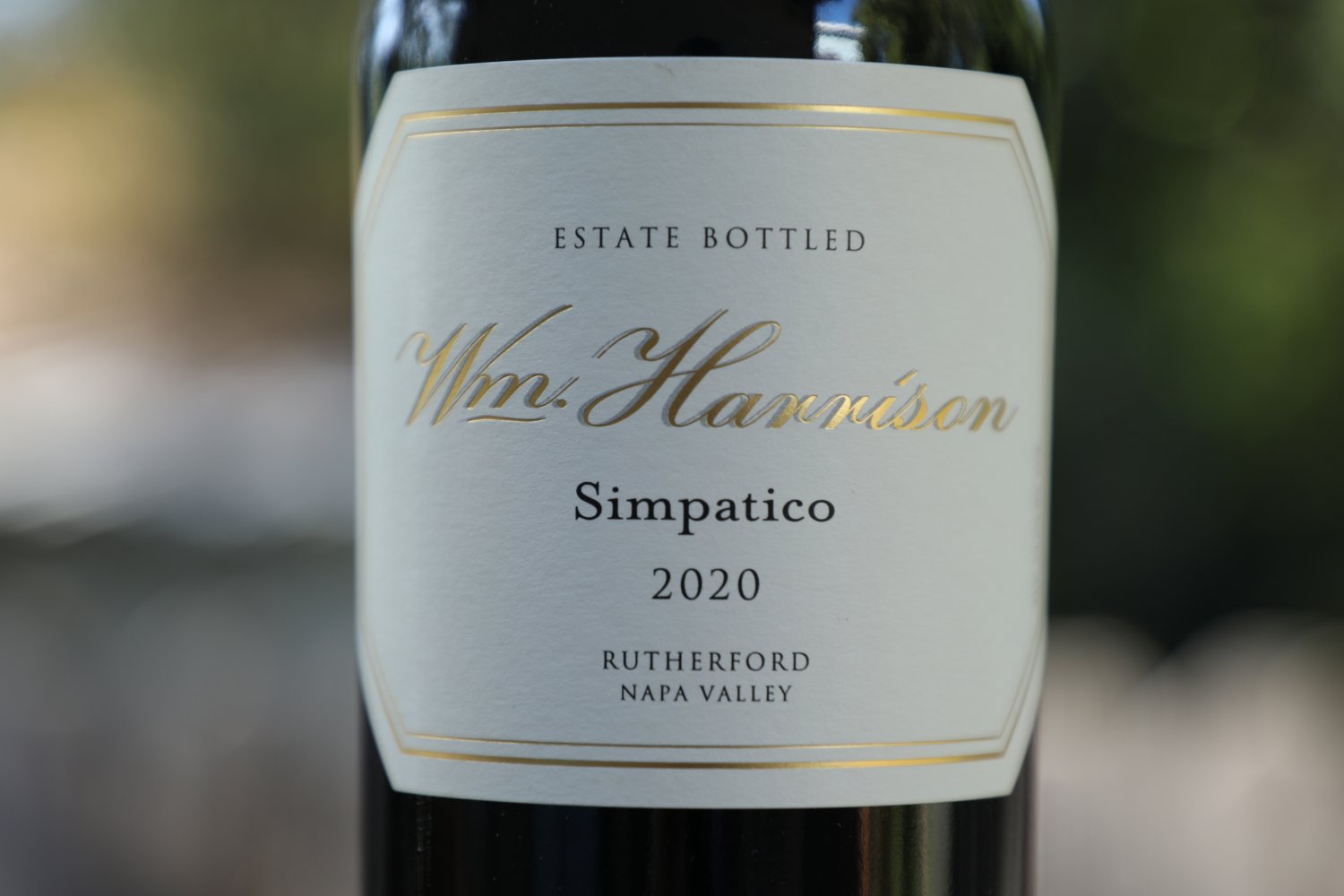
The 2020 William Harrison Estate “Simpatico”, Rutherford is entirely estate grown; it is a blend of 56% Cabernet Sauvignon, 25% Cabernet Franc, 9% Merlot, 9% Malbec and 1% Petit Verdot. They call this their Napa Valley “Right Bank Bordeaux” bottling. This wine is deep ruby and nearly opaque in the glass; the sweetly fruited and ripe (but not over ripe) bouquet is focused on red fruits including raspberry, strawberry and cherry cola. There is also a note of dark pepper, but its not ‘peppery’ at all. Additional layers, showing more in the background are of sweet baking spices including cardamom and nutmeg. The palate offers similar characteristics as on the bouquet with flavors of red plum, strawberry, cherry and a note of red licorice. The grainy tannins deliver a light to moderate textural grip and linger with a note of dark pepper. This is an easy drinking Rutherford red which overdelivers for the price. Pair with lighter style meats – perhaps venison or even a ham shank.
Cabernet Sauvignon
The 2015 Estate Cabernet Sauvignon offers an elegant and intriguing bouquet focused on bright, expressive fruit, including blackberry, ripe boysenberry, and dark cherry, complemented by plenty of dessert spices, mocha, chocolate, and a subtle touch of toasted oak. The aromatics are polished and inviting, showing both richness and lift as the wine opens in the glass. Extremely approachable in its youth, the palate is full-bodied and layered, delivering generous dark fruit flavors framed by a supple, seamless texture. The tannins are well integrated and supportive, complementing the finish rather than dominating it, while a gentle hint of spice adds further complexity. This is a Cabernet Sauvignon with no harsh edges, offering balance, depth, and immediate drinking pleasure while still carrying enough structure to suggest continued development.
Cabenet Franc
Cabernet Franc was perhaps the wine William Harrison was most known for.
The 2013 William Harrison Cabernet Franc (100% varietal) is dark ruby red in the glass; the wine shows aromas that are simultaneously both floral and fruit driven. The palate is lively with flavors of blackberry and blueberry; this is a superbly balanced wine from start to finish. Like their other estate wines we tried, this wine has pleasing texture – the finish lingers with dusty tannins that are slightly chewy along with a nuance of cocoa powder. This is one of the nicer 100% varietal Cabernet Franc wines that we have tried in Napa Valley and is a wine well worth seeking out. The tasting room staff recommended pairing this wine with various Italian pastas or BBQ steak.
Rutherford Red
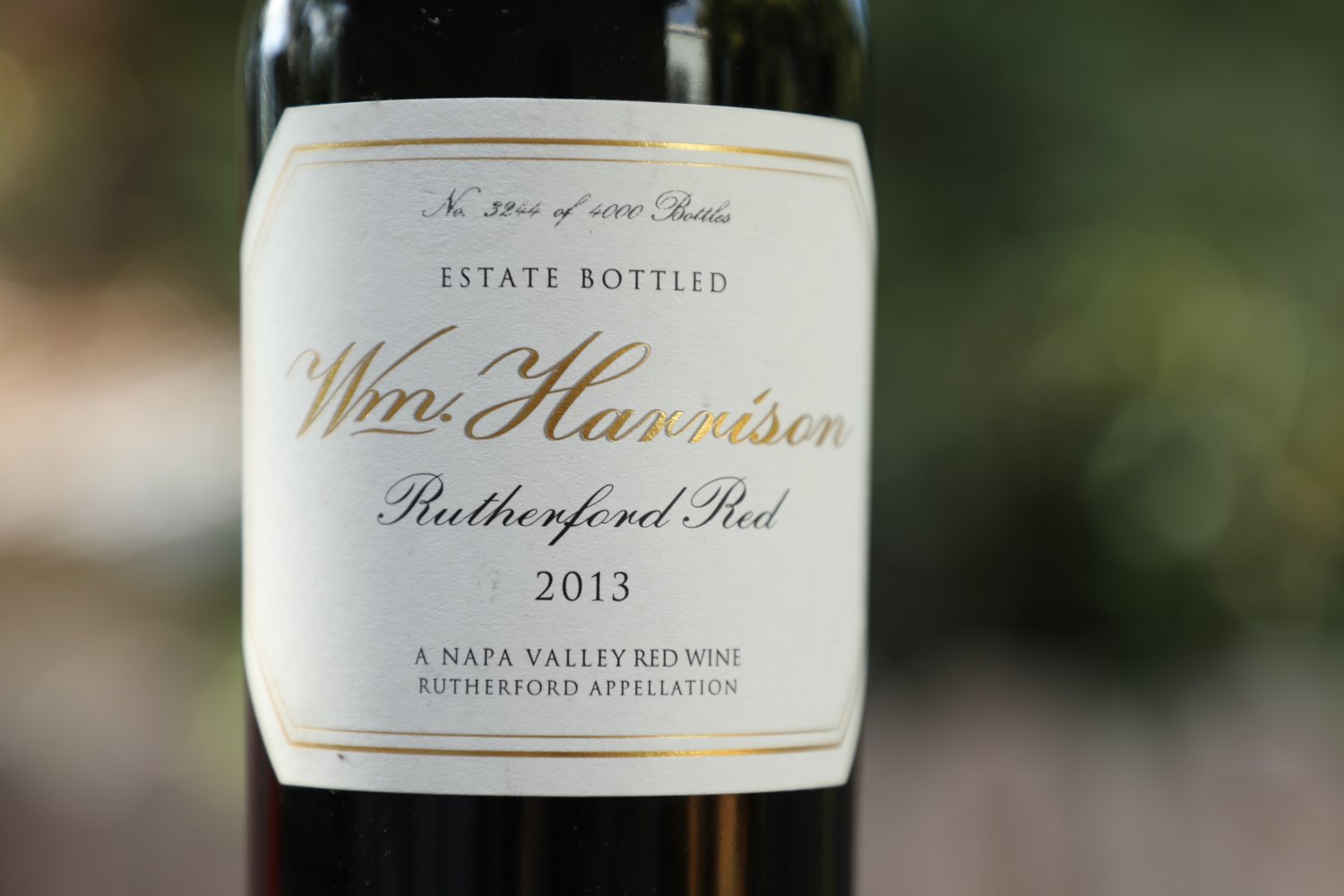
 Rutherford Red was William Harrison’s Signature wine; this was always made in fairly small quantities. The varietal percentages varied from year to year although Cabernet Sauvignon typically formed the bulk of the blend. The winemaker chose the best barrels each vintage, regardless of variety and always created several blends choosing the final blend prior to bottling.
The 2013 Estate Rutherford Red is a blend of Cabernet Sauvignon, Cabernet Franc, Merlot, Malbec and Petit Verdot. This wine is savory, meaty and gamey on the bouquet with aromas of thyme, pipe tobacco, a noticeable herbal character, red berry fruits, plum, red licorice, cassis and a lighter note of chocolate found deeper in the bouquet. This wine has a lovely balance between fruit, acidity and texture. We tried this wine 10 years post vintage and it is still veined with layers of fresh fruit flavors including plum, cherry and currant. This wine lingers with tannins that are lightly gravelly in texture but are not coarse or harsh. The savory character on the bouquet is also mirrored on the palate. It finishes bright, juicy and mouthwatering with some darker spice notes including of crushed pepper. This wine is holding up very nicely at the time of our tasting 6 yeas post vintage.
—
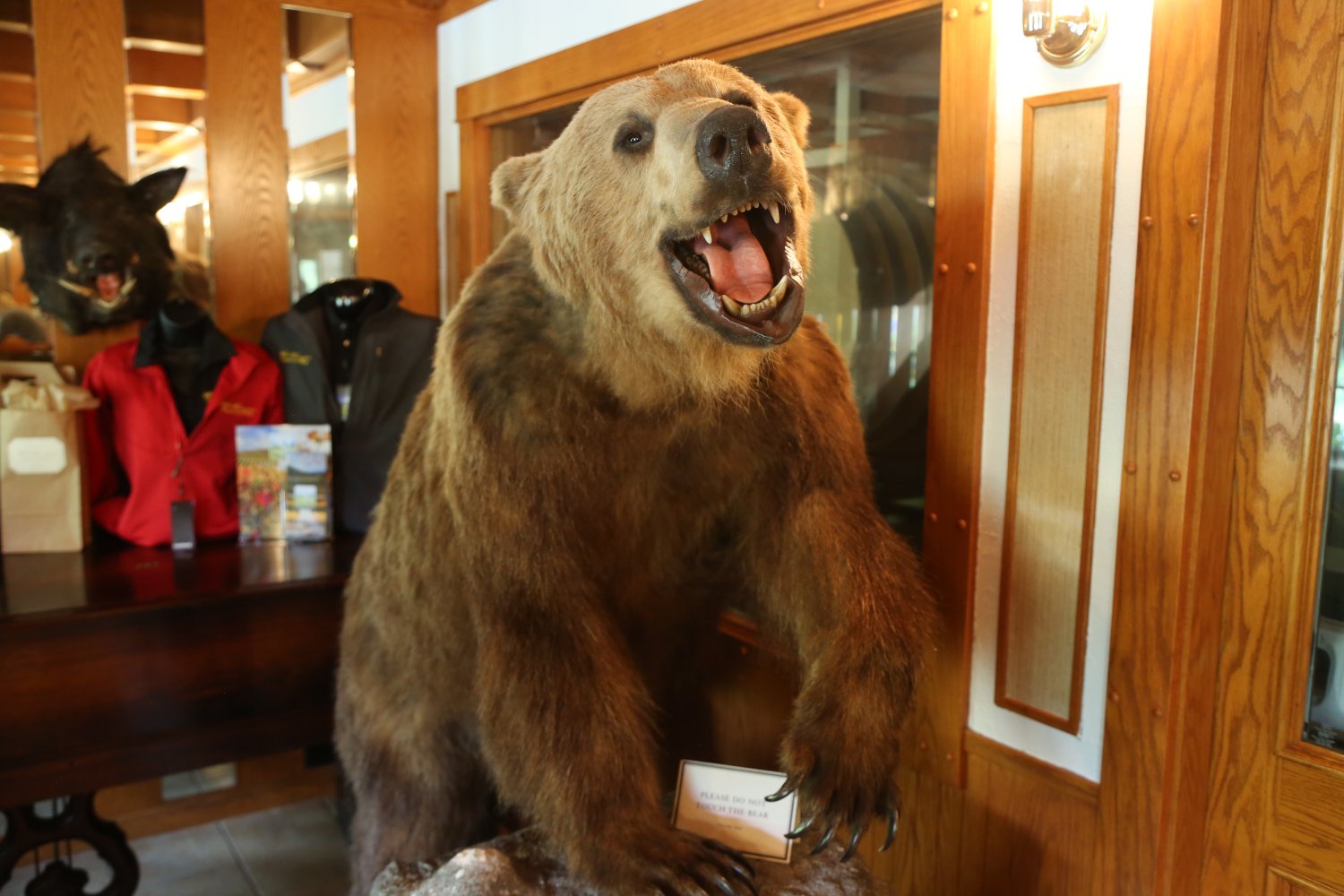
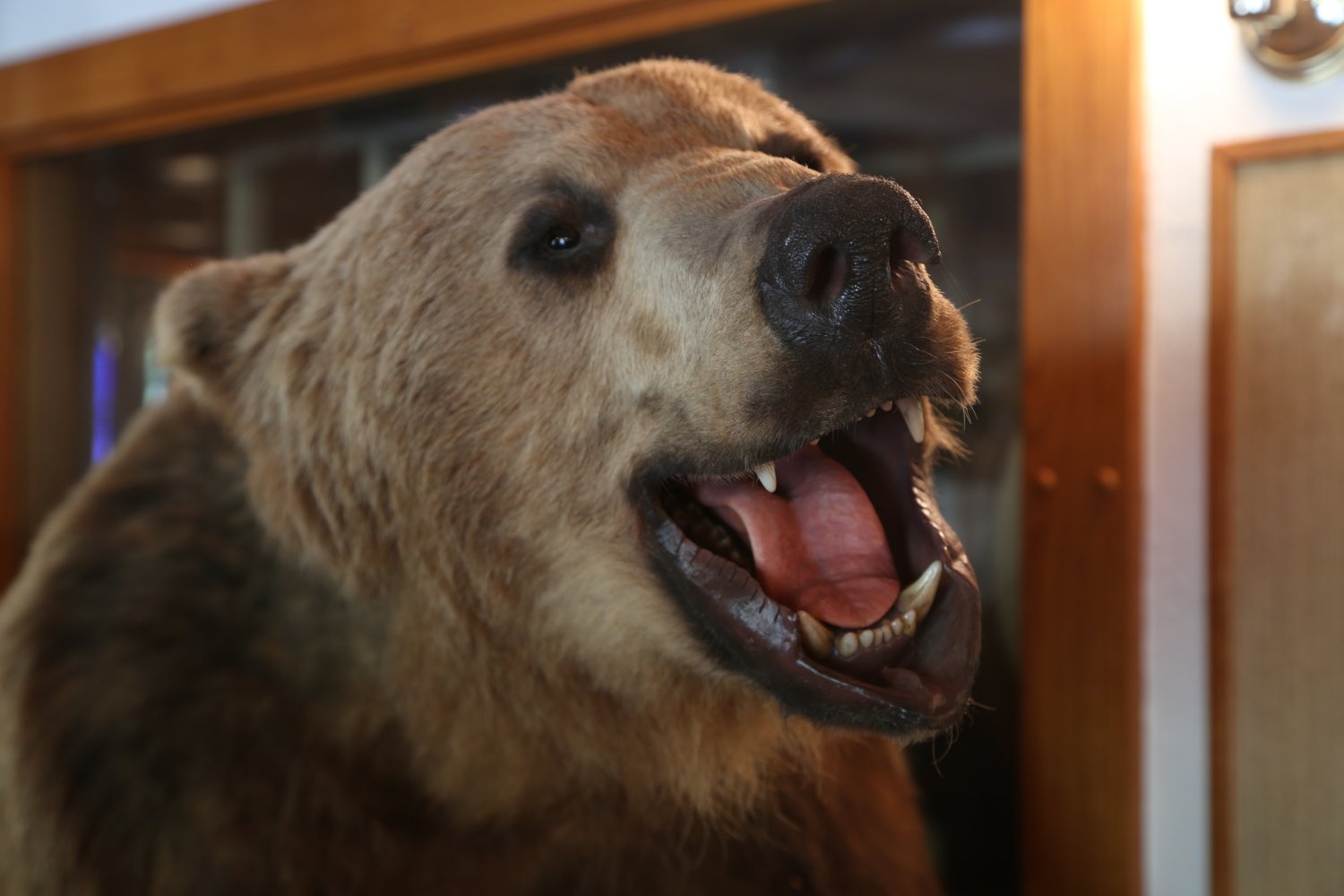
Weather permitting, outside tastings are recommended in several spaces near the surrounding vineyards or at the seating under neath the palm trees near the main fountain; this is a low-key relaxing place to enjoy their wines. With only several employees this is very much a small winery. As a side note, many years ago under William Harrison’s ownership, they were the only wine tasting room in Napa Valley that housed a stuffed Alaskan Brown bear that Bill brought back from an impromptu hunting trip in Alaska. It was so life-like that it became a star on social media with visitors often capturing selfies of themselves in front of this stuffed animal. It has since been relocated and is no longer in the tasting room.
Their total production rarely exceeds 2,000 cases which makes them one of the smaller wineries in Napa Valley with their own cellar, vineyards and tasting room. As a result of their low production the wines often sell out relatively quickly. Most of their production is sold directly to consumers with limited distribution in California, primarily to restaurants.
For more information, to schedule a visit or to purchase wine, visit: www.williamperrywinery.com
Hospitality
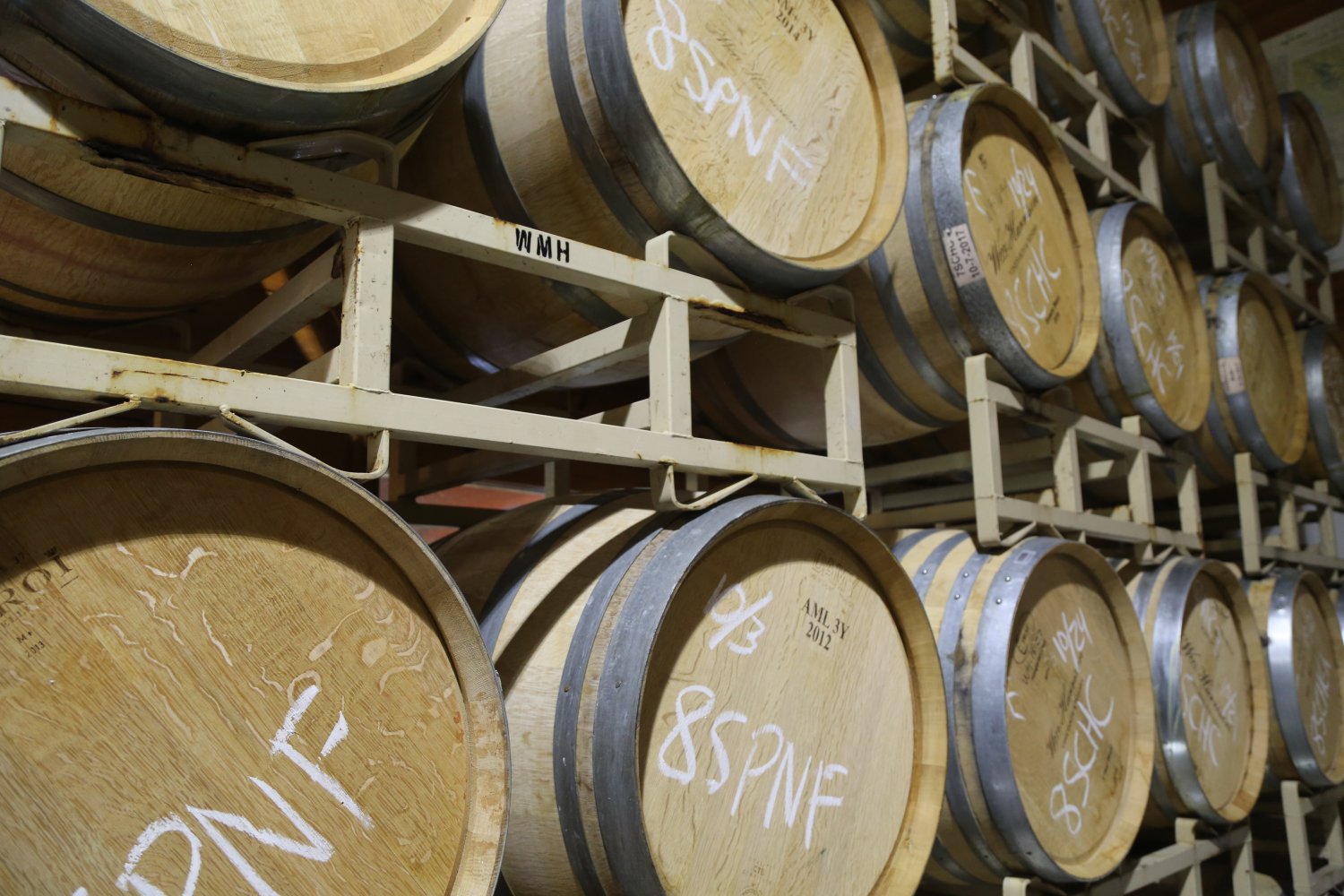
Winery
Vineyard
Dave,
Will you please change the phone number you have listed for Wm Harrison to 707-963-8310? Thanks!
Thanks Rod – this has been done.
Regards,
Dave
We knew for some time the exit strategy here was going to involve selling the winery and property. Very very glad it was acquired by two awesome local families :))) The adjoining vineyard is exceptional and way under rated.