
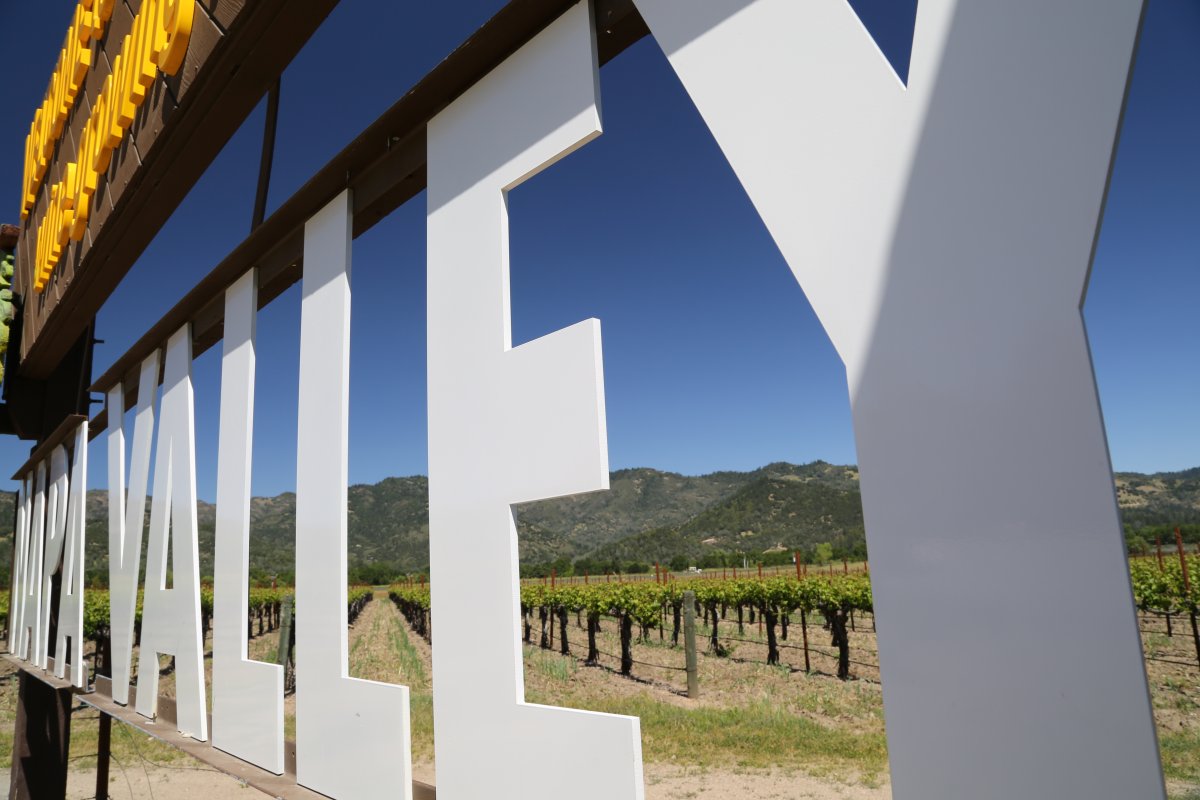
 Our favorite time in Napa Valley is in early spring during the middle of the week; everything is green, bud break has already occurred, the grapes are leafing out, the summer crowds have not yet hit, and as a result there is less traffic and the weather is usually decent. It doesn’t get much better in the valley than driving the Silverado Trail during warm early spring days. Parts of late fall after the harvest can also be a good time to visit as it is less crowded than summer and there are less time constraints on the wineries. Winter sees rain, the amounts can vary quite a bit from year to year and there are usually some periods of decent weather with temperatures in the low 60s during the day. And often the vineyards are a patchwork quilt of colors.
Harvest itself is a fun and vibrant time to be in the valley (especially if you are in the industry). There is an air of excitement in Napa Valley that you can only have during harvest time; loaded trucks are transporting bins of grapes to wineries, barrels and tanks are constantly moving around, walk into a wine lab and smell the unmistakable odor of yeast, enology & viticulture consultants find that their cell phones are invariably an extension of their head, and around the wineries, you can smell the sweet smell of grapes and fermenting juice.
Save $20 at Priority Wine Pass! (Use Promo code: NWP)
These are just the more common varieties; there are Napa wineries growing and making wines from obscure varieties. For example, two varieties we are associated with are Marselan, a cross between Cabernet Sauvignon and Grenache, and Odessky Cherny, a variety native to Ukraine. For reference, Napa County publishes an annual Agricultural Crop Report listing yields of varieties of grapes grown in Napa County.
Tasting
Tasting in Napa Valley varies in price because there are a diversity of experiences offered. Most large wineries charge admission for their tours and or tastes which generally range from $40 to $100+ per person. In our opinion, research Napa wineries ahead of time & also make several appointments at the non touristy Napa wineries. This gets you off the “beaten path” & provides a more personal feel to your tasting.
- General Wine Tasting (often $40-$75 per person – 3-5 wines tasted) – appointments may or may not be required.
- Reserve Room Tasting features wines made in lower quantities, higher priced and are generally considered the best of their production
- Tour combined with tasting (typical tours by themselves often run 60-90 minutes)
- Sit down Wine and food Pairings – often are several hours
- Wine Seminar (May include food Pairings, often includes taste and smell tests)
- Additional Winery Attractions (Trams, Galleries, Sculptures, Architecture, Paintings etc.)
Based on numbers, the majority of commercial wine producers in Napa Valley are private. By this we mean they typically do not see visitors for tastings as their sales may come entirely from their mailing or allocation lists or select distribution such as restaurants or wine shops. We clearly label these wineries as “private” in our profiles and do not include their physical addresses. Over the course of this project, we have visited with many of these wineries.
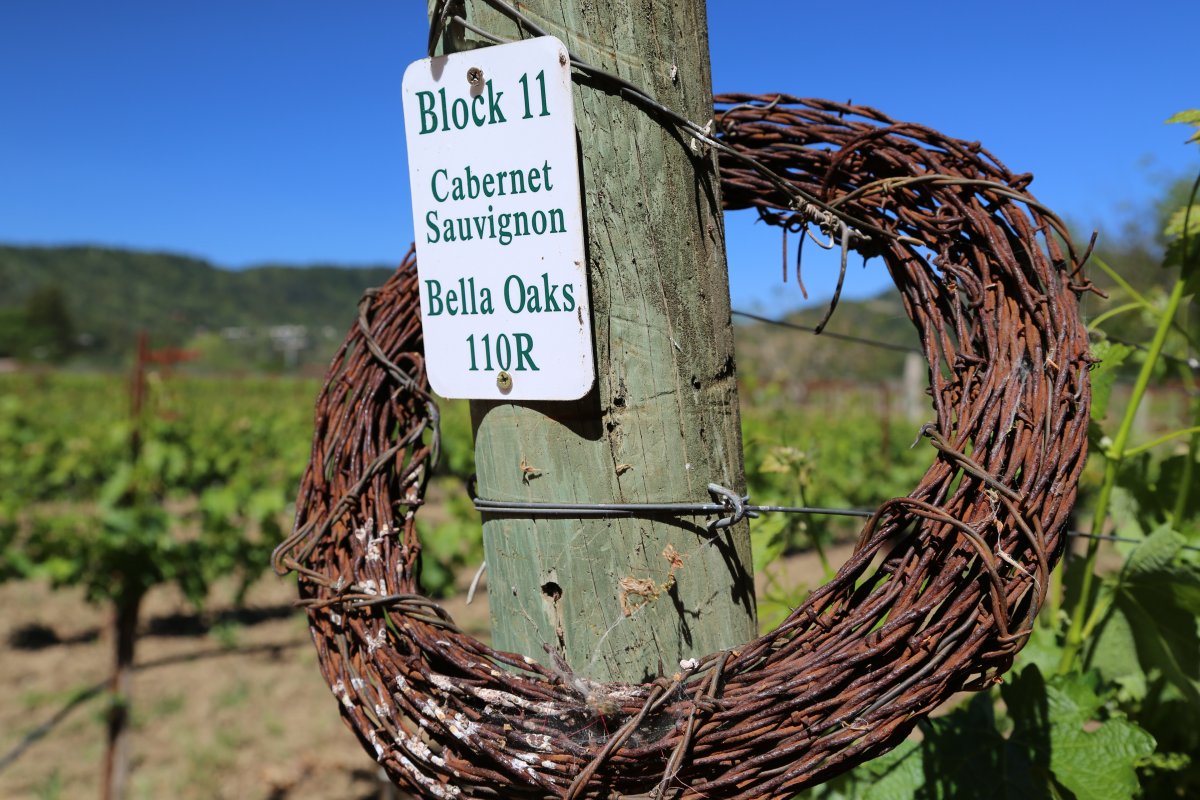 Many of the “big” Napa tourist wineries are located along the “wine strip” on Highway 29. These are often larger production wineries and tasting appointments are not usually necessary. Often wineries will have something that sets them apart from the rest of the “crowd”. In our winery descriptions we try to note anything at a winery that is special or sets that particular winery apart from others whether its the type of wines or something else. The nearest town to each winery is listed with the “address” in our descriptions; often the wineries are *not* within the actual town.
Many walk in and some appointment only wineries have wine clubs. Wines are generally shipped several times a year or upon release. The cost of shipping will vary – sometimes wineries offer a significant discount on shipping for case purchases. Wine club membership typically qualifies you for other benefits including members only events, free or discount tours & tastings and access to club member only wines. Picnics are not usually allowed at many of the wineries although check specific websites for details.
Of the wineries that will see visitors, we estimate about 2/3 of these offer tastes and or tours which require an appointment, however there are many that have walk in tasting rooms open to the public (also note that if a winery has few customers – typically winter weekdays – some “appointment only” wineries honor the “10 second appointment” rule. Wineries that offer tours are often 45-120 minutes in length. You will want to factor in a break for lunch or bring a plenty of snacks. For wineries that offer a more in depth experience, our recommendation is 2 wineries before lunch and 1-2 after. Napa Valley Wineries typically open around 10am and close between 4pm and 5pm.
For reference, St. Helena Highway is Highway 29 and runs along the west side of Napa Valley. The Silverado Trail runs the length of most of the east side of Napa Valley.
Complimentary wine tasting, in general is no longer offered by the open to the public by walk-in wineries in Napa Valley. Some wineries will waive the tasting fee with wine purchases. Or may offer seasonal complimentary tastings. A number of small producers do not charge for tastings, however based upon their limited production and need to sell their wines direct, purchases are expected. Most people who visit small wineries realize this, are wine enthusiasts (or are with someone who is), and will often end up making a purchase.
Tasting Etiquette
Cell Phones should be turned off during tastings or set to vibrate, especially on tours and during more intimate sit down tastings. If there is a call you absolutely have to take – take it outside.
Dump Bucket (spitting, dumping). Wineries will generally have a “dump” bucket or some other type of container for pouring or spitting excess wine. It is normal to pour or spit wine into these provided containers if you cannot finish it. Wineries expect this, but if you do not work in the wine industry it can take some time to get over the perceived “weirdness” of spitting and ‘wasting’ wine.
Late for Appointments can happen even with the best thought out plans. During our early research for this project it happened to us several times; you find yourself enjoying your time at one winery and lose track of time – or you do not allow yourself enough time between appointments. If you are on an “appointment only” winery schedule always ask when making your appointment for an approximate time estimate for the tasting and or tour if there is one.
Try to schedule winery appointments at wineries that are located close to each other. Napa Valley is not huge – but there are wineries spread out all over and it can easily take up to an hour to drive between wineries far apart from each other. Allow time ample time for lunch – and note there are no restaurants directly along the entire Silverado Trail. Napa Valley restaurants are typically in or near the main towns along Highway 29. If you find yourself becoming late for an appointment – call at least 10-20 minutes before the appointment time to appraise the winery of your situation & current location.
 Payment. Small wineries typically process payment after you are done with your tasting in case you decide to purchase wine. However some of the larger wineries or wineries who charge a premium fee for tasting will generally charge your card before the tasting.
Swirling, or what is known in industry as “volatilizing the esters”, exposes more of the wine to air increasing the aromatic intensity, allowing the aromas to evolve quicker over time and enhancing the flavors. Smell the wine before swirling. Then grab the wine glass by its stem and move it in a counter or clockwise direction so that the wine swirls around the inside of the glass for 5 to 10 seconds. Smell with one nostril and then the other? Do you notice any differences?
Tasting Notes. Most wineries provide tasting notes. These descriptions typically list the year (vintage) of the wine, composition of the wine, sugar levels at harvest (brix), and notes about the aromas, flavor and texture of the wine. Sometimes these notes can be good reminders as it can be easy to forget the types of wine you have tasted, especially if you are visiting multiple wineries. Usually you can write your own notes on these printed sheets.
Water. Even if you aren’t drinking much wine it is easy to forget to stay hydrated during winery visits; bring bottled water. A number of walk-in wineries also have bottled water on site, often complimentary.
Often wineries will dedicate a single glass to a single wine. But some do not. In this case, between pours of wine, do not rinse your glass with water – rather dump what you have and take the next pour, or if transitioning between red or white wines, take a small amount of the next wine, swirl to clean, dump and then take the full pour. If a wine is corked, ask for another glass, do not dump out and use the same glass. If switching from dry wines to dessert wines, change glasses.
Family Owned
If a winery tells you they are among only a few family owned wineries in Napa Valley, that is not true. Sure there are a number of large corporate owned wineries who do own a lot of acreage but there are many small and not so small family owned wineries in Napa Valley. The vast majority of Napa wineries by numbers are still small, private or family owned.
Favorites
There is no “the best” winery or wine in Napa Valley. The one thing we have learned on this project is the types of wines you like are the most important criteria of all. However, after personally tasting at hundreds of unique active wine producers in Napa County I have amassed some of my own favorites based on the criteria below.
Palmaz
Jarvis
Art on Display
Hess Collection
Bicycle Friendly
Bouchaine
Tedeschi Family
Dessert Wine (White)
Prager
Destination Wineries
Castello d’Amorosa
Raymond
Sterling
Quixote
Educational Wineries
Joseph Phelps
Merryvale
Robert Mondavi
Favorite Appellations
Howell Mountain
Mt. Veeder
Oakville
Rutherford
Spring Mountain
Most Fun Wineries
Del Dotto, Napa
Most Remote
MS Torun
Random Ridge
Sky
Appointment Only
Anderson’s Conn Valley
Stunning Views
BRION Estate
Continuum
Diamond Mountain Vineyards
Kuleto Estate
Vineyard Tours
Hendry Ranch
The Terraces
Sweet Wines
 If wineries produce a sweet wine such as a Muscat, Port or Late Harvest they often tell you that most people enjoy their particular sweet wine because its not syrupy. Not all wineries in Napa Valley make dessert wines – in fact you can do a lot of tasting and never see it on the tasting menu.
Sparkling Wines
There are four established wineries in Napa Valley whose focus is on producing sparkling wines. These are CHANDON California, Domaine Carneros, Mumm Napa and Schramsberg. With the exception of Schramsberg these others all are strongly connected through ownership to Champagne, France. Numerous other still wine producers in Napa Valley often produce a bottling or two of sparkling wine. These wines are often produced at Rack & Riddle in Healdsburg (Sonoma County), a winery setup to make sparkling wines for other wineries.
Tasting Cards
Winery employees who are typically from “large wineries” open to the public by walk-in often visit other similar wineries and drop off what are called Tasting Cards. These cards often will give one either complementary tastings or two for the price of one tastings. Sometimes the receiving winery requires the signature and or name of the person who gave you the tasting card. The tasting cards may flow more easily after purchases of wine. It is a good idea to ask tasting room staff for other winery recommendations & also inquire if they have tasting cards for their recommended wineries.
Ten second appointments
(Appointment drop-ins). Many wineries in order to satisfy county requirements for their tasting room permits have to be by appointment only and there are reasons why the county has these tasting limits. Of these “appointment only” wineries, some will accept the “10 second appointment” *if* they are not busy and do not have a gated driveway (or their gate is open at the time).
This means if you drop by and if they are not busy typically they will take you in for a tasting. Often these wineries are located on the Napa Valley floor and have prominent signage in front of their winery. The smaller wineries in the surrounding hills are generally stricter about needing prior appointments, requiring an appointment ahead of time. Technically any appointment only winery needs to have you call in from offsite to make an appointment. In any case, especially for same day requests, it is the proper etiquette to call ahead if you know a winery has an appointment only policy.
Winery Tours
Some wineries have daily scheduled tours; typically these are held at the larger wineries. Not all wineries have tours. Most of the time you need to pre-arrange tours ahead of time, especially with the smaller wineries. Tours typically will visit caves (if on site), fermentation tanks and may include a walk through of the vineyards. Tastings may occur during the actual tour, or there may be a formal sit down tasting at the end. Tours may be either private for your party or hosted with other guests.
Tour Companies
Wine tourism “drives” the Napa Valley. Many tour companies offer a wide variety of services ranging from private customized small party tours to tours conducted in larger vehicles for bigger groups. Tours use a variety of vehicles ranging from limousines, suburban’s, classic cars, jeeps, electric vehicles and even tuk-tuks. Some are licensed to drive rental cars. There are other ways to see the wine country; consider hot air balloon rides, kayaking, stand up paddleboarding, a gondola ride, by helicopter, small airplane or by bicycle.
When choosing a tour, determine who will be driving and their particular knowledge of the valley, what types of wineries you will be visiting and always confirm what will be included on the tour, i.e. lunch, tasting fees or gratuities.
Customized tours often connect the wine enthusiast with smaller, off the beaten path appointment only wineries where you typically meet with the owner or winemaker. Larger groups are often, but not always, limited to larger wineries and the level of service is not usually as intimate. To join Dave on one of his tours, please visit: Dave’s Napa Valley Wine Tours
Storing and Shipping Wine
After the repeal of prohibition, states created their own individual laws relating to alcohol. Among these were laws effecting both direct wine shipments as well as shipments coming from a winery. These laws often vary dramatically from state to state and range from user friendly shipping to being a felony for shipping wine.
Visitors to Napa Valley often find themselves needing to ship wine home for a variety of reasons; wineries may not legally be able to ship to certain states. In this case you can take the wine to a third party shipper.
Several third party shippers available in the Napa Valley are: Buffalo Shipping, Cartons & Crates, Stagecoach Express (will pickup wine locally from physical locations within the Napa Valley – wineries, hotels B&B’s etc) and All American Mail Center; all are located in the city of Napa.
Wine should always be shipped cool; as a result, wineries often will not ship during the hotter weather months, typically between May and the end of September. Other options are to ship using ice packs or cold chain (guaranteed to be in refrigeration from winery to destination.
Several locations in Napa Valley will store wines for collectors and wine enthusiasts. 55 Degrees Napa Valley in St. Helena has storage facilities for a variety of wine storing needs and the Rutherford Wine Vault in Rutherford has specialized wine storage lockers typically used by collectors and select wineries to store some of their finest bottlings.
Traffic
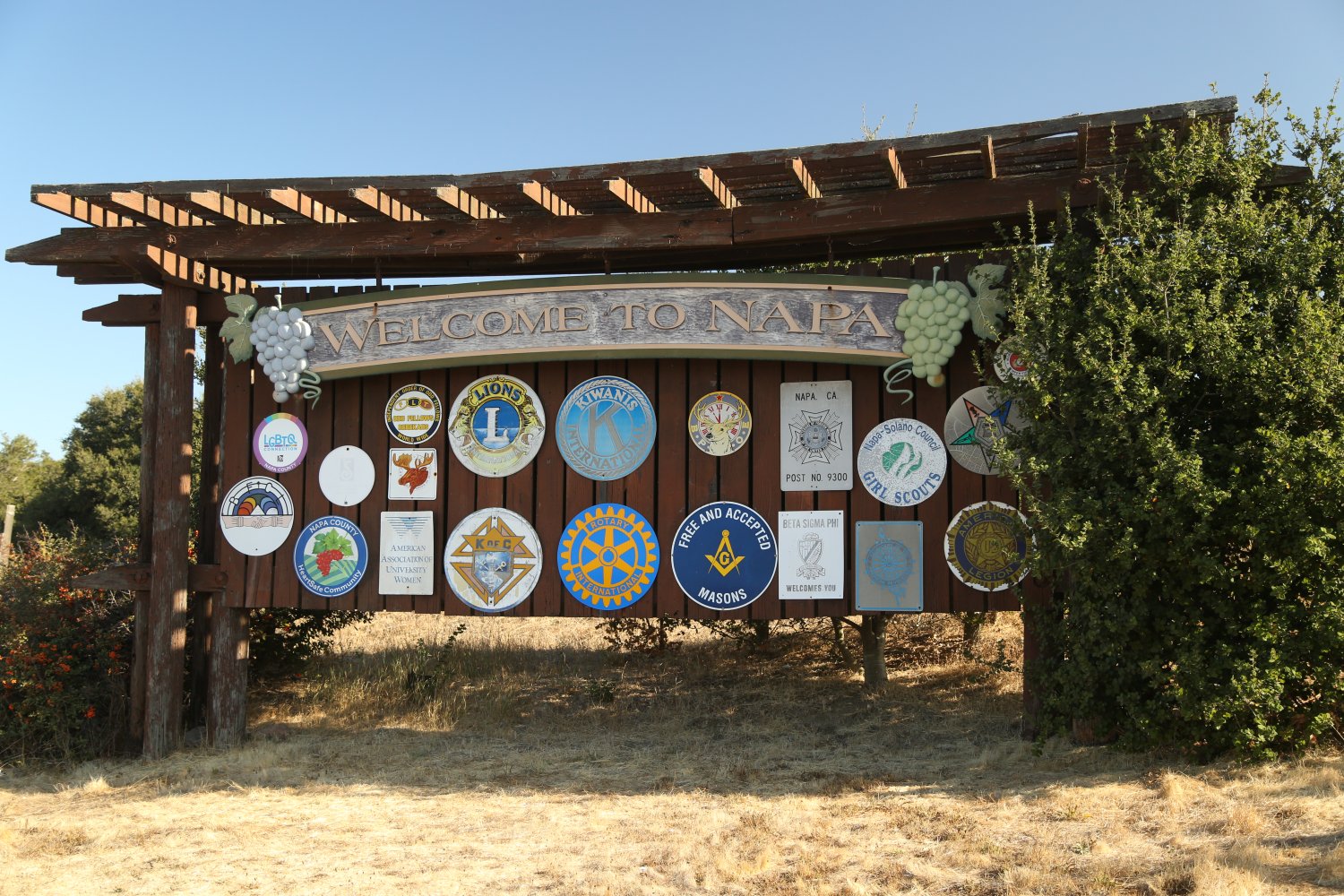 Yes there can be bad traffic in Napa Valley but this really depends on the time of day, time of year, specific location and whether it is a weekend or not. In general, traffic is worse in the northbound direction in the mornings and worse in the southbound direction in the afternoons on both Highway 29 and Silverado Trail.
The main valley artery of Highway 29 – especially the “wine strip” from about Yountville to St. Helena, can be congested during certain times of the year (mid/late spring, summer, early fall) and especially summer weekends.
Typically the worst traffic in Napa Valley is in and around the city of Napa and near St. Helena; sometimes traffic is backed up driving north bound past Press Restaurant located south of St. Helena and it can take 20+ minutes just to reach the center of town. This drive normally takes just a few minutes. Traffic tends to thin out considerably north of St. Helena although it can back up on the northbound side into St. Helena and at the Calistoga stop light on the corner of Highway 128/Lincoln Ave (further to the north), typically during commute hours only.
And in the afternoons traffic can be bad from Rutherford to just north of Yountville.
One credo we’ve heard a number of times regarding Napa wine tasting is to make only right turns. This is more relevant to Highway 29 rather than Silverado Trail which doesn’t have a center lane. A portion of the “wine strip” south of St. Helena has a center turn lane. Use it and make left turns if needed!
Website Age Logins
This is based on customer honesty as you can easily bypass this requirement. Some wineries in order to “satisfy” legal requirements have age logins on their websites. They ask you to choose your age usually from drop down day, month & year menus. If you choose an age less than 21 the website refuses you entry. Or ask if you are age 21 or older.